When I first saw this building from a distance, its rooftop ornamentation made it stand out from its surroundings. I didn’t have time to investigate on that trip, but my curiosity was peaked. I built up a story about the long history of this building that I surmised started out as a produce terminal in the 19th Century.
Six years later, I walked past the building on my way to my hotel. I was surprised to see it was a public library. It seemed unusual for a former marketplace to be converted to a library. As soon as I checked-in, I hurried back over to explore this unique building.
Despite entering immediately into a narrow, angular, white hallway, I held onto my belief that it was an old building. The hallway felt odd in that narrative, but I quickly forgot that feeling once I emerged into the main lobby with its high ceiling and sparkling white marble floors, counters, and walls. I found a directory and decided to make my way to the map room several floors above. This “room” turned out to be a corner in an open floor plan. The corner featured one row of computers and a full-service counter. Unable to browse a collection of maps, I made up a research question and asked the staff if they had maps to help. While one librarian looked in the back room for hard copy maps and another showed me their digital resources, our conversation ranged from how awesome maps are to the history of the building.
I was surprised and embarrassed to learn that the library was built in the 1990s. The rooftop sculptures of owls stand out so much in part because they were designed for a taller structure; the final floor of the library was cut from the project due to the financial crisis. I suggested it was nice that the designers included such details as the sculptures and marble countertops. The librarian pointed out that the marble was faux and did nothing to alleviate the industrial feel of the building.
Looking again, beyond the cleanliness and sparkle of the space, I noticed the low ceilings and uniform bright white light throughout the open floor plan. I also noticed the distortion of the wooden escalator enclosure. The proportions would have been better balanced if the enclosure reached twice as high to the next floor.
This discussion with the librarian made me question my default reactions to the space. My initial reaction of excitement for a unique example of adaptive reuse changed to awe when I thought that a new building, open to the public, incorporated expensive historical material. But this reaction did not match reality any more than the first. Both assumptions blinded me to the cramped spaces with migraine inducing lighting. This experience also taught me that it isn’t just the material that matters. Incorporating the materials, whether faux or real, while leaving out the related historic design elements such as natural lighting and high ceilings does not lead to a better building.
I came away with a better appreciation for my neighborhood library branch that combines modern materials (such as curtain wall windows and bamboo flooring) with thoughtful design. From the outside, I cringe at the modern angular look, but inside it is a warm and welcoming space. Apparently, the lesson of never judging a book by its cover applies to buildings, too. Never judge a building by its facade.
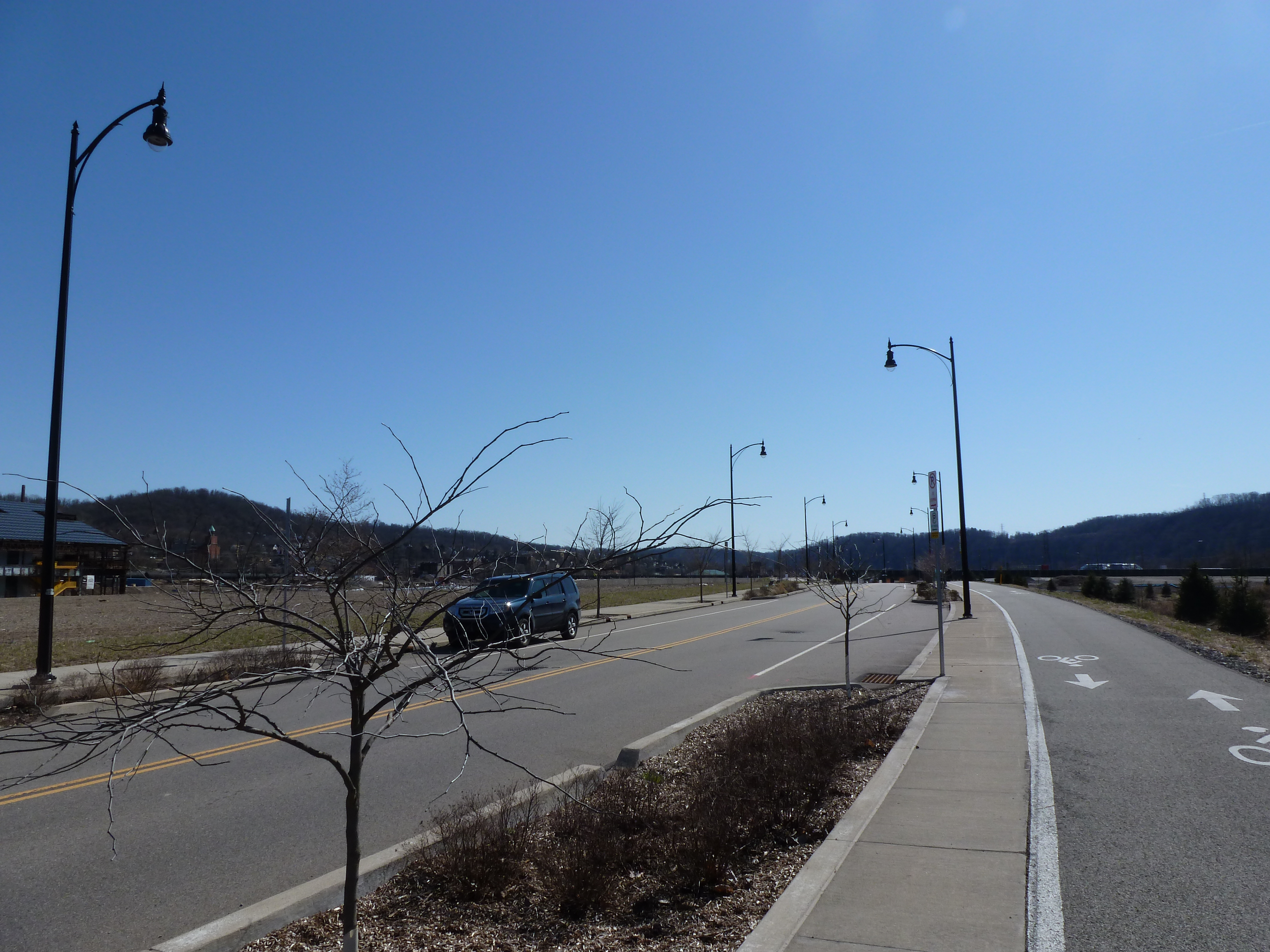
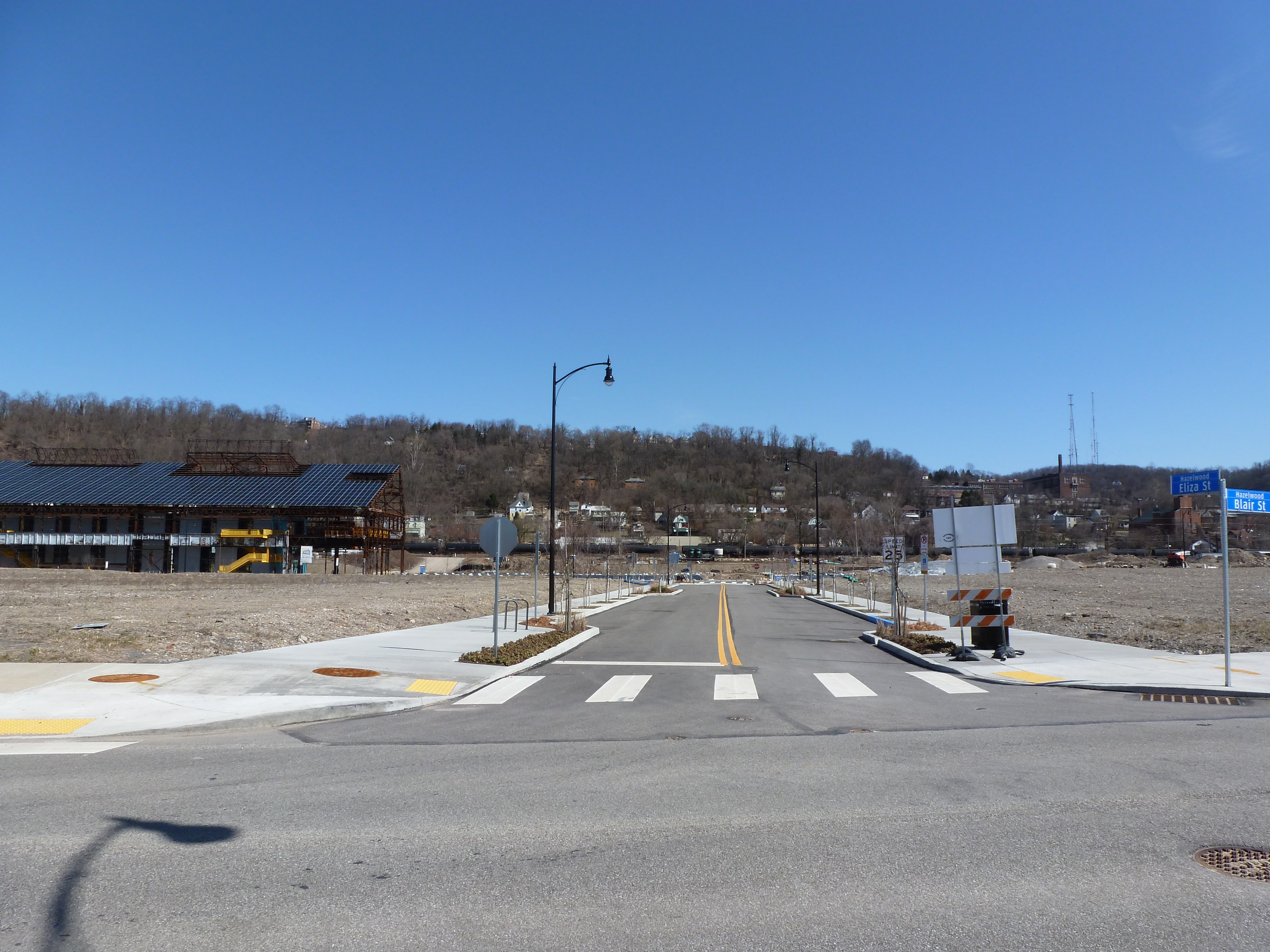
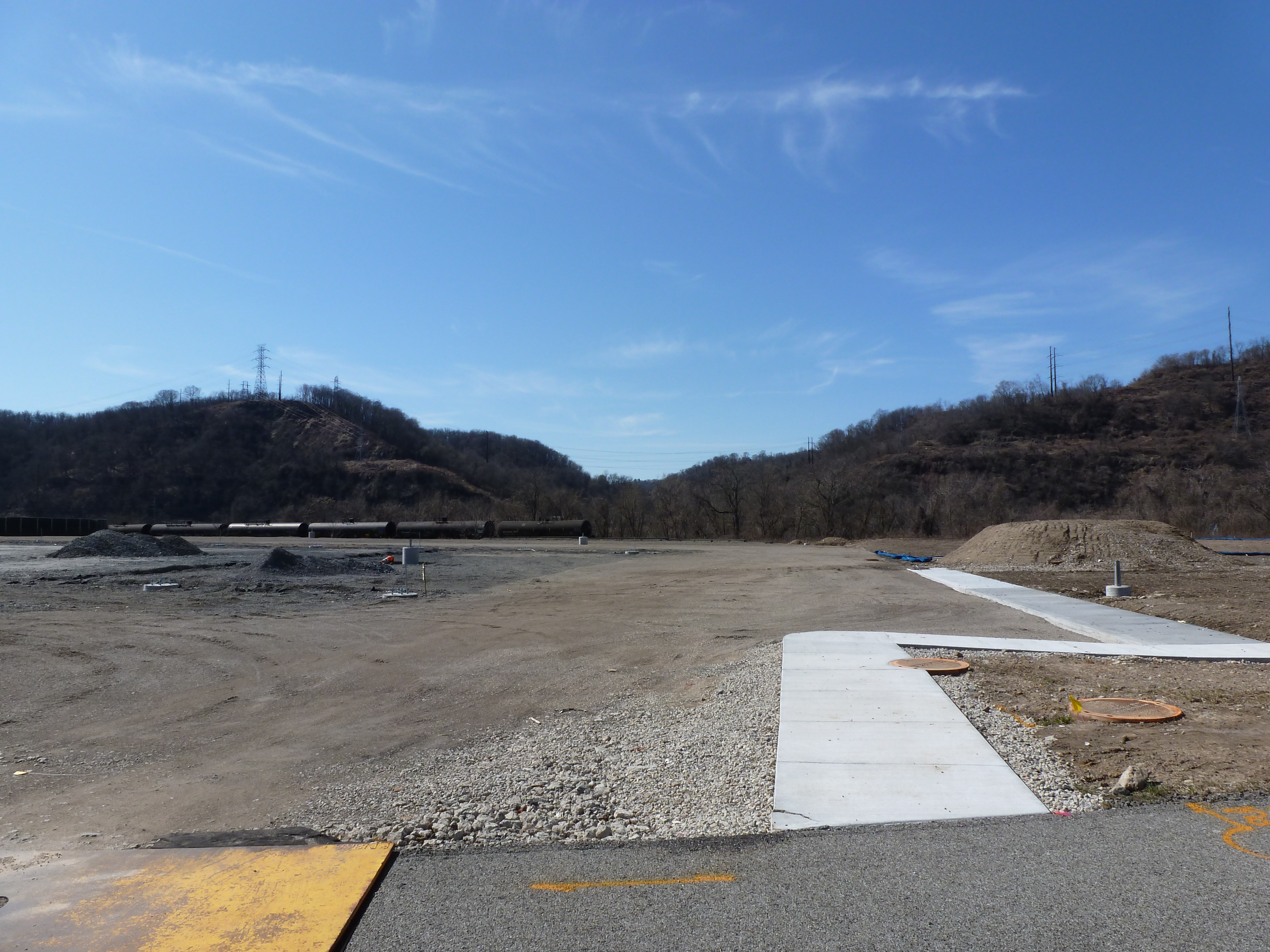
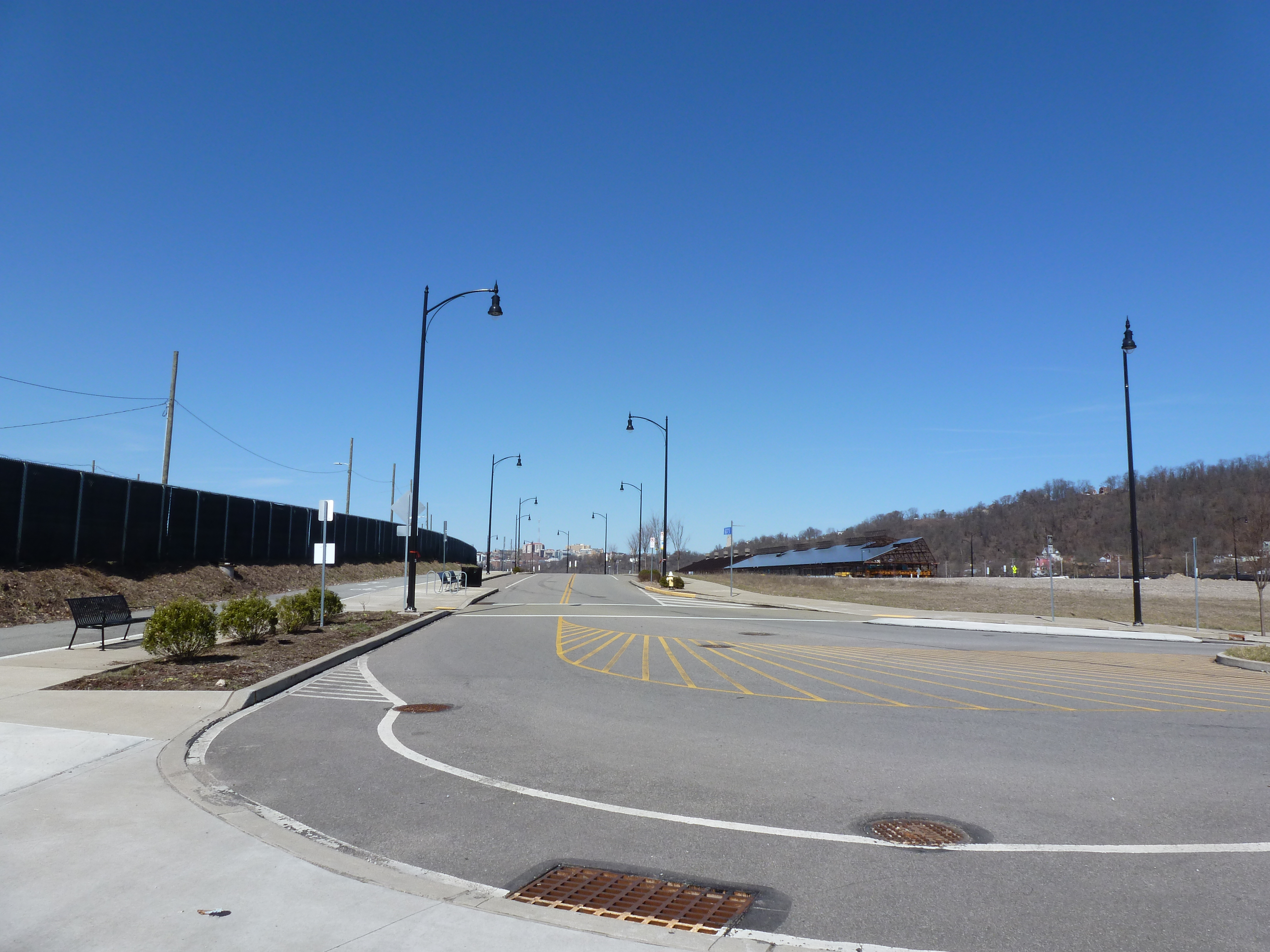
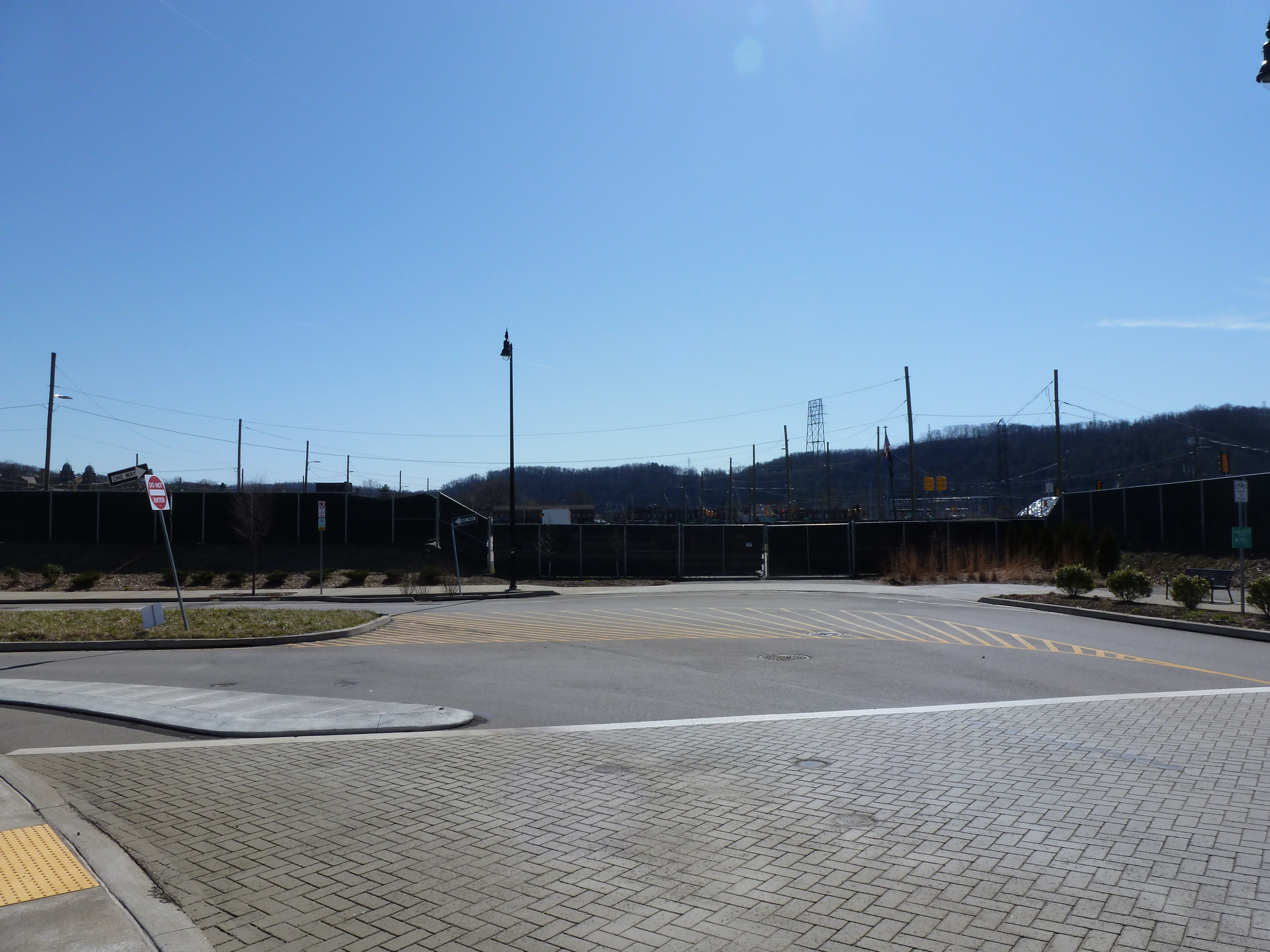
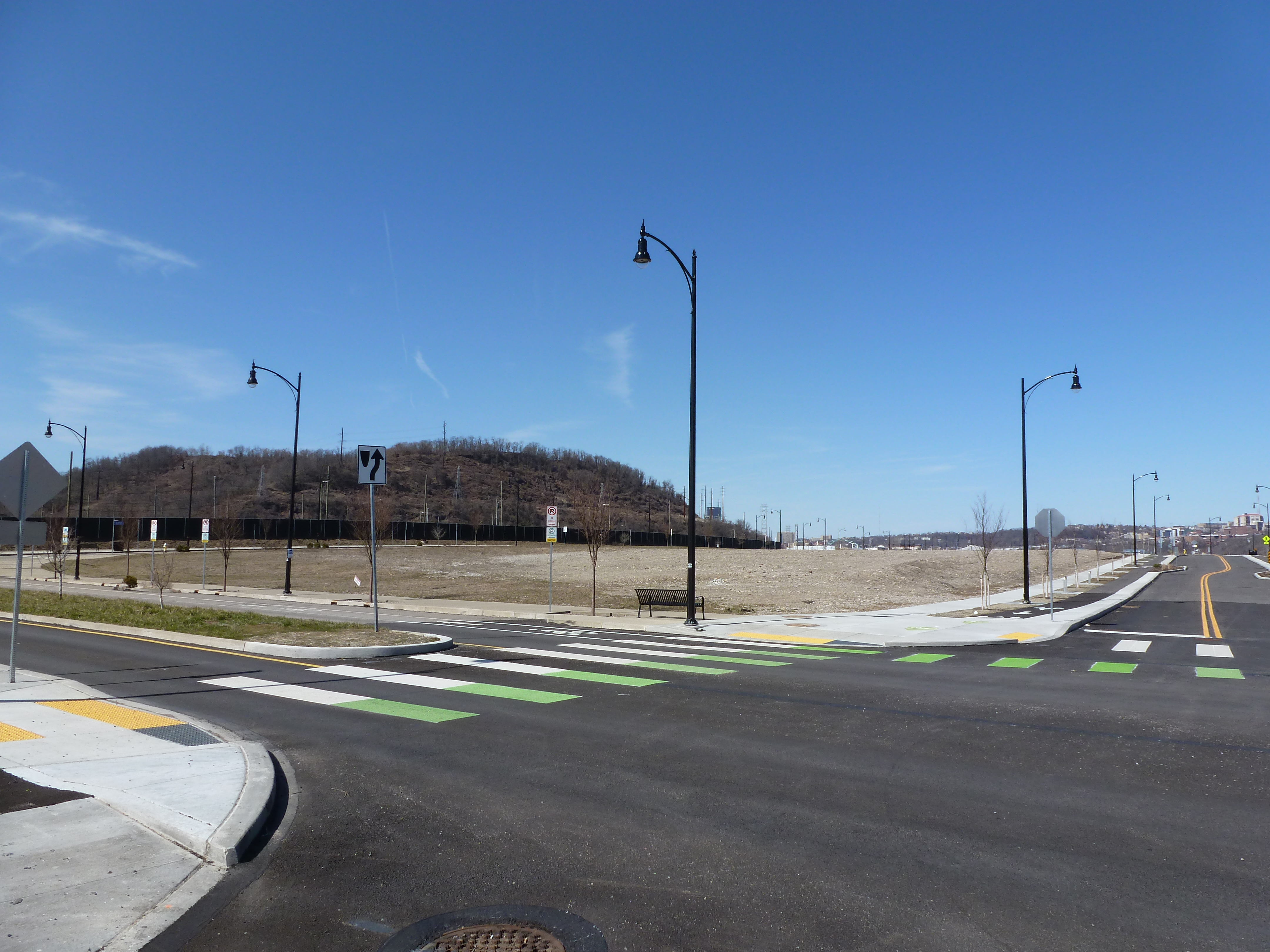
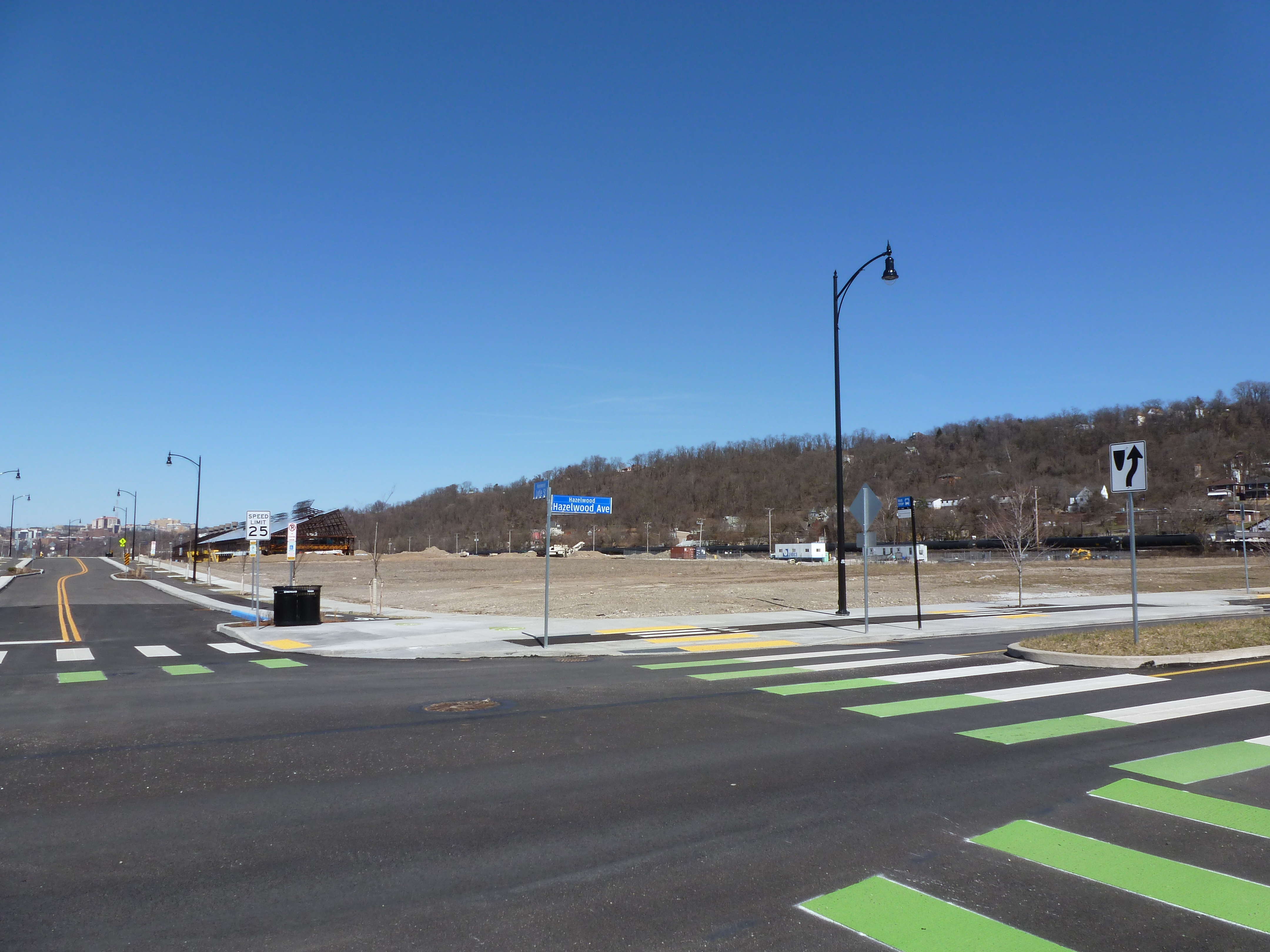
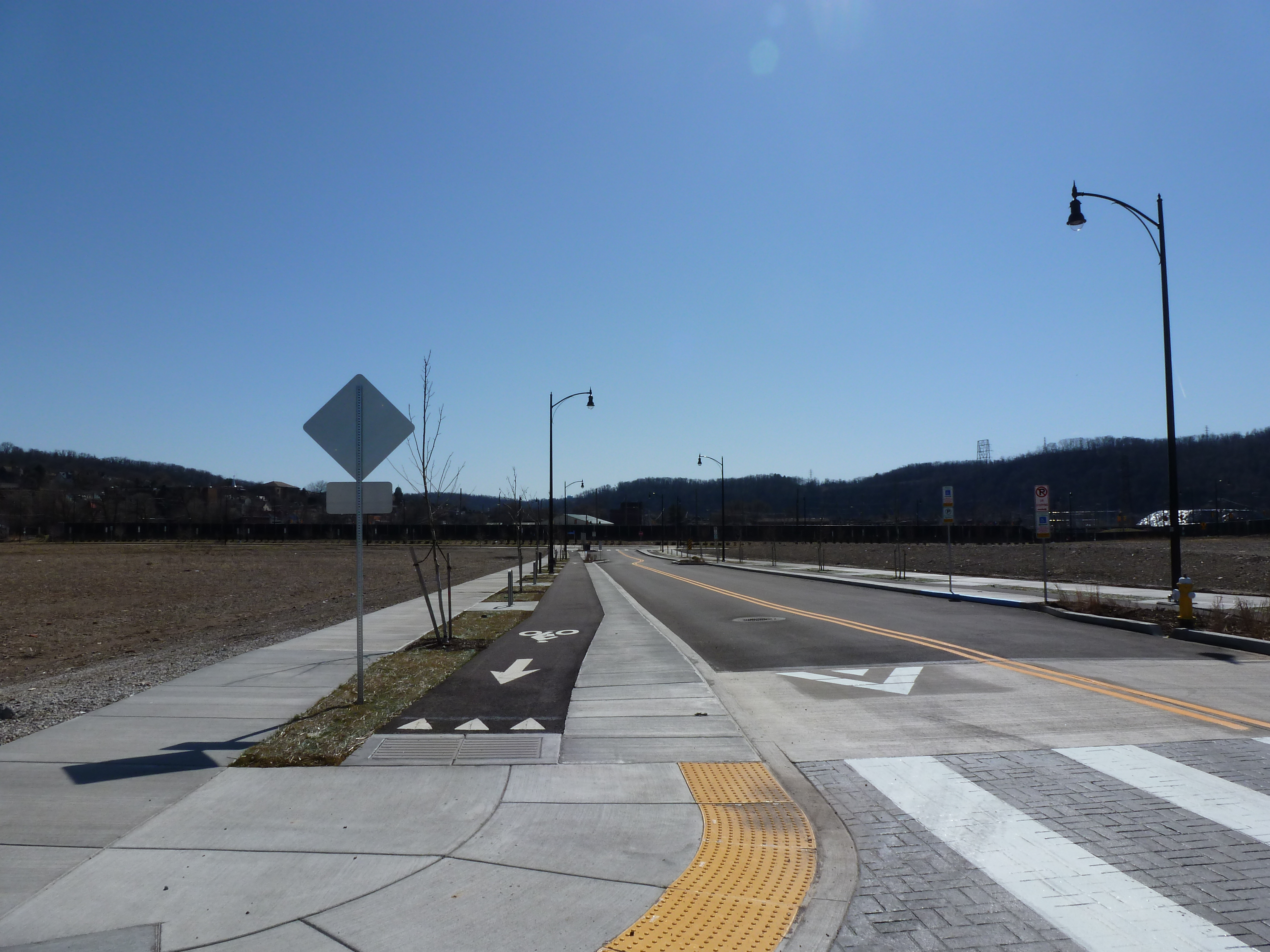
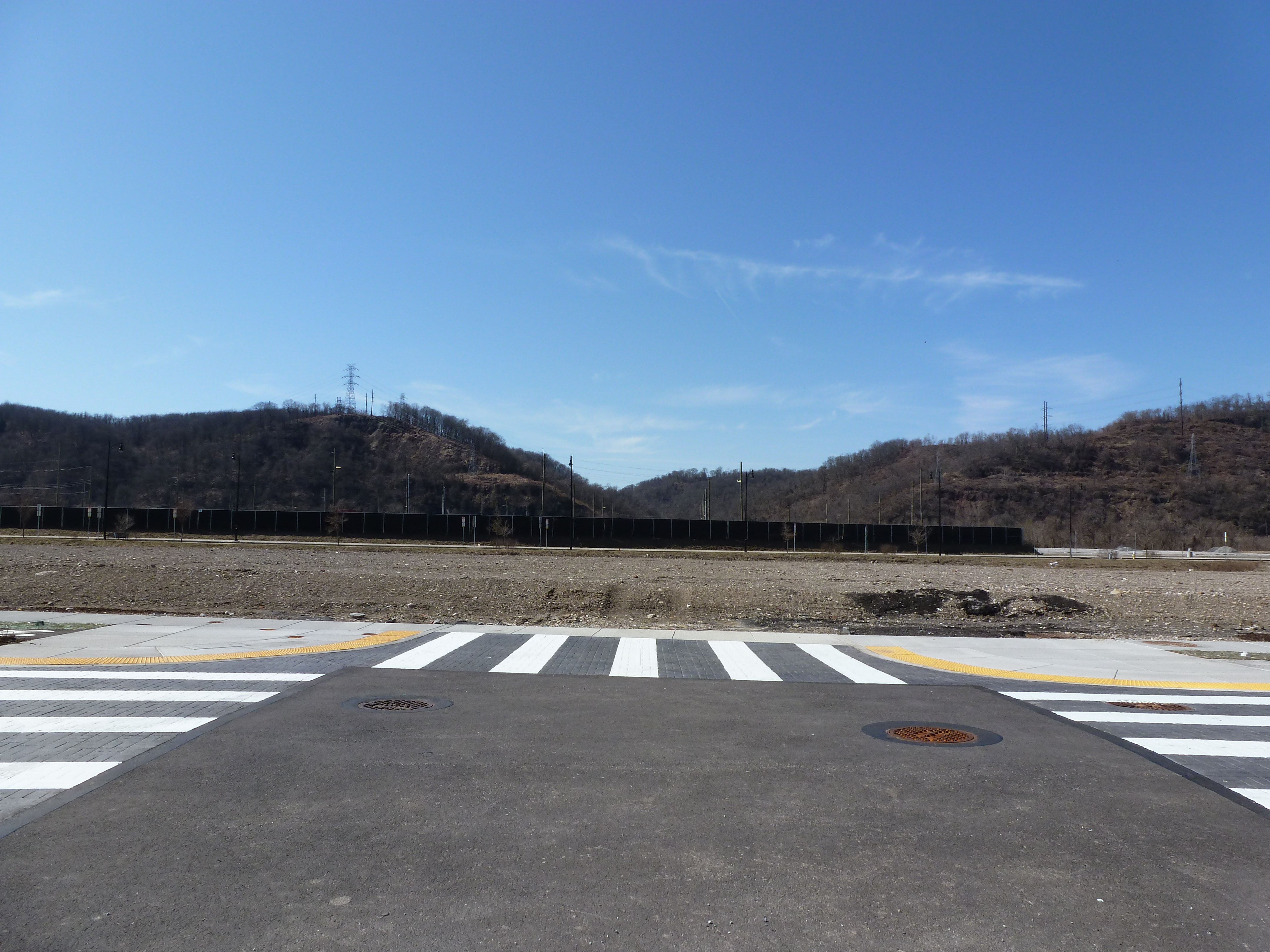
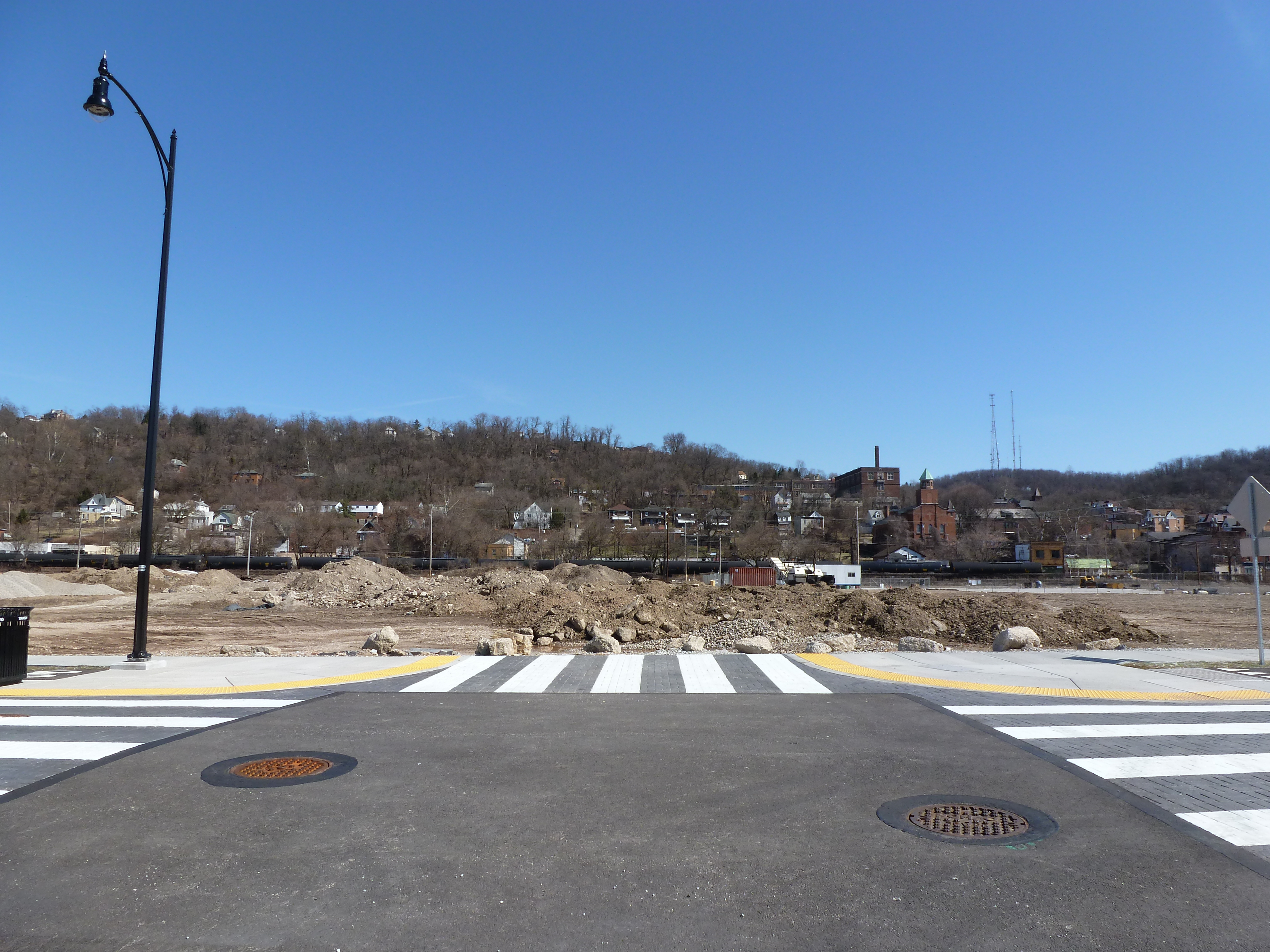
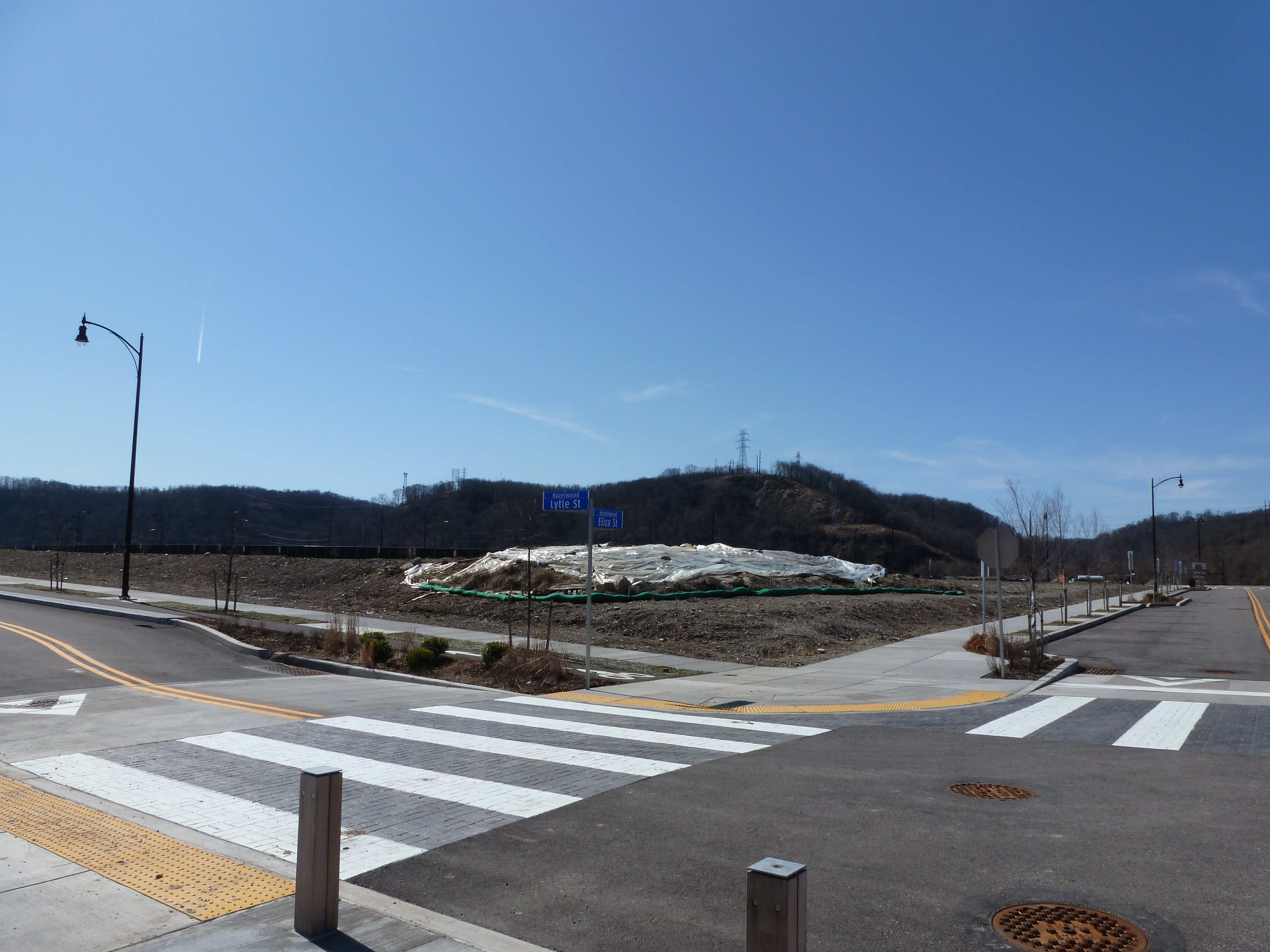
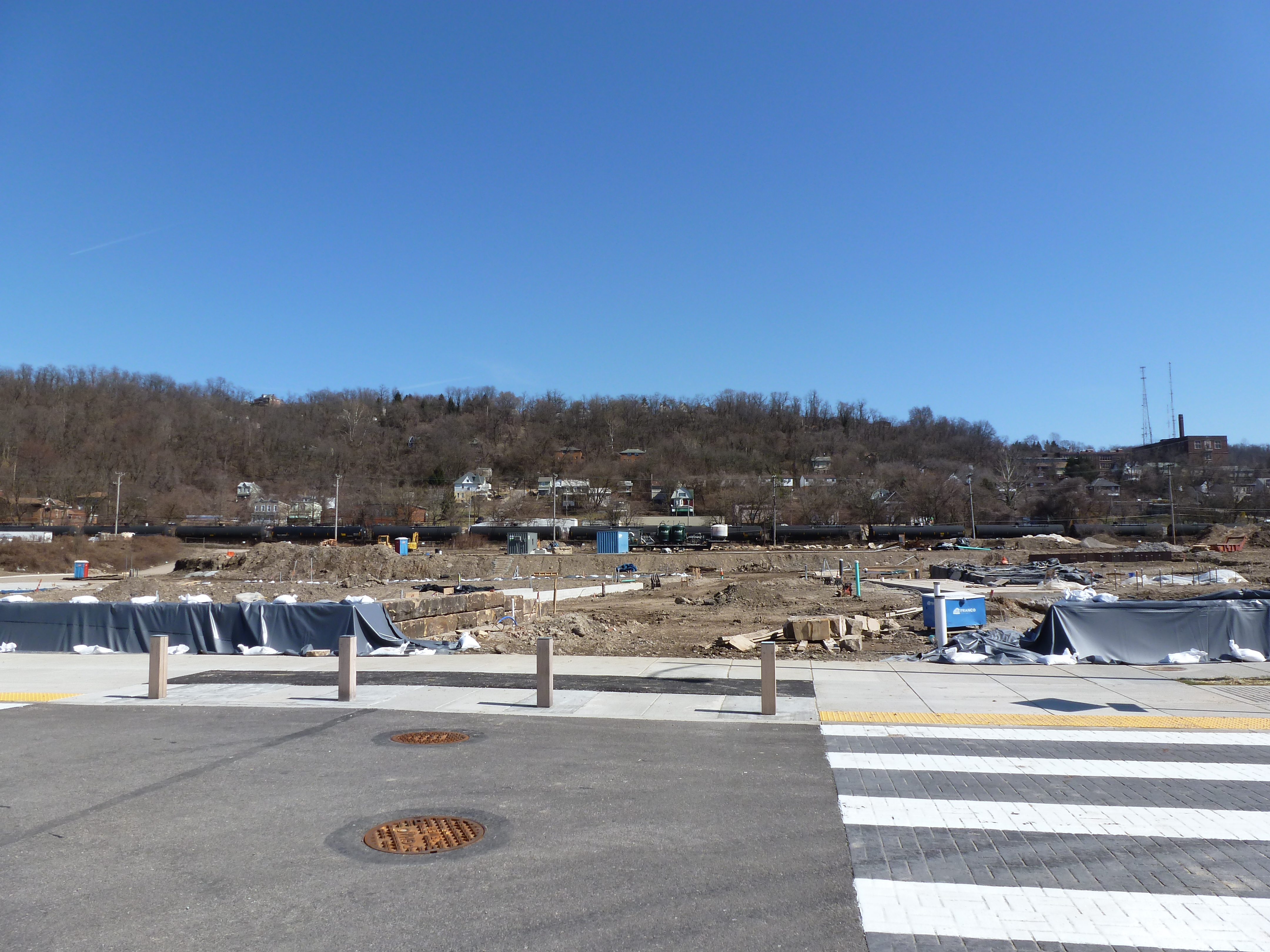
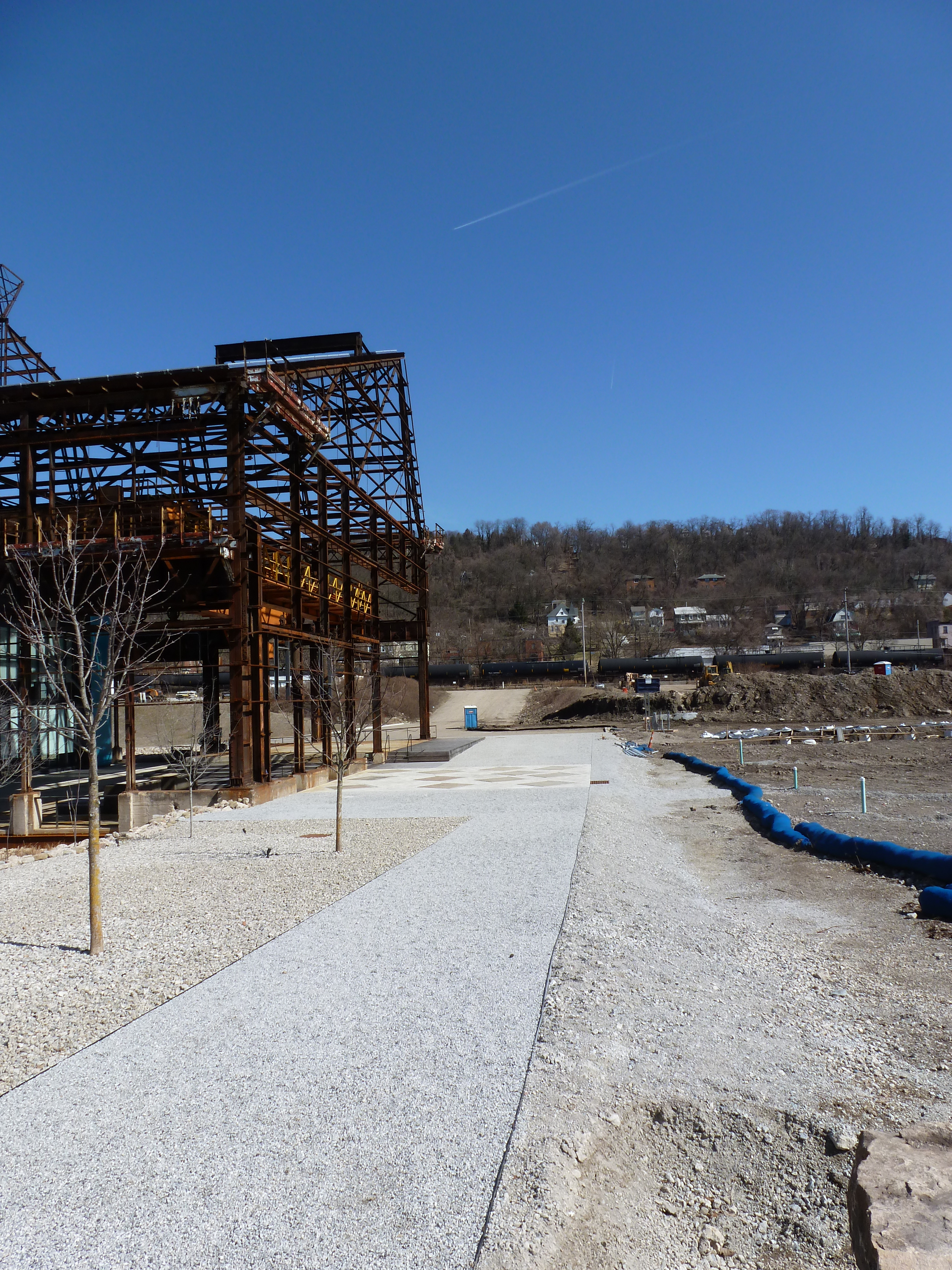
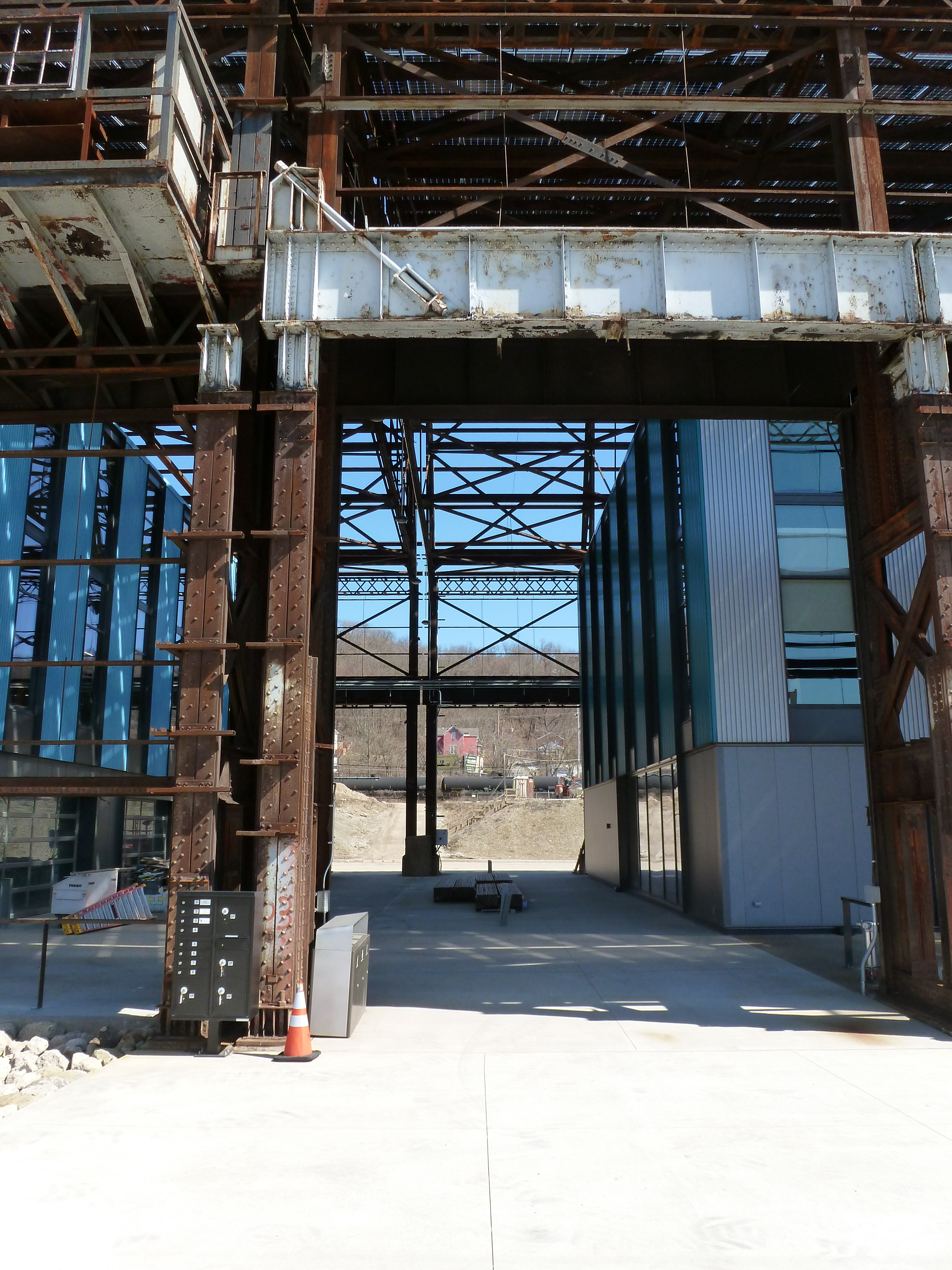
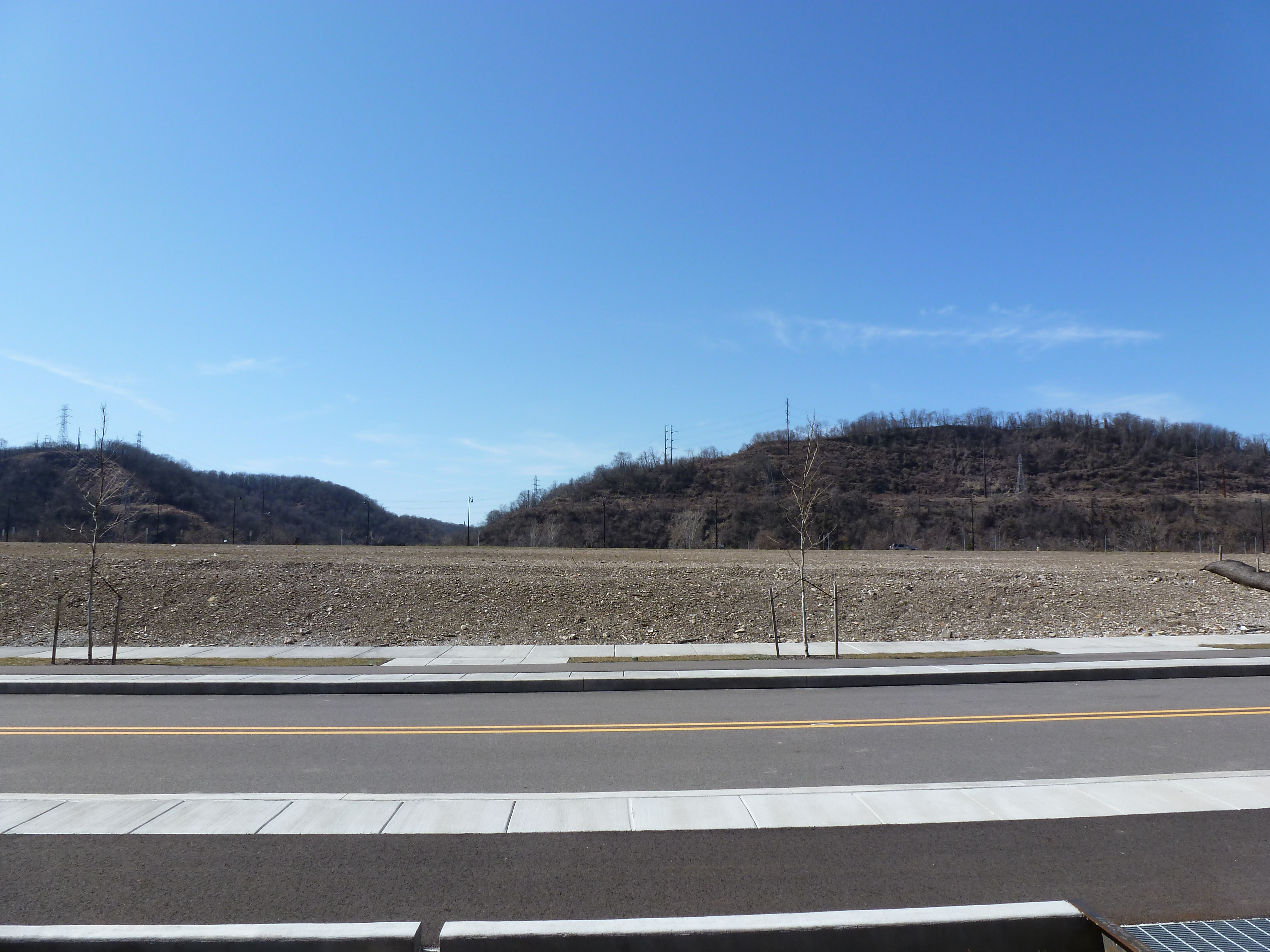
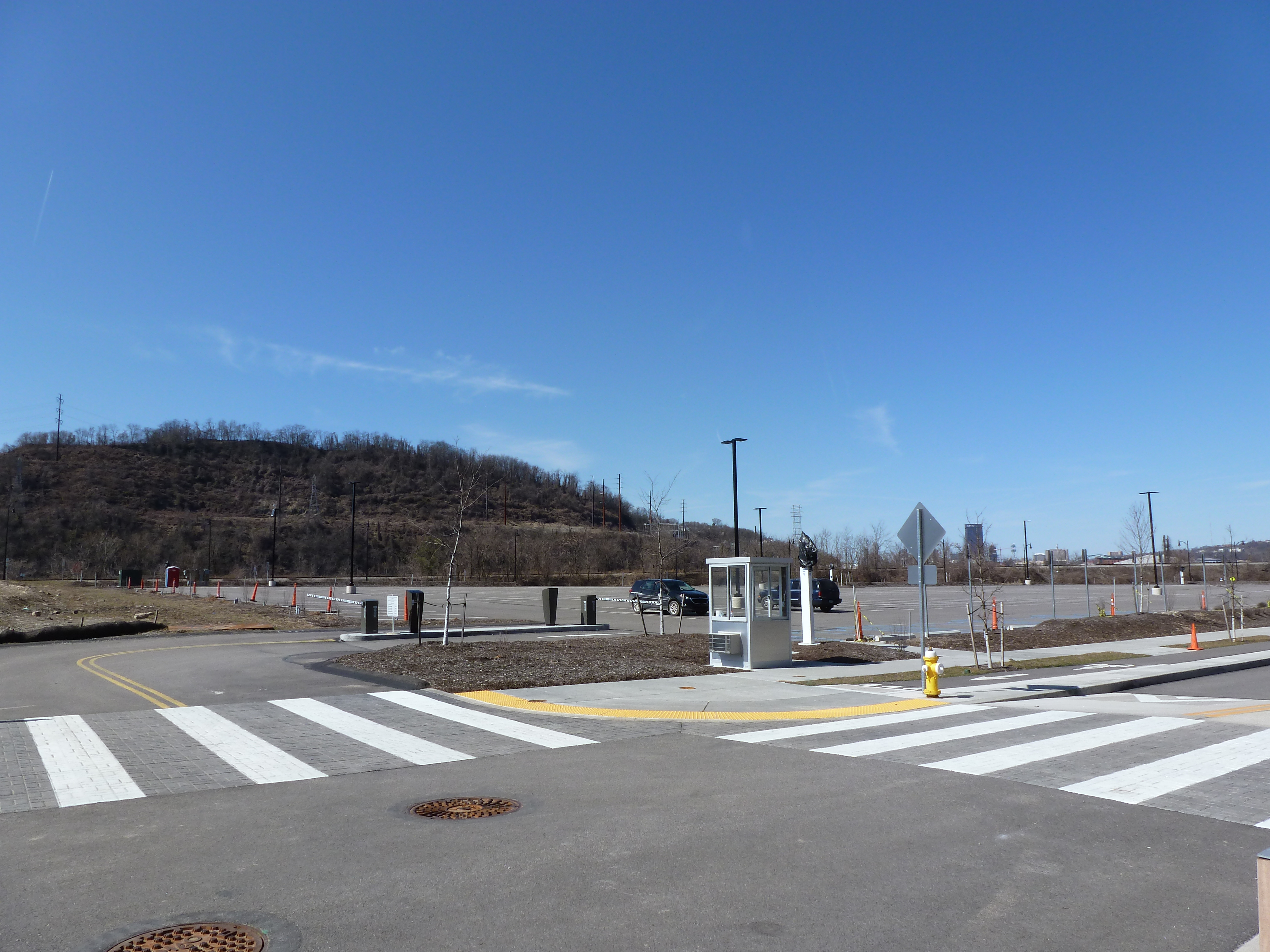
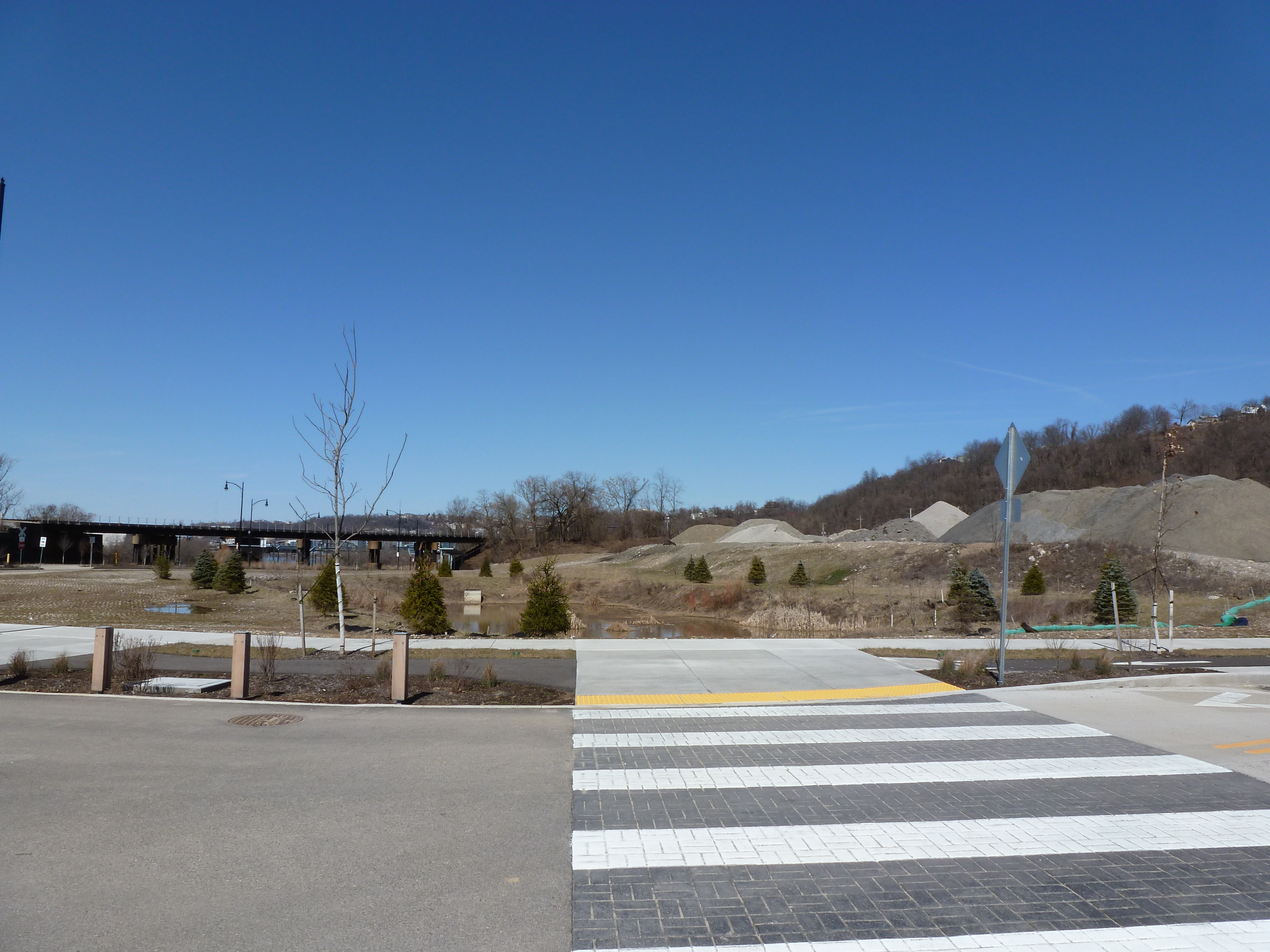
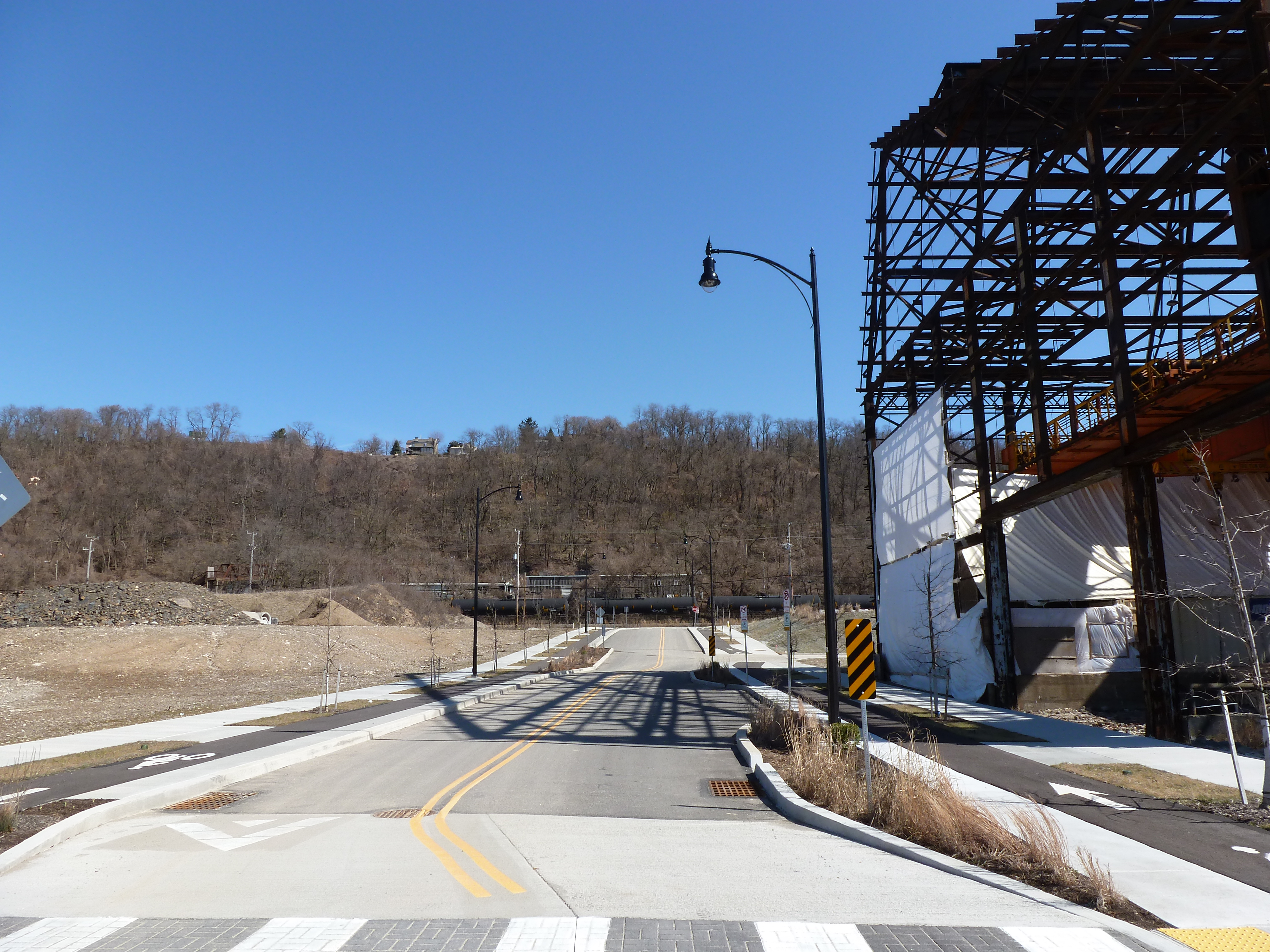
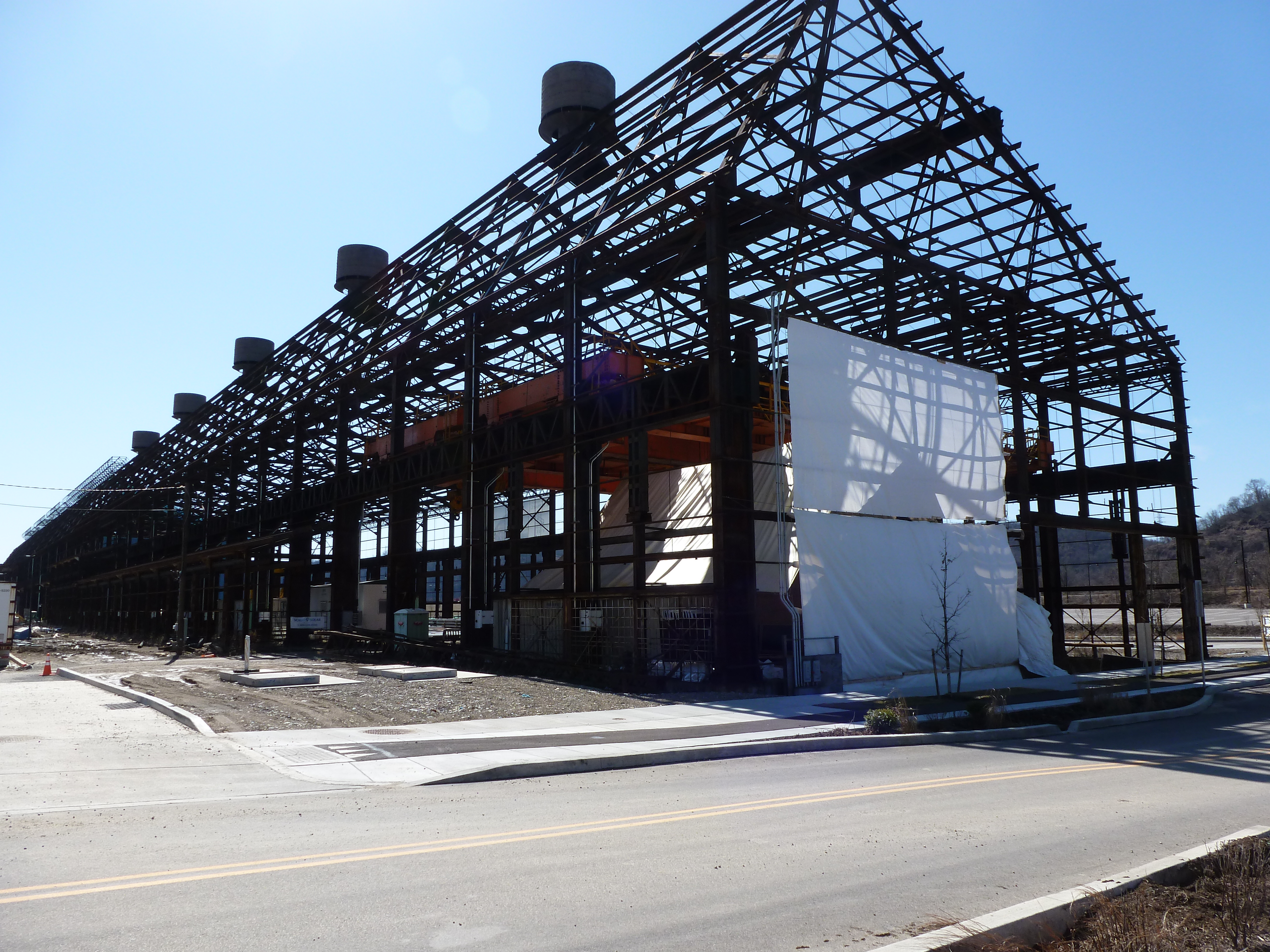
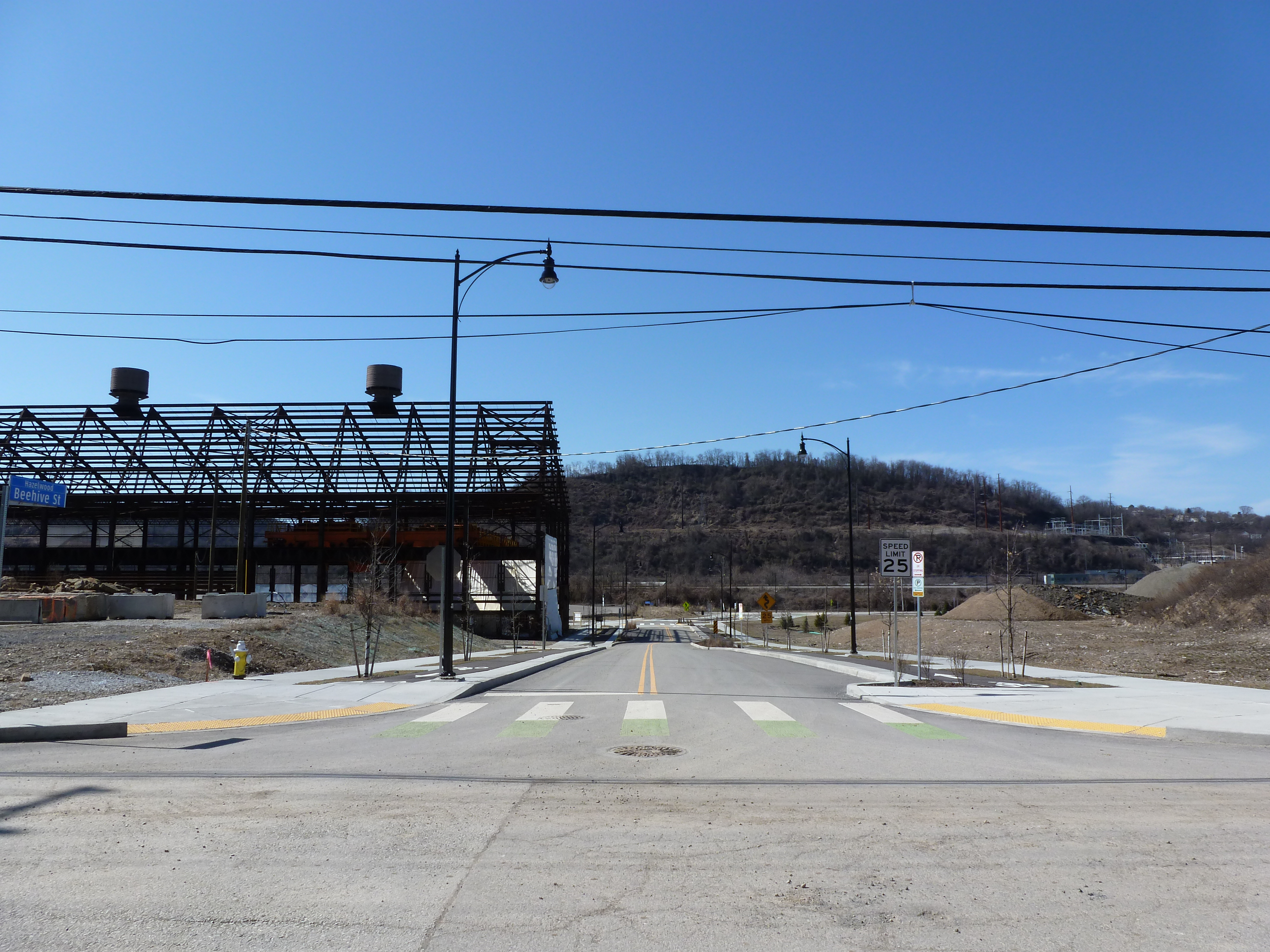
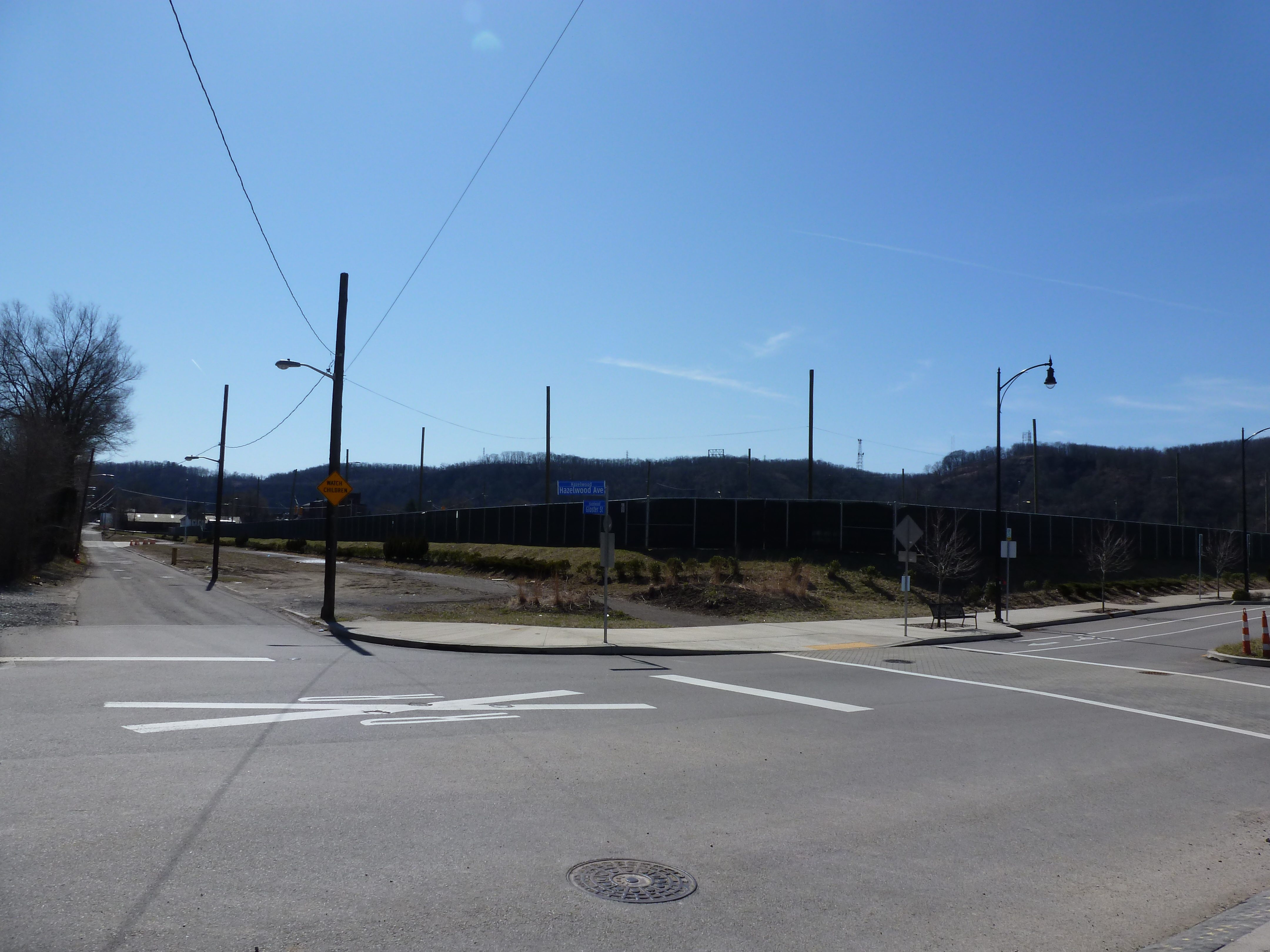
After introducing my series of Keeping an Eye on Uptown, the CAP, and the Lower Hill, I remembered that Hazelwood is another neighborhood expected to experience changes over the next several years. Between Hazelwood’s main street (2nd Avenue) and the Monongahela River is a 178-acre site of the former Jones and Laughlin Steel Company. Most of the structures from the mill have been demolished, leaving a large brownfield. In 2002, the site was purchased for redevelopment by Almono LP (at the time, an entity made up of four Pittsburgh foundations). After years of planning and a rebranding of the site as Hazelwood Green, a series of public streets and the first building opened for use in 2019. Construction is underway for more buildings and a public plaza.
During the planning and preparation stages, a question arose as to the effects of this redevelopment on the surrounding neighborhood. Hazelwood is one of Pittsburgh’s neighborhoods that has experienced high vacancy rates and subsequent demolition in its residential and business districts. While the building stock of the neighborhood has experienced a long downward trend, the community of people is strong. Only time will tell if the redevelopment of Hazelwood Green will connect with this community or if Hazelwood Green will become and isolated spot of prosperity for others.
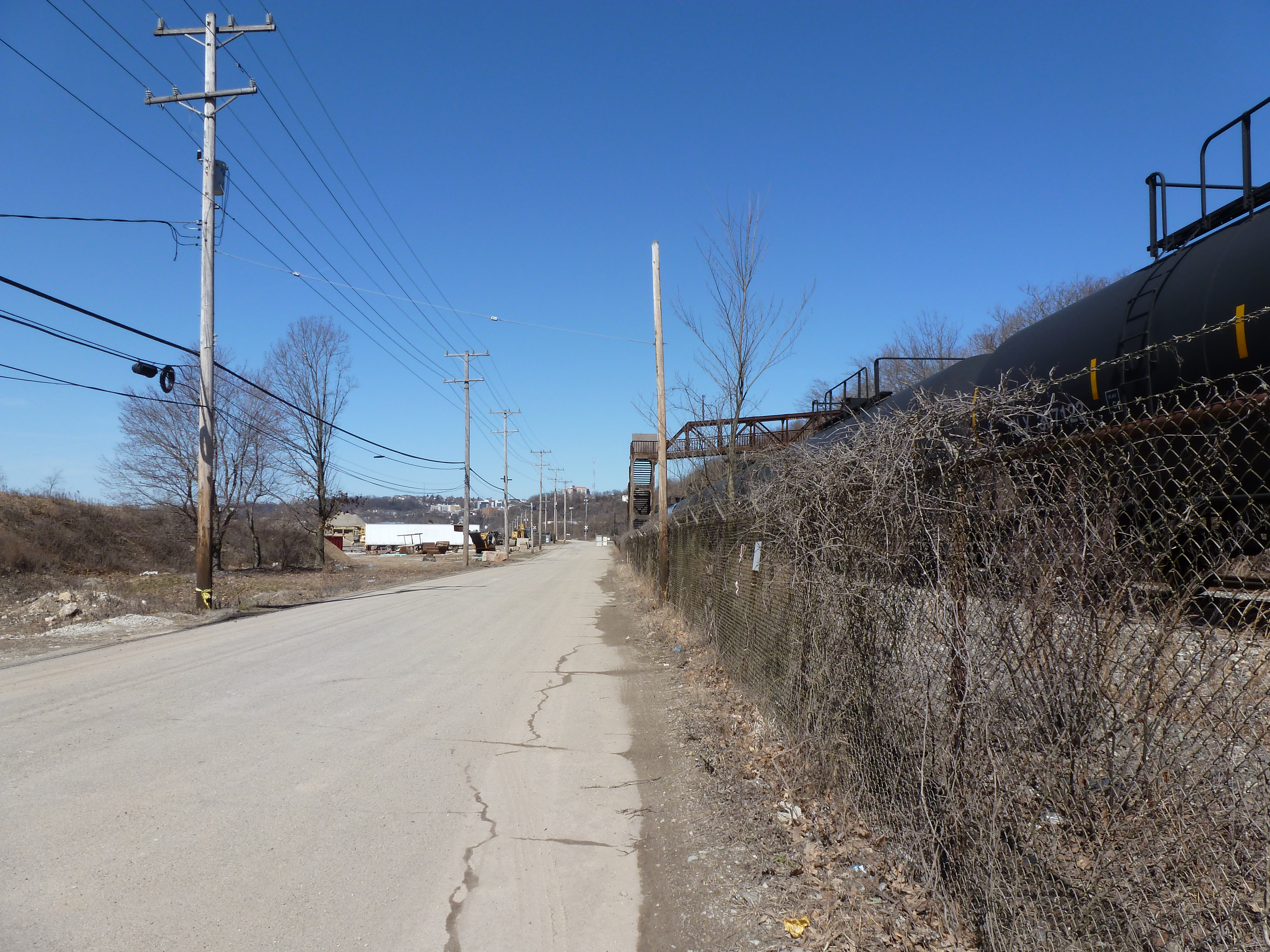
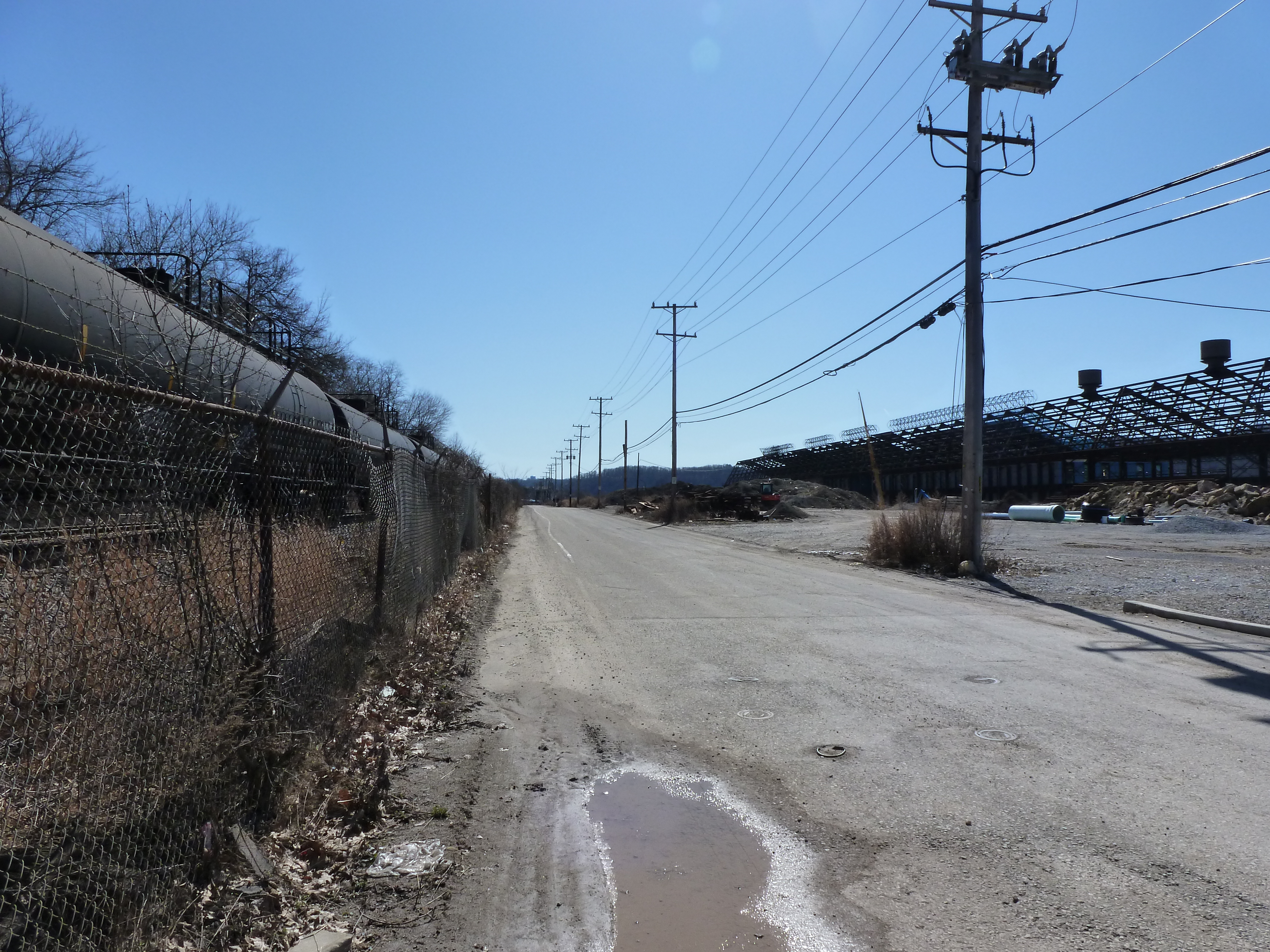
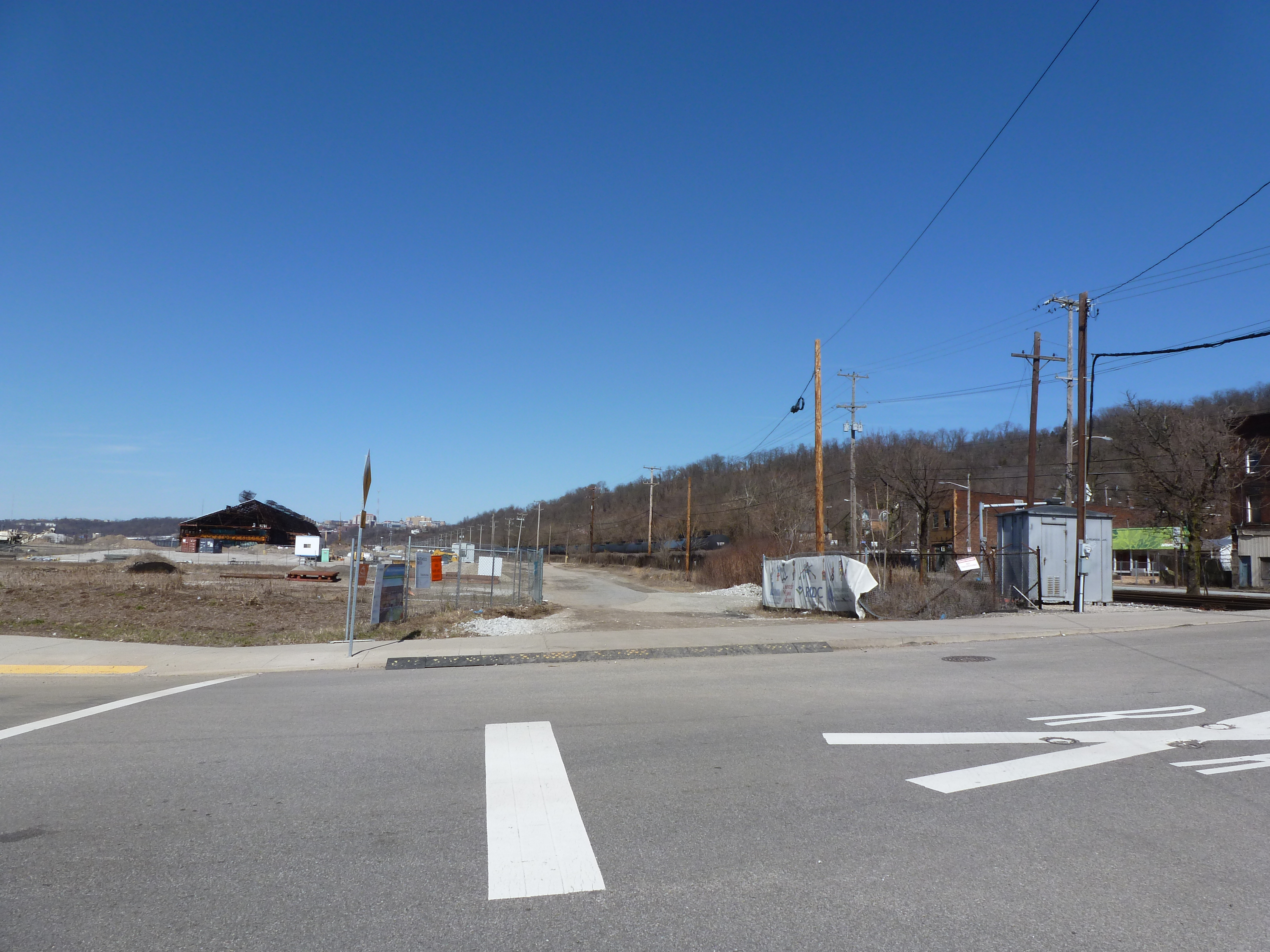
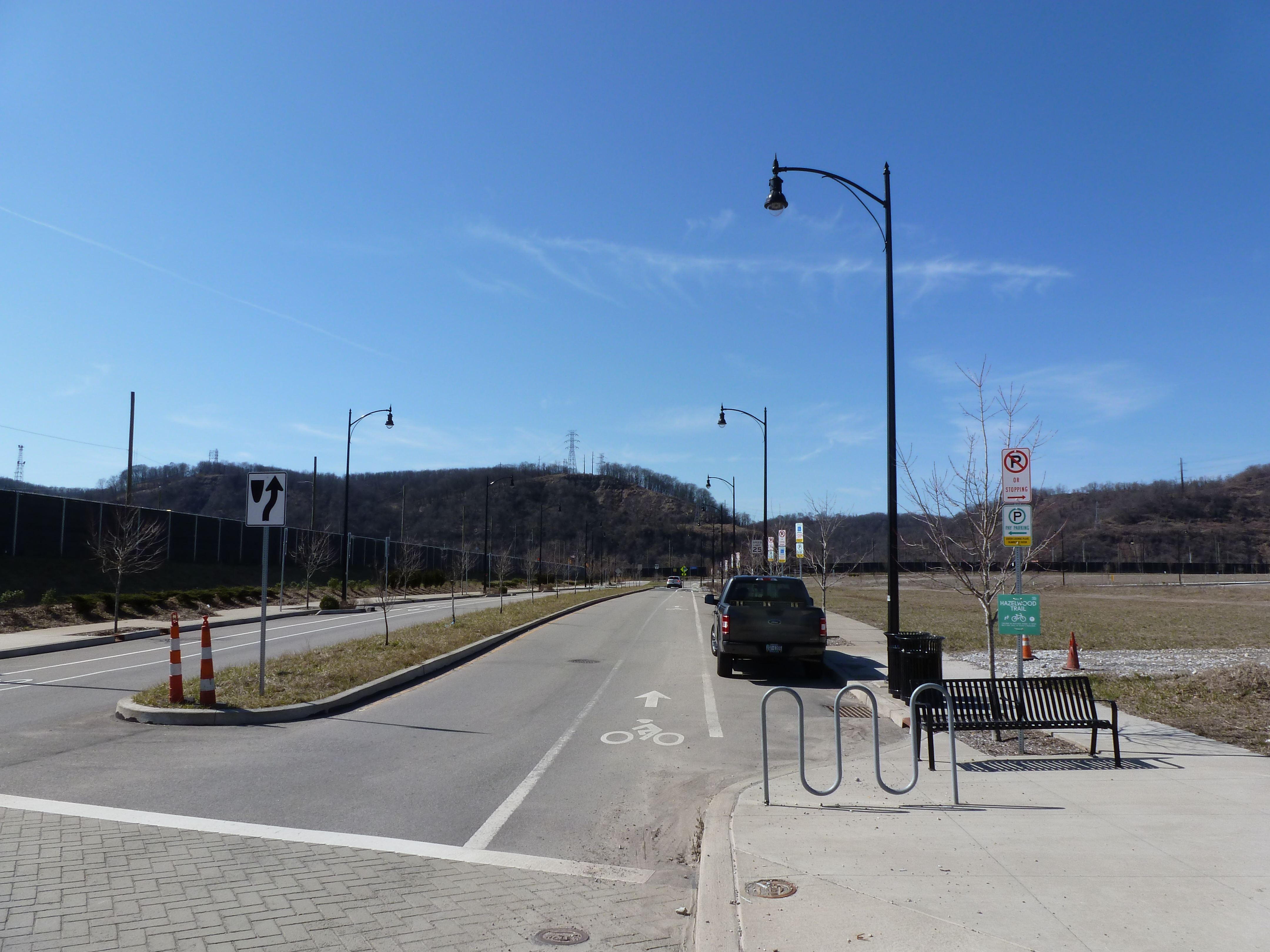
Through two more photographic series, Keeping an Eye on Hazelwood Green and Keeping an Eye on Hazelwood, I will periodically document the physical changes to the former steel mill site and to the surrounding neighborhood.
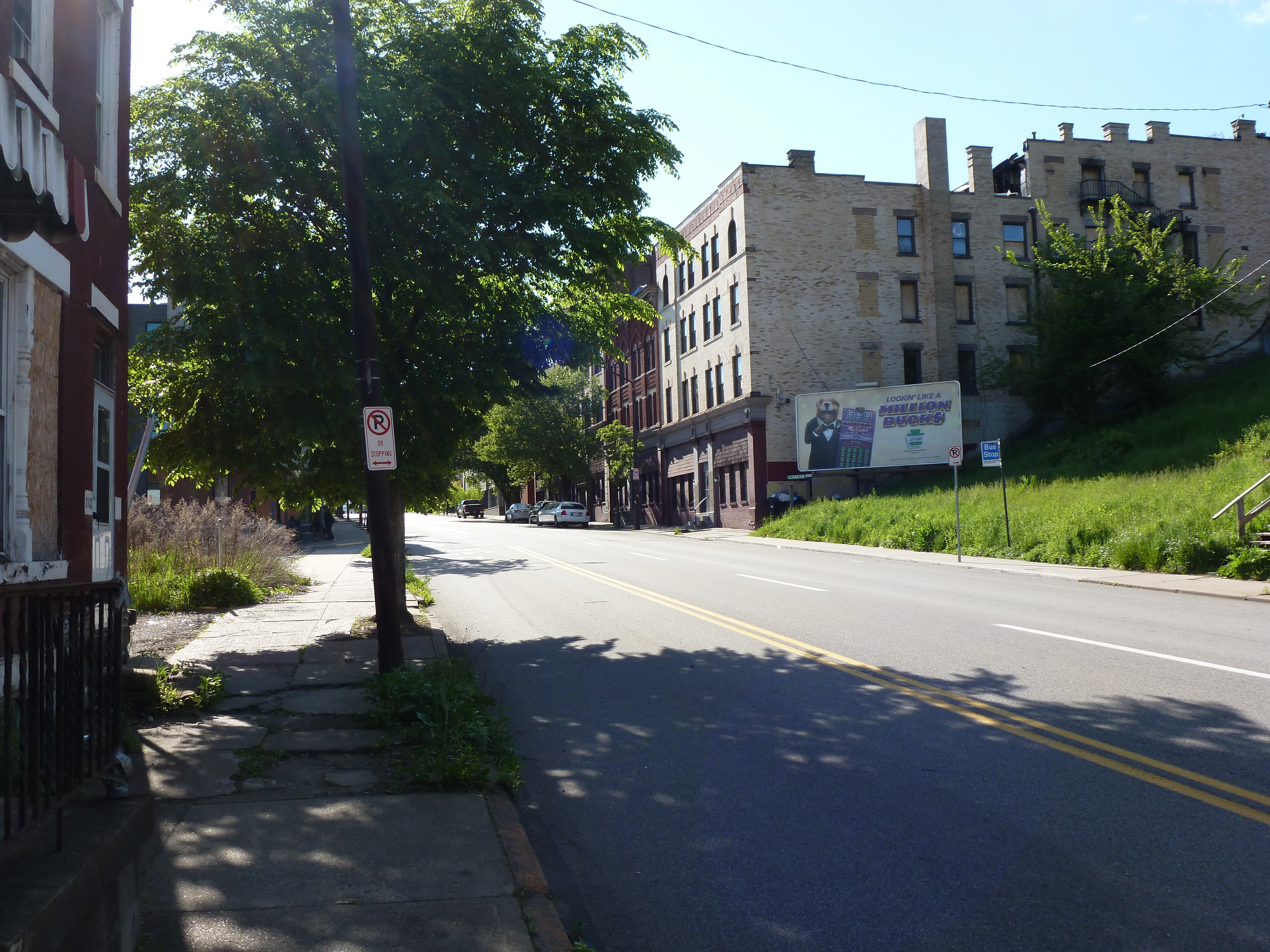
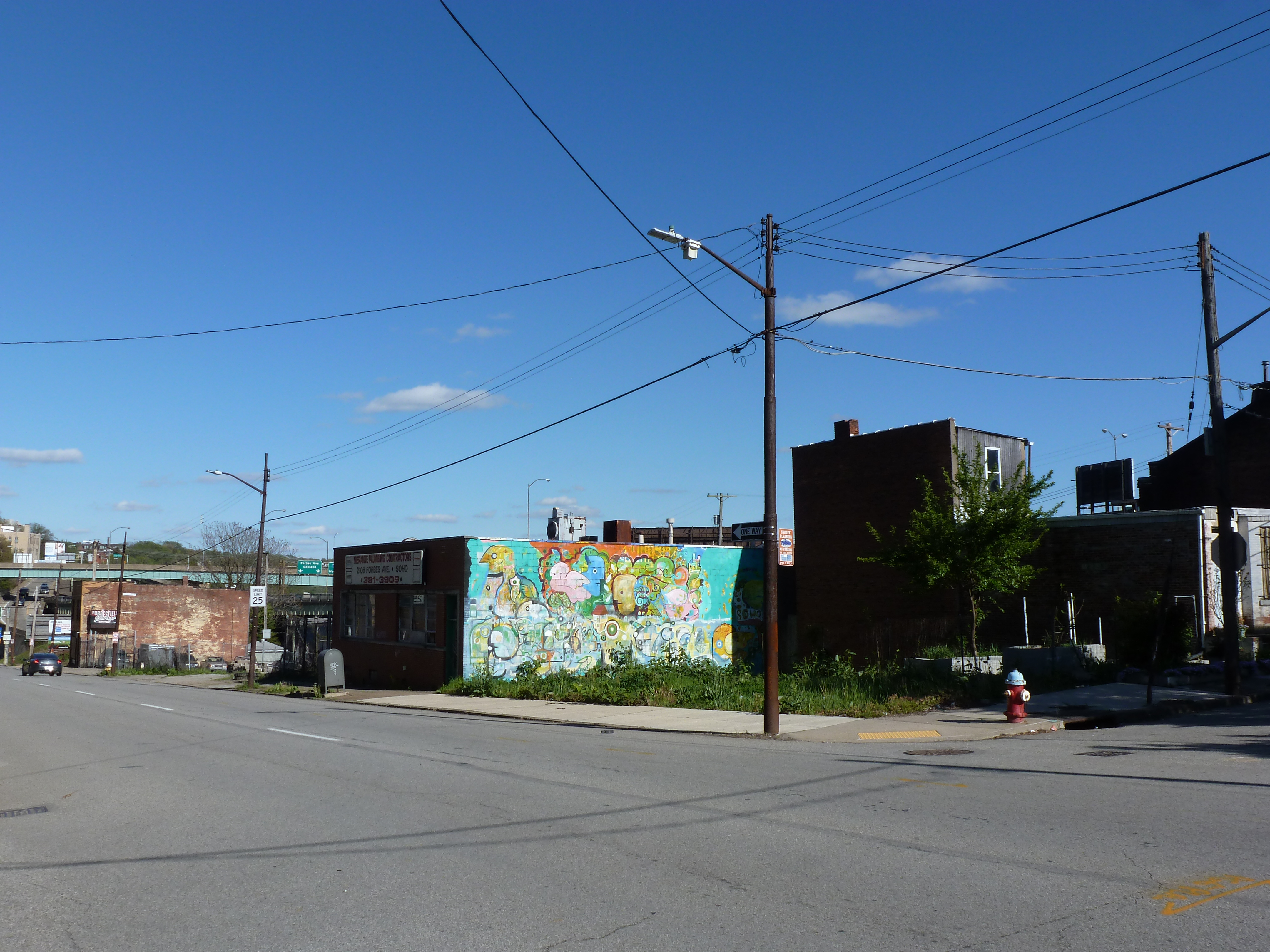
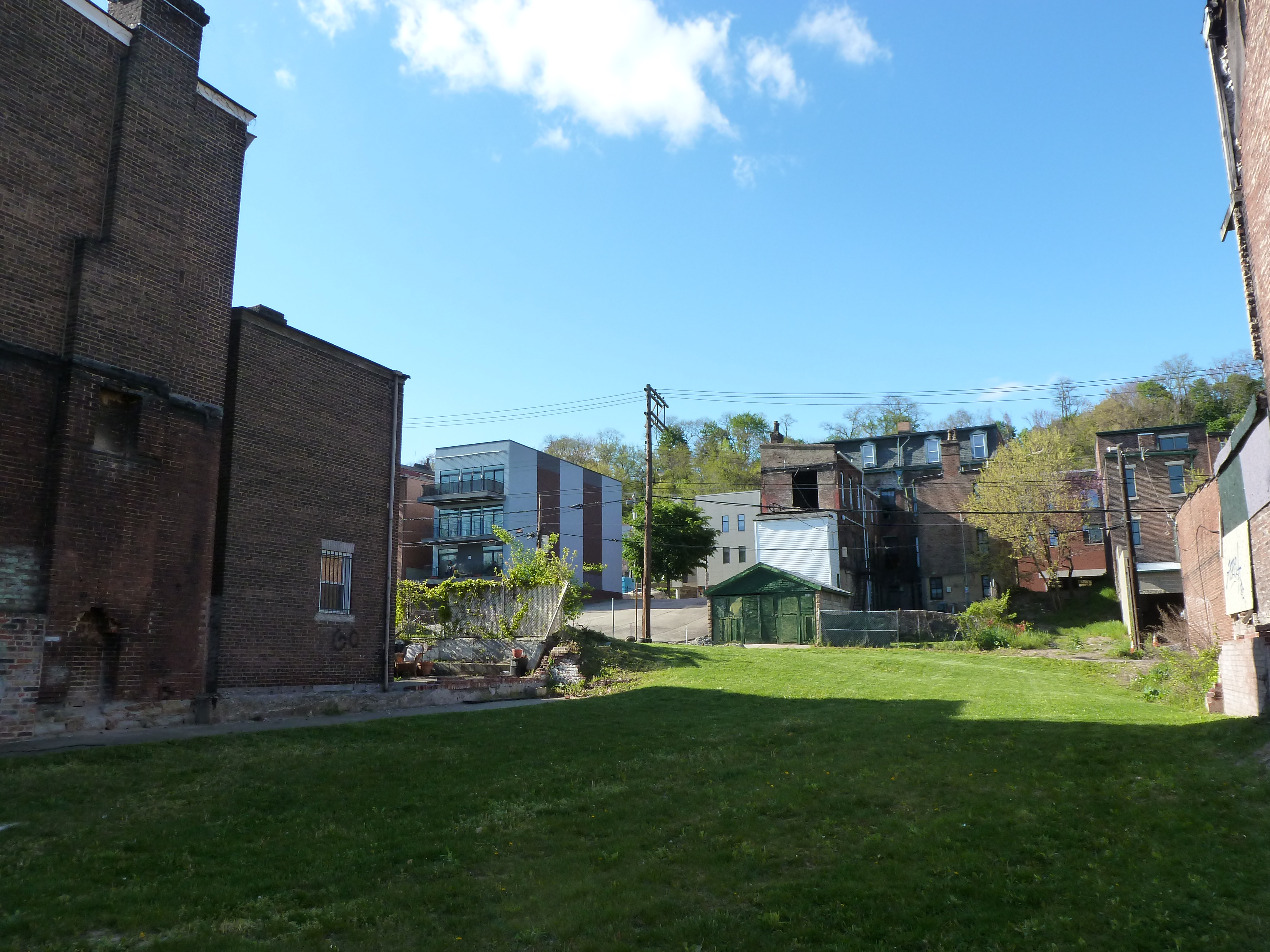
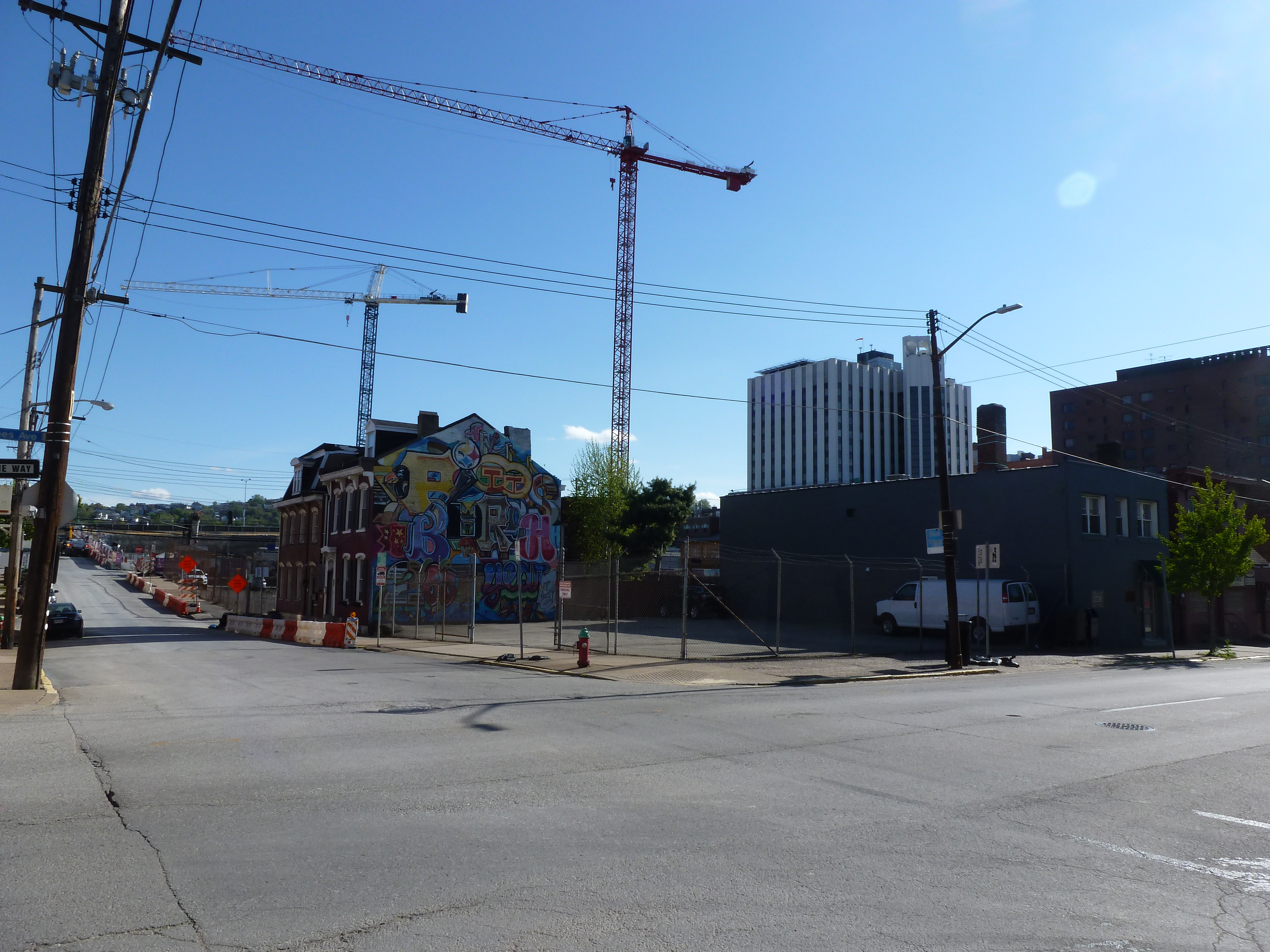
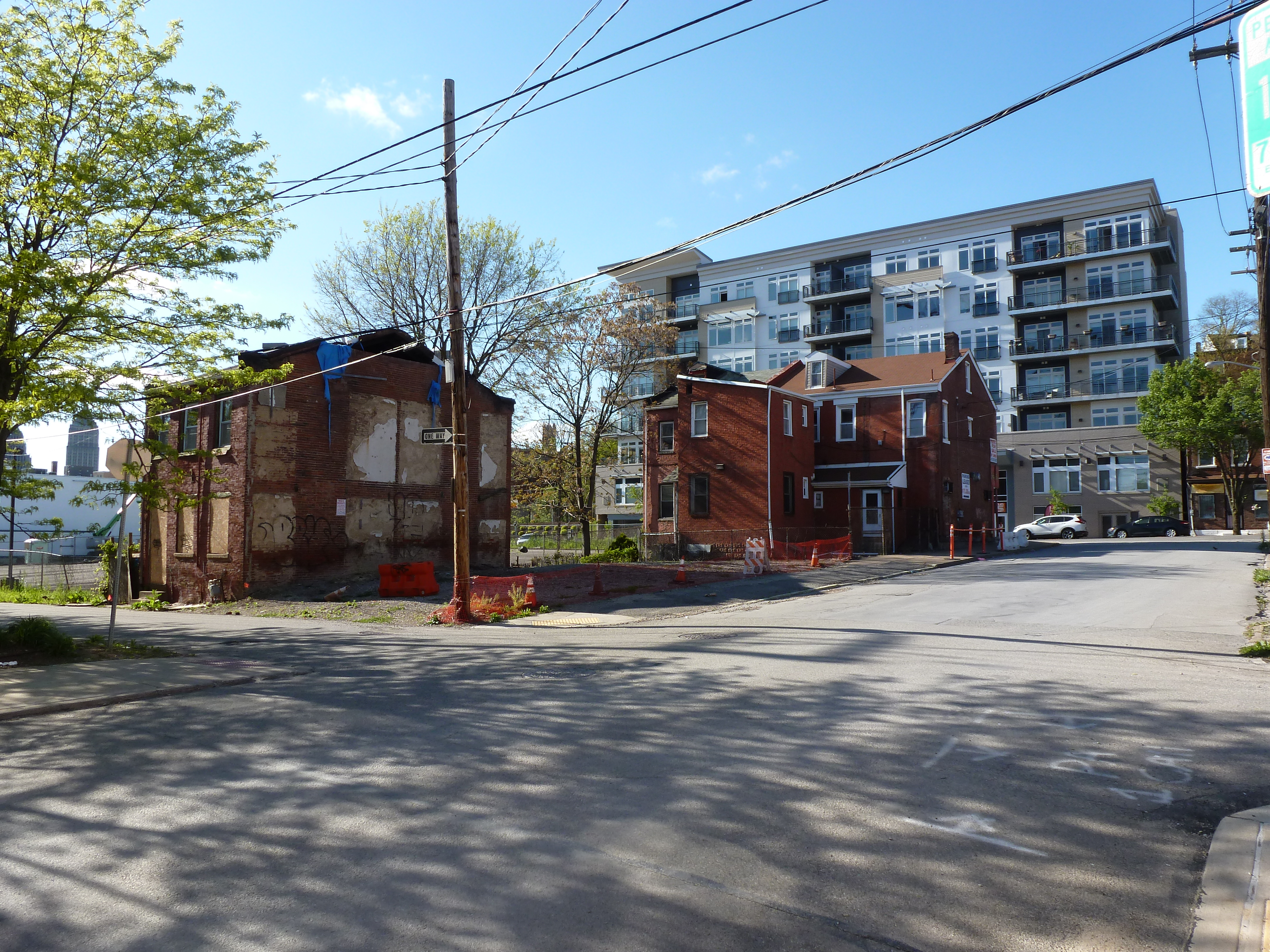
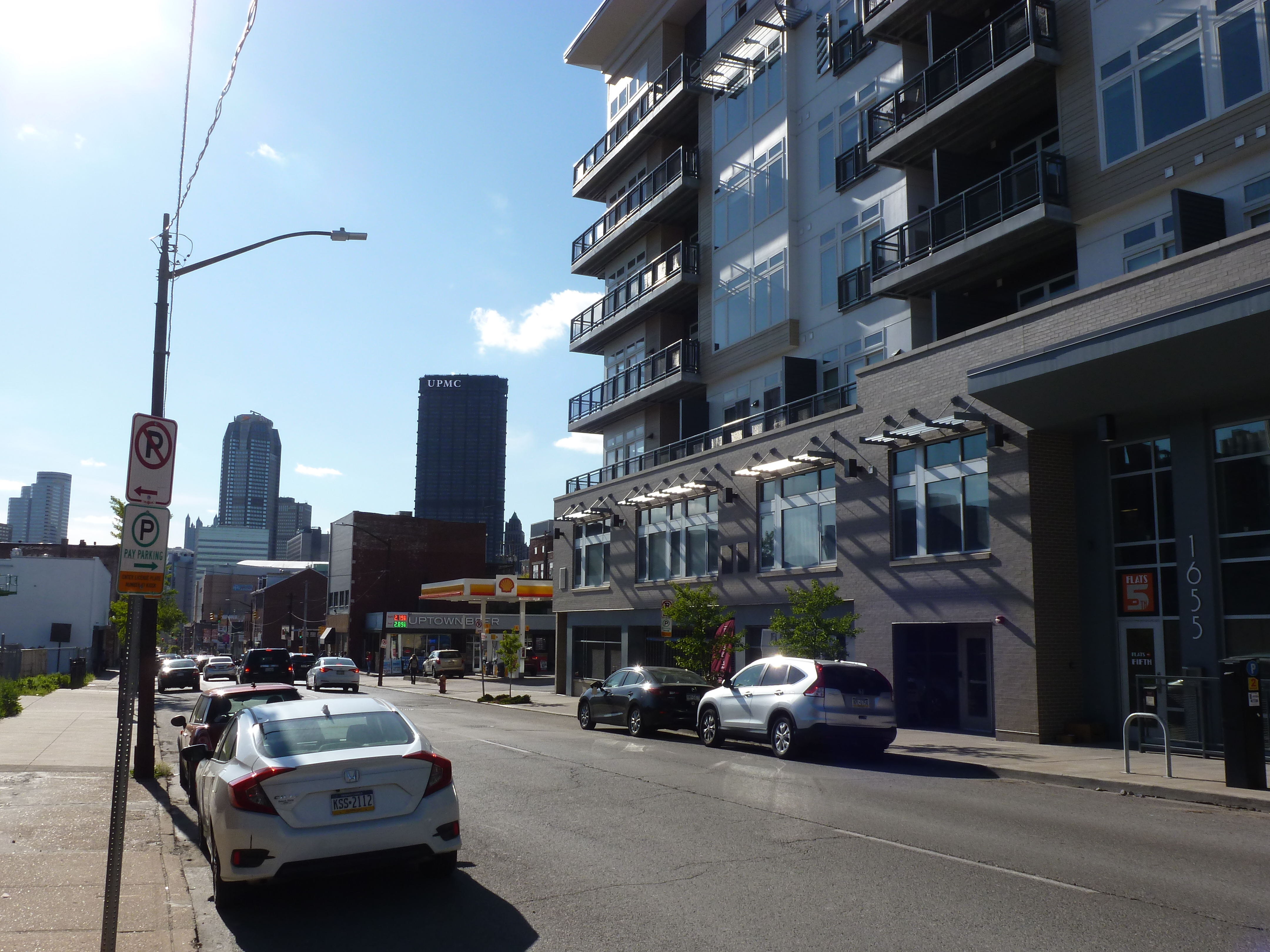
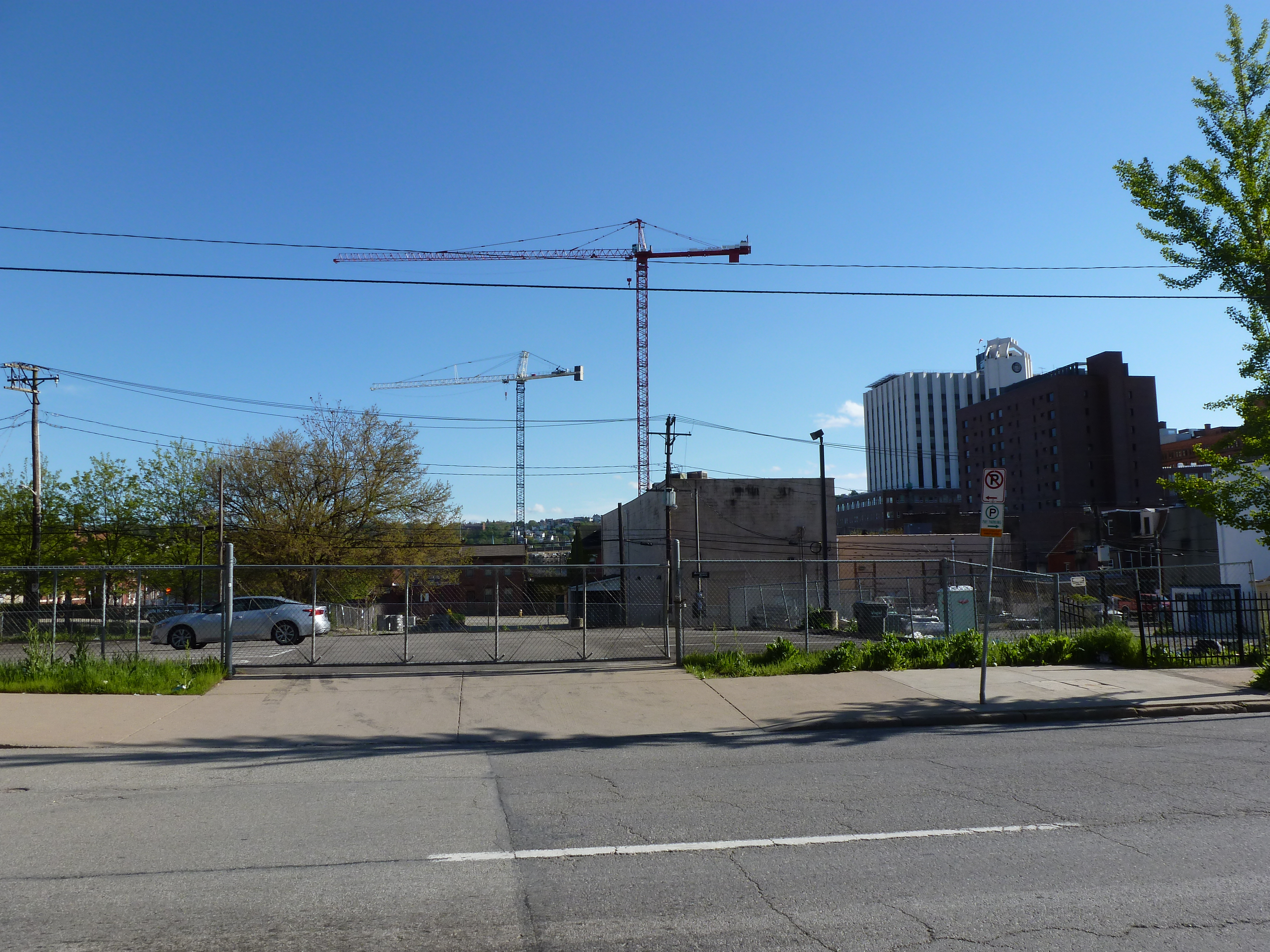
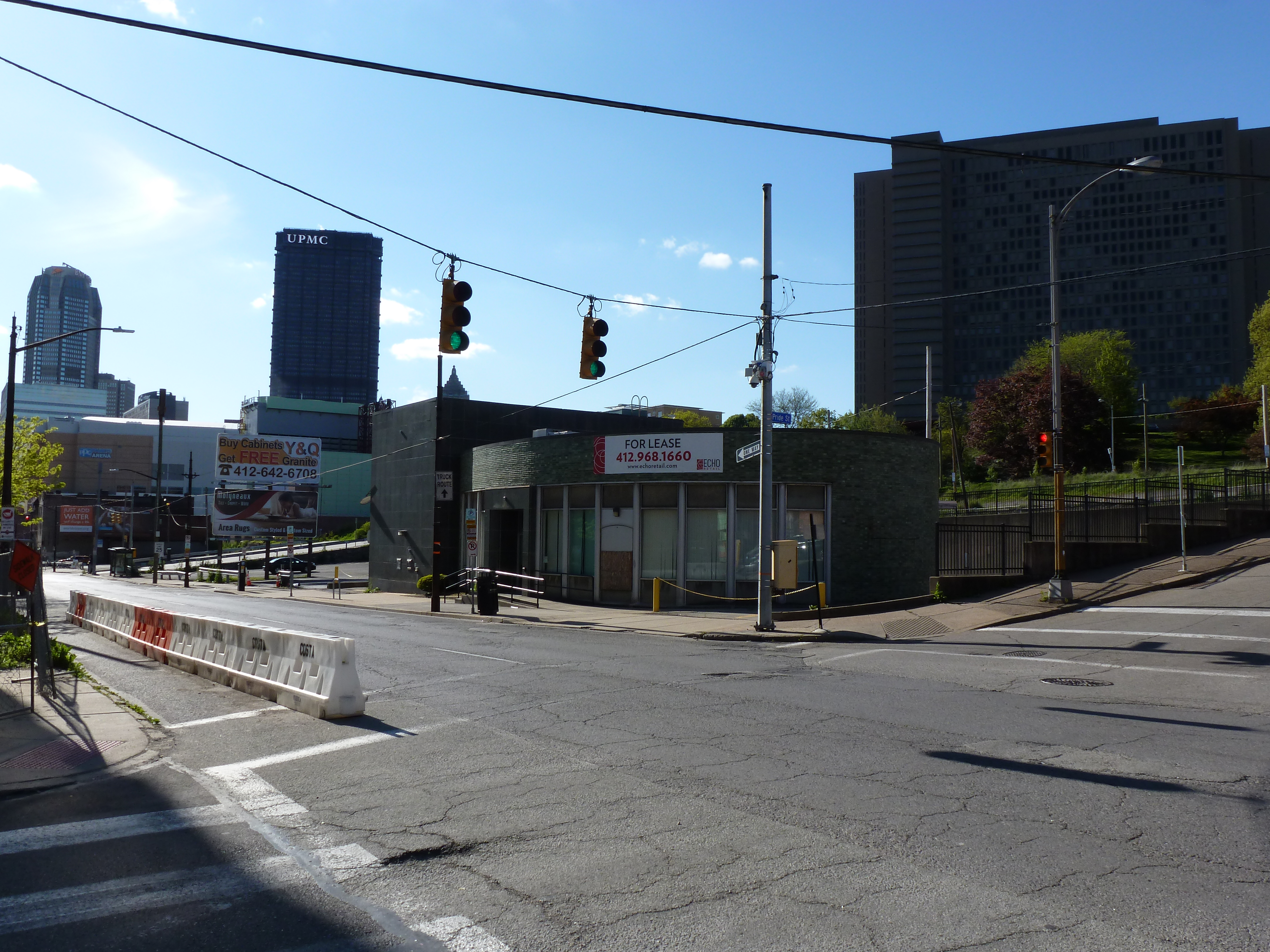
Inspired by my post from this summer, I decided to start a photographic series of Pittsburgh’s Uptown neighborhood. This neighborhood is a hodgepodge of abandoned and renovated townhomes, parking lots, car-oriented businesses, corner stores, industrial uses, and new construction residential buildings. It is predicted to be on a tipping point from being mostly ignored to experiencing intense growth fueled by activities in and around the neighborhood. These activities include:
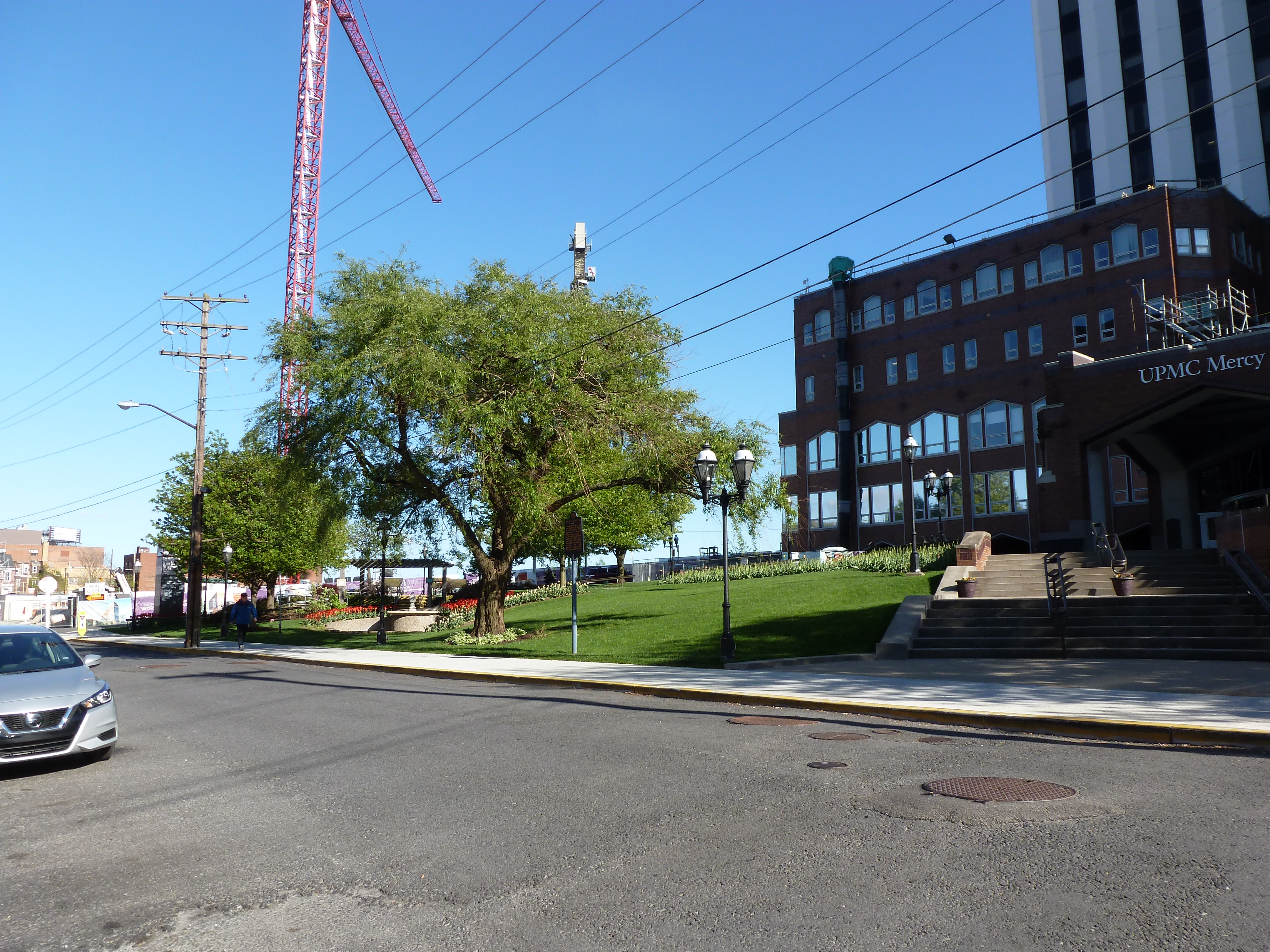
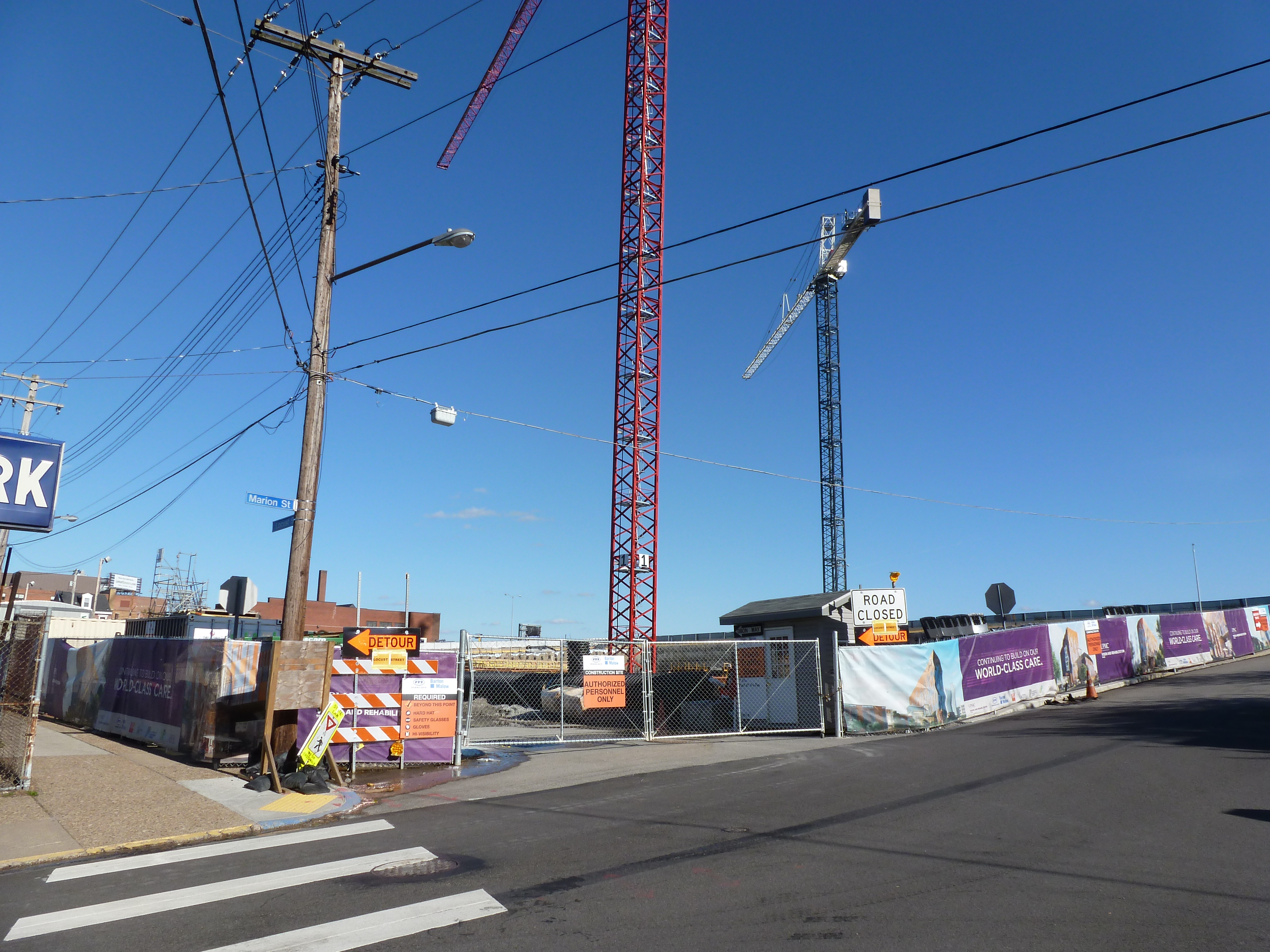
UPMC Mercy hospital is currently building a 410,000 sq ft vision and rehabilitation center in the middle of Uptown.
The Penguins hockey team is supposed to be finally getting off the ground with their redevelopment of the Lower Hill neighborhood, which is adjacent to Uptown.
June 2019 saw the groundbreaking for the CAP project to reconnect the Lower Hill to Downtown over the freeway that bisected the two in the 1960s.
The Bus Rapid Transit system currently in the planning stage will one day connect Downtown and Oakland through Uptown.
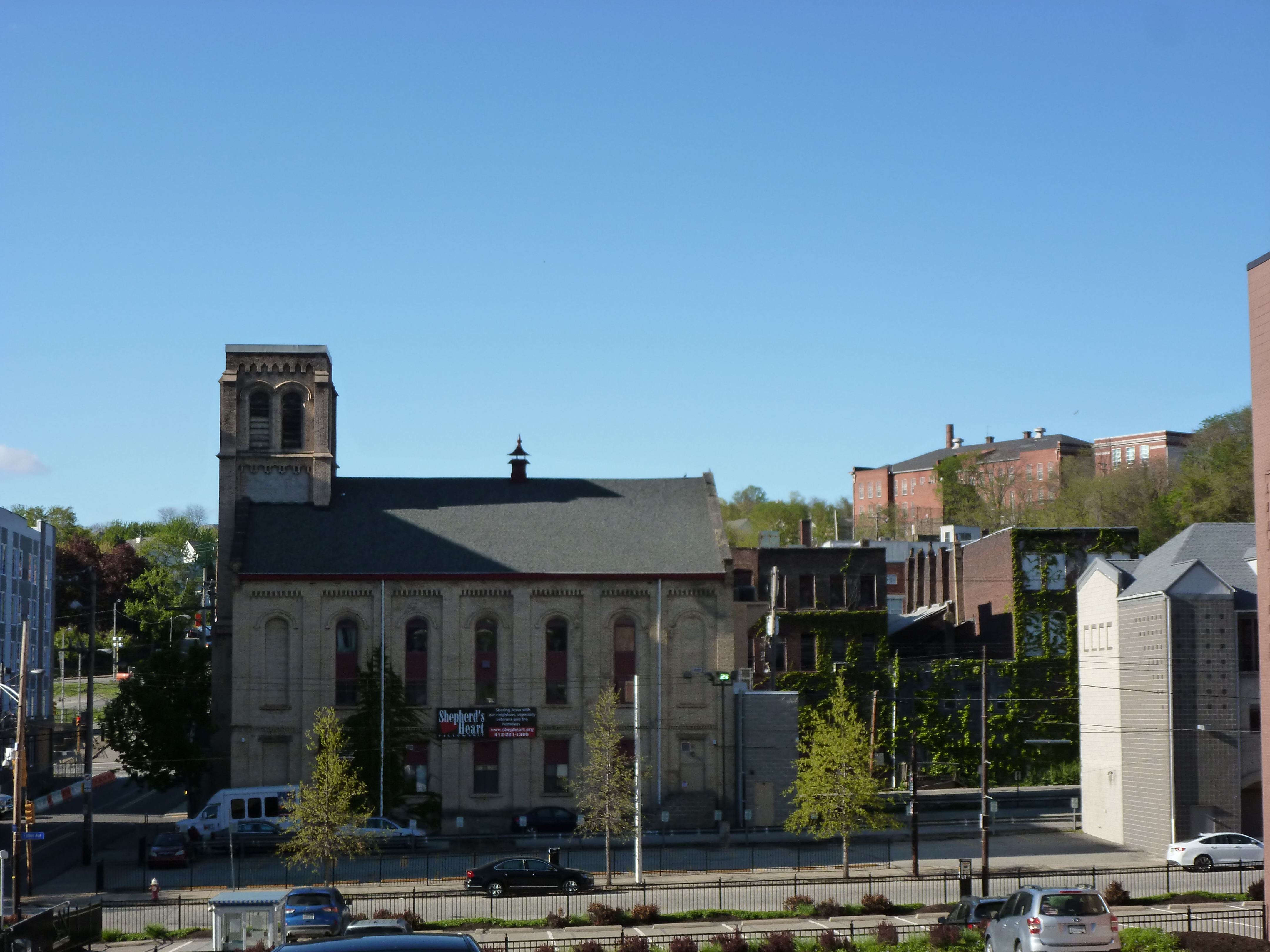
As these projects move forward, there will likely be more investment and changes to Uptown. This photographic series is intended to capture these changes by revisiting the same sites at regular intervals over the next several years.
In the coming months, I intend to release two related series to record the progress of the CAP and the Lower Hill redevelopment.
The strongest impression from my last trip to Cardiff was the feeling that it is morally wrong to invest heavily in touristy neighborhoods while skipping the neighborhoods of the residents. Tourists may provide a bigger return per touch point, but residents have many more touch points (including voting). Perhaps I have become jaded since that trip, but I now accept that economics and morals rarely work together.
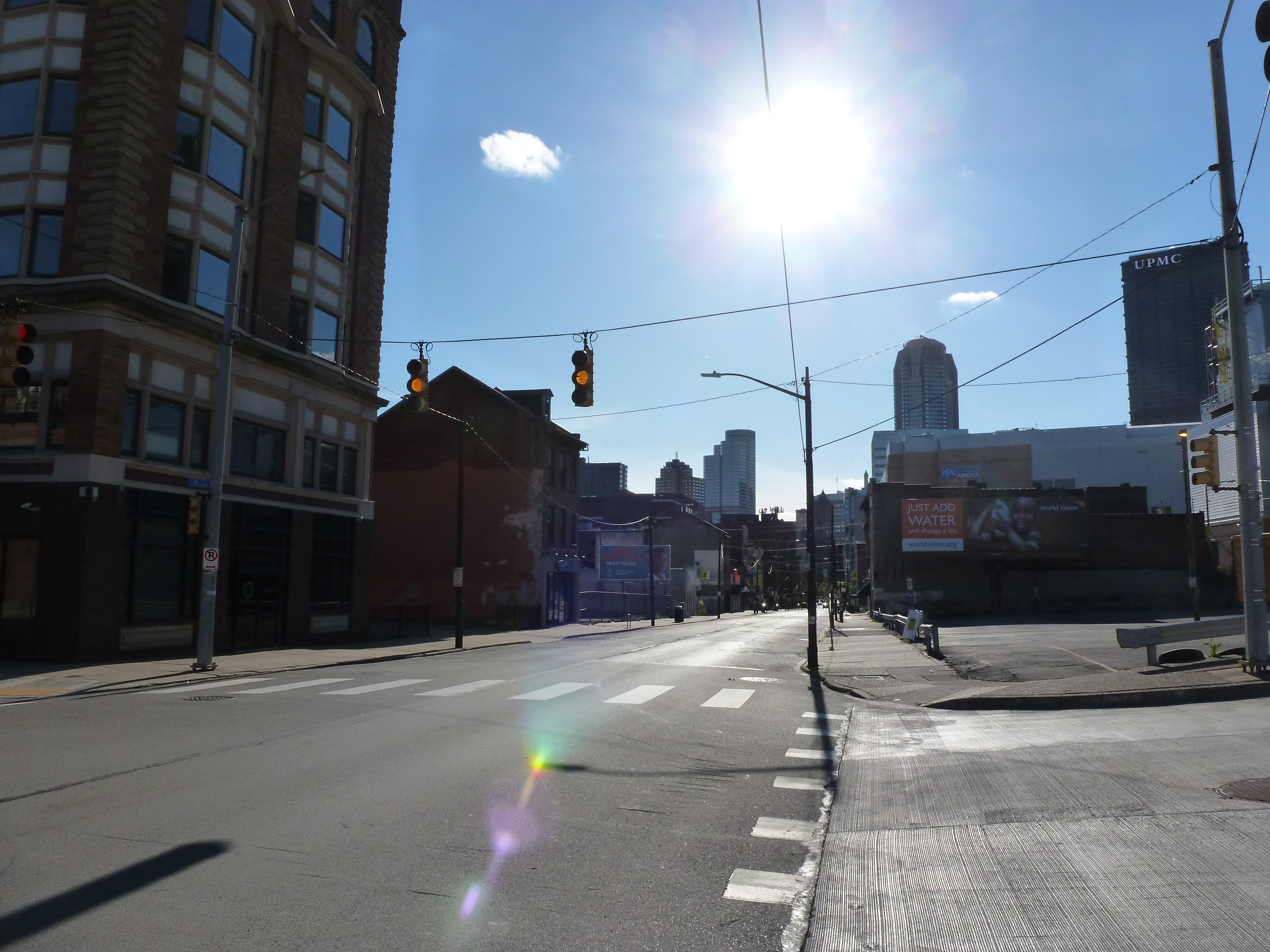
Pittsburgh’s Uptown neighborhood is trying a different approach to see if economic investment can be leveraged for the greater good. Uptown experienced disinvestment and decay for decades, despite being located between and within walking distance of Oakland and downtown, two of the largest economic engines in the state. Not to mention the main roads connecting these prosperous and growing areas run directly through Uptown. Zipping down Fifth Avenue from Oakland to downtown, it is easy to overlook or ignore the ruined home foundations turning back to forest, the wide-spread vacant lots and parking lots, and the intricate architectural details on the remaining old structures.
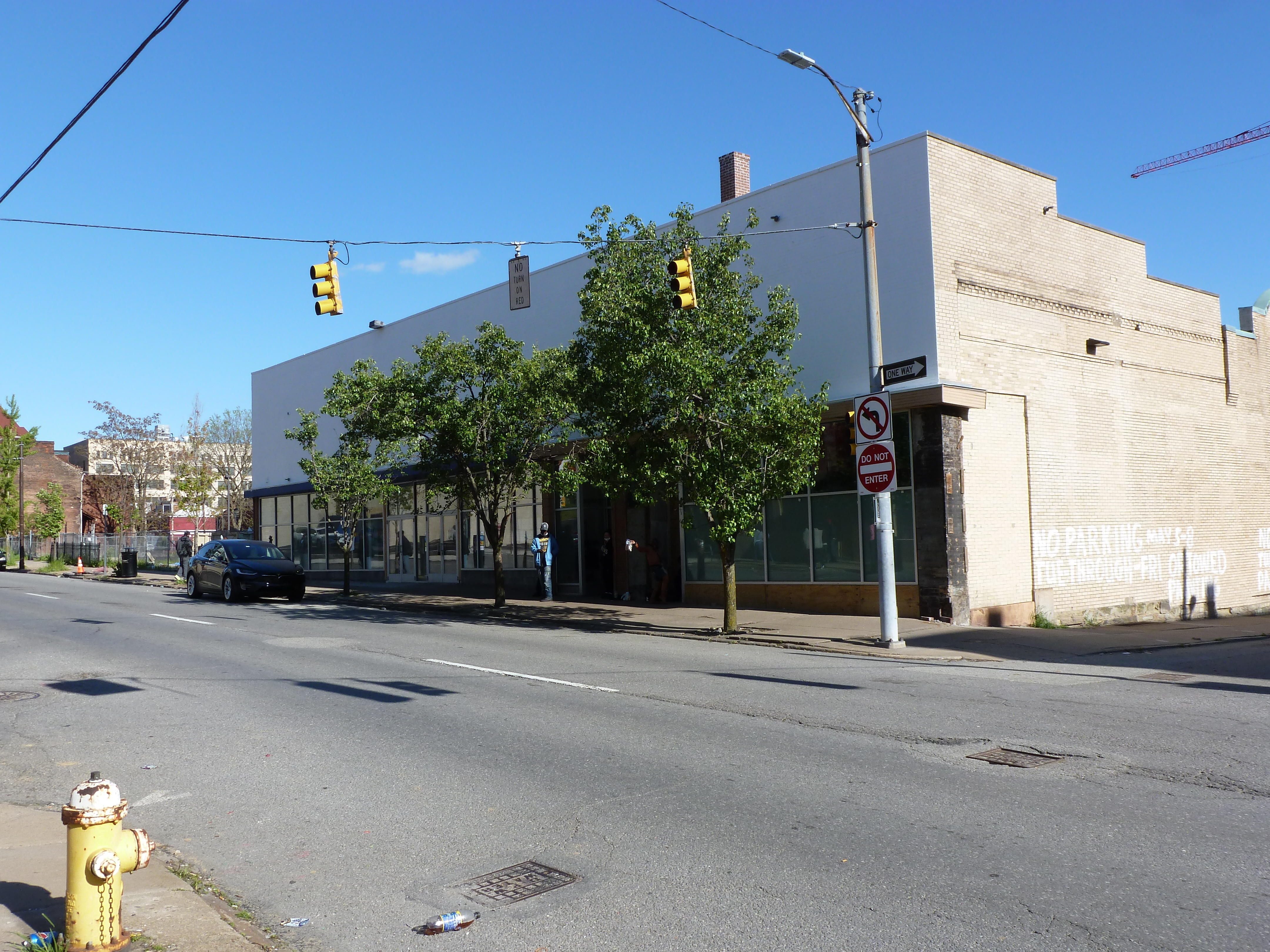
The bland brick and glass facade on Fifth Avenue identifies this building as another mid-century warehouse. Turning the corner, the decorative parapet wall and bricked over arched opening tell the story of an older, more interesting building.
One such structure was one of the many movie theaters dotting the city in the 1920s. In the 1950s, the adjacent buildings were demolished, and an addition was added to the theater to turn it into a storeroom. After a time as a plasma center in the 1980s and 1990s, the building sat vacant and dusty for many years. Now, it is undergoing renovations for its next life. This is just one of the many signs that investment is coming to Uptown.
The community of Uptown that held on through the economically rough times prepared for this moment. In collaboration with many partners, including local institutions such as Duquesne University and UPMC Mercy as well as the City of Pittsburgh, the community created a new neighborhood plan. This designated Uptown and West Oakland as an EcoInnovation District. One of the first actions from this plan developed a new zoning district, the first progressive zoning district in Pittsburgh. The goal of the plan and the zoning district is to leverage the coming economic investment to create an inclusive and environmentally sustainable neighborhood.
It will be interesting to watch this neighborhood over the next few years to see if the plans are successful at introducing some moral components to the economic investment.
This is a fascinating structure I discovered on the South Side Flats. A friend and I were going around the neighborhood looking at adaptively reused church buildings. While going from one building we knew of to another location, we stumbled upon this building. From what I’ve pulled together so far, this building was built sometime between 1876 and 1884 as four rowhouses. In 1926, the Second Greek Catholic St John the Baptist Church of the South Side purchased the property. The deed described the structure as four 4-room houses. When the Second Greek Catholic St John the Baptist Church sold the property in 1959, the deed described the property as four 2-story brick party wall houses.
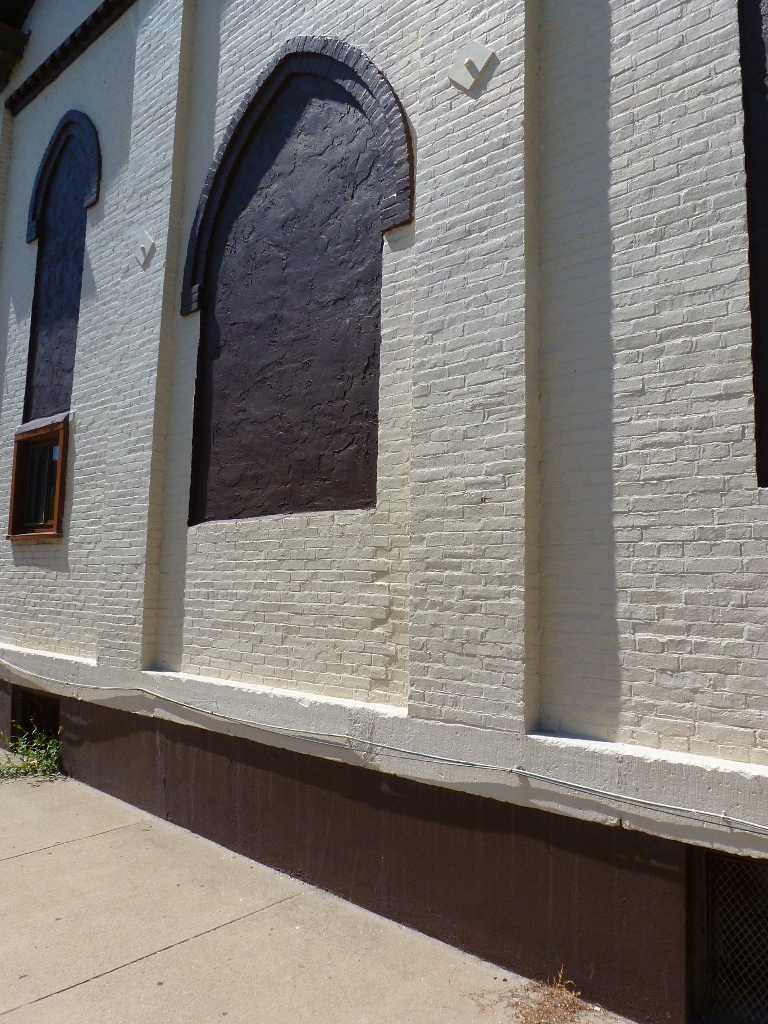
However, when you look at the side of the building facing 23rd St, it appears that at one time, this property was used as a church. The middle of the three boarded up openings on this side looks like it used to be a door for an entrance into a church that has been partially bricked up. From this I assume that while the Second Greek Catholic St John the Baptist Church owned the property, they renovated to use as their place of worship with a main front door and two windows.
I look forward to learning more about this structure and its history. I suspect there is an interesting story that connects this building to the 1st St John the Baptist Greek Church which is still in operation at the corner of E Carson St and 7th and the 2nd St John the Baptist Greek Church that set up just down the block at 615 E Carson St before moving to Jane St. From the pieces I’ve found so far there was a severe split in the South Side congregation that involved boycotts and arrests of arguing members and former members. I’m not sure yet how this rowhouse/church may have fit into that struggle.
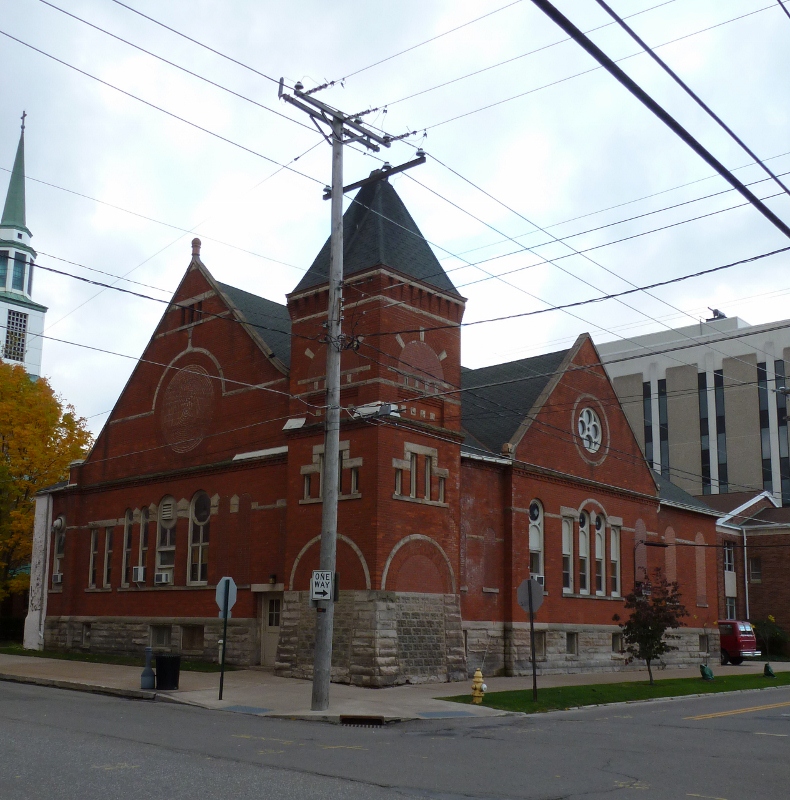
This little gem in Pittsburgh’s Lawrenceville neighborhood is full of surprises. In the 20-some years I’ve been passing through this area, I never noticed the building. It was brought to my attention a few years ago when I began researching adapted church buildings in Pittsburgh. If you are in the nearby vicinity, the building blends into its surroundings. But from other parts of the city it stands out (see 31st Street Bridge, Bloomfield Bridge, Busway Bridges: Herron Street, Busway Bridges: 28th Street). It is also visible standing out along the ridge in the second photo in my Washington’s Crossing Bridge post.
There are two characteristics that make it stand out from a distance. The first is its location at the highest point on 40th Street in Lawrenceville.
The second characteristic is one of the most intriguing parts of this building: the fellowship hall is at ground level and the sanctuary is above, reached by a flight of stairs. This is the only church building I have been in where the sanctuary is a full flight of stairs above ground level. I’m very curious to know if there are any others–please share, if you’ve come across one!
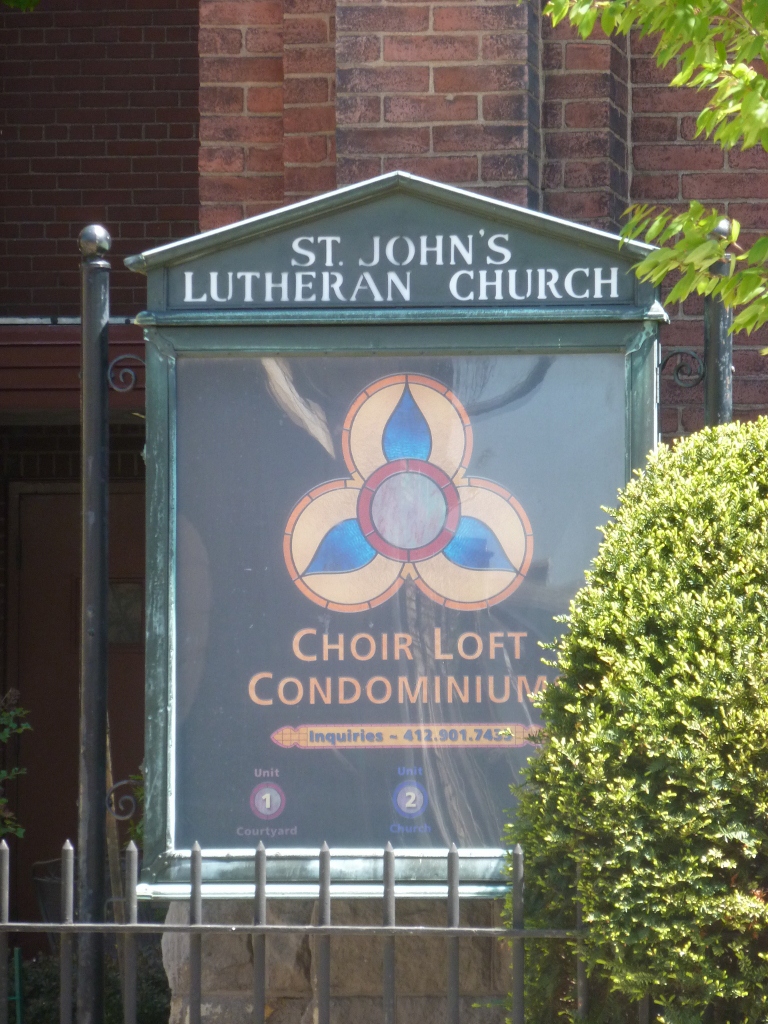
The building was built in 1896-97 for the German Evangelical Lutheran St. John’s Congregation, which later became St. John’s German Evangelical Lutheran Church. In 2002, the congregation merged with St. Andrew’s Lutheran Church and closed the doors on this location. A real estate agent purchased the property and prepped it for conversion into 3 condominiums–one unit each for the sanctuary, fellowship hall, and parish house–before the current owners purchased the property and completed most of the rehab work creating the Choir Loft Condominiums. (A side note that may be of interest is that the current owners considered purchasing the building that is now the Union Project but chose this one instead.)
The owner reported that the building was essentially empty for nearly 2 years before he acquired it. The floors were in bad condition–the pews had been ripped out, tearing the sanctuary’s floor, and the choir loft’s floor was completely missing. He said his goal in renovating the building was to “not destroy the architecture and the interior. We wanted it to feel like a church still because it is a church.”
Having gotten a tour of the interior of the sanctuary unit, I’d say they succeeded in this goal. The former sanctuary space is an open loft configuration with hardwood floors. The raised steps for the altar area were kept and made into the kitchen. The choir loft remained open and served as the bedroom. The gorgeous stained glass windows were also intact. While I was there on a winter evening after sunset, I loved the description of how the colored pattern from the stained glass gradually moves across the floor like a very colorful sundial. My other favorite part was that there was still a bell in the tower, which the owner rang for me. While inside the sound was muffled, it sounded like it could have woken sleeping neighbors.
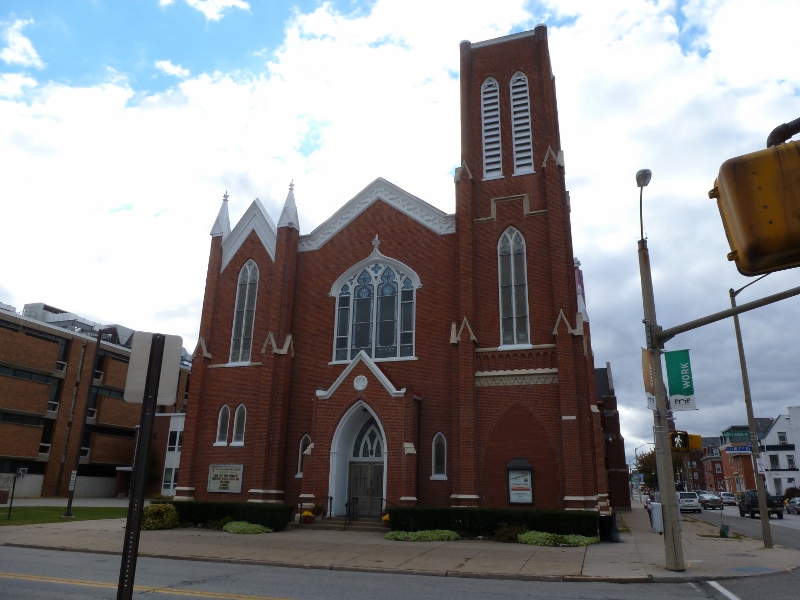
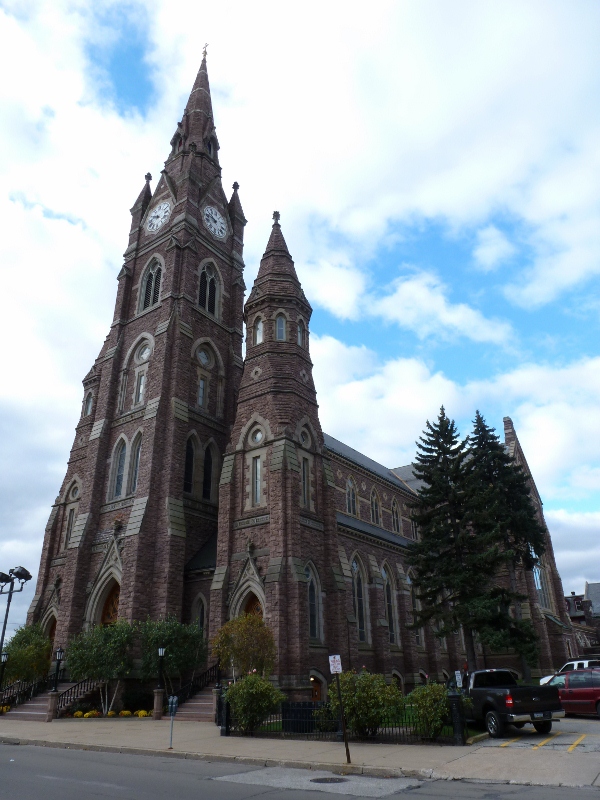
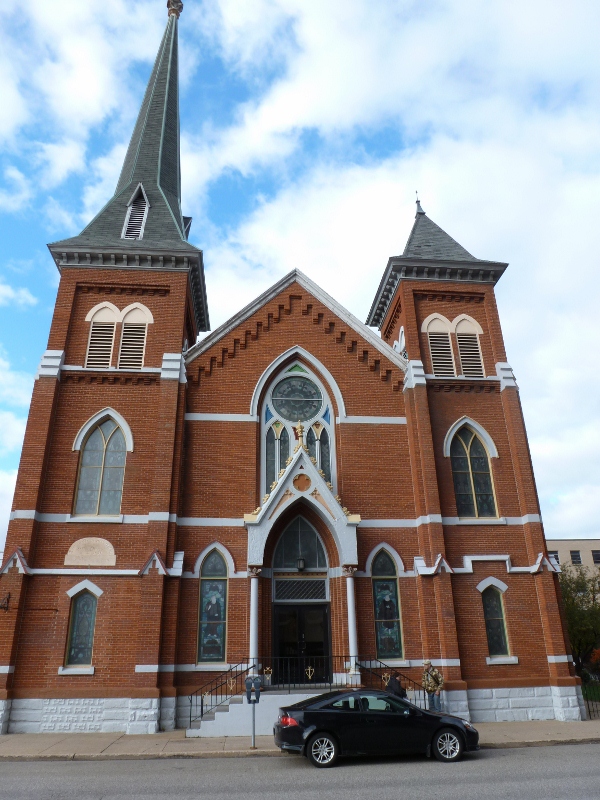
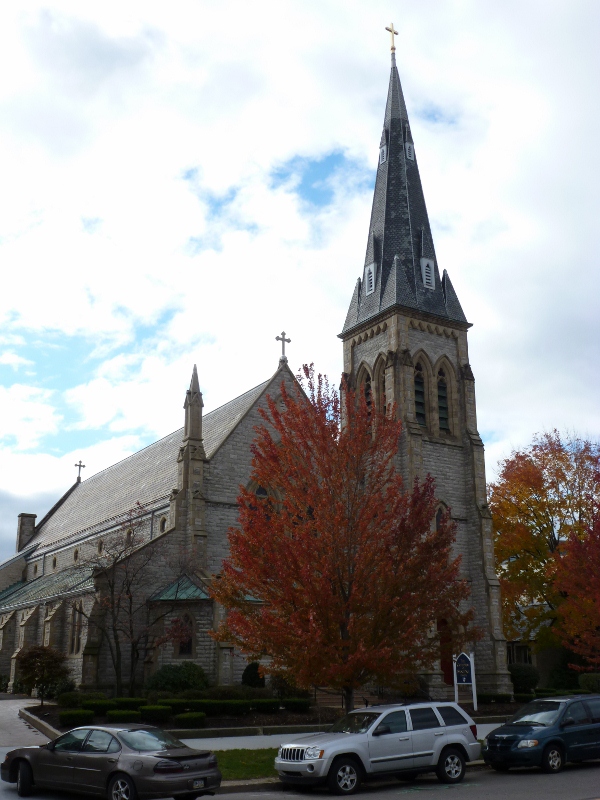
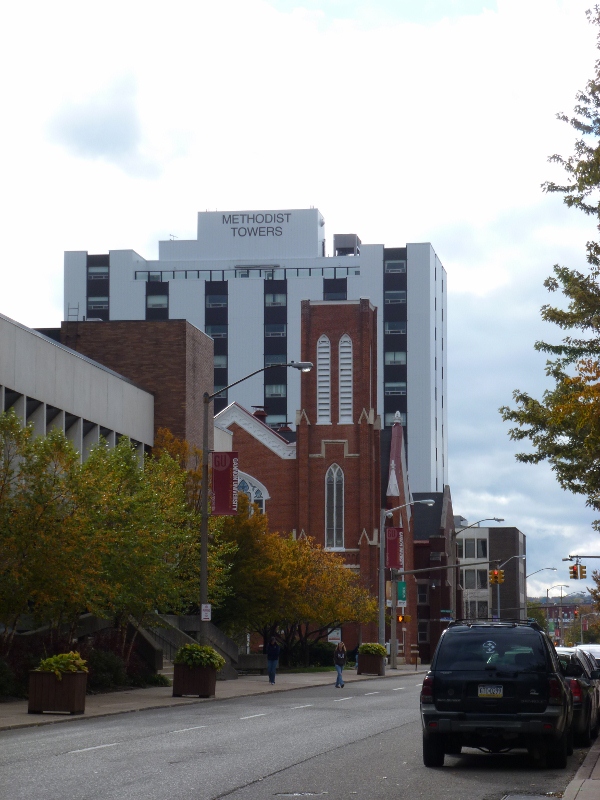
Erie has a variety of attractive church buildings. As I walked around admiring them, I was surprised to see that they were all still used as churches. I did not find a single adaptively reused church building. Given Erie’s location, relatively close to Cleveland, Buffalo, and Pittsburgh, I assumed it had similar significant population loss creating a need to either abandon, demolish or adapt some church buildings. It turns out, that at least on the county level, this assumption was false. Since 1900, the population of Erie County has grown every decade, except from 1980 to 1990 when there was a slight (1.5%) population loss, from 98,509 to 280,843 (2000’s population). Allegheny County (Pittsburgh’s county), on the other hand saw growth from 775,058 in 1900 to 1,628,587 in 1960 after which the population has declined steadily to 1,223,348 in 2010.
I could not find statistics for the population change of the city of Erie; it is possible that there was a different trend within the city. There were signs of abandonment and decay in other buildings and aspects of the town. Yet the churches are still intact and appear to be thriving. In fact, one of the larger churches was undergoing a major renovation while I was there.
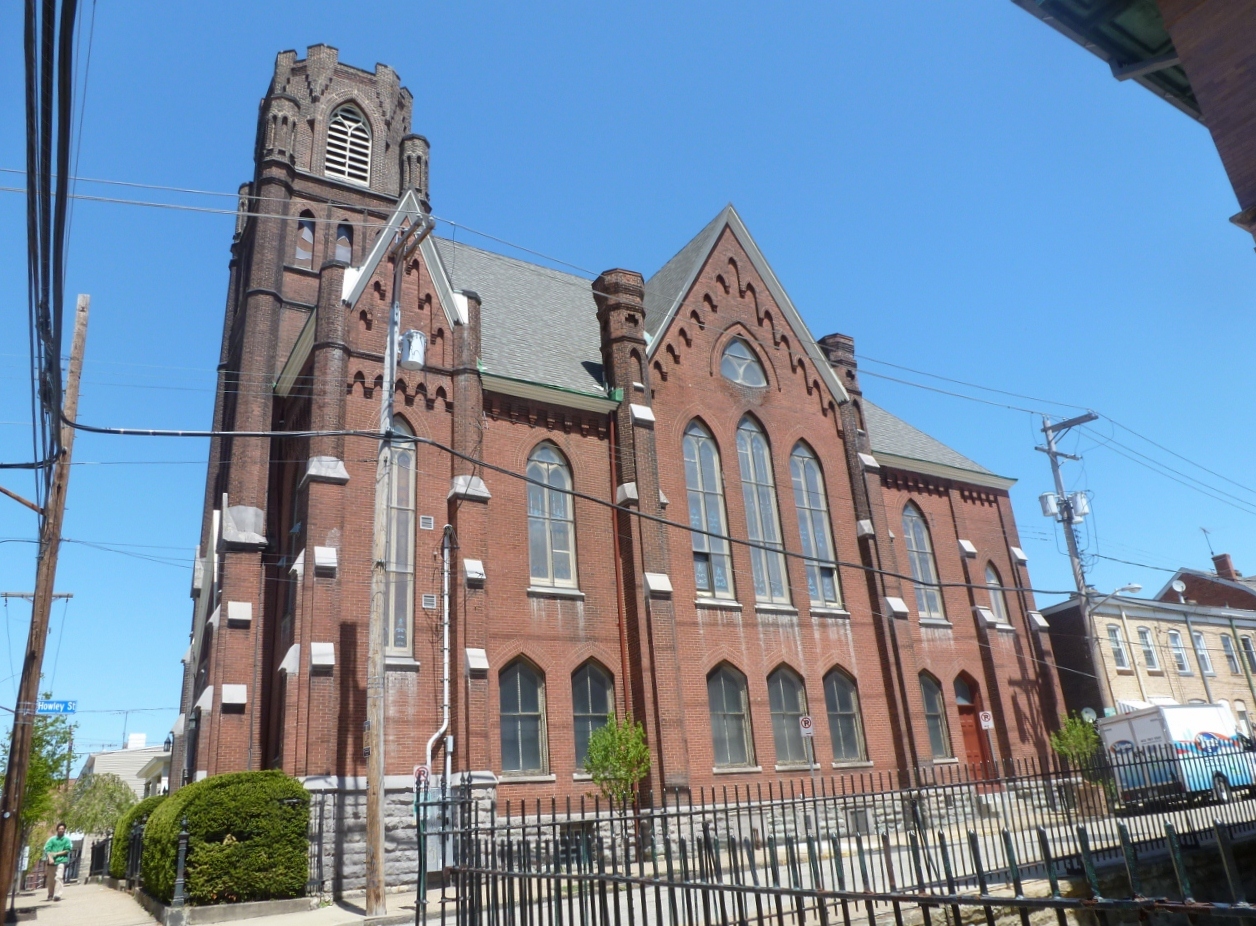
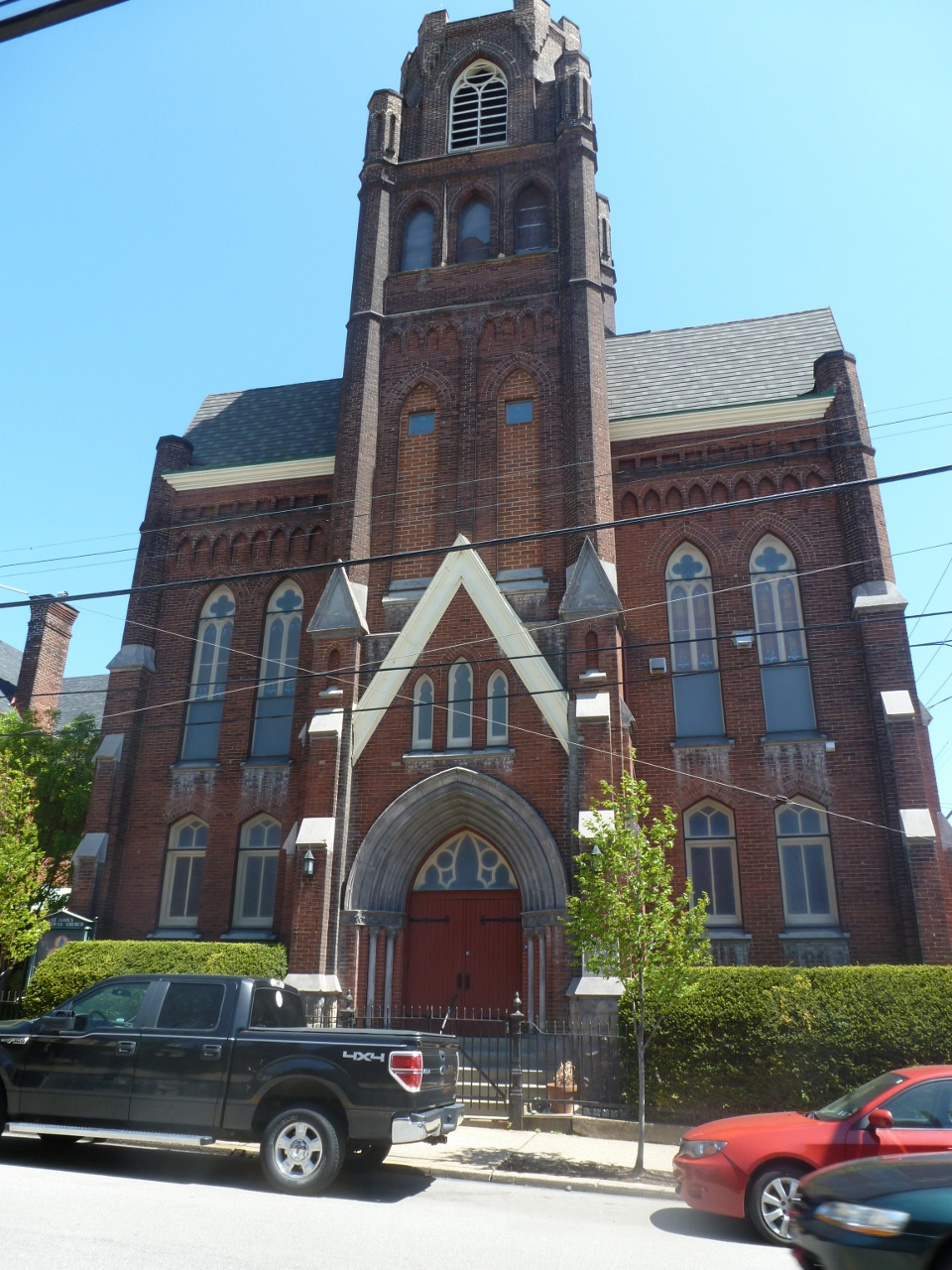
Whatever the reason for the churches’ continued use, I enjoyed my treasure hunt chasing down as many steeples as I could in two hours:





































 urbantraipsing