Moral Economics

The strongest impression from my last trip to Cardiff was the feeling that it is morally wrong to invest heavily in touristy neighborhoods while skipping the neighborhoods of the residents. Tourists may provide a bigger return per touch point, but residents have many more touch points (including voting). Perhaps I have become jaded since that trip, but I now accept that economics and morals rarely work together.

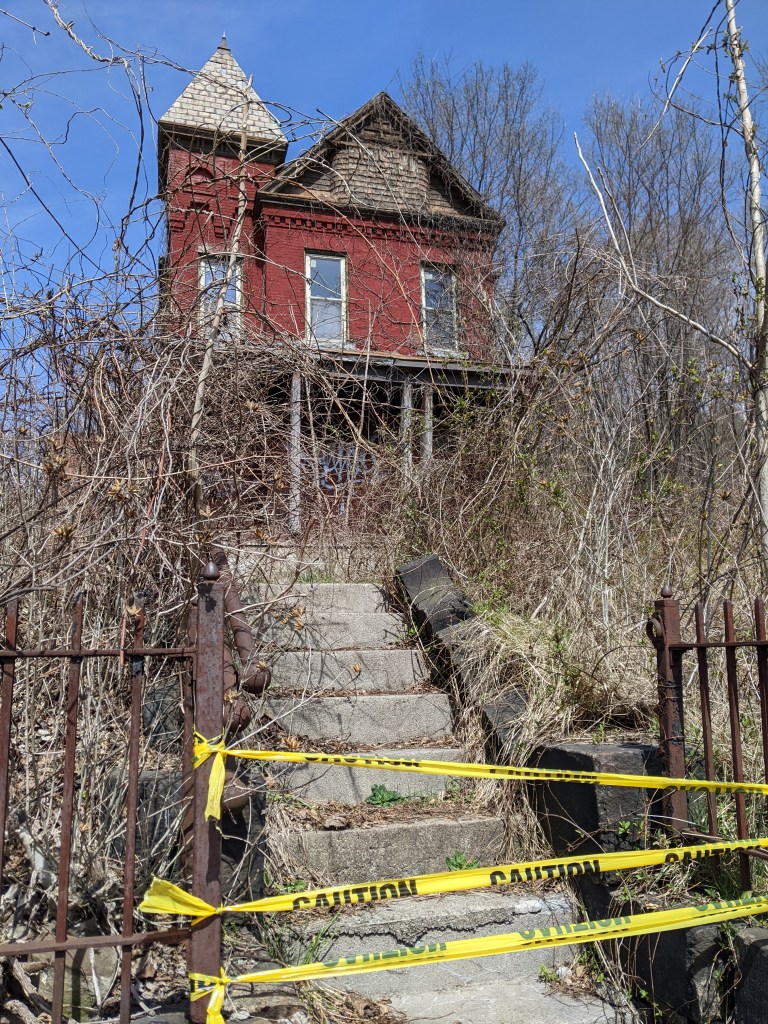
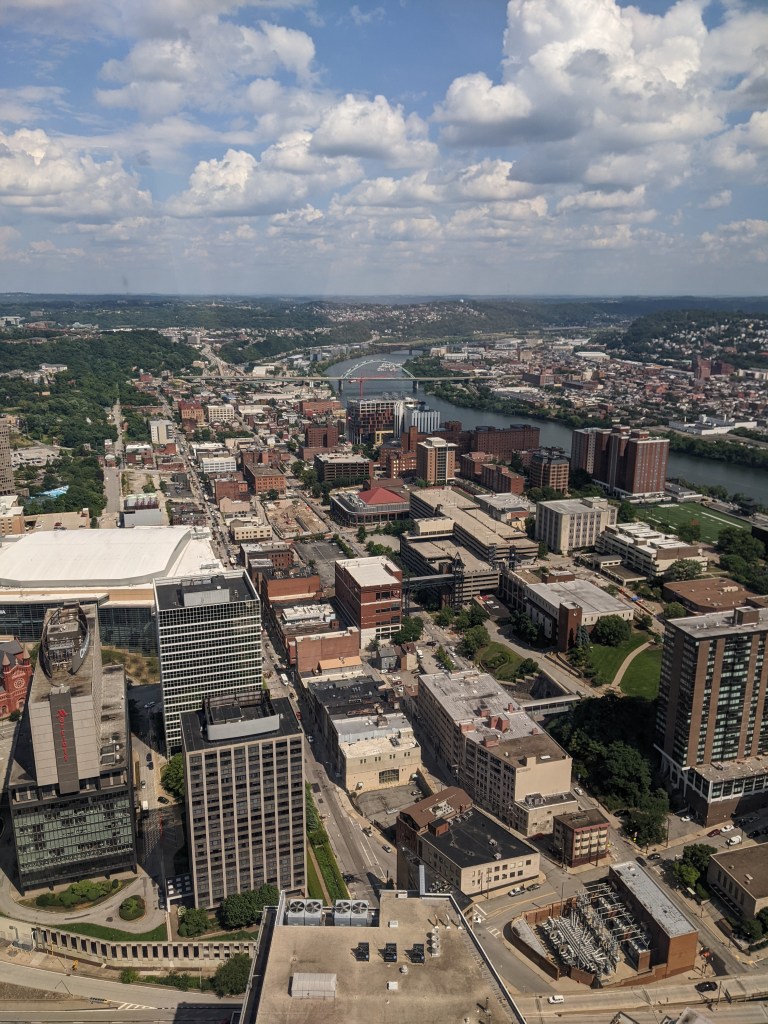
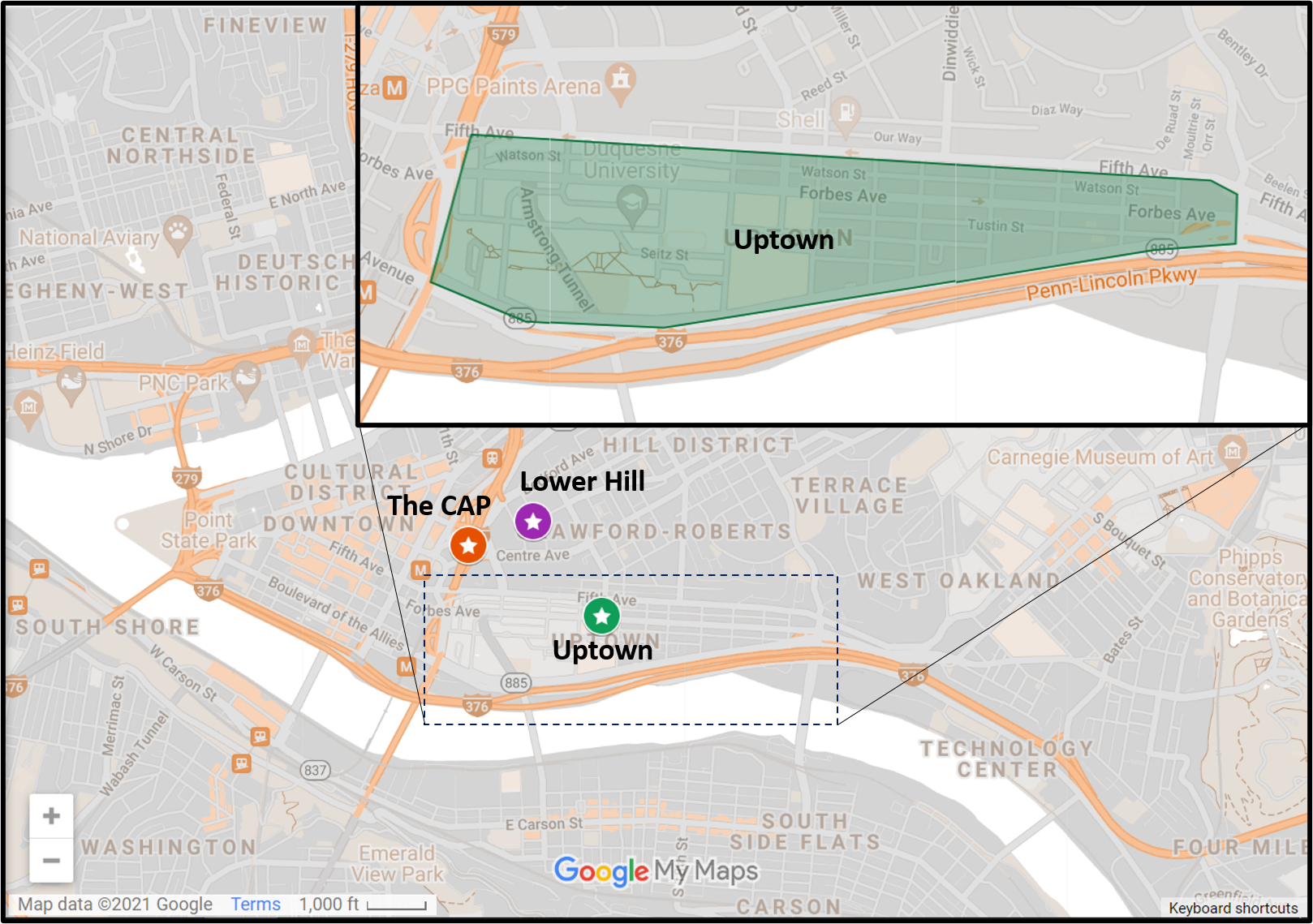
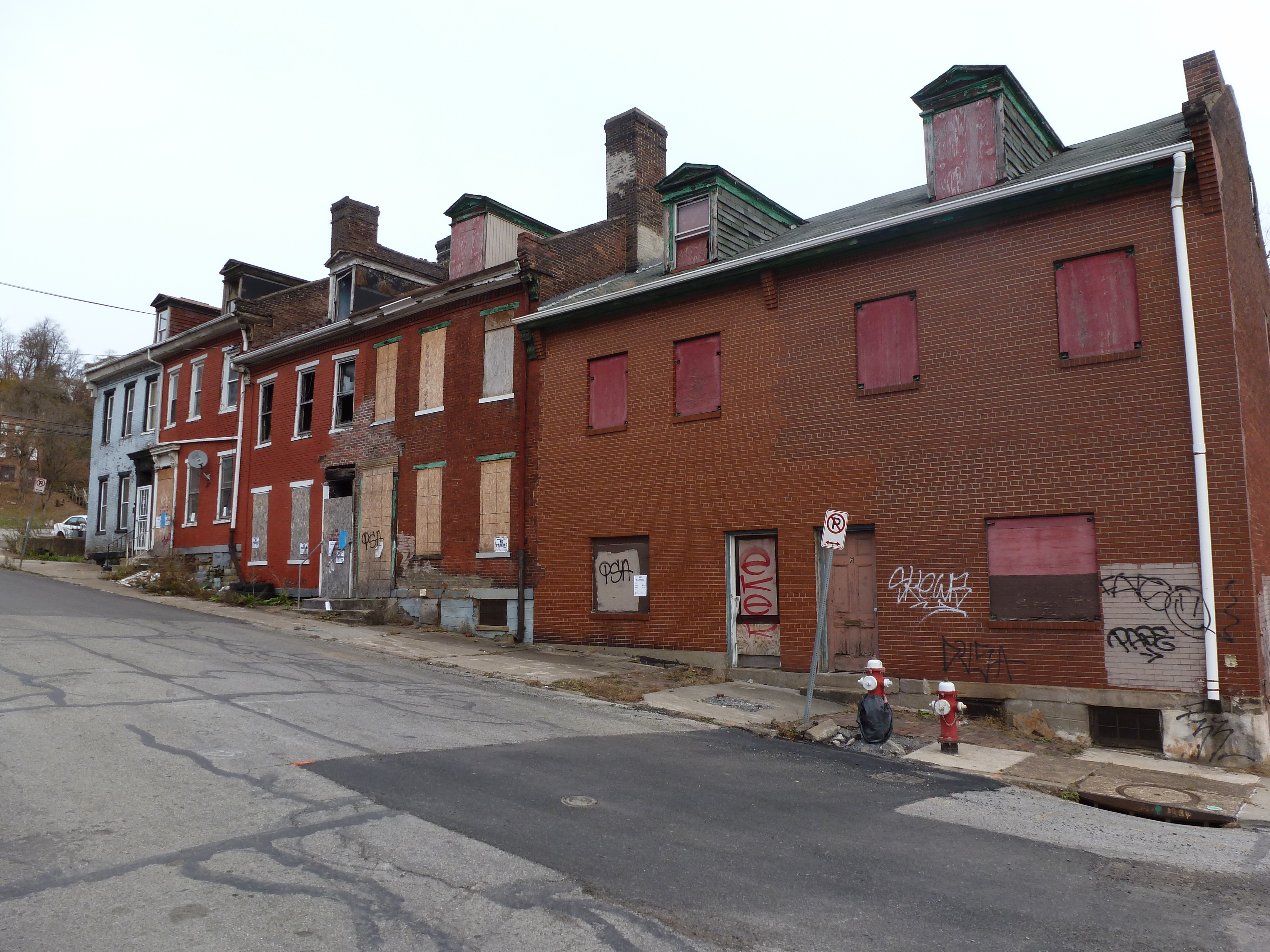
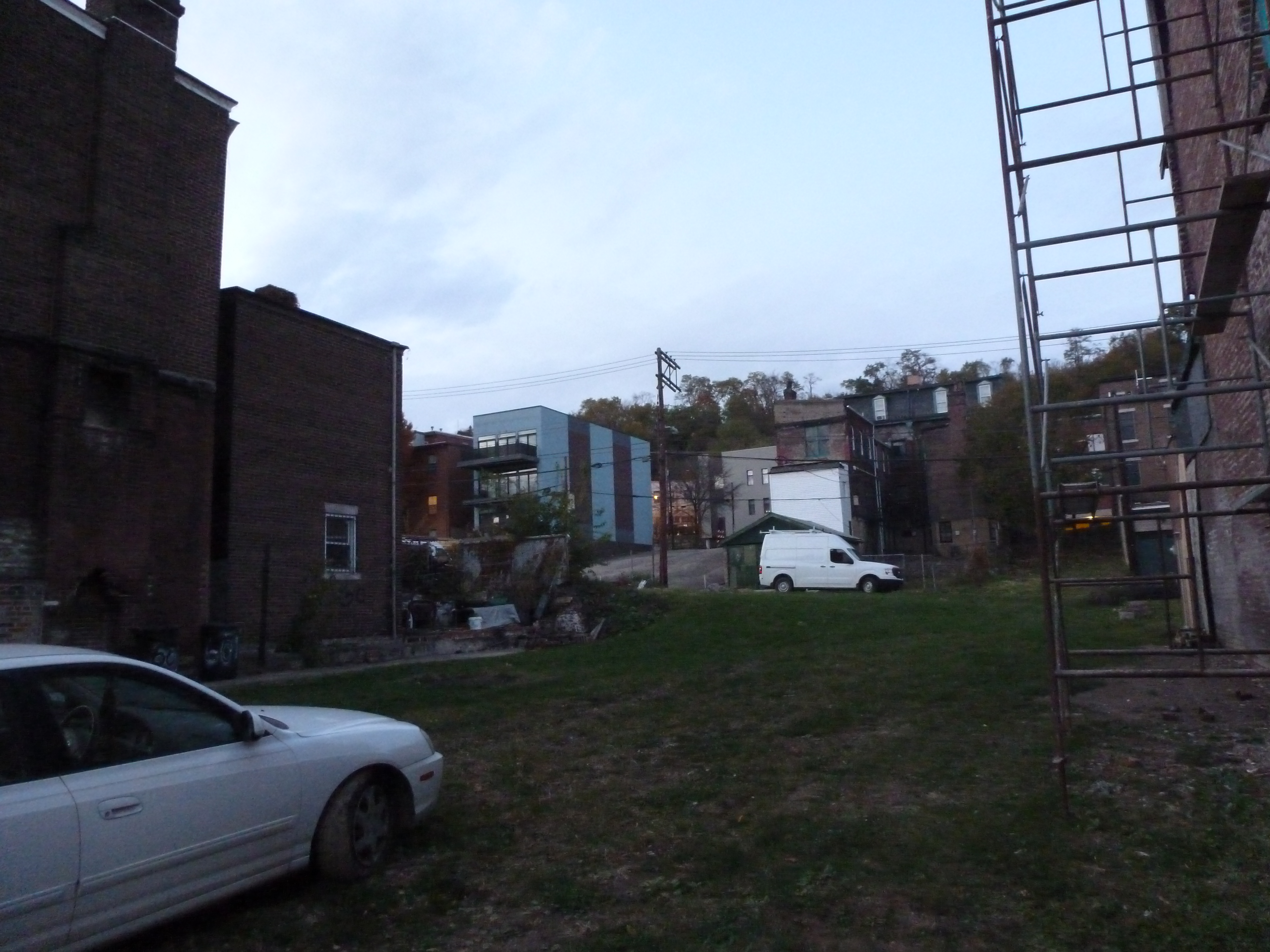
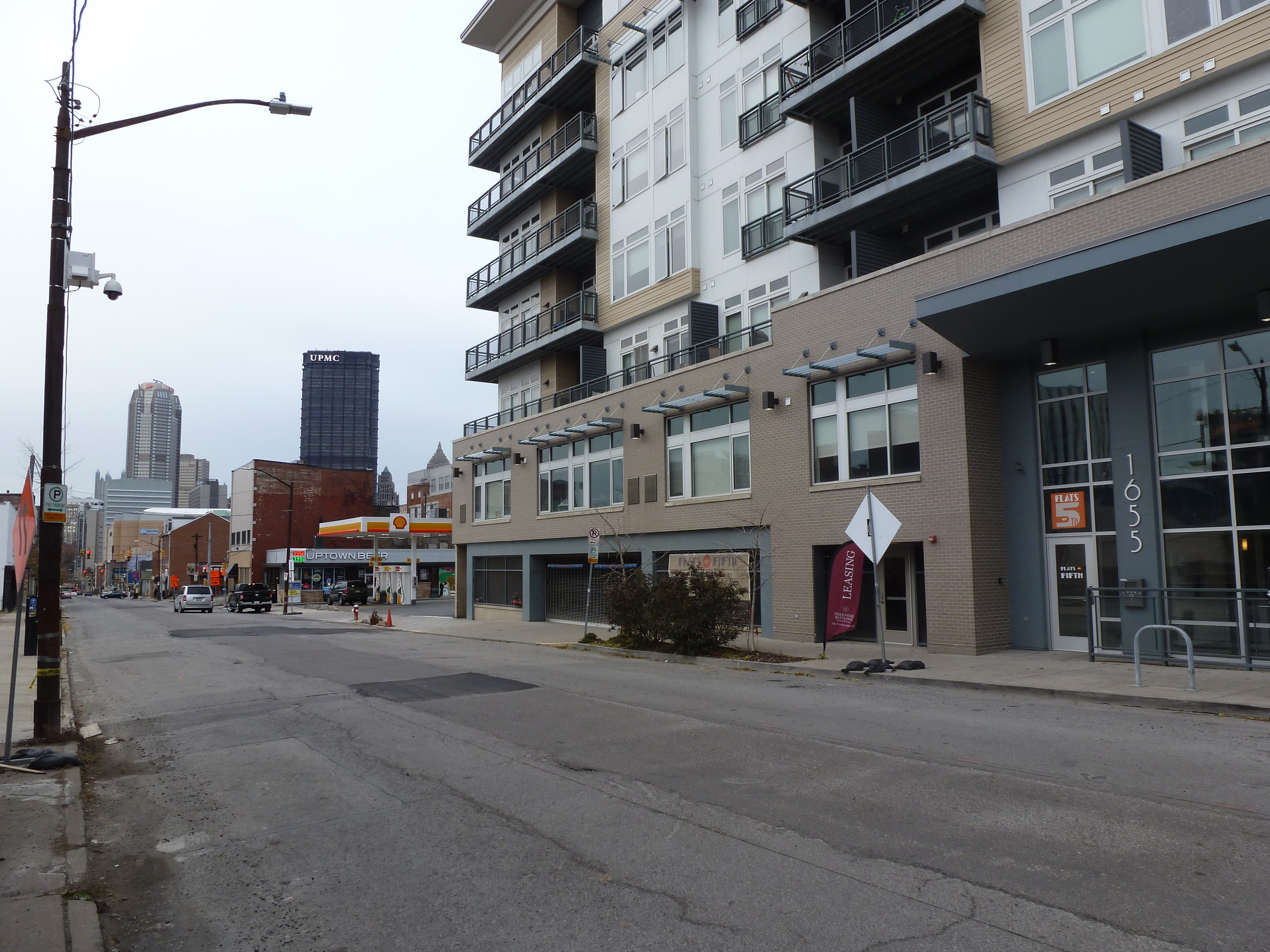
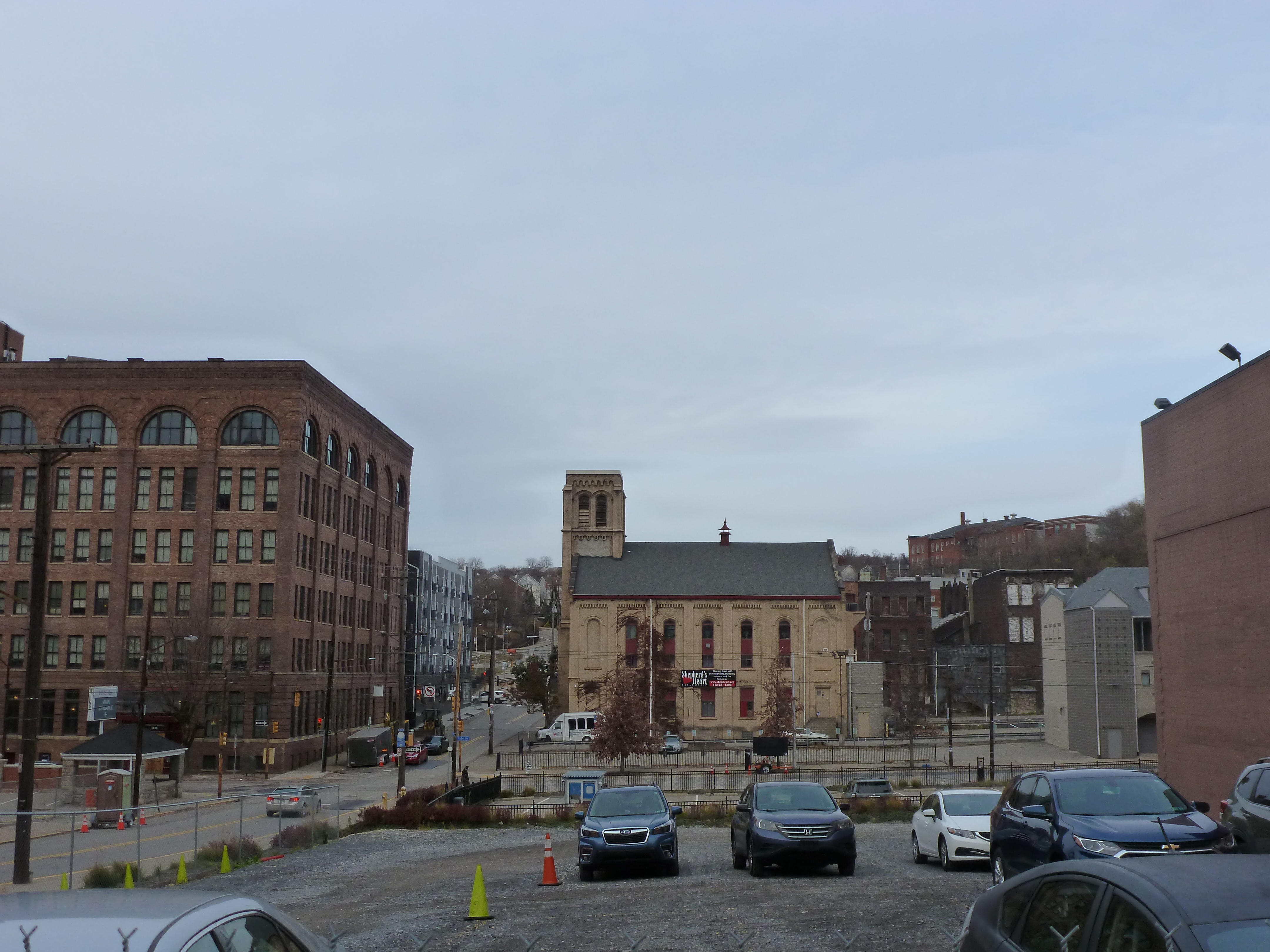
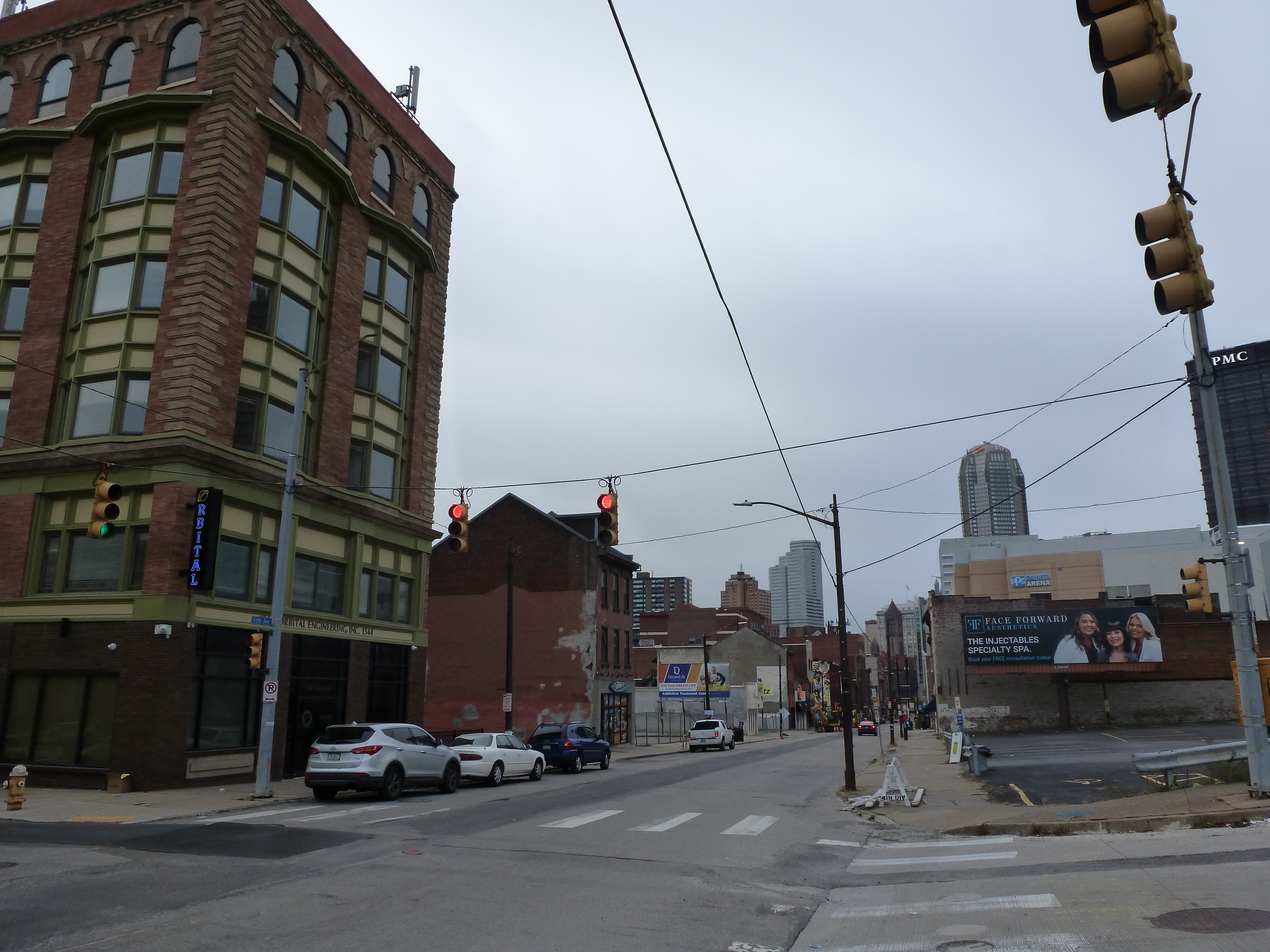
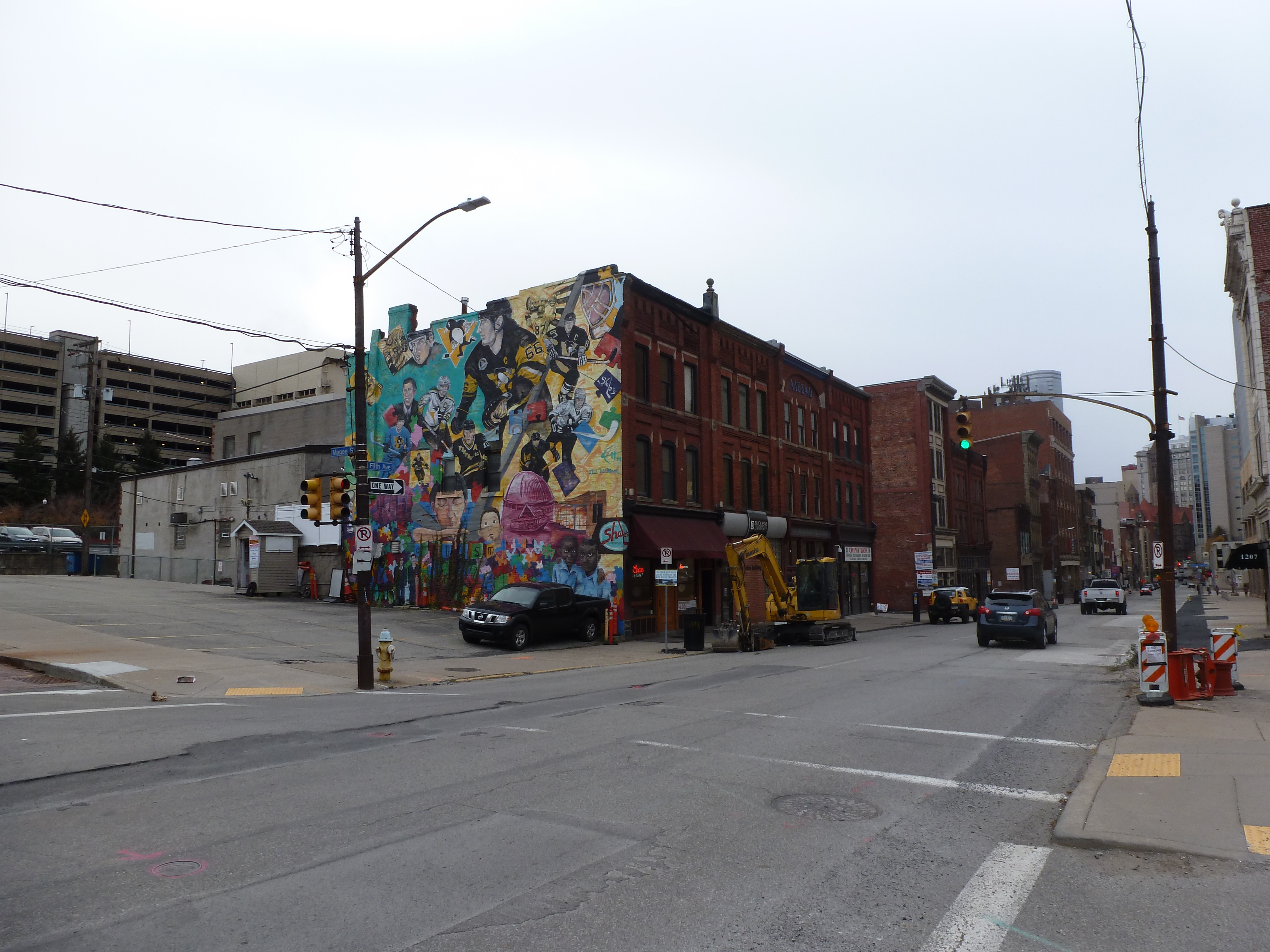
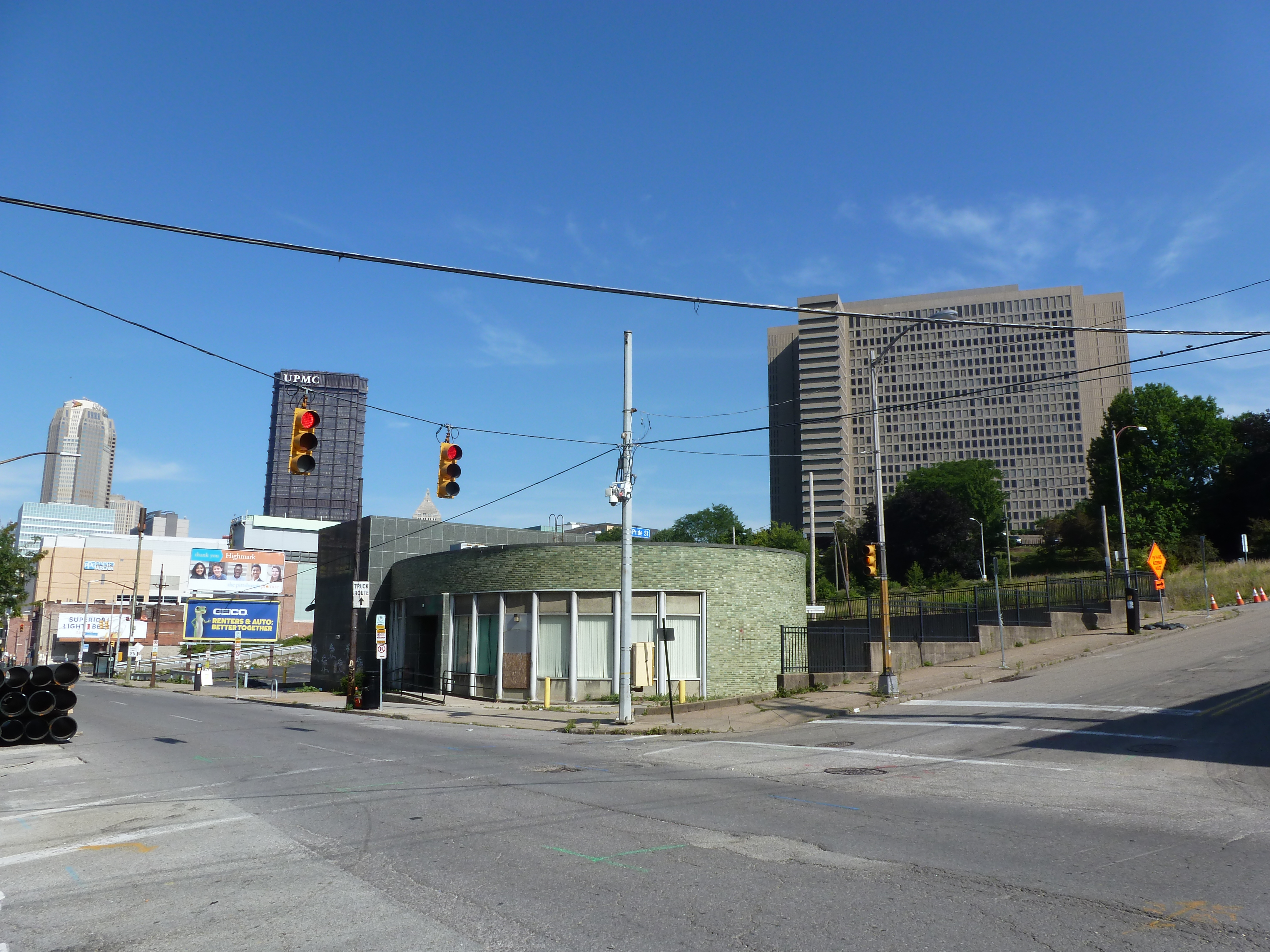
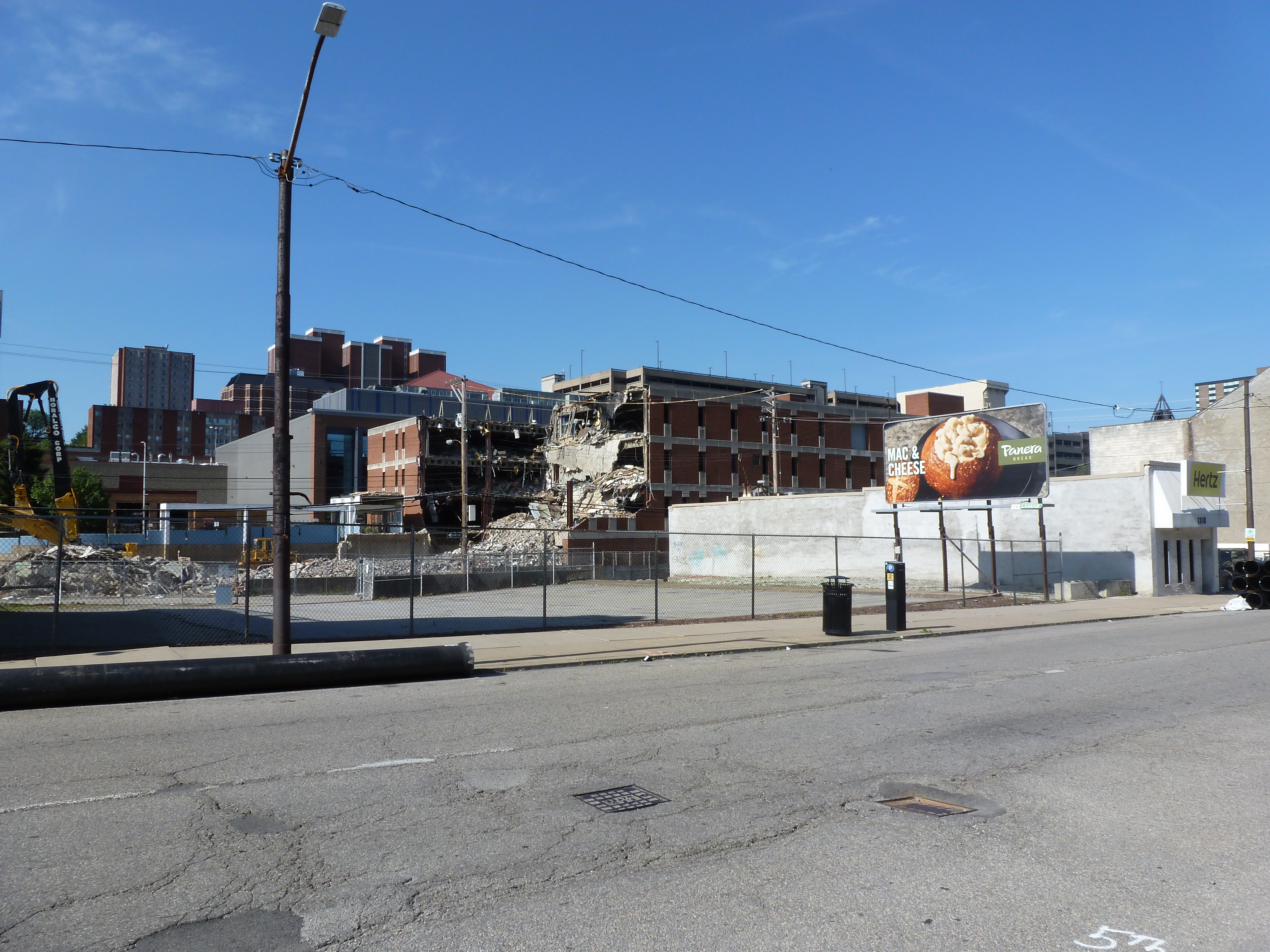
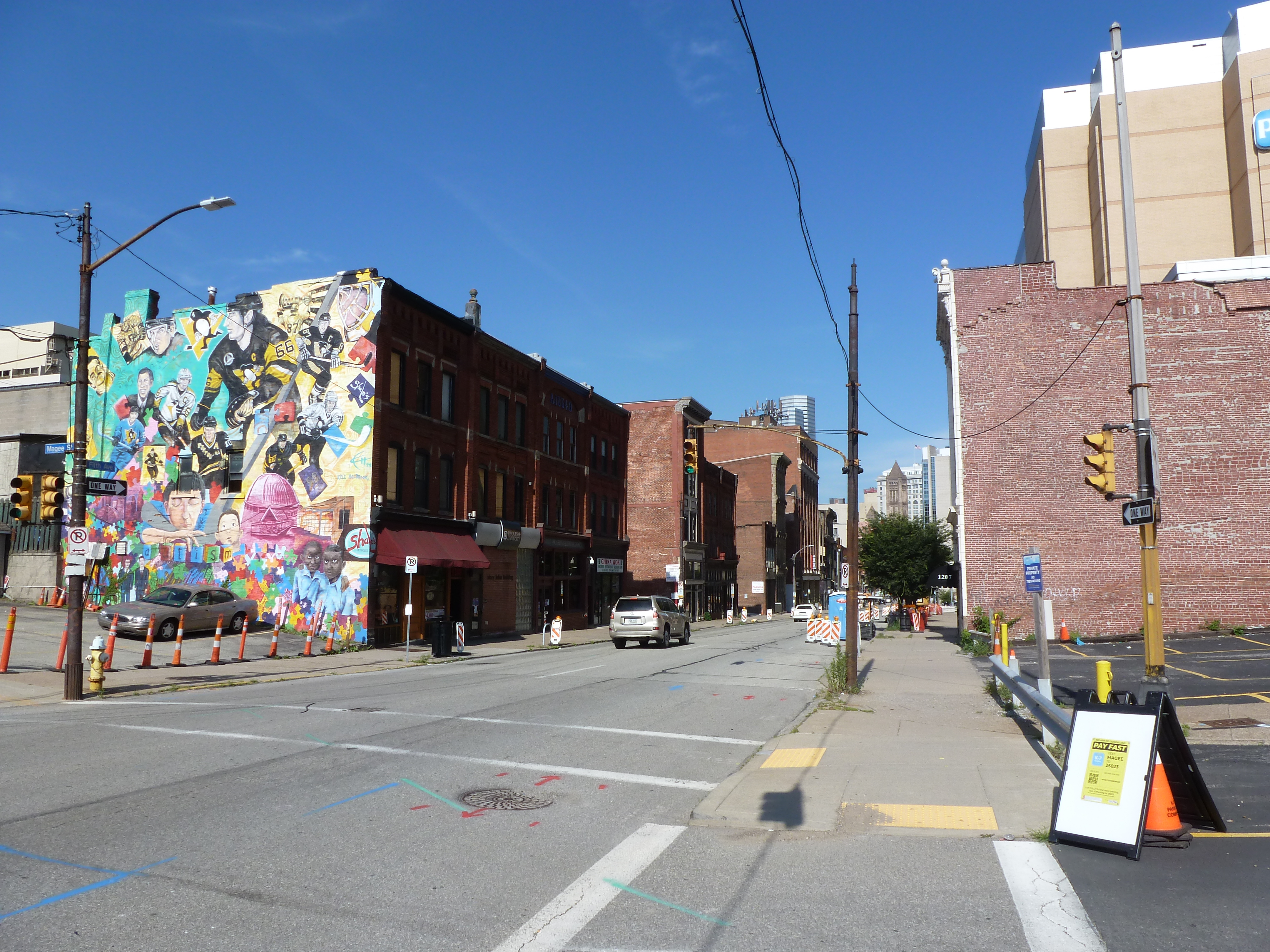
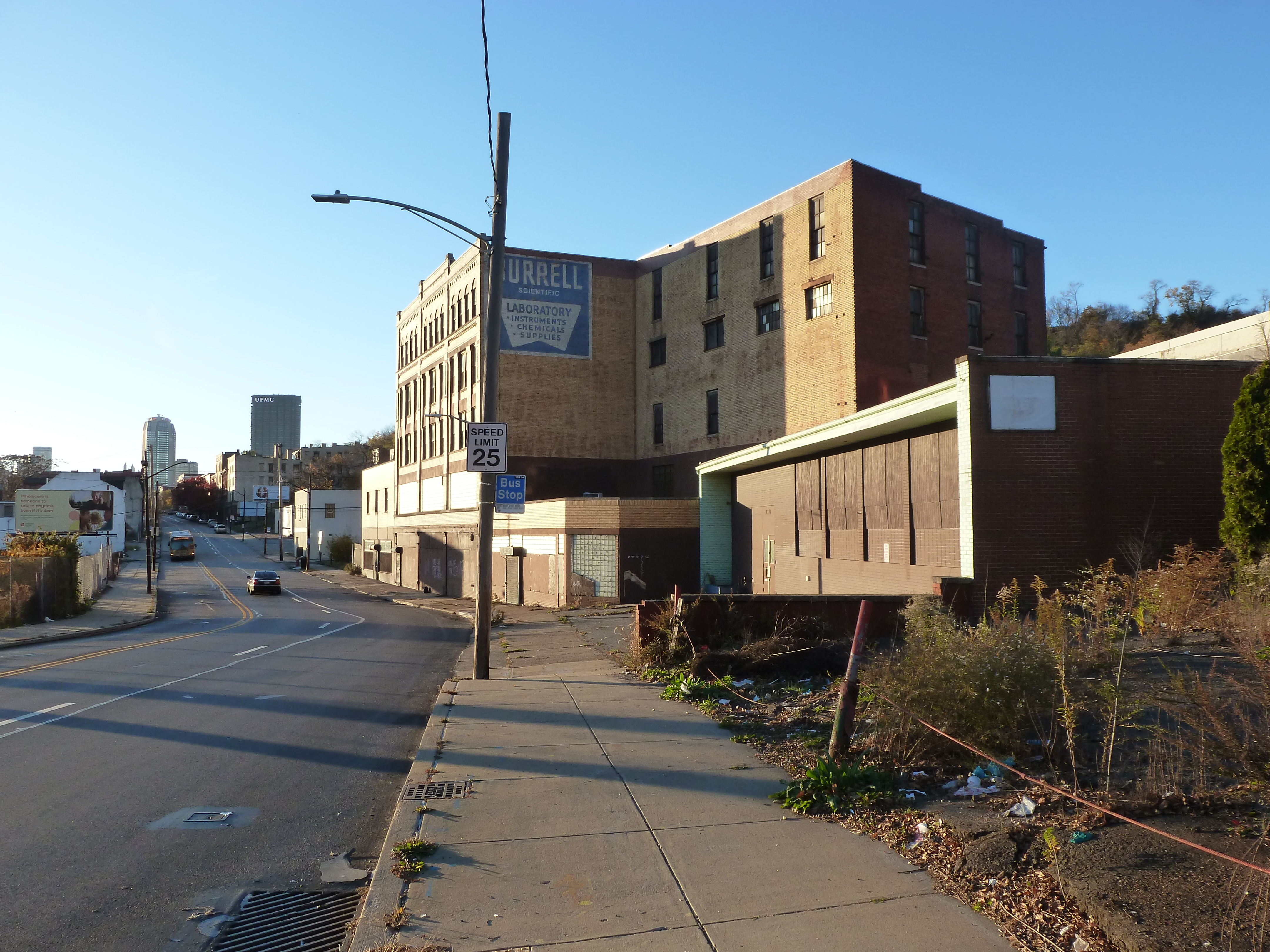
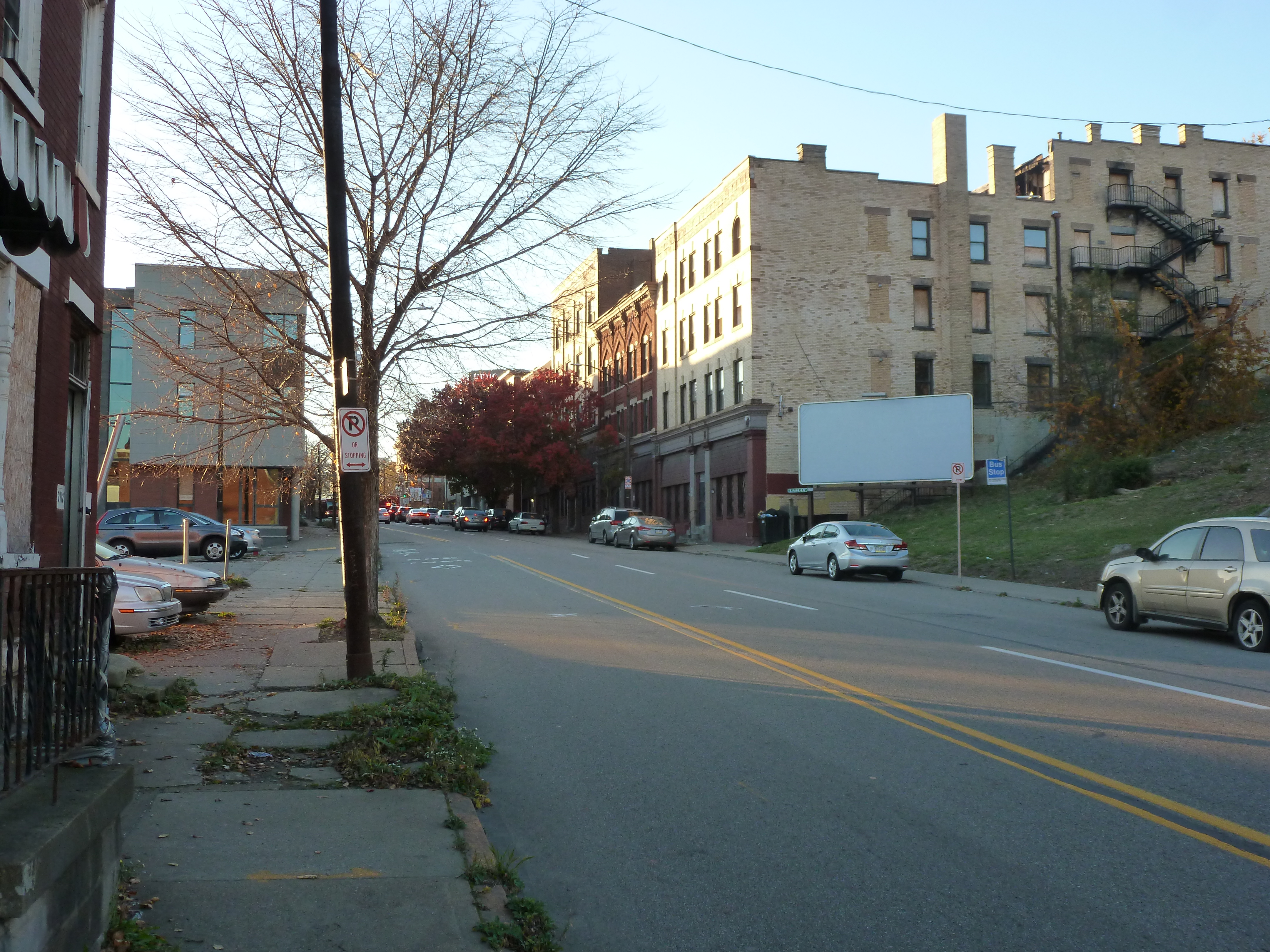
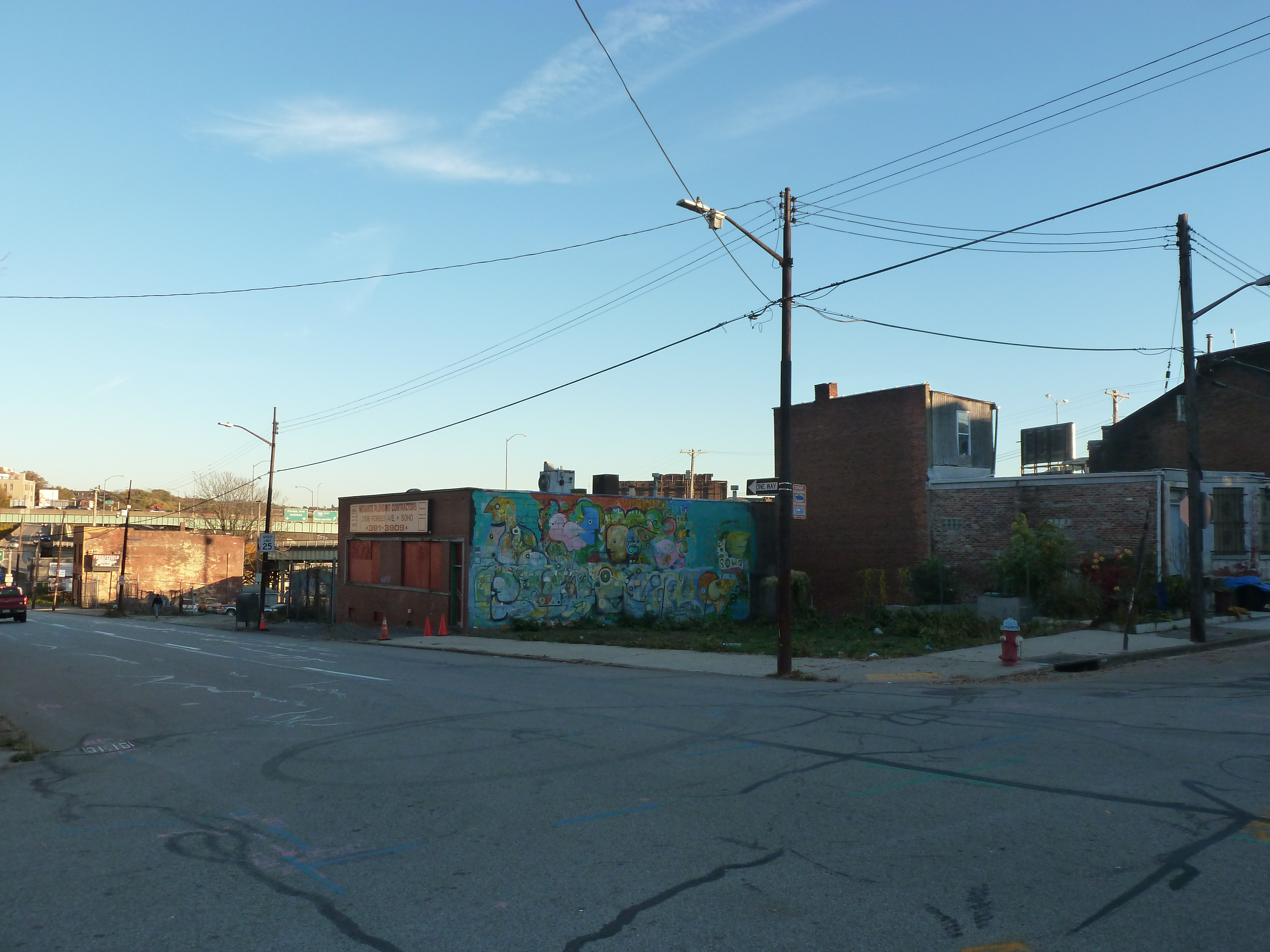
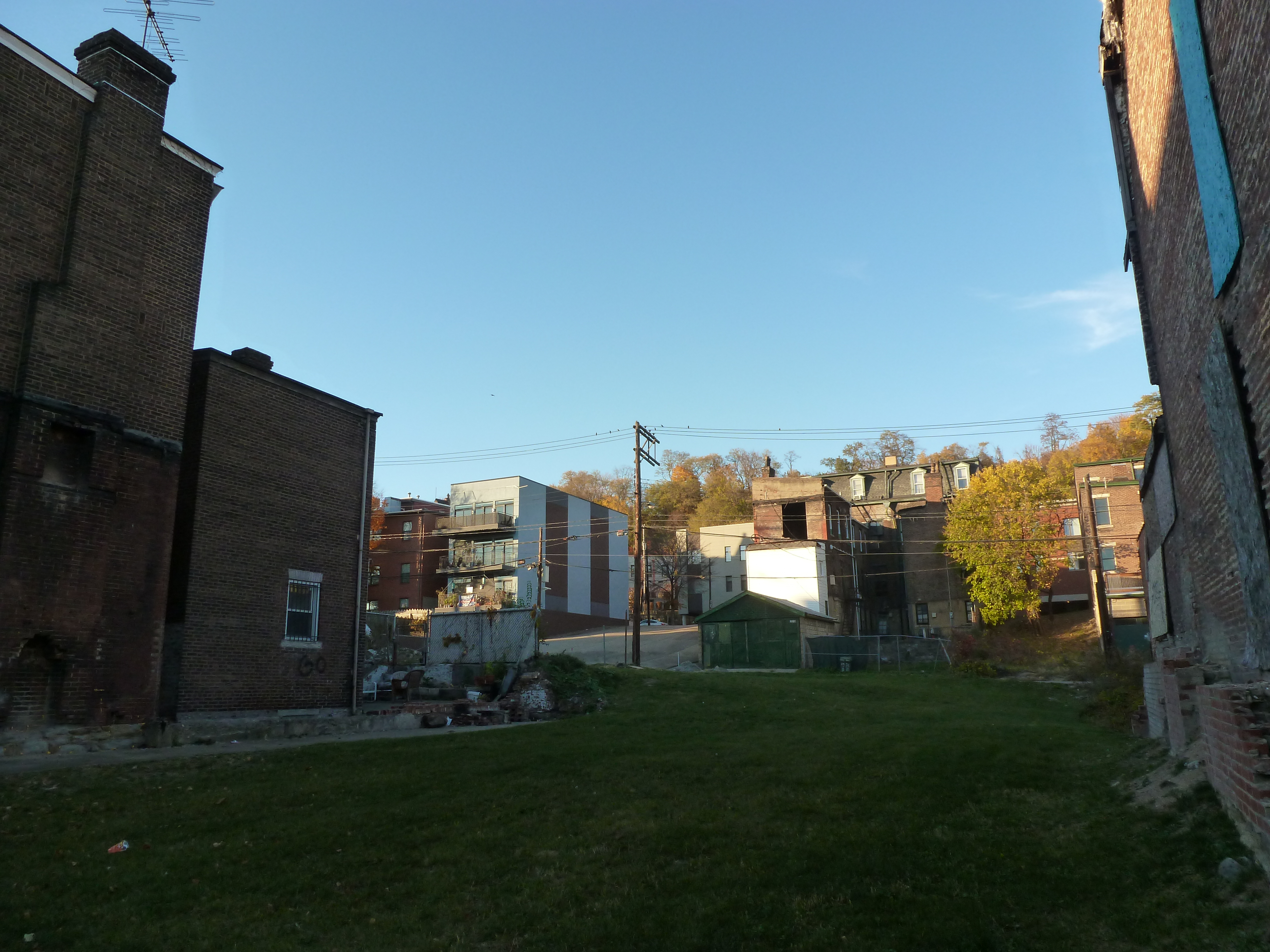
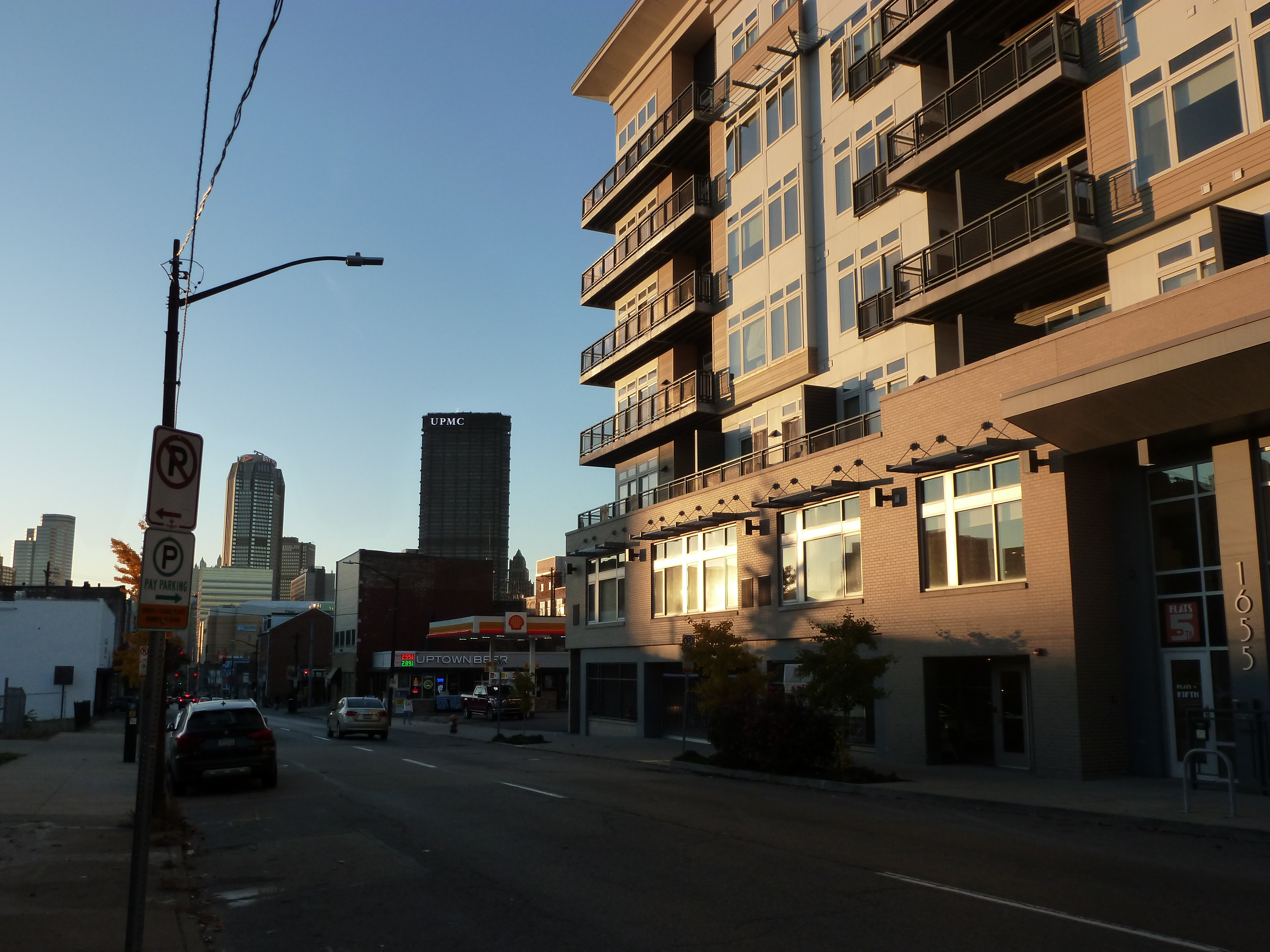
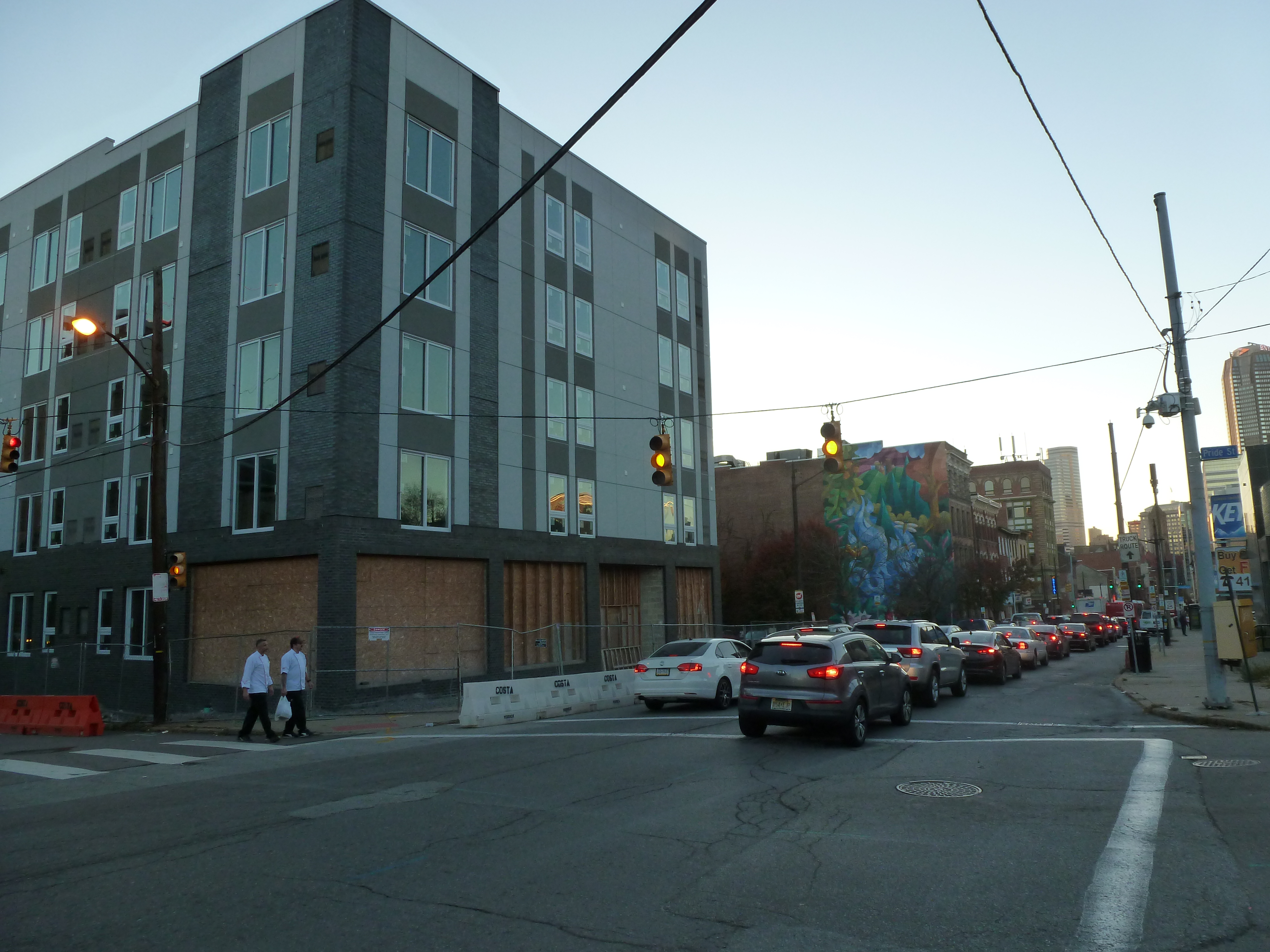
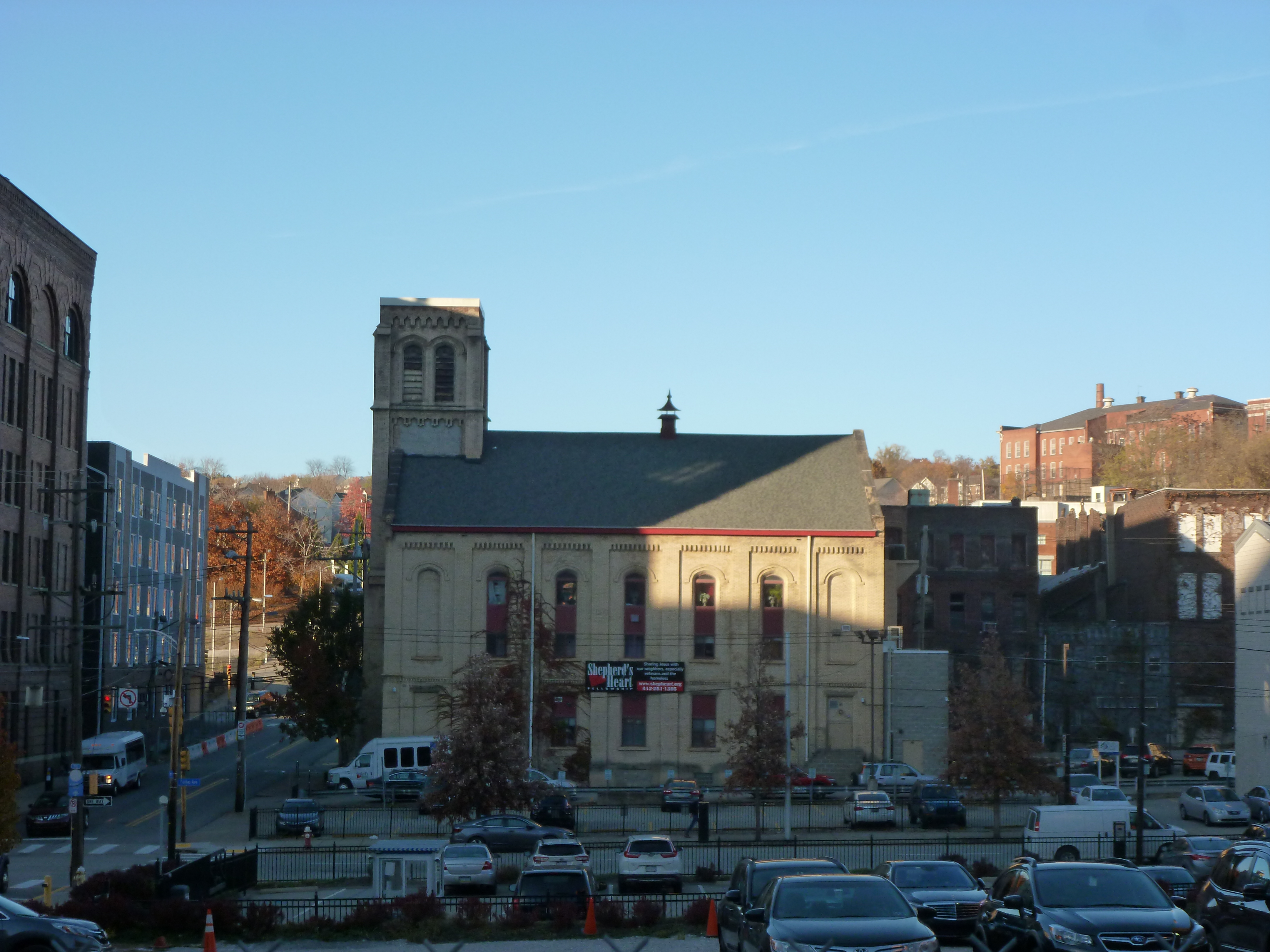
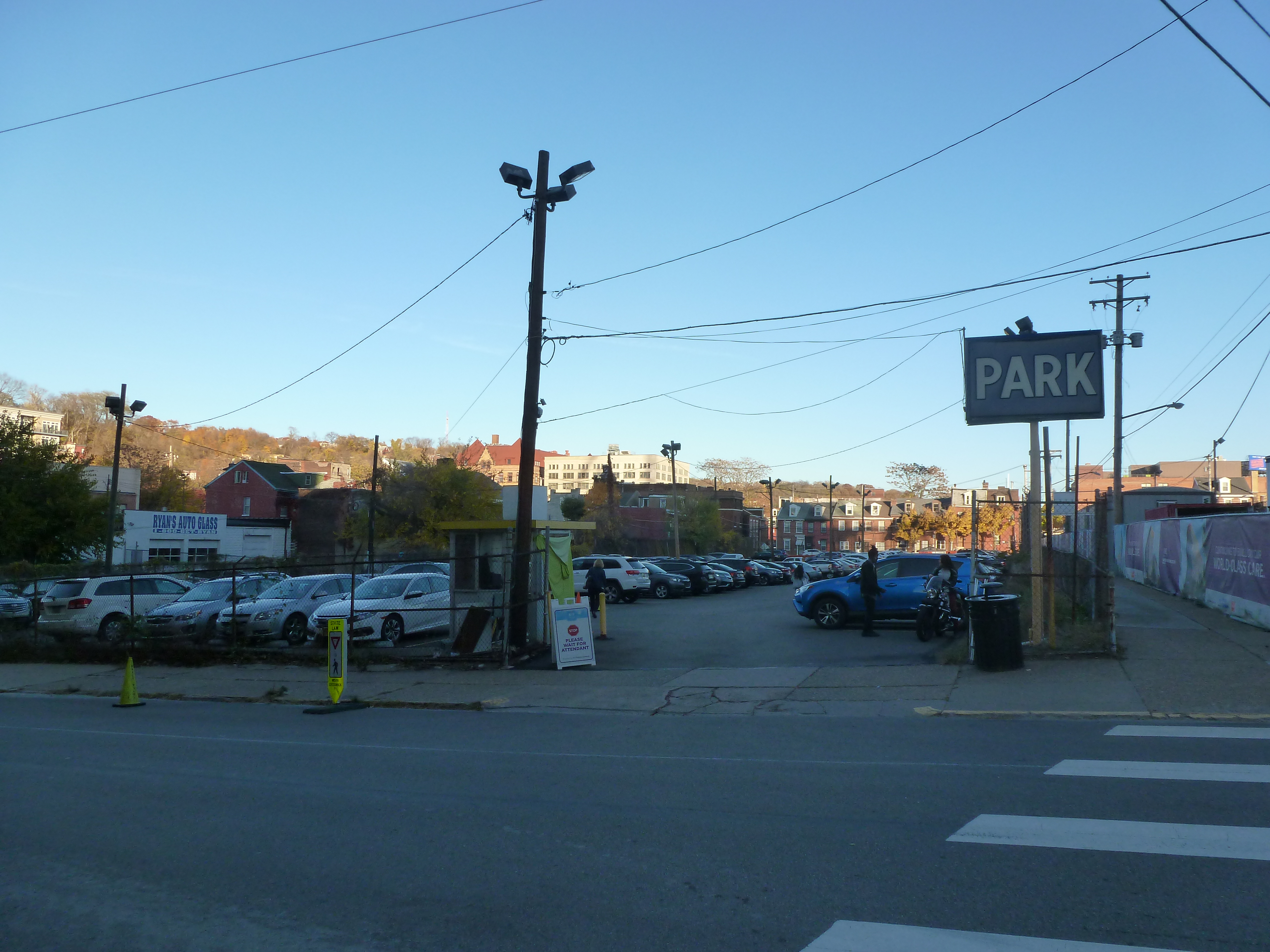
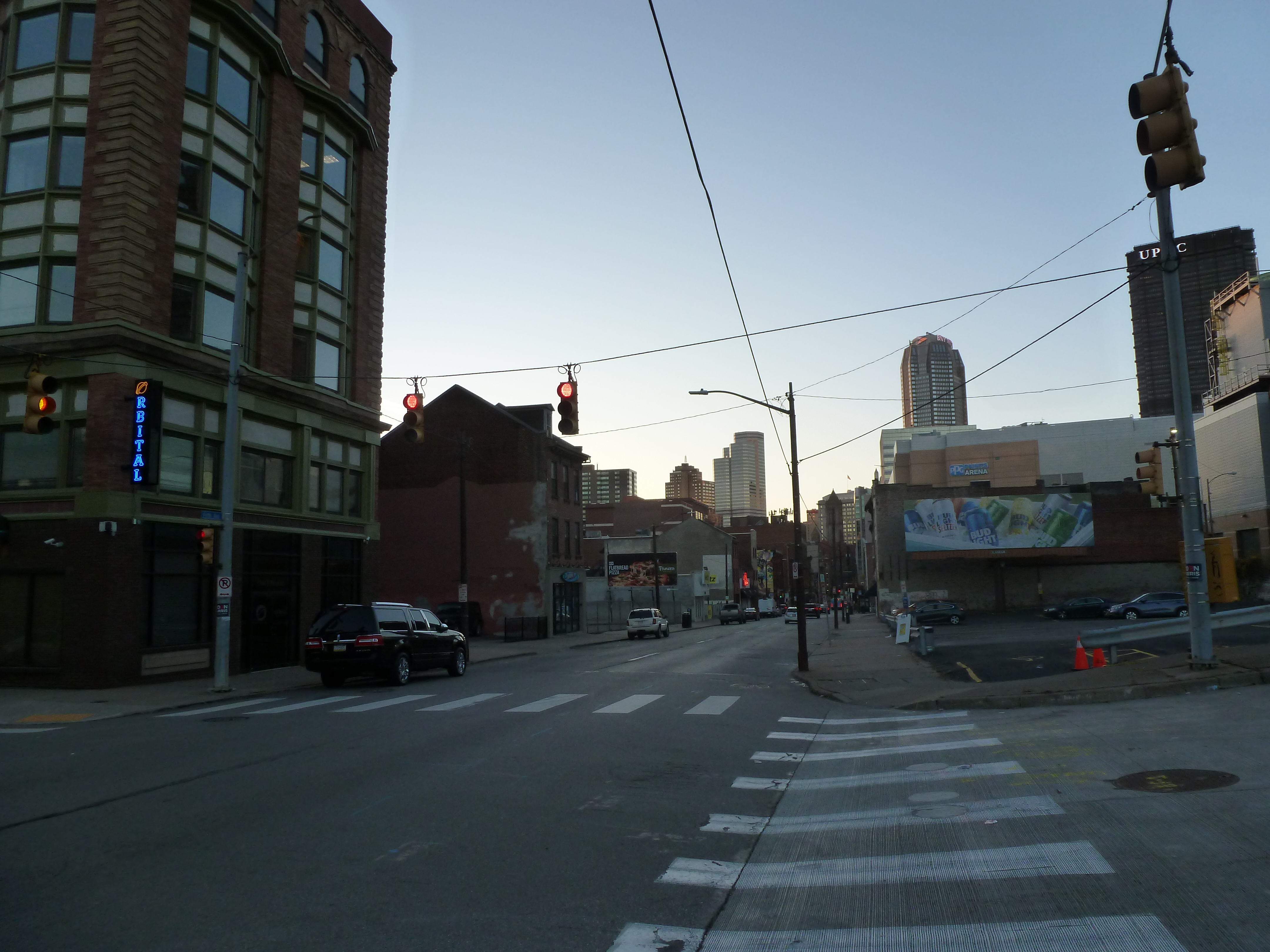
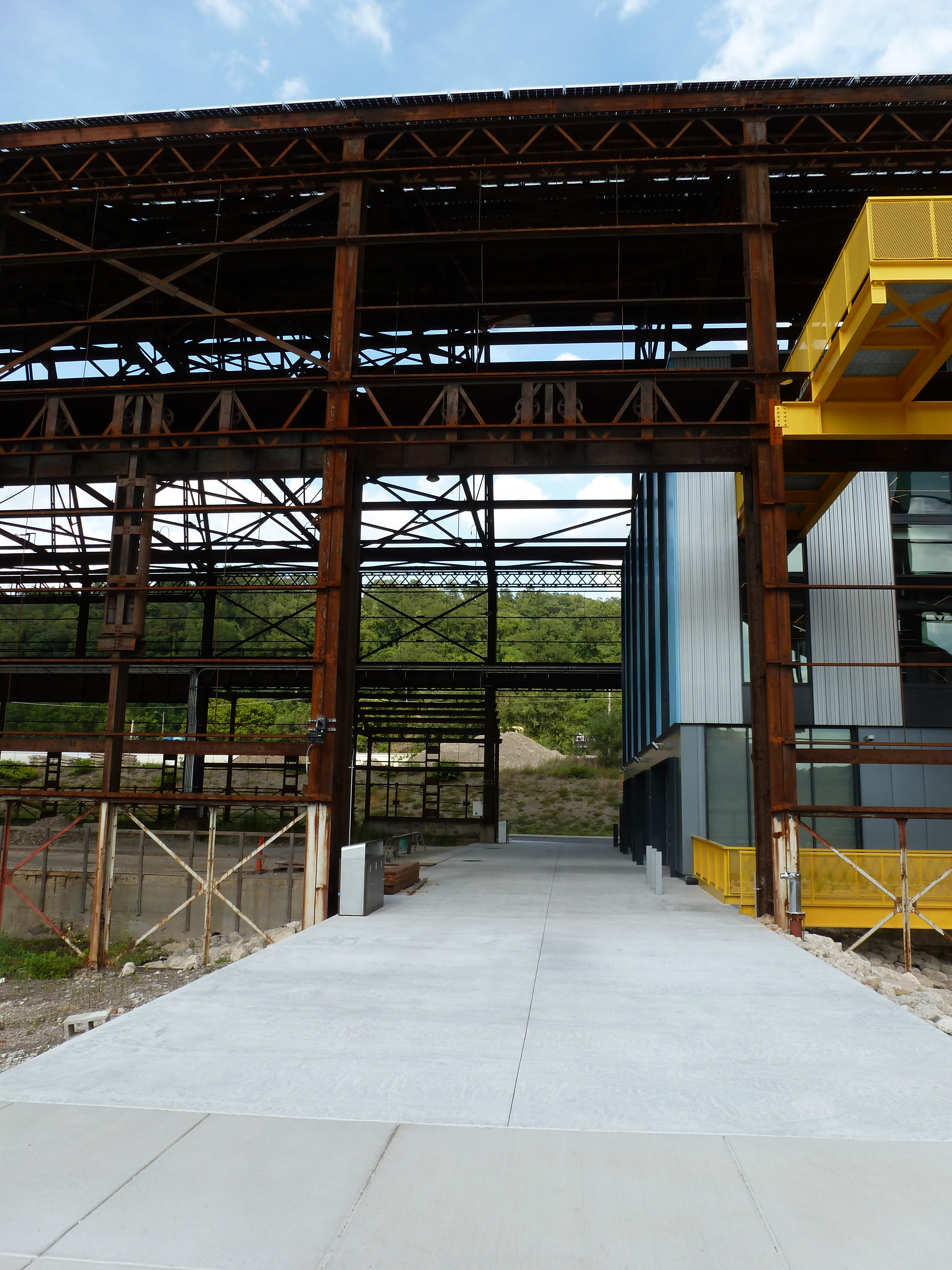
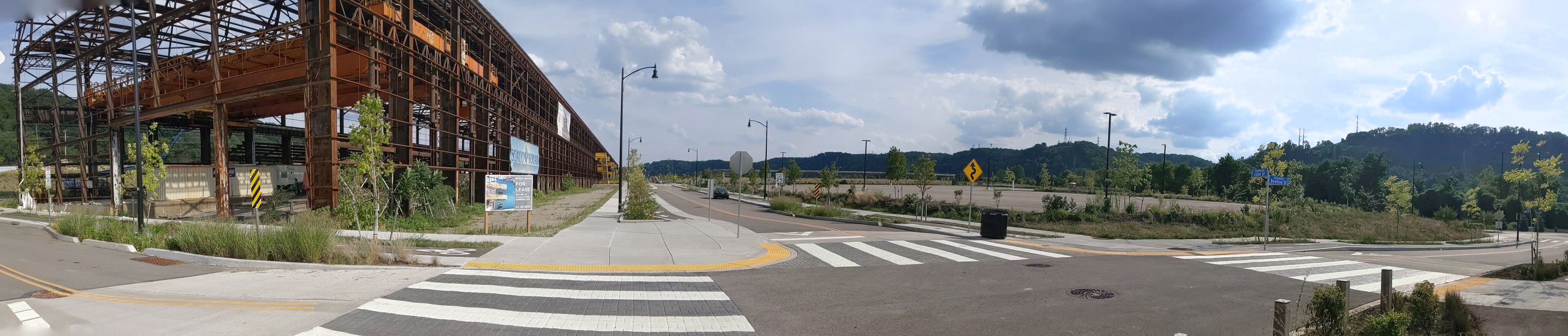
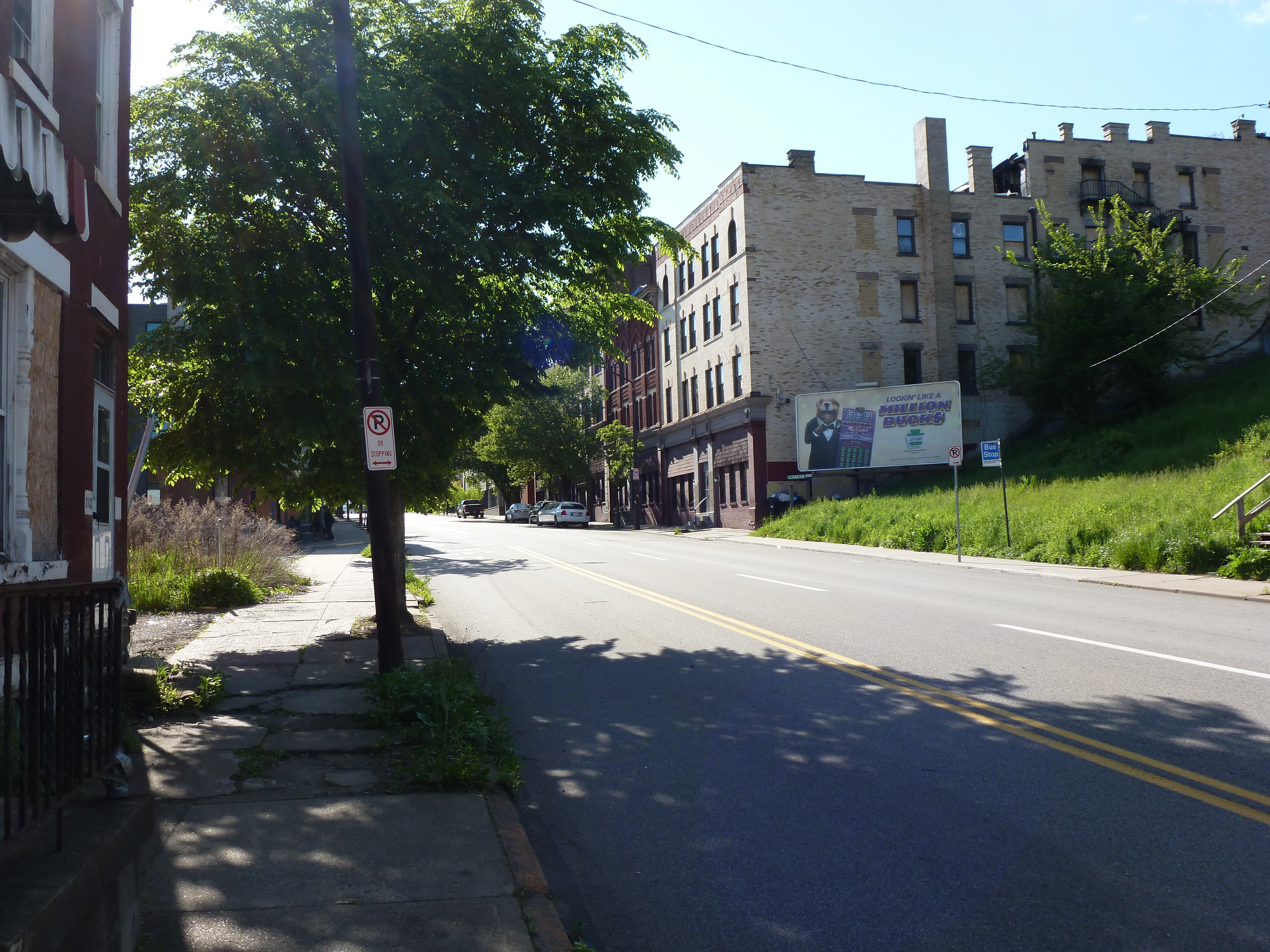
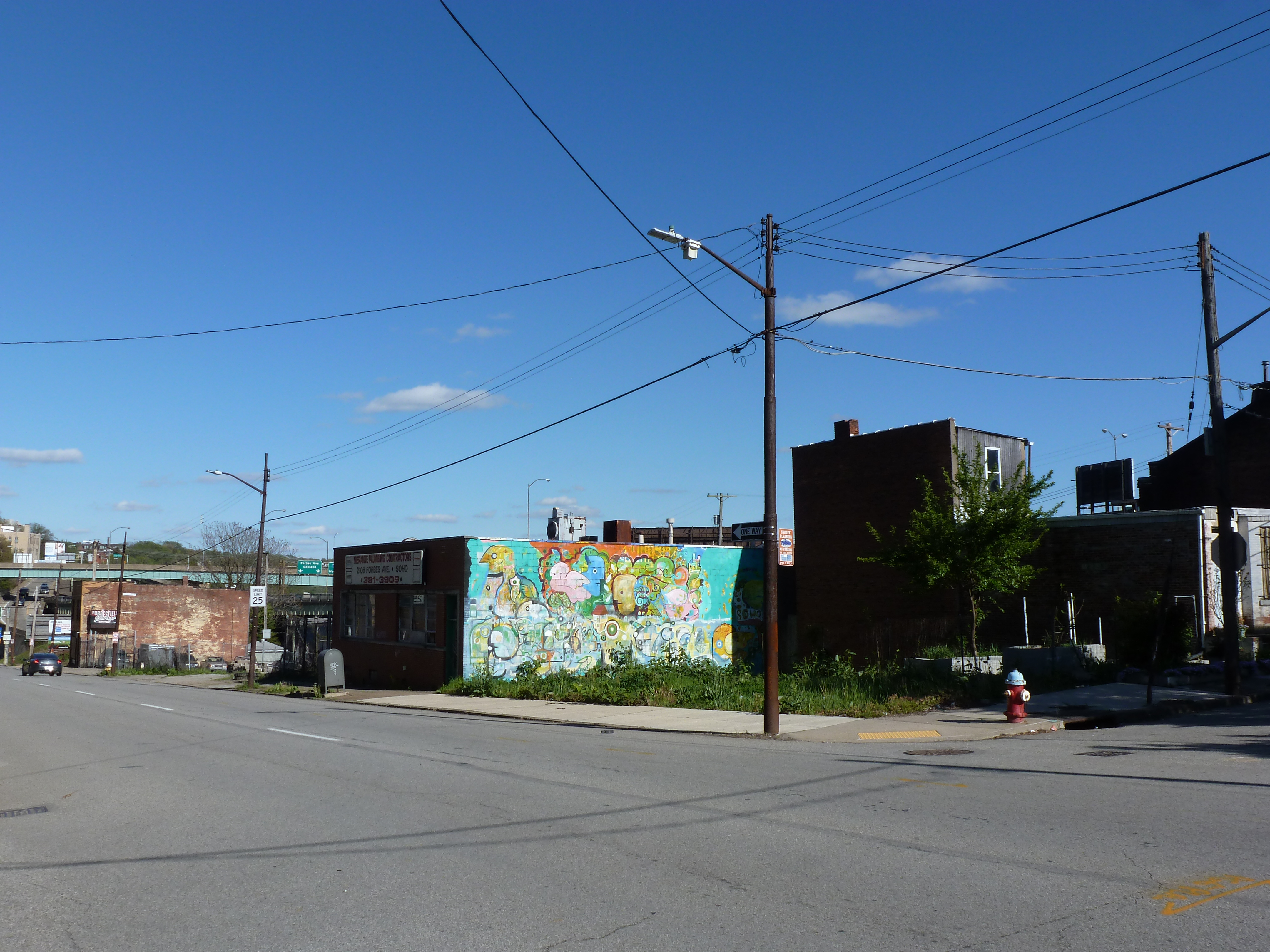
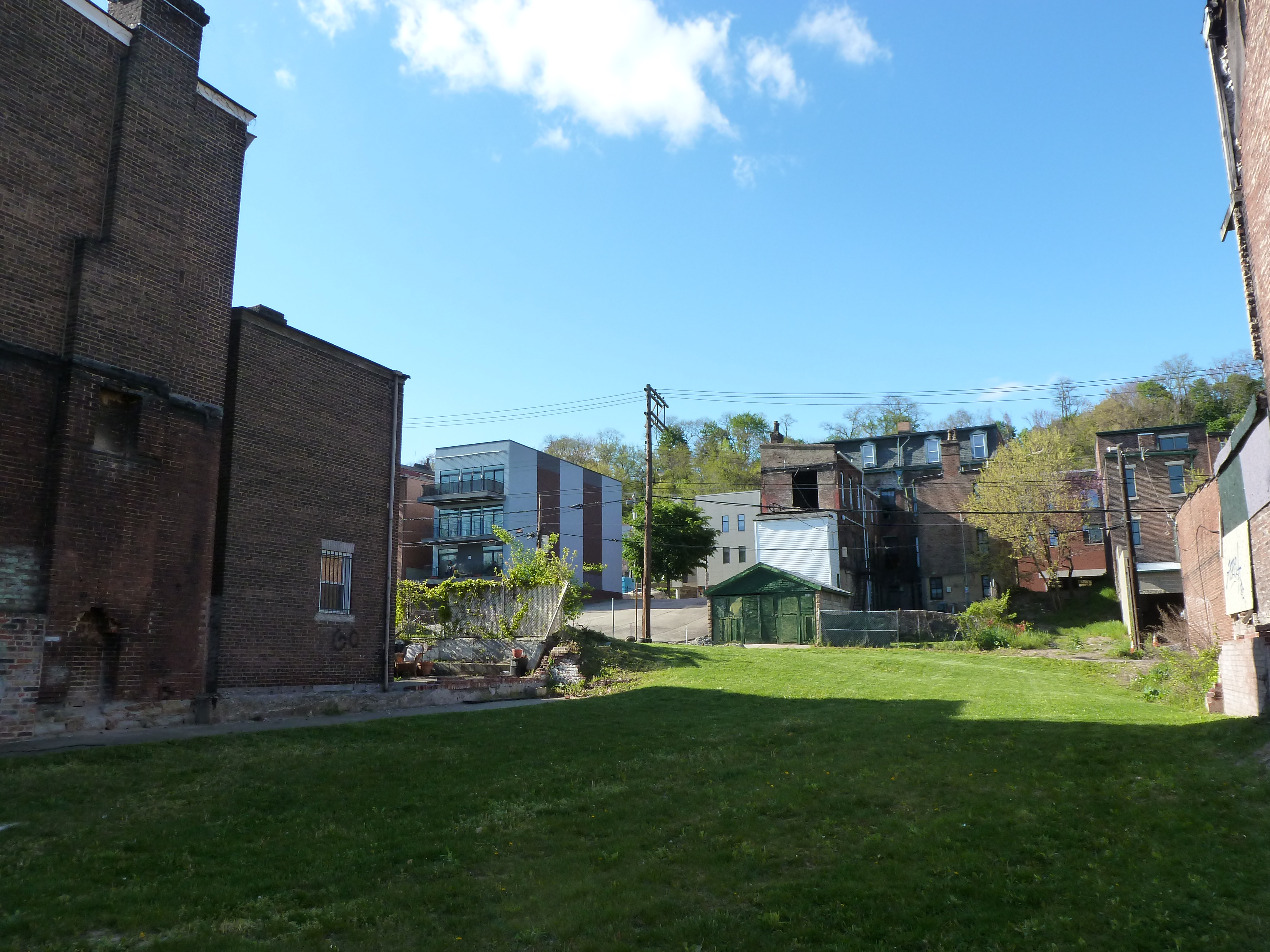
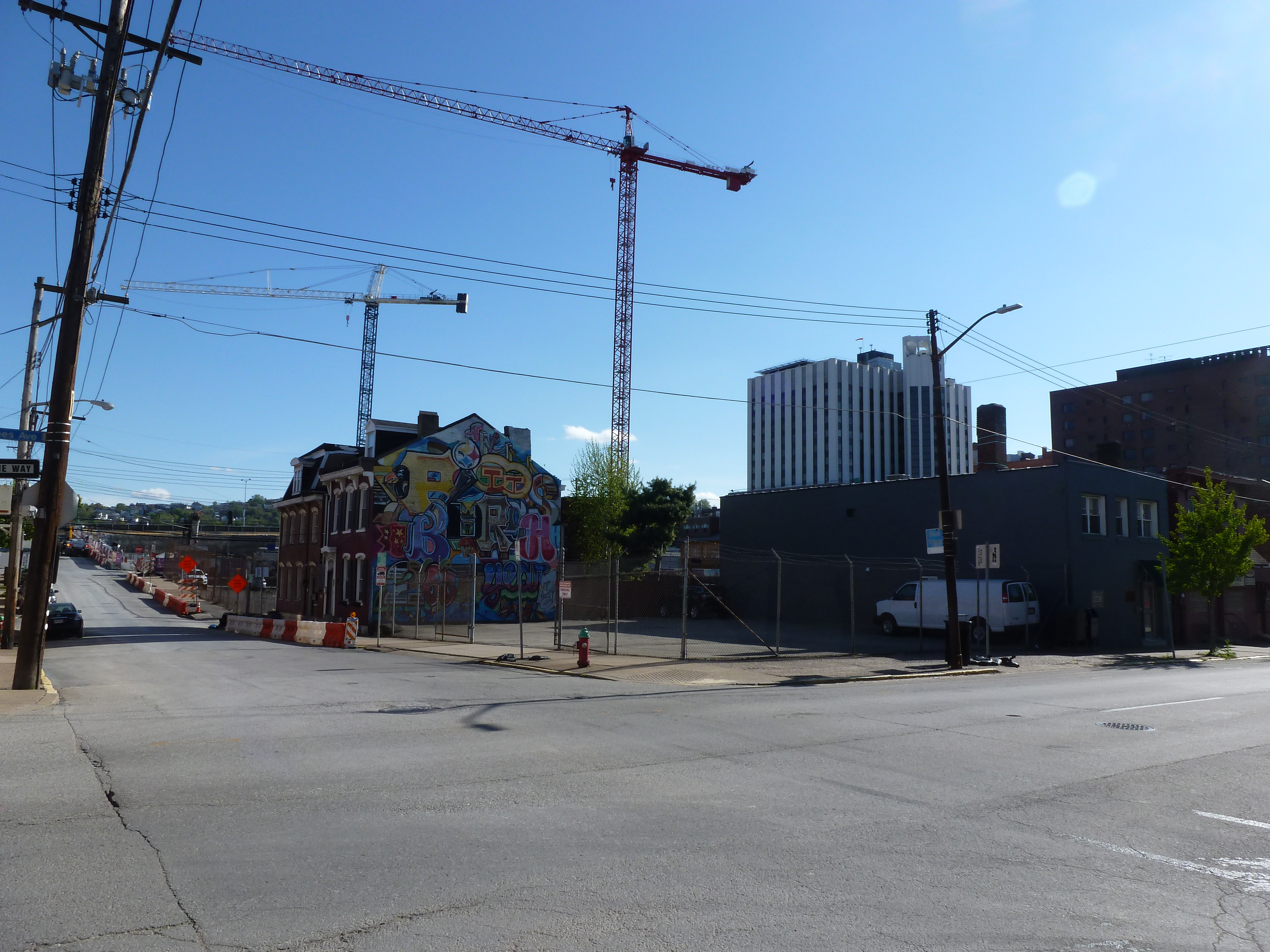
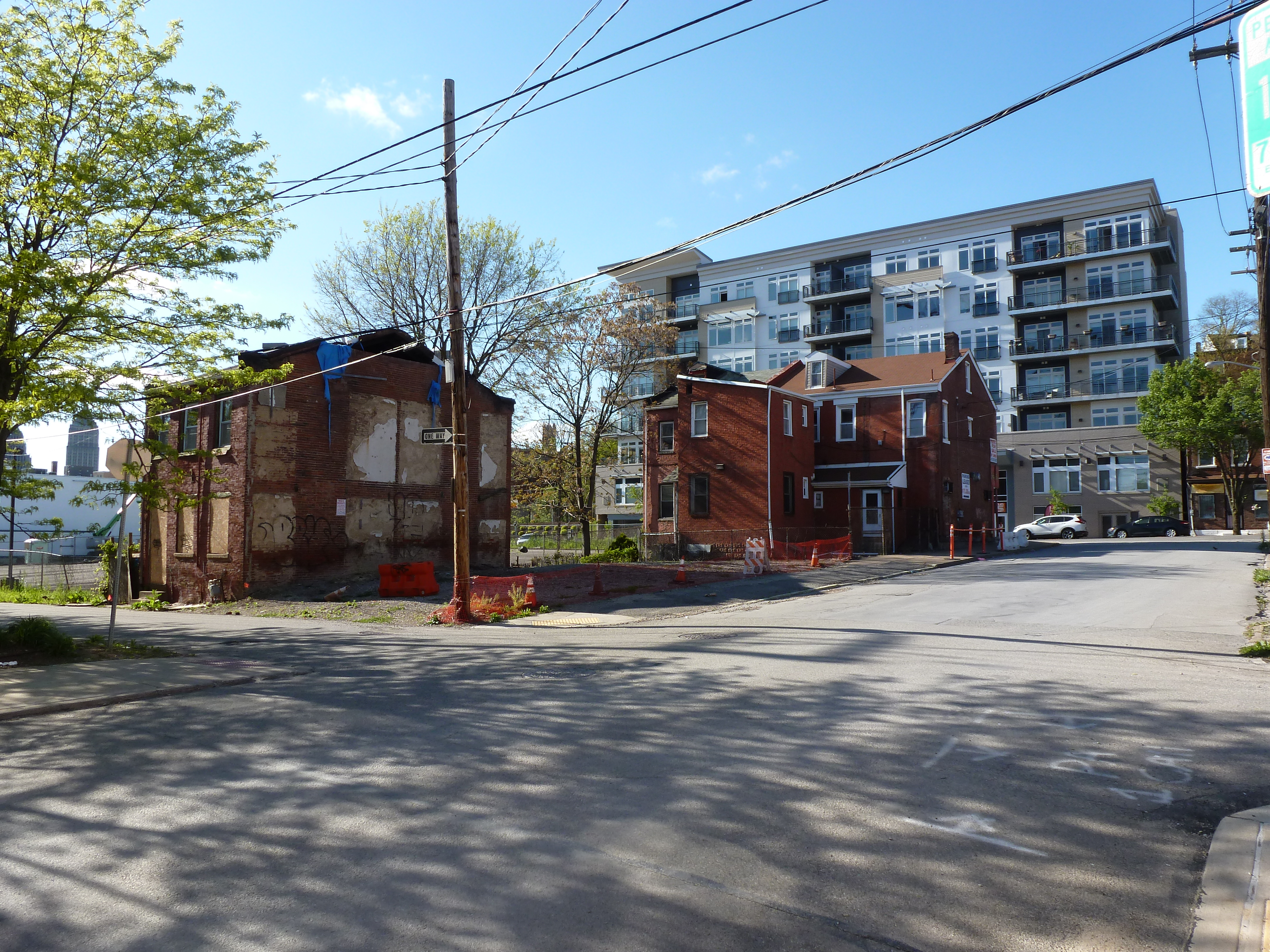
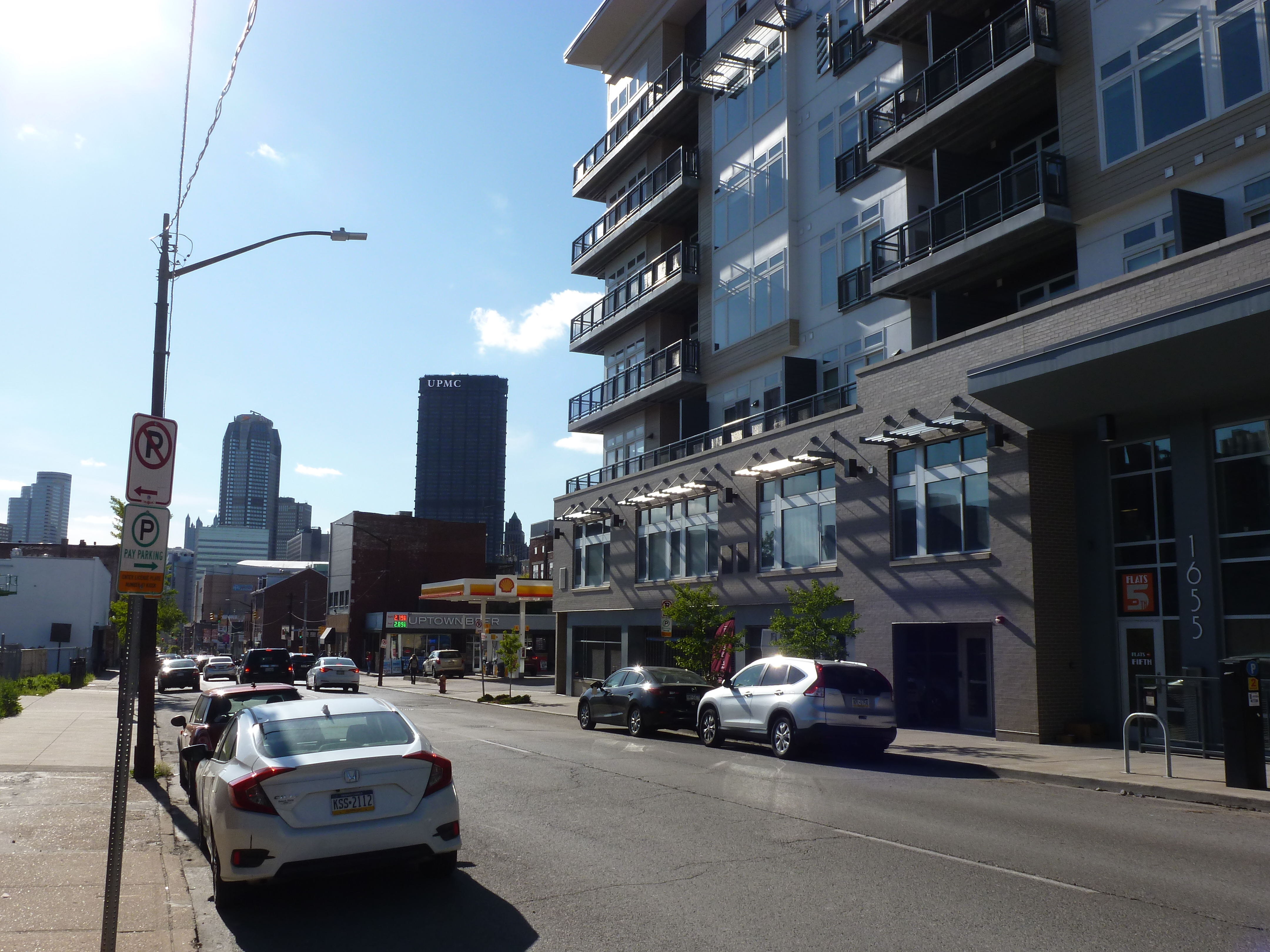
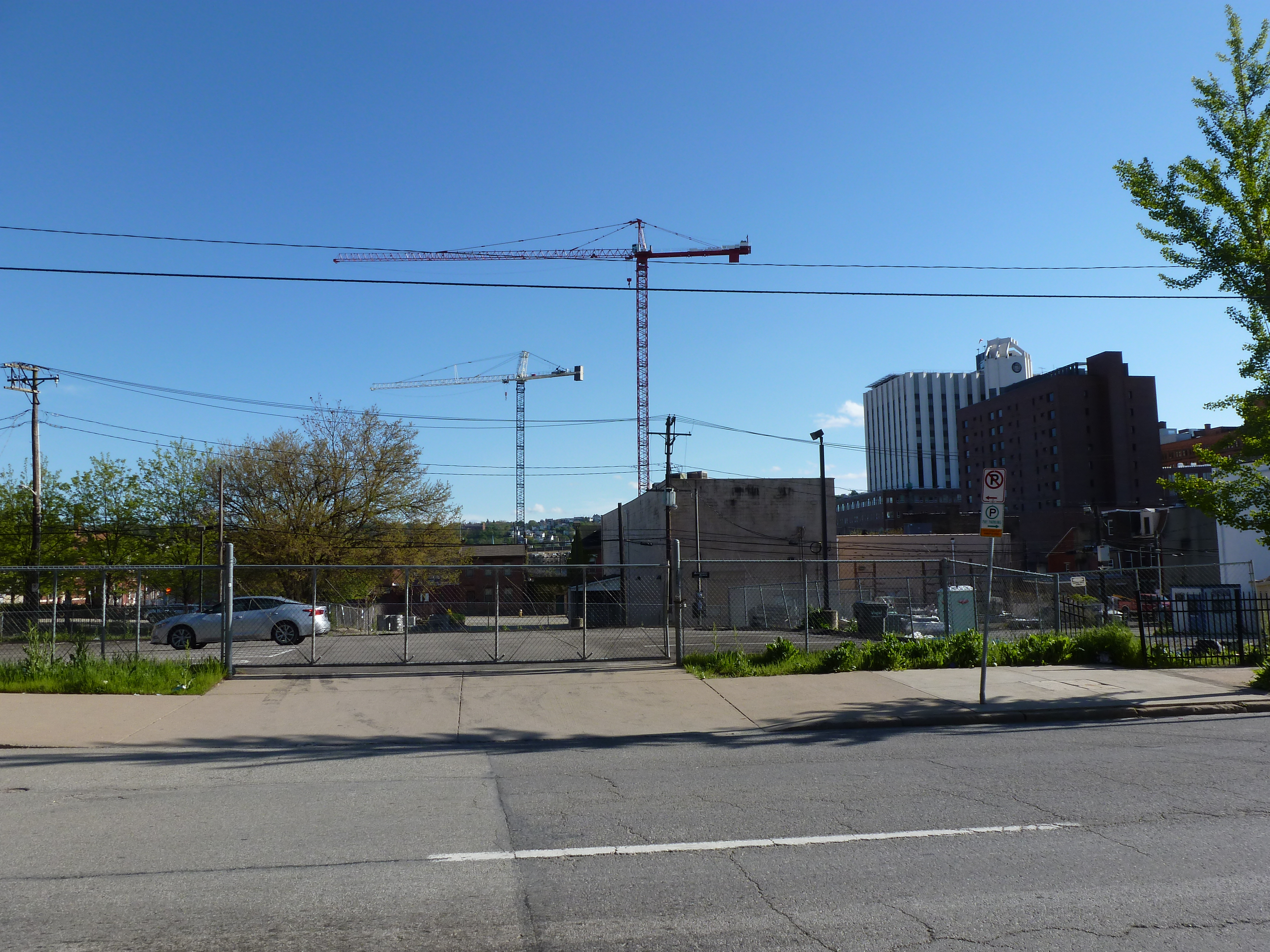
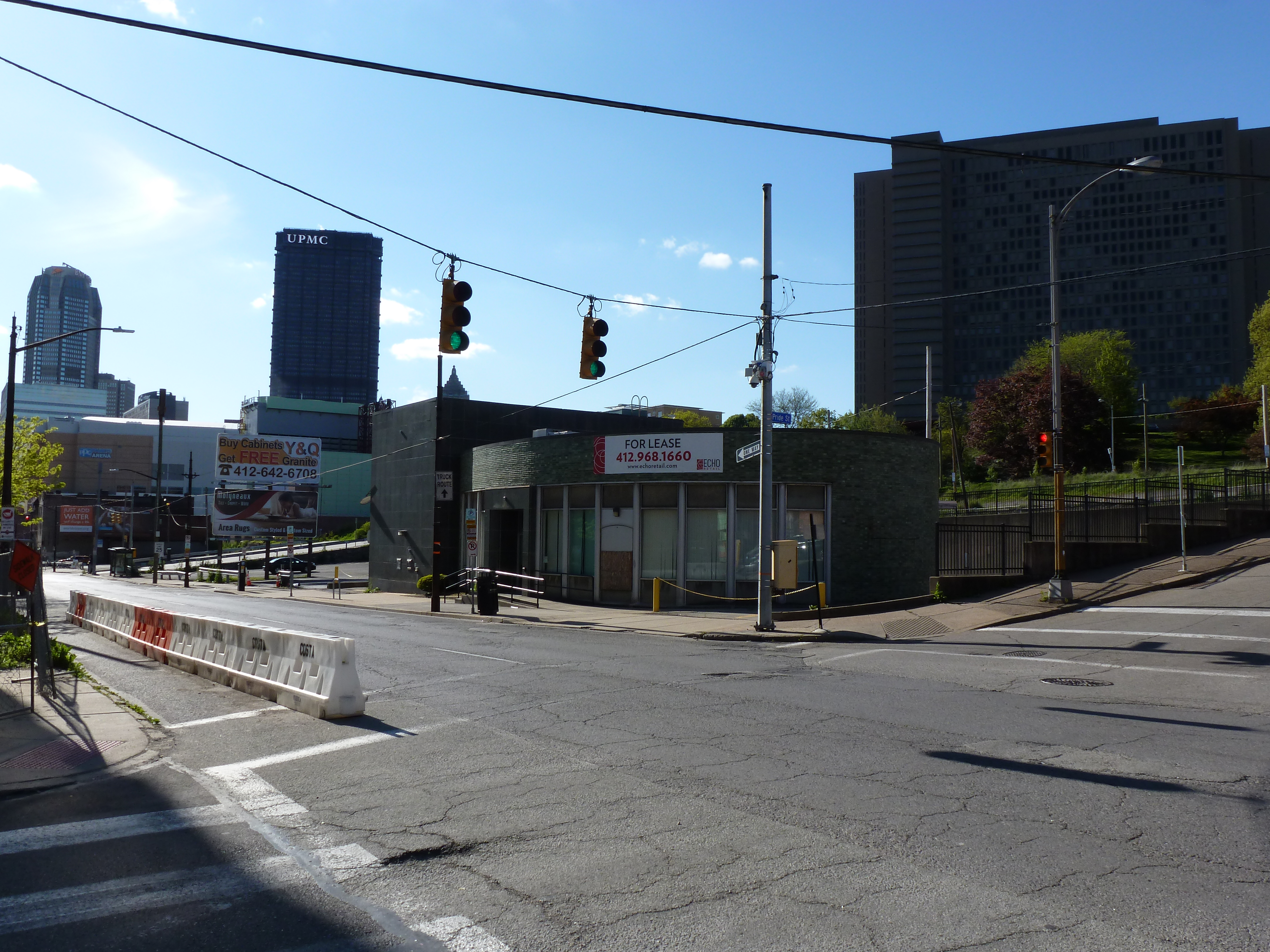
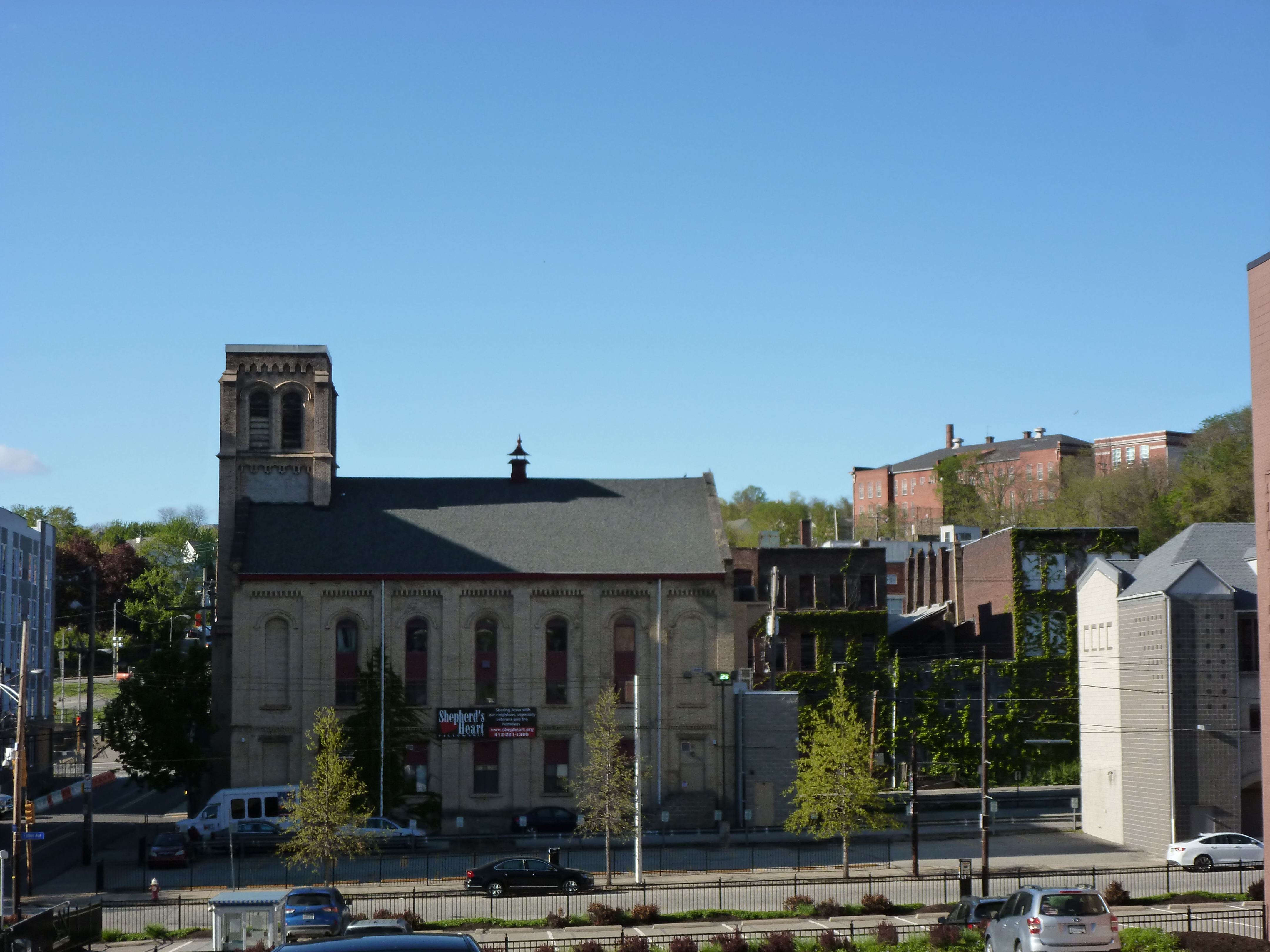
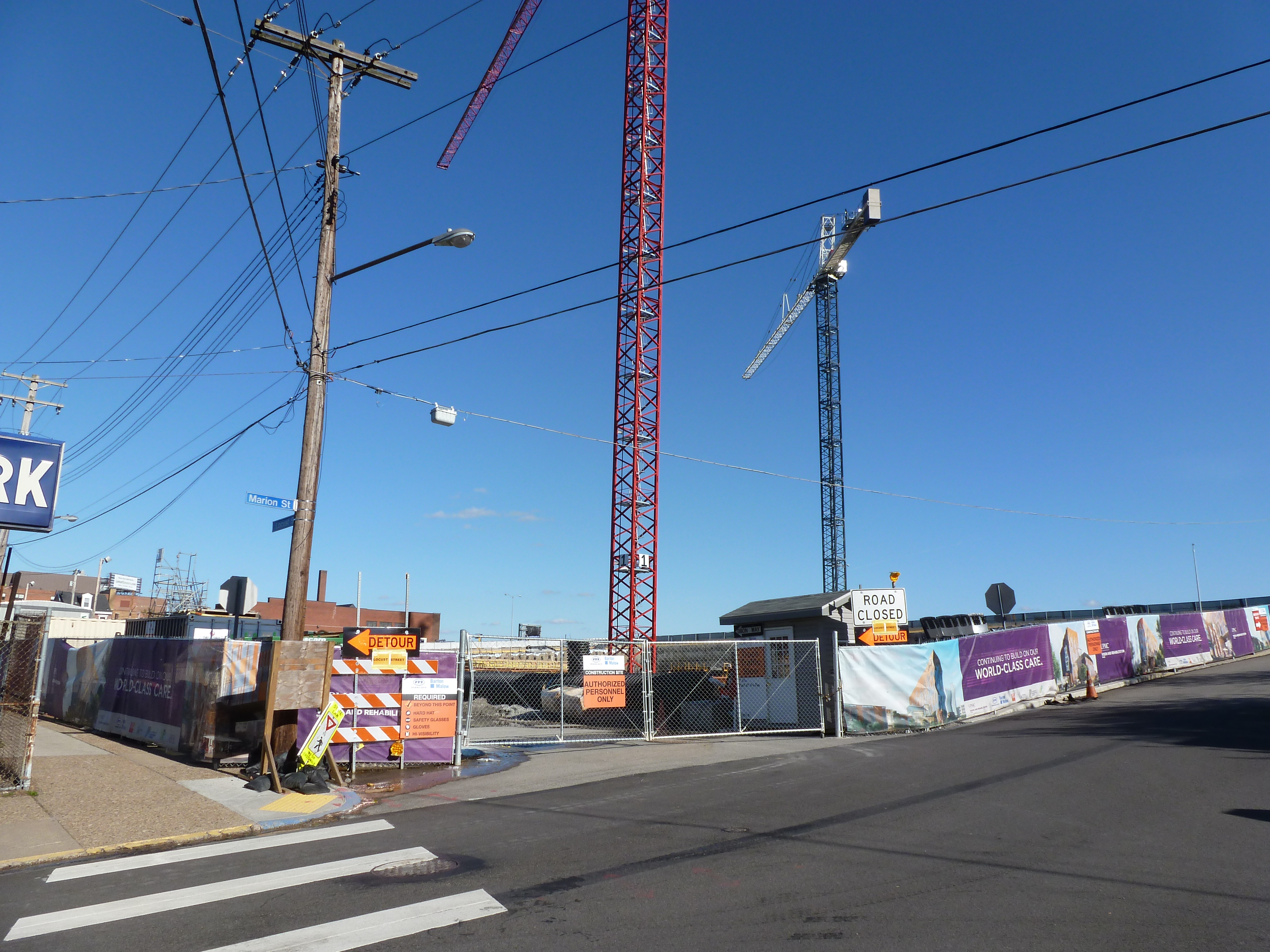
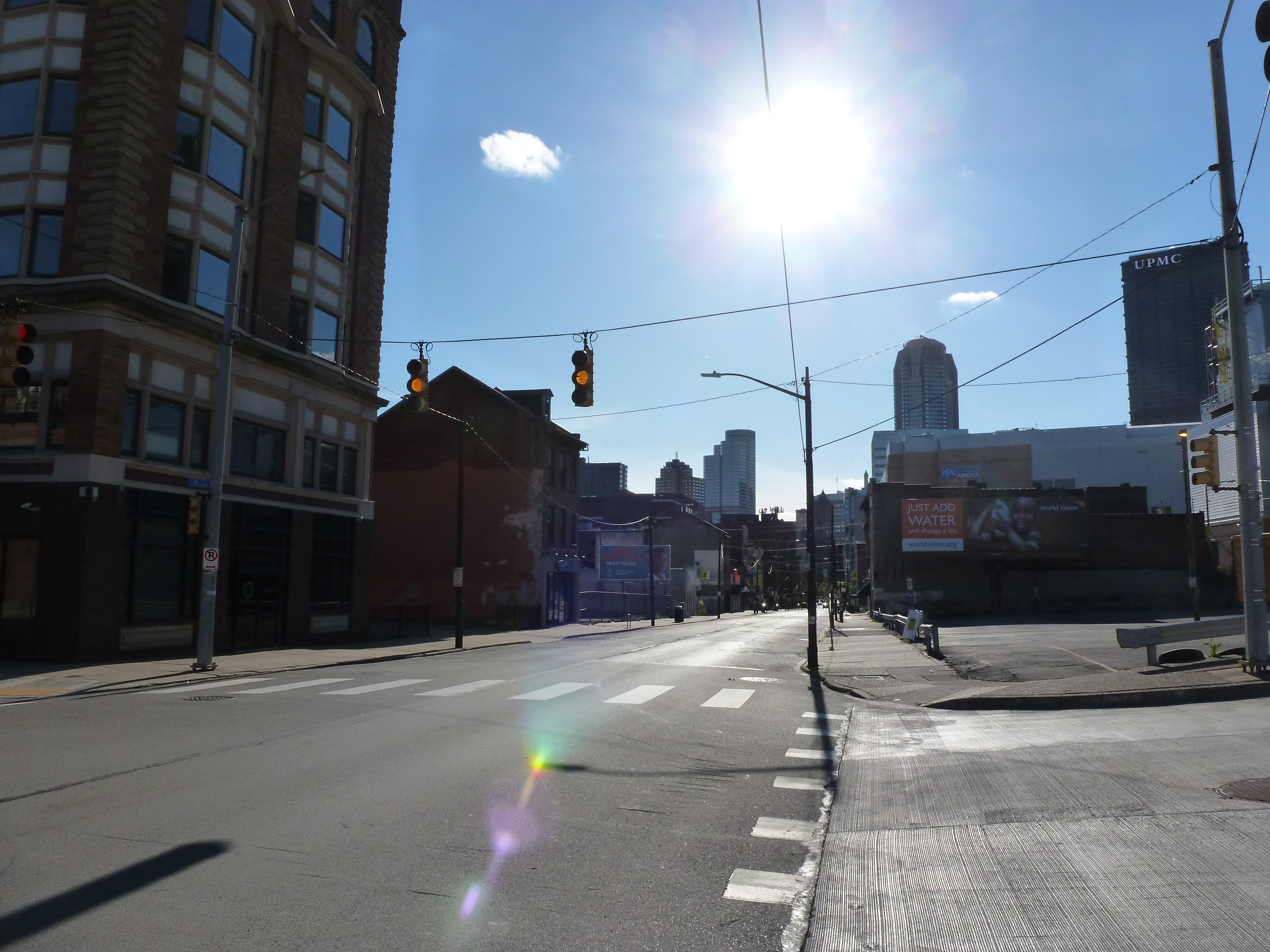
Pittsburgh’s Uptown neighborhood is trying a different approach to see if economic investment can be leveraged for the greater good. Uptown experienced disinvestment and decay for decades, despite being located between and within walking distance of Oakland and downtown, two of the largest economic engines in the state. Not to mention the main roads connecting these prosperous and growing areas run directly through Uptown. Zipping down Fifth Avenue from Oakland to downtown, it is easy to overlook or ignore the ruined home foundations turning back to forest, the wide-spread vacant lots and parking lots, and the intricate architectural details on the remaining old structures.

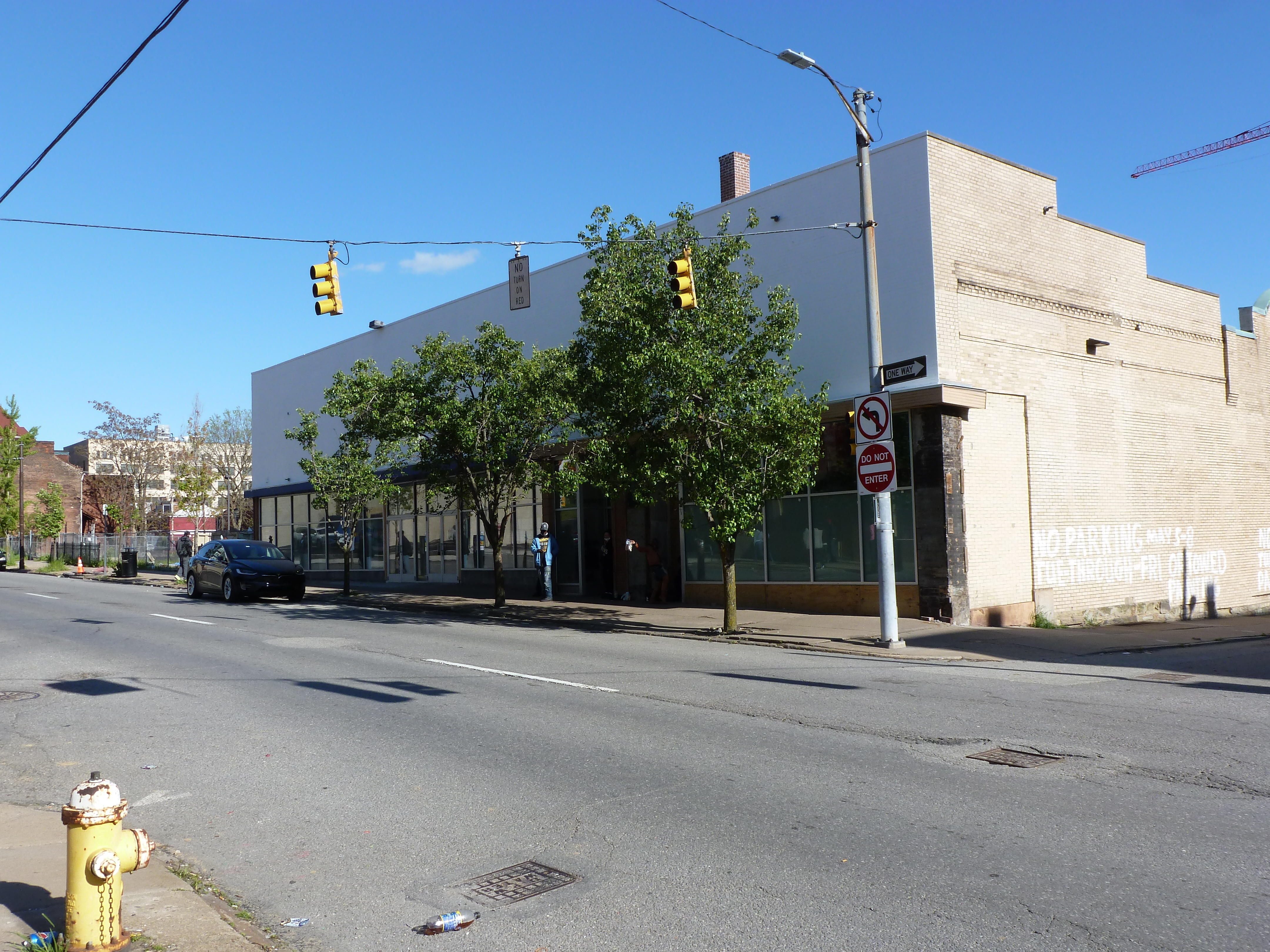
Former Rialto Theatre

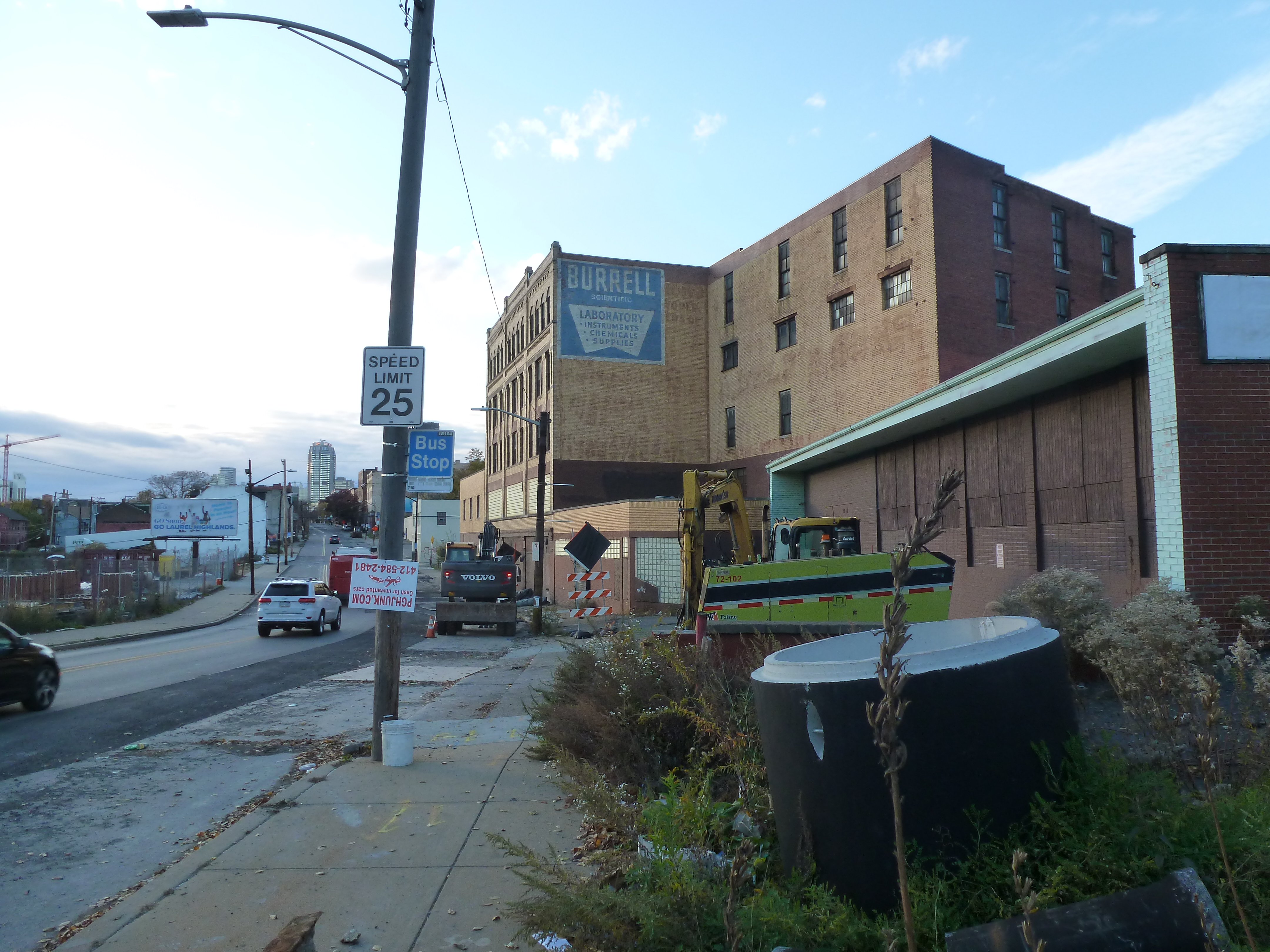
The bland brick and glass facade on Fifth Avenue identifies this building as another mid-century warehouse. Turning the corner, the decorative parapet wall and bricked over arched opening tell the story of an older, more interesting building.

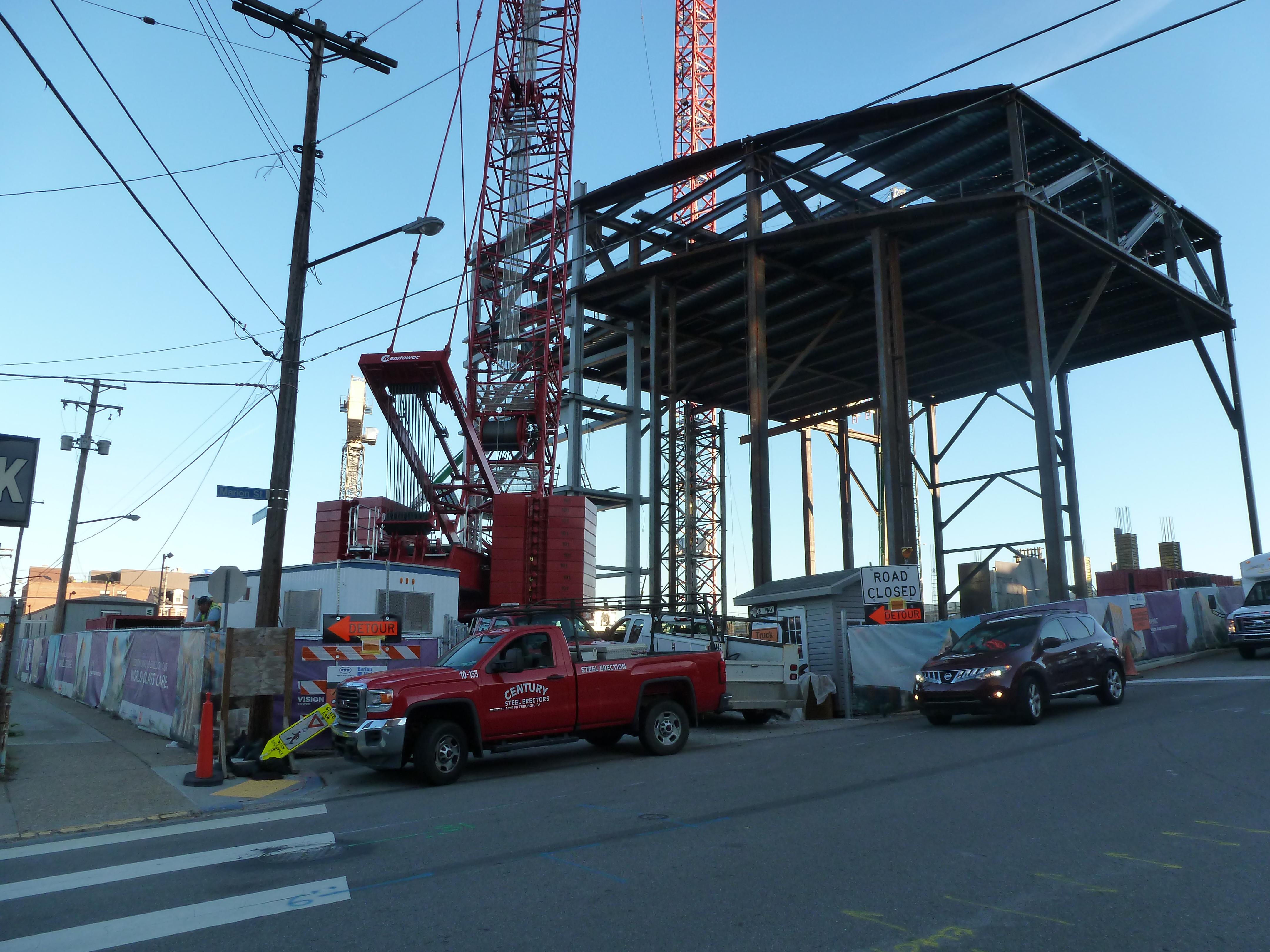
One such structure was one of the many movie theaters dotting the city in the 1920s. In the 1950s, the adjacent buildings were demolished, and an addition was added to the theater to turn it into a storeroom. After a time as a plasma center in the 1980s and 1990s, the building sat vacant and dusty for many years. Now, it is undergoing renovations for its next life. This is just one of the many signs that investment is coming to Uptown.

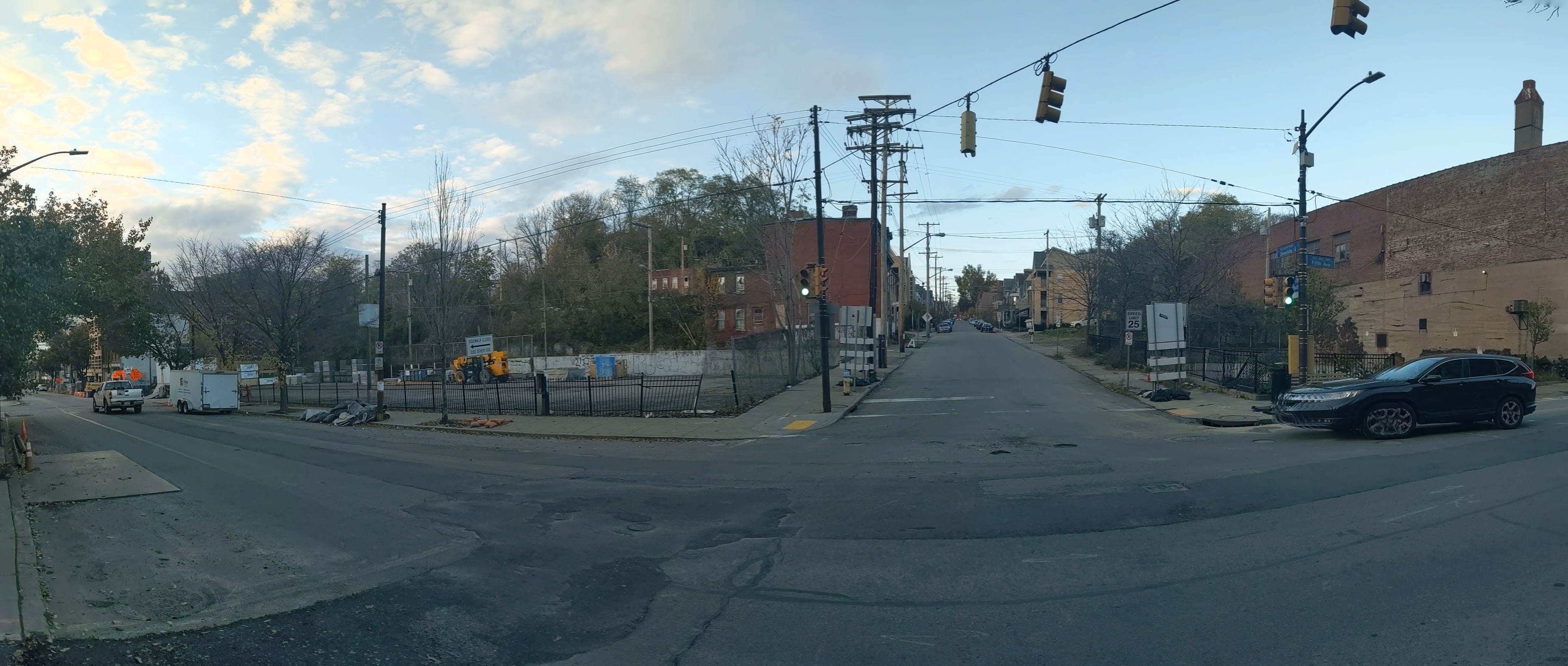
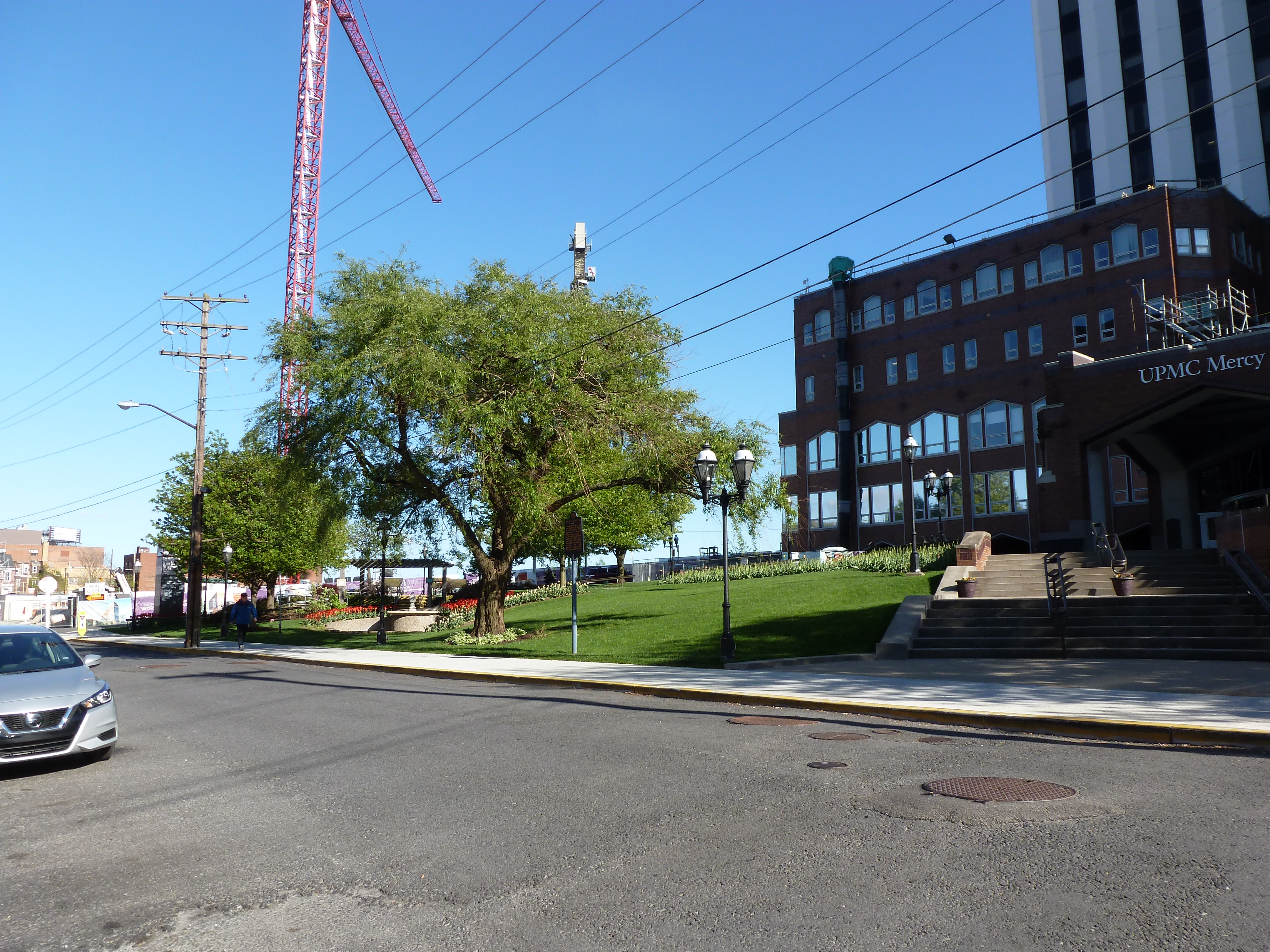
The community of Uptown that held on through the economically rough times prepared for this moment. In collaboration with many partners, including local institutions such as Duquesne University and UPMC Mercy as well as the City of Pittsburgh, the community created a new neighborhood plan. This designated Uptown and West Oakland as an EcoInnovation District. One of the first actions from this plan developed a new zoning district, the first progressive zoning district in Pittsburgh. The goal of the plan and the zoning district is to leverage the coming economic investment to create an inclusive and environmentally sustainable neighborhood.

It will be interesting to watch this neighborhood over the next few years to see if the plans are successful at introducing some moral components to the economic investment.

Sacred Row

P1050644 (1024x768)
This is a fascinating structure I discovered on the South Side Flats. A friend and I were going around the neighborhood looking at adaptively reused church buildings. While going from one building we knew of to another location, we stumbled upon this building. From what I’ve pulled together so far, this building was built sometime between 1876 and 1884 as four rowhouses. In 1926, the Second Greek Catholic St John the Baptist Church of the South Side purchased the property. The deed described the structure as four 4-room houses. When the Second Greek Catholic St John the Baptist Church sold the property in 1959, the deed described the property as four 2-story brick party wall houses.

P1050646 (768x1024)
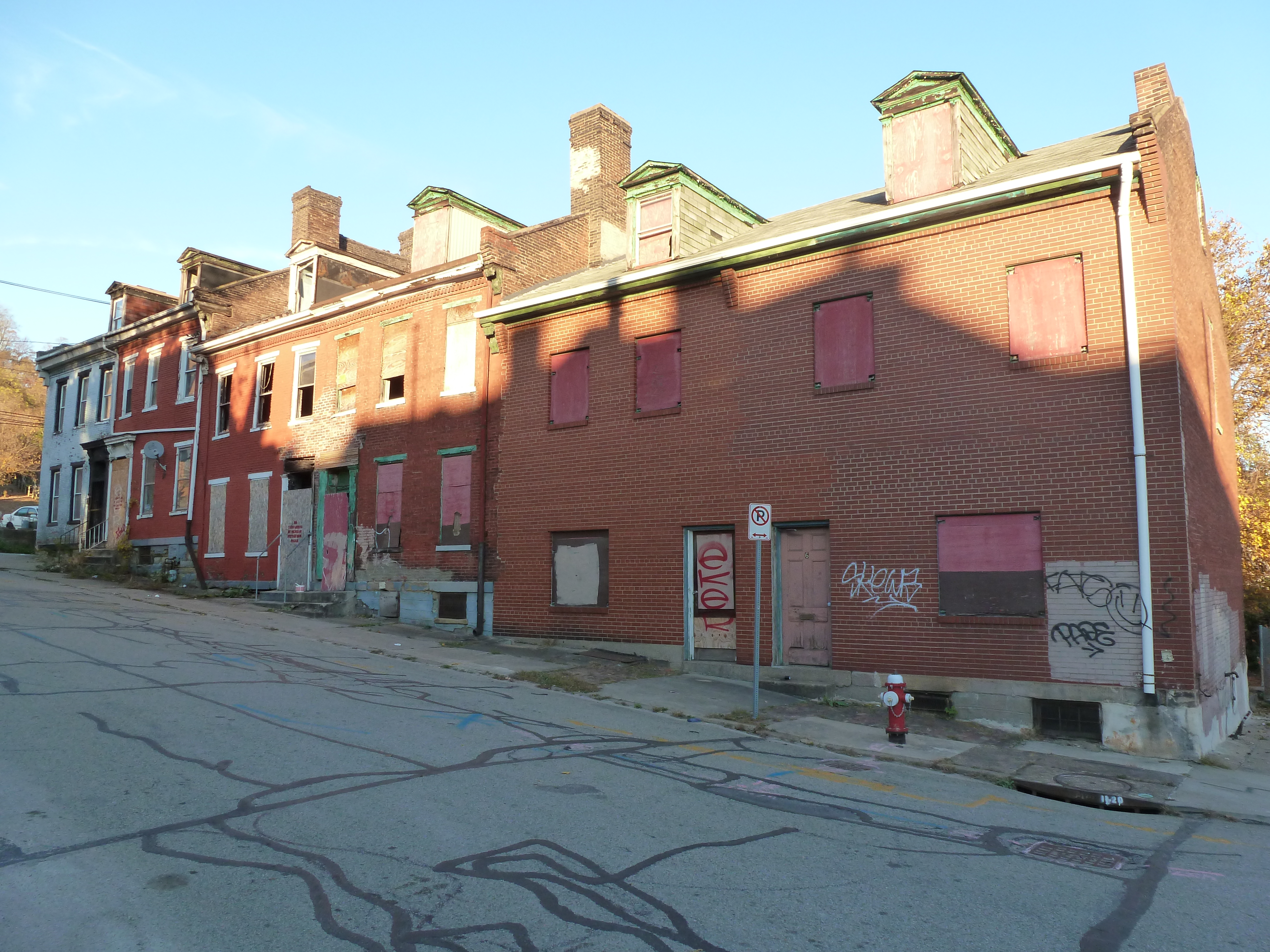
However, when you look at the side of the building facing 23rd St, it appears that at one time, this property was used as a church. The middle of the three boarded up openings on this side looks like it used to be a door for an entrance into a church that has been partially bricked up. From this I assume that while the Second Greek Catholic St John the Baptist Church owned the property, they renovated to use as their place of worship with a main front door and two windows.

I look forward to learning more about this structure and its history. I suspect there is an interesting story that connects this building to the 1st St John the Baptist Greek Church which is still in operation at the corner of E Carson St and 7th and the 2nd St John the Baptist Greek Church that set up just down the block at 615 E Carson St before moving to Jane St. From the pieces I’ve found so far there was a severe split in the South Side congregation that involved boycotts and arrests of arguing members and former members.  I’m not sure yet how this rowhouse/church may have fit into that struggle.


A Lofty Location

St. John German Evangelical Lutheran Church

This little gem in Pittsburgh’s Lawrenceville neighborhood is full of surprises.  In the 20-some years I’ve been passing through this area, I never noticed the building.  It was brought to my attention a few years ago when I began researching adapted church buildings in Pittsburgh.  If you are in the nearby vicinity, the building blends into its surroundings.  But from other parts of the city it stands out (see 31st Street Bridge, Bloomfield Bridge, Busway Bridges: Herron Street, Busway Bridges: 28th Street).  It is also visible standing out along the ridge in the second photo in my Washington’s Crossing Bridge post.

40th Street Rise

There are two characteristics that make it stand out from a distance.  The first is its location at the highest point on 40th Street in Lawrenceville.

St John's/Choir Loft Condominiums

The second characteristic is one of the most intriguing parts of this building: the fellowship hall is at ground level and the sanctuary is above, reached by a flight of stairs.  This is the only church building I have been in where the sanctuary is a full flight of stairs above ground level.  I’m very curious to know if there are any others–please share, if you’ve come across one!

St John's Evangelical Lutheran Church Choir Loft Condominiums

The building was built in 1896-97 for the German Evangelical Lutheran St. John’s Congregation, which later became St. John’s German Evangelical Lutheran Church.  In 2002, the congregation merged with St. Andrew’s Lutheran Church and closed the doors on this location.  A real estate agent purchased the property and prepped it for conversion into 3 condominiums–one unit each for the sanctuary, fellowship hall, and parish house–before the current owners purchased the property and completed most of the rehab work creating the Choir Loft Condominiums.  (A side note that may be of interest is that the current owners considered purchasing the building that is now the Union Project but chose this one instead.)

The owner reported that the building was essentially empty for nearly 2 years before he acquired it.  The floors were in bad condition–the pews had been ripped out, tearing the sanctuary’s floor, and the choir loft’s floor was completely missing.  He said his goal in renovating the building was to “not destroy the architecture and the interior.  We wanted it to feel like a church still because it is a church.”

Having gotten a tour of the interior of the sanctuary unit, I’d say they succeeded in this goal.  The former sanctuary space is an open loft configuration with hardwood floors.  The raised steps for the altar area were kept and made into the kitchen.  The choir loft remained open and served as the bedroom.  The gorgeous stained glass windows were also intact.  While I was there on a winter evening after sunset, I loved the description of how the colored pattern from the stained glass gradually moves across the floor like a very colorful sundial.  My other favorite part was that there was still a bell in the tower, which the owner rang for me.  While inside the sound was muffled, it sounded like it could have woken sleeping neighbors.

Erie Churches

Erie has a variety of attractive church buildings.  As I walked around admiring them, I was surprised to see that they were all still used as churches.  I did not find a single adaptively reused church building.  Given Erie’s location, relatively close to Cleveland, Buffalo, and Pittsburgh, I assumed it had similar significant population loss creating a need to either abandon, demolish or adapt some church buildings.  It turns out, that at least on the county level, this assumption was false.  Since 1900, the population of Erie County has grown every decade, except from 1980 to 1990 when there was a slight (1.5%) population loss, from 98,509 to 280,843 (2000’s population).  Allegheny County (Pittsburgh’s county), on the other hand saw growth from 775,058 in 1900 to 1,628,587 in 1960 after which the population has declined steadily to 1,223,348 in 2010.

I could not find statistics for the population change of the city of Erie; it is possible that there was a different trend within the city.  There were signs of abandonment and decay in other buildings and aspects of the town.  Yet the churches are still intact and appear to be thriving.  In fact, one of the larger churches was undergoing a major renovation while I was there.

Whatever the reason for the churches’ continued use, I enjoyed my treasure hunt chasing down as many steeples as I could in two hours:

Unknown

St. Patrick's Church 1903

Russian Old Believers Church of the Holy Trinity 1984

Russian Orthodox Church of the Nativity of Christ (Old Rite) 1987

Unknown

St. Peter Cathedral 1872

Cathedral School

St. Paul's United Church of Christ

Unknown

Methodist Church

First United Presbyterian Church of the Covenant 1929

The Union Project: Engaging Community

The Union Project

Every adapted church building I’ve come across has something that makes it unique.  Of all the ones I’ve come across so far, the Union Project used the most creative method in restoring/adapting the building.

In the late 1990s, a small group of people came together and said that they wanted a “space for art and faith” in their neighborhood.  (The quotes in this post are from one of the founding members, who I interviewed for a school project.)  By 2001, this group and this sentiment had grown and they purchased the vacant, former Union Baptist Church at the intersection of Negley and Stanton Avenues, two major roads in the East End of Pittsburgh, to convert it into a community center.

When the community center acquired it, the church was still considered active, but it had not been used regularly for two to four years.  The building was in very poor condition: the roof leaked, there were broken windows, and pigeons and rodents lived inside.  It took four years to prepare the building for occupancy and an additional six years to completely restore the structure.

The part that I like the most about how this building was adapted, was the alternative method they came up with for restoring the stained glass windows of the structure.  All the windows needed restoration, which I’m sure would have added up to a colossal expense.  Instead of giving up or attempting to raise all the funds to pay for a professional restoration, they offered community classes in stained glass restoration using the church’s windows as the class materials.  Some of the windows needed to be completely reconstructed in which case the instructor, a stained glass professional, created the new windows.  Beside these, all the windows were restored by community members at the classes.

Stain Glass Restoration

Stain Glass Restoration

I took one of the classes a few summers ago.  It was a lot of fun and quite interesting to learn how stained glass windows are put together.  At least a couple of the people in my class were taking the course so they would be able to restore the stained glass windows in their homes.  Much of the housing stock in the neighborhoods surrounding the building feature at least one stained glass window, so this was a useful skill for the local homeowners to learn.  A 2012 article in the Post-Gazette announces the completion of this restoration project.

Over the years since the Union Project began, the building has slowly been restored one piece at a time.  The former classrooms behind the sanctuary were restored first and converted into office space.  Several of these offices are used for the administration of the Union Project, while the rest are rented out to other community groups including a church group.  The basement was converted into an art space.  This is where the stained glass restoration classes were held.  There is also a pottery studio which offers classes.  Hula-hooping classes are held in the atrium, or out on the lawn in nice weather.  The sanctuary is used as a rental hall for receptions, community events and the like.  The narthex is a little coffee shop.

Restored Sanctuary

By the summer 2012, the building finally looked like a completed project: the stained glass windows were restored, the sanctuary was finally completely repainted, and the black soot was cleaned off the stone façade.  Because of Pittsburgh’s past as a major industrial city, all stone façade buildings collected black soot–many of these buildings have been cleaned in the last ten to twenty years.  In cleaning the soot off the Union Project, the crenellations on top of the towers were left black, leaving a respectful reminder of the past, while the change from a black building to white brightened up this corner of the neighborhood.

This is a project that showed me, and the group who completed it, that “anything is possible.”

Church Brew Works

Church Brew Works

January 8, 2013, has been declared by City Council as Church Brew Works Day in the city of Pittsburgh to recognize the work of the restaurant’s founder/president, head brewer, and staff.  Council’s proclamation highlights the success of this group in adapting a vacant church “into a premiere, nationally recognized craft brewery, neighborhood fixture, and regional asset.”

The Church Brew Works is probably the most infamous of Pittsburgh’s adaptively reused churches.  Its notoriety stems from the fact that the brew house is located in the former altar.  A friend of mine told me that this positioning bothers her and if she eats at the Church Brew Works, she has to sit with her back to the altar.  I have heard that other people consider it sacrilegious to have the brew house on the former altar area and that these people refuse to patronize the restaurant.

This building was formerly an Eastern European Catholic Church and was purchased in 1996 to be converted into a restaurant and brewery.  I interviewed the founder/president for a paper on adaptively reused church buildings in Pittsburgh.  He explained that the idea for the restaurant started in 1994.  The first building selected for the project was an old fire hall two blocks away from the church.  The church was chosen in the end because of the availability of parking and the “great architecture.”  It was also easily accessible by car, which he felt was important for the success of the restaurant as Pittsburgh “lacks good public transit.”  Five months after the purchase was completed, the restaurant opened.

The church had been empty for two years by the time it was purchased in 1996.  The school attached to the church had been closed for twenty-five years.  The president felt that this added to the decrease in the congregation.  The closing of the mills drove church members away to search for new jobs while the closing of the school drove them away to find a new school for their children.  As a result of these pressures, the congregation dropped from 2000 to 200 parishioners.  When acquired for the restaurant, the church was “worn out” from a lack of reinvestment over the years and there was additional damage as a result of being completely closed for two years.  While the initial renovations of the building were completed in five months, paving the parking lot and completing the patio took longer.  Fifteen years later, work is still being done because of the “age of the building.”

Church Brew Works Sign

Much of the original building was reused or adapted in the conversion from a church to a restaurant.  The history section of the restaurant’s website explains how the pews were reused as benches for the tables and the bricks from the confessional that was taken down were used to create the pillars for the restaurant’s sign outside.  The original floor and lanterns were restored.  The result is a beautiful and unique interior for this restaurant.  To see what the interior looks like, check out the website or stop by for a meal.  I’ve enjoyed the food the few times I’ve eaten here.

Adaptively Rebuilt Church

The Spire House is perhaps my favorite of all the adaptively reused churches I found in London.  Originally built as Christ Church Lancaster Gate in the 1850s and 1860s, the building has since been adapted to housing.  As I walked around the building, I thought it might have been one of the ones damaged during the war, but according to a website about the building most of the structure was demolished in the 1970s because of decay and fungus.

The reason why I liked this building was that despite the fact that most of it was demolished, part of it was saved and the rebuilt structure recalls the former design.  I particularly liked the “flying buttresses.”

I agree that there are times when a building can no longer function well, in this case because of decay and fungus, but buildings tell a lot about a society and its history and when they are demolished something gets lost.  The Spire House found a compromise between these two and it tells a lot about the city.  From the way this building was designed, it is apparent that this society is moving forward and changing, but still respects its past and its religion.  There other signs of this throughout the city, such as the church tower in the middle of a road.

Adaptive Reuse of Churches: London

When I started planning on going to London this year, my first idea was to go for a month or so to study the adaptive reuse of churches in that city.  I thought London would be a good place to see a wide variety of adaptions as the UK has been working with the problem of redundant churches for about a hundred years.  As I was pursuing this idea I found a book from 1977 which addresses this problem across Great Britain.  (I have not come across any book publications on the adaptive reuse of church buildings in the US.)  This book “Chapels and Churches: Who Cares?” includes a discussion of what had been done up until that point in time in the adaptive reuse of church buildings.  I compiled a list of 76 different uses that these buildings have been adapted to from the book.  In my observations in the Pittsburgh area, I have seen less than ten types of new use for church buildings with housing being the most common.

There was one factor about the church buildings in London that I found fascinating, perhaps in part because it is not a factor in Pittsburgh, or any US city for that matter.  Many churches sustained damage during WWII and The Blitz.  The churches damaged during the war were demolished, rebuilt, adaptively reused, or memorialized, resulting in some unique (at least to me) situations.

I ended up not going to London to complete a research project on the adaptive reuse of church buildings, but instead went to the city for a few days and explored as much of the city as I could in that time.  This included looking for a few of the adaptively reused churches I had learned about in my preliminary research.  In the process of looking for the ones I knew about and simply walking around the city, I found some other adaptively reused churches.

Homestead High Level Bridge

I got off the bus a stop or two before the Homestead High Level Bridge (aka Homestead Grays Bridge).  As I walked down Brown’s Hill Road, I was unpleasantly surprised to find that my sidewalk turned into a drain.  From a distance it looked like the sidewalk continued all the way to the bridge as it was the same material and same width the whole way down.  However, at one point it suddenly changed from being a flat sidewalk to a v-shaped drain.  Fortunately it had not rained recently, so the drain was dry and I was able to continue on my way.  If I were a person with a mobility disability trying to get down to the bridge, this would have presented a serious problem. There was no warning for this change and the nearest traffic light was some distance back uphill (because of the traffic level this is not a road where it is wise for any person to attempt to j-walk).  I did not walk on the other side of the road, so I am only assuming that the sidewalk there would be accessible (that is, not turn into a drain).

The walk across the bridge itself was fine.  There is sidewalk on both sides and no fence to cage you in or to block the views.  It was a windy crossing, which reminded me that every time I’ve walked the Highland Park Bridge, I’ve noticed the wind.  It made me wonder if there is something special about the location of these two bridges or if it is merely coincidence that they are windy.  One factor in common between the bridges is that there are the last bridges within the city on their respective rivers when traveling away from downtown.

There are several interesting sites visible from this bridge (most of which are not within the boundaries of the city of Pittsburgh).  First is the view above of Homestead.  In this shot there are five churches visible, just outside the frame are three more to the left and one more to the right, within several additional churches just a little farther out from this core.  I find the close proximity of so many churches interesting first because it is a clear indicator of the past of this town (a major mill town with numerous immigrant groups) and second because about half of these church buildings are vacant or for sale.  It is a dream of mine to create a master plan for adapting these churches to new uses that complement each other, address some of the needs of the town and act as a productive catalyst for lifting the town out of decay.  As I still haven’t figured out what these uses would be or how to implement the adaption, it currently remains a dream.

A project that I’ve heard was supposed to lead to the revitalization of Homestead was the creation of the Waterfront Mall on the former Homestead Steel Works site (originally part of the Carnegie steel empire before being sold to US Steel).  The revitalization plan did not work out and it is popular to criticize the design of the mall and point out all the reasons for this failure.  The most glaring reason is that the roads were designed so that people coming from the city can completely avoid going into the town when going to the mall.

Another negative factor about the mall, which doesn’t necessarily have any effect on the potential to revitalize the surrounding area, is the limited walkability of the site.  It drives me nuts and definitely is a major factor curtailing my use of the mall.  Part of the mall, pictured above, is walking friendly.  However, as someone once pointed out to me, this is where all the expensive stores are and chances are that people shopping here have cars.  On the other side of the bridge and across a couple parking lots are the rest of the shops laid out in a long string of big box stores including Target and the grocery store (which as the same helpful person pointed out are frequented by people without cars).  I have nightmares of the long trek lugging my growing number of purchases all over this site as I travel between stores and then try to find a bus stop that will take me out of this barren landscape toward home (an absurdly difficult feat).

The image above shows the never-ending parking lots along the long string of stores.  From this view it looks far more green than it feels on the ground.  One other aspect of interest is the black shapes above the America flag, which are the abandoned structures of the Carrie Furnace, one of the few remnants from the Pittsburgh region’s industrial and steel past.  I say “abandoned” but this perhaps is not an accurate term as there are plans and efforts underway to use the site.  An August article in the Post-Gazette discusses the efforts of volunteers to save the site and turn it into a museum.  The first half of another article from June talks about development plans for turning the land surrounding the furnace into an office/industrial park.

A final site of interest visible from the Homestead High Level Bridge is the slag heap which is now home to the “Somerset at Frick Park” housing development.  When I get caught up with posting about the walks I’ve done since starting my blog, I’d like to write about some I took before my blog began, including the hike through Frick Park and over this slag heap.  I suppose given my interest in seeing vacant property, including brownfields, within a city reused, I should be pleased with this development.  I think I’m getting a bit hung up on the irony of the site–once a dump site for the refuse of mines and industrial sites, now the site of luxury homes and condominiums.

What do you do with an Empty Pool?…

…Turn it into an art gallery, of course.

As I am preparing to shift the focus of my blog from bridges to adaptive reuse (particularly of church buildings), the timing coincides well with that of a project by an enterprising group of people in Pittsburgh.  The Leslie Pool in Pittsburgh’s Lawrenceville neighborhood is one of many city pools that were closed in recent years.  A group of people formed the LESLIE Park Collaborative (see their Facebook page) to re-imagine how the space could be used.  The current solution is an outdoor art gallery called Project: Lido.

An announcement for the opening reception on the group’s Facebook page called the event “a pool party…minus the water.”  The reception was Aug. 30, but the gallery will be open to the public on Sundays starting Sept. 16.

“What do you do with an empty pool?” is an interesting question.  It poses different and, in some respects, perhaps greater challenges than adapting a church building to a new use, particularly the fact that it is outside which means it is not easy to use in the winter time.  However, the art gallery is just one of the new uses presented for this pool.  A 2010 article discusses the first event at the Leslie Pool (an Accordion Pool Party) as well as other ideas being circulated at the time.  It will be interesting to what happens at this site next.