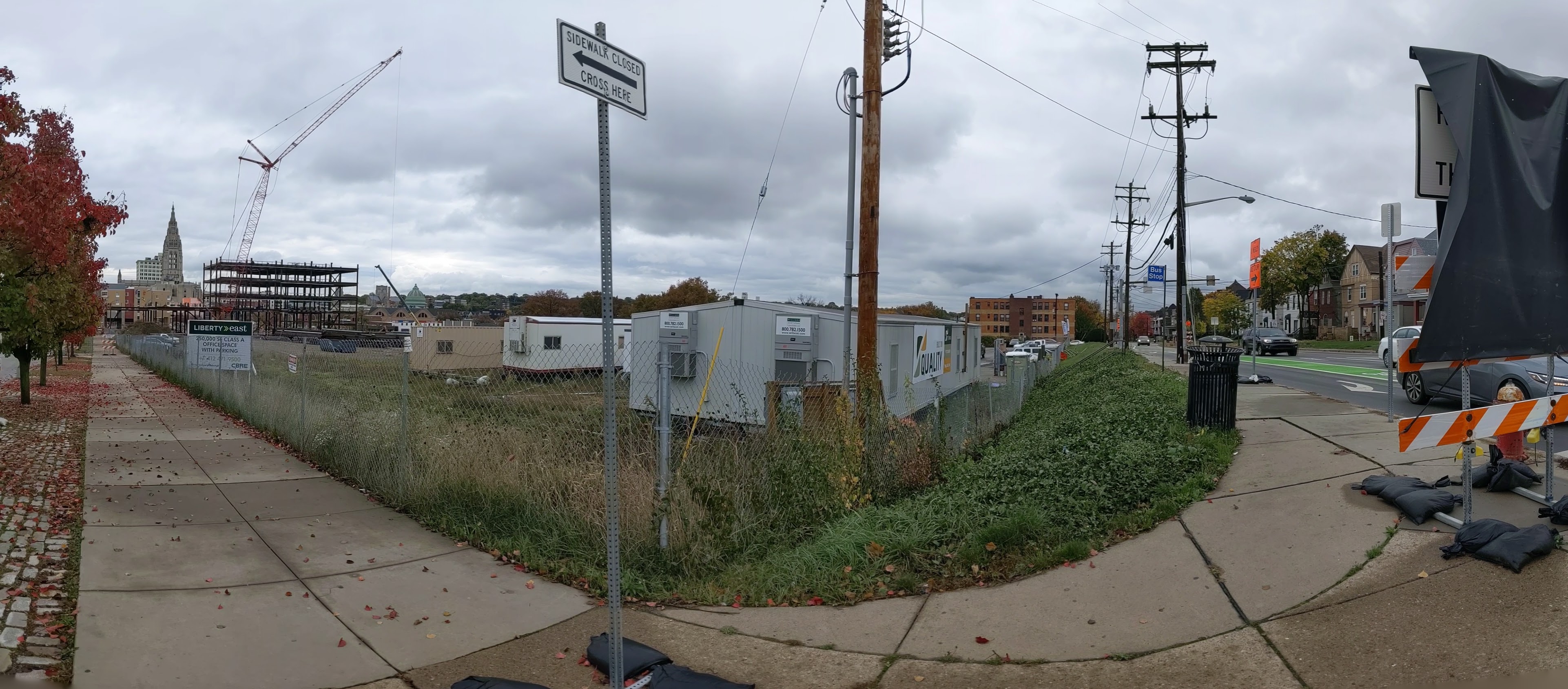
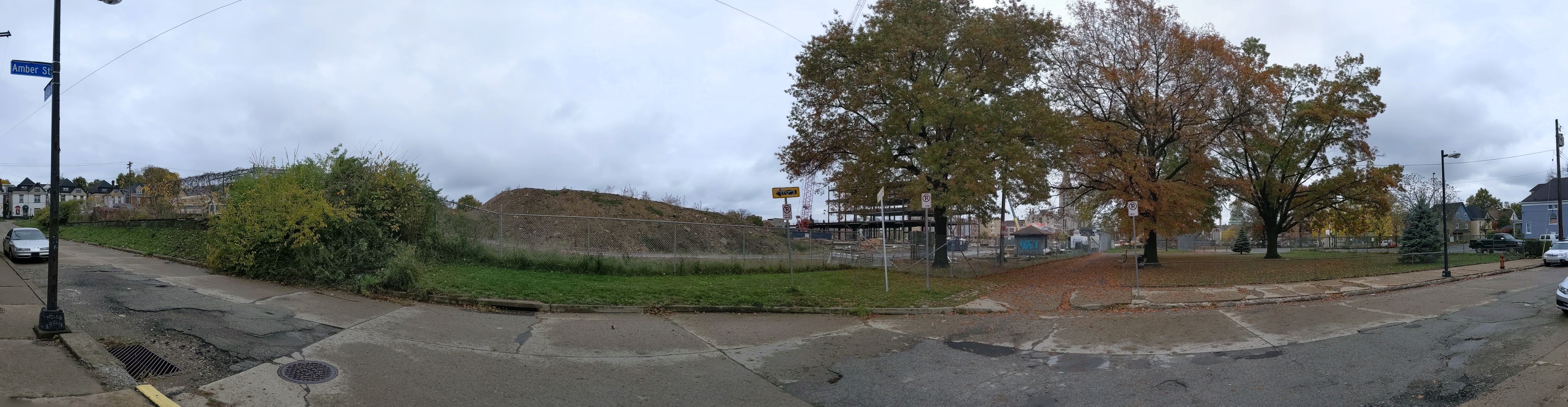
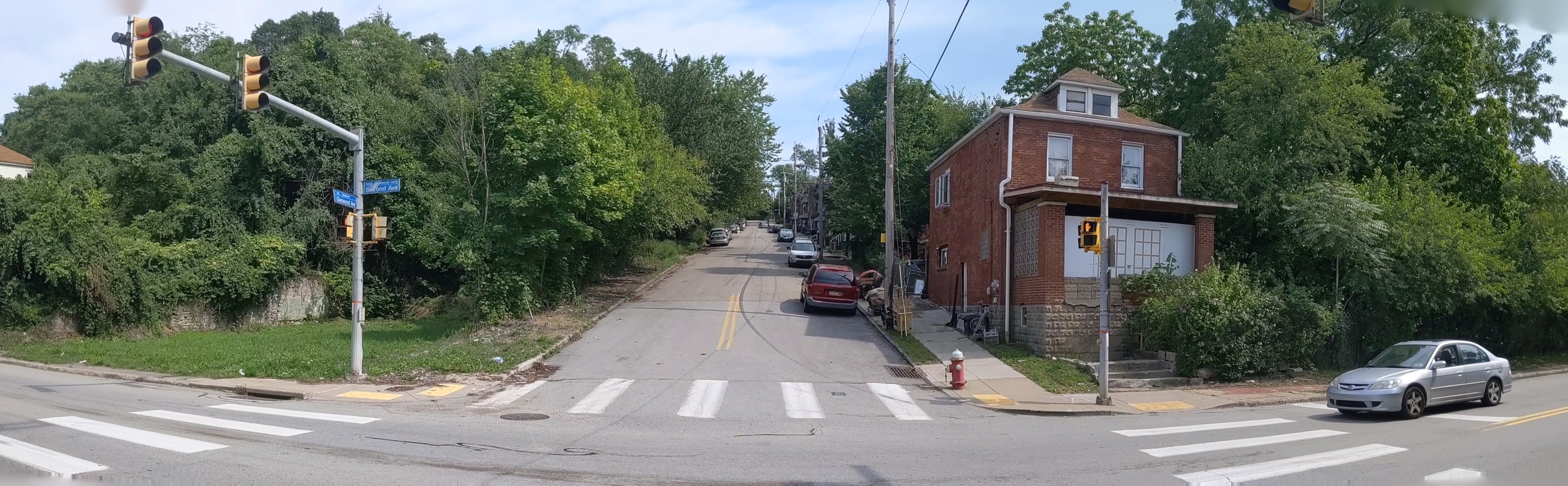
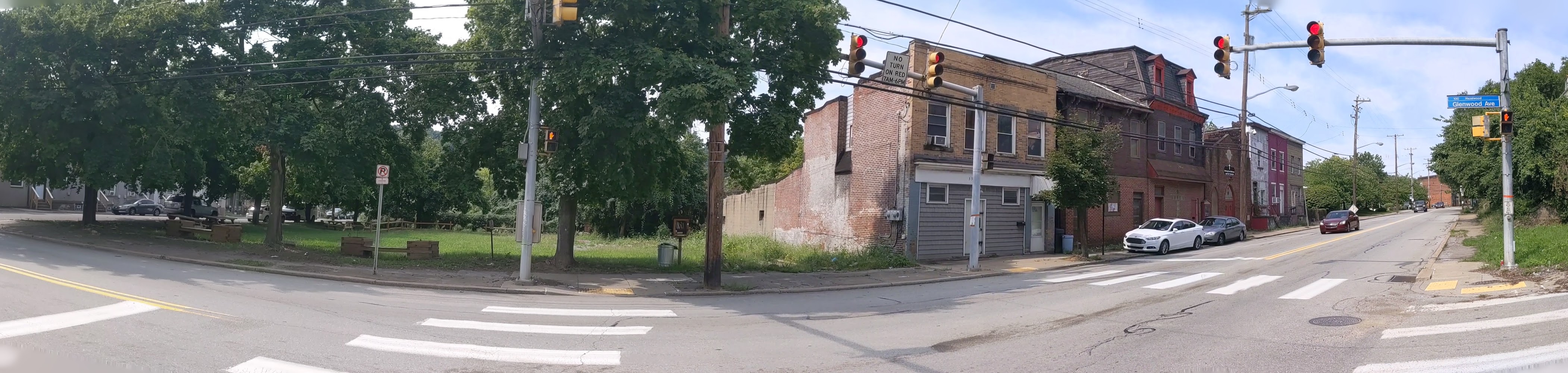
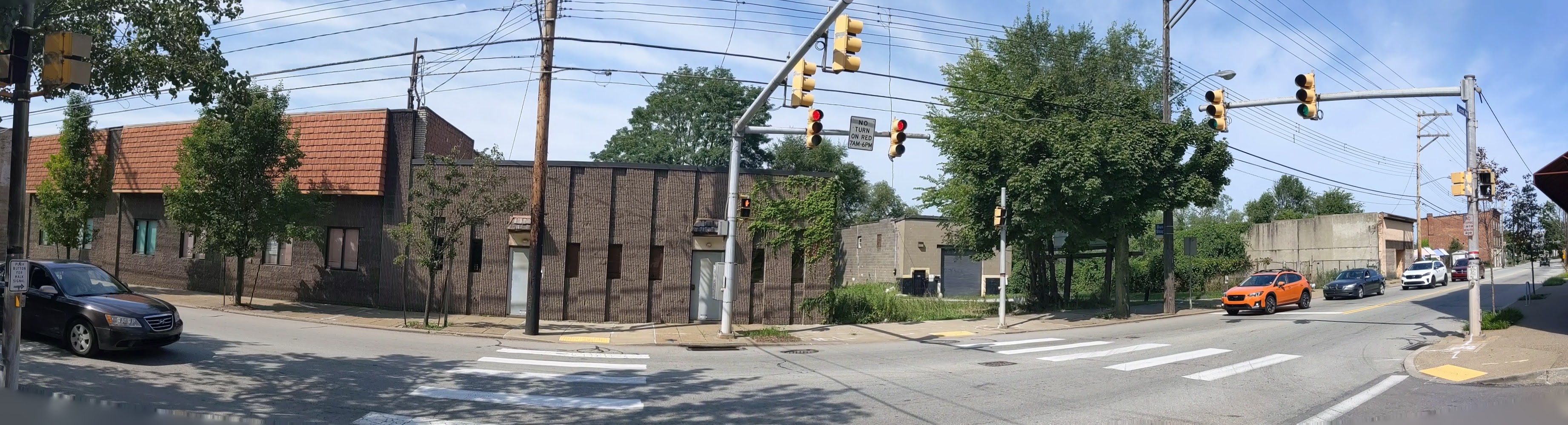
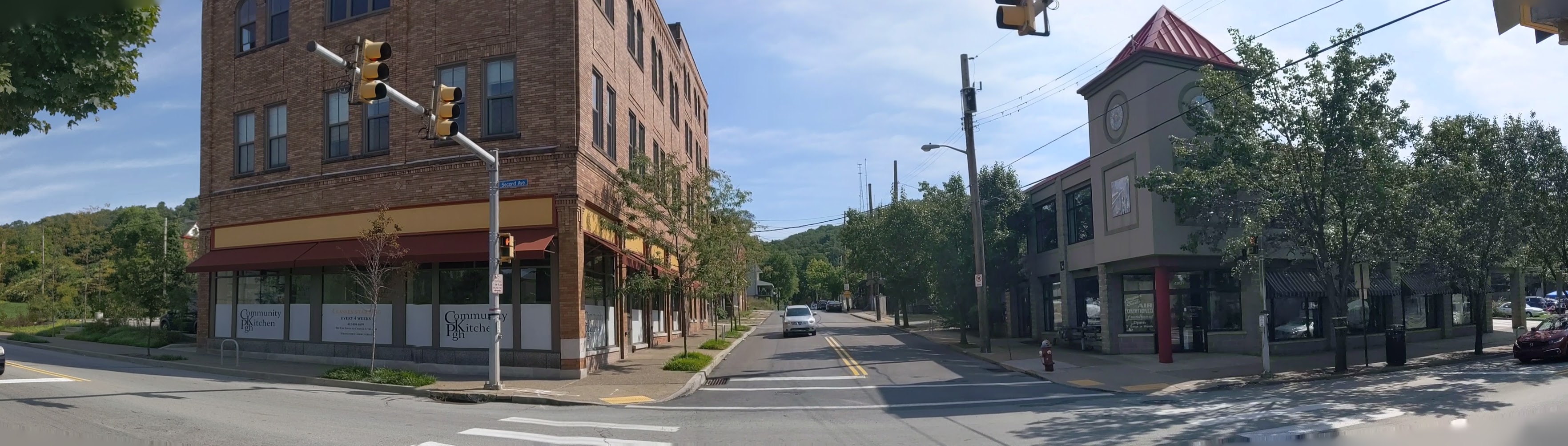
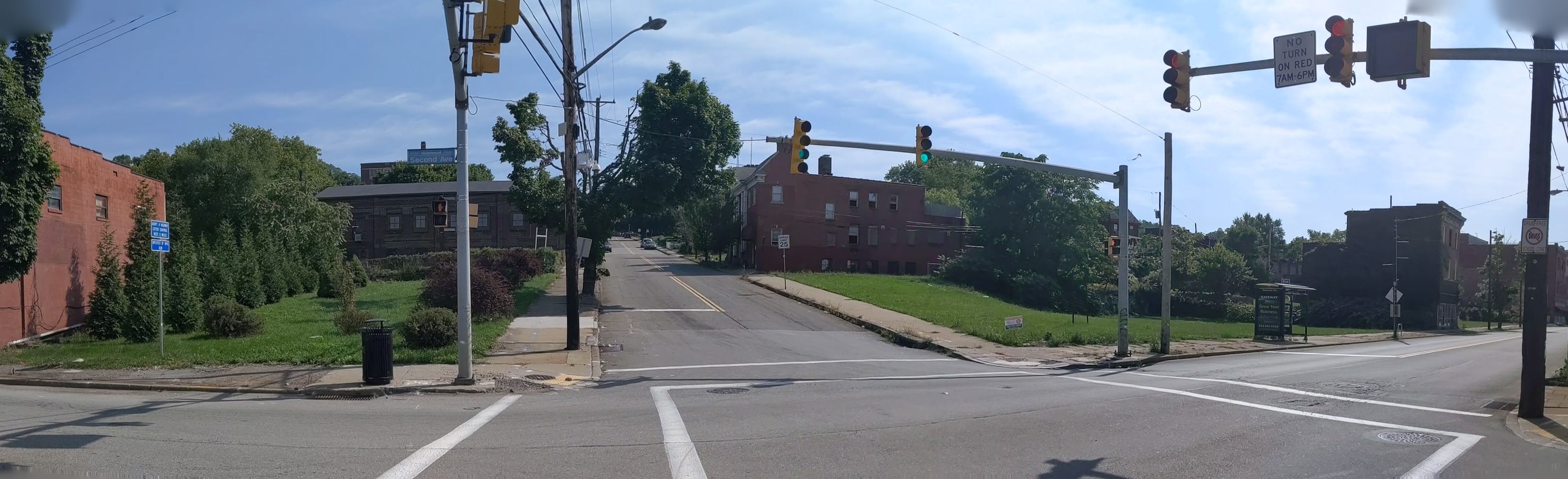
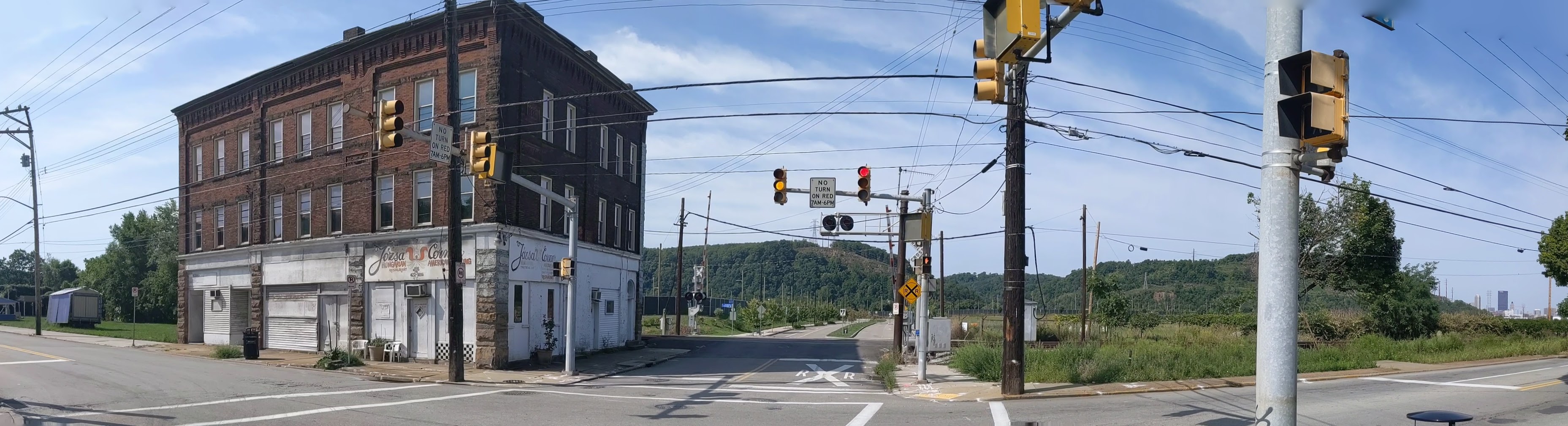
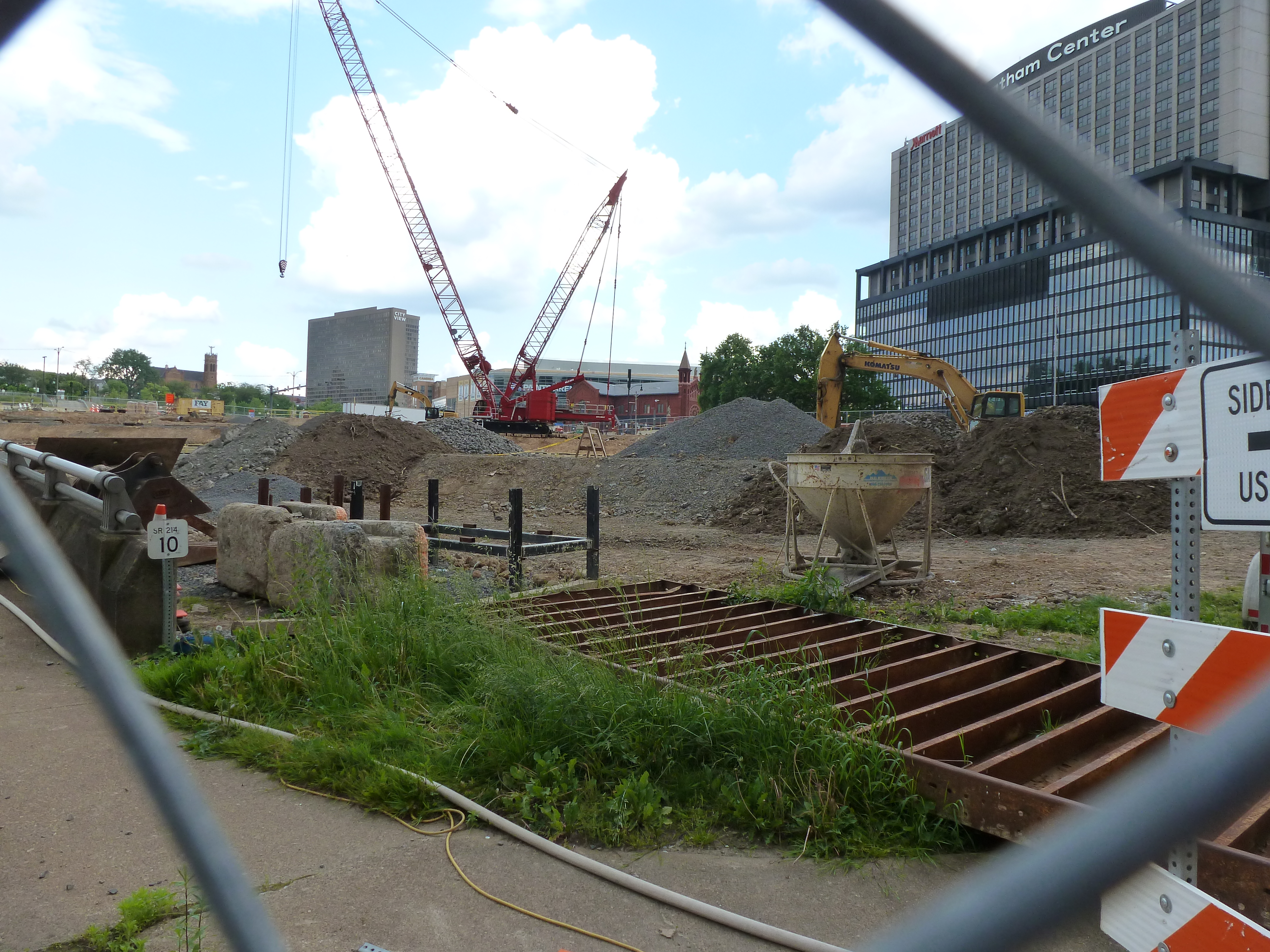
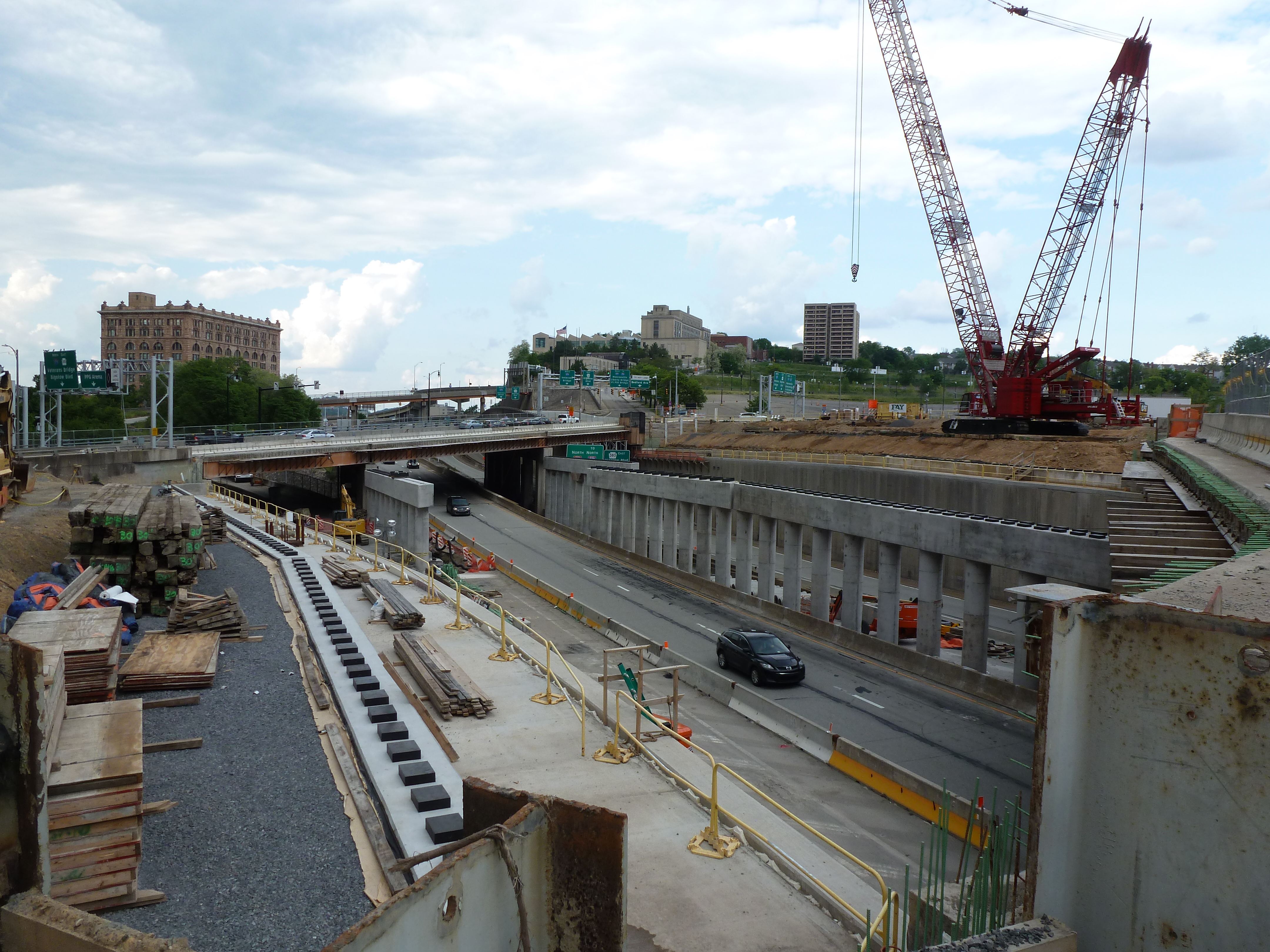
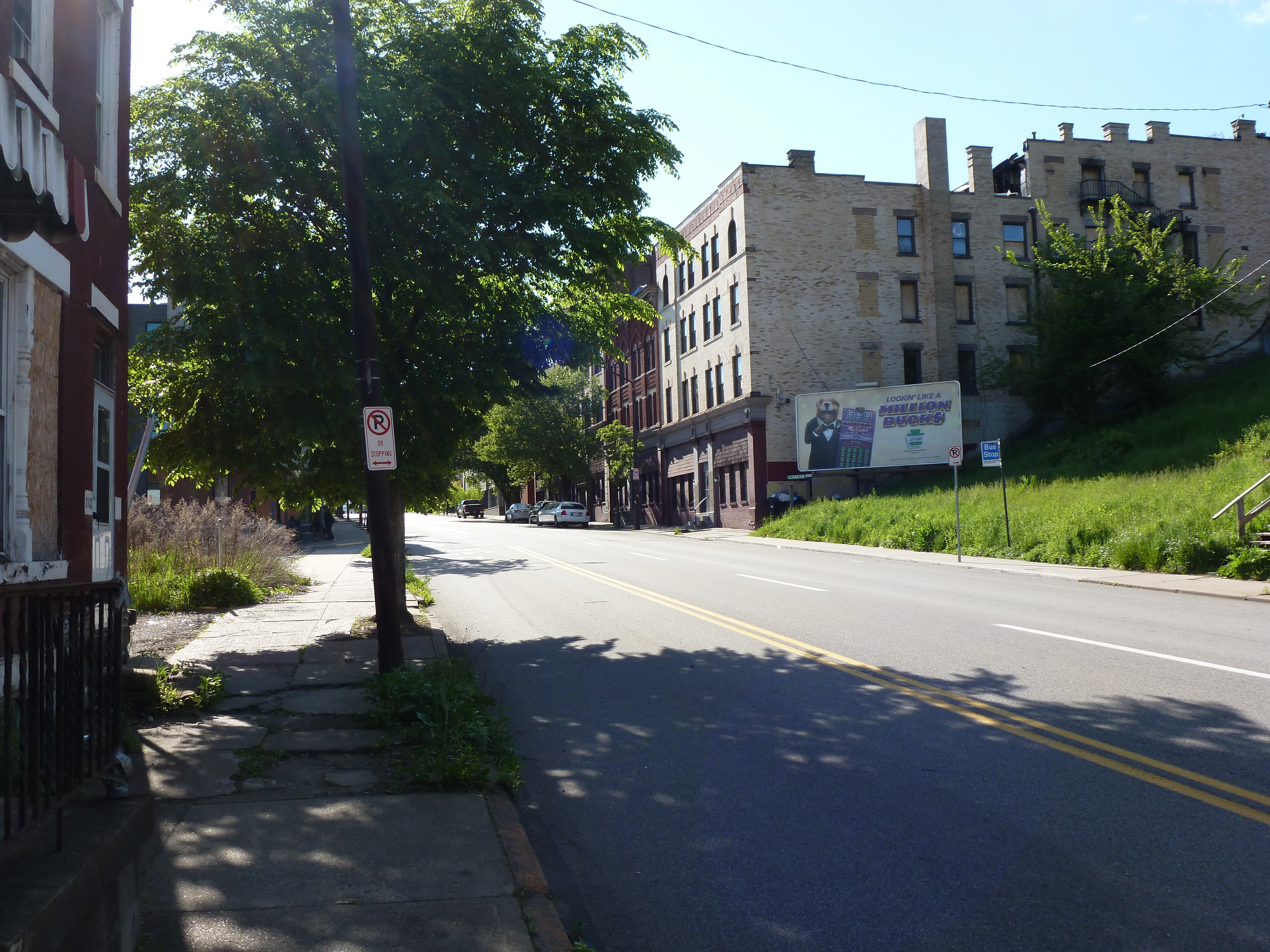
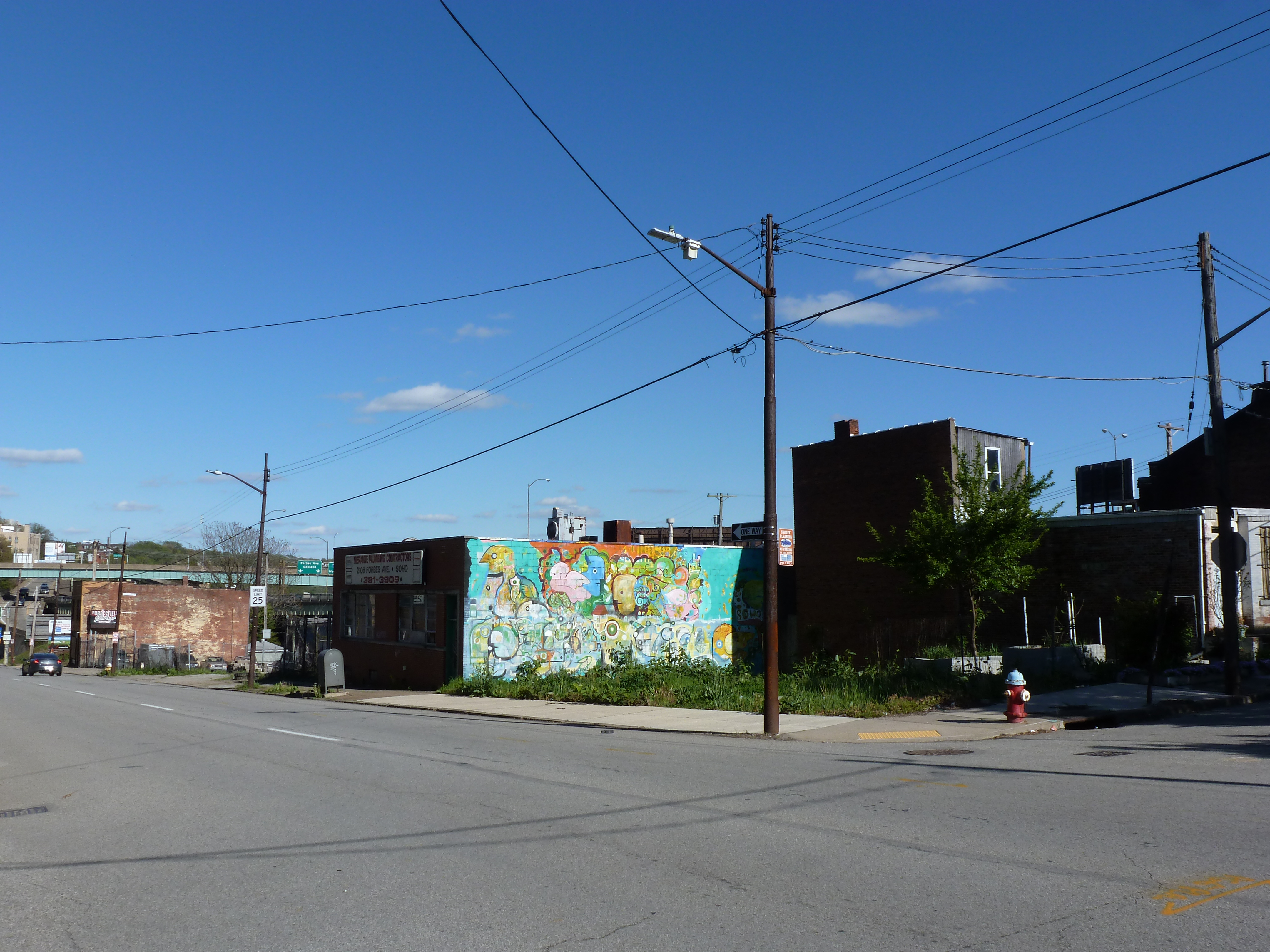
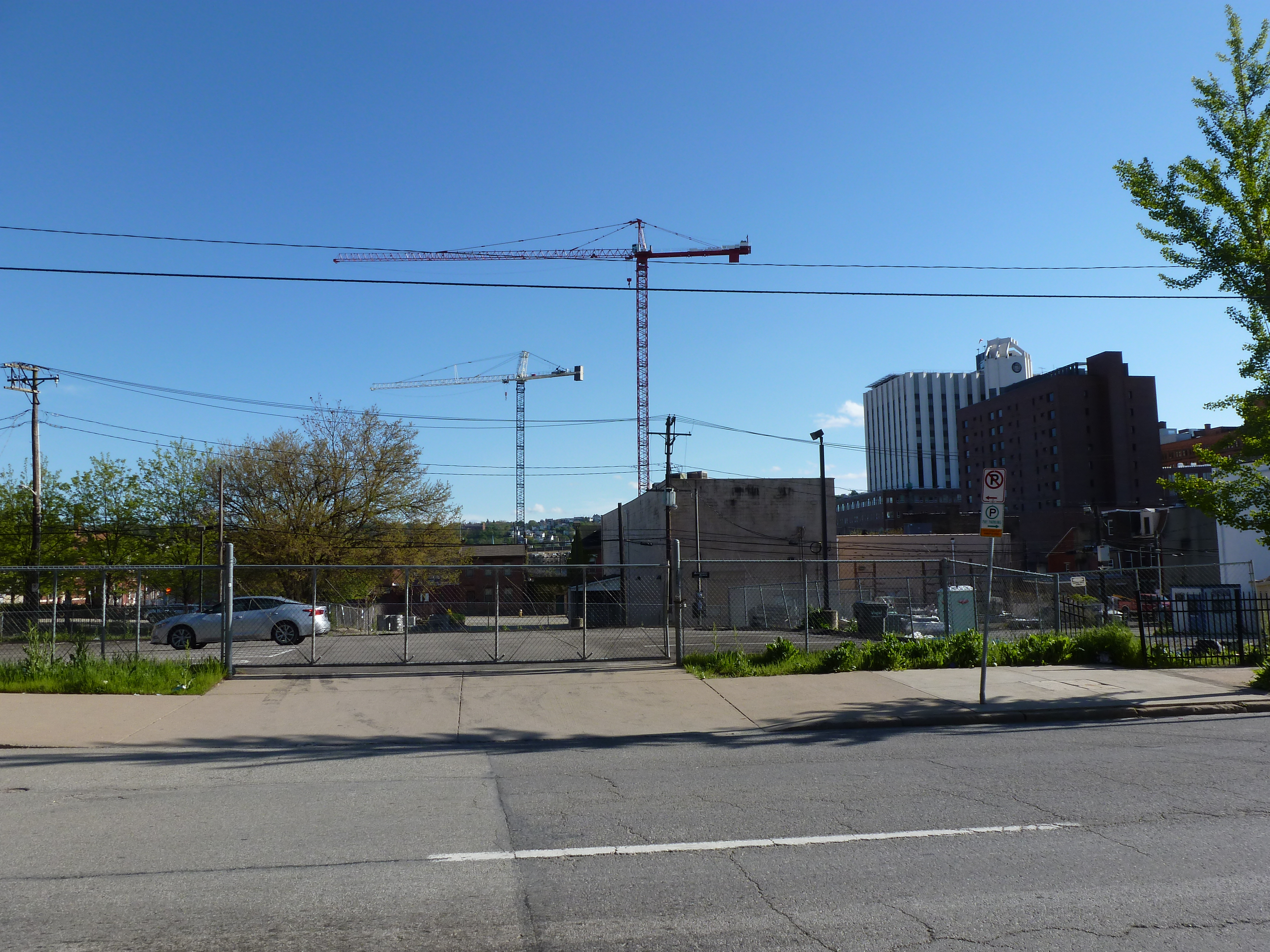
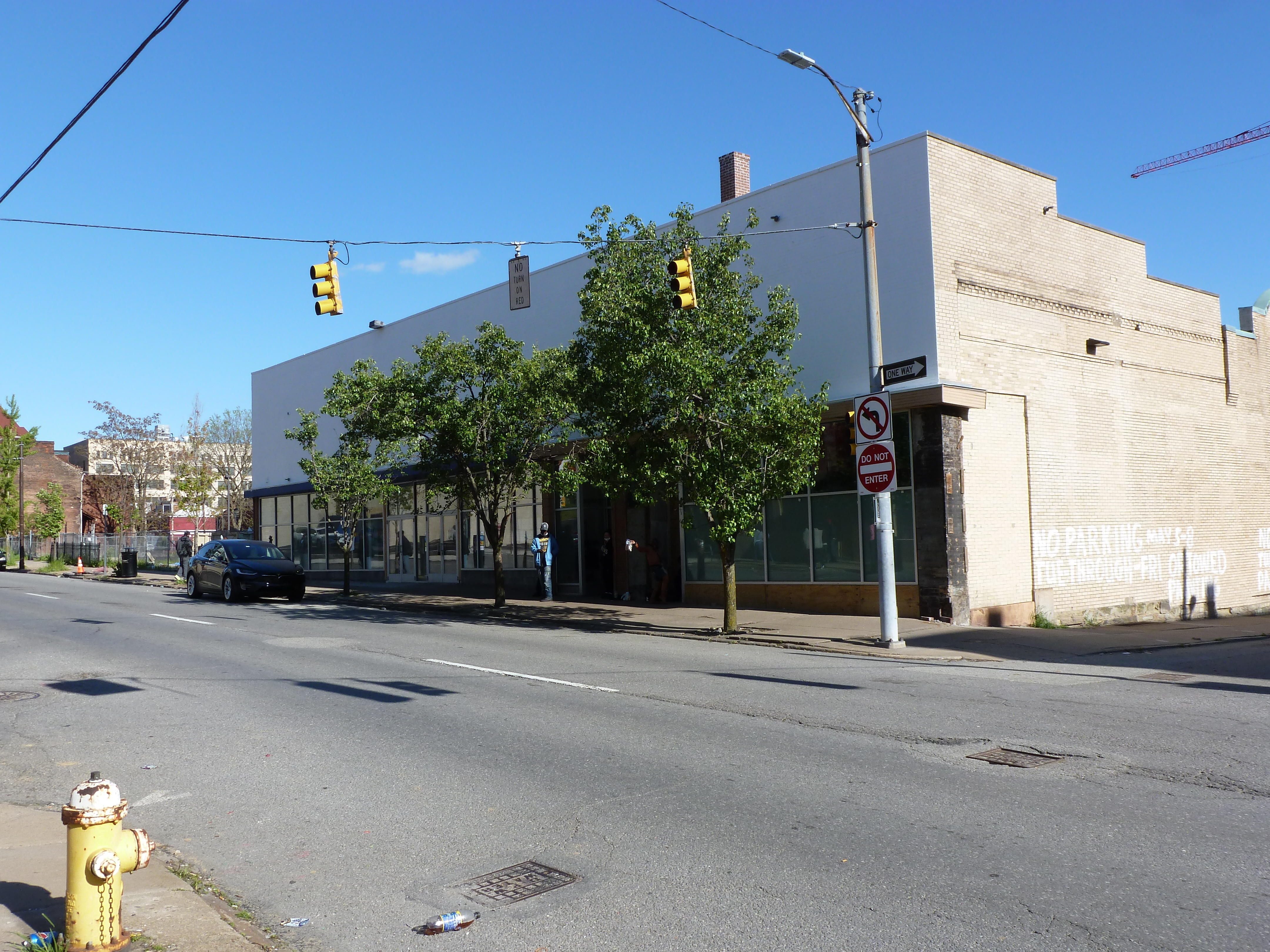
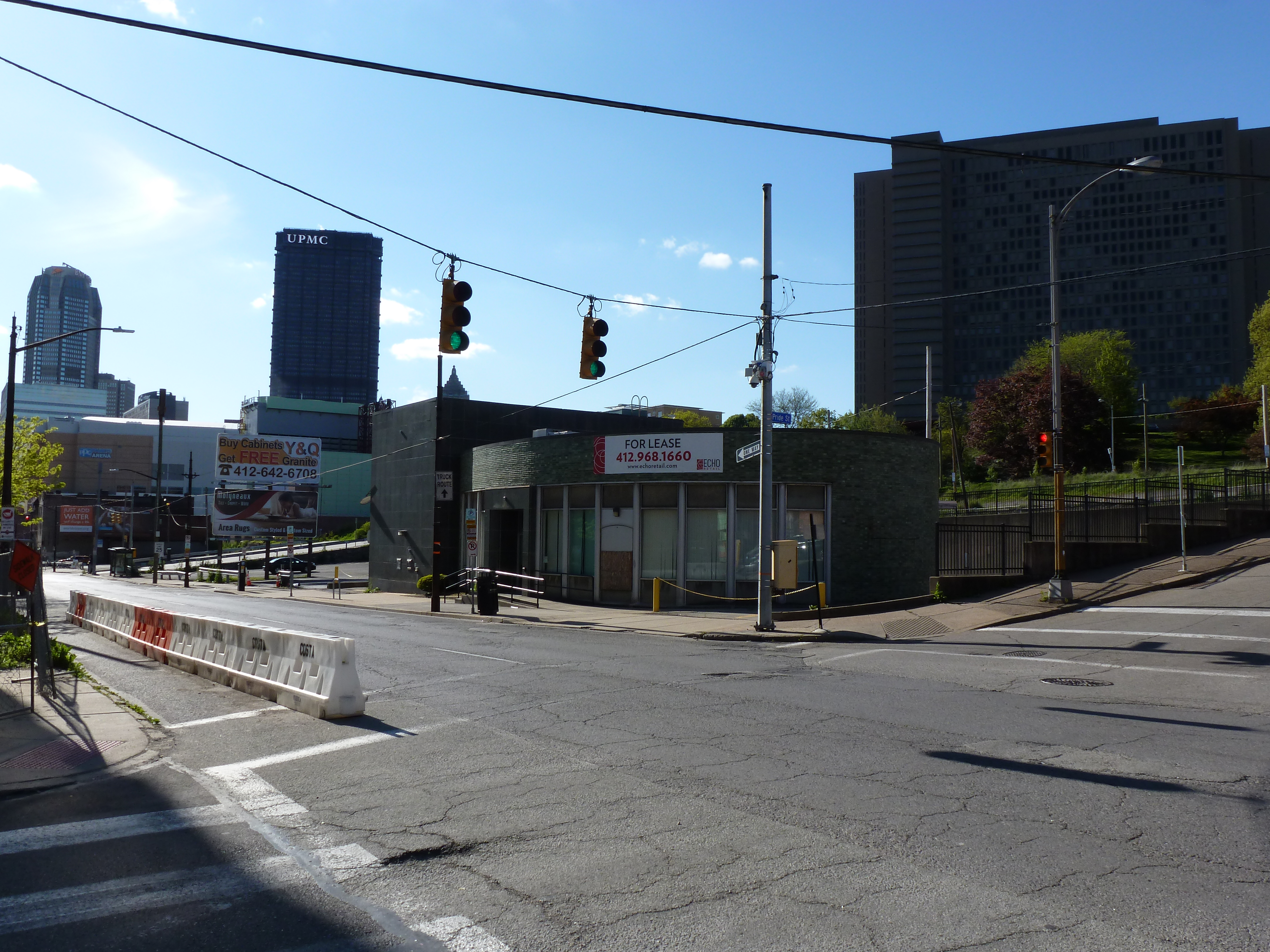
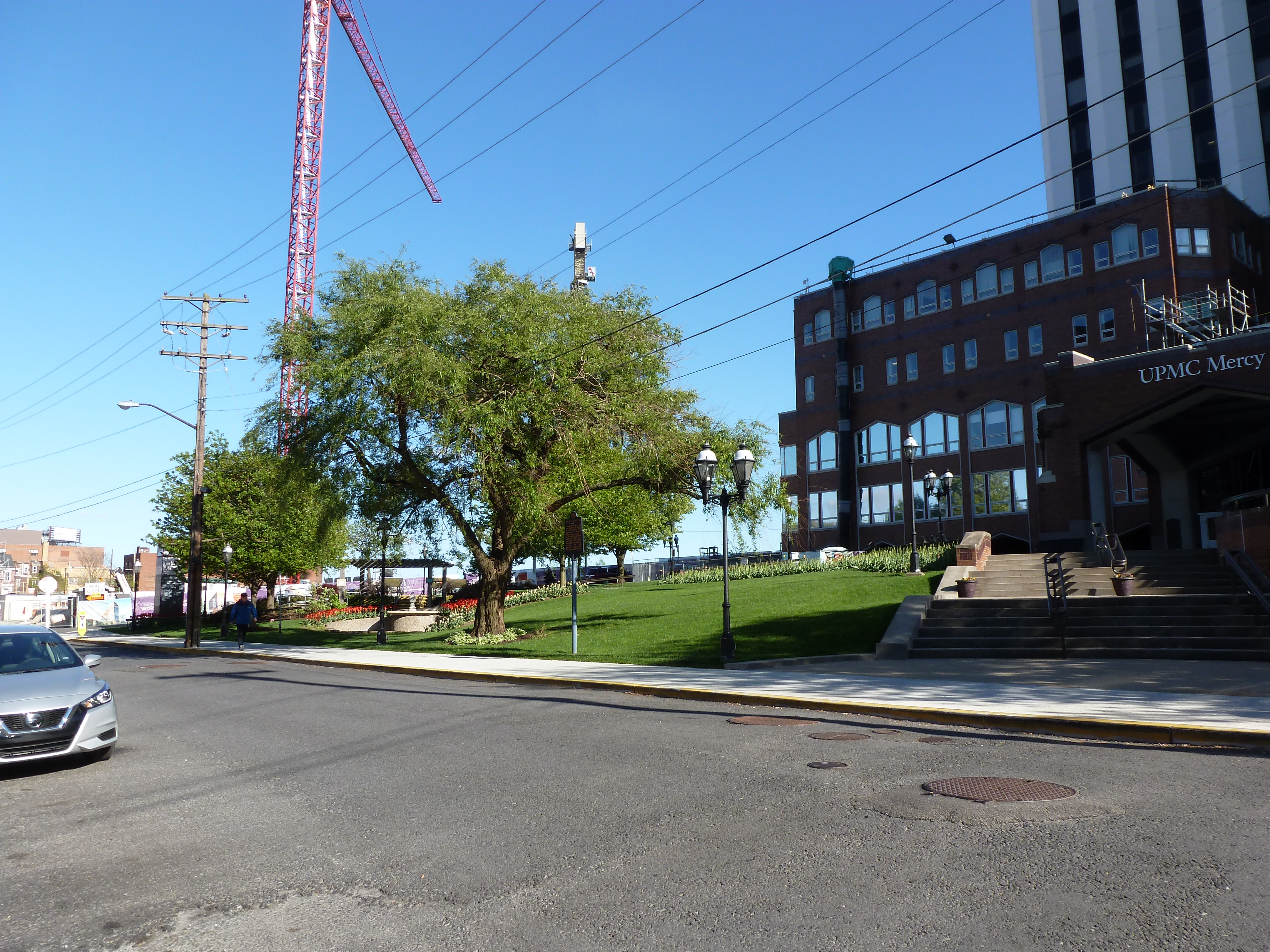
Keeping an Eye on Uptown: Nov. 2019


Keeping an Eye on Uptown: Introduction

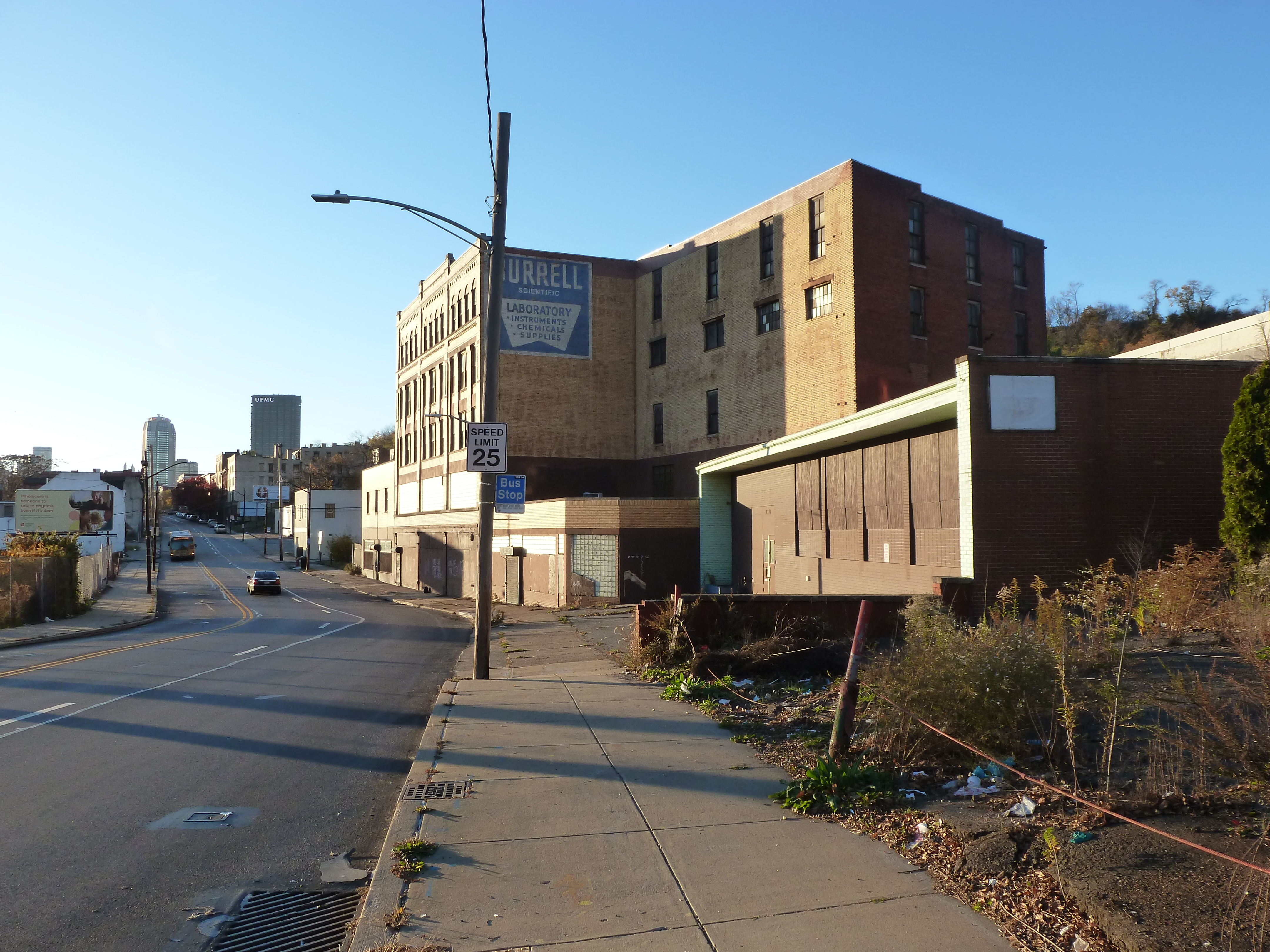
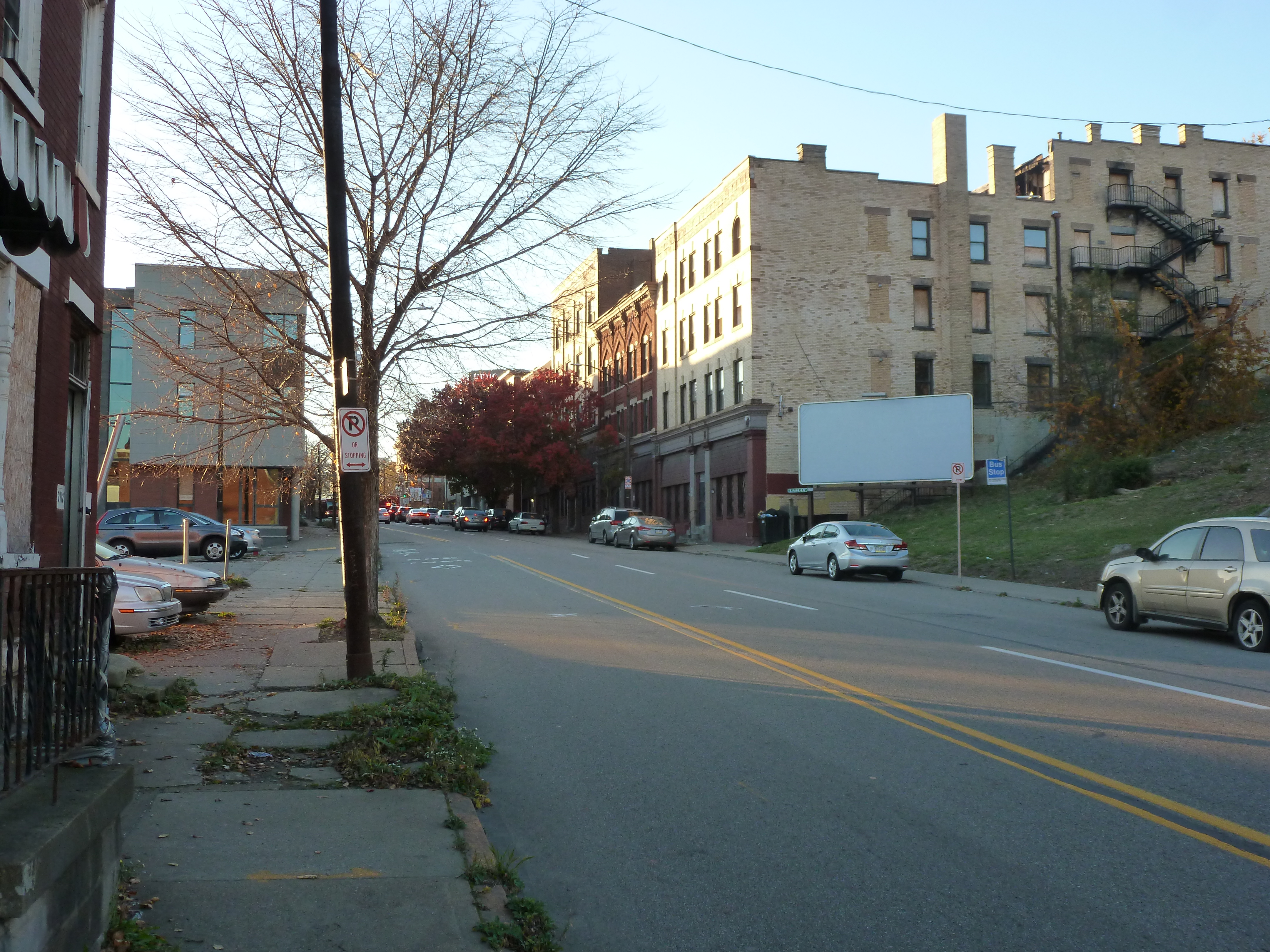
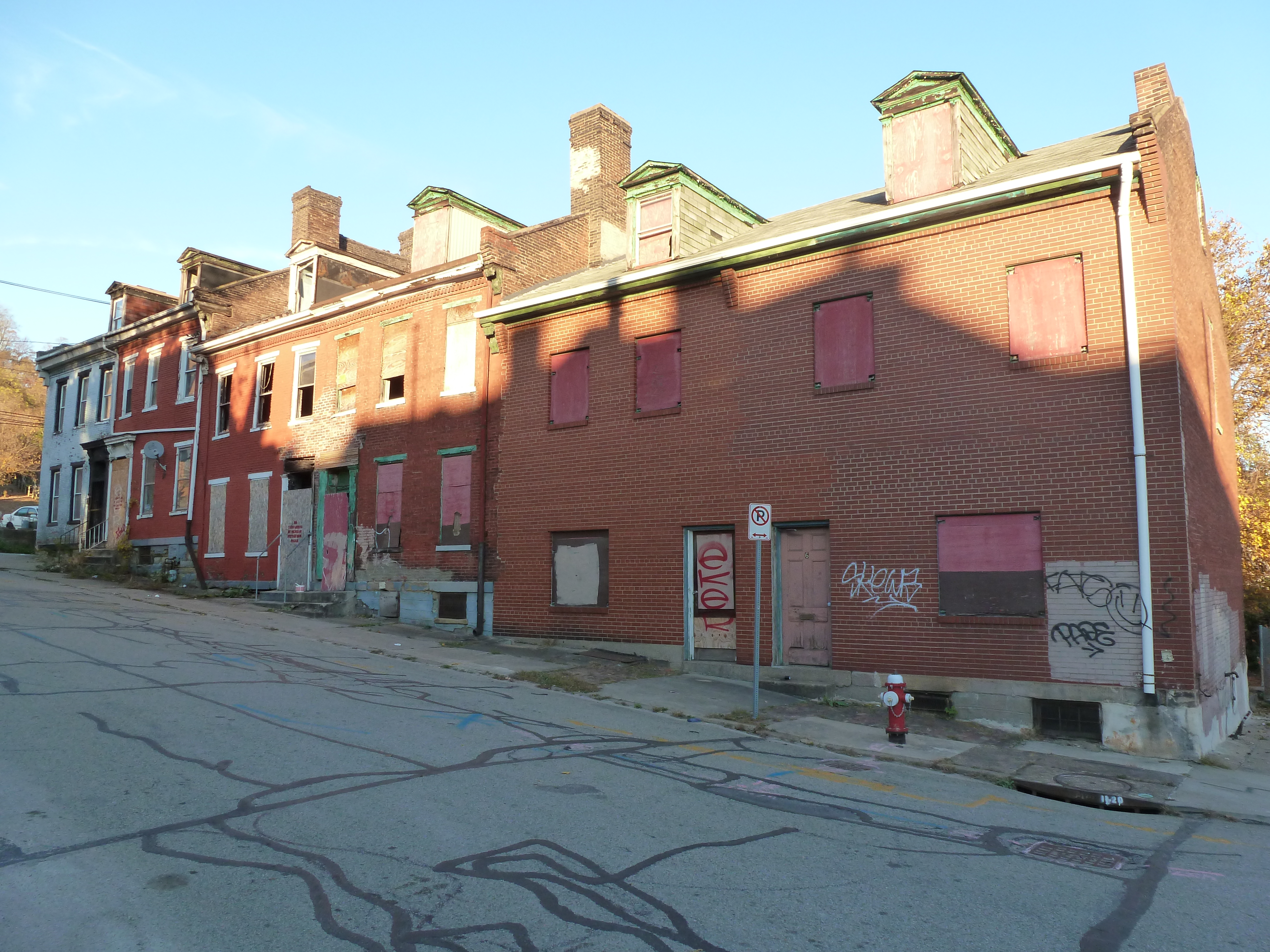
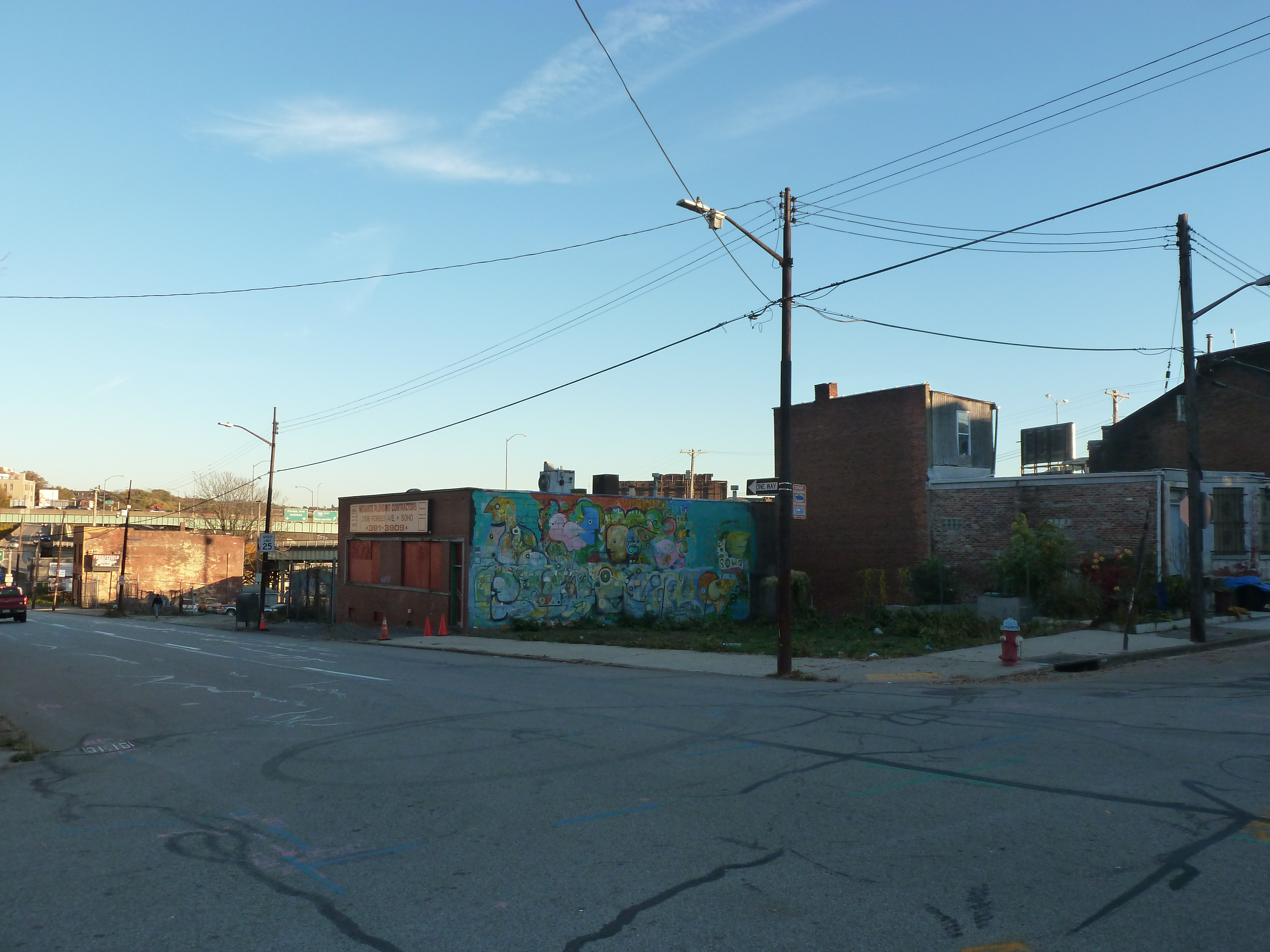
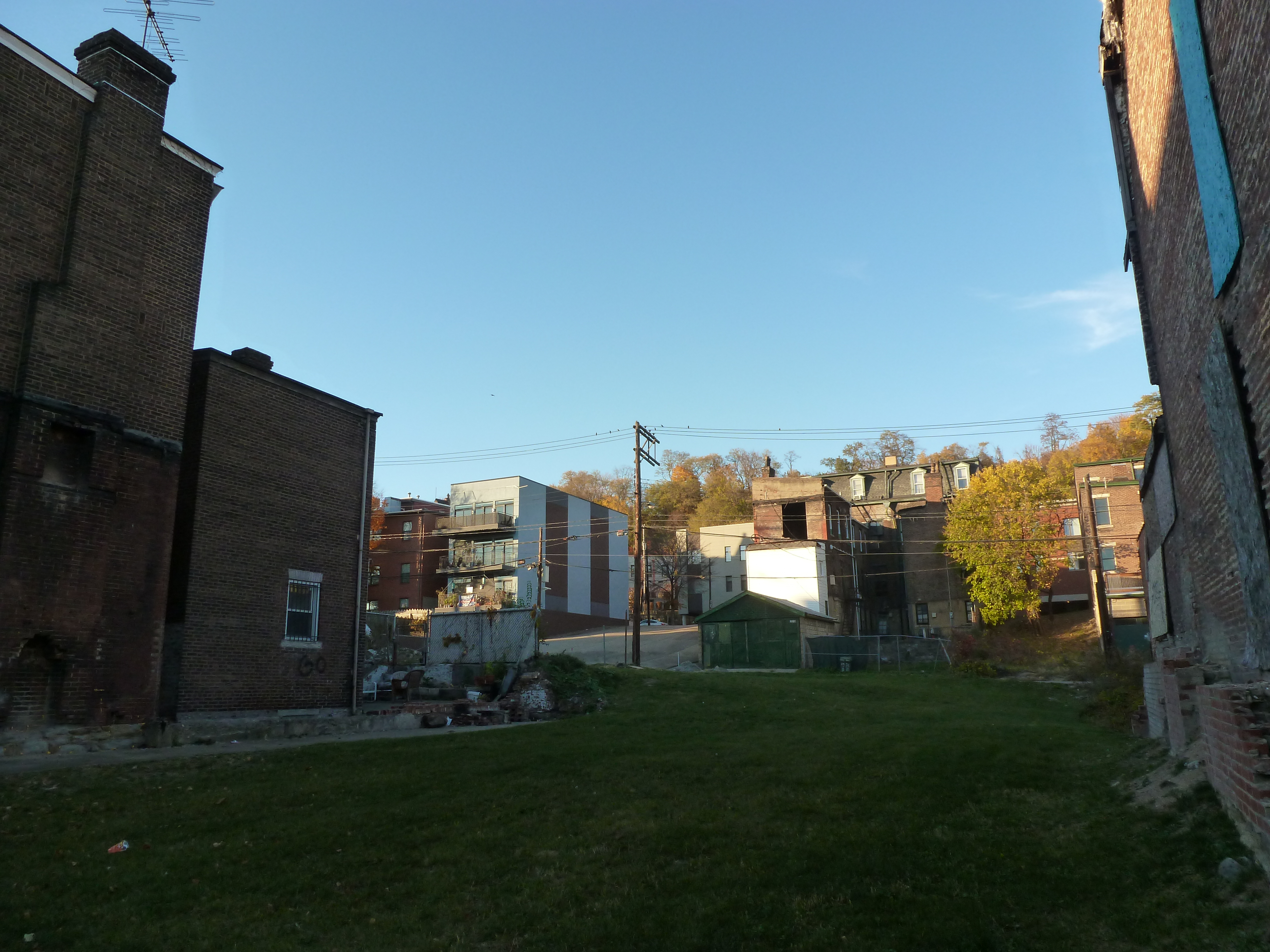
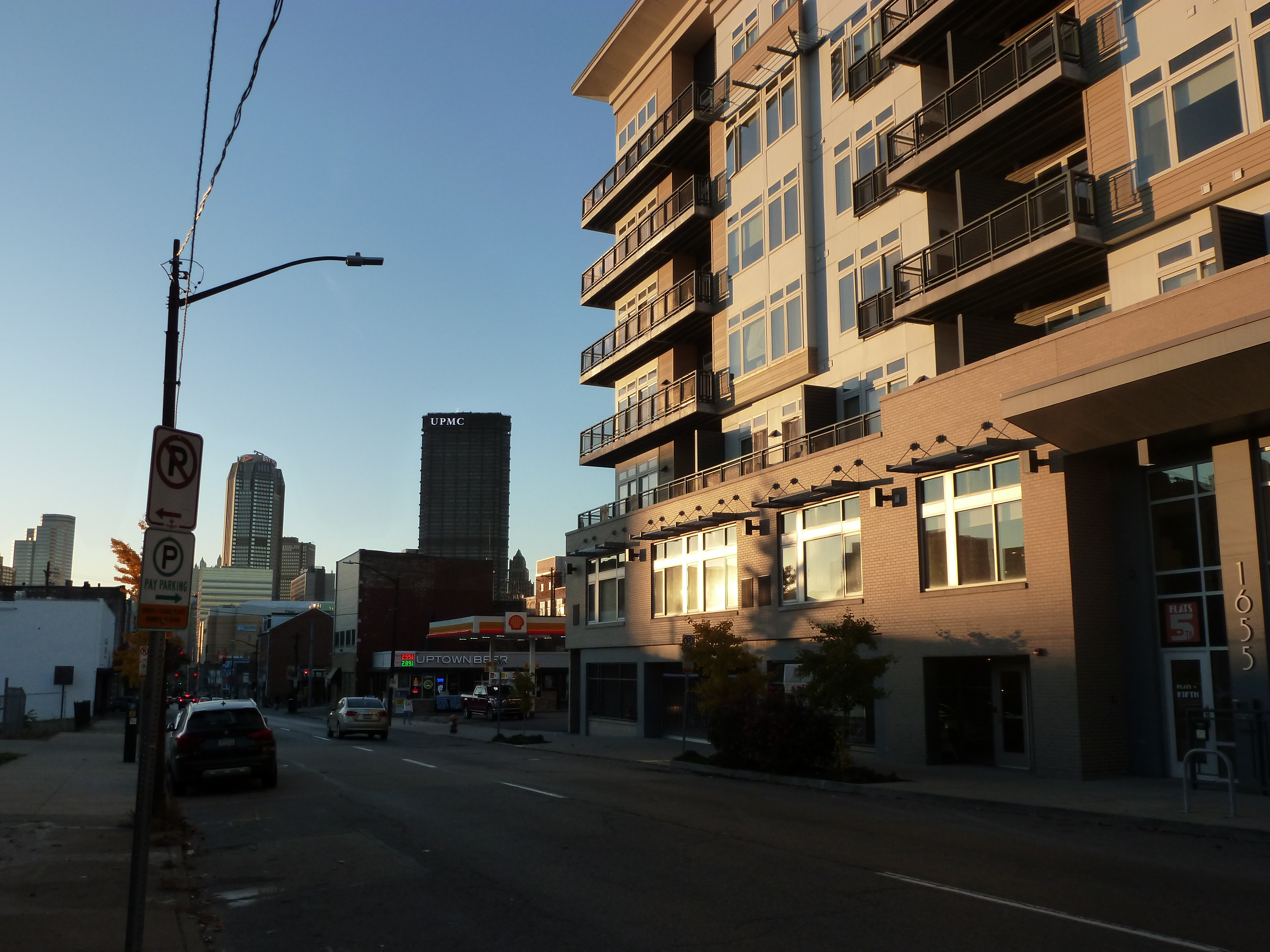
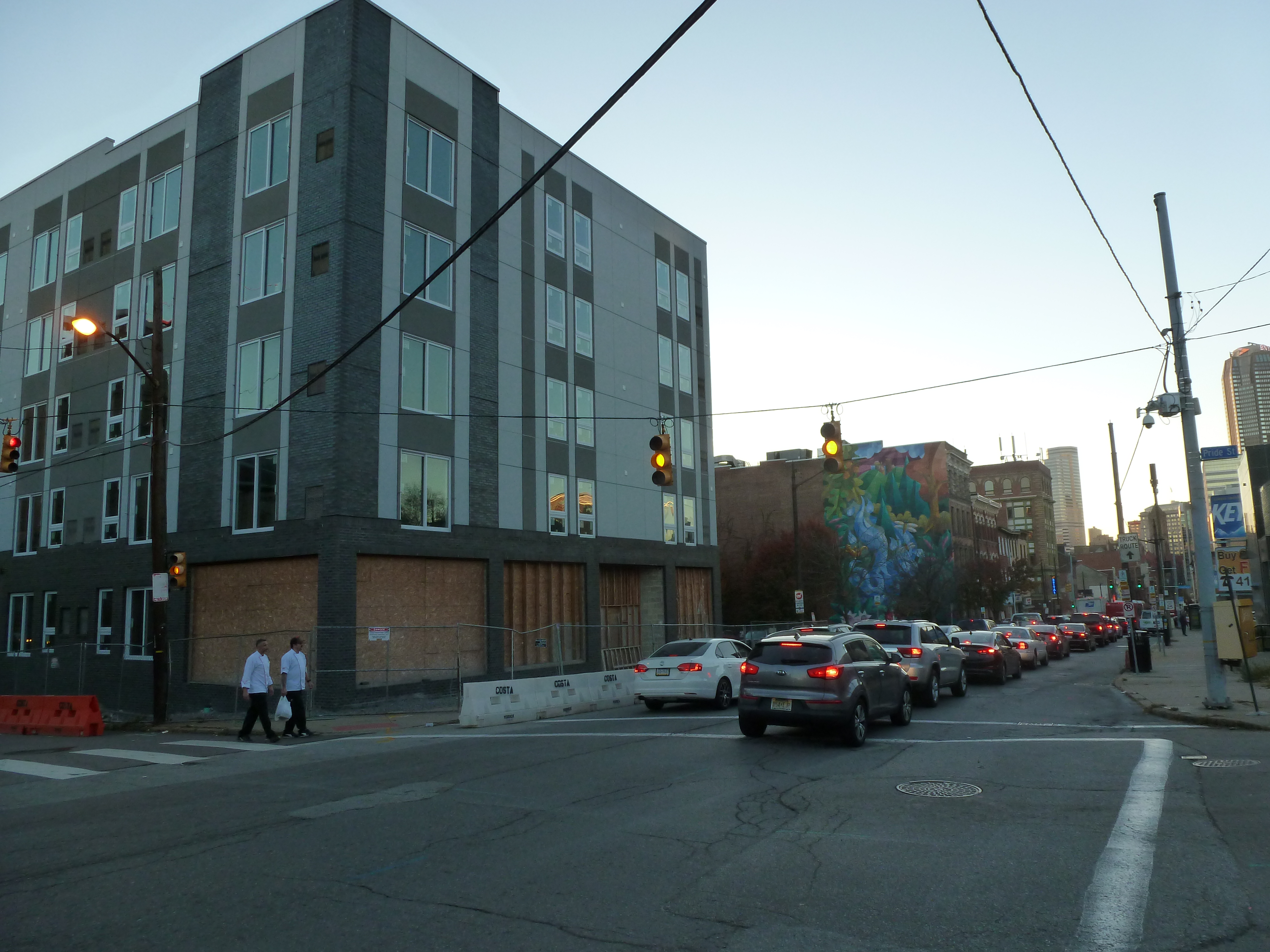
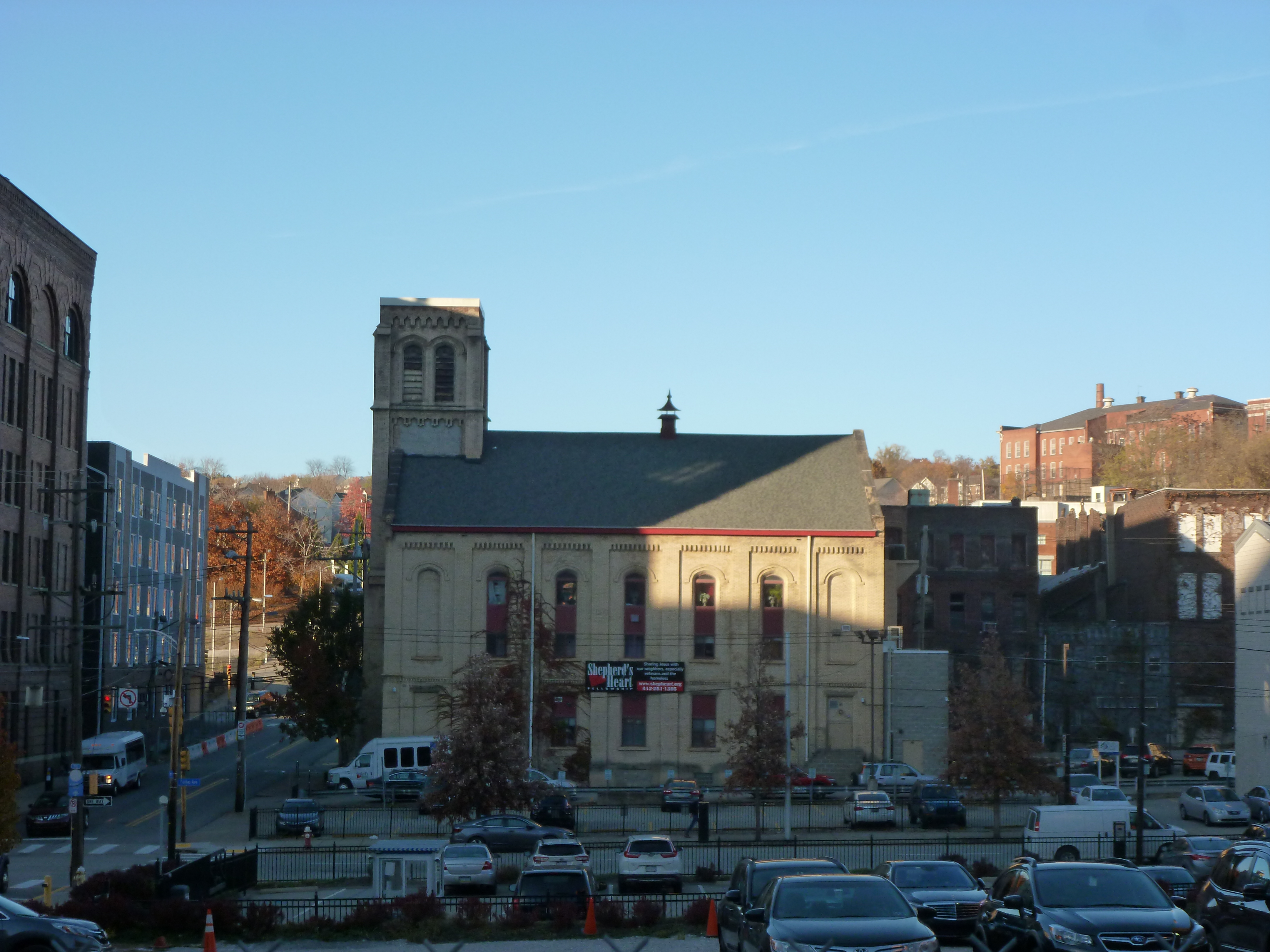
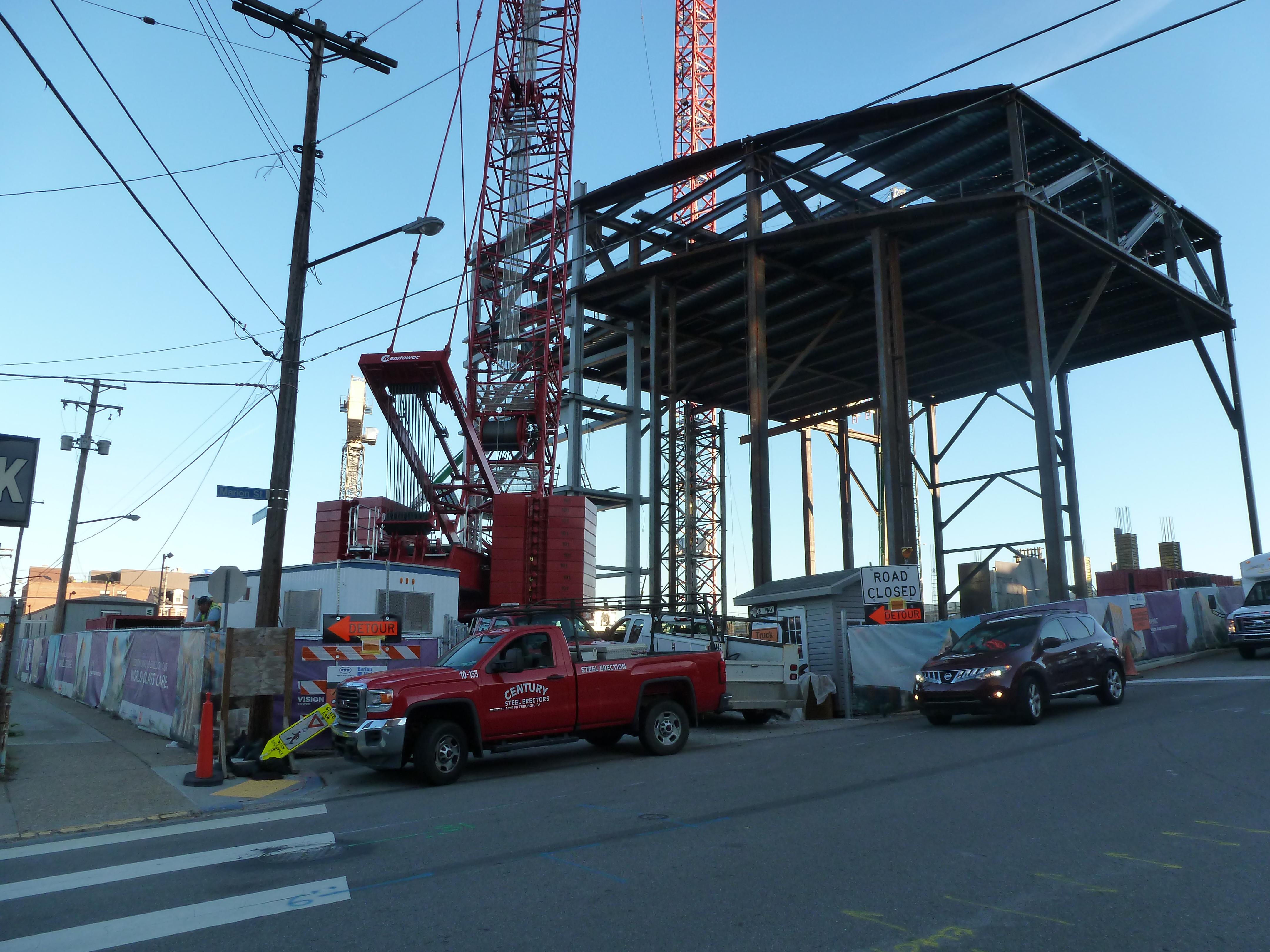
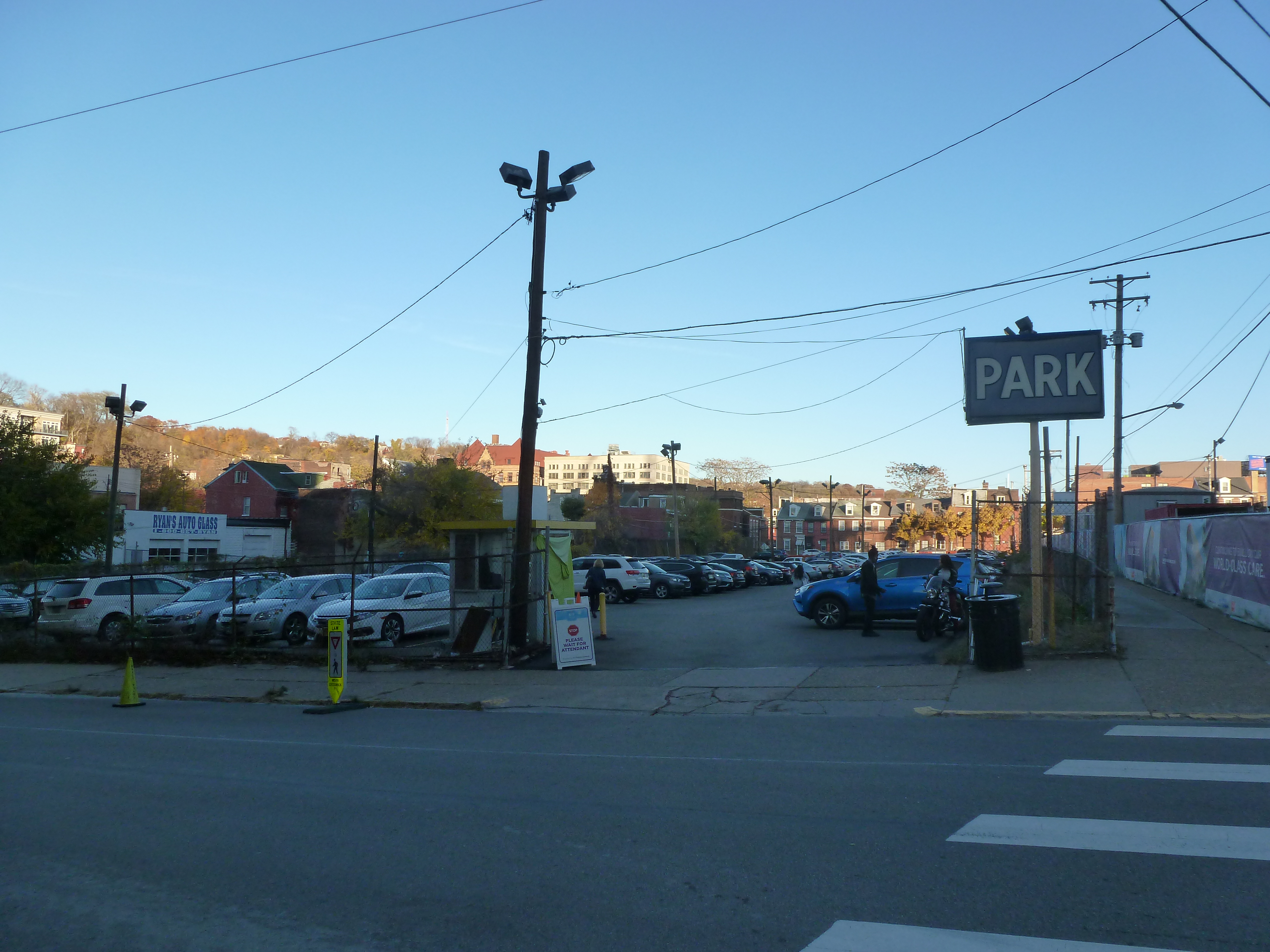
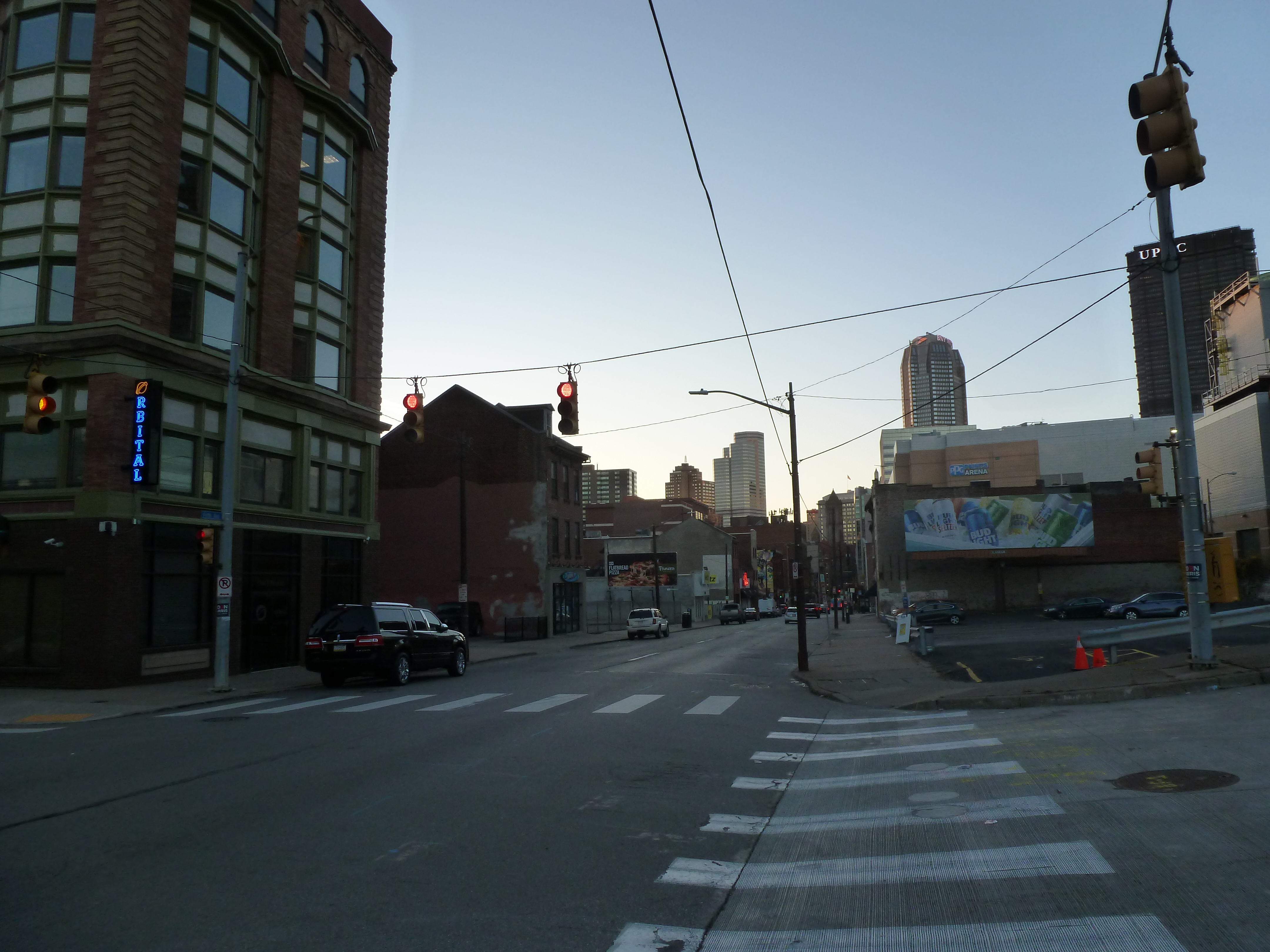
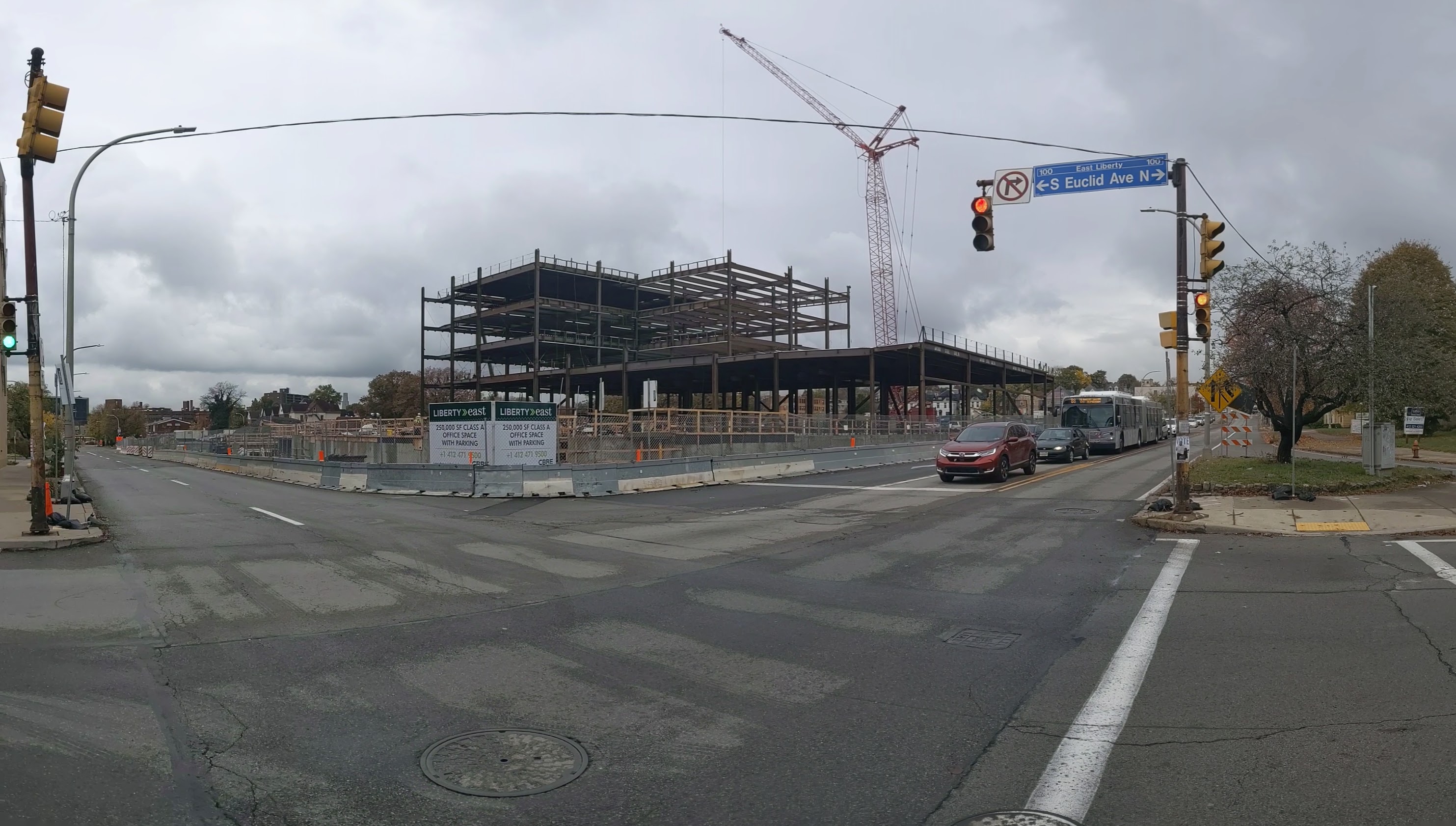
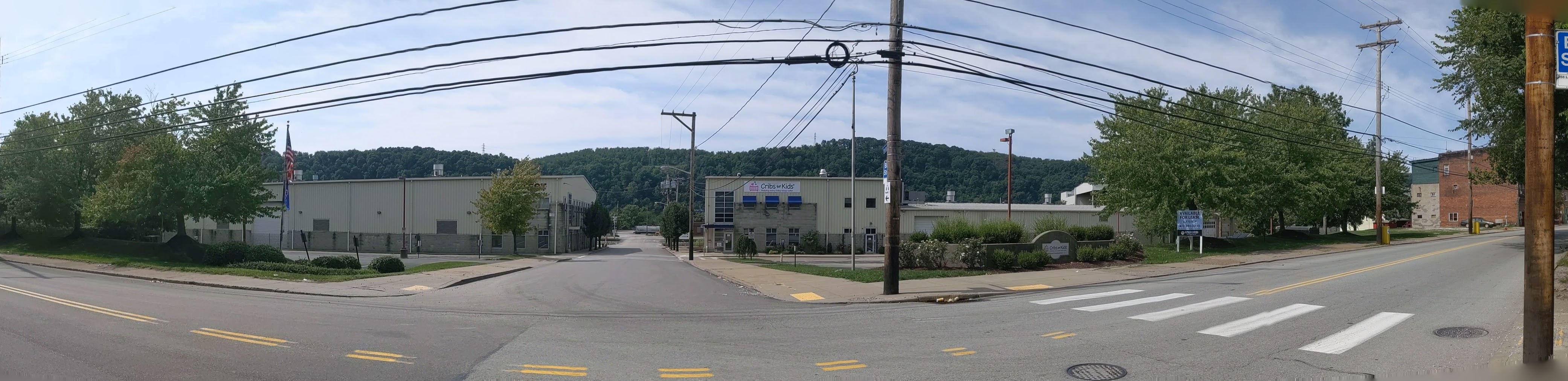
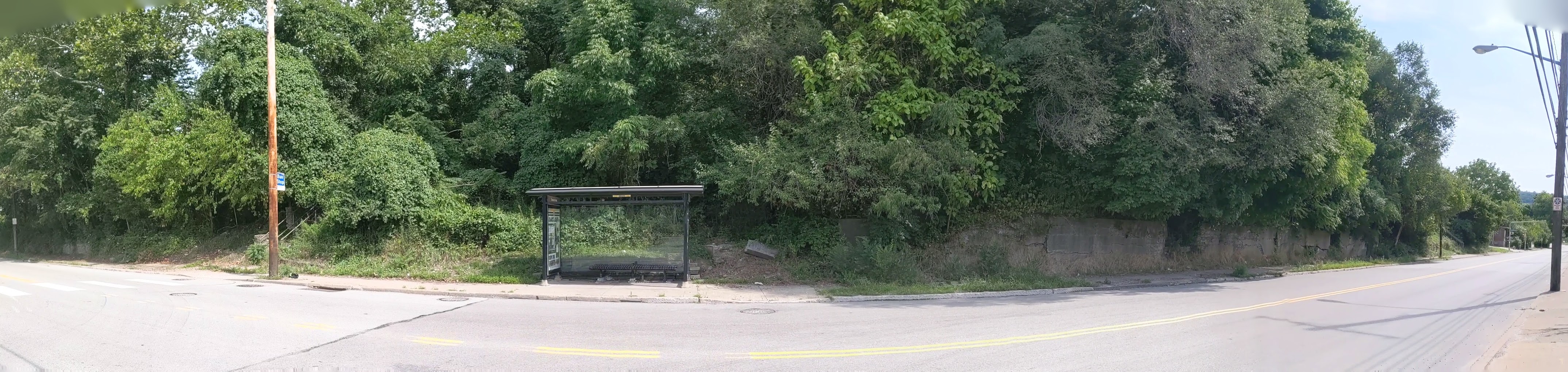
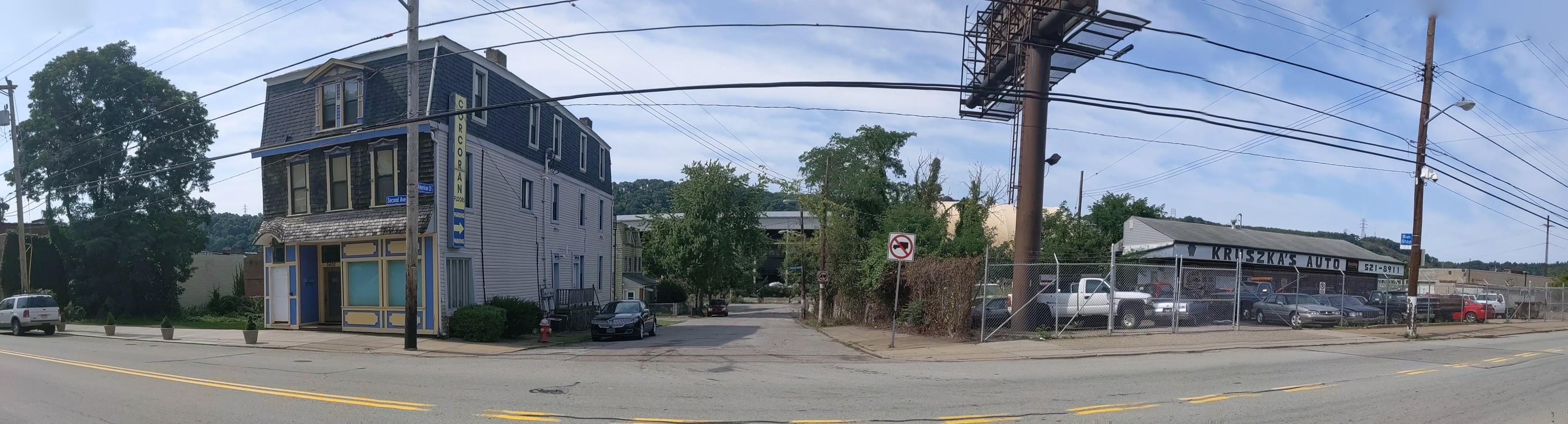
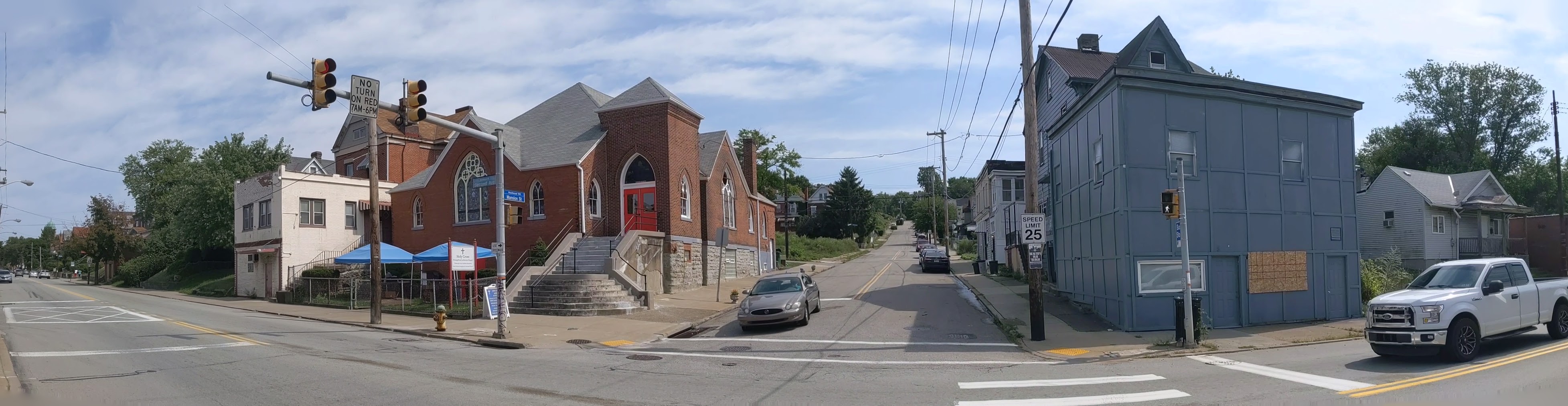
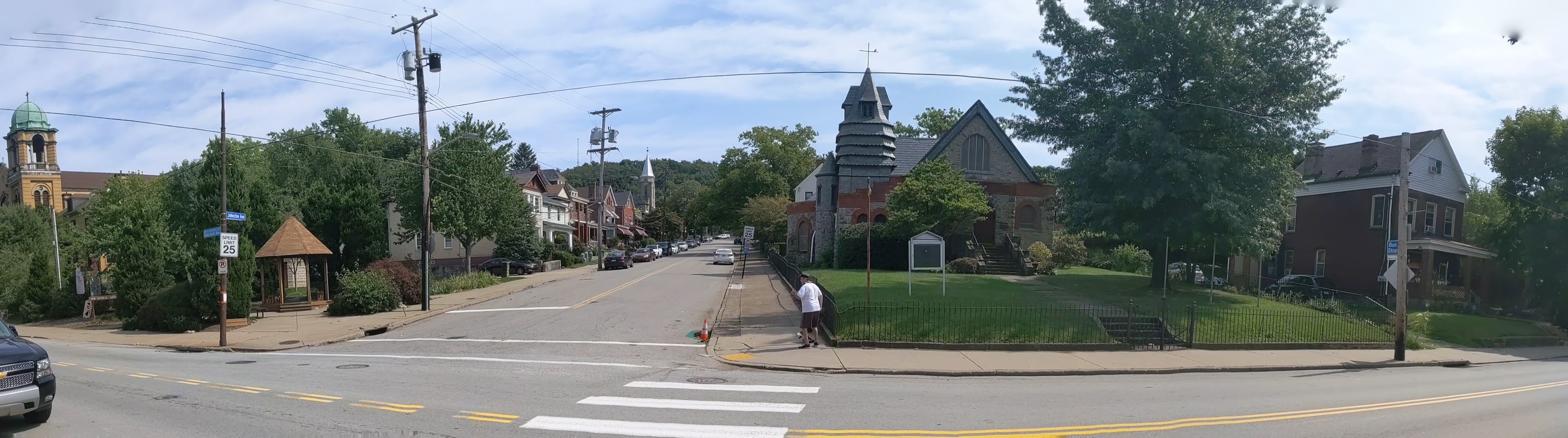
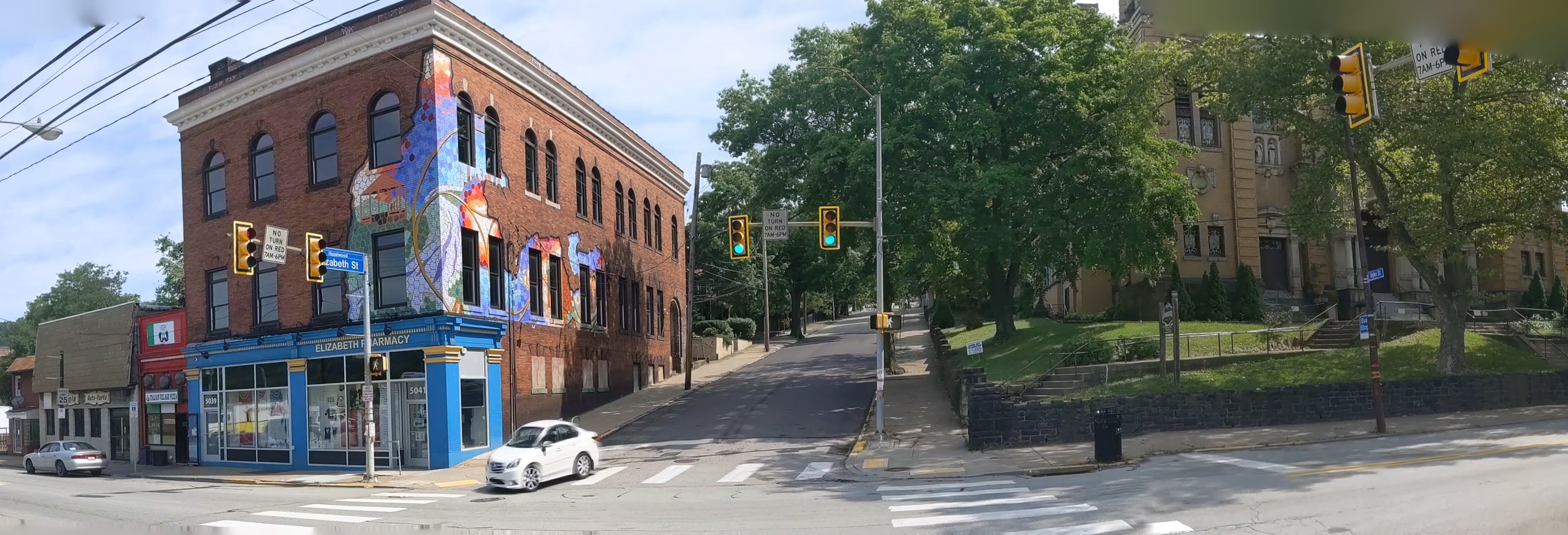
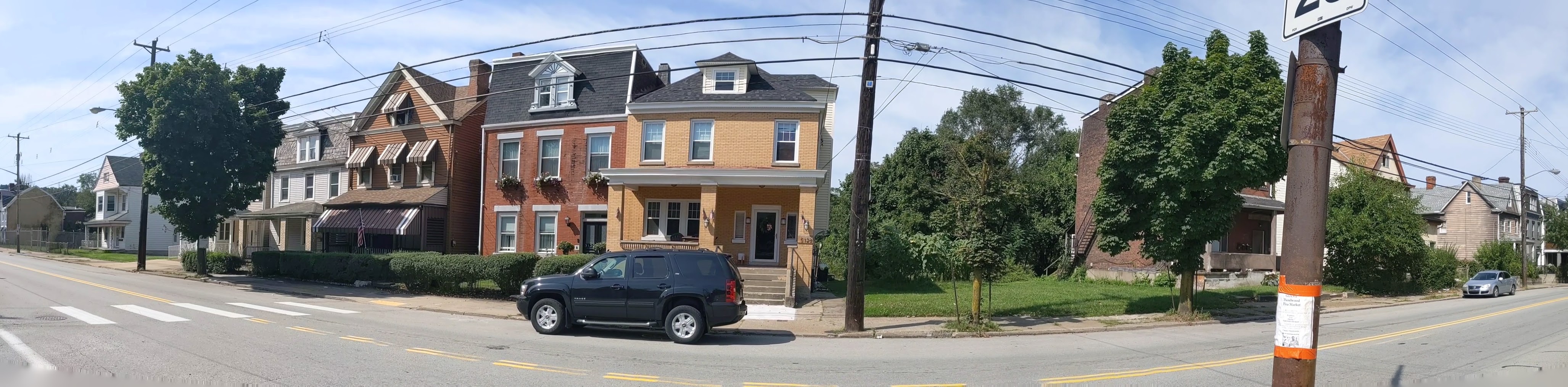
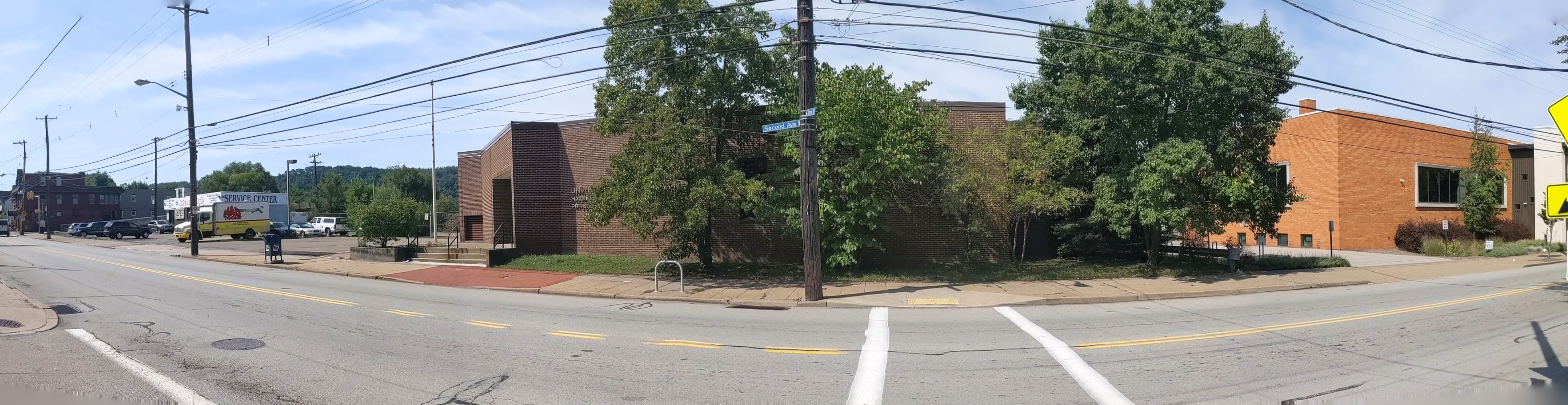
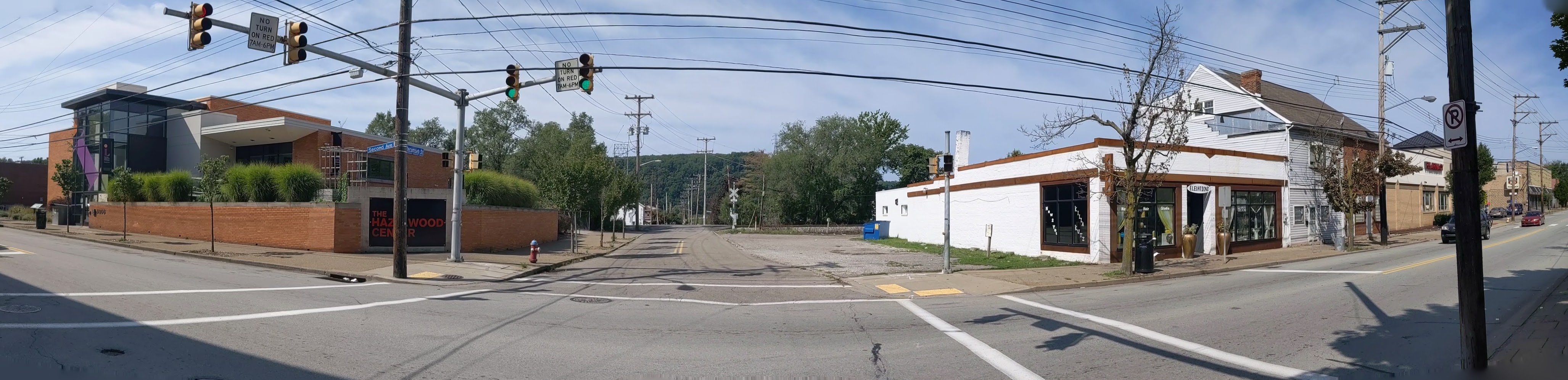
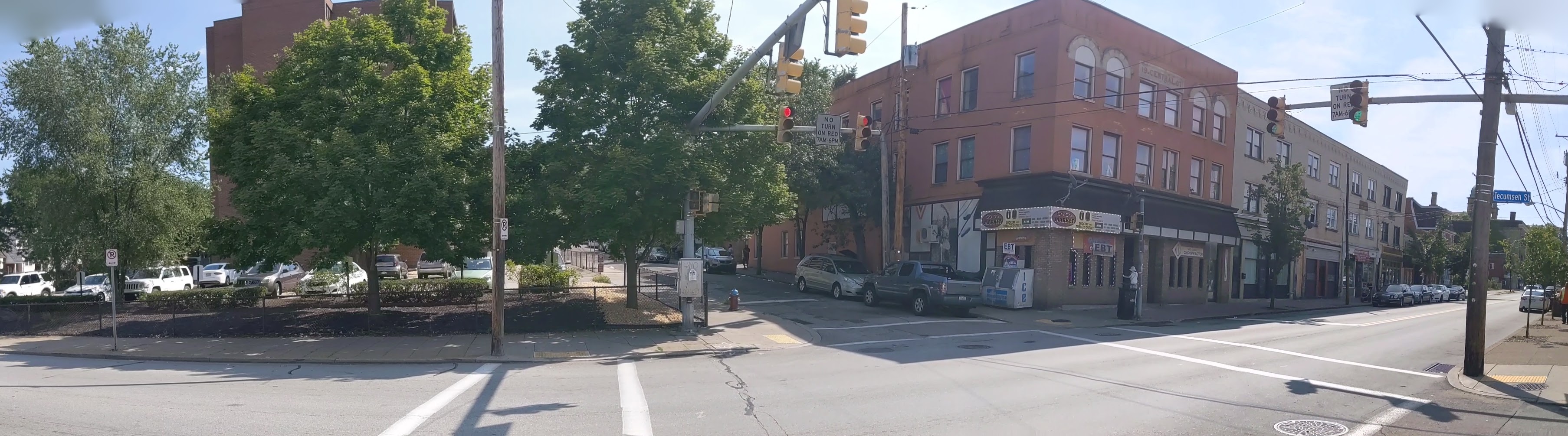
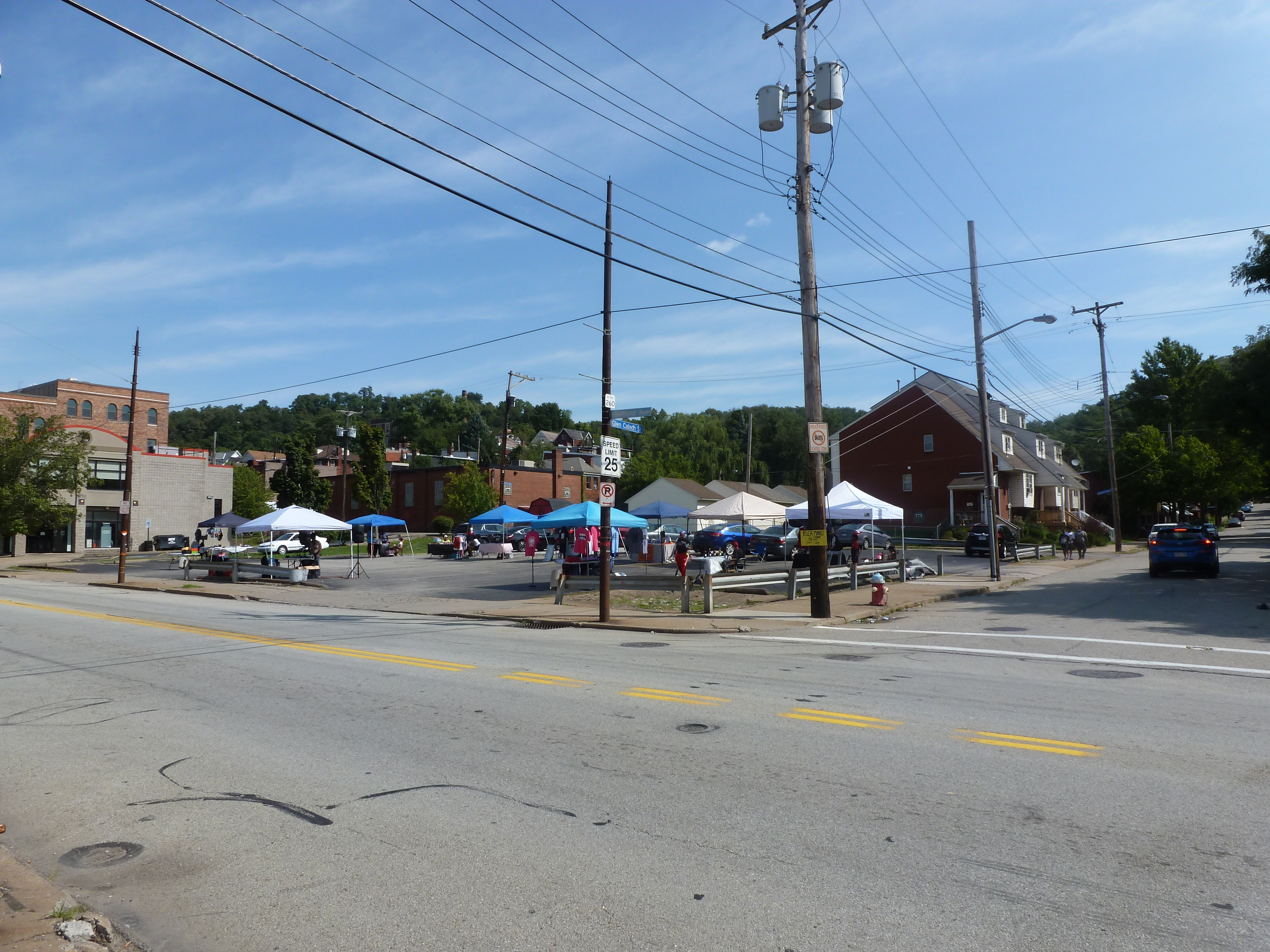
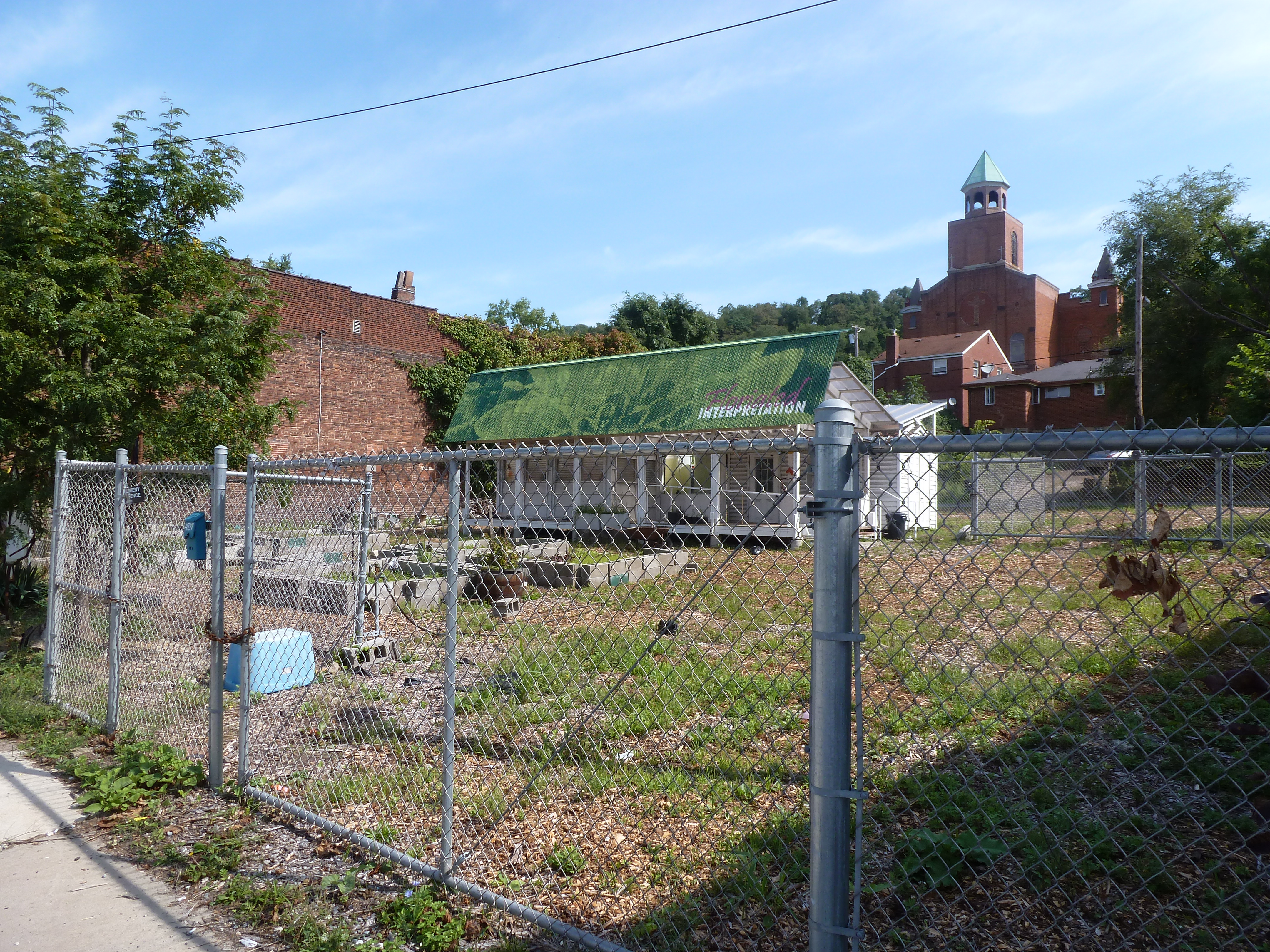
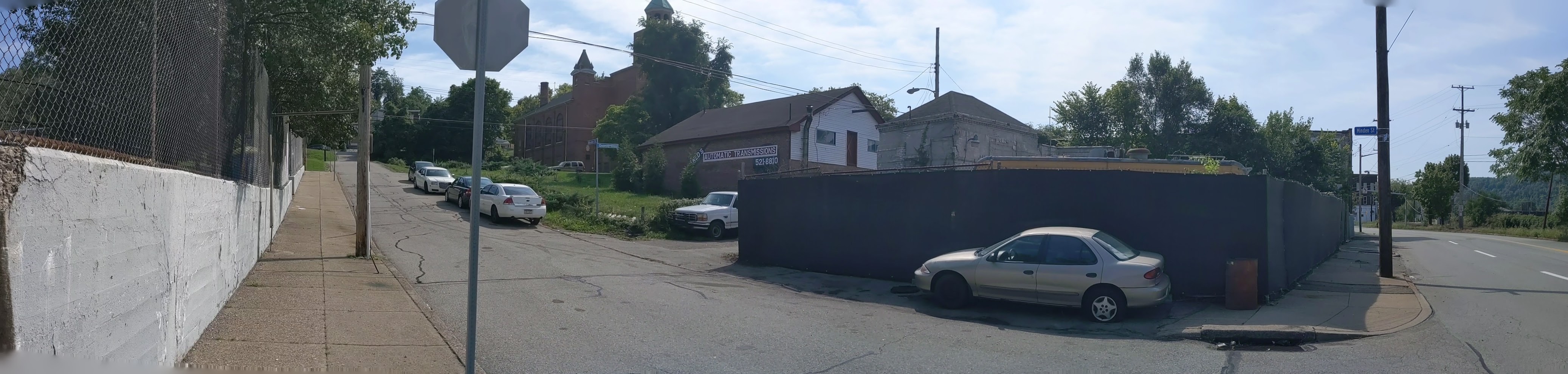
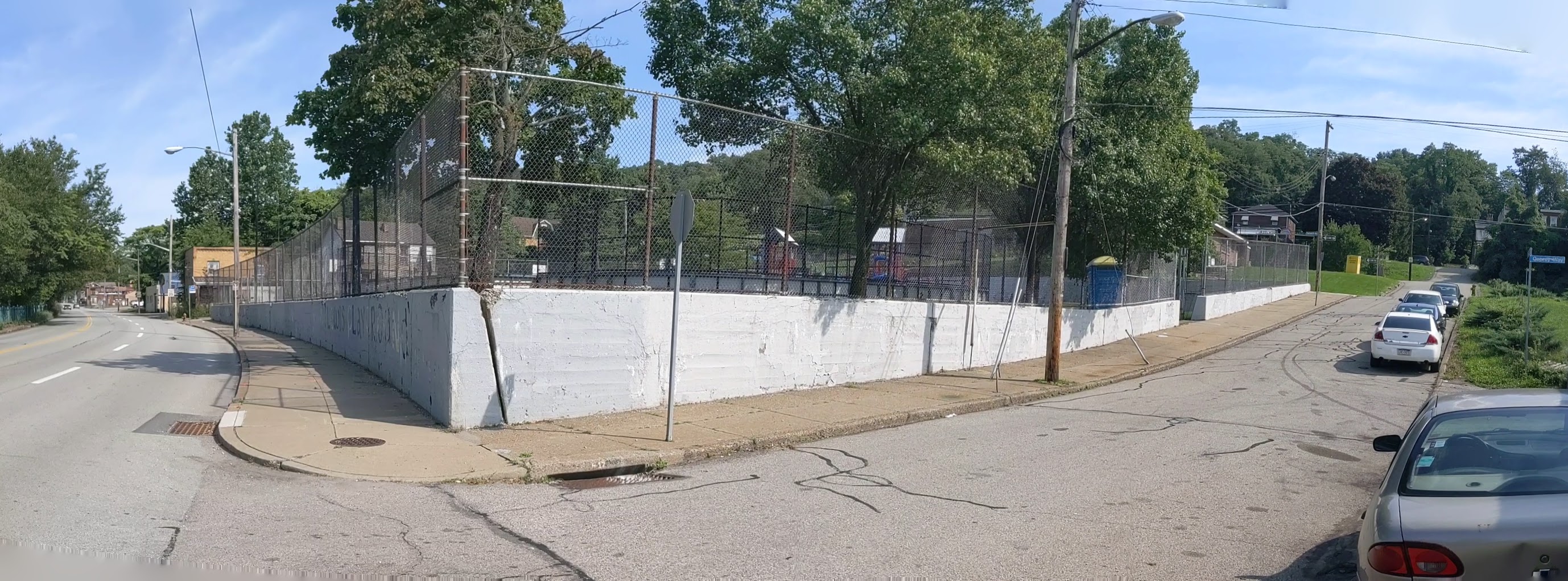
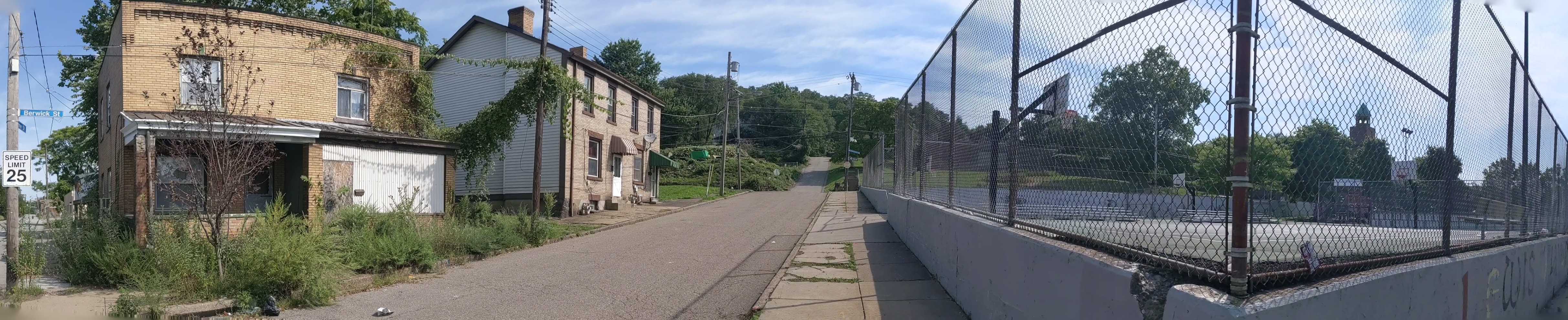
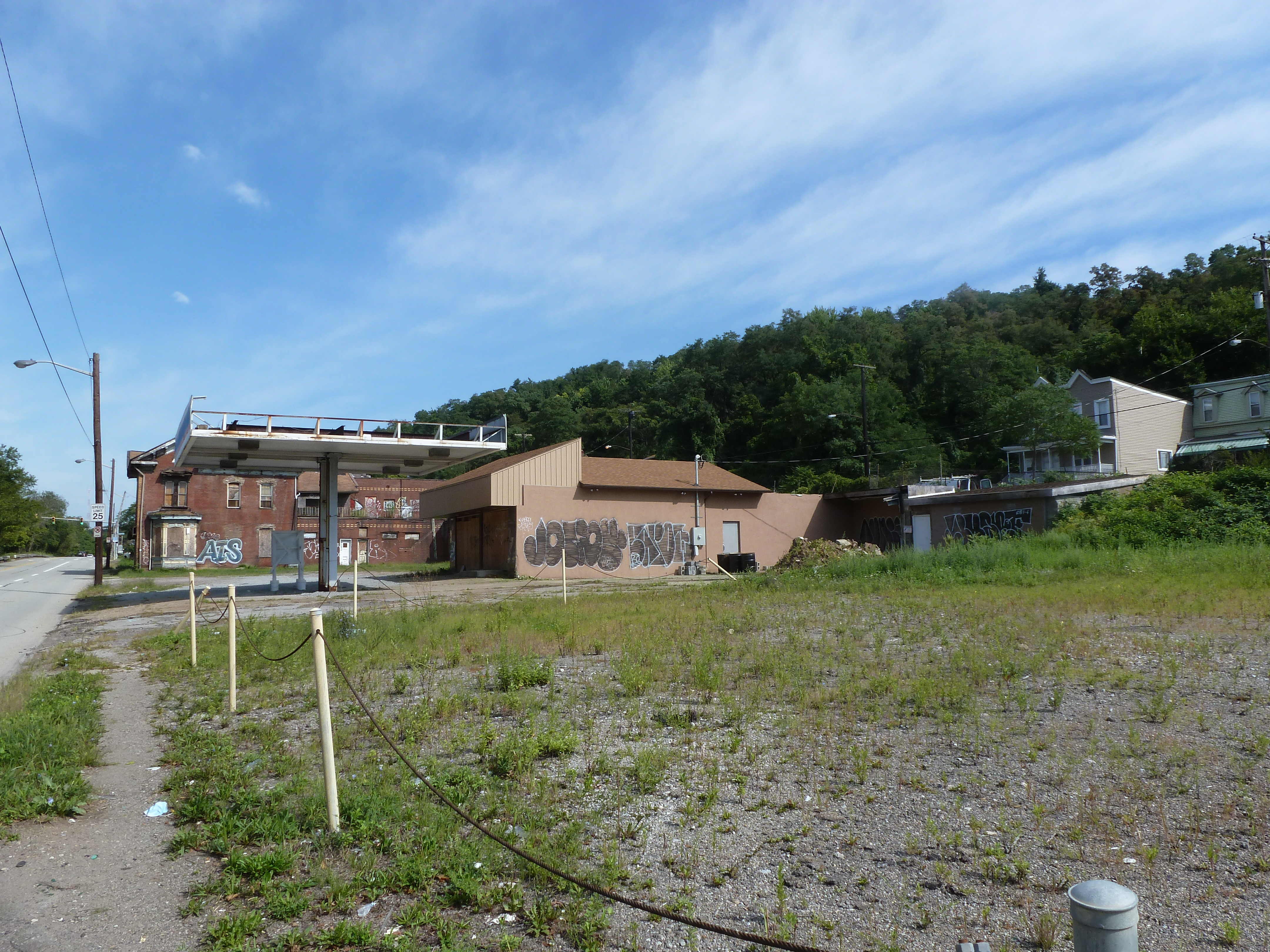
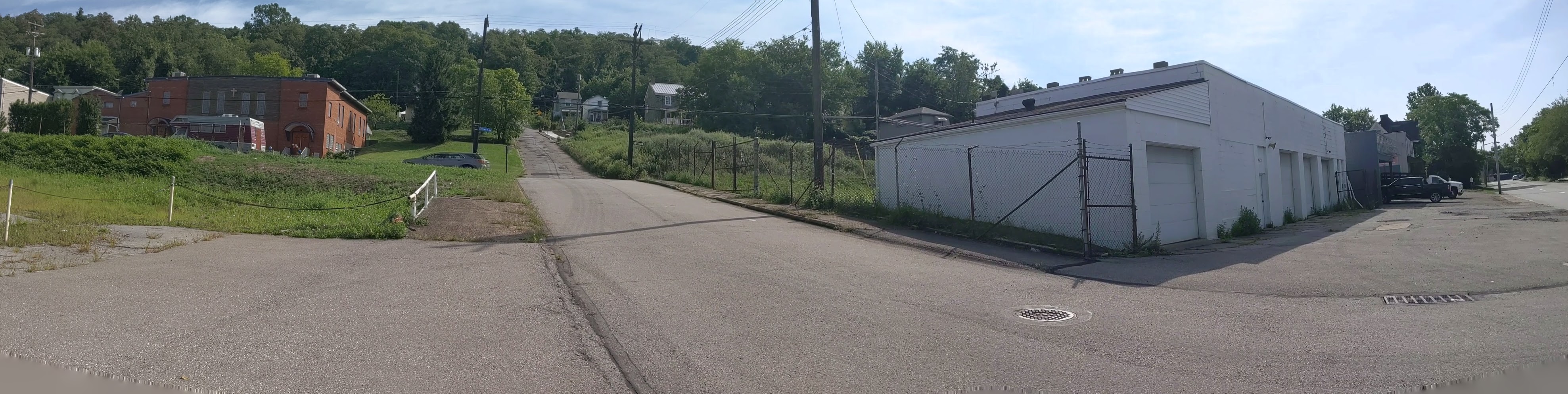
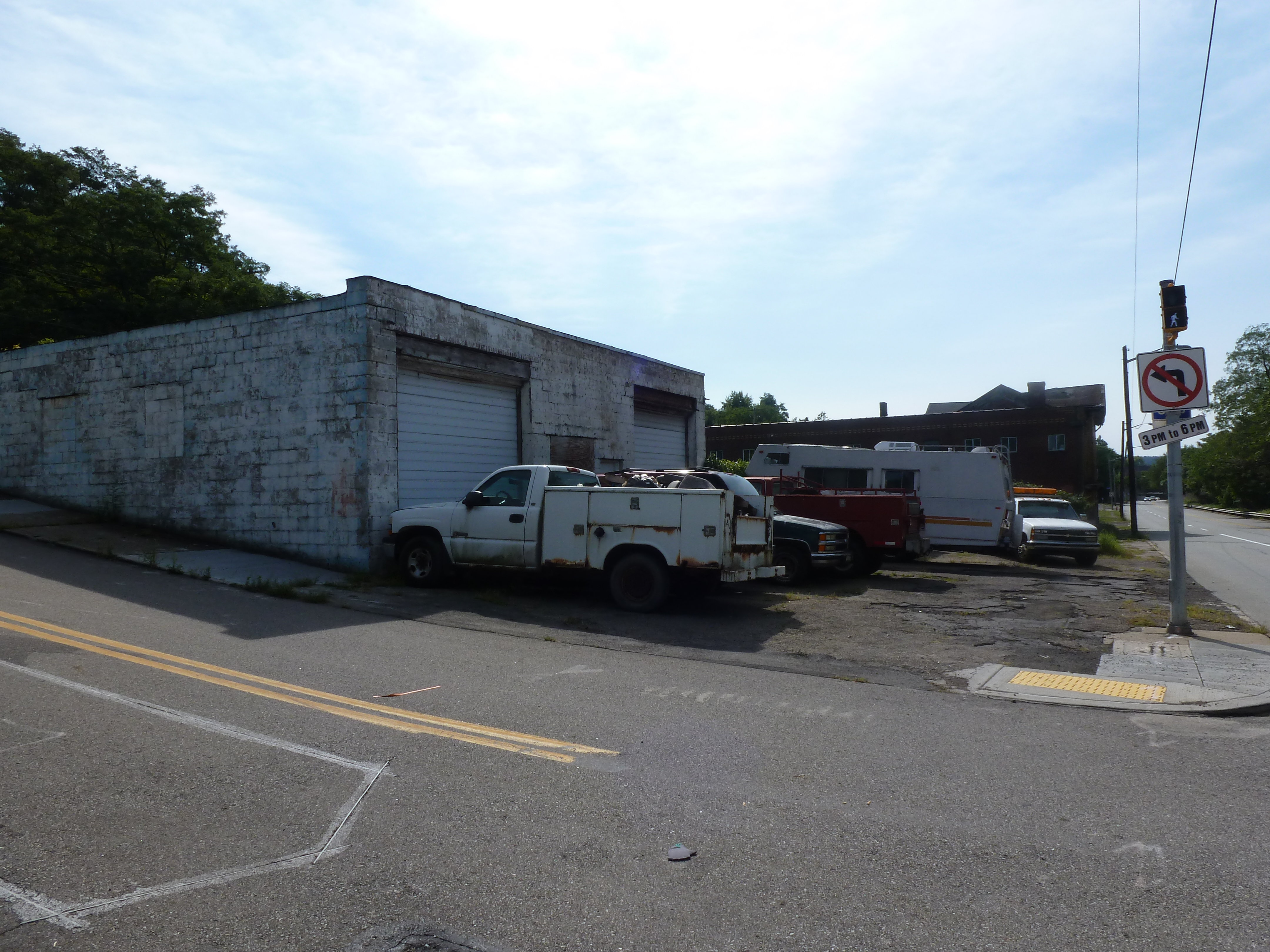
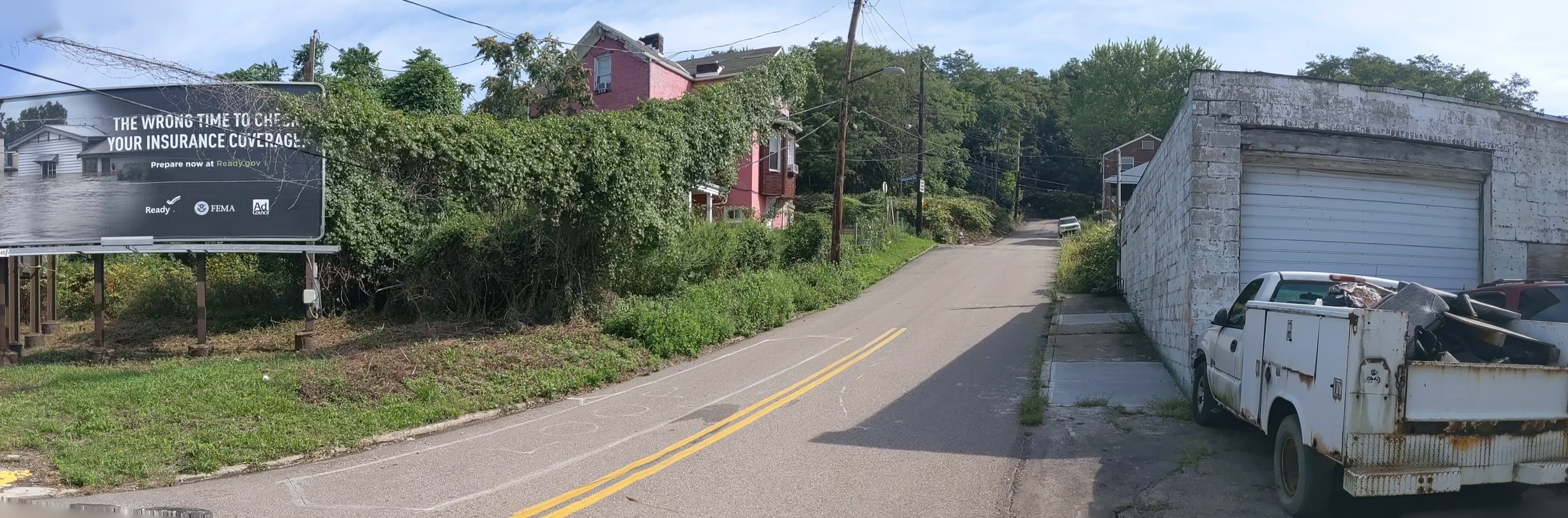
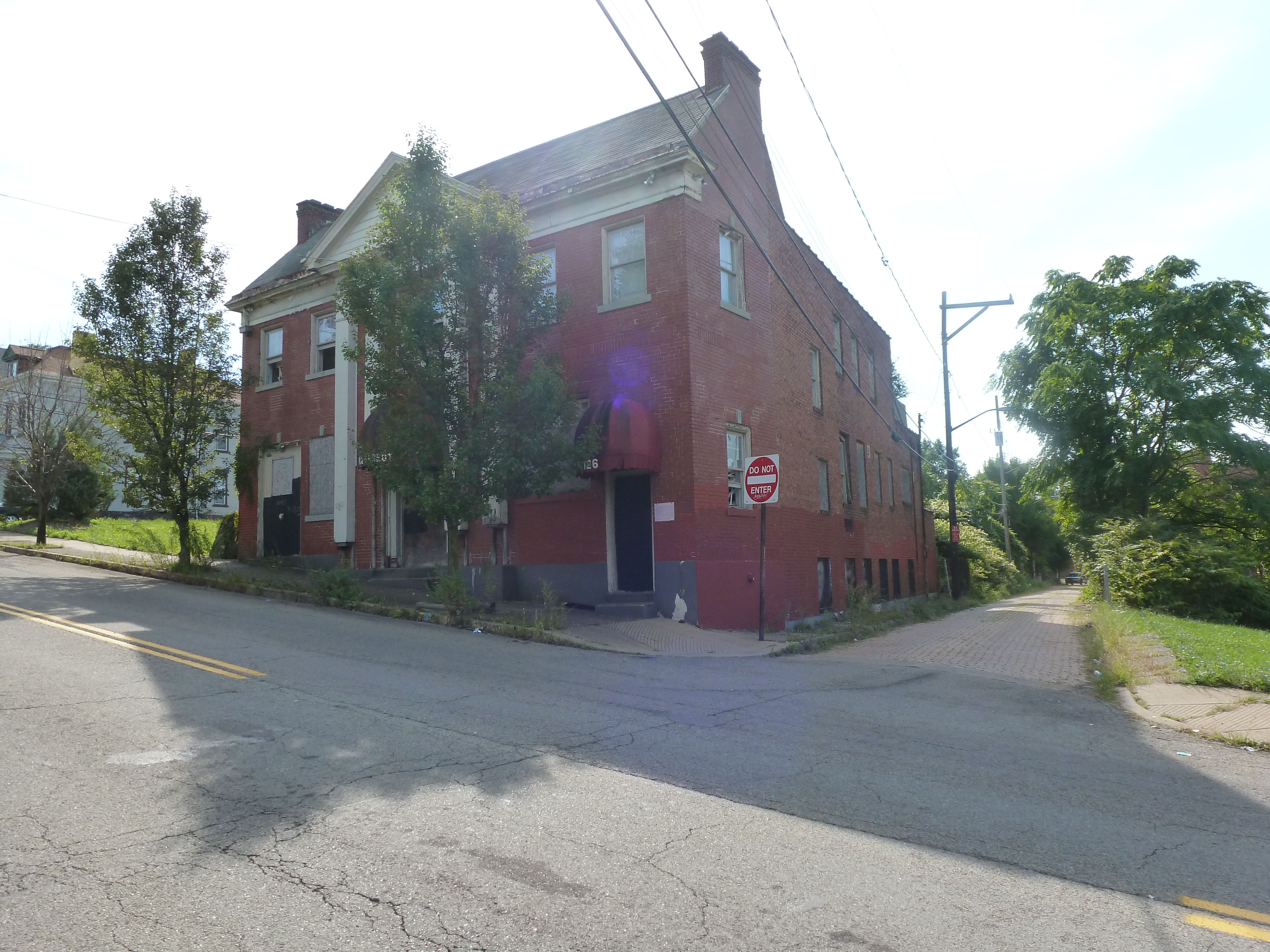
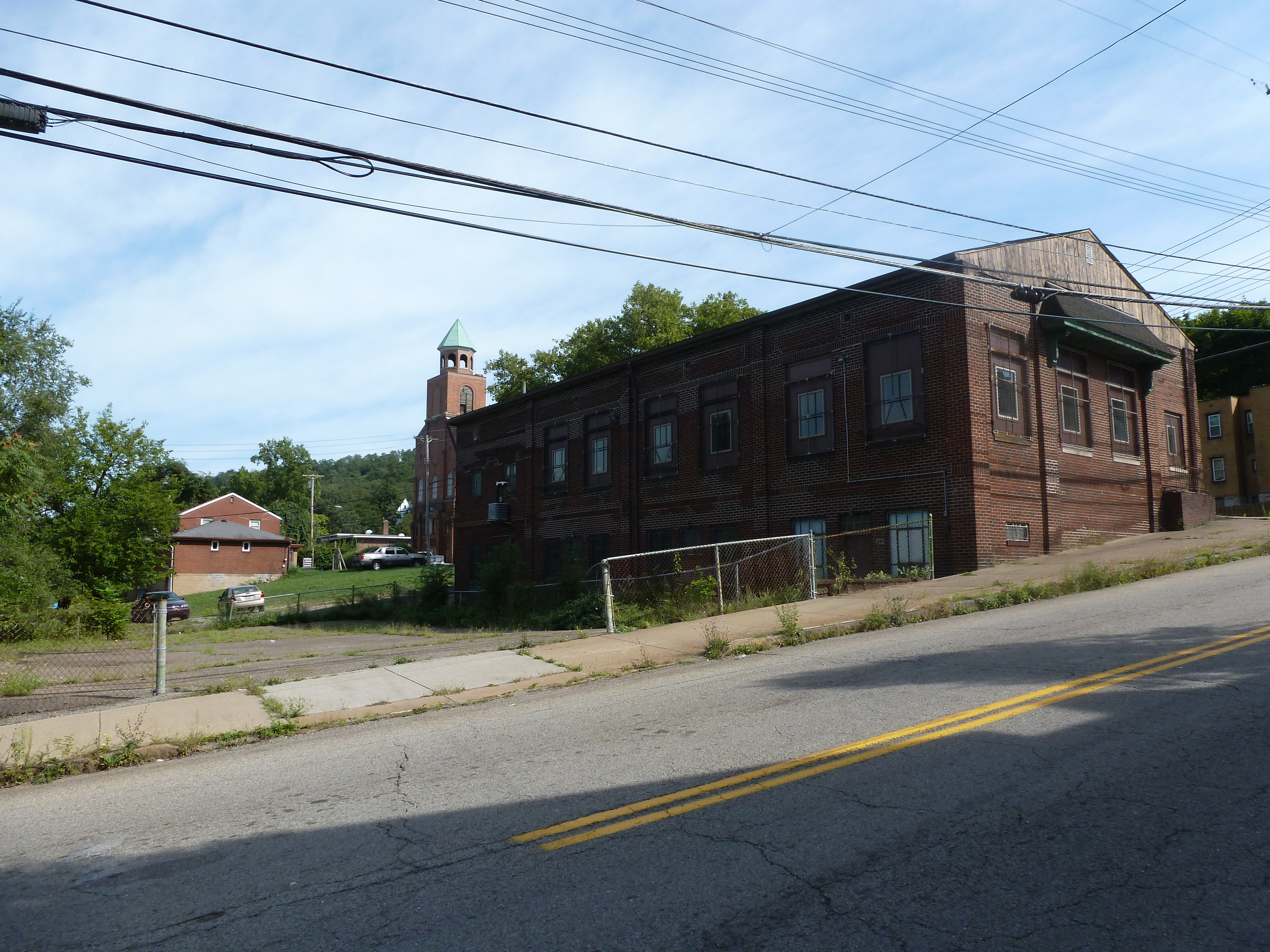
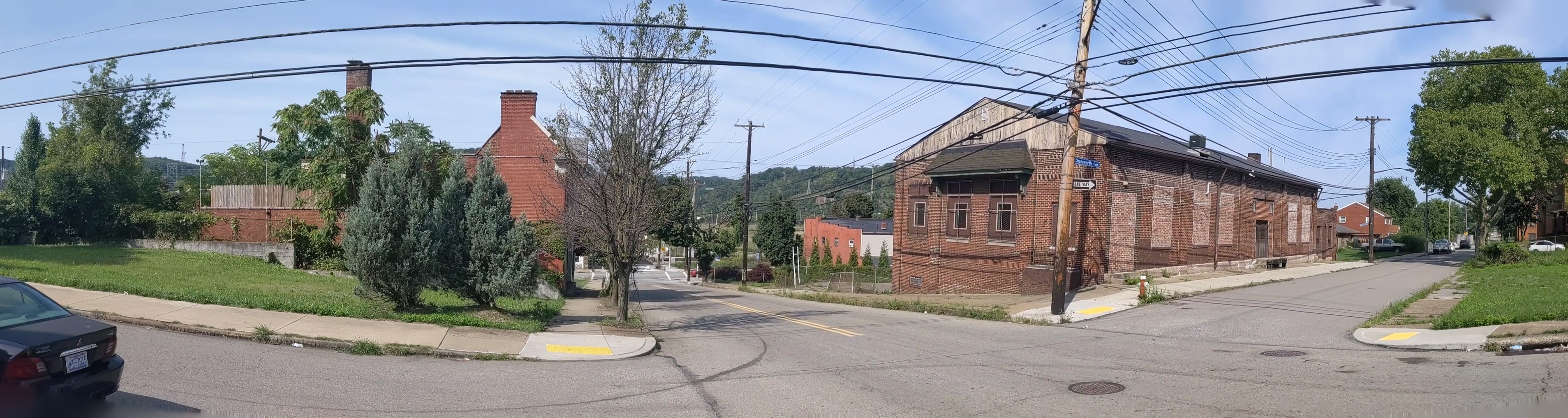
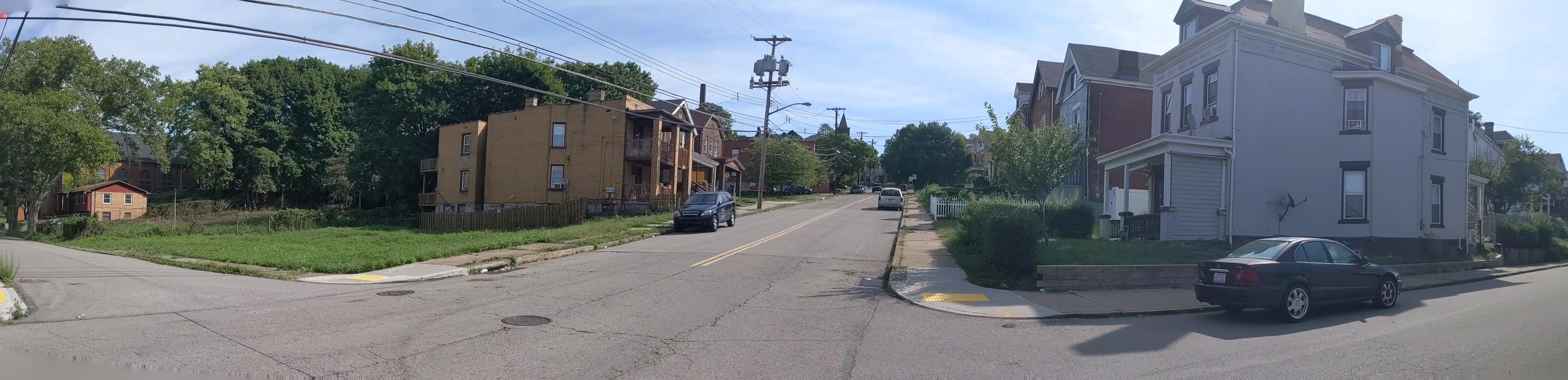
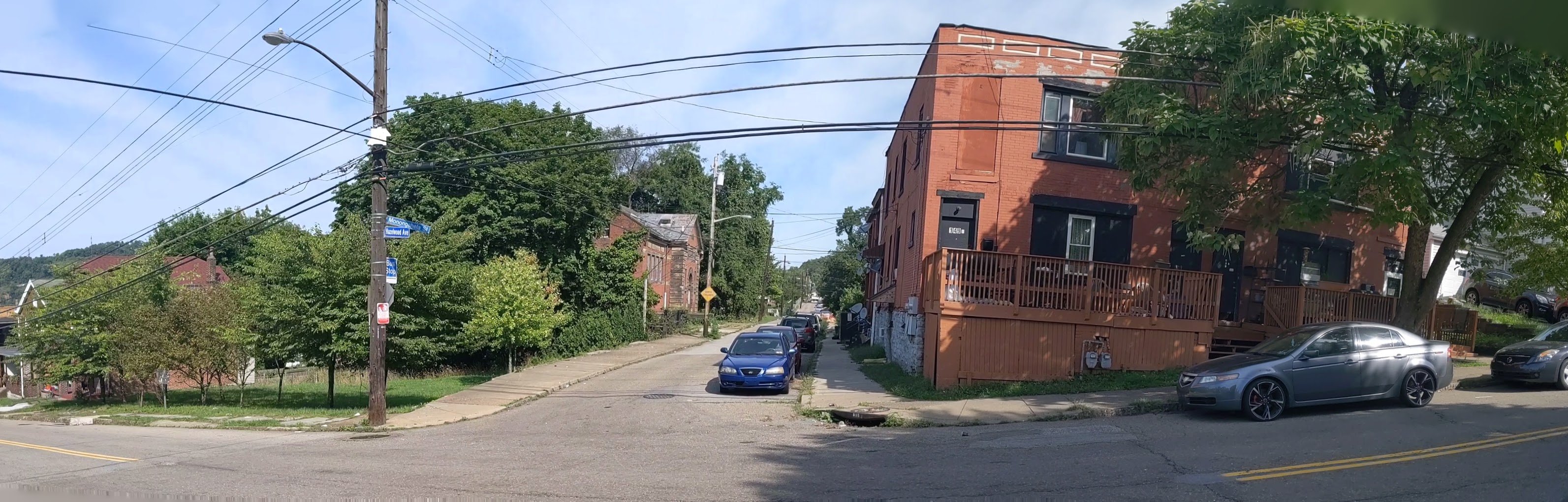
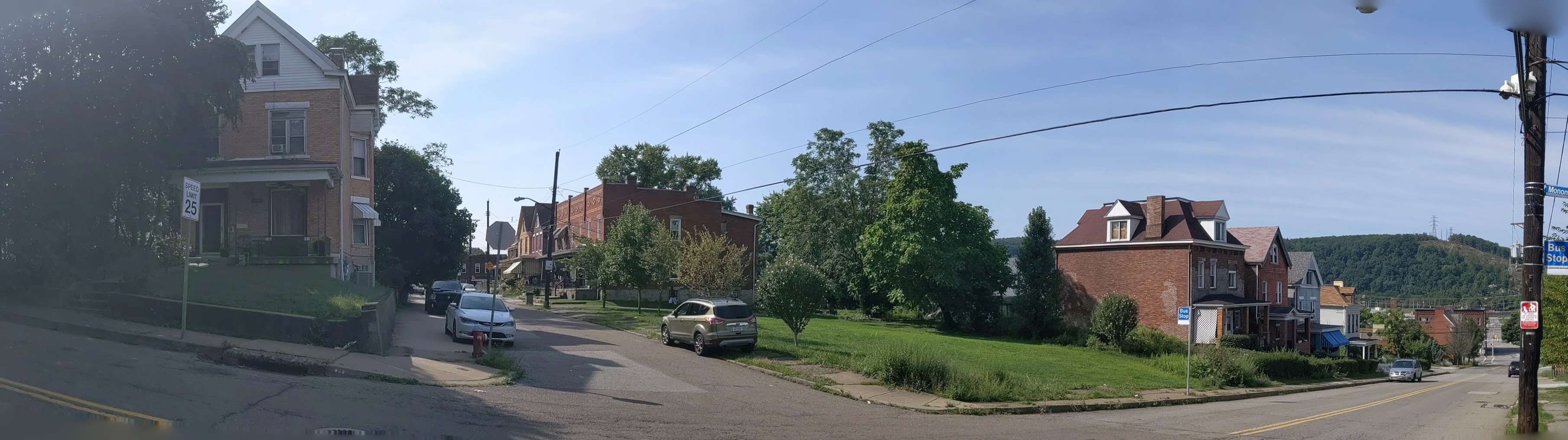
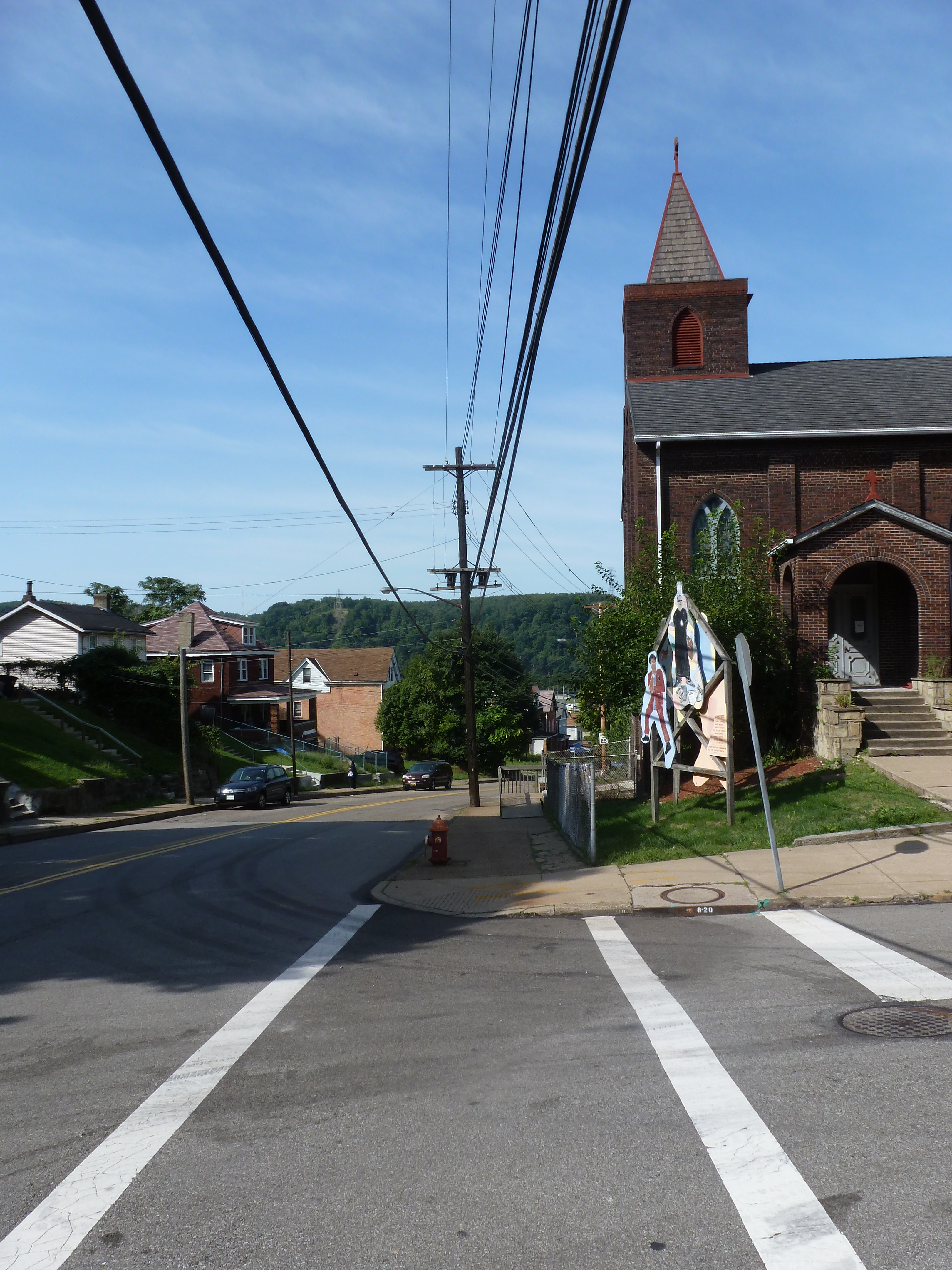
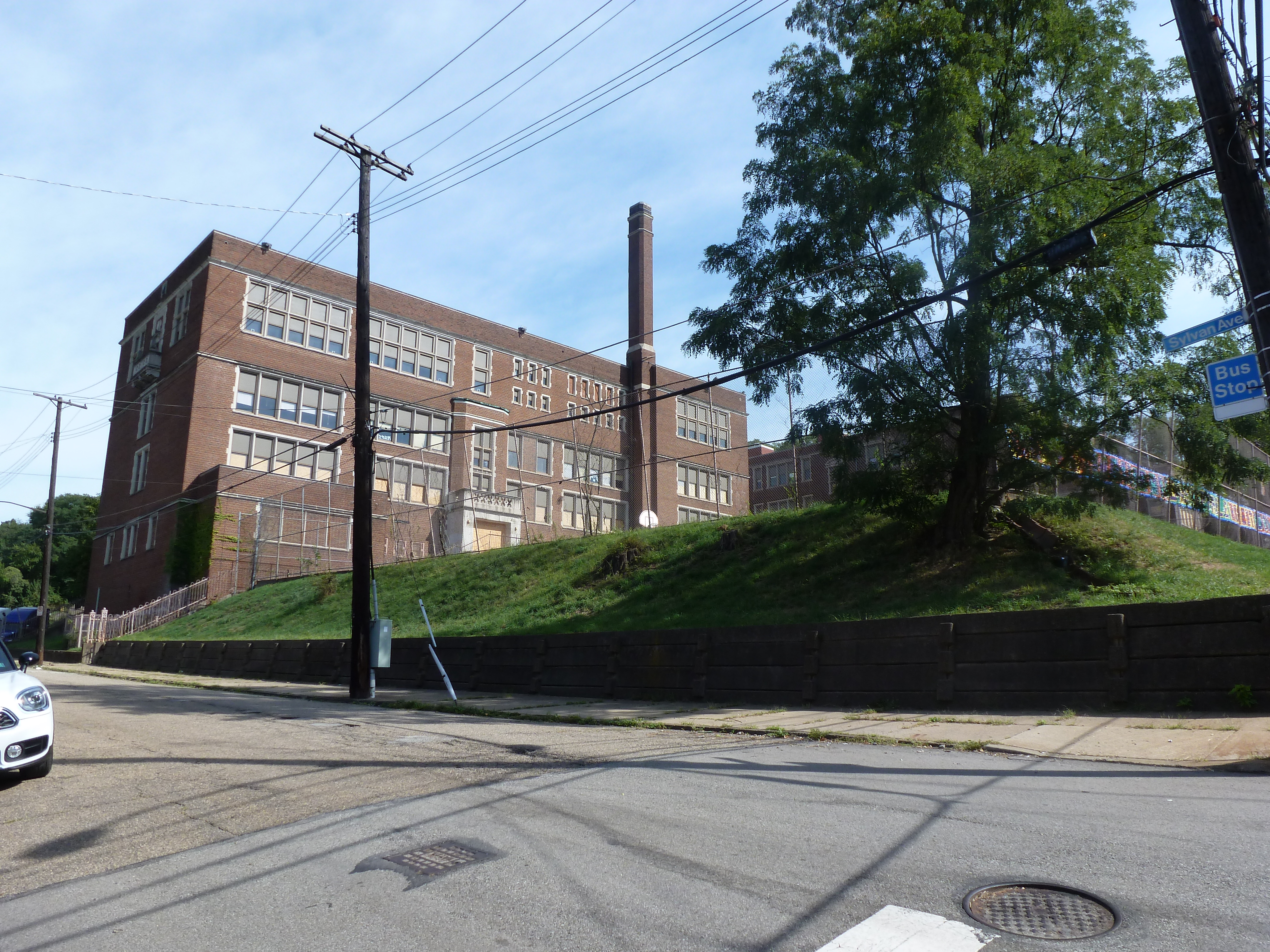
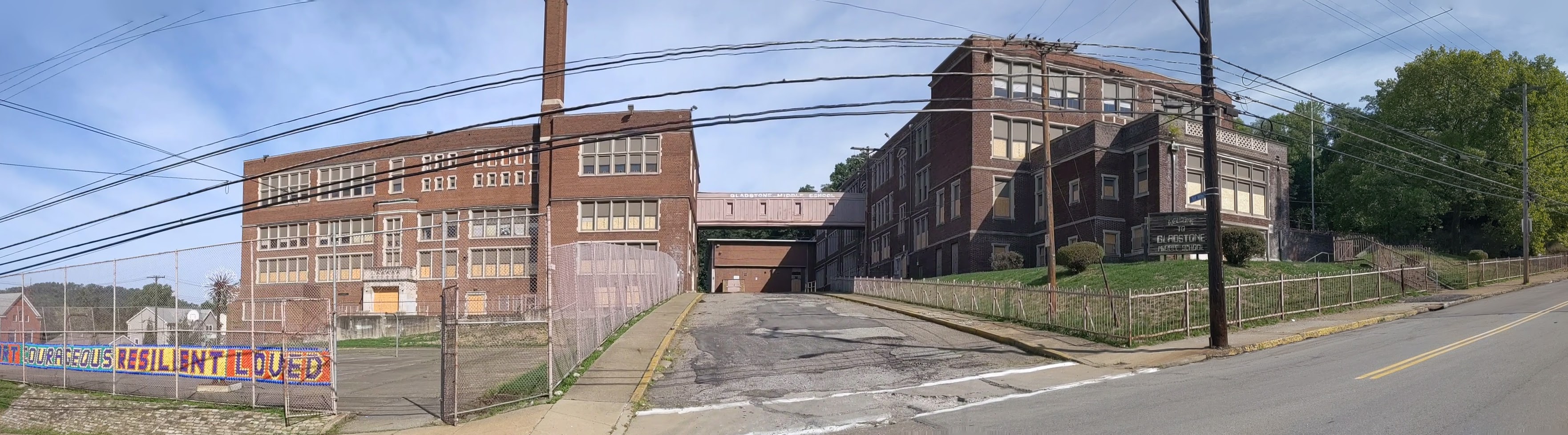
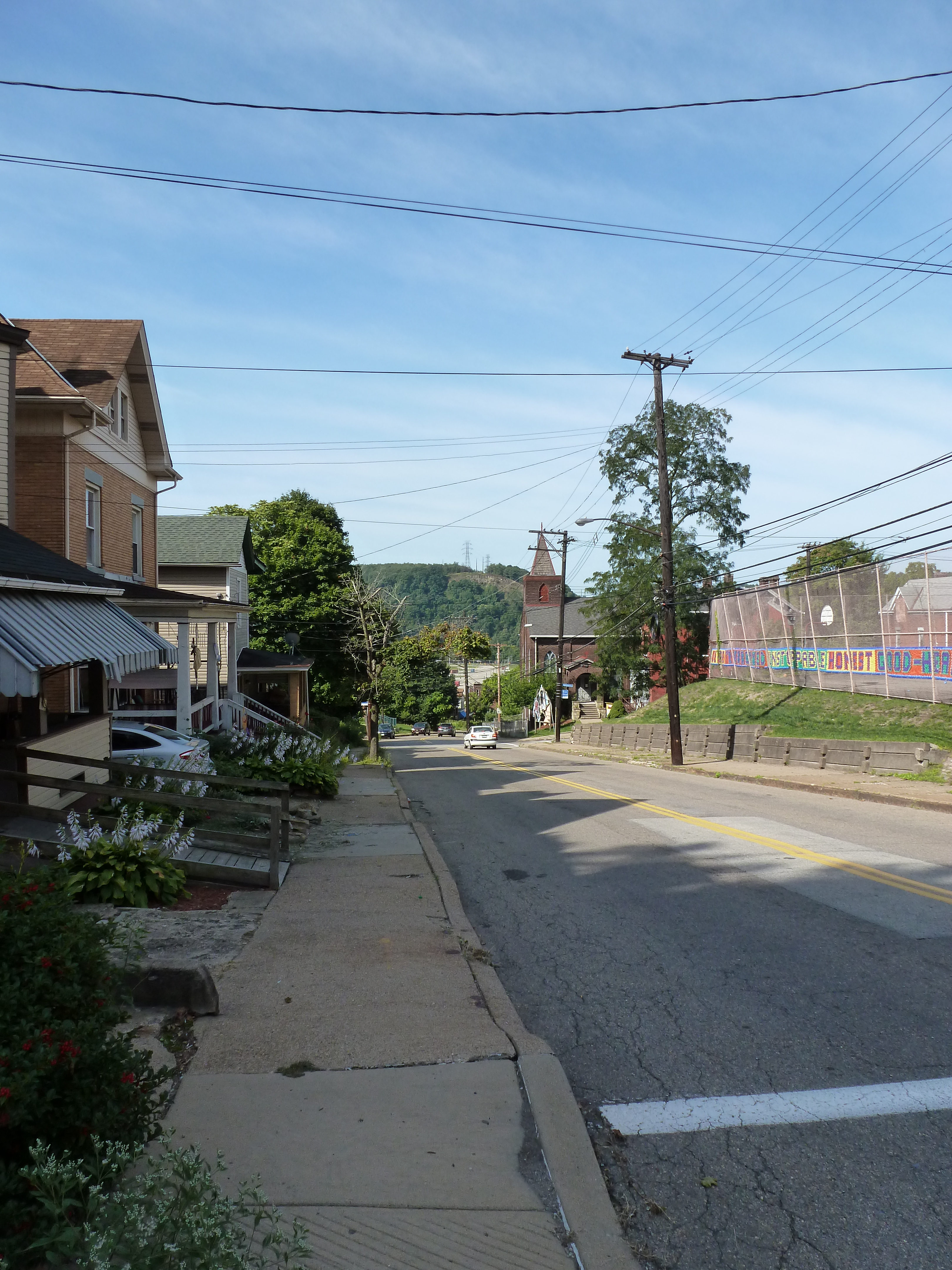
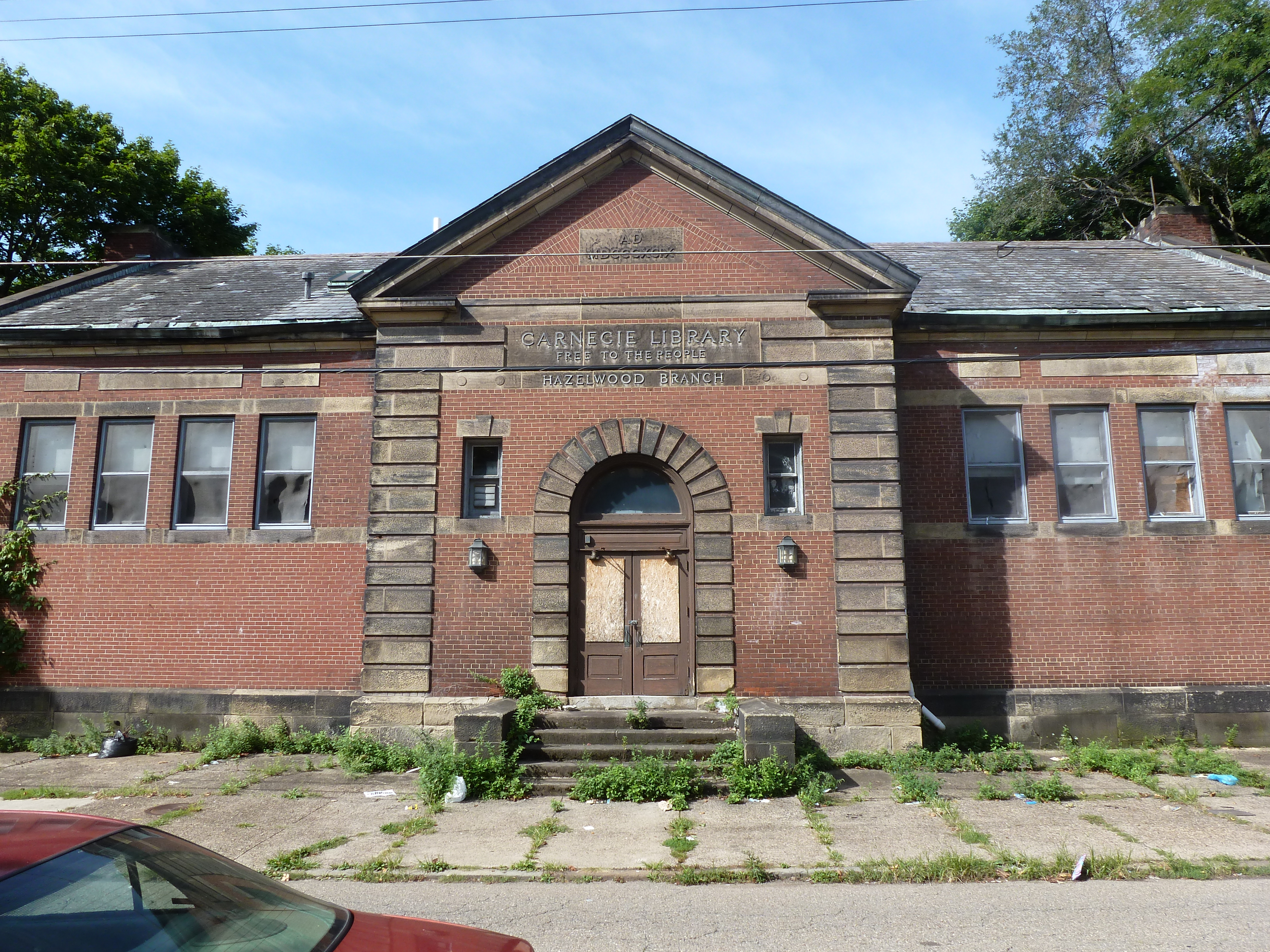
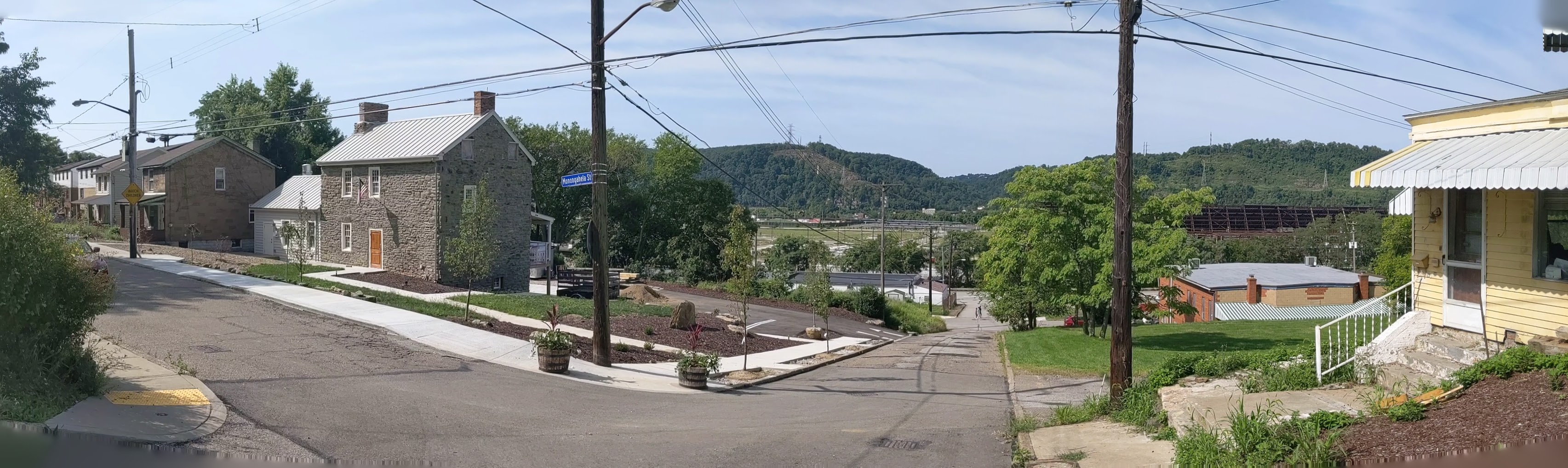
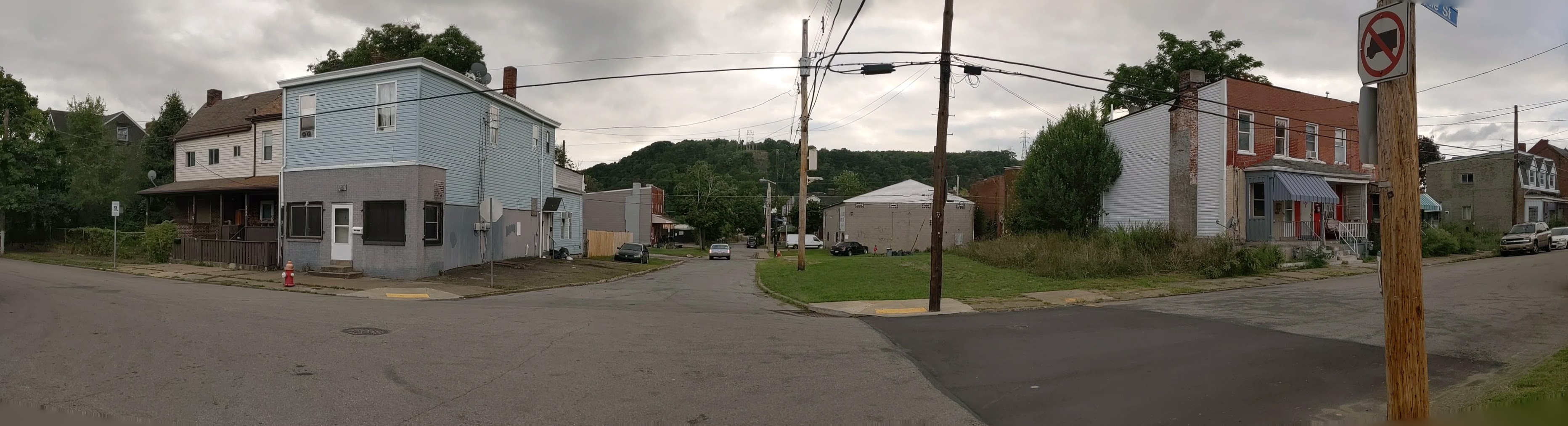
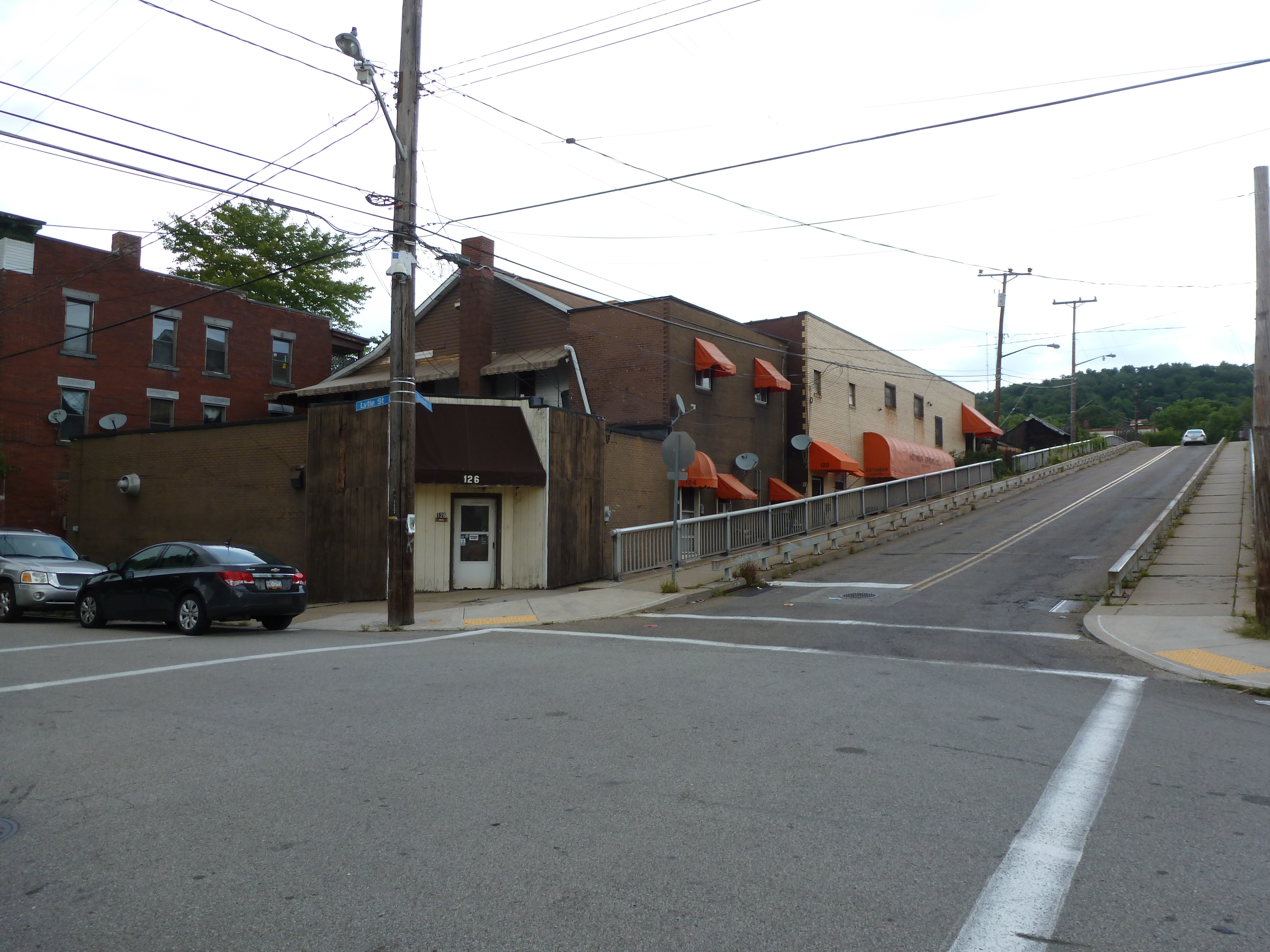
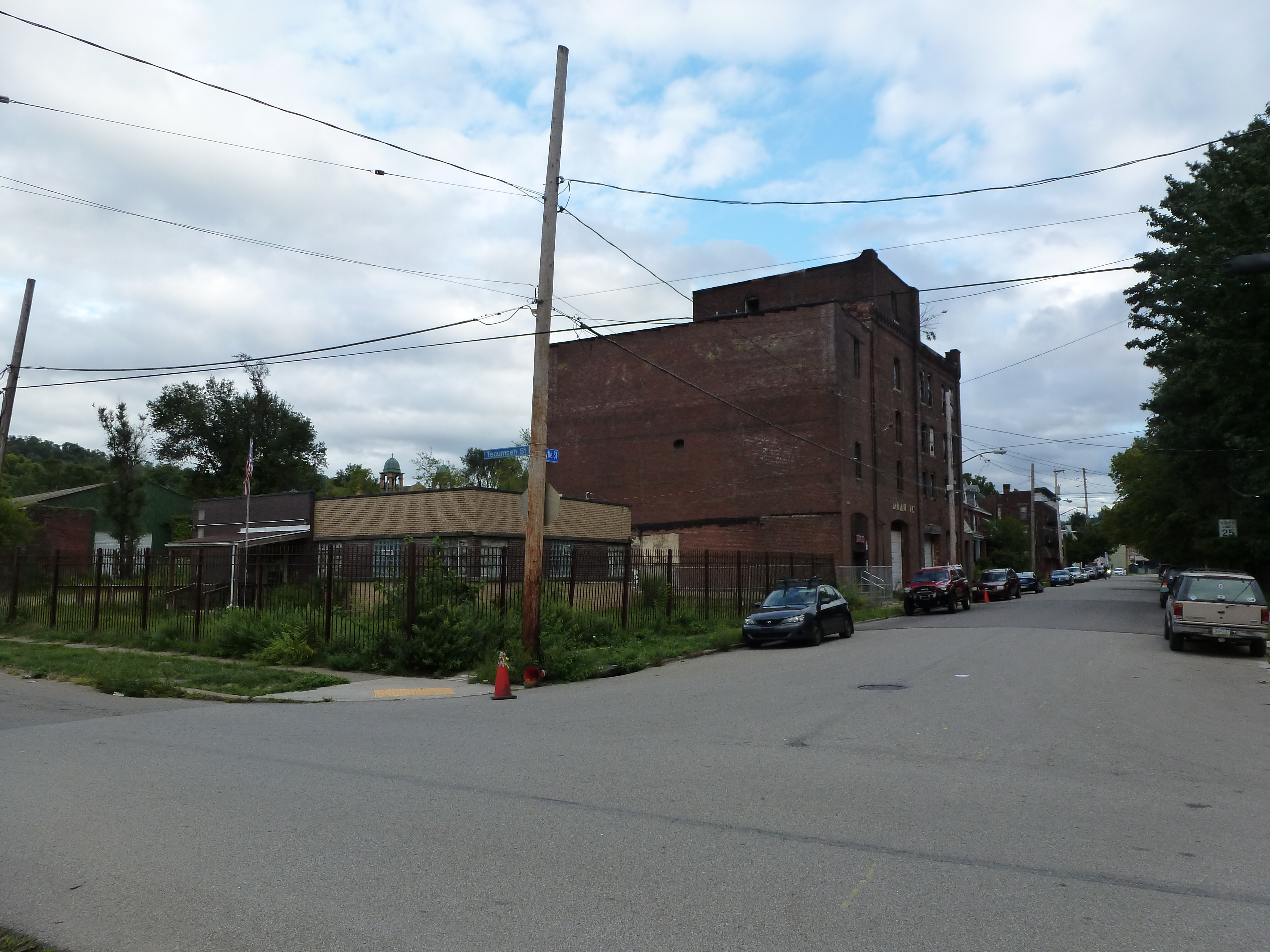
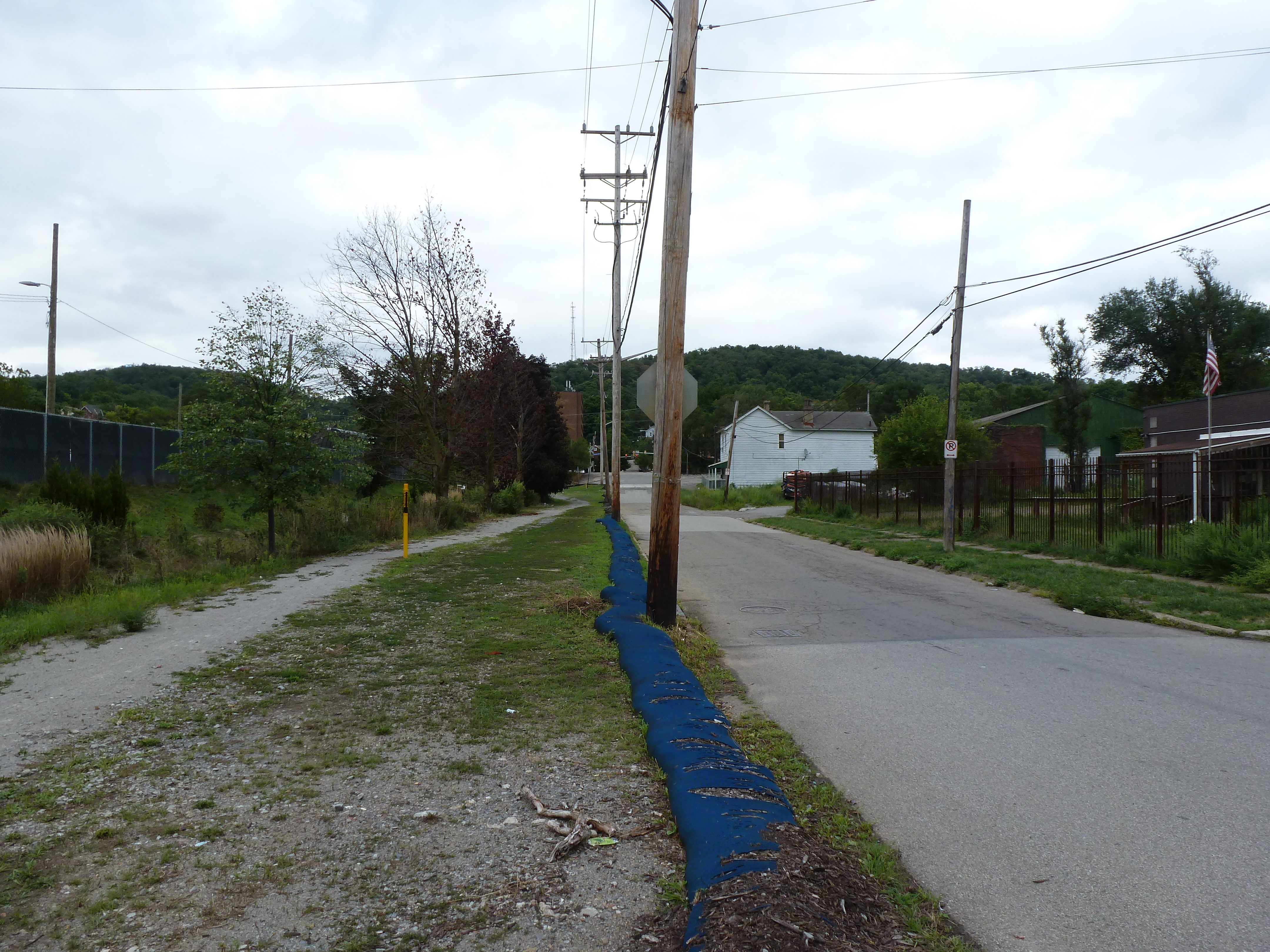
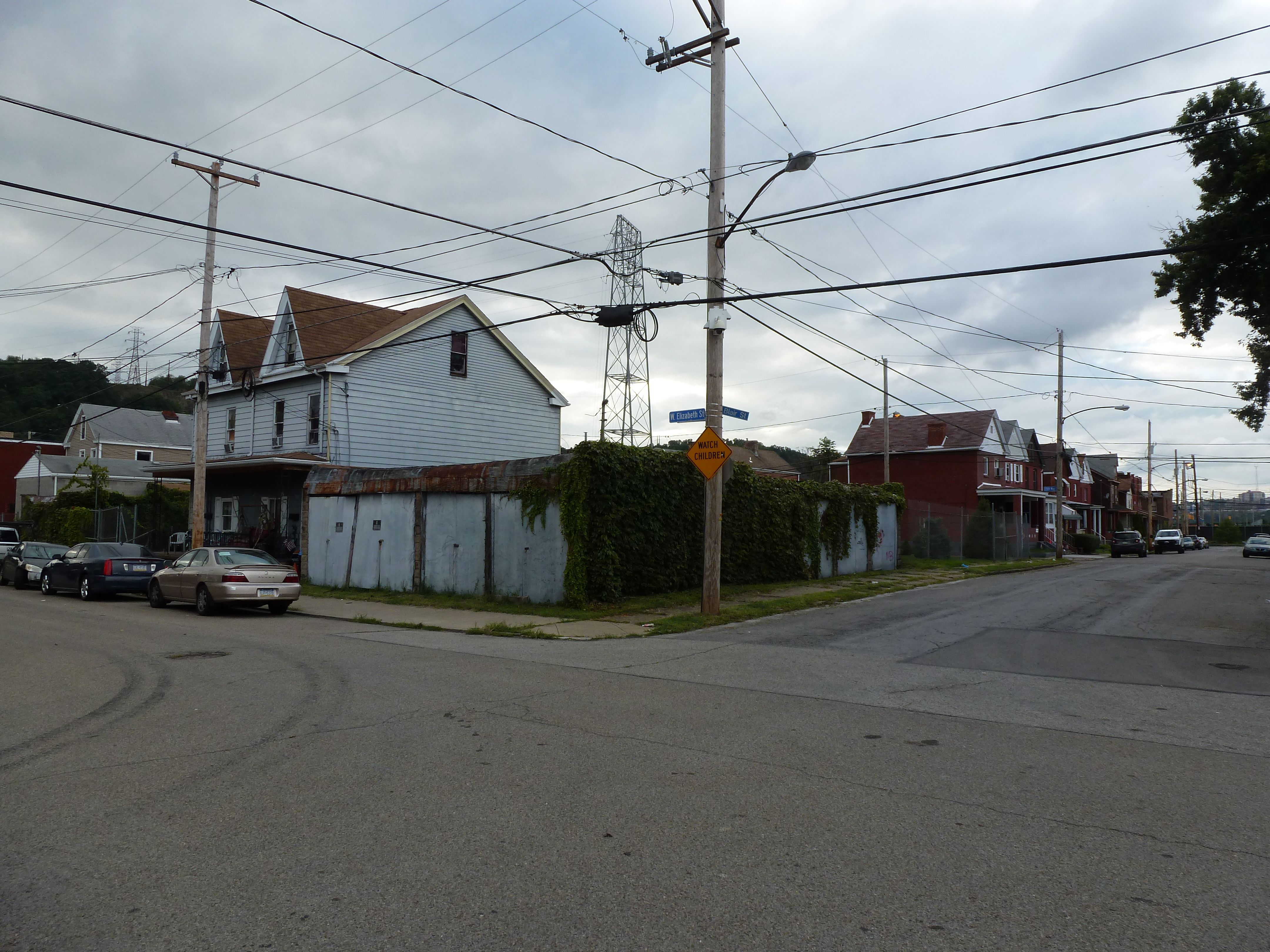
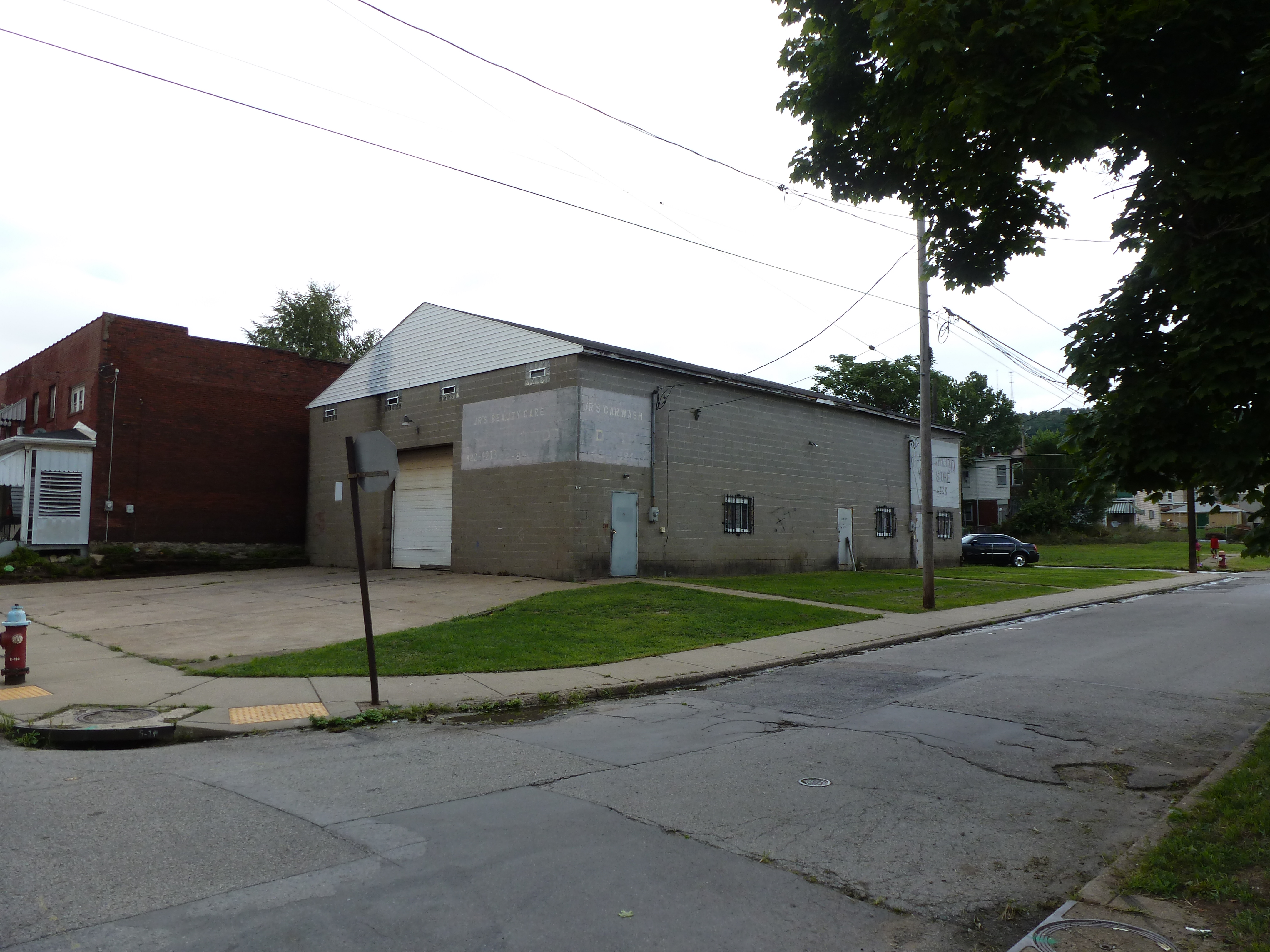
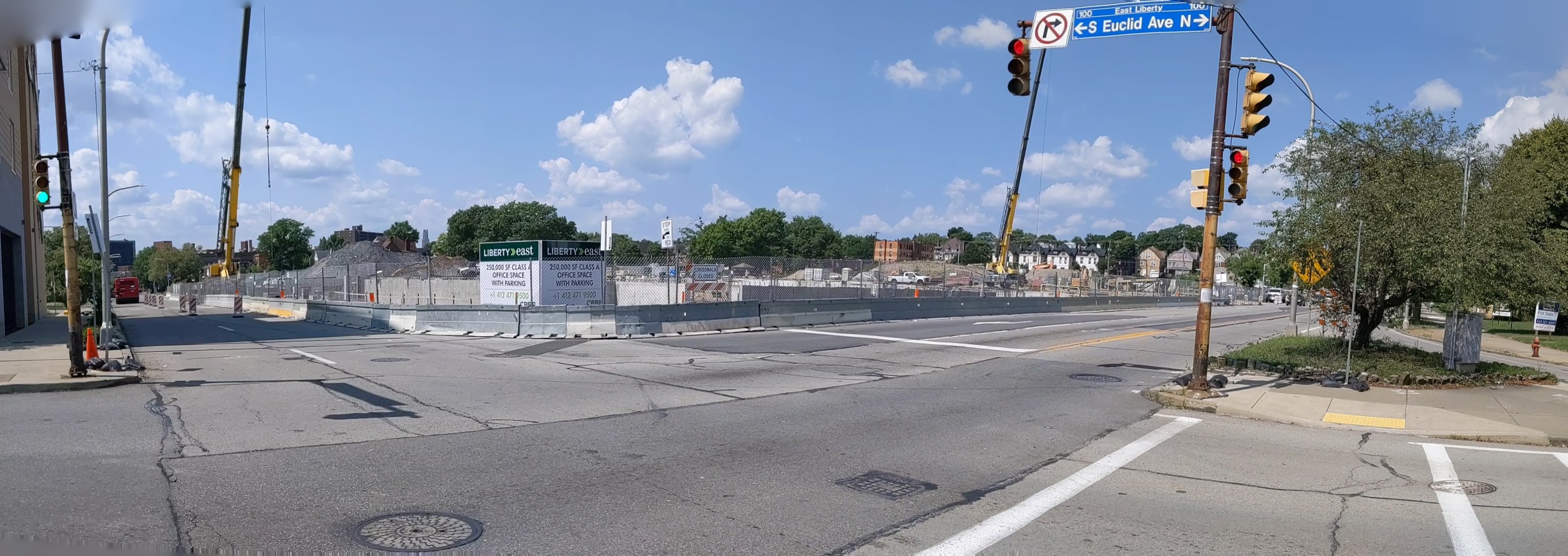
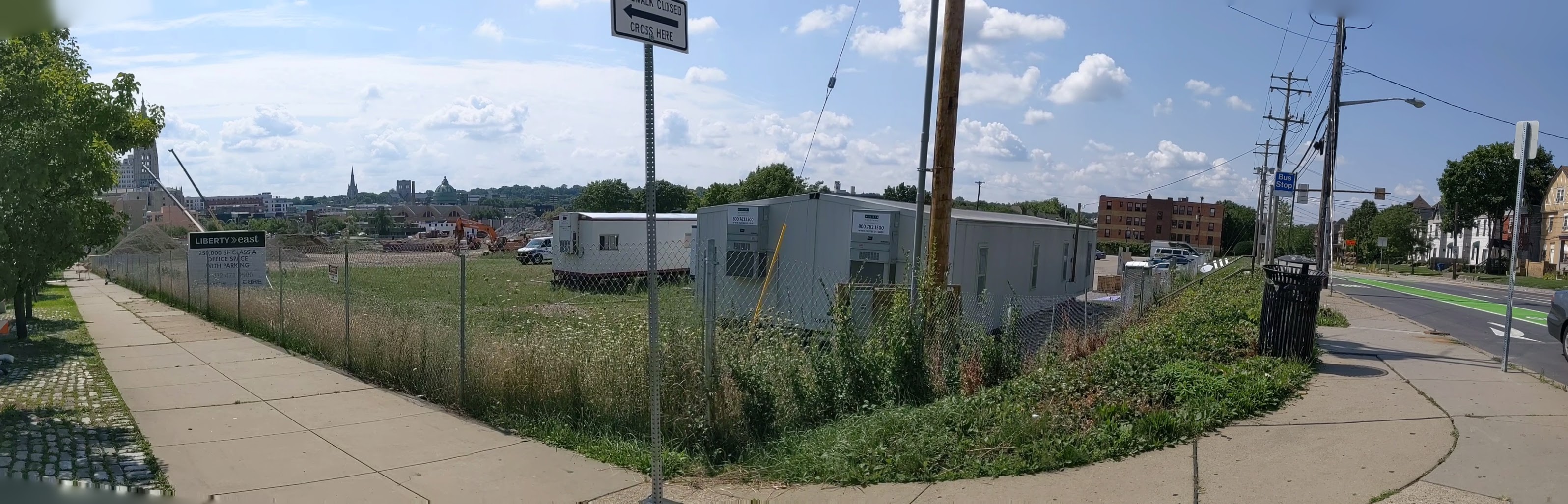
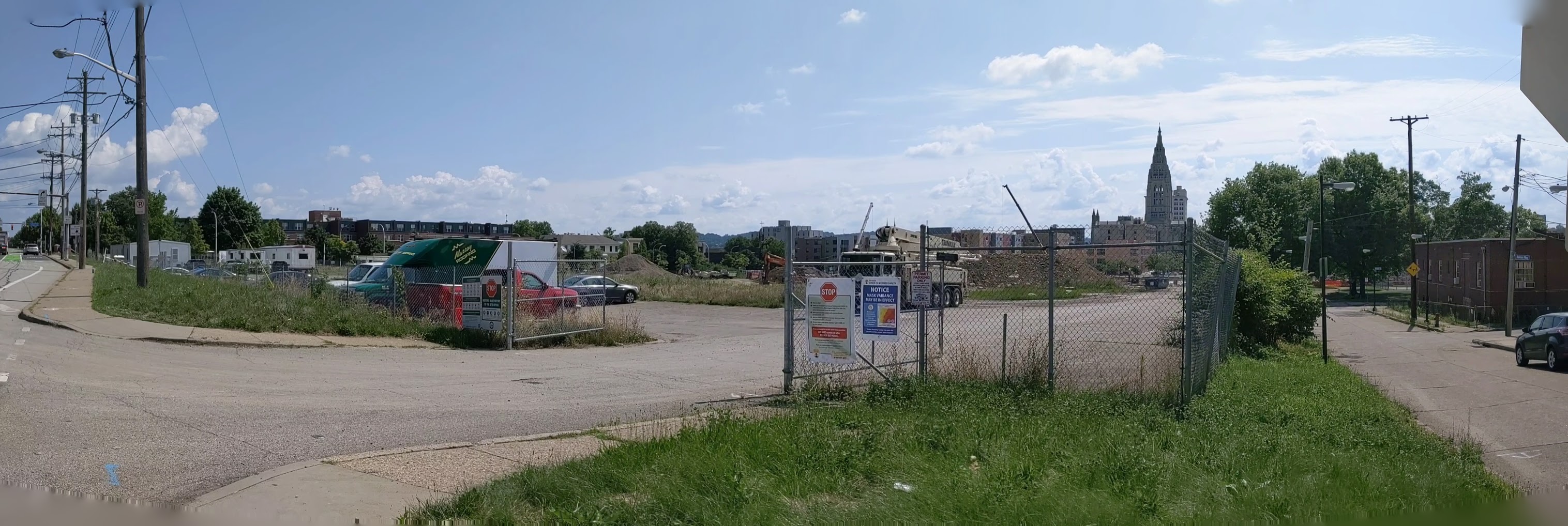
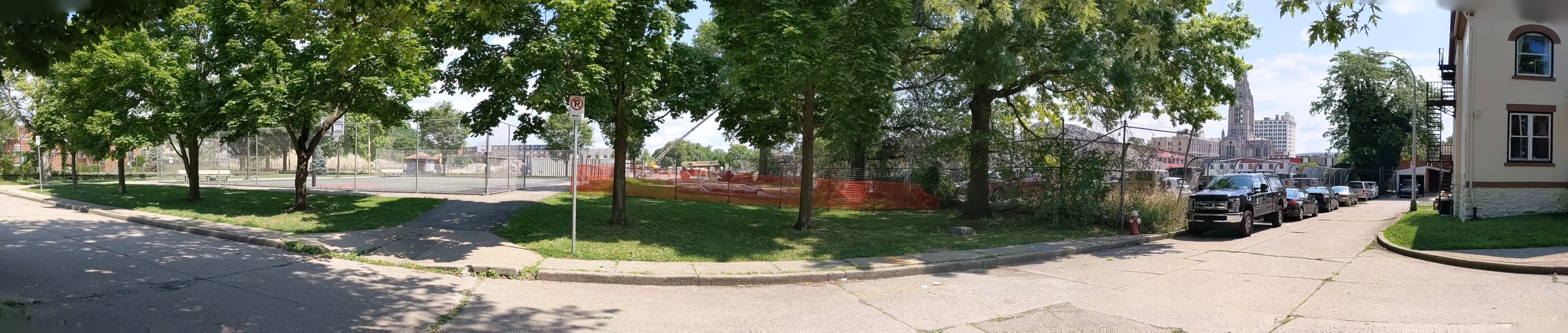
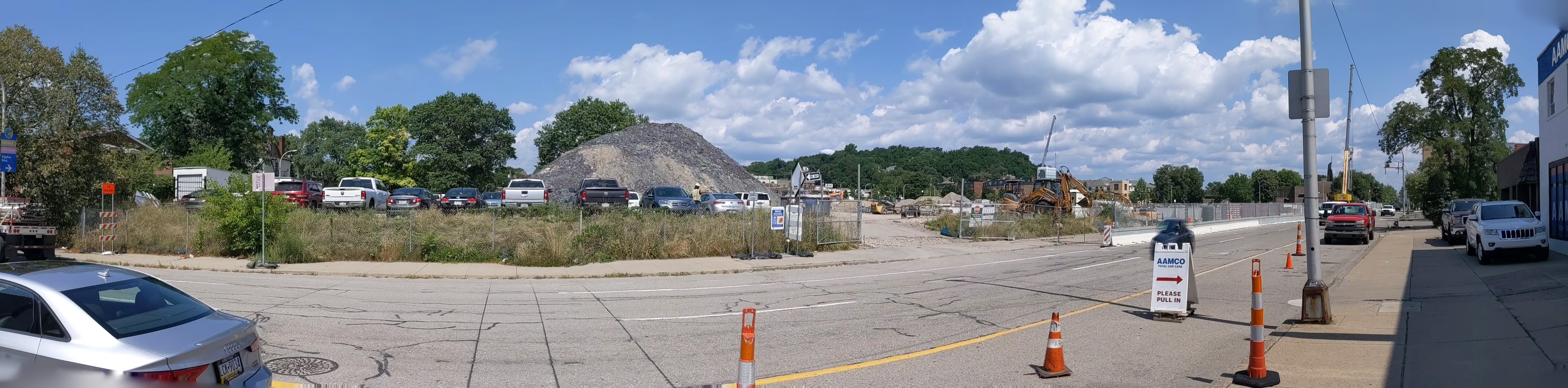
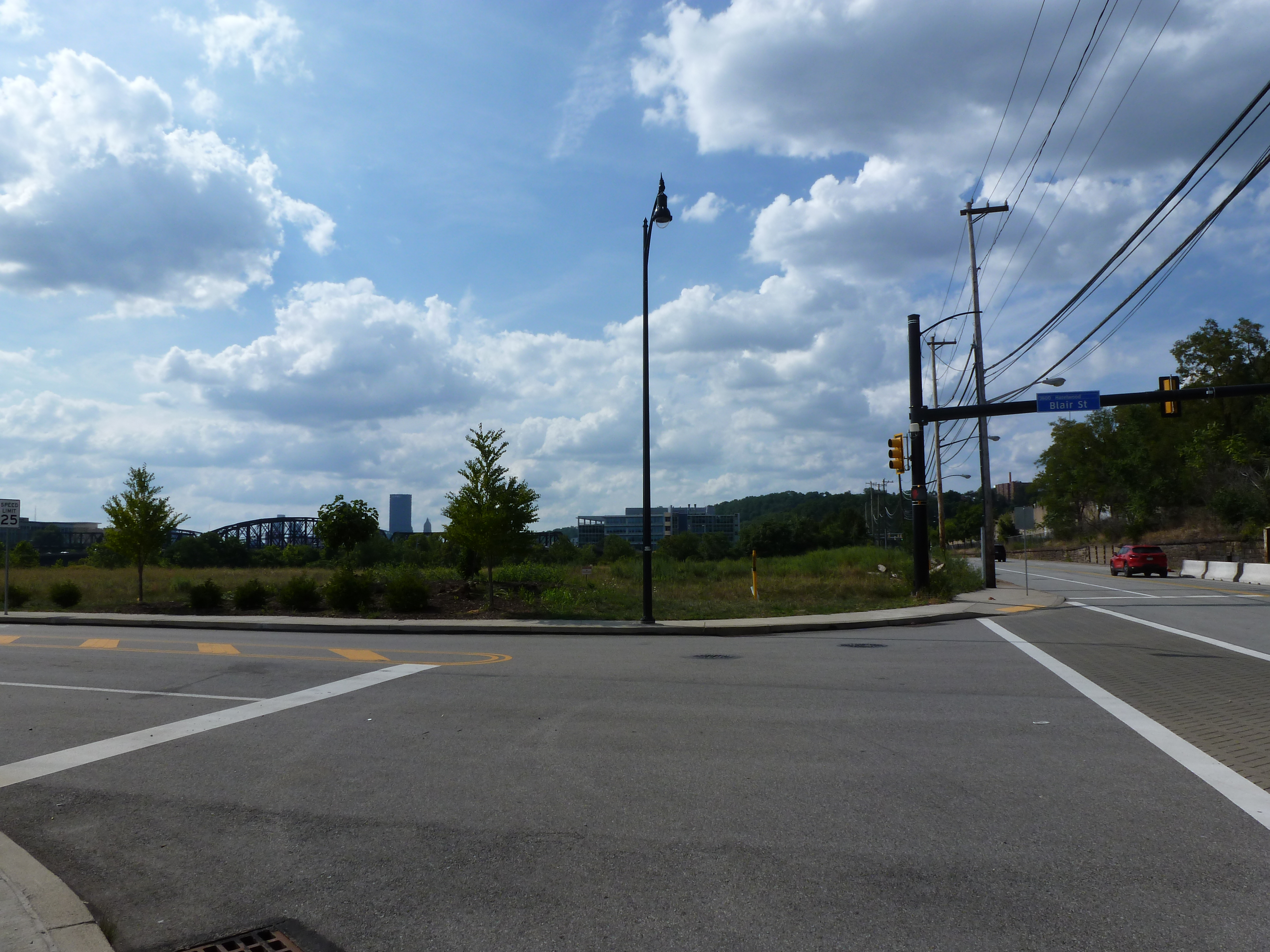
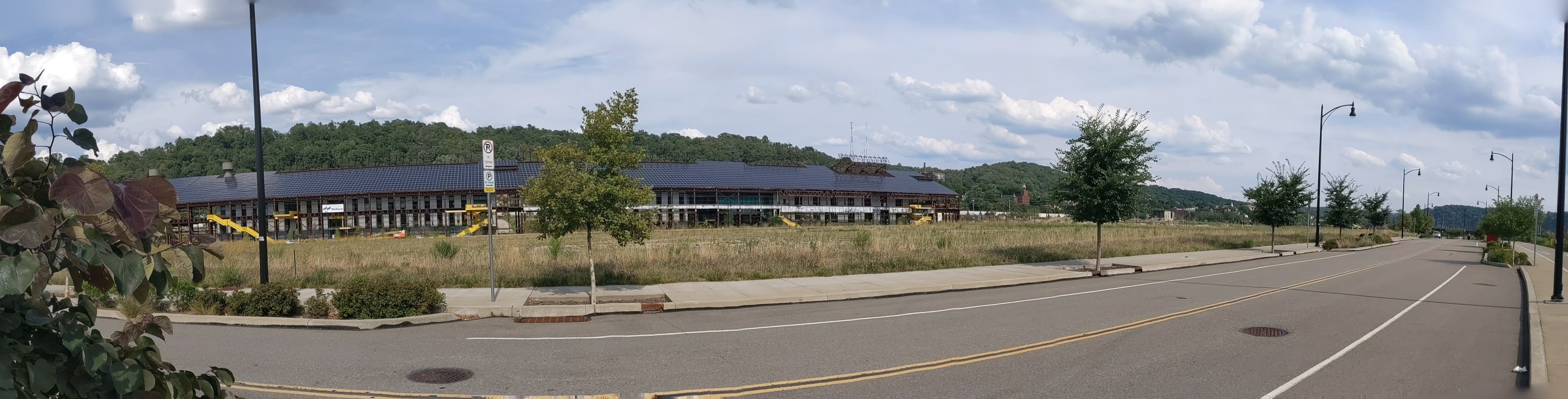
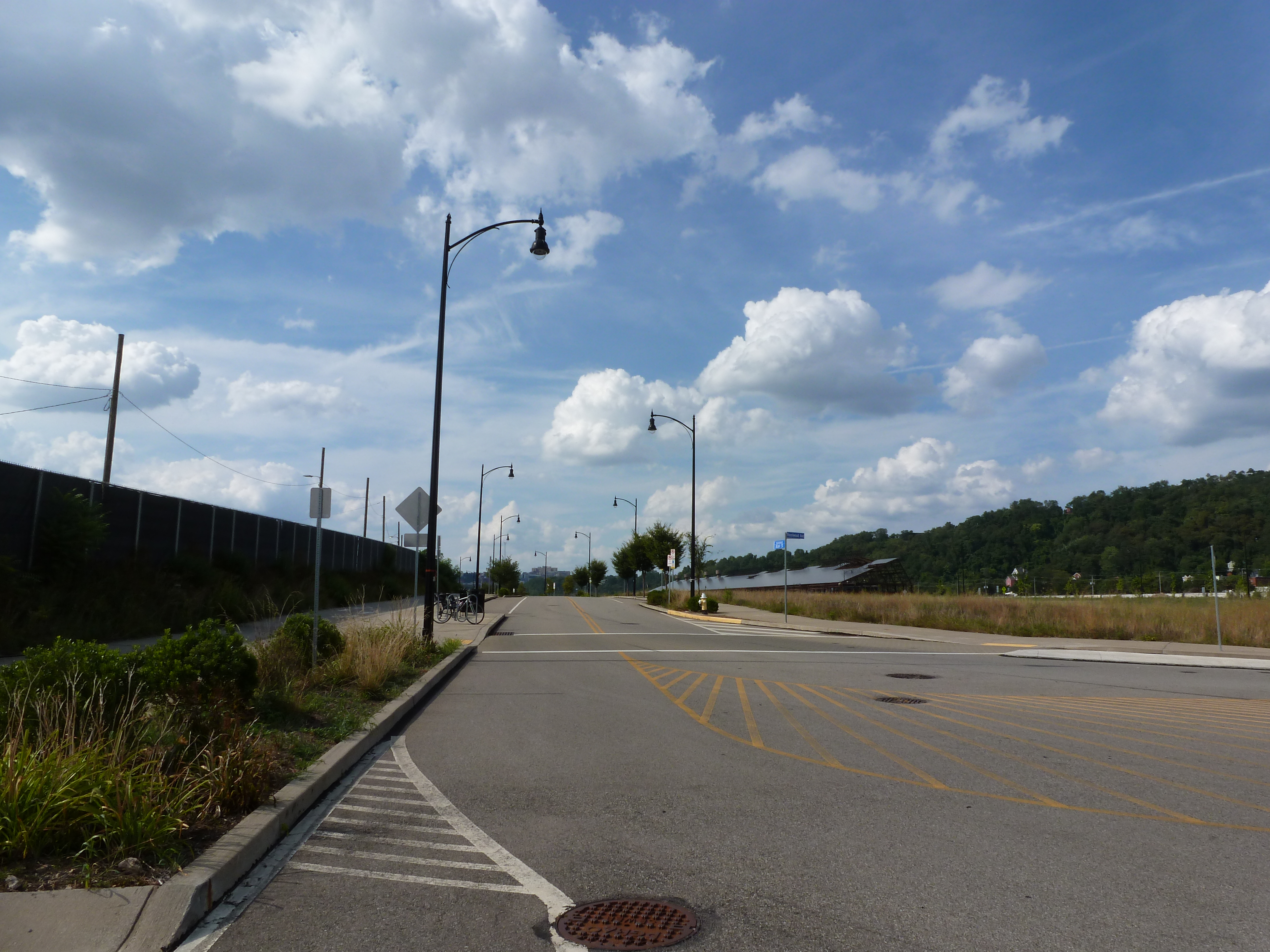
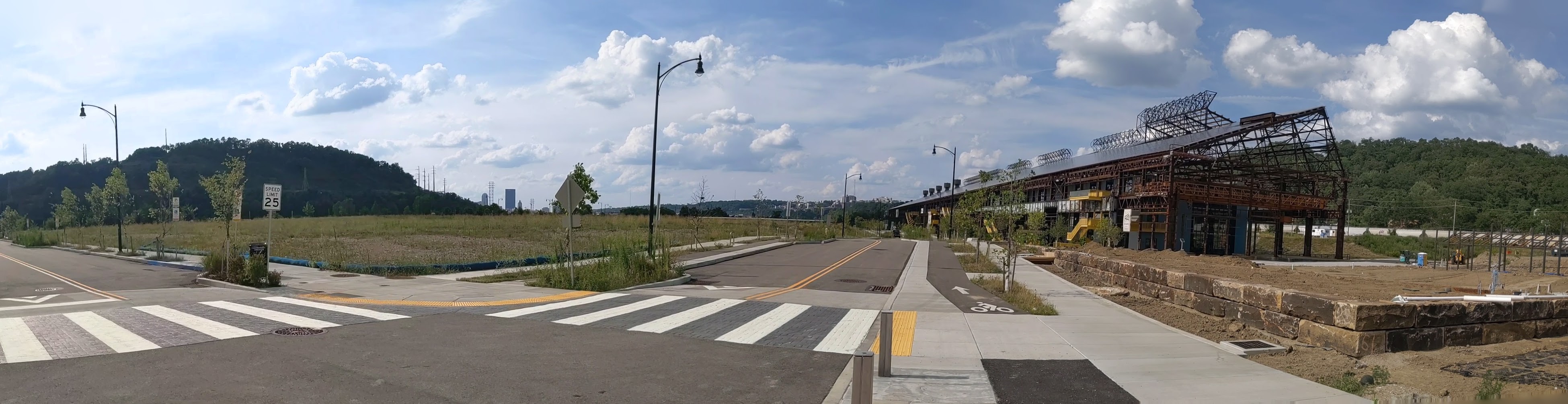
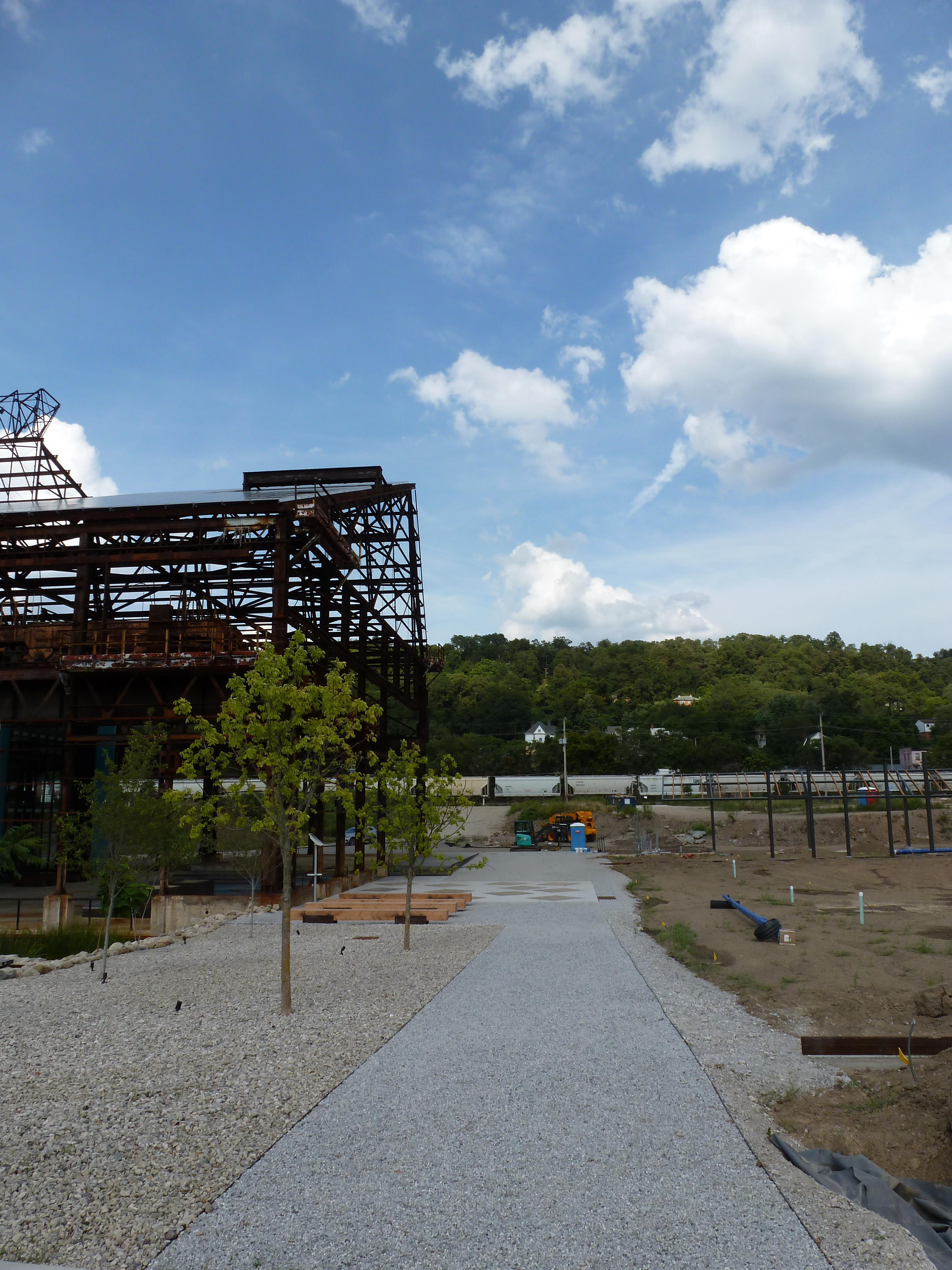
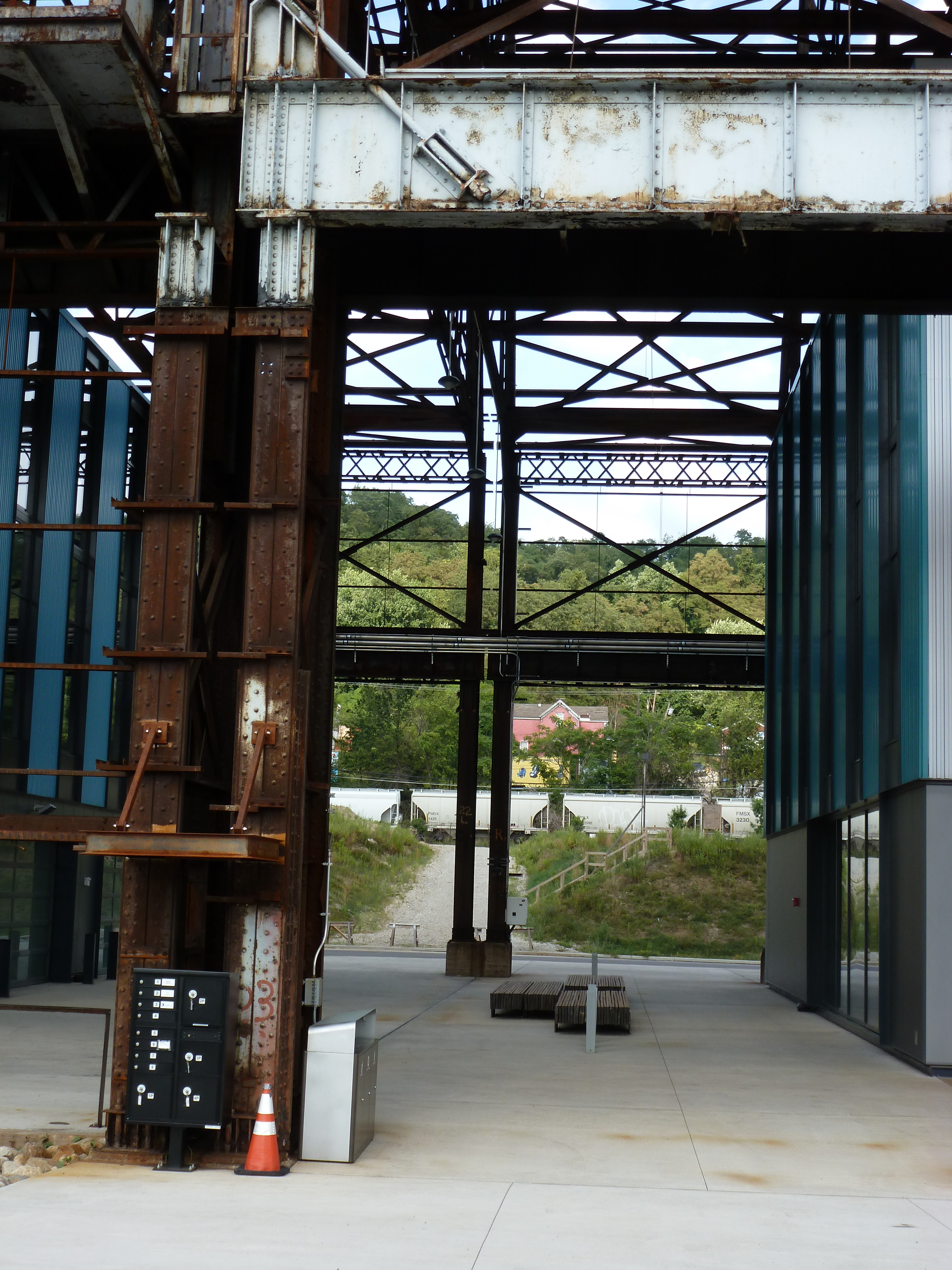
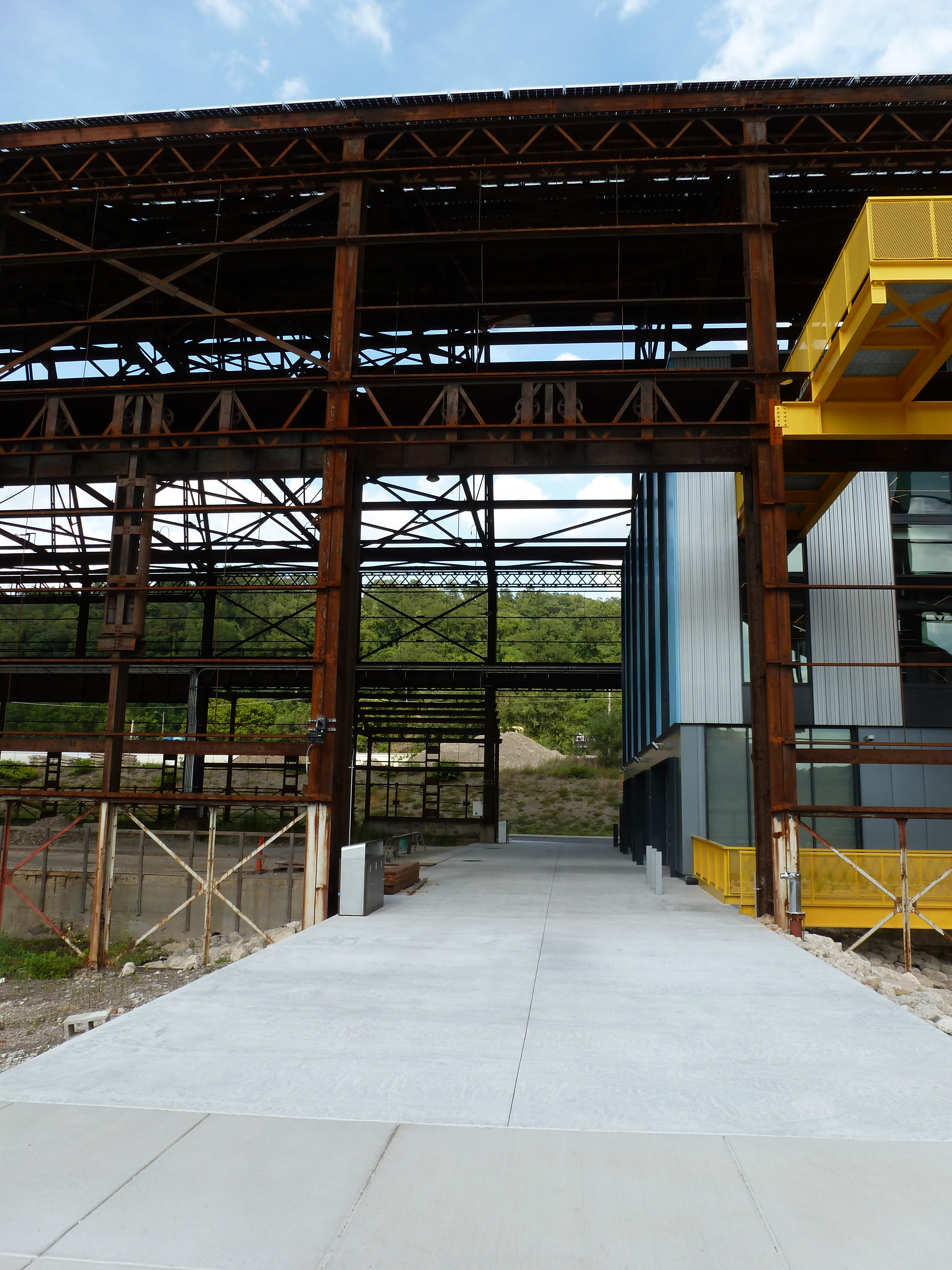
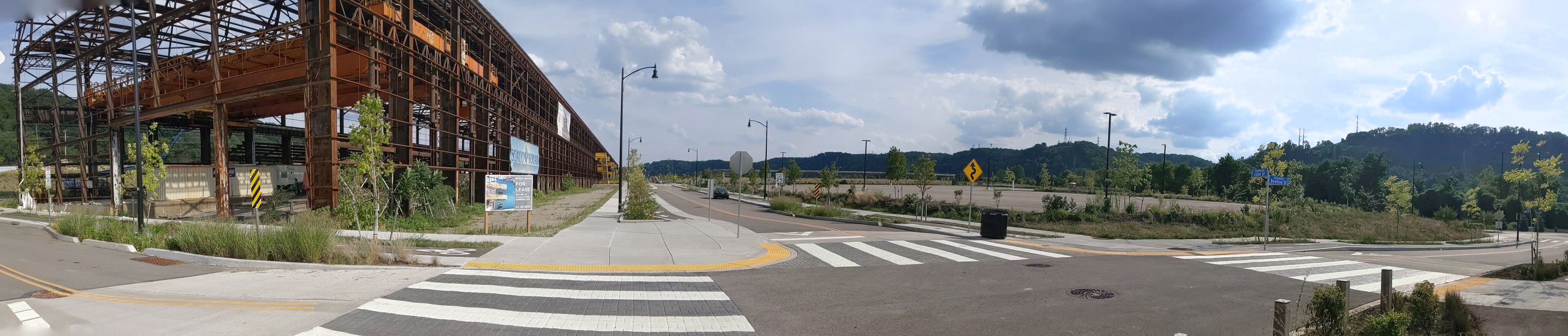
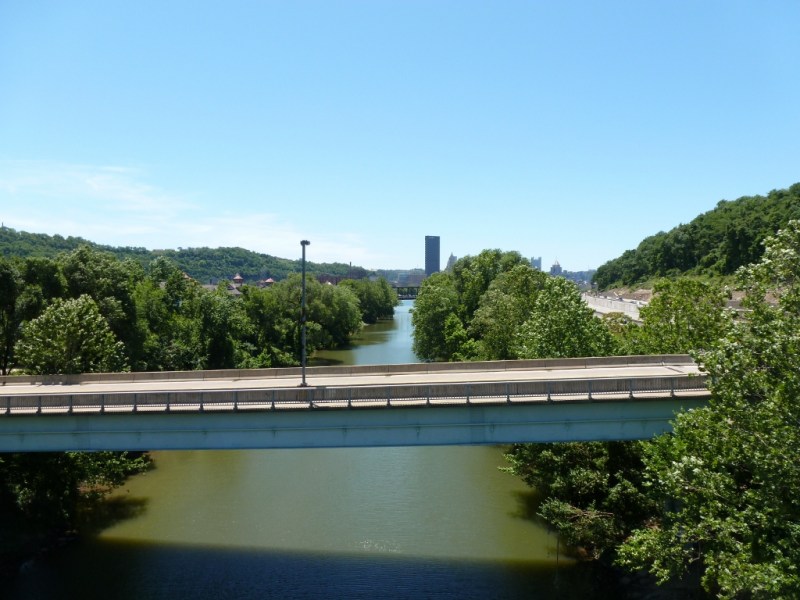
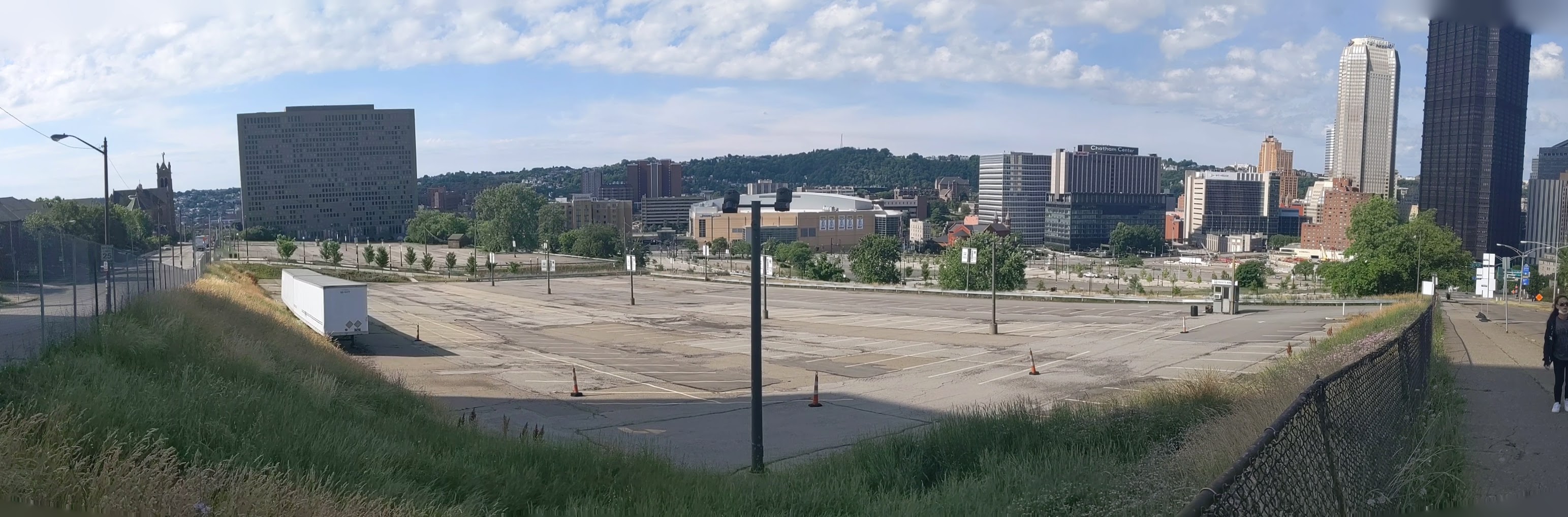
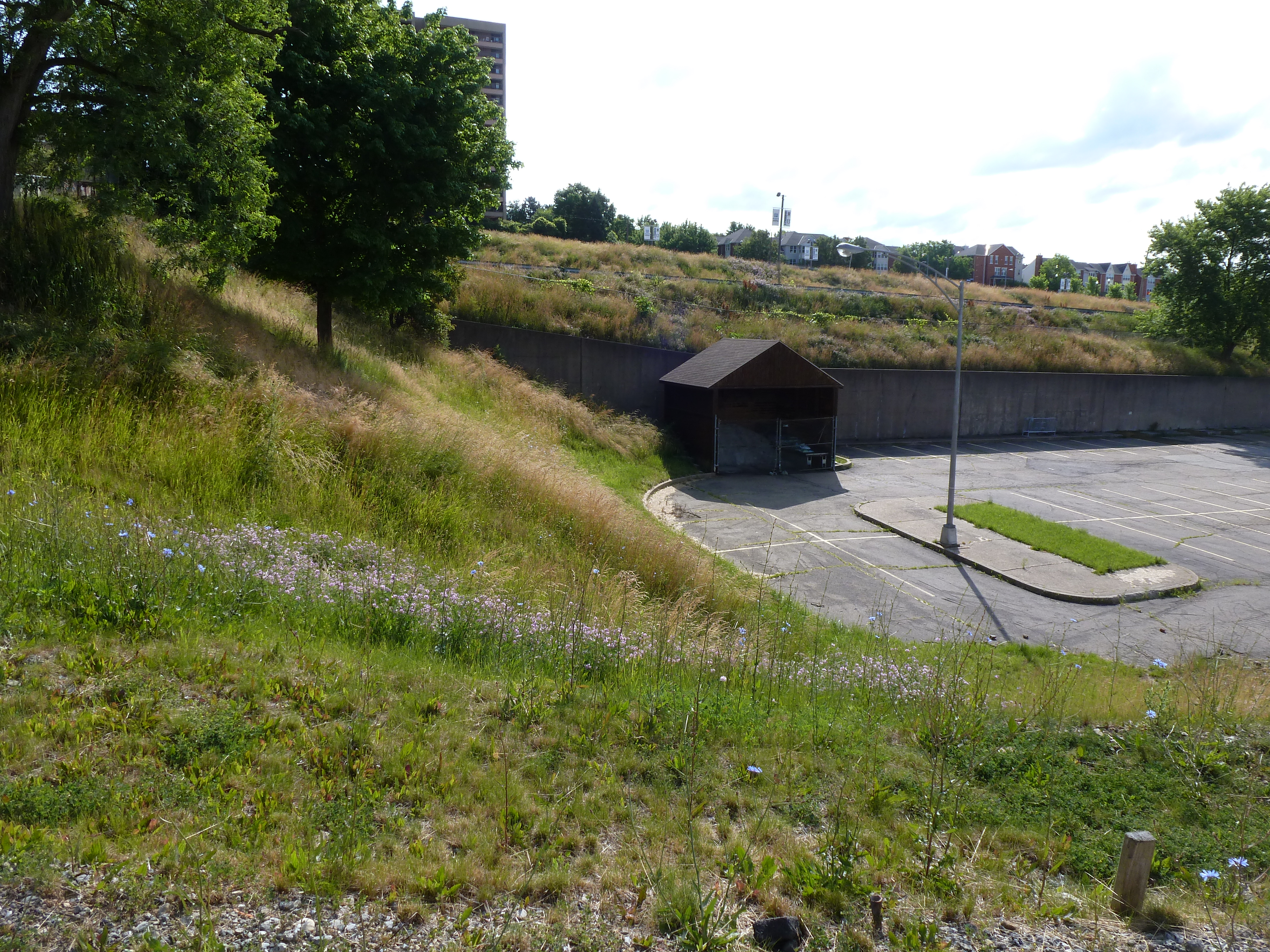
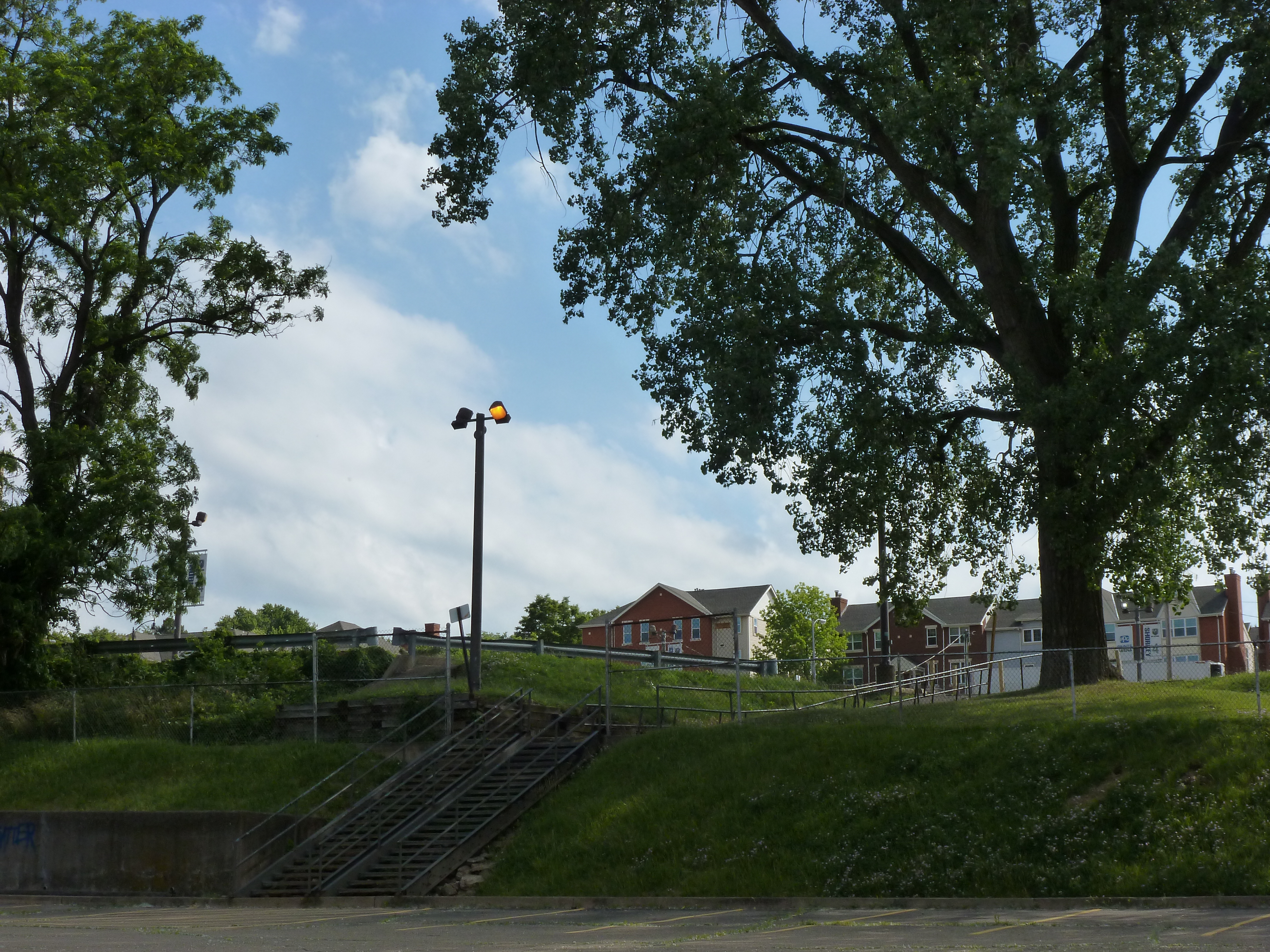
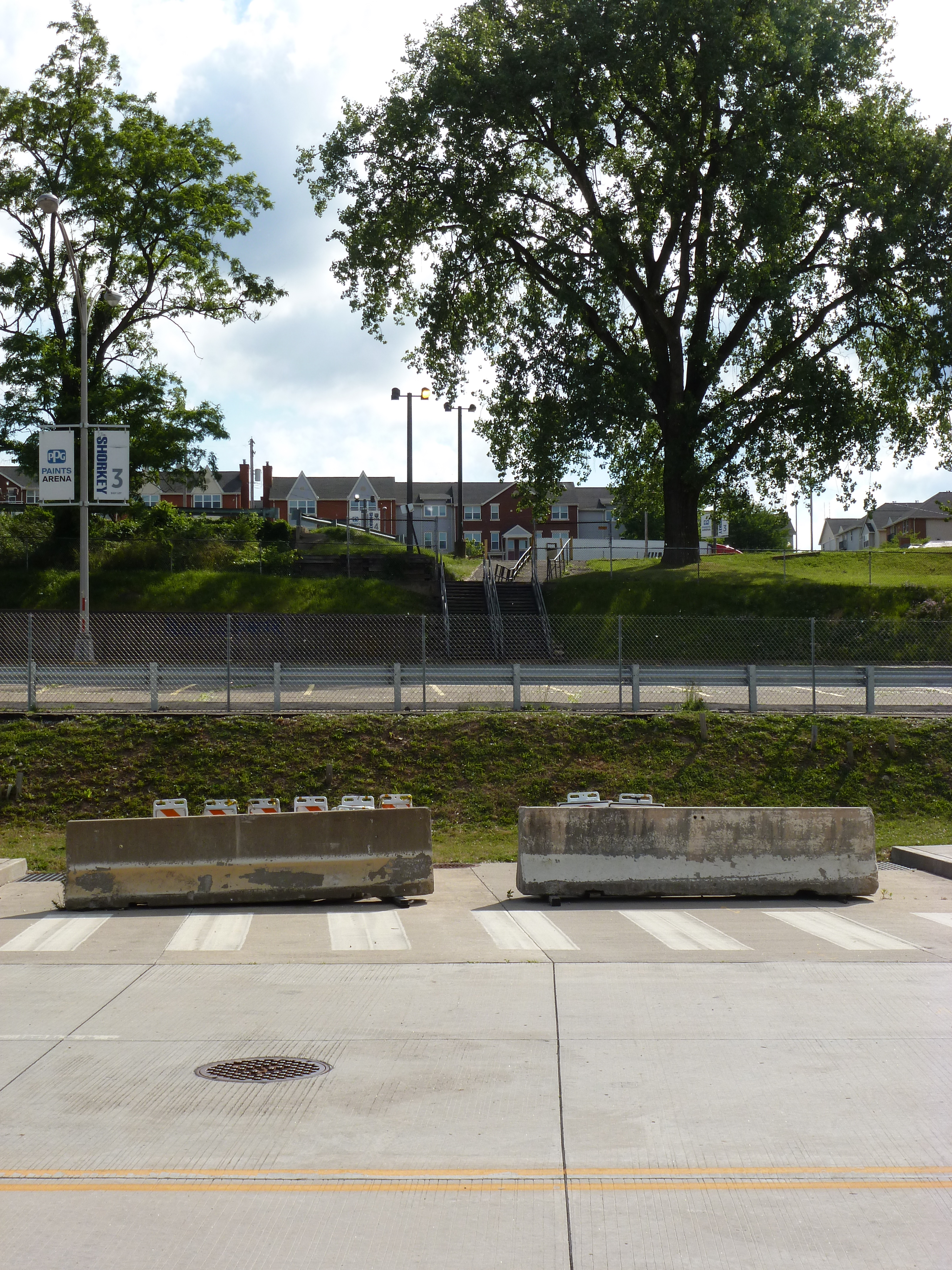
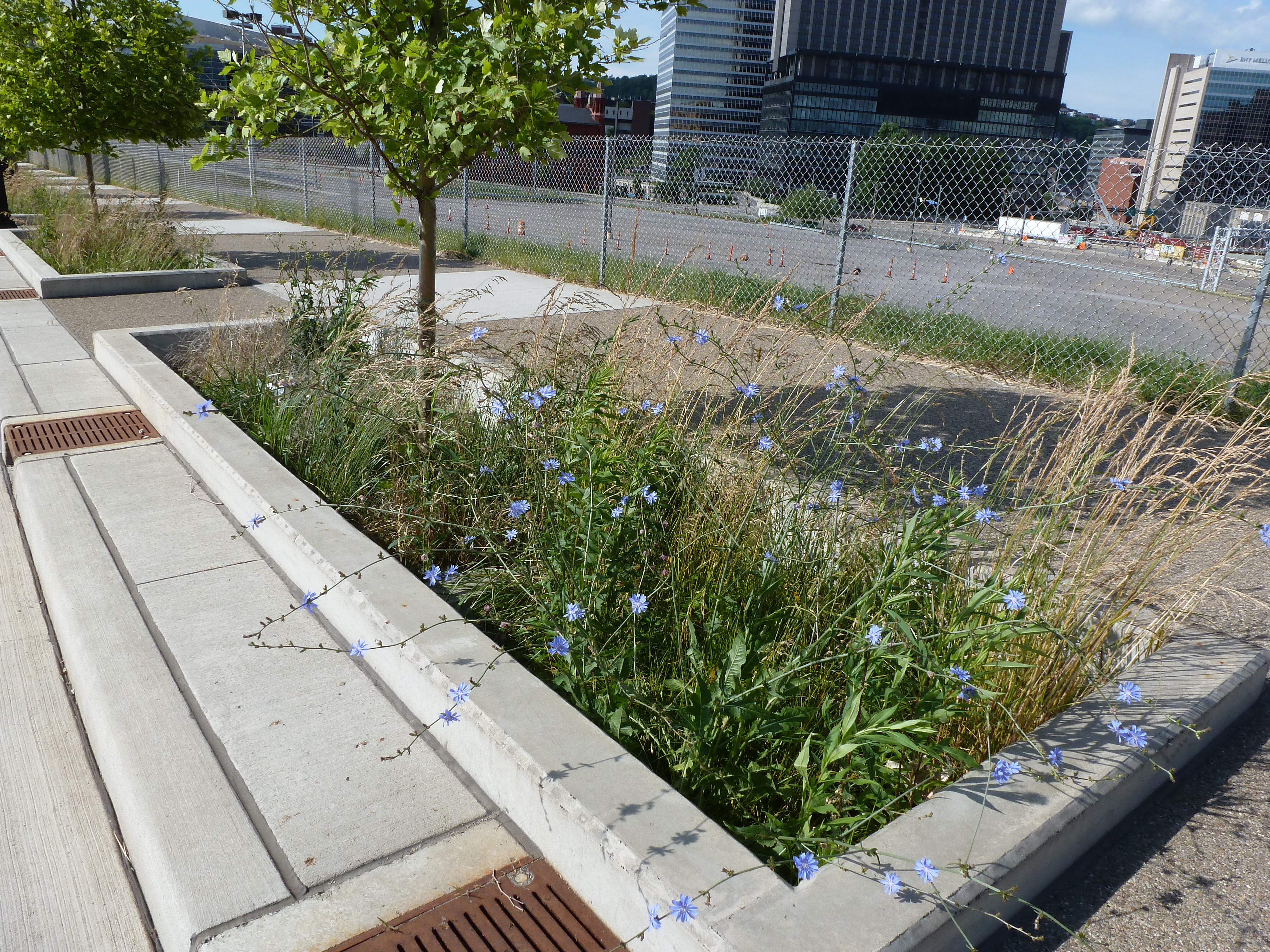
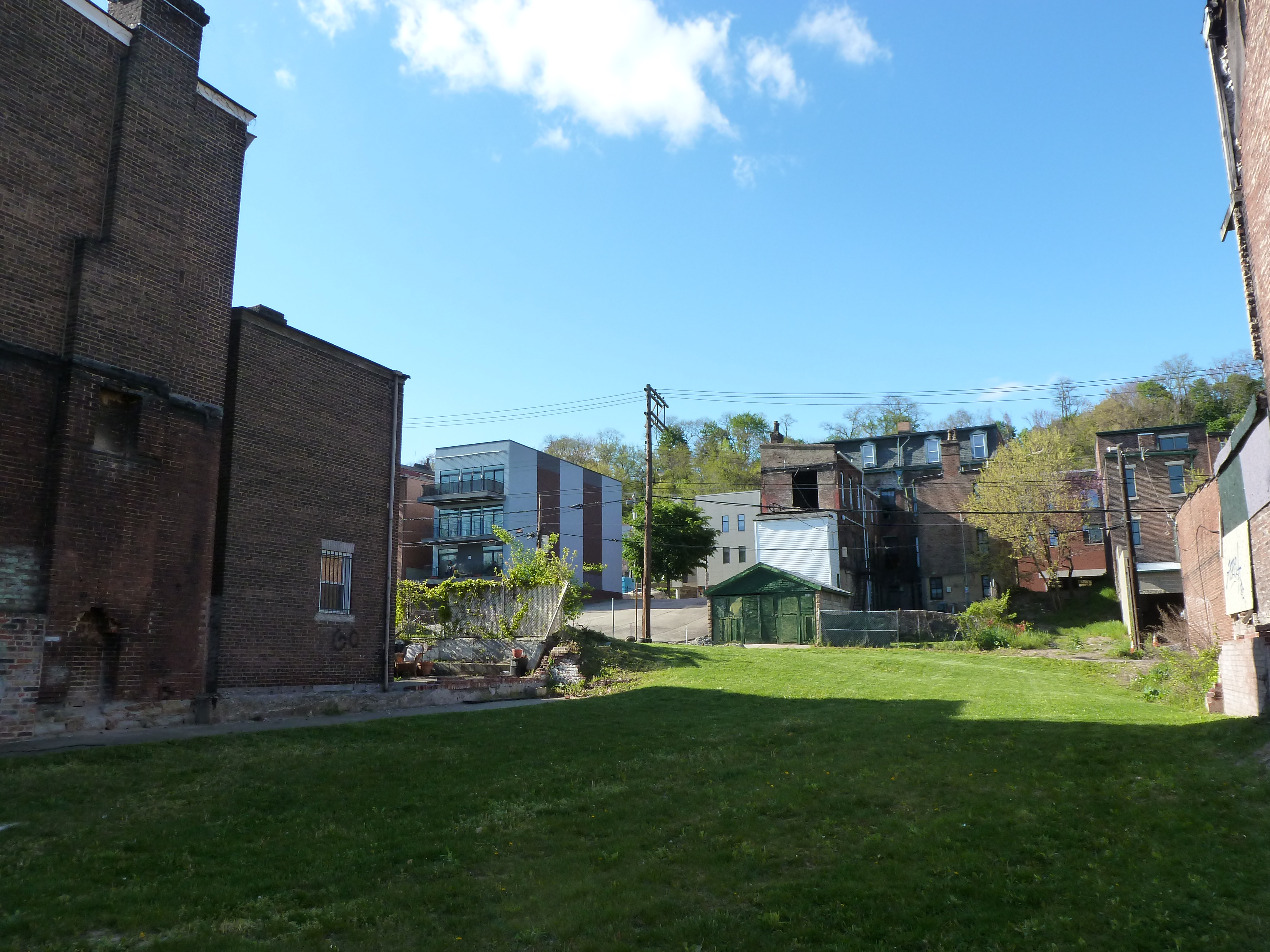
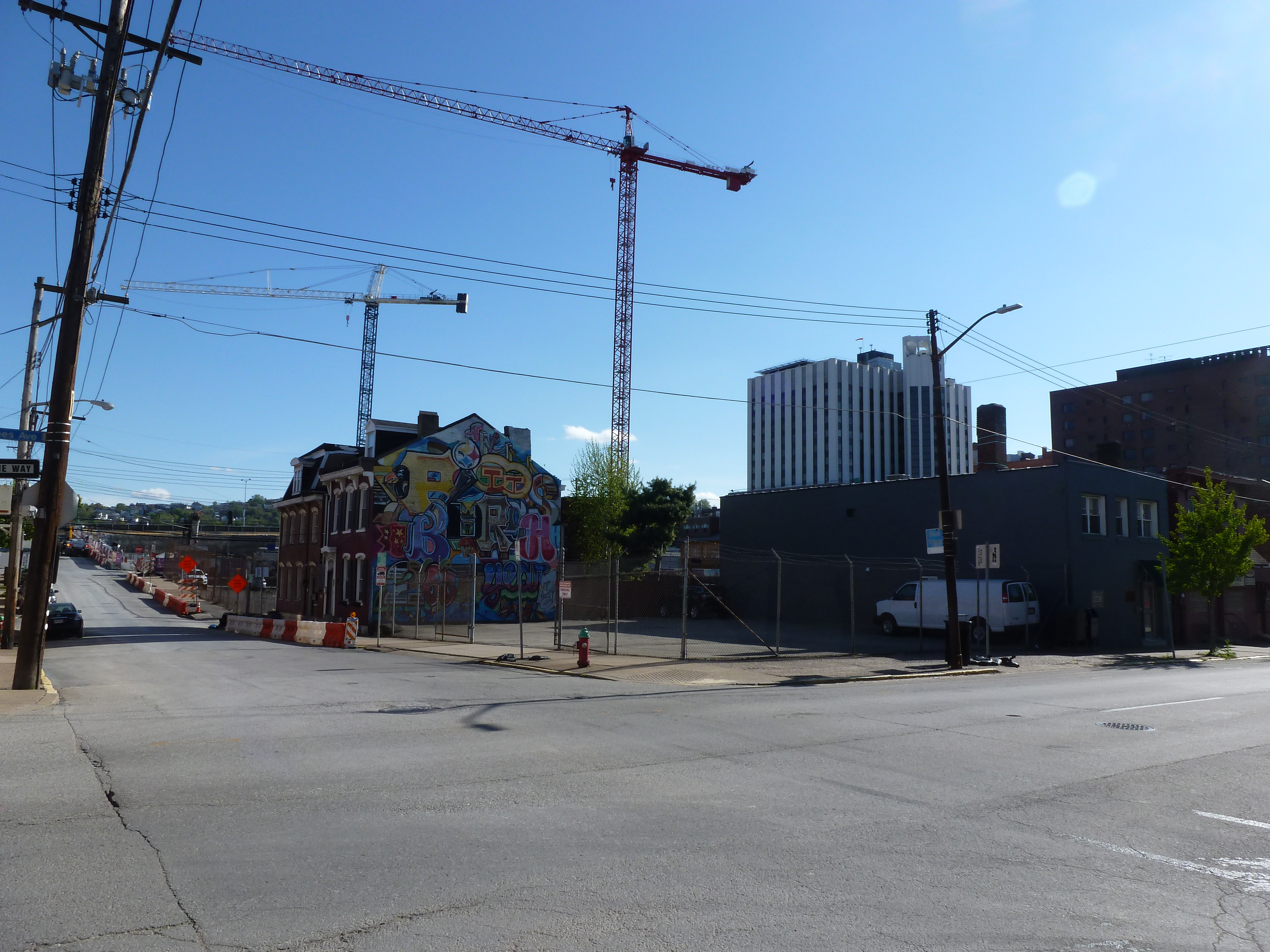
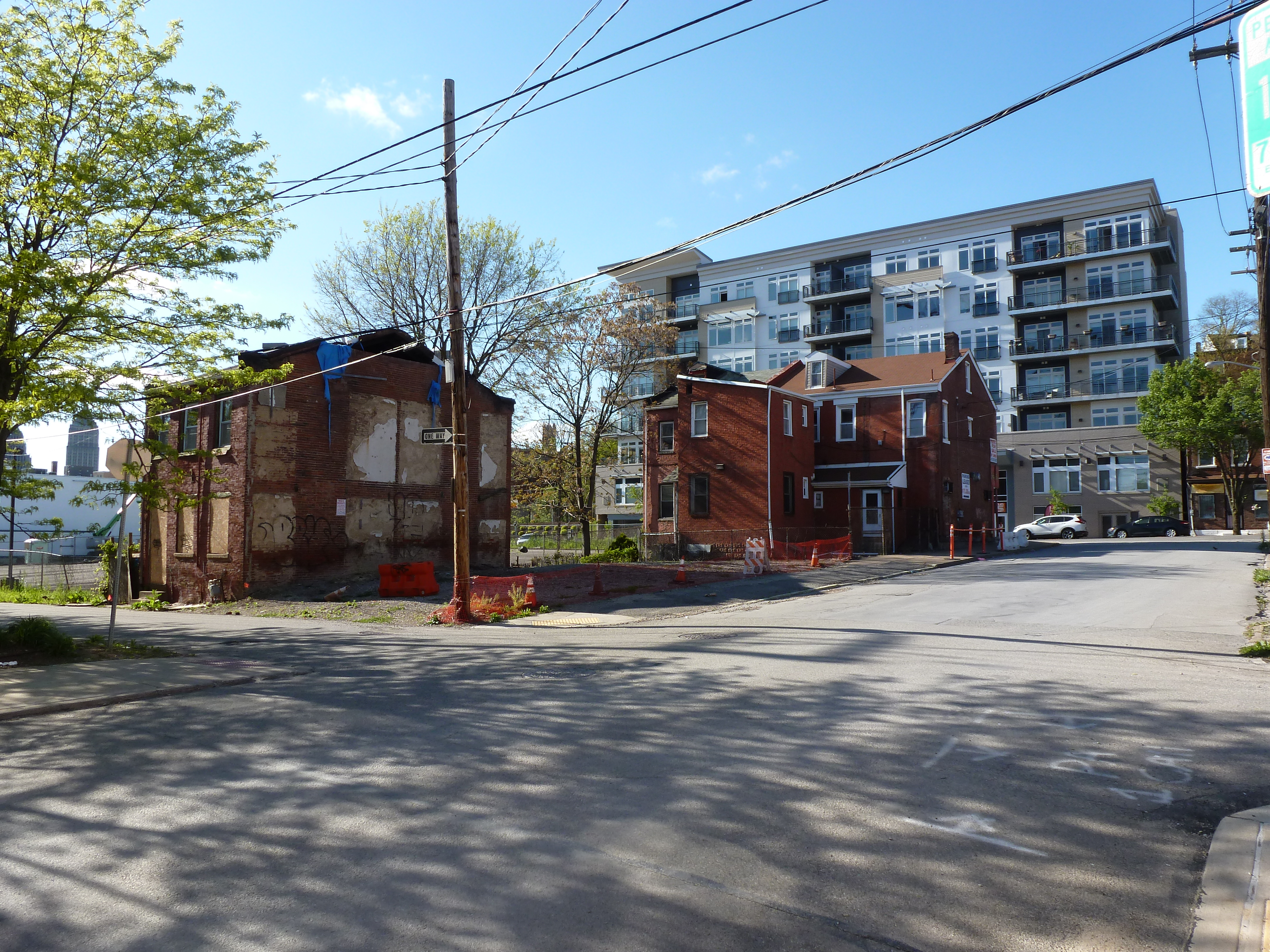
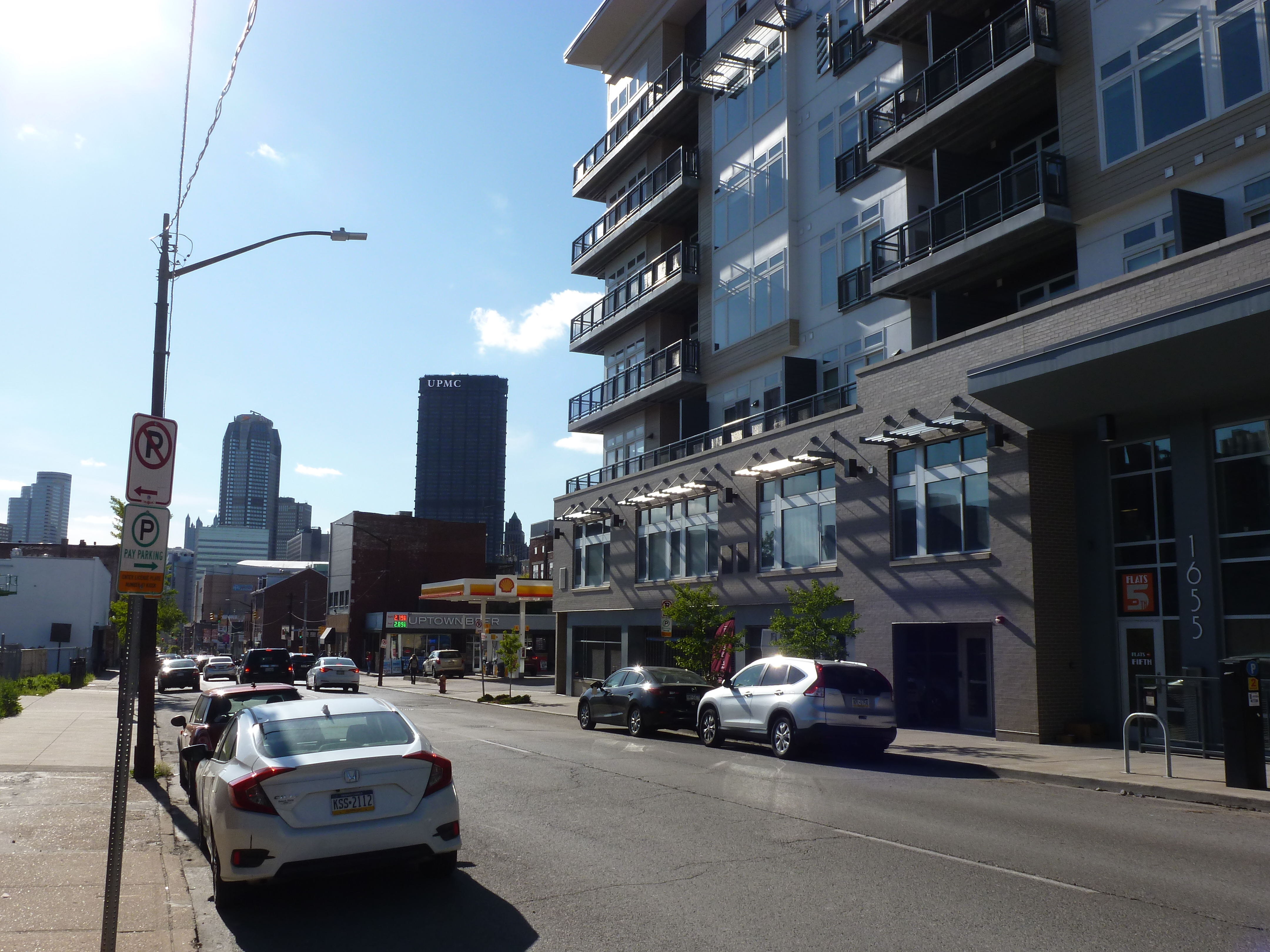
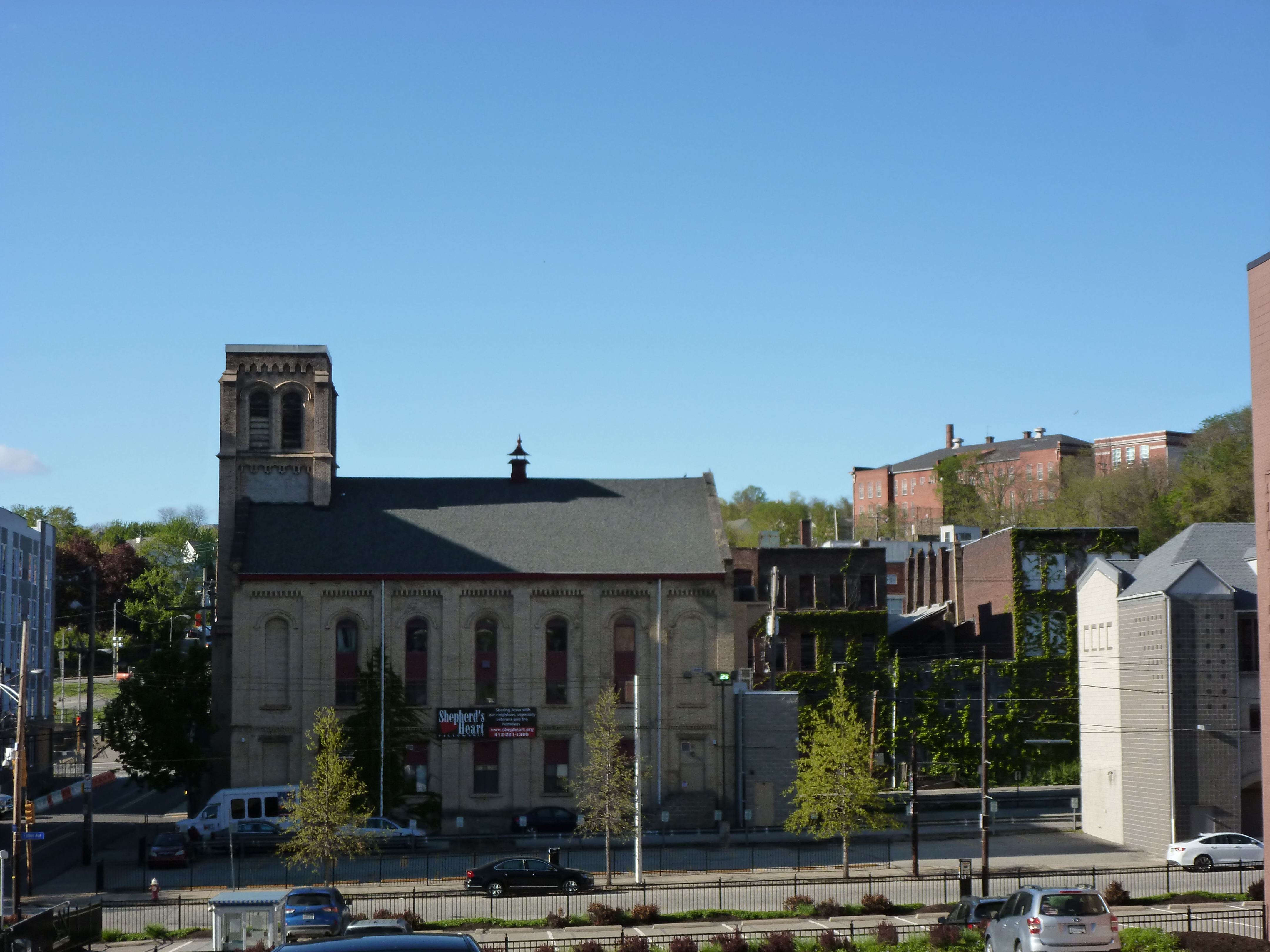
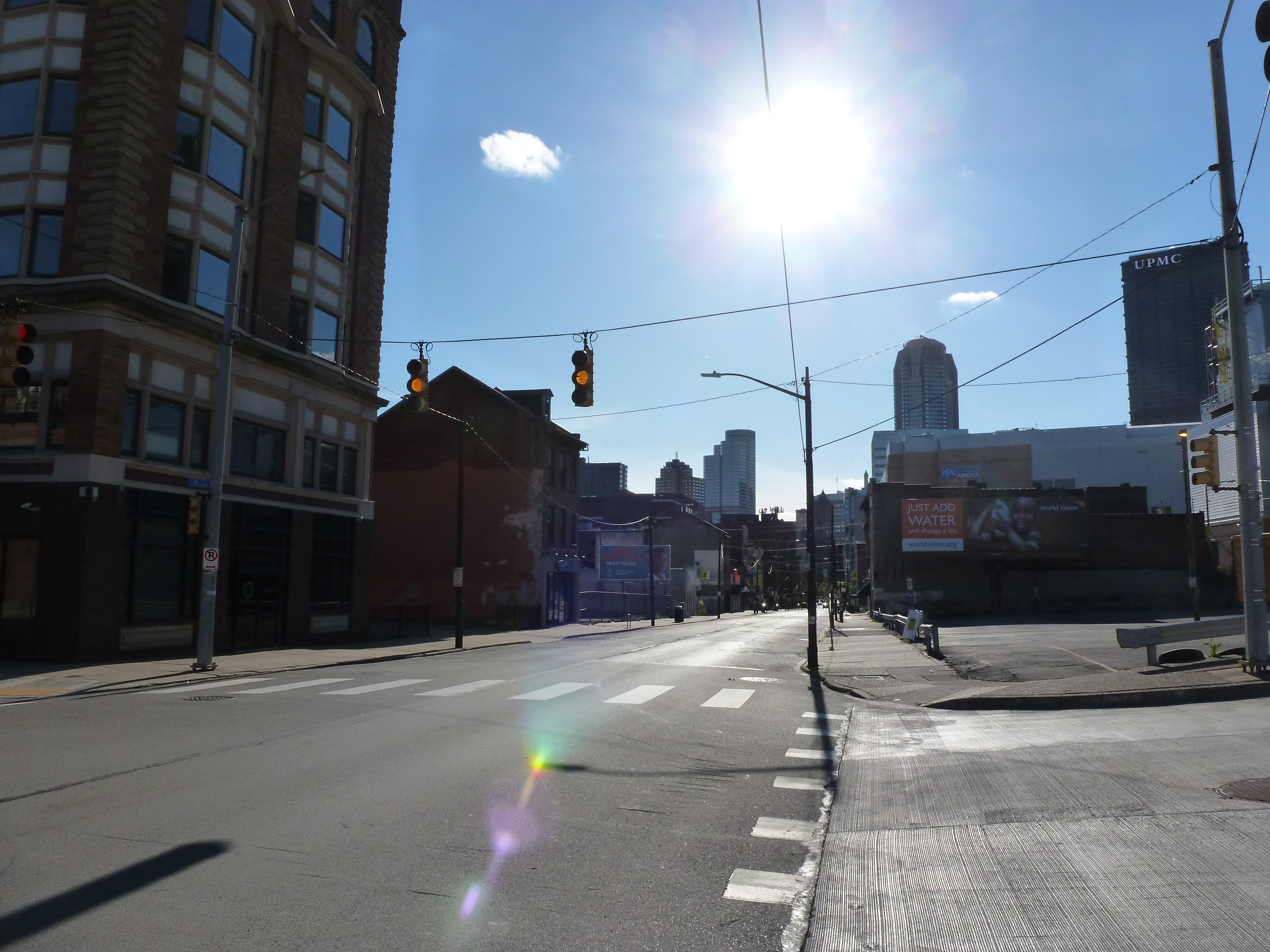
Inspired by my post from this summer, I decided to start a photographic series of Pittsburgh’s Uptown neighborhood. This neighborhood is a hodgepodge of abandoned and renovated townhomes, parking lots, car-oriented businesses, corner stores, industrial uses, and new construction residential buildings. It is predicted to be on a tipping point from being mostly ignored to experiencing intense growth fueled by activities in and around the neighborhood. These activities include:

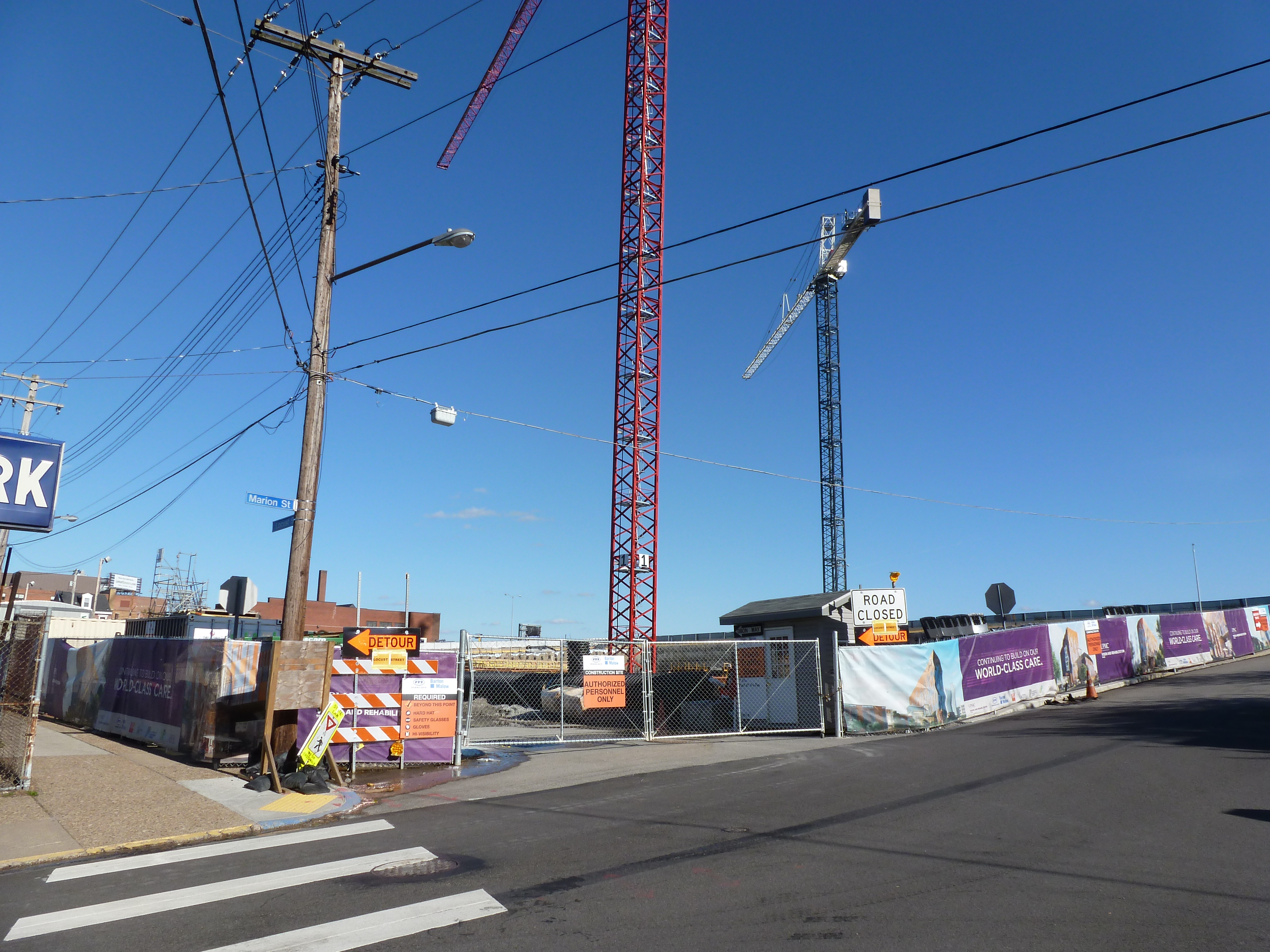
  • UPMC Mercy hospital is currently building a 410,000 sq ft vision and rehabilitation center in the middle of Uptown.
  • The Penguins hockey team is supposed to be finally getting off the ground with their redevelopment of the Lower Hill neighborhood, which is adjacent to Uptown.
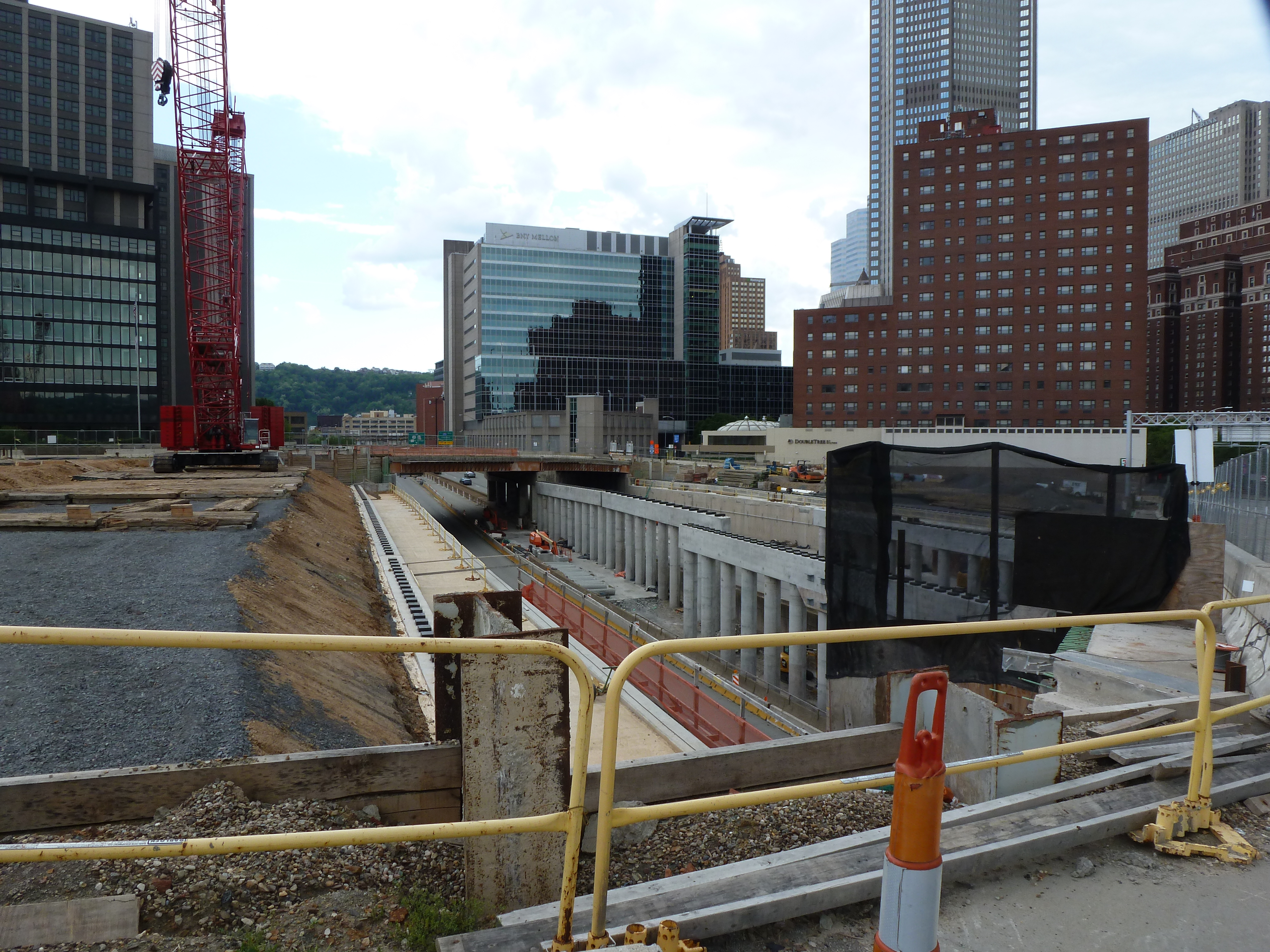
  • June 2019 saw the groundbreaking for the CAP project to reconnect the Lower Hill to Downtown over the freeway that bisected the two in the 1960s.
  • The Bus Rapid Transit system currently in the planning stage will one day connect Downtown and Oakland through Uptown.

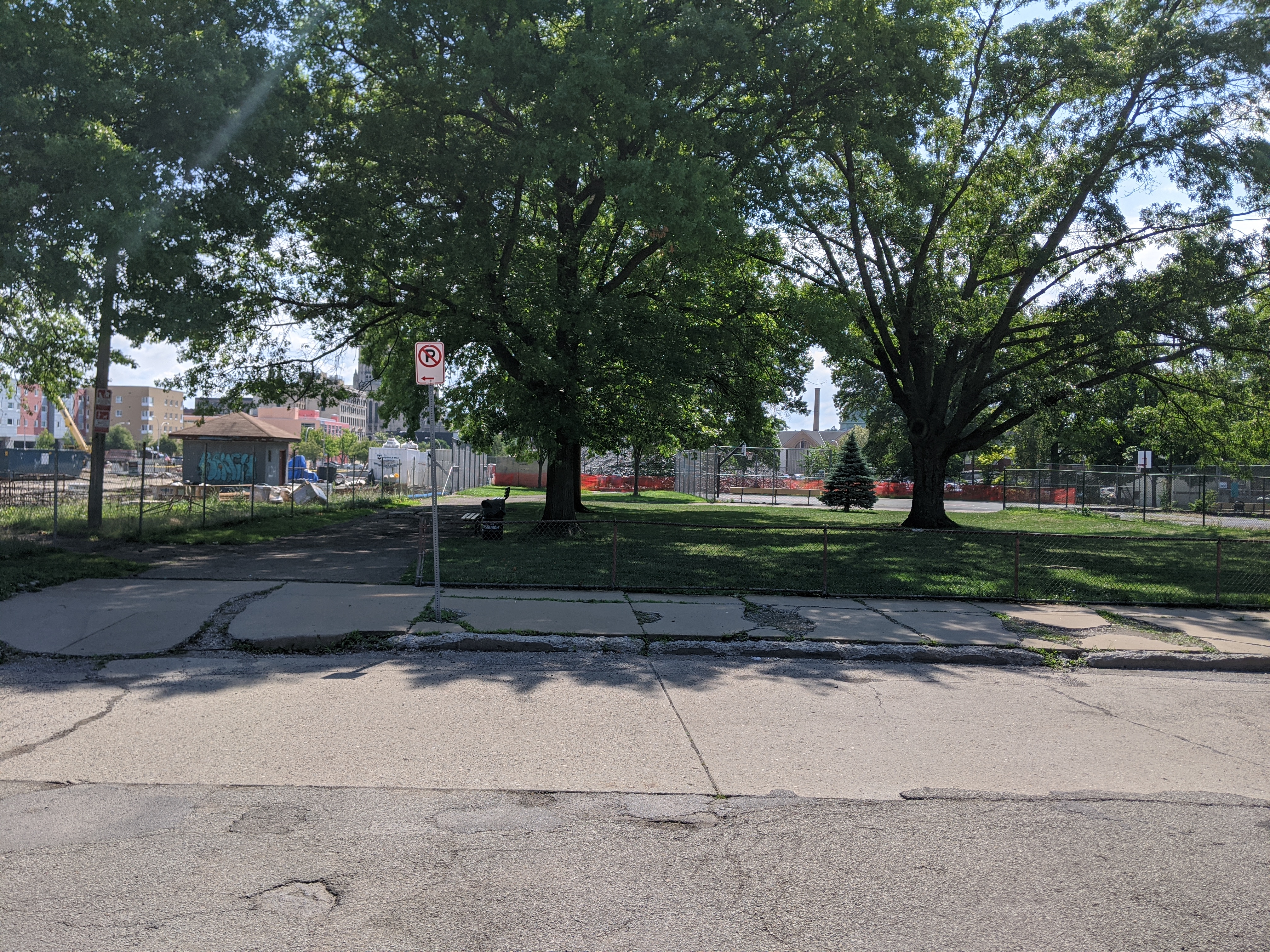
As these projects move forward, there will likely be more investment and changes to Uptown. This photographic series is intended to capture these changes by revisiting the same sites at regular intervals over the next several years.

In the coming months, I intend to release two related series to record the progress of the CAP and the Lower Hill redevelopment.

Moral Economics

The strongest impression from my last trip to Cardiff was the feeling that it is morally wrong to invest heavily in touristy neighborhoods while skipping the neighborhoods of the residents. Tourists may provide a bigger return per touch point, but residents have many more touch points (including voting). Perhaps I have become jaded since that trip, but I now accept that economics and morals rarely work together.

Pittsburgh’s Uptown neighborhood is trying a different approach to see if economic investment can be leveraged for the greater good. Uptown experienced disinvestment and decay for decades, despite being located between and within walking distance of Oakland and downtown, two of the largest economic engines in the state. Not to mention the main roads connecting these prosperous and growing areas run directly through Uptown. Zipping down Fifth Avenue from Oakland to downtown, it is easy to overlook or ignore the ruined home foundations turning back to forest, the wide-spread vacant lots and parking lots, and the intricate architectural details on the remaining old structures.

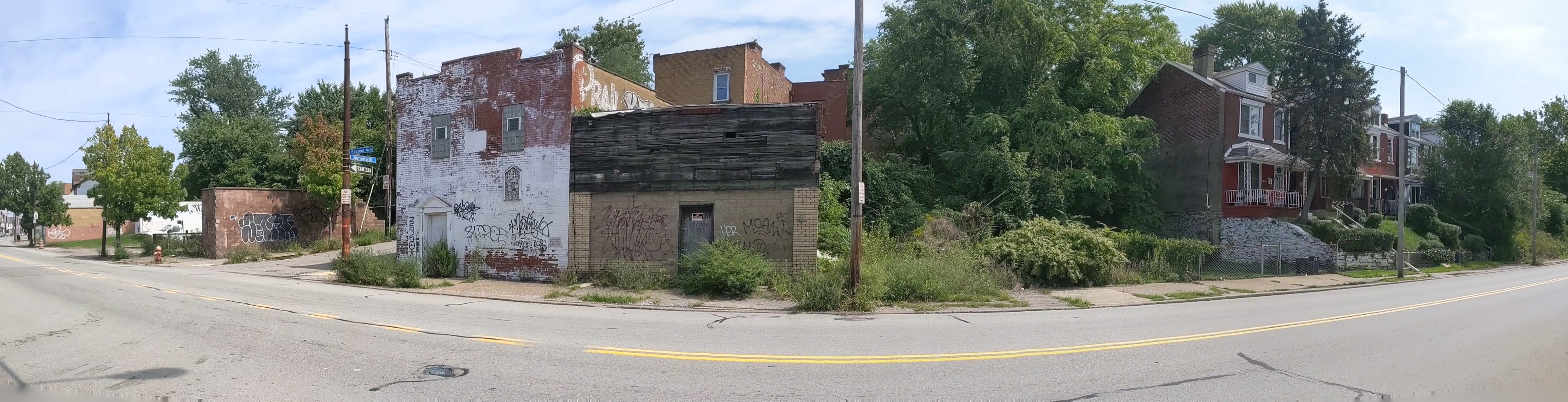
Former Rialto Theatre

The bland brick and glass facade on Fifth Avenue identifies this building as another mid-century warehouse. Turning the corner, the decorative parapet wall and bricked over arched opening tell the story of an older, more interesting building.

One such structure was one of the many movie theaters dotting the city in the 1920s. In the 1950s, the adjacent buildings were demolished, and an addition was added to the theater to turn it into a storeroom. After a time as a plasma center in the 1980s and 1990s, the building sat vacant and dusty for many years. Now, it is undergoing renovations for its next life. This is just one of the many signs that investment is coming to Uptown.

The community of Uptown that held on through the economically rough times prepared for this moment. In collaboration with many partners, including local institutions such as Duquesne University and UPMC Mercy as well as the City of Pittsburgh, the community created a new neighborhood plan. This designated Uptown and West Oakland as an EcoInnovation District. One of the first actions from this plan developed a new zoning district, the first progressive zoning district in Pittsburgh. The goal of the plan and the zoning district is to leverage the coming economic investment to create an inclusive and environmentally sustainable neighborhood.

It will be interesting to watch this neighborhood over the next few years to see if the plans are successful at introducing some moral components to the economic investment.

Harrisburg: Coal or Gem

I didn’t understand the pitying looks I received when I announced my fall vacation to Harrisburg.  Now that it is over, I still don’t understand.

As a capital city, the downtown is quiet on the weekends, but the neighborhoods are still full of people.  Even on a chilly, sleepy Sunday morning, joggers, bikers, and walkers enjoy the fresh air along the riverfront park that is part of the 20-mile Harrisburg Capital Area Greenbelt Trail.  Sculptures dot the public spaces and art coats the fire hydrants and signal control boxes.  Beautiful and intriguing architecture abounds.  A former theater houses the largest used bookstore I’ve ever visited.  Across the street, the Broad Street Market is filled with vendors of such mouthwatering temptations as Amish baked goods, hot Indian food, exotically flavored ice cream, fresh baked pretzels, and more.

A relatively compact and walkable city, I find surprising gems each time I visit Harrisburg.

Heth’s Run Bridge: Redux

Heth’s Run Bridge, the first bridge I posted about in my Pittsburgh bridges project, is scheduled to be replaced by the end of next year.  The notice to proceed was expected to be issued last week with construction beginning on Sept. 24 with the installation of a temporary road around the bridge, through the zoo’s parking lot.  According to the schedule that was passed out at a community meeting at the end of August, the bridge is expected to close with all car traffic being diverted to the temporary road on Nov. 1st.  Due to the turning radius constraints with the temporary road, trucks will not be permitted and will instead be by way of the Highland Park Bridge, Route 28 and the 62nd Street Bridge.  If all goes according to schedule the bridge should reopen to all traffic on October 1, 2014.  Additional road work will continue through October.  After final inspections, the project is expected to be officially completed by December 8, 2014.

Heth's Run Bridge's hazardous sidewalk

This is a PennDOT project expected to cost over $18.5 million and is definitely needed.  As I discuss in my Heth’s Run Bridge Part II and Highland Park Bridge posts, the sidewalks here are in desperate need of repair and the proportion of sidewalk to road across the bridge is at least 50 years out of date.  All this is going to be addressed in the reconstruction.  The new bridge is going to have two lanes in each direction to match the roadway on either end.  Additional features of the new bridge will be decorative railing, period lighting, entrance pylons, and “architectural features on the abutments with form liners” (which I believe refers to new urns).  At the community meeting, it was mentioned that the current urns will be saved and kept in a warehouse until a new home is found for them.
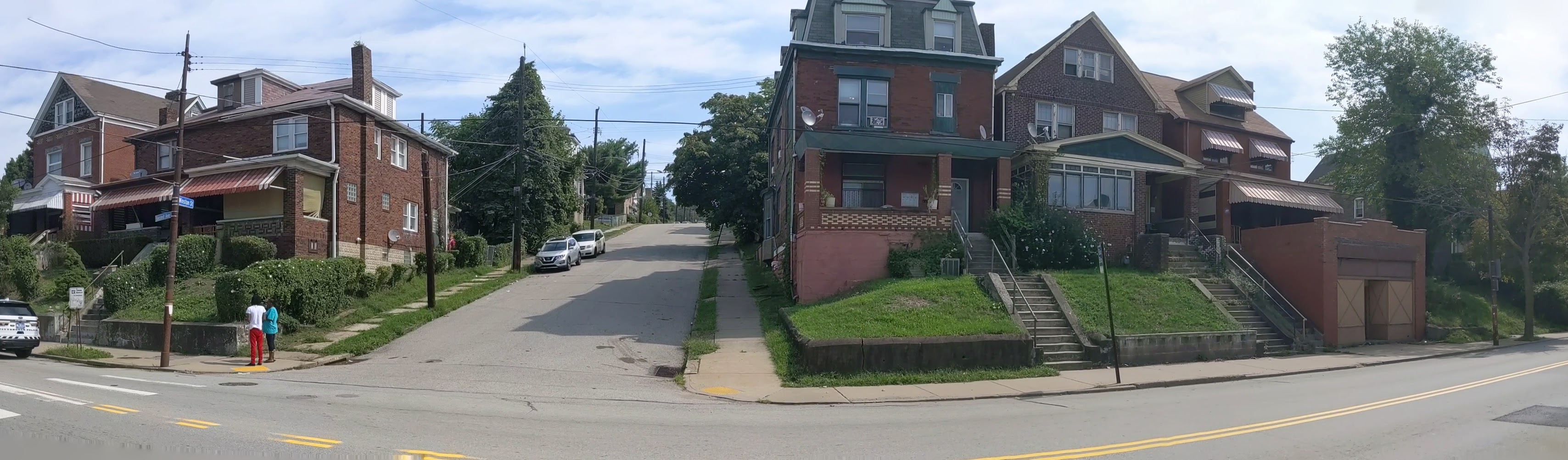
In addition to the bridge, about 870 feet of Butler Street are going to be reconstructed including sidewalks.  My understanding is that this is the part of Butler from the Heth’s Run Bridge to the ramps of the Highland Park Bridge, which should take care of my complaints about the condition of the sidewalk for those of us trying to cross the Highland Park Bridge without a car.  This should also clear up the confusion for the outbound traffic of whether this part of the road is one lane or two as the plans include removing the “kink” from the existing alignment.

New signals and ADA ramps will be installed at the intersections of Butler with One Wild Place and with Baker Streets.

Another major part of the project is the excavation under the bridge to an elevation of 762.  According to GoogleEarth, the bridge is at an elevation of 800 ft. I’m not sure if this will restore the bridge to its exact historic height, but it will be close (see the photo of the previous bridge from 1912).  This will also pave the way for connecting this area to the proposed Allegheny Riverfront Green Boulevard project.

This project will no doubt cause some inconveniences during the construction process, but the construction of the temporary road will significantly cut down on this even though it adds over a month to the process.  Imagine instead, everyone having to go on the truck detour or all the Zoo traffic coming down Morningside Ave and Baker Street instead of One Wild Place and Butler Street.  That would be a true nightmare.  Thank you, PennDOT and the Pittsburgh Zoo & PPG Aquarium for the temporary road.  Thank you, PennDOT and any other funders, Sen. Jim Ferlo, Rep. Dom Costa, and anyone else who had a hand in helping bring about this long overdue project.
I can’t wait to walk over the new bridge when it’s finished!

More information about the project including the design of the temporary road can be found here: http://morningside-pa.org/wp-content/uploads/2013/08/hethsrunbridge.pdf

A Lofty Location

St. John German Evangelical Lutheran Church

This little gem in Pittsburgh’s Lawrenceville neighborhood is full of surprises.  In the 20-some years I’ve been passing through this area, I never noticed the building.  It was brought to my attention a few years ago when I began researching adapted church buildings in Pittsburgh.  If you are in the nearby vicinity, the building blends into its surroundings.  But from other parts of the city it stands out (see 31st Street Bridge, Bloomfield Bridge, Busway Bridges: Herron Street, Busway Bridges: 28th Street).  It is also visible standing out along the ridge in the second photo in my Washington’s Crossing Bridge post.

40th Street Rise

There are two characteristics that make it stand out from a distance.  The first is its location at the highest point on 40th Street in Lawrenceville.

St John's/Choir Loft Condominiums

The second characteristic is one of the most intriguing parts of this building: the fellowship hall is at ground level and the sanctuary is above, reached by a flight of stairs.  This is the only church building I have been in where the sanctuary is a full flight of stairs above ground level.  I’m very curious to know if there are any others–please share, if you’ve come across one!

St John's Evangelical Lutheran Church Choir Loft Condominiums

The building was built in 1896-97 for the German Evangelical Lutheran St. John’s Congregation, which later became St. John’s German Evangelical Lutheran Church.  In 2002, the congregation merged with St. Andrew’s Lutheran Church and closed the doors on this location.  A real estate agent purchased the property and prepped it for conversion into 3 condominiums–one unit each for the sanctuary, fellowship hall, and parish house–before the current owners purchased the property and completed most of the rehab work creating the Choir Loft Condominiums.  (A side note that may be of interest is that the current owners considered purchasing the building that is now the Union Project but chose this one instead.)

The owner reported that the building was essentially empty for nearly 2 years before he acquired it.  The floors were in bad condition–the pews had been ripped out, tearing the sanctuary’s floor, and the choir loft’s floor was completely missing.  He said his goal in renovating the building was to “not destroy the architecture and the interior.  We wanted it to feel like a church still because it is a church.”

Having gotten a tour of the interior of the sanctuary unit, I’d say they succeeded in this goal.  The former sanctuary space is an open loft configuration with hardwood floors.  The raised steps for the altar area were kept and made into the kitchen.  The choir loft remained open and served as the bedroom.  The gorgeous stained glass windows were also intact.  While I was there on a winter evening after sunset, I loved the description of how the colored pattern from the stained glass gradually moves across the floor like a very colorful sundial.  My other favorite part was that there was still a bell in the tower, which the owner rang for me.  While inside the sound was muffled, it sounded like it could have woken sleeping neighbors.

The Union Project: Engaging Community

The Union Project

Every adapted church building I’ve come across has something that makes it unique.  Of all the ones I’ve come across so far, the Union Project used the most creative method in restoring/adapting the building.

In the late 1990s, a small group of people came together and said that they wanted a “space for art and faith” in their neighborhood.  (The quotes in this post are from one of the founding members, who I interviewed for a school project.)  By 2001, this group and this sentiment had grown and they purchased the vacant, former Union Baptist Church at the intersection of Negley and Stanton Avenues, two major roads in the East End of Pittsburgh, to convert it into a community center.

When the community center acquired it, the church was still considered active, but it had not been used regularly for two to four years.  The building was in very poor condition: the roof leaked, there were broken windows, and pigeons and rodents lived inside.  It took four years to prepare the building for occupancy and an additional six years to completely restore the structure.

The part that I like the most about how this building was adapted, was the alternative method they came up with for restoring the stained glass windows of the structure.  All the windows needed restoration, which I’m sure would have added up to a colossal expense.  Instead of giving up or attempting to raise all the funds to pay for a professional restoration, they offered community classes in stained glass restoration using the church’s windows as the class materials.  Some of the windows needed to be completely reconstructed in which case the instructor, a stained glass professional, created the new windows.  Beside these, all the windows were restored by community members at the classes.

Stain Glass Restoration

Stain Glass Restoration

I took one of the classes a few summers ago.  It was a lot of fun and quite interesting to learn how stained glass windows are put together.  At least a couple of the people in my class were taking the course so they would be able to restore the stained glass windows in their homes.  Much of the housing stock in the neighborhoods surrounding the building feature at least one stained glass window, so this was a useful skill for the local homeowners to learn.  A 2012 article in the Post-Gazette announces the completion of this restoration project.

Over the years since the Union Project began, the building has slowly been restored one piece at a time.  The former classrooms behind the sanctuary were restored first and converted into office space.  Several of these offices are used for the administration of the Union Project, while the rest are rented out to other community groups including a church group.  The basement was converted into an art space.  This is where the stained glass restoration classes were held.  There is also a pottery studio which offers classes.  Hula-hooping classes are held in the atrium, or out on the lawn in nice weather.  The sanctuary is used as a rental hall for receptions, community events and the like.  The narthex is a little coffee shop.

Restored Sanctuary

By the summer 2012, the building finally looked like a completed project: the stained glass windows were restored, the sanctuary was finally completely repainted, and the black soot was cleaned off the stone façade.  Because of Pittsburgh’s past as a major industrial city, all stone façade buildings collected black soot–many of these buildings have been cleaned in the last ten to twenty years.  In cleaning the soot off the Union Project, the crenellations on top of the towers were left black, leaving a respectful reminder of the past, while the change from a black building to white brightened up this corner of the neighborhood.

This is a project that showed me, and the group who completed it, that “anything is possible.”

Church Brew Works

Church Brew Works

January 8, 2013, has been declared by City Council as Church Brew Works Day in the city of Pittsburgh to recognize the work of the restaurant’s founder/president, head brewer, and staff.  Council’s proclamation highlights the success of this group in adapting a vacant church “into a premiere, nationally recognized craft brewery, neighborhood fixture, and regional asset.”

The Church Brew Works is probably the most infamous of Pittsburgh’s adaptively reused churches.  Its notoriety stems from the fact that the brew house is located in the former altar.  A friend of mine told me that this positioning bothers her and if she eats at the Church Brew Works, she has to sit with her back to the altar.  I have heard that other people consider it sacrilegious to have the brew house on the former altar area and that these people refuse to patronize the restaurant.

This building was formerly an Eastern European Catholic Church and was purchased in 1996 to be converted into a restaurant and brewery.  I interviewed the founder/president for a paper on adaptively reused church buildings in Pittsburgh.  He explained that the idea for the restaurant started in 1994.  The first building selected for the project was an old fire hall two blocks away from the church.  The church was chosen in the end because of the availability of parking and the “great architecture.”  It was also easily accessible by car, which he felt was important for the success of the restaurant as Pittsburgh “lacks good public transit.”  Five months after the purchase was completed, the restaurant opened.

The church had been empty for two years by the time it was purchased in 1996.  The school attached to the church had been closed for twenty-five years.  The president felt that this added to the decrease in the congregation.  The closing of the mills drove church members away to search for new jobs while the closing of the school drove them away to find a new school for their children.  As a result of these pressures, the congregation dropped from 2000 to 200 parishioners.  When acquired for the restaurant, the church was “worn out” from a lack of reinvestment over the years and there was additional damage as a result of being completely closed for two years.  While the initial renovations of the building were completed in five months, paving the parking lot and completing the patio took longer.  Fifteen years later, work is still being done because of the “age of the building.”

Church Brew Works Sign

Much of the original building was reused or adapted in the conversion from a church to a restaurant.  The history section of the restaurant’s website explains how the pews were reused as benches for the tables and the bricks from the confessional that was taken down were used to create the pillars for the restaurant’s sign outside.  The original floor and lanterns were restored.  The result is a beautiful and unique interior for this restaurant.  To see what the interior looks like, check out the website or stop by for a meal.  I’ve enjoyed the food the few times I’ve eaten here.

Adaptively Rebuilt Church

The Spire House is perhaps my favorite of all the adaptively reused churches I found in London.  Originally built as Christ Church Lancaster Gate in the 1850s and 1860s, the building has since been adapted to housing.  As I walked around the building, I thought it might have been one of the ones damaged during the war, but according to a website about the building most of the structure was demolished in the 1970s because of decay and fungus.

The reason why I liked this building was that despite the fact that most of it was demolished, part of it was saved and the rebuilt structure recalls the former design.  I particularly liked the “flying buttresses.”

I agree that there are times when a building can no longer function well, in this case because of decay and fungus, but buildings tell a lot about a society and its history and when they are demolished something gets lost.  The Spire House found a compromise between these two and it tells a lot about the city.  From the way this building was designed, it is apparent that this society is moving forward and changing, but still respects its past and its religion.  There other signs of this throughout the city, such as the church tower in the middle of a road.