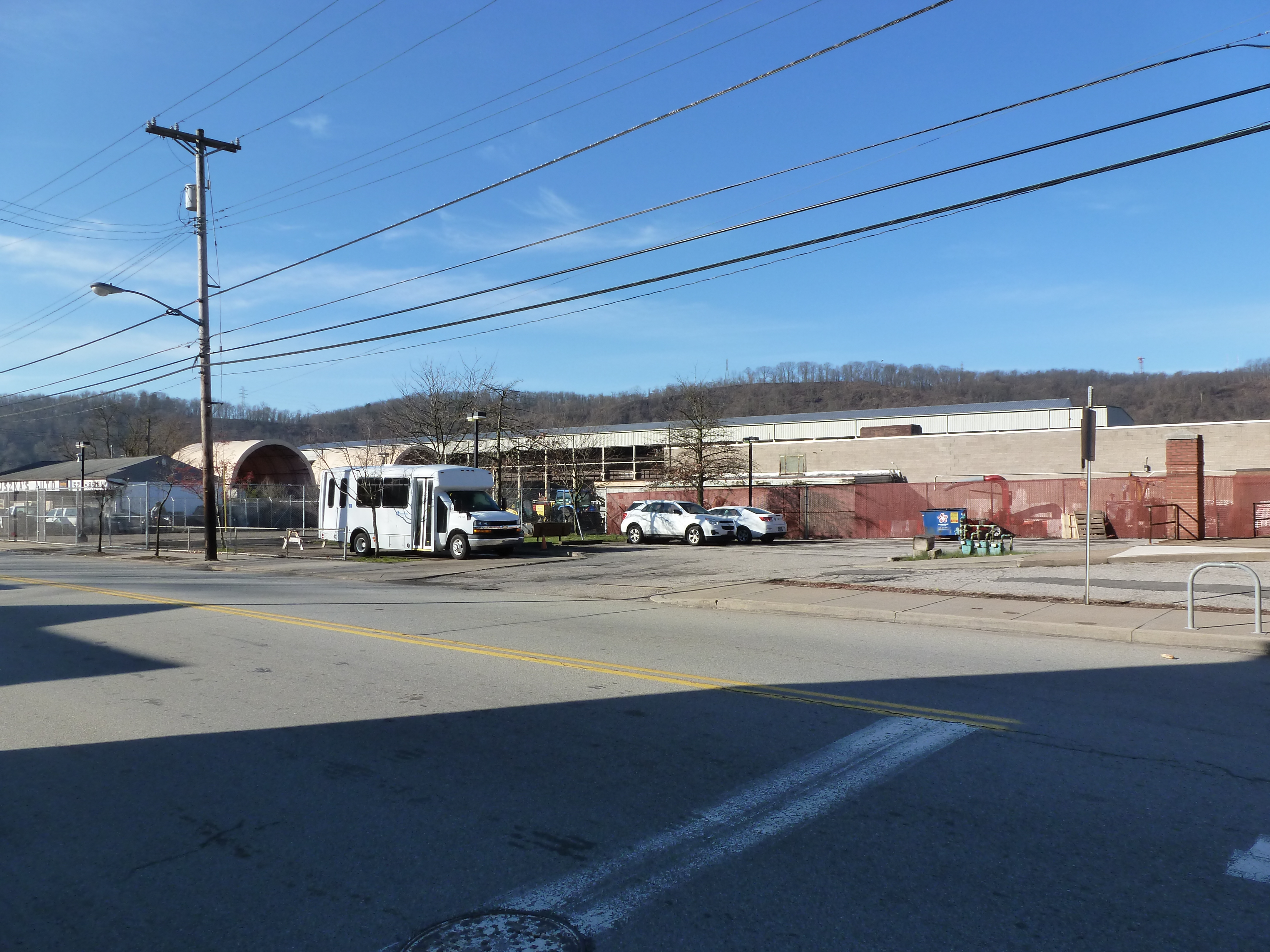
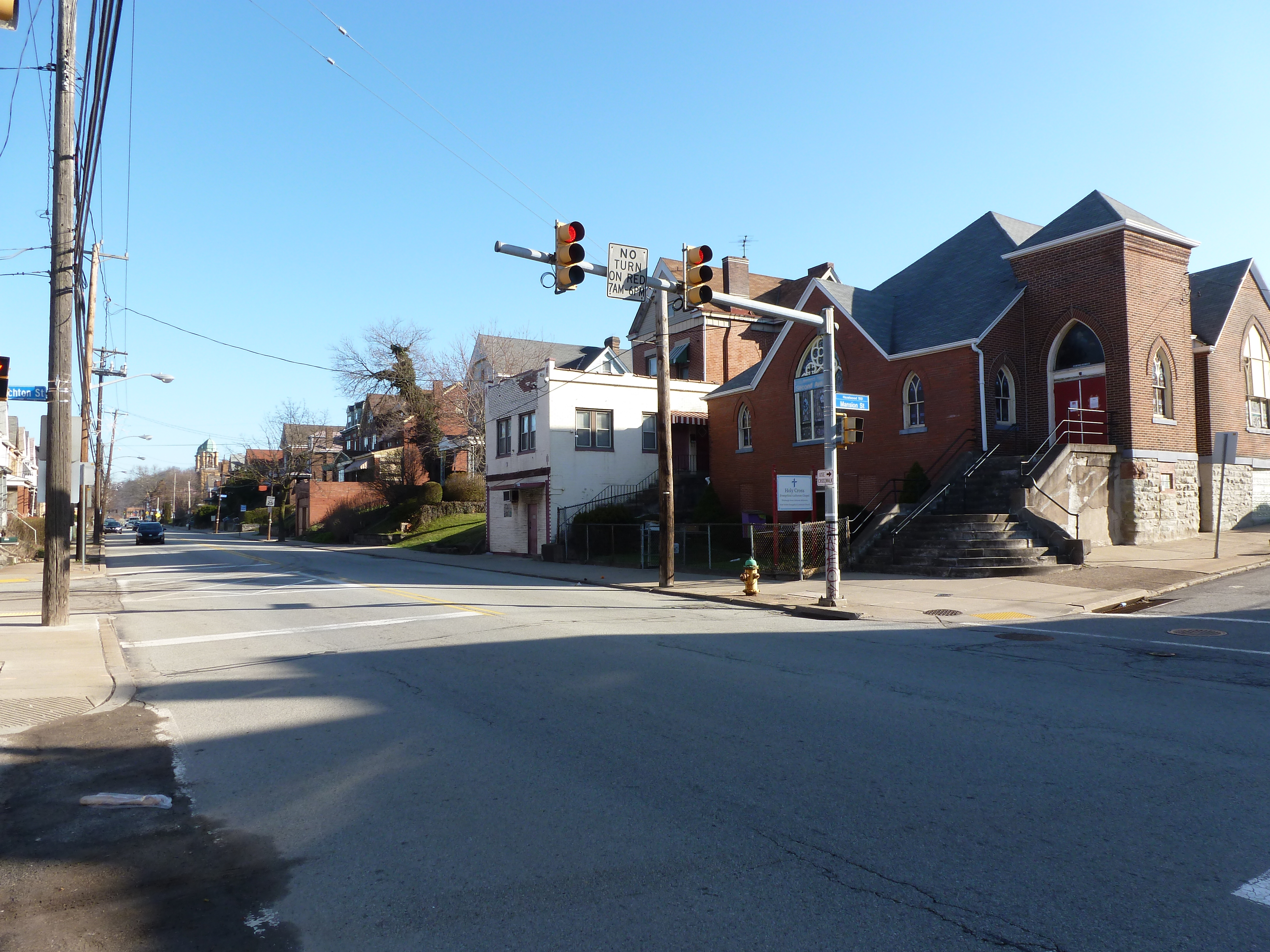
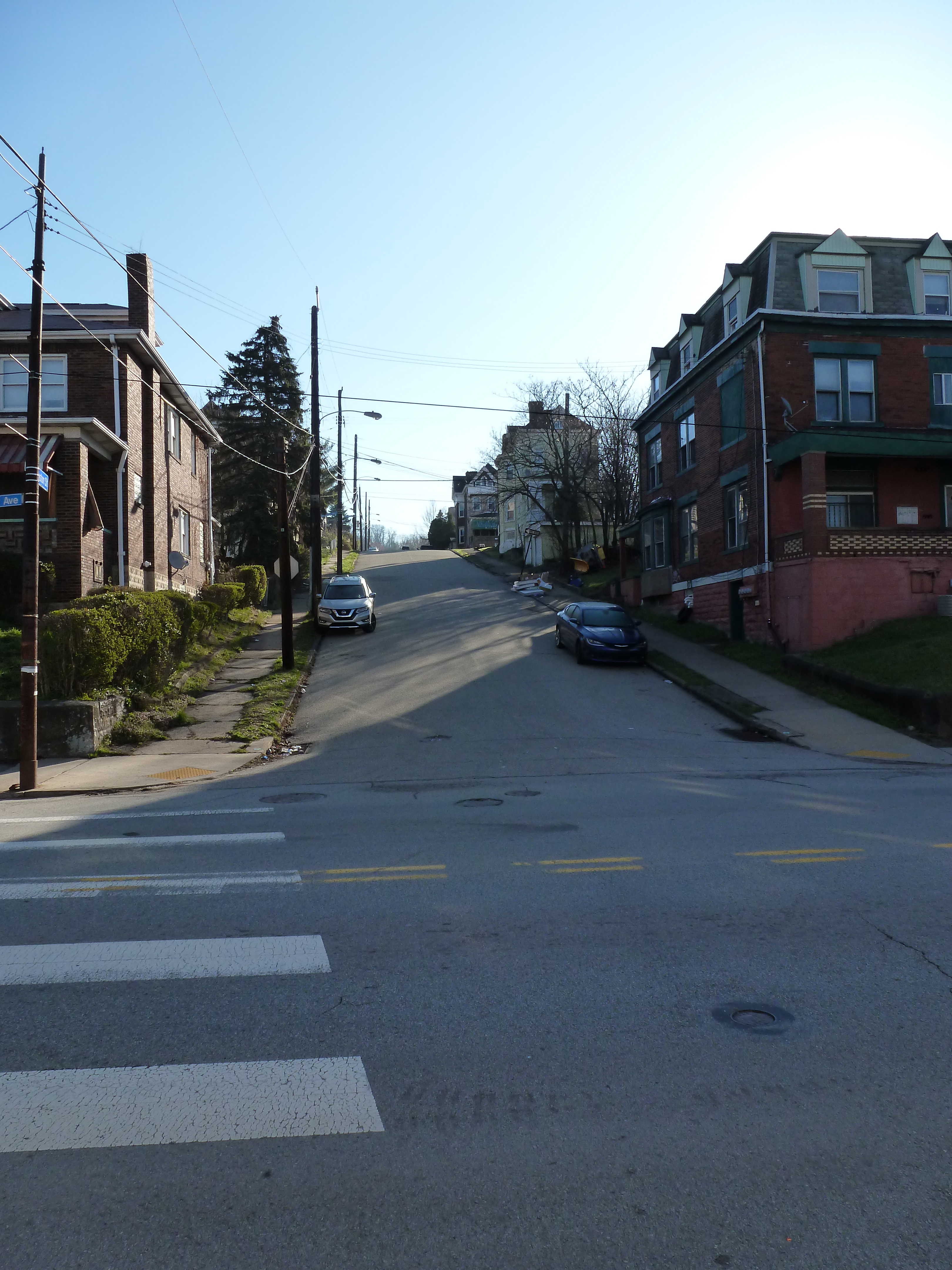
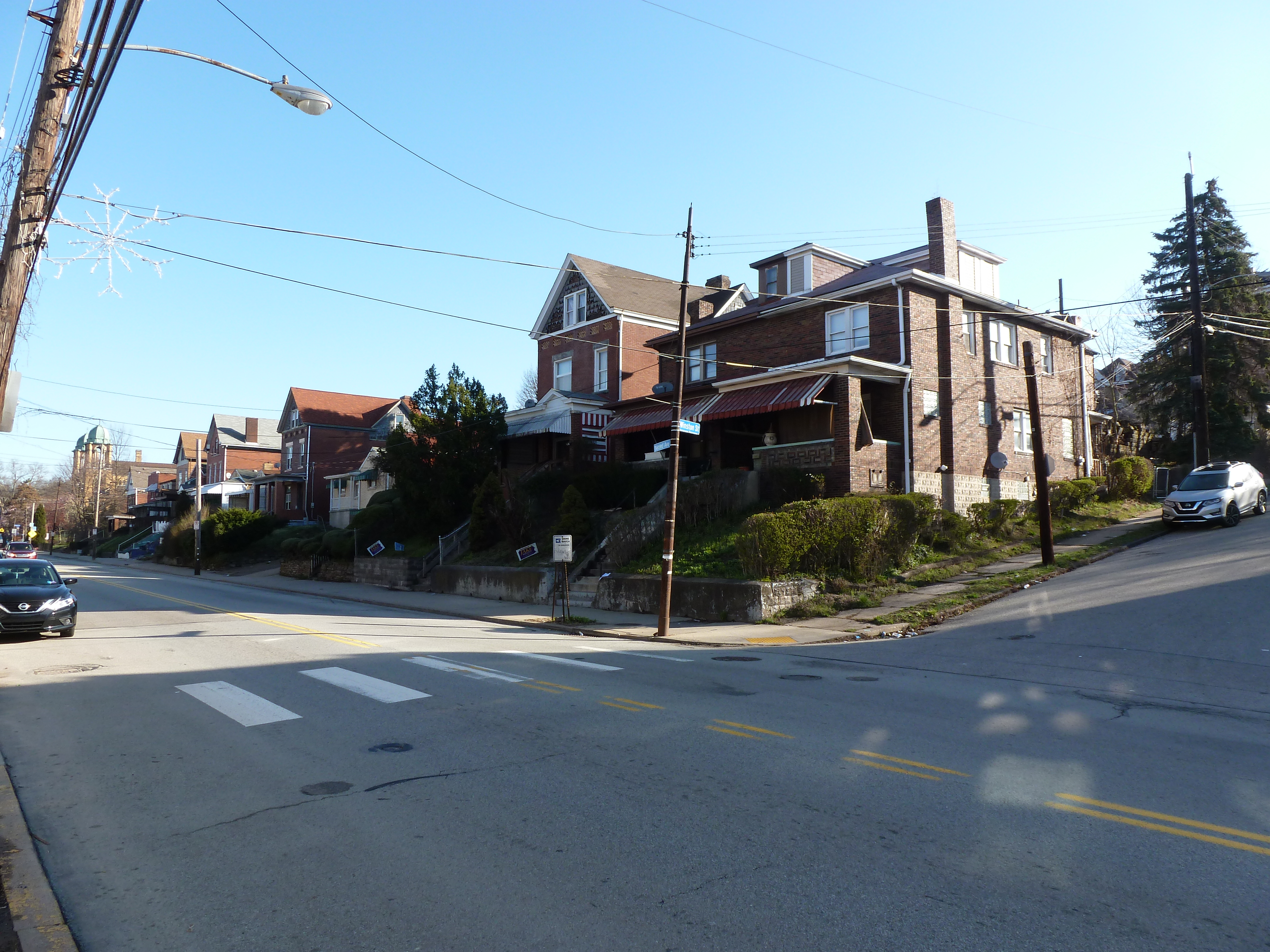
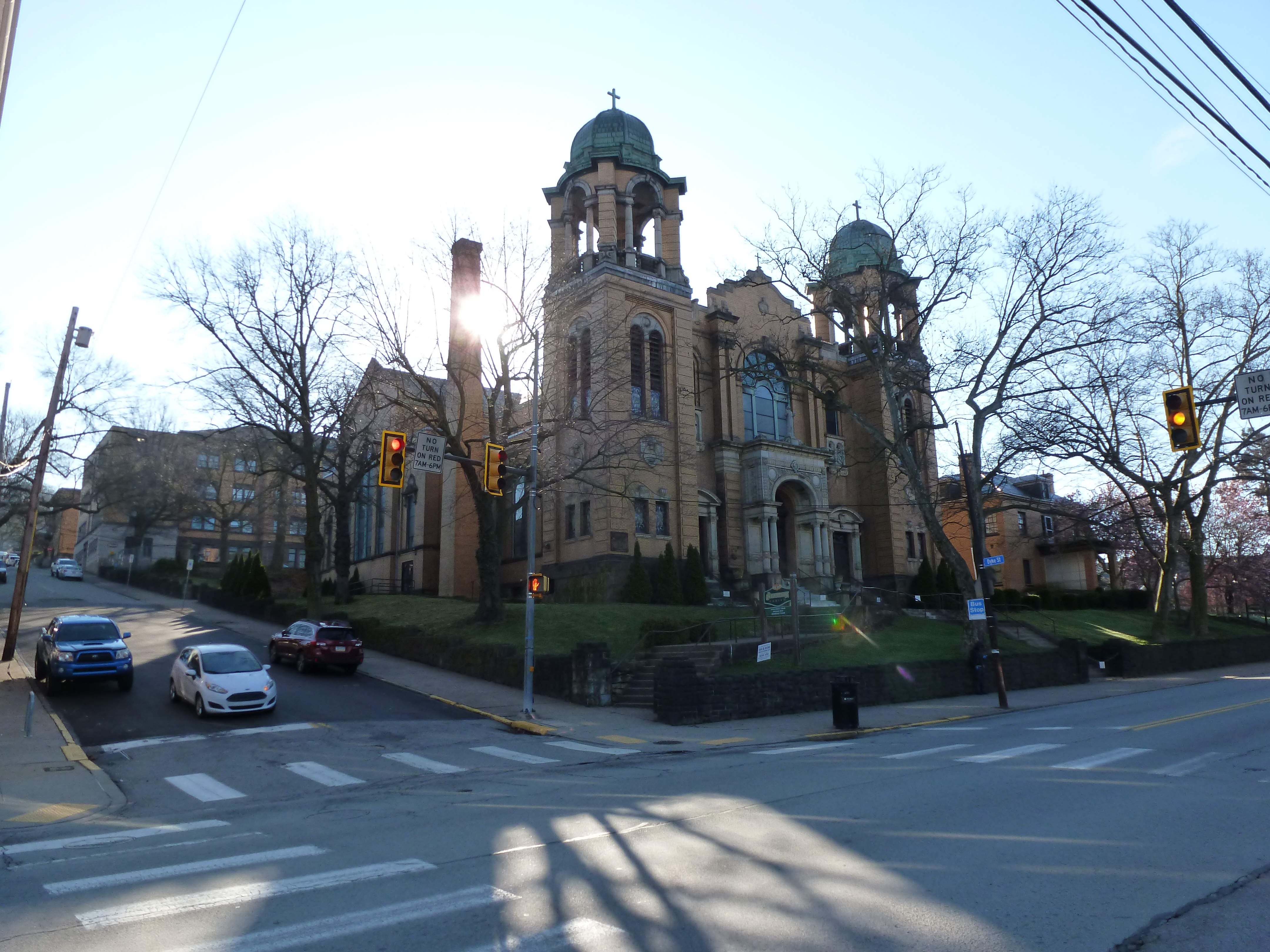
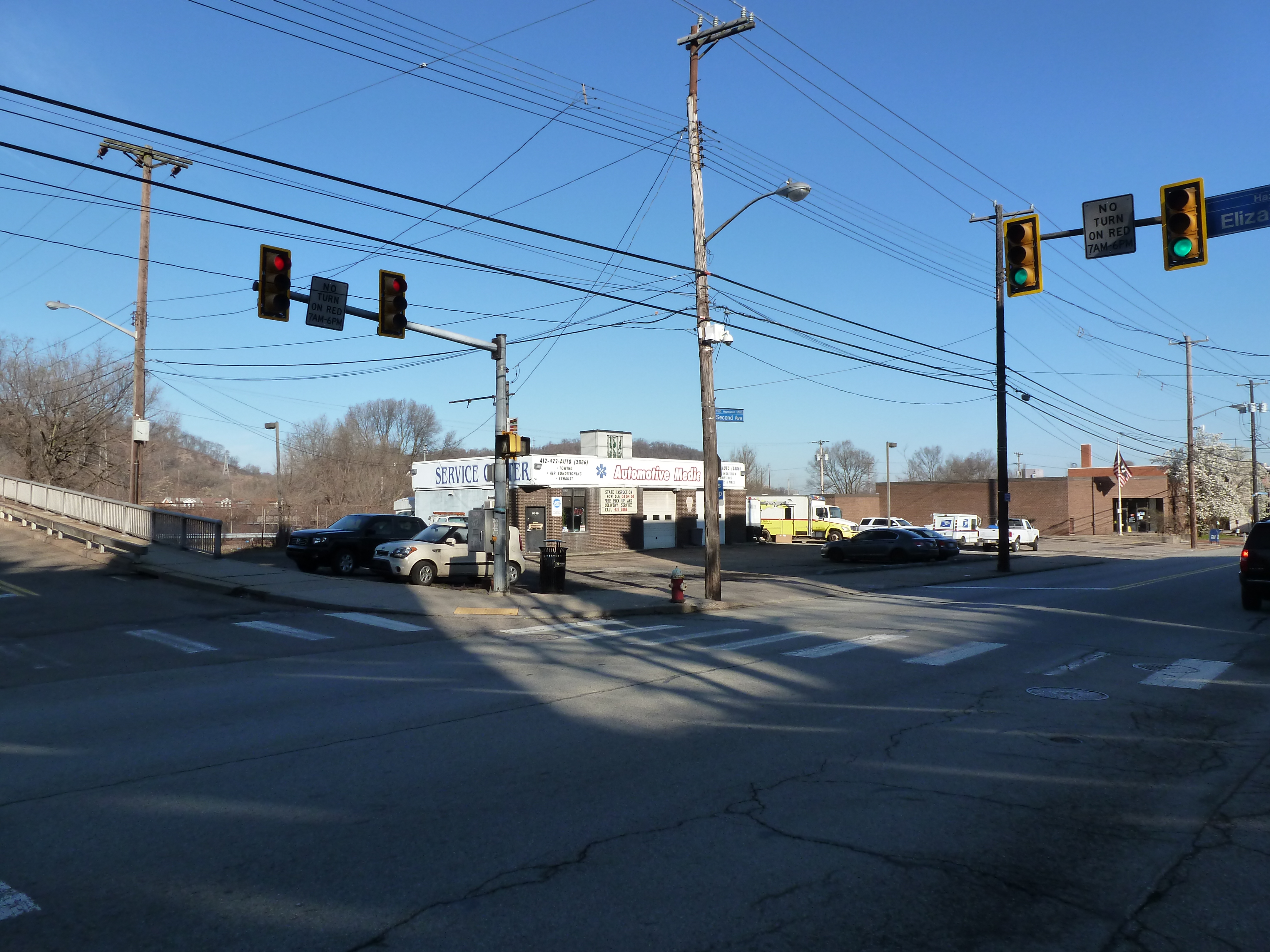
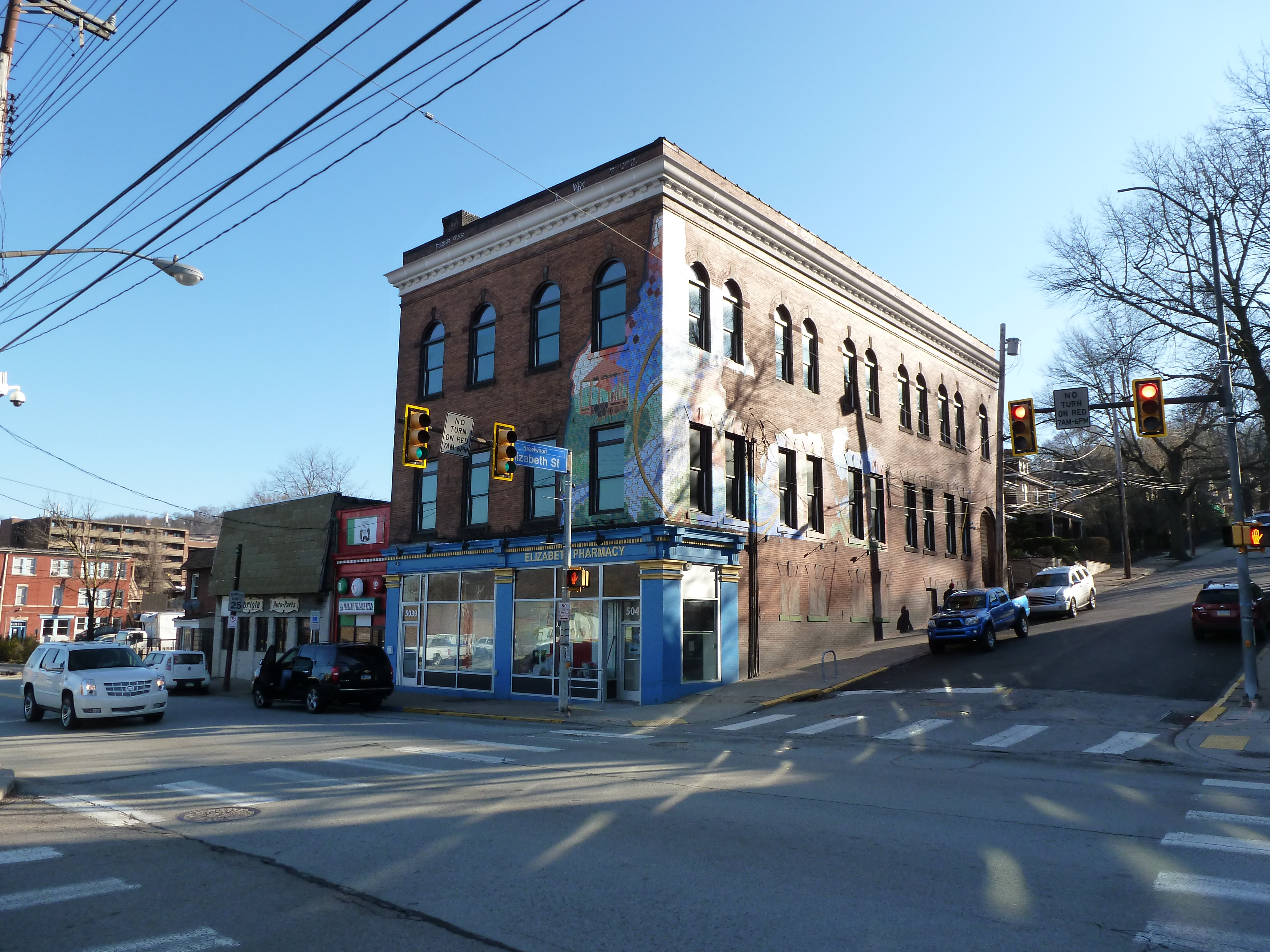
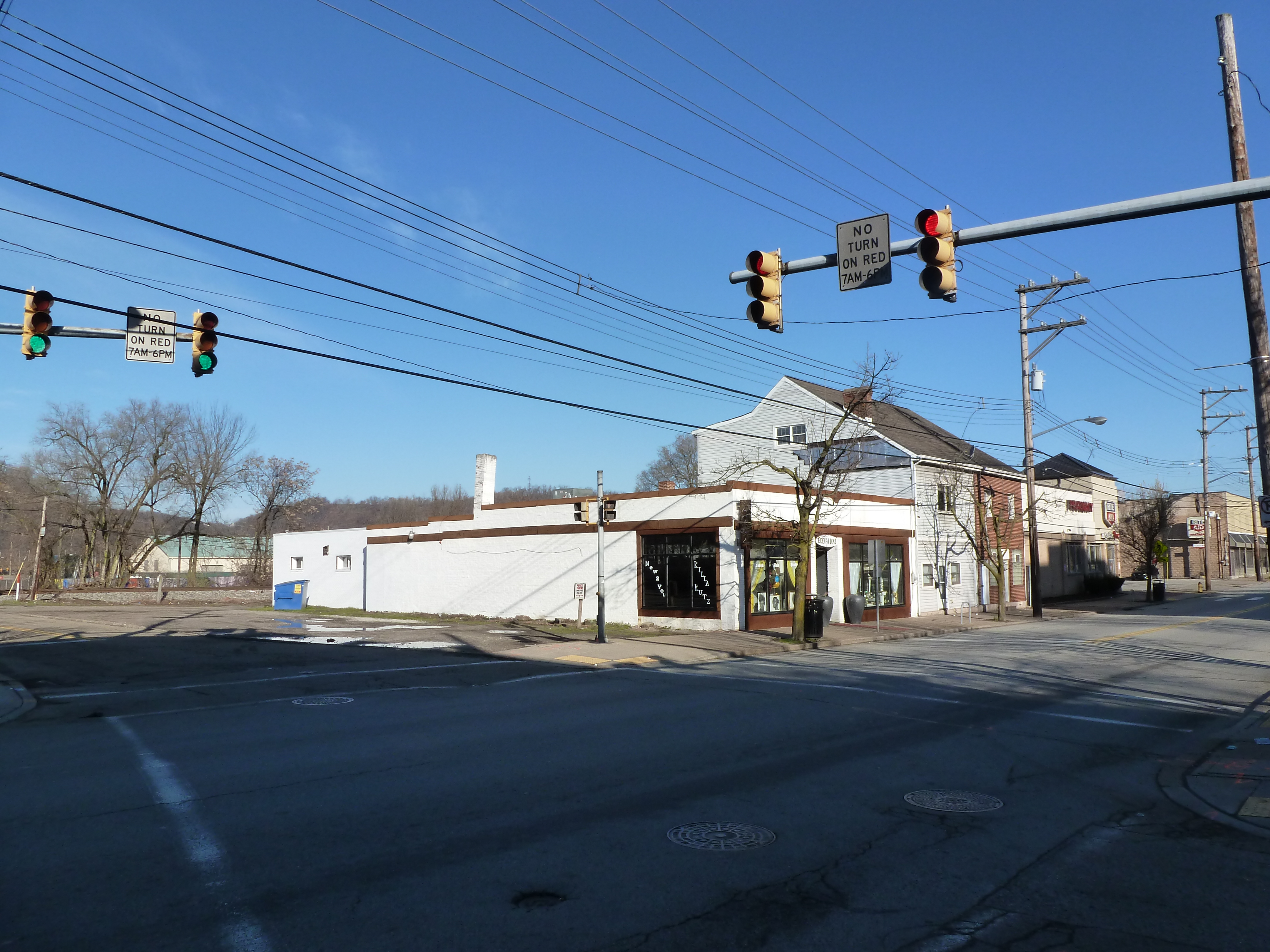
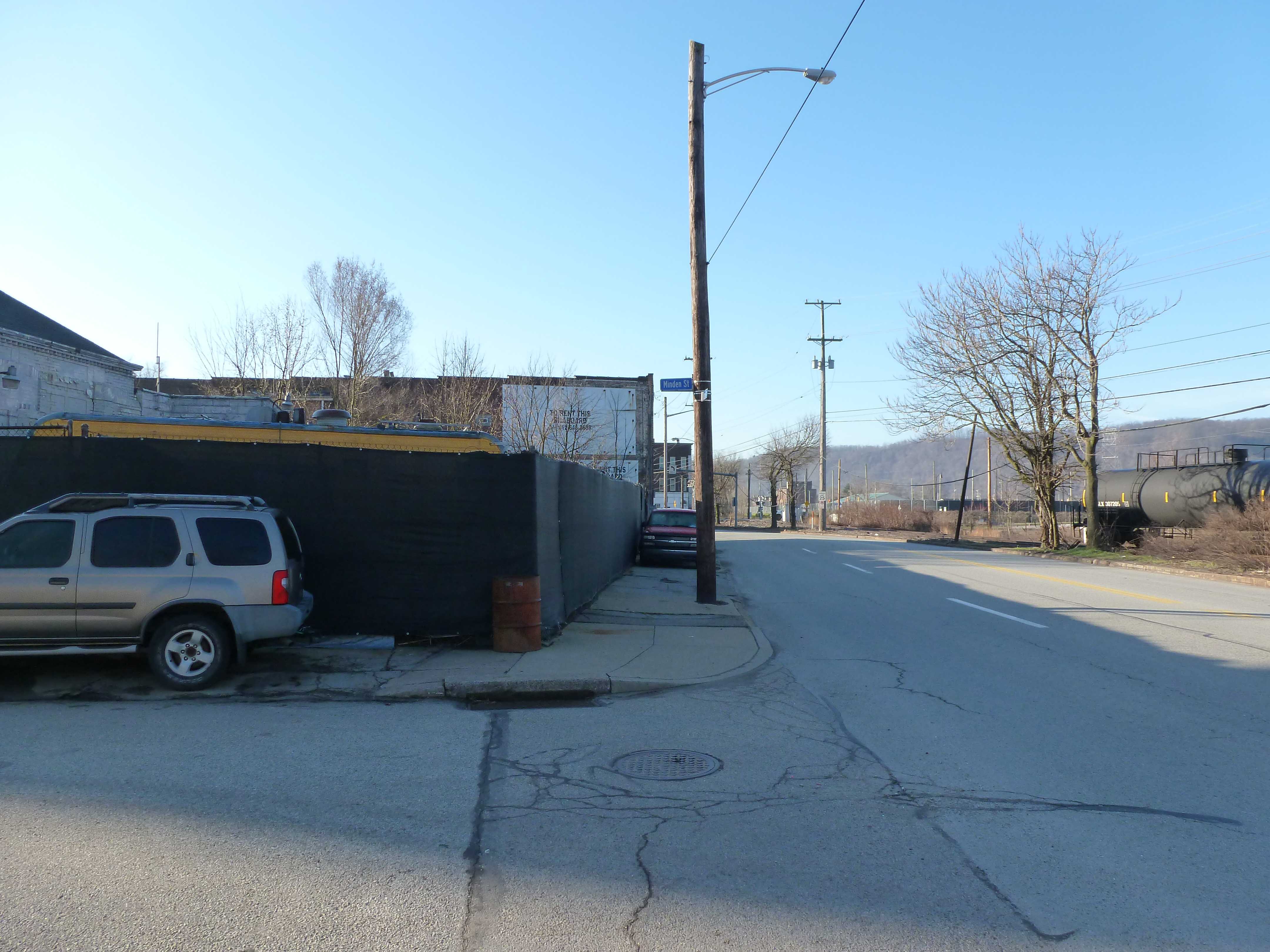
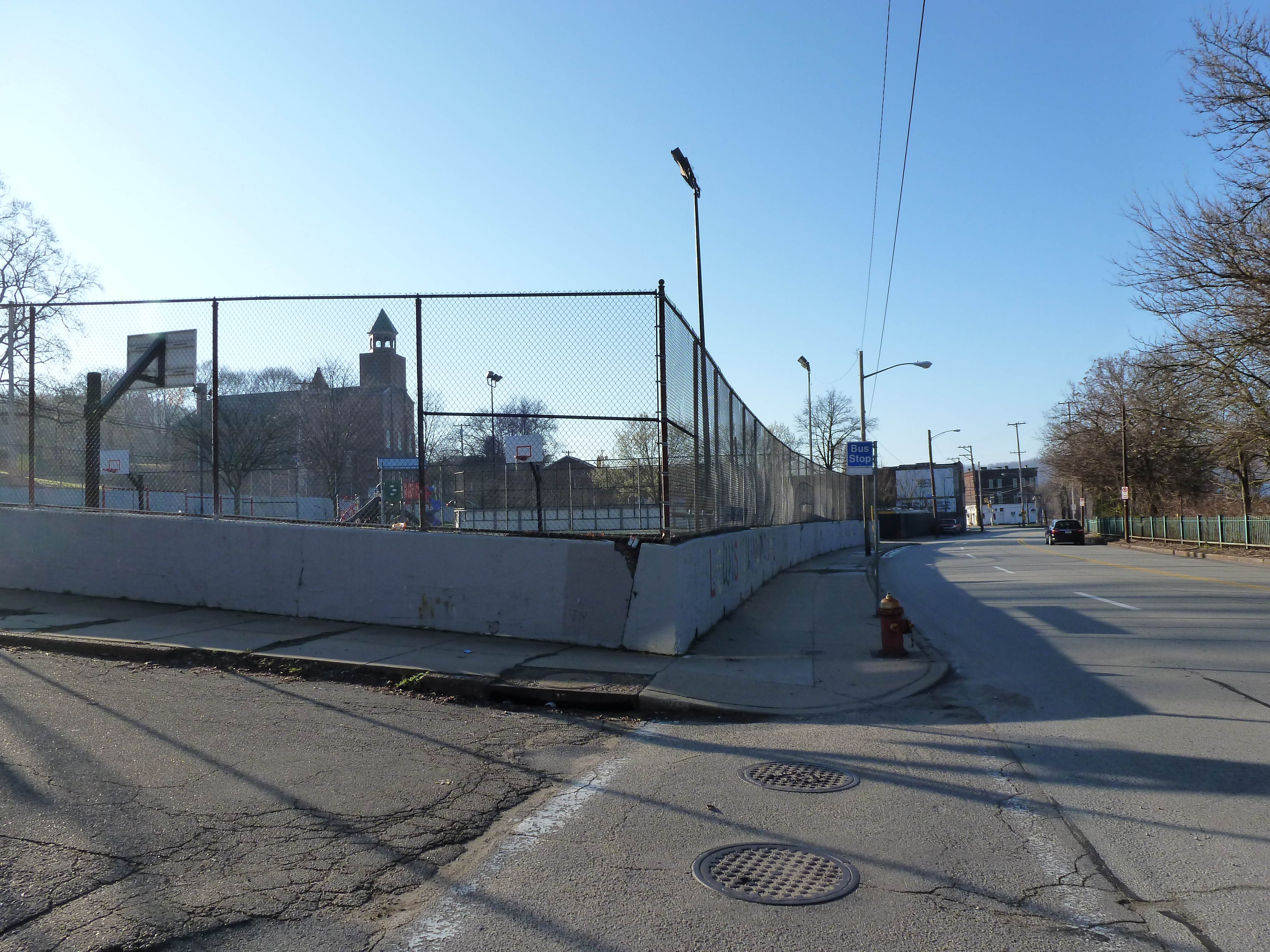
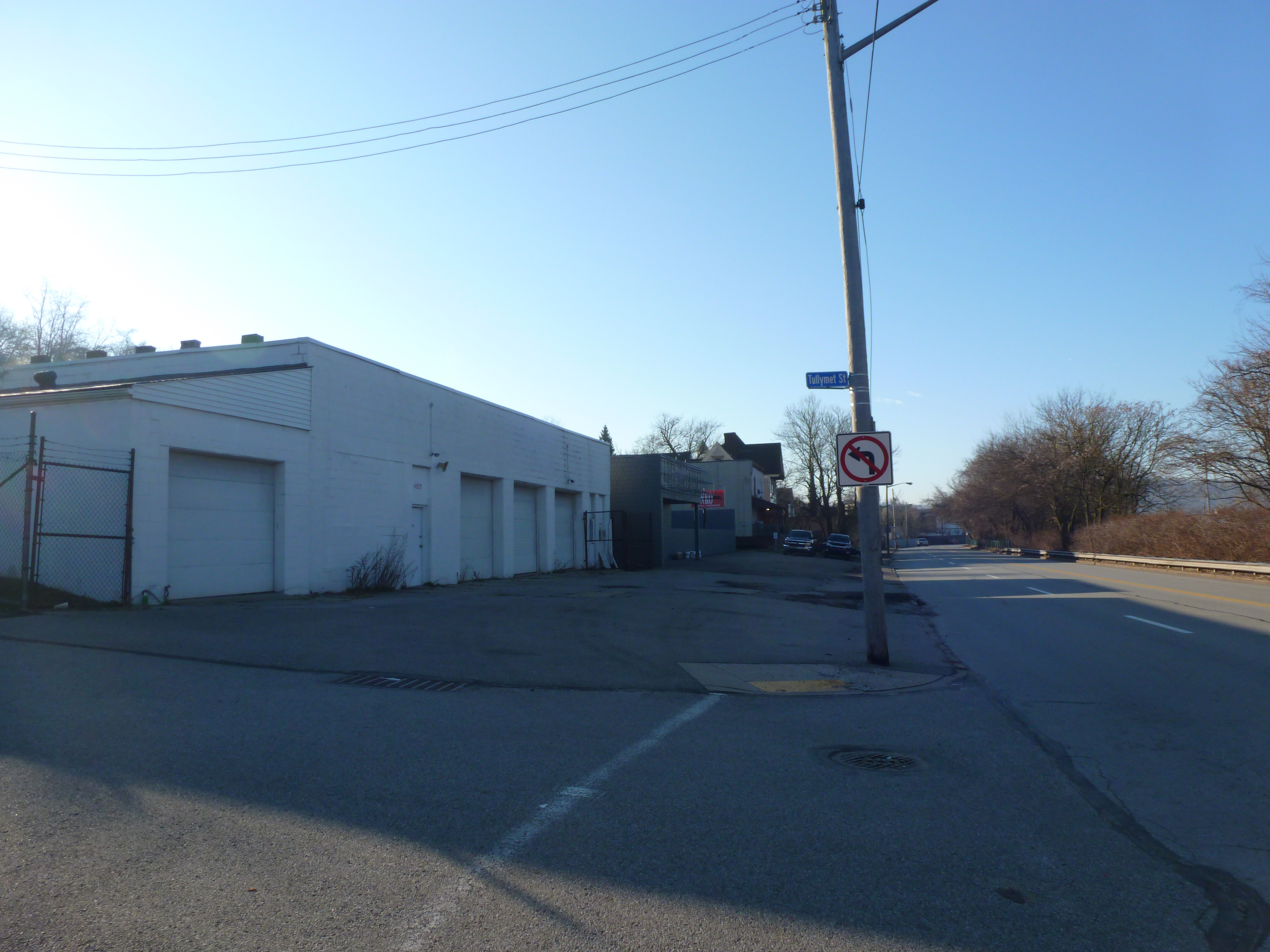
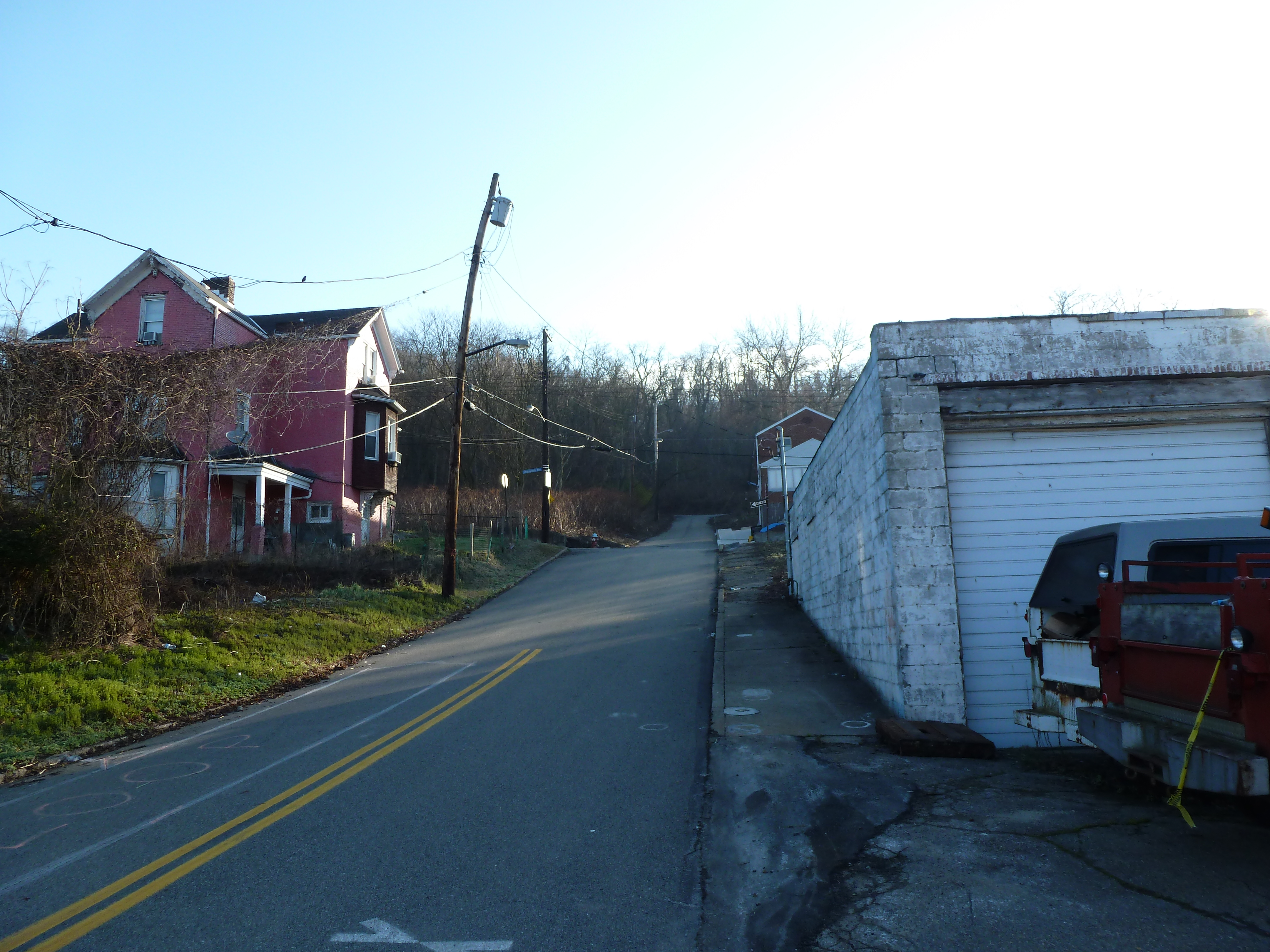
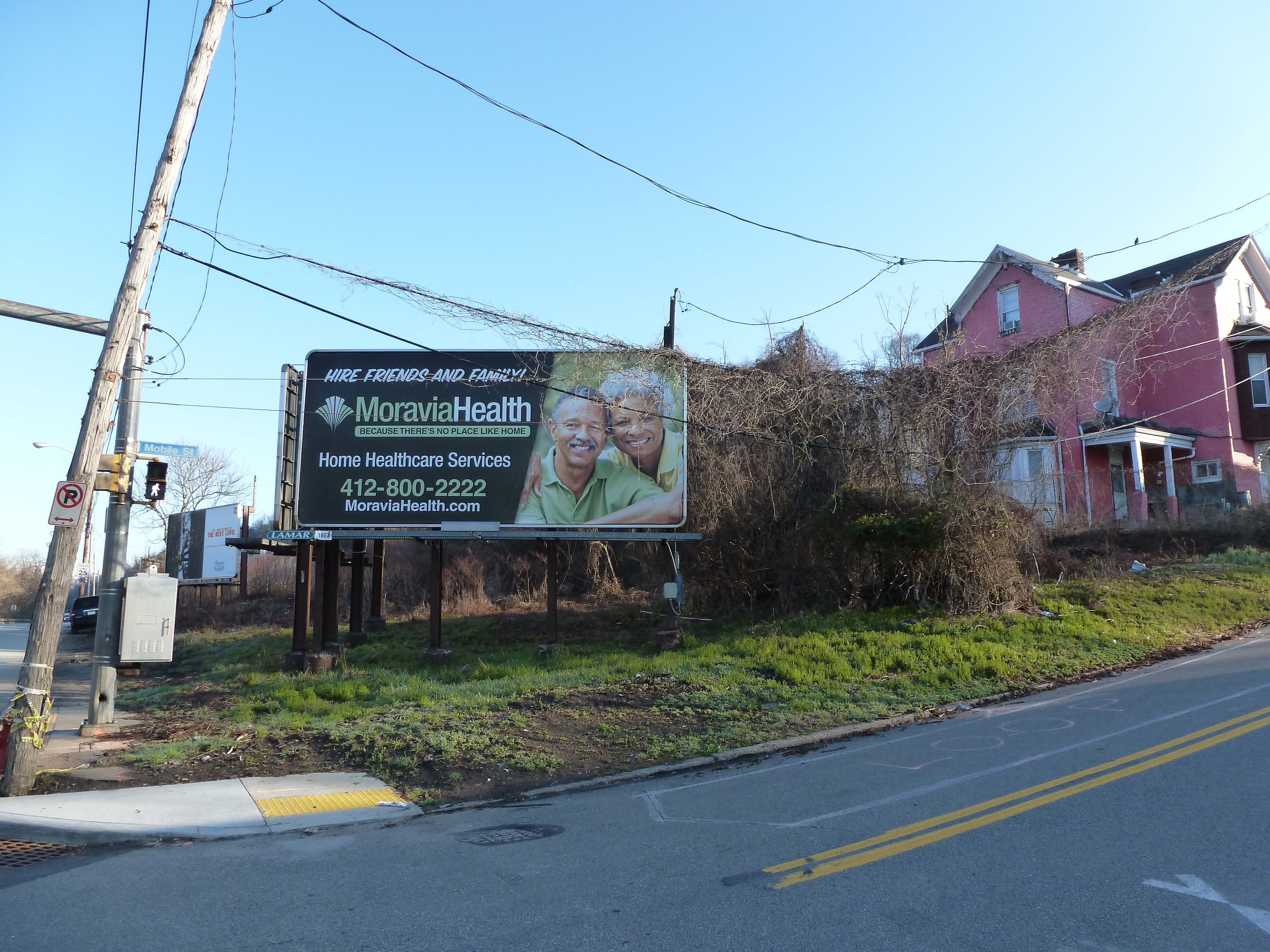
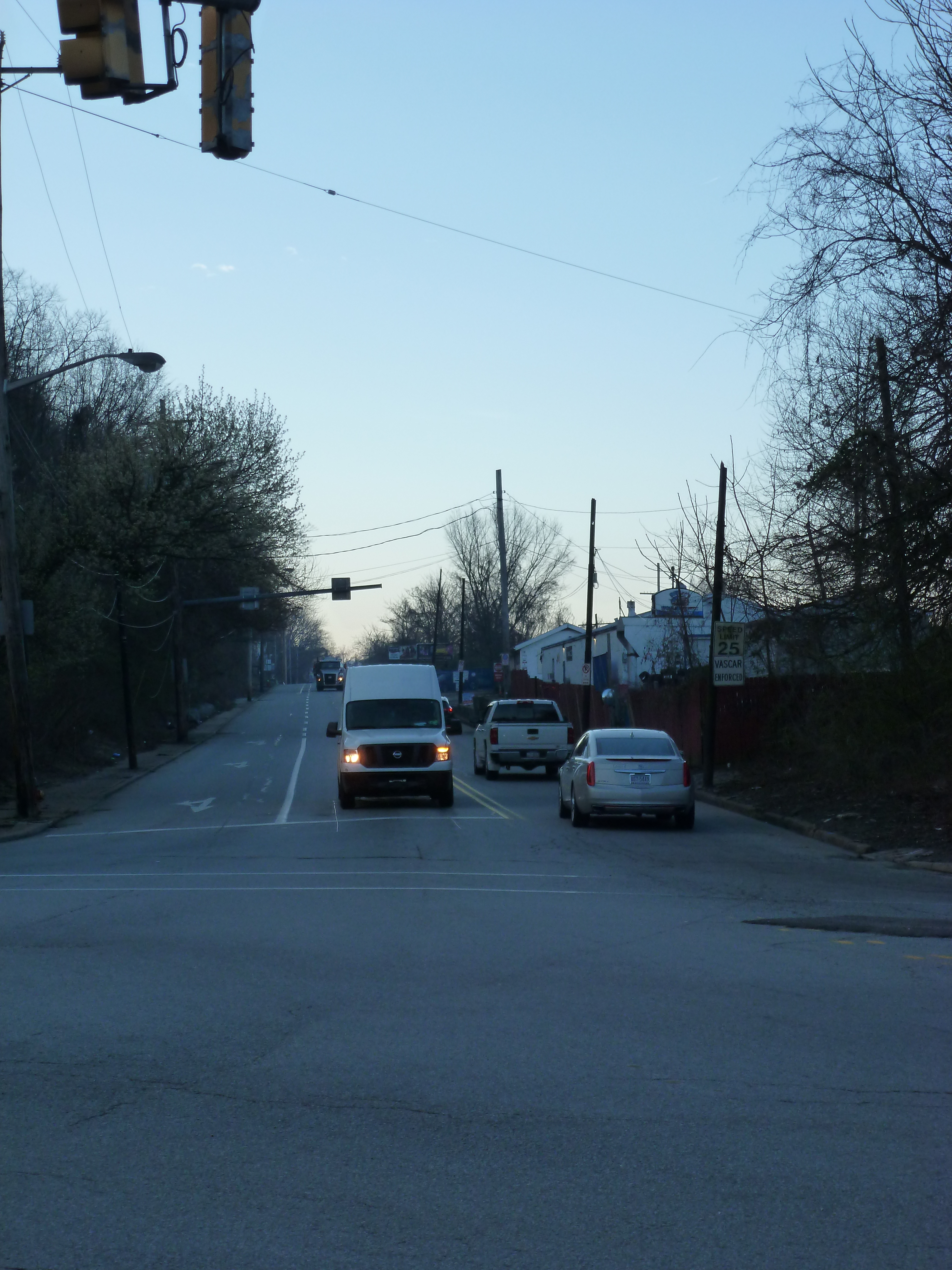
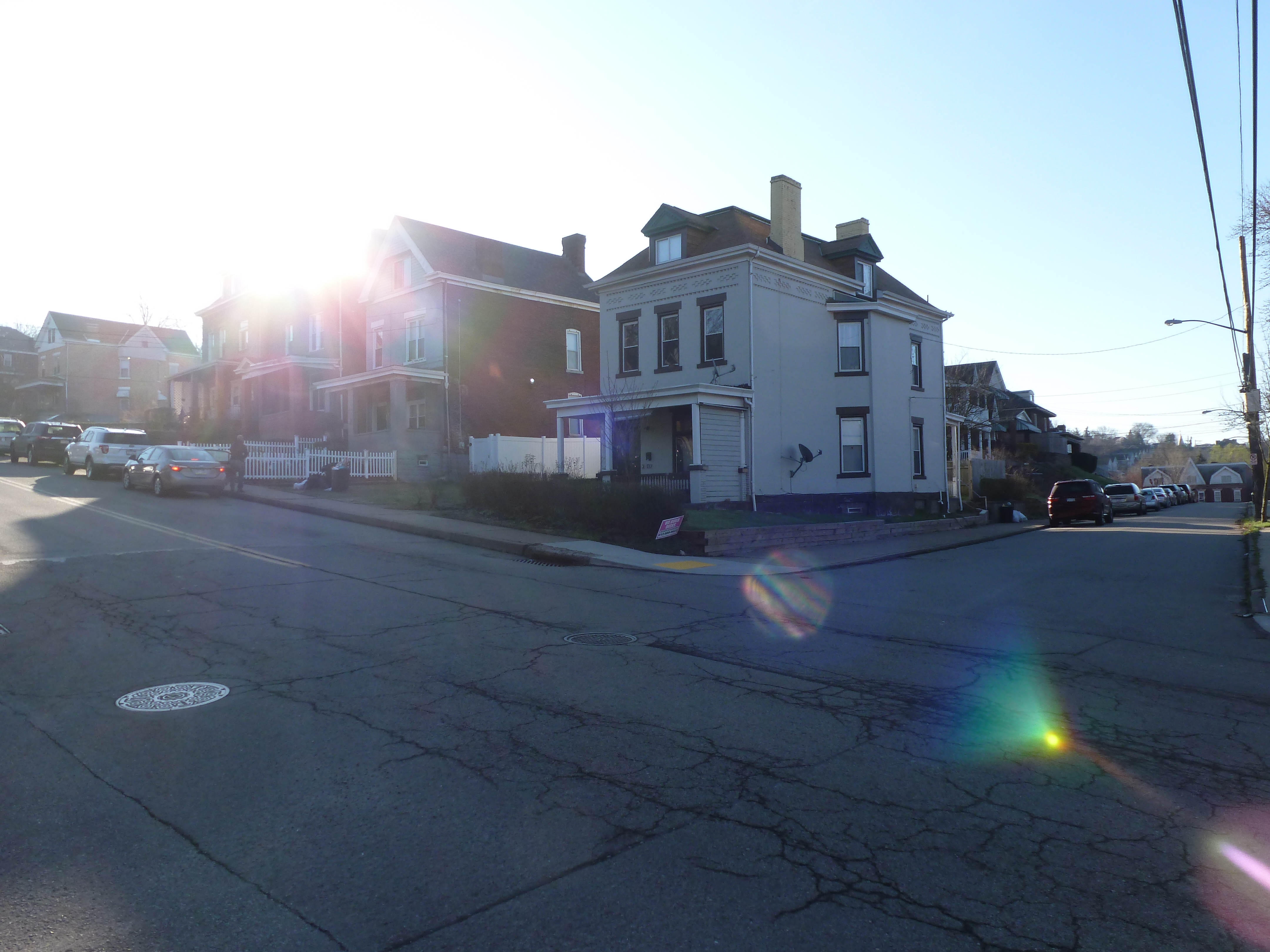
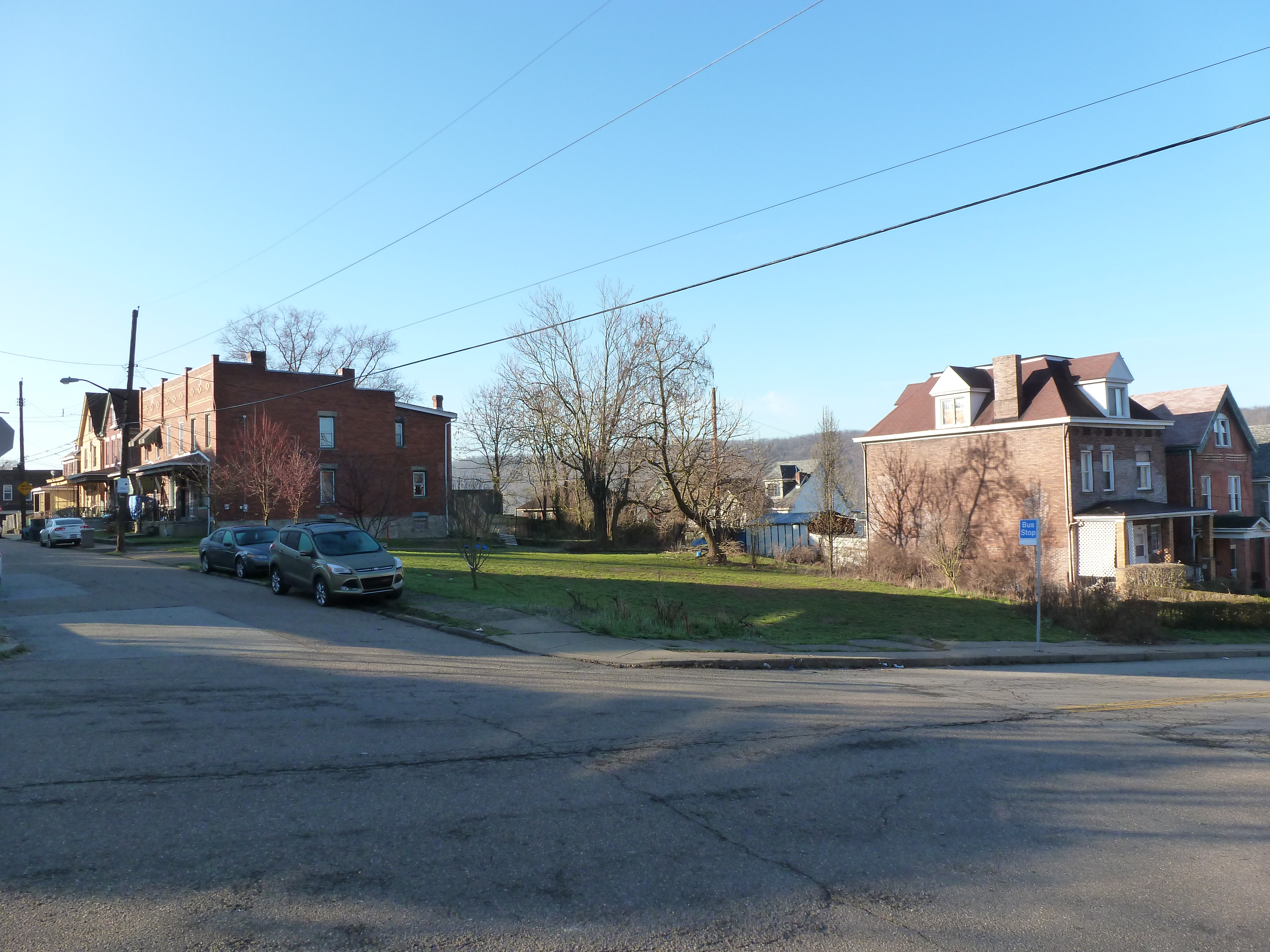
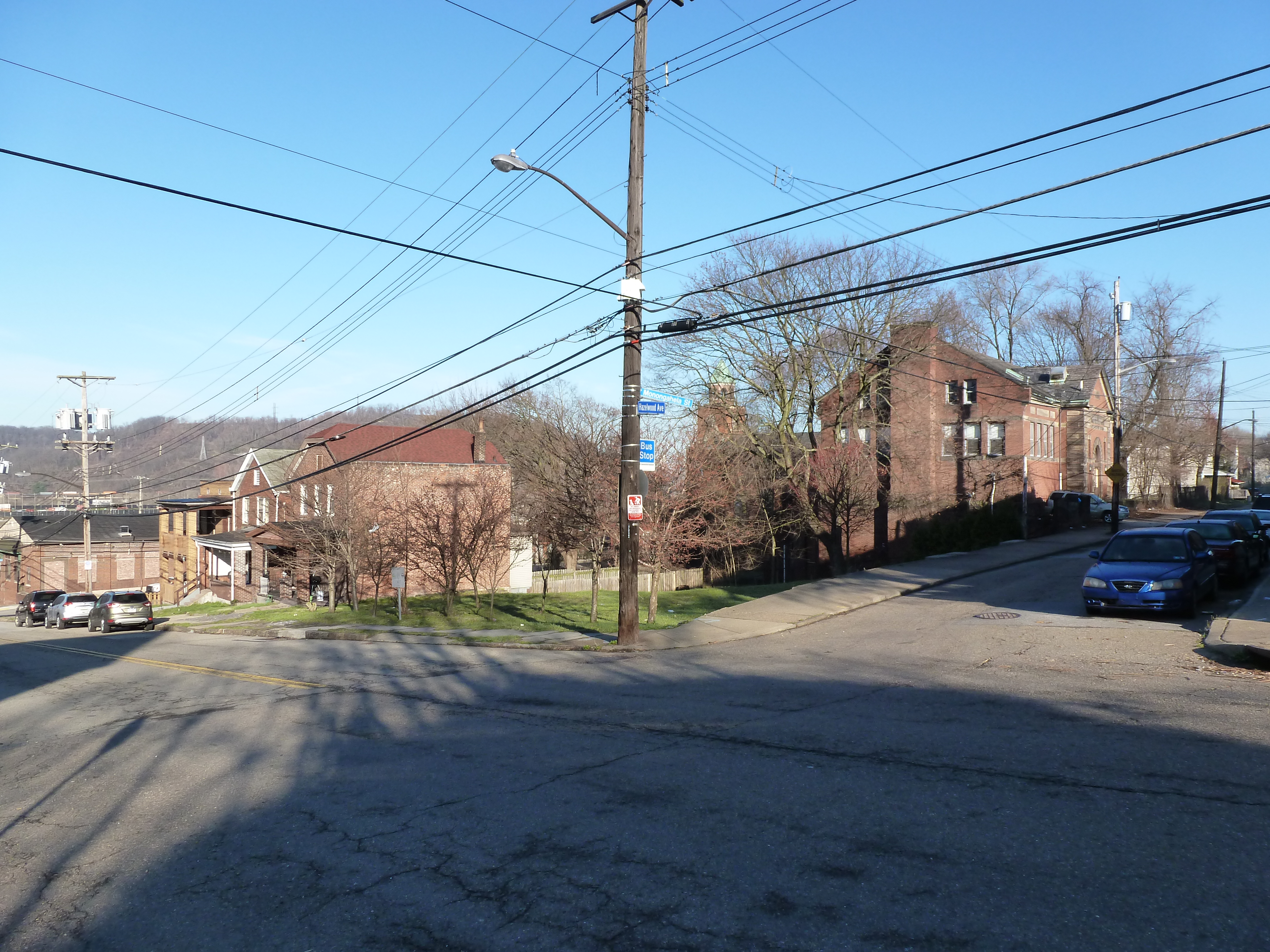
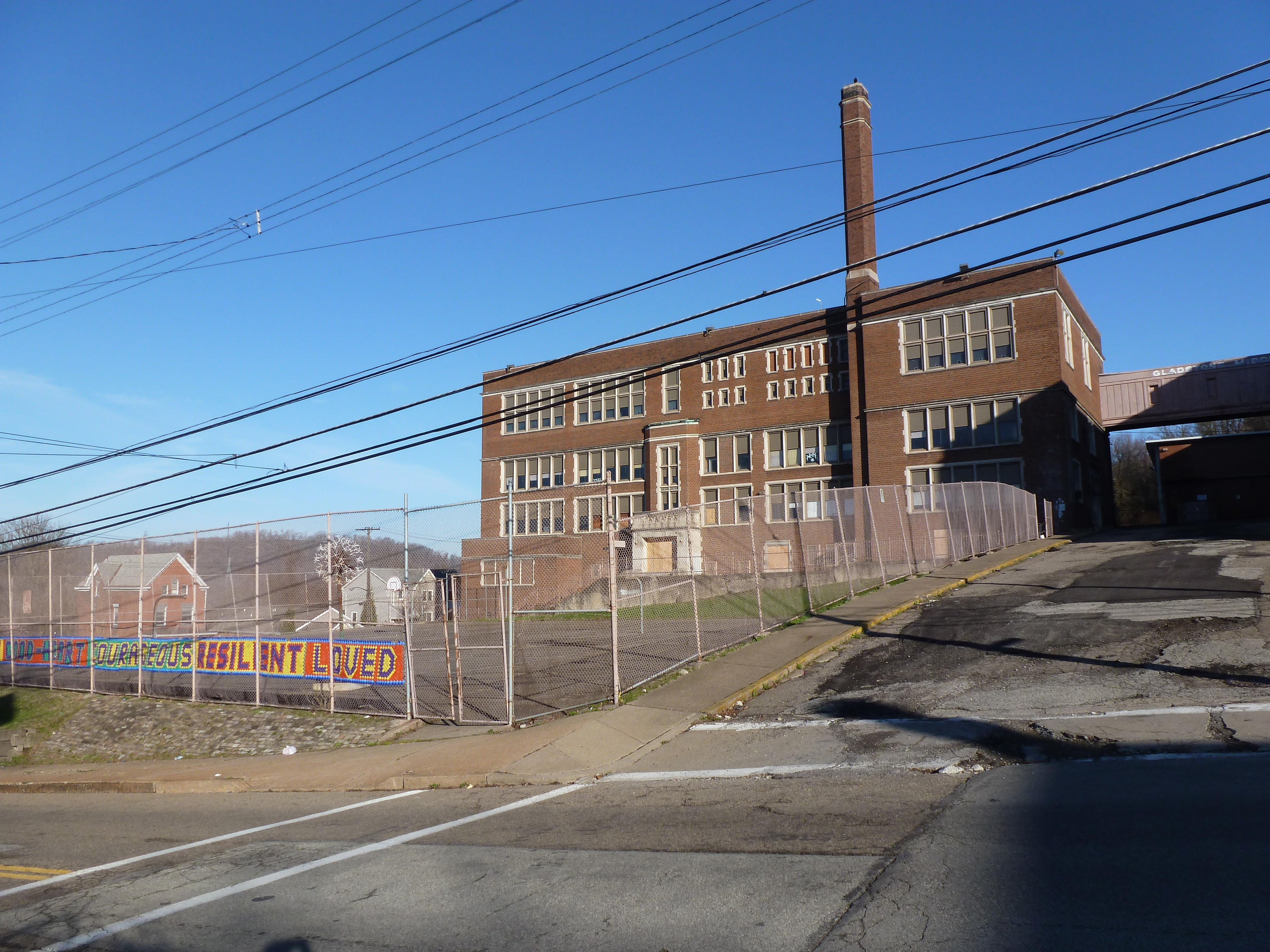
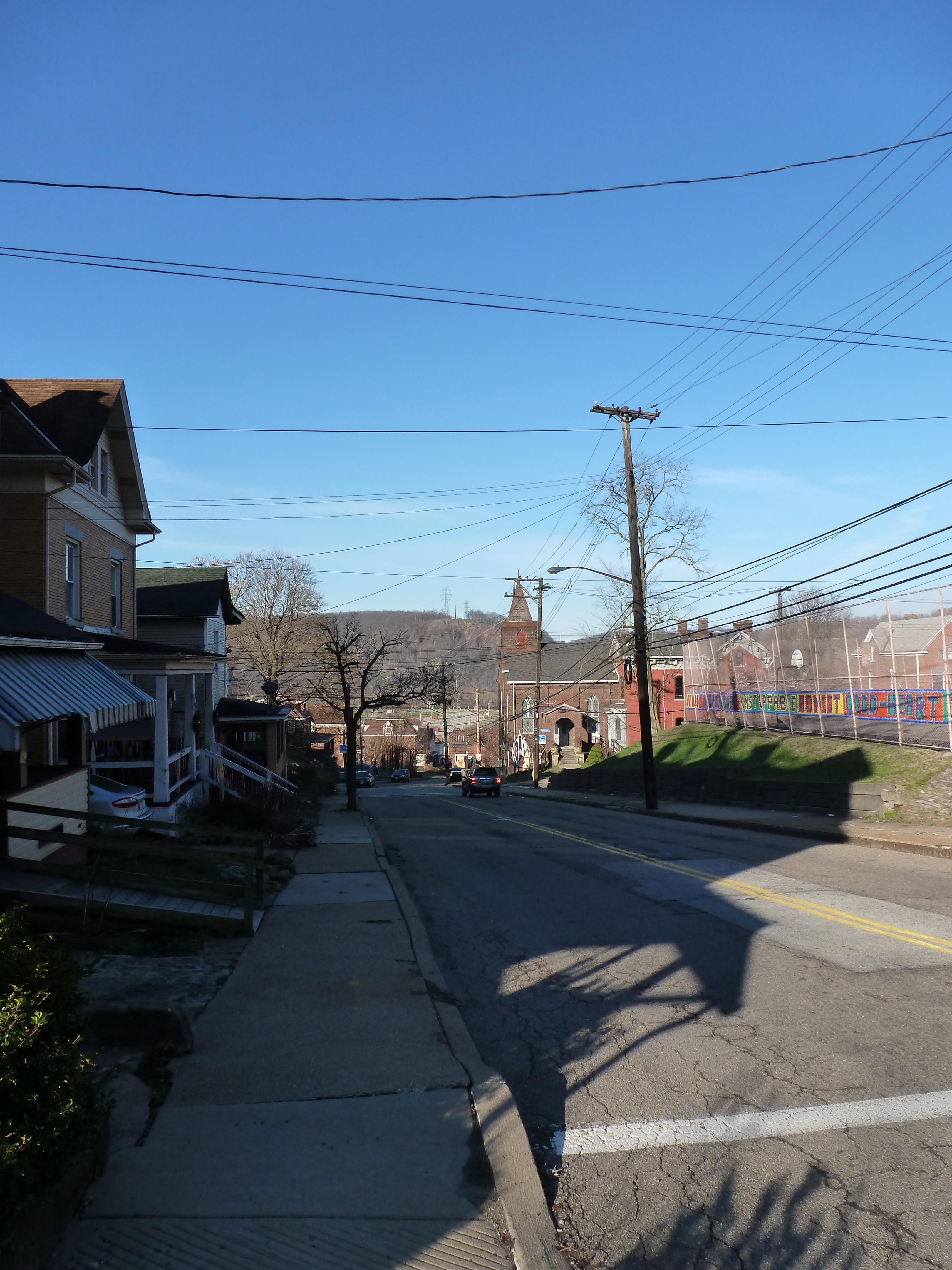
Hazelwood is a neighborhood divided in two by railroad tracks. On one side of the tracks are Hazelwood Green, a residential enclave, and some industrial and commercial uses. This is what is across the tracks:
Second Ave


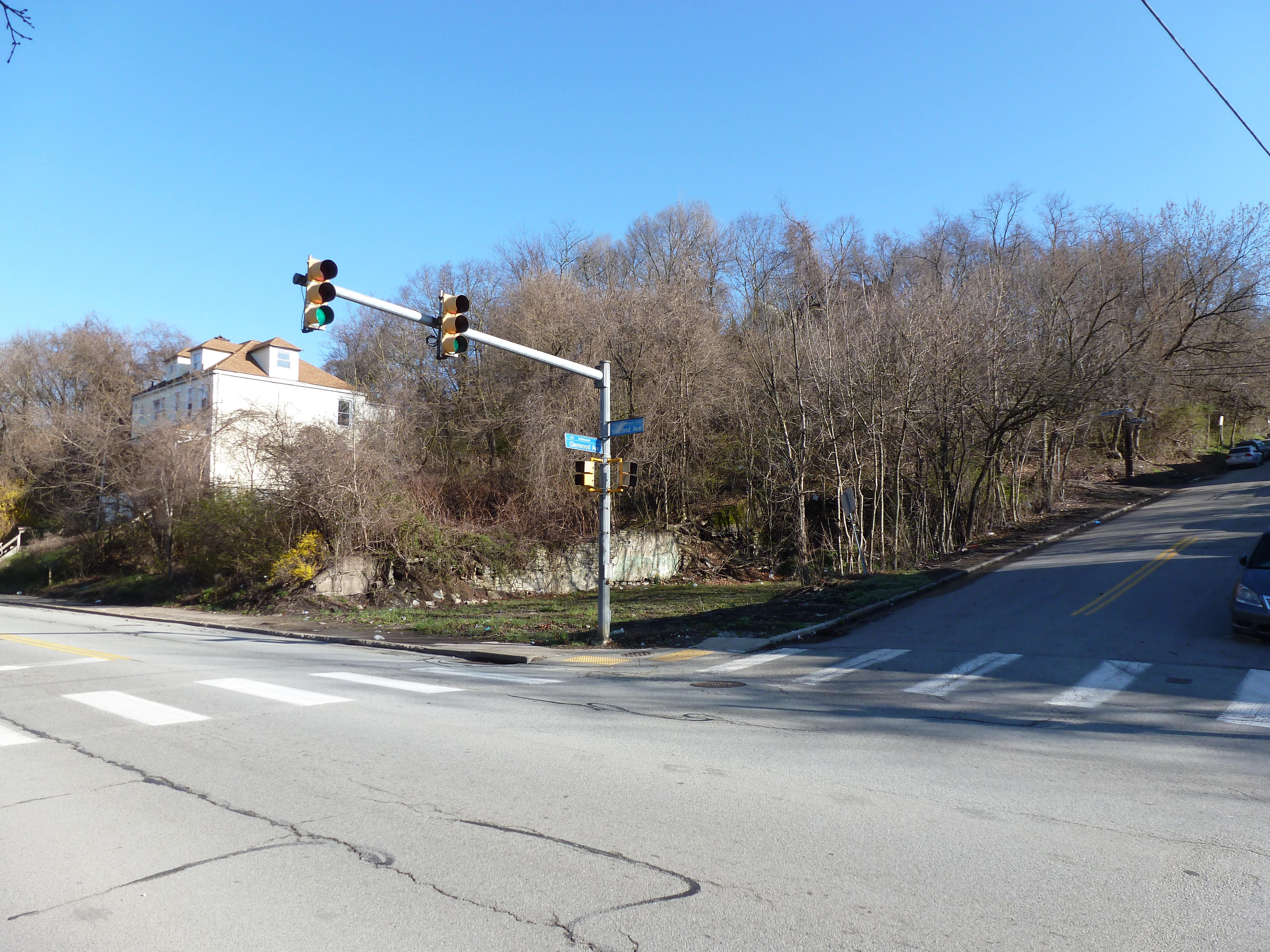

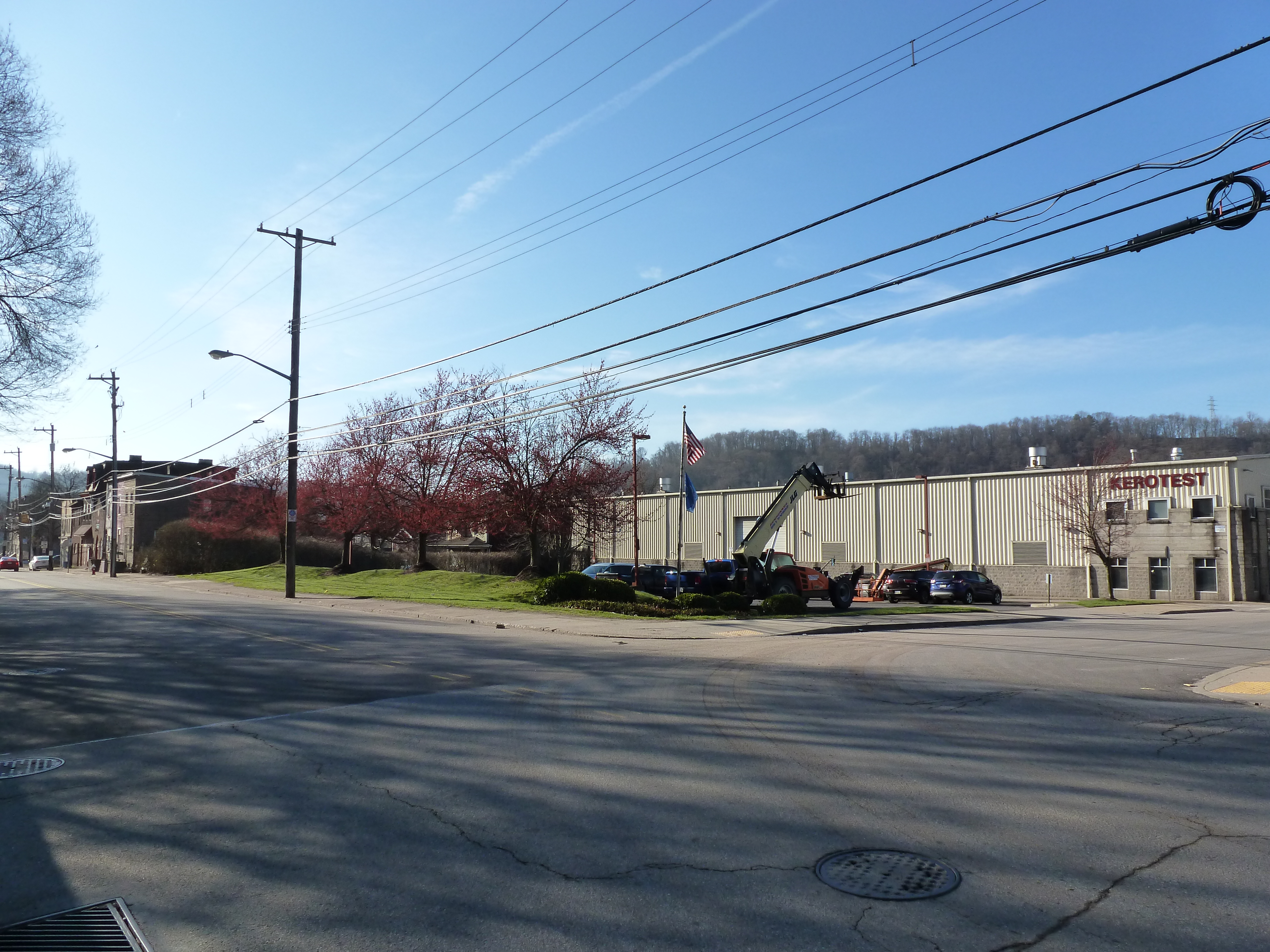
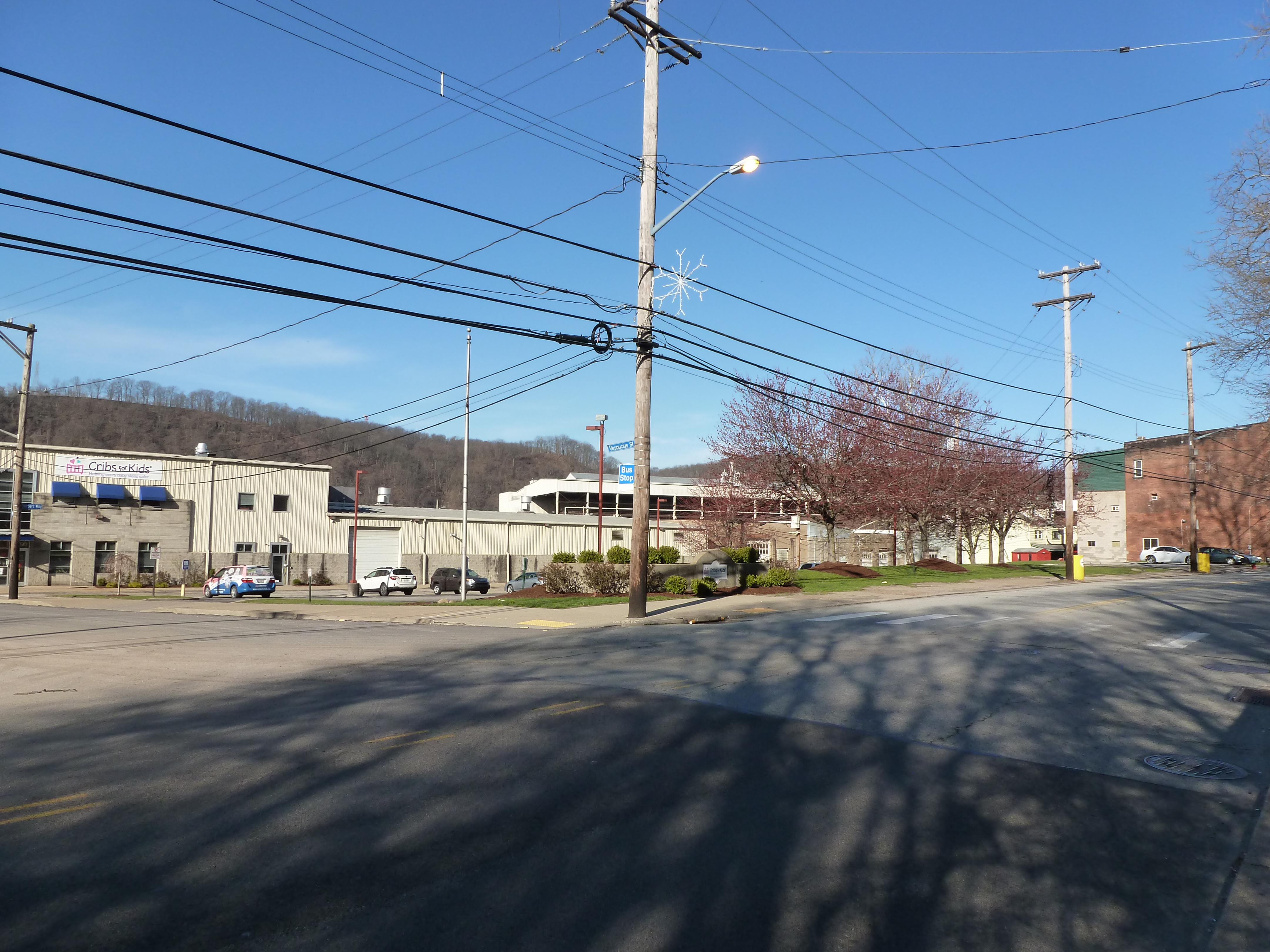


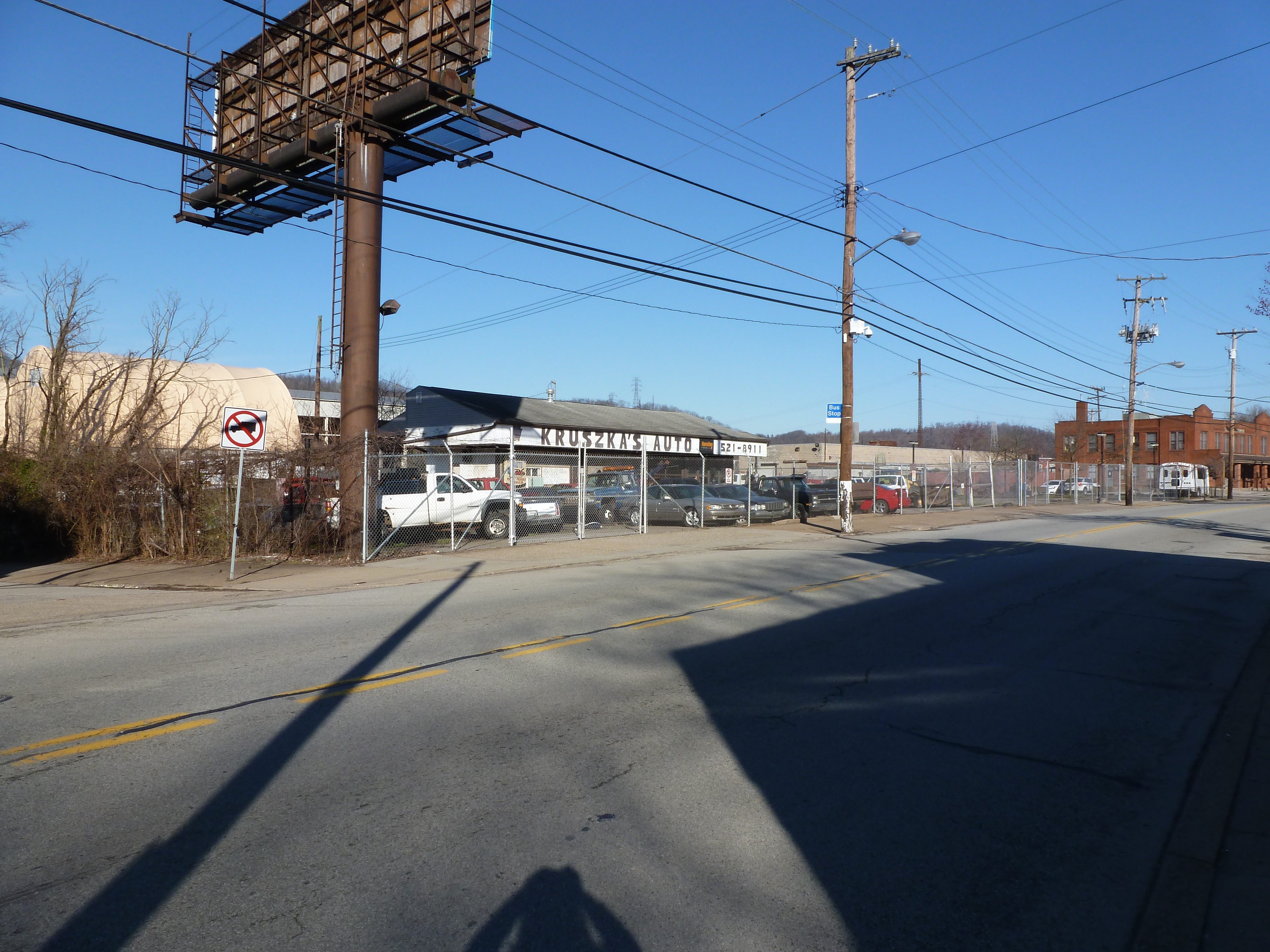










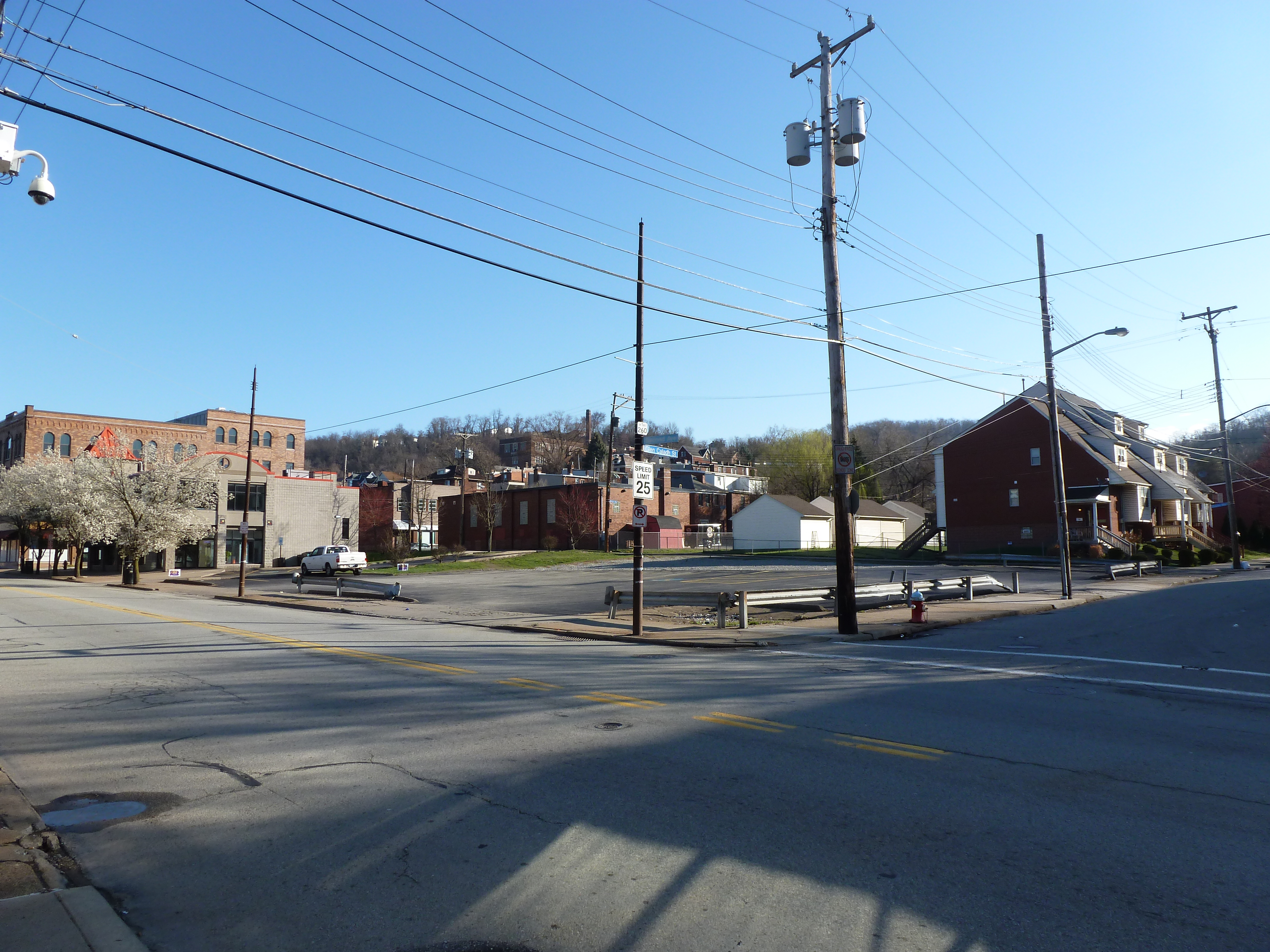


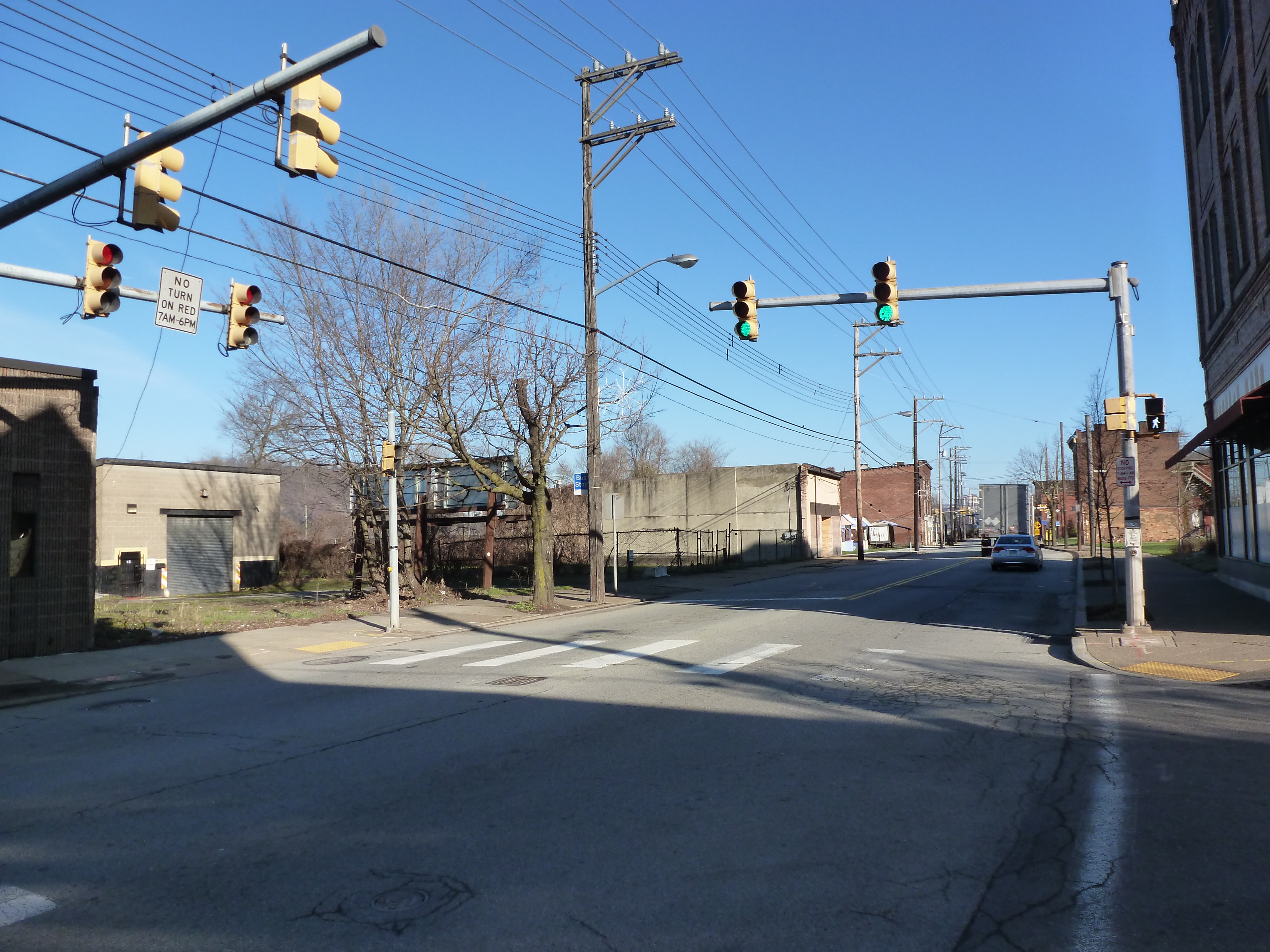


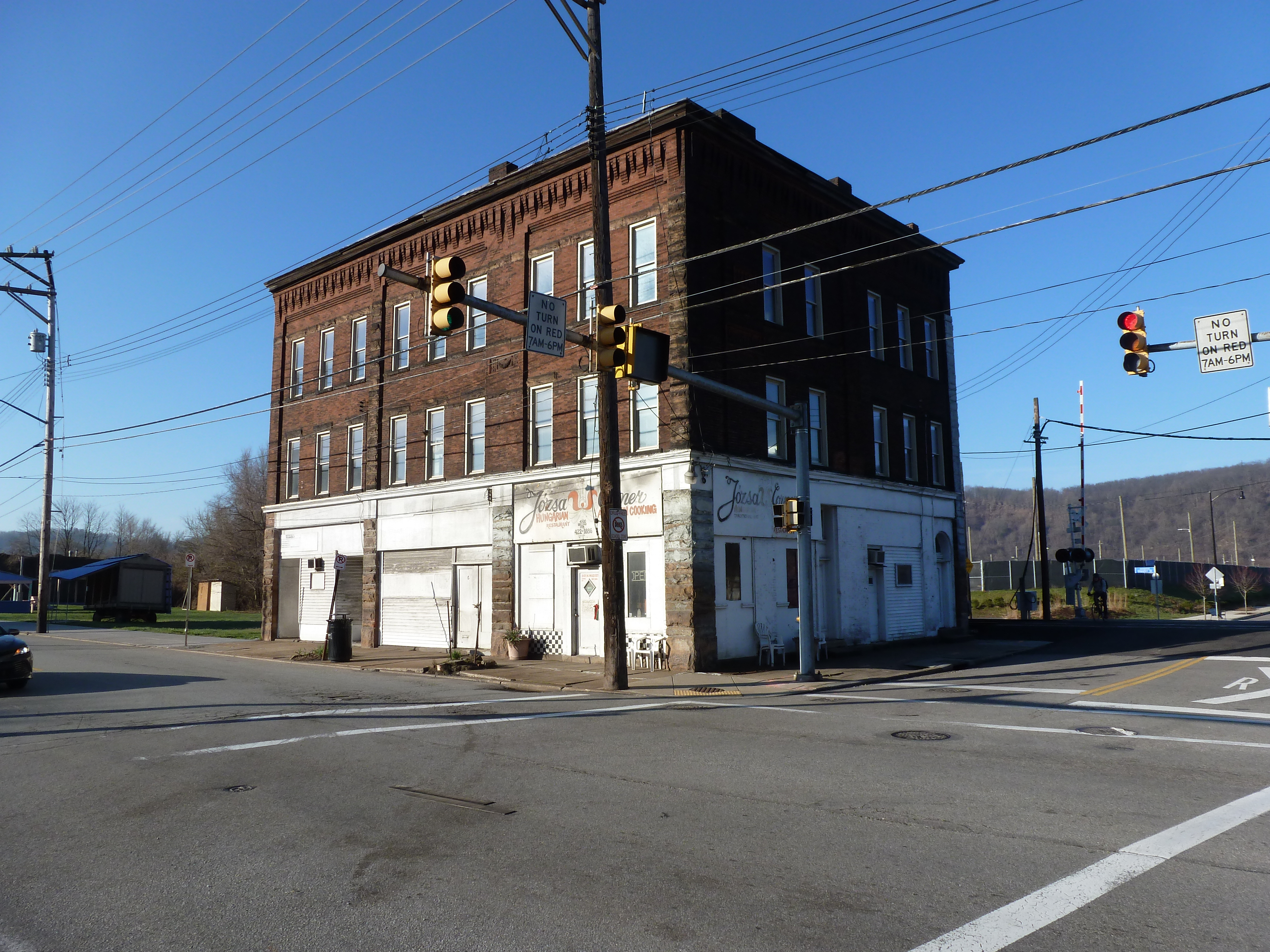
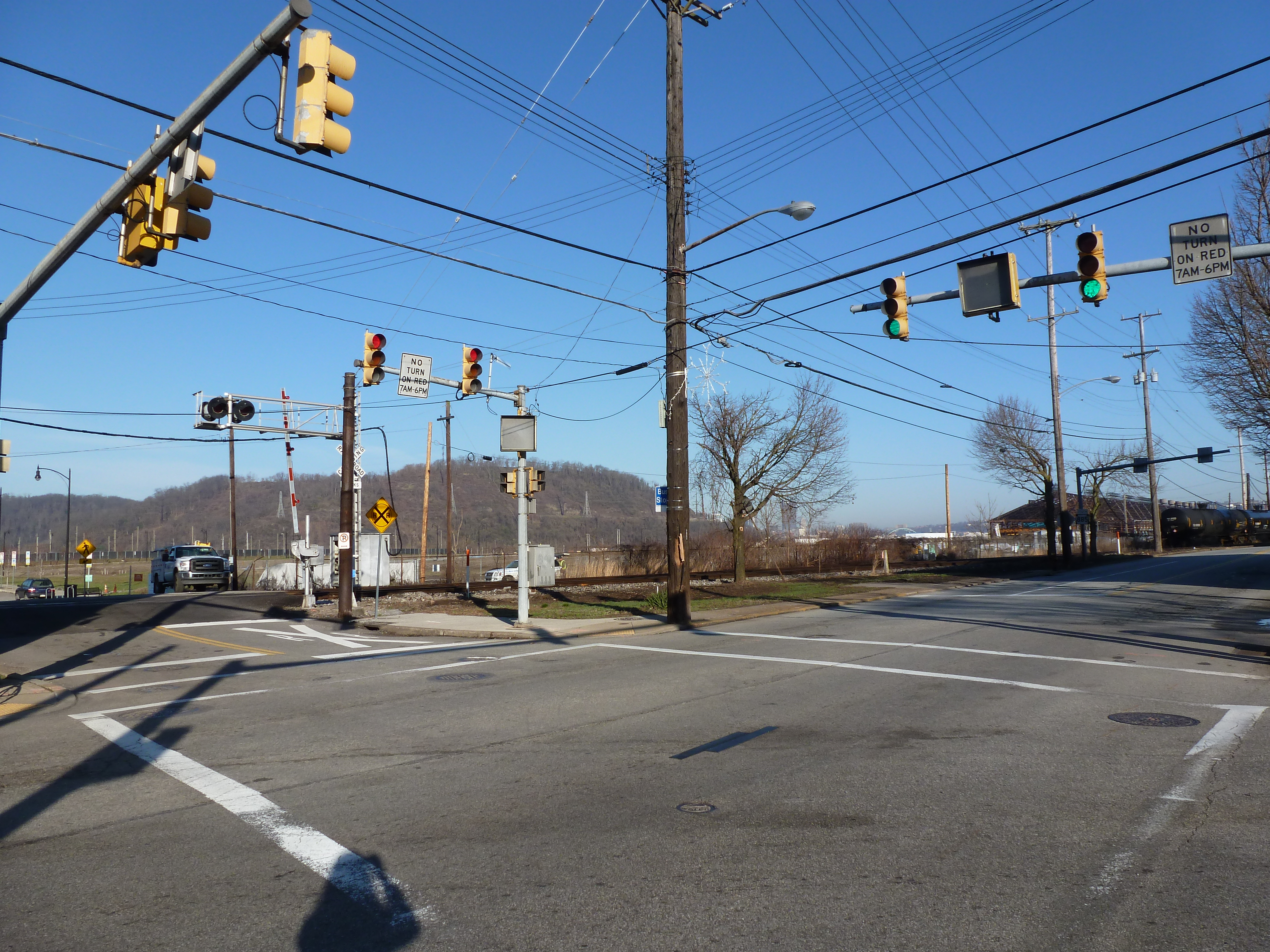









Hazelwood Ave





Other Sites:
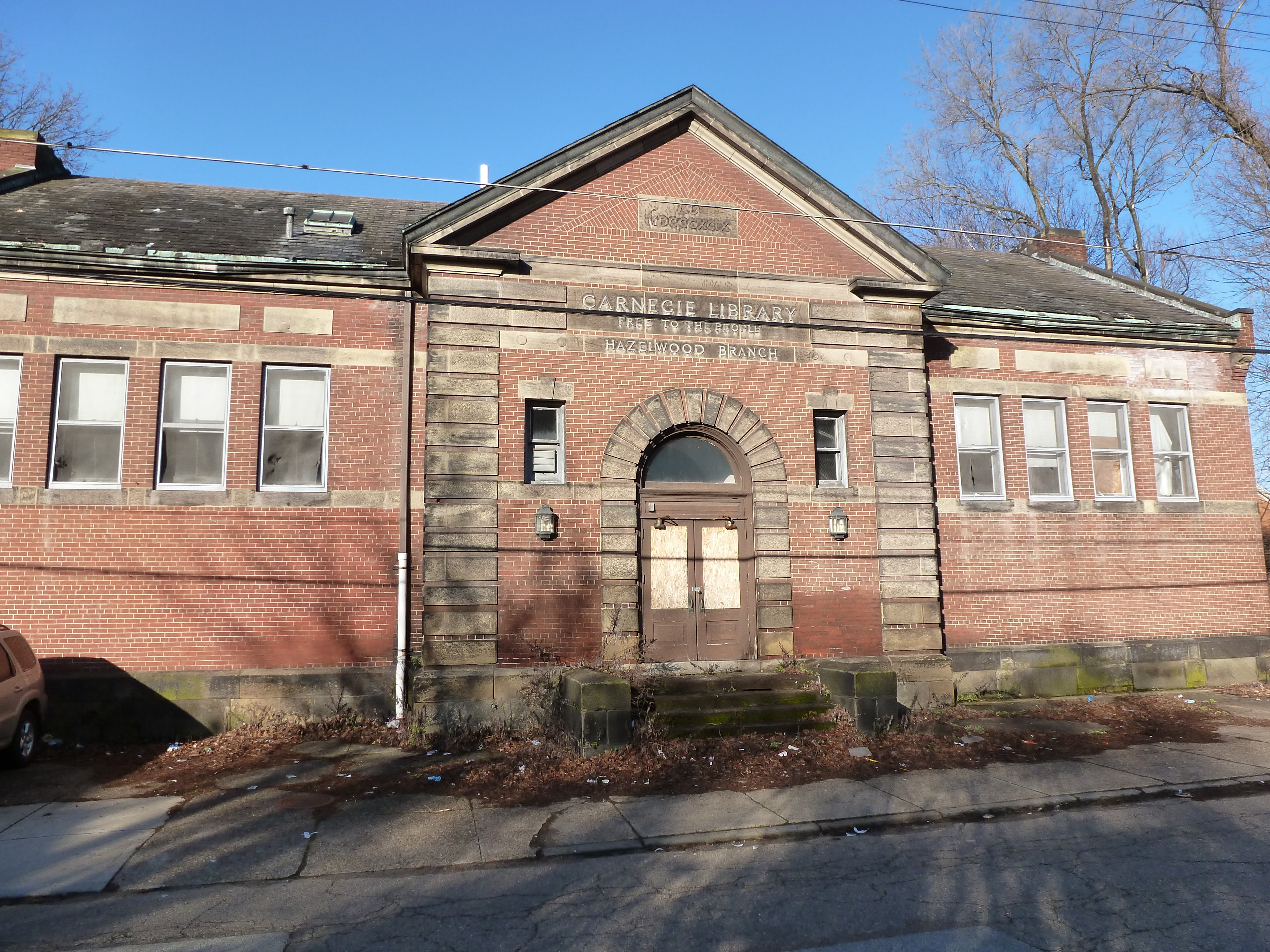


Hazelwood is a neighborhood divided in two by railroad tracks. On one side of the tracks are Hazelwood Green, a residential enclave, and some industrial and commercial uses. This is what is across the tracks:
Second Ave
Hazelwood Ave
Other Sites:


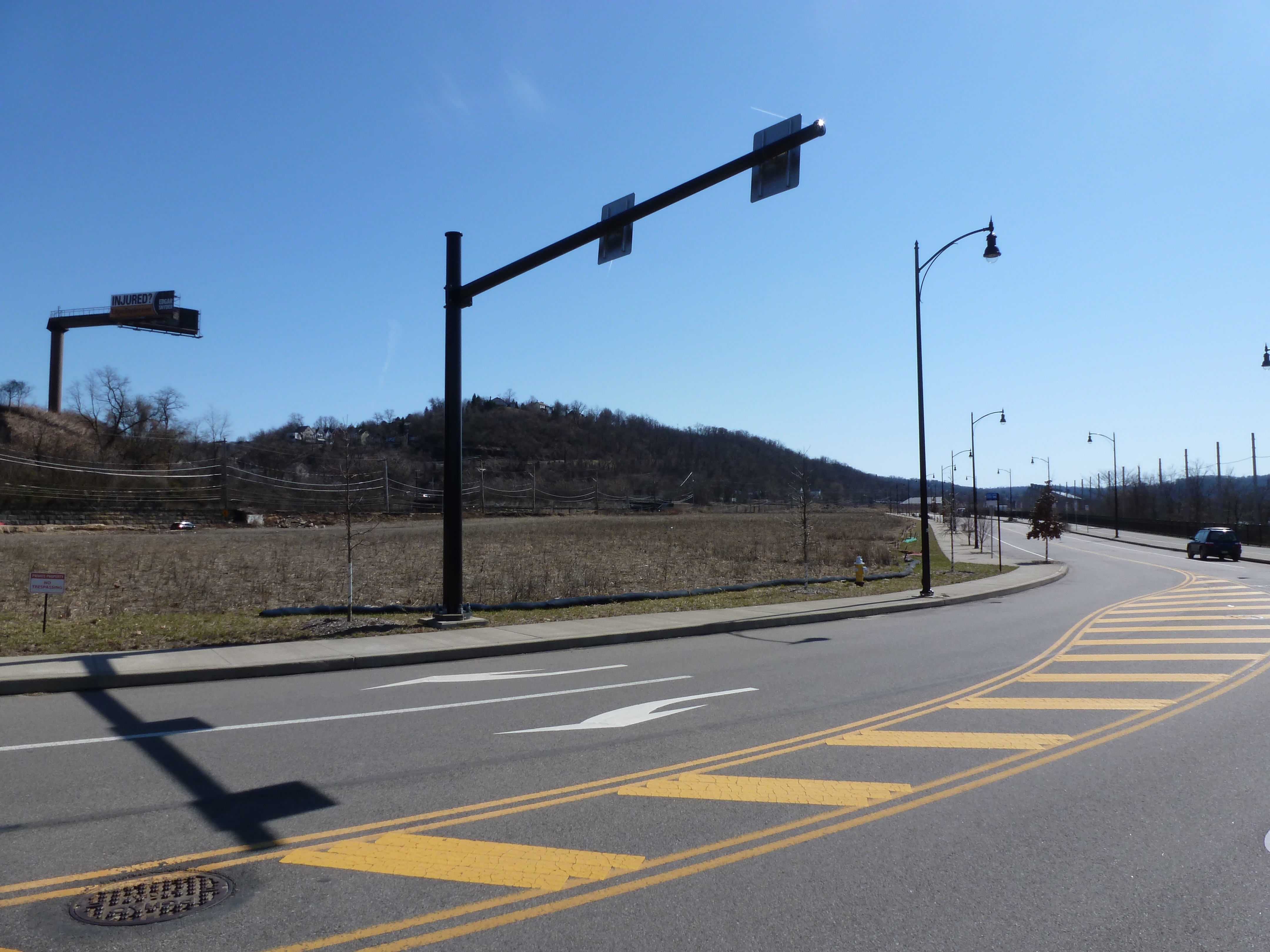


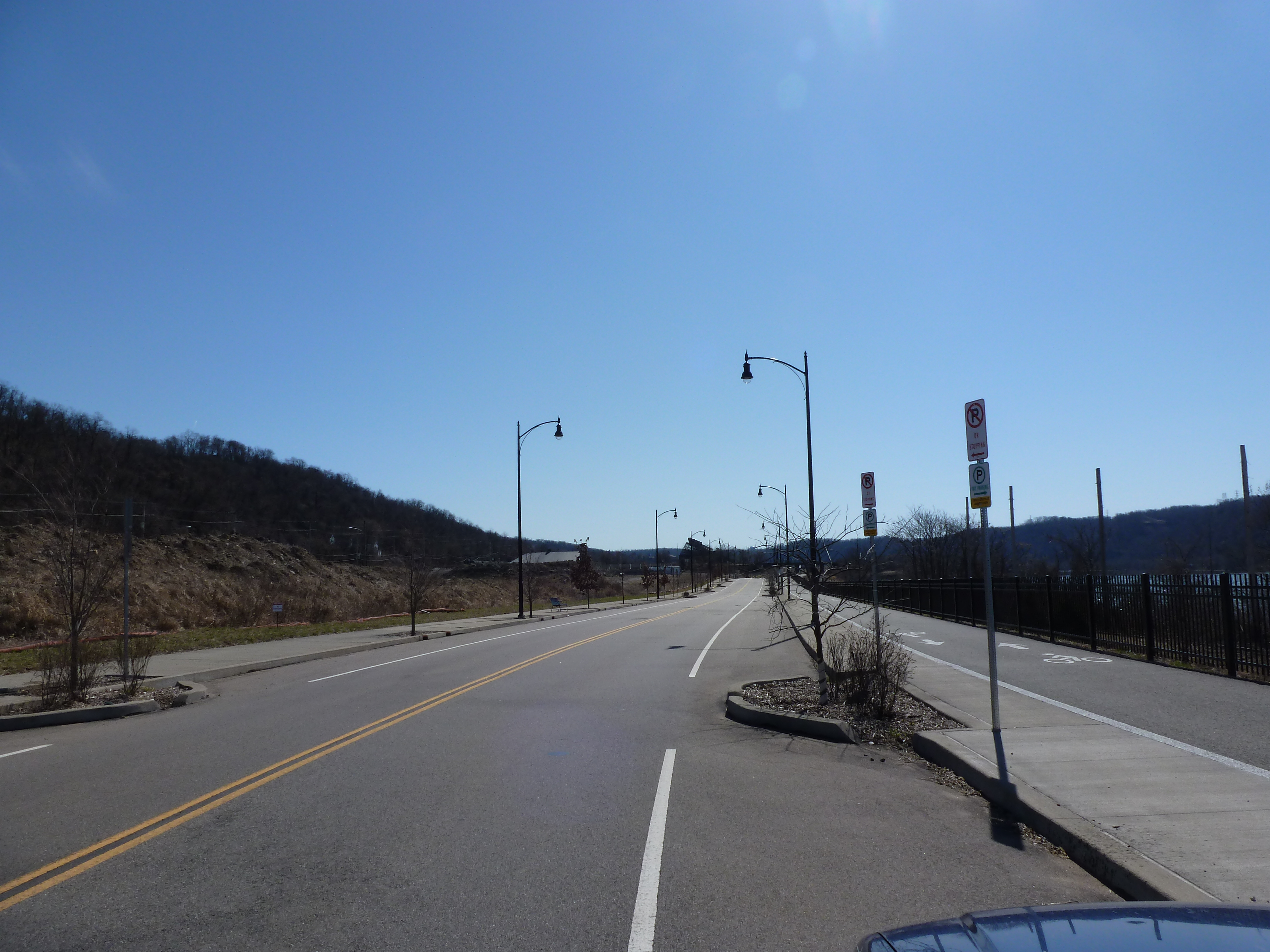


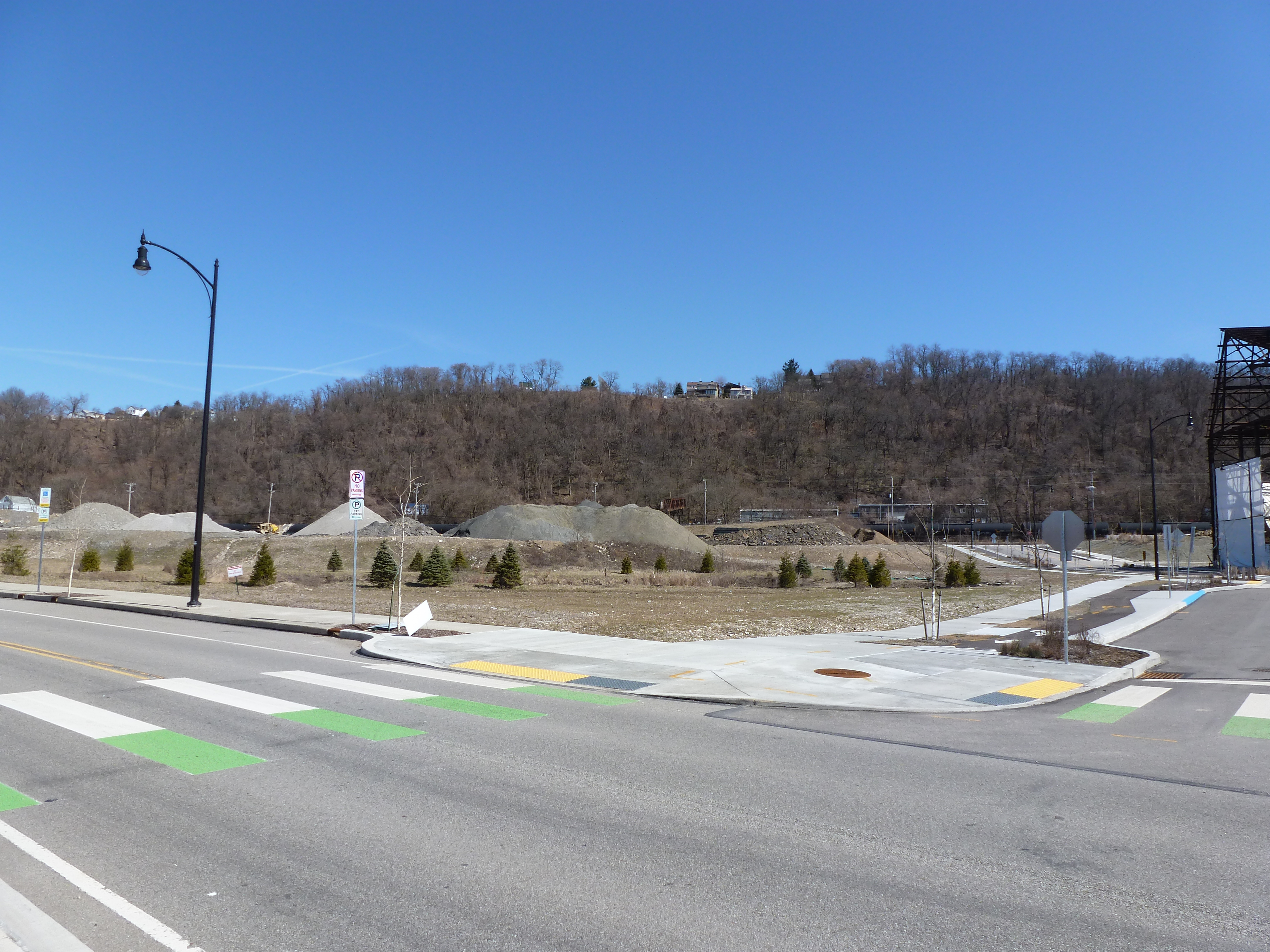


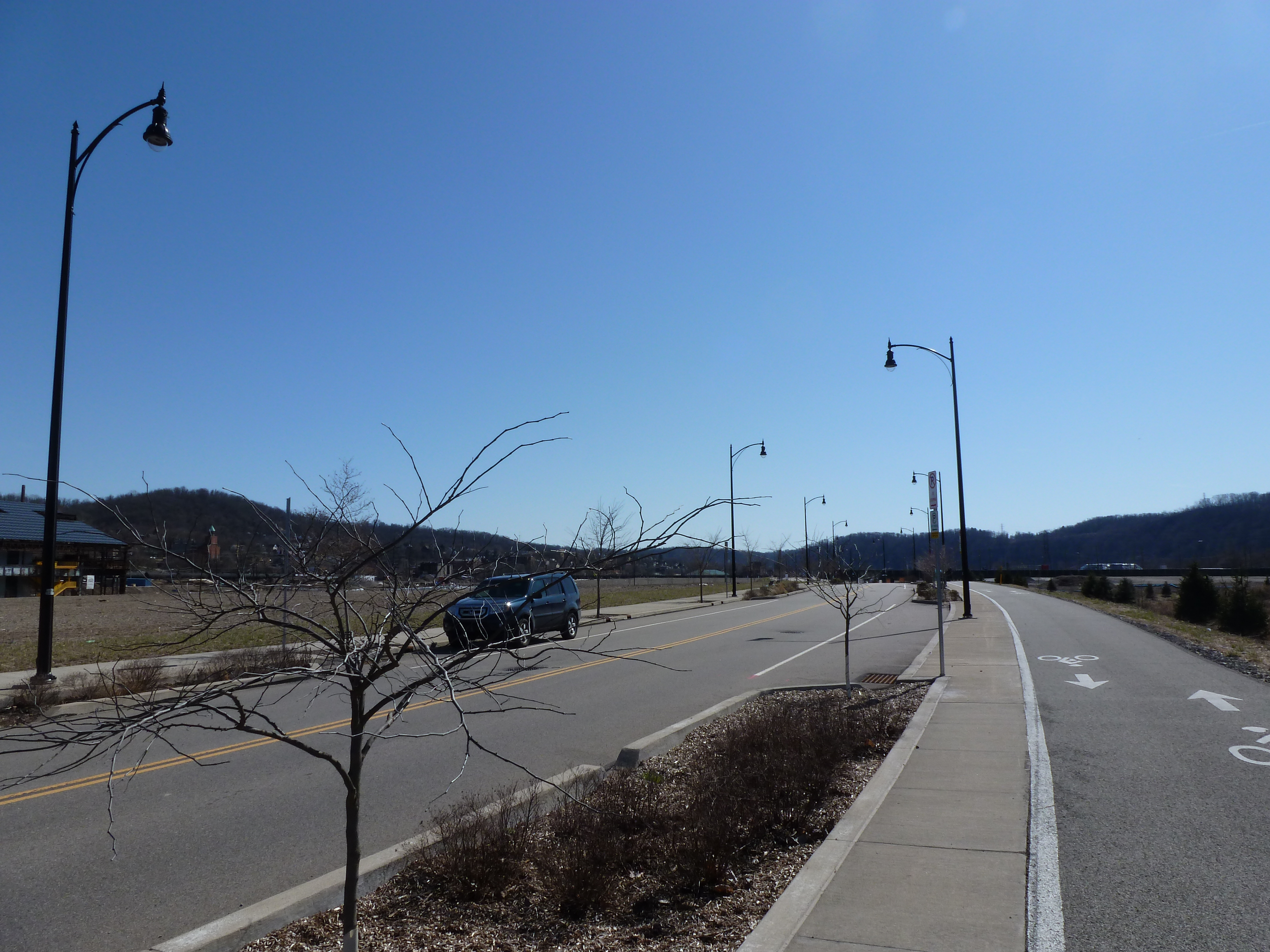

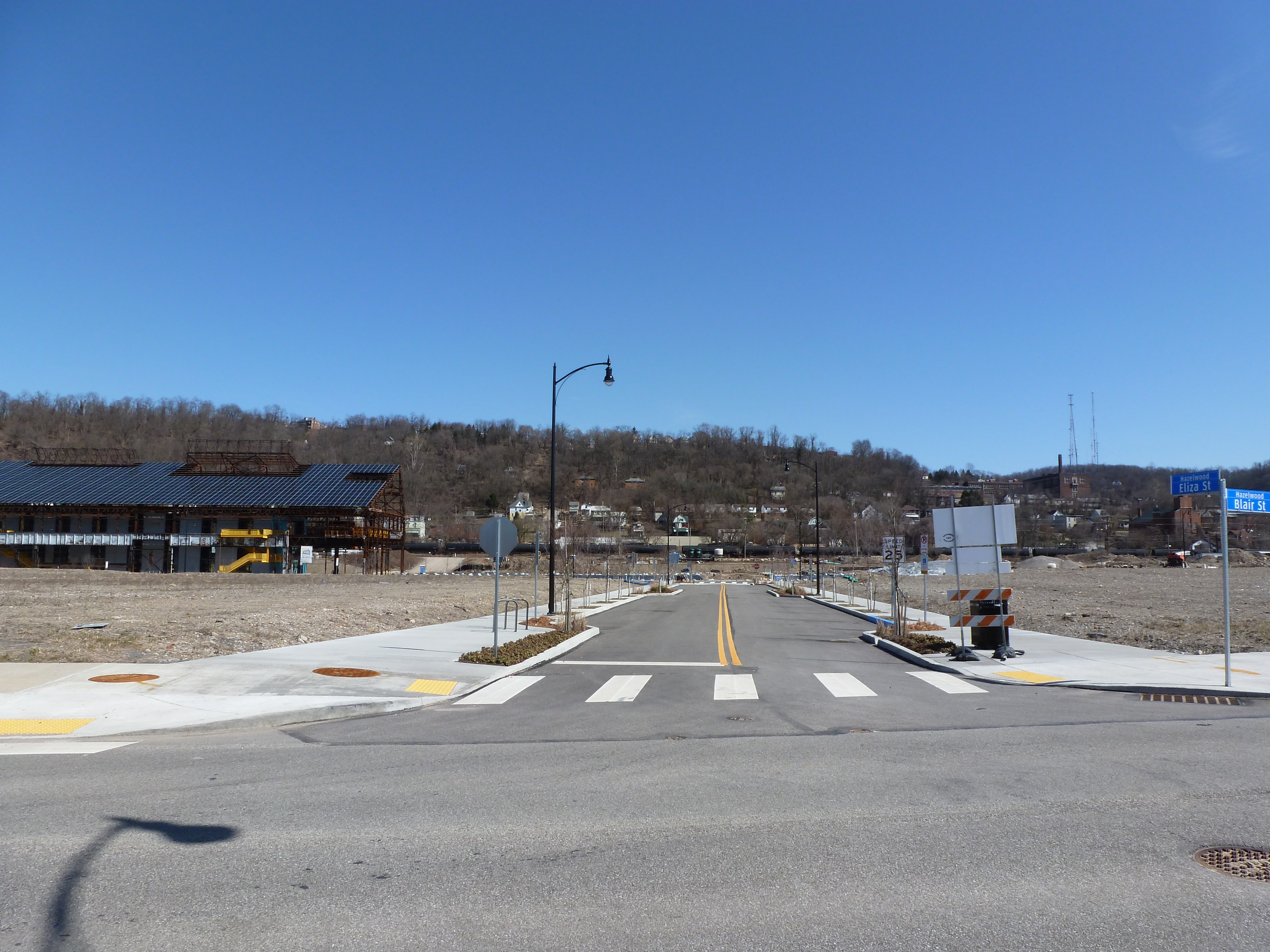

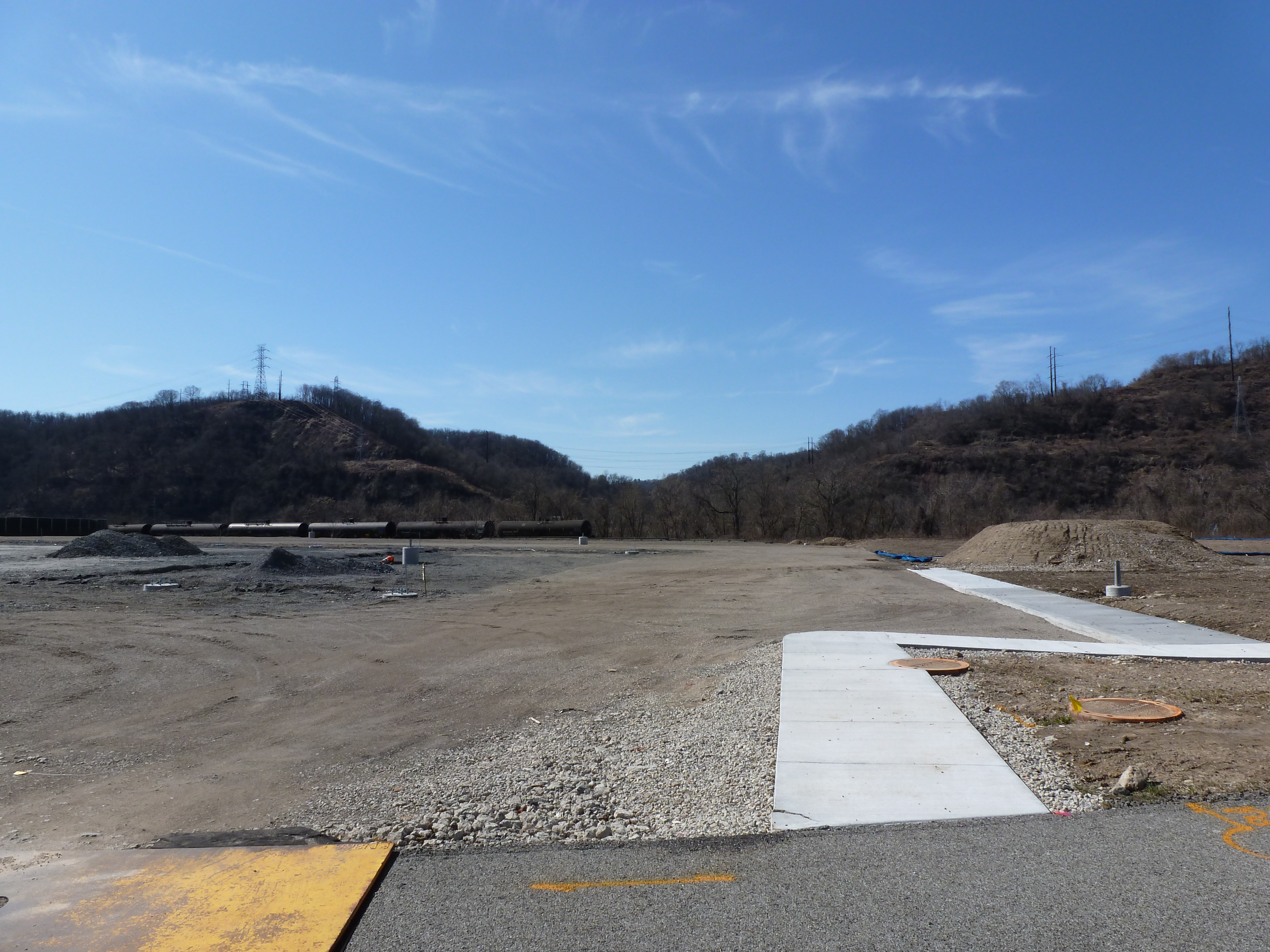
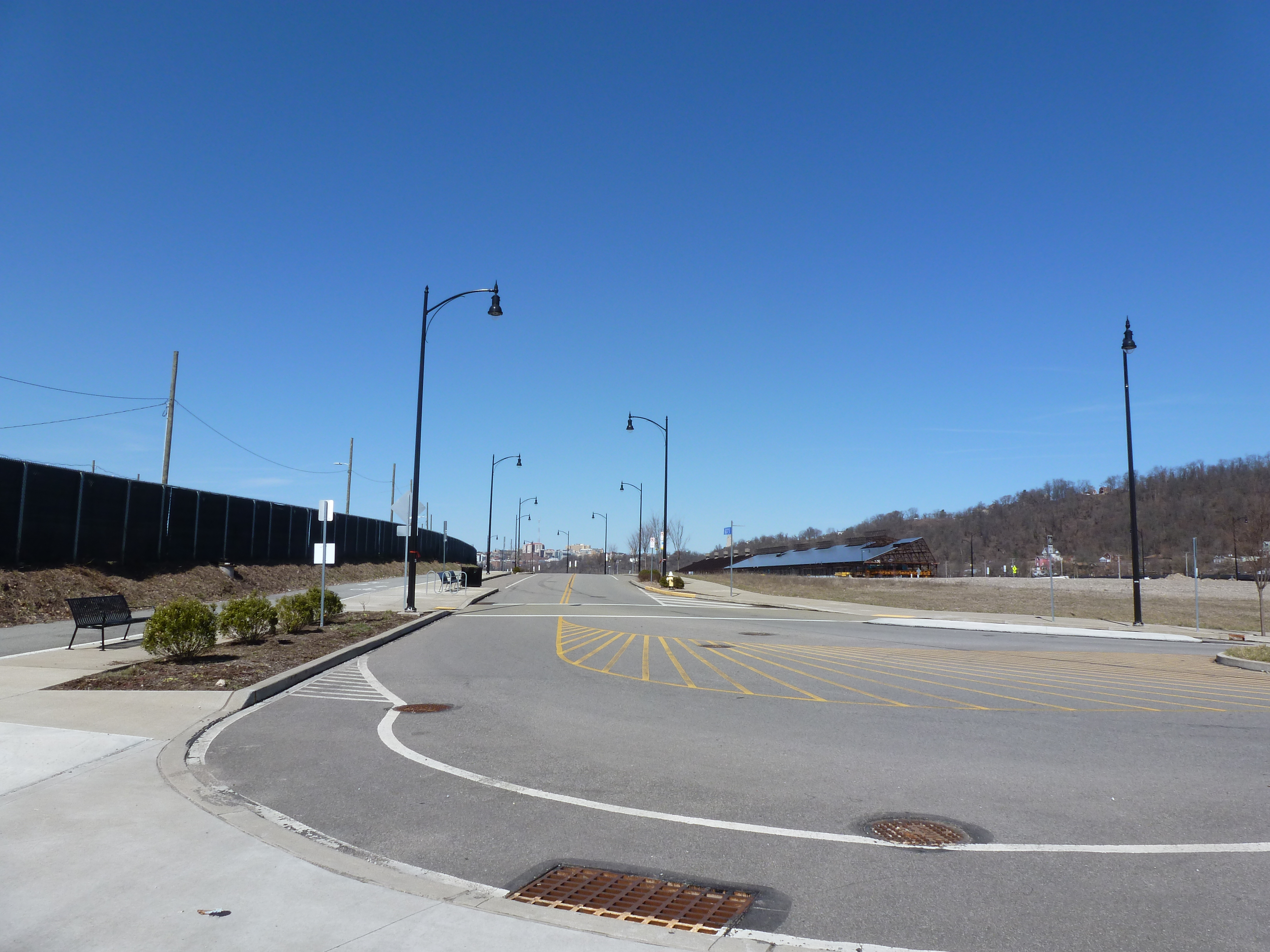

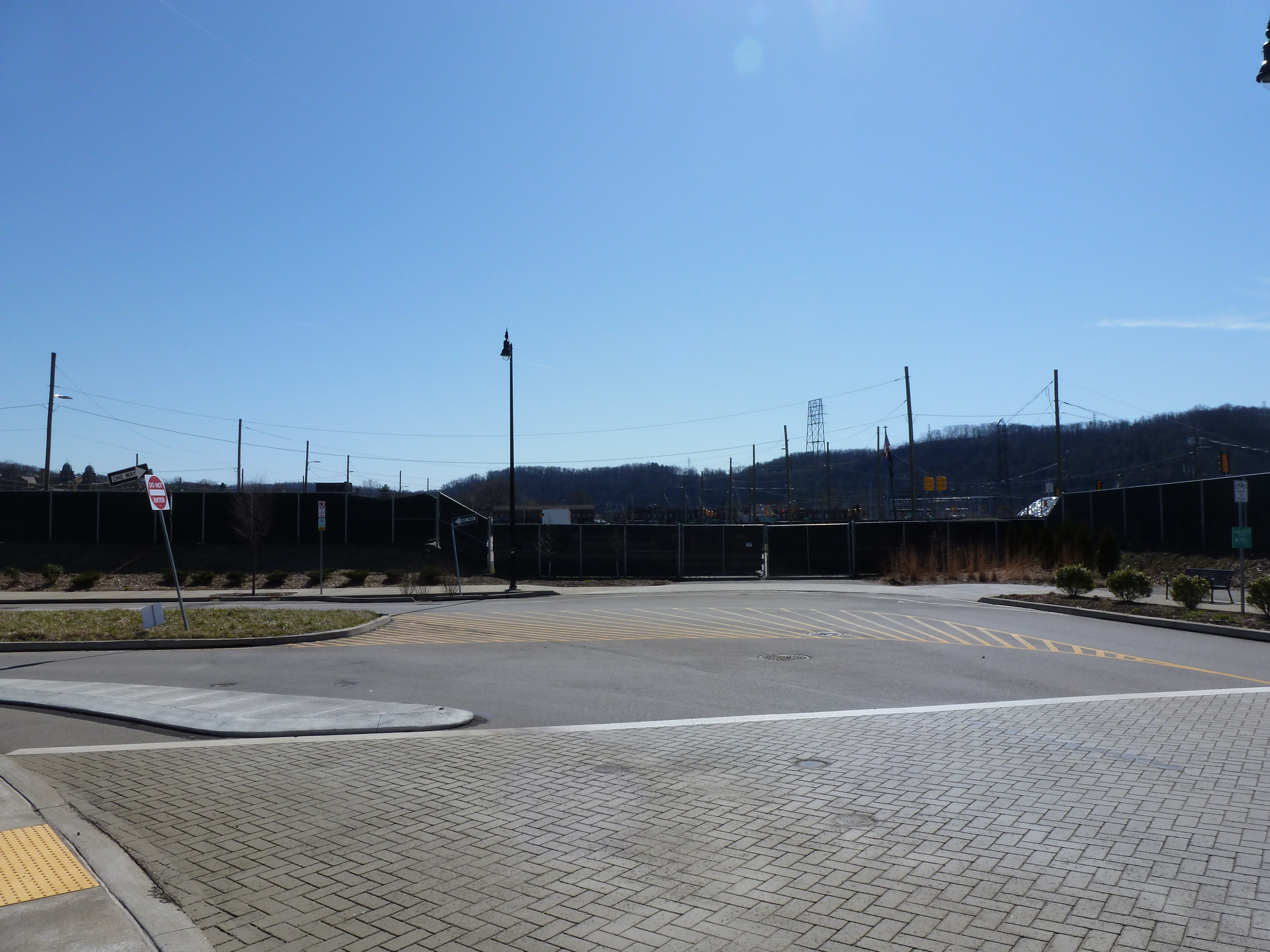
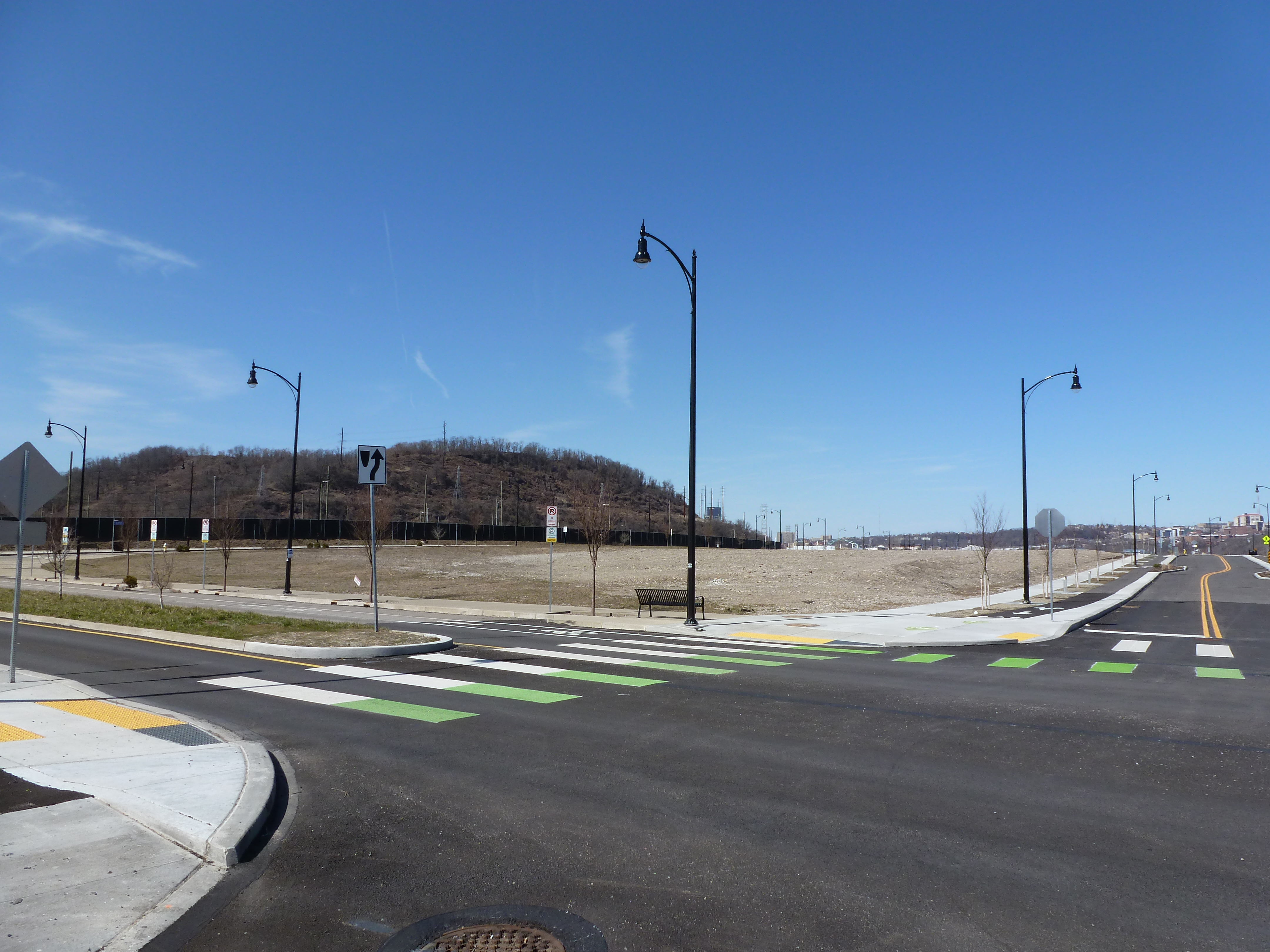

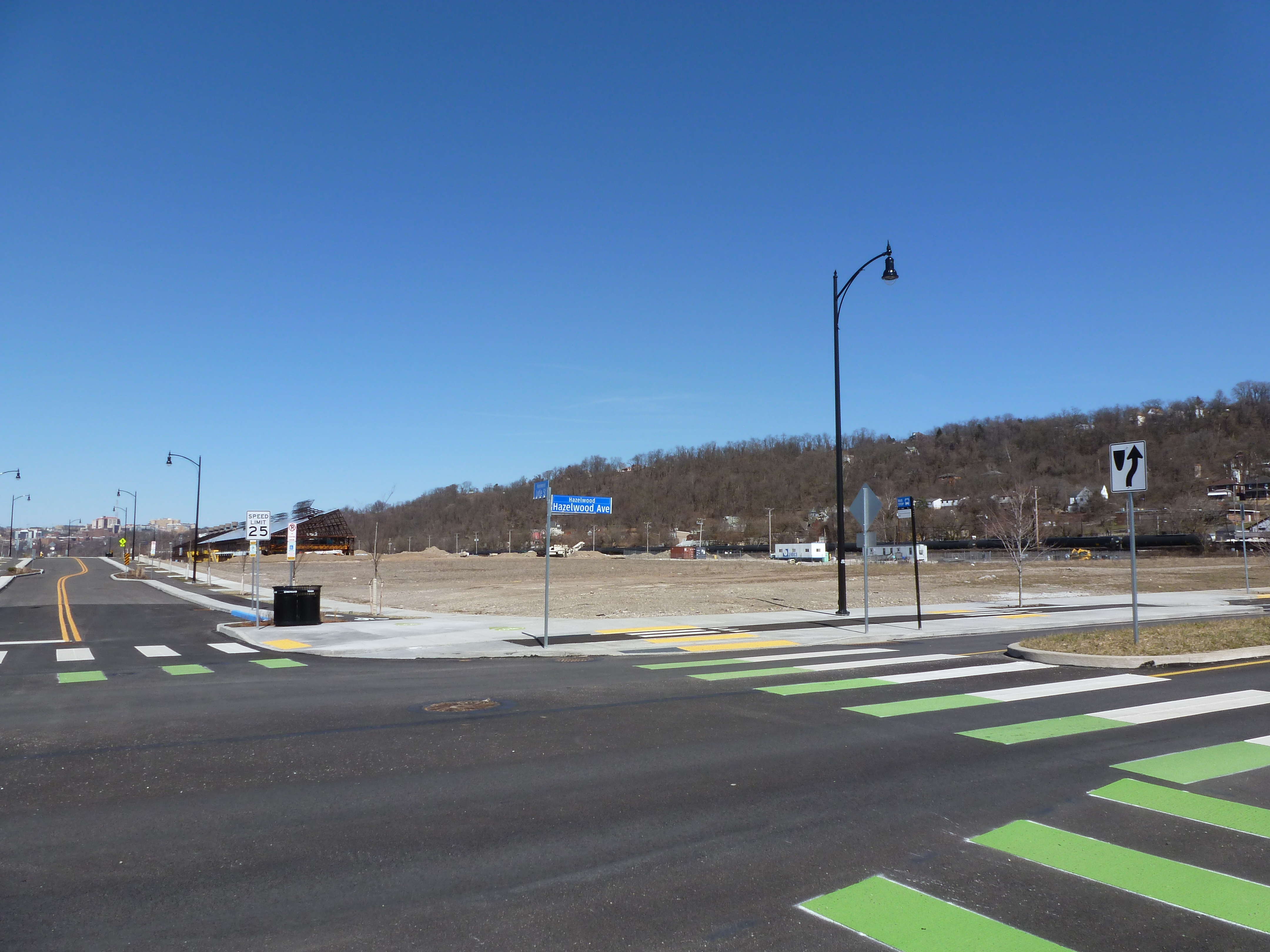
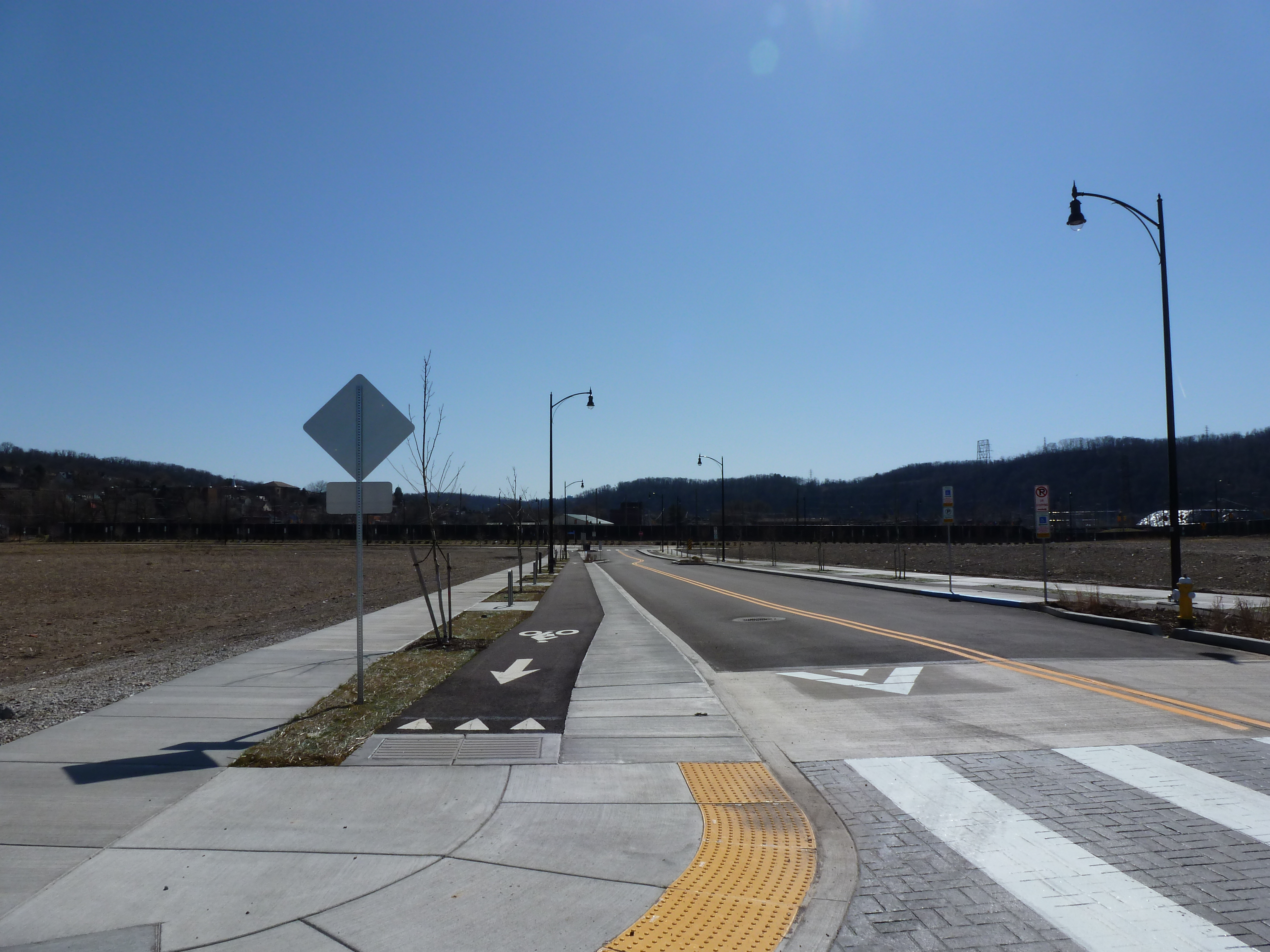
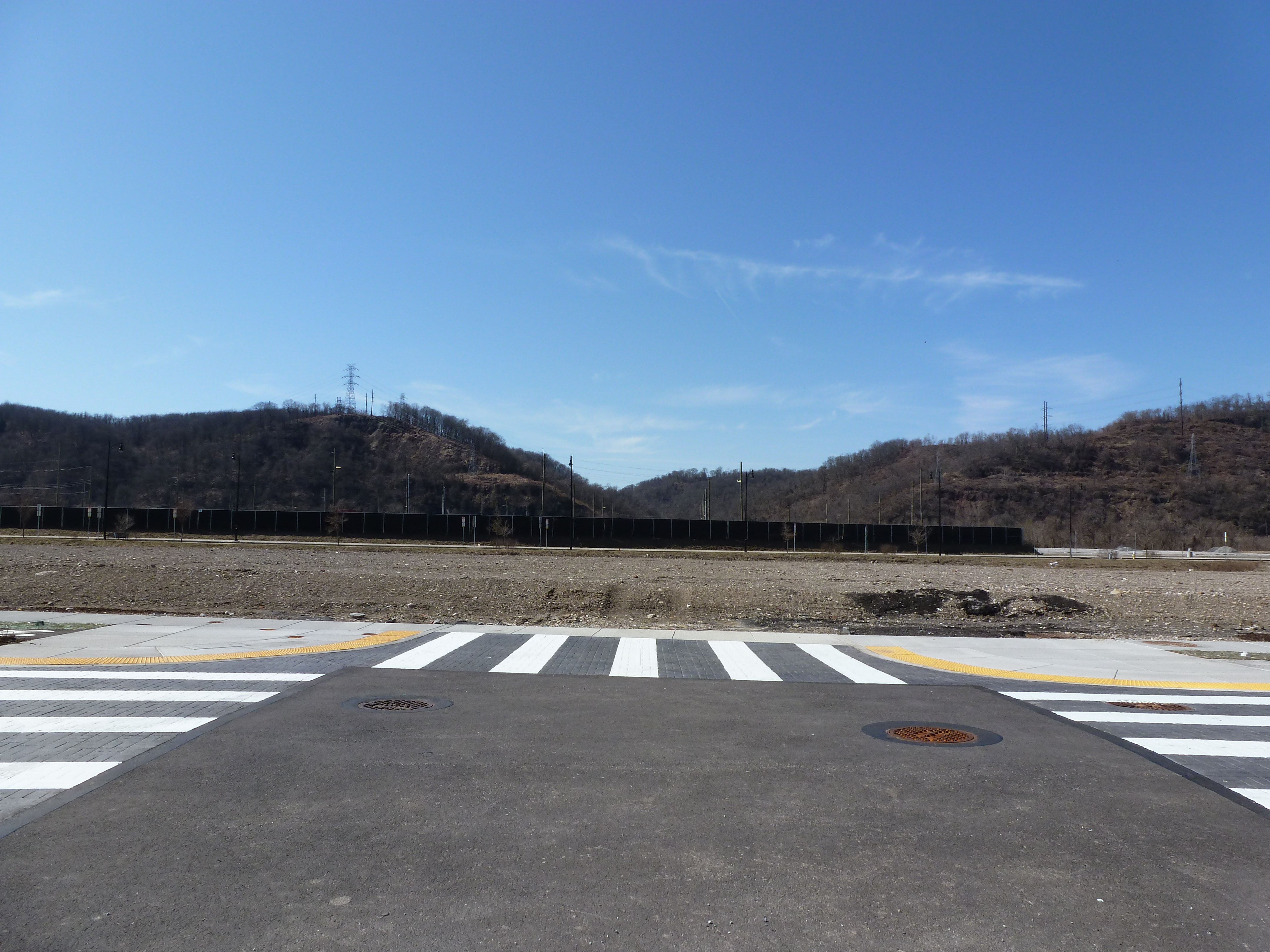

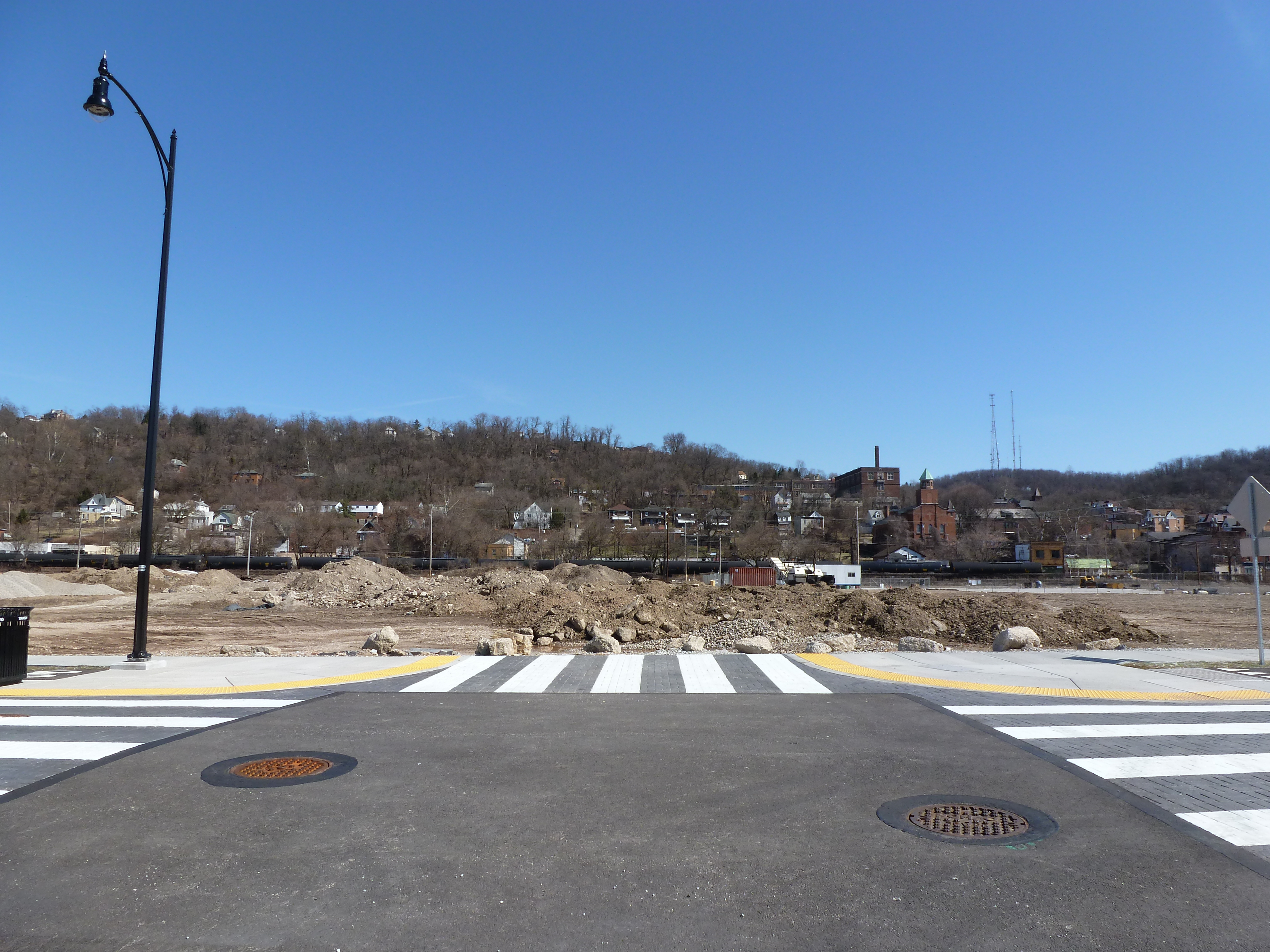

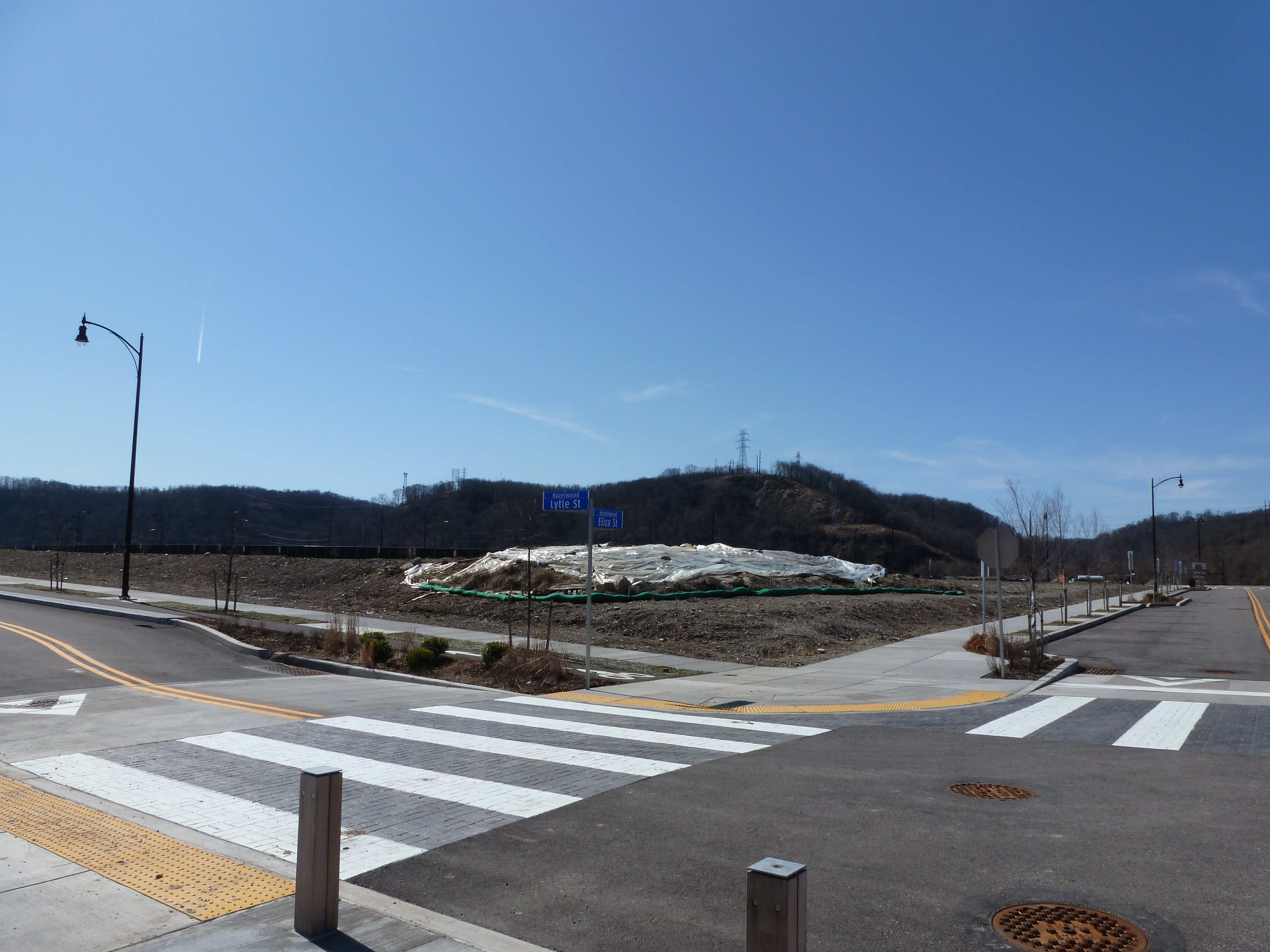


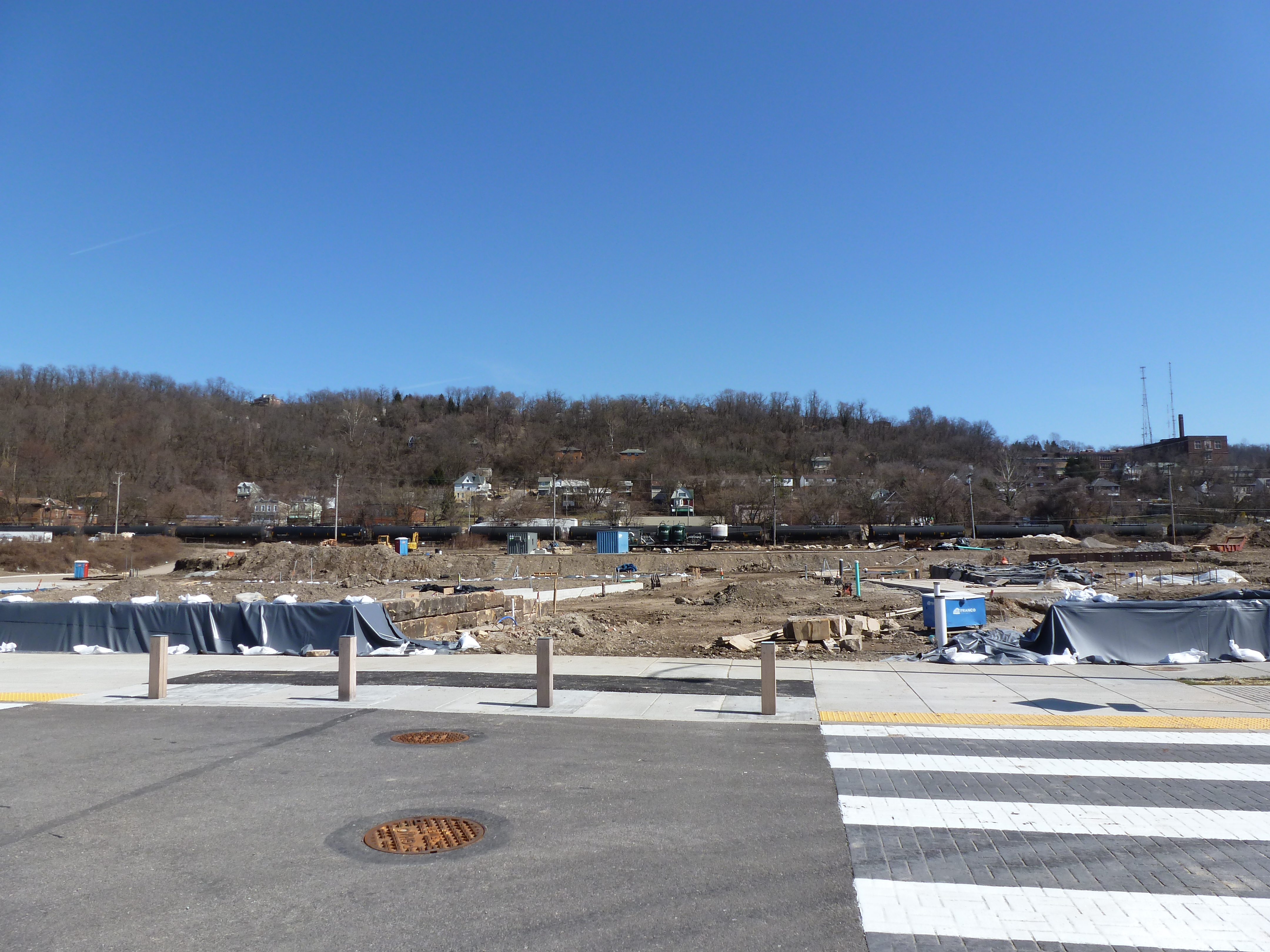
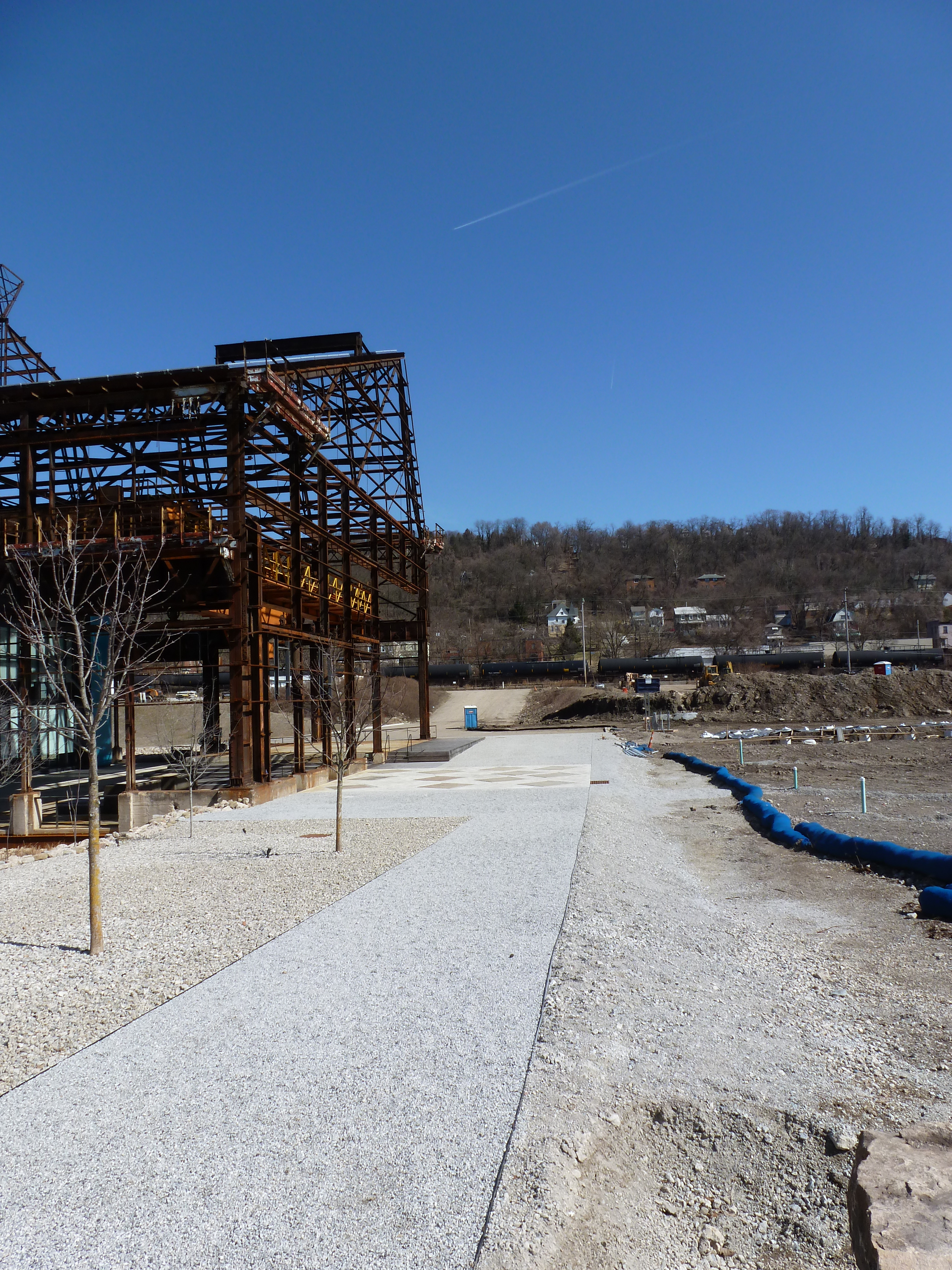
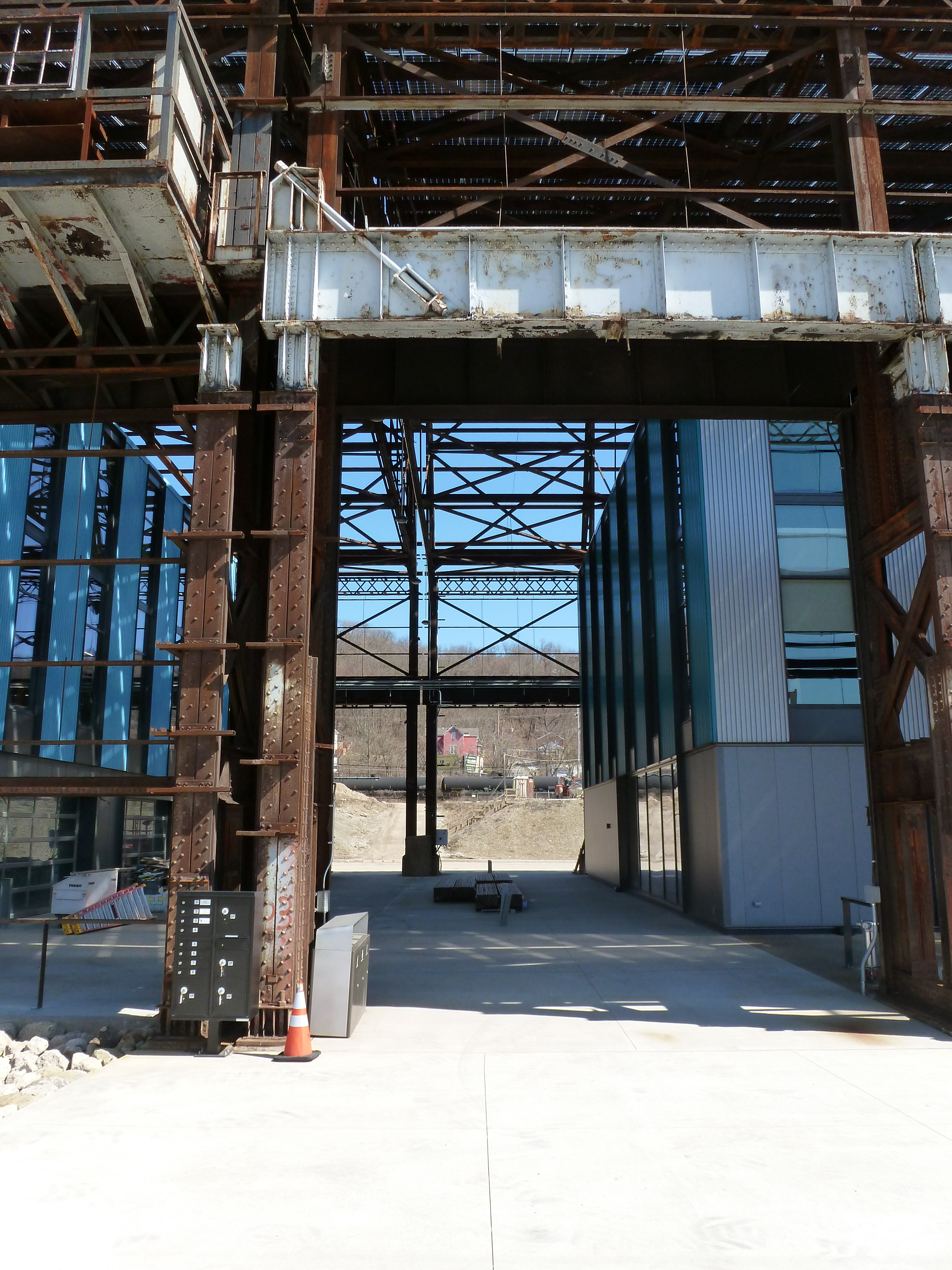
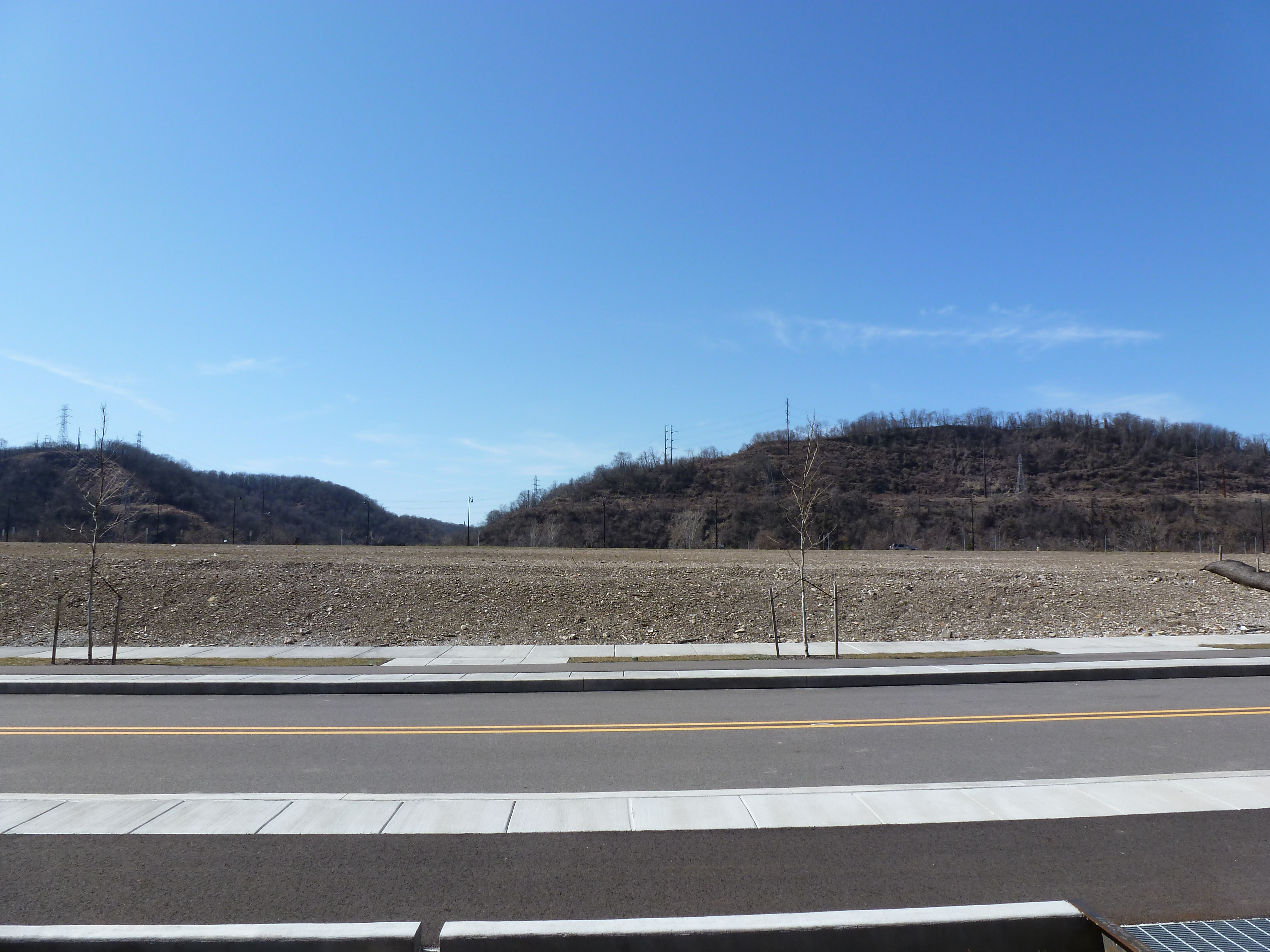

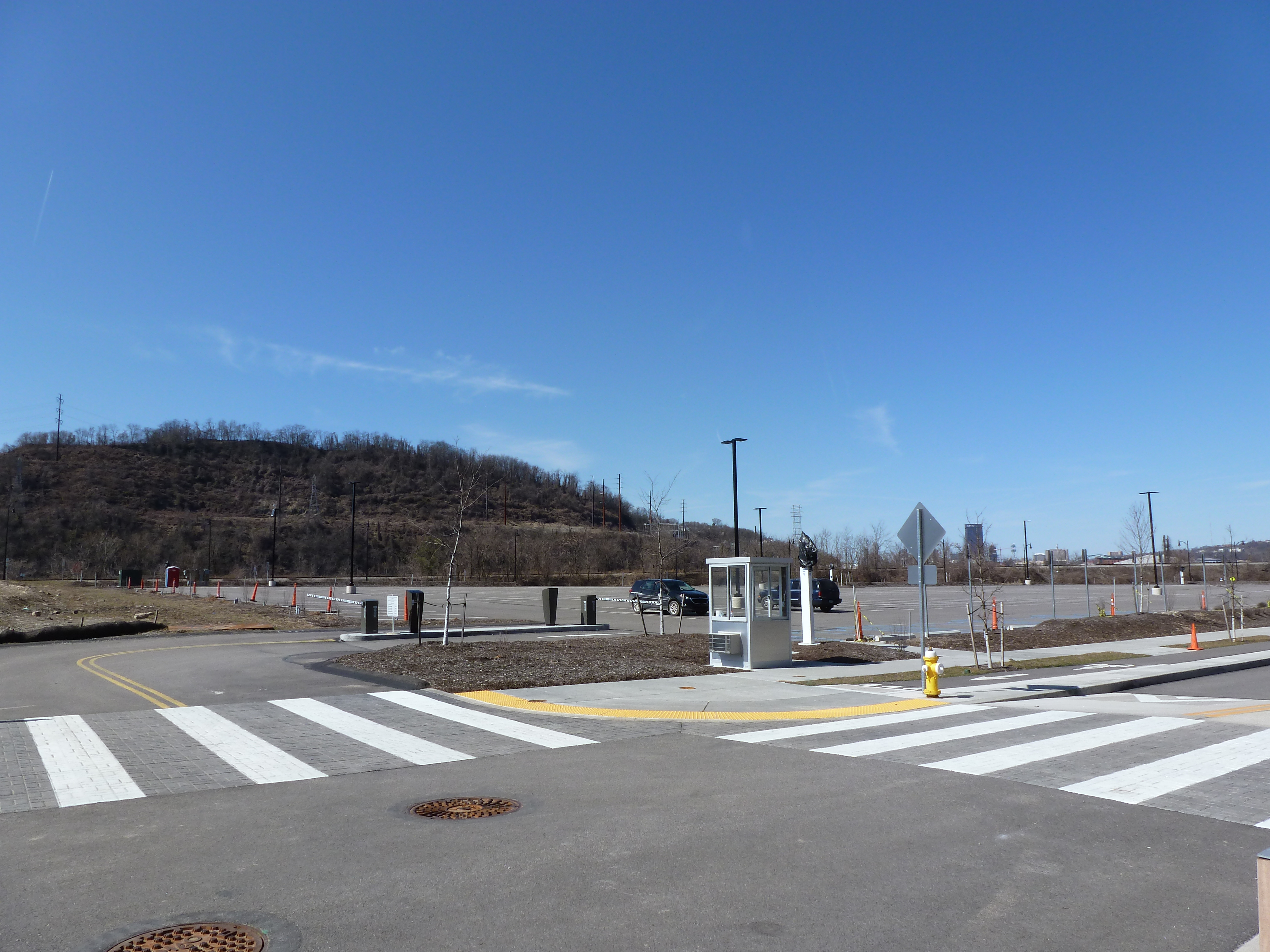


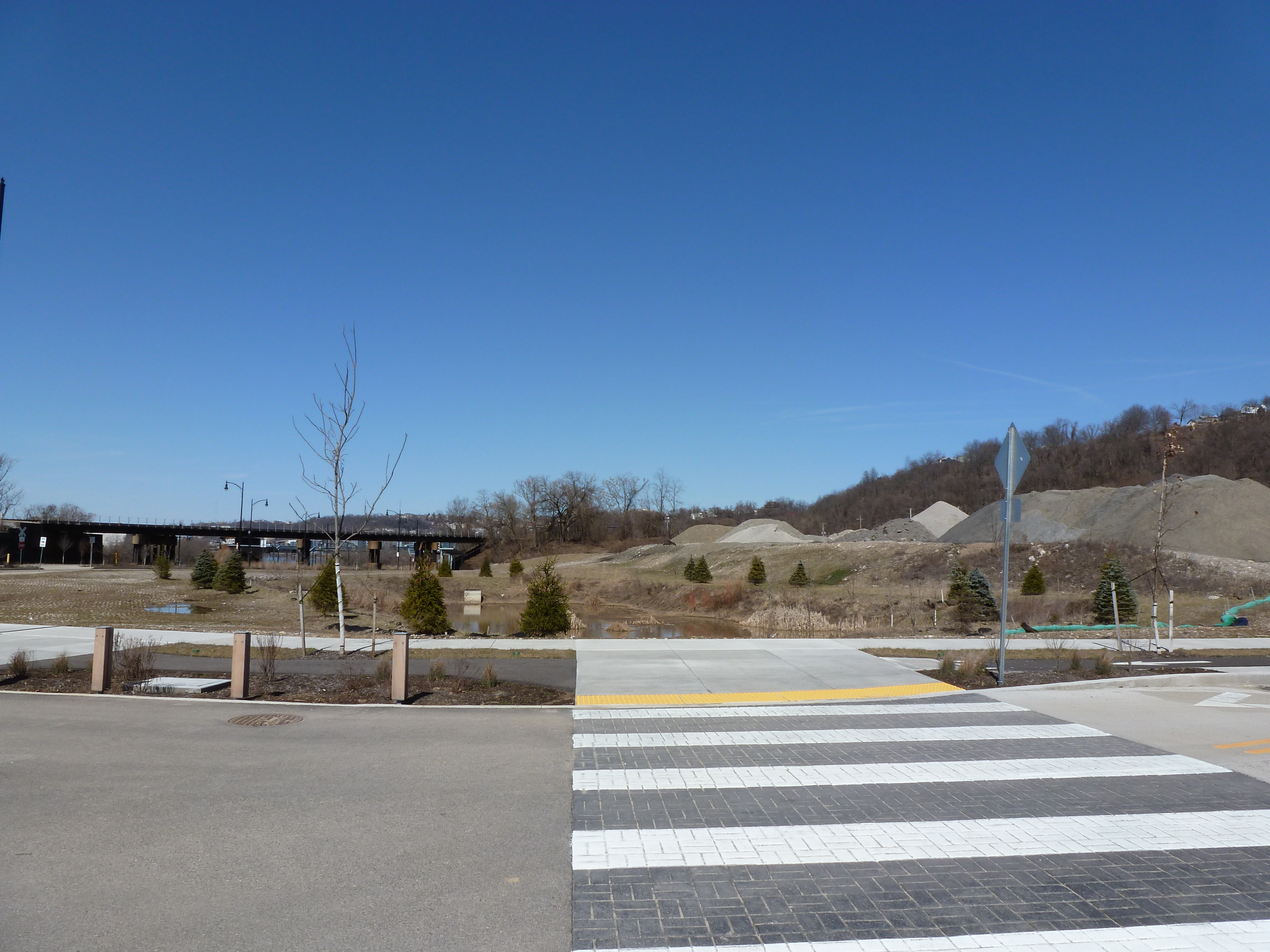
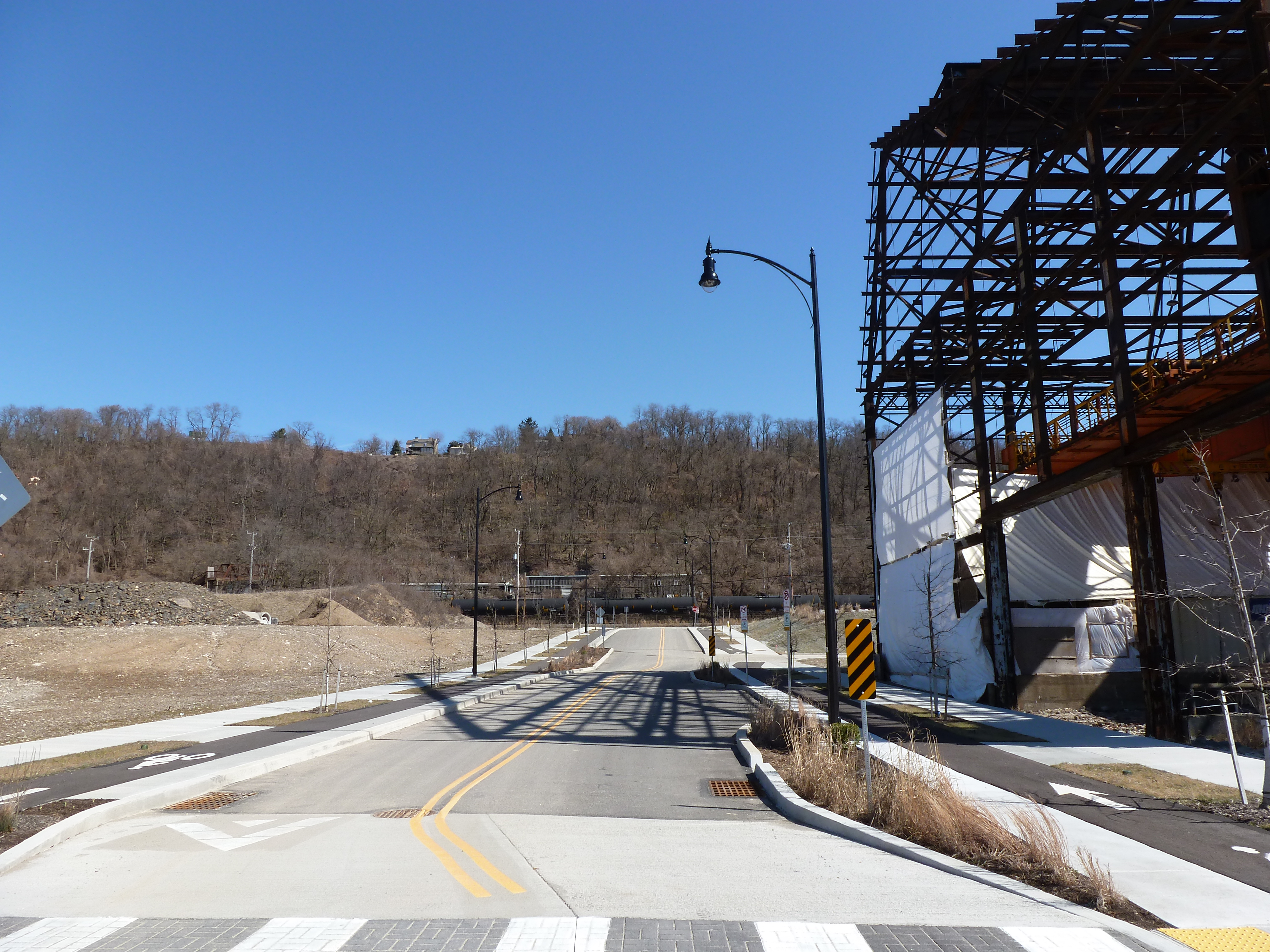
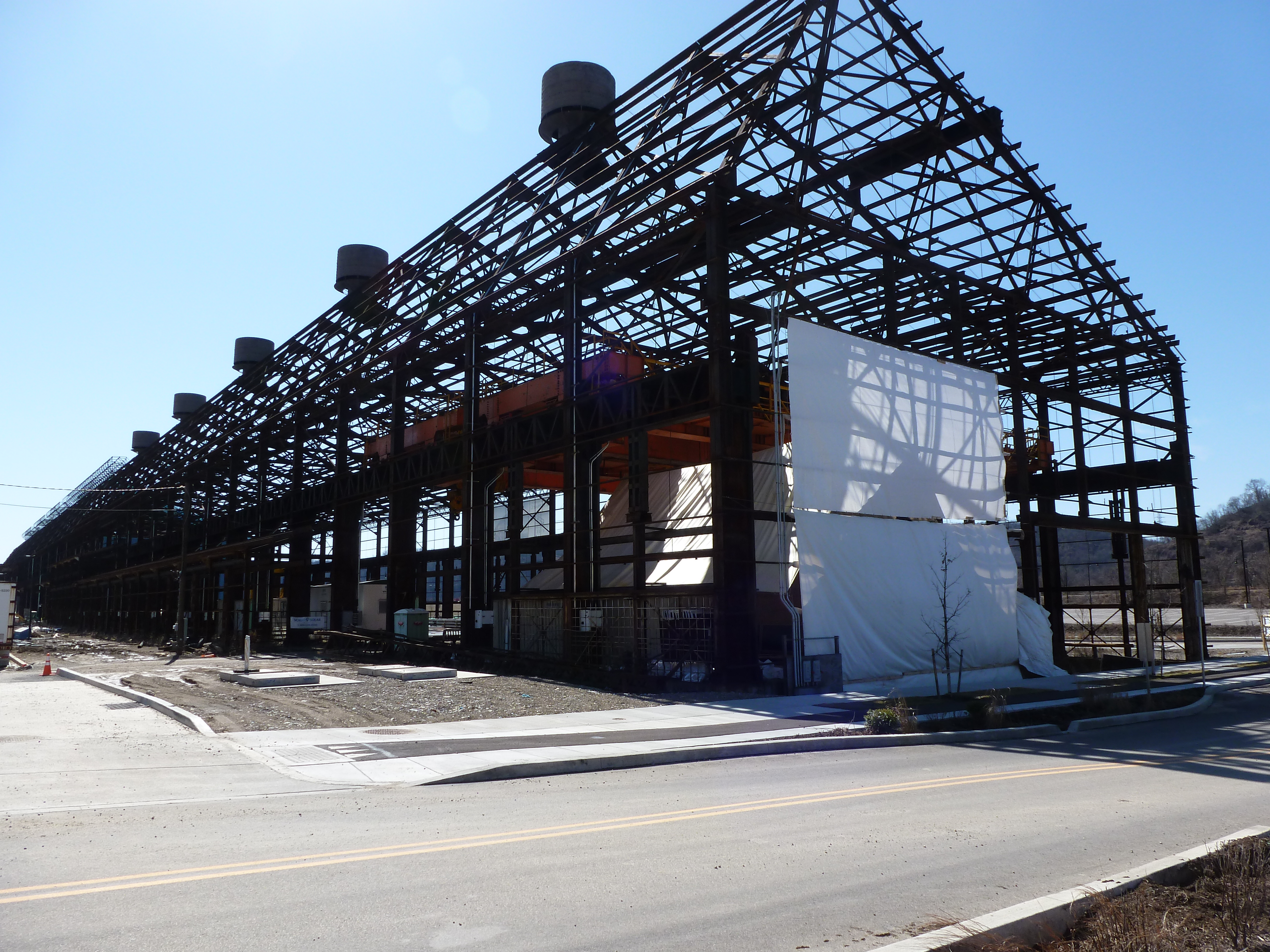


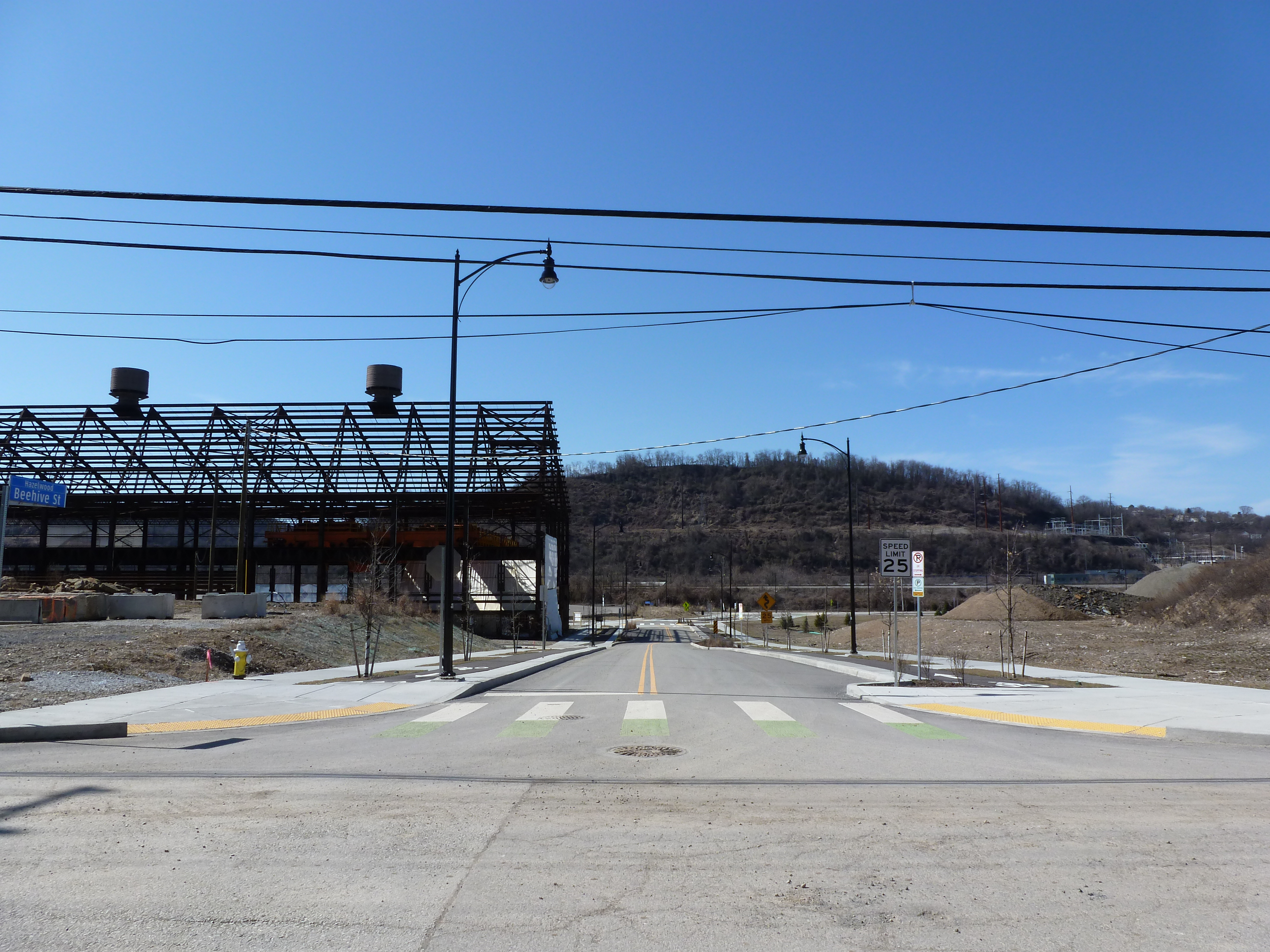
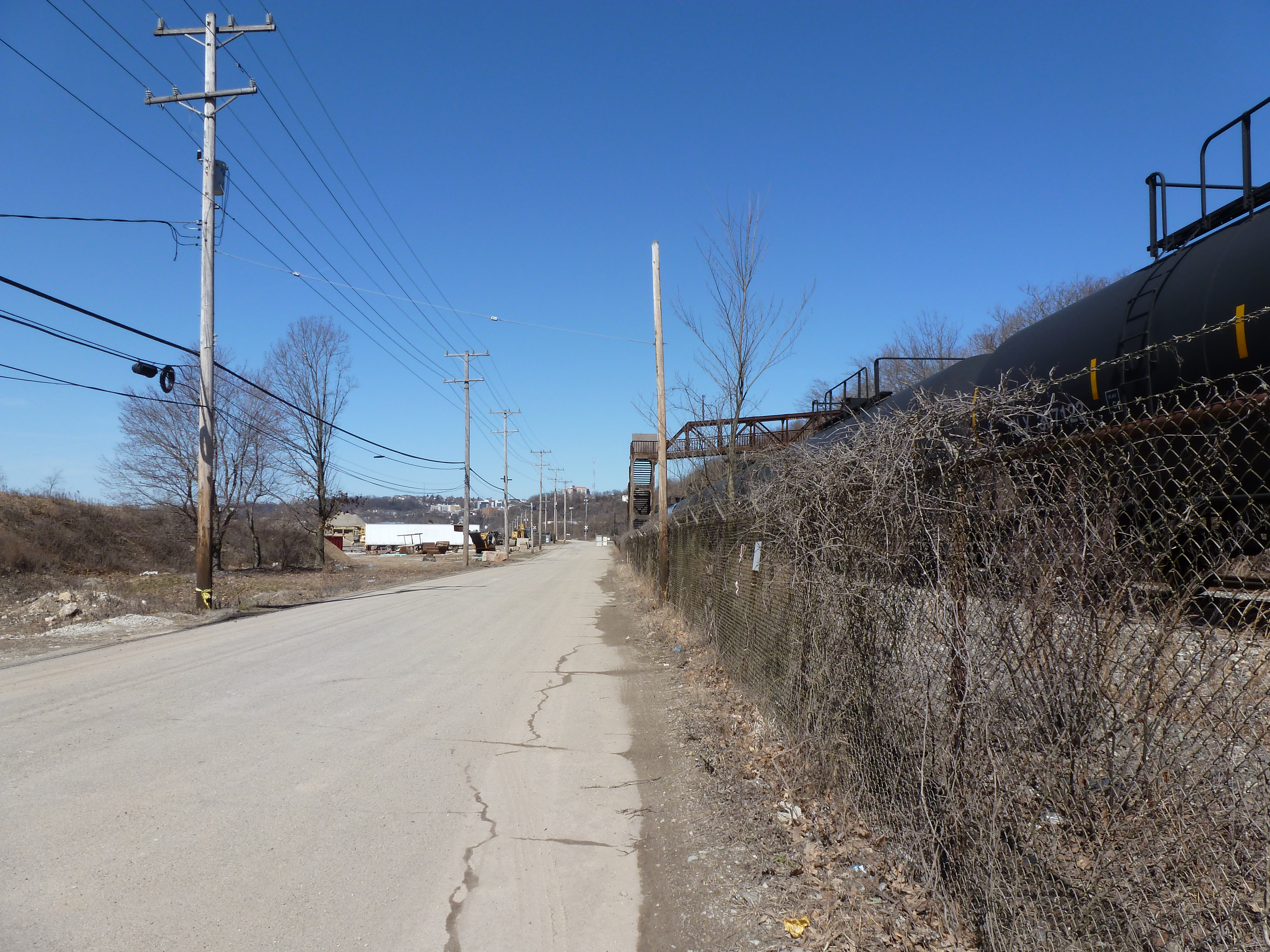
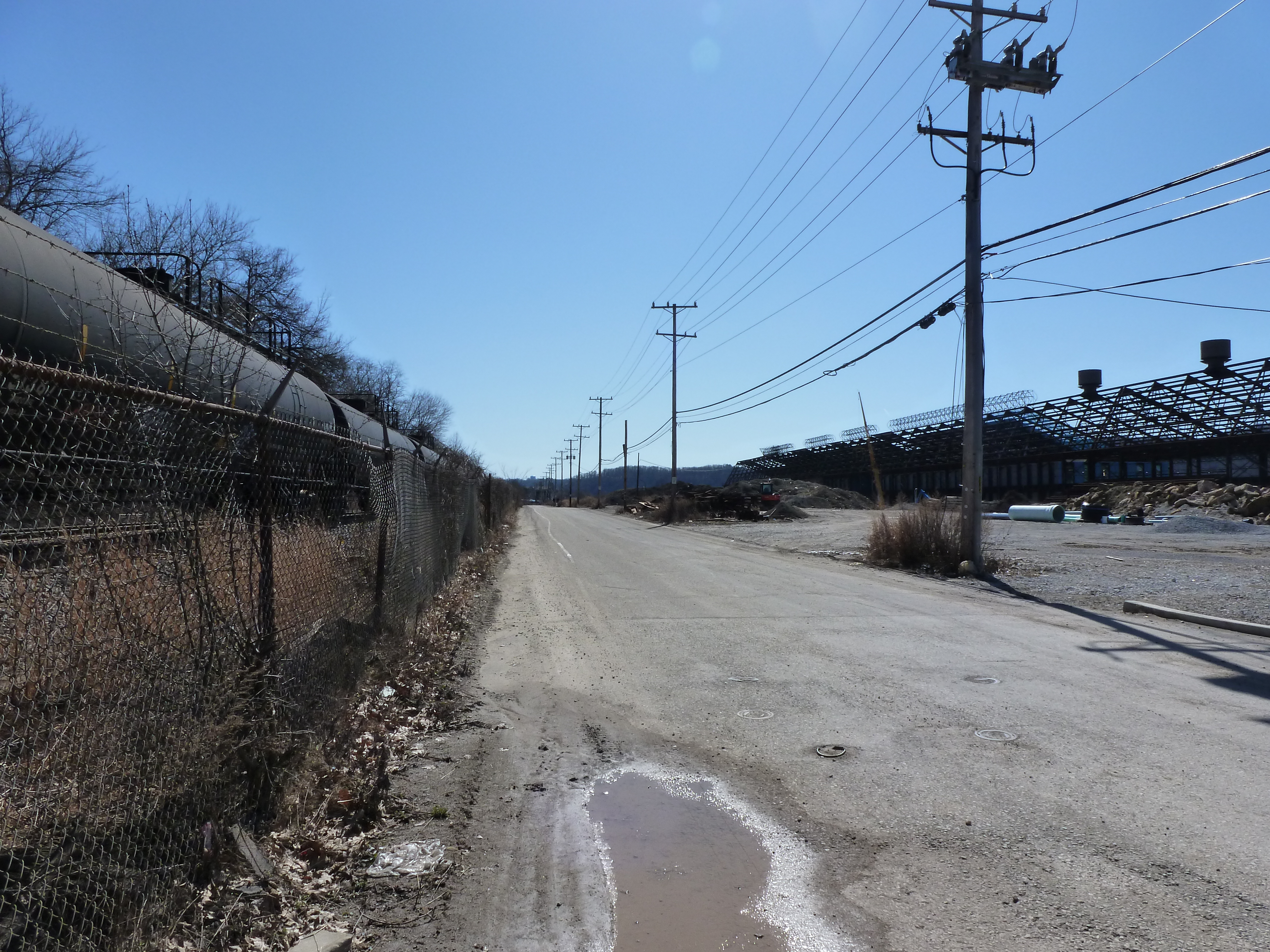
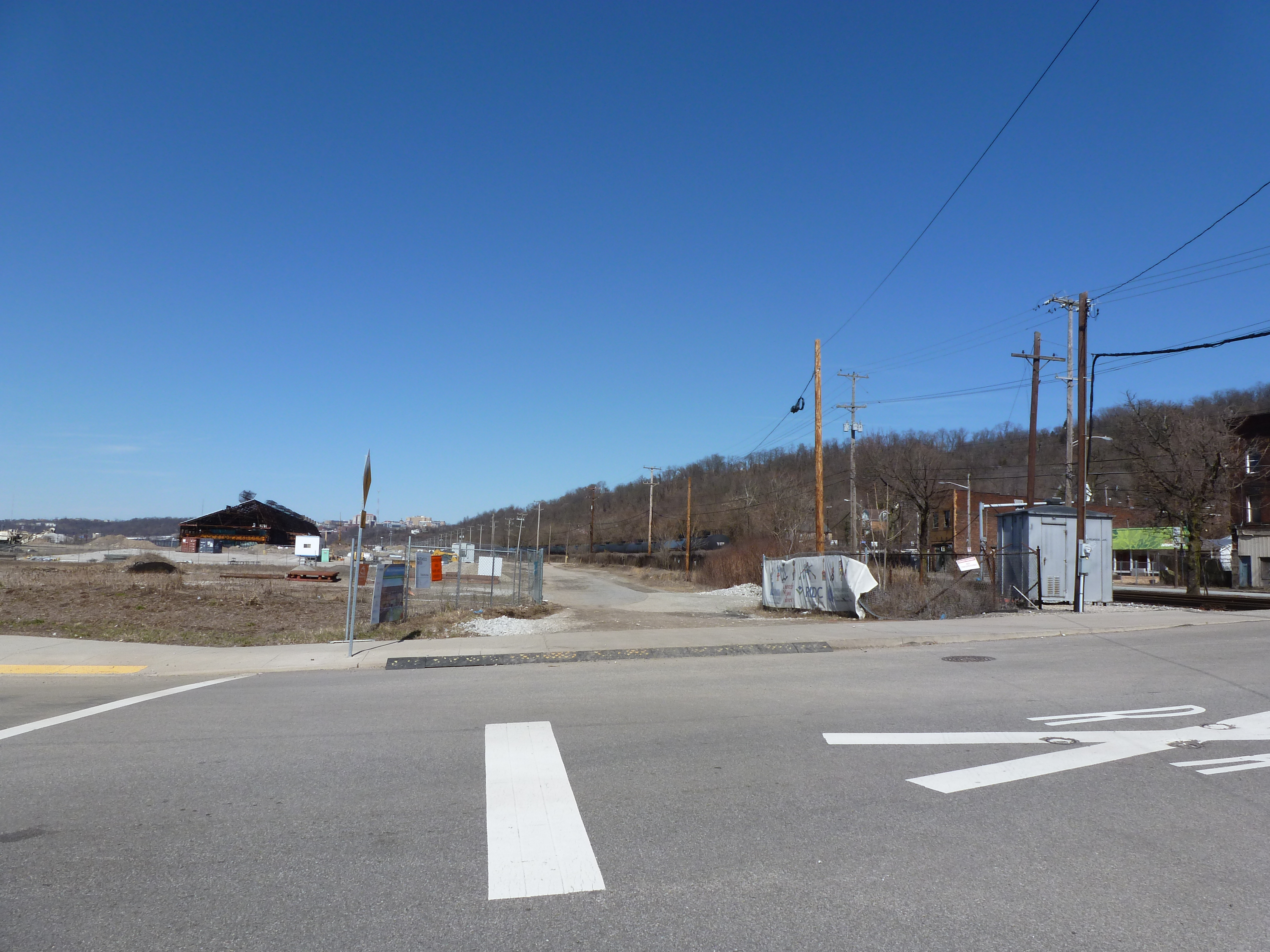
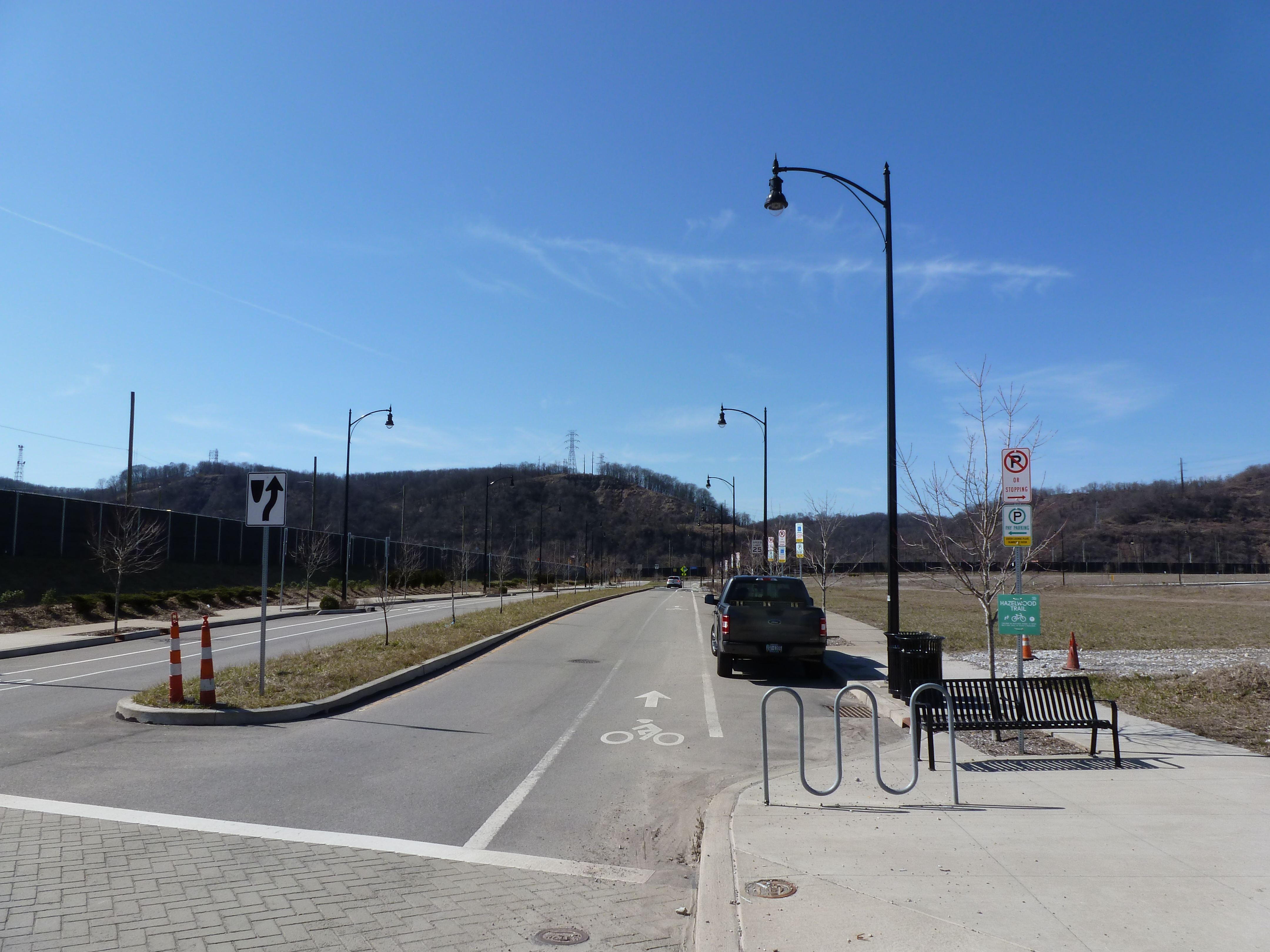
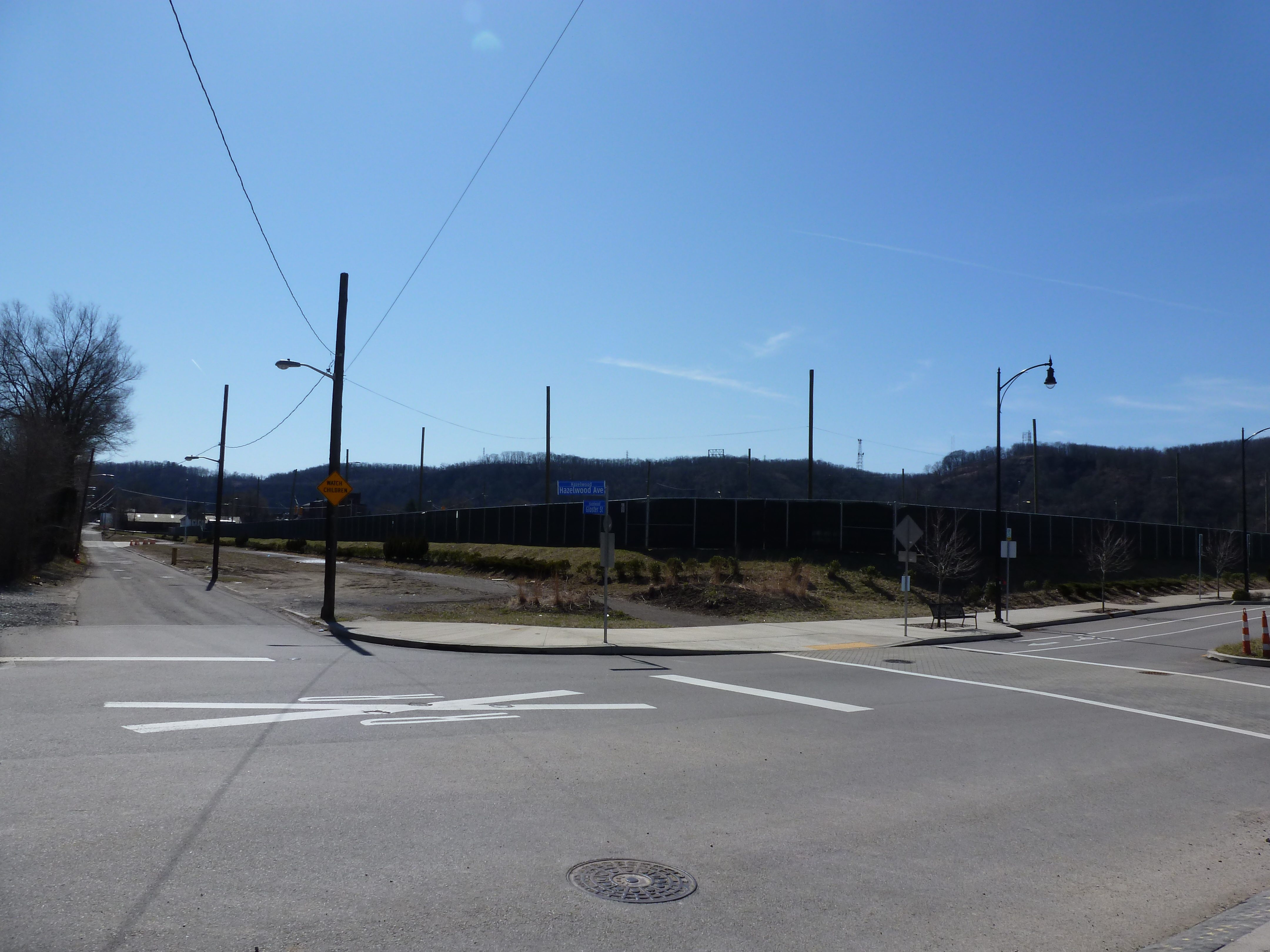
After introducing my series of Keeping an Eye on Uptown, the CAP, and the Lower Hill, I remembered that Hazelwood is another neighborhood expected to experience changes over the next several years. Between Hazelwood’s main street (2nd Avenue) and the Monongahela River is a 178-acre site of the former Jones and Laughlin Steel Company. Most of the structures from the mill have been demolished, leaving a large brownfield. In 2002, the site was purchased for redevelopment by Almono LP (at the time, an entity made up of four Pittsburgh foundations). After years of planning and a rebranding of the site as Hazelwood Green, a series of public streets and the first building opened for use in 2019. Construction is underway for more buildings and a public plaza.
During the planning and preparation stages, a question arose as to the effects of this redevelopment on the surrounding neighborhood. Hazelwood is one of Pittsburgh’s neighborhoods that has experienced high vacancy rates and subsequent demolition in its residential and business districts. While the building stock of the neighborhood has experienced a long downward trend, the community of people is strong. Only time will tell if the redevelopment of Hazelwood Green will connect with this community or if Hazelwood Green will become and isolated spot of prosperity for others.
Through two more photographic series, Keeping an Eye on Hazelwood Green and Keeping an Eye on Hazelwood, I will periodically document the physical changes to the former steel mill site and to the surrounding neighborhood.


Lower Hill Redevelopment in the news:
October 8, 2019, Post-Gazette: Lacing the skates: Former Civic Arena redevelopment may be ready to roll
October 9, 2019, Post-Gazette: First wave of ex-Civic Arena site redevelopment would add garage, music and maybe money for Hill projects
October 10, 2019, KDKA: Urban Redevelopment Authority To Vote On Civic Arena Site Plans
October 10, 2019, Tribune-Review: Pittsburgh redevelopment authority postpones vote on construction at Civic Arena site
October 18, 2019, Tribune-Review: Pittsburgh authority gives preliminary OK for development of former Civic Arena site
October 18, 2019, WESA: URA Vote Sets the Stage for Lower Hill Development in Spring 2020
October 18, 2019, WPXI: City board green lights former Civic Arena site redevelopment
October 21, 2019, Arena Digest: Civic Arena Redevelopment Plan Moves Forward
Lower Hill Redevelopment project sites:
Sports and Exhibition Authority


Every year, I look forward to the giant, inflatable dragon airing its wings in Beechview. It is the largest decoration in a small yard overflowing with inflatable ghosts and a giant spider, a witch on a broom, lights, pumpkins, and leaves. Many neighborhoods vie for the best and most prolific displays of Christmas lights. If there were a similar contest for Halloween, this modest-sized house with the dragon seems to me the cream of the crop in a neighborhood with a prolific smorgasbord of Halloween lights and decorations.
This year, I discovered a possible competitor for the title in Shadyside along Pittsburgh’s most intact millionaire’s row. On a lawn that is probably bigger than the footprint of the dragon house is an elaborate, customized ghost wedding. Across the street on a slightly smaller lawn, an 8-10 ft high, gleaming, ceramic clown holds court over a multitude of companions (minions?) of similar sinister and expensive cast.
On seeing these displays, my stomach sank. I felt a loss and a disappointment that this neighborhood may steal the crown for best Halloween decorations due to the unfair advantage of having more disposable wealth. I suppose it really comes down to what is the measure for determining the winning neighborhood: quantity, quality, per capita, density, creativity, or exuberance.
The strongest impression from my last trip to Cardiff was the feeling that it is morally wrong to invest heavily in touristy neighborhoods while skipping the neighborhoods of the residents. Tourists may provide a bigger return per touch point, but residents have many more touch points (including voting). Perhaps I have become jaded since that trip, but I now accept that economics and morals rarely work together.
Pittsburgh’s Uptown neighborhood is trying a different approach to see if economic investment can be leveraged for the greater good. Uptown experienced disinvestment and decay for decades, despite being located between and within walking distance of Oakland and downtown, two of the largest economic engines in the state. Not to mention the main roads connecting these prosperous and growing areas run directly through Uptown. Zipping down Fifth Avenue from Oakland to downtown, it is easy to overlook or ignore the ruined home foundations turning back to forest, the wide-spread vacant lots and parking lots, and the intricate architectural details on the remaining old structures.

The bland brick and glass facade on Fifth Avenue identifies this building as another mid-century warehouse. Turning the corner, the decorative parapet wall and bricked over arched opening tell the story of an older, more interesting building.
One such structure was one of the many movie theaters dotting the city in the 1920s. In the 1950s, the adjacent buildings were demolished, and an addition was added to the theater to turn it into a storeroom. After a time as a plasma center in the 1980s and 1990s, the building sat vacant and dusty for many years. Now, it is undergoing renovations for its next life. This is just one of the many signs that investment is coming to Uptown.
The community of Uptown that held on through the economically rough times prepared for this moment. In collaboration with many partners, including local institutions such as Duquesne University and UPMC Mercy as well as the City of Pittsburgh, the community created a new neighborhood plan. This designated Uptown and West Oakland as an EcoInnovation District. One of the first actions from this plan developed a new zoning district, the first progressive zoning district in Pittsburgh. The goal of the plan and the zoning district is to leverage the coming economic investment to create an inclusive and environmentally sustainable neighborhood.
It will be interesting to watch this neighborhood over the next few years to see if the plans are successful at introducing some moral components to the economic investment.
I clench my teeth every time the “T”, Pittsburgh’s light rail system, slowly makes the first 90 degree bend leaving Gateway Station, squeaking like fingernails on a chalkboard. After traveling a few hundred yards, it turns back 90 degrees–squeak, scratch, squeak–before pulling into the Wood Street Station. As everyone knows that the shortest distance between two points is a straight line, I struggled to understand why the T was built with turns so sharp it is impossible for the trains not to screech, until my friend pointed out that there might be building foundations or basements that the underground tracks need to maneuver around.
Like many metropolises, the density of downtown Pittsburgh creates various physical layers of activity. Yet compared to other some other cities (see Layers of the City: Chicago Edition), Pittsburgh’s layers can be hard to notice. The T is perhaps the most obvious example. For most of it’s length through the southern neighborhoods and suburbs, the T travels at grade. Once it crosses the Monongahela River into Downtown, it becomes an elevated train for a few blocks before submerging underground until it passes under the Allegheny River to the North Shore, where it reemerges to end as an elevated train.
If you get off the T at Gateway Station and walk down a block to the start of 5th Ave, which actually feels like an alley, you might notice that the Highmark Building is built over an underground garage. I assume that this garage has multiple levels below grade and is at least part of the reason for the T’s sharp turns.
The new PNC Tower also has a garage below grade. Yet the most recent new construction project downtown, on the former site of Sax Fifth Avenue, places the garage between the first floor retail and proposed upper level residences.
The building I work in, the former Jones & Laughlin Steel Mill Headquarters, has at least 3 1/2 levels of basement. The building is long past its days of glory with peeling paint, cracked foundation, and elevators that you may never make it out of again. The mezzanine level of the basement is a maze of building supplies, file cabinets, discarded furniture and boxes upon boxes of documents. It is damp and dusty. Five minutes down there could lead to a severe allergy attack. Yet the stairs keep going down and down, plunging further into the dark depths. I’ve heard rumors of more documents being stored in the lower levels.
Coming back above ground, most activity in downtown Pittsburgh takes place at street level. Pedestrians, bicyclists, buses, cars, delivery trucks, dumpsters, and more compete for space on the narrow streets and sidewalks. Most shopping and restaurants are located at street level. The Highmark Building and the Oxford Building still have some retail above the first floor.
As you walk around downtown, if you look up, you might catch a rare sight of pedestrian sky bridges. The most famous of which is the Bridge of Sighs connecting the Allegheny County Courthouse with the former Jail. The second most famous (speaking with pure bias) is the bridge connecting the parking garage with what used to be the shoe section of the former Kaufmann’s Department Store (always a necessary stop when shopping for back to school). A handful of others are sprinkled throughout downtown. Indianapolis has got us beat though. That city has a network of pedestrian connections that enables you to walk for miles between the stadiums, office buildings, and other structures downtown without ever getting a taste of fresh air.
Higher up, there is a sprinkling of rooftop or penthouse restaurants. This is one of our complaints at work: while many new, good restaurants have opened downtown in recent years, there is still a dearth of restaurants and bars with views. Sienna Mercado’s Il Tetto, Harris Grill, and the Biergarten at Hotel Monaco all have rooftop decks, but they are surrounded by taller buildings limiting views. Ollie’s Gastropub on the top floor of the Oliver Building has some good views, but no fresh air.
There isn’t much connection or relationship between the different parts of these layers in Pittsburgh. It is like they are experiments, like the city is only dabbling. As if to say, it can’t make up its mind whether or not to let the public leave street level and participate in or explore all levels of the city.
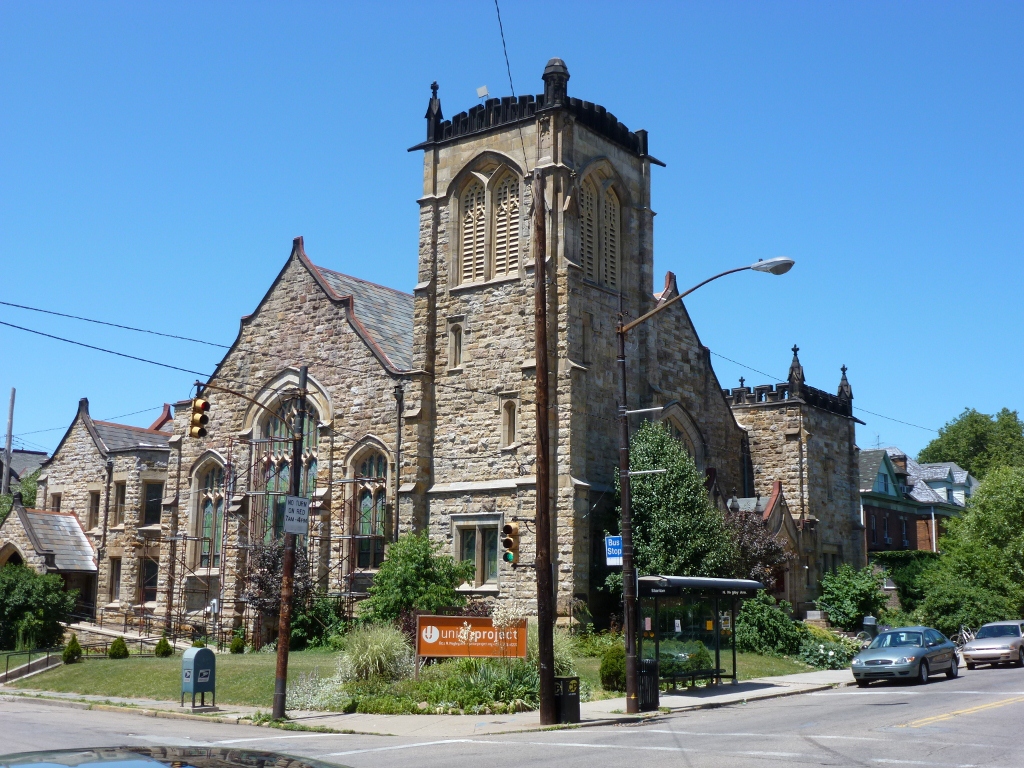
Every adapted church building I’ve come across has something that makes it unique. Of all the ones I’ve come across so far, the Union Project used the most creative method in restoring/adapting the building.
In the late 1990s, a small group of people came together and said that they wanted a “space for art and faith” in their neighborhood. (The quotes in this post are from one of the founding members, who I interviewed for a school project.) By 2001, this group and this sentiment had grown and they purchased the vacant, former Union Baptist Church at the intersection of Negley and Stanton Avenues, two major roads in the East End of Pittsburgh, to convert it into a community center.
When the community center acquired it, the church was still considered active, but it had not been used regularly for two to four years. The building was in very poor condition: the roof leaked, there were broken windows, and pigeons and rodents lived inside. It took four years to prepare the building for occupancy and an additional six years to completely restore the structure.
The part that I like the most about how this building was adapted, was the alternative method they came up with for restoring the stained glass windows of the structure. All the windows needed restoration, which I’m sure would have added up to a colossal expense. Instead of giving up or attempting to raise all the funds to pay for a professional restoration, they offered community classes in stained glass restoration using the church’s windows as the class materials. Some of the windows needed to be completely reconstructed in which case the instructor, a stained glass professional, created the new windows. Beside these, all the windows were restored by community members at the classes.


I took one of the classes a few summers ago. It was a lot of fun and quite interesting to learn how stained glass windows are put together. At least a couple of the people in my class were taking the course so they would be able to restore the stained glass windows in their homes. Much of the housing stock in the neighborhoods surrounding the building feature at least one stained glass window, so this was a useful skill for the local homeowners to learn. A 2012 article in the Post-Gazette announces the completion of this restoration project.
Over the years since the Union Project began, the building has slowly been restored one piece at a time. The former classrooms behind the sanctuary were restored first and converted into office space. Several of these offices are used for the administration of the Union Project, while the rest are rented out to other community groups including a church group. The basement was converted into an art space. This is where the stained glass restoration classes were held. There is also a pottery studio which offers classes. Hula-hooping classes are held in the atrium, or out on the lawn in nice weather. The sanctuary is used as a rental hall for receptions, community events and the like. The narthex is a little coffee shop.
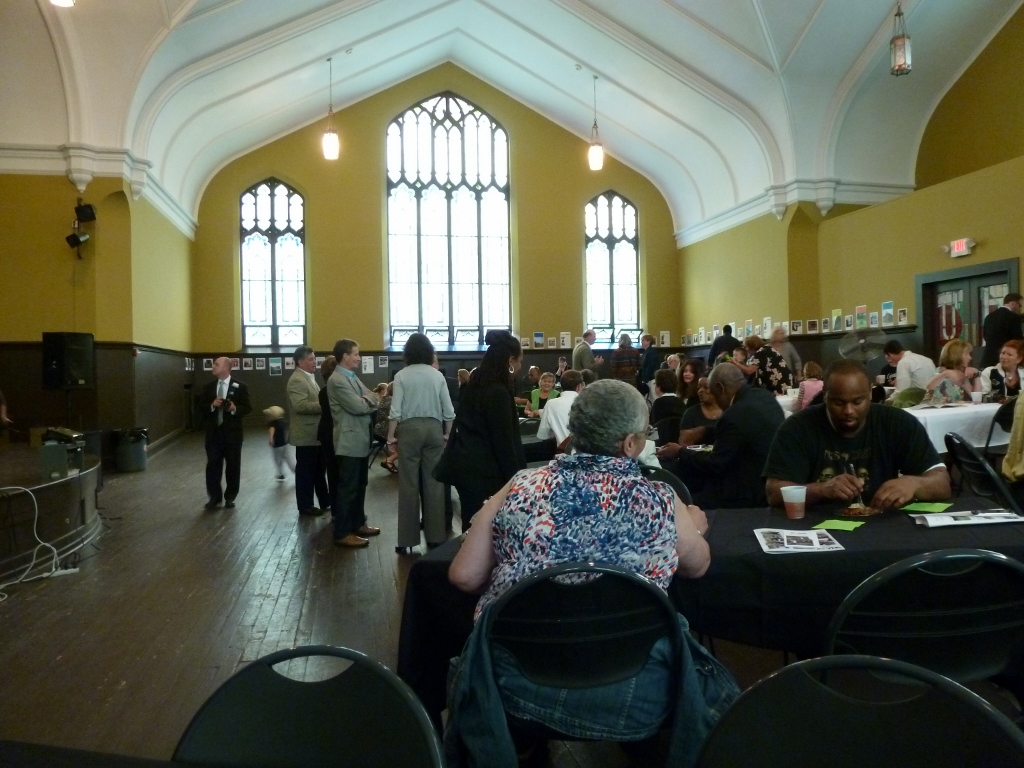
By the summer 2012, the building finally looked like a completed project: the stained glass windows were restored, the sanctuary was finally completely repainted, and the black soot was cleaned off the stone façade. Because of Pittsburgh’s past as a major industrial city, all stone façade buildings collected black soot–many of these buildings have been cleaned in the last ten to twenty years. In cleaning the soot off the Union Project, the crenellations on top of the towers were left black, leaving a respectful reminder of the past, while the change from a black building to white brightened up this corner of the neighborhood.
This is a project that showed me, and the group who completed it, that “anything is possible.”
 urbantraipsing