What is a Bridge? Bethlehem Edition I

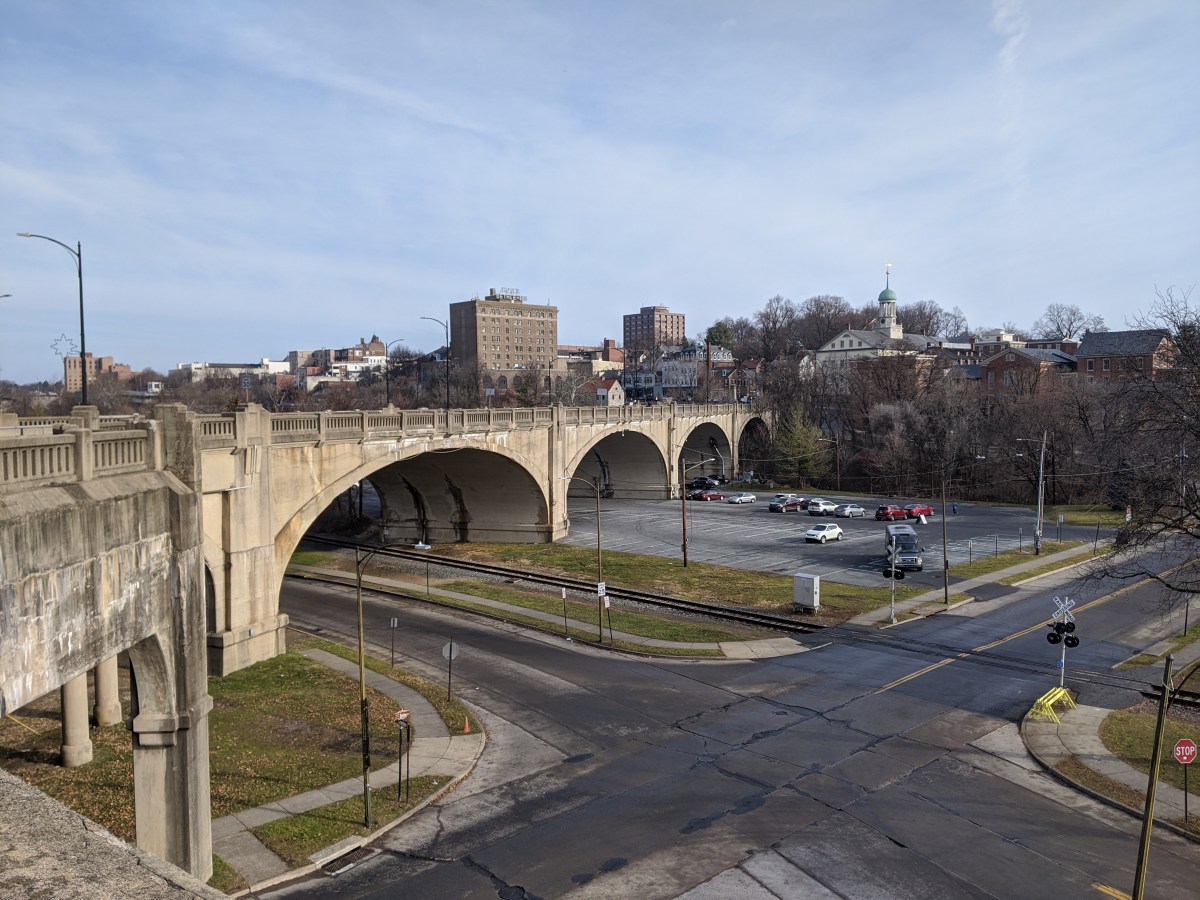
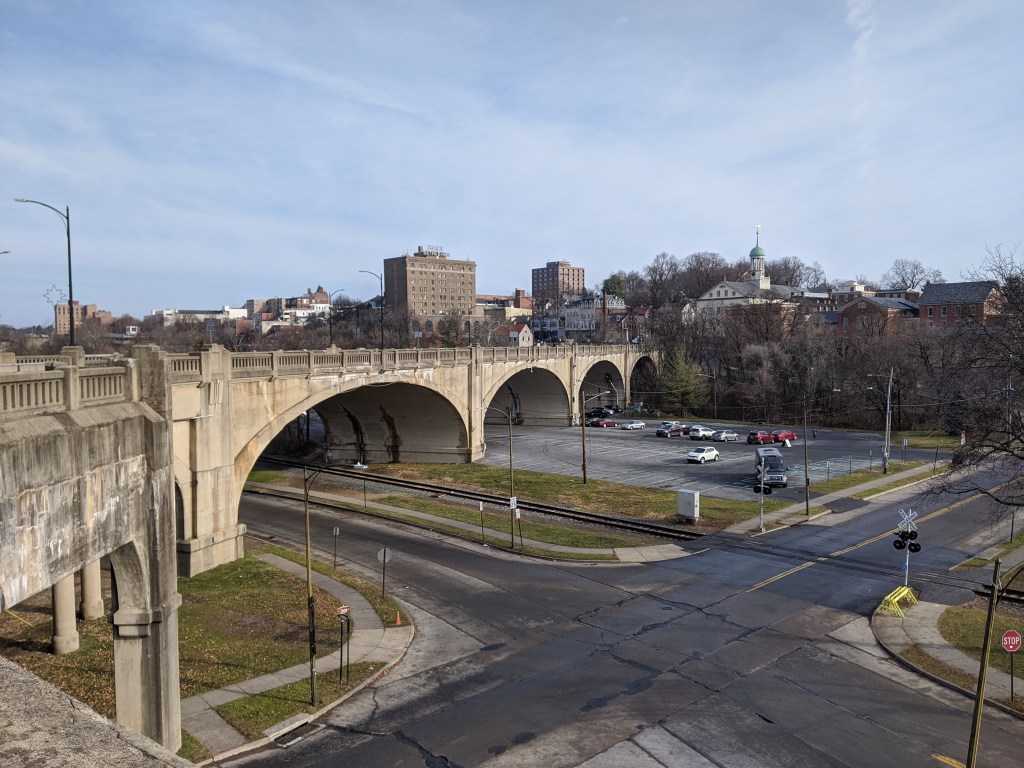
I was in the midst of trying to understand what is a viaduct when I traveled to Bethlehem, PA, with my family. One of our activities was to explore the bridges (see also Cage-free Bridges). As we walked the Hill-to-Hill Bridge, my initial reaction was “now here is a viaduct.” I hadn’t reached the point of developing a semi-clear definition for viaduct but looking at the flat roadbed supported by multiple arches over the floodplain, viaduct seemed the most appropriate word for the structure.

As we kept walking, it turned out that the viaduct was only a portion of the Hill-to-Hill Bridge. In fact, it would be more appropriately called the Hill-to-Hill-to-Hill-to-Hill Bridge. There are two approaches to the main span on the south end and three on the north end, including the viaduct and one approach permanently closed to through traffic. When the bridge was built in 1924, there were a total of seven approaches at various points along the main span. With so many components, this structure brings me back to the question of how many is one bridge?

Unlike when I asked this question of the 30th and 31st Street bridges in Pittsburgh, here the main bridge, the intersecting viaduct, and the numerous connections seem to be considered one bridge. They are together called the Hill-to-Hill Bridge while the structure in Pittsburgh has three distinct names (including River Avenue Ramp). Perhaps the deciding factor in whether it is one or more bridges is the original intent. The Hill-to-Hill Bridge was designed as a multifaceted structure whereas the 30th and 31st Street bridges were developed independently.

The best indication of the original intent seems to be the name. The Hill-to-Hill Bridge has a single name whereas the 30th and 31st Street bridges have separate names. The other examples I looked at in 2012 were the Veterans Bridge (Pittsburgh), the Fort Duquesne Bridge (Pittsburgh), and what I called the Jubilee Bridge (London).

The Veterans Bridge joins three approaches into one bridge, all under a single name. Therefore, it is one bridge, not three.

The pedestrian walkway of the Fort Duquesne Bridge was built decades after the vehicular portion but does not have a separate name. Therefore, it is one bridge, not two.

What I called the Jubilee Bridge (despite the photo I took at the time of the dedication plaque stating otherwise) is actually called the Golden Jubilee Bridges. While these bridges share the support structure of the underground’s Hungerford Bridge due to concerns about unexploded WWII bombs in the area, they have separate names. Therefore, it is three bridges, not one nor two.
Additional Posts in Series:

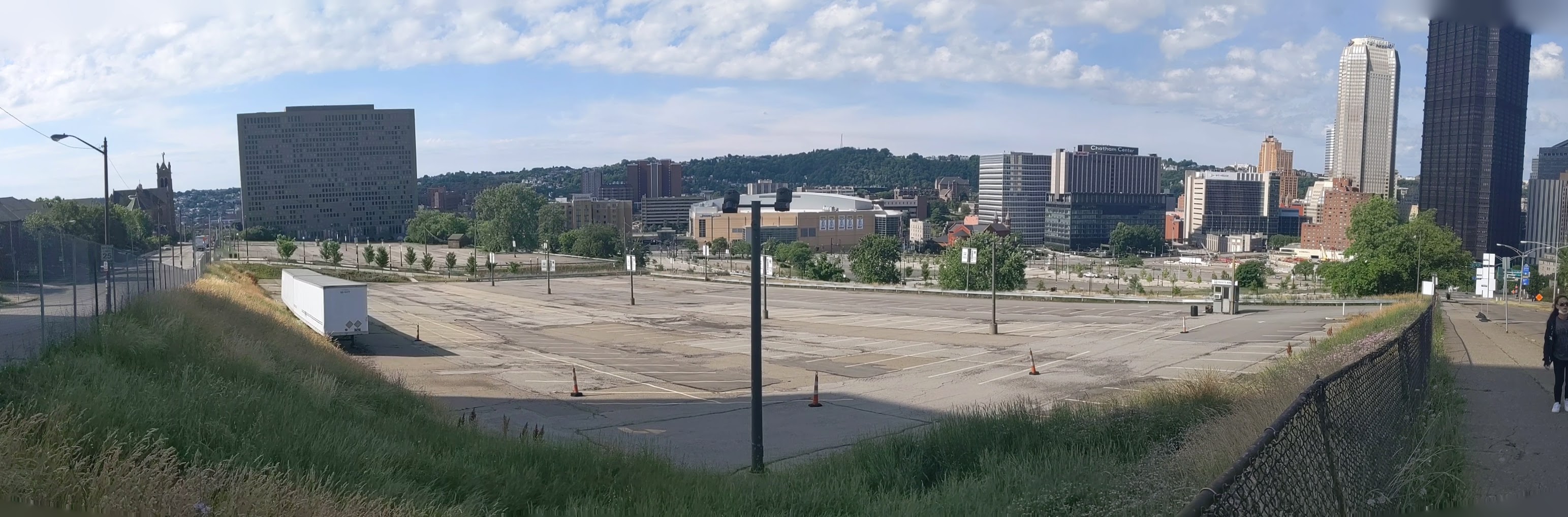
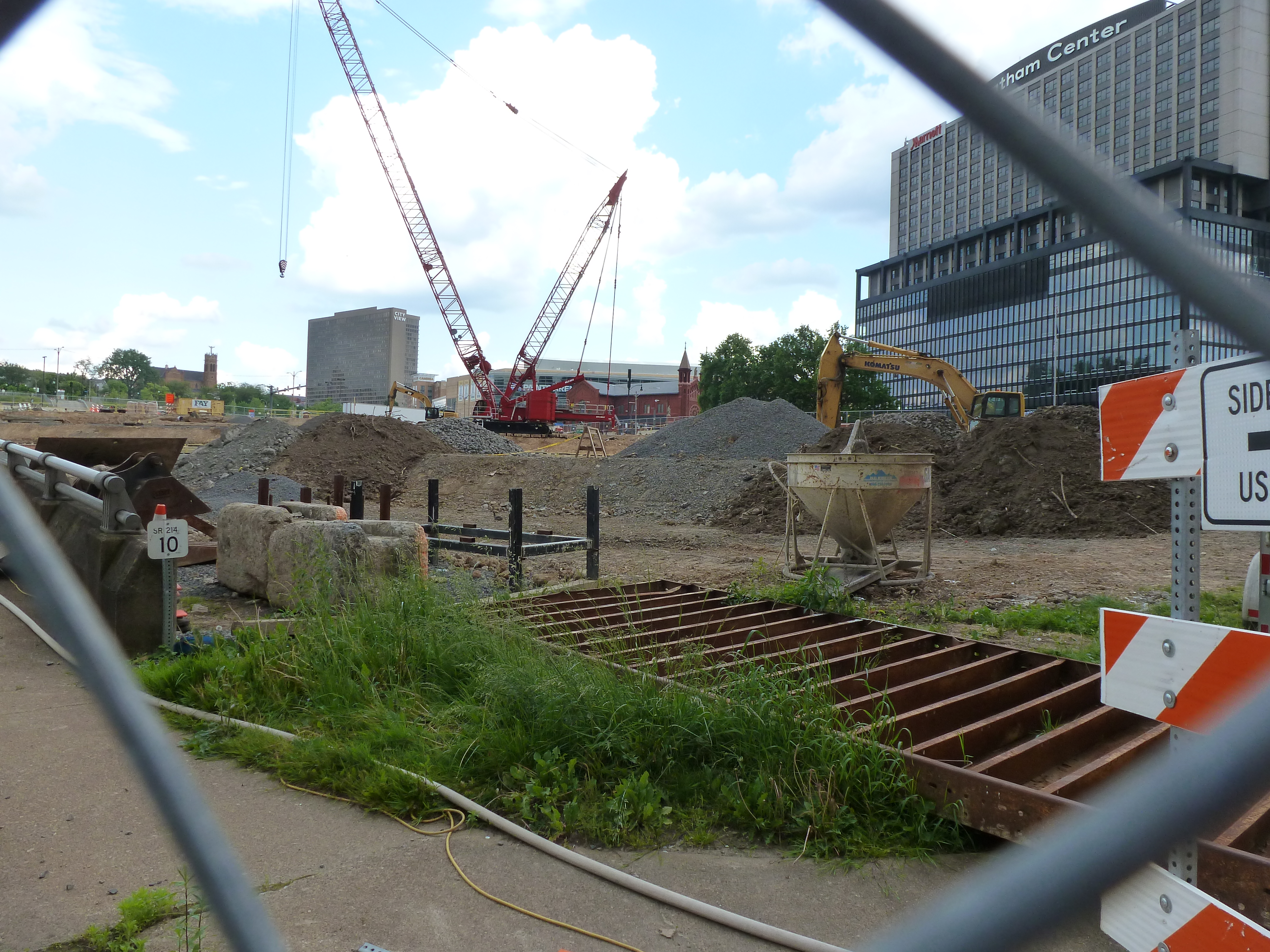
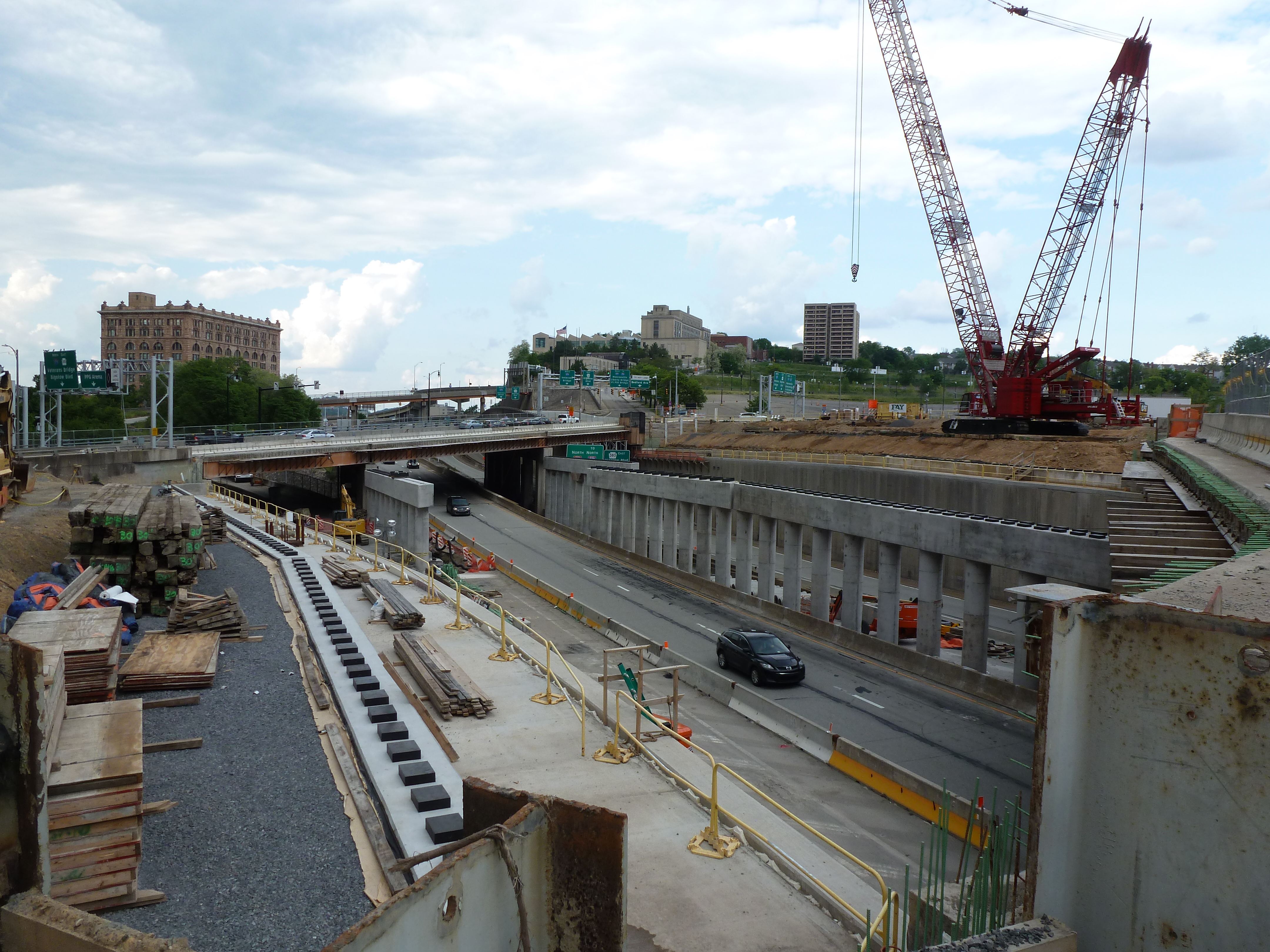
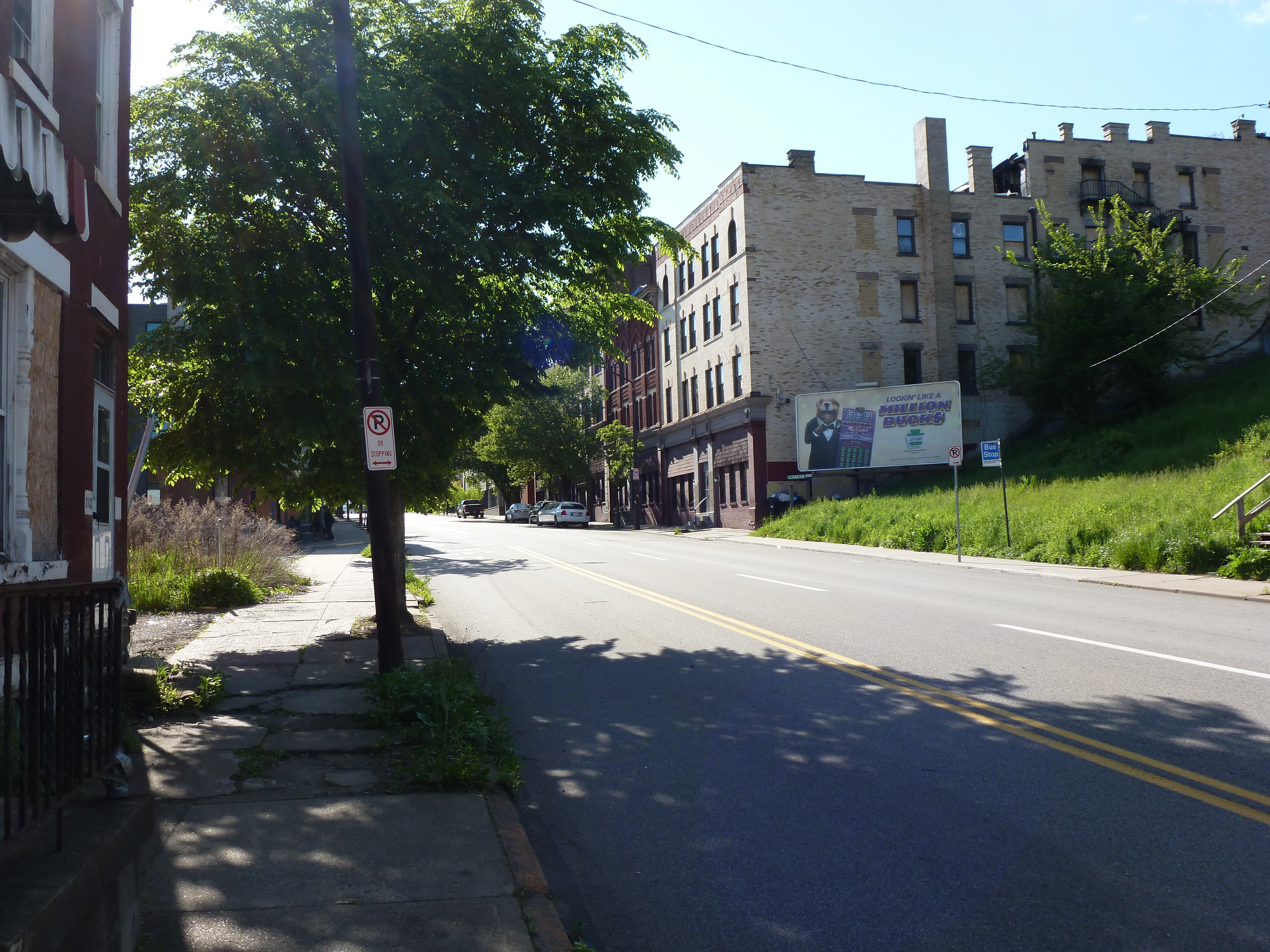
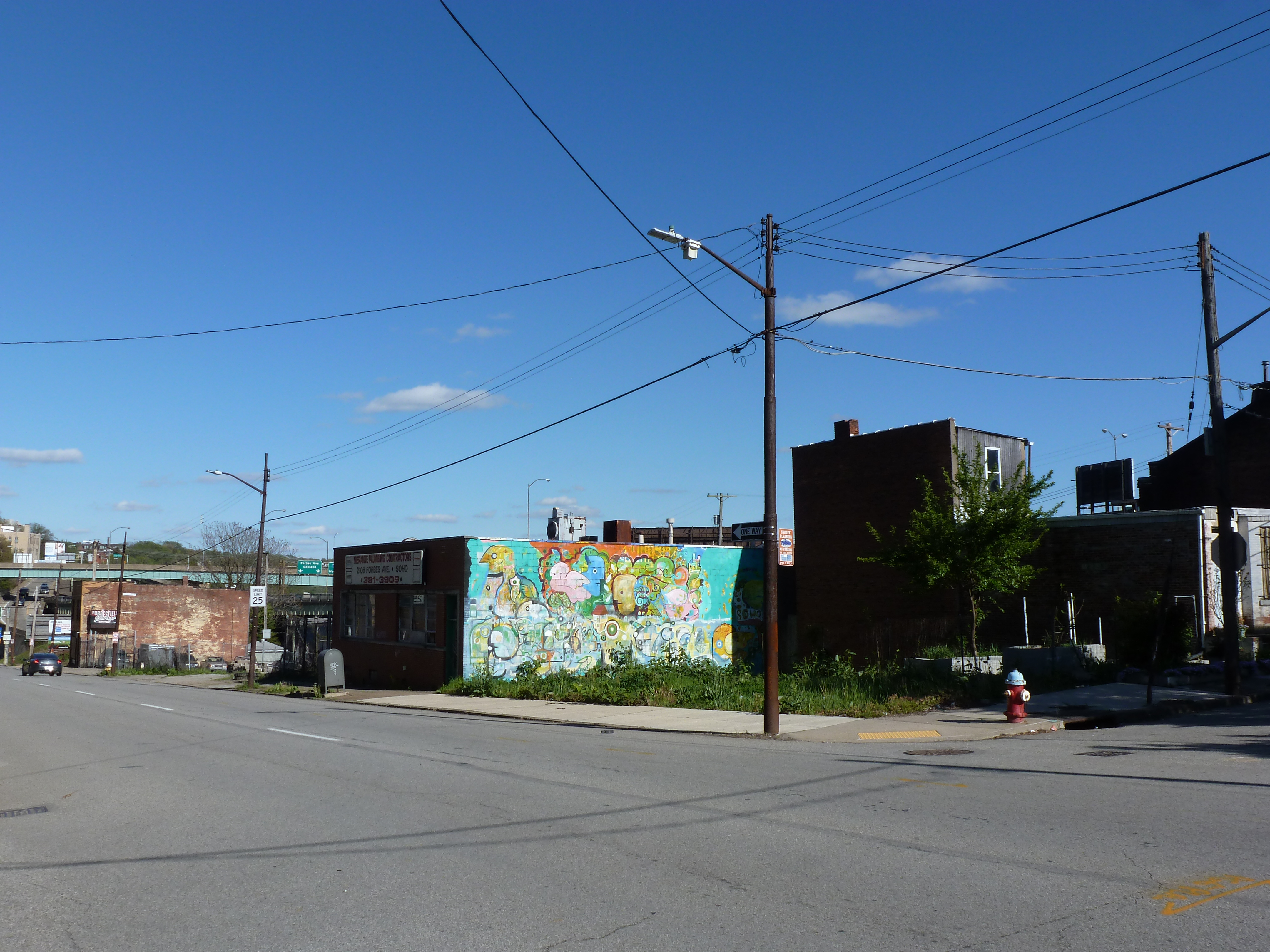
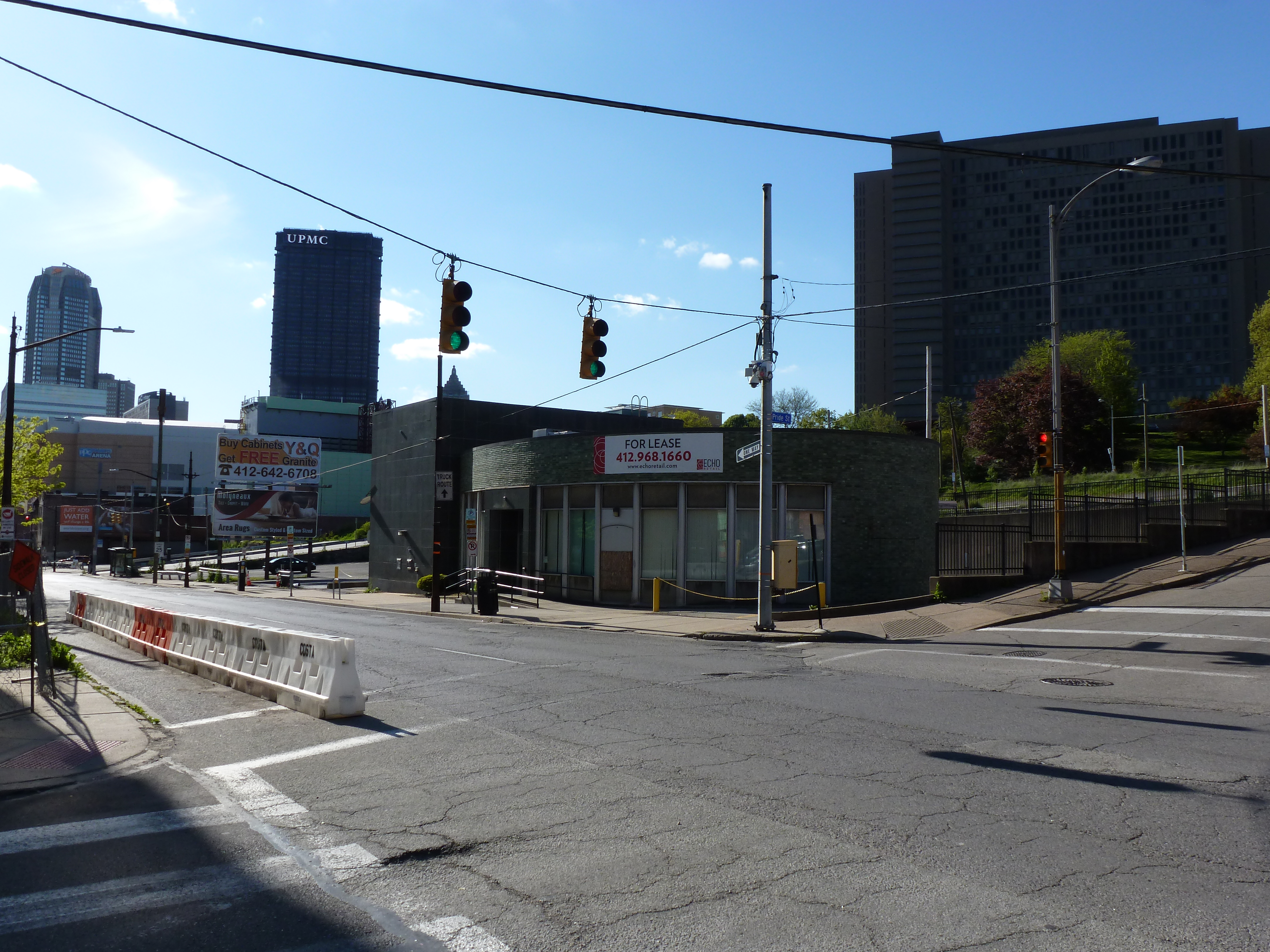
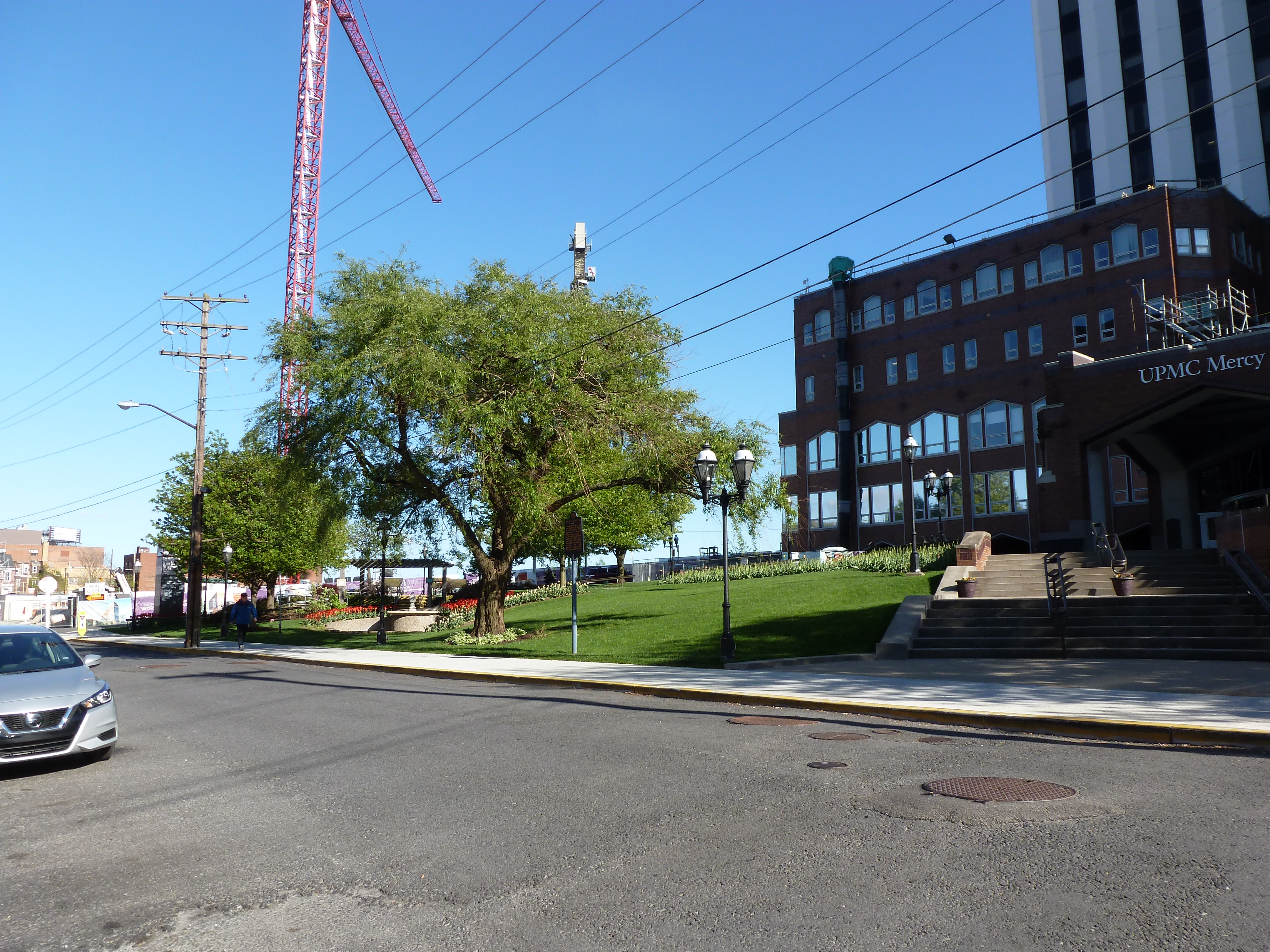
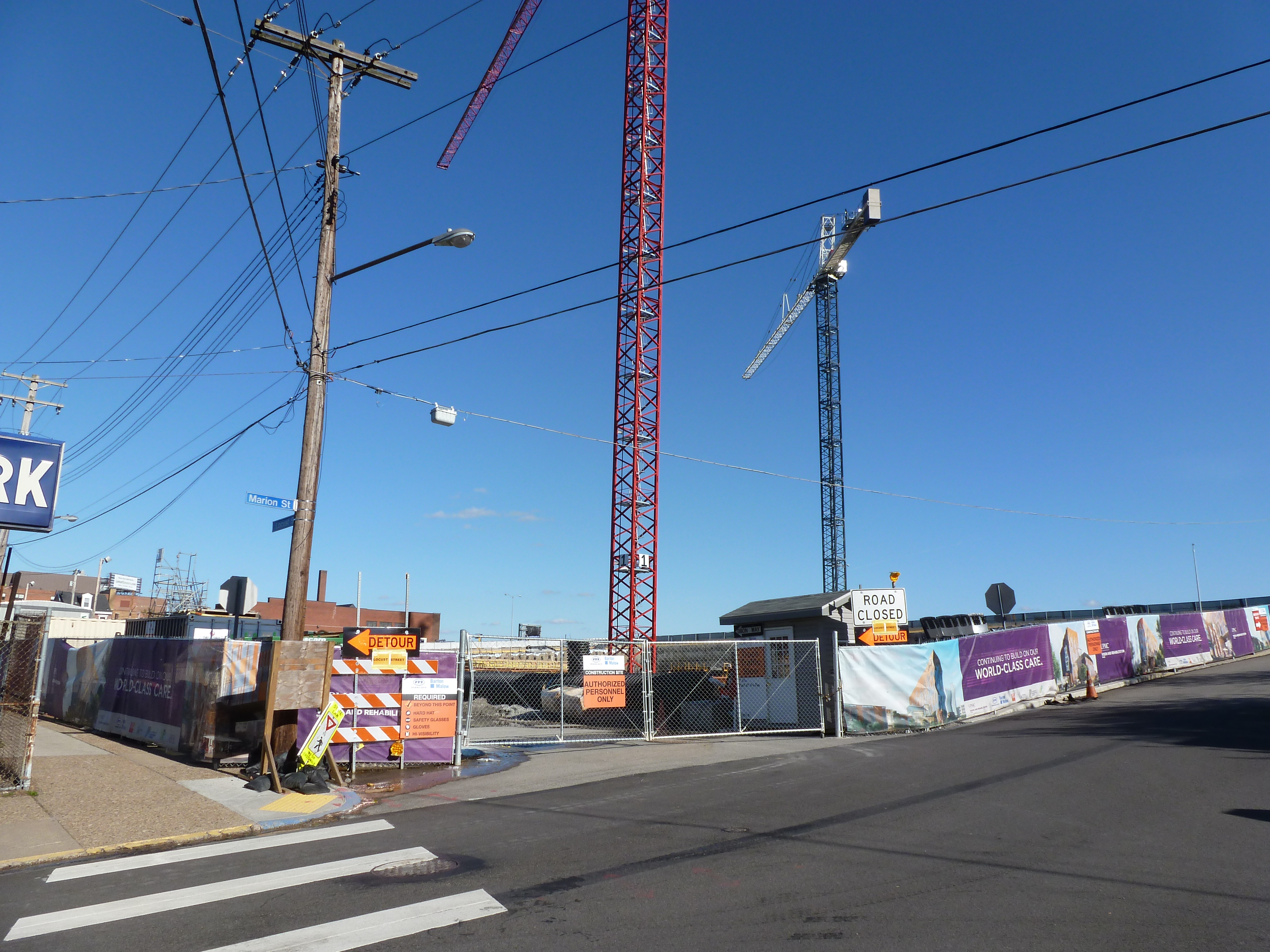
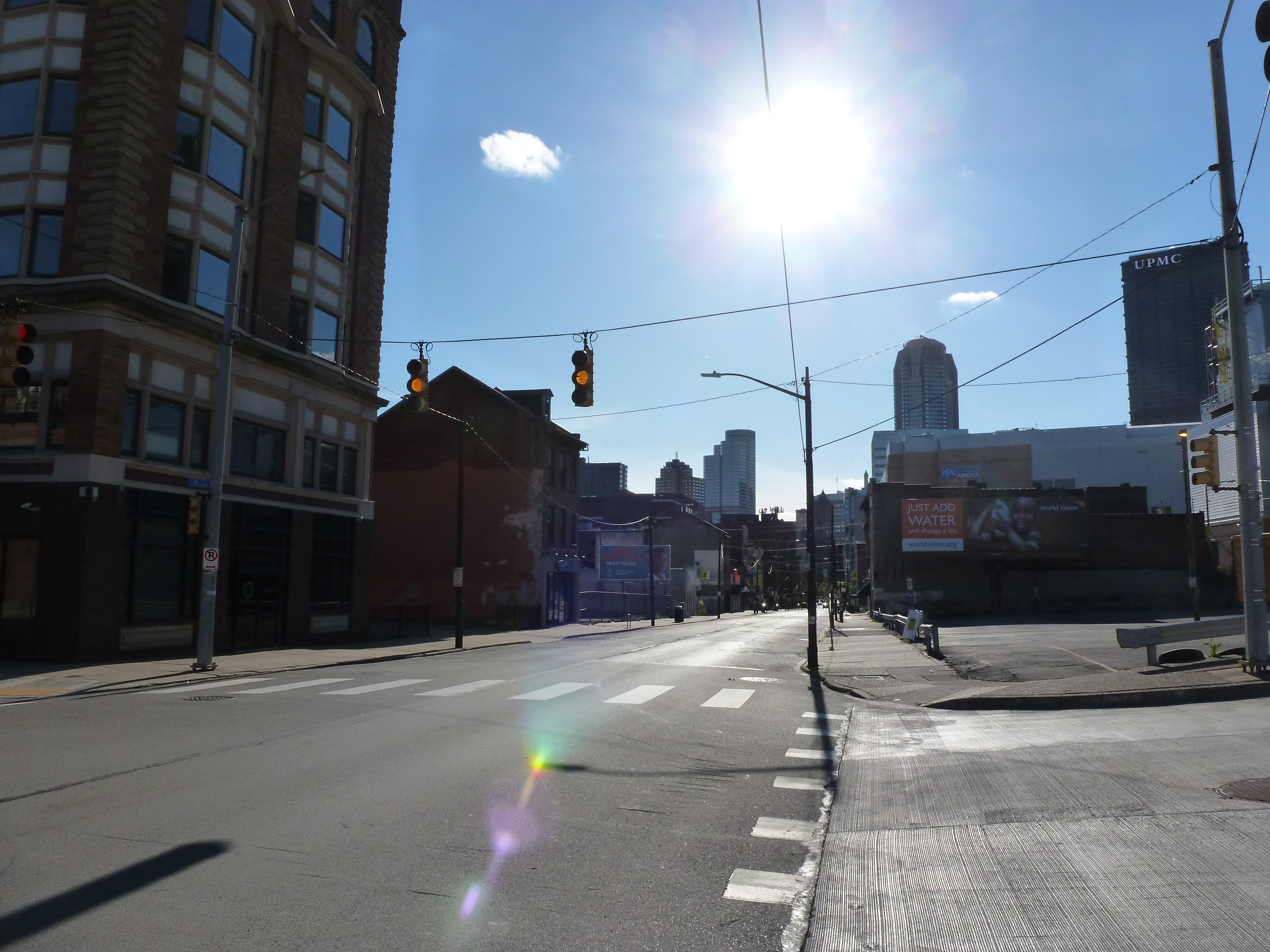
Keeping an Eye on the Lower Hill: Jun. 2020

Lower Hill in the News:

Mayor’s Press Release (May 5, 2020)

Penguins Stop Development (Public Source, May 14, 2020)

Penguins Pull Out (Trib, May 14, 2020)

Penguins Back Out (WPXI, May 15, 2020)

Penguins Cease Redevelopment (Patch, May 15, 2020)

Penguins Halt Lower Hill Development (WESA, May 18, 2020)

Mayor’s Press Release (May 20, 2020)

Mayor Urges URA to Approve Development (Trib, May 20, 2020)

URA Explanation of Community Benefits

URA Board Votes to Move Lower Hill Development Forward (May 21, 2020)

URA Board Approves Development Project (WPXI, May 21, 2020)

Never Mind, Penguins Back In (WTAE, May 21, 2020)

President Trump Tweets about BRT Grant Award (May 29, 2020)


Previous posts in series:

Keeping an Eye on the Lower Hill: Jan. 2020

Keeping an Eye on Uptown: Introduction

Keeping an Eye on the CAP: Jun. 2020


Previous posts in series:

Keeping an Eye on the CAP: Dec. 2019

Keeping an Eye on Uptown: Introduction

Keeping an Eye on Uptown: May 2020

Uptown in the News:

UPMC Vision Plans (December 16, 2019)

Duquesne University Plans Expansion (December 18, 2019)

Uptown Art: The “Tiger King” Comes to Uptown (March 29, 2020)

Ecoinnovation District Plan wins Award (May 5, 2020)


Previous posts in series:

Keeping an Eye on Uptown: Nov. 2019

Keeping an Eye on Uptown: Introduction

Keeping an Eye on Hazelwood: May 2020

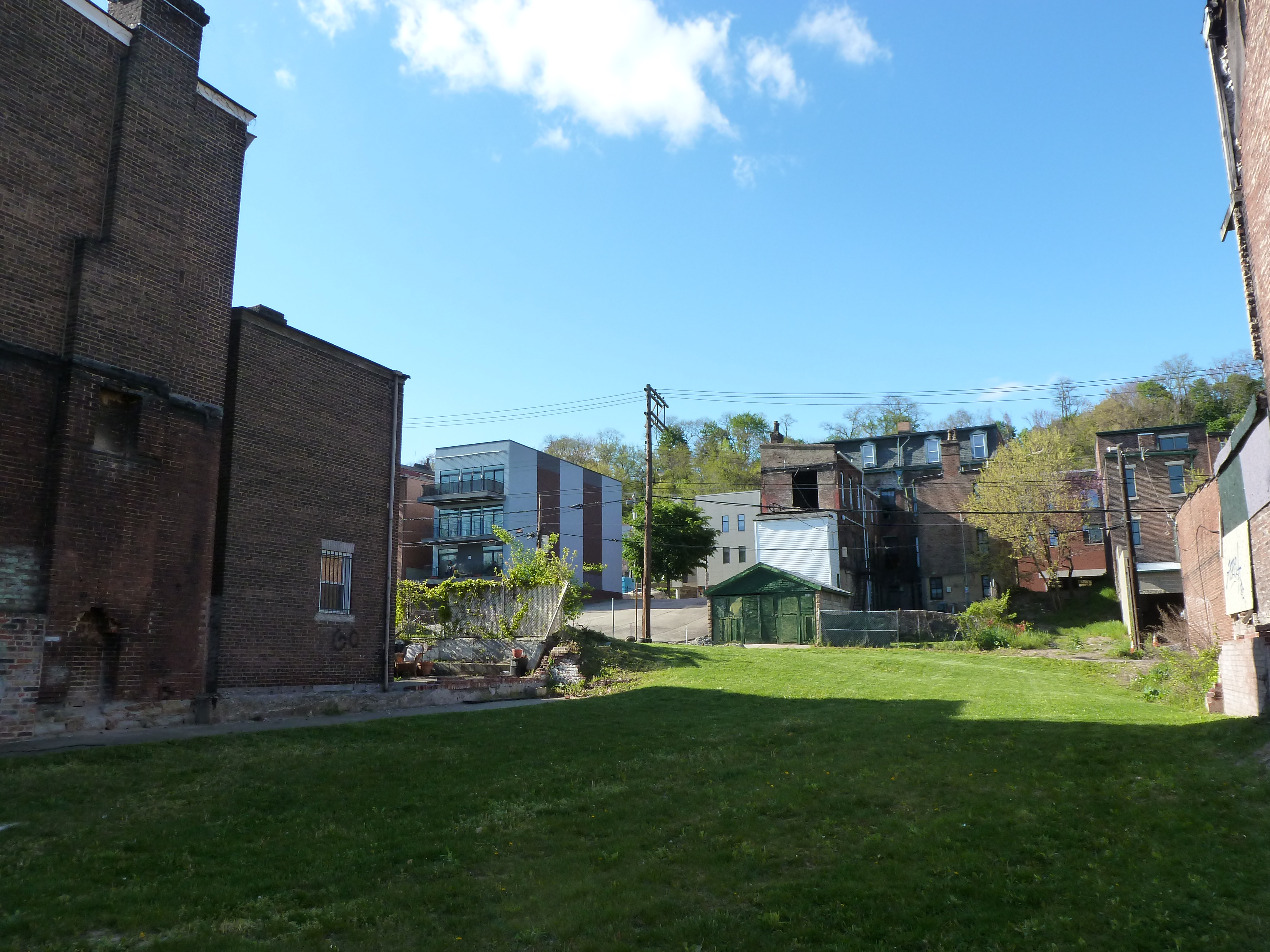
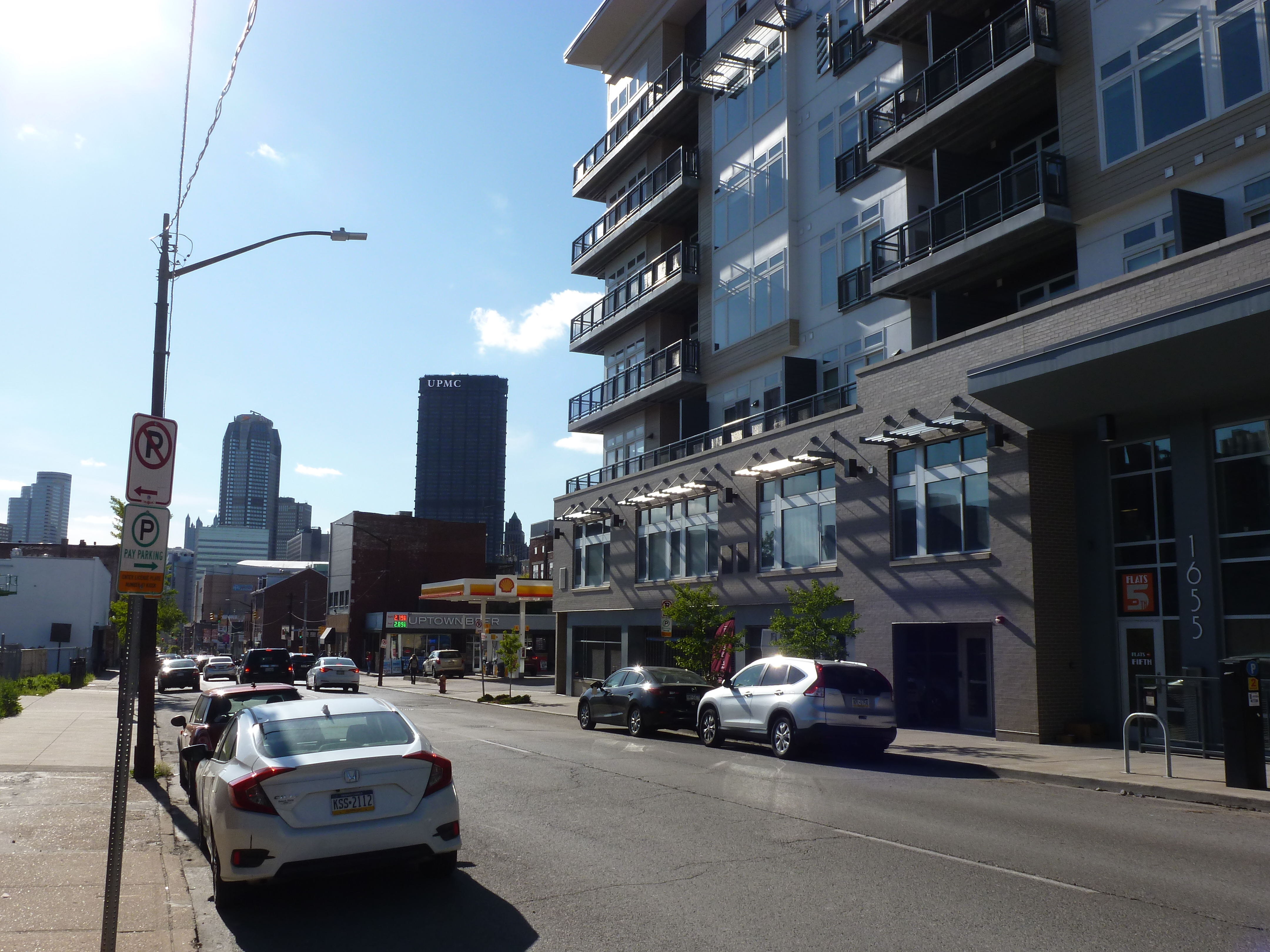
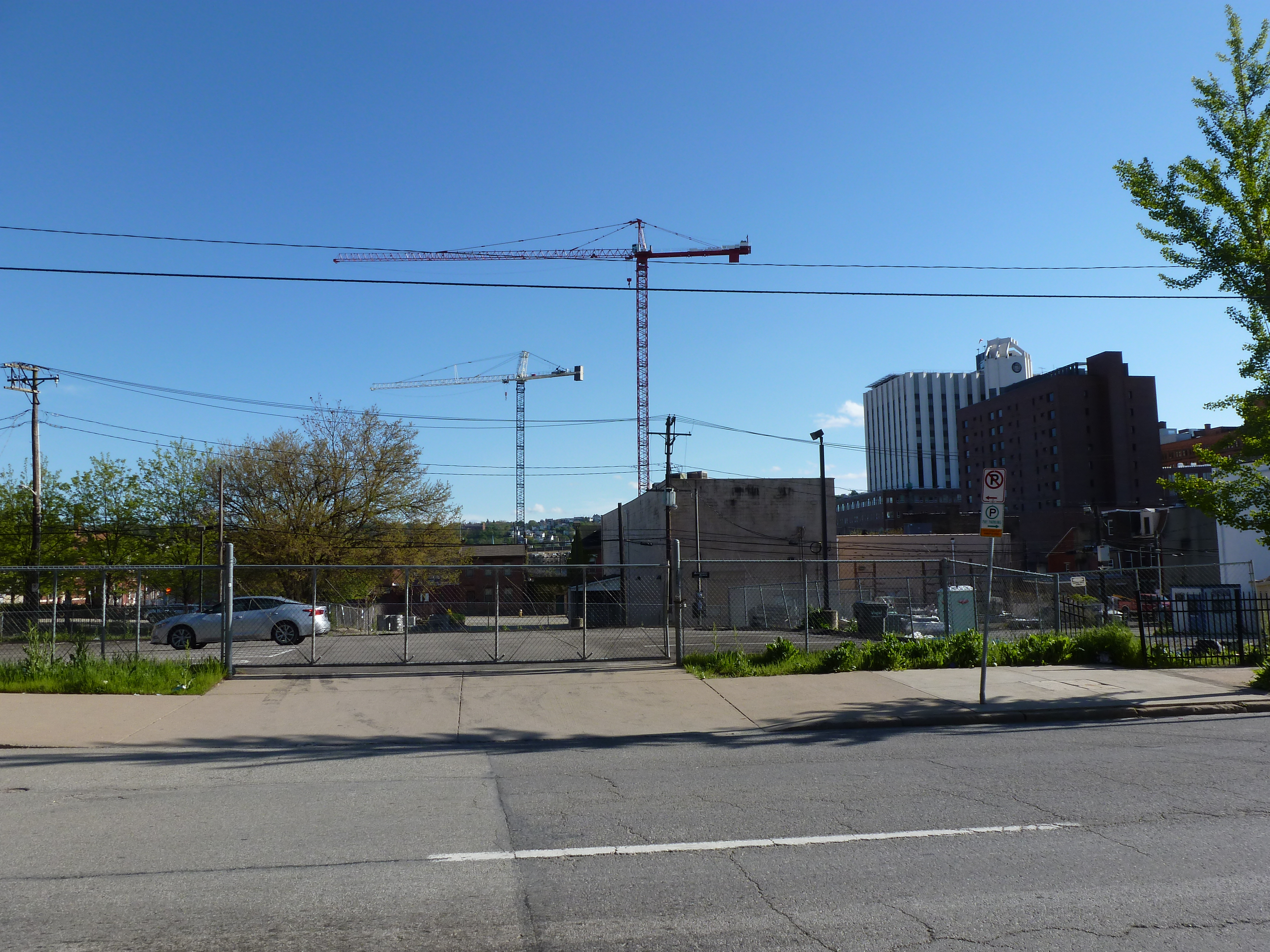
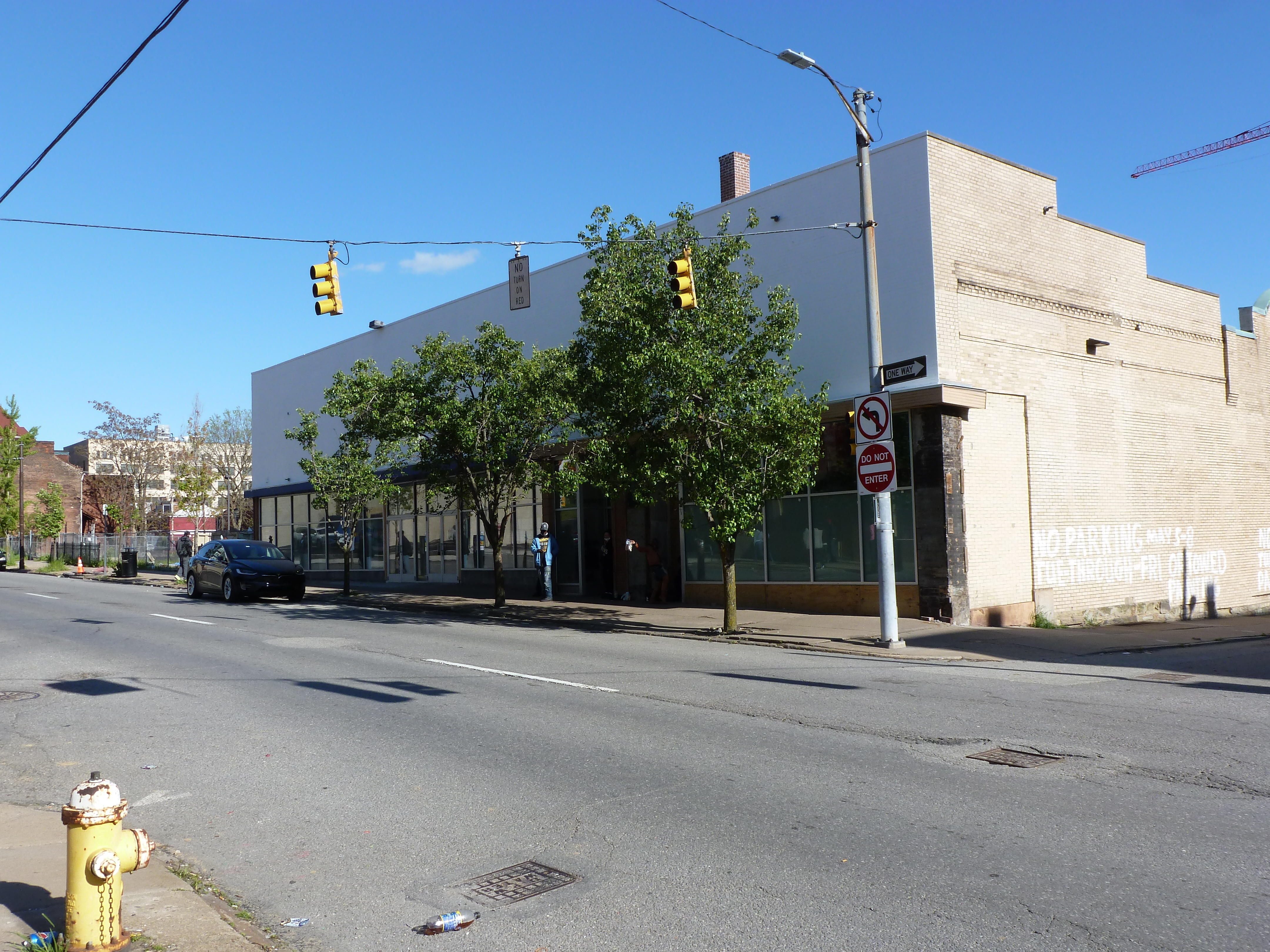
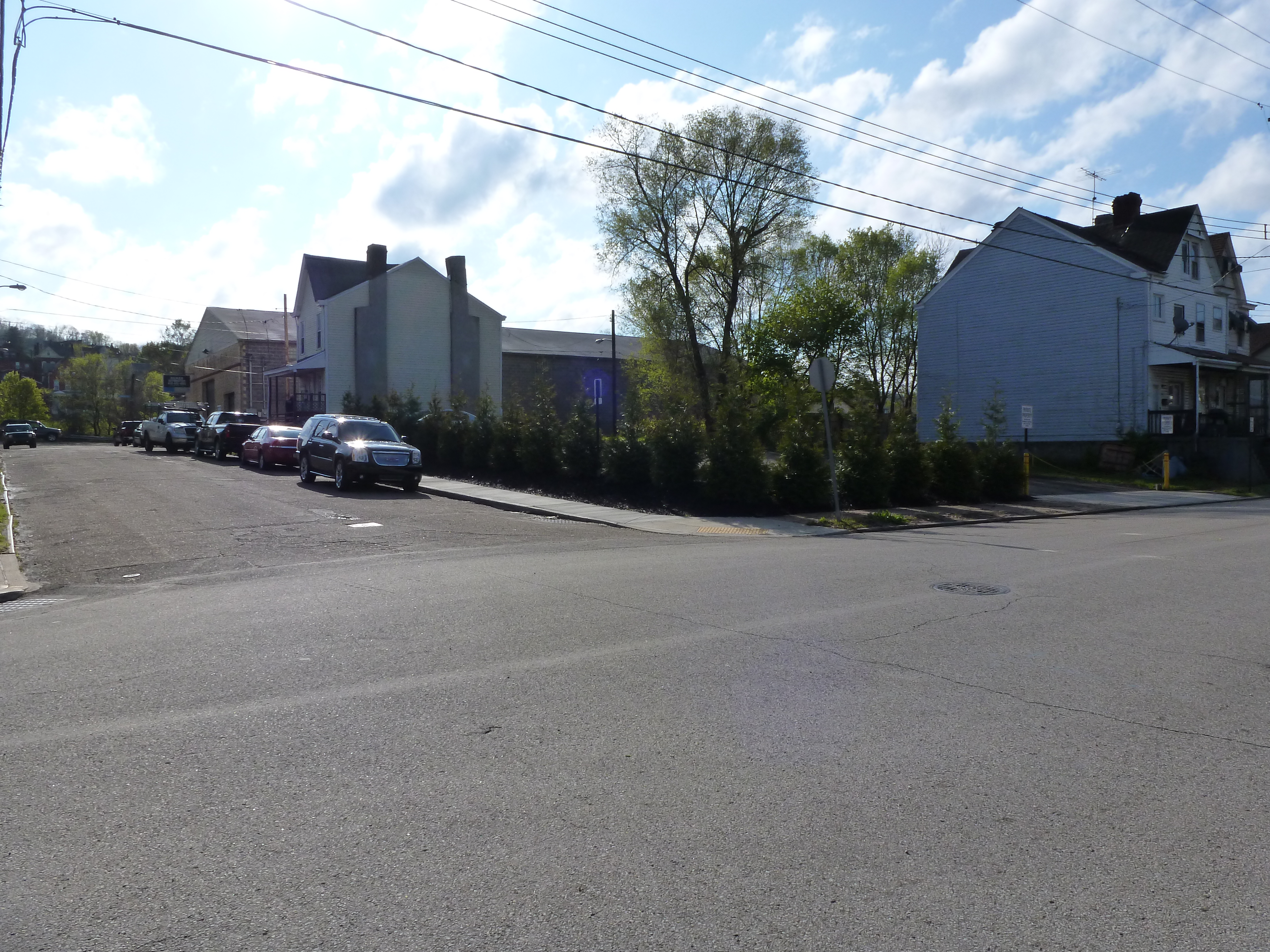
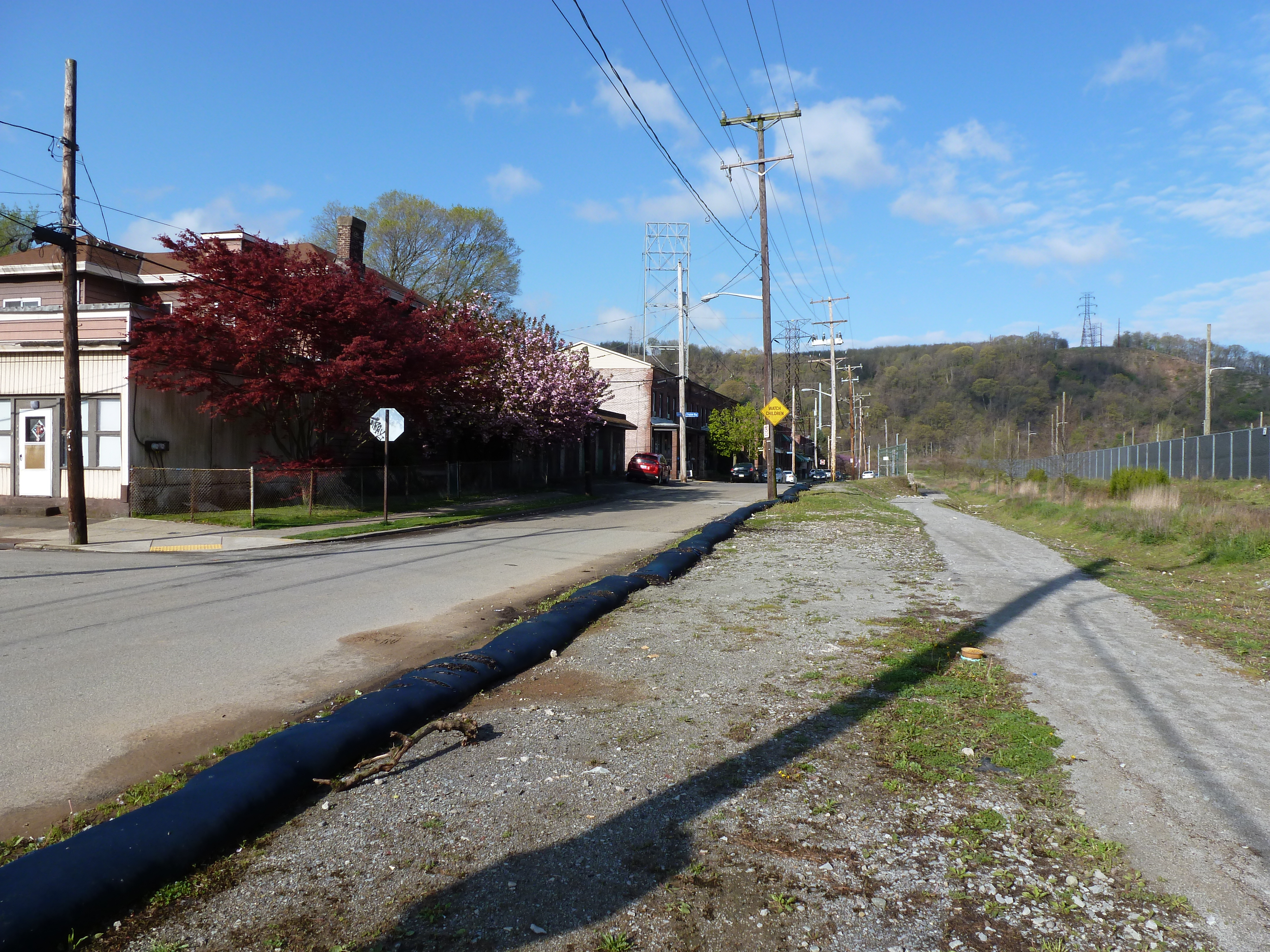
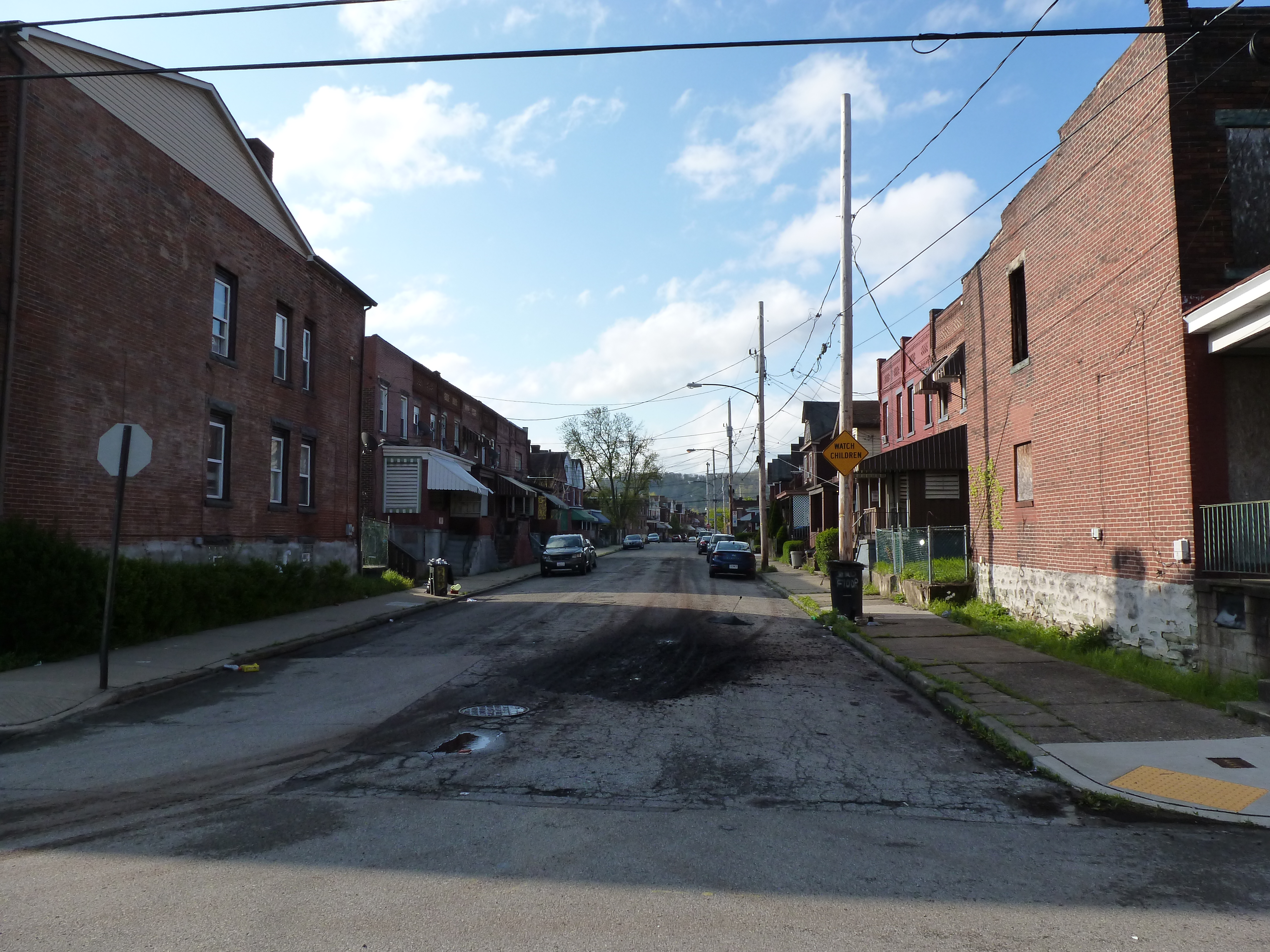
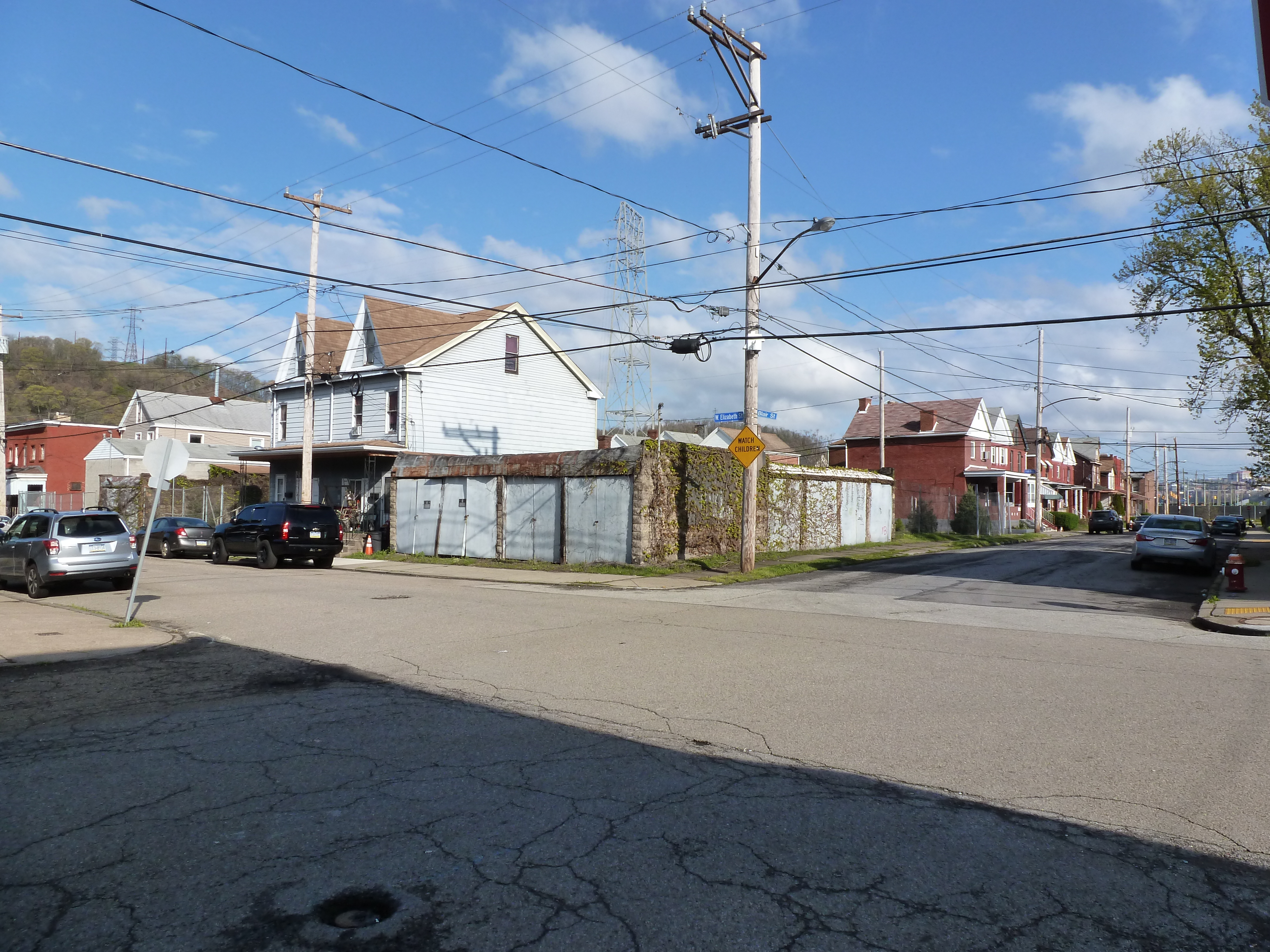
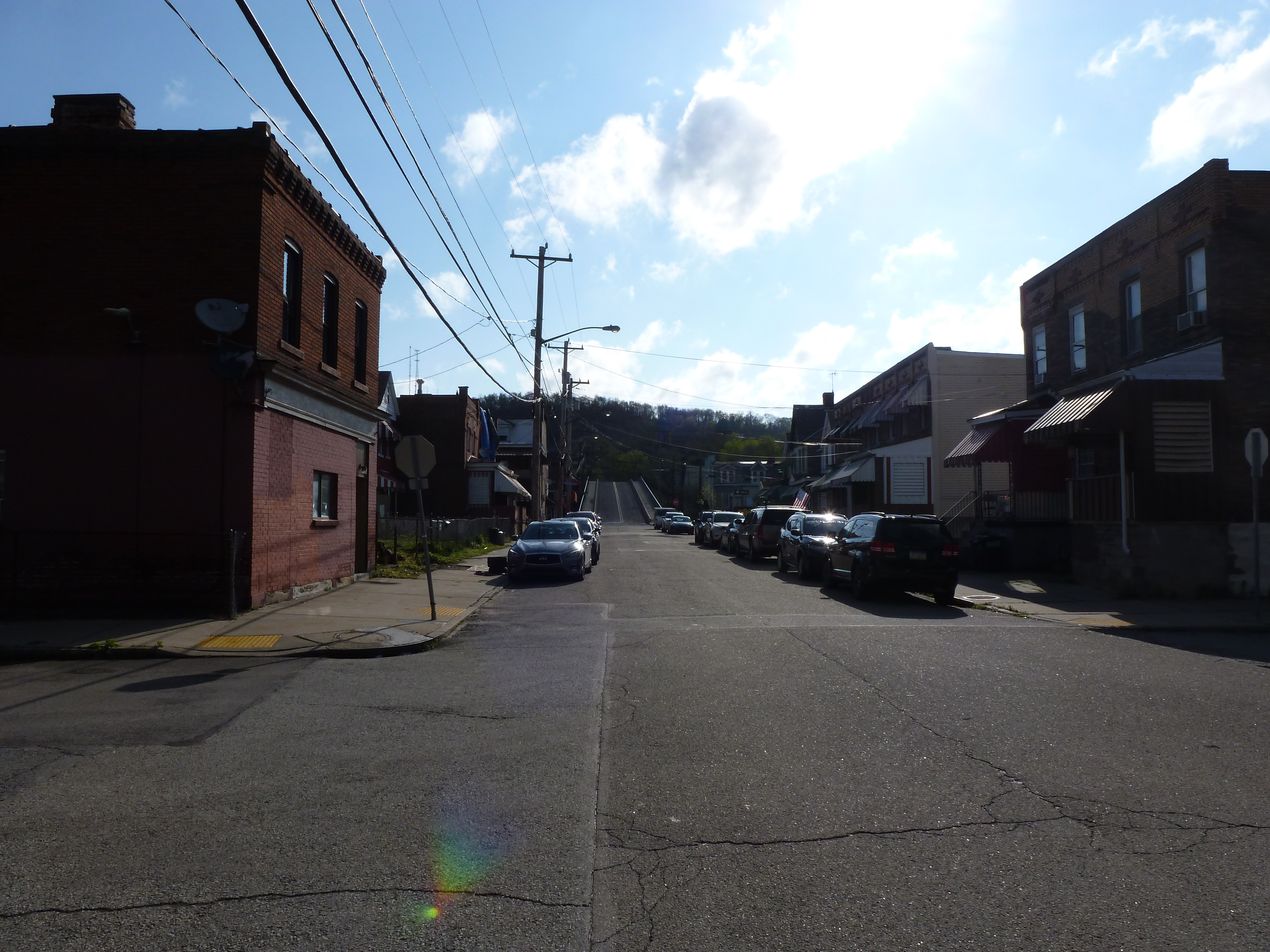
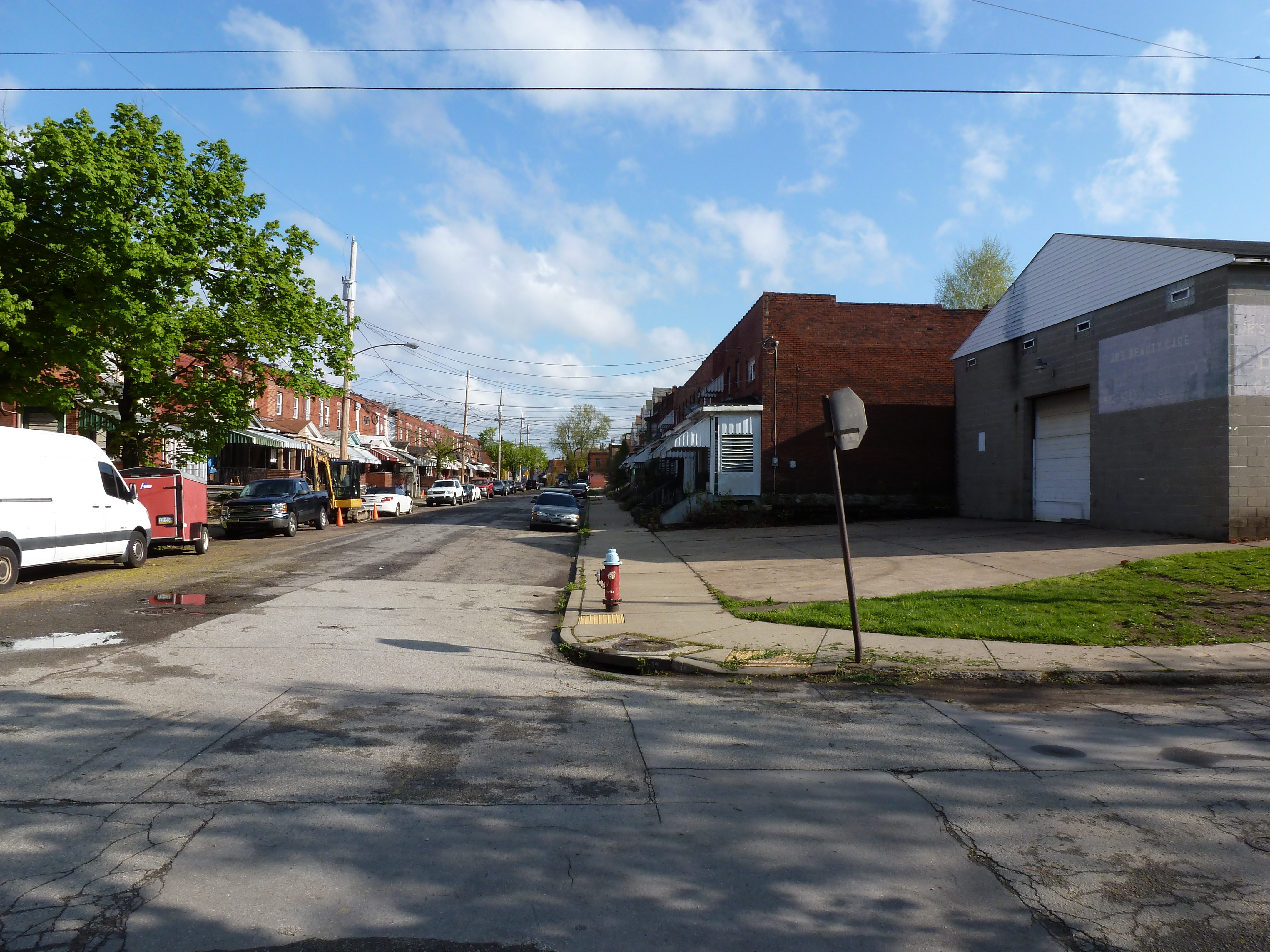
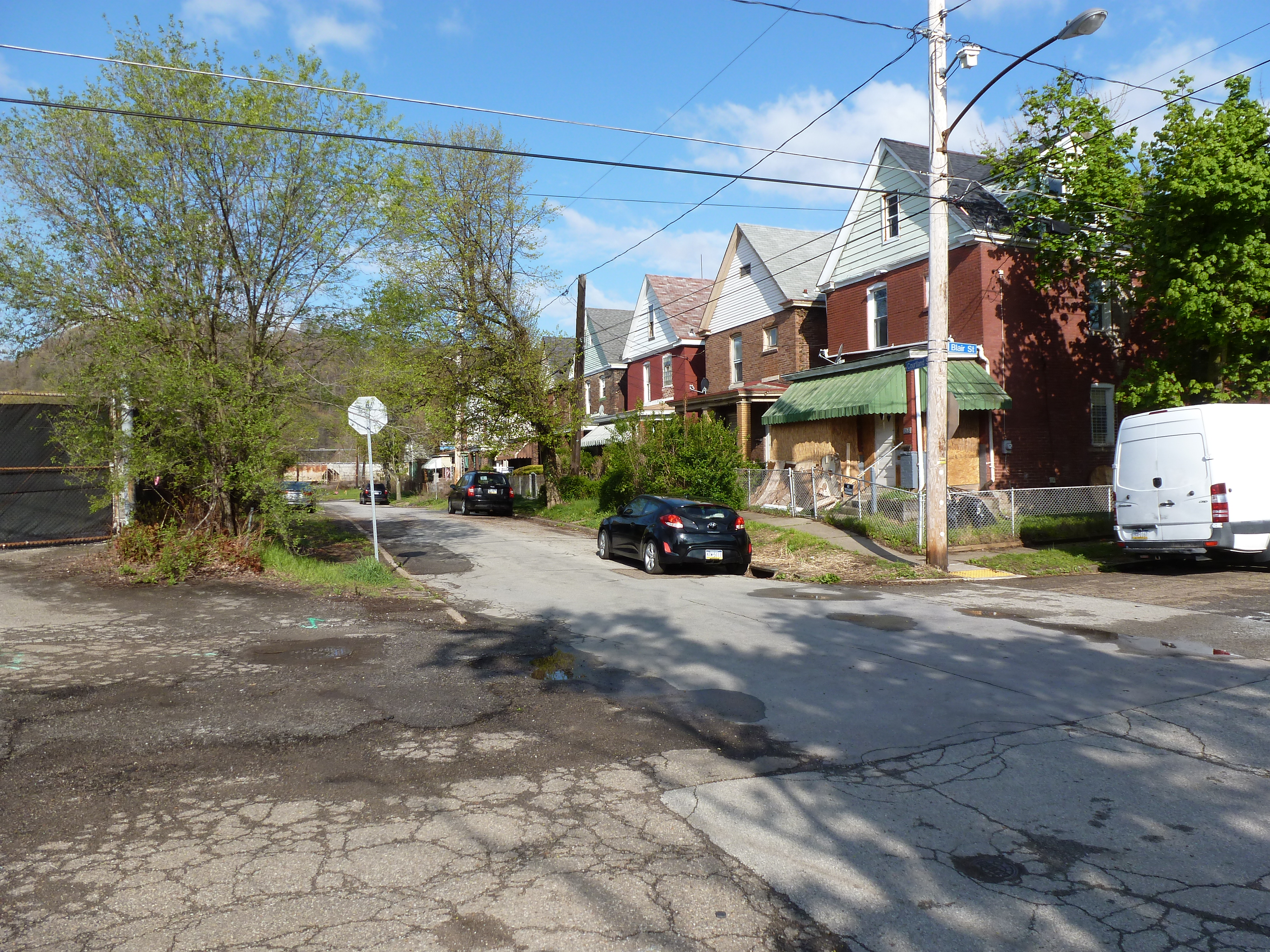
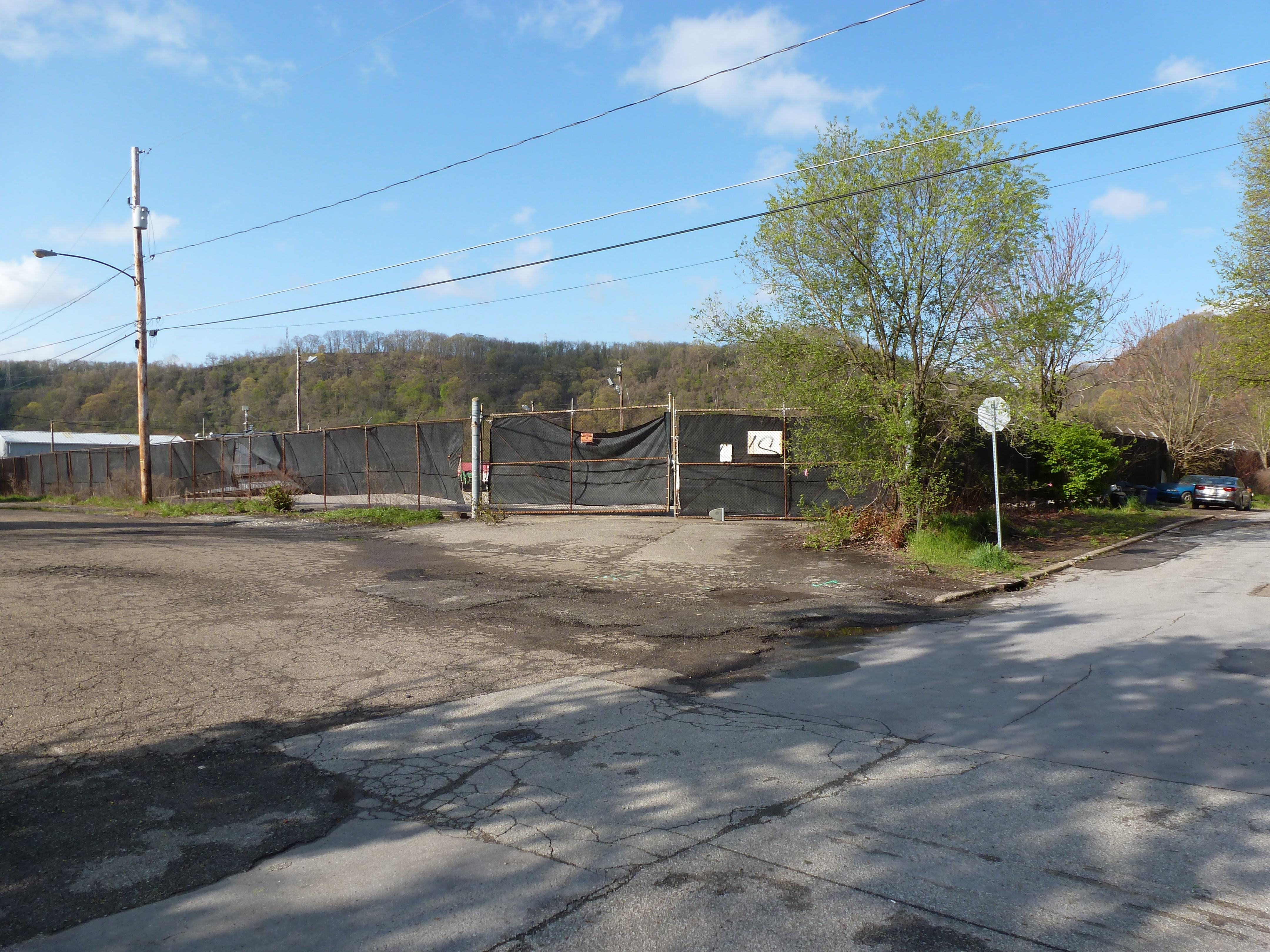
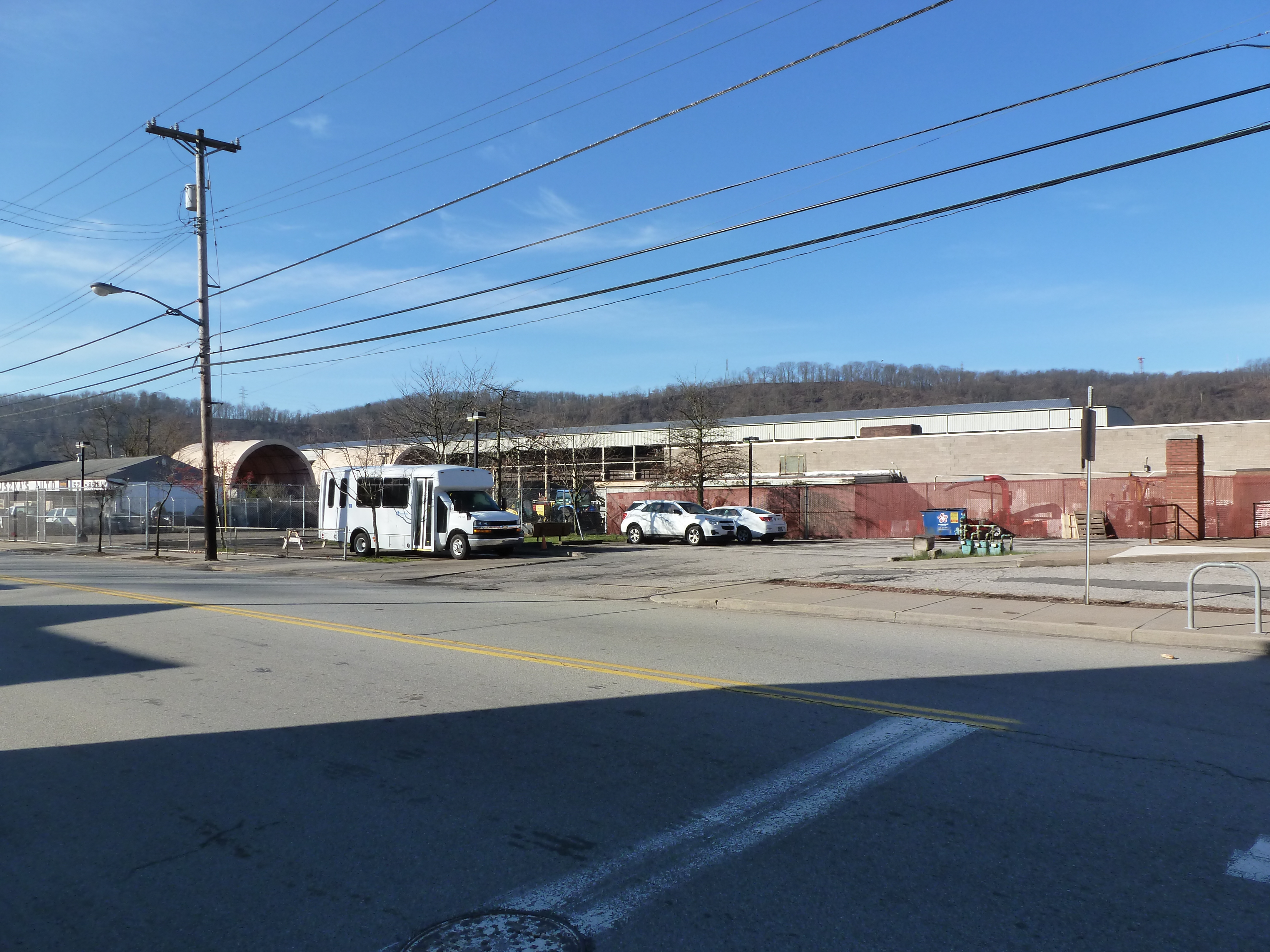
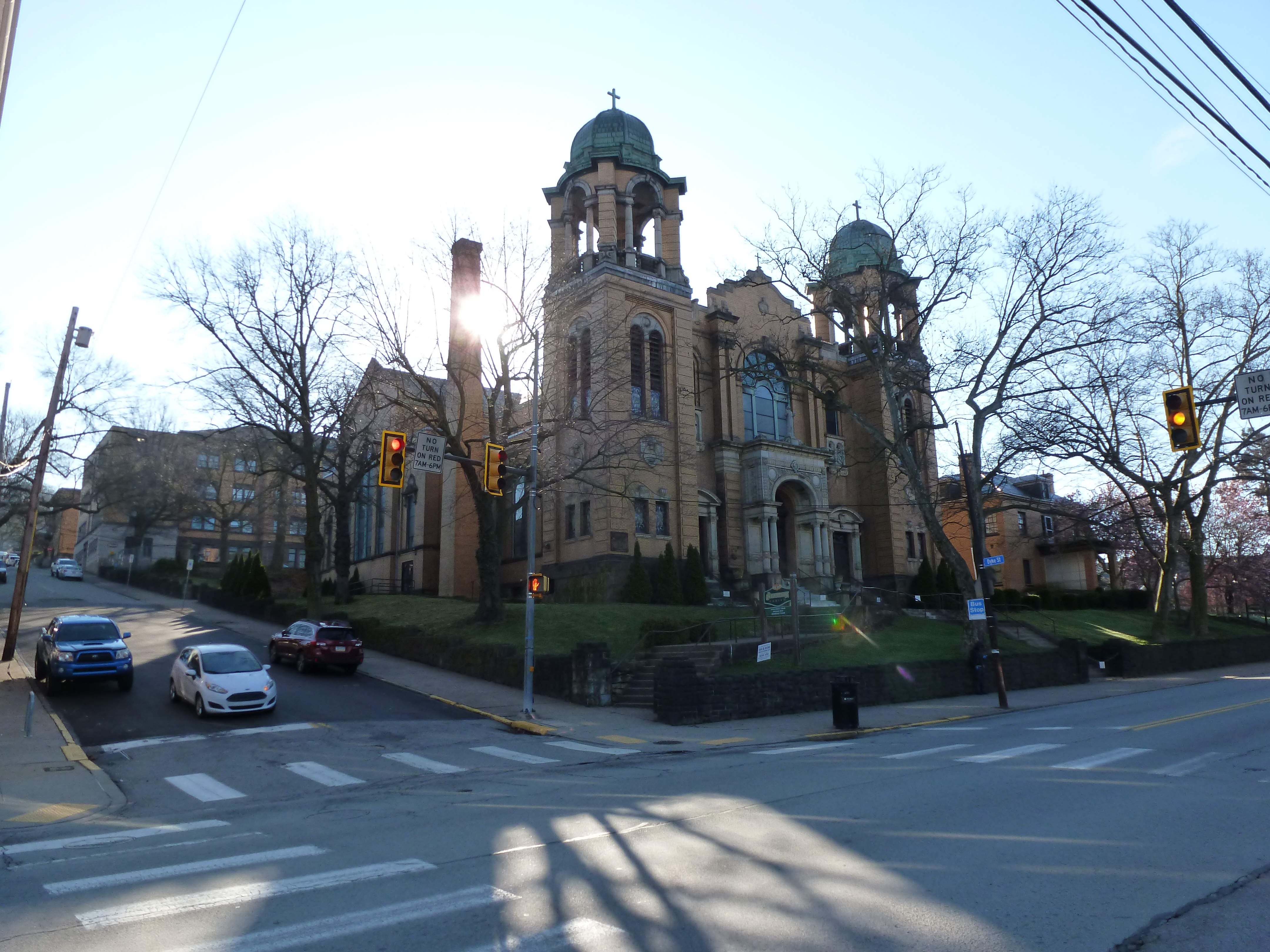
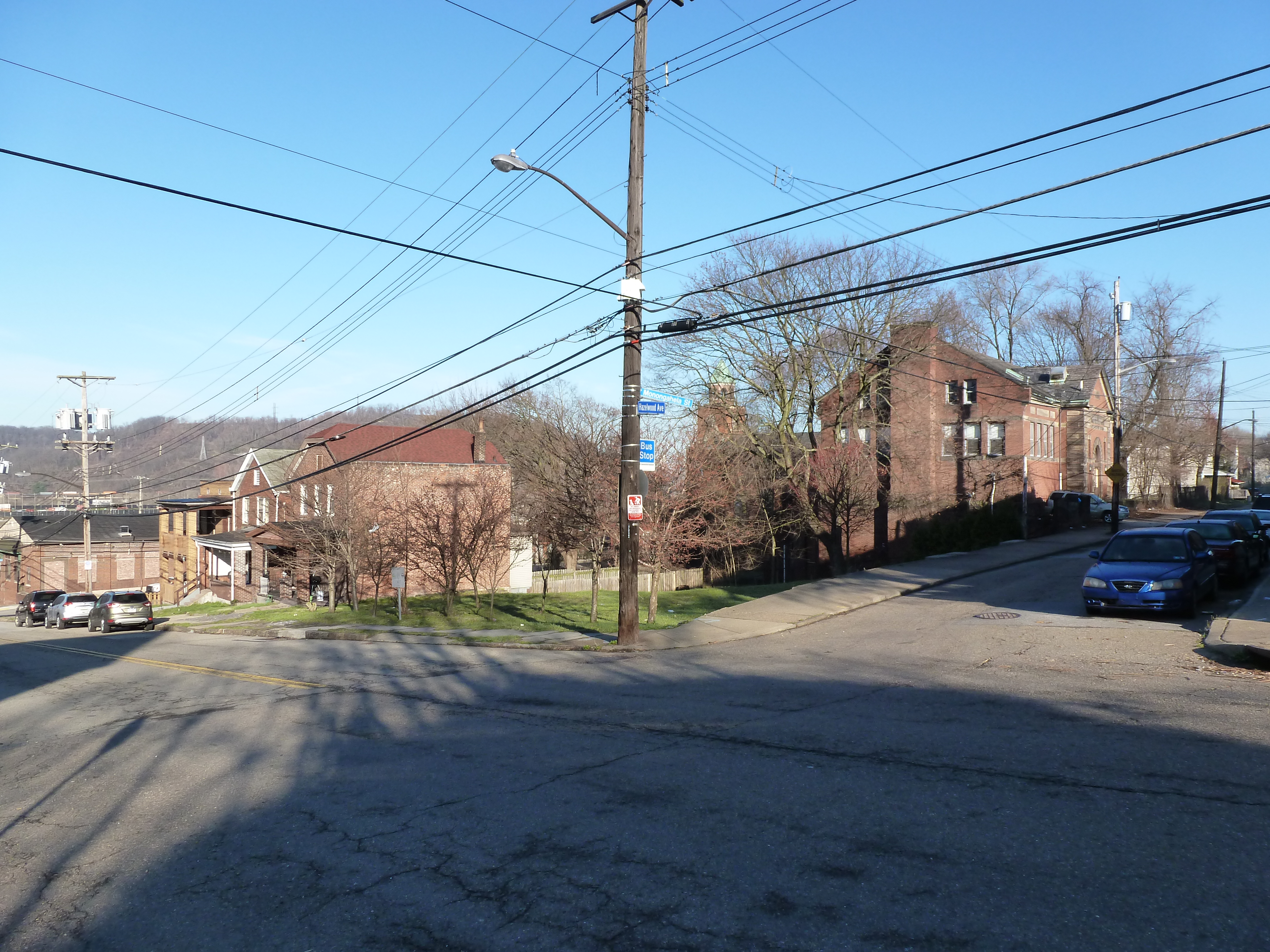
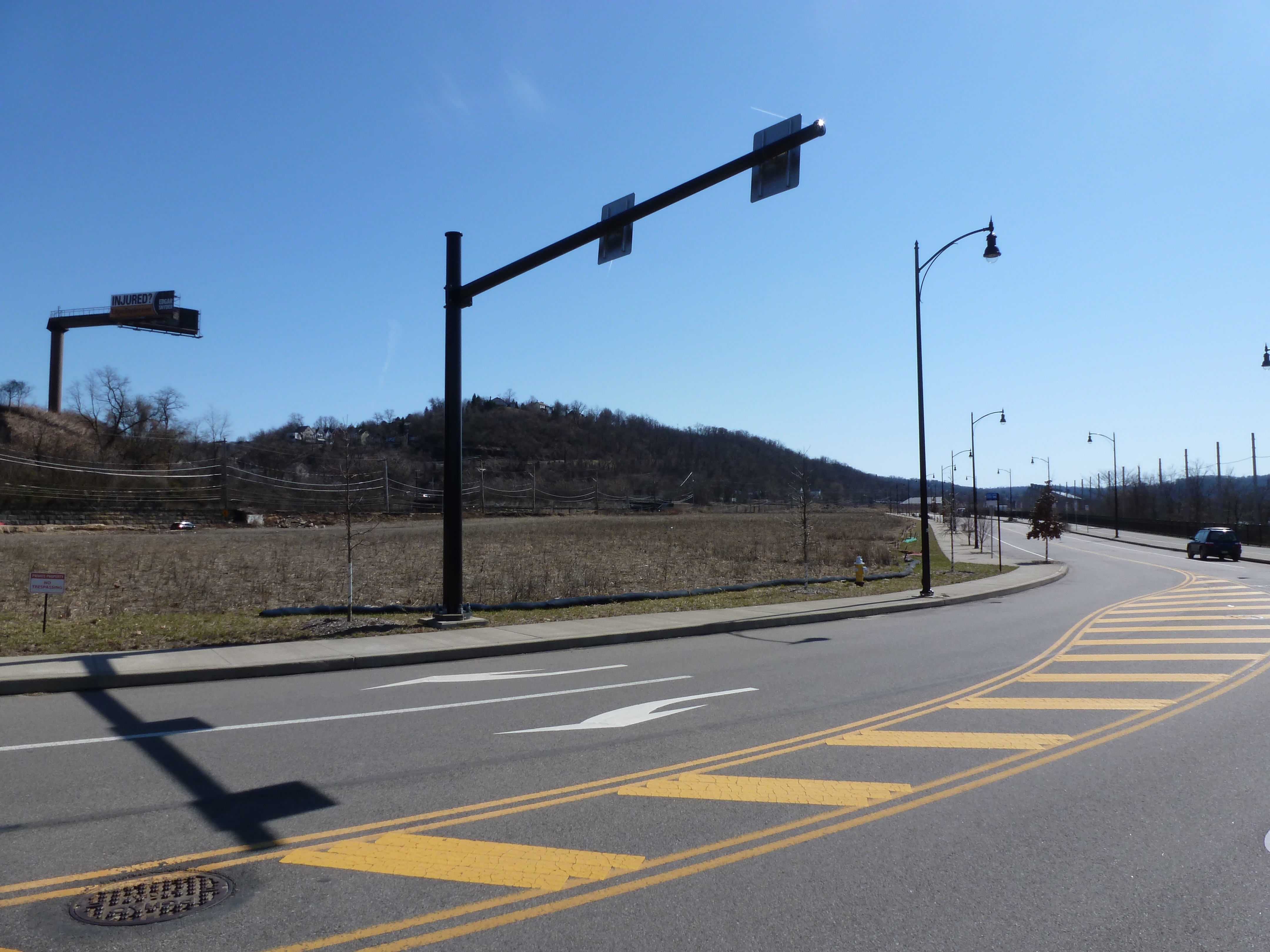
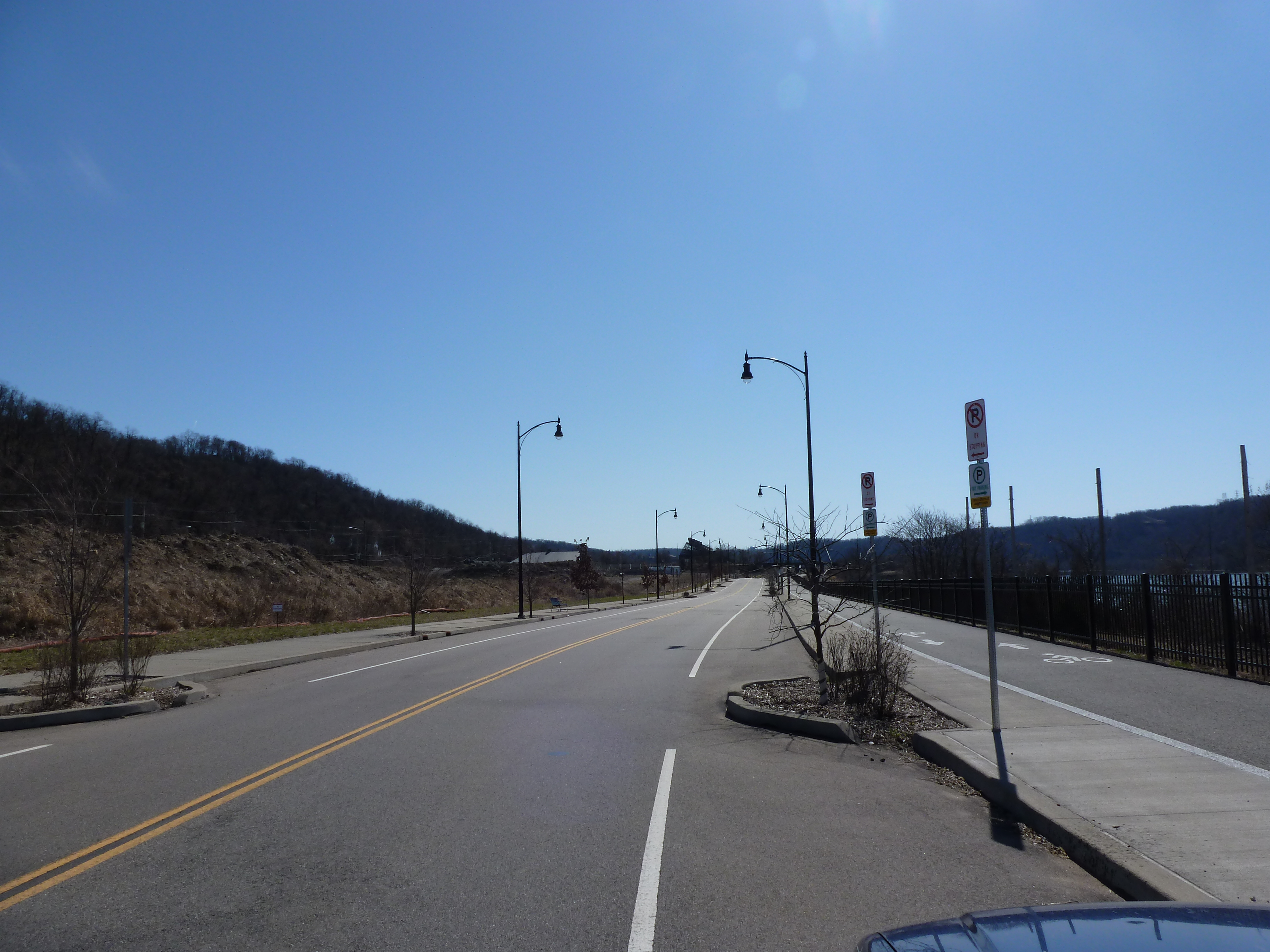
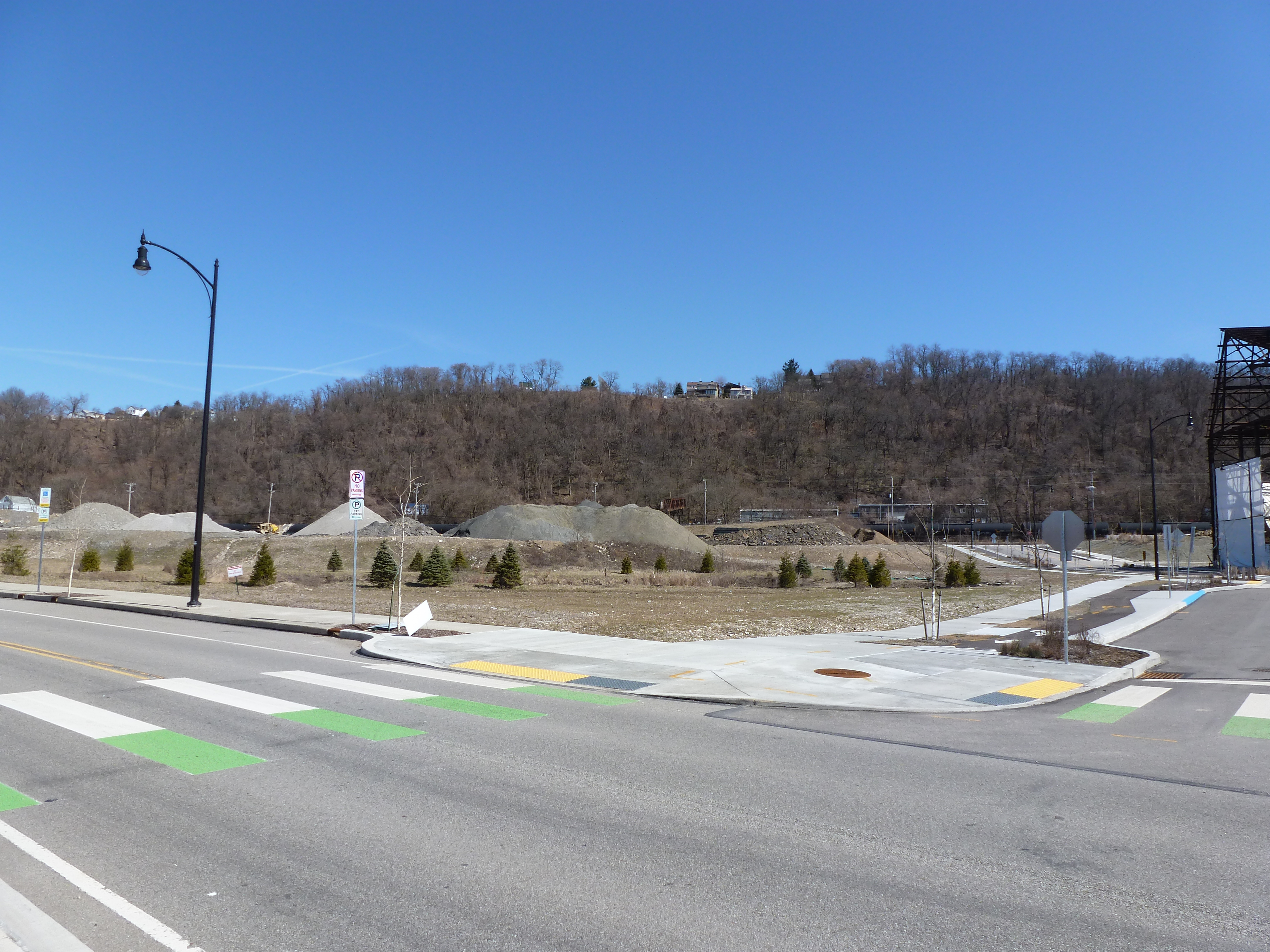
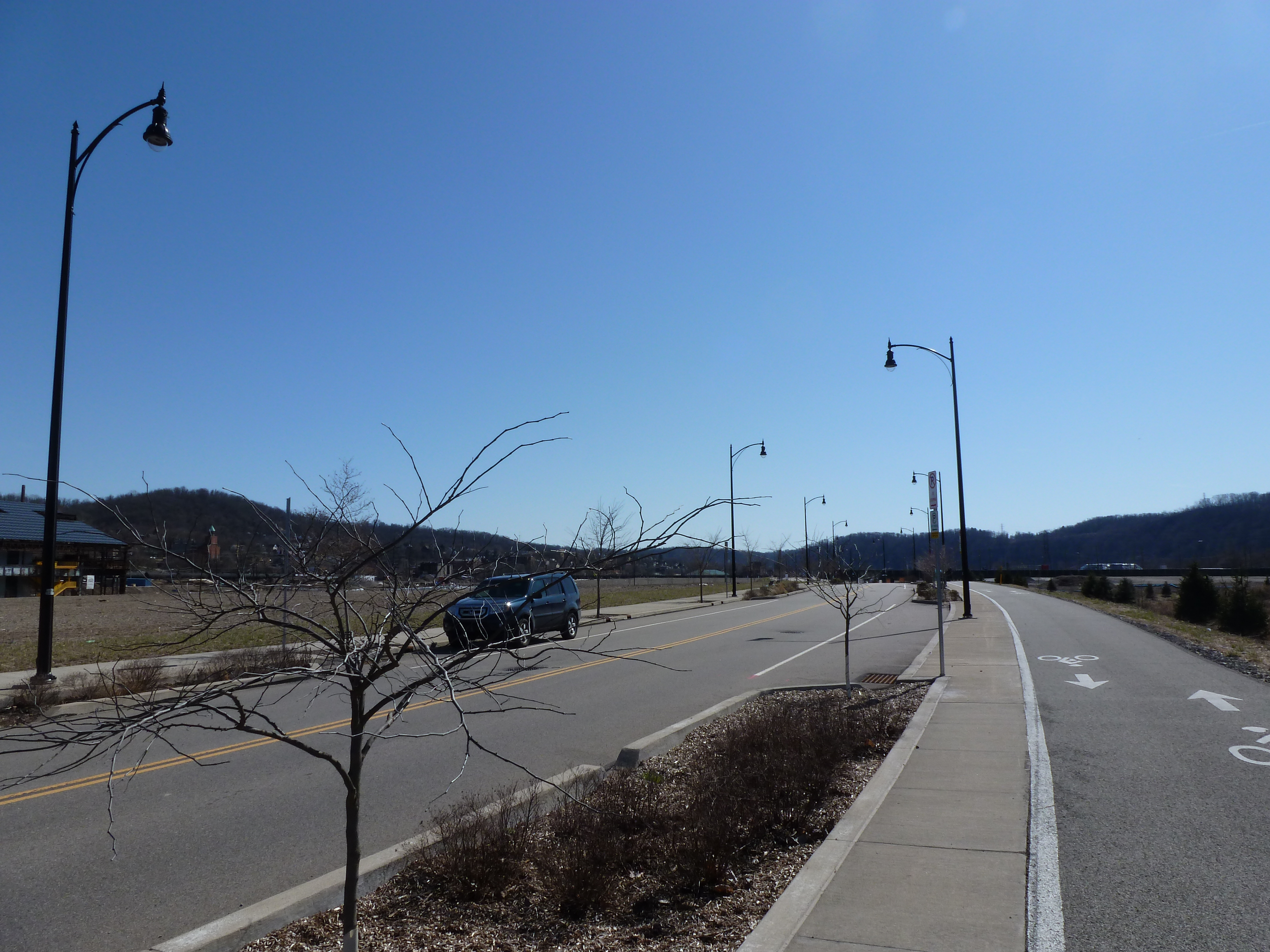
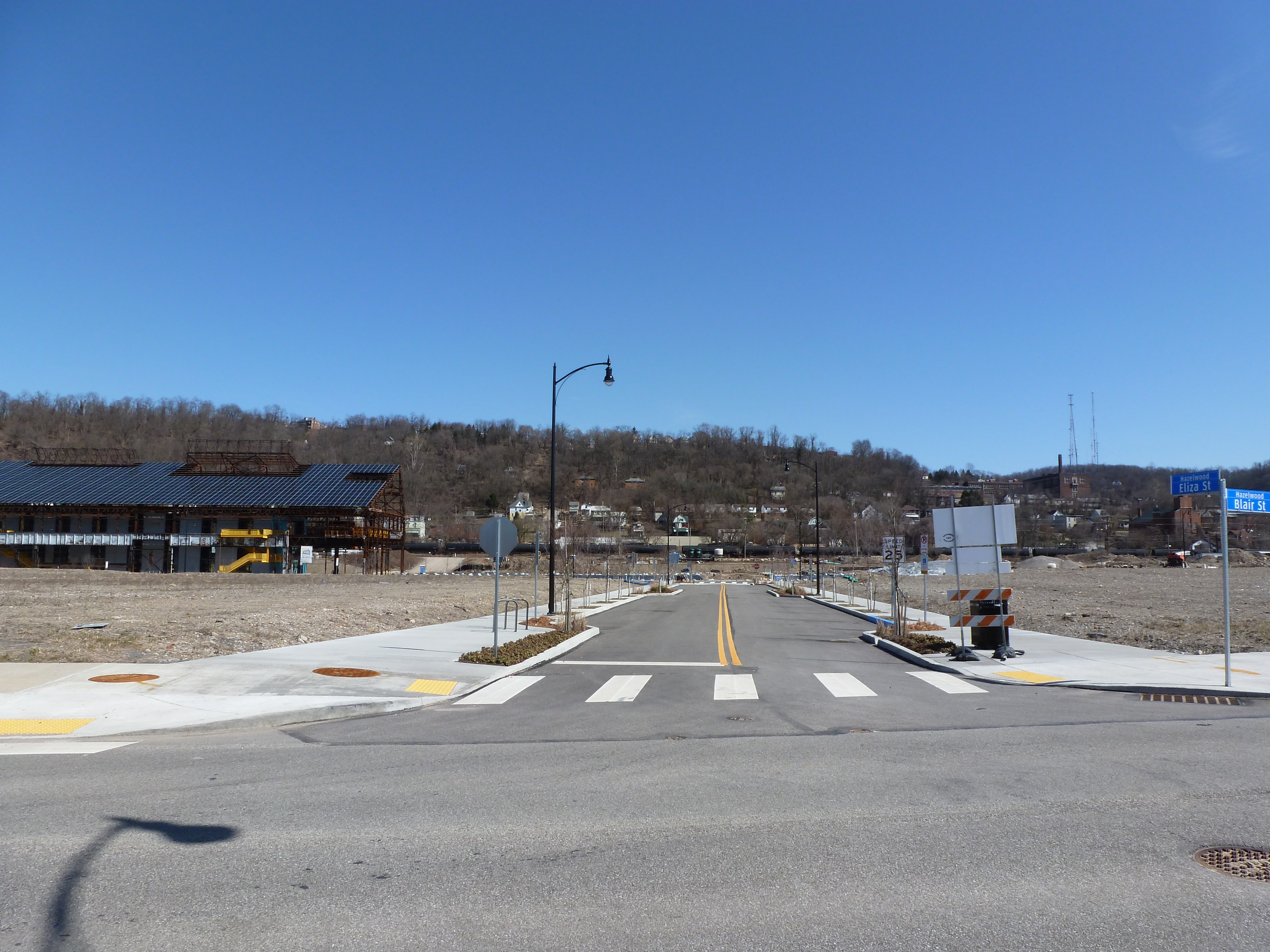
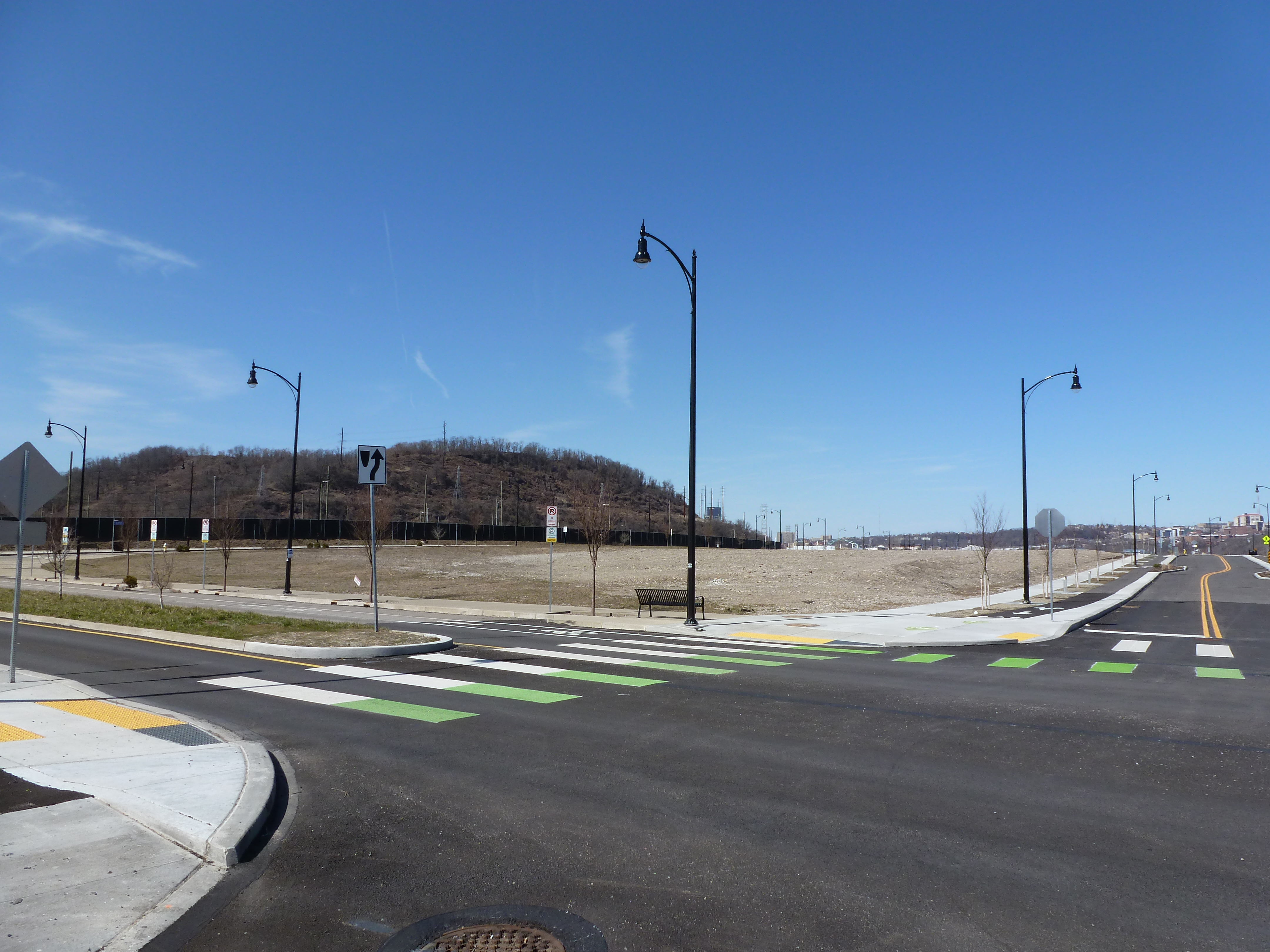
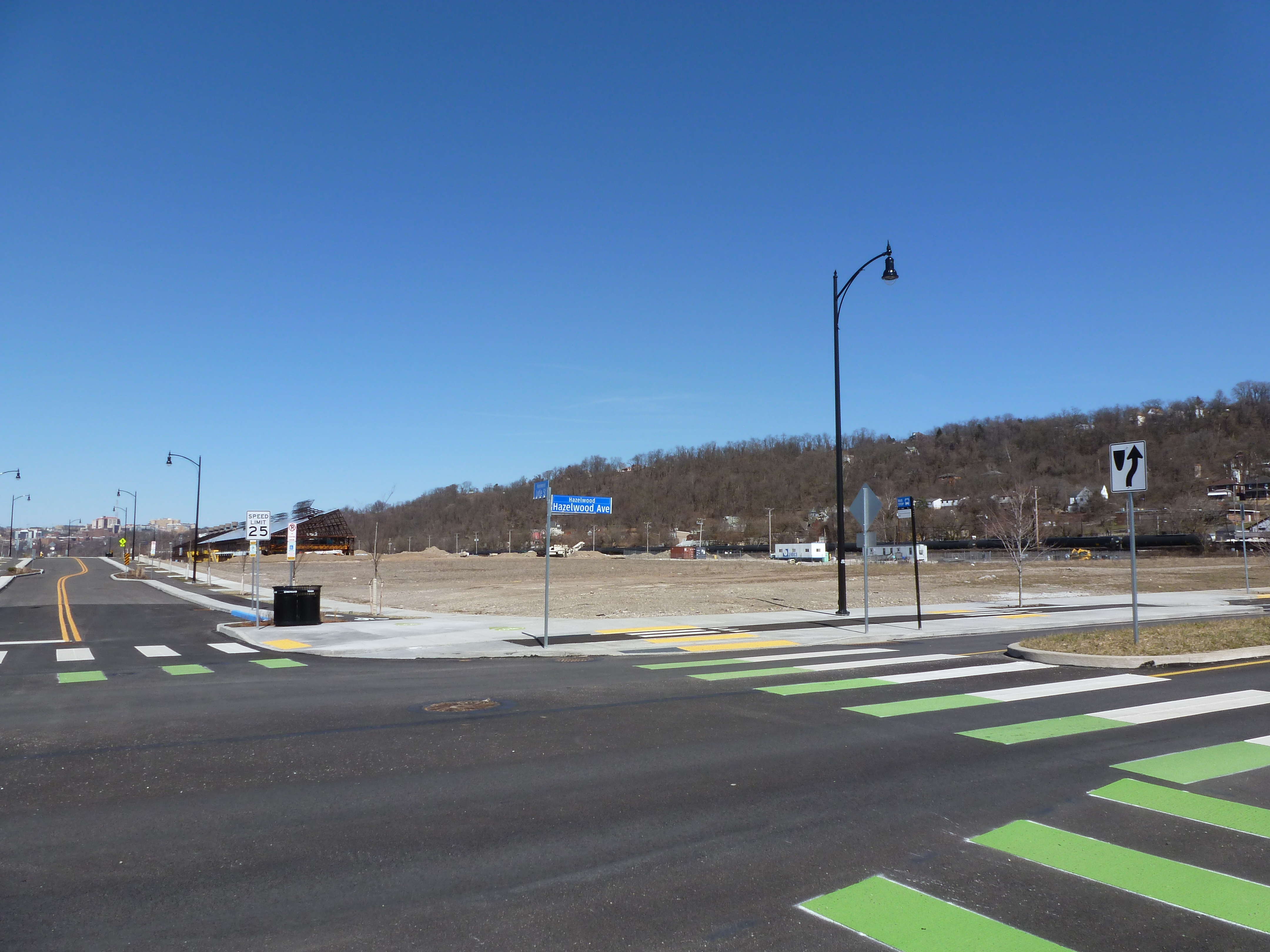
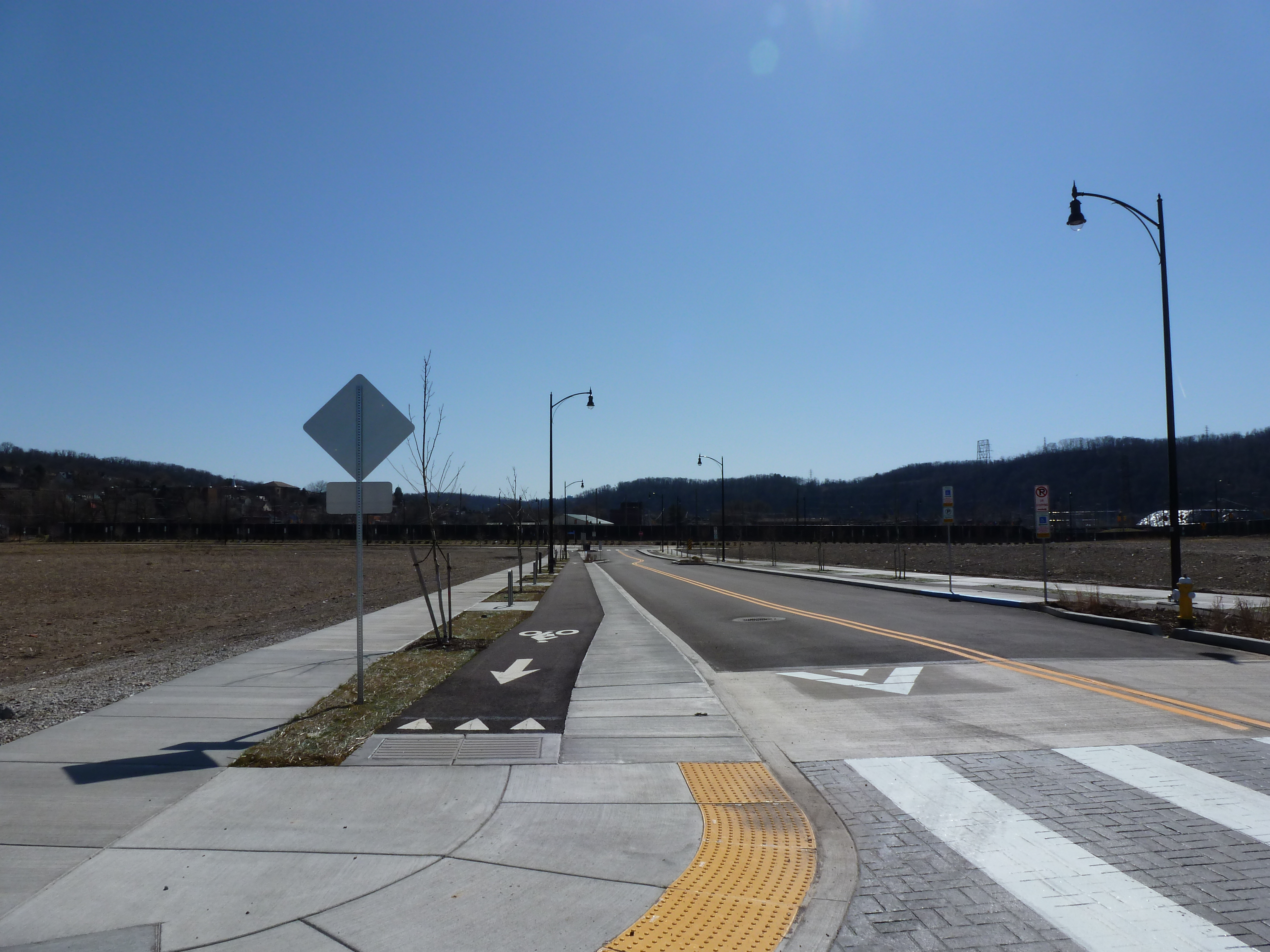
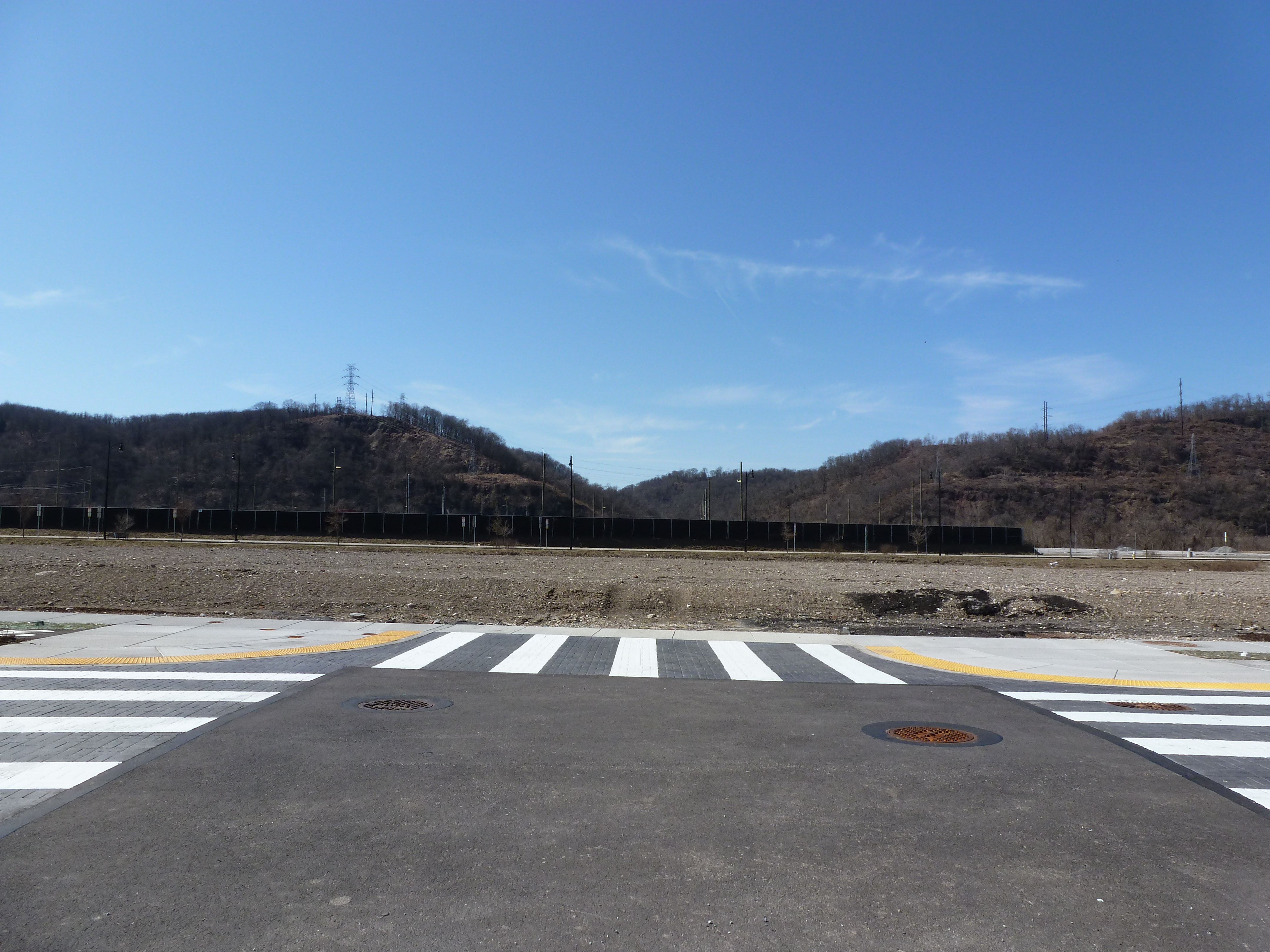
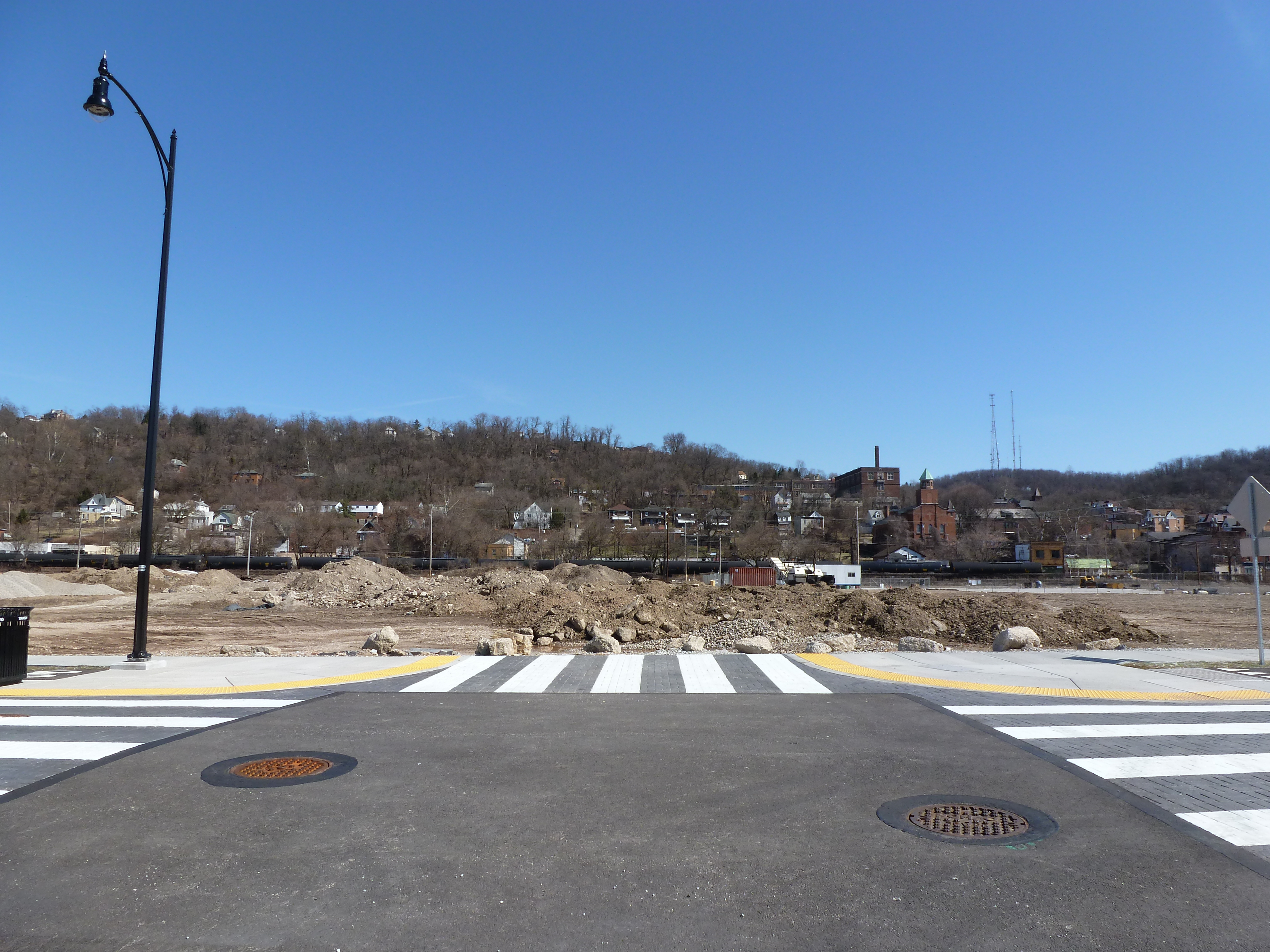
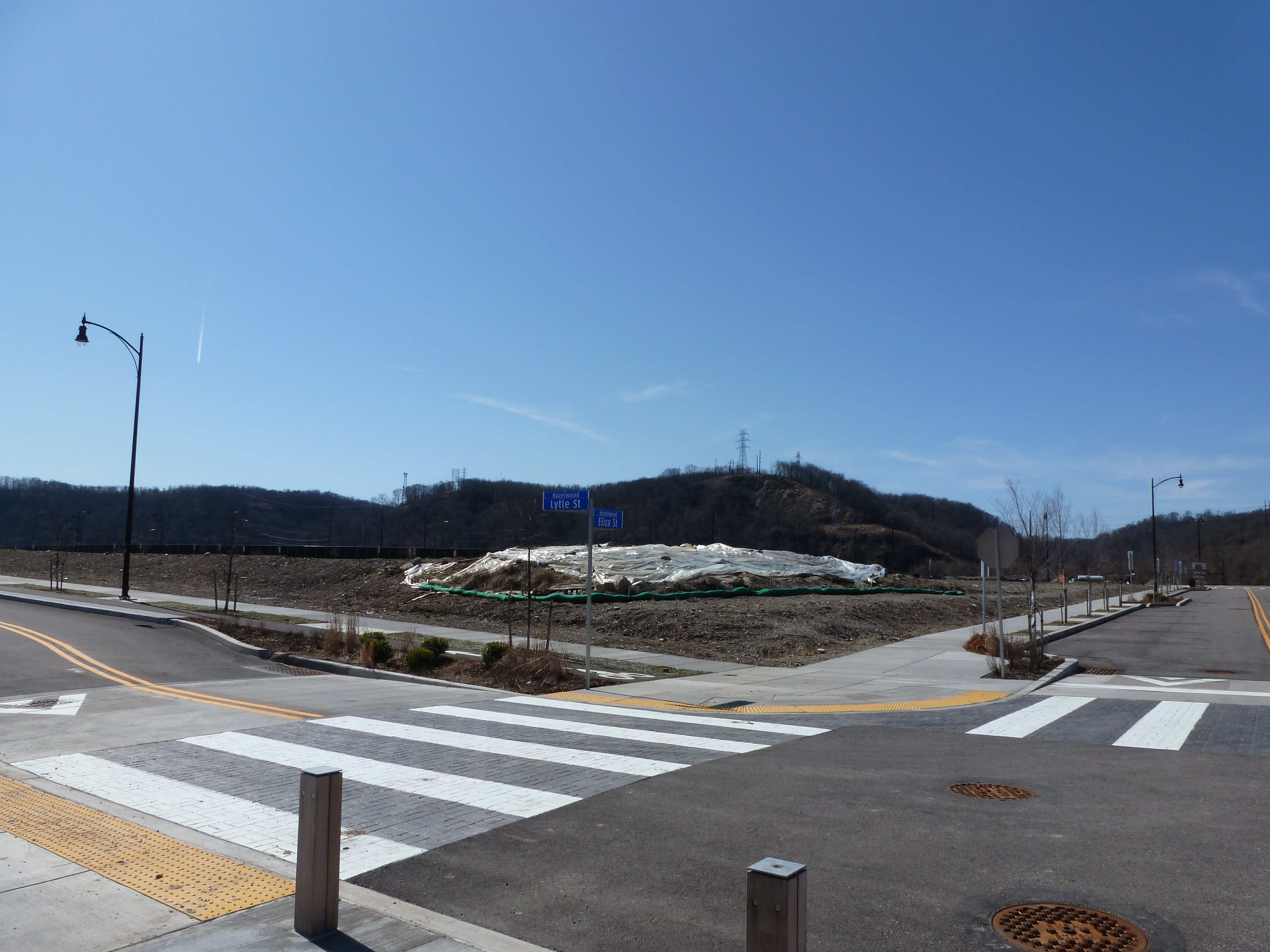
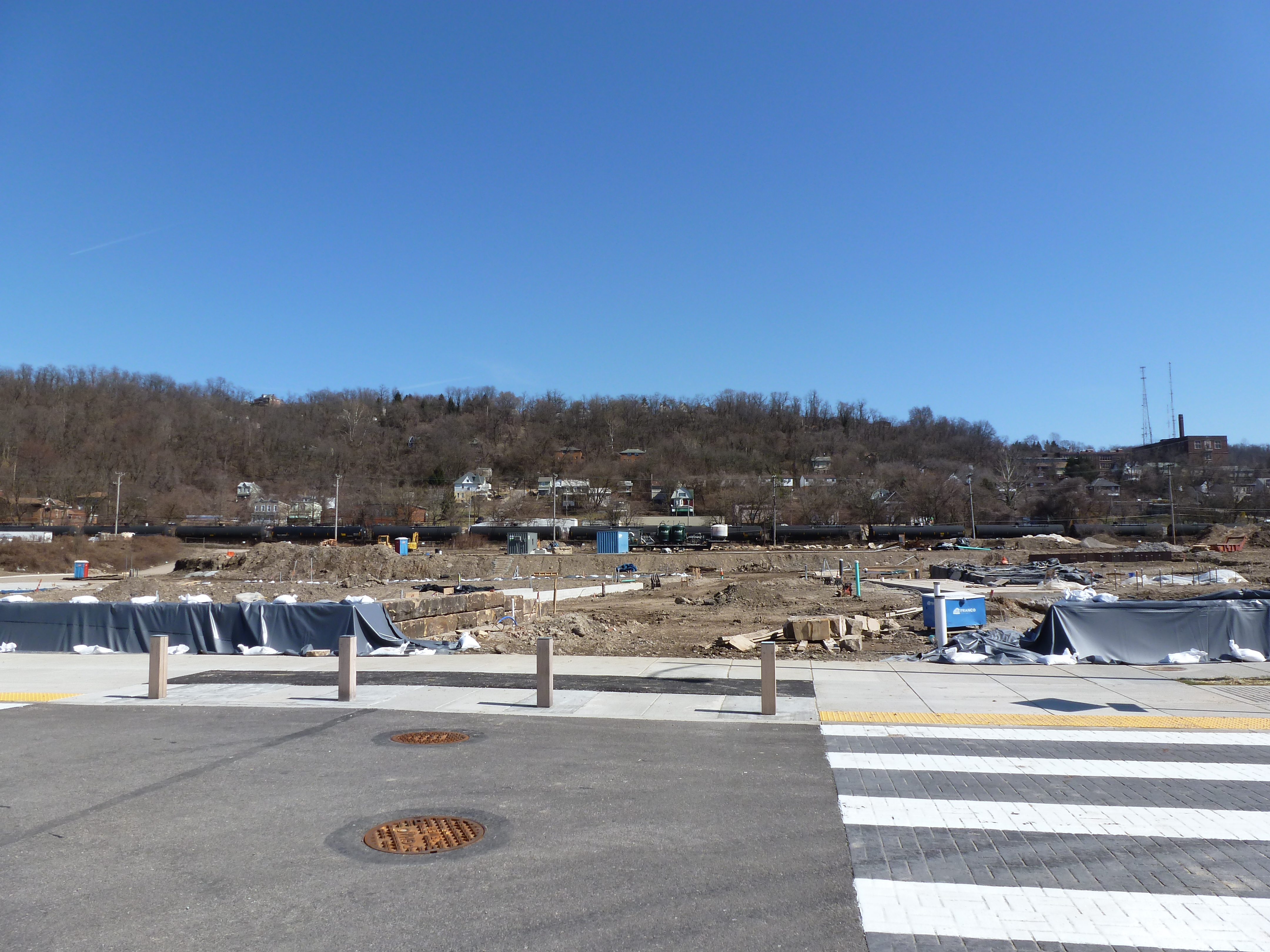
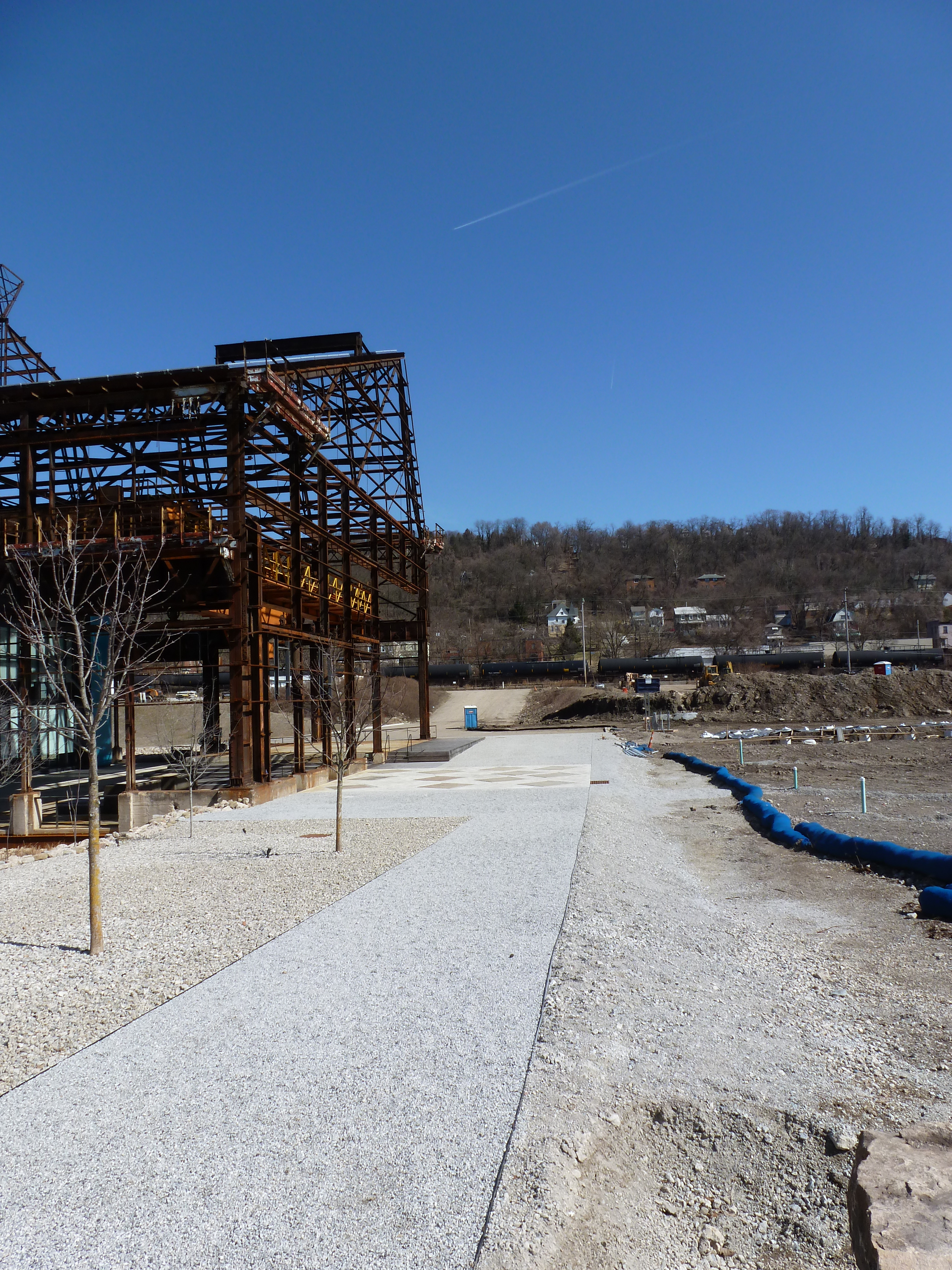
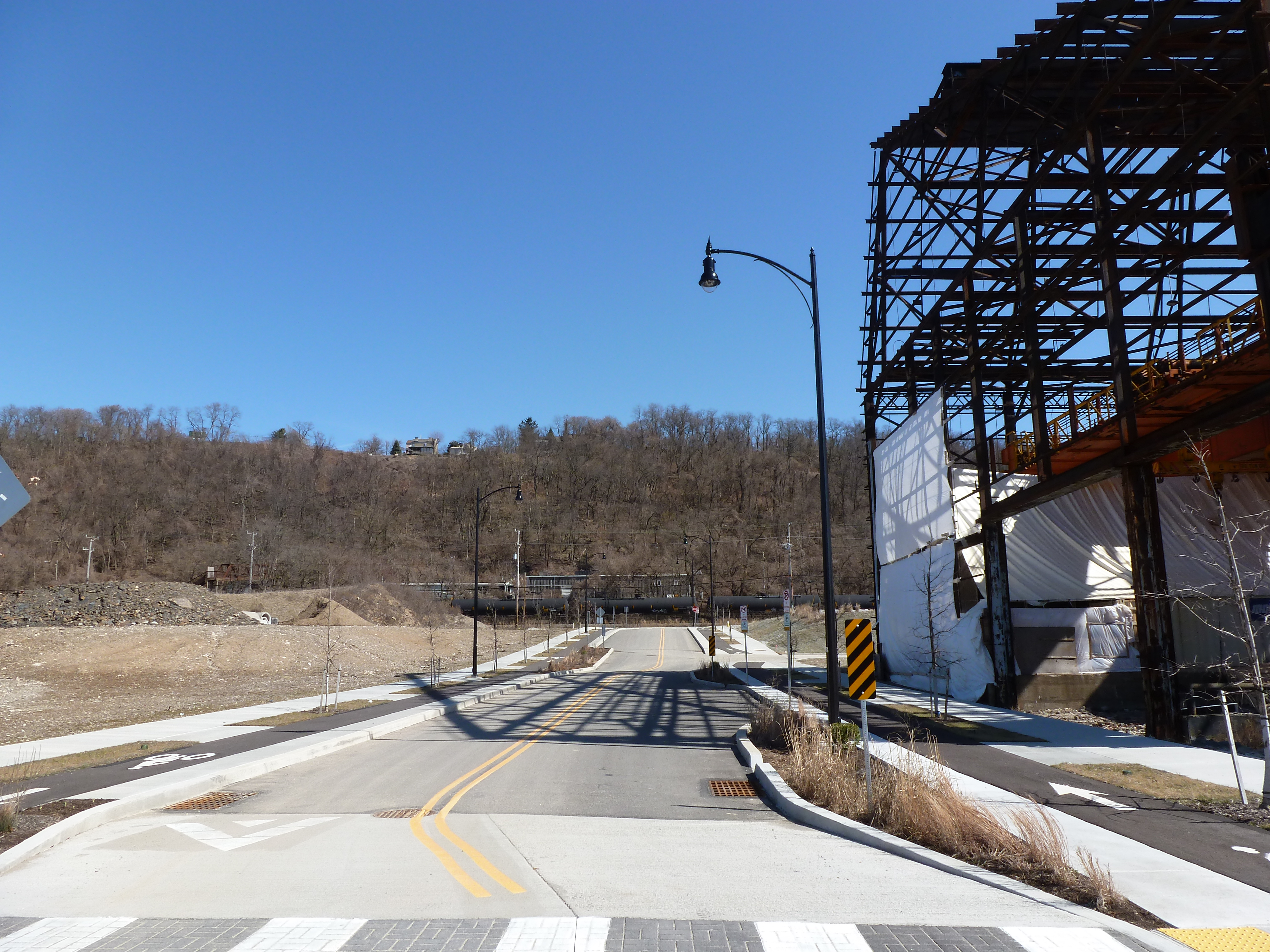
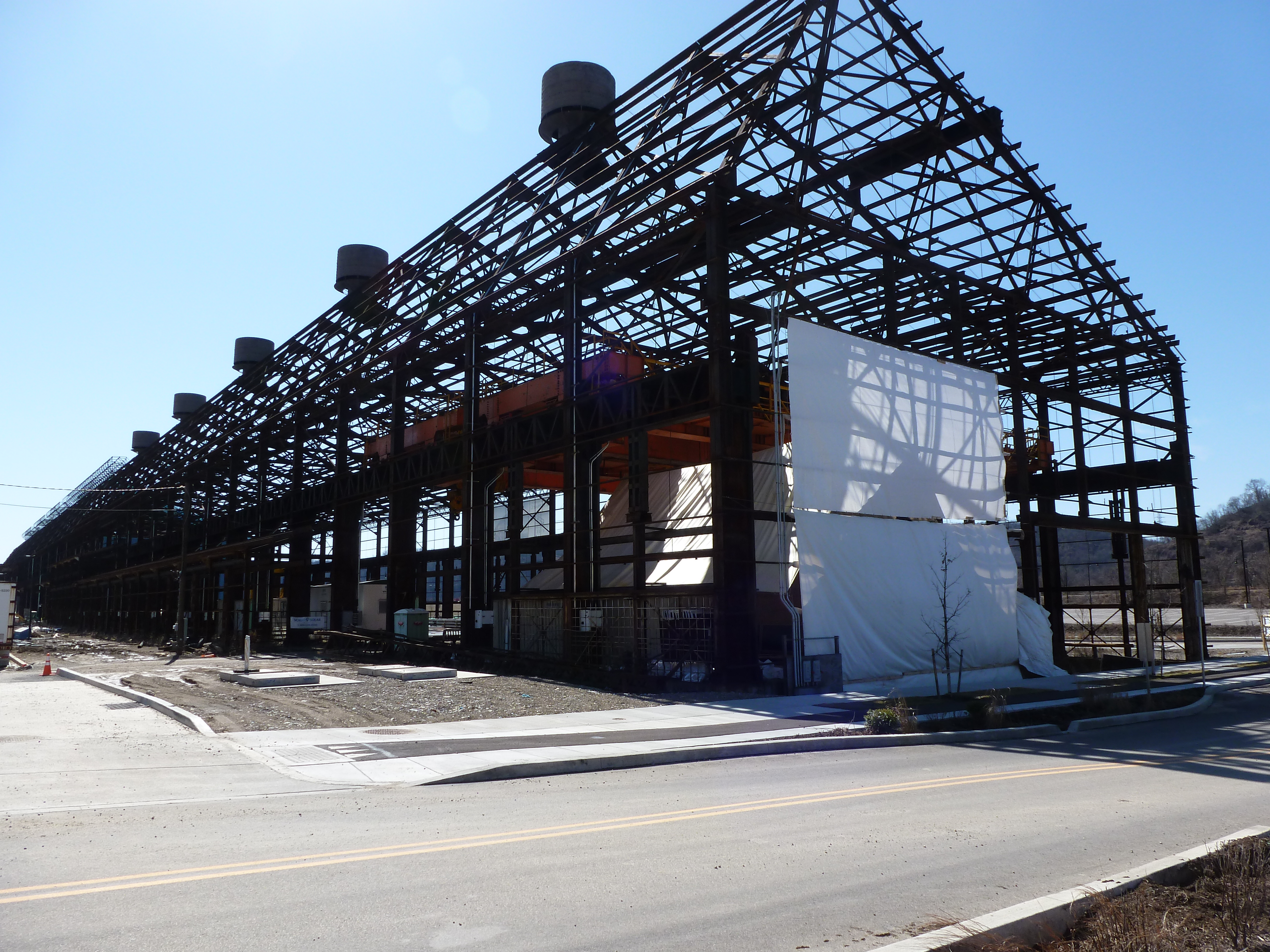
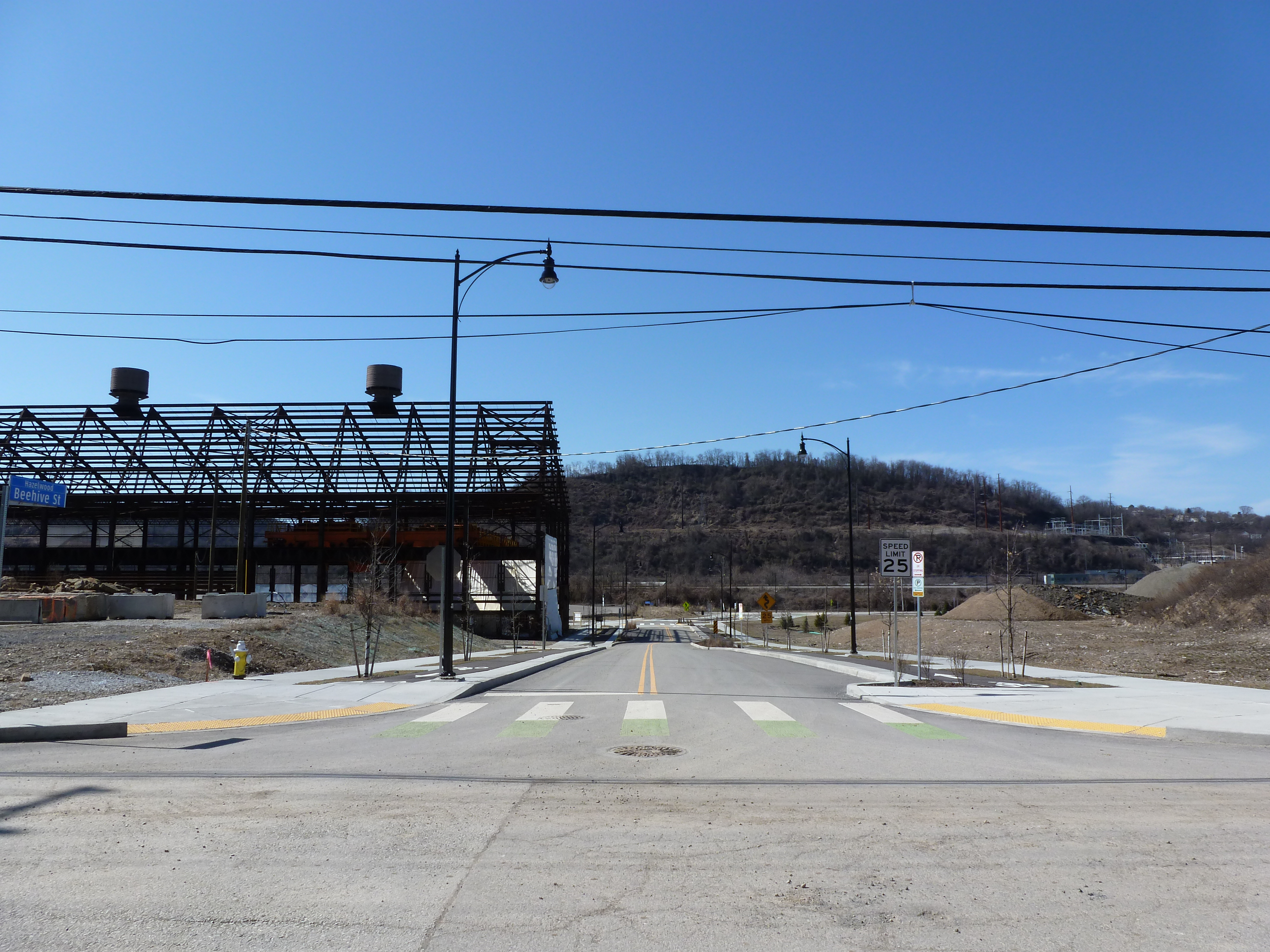
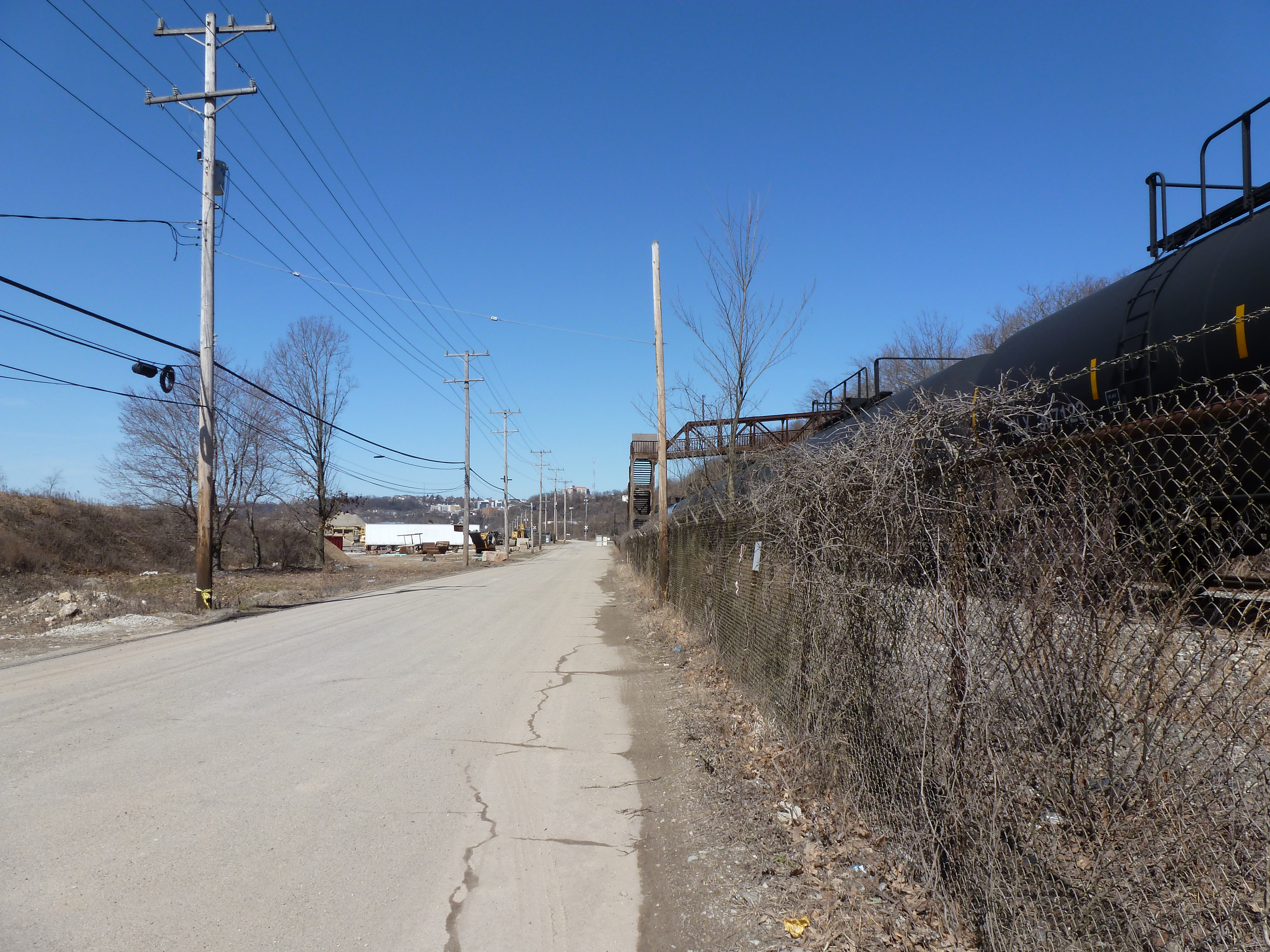
Hazelwood is a neighborhood divided in two by railroad tracks. On one side of the tracks are Hazelwood Green, a residential enclave, and some industrial and commercial uses. Here is a snapshot of the residential enclave and surrounding uses:

Hazelwood in the News:

Post-Gazette Article on proposed new road between Hazelwood and Oakland April 10, 2020

Judging Buildings

When I first saw this building from a distance, its rooftop ornamentation made it stand out from its surroundings. I didn’t have time to investigate on that trip, but my curiosity was peaked. I built up a story about the long history of this building that I surmised started out as a produce terminal in the 19th Century.

Six years later, I walked past the building on my way to my hotel. I was surprised to see it was a public library. It seemed unusual for a former marketplace to be converted to a library. As soon as I checked-in, I hurried back over to explore this unique building.

Despite entering immediately into a narrow, angular, white hallway, I held onto my belief that it was an old building. The hallway felt odd in that narrative, but I quickly forgot that feeling once I emerged into the main lobby with its high ceiling and sparkling white marble floors, counters, and walls. I found a directory and decided to make my way to the map room several floors above. This “room” turned out to be a corner in an open floor plan. The corner featured one row of computers and a full-service counter. Unable to browse a collection of maps, I made up a research question and asked the staff if they had maps to help. While one librarian looked in the back room for hard copy maps and another showed me their digital resources, our conversation ranged from how awesome maps are to the history of the building.

I was surprised and embarrassed to learn that the library was built in the 1990s. The rooftop sculptures of owls stand out so much in part because they were designed for a taller structure; the final floor of the library was cut from the project due to the financial crisis. I suggested it was nice that the designers included such details as the sculptures and marble countertops. The librarian pointed out that the marble was faux and did nothing to alleviate the industrial feel of the building.

Looking again, beyond the cleanliness and sparkle of the space, I noticed the low ceilings and uniform bright white light throughout the open floor plan. I also noticed the distortion of the wooden escalator enclosure. The proportions would have been better balanced if the enclosure reached twice as high to the next floor.

This discussion with the librarian made me question my default reactions to the space. My initial reaction of excitement for a unique example of adaptive reuse changed to awe when I thought that a new building, open to the public, incorporated expensive historical material. But this reaction did not match reality any more than the first. Both assumptions blinded me to the cramped spaces with migraine inducing lighting. This experience also taught me that it isn’t just the material that matters. Incorporating the materials, whether faux or real, while leaving out the related historic design elements such as natural lighting and high ceilings does not lead to a better building.

I came away with a better appreciation for my neighborhood library branch that combines modern materials (such as curtain wall windows and bamboo flooring) with thoughtful design. From the outside, I cringe at the modern angular look, but inside it is a warm and welcoming space. Apparently, the lesson of never judging a book by its cover applies to buildings, too. Never judge a building by its facade.
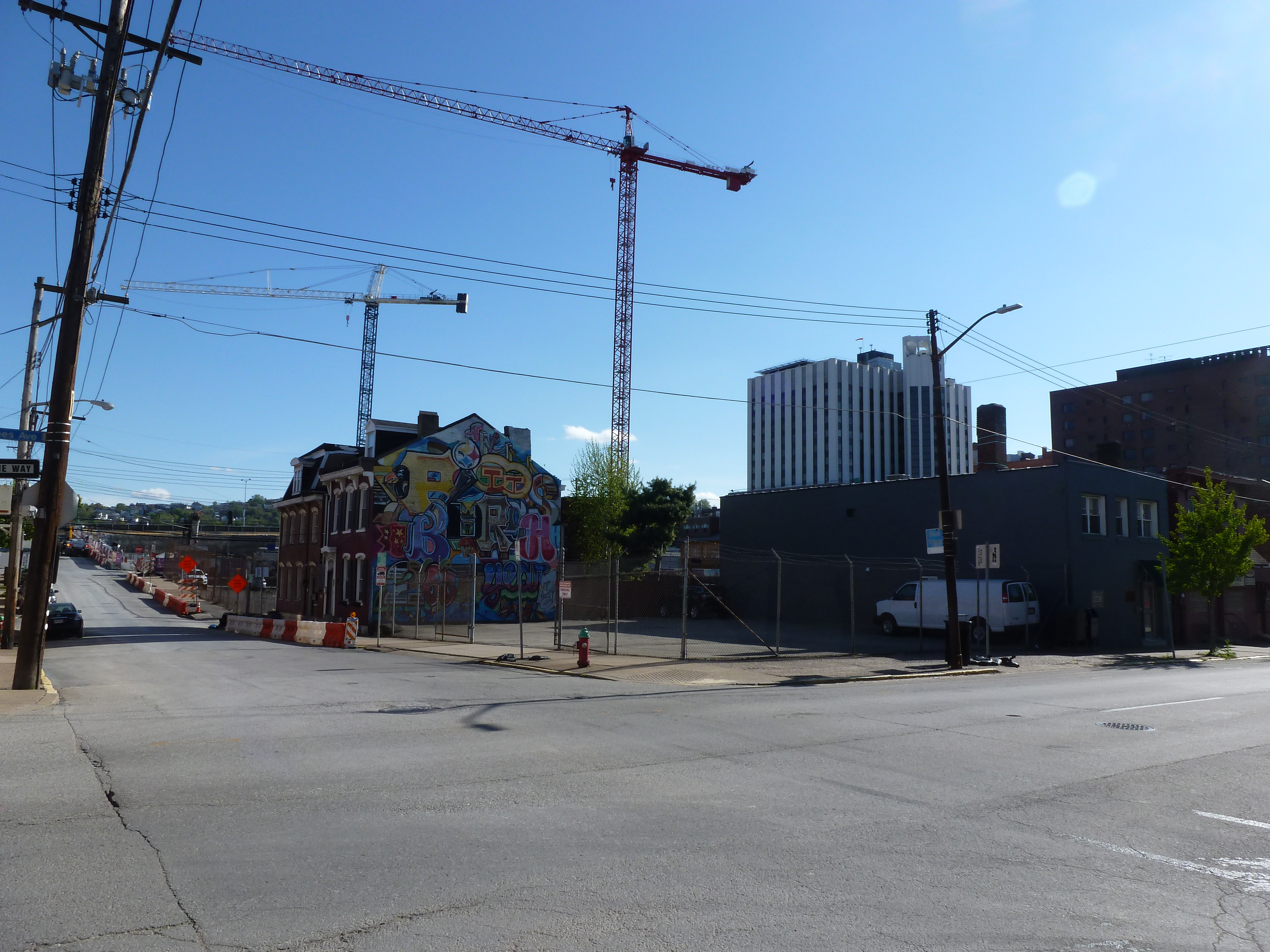
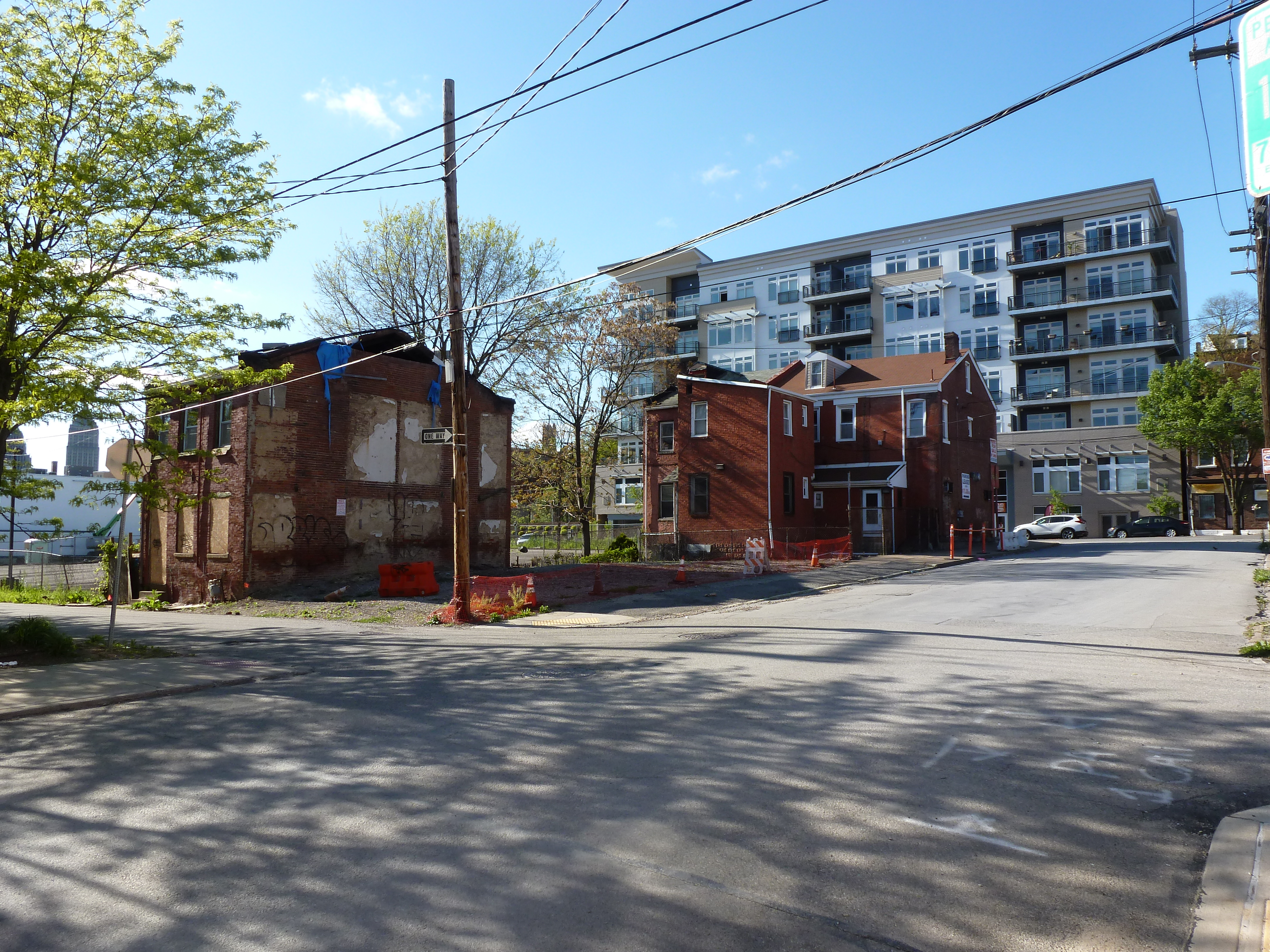
Keeping an Eye on Hazelwood (across the tracks): Apr. 2020

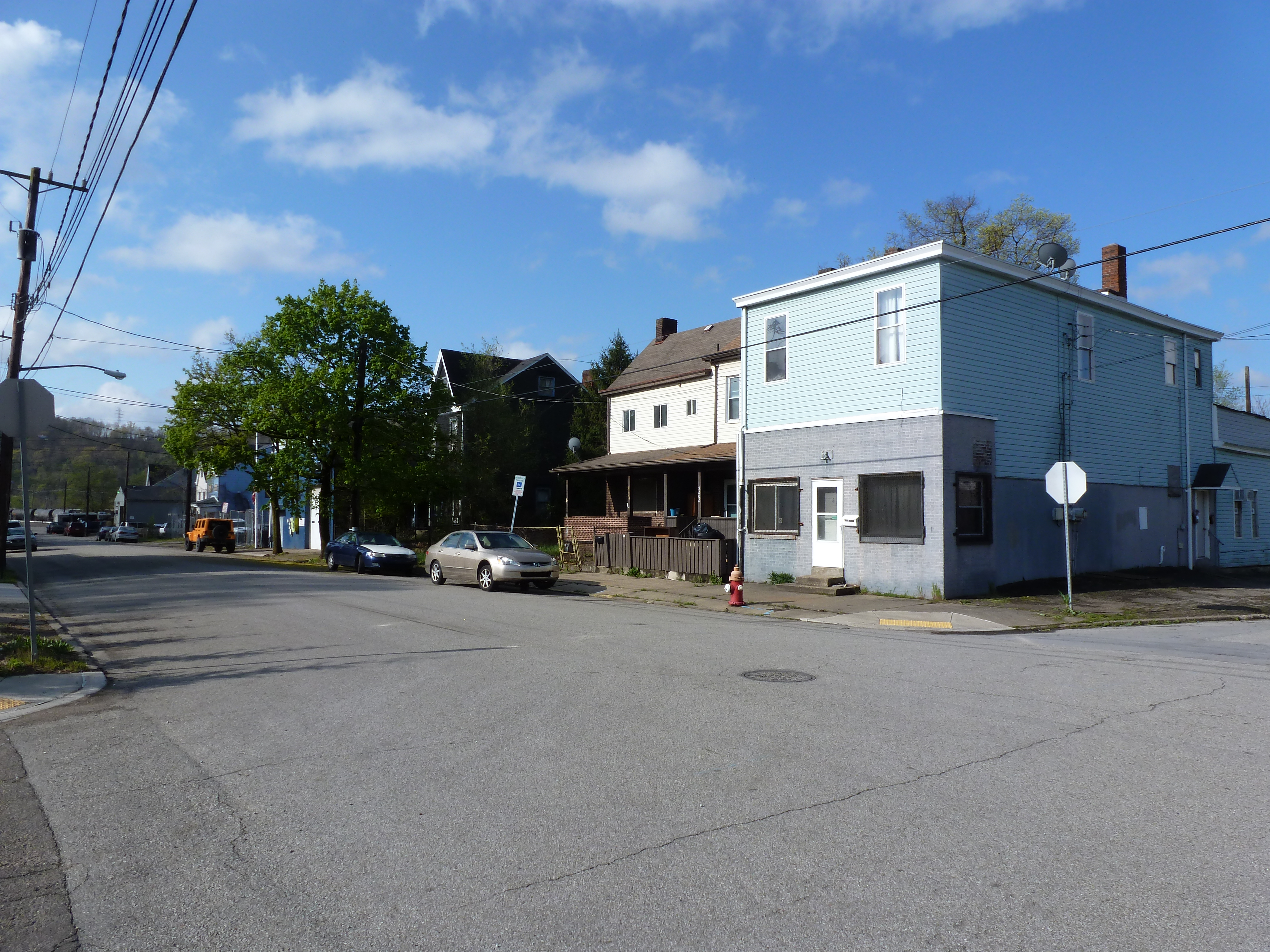
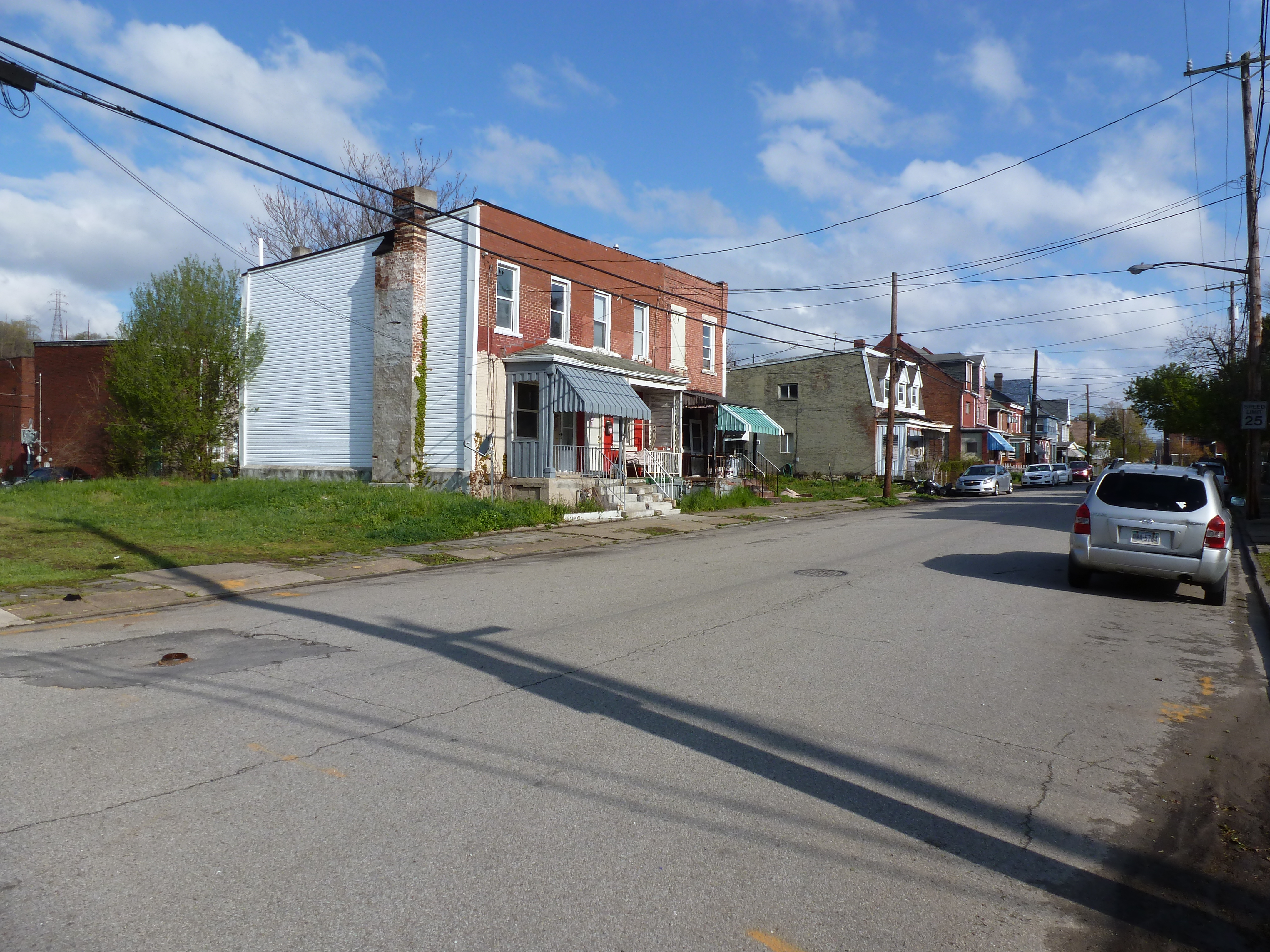
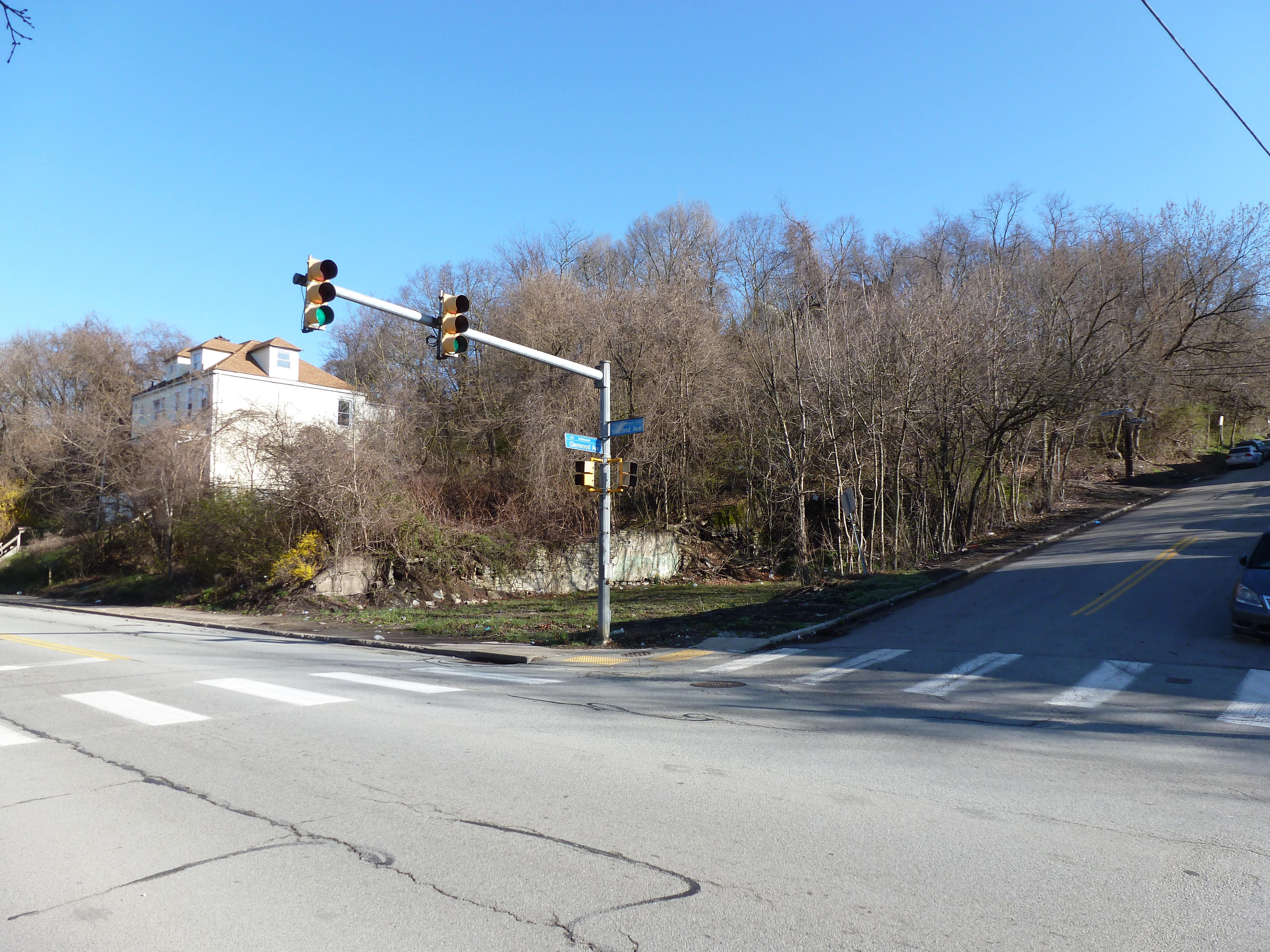
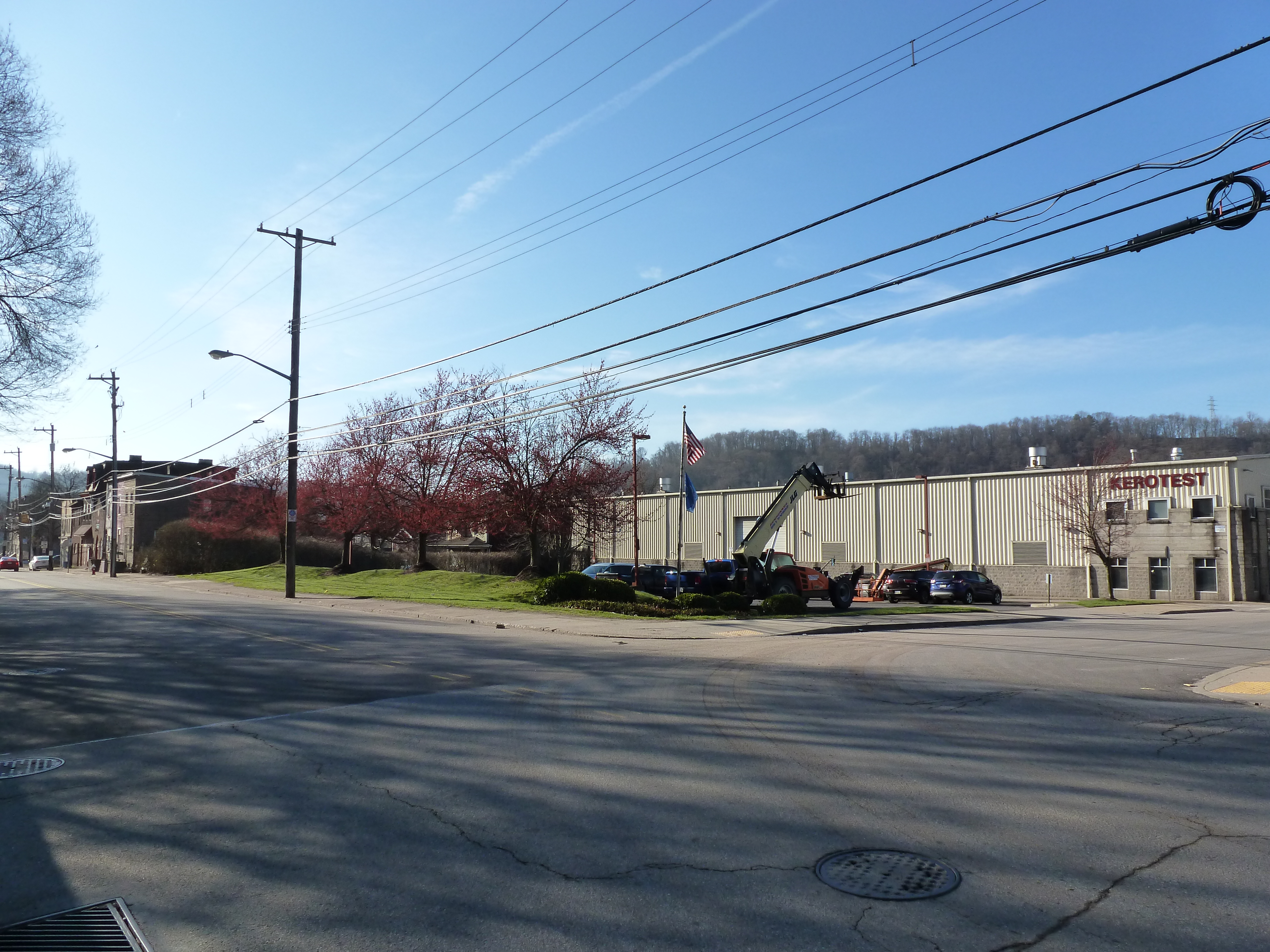
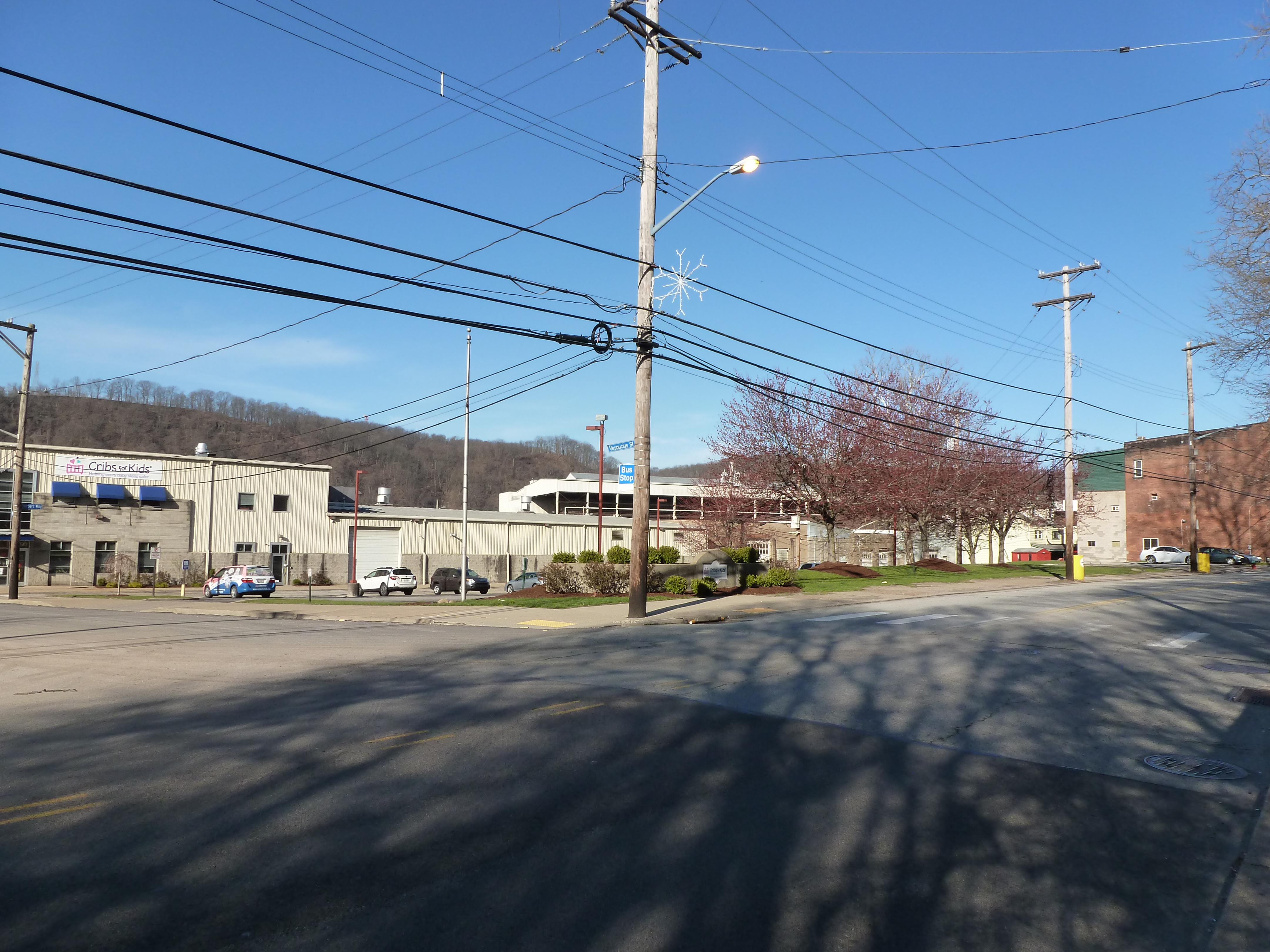
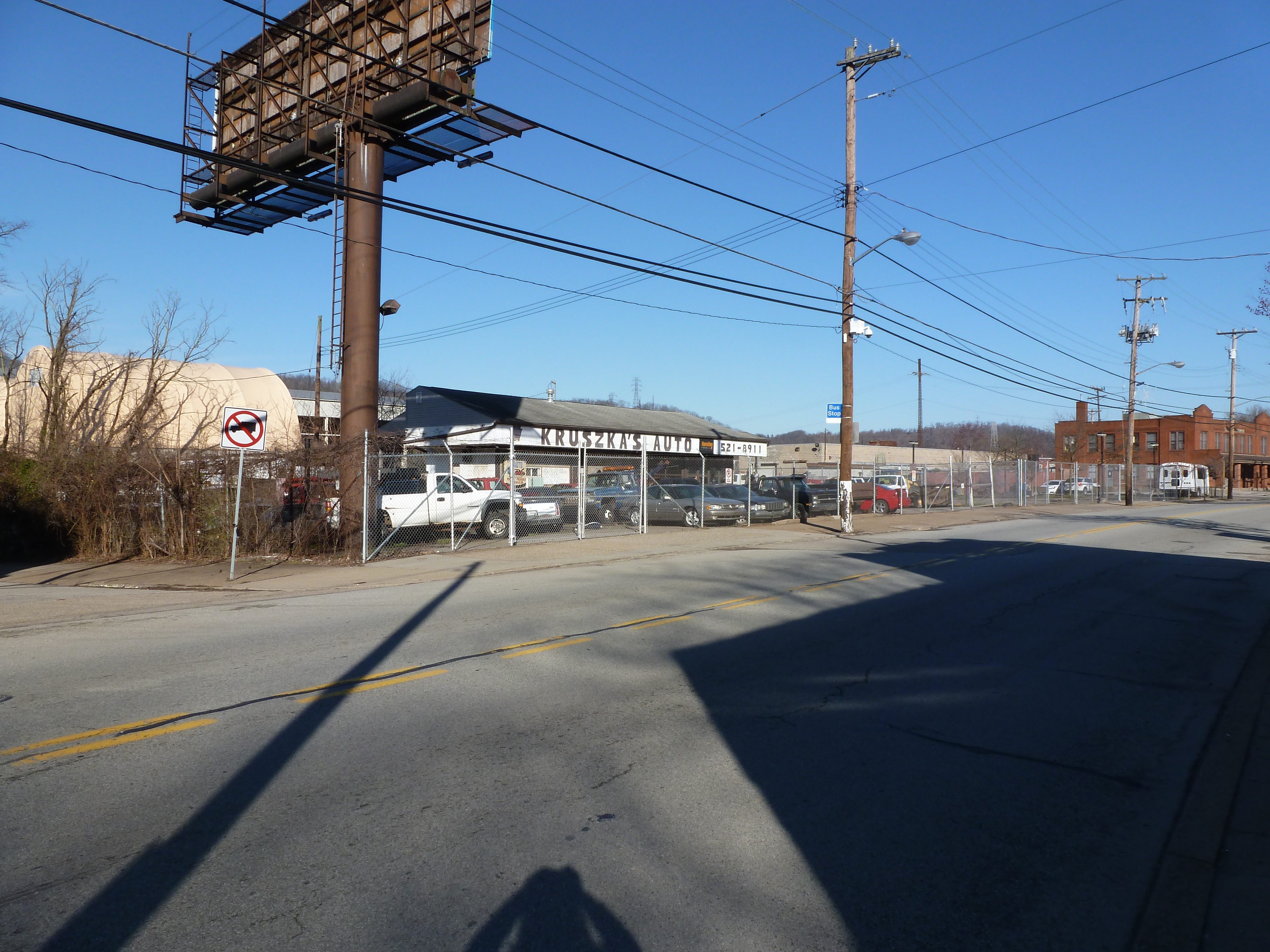
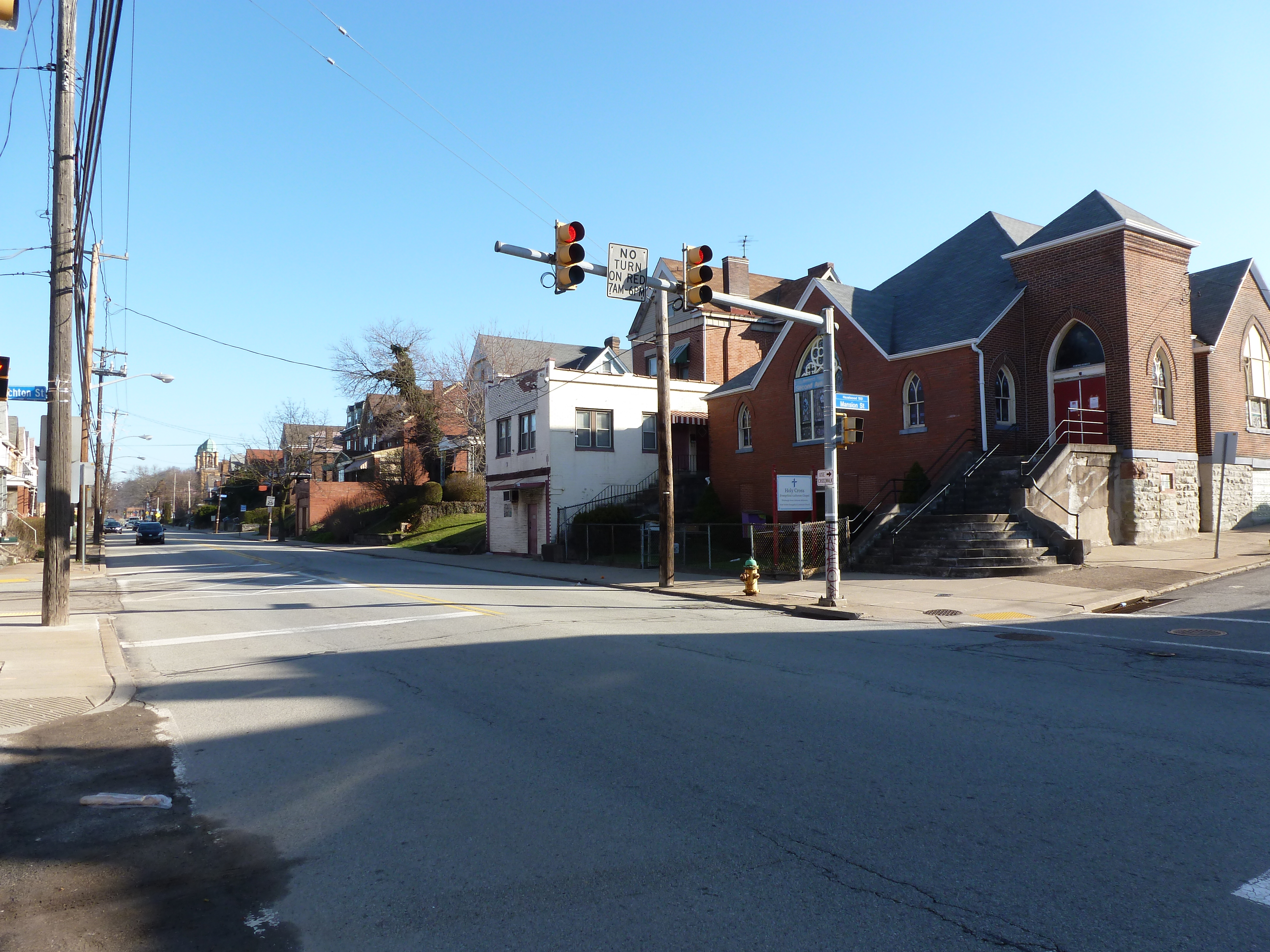
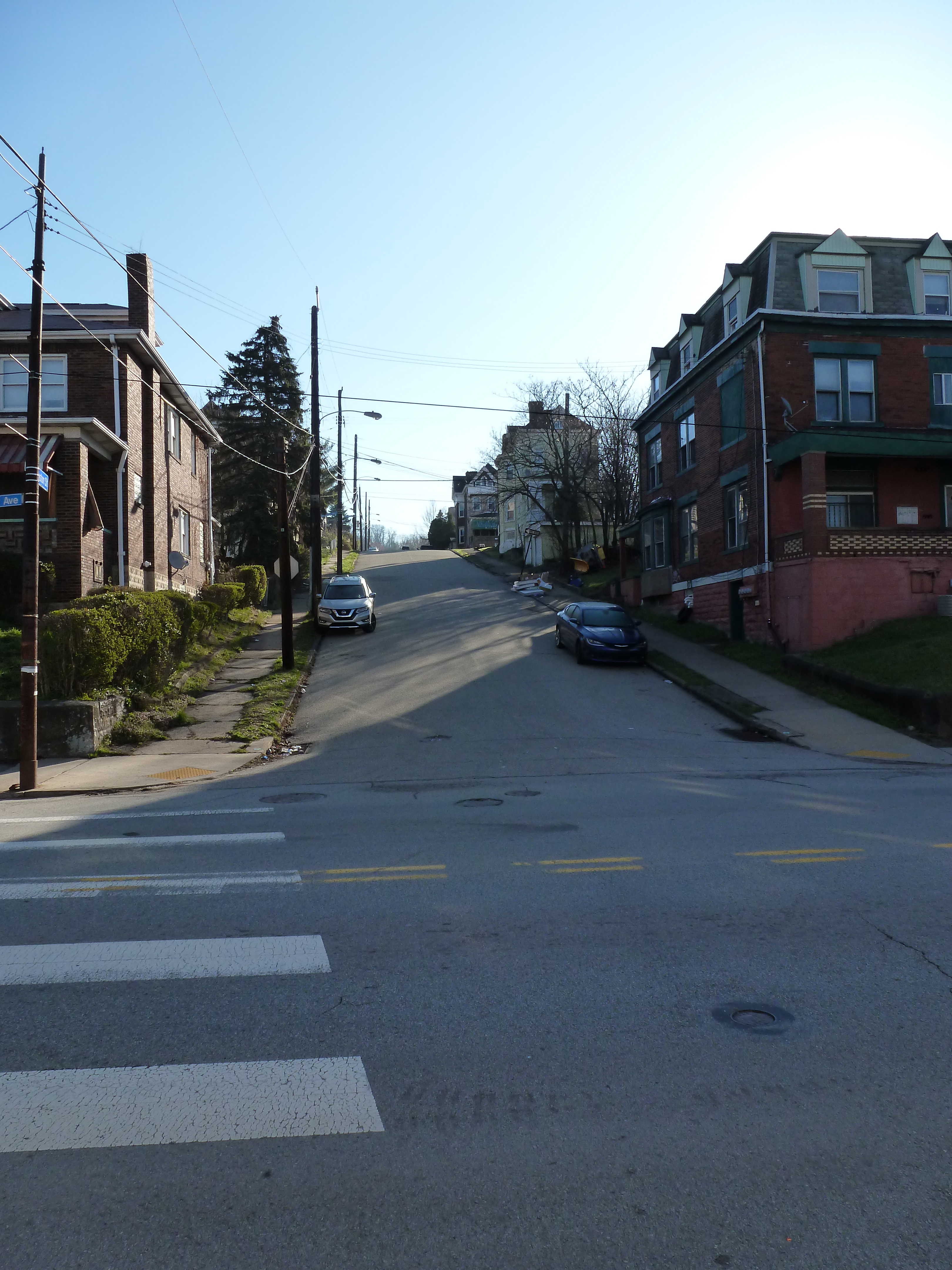
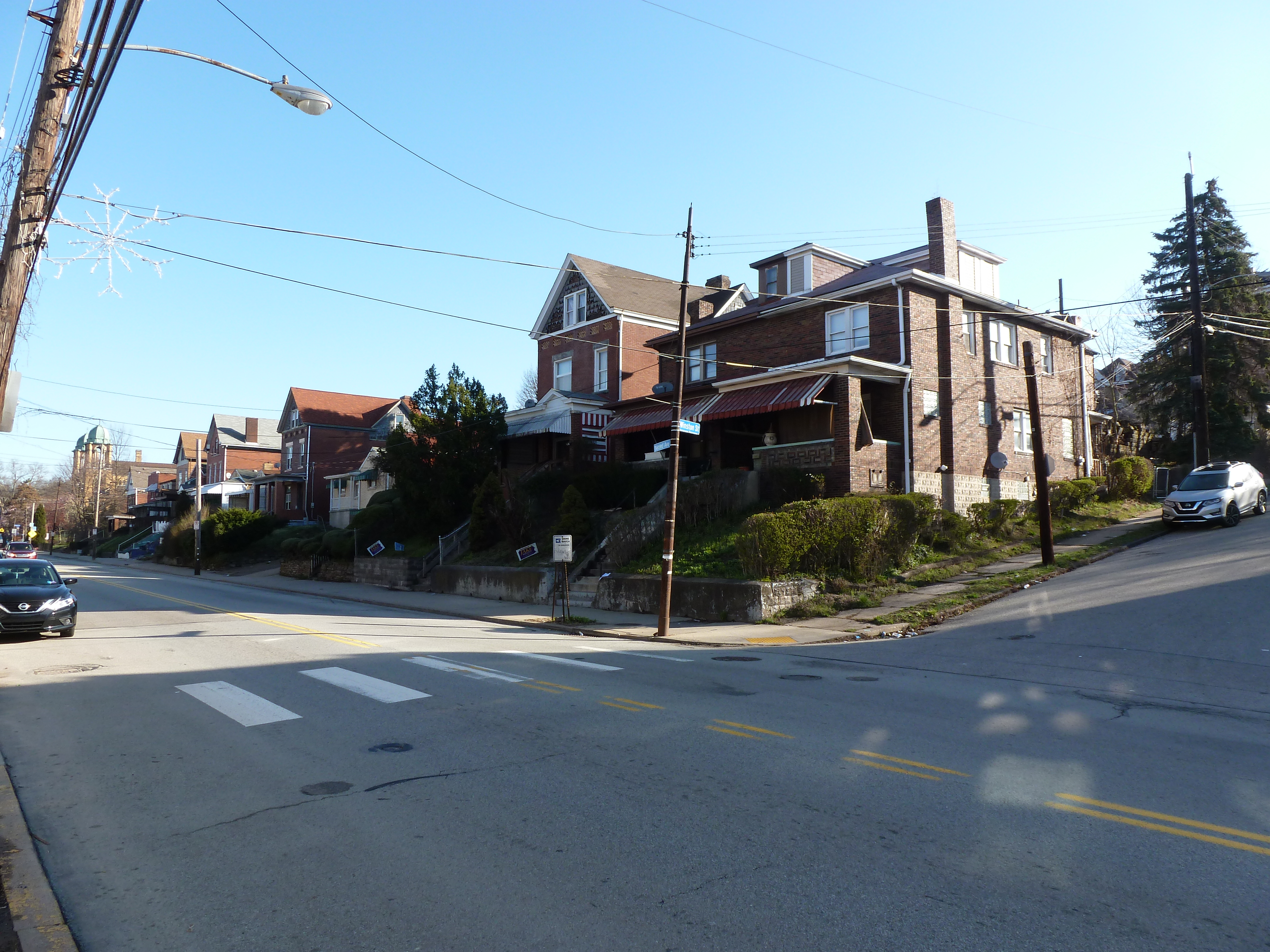
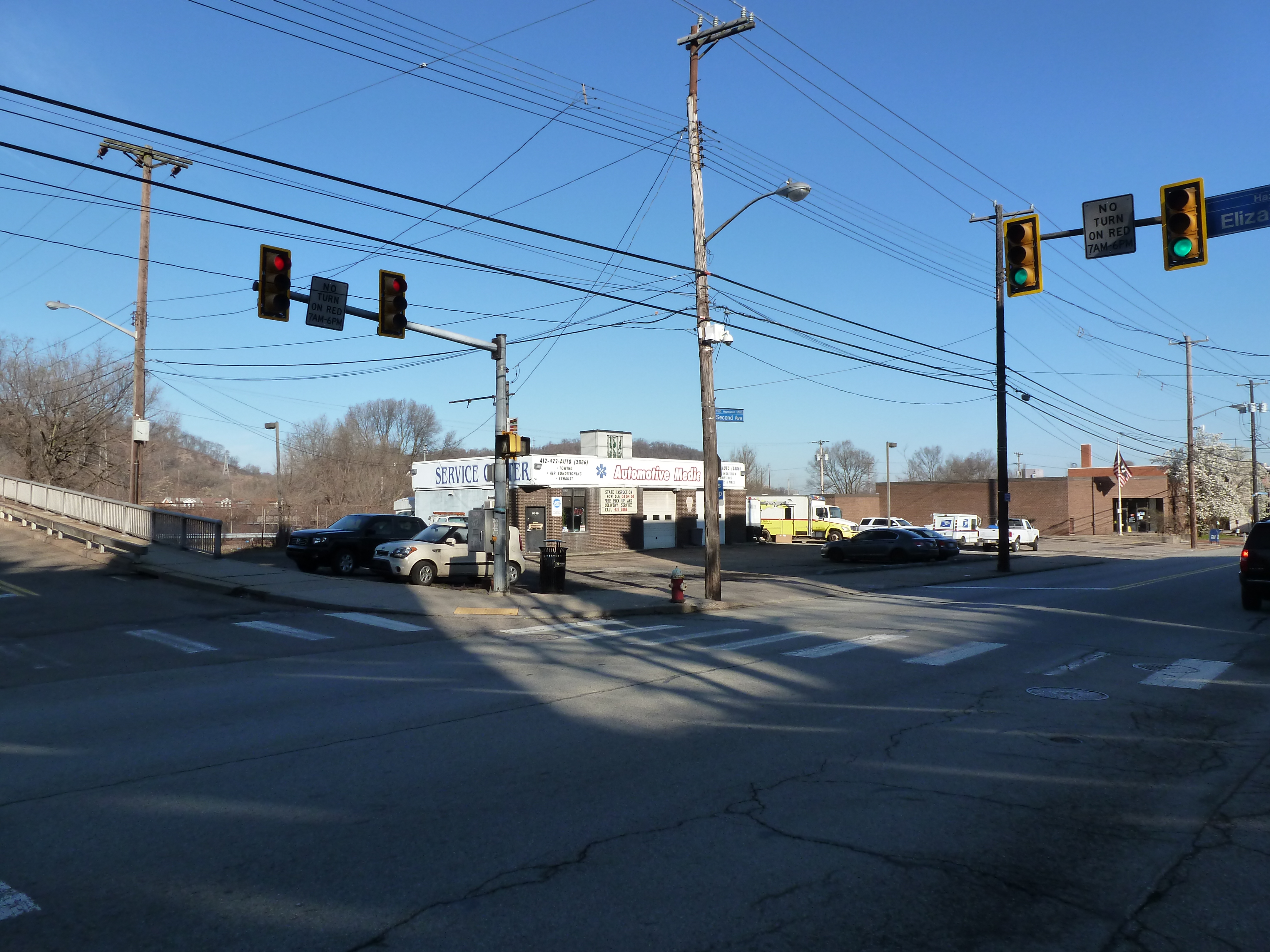
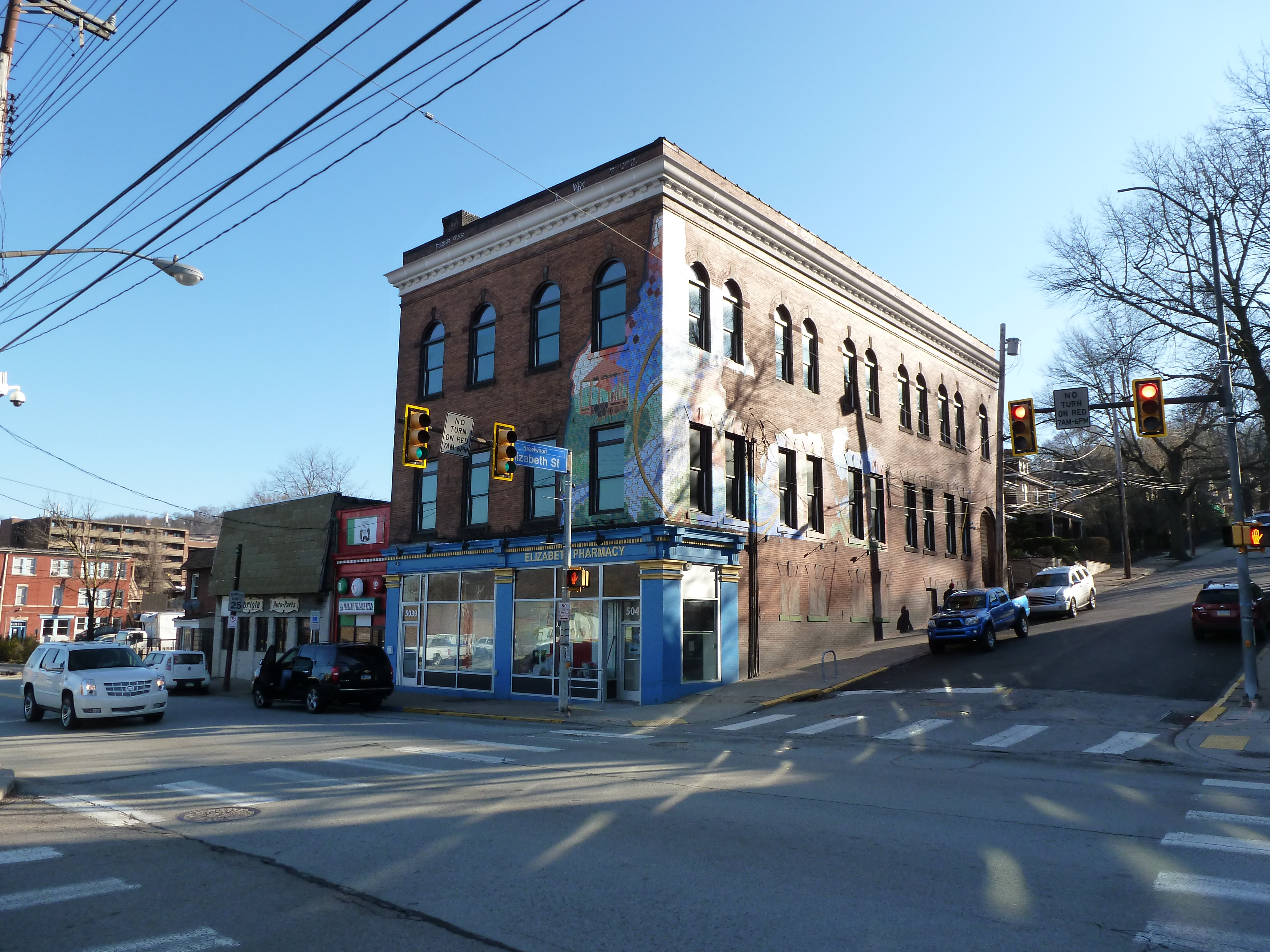
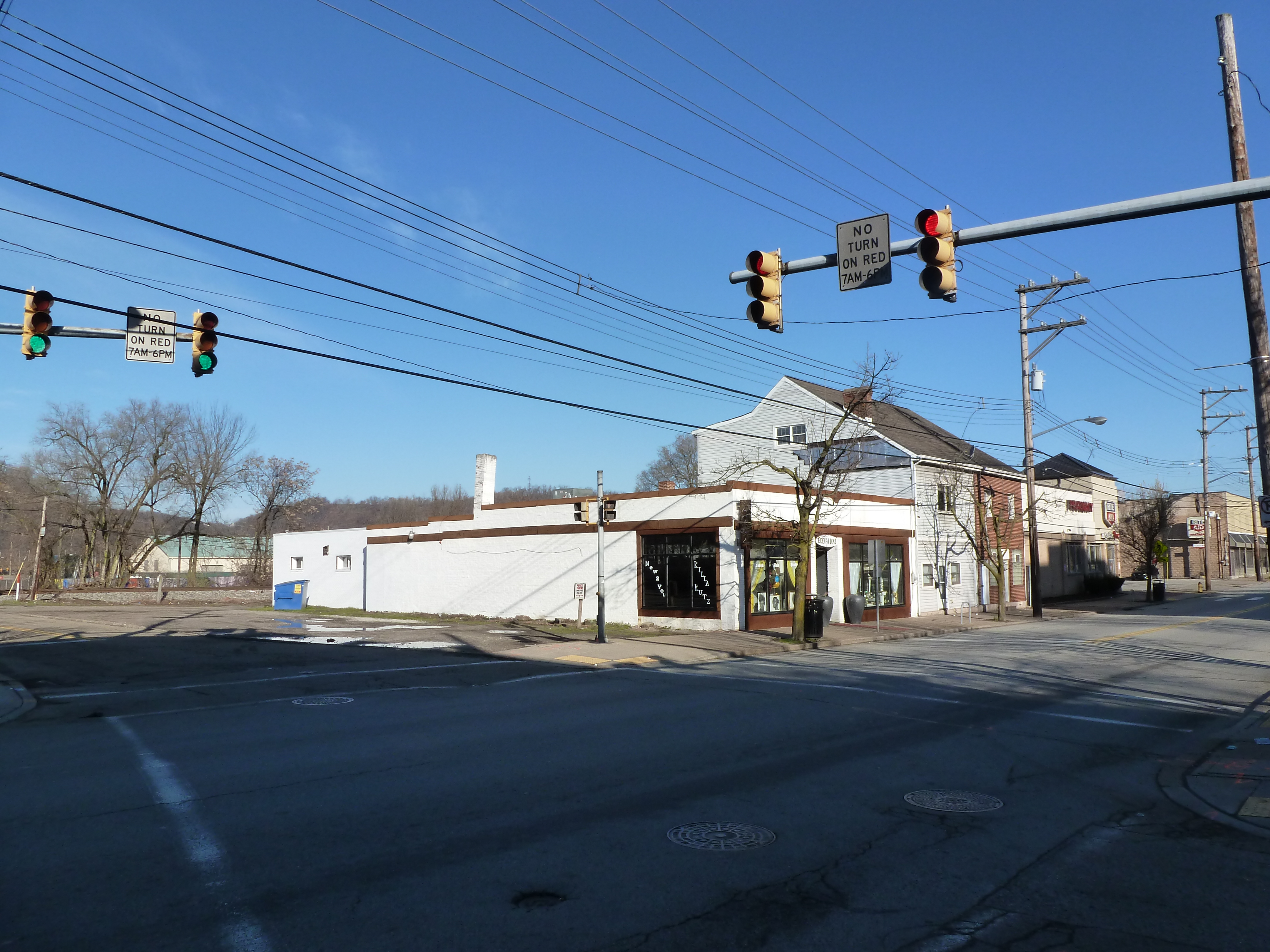
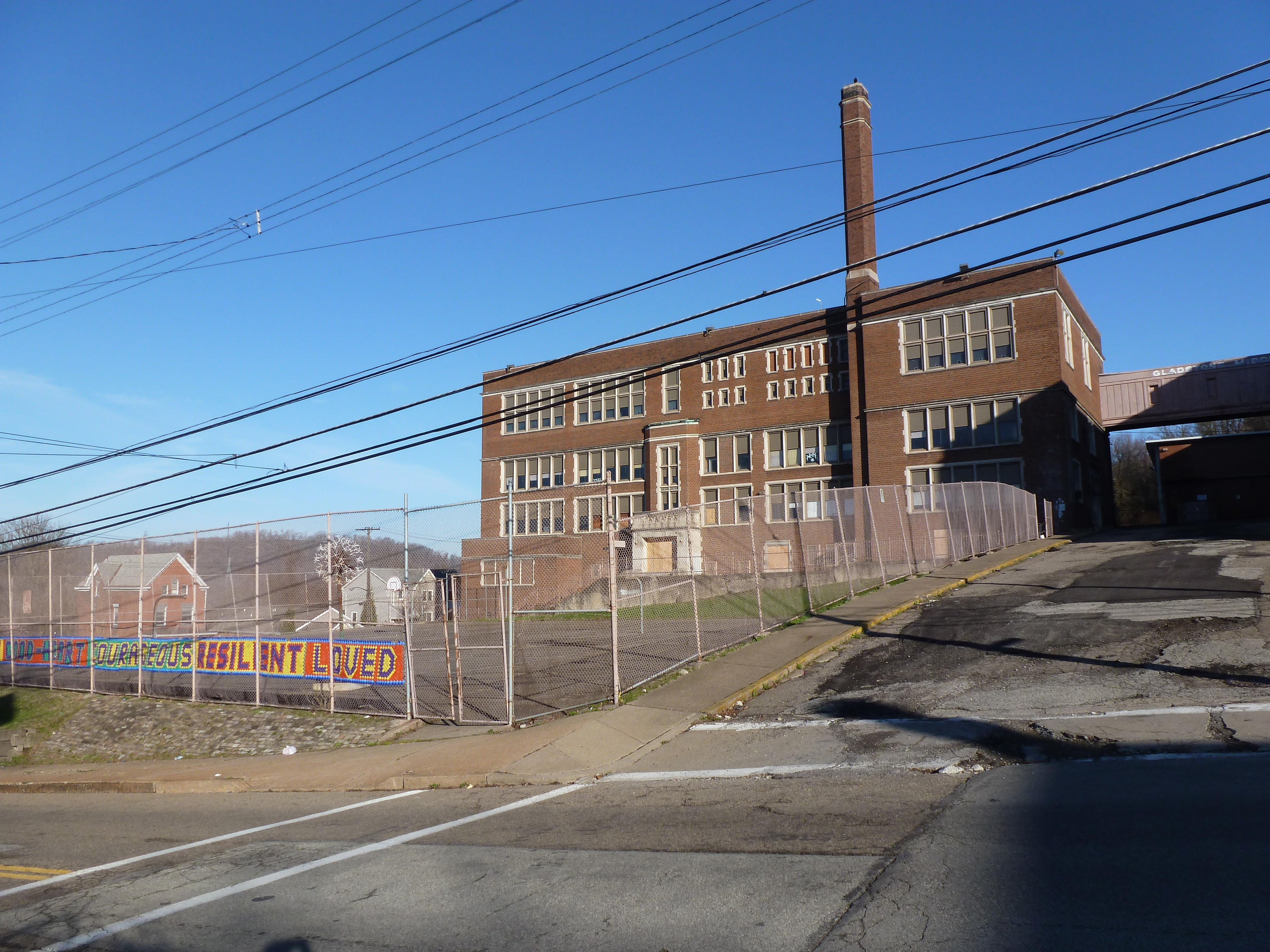
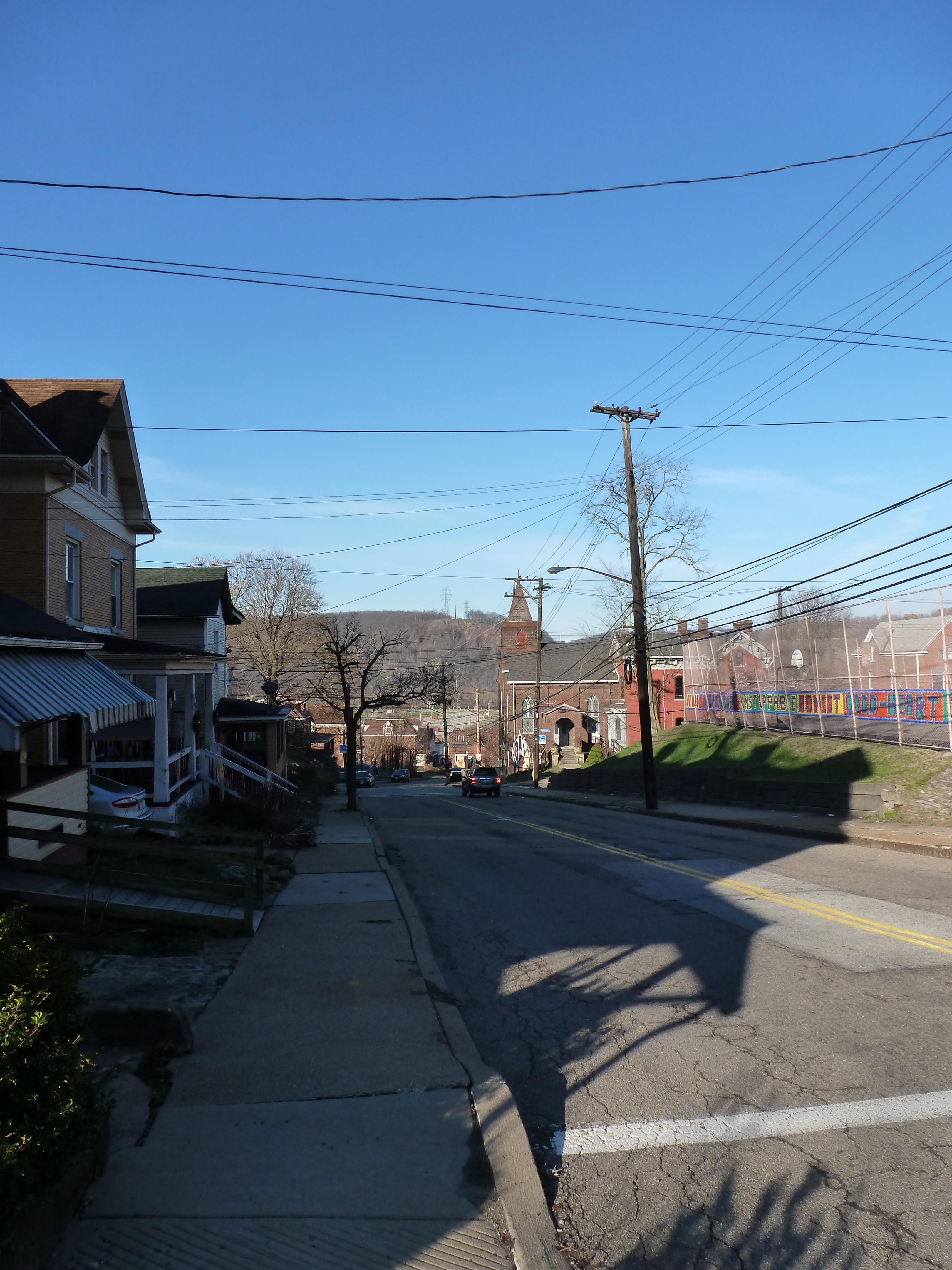
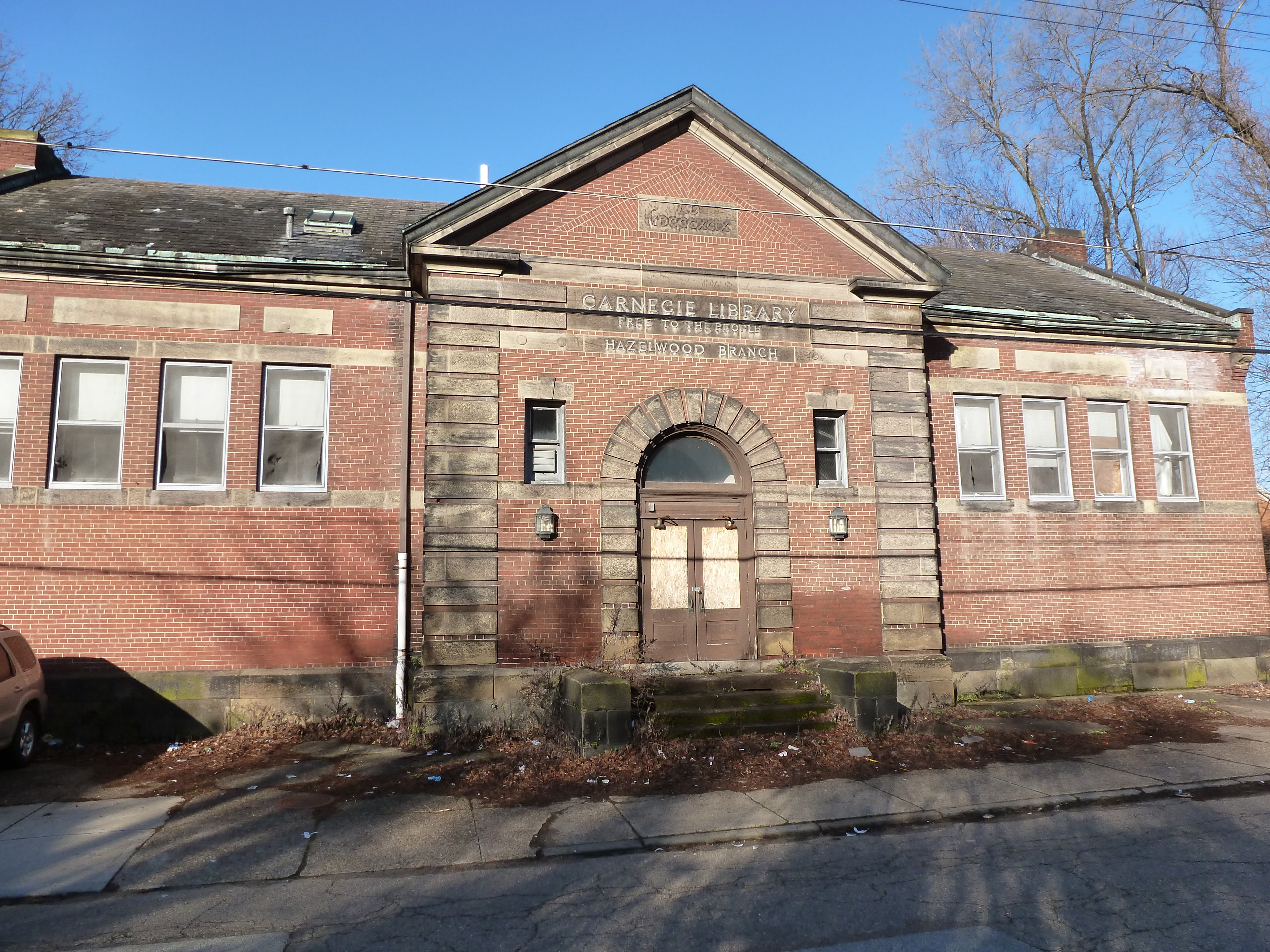
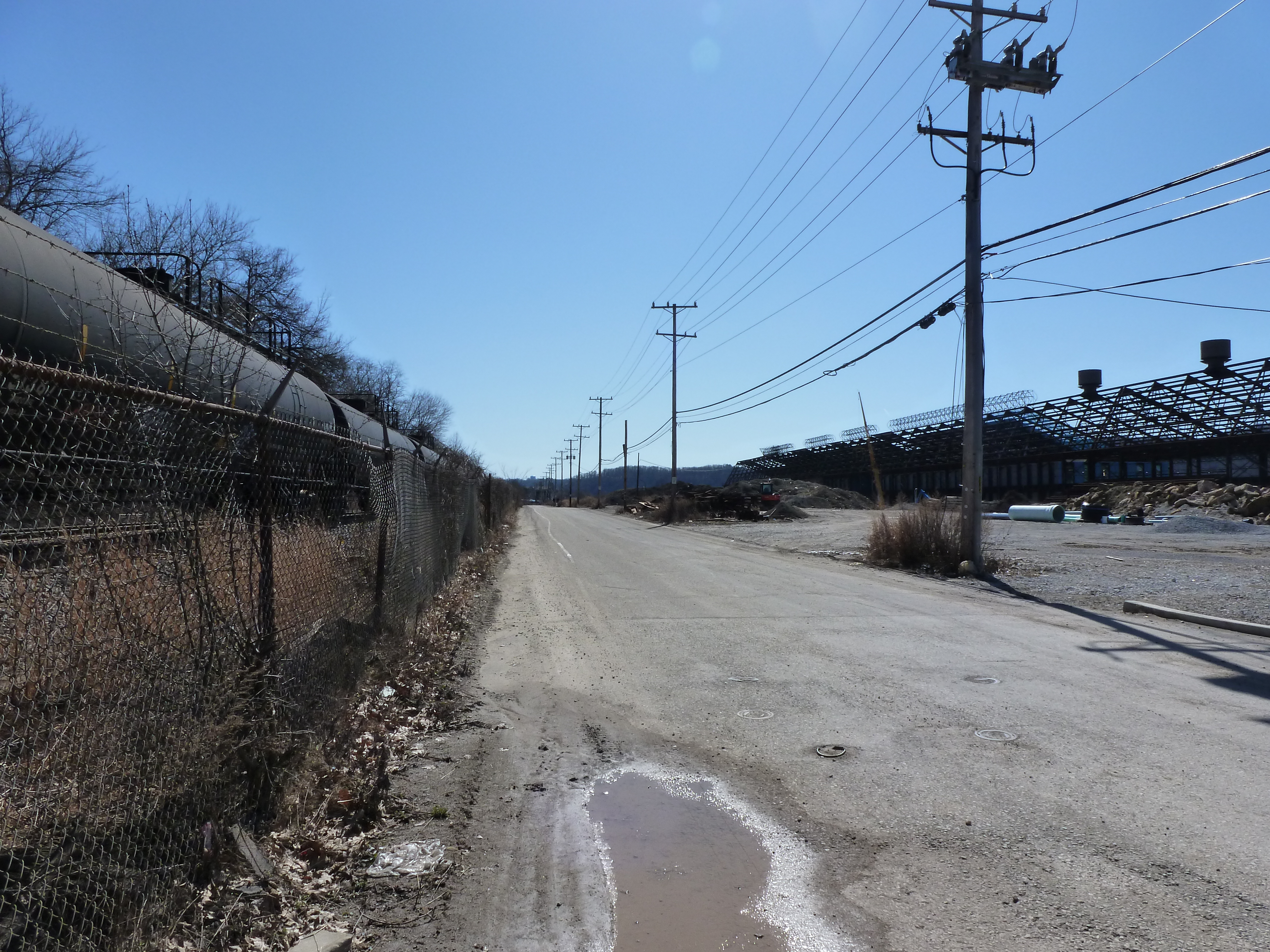
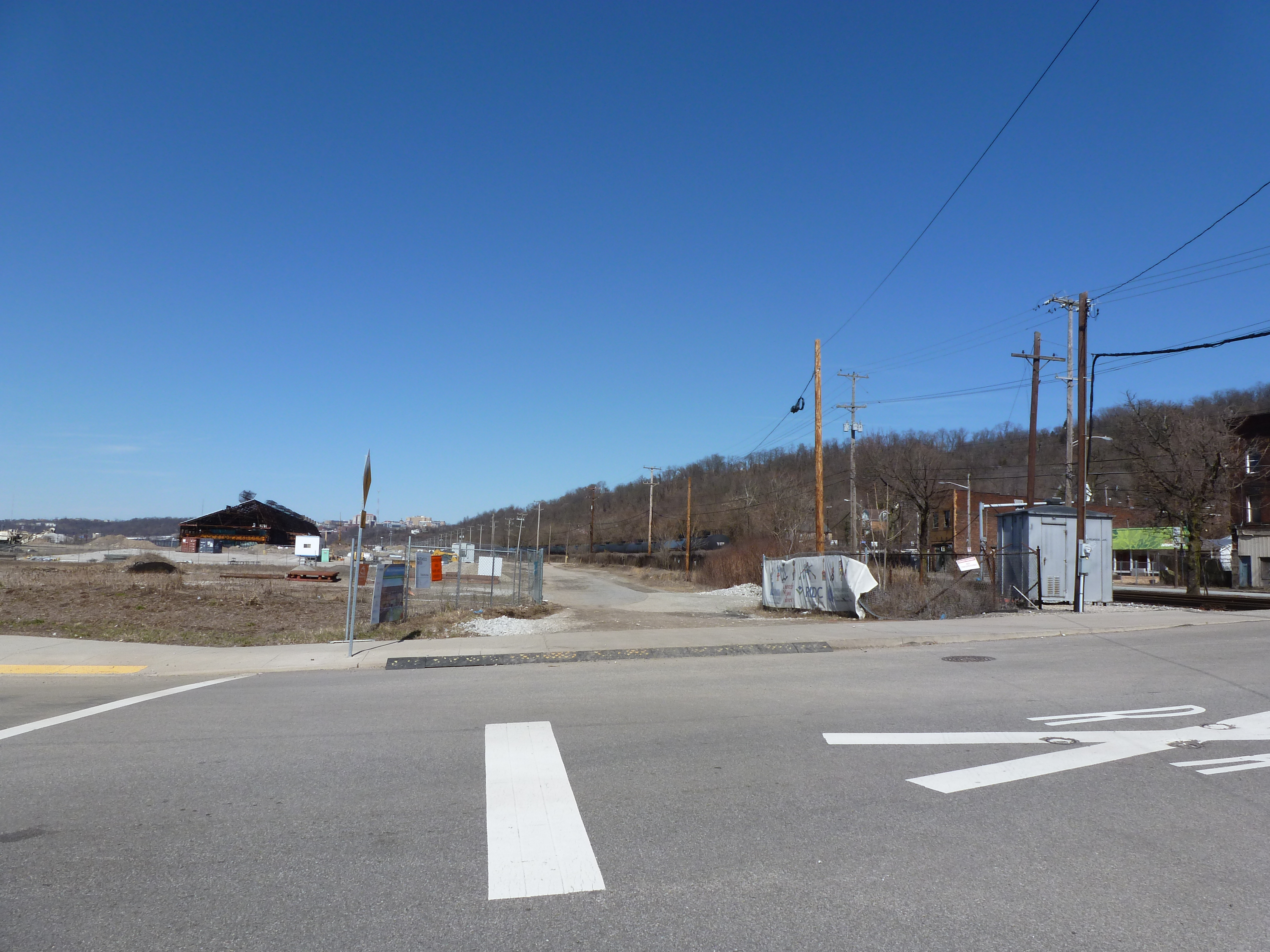
Hazelwood is a neighborhood divided in two by railroad tracks. On one side of the tracks are Hazelwood Green, a residential enclave, and some industrial and commercial uses. This is what is across the tracks:

Second Ave

Hazelwood Ave

Other Sites:

Keeping an Eye on Hazelwood Green: Mar. 2020

Keeping an Eye on Hazelwood: Introduction

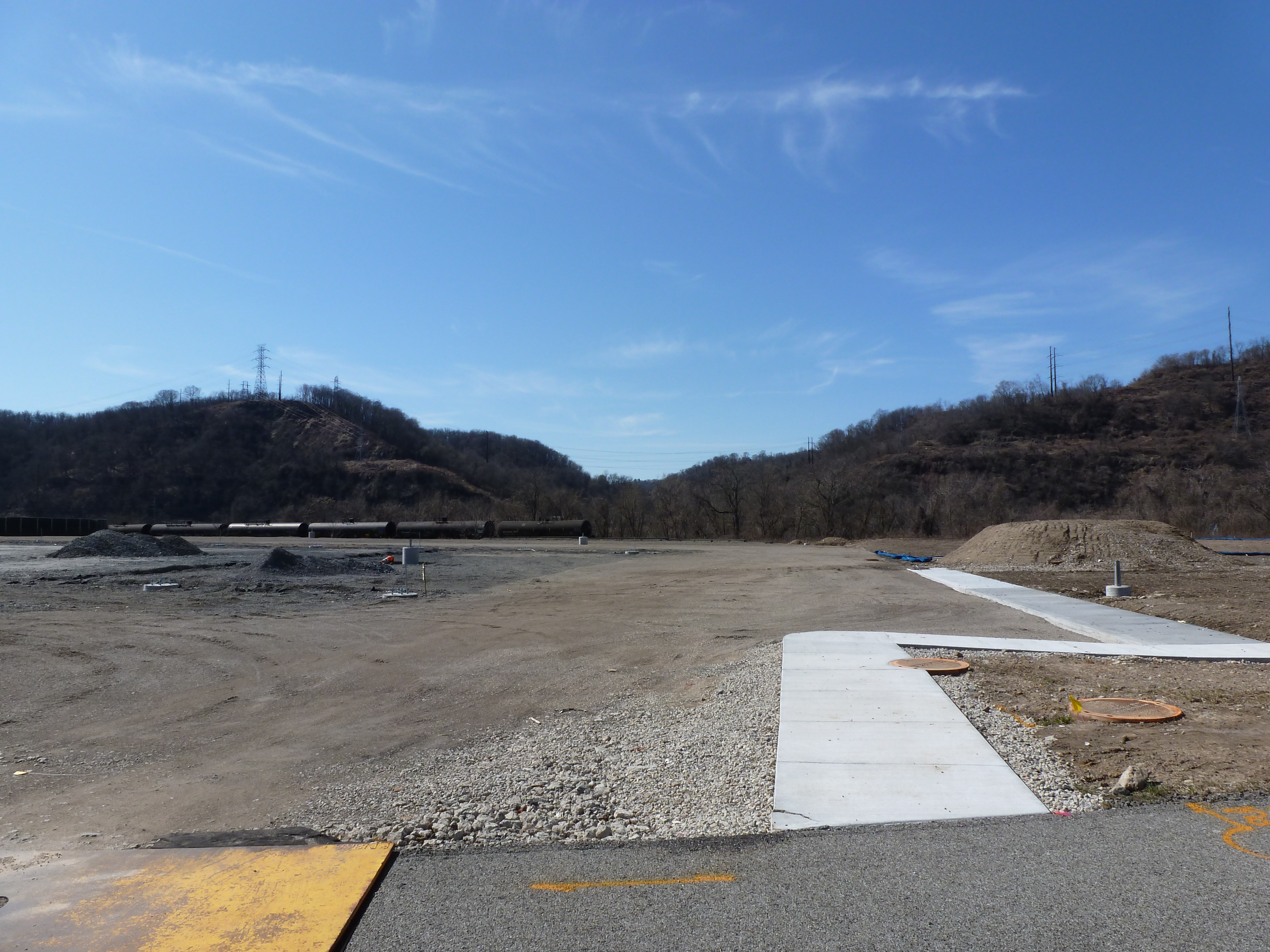
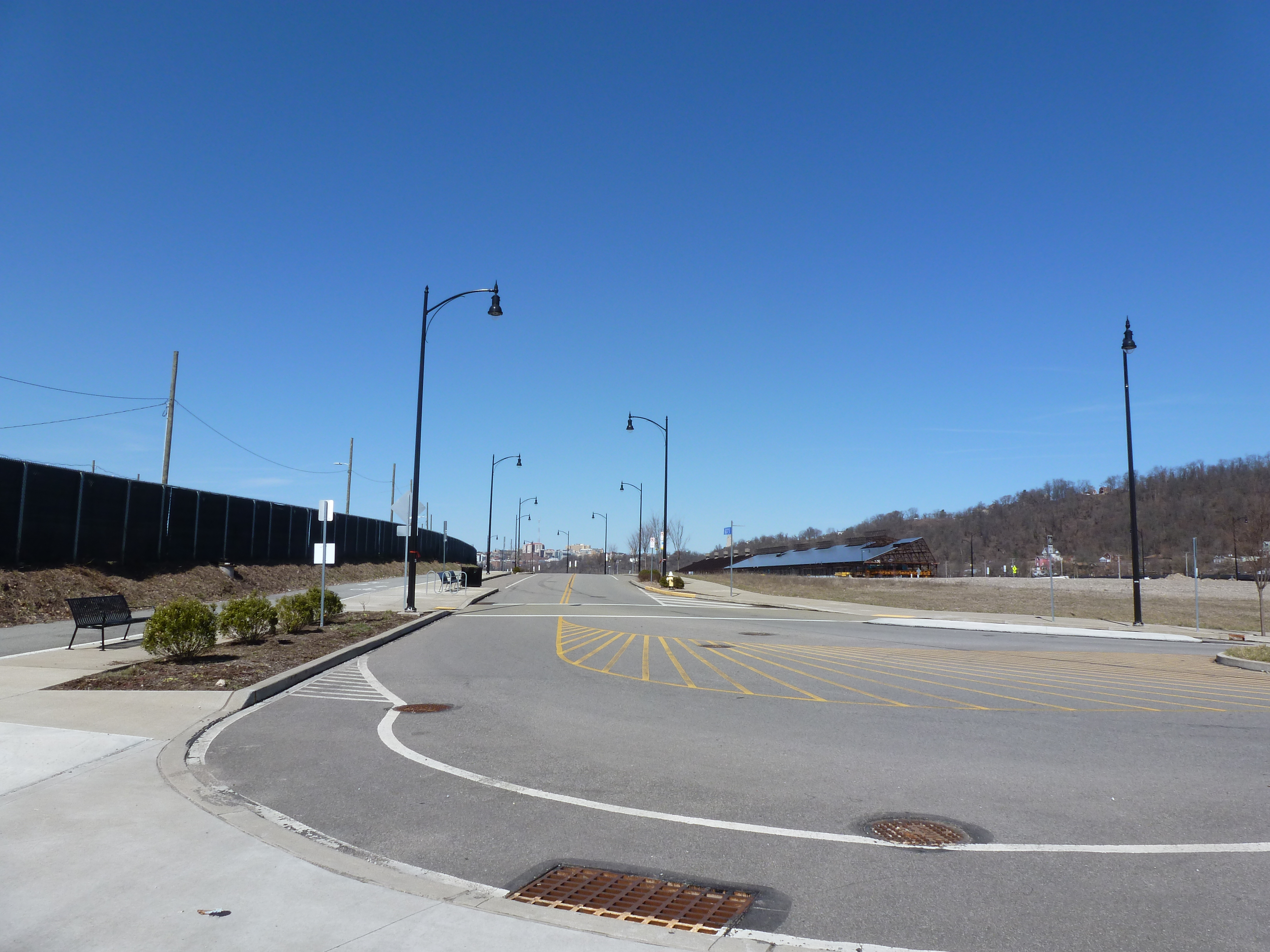
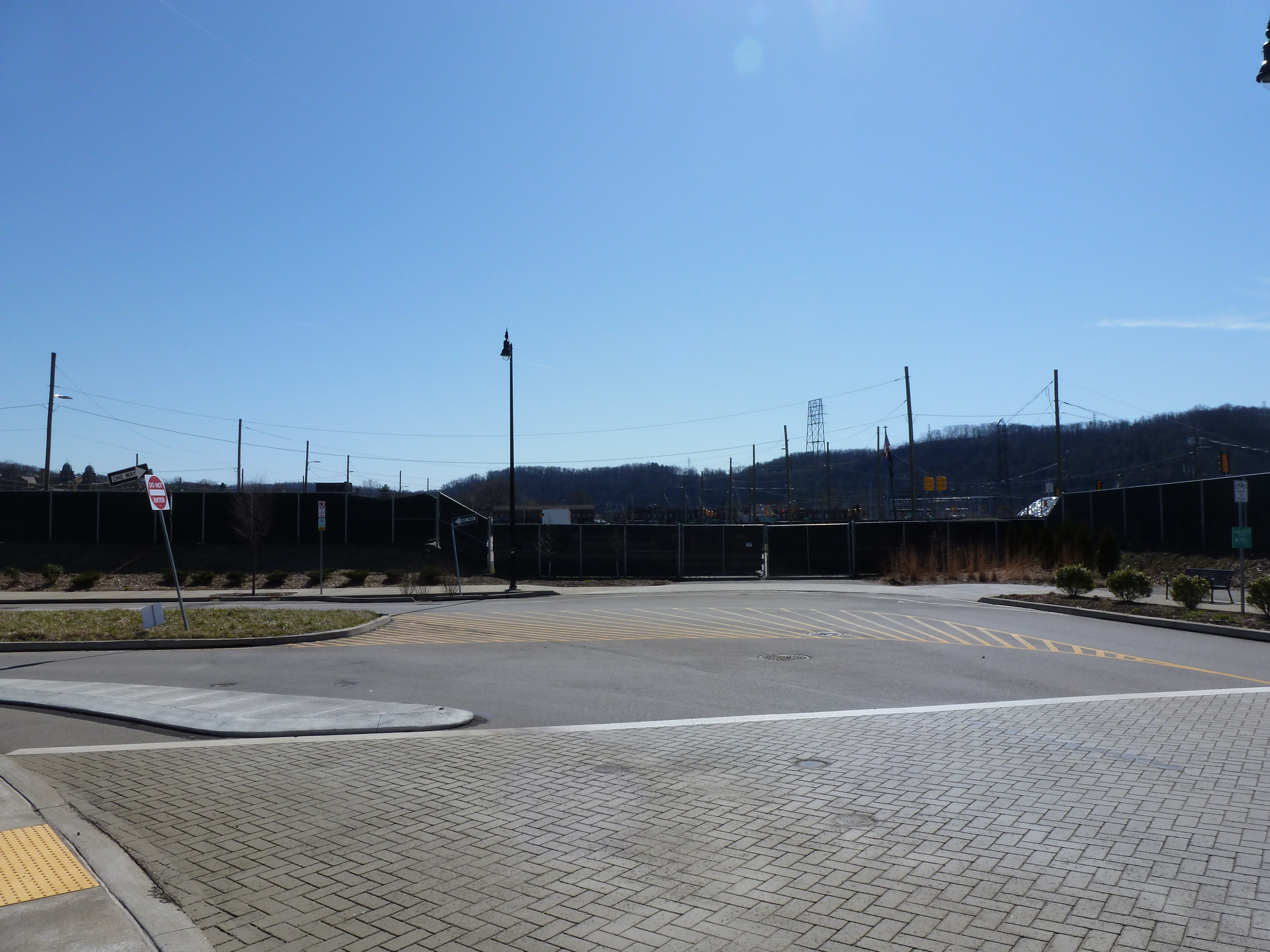
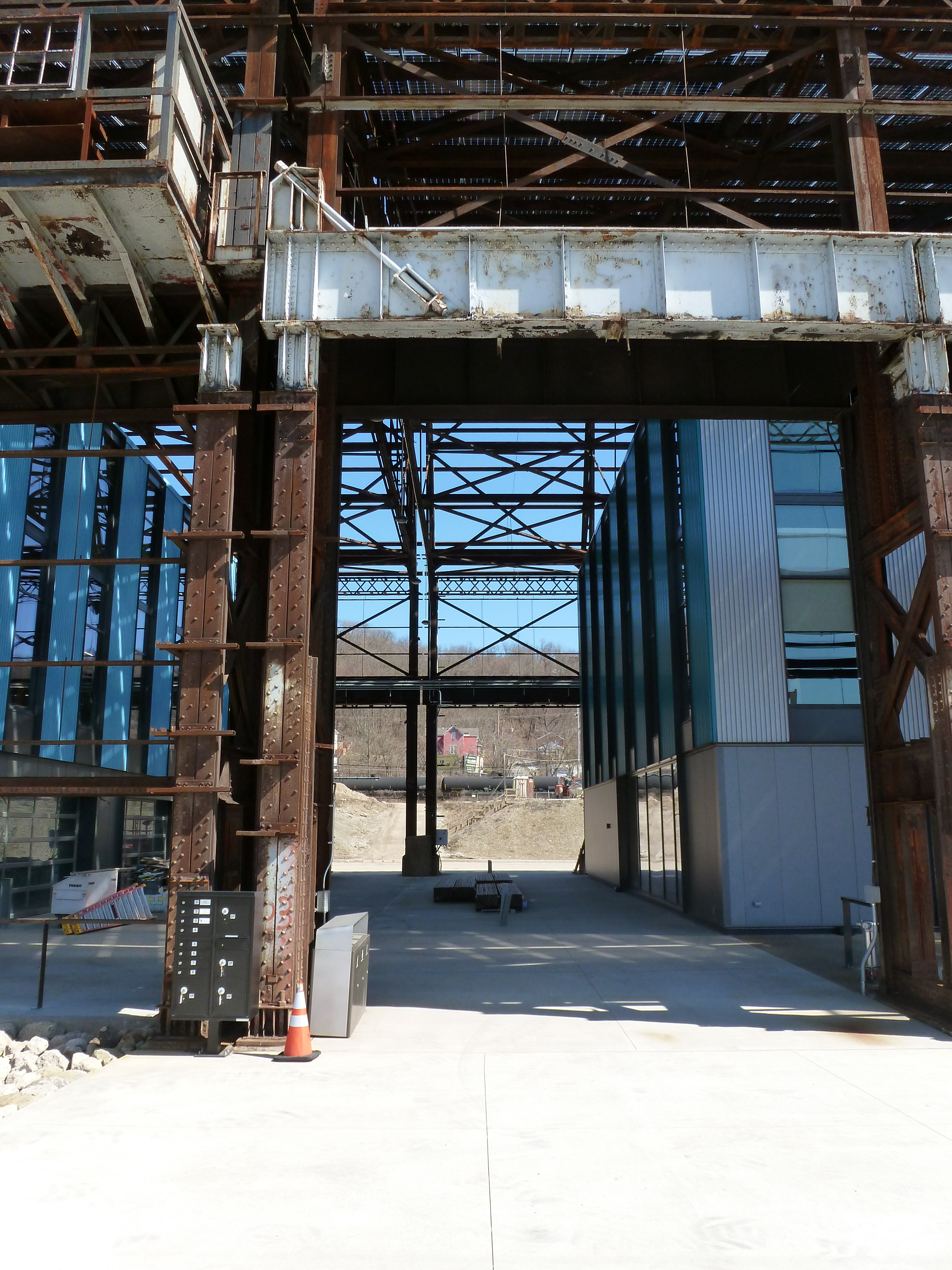
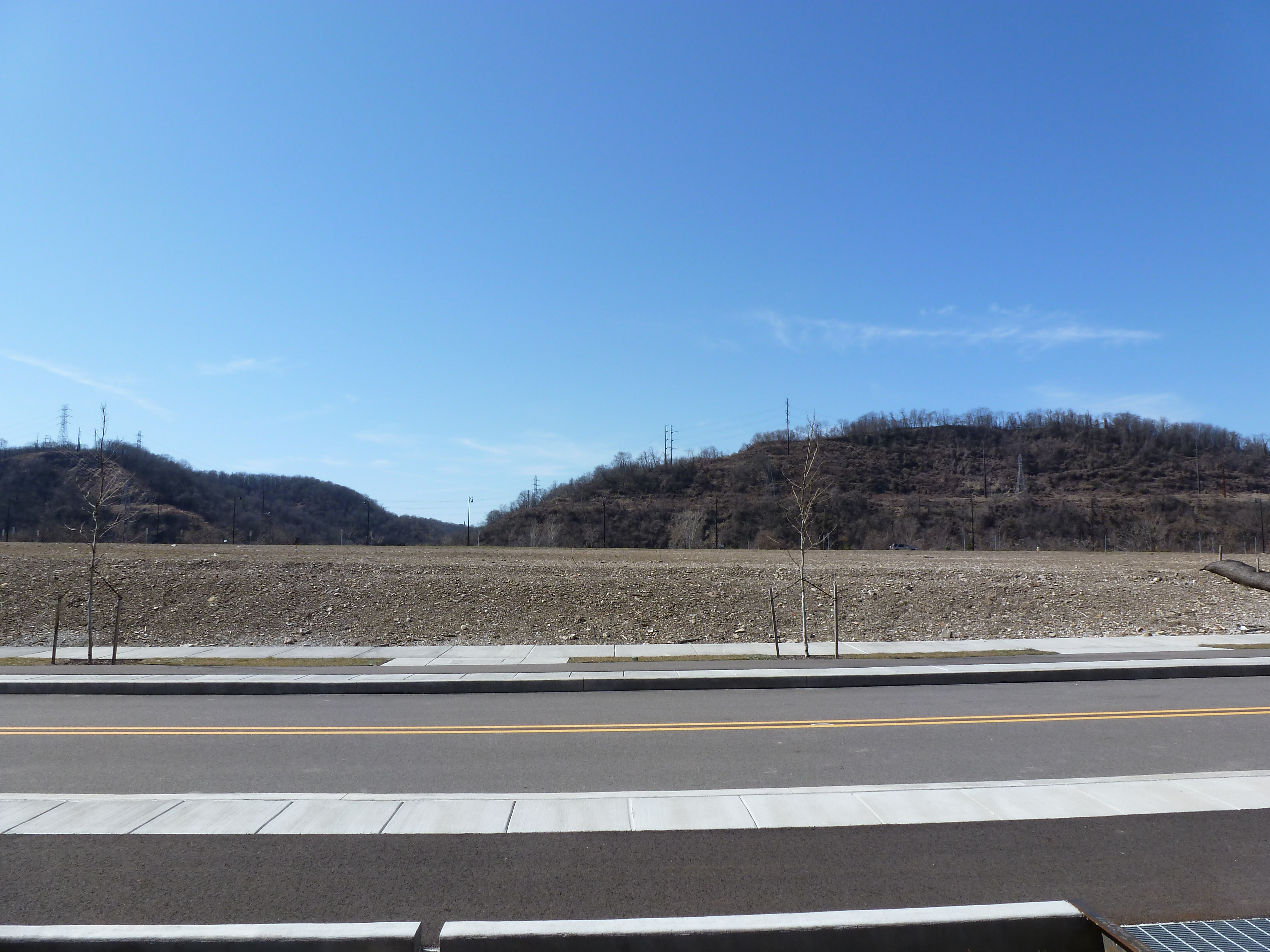
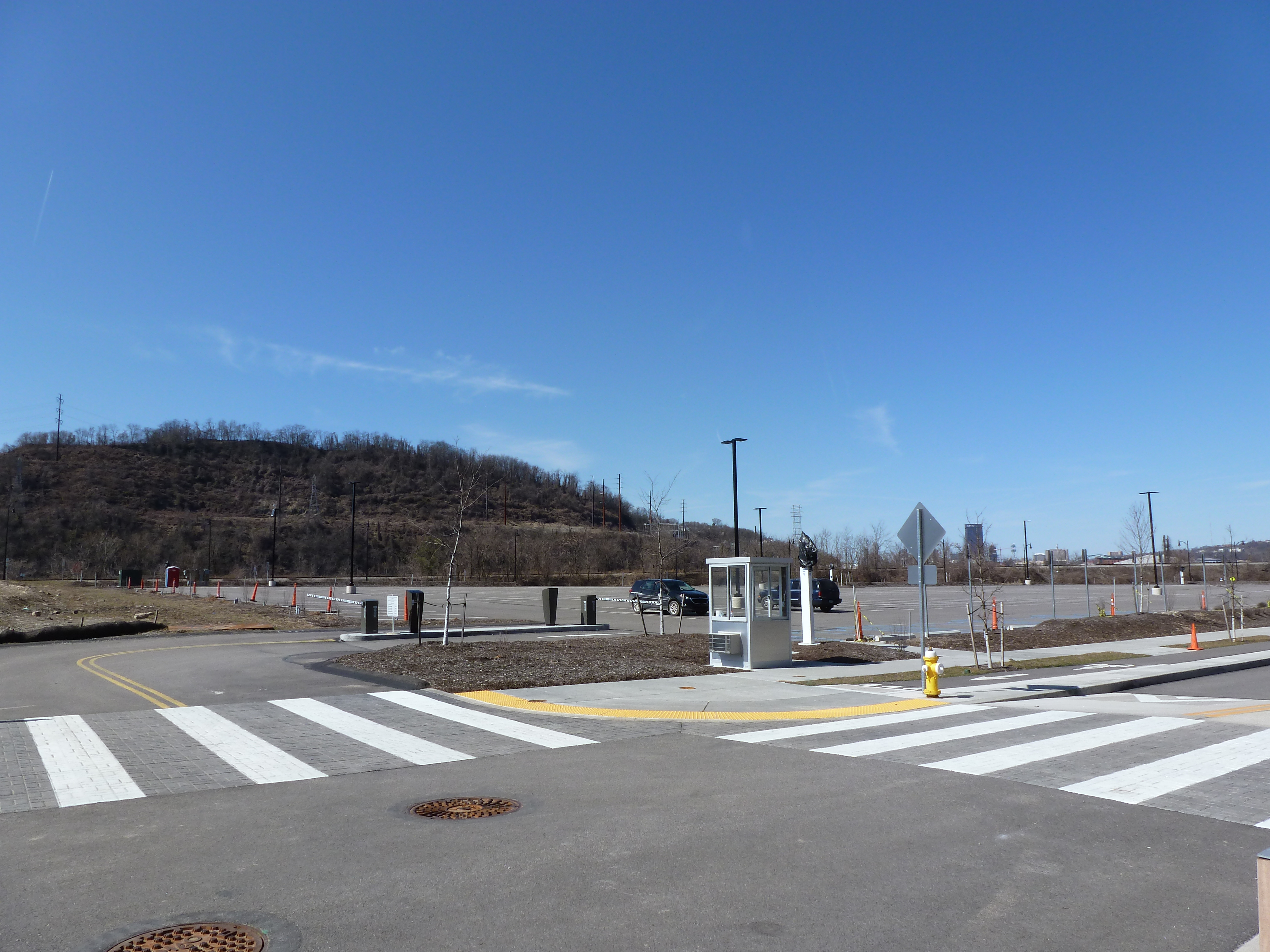
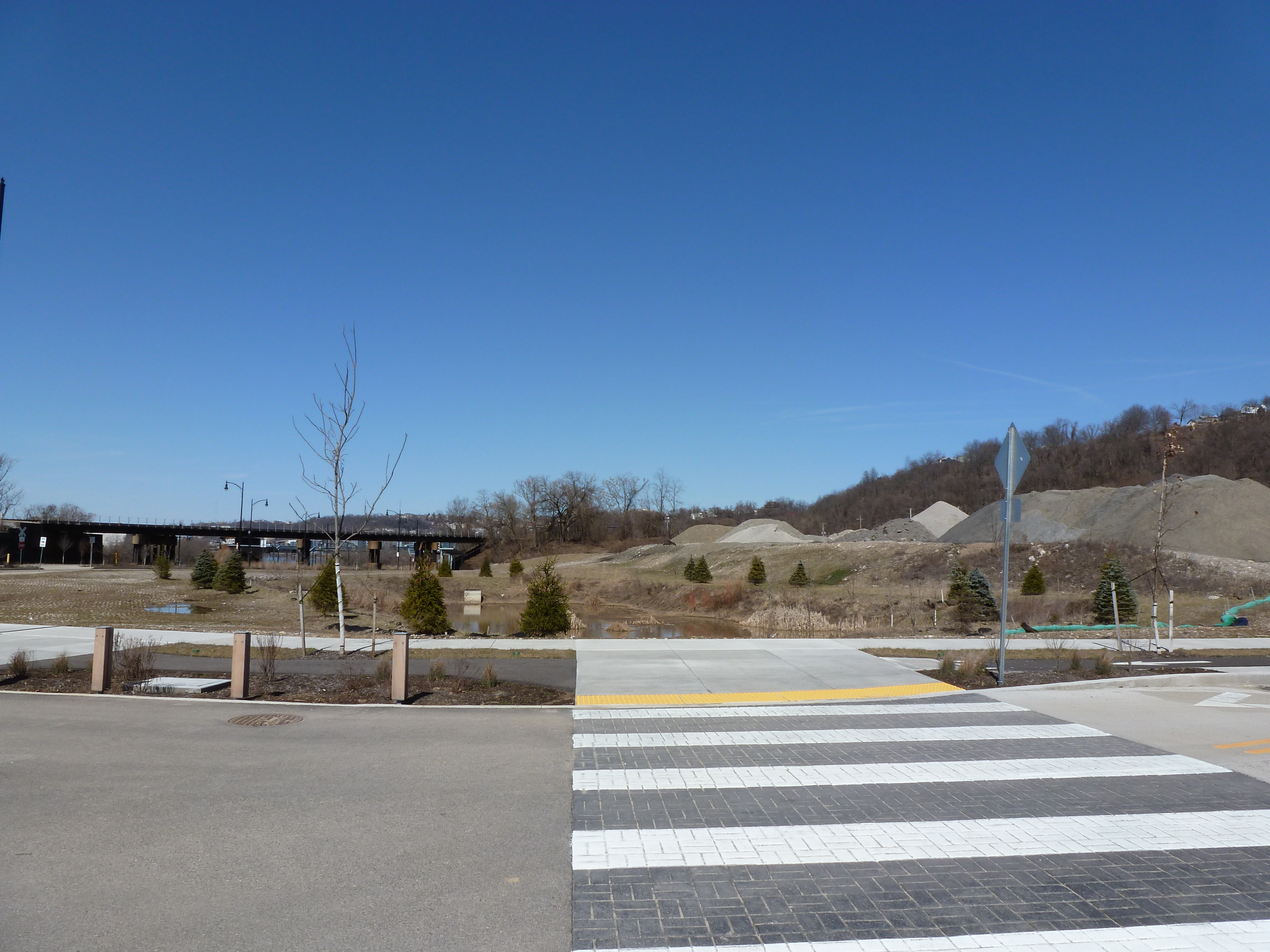
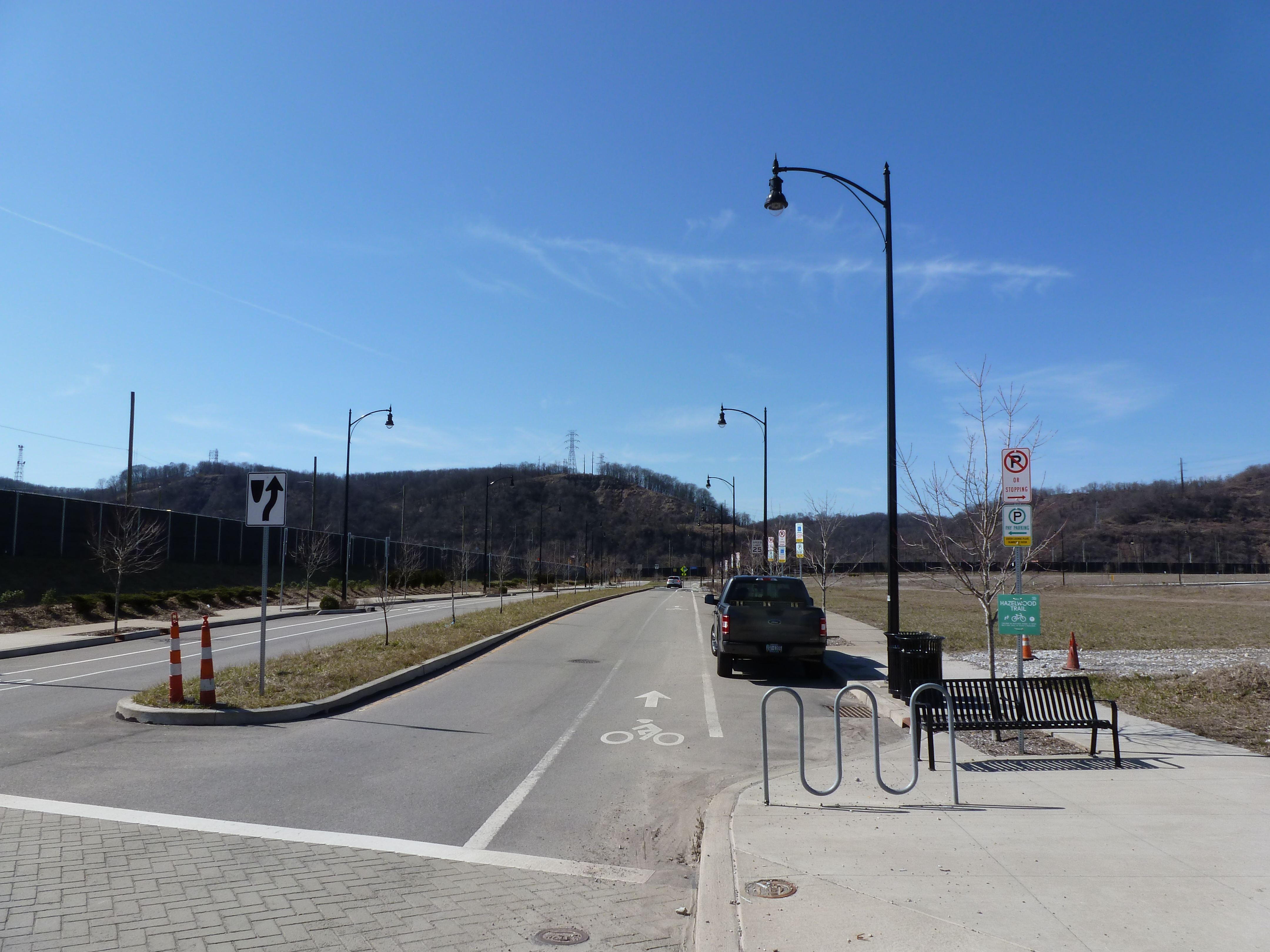
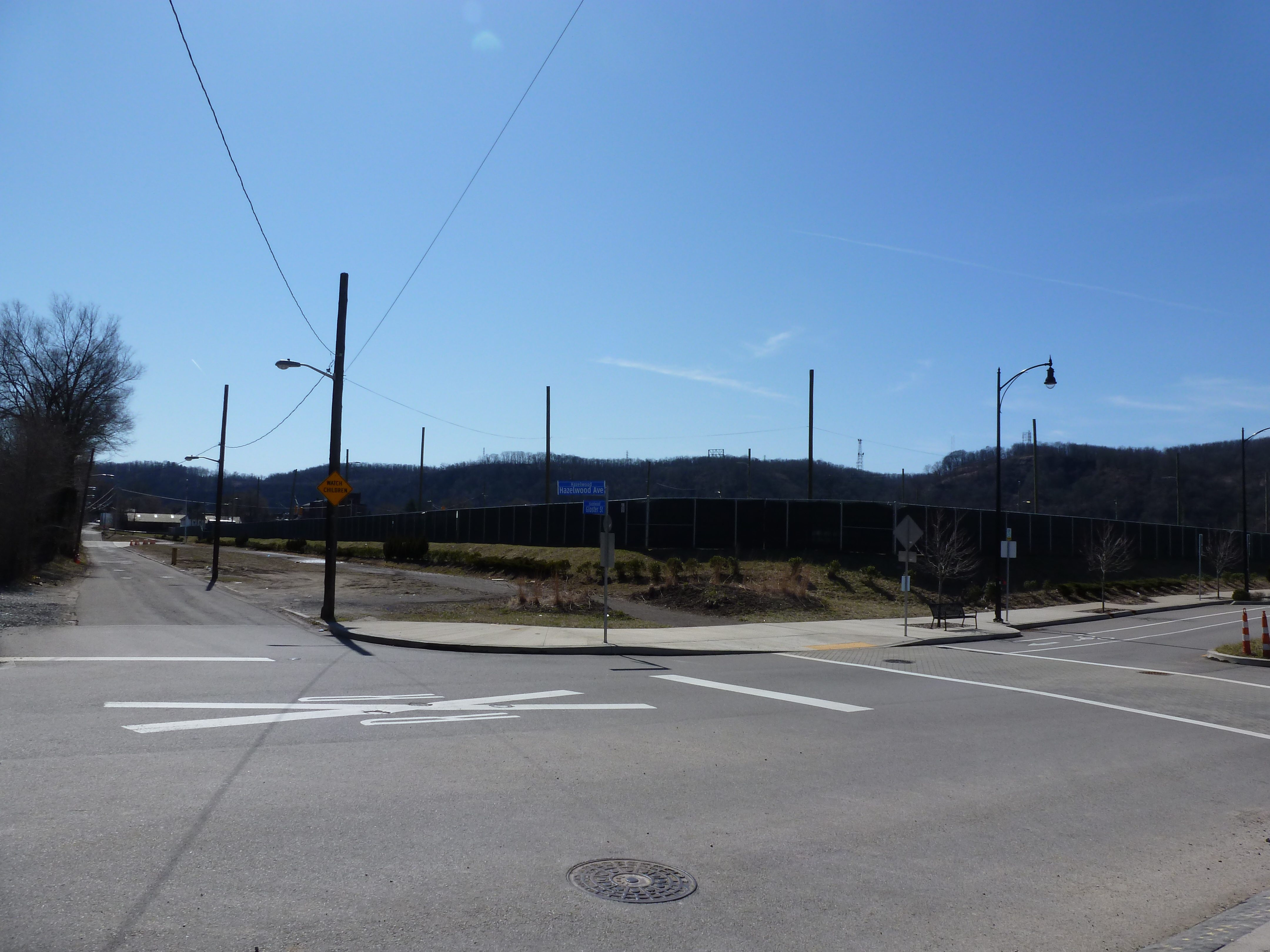
After introducing my series of Keeping an Eye on Uptown, the CAP, and the Lower Hill, I remembered that Hazelwood is another neighborhood expected to experience changes over the next several years. Between Hazelwood’s main street (2nd Avenue) and the Monongahela River is a 178-acre site of the former Jones and Laughlin Steel Company. Most of the structures from the mill have been demolished, leaving a large brownfield. In 2002, the site was purchased for redevelopment by Almono LP (at the time, an entity made up of four Pittsburgh foundations). After years of planning and a rebranding of the site as Hazelwood Green, a series of public streets and the first building opened for use in 2019. Construction is underway for more buildings and a public plaza.

During the planning and preparation stages, a question arose as to the effects of this redevelopment on the surrounding neighborhood. Hazelwood is one of Pittsburgh’s neighborhoods that has experienced high vacancy rates and subsequent demolition in its residential and business districts. While the building stock of the neighborhood has experienced a long downward trend, the community of people is strong. Only time will tell if the redevelopment of Hazelwood Green will connect with this community or if Hazelwood Green will become and isolated spot of prosperity for others.

Through two more photographic series, Keeping an Eye on Hazelwood Green and Keeping an Eye on Hazelwood, I will periodically document the physical changes to the former steel mill site and to the surrounding neighborhood.

Ringing the Bells

A deep, full-bodied gong expanded through the small basement of the Zion Reformed Church in Allentown, PA, after the docent tapped the clapper against the replica Liberty Bell. Depending on the source, the US government commissioned 53 or 57 replica Liberty Bells from a French company in the 1950s. One was kept in France and the rest were distributed to each of the US states and territories. Most were put on display somewhere in the State Capitals. Pennsylvania was one of the exceptions.

During the Revolutionary War, the Liberty Bell and other bells from Philadelphia were hidden in the Zion Reformed Church’s basement in Allentown to protect them from the British troops. Now the basement is a museum to the Liberty Bell, featuring Pennsylvania’s replica bell along with artifacts from the Revolutionary War. The replica bell is whole with the famous crack depicted by a line drawn with a Sharpie marker. As a result, there isn’t the concern that ringing the bell will worsen the crack and perhaps split the bell in two as there is with the original. Still the docent must tap the bell very gently in demonstrations as it was designed to be heard 20 miles away. In the small basement, the full sound could cause auditory damage.

Most days in Pittsburgh, I can hear the neighborhood Catholic church bell chime the hours. Under the right weather conditions, I can hear a church bell from another neighborhood. The Catholic church is within a mile of my house. The other church is up to 2 miles away. Though I don’t subscribe to any organized religion, hearing these bells gives me a feeling that I am part of a community. The bells of the Allegheny County Courthouse downtown inspire a similar feeling of belonging when they ring at noon and 5:00 pm. These sounds create a shared experience between me and all the other people within earshot of the ringing bell.

The difference in capacity of the Liberty Bell and the bell of the local Catholic church reflects the style of living at the time they were established. In the days of the Liberty Bell, most of the country was agrarian with people spread out on farms often at least 20 miles away from the nearest town or hamlet. Fast forward to the 1910s, when the local Catholic church was established in a growing, dense urban environment. Most parishioners lived in the same neighborhood as their church, not more than a mile or two away. Today, in post-suburbanization US, people live in different neighborhoods or even towns from where they worship or work. In such a world, there isn’t one civic or religious institution that everyone within earshot subscribes to. I am glad to live in a neighborhood where there still is a bell to remind us every so often to look up from our digital devices to see and hear the world immediately in front of us.