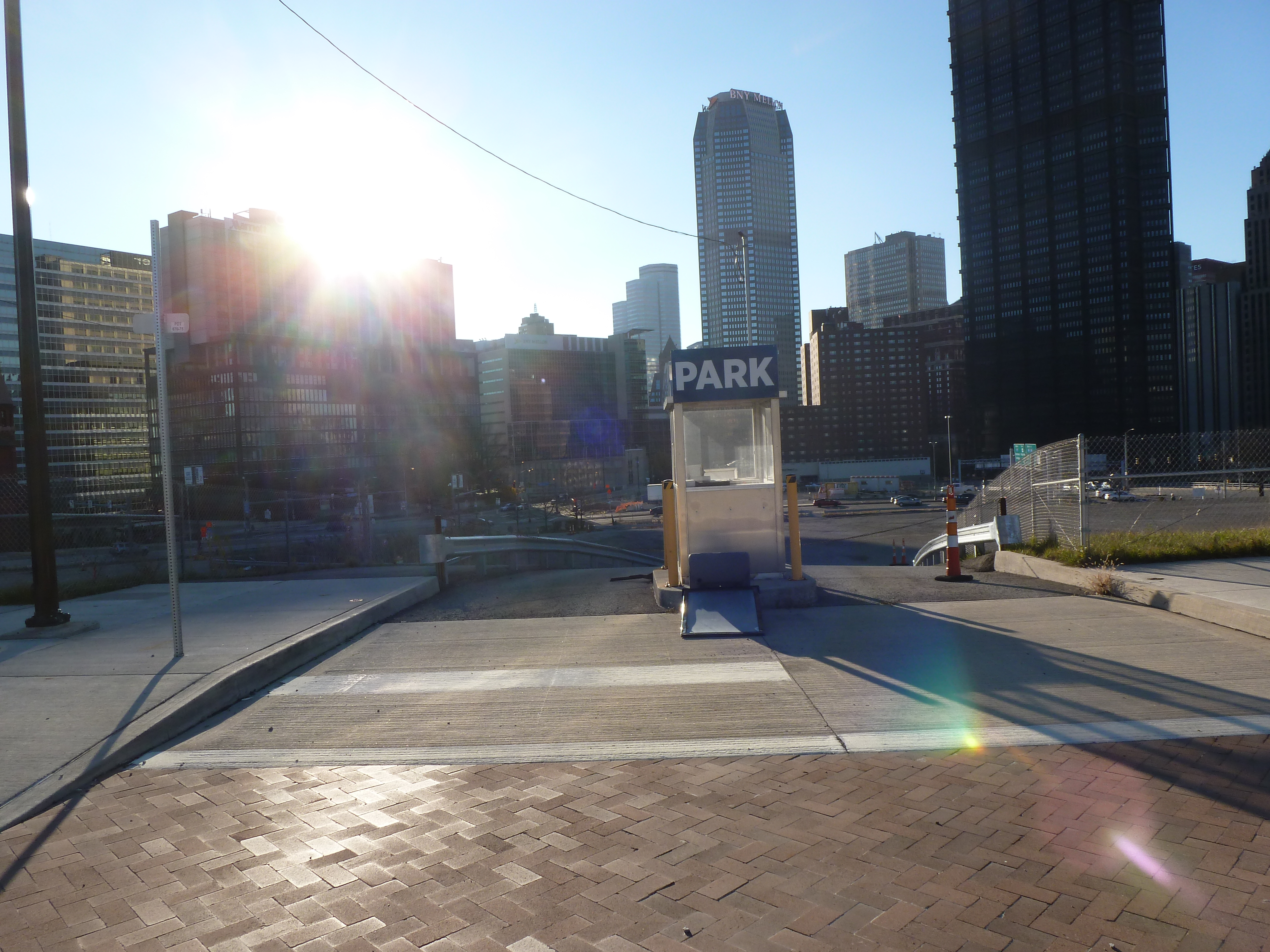
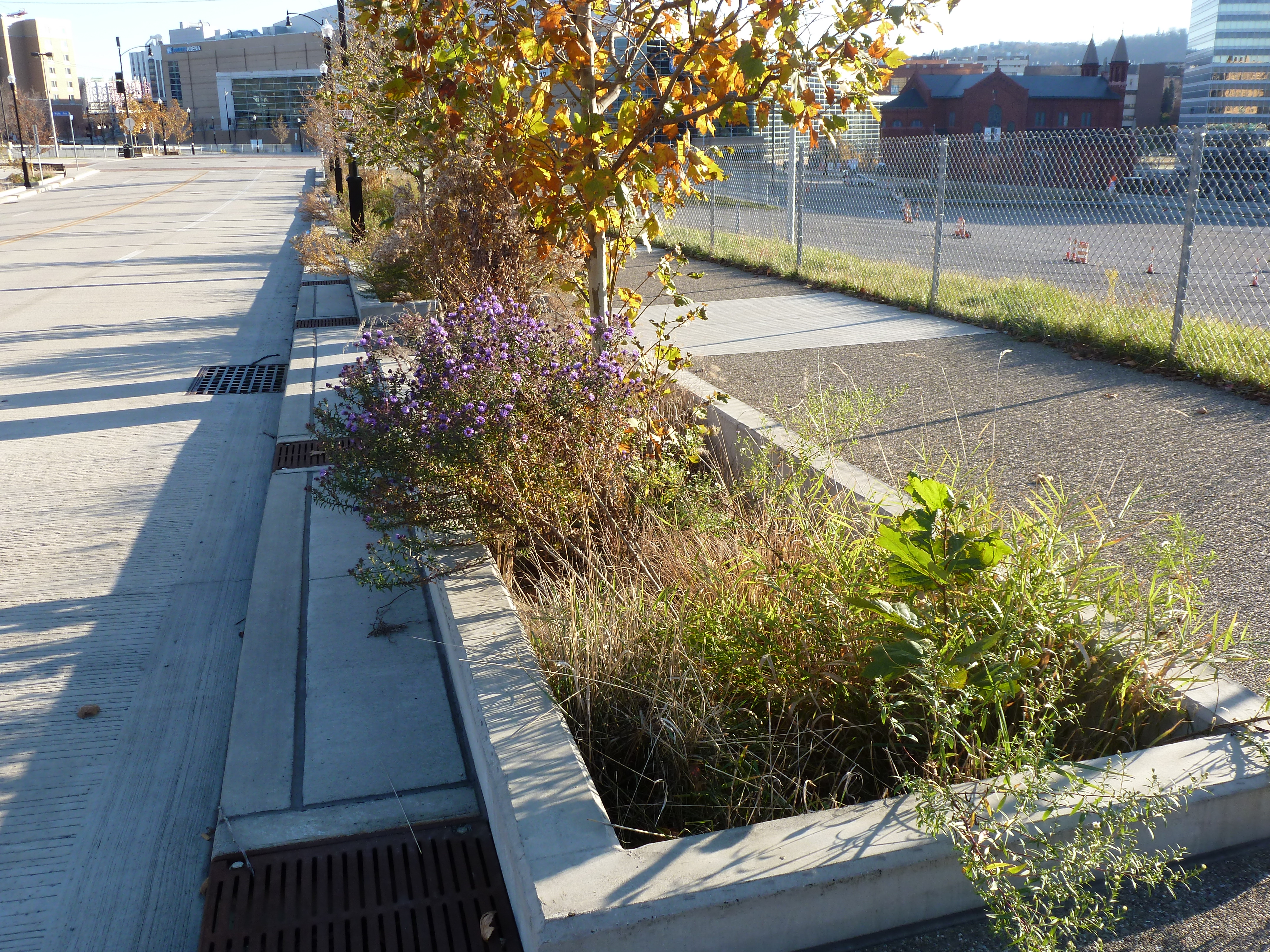
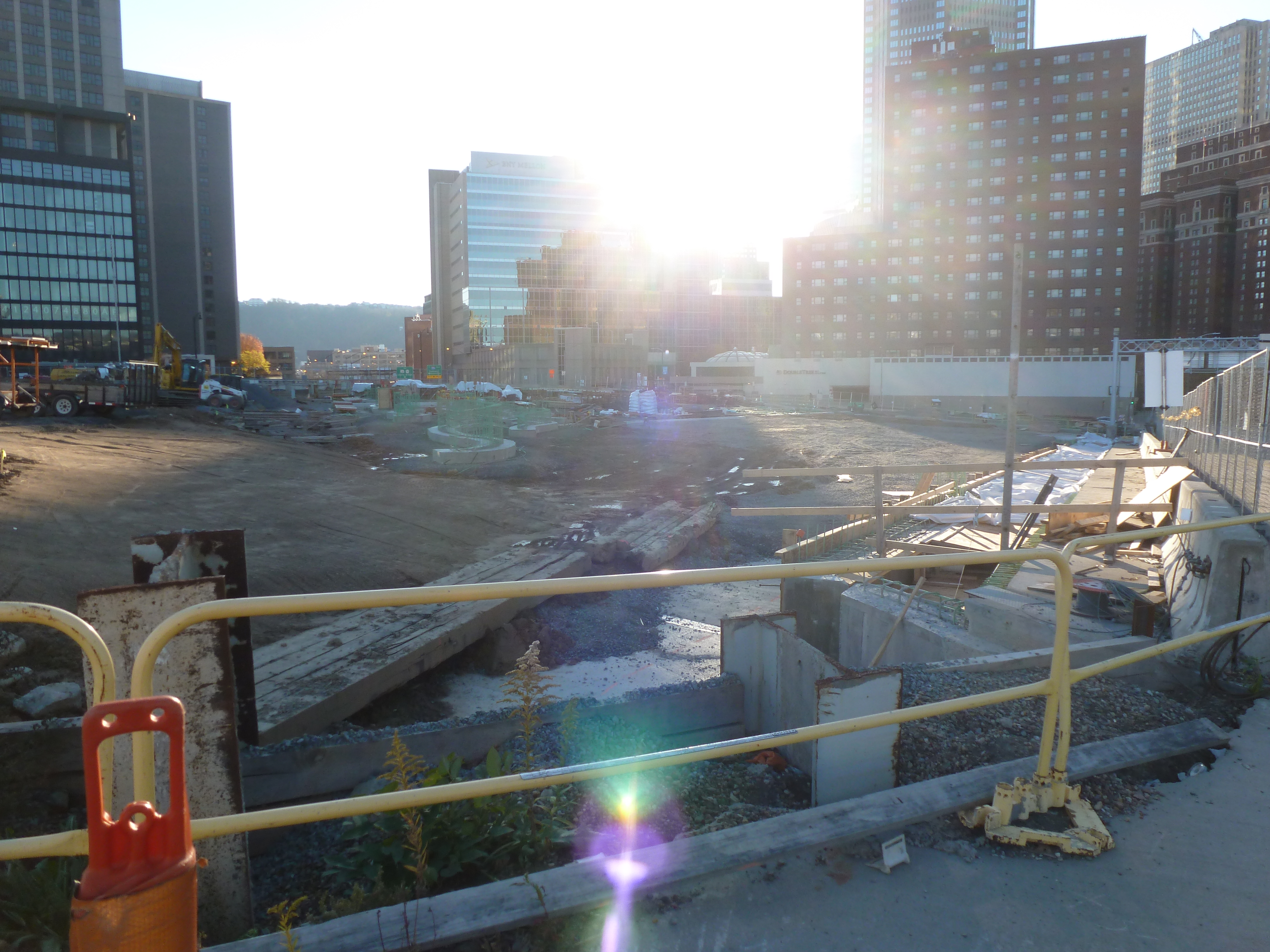
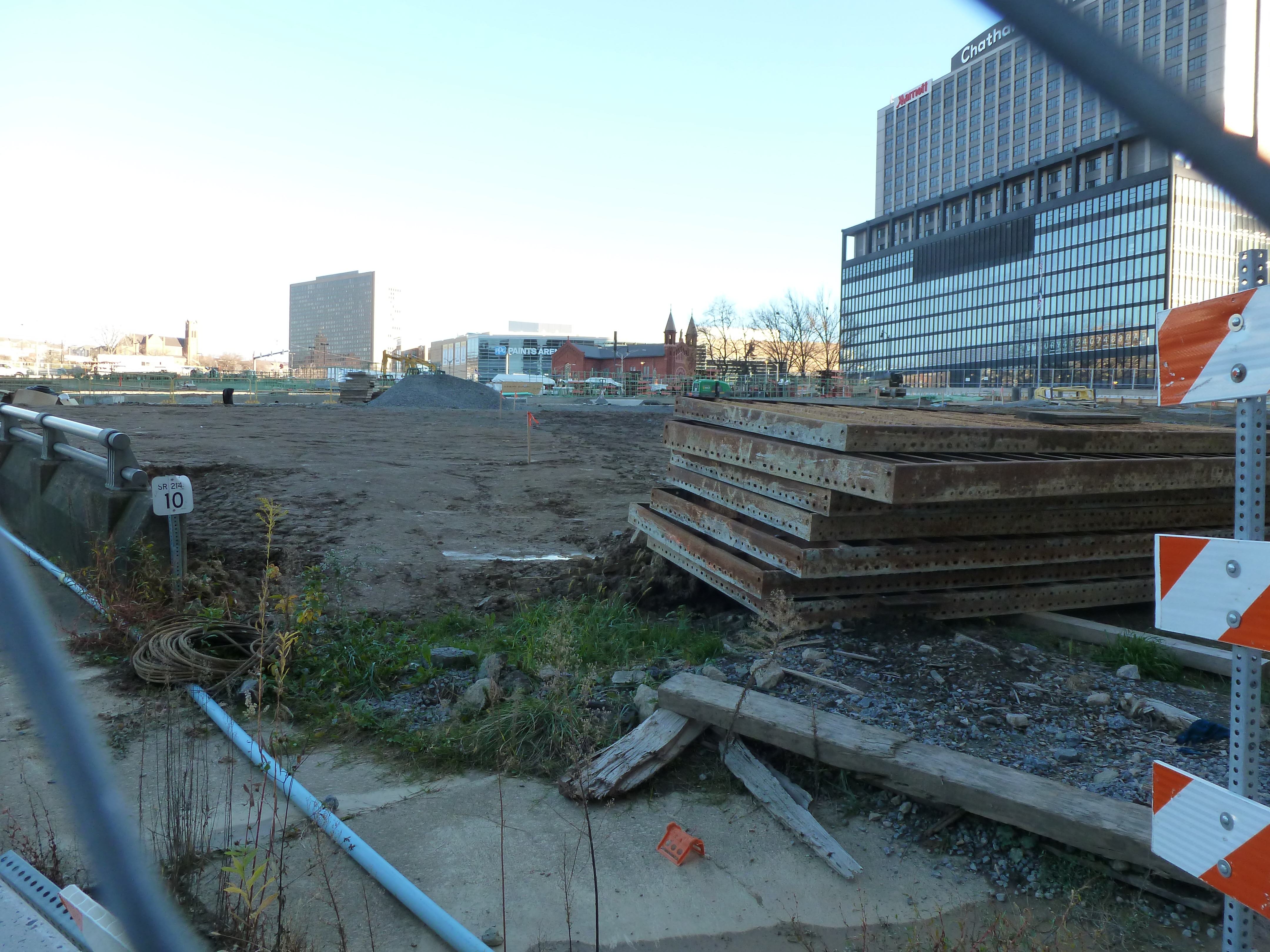
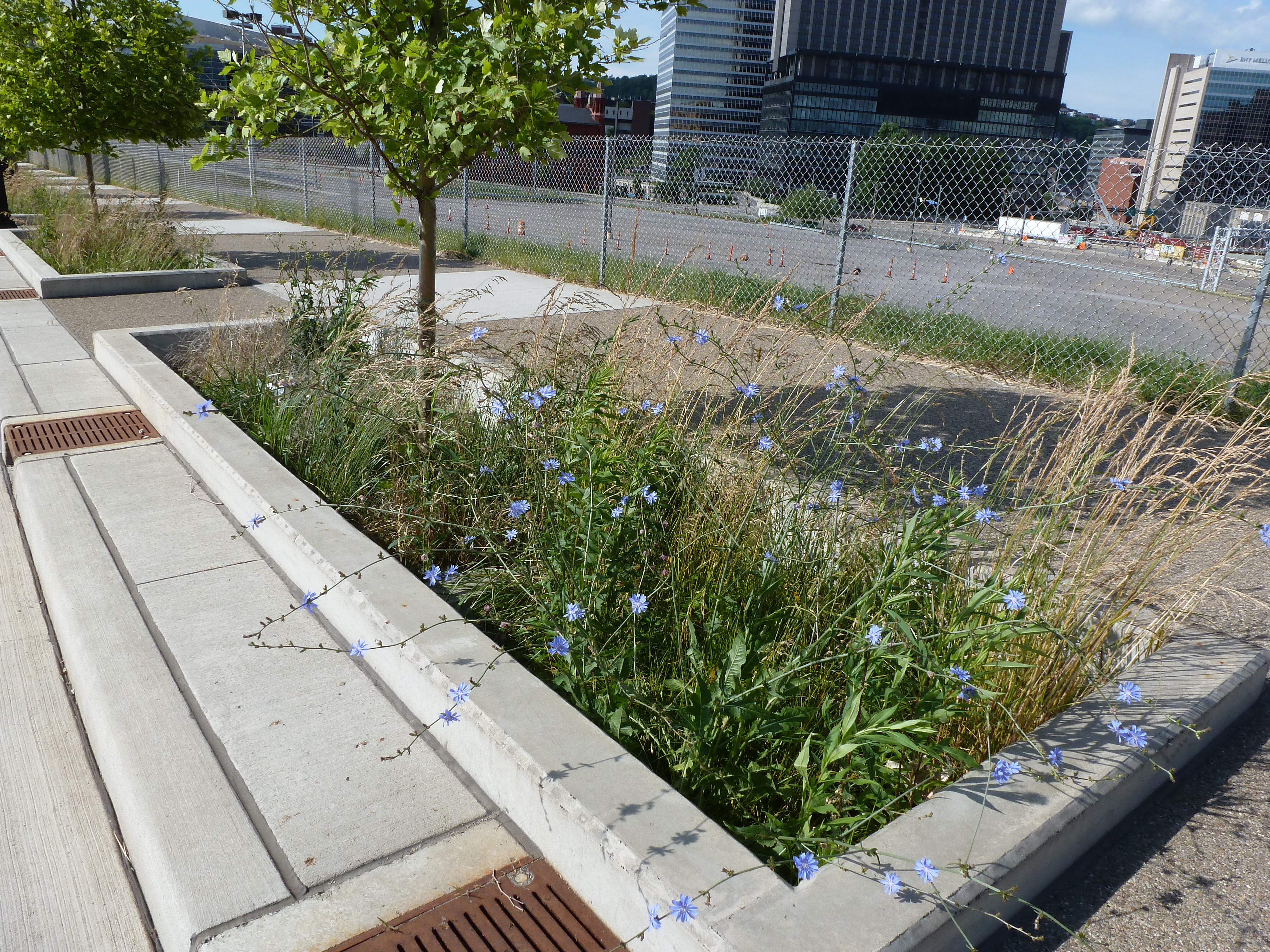
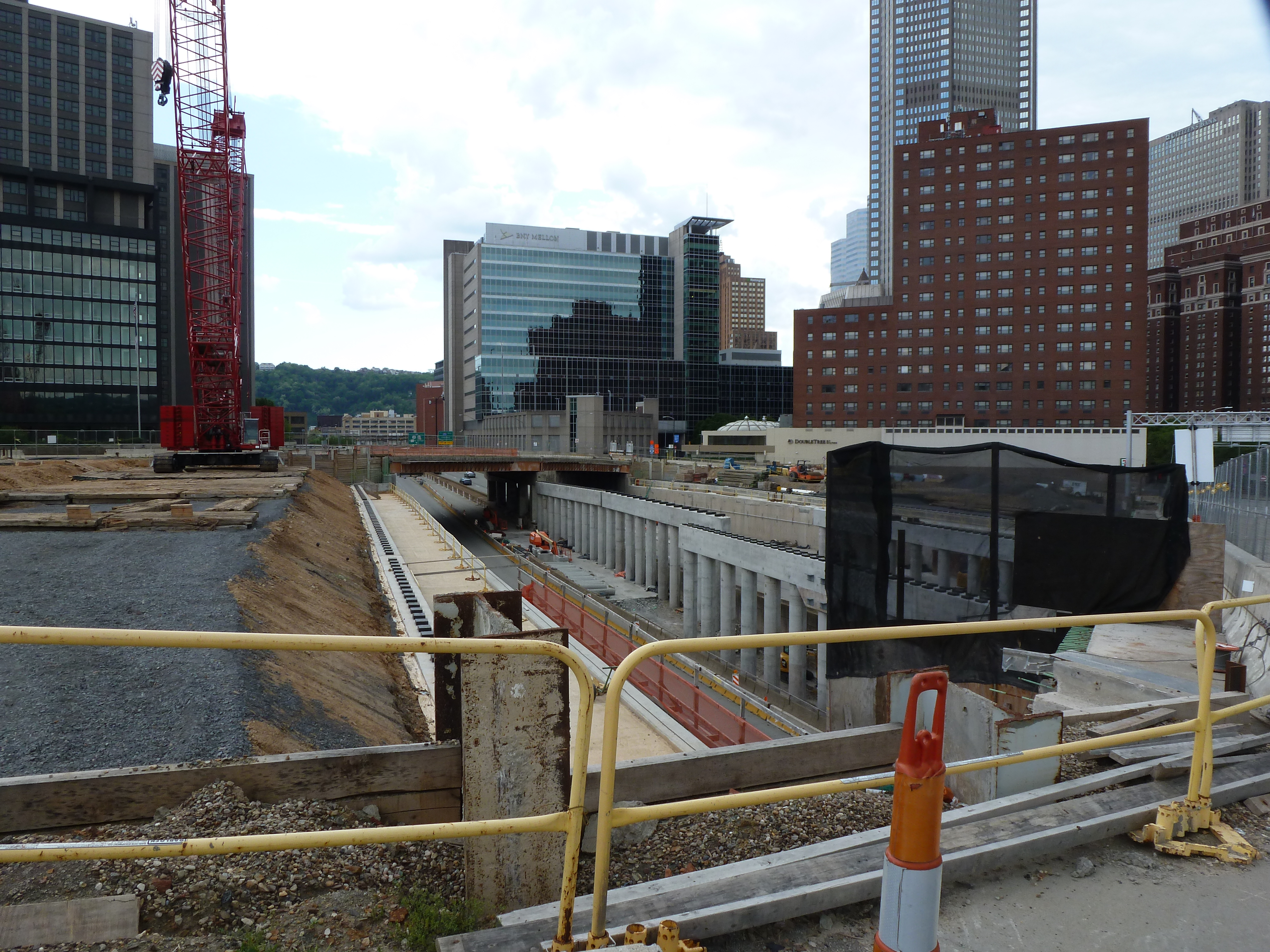
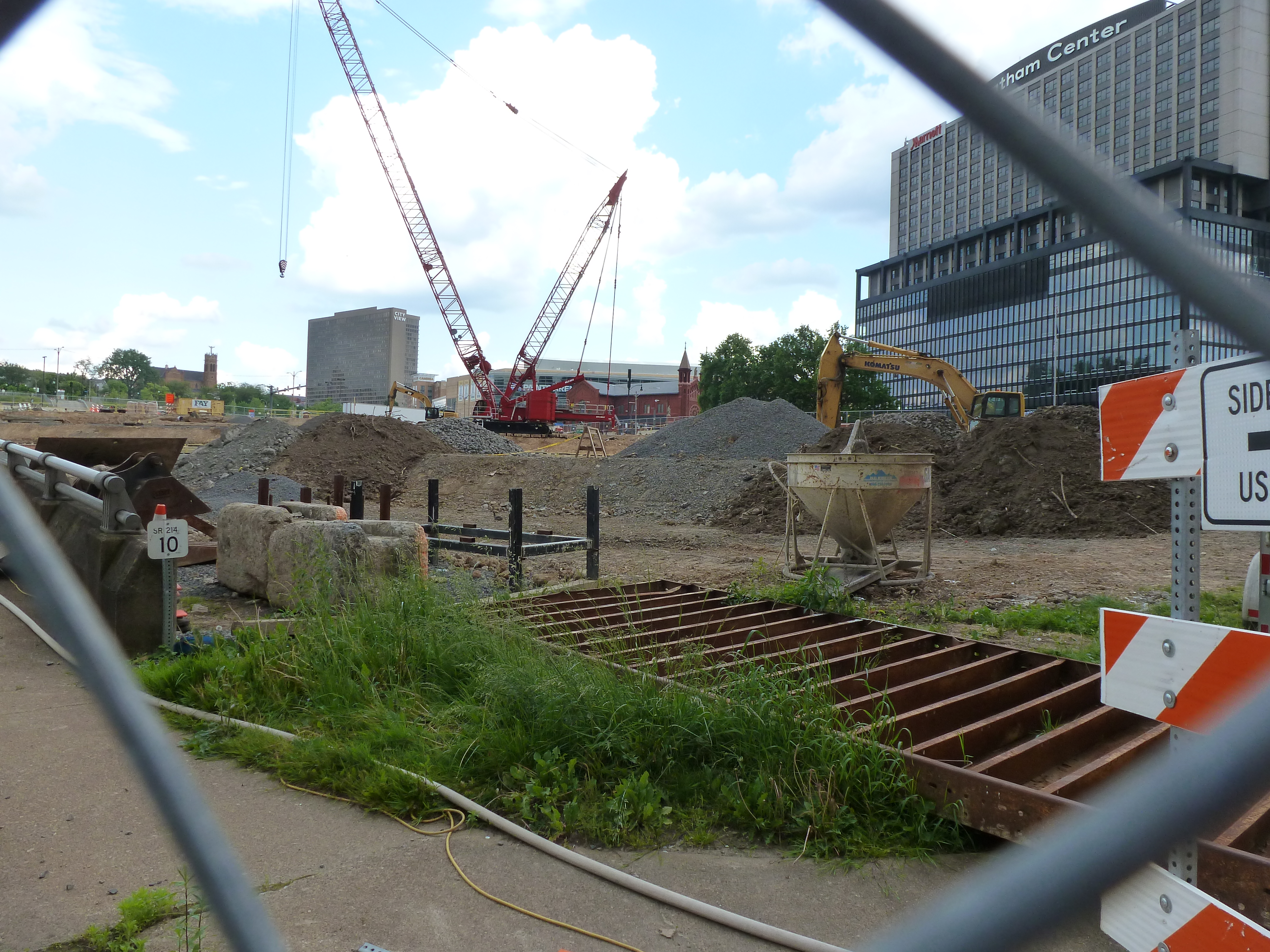
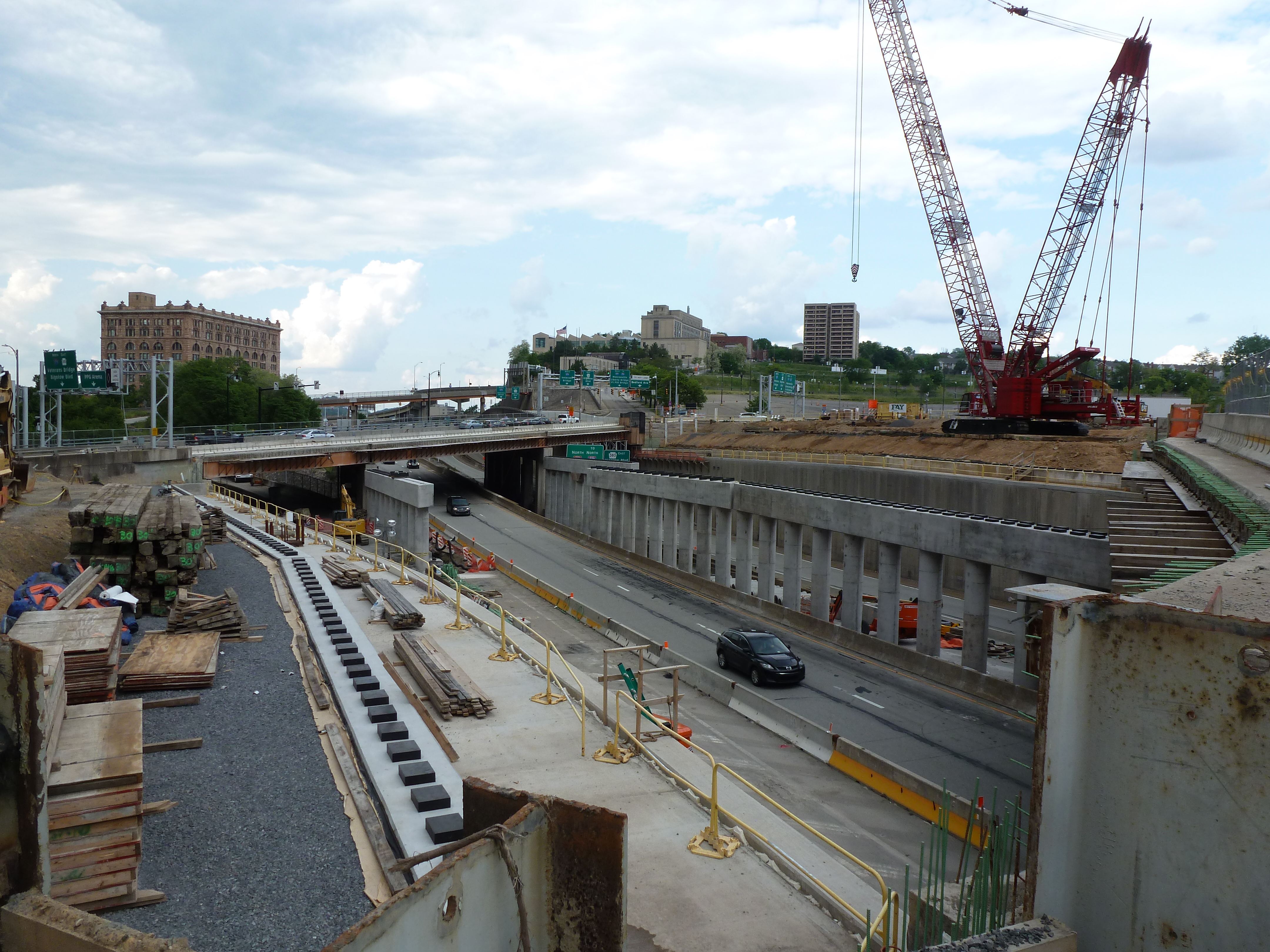
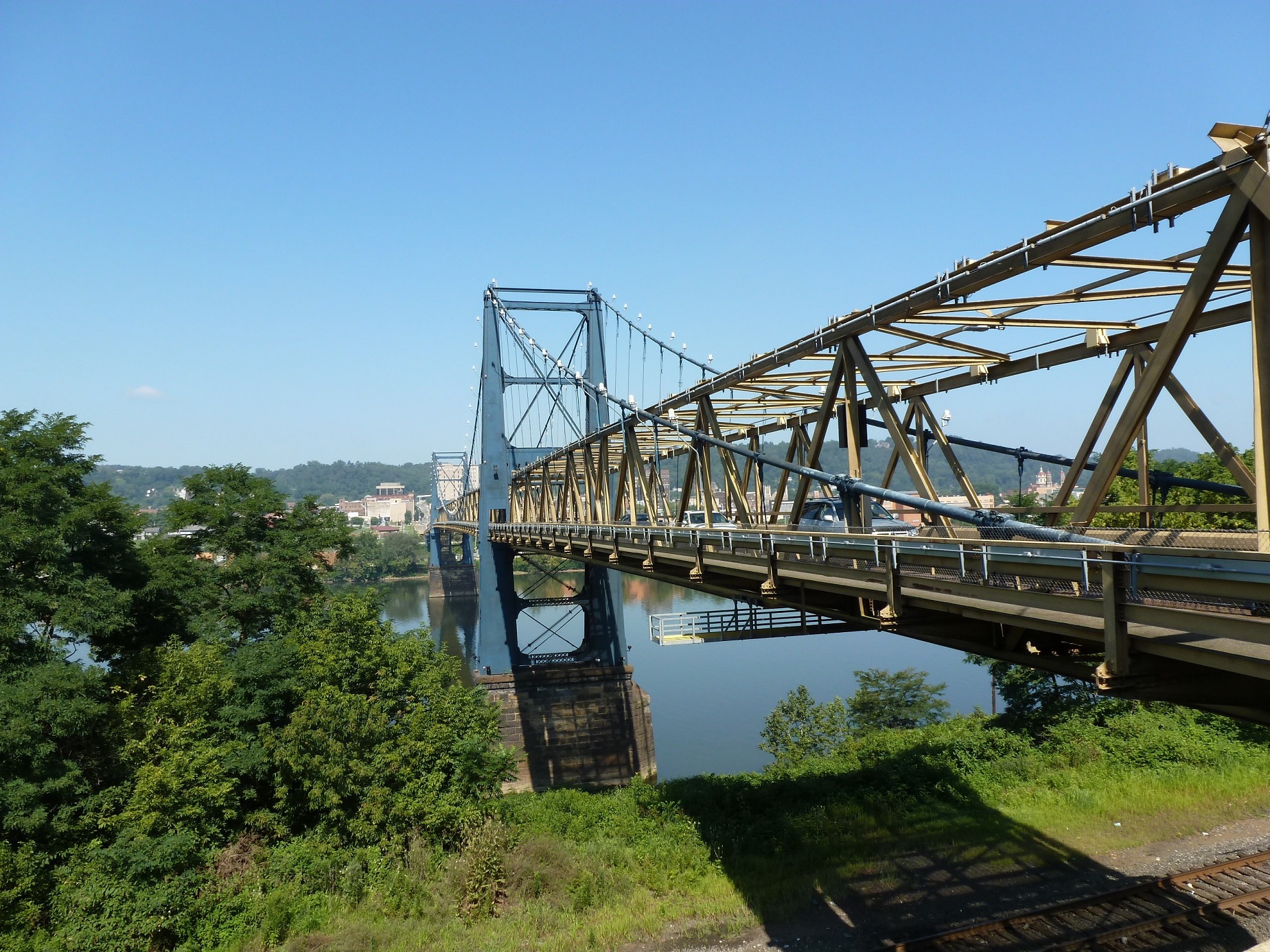
Keeping an Eye on the Lower Hill: May 2021

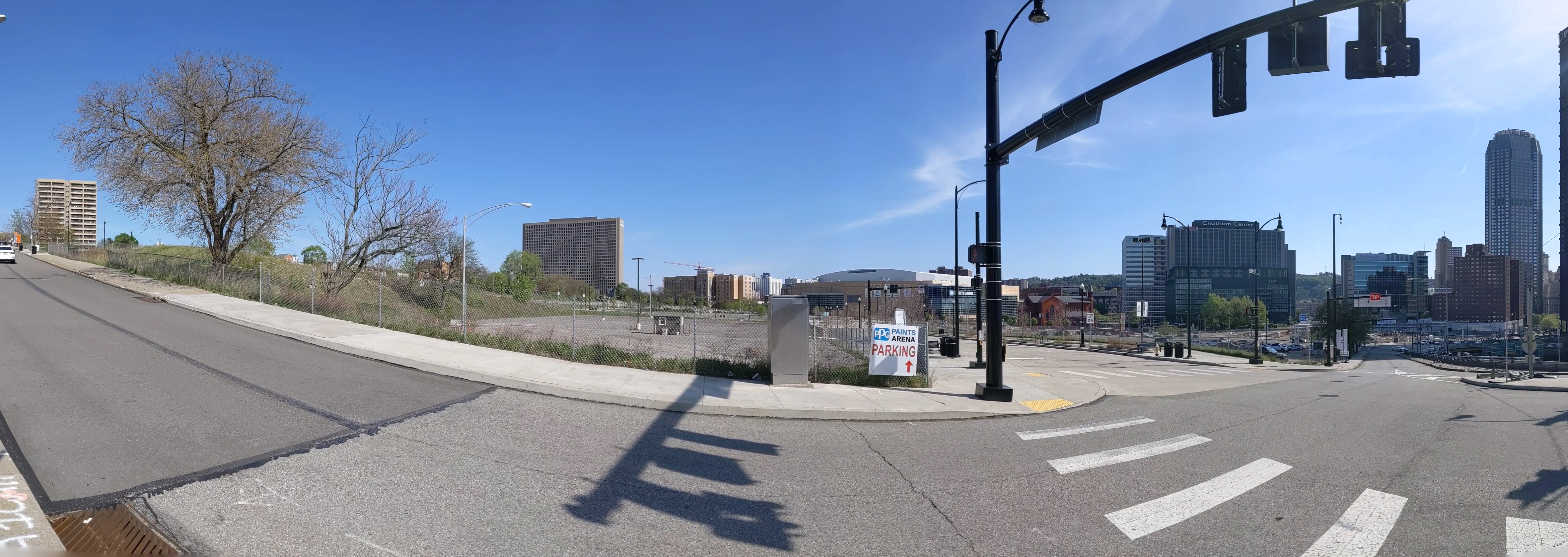
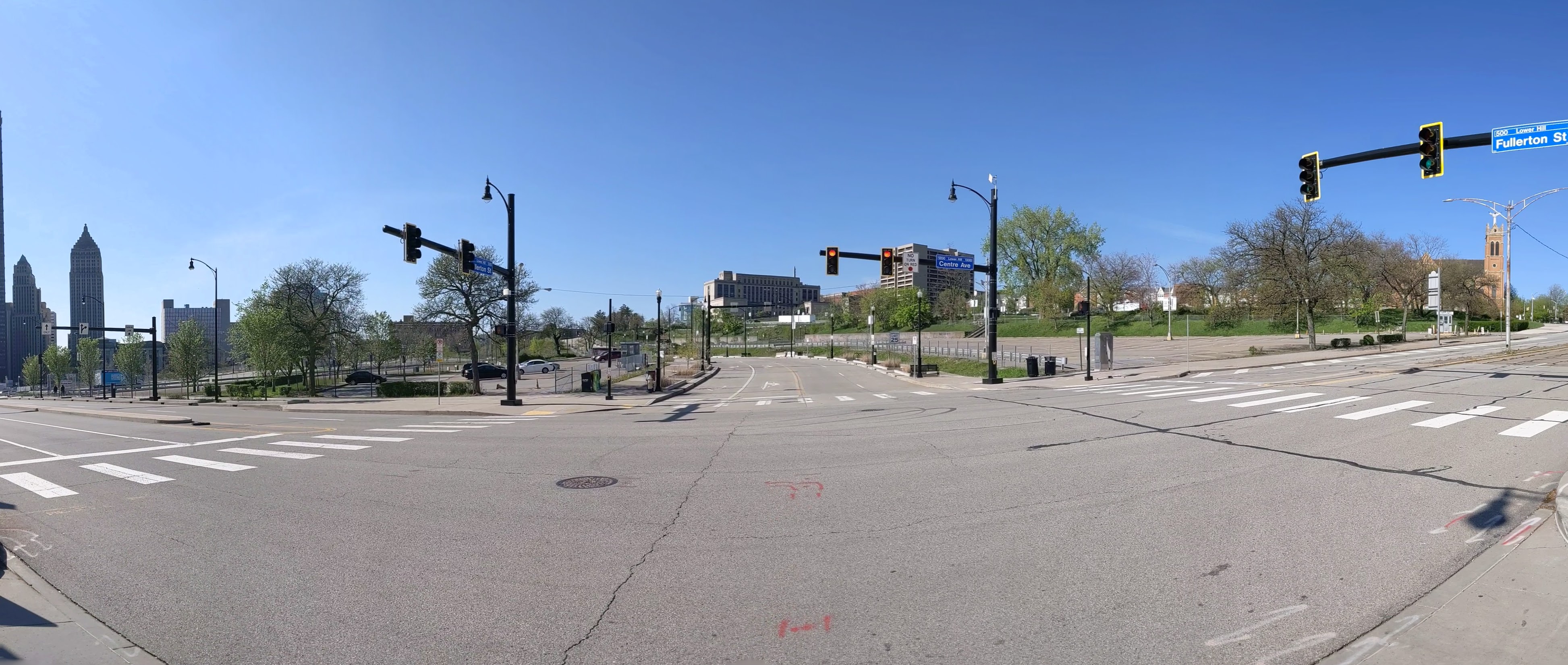
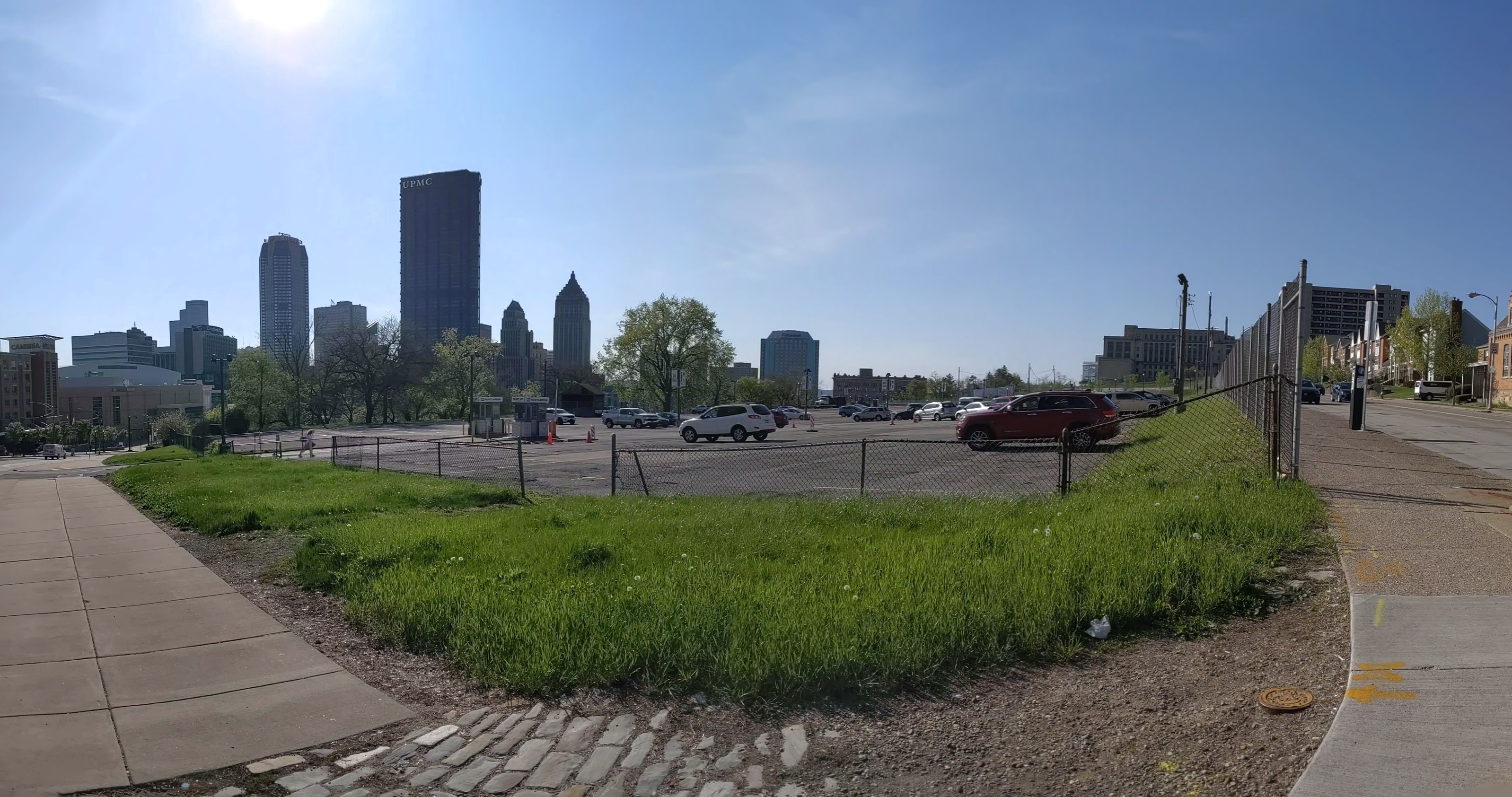
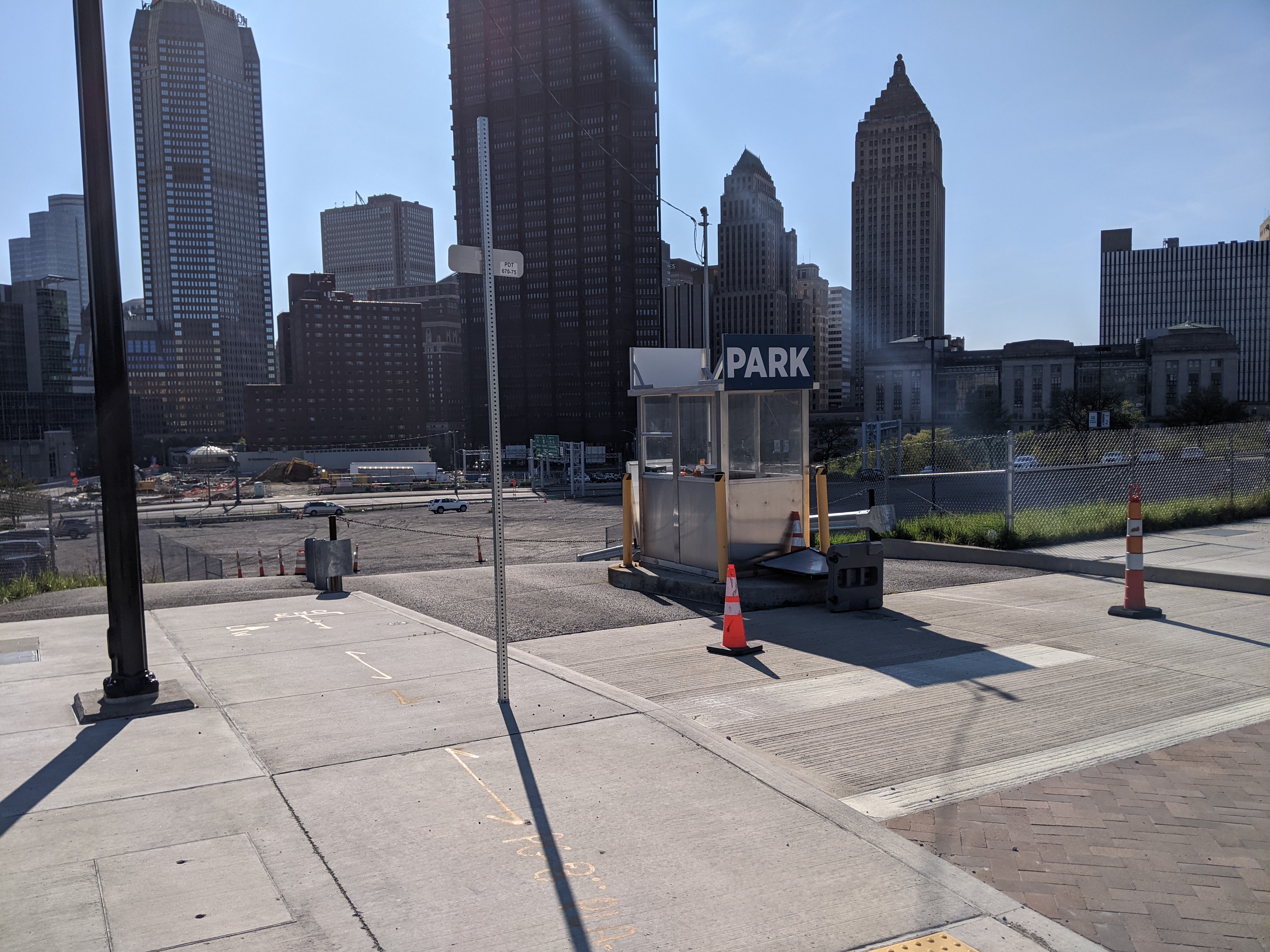
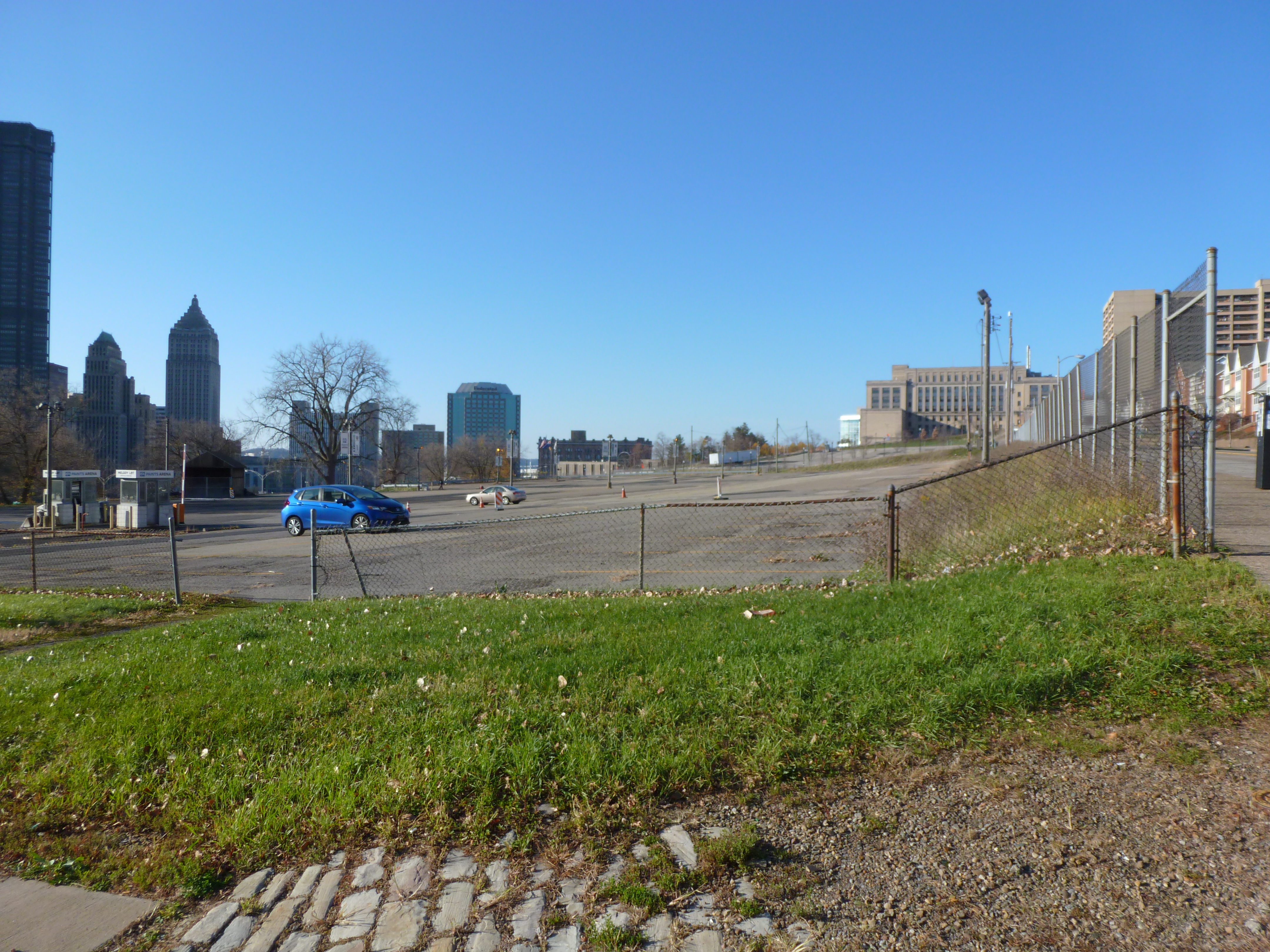
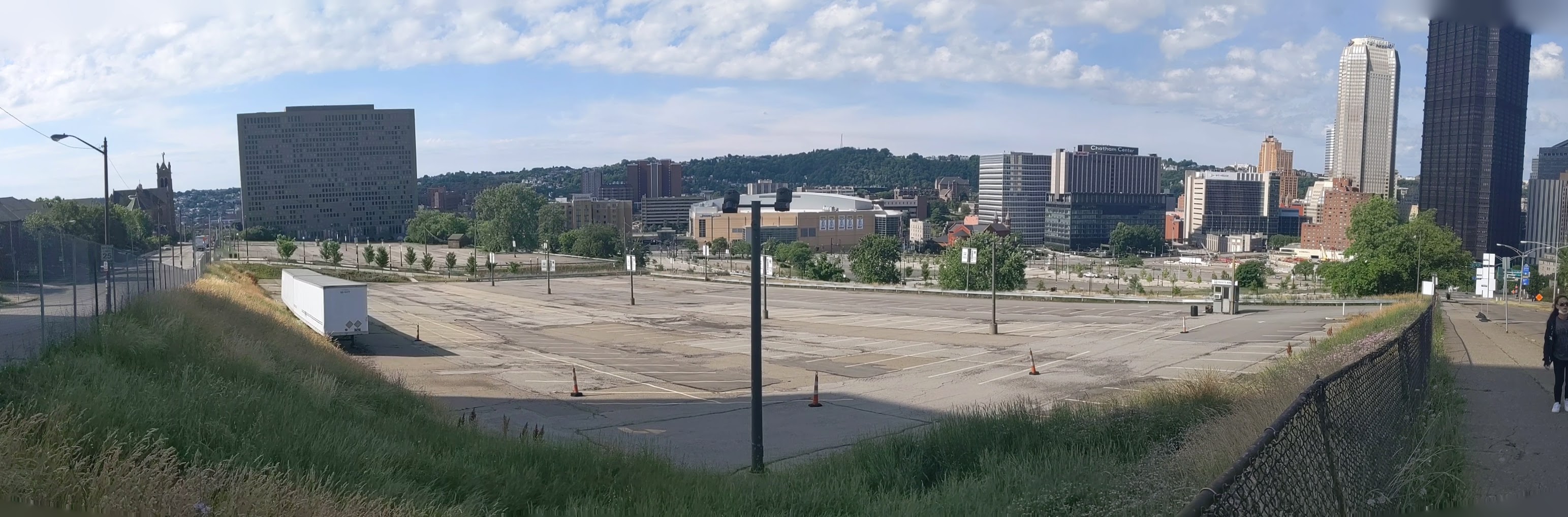
The Lower Hill is a notorious site in Pittsburgh, a scar on the city from the height of Urban Renewal. A vibrant (but poor and predominately Black) neighborhood was demolished in the 1950s so the City could build a cultural mecca centered on a Civic Arena, most of which ended up not being built and was left as parking lots.

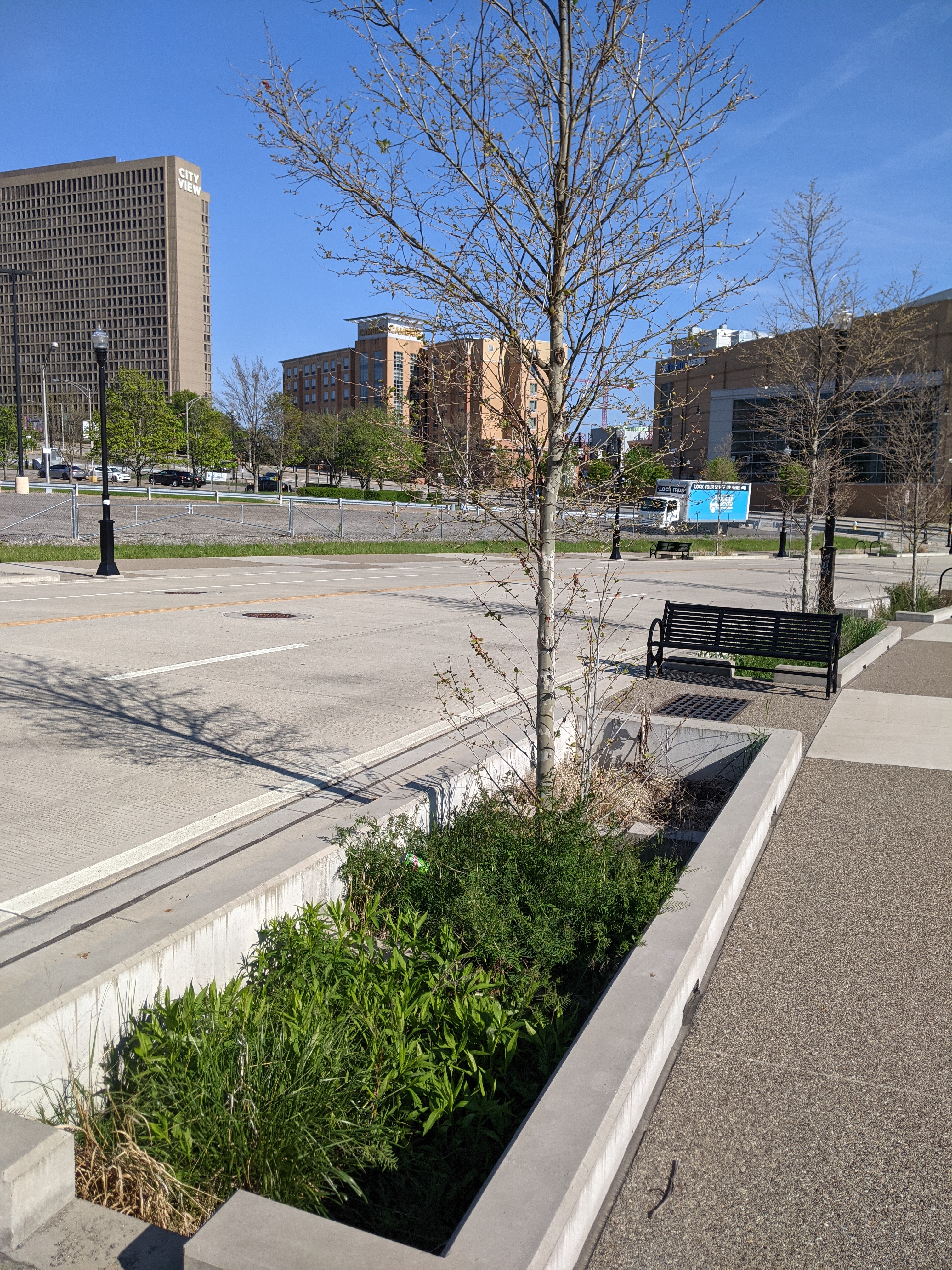
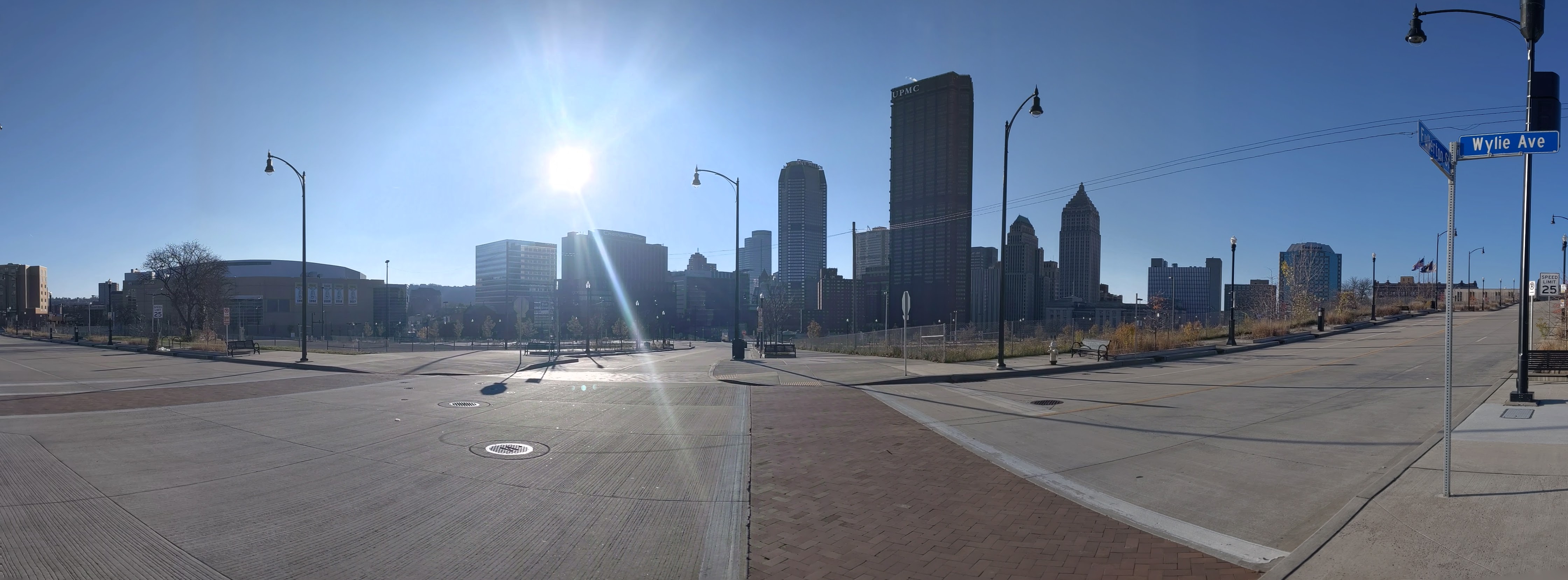
Now that the arena has been demolished and replaced adjacent to the former location, the Penguins hockey team has the development rights to rebuild the Lower Hill, stitching back together the fabric of the city and reconnecting the remainder of the Hill District neighborhoods with downtown.

However, grand language describing the wonderful benefits to a city are part and parcel of any major development project, including the 1950’s Urban Renewal of the Lower Hill. Fifty years later, the Urban Renewal of the Lower Hill is rarely, if ever described as a good thing. In fact the current redevelopment is sometimes described as undoing the mistakes of that project. However, can the negative financial, social, and emotional repercussions of the original demolition and decades of disconnect be undone simply by reinstating (most of) the former street grid?

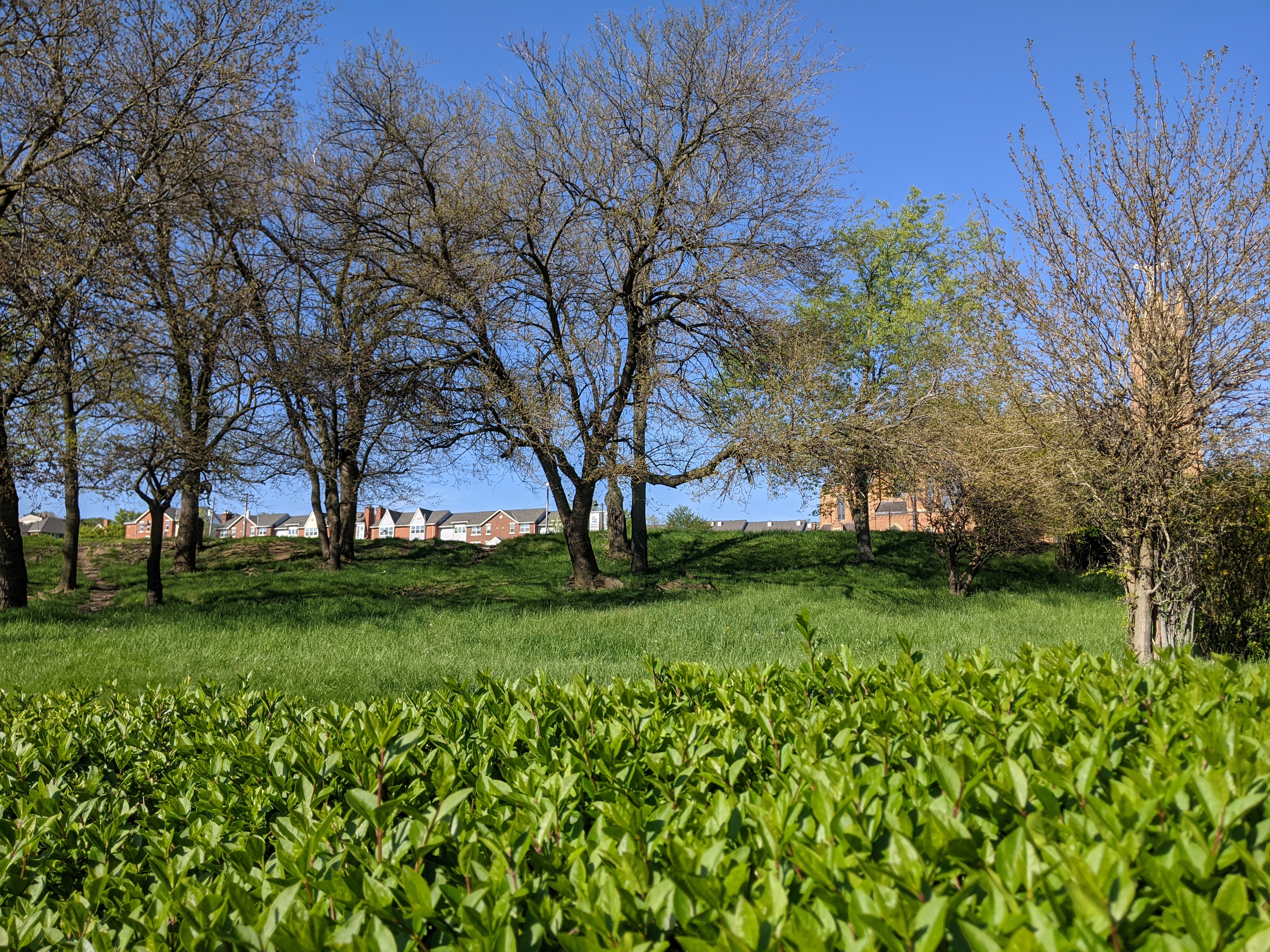
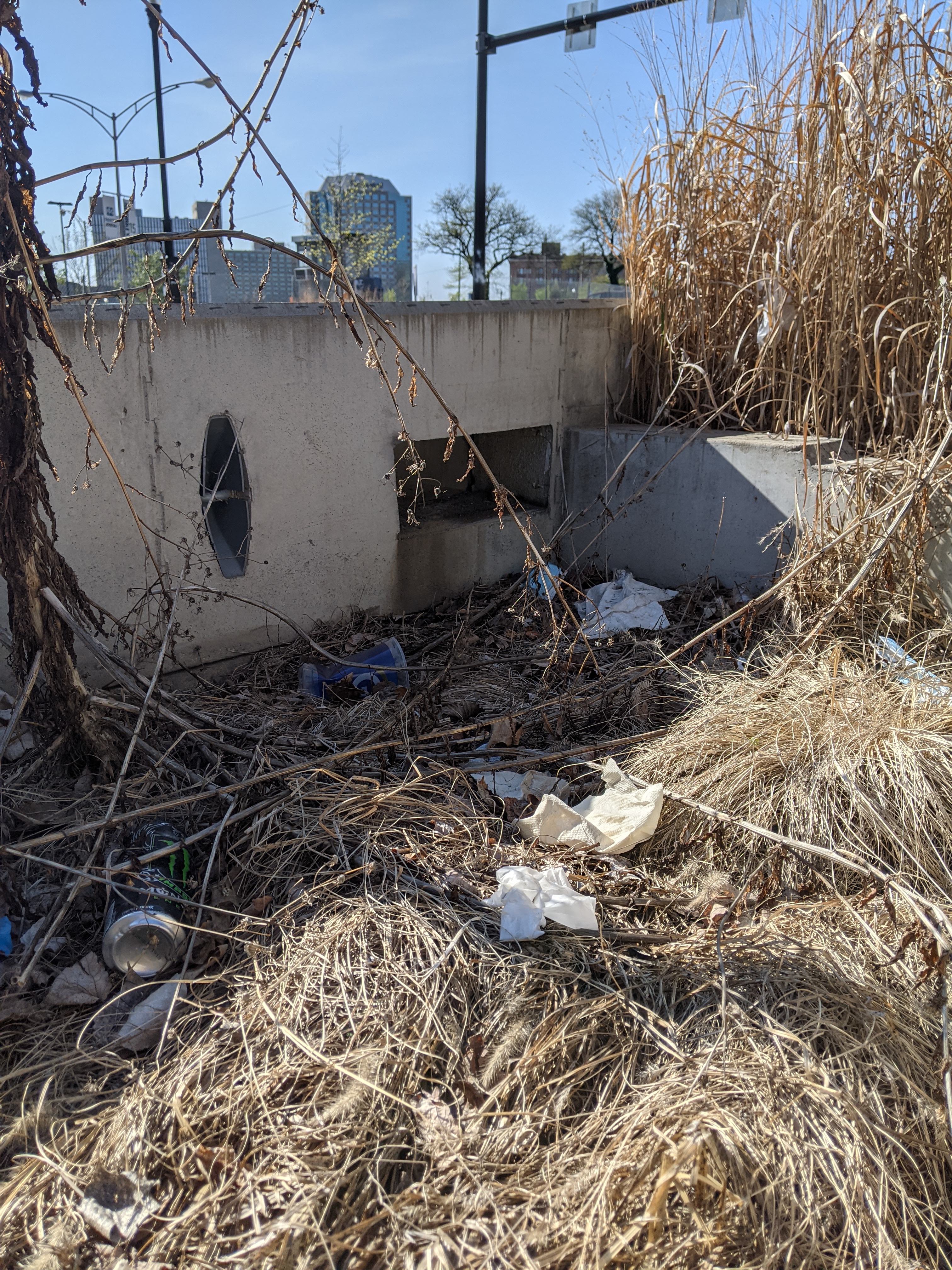
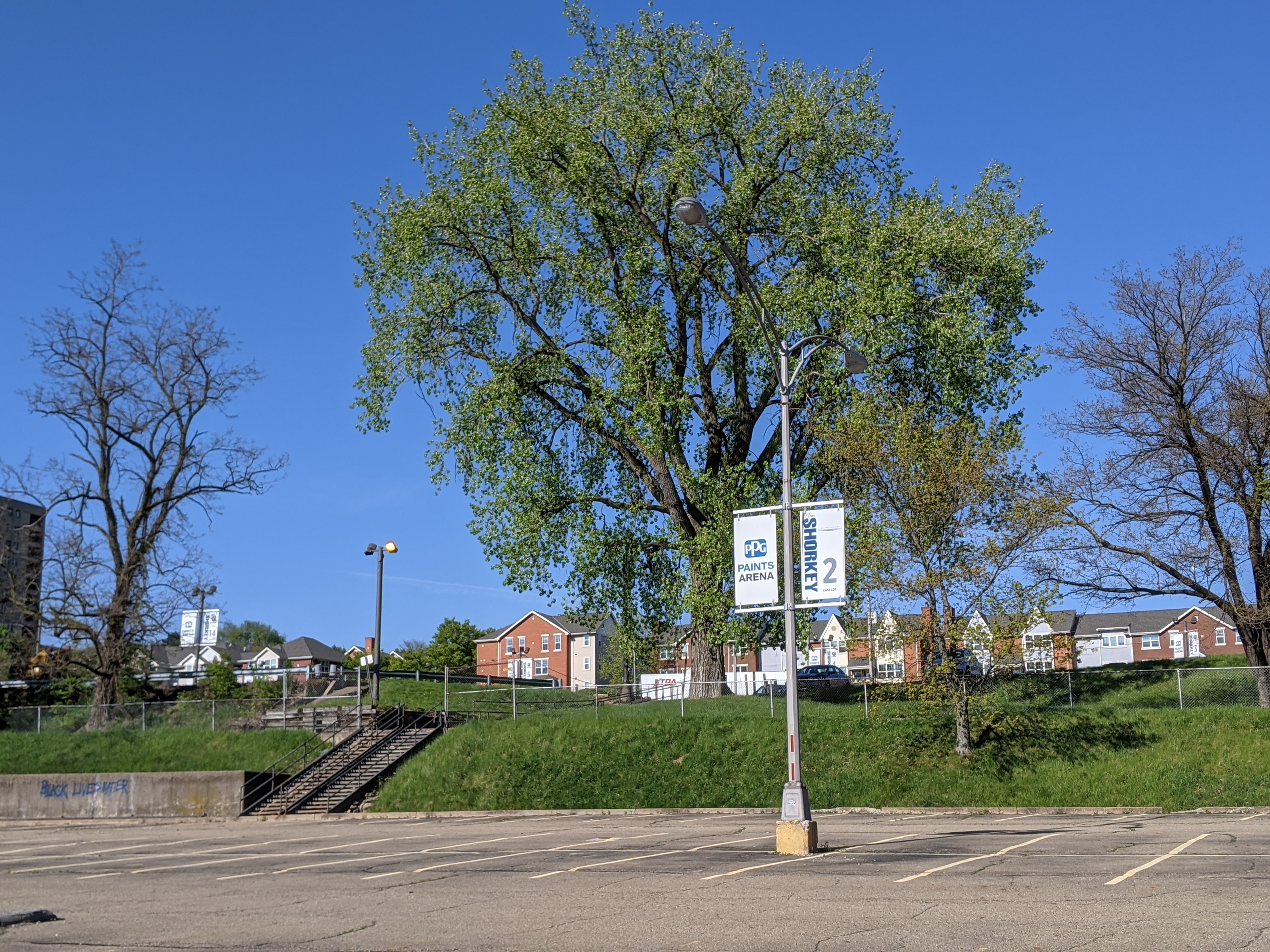
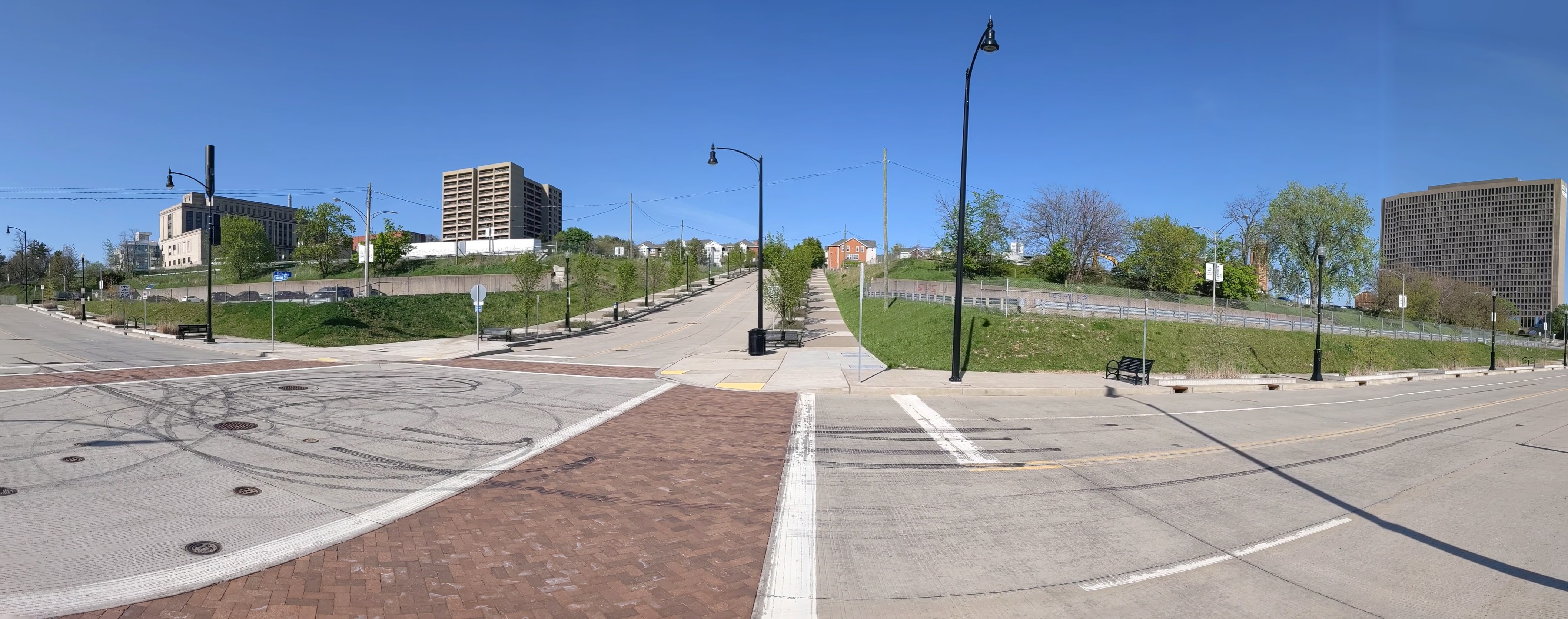
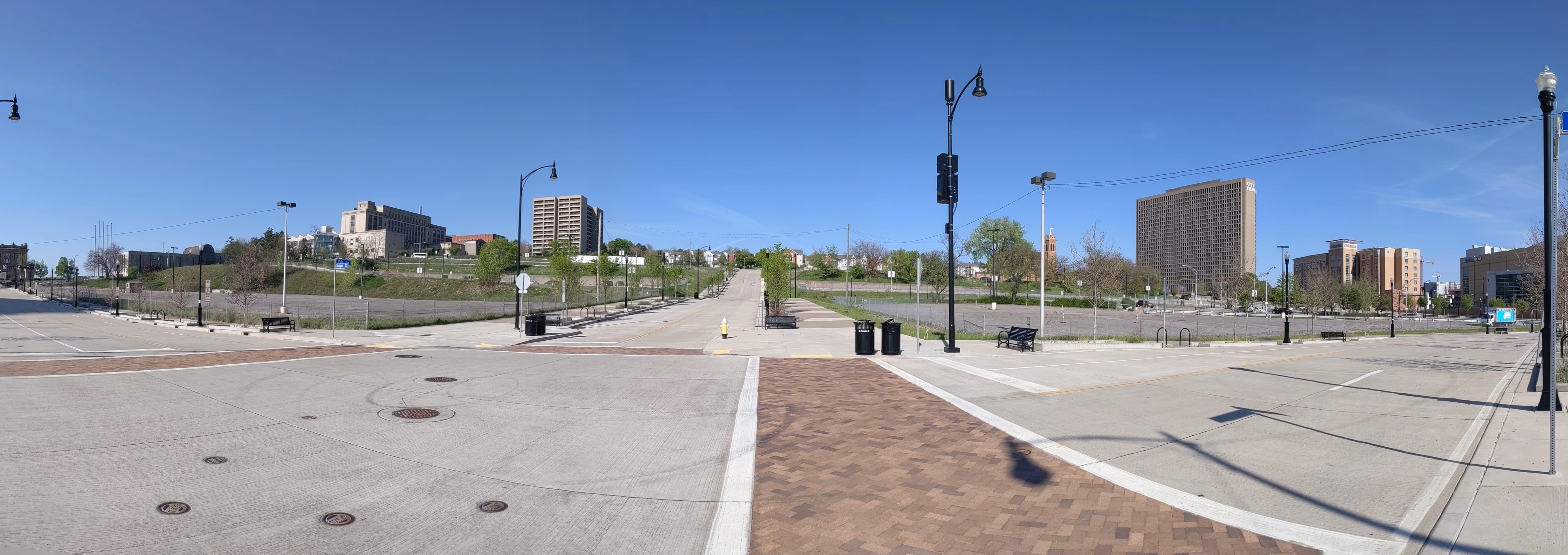
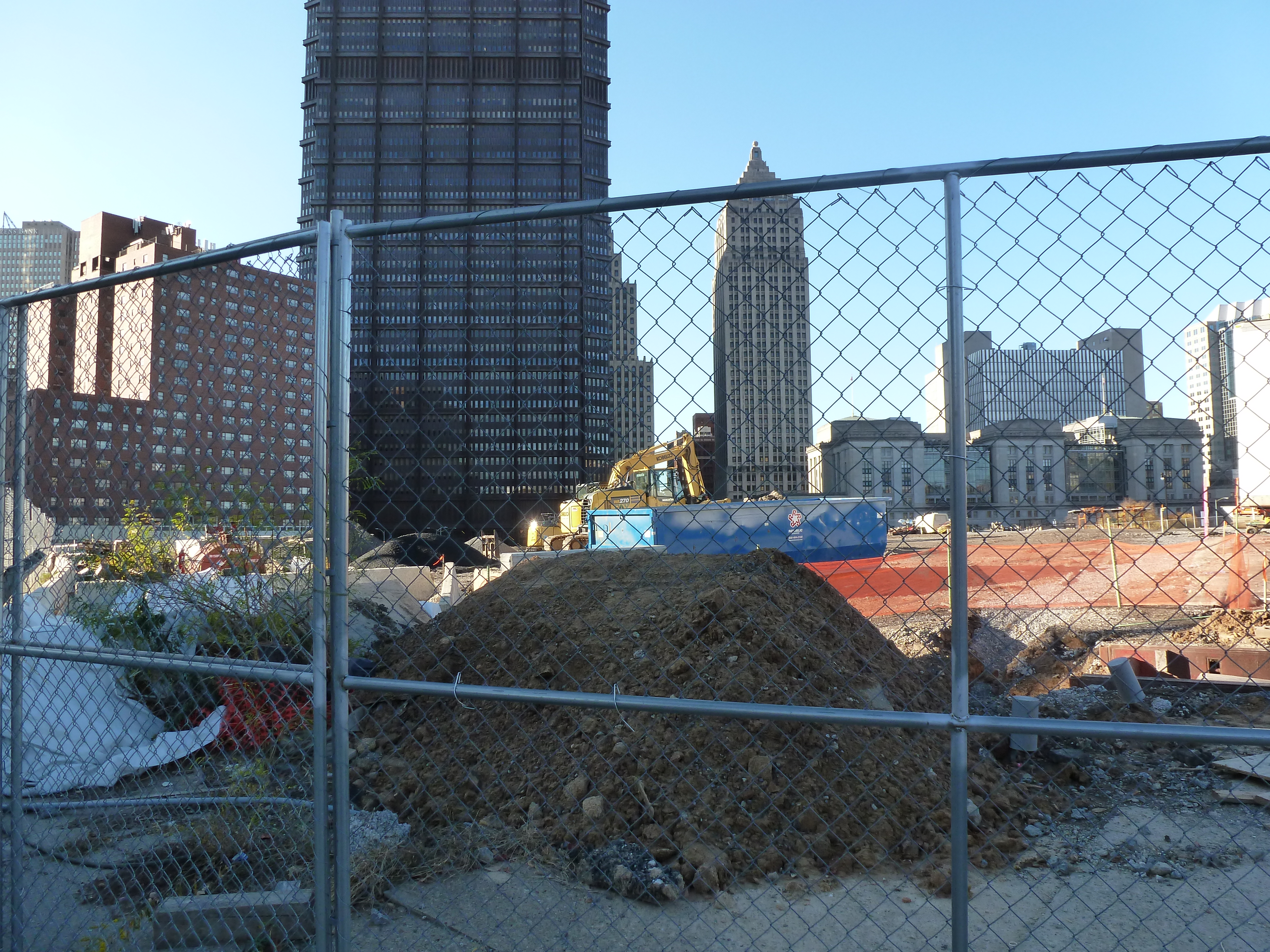
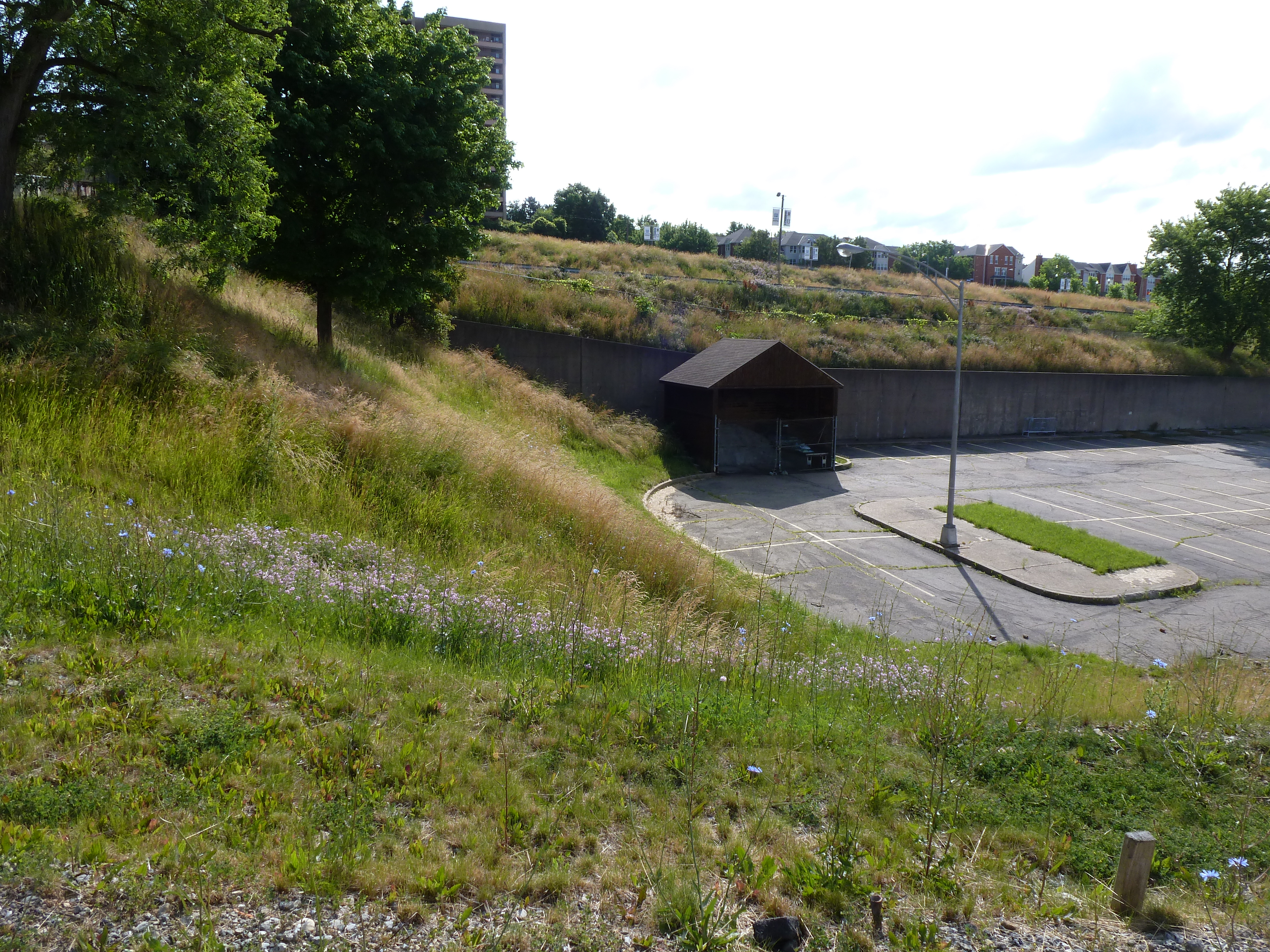
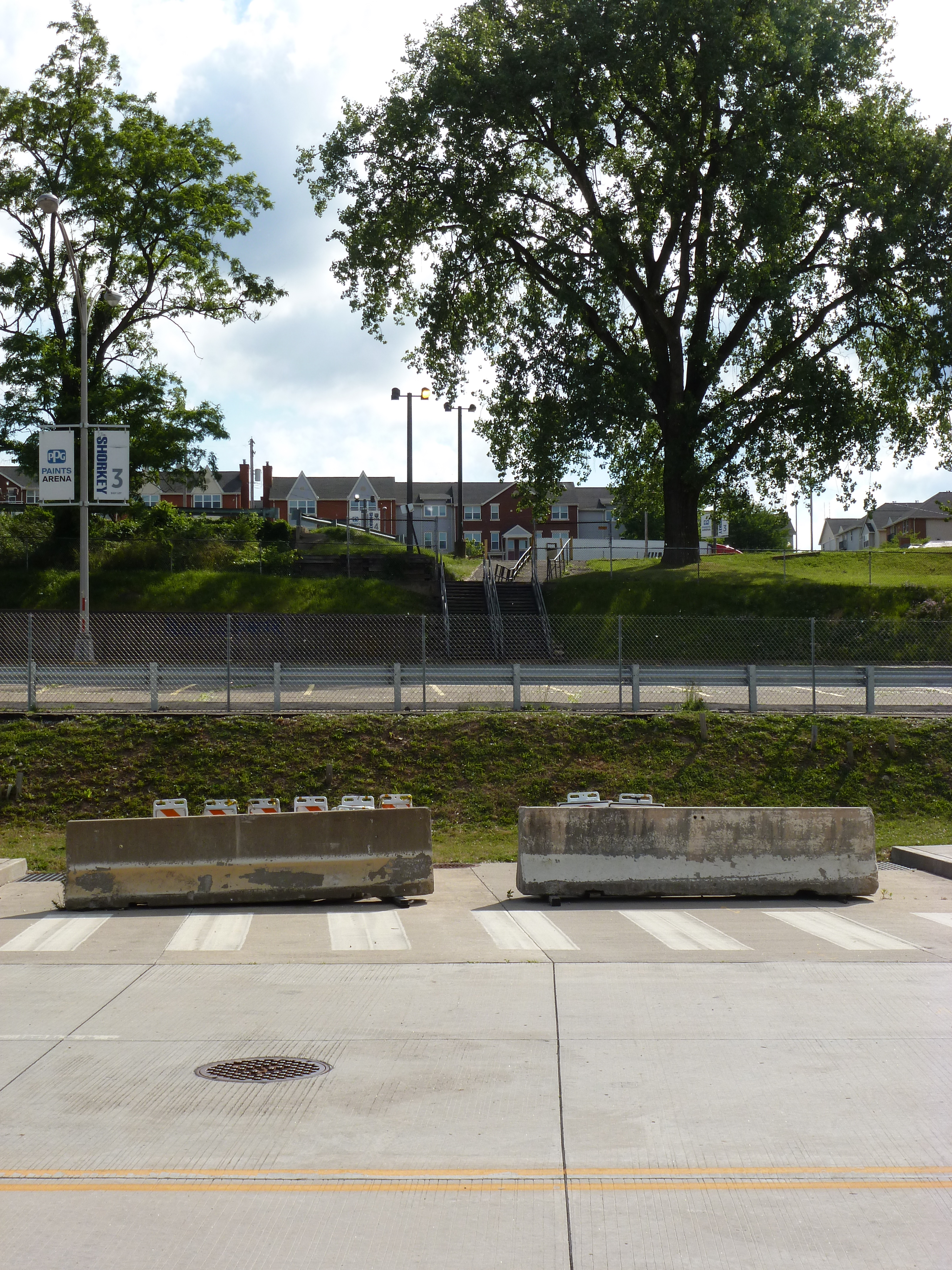
This blog post is part of an on-going photographic series to watch the redevelopment of the Lower Hill. Periodically, approximately once every six months, I return to the site to take new photographs. In addition, I include links to articles about the project that I’ve encountered since the previous post in the series. At the end of the post, there are links to all the previous posts in the series.

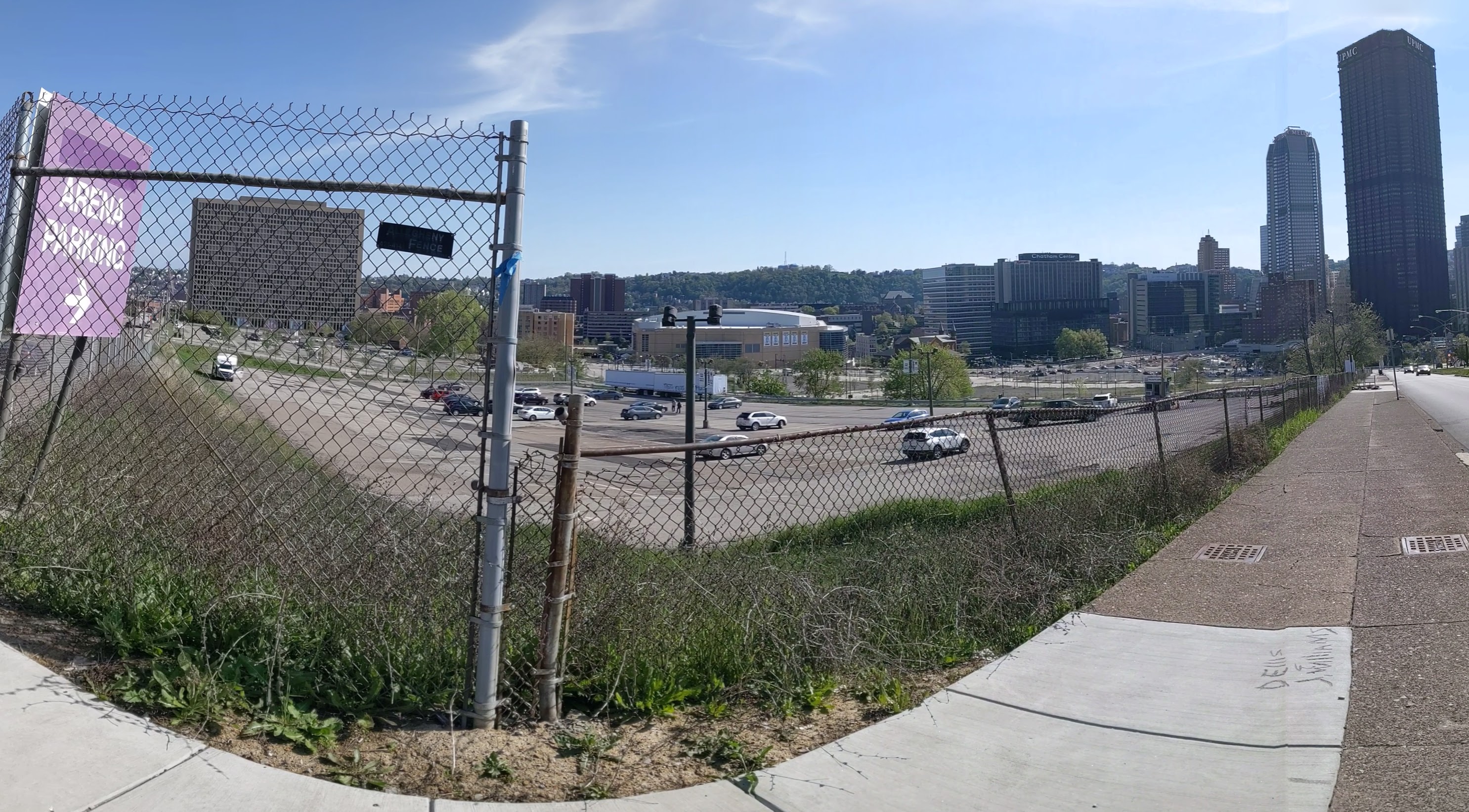
Lower Hill in the News:

A deep look at the Penguins development in anticipation of ground breaking later this year (January 13, 2021, The Undefeated)

Is the project moving too fast to make sure it is done right for the community? (March 15, 2021, Pittsburgh Post-Gazette)

Community questions if the first building is being rushed at the community’s expense (March 16, 2021, WESA)

Pittsburgh’s Equal Opportunity Commission approved the Penguins’ MWBE participation plan (March 18, 2021, Pittsburgh Business Times)

Penguins updated the community on progress of MWBE inclusion as ground breaking approaches (April 1, 2021, Pittsburgh Business Times)

The census line is moved to undo the Urban Renewal inclusion of the Lower Hill in the downtown census tract, but will this divert needed funds from the rest of the Hill District? (April 7, 2021, Public Source)

A major Black church was demolished as part of Urban Renewal while a nearby White church was saved from the wrecking ball, are reparations now possible? (April 14, 2021, Public Source)

Penguins propose a $5 million Opportunity Zone fund (April 16, 2021, Pittsburgh Post-Gazette)

The final plan presented to Pittsburgh’s Planning Commission for the new FNB Tower proposes not finishing the last block to reconnect Wylie Ave to downtown. This is a change from the guiding redevelopment plan and technically requires an amendment that the developer says will take too long. (April 20, 2021, Pittsburgh Business Times)


Previous posts in series:

Keeping an Eye on the Lower Hill: Dec. 2020

Keeping an Eye on the Lower Hill: Jun. 2020
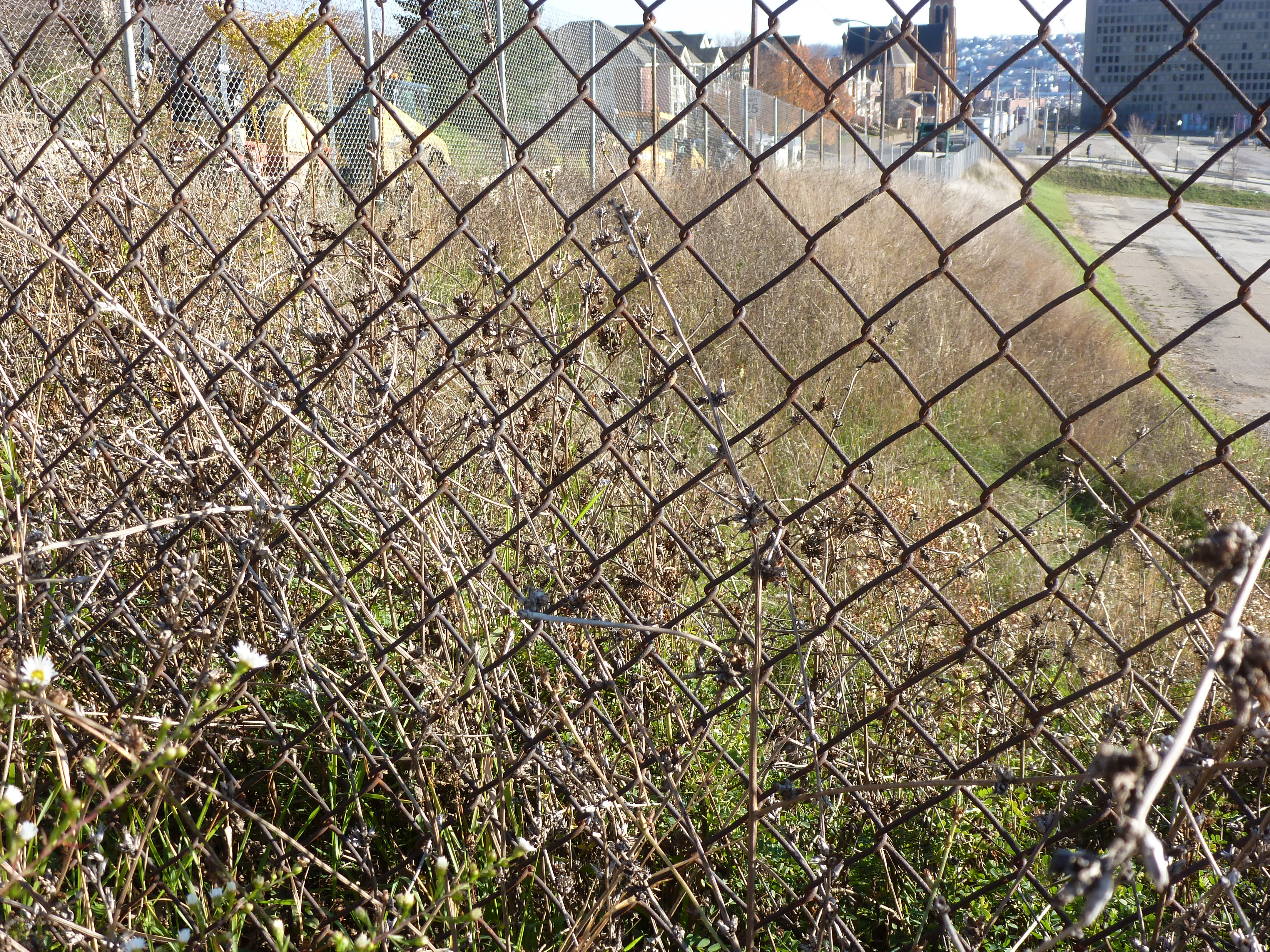
Keeping an Eye on the Lower Hill: Jan. 2020

Keeping an Eye on Uptown: Introduction

Keeping an Eye on the Lower Hill: Dec. 2020

Lower Hill in the News:

URA board votes in favor of FNB Tower (Pittsburgh Business Times, May 21, 2020)

FNB tower will be among first post-pandemic buildings (Pittsburgh Business Times, May 22, 2020)

The Penguins and FNB Corp provide funds for tech center in the Hill District (Pittsburgh Business Times, August 27, 2020)

FNB and Penguins establish partnership (Pittsburgh Business Times, September 10, 2020)

Funding secured for FNB tower in Lower Hill (Pittsburgh Business Times, October 8, 2020)

Penguins miss deadline; URA considering next moves (Pittsburgh Business Times, November 12, 2020)

Lower Hill commercial redeveloper, Mayor Peduto, and Councilman Lavelle announce partnership (Mayor’s Press Release, November 19, 2020)

New Lower Hill partnership could move project forward (Public Source, November 19, 2020)

Lower Hill redeveloper establishes downtown office and announces local firms and personnel added to team (Pittsburgh Business Times, November 19, 2020)

Previous posts in series:

Keeping an Eye on the Lower Hill: Jun. 2020
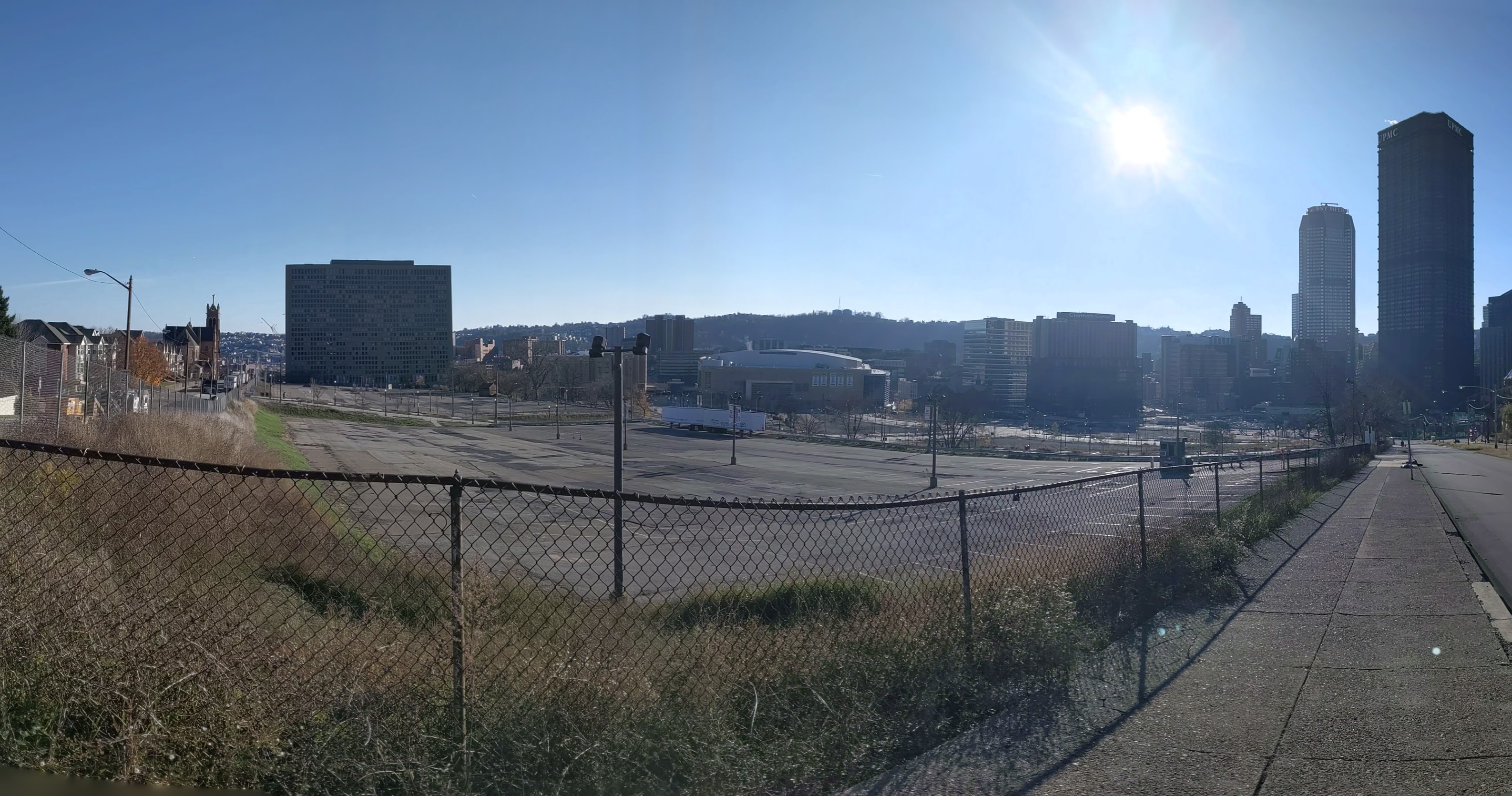
Keeping an Eye on the Lower Hill: Jan. 2020

Keeping an Eye on Uptown: Introduction

Keeping an Eye on the CAP: Dec. 2020


The CAP in the News:

Project on schedule despite pandemic (Tribune Review, July 29, 2020)

Project continues on schedule (WESA, October 5, 2020)


Previous Posts in the Series:

Keeping an Eye on the CAP: Jun. 2020

Keeping an Eye on the CAP: Dec. 2019

Keeping an Eye on Uptown: Introduction

Keeping an Eye on the Lower Hill: Jun. 2020
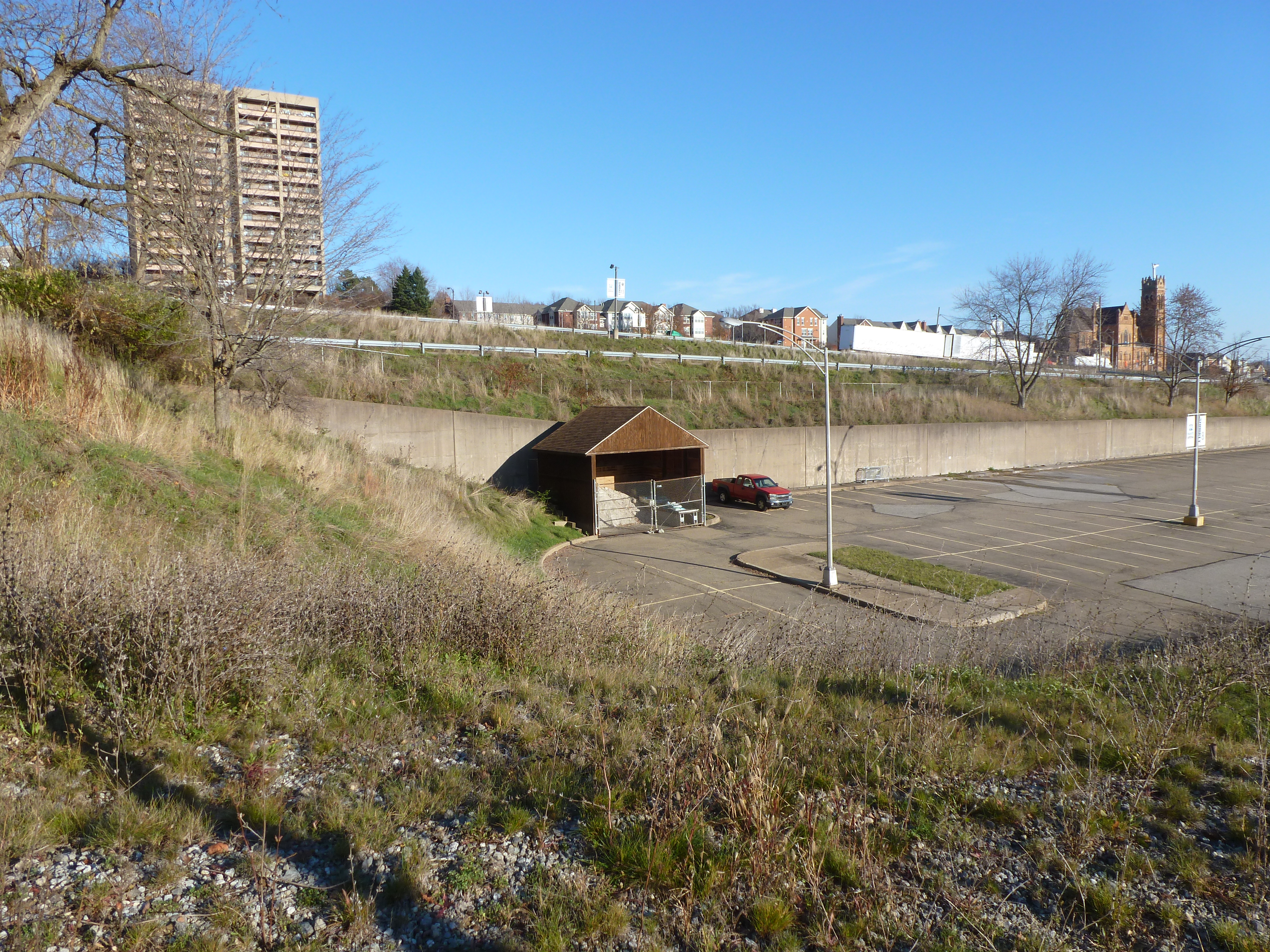
Lower Hill in the News:

Mayor’s Press Release (May 5, 2020)

Penguins Stop Development (Public Source, May 14, 2020)

Penguins Pull Out (Trib, May 14, 2020)

Penguins Back Out (WPXI, May 15, 2020)

Penguins Cease Redevelopment (Patch, May 15, 2020)

Penguins Halt Lower Hill Development (WESA, May 18, 2020)

Mayor’s Press Release (May 20, 2020)

Mayor Urges URA to Approve Development (Trib, May 20, 2020)

URA Explanation of Community Benefits

URA Board Votes to Move Lower Hill Development Forward (May 21, 2020)

URA Board Approves Development Project (WPXI, May 21, 2020)

Never Mind, Penguins Back In (WTAE, May 21, 2020)

President Trump Tweets about BRT Grant Award (May 29, 2020)


Previous posts in series:

Keeping an Eye on the Lower Hill: Jan. 2020

Keeping an Eye on Uptown: Introduction

Keeping an Eye on the CAP: Jun. 2020
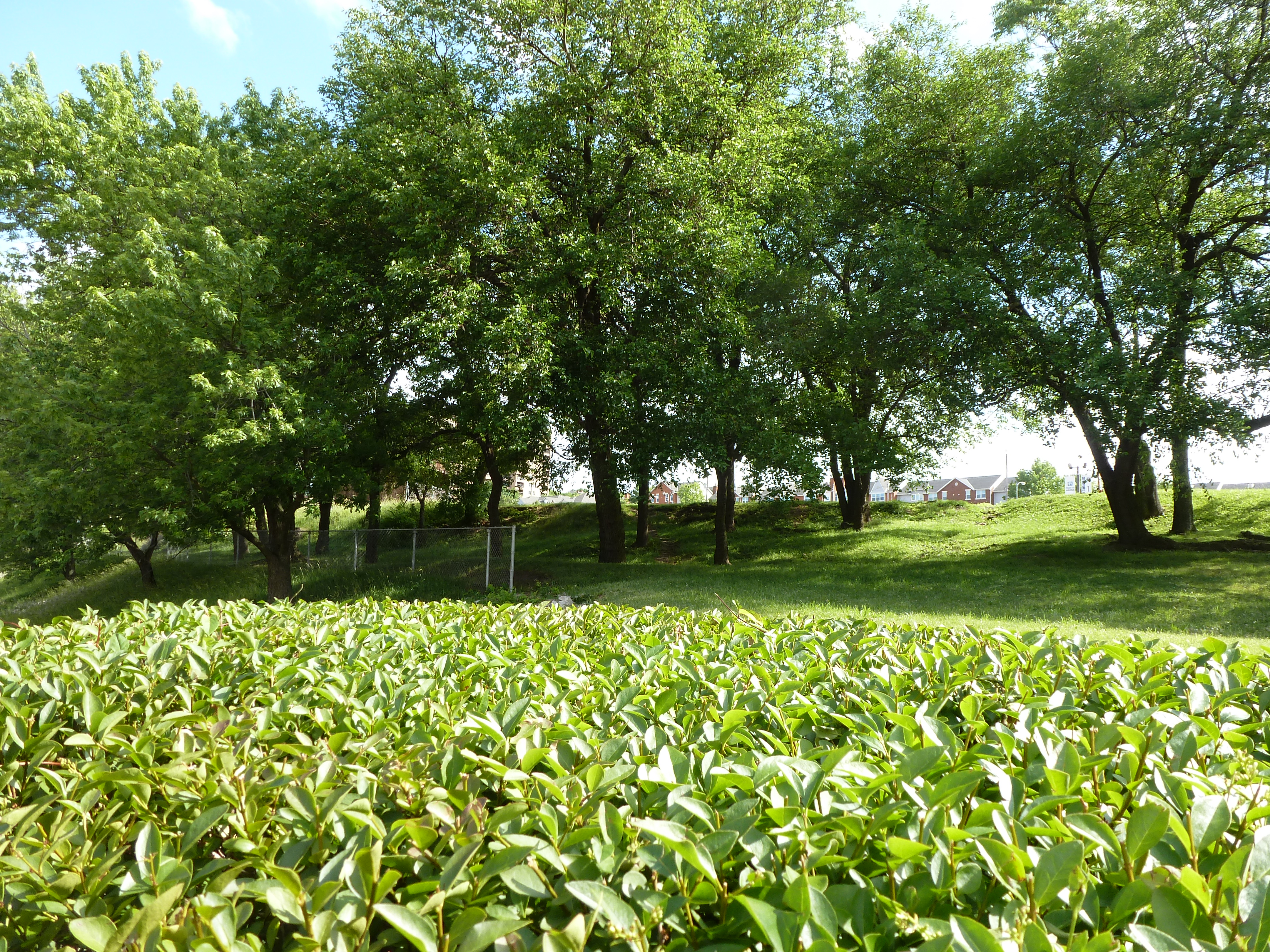

Previous posts in series:

Keeping an Eye on the CAP: Dec. 2019

Keeping an Eye on Uptown: Introduction

Keeping an Eye on the Lower Hill: Jan. 2020


Lower Hill Redevelopment in the news:

October 8, 2019, Post-Gazette: Lacing the skates: Former Civic Arena redevelopment may be ready to roll

October 9, 2019, Post-Gazette: First wave of ex-Civic Arena site redevelopment would add garage, music and maybe money for Hill projects

October 10, 2019, KDKA: Urban Redevelopment Authority To Vote On Civic Arena Site Plans

October 10, 2019, Tribune-Review: Pittsburgh redevelopment authority postpones vote on construction at Civic Arena site

October 18, 2019, Tribune-Review: Pittsburgh authority gives preliminary OK for development of former Civic Arena site

October 18, 2019, WESA: URA Vote Sets the Stage for Lower Hill Development in Spring 2020
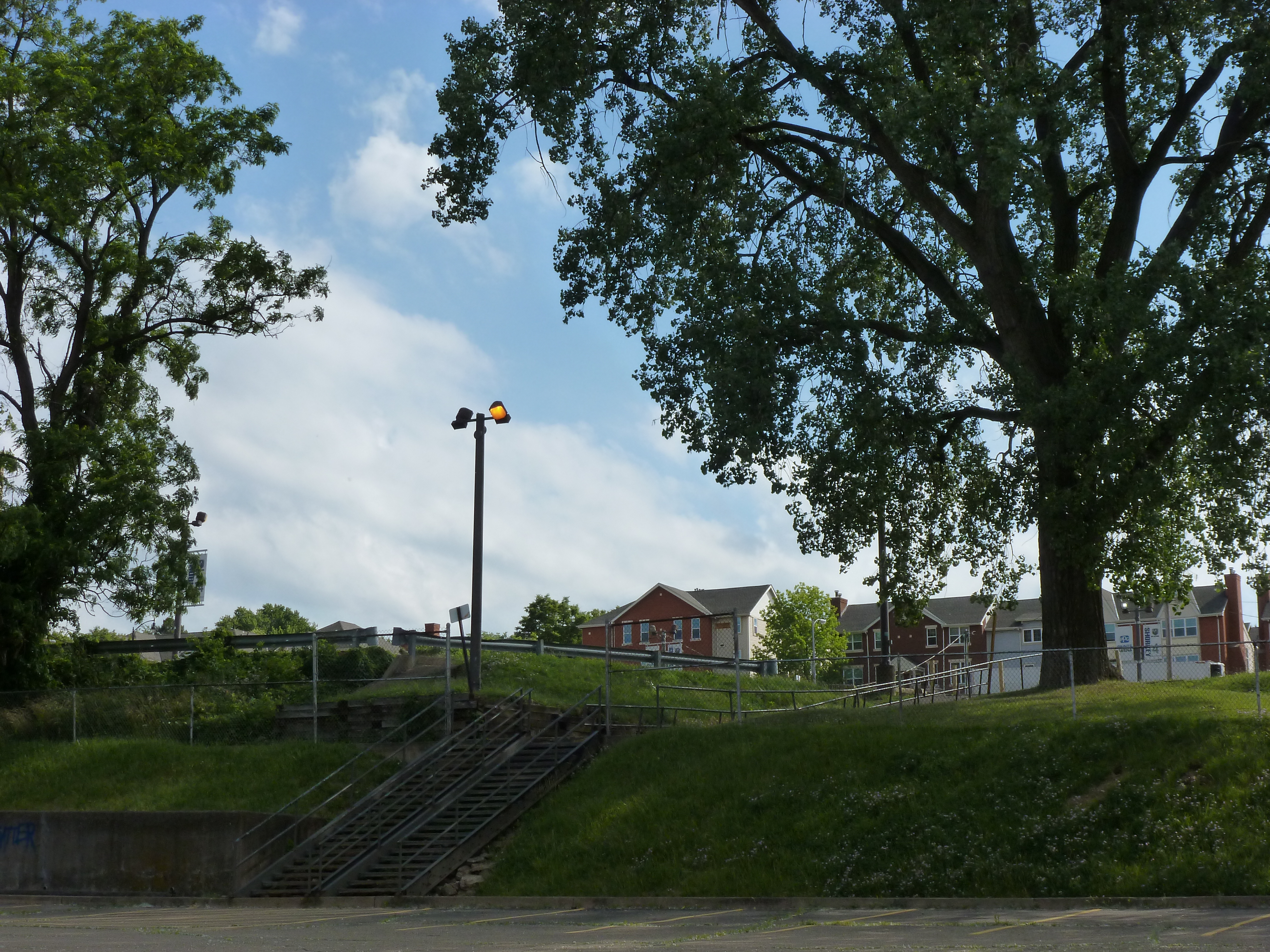
October 18, 2019, WPXI: City board green lights former Civic Arena site redevelopment

October 21, 2019, Arena Digest: Civic Arena Redevelopment Plan Moves Forward


Lower Hill Redevelopment project sites:

Lower Hill Redevelopment

Sports and Exhibition Authority

Urban Redevelopment Authority


Layers of the City: Chicago Edition

The first place to show me how a city can be stacked like a layer cake, Chicago provided ample opportunities to explore all levels of the city. The experience of noticing the expansion joints in roads that I assumed were on solid ground opened my eyes to the possibilities of stacking uses.

Underground Life

A vacant lot two stories below street level solved the mystery of the expansion joints, by exposing the inner guts.  Two more roads sit below street level to segregate trash pick-up and deliveries from the flow of traffic.  These lover levels also provide some opportunities for parking without monopolizing valuable real estate above.  Retail shops connected by pedestrian passageways are also interspersed in these layers.

River Life

At the same elevation as the “underground life,” the Chicago River flows through the heart of the city.  On and along the river are a variety of activities.  Pedestrian paths, cafes, housing, parks, industrial uses, and homeless encampments line the shores.  Meanwhile, the river abounds with ducks, boat tours, water taxis, construction staging, and marinas.

Street Level

Back up on the street level, life buzzes.  Vehicular and pedestrian traffic rush passed, occasionally pealing off to visit the numerous shops, offices, museums, restaurants, cafes, parks, and trails.

Pie in the Sky

Yet, more life looms above.  Several of the skyscrapers have penthouse, or nearly penthouse, restaurants.  Others have rooftop observation platforms.  Between these and the street are many other opportunities for enjoying life including a religious sanctuary, the “L”, gardens, art, pedestrian bridges, and of course, offices, apartments, hotel rooms, and shops.

Unlike Pittsburgh, in Chicago, the public is welcome in some form on every level to gain a full experience of the city.

Engaging Riverfronts

P1060986

Cincinnati’s riverfront park with swings

There is a proposal in Pittsburgh to introduce a new feature to its riverfronts: swings.  I am excited about this possibility as a swing lover and as someone who wants to see more welcoming and engaging spaces along Pittsburgh’s rivers.  One of the inspirations for this idea are swings found in Cincinnati’s riverfront park.  Last summer, I happened upon that park in a search for bridges by Roebling.  On an ordinary summer evening, this enormous riverfront park was filled with people of all ages enjoying the various activities from walking paths to playgrounds to interactive art installations.

Previously, when walking around Istanbul, I experienced jealousy at seeing the number of parks with adult exercise equipment installed.  This sort of acknowledgement that adults enjoy playing outdoors as much as children seemed lacking in parks across the United States.  Cincinnati’s park showed me that inviting adults to play outside is embraced in some parts of our country.

Pittsburgh has kayak and bike rentals for adults to play outside.  The walking trails, Fountain at the Point, and Watersteps attract people to enjoy the outdoors and the rivers.  However, if this swing proposal pans out, Pittsburgh may move up into the next tier of engaging outdoor spaces with the introduction of free play equipment for adults on par with Cincinnati and Istanbul.

Market St, Steubenville


Market St Bridge

On a road trip this summer, one of the goals was to search out and walk interesting bridges.  The first bridge we stopped at was an unplanned eye-catcher.  We went to Steubenville in order to drive across the iconic Veteran’s Memorial Bridge.  Heading south from that bridge, our eyes were caught by this one.  So we took an unscheduled stop to walk across.

This is the Market Street Bridge in Steubenville, OH.  The best part about this bridge was that it marked the first time I walked across a state line by bridge.

West Virginia sign

The other thing that fascinated me while walking this bridge was the uses on along the river.  On the West Virginia side, it was all wilderness at the end of the bridge, but further downriver an active mill could be seen.

Mill view

On the Ohio side, the feature river-side uses were the sewage treatment plant and the jail.

Sewage Plant view

Jail view

The innocent looking brick building is the Jefferson County Justice Center and Jail.  While I can image the sewage plant was probably a long standing use on the river side, the jail appears to be of more recent construction.  After a short internet search, I wasn’t able to find the date of construction of this building, but did find out that this was the third jail.  The second jail was built around 1950 and converted to offices when this building was constructed.  If I were to hazard a guess, I would say this third jail was probably built around the time that the Allegheny County Jail was built on riverside property in the Pittsburgh, PA.  That jail opened in 1995.

I find it fascinating that riverfront property has been used more than once to locate a jail.  Historically, industry settled along the rivers because that was either its main transportation or power source.  Recently, cities have been taking strides to reclaim their riverfront properties as economic boosters in the form of parks and entertainment venues or housing.  In both these scenarios, the uses are placed on the rivers due to the greater economic benefit to be gained from the interaction between the use and the river.  Placing a jail on a river seems contradictory to the view of rivers as the heart of a city’s economy (previously industrially based, now tourist based).

However, the rivers may confer a benefit of another sort to the use of the property as a jail.  When I was recently confined to a hospital room for a week, the sight of the small sliver of river that I could see from my window went a long way toward helping me stay sane.  It also prompted some more contemplation about the siting of hospitals in a way I had never considered before.  The view I had of the river was beyond a sea of parking associated with the hospital and partially blocked by the buildings for a water treatment facility.  There was little of interest to see in the immediate vicinity.  I hope that in the case of the jails, the river view windows are for rooms and the non-river view windows are for offices and/or back-of-house operations.