Then & Now 1926-2026: Allentown Religious Buildings

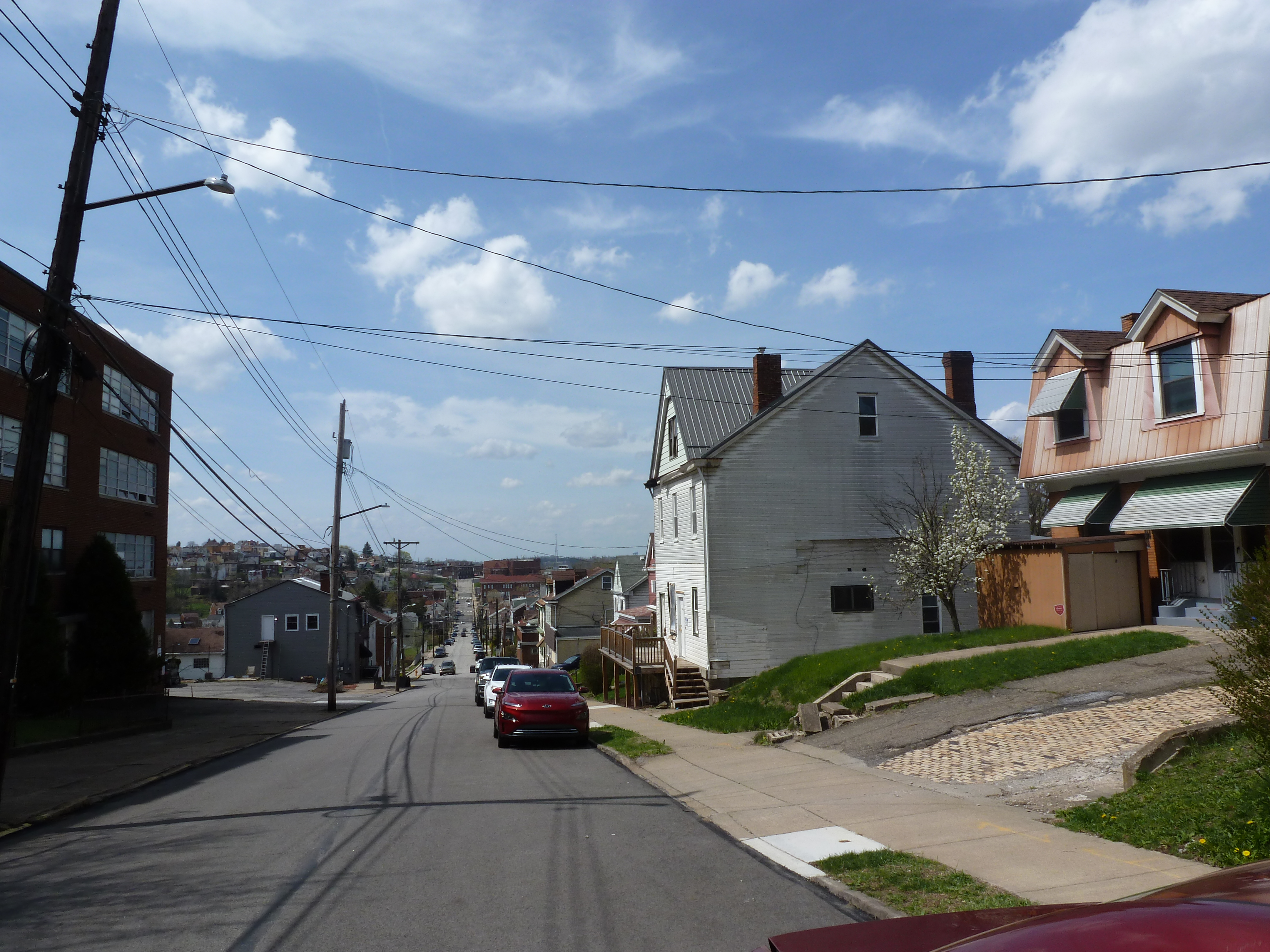
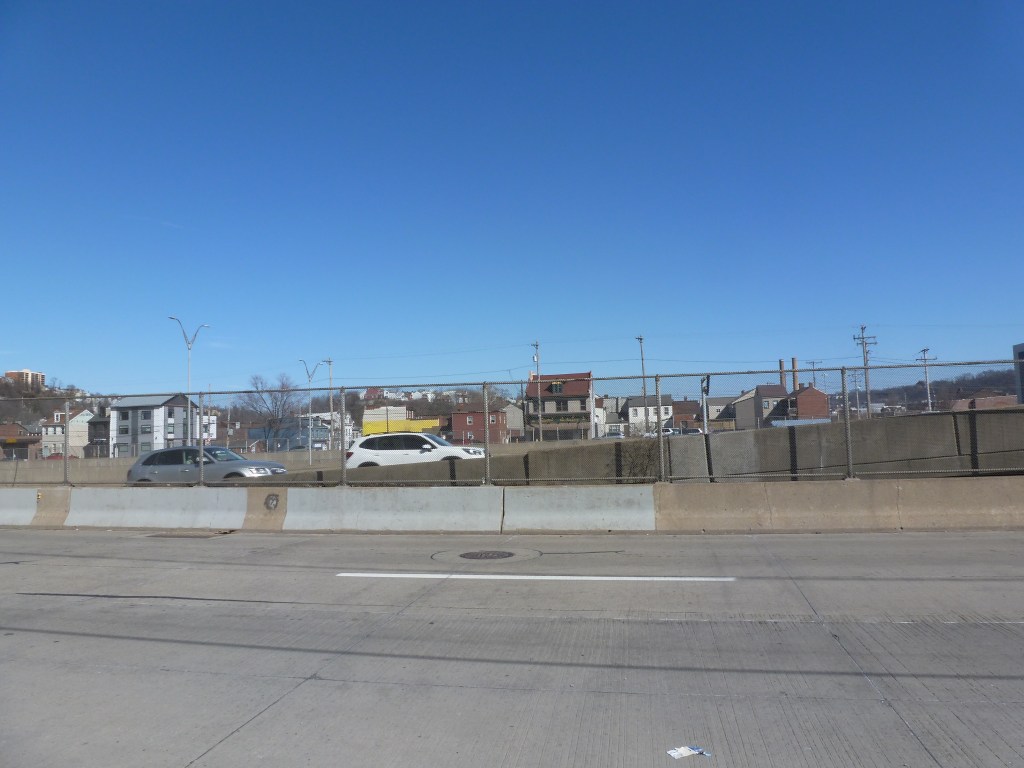
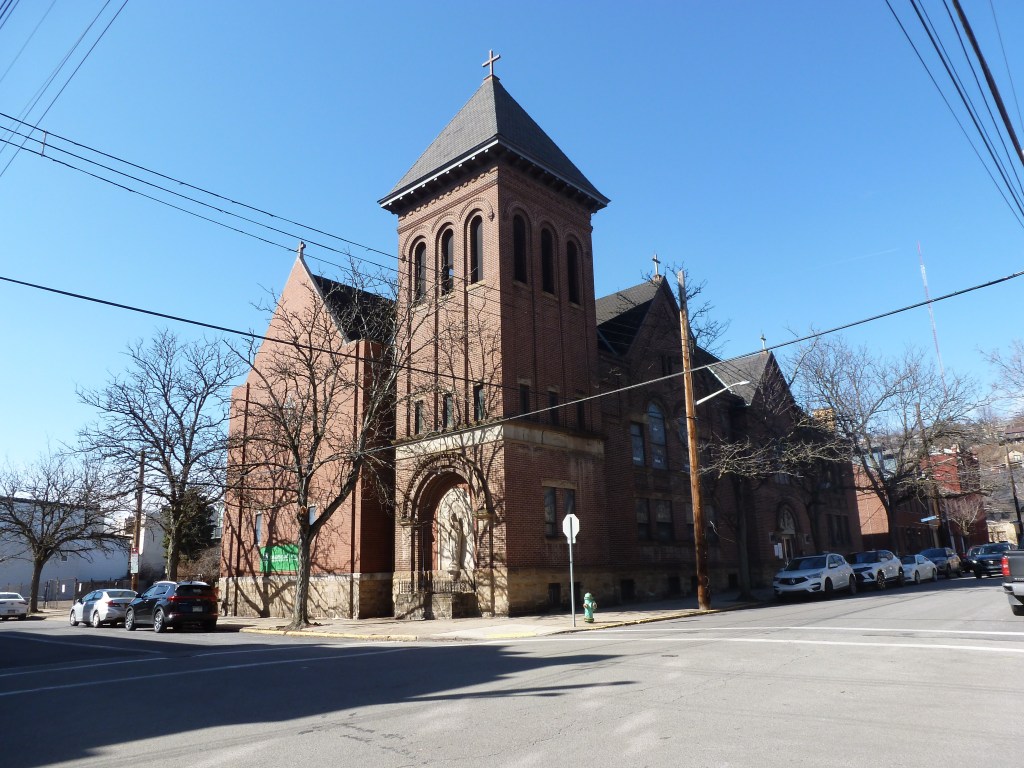
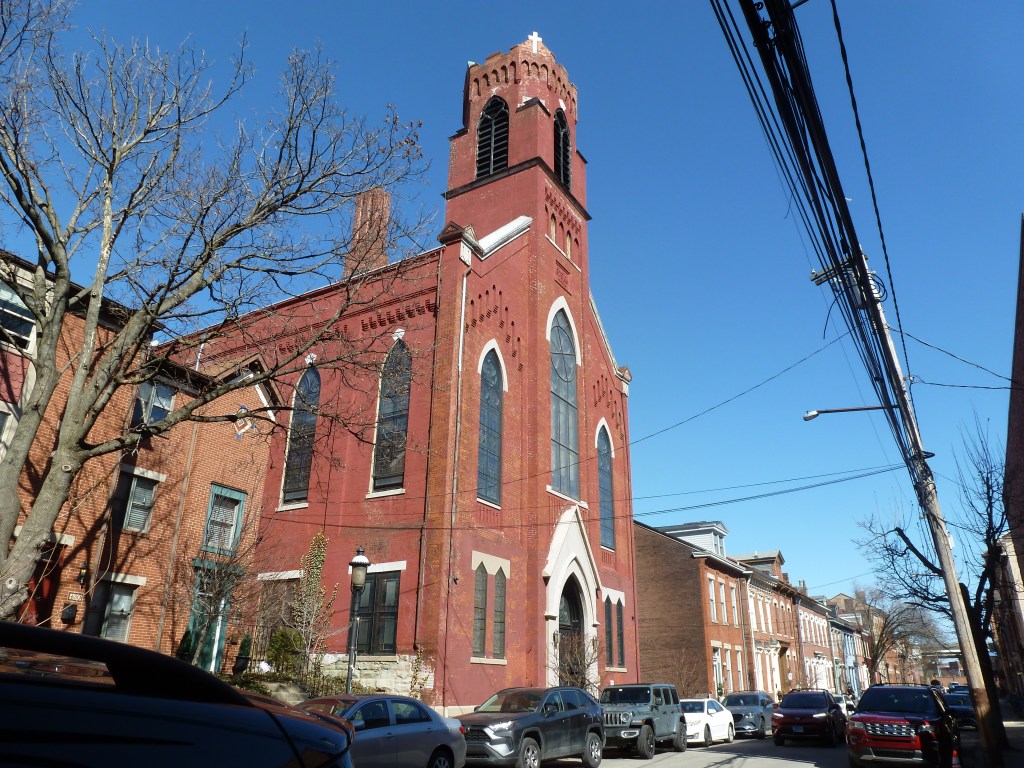
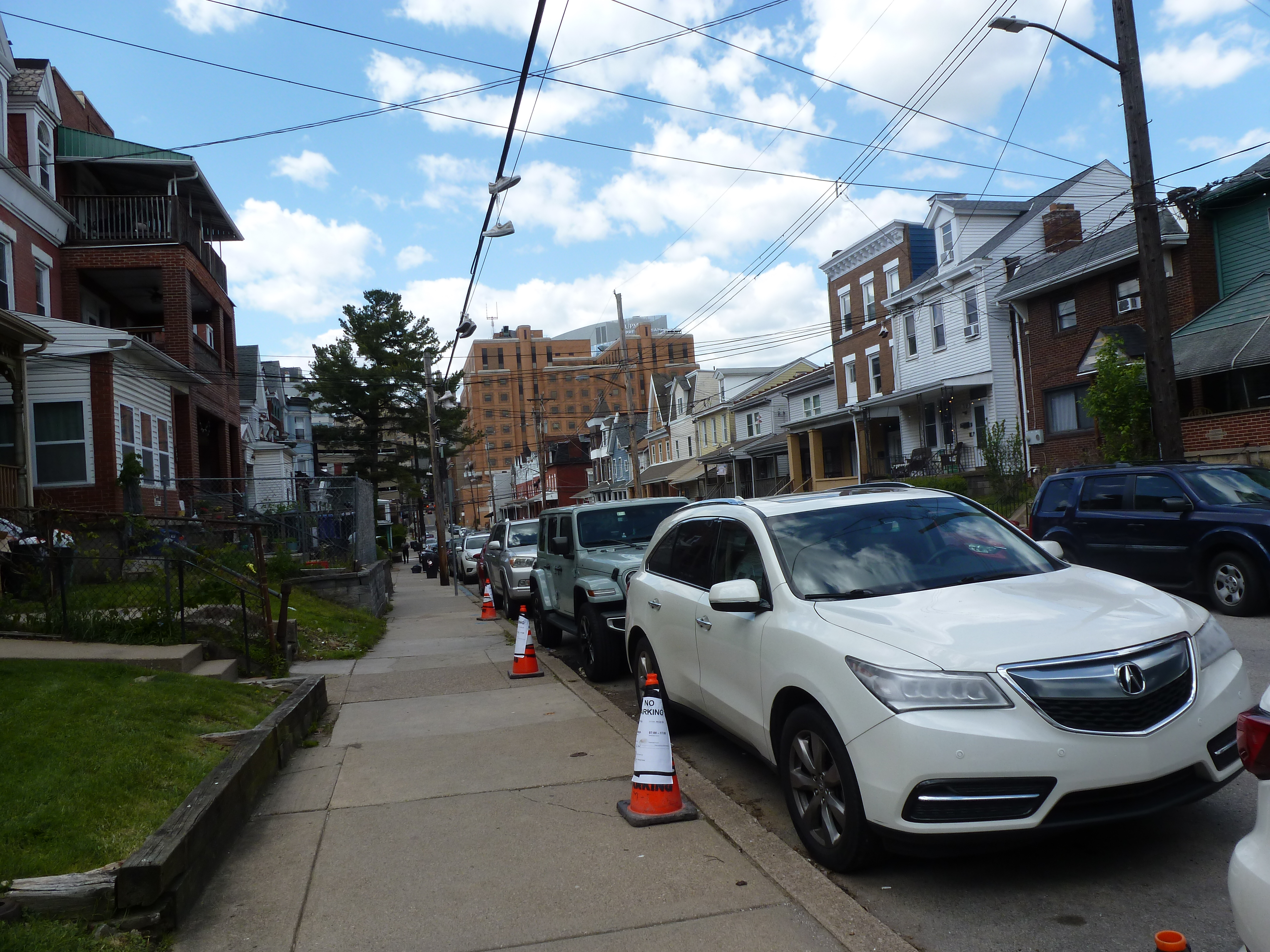
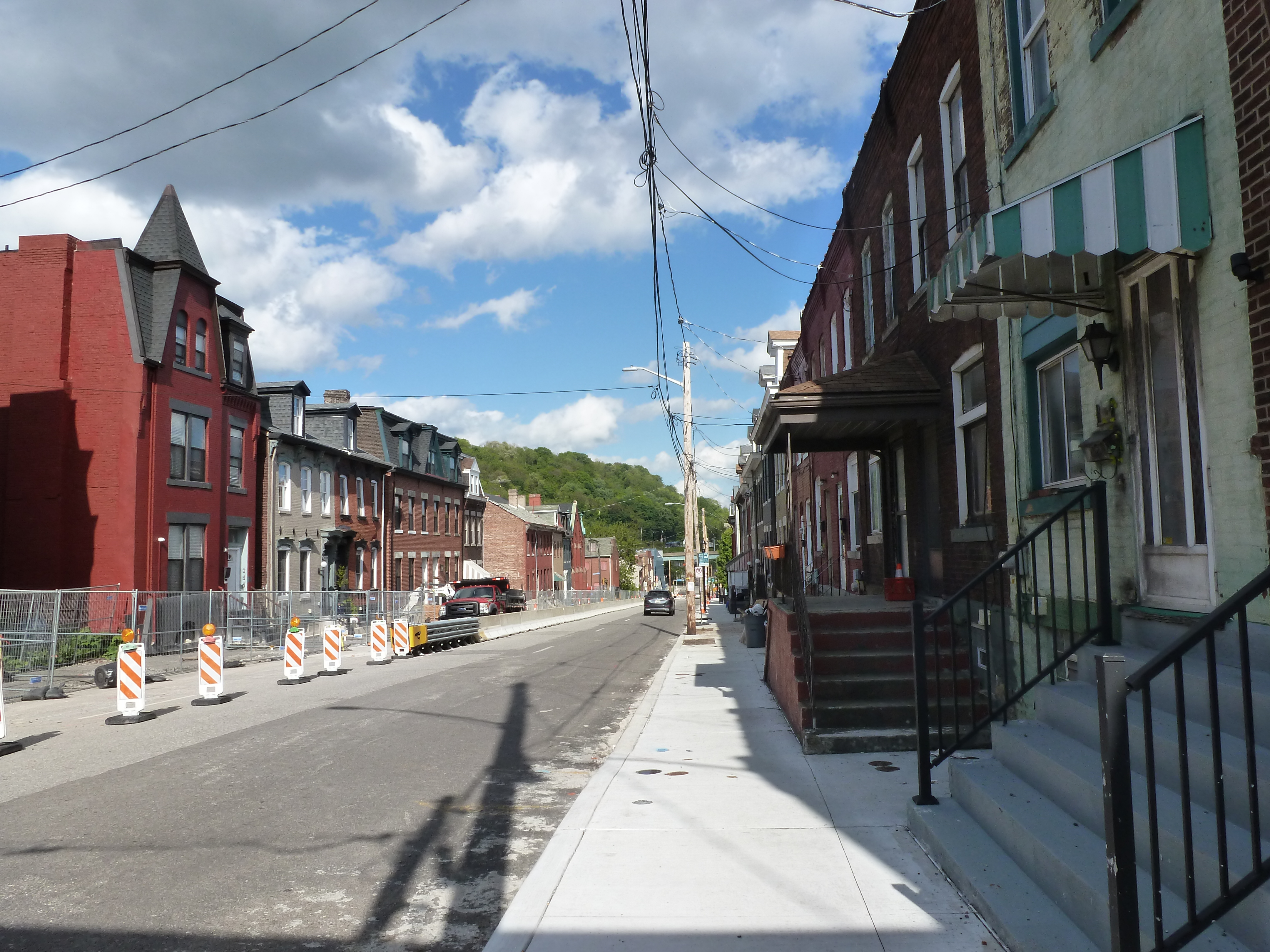
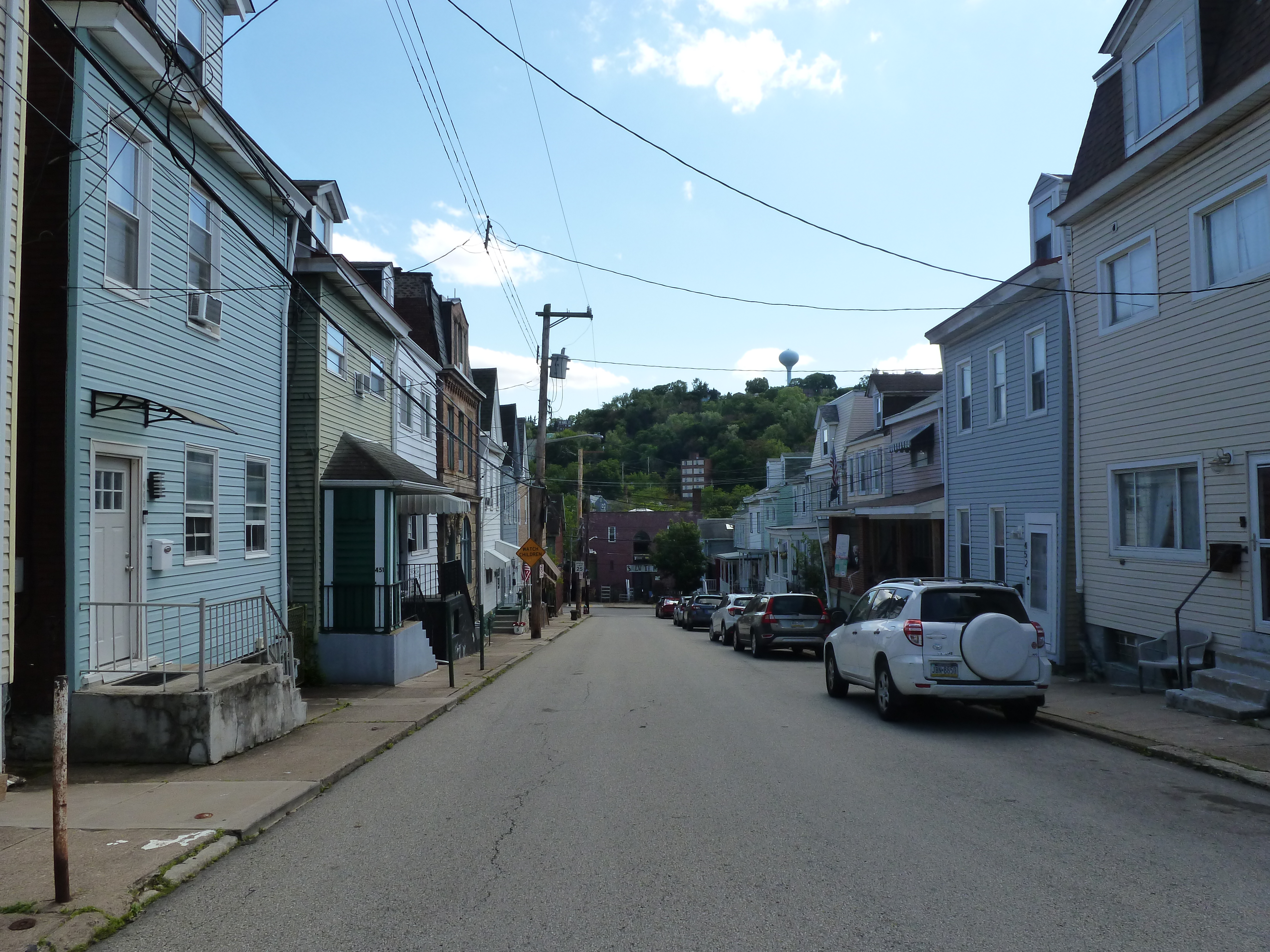
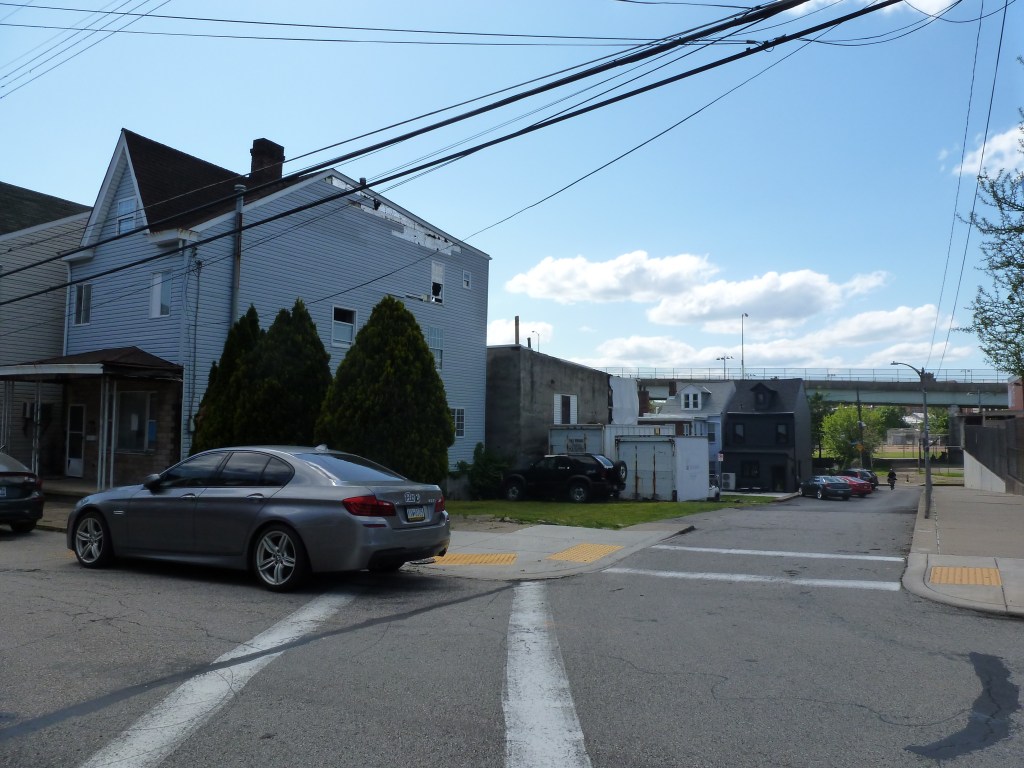
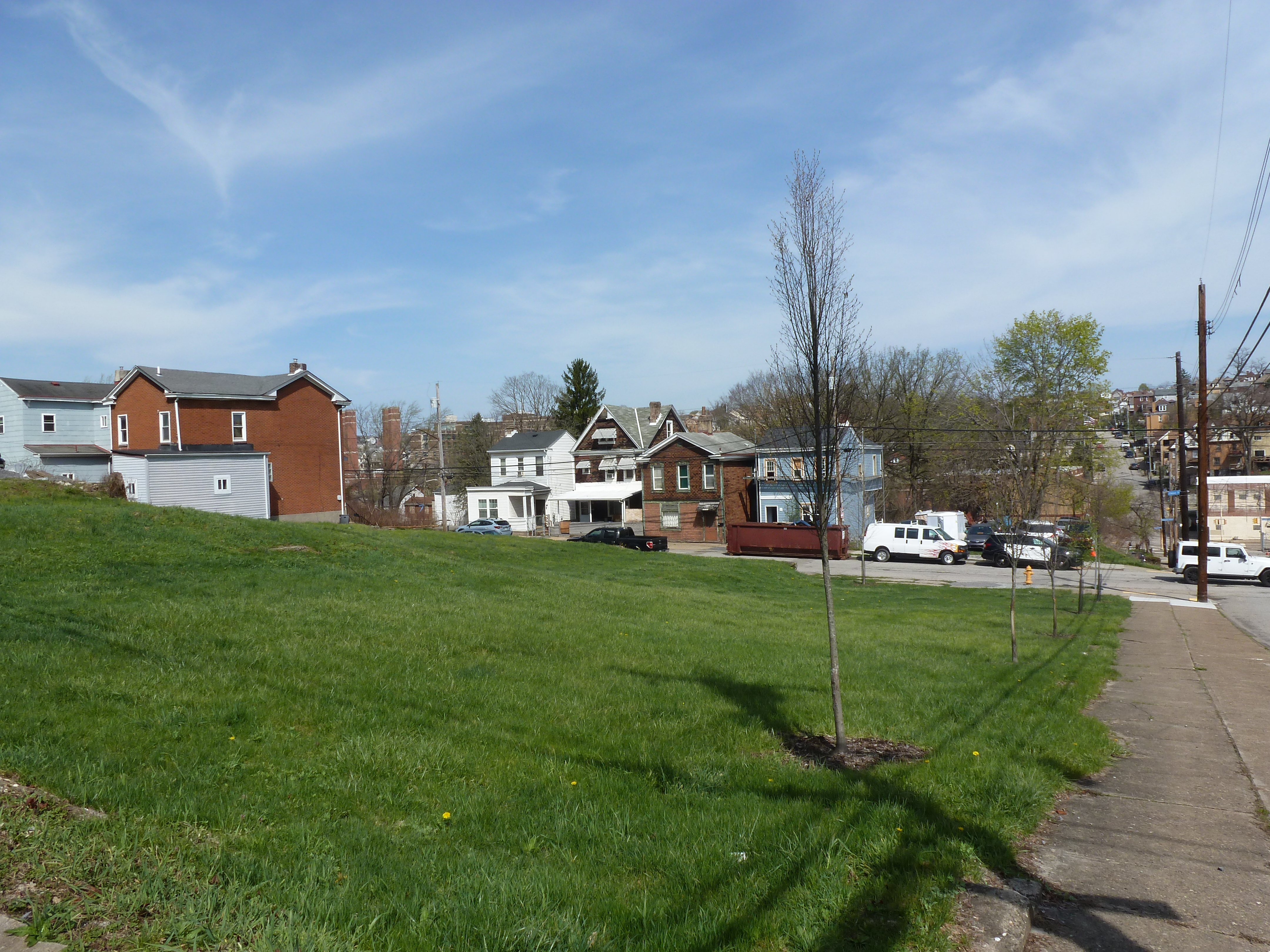
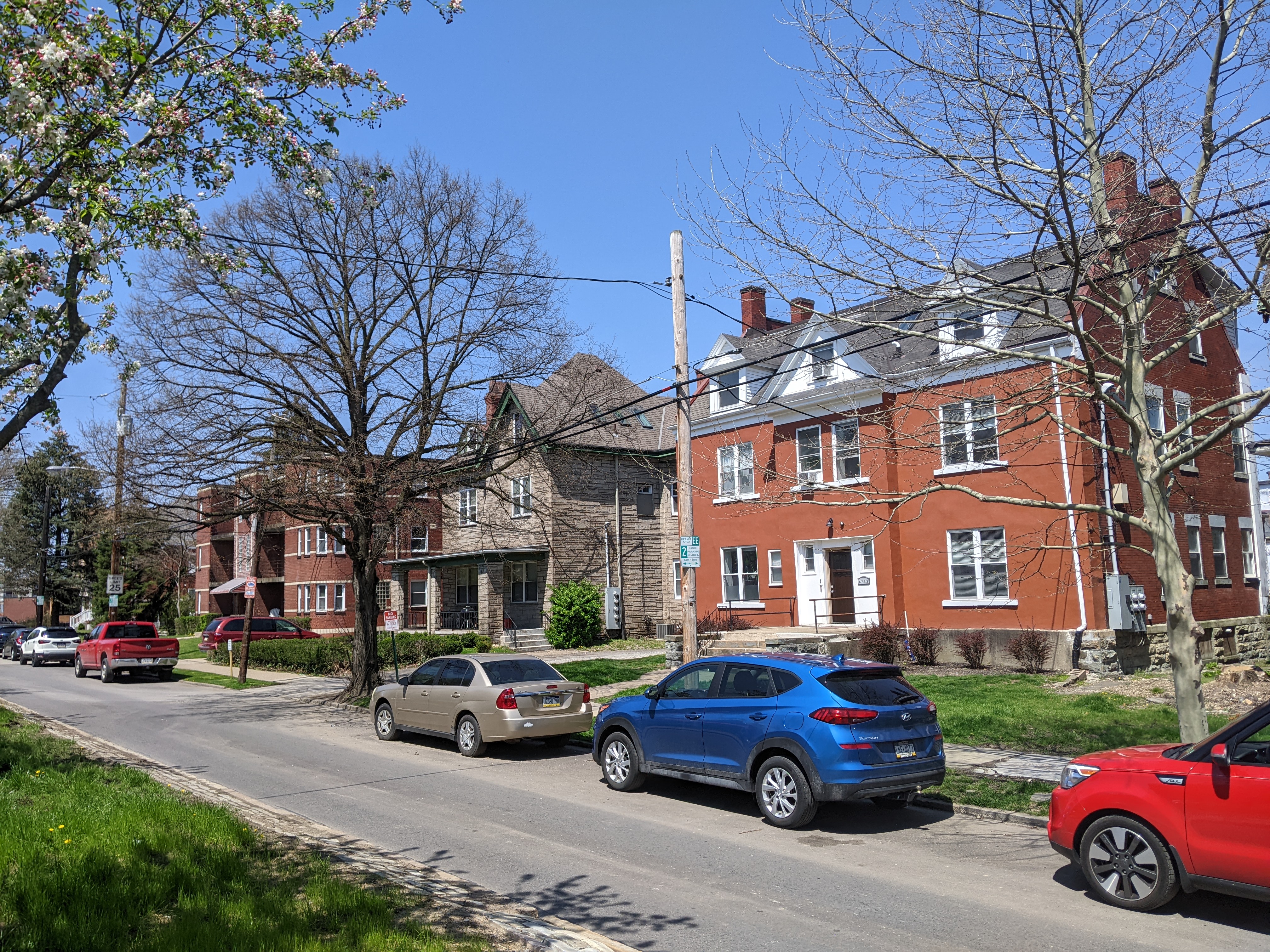
Walter Street looking southwest from Climax Street

Allentown Neighborhood

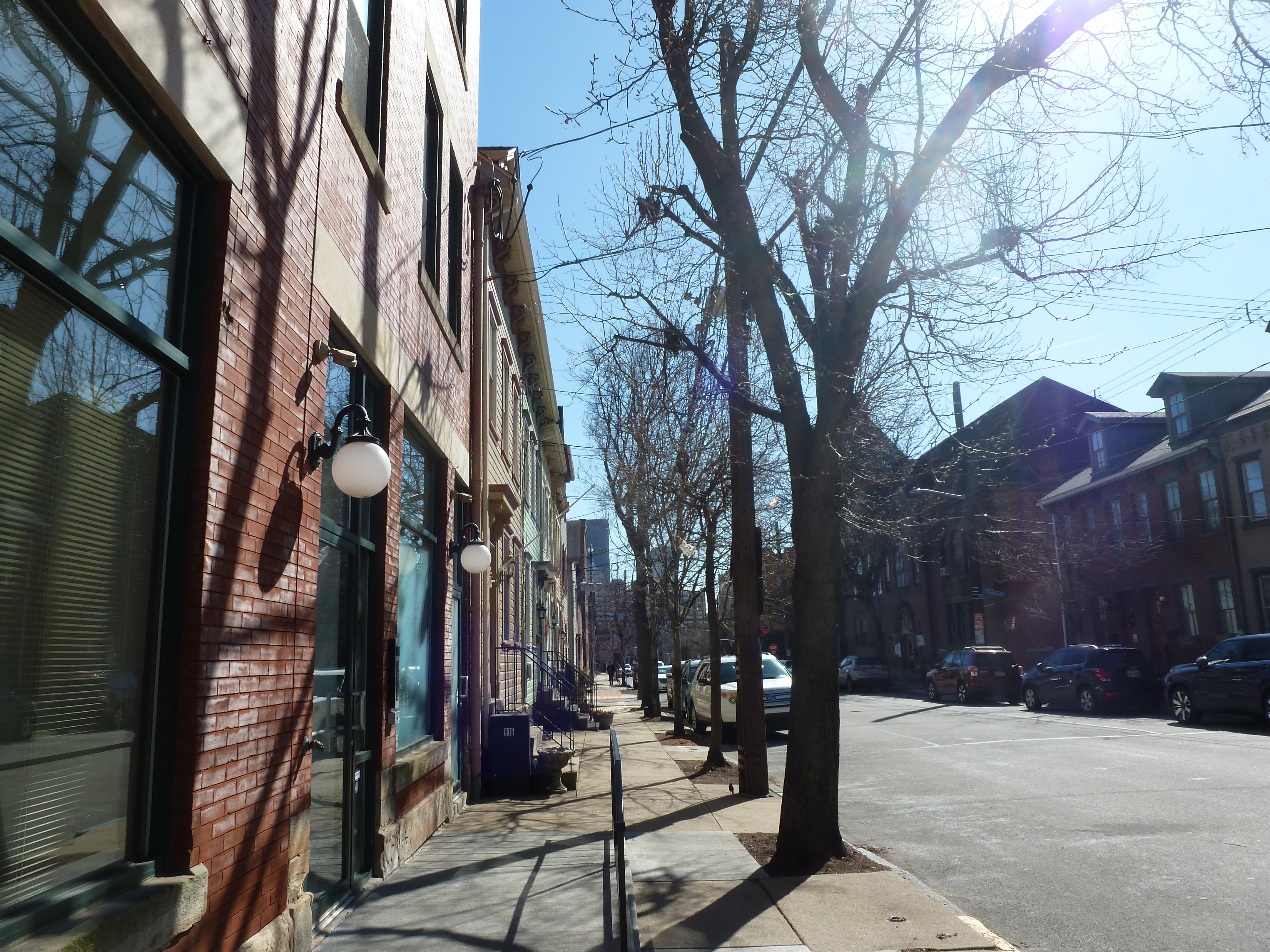
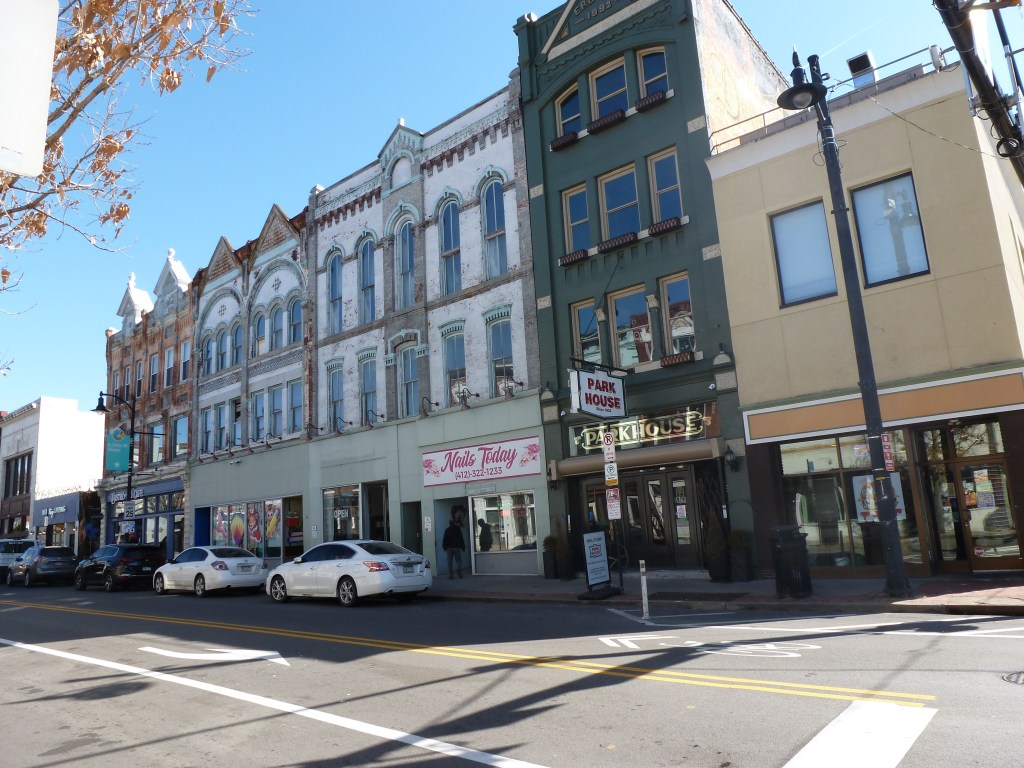
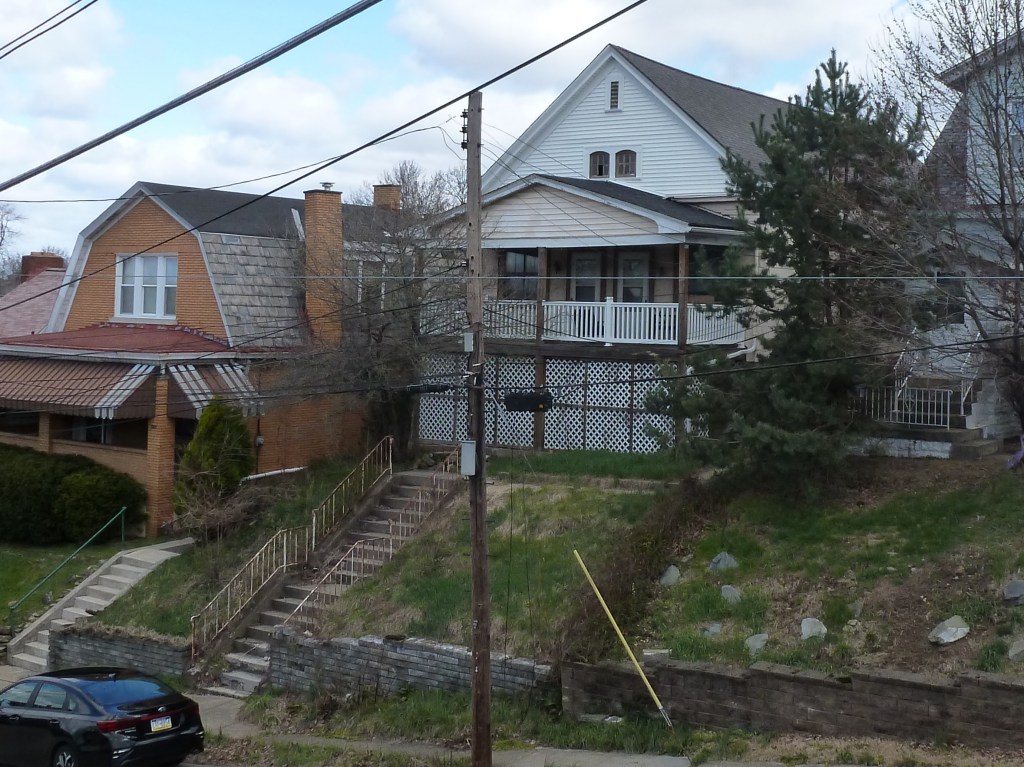
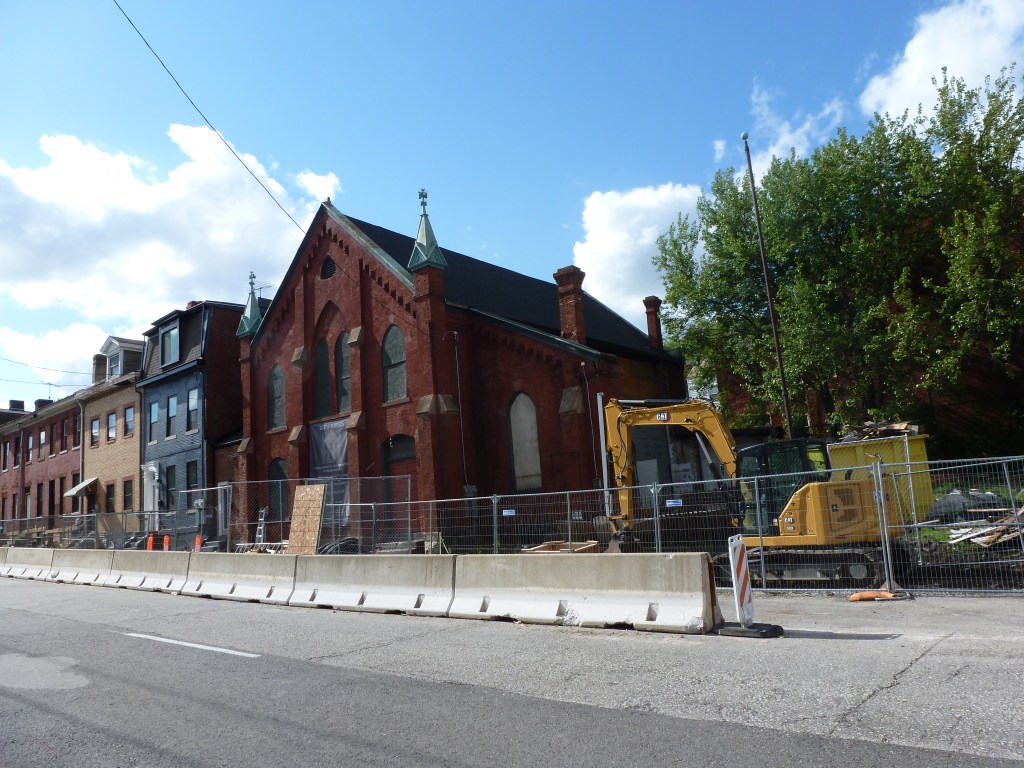
Allentown features a tight grid gently folded over undulating terrain. Densely-packed, modest houses line narrow roads. A resident across from one of the religious sites, who was interested in what I was photographing, shared that her house was built in the 1880s. In those pre-automobile days, residents may have commuted downhill to the industries along the river flats by way of the numerous inclines, one of which used to have a terminus not far from where we were standing and talking.

Three of the jobs I’ve held in my decades of working in Pittsburgh included some element of work in this neighborhood. Much of the neighborhood felt the same as I remembered it from my prior encounters. Long-standing neighborhood restaurants mixed in between vacant storefronts and newer ventures lined the commercial district. Vacant lots and vacant houses sit scattered among the residential blocks. However, I was impressed that some long vacant lots had new infill housing designed for those wanting to age-in-place or people with accessibility needs.

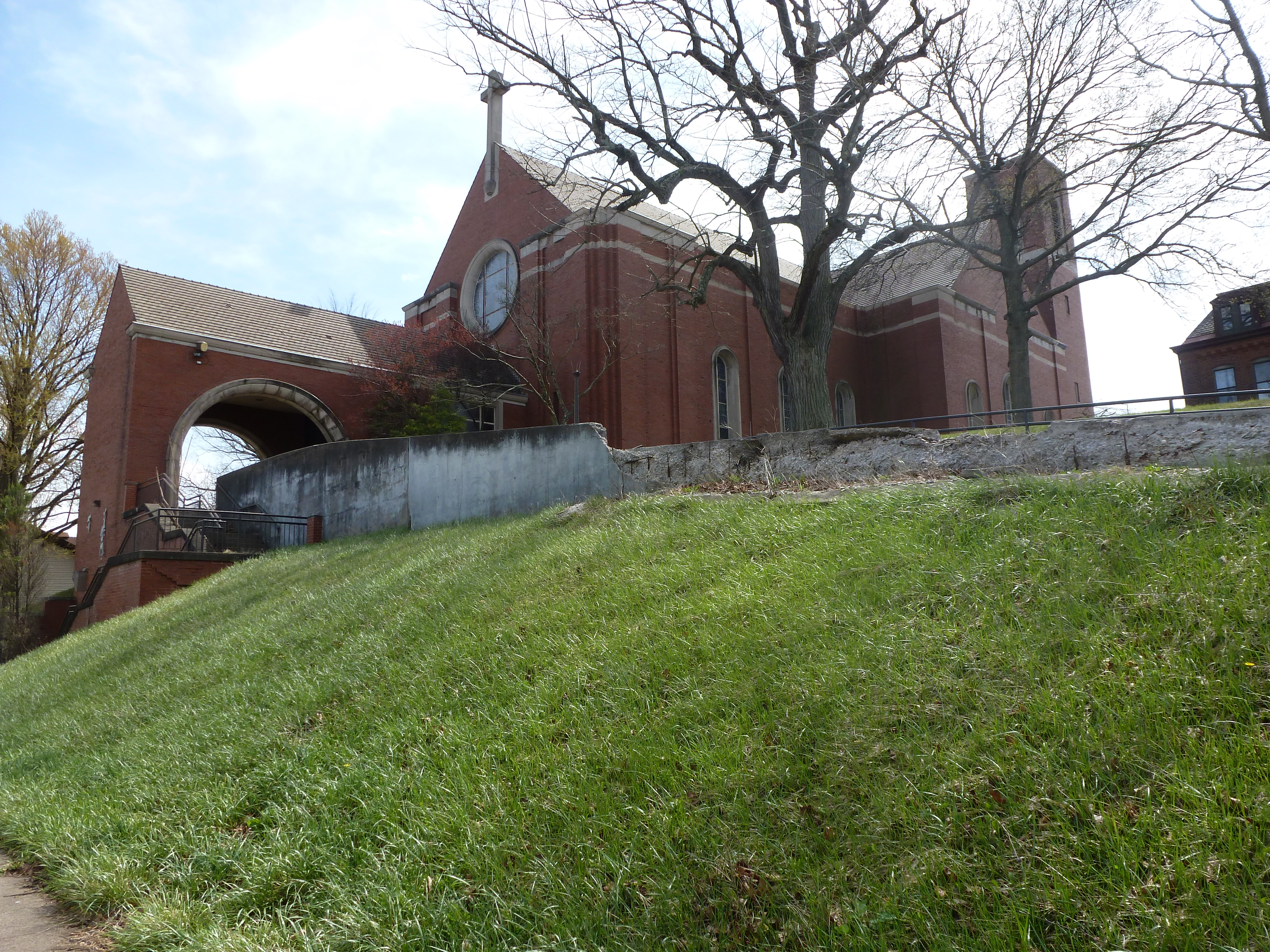
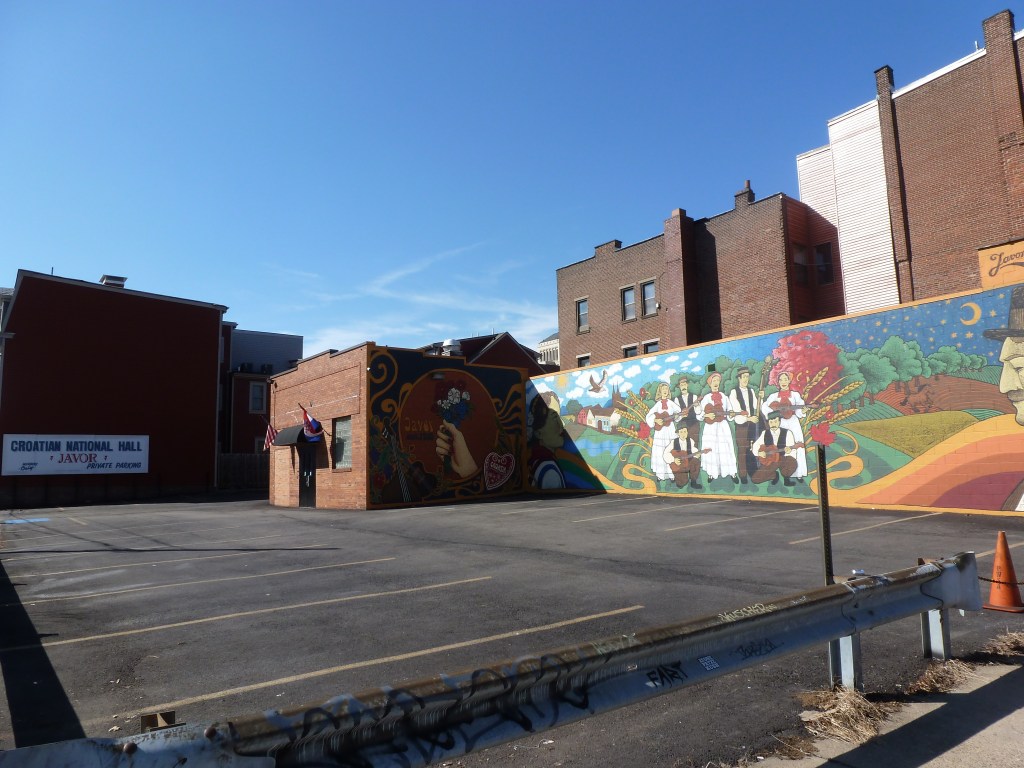
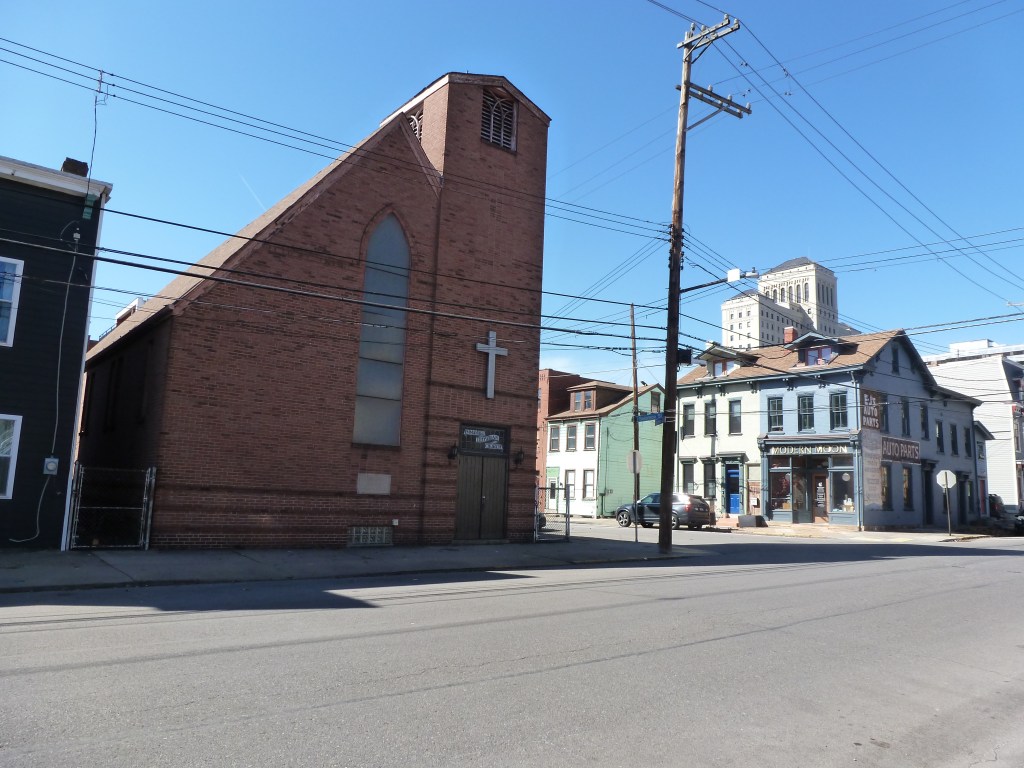
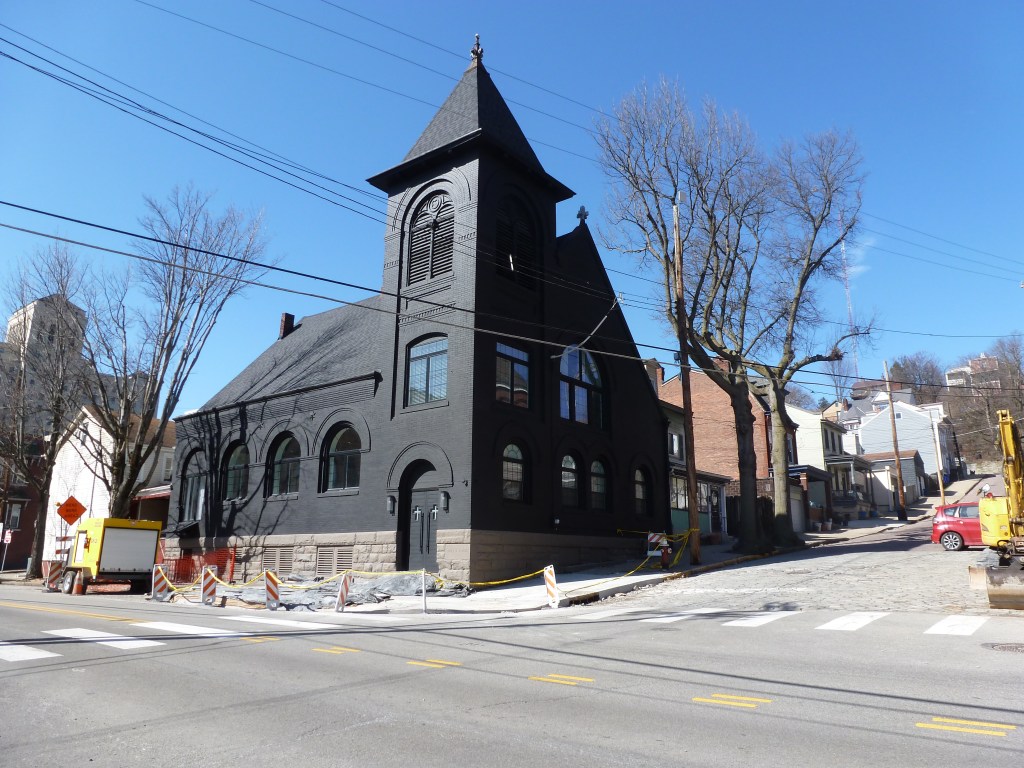
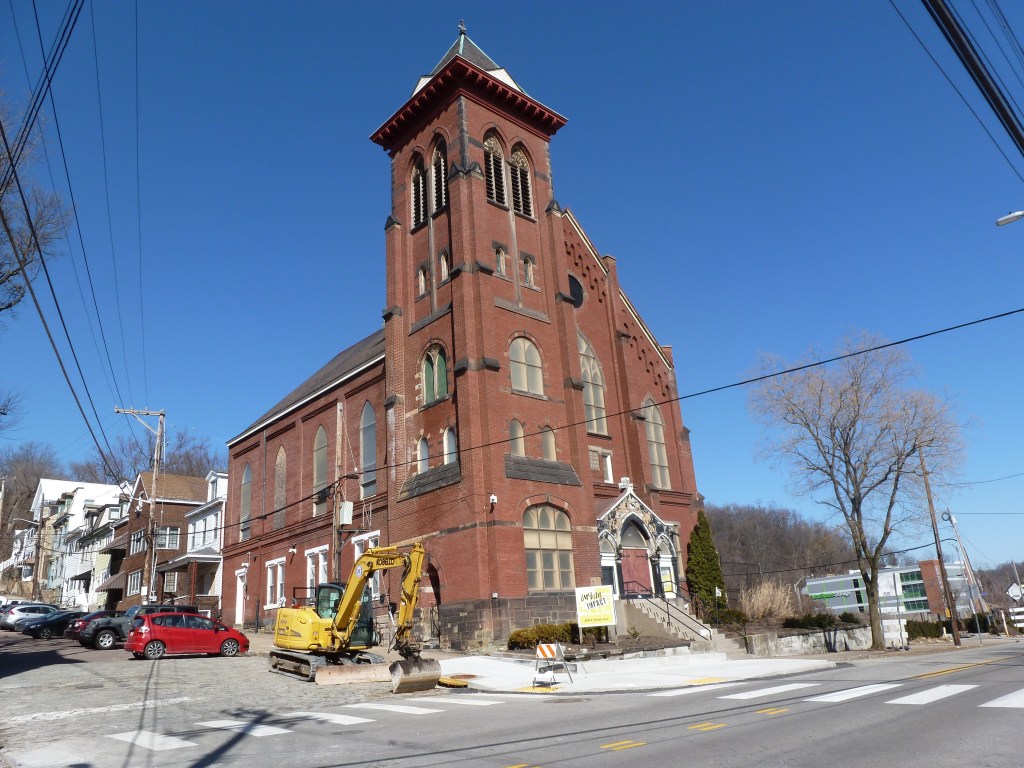
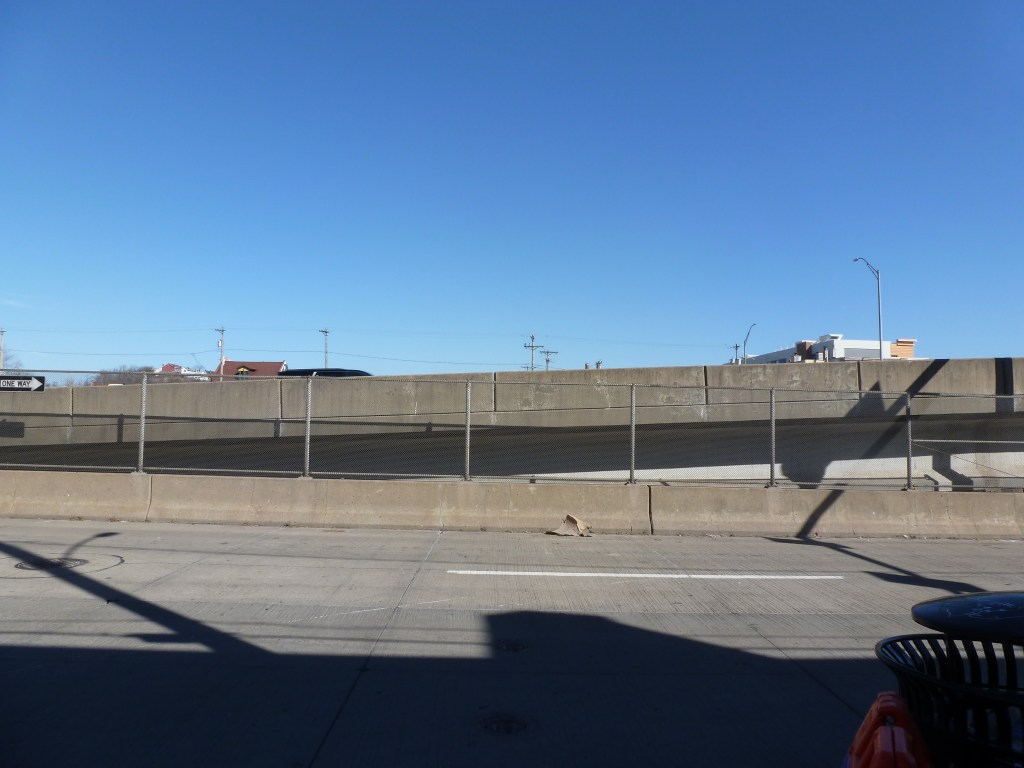
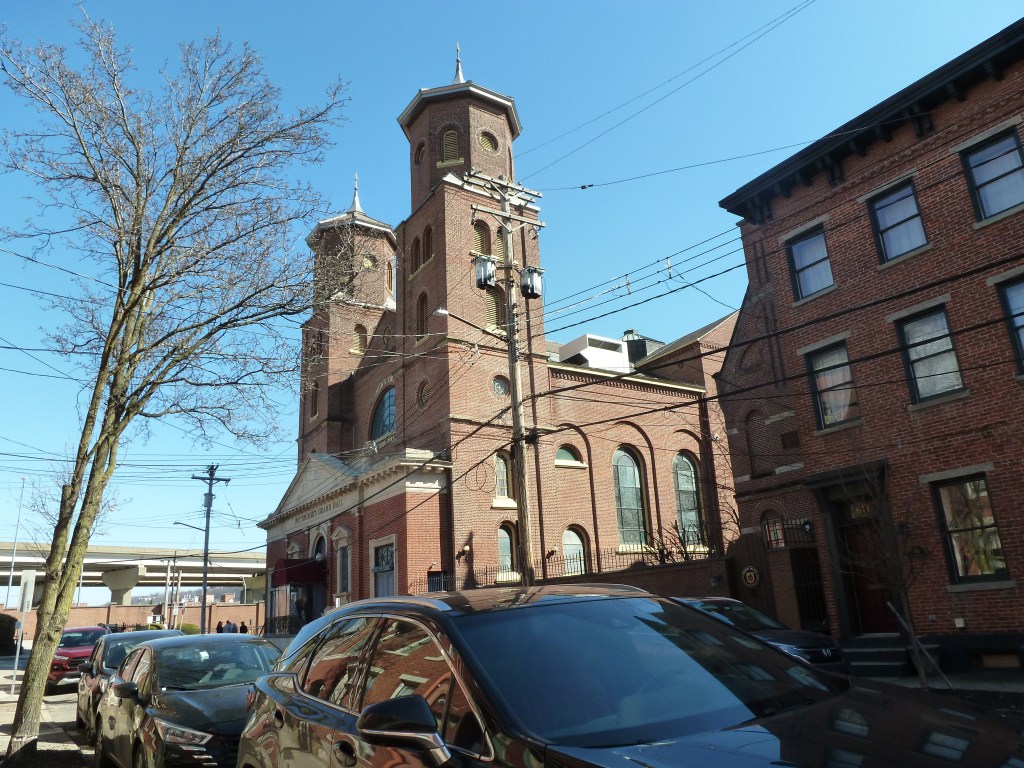
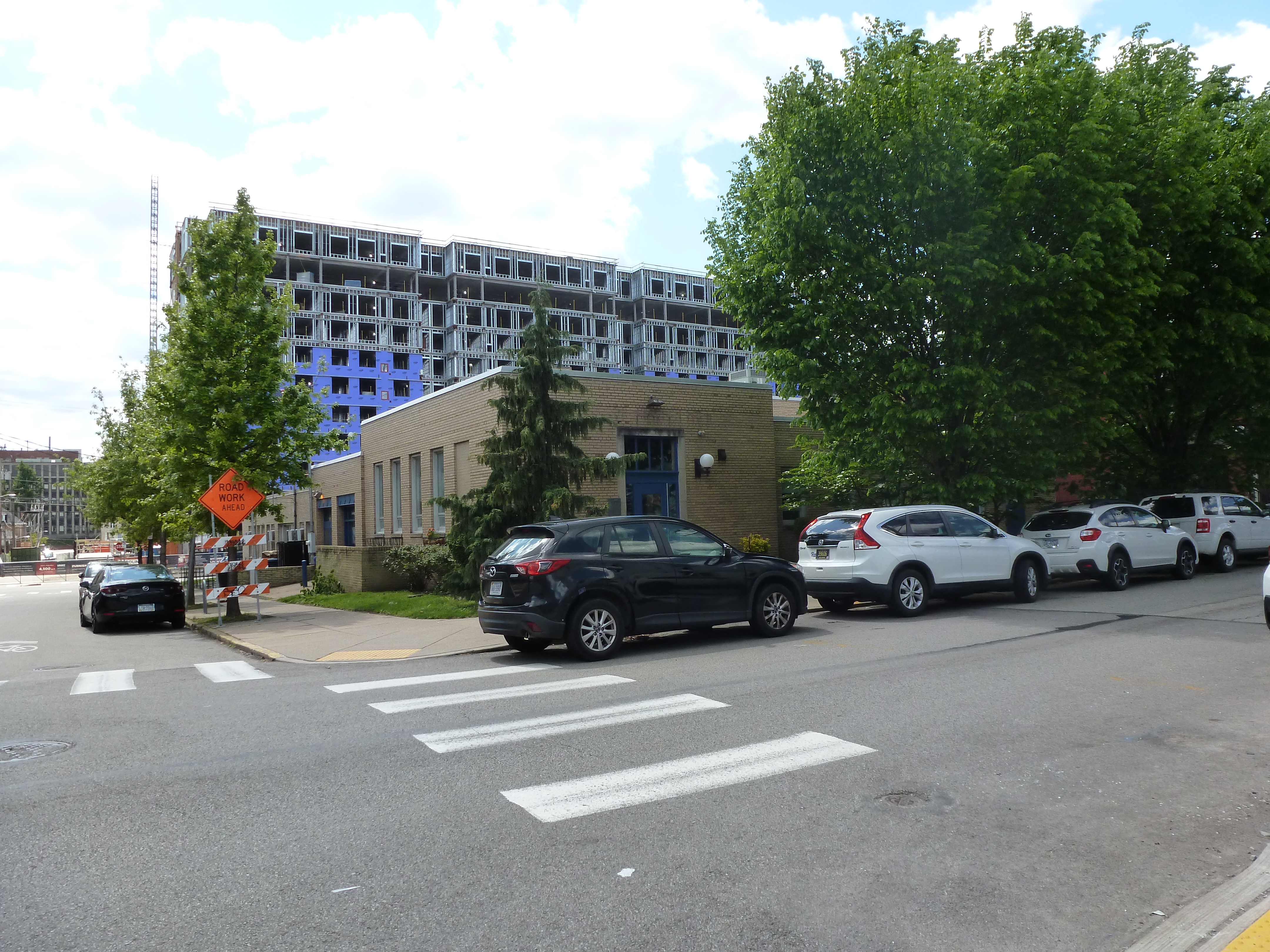
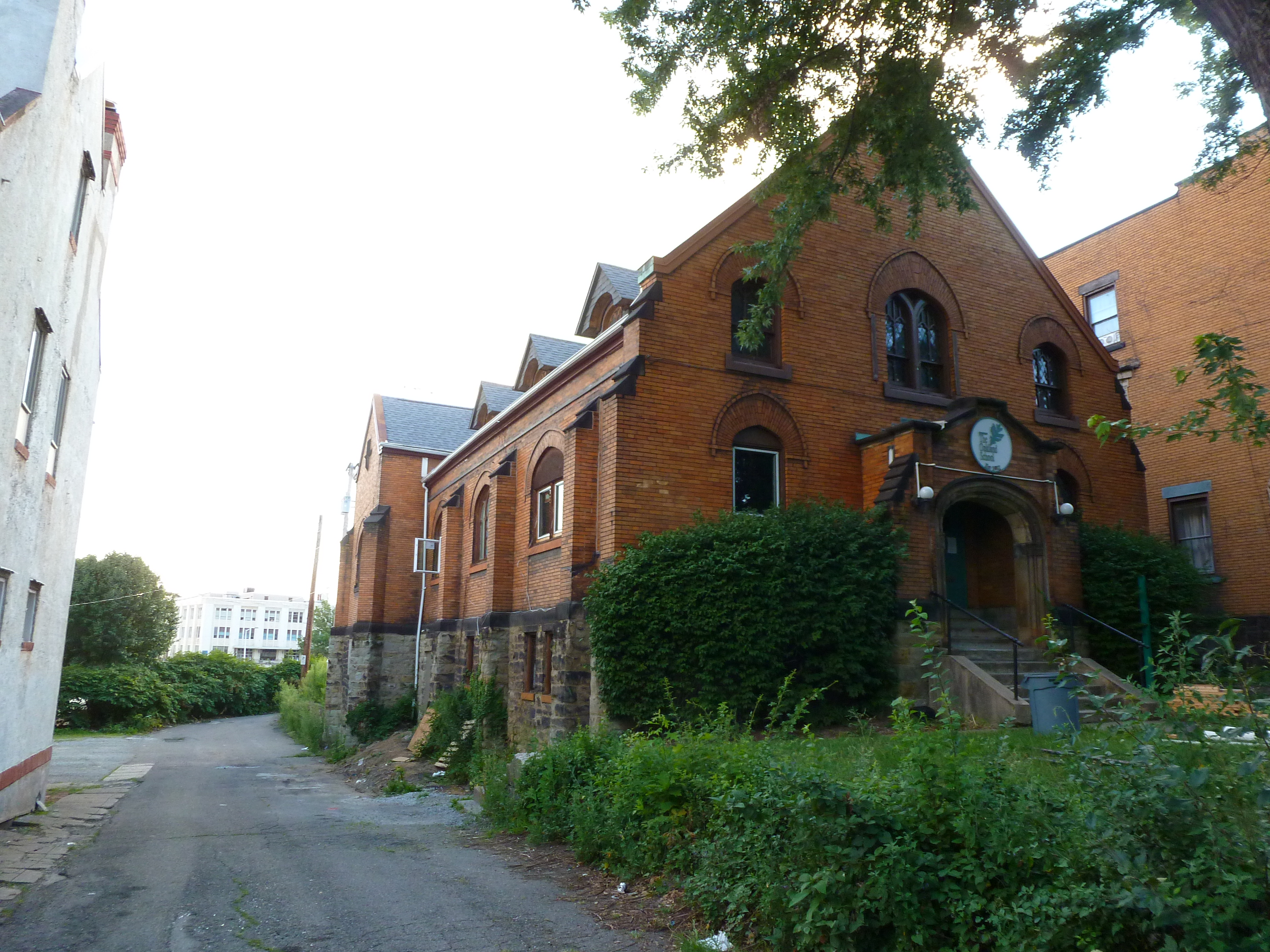
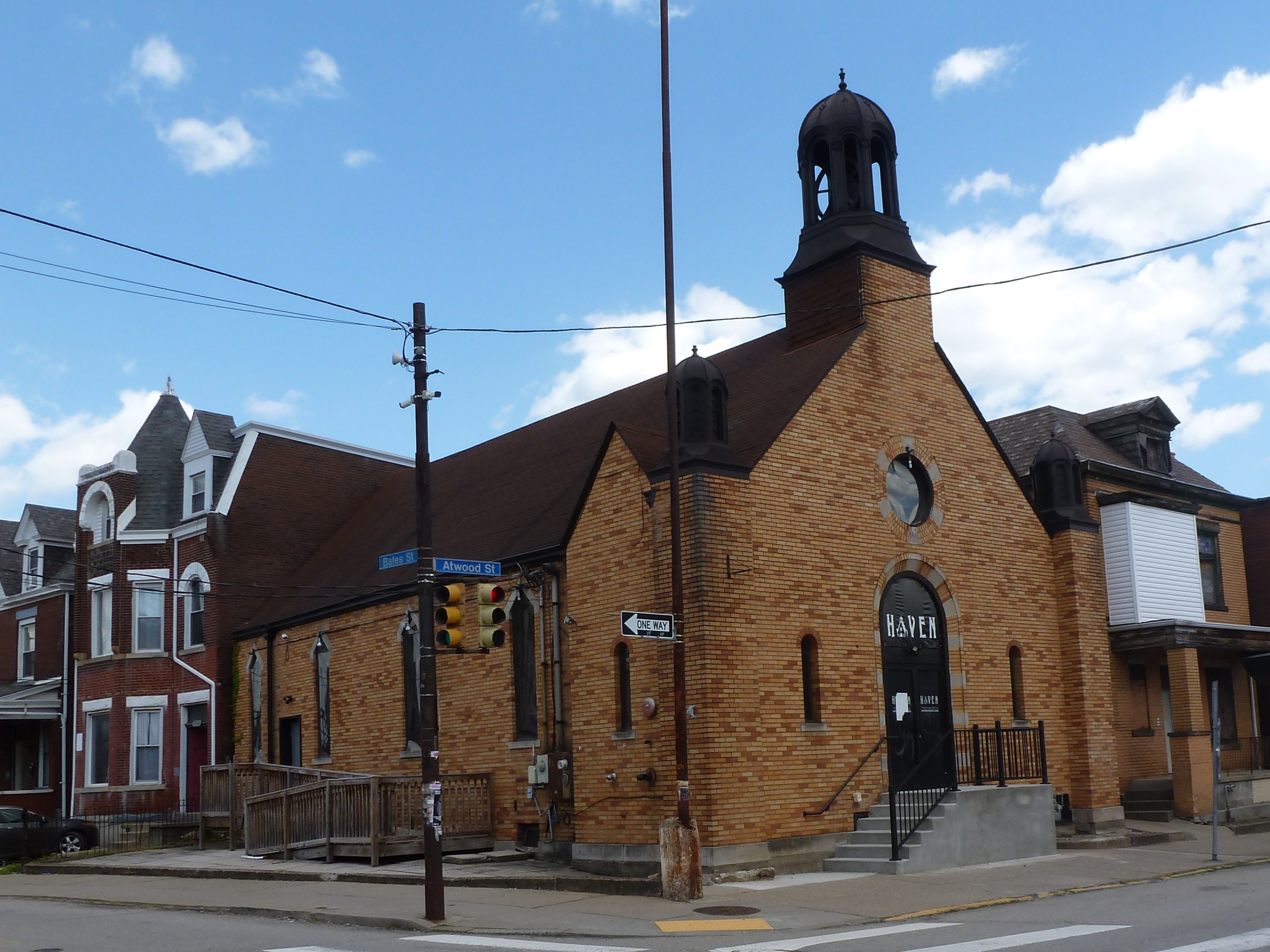
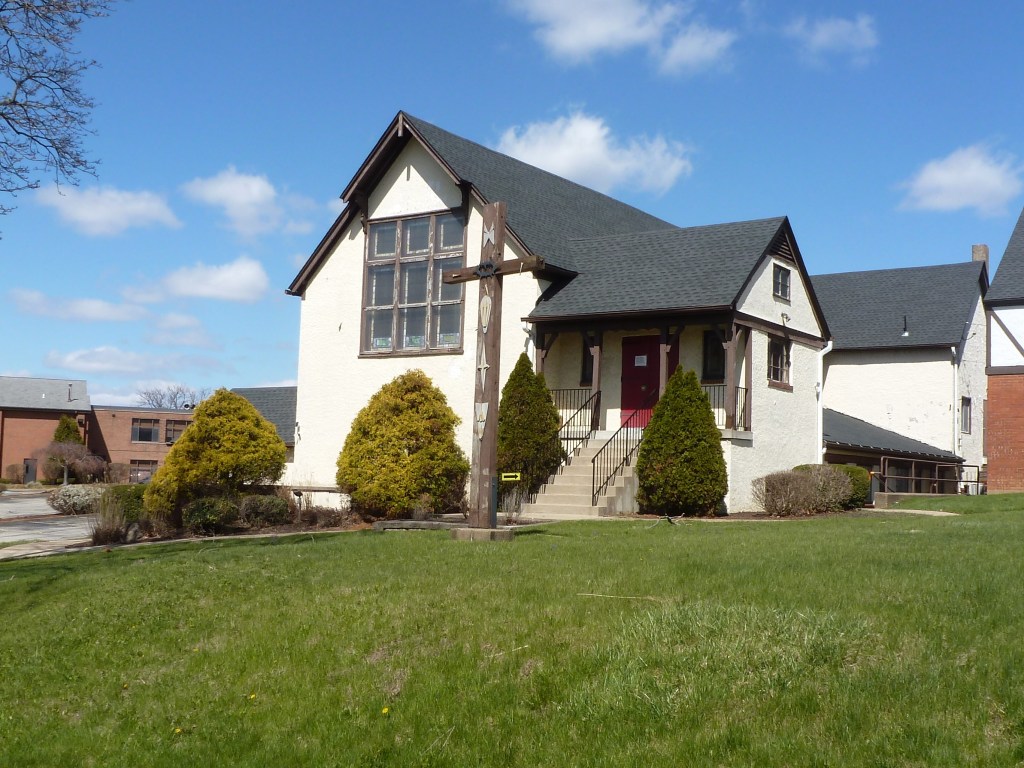
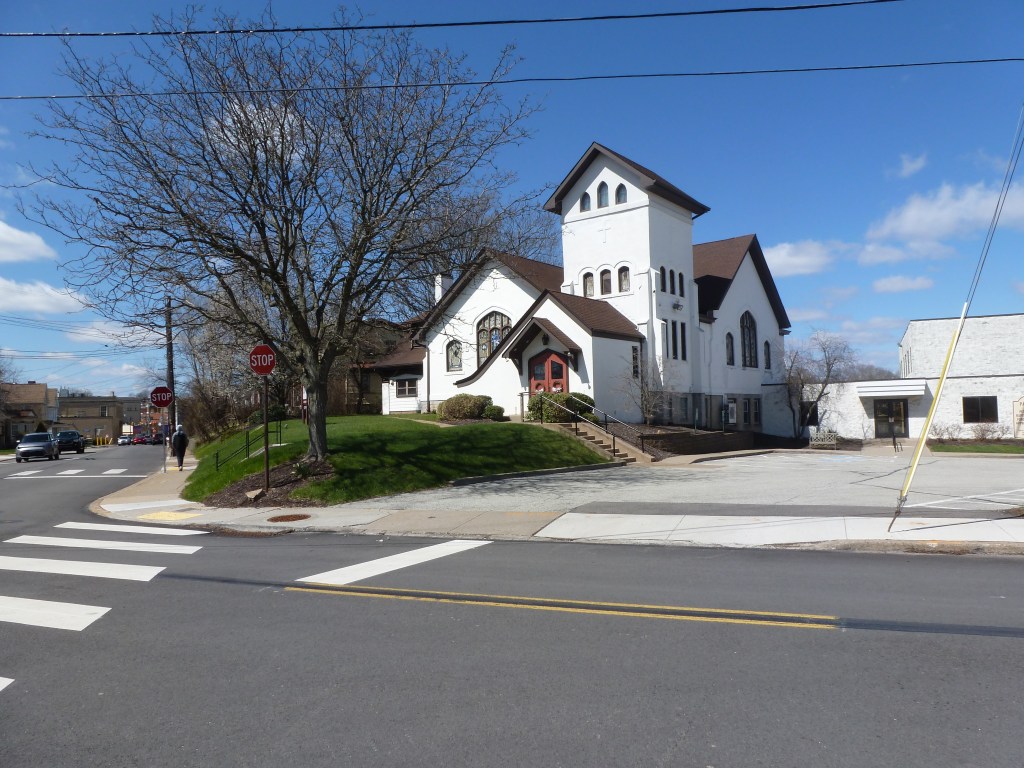
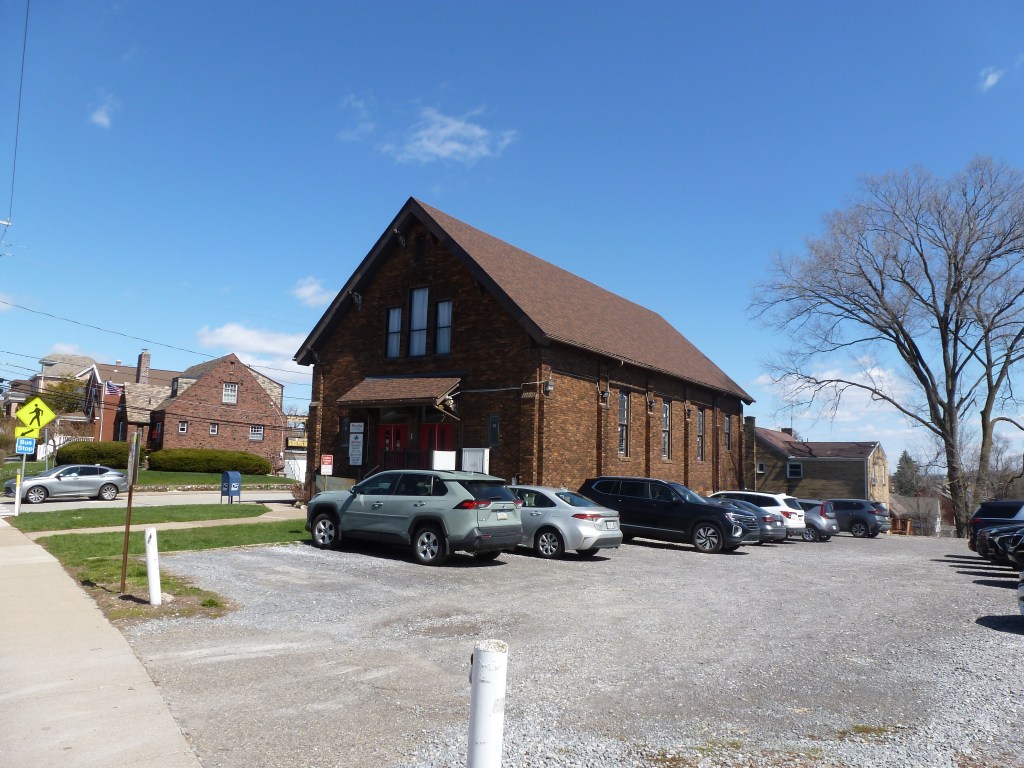
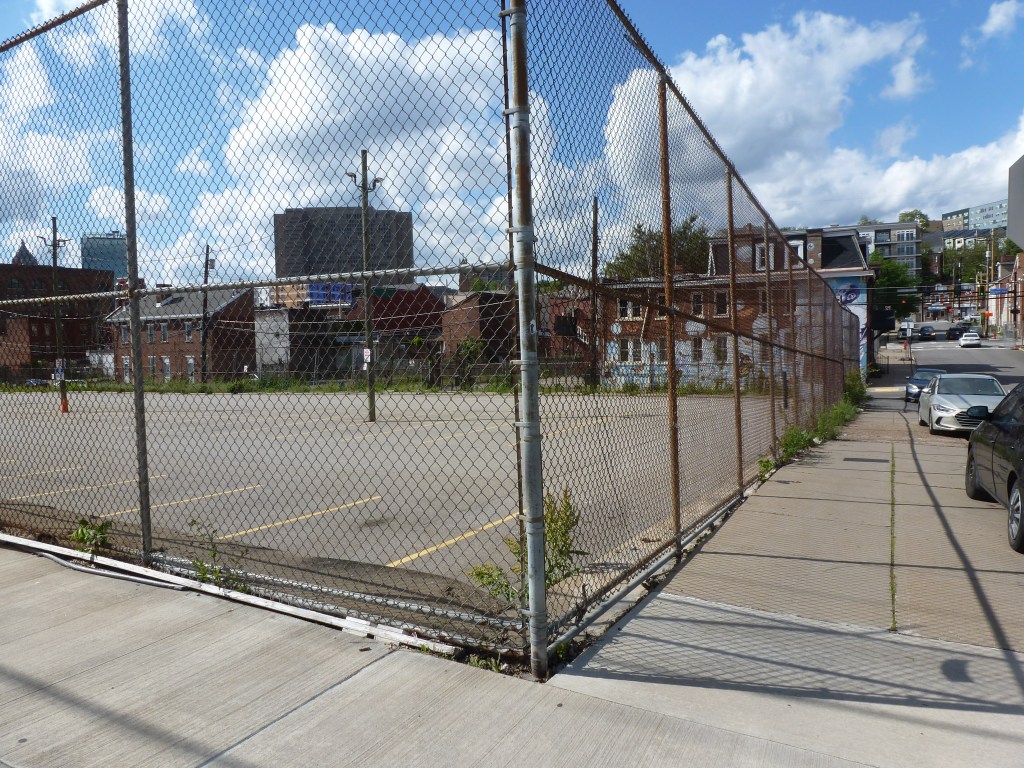
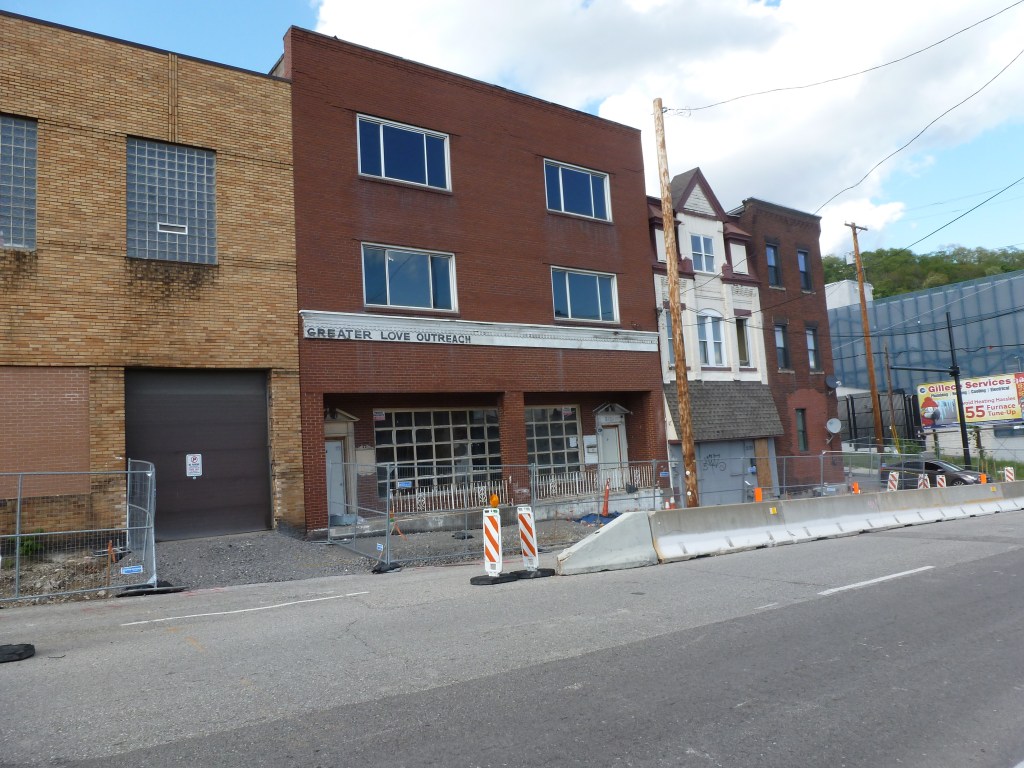
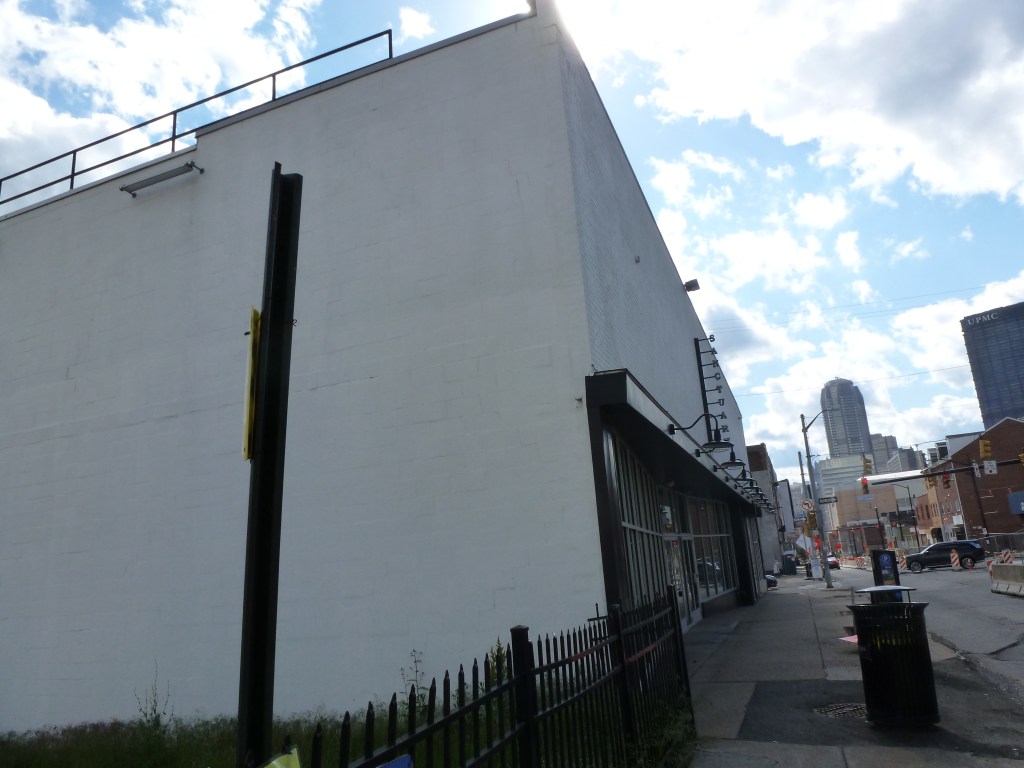
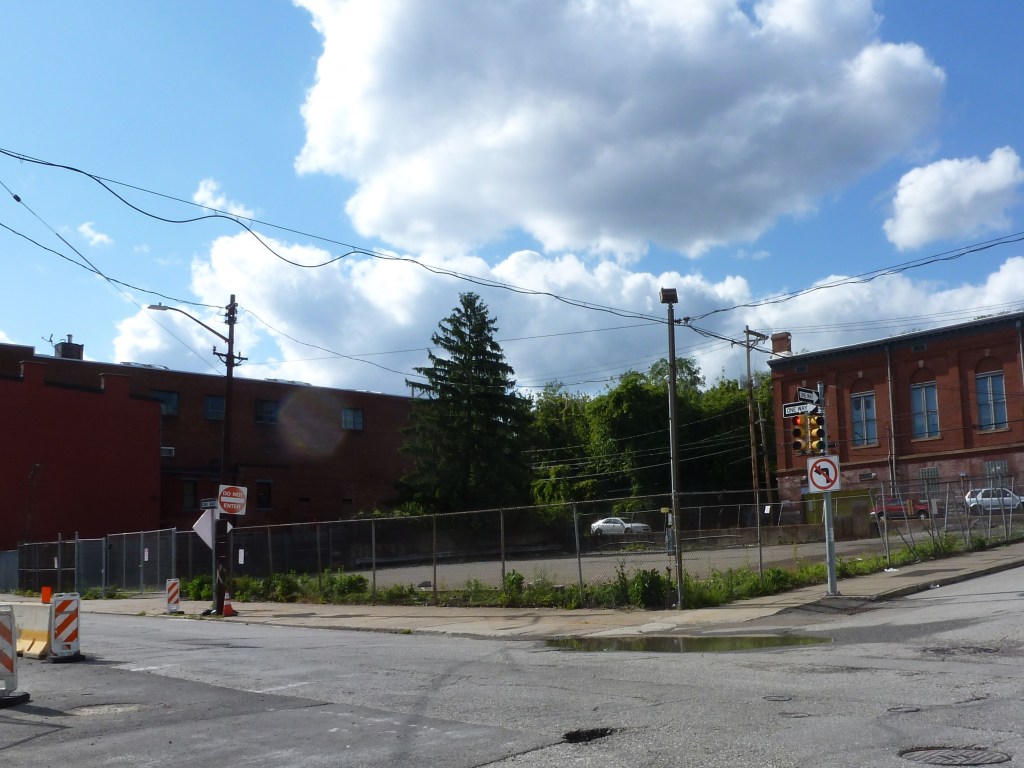
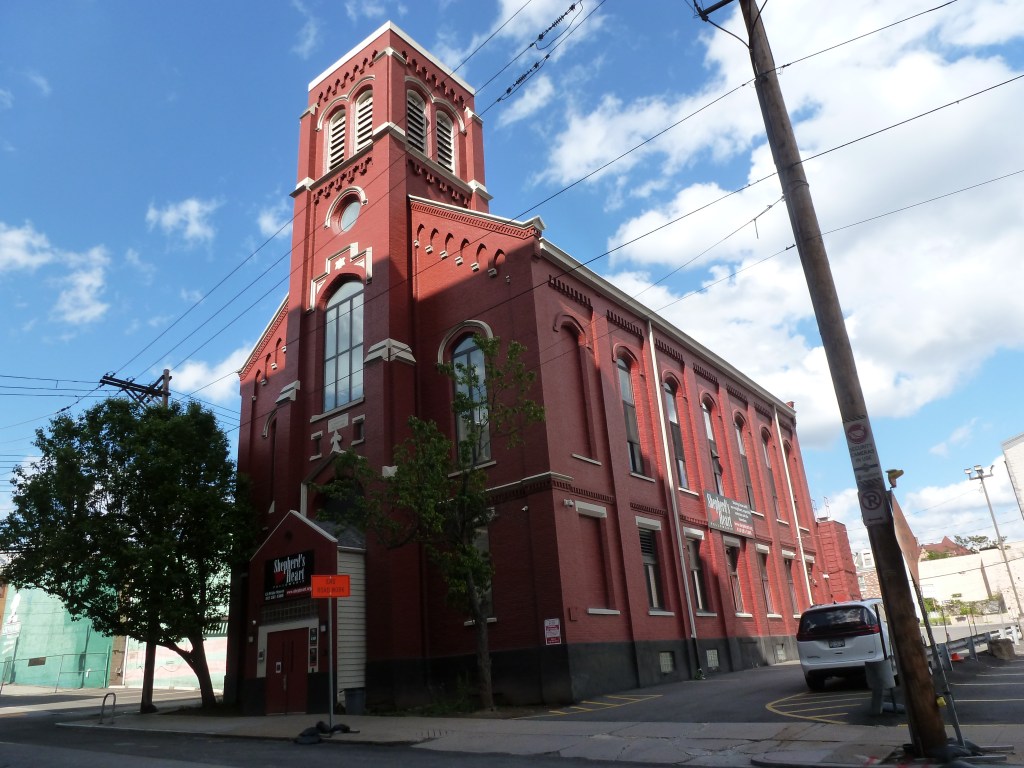
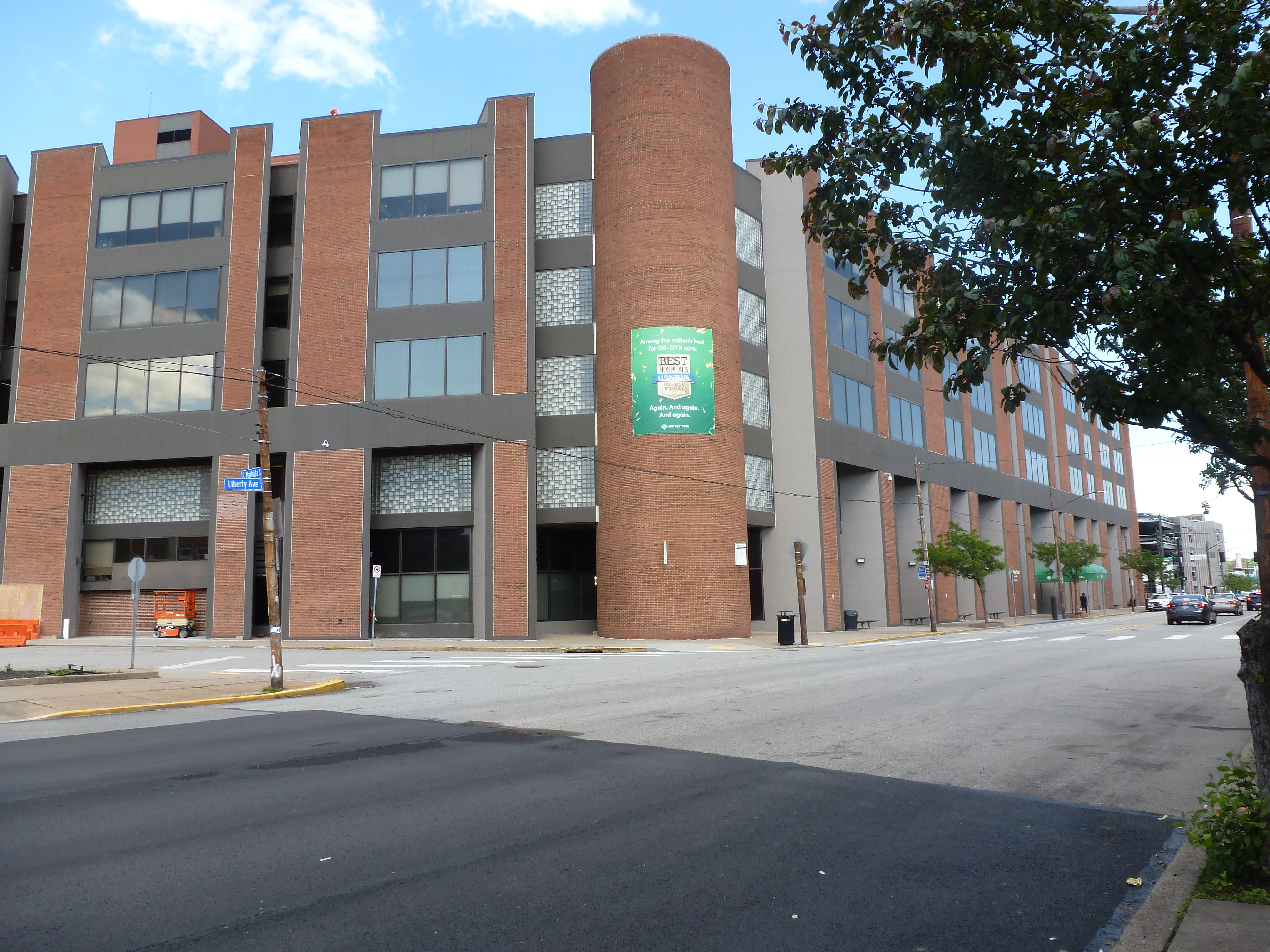
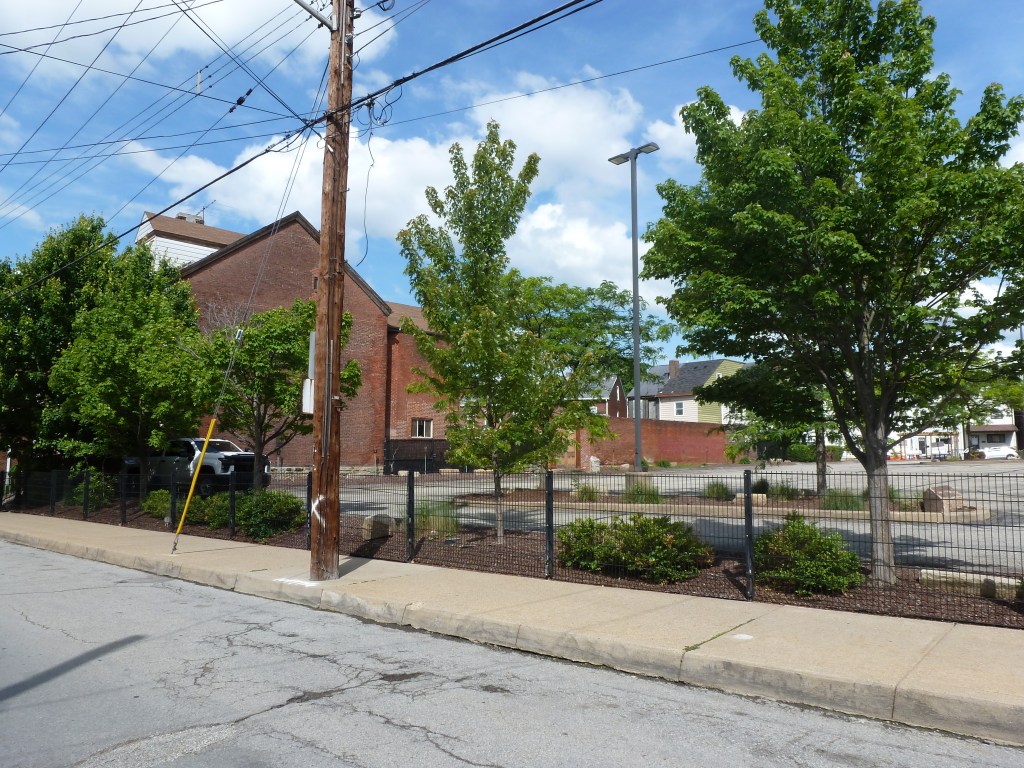
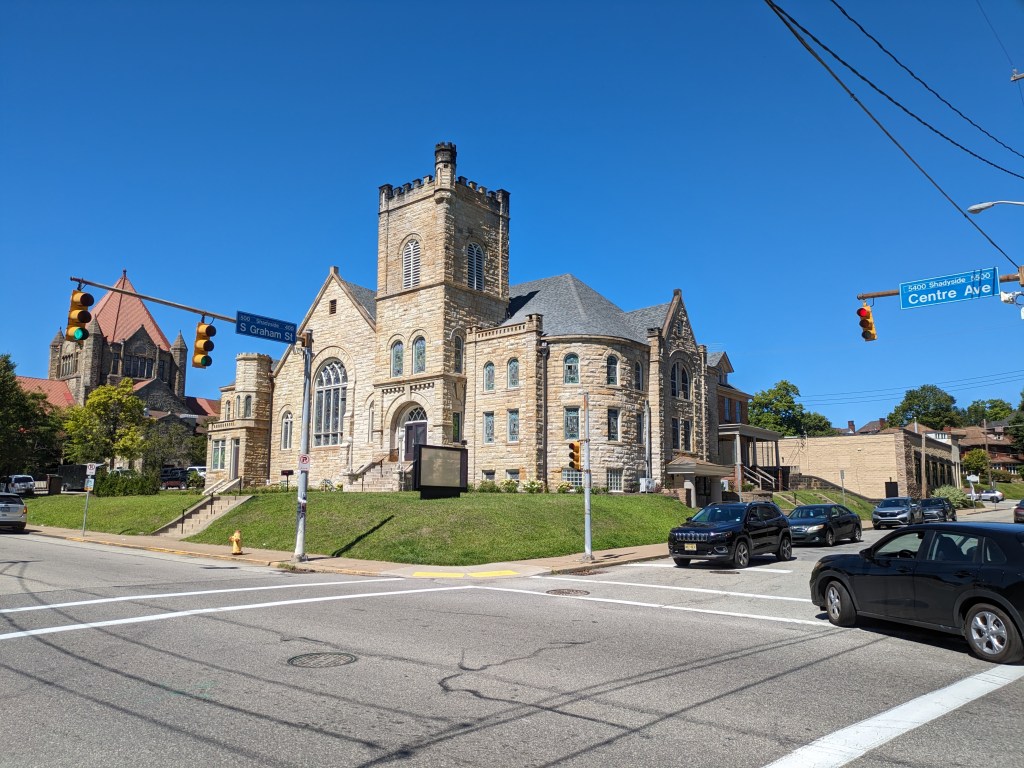
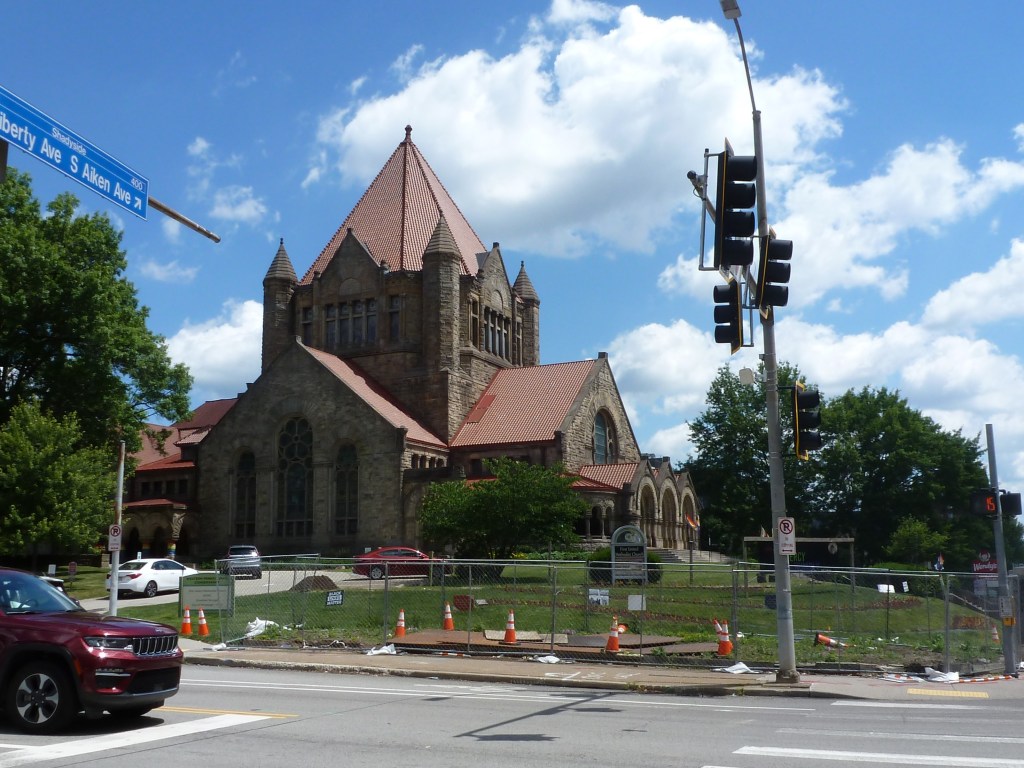
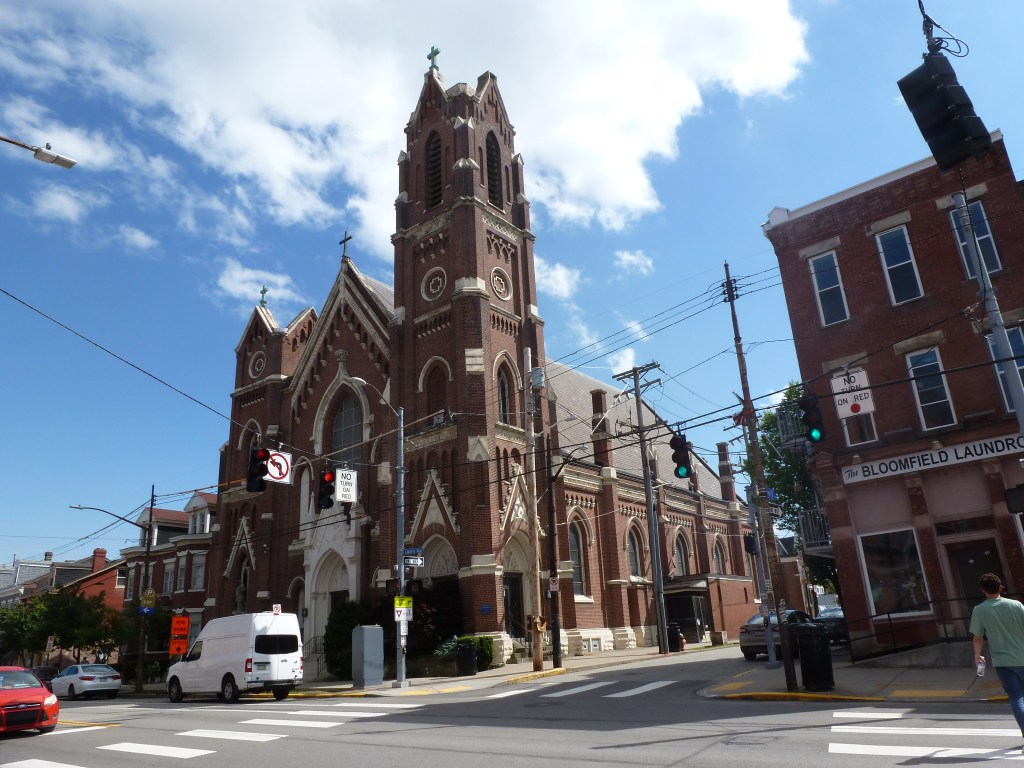
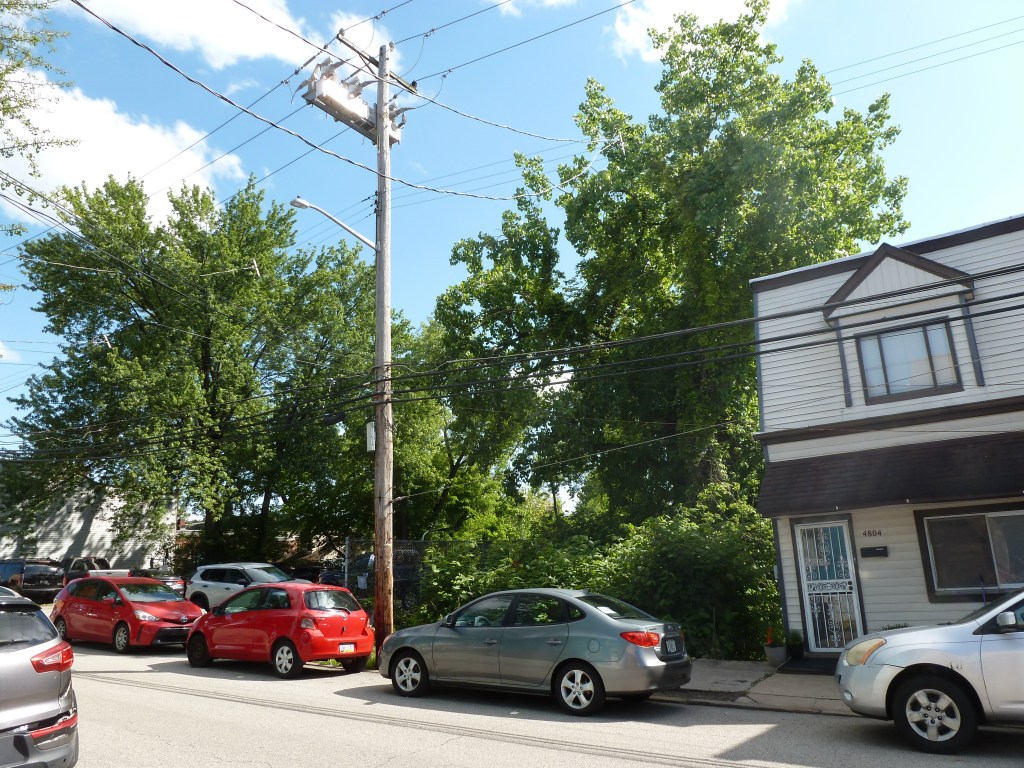
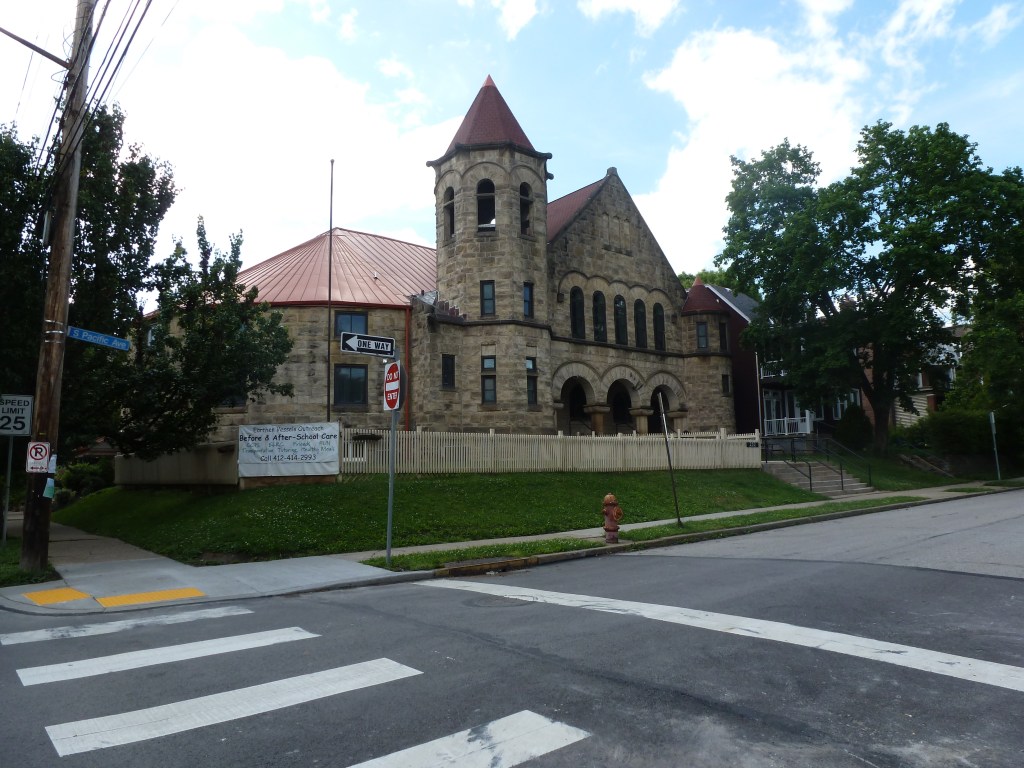
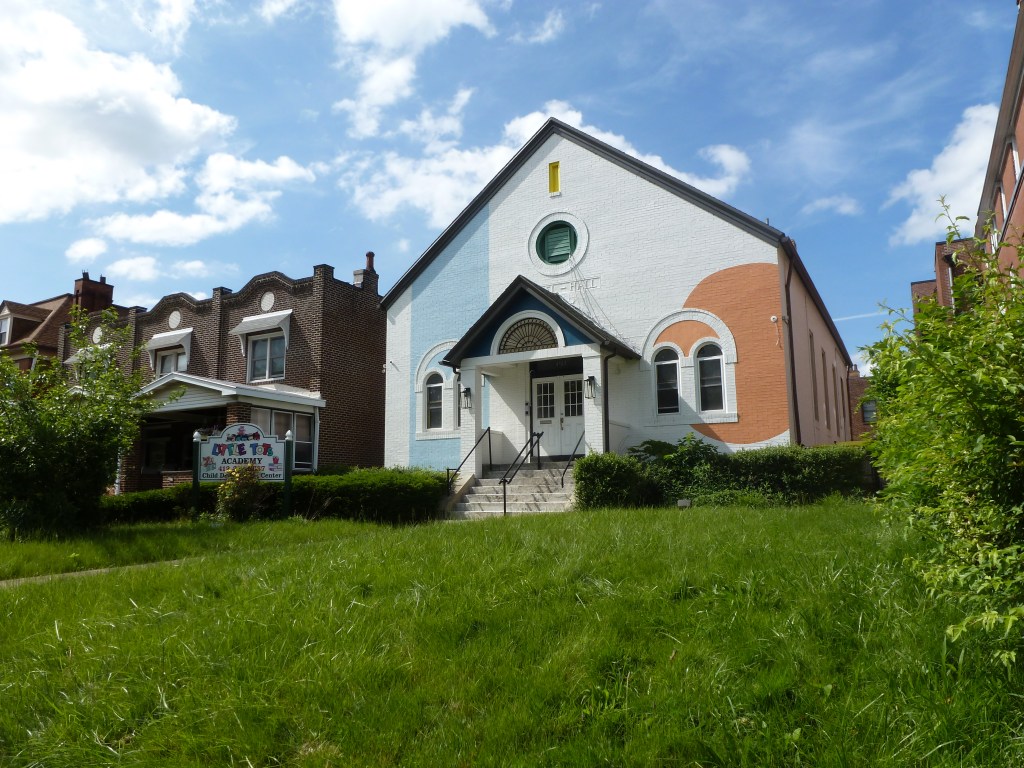
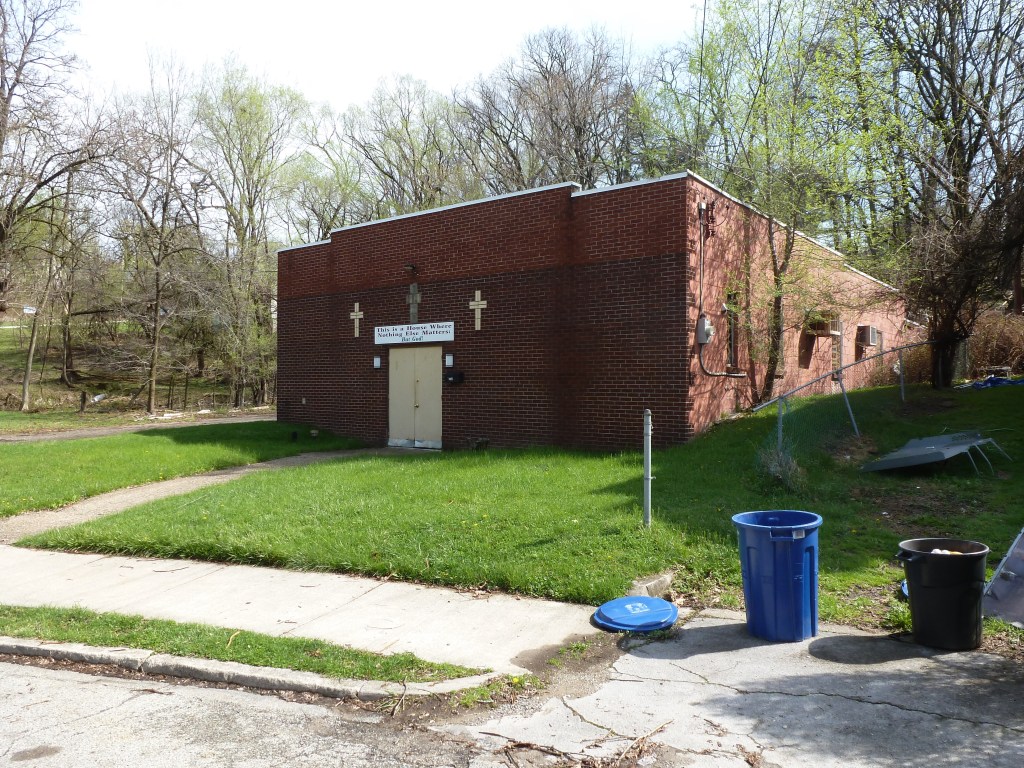
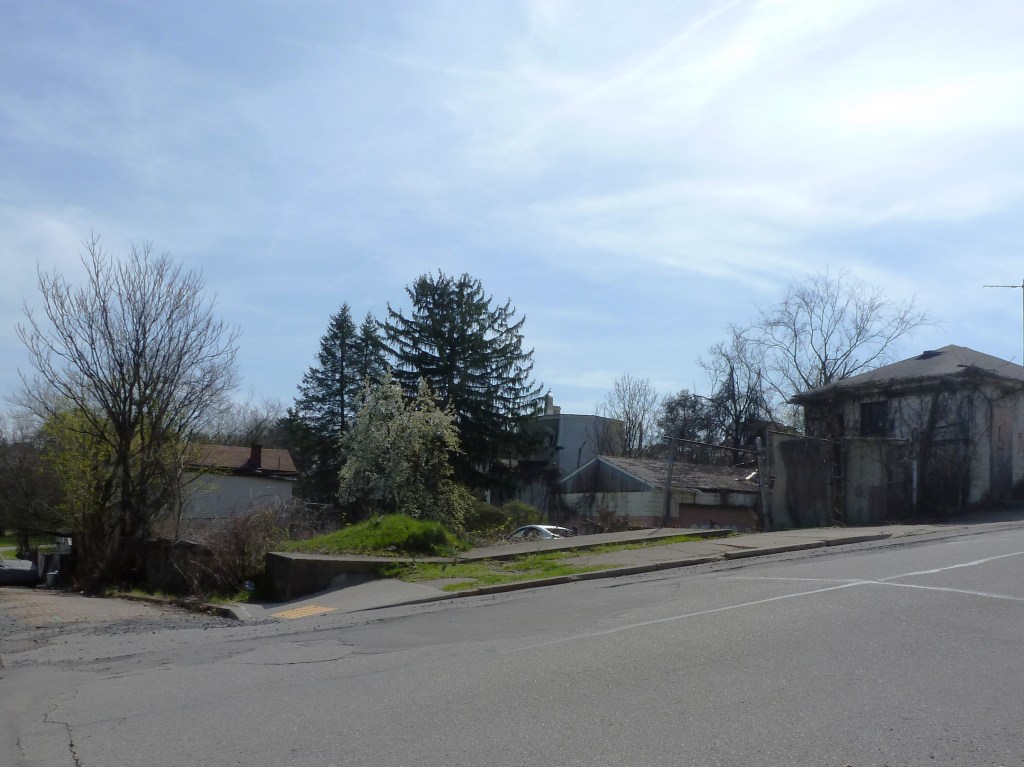
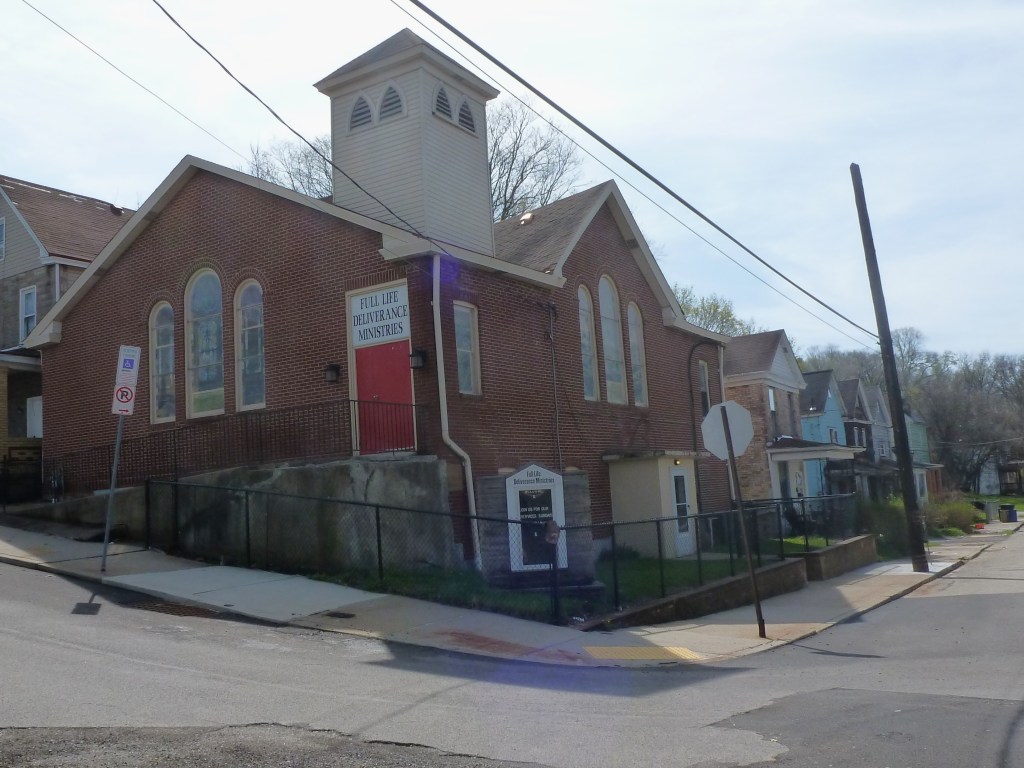
The neighborhood was never targeted for any large-scale Urban Renewal efforts, but individual properties that are vacant, abandoned, or tax delinquent have been demolished from time-to-time. This implies patterns of change, including population loss and disinvestment. The 5 religious sites from 1926 reflect that with each one featuring a unique outcome today: one remains religious, one is now a secular use, one sits vacant, one is a vacant lot, and one is a parking lot.

Neighborhood Statistics (Out of the 70 in this series)

  • 50th largest by acreage
  • 38th highest number of sites (multi-way tie)
  • 18th most sites/acre

Locations

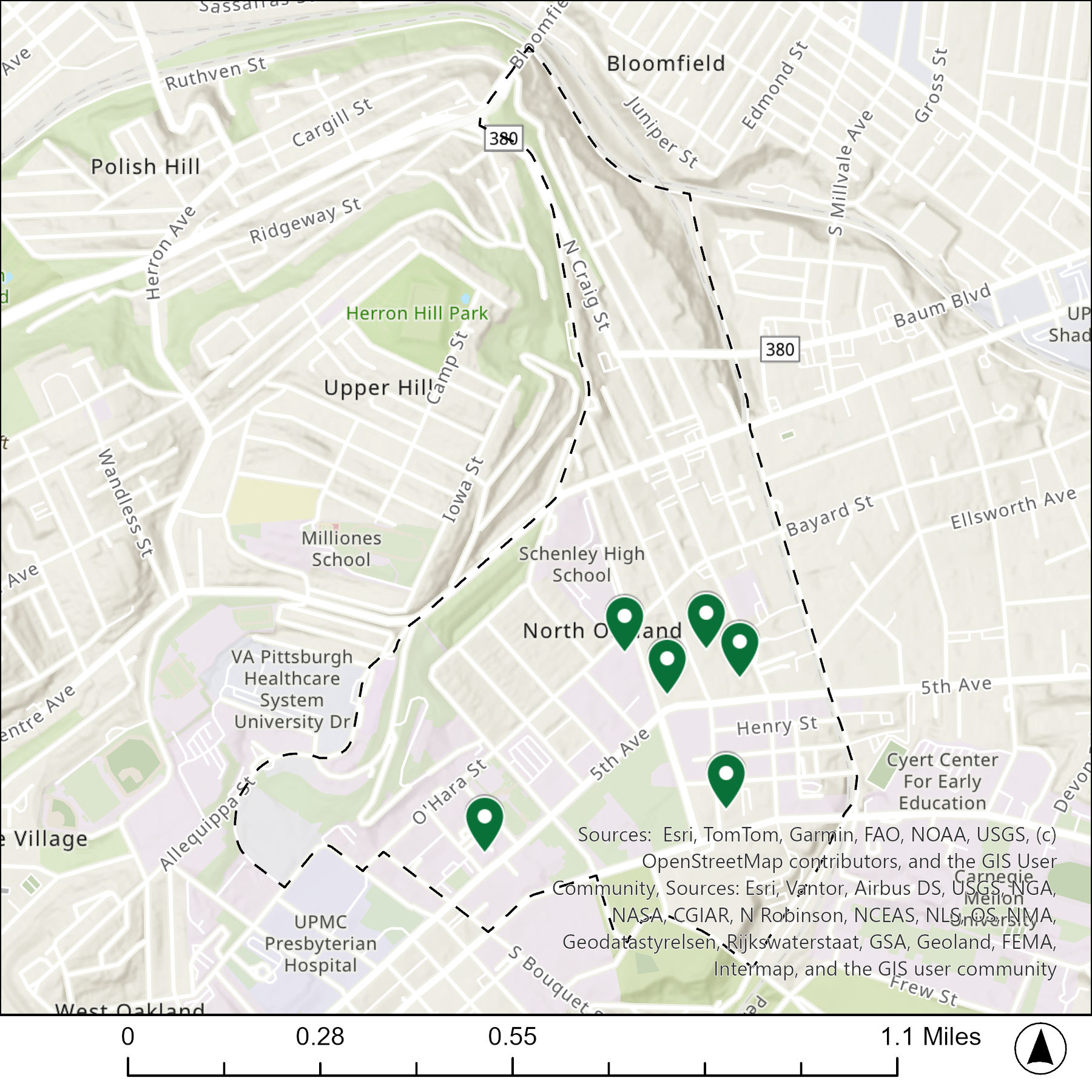
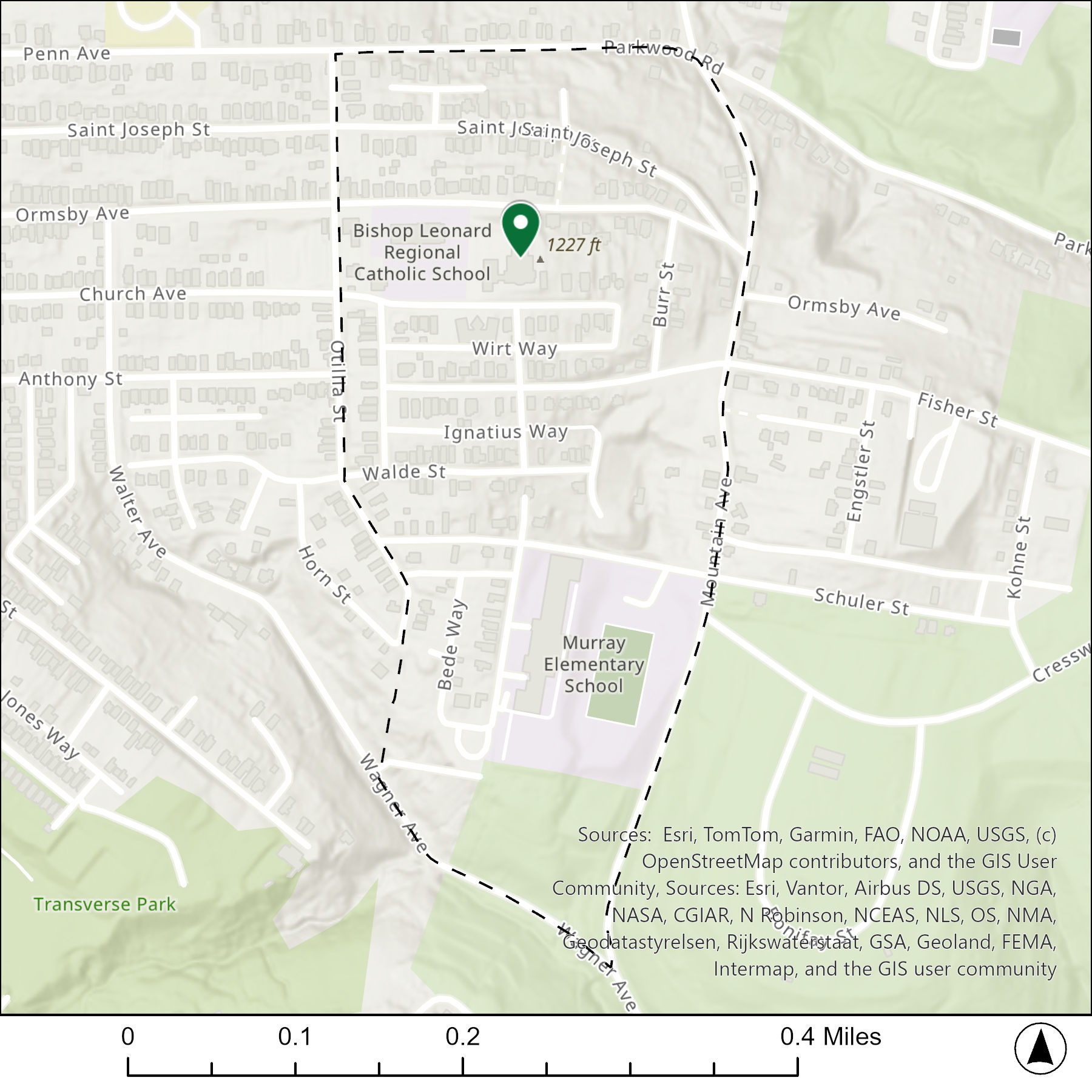
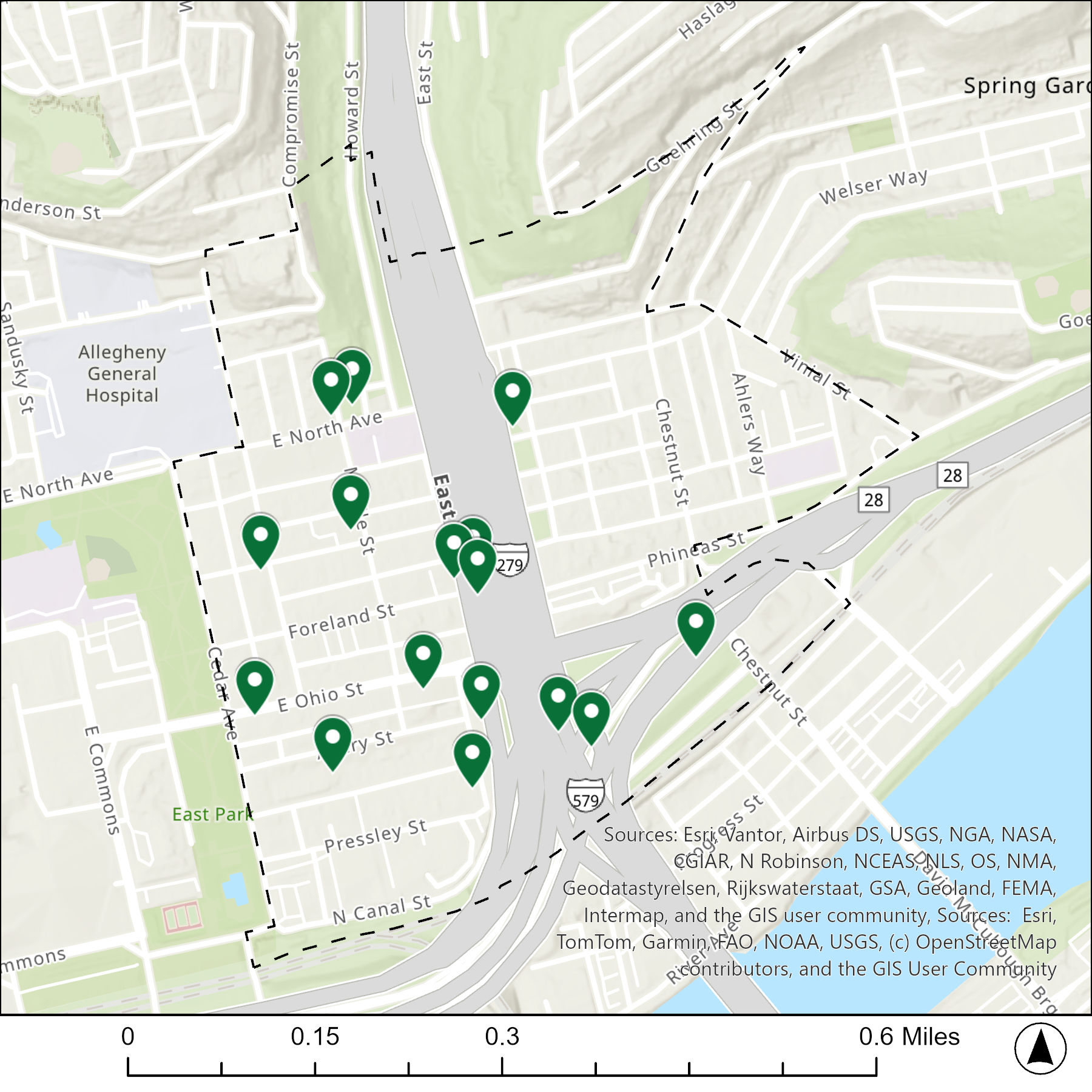
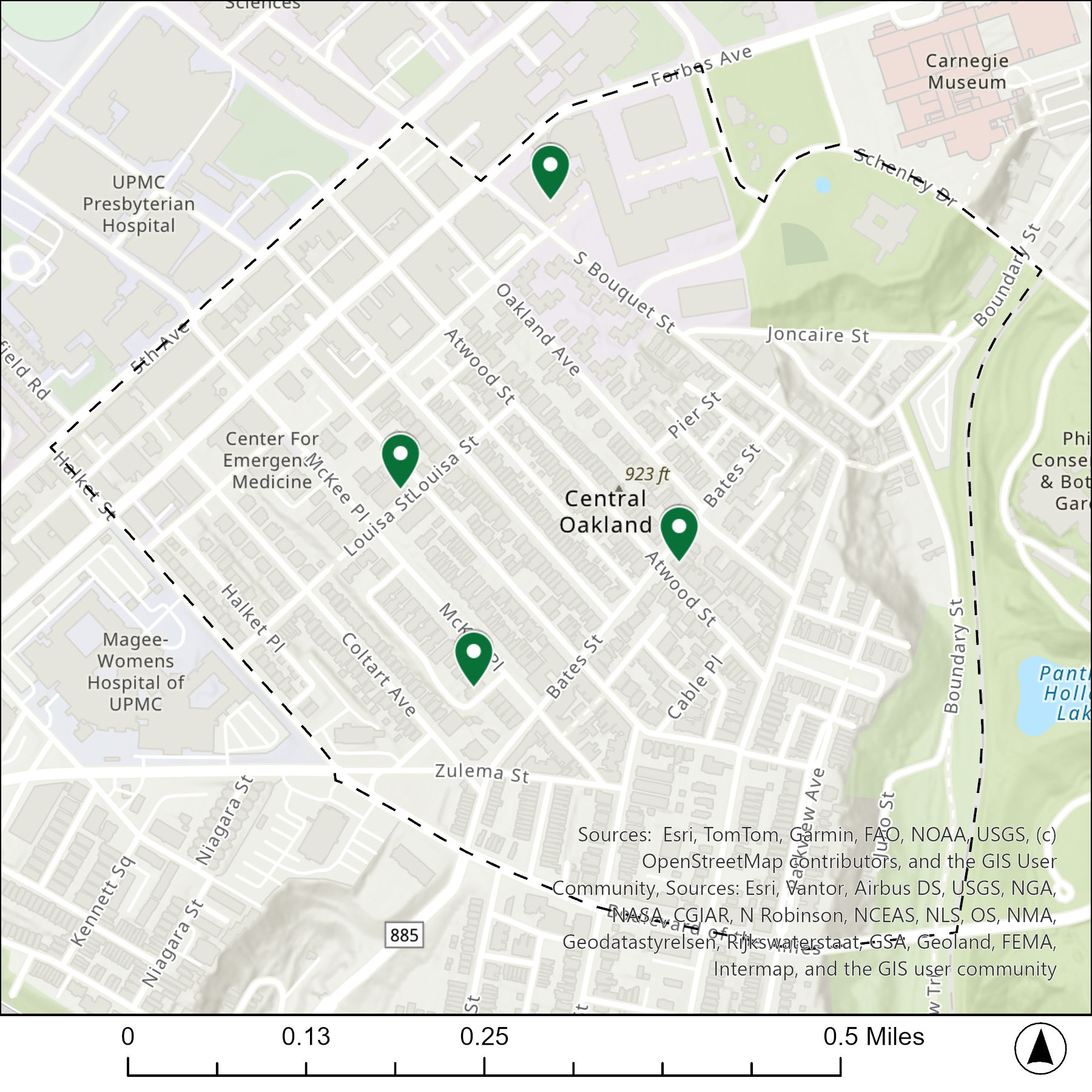
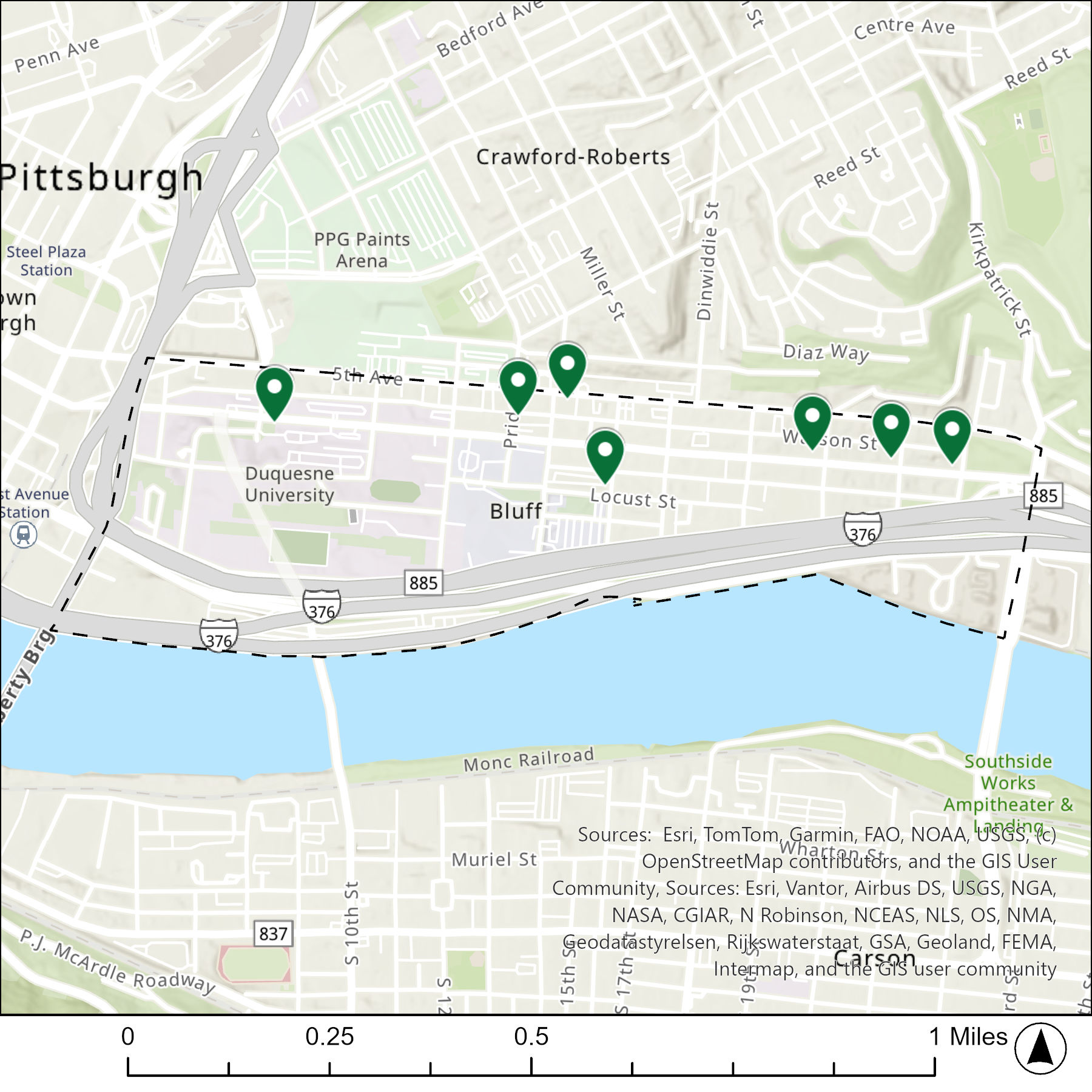
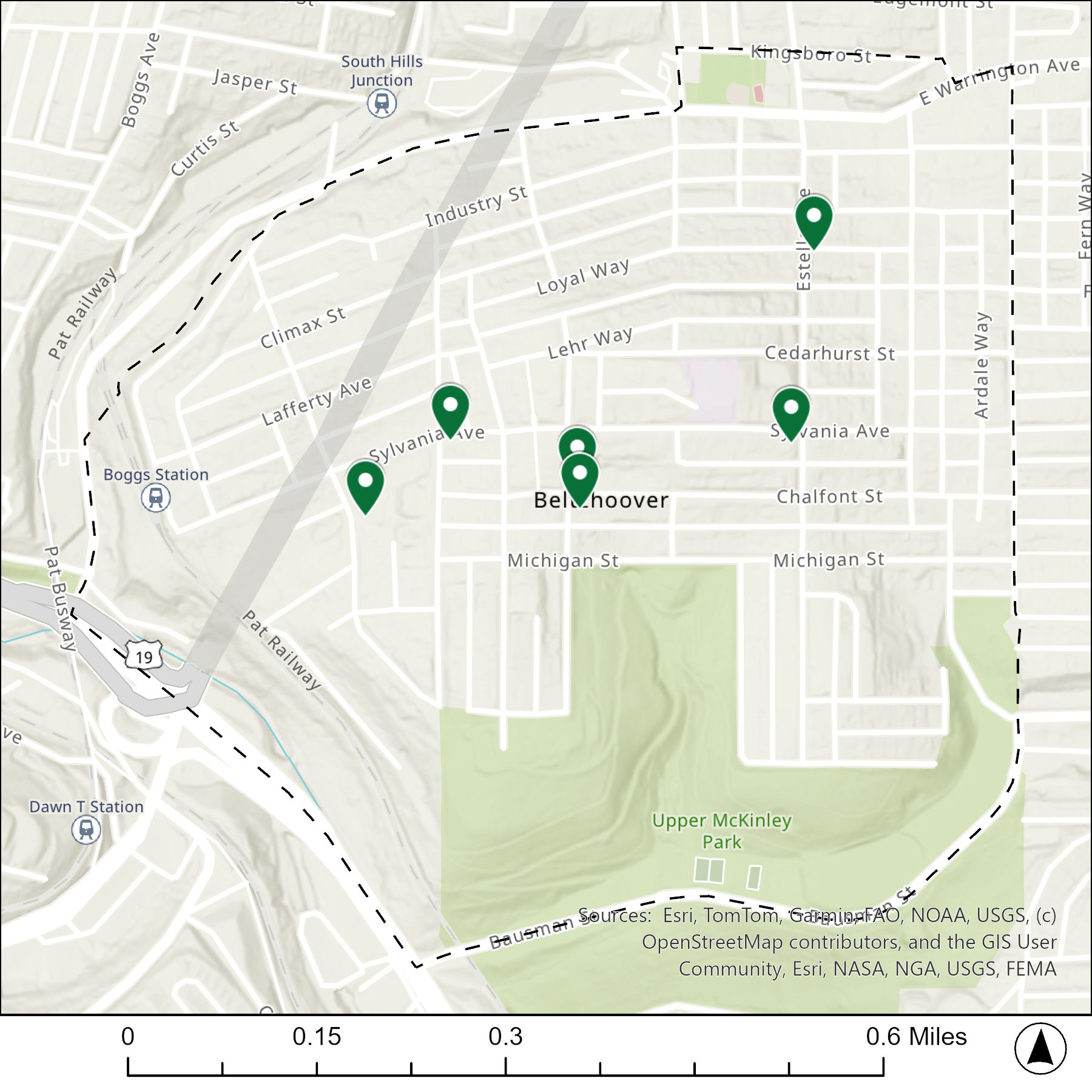
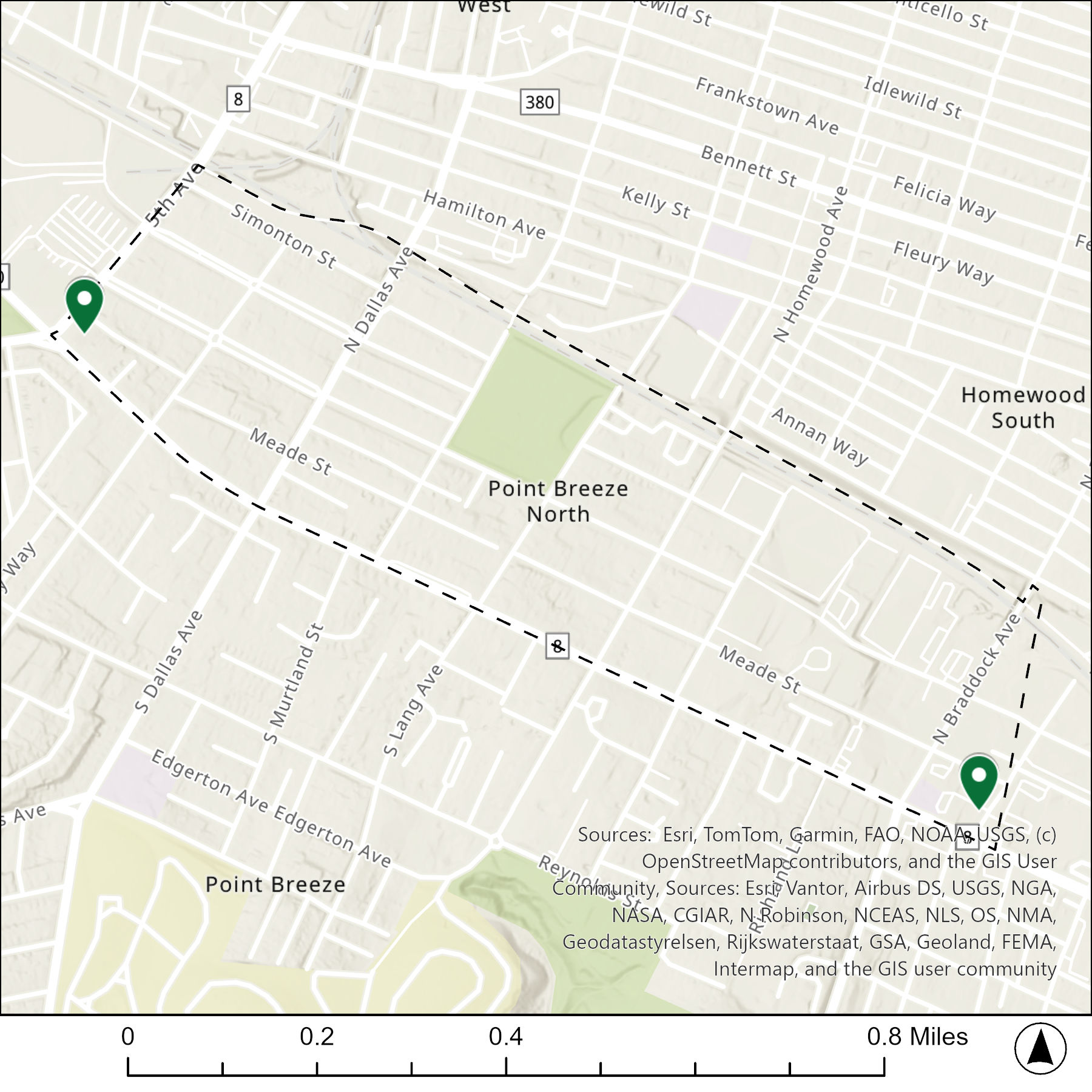
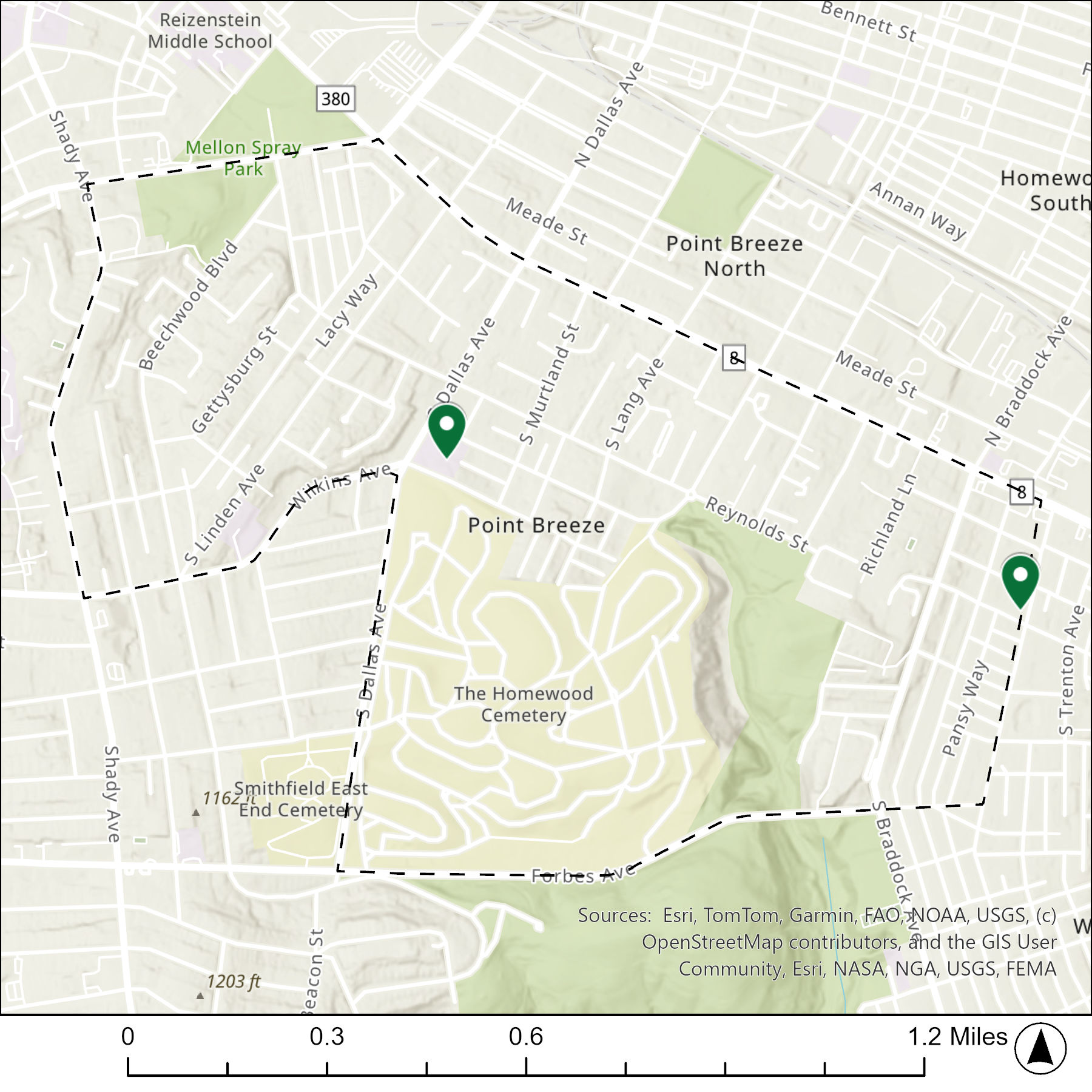
The map below shows the locations of the 5 congregations listed in the 1926 directory for Allentown (the dotted line marks the neighborhood boundary).
What are they now?

The table below matches the 5 congregations listed in the 1926 directory with the current use of the site.

1926 Congregation NameBy 2026 the Congregation’s Building is:
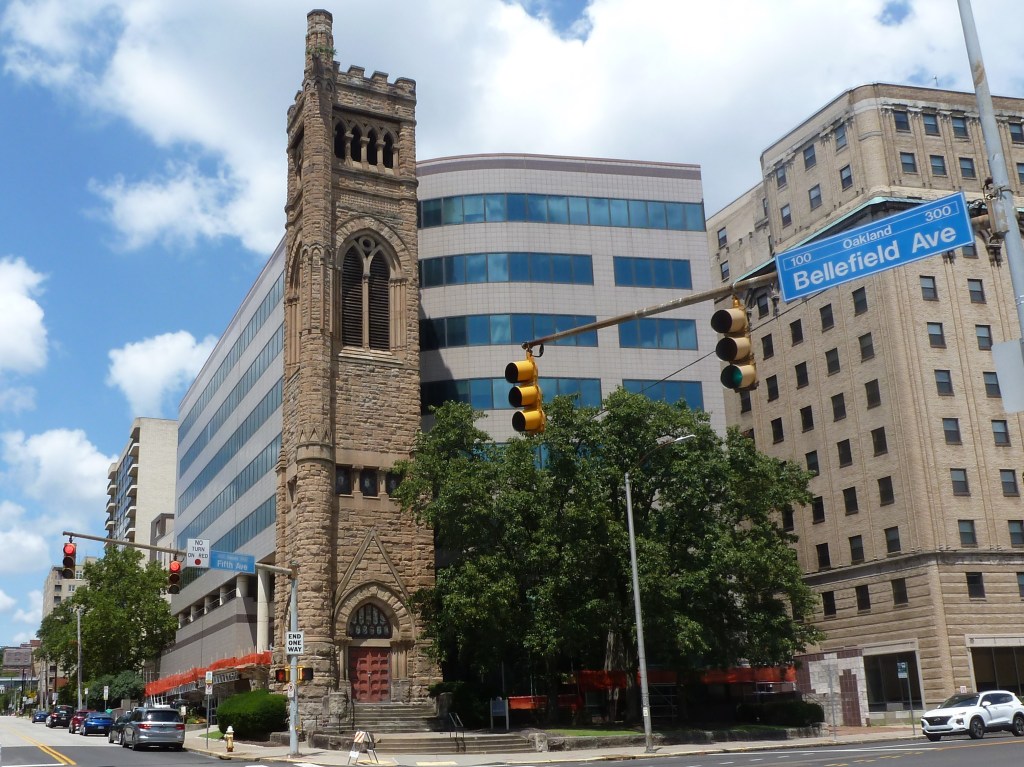
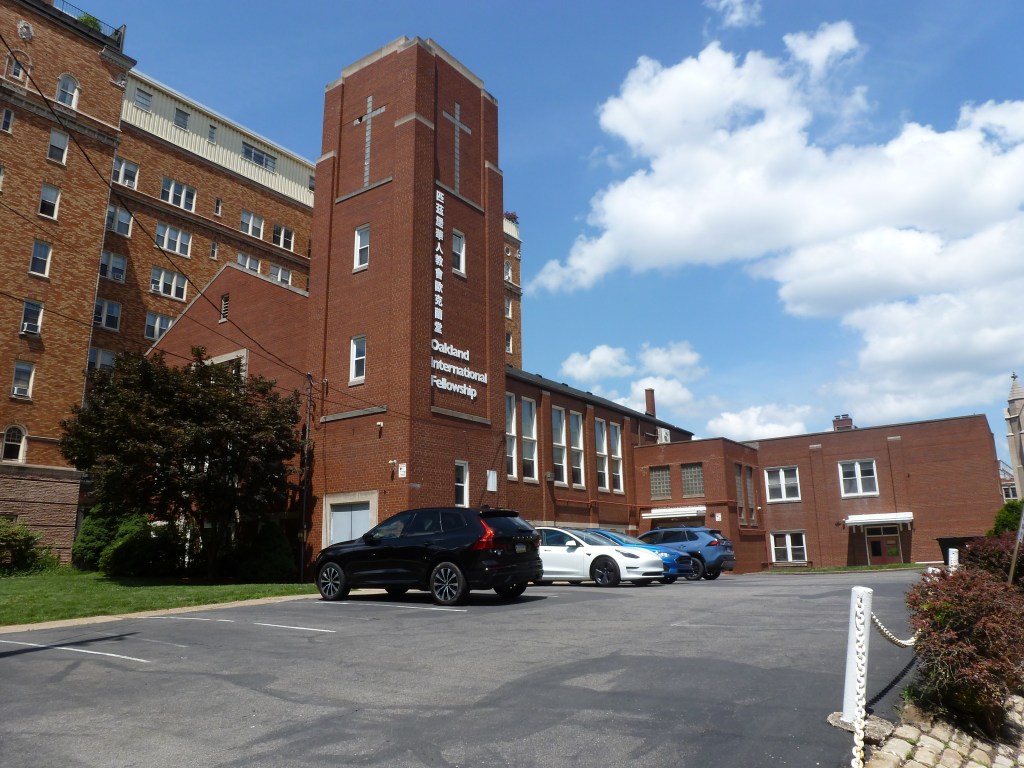
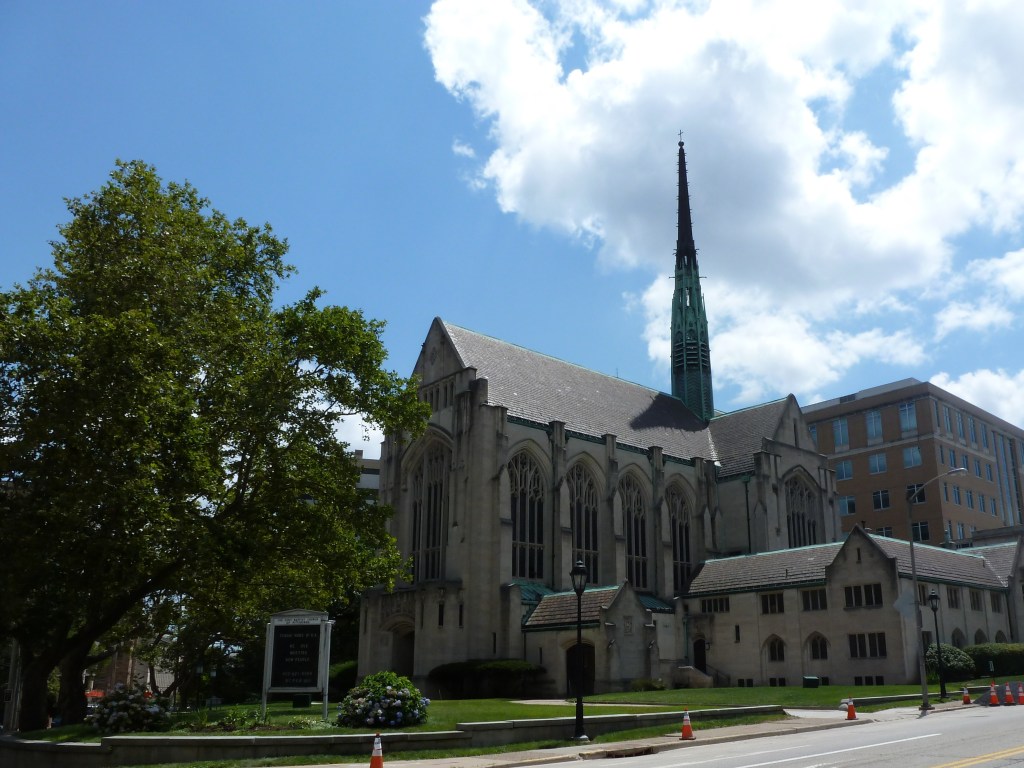
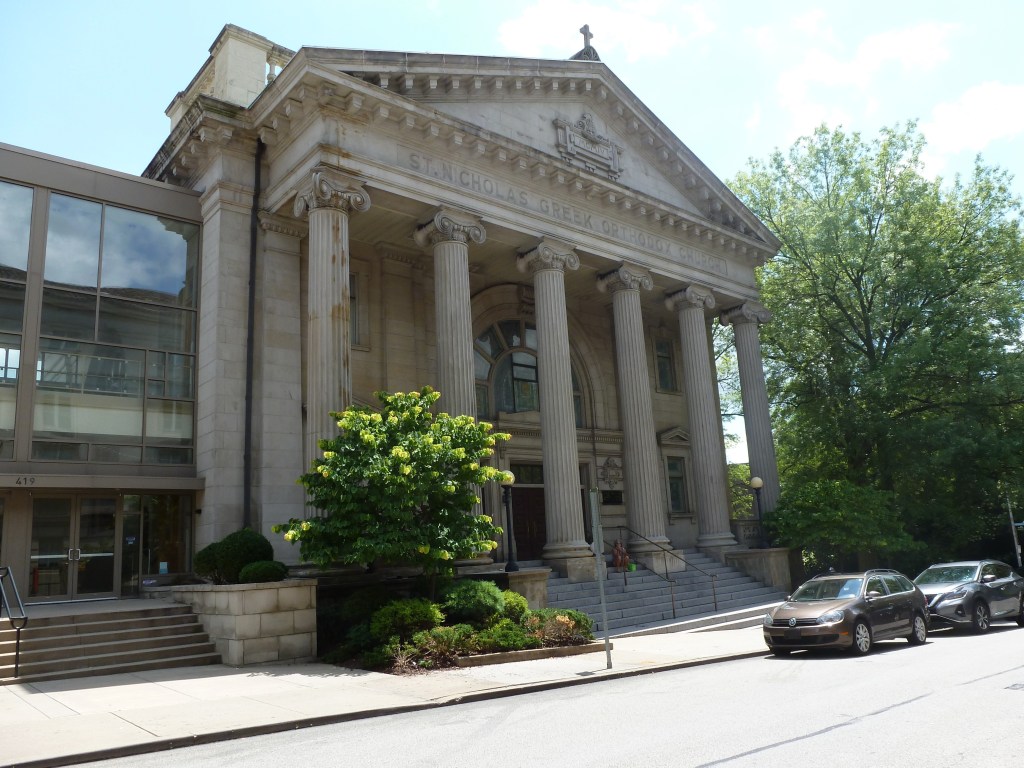
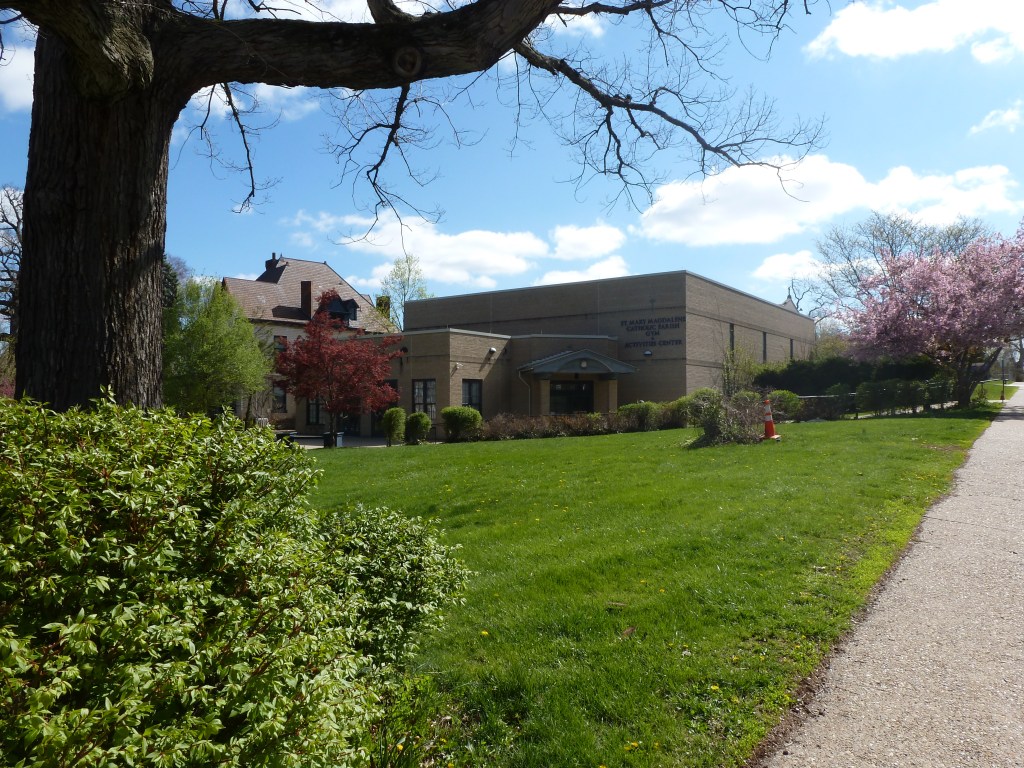
Bethlehem Lutheran Evangelical Churchconverted to a community center
First Methodist Episcopal Churchdemolished
Progressive Spiritualists Churchreplaced with a parking lot
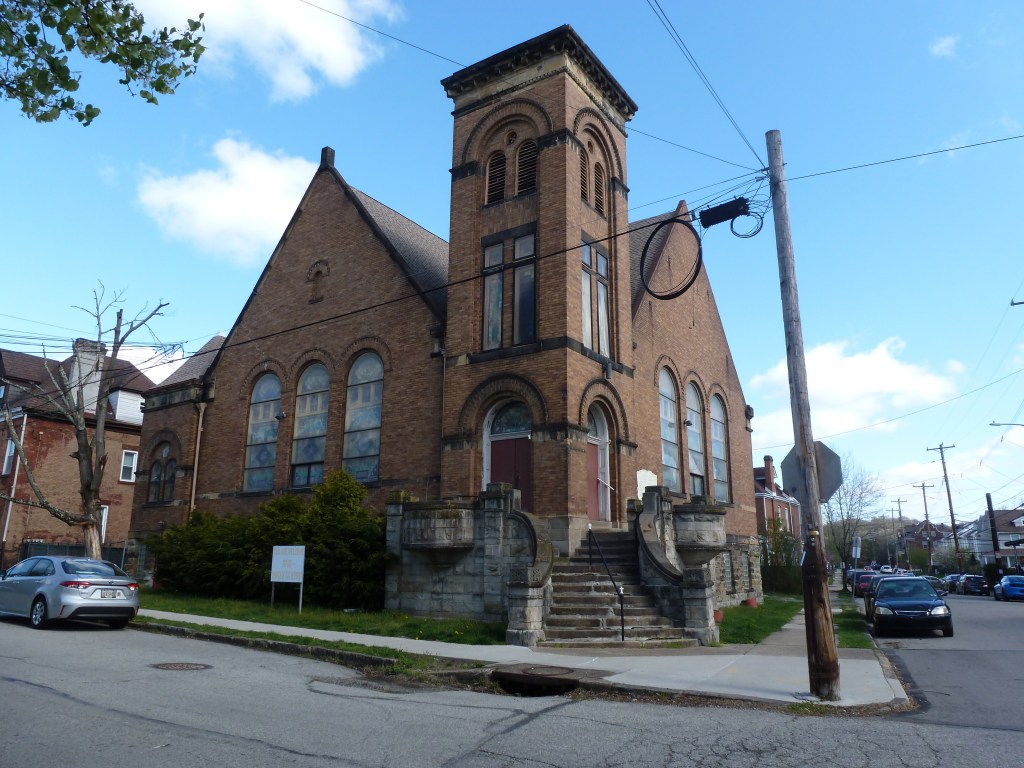
St. George (German) Catholic Churchvacant
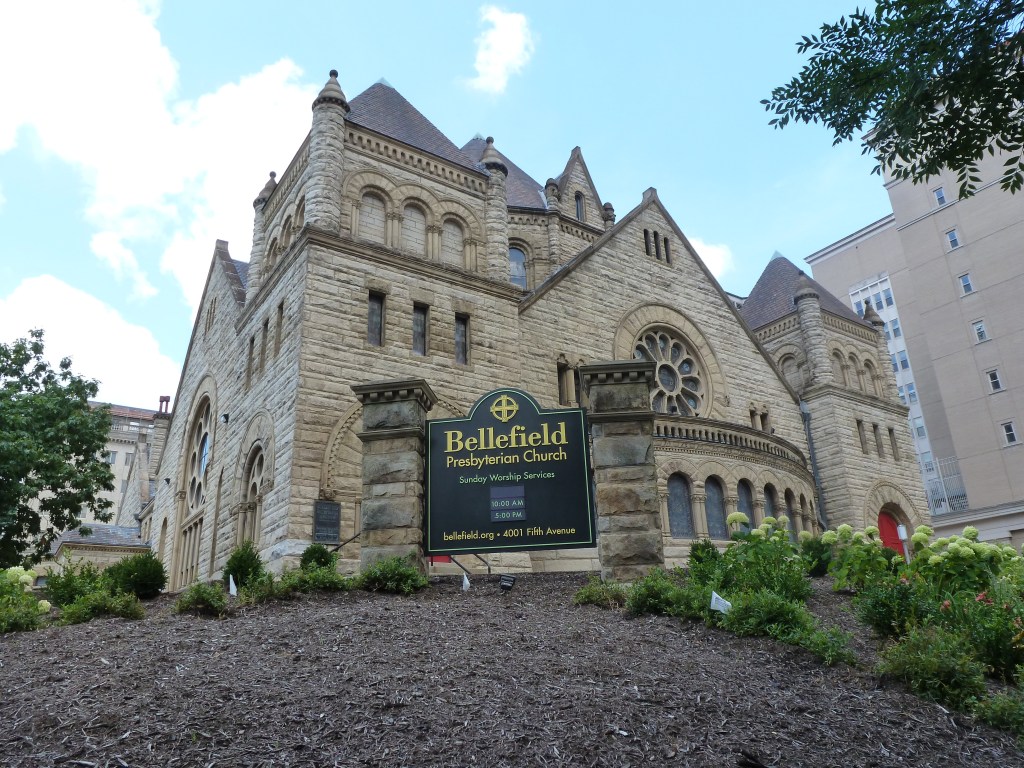
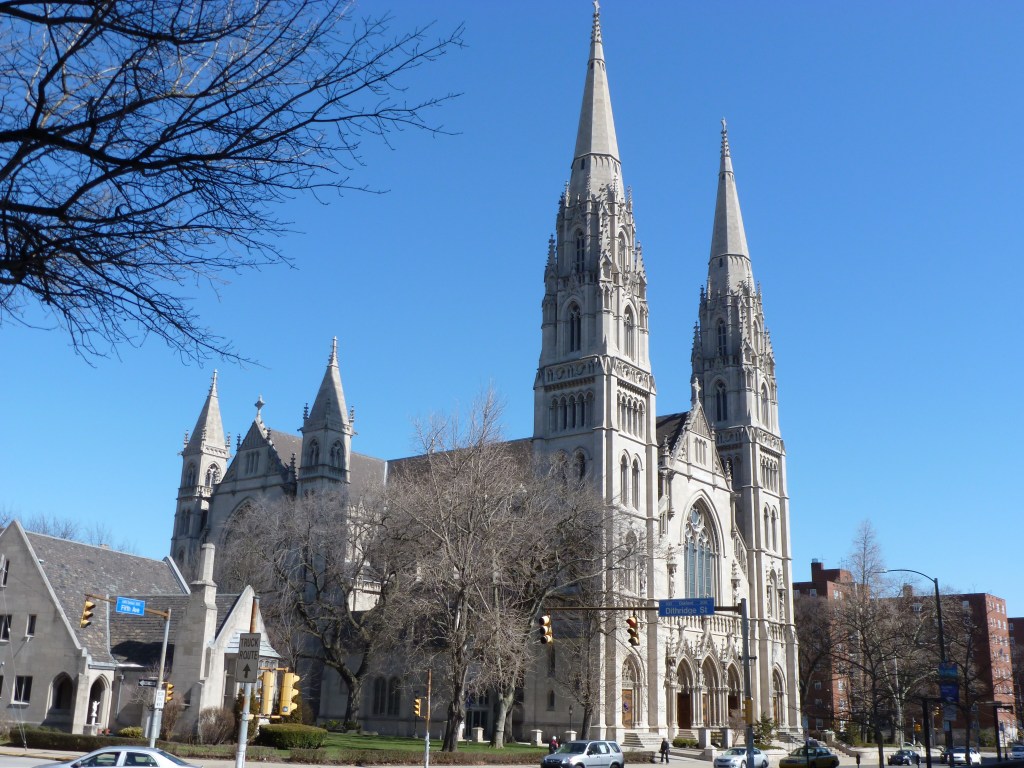
Trinity Methodist Episcopalchanged to a different religious institution

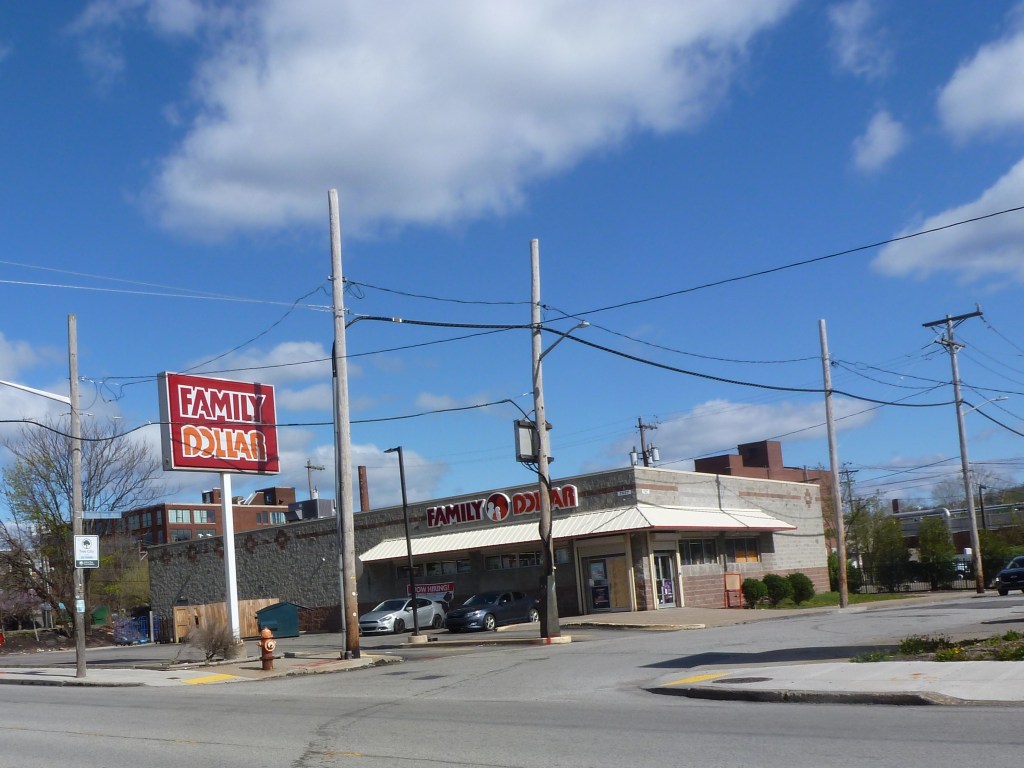
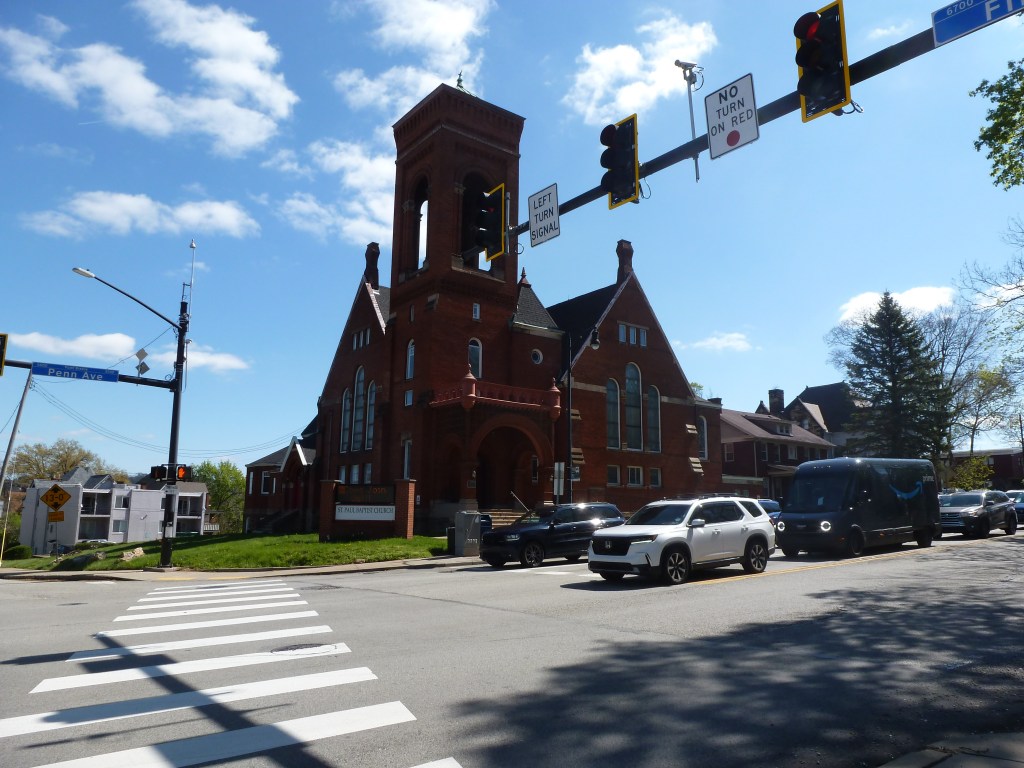
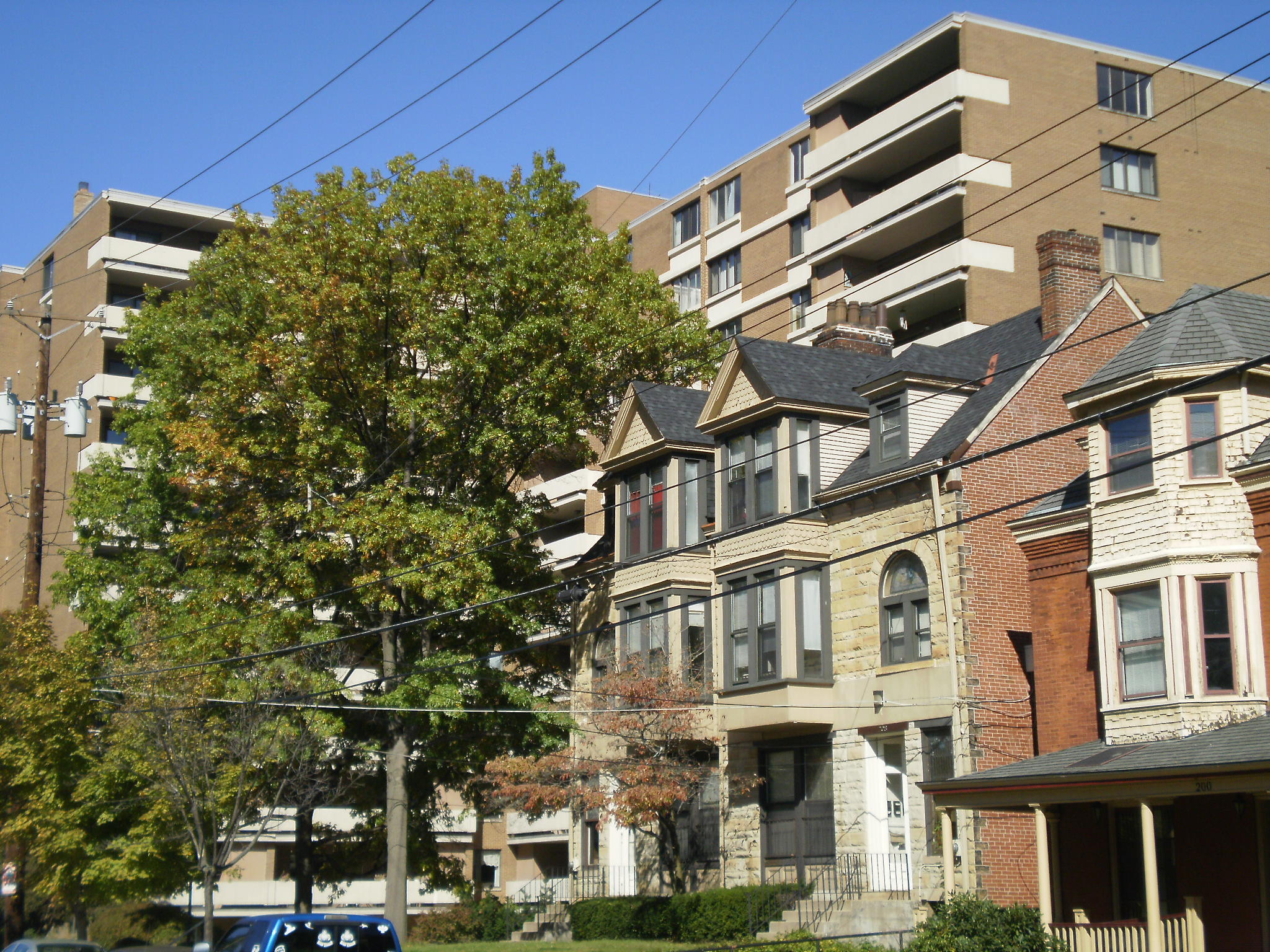
Photos


For more on this series, visit our introductory post.


Sources:

Polk’s Pittsburgh City Directory, 1926. Pittsburgh: R. L. Polk & Co. https://digital.library.pitt.edu/islandora/object/pitt%3A31735056286846/viewer#page/4/mode/1up
Then & Now 1926-2026: Allegheny West Religious Buildings

View of West North Avenue, Allegheny West

Allegheny West Neighborhood

Allegheny West is a neighborhood that features a blend of stability and destruction in its built environment.

Allegheny City’s Millionaires Row once occupied this part of town. It is a dense neighborhood, with a mix of uses. While the houses are frequently attached, many have front porches that provide a buffer from the street. Architectural ornamentation is common and the sidewalks are often paved in brick.

Parts of the neighborhood were impacted by “urban renewal.” The southern portion, between Ridge Avenue and the railroads, was designated as a “renewal” area on behalf of the community college. In 1970, the project was just getting started. It was projected that 10 families and 25 individuals would need to be relocated to make way for the community college campus. A few other areas of the neighborhood north of Ridge Avenue have also seen block-scale demolition and redevelopment into parking lots, warehouses, and a fast food restaurant.

One of the buildings from the congregations listed in the 1926 Polk Directory was lost through these smaller demolition/redevelopments. The other two buildings remain intact with the same congregations.

Neighborhood Statistics (Out of 70 in this Series)

  • 68th largest by acreage
  • 45th highest number of sites (multi-way tie)
  • 16th most sites/acre

Locations

The map below shows the locations of the 3 congregations listed in the 1926 directory for Allegheny West (the dotted line marks the neighborhood boundary).

What are they now?

The table below matches the 3 congregations listed in the 1926 directory with the current use of the site.

1926 Congregation NameBy 2026 the Congregation’s Building is:
Calvary Methodist Episcopal Churchstill Calvary Methodist Episcopal Church
Emmanuel Episcopal Churchstill Emmanuel Episcopal Church
North Presbyterian Churchreplaced with a parking lot

Photos


For more on this series, visit our introductory post.


Sources:

Pittsburgh Department of City Planning. A Development and Renewal Program for Pittsburgh, Summary Documentation, Pittsburgh Community Renewal Program. Pittsburgh, 1970. https://pittsburgharchives.access.preservica.com/uncategorized/IO_d1f07da0-9303-4aee-a162-04c83a0eaaa0/

Polk’s Pittsburgh City Directory, 1926. Pittsburgh: R. L. Polk & Co. https://digital.library.pitt.edu/islandora/object/pitt%3A31735056286846/viewer#page/4/mode/1up
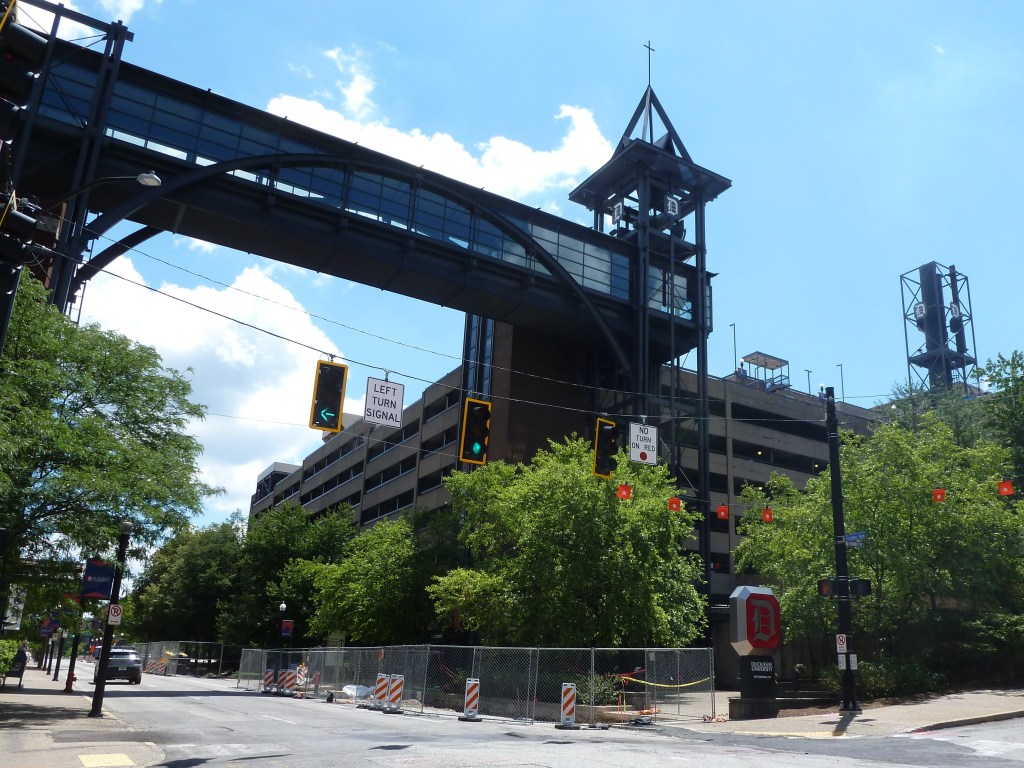
Then & Now 1926-2026: Allegheny Center Religious Buildings

View of the pedestrian mall, Allegheny Center

Allegheny Center Neighborhood

Reconstructing a neighborhood that has been almost completely reconfigured is difficult. Pittsburgh’s Allegheny Center neighborhood was once the center of Allegheny City, which was annexed by Pittsburgh in 1907. In the 1800s and first half on the 1900s, the heart of this bustling city was 36 blocks of dense, walkable, mixed-use activity. Most of the buildings and streets of these blocks were erased in the 1960s and 1970s when the City of Pittsburgh and the Urban Redevelopment Authority led a major, federally-funded, “urban renewal” project in the neighborhood. Four existing streets were converted into a one-way ring road, while most of the other streets were erased or converted to pedestrian plazas. The buildings were mostly demolished and replaced by parking lots and mid- to high-rise buildings within the ring road and parking lots and housing complexes outside the ring road.

To facilitate this “renewal,” 376 families, 1161 individuals, and 598 businesses were relocated outside the neighborhood by 1970. Unsurprisingly, given the scope and extent of this displacement in the name of renewal, only one of the buildings used by the 22 congregations listed in the 1926 directory survives. What is surprising is that a former parish house survives, which helped locate the former locations of several of the church buildings that used to sit nearby.

Neighborhood Statistics (Out of the 70 in this series)

  • 64th largest by acreage
  • 4th highest number of religious sites
  • 2nd most sites/acre

Locations

The map below shows the locations of the 22 congregations listed in the 1926 directory for Allegheny Center (the dotted line marks the neighborhood boundary). Note that there are only 20 pins because three congregations apparently shared the same space.

What are they now?

The table below matches the 22 congregations listed in the 1926 directory with the current use of the site.

1926 Congregation NameBy 2026 the Congregation’s Building is:
Arch Street Methodist Episcopal Churchreplaced with a parking lot
Central Presbyterian Churchreplaced with a community service building
Central Reformed Presbyterian Churchreplaced with a housing complex
Christ Episcopal Churchreplaced with a community service building
Church of the Soulreplaced with a parking lot
First Protestant Methodist Churchreplaced with a housing complex
First United Presbyterian Churchreplaced with a parking lot
First Allegheny Christian Churchreplaced with a small scale hospital
First Presbyterian Church of Alleghenyreplaced with a housing complex
Fourth United Presbyterian Churchreplaced with a park (tennis and basketball courts)
Fourth Spiritualistsreplaced with a parking lot
Gospel Tabernacle replaced with a parking lot
Metropolitan Church Missionreplaced with a parking lot
Ohio Street Episcopal Methodist Churchreplaced with a housing complex
Pentecostal Missionreplaced with a apartment building
Sandusky Street Baptist Churchreplaced with a parking lot
Second United Presbyterian Churchreplaced with a commercial building
Spiritualist Church of Truthreplaced with a housing complex
St. Cyprian Catholic Churchreplaced with a housing complex
St. Paul’s Evangelical Lutheran Churchreplaced with a school baseball diamond
St. Peter Catholic Churchstill St. Peter Catholic Church
Trinity Lutheran Churchreplaced with a commercial building

Photos


For more on this series, visit our introductory post.


Sources:

Pittsburgh Department of City Planning. A Development and Renewal Program for Pittsburgh, Summary Documentation, Pittsburgh Community Renewal Program. Pittsburgh, 1970. https://pittsburgharchives.access.preservica.com/uncategorized/IO_d1f07da0-9303-4aee-a162-04c83a0eaaa0/

Polk’s Pittsburgh City Directory, 1926. Pittsburgh: R. L. Polk & Co. https://digital.library.pitt.edu/islandora/object/pitt%3A31735056286846/viewer#page/4/mode/1up
What do you do with an Empty Pool?…

…Turn it into an art gallery, of course.

As I am preparing to shift the focus of my blog from bridges to adaptive reuse (particularly of church buildings), the timing coincides well with that of a project by an enterprising group of people in Pittsburgh.  The Leslie Pool in Pittsburgh’s Lawrenceville neighborhood is one of many city pools that were closed in recent years.  A group of people formed the LESLIE Park Collaborative (see their Facebook page) to re-imagine how the space could be used.  The current solution is an outdoor art gallery called Project: Lido.
An announcement for the opening reception on the group’s Facebook page called the event “a pool party…minus the water.”  The reception was Aug. 30, but the gallery will be open to the public on Sundays starting Sept. 16.

“What do you do with an empty pool?” is an interesting question.  It poses different and, in some respects, perhaps greater challenges than adapting a church building to a new use, particularly the fact that it is outside which means it is not easy to use in the winter time.  However, the art gallery is just one of the new uses presented for this pool.  A 2010 article discusses the first event at the Leslie Pool (an Accordion Pool Party) as well as other ideas being circulated at the time.  It will be interesting to what happens at this site next.