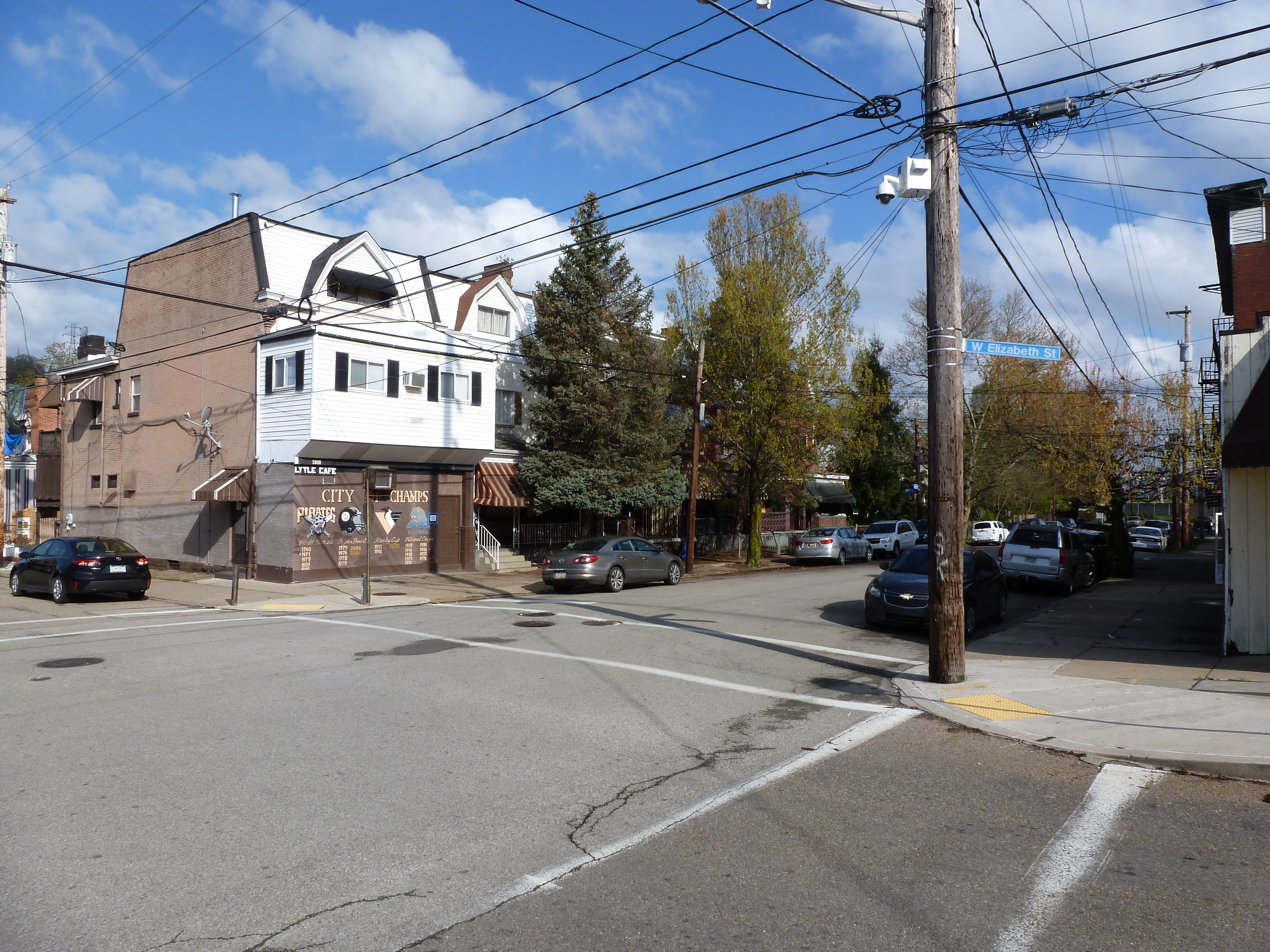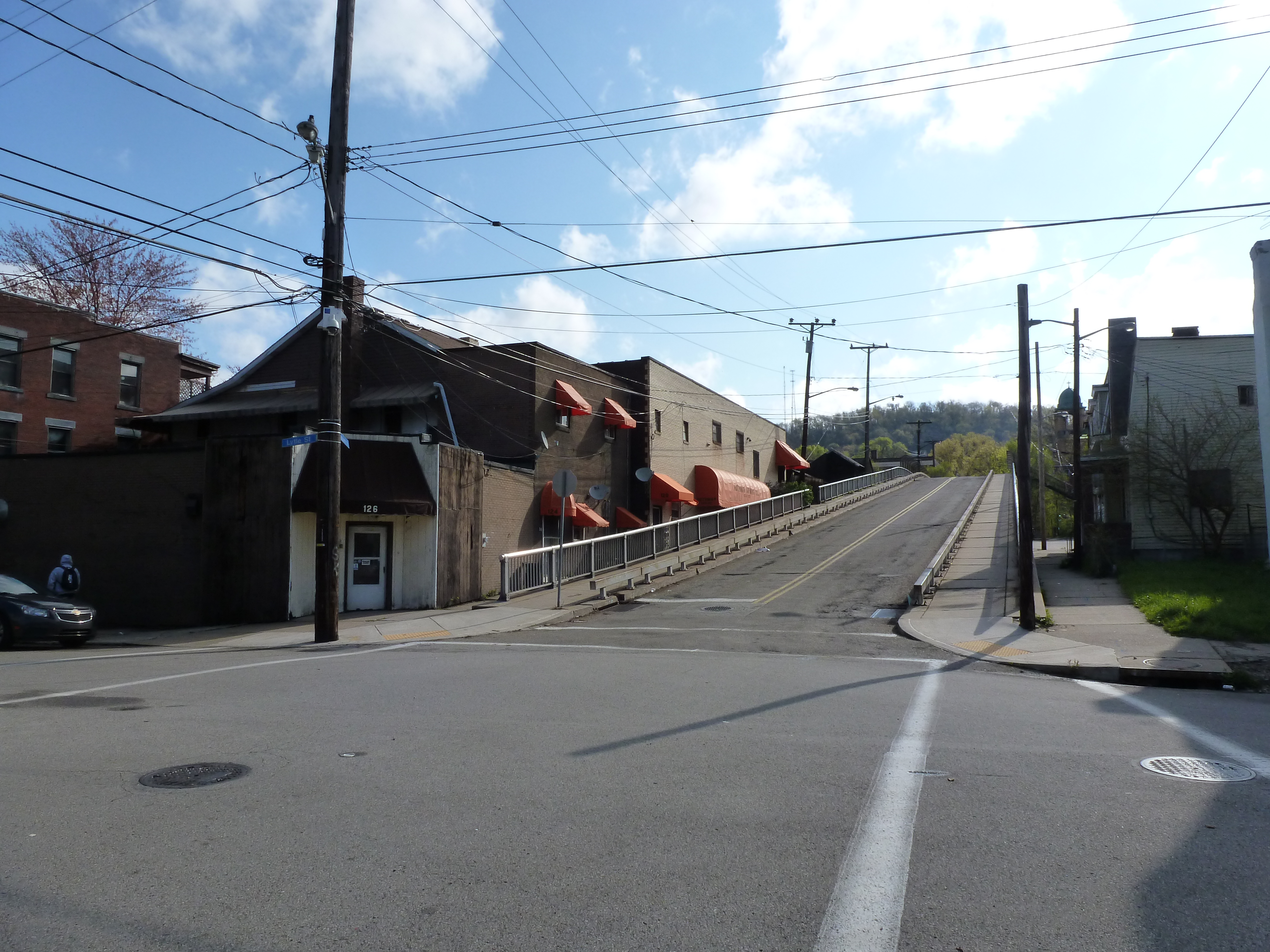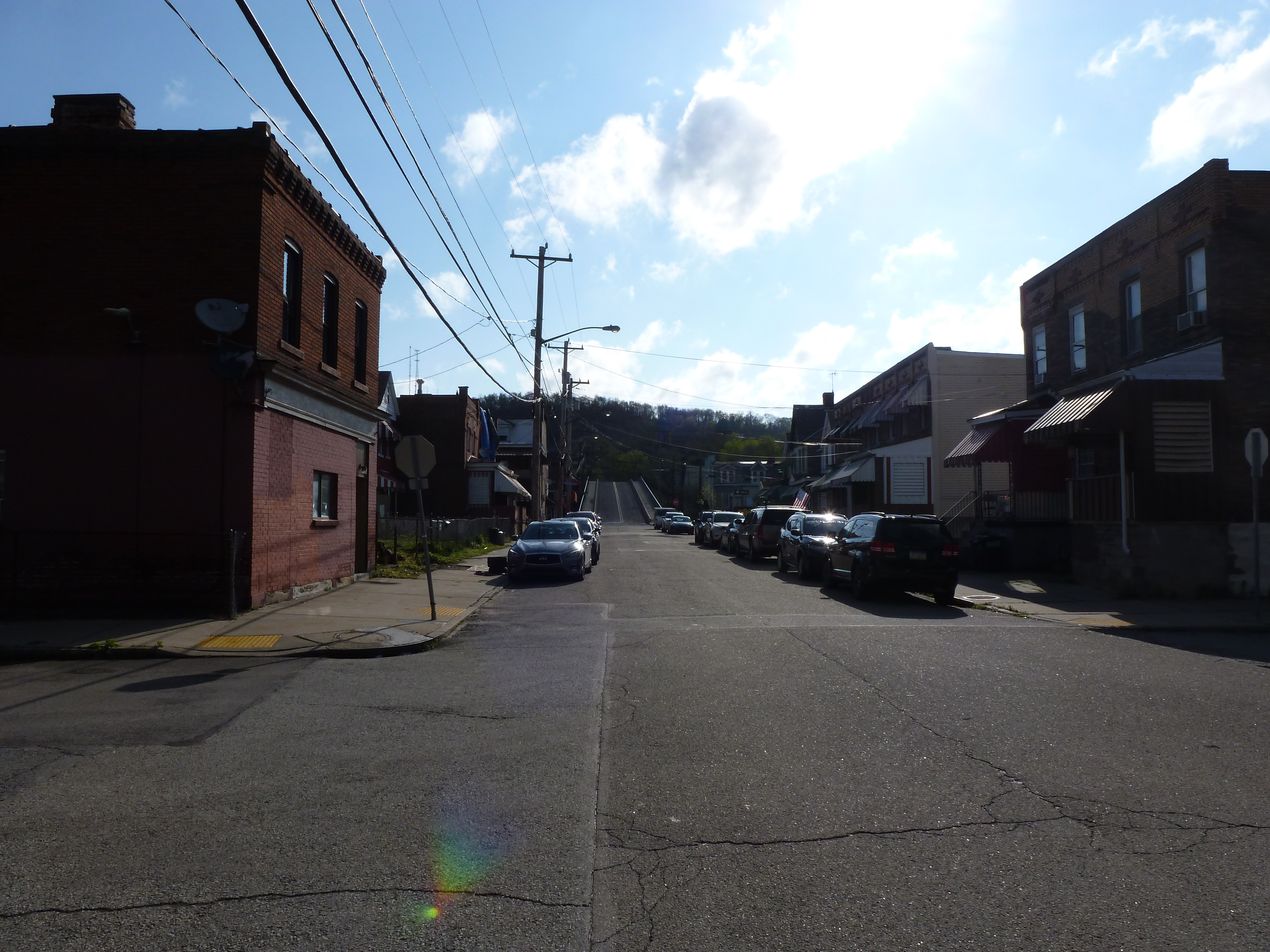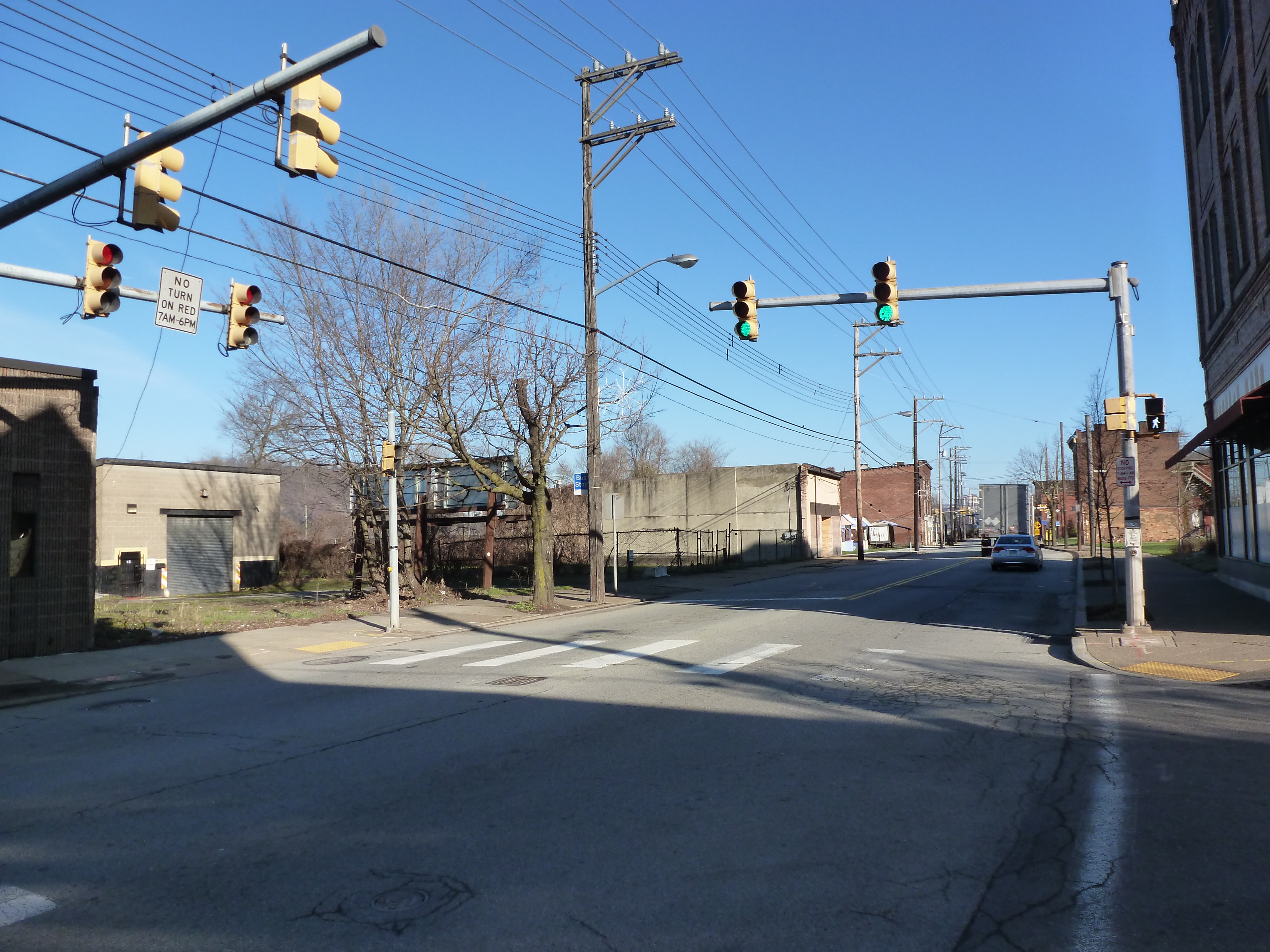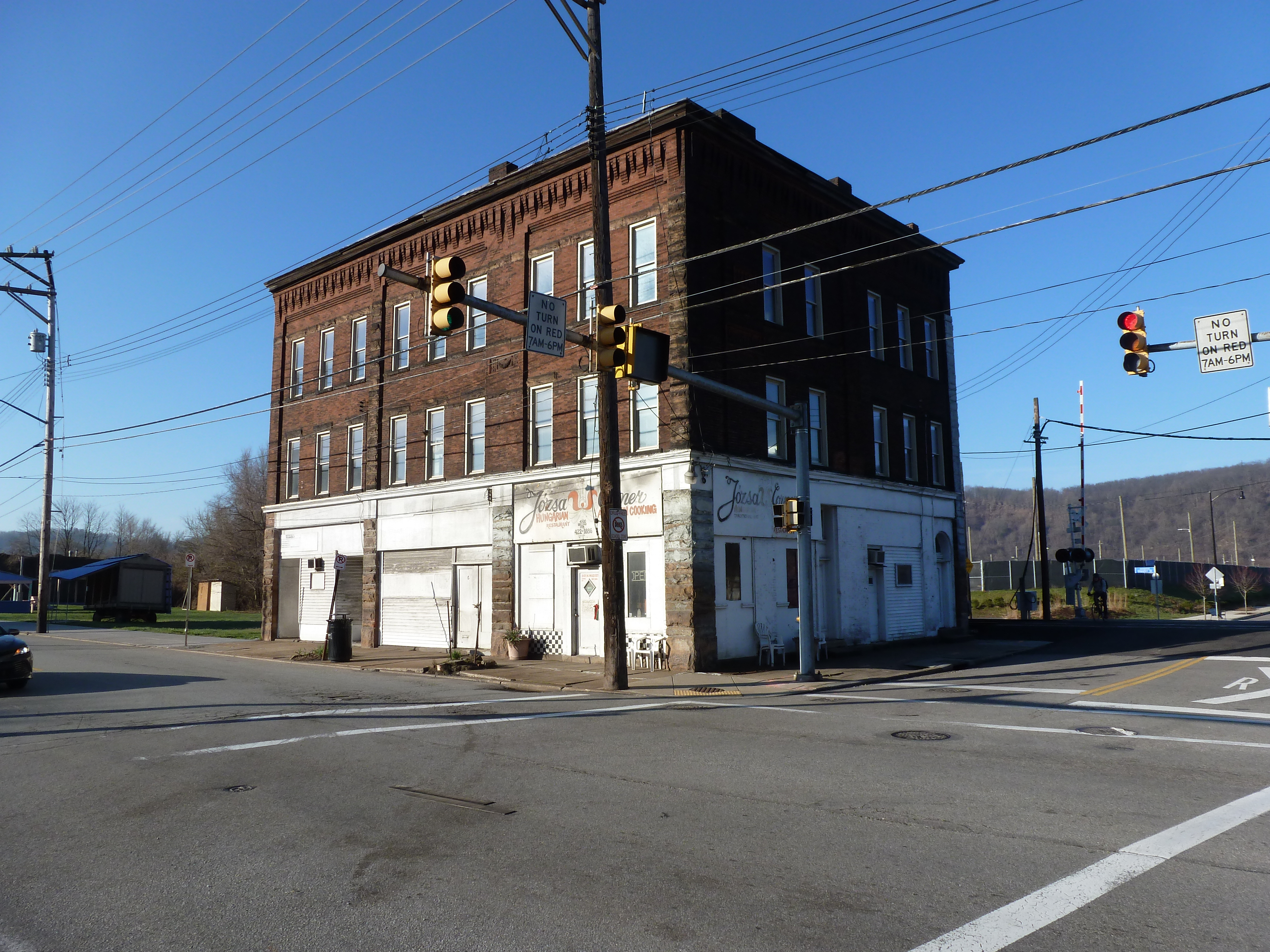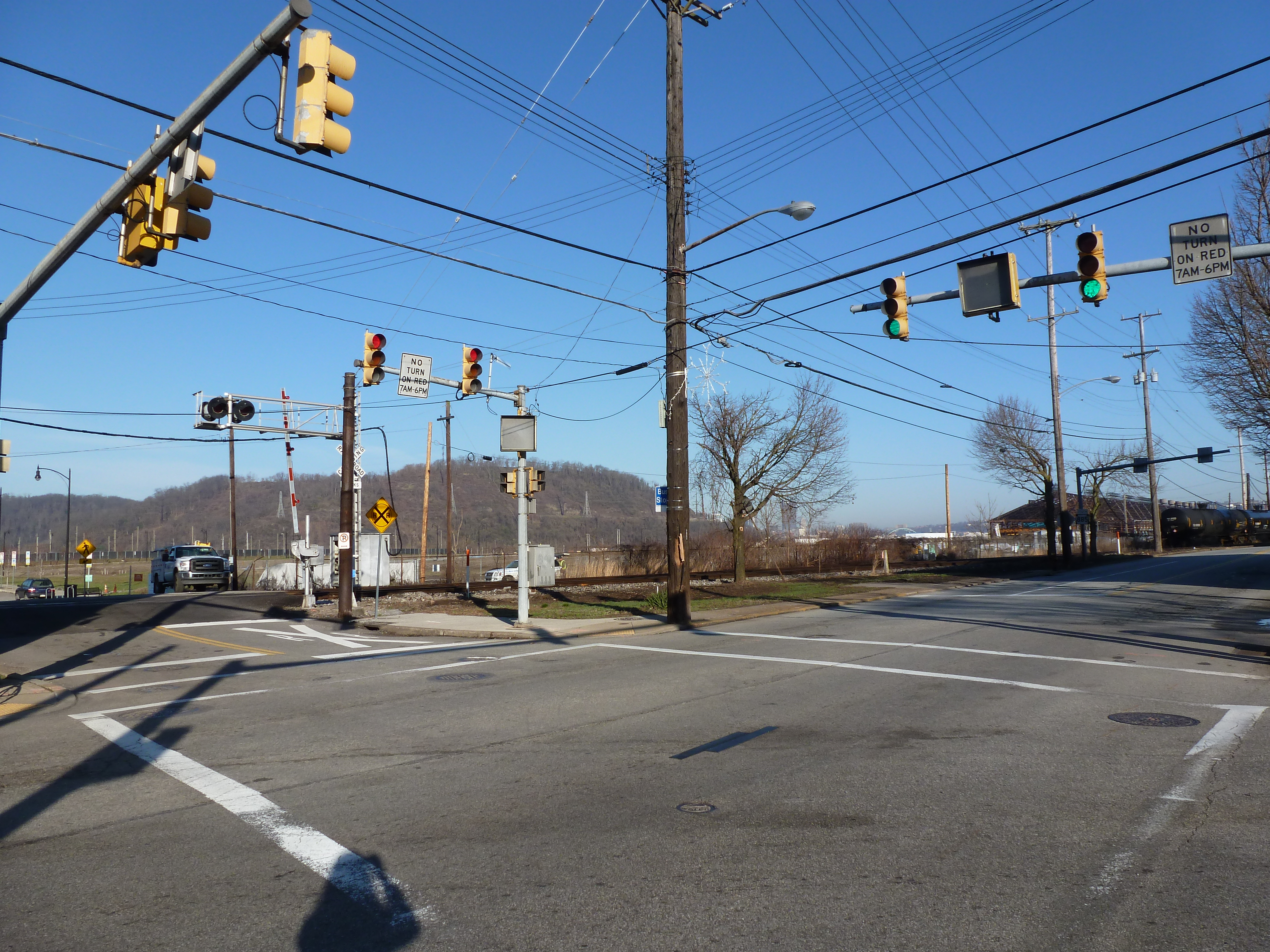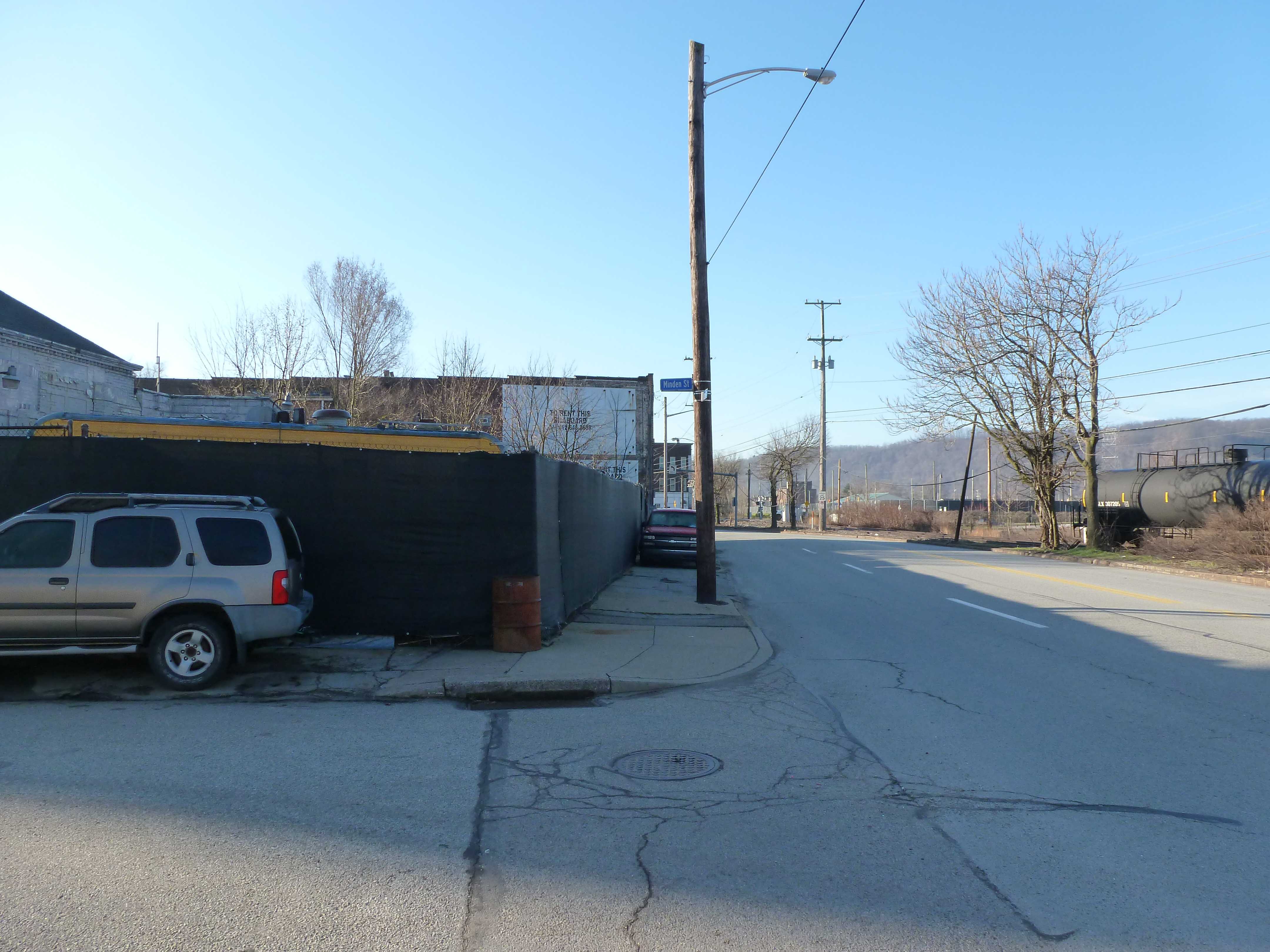
What is a Bridge? Bethlehem Edition II

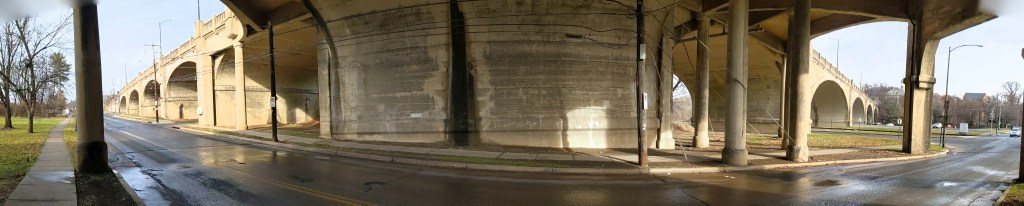
Looking back at the original intent of the Hill-to-Hill Bridge and comparing it to its use today, I find myself asking a new question: what is the purpose of a bridge? The word bridge is often used metaphorically to describe something that brings two things together. At the same time, there is a running joke in Pittsburgh (the City of Bridges) that if it involves crossing a bridge, people would rather stay home. This conflict of ideas between a bridge as a connector and a bridge as a divider is illustrated by the Hill-to-Hill Bridge.

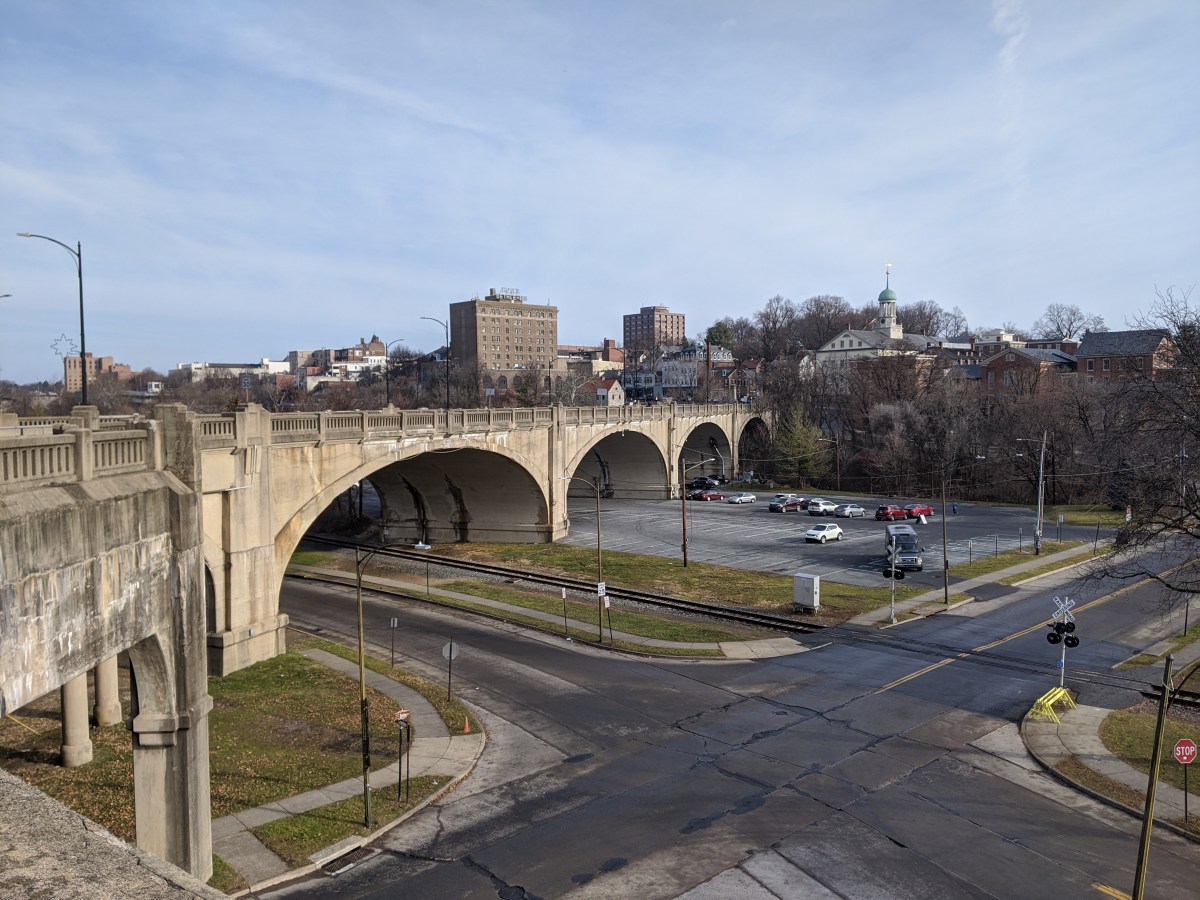
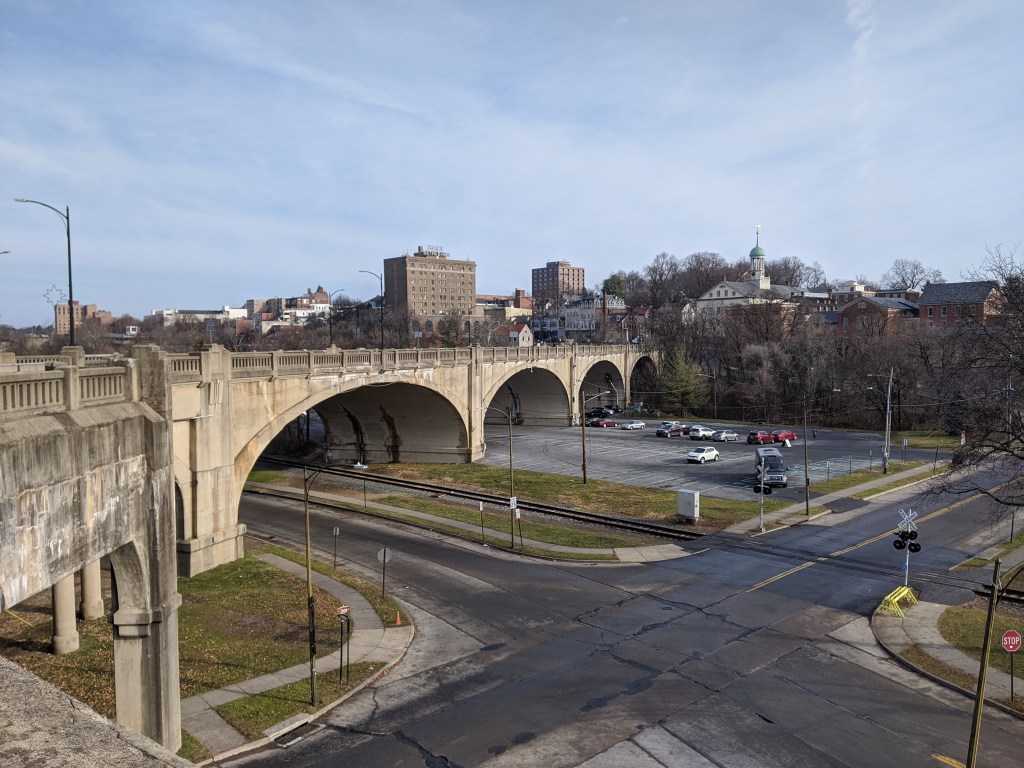
The Hill-to-Hill Bridge started out as a connector. A Y at the north end linked West Bethlehem and Bethlehem to the main span which connected to South Bethlehem. The ramps in-between connected the neighborhoods to the businesses on the flats by the water.* Over time, the priority on connection disappeared as the bridge was modified. Of the seven original approaches, three were demolished, one was permanently closed to through traffic, and one was changed to one-way traffic.

The explanations I came across for alterations to the bridge seem reasonable, but they do not tell the whole story.

  • Reason #1: Industry changed and shut down in Bethlehem as with other Rust Belt cities. Some of the business destinations connected to the bridge were among those that closed, removing the need for the connection.
  • Reason #2: Cars became bigger, faster, and more numerous, making it harder to navigate the tight turns on some of the approaches.

The story that is overlooked by these explanations is that in the 1960s a new highway was built from the north directly tying into the bridge. The introduction of high-speed traffic to the bridge, or to any roadway, certainly makes it less safe for local traffic.

As a result of the addition of the highway, instead of connecting the neighborhoods of West Bethlehem, Bethlehem, and South Bethlehem, the bridge funnels traffic directly toward the former steel mill, Lehigh University, and other points south. In fact, the residents of West Bethlehem are practically excluded from using the bridge to get anywhere, as the western ramp is closed to through traffic (though open to parking). To use the Hill-to-Hill Bridge to reach South Bethlehem, a resident of West Bethlehem would have to drive north several blocks to get on the highway going south. Alternately, a resident could go south by taking Spring Street, a road parallel to the western and eastern wings of the bridge, (by)passing under the main span, then skirting around the hill of historic downtown, and taking the Fahy Bridge instead.

People living and working in the historic downtown area (the Bethlehem neighborhood) are also now limited in their use of the bridge. If coming across the bridge from the south, they can take the eastern viaduct to enter the historic downtown, but to leave the area by way of the Hill-to-Hill Bridge, they would have to drive north to the same highway access point as the residents of West Bethlehem. They could alternately take the Fahy Bridge for a more direct route south.

Use of the bridge is a little easier as a pedestrian, though it is still the most challenging for residents of West Bethlehem. For pedestrians to access the bridge from the west, they would have to use the sidewalks on Spring Street, walk under the main span, and climb a towering staircase up to the sidewalks on the bridge. If they are not able to use the stairs, they could keep going on Spring Street up the hill to the eastern end of the viaduct. Once on the bridge, both the historic downtown and south side are accessible. Given the history of the bridge, I imagine that there once was a time when there were crosswalks at the intersection of the main span and the east and west spurs so that pedestrians had full use of the structure just as drivers would have had.

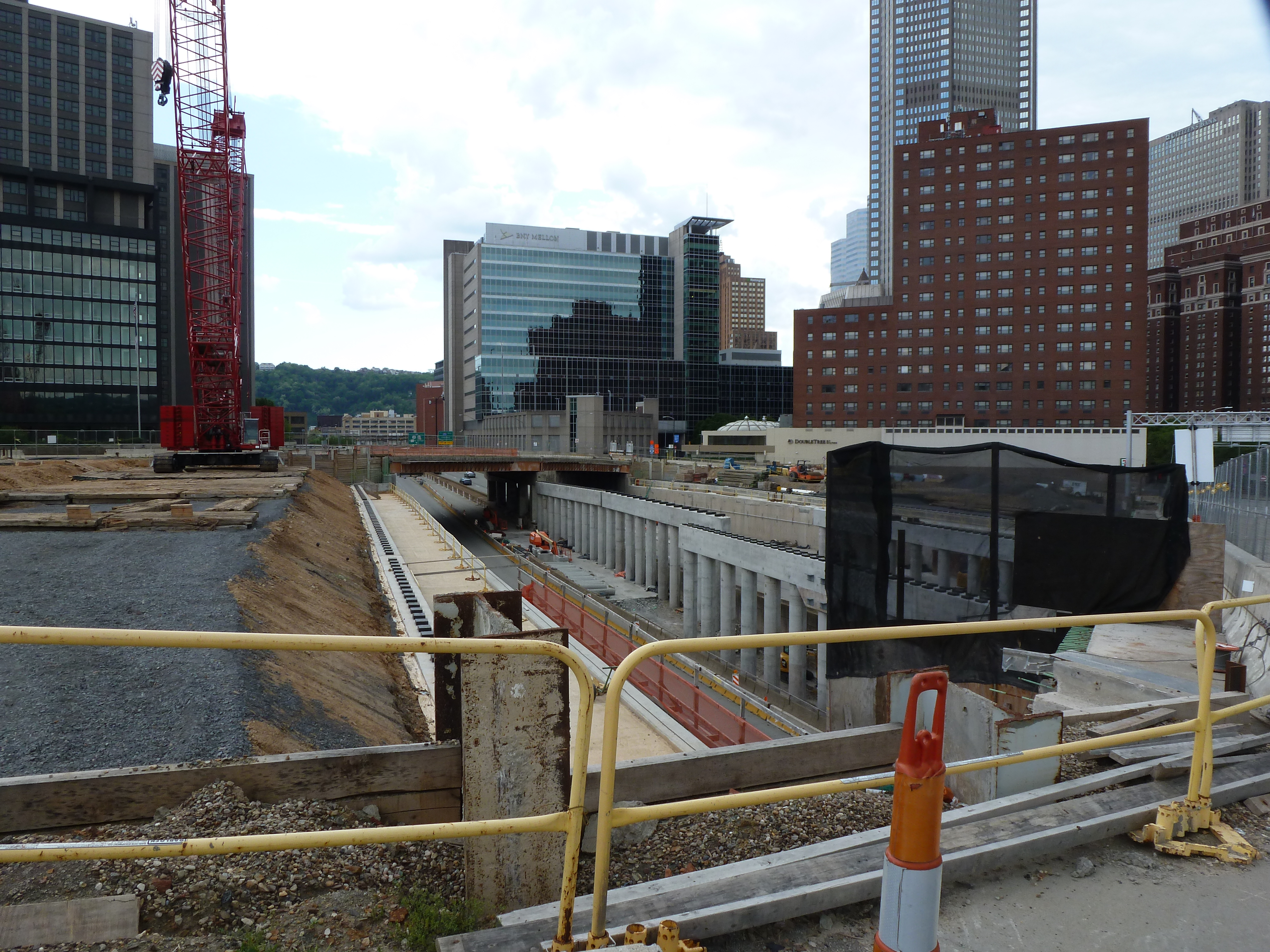
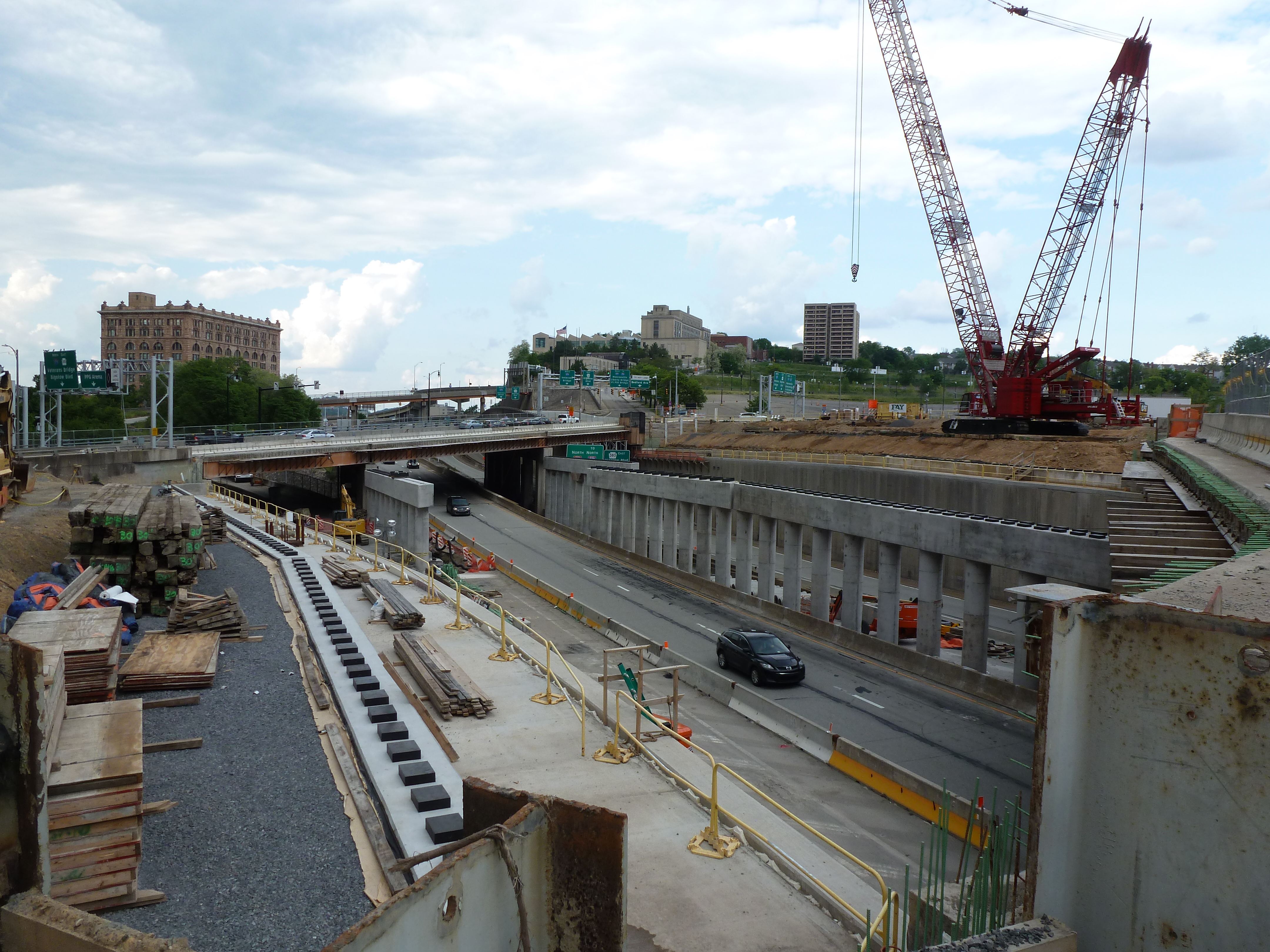
The shift in the bridge’s focus from local to regional traffic seems like a classic case of the Urban Renewal efforts of the 1950s and 1960s. The discussion among planners and officials in recent years is how do they undo or erase the mistakes of Urban Renewal. Pittsburgh is trying to reconnect the local by returning some one-way roads to two-way traffic and by building a cap over the highway that divided downtown and the Hill District. As I watch these developments in Pittsburgh, I wonder if there are ways to return the Hill-to-Hill Bridge to a focus on the local.

For example: The highway has to end at some point, which is currently at the southern end of the bridge. What if it were moved to the north end of the bridge? If a traffic light were introduced there, the western branch could be reopened to through traffic and the eastern branch could be restored to two-way traffic. Pedestrians would also be able to then use all the remaining approaches. Thus, West Bethlehem, Bethlehem, and South Bethlehem would be reconnected for the enjoyment of pedestrians and drivers.

This suggestion is based upon the assumption that the local community would want to be better connected by way of this bridge. Perhaps the question that should come before “what is the purpose of a bridge?” is “who gets to decide the purpose of a bridge?”


*By prioritizing connections, Clarence W Hudson, the bridge’s designer, was forced to develop a one-of-a-kind truss design to accommodate the railroad tracks beneath the bridge and the connections coming into the bridge. There is no record of this truss design being used on any other bridge.
Additional Posts in Series:

What is a Bridge? Bethlehem Edition I

I was in the midst of trying to understand what is a viaduct when I traveled to Bethlehem, PA, with my family. One of our activities was to explore the bridges (see also Cage-free Bridges). As we walked the Hill-to-Hill Bridge, my initial reaction was “now here is a viaduct.” I hadn’t reached the point of developing a semi-clear definition for viaduct but looking at the flat roadbed supported by multiple arches over the floodplain, viaduct seemed the most appropriate word for the structure.

As we kept walking, it turned out that the viaduct was only a portion of the Hill-to-Hill Bridge. In fact, it would be more appropriately called the Hill-to-Hill-to-Hill-to-Hill Bridge. There are two approaches to the main span on the south end and three on the north end, including the viaduct and one approach permanently closed to through traffic. When the bridge was built in 1924, there were a total of seven approaches at various points along the main span. With so many components, this structure brings me back to the question of how many is one bridge?

Unlike when I asked this question of the 30th and 31st Street bridges in Pittsburgh, here the main bridge, the intersecting viaduct, and the numerous connections seem to be considered one bridge. They are together called the Hill-to-Hill Bridge while the structure in Pittsburgh has three distinct names (including River Avenue Ramp). Perhaps the deciding factor in whether it is one or more bridges is the original intent. The Hill-to-Hill Bridge was designed as a multifaceted structure whereas the 30th and 31st Street bridges were developed independently.

The best indication of the original intent seems to be the name. The Hill-to-Hill Bridge has a single name whereas the 30th and 31st Street bridges have separate names. The other examples I looked at in 2012 were the Veterans Bridge (Pittsburgh), the Fort Duquesne Bridge (Pittsburgh), and what I called the Jubilee Bridge (London).

The Veterans Bridge joins three approaches into one bridge, all under a single name. Therefore, it is one bridge, not three.

The pedestrian walkway of the Fort Duquesne Bridge was built decades after the vehicular portion but does not have a separate name. Therefore, it is one bridge, not two.

What I called the Jubilee Bridge (despite the photo I took at the time of the dedication plaque stating otherwise) is actually called the Golden Jubilee Bridges. While these bridges share the support structure of the underground’s Hungerford Bridge due to concerns about unexploded WWII bombs in the area, they have separate names. Therefore, it is three bridges, not one nor two.


Keeping an Eye on the Lower Hill: Jun. 2020

Lower Hill in the News:

Mayor’s Press Release (May 5, 2020)

Penguins Stop Development (Public Source, May 14, 2020)

Penguins Pull Out (Trib, May 14, 2020)

Penguins Back Out (WPXI, May 15, 2020)

Penguins Cease Redevelopment (Patch, May 15, 2020)

Penguins Halt Lower Hill Development (WESA, May 18, 2020)

Mayor’s Press Release (May 20, 2020)

Mayor Urges URA to Approve Development (Trib, May 20, 2020)

URA Explanation of Community Benefits

URA Board Votes to Move Lower Hill Development Forward (May 21, 2020)

URA Board Approves Development Project (WPXI, May 21, 2020)

Never Mind, Penguins Back In (WTAE, May 21, 2020)

President Trump Tweets about BRT Grant Award (May 29, 2020)


Previous posts in series:

Keeping an Eye on the Lower Hill: Jan. 2020

Keeping an Eye on Uptown: Introduction

Keeping an Eye on the CAP: Jun. 2020


Previous posts in series:

Keeping an Eye on the CAP: Dec. 2019

Keeping an Eye on Uptown: Introduction

Keeping an Eye on Uptown: May 2020

Uptown in the News:

UPMC Vision Plans (December 16, 2019)

Duquesne University Plans Expansion (December 18, 2019)

Uptown Art: The “Tiger King” Comes to Uptown (March 29, 2020)

Ecoinnovation District Plan wins Award (May 5, 2020)


Previous posts in series:

Keeping an Eye on Uptown: Nov. 2019

Keeping an Eye on Uptown: Introduction

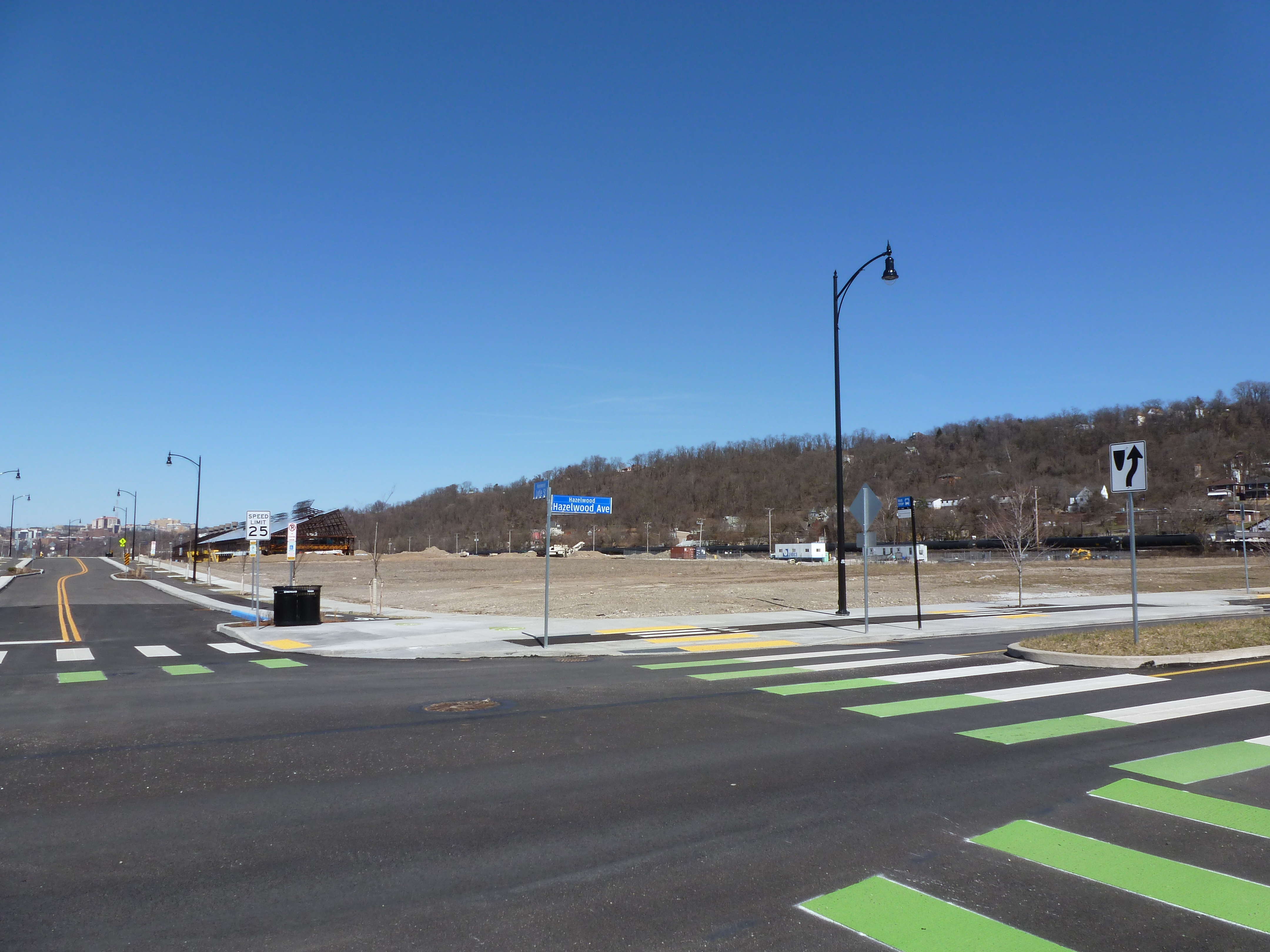
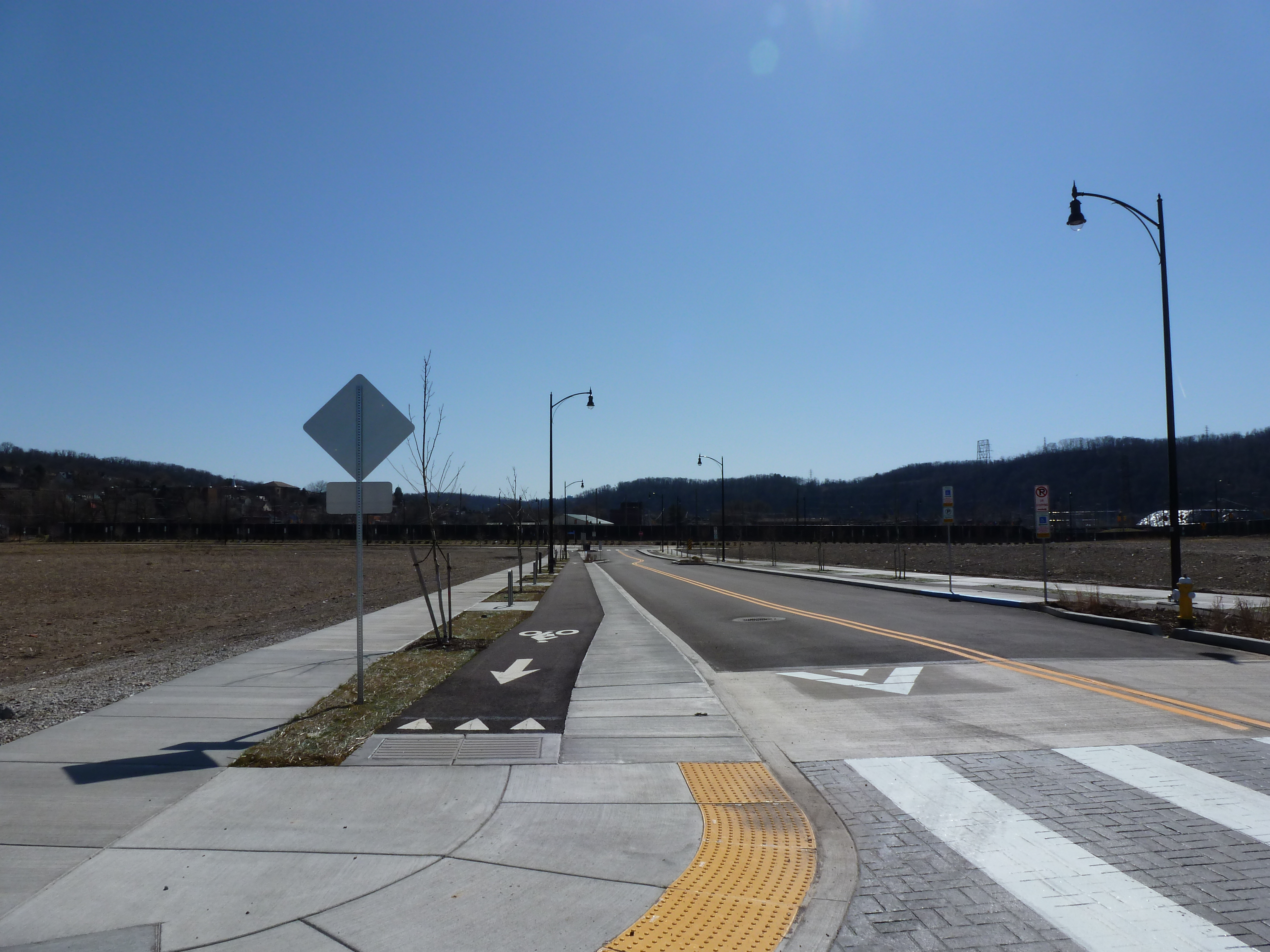
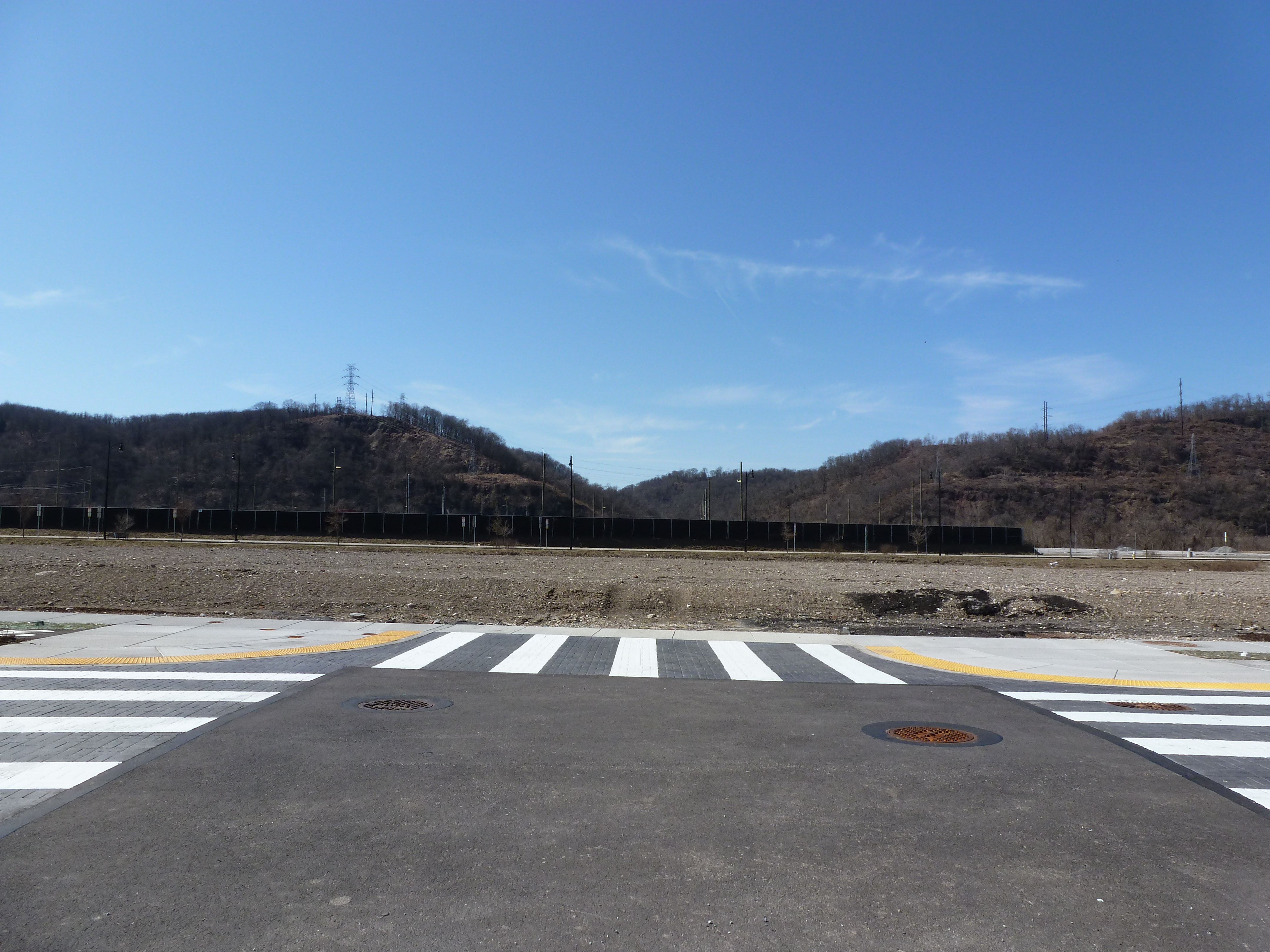
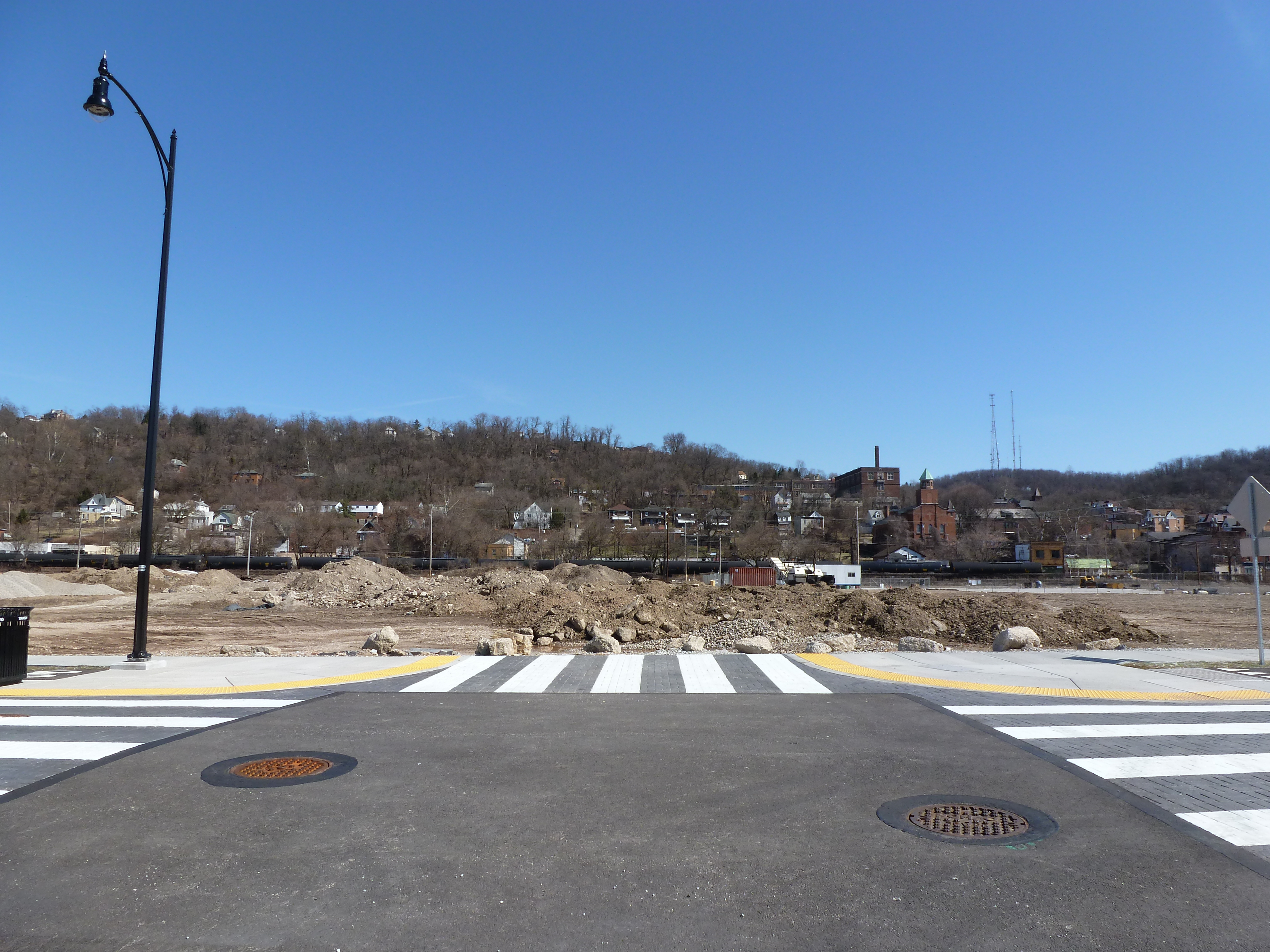
Keeping an Eye on Hazelwood: May 2020

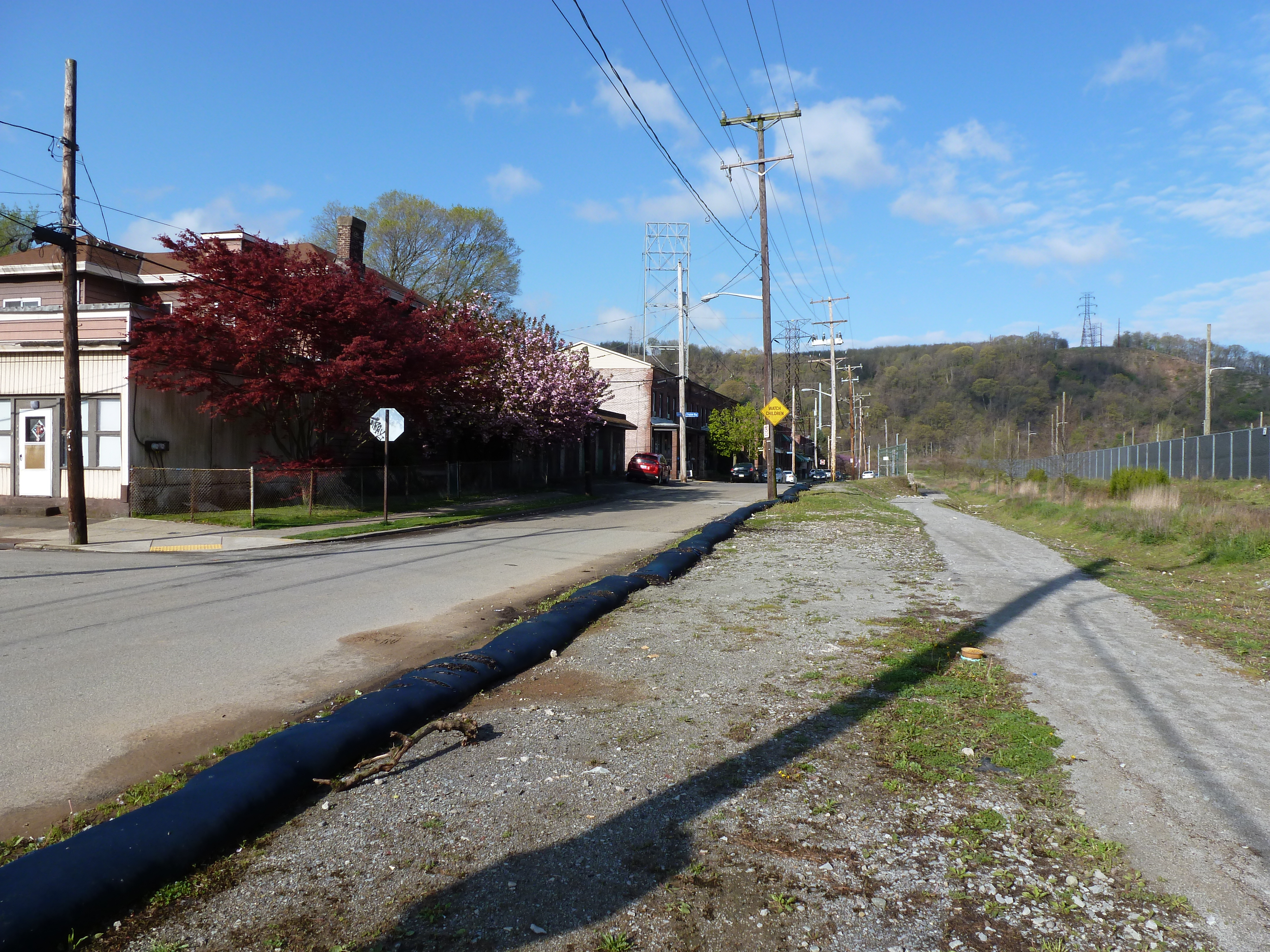
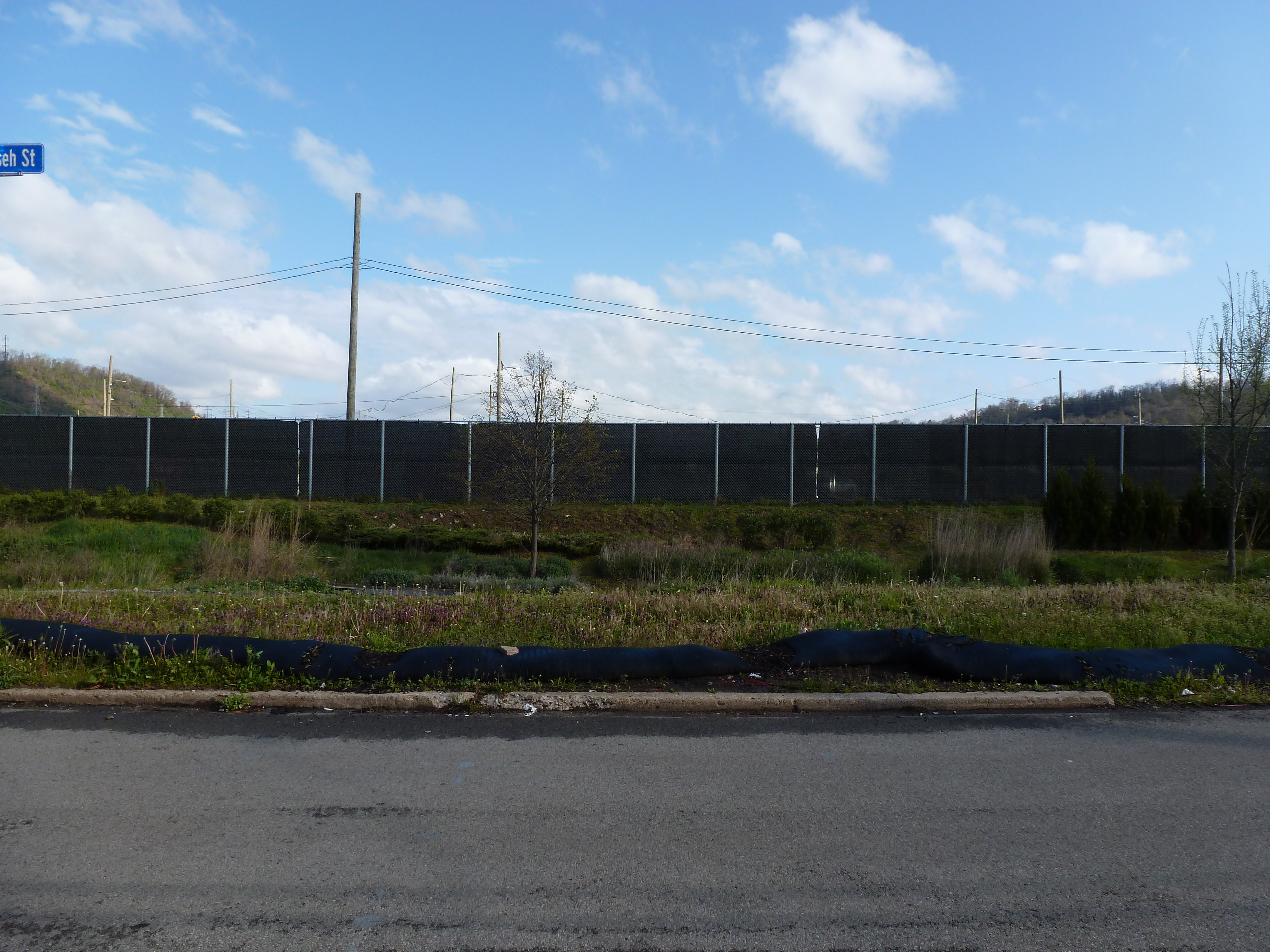
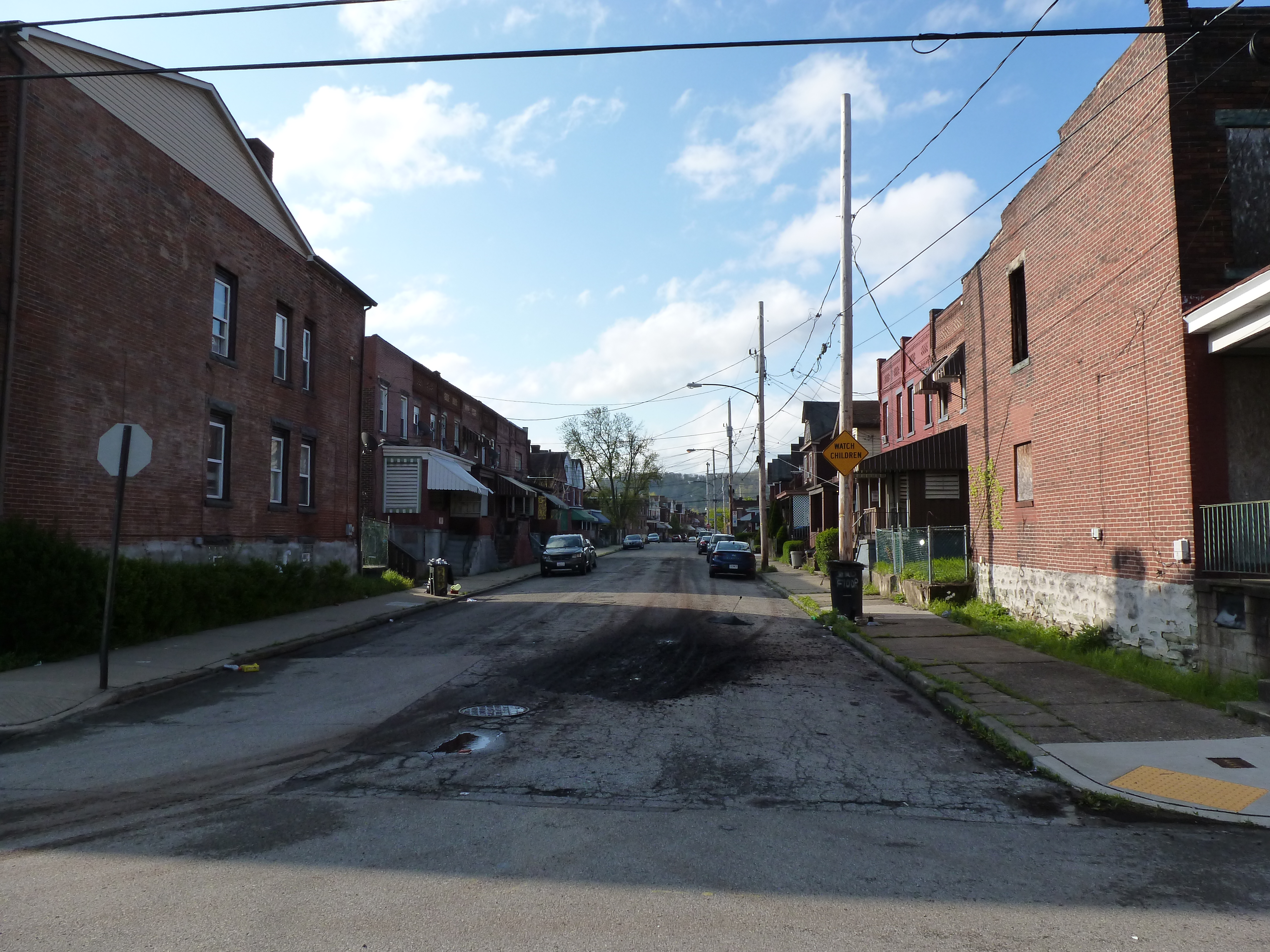
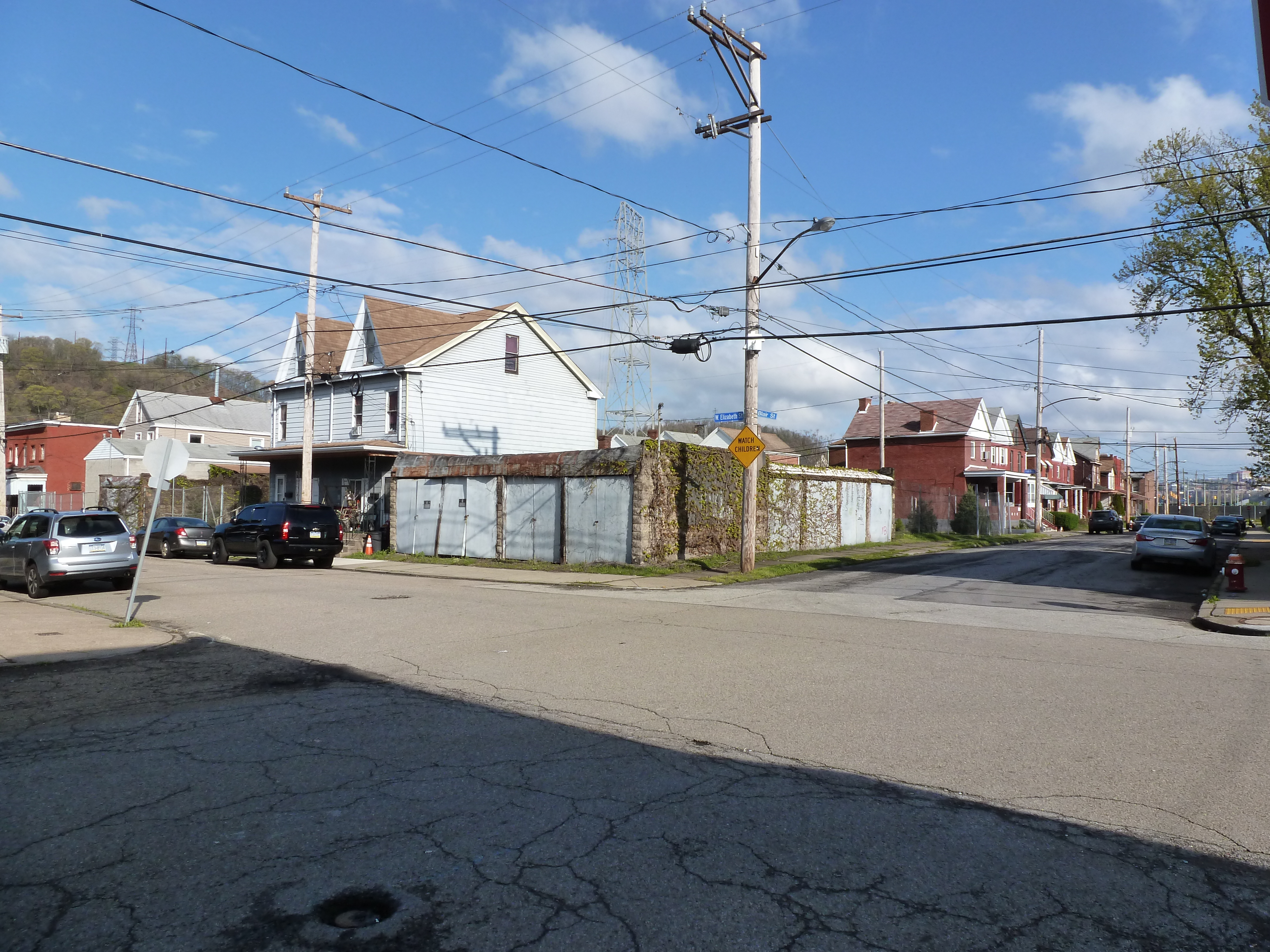
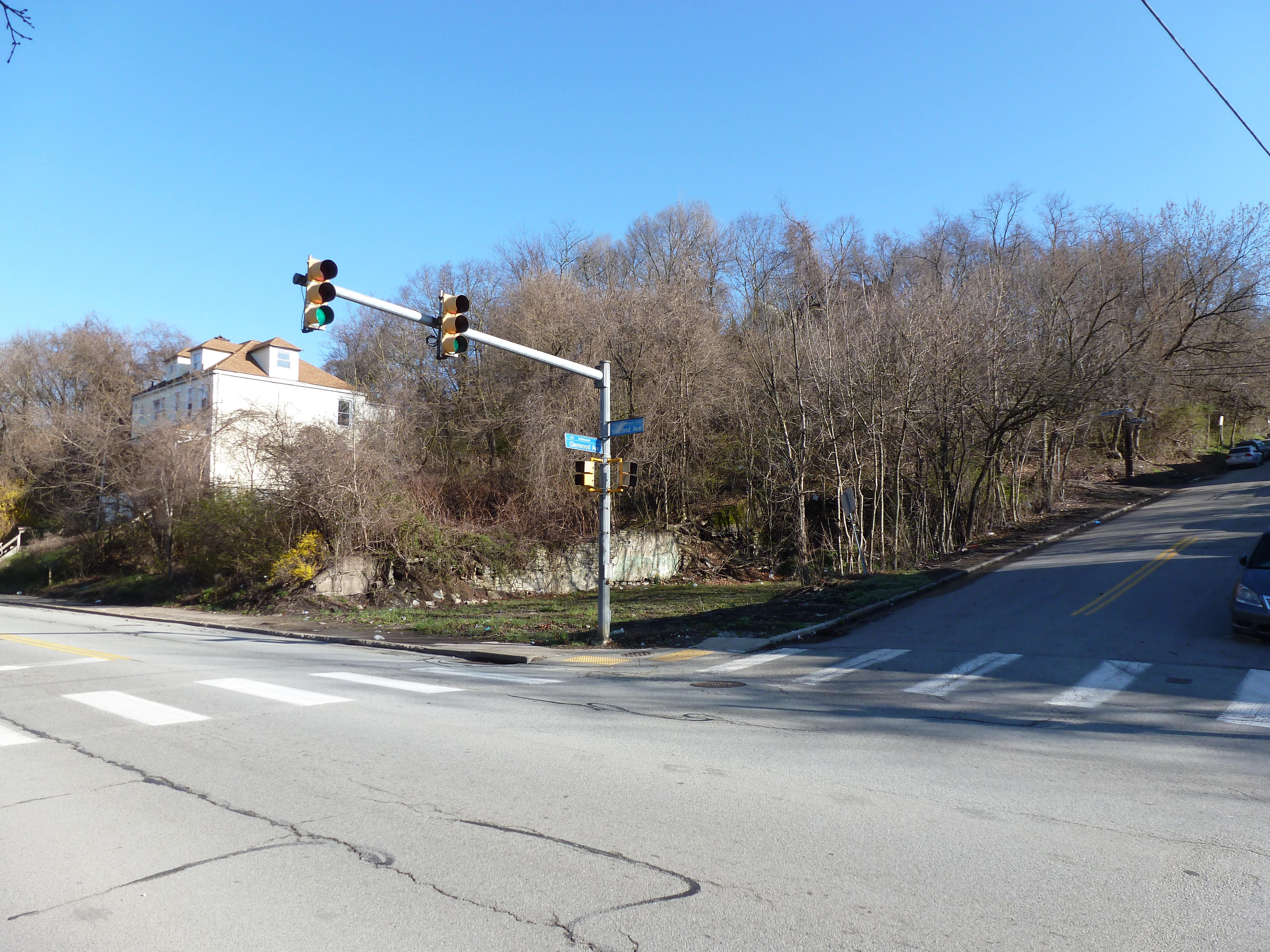
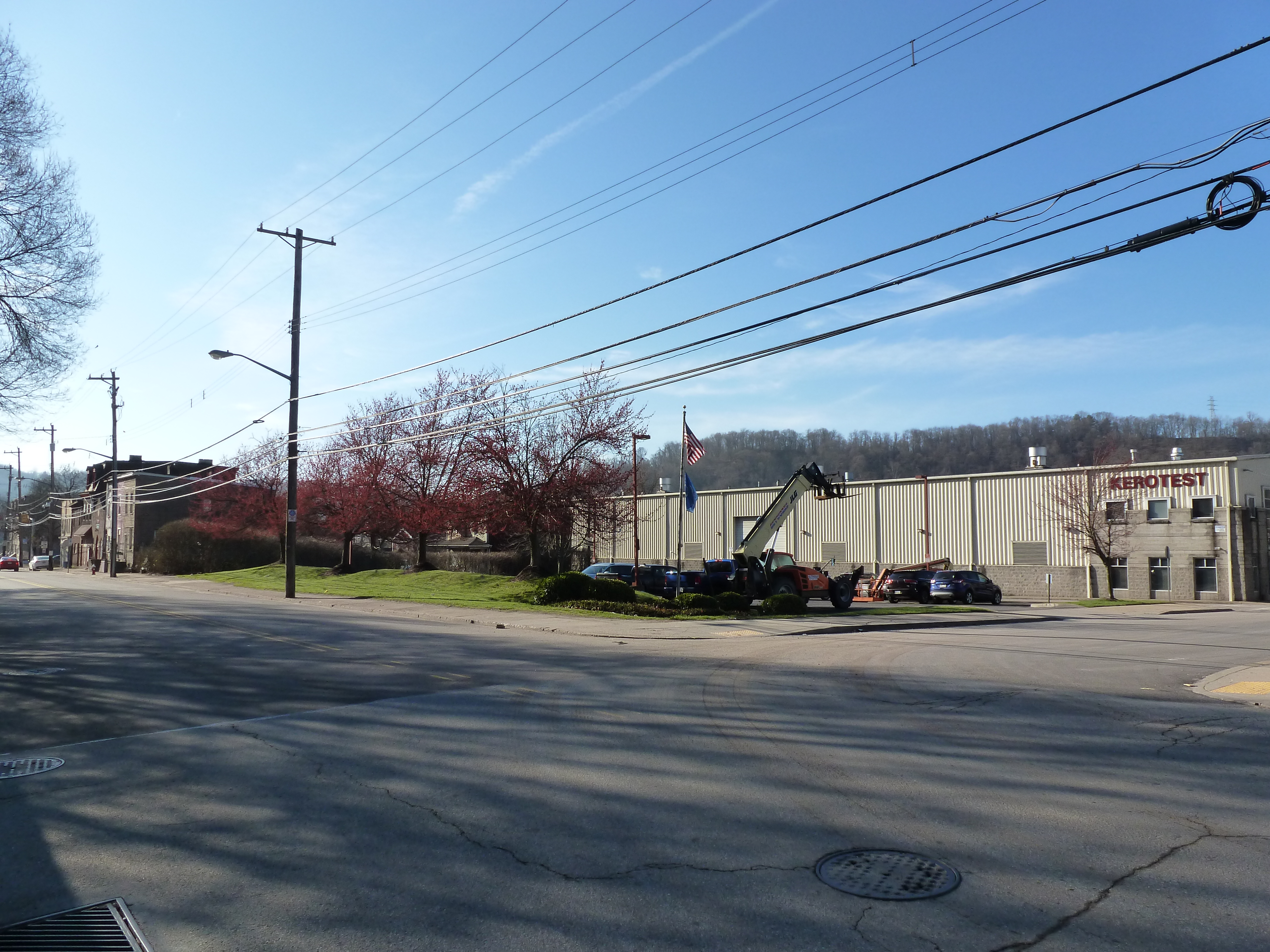
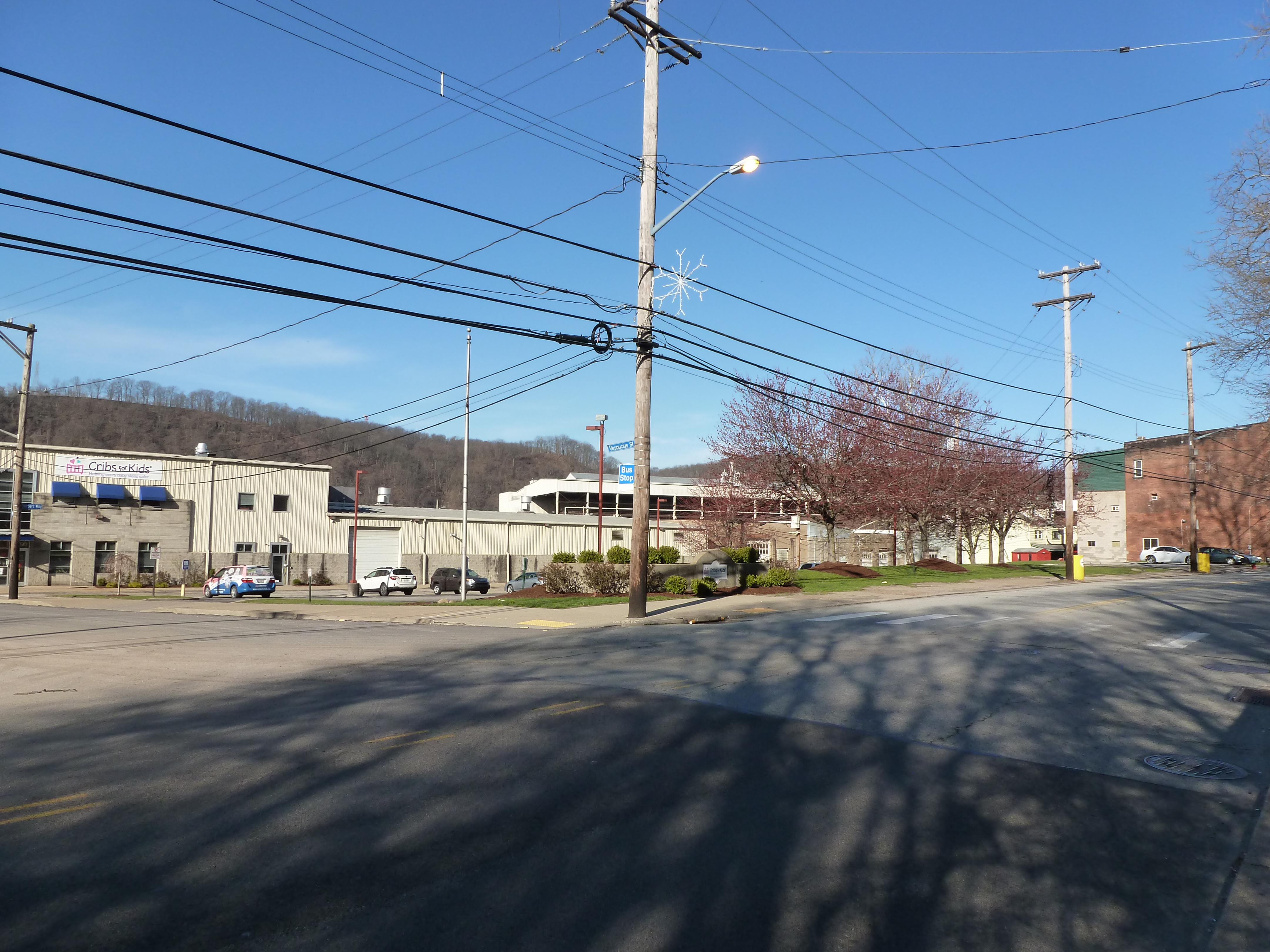
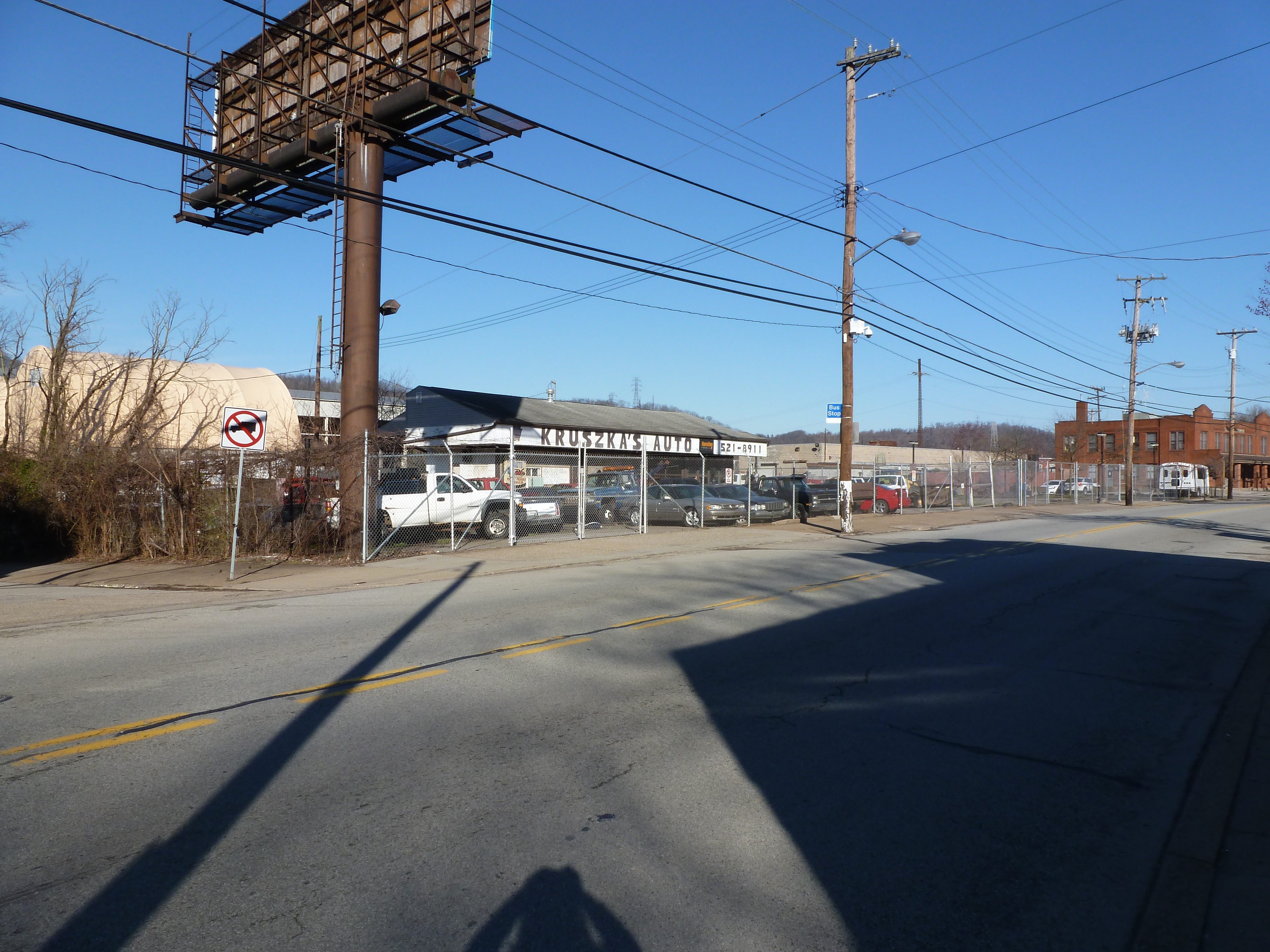
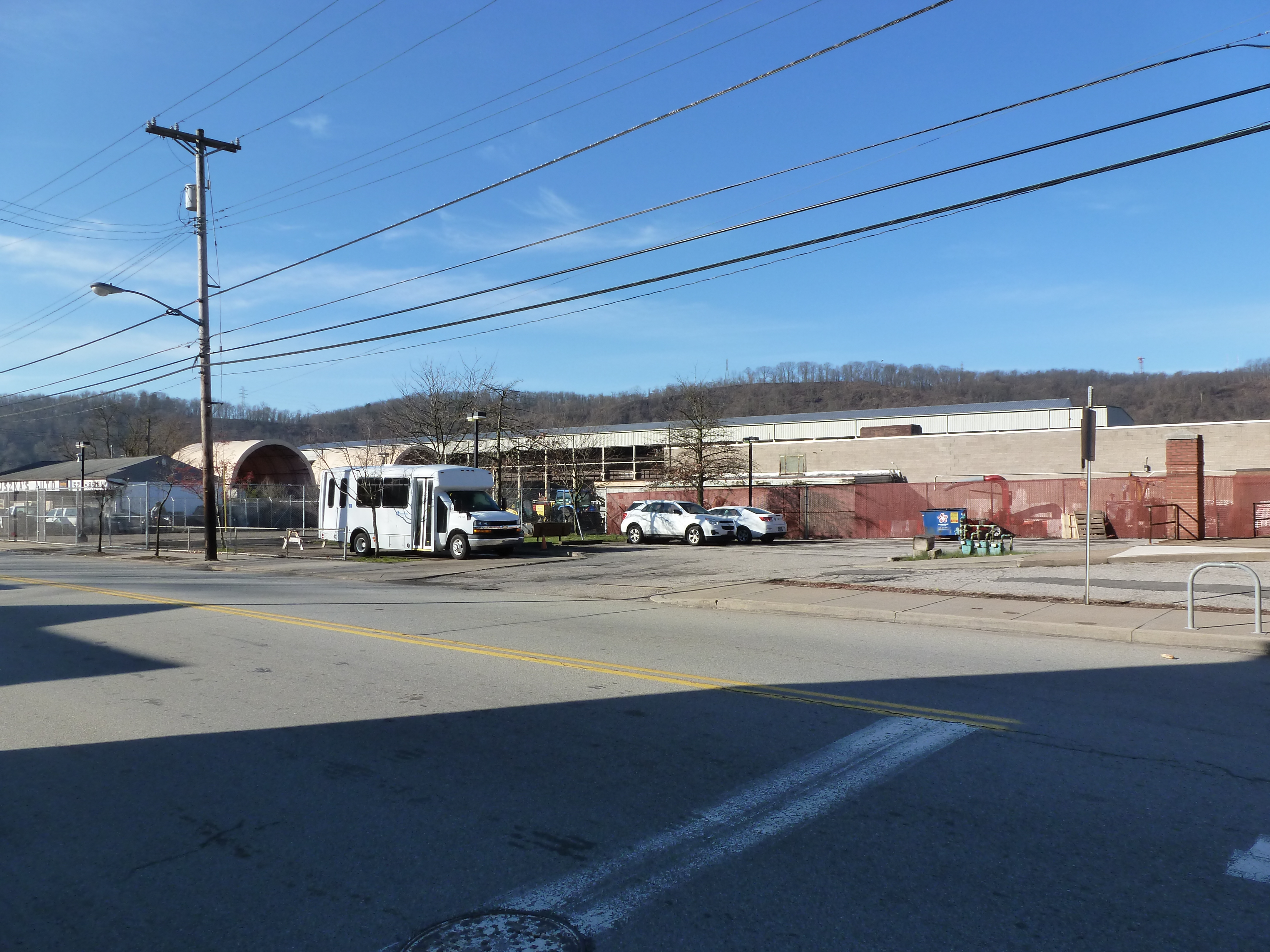
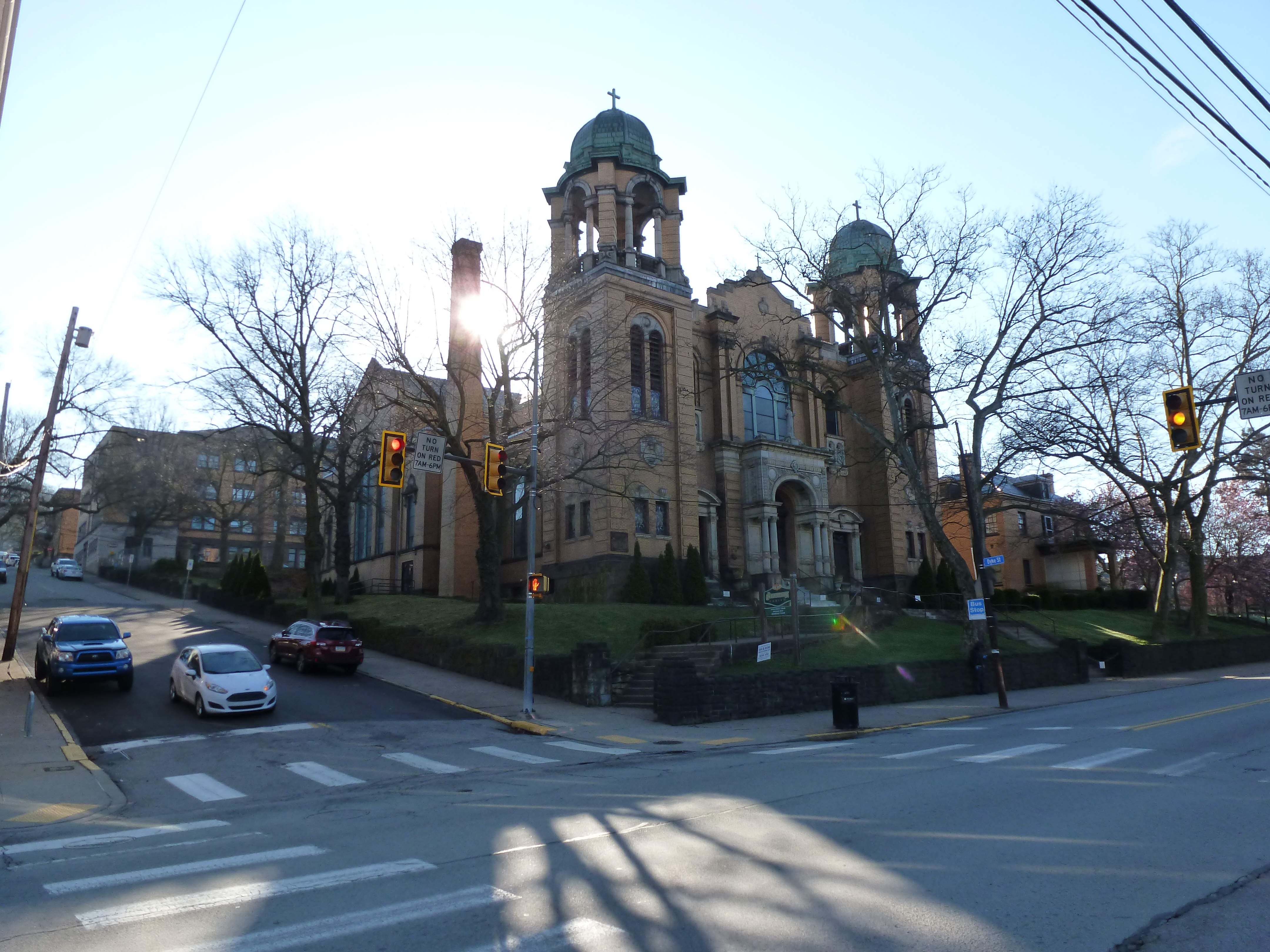
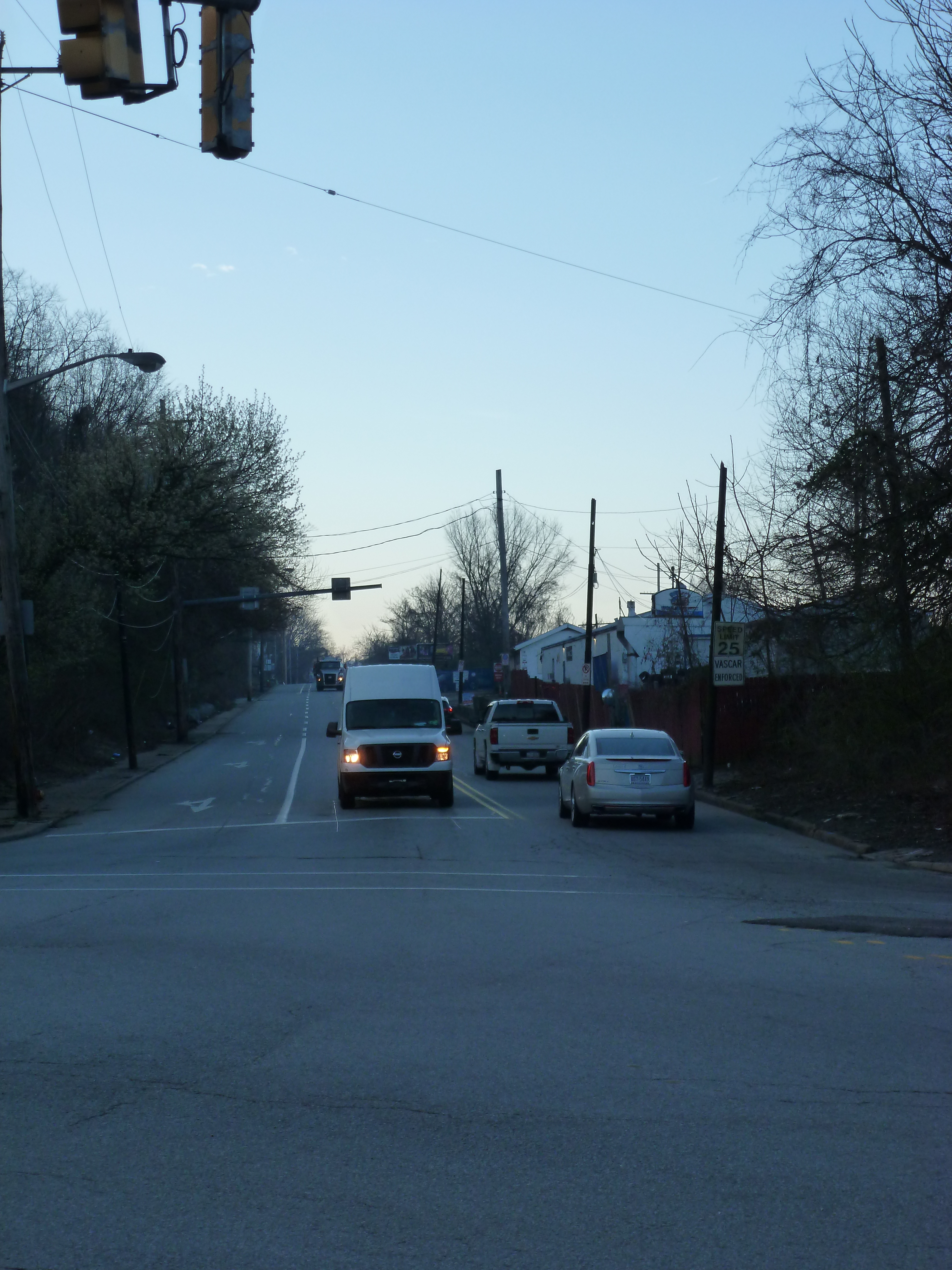
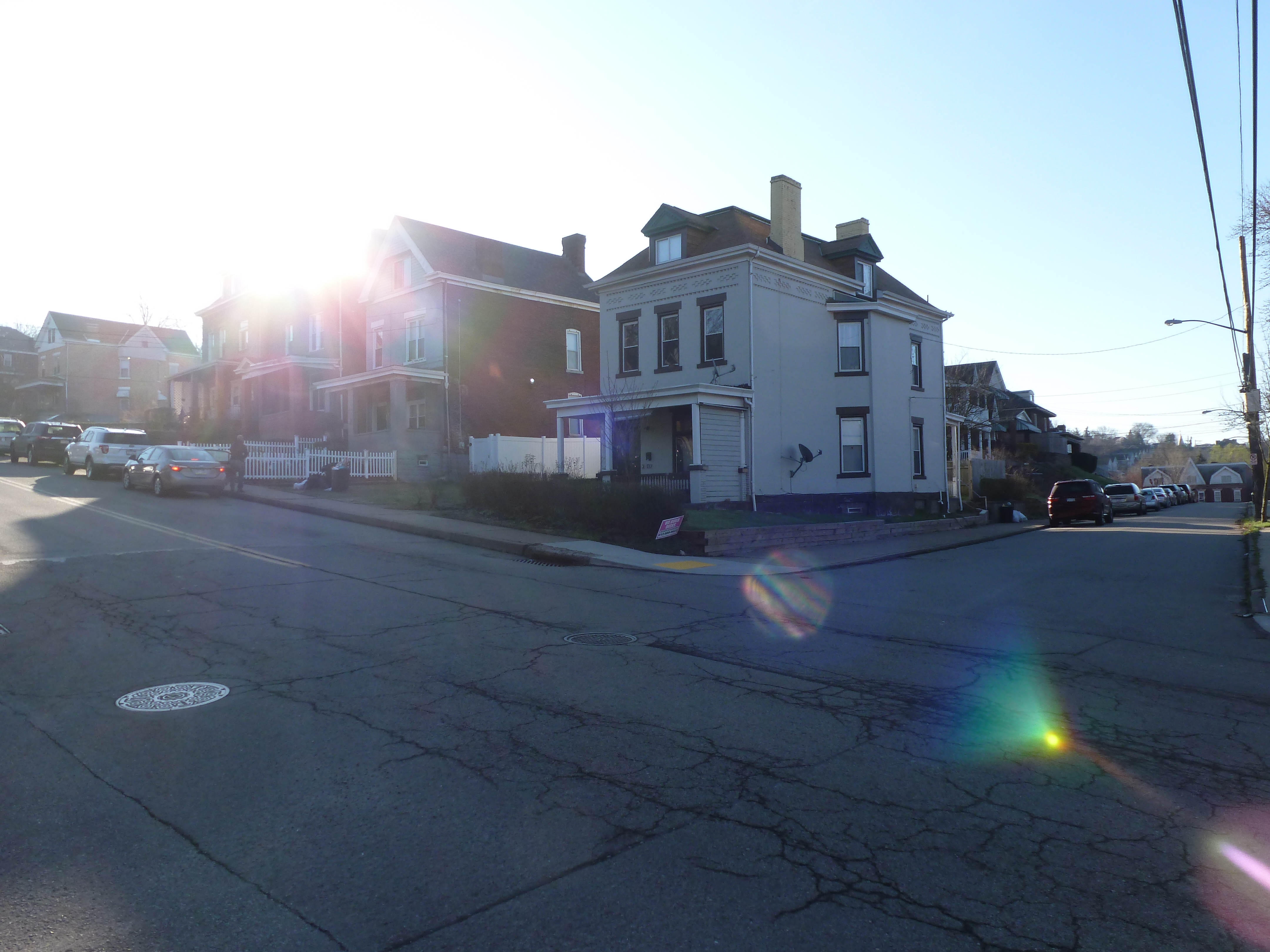
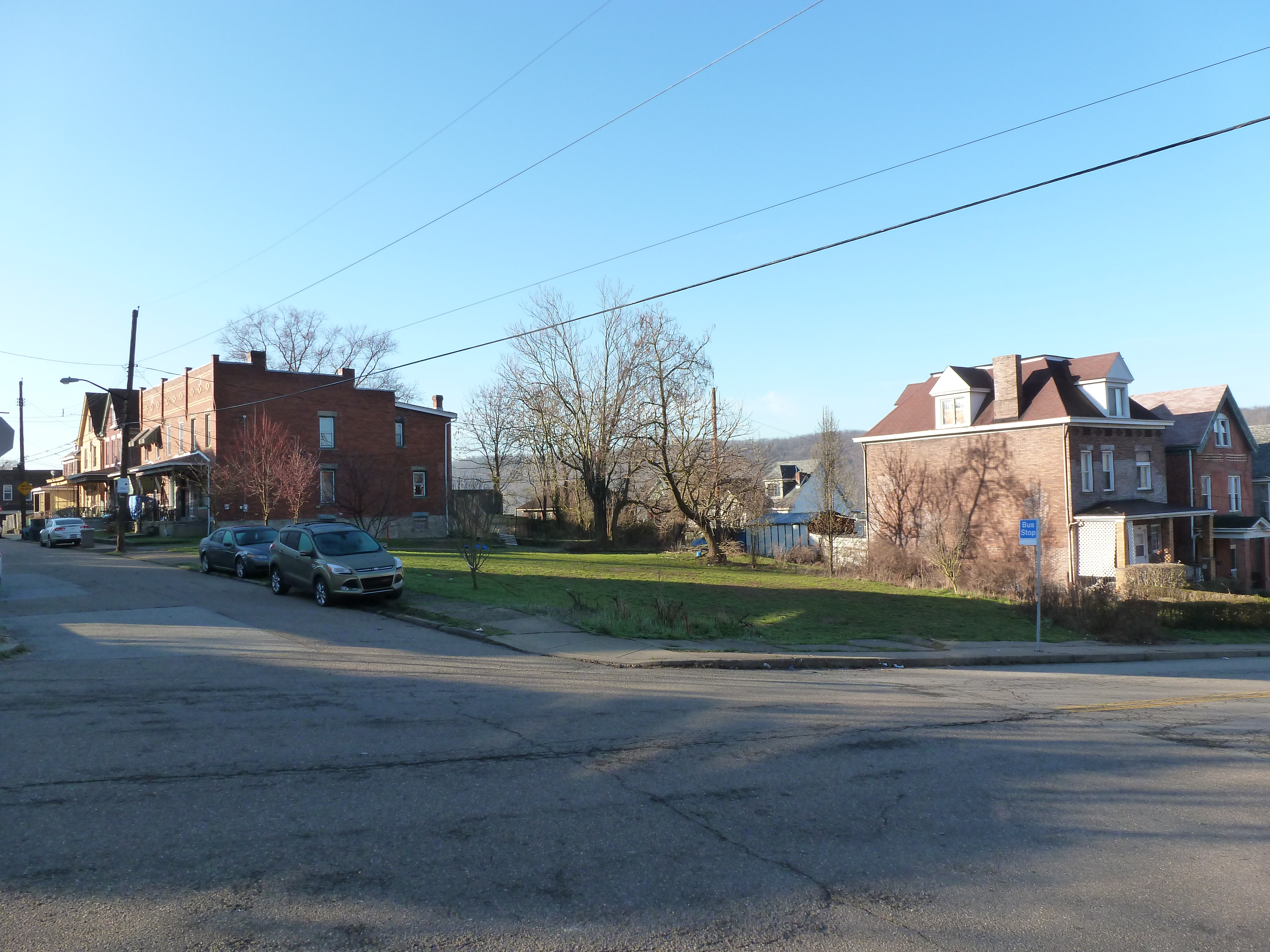
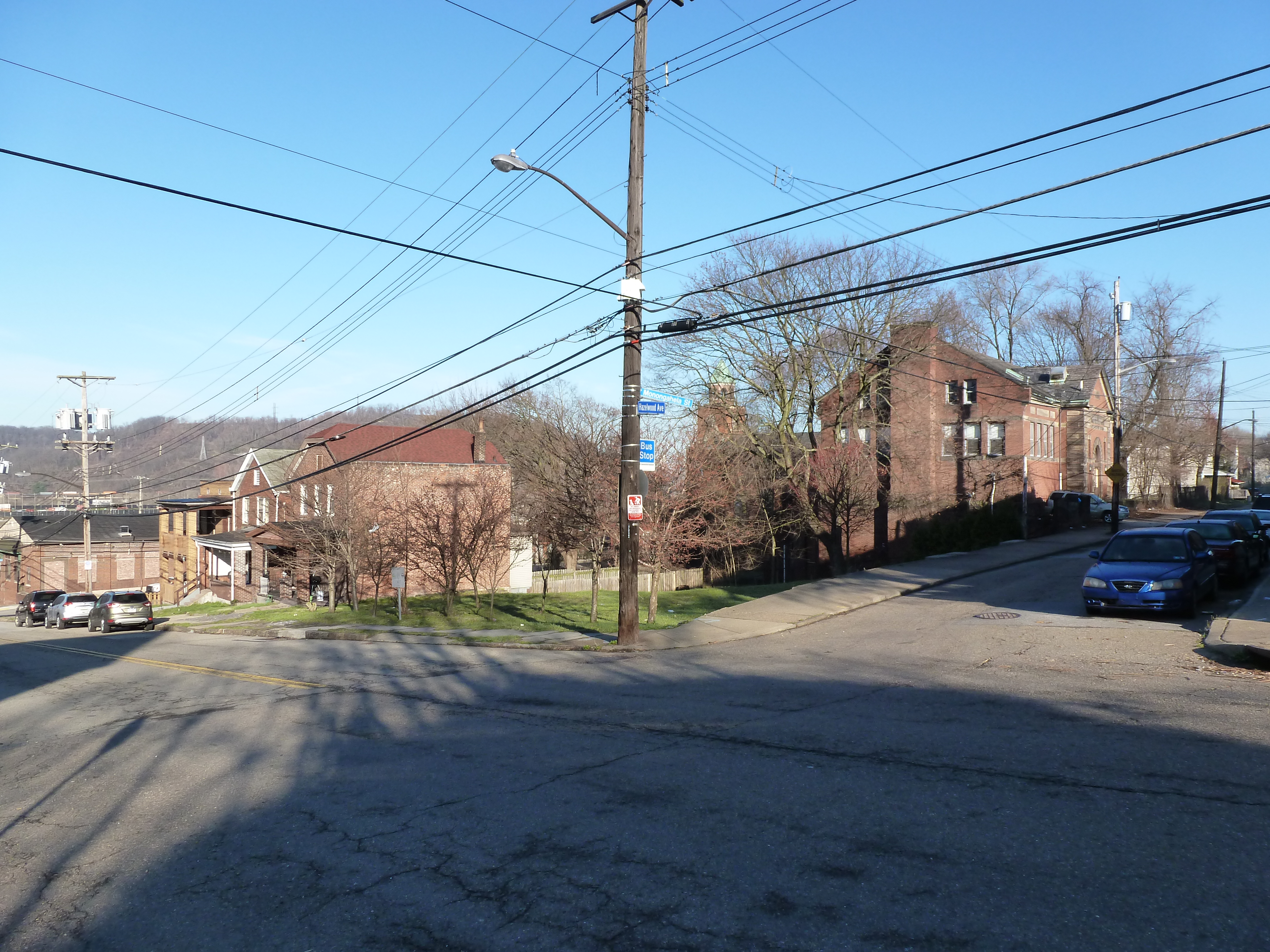
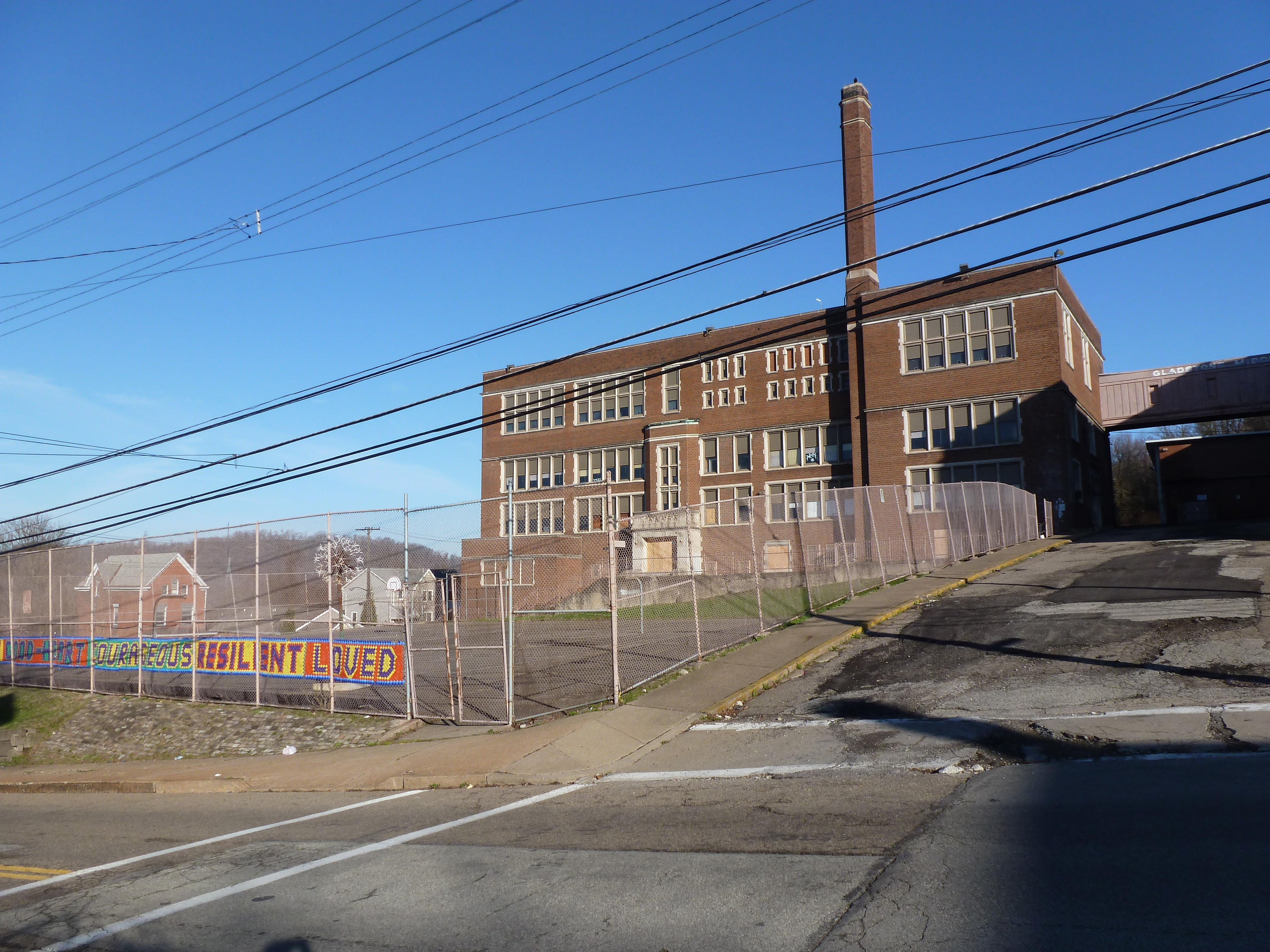
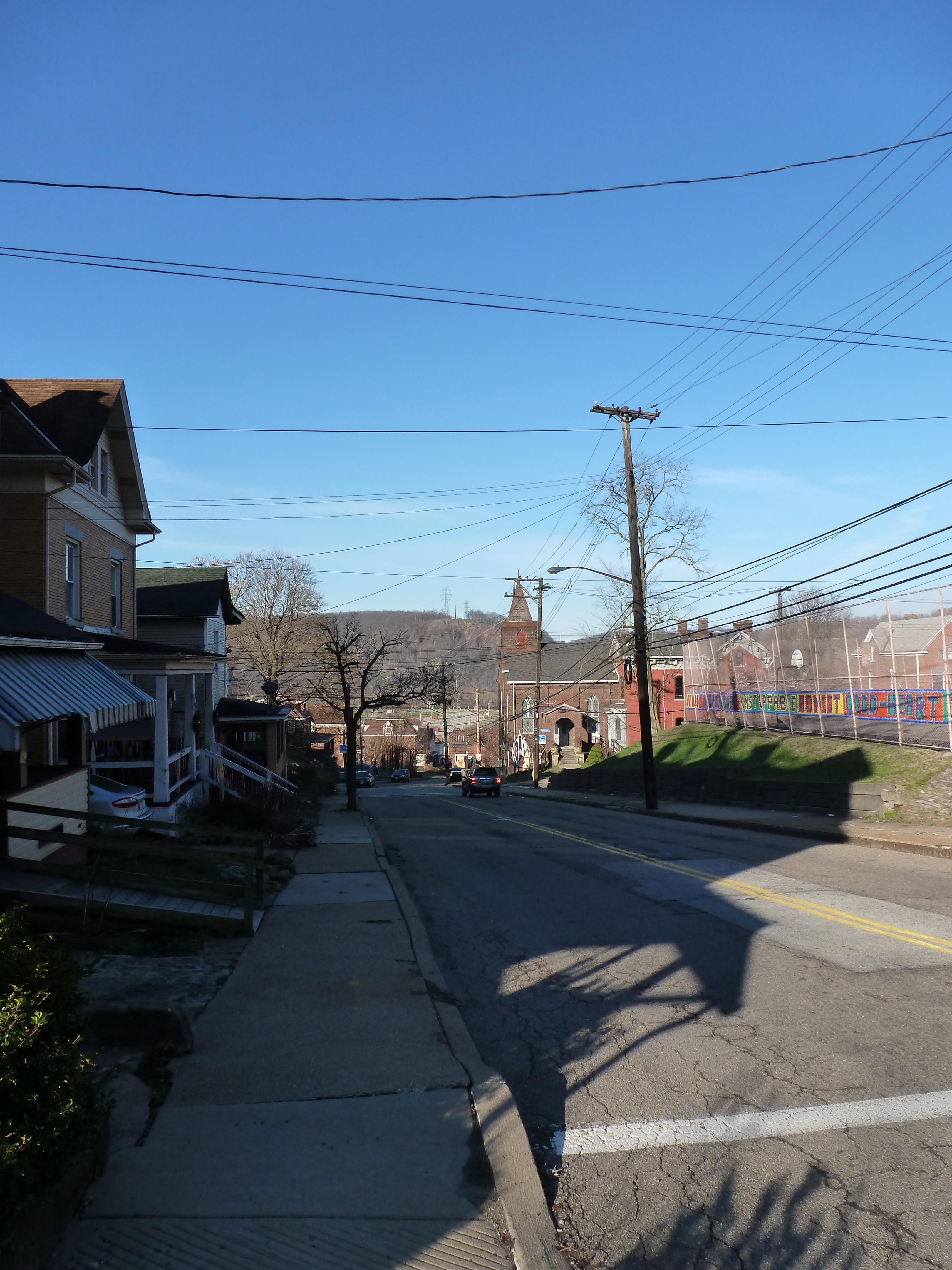
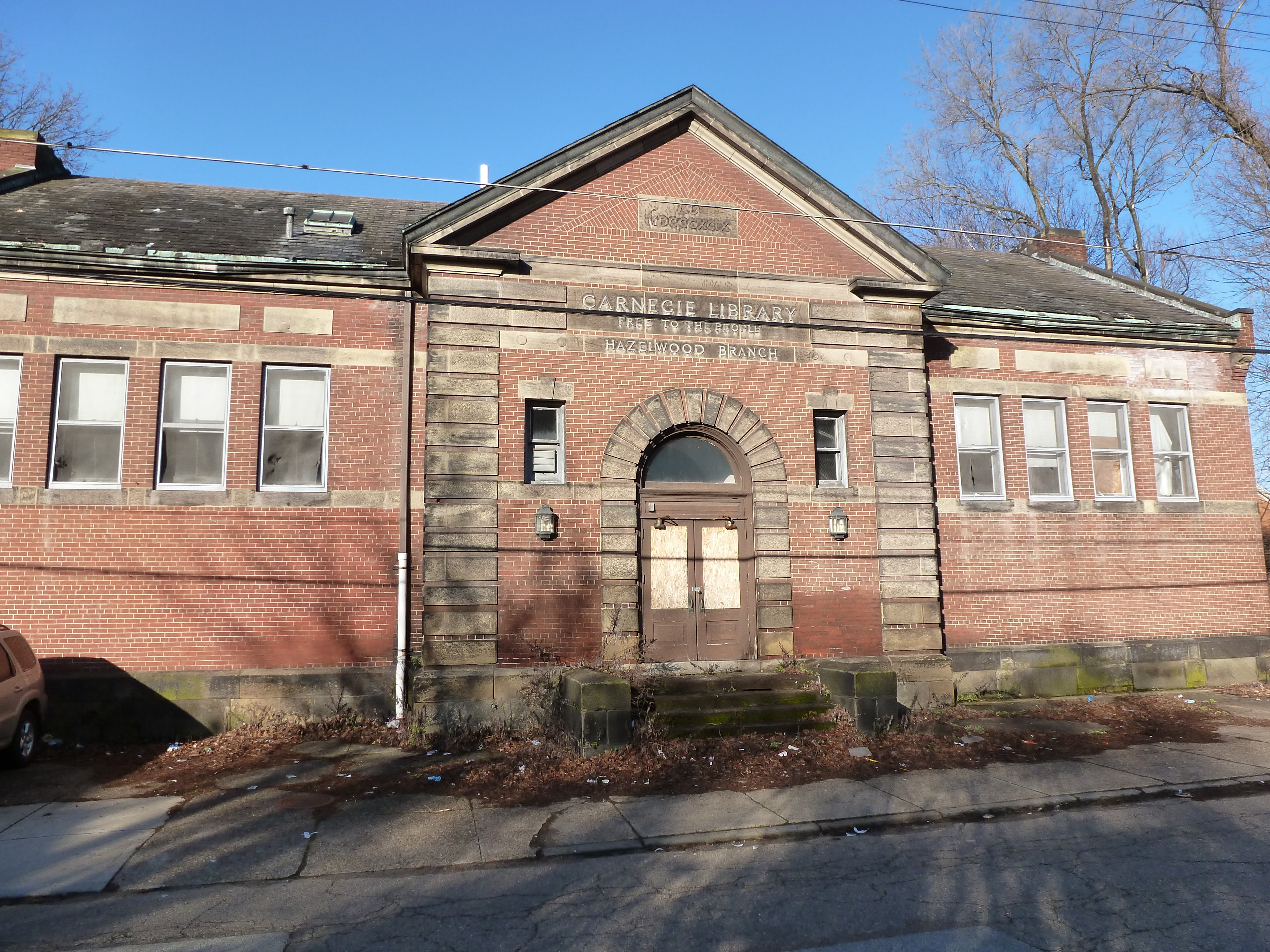
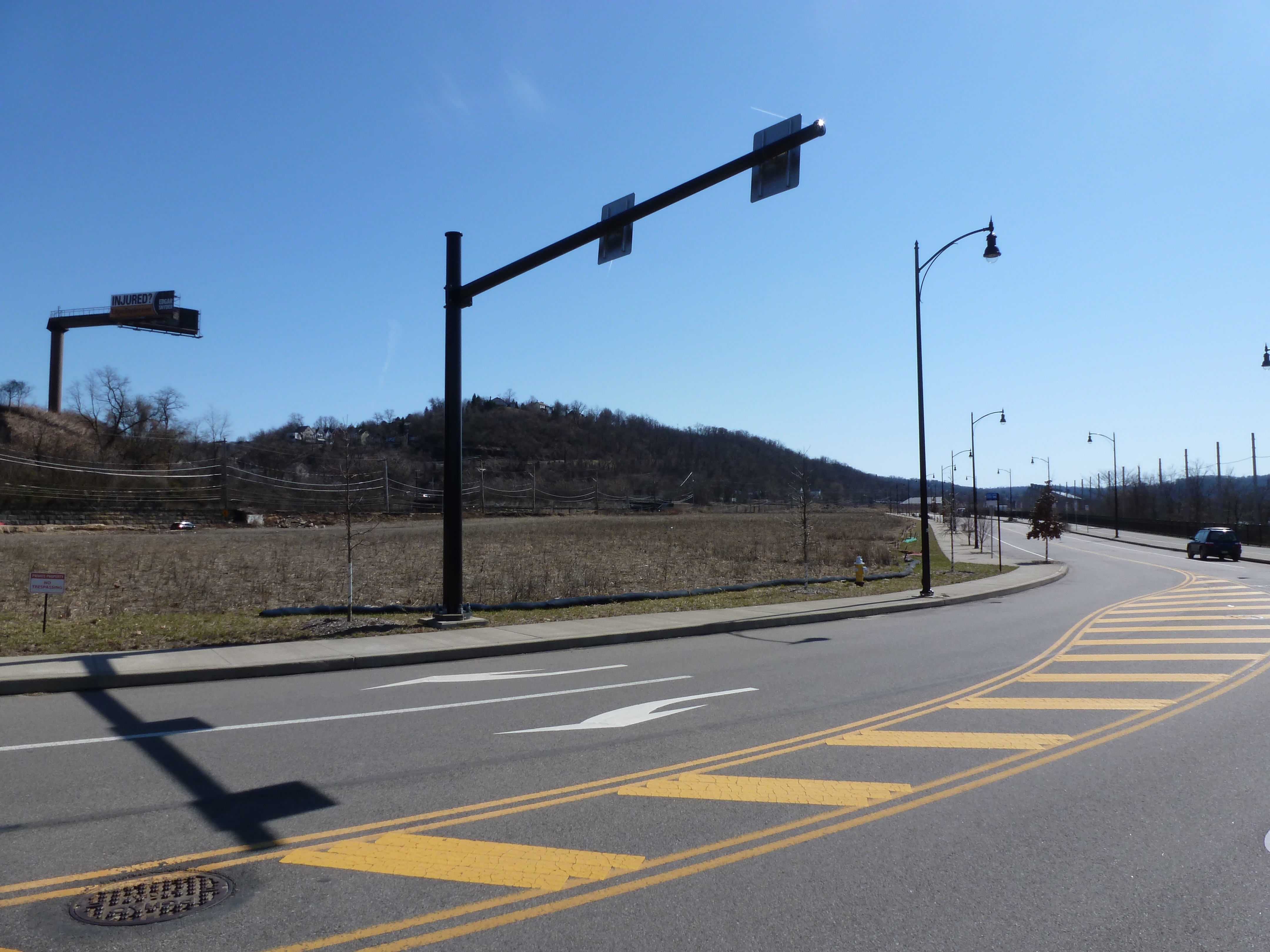
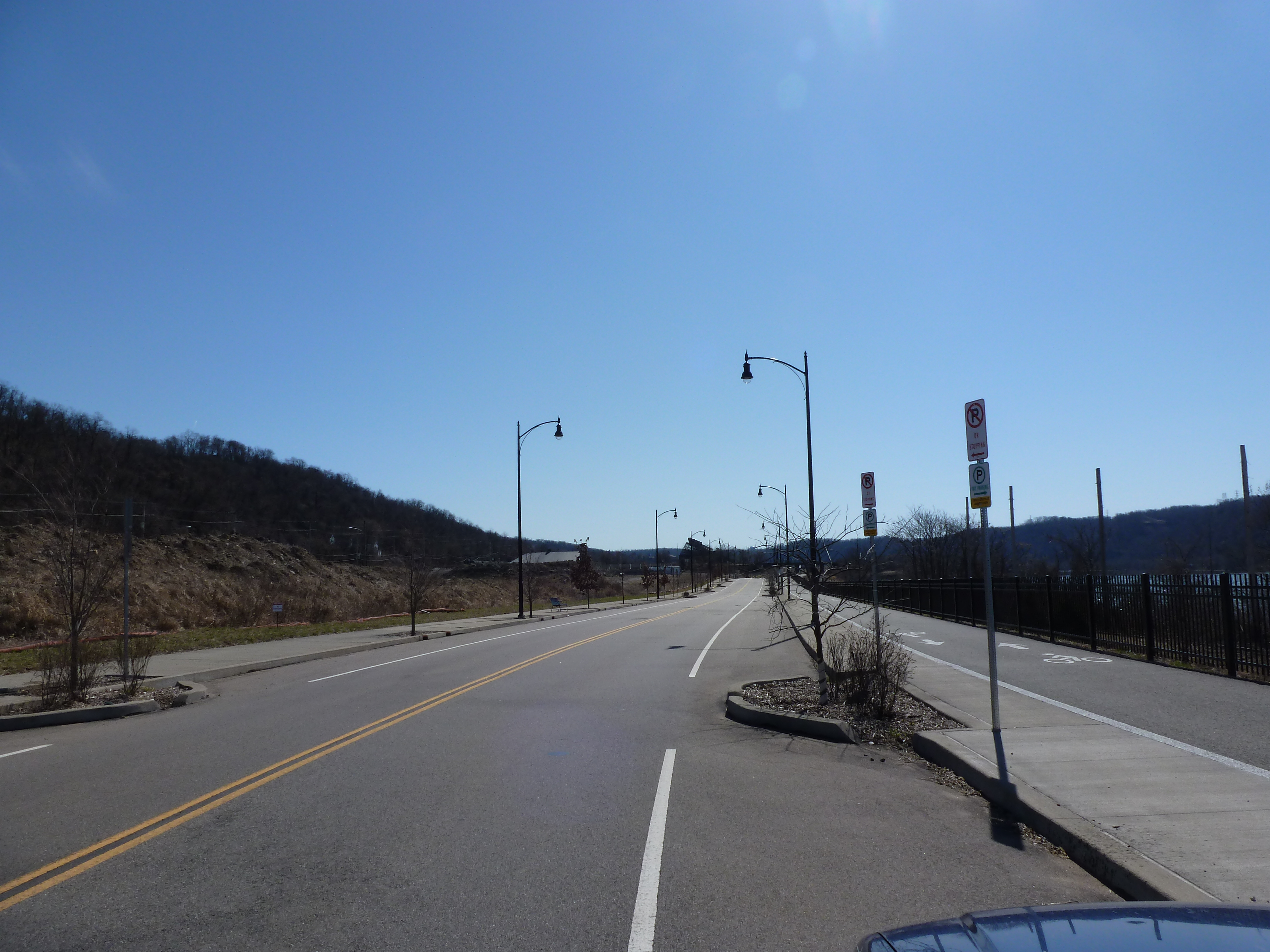
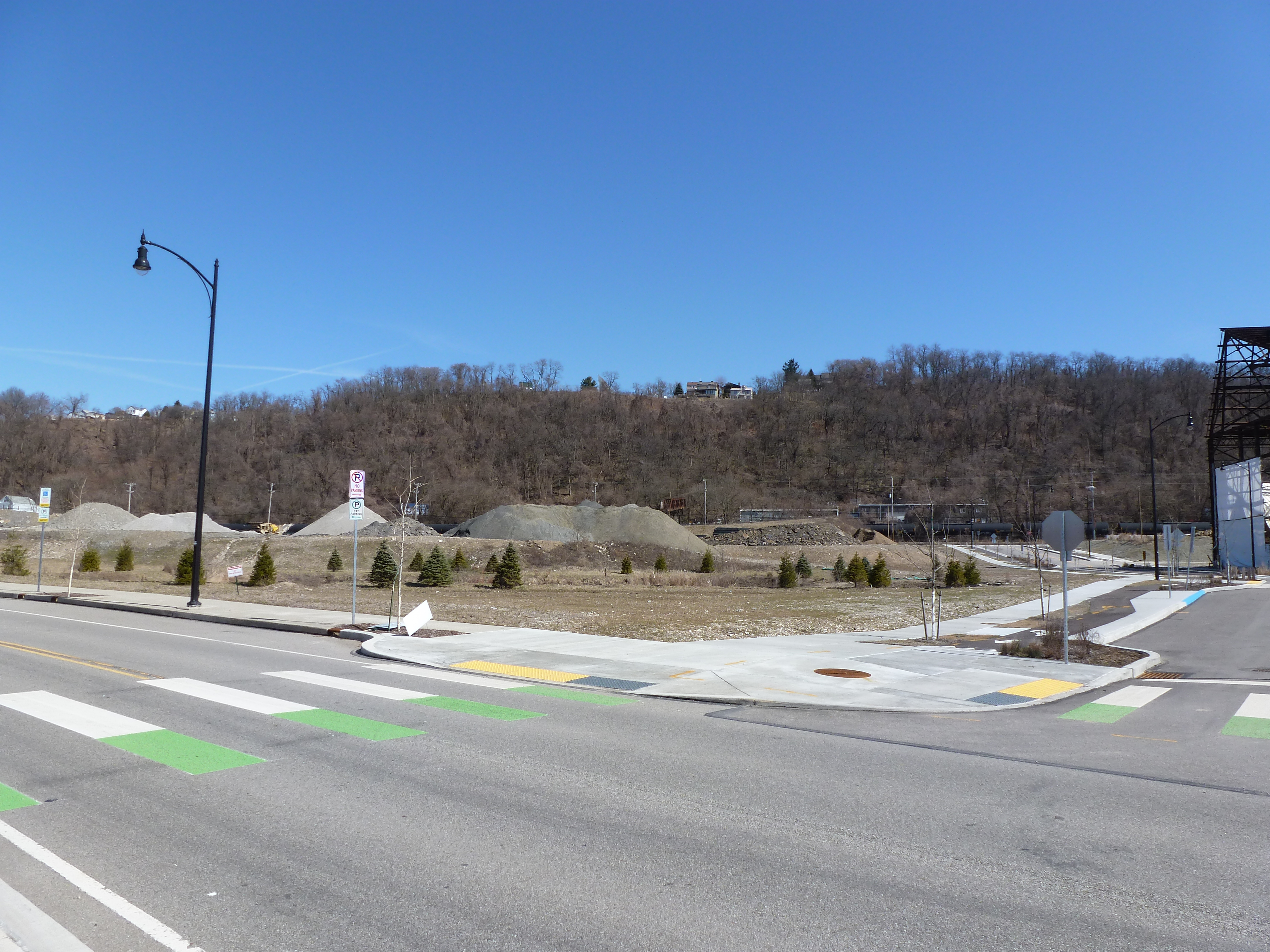
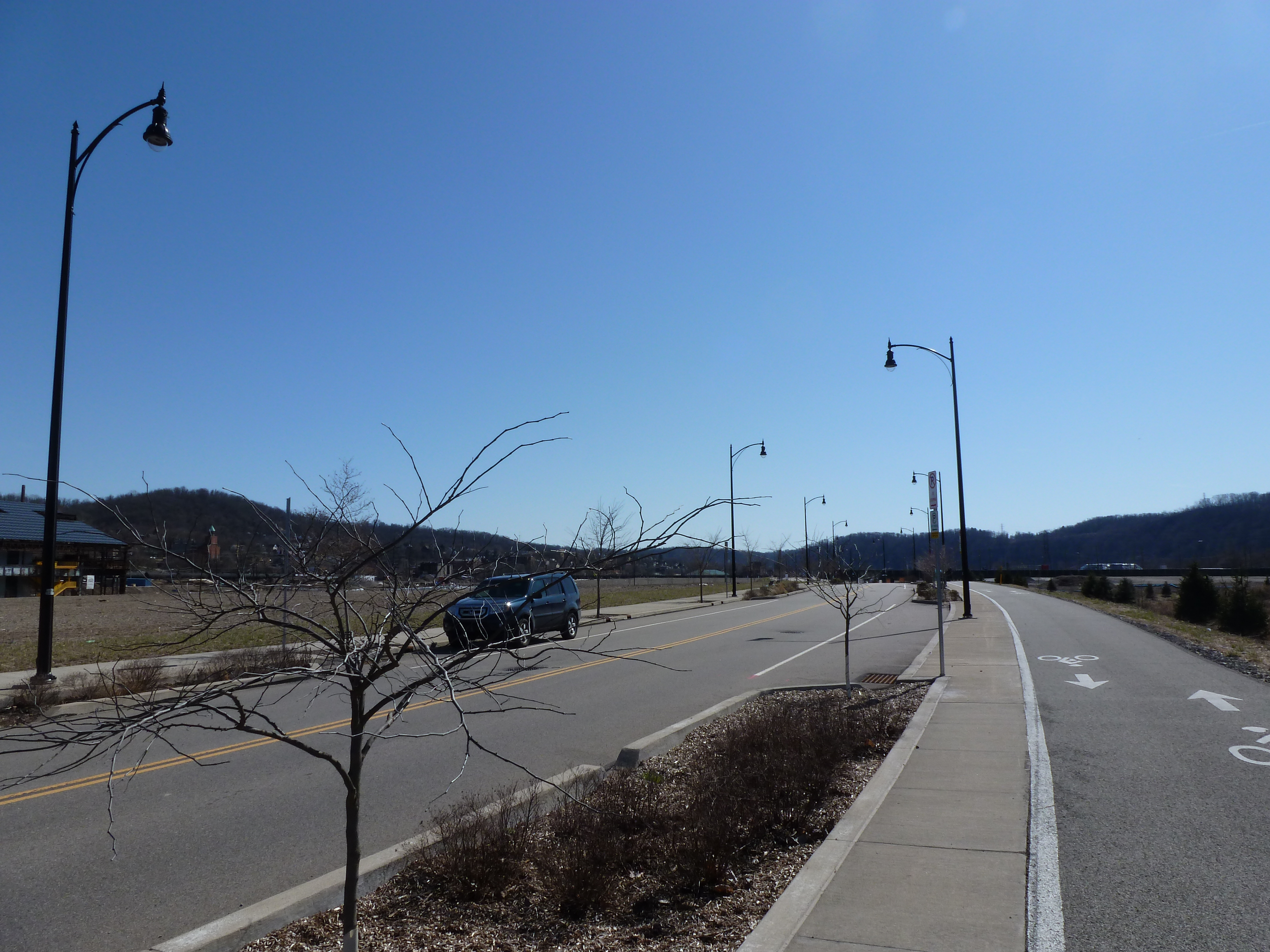
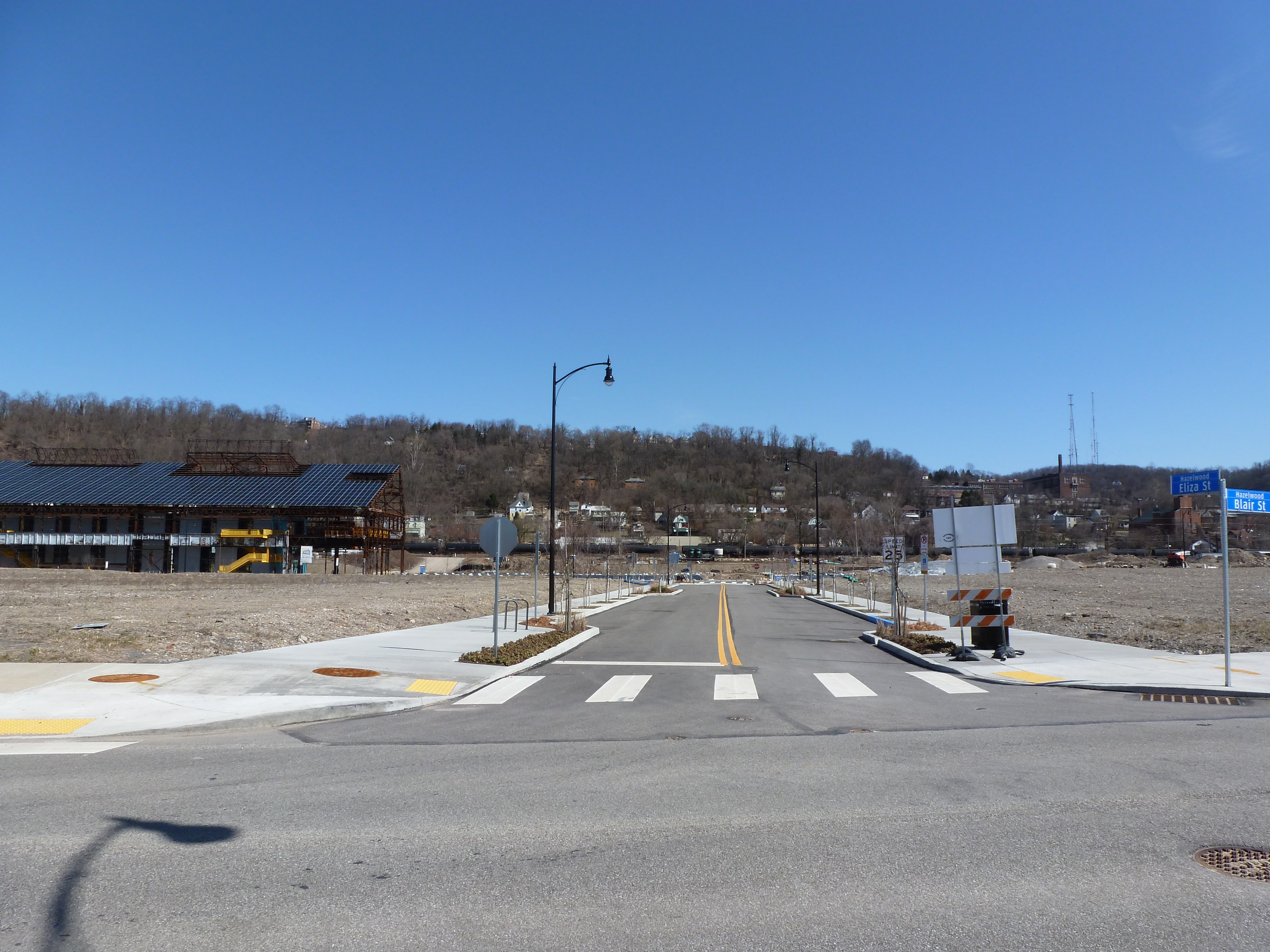
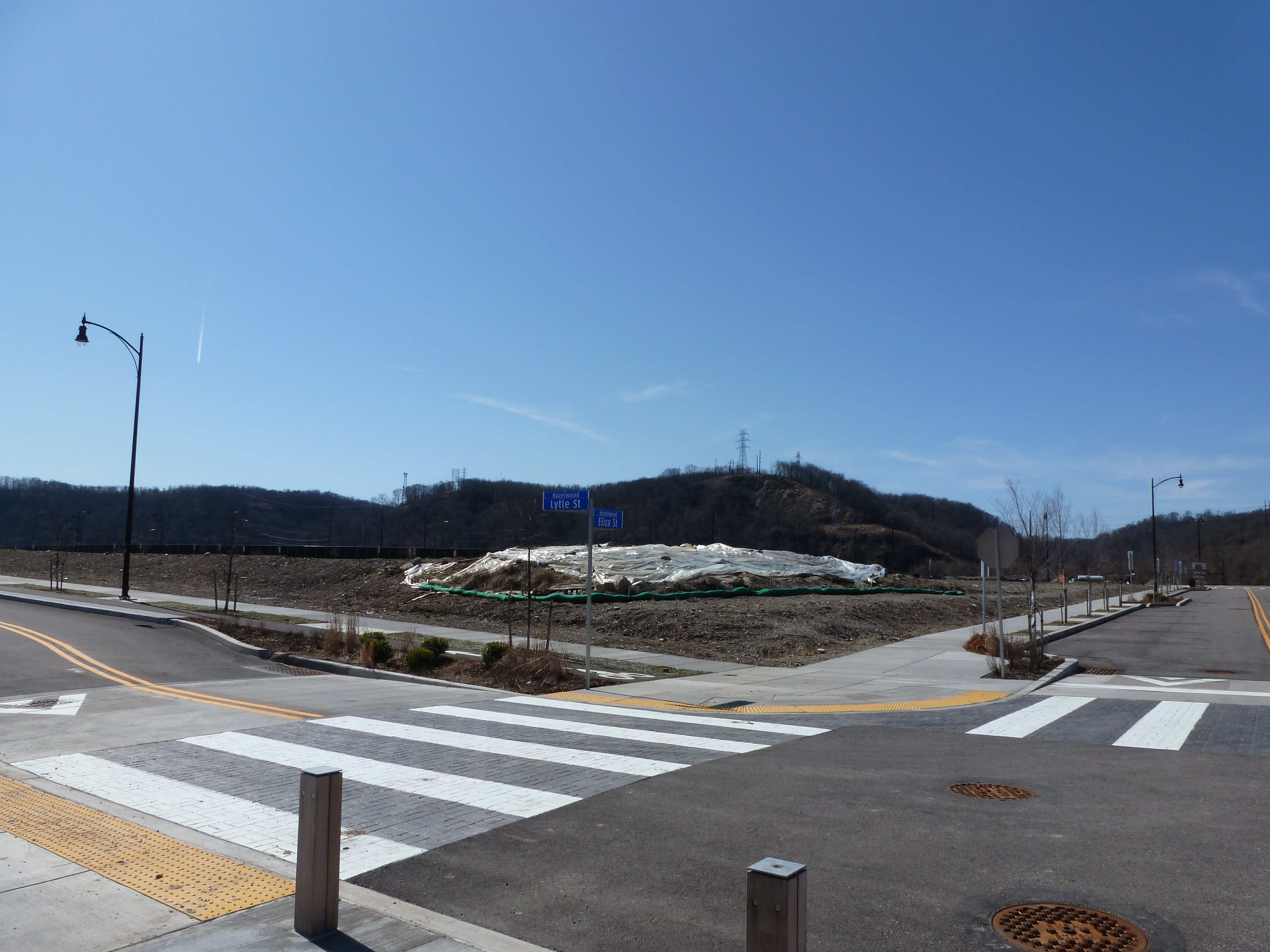
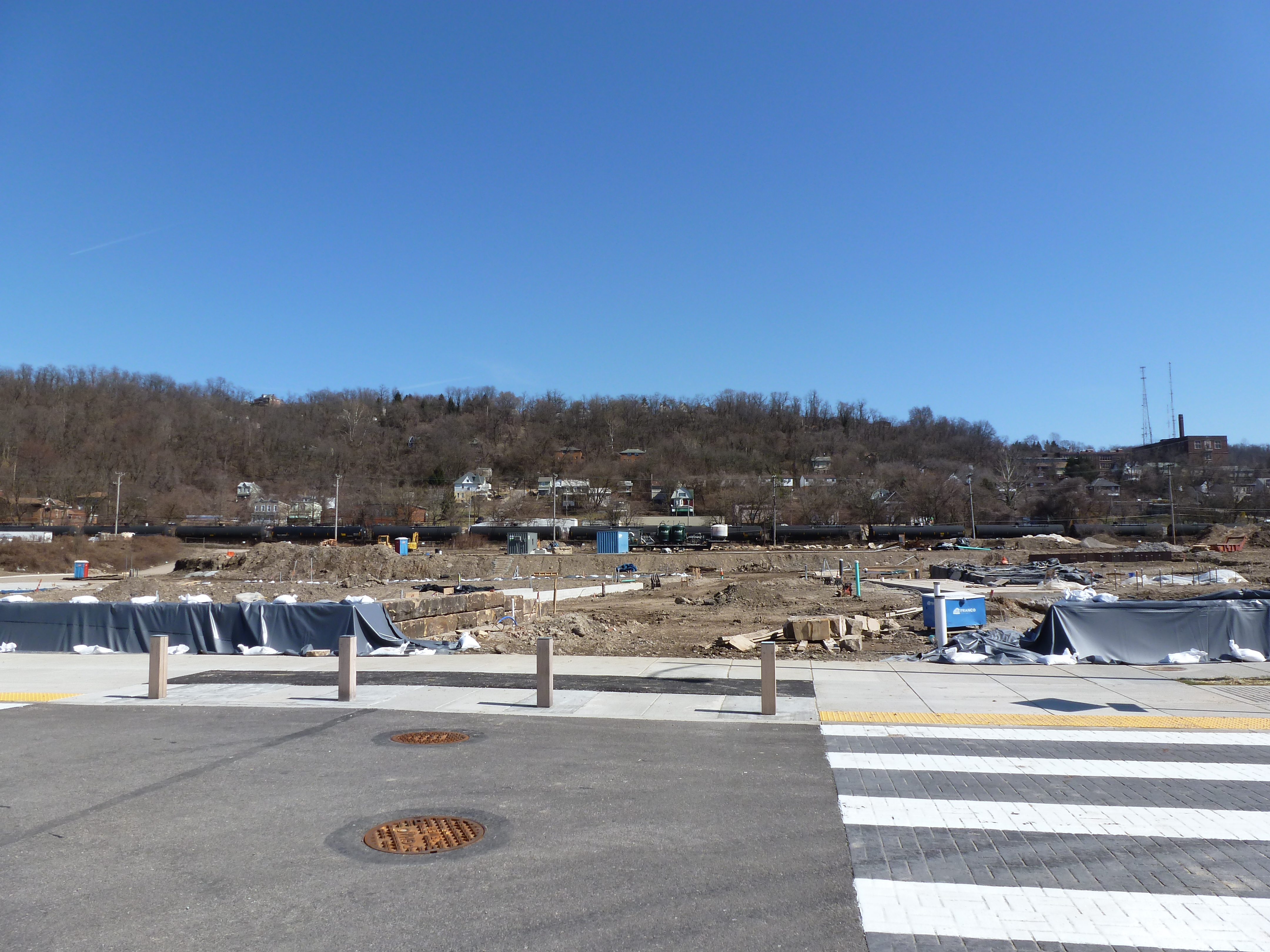
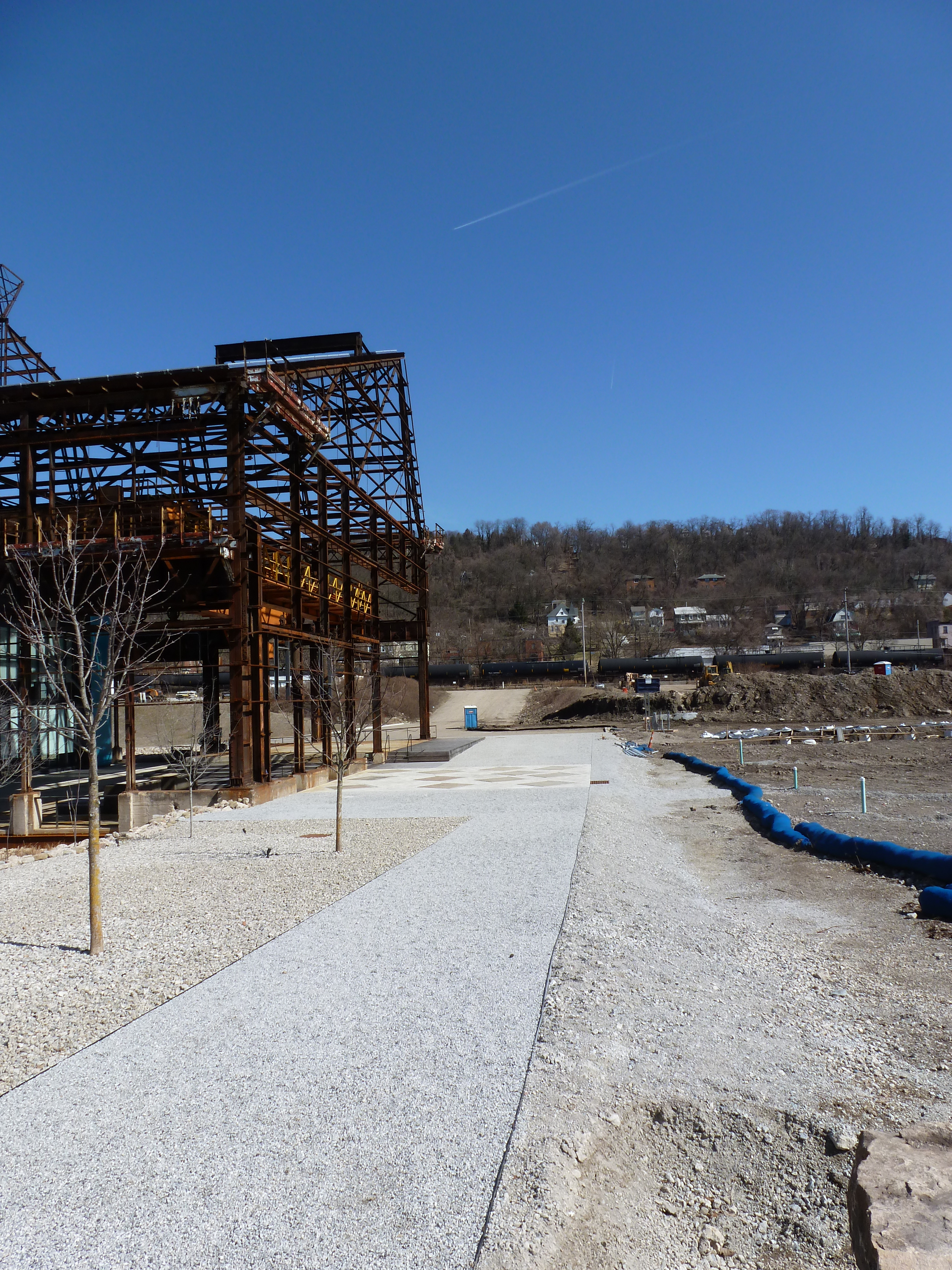
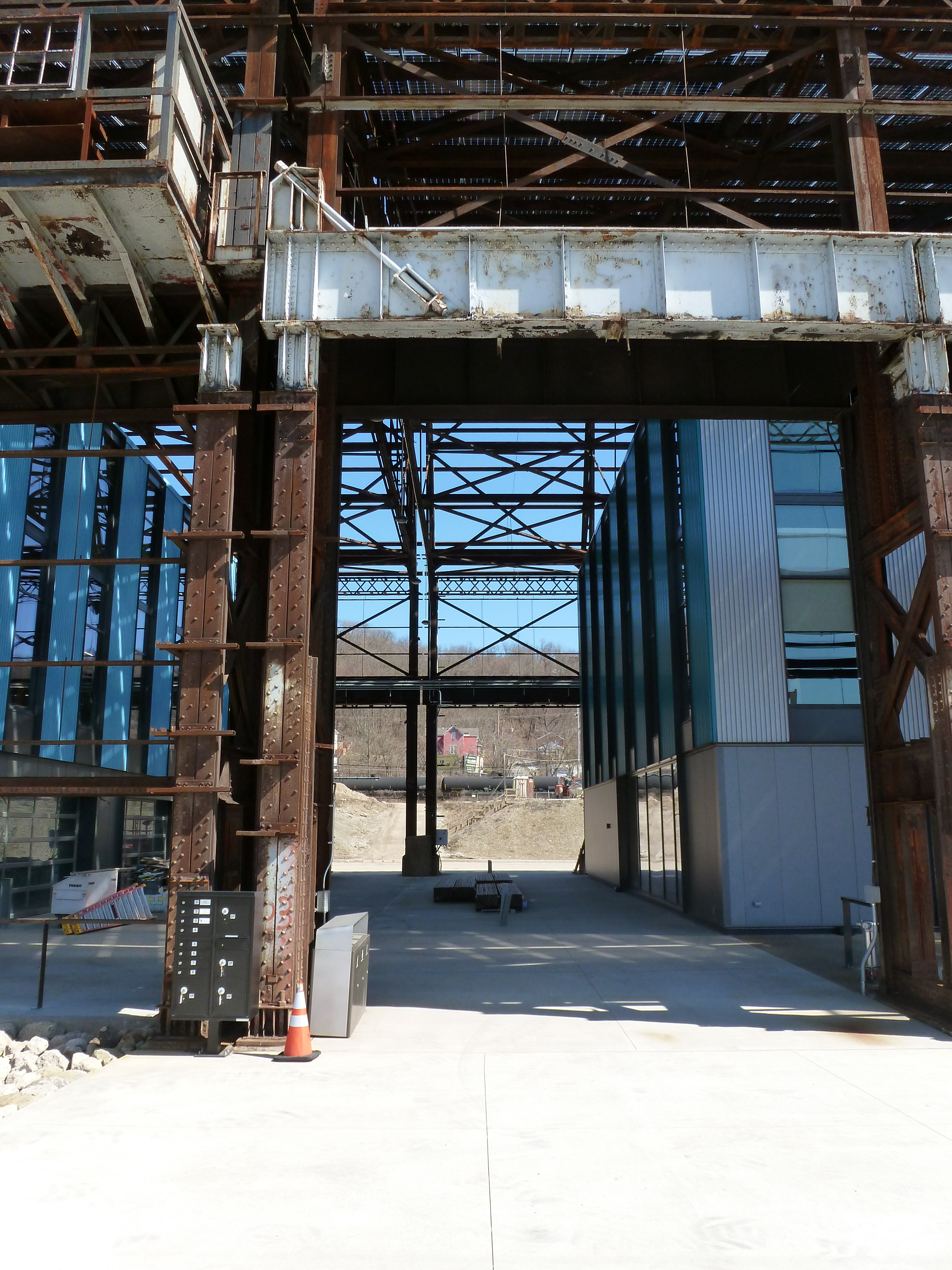
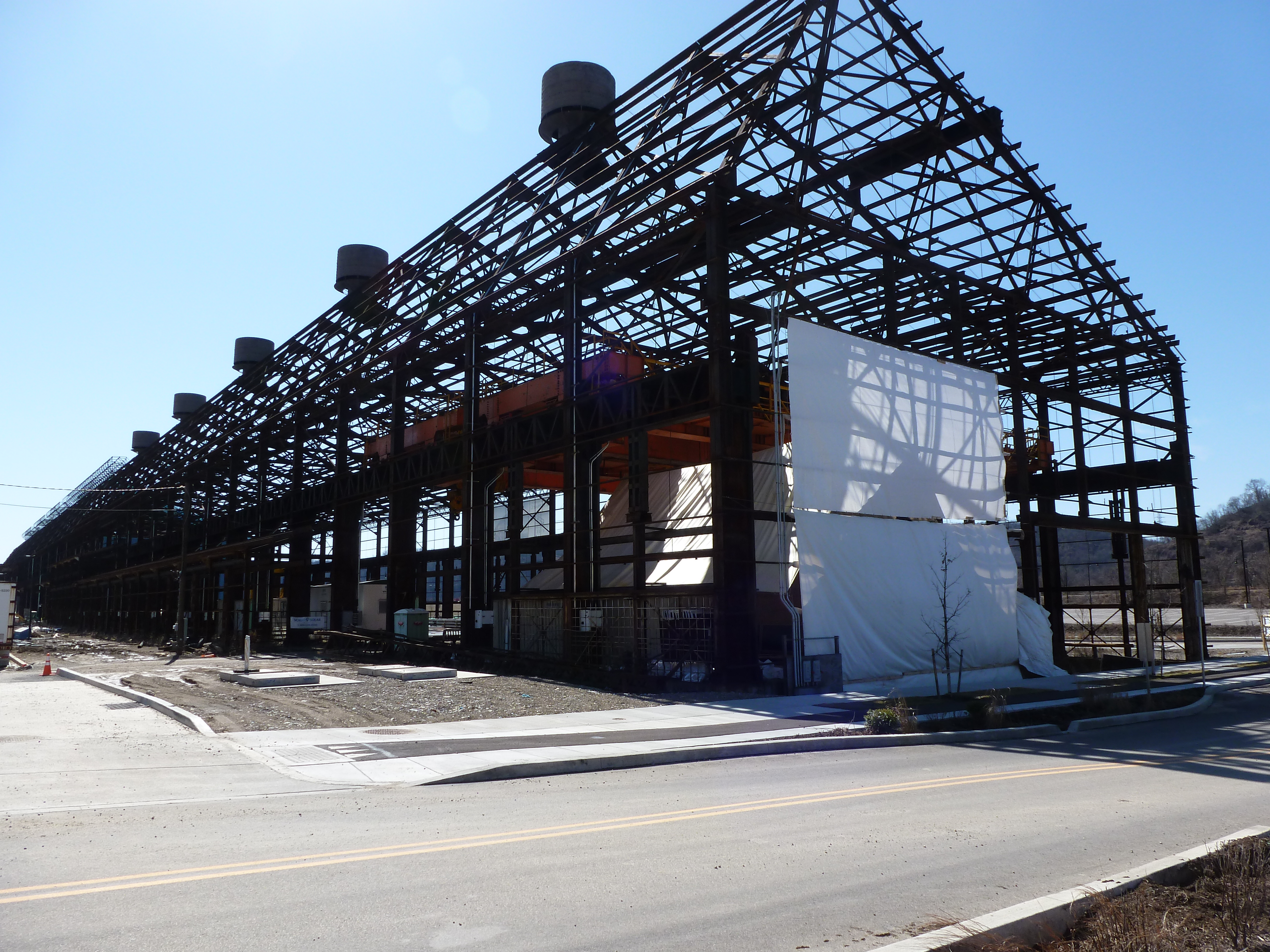
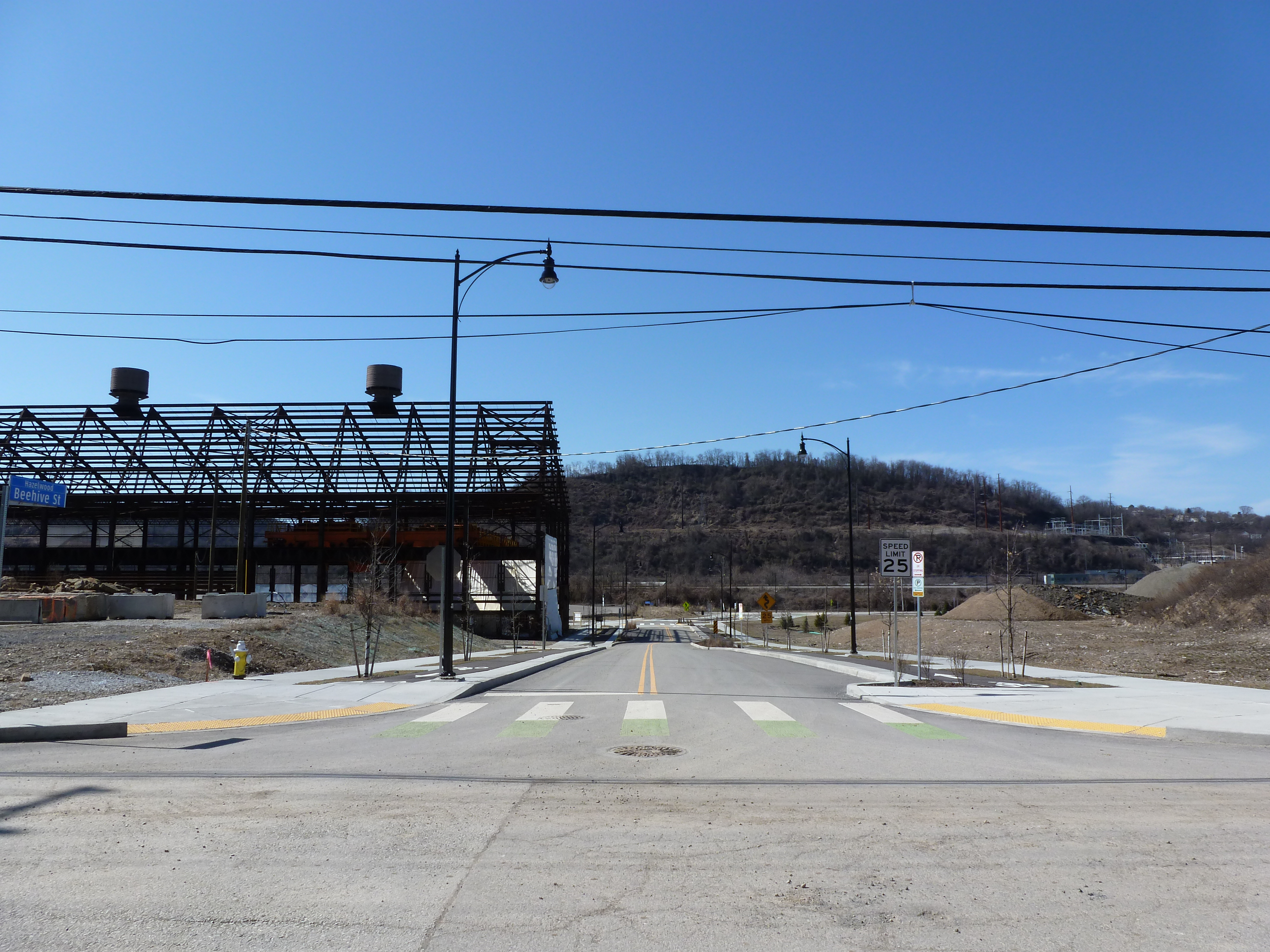
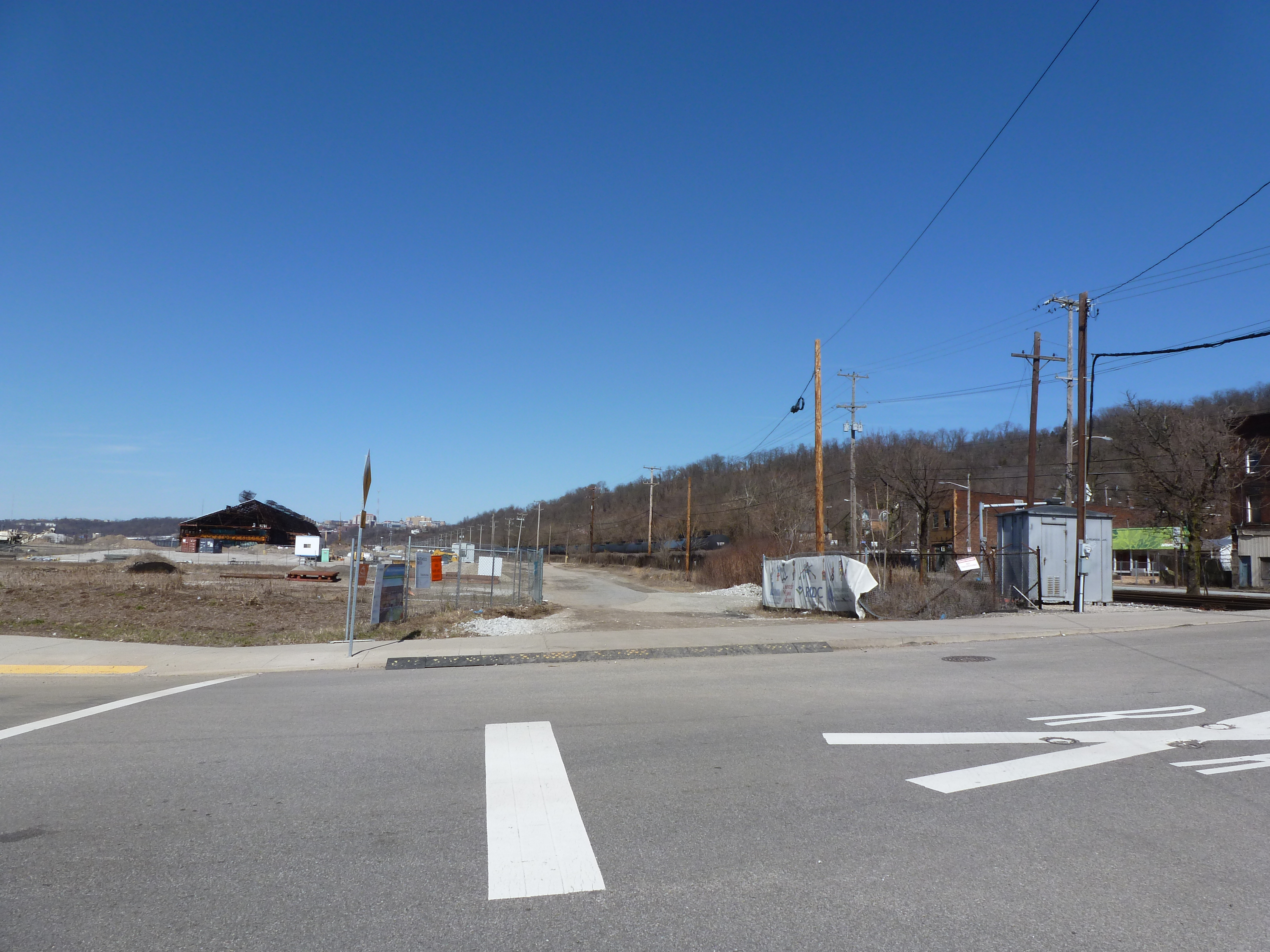
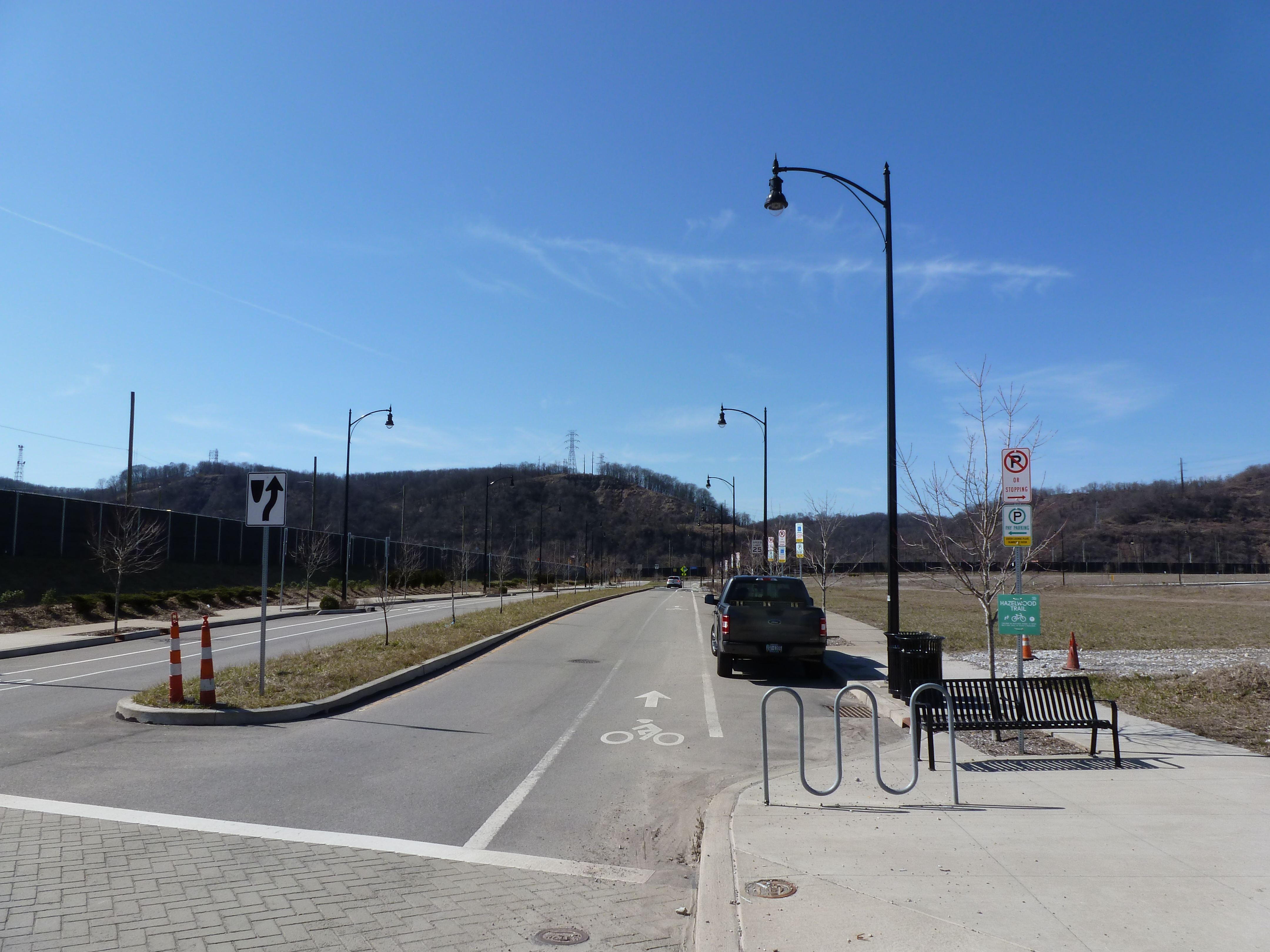
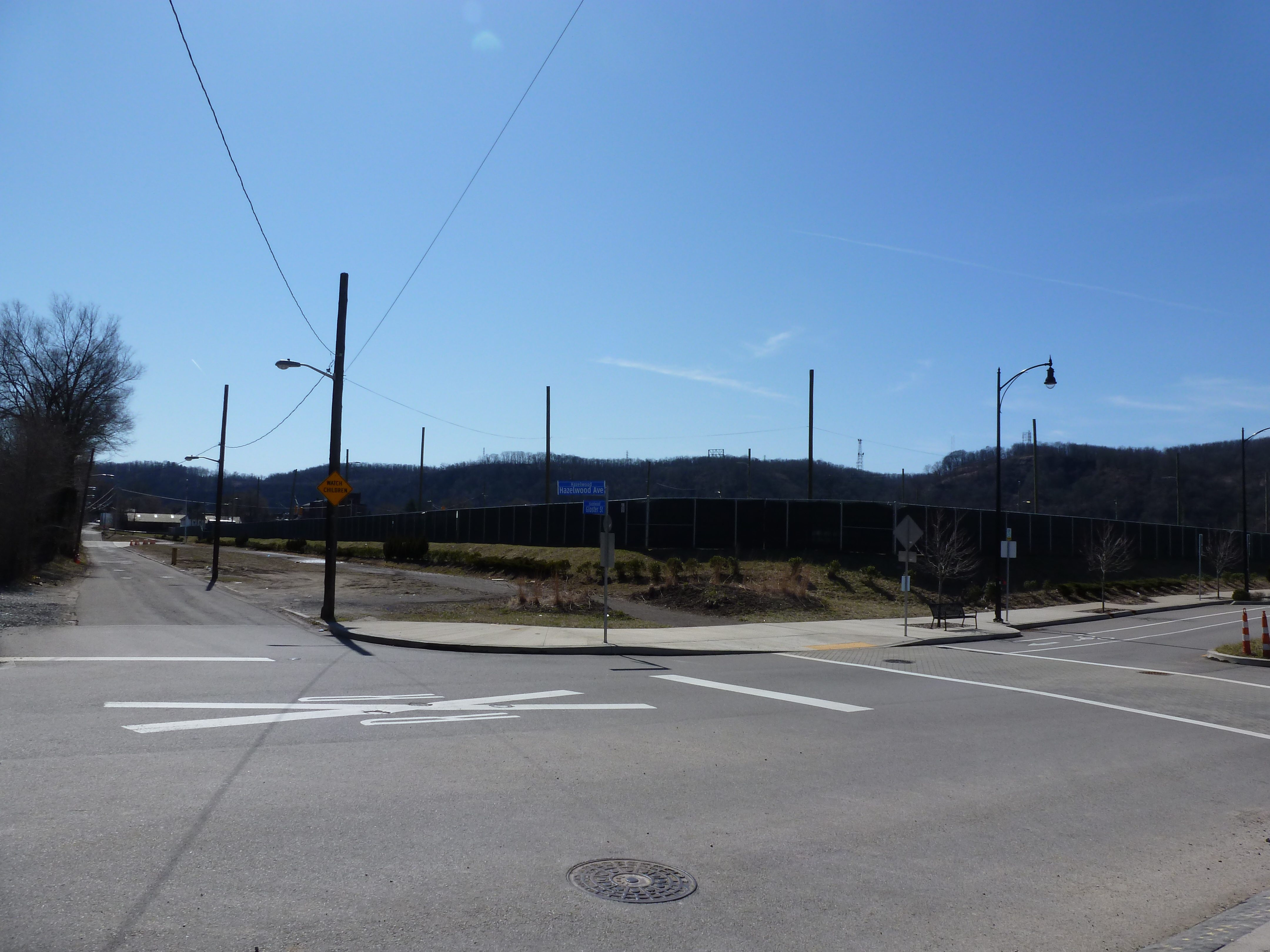
Hazelwood is a neighborhood divided in two by railroad tracks. On one side of the tracks are Hazelwood Green, a residential enclave, and some industrial and commercial uses. Here is a snapshot of the residential enclave and surrounding uses:

Hazelwood in the News:

Post-Gazette Article on proposed new road between Hazelwood and Oakland April 10, 2020

Keeping an Eye on Hazelwood (across the tracks): Apr. 2020

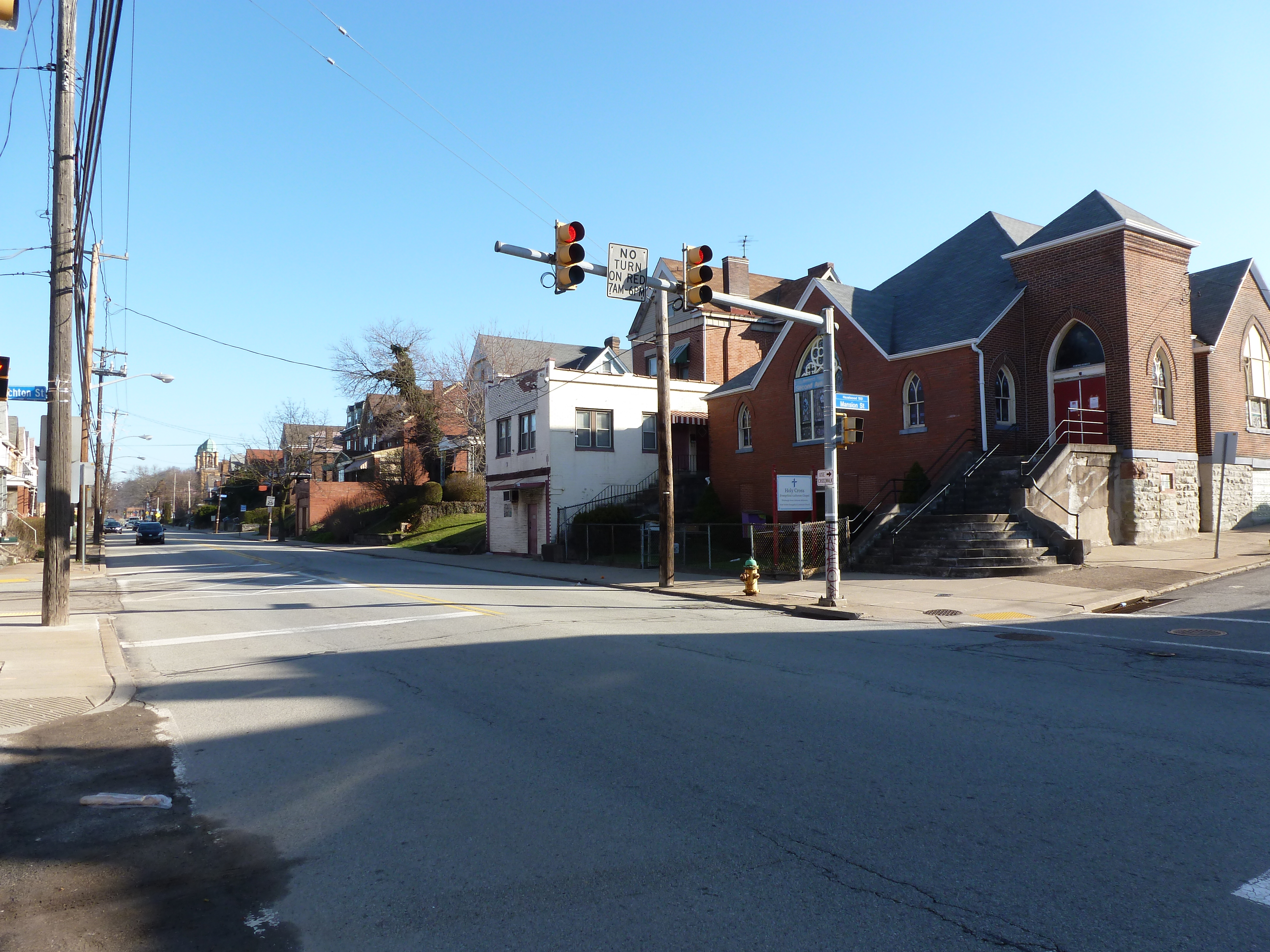
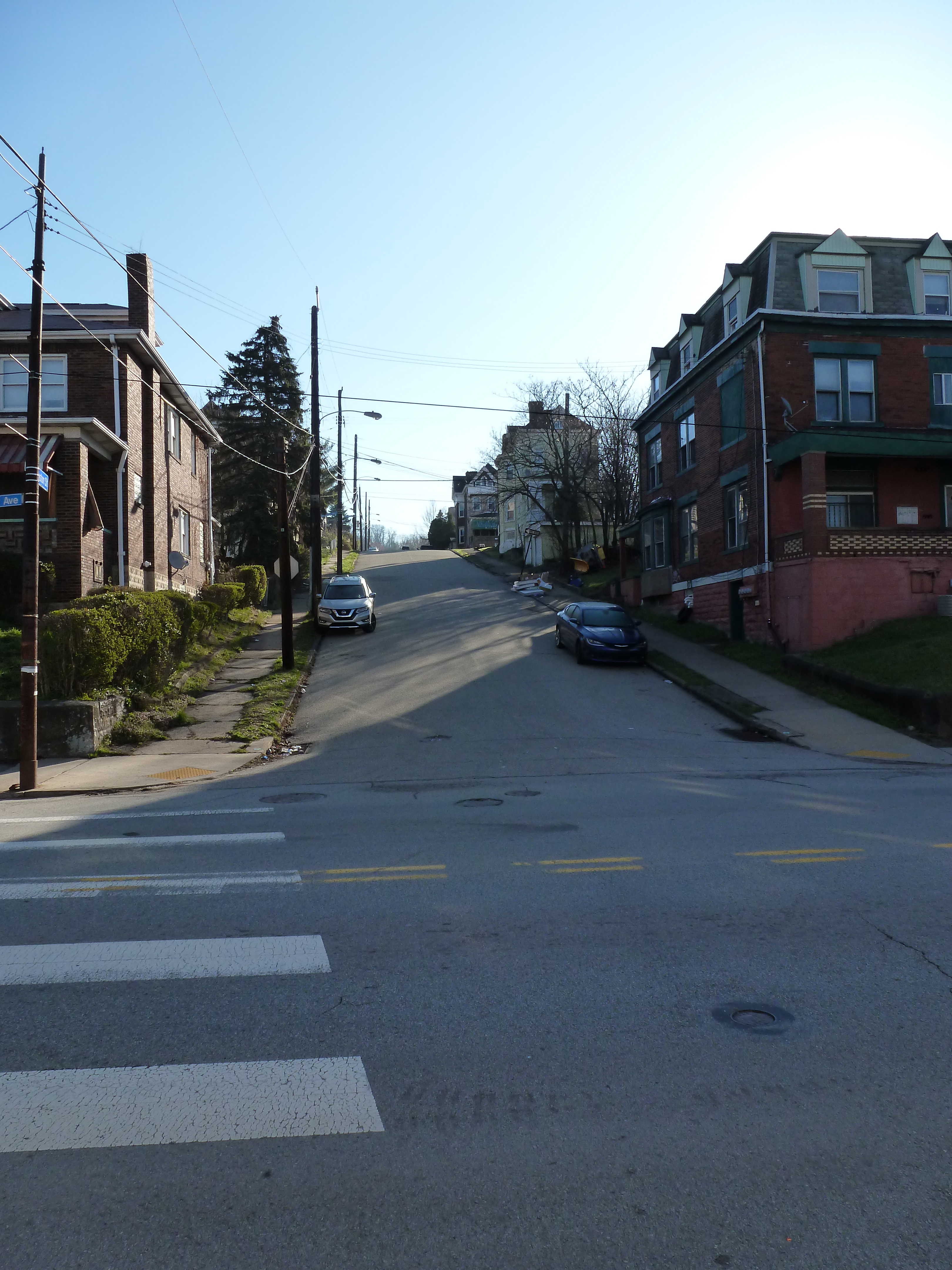
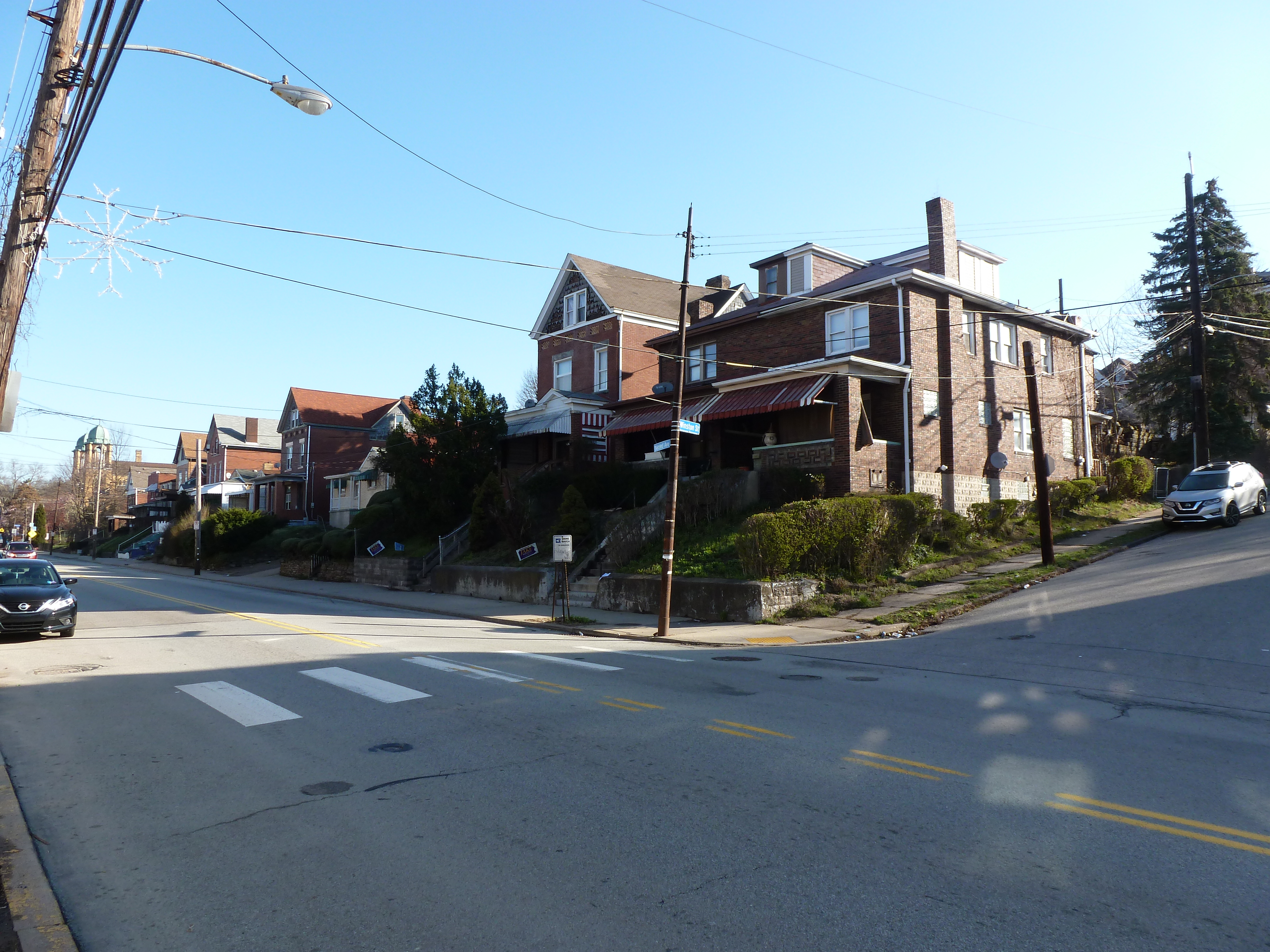
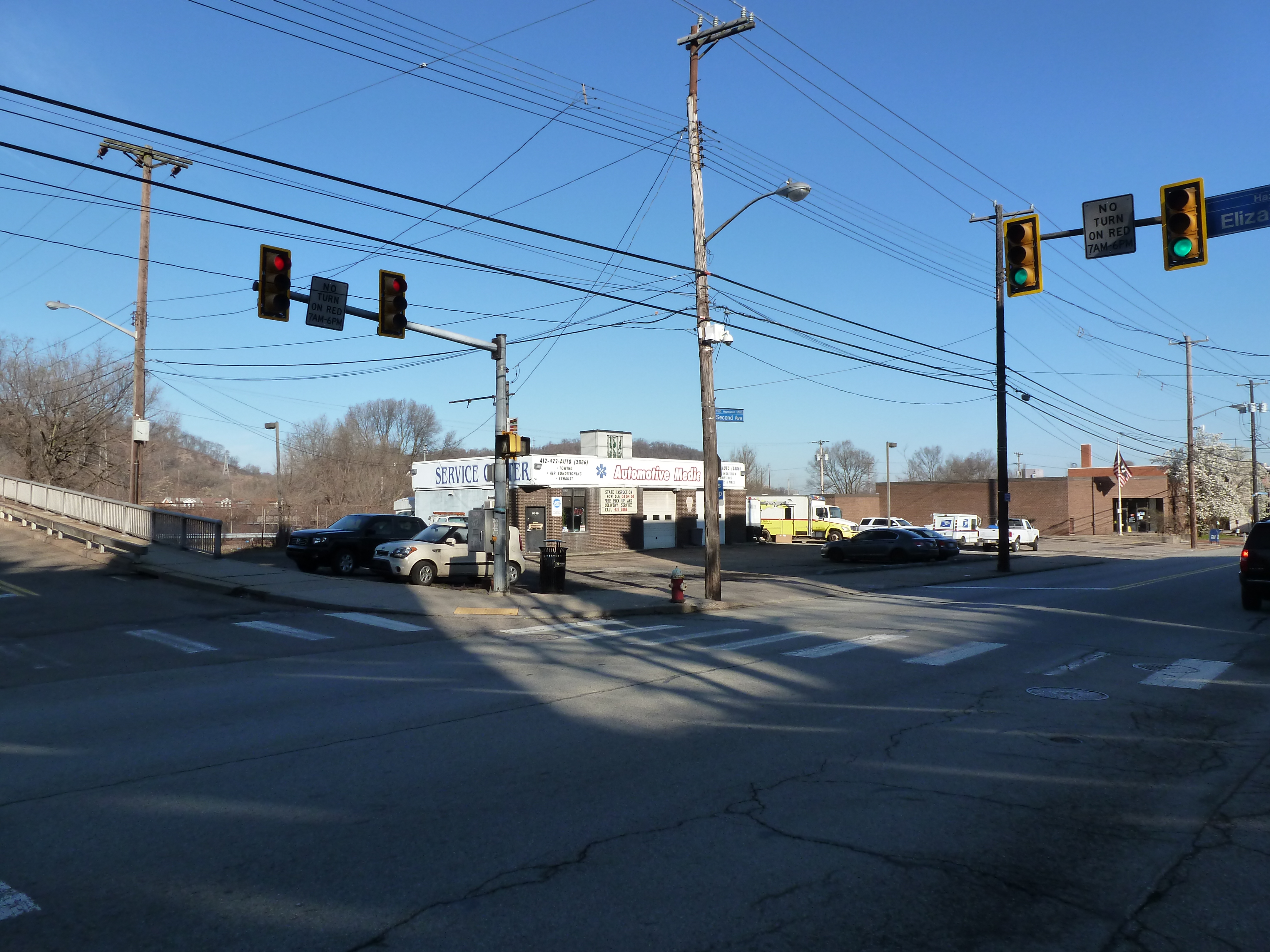
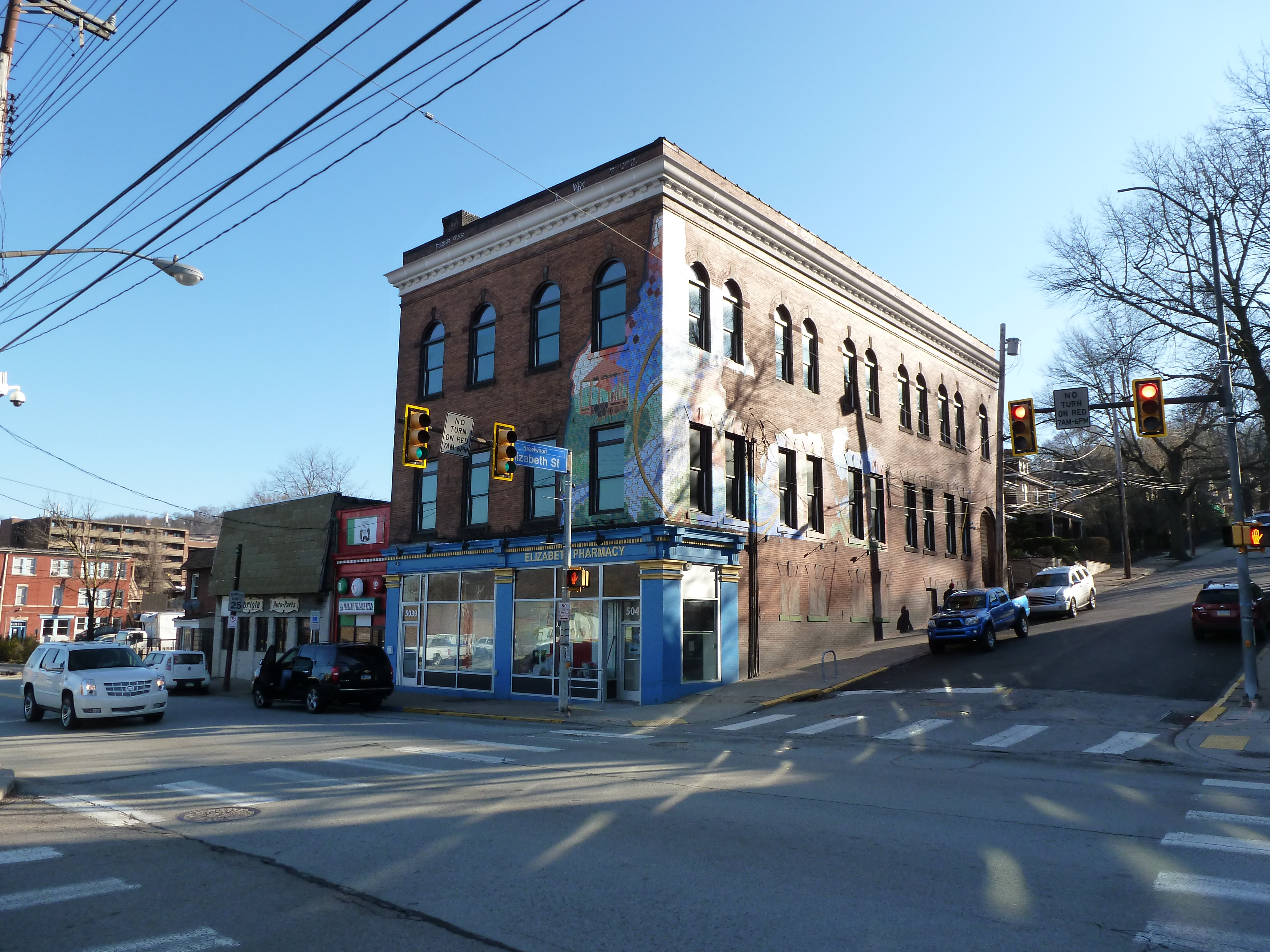
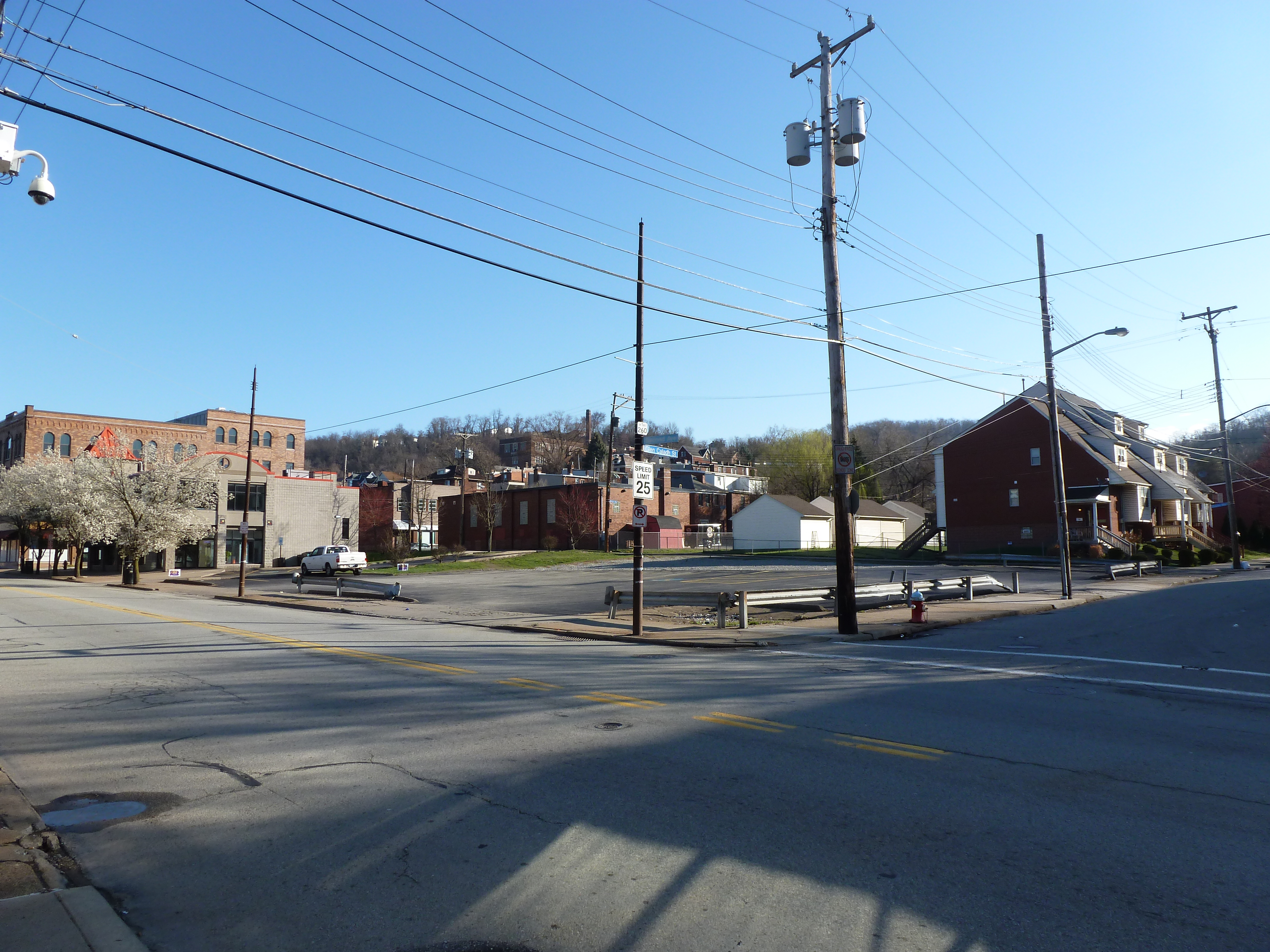
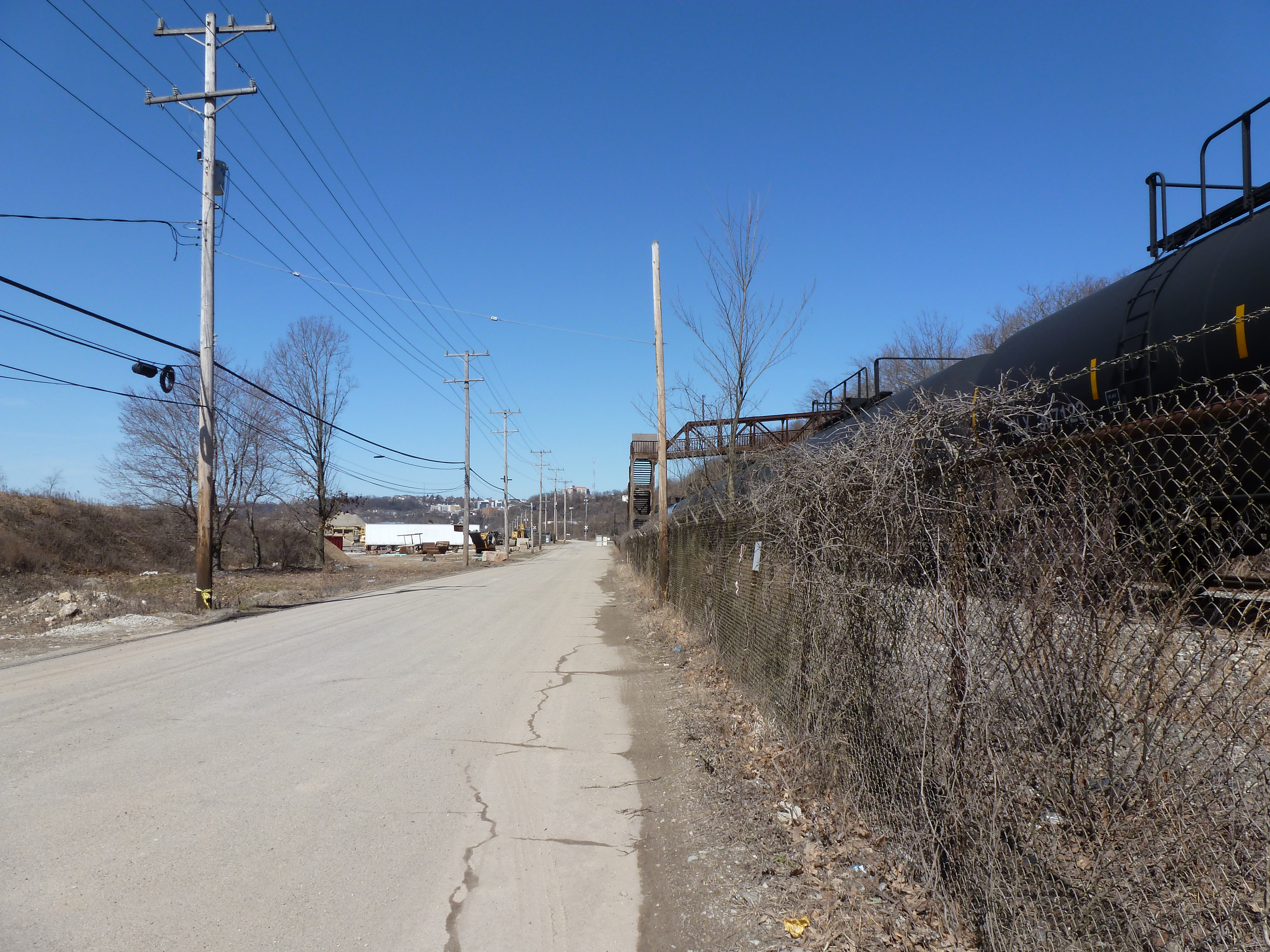
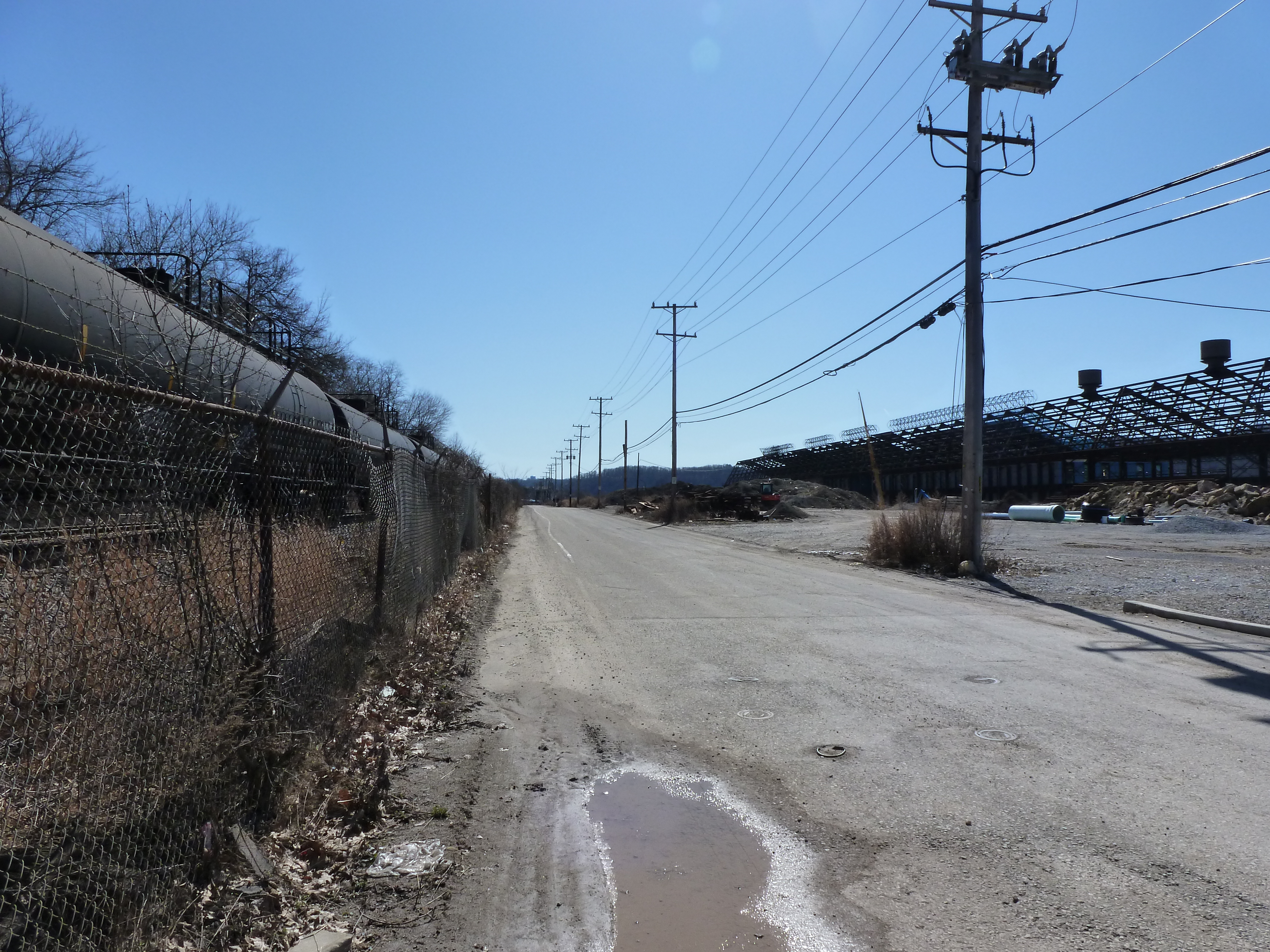
Hazelwood is a neighborhood divided in two by railroad tracks. On one side of the tracks are Hazelwood Green, a residential enclave, and some industrial and commercial uses. This is what is across the tracks:

Second Ave

Hazelwood Ave

Other Sites:

Keeping an Eye on Hazelwood Green: Mar. 2020

Ringing the Bells

A deep, full-bodied gong expanded through the small basement of the Zion Reformed Church in Allentown, PA, after the docent tapped the clapper against the replica Liberty Bell. Depending on the source, the US government commissioned 53 or 57 replica Liberty Bells from a French company in the 1950s. One was kept in France and the rest were distributed to each of the US states and territories. Most were put on display somewhere in the State Capitals. Pennsylvania was one of the exceptions.

During the Revolutionary War, the Liberty Bell and other bells from Philadelphia were hidden in the Zion Reformed Church’s basement in Allentown to protect them from the British troops. Now the basement is a museum to the Liberty Bell, featuring Pennsylvania’s replica bell along with artifacts from the Revolutionary War. The replica bell is whole with the famous crack depicted by a line drawn with a Sharpie marker. As a result, there isn’t the concern that ringing the bell will worsen the crack and perhaps split the bell in two as there is with the original. Still the docent must tap the bell very gently in demonstrations as it was designed to be heard 20 miles away. In the small basement, the full sound could cause auditory damage.

Most days in Pittsburgh, I can hear the neighborhood Catholic church bell chime the hours. Under the right weather conditions, I can hear a church bell from another neighborhood. The Catholic church is within a mile of my house. The other church is up to 2 miles away. Though I don’t subscribe to any organized religion, hearing these bells gives me a feeling that I am part of a community. The bells of the Allegheny County Courthouse downtown inspire a similar feeling of belonging when they ring at noon and 5:00 pm. These sounds create a shared experience between me and all the other people within earshot of the ringing bell.

The difference in capacity of the Liberty Bell and the bell of the local Catholic church reflects the style of living at the time they were established. In the days of the Liberty Bell, most of the country was agrarian with people spread out on farms often at least 20 miles away from the nearest town or hamlet. Fast forward to the 1910s, when the local Catholic church was established in a growing, dense urban environment. Most parishioners lived in the same neighborhood as their church, not more than a mile or two away. Today, in post-suburbanization US, people live in different neighborhoods or even towns from where they worship or work. In such a world, there isn’t one civic or religious institution that everyone within earshot subscribes to. I am glad to live in a neighborhood where there still is a bell to remind us every so often to look up from our digital devices to see and hear the world immediately in front of us.

Cage-Free Bridges

The summer I spent walking Pittsburgh bridges, I complained about the cages on the Millvale Avenue Bridge, the Highland Park Bridge, and the Graham Street pedestrian bridge. The narrow sidewalk and chain link fences on the first two examples and the chain link cage on the third example made me feel yucky and claustrophobic. Thanks to one of my blog followers, I recently learned that people tend to throw things onto moving objects, which is why bridges like the Millvale bridge have higher fencing along portions over roads and railroads. I still wished there was a cage-free option to meet the same goals of the bridge builders.
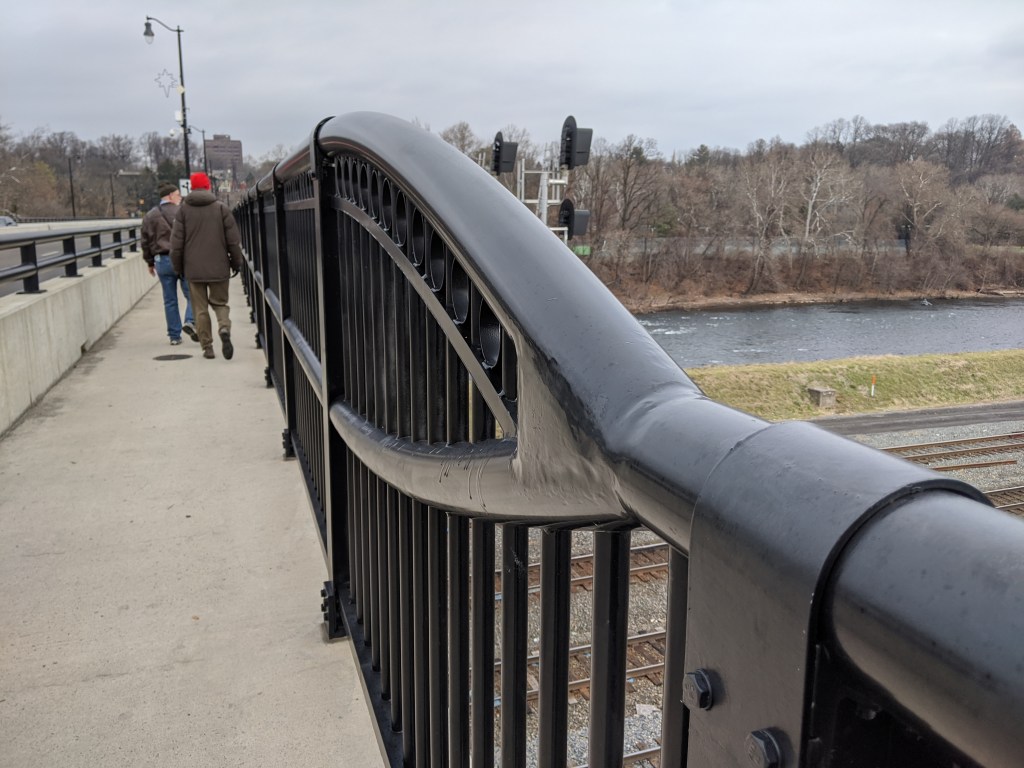
In Bethlehem, PA, I found just such an option on the Fahy Bridge. It is a fairly plain concrete bridge saved from the ugliness and gloom of many concrete bridges by using a functional, yet decorative, railing instead of the more common functional, yet ugly, chain link fence. This railing was installed during the 2016-18 renovation of the Fahy Bridge. Recent bridge renovations and replacements in Pittsburgh also feature more decorative railings. While the first of these new bridges in Pittsburgh tried to dress-up a chain link fence cage, the later ones are successful cage-free bridges even when they incorporate chain link fencing.* These examples give me hope that the days of caged bridges may be a thing of the past.

*Note: I have a to-do item to go back and photograph these new bridges for future posts, but no set timeline for the completion of this task.