On my way to check out the site of Pittsburgh’s collapsed bridge, I drove by Bill Dollarsaurus. He had received a makeover since the last time I saw him. His new look:


On my way to check out the site of Pittsburgh’s collapsed bridge, I drove by Bill Dollarsaurus. He had received a makeover since the last time I saw him. His new look:
Just after I began my 10-year anniversary celebration of bridge walking, the Forbes Ave Bridge over Fern Hollow collapsed on January 28, 2022. This accident shone a light on a pattern of infrastructure funding in the time since I became a bridge person. Ten years ago, there were several bridges built, repaired, or replaced in Pittsburgh. Five years later, the flurry of long overdue investment in our infrastructure stopped – before all the bridges that needed help received it. An article on the aftermath of last month’s bridge collapse reminded me that federal funds were allocated toward infrastructure under the Obama administration. As a result, many bridges that were falling apart were fixed or replaced. It seems that when that funding stopped, so did the repairs. Now that new funding has been allocated under the Biden administration, we should see a similar spurt of investment in our infrastructure, starting with the now missing Fern Hollow Bridge.
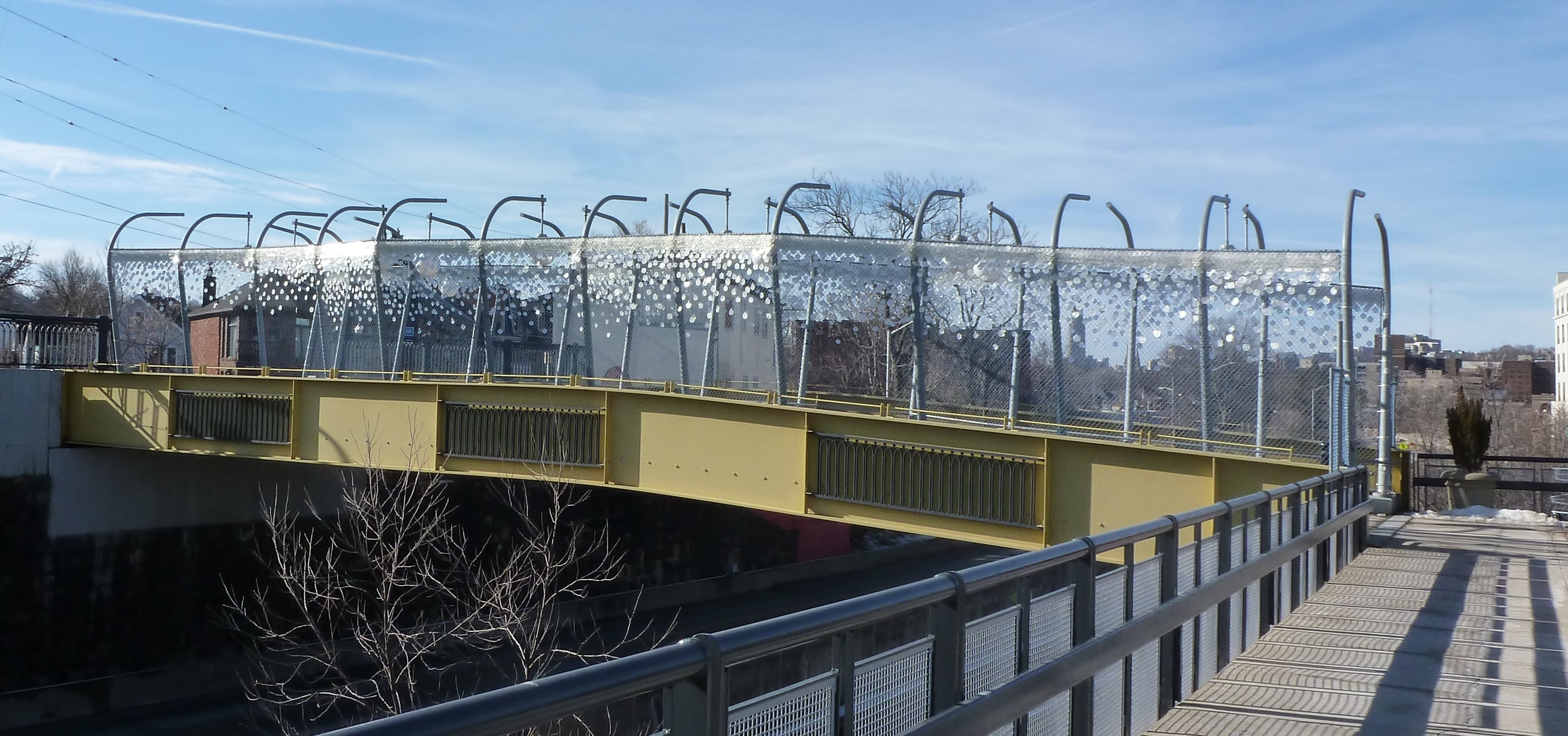
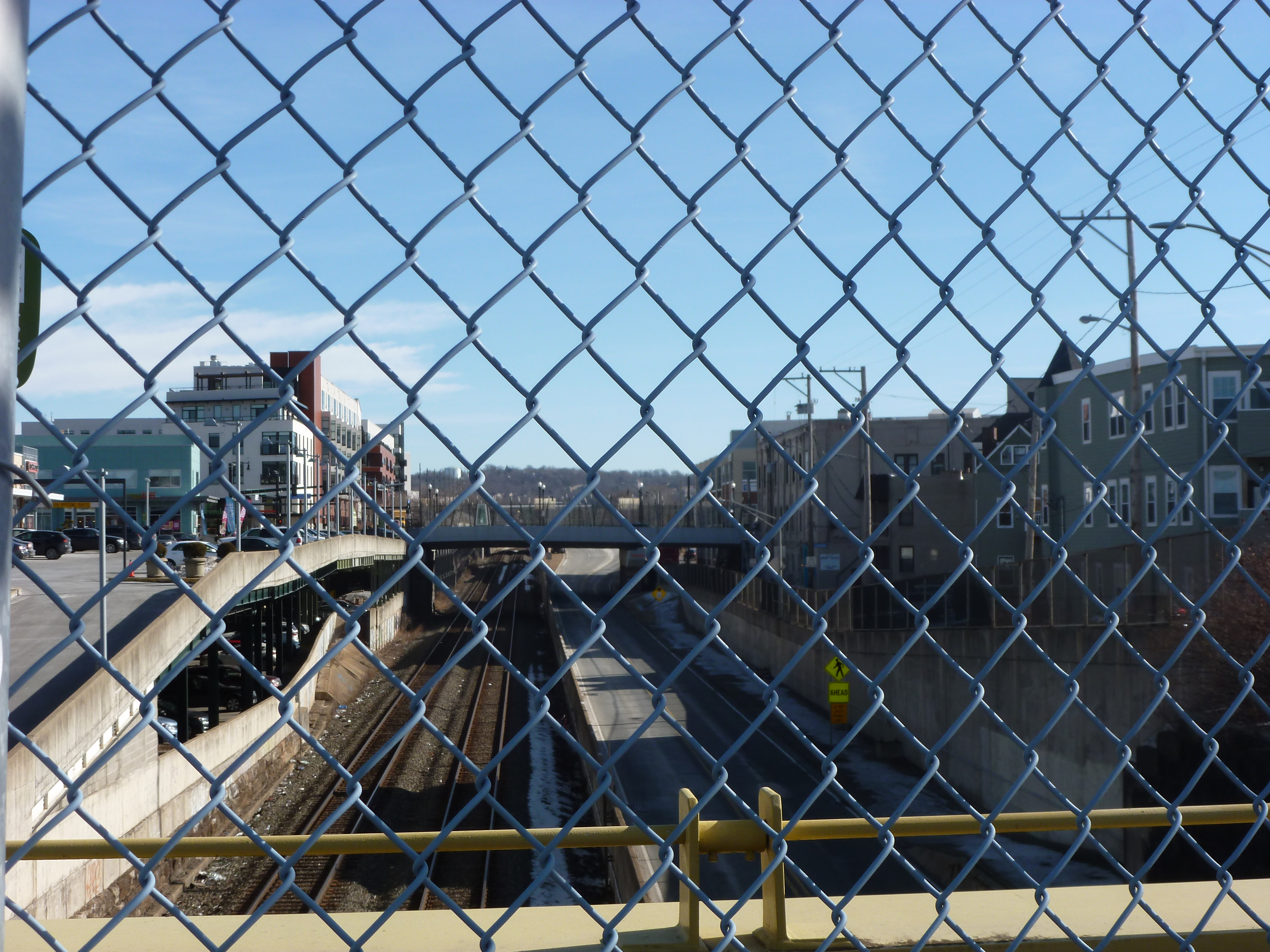
One of the bridges presumably supported by the Obama infrastructure funding was the brand-new pedestrian bridge across the East Busway connecting the Shadyside and East Liberty neighborhoods. This bridge is 10-years old this month. The “road” surface of the bridge hasn’t held up very well: the paint was faded and the top surface was patchy when I returned this month. On the other hand, the over-the-top lamps and giant glitter looked like they have held up well. Though it’s hard to say in wintertime, the landscaping between the cage and the bridge walls also appeared to be well maintained.
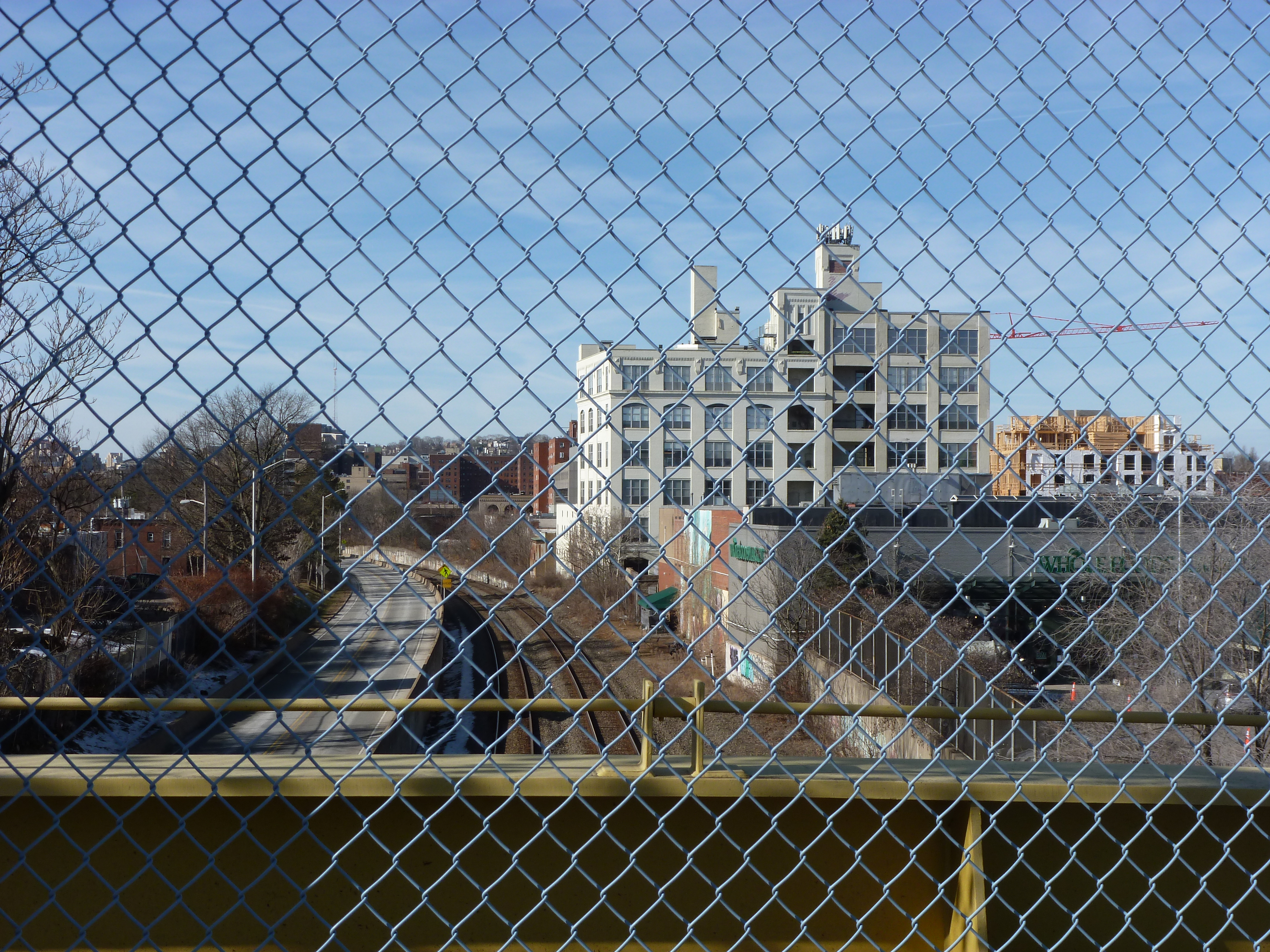
From the bridge, some of the new developments in East Liberty are visible. Looking southwest toward the current location of Whole Foods (soon to relocate), one of the several new apartment buildings along the Baum-Centre corridor is visibly under construction in the far right of the second set of photos. In the third set, the northeast view shows the new South Highland Avenue Bridge and (to the left of the bridge) the final phase of the East Side Bond development that brought several buildings of first floor commercial with residences above.
I was surprised to find that the highly controversial and massive redevelopment of the former Penn Plaza affordable housing complex was not visible from this bridge. Despite being only a quarter mile apart, the first phase of redevelopment is blocked from the bridge’s view by the iconic Motor Square Gardens building. One of the controversies of this new development is that affordable housing units were demolished without replacement for a series of commercial buildings which include the feature anchor of the pricey Whole Foods grocery store.
The pedestrian bridge was controversial when it was proposed and built. It connects the wealthy Shadyside neighborhood to the expensive Whole Foods, a high-end liquor store, and other luxury shops. It is also redundant as the South Highland Avenue bridge is only 0.1 miles away. A quarter mile away, is the neighborhood of Larimar whose residents are primarily living on low-incomes and do not have a walkable route to the lower cost Giant Eagle grocery store or Trader Joes that are just on the other side of the busway from their homes. For years, the residents have been asking for a pedestrian bridge over the busway to give them better access to these stores. Instead of a bridge serving those who need it, an ornamental bridge was built to provide access for those who already have abundant options.
Around the same time that this bridge was built, the Port Authority altered its bus service by eliminating the 94B bus that connected the low-income residents of Larimar with a shopping center featuring Walmart, Giant Eagle, TJ Maxx and similar clothing retailers, and other stores. In addition to providing shopping opportunities for necessities, these locations provided jobs. The 94B bus was never less than half-full (an unusual condition for Pittsburgh buses outside of rush hour). This bus was replaced by the 75 bus, which connected the higher-end shopping centers of South Side Works and Bakery Square through the wealthy residential neighborhood of Shadyside. For years, it was common to be the only person or one of a handful of people riding the 75. Eventually, the Port Authority acknowledged the value of the 94B route and tact it on to the end of the 75 route.
Presumably both the pedestrian bridge and bus route changes of 2012 were supported at least in part by the federal infrastructure funds of the time. With the current round of federal funding, it would be nice to see a greater focus of infrastructure investment for those who need it and not on additional luxury options.




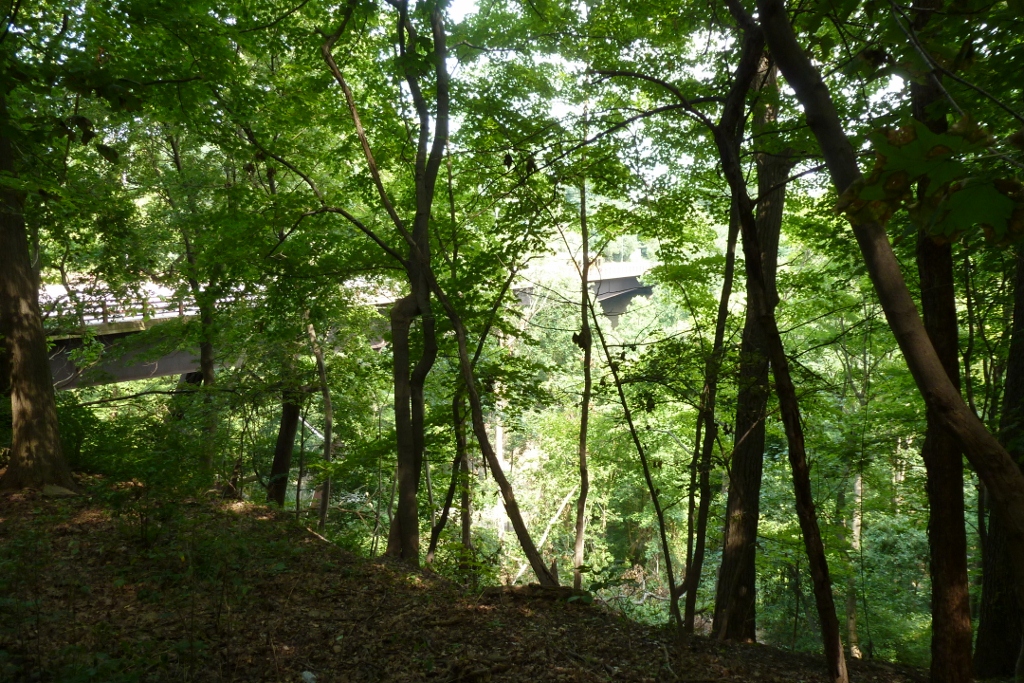
I had intended to do some serious traipsing this weekend in and around Frick Park to see what kind of angles and views I could get on the site of the bridge collapse into Fern Hollow. Unfortunately, a foot injury during the week has limited my mobility to within a short range of my car. Fences and construction tape block unauthorized people from getting closer than the intersection of Forbes and Braddock on the west side of the site.
Below are updates on the activity inspired by or related to the bridge collapse, some of which follow-up on the activity identified a week after the collapse:
A week ago yesterday, an important arterial bridge collapsed in Pittsburgh – on a day that President Biden was already scheduled to be in town to talk about infrastructure. Fortunately, while several vehicles, including a bus, were on the Forbes Ave bridge when it fell into Frick Park’s Fern Hollow, no one died. Several people were injured. Some were treated on site and many were taken to the hospital.
The bridge was one of many in the region that are known to be structurally deficient. The City Controller Michael E. Lamb told the Pittsburgh Business Times that “Allegheny County has more structurally deficient bridges than any other county in the nation.” President Biden said in his visit that there are 3,300 bridges in Pennsylvania “just as old and . . . just as decrepit” as the Fern Hollow Bridge. (Pittsburgh Business Times) An editorial in the print edition of this week’s Pittsburgh Business Times noted that the estimated cost to fix all the bridges in Pennsylvania would be $20.7 billion, however, the total allocation of bridge repair funds to the state from the infrastructure bill is $1.63 billion. This is a drop in the bucket of what is needed to maintain the long neglected infrastructure of the region, state, and country. However, it is a drop we didn’t have before. The editorial ends with a call to state and local authorities to make bridge repair a higher priority as “We were lucky with this collapse that no one was killed, but we likely won’t be so lucky next time. Let this serve as a wake-up call.”
There has been a flurry of activity in the wake of the collapse:
On a side note, President Biden said he hadn’t known before that Pittsburgh has more bridges than any other city in the world (Pittsburgh Business Times). While I have written about this claim before, I recently discovered that my original source for the number of bridges in the city has some errors (including at least one bridge counted twice due to the renaming of the street carried by that bridge), which has shaken my faith in the claim as a few errors like that would put Venice back in the lead.

Yesterday, after the Fern Hollow Bridge collapsed in Pittsburgh a photo circulated on social media of one of the steel support beams of the bridge completely rusted through. This photo was taken in 2018 and reported to the City’s 311 system. While the photo also showed cables that had been added to the bridge to presumably take over the job of the steel beam that then ended in mid-air, the person submitting the photo was concerned that this might not be sufficient. I have seen similar rusted conditions on other bridges that I have walked over or under in Pittsburgh. I cannot remember if it was the Negley Ave bridge over the busway, the Charles Anderson Bridge over Junction Hollow in Frick Park, both, neither, or a handful of other bridges. (Note: both of these bridges are rated in poor condition.)
A neighbor quoted in a Tribune Review article after the Fern Hollow Bridge collapse wondered why the bridge hadn’t been repaired or replaced before the accident since it was known to be in poor condition. According to BridgeReports.com, which pulled inspection data on the bridge from 1991-2017, the bridge has been rated as in poor condition since 2011. Based on my experiences and exposure to bridges, I am not surprised that a bridge was left in poor condition for over a decade. This morning, I pulled data from the National Bridge Inventory on the 449 inventoried bridges within a 6-mile radius of downtown Pittsburgh. I was surprised to find that only 10% of these bridges were rated in poor condition.
Below is a chart of the 48 bridges rated in poor condition within a 6-mile radius of downtown, which includes some that are outside the boundaries of the City of Pittsburgh. In those cases, the city owner would be the municipality they are within. The first four columns are the data I pulled from the National Bridge Inventory, the final column is from BridgeReports.com. Both sources were updated through 2018, which means that there have been some changes since then, including the possibility that more bridges have fallen into a poor state. I marked in italics the bridges that I am heard went through renovations in recent years and in bold the one that collapsed. The bridges with hyperlinks are the ones that I have walked and blogged.
| Owner | Bridge Description | Year Built | Year Renovated | Rated Poor Since |
| State | Island Avenue Bridge | 1900 | – | – |
| State | Wetzel Rd over Pine Creek | 1936 | – | – |
| State | Blvd of Allies over cliff | 1950 | – | 2018 |
| State | Blvd of Allies over Forbes | 1952 | 1984 | 2017 |
| State | Ramp U over Old Brady St | 1954 | 1985 | 2013 |
| State | Ramp R over Brady | 1956 | 1985 | 2017 |
| State | Ramp H over Forbes, Diamond, 6th Ave | 1962 | 2012 | 1997 |
| State | Peoples Rd over Girtys Run | 1963 | – | – |
| State | Washington Ave over P&O RR | 1965 | – | – |
| State | Ft Duquesne to 10th St | 1968 | 1988 | – |
| State | Blvd of Allies over another cliff | 1981 | 2001 | 2018 |
| Railroad | West Ohio St over NS RR | 1903 | 1958 | 1991 |
| Railroad | N Ave & Brighton Rd over NS RR | 1905 | 1929 | 2009 |
| County | 9th Street – Rachel Carson Bridge | 1926 | 1994 | 2013 |
| County | Jacks Run Rd over Jacks Run | 1980 | 2019 | – |
| County | Wible Run Rd over Wible Run | 1987 | – | – |
| City | Second Ave over Nine Mile Run | 1886 | – | at least 1991 |
| City | Shaler St over Saw Mill Run | 1900 | – | at least 1991 |
| City | Lowrie St over Rialto St | 1900 | 1972 | 2008 |
| City | Elizabeth St over Gloster St | 1900 | 1979 | 2014 |
| City | Ridge Ave over NS RR | 1903 | 1957 | at least 1991 |
| City | Timberland Ave over Saw Mill Run | 1909 | – | at least 1992 |
| City | Fremont St over Girtys Run | 1911 | – | – |
| City | Lincoln Ave over Girtys Run | 1911 | 1950 | – |
| City | Larimer Ave over Washington Blvd | 1912 | – | at least 1991 |
| City | Grant Ave over Girtys Run | 1914 | 1986 | – |
| City | Klopper St over Girtys Run | 1915 | – | – |
| City | Lincoln Ave over Girtys Run | 1915 | 1986 | – |
| City | Frazier St over Saline St | 1915 | 1989 | 2007 |
| City | S Negley Ave over E Busway | 1924 | 1973 | at least 1991 |
| City | W Carson St over Chartiers Creek | 1925 | 1978 | 2009 |
| City | Ansonia Pl over Saw Mill Run | 1925 | 1998 | 1995 |
| City | Maple Ave over N Charles St | 1929 | 1953 | at least 1991 |
| City | Swindell Br over East St | 1930 | 1990 | 2009 |
| City | Calera St over Streets Run | 1931 | – | at least 1991 |
| City | 28th St over Busway & RR | 1931 | 1974 | at least 1990 |
| City | E Main St over Chartiers Creek | 1934 | 2002 | – |
| City | Charles Anderson Bridge | 1938 | 1987 | 2012 |
| City | Mission St over S 21st St | 1939 | 1982 | 2010 |
| City | River Ave over Bike Trail | 1939 | 1986 | 2008 |
| City | Ganges Way over Streets Run | 1951 | – | 2016 |
| City | E Liberty Blvd SB over walkway | 1968 | – | 2009 |
| City | Forbes Ave over Fern Hollow | 1970 | – | 2011 |
| City | Herron Ave over Busway & RR | 1980 | – | 2018 |
| City | McArdle over Sycamore St | 1983 | – | 2017 |
| City | Milroy St over I-279 | 1986 | – | 2011 |
| Other Local Agency | Centre Ave over East Busway | 1979 | – | 2008 |
| Other Local Agency | Penn Ave over East Busway | 1981 | – | 2018 |
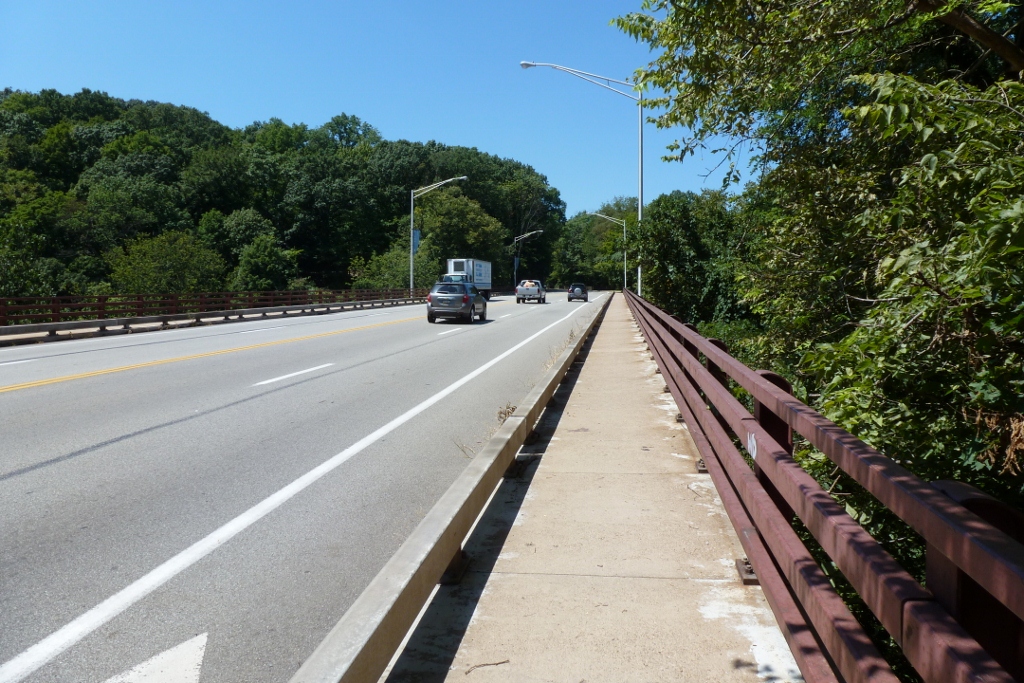
A bridge collapsed in Pittsburgh this morning. While not an iconic bridge, the Forbes Avenue Bridge over Fern Hollow was significant as the sole road link over Frick Park. With this link missing, motorists and those using public transit will have to travel several miles out of their way through some very congested roads. Pedestrians and bicyclists have some shorter options using the park’s trails.
The bridge was built in the early 1970s and as far as I know has not had any significant maintenance work done since then. It is owned by the City of Pittsburgh. Based on the National Bridge Inventory by the Federal Highway Administration, the bridge was in “Poor” condition, had an inspection frequency of 18-24 (units were not included, hopefully this is months), the structural evaluation was “Minimally Tolerable,” the substructure was rated “Satisfactory” while the superstructure was rated “Poor,” average daily traffic was 10,000-15,000, and the detour route would add 2-5 miles. In addition, this site estimates the replacement cost at $6.5 million. I could not find the date of the last inspection on the NBI site. Based on a summary of inspections on BridgeReports.com, which sites the NBI as its source, the bridge was inspected every two years between 1991 and 2017, so presumably there were additional inspections in 2019 and 2021.
There was a bus and some other vehicles on the bridge when it collapsed. The two passengers on the bus were taken to a hospital with “minor injuries” as was a third person. Seven other people are reported to have “minor injuries” that did not require a hospital visit. The City’s first official press release on this disaster says that rescue efforts concluded at 8:30am, but that underneath the bridge was still being checked for potential victims – some of the park’s well-used trails pass underneath. WTAE has videos from the scene; the Tribune Review has quotes from nearby residents on what they heard and saw this morning. This story has also made national news with coverage by on the US News and World Report website.
The coincidences: President Biden is scheduled to speak in Pittsburgh today about infrastructure, including bridge maintenance, the overnight snow may have limited vehicular and foot traffic over and under the bridge, and I just happened to be somewhere where the news was on this morning in time to see the first news report on WTAE (I never watch or read the daily news).
Mayor Gainey is quoted as saying “we were fortunate.” The people using the bridge were unfortunate that the bridge collapsed when it did, but given that it did collapse, they were fortunate in that it appears there are no serious injuries and no deaths. It was also fortunate that the collapse happened before rush hour and on a bridge that was over land. If this was one of our river bridges or if it happened during rush hour, serious injury and death seem impossible to avoid.
Deferred maintenance of bridges is a real and serious thing. Bridges are a crucial part of our daily lives (especially in places like Pittsburgh). Every time I walk over the Negley Ave bridge over the busway, I warily eye the rusted structure. The old Highland Ave bridge over the busway used to spark the same reaction, but it was fortunately replaced several years ago. The Smithfield Street bridge has holes through the sidewalk. How far do we push our “poor” condition bridges before investing in maintenance and repair?
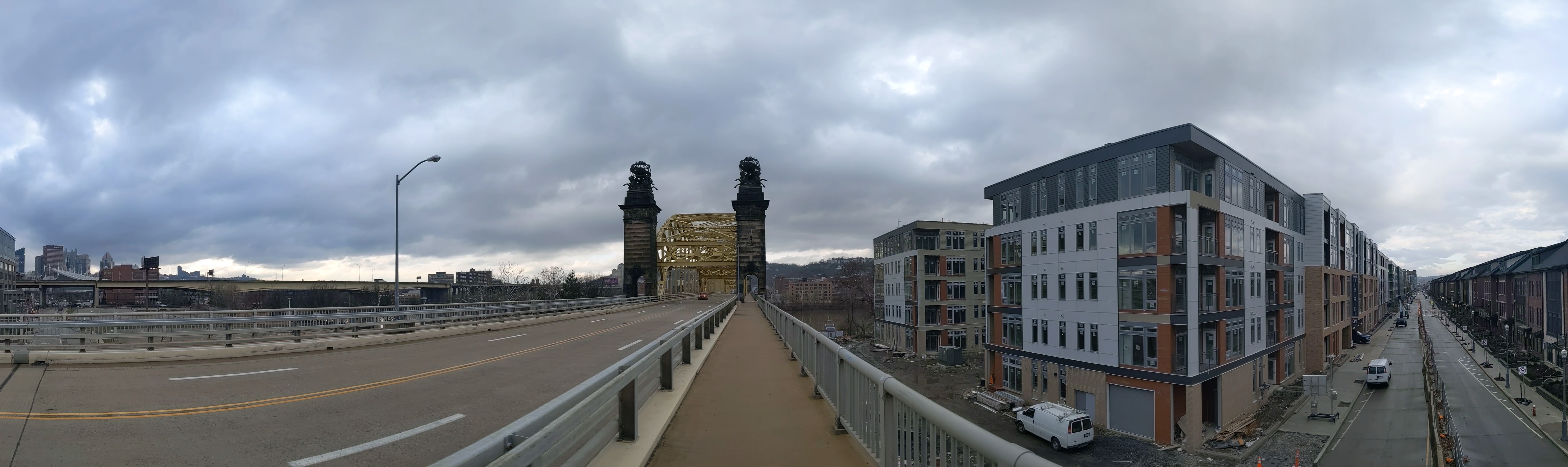
urbantraipsing turns 10 in May. To mark a decade of urban-traipsing and bridge-walking, I will be revisiting twelve of the Pittsburgh bridges I walked early on to see the changes 10 years brought to them and their surroundings.
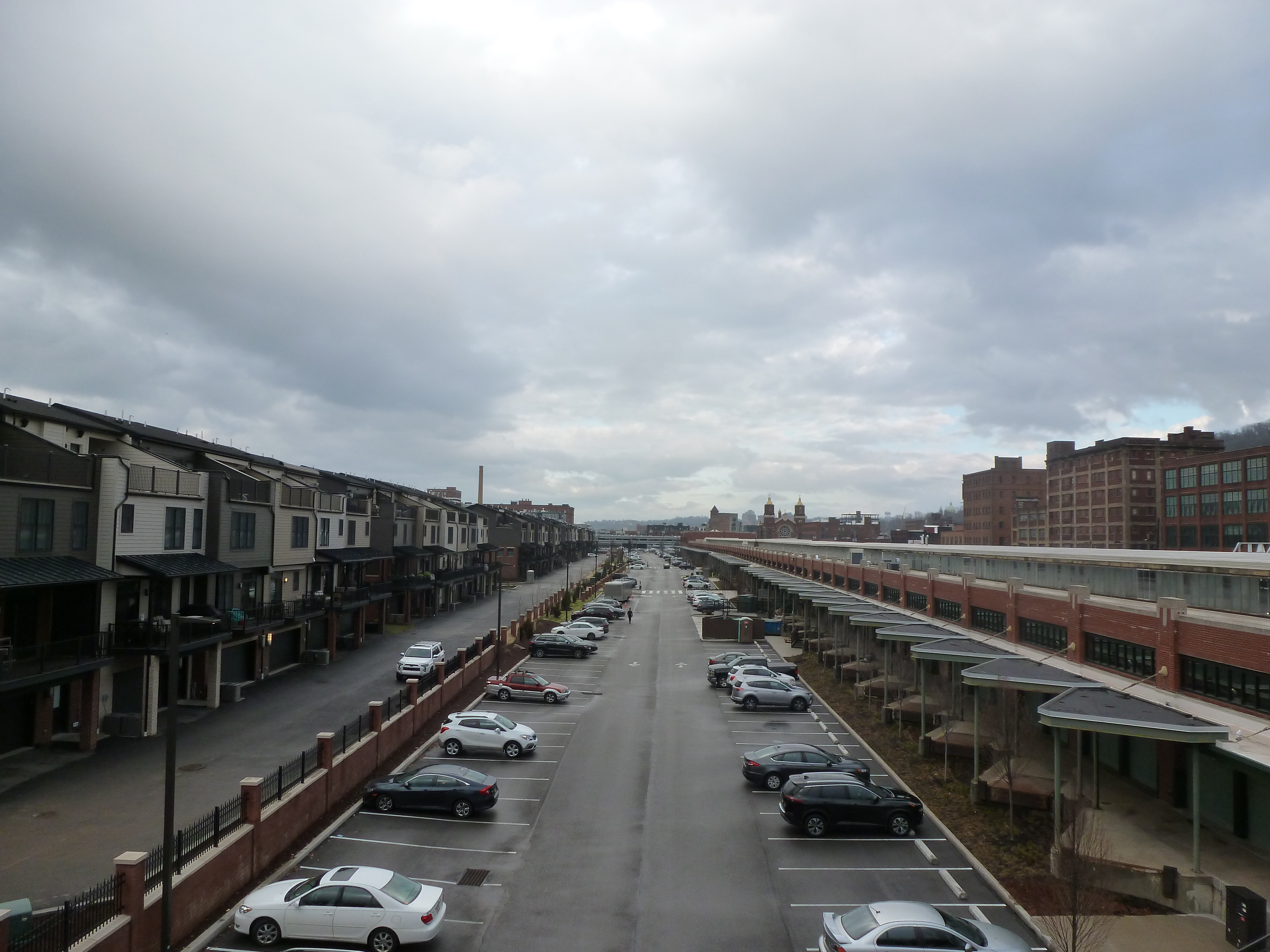
I started walking and photographing bridges to get different angles and views of the city. In 2012, the 16th Street Bridge provided views of two major, controversial development sites: the Produce Terminal and the former St. Nicholas Croatian Catholic Church.
During the summer of 2012, the Produce Terminal seemed on the cusp of being redeveloped, and partly demolished. However, significant opposition to the demolition plans killed that proposal. For years there was no visible progress. Eventually, after extensive negotiations, a new development proposal was approved and implemented (see the first photo pair below). Simultaneously, several new developments popped up nearby, replacing much of the sea of parking I complained about in my original post on the bridge (see the second and third photo pairs below).
The former St Nicholas Croatian Catholic Church was visible from the 16th Street Bridge in 2012. Six months later, it was demolished to make way for the widening of Route 28 despite parishioners efforts to save their church (see a 2013 Tribune Review article for more). I followed the story of their fight for their building closely at the time, which is what I believe prompted me to take a photo of the church from the bridge (see the fourth photo pair below).




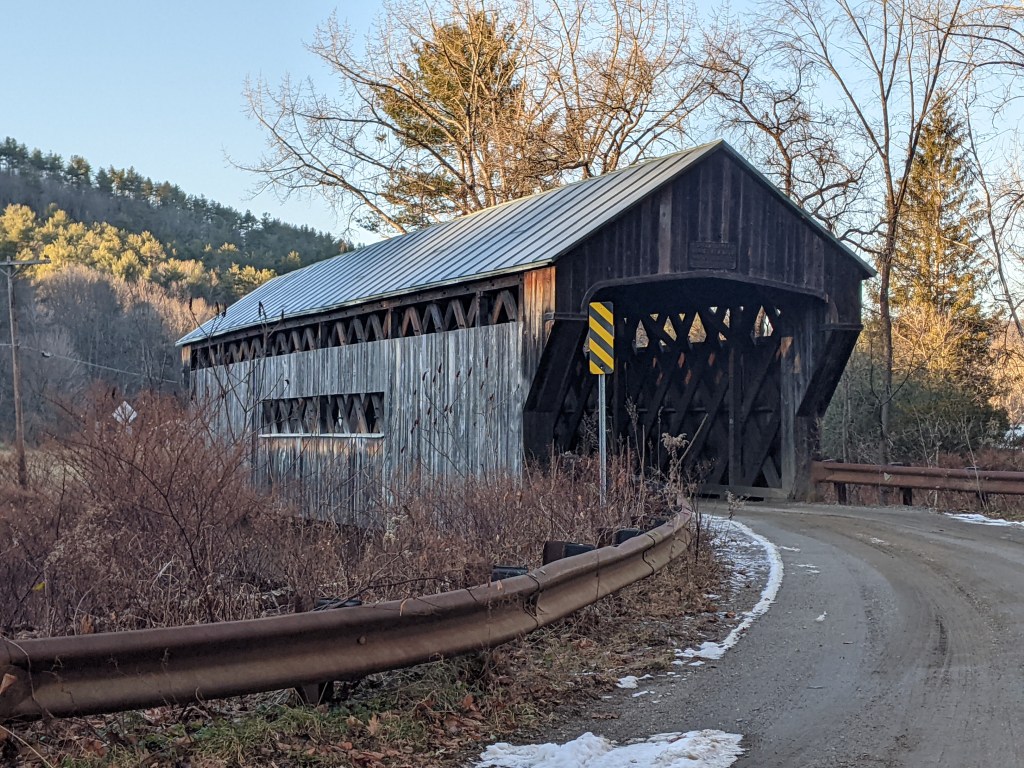
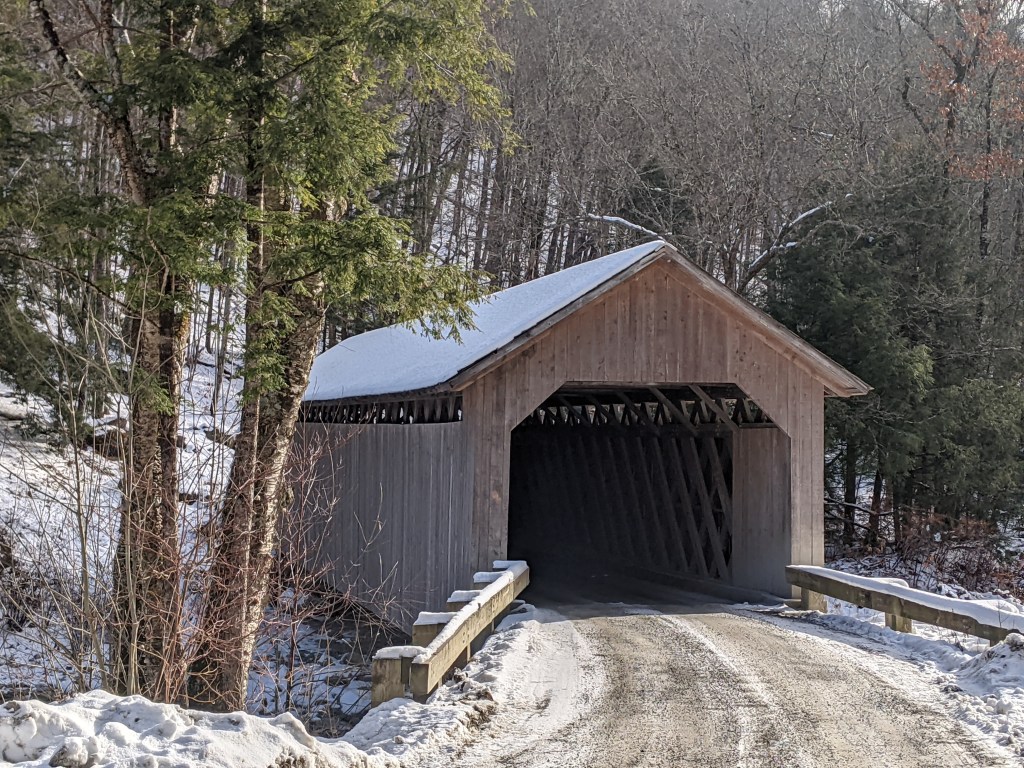
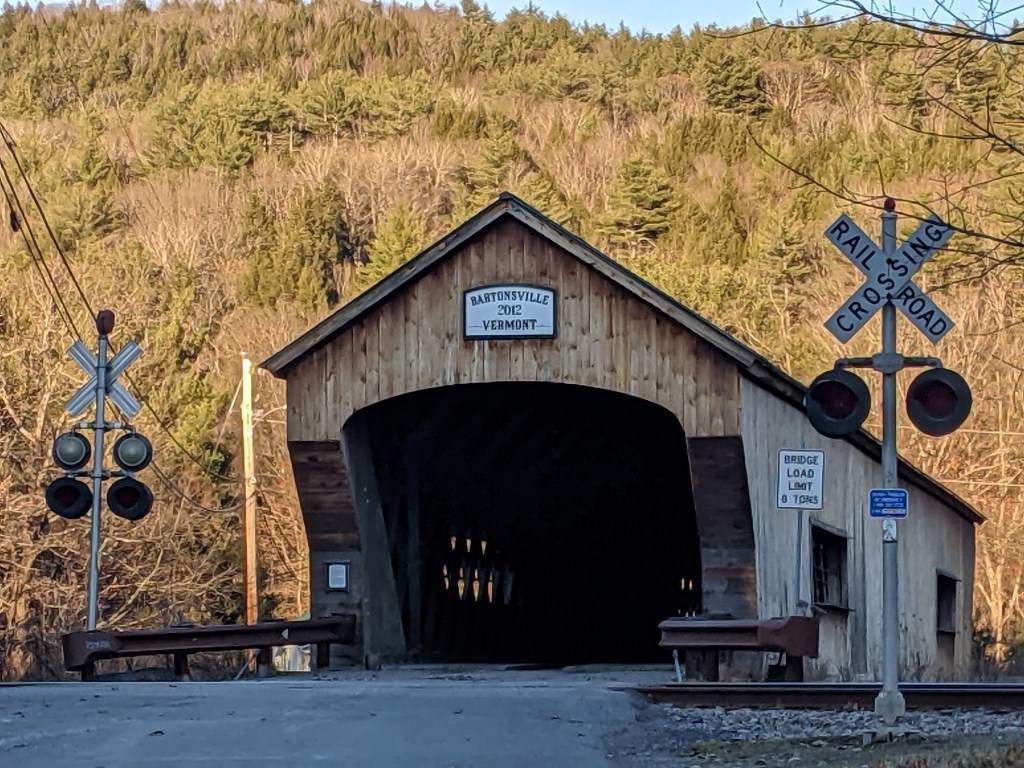
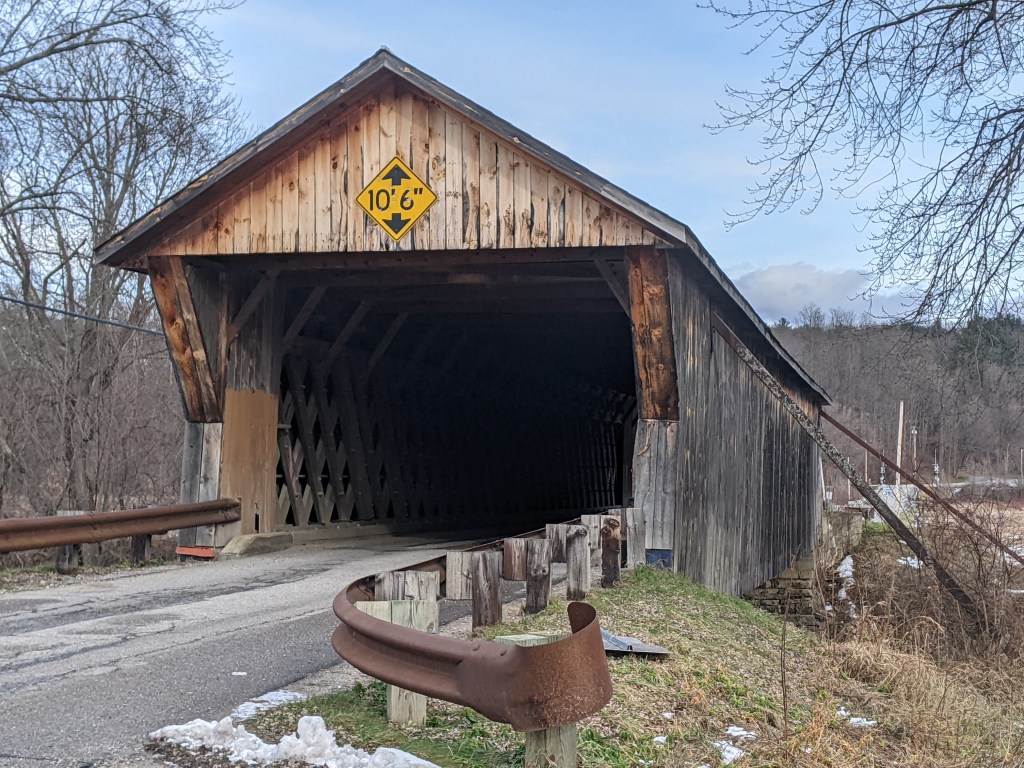
This year’s Architectural Dessert Masterpiece was inspired by a trip to Vermont where I explored 14 covered bridges within an hour’s drive of Rutland. I was surprised by the amount of variety in these bridges. Most were only wide enough for one car lane, but one was definitely made for two-way traffic and a couple had sidewalks incorporated. The colors and shapes varied from bridge to bridge. Some appeared to be based on a truss-type structure while at least one looked like it had an arch infrastructure. Ages also ranged from the 1830s (Taftsville Bridge) to 1970s (Quechee Bridge). You can view all 14 bridges in the slideshow below.

Sadly, shortly after construction, my covered bridge experienced a collapse. While the incident is still under investigation, an anonymous authority stated that the collapse is believed to have been trigged by a motorist exceeding the posted 5 mph speed limit.
I’m surprised that this is my first total collapse over the eight Architectural Dessert Masterpieces that I’ve created. My first, the Parthenon, experienced a partial collapse that actually made it look even more like the original. The next closest to disaster was the Marina Tower that merged into the Leaning Tower of Pisa.
The collapse highlighted several tips for future constructions. First, I confirmed that pretzels really do make excellent piers as I originally demonstrated in my Pittsburgh suspension bridge. Second, I learned that wheatless gingerbread still has the same (or similar) strength as traditional gingerbread as the roadbed remained secure throughout the disaster. Third, I found that wheatless gingerbread is more pliable than traditional gingerbread, which resulted in more warping when transferring the pieces to the baking sheet and during baking. However, the other side of the pliability is that it is easier to trim after baking than traditional gingerbread. If I use this recipe again, I will plan to make adjustments to the dimensions of the pieces post baking. I believe that will resolve the structural issues by creating straight edges that can support each other.
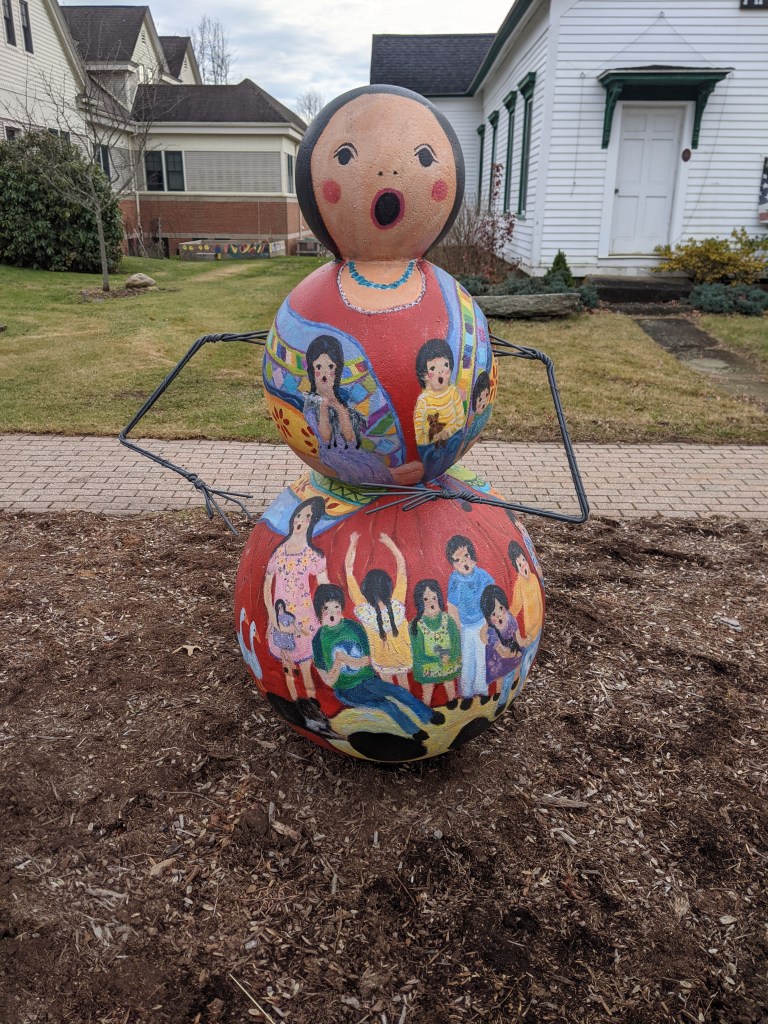
Pittsburgh dinosaur hunting is on pause this month. Instead, the public art feature of this month is from Hebron, CT. Hebron is a typical small Connecticut town built up at a crossroads. It was incorporated in 1708 and its current population is just under 10,000. In passing through on a recent trip around New England, my eye was caught by a public art display of snow people on the town green. I originally assumed that this was one of the fiberglass fundraisers like the Pittsburgh DinoMite Days dinosaurs, however these snow people are made of Styrofoam. However, like the fiberglass statues, each one is decorated by a different artist. They seem to be a new annual tradition of the town, having first appeared in the winter of 2020 then hibernating over the summer before returning this winter. Scroll through the slideshow below to see all eight of the snow folks (my favorite is the hula dancer).