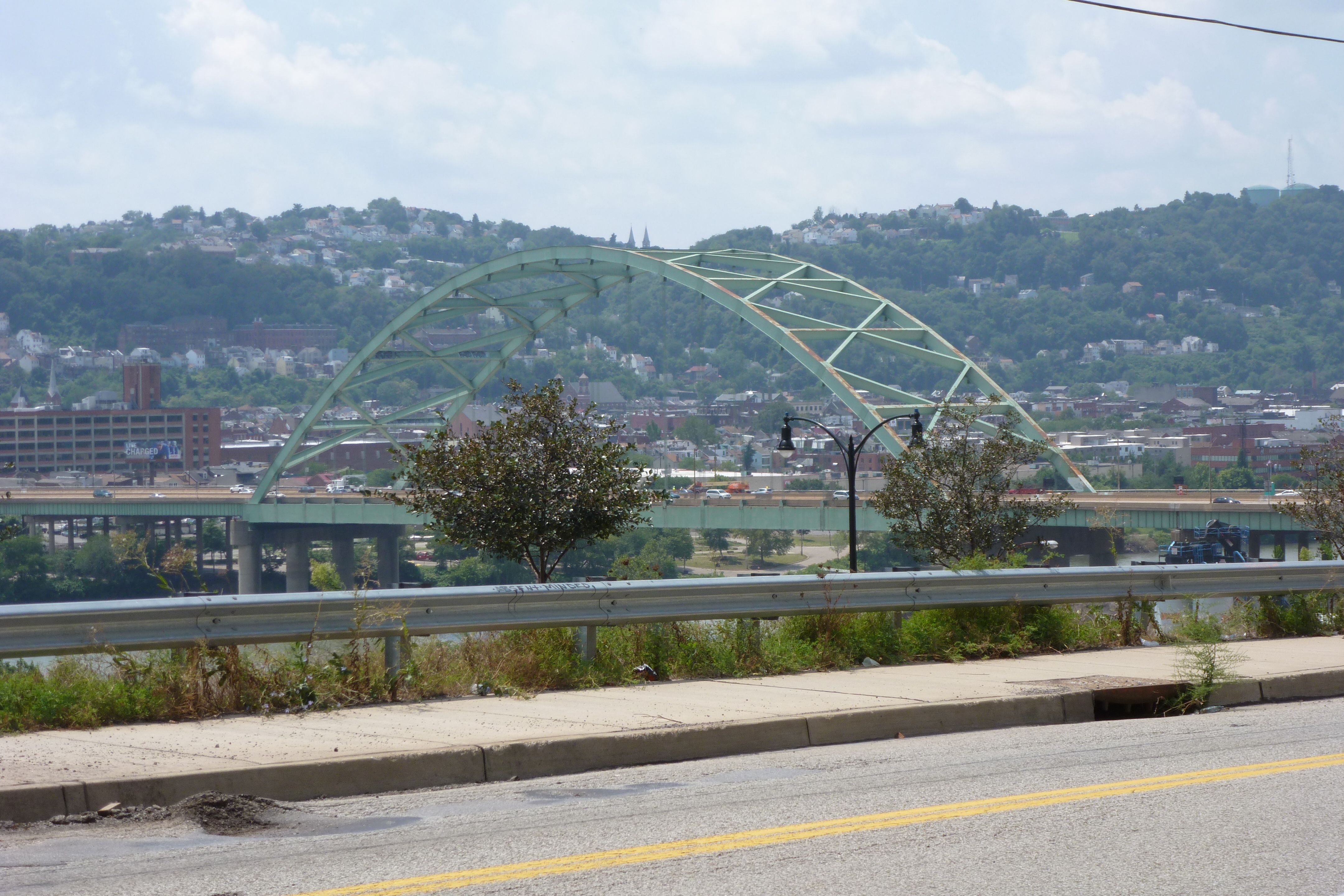
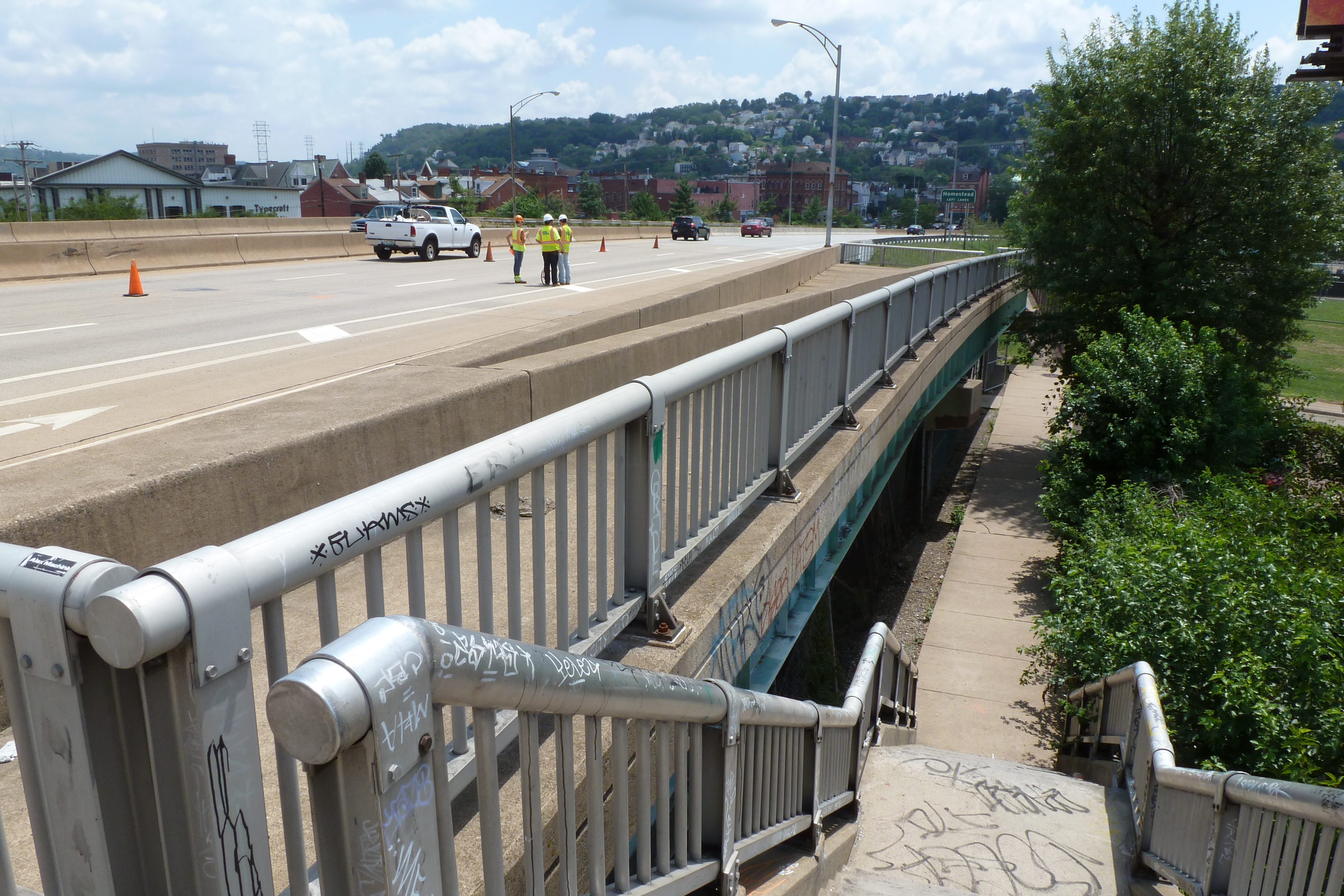
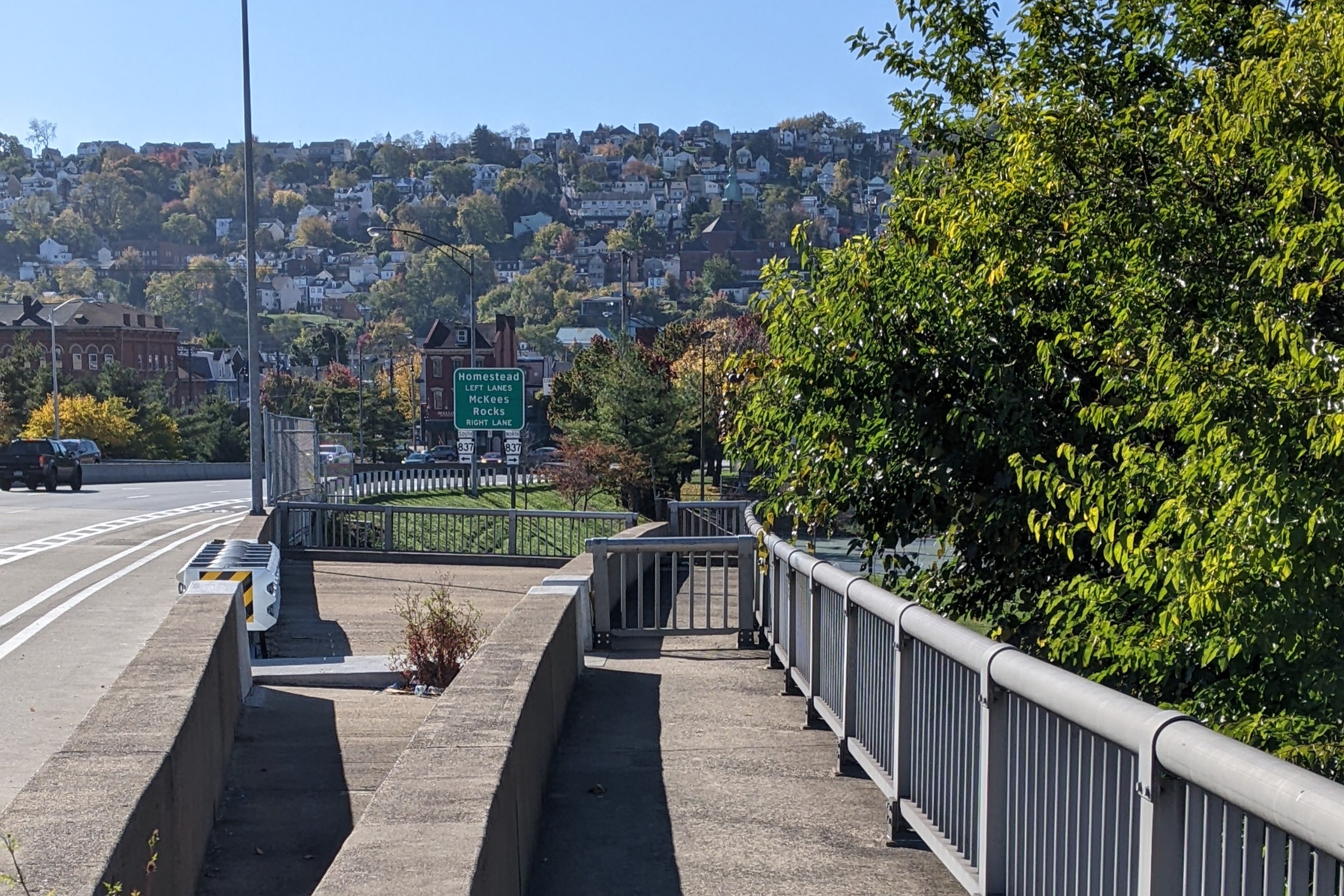
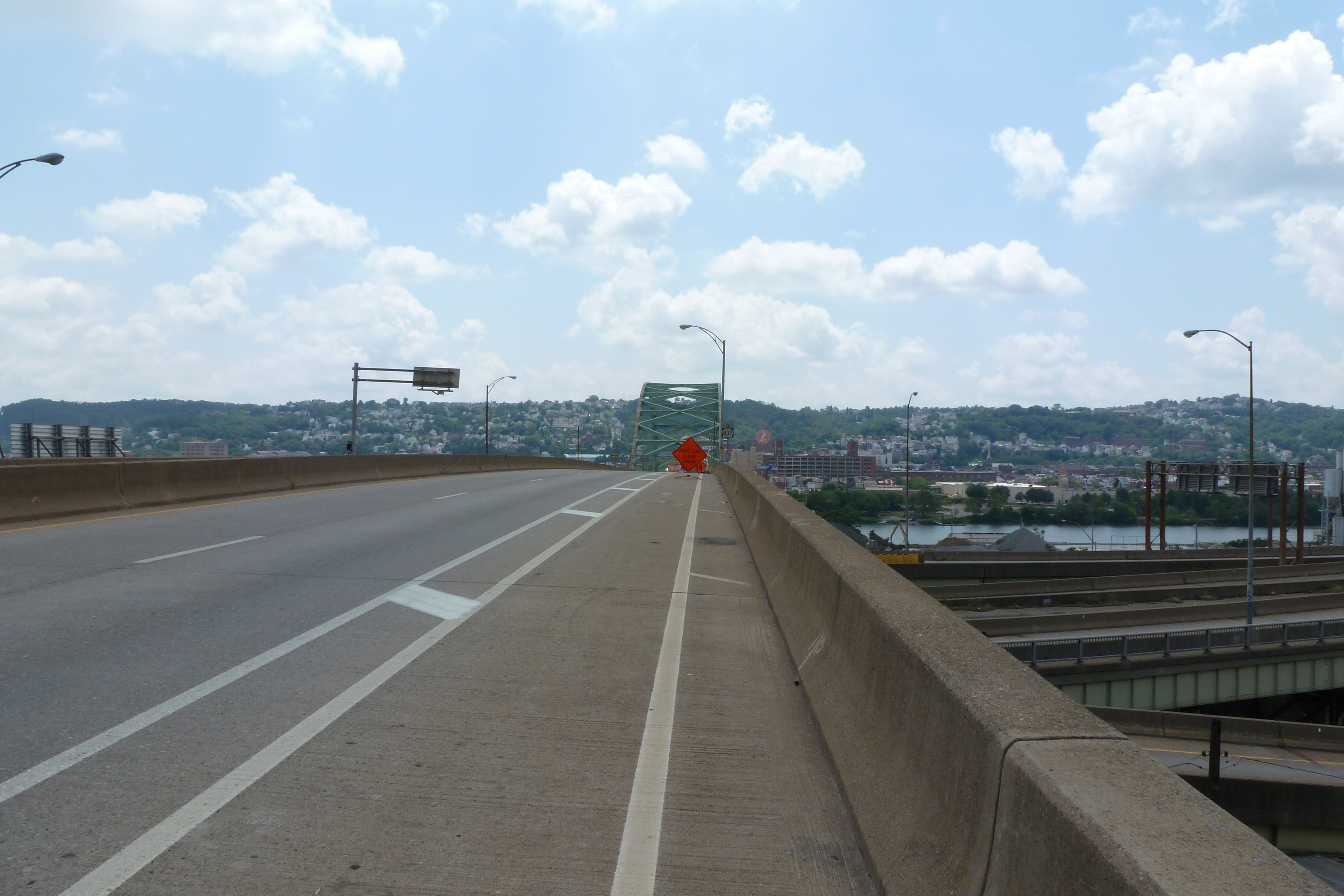
Tag Archives: travel
Bridge Collapse: Eleven Months Later

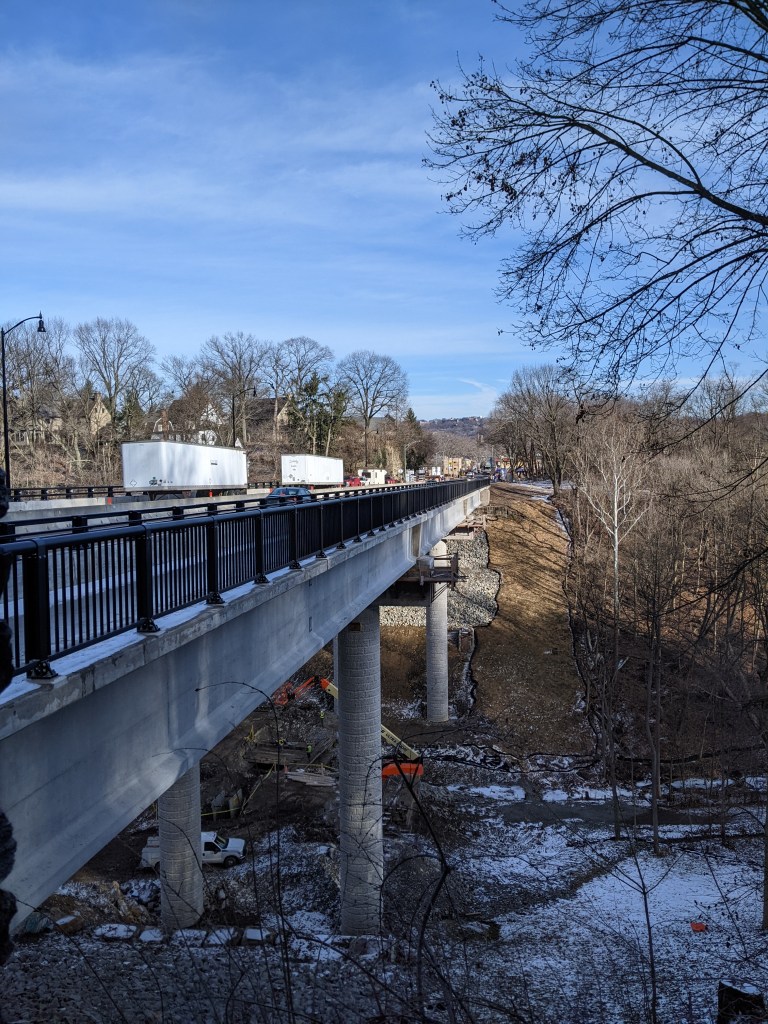
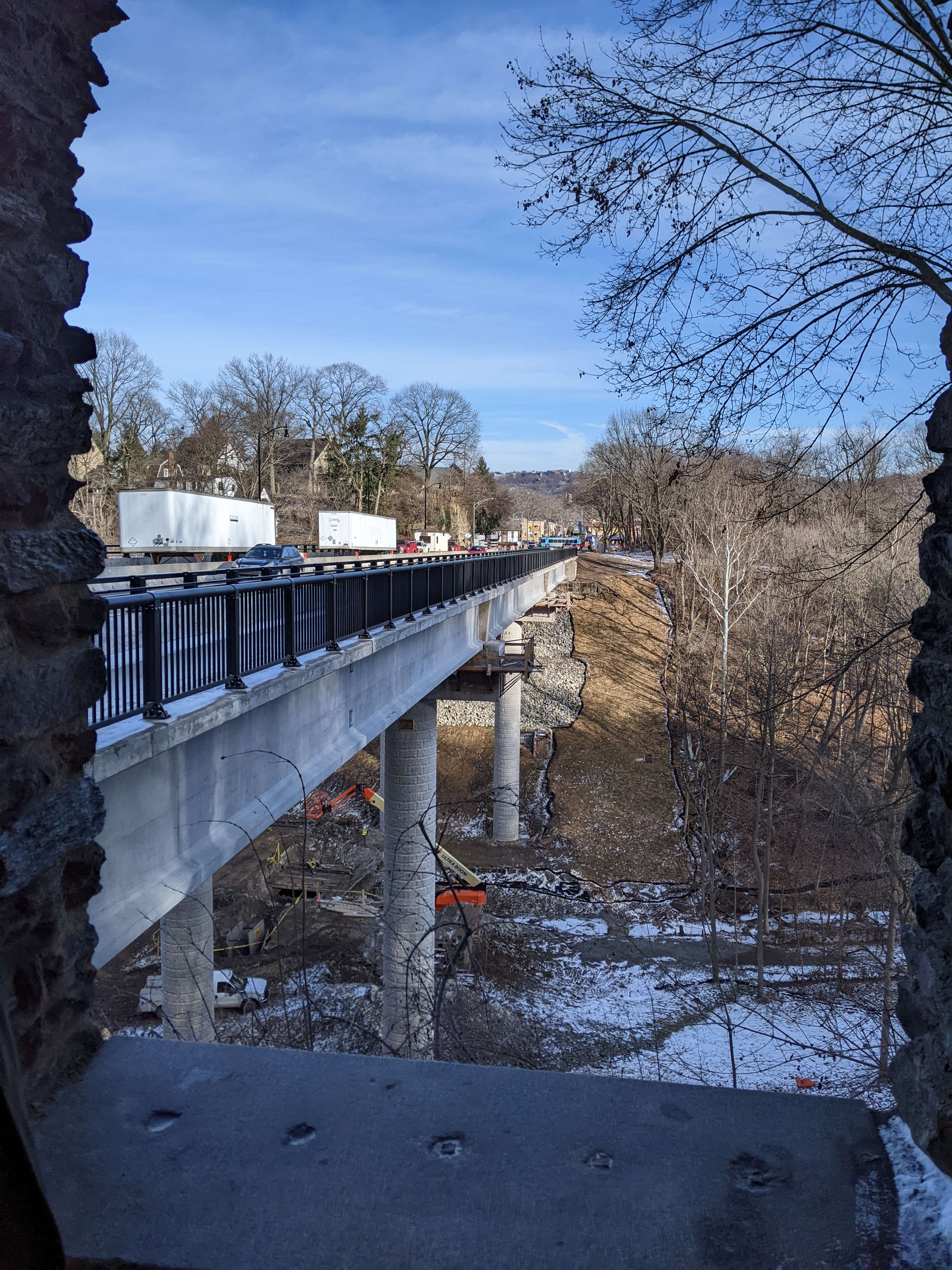
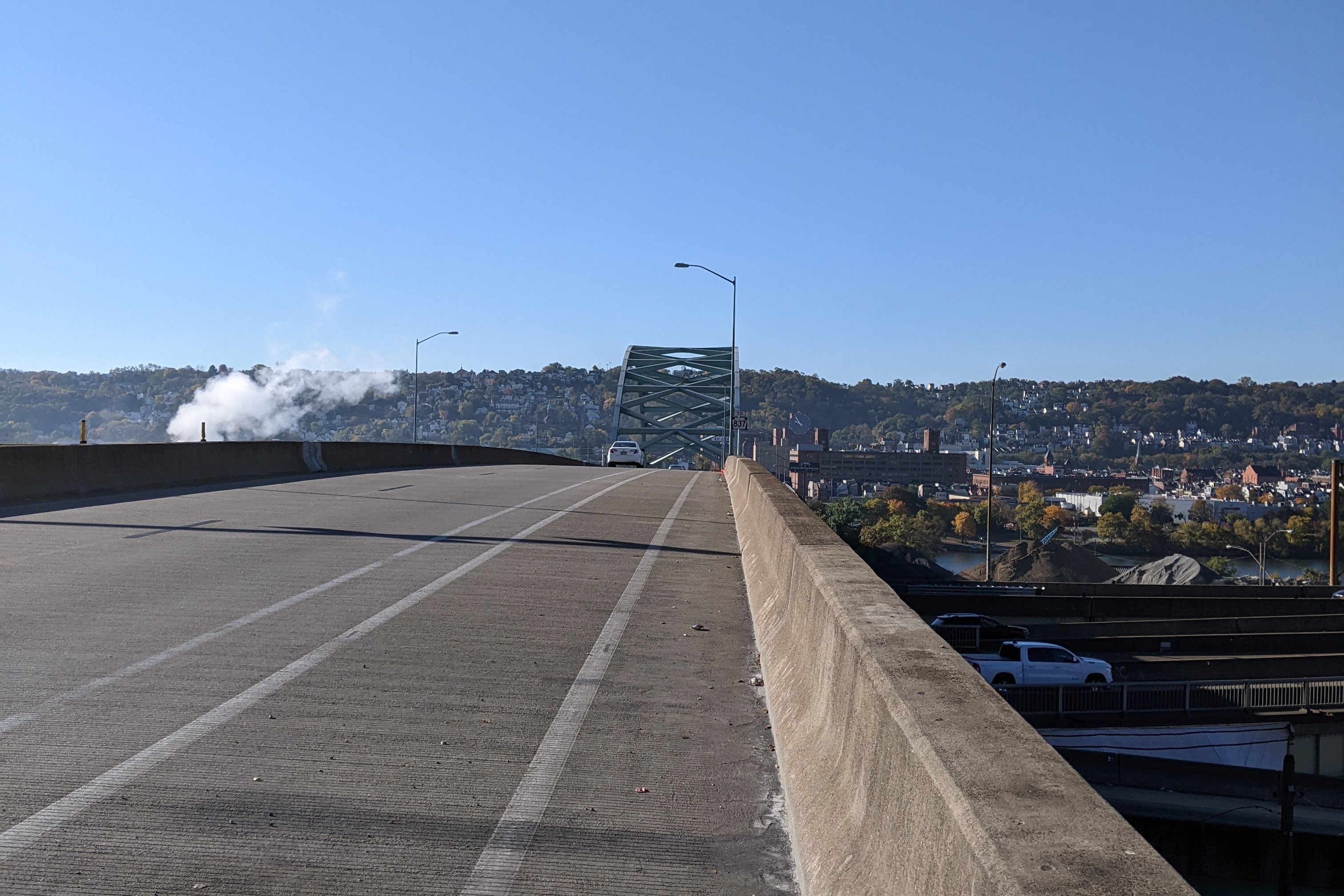
Six months after Pittsburgh’s Fern Hollow Bridge collapse, PennDOT and the Mayor’s office announced that the new bridge would probably open before the end of the year. The ribbon cutting for the new bridge was held on December 21 (Governor Tom Wolf News, WPXI, Pittsburgh Business Times) and the bridge opened to partial traffic the following day. There is one lane of traffic open in each direction and one “shared path” open on the south side of the bridge. Work on the bridge will continue through the spring.
The initial designs showed a bridge designed for highway vehicle traffic with pedestrian and bicycle access tacked on in a thoughtless way. Despite public outcry and professional push-back, the initial designs went primarily unchanged. As the bridge is not fully open, there is a chance that in execution it won’t be as bad as the initial design suggested, but it’s not off to a promising start.
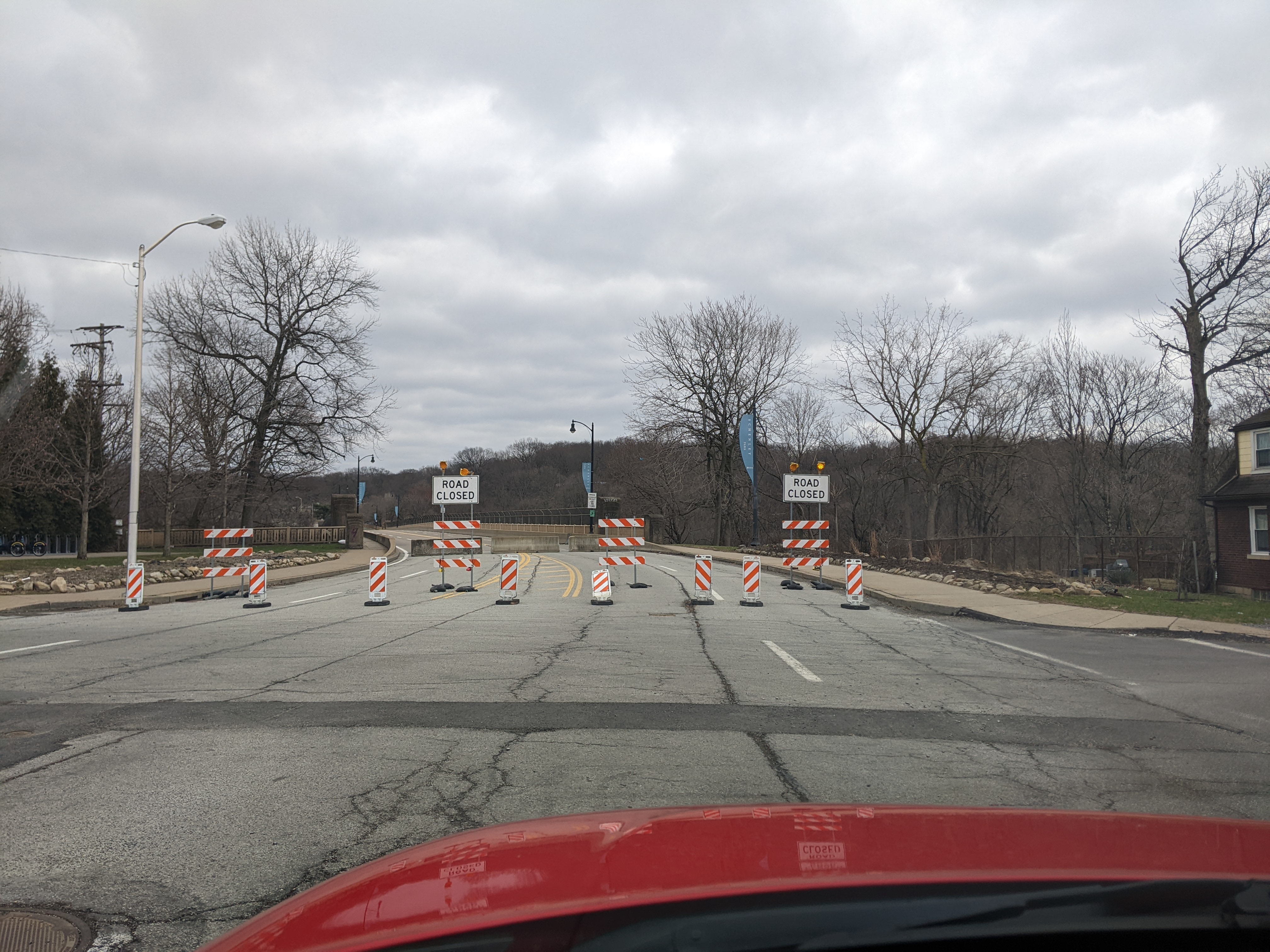
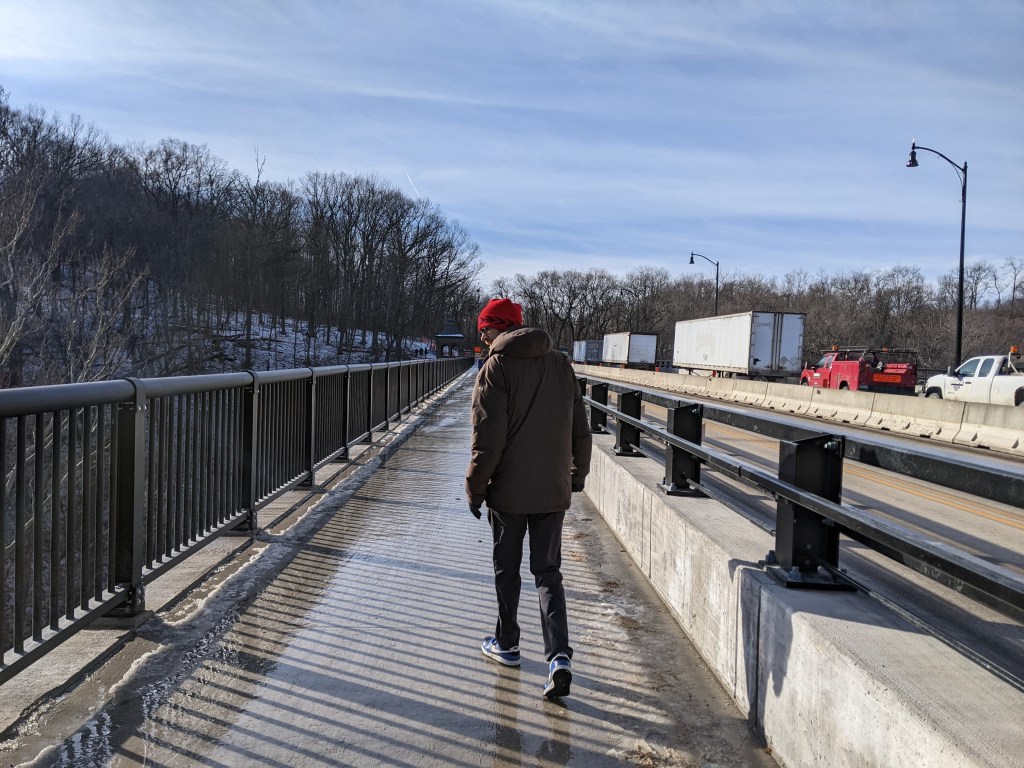
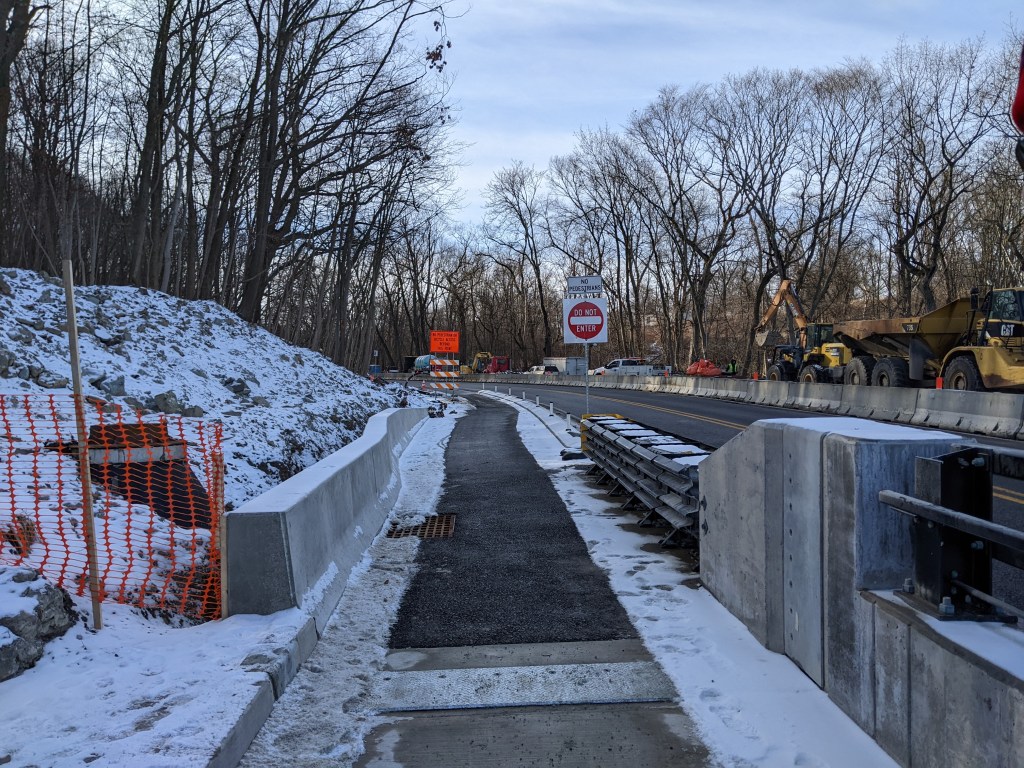
The shared path on the south side – the one that’s now open – connects to sidewalk on the east side of the bridge and to the trails in Frick Park on the west side. There is no existing sidewalk to continue walking along Forbes Avenue to Squirrel Hill. While this path is unusually wide for a bridge, it appeared to be just a sidewalk when I visited it this week. I adopted the term “shared path” based on the videos of the ribbon cutting, which claimed that’s what it is. Perhaps there will be signage added eventually that bikes are also permitted, but I didn’t notice a way for bikes to get up onto this path from the road. While I’m clearly judging this bridge already and finding it wanting, I will continue to monitor its progress and will be open to finding it better than I do now once all the amenities are open and I’m no longer confronted with pedestrian dead end signs.
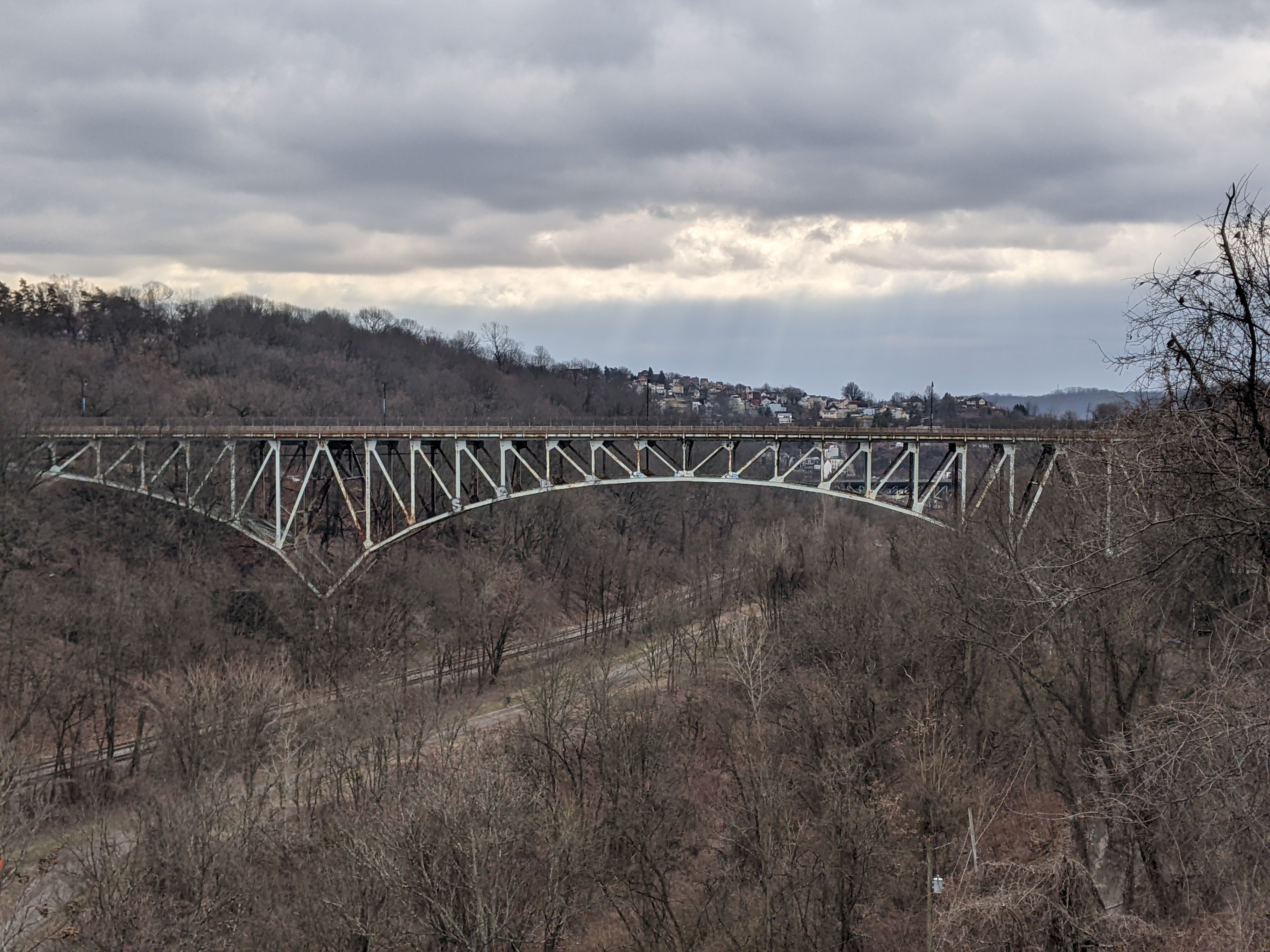
Below is a slideshow of photos from this month’s traipsing of the bridge followed by the news updates on the Fern Hollow Bridge and other bridge maintenance and replacement efforts in Pittsburgh and Allegheny County.
- The City announced traffic pattern changes now that the bridge is reopening, breaking up one of the smooth travel paths for vehicles trying to cross the eastern neighborhoods on a north-south axis. (City Press Release, December 22, 2022)
- The proposed artwork for the new bridge is among the elements not yet completed. (NextPittsburgh, September 26, 2022)
- For whatever reason, PennDOT’s project page regarding the reconstruction of the bridge has not been updated since March 2022, making it a completely useless resource.
- The National Transportation Safety Board’s ongoing investigation into the Fern Hollow Bridge collapse was last updated in May 2022, but this was initially described as a long-term effort.
- The City created a Commission on Infrastructure Asset Reporting and Investment in March 2022, but this commission has not been added yet to the city’s website listing all Boards and Commissions and I have not seen any announcements of any appointments to the new Commission.
- WSP USA released it’s Comprehensive Bridge Asset Management Program Report of the 147 bridges owned by the City of Pittsburgh – lots of work needs to be done on Pittsburgh’s bridges. (City Press Release, December 22, 2022; Tribune Review, December 21, 2022; WPXI, December 22, 2022)
- The City of Pittsburgh’s 2023 Capital Budget includes limited funding for bridge repair and maintenance. (Public Source, December 5 & 22, 2022)
- The bridge Port Authority closed to repair shortly after the Fern Hollow Bridge collapse, and then had to re-repair in July, seems to be okay now.
- On July 1, Pittsburgh’s Swindell Bridge was closed due to falling debris. It reopened on September 1. (City Press Release, September 1, 2022; CBS, September 1, 2022; WPXI, September 1, 2022)
- The Finland Street Pedestrian Bridge underwent an emergency demolition on October after being struck by a crane attempted to pass underneath. (City Press Release, October 7, 2022; City Press Release, October 8, 2022)
- The City of Pittsburgh announced in November that it was going to close the east sidewalk on the South Negley Avenue Bridge (one of the bridges that the public is concerned about its highly deteriorate appearance) out of an “abundance of caution” to accommodate repairs, however, it was the west sidewalk that ended up closing. (City Press Release, November 23, 2022)
- A public hearing was held on the Davis Avenue Bridge Reconstruction project in September. (City Press Release, September 28, 2022)
Additional Resources:
Both PennDOT and the Federal Highway Administration have interactive maps of bridges for the state and country respective, and their inspection statuses.
Previous Fern Hollow Bridge Posts:
Then & Now: Hot Metal Bridge

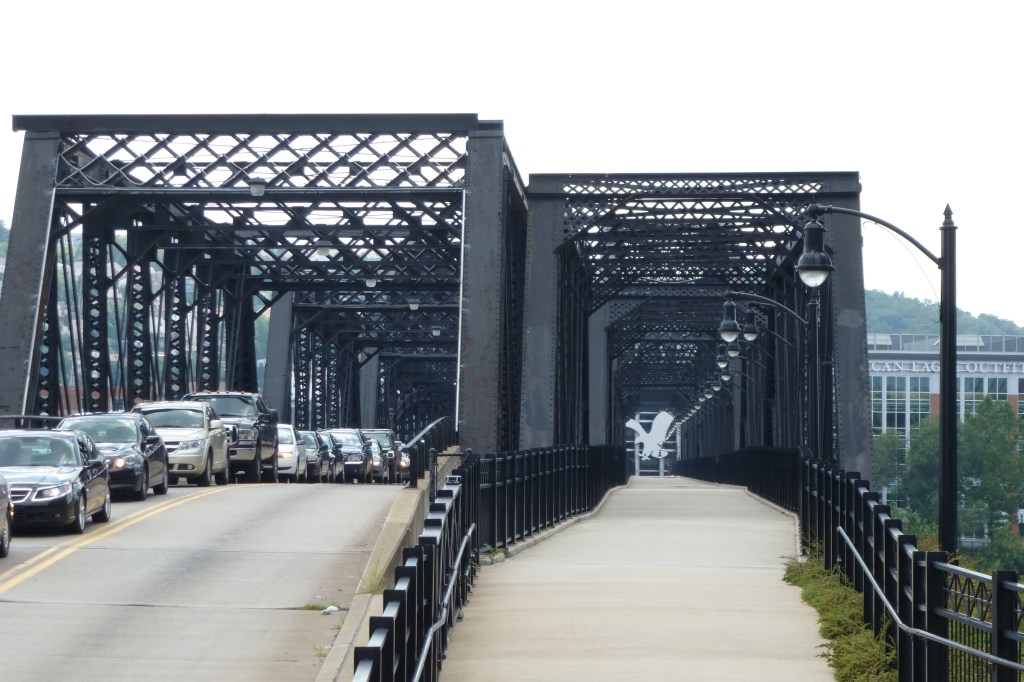
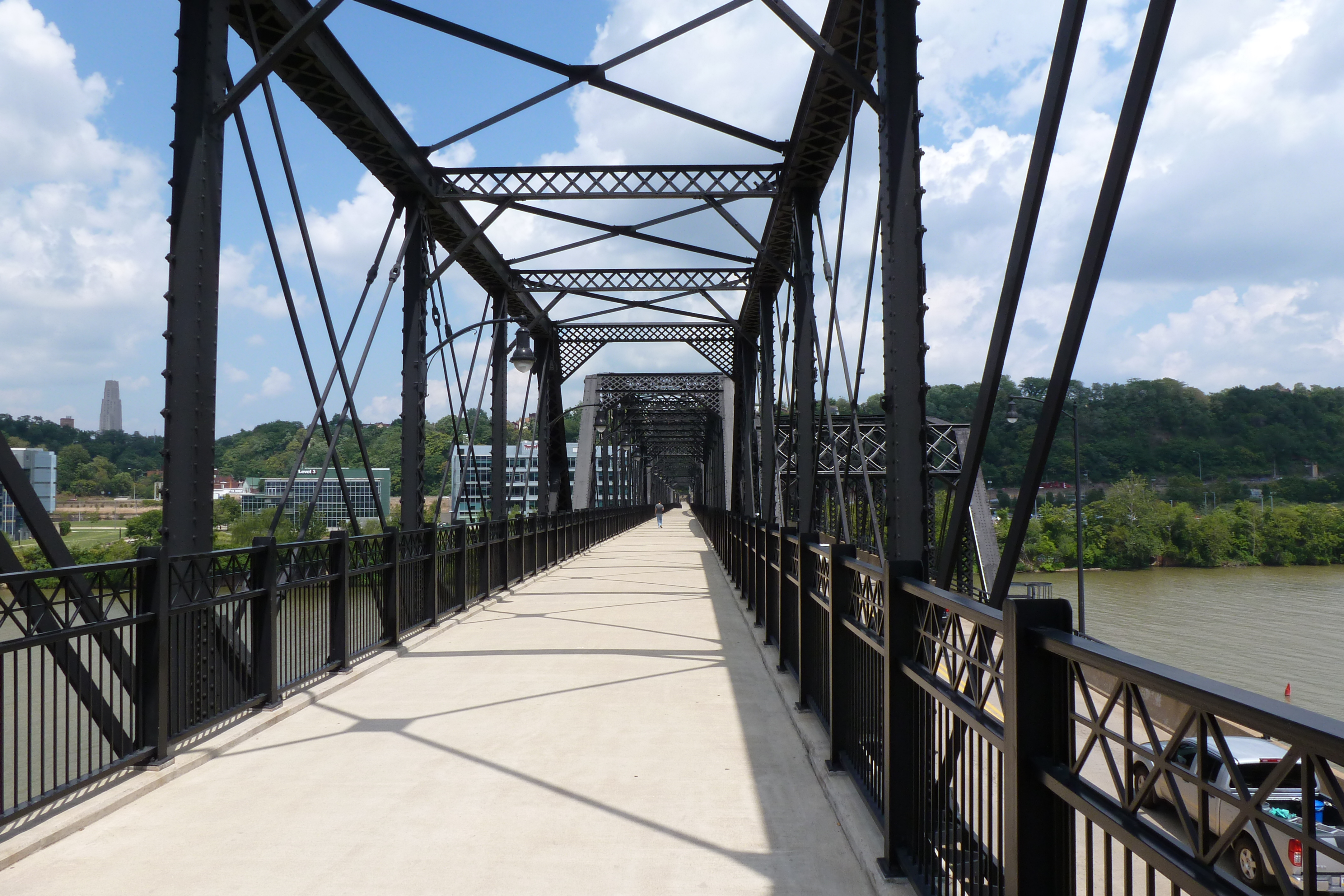
The final bridge in our 10-year anniversary look back at the Pittsburgh bridges and their environs is the Hot Metal Bridge. This is upriver from the Birmingham Bridge and the last bridge on the Monongahela before the big bend that hides downtown from view.
The Hot Metal Bridge was built to connect the Jones and Laughlin Steel Mill’s sites on opposite sides of the Monongahela River. With the industrial decline of Pittsburgh’s steelmaking industry in the mid- to late-20th century, Jones and Laughlin’s operations ceased over the 1980s. The first redevelopment of a portion of their property began in 1981. The redevelopment continues today.
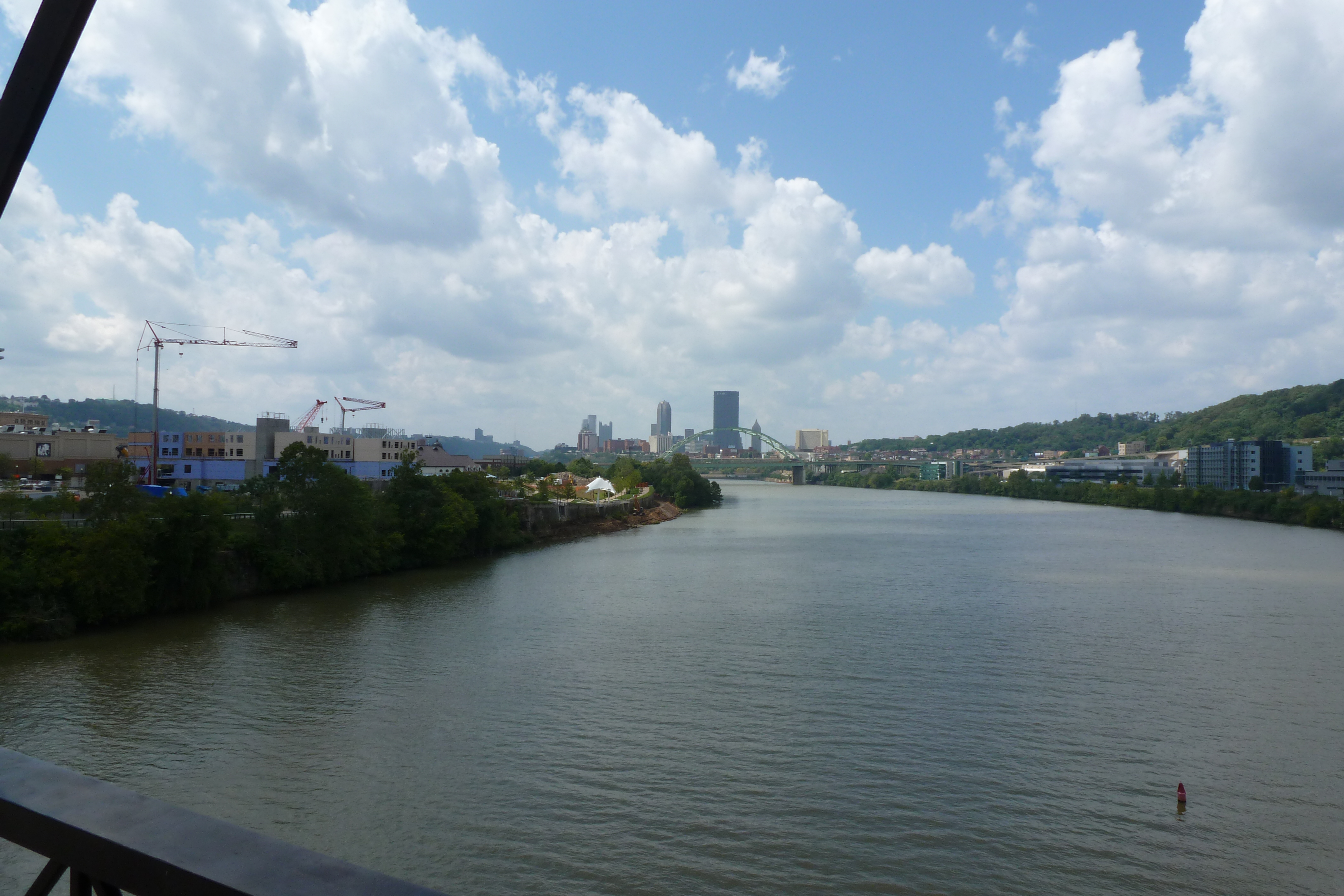
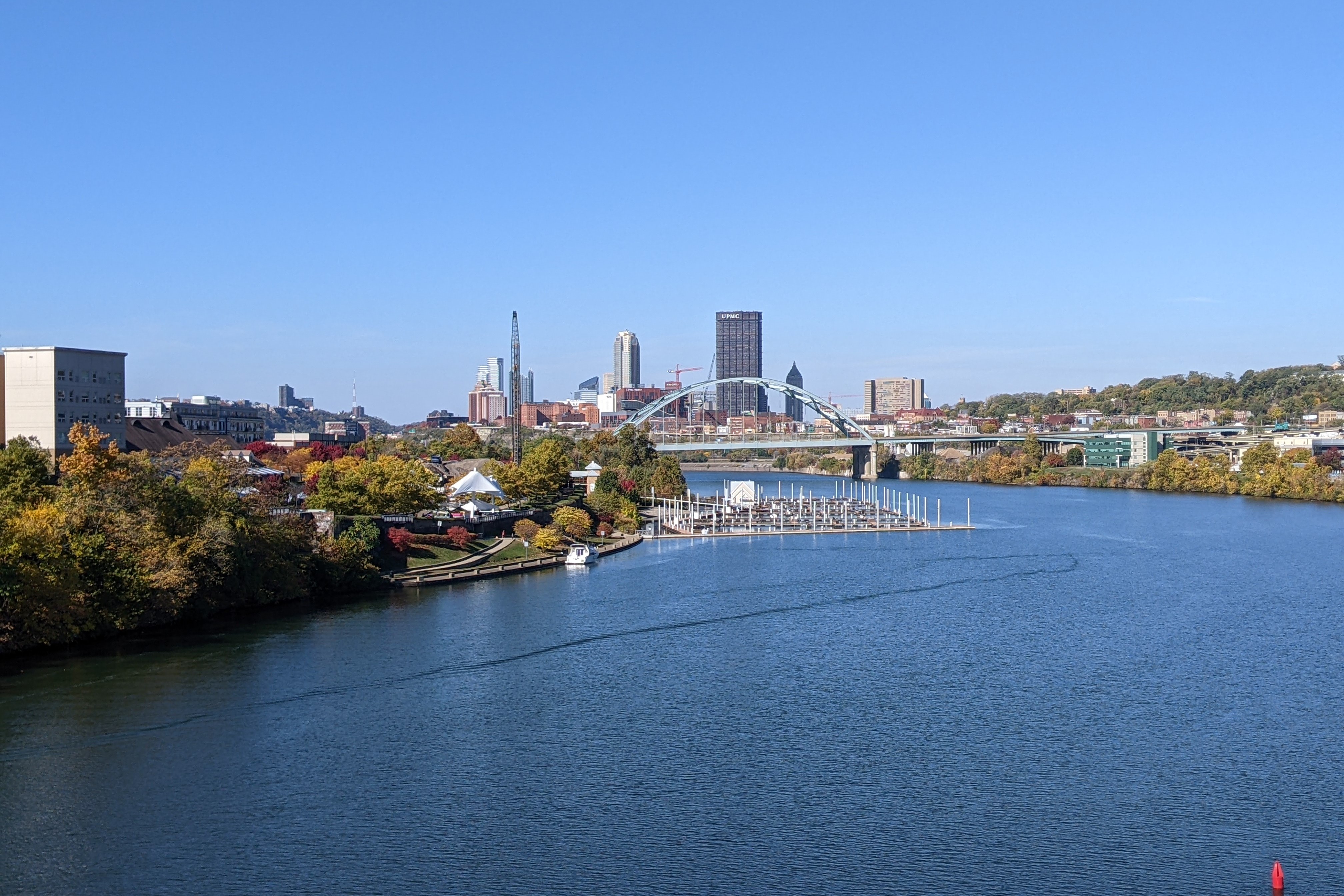
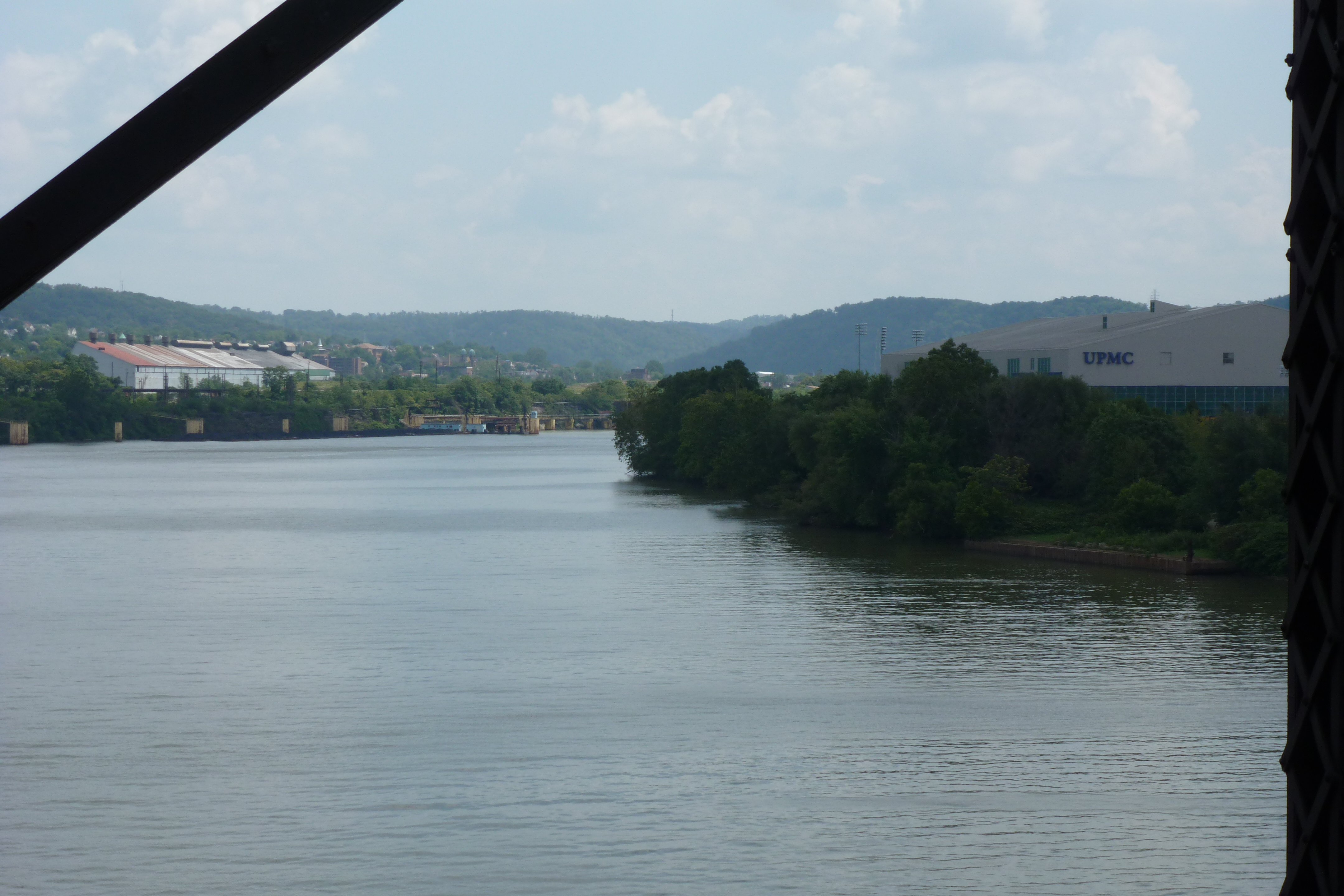
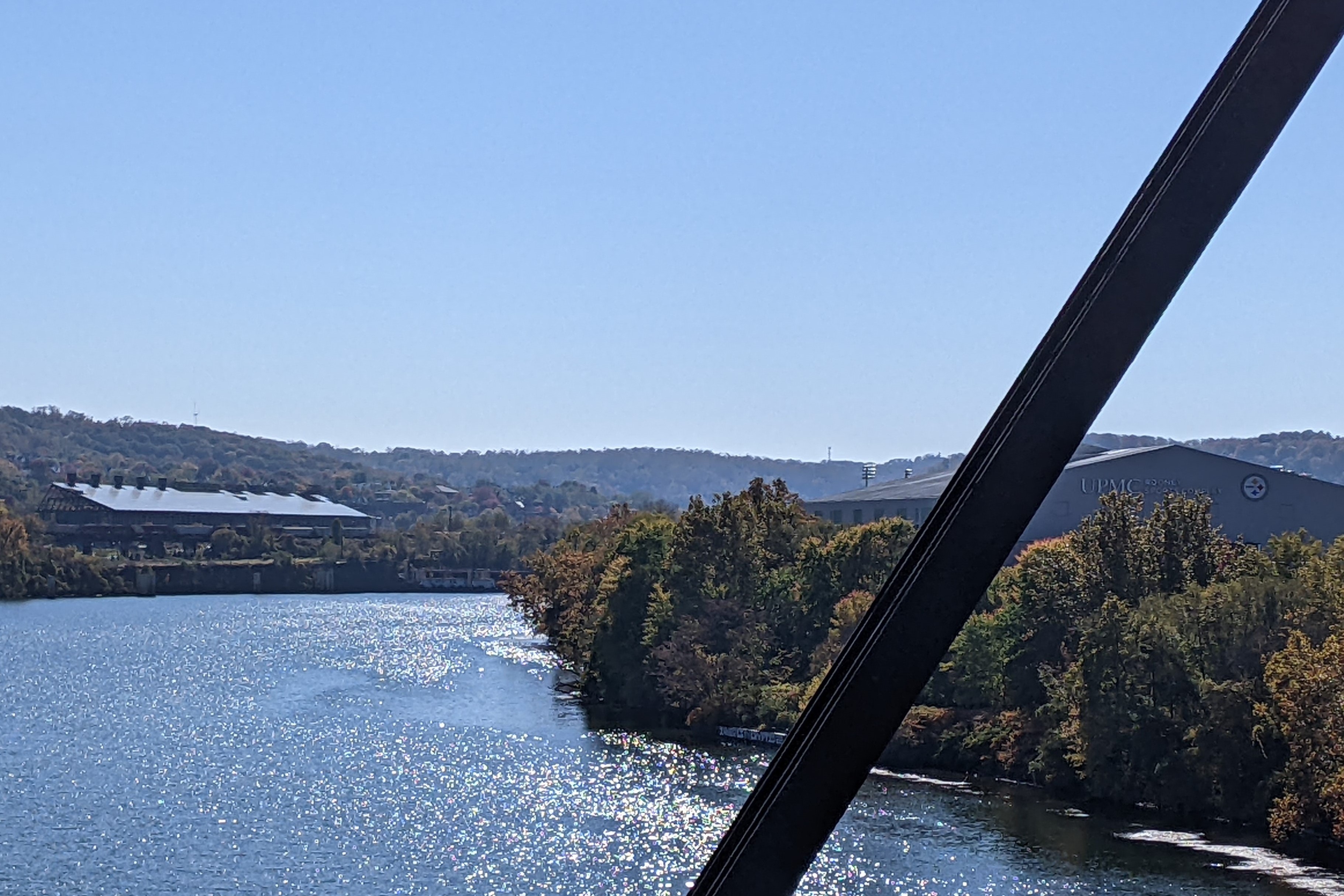
On the south side of the river, the former site of milling operations is now the South Side Works shopping, dining, and residential area. Since 2012, the first marina in the city limits was added here and buildings under construction have opened (first photo pair), other buildings not pictured have been added.
On the north side downriver, the former site of the blast furnaces is now the Pittsburgh Technology Park containing office buildings, parking, and a hotel. The hotel was added in the last ten years as well as several other buildings outside the frame in the second and third set of photos.
On the north side upriver, the former Hazelwood Works is now the Hazelwood Green site a planned mixed-use, multi-block redevelopment. The remaining mill buildings on the site have been redeveloped as office and research facilities with the Mill 19 building visible on the left side of the river in the fourth photo pairing. The space between and around these buildings is expected to be filled in with other buildings of a variety of uses in the coming years.
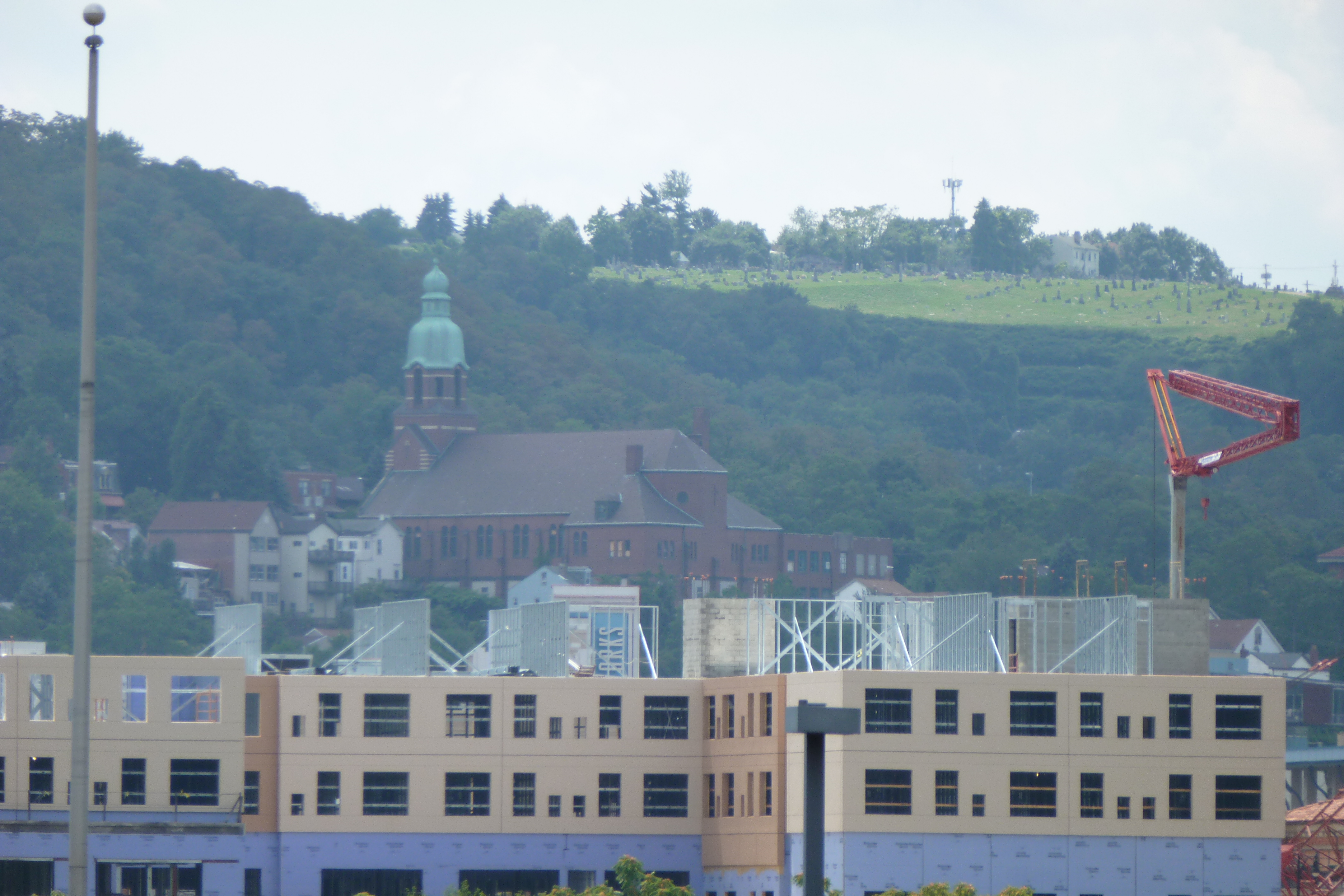
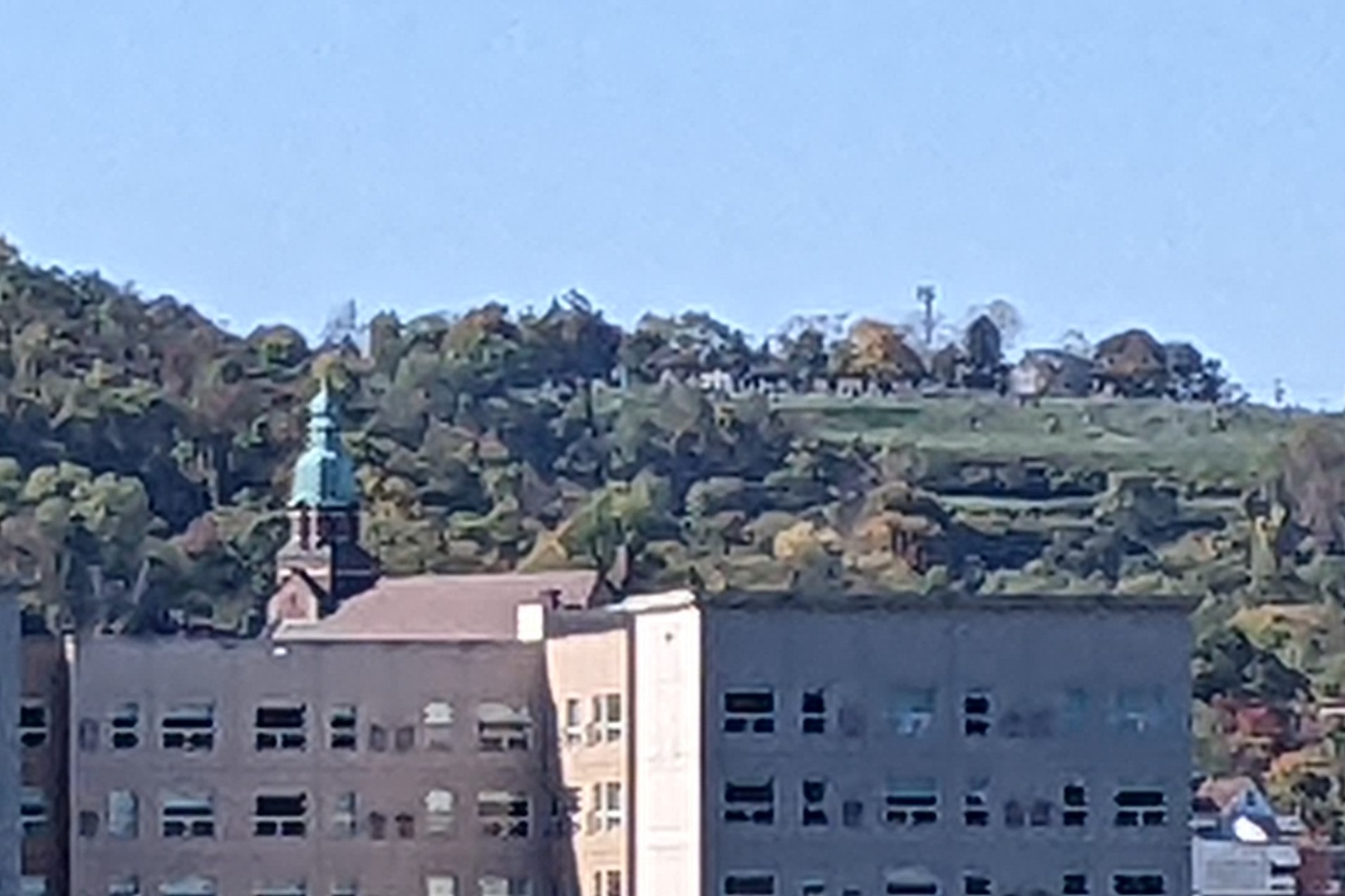
The final photo pair features the former St Josaphat’s Catholic Church on the South Side Slopes, which is a building I have an eye as one of Pittsburgh’s pending adaptively reused religious buildings. This view shows another angle of the growth of the South Side Works development.
While both South Side Works and the Pittsburgh Technology Park were substantially developed by 2012, they continue to expand. On the other hand, Hazelwood Green is just beginning to be developed and is still predominantly vacant land. In another 10 years, perhaps, the upriver view from the Hot Metal Bridge will be significantly altered.


Then & Now: Birmingham Bridge

The penultimate installment of the Then & Now series is the Birmingham Bridge just upriver from the Duquesne University Pedestrian Bridge. This is a bridge that I’ve walked multiple times from necessity despite the fact that it was not well-designed for pedestrians, which I complained about in my first post about the bridge.
It would be nice to think that the pedestrian access upgrade it underwent in 2021 was in response to my complaints of the accessibility issues with the bridge design. However, the upgrade only partly resolves those issues.
On the south end of the bridge, pedestrians are no longer forced to leave the bridge and take steps down into the park. Instead, there is an option to continue along the level of the bridge. (See the first pair of photos.) This new option at first pushes pedestrians into the edge of the pavement beside the bike lane with no physical separation from the bikes or speeding cars. Once the bridge reaches the ground, a raised sidewalk appears.
On the north end of the bridge, there was no change for pedestrian’s use of the bridge (second photo pair). The options remain to walk in the painted buffer of the bike lane from where the bridge leaves Fifth Avenue or walk several blocks out of the way down the equivalent of multiple stories only to walk back up them on the sidewalk on the ramp from Forbes Avenue.
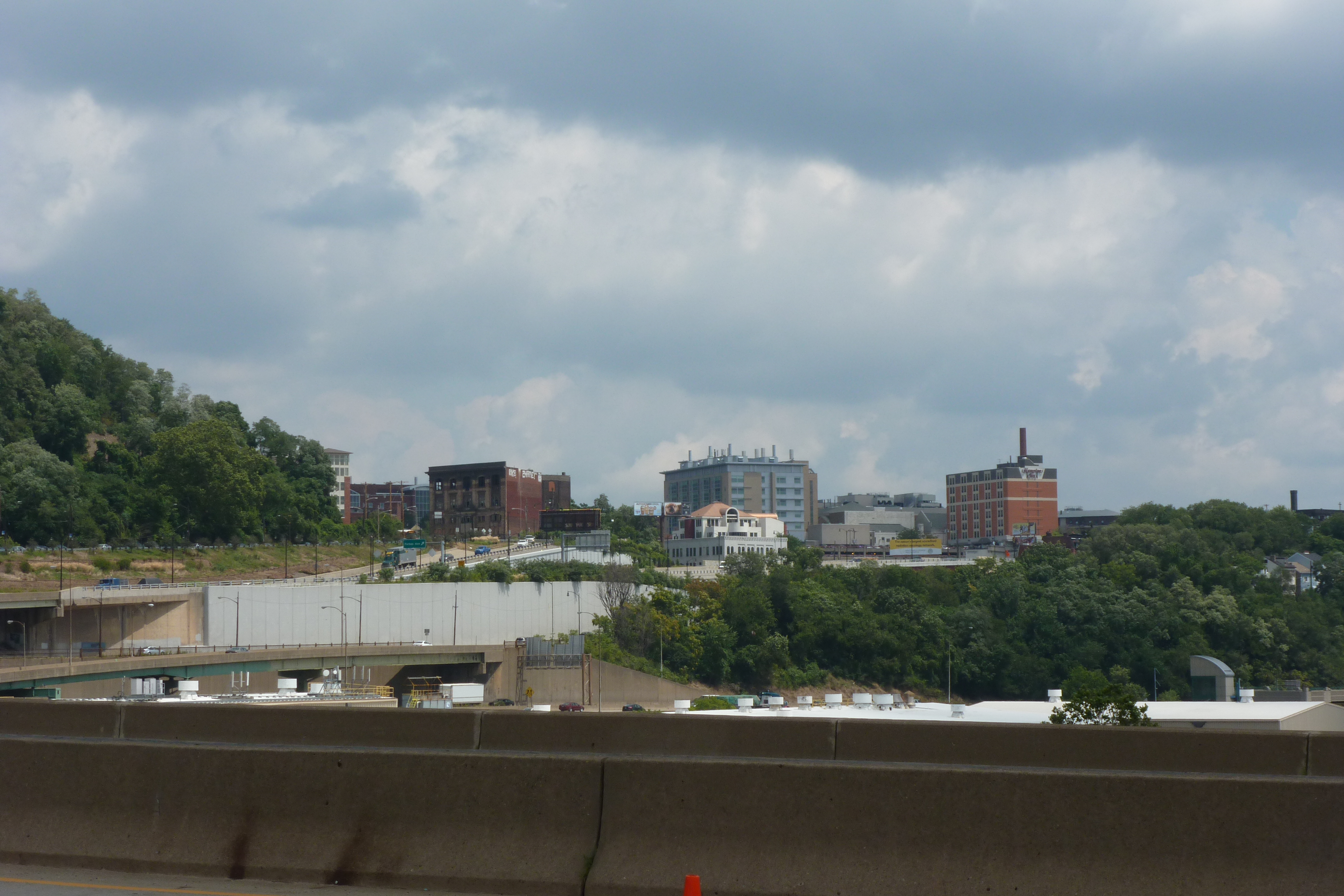
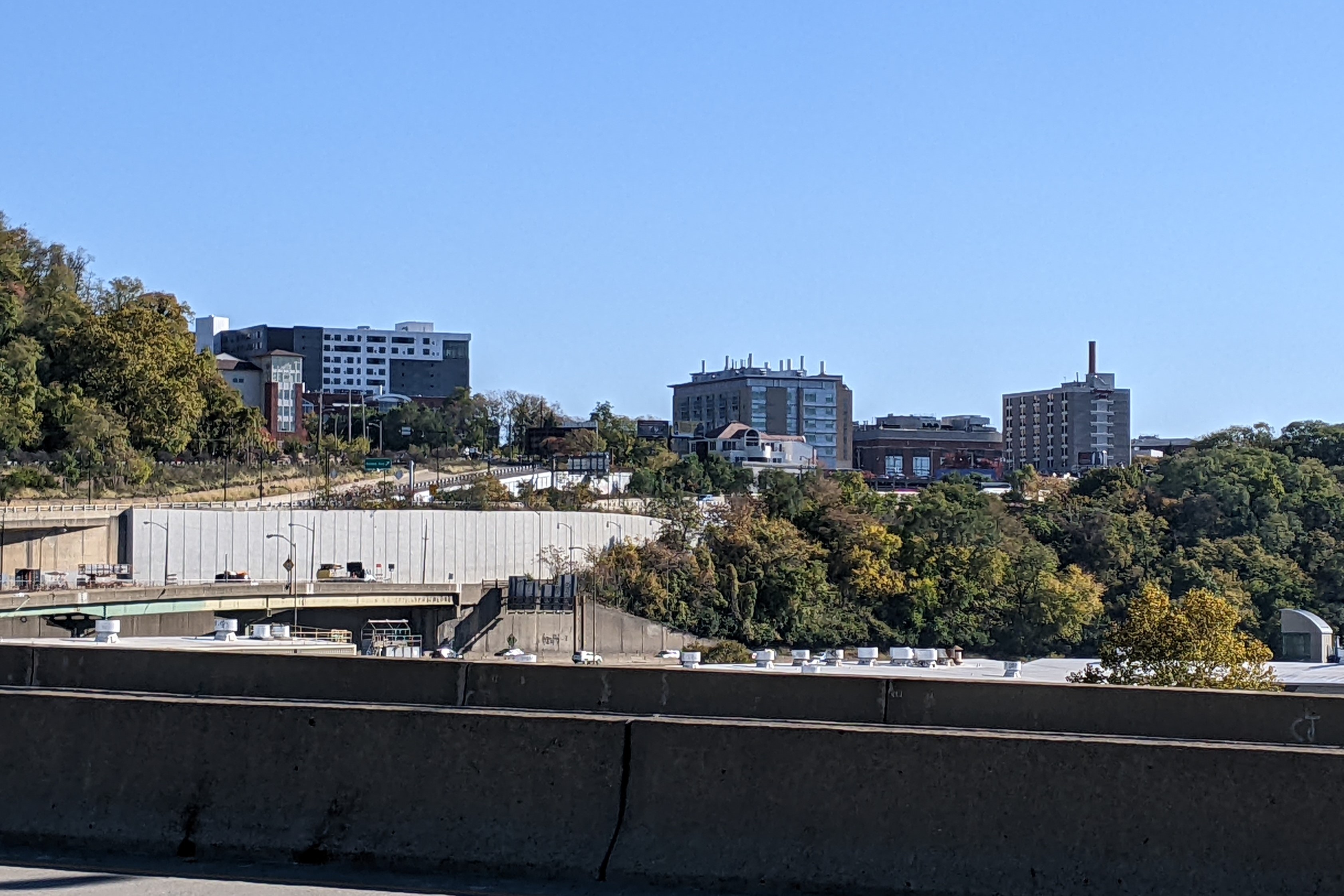
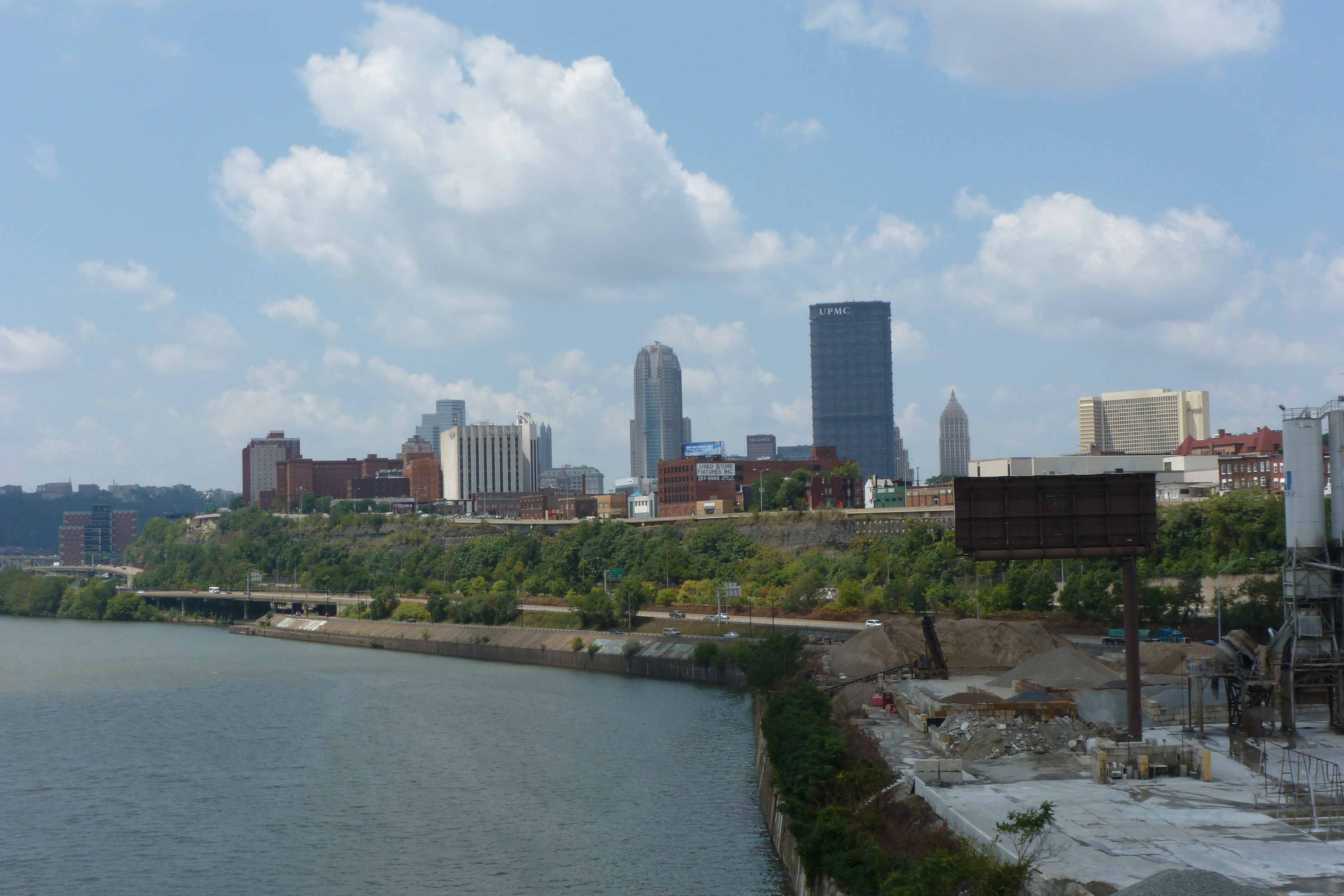
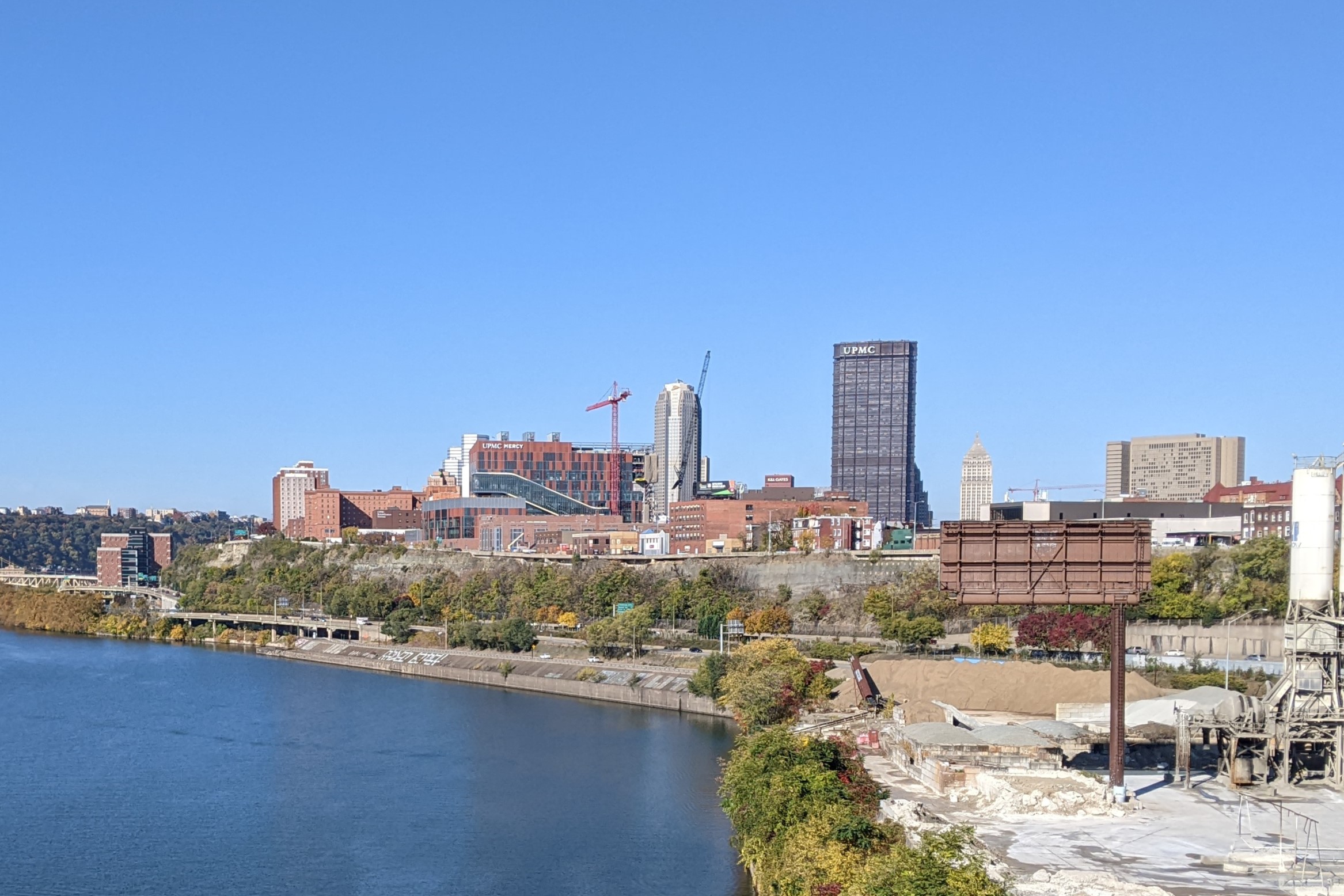
The view of Oakland from the bridge (third photo pair) shows a building that I regretted not taking photos of before it was demolished and one of the new buildings built along Fifth and Forbes in recent years. Looking downriver toward downtown (final photo pair), the new vision center as part of UPMC Mercy Hospital is clearly visible, though its coloring blends in well from this distance. Both of these views are expected to change further in the coming years with additional growth in Oakland and the redevelopment of the Lower Hill adjacent to downtown.


Then & Now: Duquesne University Pedestrian Bridge
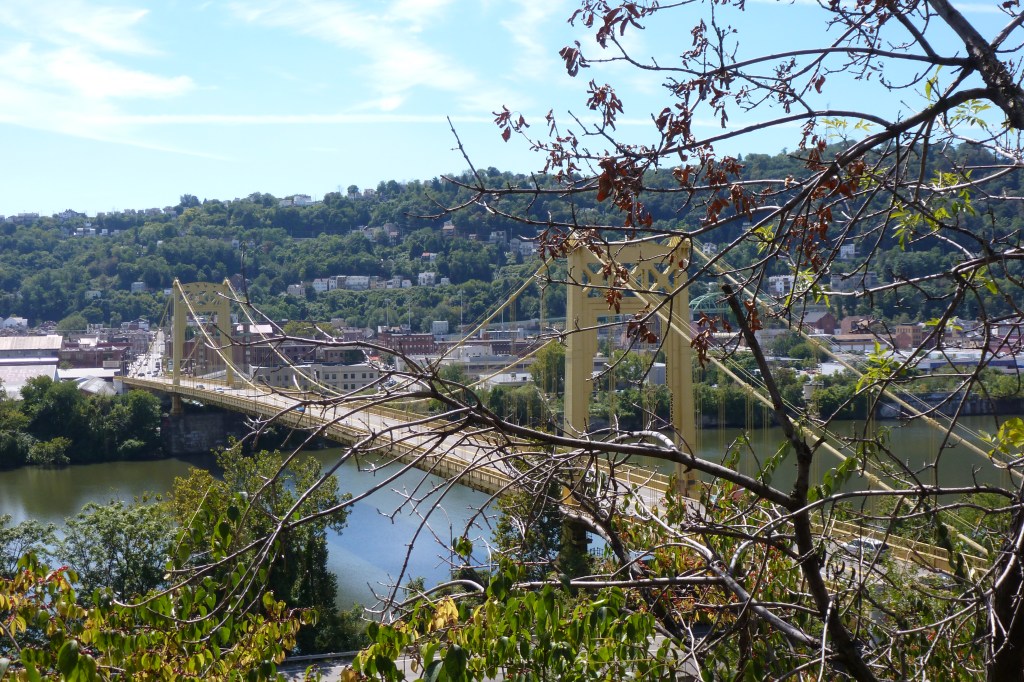
I first walked the Duquesne University Pedestrian Bridge as part of my 10th Street Bridge walk in September 2012. However, by that point I was walking bridges faster than I could post about them. This is one of the bridges that I hadn’t posted about until now. It is accessed by a multi-story staircase from the northern end of the 10th Street Bridge and it crosses the speedy Blvd of the Allies. Students who prefer walking (and climbing) to transit and who live or party on the South Side use the 10th Street Bridge-staircase-pedestrian bridge path to get to and from campus.


Because of this bridge’s perch on The Bluff, it has great views up and down the Monongahela River. Some of the developments that have happened since 2012 along this river are visible from this bridge. The first pair of photos show a new construction self-storage complex that was built on a vacant, but complex, industrial site. Zooming out some in the second pair, a now brightly colored set of warehouses stand out (which incidentally are next to the Highline/Terminal Way Bridge). Less clearly visible is the white smudge that is the extension into the river built by the gravel company just on the other side of the Liberty Bridge.
The most surprising thing to me on this return trip is that the new UPMC Mercy Vision Rehabilitation Center that is still under construction and looks massive from the views in my Keeping an Eye on Uptown series is not very visible from this bridge. If it had been a sunny day when I was out taking photos, perhaps the glass would have glinted a little more behind the freeway sign, but as it is, the dark spot visible under the freeway sign now isn’t much different than the dark spot from 10 years unless you zoom in close (final photo pair).

September 2012

September 2022


Harrisburg Cow Parade 5
Then & Now: Terminal Way Bridge

Last month’s look back at the 40th Street Bridge wrapped up the Allegheny River watershed portion of our 10-year anniversary Then & Now series. This month, we start revisiting bridges in the Monongahela River watershed.
The Terminal Way Bridge – now called The Highline – is unique in the Pittsburgh bridges I’ve walked as it is not a through-way. It is an elevated passage that connects five buildings of a former large warehouse operation. The bridge was previously a car road and parking lot. Pure speculation based on the small factoids and selection of historic photos on the Highline website suggests that at one time, this road was were good were loaded onto local delivery vehicles. Now, it is closed to all vehicular traffic and is instead an outdoor amenity space, exclusively for pedestrians and bicyclists.
While I walked over the bridge multiple times before the renovation, I was never inspired to take a photo of the parking lot that it was. I did, however, take photos of it from below which are still able to show the change from car parking to planters. They also show the change from former warehouse to a place poised to become a hip place is town.


Then & Now: 40th Street Bridge

The next bridge in the 10-year look back at urbantraipsing bridge walking is the 40th Street Bridge, which is about a mile from last month’s featured bridge: Herron Ave Bridge. The 40th Street Bridge, aka Washington’s Crossing Bridge, crosses the Allegheny River connecting Pittsburgh’s Lawrenceville neighborhood with the Borough of Millvale.
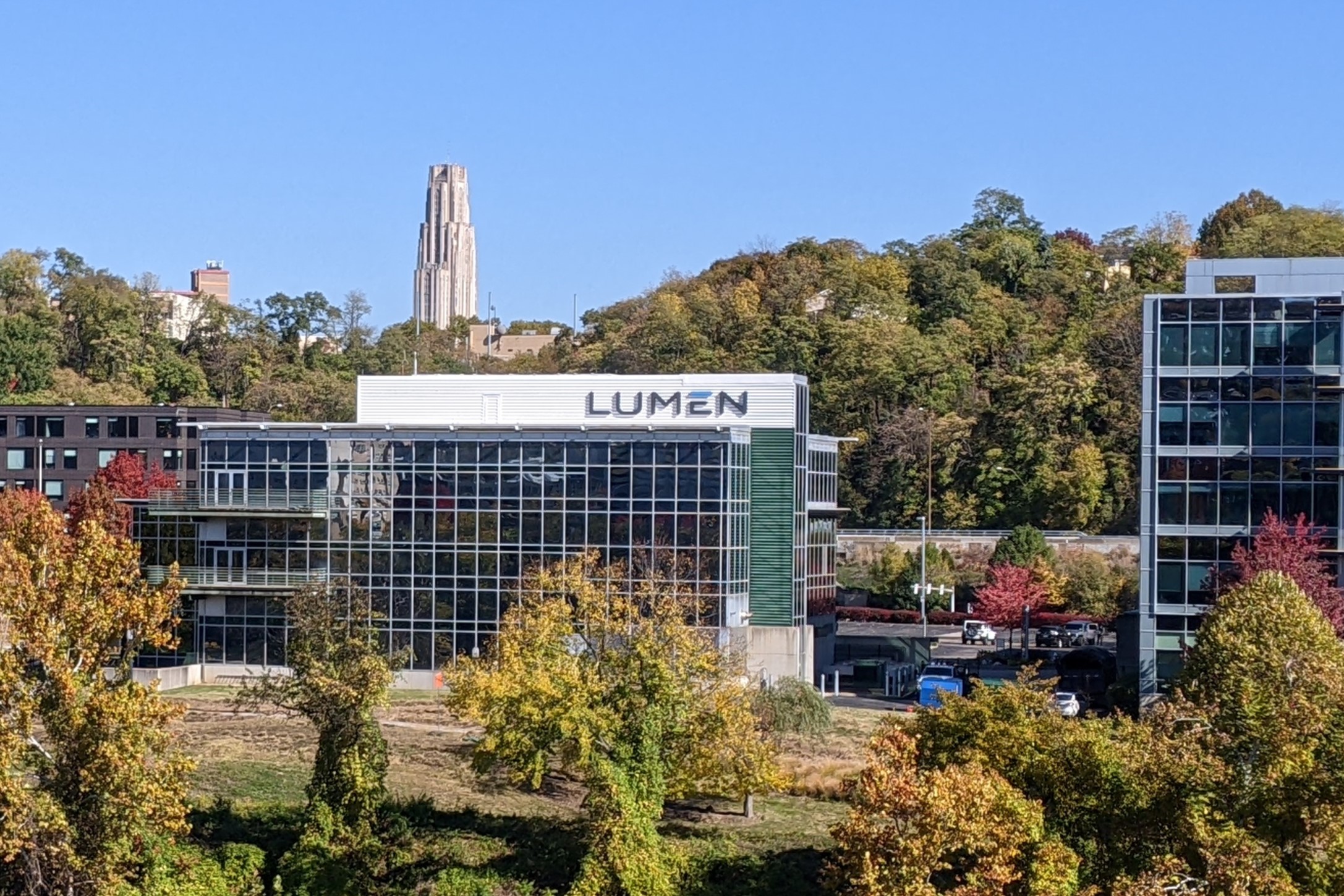
I first walked the 40th Street Bridge before I had the idea to blog about bridge walking, but as I had my camera with me, I took views from the bridge. Since then, the quality of my cameras has grown exponentially and several developments have arisen on the Lawrenceville side of the river. On the upriver side of the bridge, there is a new apartment complex, The Foundry at 41st, and a new office building, TechMill 41 (see the first pair of photos below).
On the downriver side, phase 1 of the large Arsenal 201 mixed-use development was completed on the former site of the Allegheny Arsenal famous for supplying munitions to the Union Army during the Civil War (see the second pair of photos below). The arsenal is perhaps even more famous for the accidental explosion that is identified as the worst civilian casualty of the war killing 78 people, mostly women and girls. Phase 2 of this development is well under way.
Also, on that side of the bridge, some of the new developments on Butler Avenue near Our Lady of the Angels Parish St. Augustine Church are visible including the new Capuchin Friars home (third pair of photos) and one of the new mixed-use buildings that have popped up in the neighborhood over the last 10 years.


Bridge Collapse: Six Months Later

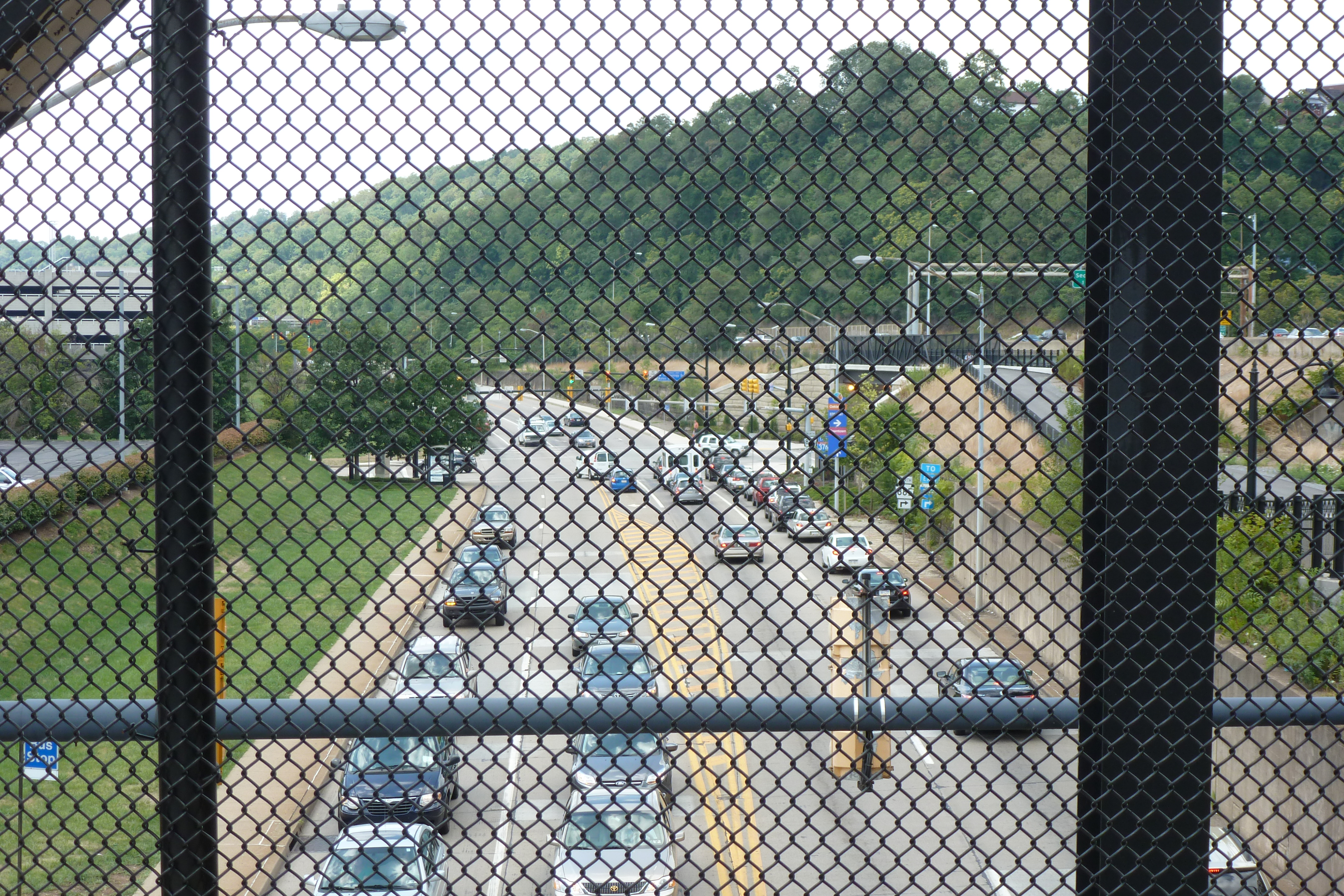
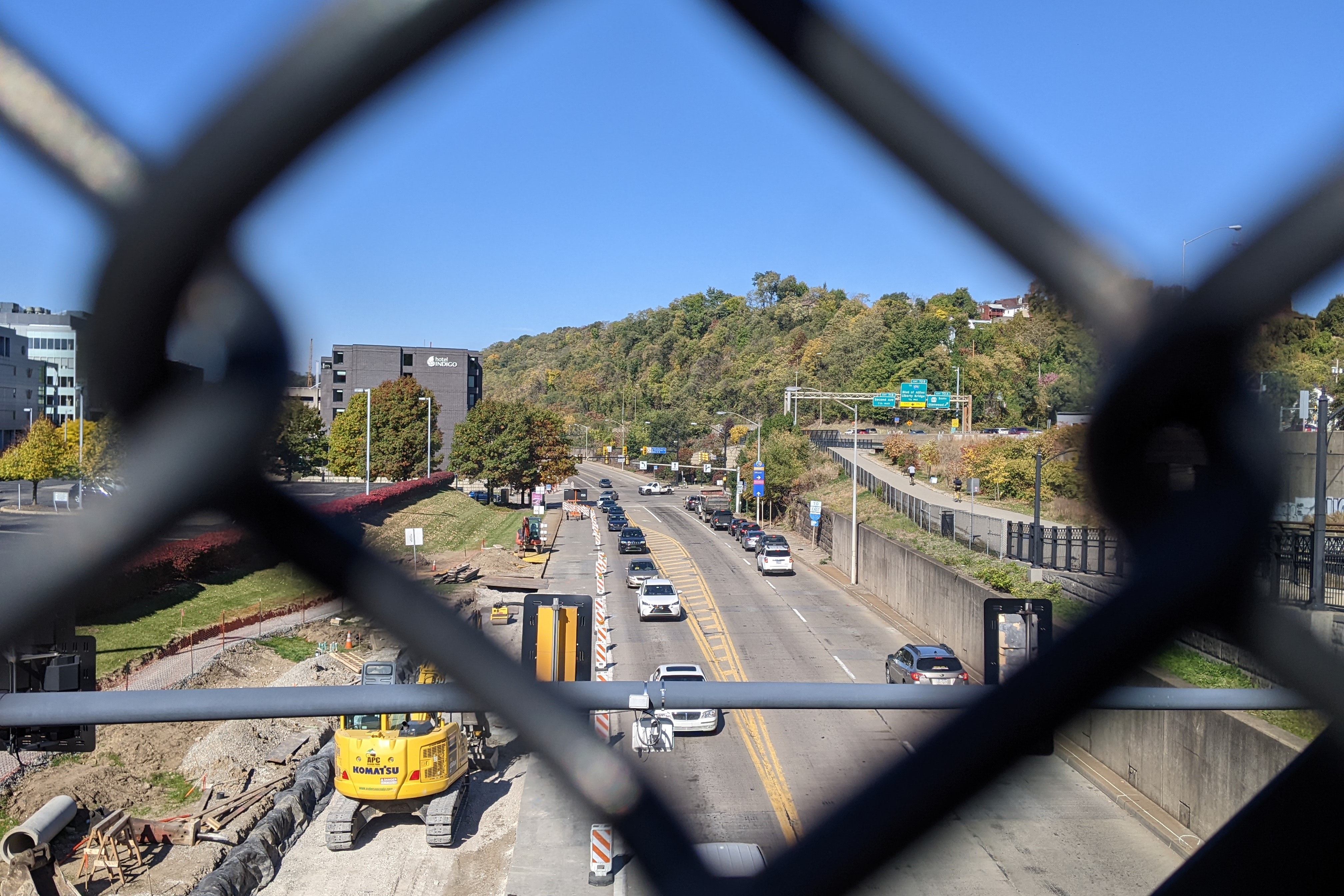
There was a lot of news about the bridge this month. PennDOT and the Mayor’s office held a press conference on Monday to announce that the bridge may be completed before the end of the year. This unusually fast pace is because construction is underway while the design is still being worked out. Inspired by the event, I went to Frick Park after work and explored the view of the bridge from the northern approach along the Tranquil Trail.
While the news is good for the Fern Hollow Bridge reconstruction, there were hiccups this month on the Swindell and Port Authority bridges.
Below is a slideshow of photos from my hike this month followed by the news updates on the Fern Hollow Bridge and other bridge maintenance and replacement efforts in Pittsburgh and Allegheny County.
- The beams for the new Fern Hollow Bridge are being delivered to the site two per day, generating excitement on news and social media. (WTAE video of the first beam delivery, July 26, 2022; CBS article and video, July 25, 2022)
- Two artists were selected to provide artwork for the new Fern Hollow Bridge (City Press Release, July 25, 2022)
- Despite the press conference, artist announcement, and beam delivery schedule, there are no new updates on PennDOT’s project page regarding the reconstruction of the bridge.
- Similarly, no new updates have been posted regarding the National Transportation Safety Board’s ongoing investigation into the Fern Hollow Bridge collapse.
- The City created a Commission on Infrastructure Asset Reporting and Investment in March 2022, but this commission has not been added yet to the city’s website listing all Boards and Commissions and I have not seen any announcements of any appointments to the new Commission. However, there was a press release this month asking for applicants interested in serving in any of the city’s boards and commissions.
- WSP USA was selected to manage the City’s new Bridge Asset Management Program. (Tribune Review, July 19, 2022)
- On Tuesday, Port Authority found a crack in one of the rails on the bridge that was just repaired. The inbound T service was discontinued for two days to enable the replacement of this portion of track.
- On July 1, Pittsburgh’s Swindell Bridge was closed due to falling debris. The falling debris was noticed during the first phase of repairs, which was repaving the road. (City Press Release, July 1, 2022) The subsequent inspection found that the debris came from the repairs – material accumulated in one of the drainage troughs, putting unusual pressure on the trough and causing it to “tear open and spill” the debris onto route 279 – hours after I had driven under it. (City Press Release, July 5, 2022)
Additional Resources:
Both PennDOT and the Federal Highway Administration have interactive maps of bridges for the state and country respective, and their inspection statuses.
Previous Fern Hollow Bridge Posts:
Then & Now: Herron Avenue Bridge
Our next stop on the 10-year anniversary series looking at the changes to and around Pittsburgh’s bridges is the Herron Avenue Bridge. This is another bridge that passes over the MLK Jr or East busway. Traveling down the busway toward downtown from the Baum and Centre Bridges we looked at last month, this bridge is three bridges closer to downtown. It connects the Polish Hill and Lawrenceville neighborhoods in Pittsburgh.
On the northeastern side of the bridge is the former Iron City Brewery. When I walked this bridge in 2012, there were plans in the works to redevelop this complex of 20 or so buildings. Ten years later, not much has changed on this site – other than the clearing away a large pile of dirt and debris near the loading docks (visible in the second photo pair below). According to new articles about the site published in 2019 and 2021, some exterior stabilization has occurred and there are still plans in the works to renovate the site (WPXI, CBS, City Paper, Pittsburgh Business Times).
One the other side of the bridge, a major transformation is underway changing from a warehouse with large parking lots to a dense mixed-use development. The new buildings are visible from many angles of and from the bridge (see all but the second photo pair below). Construction started last summer and the project website says that pre-leasing was to begin in spring of this year, but based on the information on the website it doesn’t look like this has begun yet. One of the amenities listed is the views, which include the views of downtown stolen from the bridge.