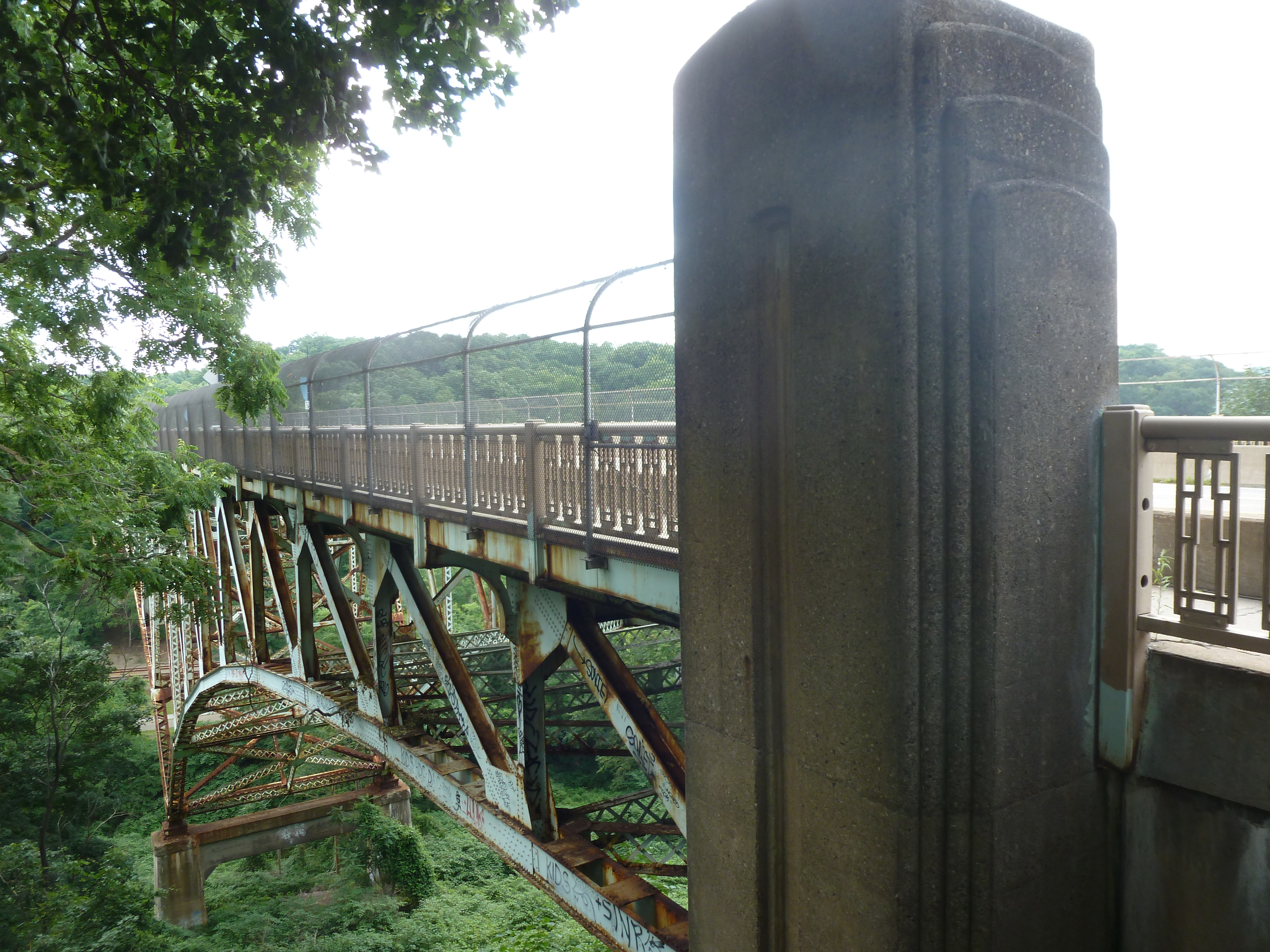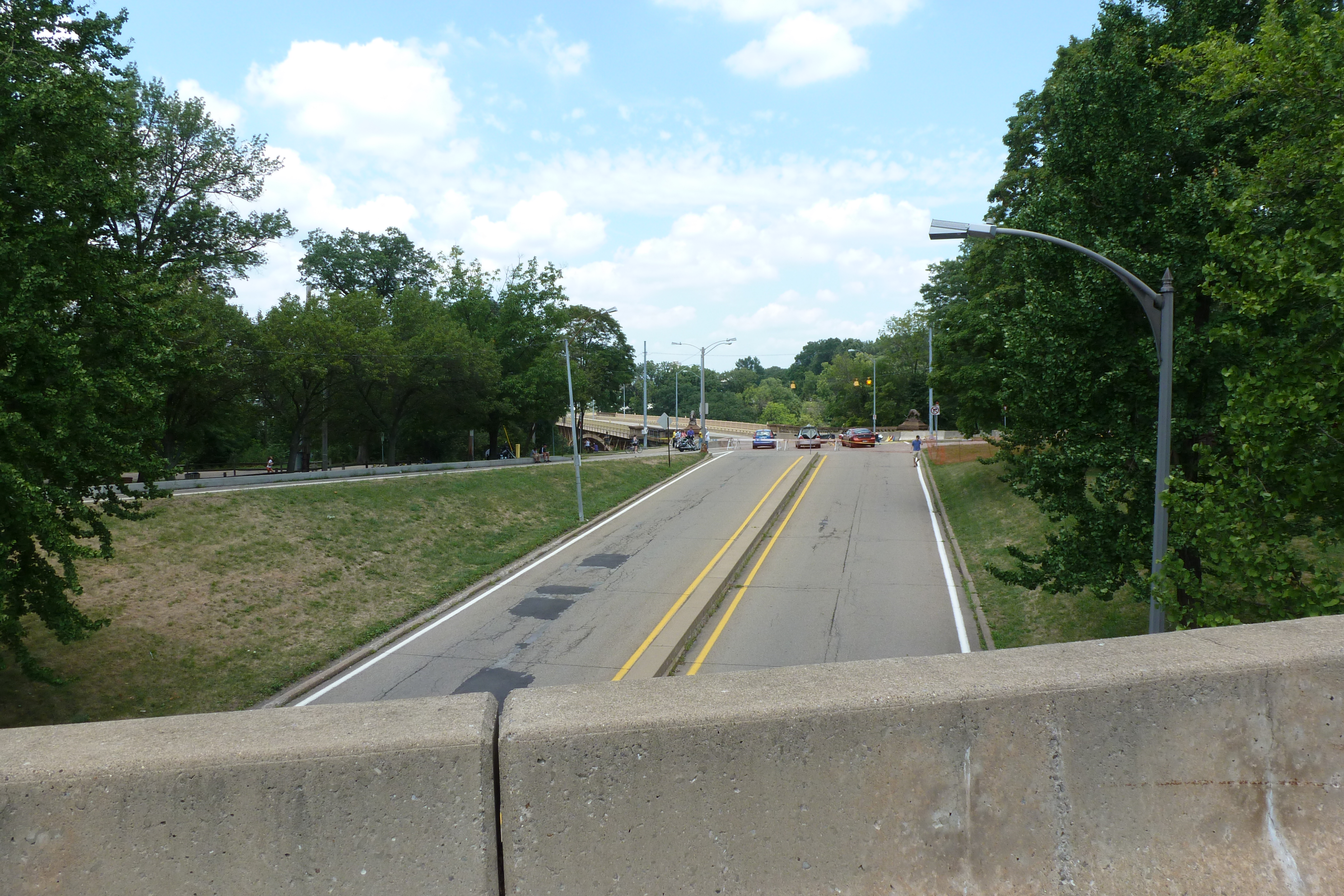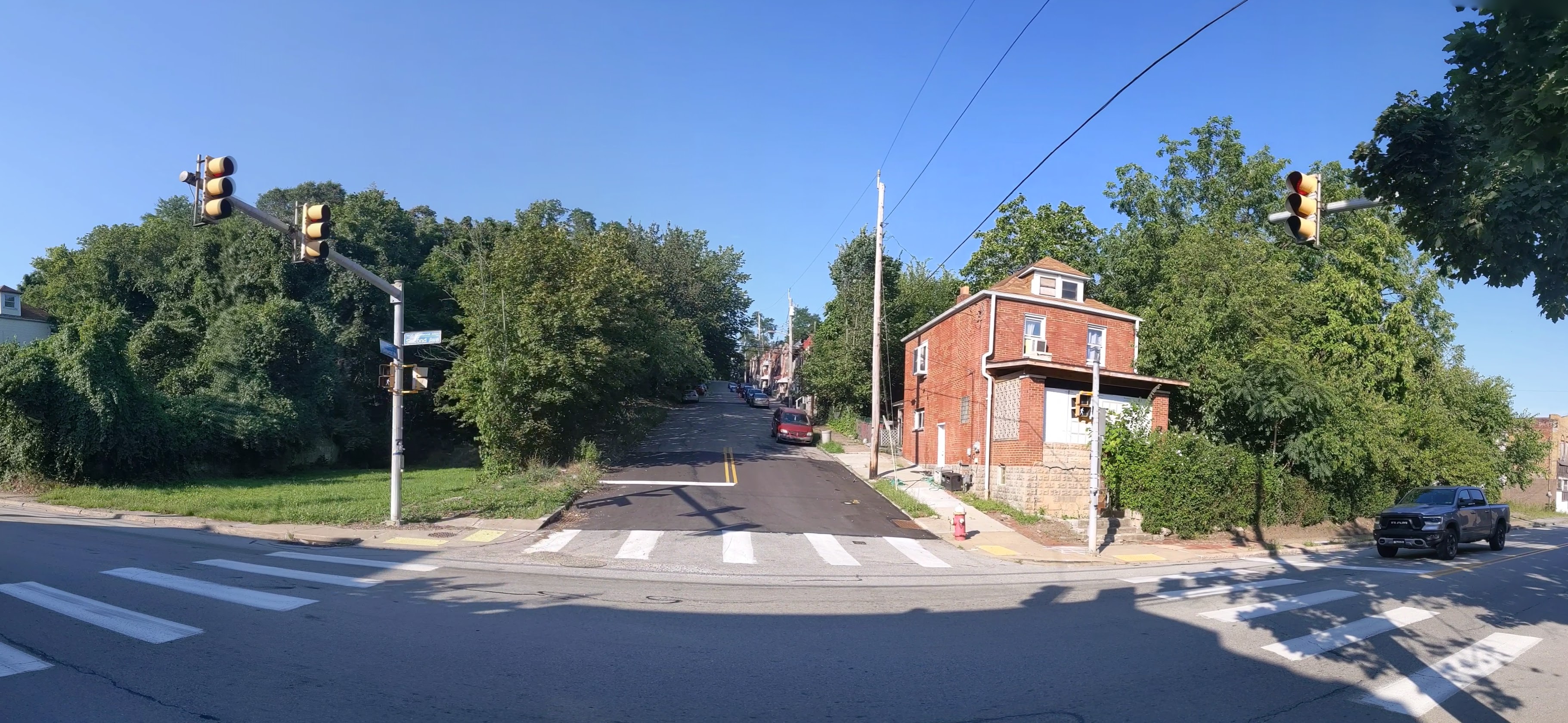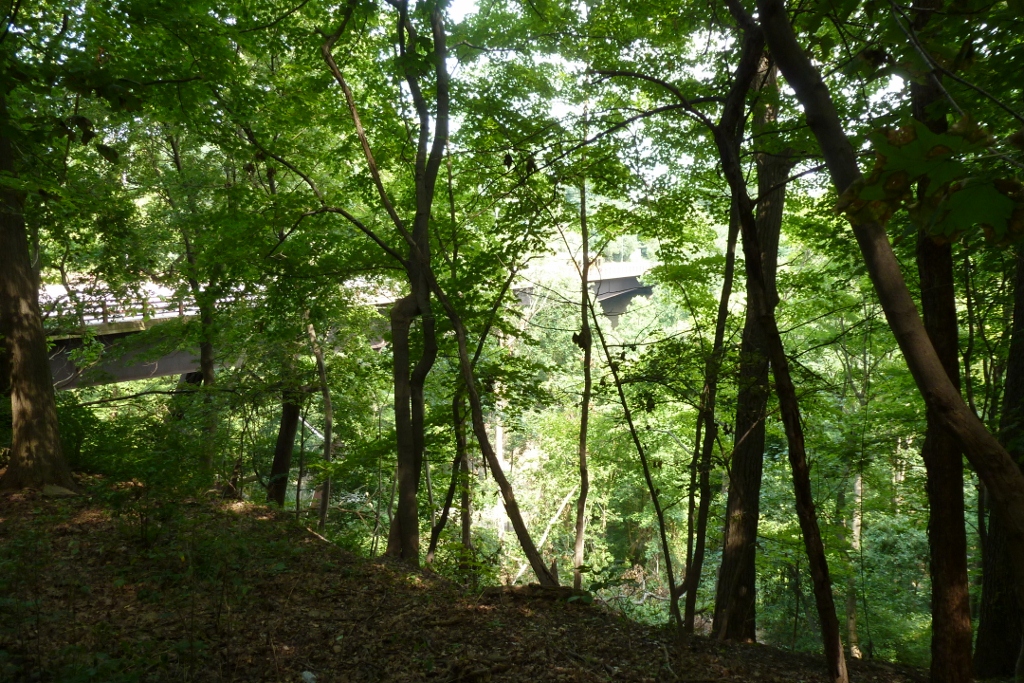
Yesterday, after the Fern Hollow Bridge collapsed in Pittsburgh a photo circulated on social media of one of the steel support beams of the bridge completely rusted through. This photo was taken in 2018 and reported to the City’s 311 system. While the photo also showed cables that had been added to the bridge to presumably take over the job of the steel beam that then ended in mid-air, the person submitting the photo was concerned that this might not be sufficient. I have seen similar rusted conditions on other bridges that I have walked over or under in Pittsburgh. I cannot remember if it was the Negley Ave bridge over the busway, the Charles Anderson Bridge over Junction Hollow in Frick Park, both, neither, or a handful of other bridges. (Note: both of these bridges are rated in poor condition.)
A neighbor quoted in a Tribune Review article after the Fern Hollow Bridge collapse wondered why the bridge hadn’t been repaired or replaced before the accident since it was known to be in poor condition. According to BridgeReports.com, which pulled inspection data on the bridge from 1991-2017, the bridge has been rated as in poor condition since 2011. Based on my experiences and exposure to bridges, I am not surprised that a bridge was left in poor condition for over a decade. This morning, I pulled data from the National Bridge Inventory on the 449 inventoried bridges within a 6-mile radius of downtown Pittsburgh. I was surprised to find that only 10% of these bridges were rated in poor condition.
Below is a chart of the 48 bridges rated in poor condition within a 6-mile radius of downtown, which includes some that are outside the boundaries of the City of Pittsburgh. In those cases, the city owner would be the municipality they are within. The first four columns are the data I pulled from the National Bridge Inventory, the final column is from BridgeReports.com. Both sources were updated through 2018, which means that there have been some changes since then, including the possibility that more bridges have fallen into a poor state. I marked in italics the bridges that I am heard went through renovations in recent years and in bold the one that collapsed. The bridges with hyperlinks are the ones that I have walked and blogged.
| Owner | Bridge Description | Year Built | Year Renovated | Rated Poor Since |
| State | Island Avenue Bridge | 1900 | – | – |
| State | Wetzel Rd over Pine Creek | 1936 | – | – |
| State | Blvd of Allies over cliff | 1950 | – | 2018 |
| State | Blvd of Allies over Forbes | 1952 | 1984 | 2017 |
| State | Ramp U over Old Brady St | 1954 | 1985 | 2013 |
| State | Ramp R over Brady | 1956 | 1985 | 2017 |
| State | Ramp H over Forbes, Diamond, 6th Ave | 1962 | 2012 | 1997 |
| State | Peoples Rd over Girtys Run | 1963 | – | – |
| State | Washington Ave over P&O RR | 1965 | – | – |
| State | Ft Duquesne to 10th St | 1968 | 1988 | – |
| State | Blvd of Allies over another cliff | 1981 | 2001 | 2018 |
| Railroad | West Ohio St over NS RR | 1903 | 1958 | 1991 |
| Railroad | N Ave & Brighton Rd over NS RR | 1905 | 1929 | 2009 |
| County | 9th Street – Rachel Carson Bridge | 1926 | 1994 | 2013 |
| County | Jacks Run Rd over Jacks Run | 1980 | 2019 | – |
| County | Wible Run Rd over Wible Run | 1987 | – | – |
| City | Second Ave over Nine Mile Run | 1886 | – | at least 1991 |
| City | Shaler St over Saw Mill Run | 1900 | – | at least 1991 |
| City | Lowrie St over Rialto St | 1900 | 1972 | 2008 |
| City | Elizabeth St over Gloster St | 1900 | 1979 | 2014 |
| City | Ridge Ave over NS RR | 1903 | 1957 | at least 1991 |
| City | Timberland Ave over Saw Mill Run | 1909 | – | at least 1992 |
| City | Fremont St over Girtys Run | 1911 | – | – |
| City | Lincoln Ave over Girtys Run | 1911 | 1950 | – |
| City | Larimer Ave over Washington Blvd | 1912 | – | at least 1991 |
| City | Grant Ave over Girtys Run | 1914 | 1986 | – |
| City | Klopper St over Girtys Run | 1915 | – | – |
| City | Lincoln Ave over Girtys Run | 1915 | 1986 | – |
| City | Frazier St over Saline St | 1915 | 1989 | 2007 |
| City | S Negley Ave over E Busway | 1924 | 1973 | at least 1991 |
| City | W Carson St over Chartiers Creek | 1925 | 1978 | 2009 |
| City | Ansonia Pl over Saw Mill Run | 1925 | 1998 | 1995 |
| City | Maple Ave over N Charles St | 1929 | 1953 | at least 1991 |
| City | Swindell Br over East St | 1930 | 1990 | 2009 |
| City | Calera St over Streets Run | 1931 | – | at least 1991 |
| City | 28th St over Busway & RR | 1931 | 1974 | at least 1990 |
| City | E Main St over Chartiers Creek | 1934 | 2002 | – |
| City | Charles Anderson Bridge | 1938 | 1987 | 2012 |
| City | Mission St over S 21st St | 1939 | 1982 | 2010 |
| City | River Ave over Bike Trail | 1939 | 1986 | 2008 |
| City | Ganges Way over Streets Run | 1951 | – | 2016 |
| City | E Liberty Blvd SB over walkway | 1968 | – | 2009 |
| City | Forbes Ave over Fern Hollow | 1970 | – | 2011 |
| City | Herron Ave over Busway & RR | 1980 | – | 2018 |
| City | McArdle over Sycamore St | 1983 | – | 2017 |
| City | Milroy St over I-279 | 1986 | – | 2011 |
| Other Local Agency | Centre Ave over East Busway | 1979 | – | 2008 |
| Other Local Agency | Penn Ave over East Busway | 1981 | – | 2018 |