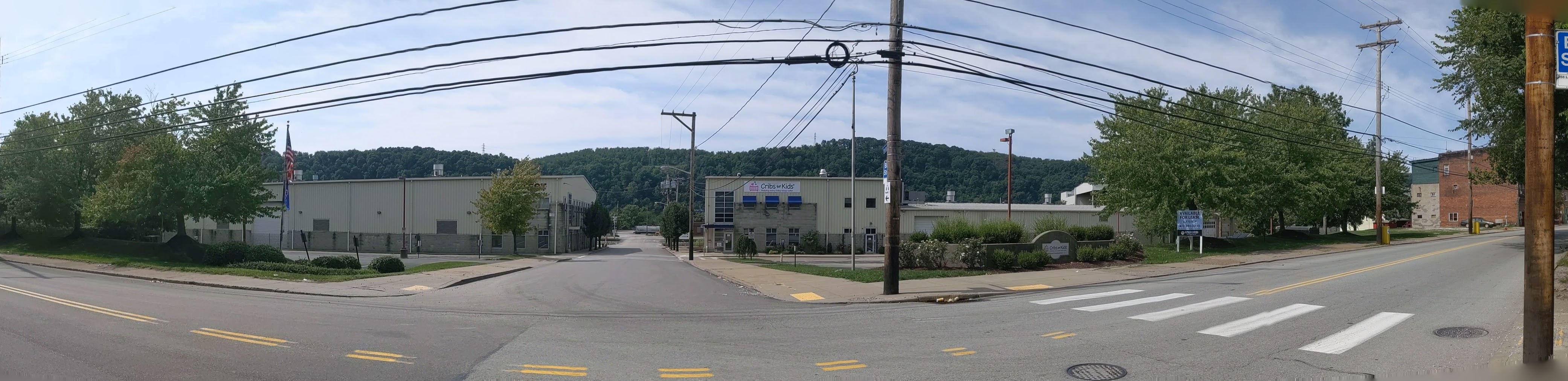
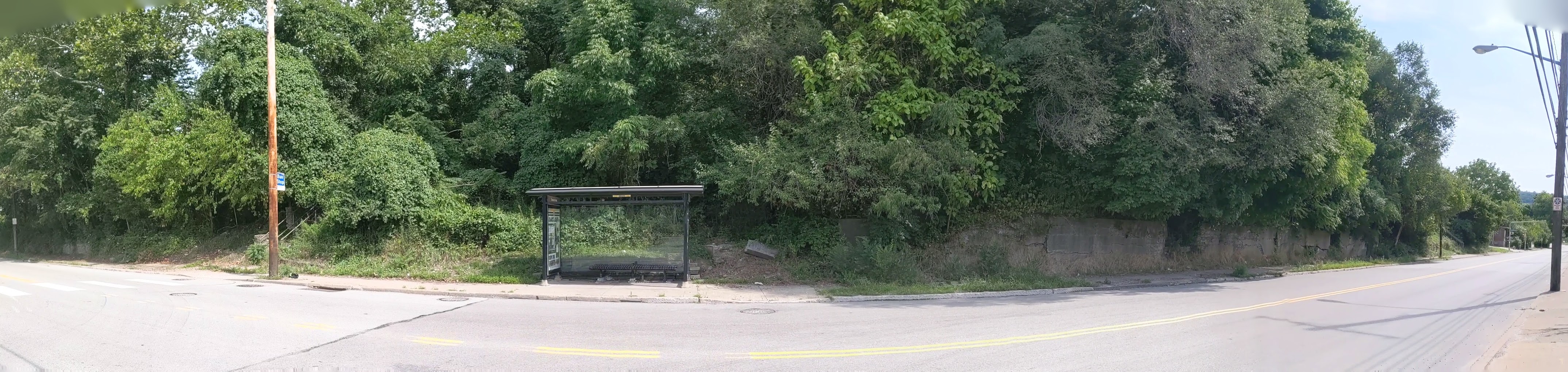
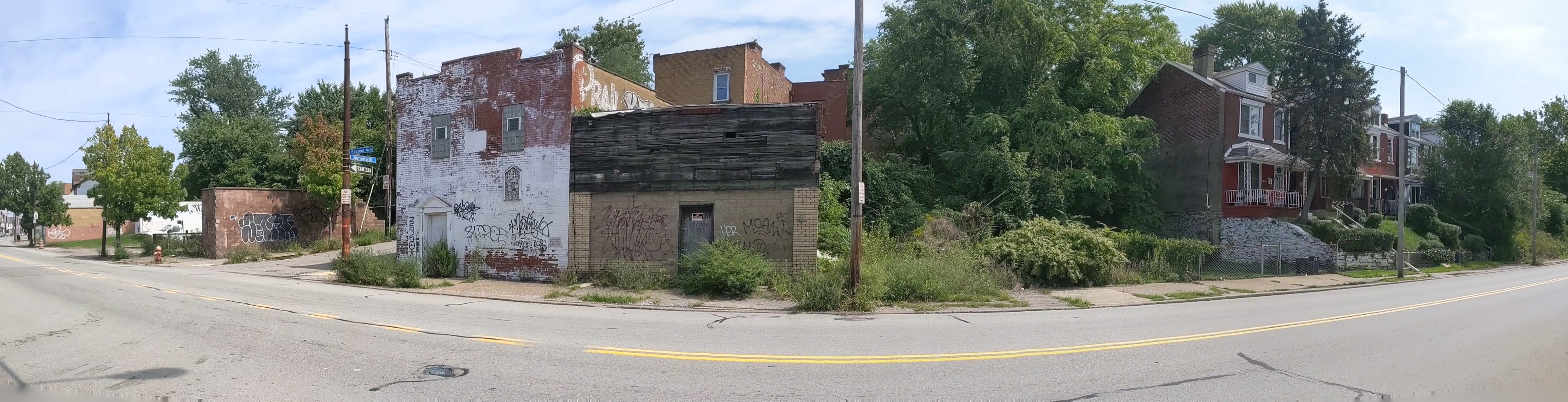
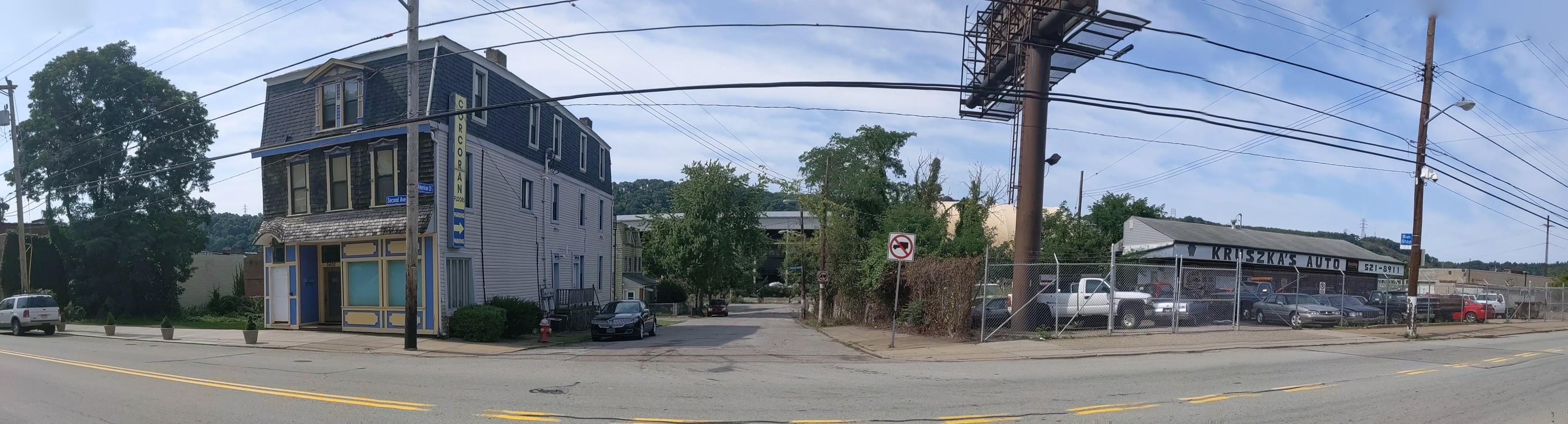
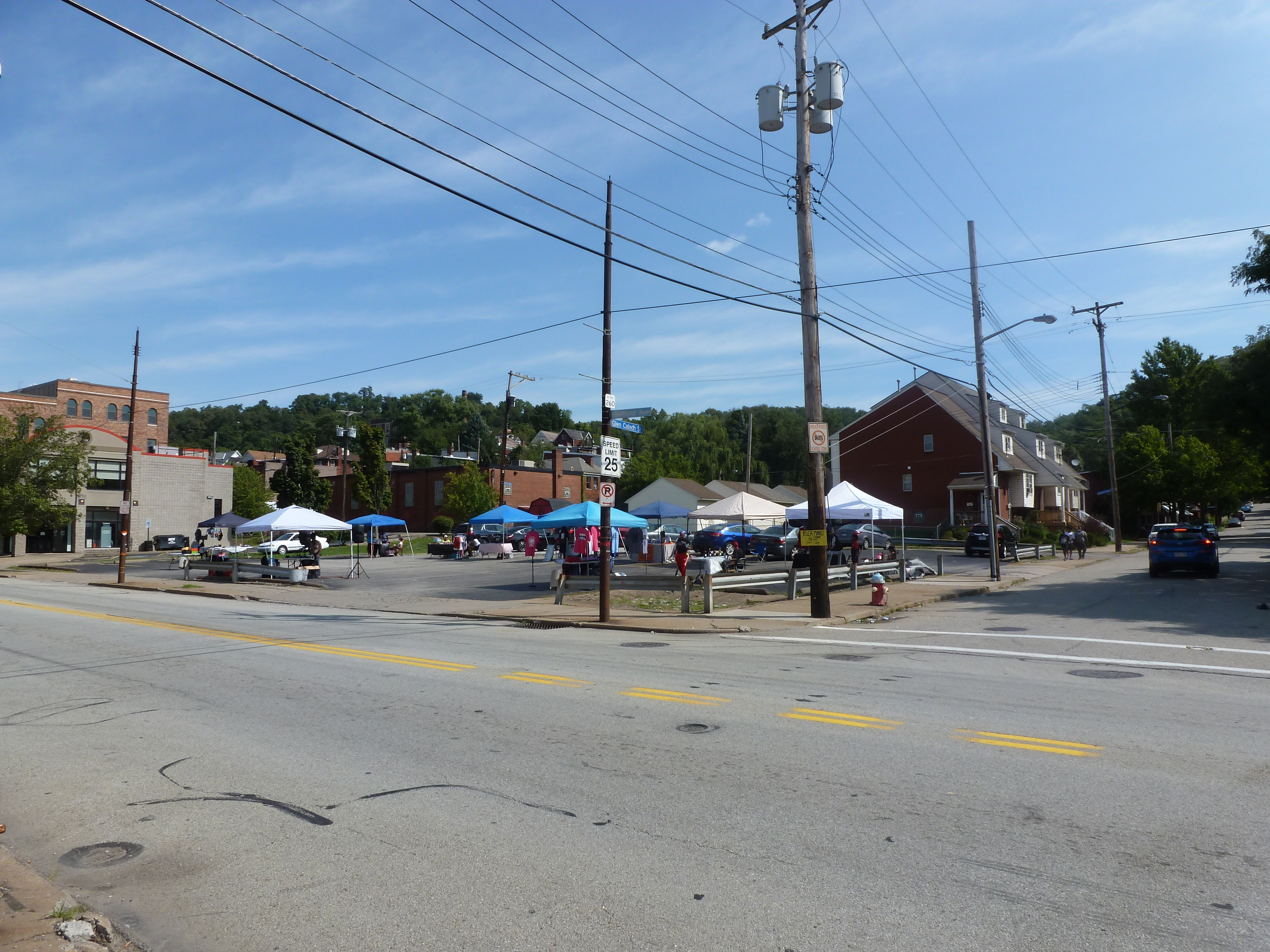
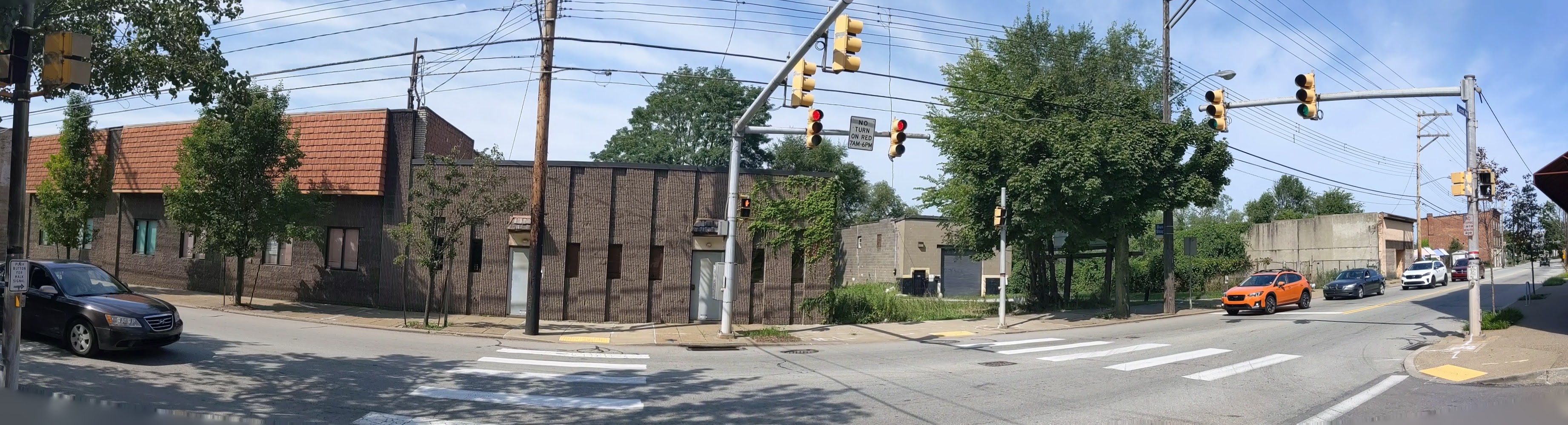
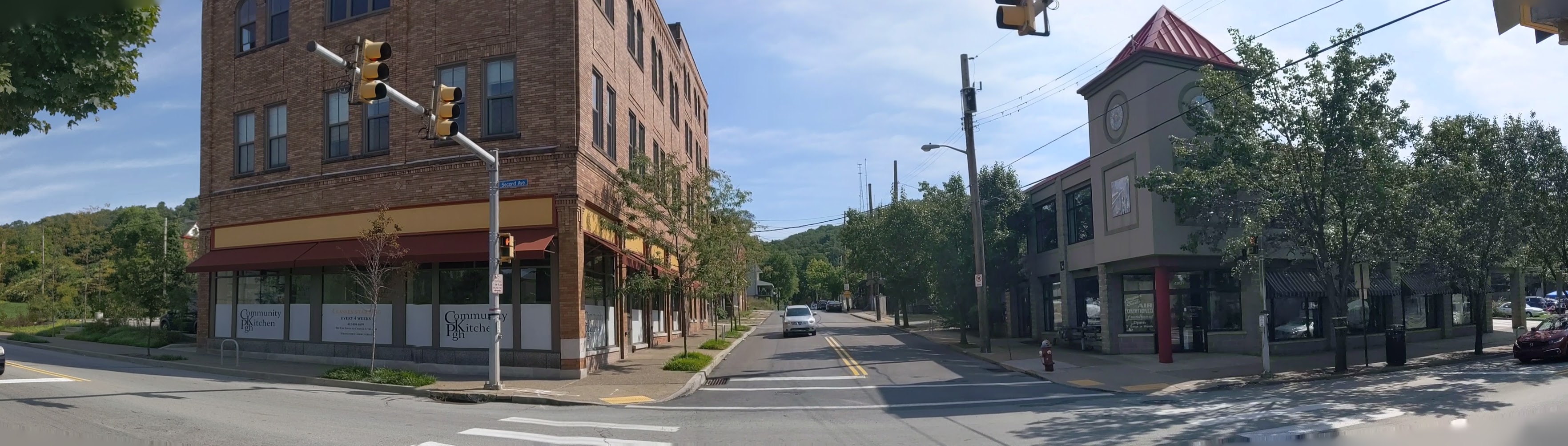
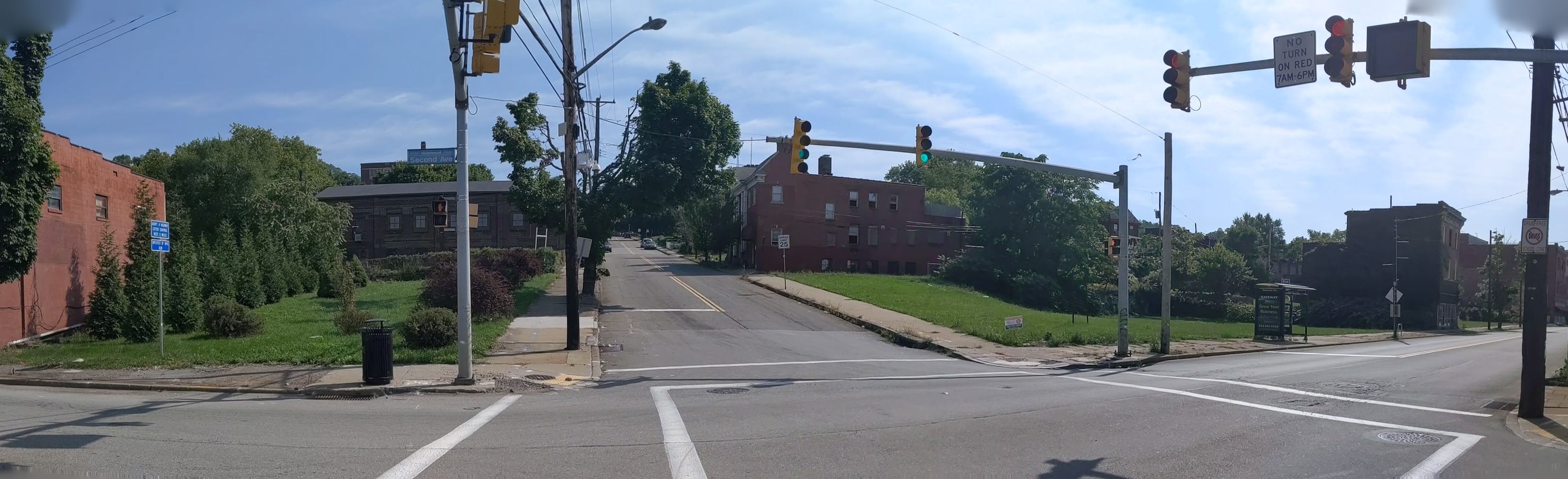
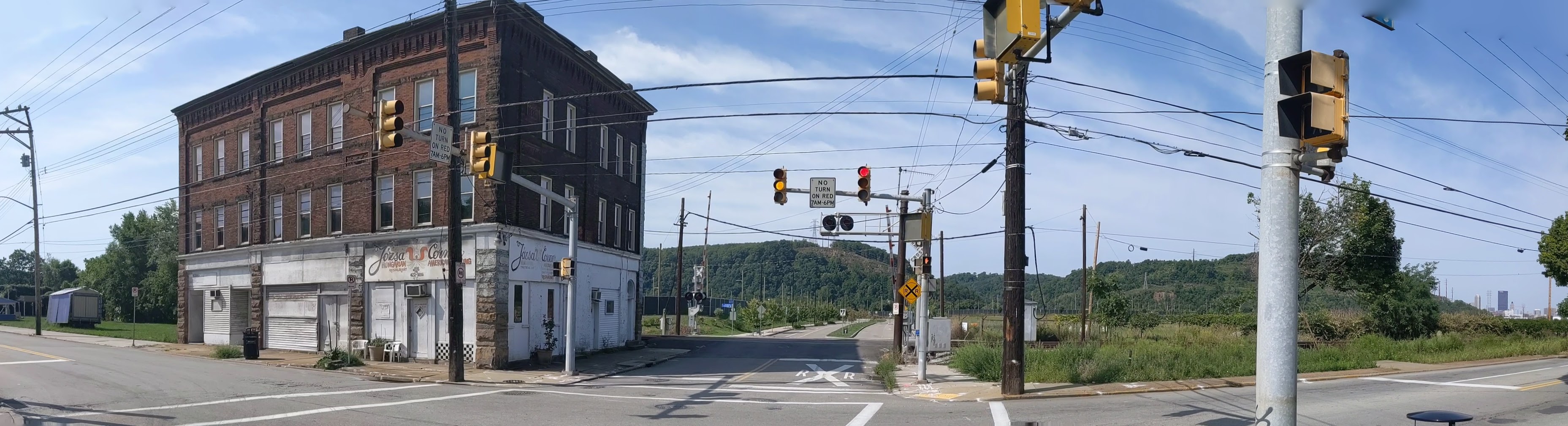
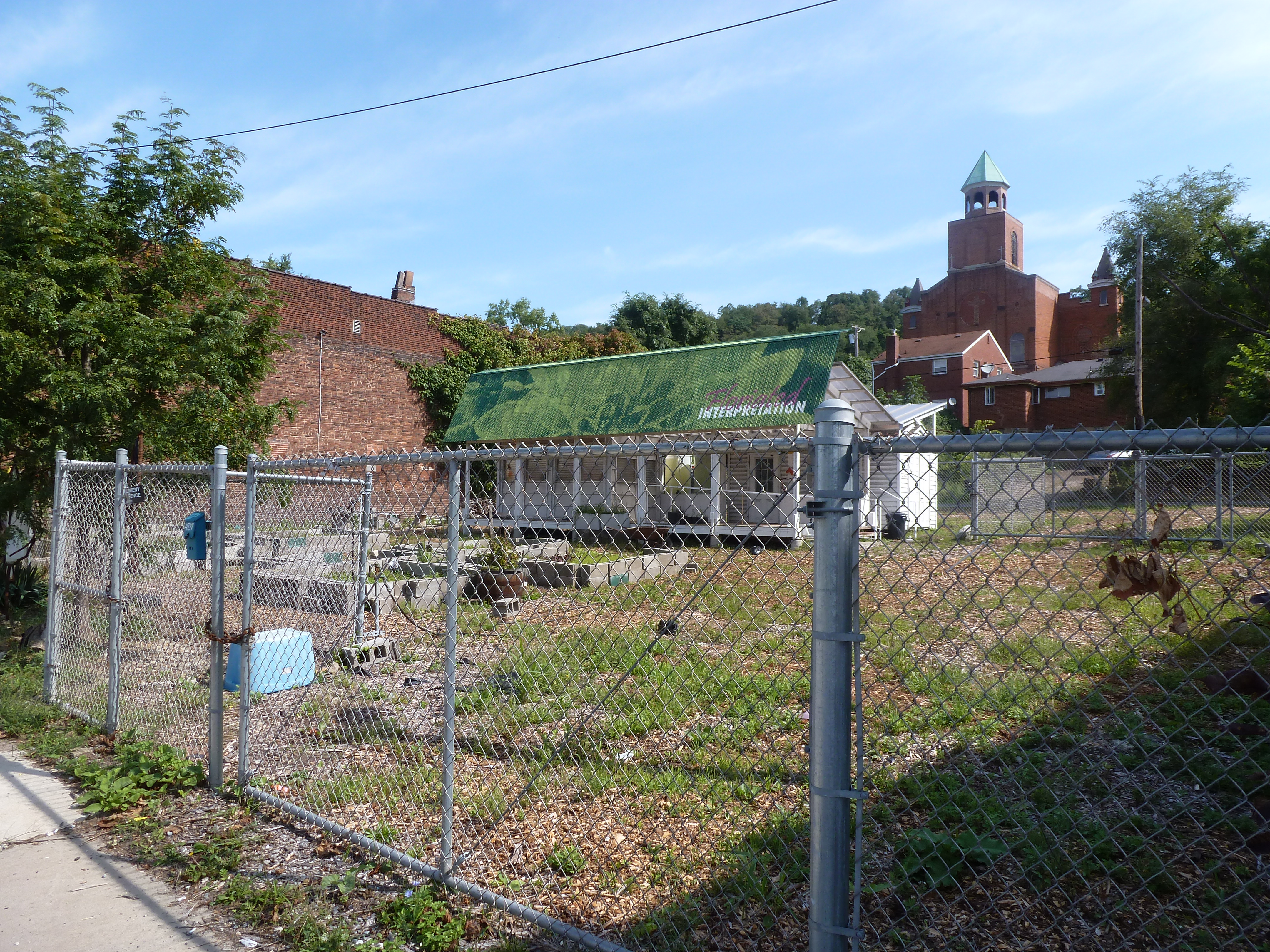
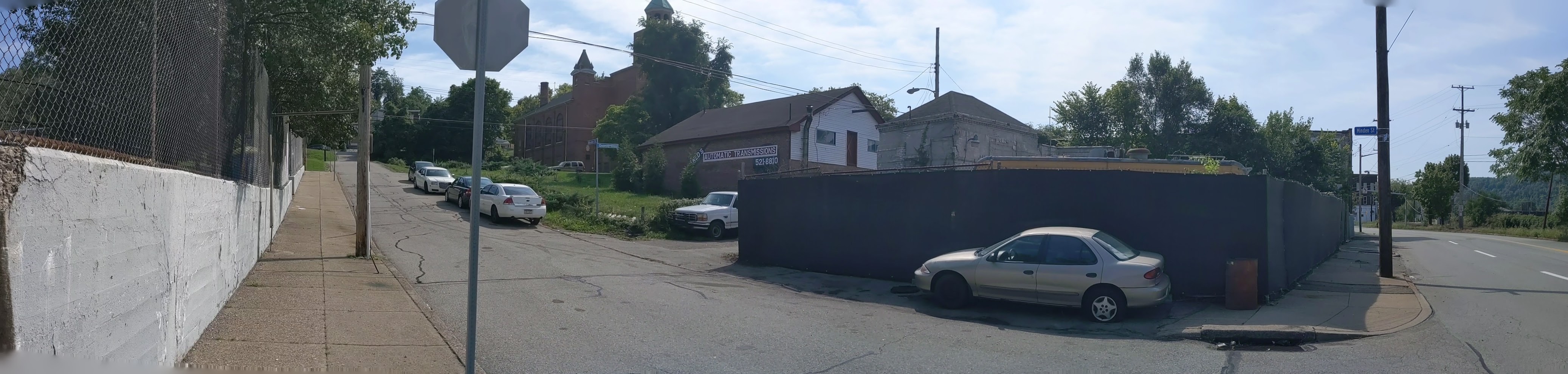
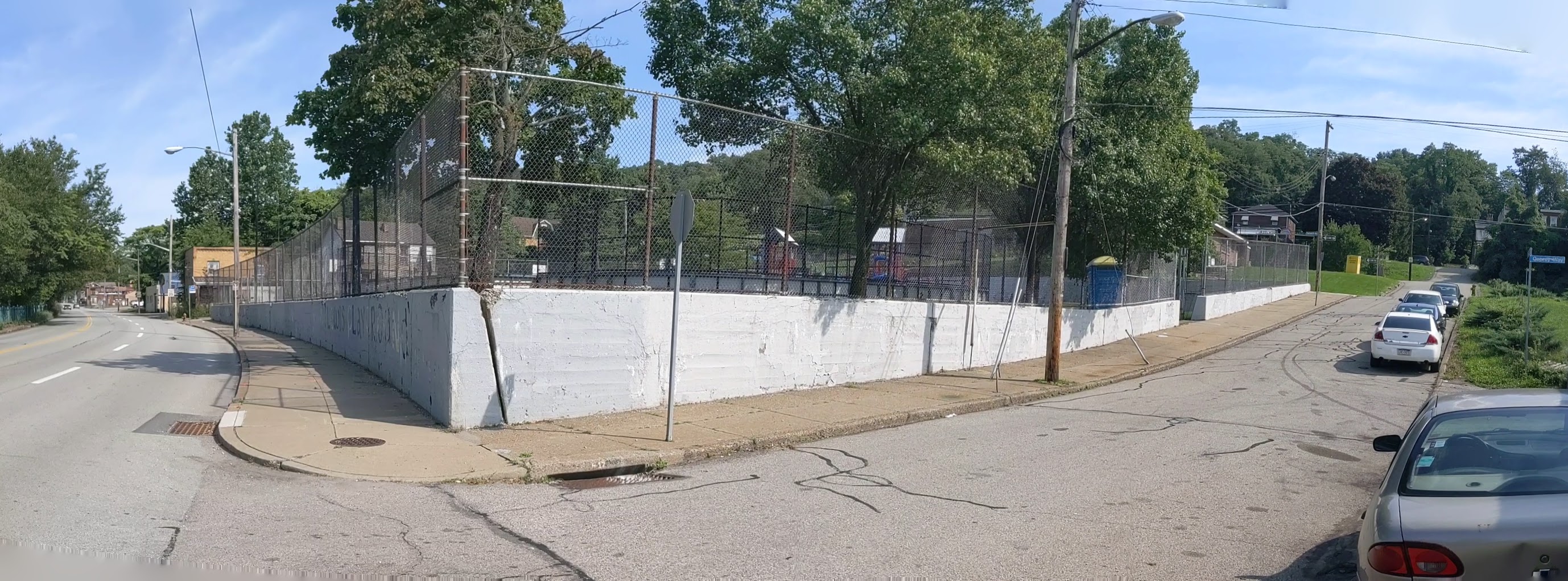
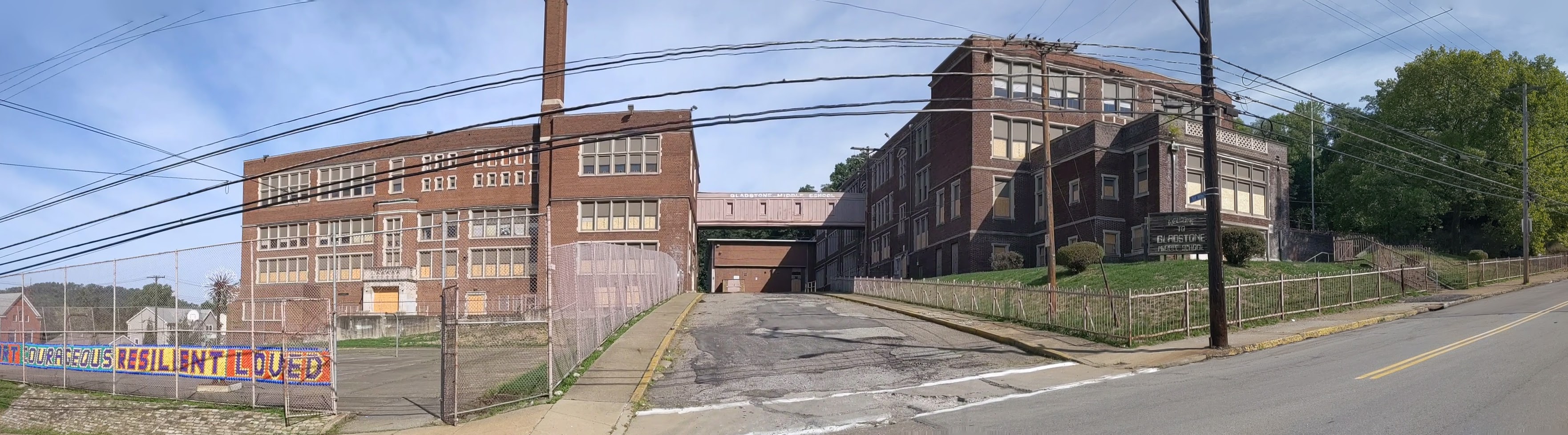
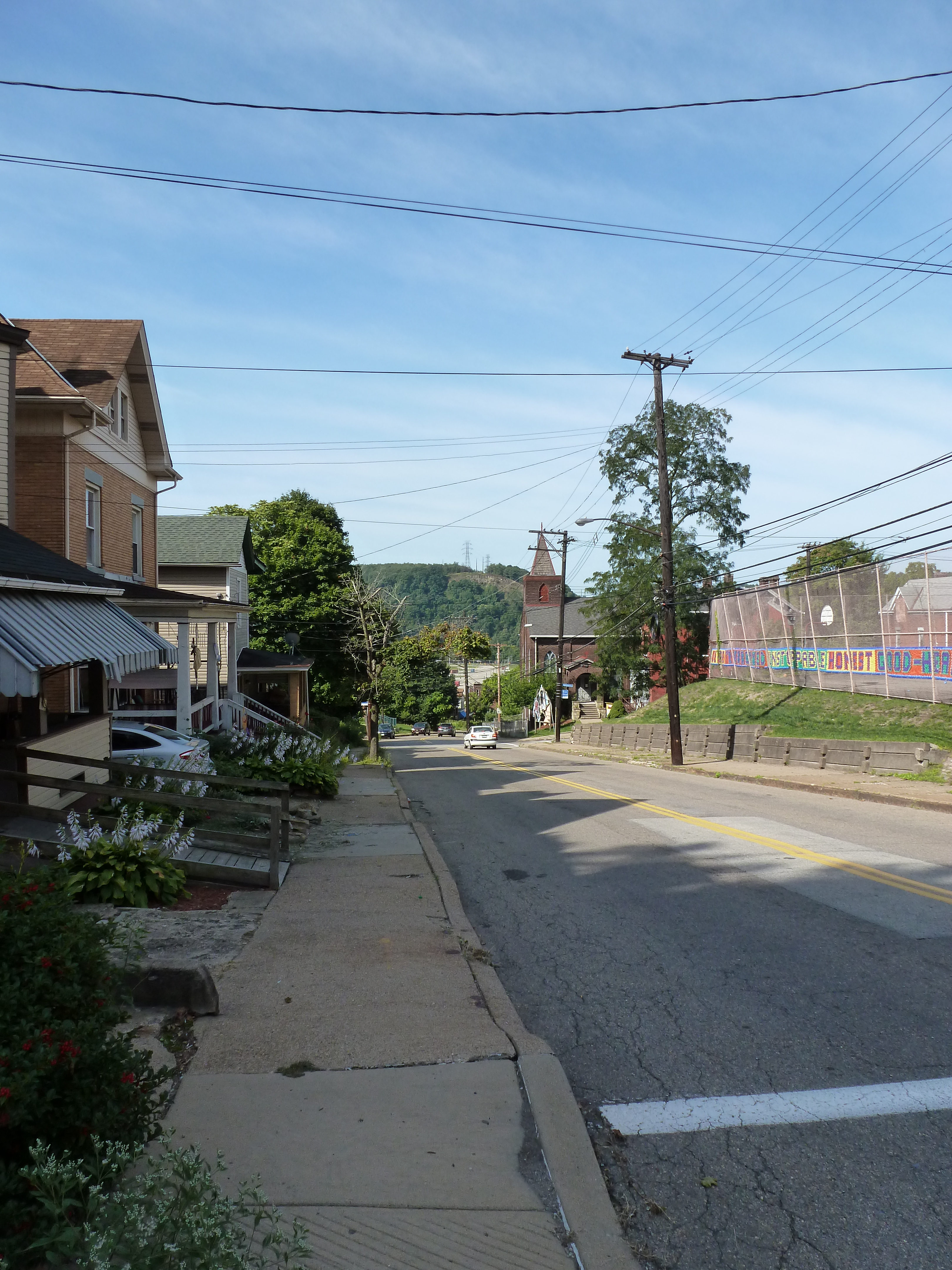
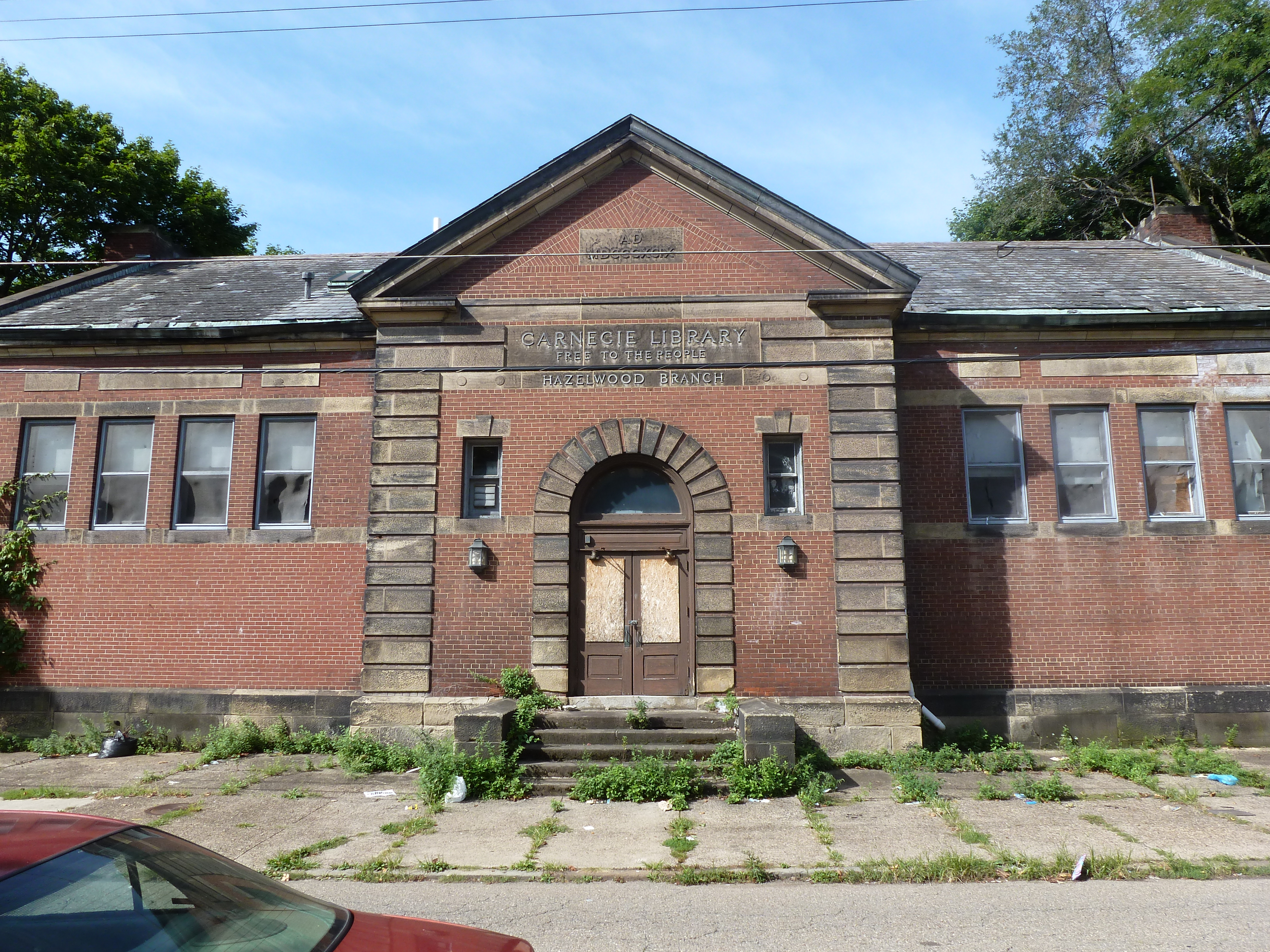
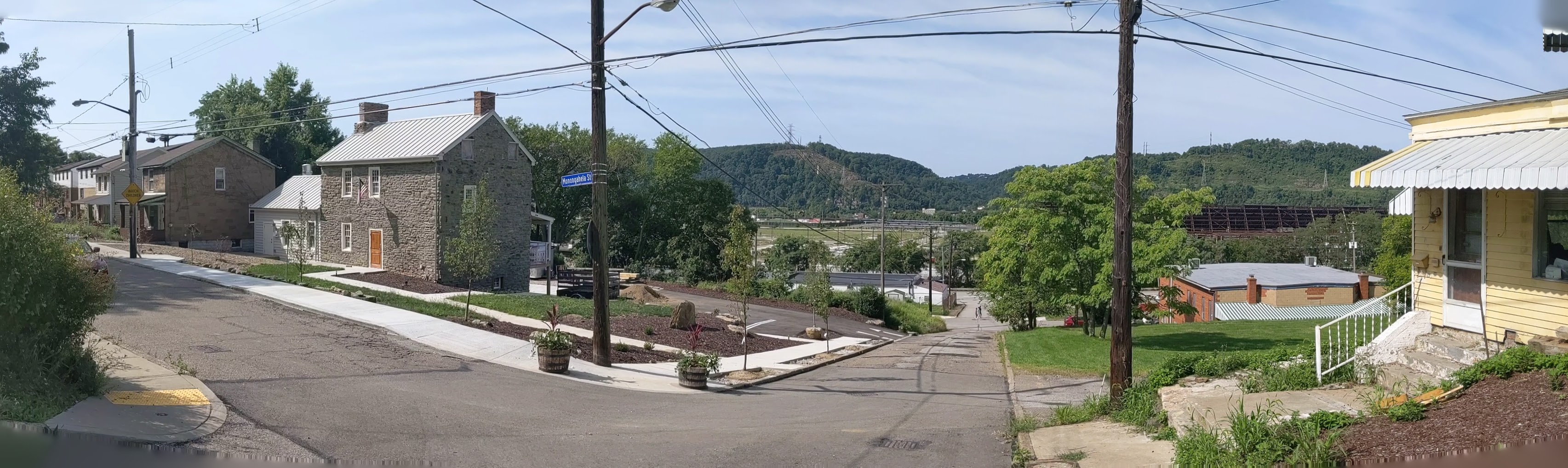
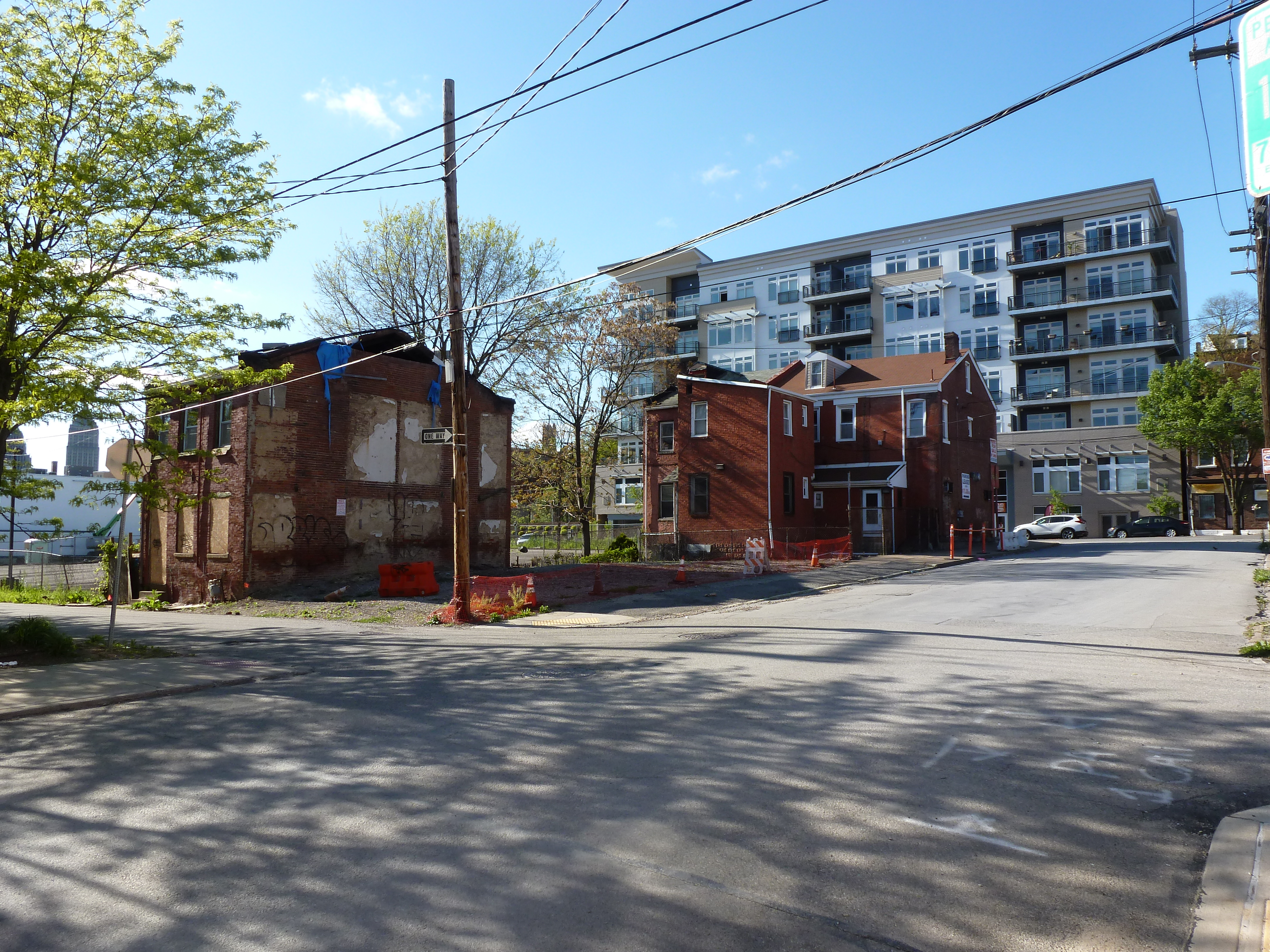
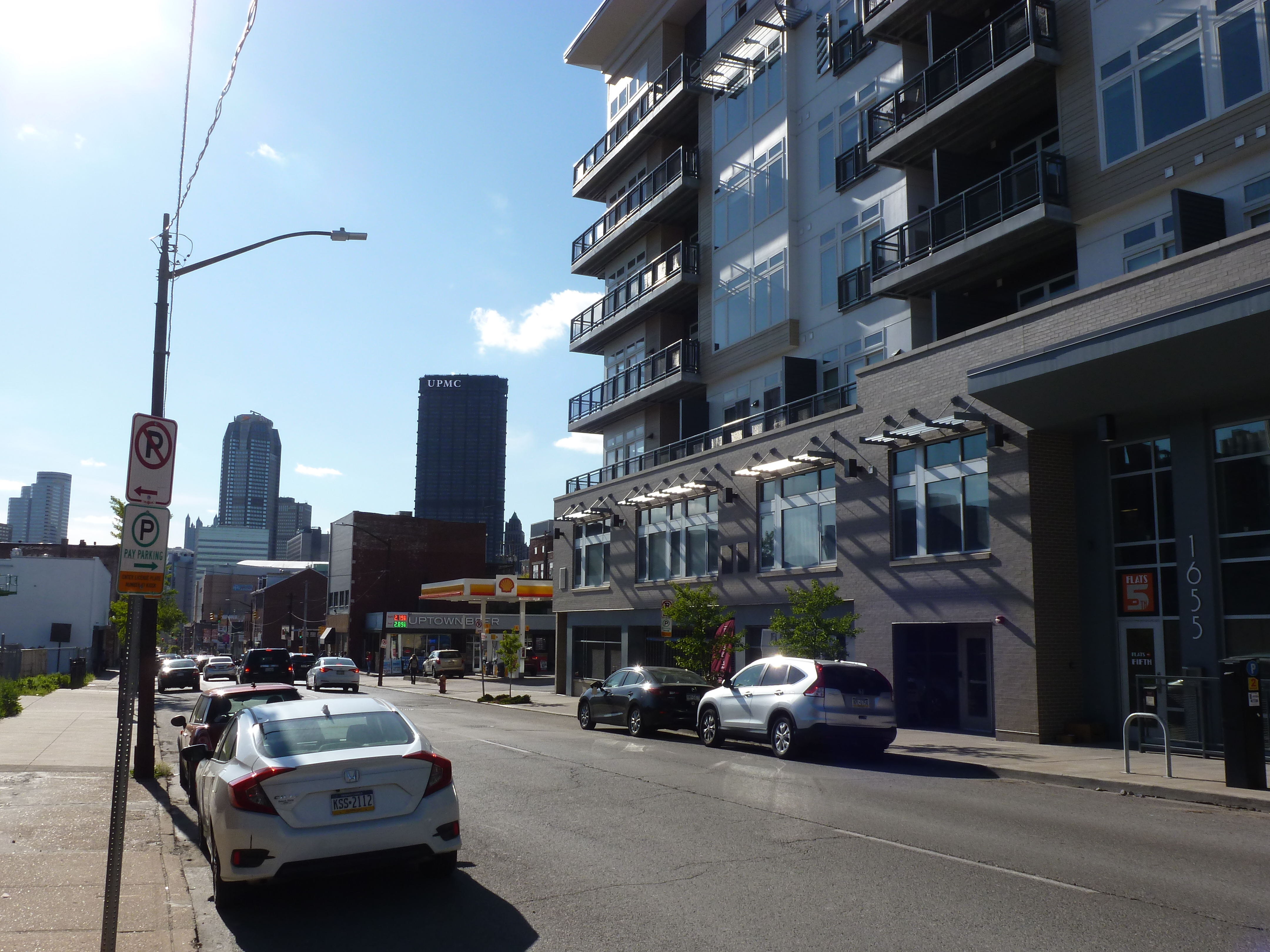
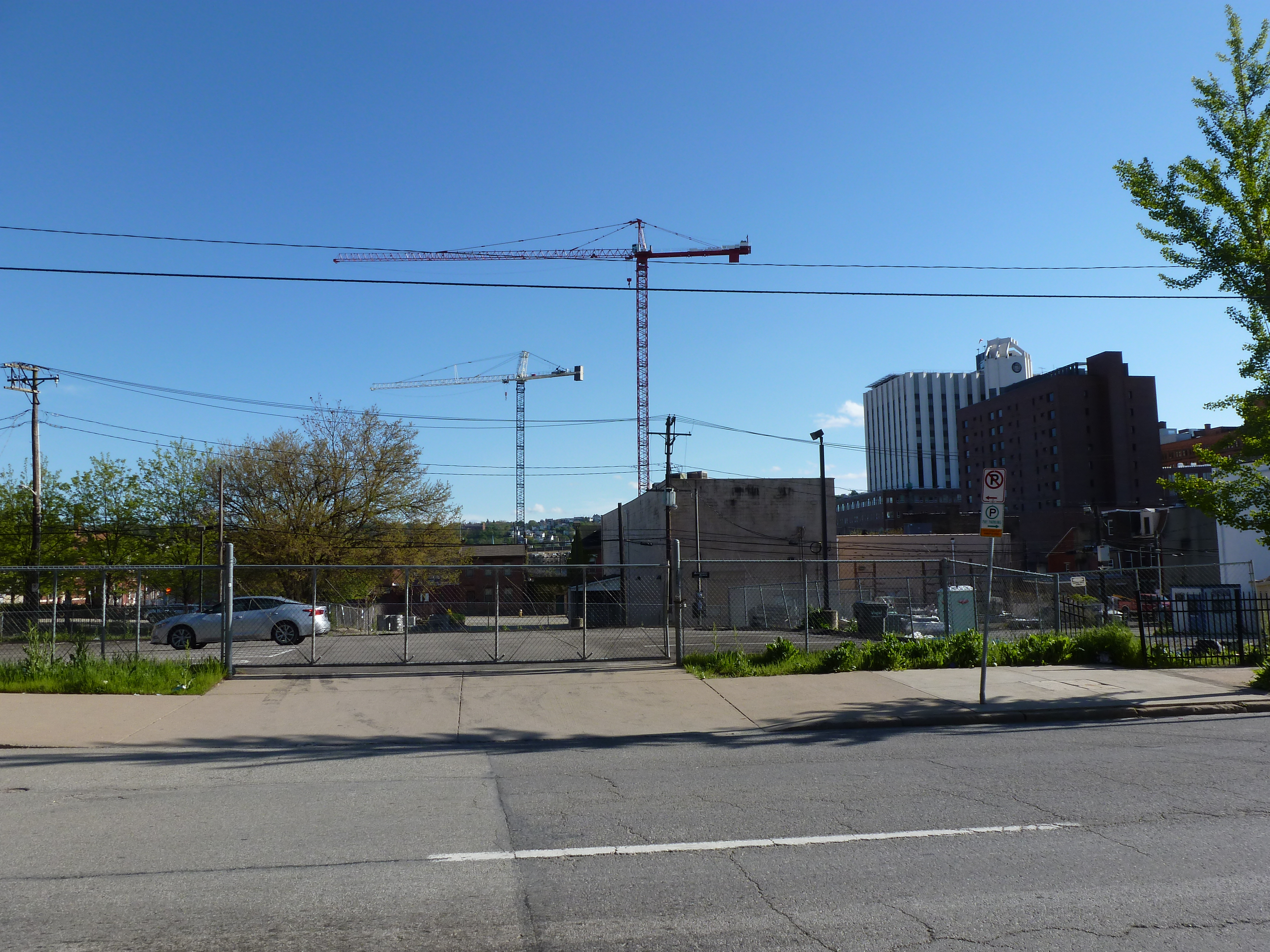
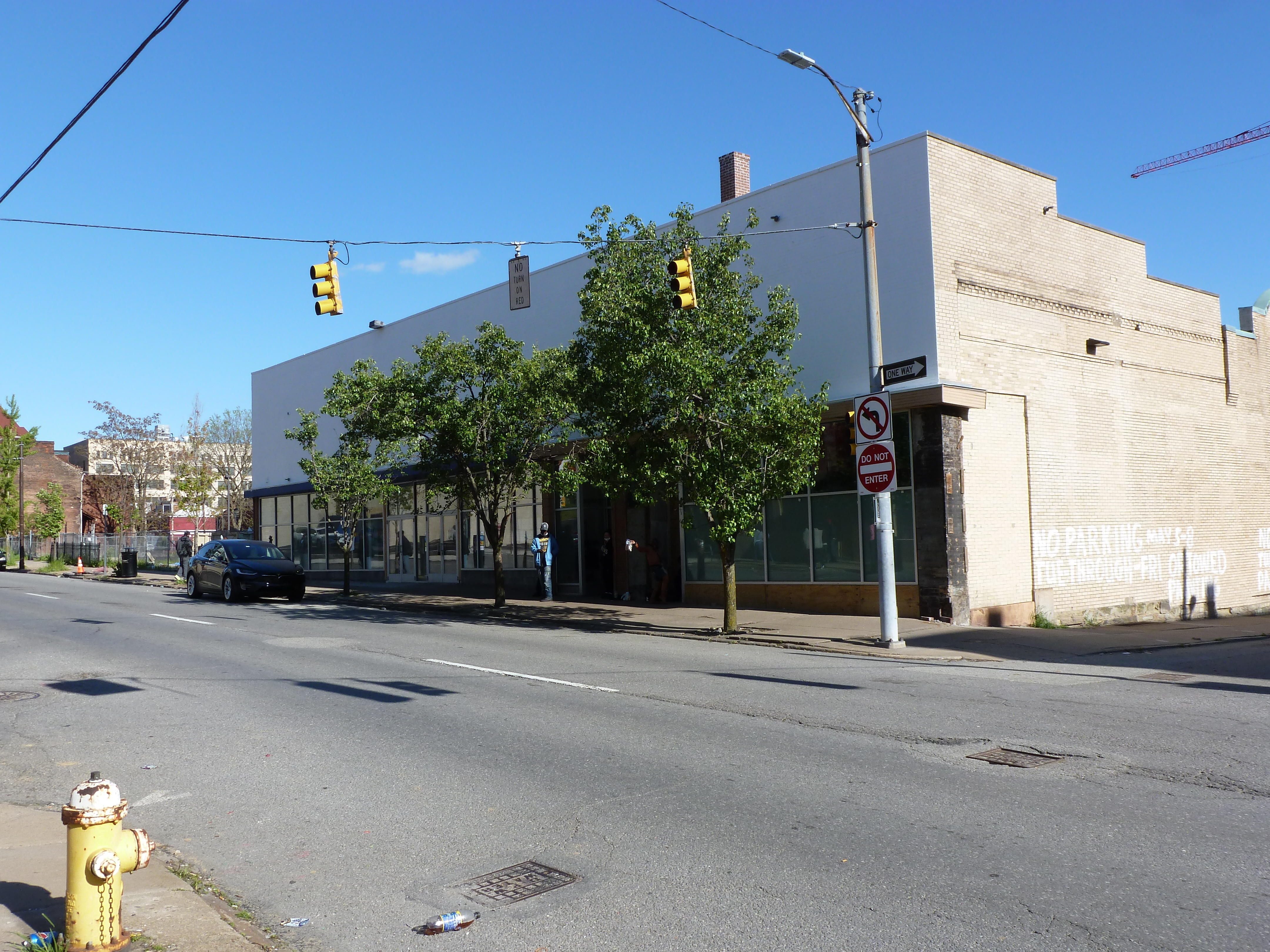
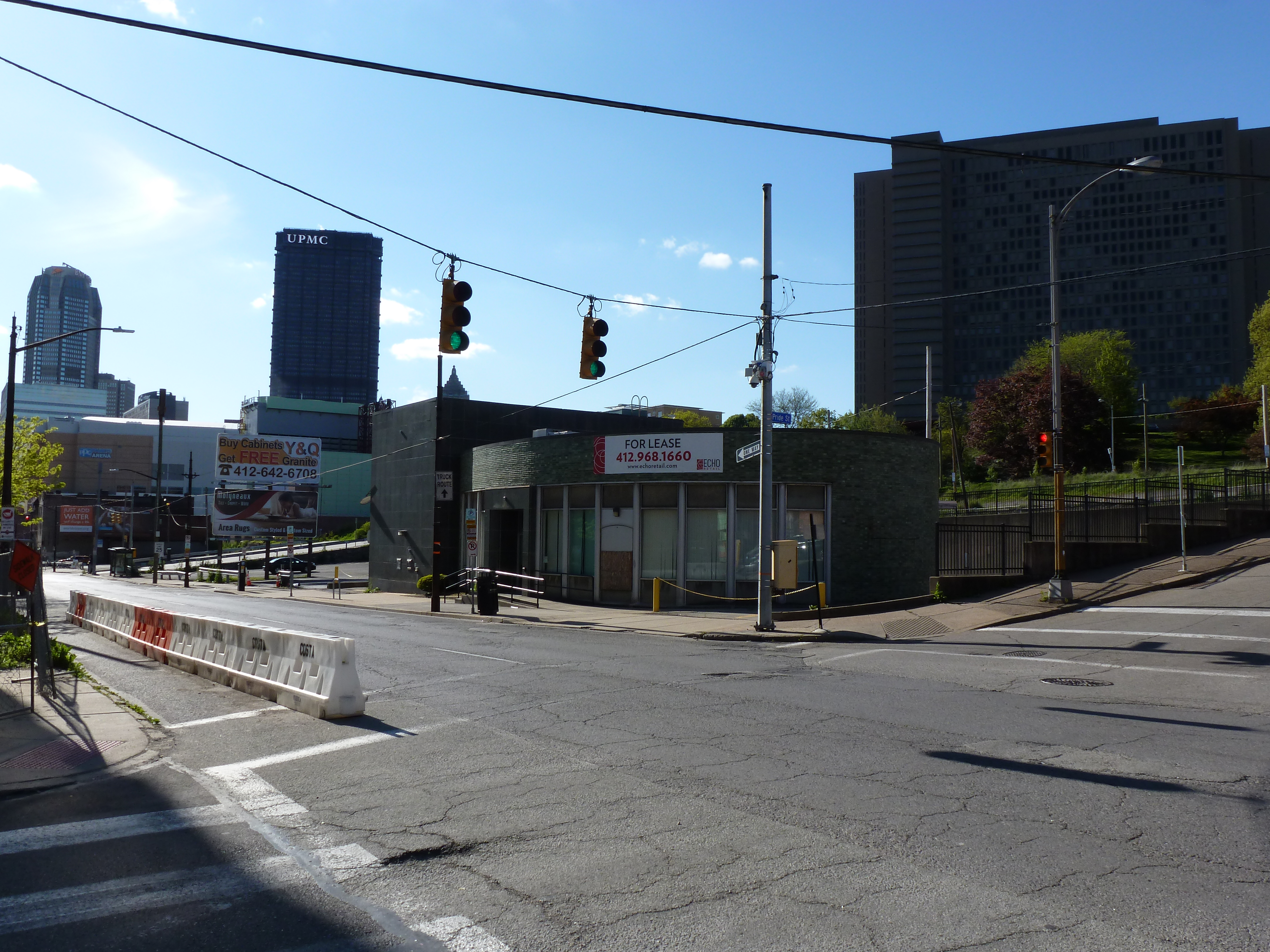
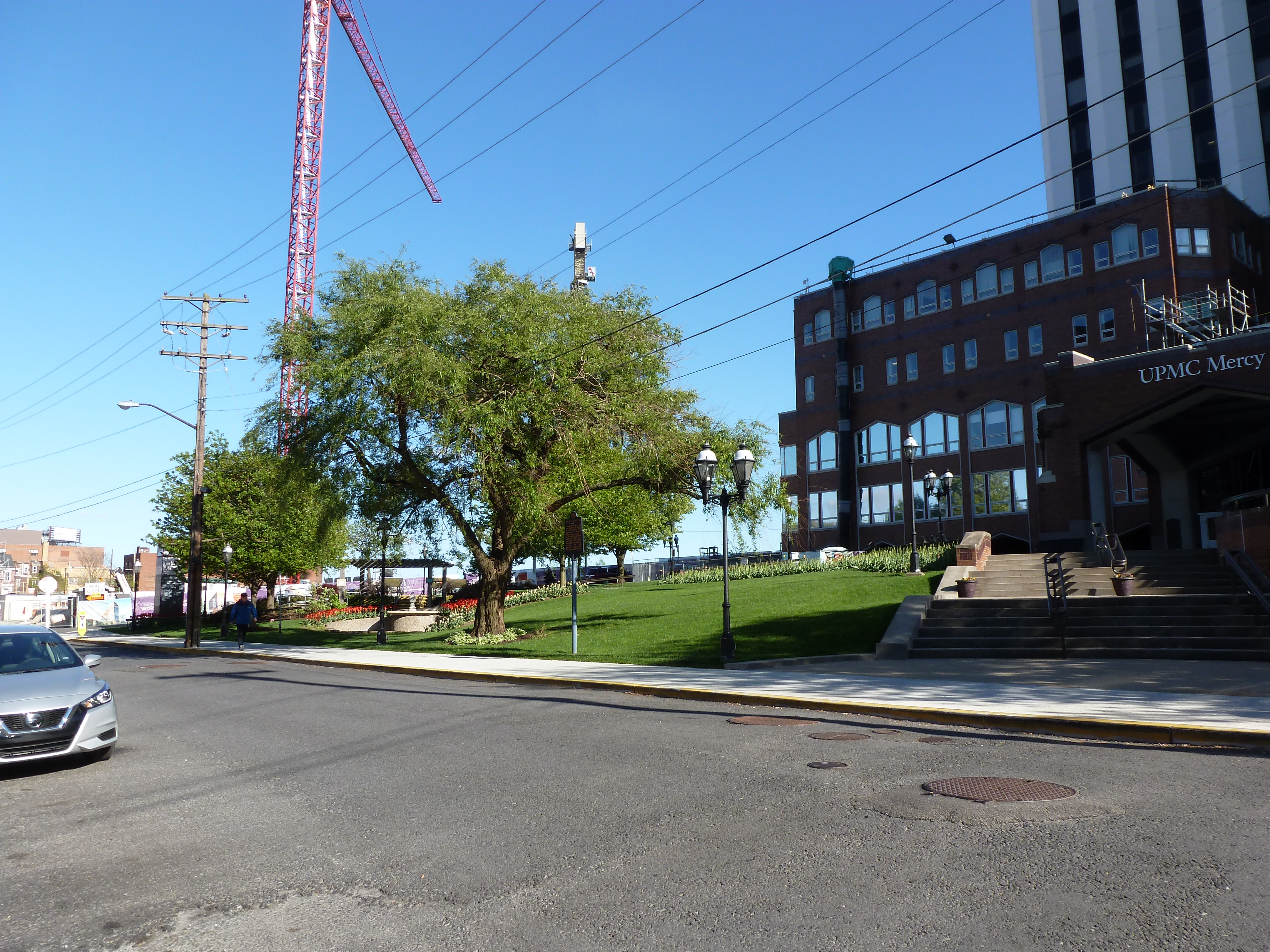
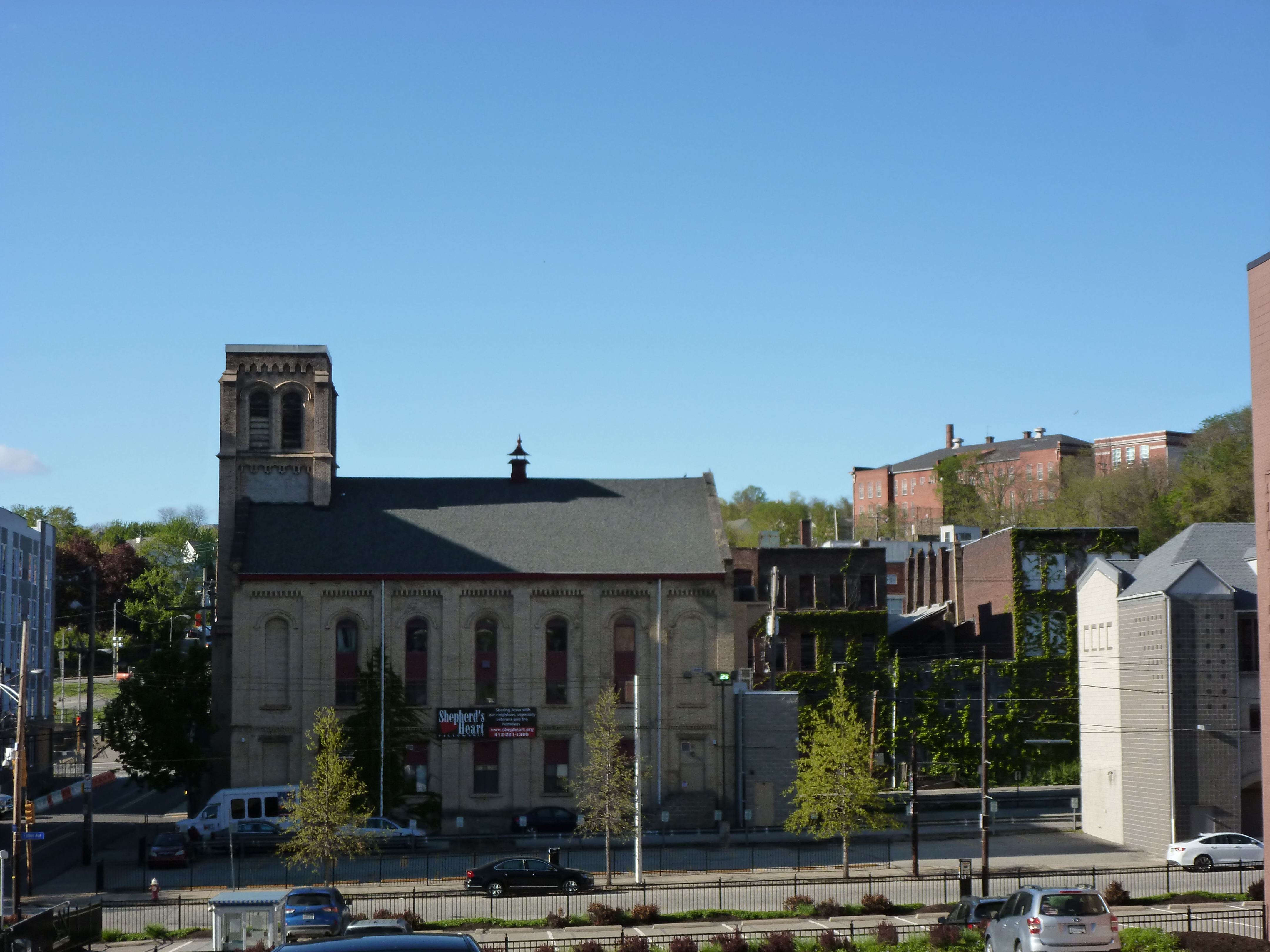
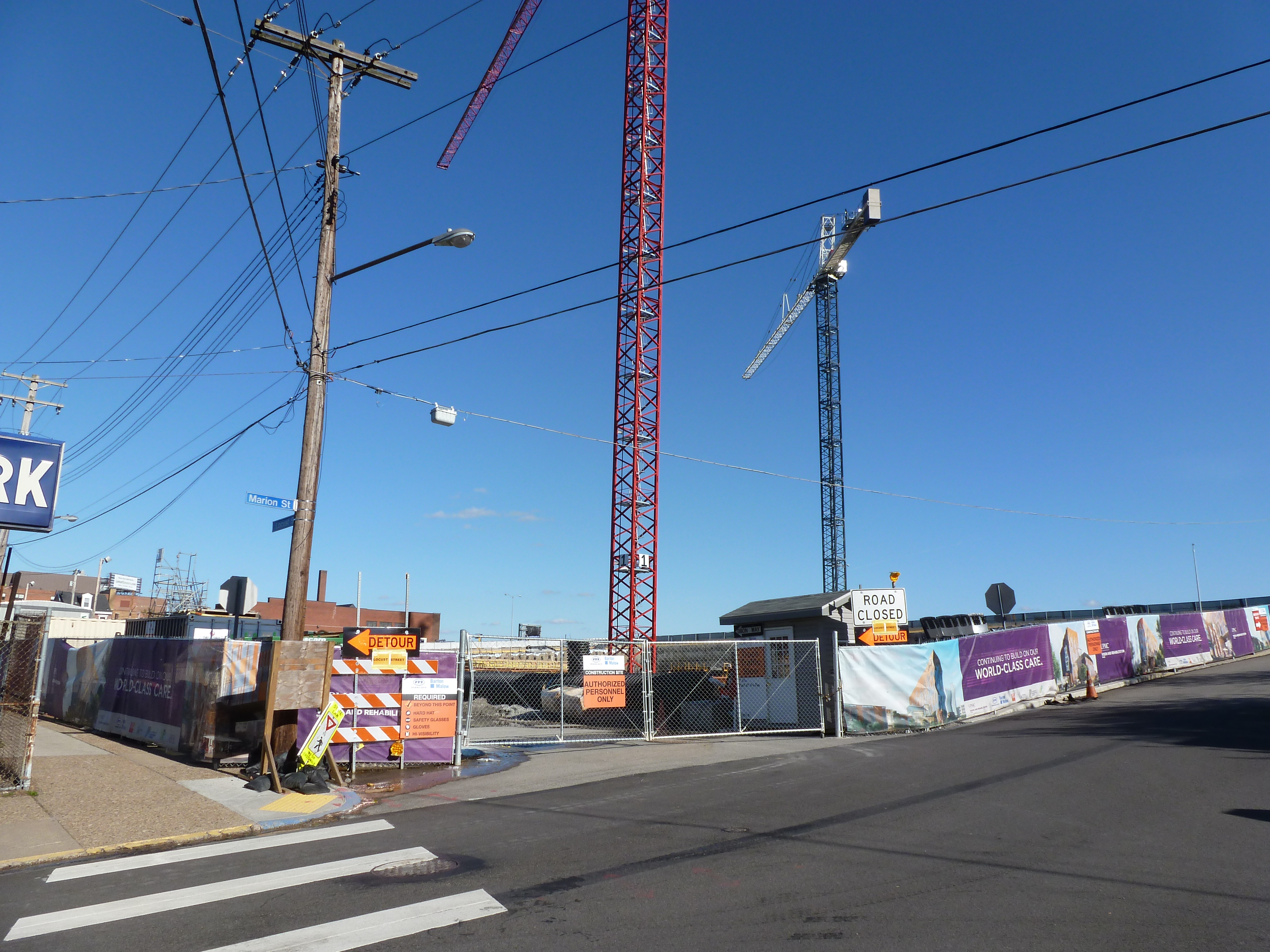
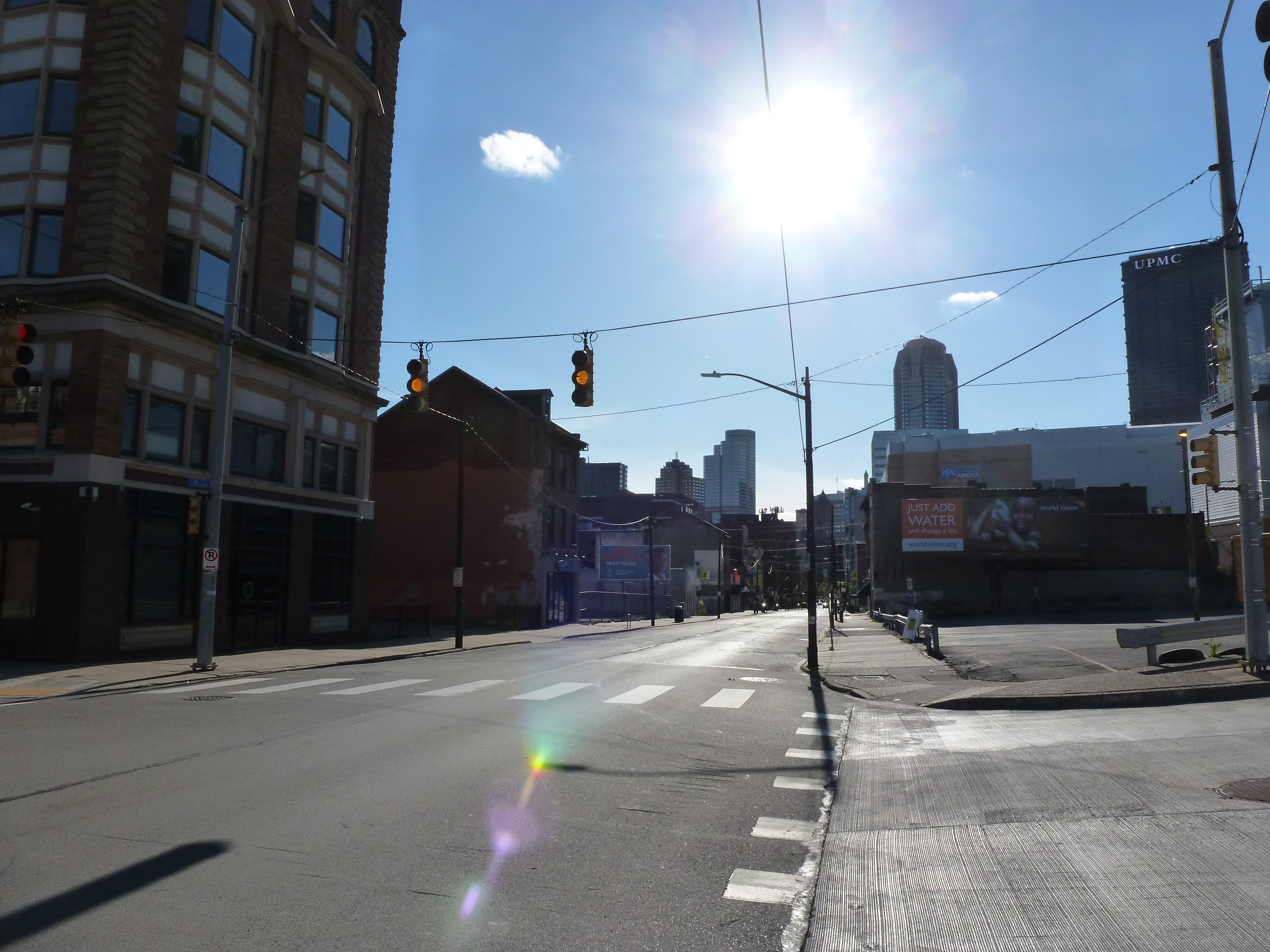
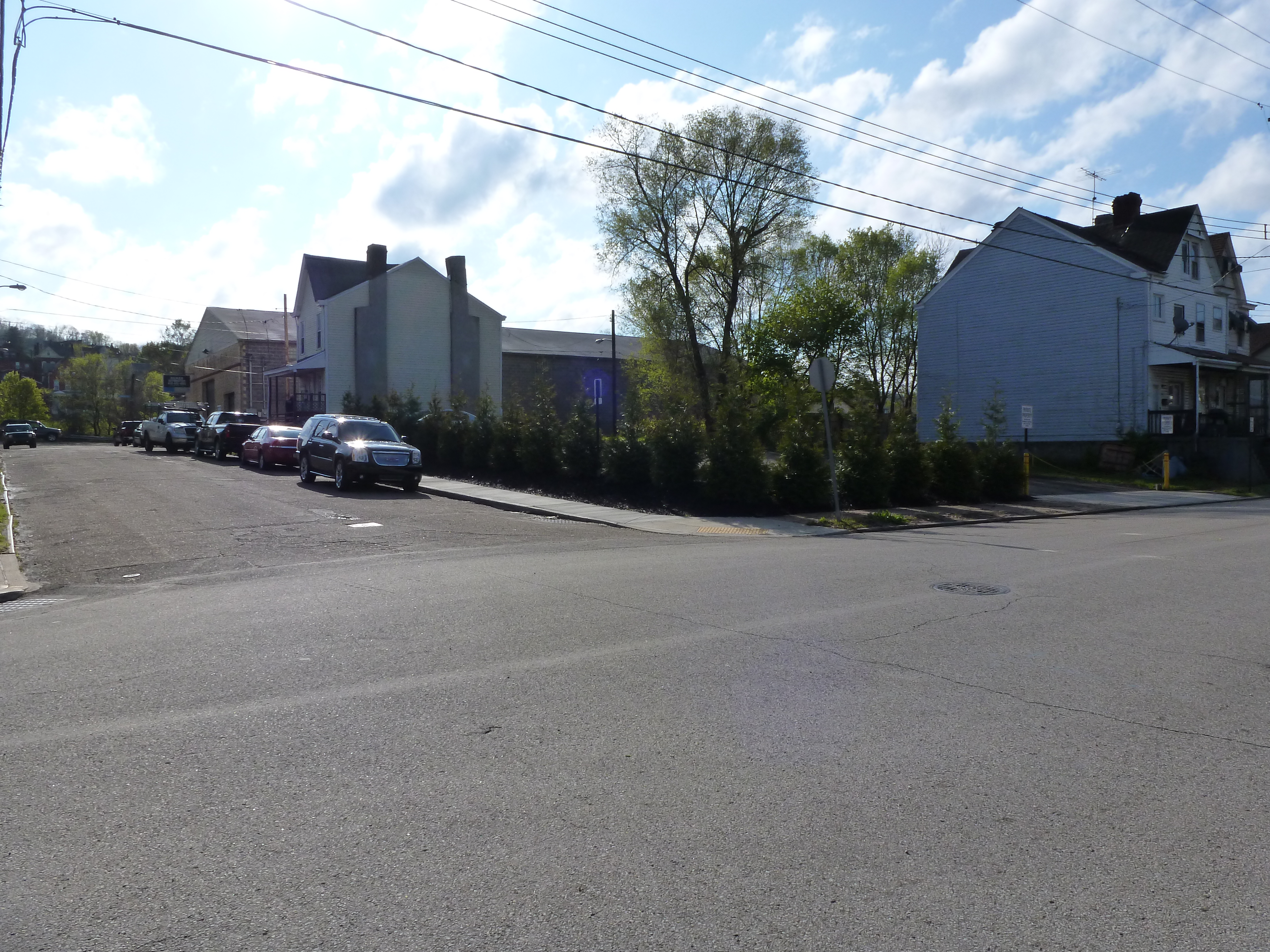
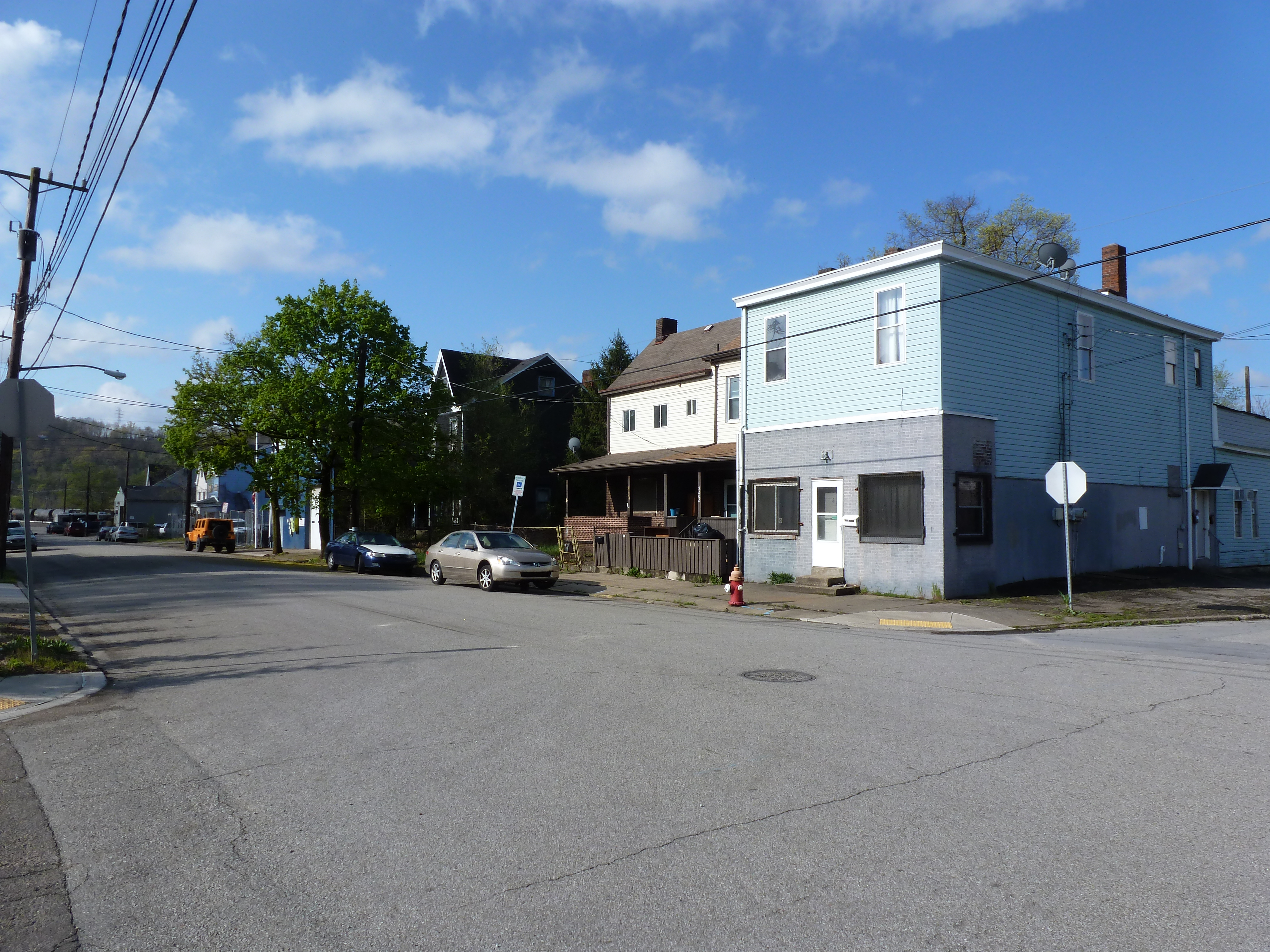
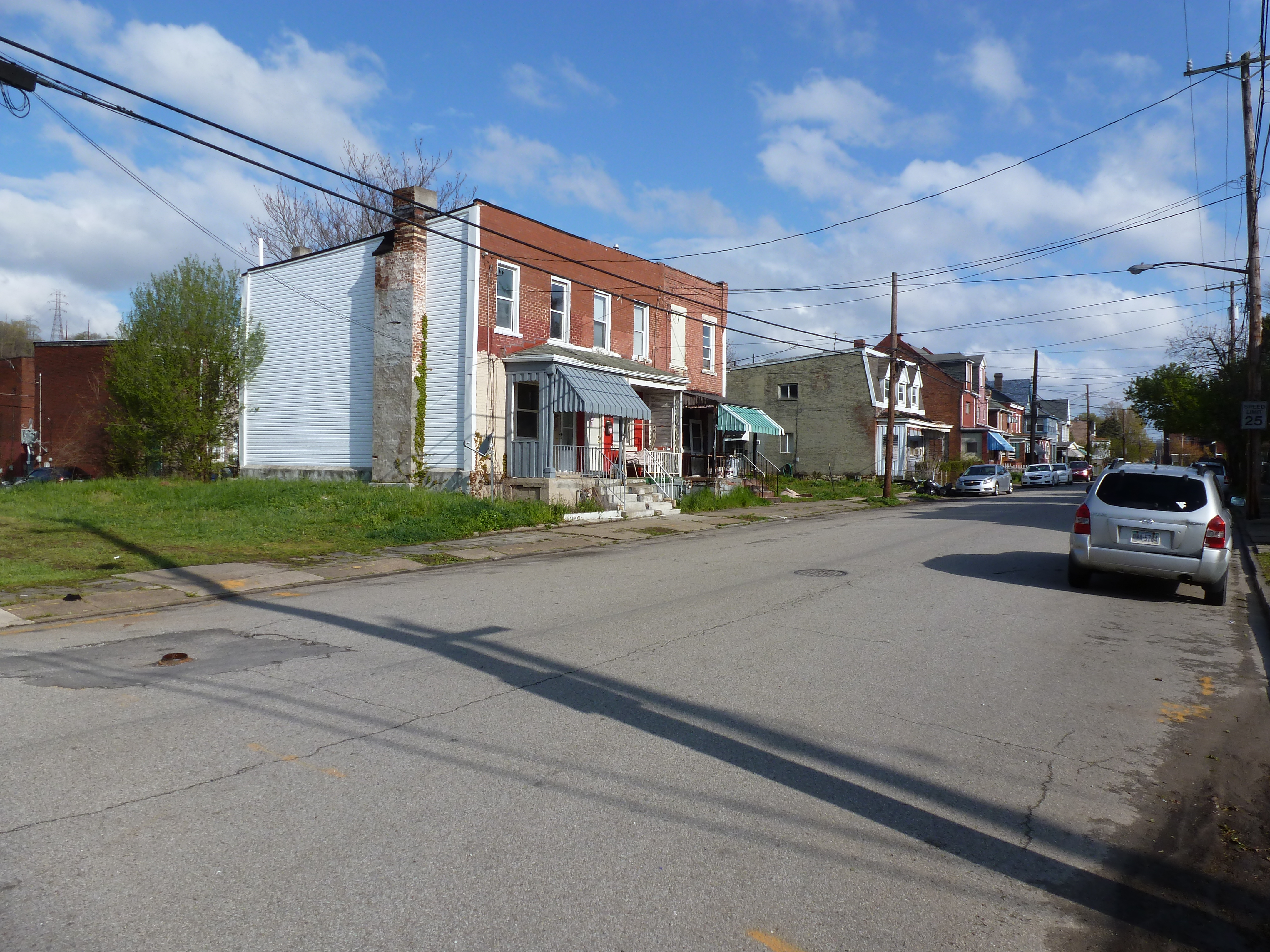
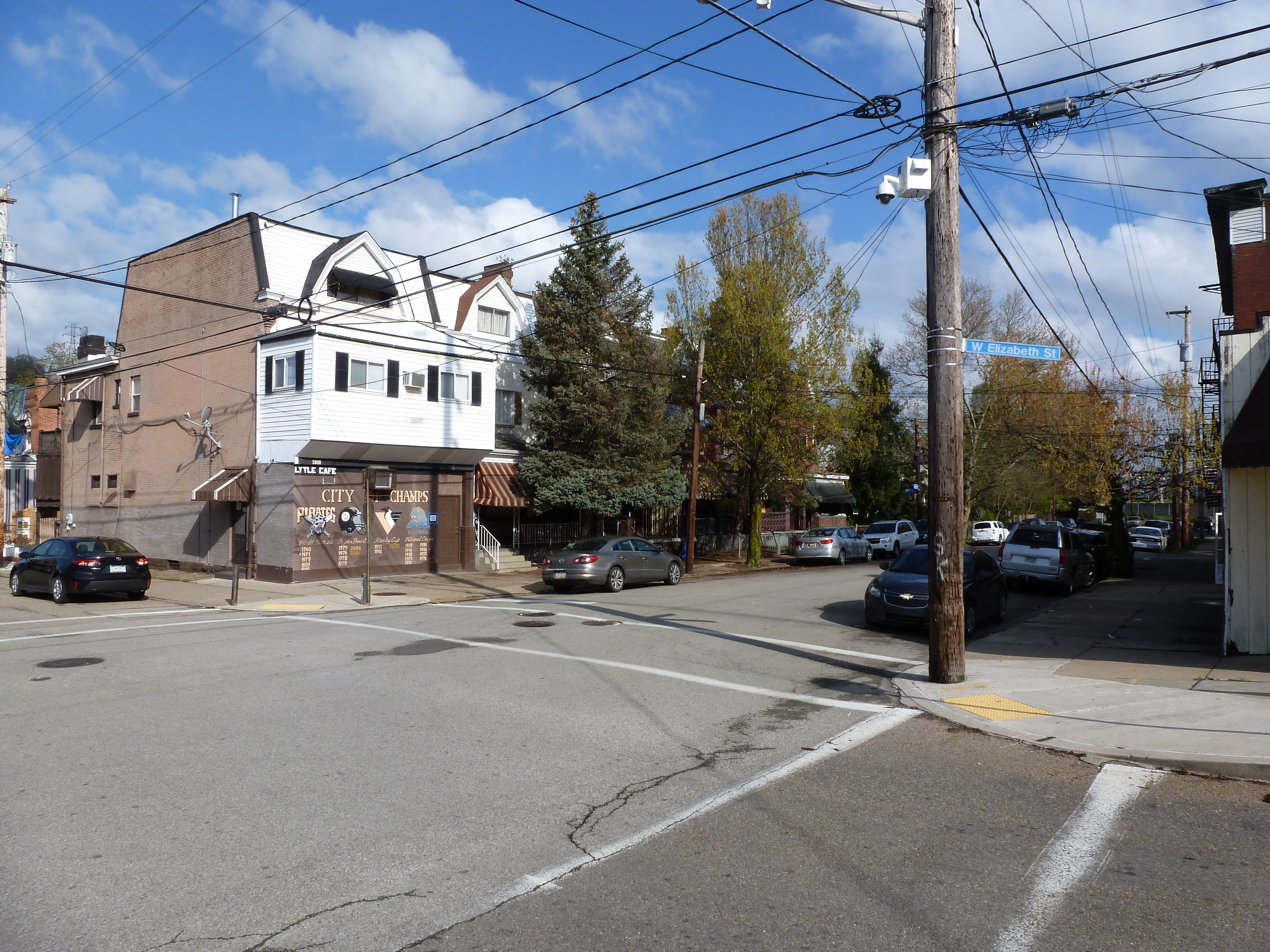
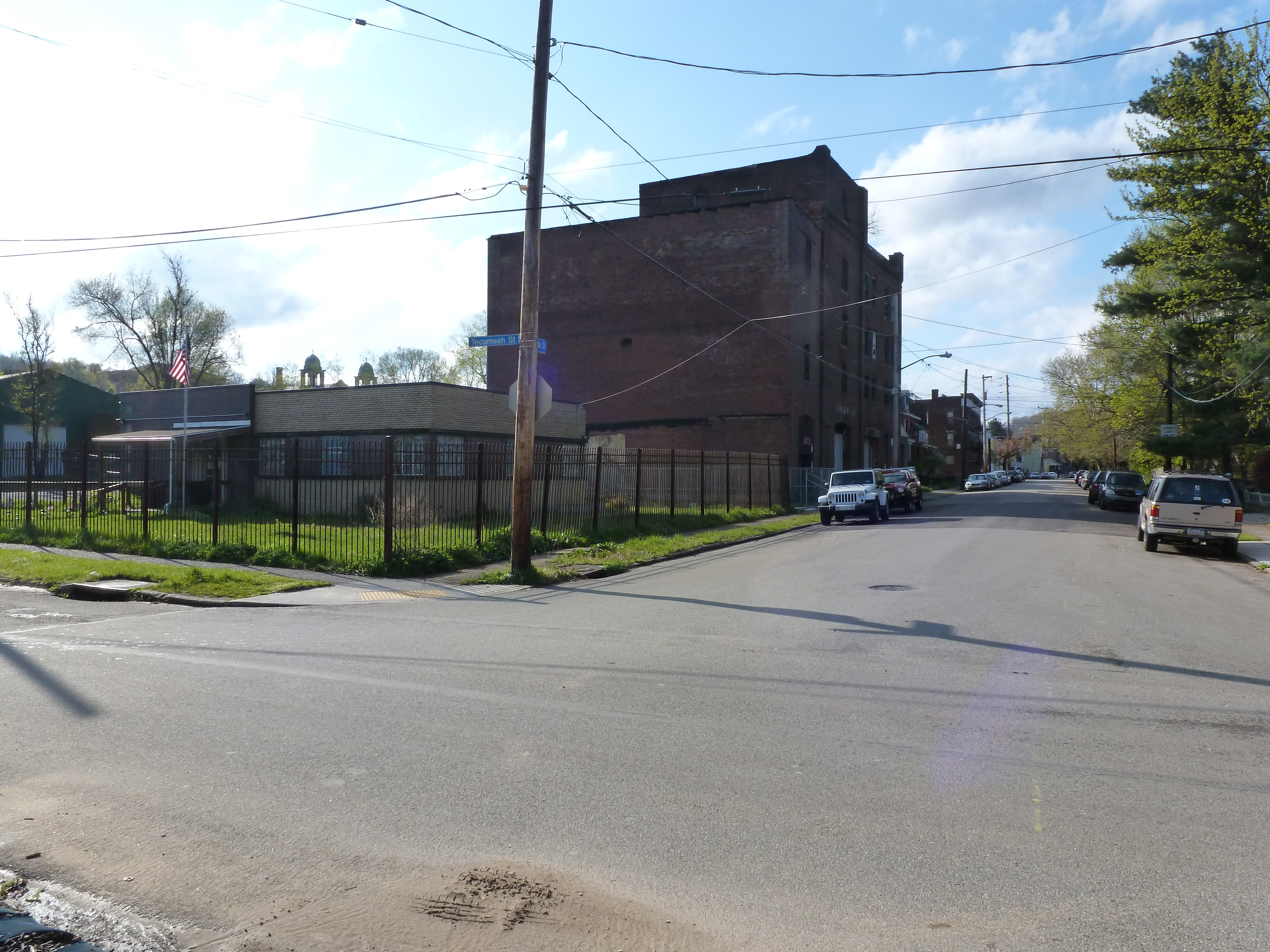
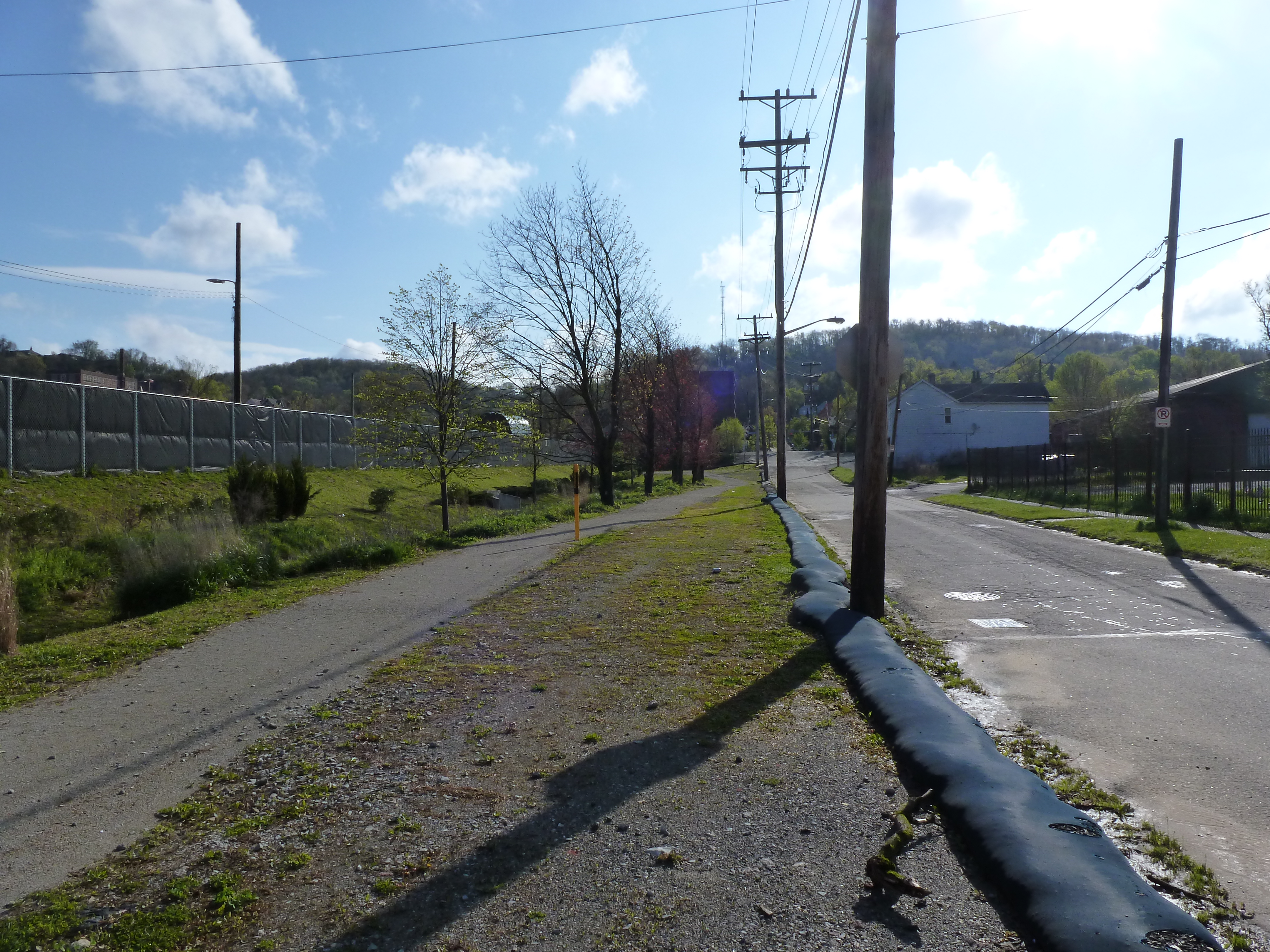
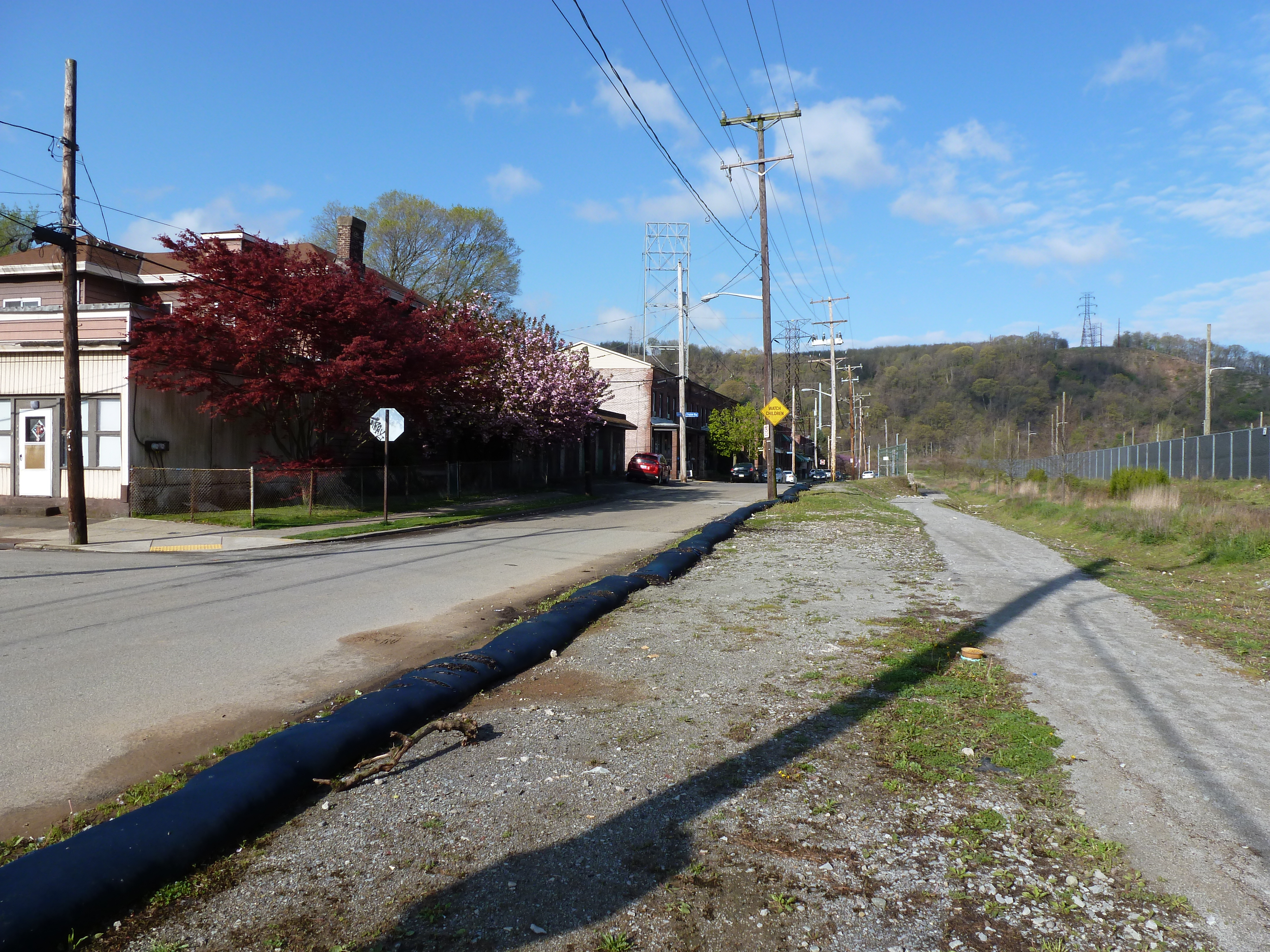
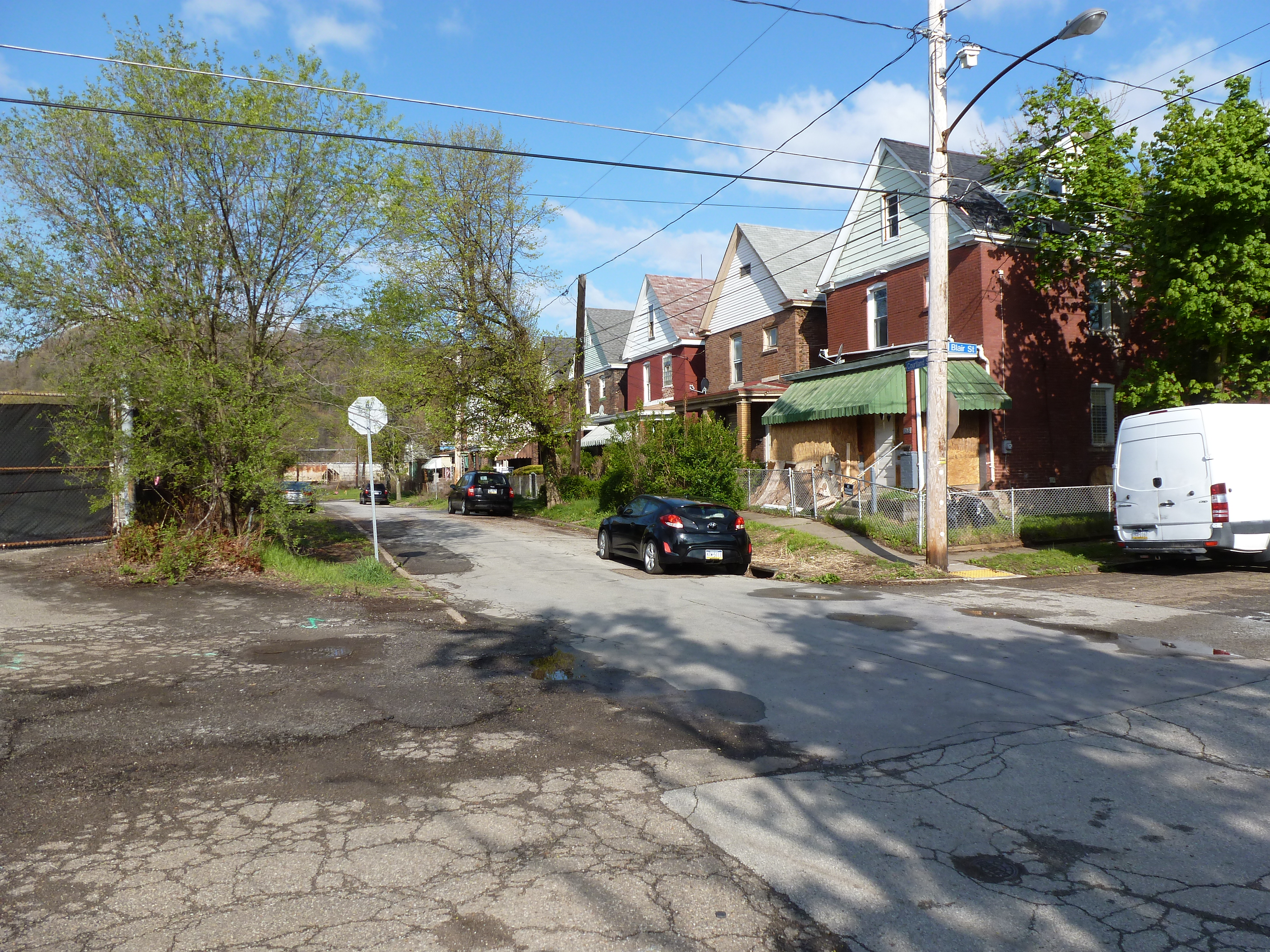
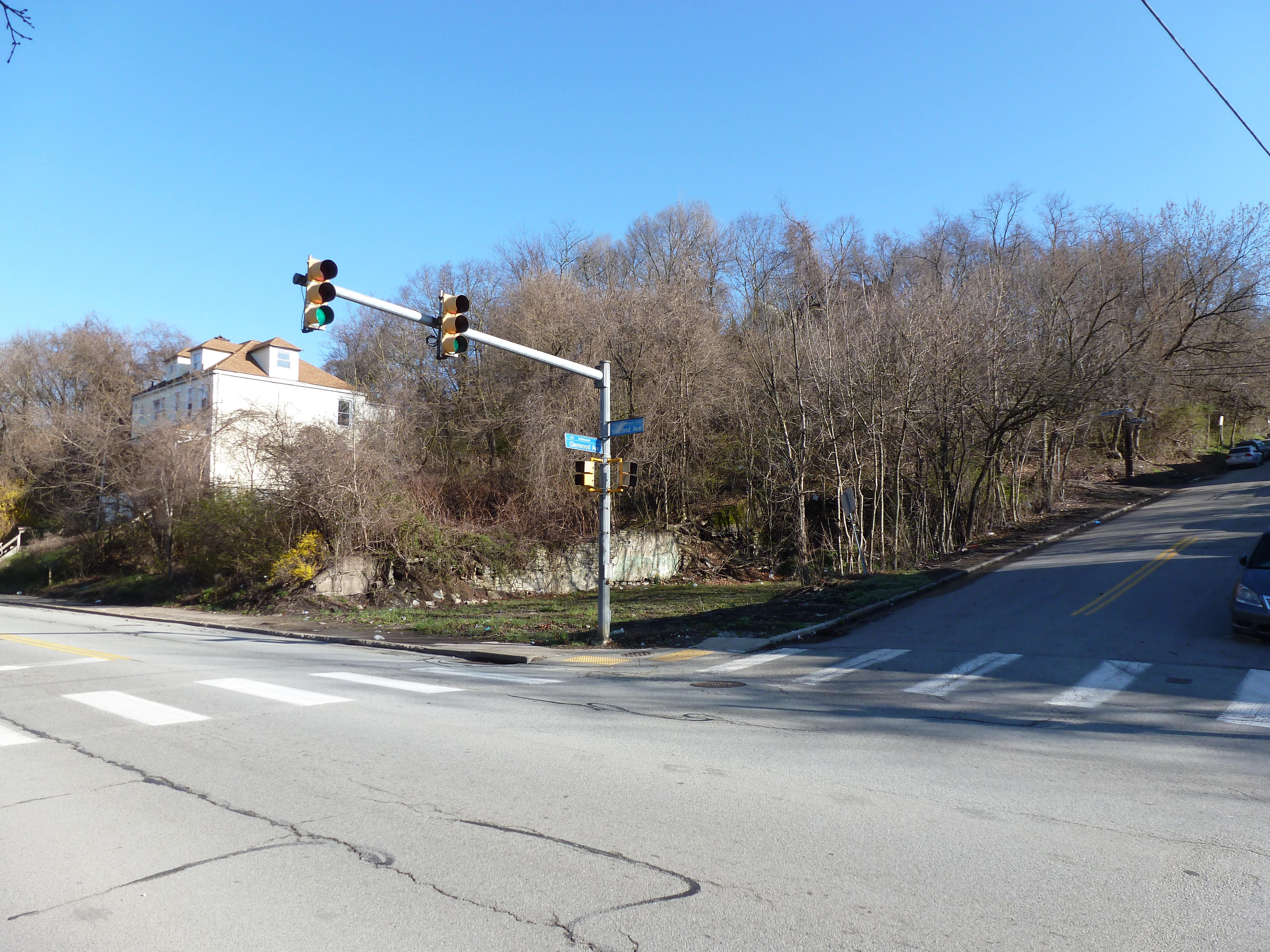
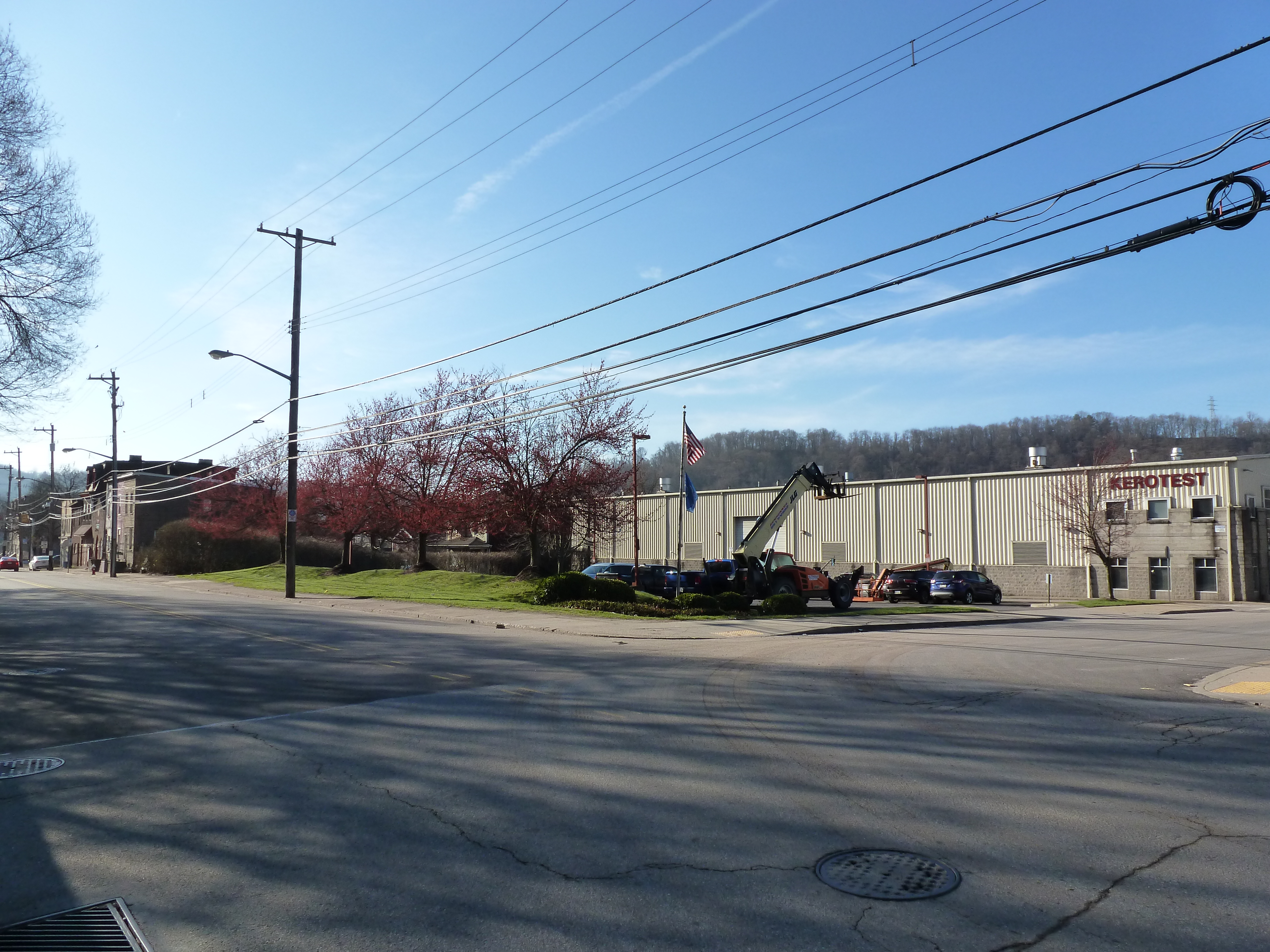
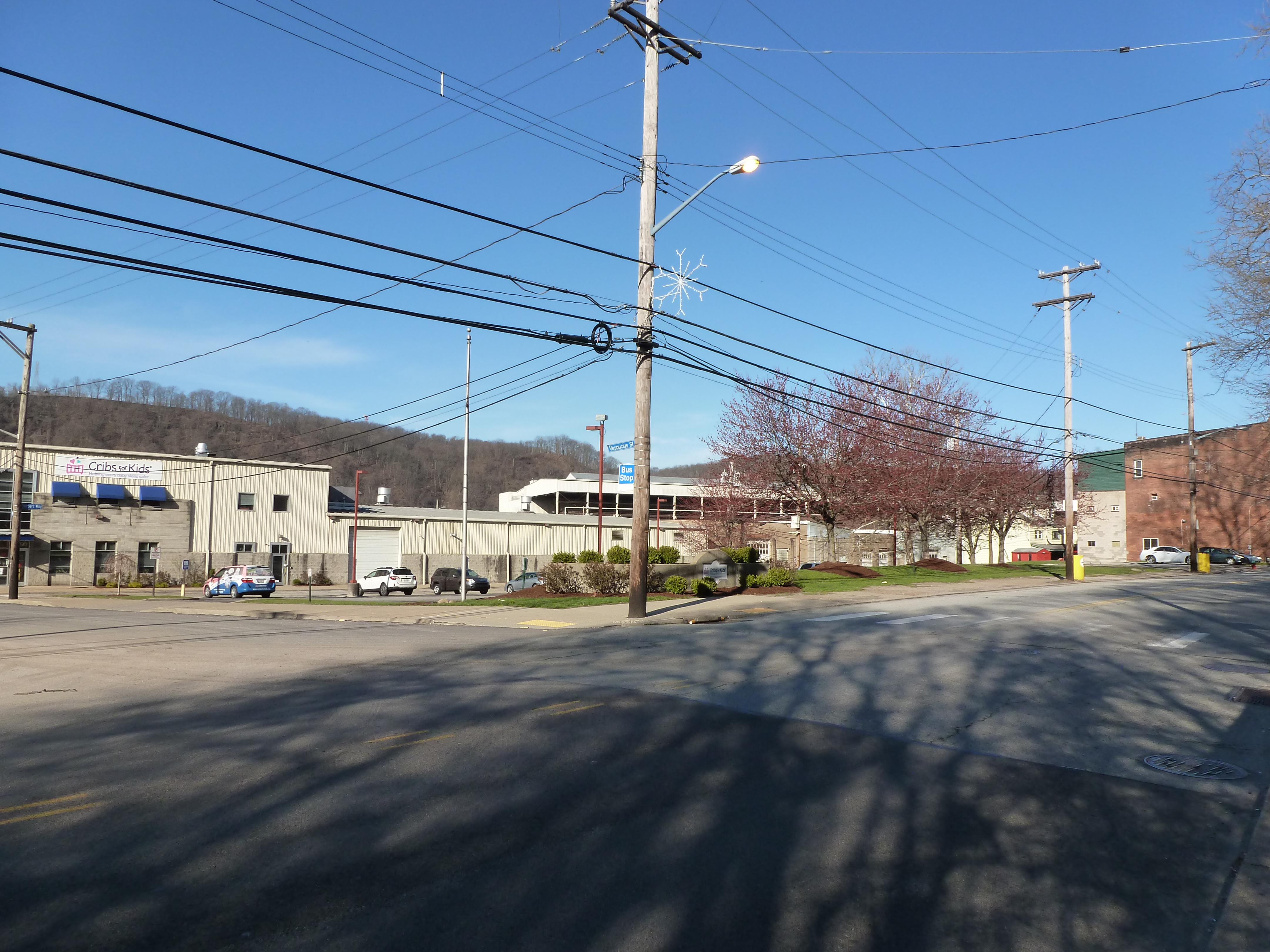
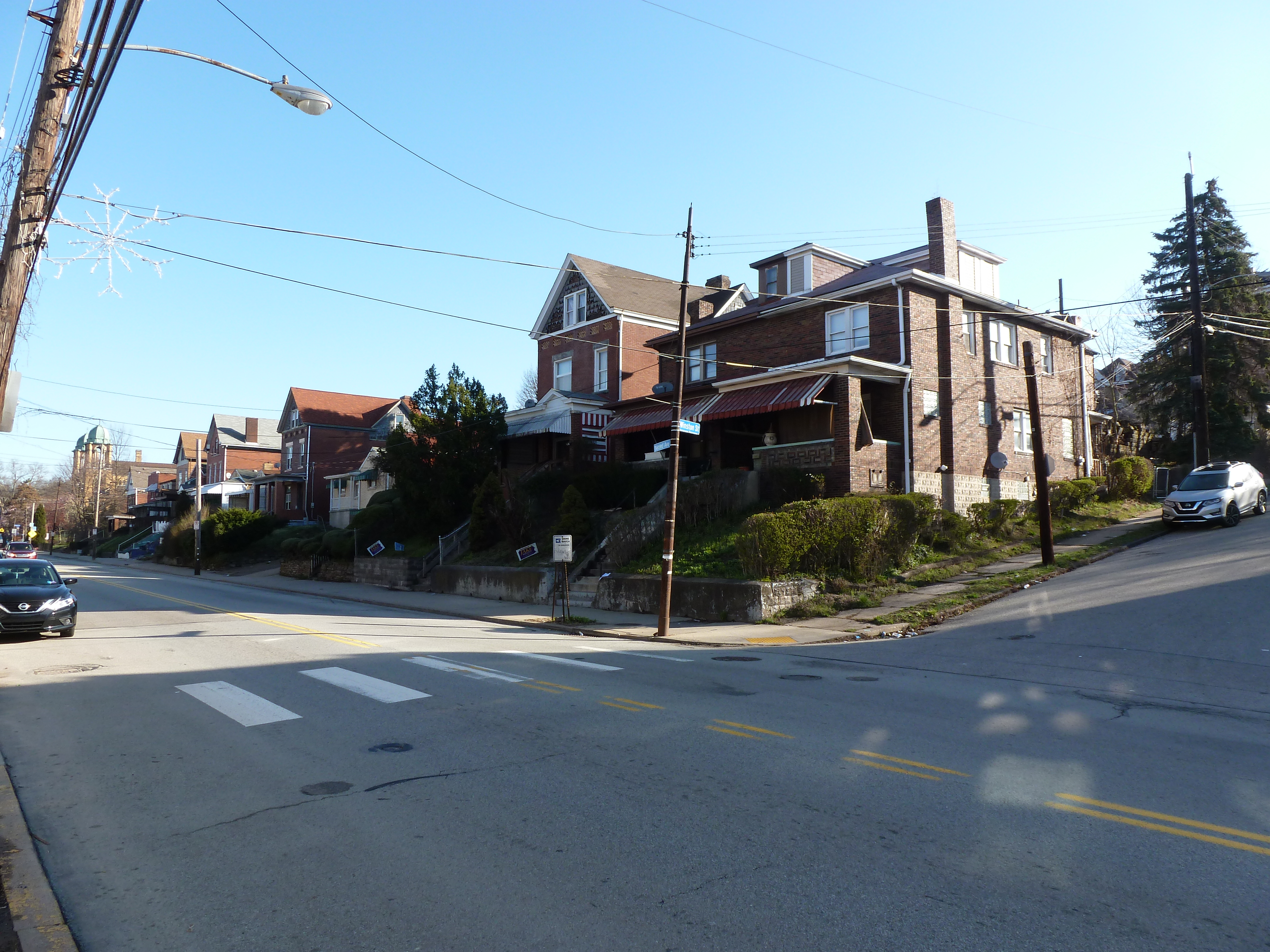
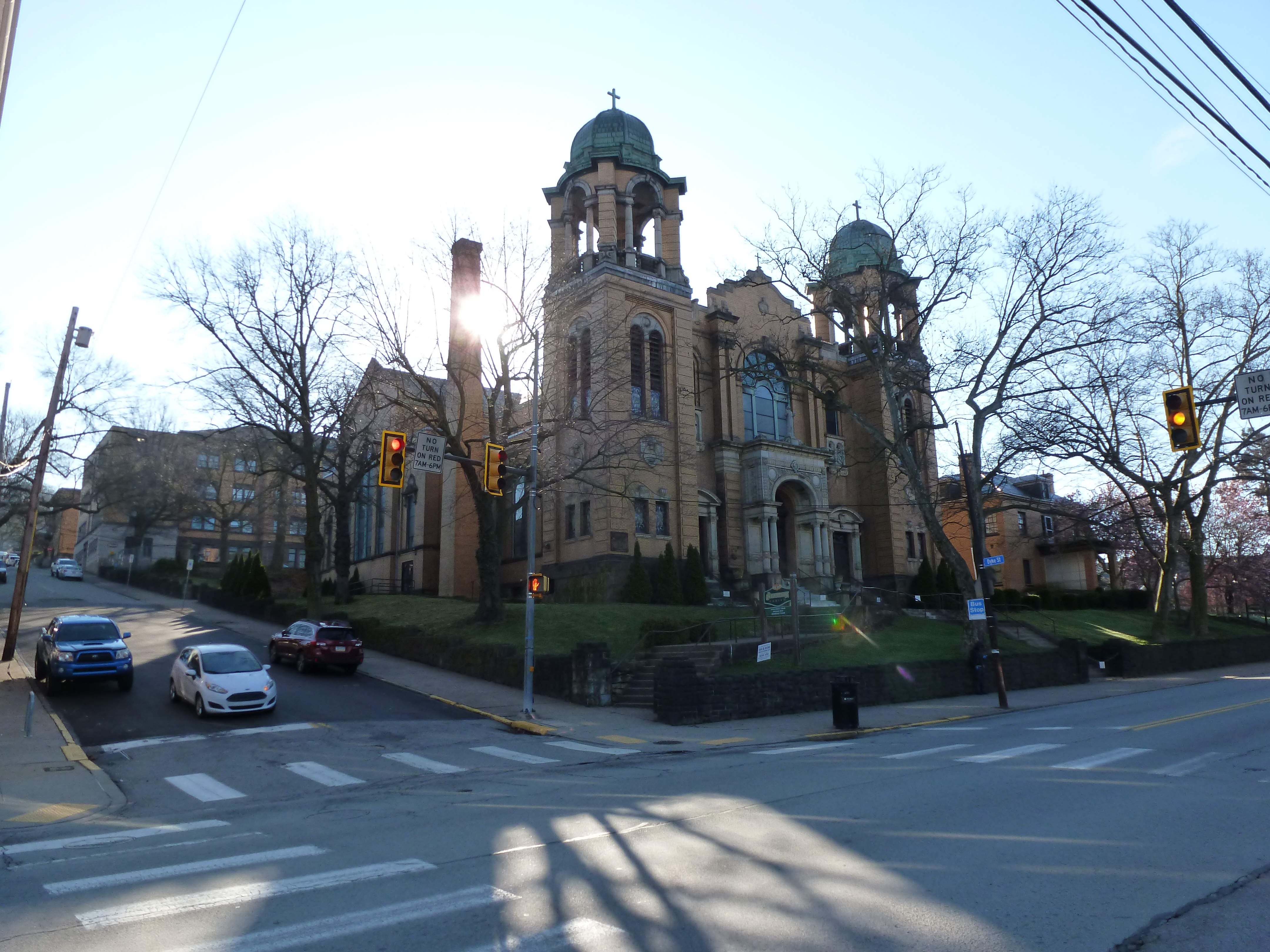
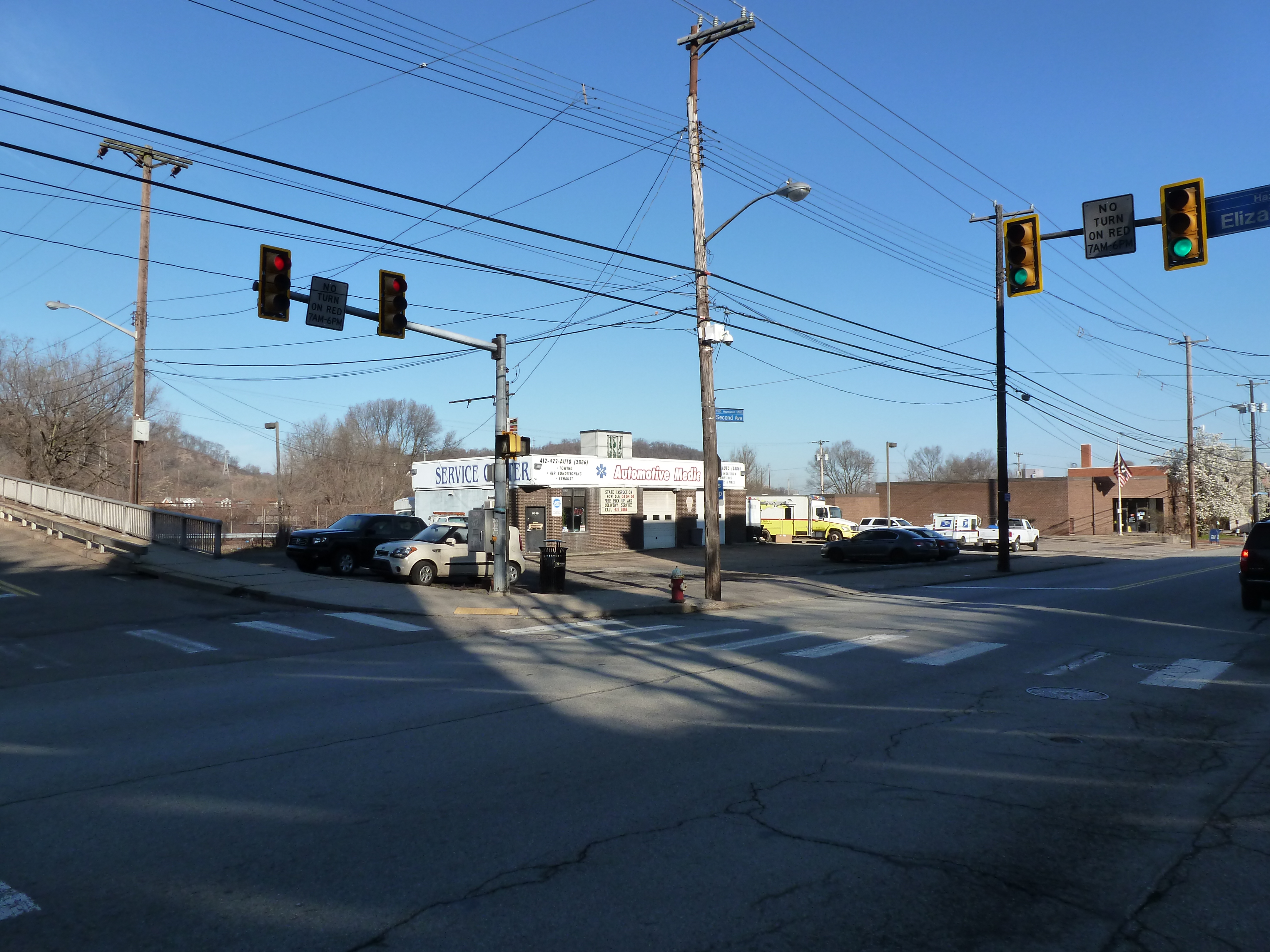
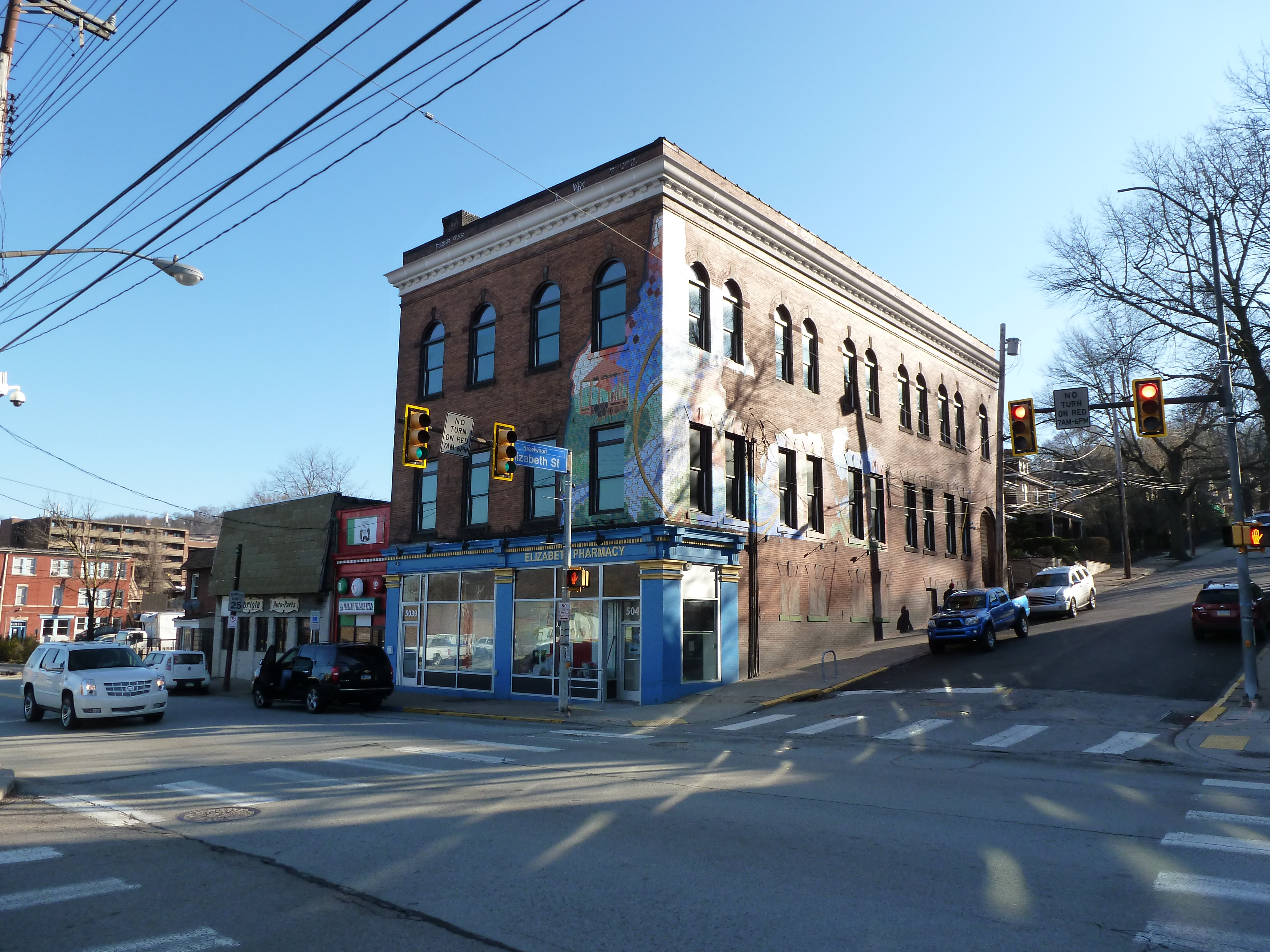
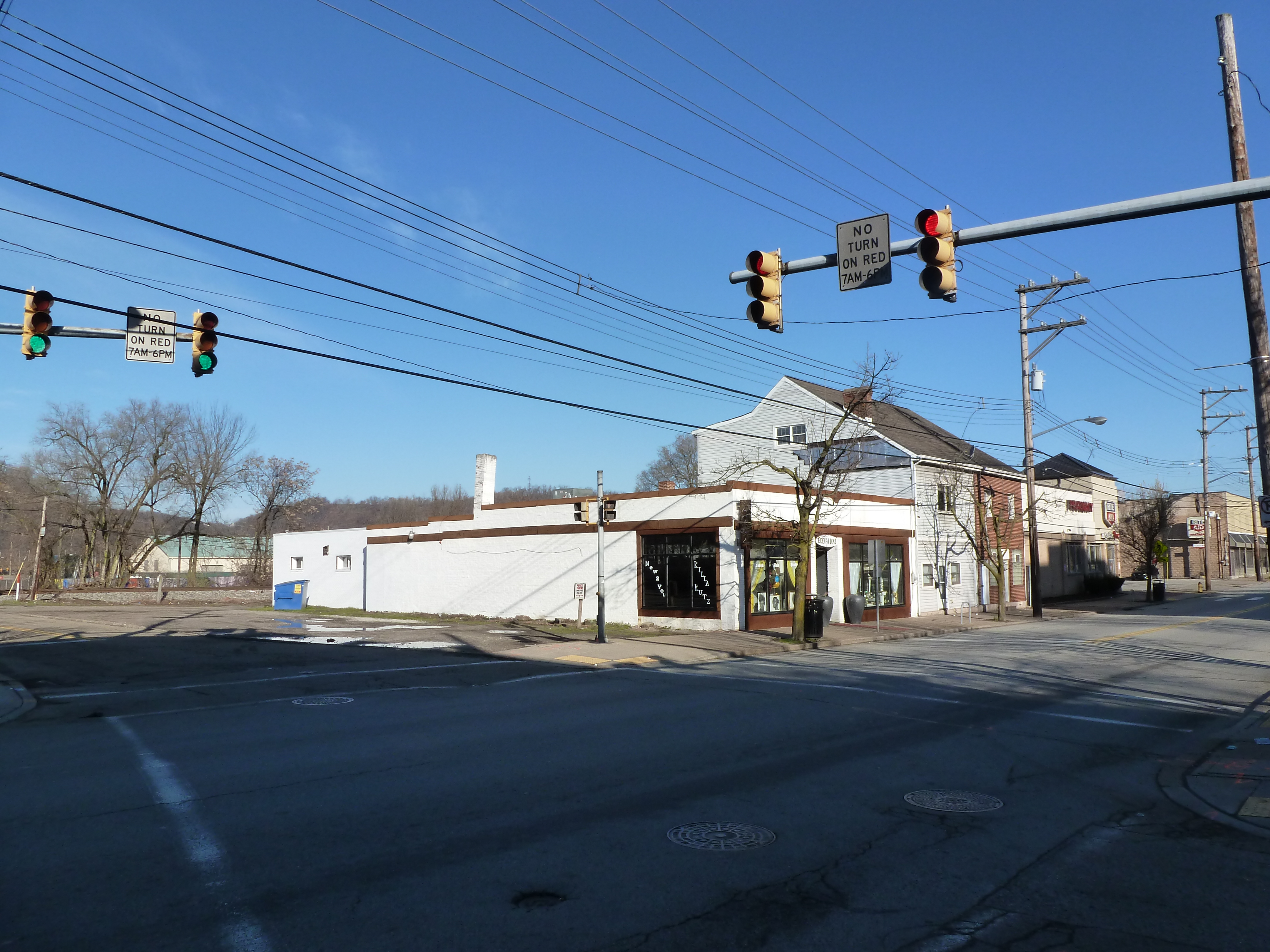
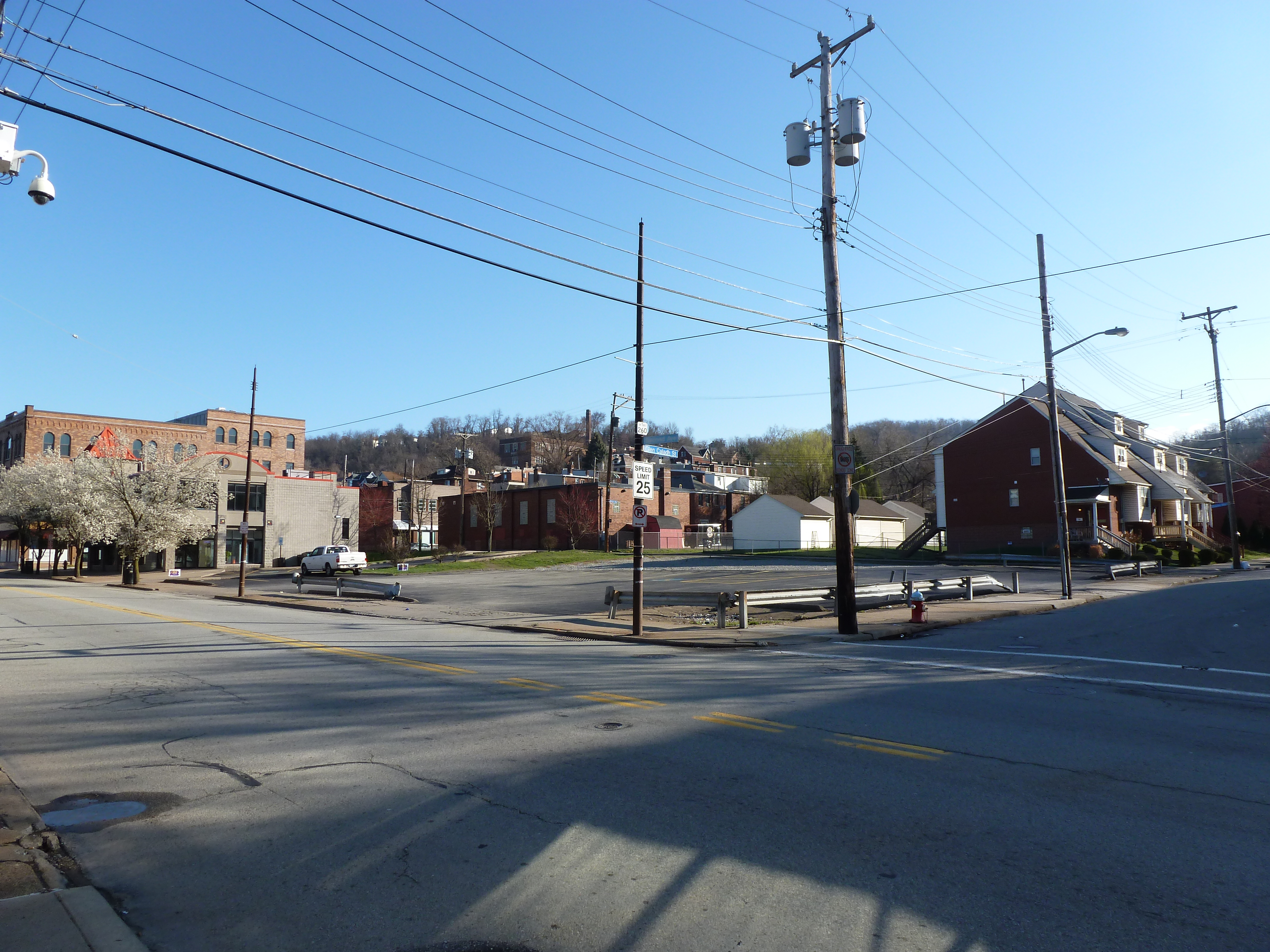
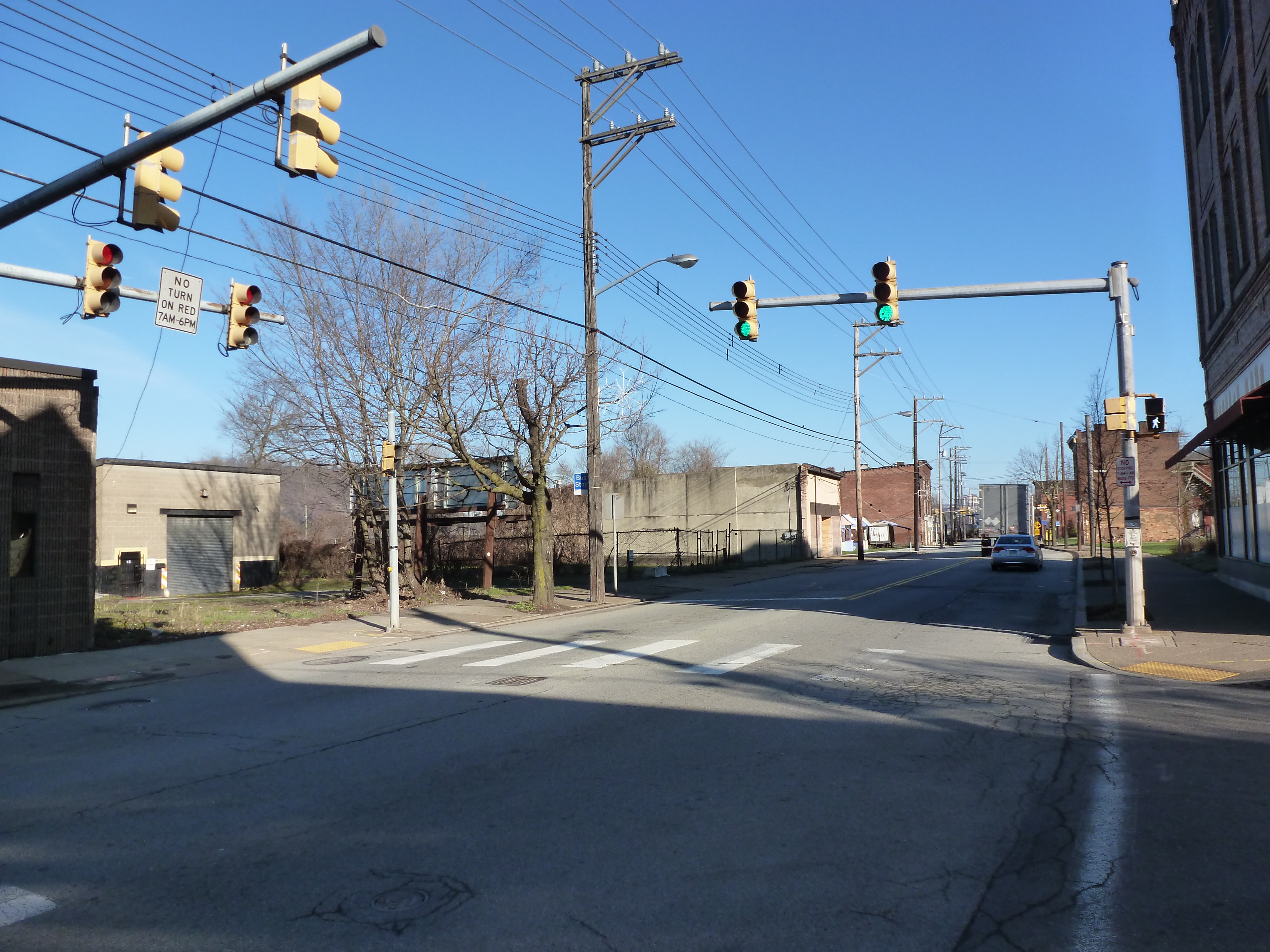
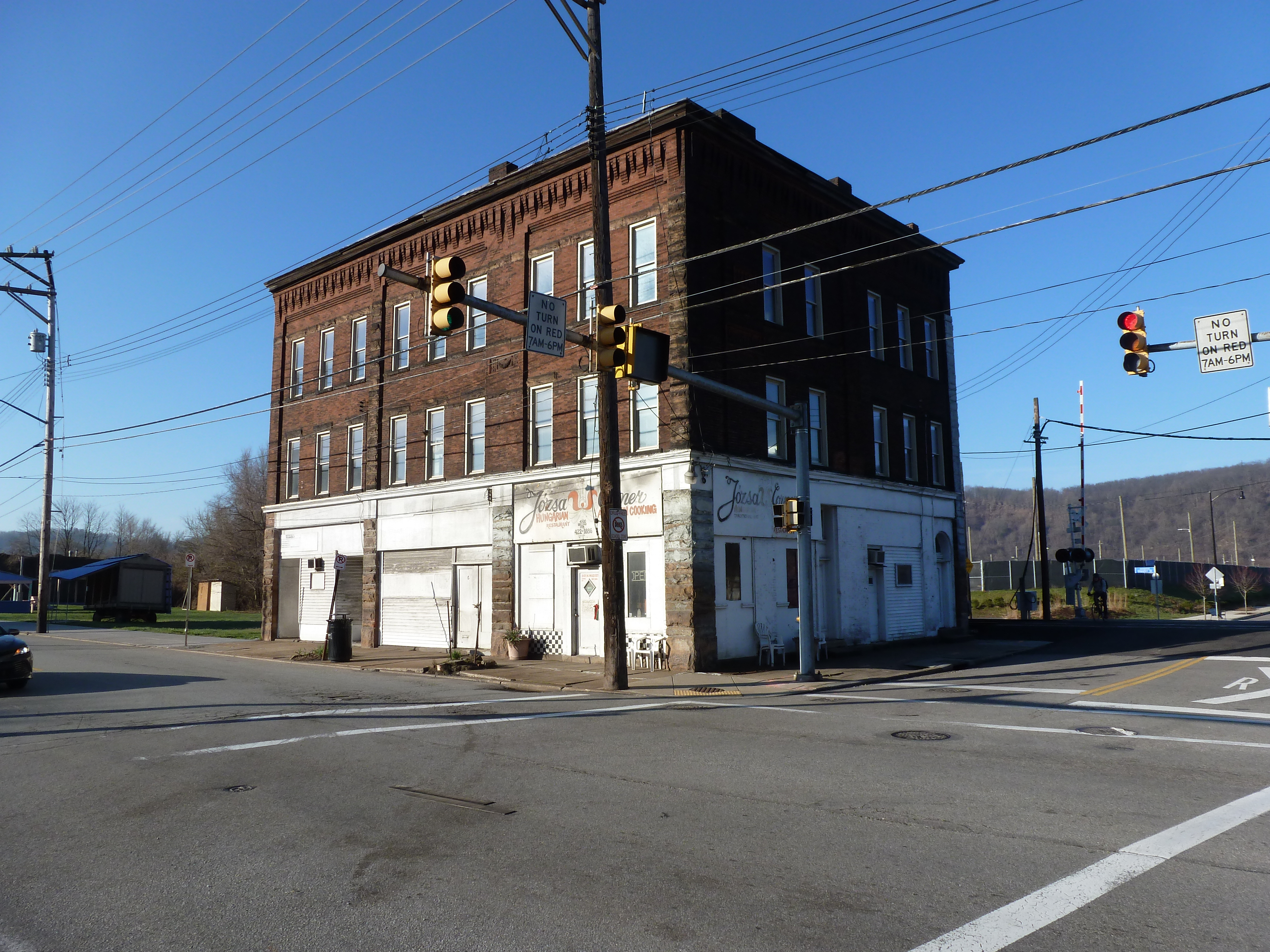
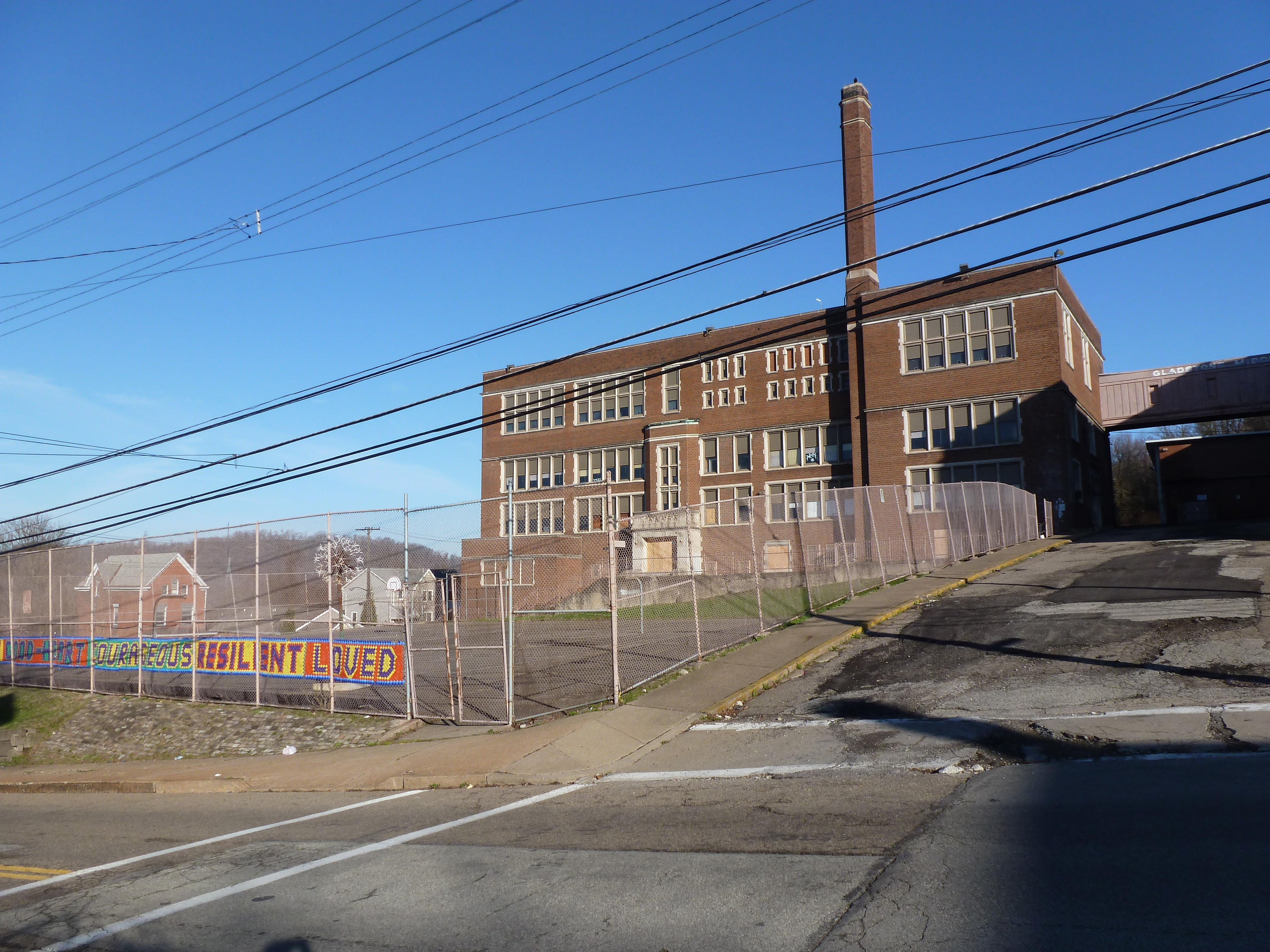
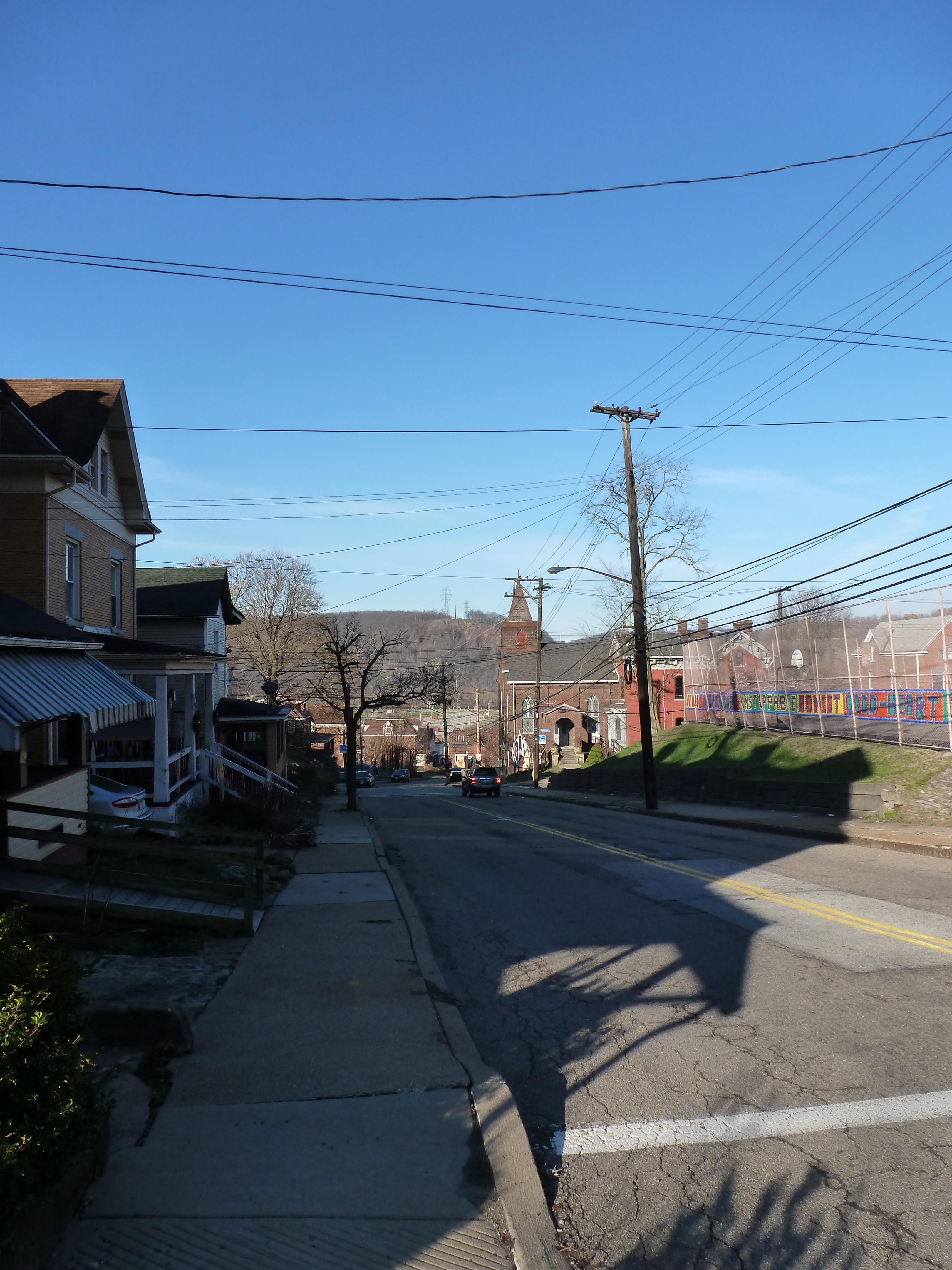
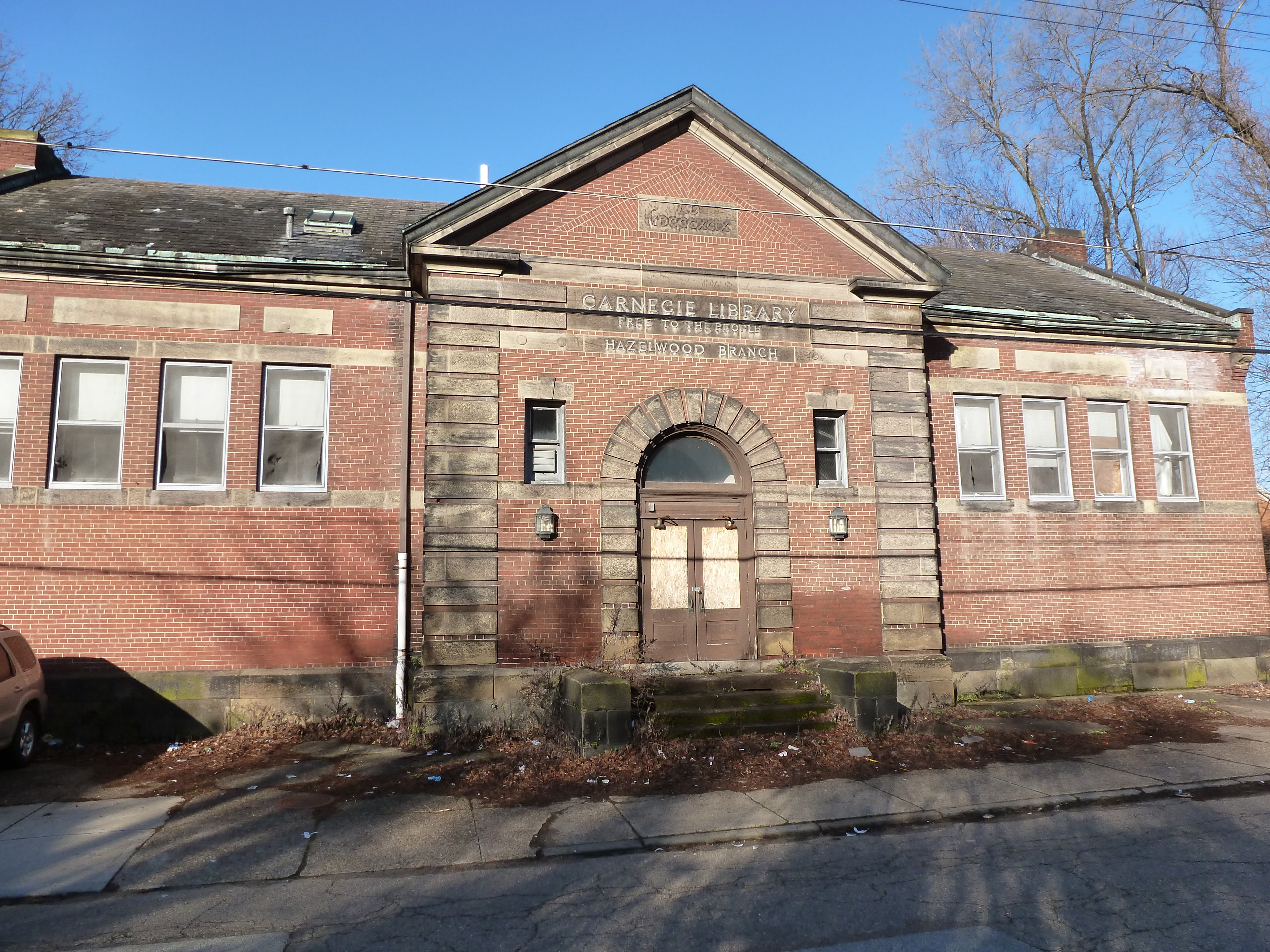
Keeping an Eye on Hazelwood (across the tracks): Sept. 2020

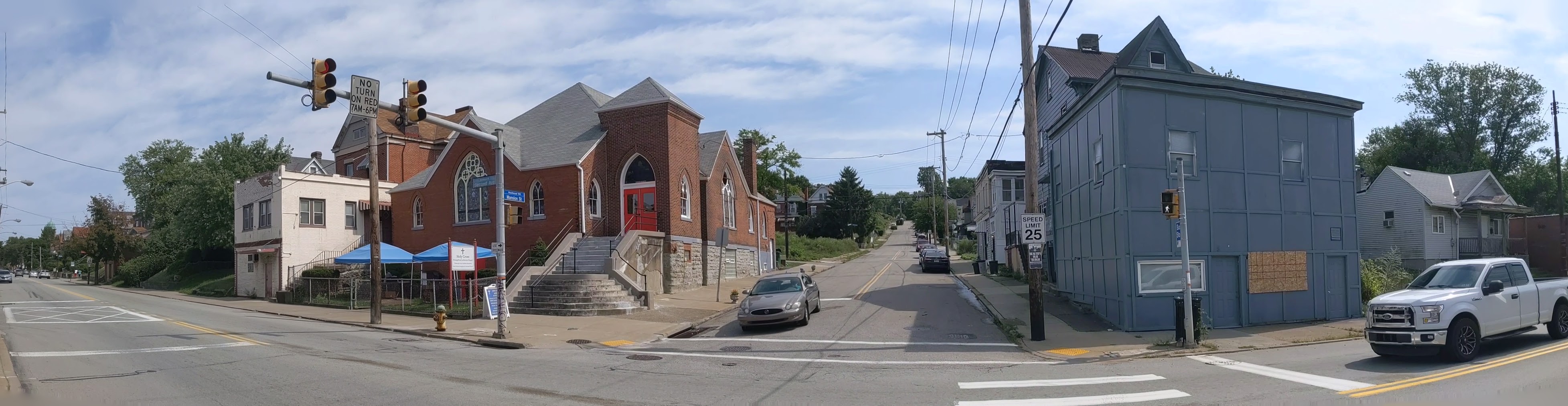
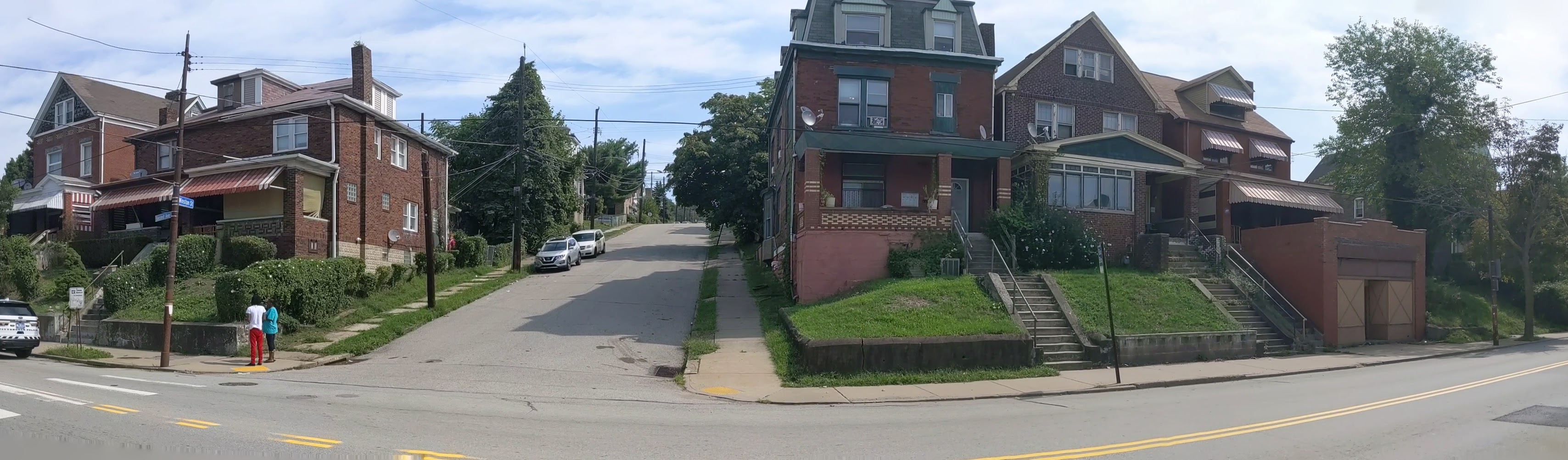
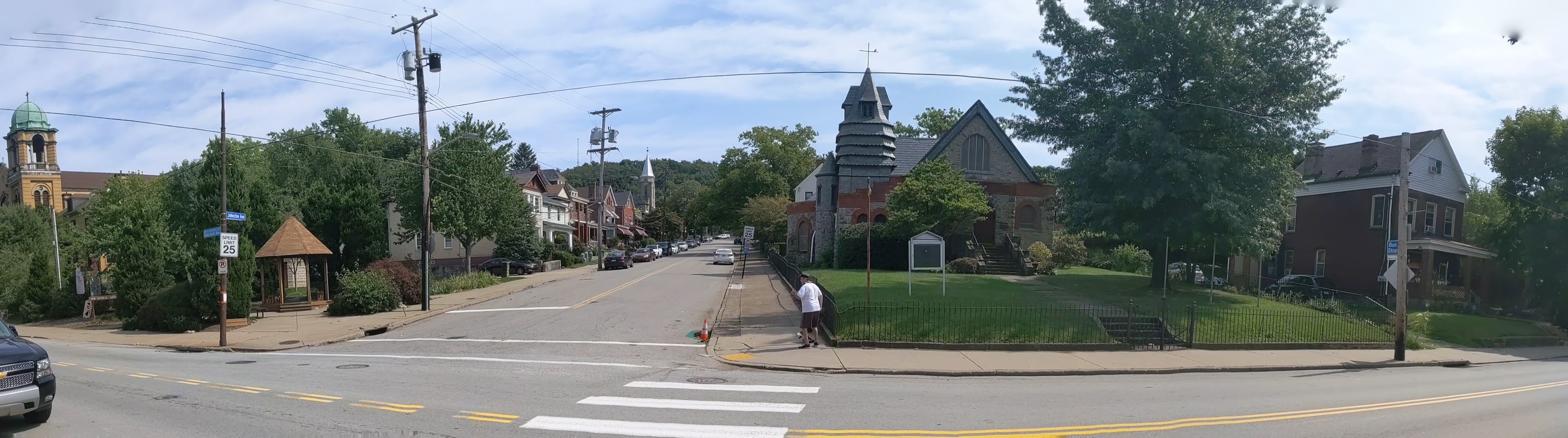
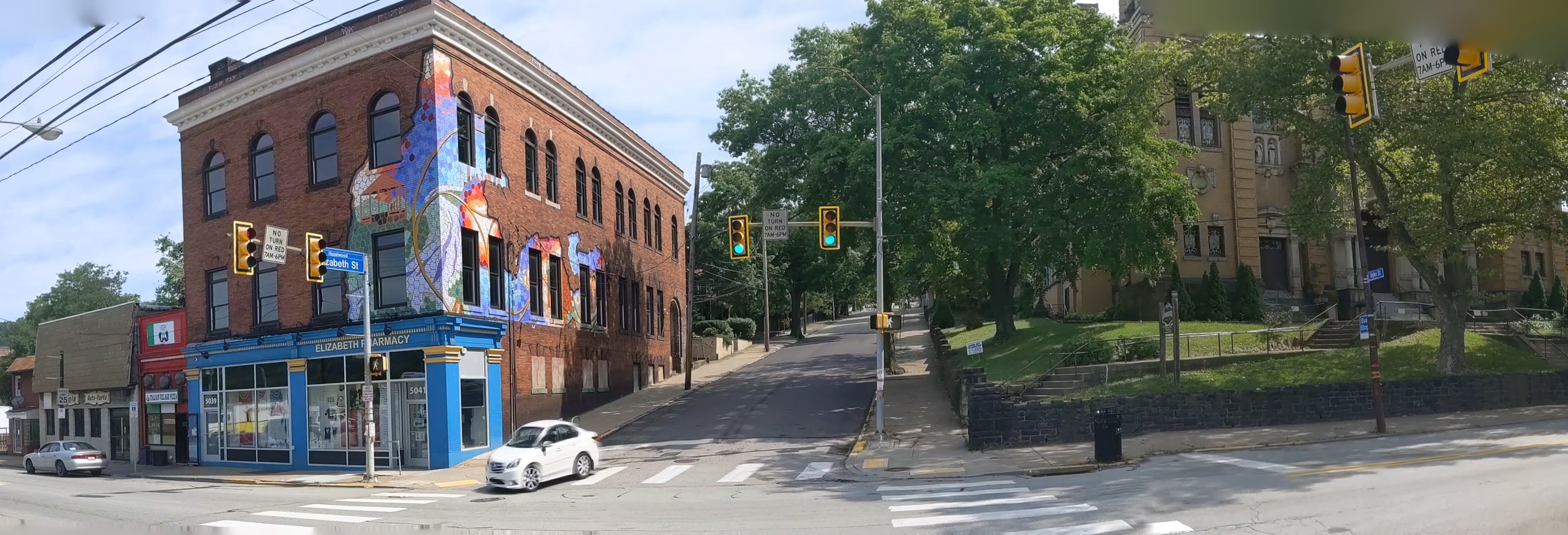
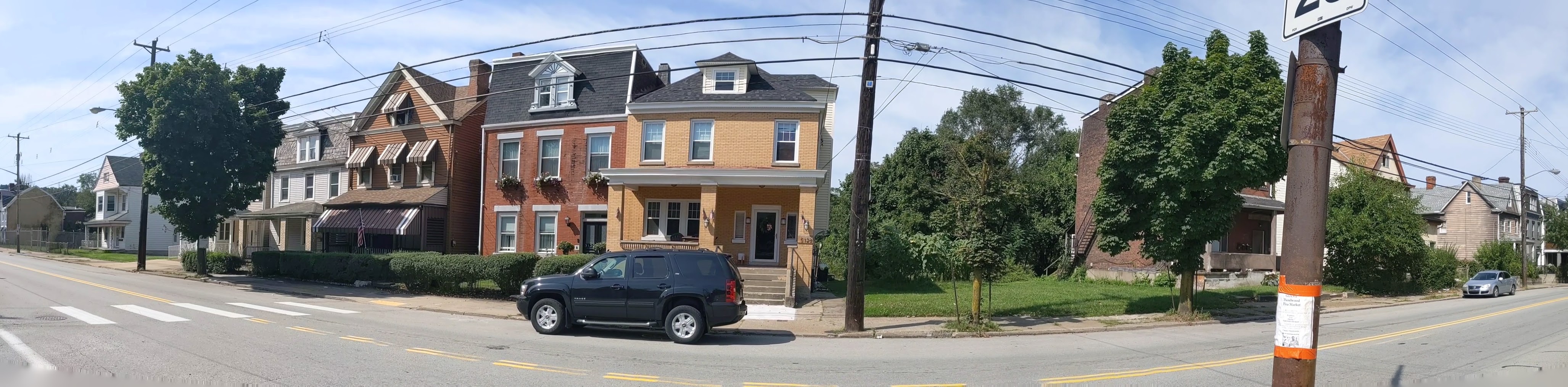
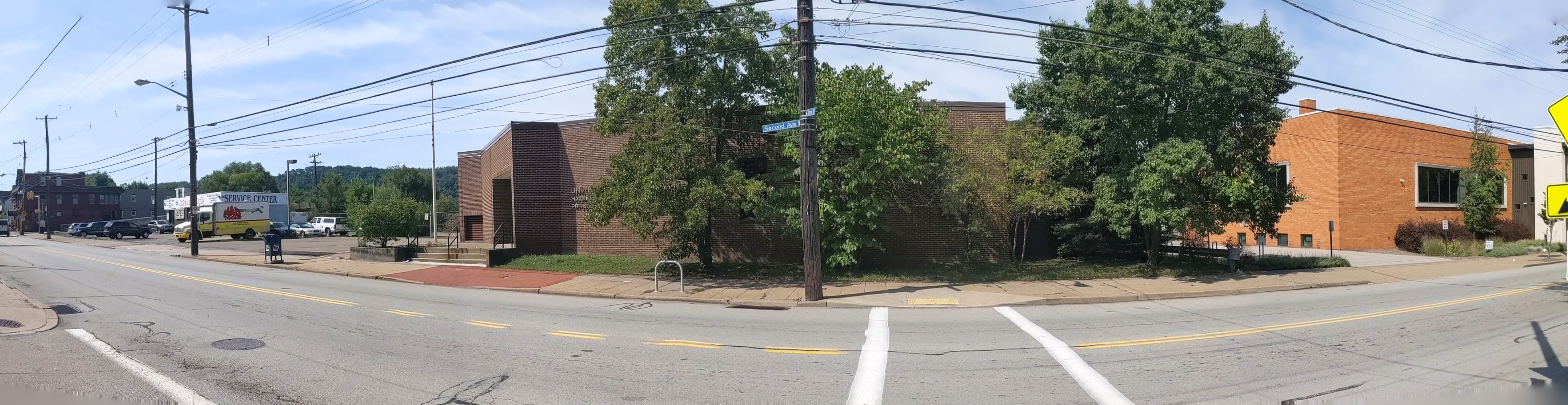
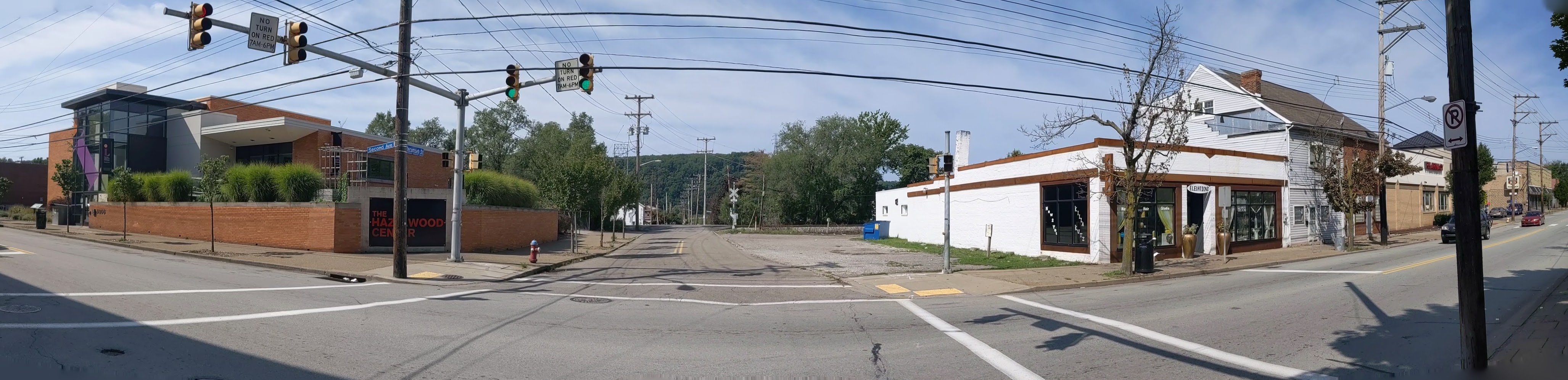
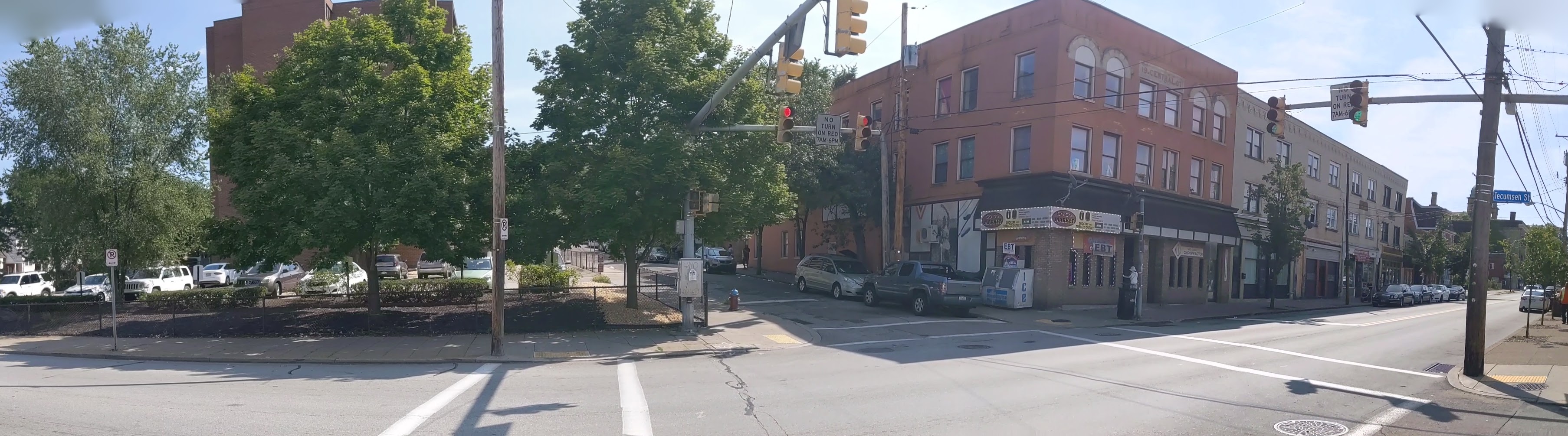
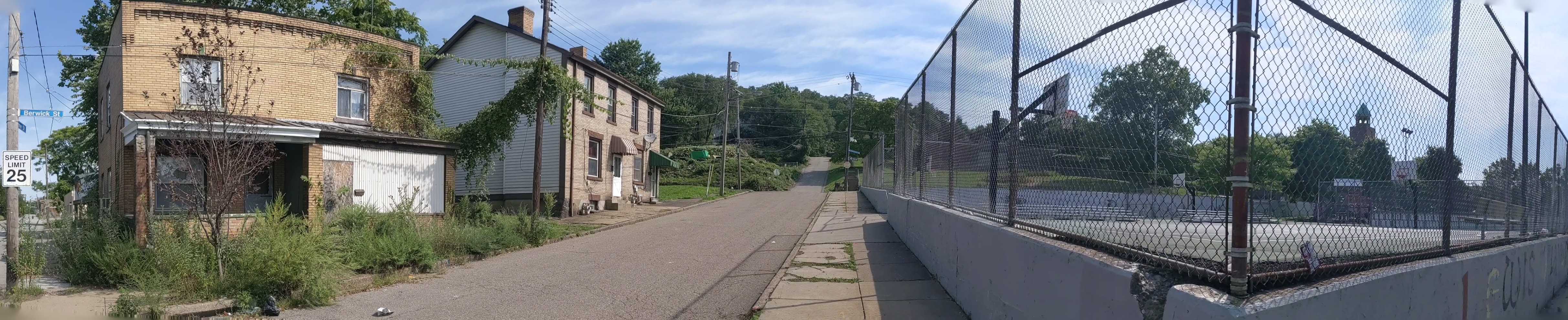
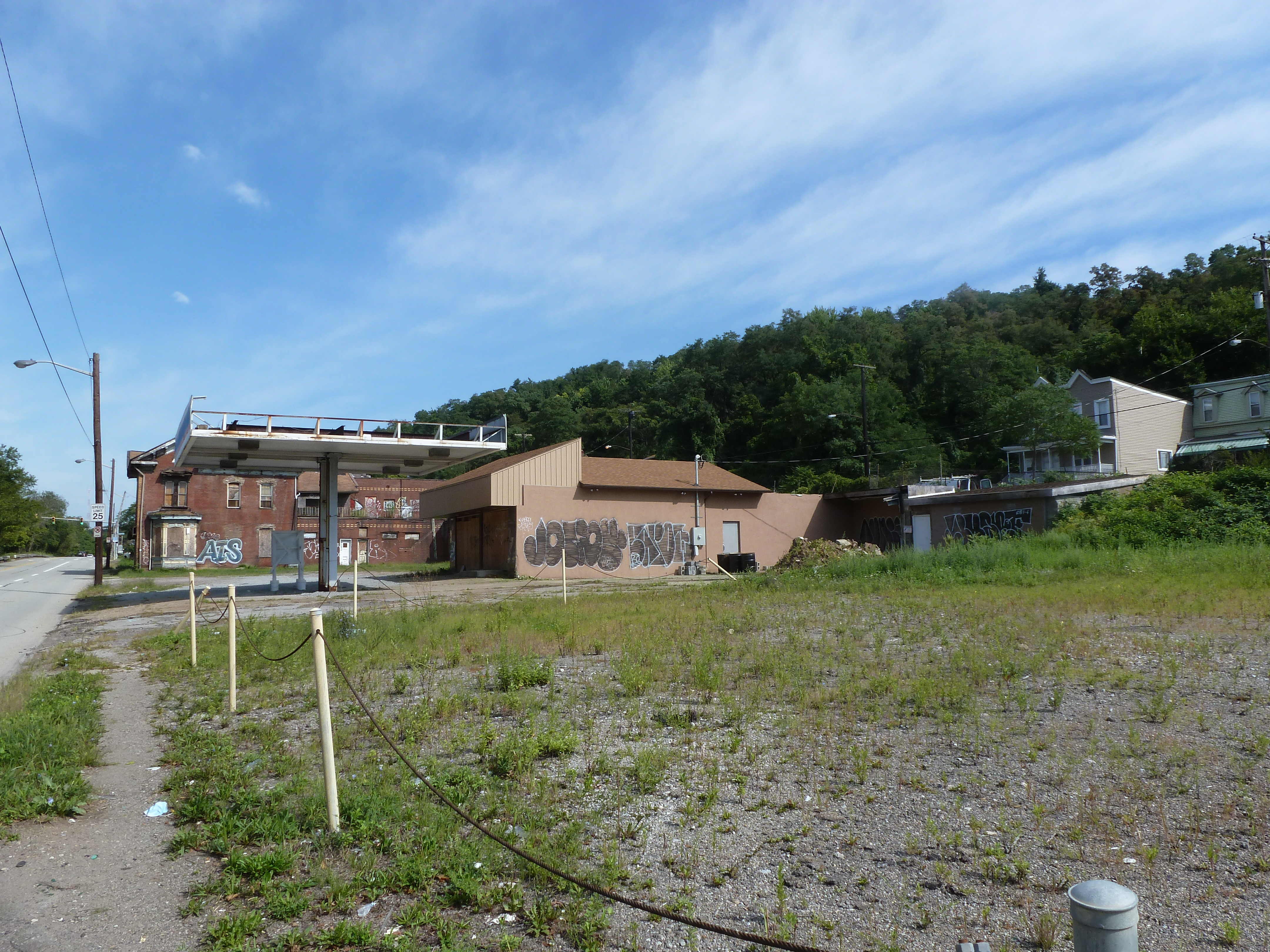
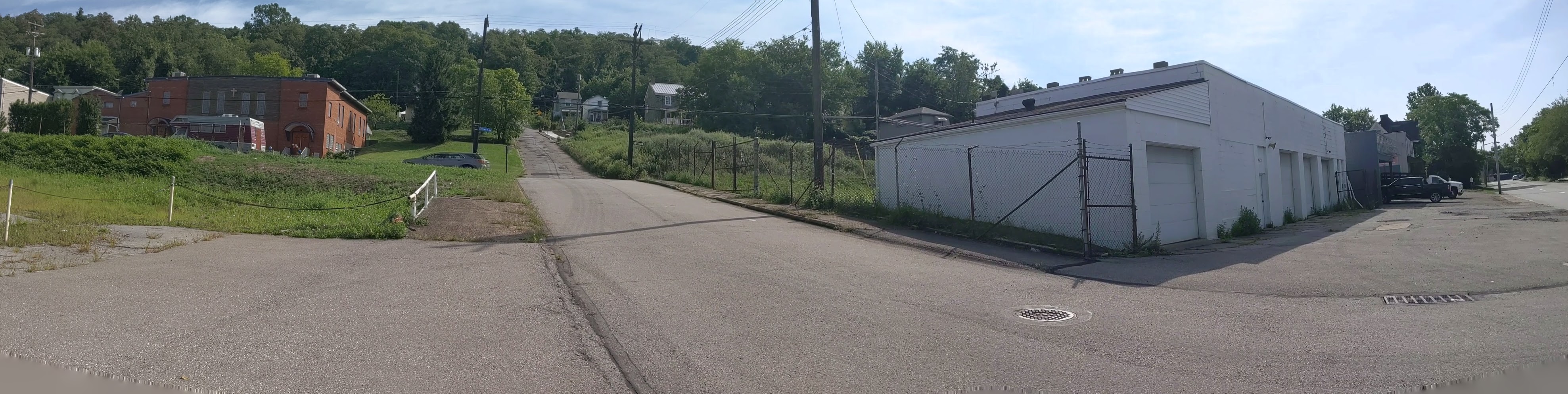
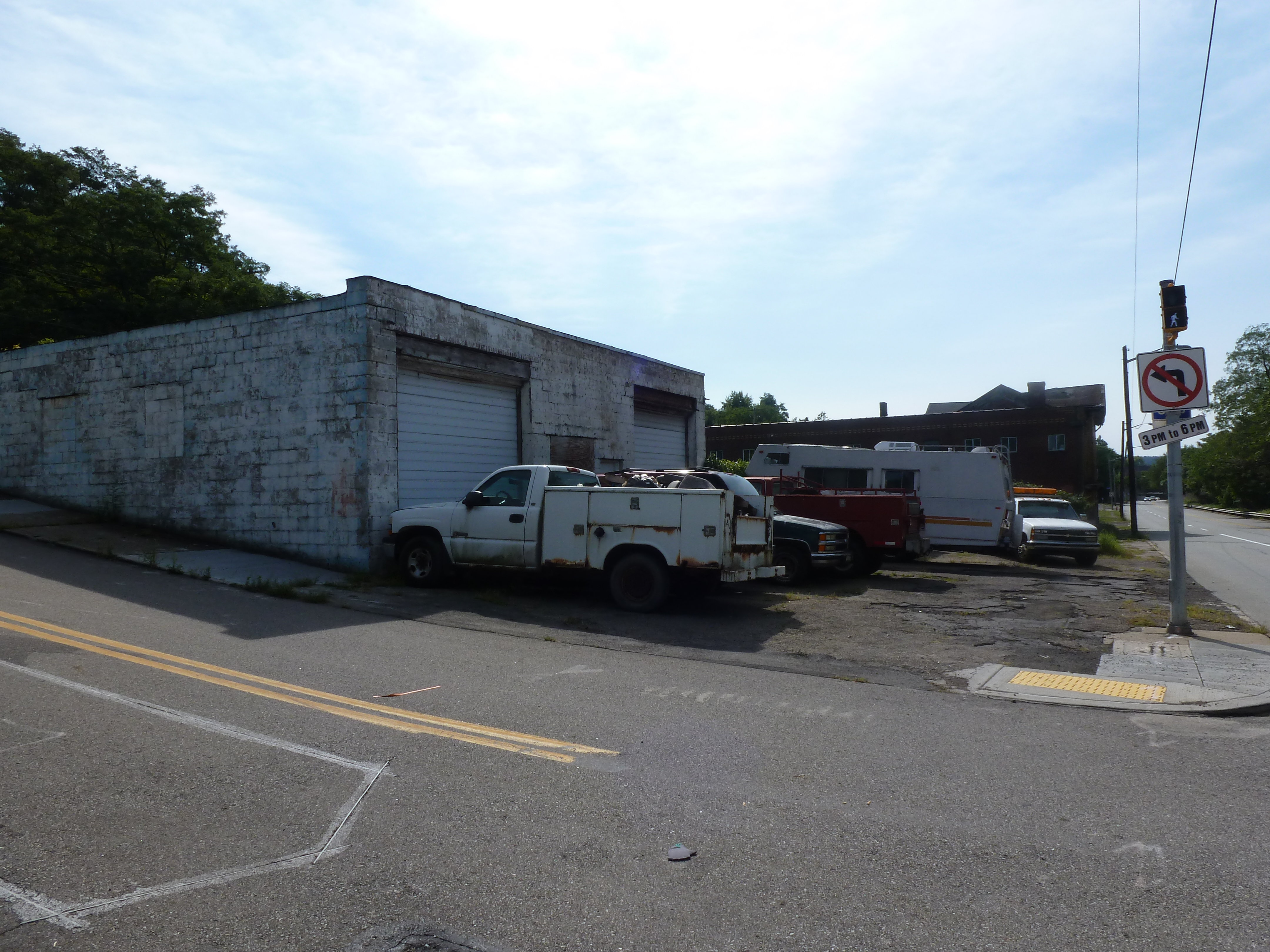
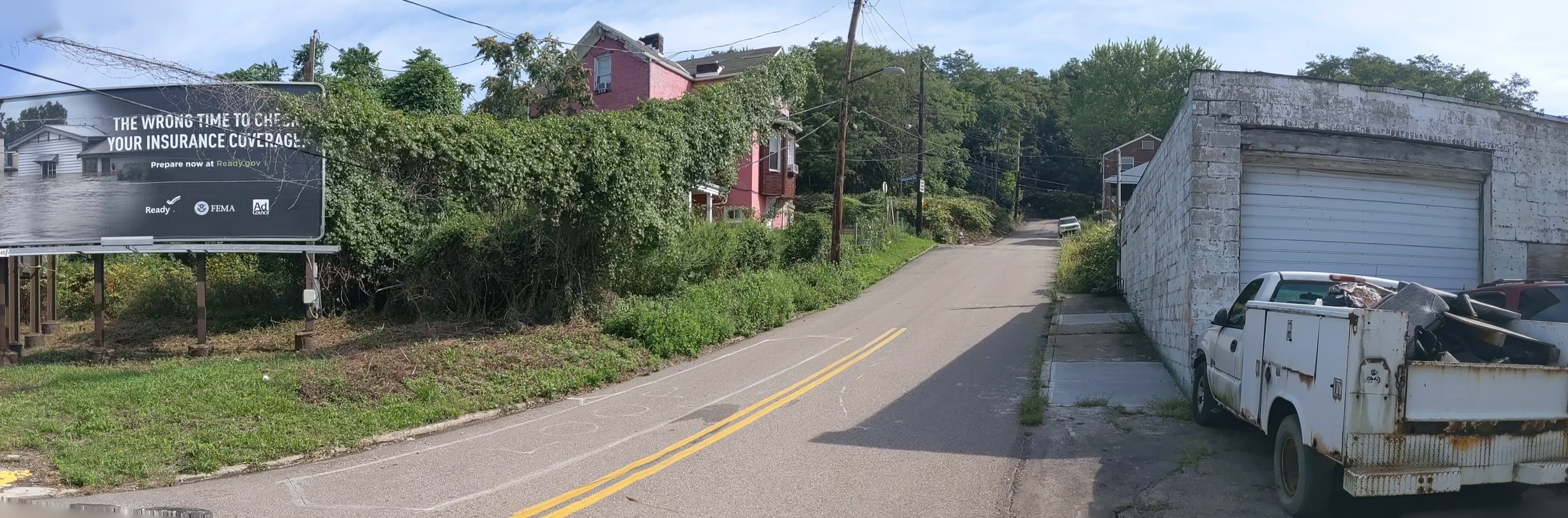
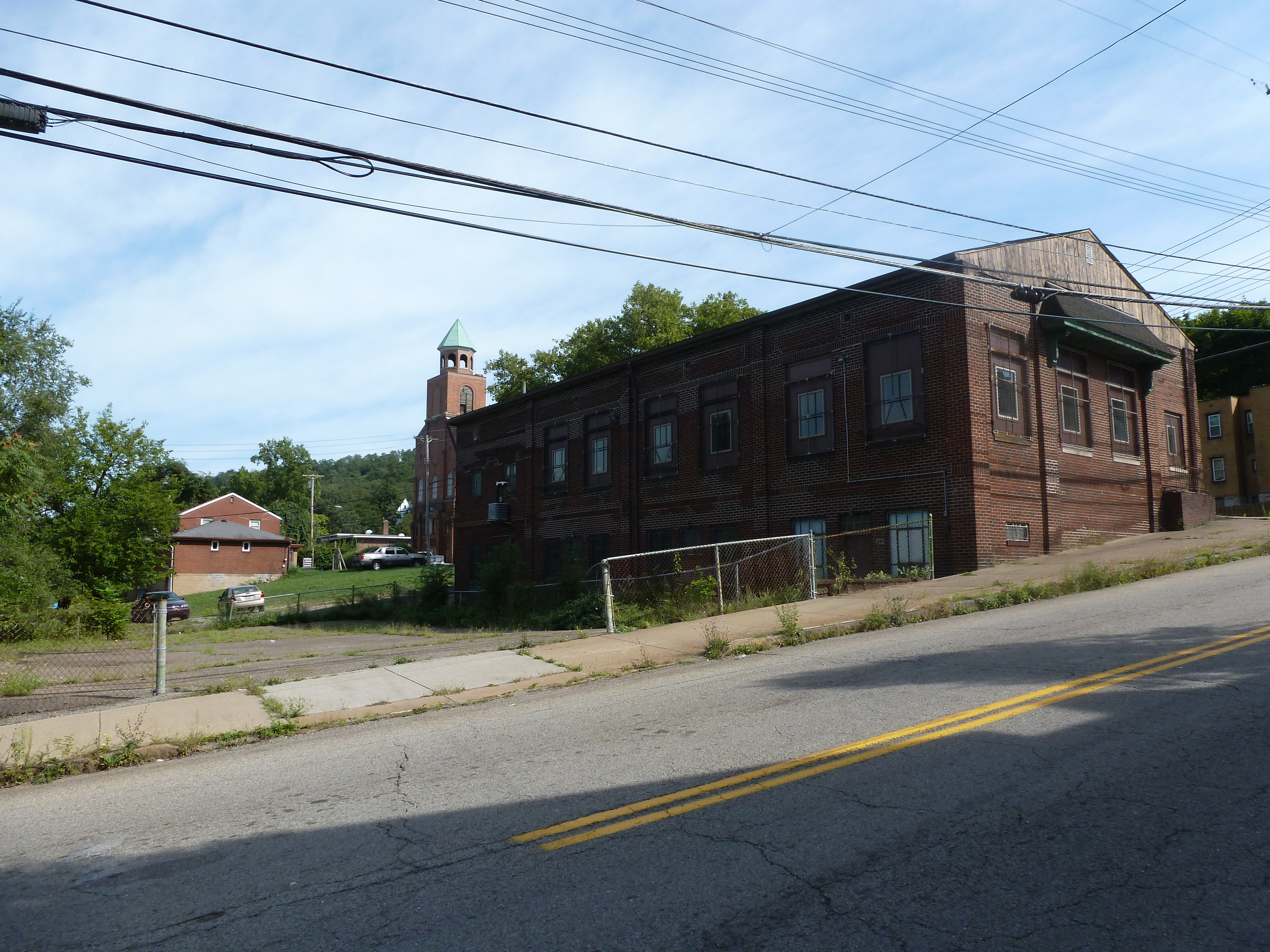
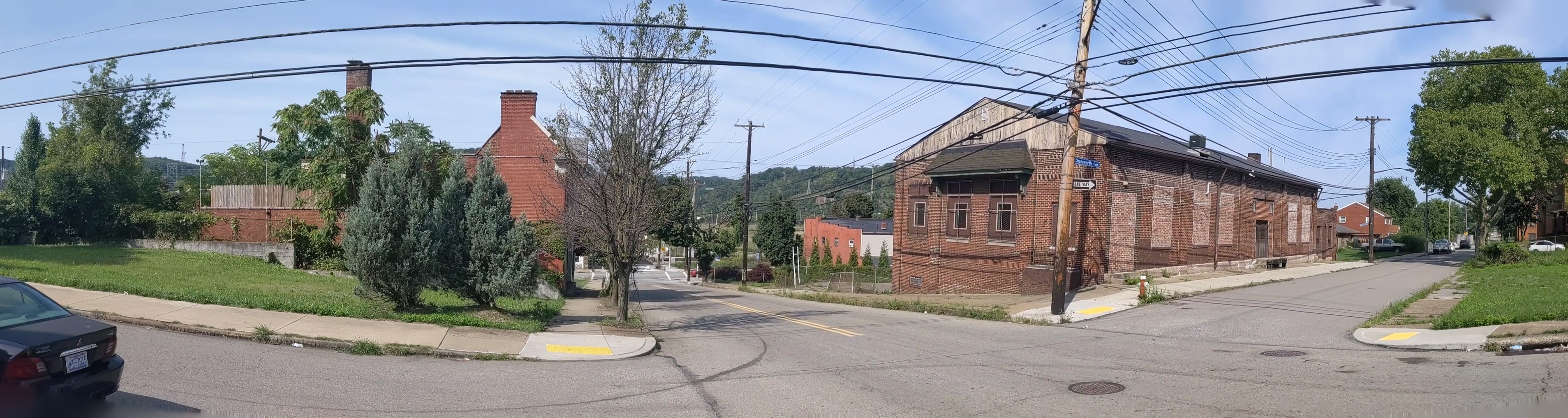
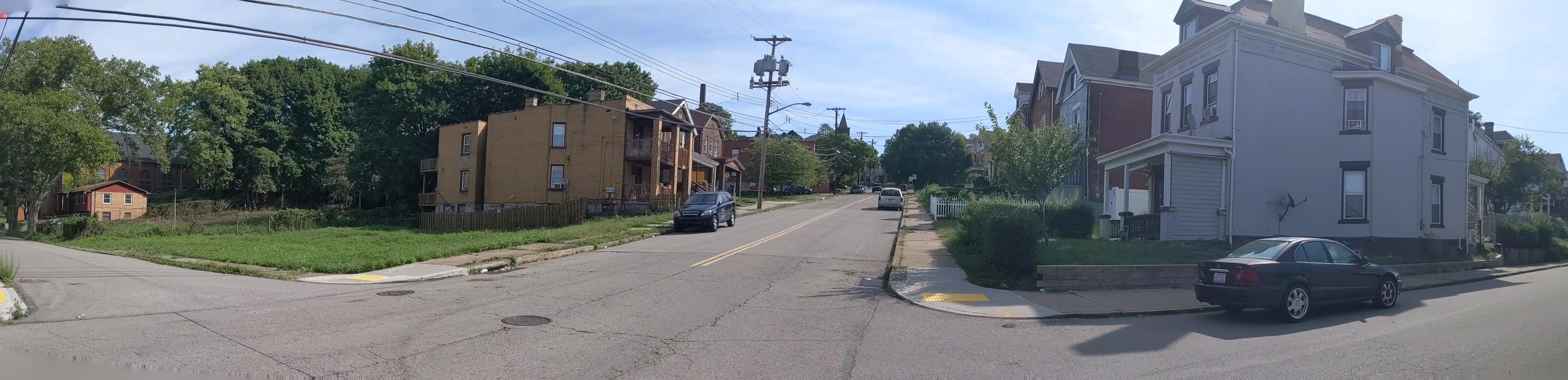
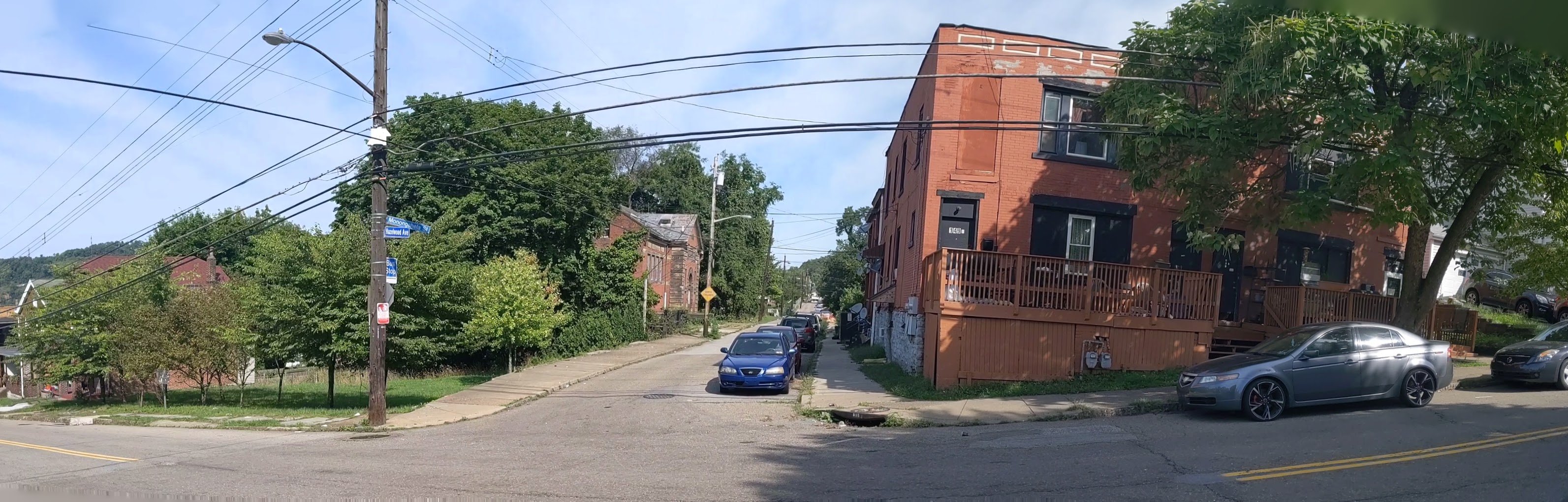
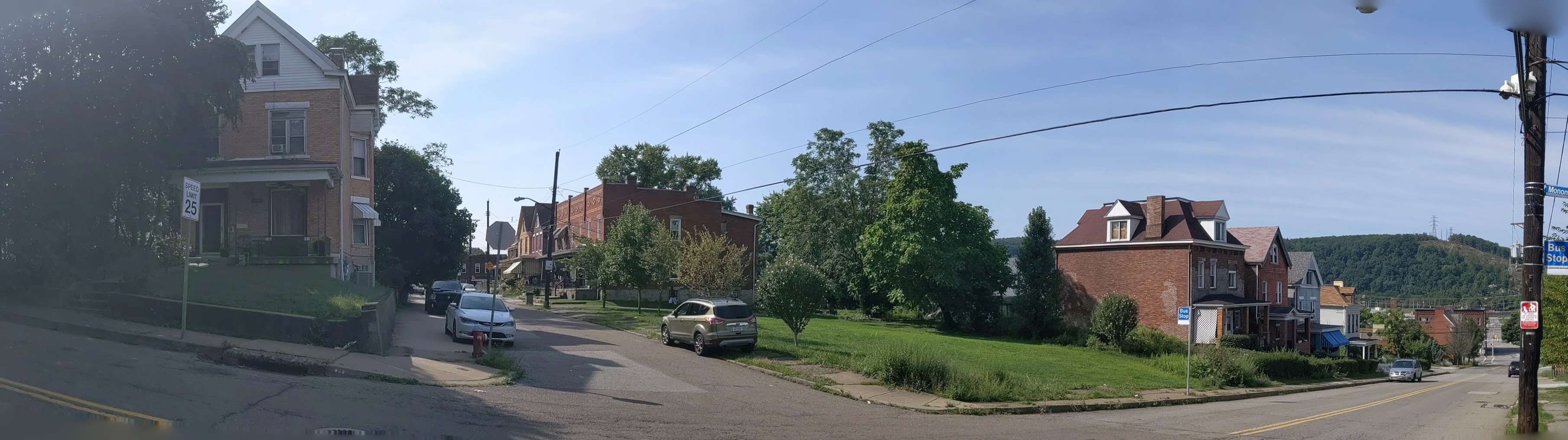
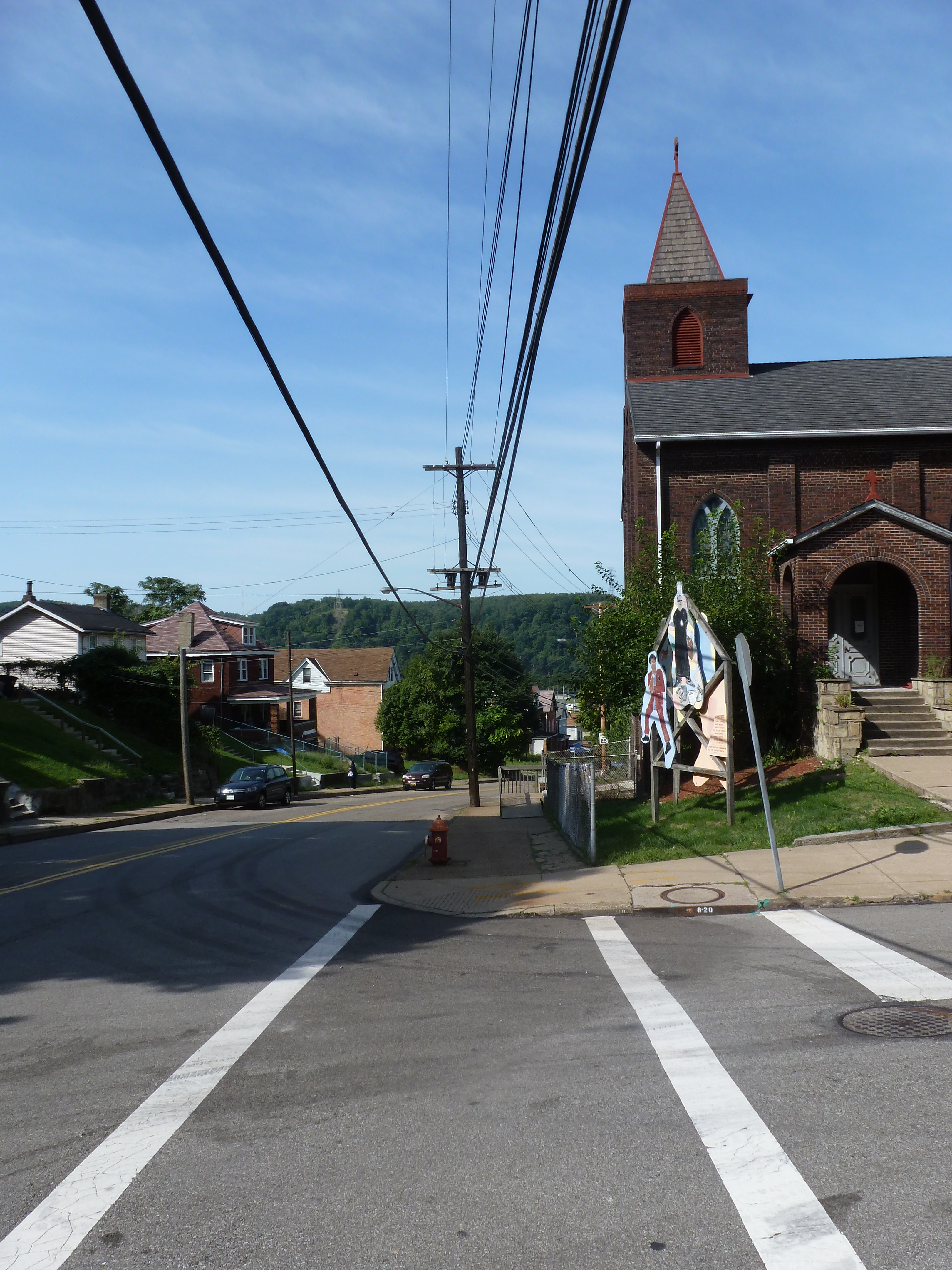
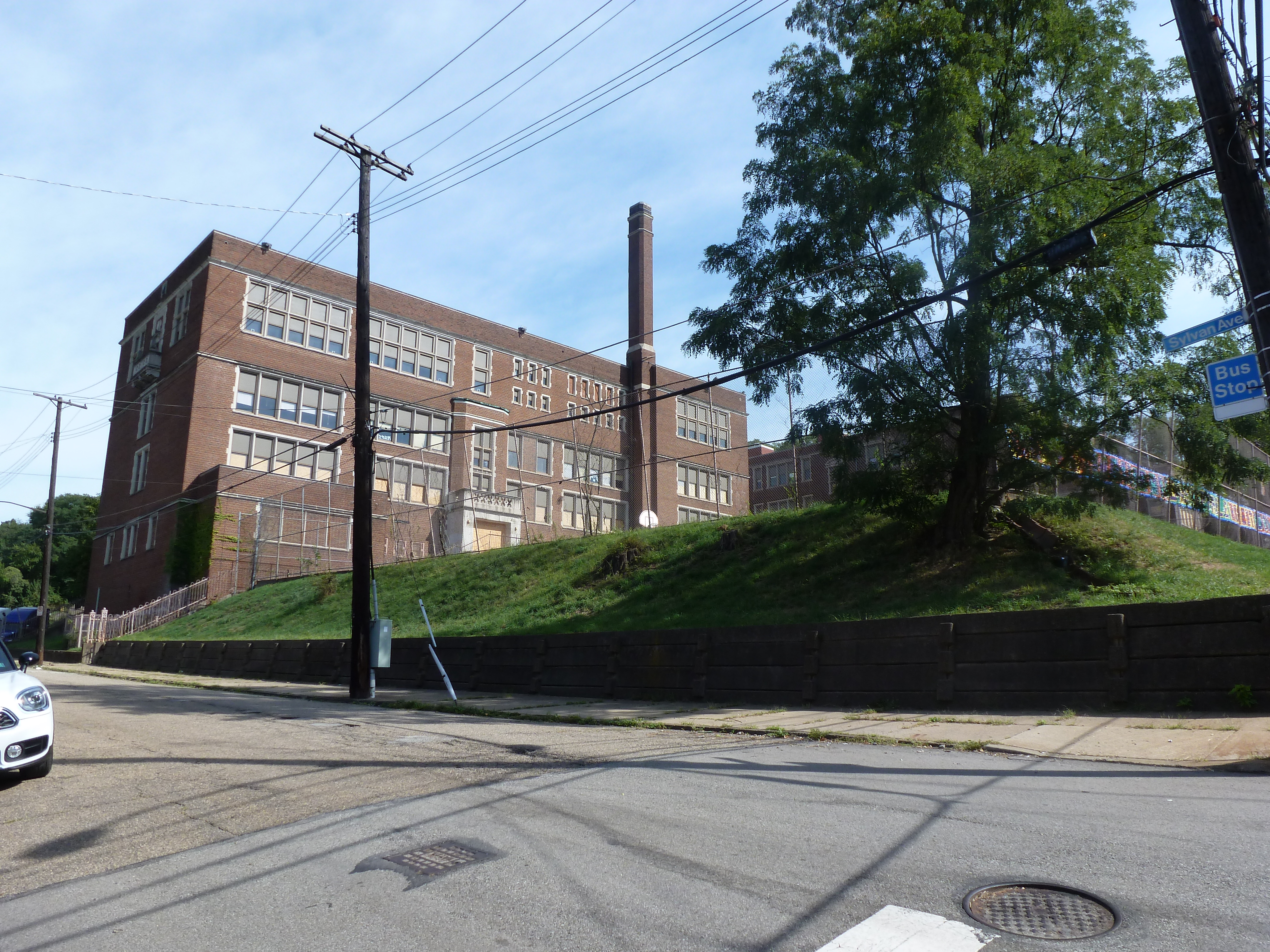
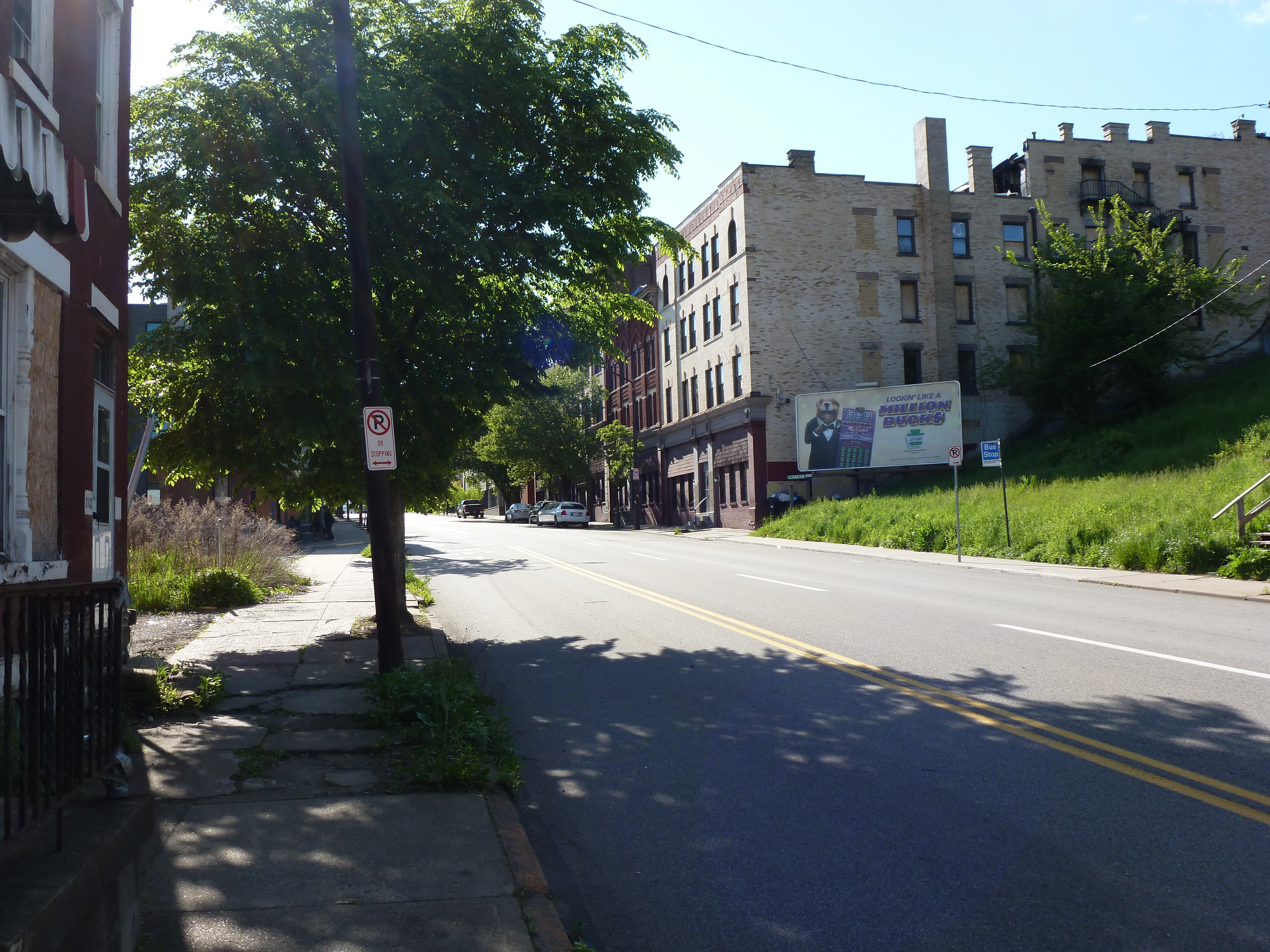
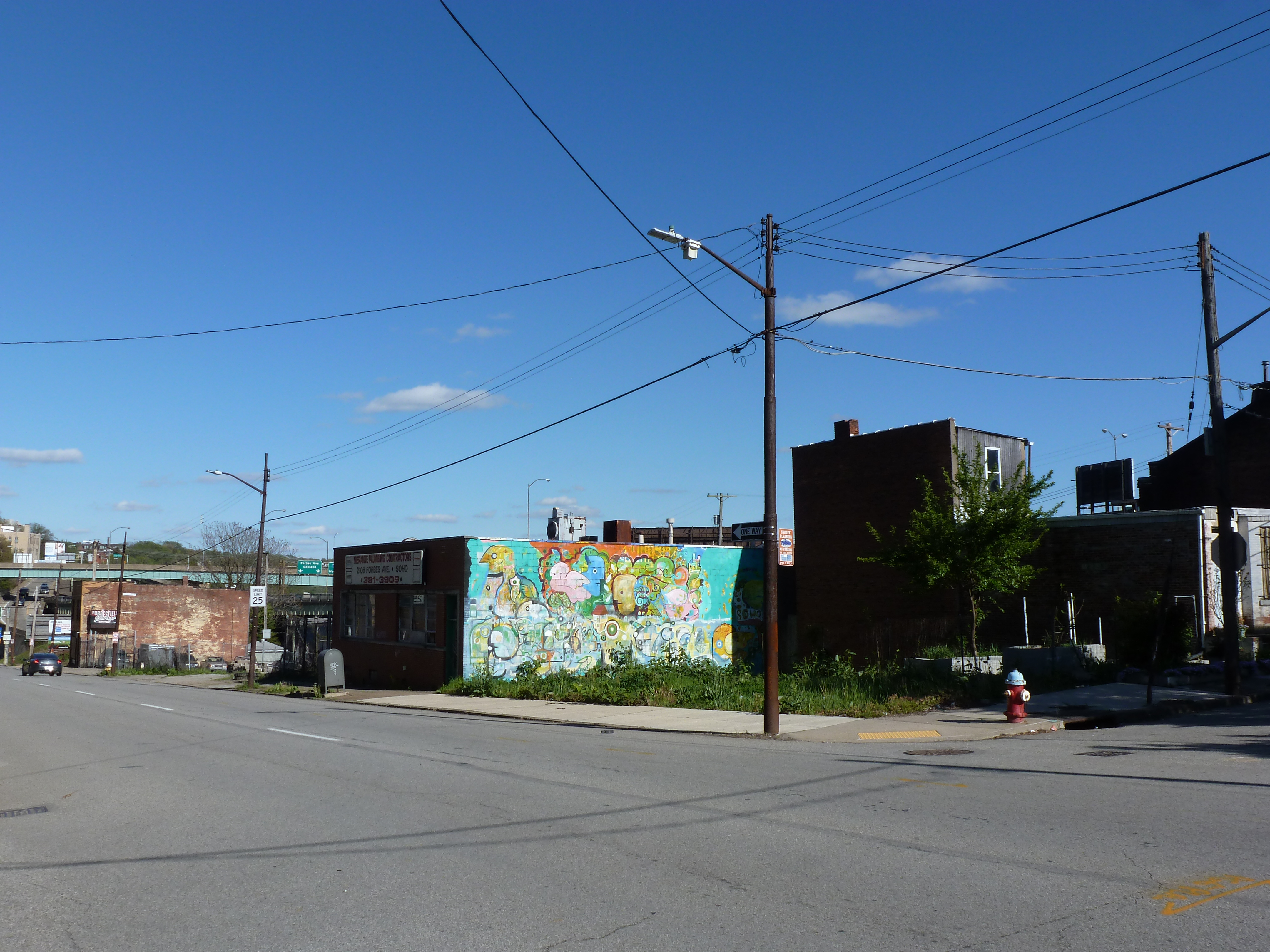
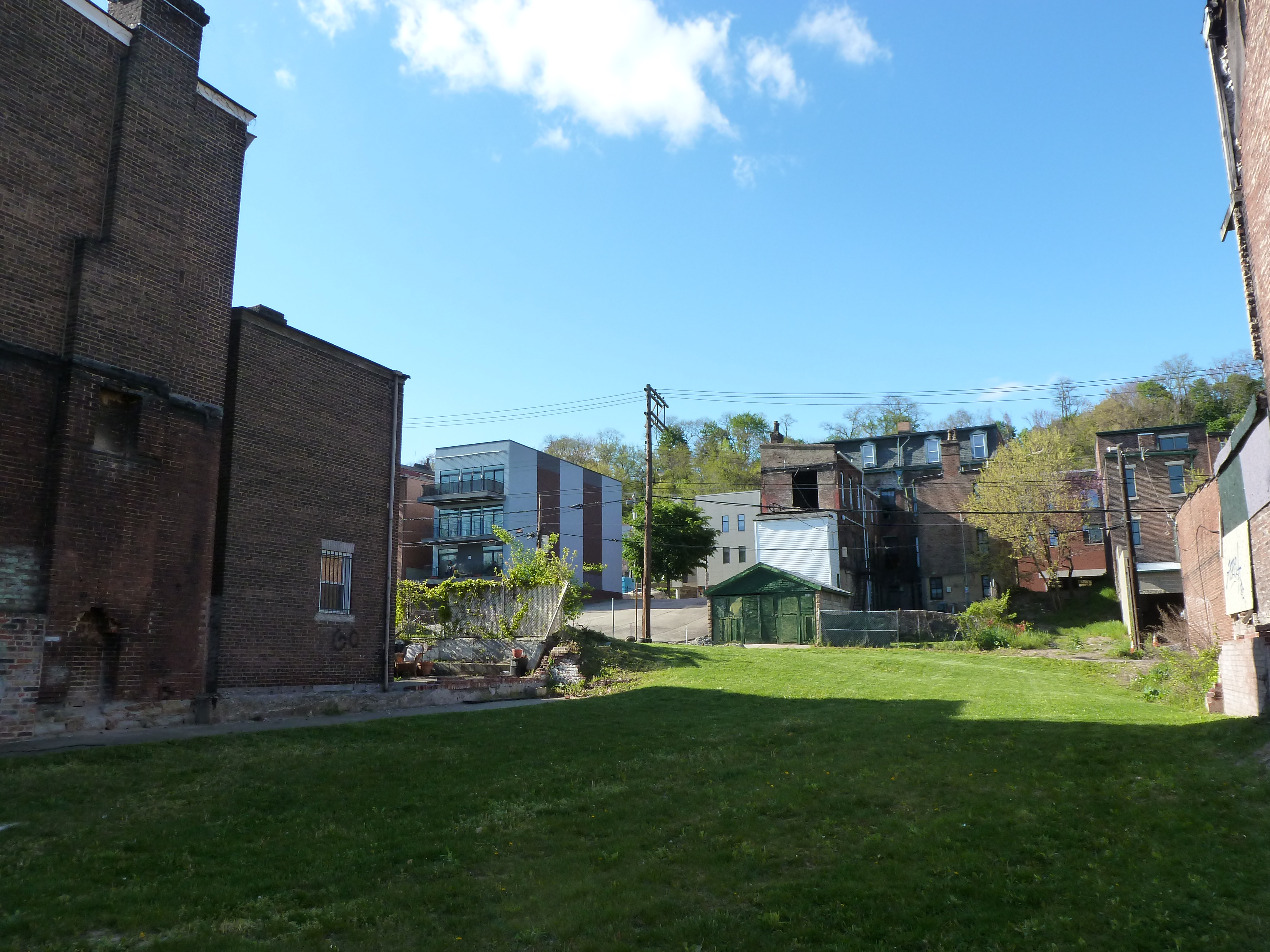
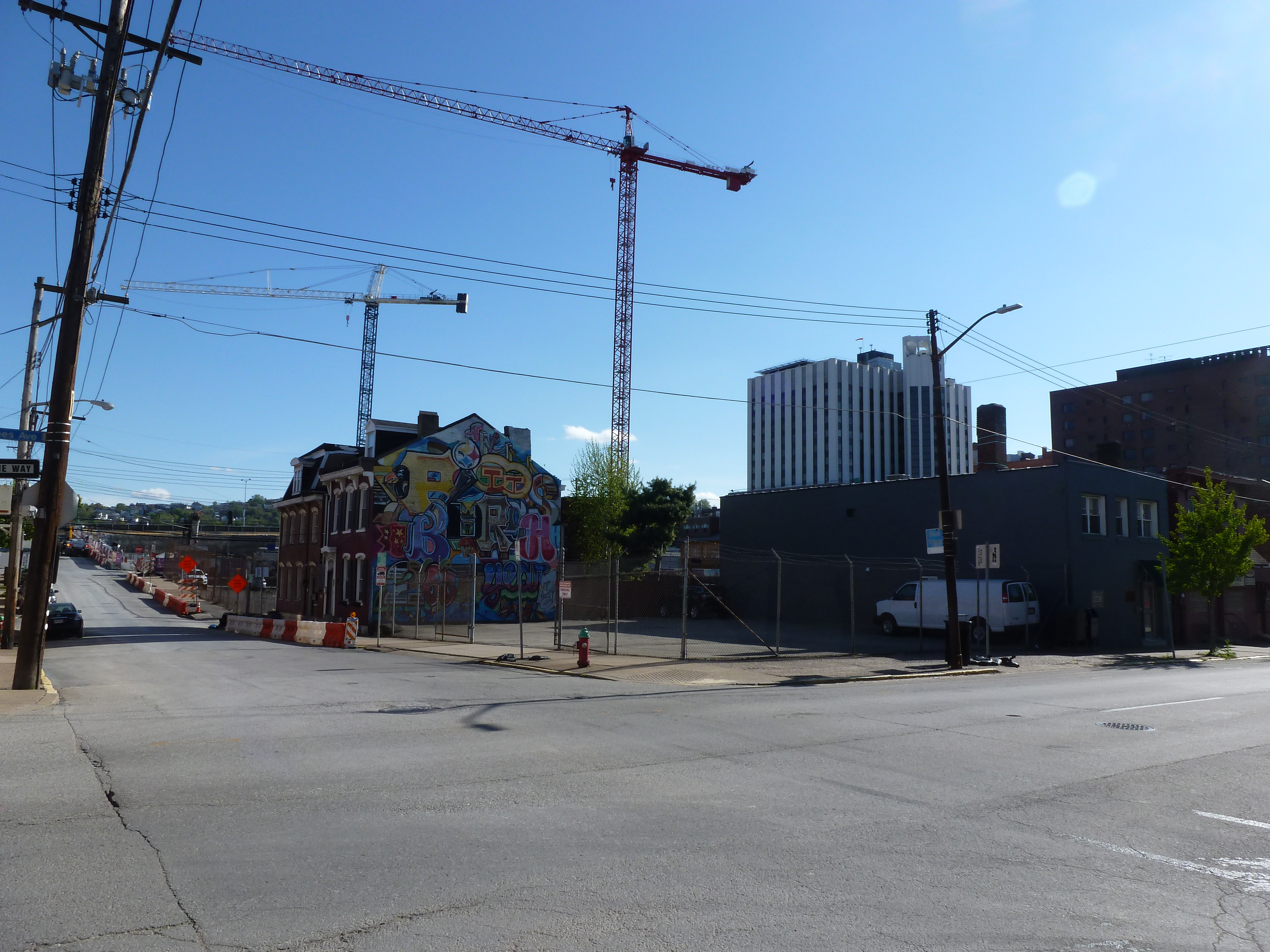
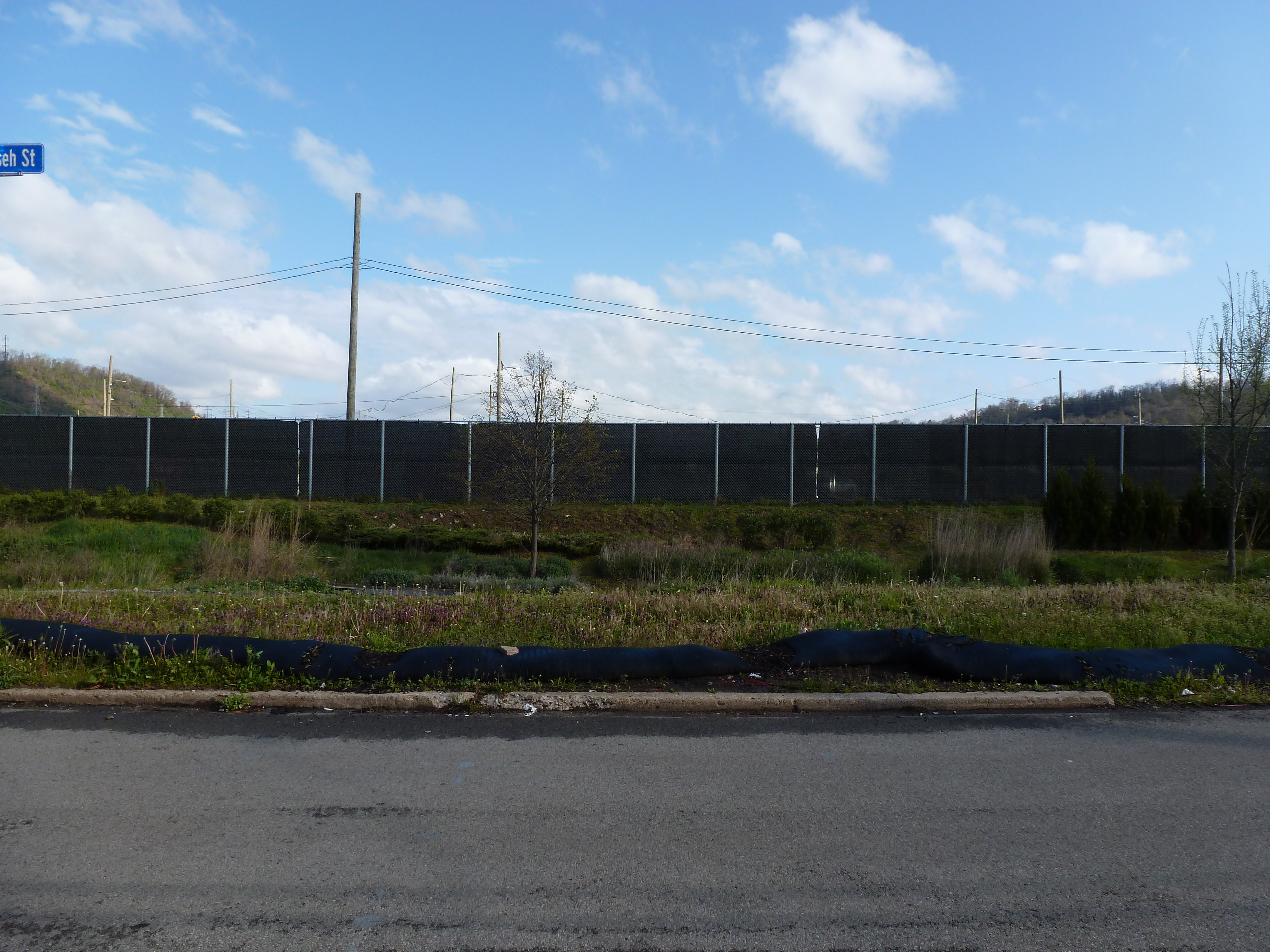
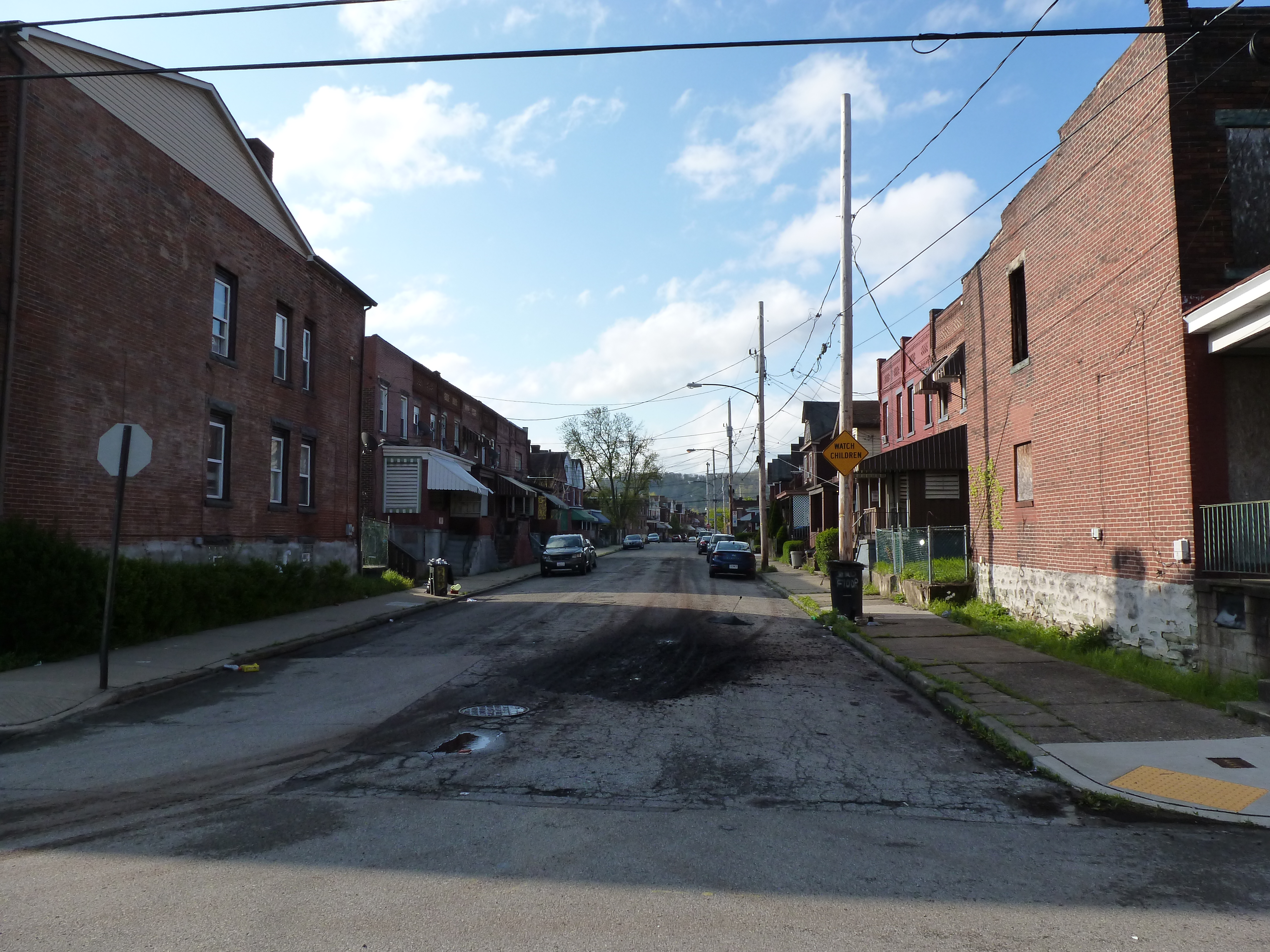
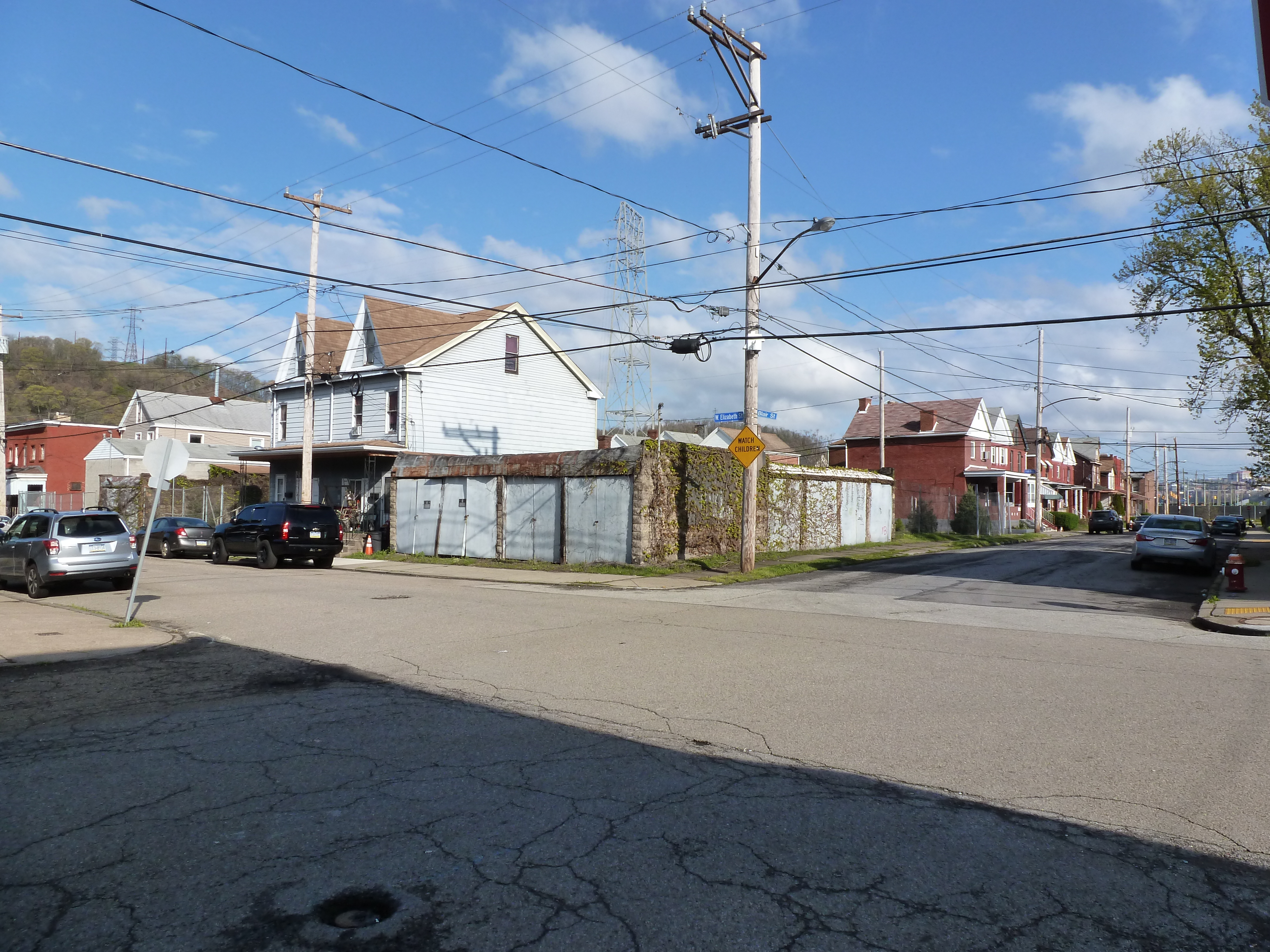
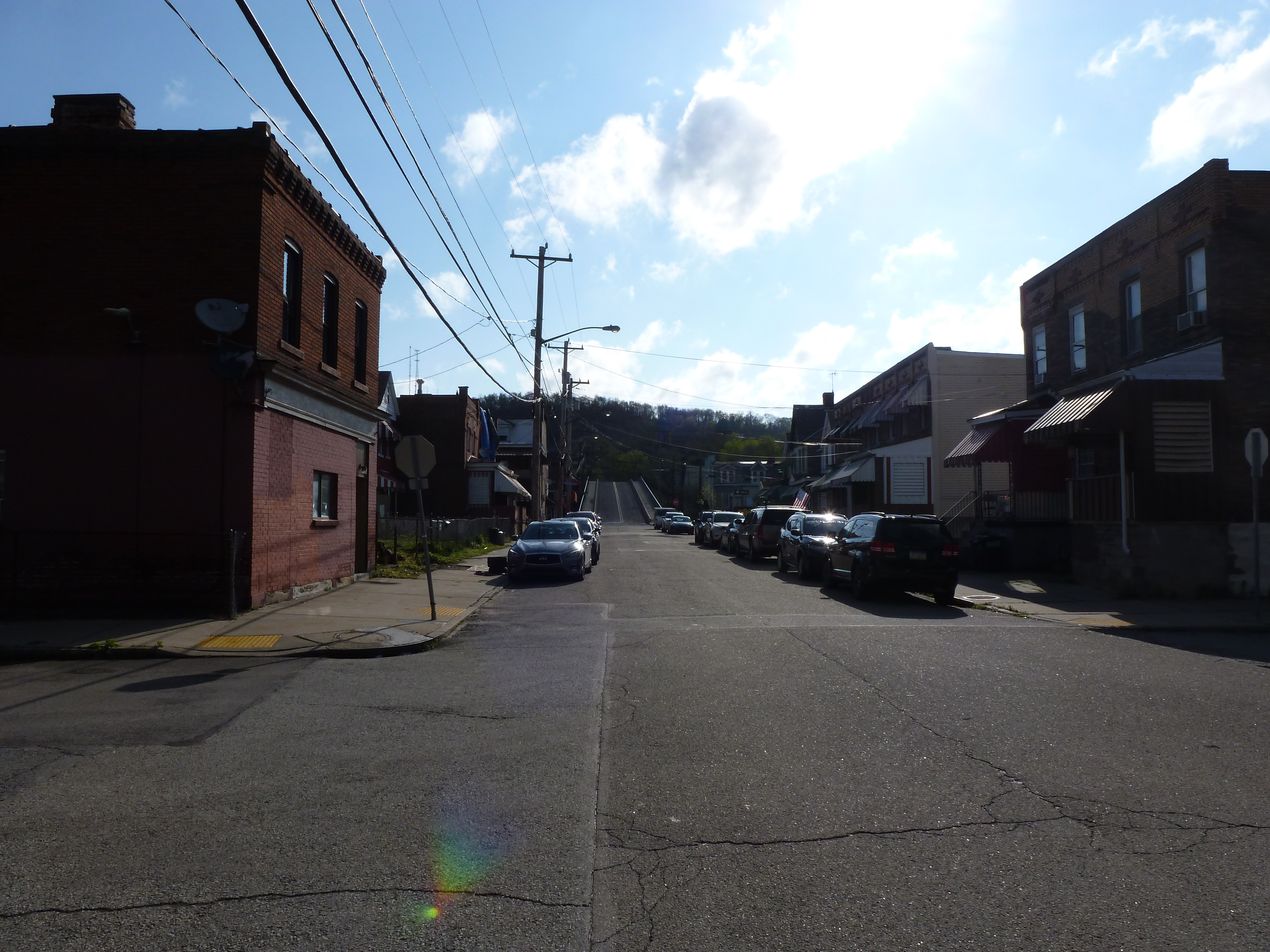
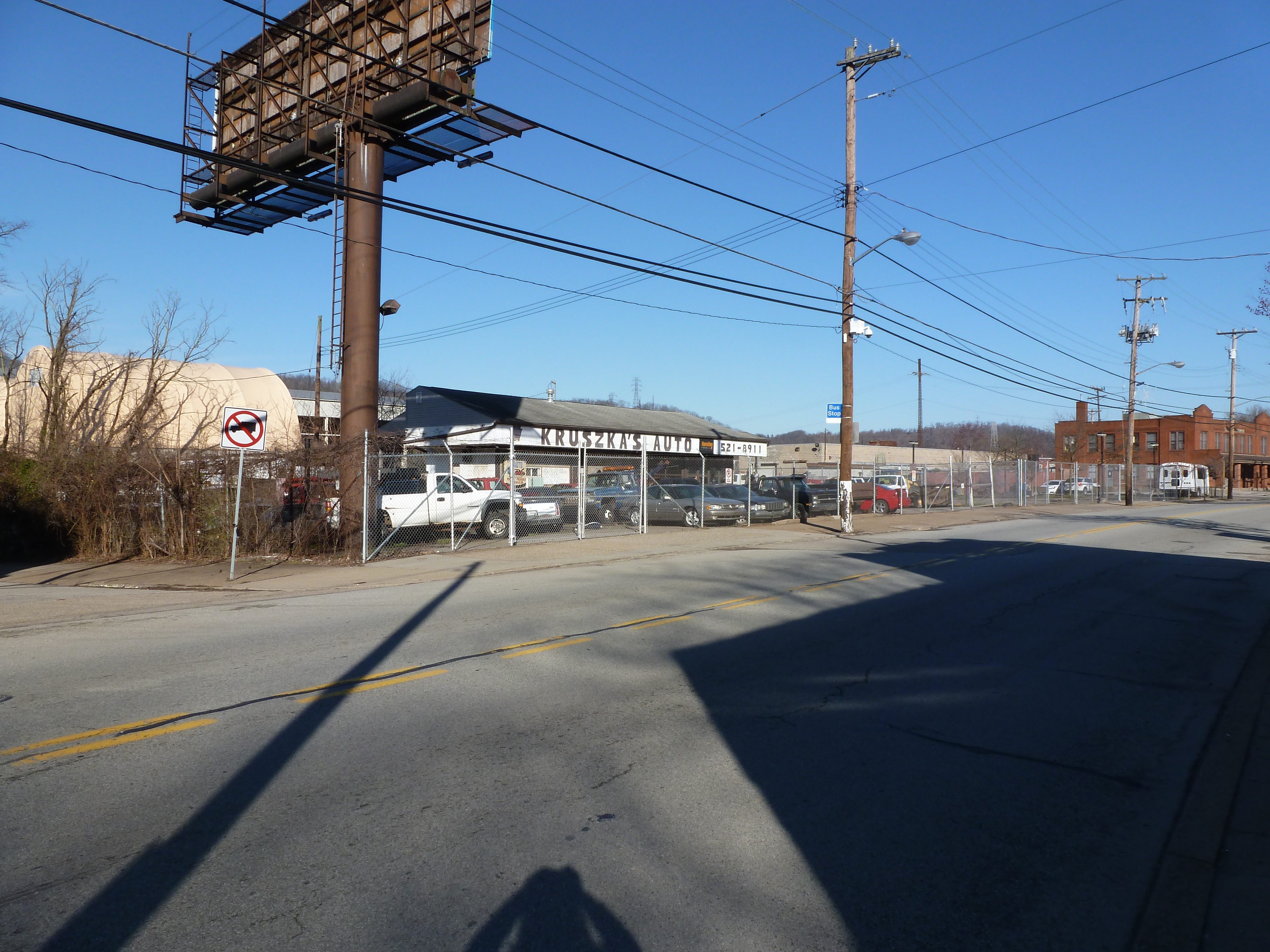
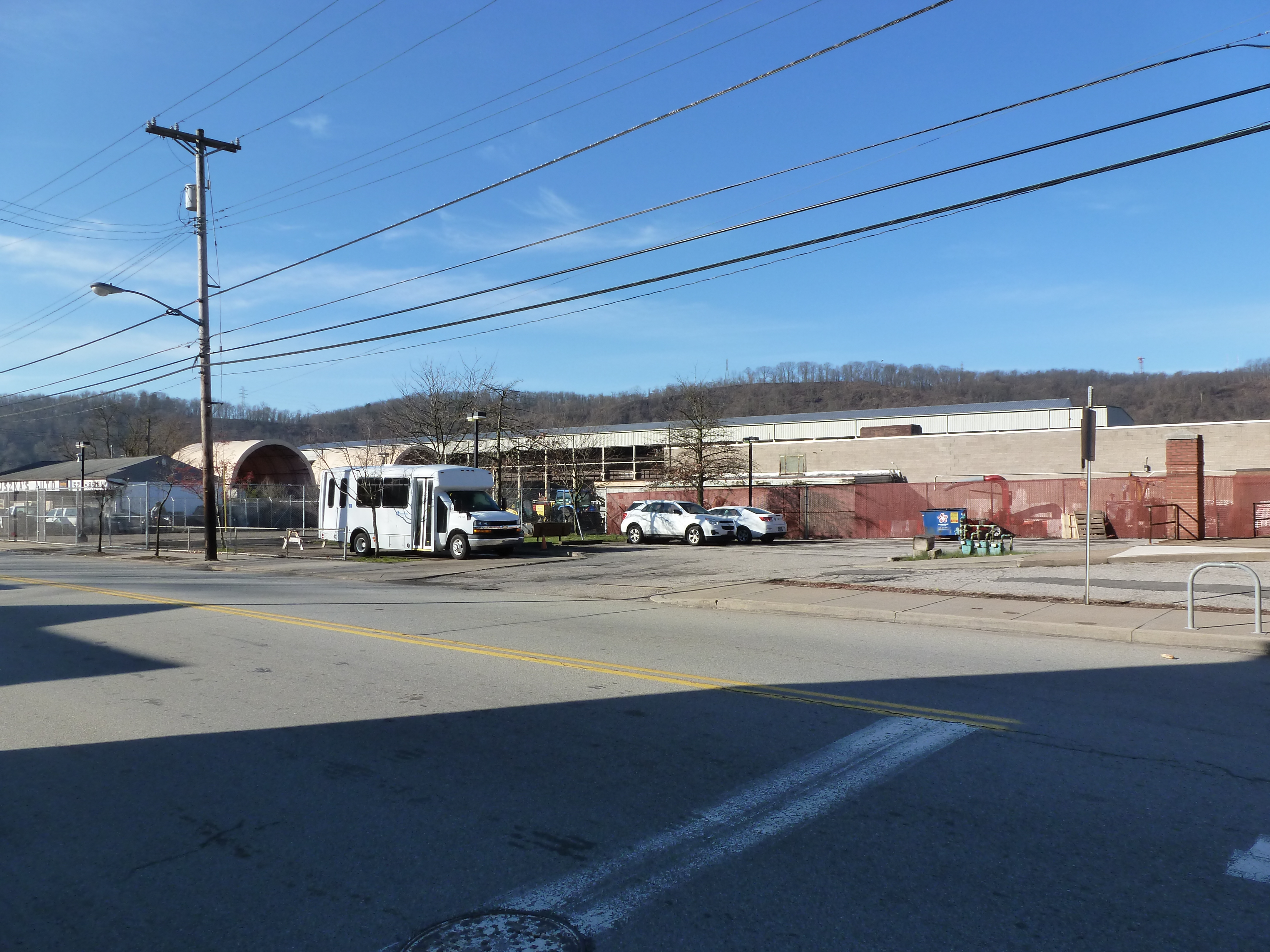
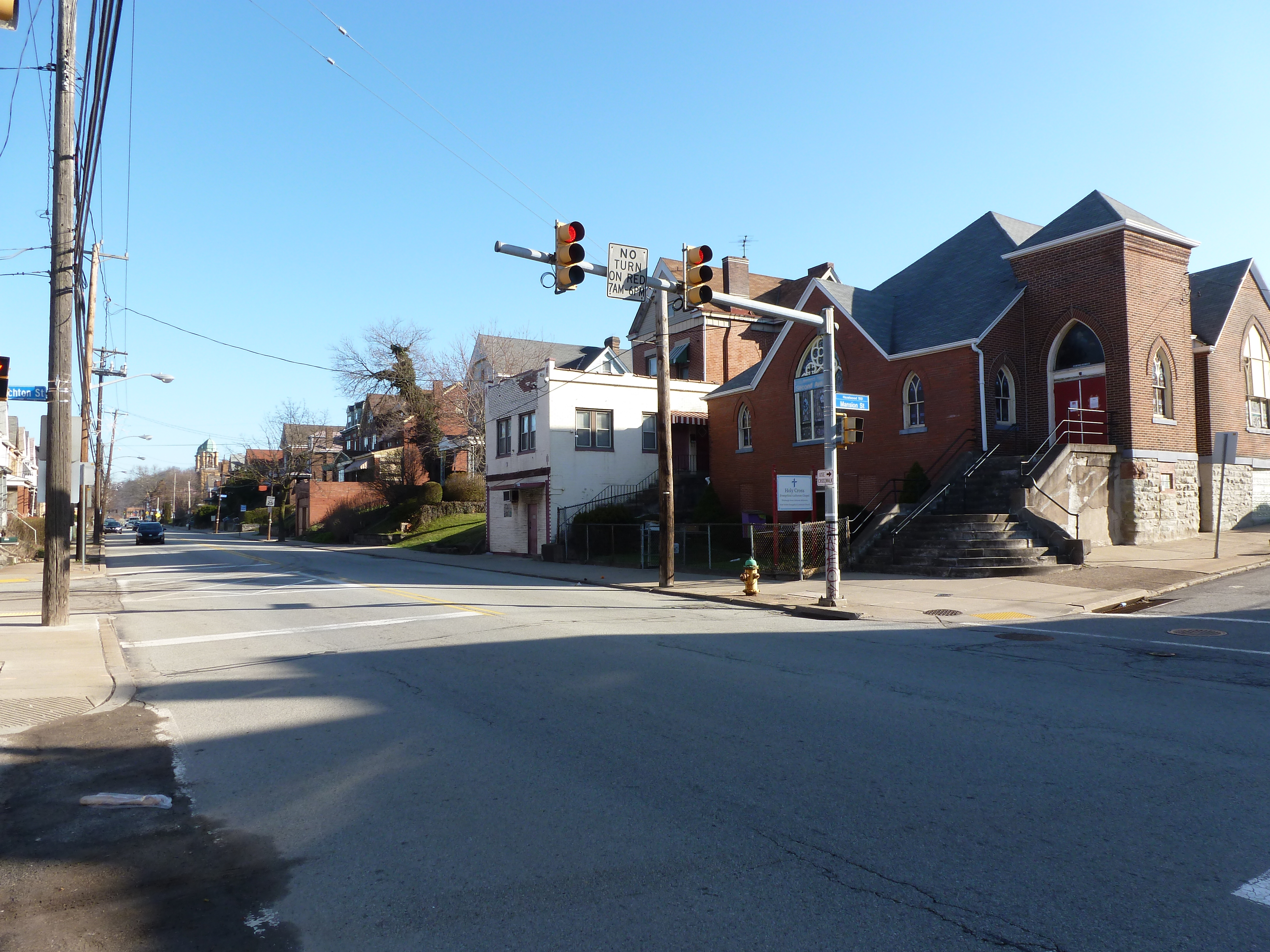
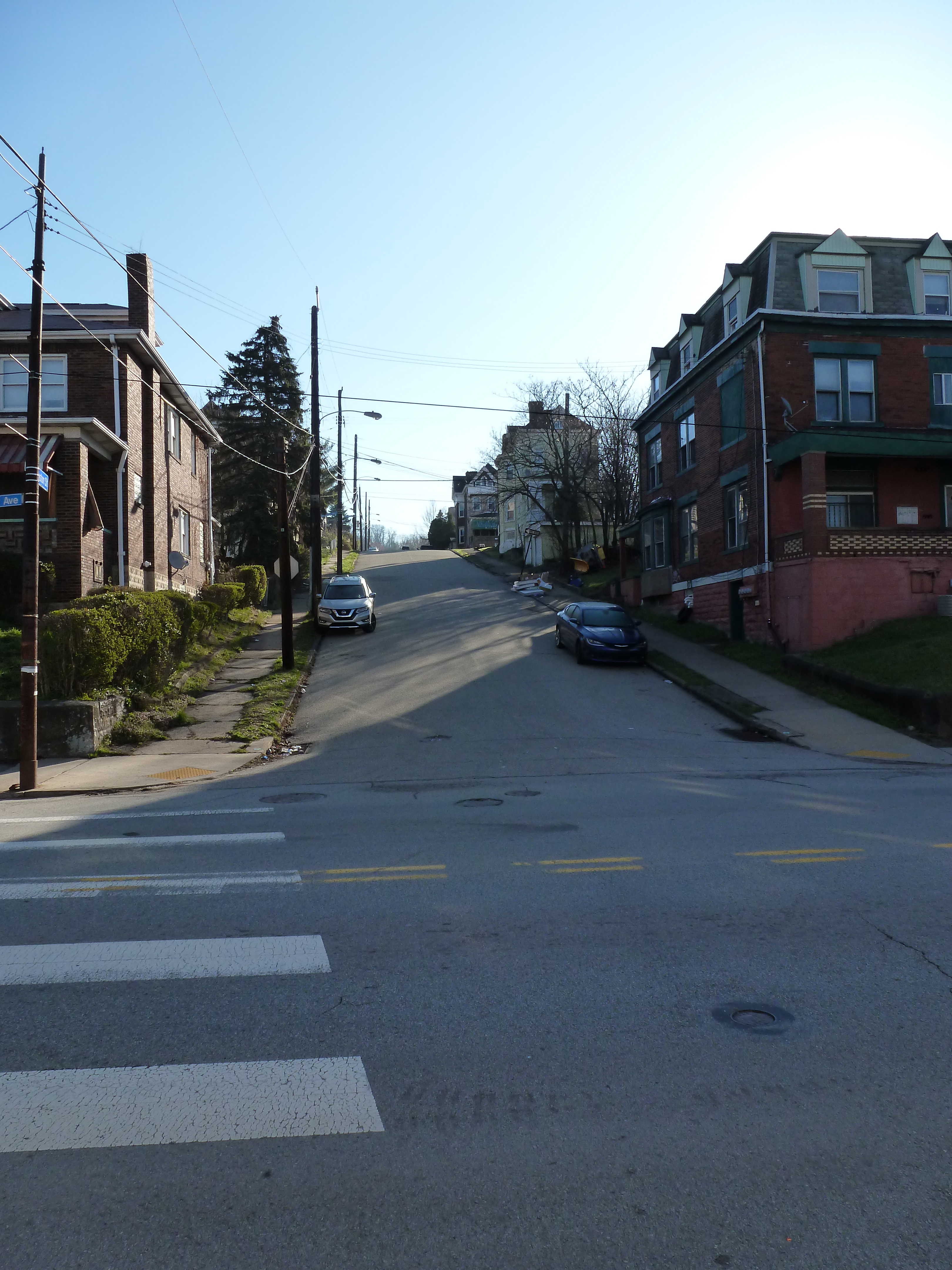
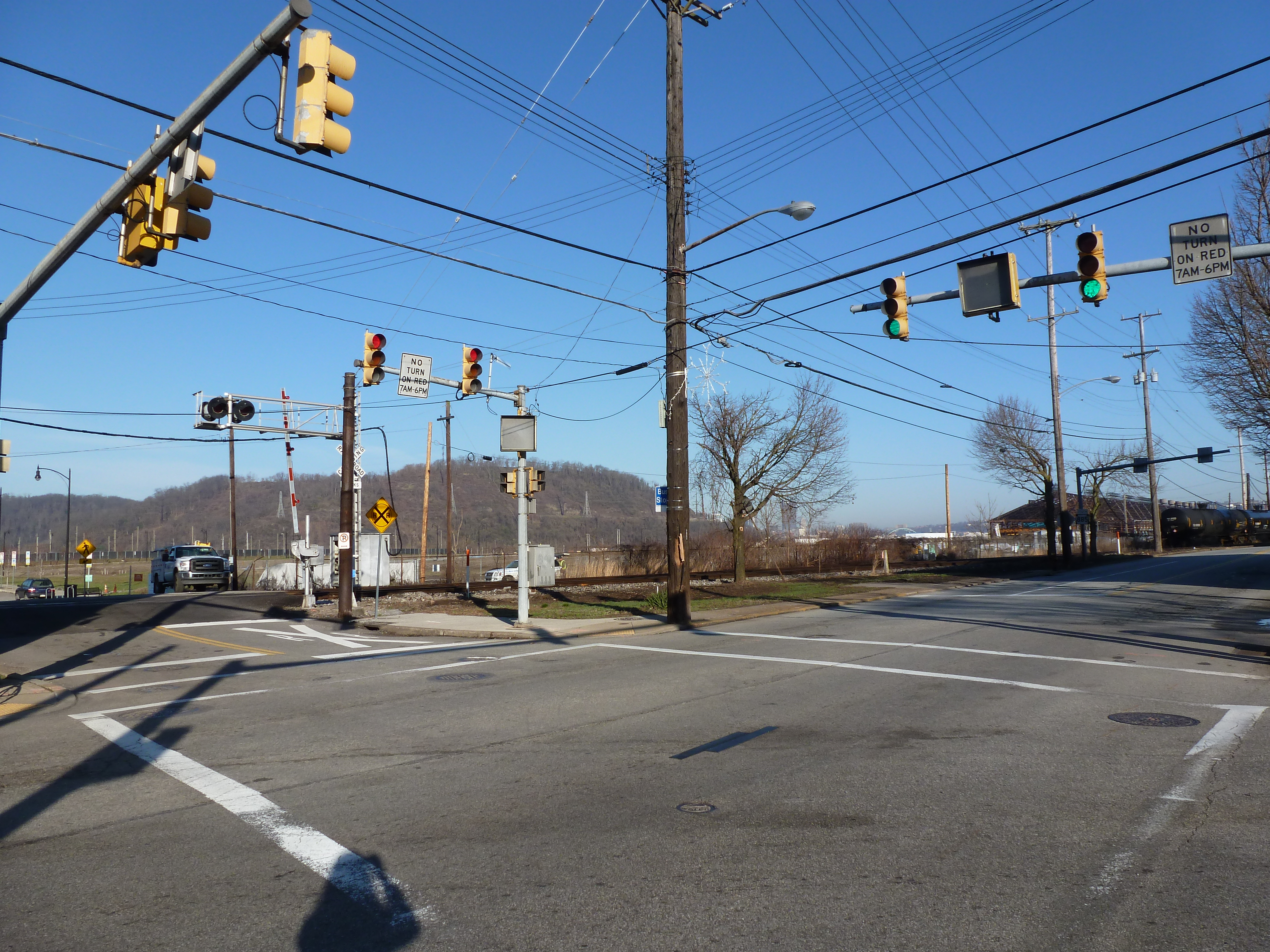
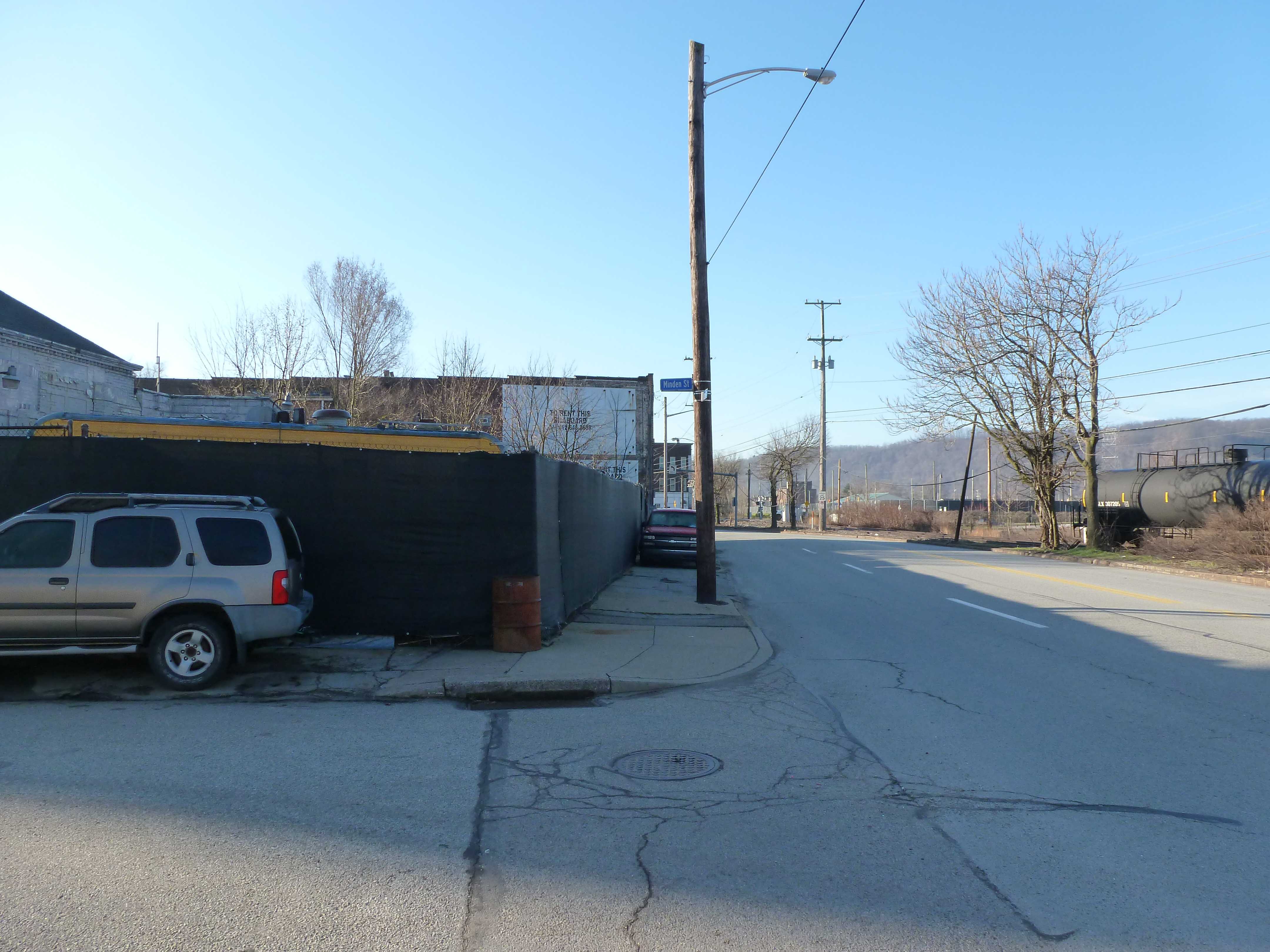
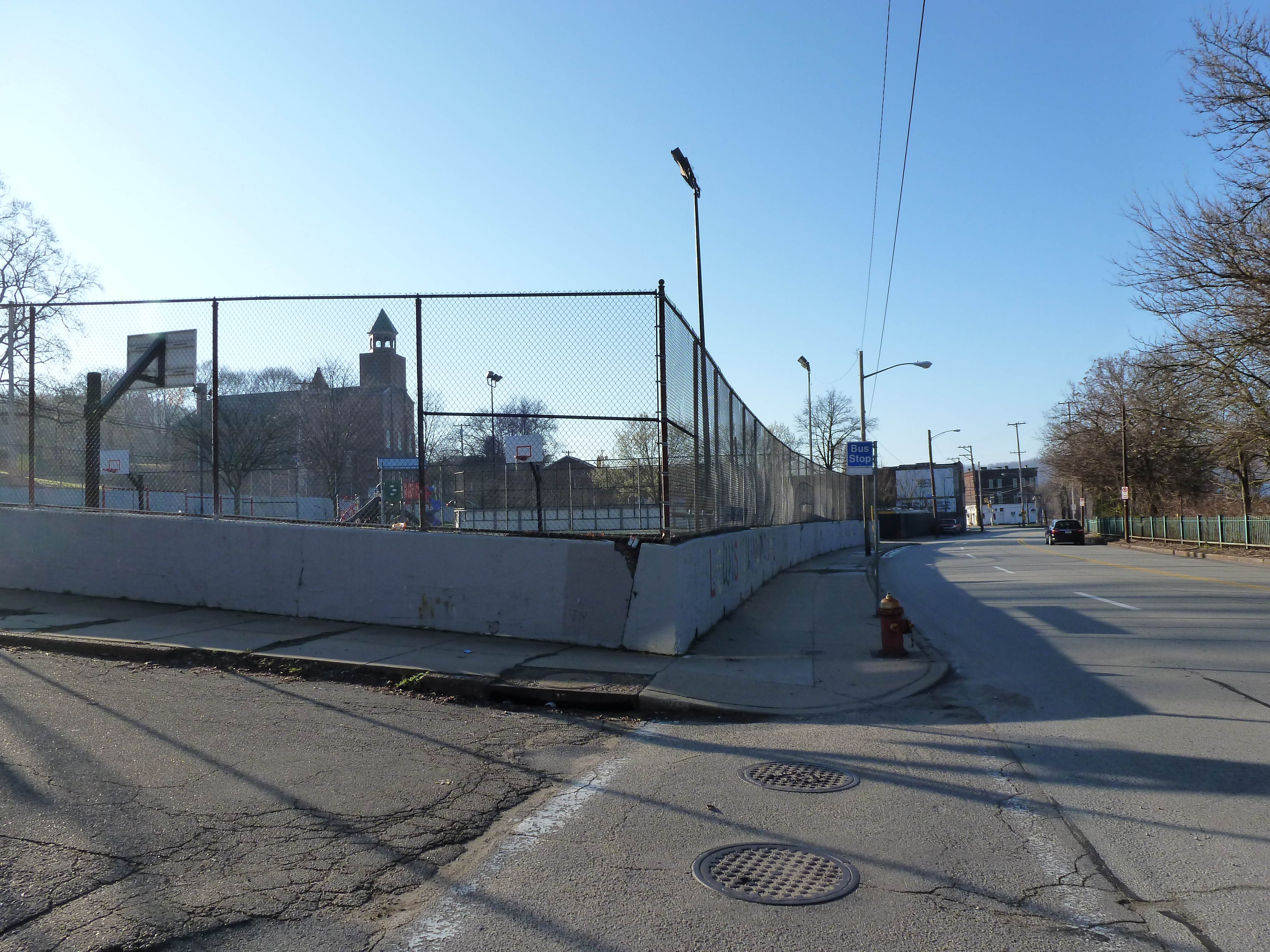
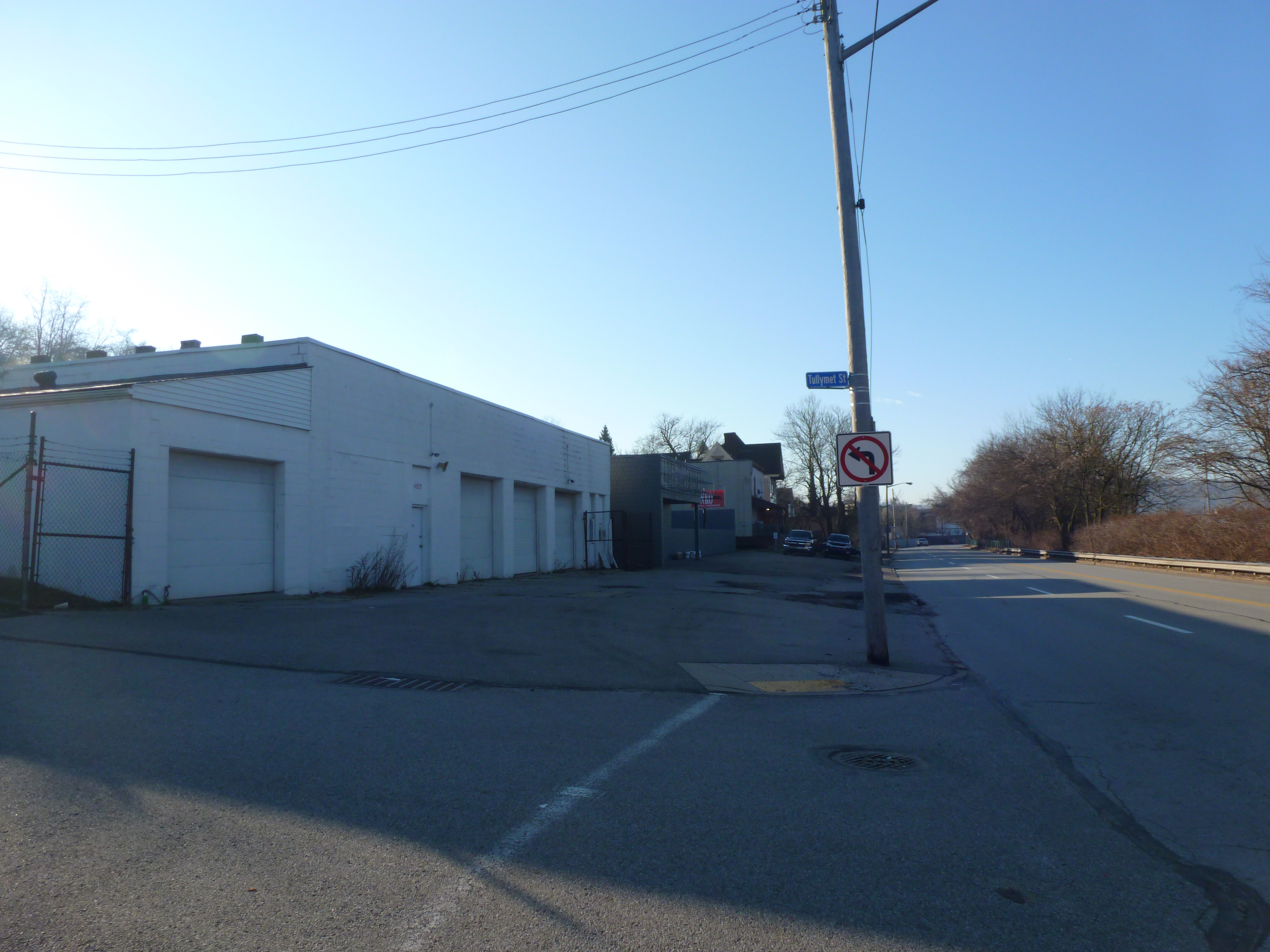
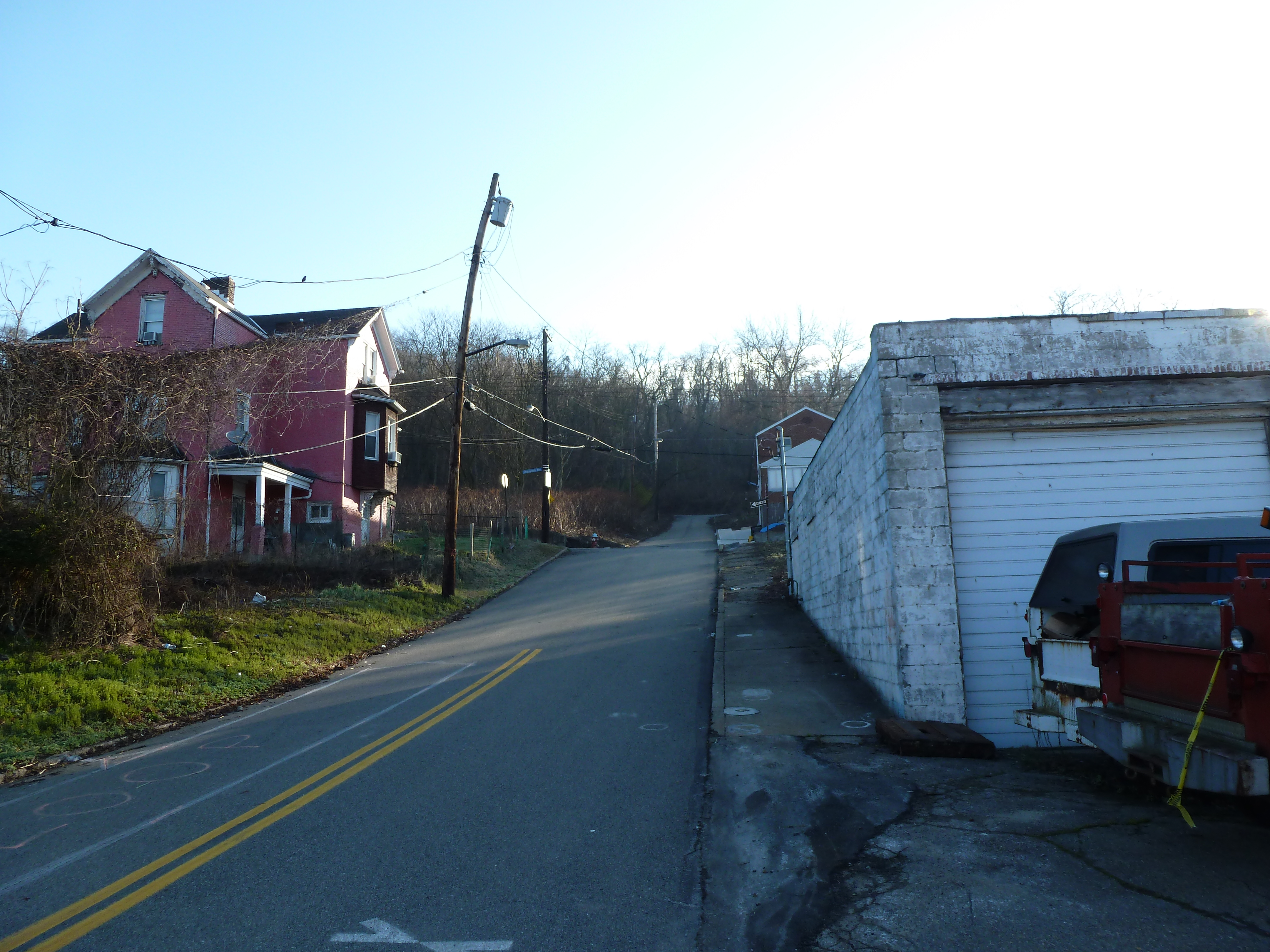
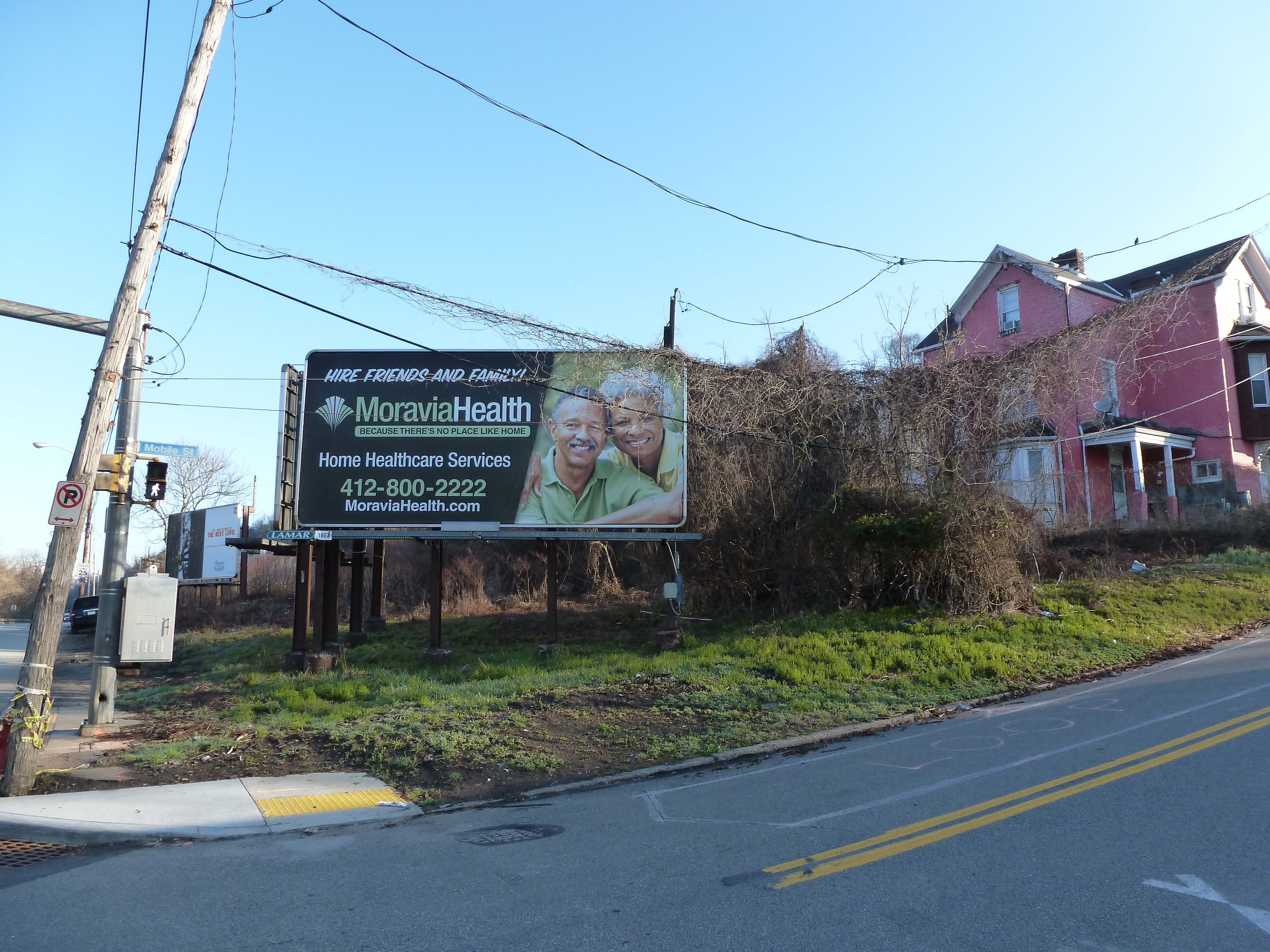
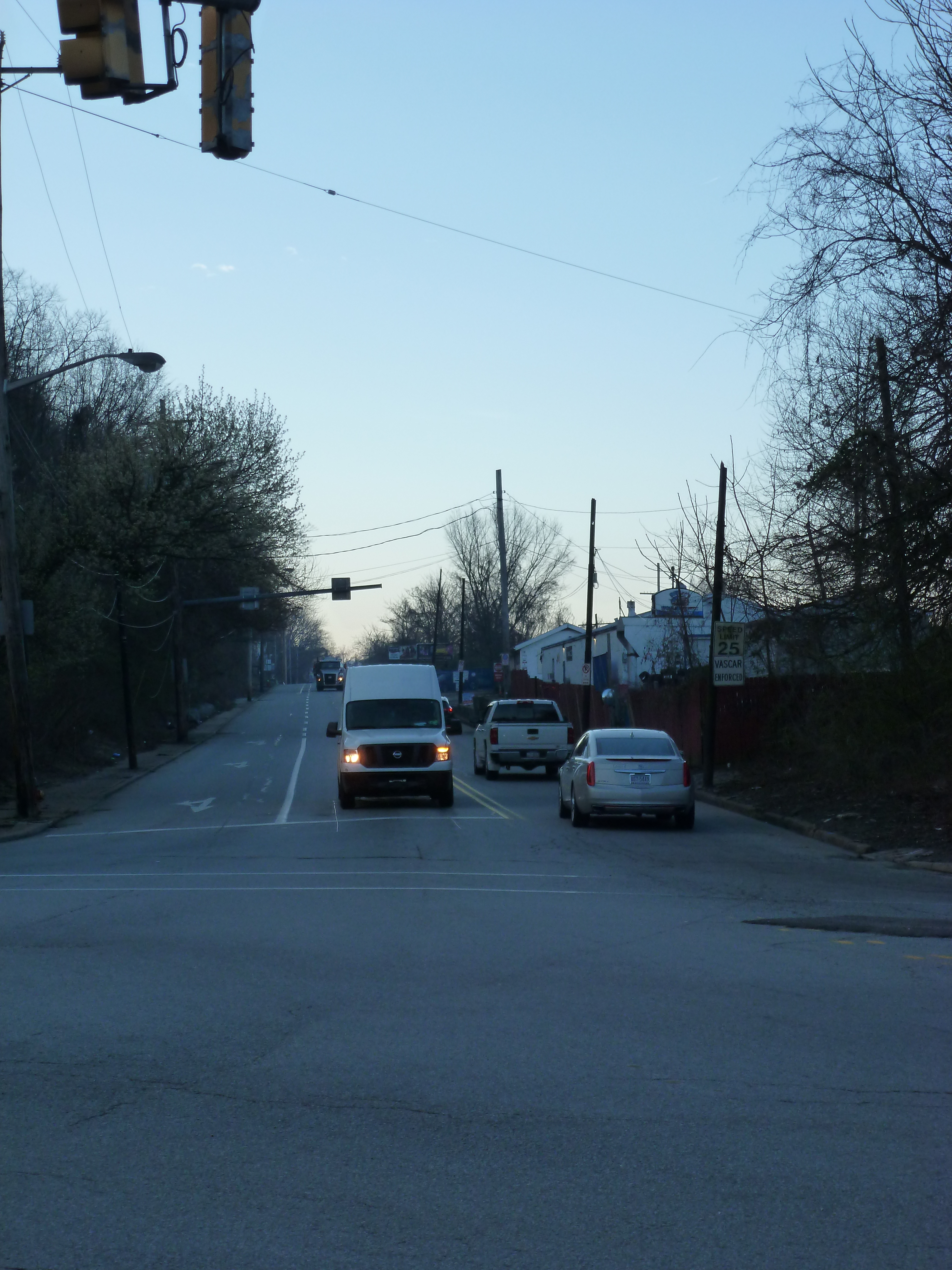
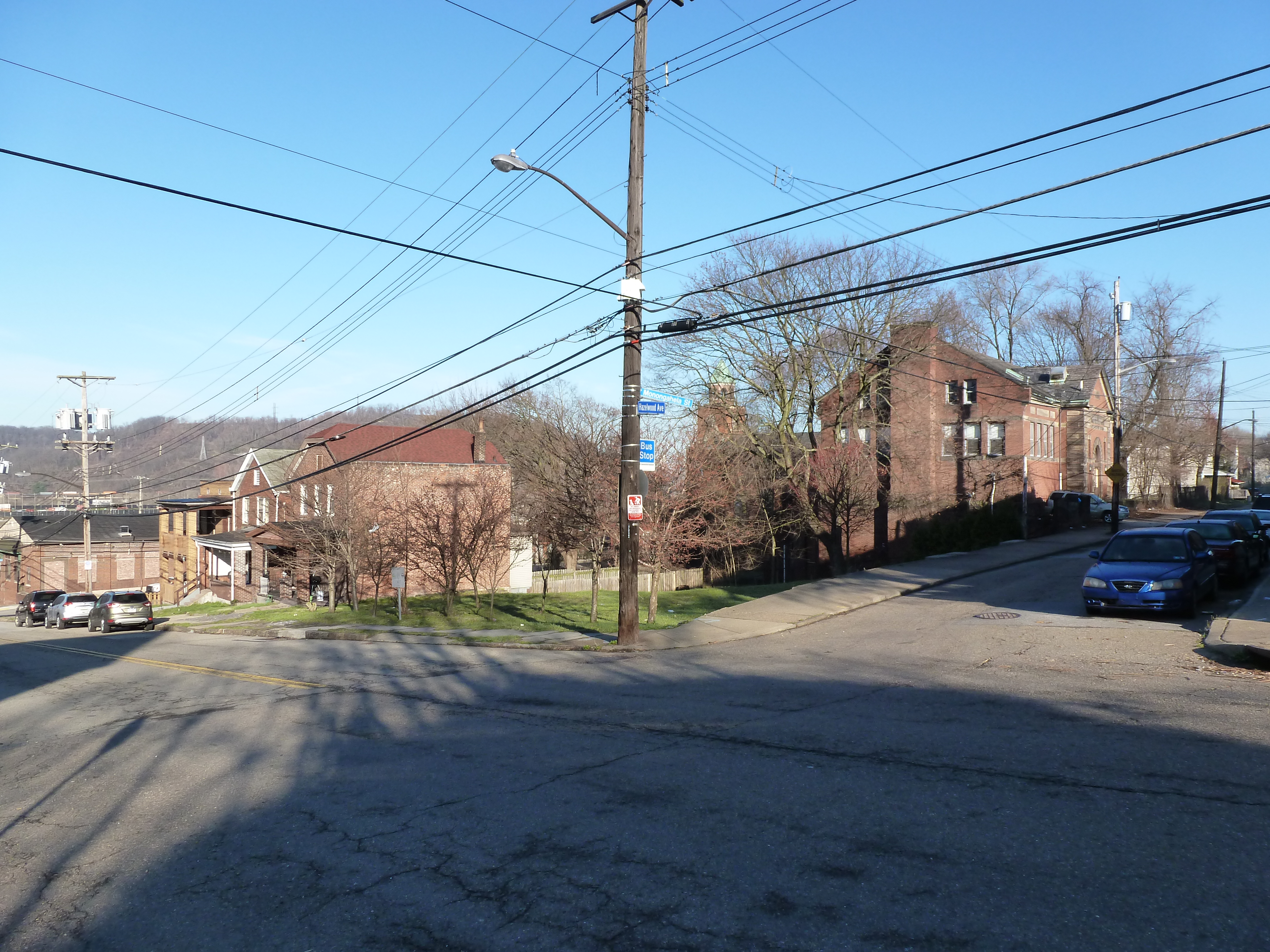
Hazelwood is a neighborhood divided in two by railroad tracks. On one side of the tracks are Hazelwood Green, a residential enclave, and some industrial and commercial uses. This is what is across the tracks:

Second Ave
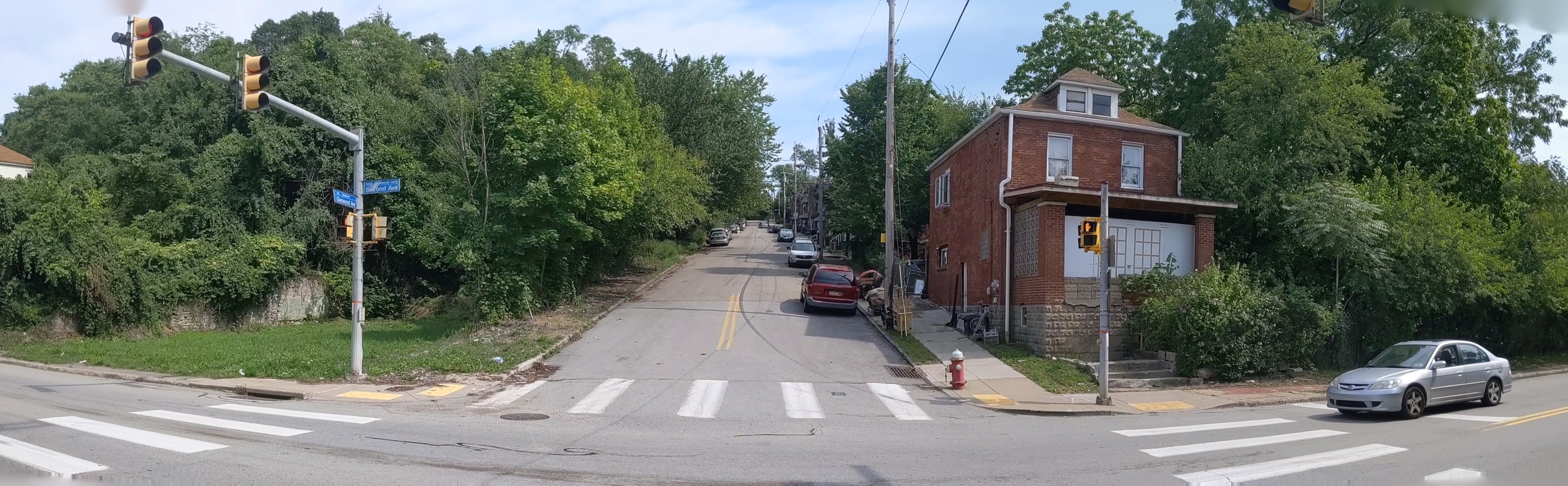
Hazelwood Ave

Other Sites


Hazelwood in the News:

New Businesses Revitalizing Second Ave (Next Pittsburgh, November 21, 2019)

URA Picks Community Builders for Affordable Housing Development on Second Ave (Pittsburgh Business Times, January 15, 2020)

Study Pushes Multi-modal Transit Improvements to Hazelwood’s 2nd Avenue (Post-Gazette, February 10, 2020)

Report Says Traditional Buses Better for Hazelwood than Autonomous Shuttles (City Paper, April 21, 2020)

Restaurants Reopen – Diners Return (Post-Gazette, June 28, 2020)

66 New Homes Proposed (Pittsburgh Business Times, September 10, 2020)


Previous posts in series:

Keeping an Eye on Hazelwood (across the tracks): Apr. 2020

Keeping an Eye on Hazelwood: Introduction


Keeping an Eye on Uptown: May 2020

Uptown in the News:

UPMC Vision Plans (December 16, 2019)

Duquesne University Plans Expansion (December 18, 2019)

Uptown Art: The “Tiger King” Comes to Uptown (March 29, 2020)

Ecoinnovation District Plan wins Award (May 5, 2020)


Previous posts in series:

Keeping an Eye on Uptown: Nov. 2019

Keeping an Eye on Uptown: Introduction

Keeping an Eye on Hazelwood: May 2020

Hazelwood is a neighborhood divided in two by railroad tracks. On one side of the tracks are Hazelwood Green, a residential enclave, and some industrial and commercial uses. Here is a snapshot of the residential enclave and surrounding uses:

Hazelwood in the News:

Post-Gazette Article on proposed new road between Hazelwood and Oakland April 10, 2020

Keeping an Eye on Hazelwood (across the tracks): Apr. 2020

Hazelwood is a neighborhood divided in two by railroad tracks. On one side of the tracks are Hazelwood Green, a residential enclave, and some industrial and commercial uses. This is what is across the tracks:

Second Ave
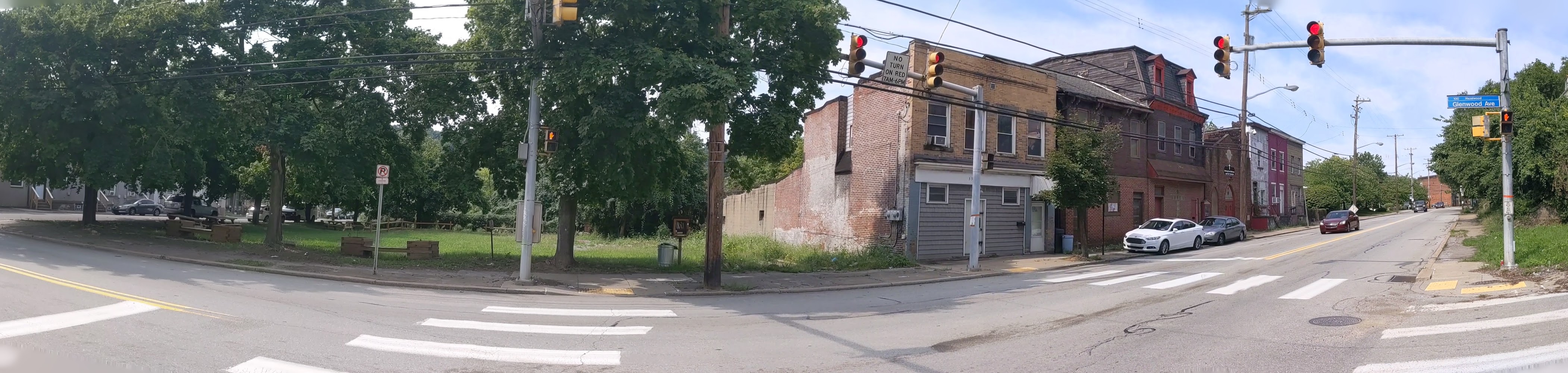
Hazelwood Ave
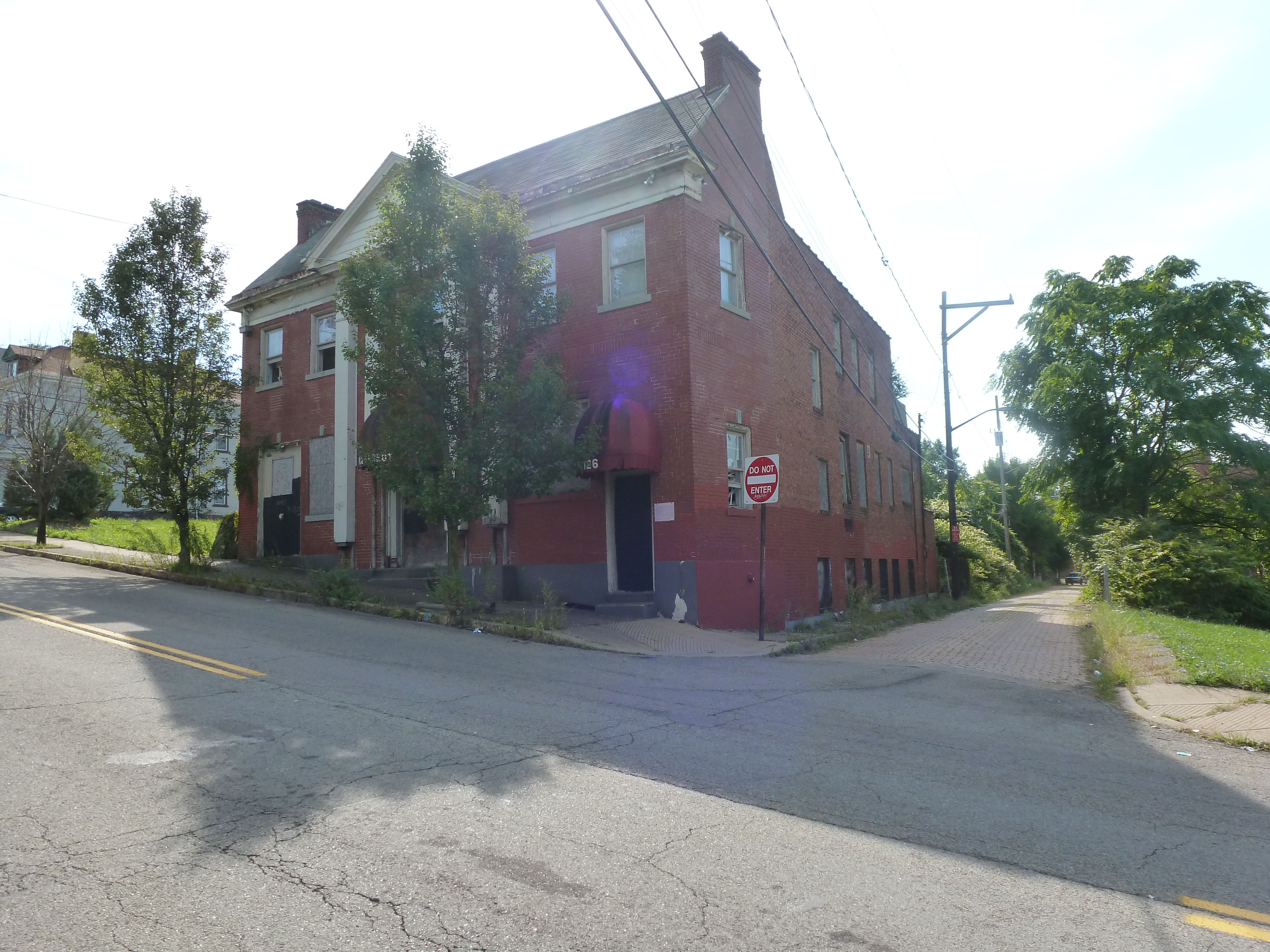
Other Sites:

Keeping an Eye on Hazelwood: Introduction

After introducing my series of Keeping an Eye on Uptown, the CAP, and the Lower Hill, I remembered that Hazelwood is another neighborhood expected to experience changes over the next several years. Between Hazelwood’s main street (2nd Avenue) and the Monongahela River is a 178-acre site of the former Jones and Laughlin Steel Company. Most of the structures from the mill have been demolished, leaving a large brownfield. In 2002, the site was purchased for redevelopment by Almono LP (at the time, an entity made up of four Pittsburgh foundations). After years of planning and a rebranding of the site as Hazelwood Green, a series of public streets and the first building opened for use in 2019. Construction is underway for more buildings and a public plaza.

During the planning and preparation stages, a question arose as to the effects of this redevelopment on the surrounding neighborhood. Hazelwood is one of Pittsburgh’s neighborhoods that has experienced high vacancy rates and subsequent demolition in its residential and business districts. While the building stock of the neighborhood has experienced a long downward trend, the community of people is strong. Only time will tell if the redevelopment of Hazelwood Green will connect with this community or if Hazelwood Green will become and isolated spot of prosperity for others.

Through two more photographic series, Keeping an Eye on Hazelwood Green and Keeping an Eye on Hazelwood, I will periodically document the physical changes to the former steel mill site and to the surrounding neighborhood.

‘Tis the Season

…for gingerbread!

Pittsburgh’s Annual Gingerbread House Competition moved this year from the PPG Winter Garden to the City-County Building. For several years, I’ve enjoyed making the time to go down to the Winter Garden for the gingerbread houses, santas from around the world, music, and ambiance. This year, I am finding it harder to identify a time to browse the entries. I changed my mind multiple times as I remembered the new location requires passing through the metal detectors and it just didn’t seem the right time to go through that annoying and unreliable process.  In my travels through other downtown buildings, I am finding other gingerbread house displays to enjoy. Perhaps, I will get to the big competition at some point this season, but if not, I will at least have enjoyed some hassle-free displays.

BNY Mellon Building Gingerbread Houses

Omni William Penn Gingerbread Hotel

Keeping an Eye on Uptown: Nov. 2019


Keeping an Eye on Uptown: Introduction
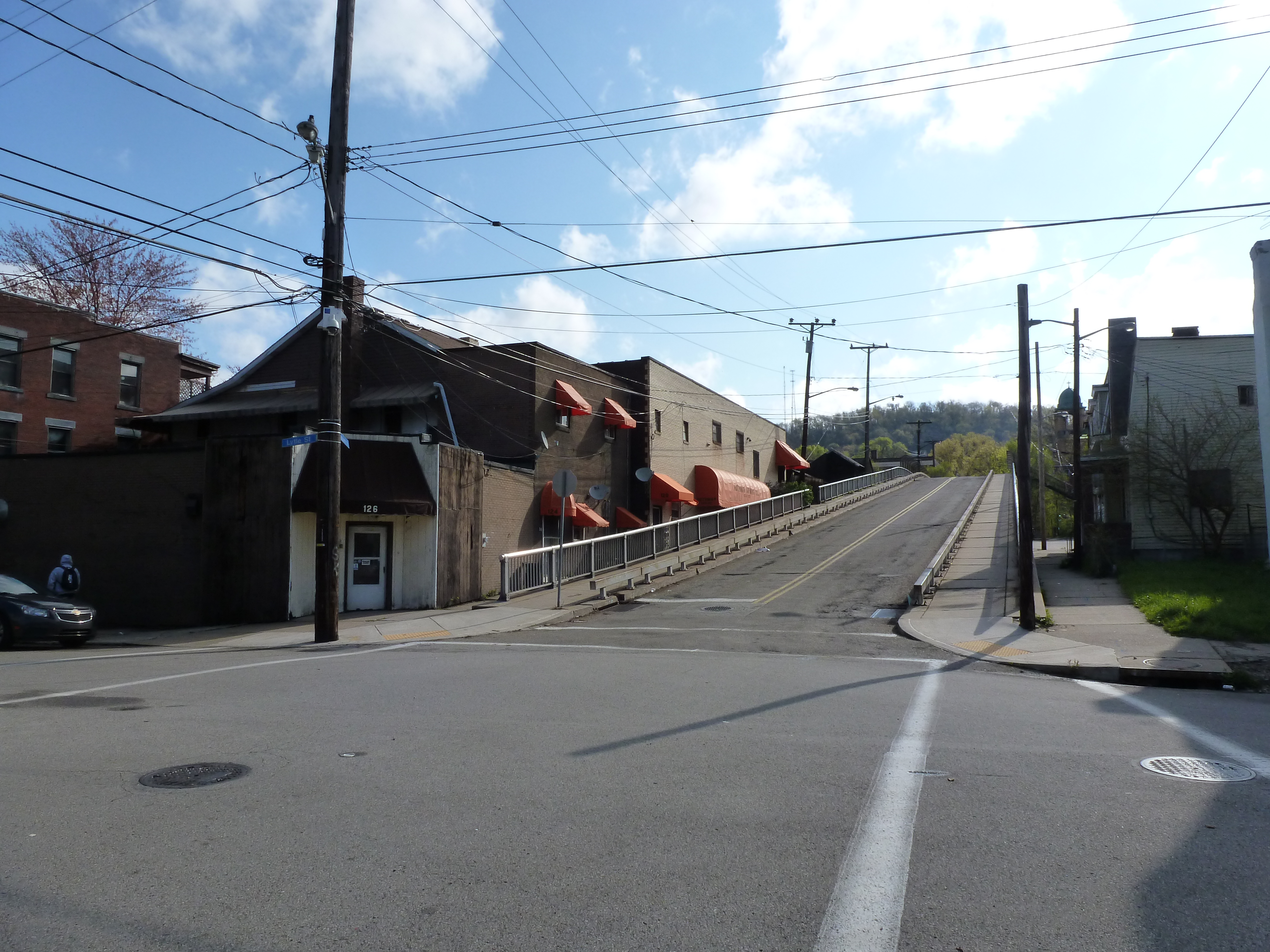
Inspired by my post from this summer, I decided to start a photographic series of Pittsburgh’s Uptown neighborhood. This neighborhood is a hodgepodge of abandoned and renovated townhomes, parking lots, car-oriented businesses, corner stores, industrial uses, and new construction residential buildings. It is predicted to be on a tipping point from being mostly ignored to experiencing intense growth fueled by activities in and around the neighborhood. These activities include:
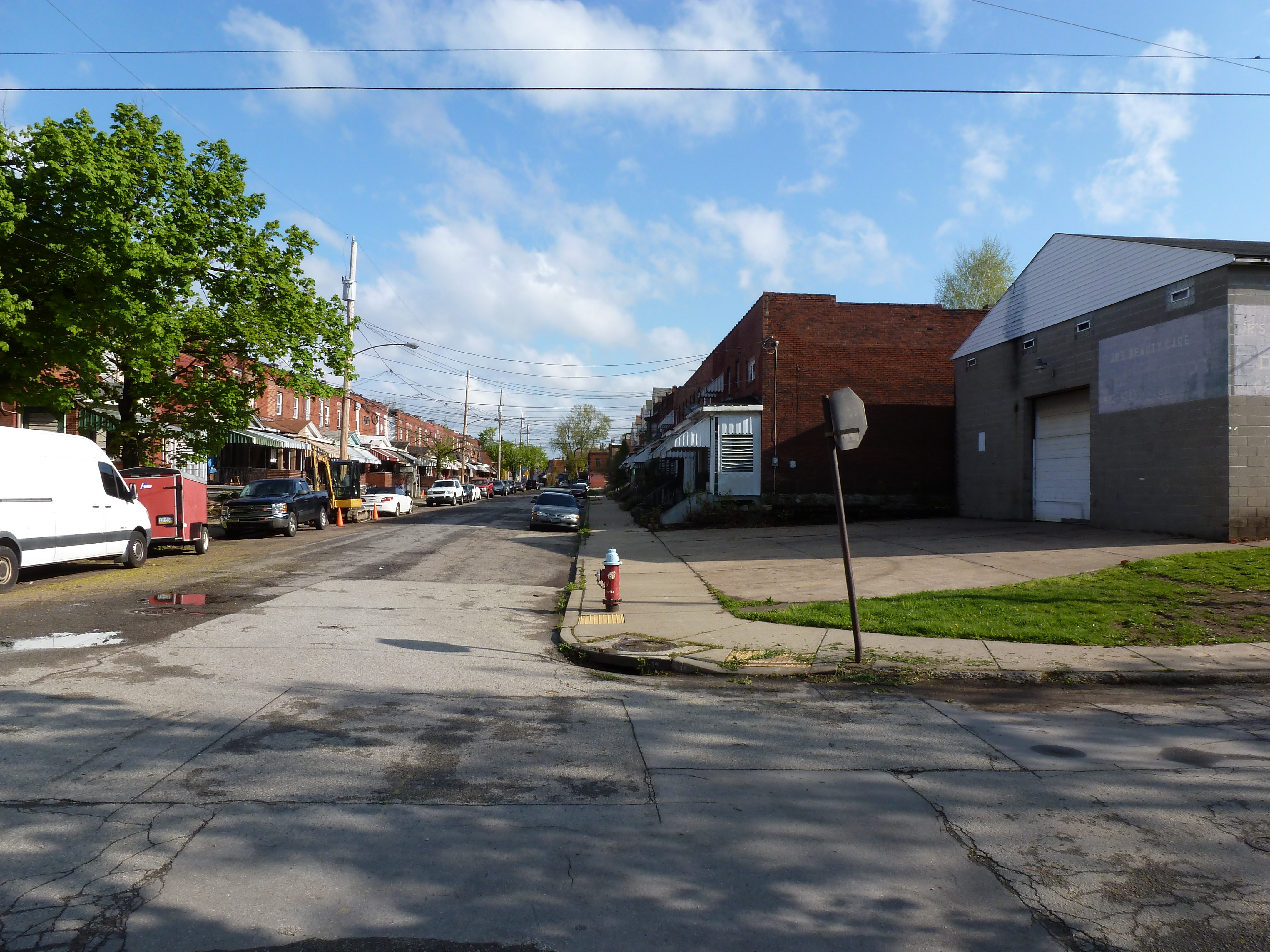
  • UPMC Mercy hospital is currently building a 410,000 sq ft vision and rehabilitation center in the middle of Uptown.
  • The Penguins hockey team is supposed to be finally getting off the ground with their redevelopment of the Lower Hill neighborhood, which is adjacent to Uptown.
  • June 2019 saw the groundbreaking for the CAP project to reconnect the Lower Hill to Downtown over the freeway that bisected the two in the 1960s.
  • The Bus Rapid Transit system currently in the planning stage will one day connect Downtown and Oakland through Uptown.

As these projects move forward, there will likely be more investment and changes to Uptown. This photographic series is intended to capture these changes by revisiting the same sites at regular intervals over the next several years.

In the coming months, I intend to release two related series to record the progress of the CAP and the Lower Hill redevelopment.

Visualizing the Wealth Gap: Halloween Edition

Every year, I look forward to the giant, inflatable dragon airing its wings in Beechview. It is the largest decoration in a small yard overflowing with inflatable ghosts and a giant spider, a witch on a broom, lights, pumpkins, and leaves. Many neighborhoods vie for the best and most prolific displays of Christmas lights. If there were a similar contest for Halloween, this modest-sized house with the dragon seems to me the cream of the crop in a neighborhood with a prolific smorgasbord of Halloween lights and decorations.
This year, I discovered a possible competitor for the title in Shadyside along Pittsburgh’s most intact millionaire’s row. On a lawn that is probably bigger than the footprint of the dragon house is an elaborate, customized ghost wedding. Across the street on a slightly smaller lawn, an 8-10 ft high, gleaming, ceramic clown holds court over a multitude of companions (minions?) of similar sinister and expensive cast.

On seeing these displays, my stomach sank. I felt a loss and a disappointment that this neighborhood may steal the crown for best Halloween decorations due to the unfair advantage of having more disposable wealth. I suppose it really comes down to what is the measure for determining the winning neighborhood: quantity, quality, per capita, density, creativity, or exuberance.