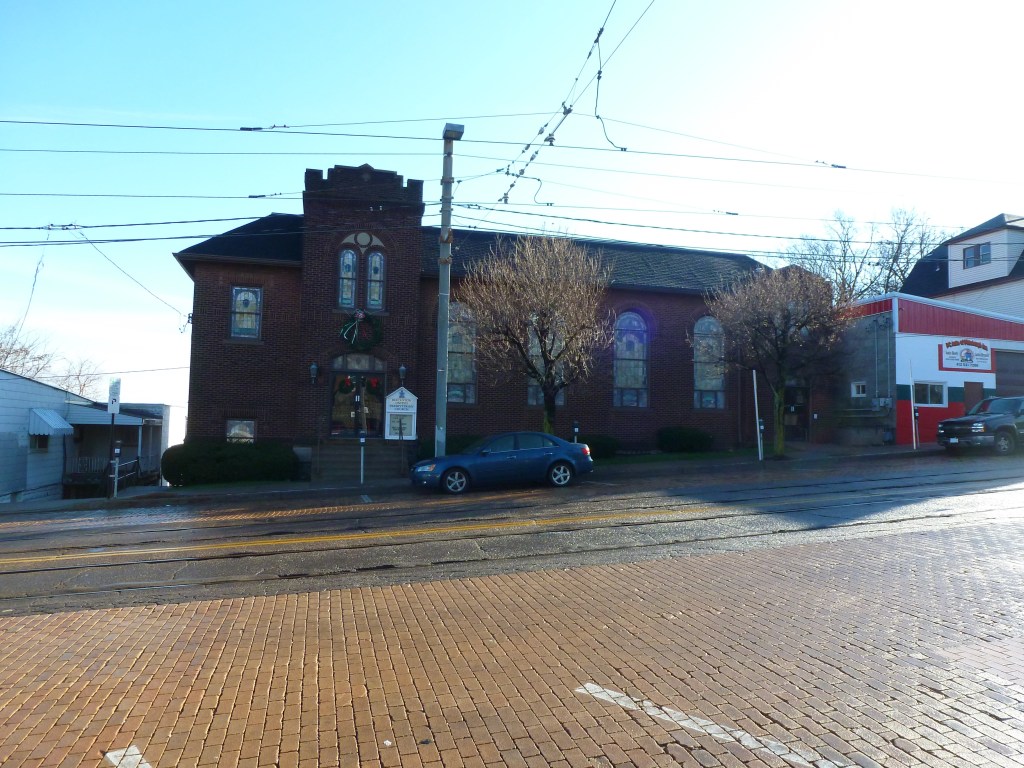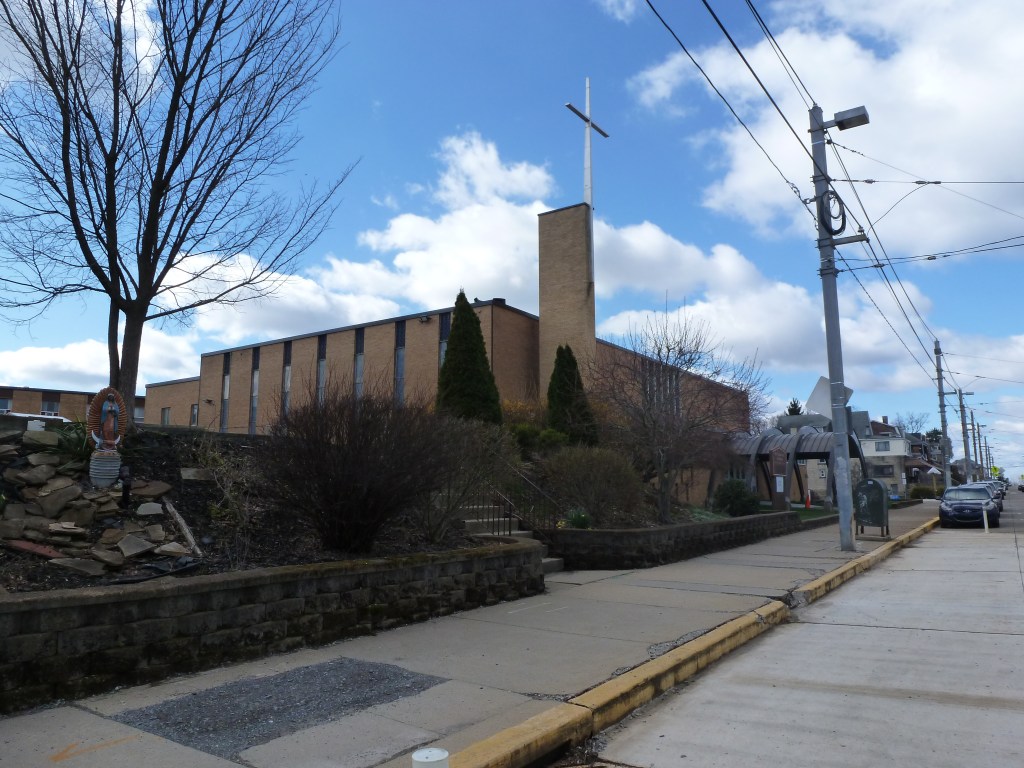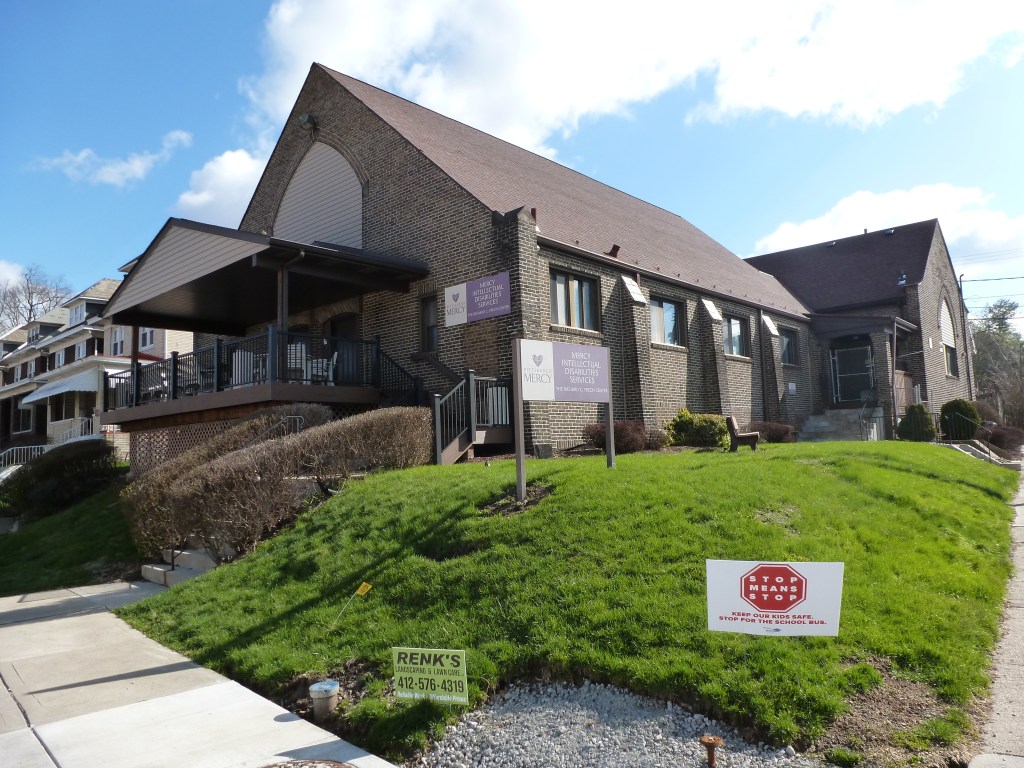
Church Brew Works

Church Brew Works

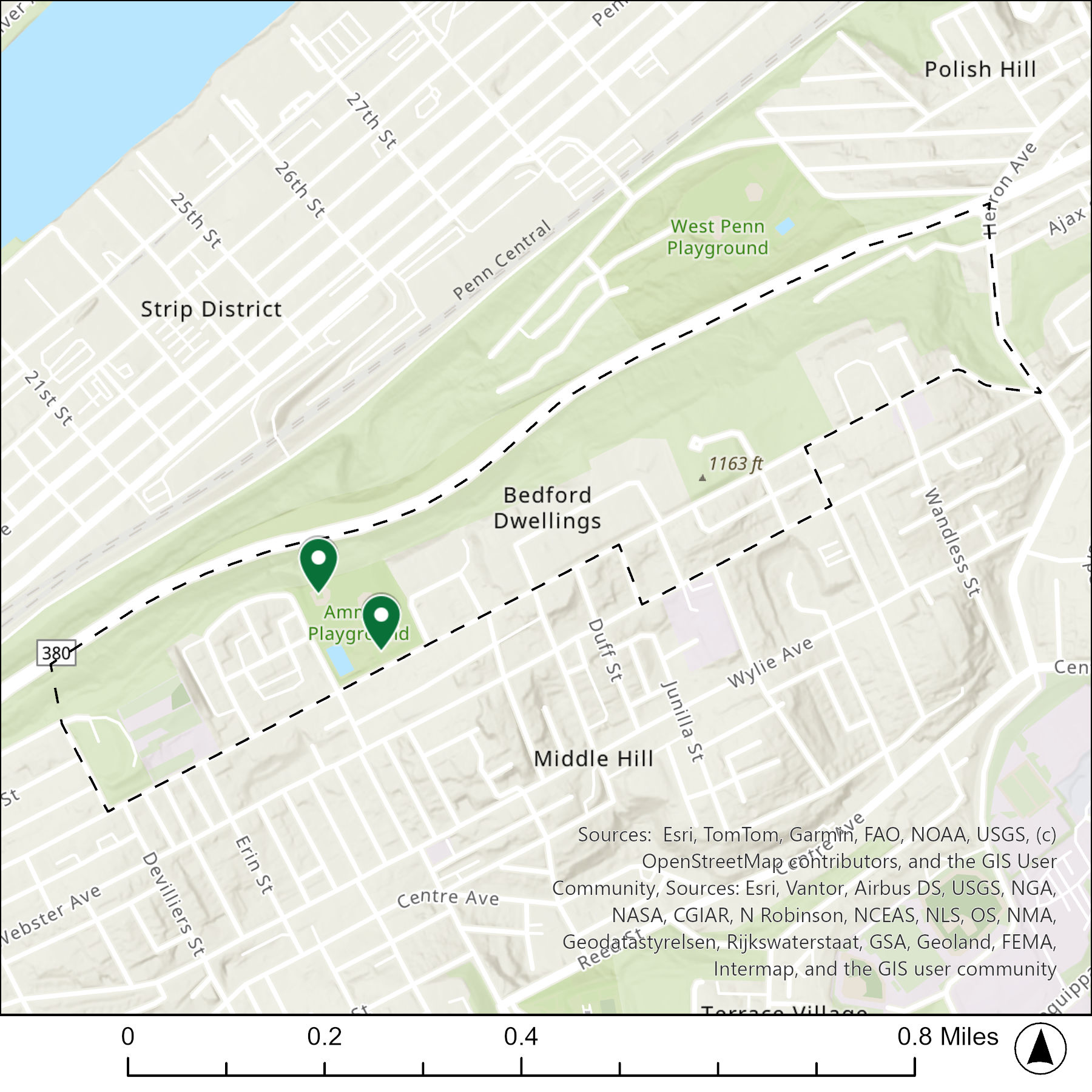
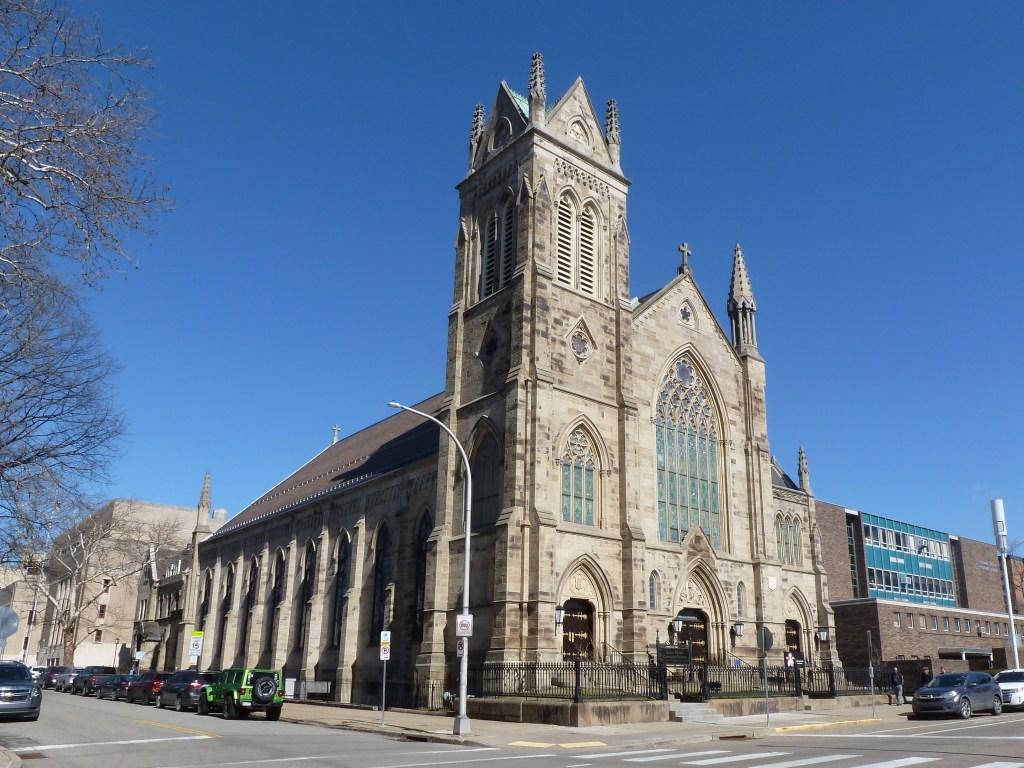
January 8, 2013, has been declared by City Council as Church Brew Works Day in the city of Pittsburgh to recognize the work of the restaurant’s founder/president, head brewer, and staff.  Council’s proclamation highlights the success of this group in adapting a vacant church “into a premiere, nationally recognized craft brewery, neighborhood fixture, and regional asset.”
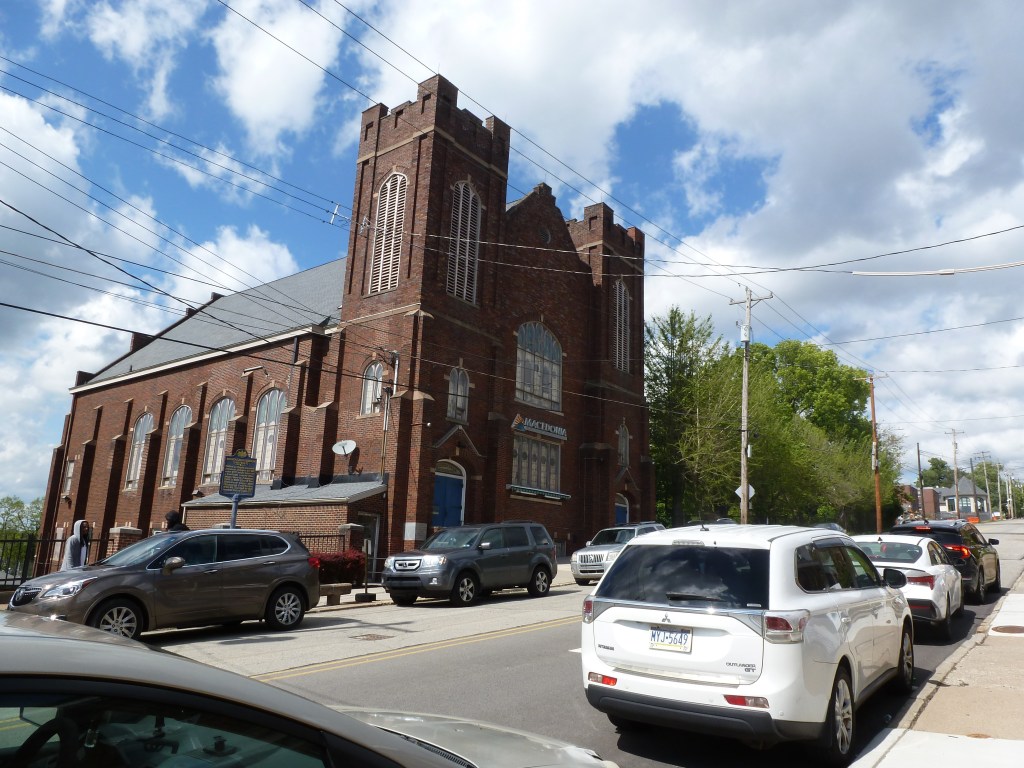
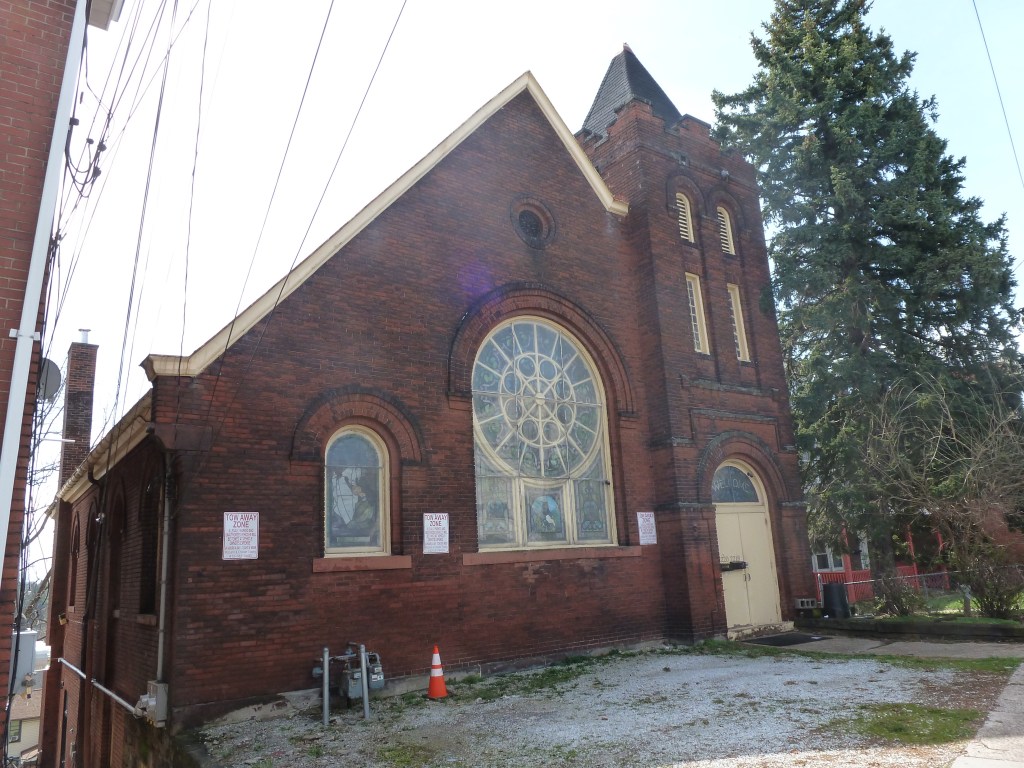
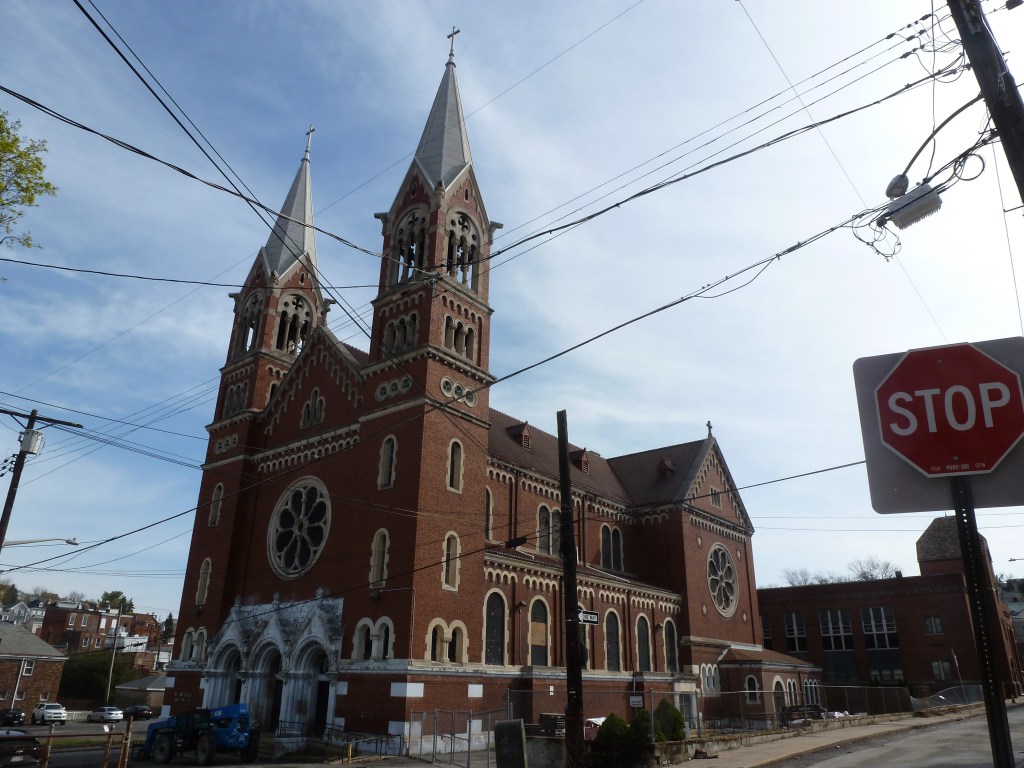
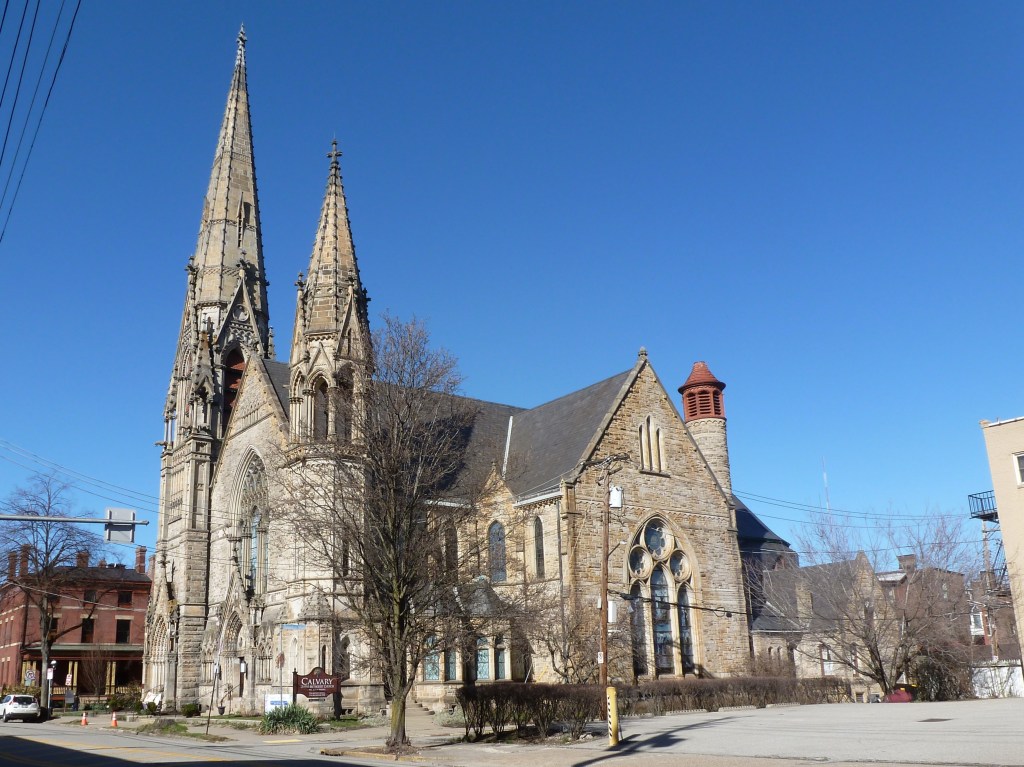
The Church Brew Works is probably the most infamous of Pittsburgh’s adaptively reused churches.  Its notoriety stems from the fact that the brew house is located in the former altar.  A friend of mine told me that this positioning bothers her and if she eats at the Church Brew Works, she has to sit with her back to the altar.  I have heard that other people consider it sacrilegious to have the brew house on the former altar area and that these people refuse to patronize the restaurant.

This building was formerly an Eastern European Catholic Church and was purchased in 1996 to be converted into a restaurant and brewery.  I interviewed the founder/president for a paper on adaptively reused church buildings in Pittsburgh.  He explained that the idea for the restaurant started in 1994.  The first building selected for the project was an old fire hall two blocks away from the church.  The church was chosen in the end because of the availability of parking and the “great architecture.”  It was also easily accessible by car, which he felt was important for the success of the restaurant as Pittsburgh “lacks good public transit.”  Five months after the purchase was completed, the restaurant opened.

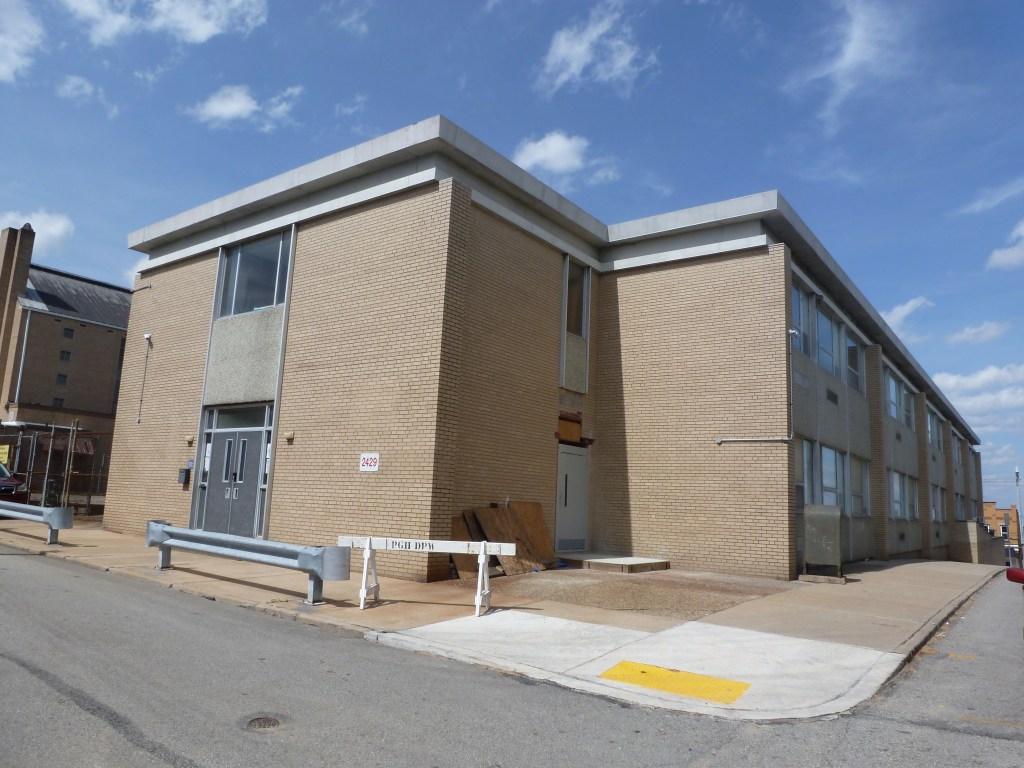
The church had been empty for two years by the time it was purchased in 1996.  The school attached to the church had been closed for twenty-five years.  The president felt that this added to the decrease in the congregation.  The closing of the mills drove church members away to search for new jobs while the closing of the school drove them away to find a new school for their children.  As a result of these pressures, the congregation dropped from 2000 to 200 parishioners.  When acquired for the restaurant, the church was “worn out” from a lack of reinvestment over the years and there was additional damage as a result of being completely closed for two years.  While the initial renovations of the building were completed in five months, paving the parking lot and completing the patio took longer.  Fifteen years later, work is still being done because of the “age of the building.”

Church Brew Works Sign

Much of the original building was reused or adapted in the conversion from a church to a restaurant.  The history section of the restaurant’s website explains how the pews were reused as benches for the tables and the bricks from the confessional that was taken down were used to create the pillars for the restaurant’s sign outside.  The original floor and lanterns were restored.  The result is a beautiful and unique interior for this restaurant.  To see what the interior looks like, check out the website or stop by for a meal.  I’ve enjoyed the food the few times I’ve eaten here.
Adaptively Rebuilt Church

The Spire House is perhaps my favorite of all the adaptively reused churches I found in London.  Originally built as Christ Church Lancaster Gate in the 1850s and 1860s, the building has since been adapted to housing.  As I walked around the building, I thought it might have been one of the ones damaged during the war, but according to a website about the building most of the structure was demolished in the 1970s because of decay and fungus.

The reason why I liked this building was that despite the fact that most of it was demolished, part of it was saved and the rebuilt structure recalls the former design.  I particularly liked the “flying buttresses.”

I agree that there are times when a building can no longer function well, in this case because of decay and fungus, but buildings tell a lot about a society and its history and when they are demolished something gets lost.  The Spire House found a compromise between these two and it tells a lot about the city.  From the way this building was designed, it is apparent that this society is moving forward and changing, but still respects its past and its religion.  There other signs of this throughout the city, such as the church tower in the middle of a road.

Adaptive Reuse of Churches: London

When I started planning on going to London this year, my first idea was to go for a month or so to study the adaptive reuse of churches in that city.  I thought London would be a good place to see a wide variety of adaptions as the UK has been working with the problem of redundant churches for about a hundred years.  As I was pursuing this idea I found a book from 1977 which addresses this problem across Great Britain.  (I have not come across any book publications on the adaptive reuse of church buildings in the US.)  This book “Chapels and Churches: Who Cares?” includes a discussion of what had been done up until that point in time in the adaptive reuse of church buildings.  I compiled a list of 76 different uses that these buildings have been adapted to from the book.  In my observations in the Pittsburgh area, I have seen less than ten types of new use for church buildings with housing being the most common.

There was one factor about the church buildings in London that I found fascinating, perhaps in part because it is not a factor in Pittsburgh, or any US city for that matter.  Many churches sustained damage during WWII and The Blitz.  The churches damaged during the war were demolished, rebuilt, adaptively reused, or memorialized, resulting in some unique (at least to me) situations.

I ended up not going to London to complete a research project on the adaptive reuse of church buildings, but instead went to the city for a few days and explored as much of the city as I could in that time.  This included looking for a few of the adaptively reused churches I had learned about in my preliminary research.  In the process of looking for the ones I knew about and simply walking around the city, I found some other adaptively reused churches.

Roald Dahl, Norwegians, Doctor Who, and a Church

I watch the new Doctor Who series and the spin-off show Torchwood.  The Doctor Who episodes set in modern Cardiff are centered on Cardiff Bay and Torchwood is based in Cardiff Bay.  In the long shots of the area, I was most intrigued by the building pictured above.  I believed it must have been some sort of church.  When I was preparing to visit Cardiff, I was excited by the paragraph in my guidebook which referred to a repurposed church on Cardiff Bay.  I assumed that the building that intrigued me in Doctor Who and Torchwood must be the former Norwegian church now adapted to a rental facility.

On arriving at the site, I had a feeling that something was off.  It wasn’t until I stepped inside that I figured out what it was.  It turned out that this building never held a church.  I suppose that the lack of stained glass, the small widows, and the cannons outside should have been a clue, but with the peaked roof (not visible in the above photo), the gargoyles, and the central tower I didn’t know what else it could be besides a church.  The building is called the Pierhead and it guarded the port, or at least kept track of the traffic coming and going in the port.  It is open to visitors now as a museum of the port.  I learned a lot about the history of Cardiff from a short, entertaining film, such as the name came from Welsh for “Fort on the River Taff.”  The color and decoration of the interior also intrigued me.


When I left the Pierhead, I looked around the bay and quickly spotted the actual church described in the guidebook.  Norwegian sailors who passed through the port built this church (pictured below).  Roald Dahl was baptized here.  Now the building is used as a rental facility.  The sanctuary is the rental hall, when I was there it was being set up for a wedding reception on the following day; the choir loft level is now an art gallery; and the space below the choir loft, which I imagine would have been the entryway/gathering space, is now a coffee shop with some delicious pastries.  Unique features of this building included the model of a Norwegian sailing ship hanging from the center of the ceiling in the main room and a stained glass window that featured fish.  Unfortunately my camera temporary malfunctioned while I was visiting this building and as a result I do not have any shots of the interior.

Newport Road, Cardiff

The one mile walk from the city center to the Inkspot along Newport Road revealed more church buildings of interest for adaptive reuse and the history of the city. (Newport Road is so named as it was the main road from Cardiff northeast to Newport before the highway came along.)

The first building of interest that I came across was just off Newport Road. My observations indicated that this building was a former church probably adapted to a new use similar to the Wallich Centre (see post on Cathedral Road, Cardiff) but with a strong religious component. A sign on the building read “UCKG Help Centre,” which suggested that it provided help to those in need. My ideas for the possible targeted audience included people experiencing homelessness, depression, or low-income. I identified the Centre’s religious focus from a sandwich board in front of the entrance advertising holy/healing oil.

I was correct in my supposition that the building’s original use was a church (after I discovered I mistakenly identified two other buildings as former churches I began to doubt my guess with this building). It was built as a Unitarian Church in the 1880s. However, I was mistaken in the new use. It turns out that UCKG stands for the Universal Church of the Kingdom of God and therefore the building is still being used as a church, just not its original denomination.

The second building appeared permanently closed when I passed. This one clearly used to be a church.  The building appeared to be secure and in good condition, which is beneficial for any potential reuse.  This building was built as the Church of St James the Great in the 1890s and closed in 2006. A newspaper article from 2008 announces the redevelopment of the church’s spire into a seven-story flat (flat=apartment, please excuse my British vocab and spellings, such as centre, while I discuss British places).  The rest of the structure would be converted into 11 other one- and two-bedroom flats. However, there was no indication when I was passing that this has occurred or was in the process of occurring. There is no further mention of this redevelopment online, suggested it either fell through or is being held up.

I passed one more church building on Newport Road, one still used for religious worship, before reaching the Inkspot. This building interested me as it was a larger church complex than any of the others I passed, was a block away from the Inkspot, and part of a complex blocked off for construction work of some unknown sort.

Passing four church buildings, three of which were no longer housing their original uses, intrigued me. Coming from Pittsburgh, my immediate assumption was that Cardiff must have experienced a significant population loss. After all it used to be a major port—exporting more coal than probably any other port in the world. The port closed some time ago and Cardiff stopped exporting coal. I imagined this change resulted in the loss of many jobs and therefore a significant population loss followed. Yet, the population statistics for Cardiff over the last 200 years destroyed this theory. The population dipped slightly from 1971 to 1981, but by 1991 Cardiff had more residents than ever (see Cardiff Timeline for population statistics). The port closing may have influenced the dip in population, but net population loss cannot be the cause of the closed and adaptively reused religious buildings I observed in Cardiff.

I cannot verify my second theory for the reason these buildings lost their original uses. This theory is a change in the religious views of the population. This can go two ways. The first idea is that people are becoming less religious (this is how the Dutch explain their large number of churches adapted to new uses). I found a few articles that identify a similar trend in all of Britain (Number of Christians falls, Muslims pass on faith at higher rates than Christians). The second idea is that while the overall population is growing, people are still moving out and those that are moving in are of a different demographic or religion and therefore do not want the same religious institutions as those that came before them. Both theories are mostly speculation as I haven’t found detailed statistics on religious beliefs and practices in Cardiff, Wales, or Britain.

Cathedral Road, Cardiff

As I mentioned in the post on Inkspot, it felt like I had more success with repurposed churches in Cardiff than London, despite having done extensive research on the adaptive reuse of churches in London.  Perhaps this is in part because it is far more exciting and rewarding to come upon a repurposed church than to go where you already know you will find one.  My first day in Cardiff I discovered two adapted religious buildings within a few blocks of each other—thrilling!

The first of these buildings, formerly the Cardiff New Synagogue now office space.  (I am also interested in the adaptive reuse of synagogues as there are some similar issues when repurposing synagogues or churches, but I am less familiar with the architecture and interior design of synagogues and they seem less common adapted church buildings.)  The façade of this former synagogue appeared to be unaltered, however in the back there was a modern office building extension.  I could not tell from my observations whether or not part of the original building was demolished to make way for the extension.  The original building seemed a bit short, which made me think that part of it might have been demolished.  However, some of the townhouses nearby had similar additions in the back as they were now used for businesses or apartment complexes.  The depth of these buildings matched those that did not have additions and that of the original structure of the synagogue, suggesting that the synagogue may have been intact.  I found the YouTube video on the building’s website interesting as it is easy to tell which rooms are in the original building and which in the addition.

The second building was a former Presbyterian Church of Wales, now The Wallich Centre.  Their motto is “homeless people first” which gave a clear indication of their purpose, although the website suggests that this building may not be used directly for the homeless as it is identified as the administrative centre as well as a venue for hire for meetings, conferences, etc. which I don’t imagine would be used by the homeless.  There appeared to be little or no alteration to the exterior of this building, except for the glass doors inside the covered entrance.  Only a small sign (blocked by the van in the picture) indicated that this building no longer functioned as a religious institution.

Inkspot

Last month, I spent a few days each in Cardiff (the capital of Wales) and London. Before going, I had done some research on the adaptive reuse of church buildings in London, but none on Cardiff. Despite this, I almost had more success with exploring repurposed churches on the ground in Cardiff than London.

The pamphlet in my hotel room in Cardiff, highlighting things to do in the city, contained an ad for the Inkspot – a crafts store housed in a former church. This was an amazing find as not only am I into the adaptive reuse of church buildings, but I am also a craft-person. Additionally, none of the repurposed churches I have come across in Pittsburgh have a use like this. Most in Pittsburgh are adapted to housing, restaurants/bars, and community centers. So, this building showed me a new option for how a church space can be used.

As a crafts store, it was a bit disappointing. The items for sale were the same as what I would find in any crafts store in the US. Perhaps I should have expected that, as how different can paint or pencils be from country to country? I however was hoping for an experience more like going to the grocery store in the UK vs. the US. Both sell food, but the options are slightly different. First, the fruit is more naturally sized, unlike our bananas and apples on steroids. In the bakery department, I found personal-sized baguettes, brioche, and crumpets. Yogurt flavors were different–such as strawberries and clotted cream. Among the juices I found Apple & Beetroot and Grape & Elderberry flavors. I thought the crafts store would be like that, similar products, but just enough different that I would be able to find somethings I wouldn’t find in a crafts store in the US.

As a repurposed church, the Inkspot was fascinating. The owner was in while I was visiting so I was able to add some facts to my observations. The building was built in 1868. When the 100-year lease came up in 1968, the property owner refused to grant the church a renewal. The building is located on Newport Road, which at least at one time was the main road between Cardiff and Newport (another potentially important city in Wales), near two intersections. It is prime real estate and in the 60’s there was talk of the road being widened, which would have required the demolition of the church. For whatever reason, this plan did not go through and in 1995 the owner and his family purchased the building to move their crafts store into it. Upon purchasing, they were advised to tear down the building and start from scratch, but they took the risk of spending the money to repair the damage from decades of being empty.

They modified the building slightly, by making the sanctuary two stories. The first floor had paper crafts, kids’ crafts, yarn, etc., while the second floor was dedicated to painting supplies with an art gallery in the back above where the altar used to be. The downstairs felt a little claustrophobic, but the upstairs still felt huge and airy. I could not decide from just walking around and observing the building if the two-story design was original or added during the repurposing. It must have been huge inside when it was a church. In addition to the crafts supplies for sale and the art gallery, there was space for artists’ studios in what I assume must have been office space previously.

I did not feel comfortable taking pictures inside where the sale items were, but I did take the picture below of the staircase. The white walls and green carpeting were used throughout the store.