Keeping an Eye on Uptown: Oct. 2023

Overview

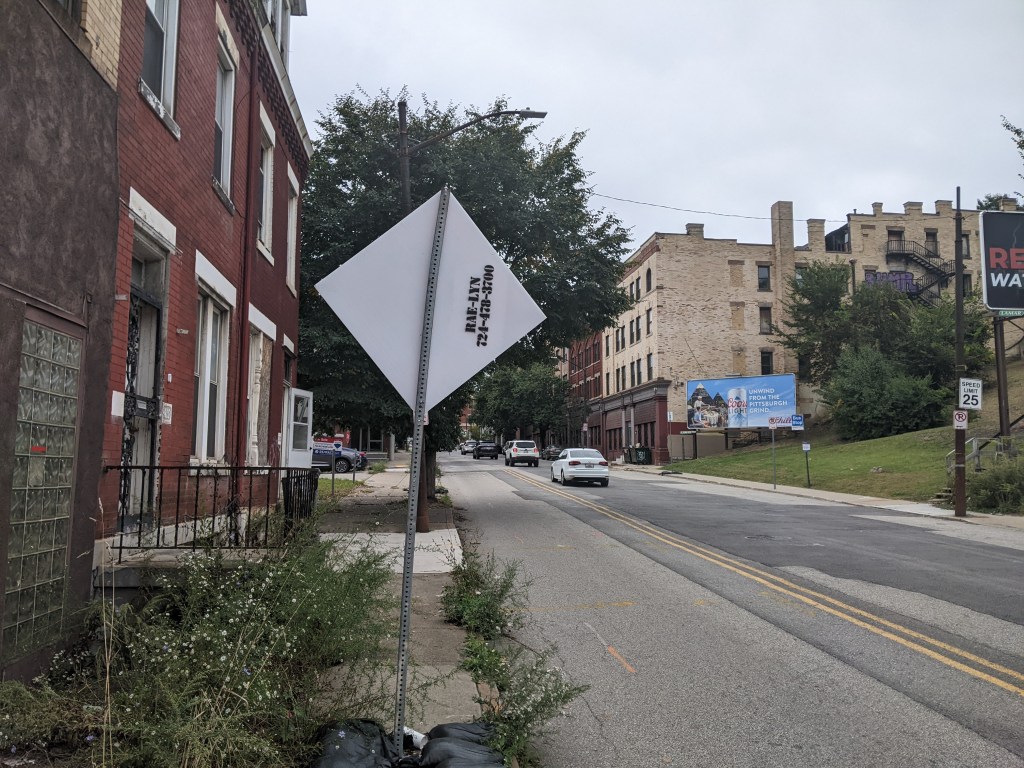
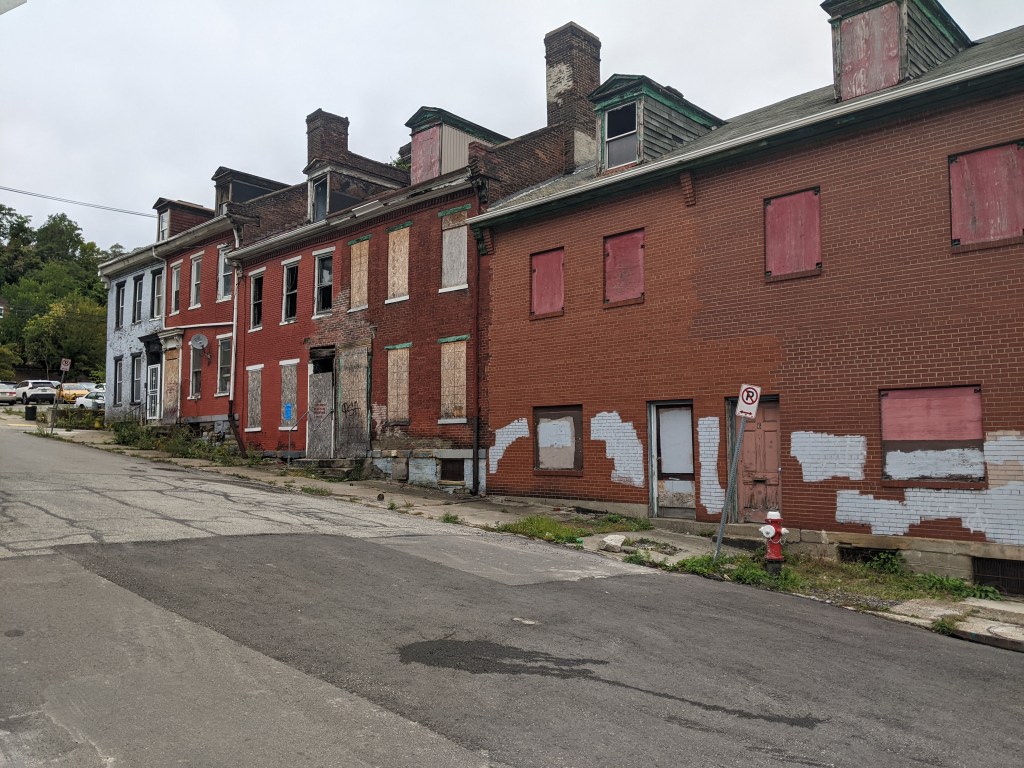
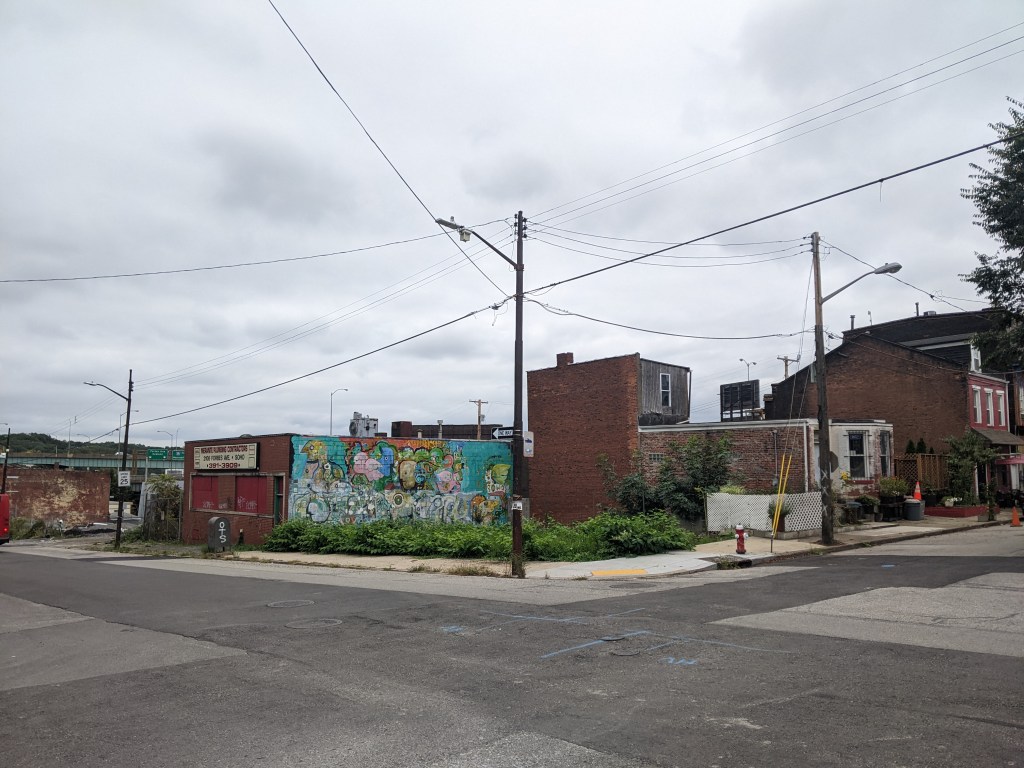
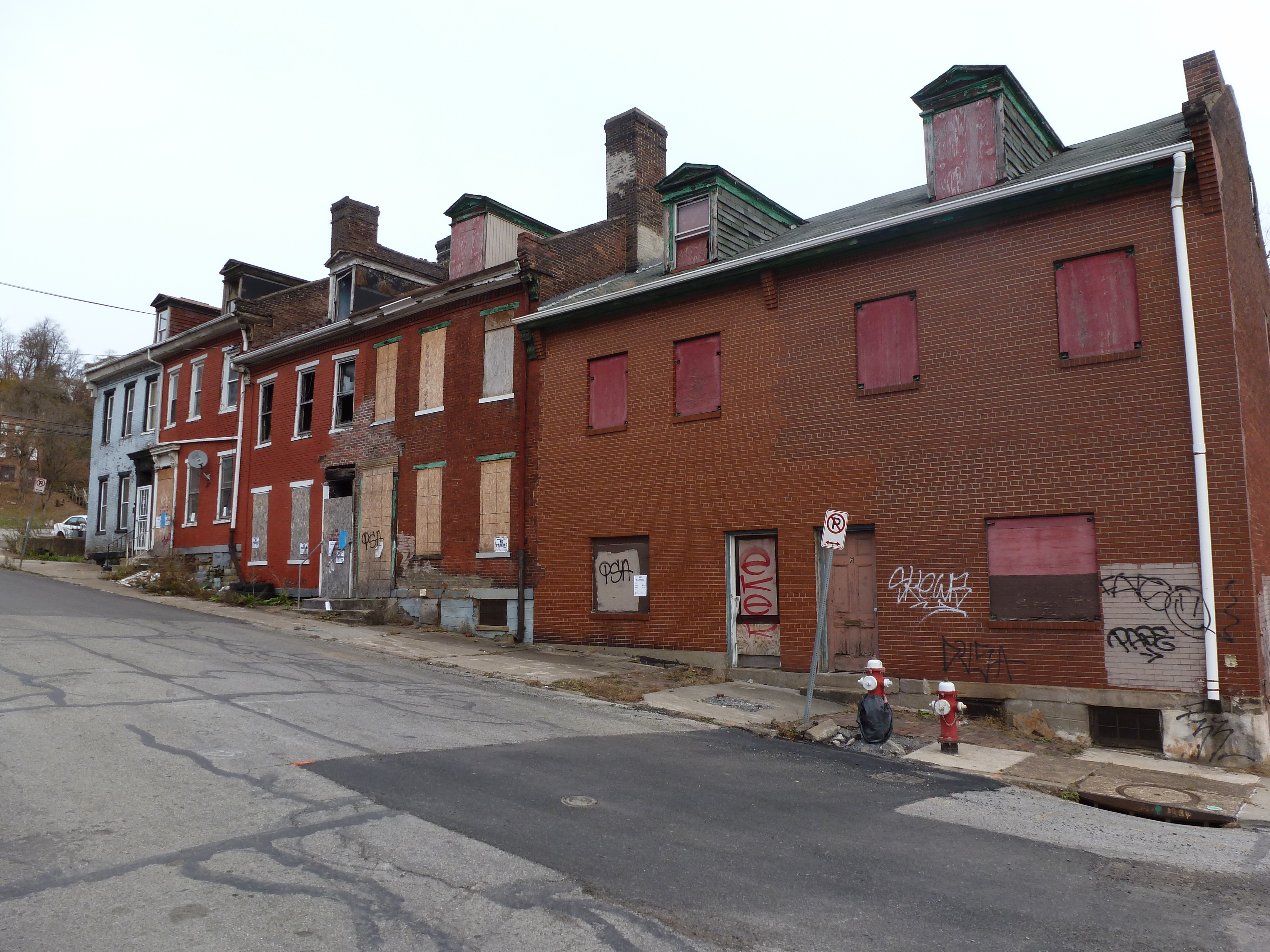
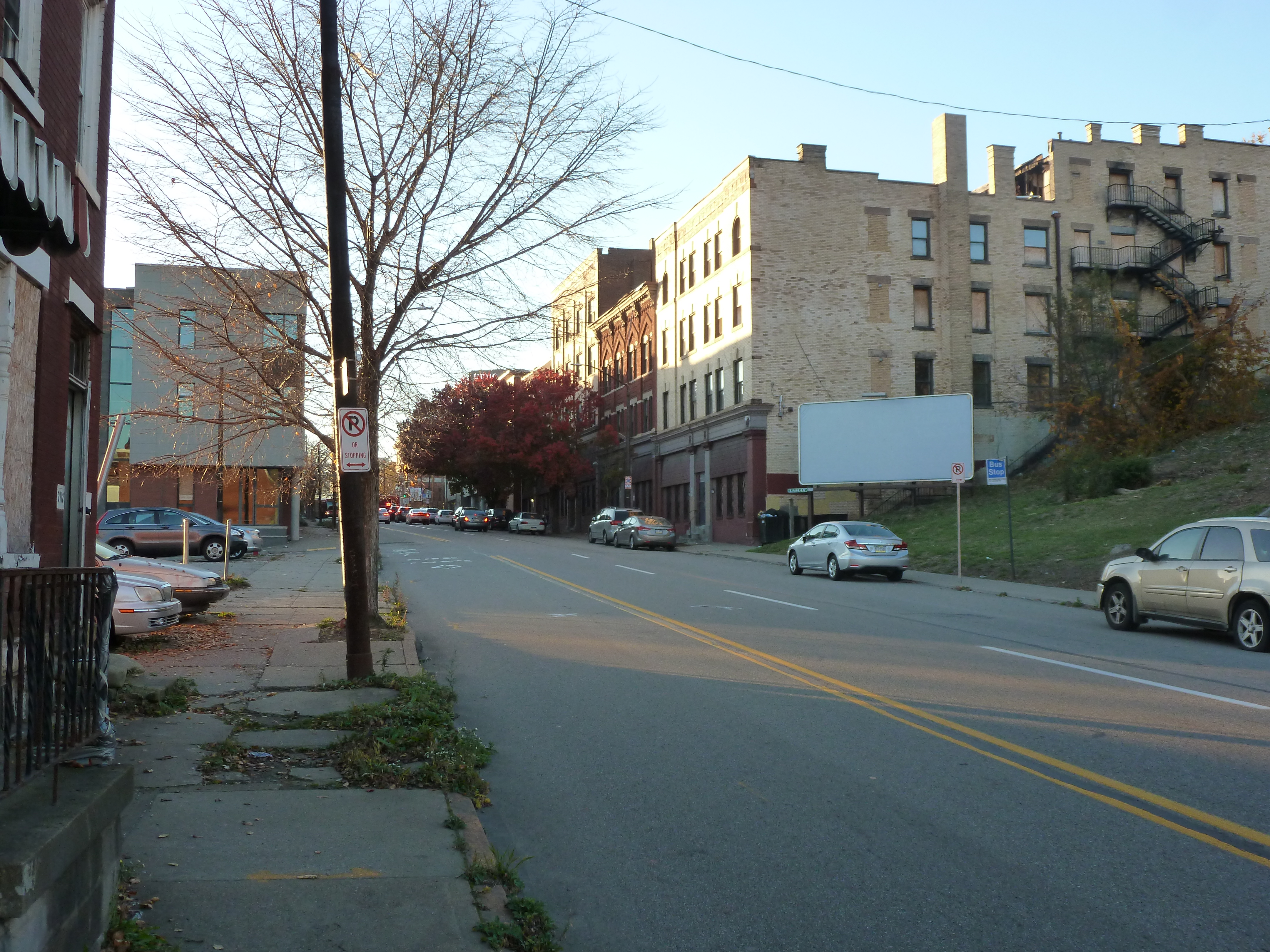
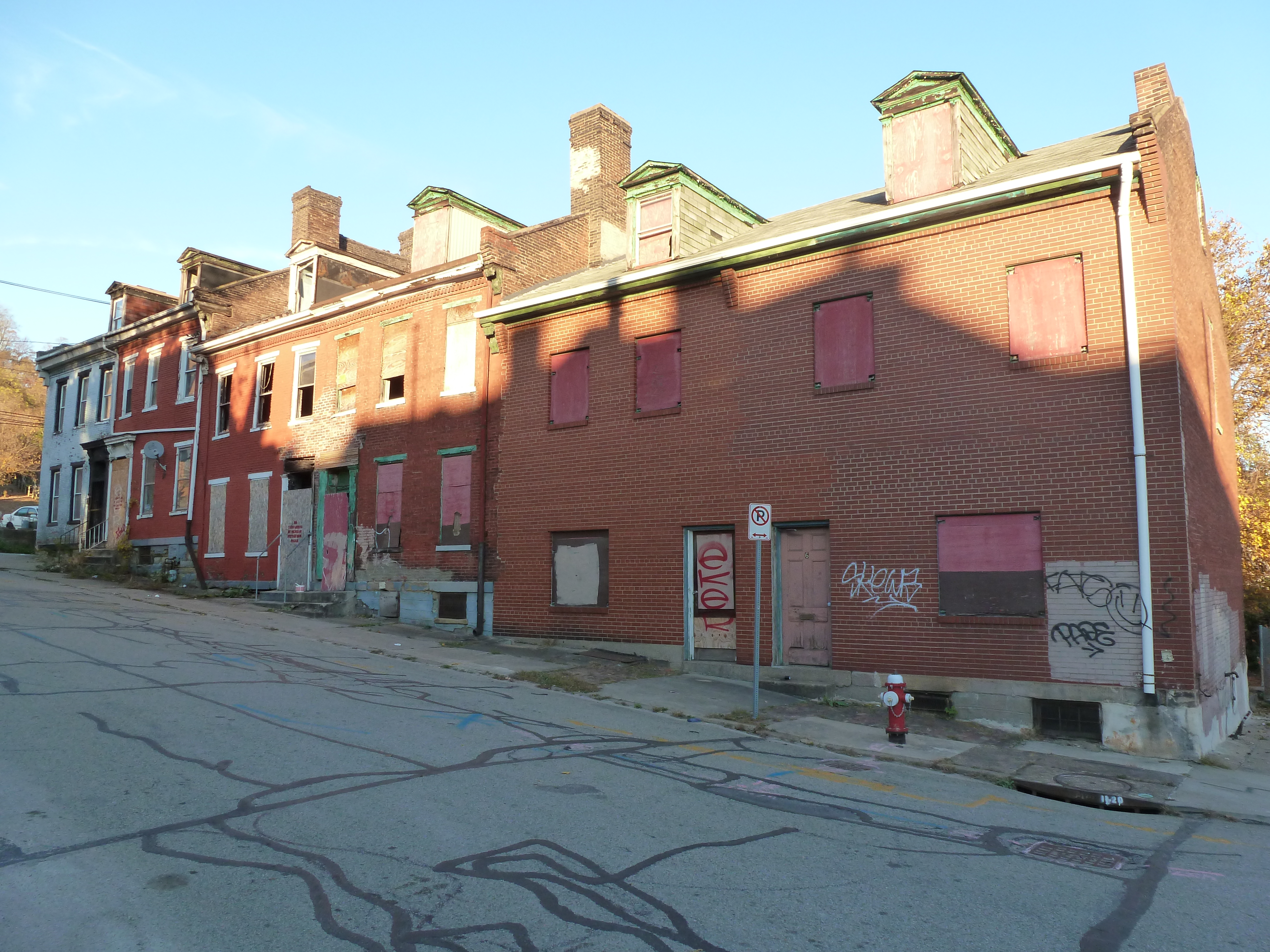
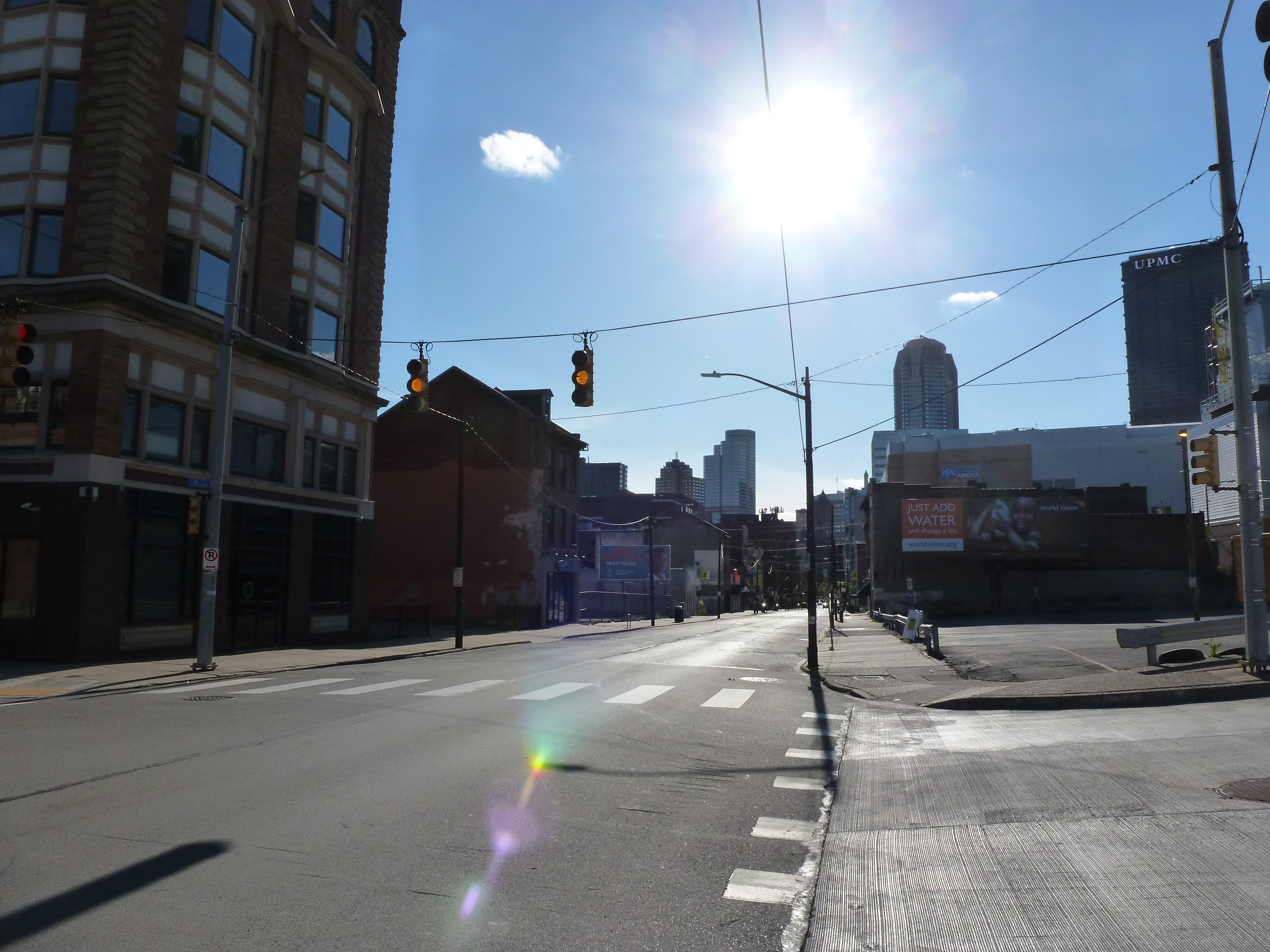
Uptown is one of the many neighborhoods in Pittsburgh that experienced decades of neglect. For this neighborhood, the neglect was despite Uptown being sandwiched between Oakland and downtown, two places among the state’s strongest economic regions. Zipping through Uptown from Oakland to downtown on Fifth Avenue or from downtown to Oakland on Forbes Avenue, it is easy to overlook or dismiss the hodgepodge of ruined home foundations turning back to forest; scattered vacant lots, parking lots, and industrial uses; and the intricate architectural details on abandoned and renovated townhomes.

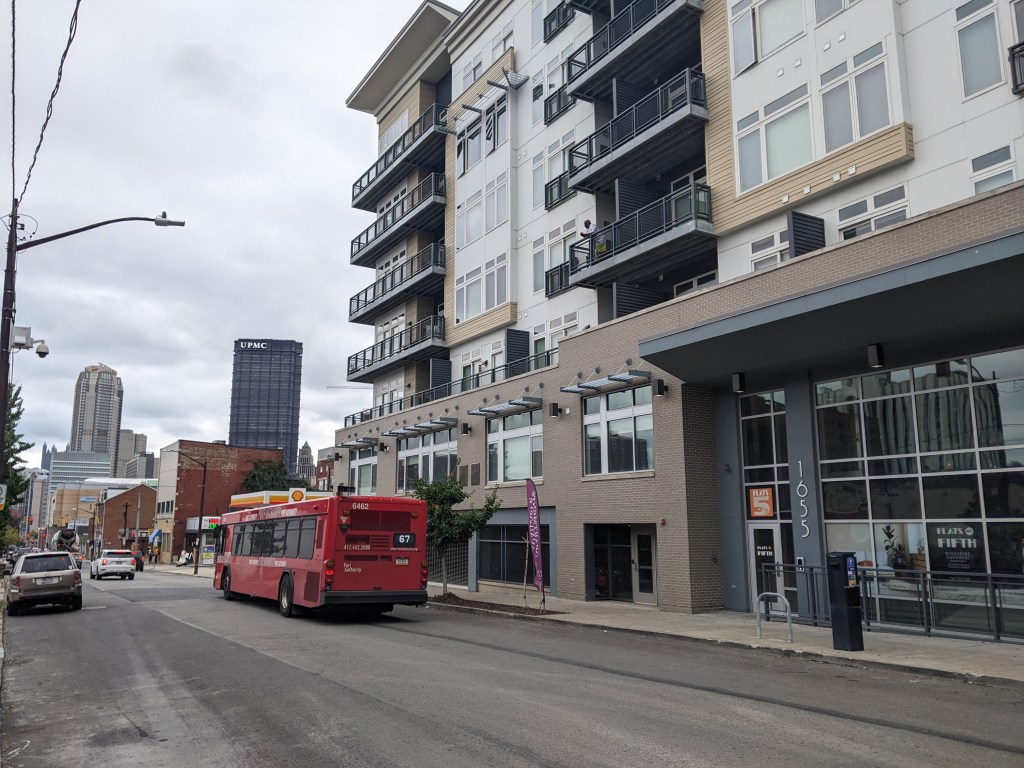
In recent years, new buildings started springing up here and there. Some of these new projects are the work of the two institutions in the neighborhood: UPMC Mercy Hospital and Duquesne University. Others are the work of a variety of commercial and residential developers. Two reasons for this recent investment are the proposed Bus Rapid Transit system, which will eventually run through the neighborhood, and the in-progress redevelopment of the Lower Hill, an adjacent neighborhood.

The Uptown community saw these changes coming and prepared. Between 2015 and 2017, the community organization Uptown Partners collaborated UPMC Mercy, Duquesne University, the City of Pittsburgh, and others to create the EcoInnovation District Plan and the Uptown Public Realm zoning district. The plan and new zoning district are intended to guide future development and leverage their economic investment for the greater good of the neighborhood. Ideally, this will reduce the number of those who will be left behind.

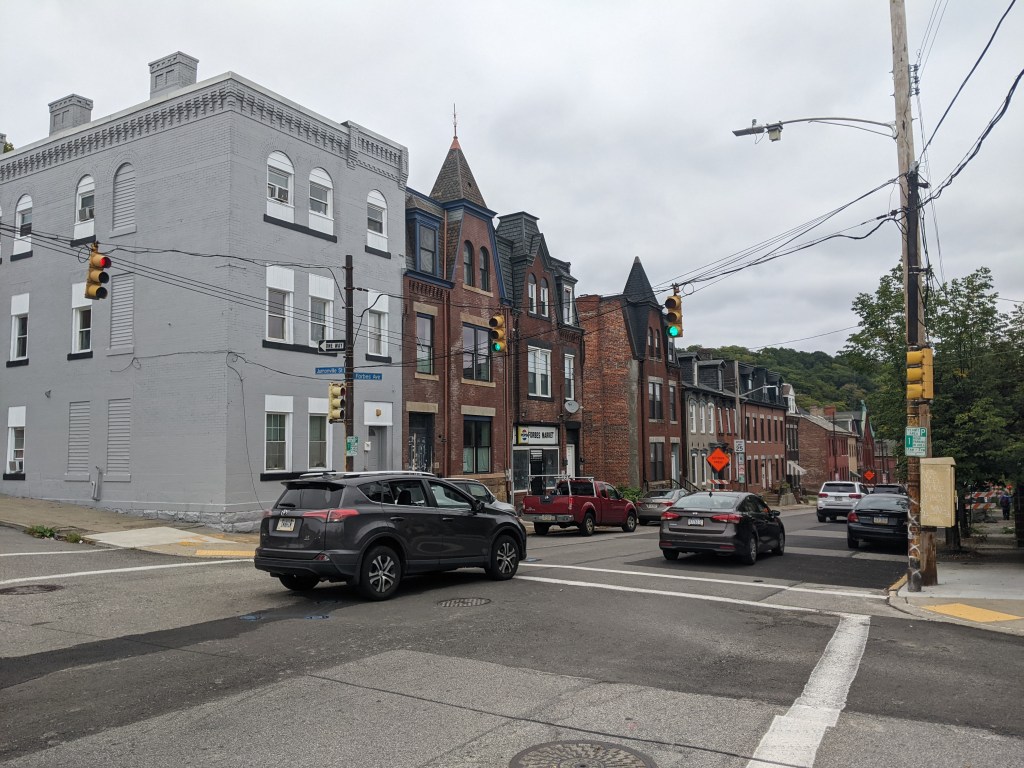
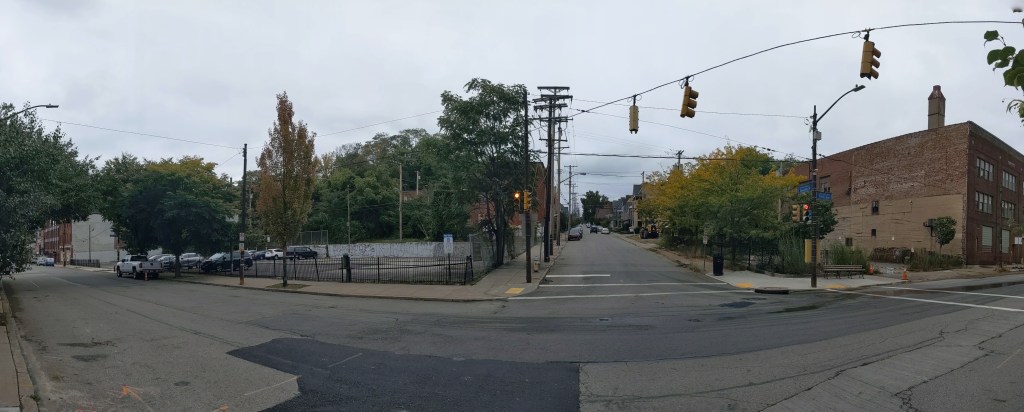
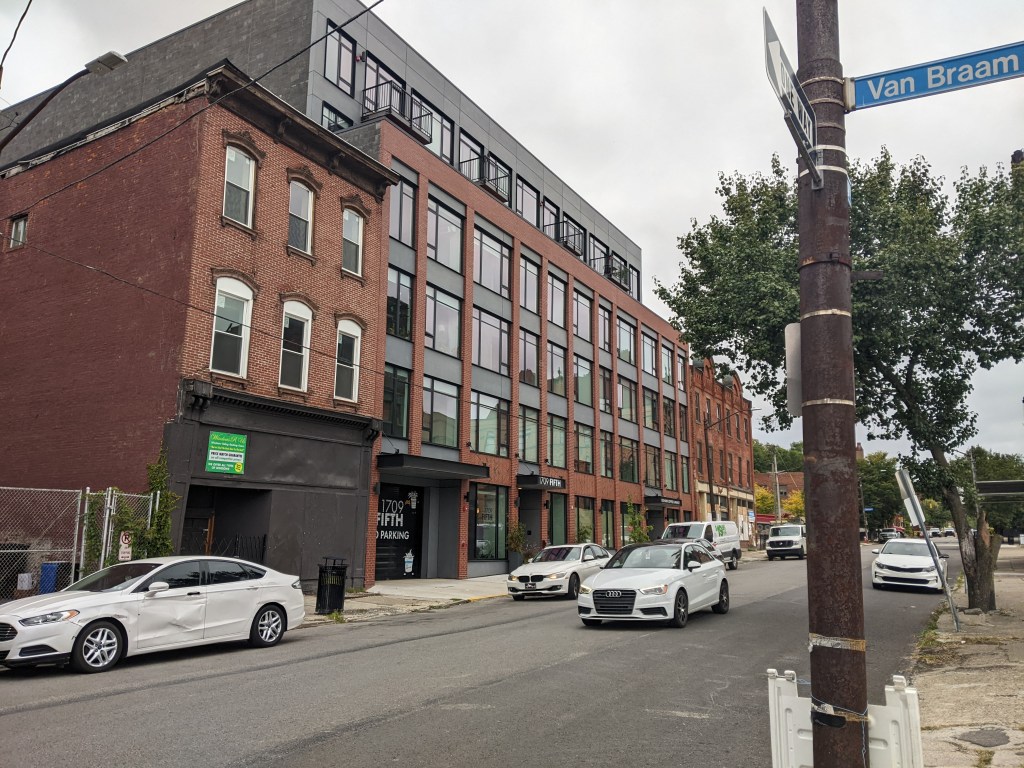
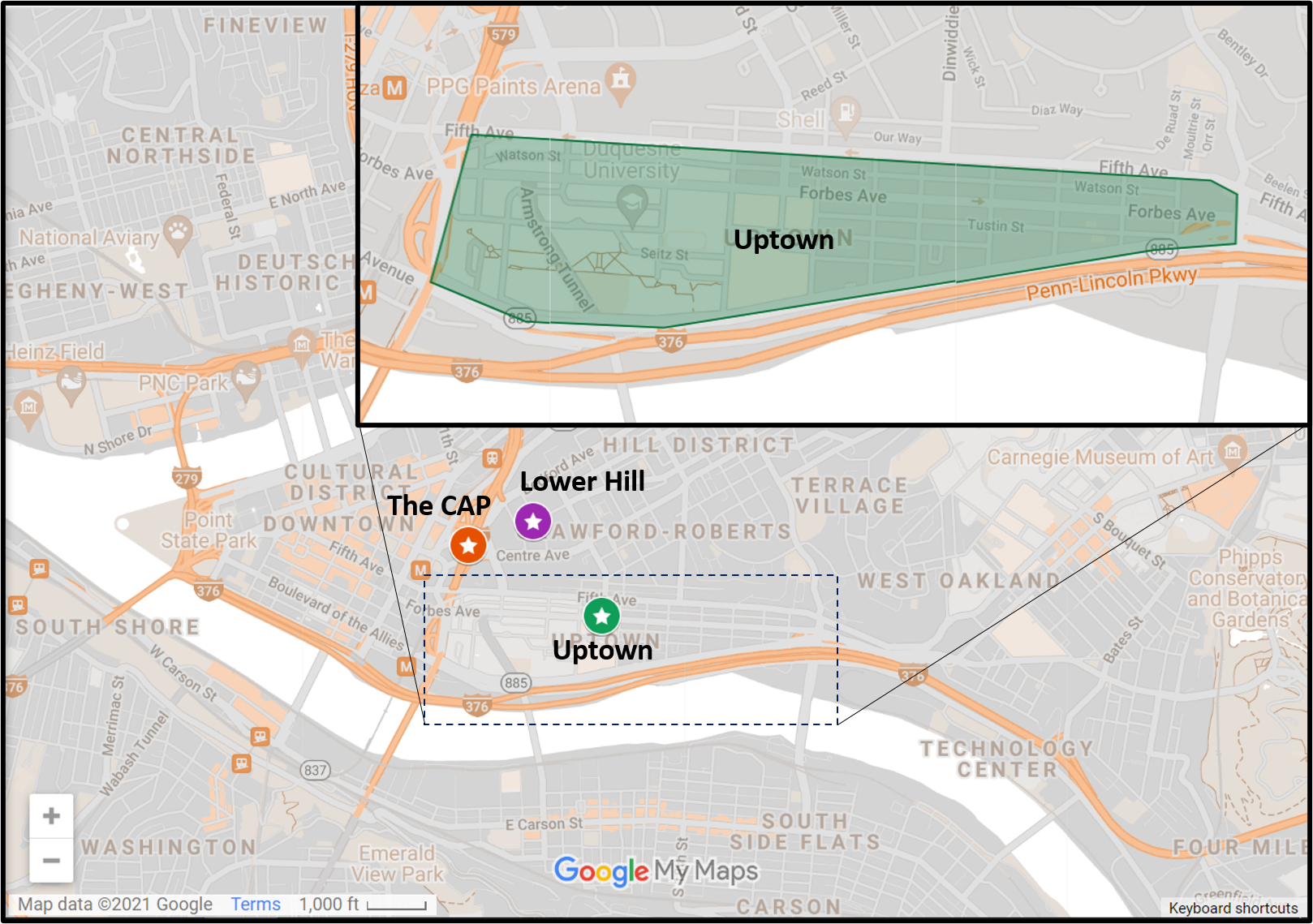
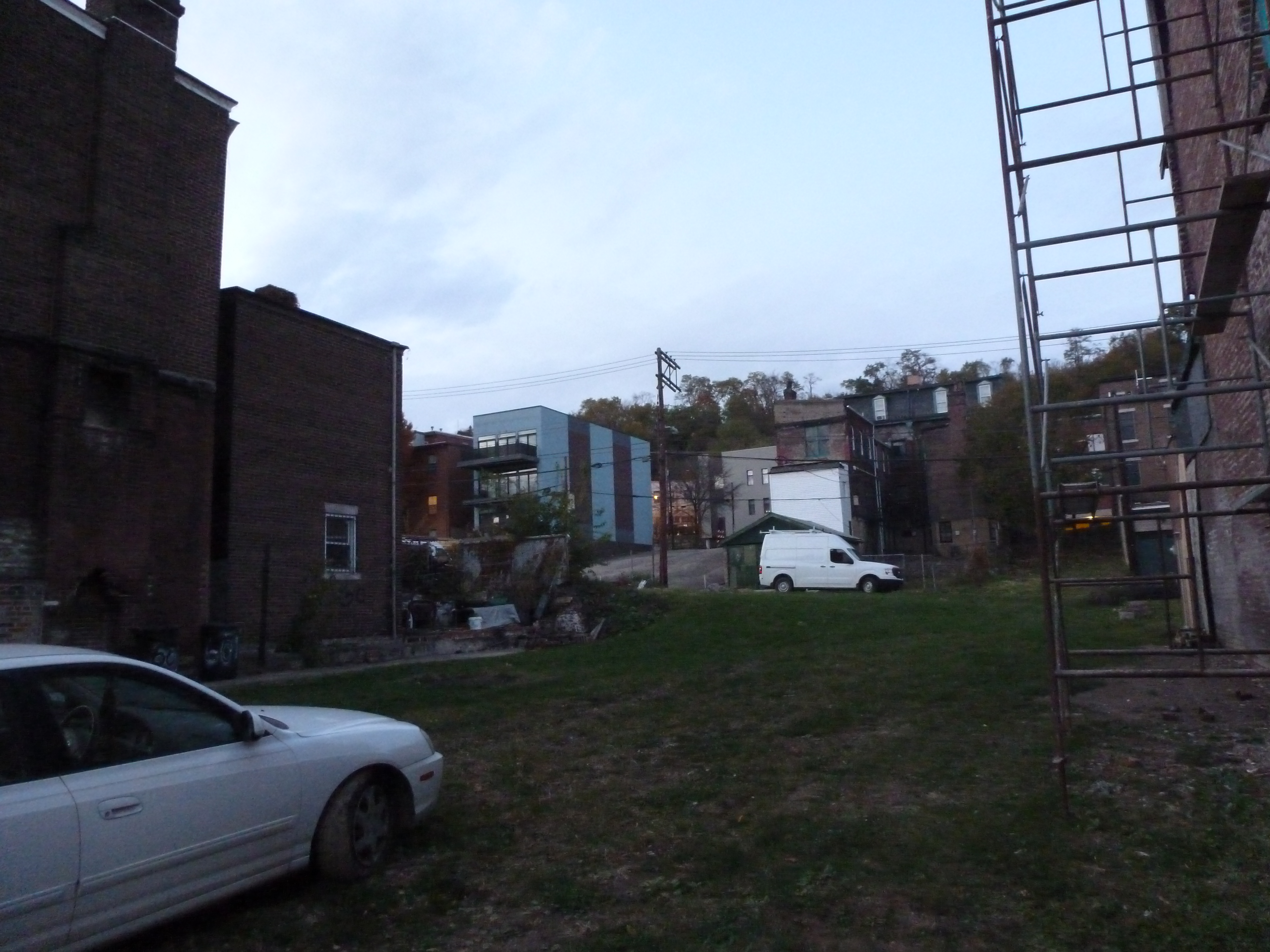
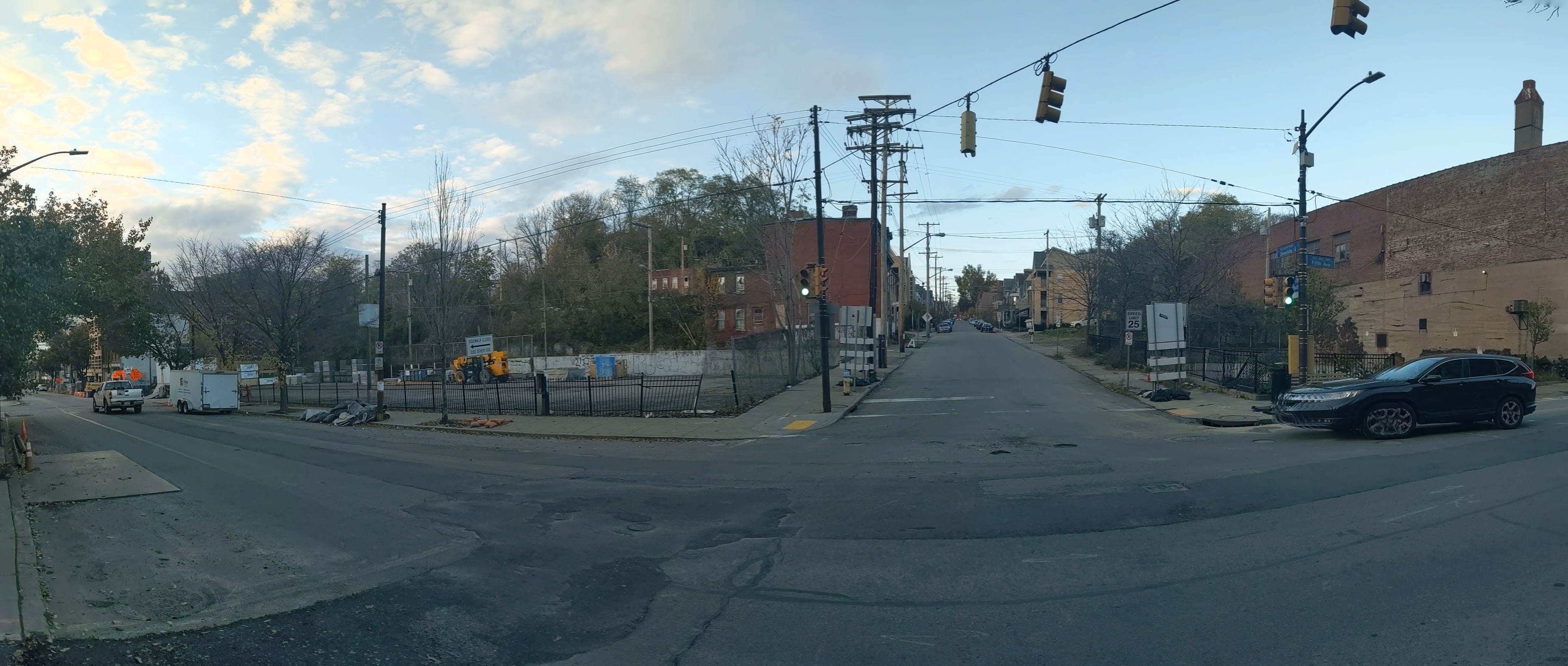
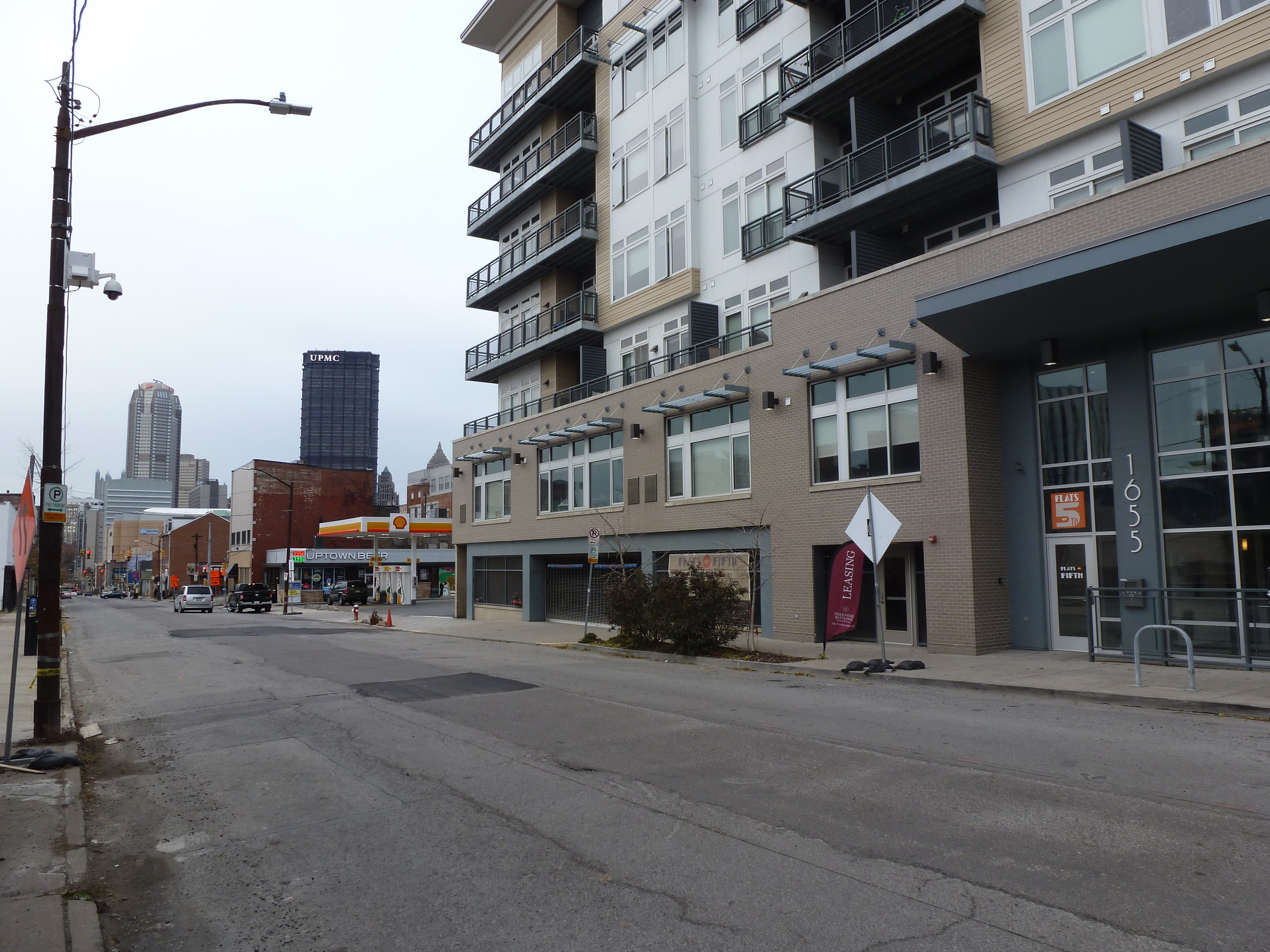
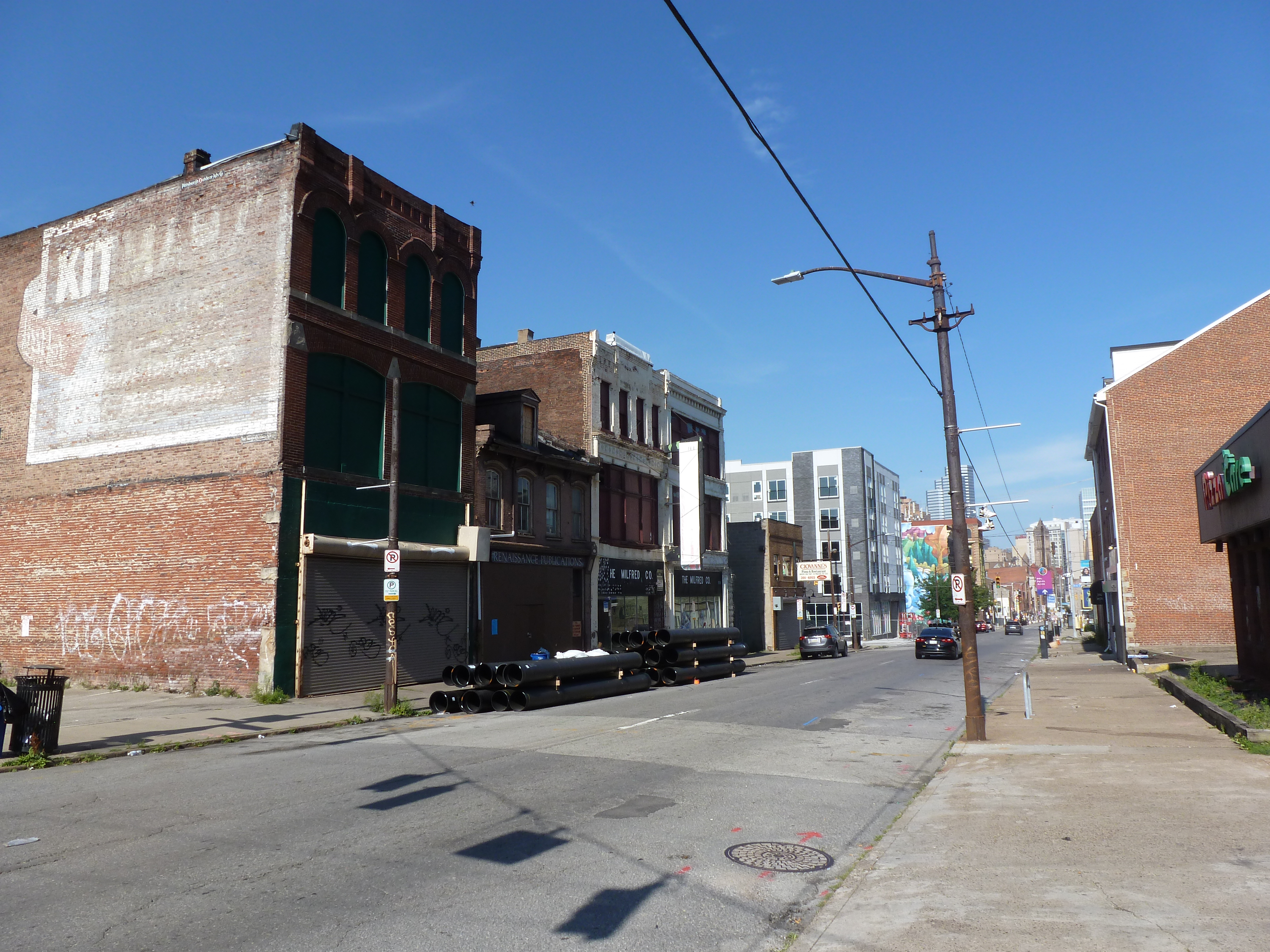
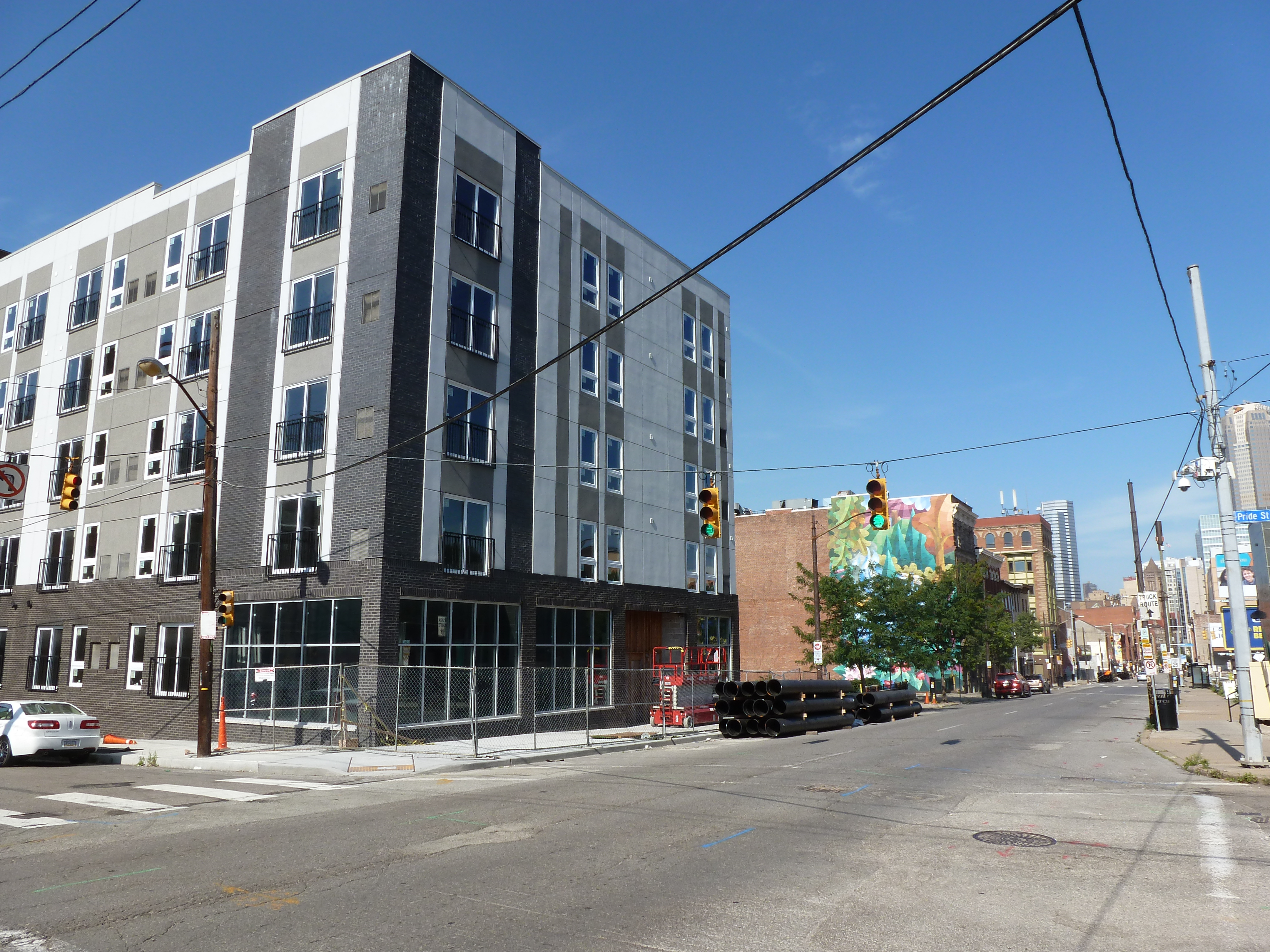
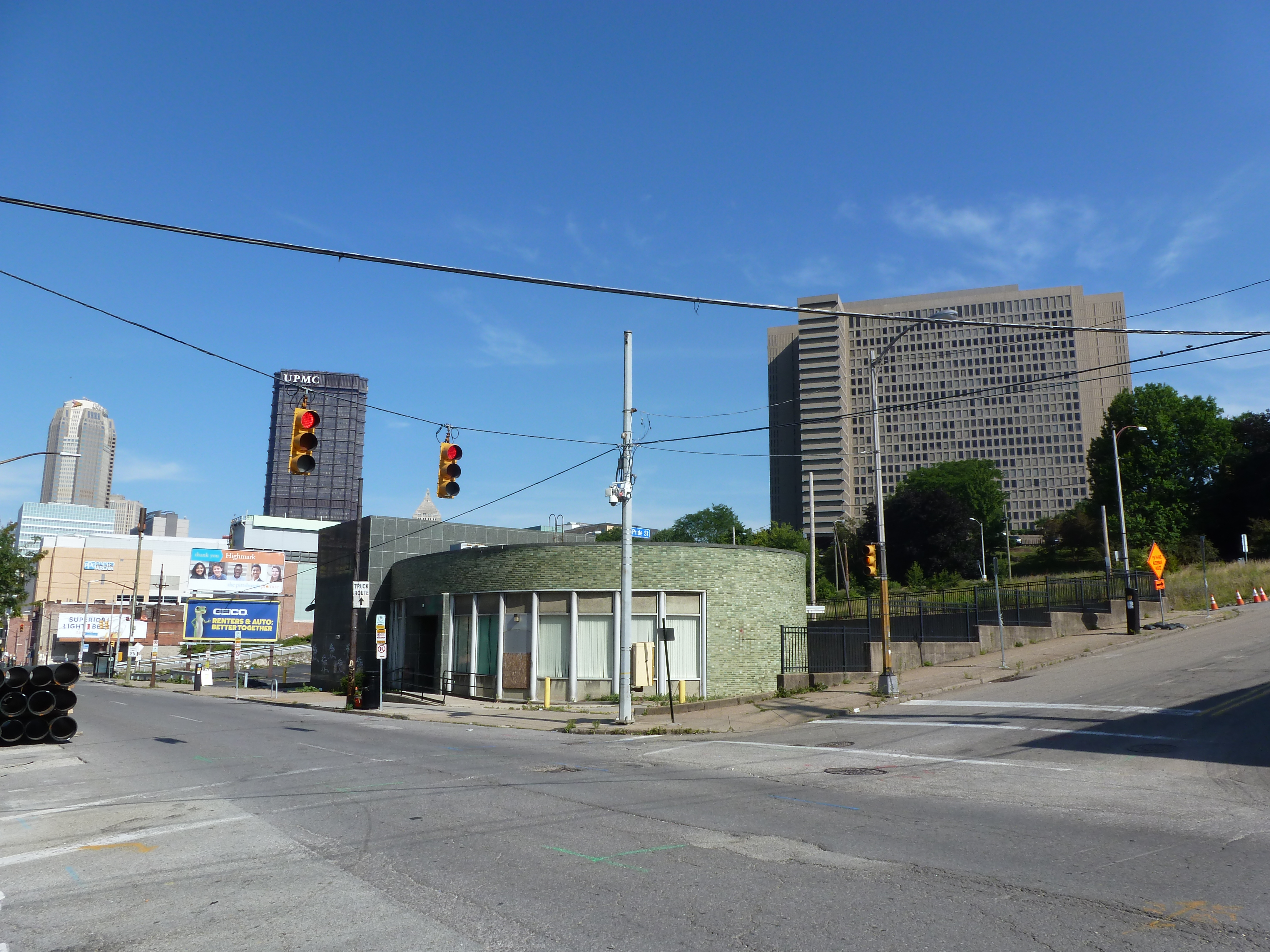
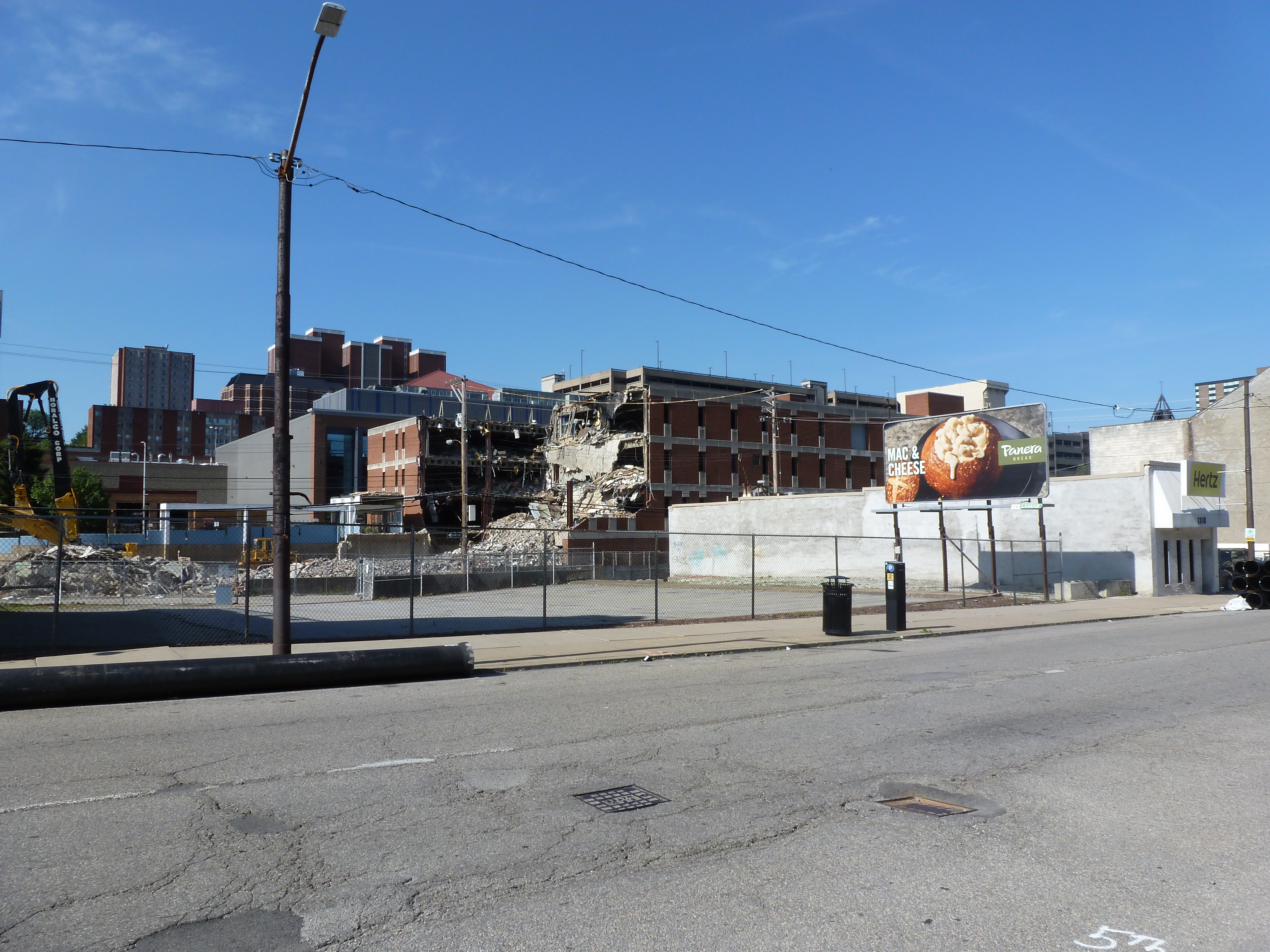
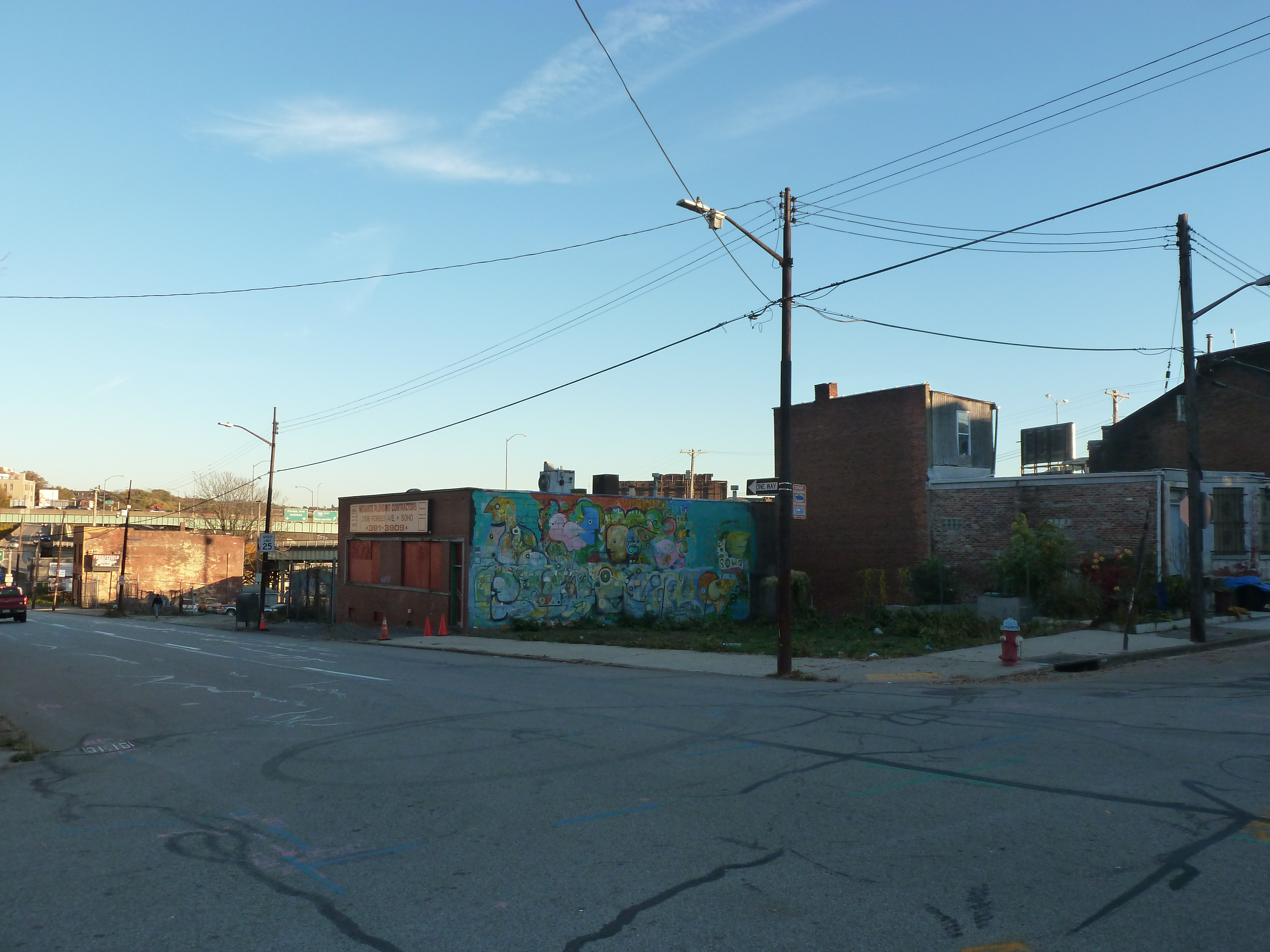
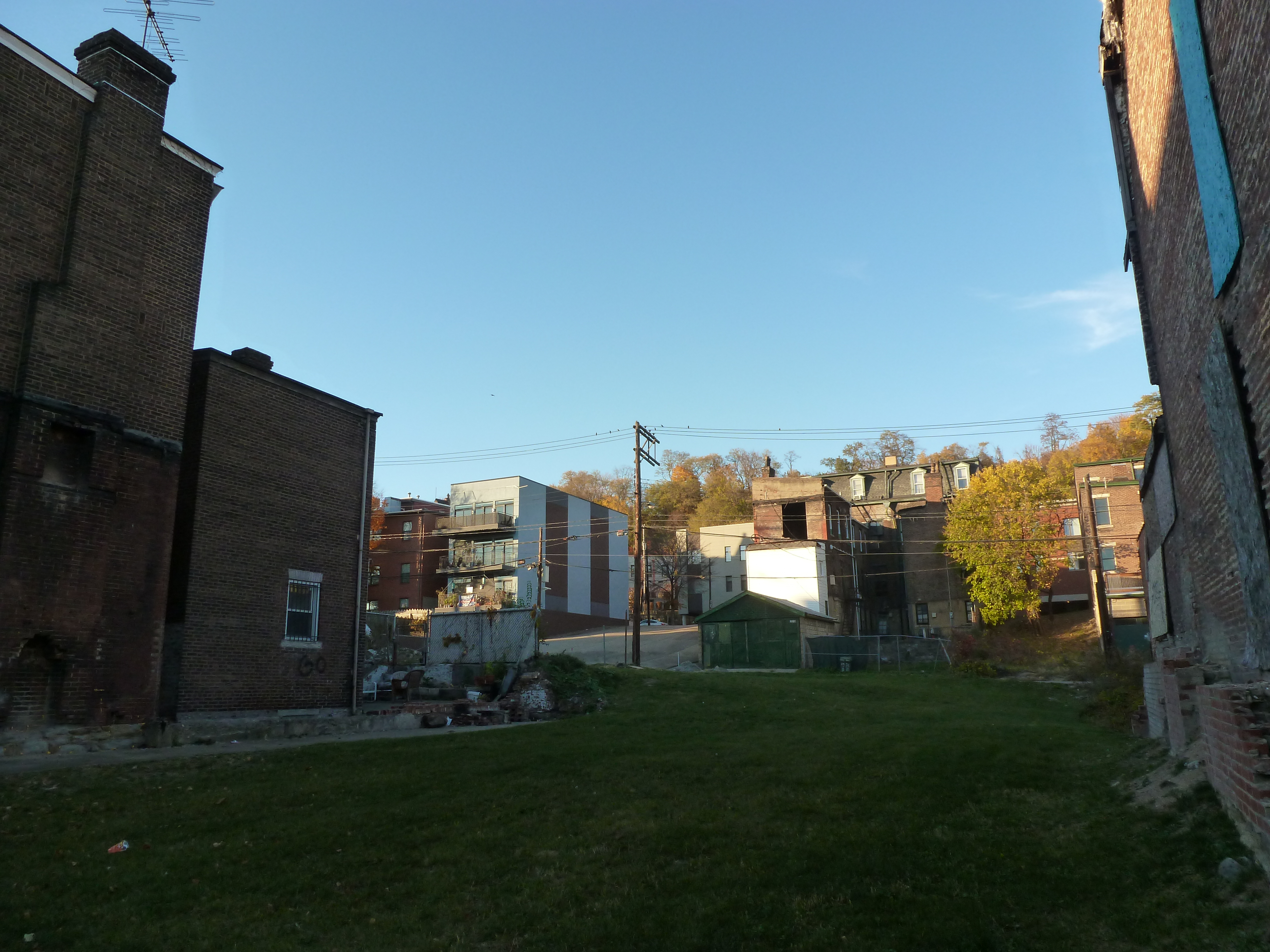
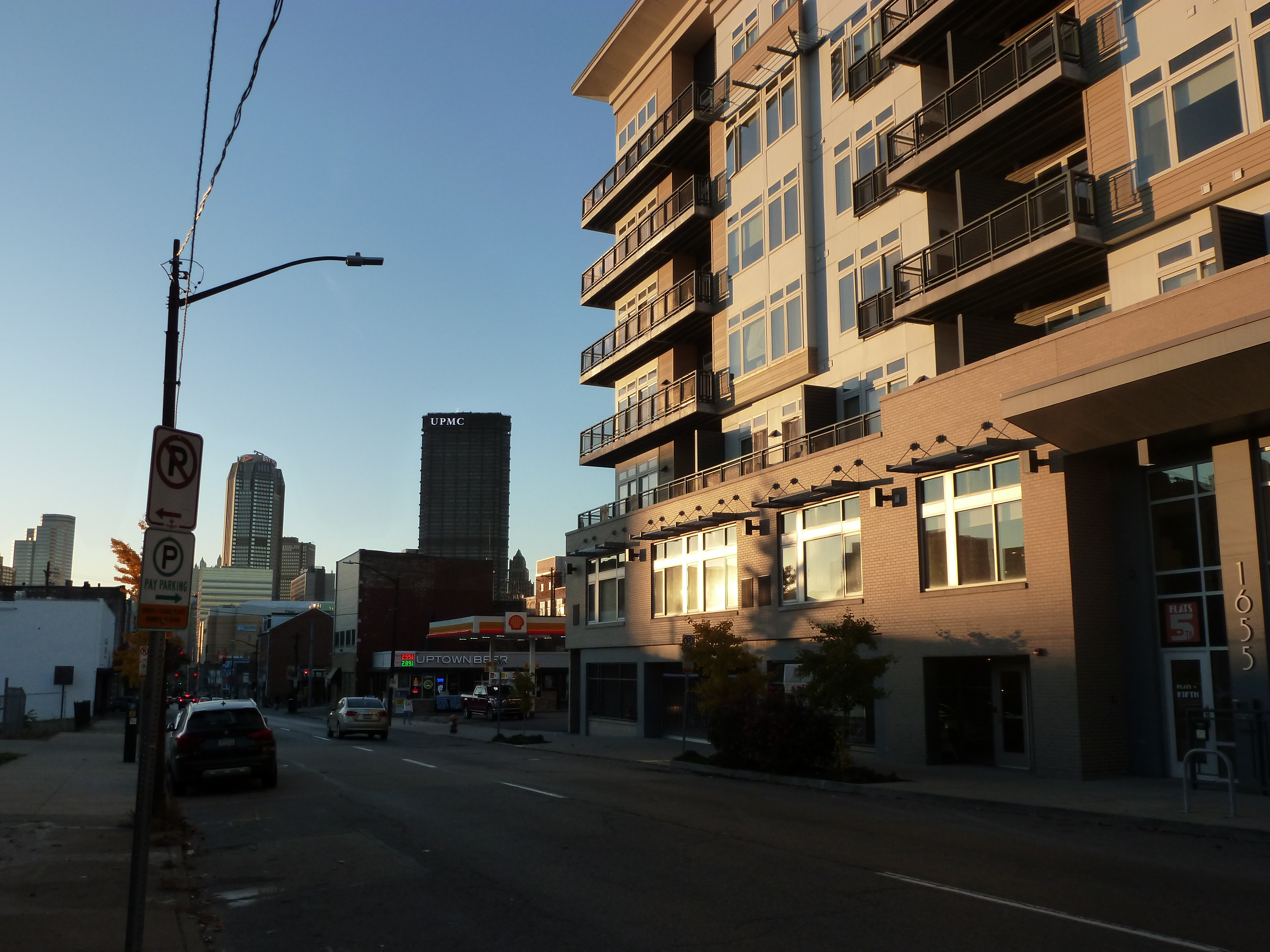
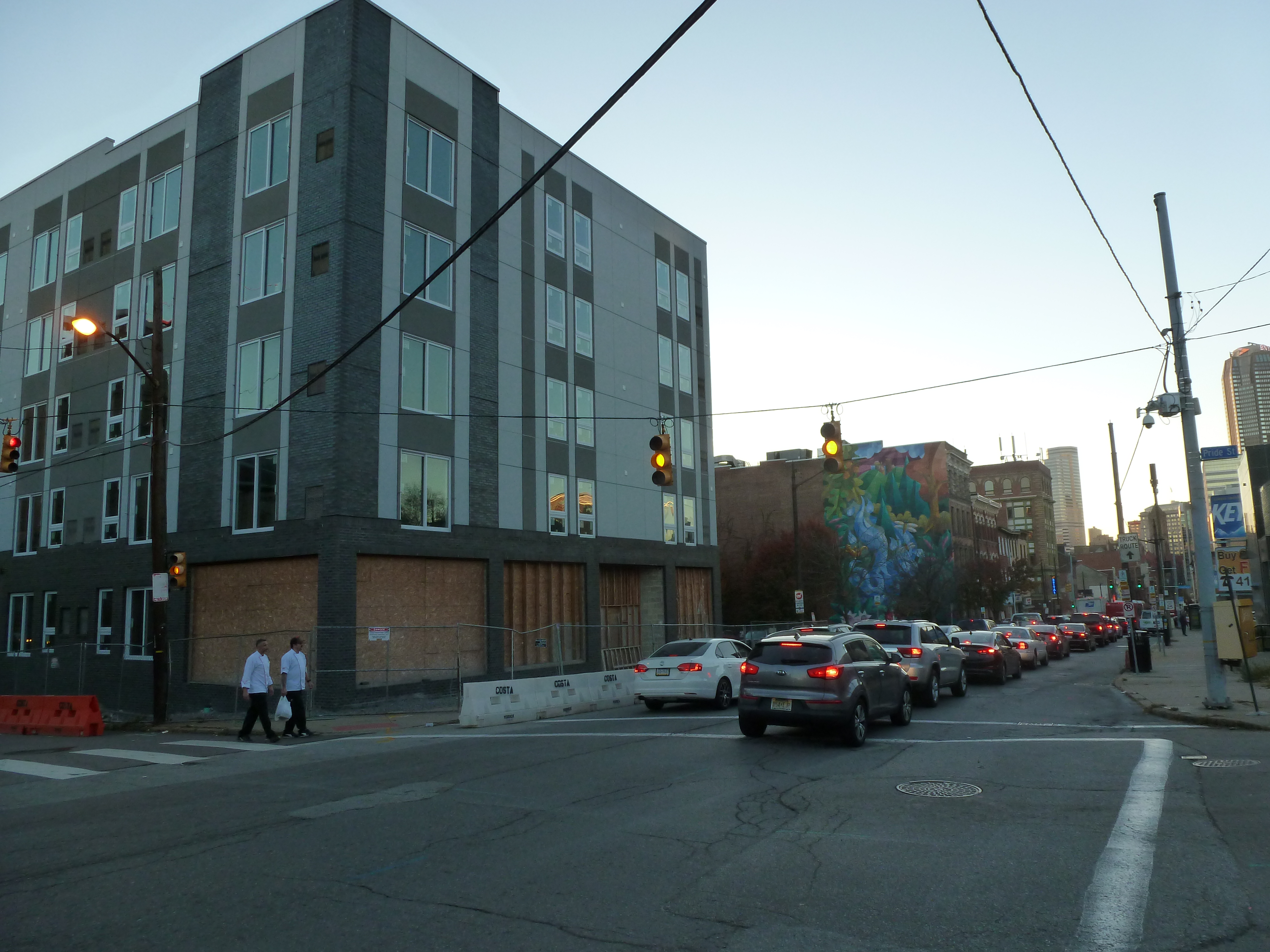
This blog post is part of an on-going series watching the changes in Uptown. Periodically, approximately once a year, I return to the neighborhood to take new photographs of the same areas. In addition, I include links to articles about the project that I’ve encountered since the previous post in the series. At the end of the post, there is a map showing the location of the neighborhood and links to the previous posts in the series.

What’s new

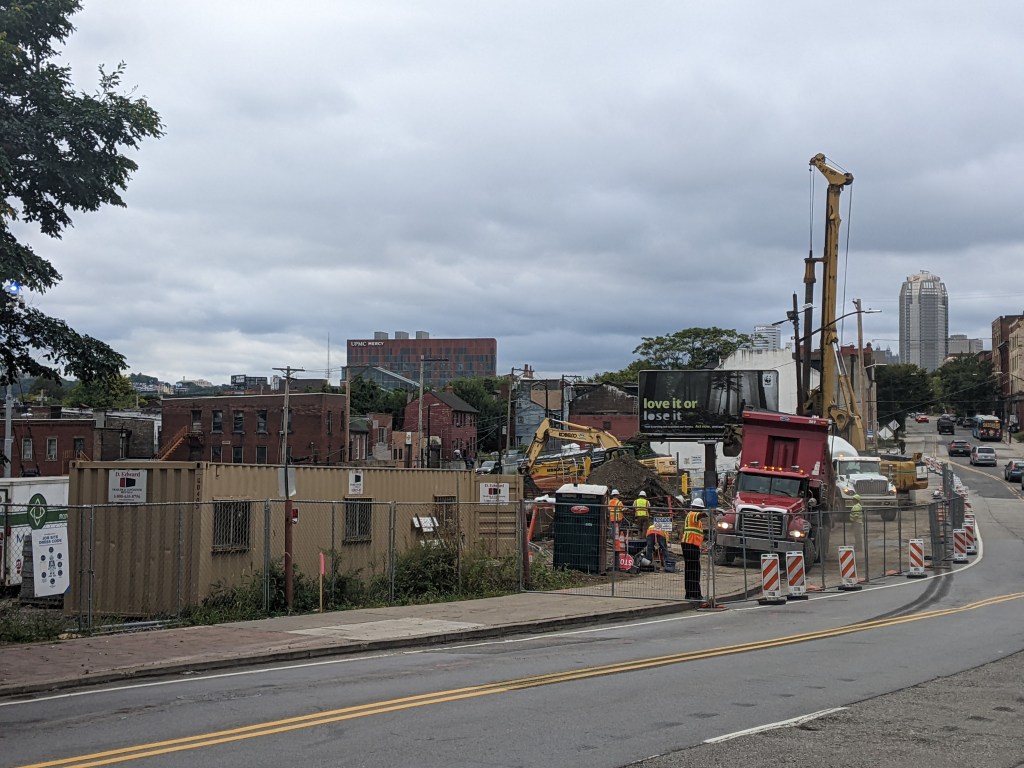
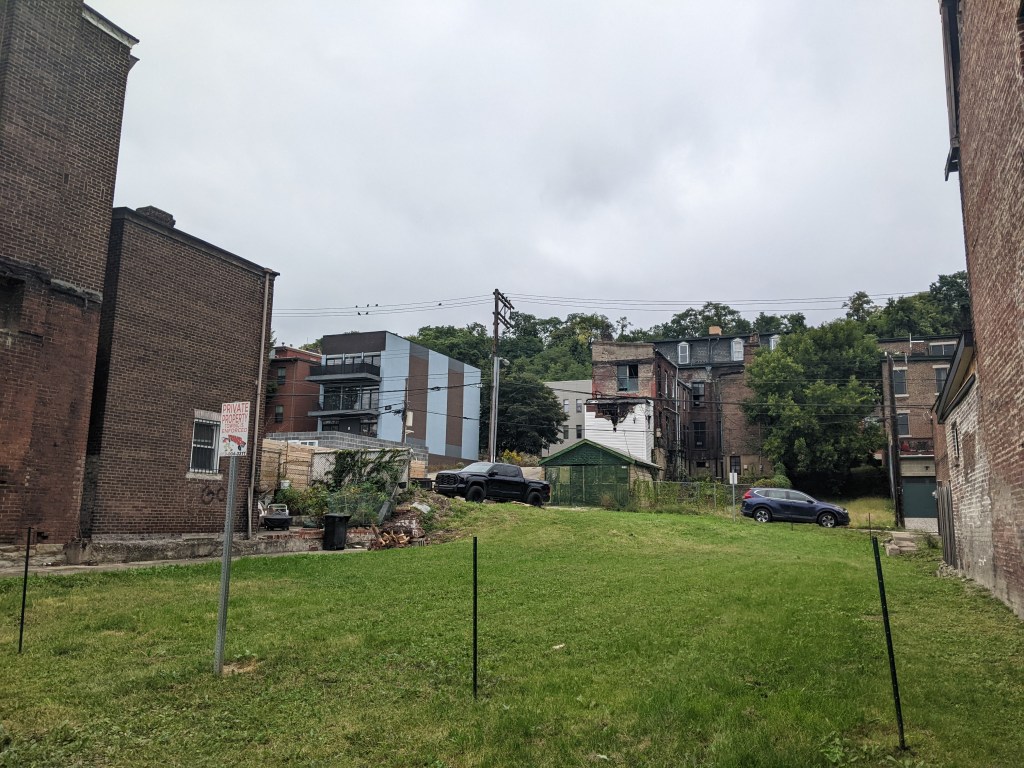
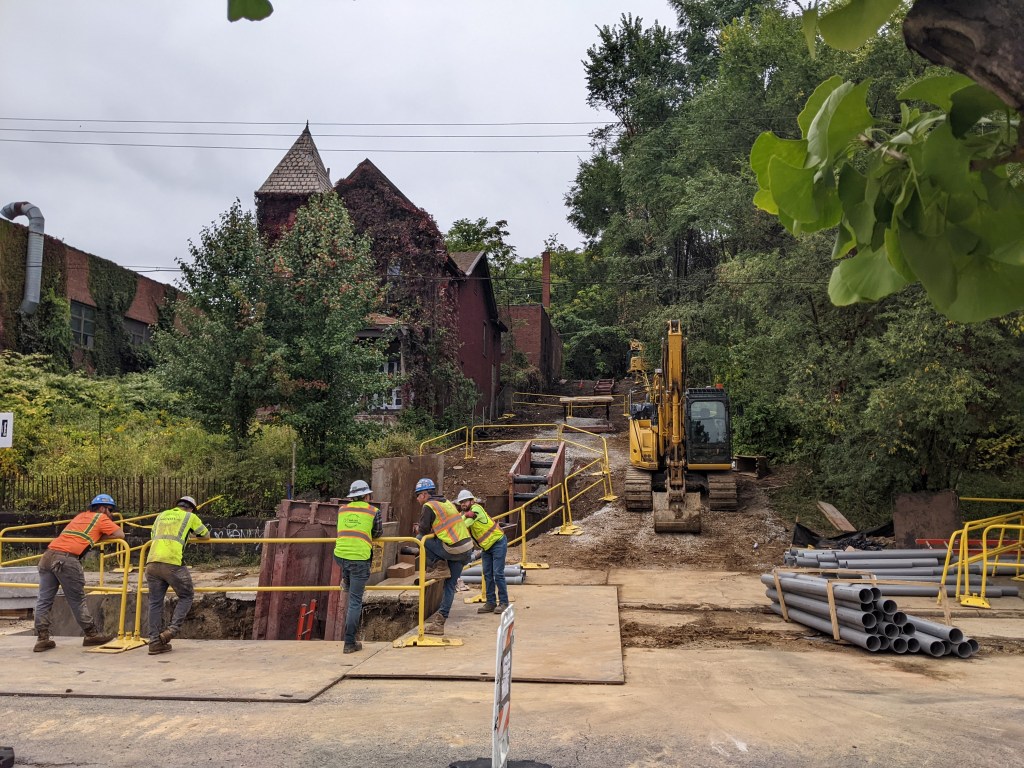
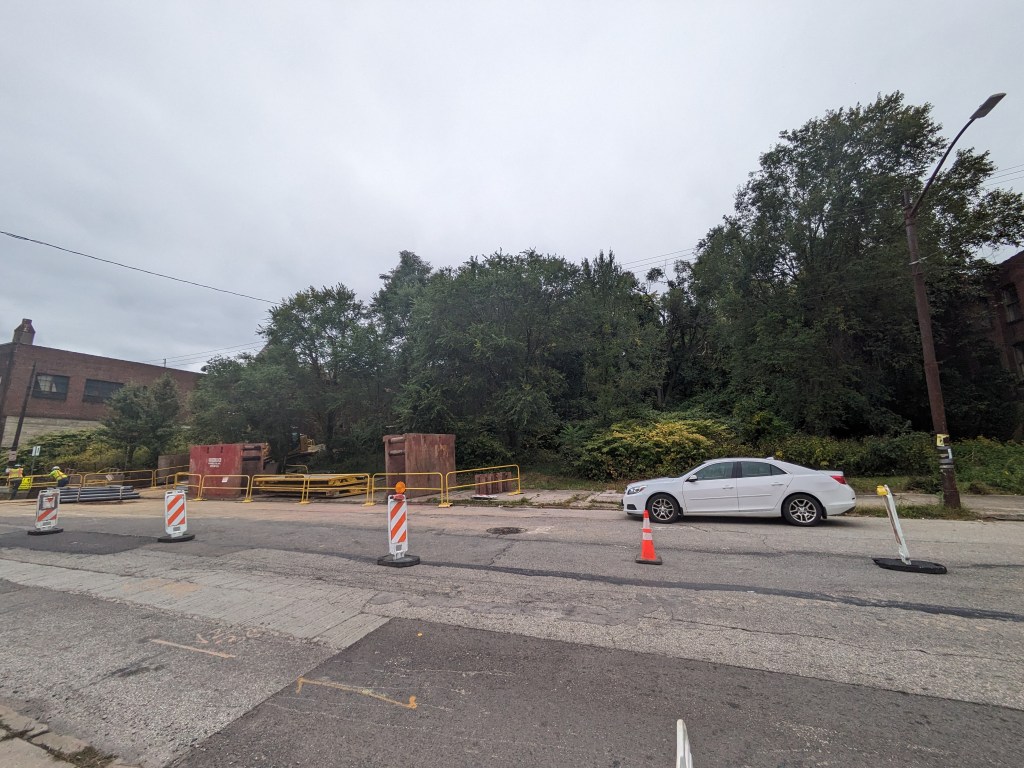
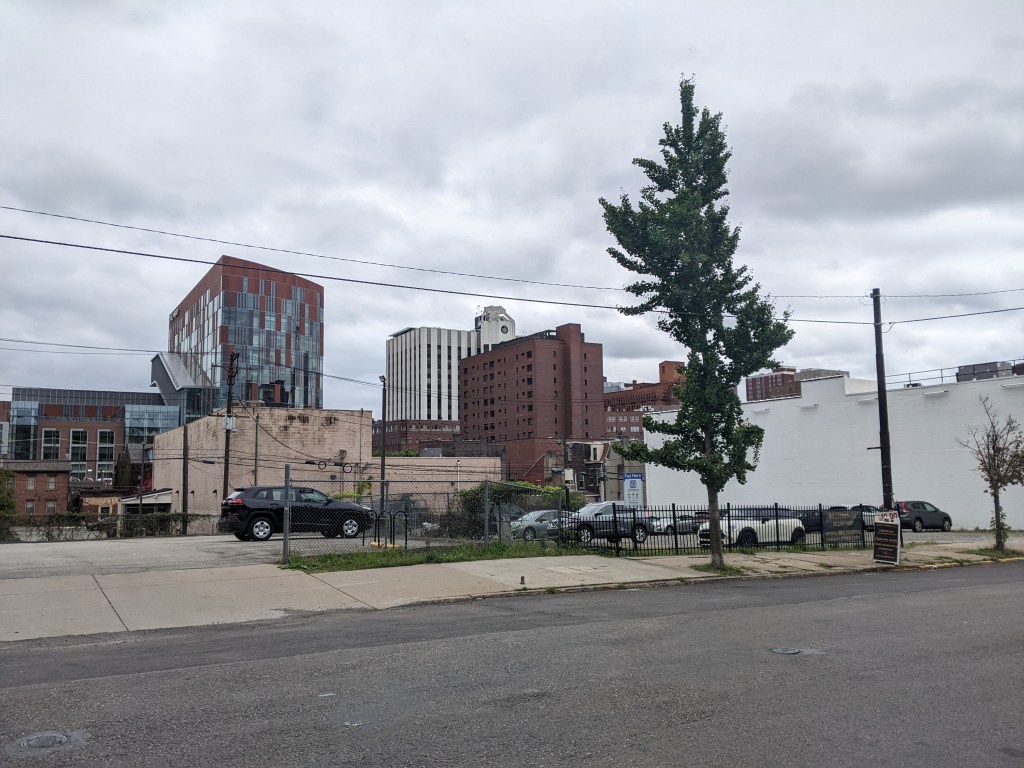
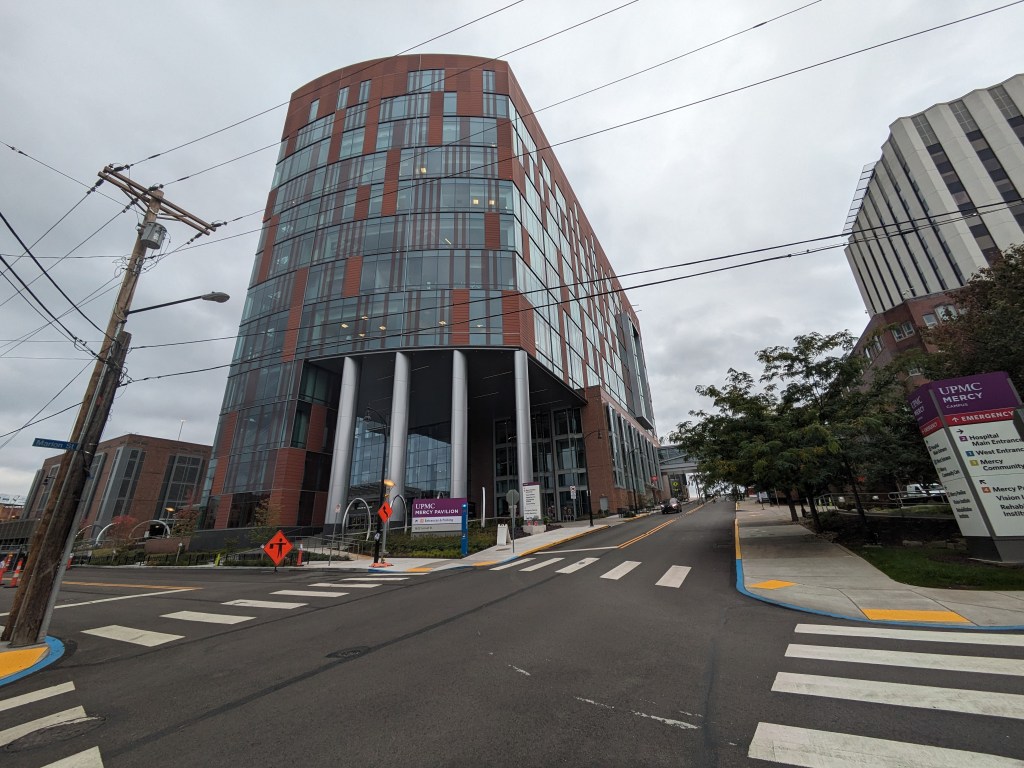
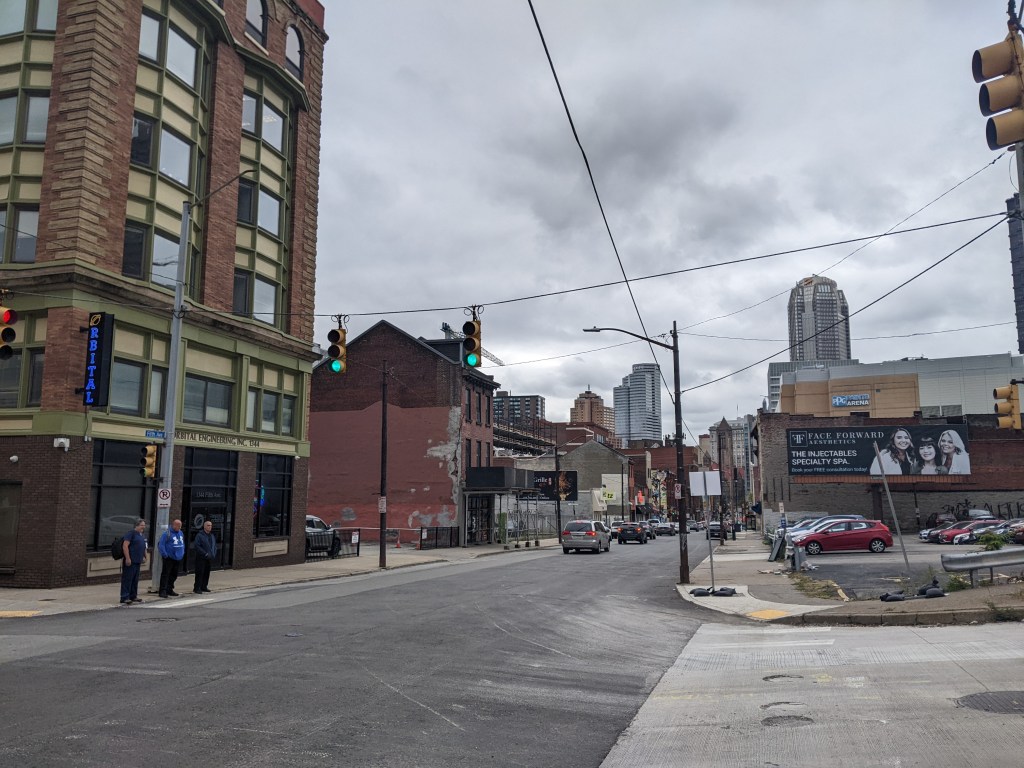
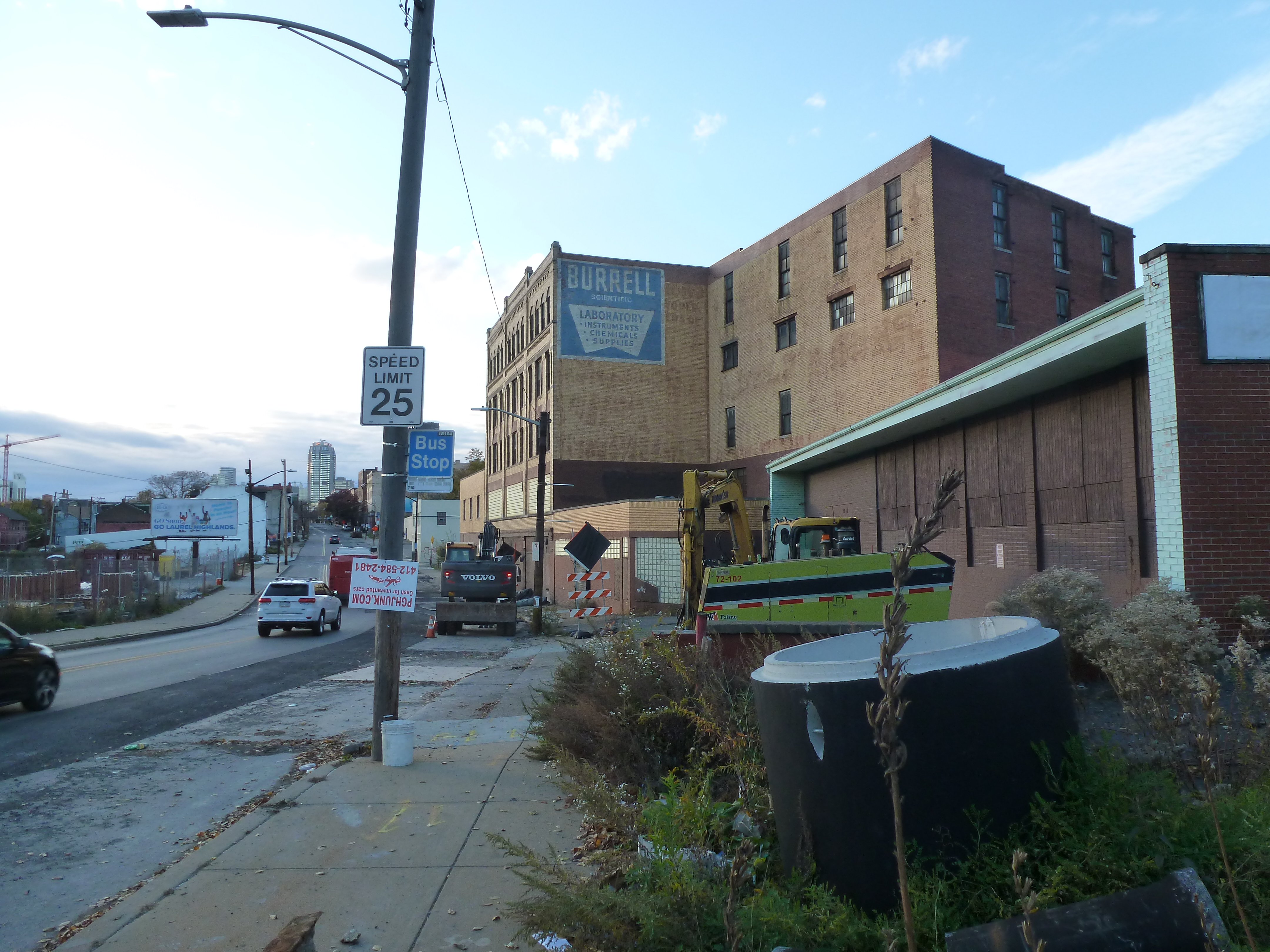
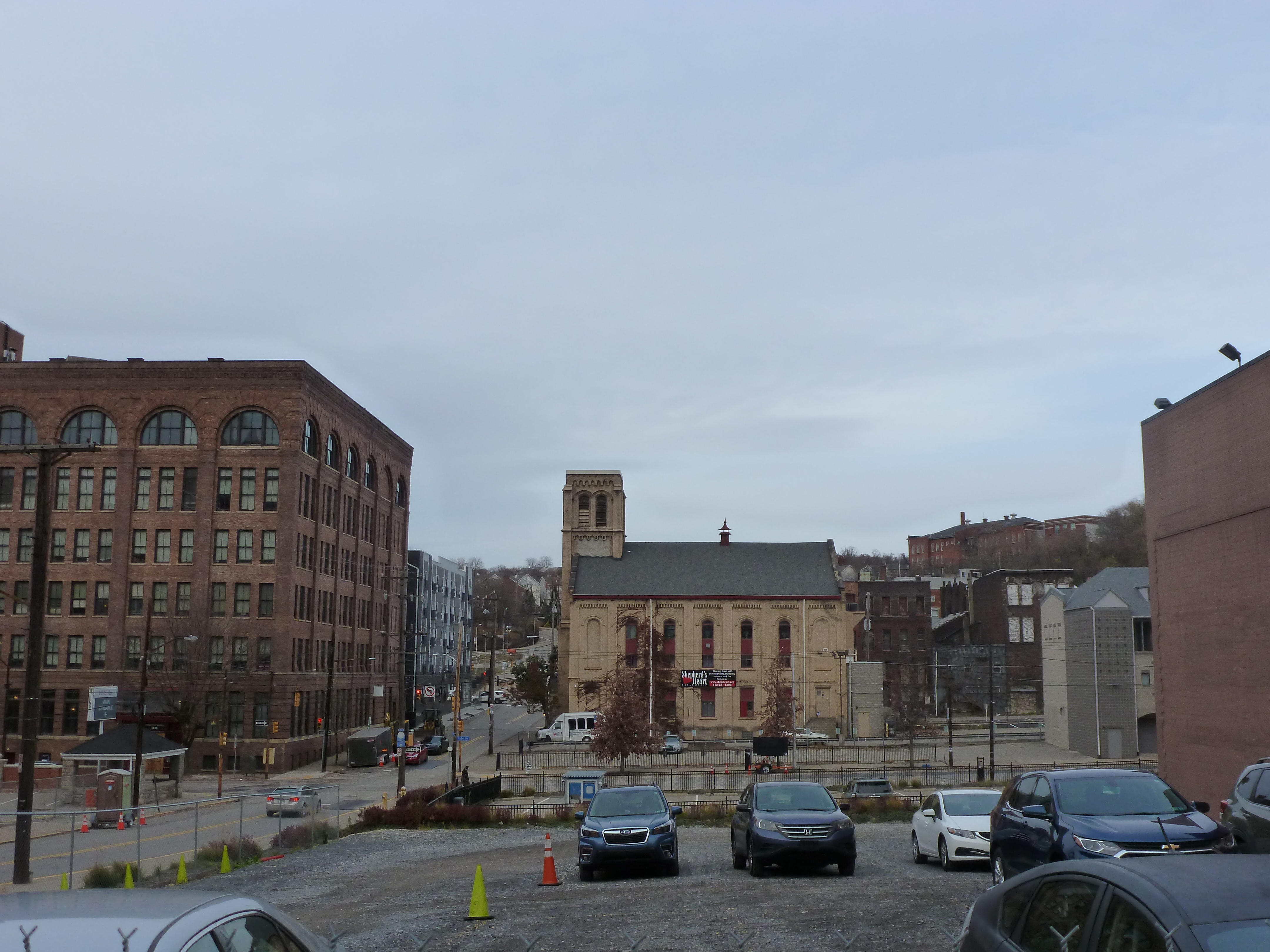
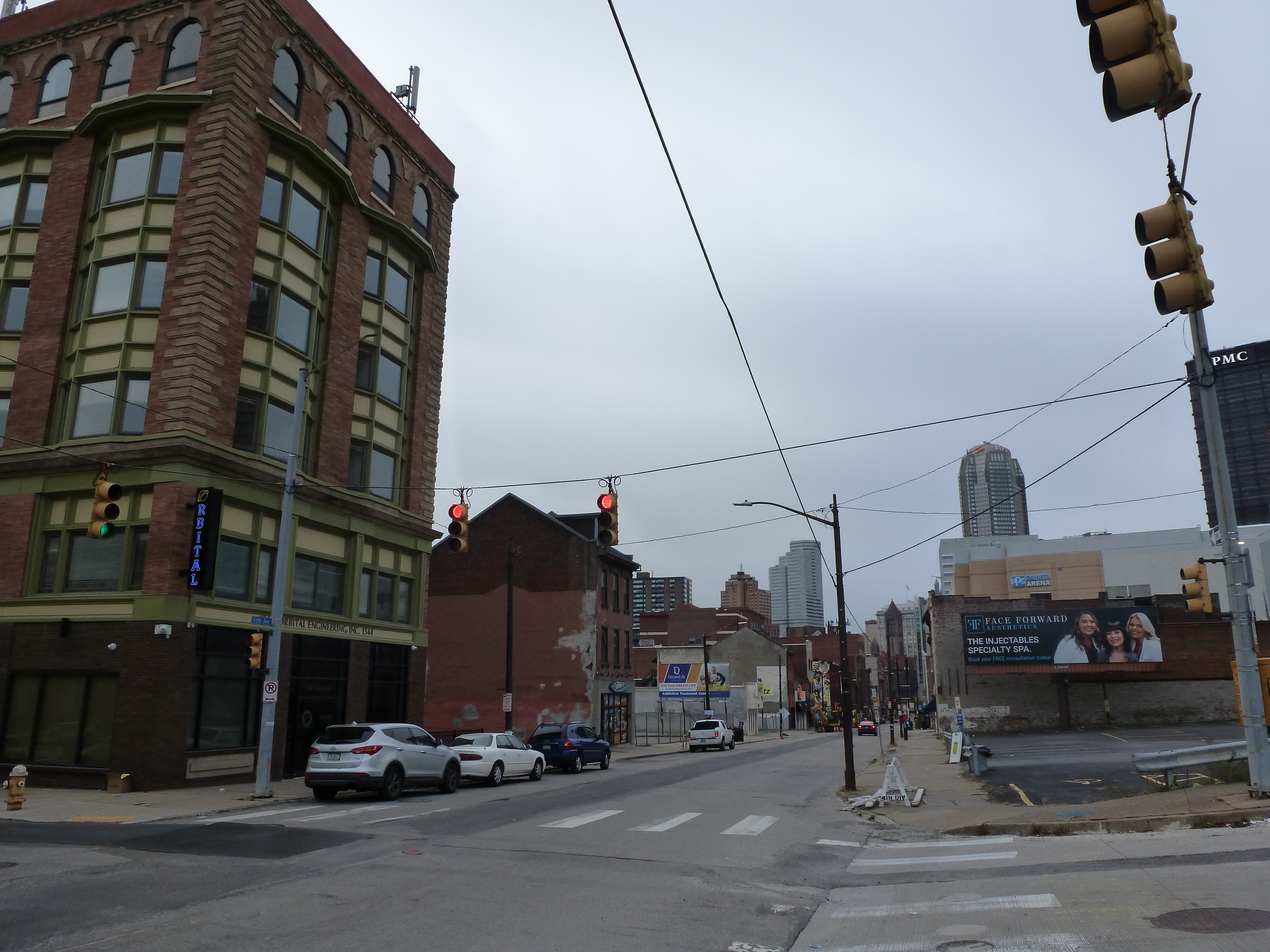
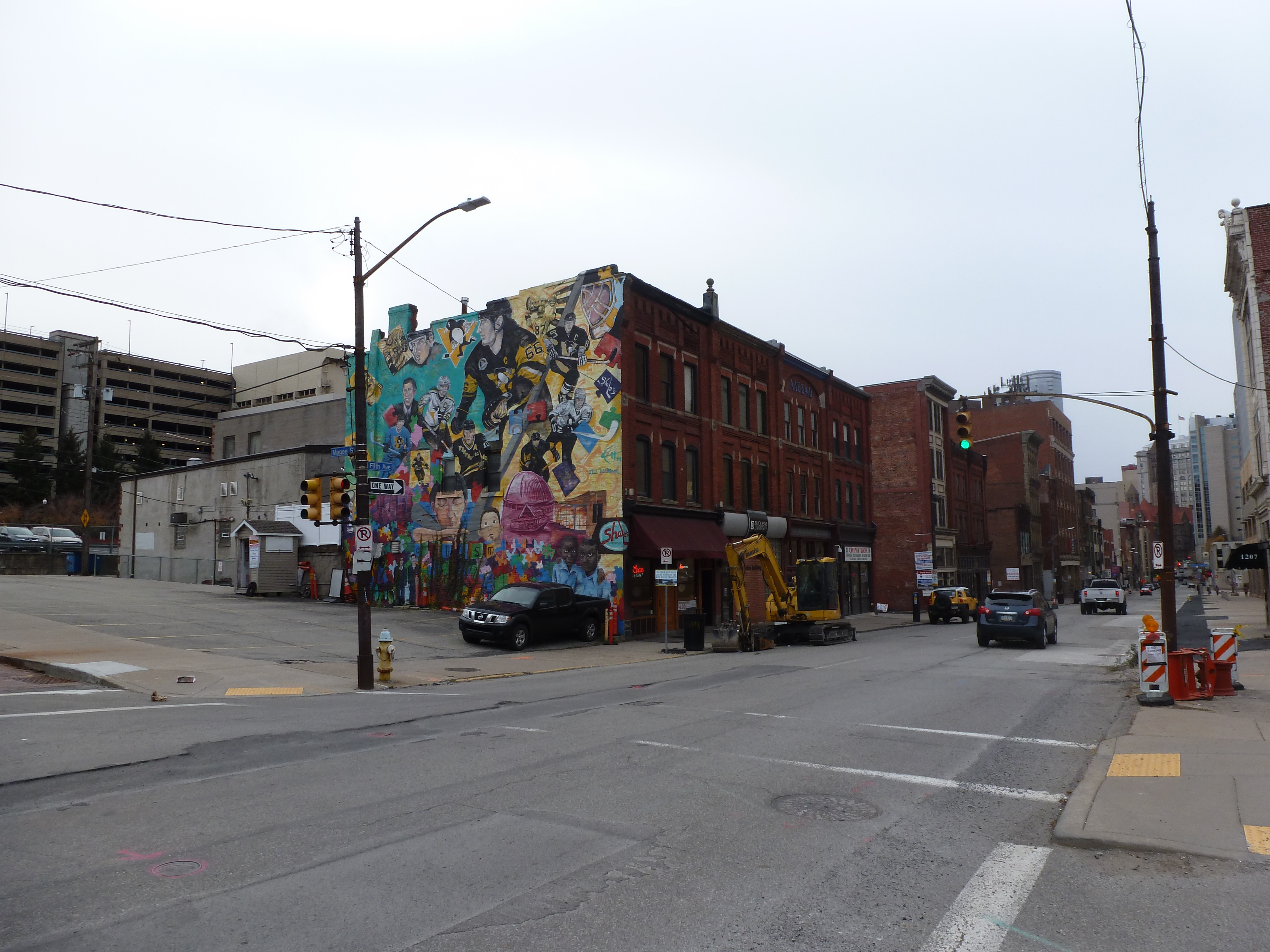
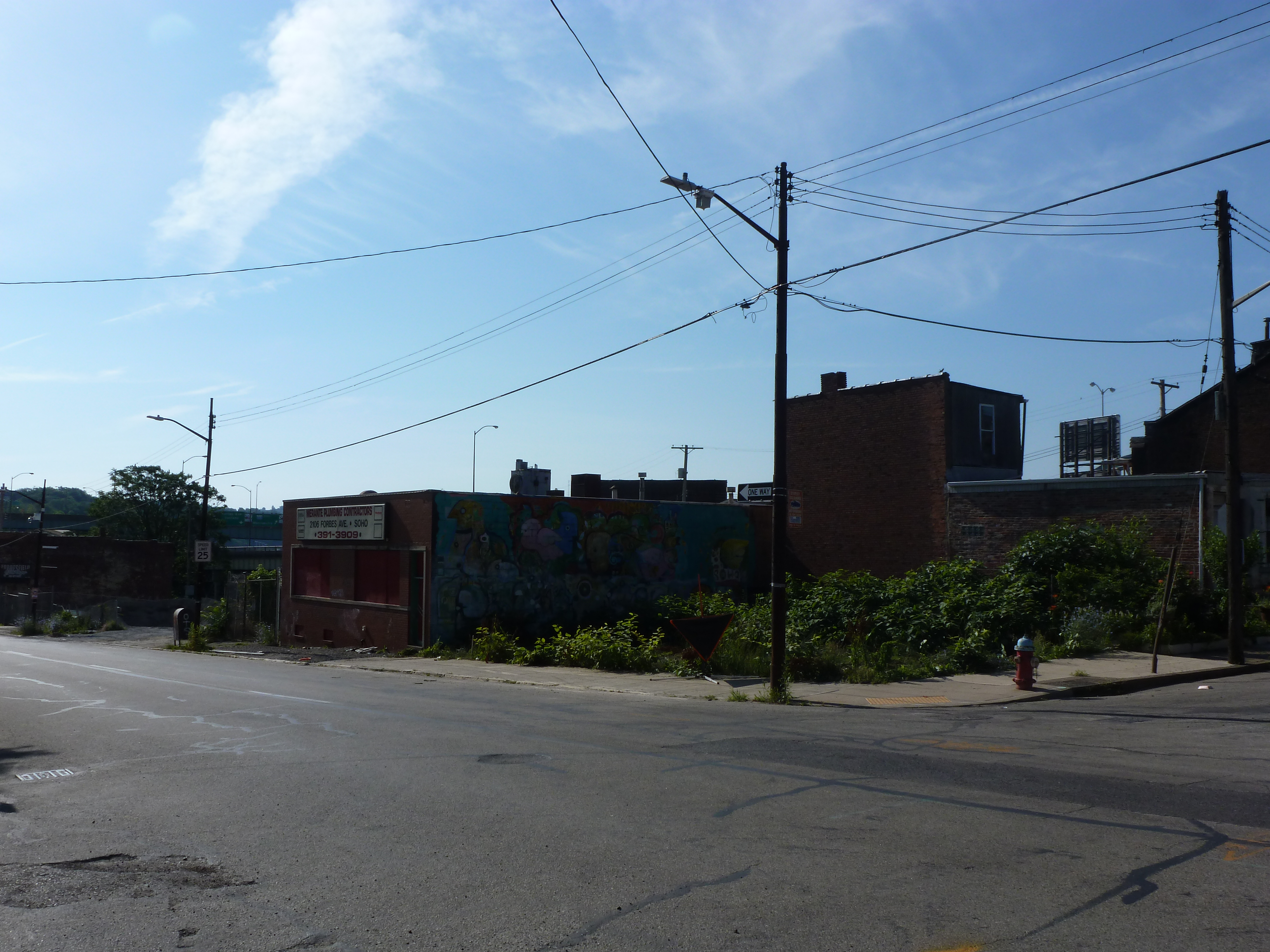
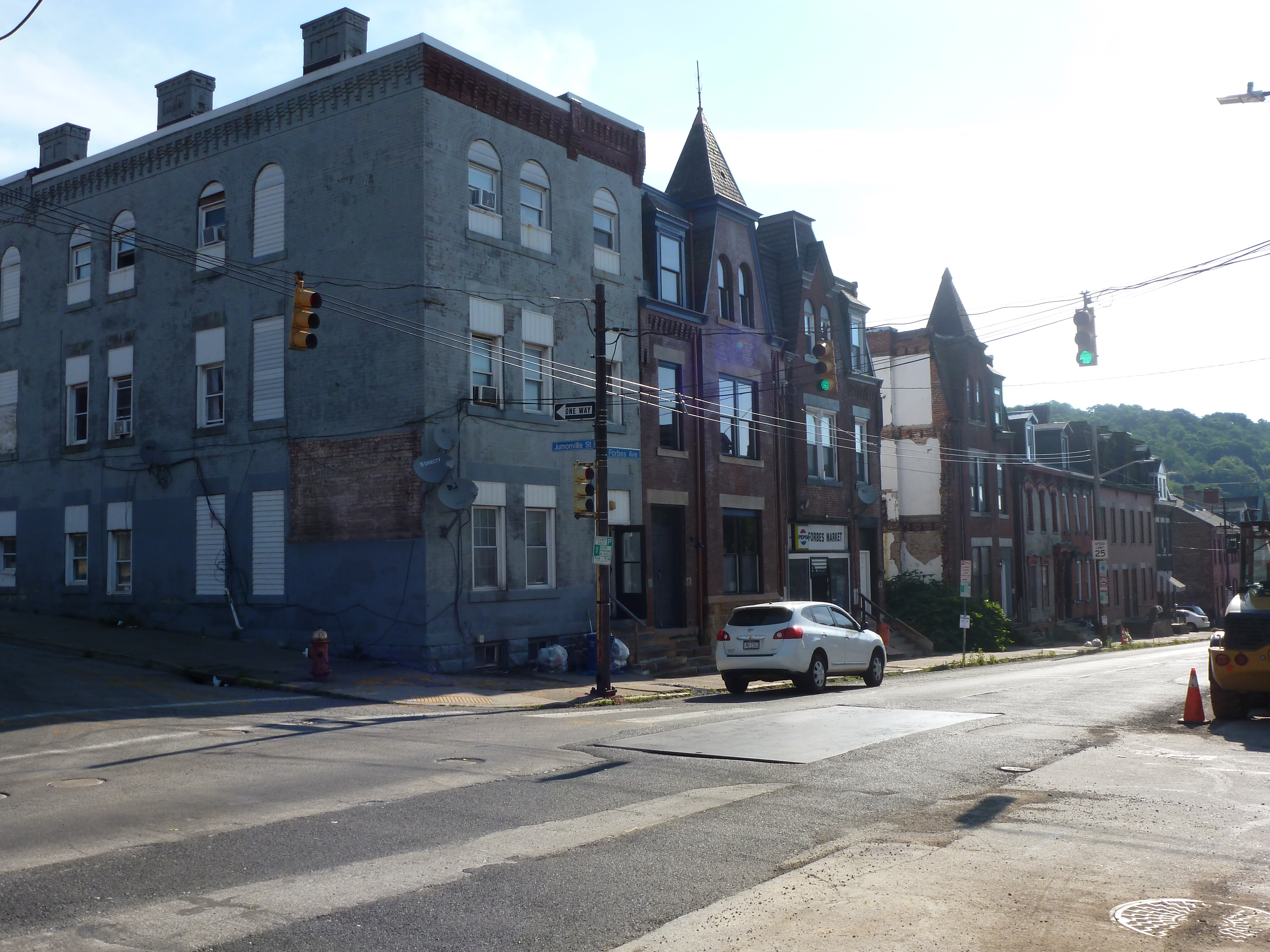
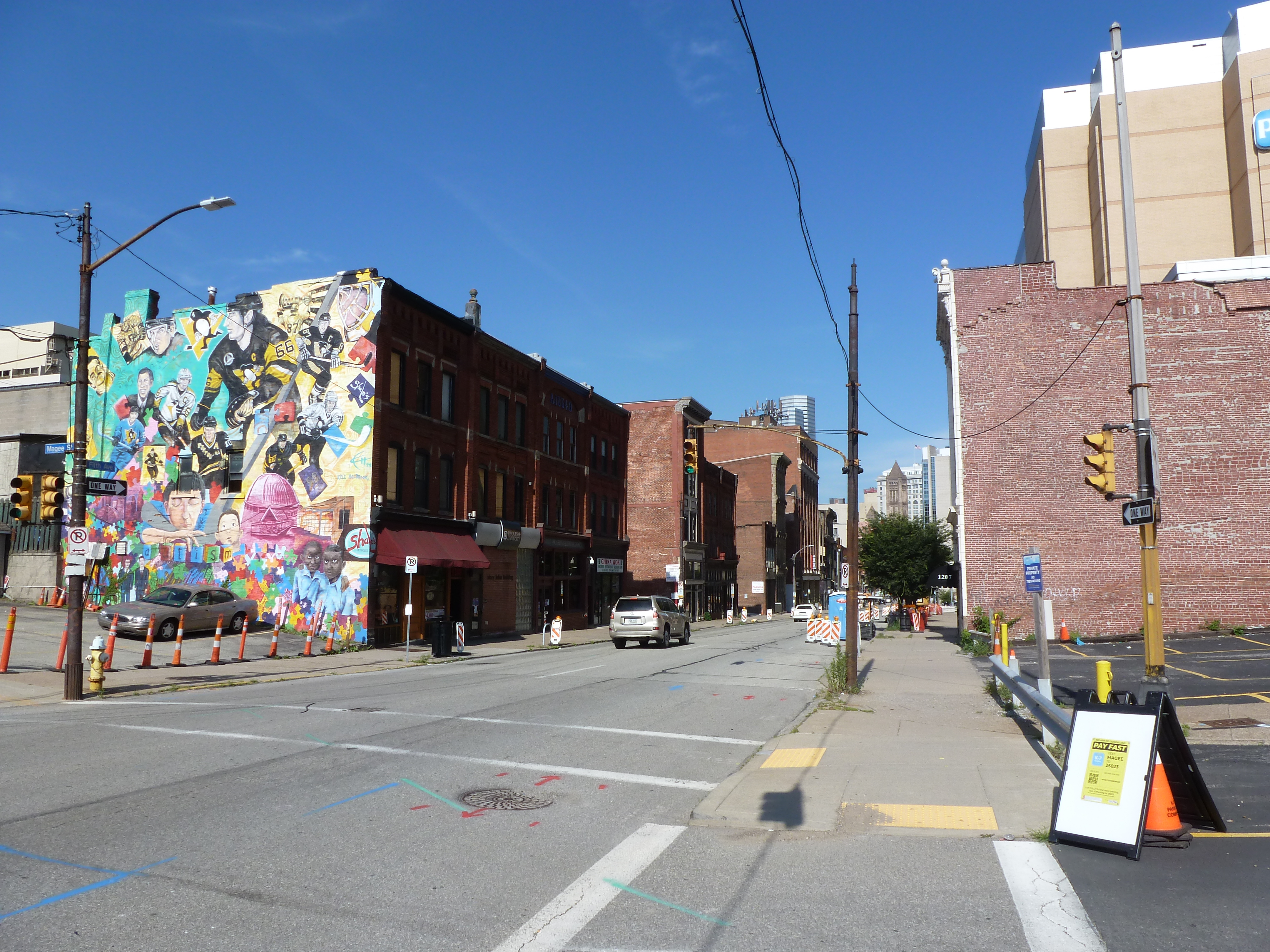
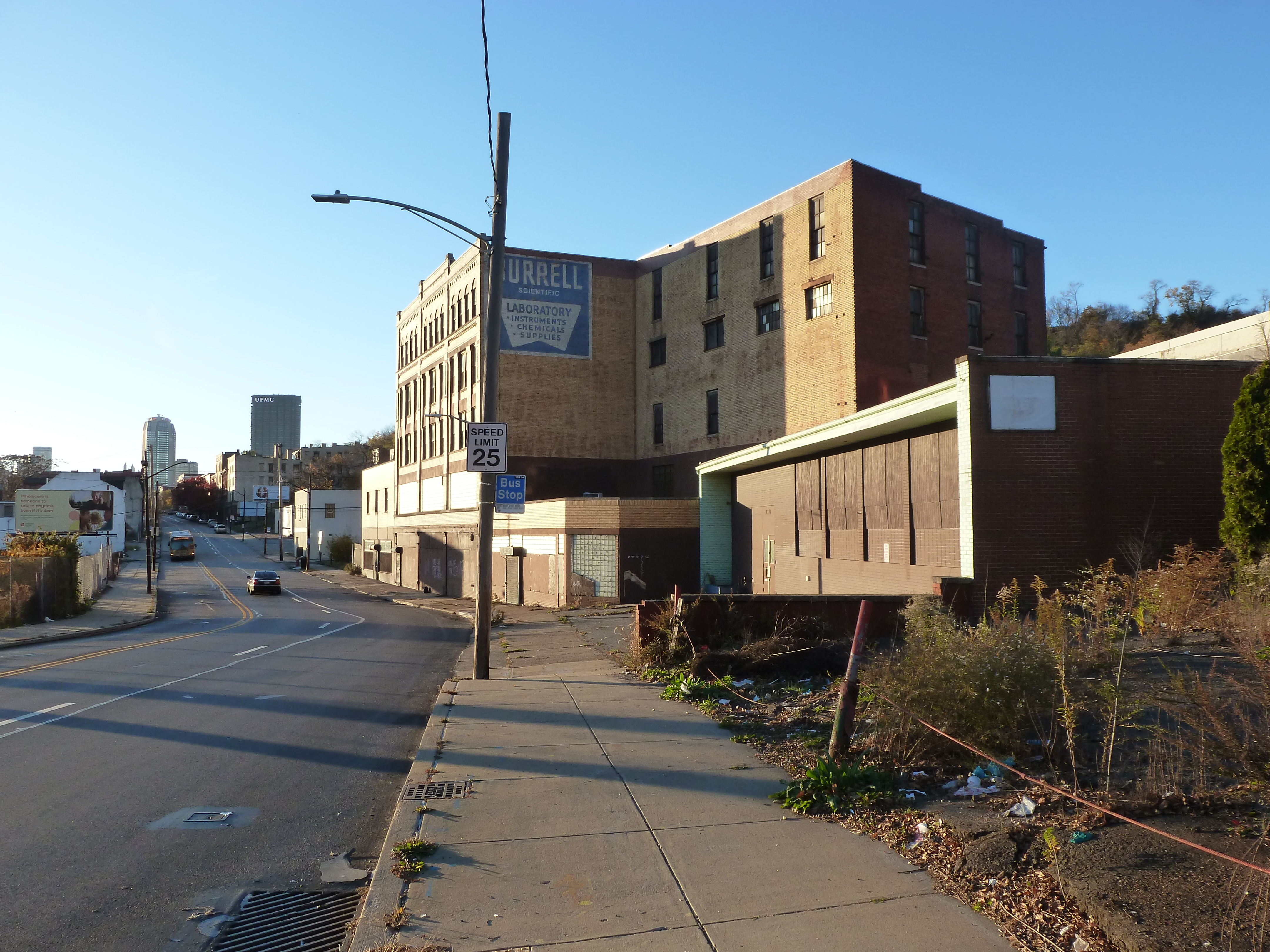
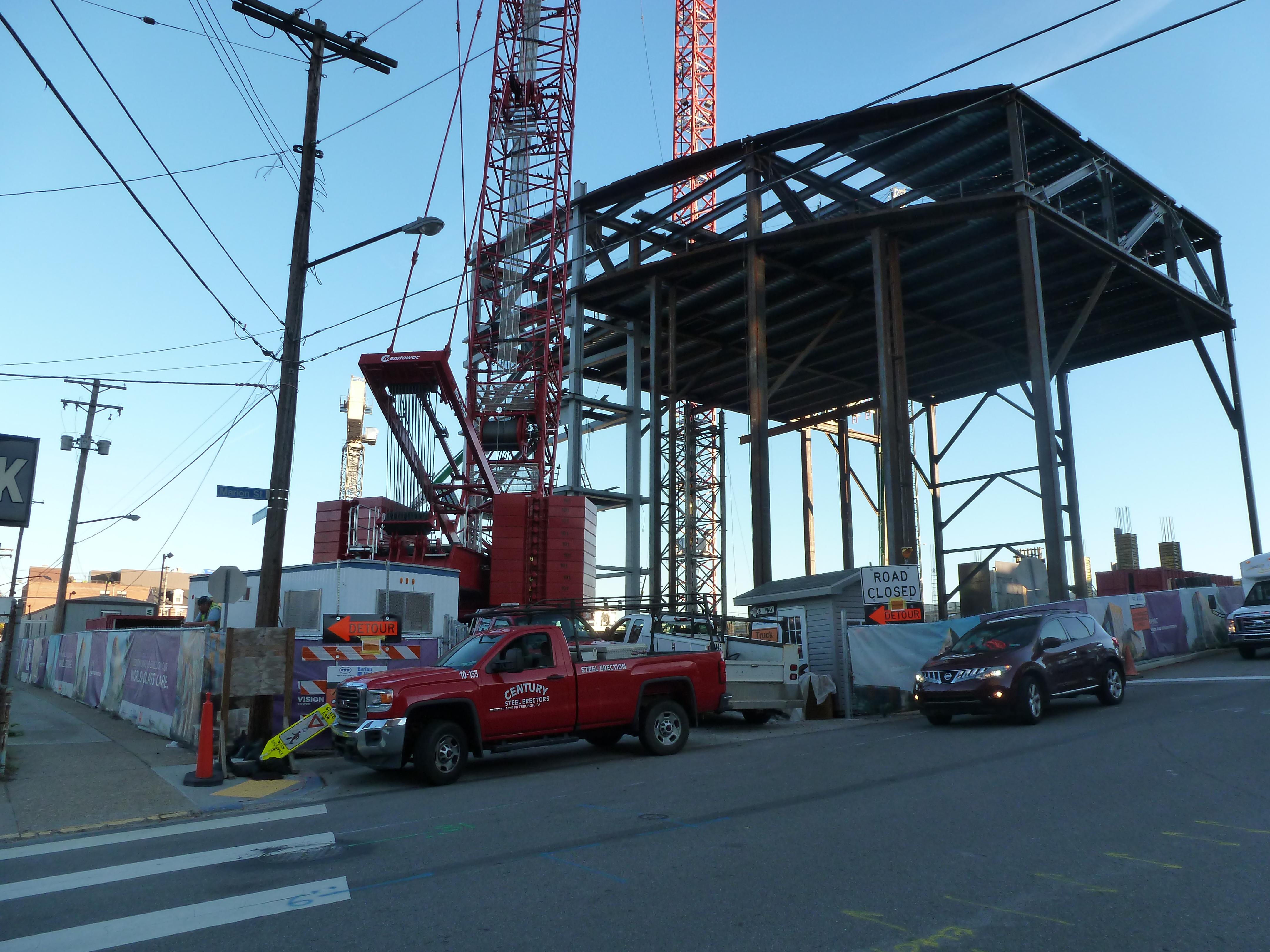
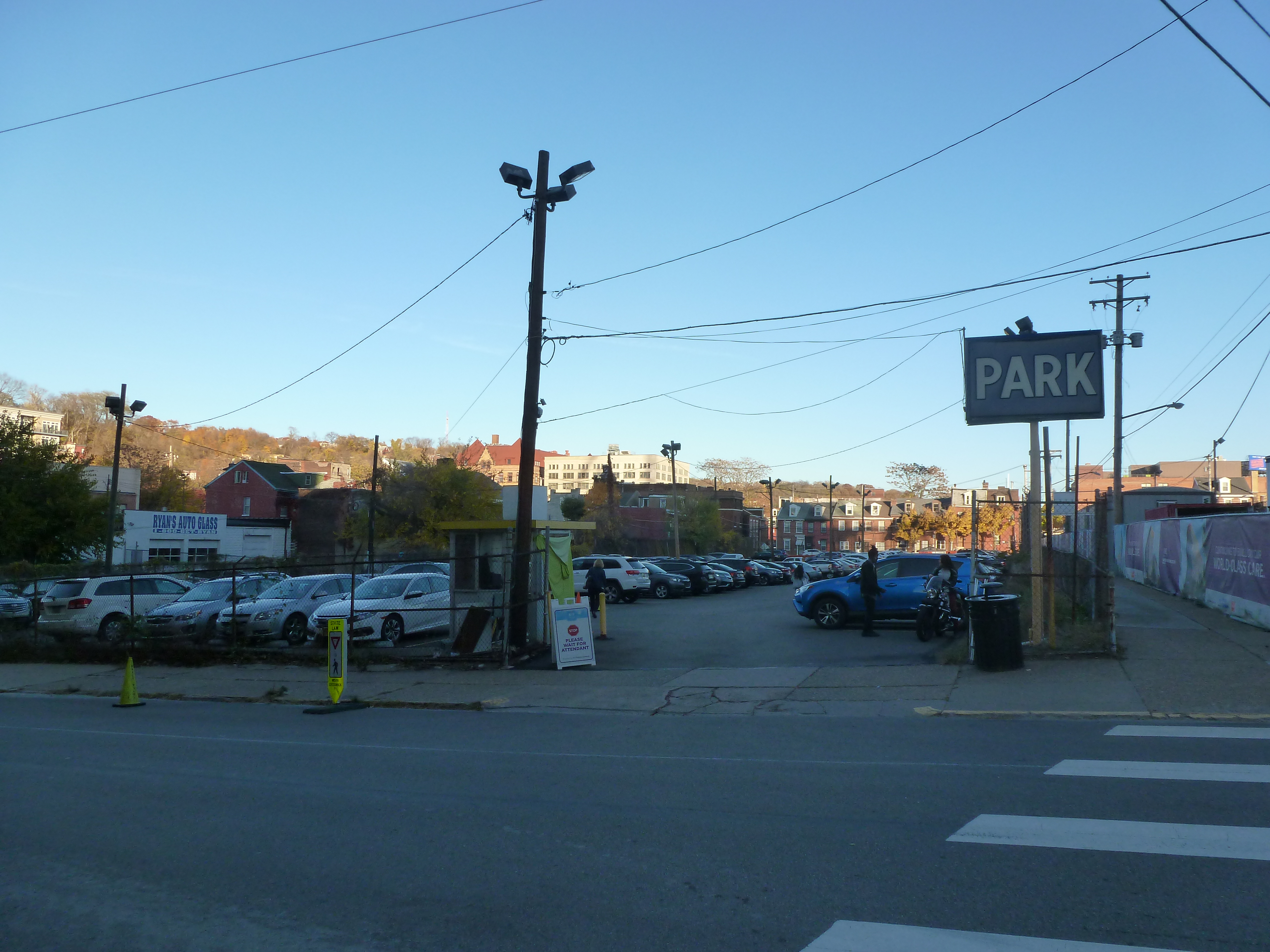
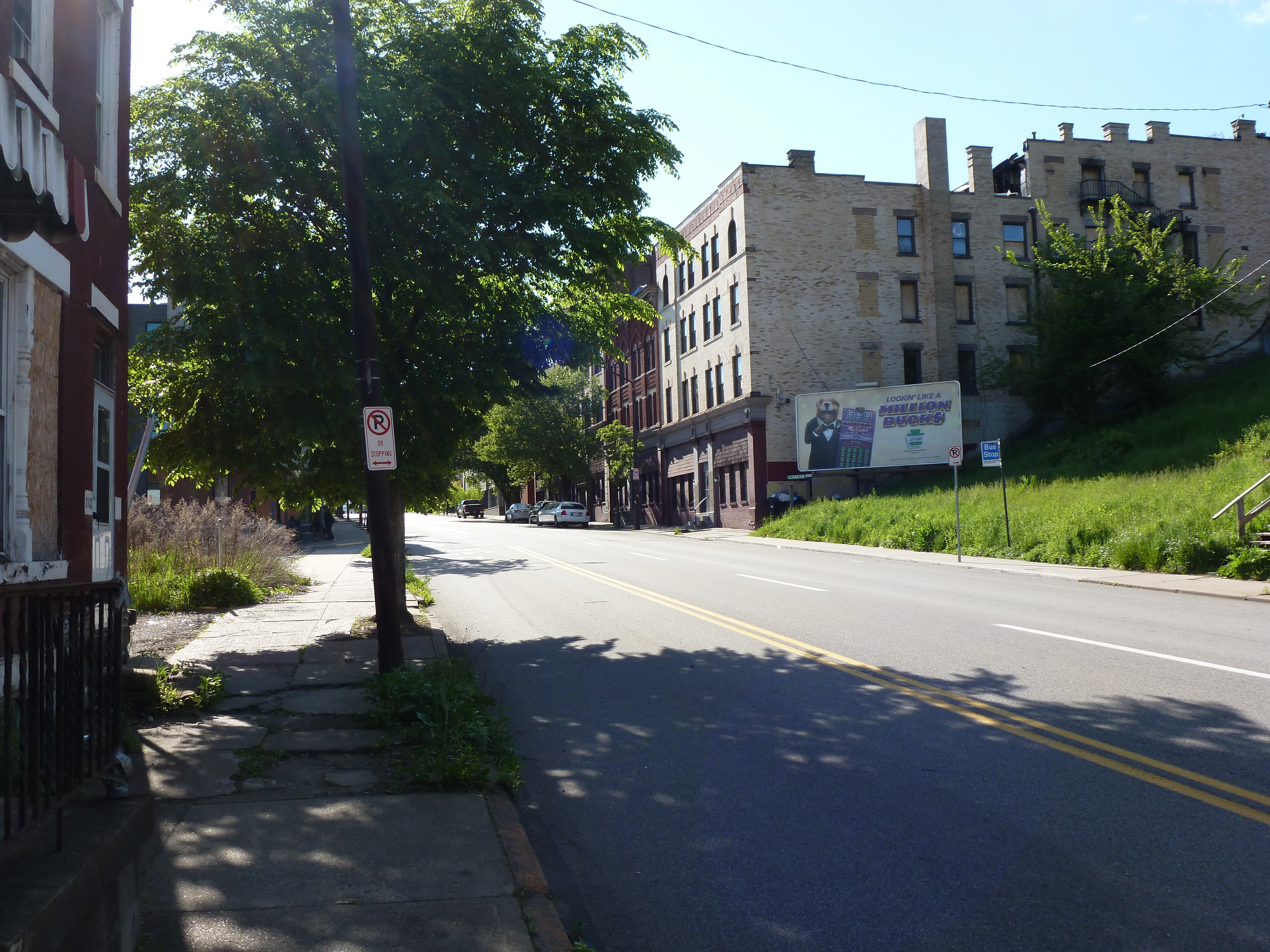
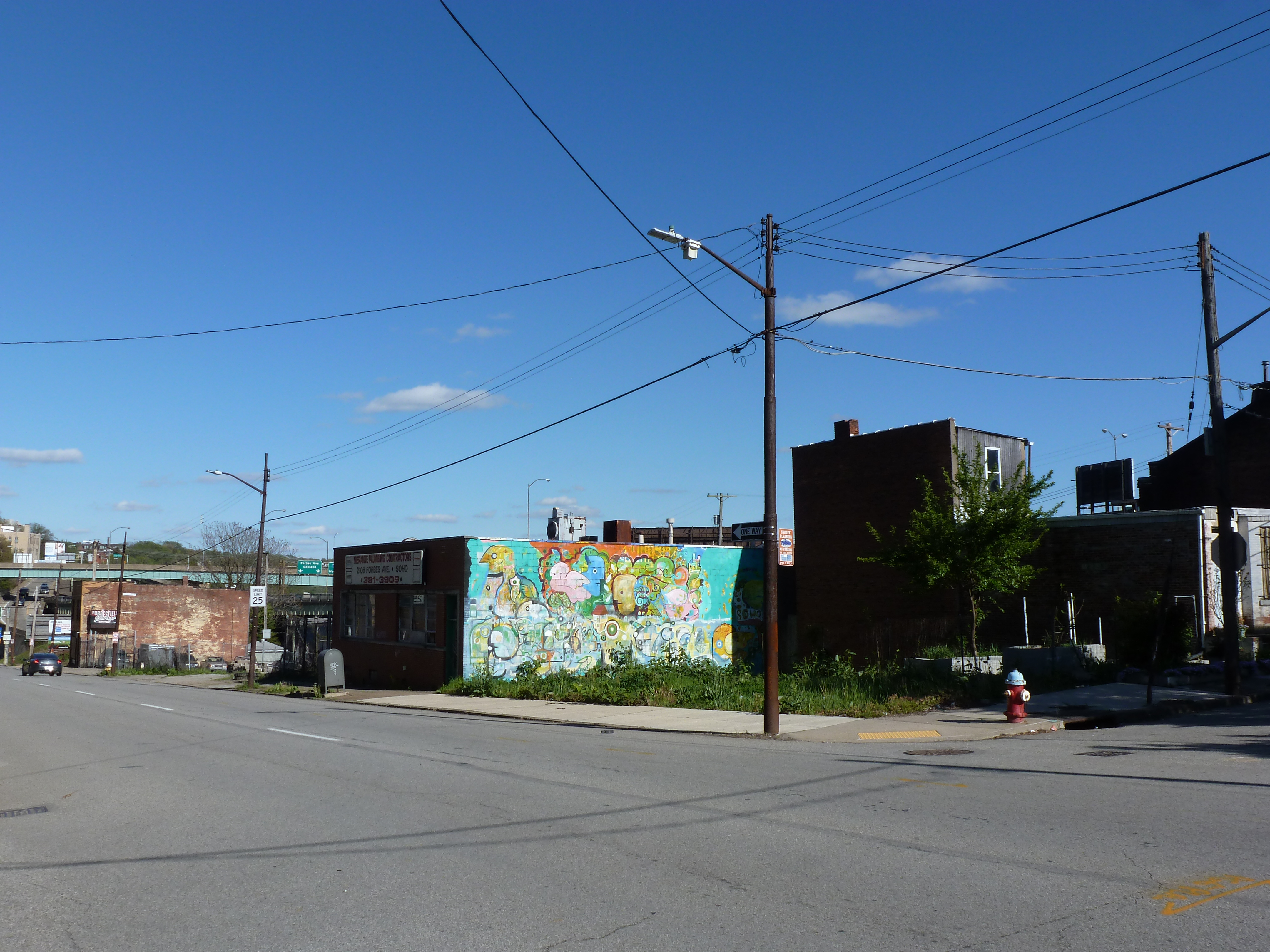
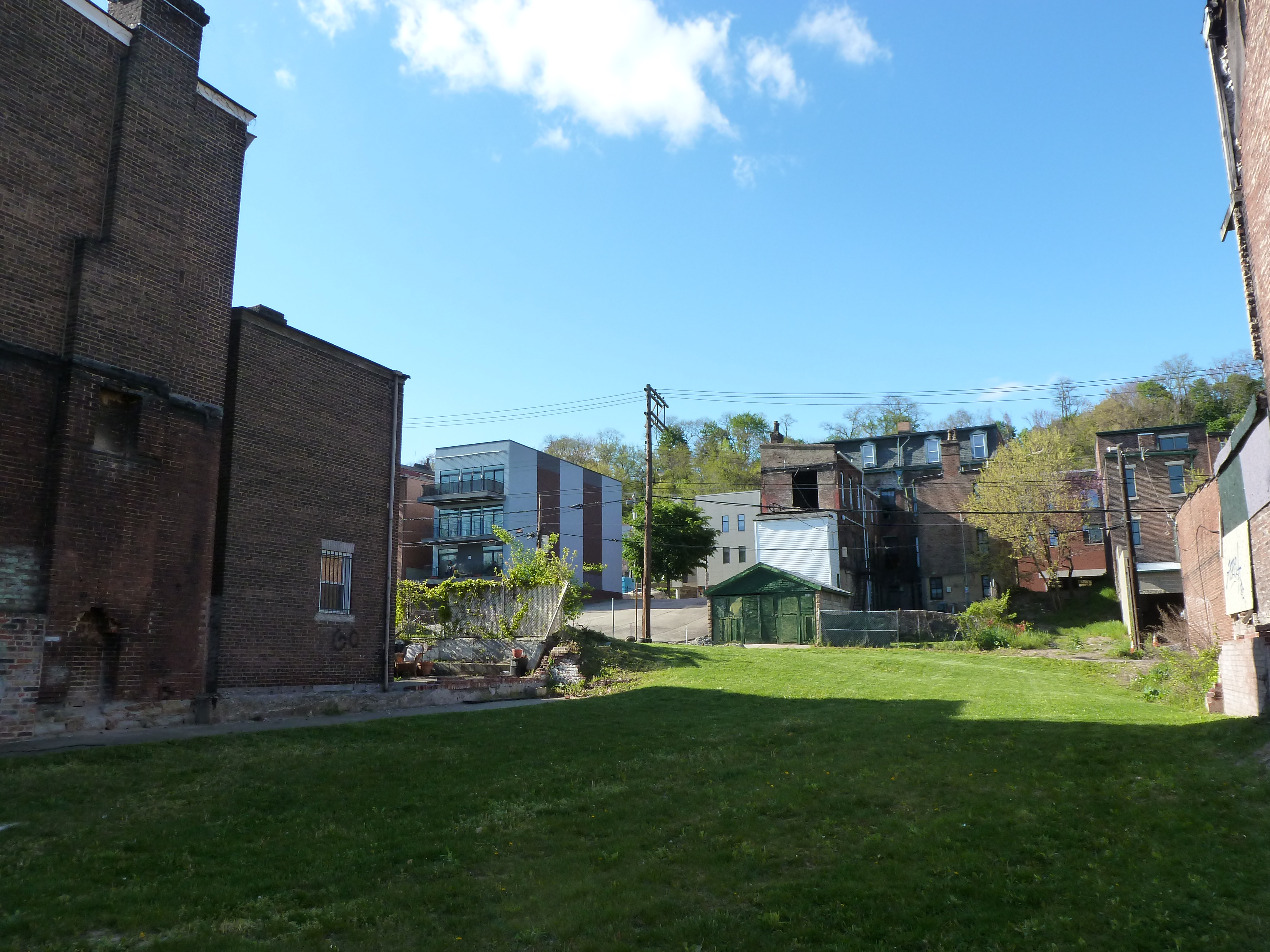
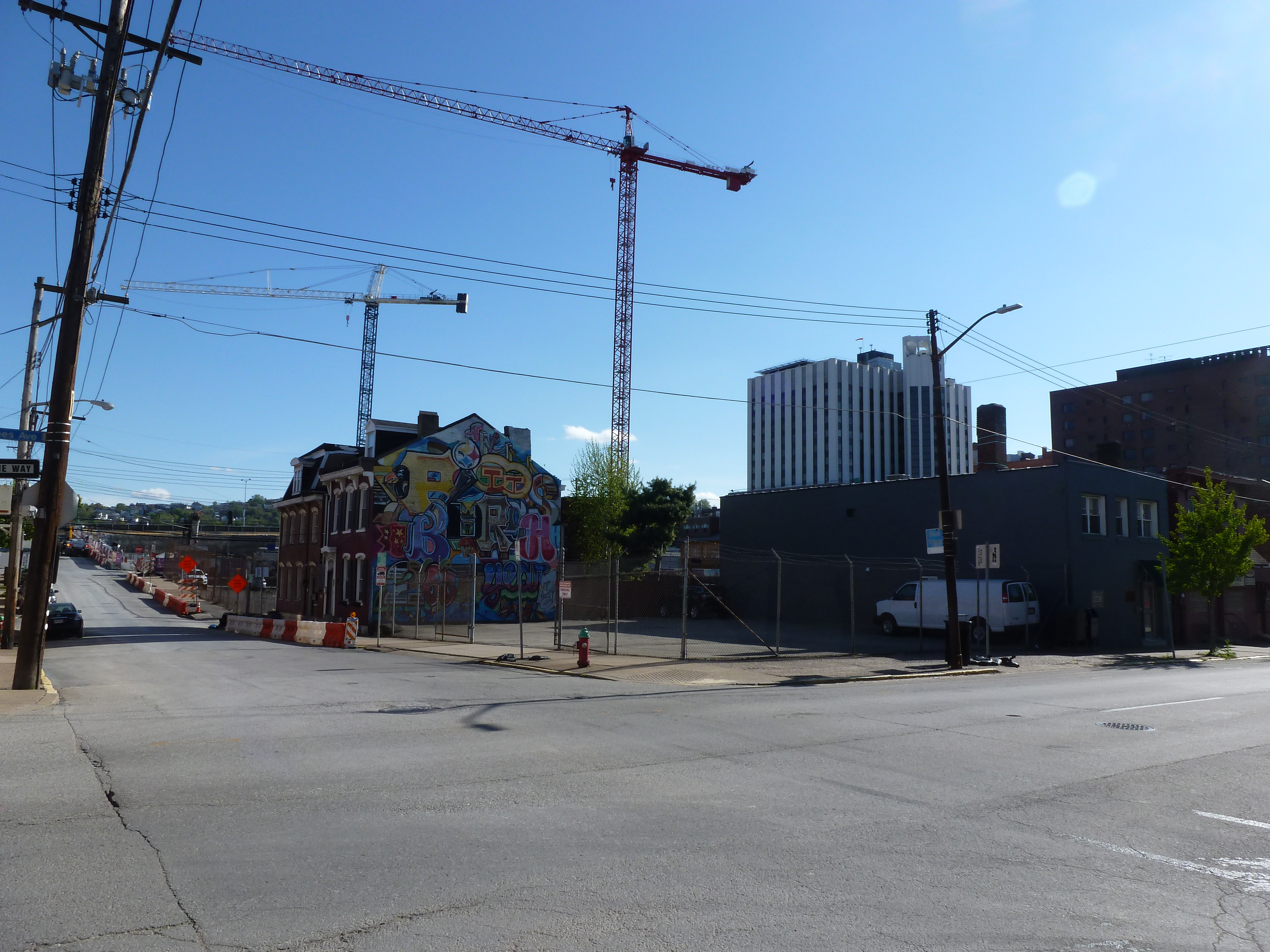
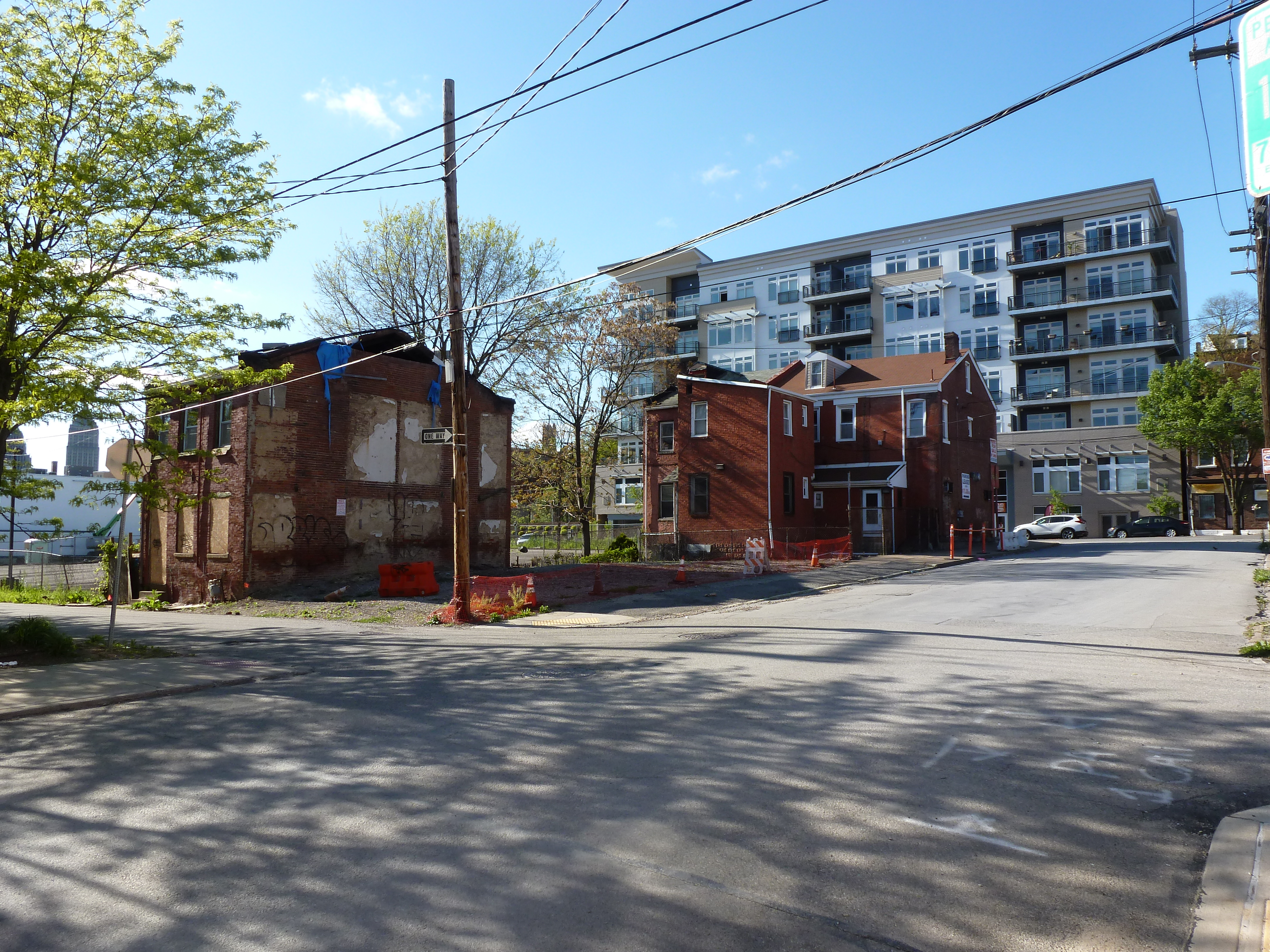
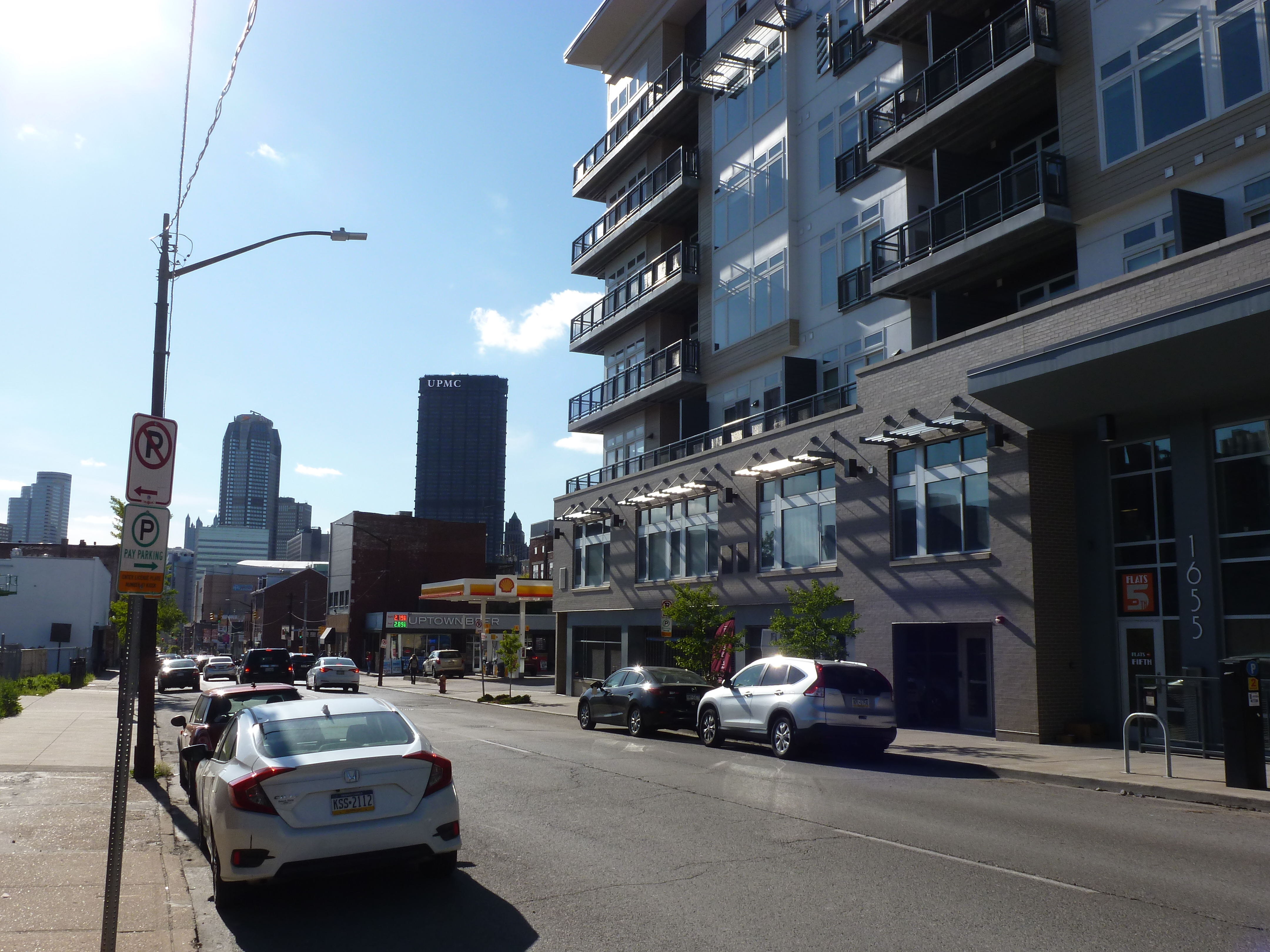
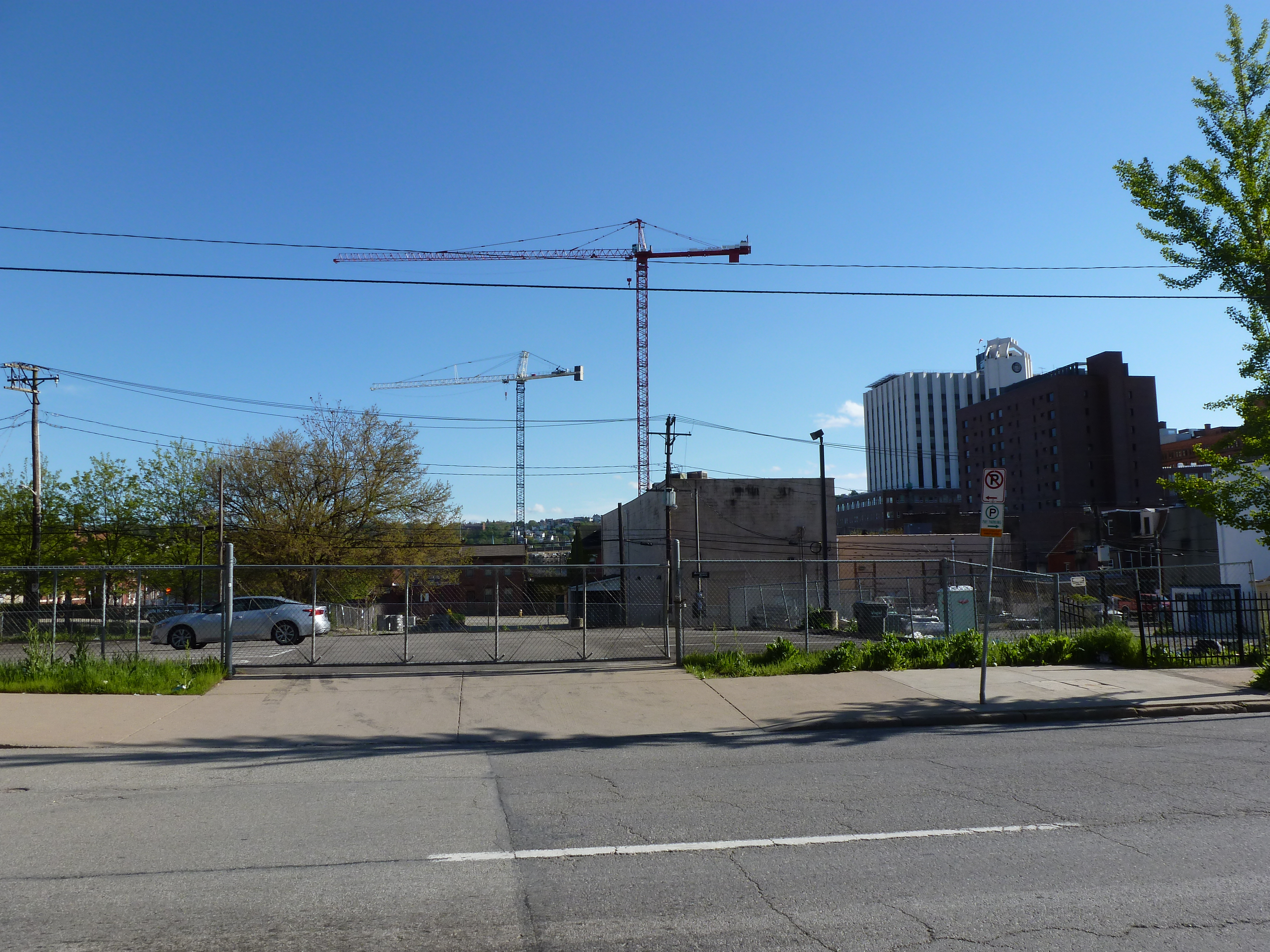
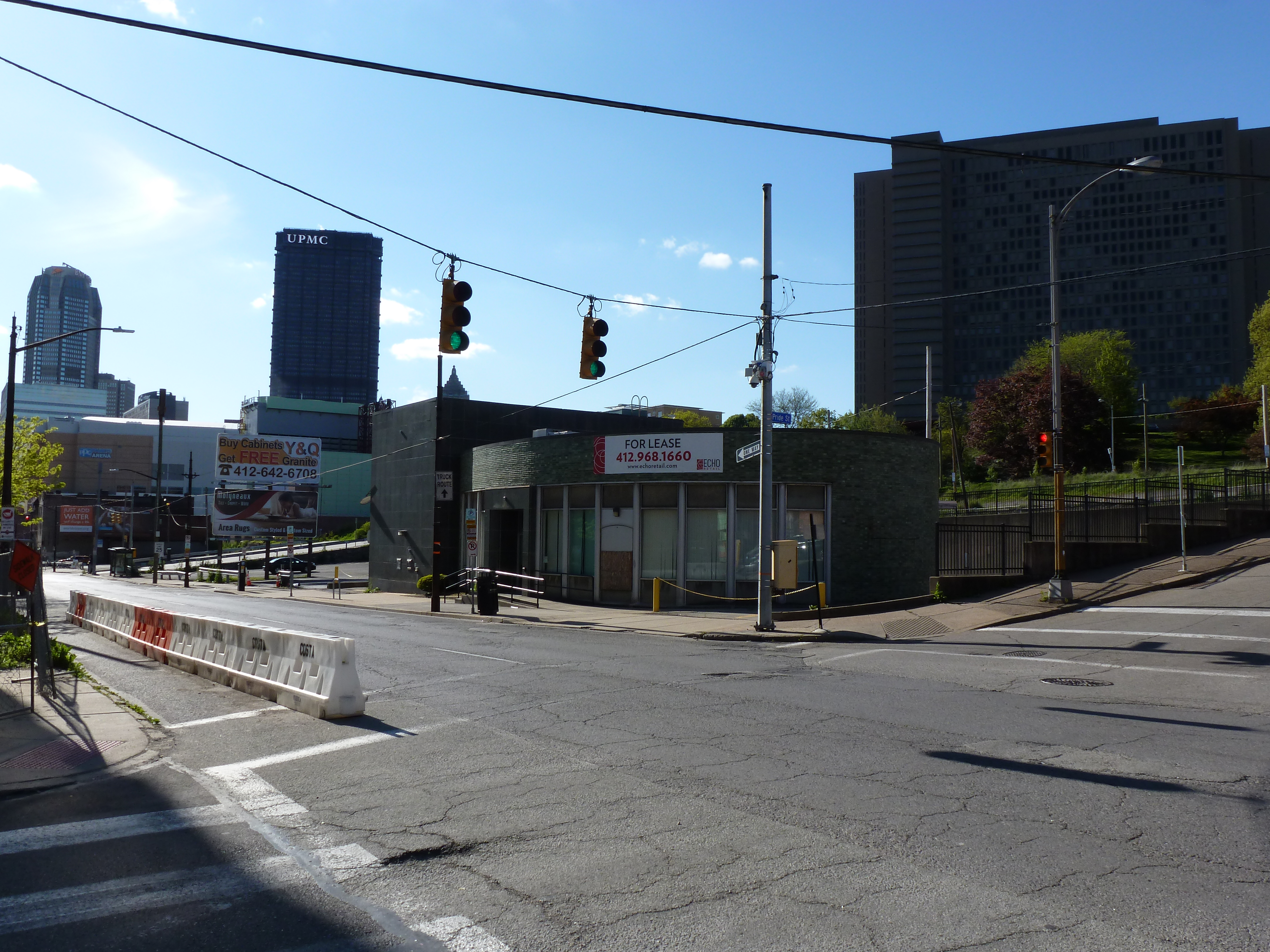
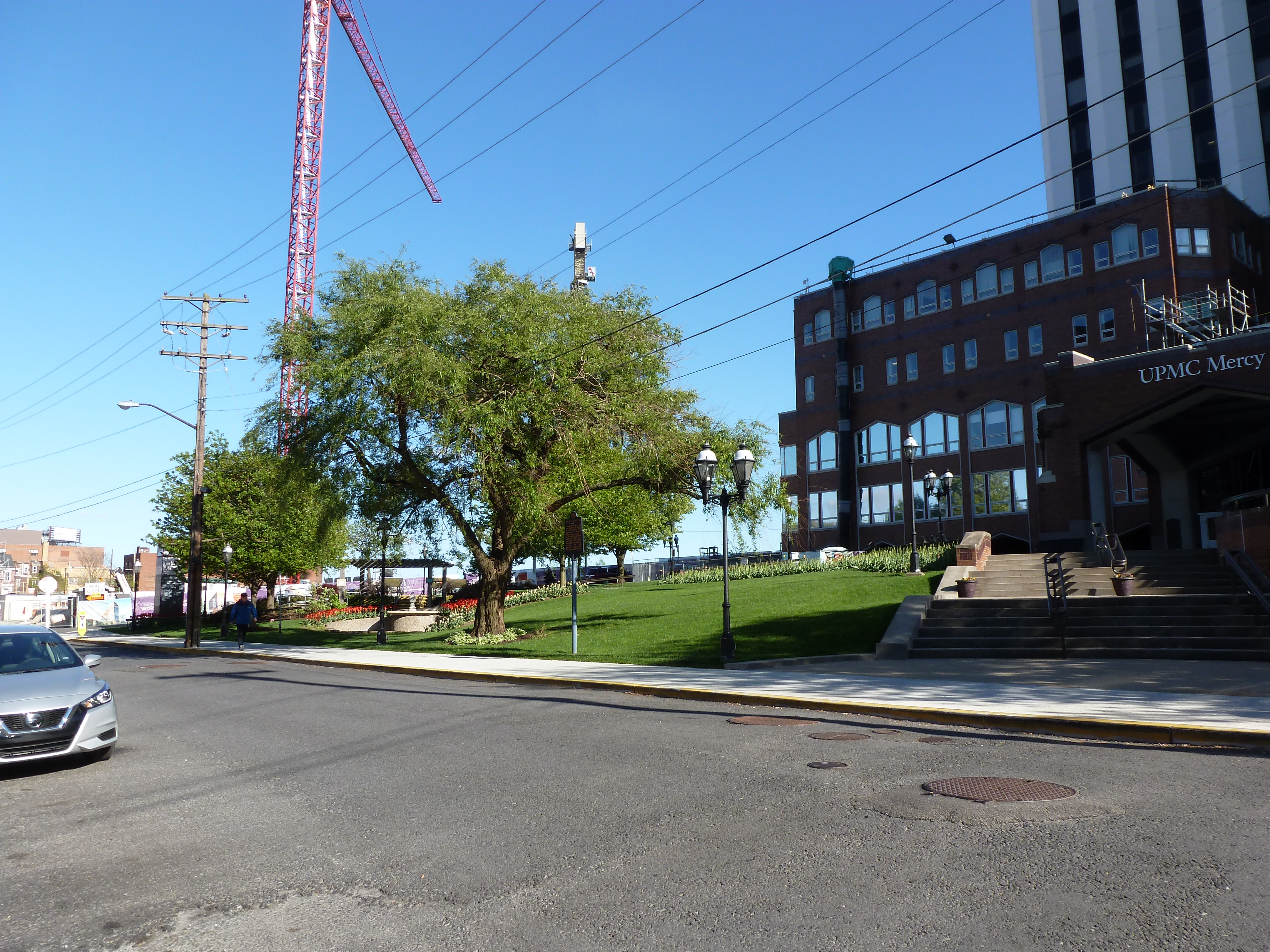
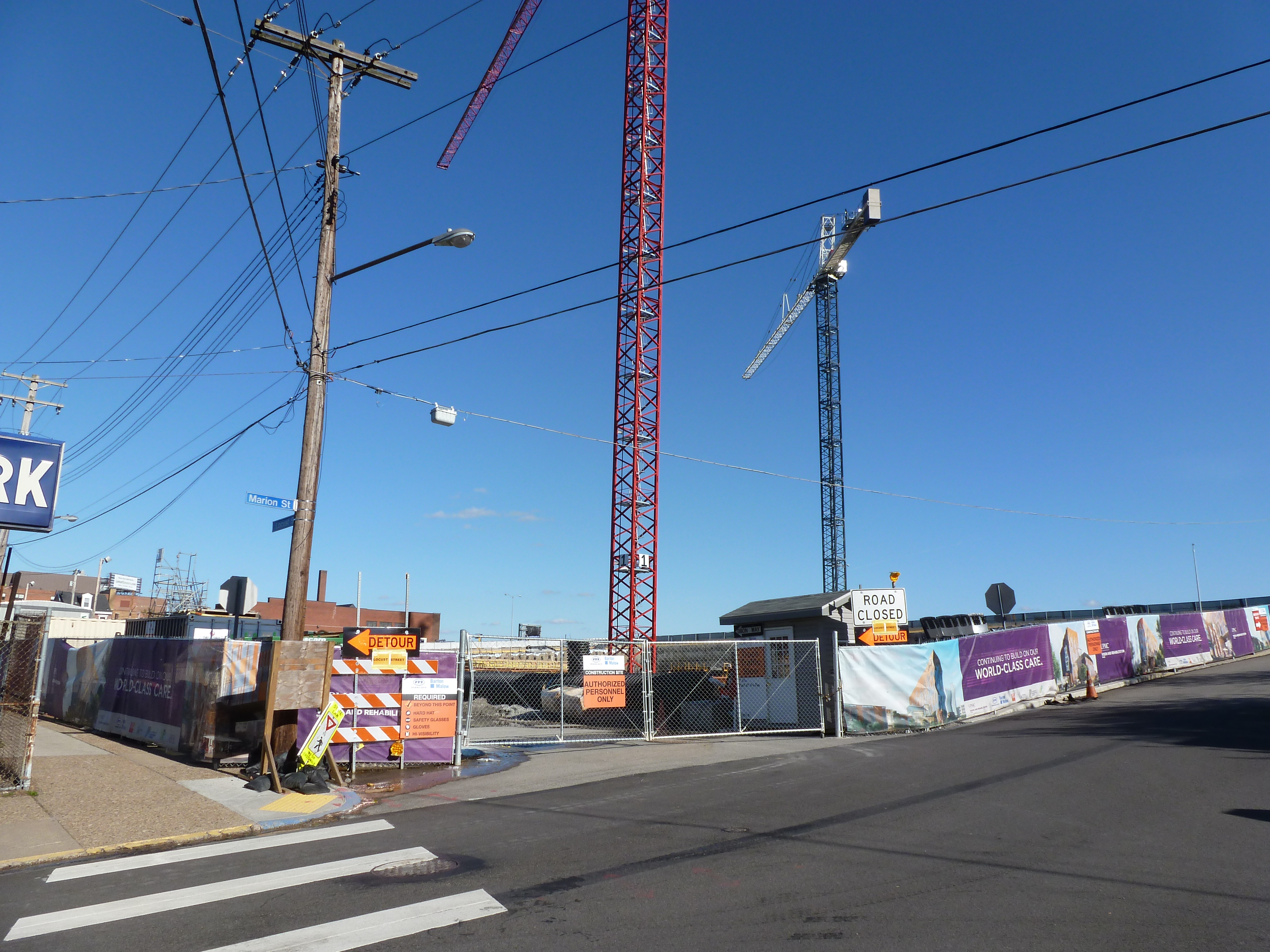
There’s been a lot of development in Uptown since the last on-the-ground photographs from December 2021. Several projects that were in progress at that time have since been completed (or at least appear completed) including the UPMC Mercy Pavilion for the new vision rehabilitation center. Many more projects have broken ground, including one near the Birmingham Bridge on a vacant lot that has an extreme grade change. The near cliff that ran through the middle of this site made me guess that it would take longer to develop that property than the vacant building across the street with the Burrell sign painted on the side. This suggests that it may be easier to develop a environmentally challenged site than to reuse an existing building – which is a disturbing thought.

In addition to the projects we can see developing in the photo series, several more have been announced for the neighborhood, which can be seen in the news section.

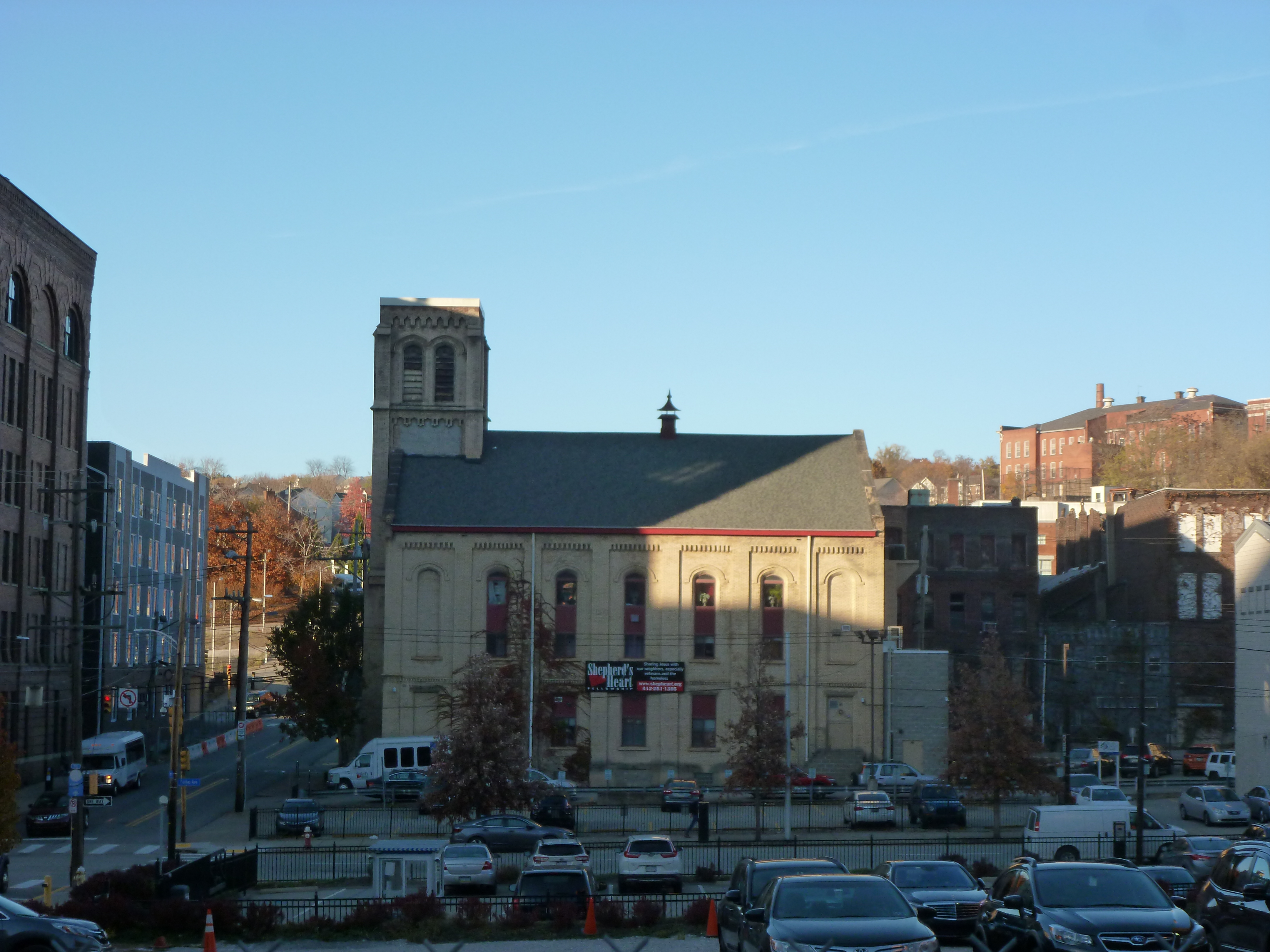
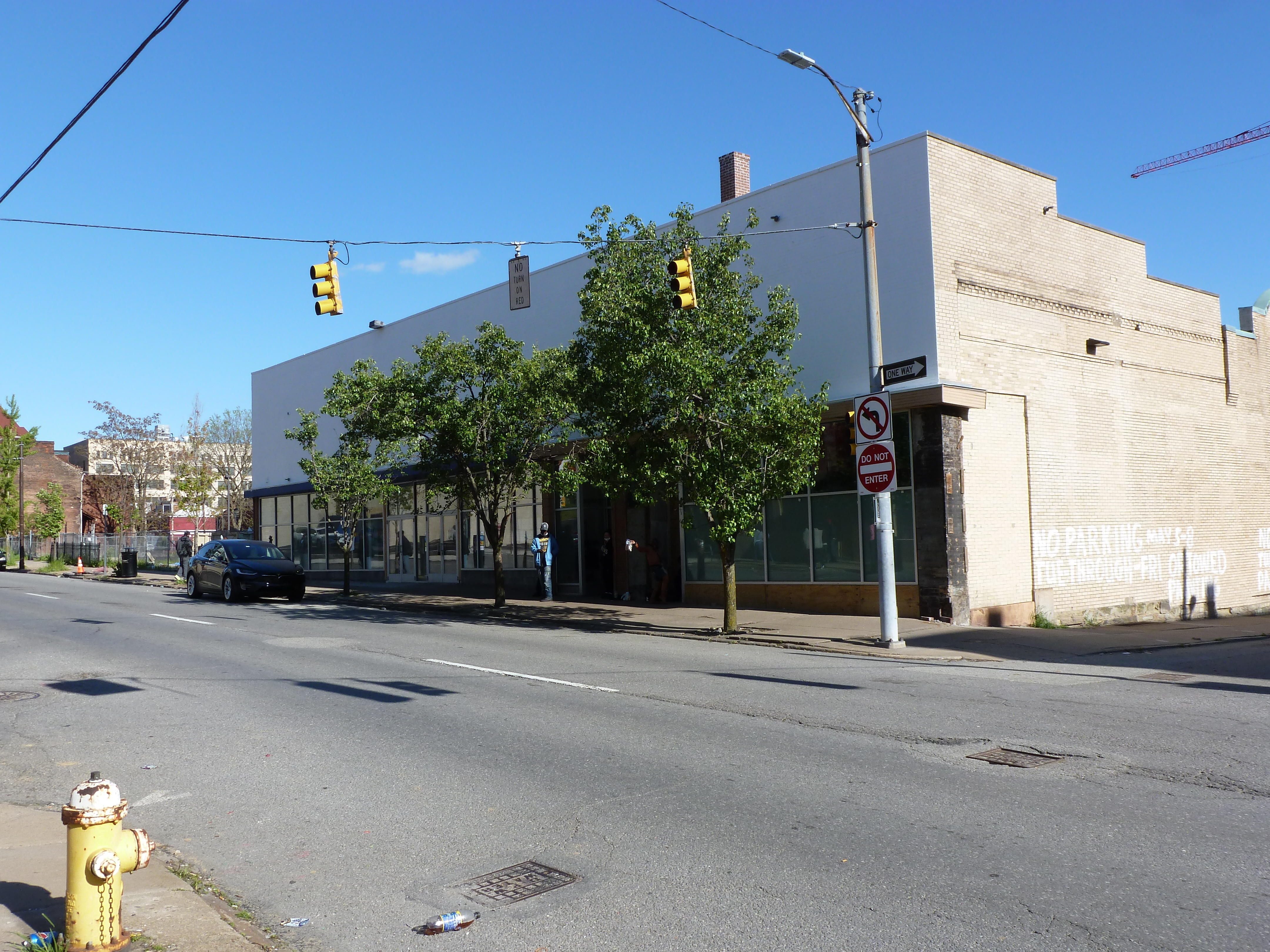
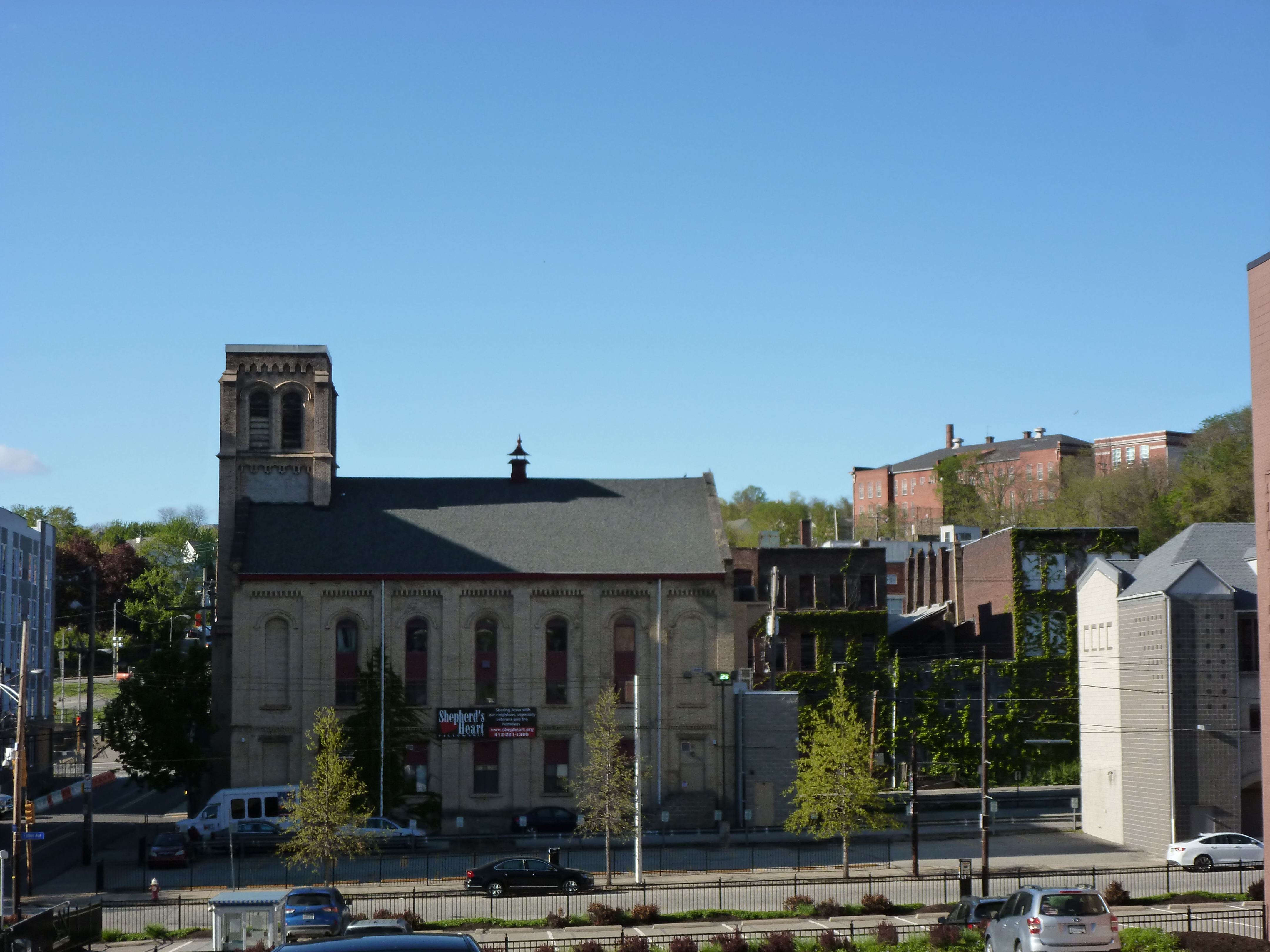
A small aside, as a picture tells a 1,000 words, the photo this year of the Shephard’s Heart Fellowship suggests an unfortunate story (slightly embellished from having ridden the bus past the building over the course of several months). While there is no good time to have a fire, it appears that Shephard’s Heart had a fire shortly after they finished putting a fresh coat of paint on their building. As it’s been at least four months since I first notice the damage and no exterior repairs are apparent, it seems they might be having difficulty in resolving the after affects.

The Photos

Uptown in the News & on the Web

Two projects in Uptown are listed in Next Pittsburgh‘s list of 8 major development projects to watch in 2023: UPMC Mercy’s Vision Rehabilitation Center and Duquesne University’s new 12-story student housing (January 11, 2023). The Pittsburgh Business Times got a first look at the new UPMC Mercy Pavilion – the home of the vision rehabilitation center – prior to its May 1 opening (April 19, 2023) and the University of Pittsburgh Health Sciences provided an description of the services that will be provided (May 10, 2023).

The Tito-Mecca-Zazza House continued to make the news. The developer and Uptown Partners reached an agreement that would donate the house to the nonprofit for restoration while the new construction multi-unit building would be built on the remaining parcels, including the one with the garage that is part of Rolling Rock’s origin story (Pittsburgh Business Times, July 21, 2023). A descendant of the Tito family has filed a lawsuit protesting the proposed demolition of the garage (Pittsburgh Business Times, August 28, 2023).

The Bethlehem Haven women’s shelter in Uptown sought and received approval from Planning Commission on its plans to renovate and expand (Public Source, April 4, 2023; TribLIVE, April 4, 2023; TribLIVE, April 19, 2023).

Several other housing projects received approvals or are moving forward in the neighborhood including:

  • a formerly stalled 110-unit mixed-use apartment building got an infusion of new funds from the URA (Pittsburgh Business Times, January 19, 2023)
  • a 240-unit apartment building proposed for a block that is primarily a parking lot today (Pittsburgh Business Times, February 21, 2023)
  • a new 211-unit apartment project was proposed (Pittsburgh Business Times, May 17, 2023)
  • an affordable/workforce housing development that received approval from Planning Commission (Public Source, July 25, 2023)

Panelists were interviewed by the Pittsburgh Business Times prior to their talk about the projects and opportunities coming to Uptown and the Lower Hill and another Pittsburgh Business Times article focused on the prominent role of Black developers in these projects (both articles: June 8, 2023). Another article discusses the panel (Pittsburgh Business Times, June 13, 2023).

Tech companies are also interested in Uptown with a tech venture studio taking over part of the former Paramount Building in Uptown (Pittsburgh Business Times, March 31, 2023).

Locating Uptown


Previous posts in series:

Keeping an Eye on Uptown: 2022 Recap

Keeping an Eye on Uptown: Dec. 2021

Keeping an Eye on Uptown: Jul. 2021

Keeping an Eye on Uptown: Nov. 2020

Keeping an Eye on Uptown: May 2020

Keeping an Eye on Uptown: Nov. 2019

Keeping an Eye on Uptown: Introduction (November 15, 2019)

Moral Economics (September 1, 2019)

Keeping an Eye on Uptown: 2022 Recap

Overview

Uptown is one of the many neighborhoods in Pittsburgh that experienced decades of neglect. For this neighborhood, the neglect was despite Uptown being sandwiched between Oakland and downtown, two places among the state’s strongest economic regions. Zipping through Uptown from Oakland to downtown on Fifth Avenue or from downtown to Oakland on Forbes Avenue, it is easy to overlook or dismiss the hodgepodge of ruined home foundations turning back to forest; scattered vacant lots, parking lots, and industrial uses; and the intricate architectural details on abandoned and renovated townhomes.

In recent years, new buildings started springing up here and there. Some of these new projects are the work of the two institutions in the neighborhood: UPMC Mercy Hospital and Duquesne University. Others are the work of a variety of commercial and residential developers. Two reasons for this recent investment are the proposed Bus Rapid Transit system, which will eventually run through the neighborhood, and the in-progress redevelopment of the Lower Hill, an adjacent neighborhood.

The Uptown community saw these changes coming and prepared. Between 2015 and 2017, the community organization Uptown Partners collaborated UPMC Mercy, Duquesne University, the City of Pittsburgh, and others to create the EcoInnovation District Plan and the Uptown Public Realm zoning district. The plan and new zoning district are intended to guide future development and leverage their economic investment for the greater good of the neighborhood. Ideally, this will reduce the number of those who will be left behind.

This blog post is part of an on-going series watching the changes in Uptown. Periodically, approximately once a year, I return to the neighborhood to take new photographs of the same areas. In addition, I include links to articles about the project that I’ve encountered since the previous post in the series. At the end of the post, there is a map showing the location of the neighborhood and links to the previous posts in the series.

What’s new

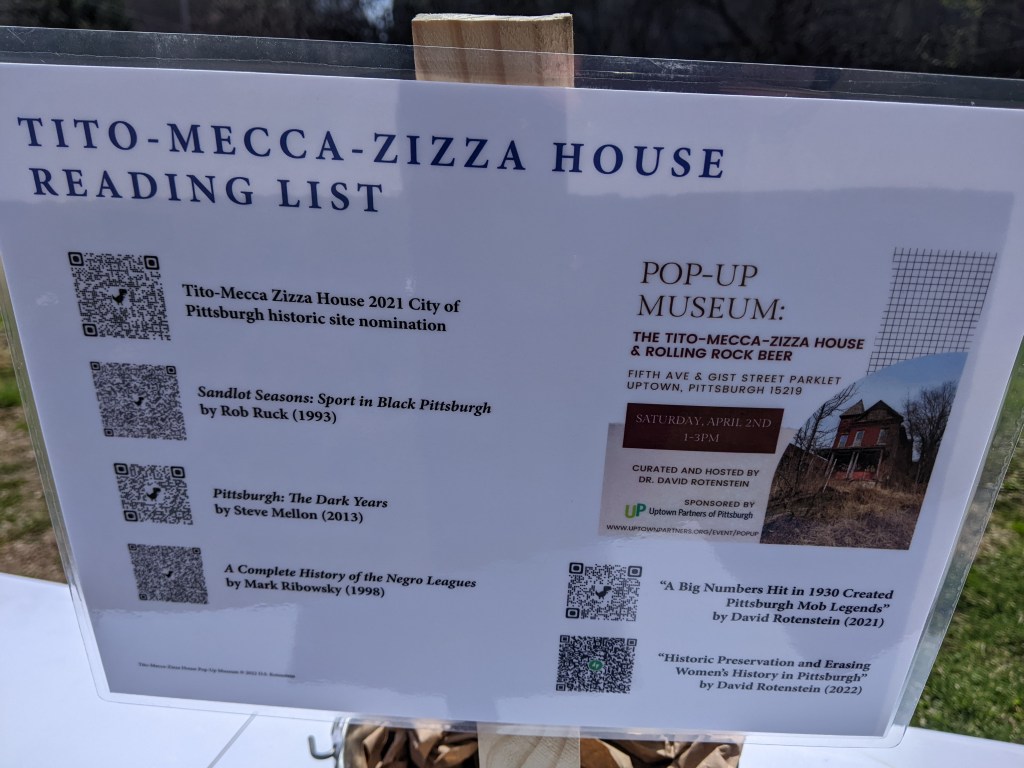
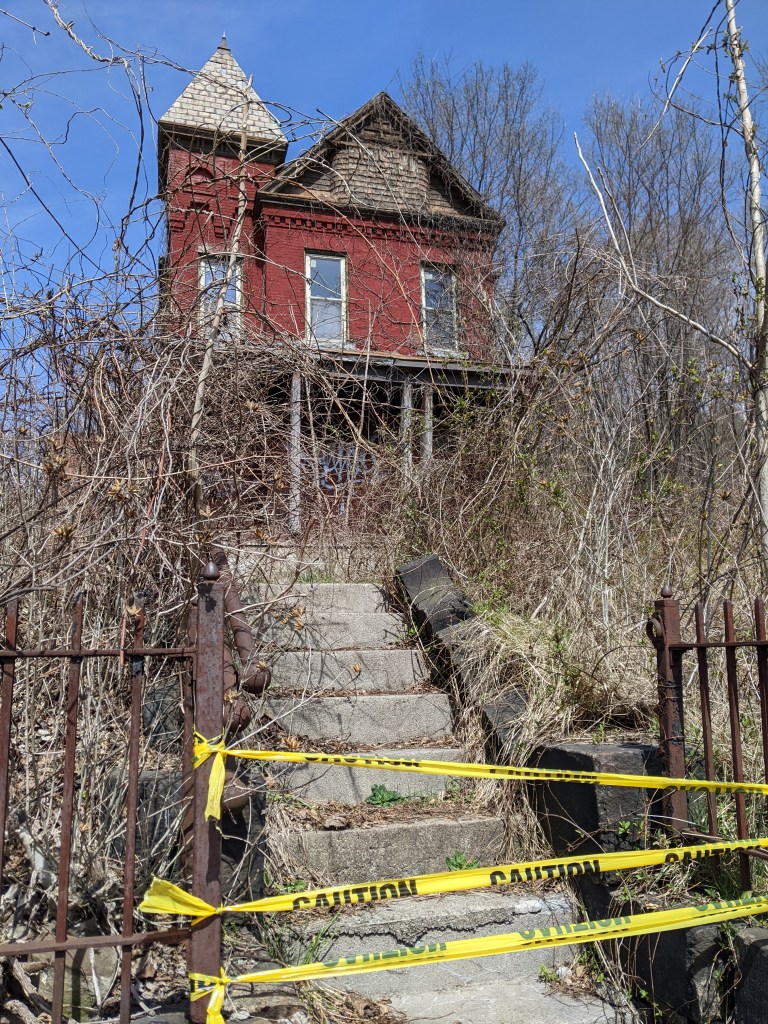
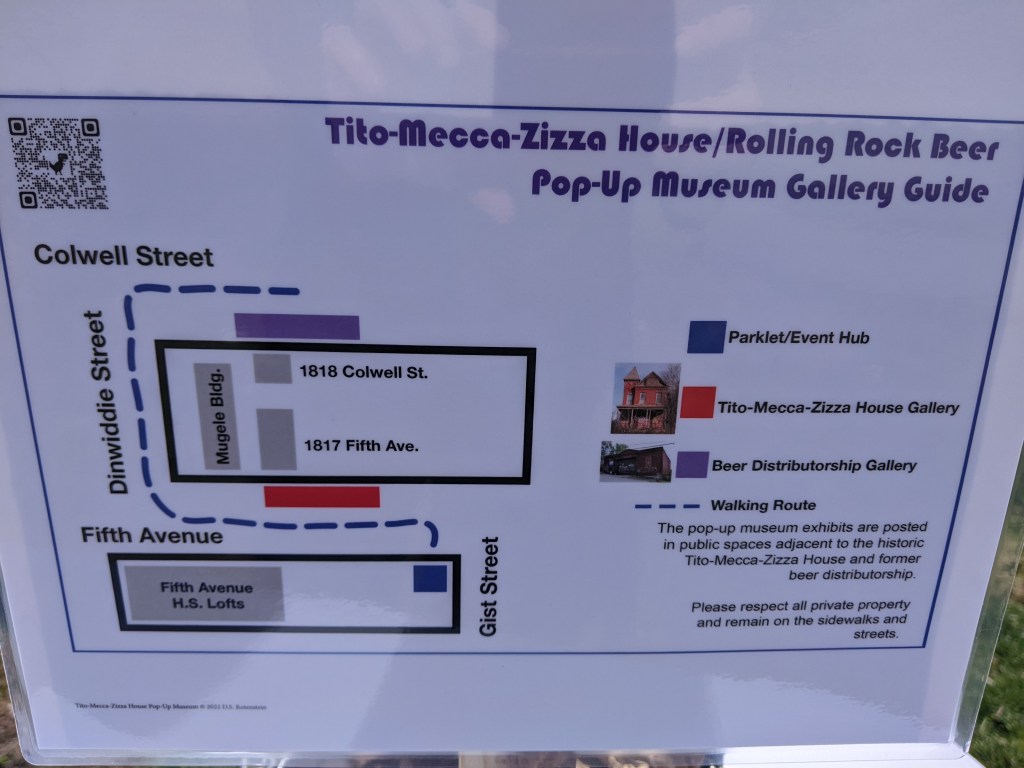
The big news of 2022 was the successful nomination of the Tito-Mecca-Zizza House for historic preservation. Despite a rocky road, in June, City Council voted to designate the house as a historic property. The property owners were vehemently opposed to the nomination throughout the process. The process to nomination involved two meetings at each of the Historic Commission, Planning Commission, and City Council. The Historic Commission did not recommend the nomination to City Council, but the Planning Commission did. The property is considered architectural significant and unique and it has ties to Rolling Rock beer, the Negro League, and the American-Italian community of Pittsburgh. I attended a pop-museum event at the site during the nomination process and include photos below.

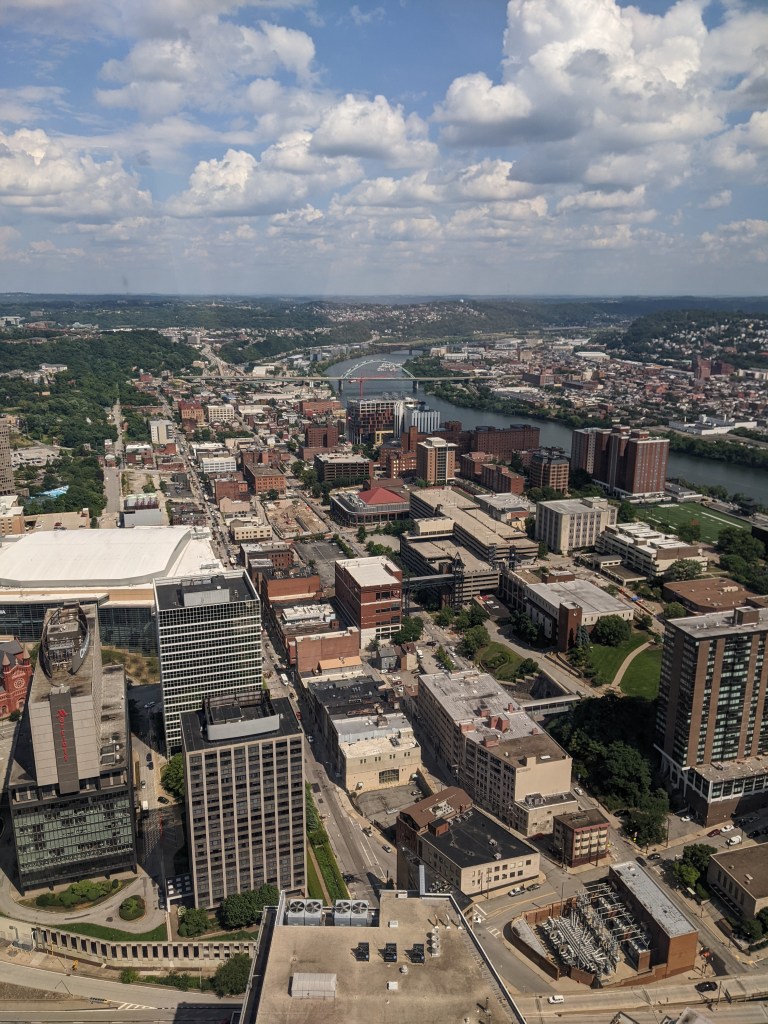
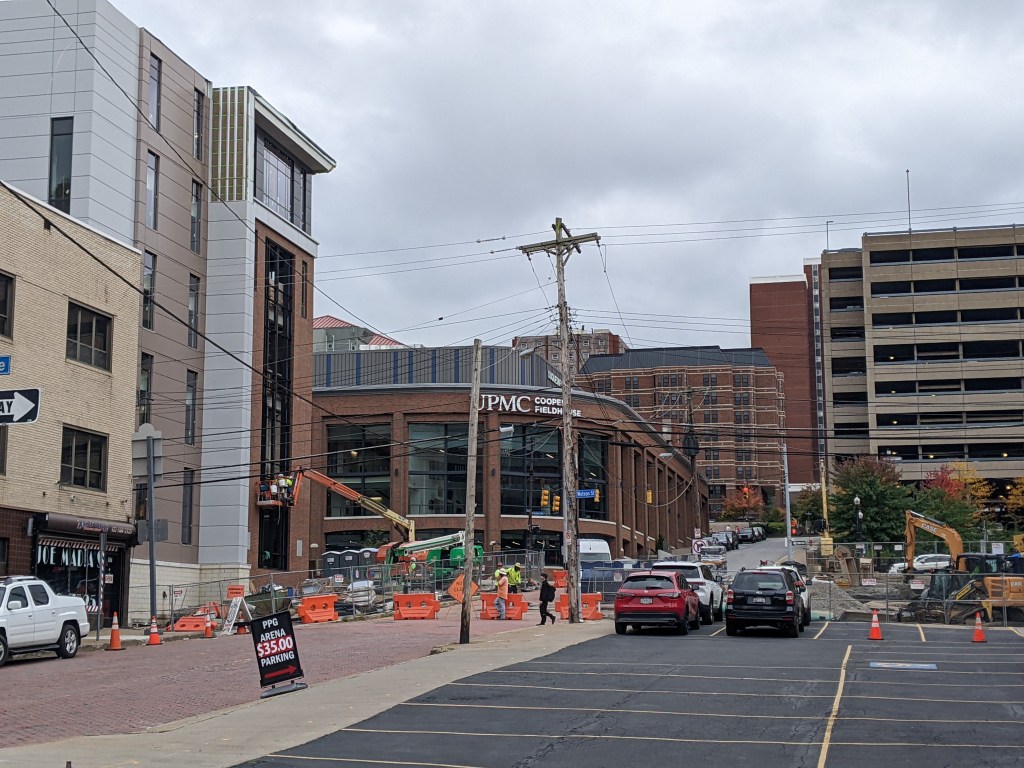
While this house is clearly unique – long before I knew its history, it had caught my eye as something completely different from its surroundings – I did not include it in the photographs I’ve been taking of the neighborhood in the this series. This is a clear illustration of one of the challenges of Keeping an Eye on a neighborhood – predicting which portions are going to be most illustrative of changes over time. Unfortunately, I was not able to get out in the neighborhood for the usual photos this year, though I do have a few bird’s eye view photos to share.

The Photos
Uptown in the News & on the Web

The Tito-Mecca-Zazza House nomination (Uptown Parners project website) went through Historic Commission Review (Historic Commission Agenda Dec 2021 with all applications, Historic Commission Minutes Dec 2021, Historic Commission Agenda Feb. 2022 with all applications, Historic Commission Minutes Feb. 2022), Planning Commission Review (Planning Commission Agenda, Planning Commission Application, Planning Commission Minutes; Public Source, February 8, 2022), and City Council approval (Tribune Review, April 22, 2022; Post-Gazette, June 8, 2022; WTAE, June 8, 2022; City Paper, June 15, 2022). Between the commission reviews and City Council, a pop-up museum was installed at the site to help tell the story (WESA, March 28, 2022; The Metropole, March 30, 2022).

A developer proposed a project on 1.8 acres including the Tito House site that would be a new construction mixed-use project including 260 apartments (Pittsburgh Business Times, February 11, 2022) and another developer proposed a 51-unit building at the western end of the neighborhood (Pittsburgh Business Times, December 9, 2022)

Locating Uptown


Previous posts in series:

Keeping an Eye on Uptown: Dec. 2021

Keeping an Eye on Uptown: Jul. 2021

Keeping an Eye on Uptown: Nov. 2020

Keeping an Eye on Uptown: May 2020

Keeping an Eye on Uptown: Nov. 2019

Keeping an Eye on Uptown: Introduction (November 15, 2019)

Moral Economics (September 1, 2019)

Keeping an Eye on Uptown: Dec. 2021

Overview

Uptown is one of the many neighborhoods in Pittsburgh that experienced decades of neglect. For this neighborhood, the neglect was despite Uptown being sandwiched between Oakland and downtown, two places among the state’s strongest economic regions. Zipping through Uptown from Oakland to downtown on Fifth Avenue or from downtown to Oakland on Forbes Avenue, it is easy to overlook or dismiss the hodgepodge of ruined home foundations turning back to forest; scattered vacant lots, parking lots, and industrial uses; and the intricate architectural details on abandoned and renovated townhomes.

In recent years, new buildings started springing up here and there. Some of these new projects are the work of the two institutions in the neighborhood: UPMC Mercy Hospital and Duquesne University. Others are the work of a variety of commercial and residential developers. Two reasons for this recent investment are the proposed Bus Rapid Transit system, which will eventually run through the neighborhood, and the in-progress redevelopment of the Lower Hill, an adjacent neighborhood.

The Uptown community saw these changes coming and prepared. Between 2015 and 2017, the community organization Uptown Partners collaborated UPMC Mercy, Duquesne University, the City of Pittsburgh, and others to create the EcoInnovation District Plan and the Uptown Public Realm zoning district. The plan and new zoning district are intended to guide future development and leverage their economic investment for the greater good of the neighborhood. Ideally, this will reduce the number of those who will be left behind.

This blog post is part of an on-going series watching the changes in Uptown. Periodically, once or twice a year, I return to the neighborhood to take new photographs of the same areas. In addition, I include links to articles about the project that I’ve encountered since the previous post in the series. At the end of the post, there is a map showing the location of the neighborhood and links to the previous posts in the series.

What’s new

Since the last walk through the neighborhood, several buildings have been demolished while those that have been under construction continue to make progress. Progress also continues on a handful of housing renovations in the neighborhood.

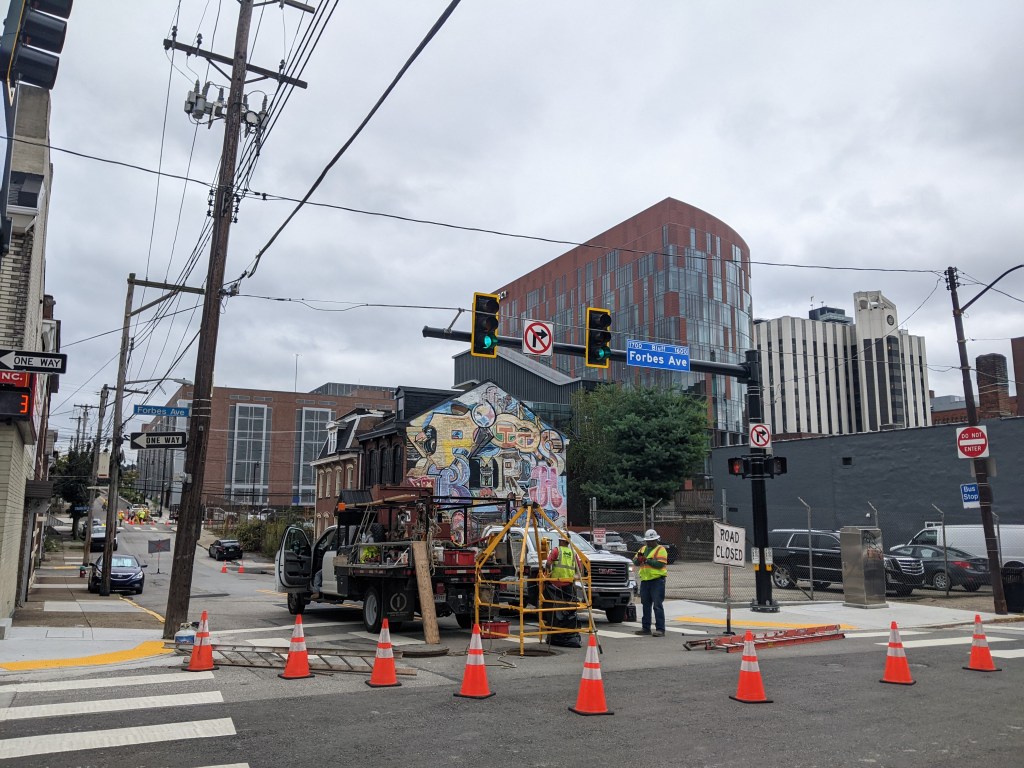
The roads and sidewalks were even more rough and patched from the utility line replacements started this spring. According to a recent press release from the Mayor’s office, this utility work will continue next year, so a temporary repaving will be happening shortly to smooth out the roads for the winter season.

While I believe that this utility work is part of the Pittsburgh Water and Sewer Authority’s lead line replacement project, there were new signs up in the neighborhood apologizing for the mess as the neighborhood prepares for the Bus Rapid Transit (BRT). The utility replacement mess has happened in various neighborhoods throughout the city including those that are not part of the BRT routes. However, there was no other obvious mess, yet, that would be more directly associated with the construction of a BRT and need signs of apology.

The Photos

Uptown in the News & on the Web:

The pending Fifth and Dinwiddie development (image 8 above) proposes to be Passive House certified, include double the number of affordable housing units required by the URA as a condition of sale, and provide training on clean energy jobs. (September 20, 2021: NextPittsburgh)

UPMC’s Vision and Rehabilitation Center (images 19, 9, 12 above) is on track to open in 2023 despite construction disruptions, supply shortages, and the pressure placed on existing healthcare systems by COVID. (November 16, 2021: Pittsburgh Business Times, Tribune Review)

Locating Uptown


Previous posts in series:

Keeping an Eye on Uptown: Jul. 2021

Keeping an Eye on Uptown: Nov. 2020

Keeping an Eye on Uptown: May 2020

Keeping an Eye on Uptown: Nov. 2019

Keeping an Eye on Uptown: Introduction (November 15, 2019)

Moral Economics (September 1, 2019)
Keeping an Eye on Uptown: Jul. 2021

Overview

Uptown is one of the many neighborhoods in Pittsburgh that experienced decades of neglect. For this neighborhood, the neglect was despite Uptown being sandwiched between Oakland and downtown, two places among the state’s strongest economic regions. Zipping through Uptown from Oakland to downtown on Fifth Avenue or from downtown to Oakland on Forbes Avenue, it is easy to overlook or dismiss the hodgepodge of ruined home foundations turning back to forest; scattered vacant lots, parking lots, and industrial uses; and the intricate architectural details on abandoned and renovated townhomes.

In recent years, new buildings started springing up here and there. Some of these new projects are the work of the two institutions in the neighborhood: UPMC Mercy Hospital and Duquesne University. Others are the work of a variety of commercial and residential developers. Two reasons for this recent investment are the proposed Bus Rapid Transit system, which will eventually run through the neighborhood, and the in-progress redevelopment of the Lower Hill, an adjacent neighborhood.

The Uptown community saw these changes coming and prepared. Between 2015 and 2017, the community organization Uptown Partners collaborated UPMC Mercy, Duquesne University, the City of Pittsburgh, and others to create the EcoInnovation District Plan and the Uptown Public Realm zoning district. The plan and new zoning district are intended to guide future development and leverage their economic investment for the greater good of the neighborhood. Ideally, this will reduce the number of those who will be left behind.

This blog post is part of an on-going series watching the changes in Uptown. Periodically, approximately every six months, I return to the neighborhood to take new photographs of the same areas. In addition, I include links to articles about the project that I’ve encountered since the previous post in the series. At the end of the post, there is a map showing the location of the neighborhood and links to the previous posts in the series.

What’s new

Development activity is picking up in Uptown. Walking around the neighborhood for this update required skirting closed sidewalks, uneven pavement, and construction staging of materials and equipment. The new activity includes:

  • PWSA’s (Pittsburgh Water and Sewer Authority) replacement of the watermain and lead service lines along Forbes Avenue
  • Evidence of demolition work on the long boarded-up Seneca Street rowhouses (image 3)
  • Demolition progress for the development of tech flex project that was briefly held up last year due to community concerns of gentrification (image 6a)
  • A new project for apartments and retail going up on 5th Avenue while the buildings around it appear to be preparing for renovation or demolition (image 8a)
  • Duquesne University’s next project to demolish and build on the site across the street from its newly rebuilt fieldhouse (images 21a & 22a)

The Photos

Uptown in the News & on the Web:

Next Pittsburgh reported on the start of construction for the new 51-unit apartment building on 5th Avenue (June 3, 2020), captured in image 8a above, and the opening of Duquesne University’s UPMC Cooper Fieldhouse (February 1, 2021), shown in image 22a above. The Pittsburgh Business Times shared what students will experience in Duquesne’s new College of Osteopathic Medicine (May 13, 2021) that is being built across from the fieldhouse (images 21a and 22a above).

Uptown Partners began to install free community wi-fi in the neighborhood (Pittsburgh Business Times, November 10, 2020).

And more federal funds have been directed toward the ongoing development of the Bus Rapid Transit system through Uptown to connect downtown and Oakland (Pittsburgh Business Times, June 11, 2021).

Locating Uptown


Previous posts in series:

Keeping an Eye on Uptown: Nov. 2020

Keeping an Eye on Uptown: May 2020

Keeping an Eye on Uptown: Nov. 2019

Keeping an Eye on Uptown: Introduction (November 15, 2019)

Moral Economics (September 1, 2019)
Keeping an Eye on Uptown: Nov. 2020

Uptown in the News & on the Web:

President Trump tweets about BRT grant award (Post-Gazette, May 29, 2020)

Locust/Miltenberger Development Website

51-unit apartment proposed in 1700 block of Fifth Avenue (Pittsburgh Business Times, June 1, 2020)

$99.95 million awarded for BRT (Next Pittsburgh, June 2, 2020)

Funding awarded for proposed mixed-use with affordable housing project (Pittsburgh Business Times, August 18, 2020)

BRT service may start in 2023 (Pittsburgh Post-Gazette, September 21, 2020)

Solidarity murals coming to the city (Next Pittsburgh, September 27, 2020)

Gentrification concerns raised for proposed tech development (Pittsburgh Business Times, September 30, 2020)

Interview with developer of proposed Uptown mixed-use project (Pittsburgh Business Times, October 5, 2020)

Partner pulls out of Fifth and Dinwiddie project (Pittsburgh Business Times, October 26, 2020)

Planning Commission approves Uptown tech development (Public Source – Develop PGH Bulletins, October 27, 2020)

Commercial portion presented for Fifth and Dinwiddie project (Pittsburgh Business Times, November 10, 2020)


Previous posts in series:

Keeping an Eye on Uptown: May 2020

Keeping an Eye on Uptown: Nov. 2019

Keeping an Eye on Uptown: Introduction

Keeping an Eye on Uptown: May 2020

Uptown in the News:

UPMC Vision Plans (December 16, 2019)

Duquesne University Plans Expansion (December 18, 2019)

Uptown Art: The “Tiger King” Comes to Uptown (March 29, 2020)

Ecoinnovation District Plan wins Award (May 5, 2020)


Previous posts in series:

Keeping an Eye on Uptown: Nov. 2019

Keeping an Eye on Uptown: Introduction

Keeping an Eye on Uptown: Nov. 2019


Keeping an Eye on Uptown: Introduction

Inspired by my post from this summer, I decided to start a photographic series of Pittsburgh’s Uptown neighborhood. This neighborhood is a hodgepodge of abandoned and renovated townhomes, parking lots, car-oriented businesses, corner stores, industrial uses, and new construction residential buildings. It is predicted to be on a tipping point from being mostly ignored to experiencing intense growth fueled by activities in and around the neighborhood. These activities include:

  • UPMC Mercy hospital is currently building a 410,000 sq ft vision and rehabilitation center in the middle of Uptown.
  • The Penguins hockey team is supposed to be finally getting off the ground with their redevelopment of the Lower Hill neighborhood, which is adjacent to Uptown.
  • June 2019 saw the groundbreaking for the CAP project to reconnect the Lower Hill to Downtown over the freeway that bisected the two in the 1960s.
  • The Bus Rapid Transit system currently in the planning stage will one day connect Downtown and Oakland through Uptown.

As these projects move forward, there will likely be more investment and changes to Uptown. This photographic series is intended to capture these changes by revisiting the same sites at regular intervals over the next several years.

In the coming months, I intend to release two related series to record the progress of the CAP and the Lower Hill redevelopment.

Moral Economics

The strongest impression from my last trip to Cardiff was the feeling that it is morally wrong to invest heavily in touristy neighborhoods while skipping the neighborhoods of the residents. Tourists may provide a bigger return per touch point, but residents have many more touch points (including voting). Perhaps I have become jaded since that trip, but I now accept that economics and morals rarely work together.

Pittsburgh’s Uptown neighborhood is trying a different approach to see if economic investment can be leveraged for the greater good. Uptown experienced disinvestment and decay for decades, despite being located between and within walking distance of Oakland and downtown, two of the largest economic engines in the state. Not to mention the main roads connecting these prosperous and growing areas run directly through Uptown. Zipping down Fifth Avenue from Oakland to downtown, it is easy to overlook or ignore the ruined home foundations turning back to forest, the wide-spread vacant lots and parking lots, and the intricate architectural details on the remaining old structures.

Former Rialto Theatre

The bland brick and glass facade on Fifth Avenue identifies this building as another mid-century warehouse. Turning the corner, the decorative parapet wall and bricked over arched opening tell the story of an older, more interesting building.

One such structure was one of the many movie theaters dotting the city in the 1920s. In the 1950s, the adjacent buildings were demolished, and an addition was added to the theater to turn it into a storeroom. After a time as a plasma center in the 1980s and 1990s, the building sat vacant and dusty for many years. Now, it is undergoing renovations for its next life. This is just one of the many signs that investment is coming to Uptown.

The community of Uptown that held on through the economically rough times prepared for this moment. In collaboration with many partners, including local institutions such as Duquesne University and UPMC Mercy as well as the City of Pittsburgh, the community created a new neighborhood plan. This designated Uptown and West Oakland as an EcoInnovation District. One of the first actions from this plan developed a new zoning district, the first progressive zoning district in Pittsburgh. The goal of the plan and the zoning district is to leverage the coming economic investment to create an inclusive and environmentally sustainable neighborhood.

It will be interesting to watch this neighborhood over the next few years to see if the plans are successful at introducing some moral components to the economic investment.

16th Street Bridge

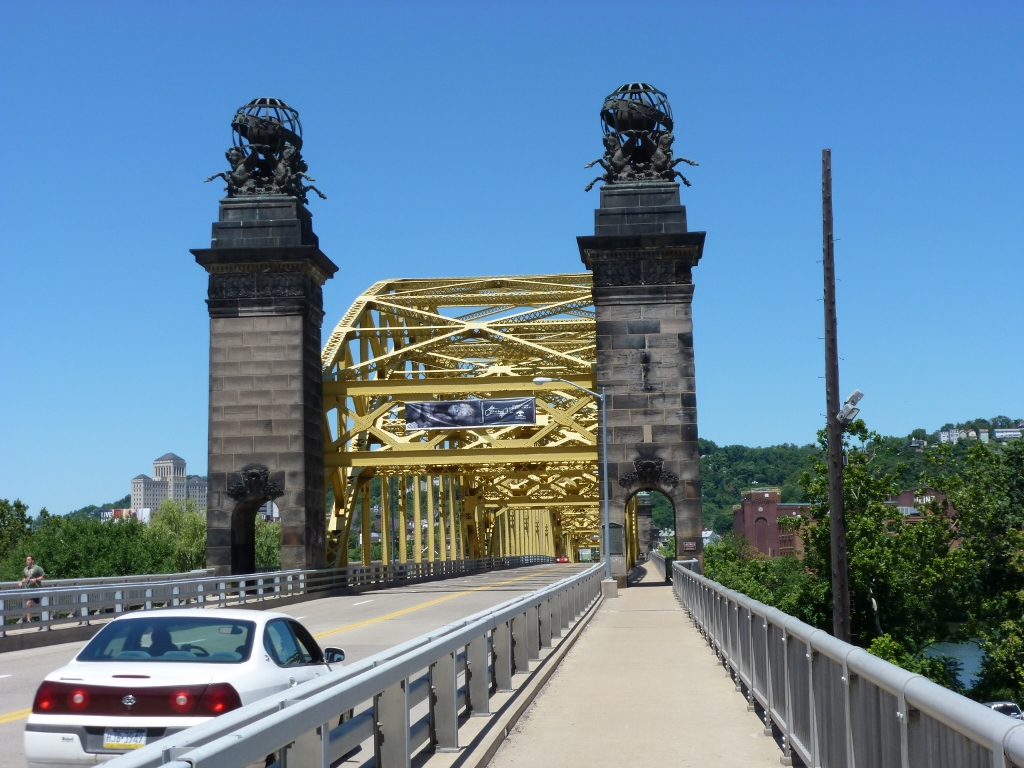
Pittsburgh’s 16th Street Bridge was quite interesting.  I was surprised by how many people were crossing it.  As there is only one pedestrian in my picture above, there obviously weren’t crowds of people, but compared to the other bridges upriver that I’ve crossed there were a lot.  I thought this bridge was far enough out from downtown that the sidewalks wouldn’t be used much.  Also there didn’t seem to me to be much development on either side of the river that would promote walking across the river.  For all the bridges downriver from this point, one side is connected to downtown and the other is connected to a sports stadium and/or large office buildings.  While at the 16th Street Bridge there are some offices near the southern end and some apartments near the northern end, there didn’t seem to be enough for people to be using the bridge so much.  One explanation I came upon was that it was lunch time and both ends of the bridge connect or almost connect with the Three Rivers Heritage Trail.  It seemed like it would be a nice loop for downtown workers to walk the trail on one side of the river, cross the 16th Street Bridge, and return to work on the other side over lunch break.


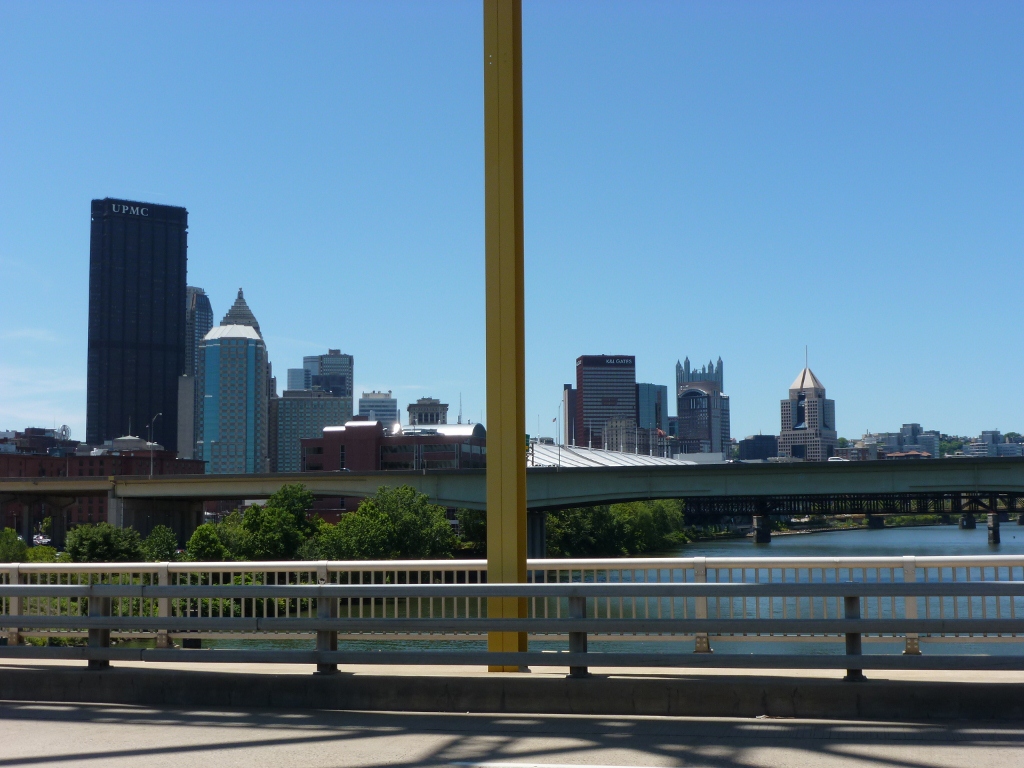
The view on the left of downtown fascinated me.  It looks like there are two clumps of tall buildings (the yellow post doesn’t block any tall buildings).  However, the view on the right supports something I heard in one of my classes which I sort of scoffed at at the time.  I don’t remember exactly how it went, but it was something like the US Steel building (now labeled UPMC) was the center point of a triangle of downtown buildings and as such had to be the tallest.  I think part of the reason I had an issue with it was because the building is located in the middle of a side of the triangle and so the term “apex” or “center point” or whatever the teacher used didn’t fit my sense of geometry.  Actually, regardless of the term used, having the center of the base of a triangle as the focal point doesn’t match my sense of geometry.  However, in the view from the 16th Street Bridge, I can accept the US Steel building as the tallest and therefore a focal point because from this view, the buildings gradually increase in height until reaching it.

This graffiti symbol was painted on the sidewalk of the 16th Street Bridge.  I will not go into a discussion about it here, as I have come across it somewhere else that provokes a much more interesting conversation about it.  I was very surprised and intrigued to see it on this bridge as well, as I have only noticed it in one other place in the city, which isn’t exactly next door.  Although now that I’ve spotted it twice, I will be keeping my eyes open for it.