
Previous posts in series:








Uptown in the News:
UPMC Vision Plans (December 16, 2019)
Duquesne University Plans Expansion (December 18, 2019)
Uptown Art: The “Tiger King” Comes to Uptown (March 29, 2020)
Ecoinnovation District Plan wins Award (May 5, 2020)
Previous posts in series:
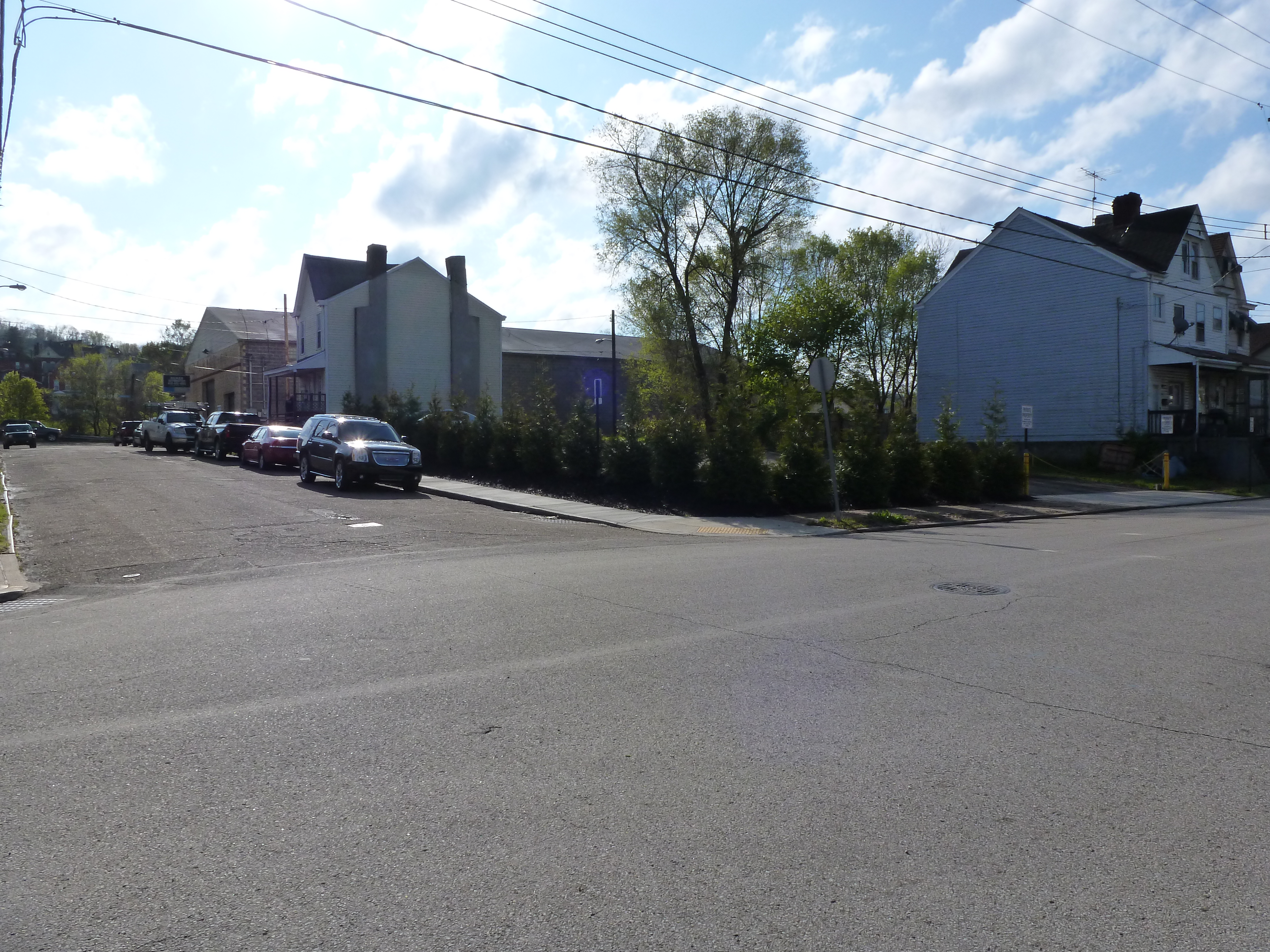
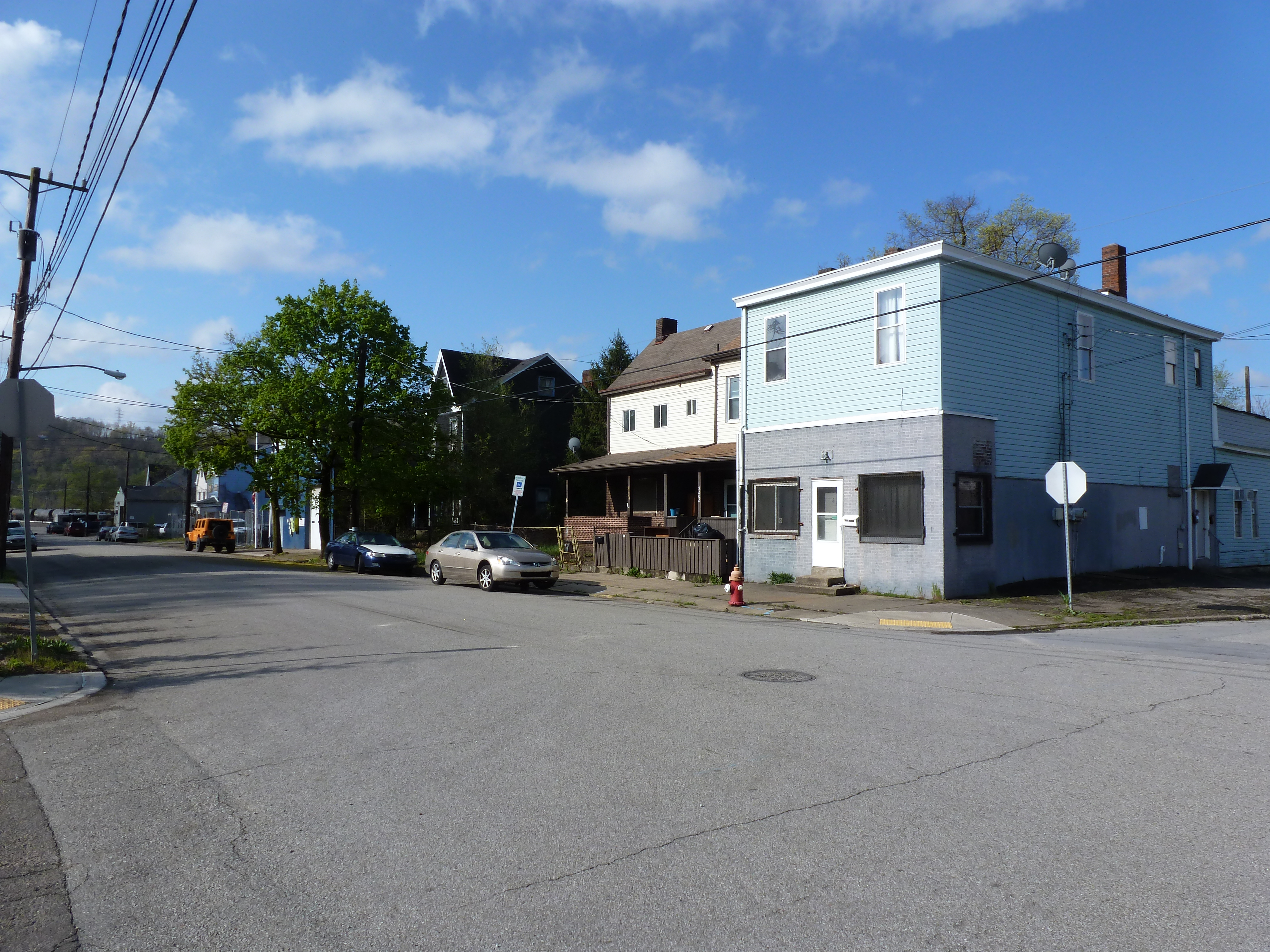
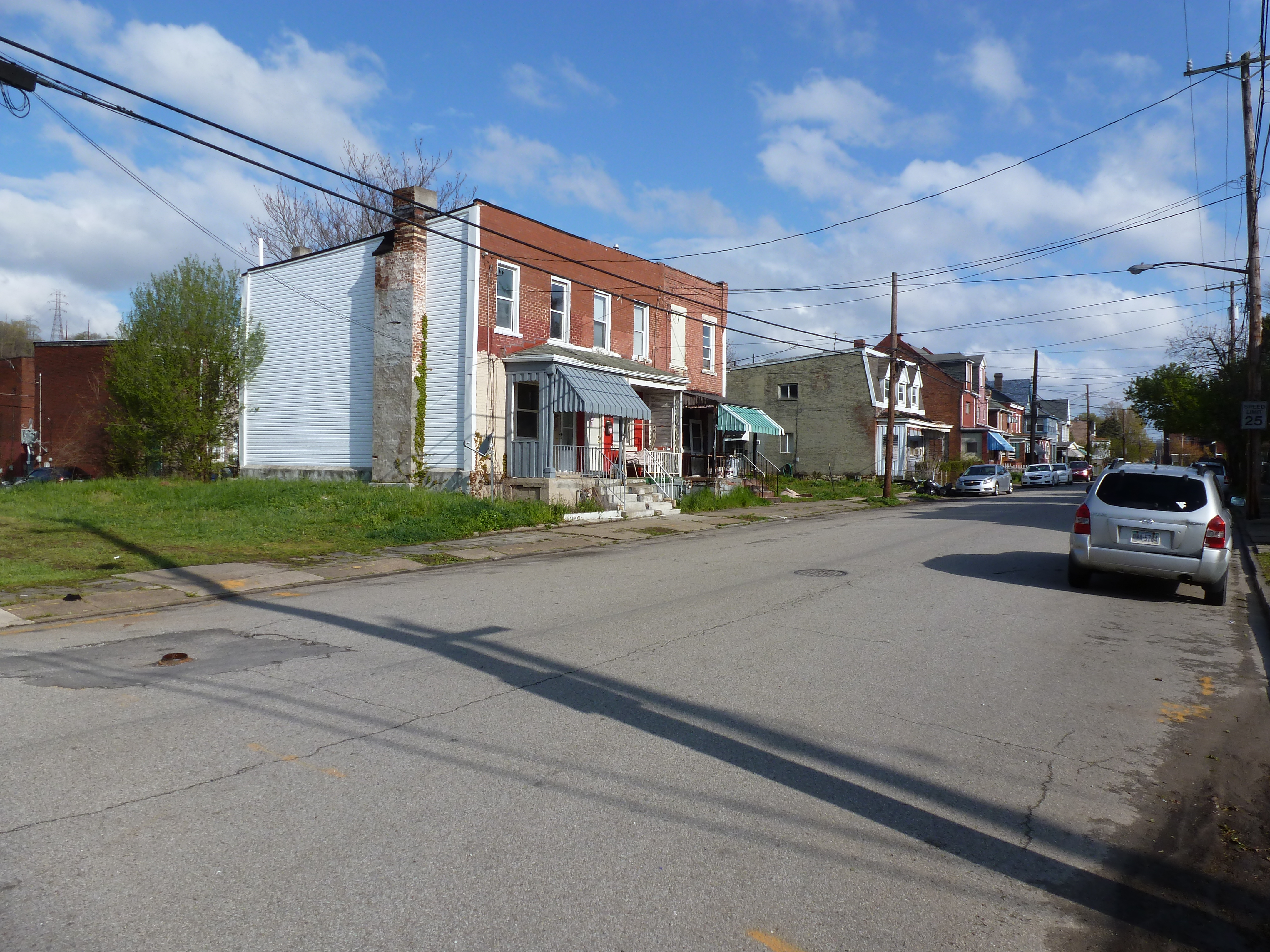
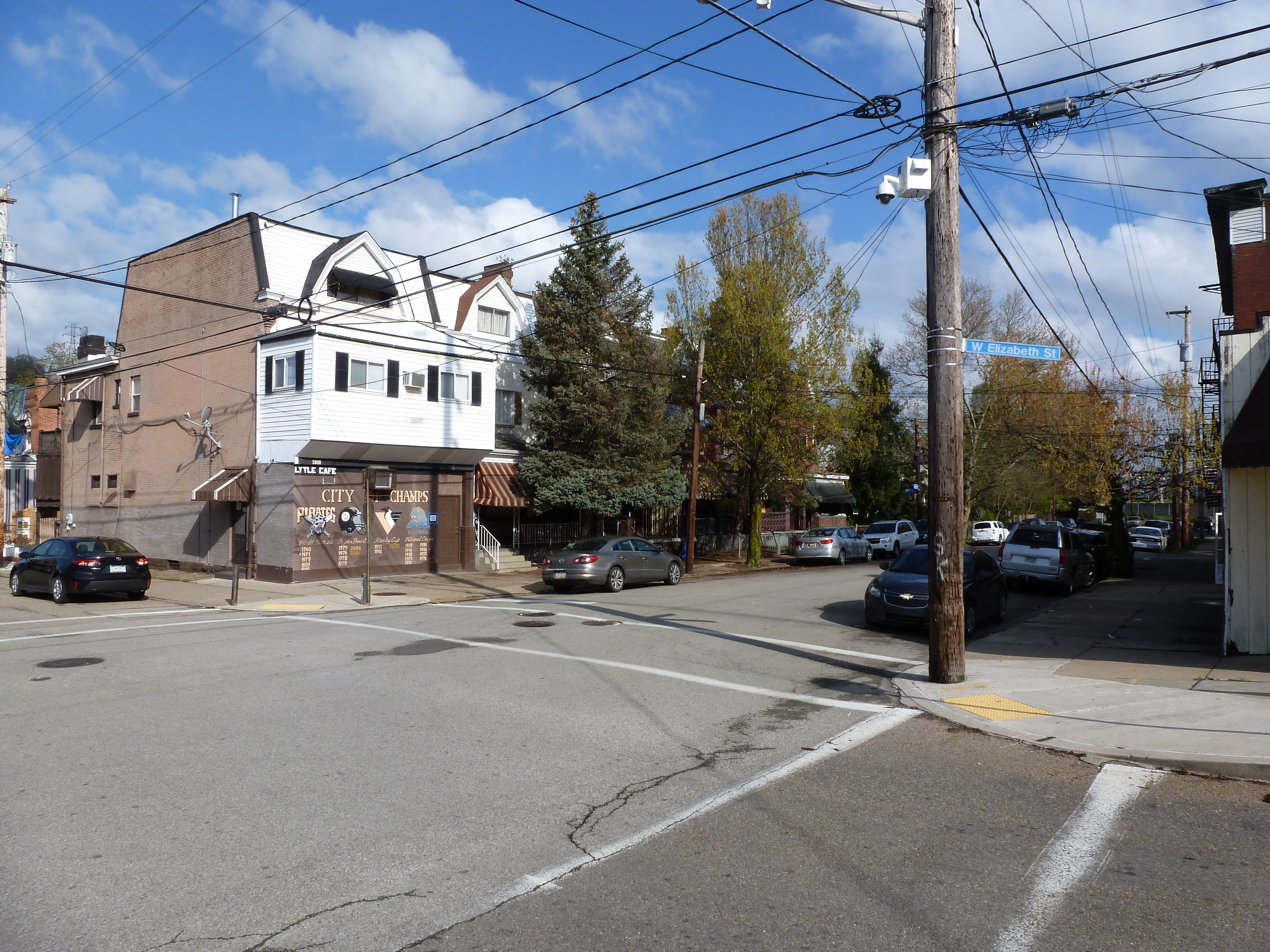
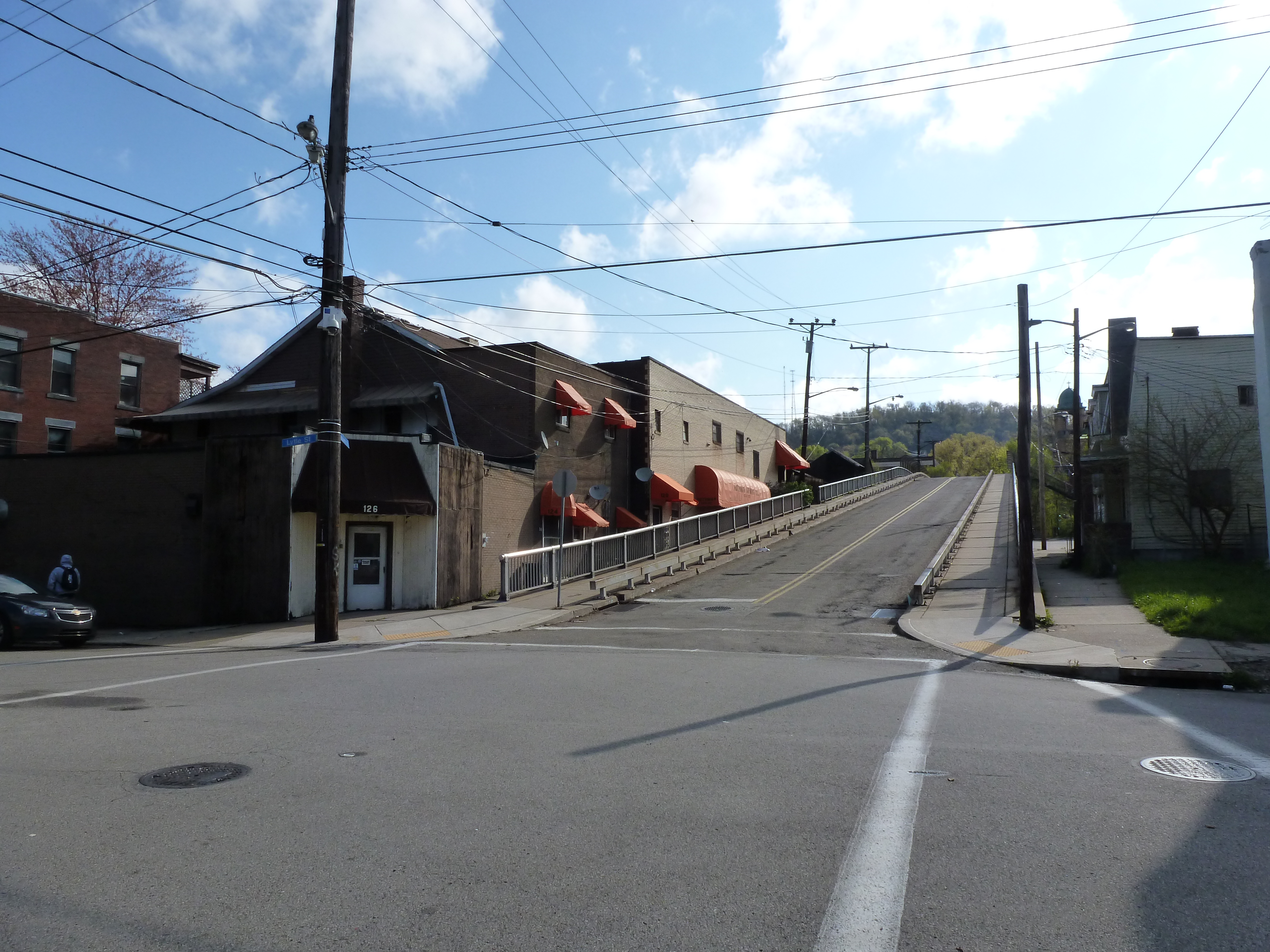
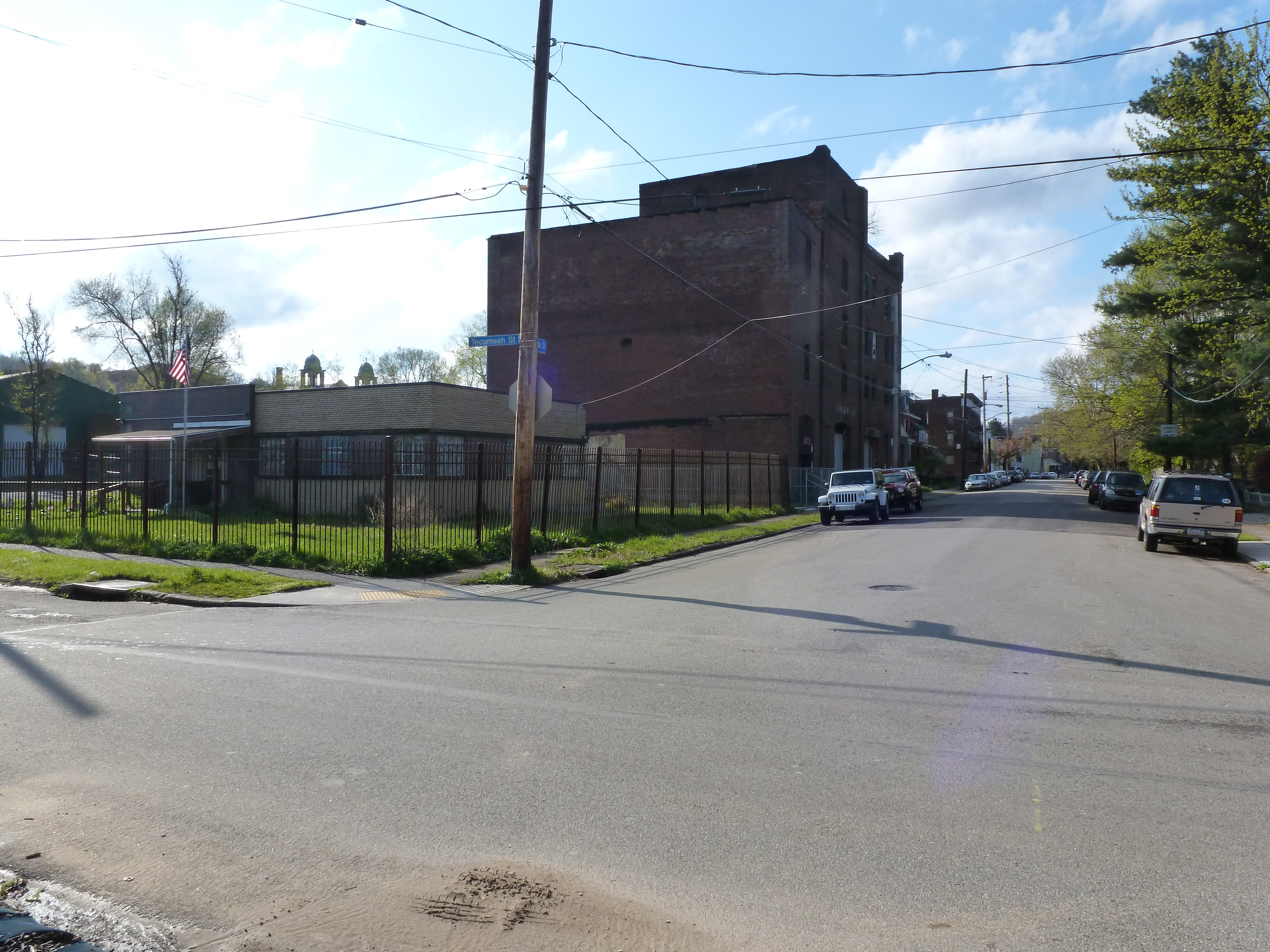
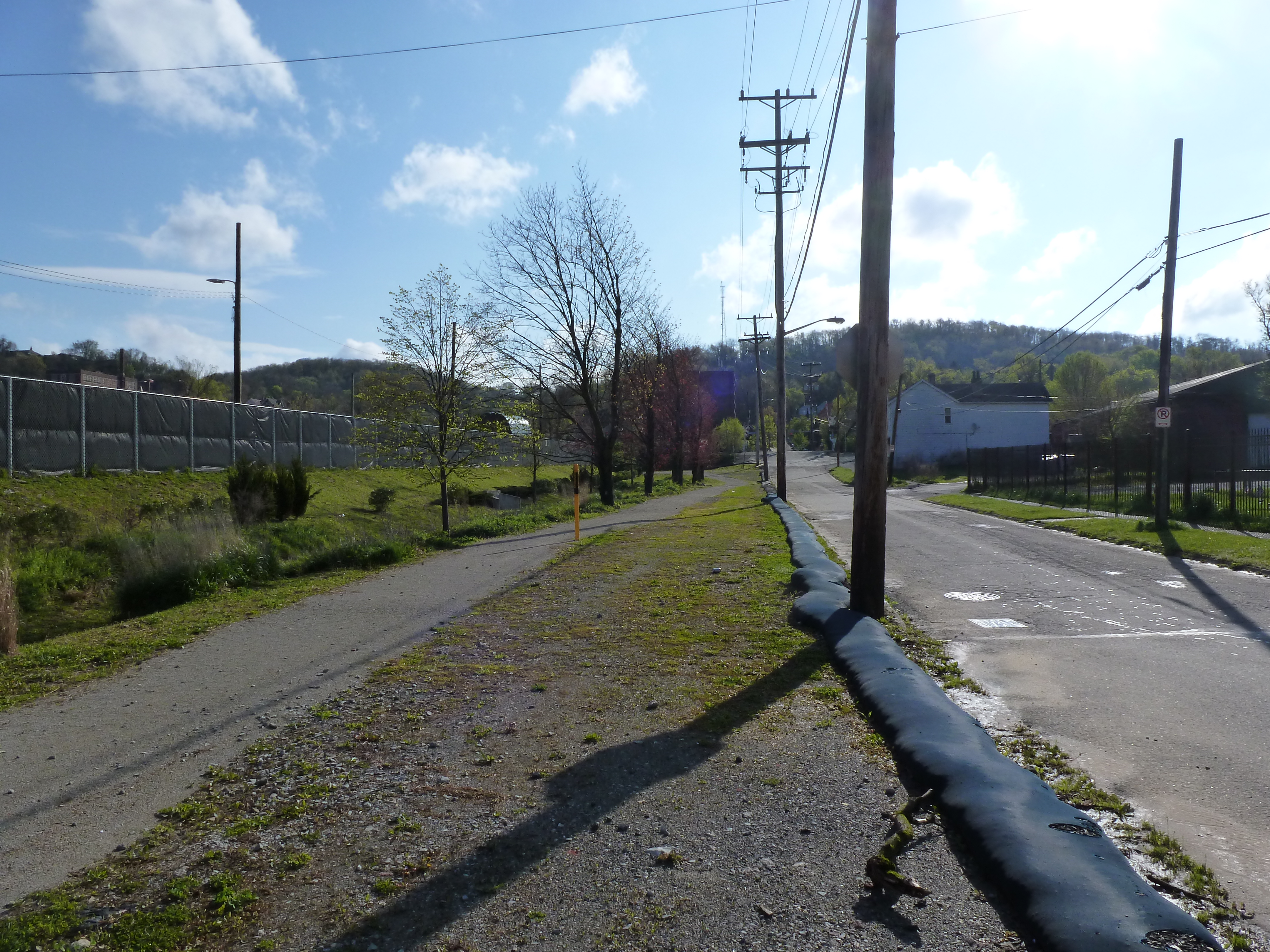
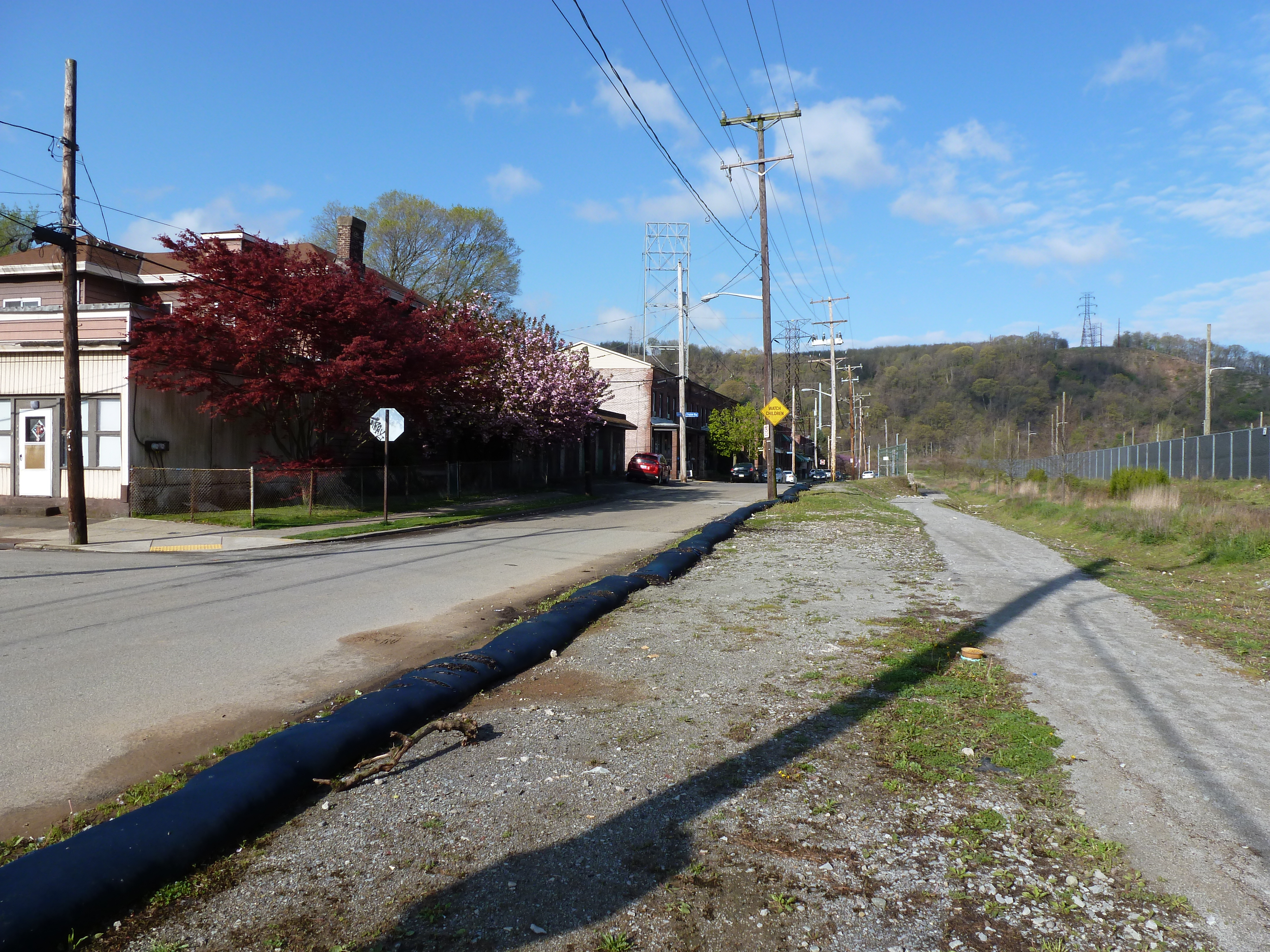
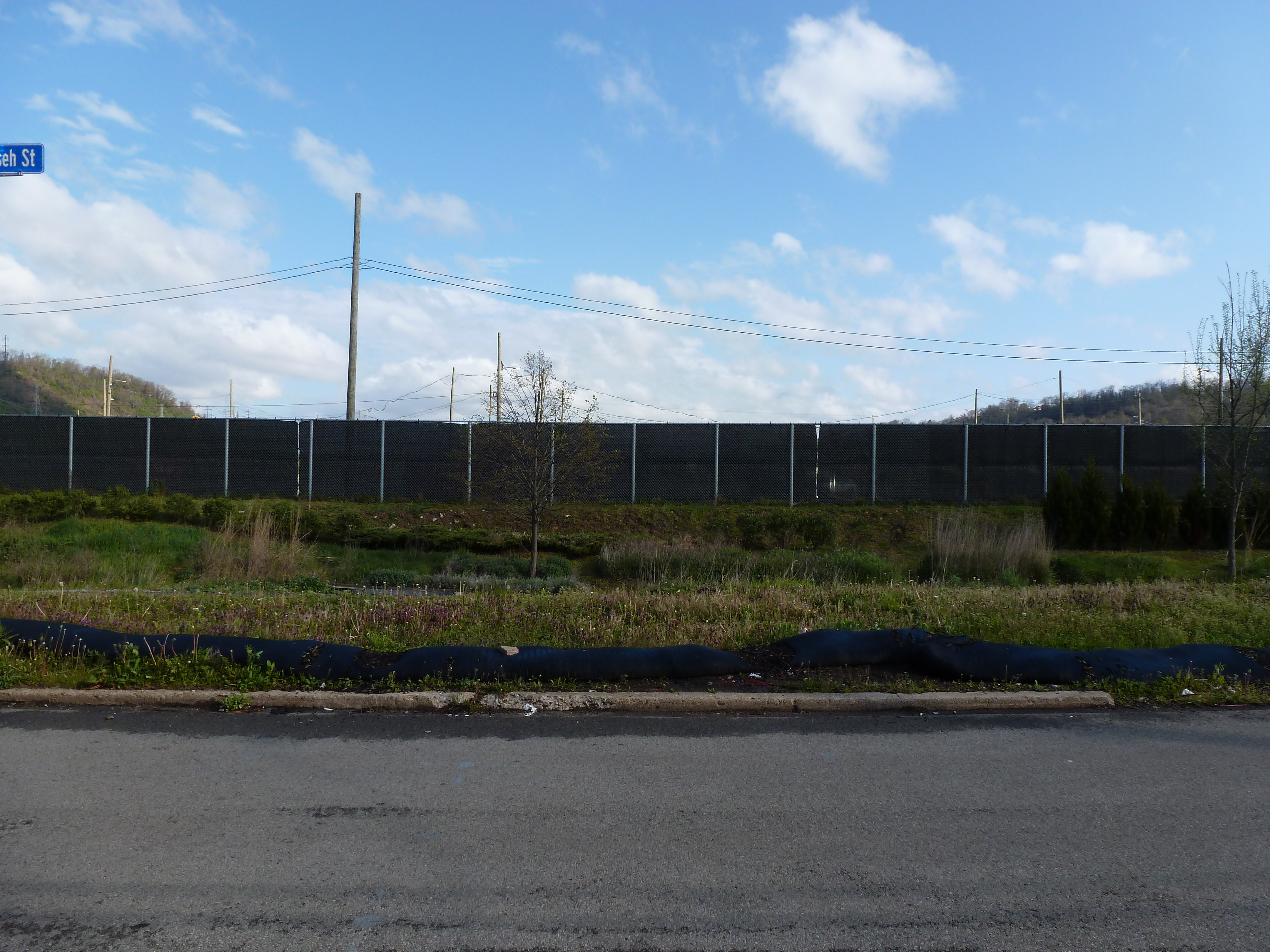
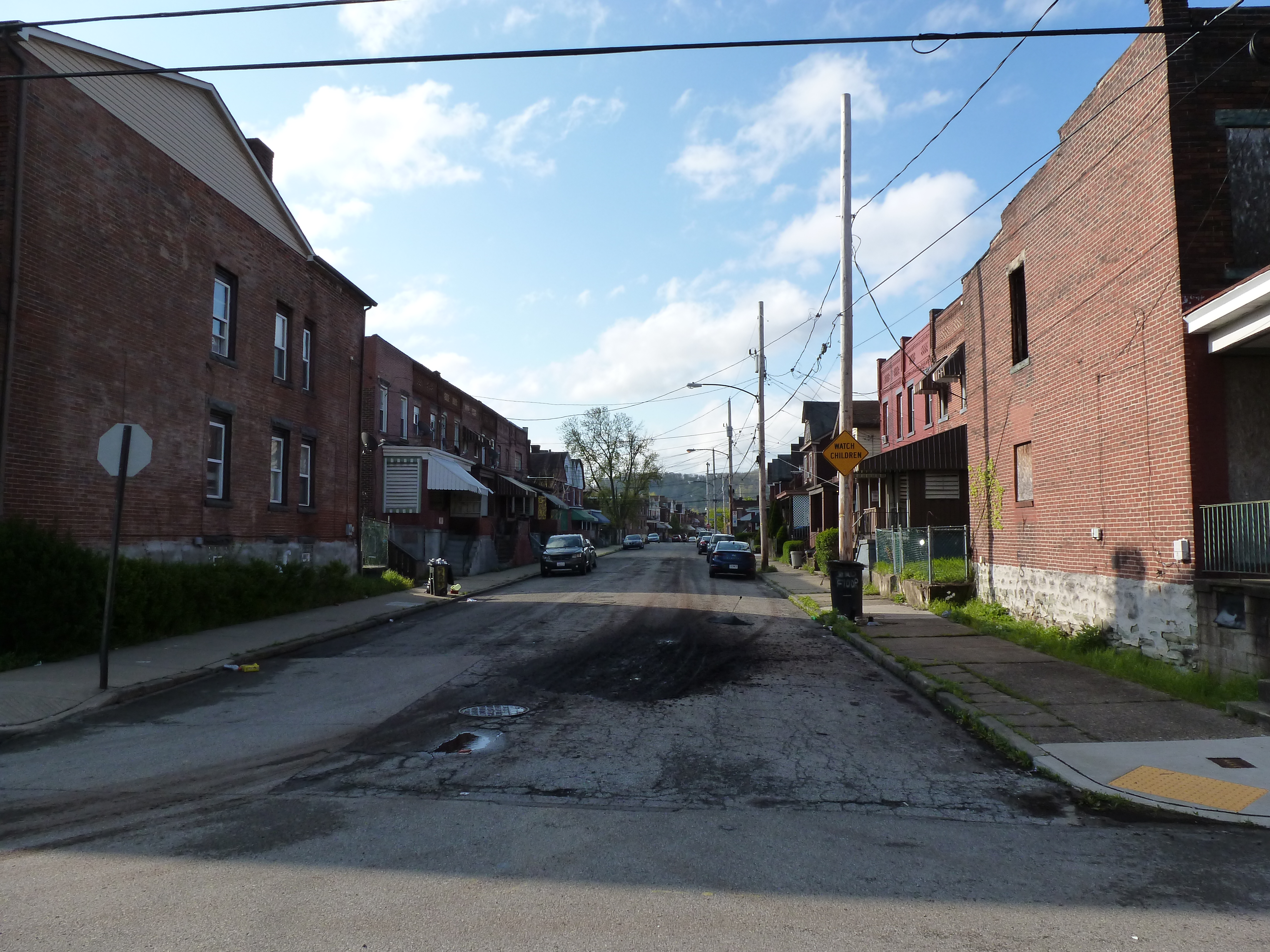
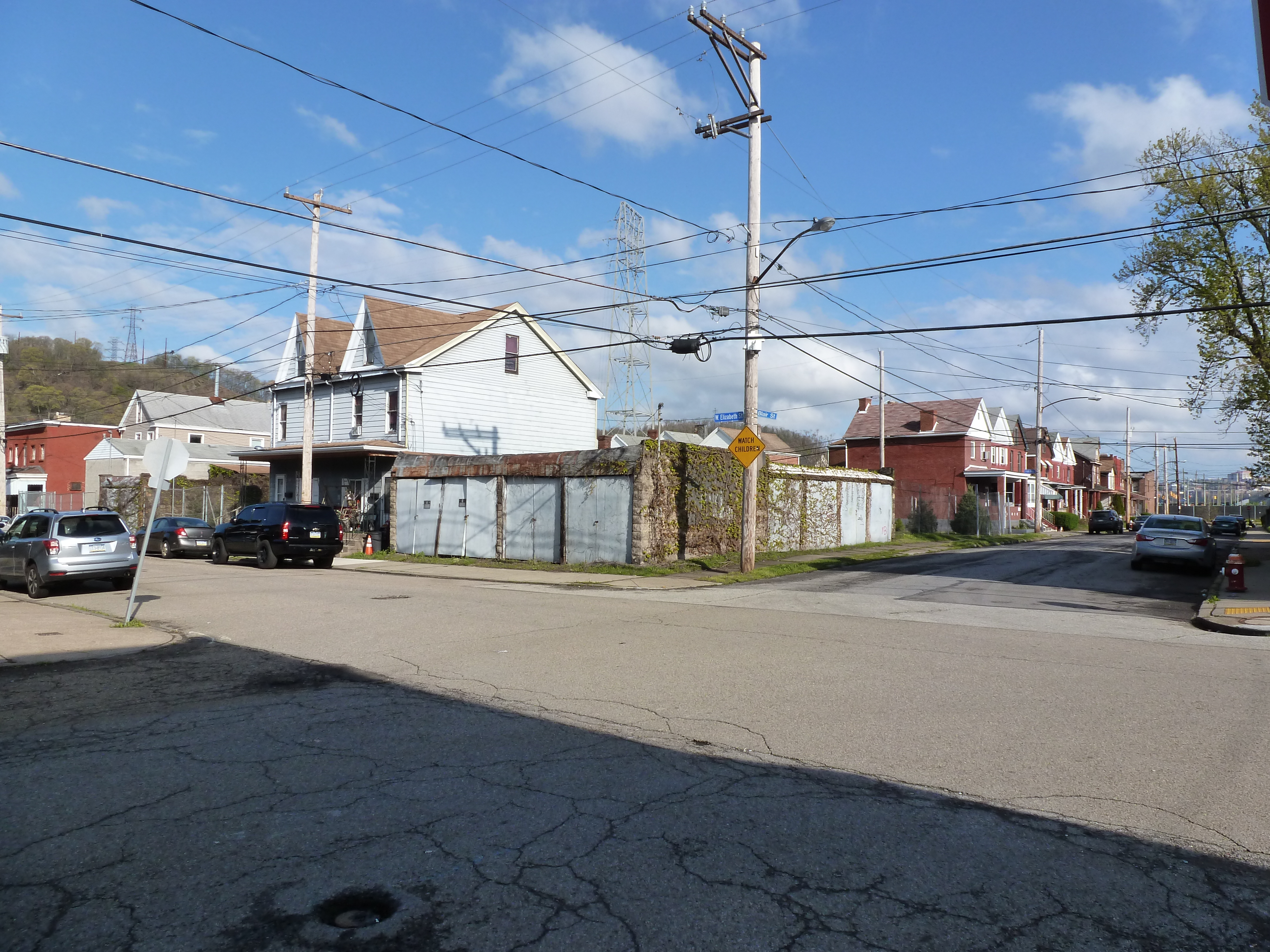
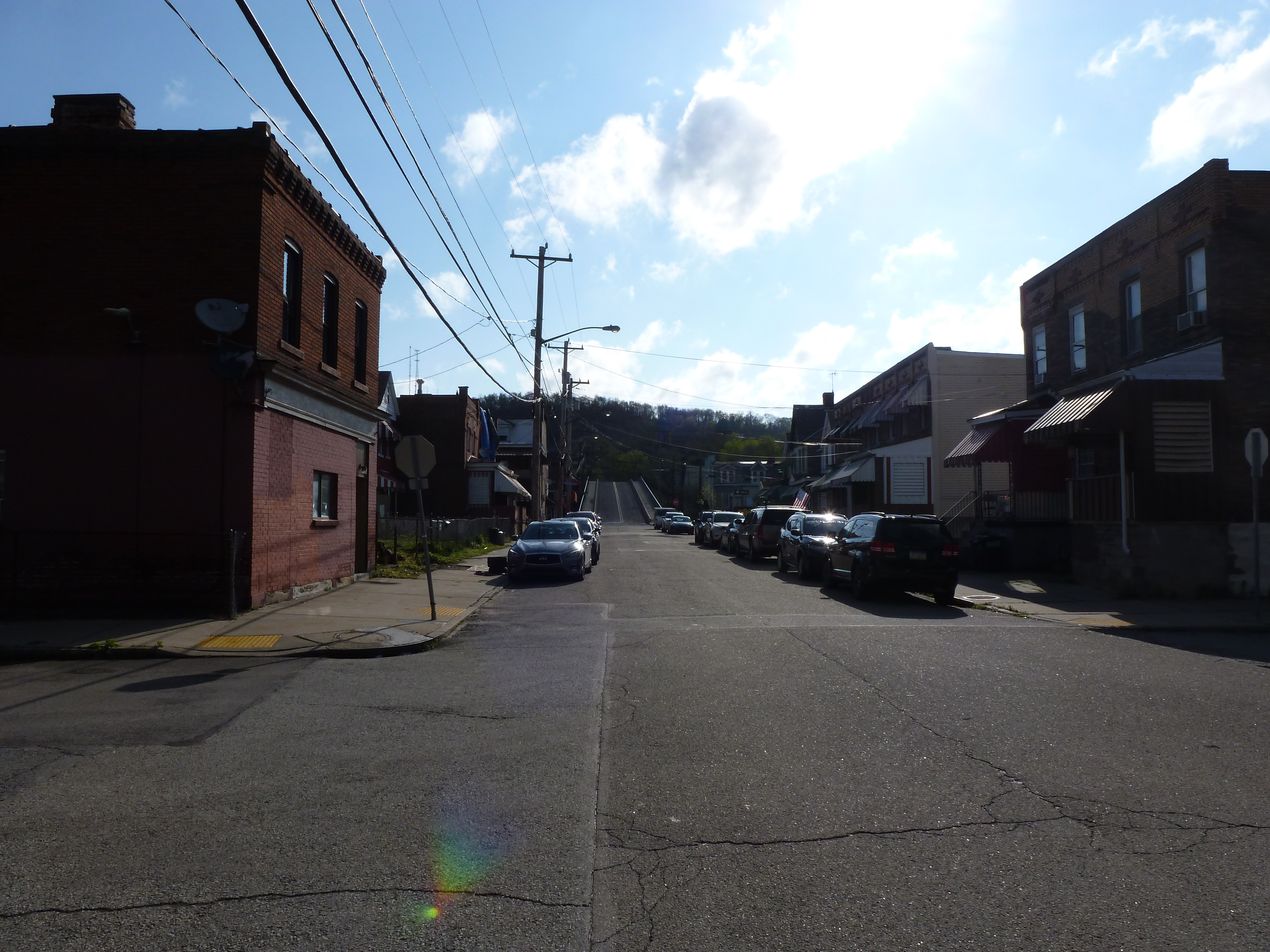
Hazelwood is a neighborhood divided in two by railroad tracks. On one side of the tracks are Hazelwood Green, a residential enclave, and some industrial and commercial uses. Here is a snapshot of the residential enclave and surrounding uses:

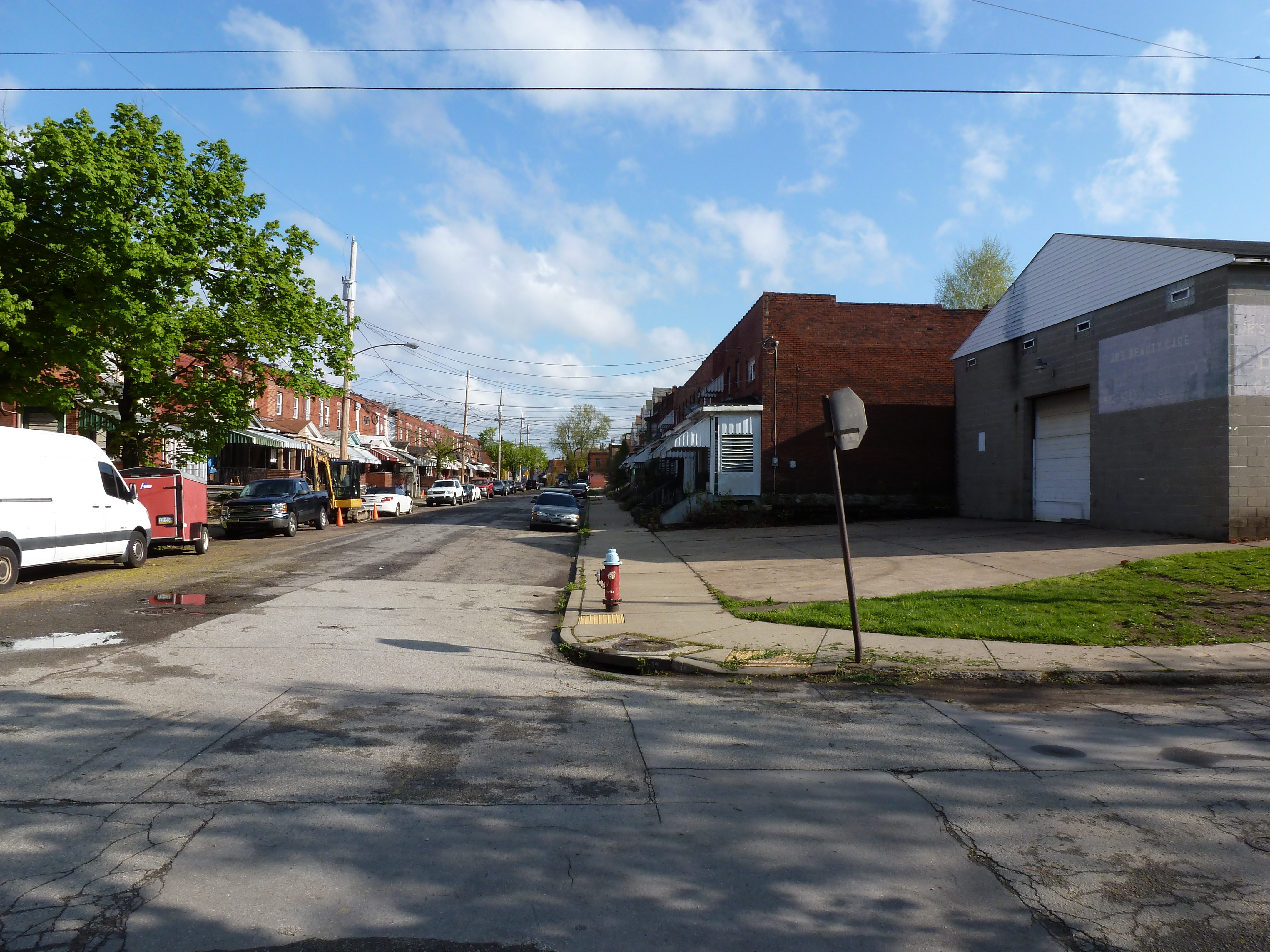
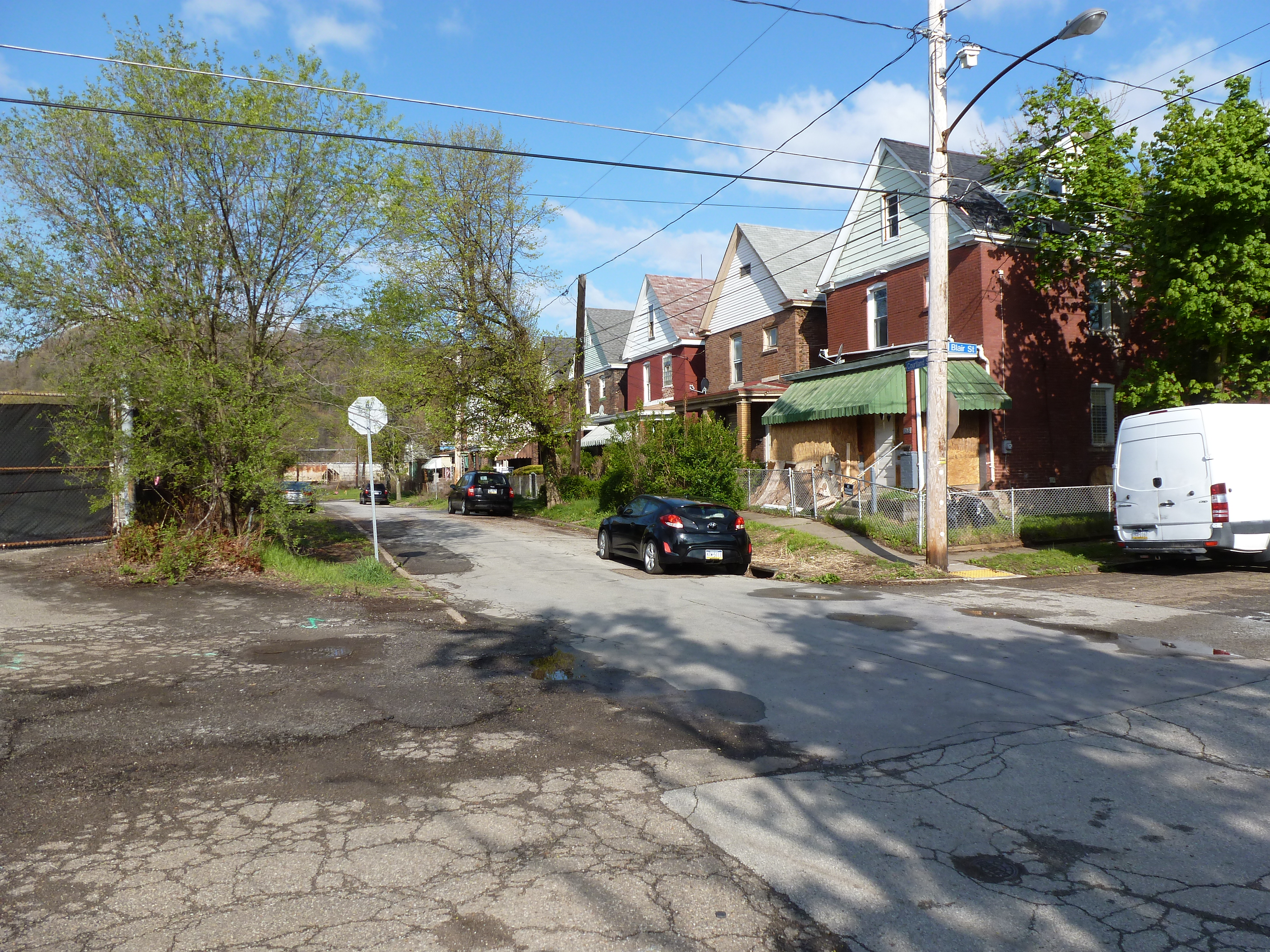
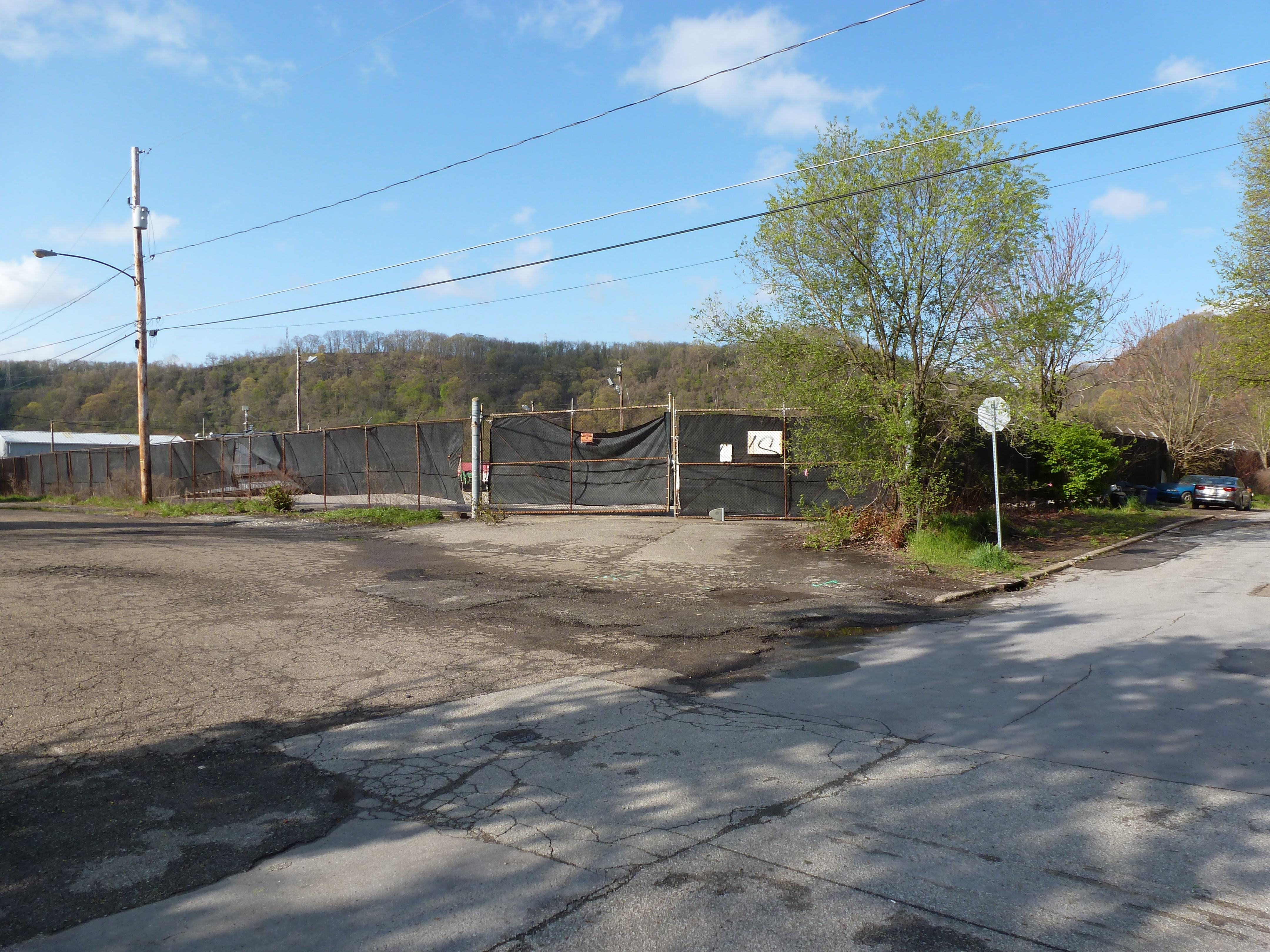
Hazelwood in the News:
Post-Gazette Article on proposed new road between Hazelwood and Oakland April 10, 2020
Hazelwood is a neighborhood divided in two by railroad tracks. On one side of the tracks are Hazelwood Green, a residential enclave, and some industrial and commercial uses. This is what is across the tracks:
Second Ave


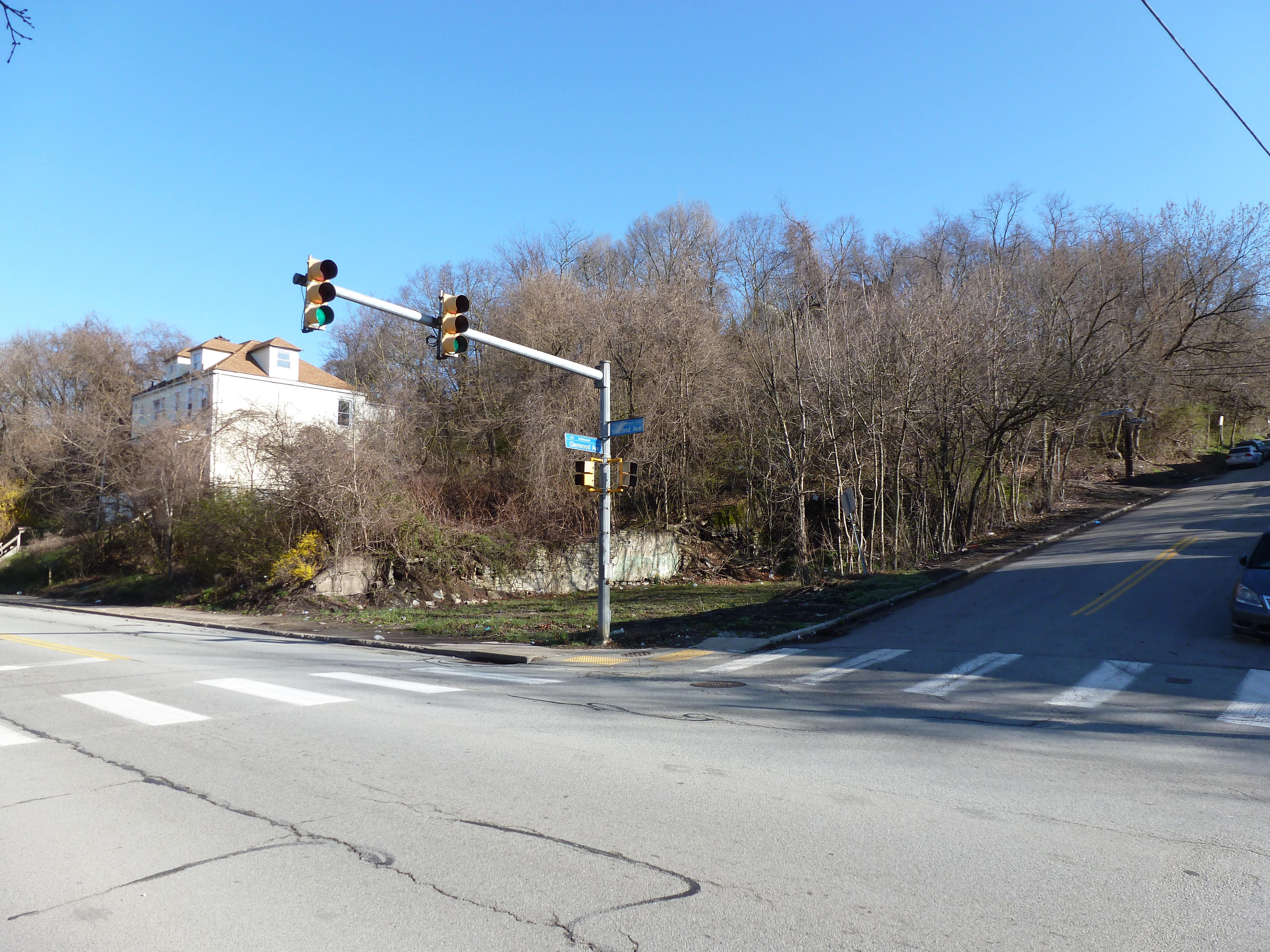

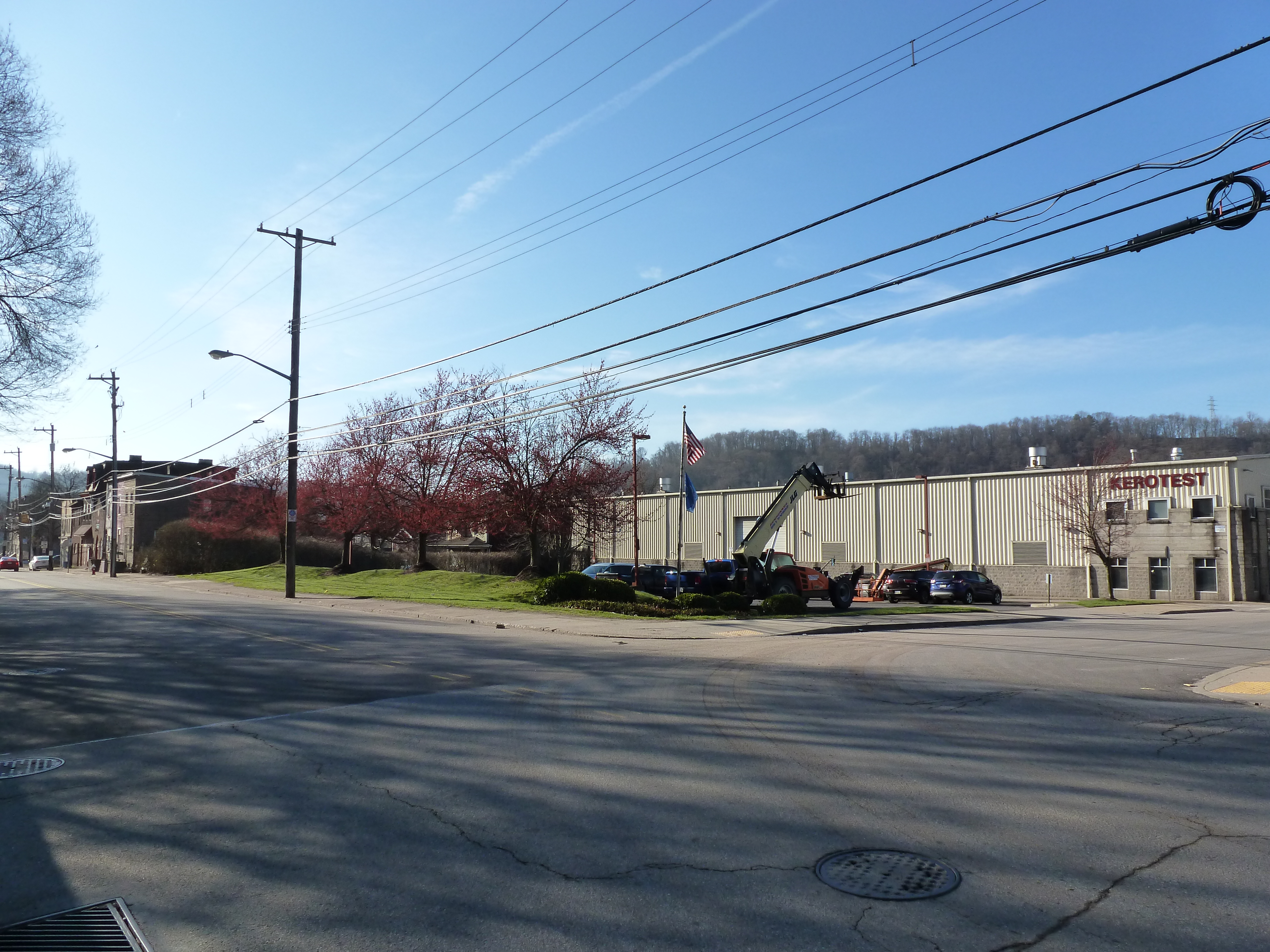
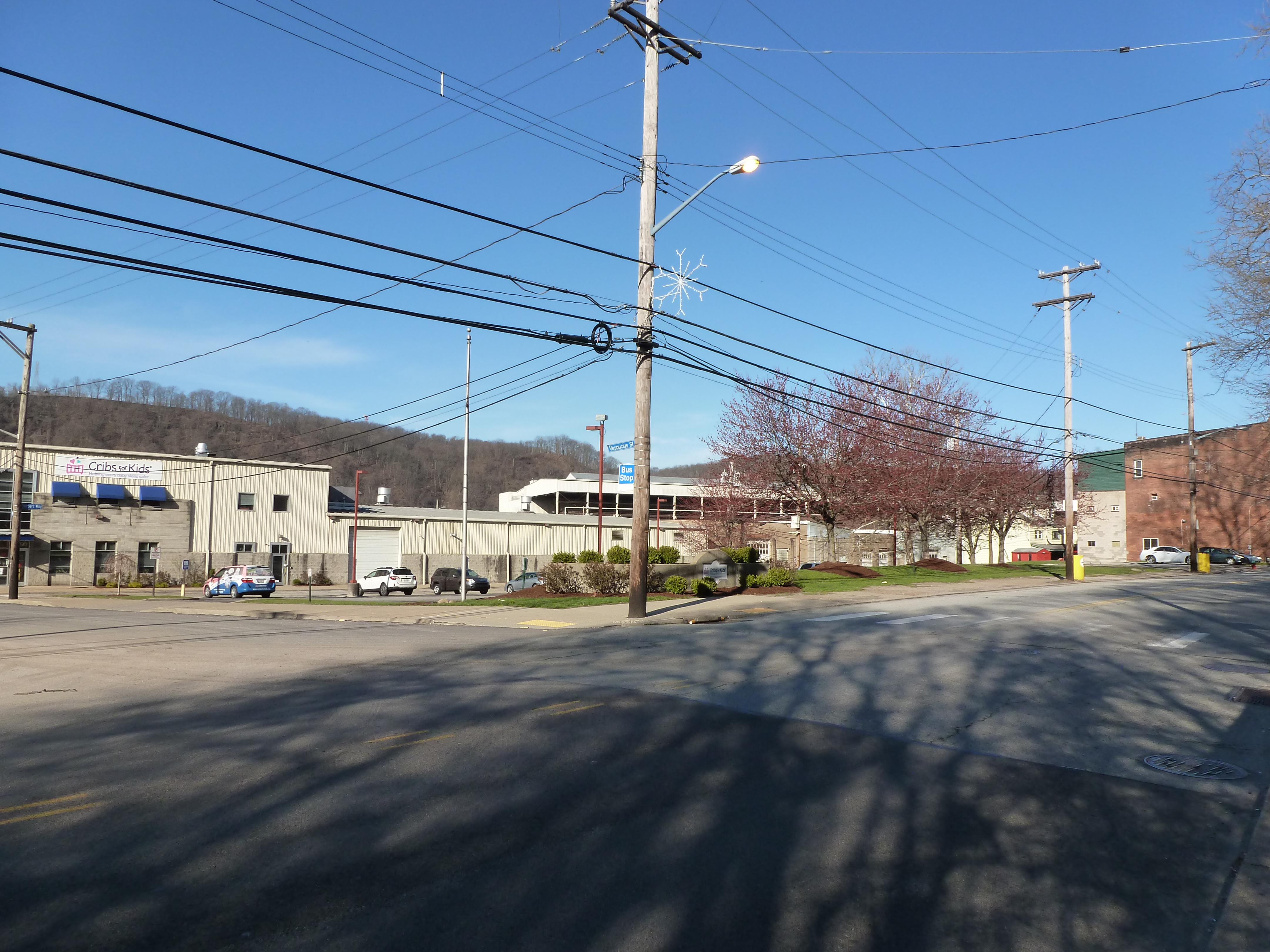


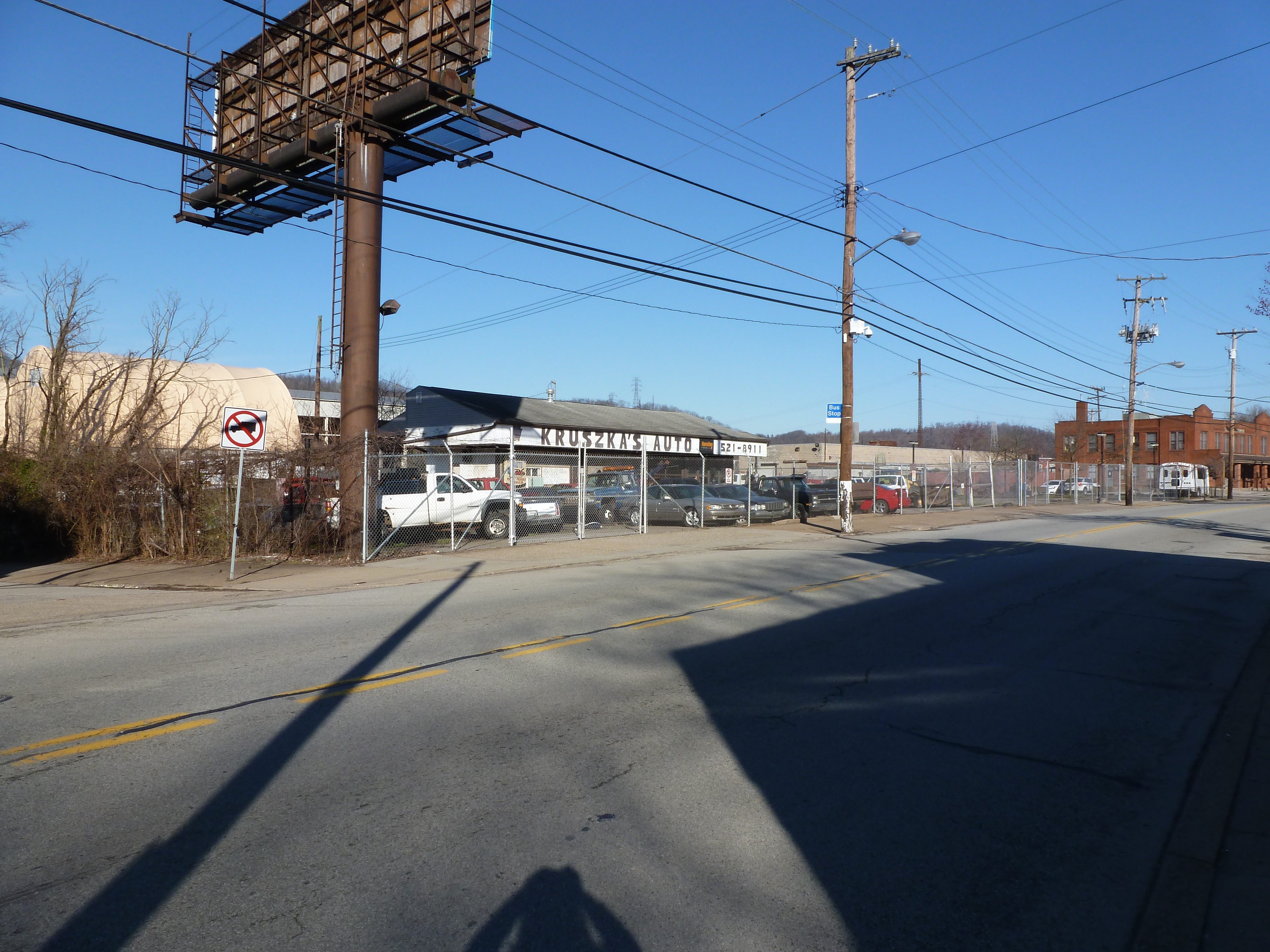


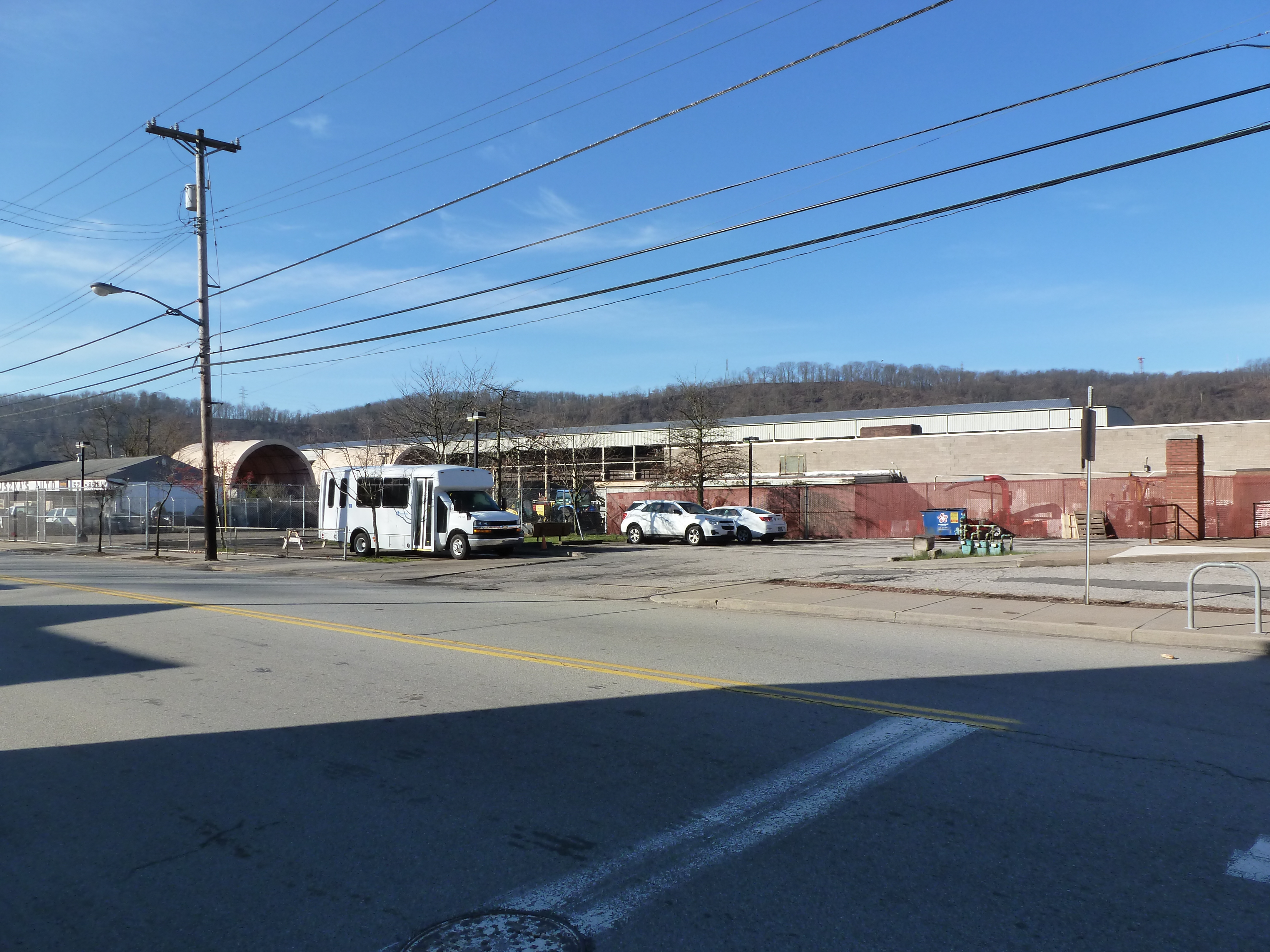

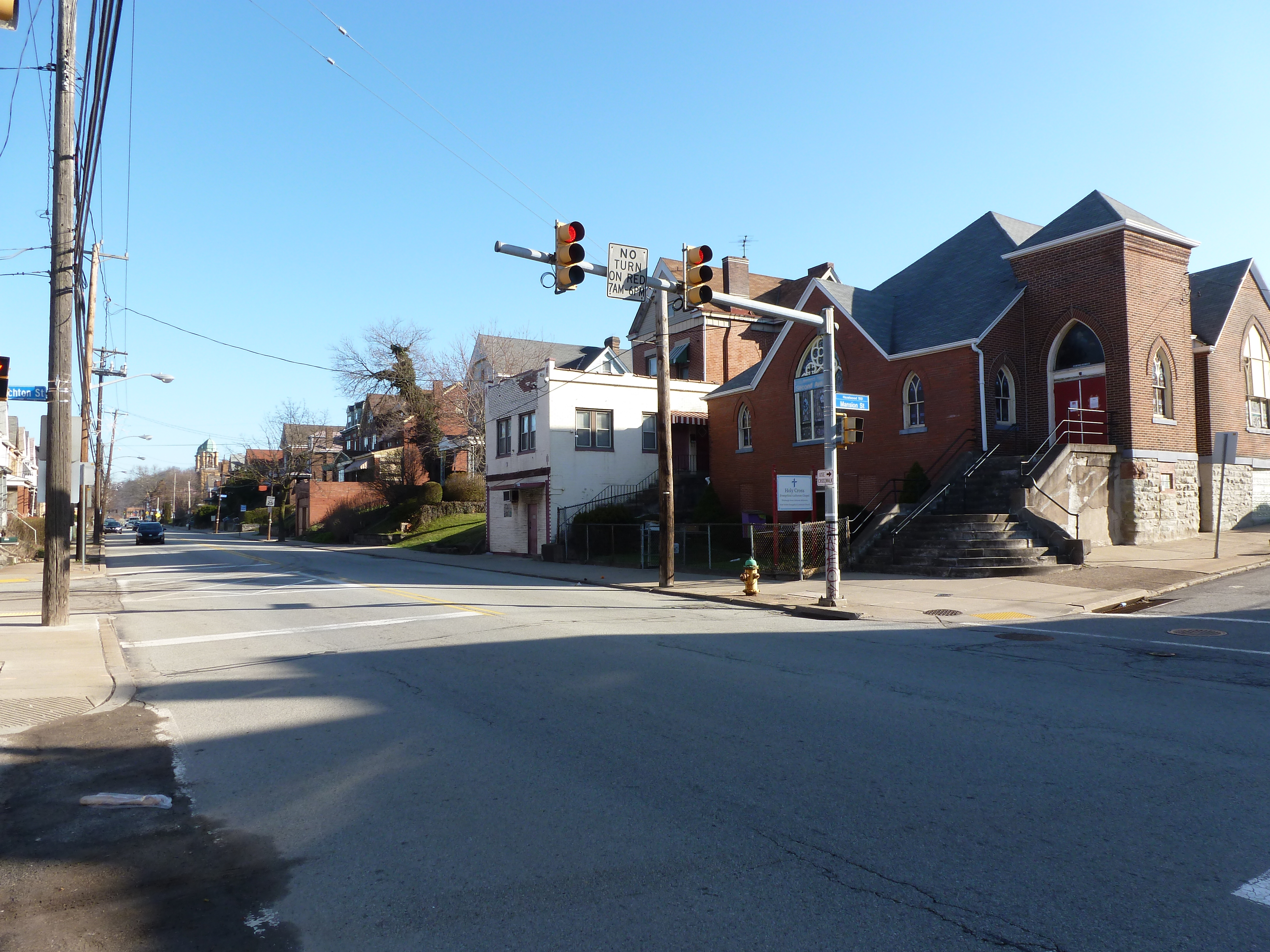

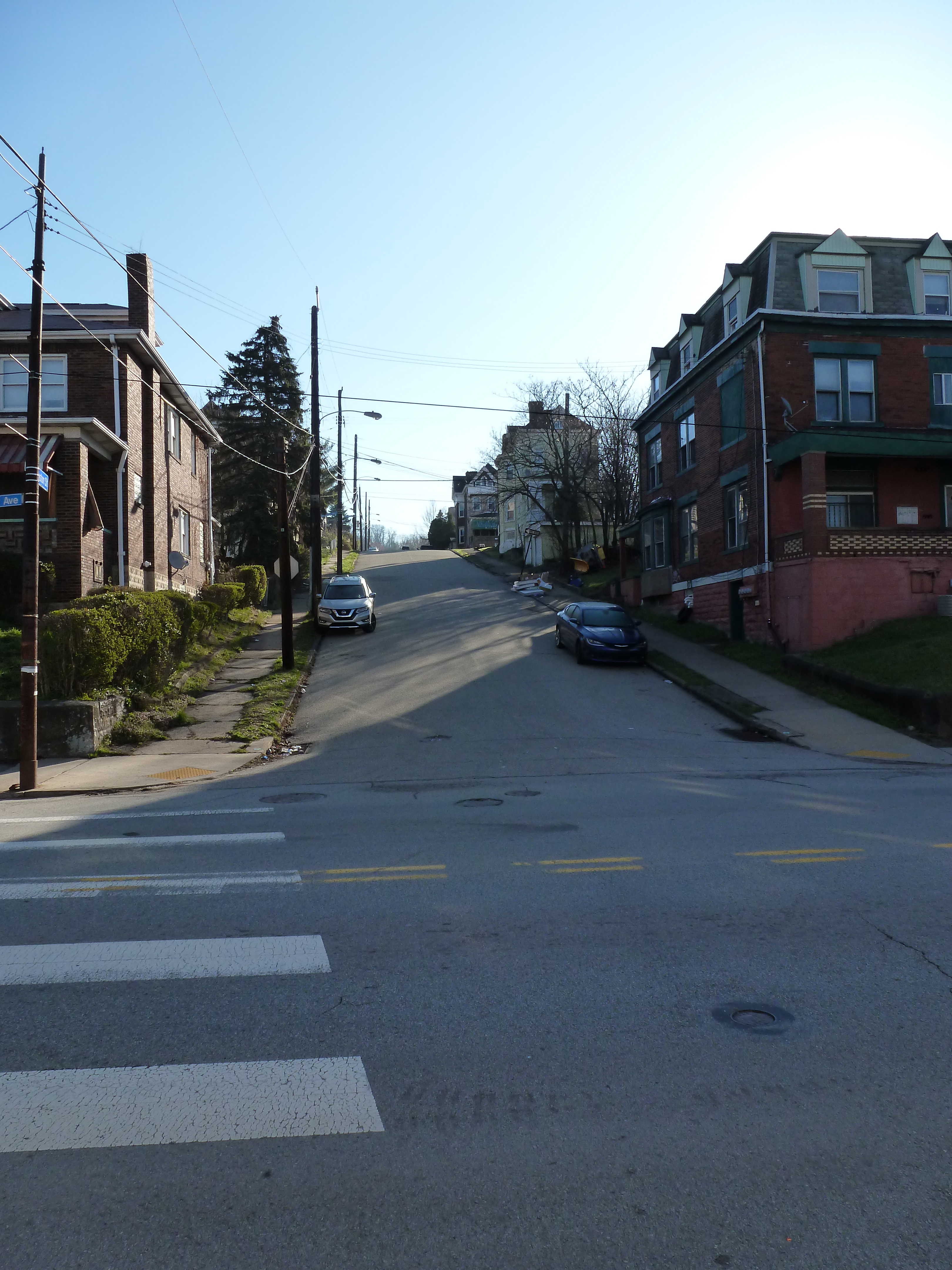
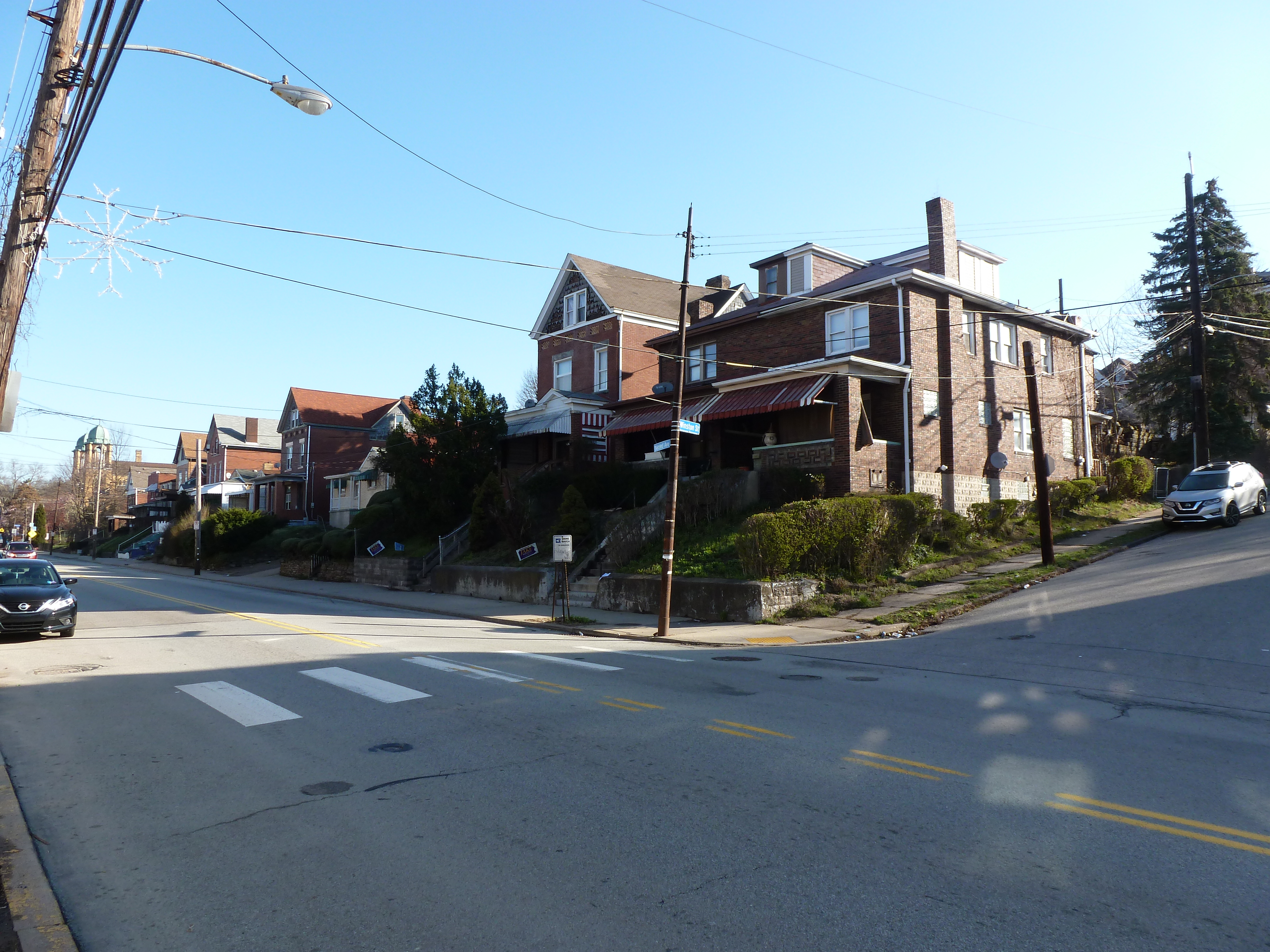


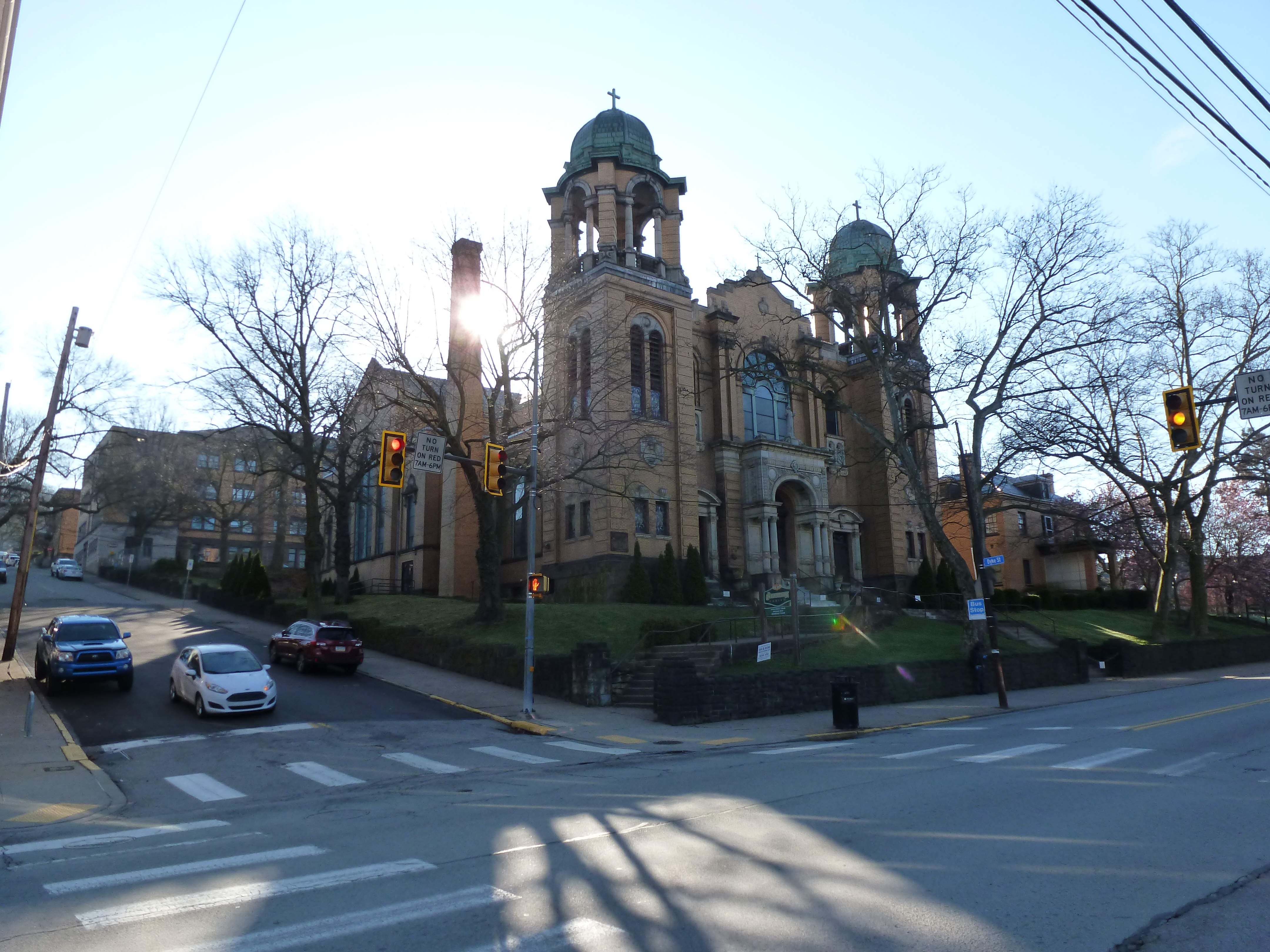

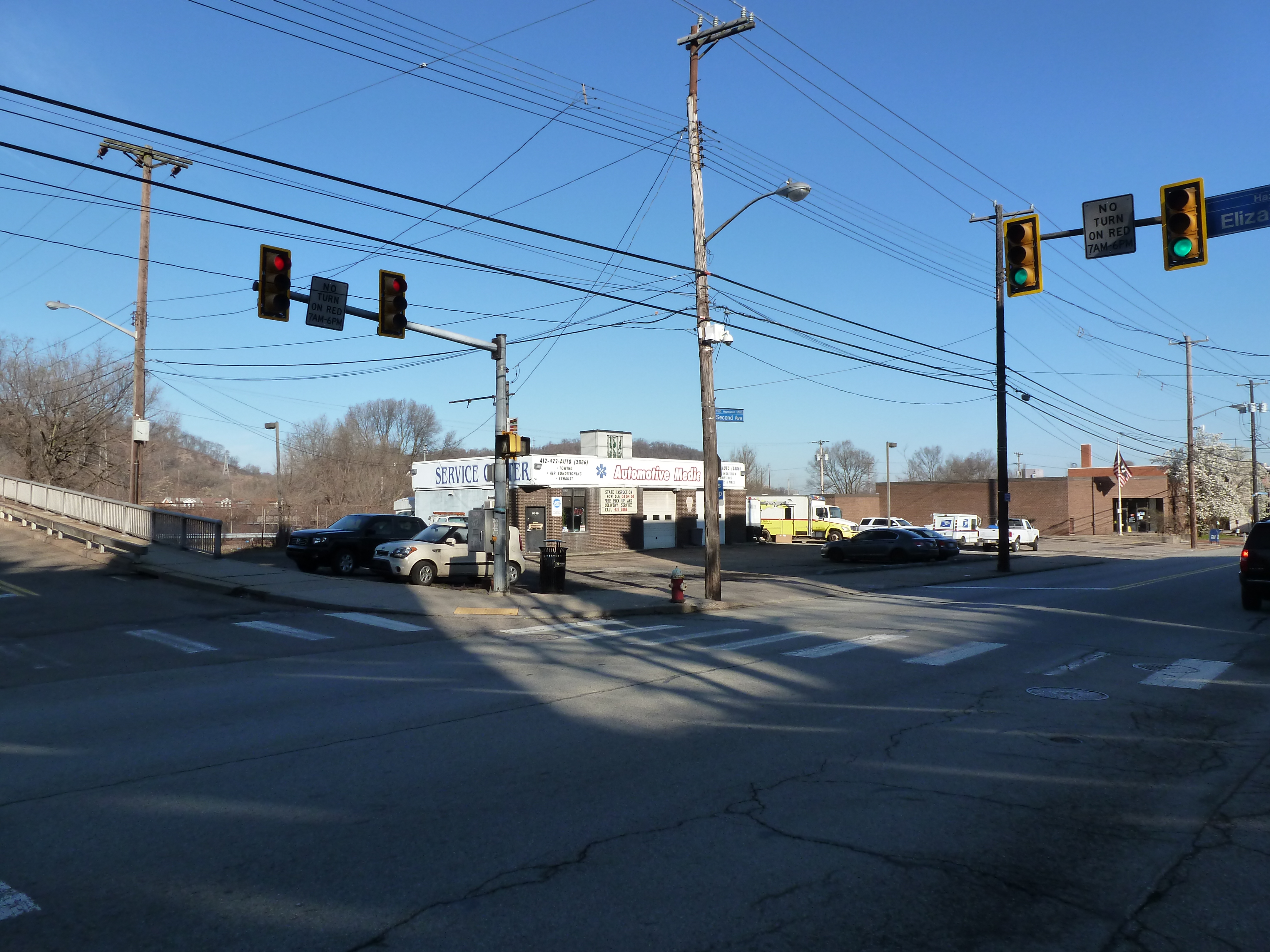
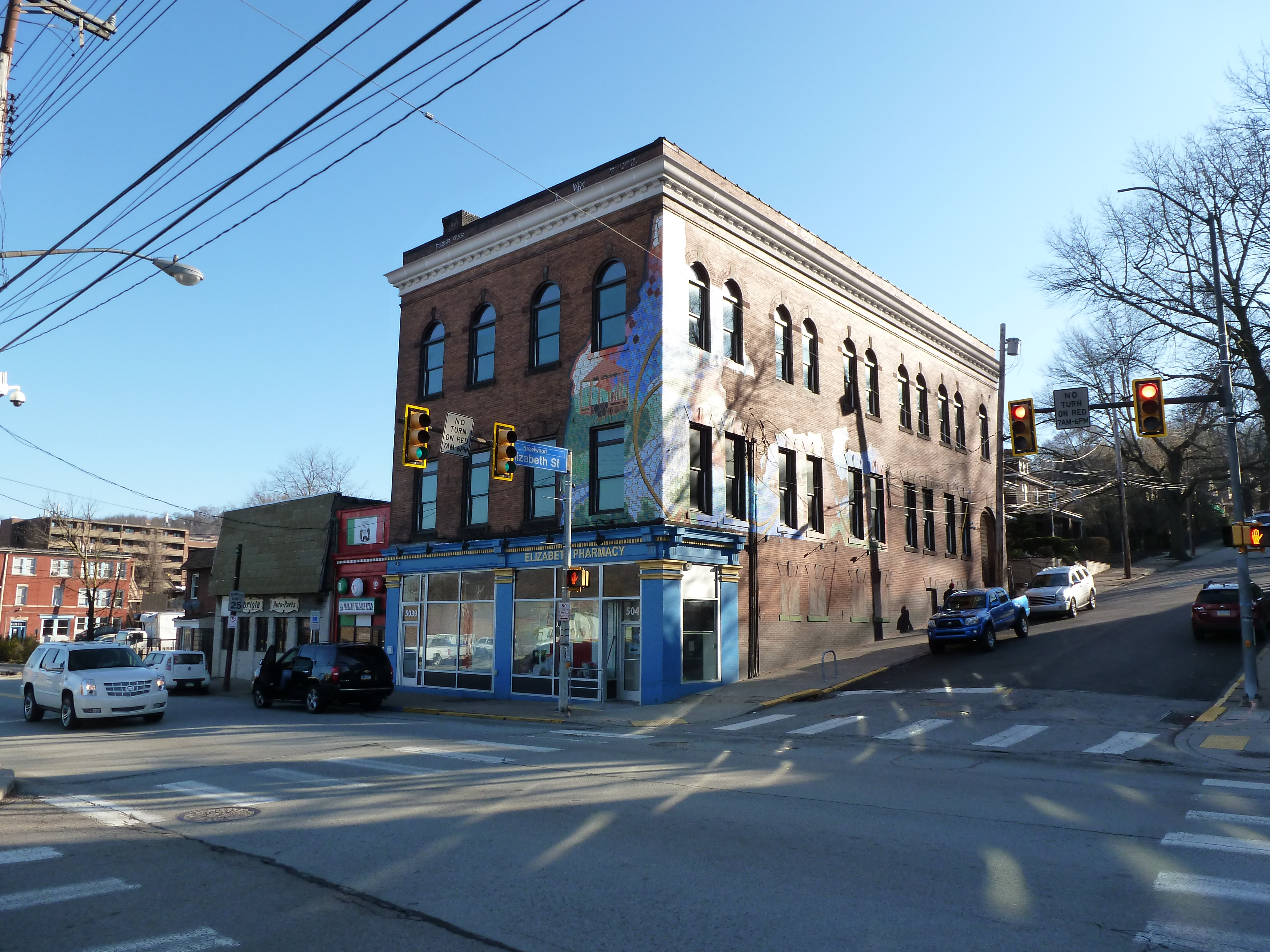


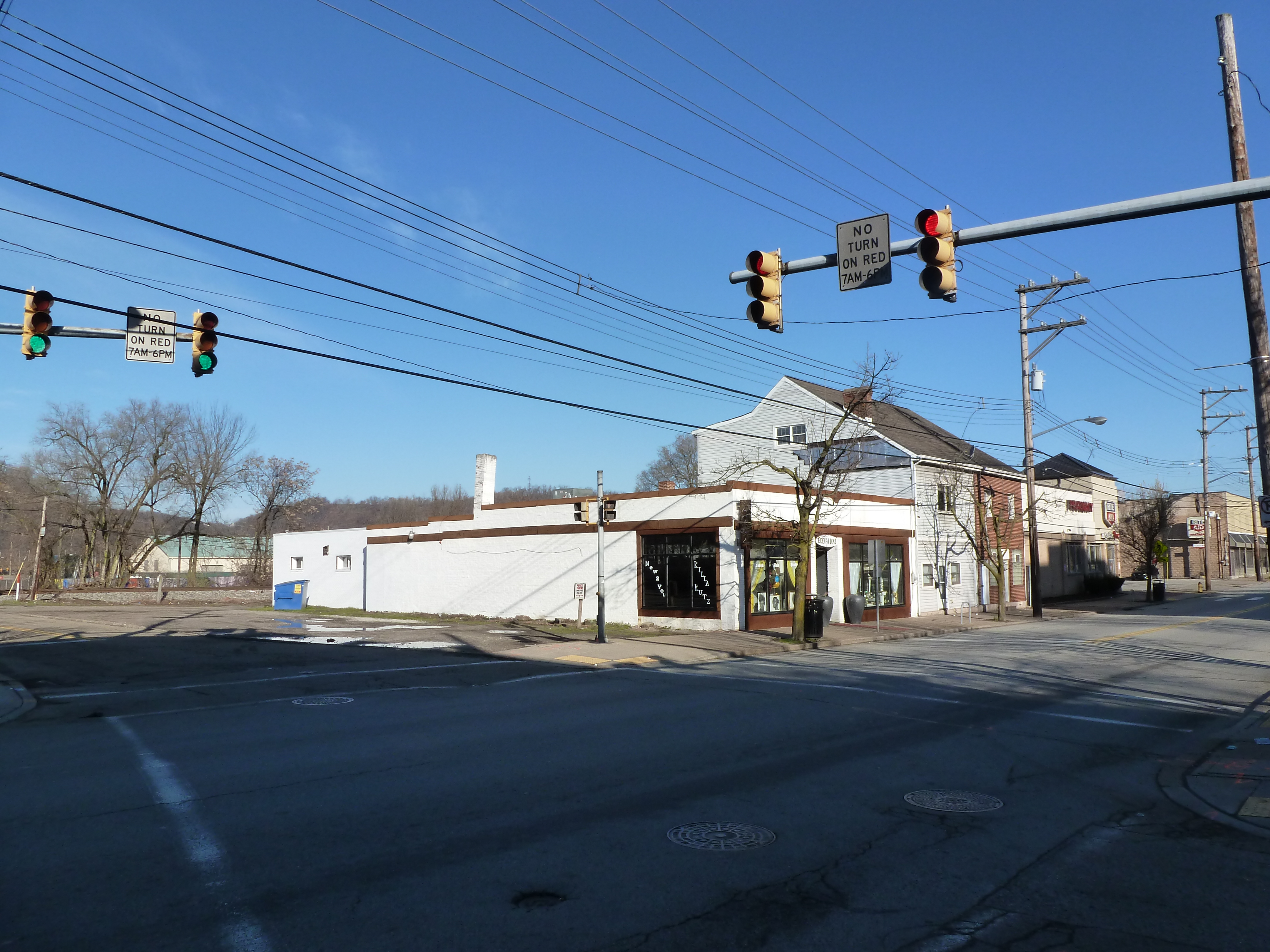

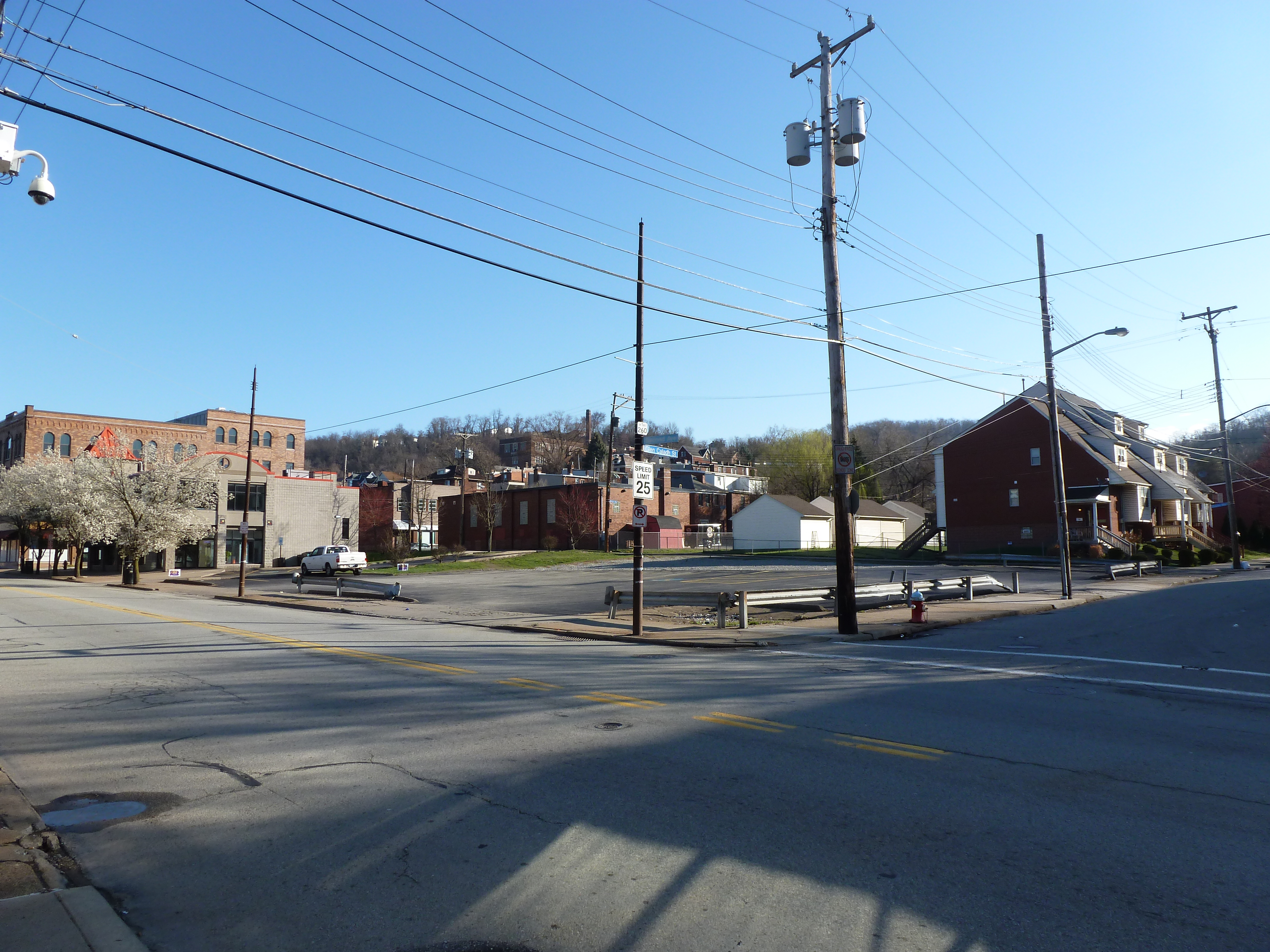


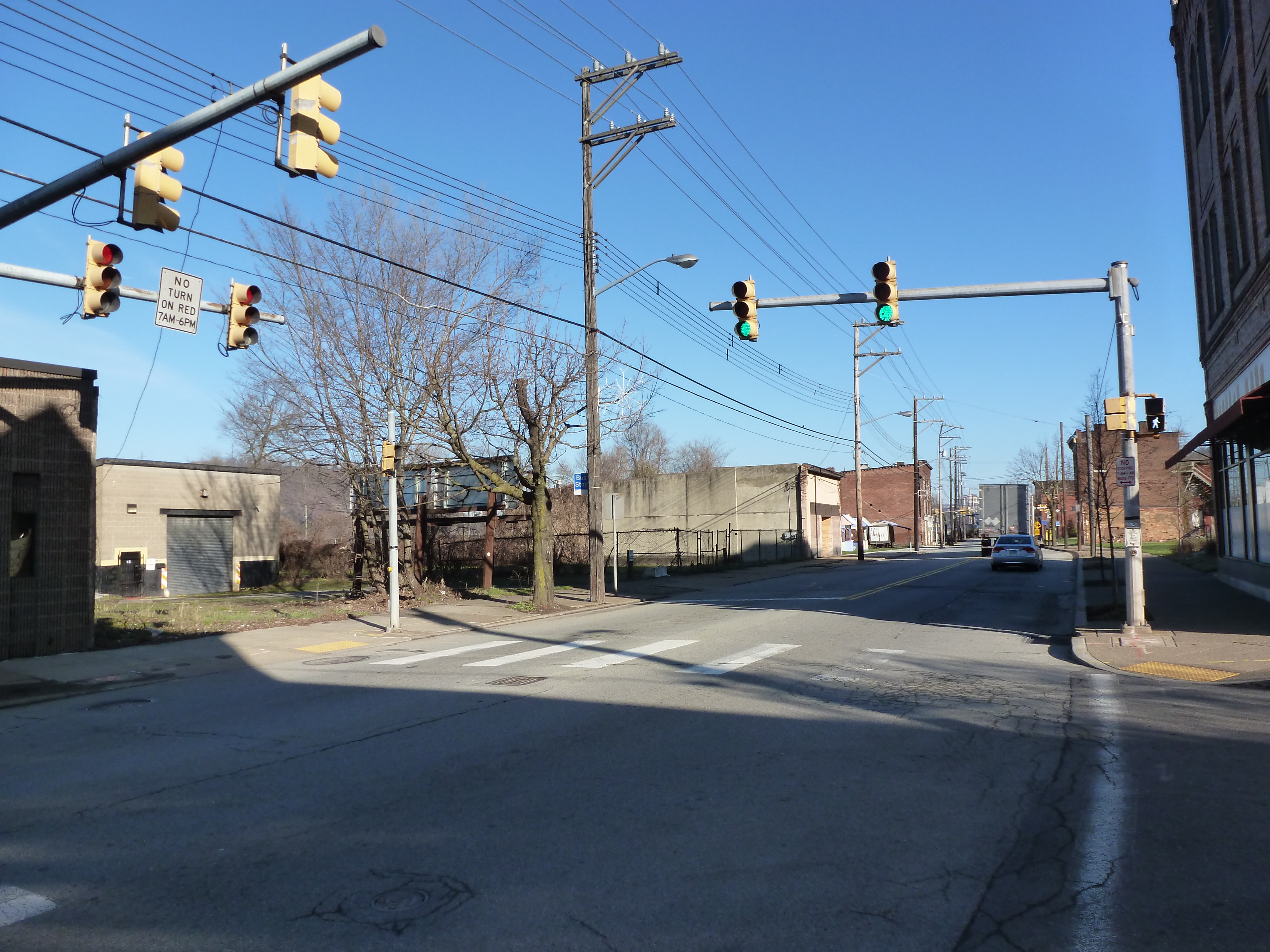


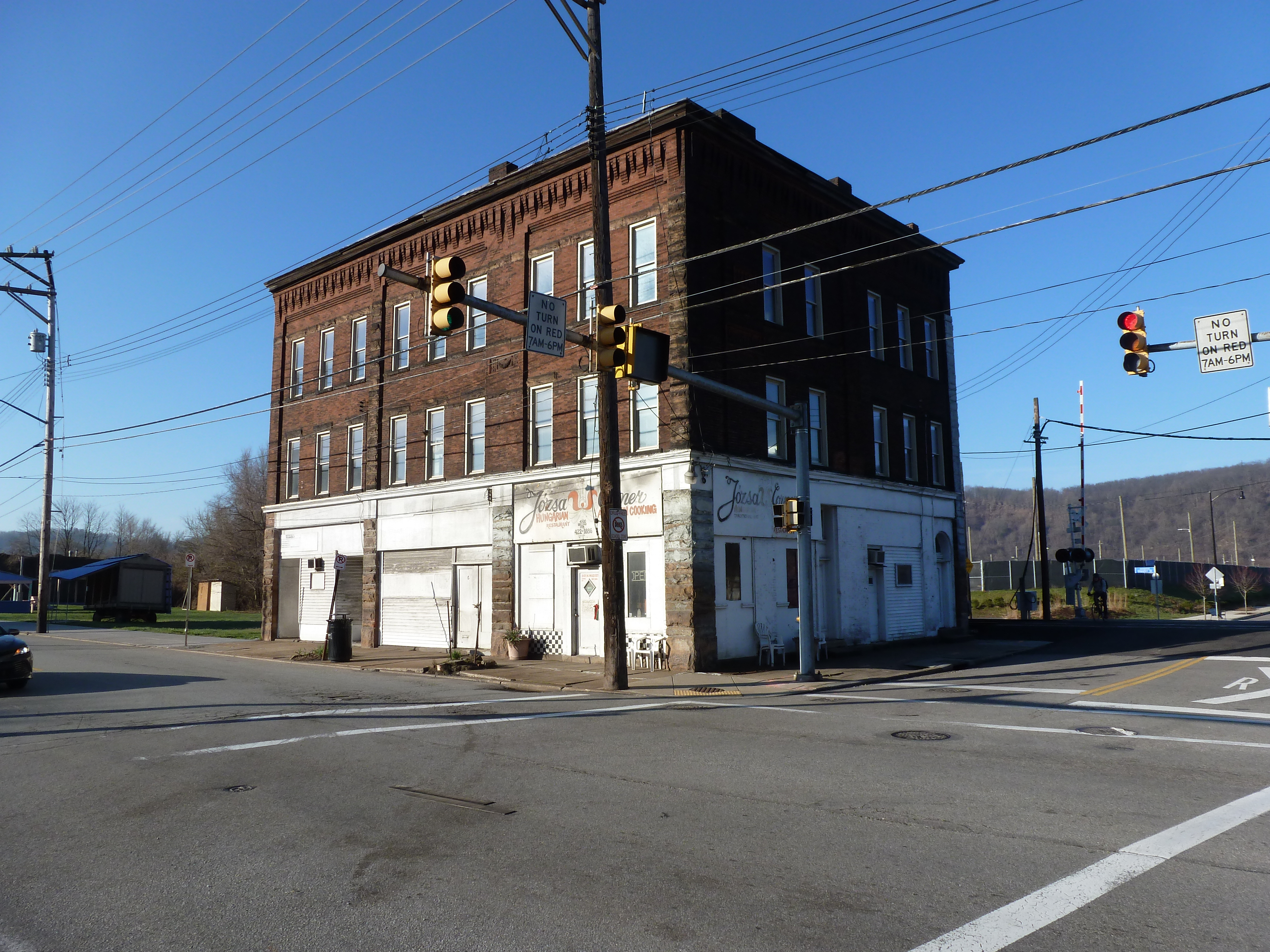
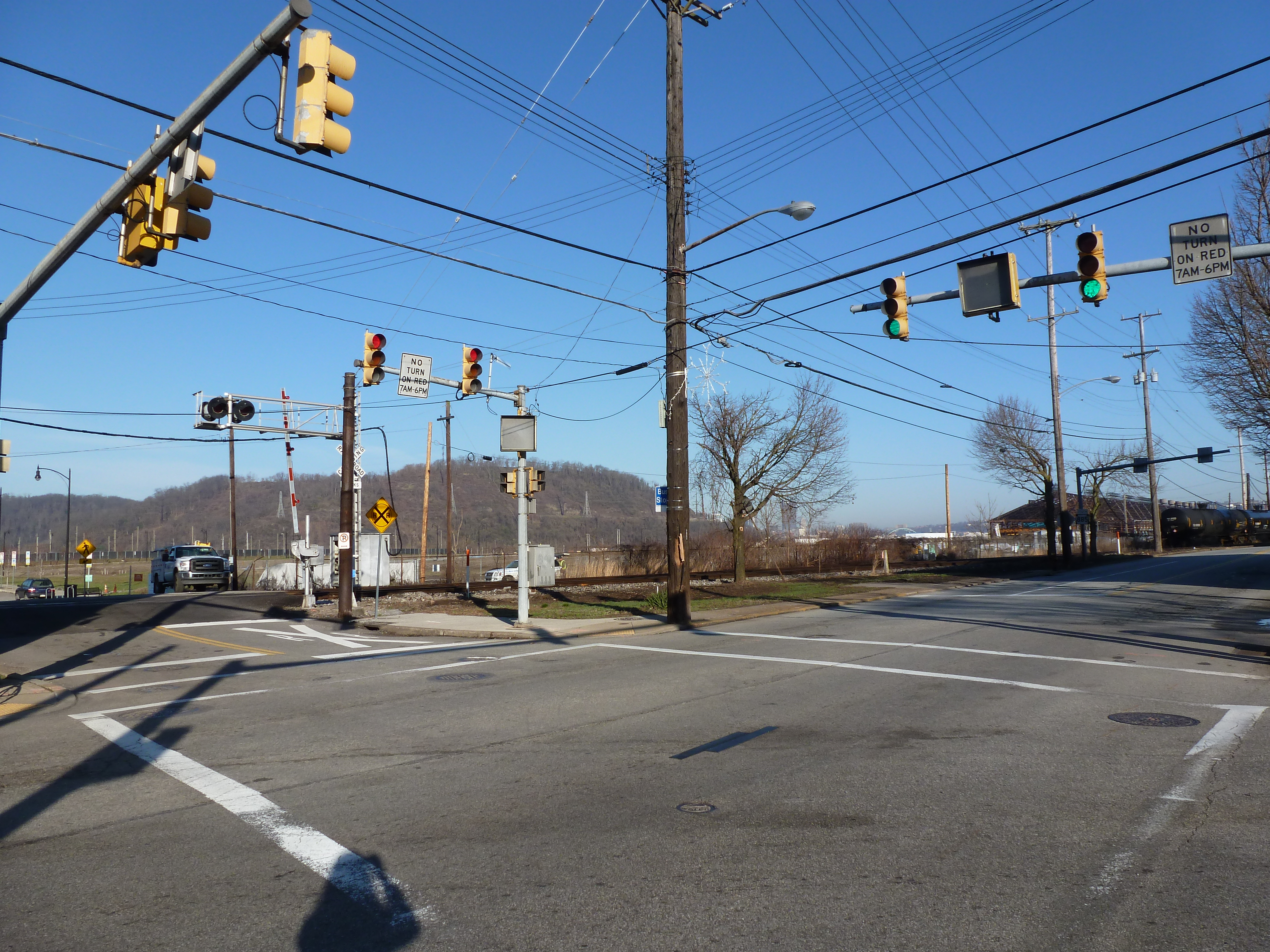

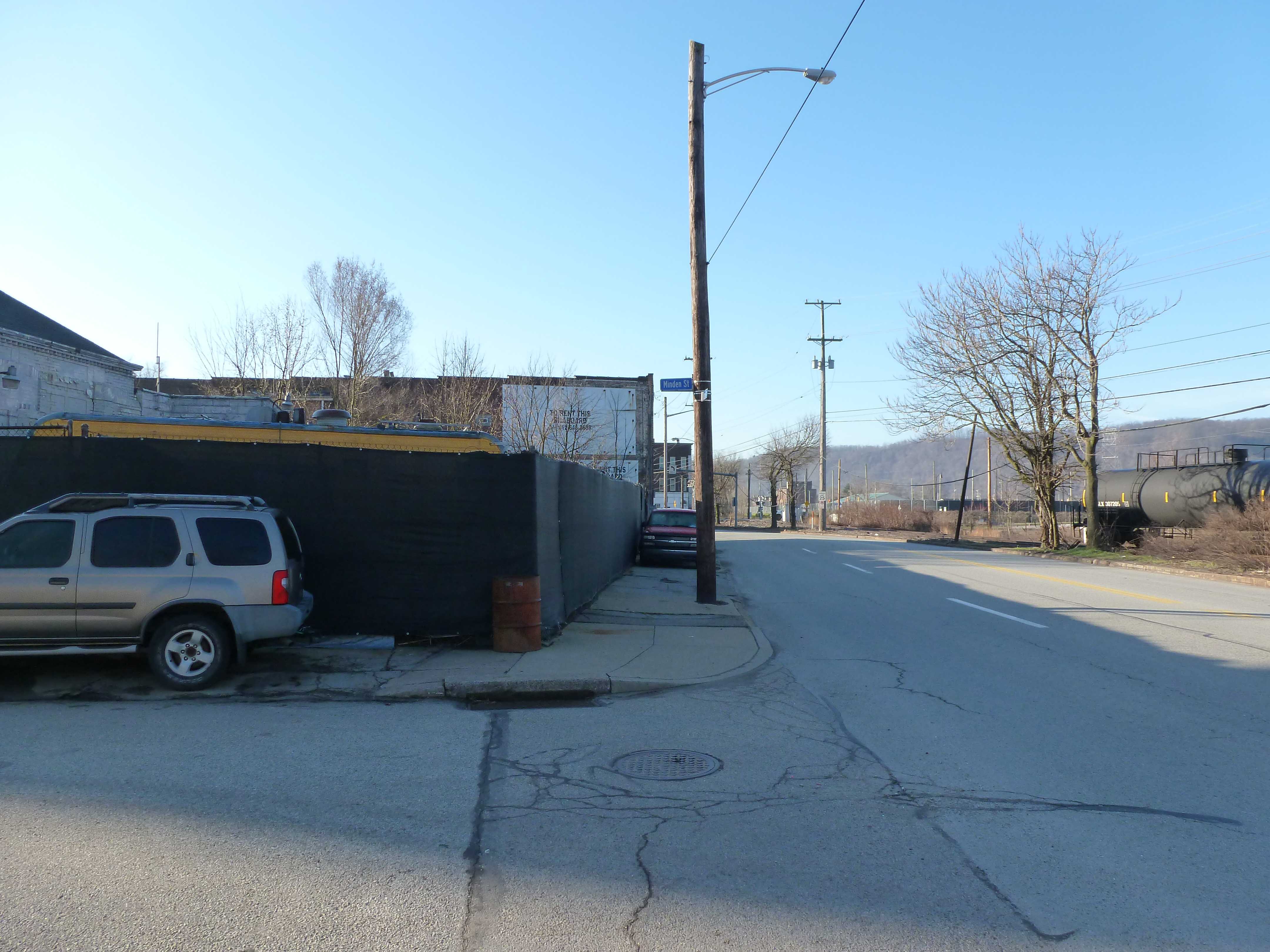






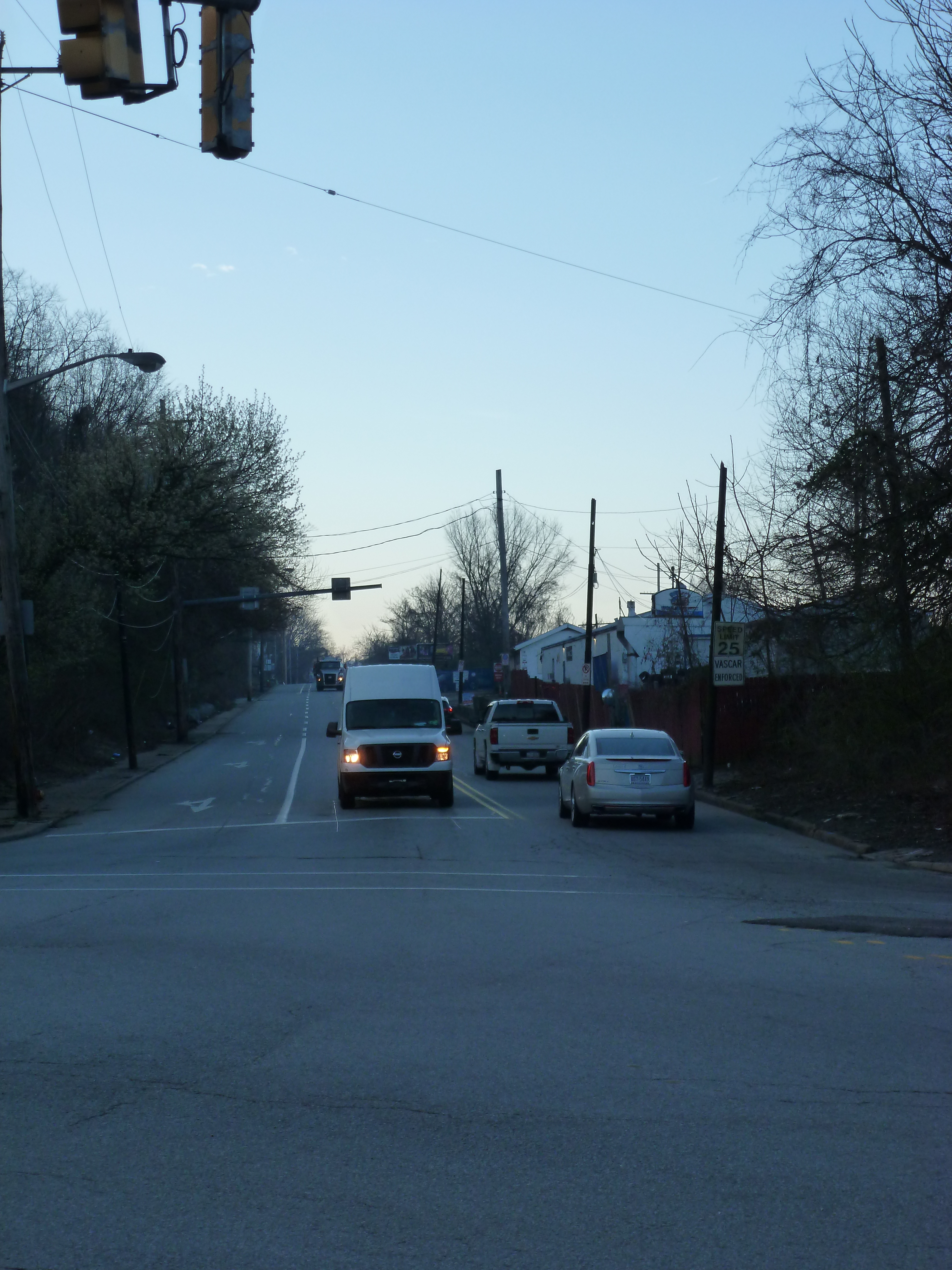


Hazelwood Ave


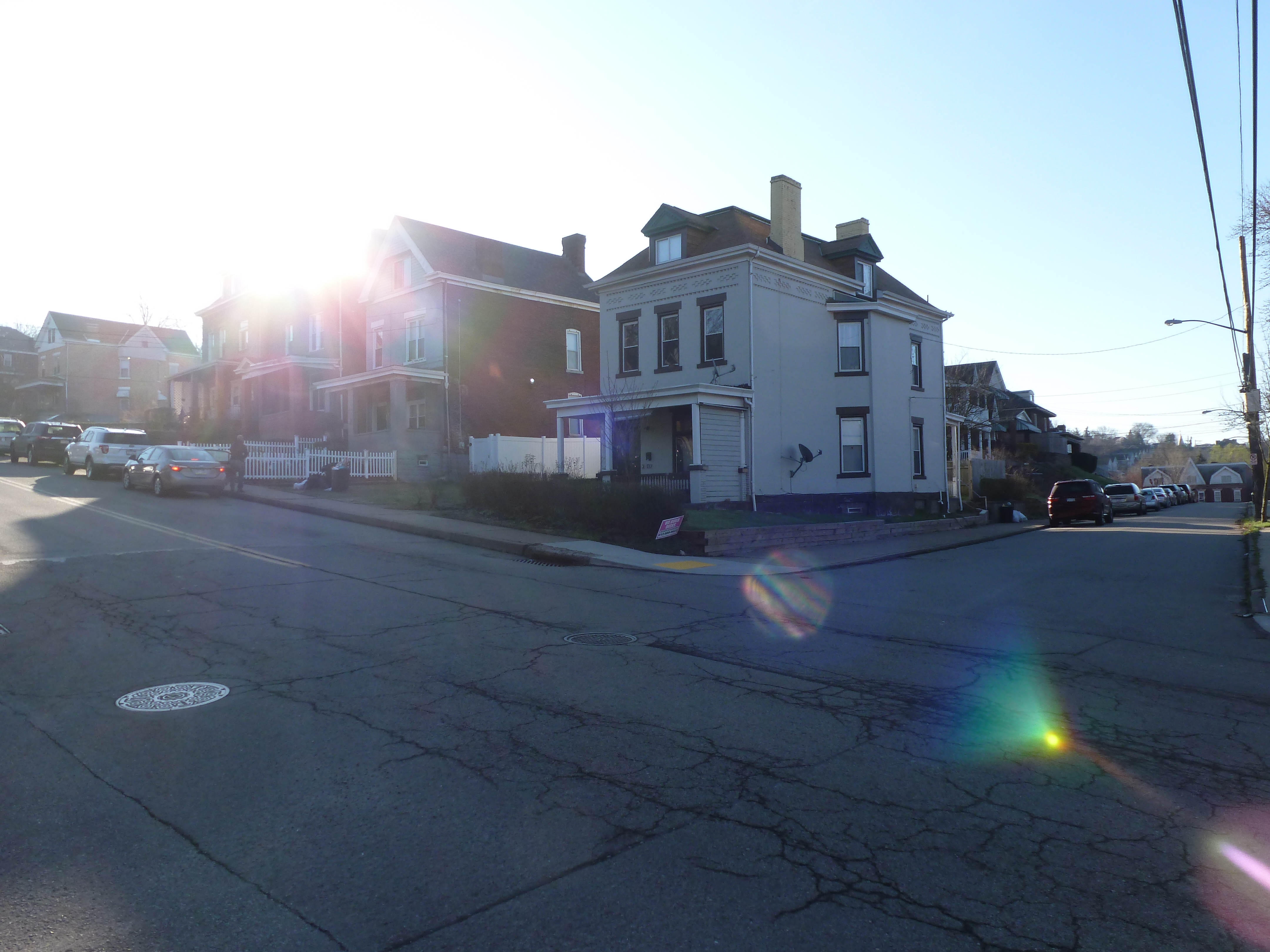
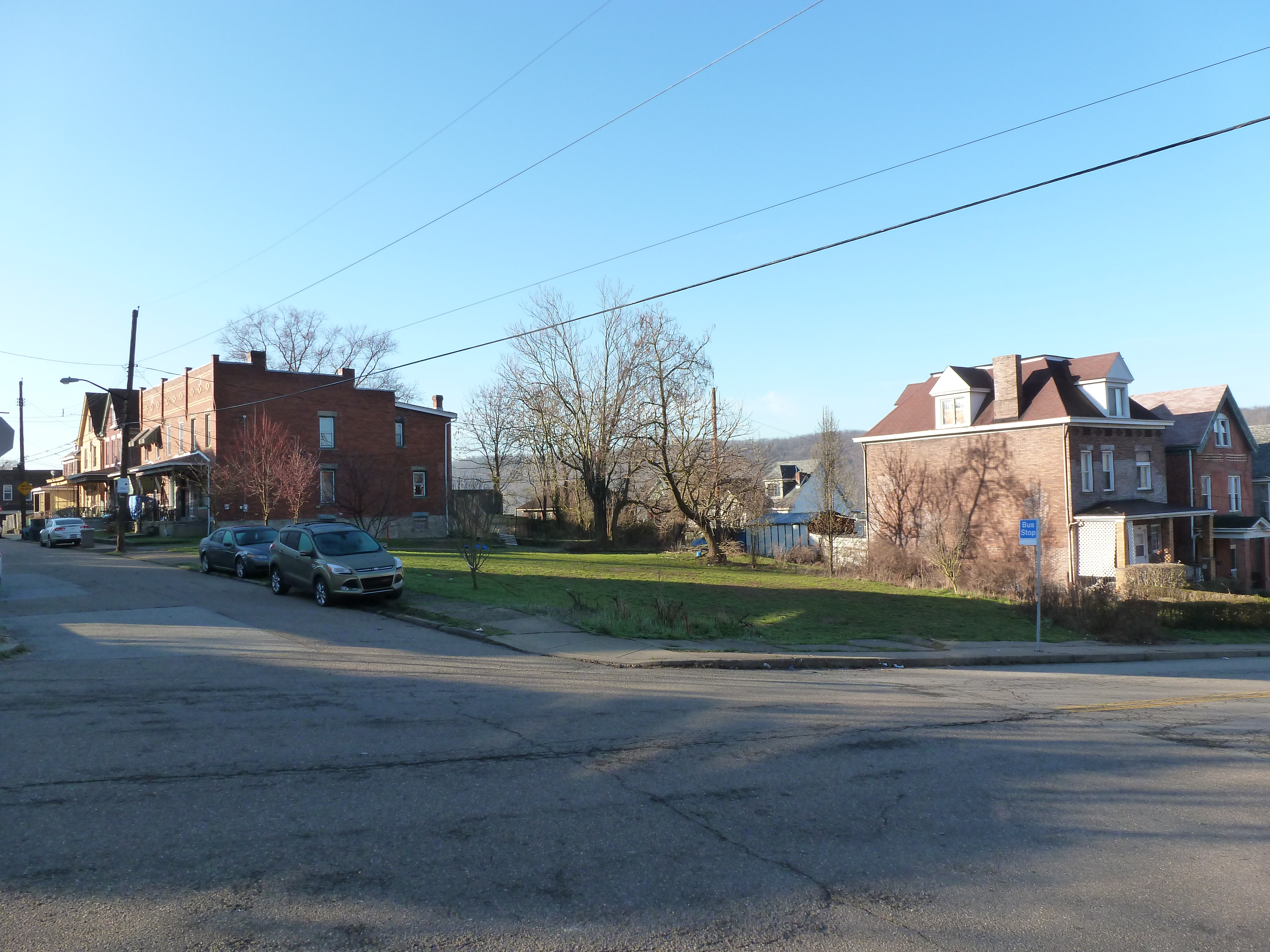
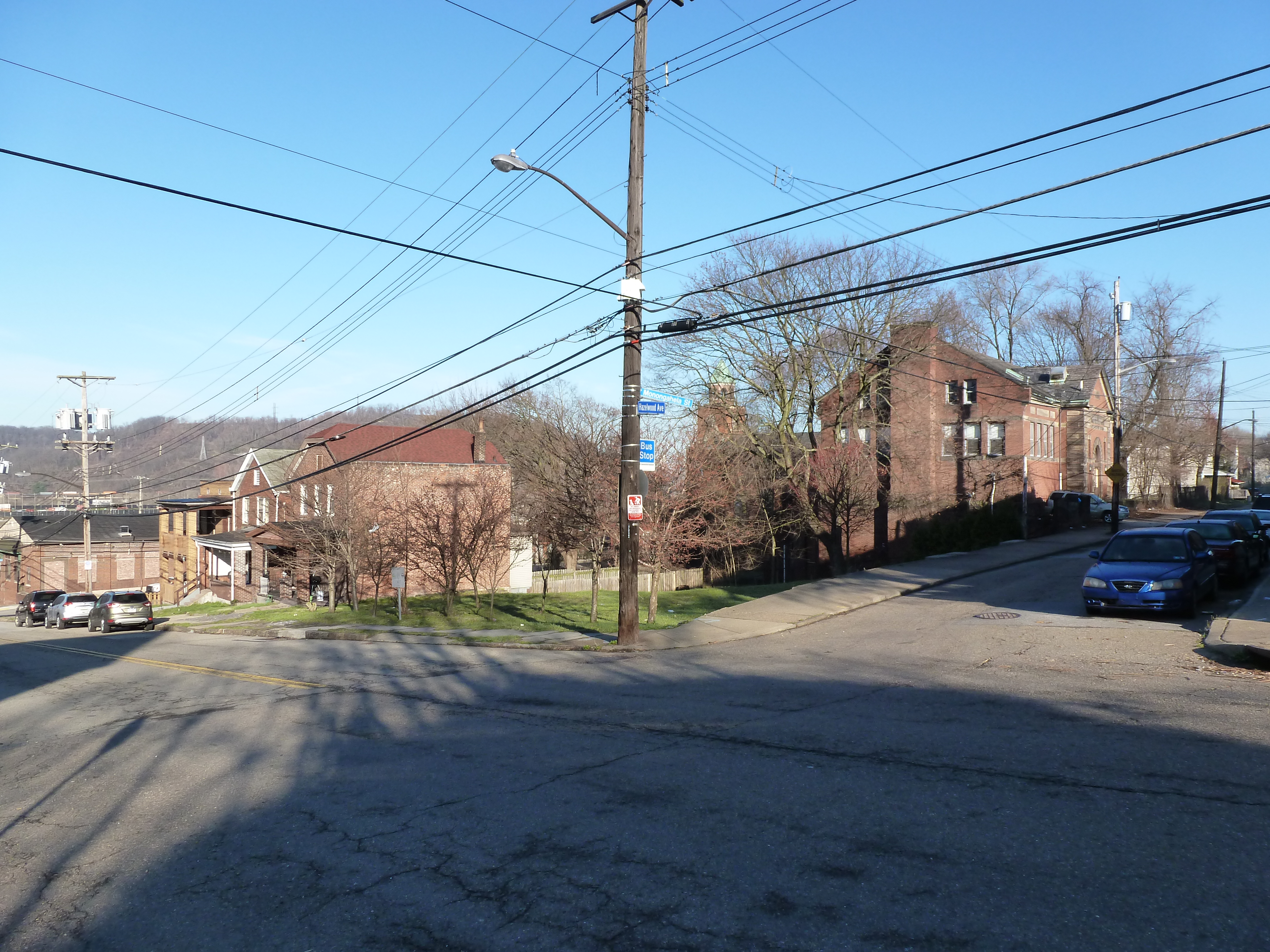



Other Sites:
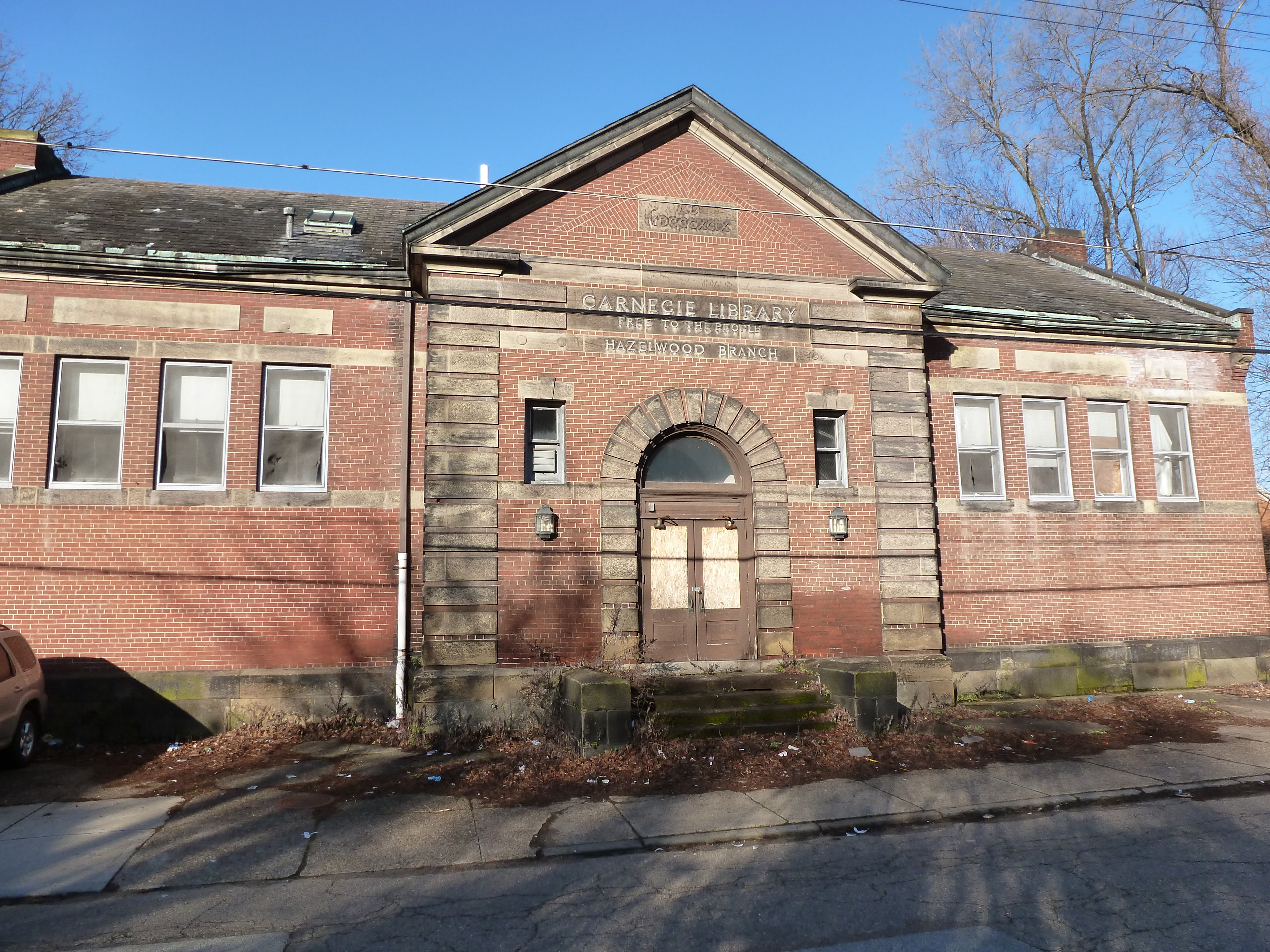


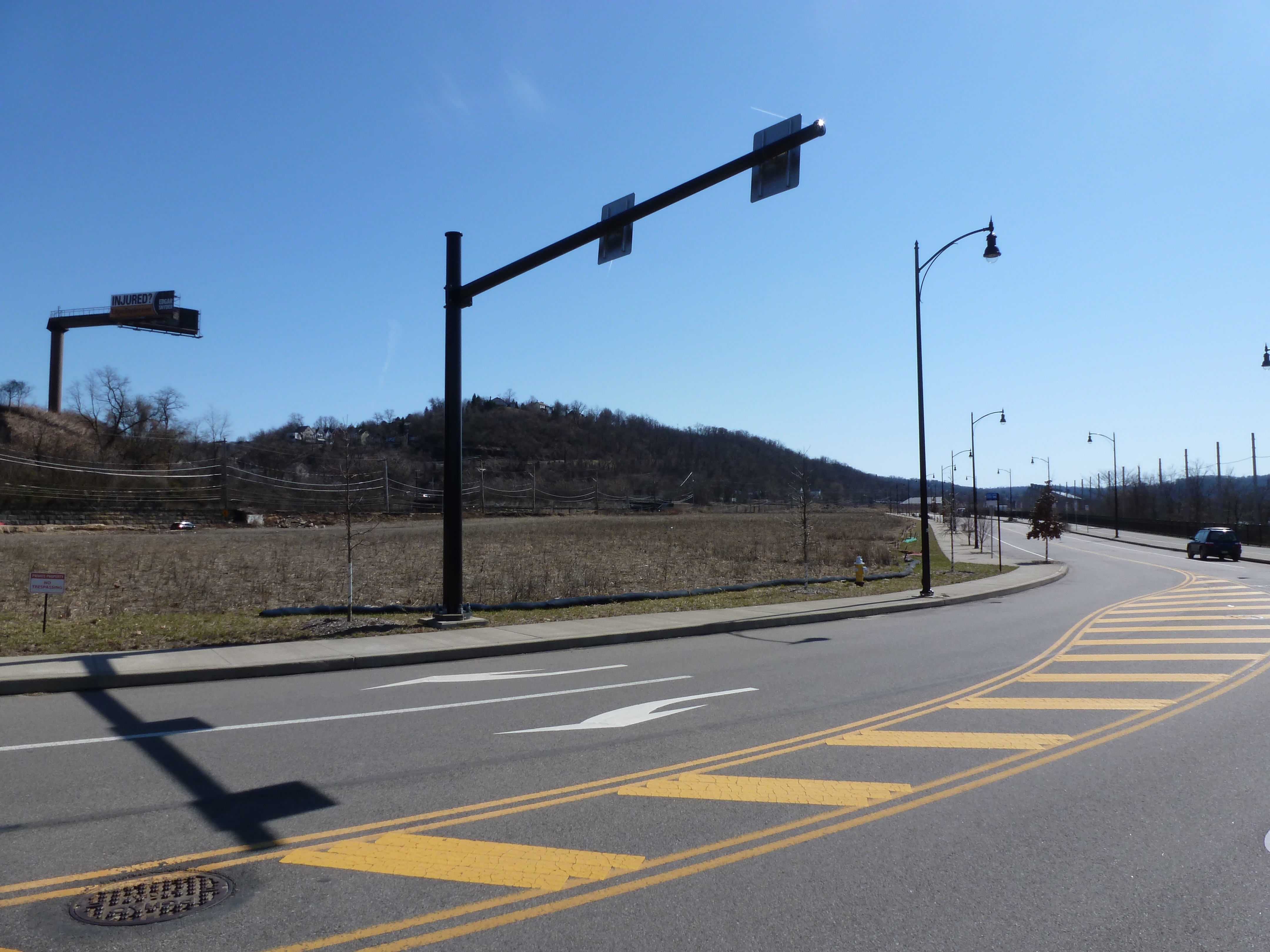


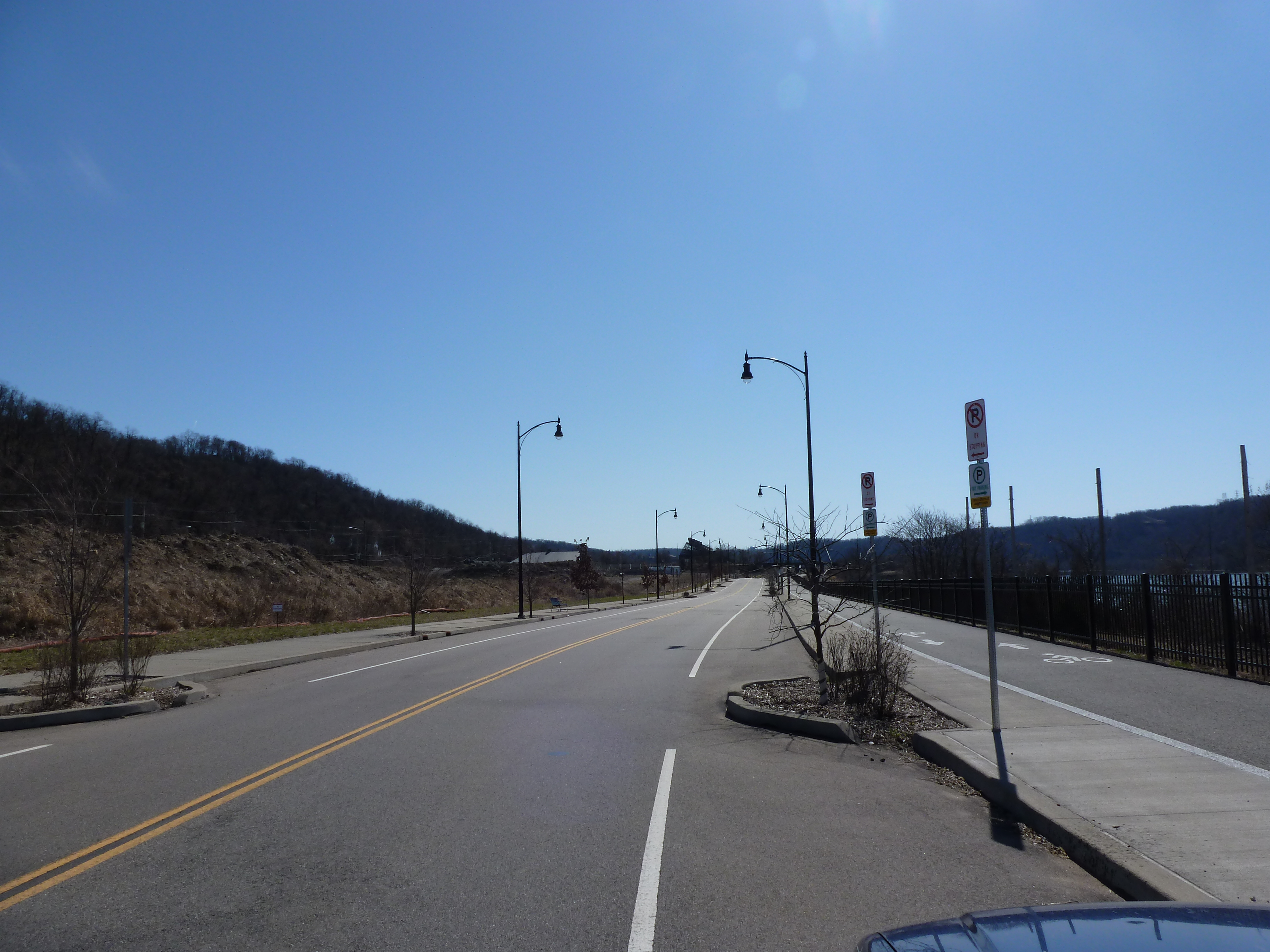


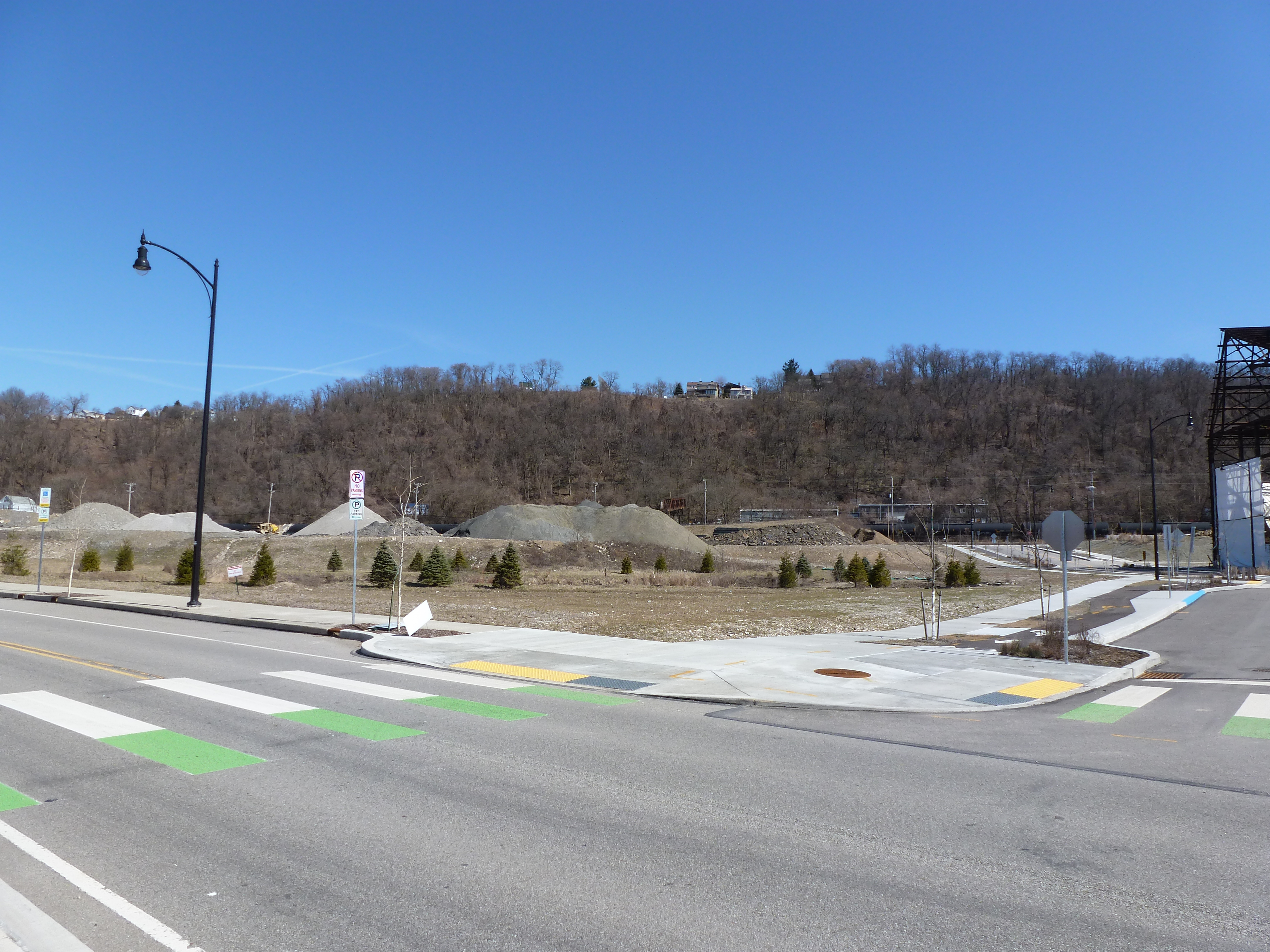


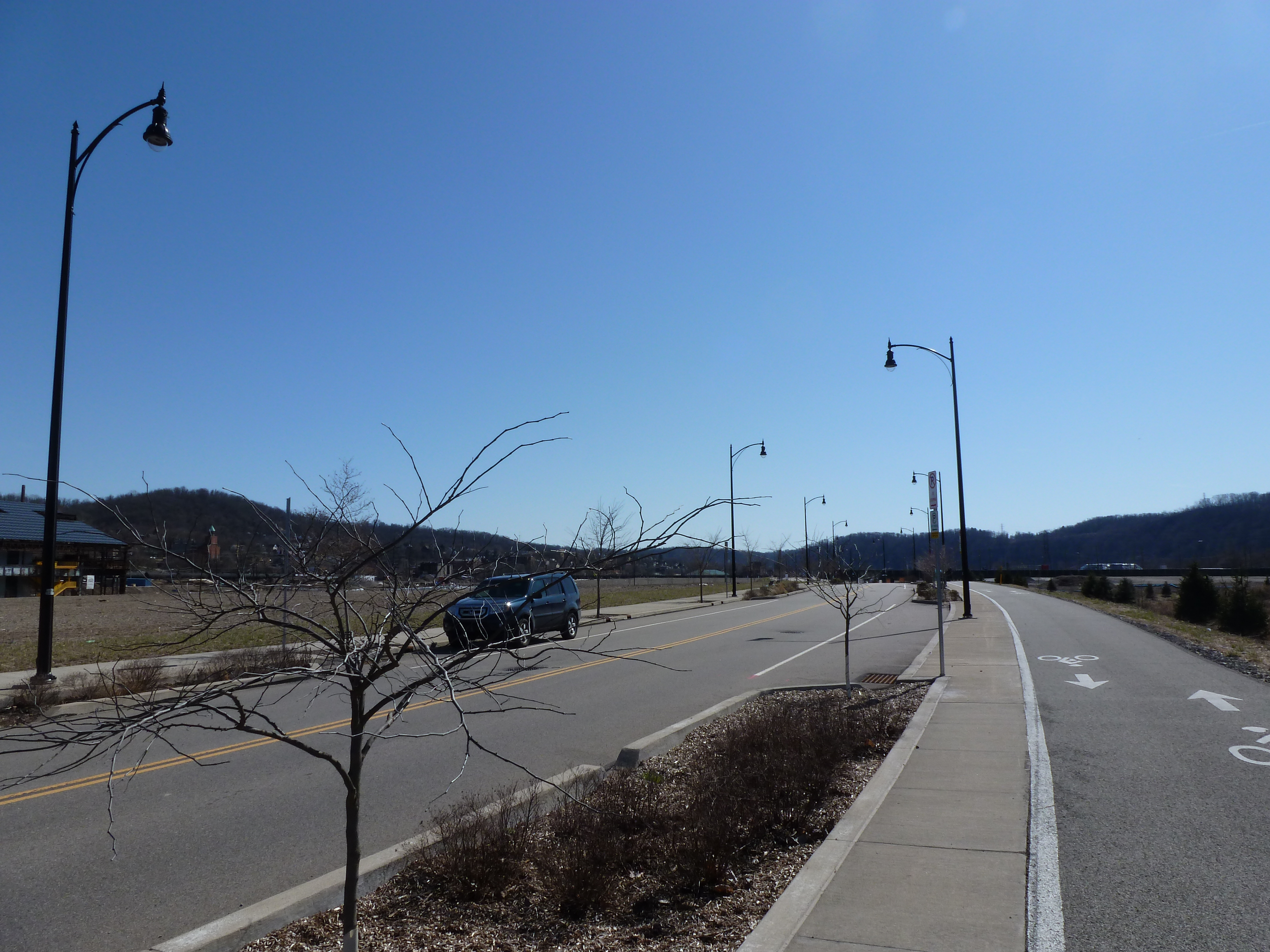

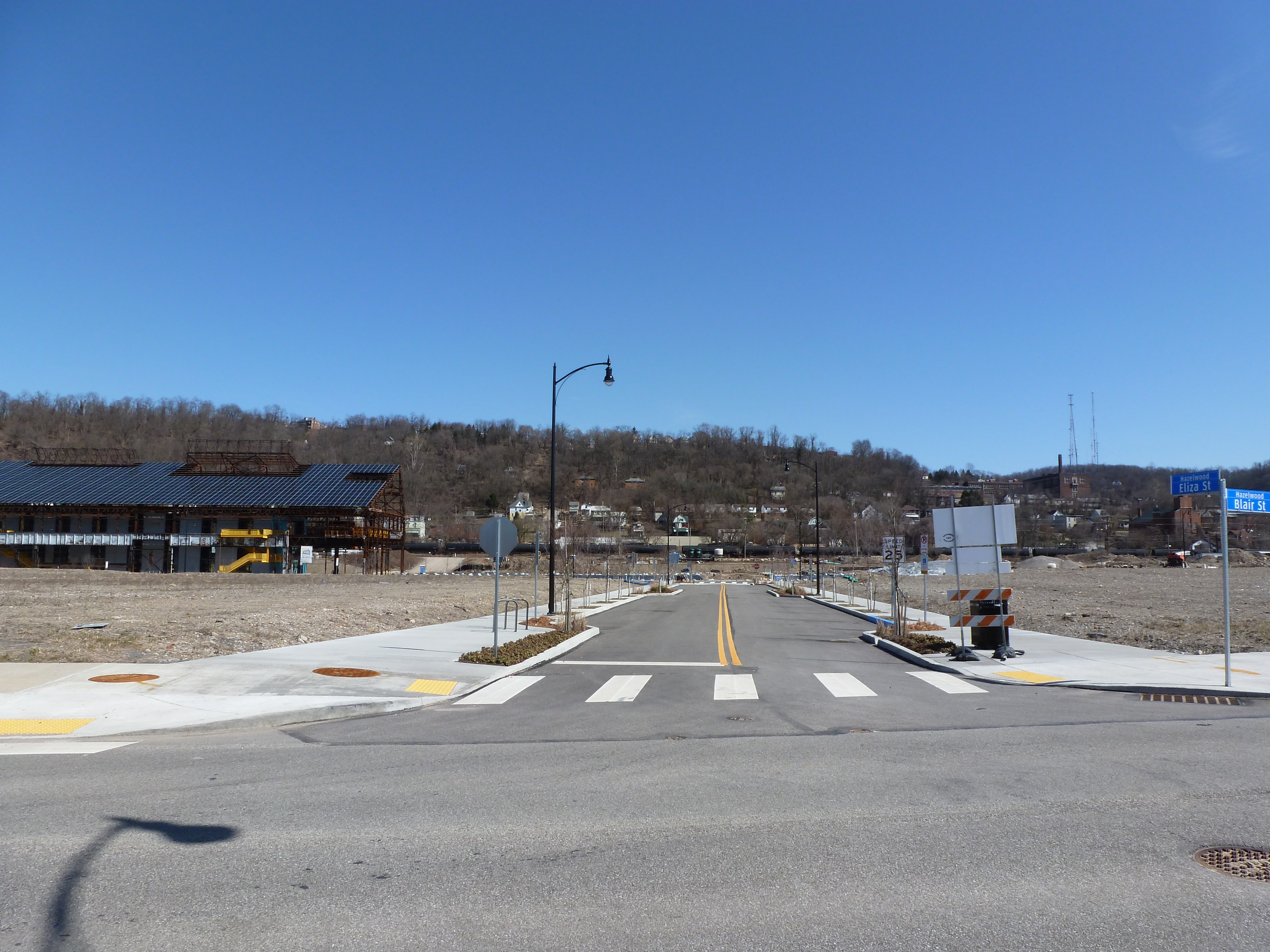

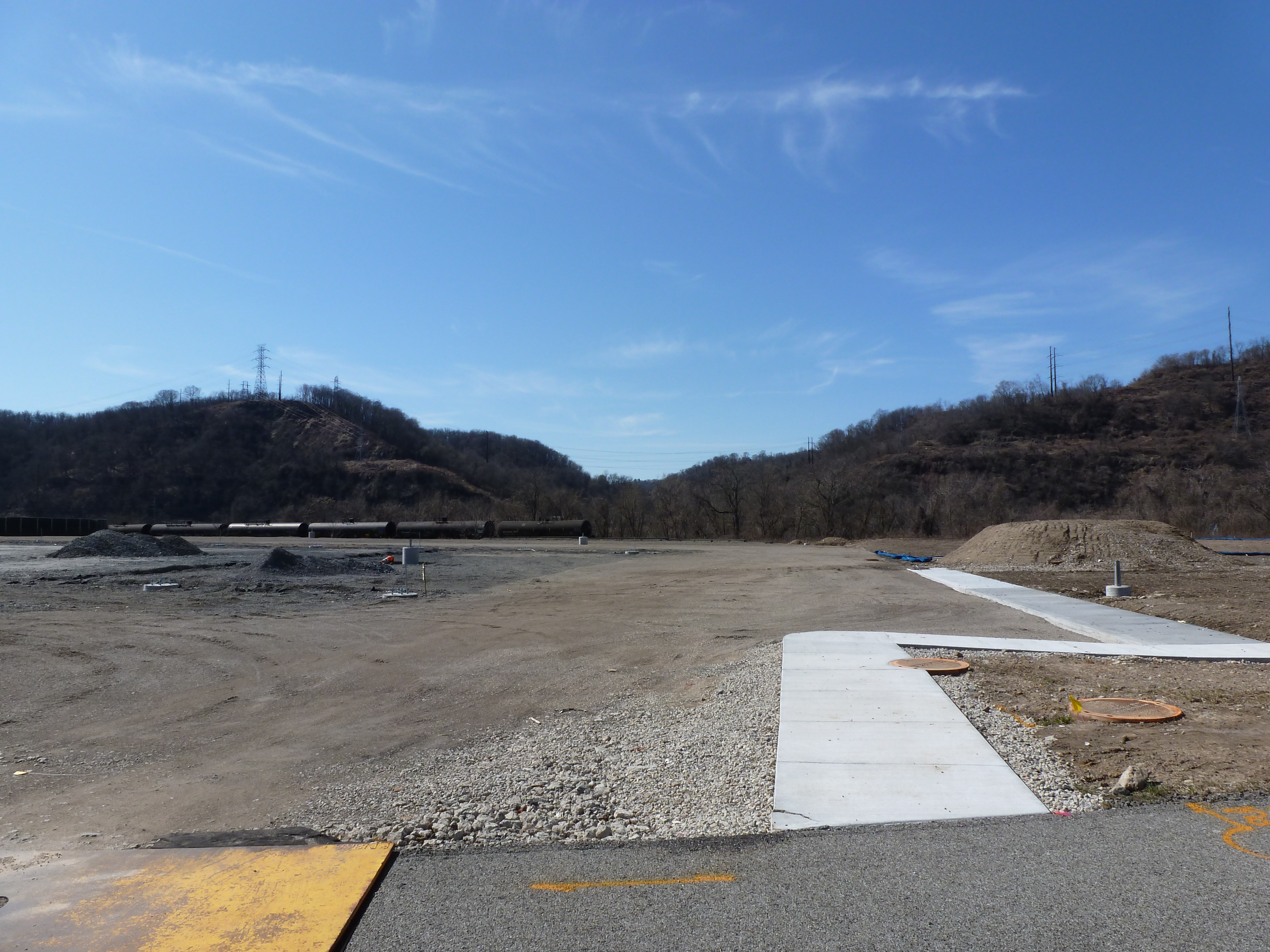
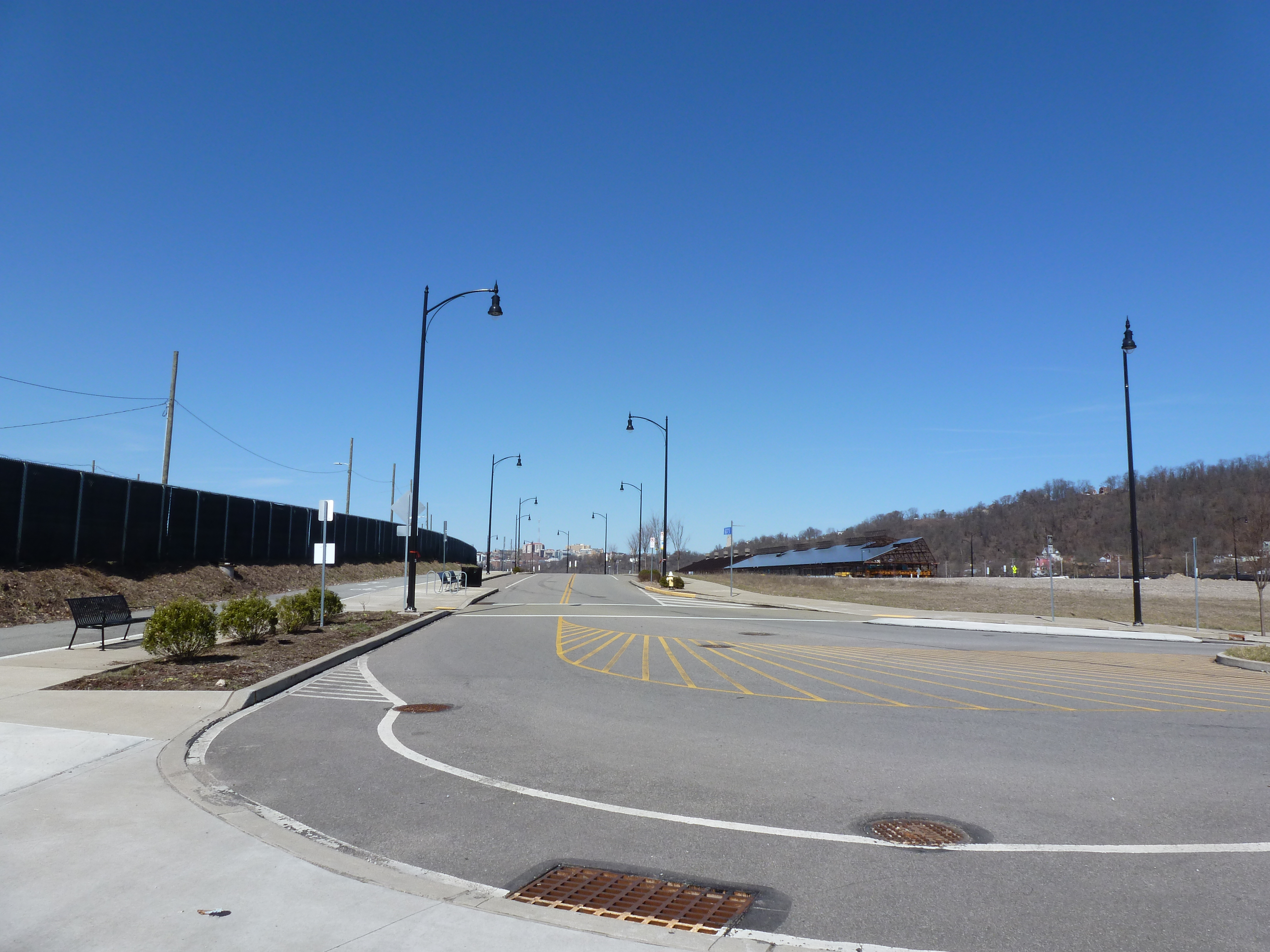

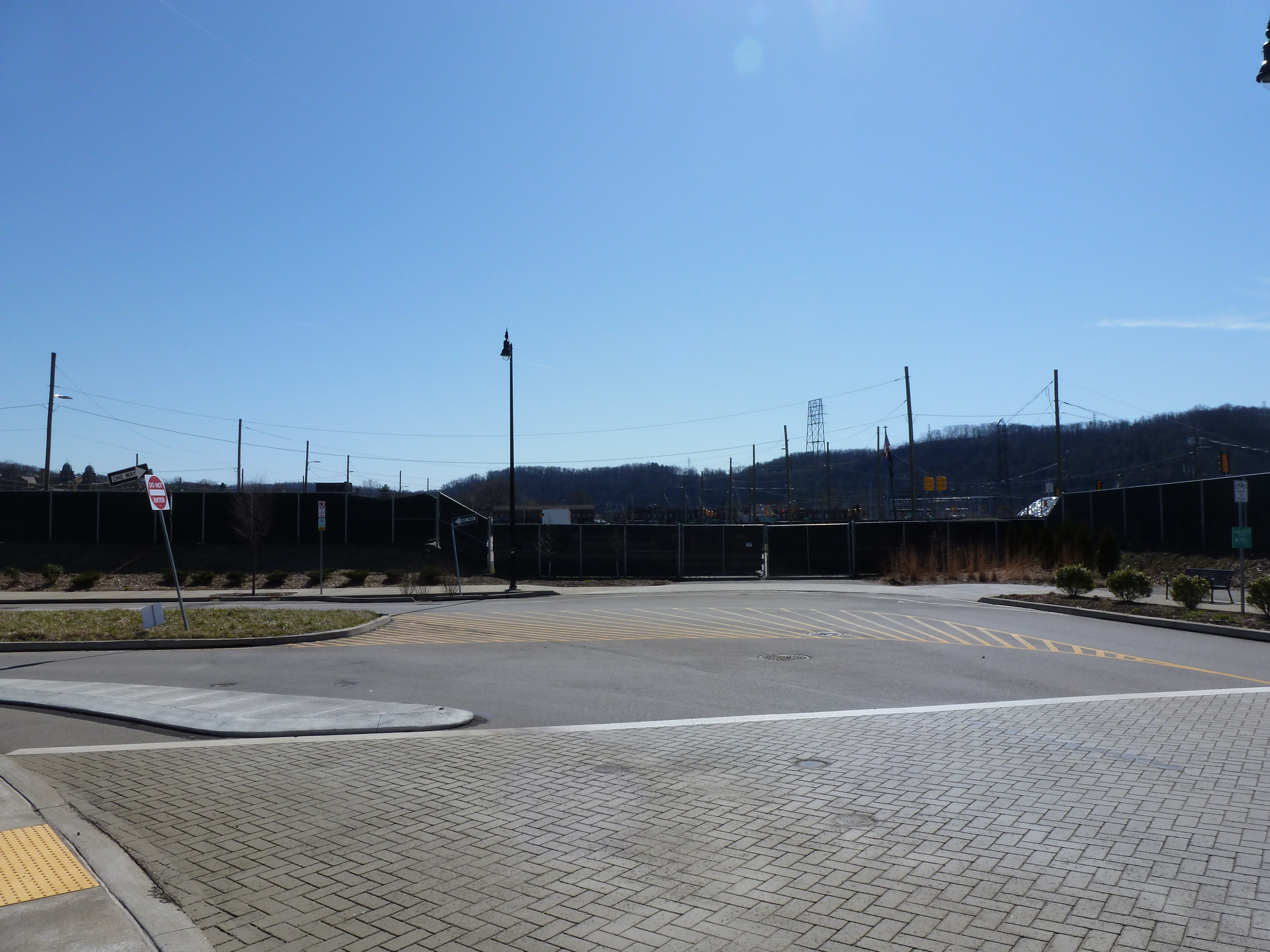
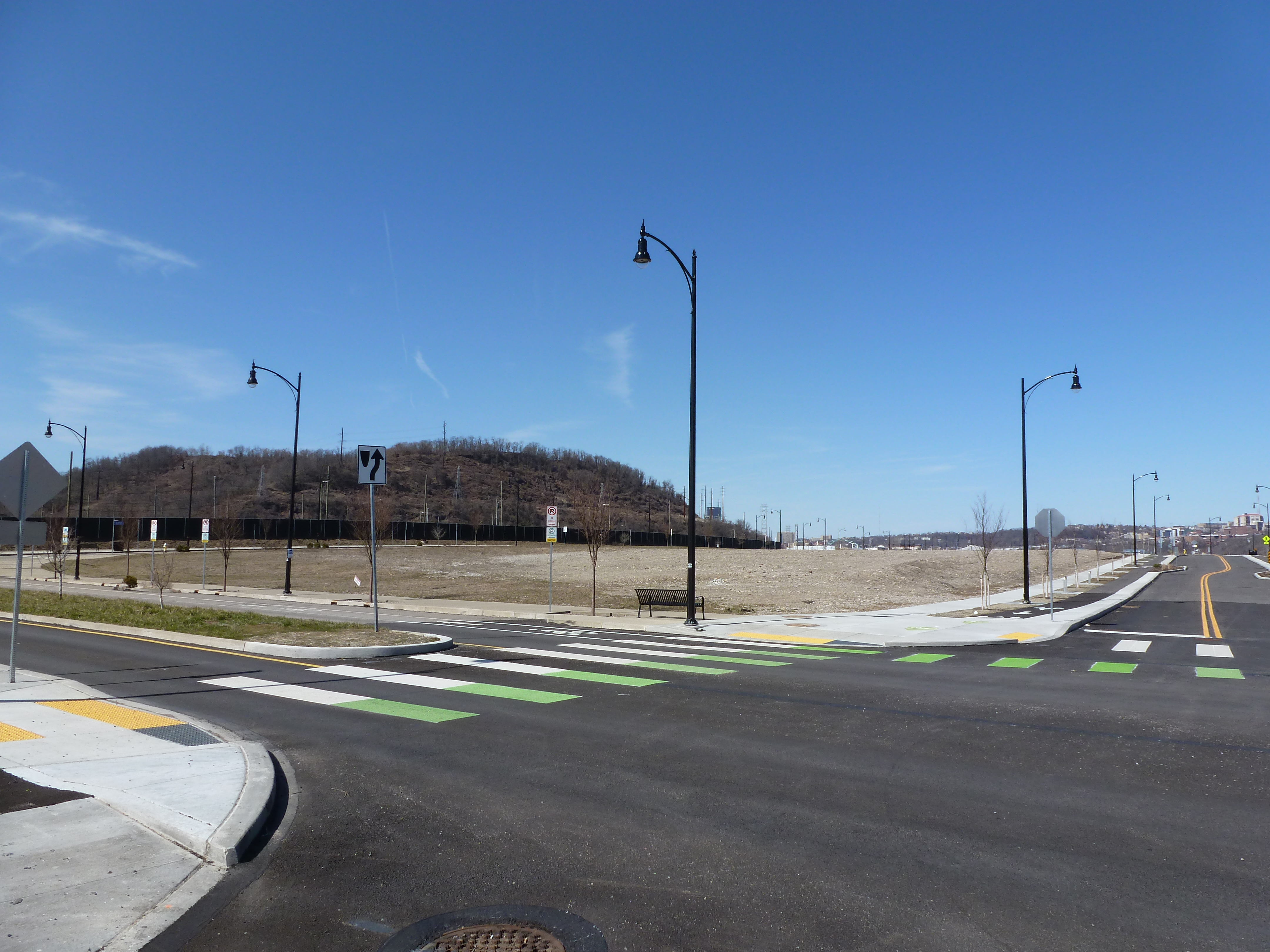

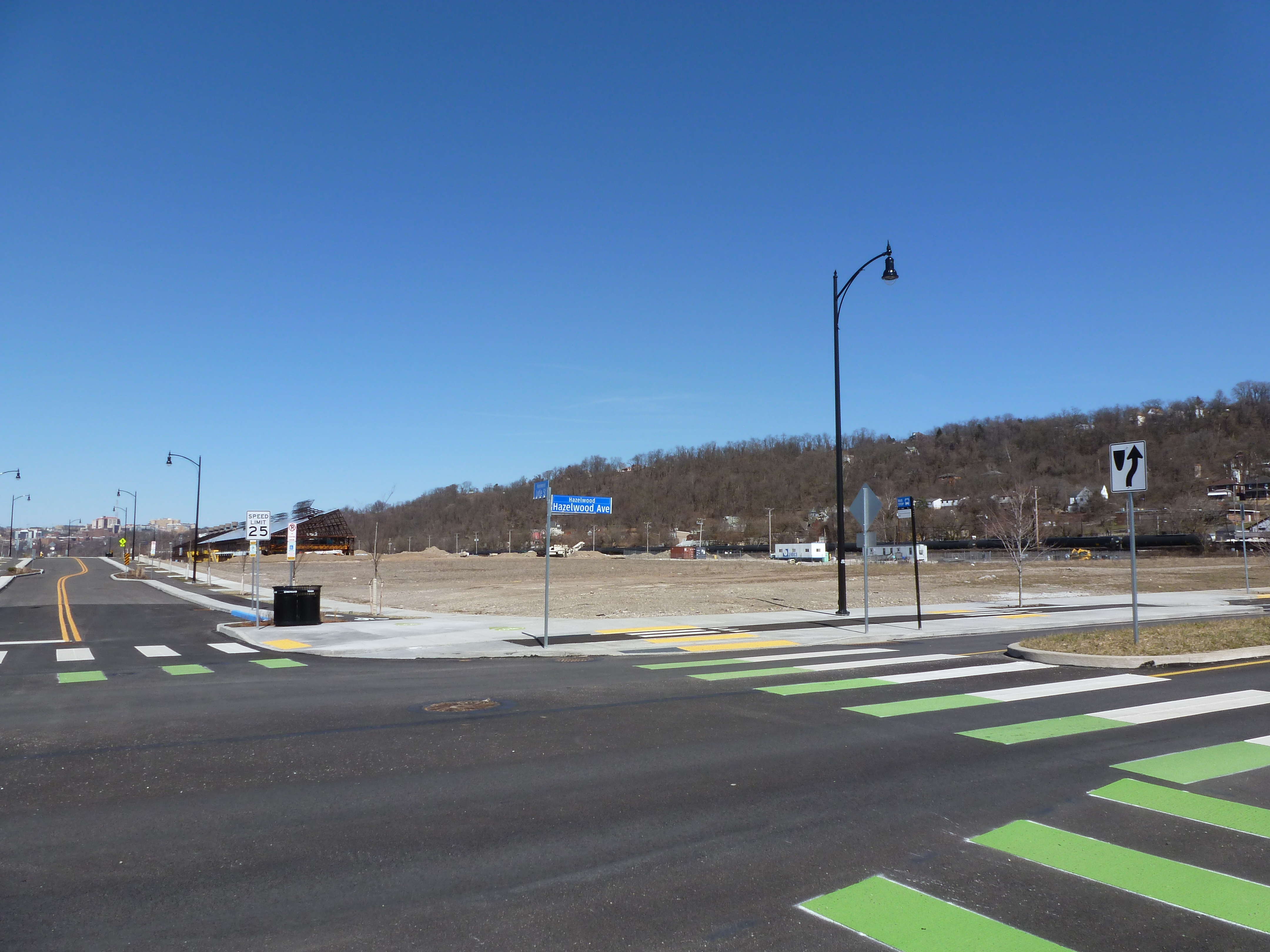
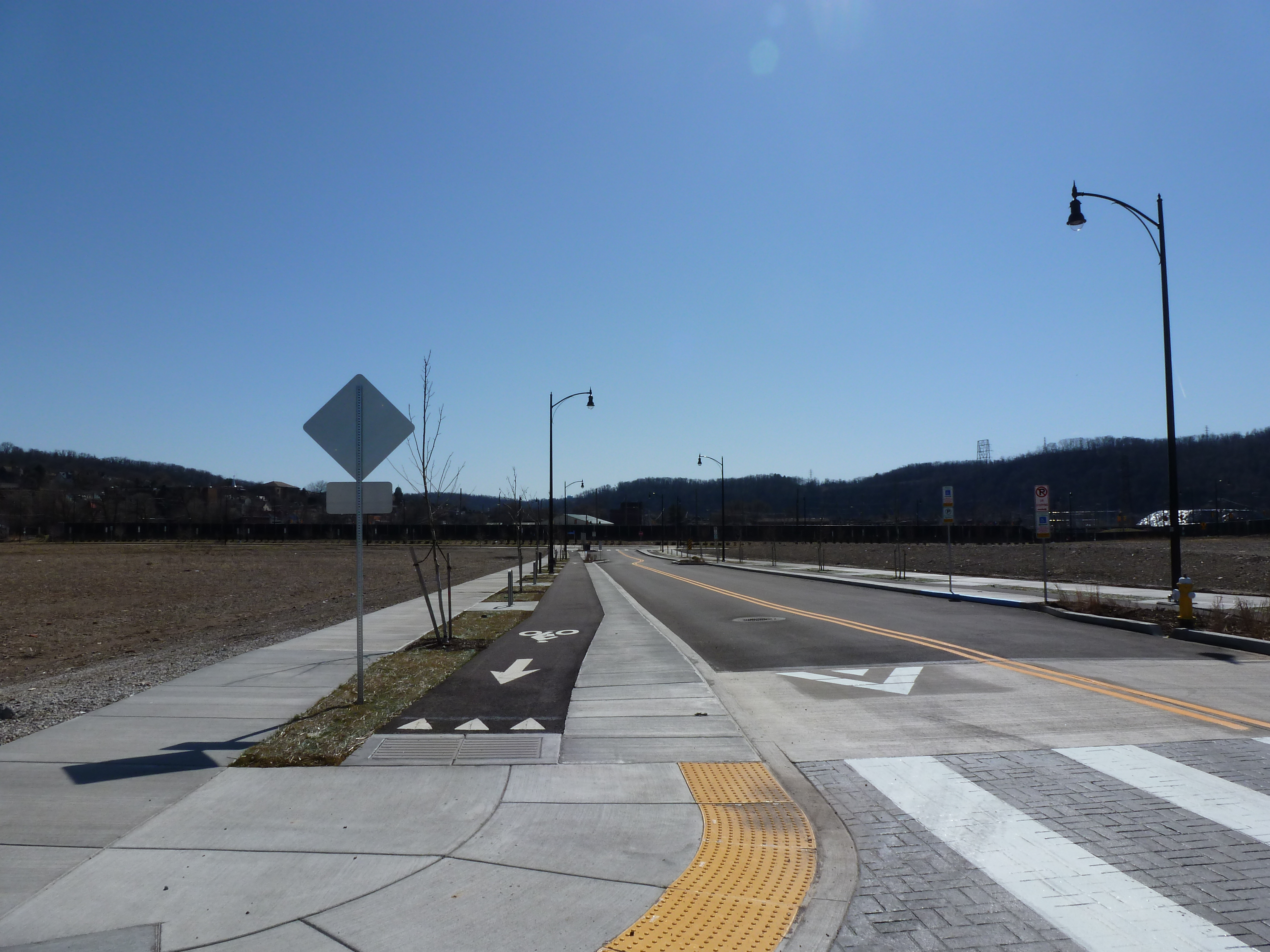
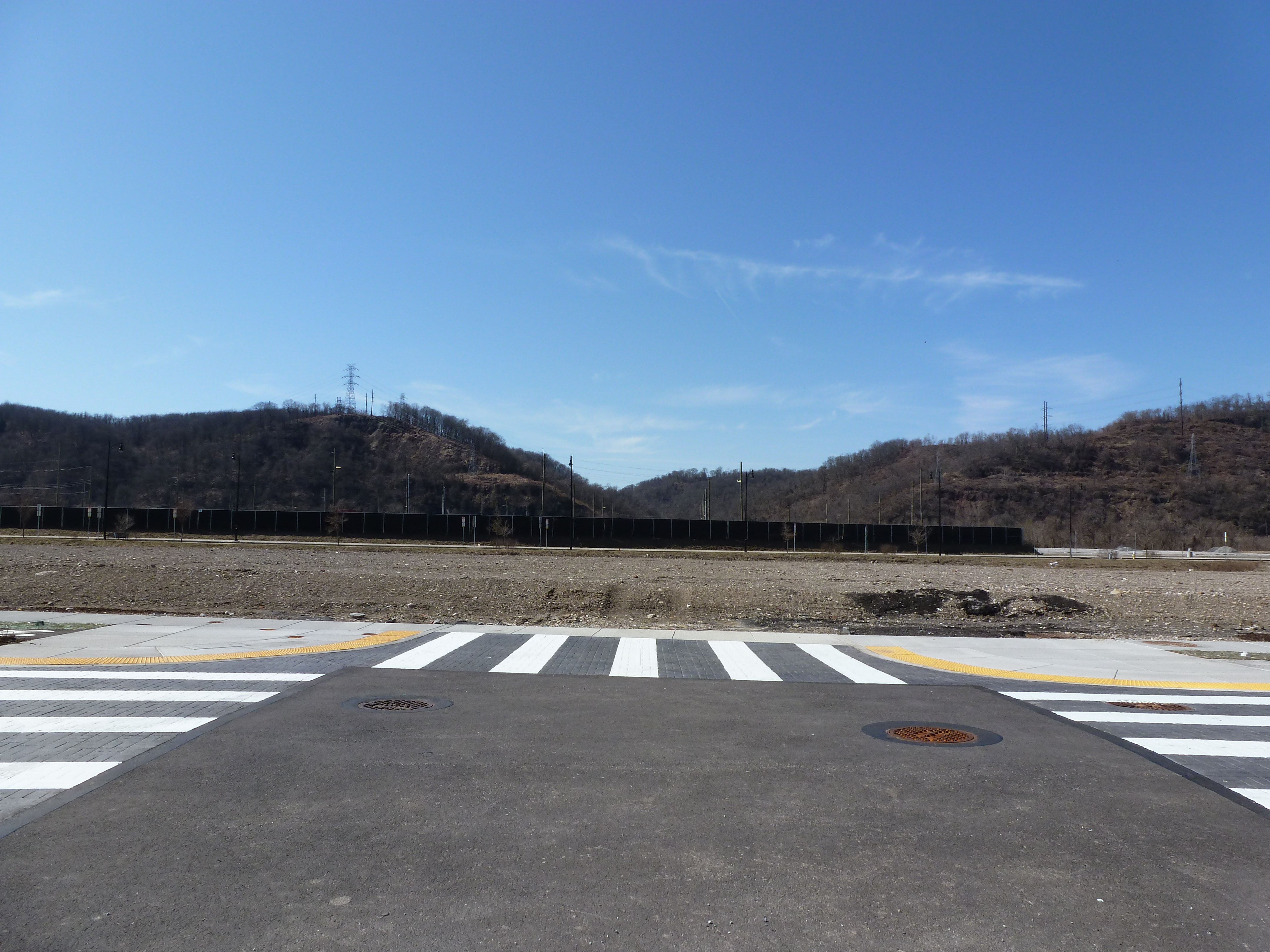

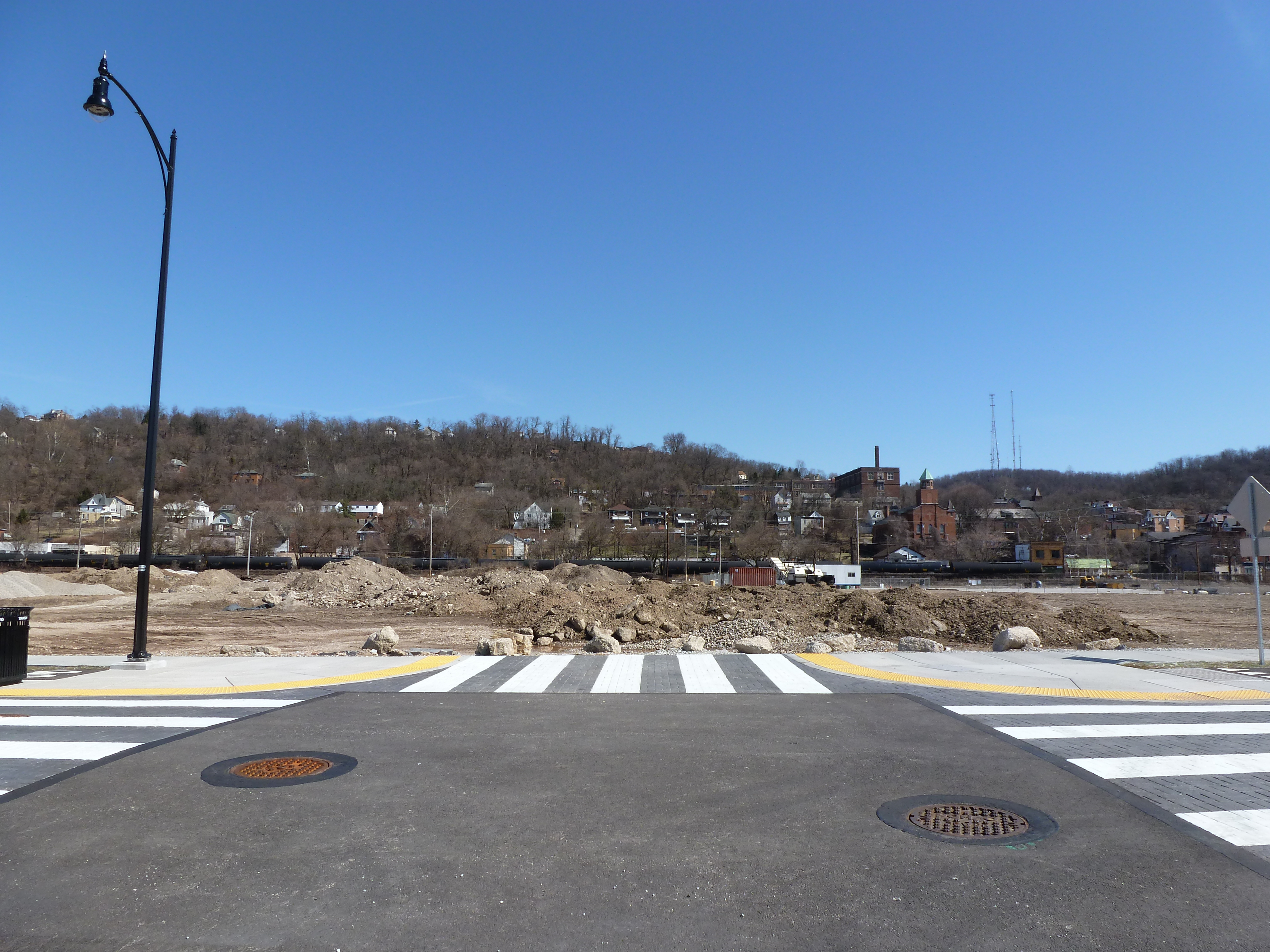

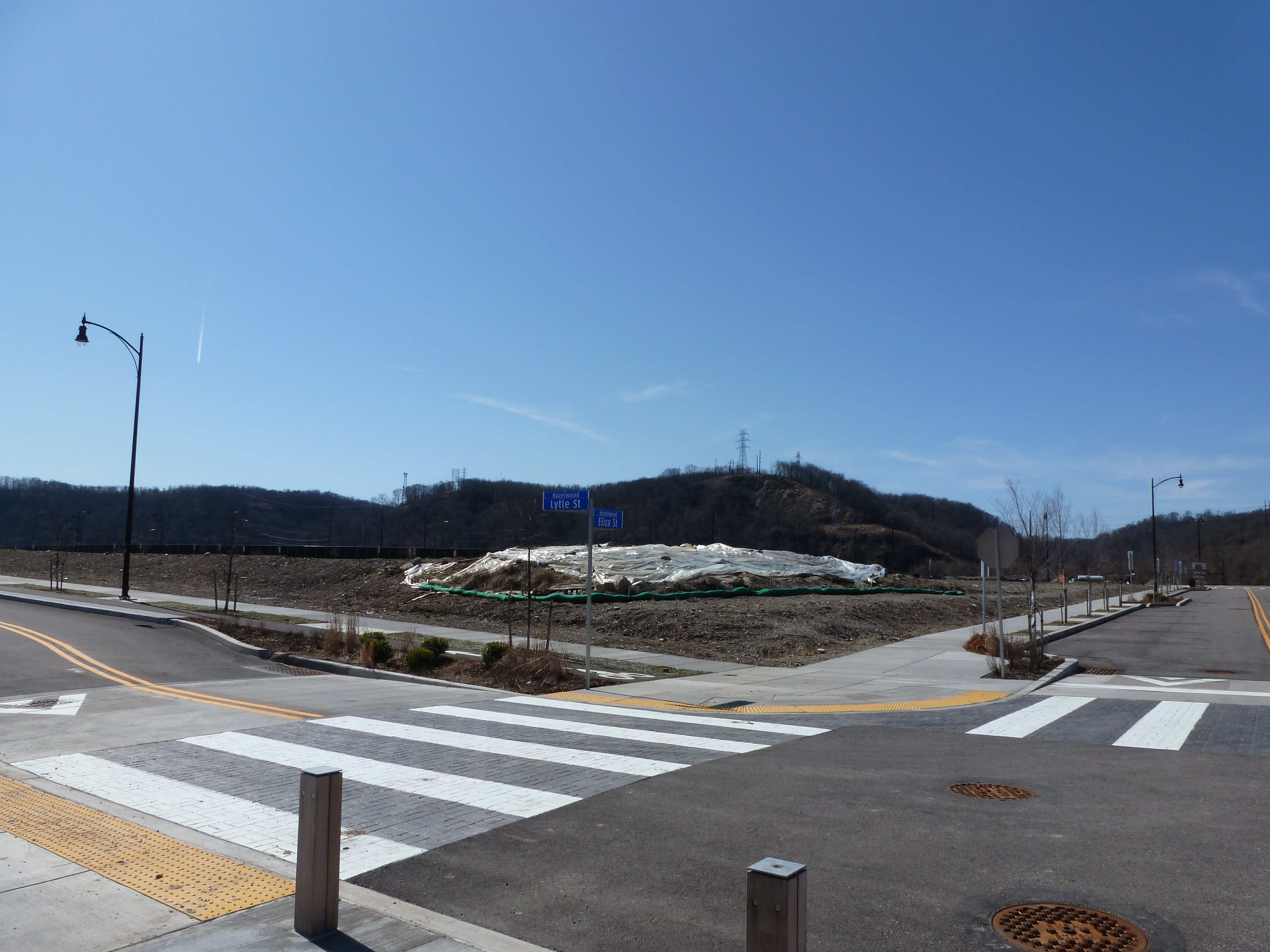


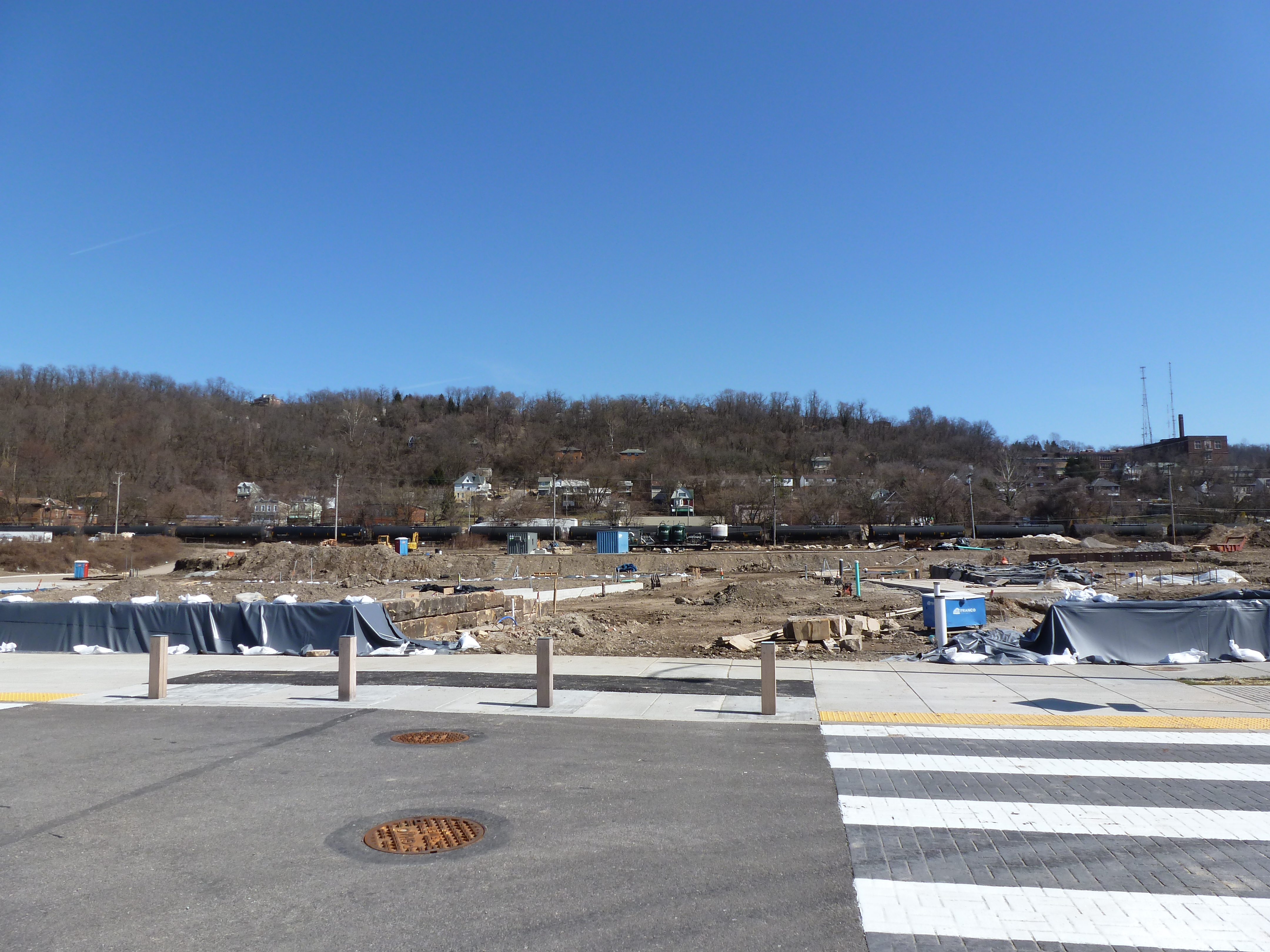
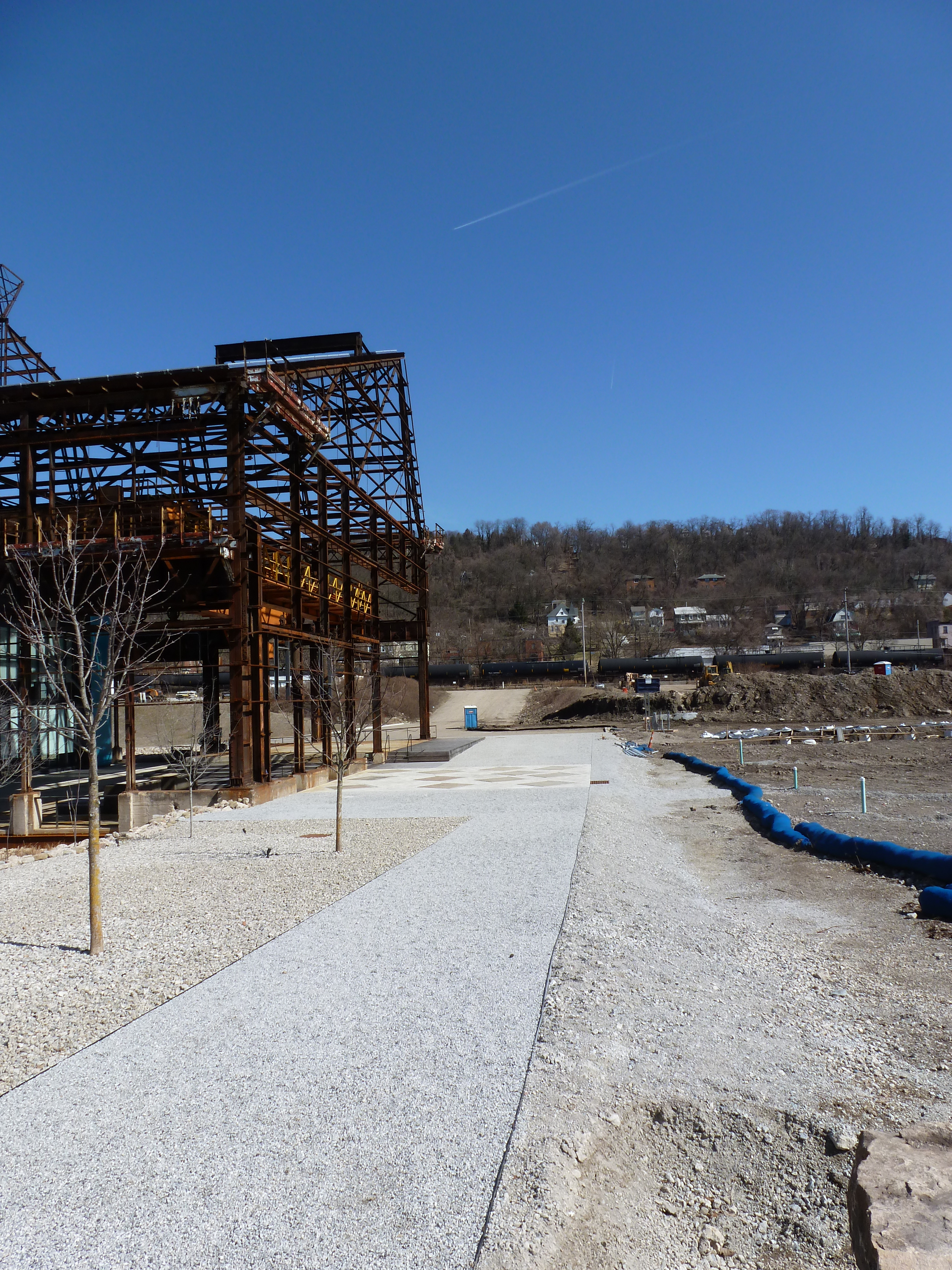
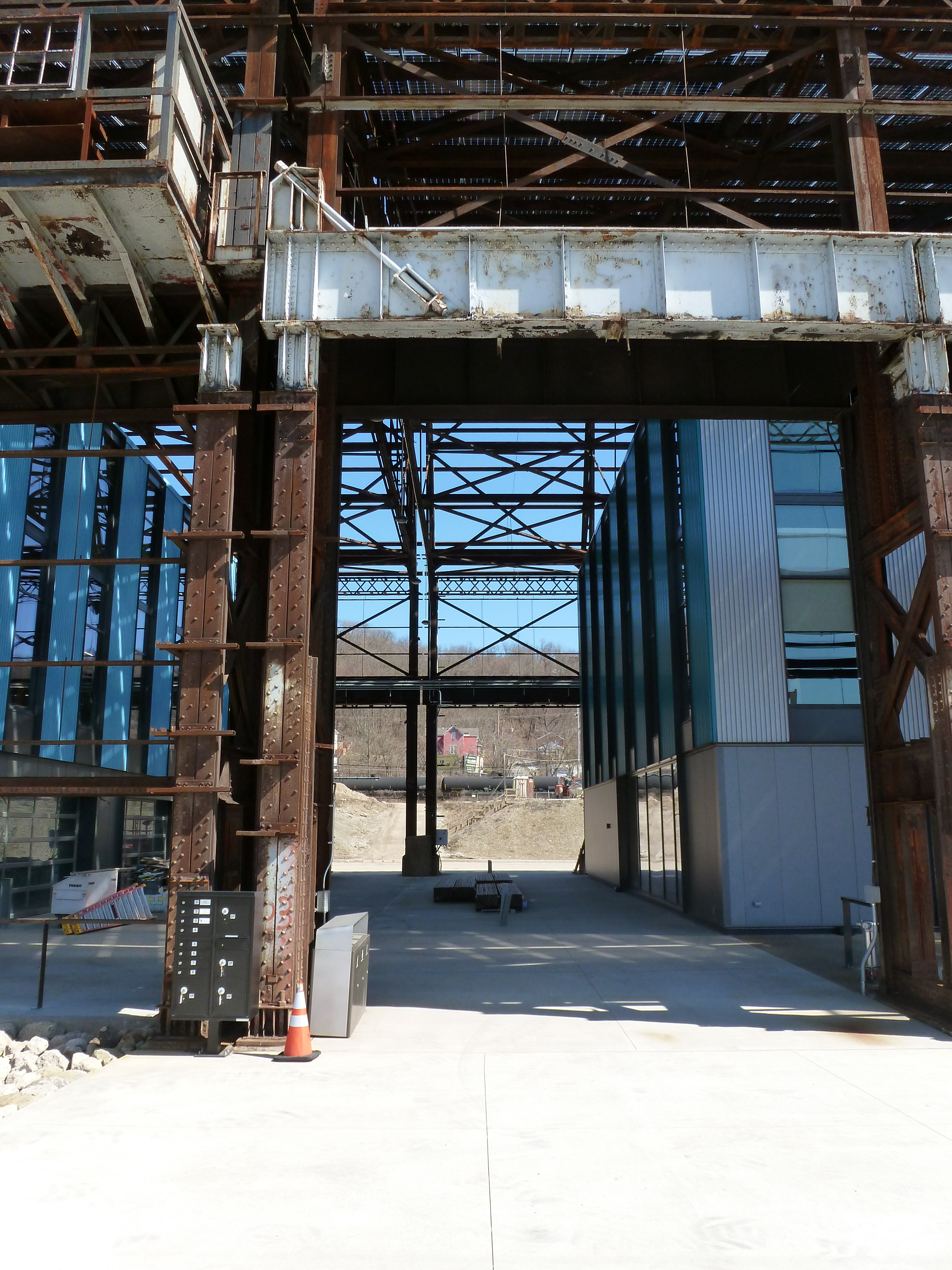
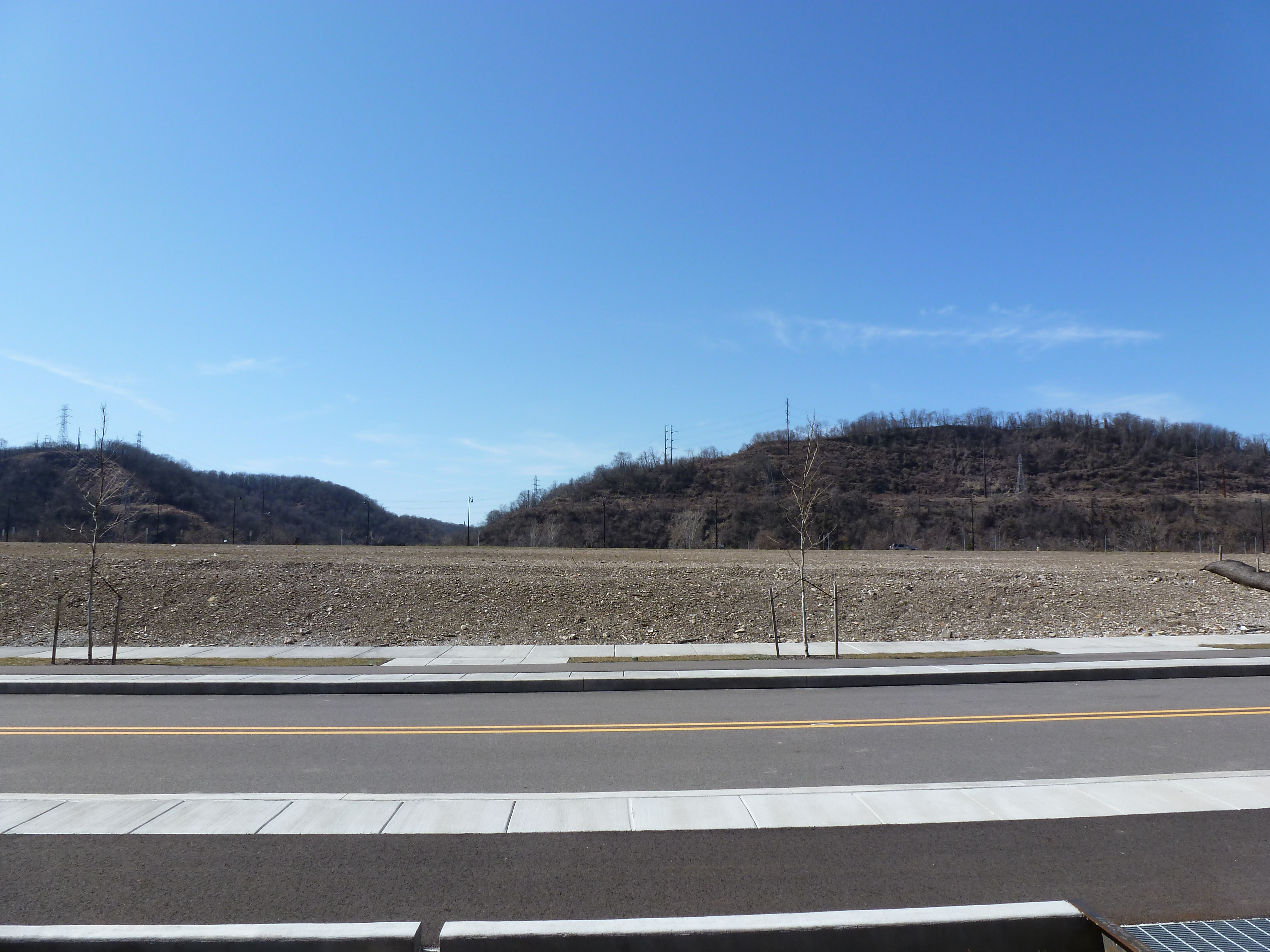

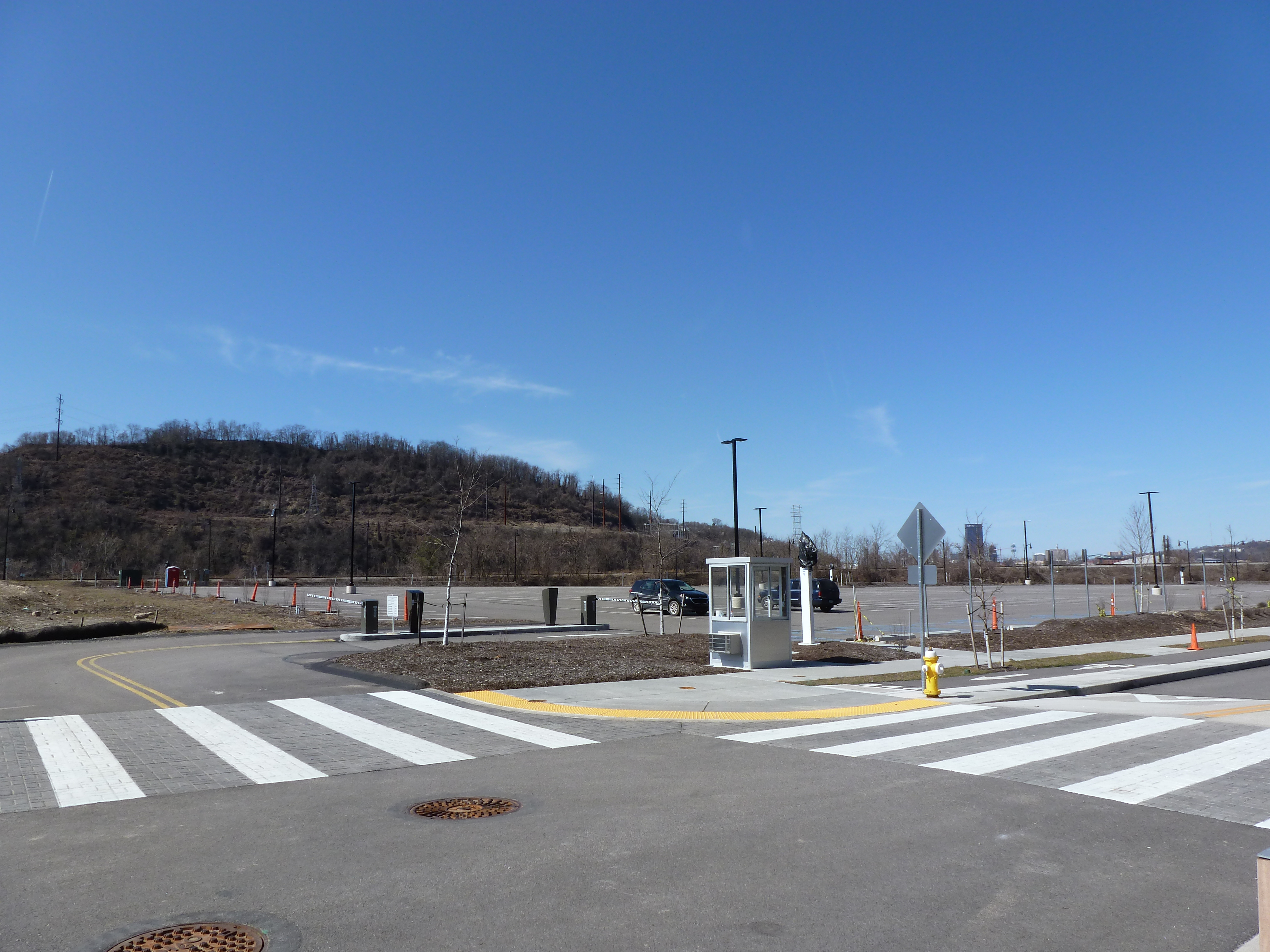


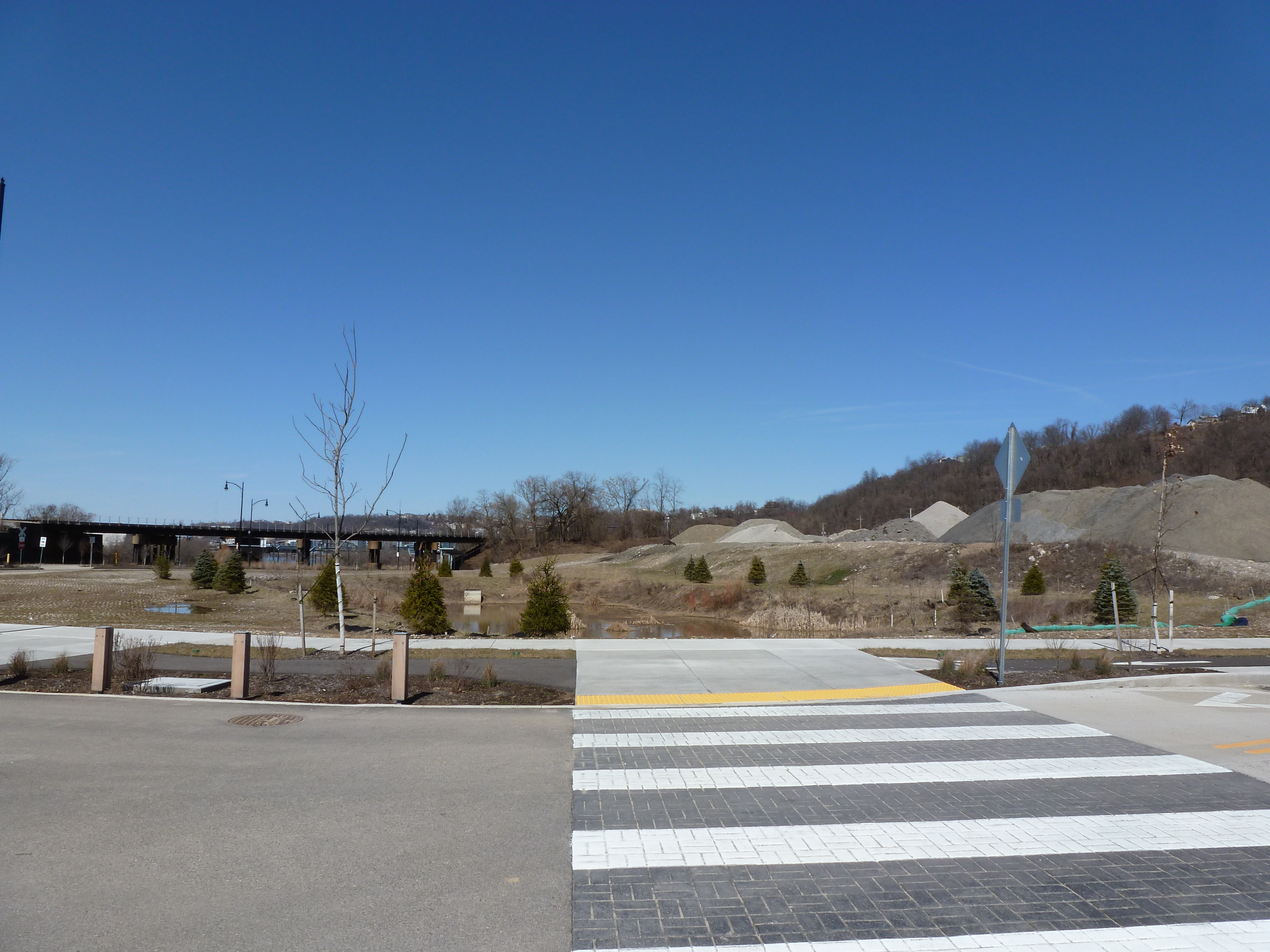
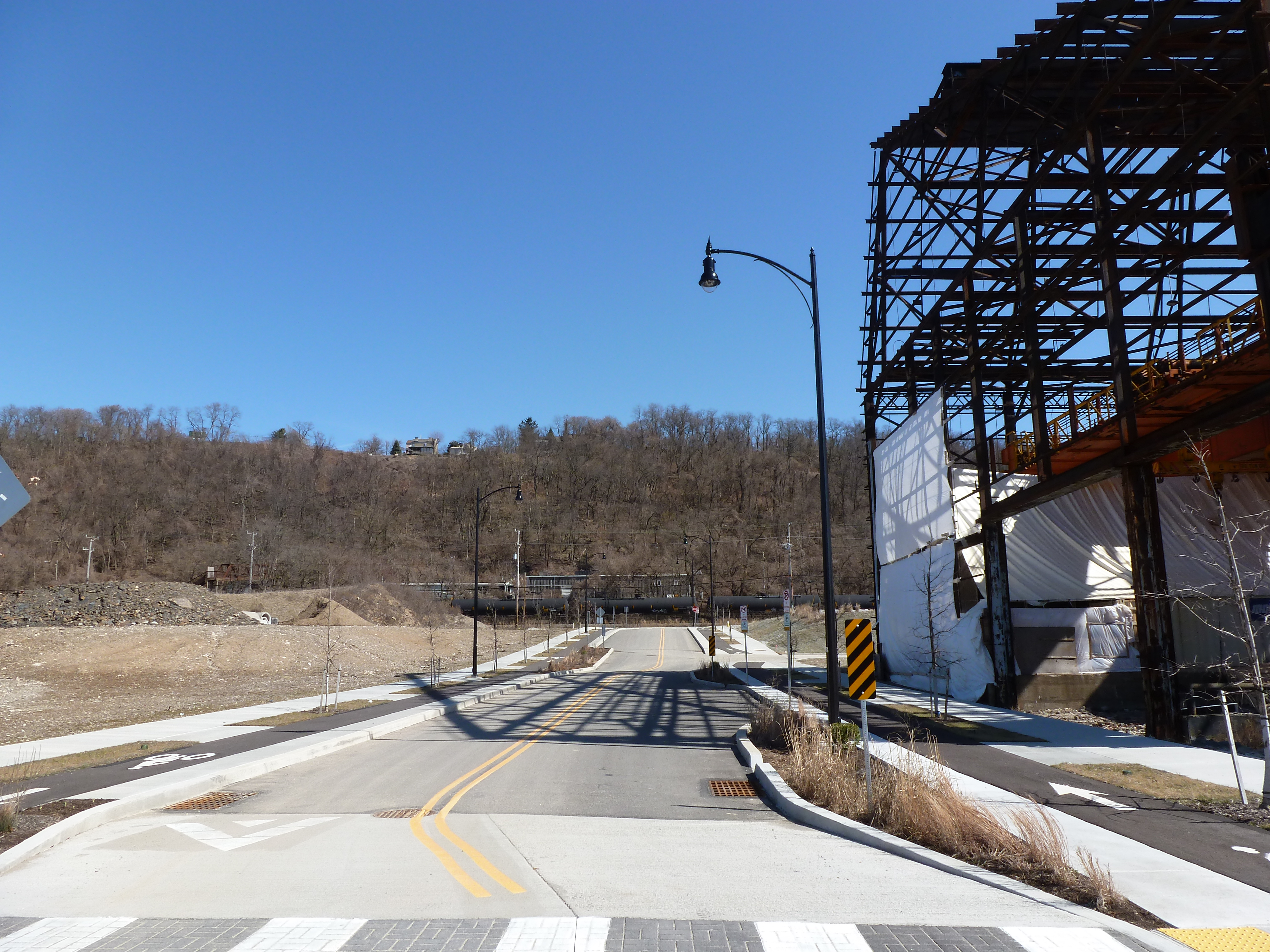
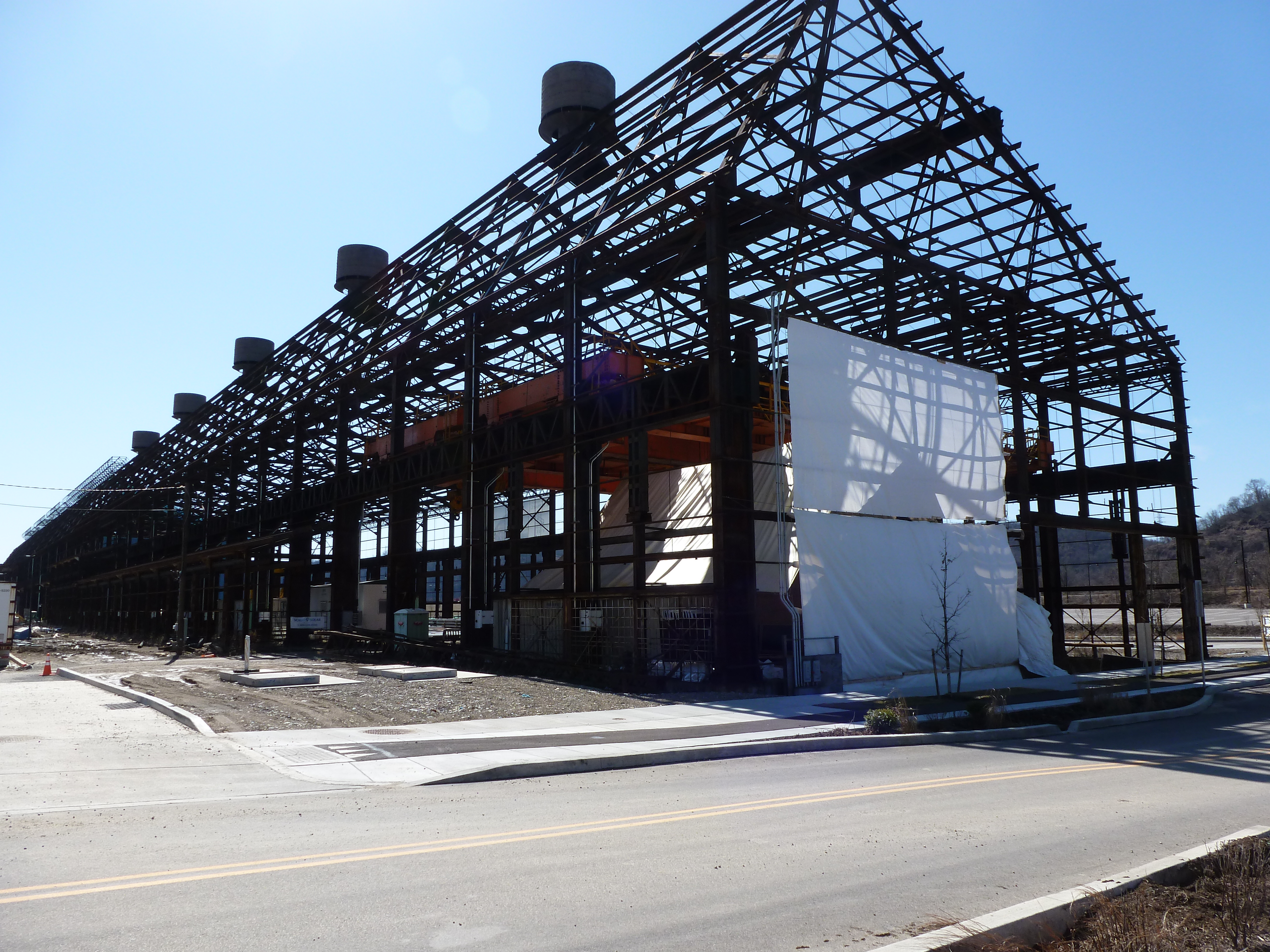


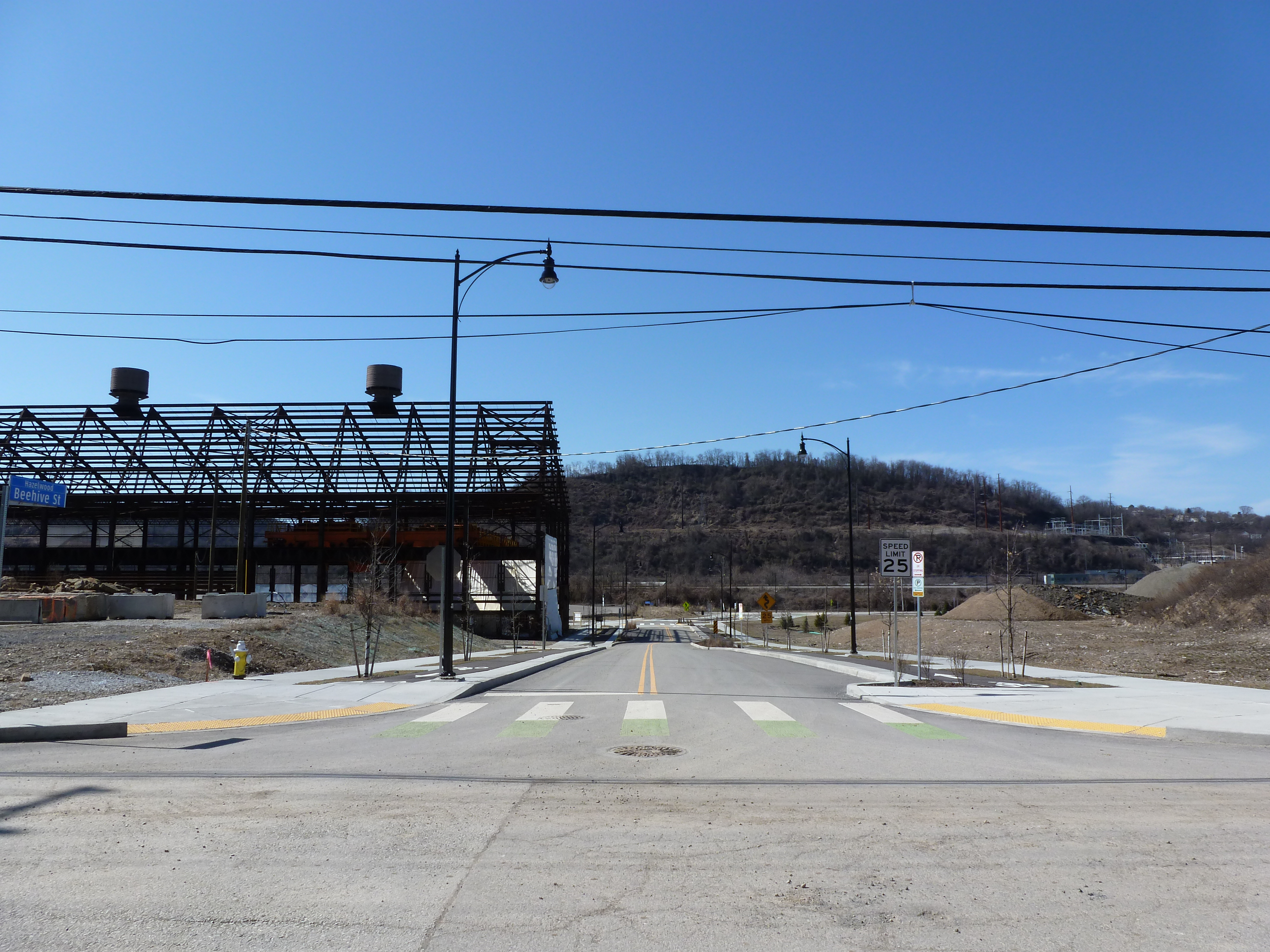
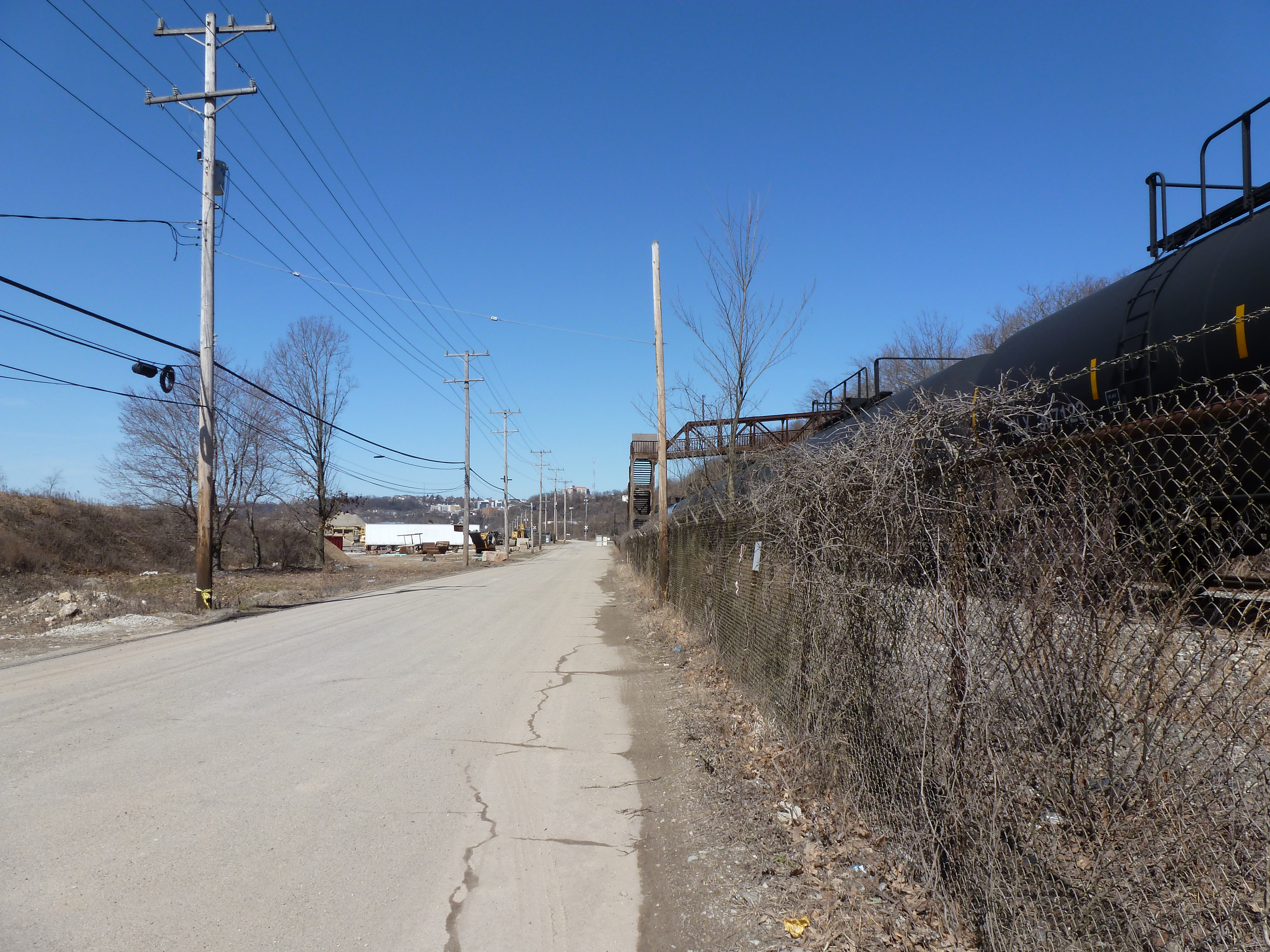
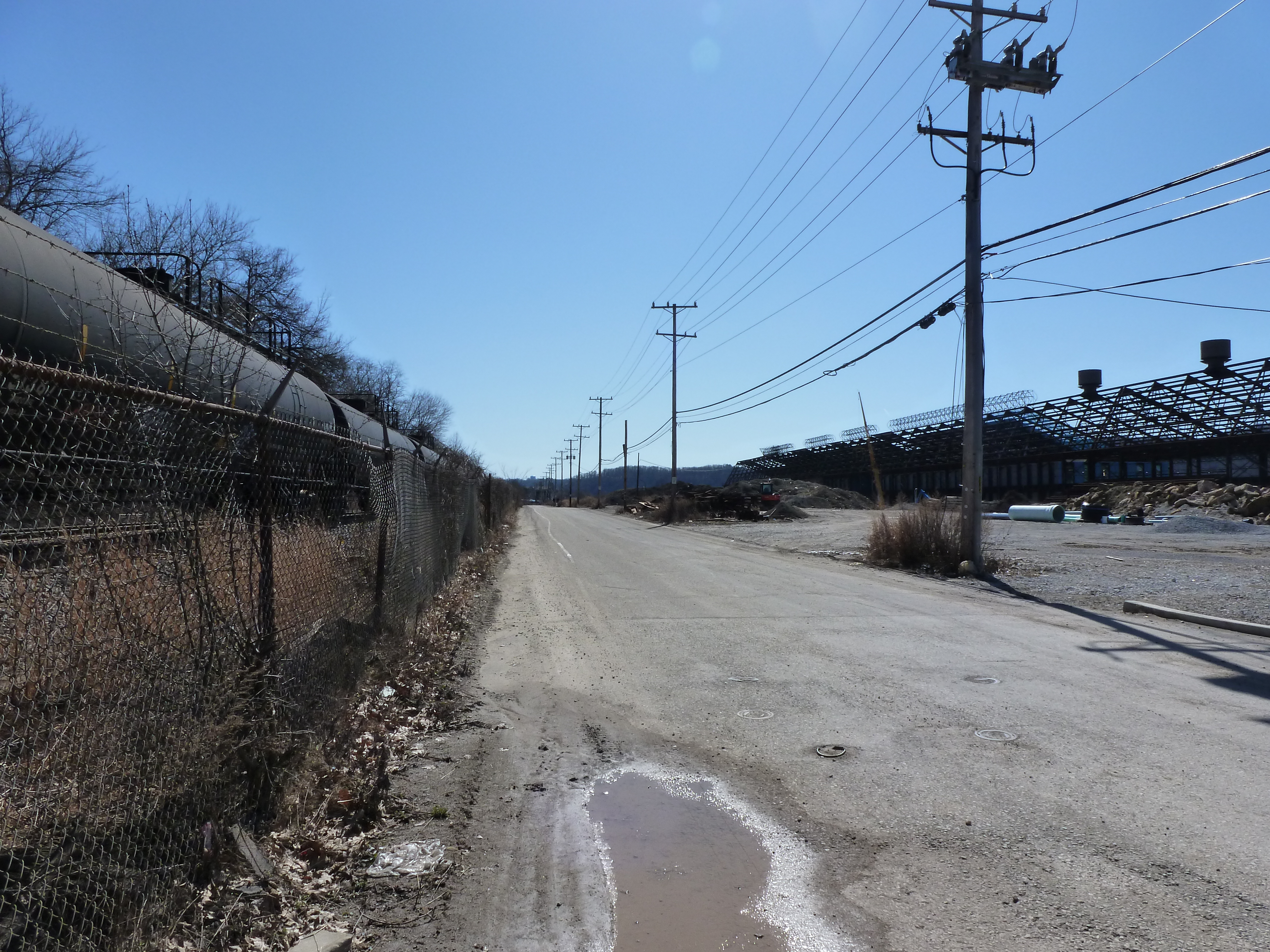
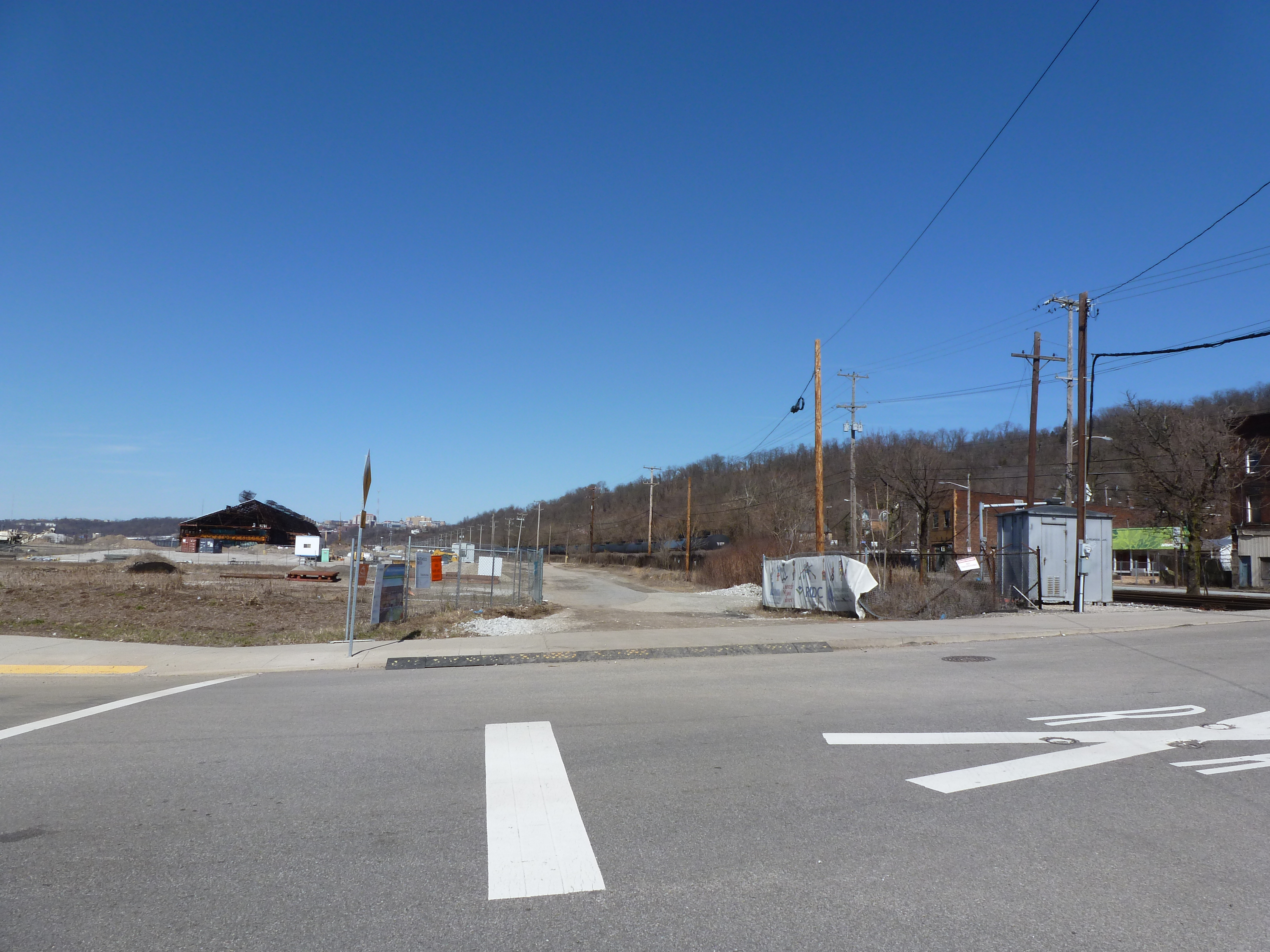
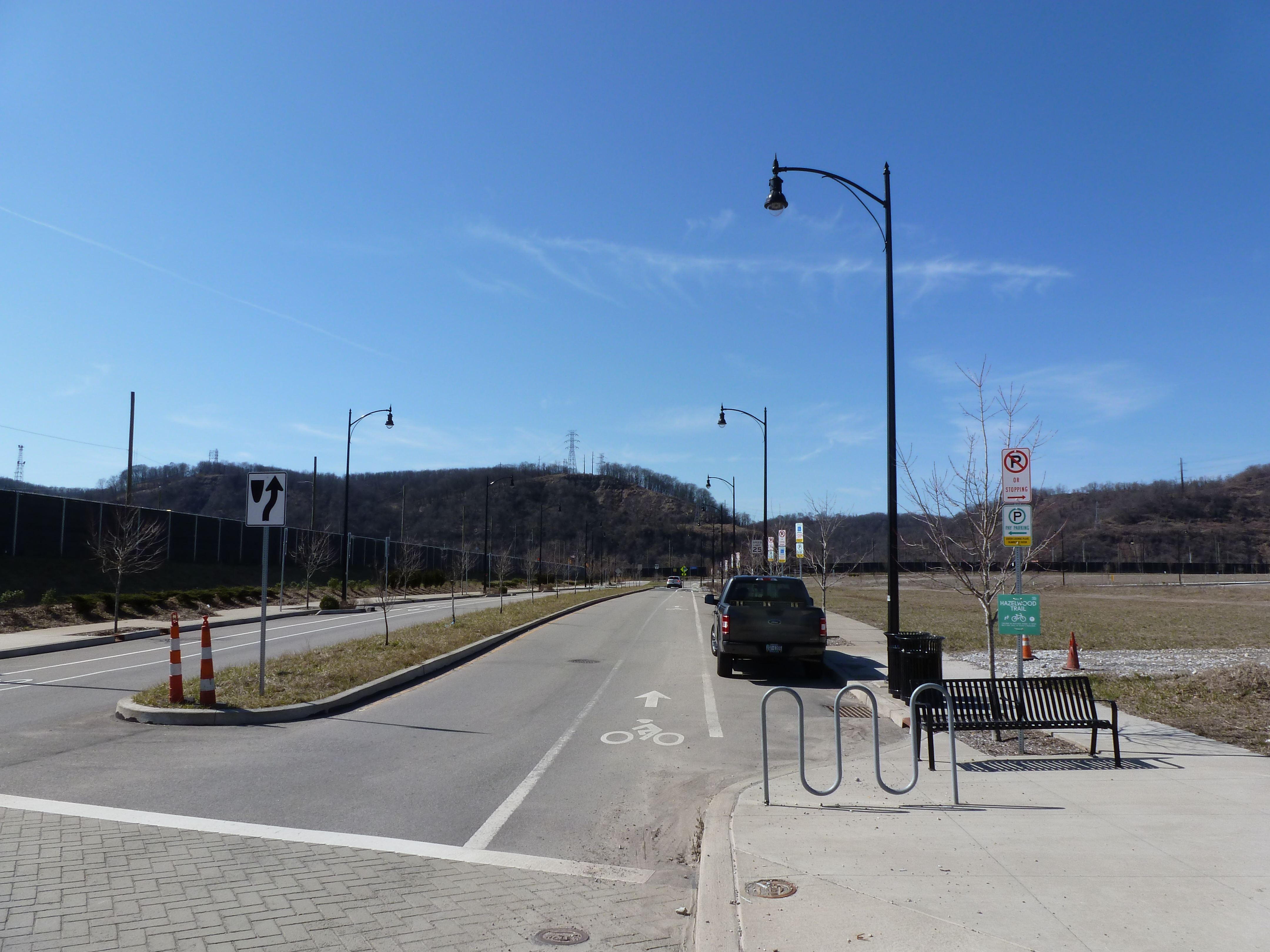
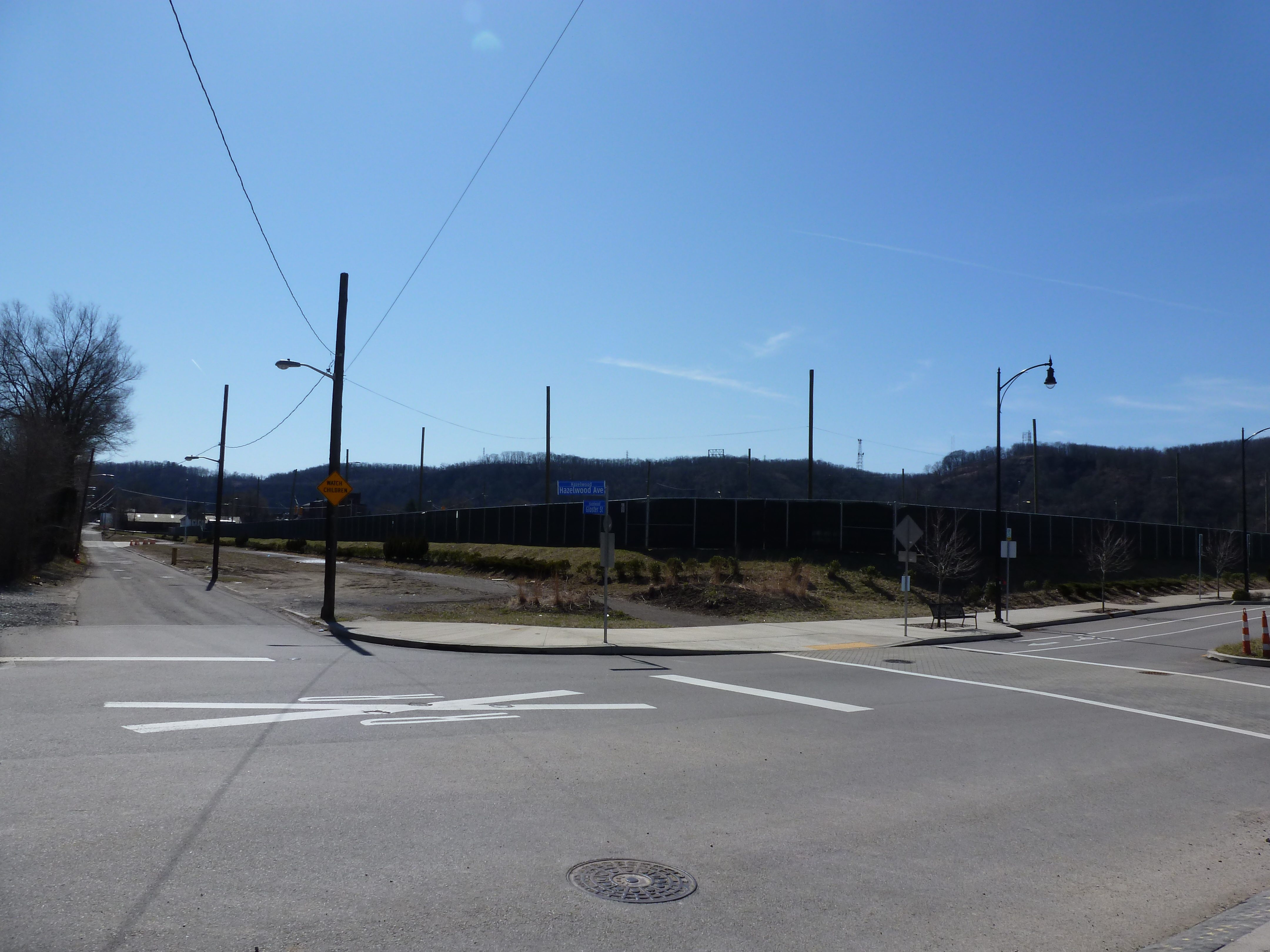
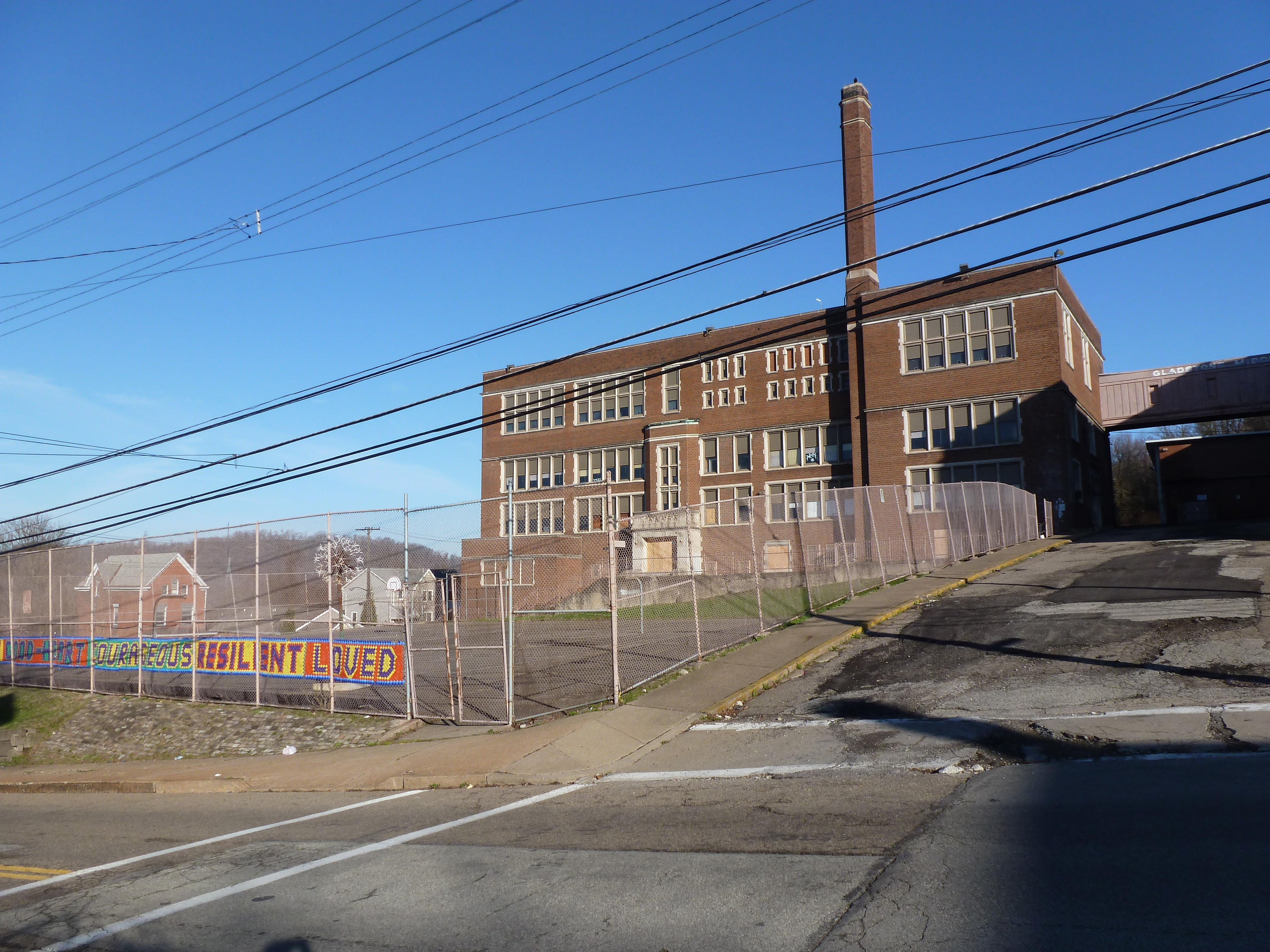
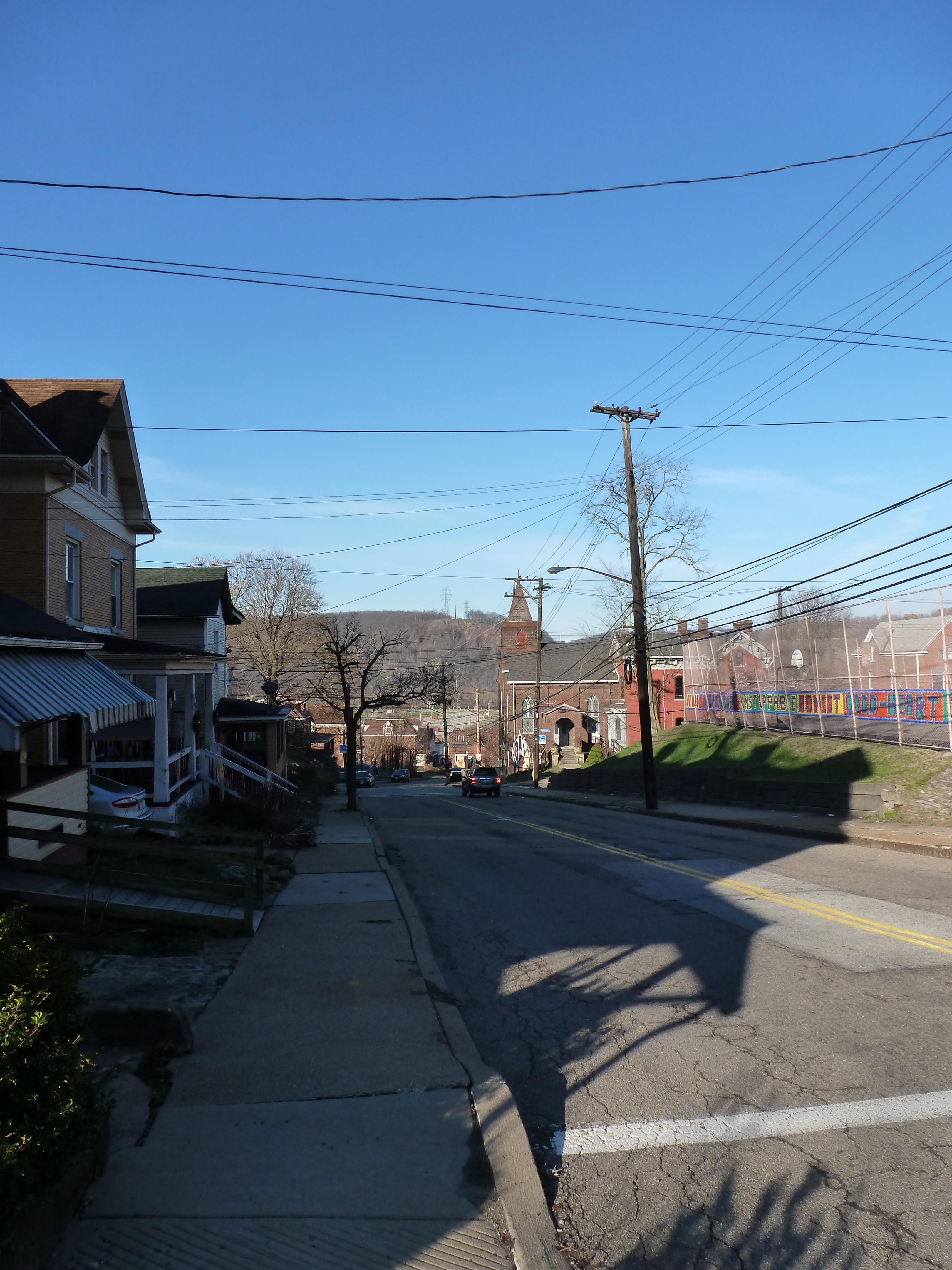
After introducing my series of Keeping an Eye on Uptown, the CAP, and the Lower Hill, I remembered that Hazelwood is another neighborhood expected to experience changes over the next several years. Between Hazelwood’s main street (2nd Avenue) and the Monongahela River is a 178-acre site of the former Jones and Laughlin Steel Company. Most of the structures from the mill have been demolished, leaving a large brownfield. In 2002, the site was purchased for redevelopment by Almono LP (at the time, an entity made up of four Pittsburgh foundations). After years of planning and a rebranding of the site as Hazelwood Green, a series of public streets and the first building opened for use in 2019. Construction is underway for more buildings and a public plaza.
During the planning and preparation stages, a question arose as to the effects of this redevelopment on the surrounding neighborhood. Hazelwood is one of Pittsburgh’s neighborhoods that has experienced high vacancy rates and subsequent demolition in its residential and business districts. While the building stock of the neighborhood has experienced a long downward trend, the community of people is strong. Only time will tell if the redevelopment of Hazelwood Green will connect with this community or if Hazelwood Green will become and isolated spot of prosperity for others.
Through two more photographic series, Keeping an Eye on Hazelwood Green and Keeping an Eye on Hazelwood, I will periodically document the physical changes to the former steel mill site and to the surrounding neighborhood.


Lower Hill Redevelopment in the news:
October 8, 2019, Post-Gazette: Lacing the skates: Former Civic Arena redevelopment may be ready to roll
October 9, 2019, Post-Gazette: First wave of ex-Civic Arena site redevelopment would add garage, music and maybe money for Hill projects
October 10, 2019, KDKA: Urban Redevelopment Authority To Vote On Civic Arena Site Plans
October 10, 2019, Tribune-Review: Pittsburgh redevelopment authority postpones vote on construction at Civic Arena site
October 18, 2019, Tribune-Review: Pittsburgh authority gives preliminary OK for development of former Civic Arena site
October 18, 2019, WESA: URA Vote Sets the Stage for Lower Hill Development in Spring 2020
October 18, 2019, WPXI: City board green lights former Civic Arena site redevelopment
October 21, 2019, Arena Digest: Civic Arena Redevelopment Plan Moves Forward
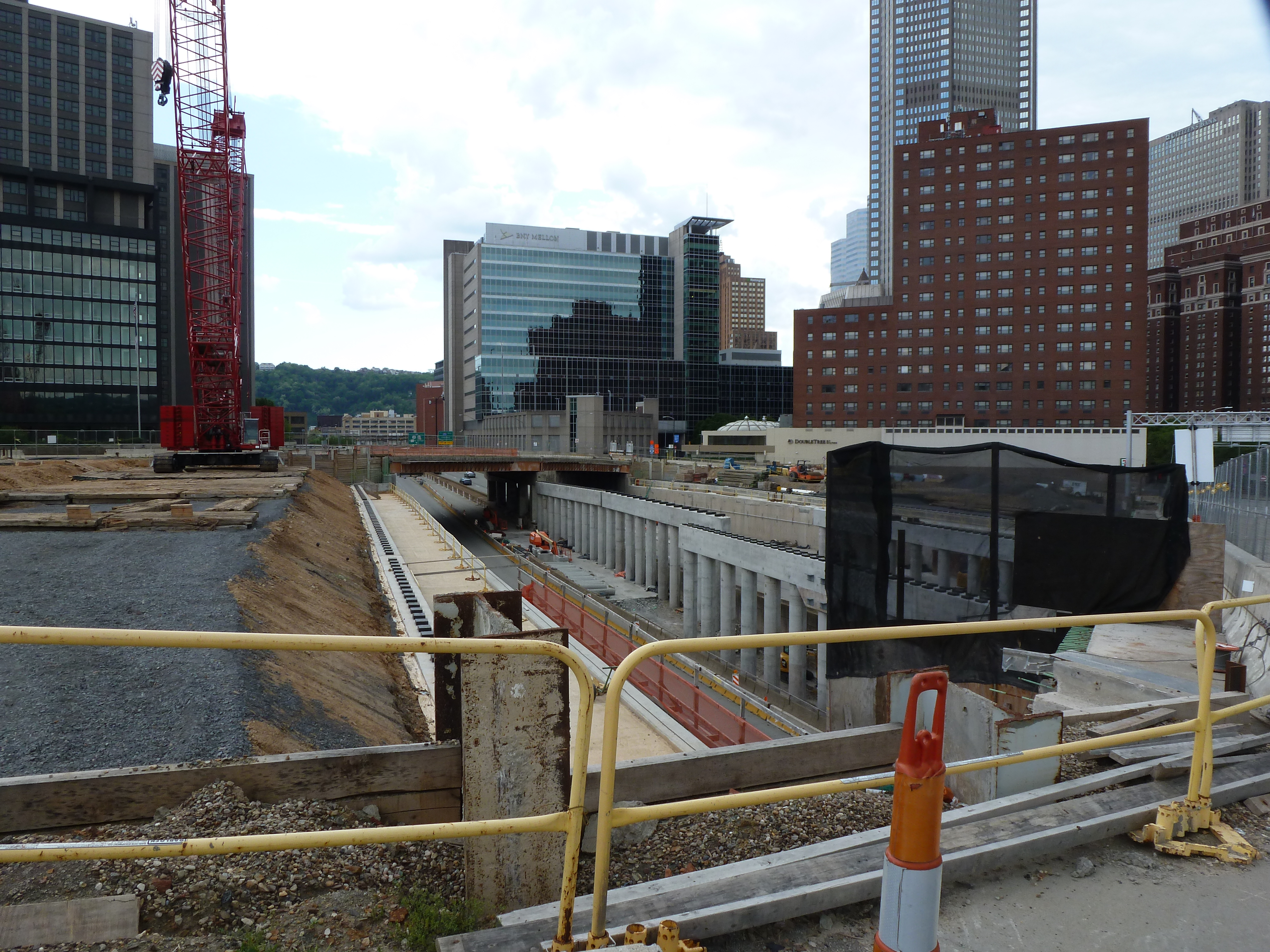
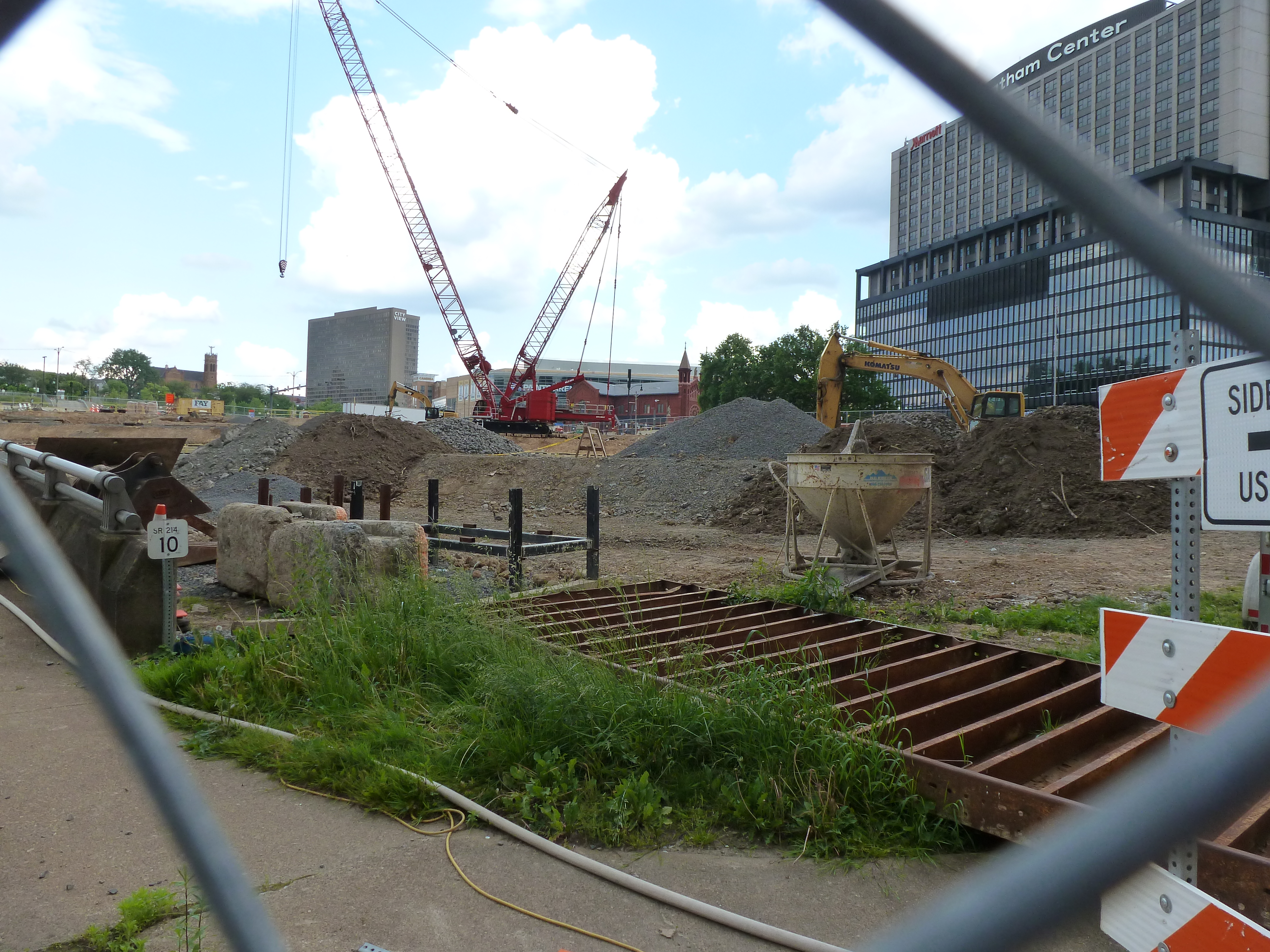
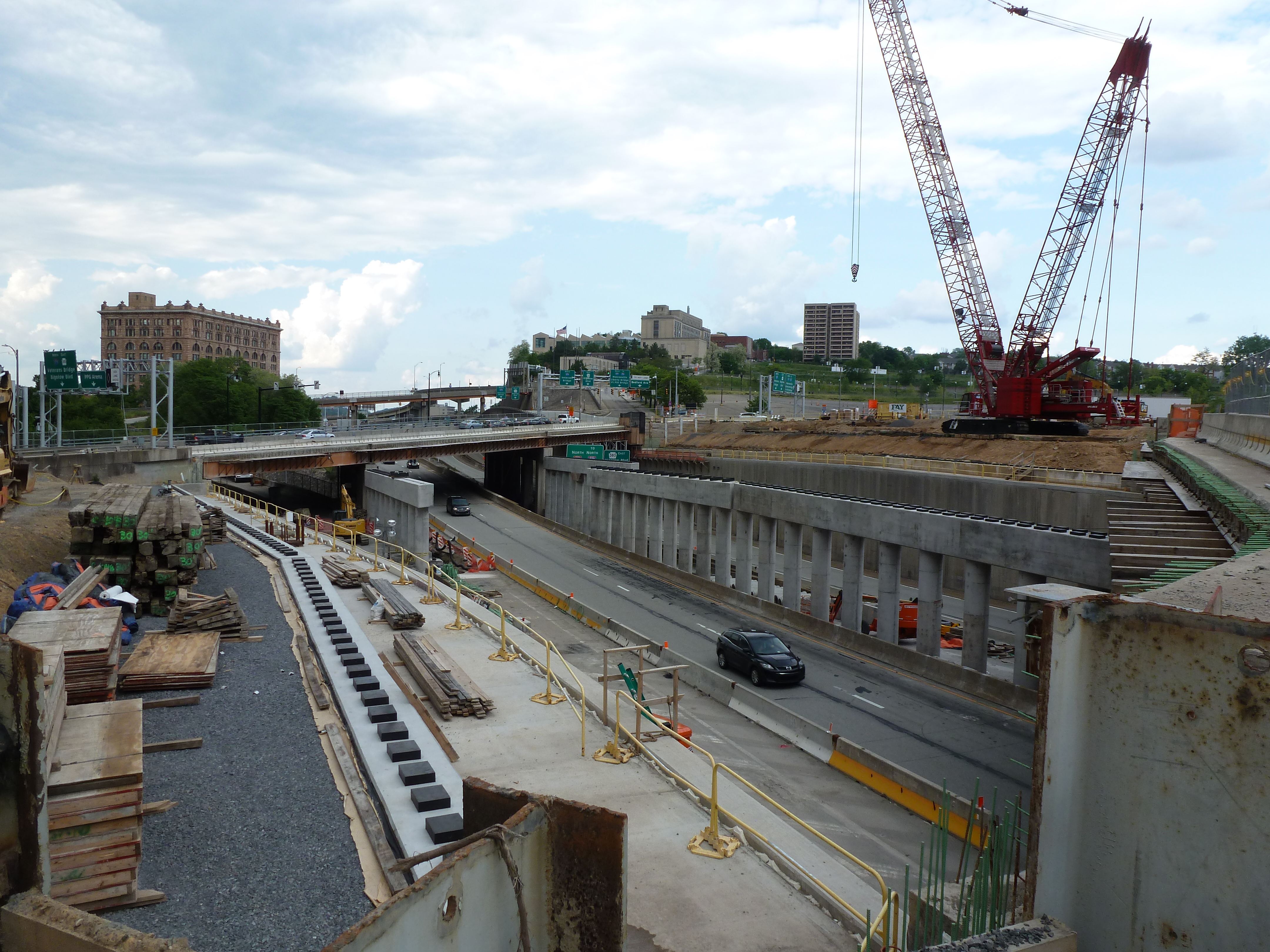
Lower Hill Redevelopment project sites:
Sports and Exhibition Authority


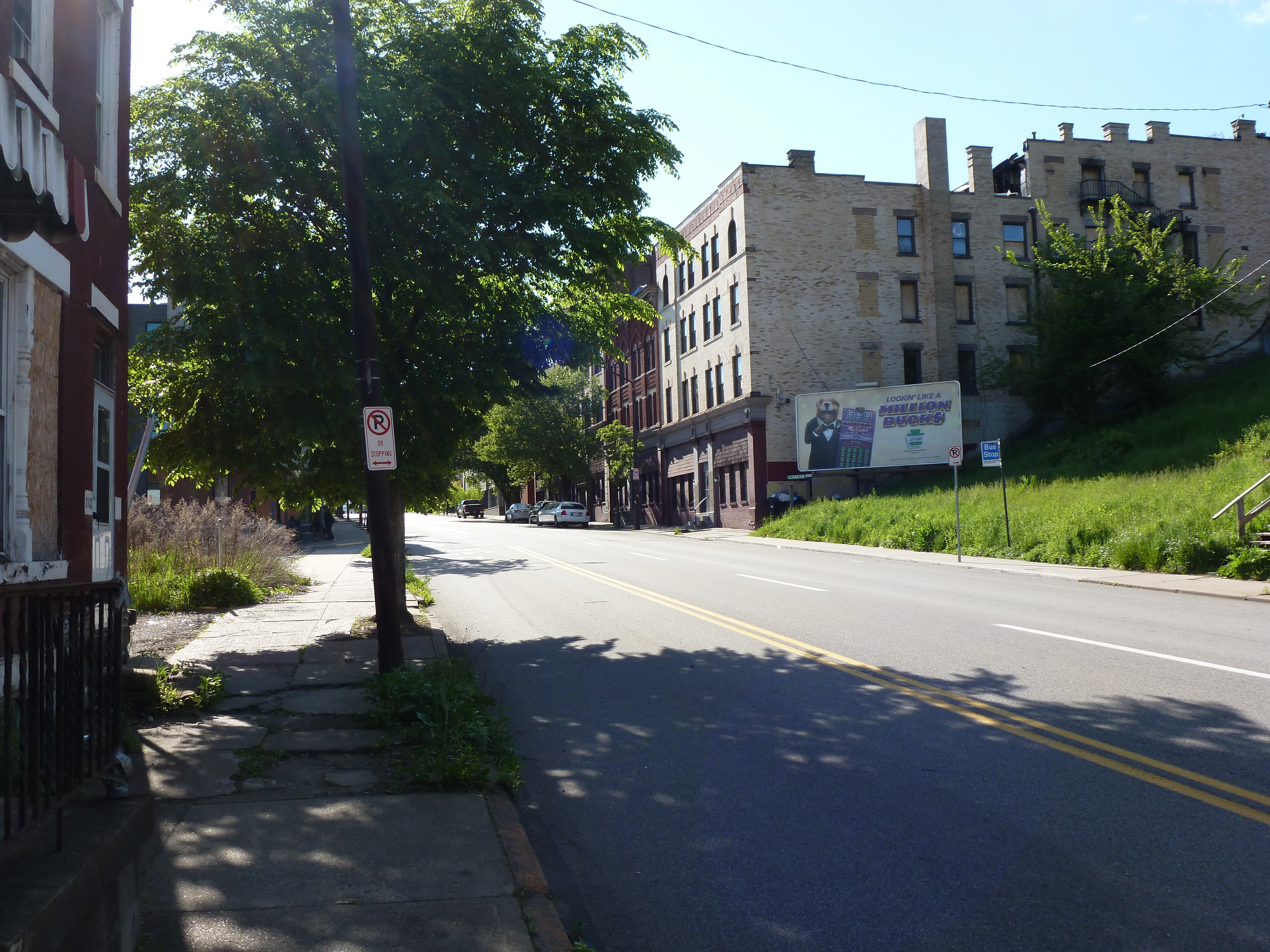
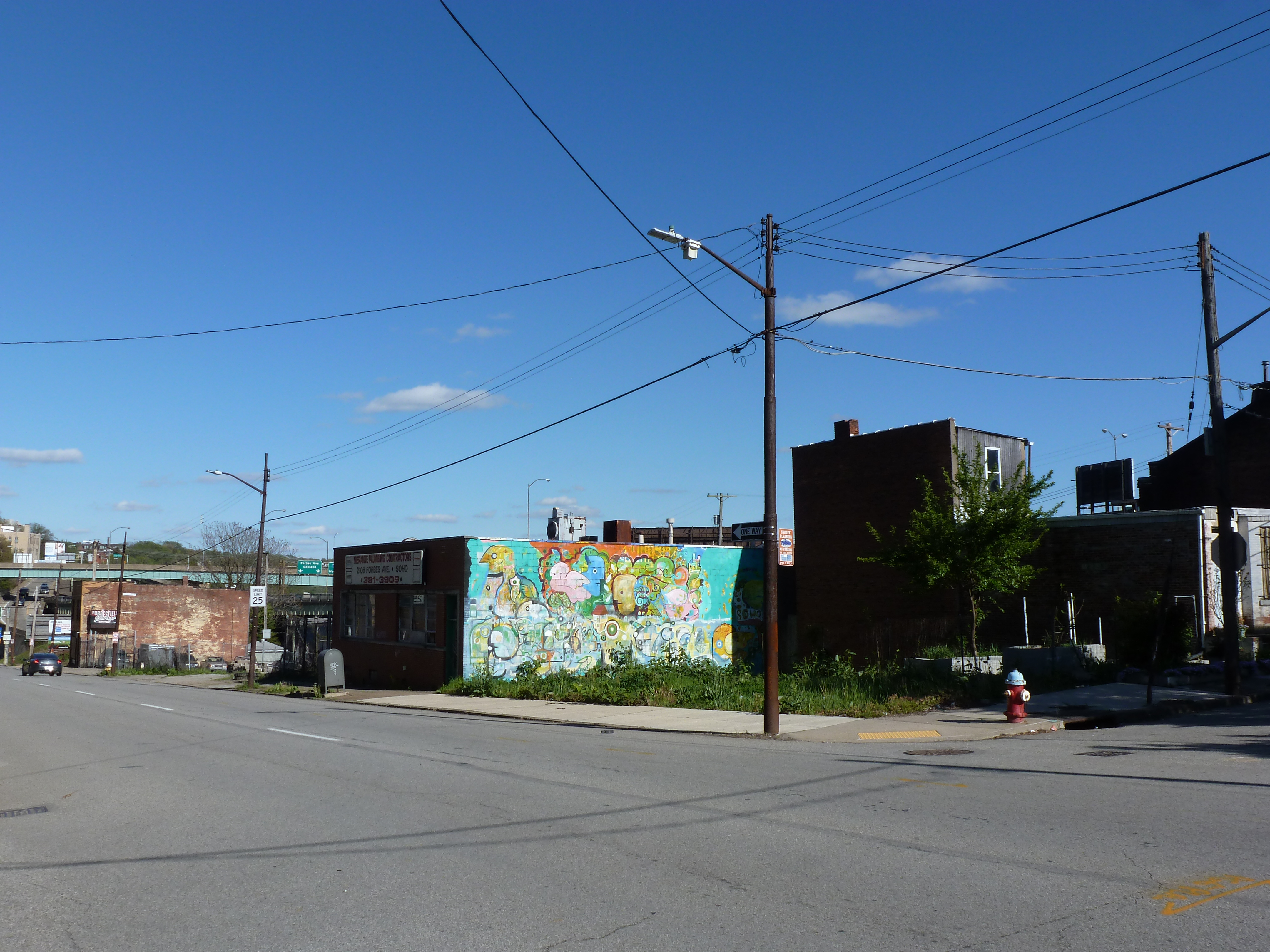
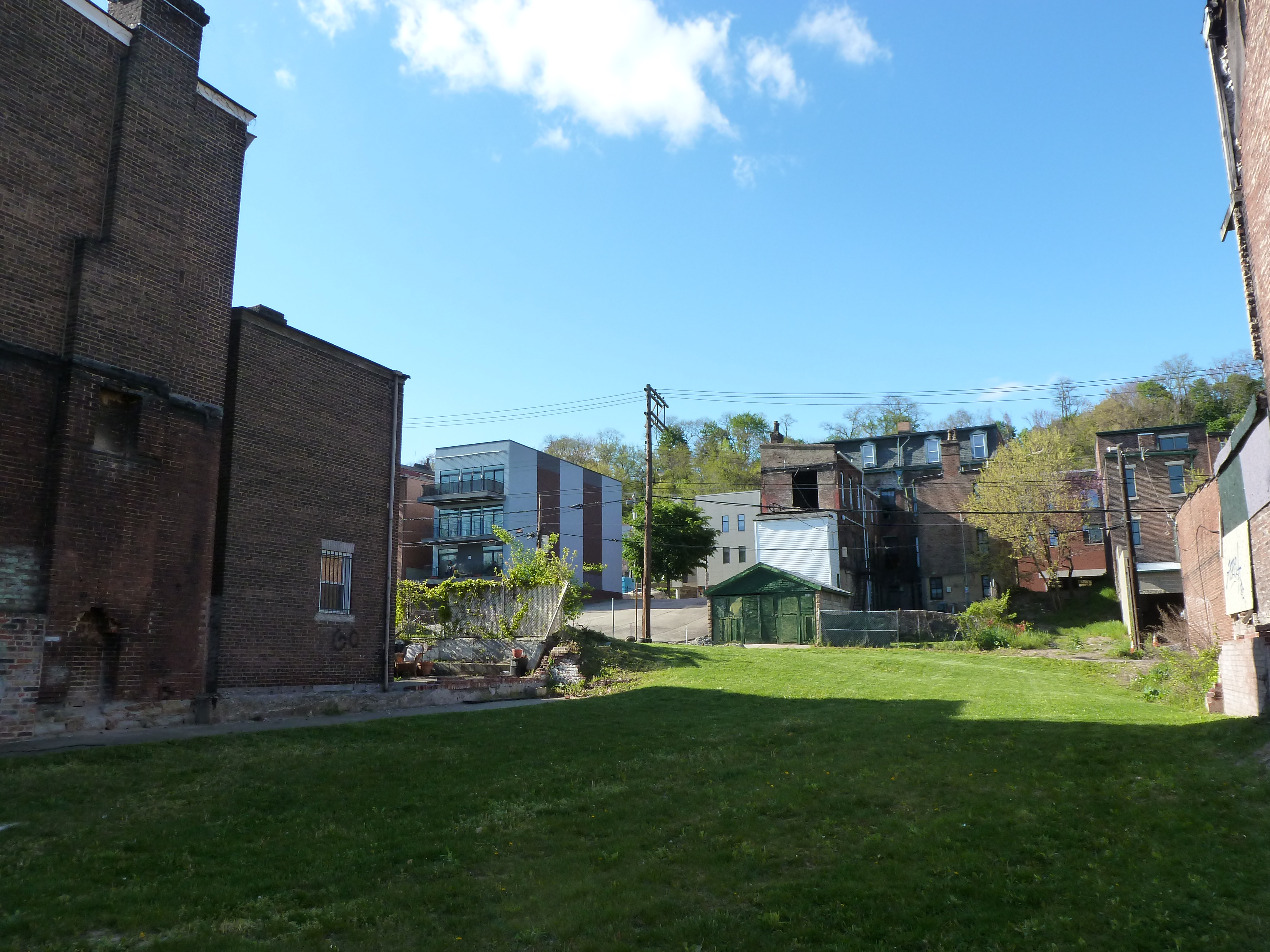
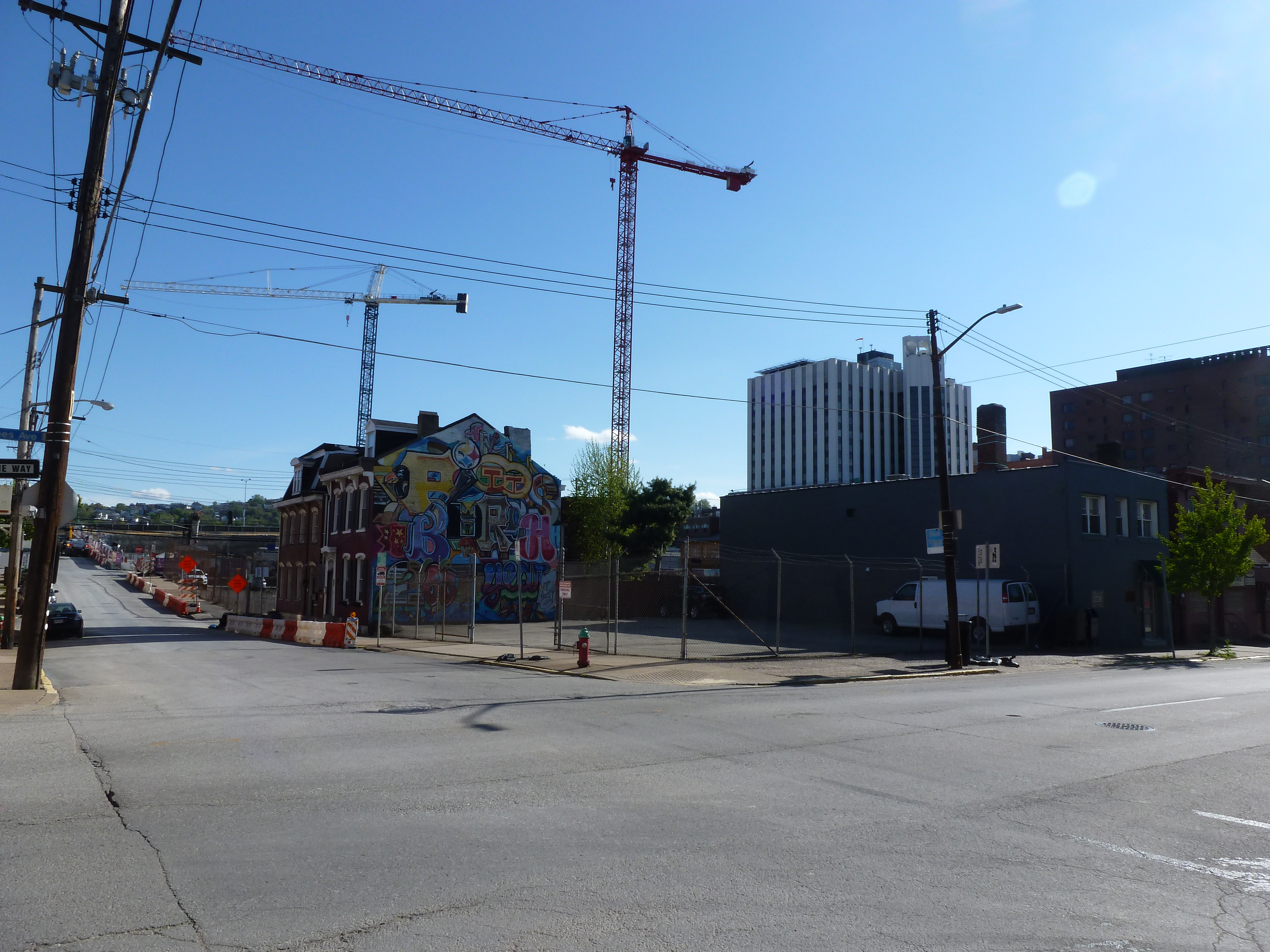
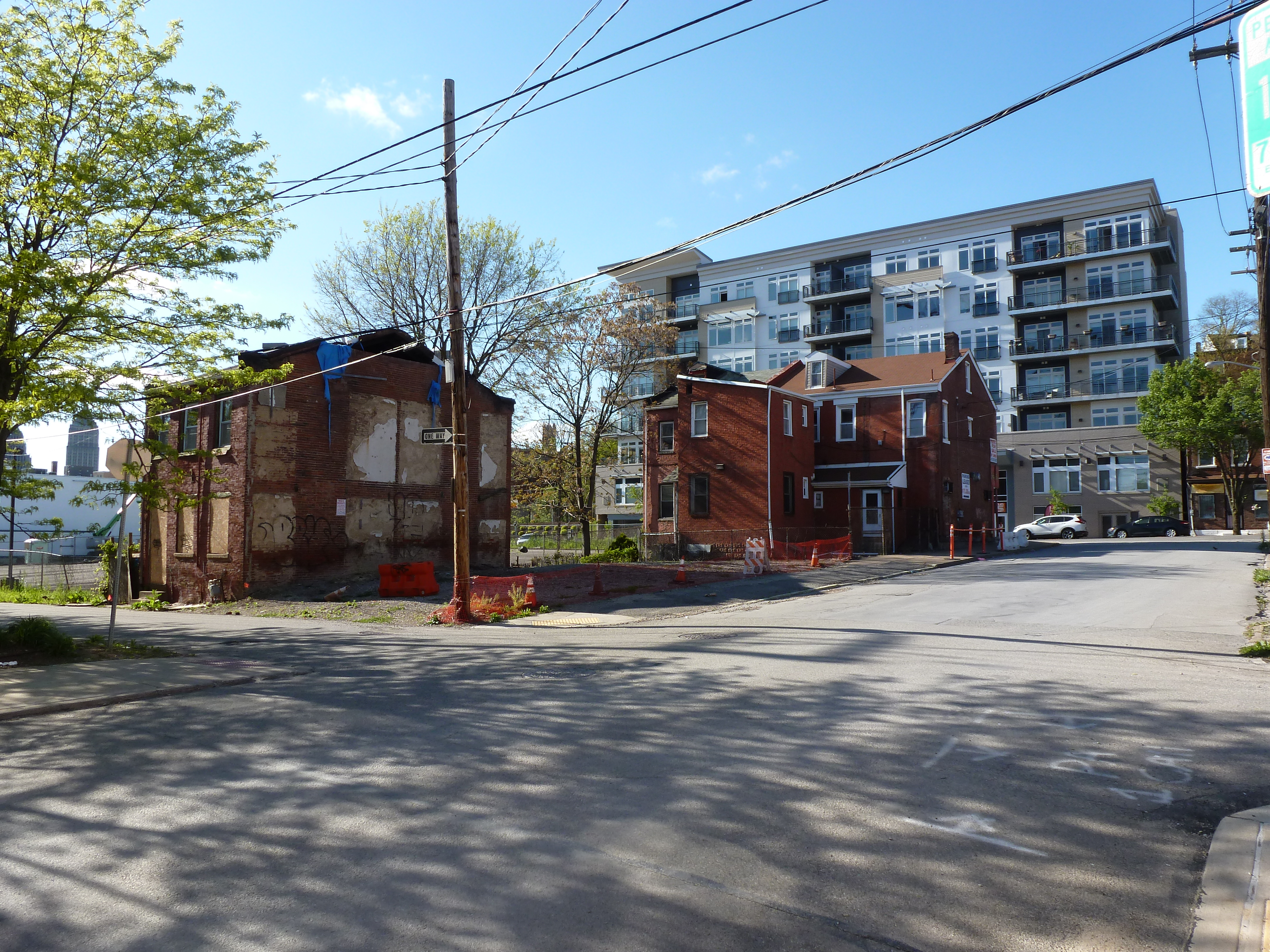
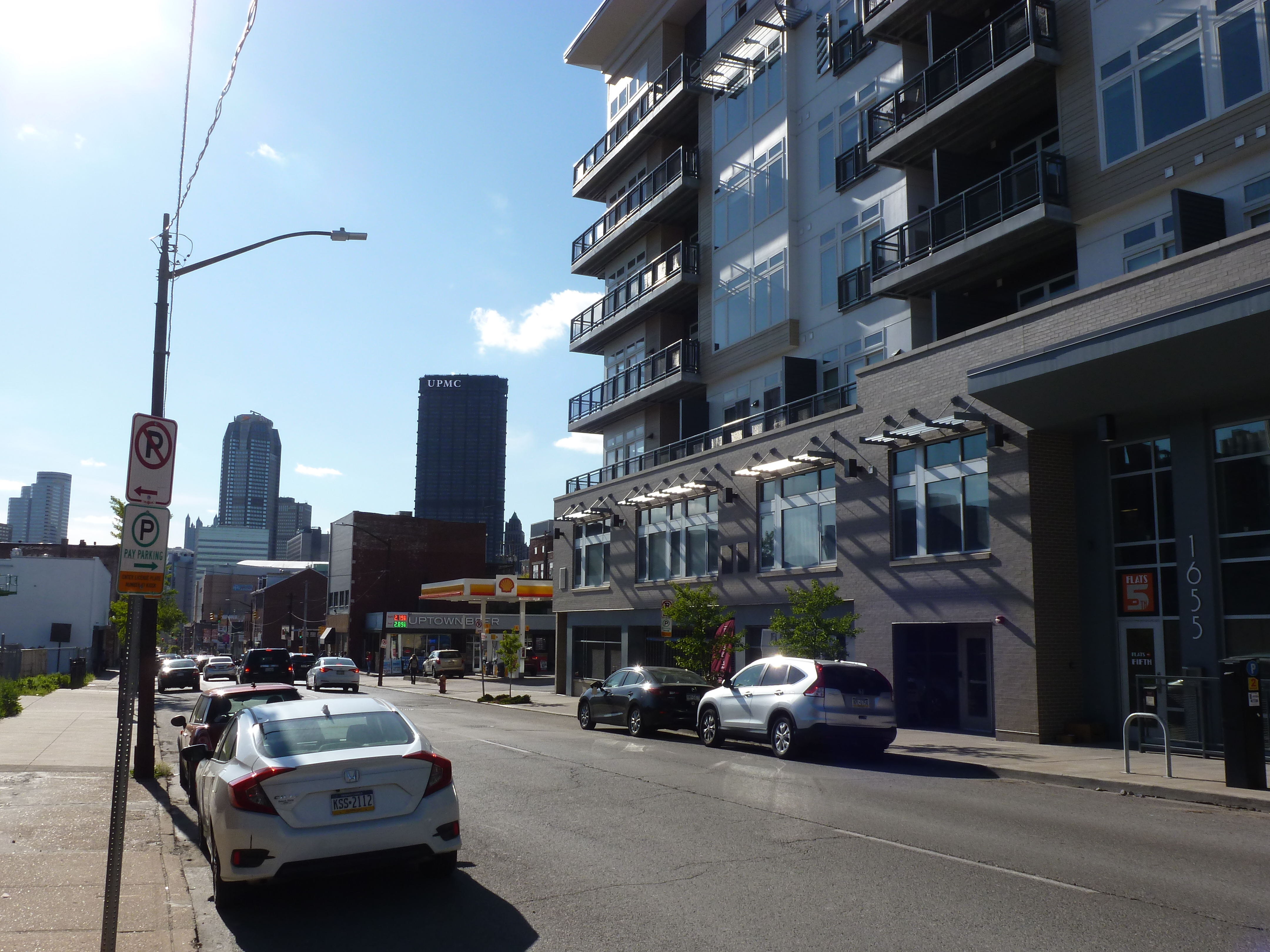
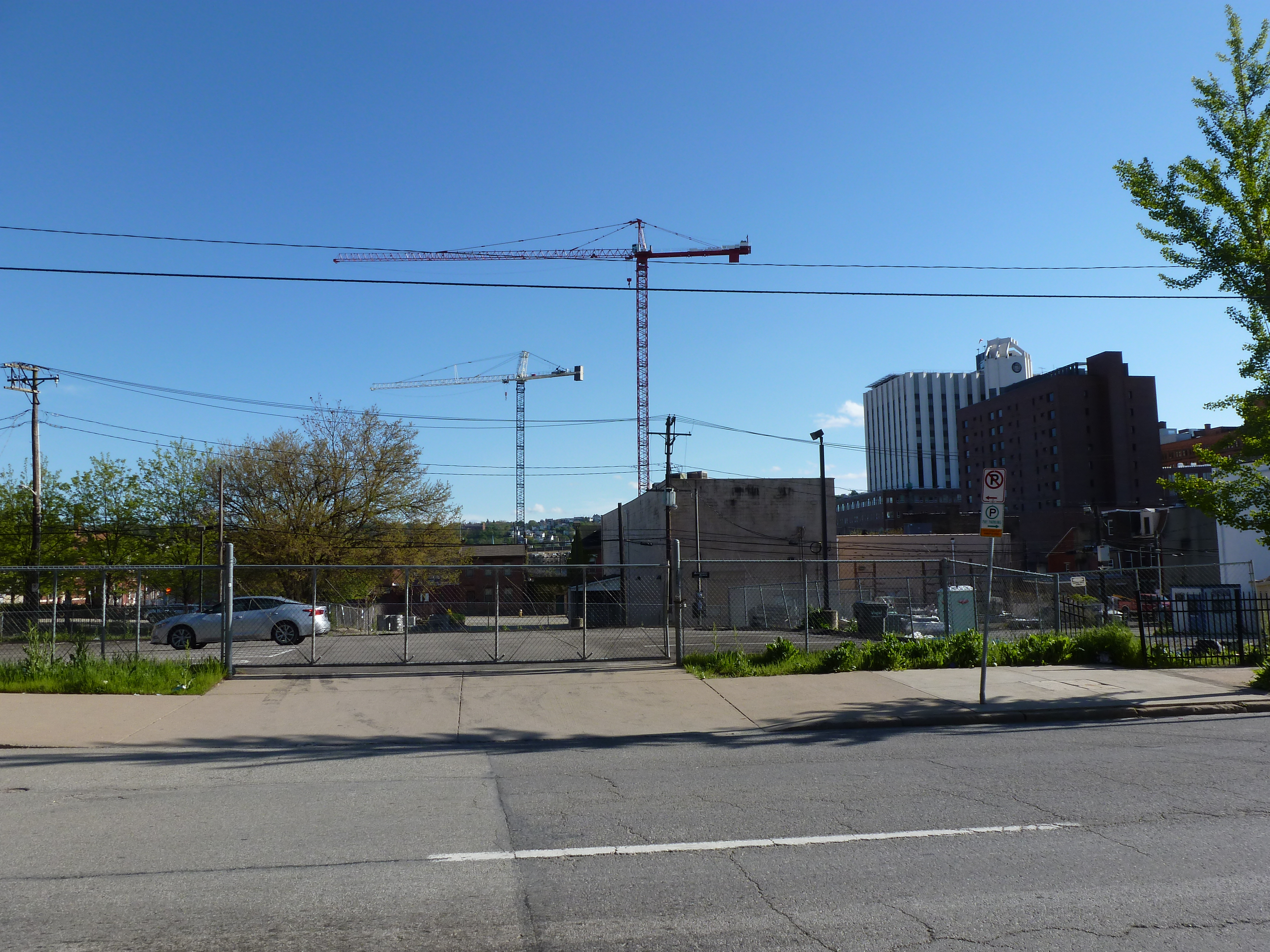
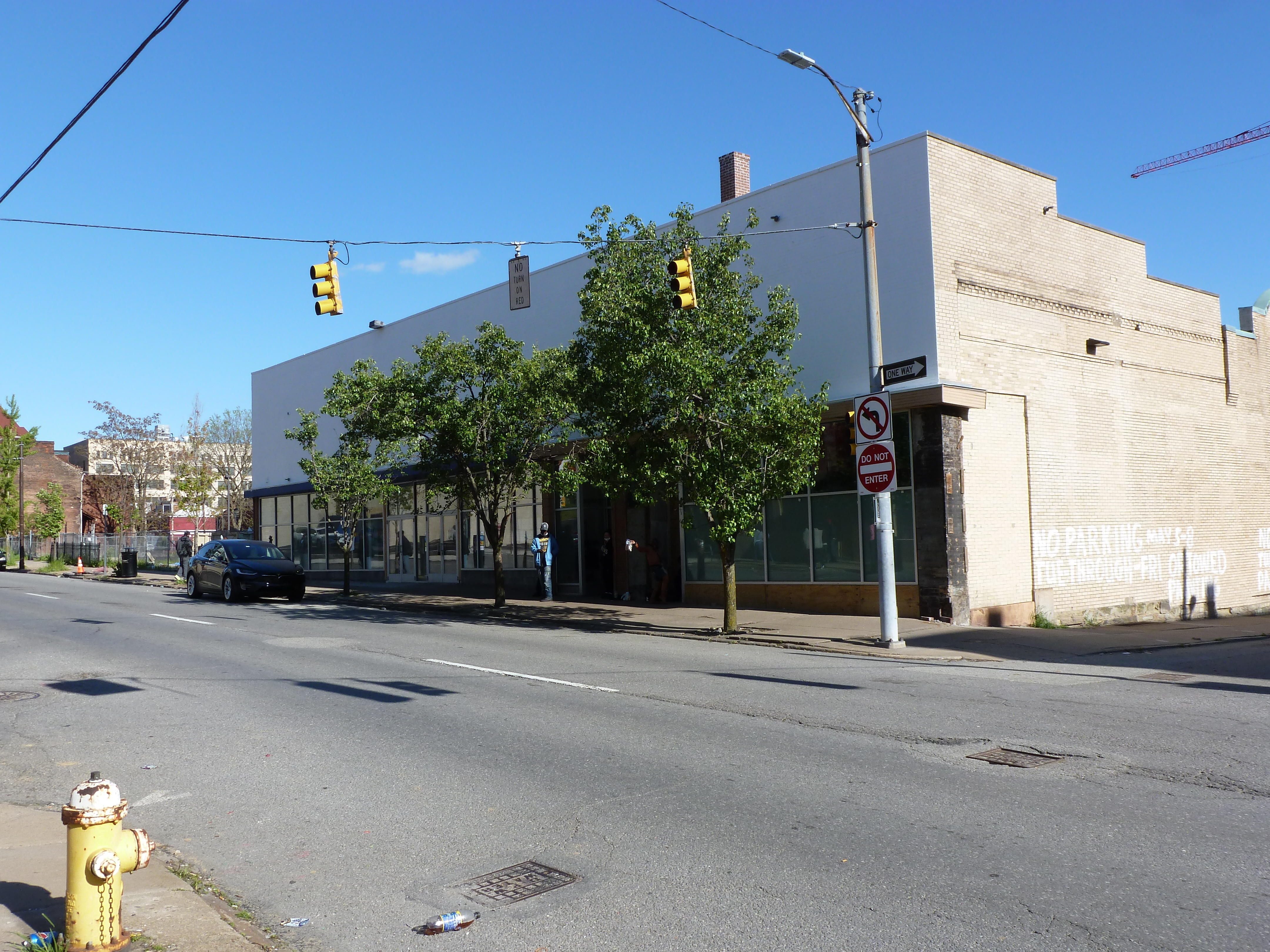
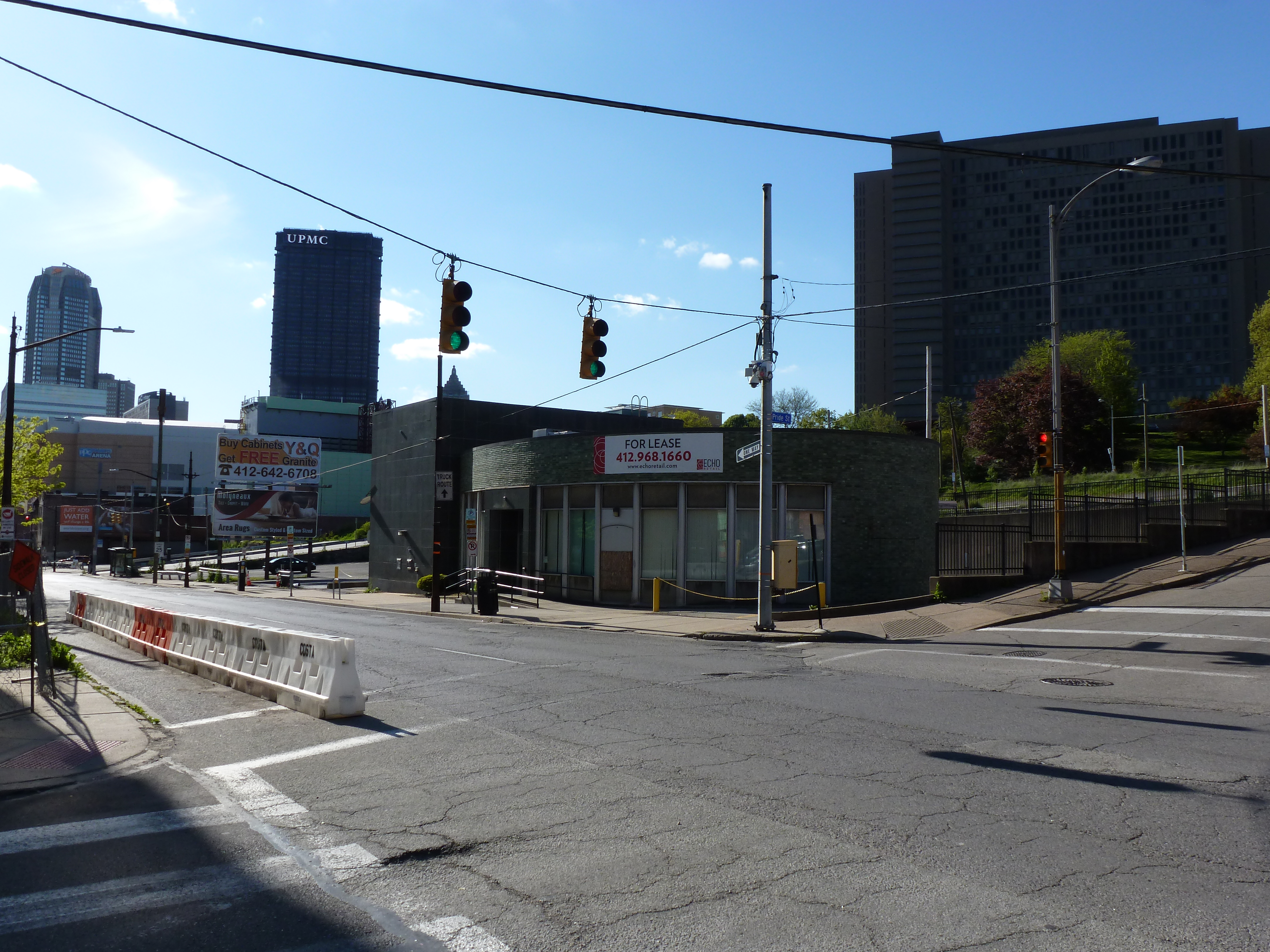
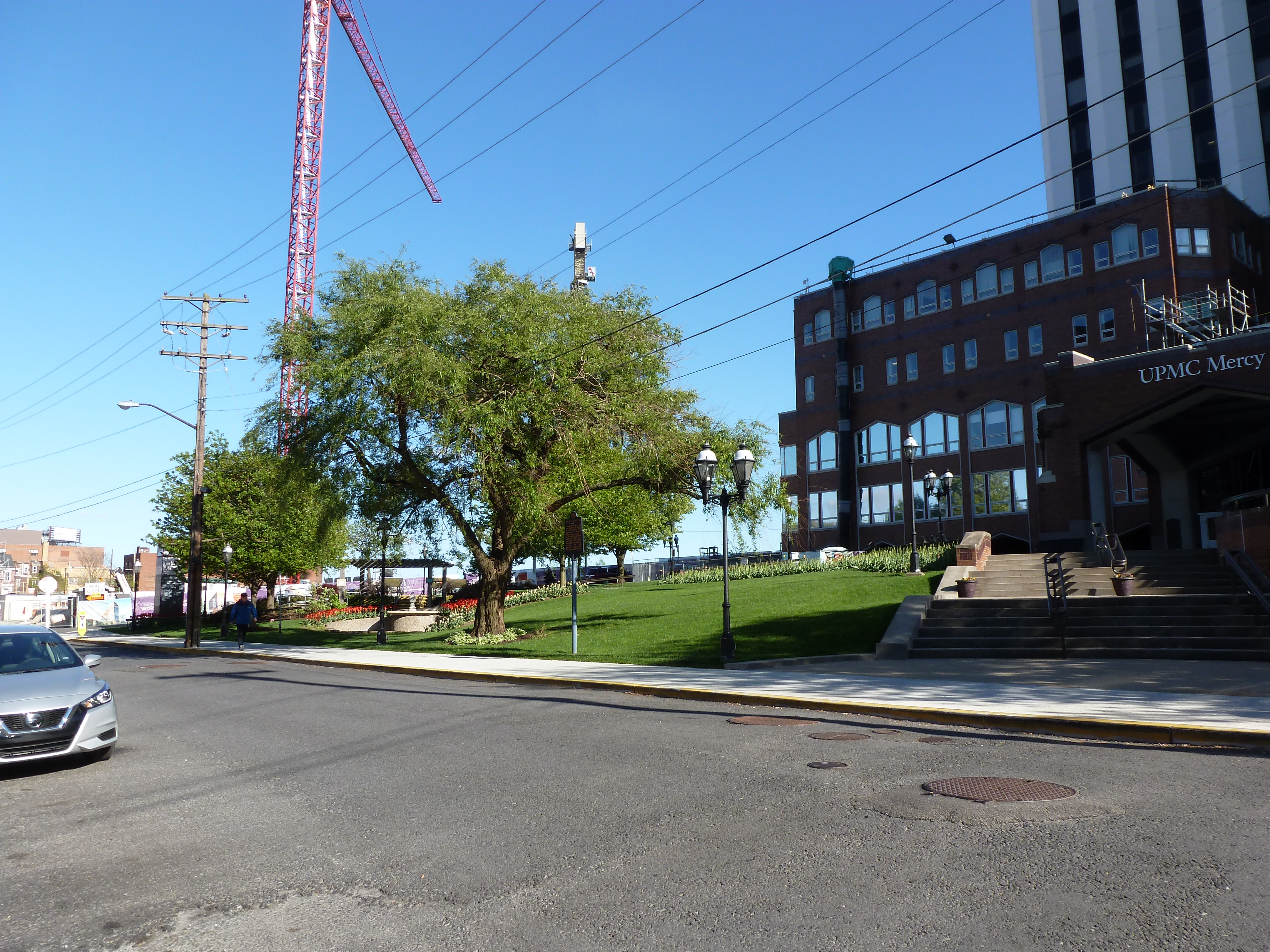
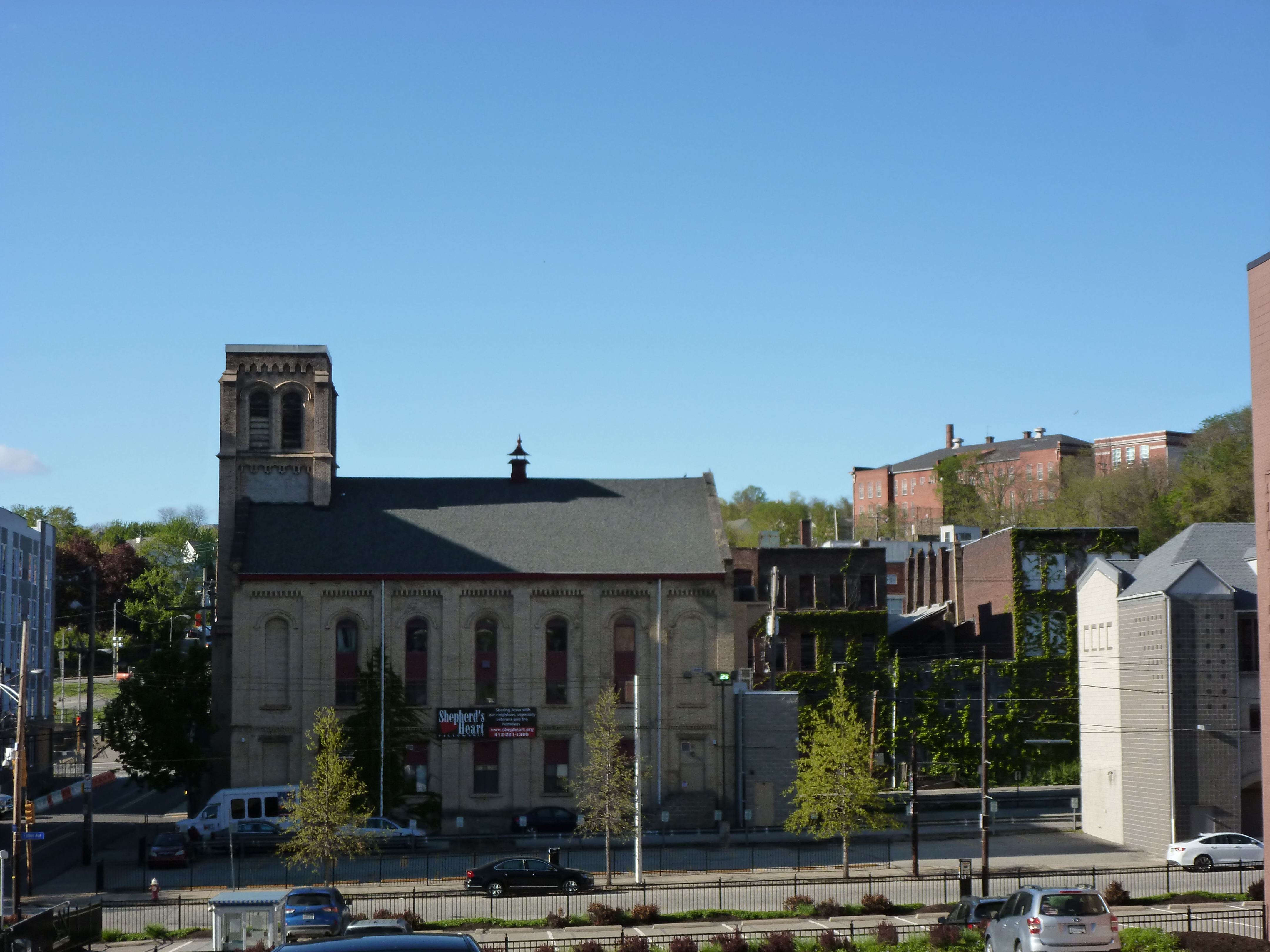
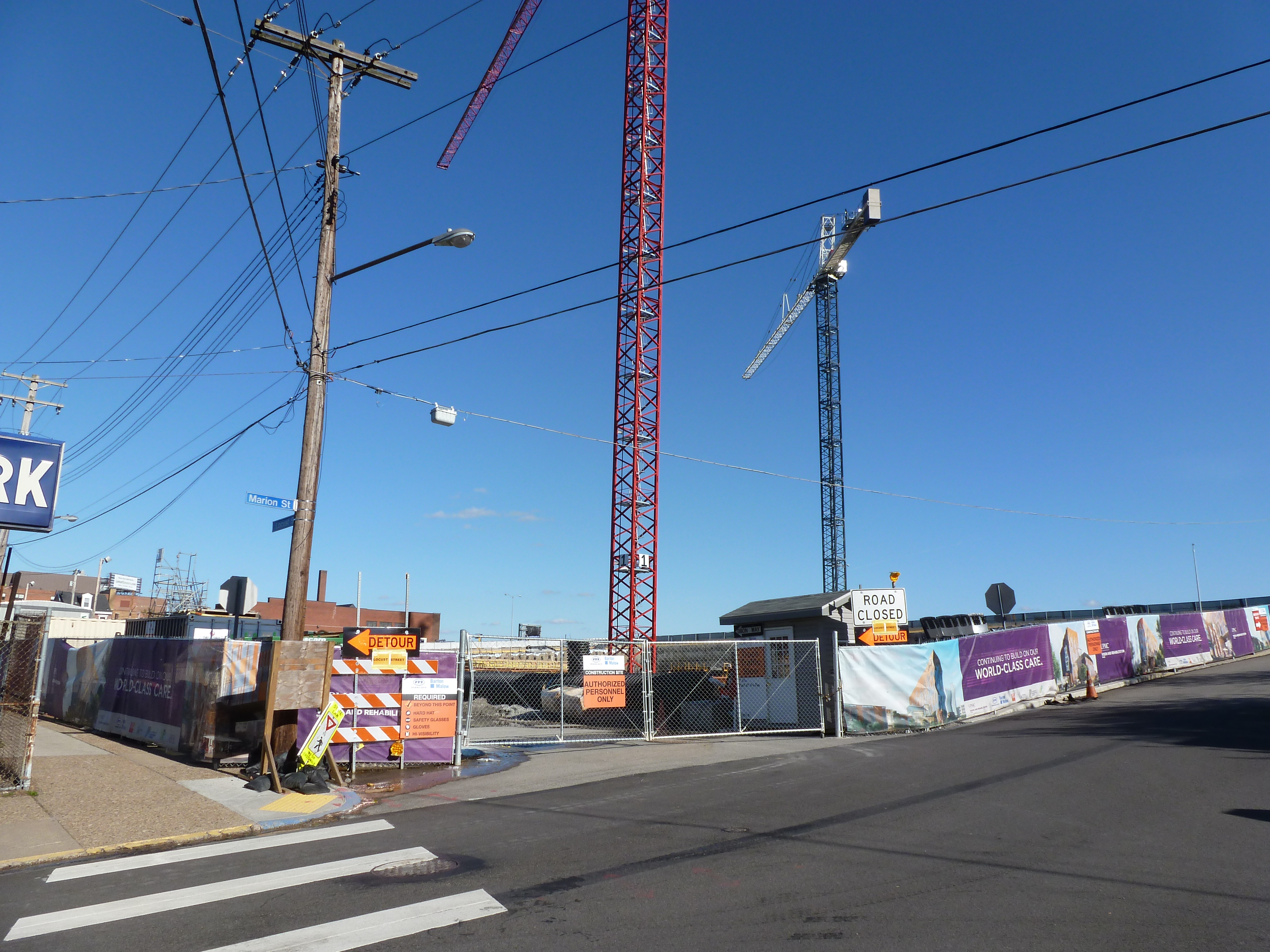
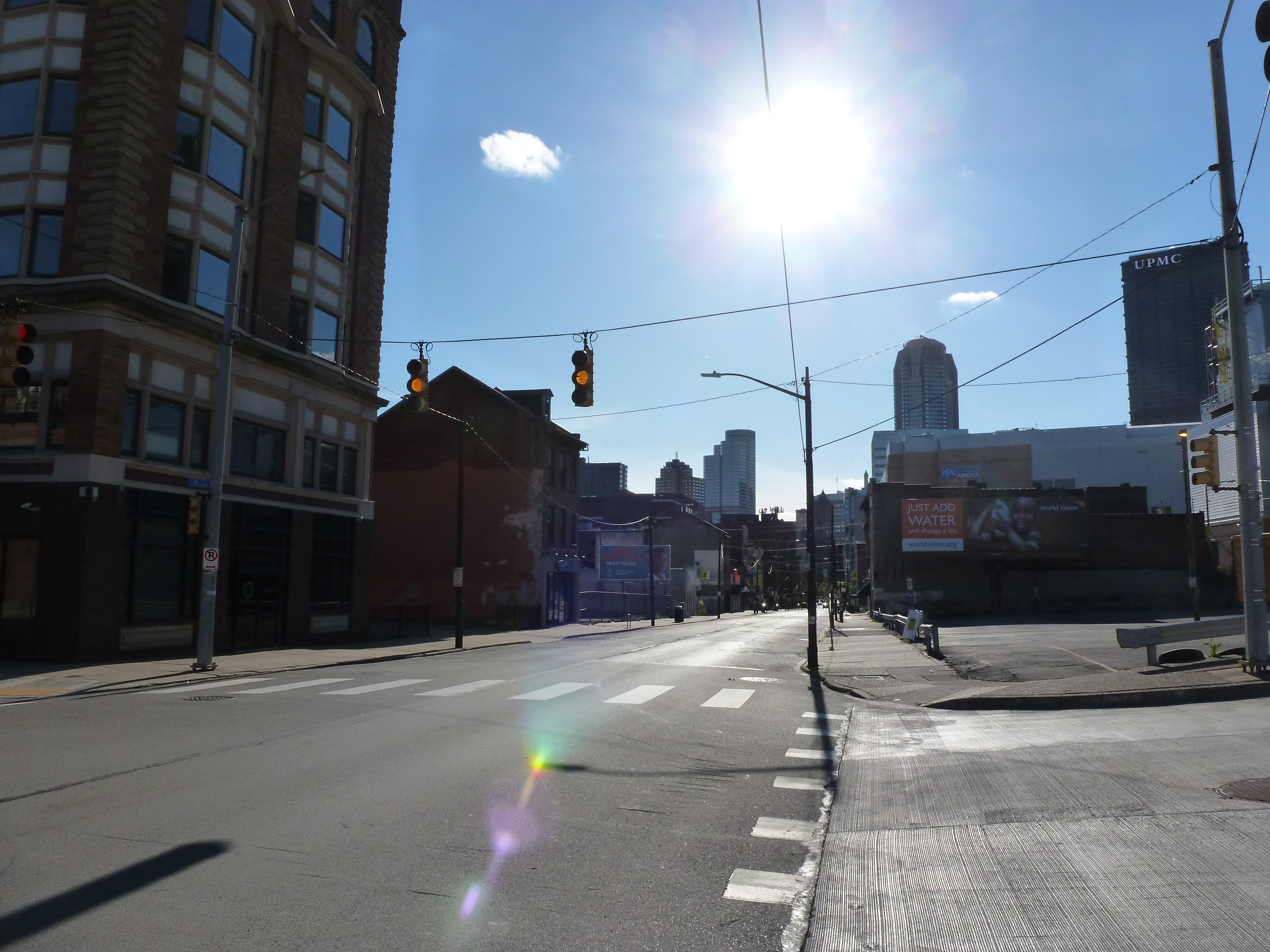
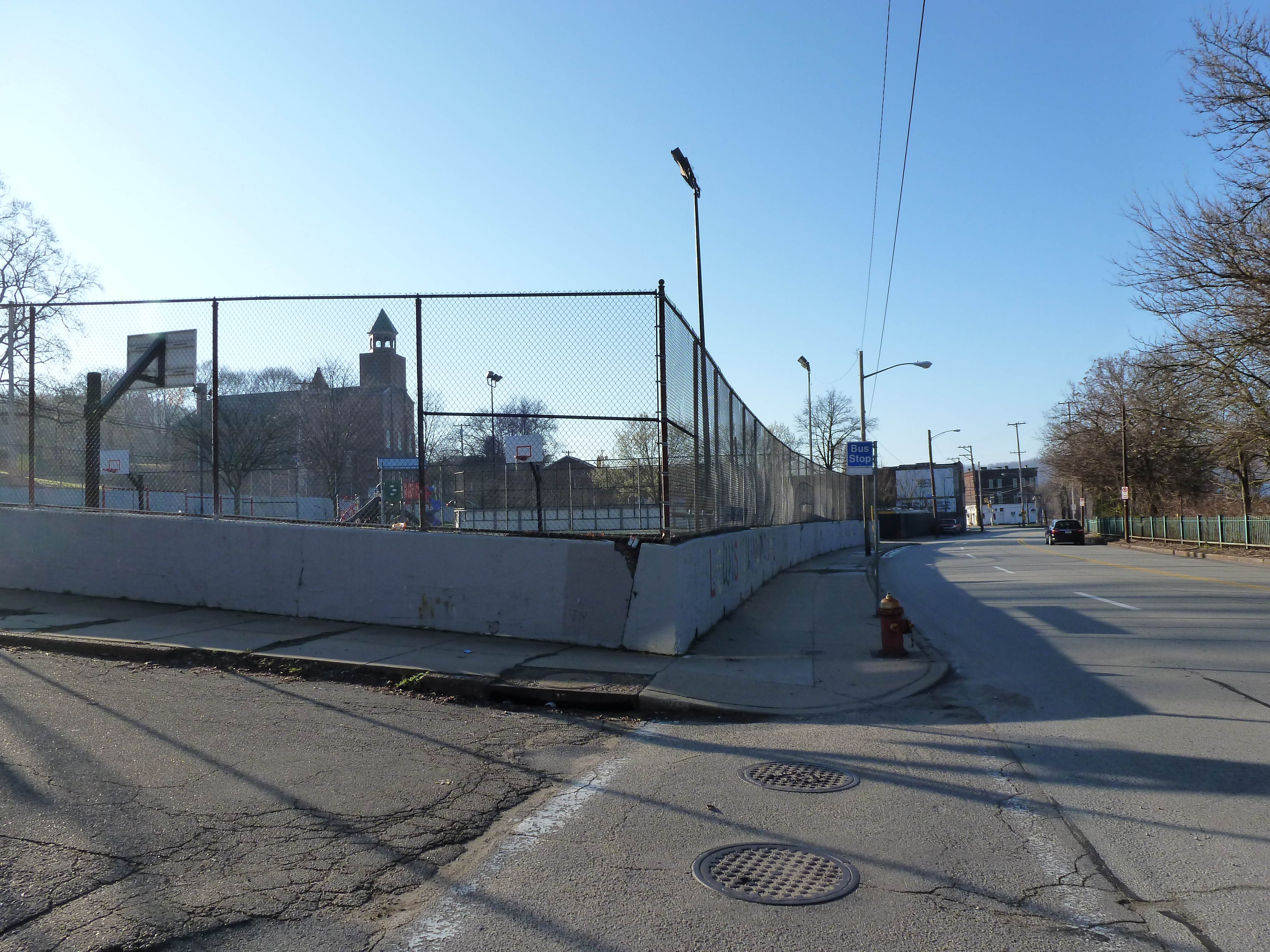
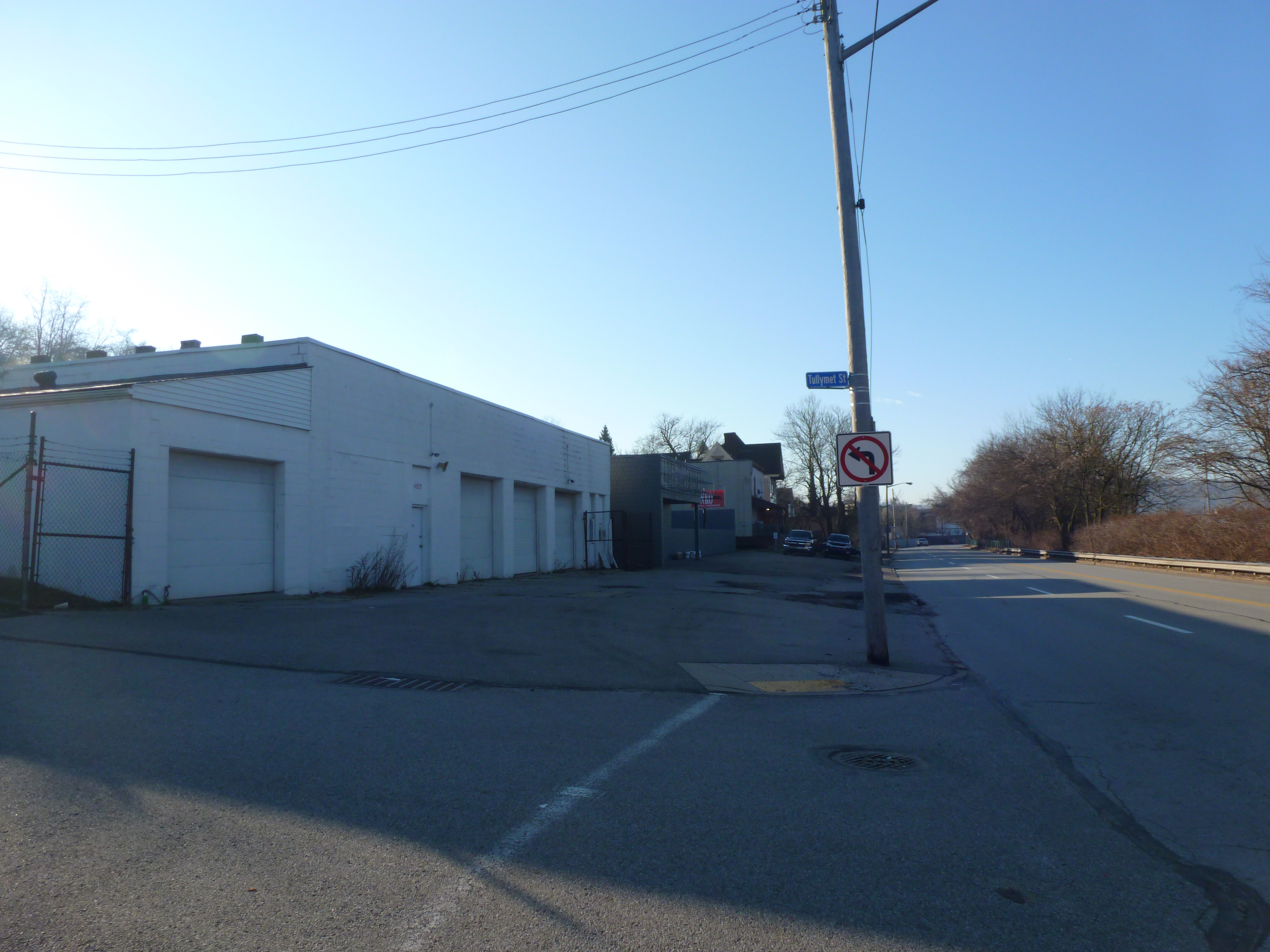
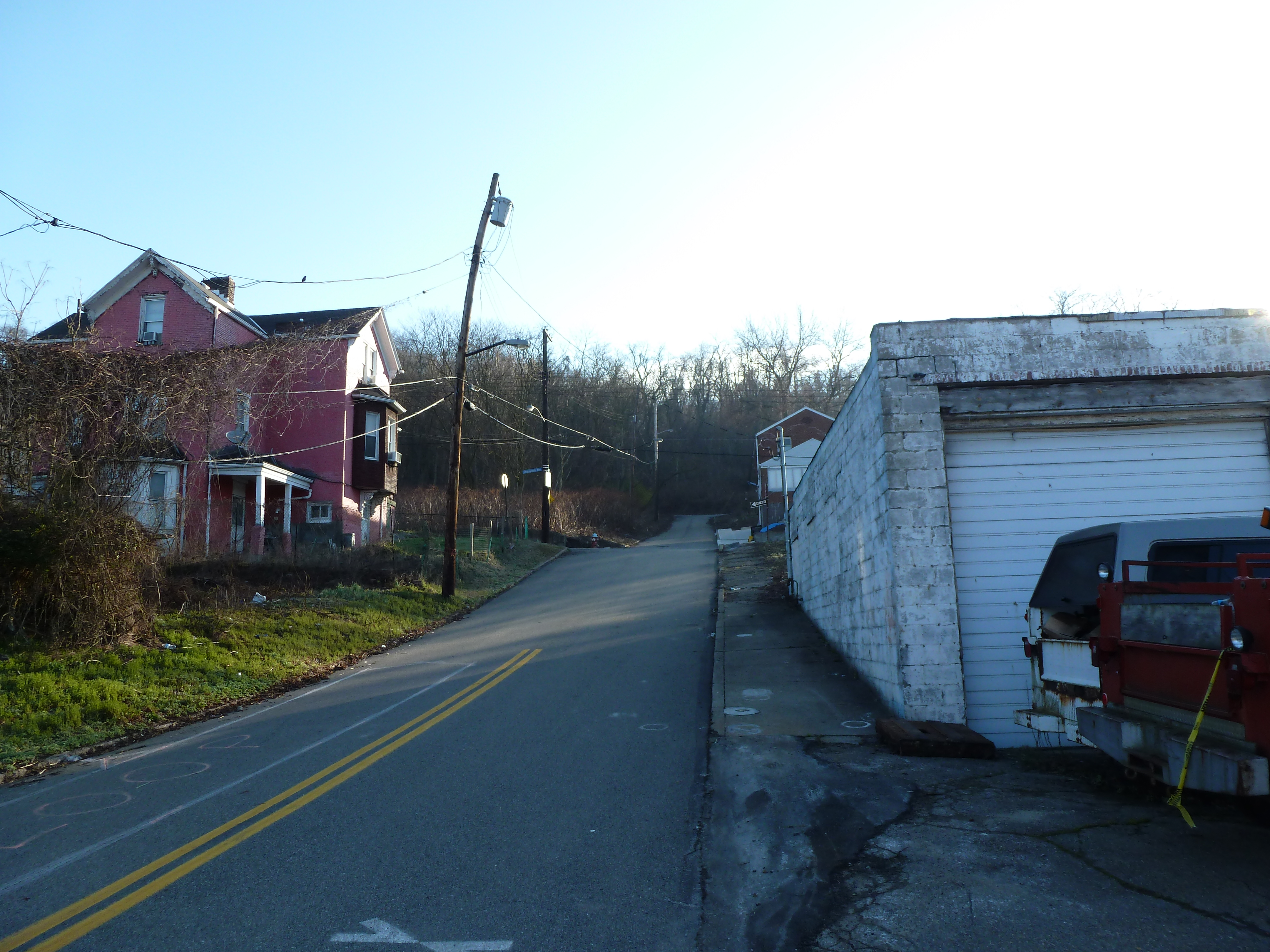
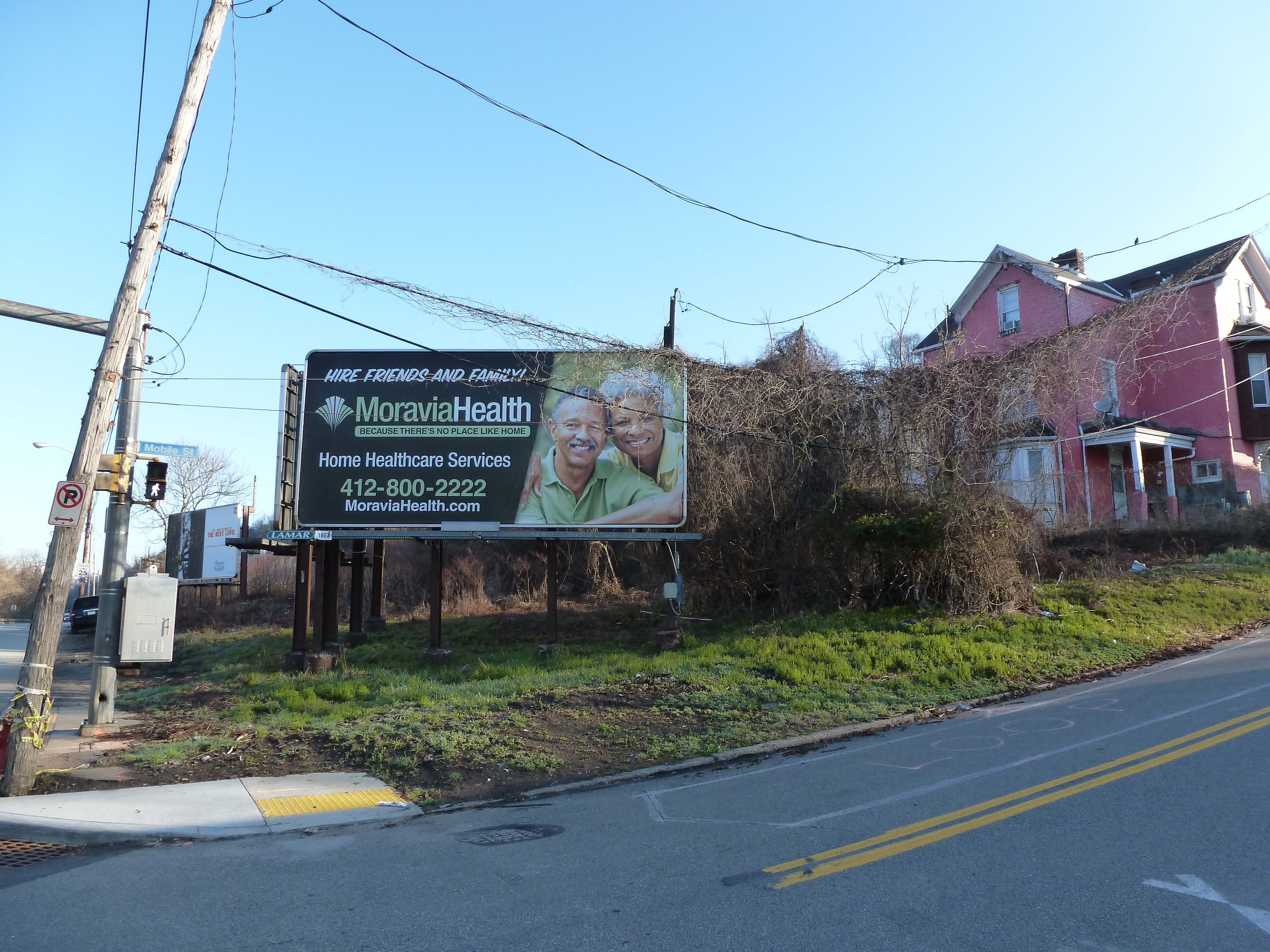
Inspired by my post from this summer, I decided to start a photographic series of Pittsburgh’s Uptown neighborhood. This neighborhood is a hodgepodge of abandoned and renovated townhomes, parking lots, car-oriented businesses, corner stores, industrial uses, and new construction residential buildings. It is predicted to be on a tipping point from being mostly ignored to experiencing intense growth fueled by activities in and around the neighborhood. These activities include:
As these projects move forward, there will likely be more investment and changes to Uptown. This photographic series is intended to capture these changes by revisiting the same sites at regular intervals over the next several years.
In the coming months, I intend to release two related series to record the progress of the CAP and the Lower Hill redevelopment.
 urbantraipsing