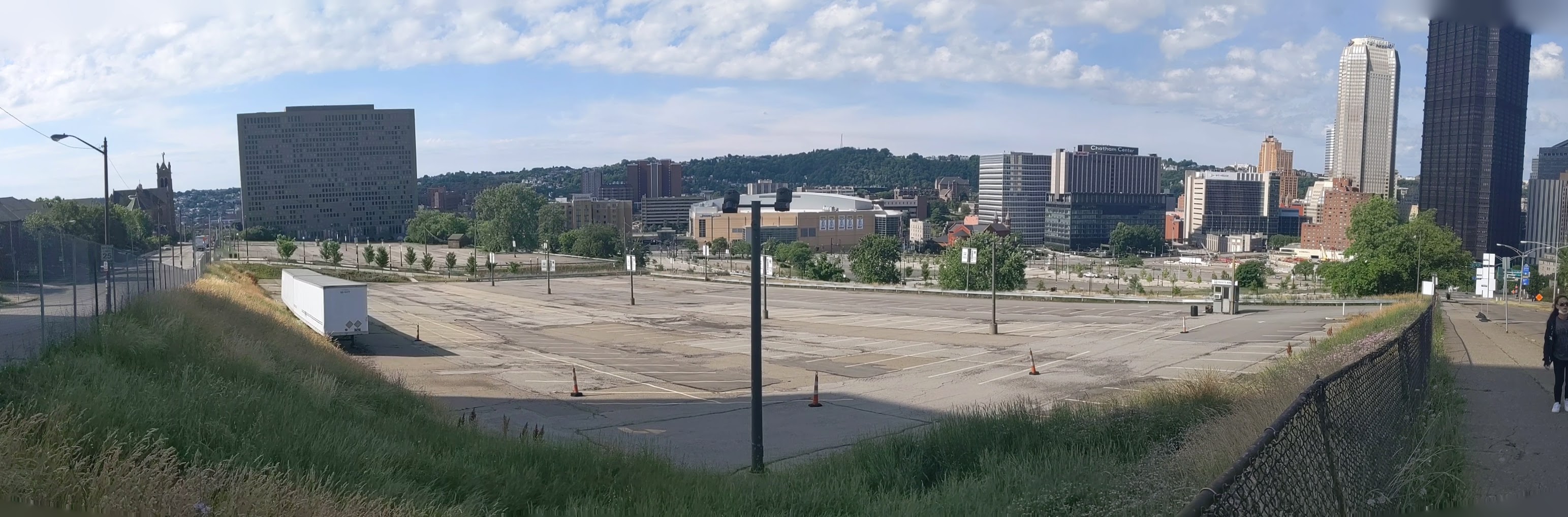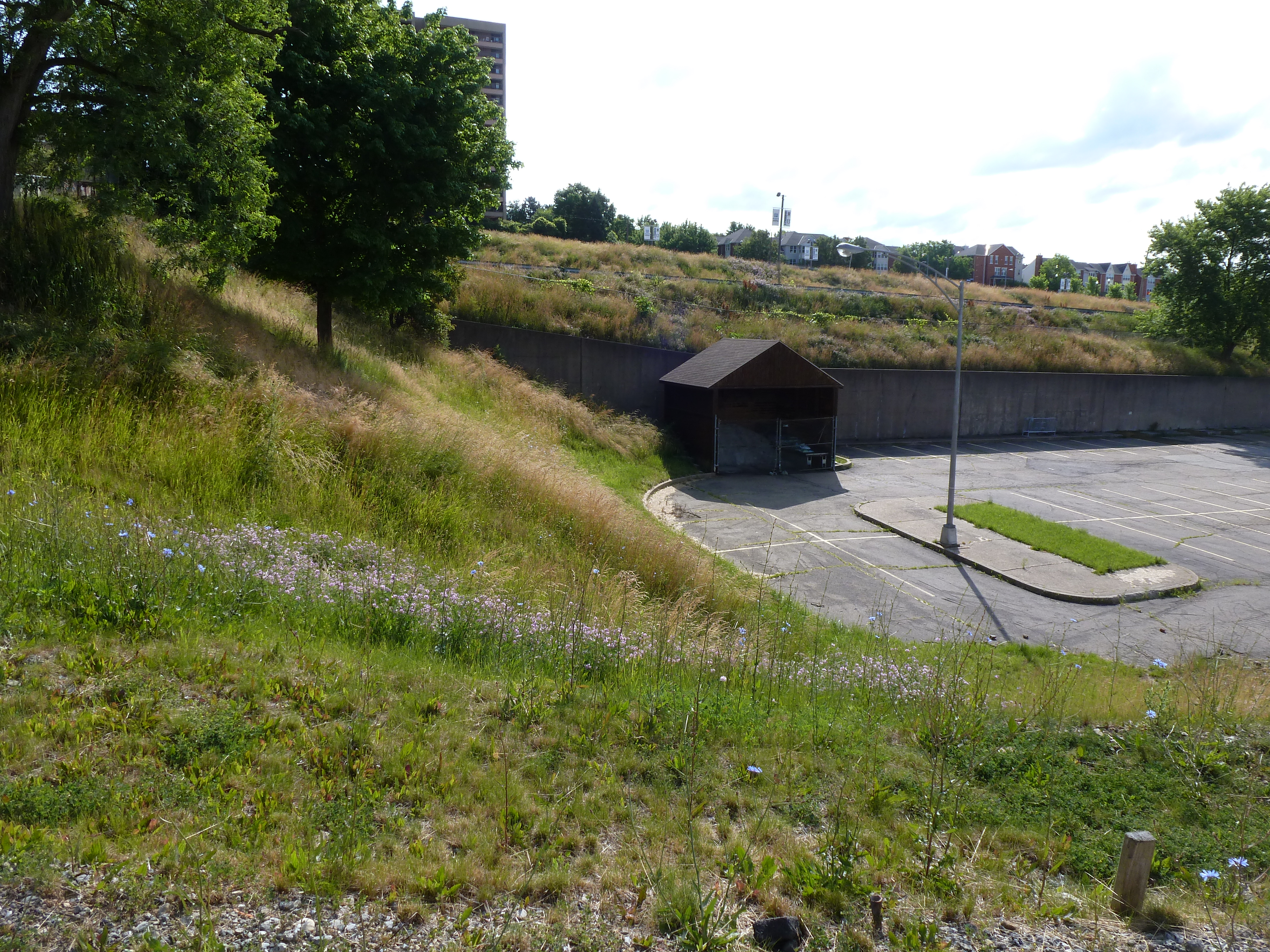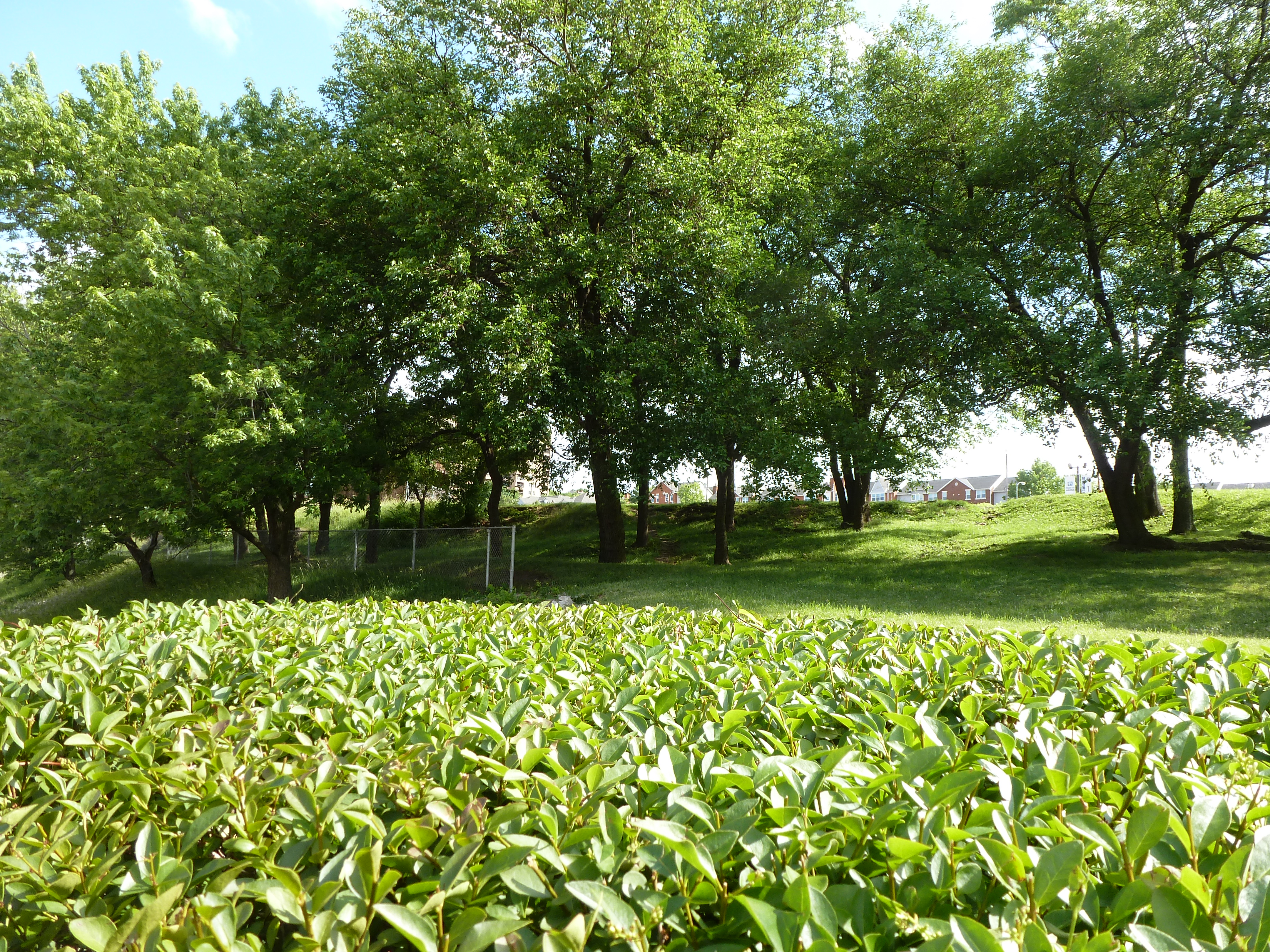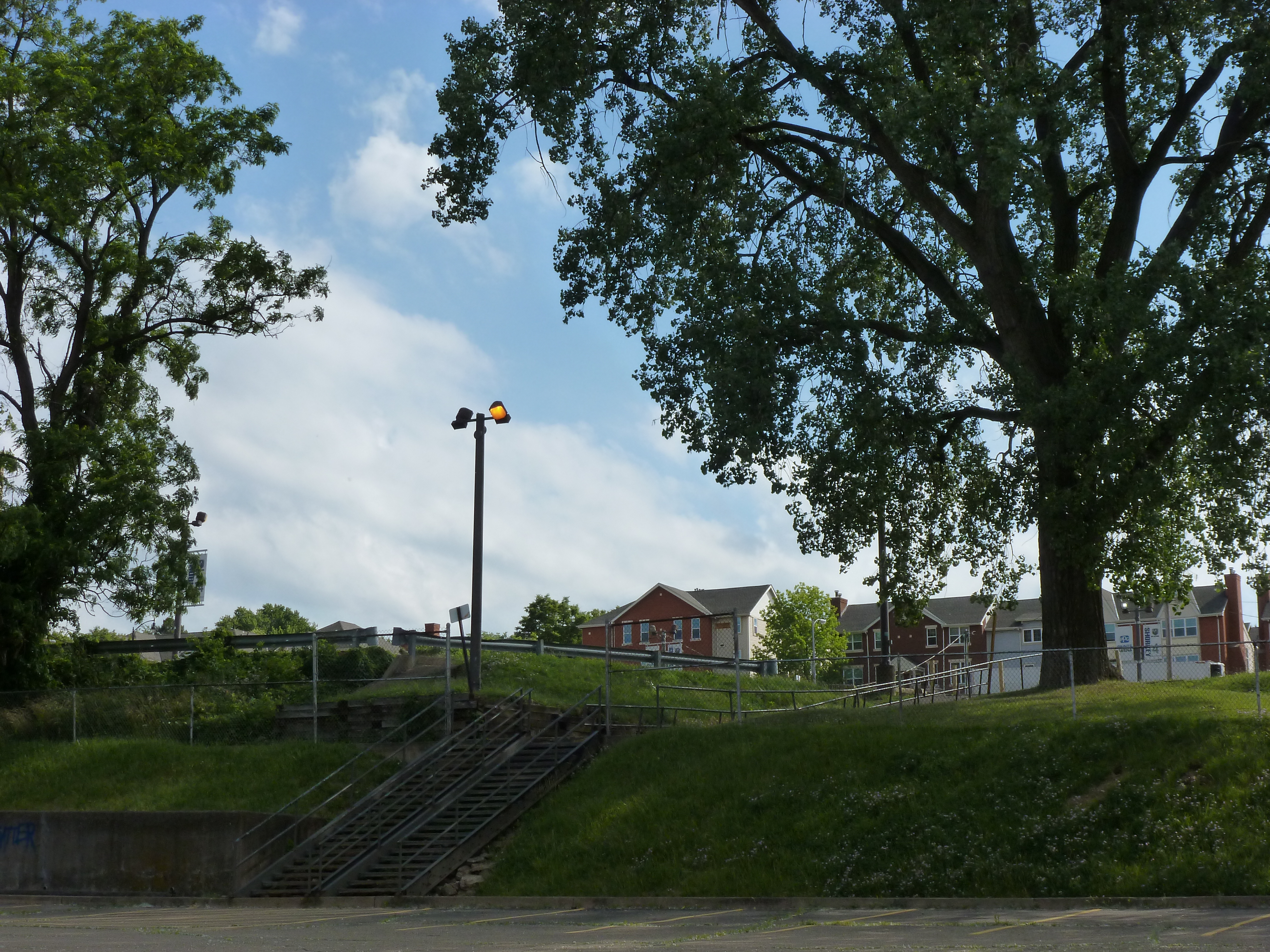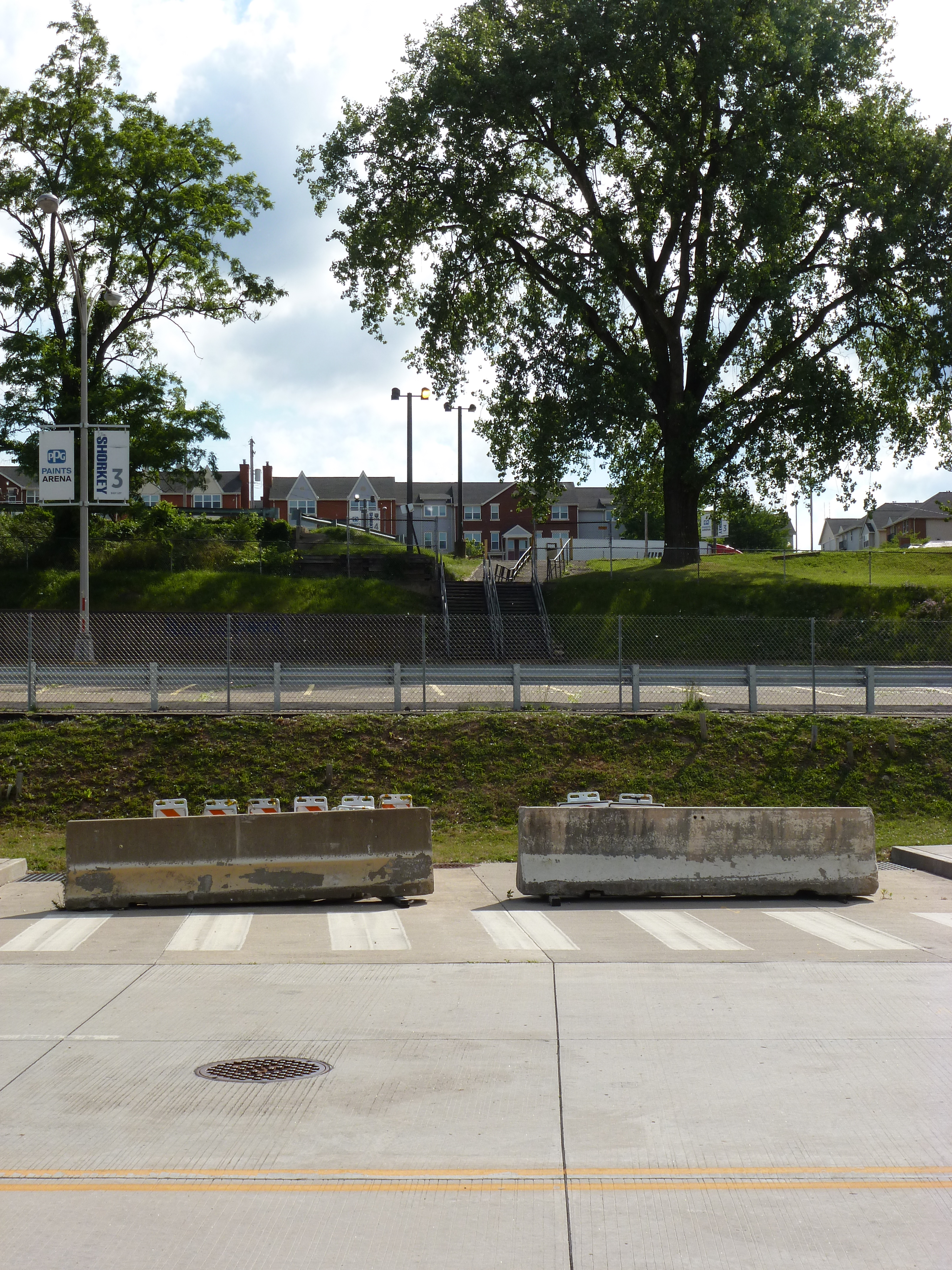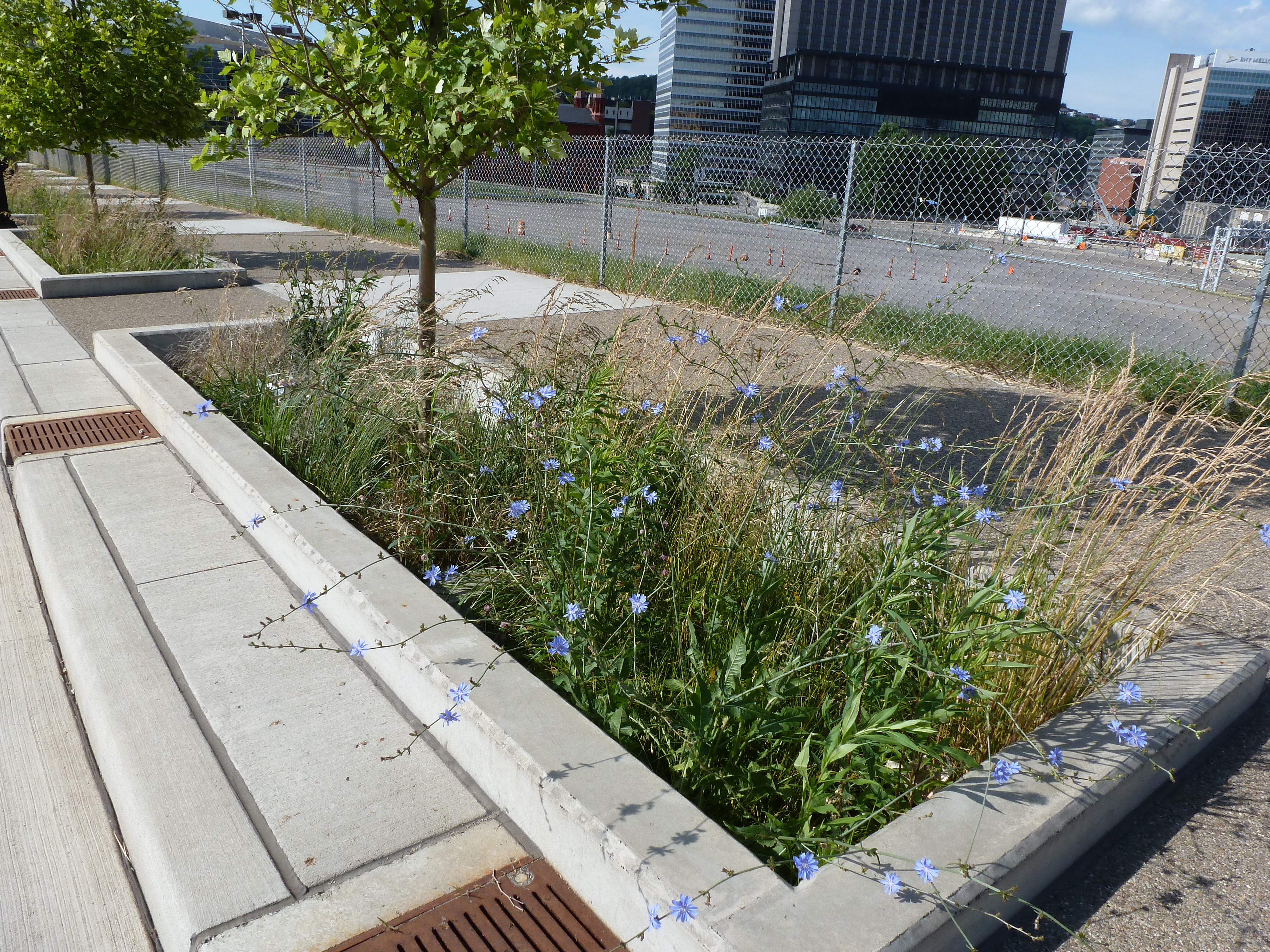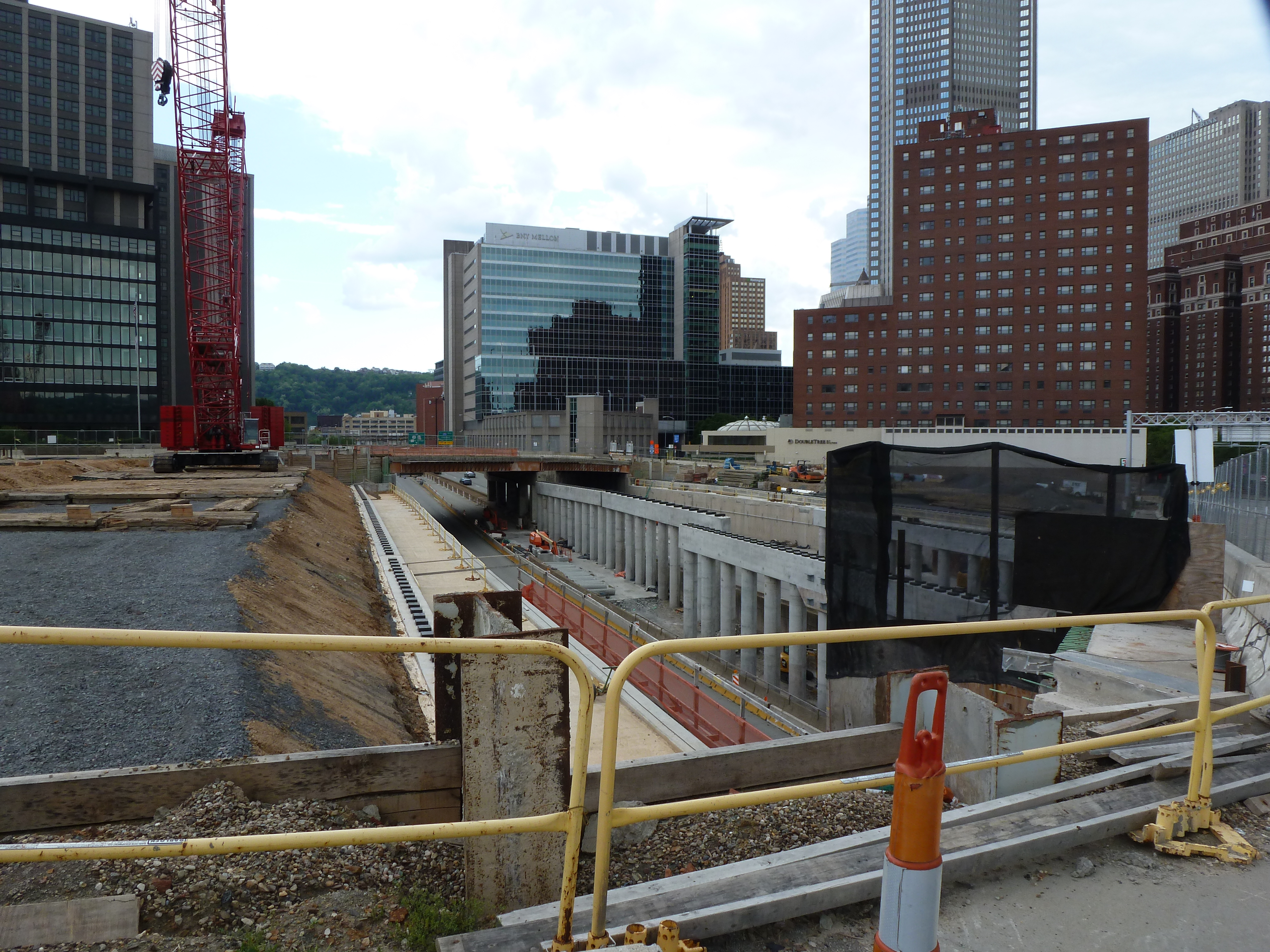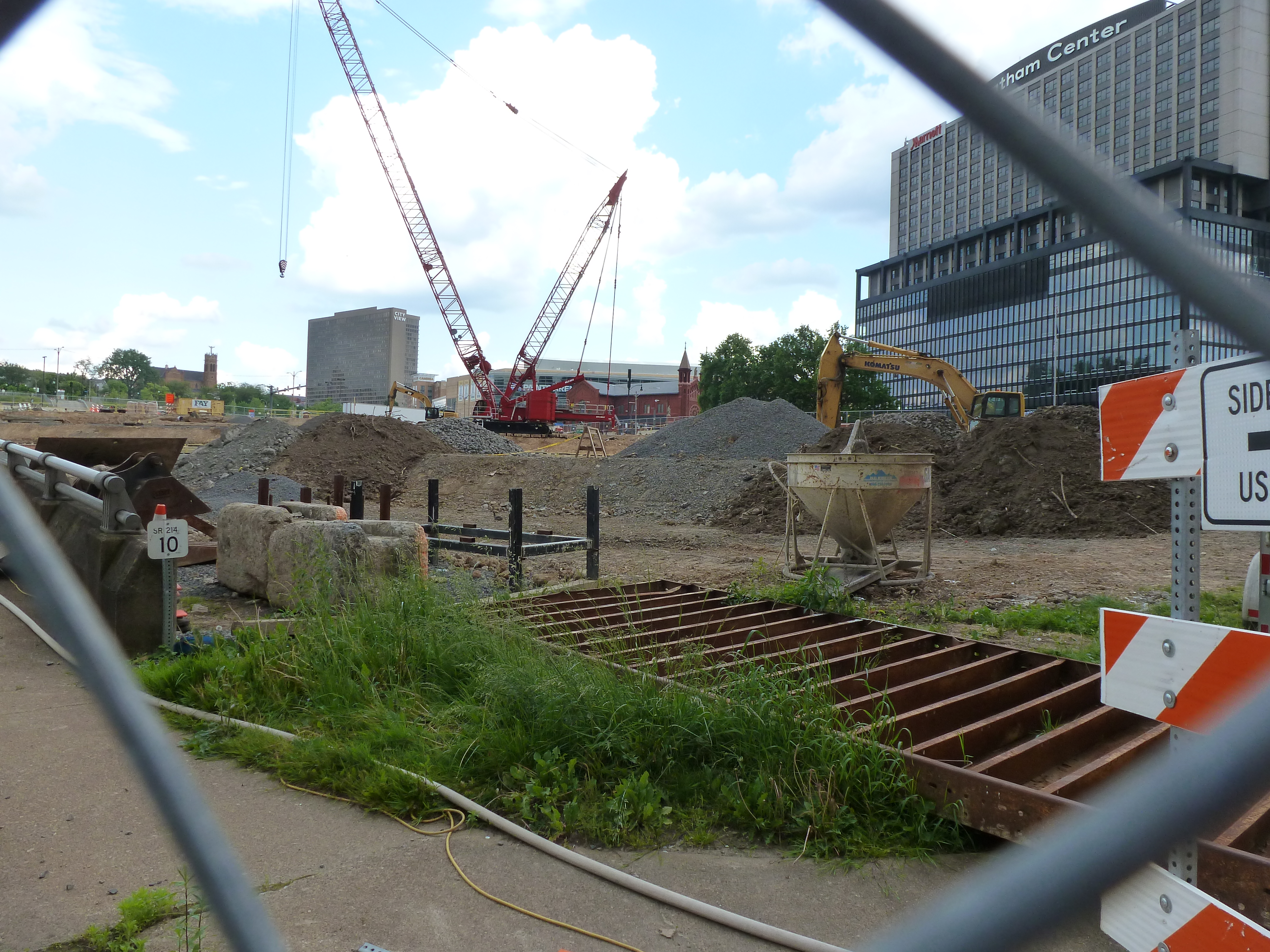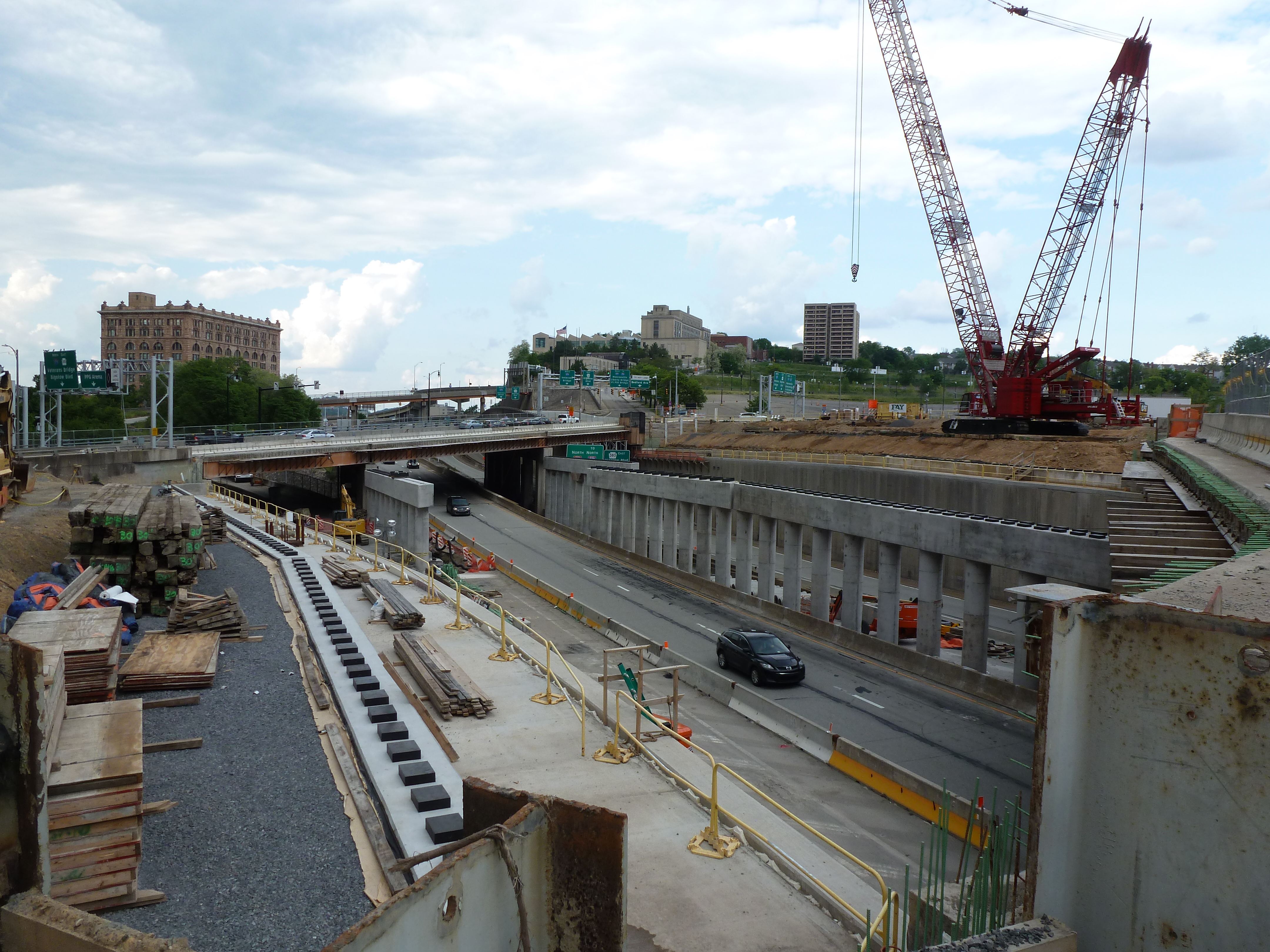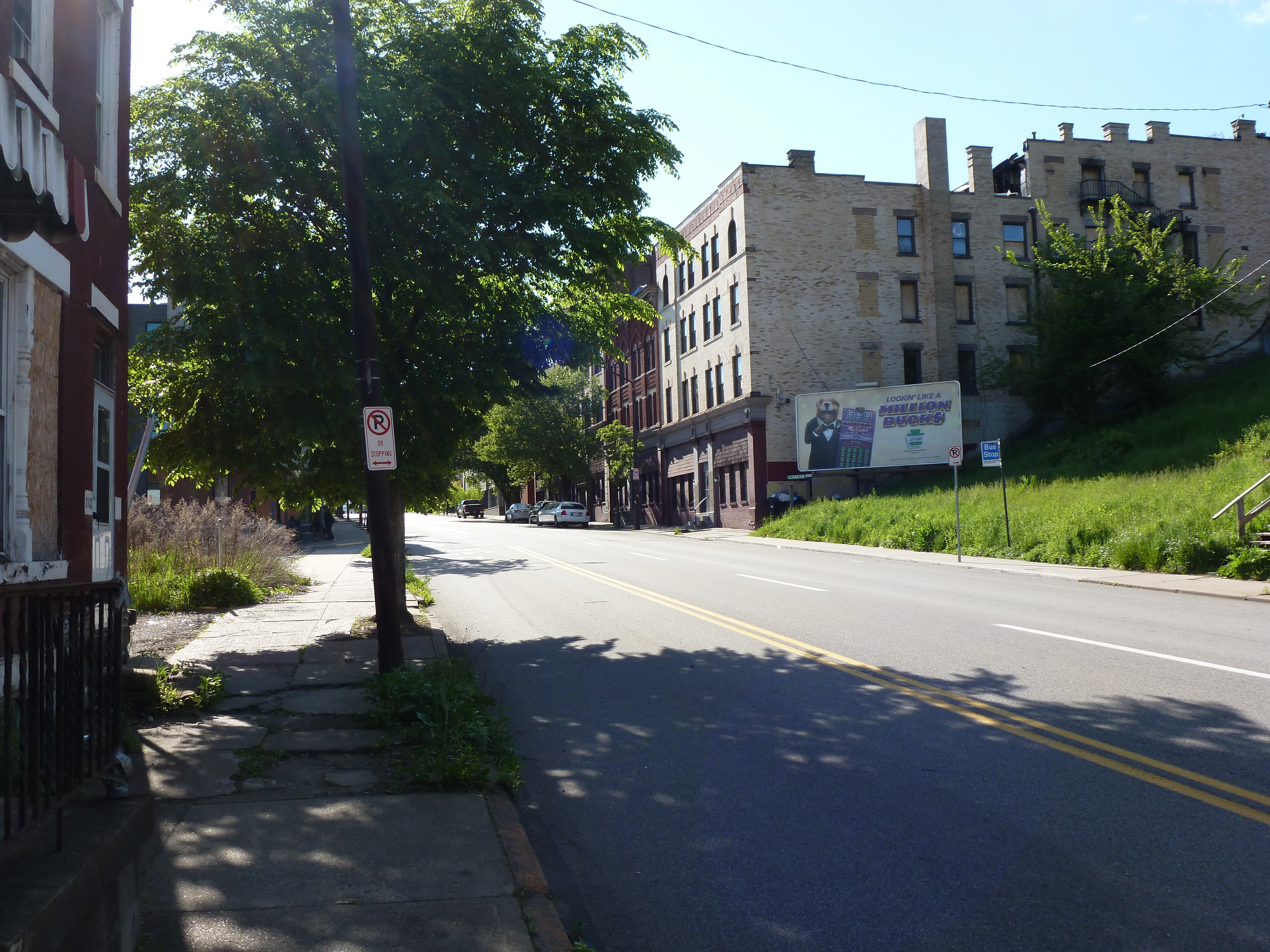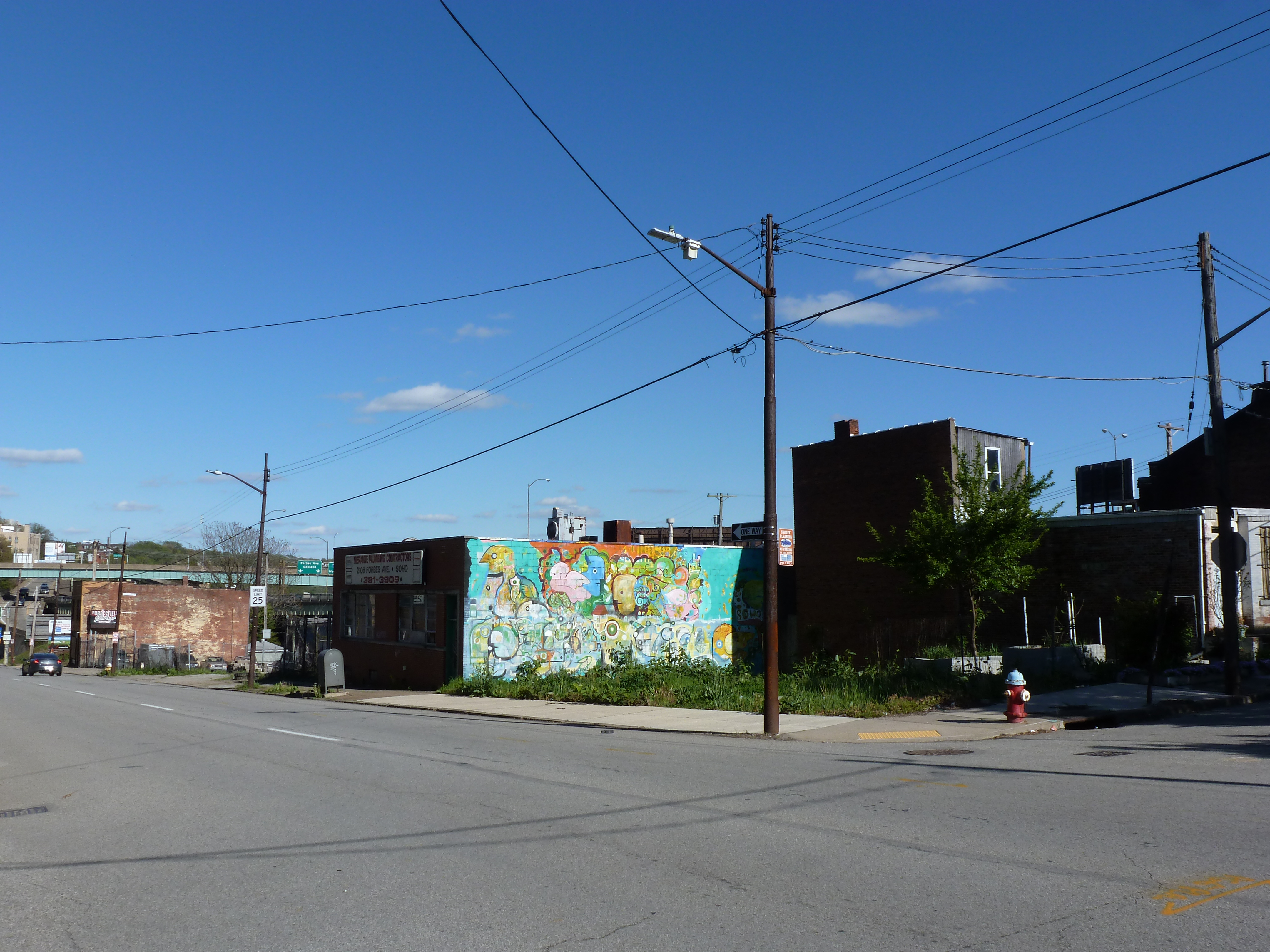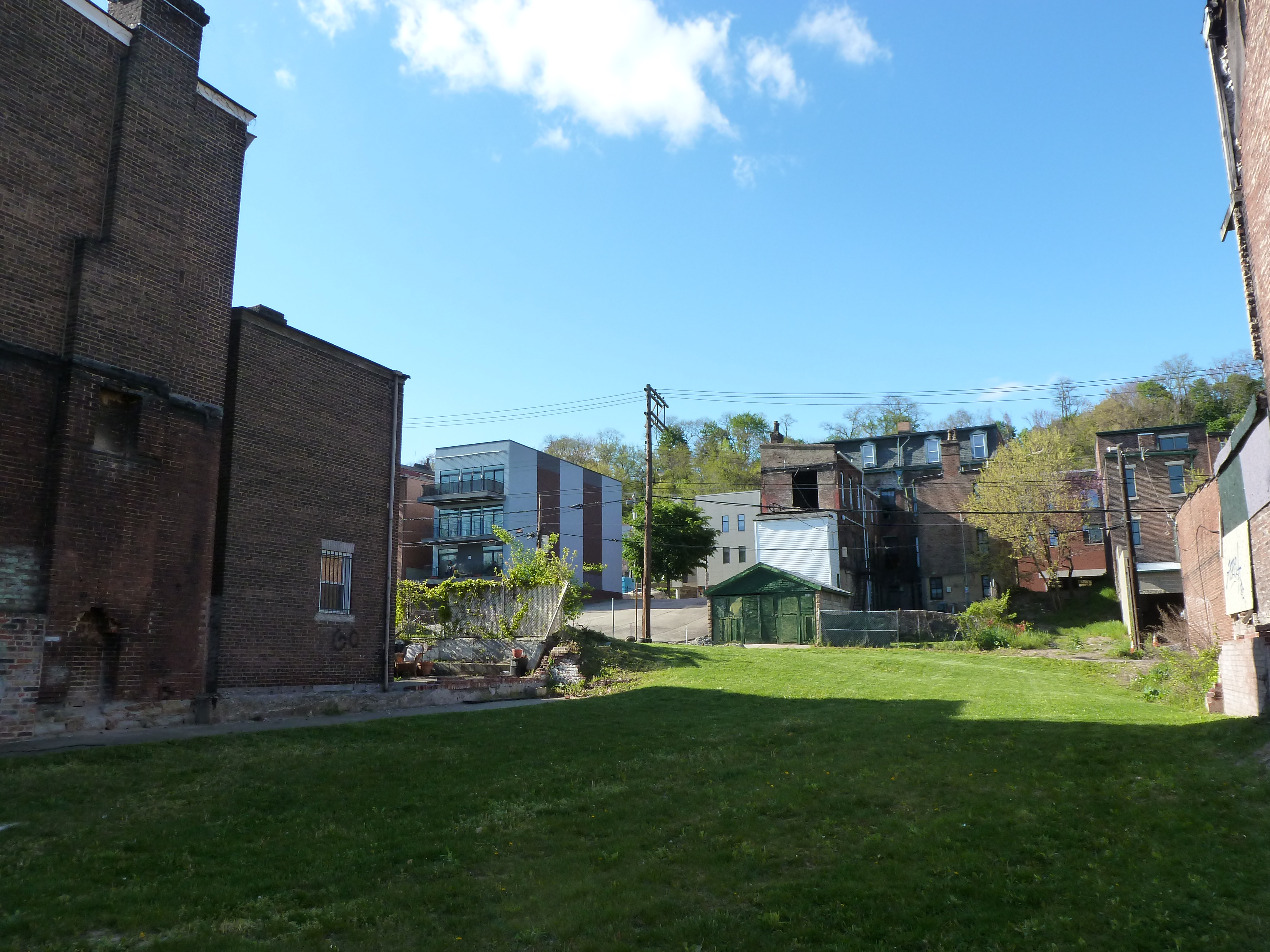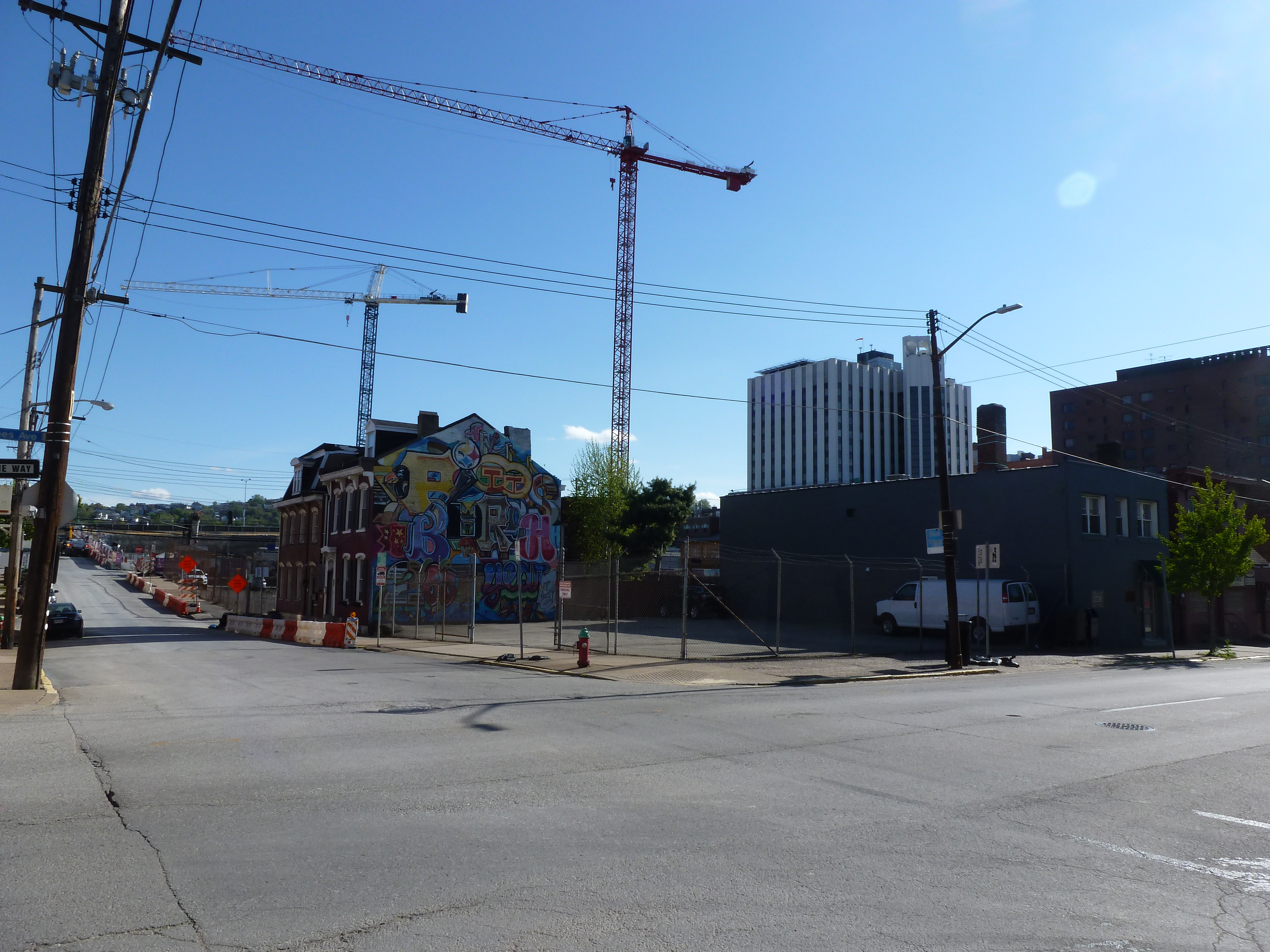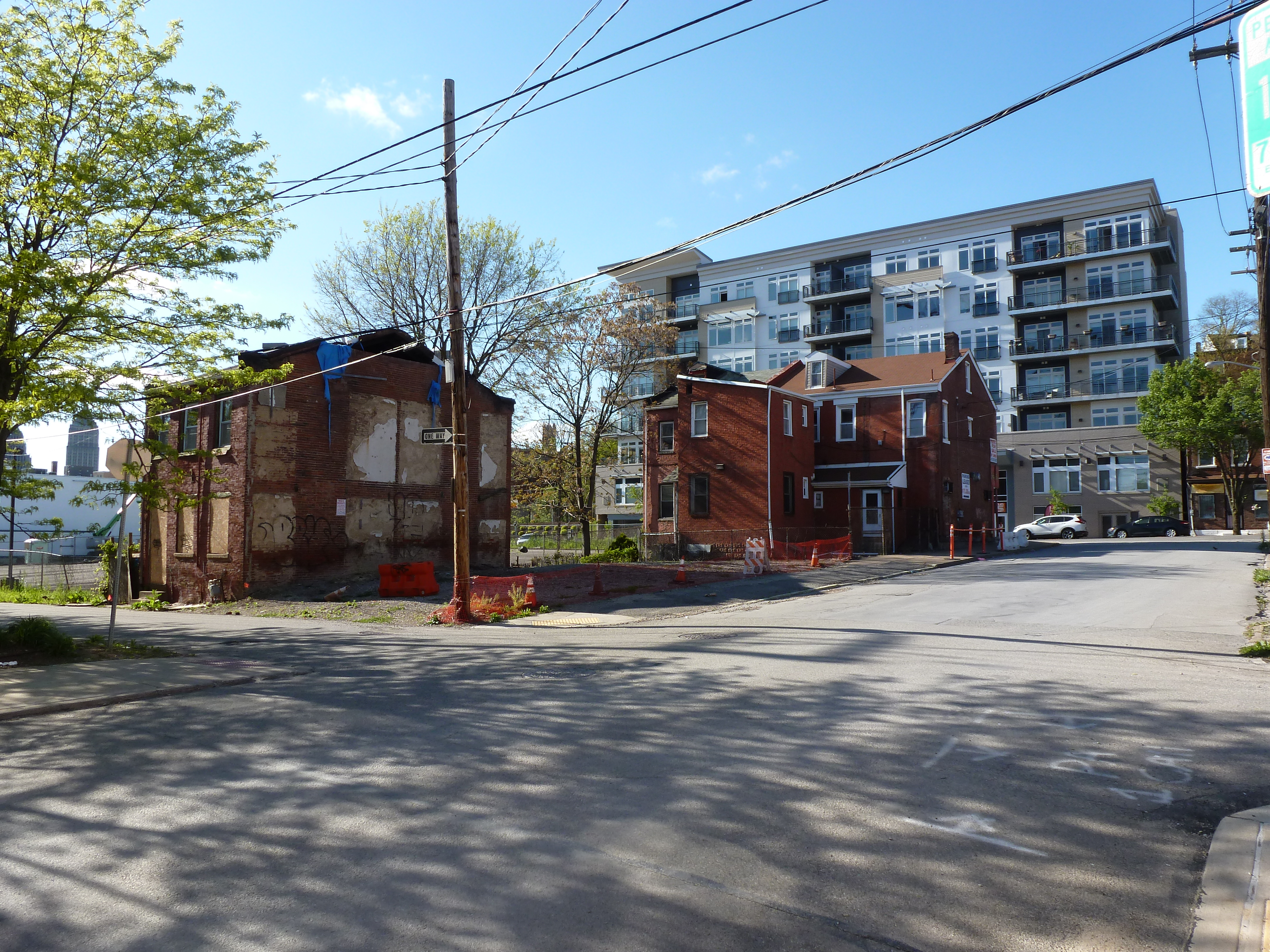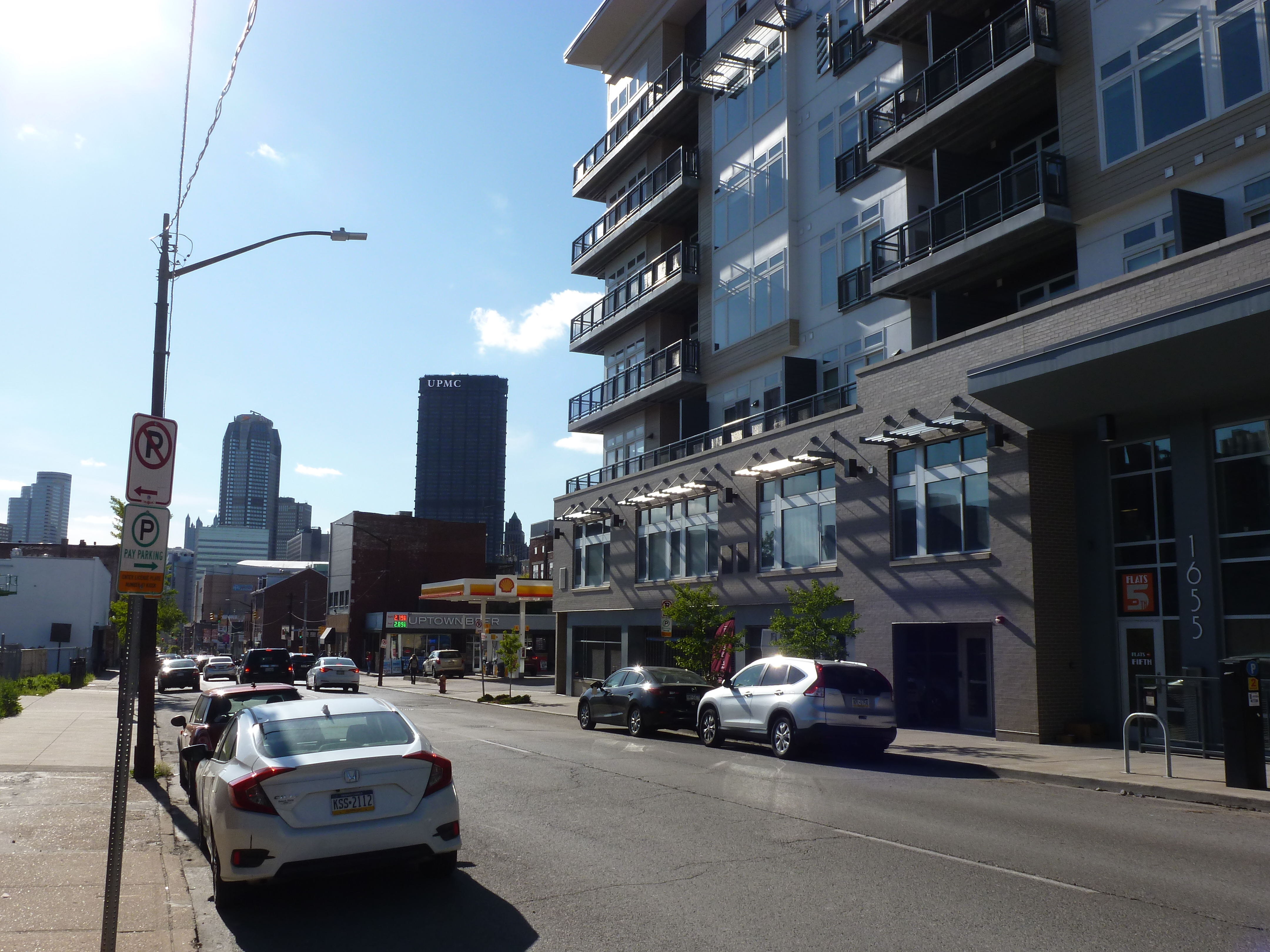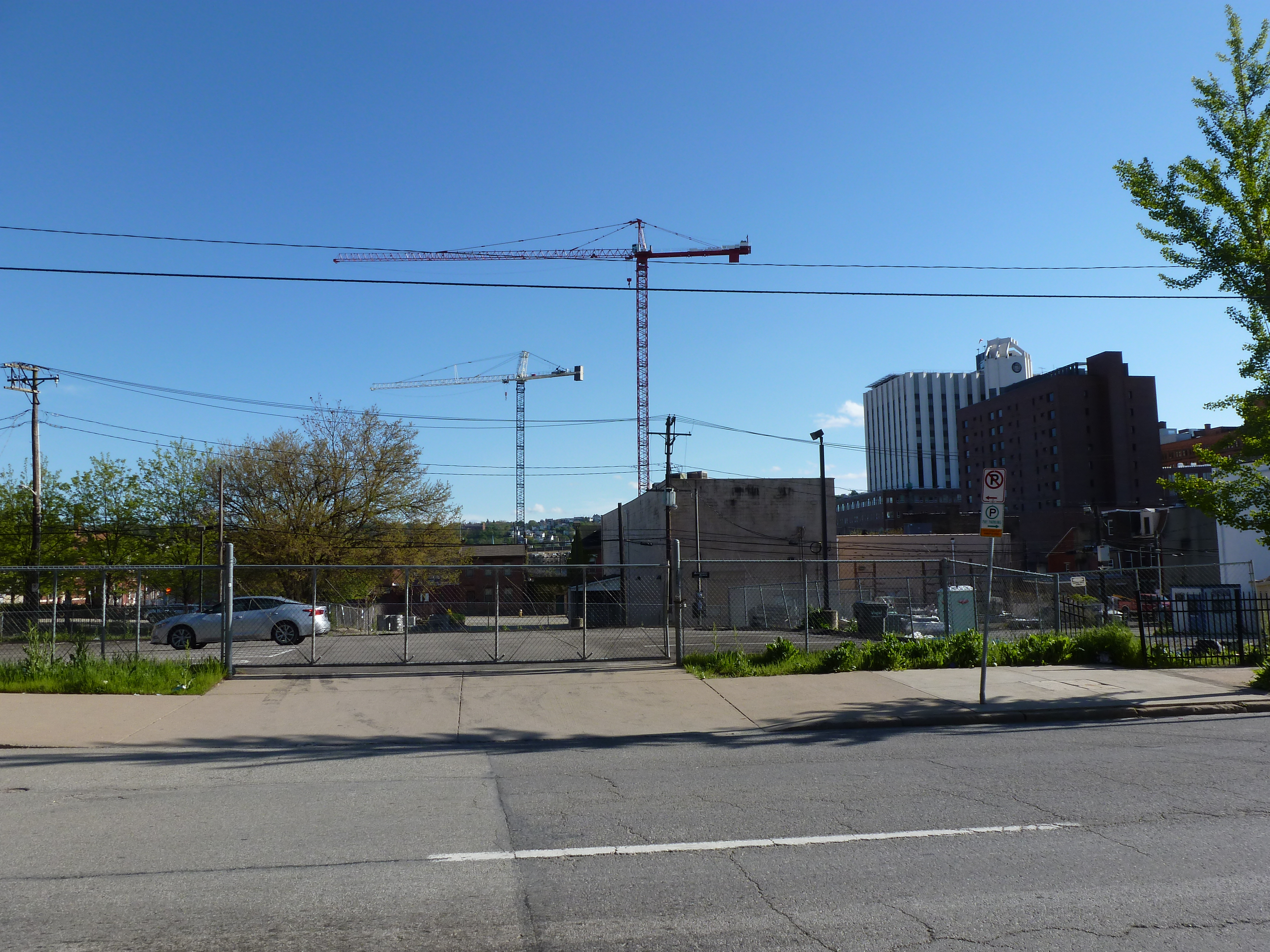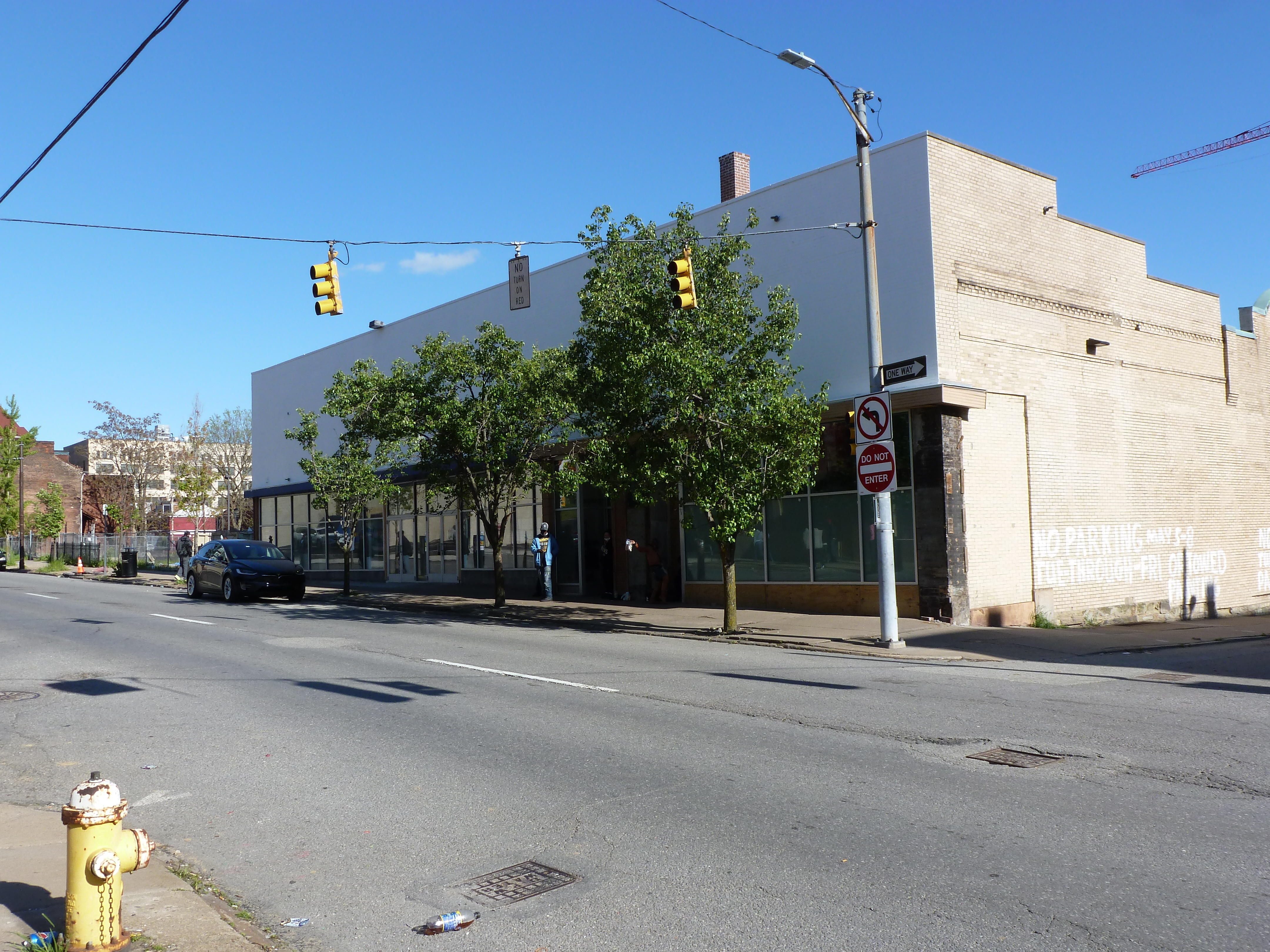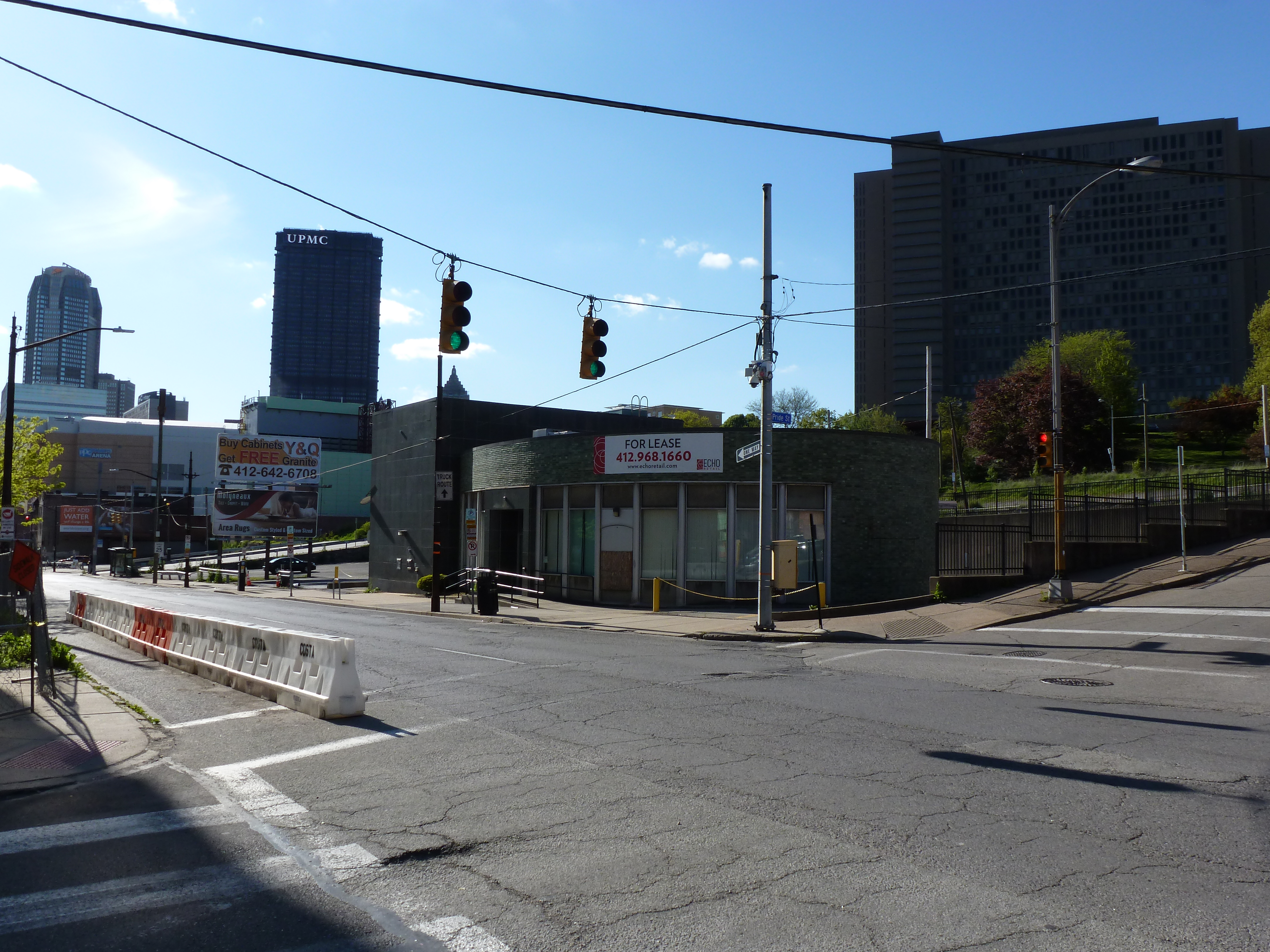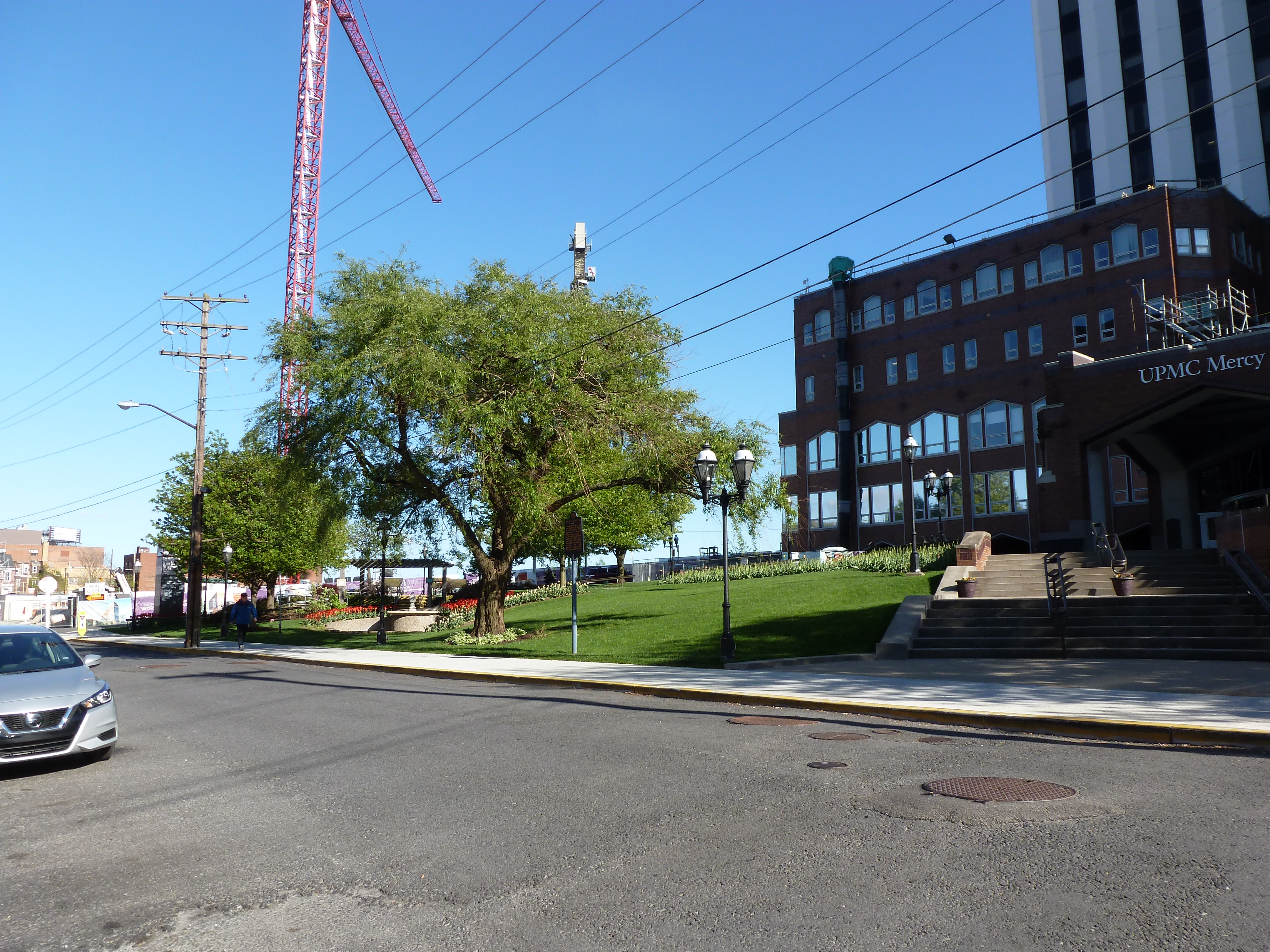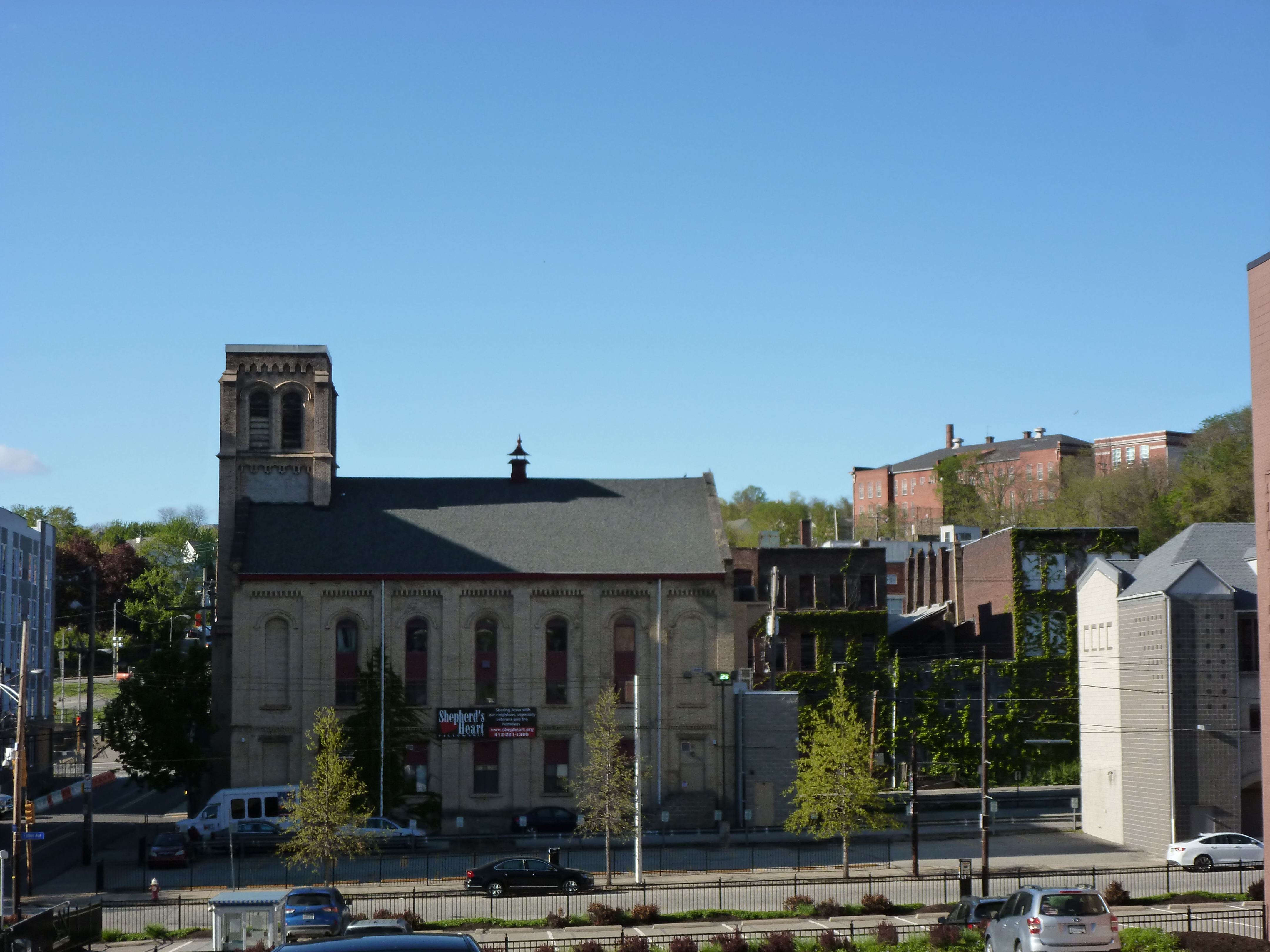
Keeping an Eye on the Lower Hill: Jun. 2020

Lower Hill in the News:

Mayor’s Press Release (May 5, 2020)

Penguins Stop Development (Public Source, May 14, 2020)

Penguins Pull Out (Trib, May 14, 2020)

Penguins Back Out (WPXI, May 15, 2020)

Penguins Cease Redevelopment (Patch, May 15, 2020)

Penguins Halt Lower Hill Development (WESA, May 18, 2020)

Mayor’s Press Release (May 20, 2020)

Mayor Urges URA to Approve Development (Trib, May 20, 2020)

URA Explanation of Community Benefits

URA Board Votes to Move Lower Hill Development Forward (May 21, 2020)

URA Board Approves Development Project (WPXI, May 21, 2020)

Never Mind, Penguins Back In (WTAE, May 21, 2020)

President Trump Tweets about BRT Grant Award (May 29, 2020)


Previous posts in series:

Keeping an Eye on the Lower Hill: Jan. 2020

Keeping an Eye on Uptown: Introduction

Keeping an Eye on the CAP: Jun. 2020


Previous posts in series:

Keeping an Eye on the CAP: Dec. 2019

Keeping an Eye on Uptown: Introduction

Keeping an Eye on Uptown: May 2020

Uptown in the News:

UPMC Vision Plans (December 16, 2019)

Duquesne University Plans Expansion (December 18, 2019)

Uptown Art: The “Tiger King” Comes to Uptown (March 29, 2020)

Ecoinnovation District Plan wins Award (May 5, 2020)


Previous posts in series:

Keeping an Eye on Uptown: Nov. 2019

Keeping an Eye on Uptown: Introduction

Keeping an Eye on the Lower Hill: Jan. 2020


Lower Hill Redevelopment in the news:

October 8, 2019, Post-Gazette: Lacing the skates: Former Civic Arena redevelopment may be ready to roll

October 9, 2019, Post-Gazette: First wave of ex-Civic Arena site redevelopment would add garage, music and maybe money for Hill projects

October 10, 2019, KDKA: Urban Redevelopment Authority To Vote On Civic Arena Site Plans

October 10, 2019, Tribune-Review: Pittsburgh redevelopment authority postpones vote on construction at Civic Arena site

October 18, 2019, Tribune-Review: Pittsburgh authority gives preliminary OK for development of former Civic Arena site

October 18, 2019, WESA: URA Vote Sets the Stage for Lower Hill Development in Spring 2020

October 18, 2019, WPXI: City board green lights former Civic Arena site redevelopment

October 21, 2019, Arena Digest: Civic Arena Redevelopment Plan Moves Forward


Lower Hill Redevelopment project sites:

Lower Hill Redevelopment

Sports and Exhibition Authority

Urban Redevelopment Authority


Keeping an Eye on Uptown: Nov. 2019


Keeping an Eye on Uptown: Introduction

Inspired by my post from this summer, I decided to start a photographic series of Pittsburgh’s Uptown neighborhood. This neighborhood is a hodgepodge of abandoned and renovated townhomes, parking lots, car-oriented businesses, corner stores, industrial uses, and new construction residential buildings. It is predicted to be on a tipping point from being mostly ignored to experiencing intense growth fueled by activities in and around the neighborhood. These activities include:

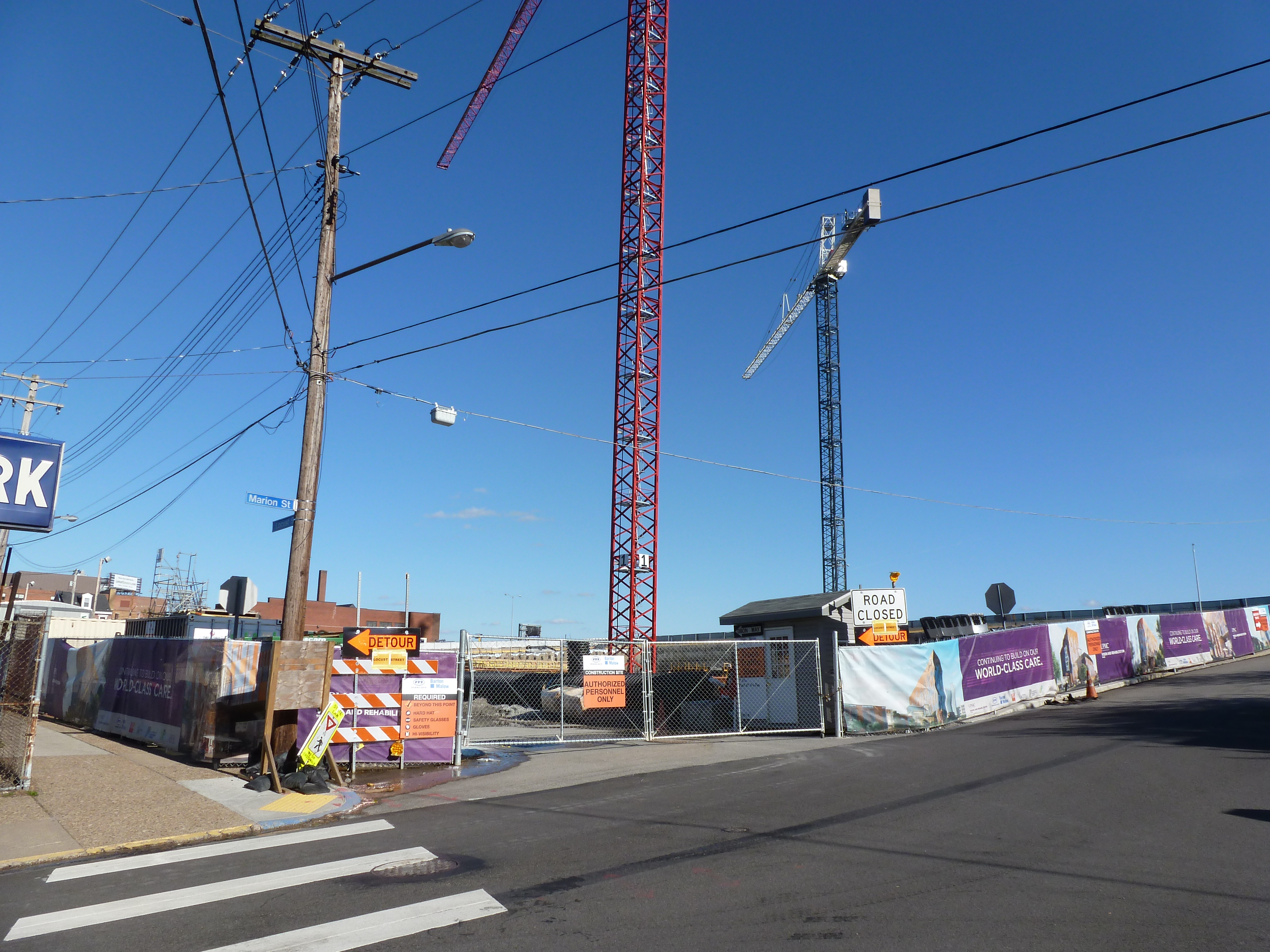
  • UPMC Mercy hospital is currently building a 410,000 sq ft vision and rehabilitation center in the middle of Uptown.
  • The Penguins hockey team is supposed to be finally getting off the ground with their redevelopment of the Lower Hill neighborhood, which is adjacent to Uptown.
  • June 2019 saw the groundbreaking for the CAP project to reconnect the Lower Hill to Downtown over the freeway that bisected the two in the 1960s.
  • The Bus Rapid Transit system currently in the planning stage will one day connect Downtown and Oakland through Uptown.

As these projects move forward, there will likely be more investment and changes to Uptown. This photographic series is intended to capture these changes by revisiting the same sites at regular intervals over the next several years.

In the coming months, I intend to release two related series to record the progress of the CAP and the Lower Hill redevelopment.

Utility Siloes Part 2


20180624_080041 (2)

Dismantling in progress (6/24/2018)


After continued observations, I need to modify some of my assumptions in the post Utility Siloes.  It turns out that the existence of the other utility wires attached to the poles does not prevent the old poles from being removed.  Instead, weeks after a new utility pole is installed, the remainder of the deteriorated pole is removed except for the chunk where the other wires are attached.


20180624_080058 (2)

Close-up of the dismantling (6/24/2018)

Perhaps the crew that removes poles is different than the crew that installs them.  Although, the installation team is able to lob off the top of the old pole after they transfer the wires to the new one.  Why then can’t they dismantle the rest of the pole at the same time?  And in the case of constricted locations, such as the feature of these posts, why can’t they located the new pole in the same location as the old one?


20180630_093623 (2)

Dismantling Complete (6/30/2018)


20180630_095652 (2)

View of another dismantled pole, the remaining chunk is secured to the new pole by a rope.


Utility Silos

20180421_133652 - Copy

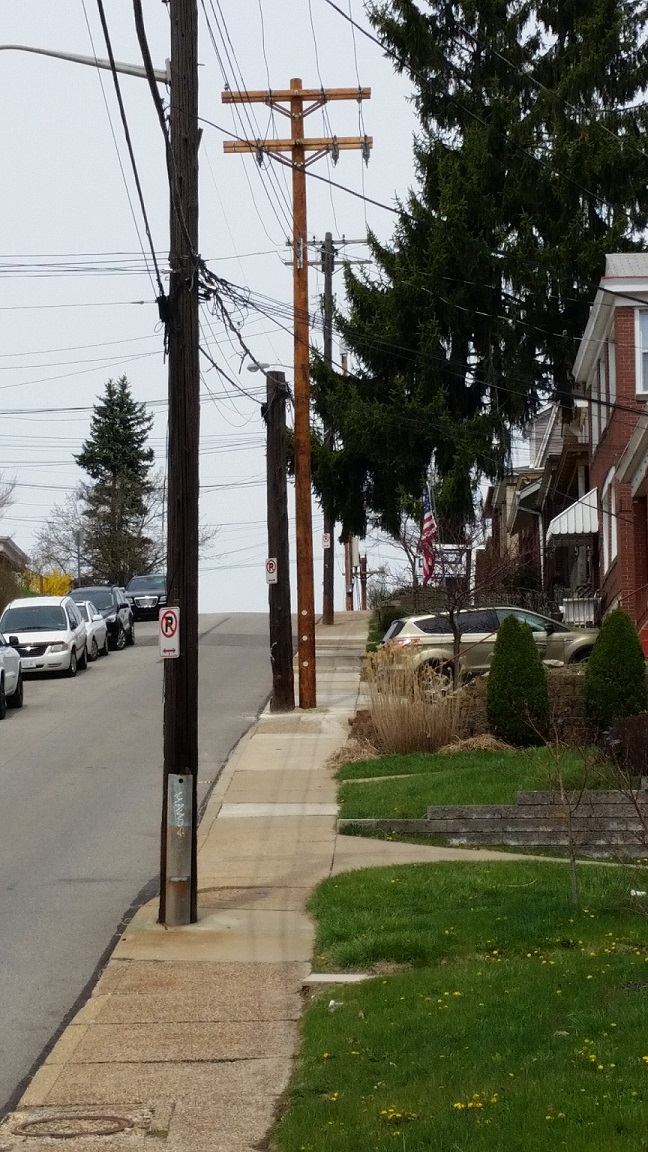
The obstruction from utility silos

This spring, the electric company went around my neighborhood installing replacement utility poles where the existing ones were on their last leg.  Watching them do this for a pole just down the street from me, I drew some conclusions about the interaction between the various companies that supply the different technologies available at our fingertips.  The electrical company owns the poles and the electric wire, but other companies own the other fiber optics and cables that use the poles.  The electric company installs new poles when the existing ones are deteriorated.  Once installed, they transfer the electric lines to the new pole.  The old pole is left with all the other lines in place, until the companies that own the rest of the lines transfer them to the new pole.

This arrangement seemed relatively harmless as I watched it in action near my house, but then I found the example above.  In this case, the rigidity of the silos and jurisdictions of the various companies created a physical barrier in the neighborhood that will likely be in place for the next 35 years or so, until the pole is ready to be replaced.  This is in direct contradiction to the City’s initiatives for greater accessibility illustrated by the sidewalk curb ramps installed within the last year at the intersections on either side of this pole.

20180421_133736 - Copy

Close-up showing the curb, the old pole, the new pole, the foot of sidewalk left, and the combined driveways

The choices were limited for siting this new utility pole.  There are driveway curb cuts immediately adjacent on either side.  Therefore, to place the new pole in line with the existing poles would have partially blocked someone’s driveway.  Apparently, the silos are so entrenched that even under unusual circumstances such as these the various companies cannot work together so that a new pole can be placed in the exact same spot as the old pole.  The sidewalk that was already narrow and could not accommodate the recommended 5-foot clearance around obstructions is now nearly impassible and requires pedestrians to cross partially on the driveways.

I do not know if anyone paused before installing this new utility pole to ask if there was a different or better way to approach the situation.  From my experiences at my office in trying to work with others to design an approach that looks at the organization as a whole while still respecting and acknowledging each area of expertise and specialization, it is difficult to get all parties at the table to apply creative thinking and openness to how we can approach our work.  No doubt, even if someone was able to get all relevant parties involved in this utility pole to the table, they would have encountered similar challenges.

20180421_133844 - Copy

Evidence that the old poles eventually get removed and an example of where a new pole was placed next to the old along side the curb

Pedestrian Bridges: Bigelow Blvd

There is a pedestrian bridge across Bigelow Boulevard at the Bloomfield Bridge.  I walked this bridge before I started this blog and didn’t think to take a picture of the bridge itself.  Its appearance is similar to the Graham Street Pedestrian Bridge (see post) except that the fencing doesn’t connect overhead and does continue along the stairs.

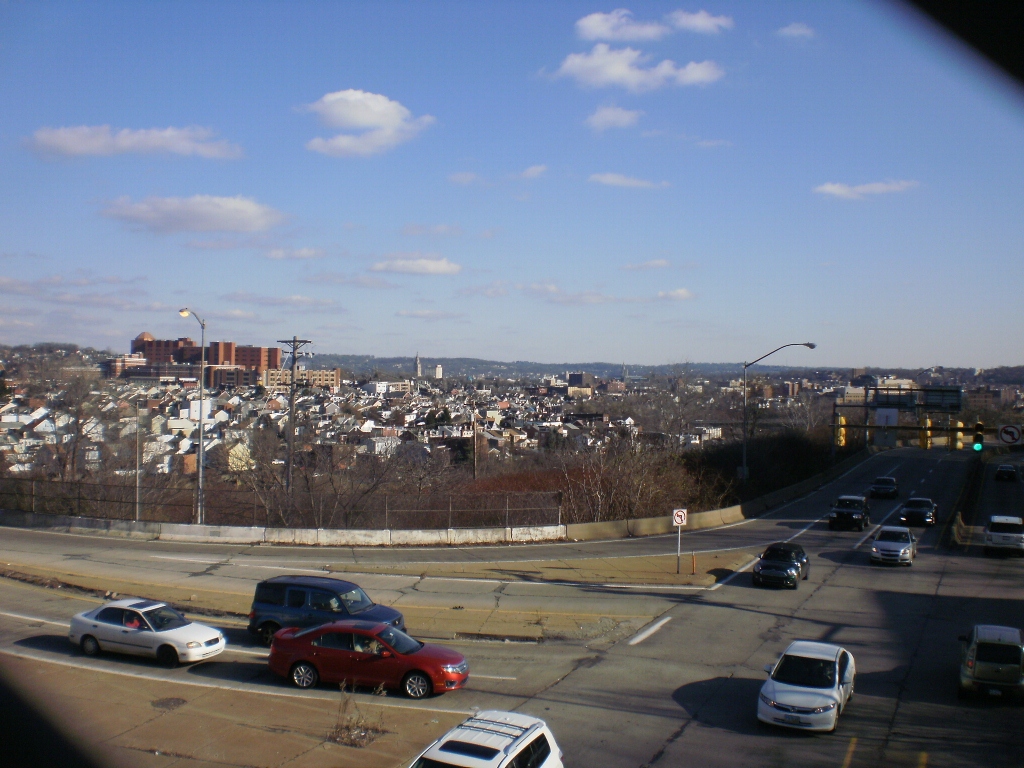
The picture above is from the Bigelow pedestrian bridge looking out over Pittsburgh’s East End.  The large brownish building on the left is West Penn Hospital in Bloomfield.  In the middle of the frame are two white points standing above the other buildings.  These are the steeple of East Liberty Presbyterian Church on the left and the Highland Building, also in East Liberty and designed by Daniel Burnham, on the right.

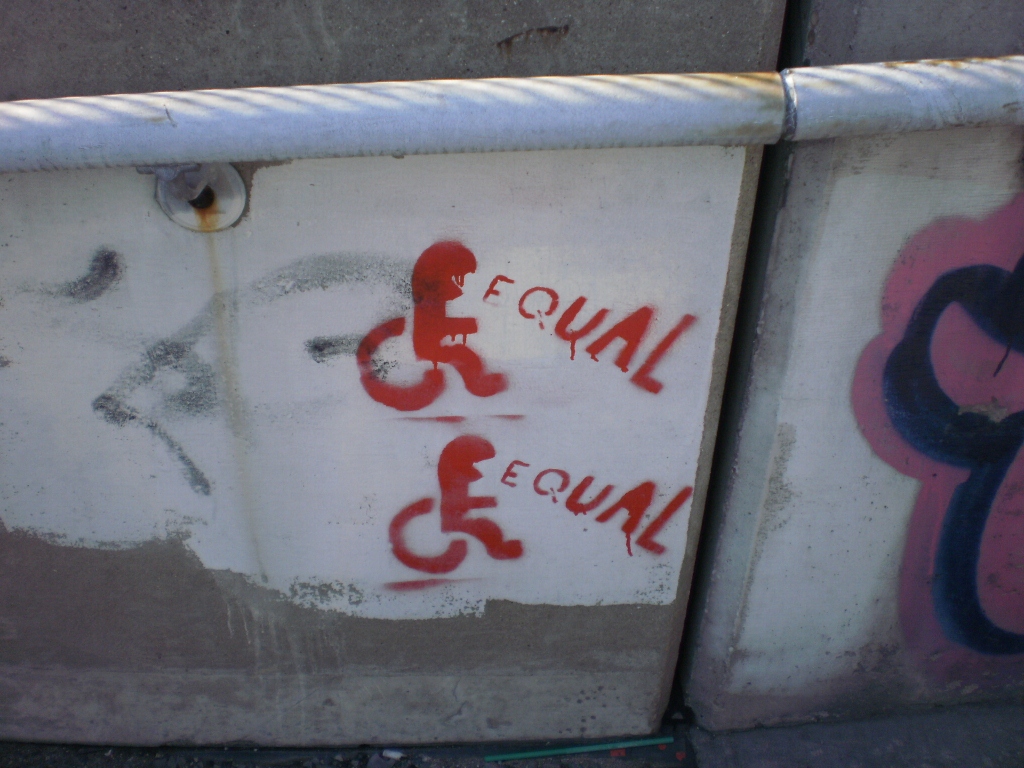
When I saw this symbol on the pedestrian bridge, I stopped to consider it.  This was the first time I had ever seen this symbol.  I thought whoever put it on this bridge had a very good point.  The only way to access the Bloomfield Bridge from Oakland and the uphill side of Bigelow Boulevard is by the pedestrian bridge, which is only accessible by a set of stairs on either side.  As such anyone with a mobility disability is barred from using the Bloomfield Bridge as a pedestrian.  The way the intersection of the bridge and the boulevard is set up now, it would not be safe for any pedestrian to attempt to cross the streets, let alone one with a disability.  This is a unequal and limiting situation.  There is a grocery store across from the other end of the bridge and a drug store and restaurants within another block.  Up the hill from this side of the bridge is a residential area.  The other end of the Bloomfield Bridge is the residents closest area for essentials found at grocery and drug stores as well as entertainment found at restaurants and bars.  It would be highly convenient for the residents on the hill to be able to walk to this area; however the current situation limits who is able to use this resource.  (Not to mention the ugliness of the bridge and the intersection which probably discourages many people from even considering the short walk across the Bloomfield Bridge.)

The second time I saw this graffiti symbol was on the 16th Street Bridge (see post).  I could not figure out what statement, if any, the 16th Street Bridge one was trying to communicate.  As far as I could tell, that bridge is accessible to any pedestrian with or without mobility issues.  At least there are no stairs to contend with at either end.