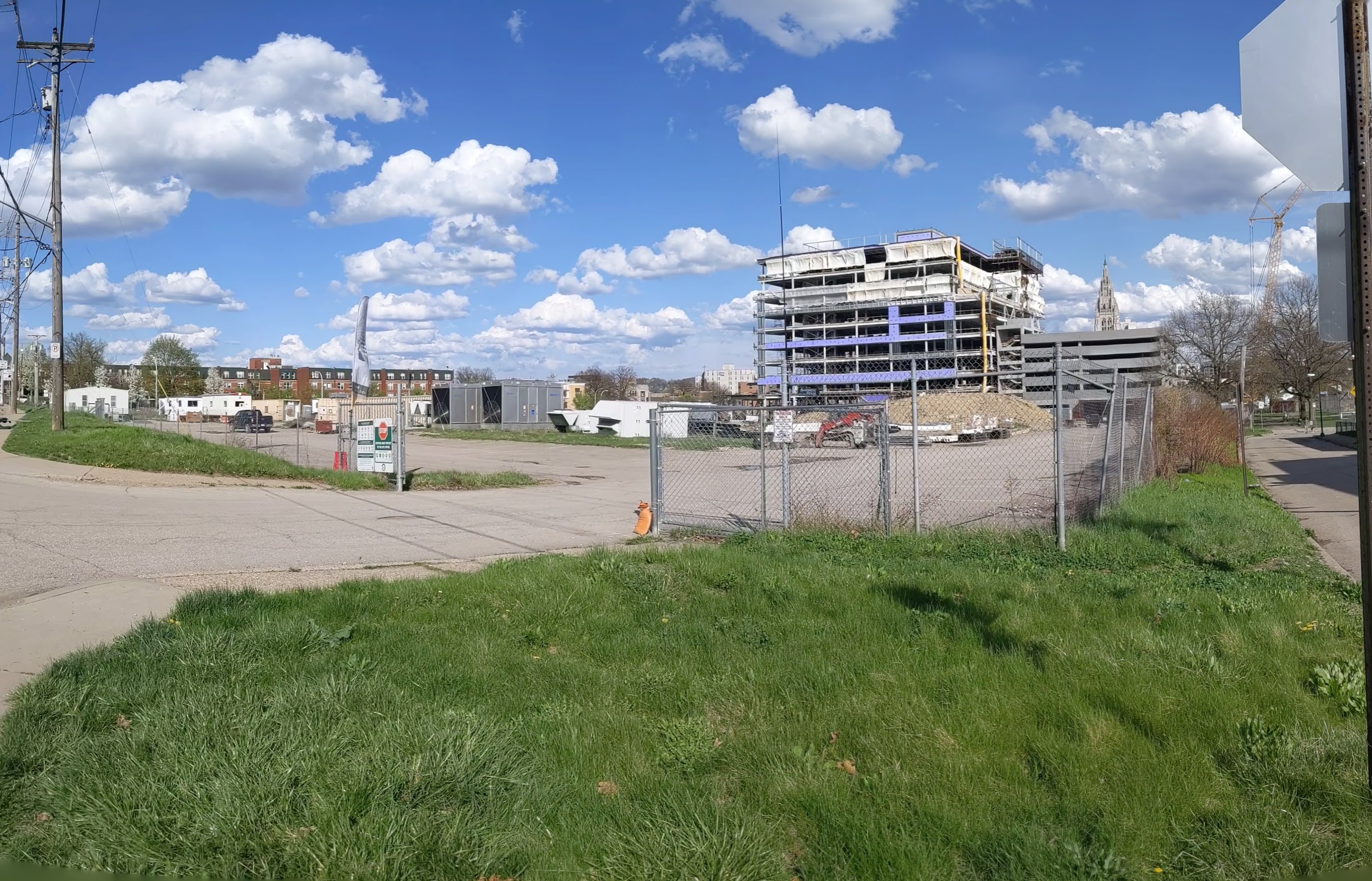
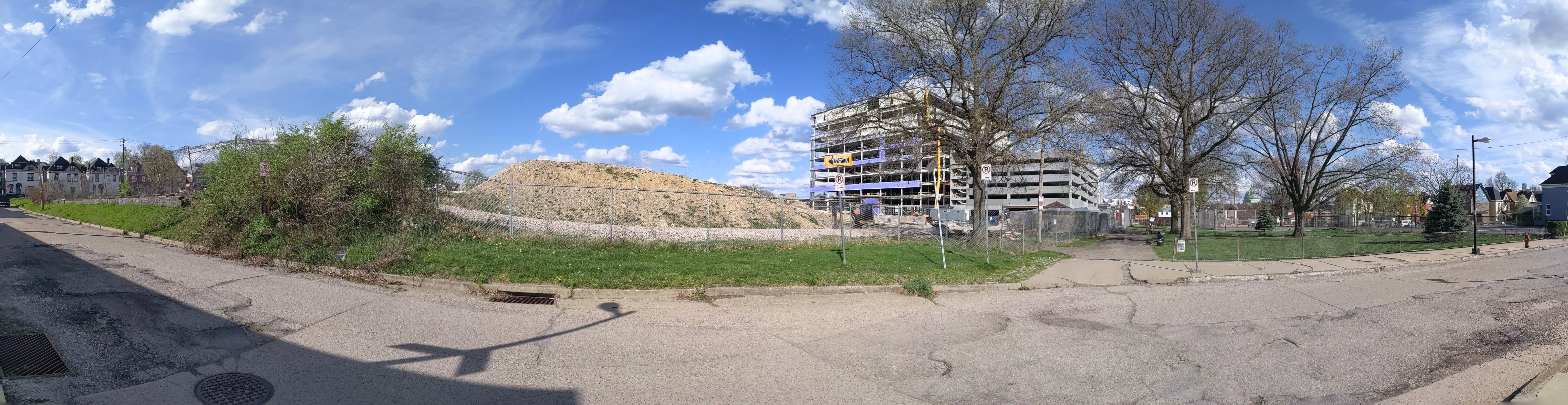
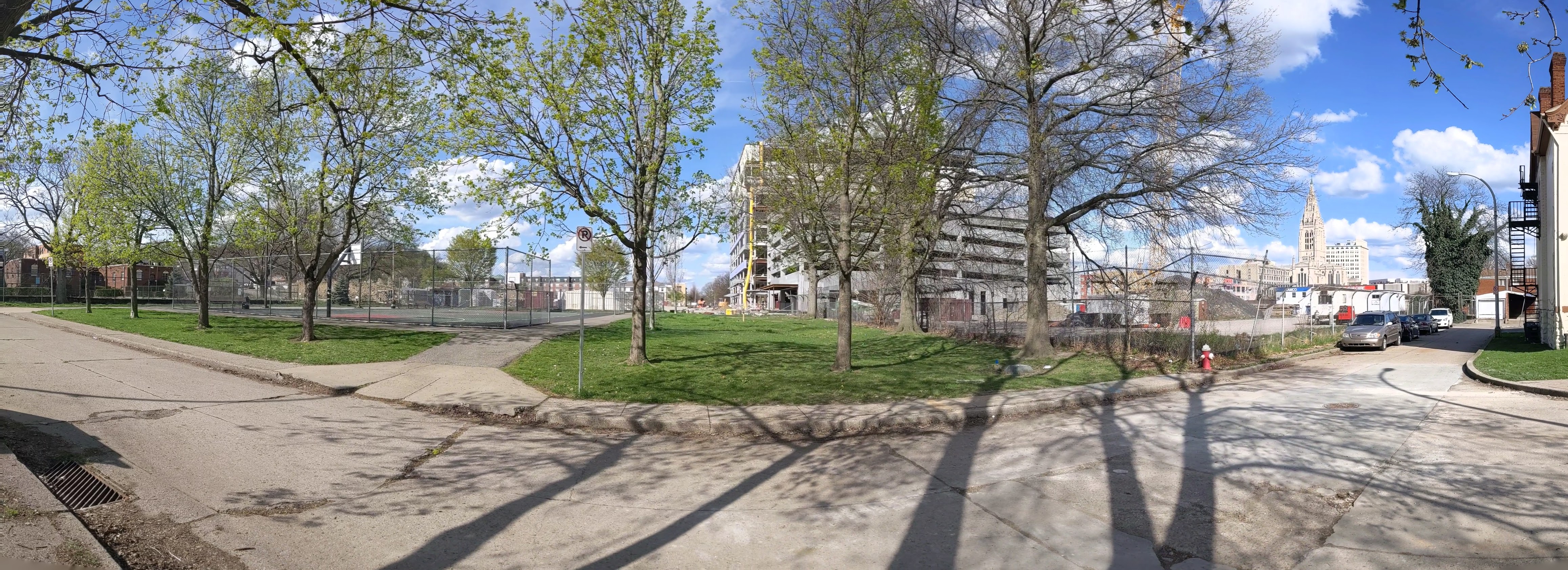
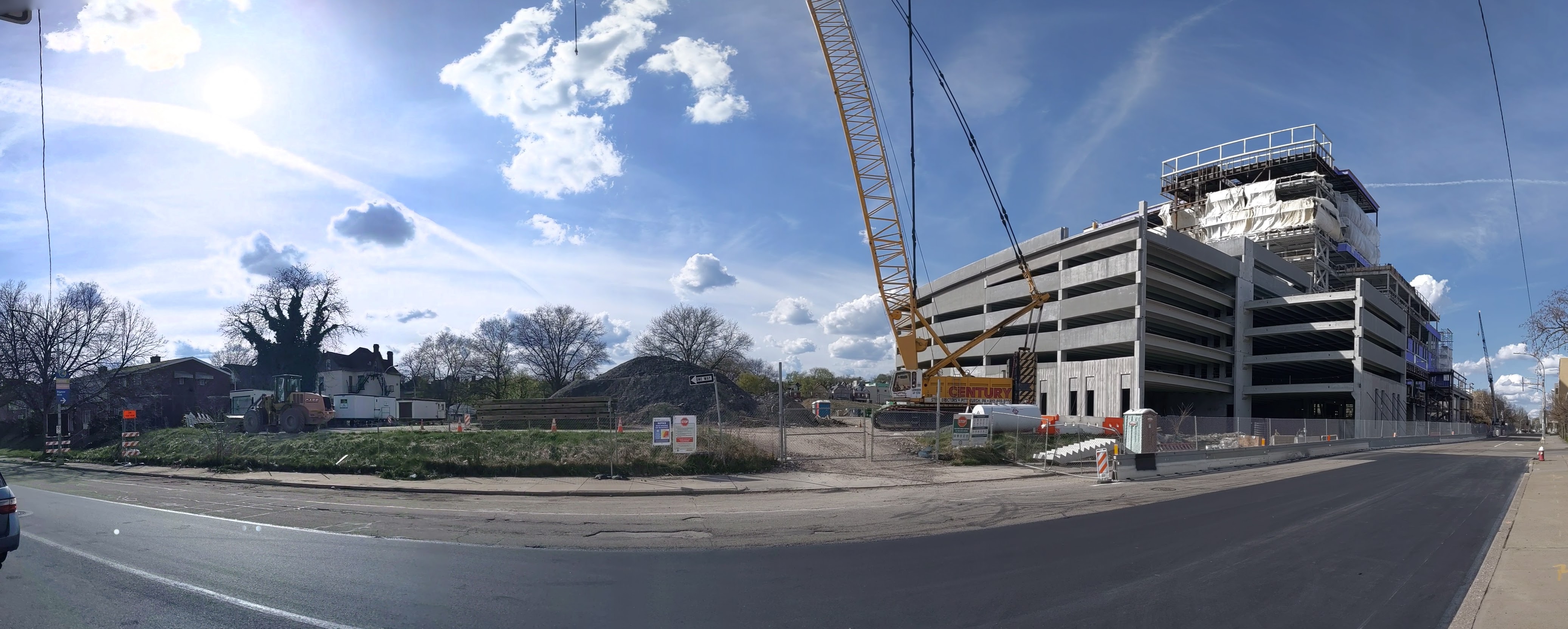
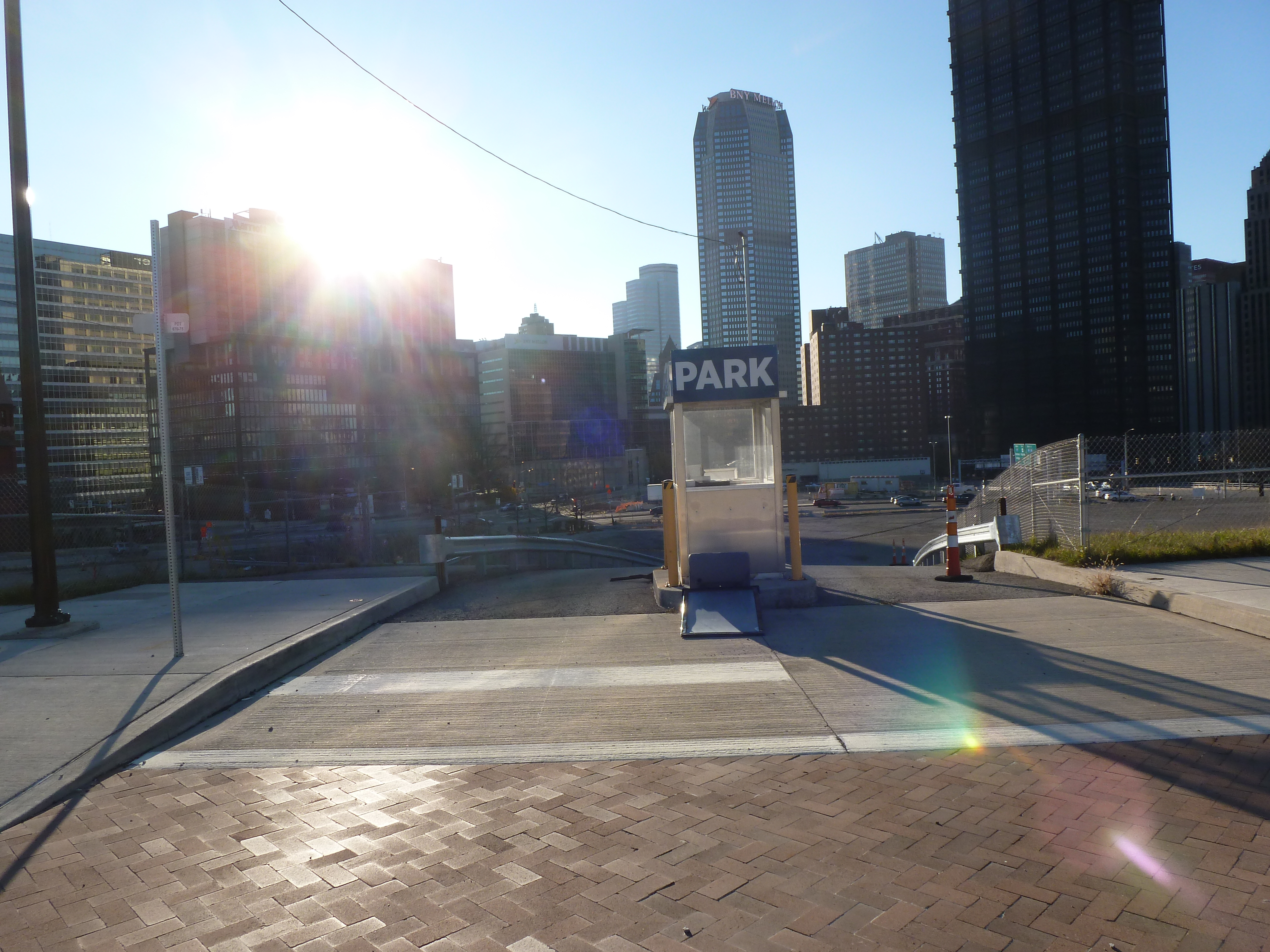
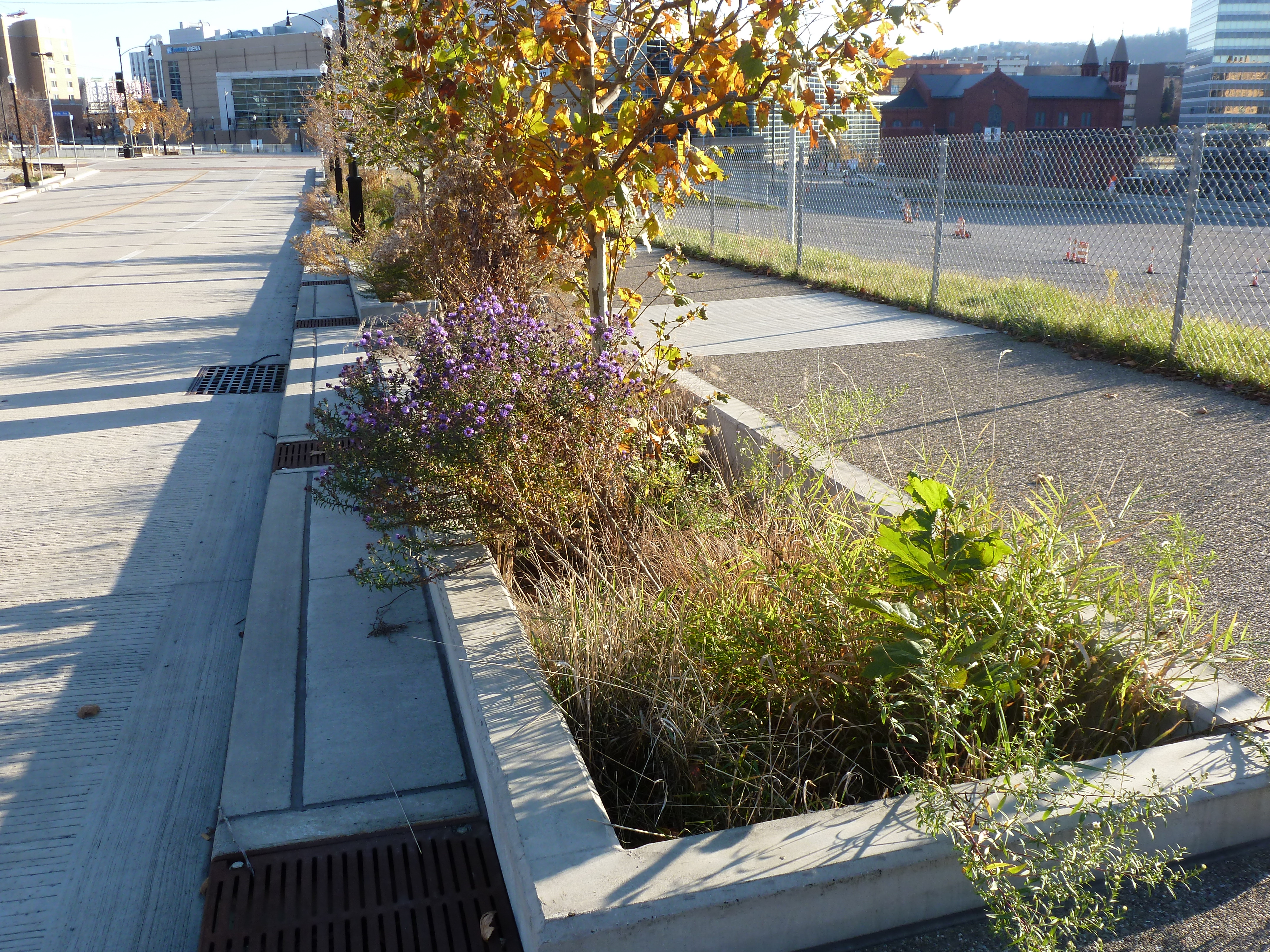
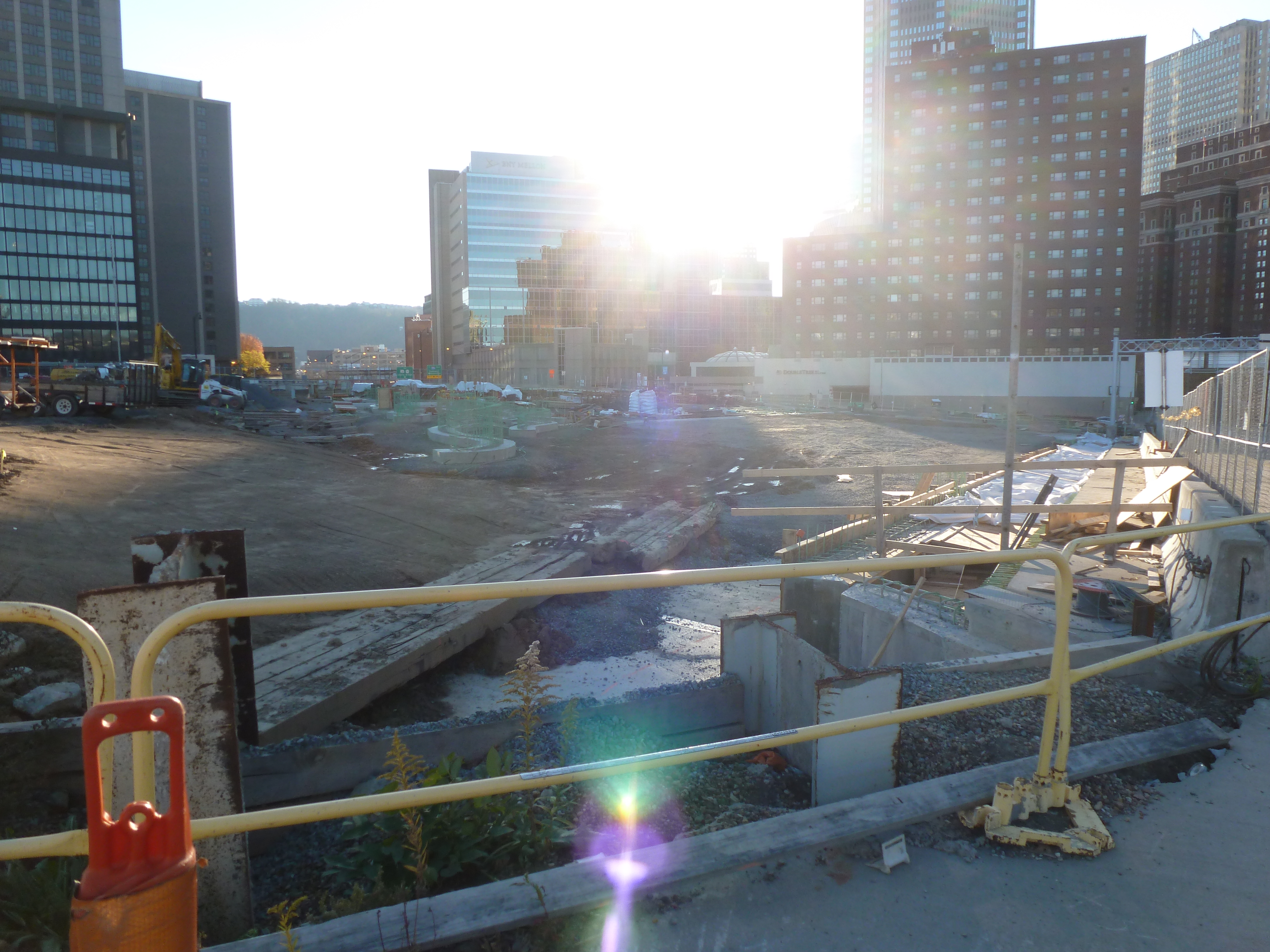
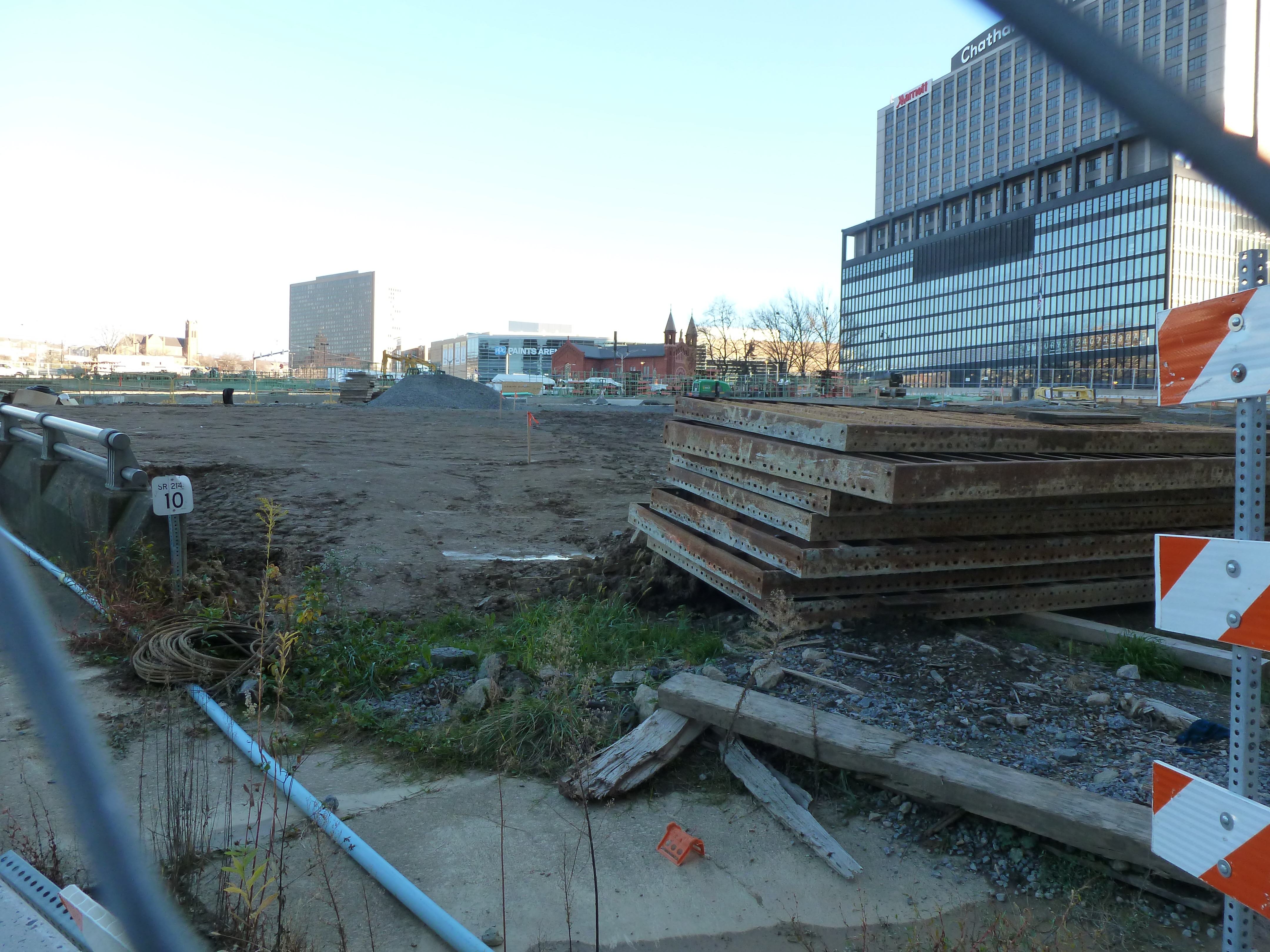
Keeping an Eye on Penn Plaza – Apr. 2021

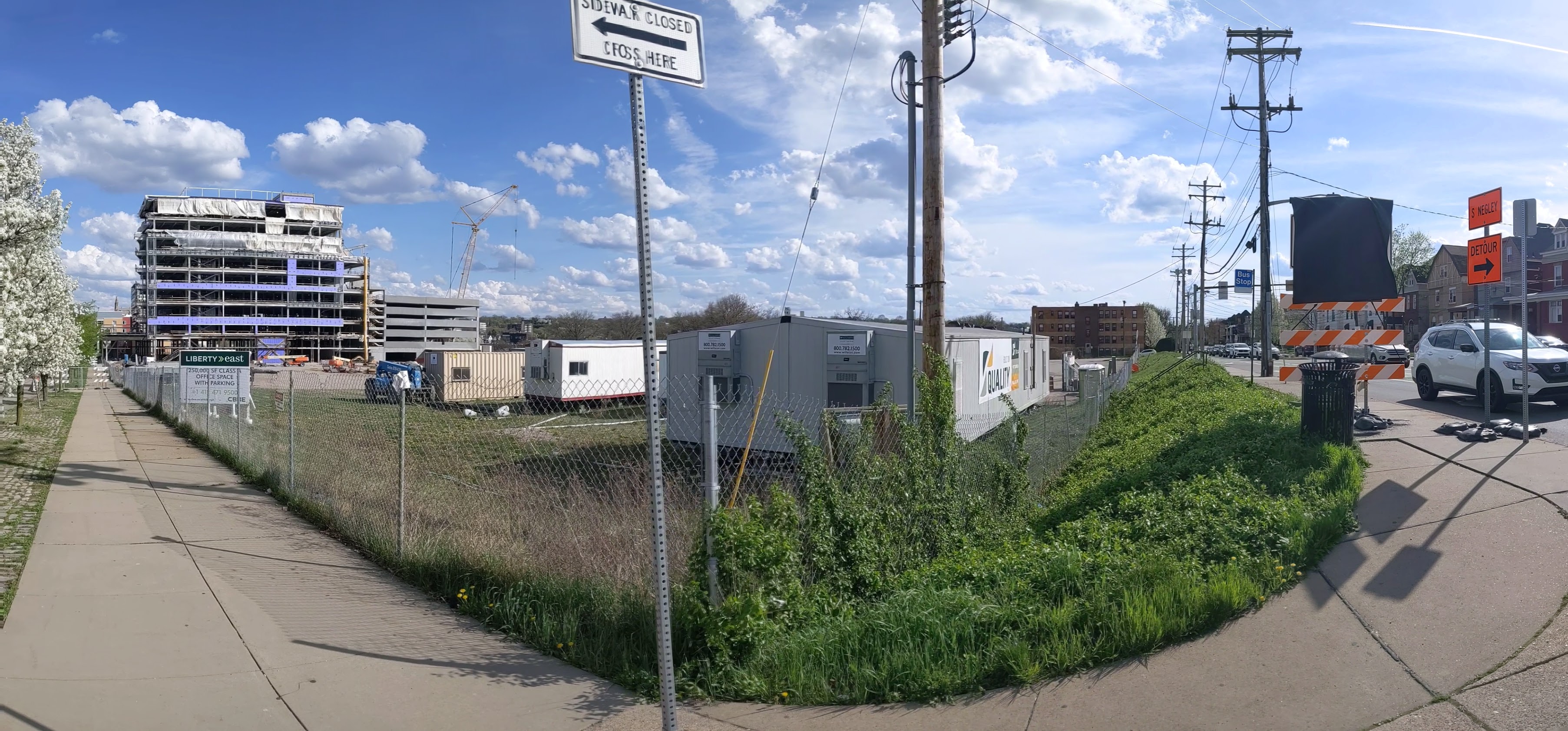
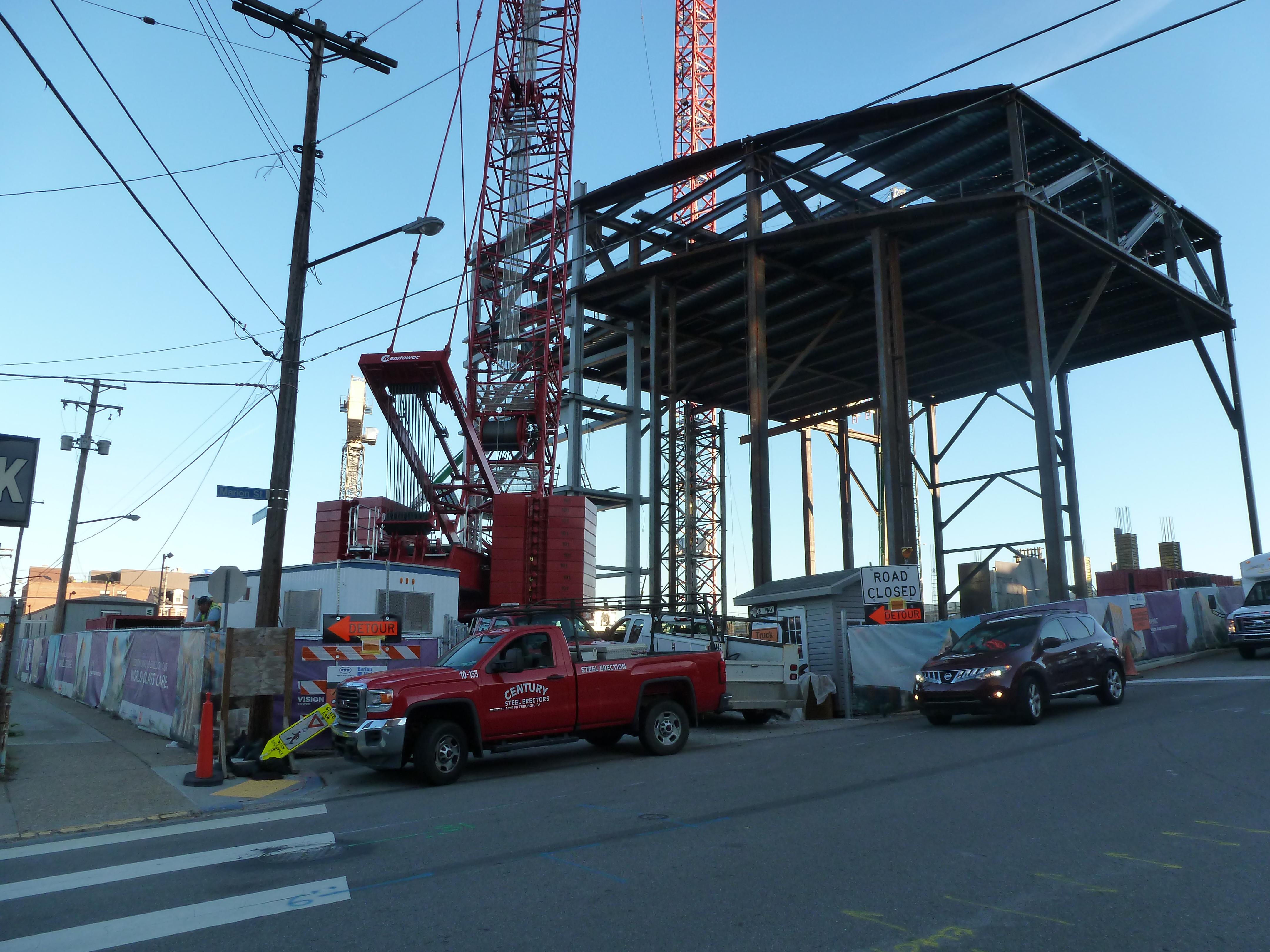
“@#$%&!” slipped out of my mouth when I was several blocks away from the former Penn Plaza site and I saw a hulking behemoth of a building looming high above the surrounding neighborhood. In it’s current state, the new development appears to be as tall as the Daniel Burnham apartment building on Highland Ave opposite East Liberty Presbyterian Church, which is much taller than any other structure remaining in the neighborhood besides the church. While I had seen the early drawings of the proposed development when I worked at the City, I was bowled over by seeing the actual size and how it has no relation to the surrounding neighborhood.

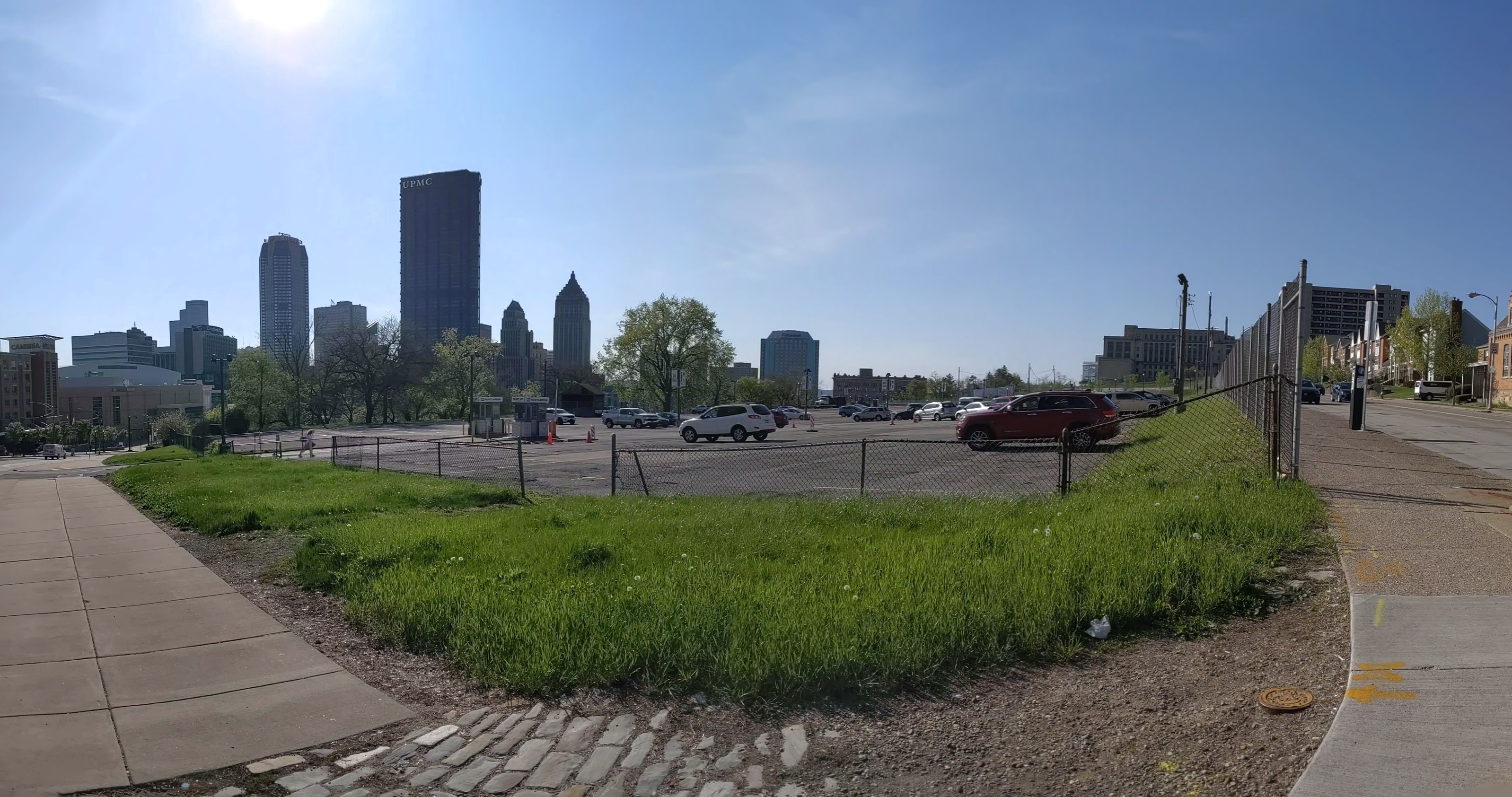
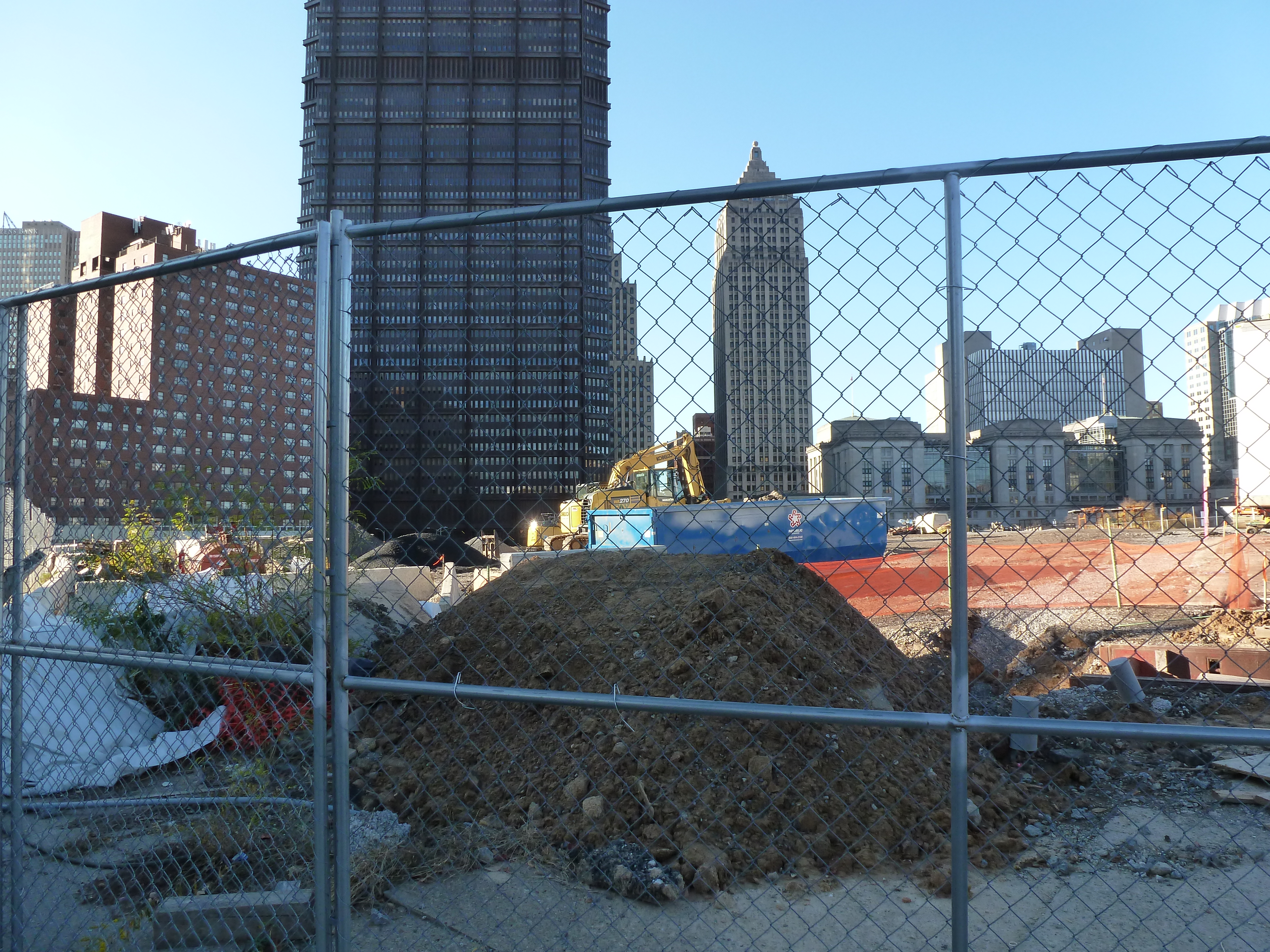
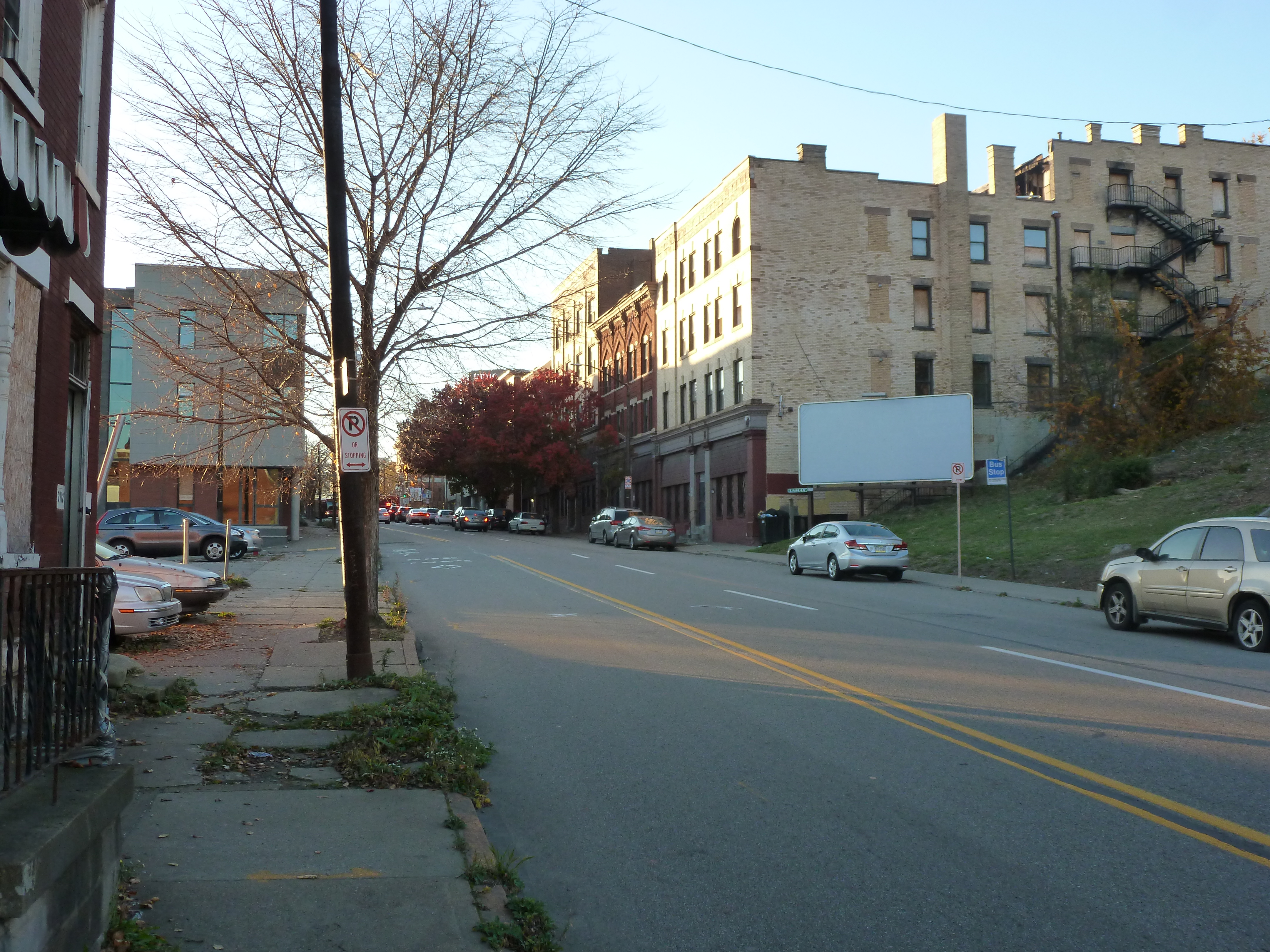
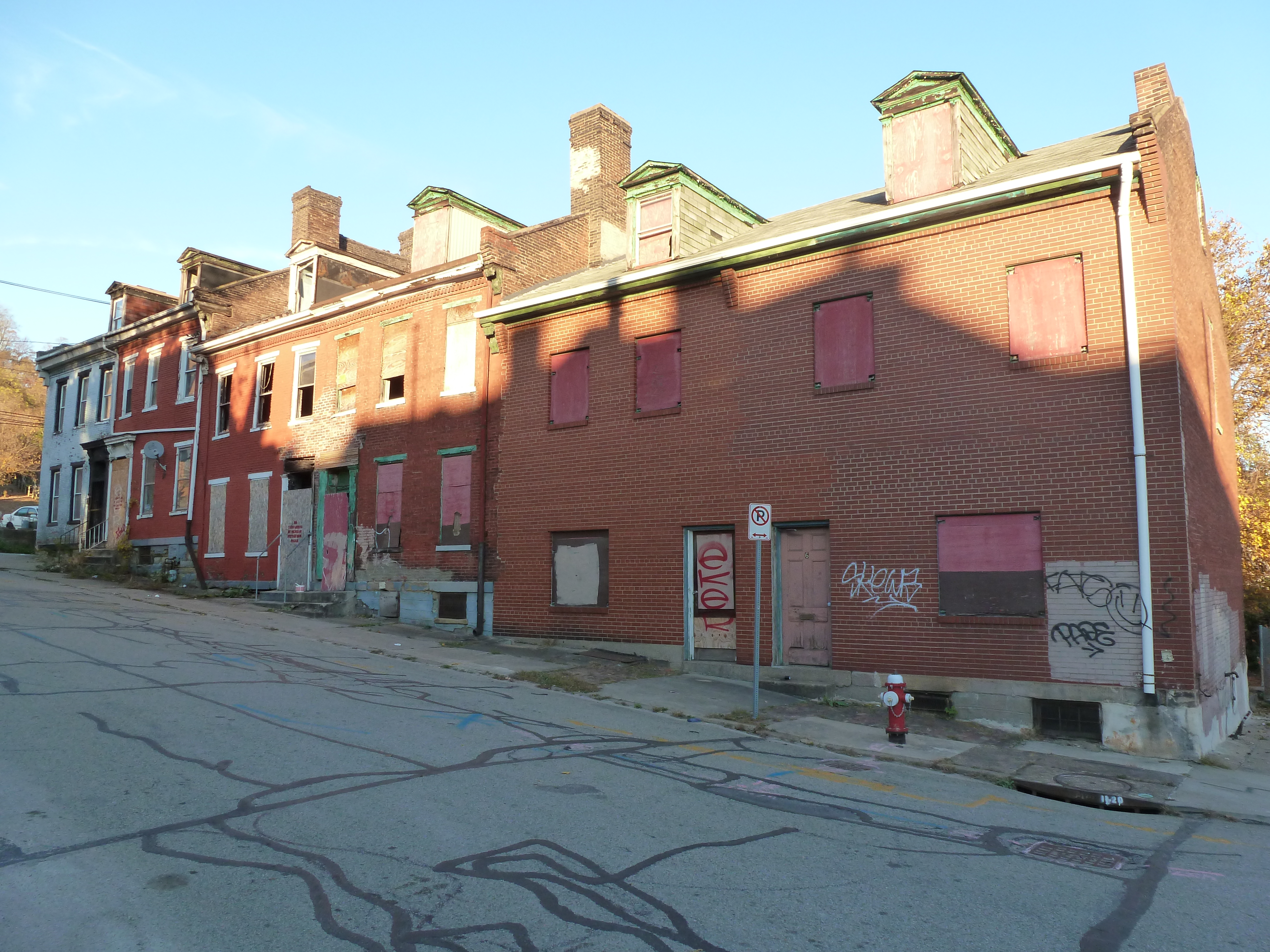
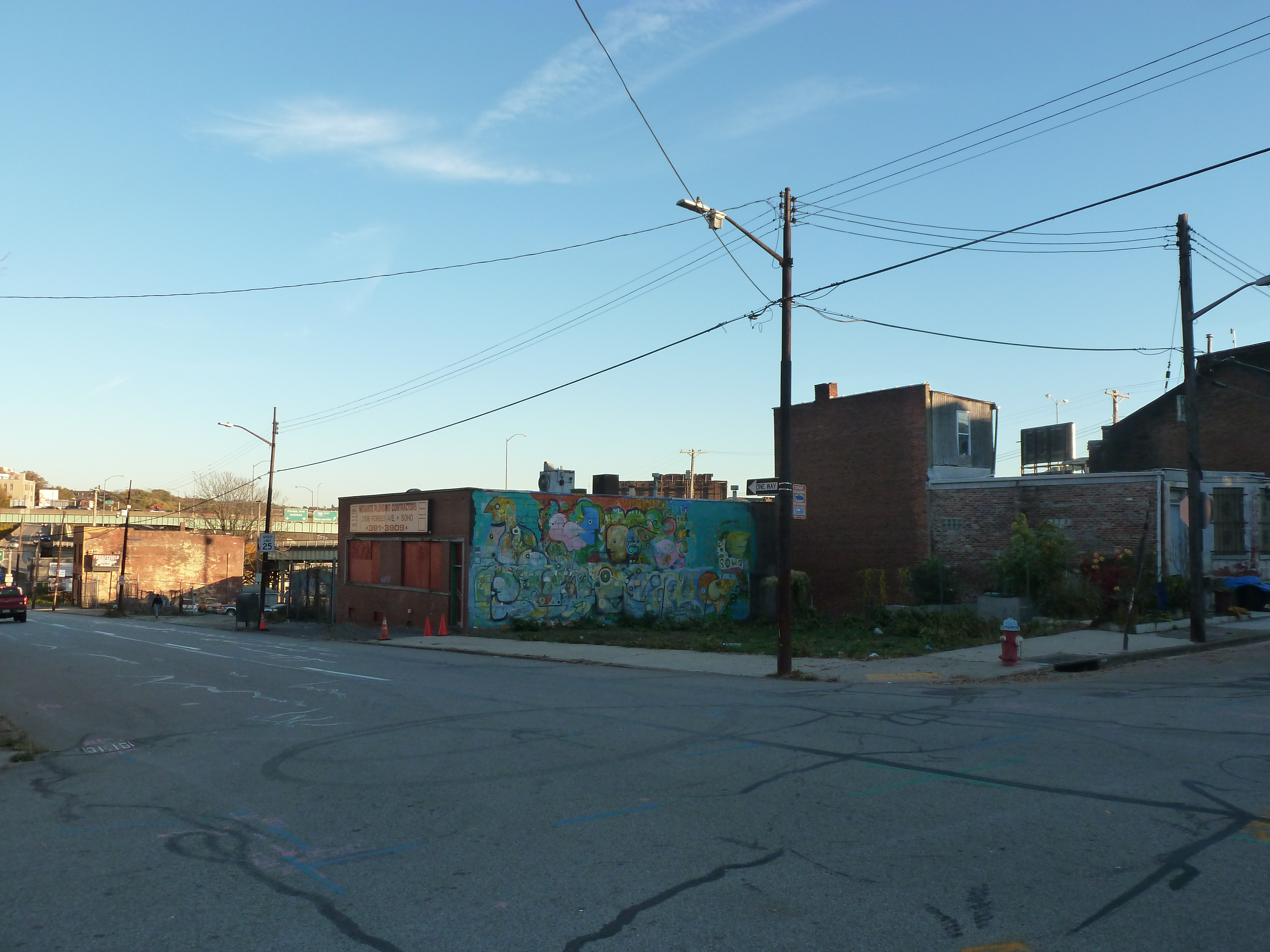
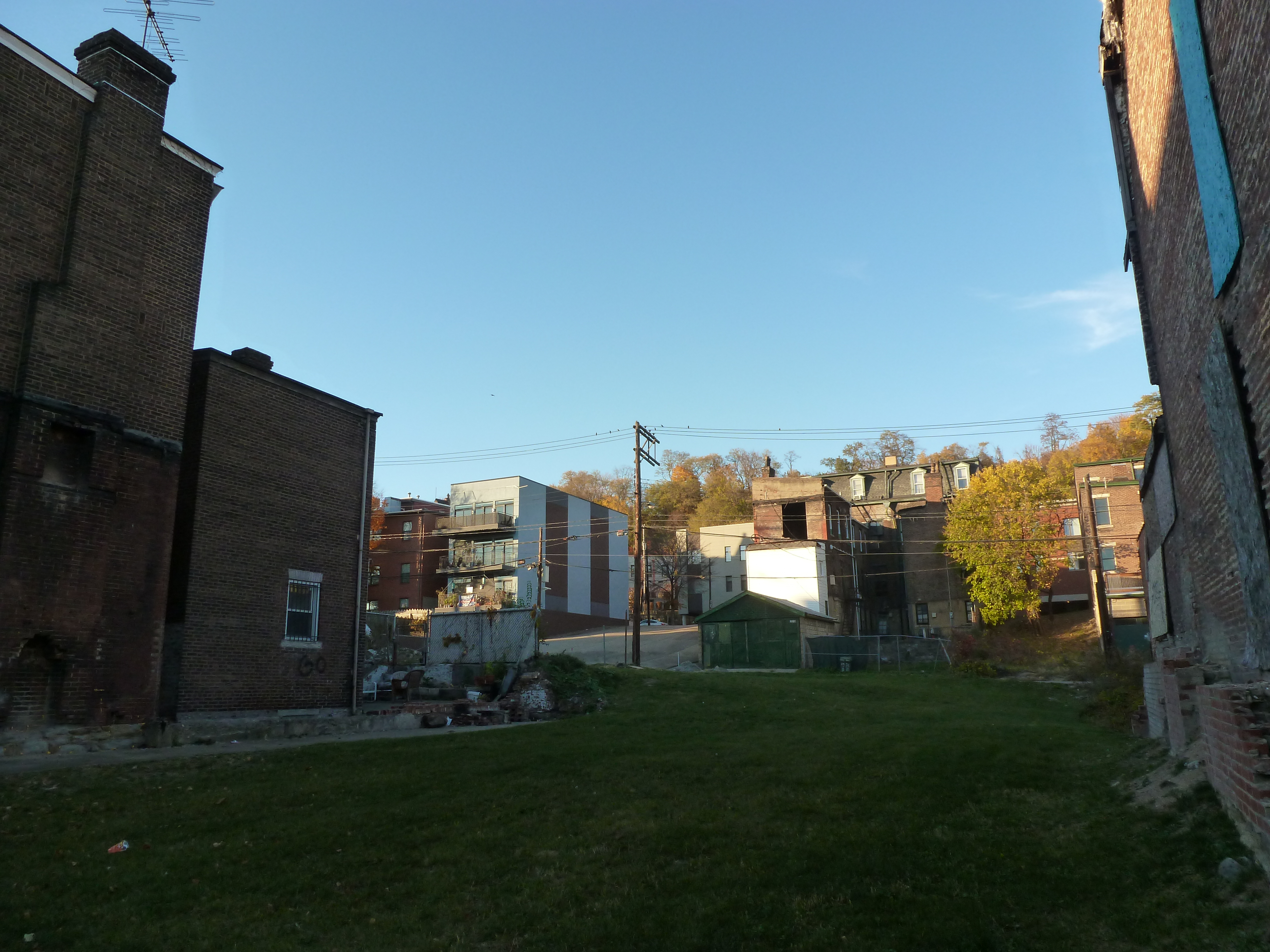
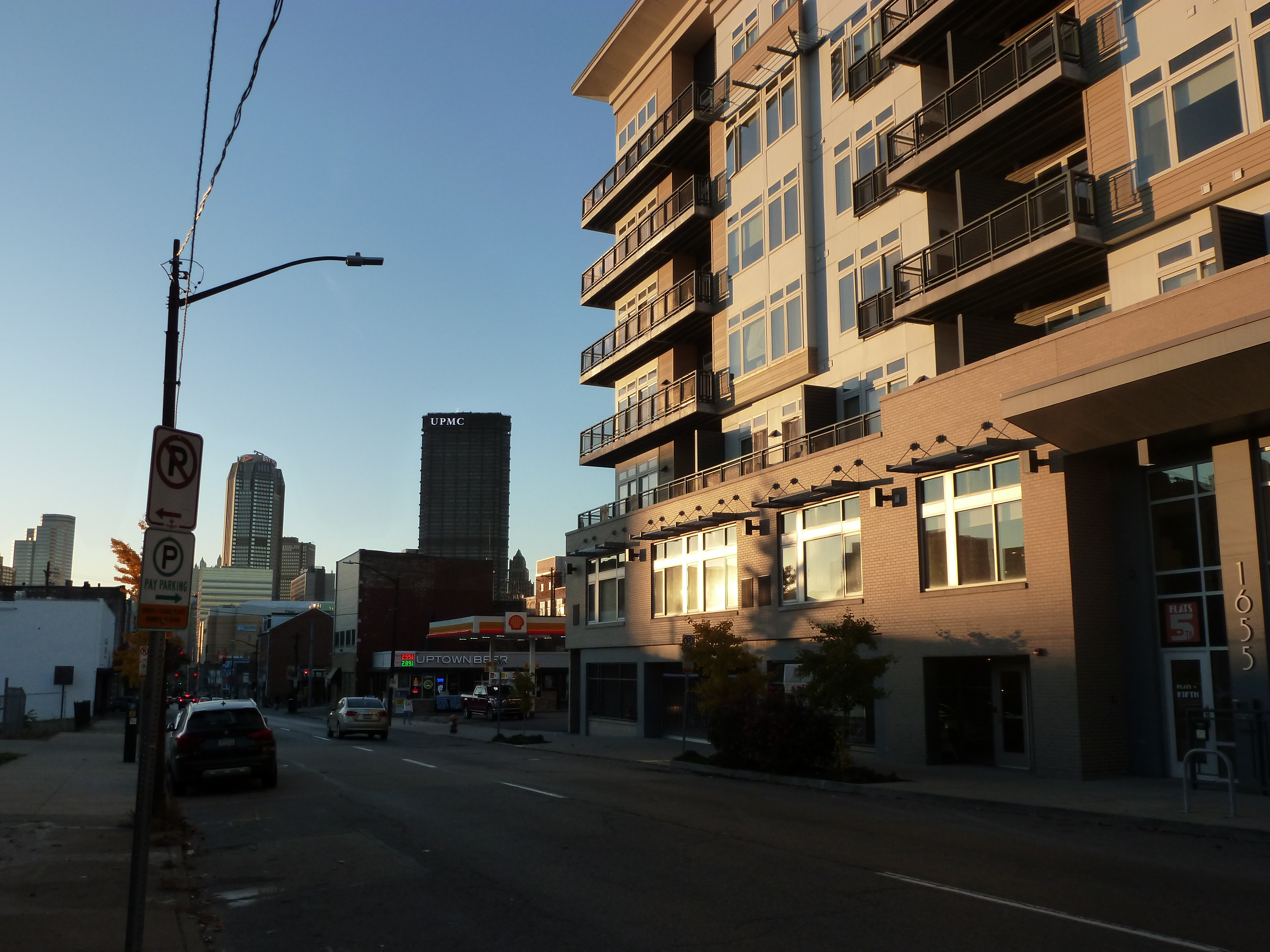
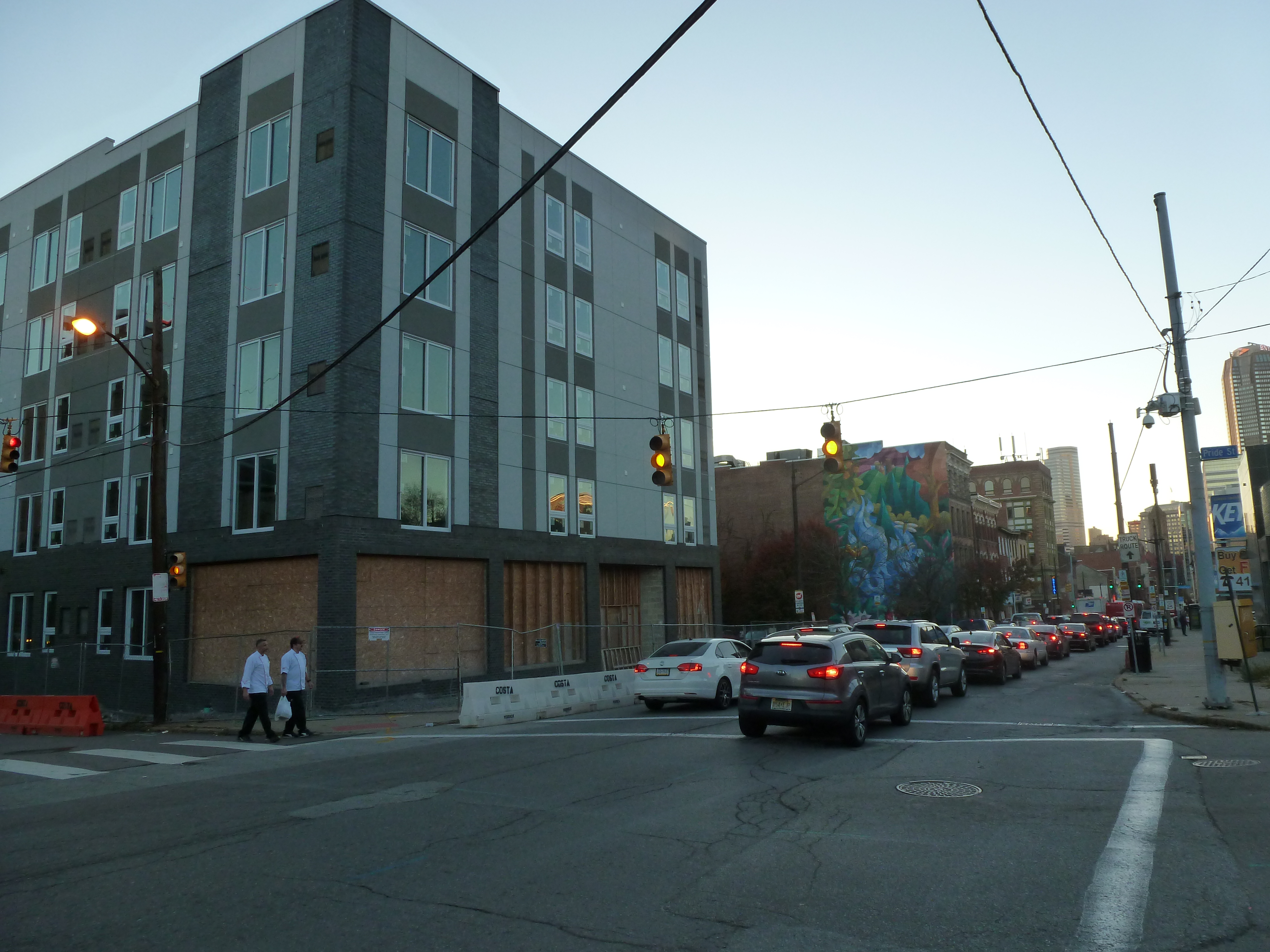
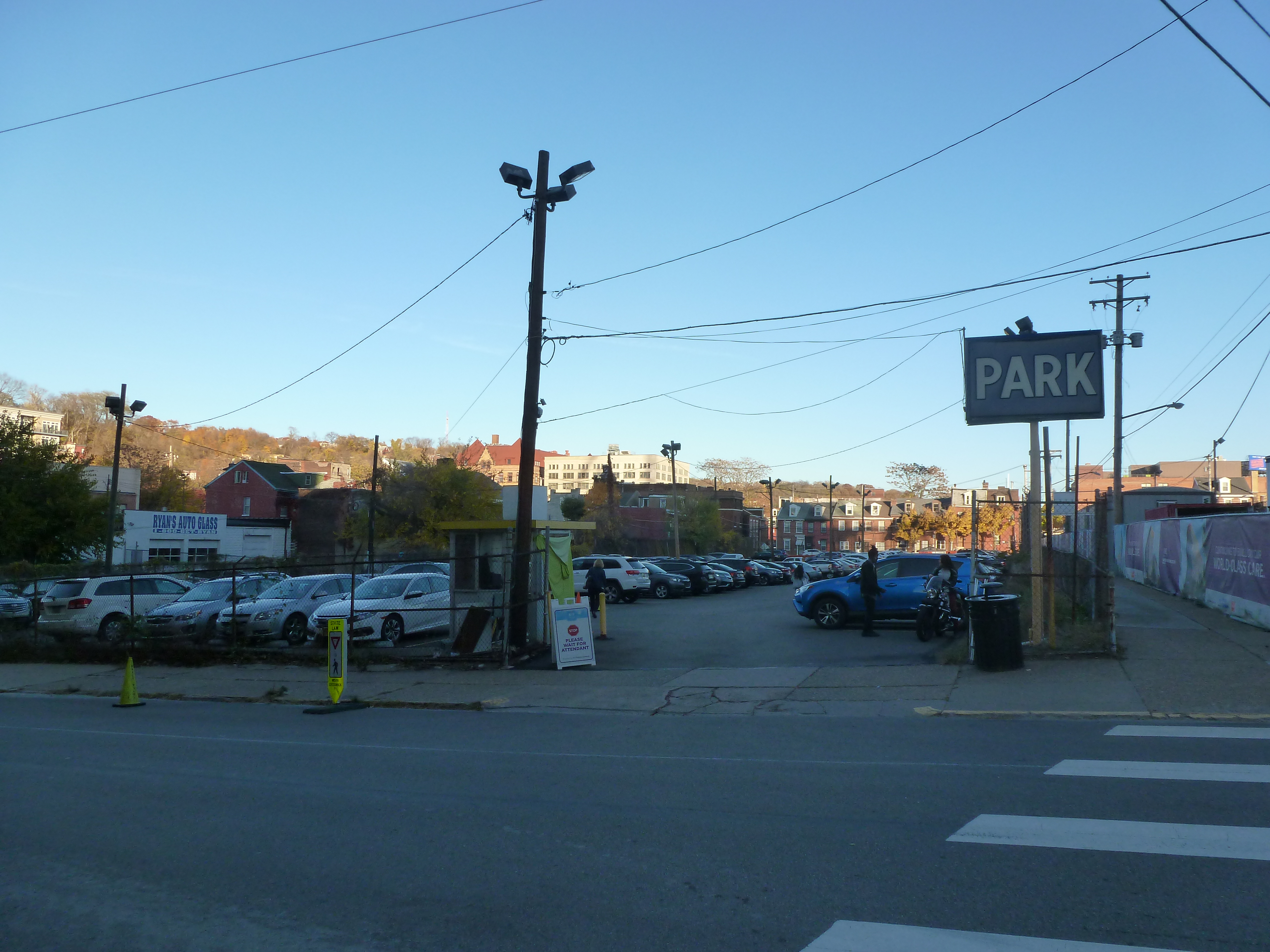
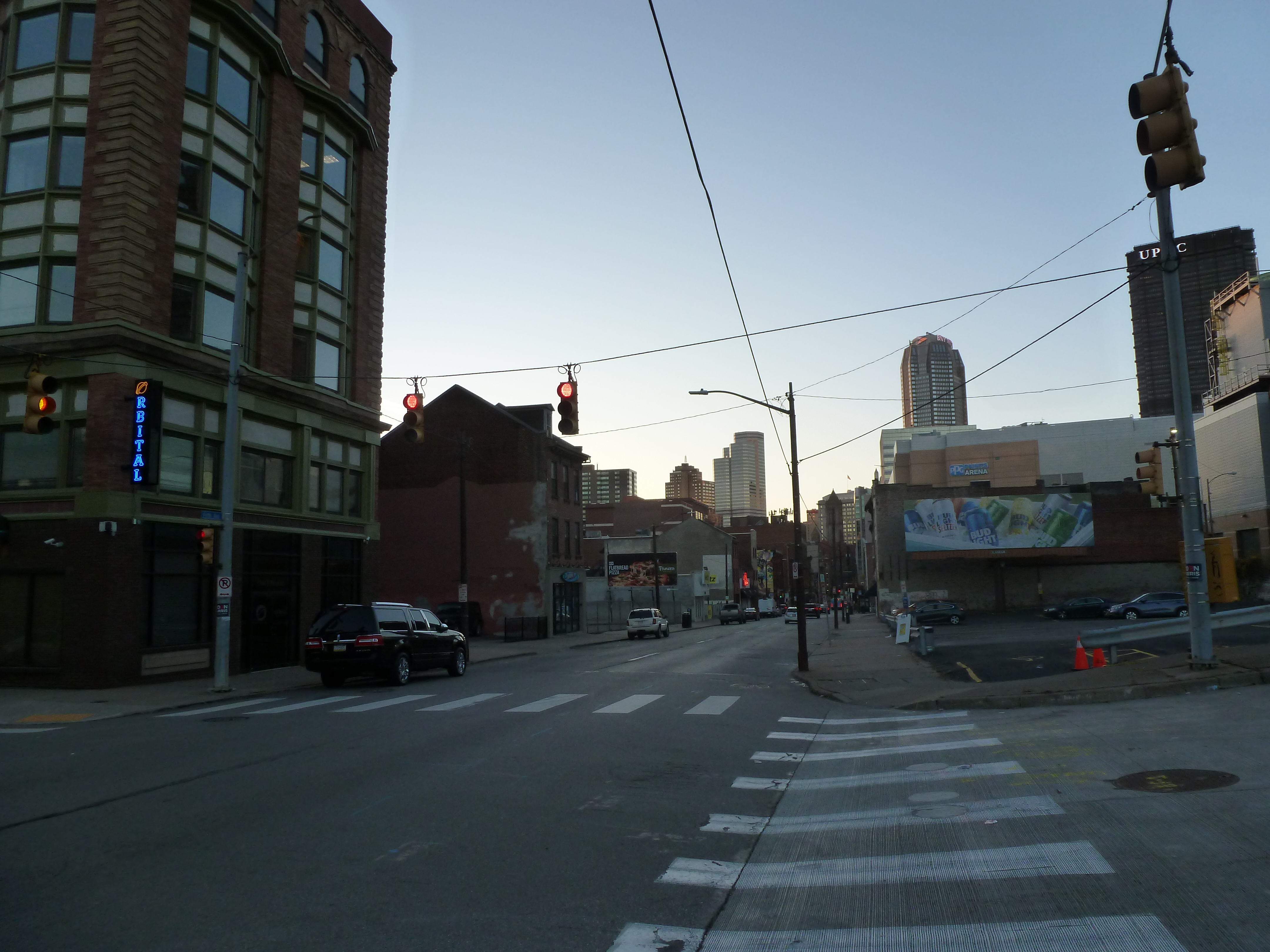
This has promoted me to look back at the process of how this project got approval from the city. What I have found so far has only prompted more questions. When a developer proposes a project that is in compliance with the zoning code regulations, there is not much the city can do besides ask “pretty please.” I had assumed that was what the story was here, but so far I don’t see how this project was in compliance with the zoning requirements. I’ll continue digging through the past records to try and wrap my head around the zoning approval for this project. In the meantime, below are photos of the current building progress and some news articles about the development since my last post.


Penn Plaza in the News

In a November 23, 2020, article WESA explores what the Mayor’s Office really knew before the eviction notices. WESA also produced a podcast on Land & Power to explore what happened and how in this East Liberty site.

Former Penn Plaza Residents are being given an opportunity to return to the neighborhood in the new Mellon Orchard Development as reported by ELDI (December 15, 2020) and the Post-Gazette (February 17, 2021).


Previous Posts in the Series

Keeping an Eye on Penn Plaza – Nov. 2020

Keeping an Eye on Penn Plaza – Aug. 2020

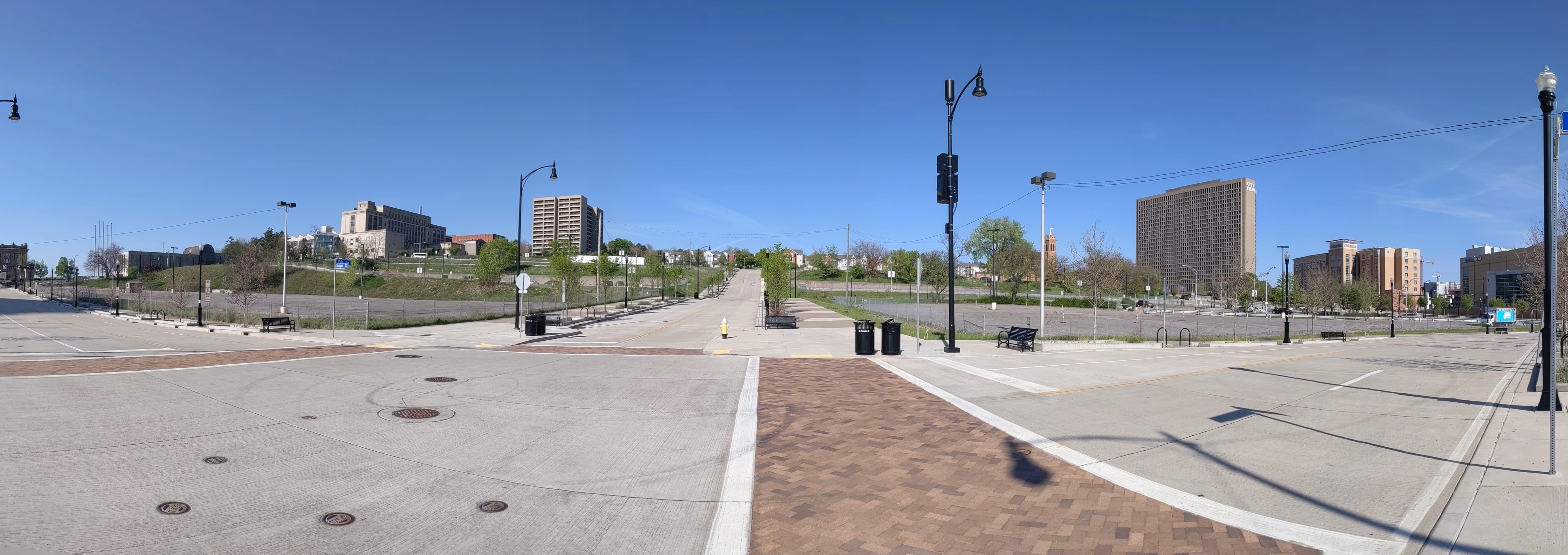
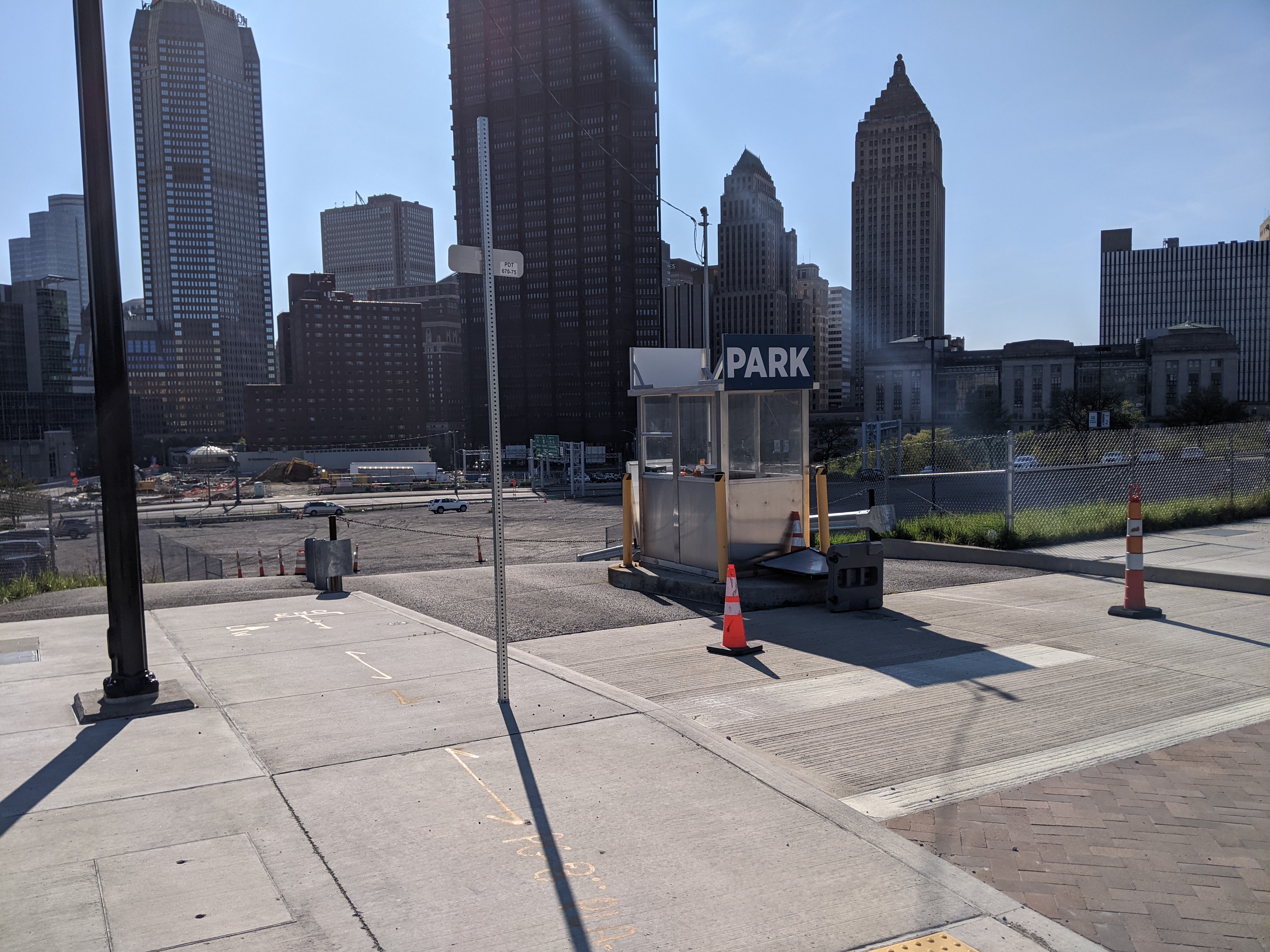
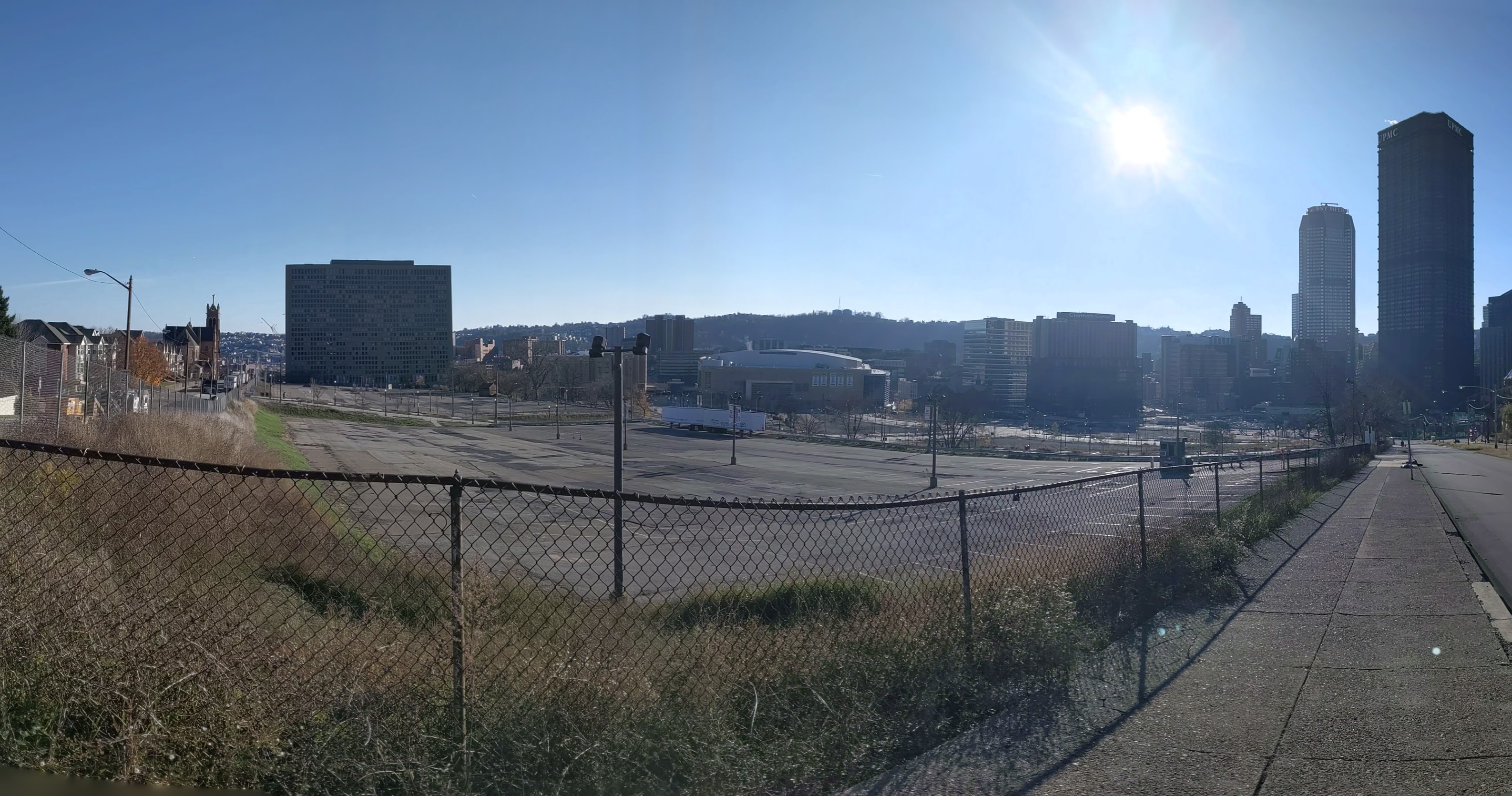
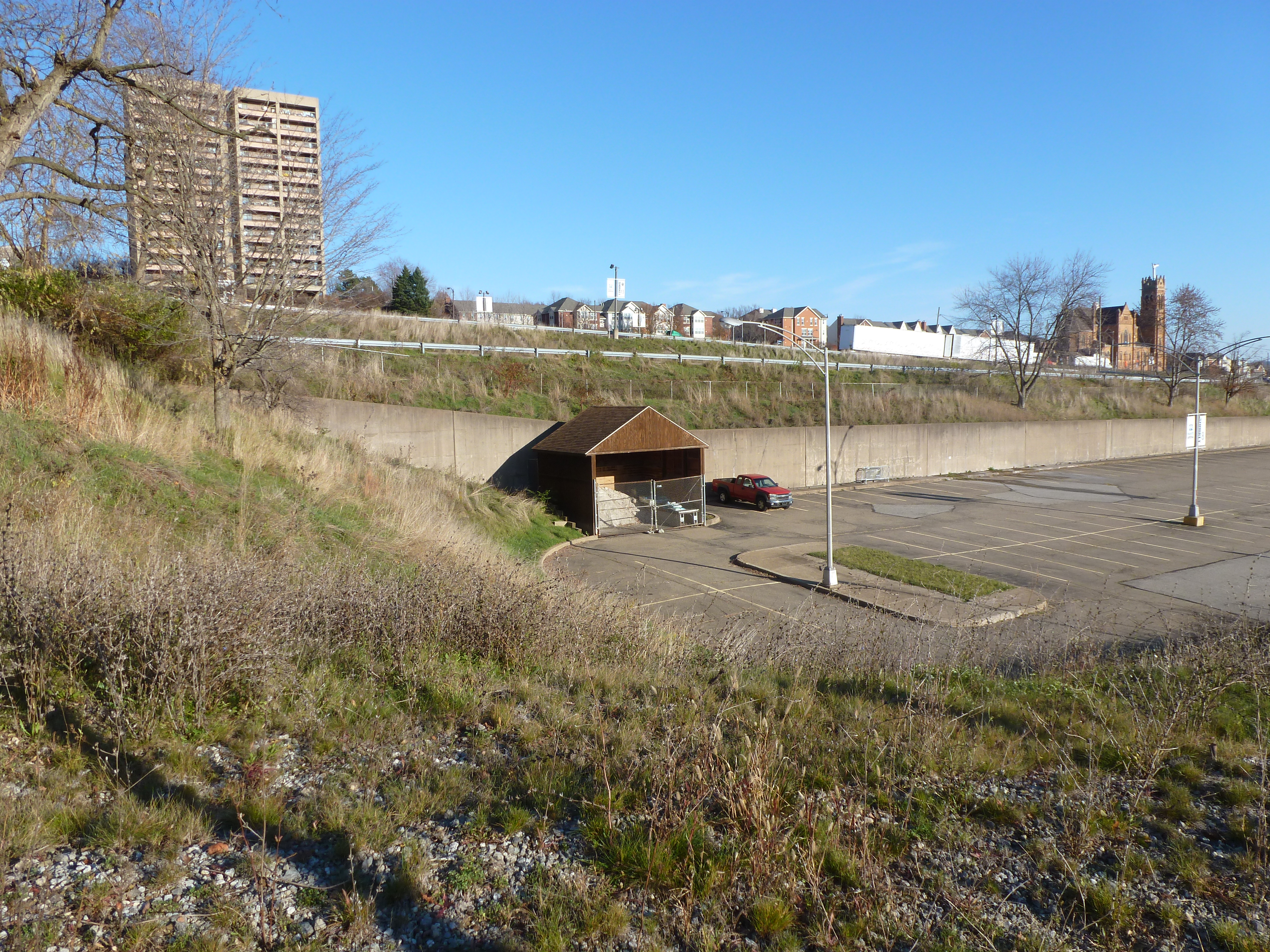
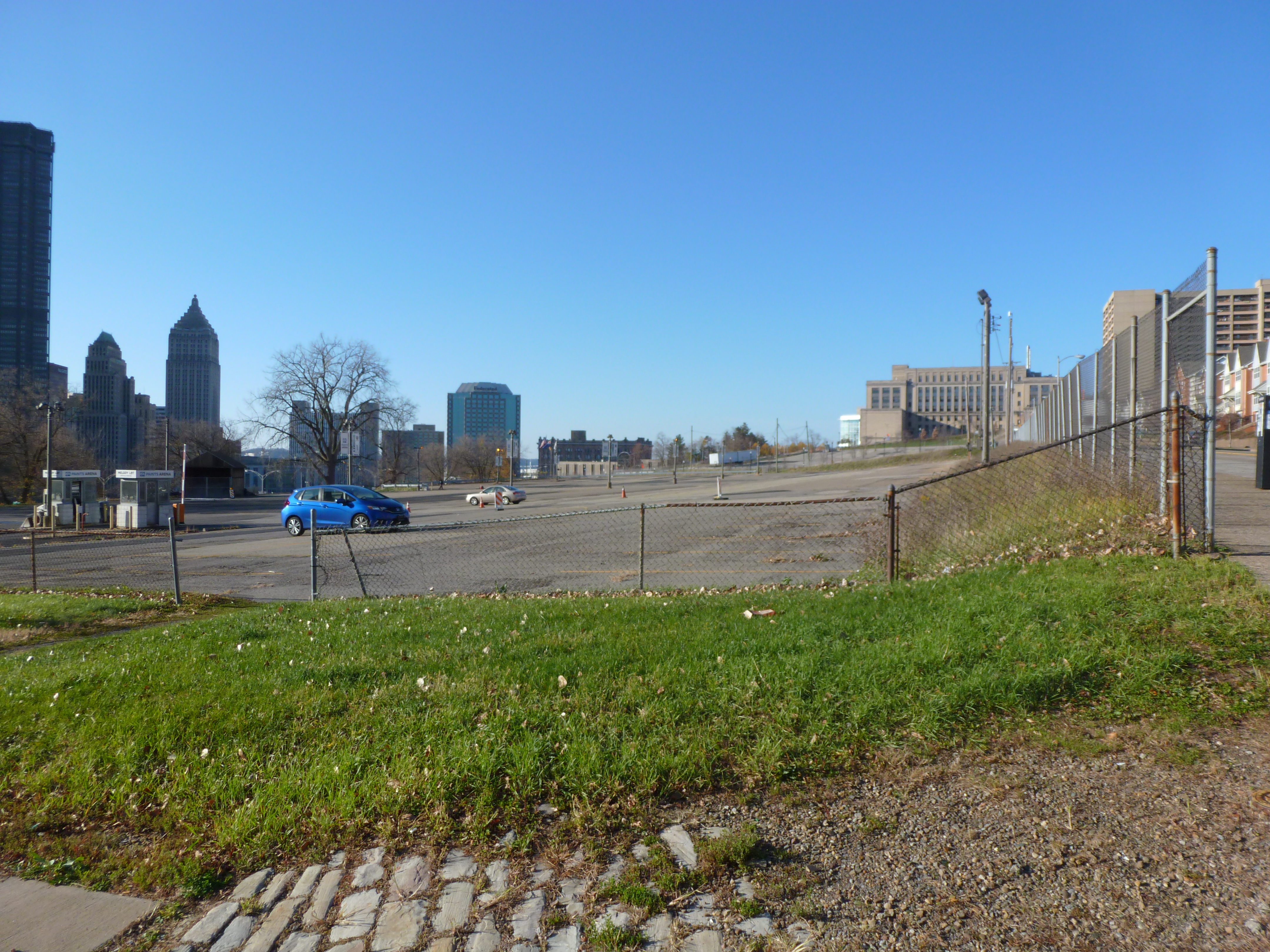
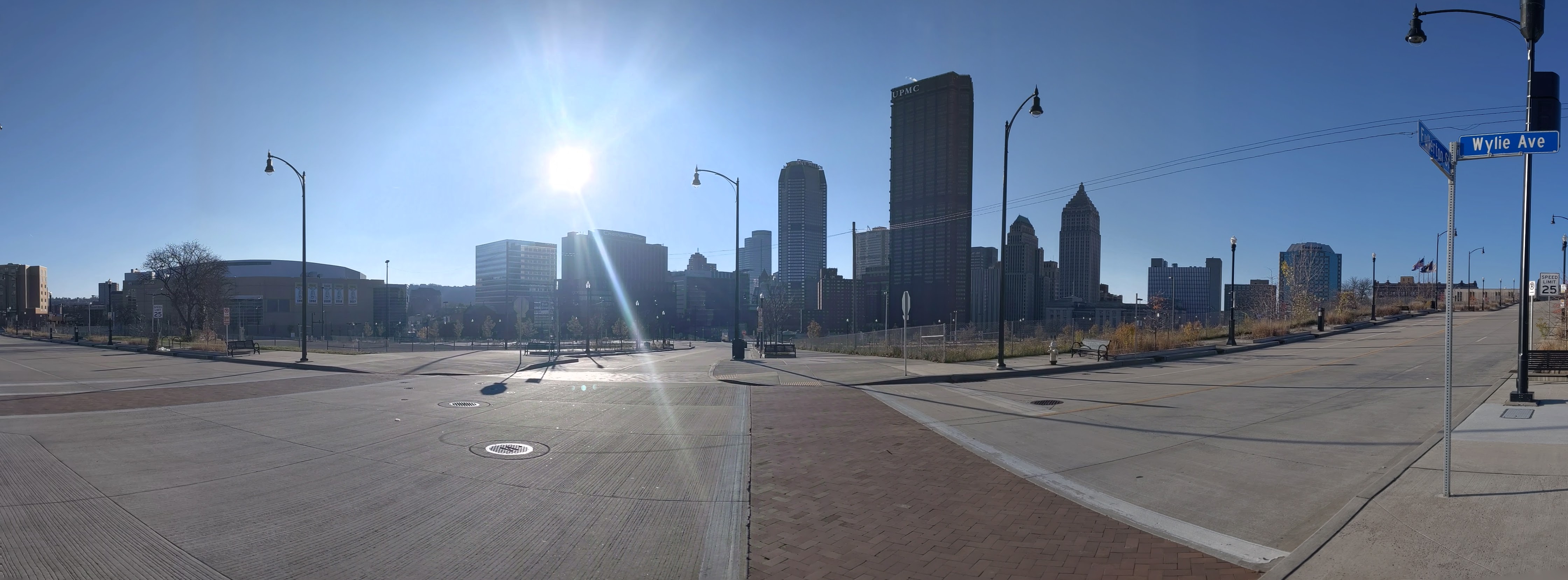
Keeping an Eye on the Lower Hill: Dec. 2020

Lower Hill in the News:

URA board votes in favor of FNB Tower (Pittsburgh Business Times, May 21, 2020)

FNB tower will be among first post-pandemic buildings (Pittsburgh Business Times, May 22, 2020)

The Penguins and FNB Corp provide funds for tech center in the Hill District (Pittsburgh Business Times, August 27, 2020)

FNB and Penguins establish partnership (Pittsburgh Business Times, September 10, 2020)

Funding secured for FNB tower in Lower Hill (Pittsburgh Business Times, October 8, 2020)

Penguins miss deadline; URA considering next moves (Pittsburgh Business Times, November 12, 2020)

Lower Hill commercial redeveloper, Mayor Peduto, and Councilman Lavelle announce partnership (Mayor’s Press Release, November 19, 2020)

New Lower Hill partnership could move project forward (Public Source, November 19, 2020)

Lower Hill redeveloper establishes downtown office and announces local firms and personnel added to team (Pittsburgh Business Times, November 19, 2020)

Previous posts in series:

Keeping an Eye on the Lower Hill: Jun. 2020
Keeping an Eye on the Lower Hill: Jan. 2020

Keeping an Eye on Uptown: Introduction

Keeping an Eye on the CAP: Dec. 2020


The CAP in the News:

Project on schedule despite pandemic (Tribune Review, July 29, 2020)

Project continues on schedule (WESA, October 5, 2020)


Previous Posts in the Series:

Keeping an Eye on the CAP: Jun. 2020

Keeping an Eye on the CAP: Dec. 2019

Keeping an Eye on Uptown: Introduction

Keeping an Eye on Uptown: Nov. 2020

Uptown in the News & on the Web:

President Trump tweets about BRT grant award (Post-Gazette, May 29, 2020)

Locust/Miltenberger Development Website

51-unit apartment proposed in 1700 block of Fifth Avenue (Pittsburgh Business Times, June 1, 2020)

$99.95 million awarded for BRT (Next Pittsburgh, June 2, 2020)

Funding awarded for proposed mixed-use with affordable housing project (Pittsburgh Business Times, August 18, 2020)

BRT service may start in 2023 (Pittsburgh Post-Gazette, September 21, 2020)

Solidarity murals coming to the city (Next Pittsburgh, September 27, 2020)

Gentrification concerns raised for proposed tech development (Pittsburgh Business Times, September 30, 2020)

Interview with developer of proposed Uptown mixed-use project (Pittsburgh Business Times, October 5, 2020)

Partner pulls out of Fifth and Dinwiddie project (Pittsburgh Business Times, October 26, 2020)

Planning Commission approves Uptown tech development (Public Source – Develop PGH Bulletins, October 27, 2020)

Commercial portion presented for Fifth and Dinwiddie project (Pittsburgh Business Times, November 10, 2020)


Previous posts in series:

Keeping an Eye on Uptown: May 2020
Keeping an Eye on Uptown: Nov. 2019

Keeping an Eye on Uptown: Introduction

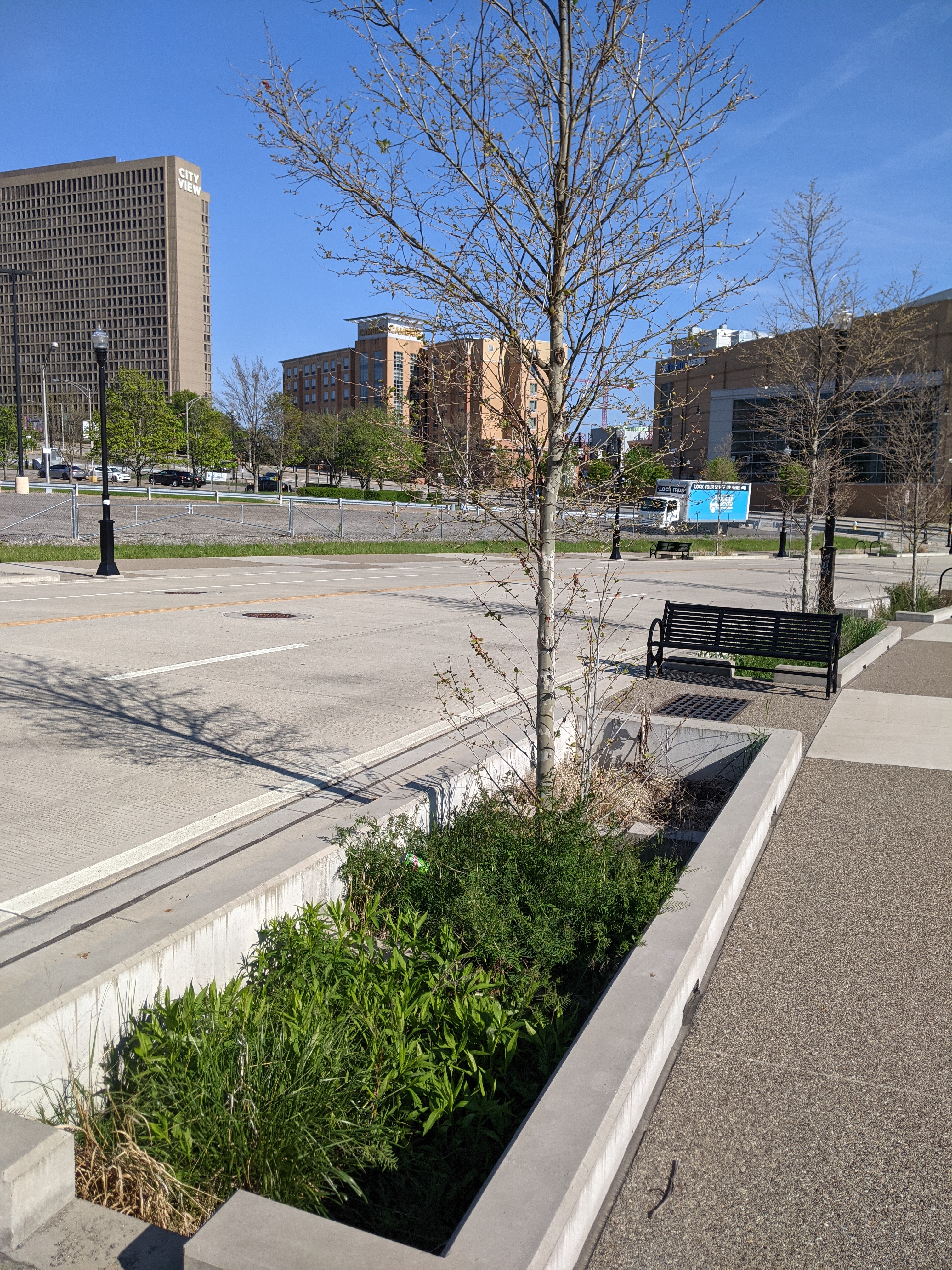
Street Trees: Alive or Dead

Street trees have a tough life. Between extensive pruning away from power, cable, and internet lines, baking in the radiant heat from the surrounding pavement, and (in winter climates) runoff from salt or sand, it is amazing any survive. Yet in some neighborhoods street trees are thriving while in others they are non-existent or barely hanging on.

Street trees first appeared in US cities in the 1840s and 1850s as part of a growing interest in landscape architecture. However, they soon encountered challenges. Fire insurance companies banned street trees in towns that relied on bucket brigades as the trees helped spread fires that decimated swaths of towns. Then, the street trees worst nemesis arrived – the overhead lines. First telephone companies then power companies pruned trees away from their lines. John R. Stilgoe in Outside Lies Magic notes that the resultant loss of street trees created a “nationwide uproar” by 1920. One hundred years later, this conflict between wires and trees is still unresolved.

As I traveled around Pittsburgh this spring and summer, I noticed that some neighborhoods seem to have found a way to maintain both old, large canopy street trees and overhead lines. Other neighborhoods appear to struggle to establish and maintain even understory or decorative trees. The pattern of where street trees are thriving versus where they aren’t appears to match the wealth of the neighborhood.

I first noticed this pattern as a child, though I couldn’t articulate it as such at the time. The Pennsylvania town where I partially grew up had a Green Street. The name made a strong impression on me at the time because half of Green Street was very aptly named. It had the oldest and thickest street tree canopy in town. The other half of the street, as I remember it, did not have a single street tree (or yard tree). This dichotomy fascinated me as a child.

Now, looking back on this memory with my urbanist eyes, it seems the perfect example of the correlation between wealth and street trees. The half of Green Street with the street trees was predominantly detached, single-family dwellings with large front, side, and rear yards. The half of Green Street without street trees was predominantly attached homes, possibly with some duplexes, and shallower front yards.

In Pittsburgh, the division is by neighborhood, not block. Neighborhoods like Squirrel Hill, Point Breeze, and Shadyside, which used to contain most of the city’s millionaires rows and continue to have housing values 3-4 times the city’s average, have old, well-established street trees that are somehow able to grow around the overhead lines. Neighborhoods like Homewood and the Hill District, which were victimized by Urban Renewal policies in the ‘50s and ‘60s and now have housing values two-thirds the city’s average, have few street trees, most of which were planted within the last ten years.