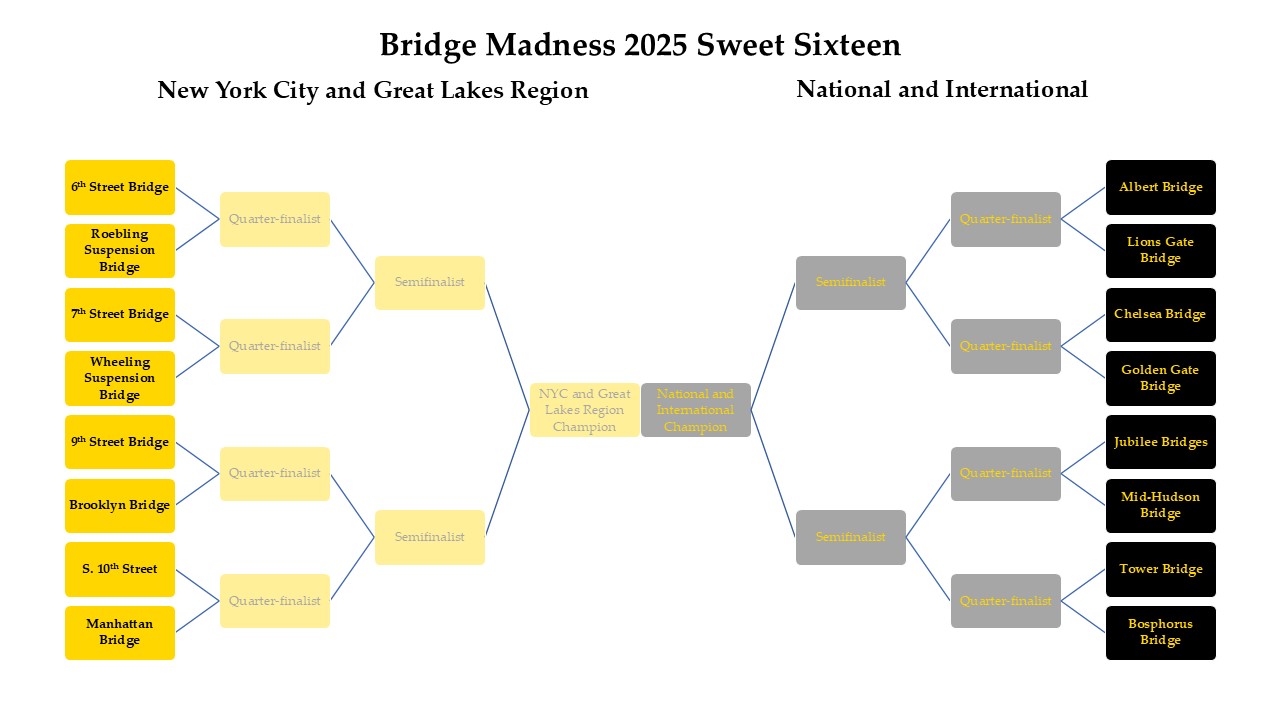
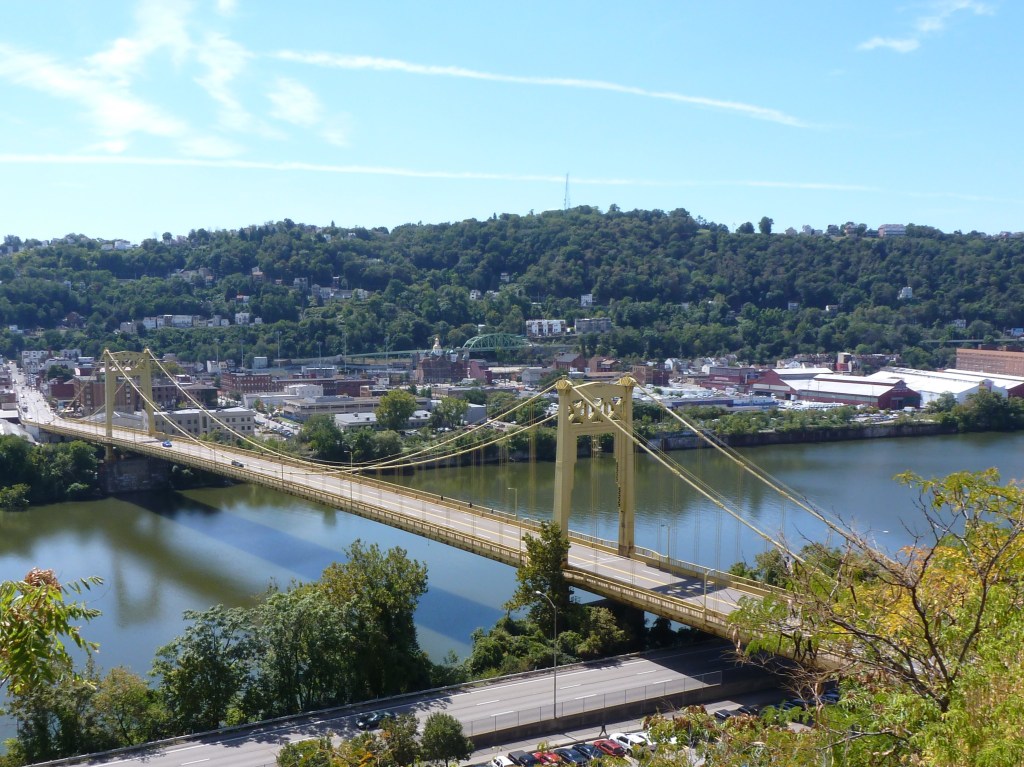
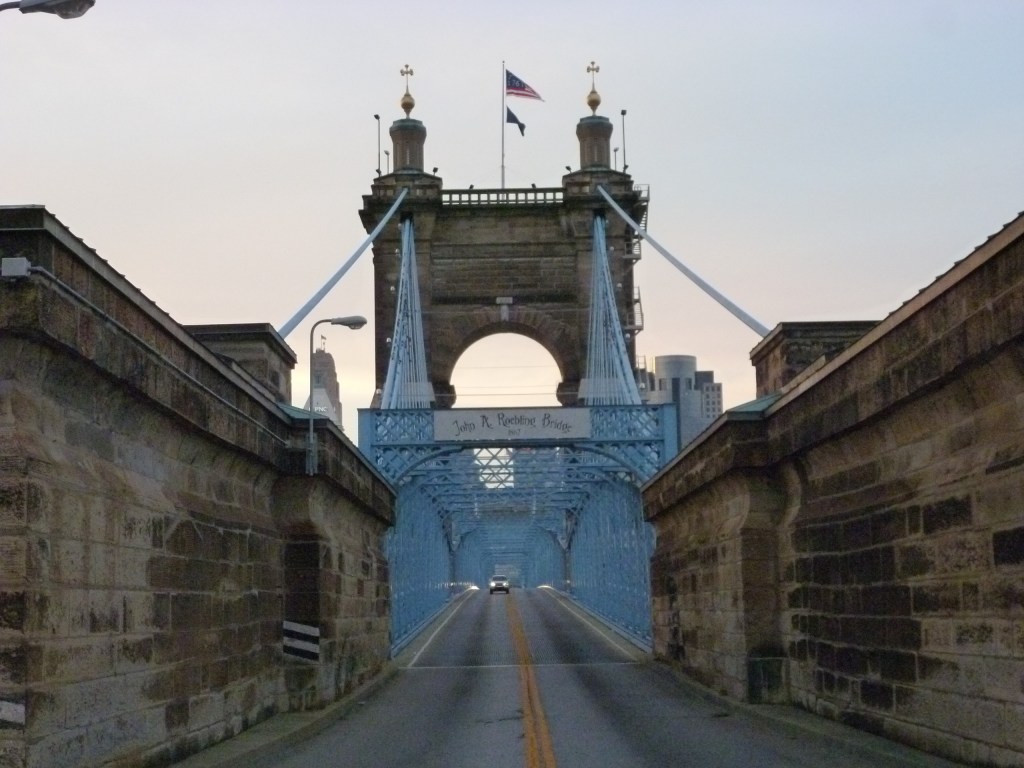
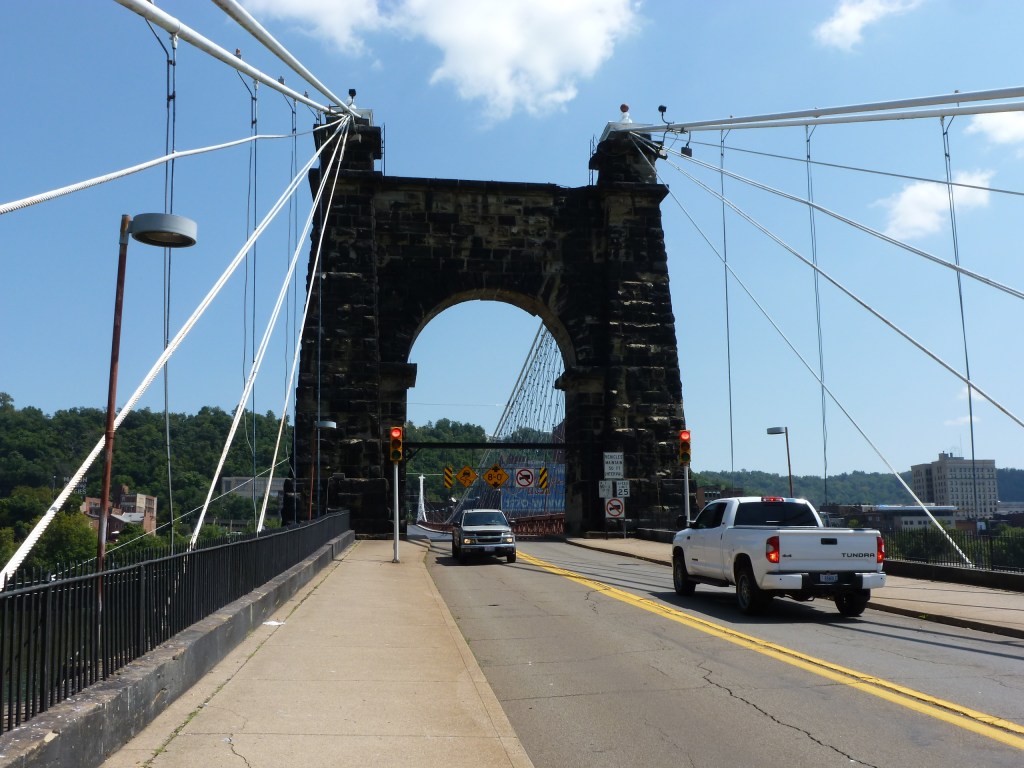
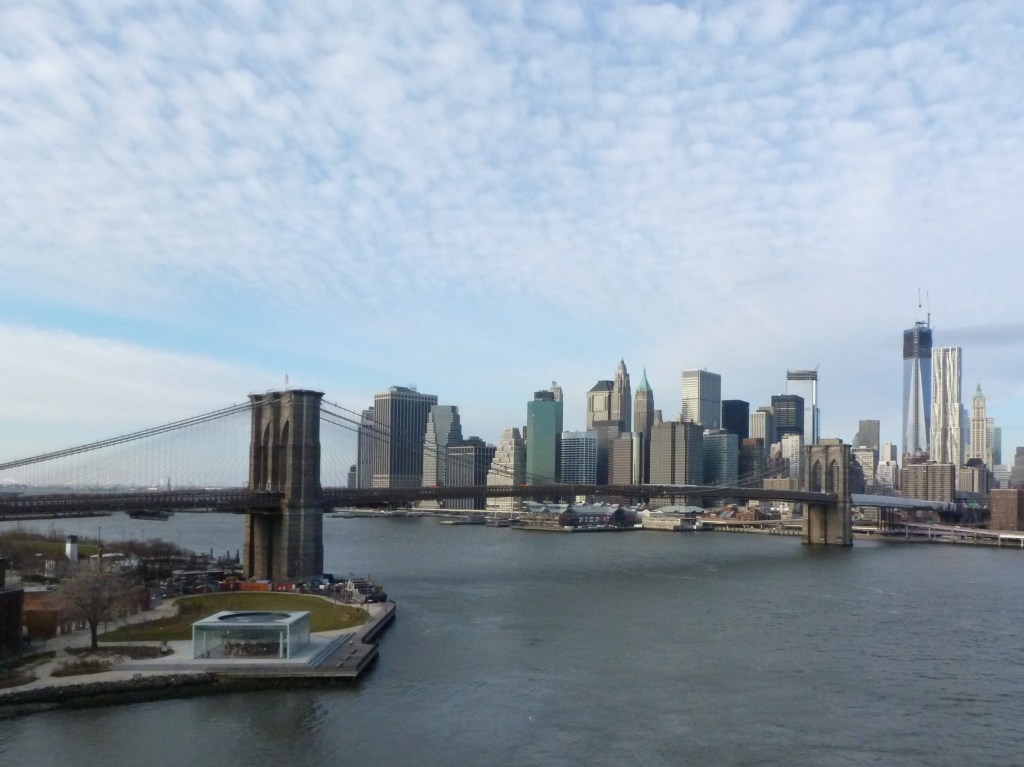
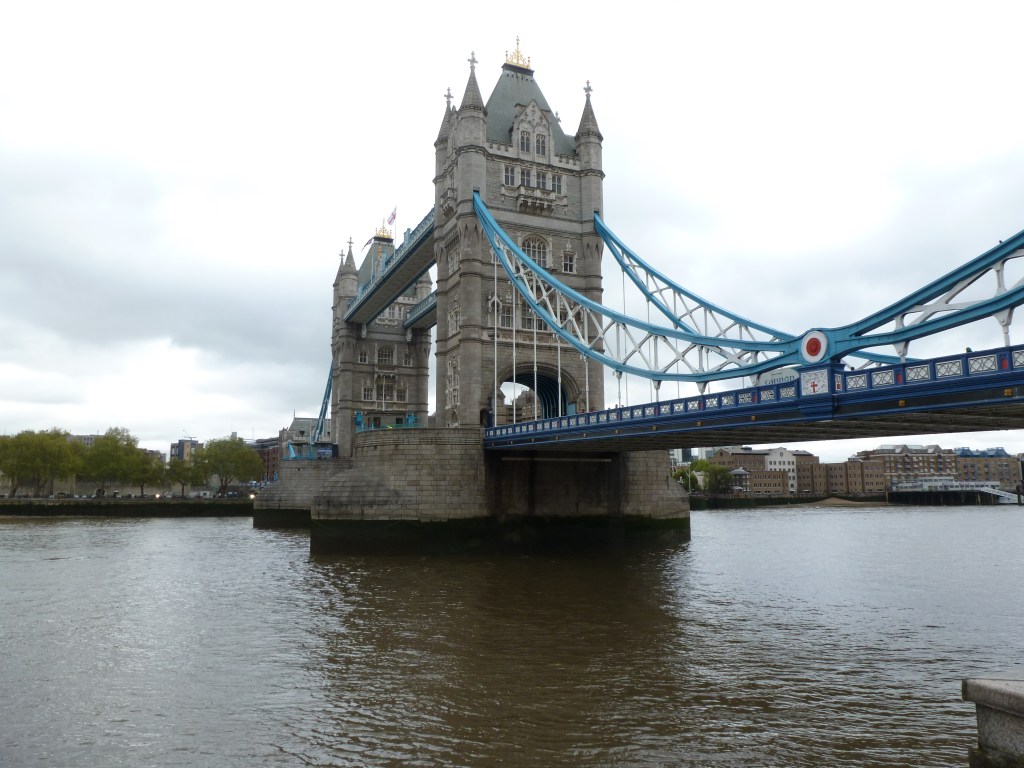
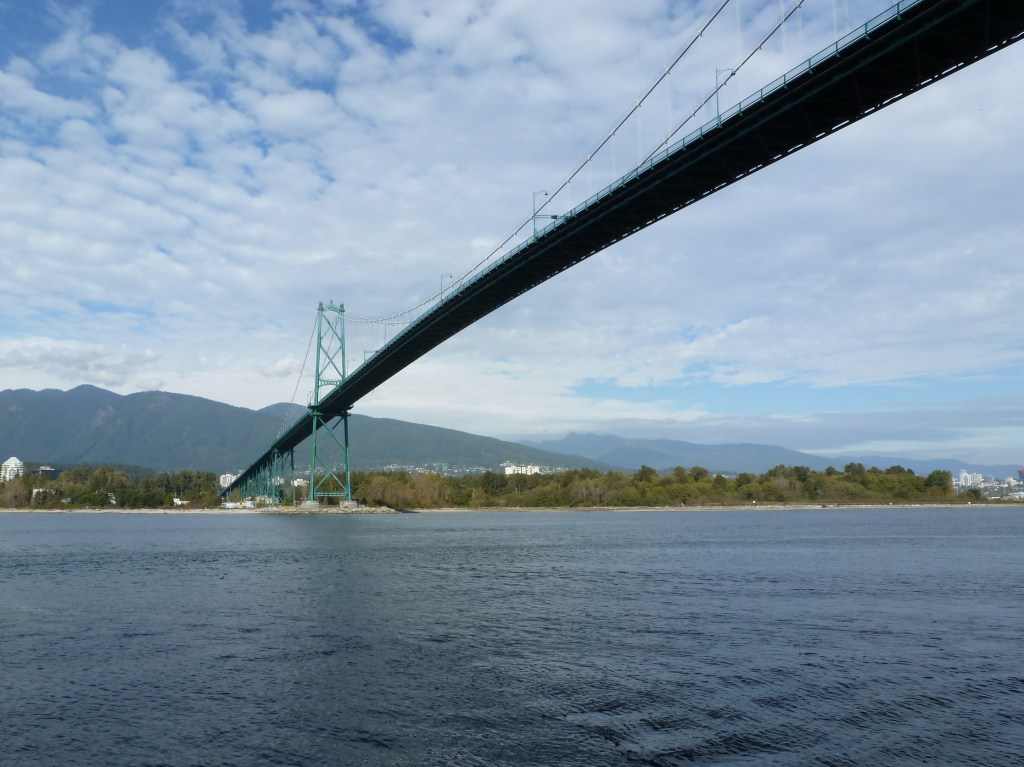
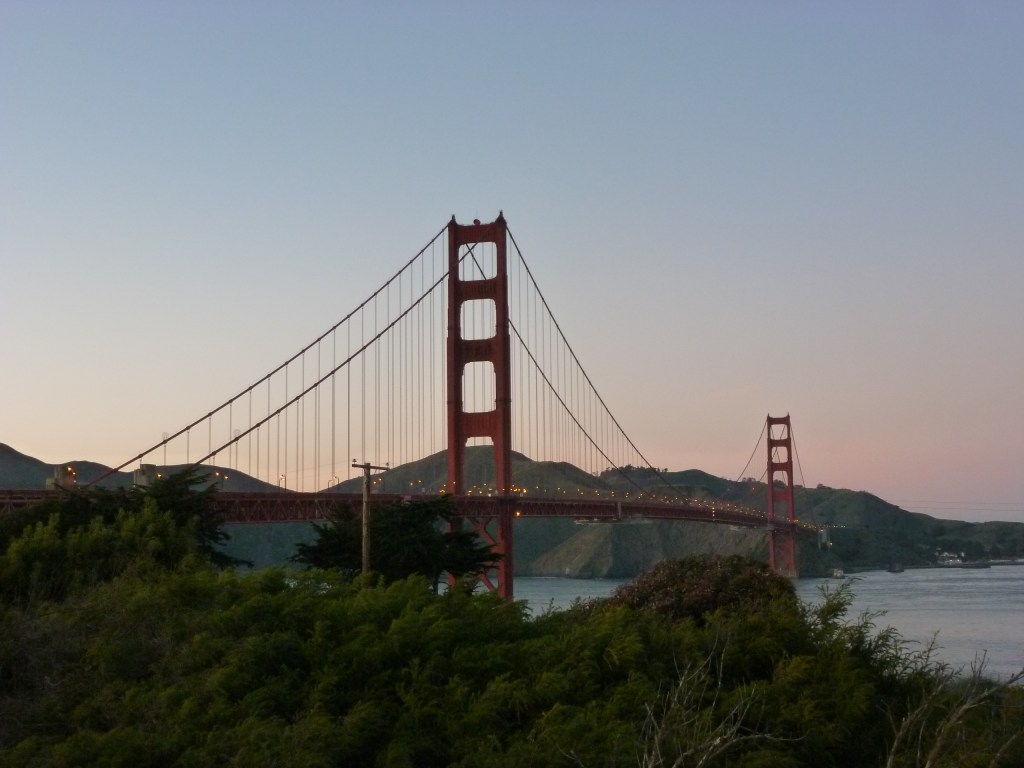
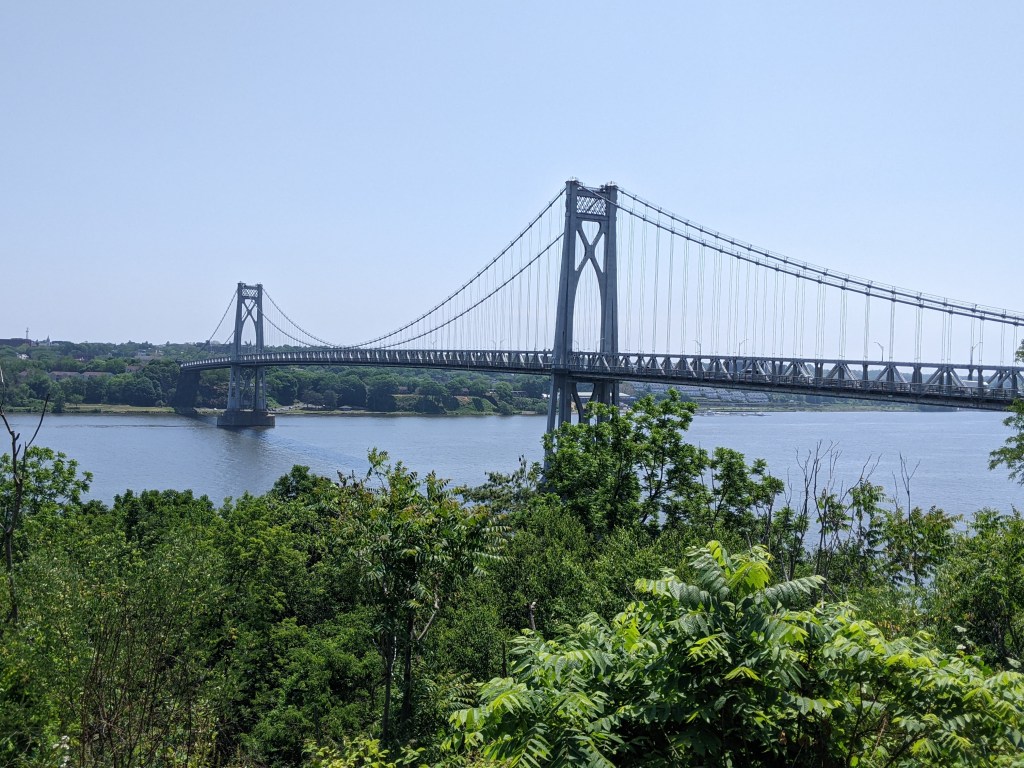
In the 2025 Bridge Madness Tournament, 16 suspension bridges go pier-to-pier in a reader’s choice tournament to pick the best one. This year’s tournament features suspension bridges visited by urbantraipsing nationally and internationally. Beginning March 1, you will be able to vote for your favorite bridge in each bracket. The champion bridge will be announced on March 29. Don’t forget to come back each week to vote your favorite bridge to #1!
Each round of voting will go live at 8 AM on the scheduled Saturday and close at noon the following Thursday. The schedule is:
March 1 – Sweet Sixteen
March 8 – Elite Eight
March 15 – Final Four
March 22 – Championship
March 29 – Winner announced
The bridges are divided into two conferences: New York City and Great Lakes Region vs. National and International.
New York City and Great Lakes Region
The suspension bridges in the New York City and Great Lakes Region Conference are below. Click on the links to learn more about urbantraipsing’s encounter with each bridge.
The suspension bridges in the National and International Conference are below. Click on the links to learn more about urbantraipsing’s encounter with each bridge.
Three years ago, Pittsburgh’s Fern Hollow Bridge collapsed on a cold and icy morning. Since then, I have periodically checked in on the status of the new bridge, the fallout from the collapse including the Mayor’s new Commission on Infrastructure Asset Reporting and Investment, and the condition of other bridges, particularly those closed for safety reasons since the Fern Hollow Bridge collapsed.
At my last check-in one year ago, the National Transportation Safety Board’s investigation was still on-going with the latest update on their website a year old. The investigation wrapped up shortly after and the NTSB’s final report was issued in March 2024 (WTAE, March 22, 2024). Unsurprisingly, the report found that the City’s failure to act on the maintenance and repair recommendations from years of inspections led to the structural failure of the bridge. Specifically:
On Friday, January 28, 2022, about 6:37 a.m. eastern standard time, the Fern Hollow Bridge, which carried Forbes Avenue over the north side of Frick Park in Pittsburgh, Allegheny County, Pennsylvania, experienced a structural failure. As a result, the 447-foot-long bridge fell about 100 feet into the park below. The collapse began when the transverse tie plate on the southwest bridge leg failed due to extensive corrosion and section loss. The corrosion and section loss resulted from clogged drains that caused water to run down bridge legs and accumulate along with debris at the bottom of the legs, which prevented the development of a protective rust layer or patina. Although repeated maintenance and repair recommendations were documented in many inspection reports, the City of Pittsburgh failed to act on them, leading to the deterioration of the fracture-critical transverse tie plate and the structural failure of the bridge.
Immediately after the Fern Hollow Bridge collapsed, the City created a Commission on Infrastructure Asset Reporting and Investment. However, it took Mayor Gainey about 18 months to nominate any commissioners and another 5 months for the commission to have its first meeting on December 5, 2023. Despite finally existing, it still hasn’t been added yet to the city’s website listing all Boards and Commissions. It does have an official city website though. The first report from the Commission to City Council was issued on June 5, 2024. In the cover letter, the Commissioners acknowledge that they are charged with reporting to council at least twice a year.
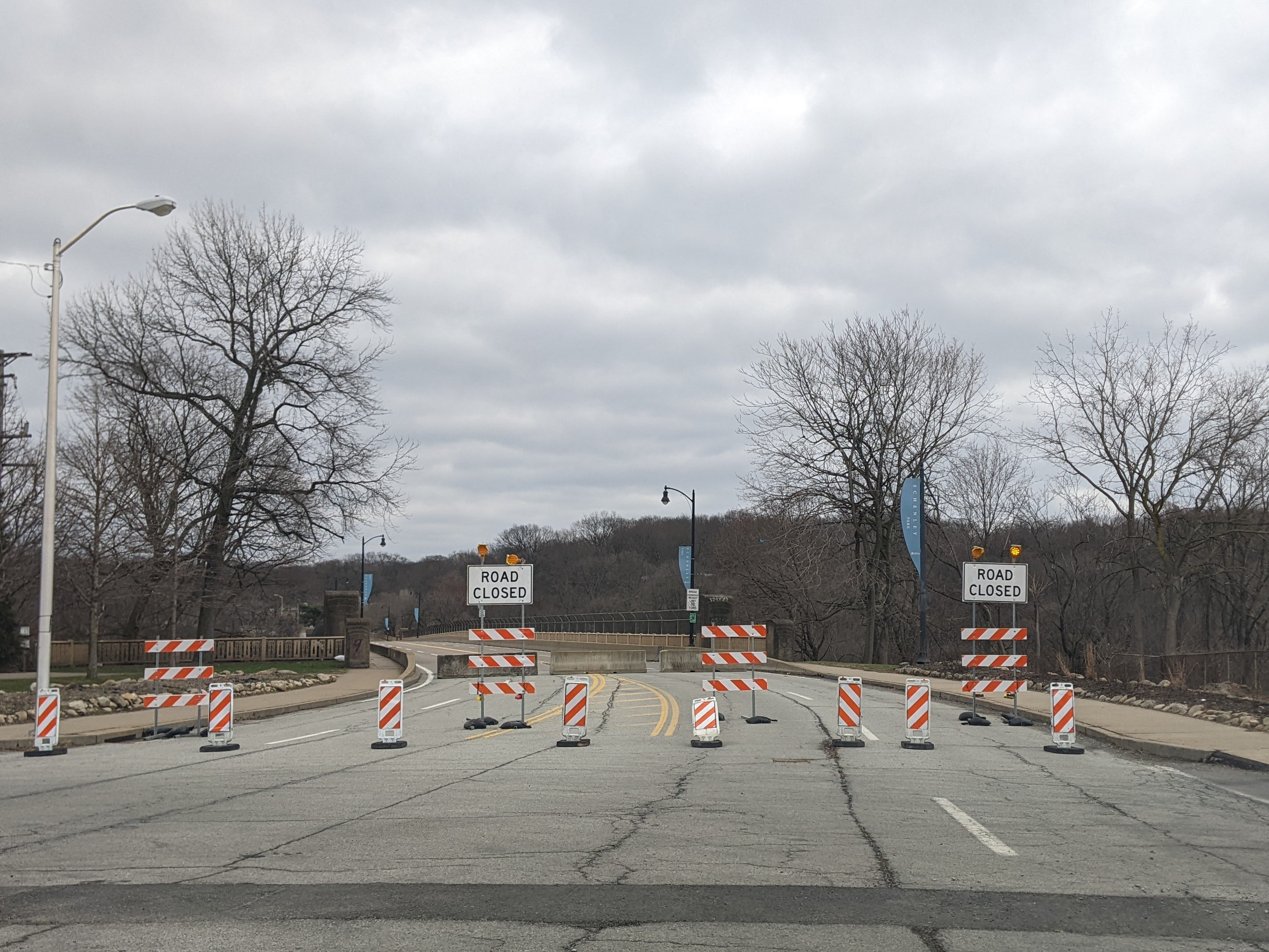
The Charles Anderson Bridge was immediately closed to vehicular traffic on February 1, 2023. On November 4, 2024, the bridge was closed to bicycle and pedestrian traffic as construction was finally underway for rehabilitation of the bridge (the process started in 2019). The Panther Hollow Overpass is also being improved while the traffic is detoured. (Pittsburgh Engage project page)
Pittsburgh’s Swindell Bridge, which closed initially from July to September 2022 due to falling debris. The expectation was that repairs that summer would enable the bridge to fully reopen to traffic. Instead the latest repairs seem to have uncovered more issues. The bridge will eventually undergo a full rehabilitation, which will require another closure during construction. However, that will not be for some time as the bridge is still in the preliminary design phase. (Pittsburgh Engage page)
The “complete overhaul” of the South Negley Avenue Bridge announced in 2022 (CBS, February 25, 2022). The city still does not have a project page for this bridge, though both sidewalks have been closed for safety (Mayor’s Press Release, June 6, 2024; Mayor’s Press Release, June 17, 2024). The obvious deterioration on this bridge and lack of movement on repairs leaves the way open for speculation on whether we will have another bridge disaster in our city sooner rather than later.
Rehabilitation on the Swinburne Bridge remains on pause until after the Charles Anderson Bridge is reopened as the Swinburne Bridge is part of the detour route. (Pittsburgh Engage page)
Preliminary engineering remains ongoing for the rehabilitation of the 28th Street Bridge. (Pittsburgh Engage page)
Preliminary engineering has started for the California Avenue Bridge rehabilitation. (Pittsburgh Engage page)
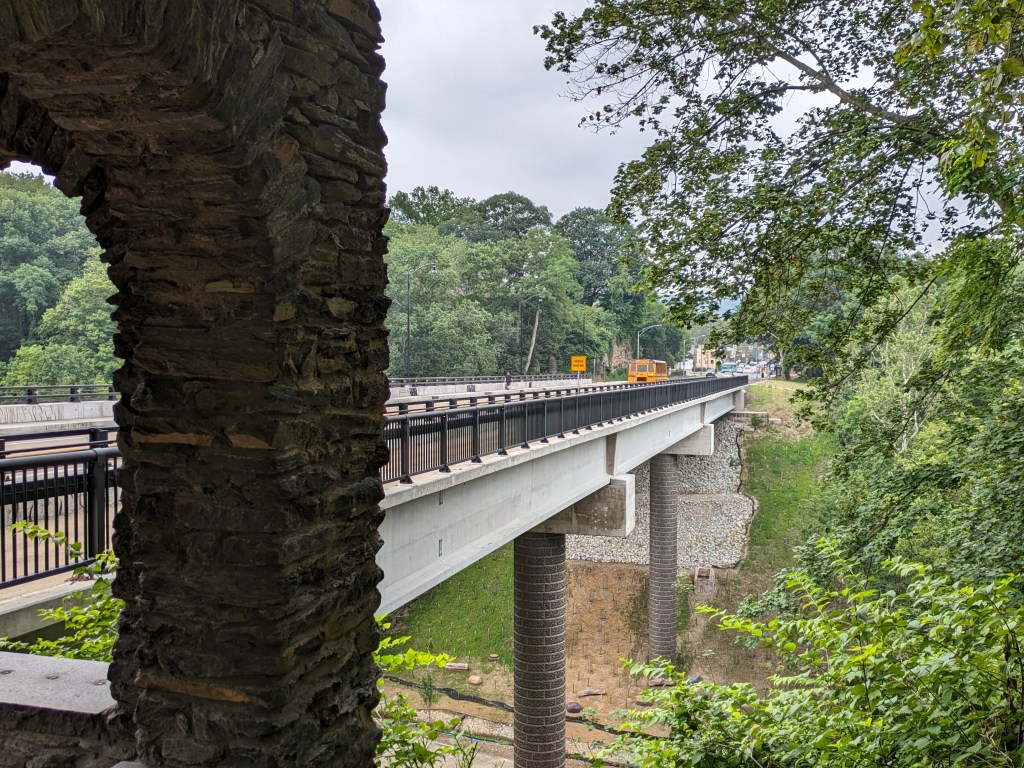
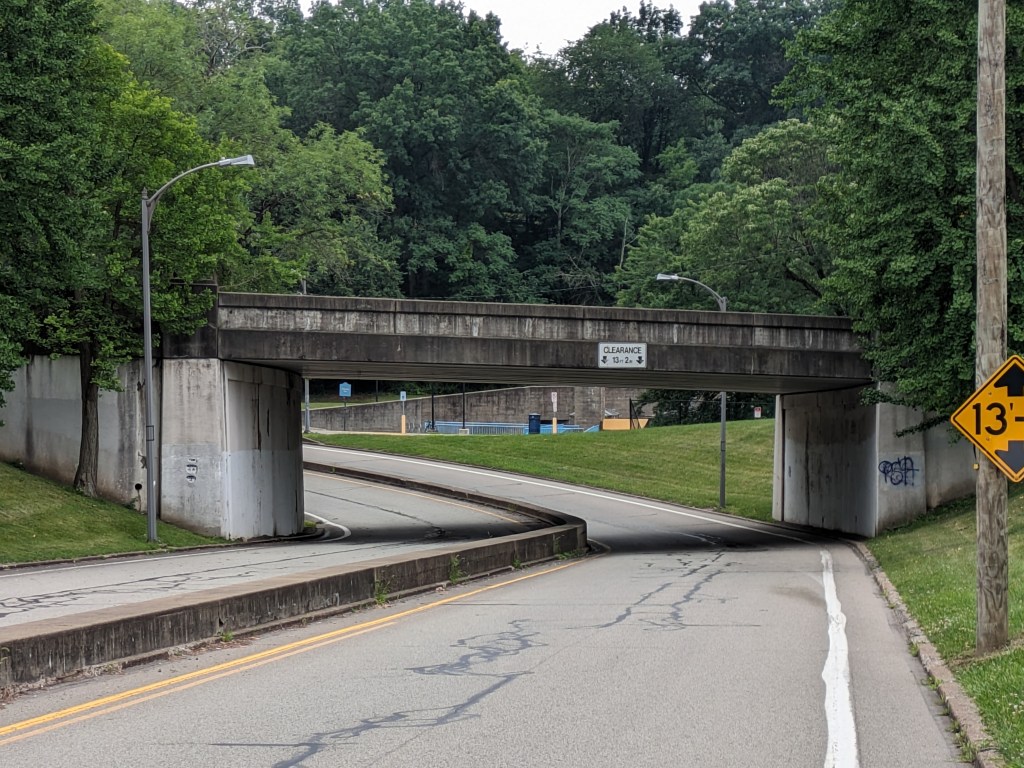
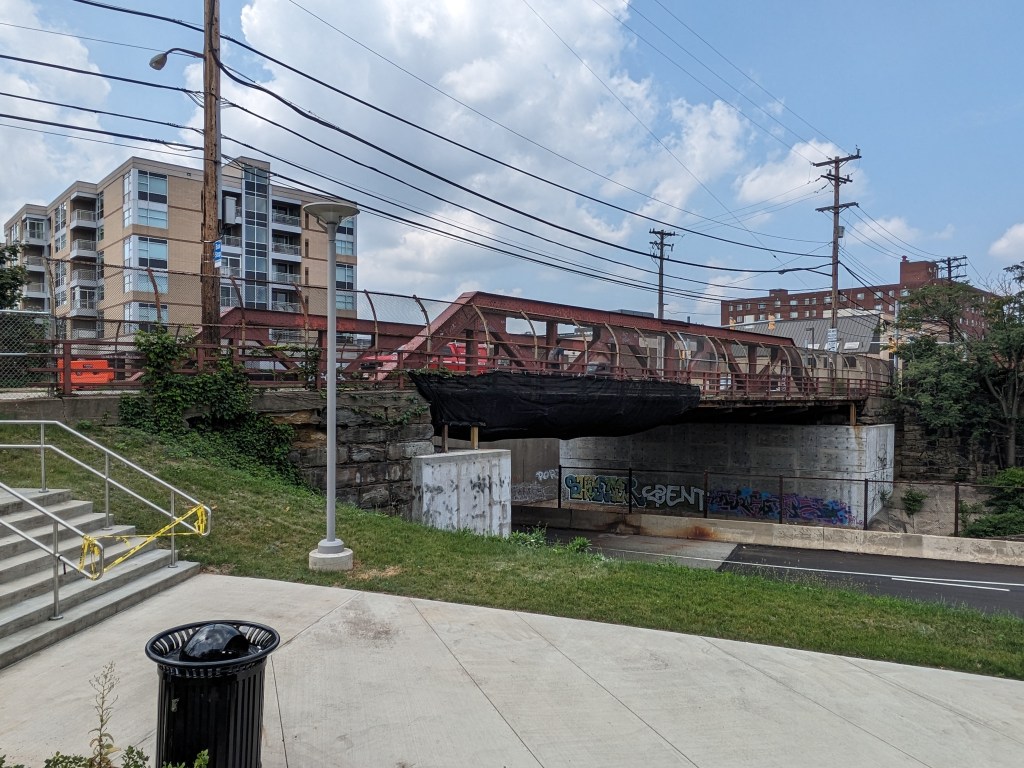
While the number of “Engage pages” about Pittsburgh bridges has grown in the last year (full list below the map), it still does not align with all the bridges closed fully or partially. In addition to the bridges mentioned above, the most recent addition to the list of bridges with issues, but no Engage page is the Panther Hollow Bridge that closed to vehicles October 2024 due to the results of its most recent inspection (see 2024 Bridge Disasters Actual and Pending for more).
In national bridge news, Congress fully funded the reconstruction of the collapsed Francis Scott Key Bridge before the end of December (Governor Moore’s statement, December 21, 2024), contrary to my prediction on Funding Bridges (December 15, 2024).
Photos: Other Bridges
Historic Pittsburgh Bridge Disasters
According to Bob Regan’s 2006 book “The Bridges of Pittsburgh,” Pittsburgh is no stranger to bridge disasters:
1845 – The original Smithfield Street Bridge burned down
1851 – The 16th Street Bridge burned down
1865 – Two spans of the 16th Street Bridge was washed away in a flood
late 1880s – The 6th Street/St. Clair Street Bridge burned down
1903 – The Wabash Bridge collapsed during construction
1918 – The 16th Street Bridge burned down (again)
1921 – The 30th Street Bridge burned down
1927 – The Mount Washington Roadway Bridge collapsed during construction
Map of bridges discussed in the Bridge Collapse series:
Bridges are a vital connectors that enable us to move around as we live our lives. Frequently, we don’t even realize there’s a bridge there…at least not until there’s a bridge disaster. Over the last few years, there have been several bridge disasters, some due to accidents, like the collapse of Baltimore’s Francis Scott Key Bridge in March 2024 after being struck by a malfunctioning container ship, and some due to deferred maintenance, like the collapse of Pittsburgh’s Fern Hollow Bridge on an icy, cold morning in January 2022.
We have seen recently that when there is motivation, the missing links caused by bridge disasters can be repaired in record time. Pittsburgh’s Fern Hollow Bridge was completely rebuilt and opened to traffic 11 months after collapsing, instead of the usual multi-year process to design and build a new bridge. In Philadelphia, when an elevated section of I-95 collapsed after an accident in 2023, the repaired section reopened to traffic 12 days later, compared to 26 days for a similar situation in Oakland, CA. (PBS News, June 23, 2023)
Despite President Biden’s repeated request to Congress to expedite funds to replace Baltimore’s Francis Scott Key Bridge, Republicans in Congress are possibly motivated to delay so that President-elect Trump will get the credit for rebuilding this crucial transportation link. (Fox News Baltimore, November 8, 2024; WCBM, November 8, 2024) Unfortunately, Trump does not have a good track record for funding bridges.
It can be easy to overlook during the buzz of election season that there is often a delay between when a law is signed or a policy adopted and when the effects of that law or policy are felt. Bridges encapsulate that well. The memorable moments are when a bridge closes or collapses (typically viewed negatively) and when a bridge reopens (typically viewed positively). The moment when funds are allocated, the moment enabling a bridge to reopen at a later date, is not often remembered.
For example, it was front page news when the new Greenfield Bridge reopened in 2017, when Trump was President, but the funding that constructed the bridge was allocated when Obama was President. Similarly, the Charles Anderson Bridge has been closed to traffic for most of President Biden’s term in office, to the annoyance of many, but that is also when the funds were found to rehabilitate the bridge expanding the life of this historic bridge by decades. However, the reopening is projected to be in 2026, in the middle of Trump’s second term as President.
Assuming two years as the average time from funding to reopening on bridge reconstruction and rehabilitation projects, I pulled the Federal Highway Administration’s numbers for bridge construction and rehabilitation in Pittsburgh that would have been funded under the leadership of Presidents George W. Bush, Barack Obama, and Donald Trump. (FHWA InfoBridge) Given the delay between funding and completion, it is too early to measure the impact of funding under President Joseph Biden’s leadership.
Bush: 36 bridges total = 4.5 bridges per year
Obama: 76 bridges total = 9.5 bridges per year
Trump: 9 bridges total = 2.25 bridges per year
Bridge maintenance and repair rarely happens without support from federal funding. When the bipartisan infrastructure bill passed under President Biden’s leadership runs out of funds, or those funds get diverted to Project 2025, I am skeptical that new funding for bridges will be found under the leadership of President-elect Trump. Therefore, I expect more bridge disasters or, at the very least, more indefinite bridge closures in the coming years.
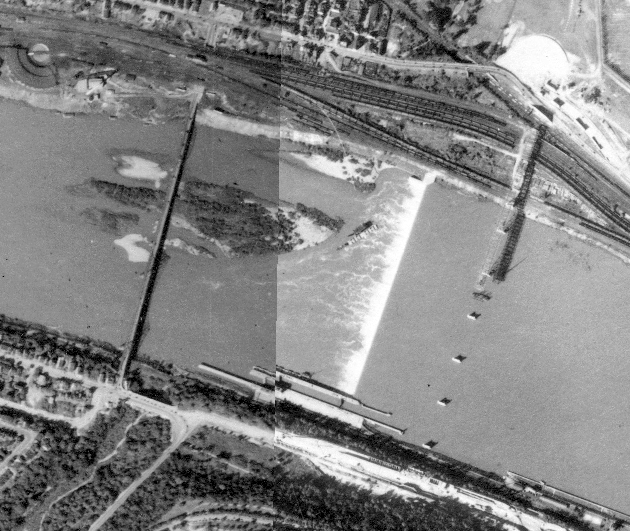
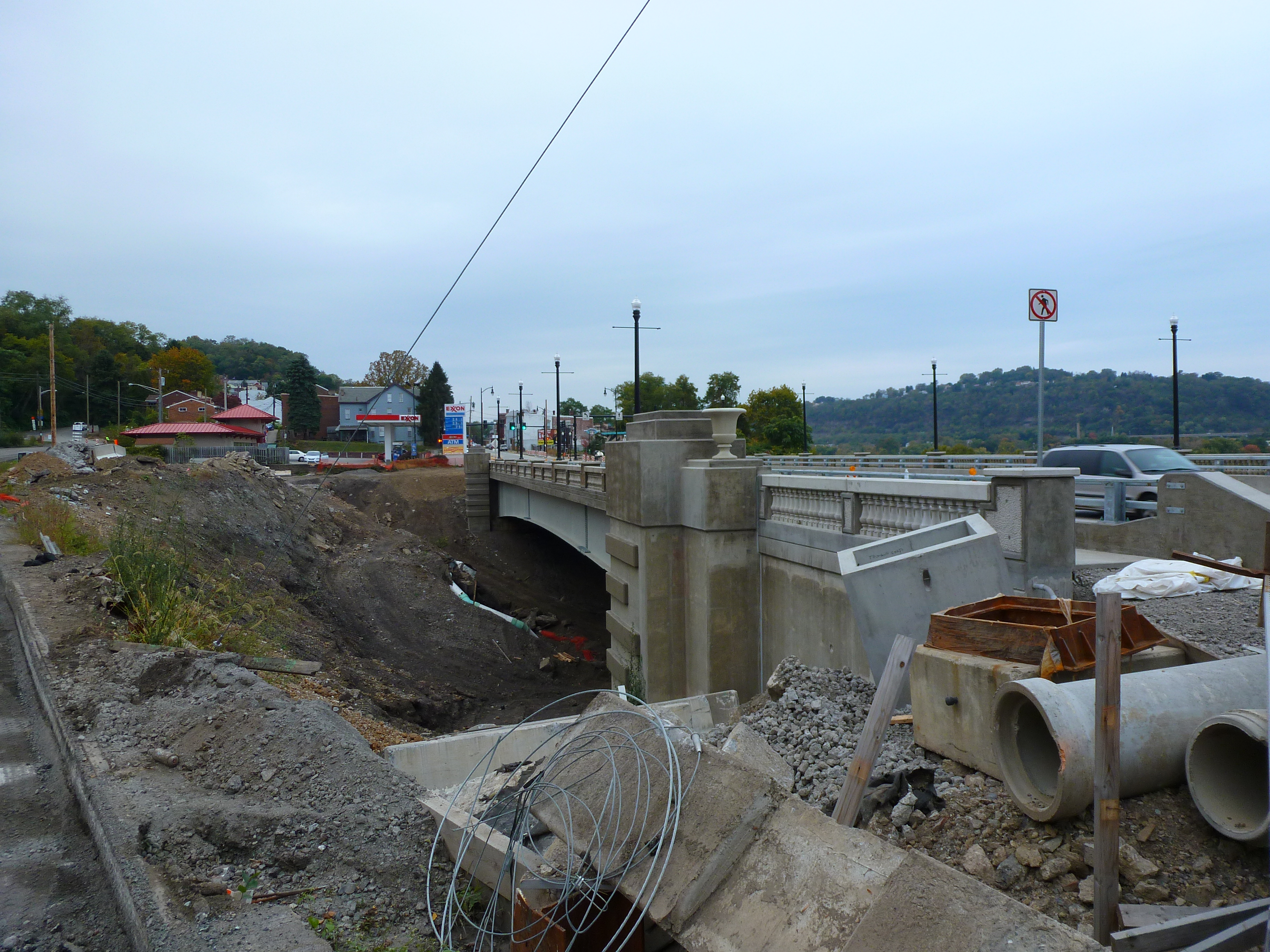
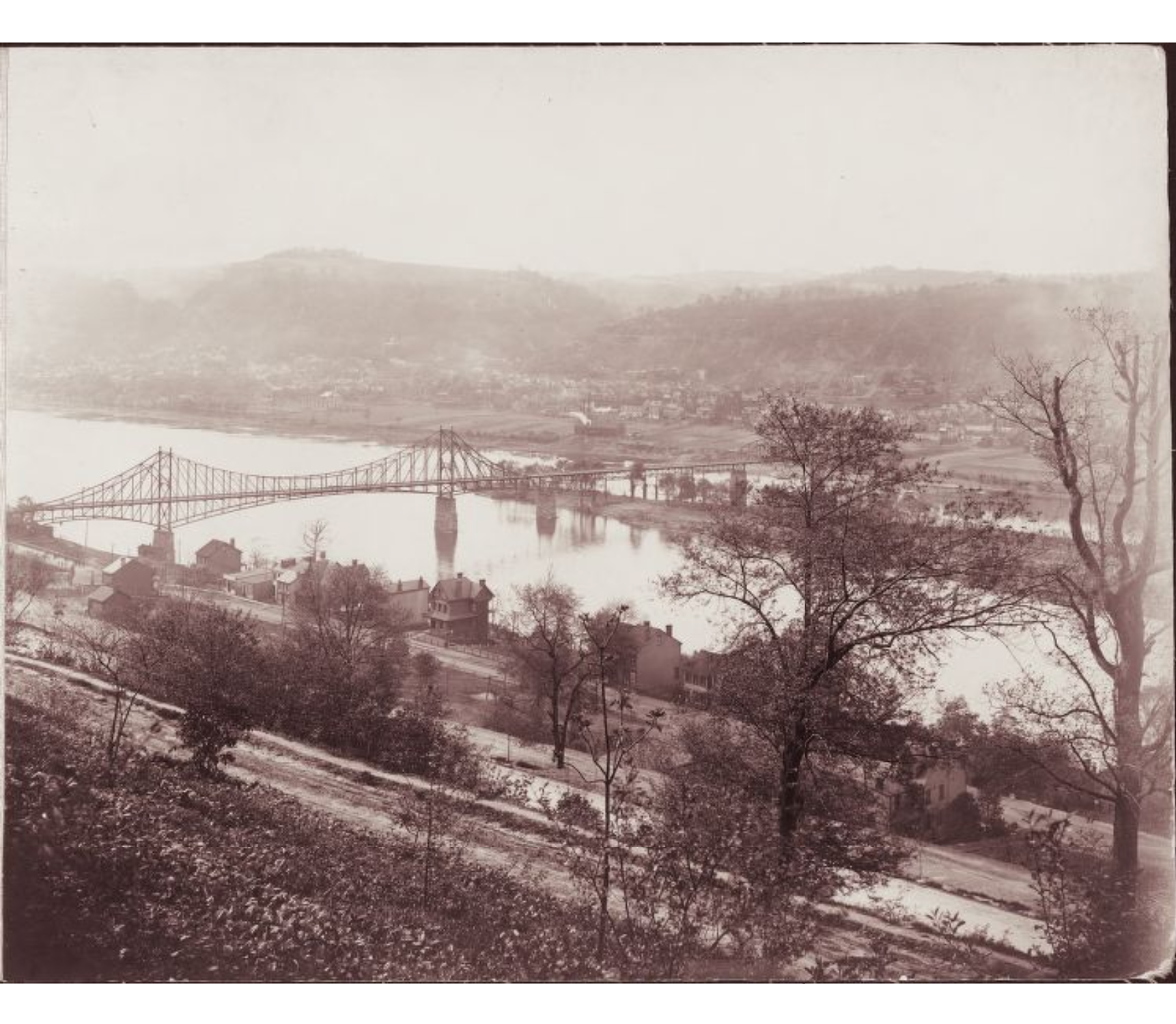
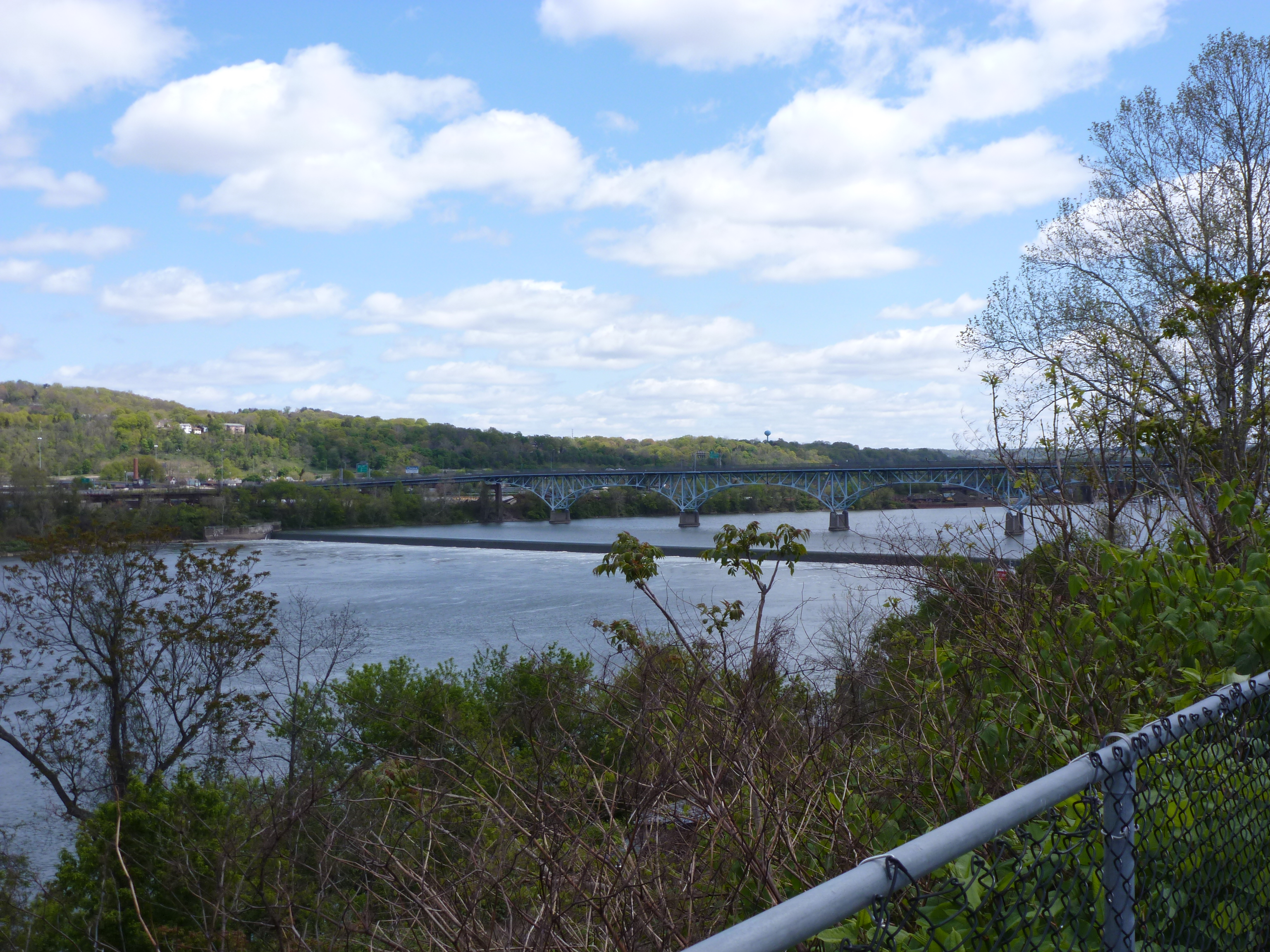
My primary day job this year involves spending lots of time with Pittsburgh archives, particularly maps. That was how I discovered that East Liberty used to have more bridges. Since then, I discovered that the Highland Park Bridge used to be in a completely different location, adjacent to the western end of Heth’s Run Bridge. The image above from the Pittsburgh Historic Maps, an online ArcGIS map viewer, shows the 1939 satellite images for the area with the former Highland Park Bridge to the left and the current Highland Park Bridge under construction on the right.
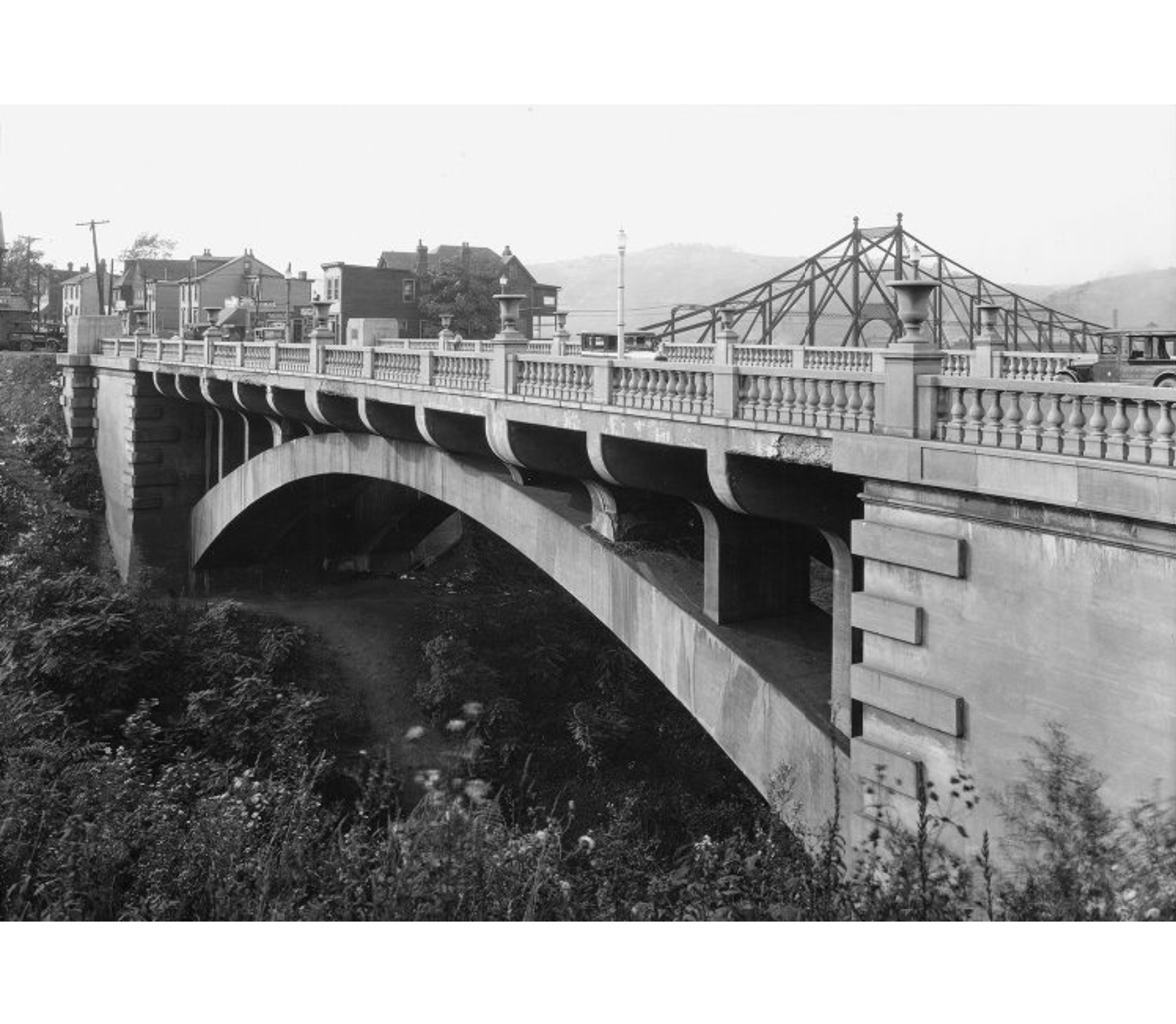
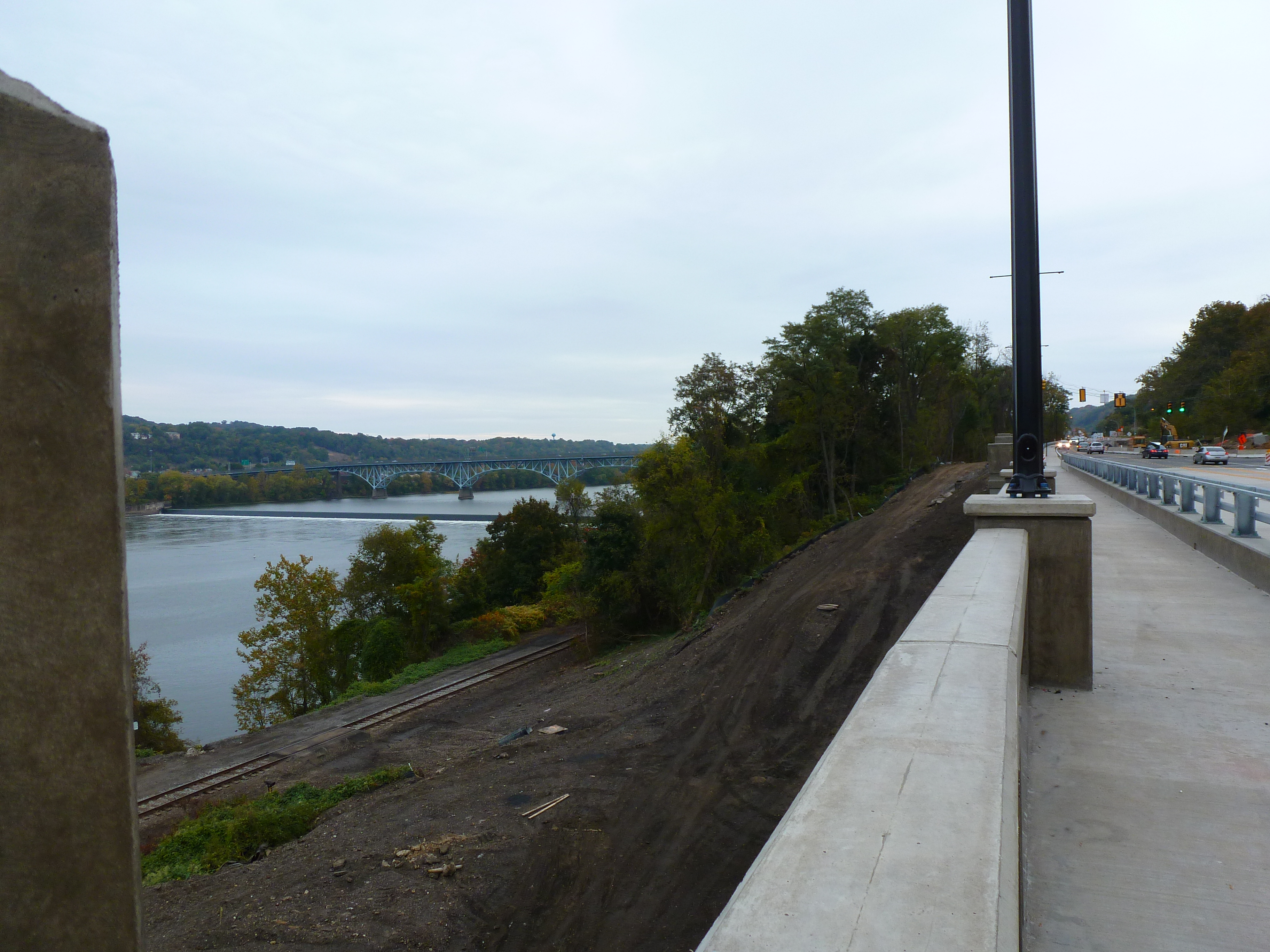
Once again, thanks to Historic Pittsburgh, I found photos of the former bridge. The first pair of photos below shows the Highland Park Bridge beyond the Heth’s Run Bridge, the older one looking west and the newer one looking east. The second pair of photos compares the Heth’s Run ravine in it’s original condition after being bridged to its restored condition after being filled in and then re-excavated. The third pair of photos compares the former and current Highland Park Bridges.
East Liberty Station Pedestrian Bridge, August 2020, Carolyn RistauSpahr Street Pedestrian Bridge, February 2022, Carolyn Ristau
The winner of the 2024 Bridge Madness tournament, the East Liberty Station Pedestrian Bridge, faced stiff competition in the Final Four round from the Spahr Street Pedestrian Bridge. Both of these bridges are relatively new, constructed with funding sources from the Obama Administration. When I moved to Pittsburgh 15 years ago, neither of these bridges existed. There was no pedestrian connection at Spahr Street and the pedestrian bridges at East Liberty Station were boxed-in bridges with no greenery. (For a side-by-side comparison of the prior and current East Liberty Station bridges see their Then and Now post.) These are not the only changes to bridges in this area. In fact, I suggest that East Liberty has seen more bridge turn-over in the last 100 years than any other part of Pittsburgh.
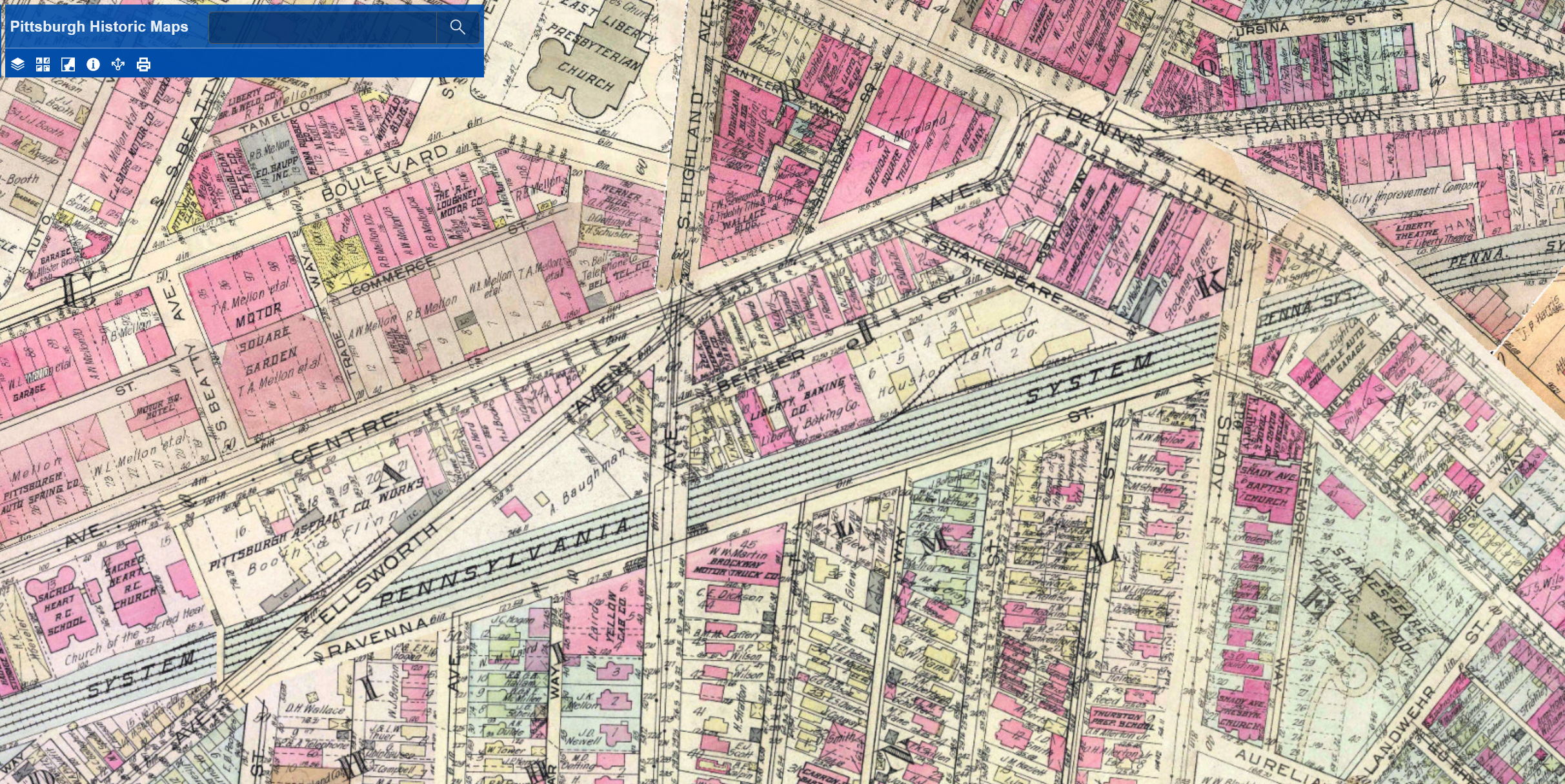
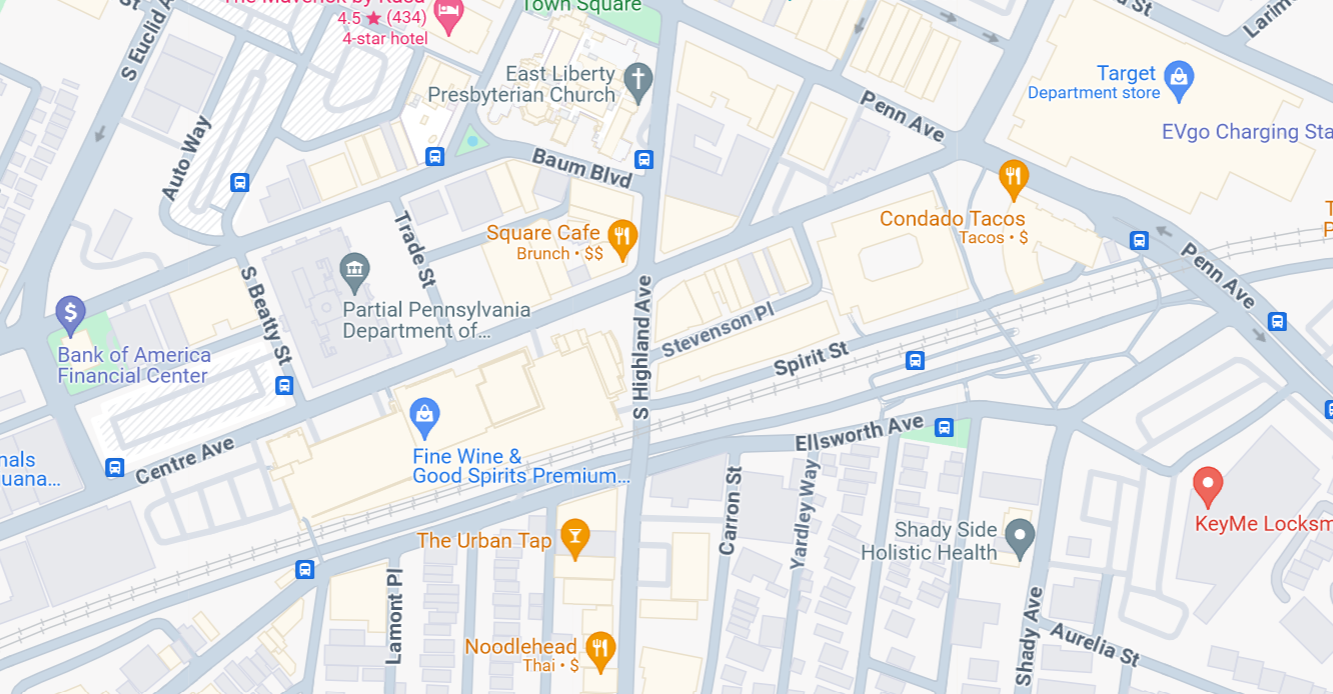
The Penn Avenue and South Highland Avenue Bridges have stayed fairly constant, at least as far as location is concerned. The South Highland Avenue Bridge was rebuilt and redesigned in the 15 years I’ve lived here. While the Spahr Street Pedestrian Bridge is new, the 1923 G. M. Hopkins map above shows that there used to be a pedestrian bridge at this same location. The historical precedent for a pedestrian bridge here may be another factor for why the bridge was located here and not further east where residents have been asking for a pedestrian bridge for years.
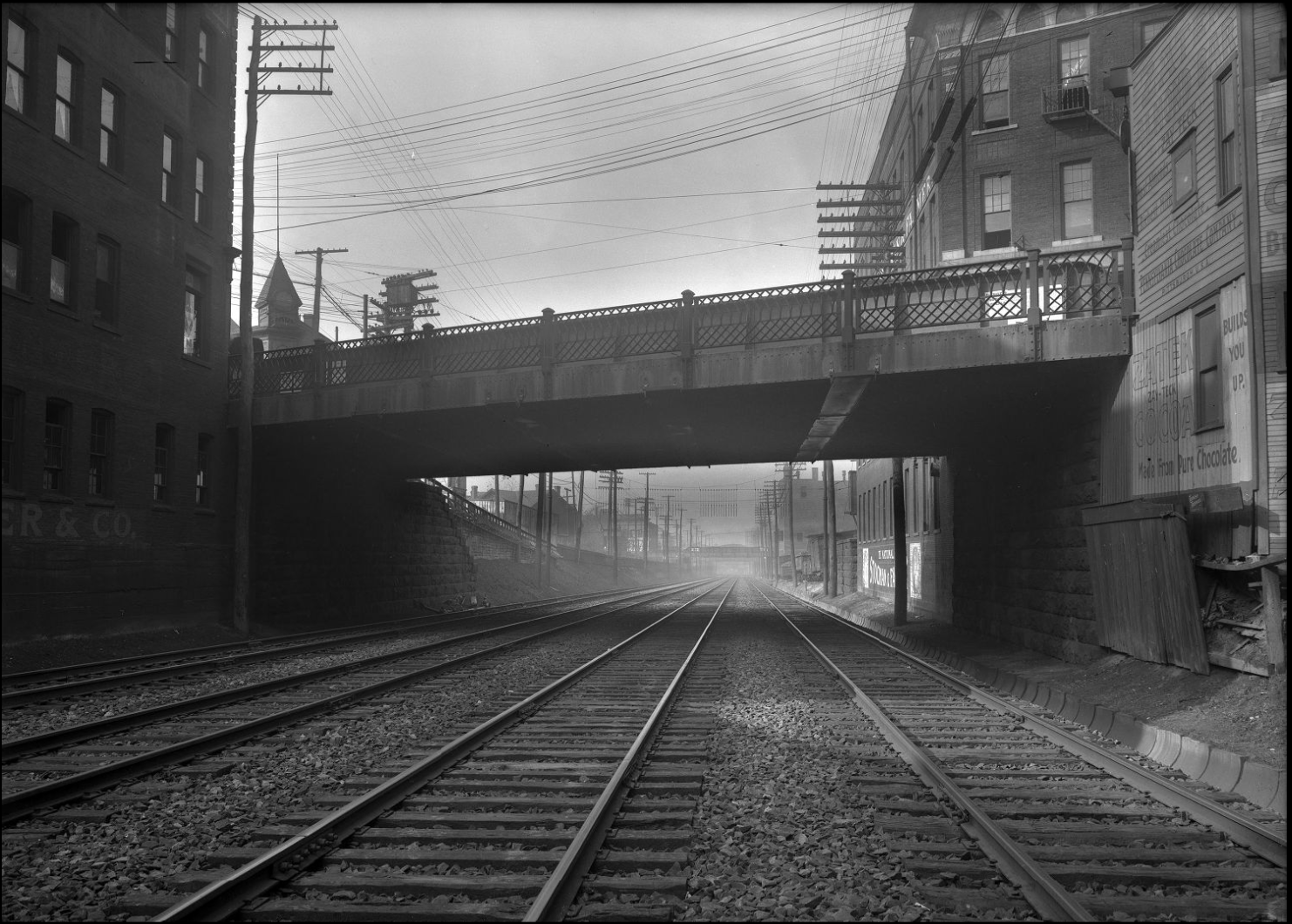
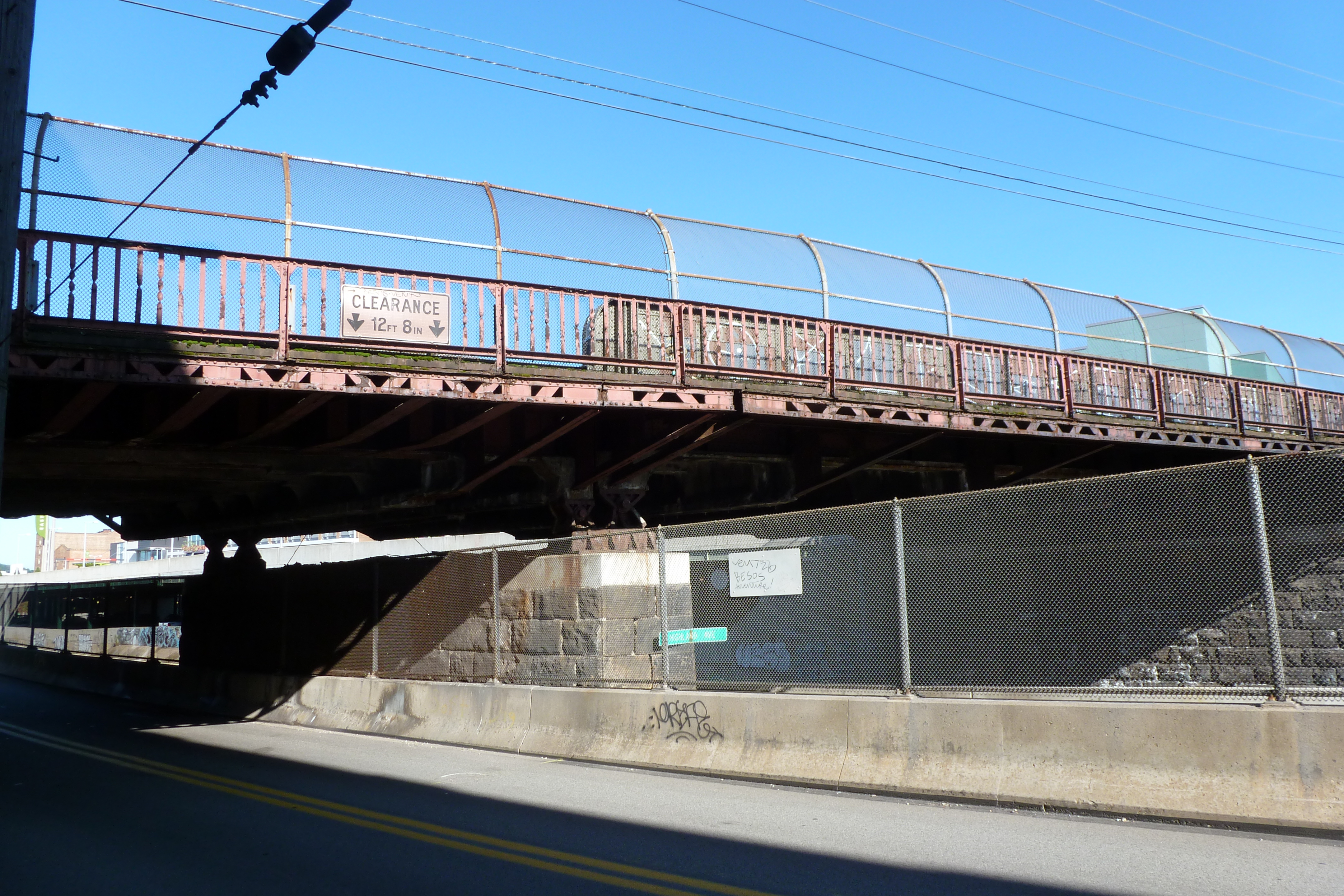
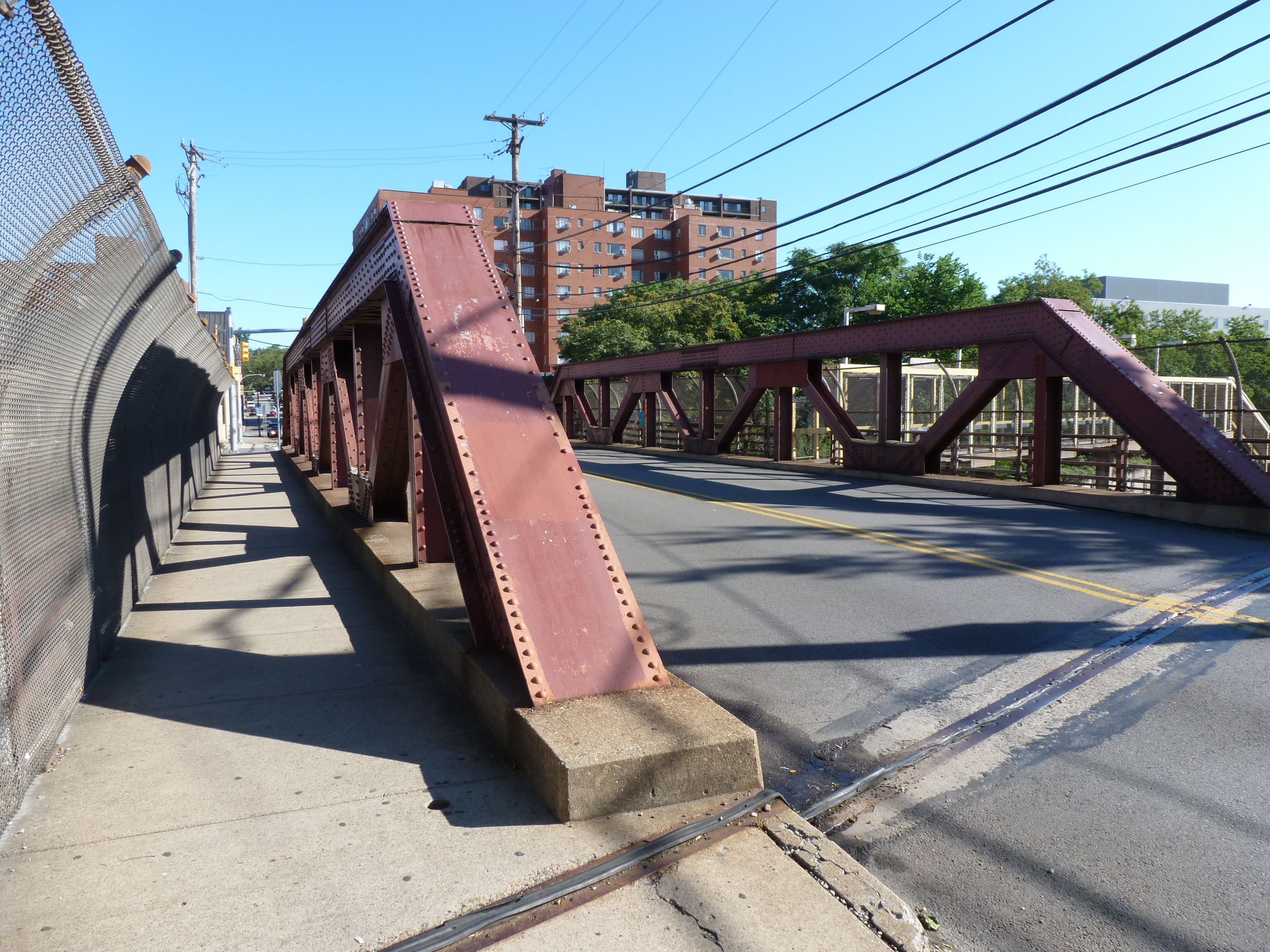
The other major bridge changes in this area are the former Ellsworth Avenue and Shady Avenue Bridges that show on the 1923 G. M. Hopkins map. Both of those are long gone. I assume they were casualties of the massive Urban Renewal of the neighborhood that significantly impacted the street grid of the area. The digital archives of Historic Pittsburgh include photos of these former bridges. The Shady Avenue Bridge seems to have been of a similar design to the former South Highland Avenue Bridge. The Ellsworth Avenue Bridge seems to have been of a similar design to the current South Negley Avenue Bridge that is just outside the map frame to the west. One key difference is that cages were added at some point to the South Highland and South Negley Bridges.
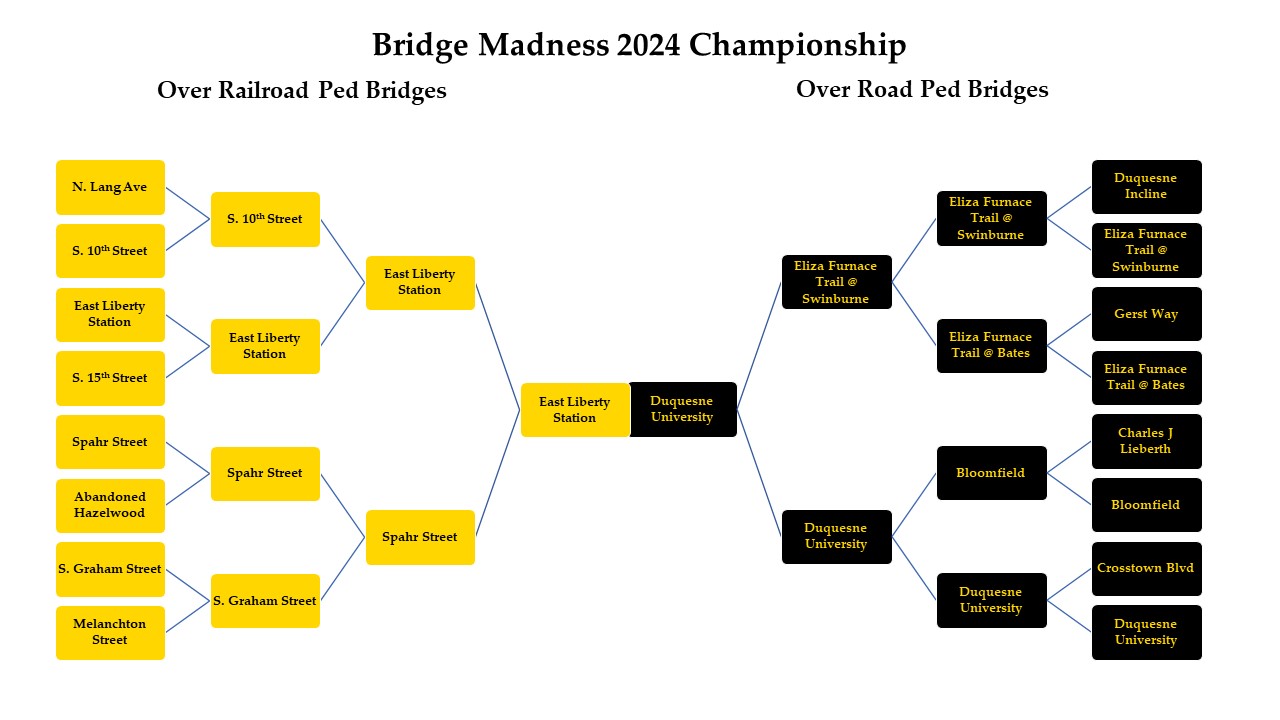
The East Liberty Station Pedestrian Bridge wins the 2024 Bridge Madness tournament with 56% of the votes.
Thank you for participating in the 2024 Bridge Madness Tournament. There were several tight contests in this year’s tournament. The tournament featured 16 pedestrian bridges in Pittsburgh. Half passed over railroads and half passed over roads.
From east to west, the bridges that pass over railroads were:
the North Lang Avenue Pedestrian Bridge
the East Liberty Station Pedestrian Bridge
the Spahr Street Pedestrian Bridge
the South Graham Street Pedestrian Bridge
the Melanchton Street Pedestrian Bridge
an abandoned pedestrian bridge in Hazelwood
the South 15th Street Pedestrian Bridge
the South 10th Street Pedestrian Bridge
From east to west, the bridges that pass over roads were:
the Eliza Furnace Trail Bridges over Swinburne Street
the Eliza Furnace Trail Bridge over Bates Street
the Bloomfield Pedestrian Bridge
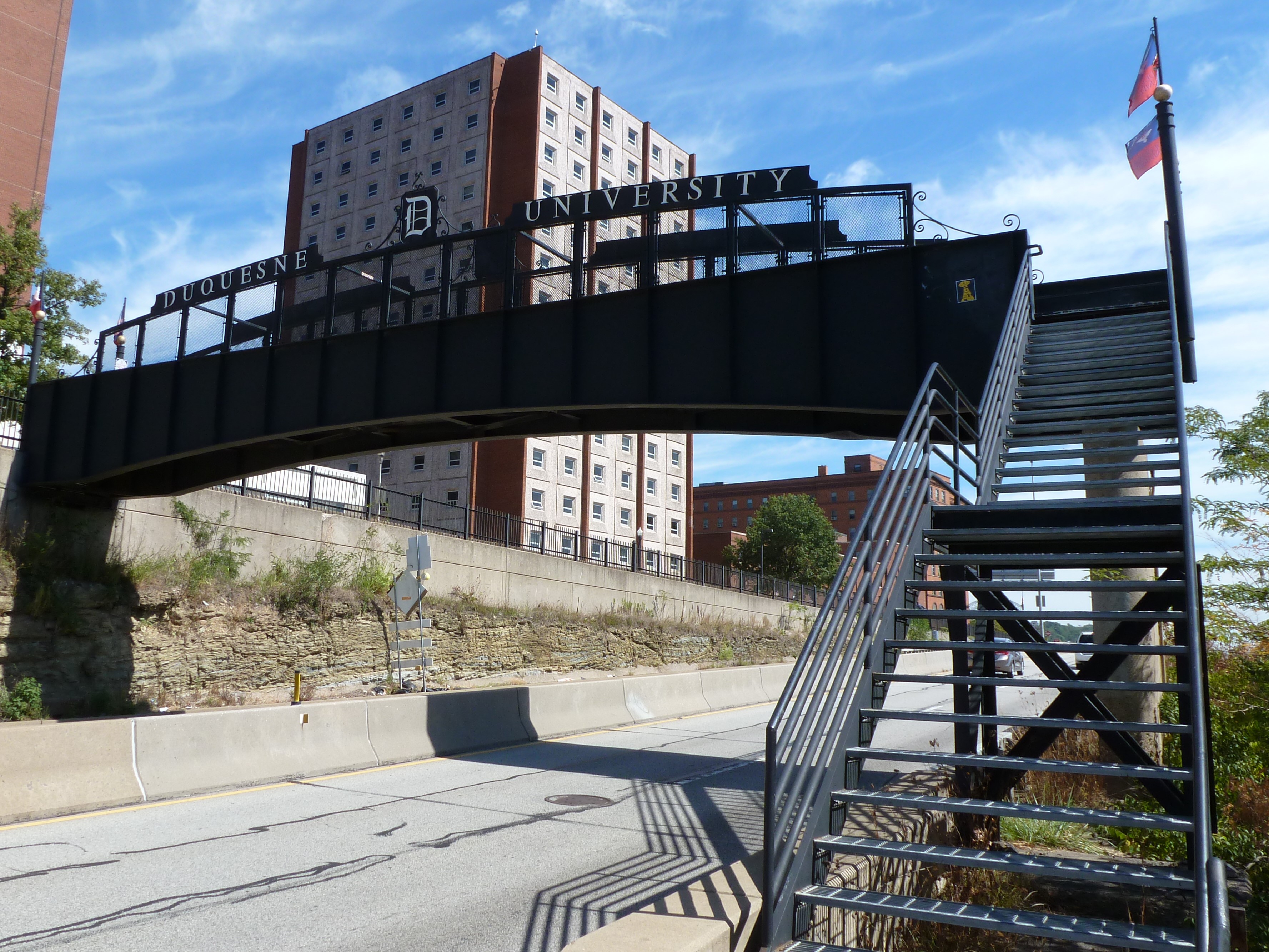
the Duquesne University Pedestrian Bridge
the Crosstown Blvd Pedestrian Bridge
the Charles J Lieberth Pedestrian Bridge
the Gerst Way Pedestrian Bridge
the Duquesne Incline Pedestrian Bridge
They matched up as follows:
If you’re interested in exploring these bridges yourself, they are located:
One of my readers alerted me to last night’s collapse of the Francis Scott Key Bridge in Baltimore. While I’ve never walked that bridge, since the collapse of Pittsburgh’s Fern Hollow Bridge, which I have walked, the scope of my blog has expanded to highlight the fragile nature of the infrastructure we rely on daily in the United States (and across the pond). According to the reports coming in and the video of the accident, a loaded cargo liner crashed into a pier of the Francis Scott Key Bridge causing the structure to collapse. The Baltimore Sun (March 26, 2024) and Washington Post (March 26, 2024) articles are my primary sources for learning of the accident.
Unlike Pittsburgh’s disaster which was due to a deteriorated portion of the bridge finally giving way after years of deferred maintenance, no blame has yet been placed on any structural unsoundness of the Francis Scott Key Bridge.
The ship that ran into it is another story. Apparently, it recently was flagged as having questionable issues in its navigation system. The current understanding is that the ship lost power and control of steering, issued a mayday alert, and crashed into the bridge pier. In the early analysis of what happened, there are questions as to why various things were not handled differently to have prevented the collision. For example:
Why were there not more structures in the water to deflect any ships away from the bridge pier?
Why didn’t the tugboats continue with the ship until it cleared not just the harbor, but the bridge as well?
Why wasn’t the bridge built with redundancies so that even if one of the piers were knocked out, the bridge could still stand?
Much like deferred maintenance (of bridges and ships), I suspect that money is at the root of the reason why not for items one and three above. It may also be a factor in why the tugboats don’t travel farther down the river with the ships.
The City of Baltimore and State of Maryland have declared a state of emergency. Pledges are being made to rebuild the bridge quickly, including President Biden promising the money to rebuild. It may be interesting to compare the rebuilding of the Francis Scott Key Bridge against Pittsburgh’s Fern Hollow Bridge. While of significantly different scales, both bridges are considered major transportation arteries that the local region cannot afford to be without any longer than absolutely necessary. Will the Francis Scott Key Bridge rebuild include similar time saving measures of purely utilitarian design and of concurrent design/build phases?
In the 2024 Bridge Madness Tournament, 16 pedestrian bridges go pier-to-pier in a reader’s choice tournament to pick the best one. This year’s tournament features pedestrian bridges within Pittsburgh that cross over roads or railroads. Below is the Championship contest. Vote for your favorite bridge by noon on Wednesday, March 27, and then return on March 29th to see the winner.
The bridges are divided into two conferences: Pedestrian Bridges over Railroads and Pedestrian Bridges over Roads.
Championship Bridges
East Liberty Station Pedestrian BridgeDuquesne University Pedestrian Bridge
In the 2024 Bridge Madness Tournament, 16 pedestrian bridges go pier-to-pier in a reader’s choice tournament to pick the best one. This year’s tournament features pedestrian bridges within Pittsburgh that cross over roads or railroads. Below are the brackets for the Final Four. Remember to vote for one bridge in each bracket by noon on Wednesday, March 20, and then return on March 22nd to vote for the Champion.
The bridges are divided into two conferences: Pedestrian Bridges over Railroads and Pedestrian Bridges over Roads.
Pedestrian Bridges over Railroads
East Liberty Station Pedestrian BridgeSpahr Street Pedestrian Bridge
Pedestrian Bridges over Roads
Eliza Furnace Trail over Swinburne StreetDuquesne University Pedestrian Bridge
Pittsburgh’s Charles Anderson Bridge closed to vehicles indefinitely pending restorationPittsburgh’s Swindell Bridge closed to vehicles indefinitely pending restoration
Pittsburgh isn’t alone in being home to bridges on the verge of collapsing. This year marks the 200th anniversary of London’s Hammersmith Bridge, which has been closed to vehicular traffic for five years after cracks threatening the stability of the bridge were discovered. The bridge was temporarily closed to pedestrians and cyclists crossing over and river traffic crossing under, but those restrictions have been lifted. Except cyclists are required to dismount and walk across. (Transport for London: Hammersmith Bridge) Work is slowly being done on the bridge, but there is no estimate for when it will be fully functional again. Part of the delay appears due to the decentralization of bridge ownership in London that puts the burden of costly bridge maintenance and repairs on local councils that don’t have sufficient funds (The Standard, July 5, 2023). Much as I enjoy walking across bridges, I would have second thoughts about walking one where the vibrations caused by a cyclist might increase the damage to the bridge.







 urbantraipsing