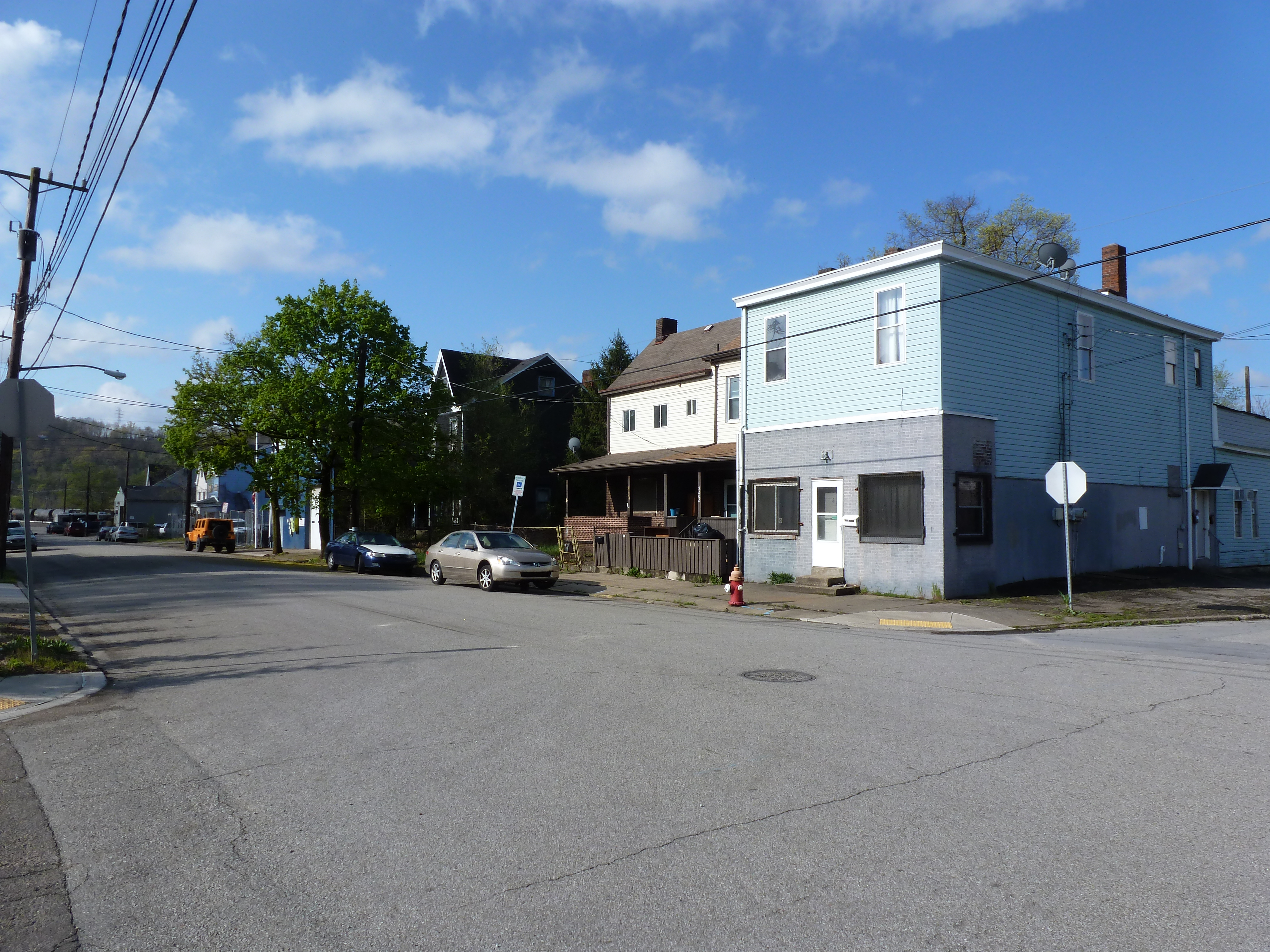
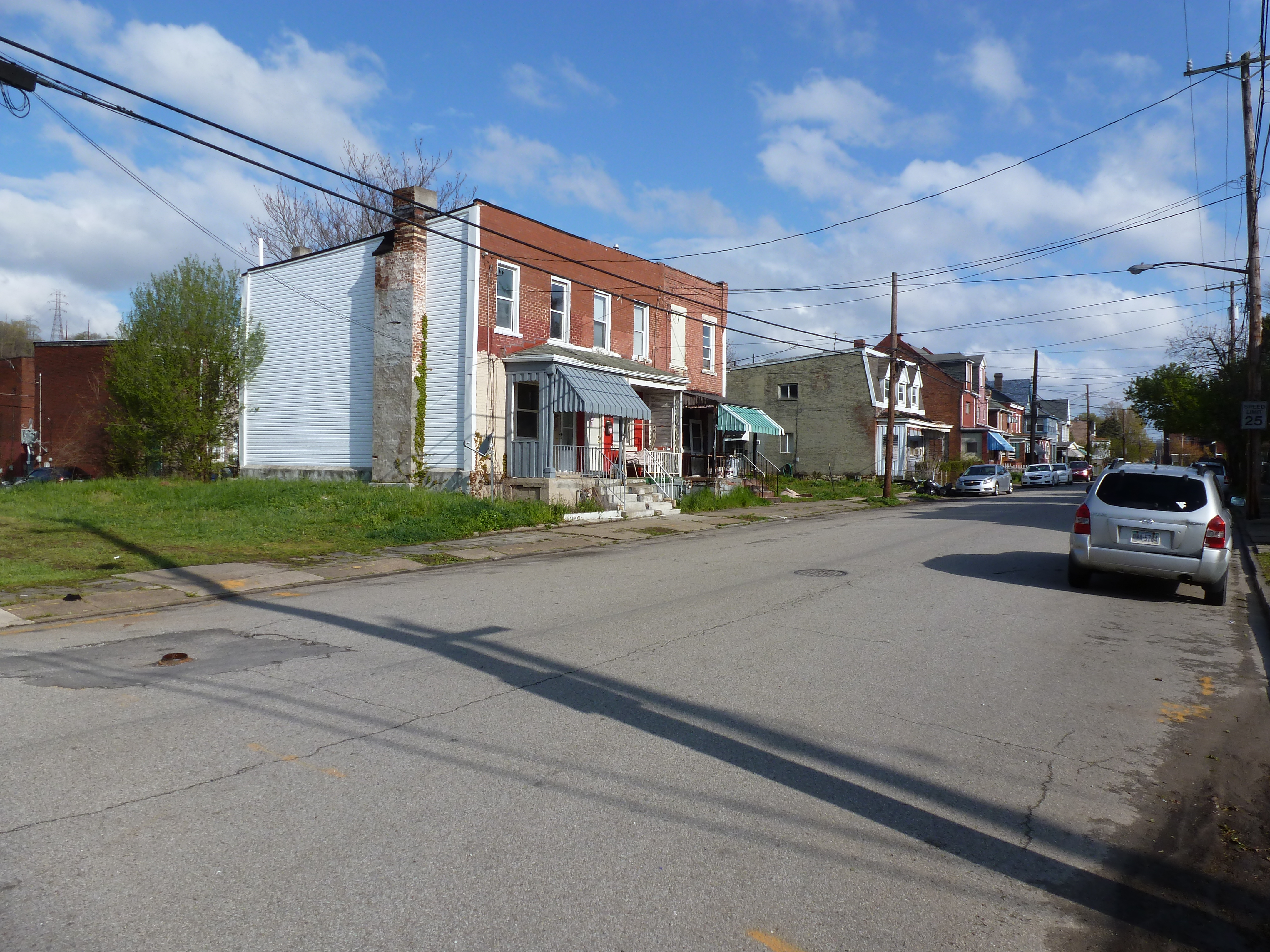
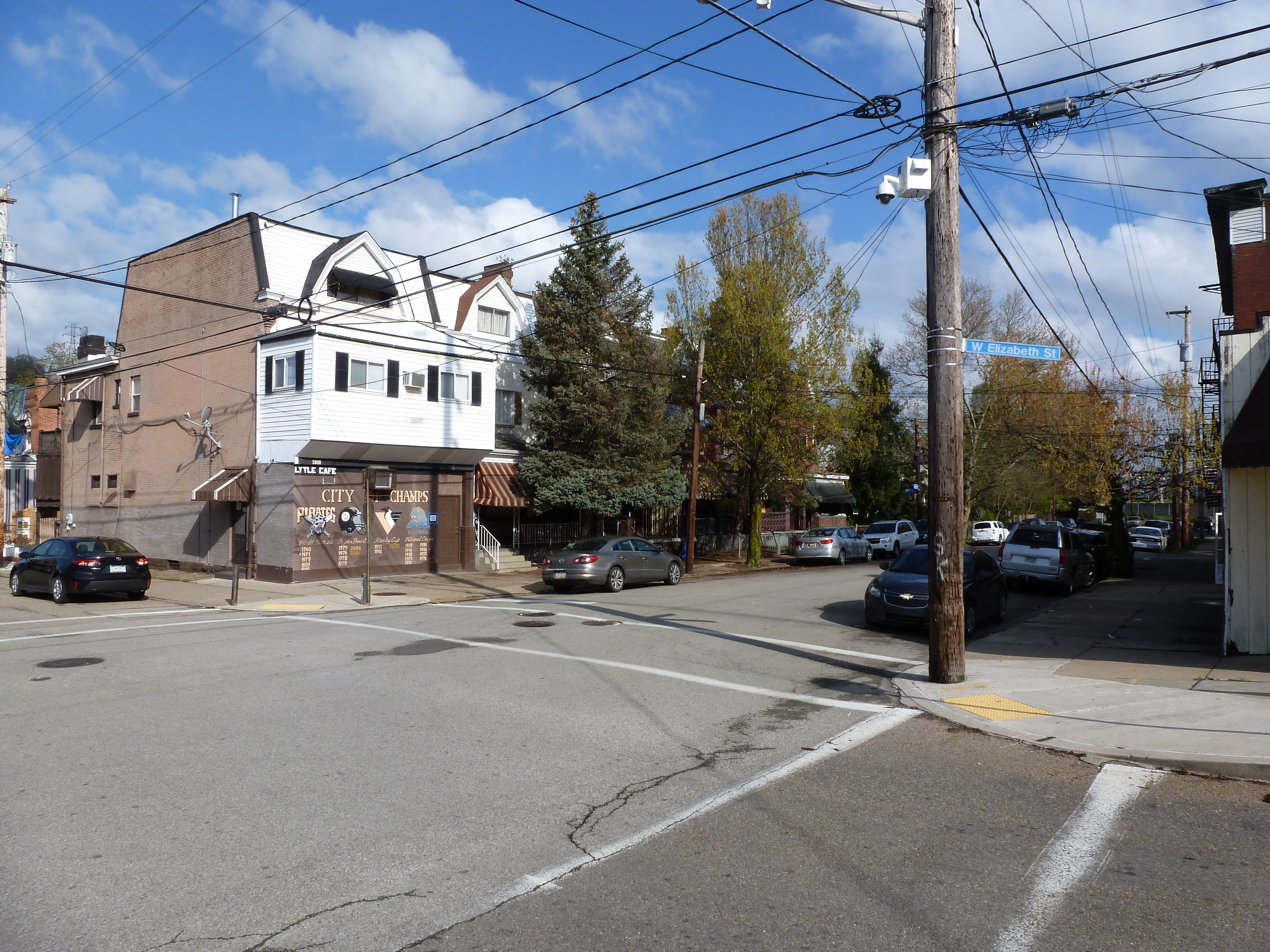
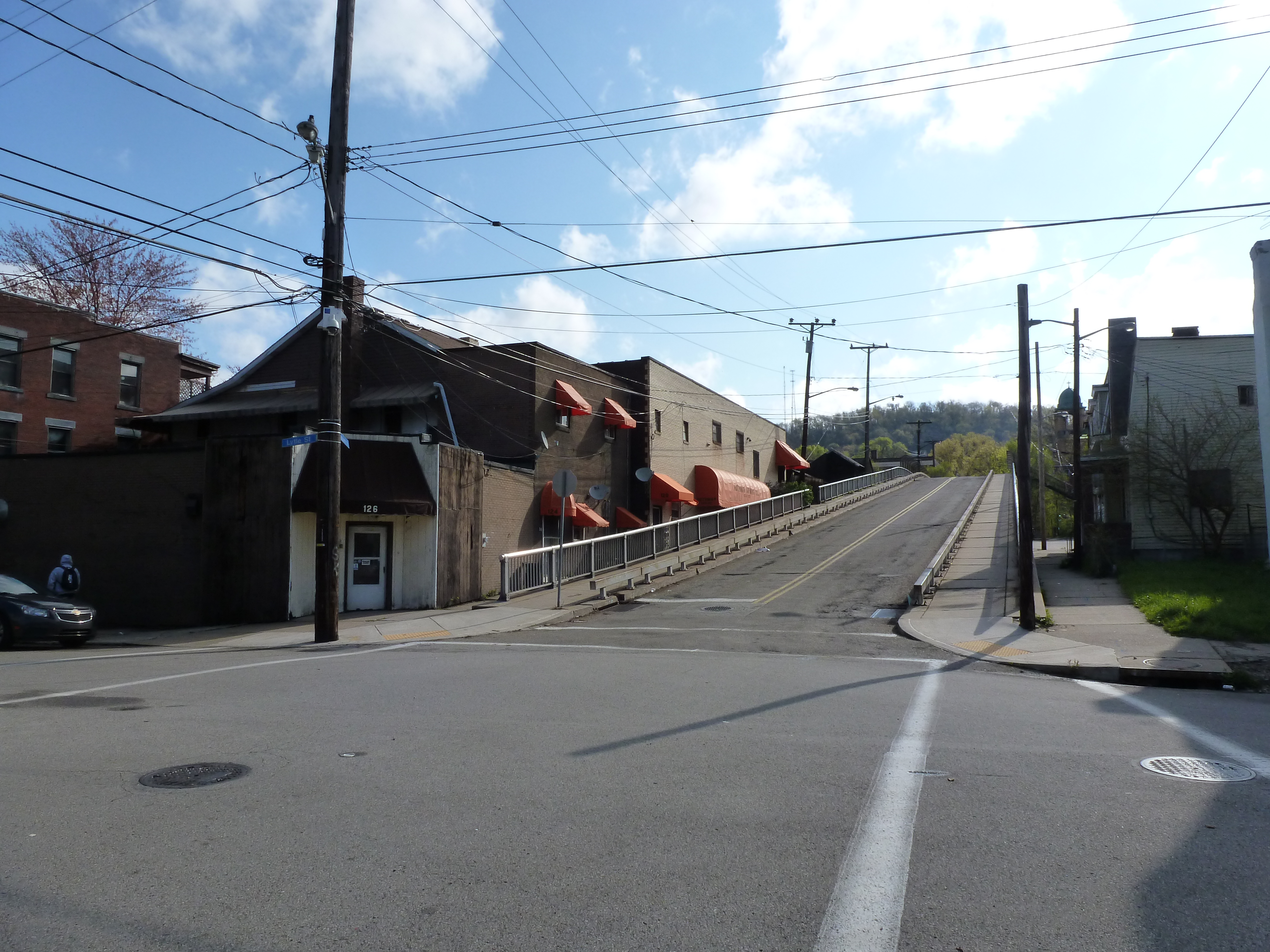
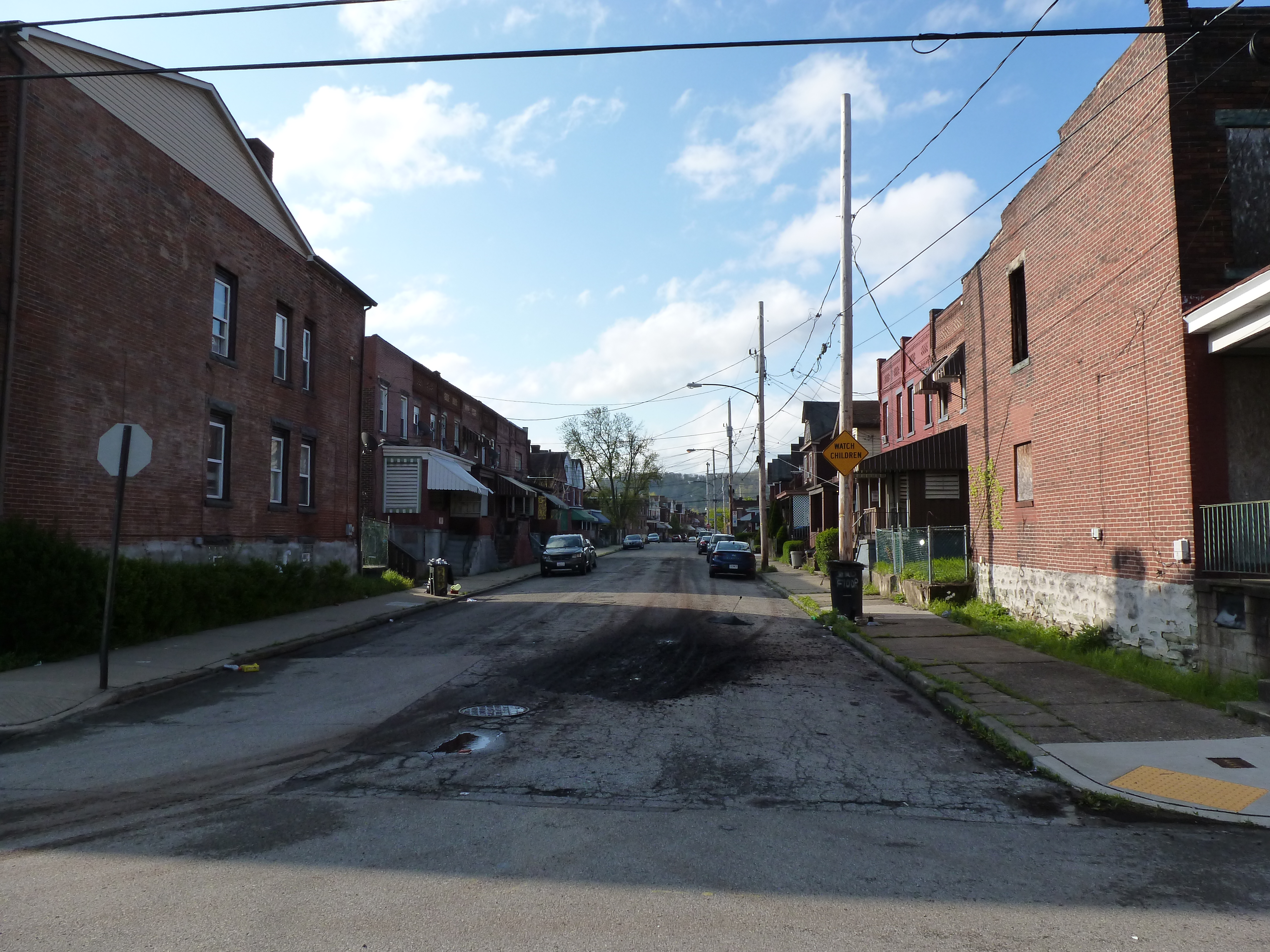
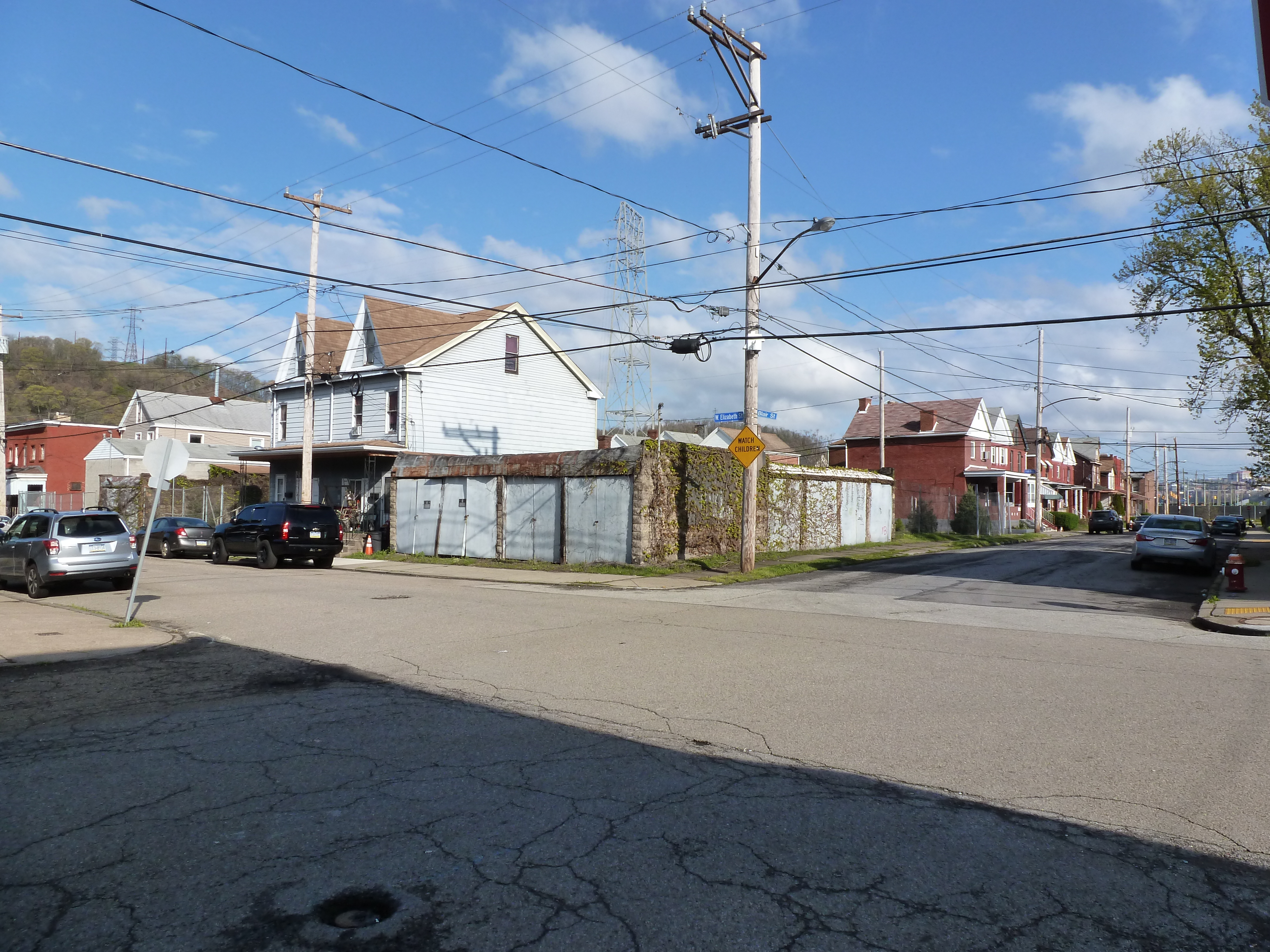
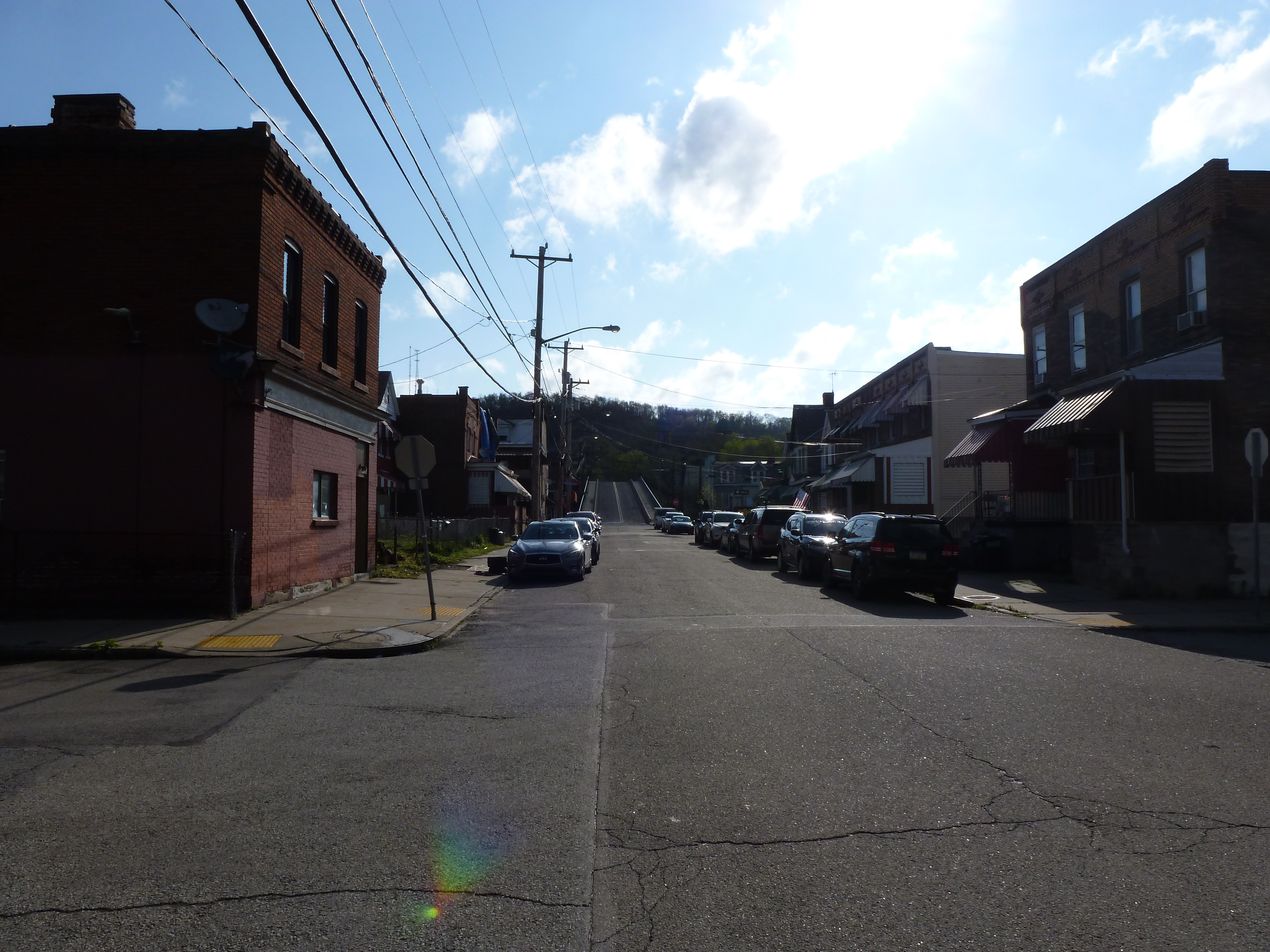
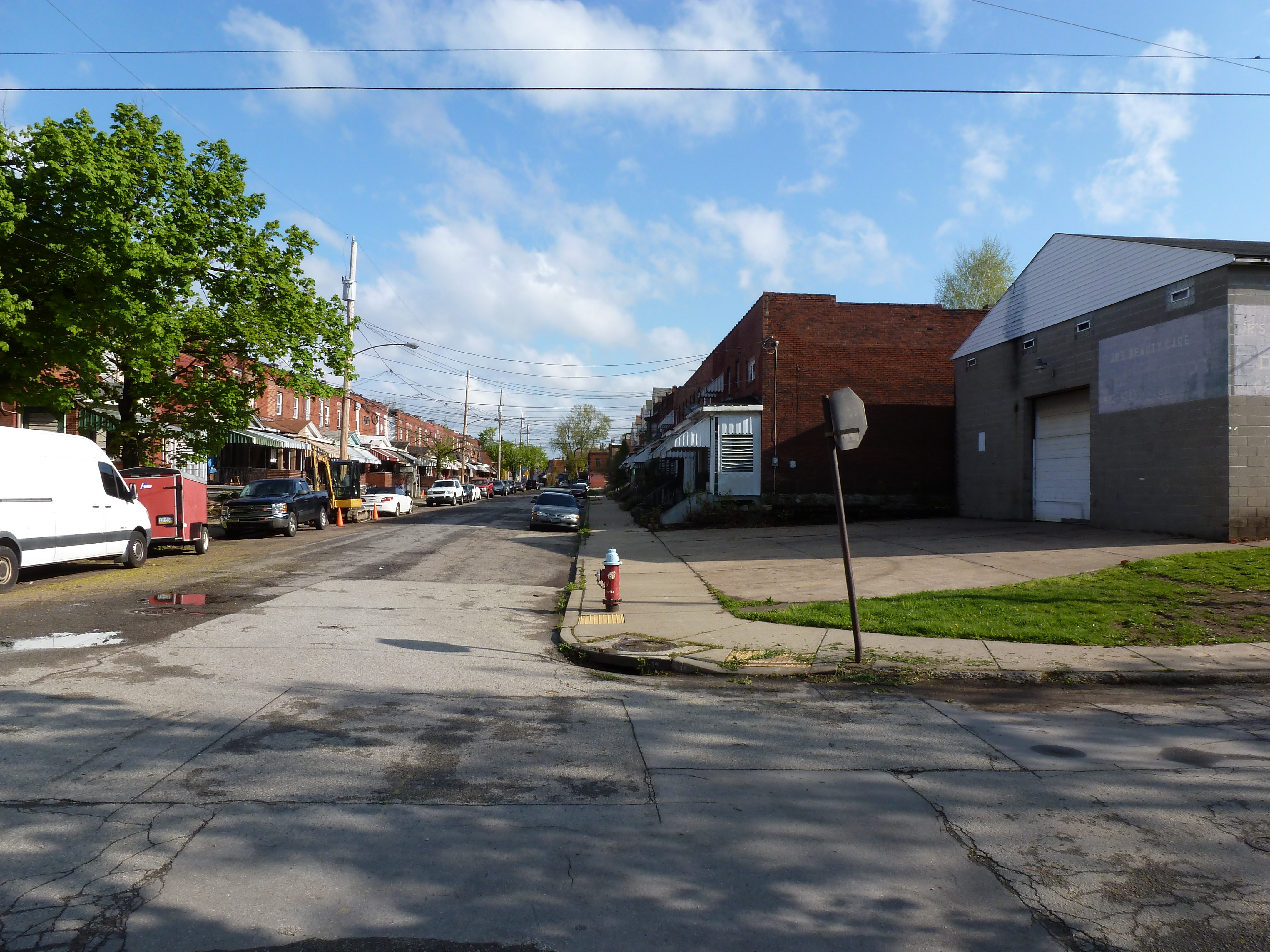
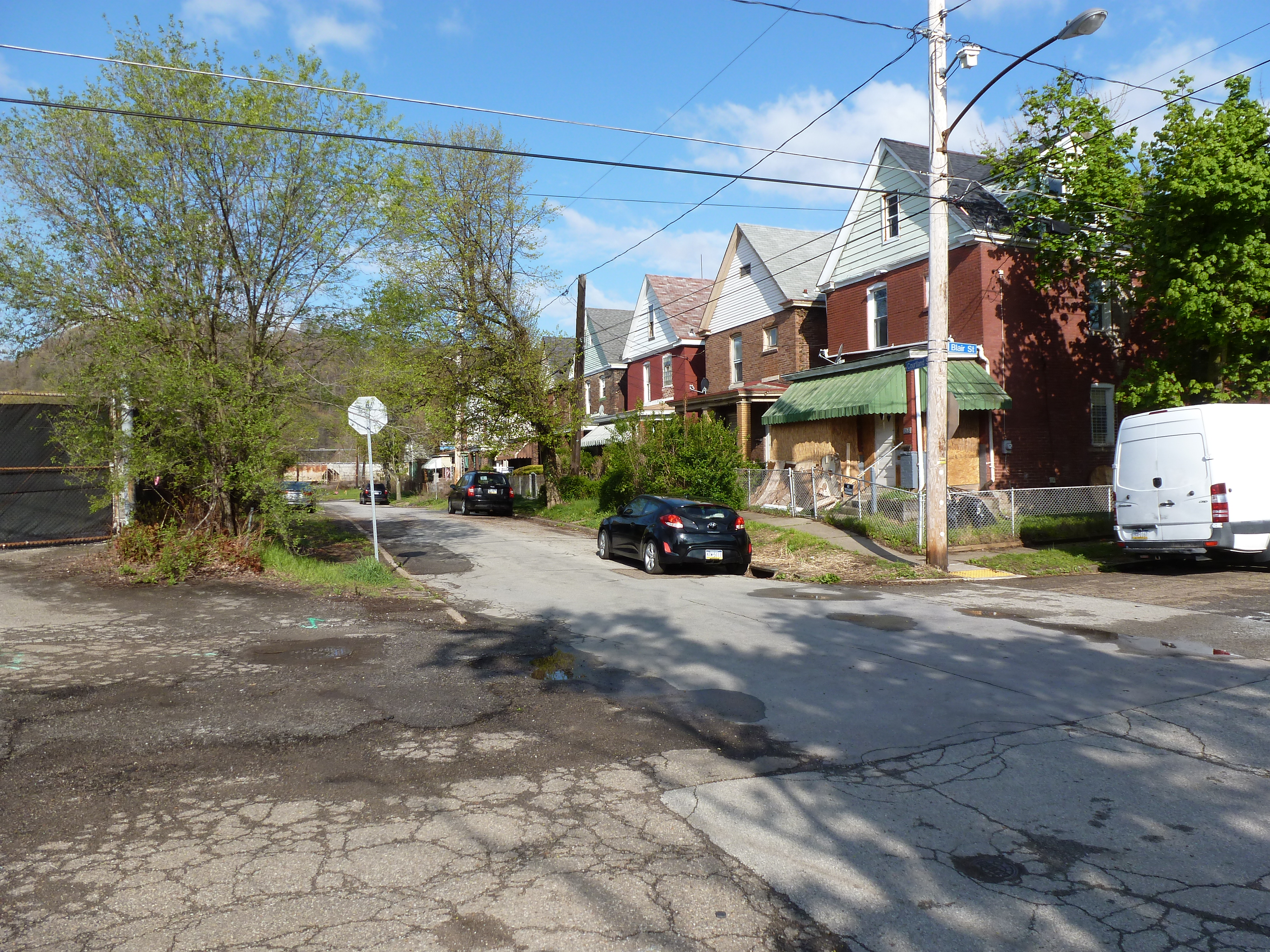
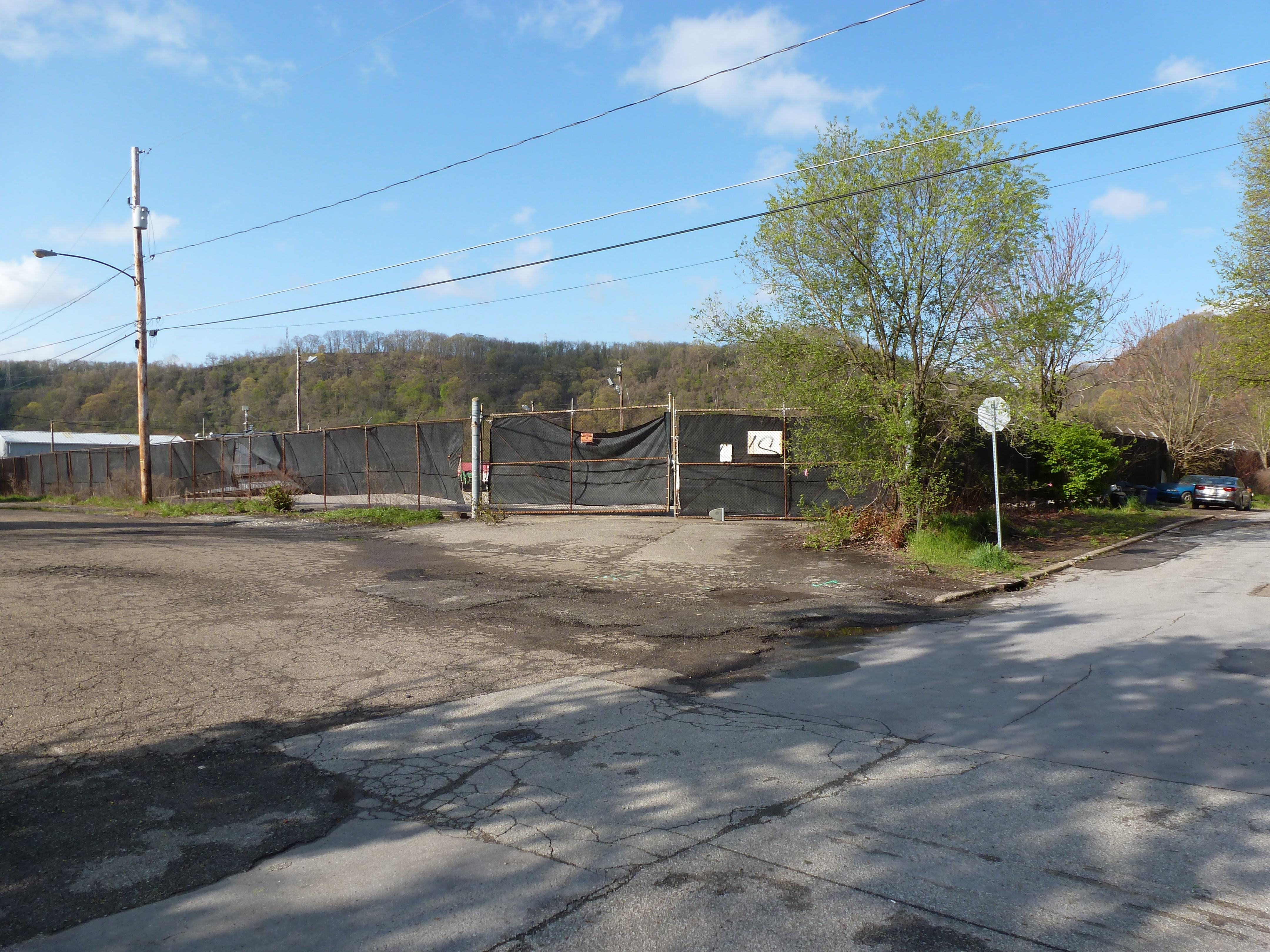
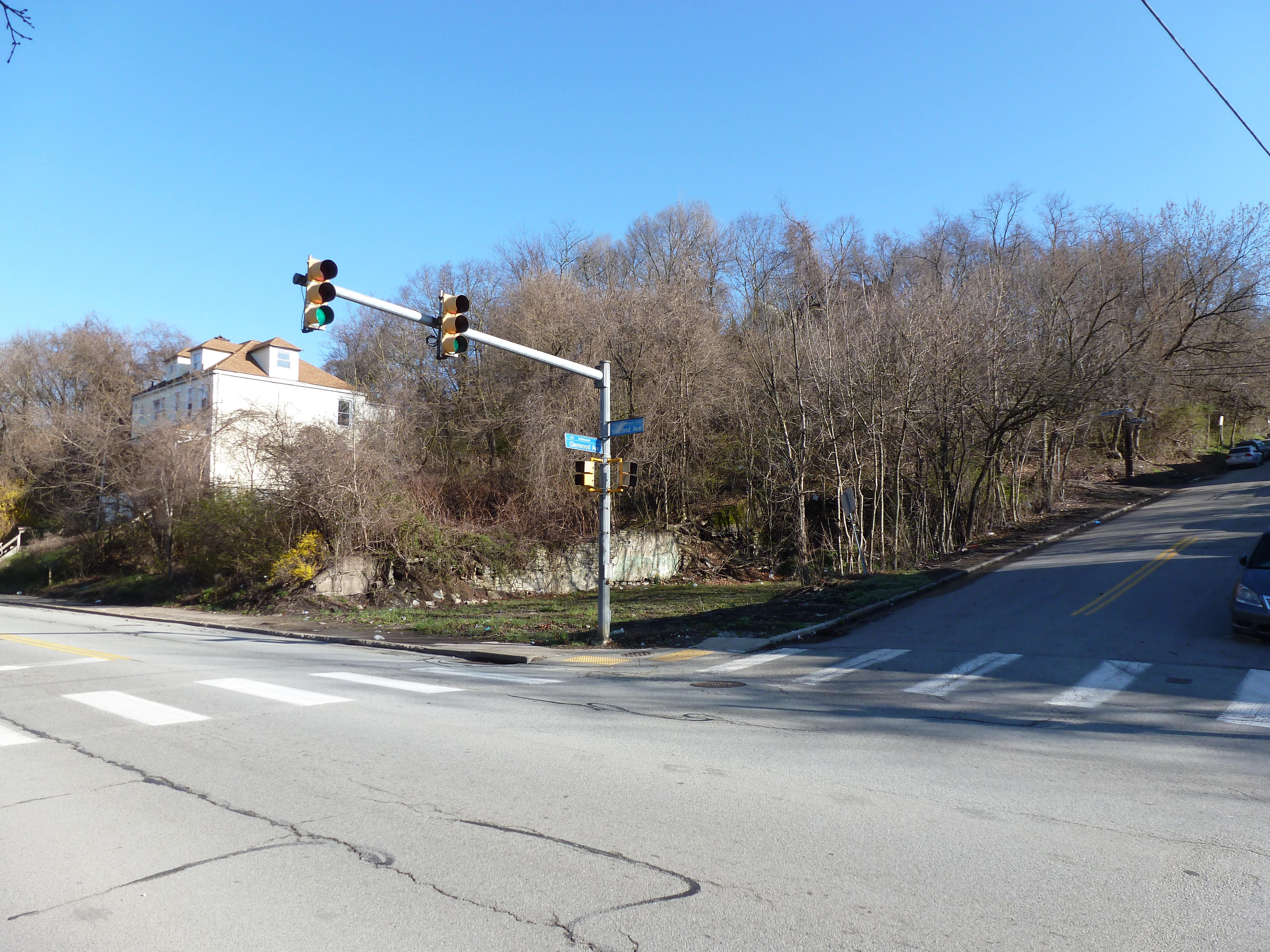
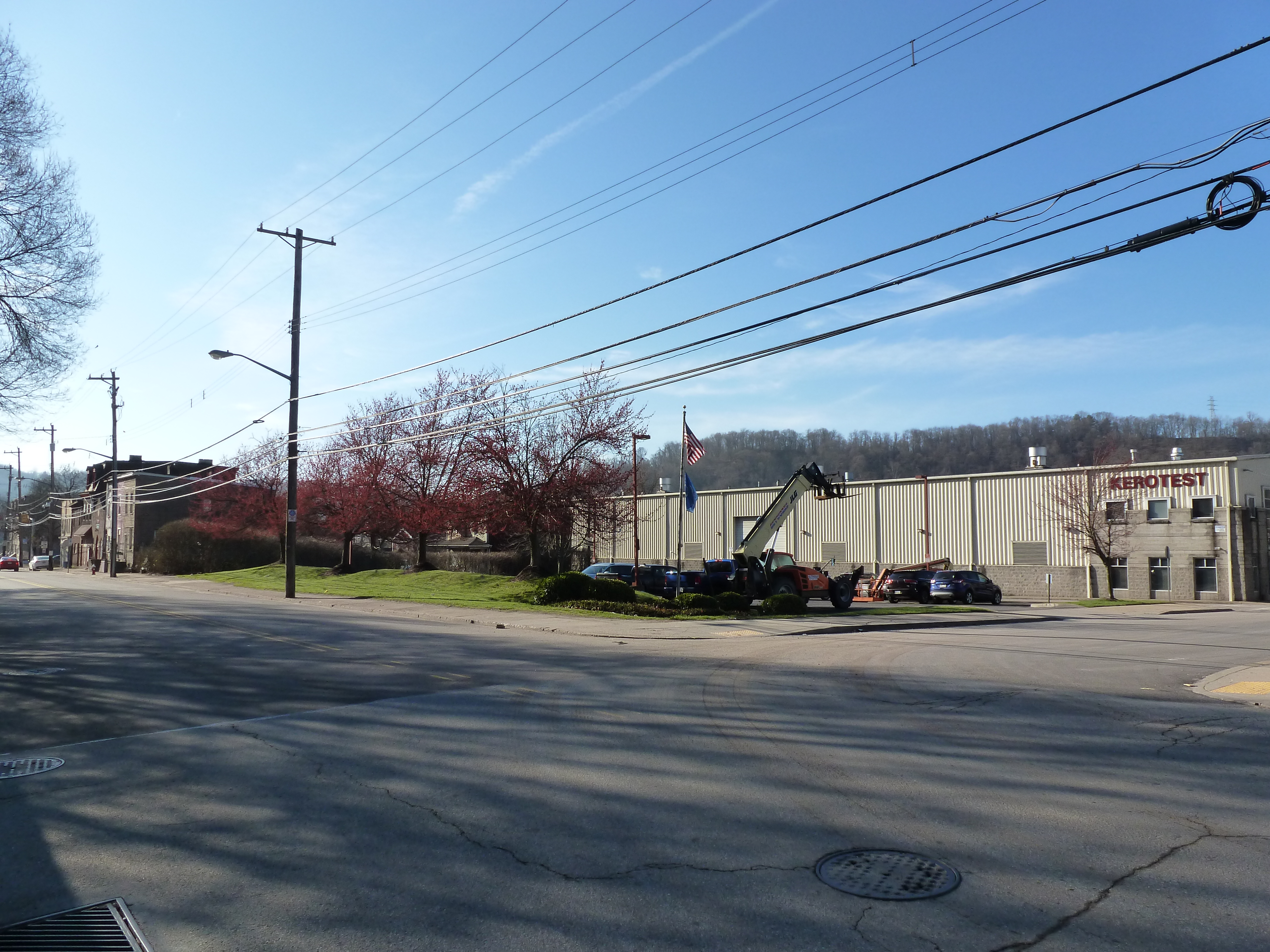
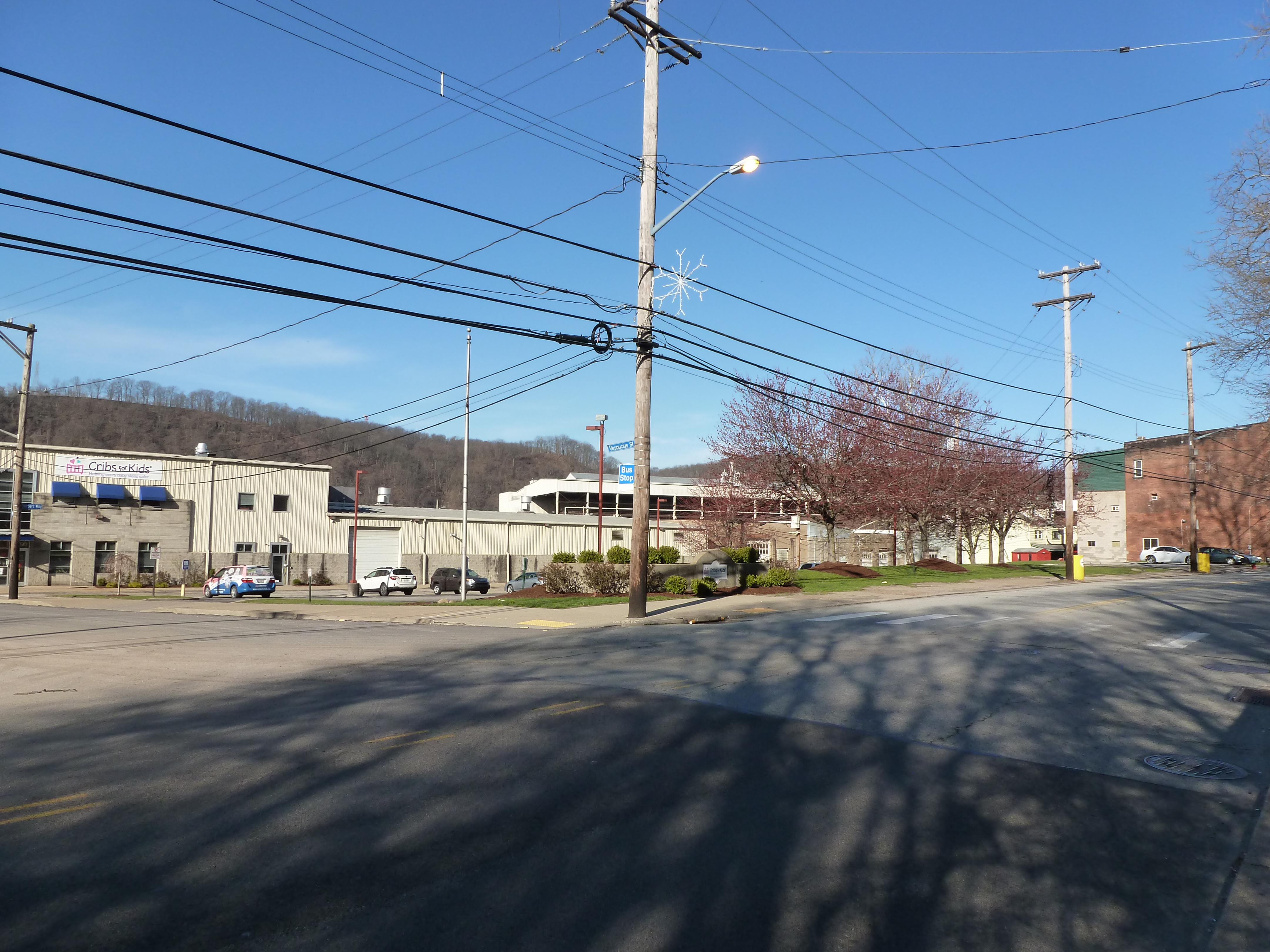
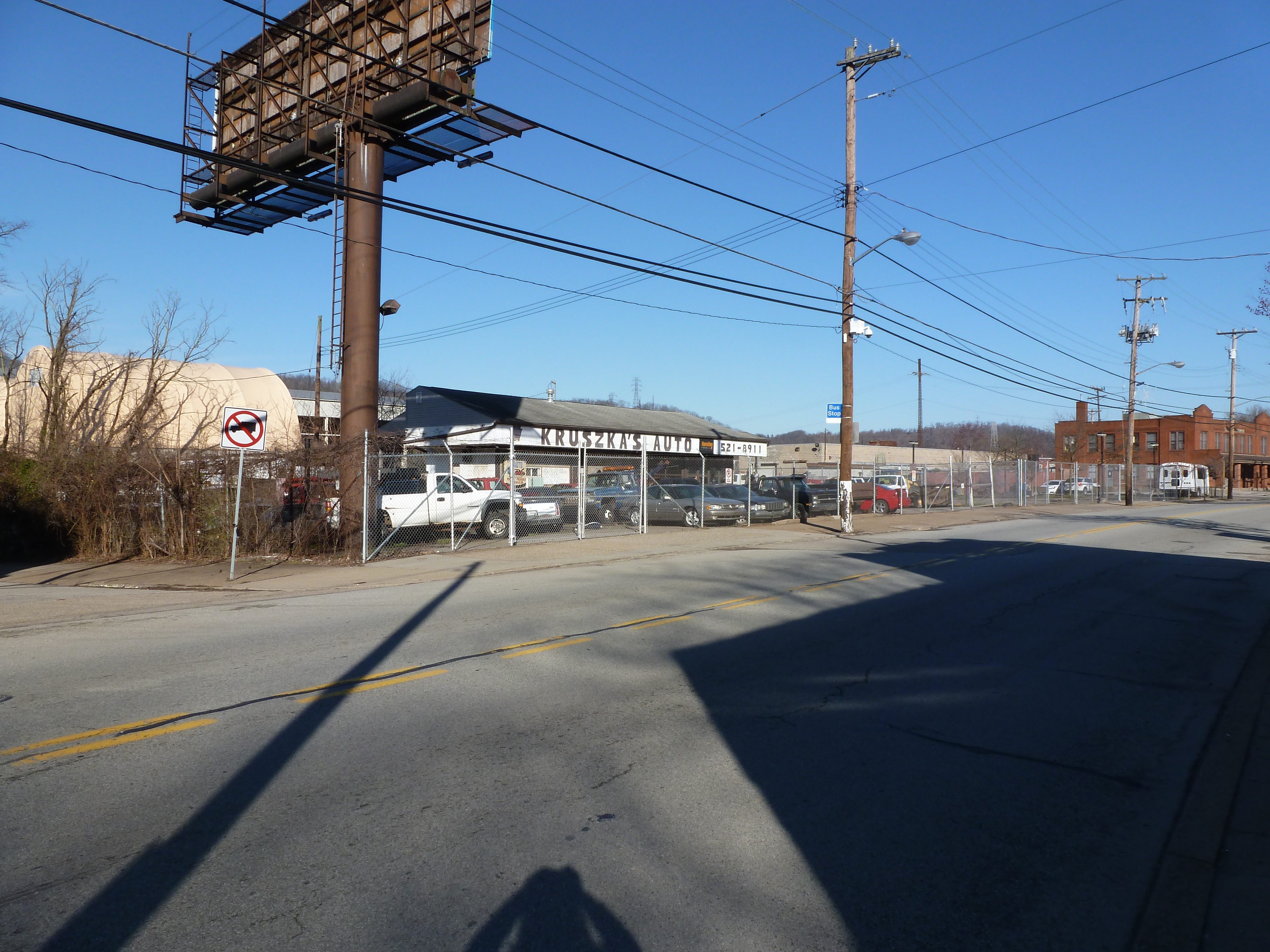
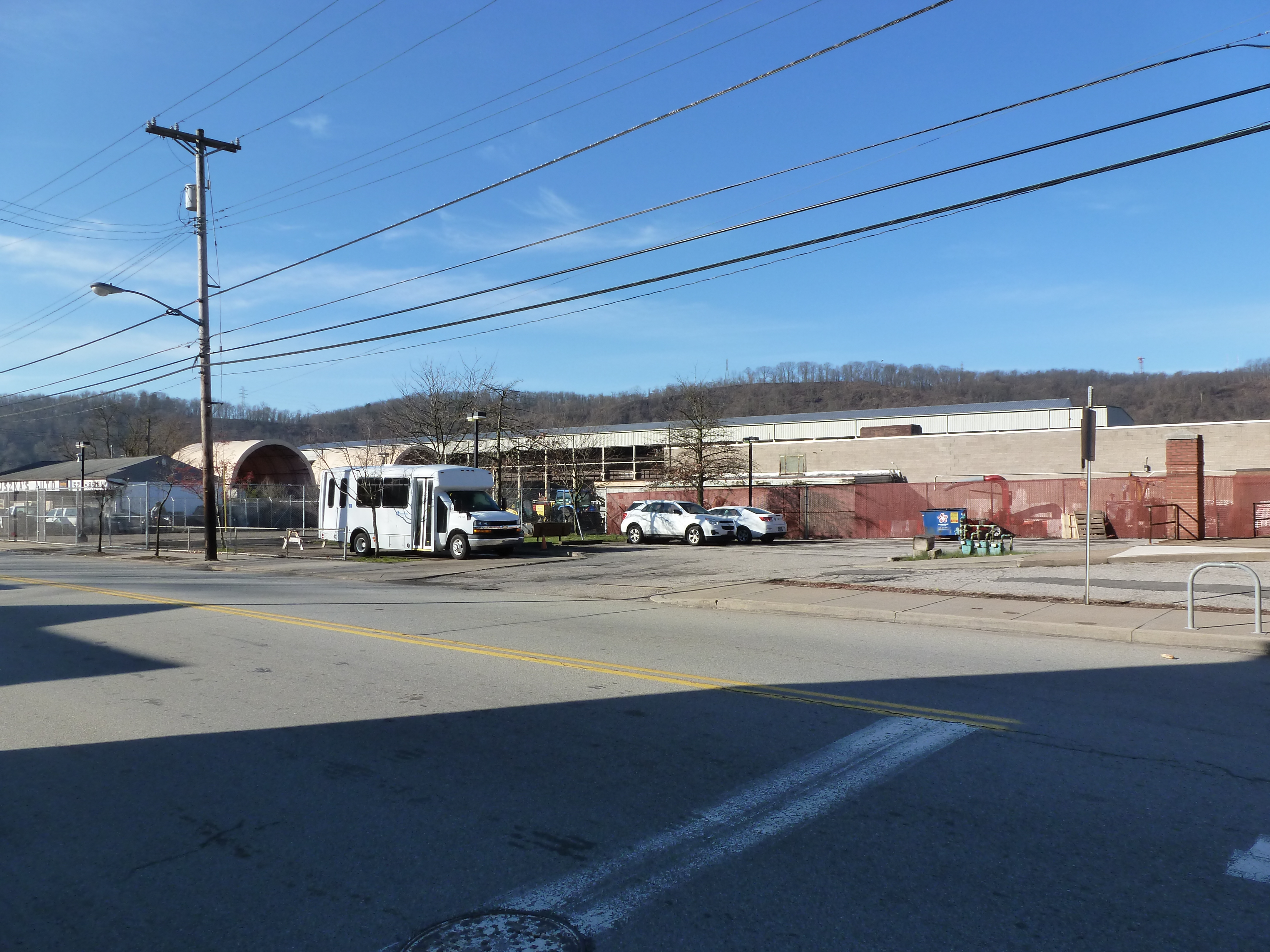
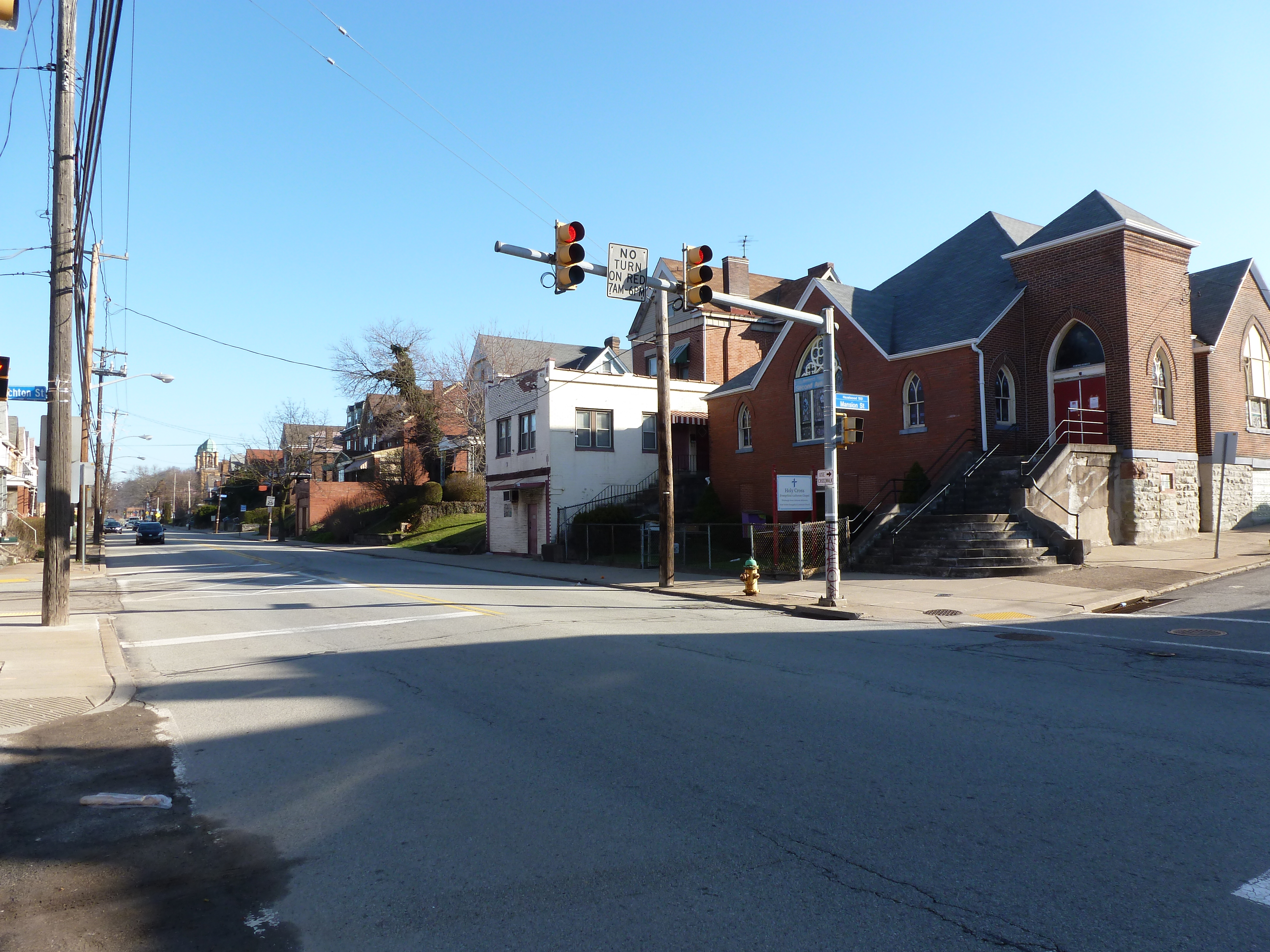
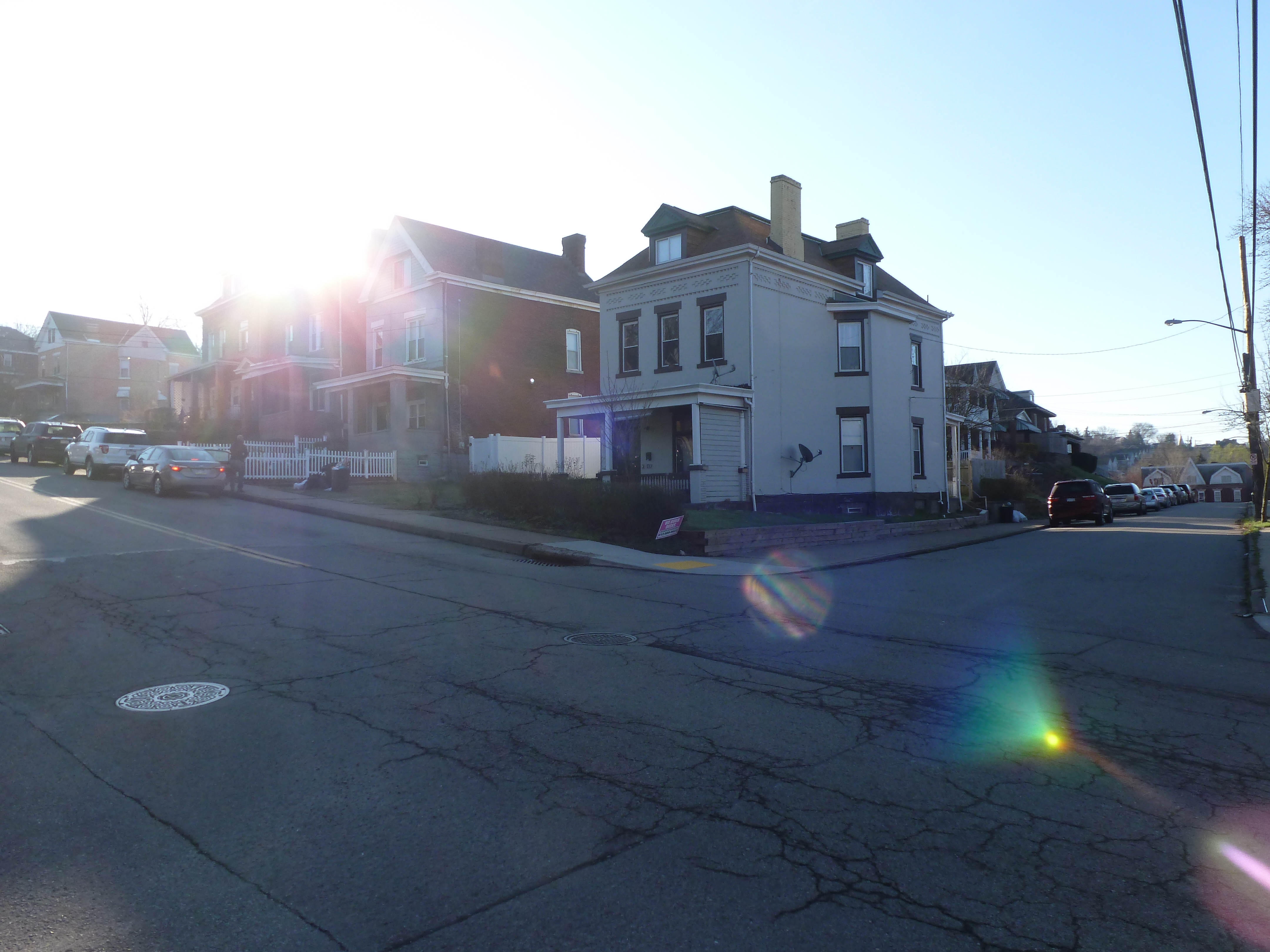
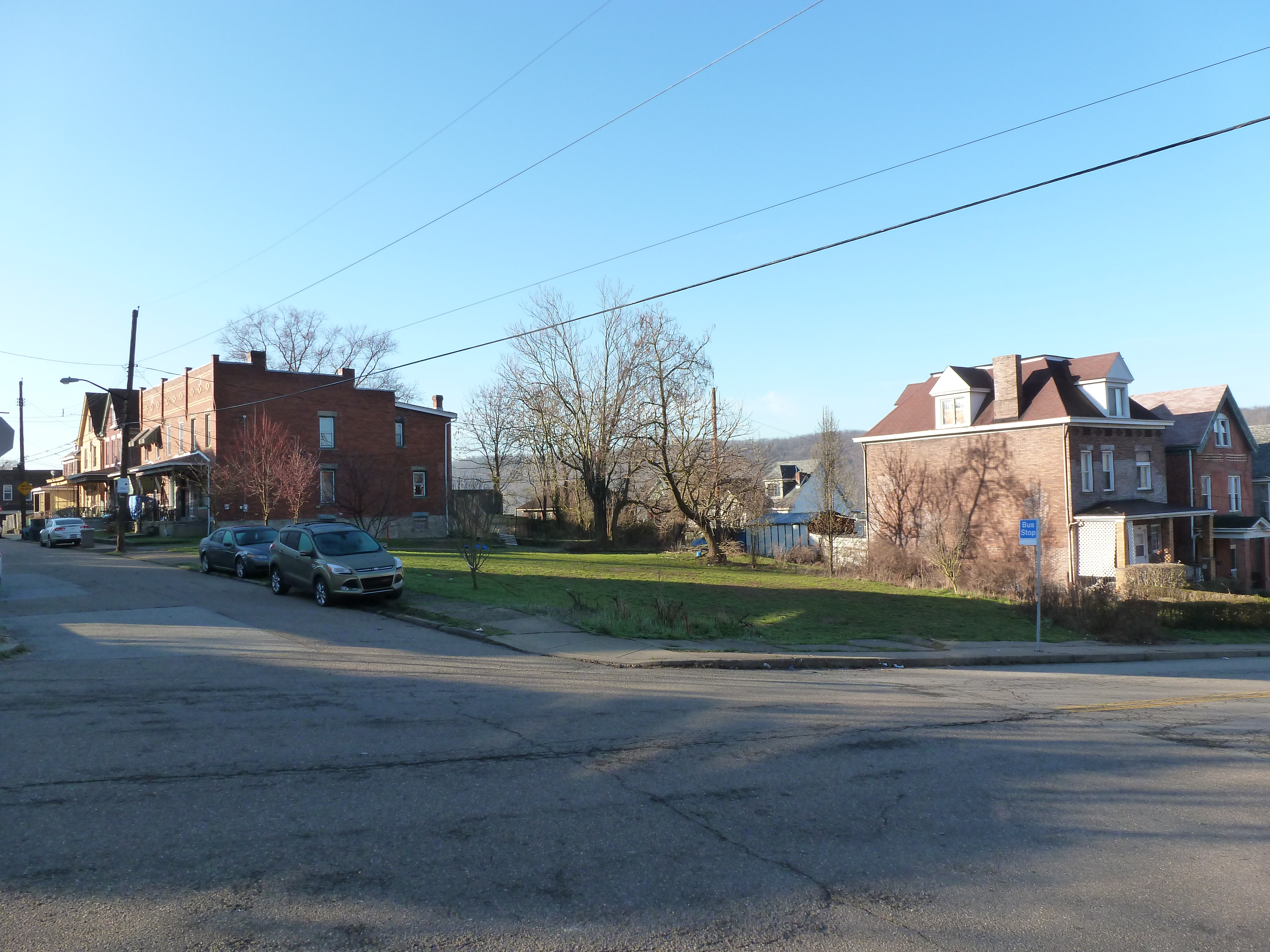
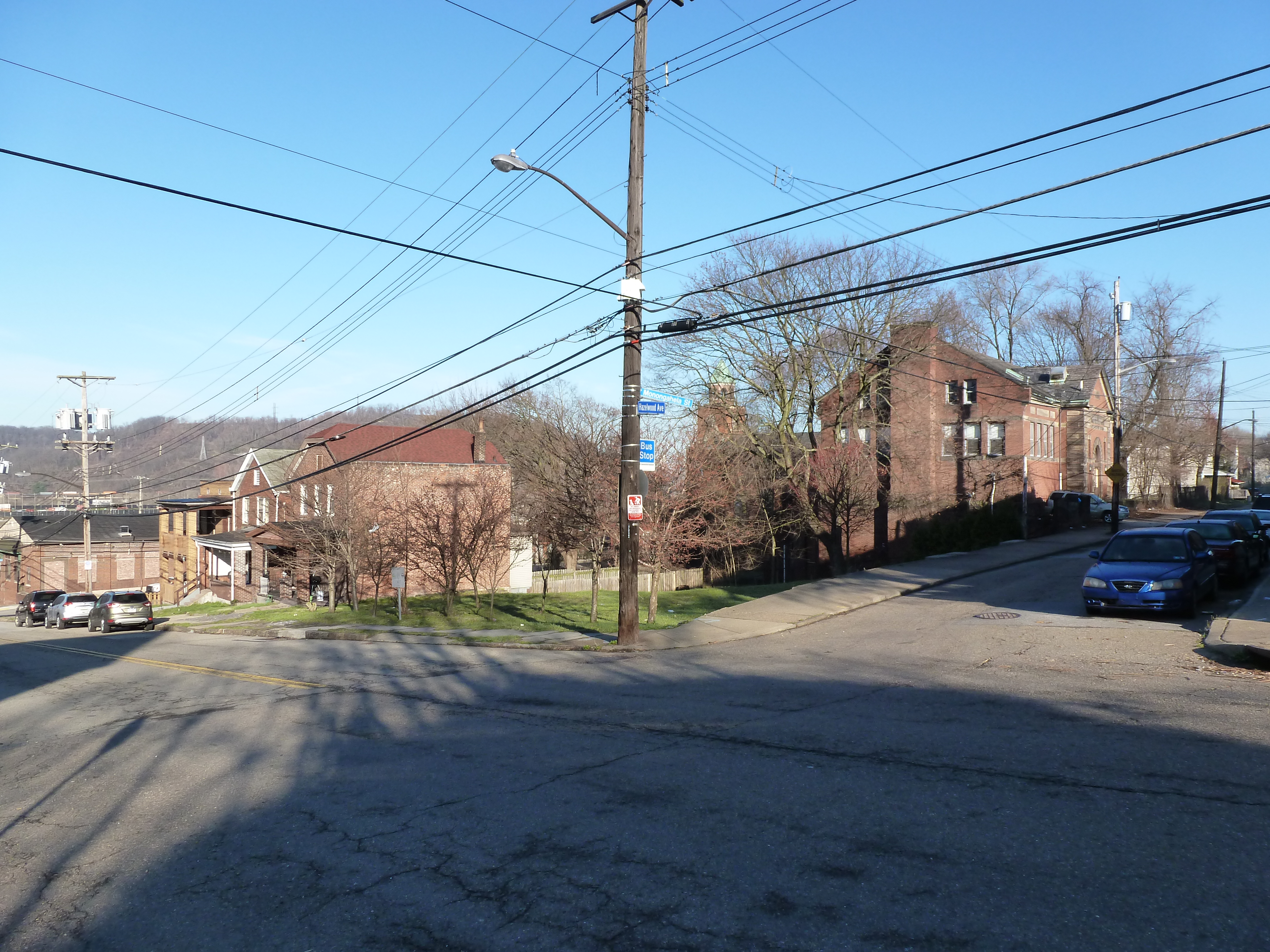
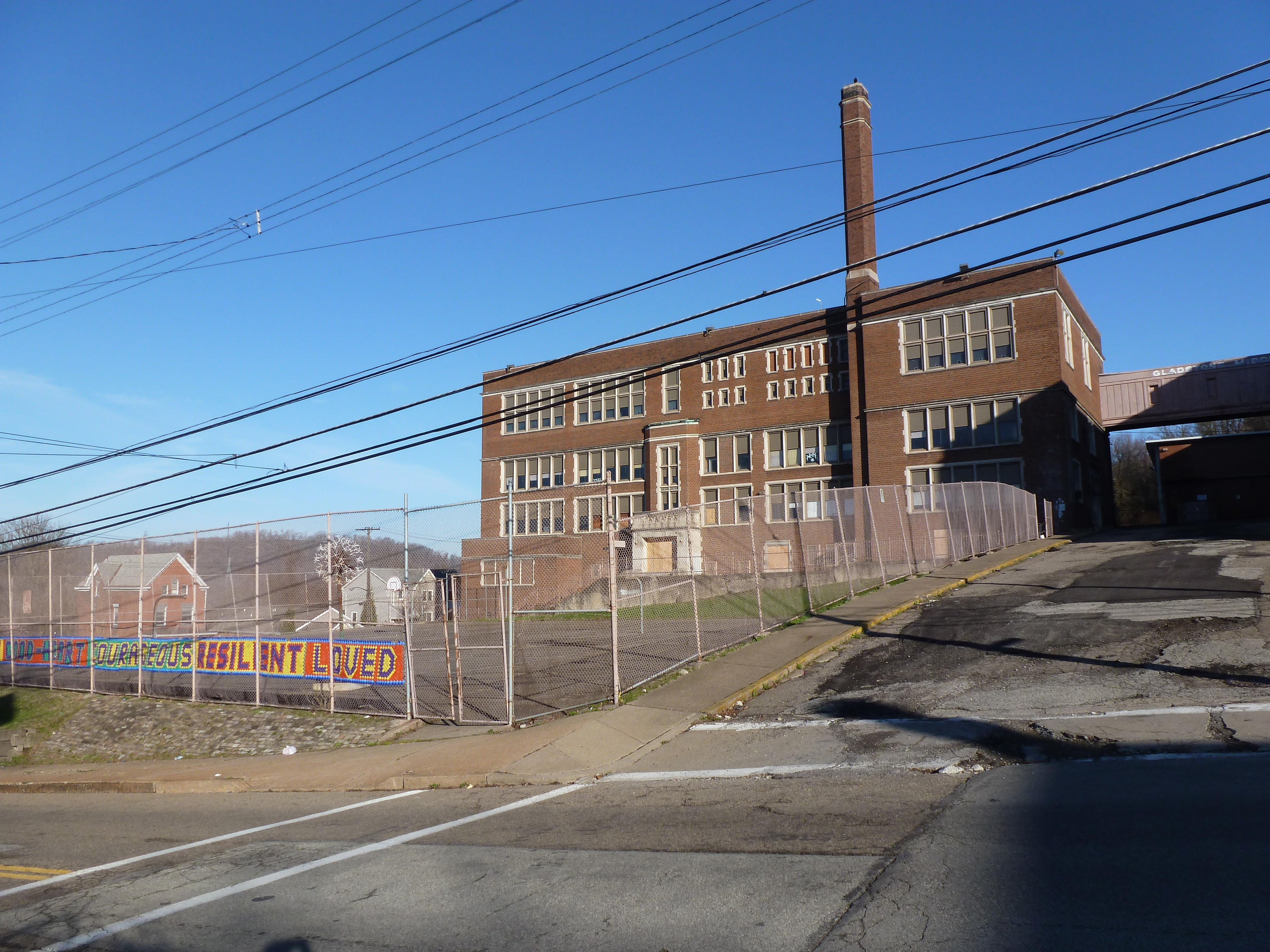
Keeping an Eye on Hazelwood: May 2020

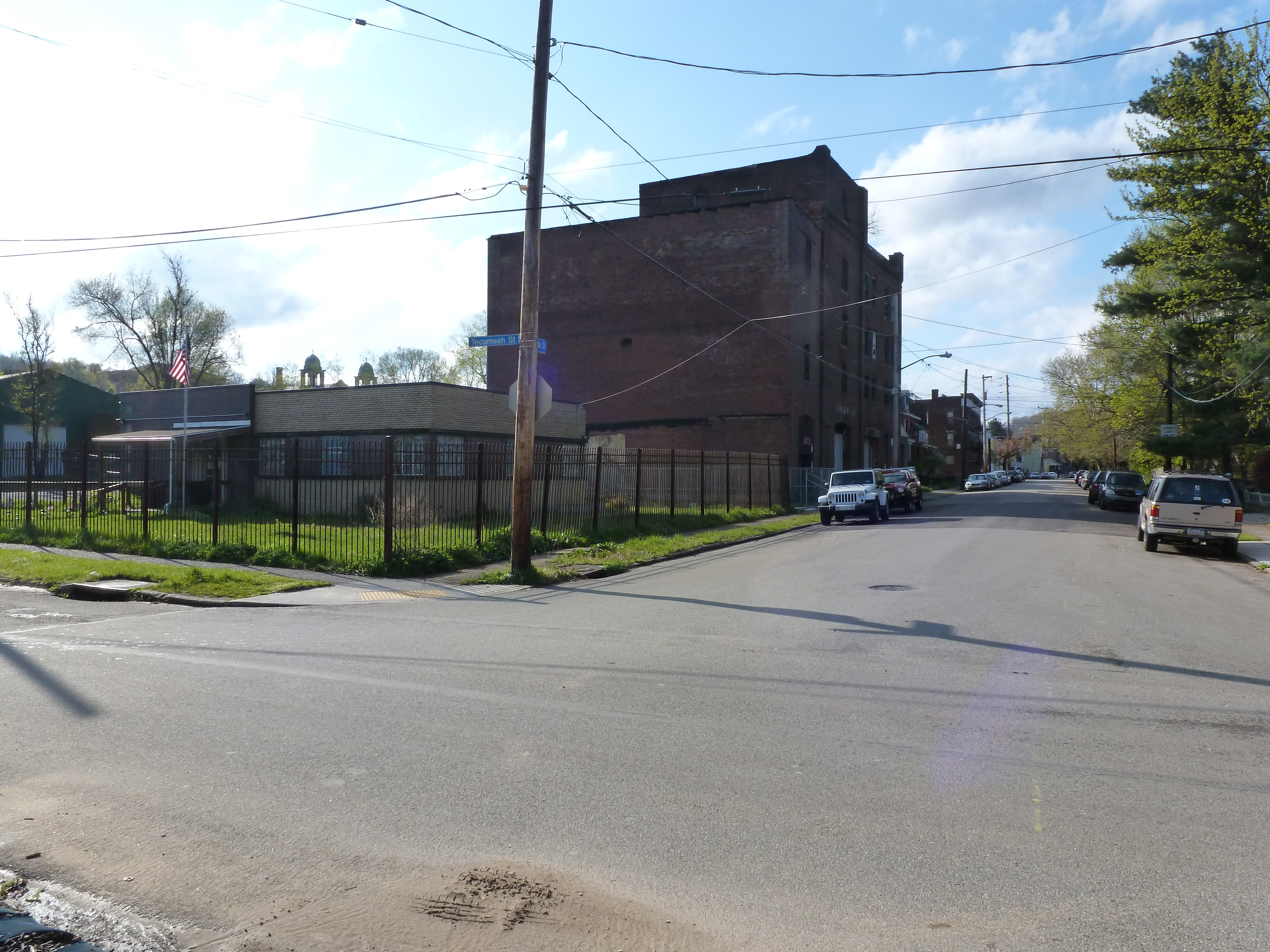
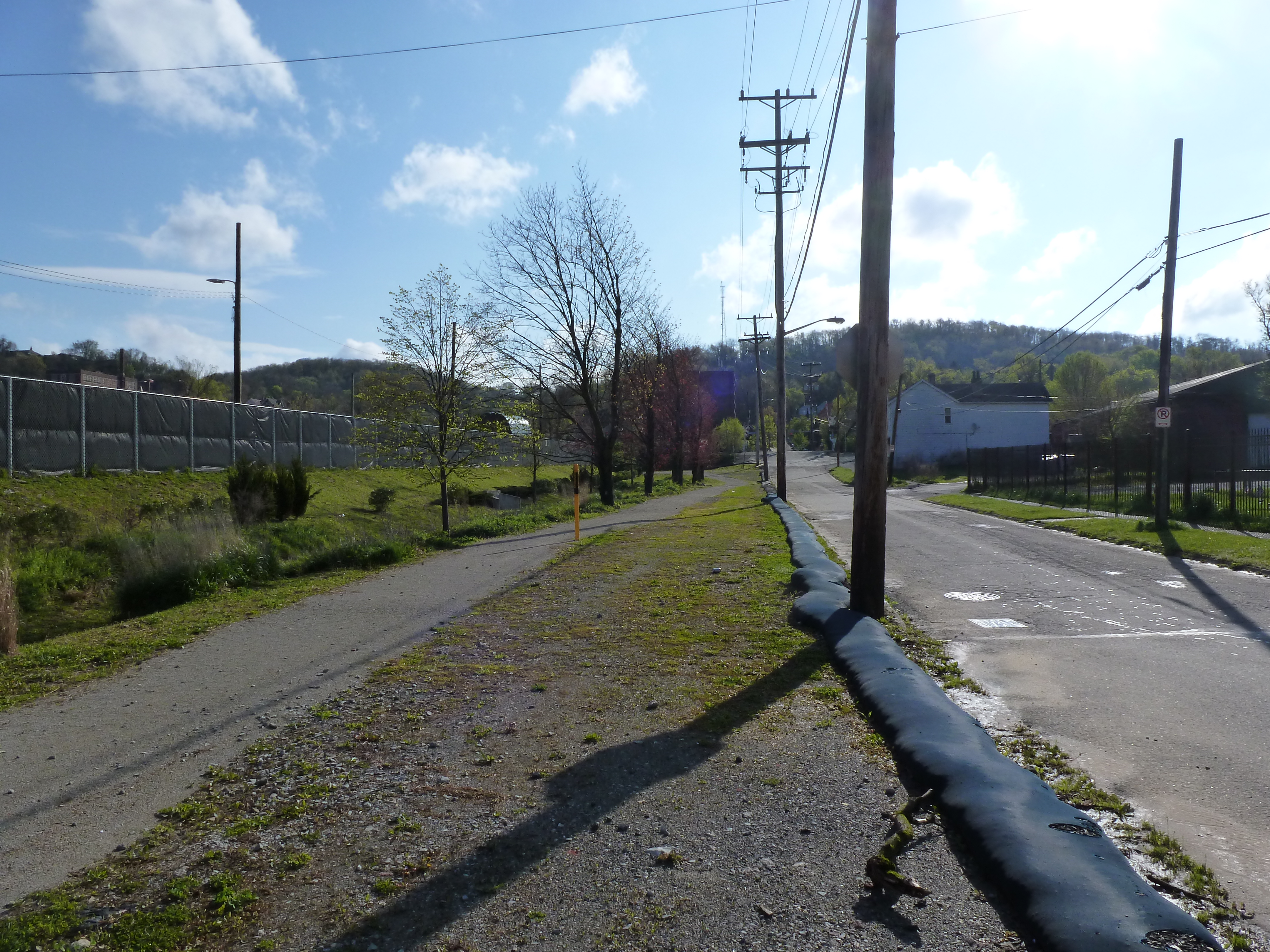
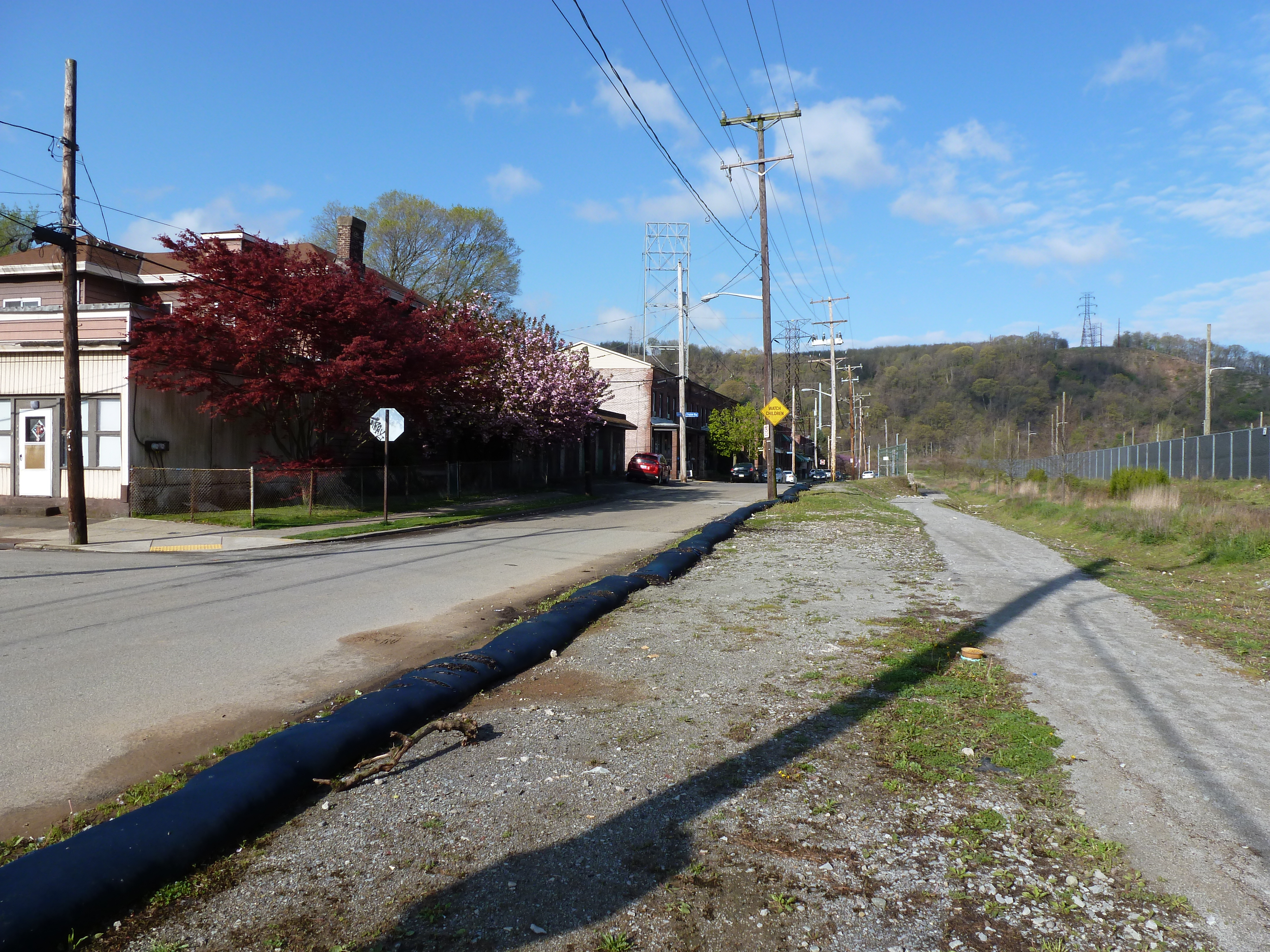
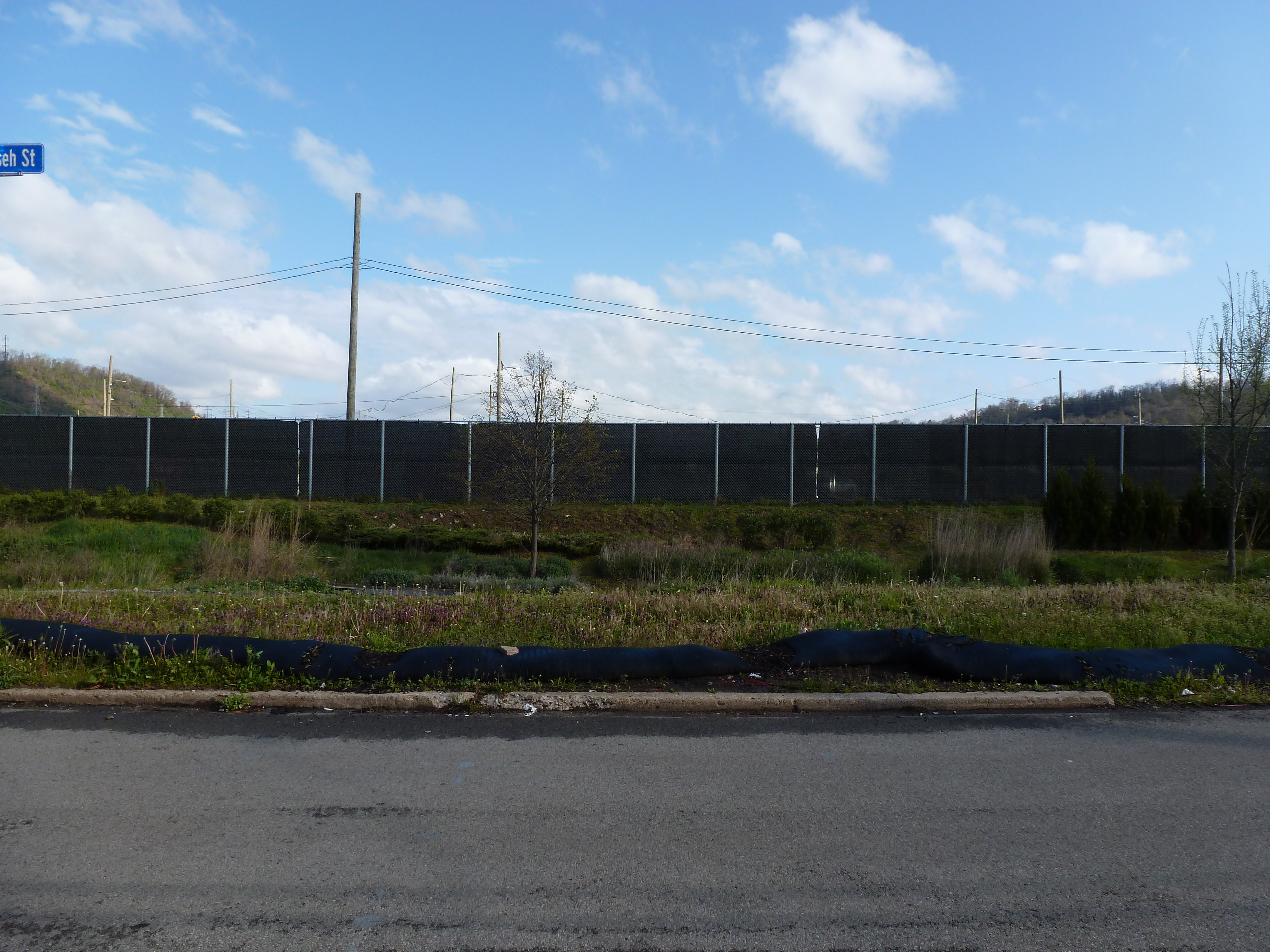
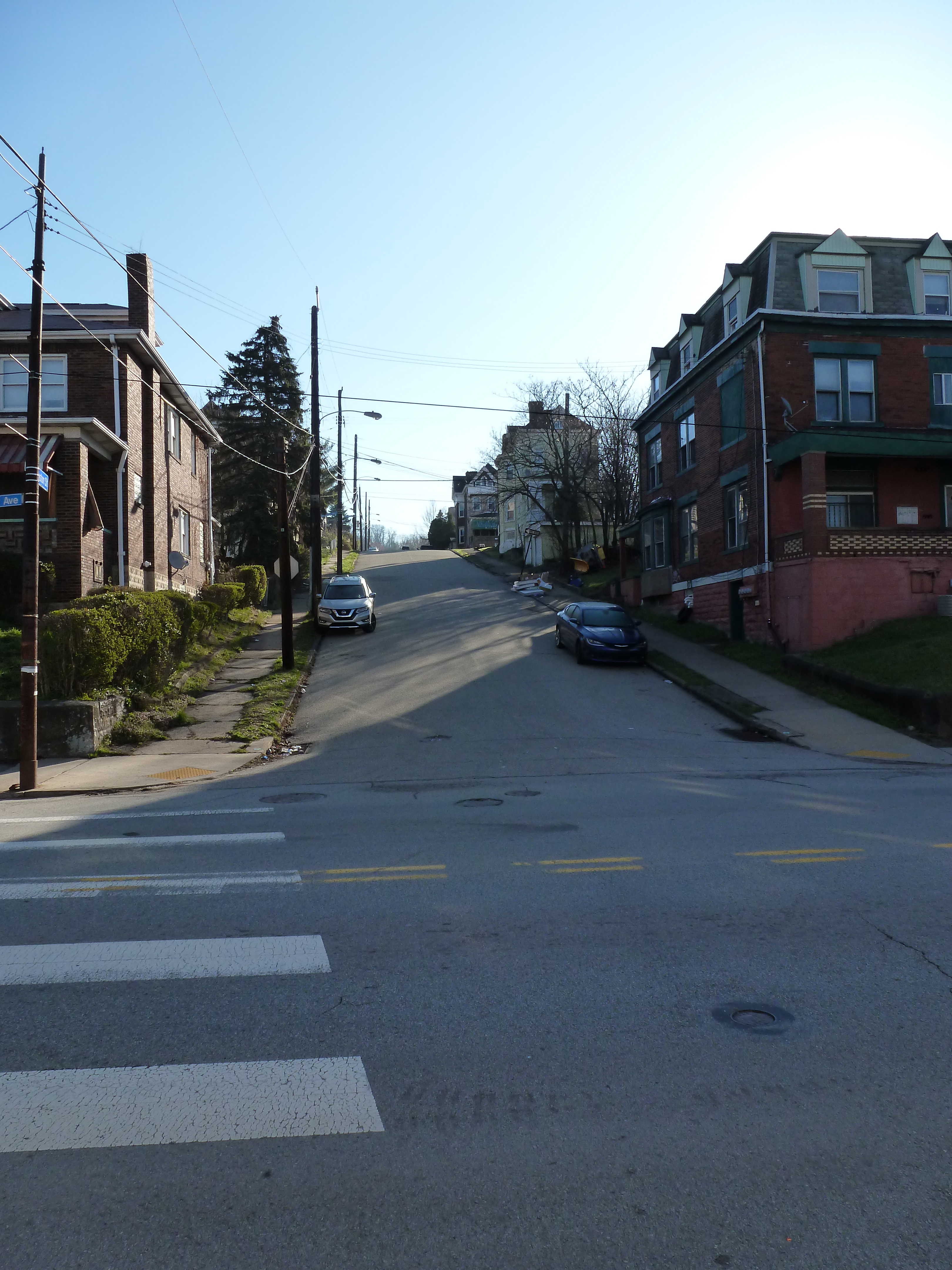
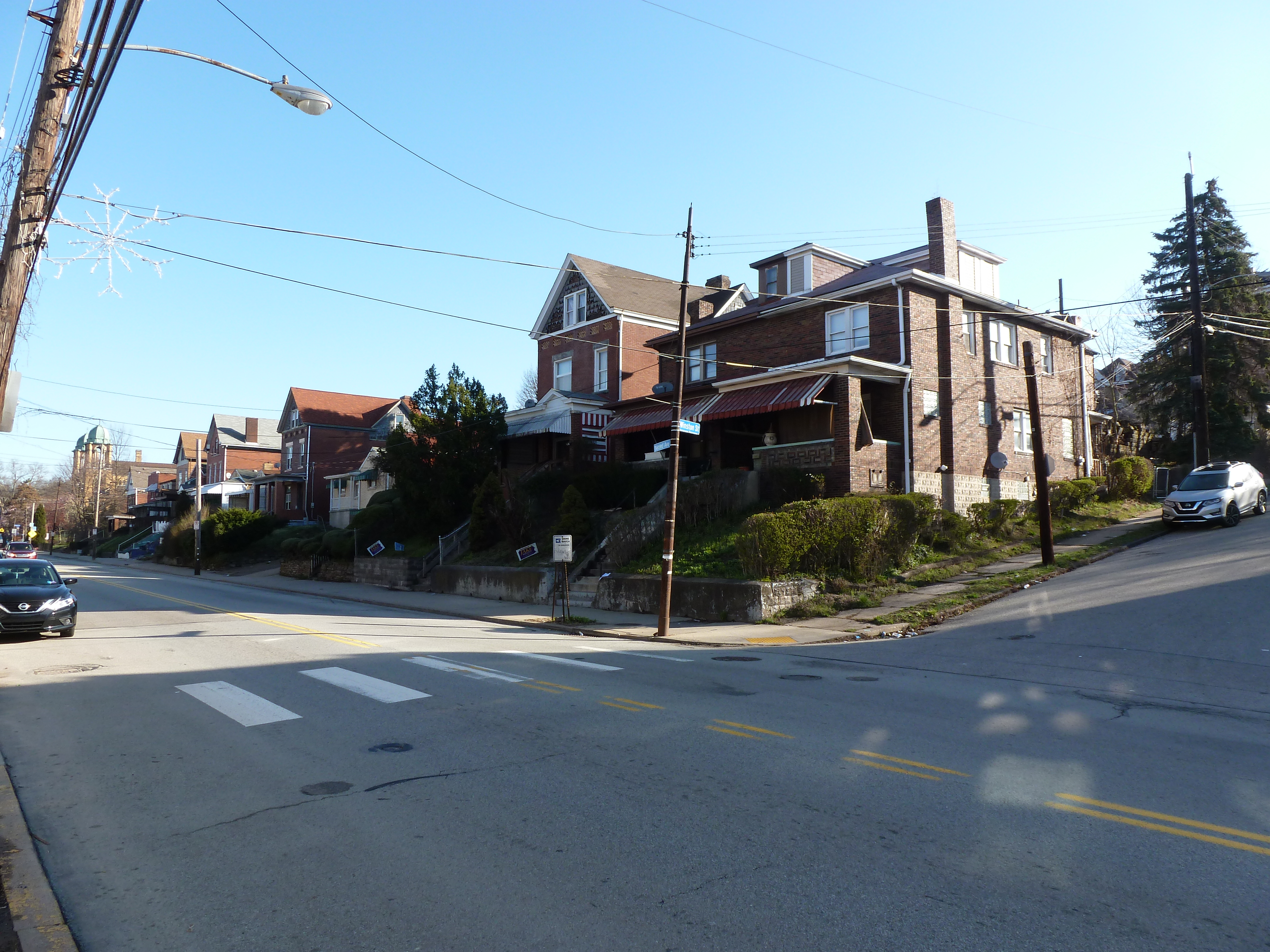
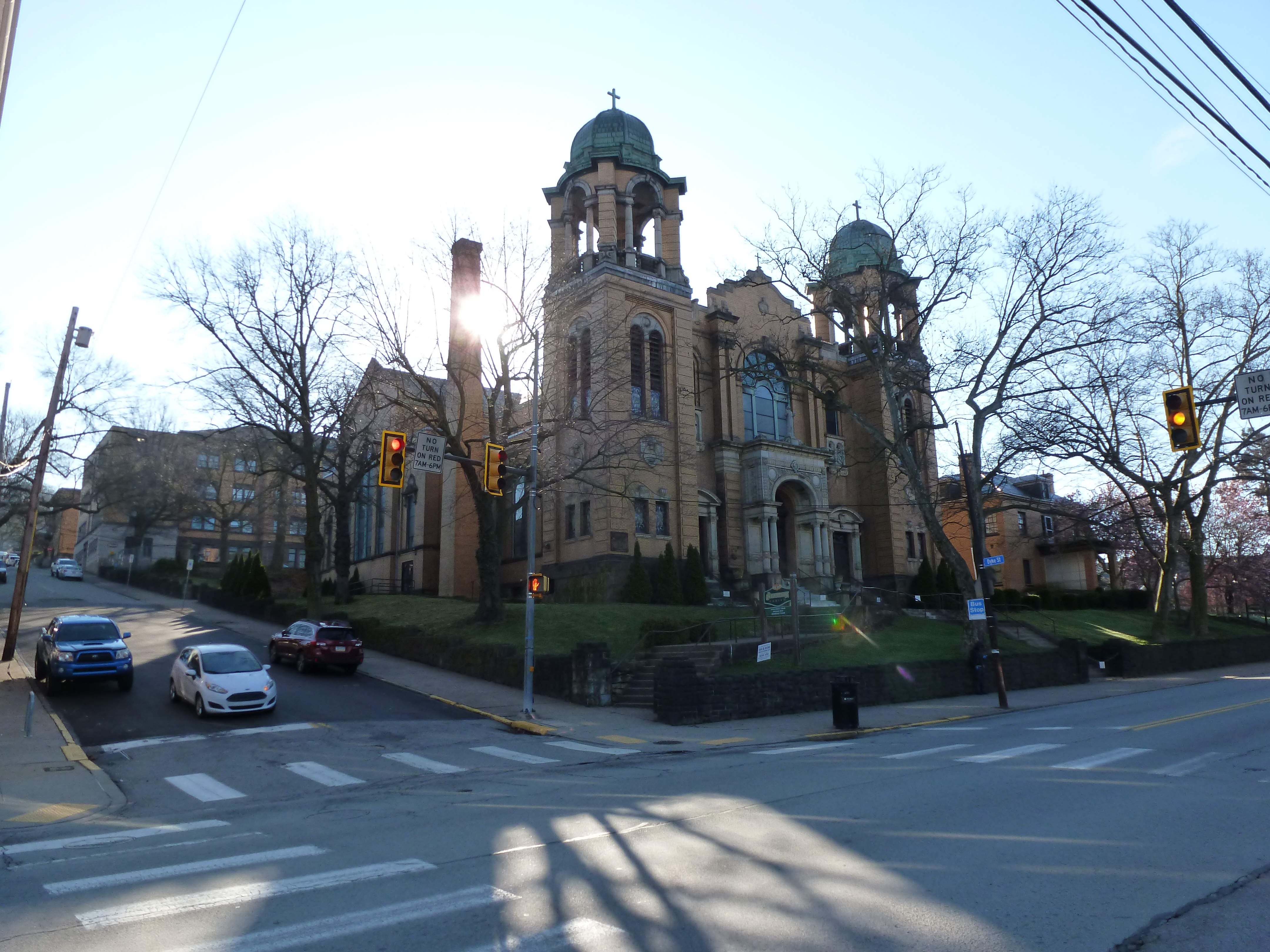
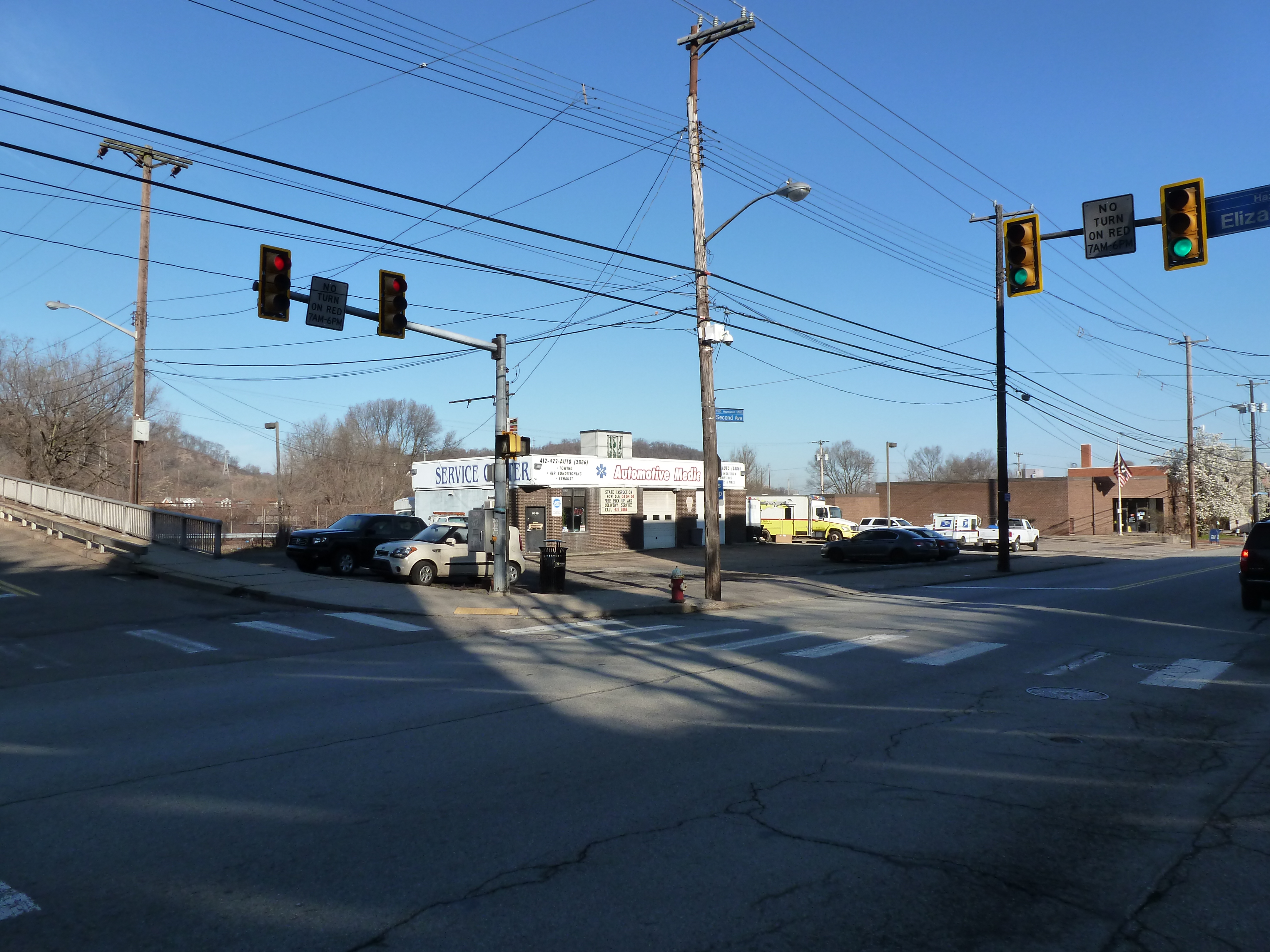
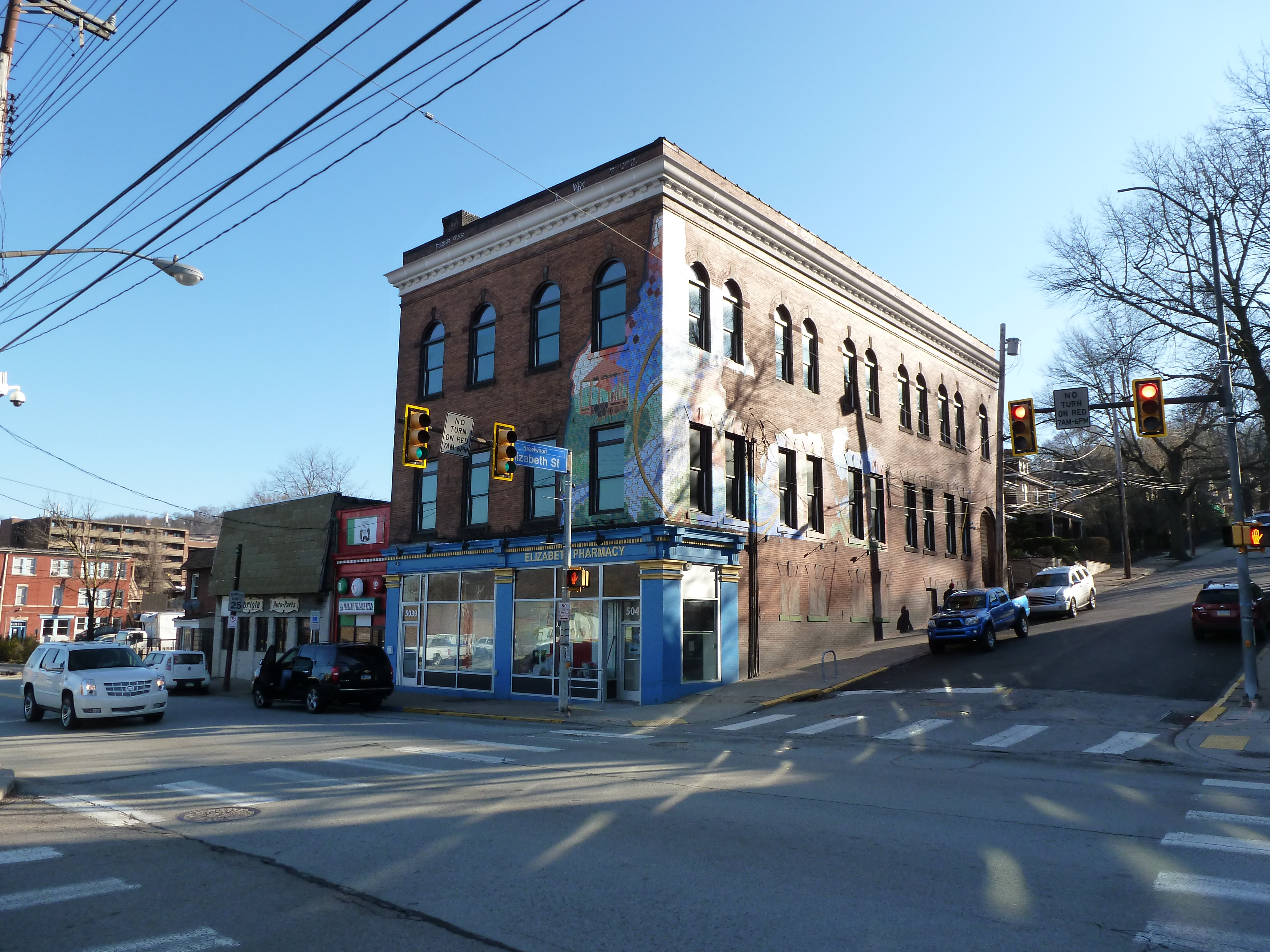
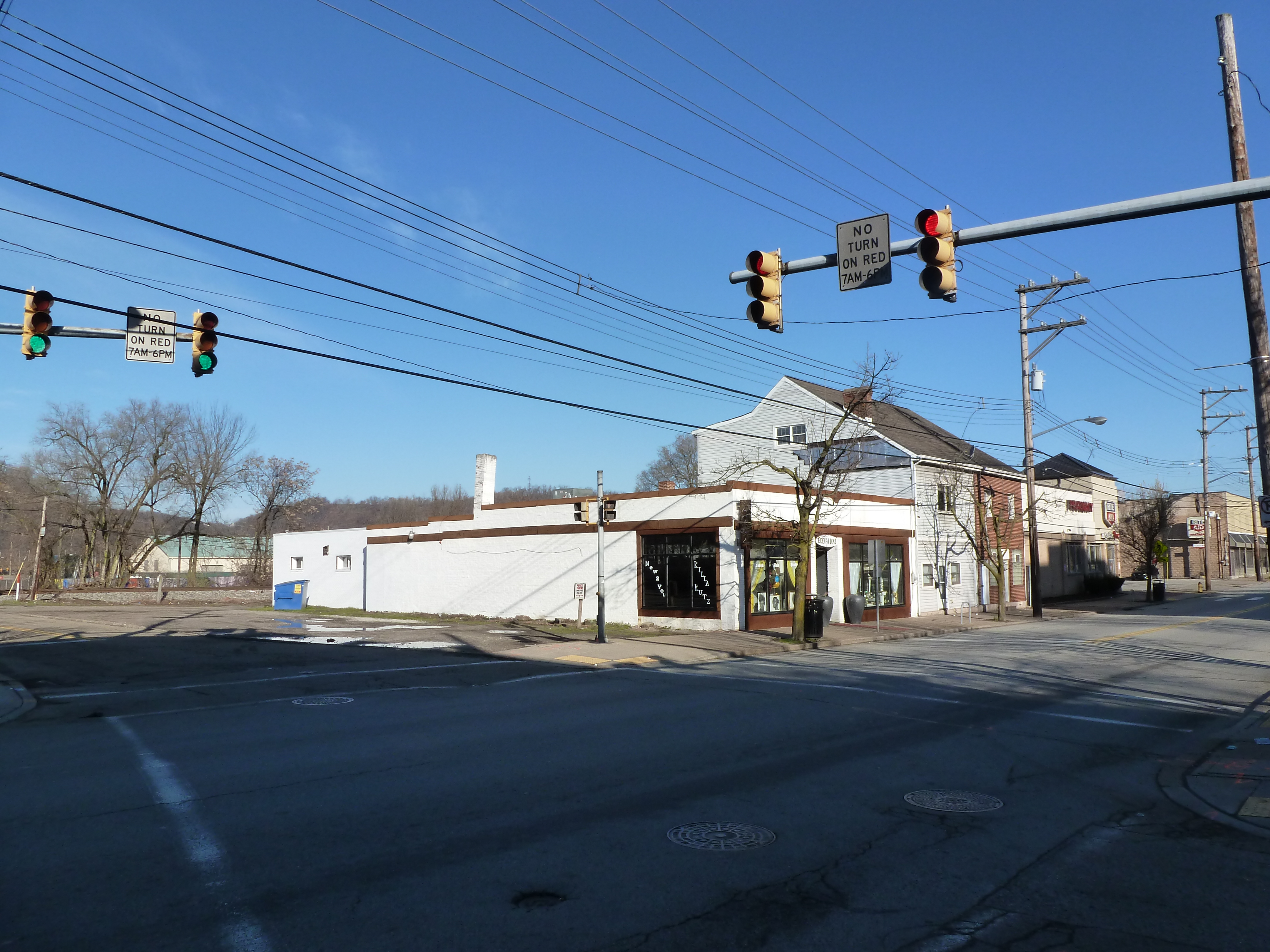
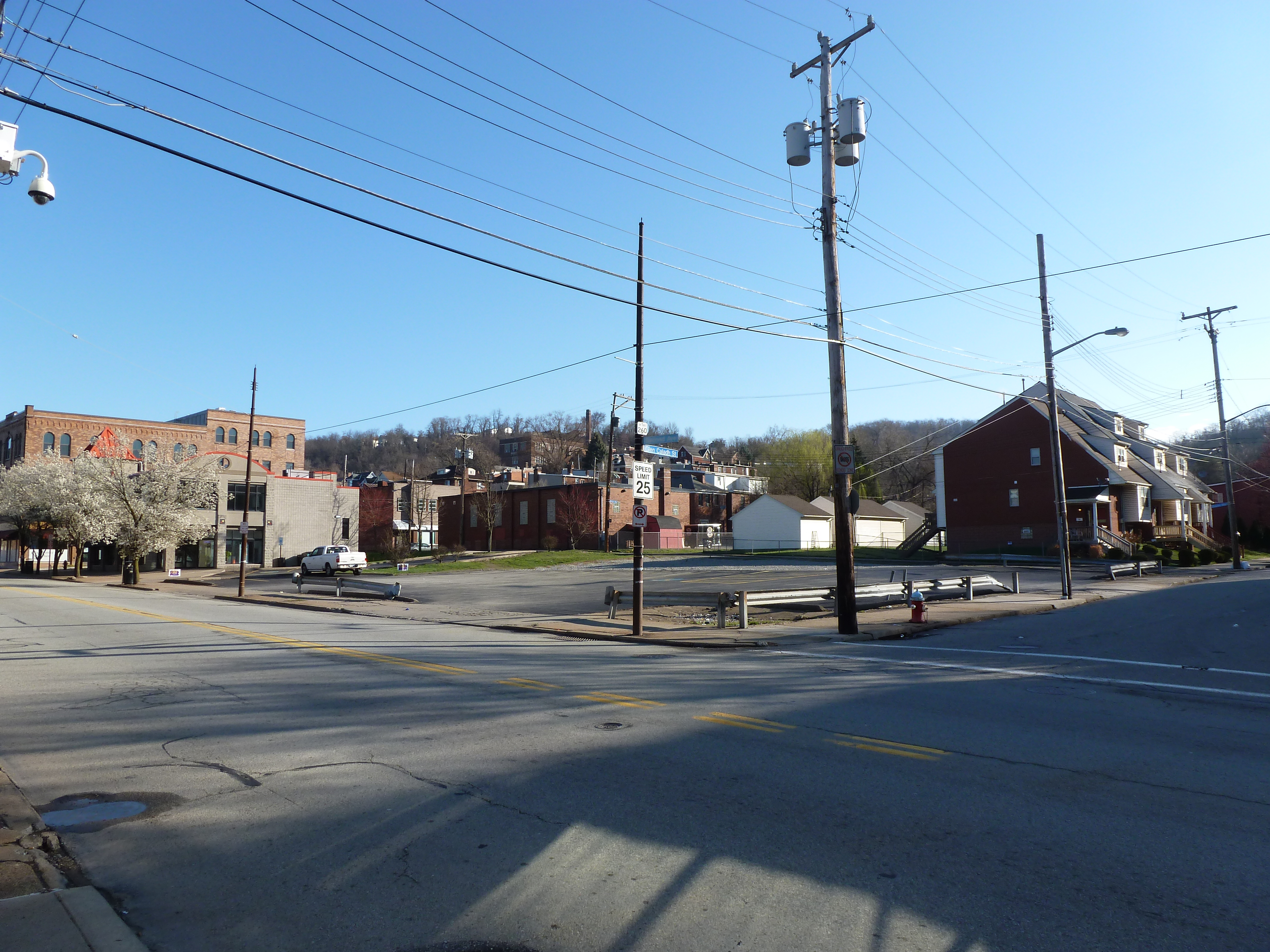
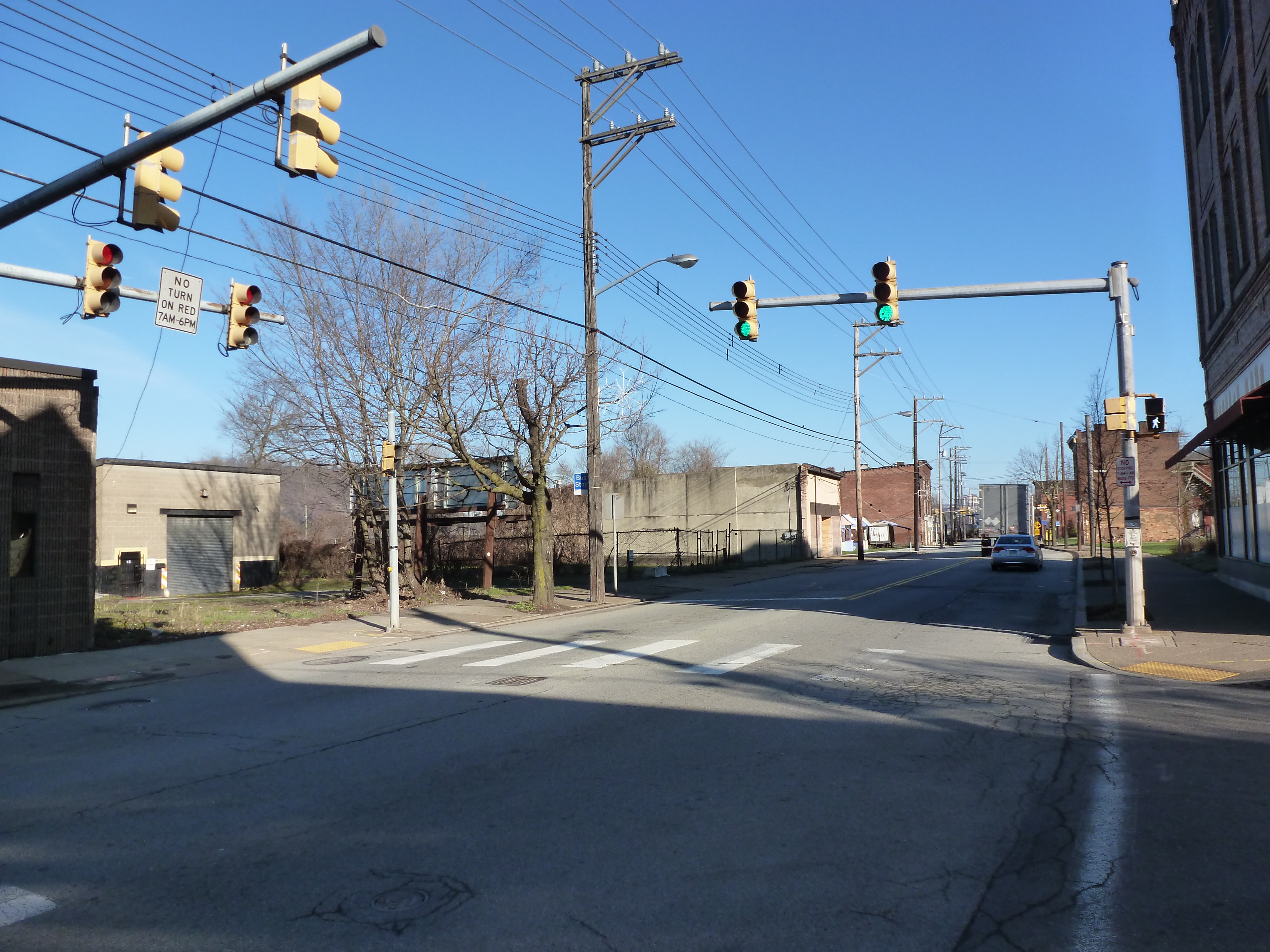
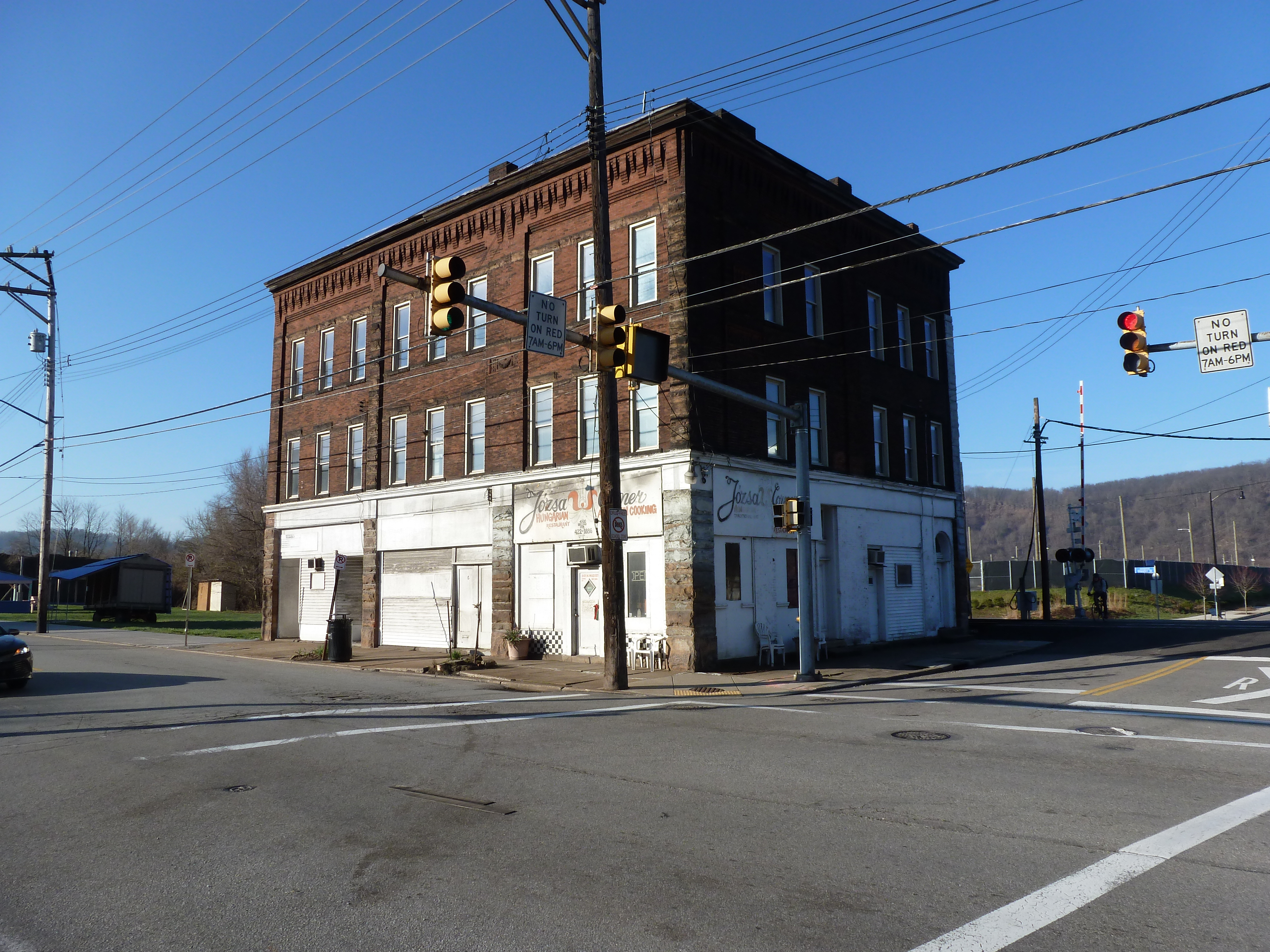
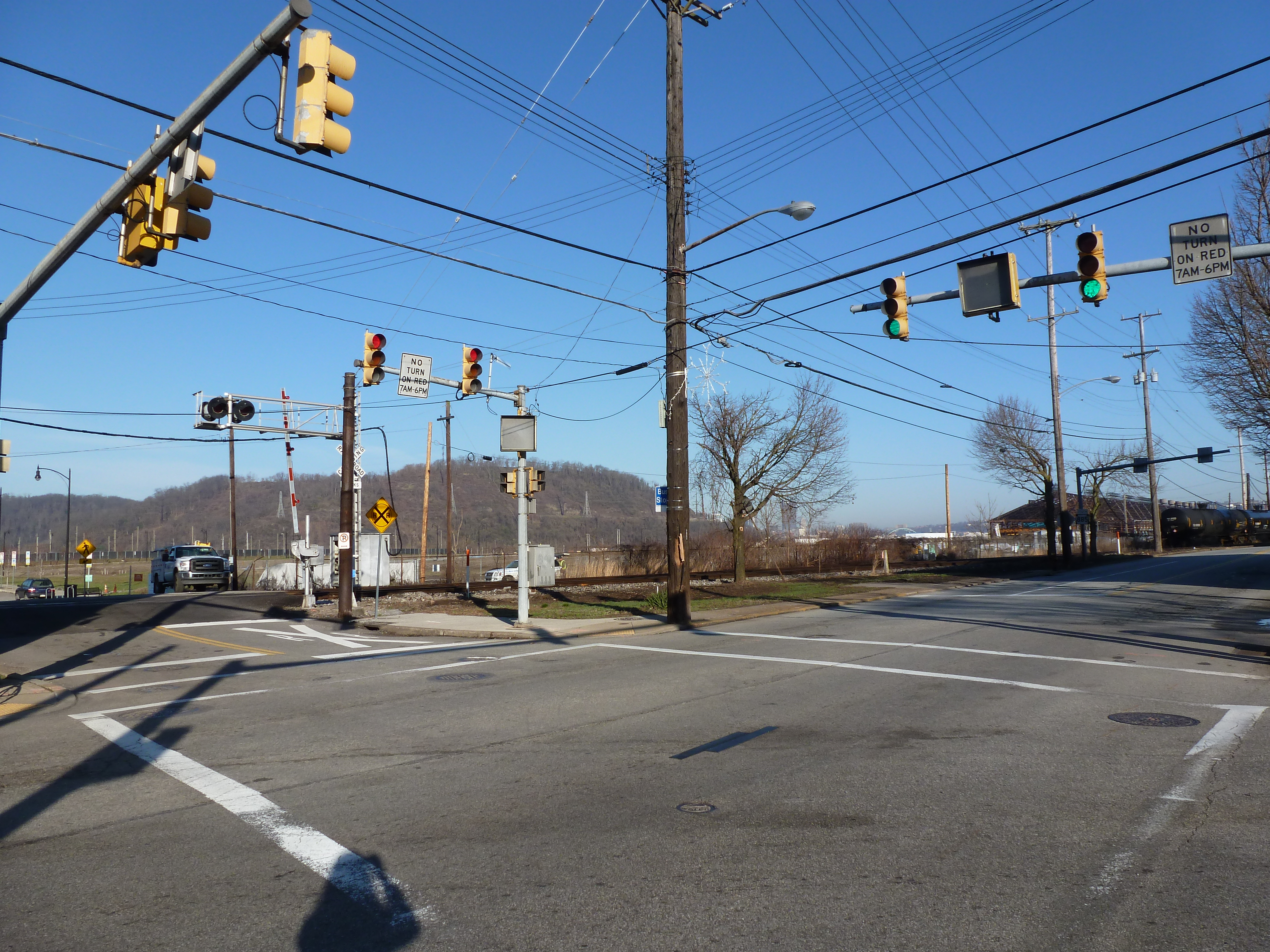
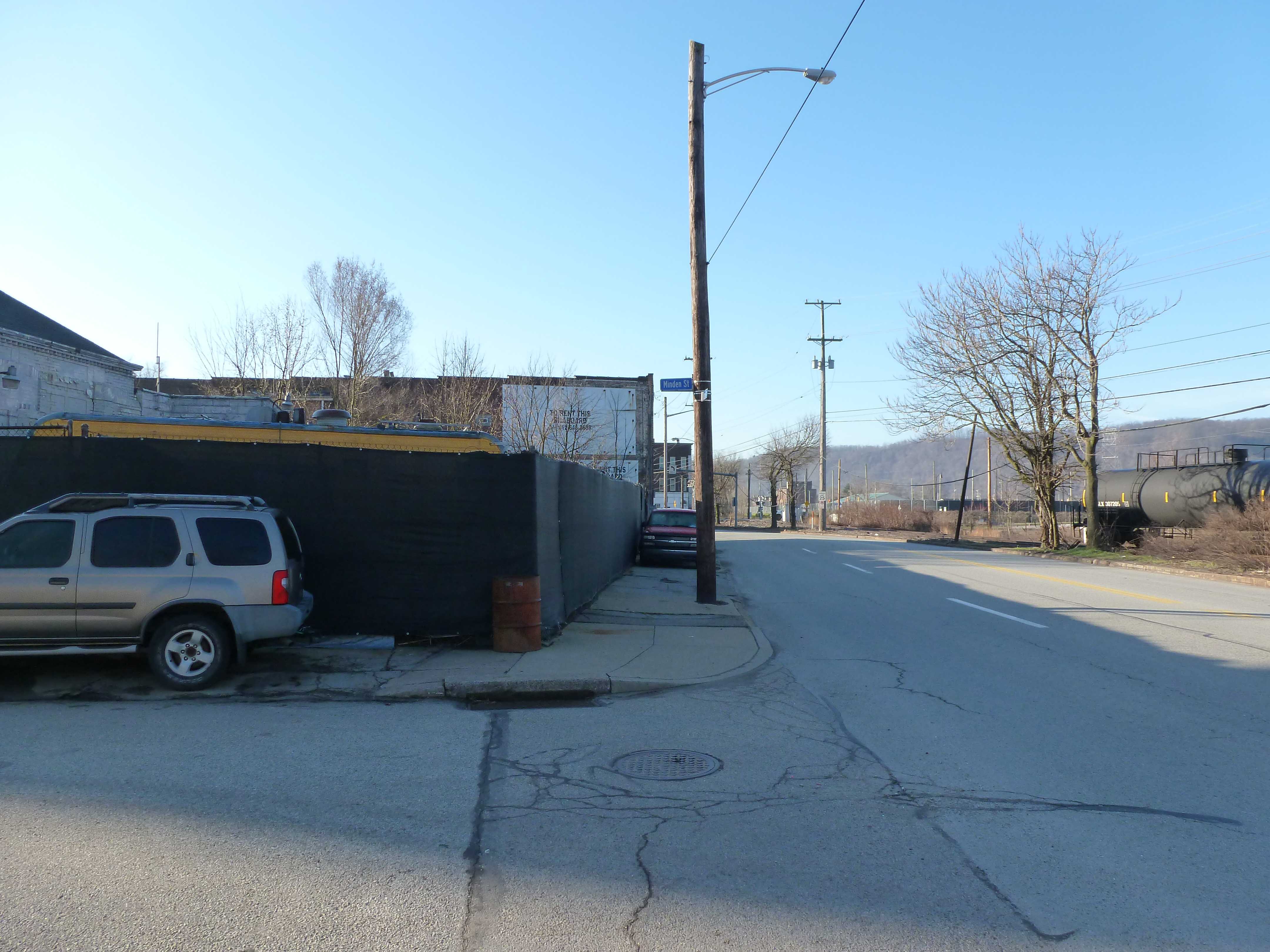
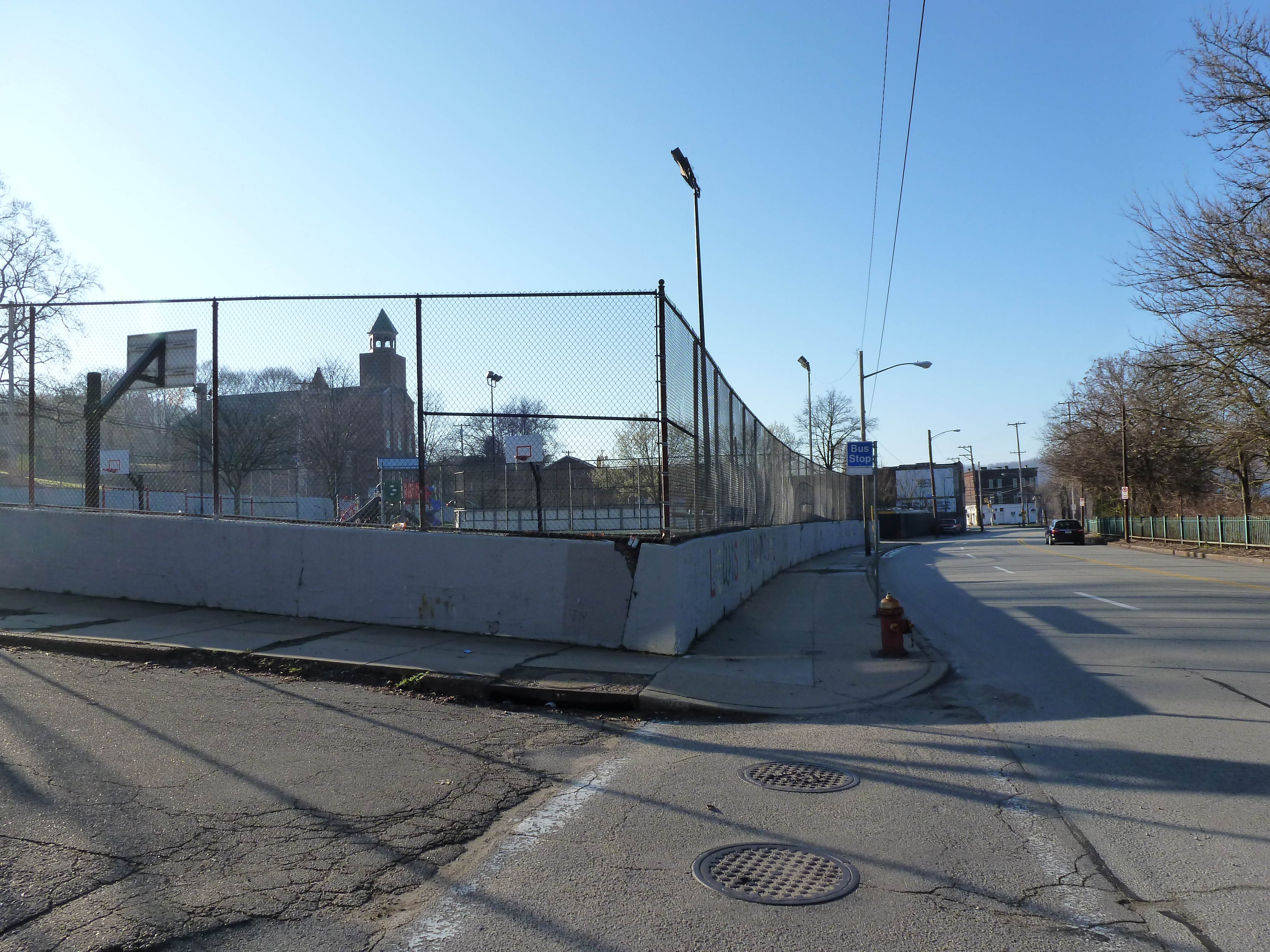
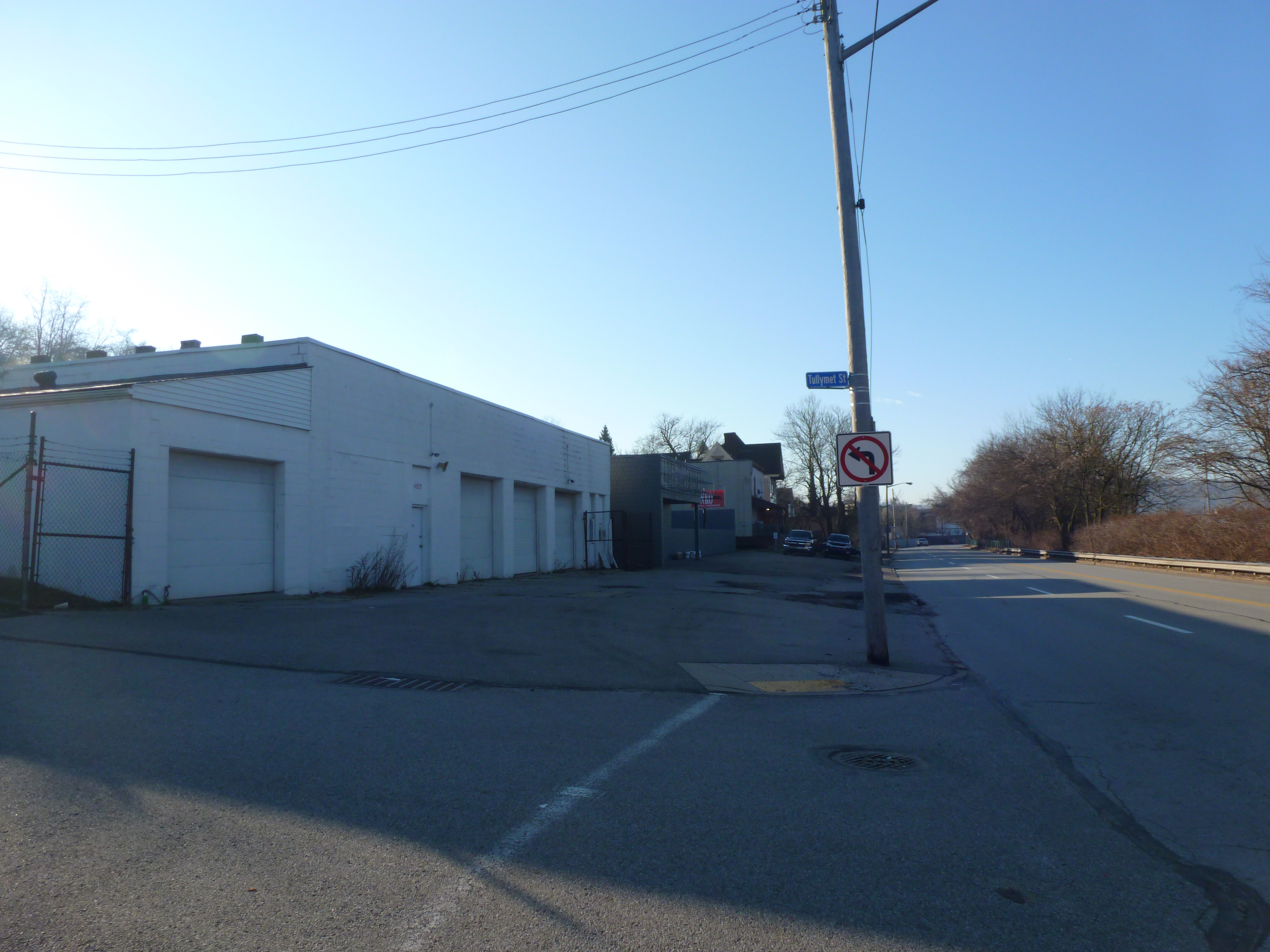
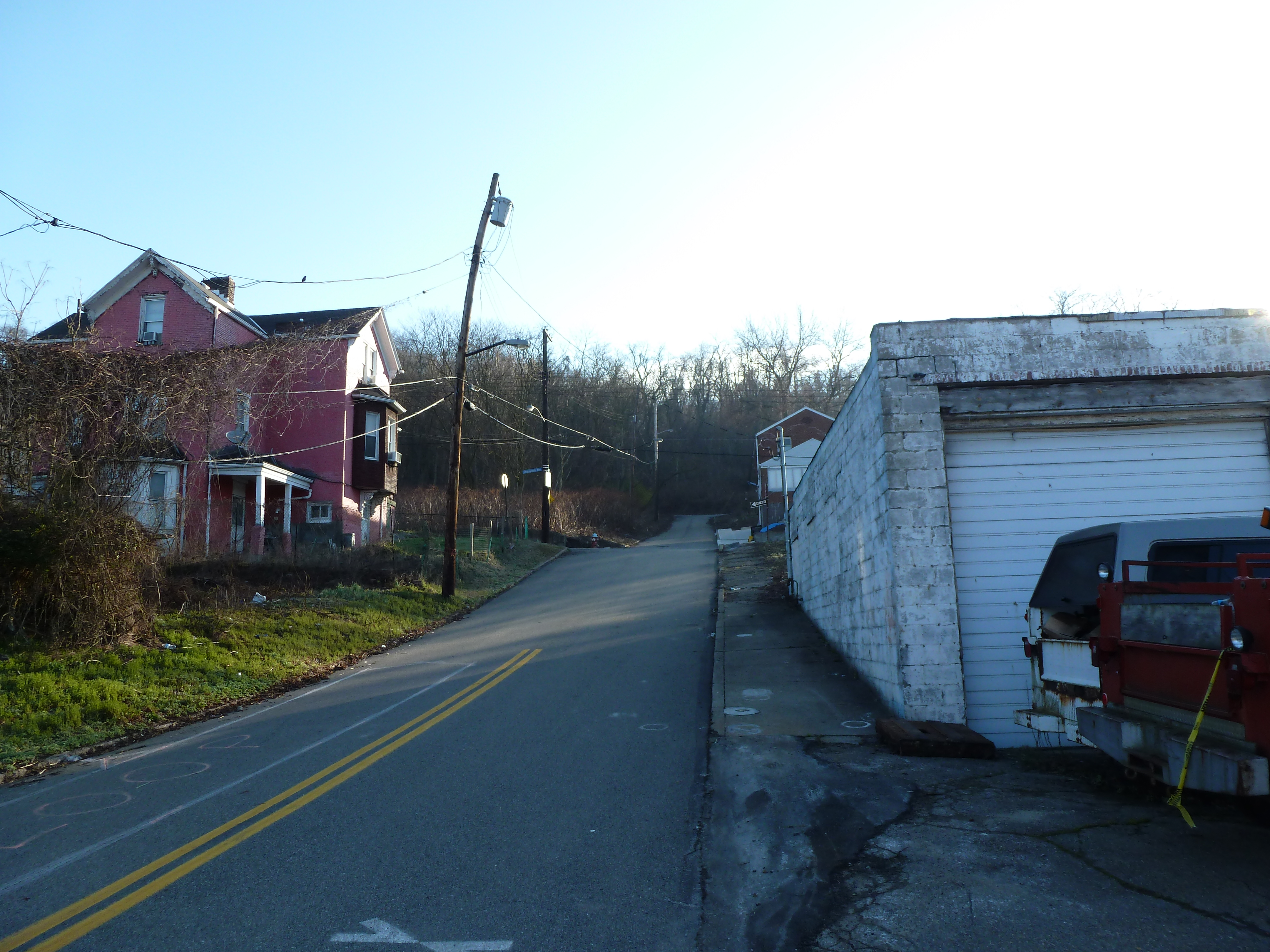
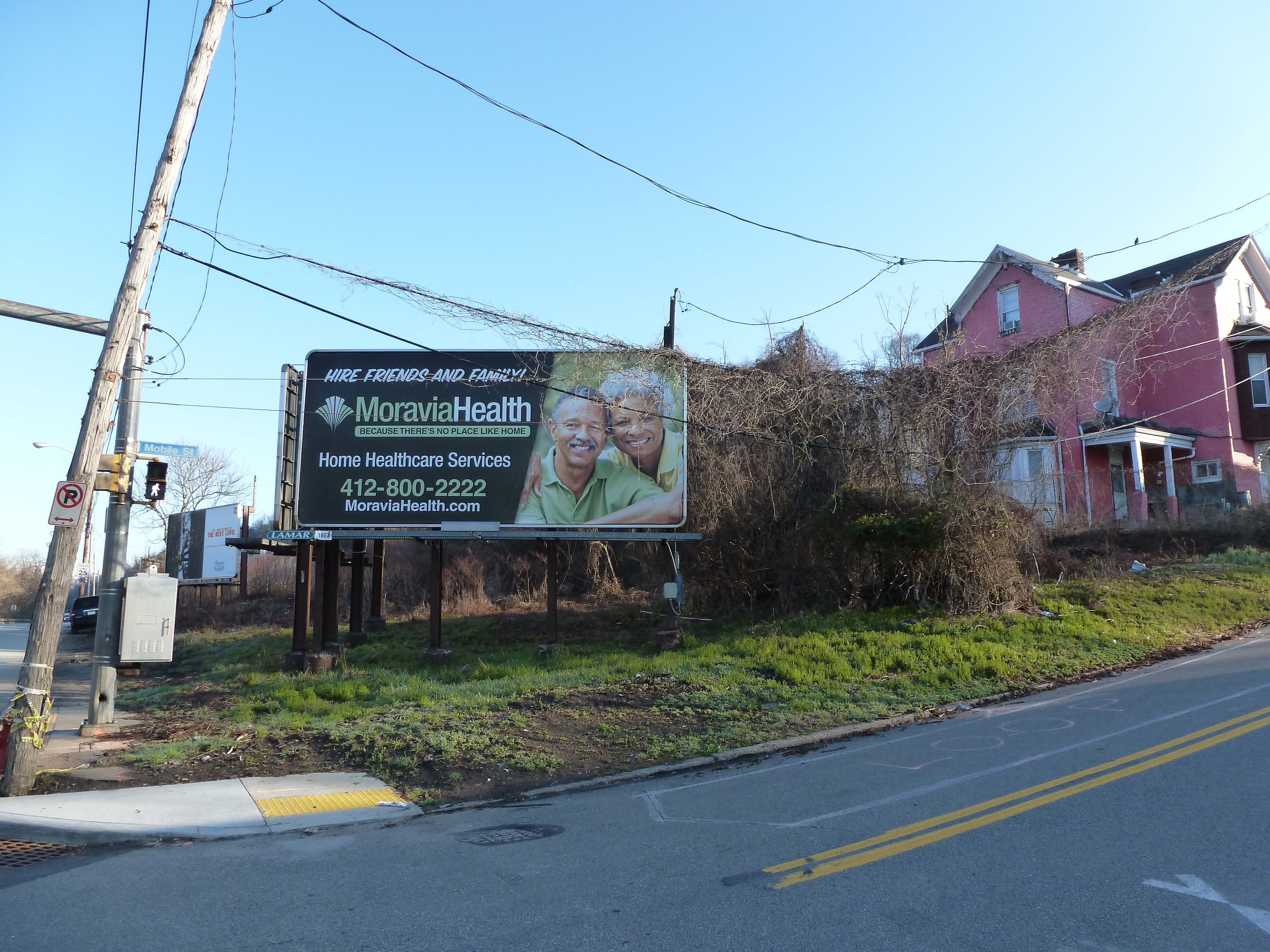
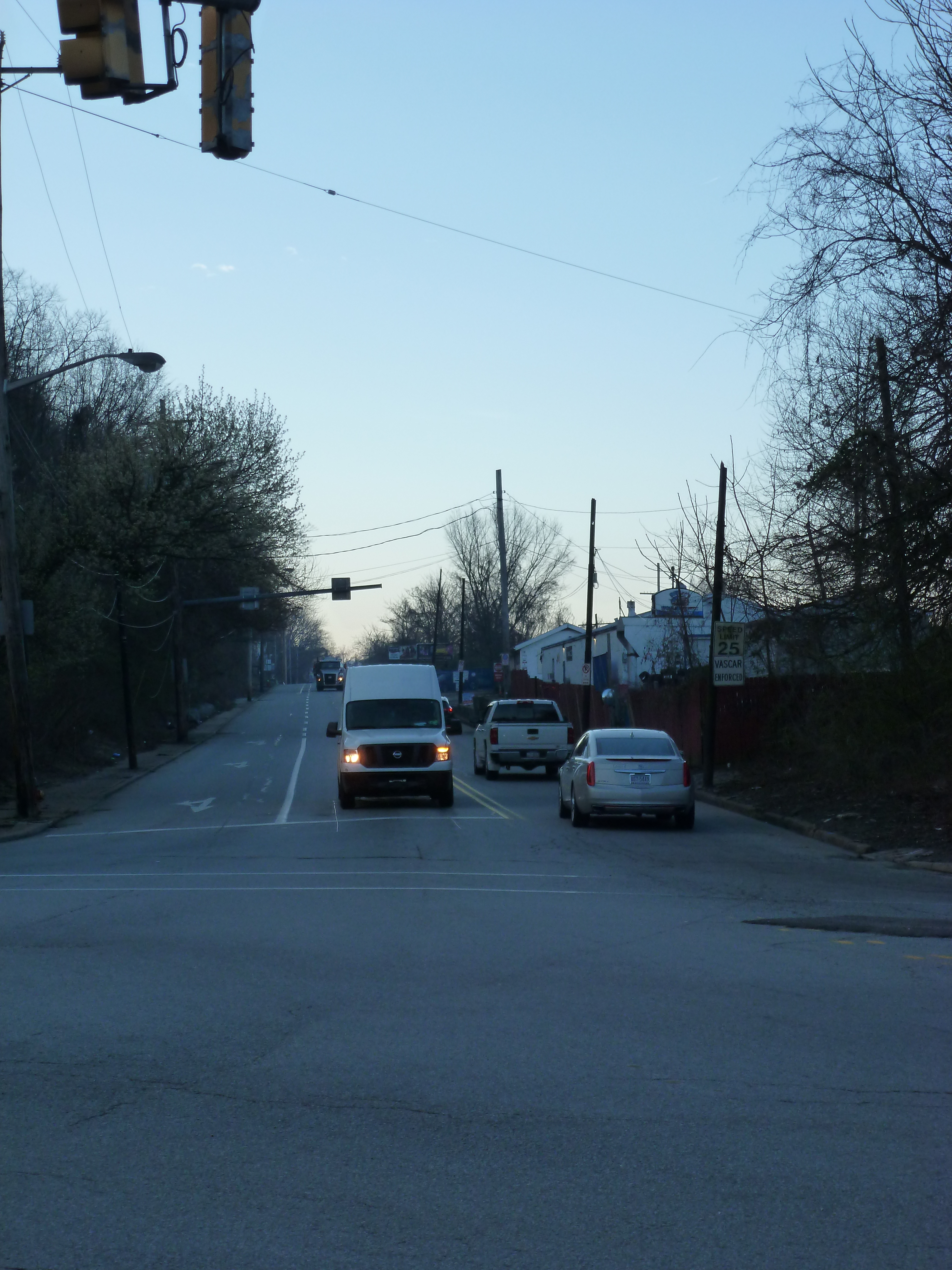
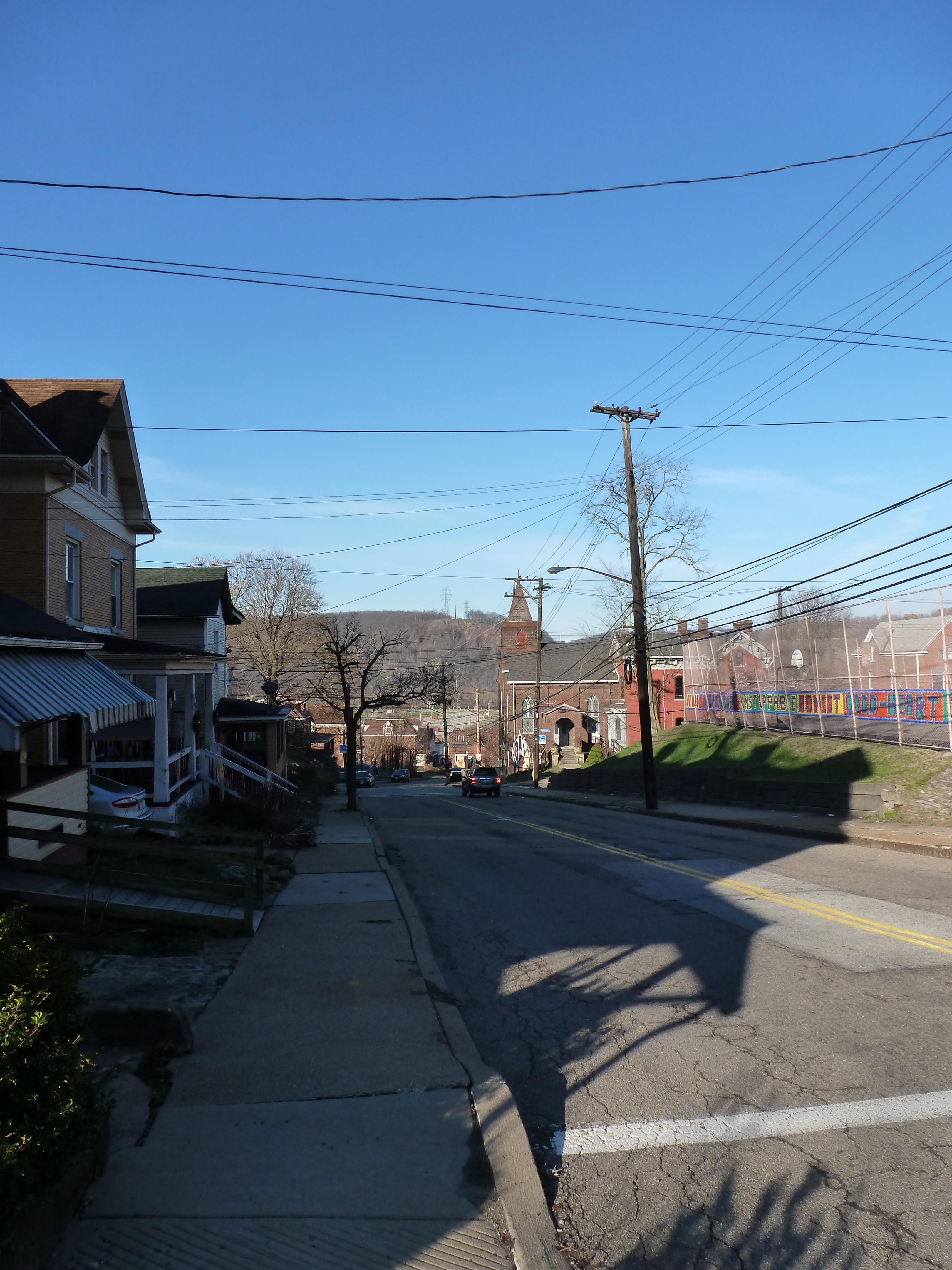
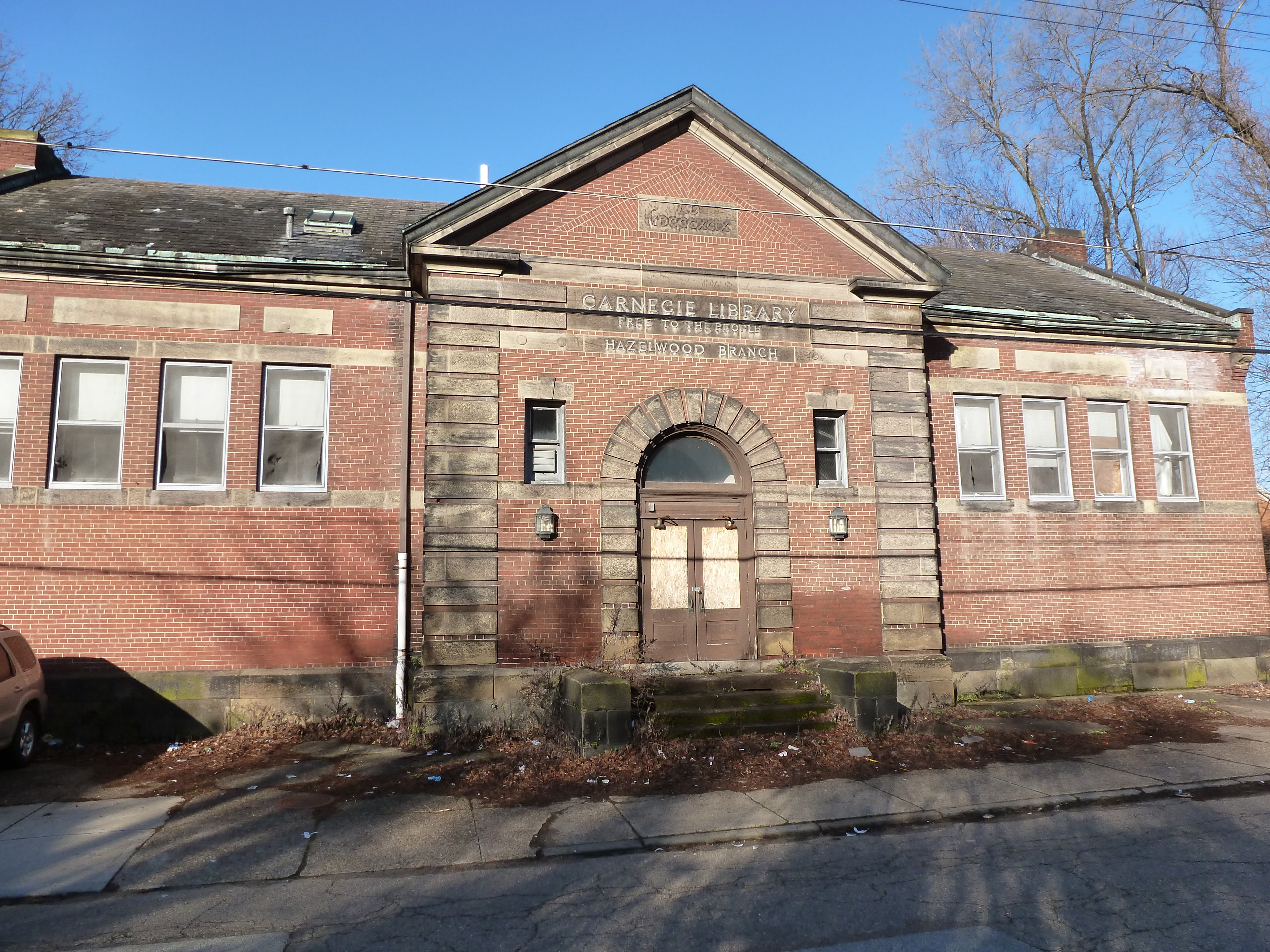
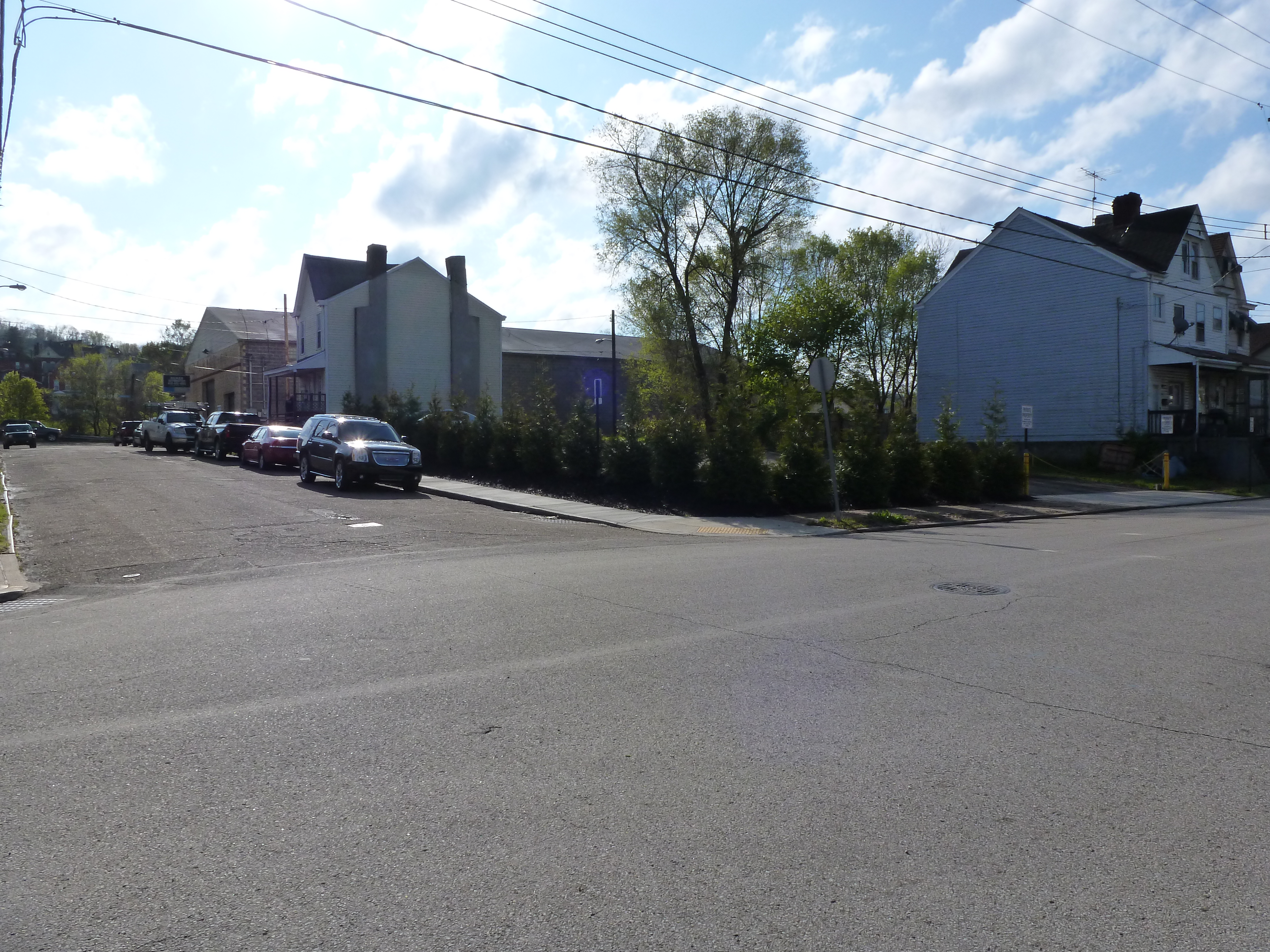
Hazelwood is a neighborhood divided in two by railroad tracks. On one side of the tracks are Hazelwood Green, a residential enclave, and some industrial and commercial uses. Here is a snapshot of the residential enclave and surrounding uses:

Hazelwood in the News:

Post-Gazette Article on proposed new road between Hazelwood and Oakland April 10, 2020

Keeping an Eye on Hazelwood (across the tracks): Apr. 2020

Hazelwood is a neighborhood divided in two by railroad tracks. On one side of the tracks are Hazelwood Green, a residential enclave, and some industrial and commercial uses. This is what is across the tracks:

Second Ave

Hazelwood Ave

Other Sites:

Keeping an Eye on Uptown: Nov. 2019


Keeping an Eye on Uptown: Introduction

Inspired by my post from this summer, I decided to start a photographic series of Pittsburgh’s Uptown neighborhood. This neighborhood is a hodgepodge of abandoned and renovated townhomes, parking lots, car-oriented businesses, corner stores, industrial uses, and new construction residential buildings. It is predicted to be on a tipping point from being mostly ignored to experiencing intense growth fueled by activities in and around the neighborhood. These activities include:

  • UPMC Mercy hospital is currently building a 410,000 sq ft vision and rehabilitation center in the middle of Uptown.
  • The Penguins hockey team is supposed to be finally getting off the ground with their redevelopment of the Lower Hill neighborhood, which is adjacent to Uptown.
  • June 2019 saw the groundbreaking for the CAP project to reconnect the Lower Hill to Downtown over the freeway that bisected the two in the 1960s.
  • The Bus Rapid Transit system currently in the planning stage will one day connect Downtown and Oakland through Uptown.

As these projects move forward, there will likely be more investment and changes to Uptown. This photographic series is intended to capture these changes by revisiting the same sites at regular intervals over the next several years.

In the coming months, I intend to release two related series to record the progress of the CAP and the Lower Hill redevelopment.

Inclusionary Wealth

Amid writing my posts about how the wealth gap manifests itself in the built environment and the morality of unequal economic investment in cities, I took another trip to Chicago. I spent most of my stay in the downtown areas within a mile of Grant Park. I love the old stone buildings, established green parks, ornate fountains, and modern glass skyscrapers with interesting architectural embellishments. Yet this trip, I felt hypocritical as I walked around soaking it all in. All these elements that I enjoy are the result of significant financial outlay that I know is not evenly distributed throughout the city. So where was my moral indignation at this display of deeply entrenched wealth unequally spread?

Chicago’s display of wealth isn’t gaudy like Tijuana or Las Vegas. The message I absorb in places like those with their flashing lights is “come on in, so we can suck all the money out of your pockets.” Chicago businesses identified their presence on the street with regular signs leaving it up to the passers to decide whether to engage.

One bar did add a layer of enticement to their sidewalk advertising. I was searching for a place for dinner, with this bar in mind as the one that looked most appealing from Google maps. I was looking around to see if there were any other better options. The smell of the burgers from this first bar convinced me that it was the best option in that vicinity. It was only after I had sat down and ordered that I realized the smell wasn’t coming from the open window, but rather it came from pipes pumping the kitchen smells to the sidewalk. Still it was a subtle inducement and unlike flashing lights it did not have a nefarious undertone.

By pumping out the smell to the sidewalk, it also felt indiscriminate. Anyone passing was invited to enjoy. This was unlike my experience in Cardiff where if I couldn’t afford the items in the business, I felt I shouldn’t be walking past in the public space. I never felt like I didn’t belong in Chicago. There were economic barriers to certain experiences, but those places that I encountered still did not feel exclusionary. One example is the lounge on the 96th floor of Chicago’s Hancock Building. The stunning views are only accessible to those who can afford a $17 cocktail, but those who can afford one only once in a blue moon were just as welcome as those who can afford one or more every night.

In Chicago, I never saw that strong line, as in Tijuana and Cardiff, that divided those with and those without financial resources.  Everywhere I went, there was a mix of people with different economic statuses, skin colors, and first languages. This diversity gave me the feeling that anyone is welcome to enjoy the well-maintained investment in public spaces with or without hitting a minimum financial threshold.

Signs of the Times

20180709_124401 - Copy

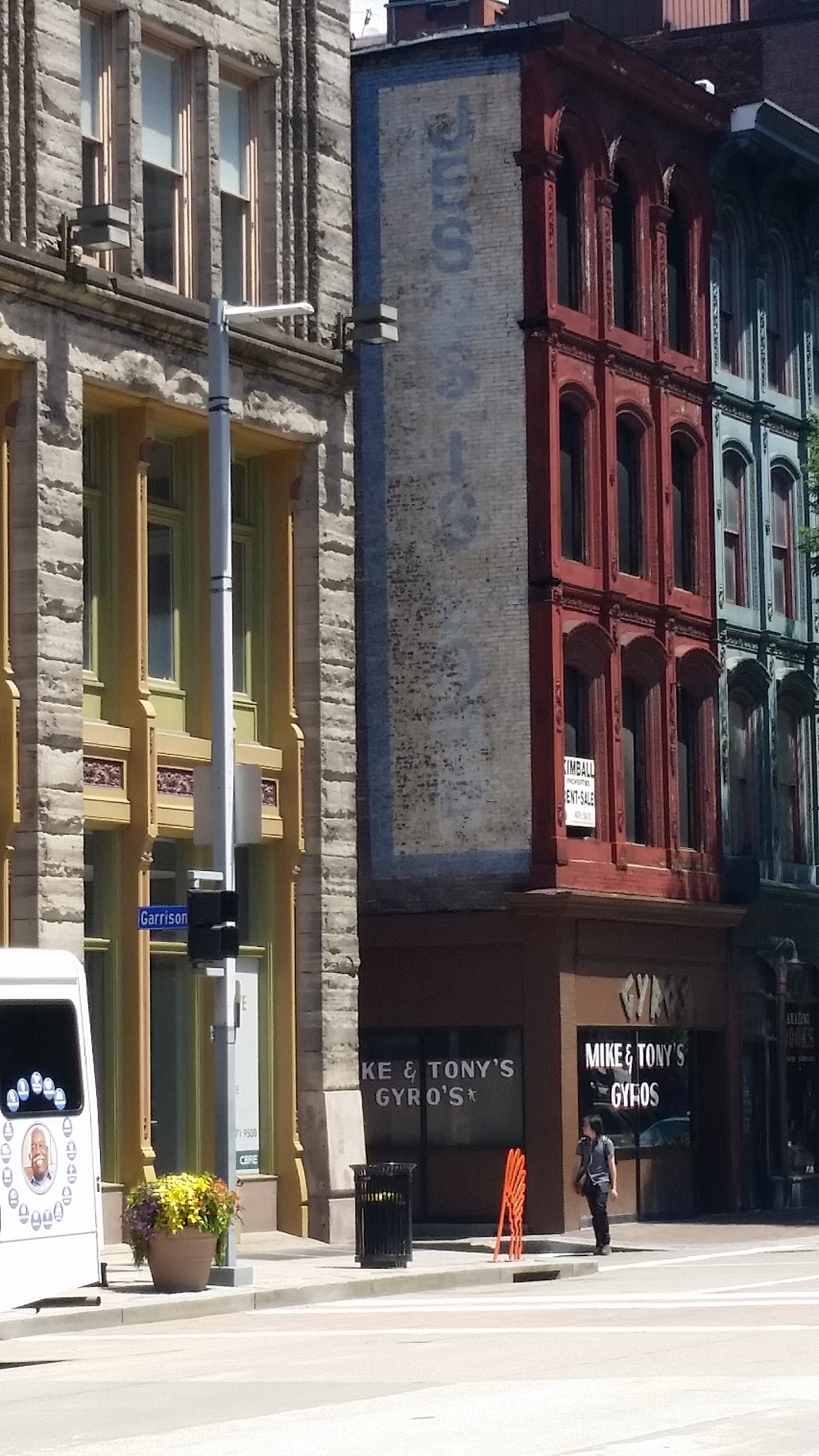
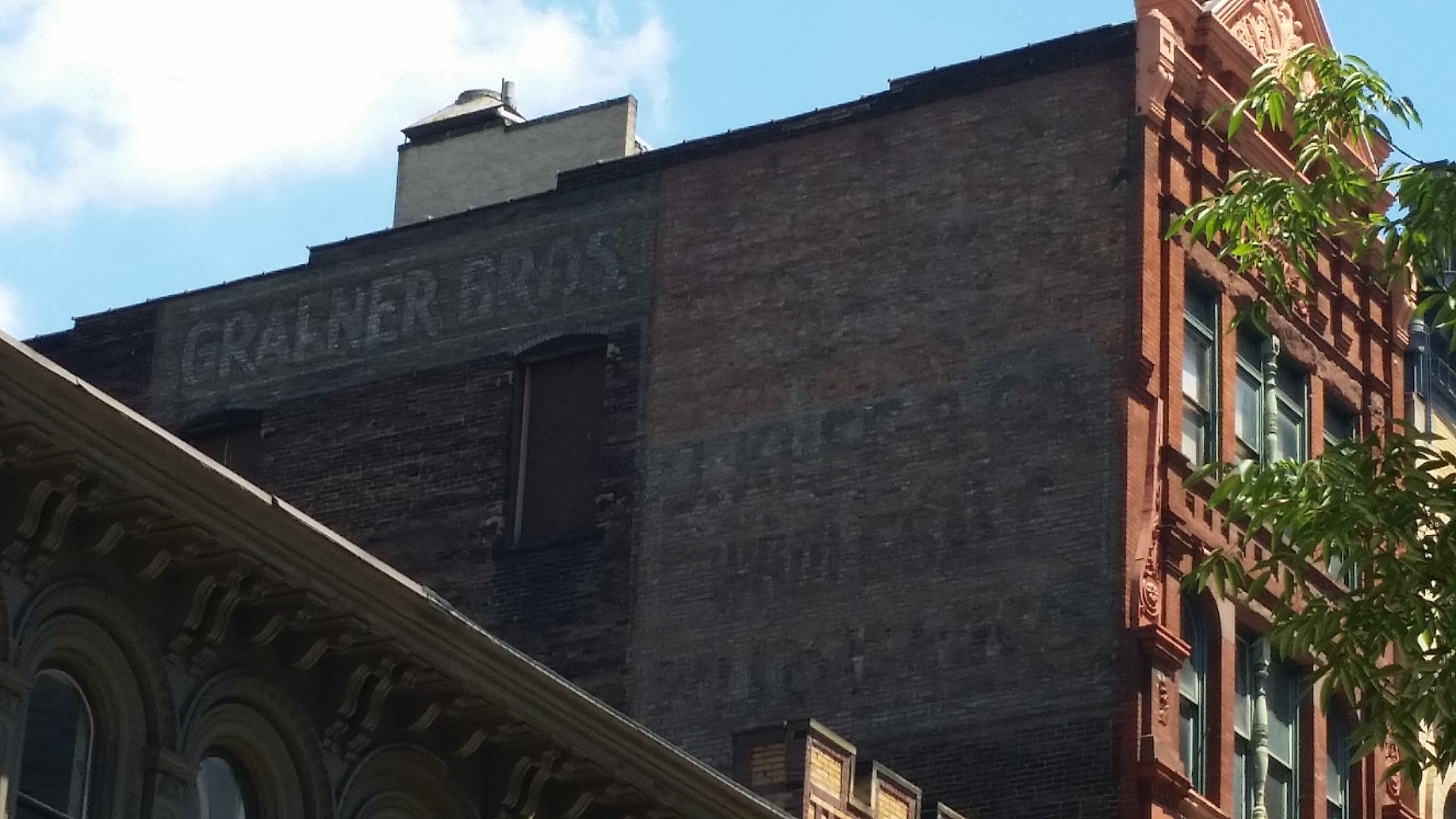
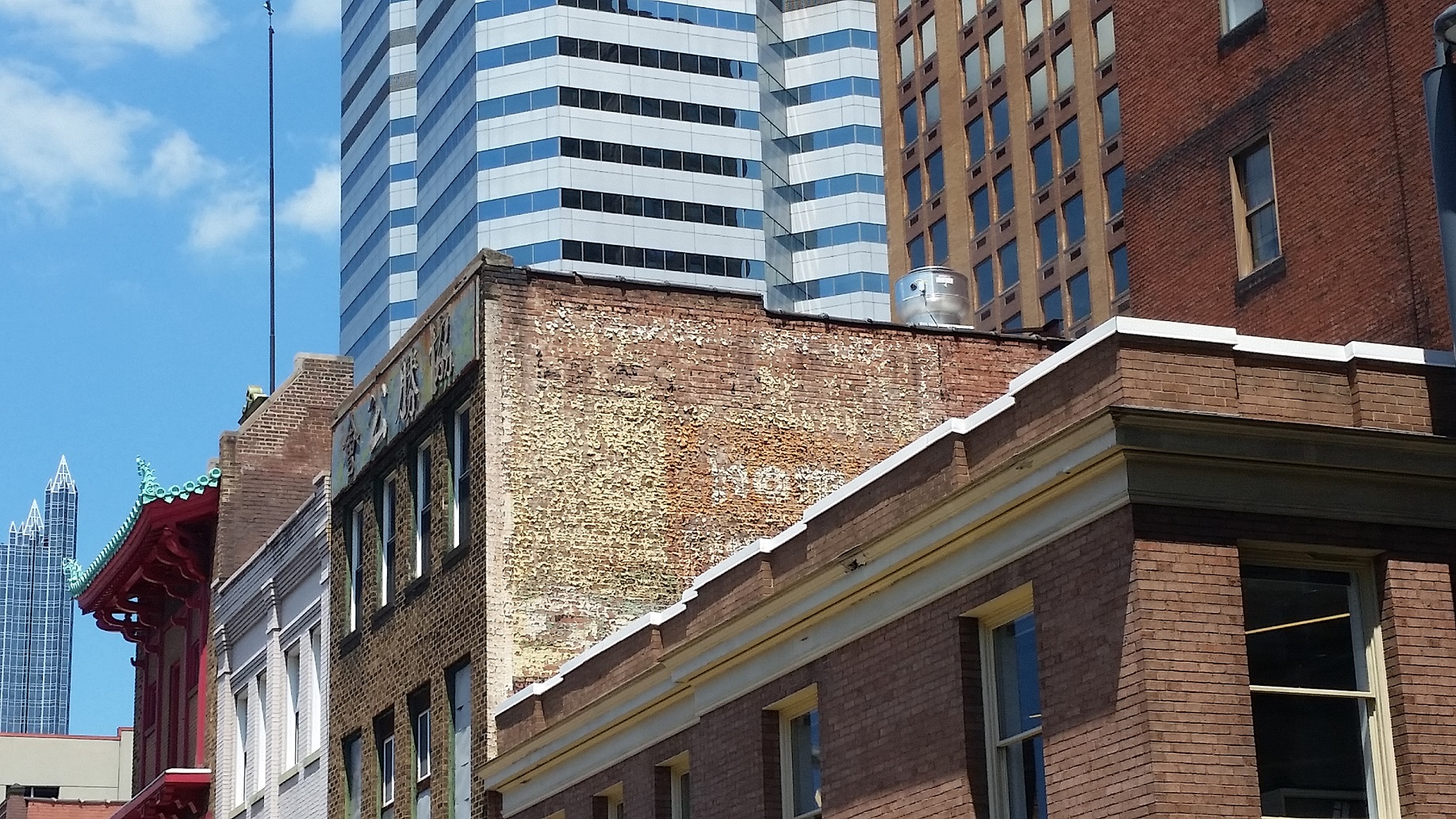
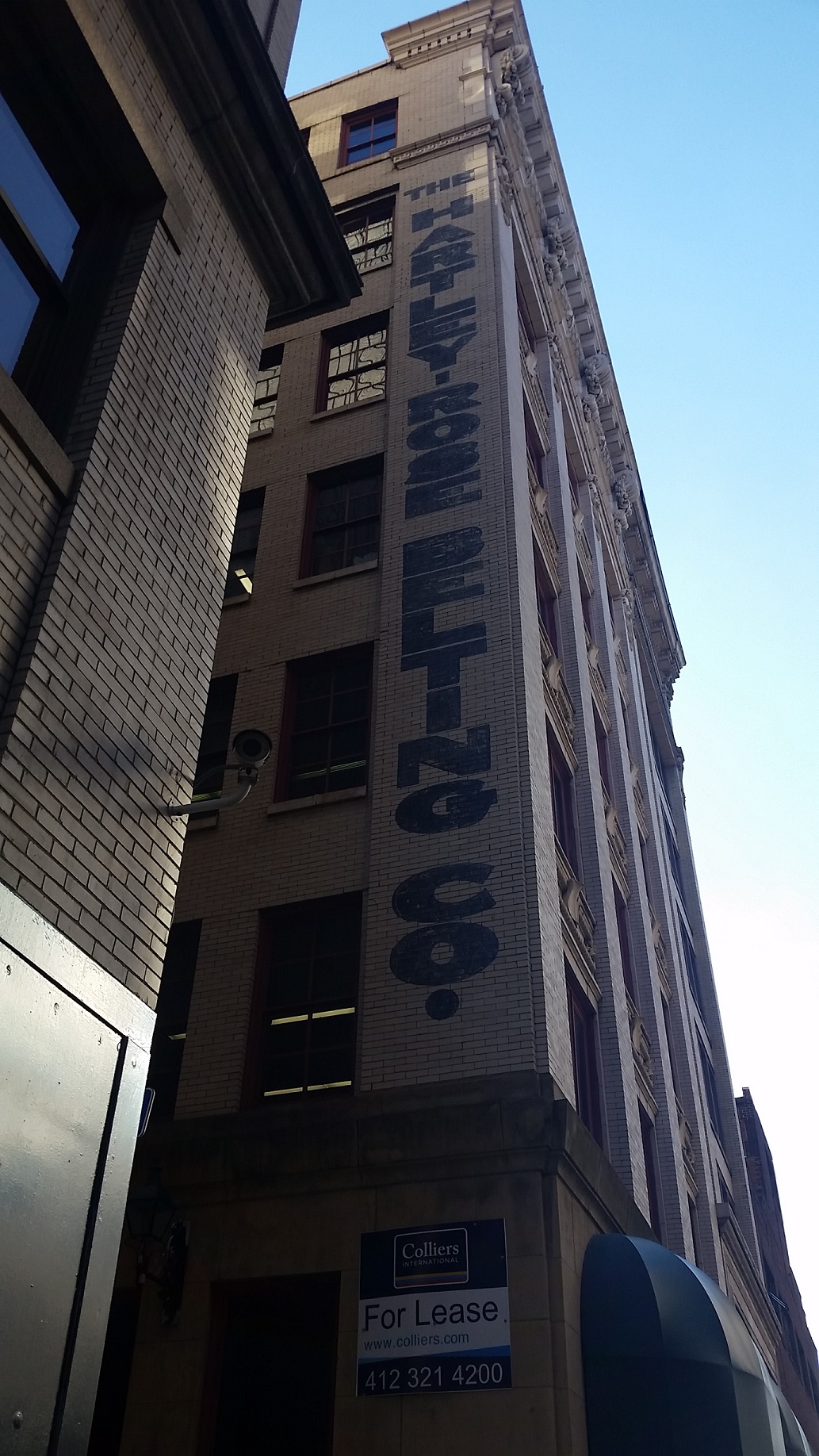
Once upon a time, signs painted on the side of buildings proliferated in Pittsburgh.  Over the decades as these types of signs went out of fashion, many were left to fade with time.  Remnants of these signs still cling to several buildings.  Some signs are faded but legible while others only show faint traces of having been there.

20180709_124148 - Copy

20180709_123654 - Copy

20180709_122215 - Copy

These signs tell a story of the history of the city.  Is it a story worth preserving?  If so, what is the appropriate way to preserve it?  Should these signs be refreshed so that they continue to live on?  Or should they be left alone to continue to fad to show their decline from favor?  Yet, there appears to be renewed interest in the hand painted sign.  (This article is one of several about a niche of successful hand painted sign artists.)  Maybe as these buildings are renovated, some of these signs will be refreshed with a modern take.

20180709_083128 - Copy