Sandwich Shops

While in London last spring, I discovered a sandwich shop chain that I fell absolutely in love with: Pret a Manger.  I ended up eating lunch most days at one of their many locations around the city.  The food was great.  They had sandwiches on small baguettes, in wraps, and between two “normal” square slices of bread (which have been cut into triangles, as everyone knows triangle sandwiches taste better).  The flavors of sandwiches included ham and cheese, egg salad, and brie, tomato and basil.  The ingredients were fresh and real–meaning ham of the bone, not sliced deli ham, and arugula instead of shredded, nondescript “lettuce.”  And then the sides to go with the sandwich were interesting, exciting, and tasty.  The chip flavors I remember were “cheddar and red onion” and “sea salt and apple cider vinegar.”  Both delicious!  I was also attracted to the Pret sodas (I normally skip the soda options at restaurants).  I enjoyed the Grape & Elderflower, Apple, and Ginger Beer sodas.

Pret was the first place I had lunch in London and from the first bite, I couldn’t wait to come back and try another flavor of their sandwiches, chips, and drinks.  On my third day in London, I was ready for lunch, but could not find a Pret anywhere near where I was, so I went to another sandwich chain that I had been seeing around.  The style of this other place, the name of which I forget, was similar to Pret, but the taste was no comparison.  After trying this other place, I made sure that I was near a Pret at lunchtime for the remainder of my trip.

Besides the taste, I also enjoyed the convenience of the chain.  All the sandwiches are premade, so all you have to do is grab-and-go.  You don’t have a clerk staring you down while you decide what flavor you want today and you don’t have to wait for it to be made once you’ve made the decision.  All of which suits my personality better.
I cannot think of a sandwich shop in the US that has premade sandwiches.  It seems to me that one of the things the Subways, Quiznos, and the others are after with the don’t make it until it’s order deal is to prove that their food is fresh.  Blimpie’s for example doesn’t even slice the meat and cheese until you’ve put your order in.  Despite being premade, the sandwiches at Pret always tasted fresh and satisfying because they were made with solid food such as dense, but small bread, and chunks of chicken meat.  The chain’s website explains the secret: “Pret opened in London in 1986. College friends, Sinclair and Julian, made proper sandwiches avoiding the obscure chemicals, additives and preservatives common to so much of the ‘prepared’ and ‘fast’ food on the market today….They created the sort of food they craved but couldn’t find anywhere else.”  “Our partners drop off the very best ingredients to our shops everyday. We don’t mind that good, natural food goes off quickly. We don’t keep our sandwiches, baguettes and wraps overnight.”

One of my biggest disappointments on returning home was that I might never get another Pret sandwich (unless they’re still there the next time I’m in London) and instead the only options for buying sandwiches out would be places like Subway and Quiznos.  It was quite devastating.  Like the partners who started the Pret chain, I was going to be craving fresh, “proper” food, but unable to find it anywhere….

But then, I went to New York City for Christmas.  Walking around the first night there, I was thrilled to spot not one, but two Prets.  Needless to say, I went there every opportunity I got.  The options were somewhat different, particularly the chips–there were only boring, regular American flavors and styles to choose from (though they still weren’t national brands like Lays)–but the food was still good.  The egg salad wrap was melt-in-your-mouth delicious.  The roast beef, arugula, mustard-mayo and chicken, bacon, mayo baguettes were also yummy.  They also had the Pret Ginger Beer Soda, which tasted as yummy as the Ginger Beer I had in London, both Pret and non-Pret.  I’ve found Ginger Beer in Pittsburgh, but it’s just not the same.

It turns out that Pret a Manger has set up locations in New York, Boston, Chicago, and Washington, D.C.  As Chicago is one of the next US Cities I hope to visit, I know I will be getting another Pret sandwich soon.  I wonder though, if the large, diverse populations of these cities are necessary for a place like Pret a Manger to be successful.  Is it possible for a truly fresh sandwich shop to succeed (and set up multiple branches) in a smaller, less diverse city like Pittsburgh?

Adaptively Rebuilt Church

The Spire House is perhaps my favorite of all the adaptively reused churches I found in London.  Originally built as Christ Church Lancaster Gate in the 1850s and 1860s, the building has since been adapted to housing.  As I walked around the building, I thought it might have been one of the ones damaged during the war, but according to a website about the building most of the structure was demolished in the 1970s because of decay and fungus.

The reason why I liked this building was that despite the fact that most of it was demolished, part of it was saved and the rebuilt structure recalls the former design.  I particularly liked the “flying buttresses.”

I agree that there are times when a building can no longer function well, in this case because of decay and fungus, but buildings tell a lot about a society and its history and when they are demolished something gets lost.  The Spire House found a compromise between these two and it tells a lot about the city.  From the way this building was designed, it is apparent that this society is moving forward and changing, but still respects its past and its religion.  There other signs of this throughout the city, such as the church tower in the middle of a road.

Adaptive Reuse of Churches: London

When I started planning on going to London this year, my first idea was to go for a month or so to study the adaptive reuse of churches in that city.  I thought London would be a good place to see a wide variety of adaptions as the UK has been working with the problem of redundant churches for about a hundred years.  As I was pursuing this idea I found a book from 1977 which addresses this problem across Great Britain.  (I have not come across any book publications on the adaptive reuse of church buildings in the US.)  This book “Chapels and Churches: Who Cares?” includes a discussion of what had been done up until that point in time in the adaptive reuse of church buildings.  I compiled a list of 76 different uses that these buildings have been adapted to from the book.  In my observations in the Pittsburgh area, I have seen less than ten types of new use for church buildings with housing being the most common.

There was one factor about the church buildings in London that I found fascinating, perhaps in part because it is not a factor in Pittsburgh, or any US city for that matter.  Many churches sustained damage during WWII and The Blitz.  The churches damaged during the war were demolished, rebuilt, adaptively reused, or memorialized, resulting in some unique (at least to me) situations.

I ended up not going to London to complete a research project on the adaptive reuse of church buildings, but instead went to the city for a few days and explored as much of the city as I could in that time.  This included looking for a few of the adaptively reused churches I had learned about in my preliminary research.  In the process of looking for the ones I knew about and simply walking around the city, I found some other adaptively reused churches.

Tower Bridge

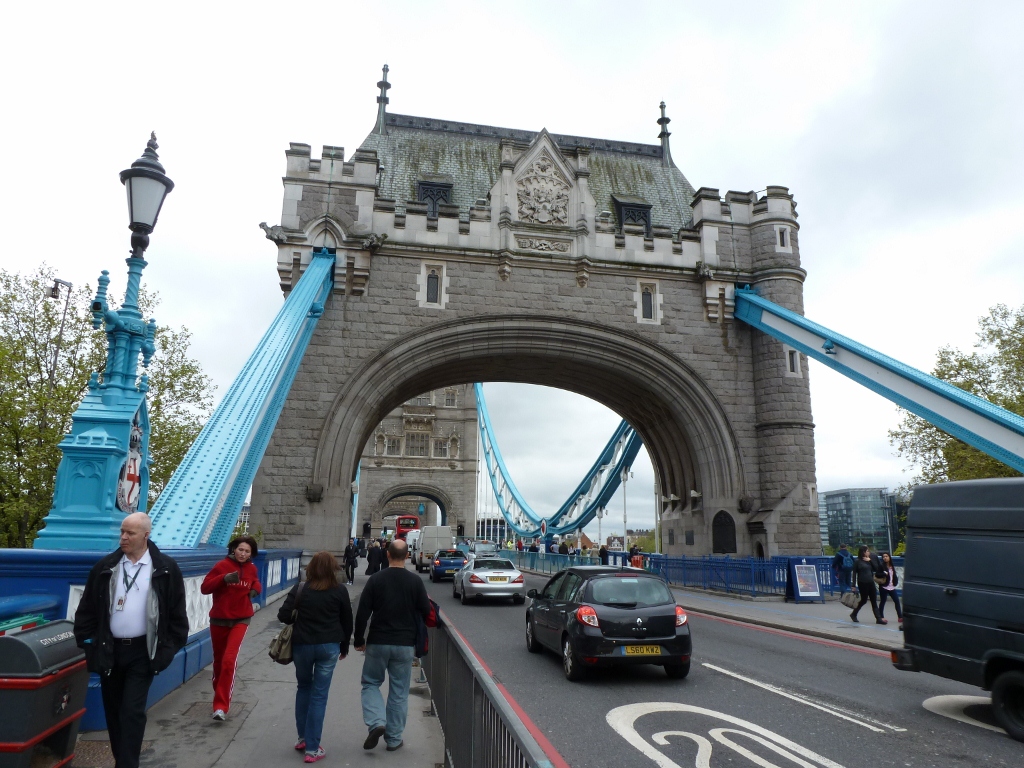
The last bridge in London I walked over was the Tower Bridge.  It is by far the most elaborate bridge across the Thames.  I had assumed it was also the oldest of the bridges I walked in London.  It turns out that this was a false assumption.  The current Tower Bridge was built in the 1890s.  According to the dates I found online, Southwark Bridge (see Aug 5 post)  is the oldest existing bridge I walked having opened in 1819.

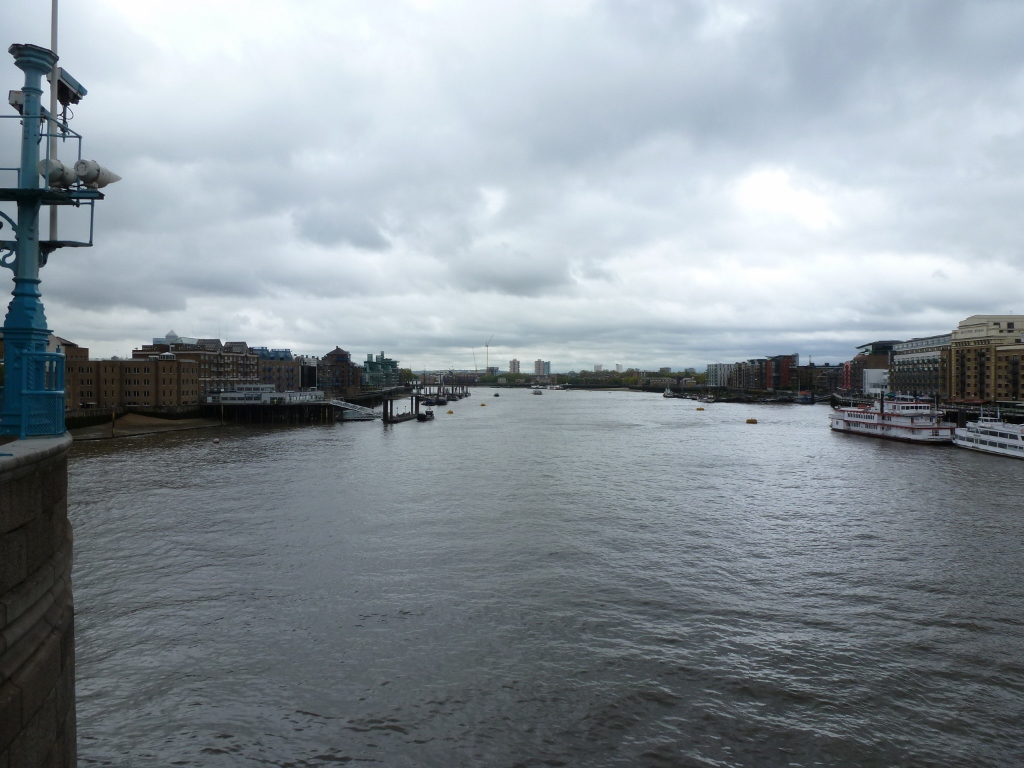
The Tower Bridge is the last bridge across the Thames before it empties into the sea.  The view downstream gives some indication of this as there are no bridges in sight and the views from all the other bridges showed either another vehicular bridge, underground bridge, or pedestrian bridge.  That the Tower Bridge is the end of the bridges over the Thames is somewhat surprising to me because as the crow flies the mouth of the river is nearly forty miles away and as the river flows is even farther.  There are some tunnels under the river between the Tower Bridge and the sea, including at least one pedestrian tunnel.  I considered walking the pedestrian tunnel, but the idea of walking through a tunnel under a river seemed long, dark, and scary, and as I had already walked myself off my feet, I chose not to.

Some of the oldest parts of the city are near the Tower Bridge.  The northern shore is where the infamous Tower of London is located.  The Tower itself was built in 1078.  Crossing the bridge and turning right are several very narrow, medieval-like lanes.  Yet right near this old fabric is a very new development, situated almost directly across the Thames from the Tower of London, which from this view seems to include the controversial Shard skyscraper.  The Shard is located near the end of the London Bridge so I believe there must be some separation between the new buildings in the foreground and the skyscraper.  I understand that there is some controversy over the building as many people believed it was too close to the older fabric of the city where they wanted to maintain the historical building heights.  In the midst of the historic neighborhoods I observed this skyscraper looms up as the current tallest building in Europe.  According to an article about the official opening of the building on July4, one of the many features of this building is “double-decker lifts.”  I feel like that is the kind of thing that I’m going to have to see it to believe it.  How would a two-story elevator work?  And why would you want a two-story one?  I think it would only complicate things.

So ends the story of my journey walking across 13 bridges in London.  Hope you’ve enjoyed it!  For those interested in bridges, stay tuned as I continue to walk bridges in Pittsburgh and other cities.  For those interested in London, I plan to post about the adaptively reused churches I found in London in the near future.

London Bridge

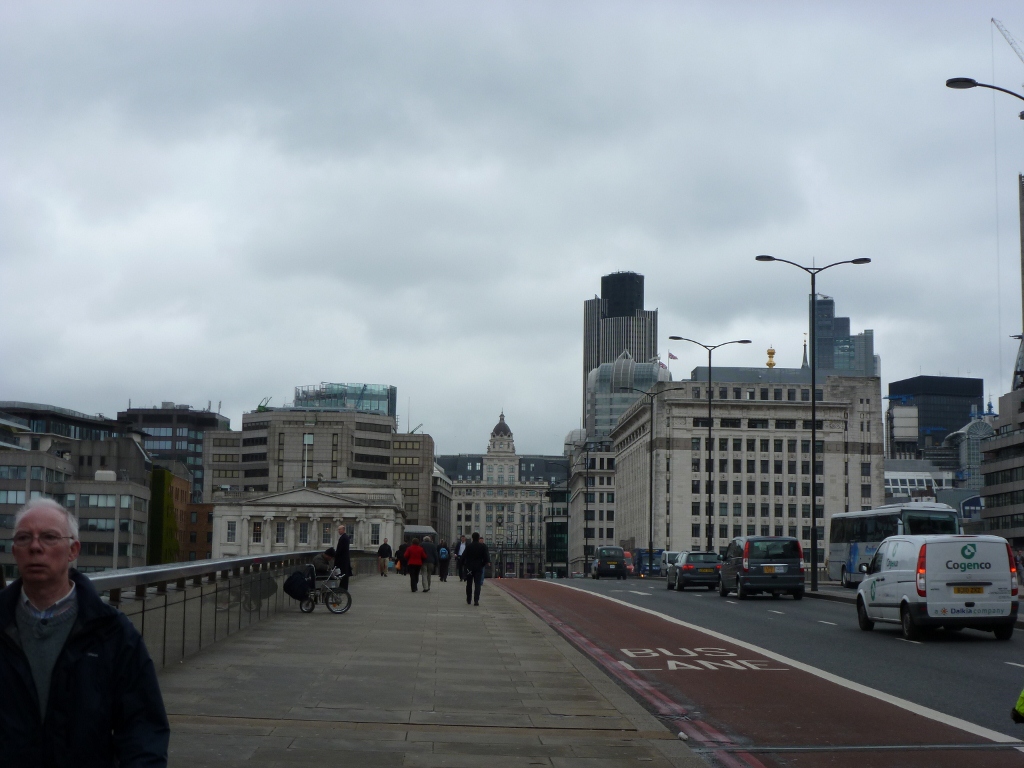
London Bridge, perhaps the most famous of the bridges I walked because it fell down, rivaled the Waterloo Bridge for boring-ness (see July 29 post).  Both were similarly plain concrete structures.  The London Bridge is slightly more interesting for having a dedicated bus lane, but I can’t stand the maroon color of the bus lanes.  Luckily the surroundings were more interesting than those at the Waterloo Bridge.

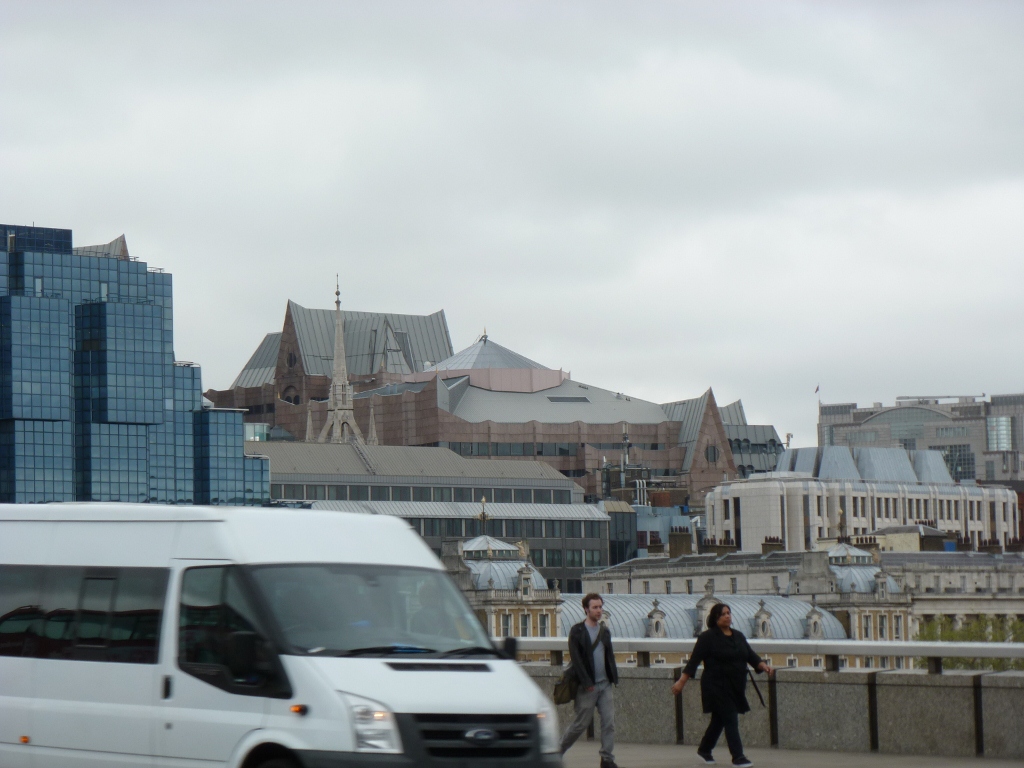
I loved the geometry of these buildings visible from the London Bridge.  I went onto Google Maps to try and discover what they are as I did for Lambeth Bridge (see June 28, and Maps are Awesome! posts), but when I did, I found that Google Maps has the London Bridge miss-labeled.  The pinpoint for London Bridge sits right on top of the Tower Bridge.  As I mentioned in my Waterloo Bridge post, I had also at one time mistaken the Tower Bridge for the London Bridge.  While the London Bridge is the most famous in song, the Tower Bridge is the most famous in images.  I believe that it for this reason–that both bridges are the most famous in London, but in different media–that they get mistakenly identified.  (For some reason it is hard to imagine that there might be more than one famous bridge in London.)

The pointy building in the background is the London offices of Zurich, an insurance company.  The blue glass building houses Northern and Shell, a media company.  Next to that building and lower down is the Old Billingsgate Market, which used to house the largest fish market in the world (the market moved to Canary Wharf area, but is still the largest in the UK based on its website).

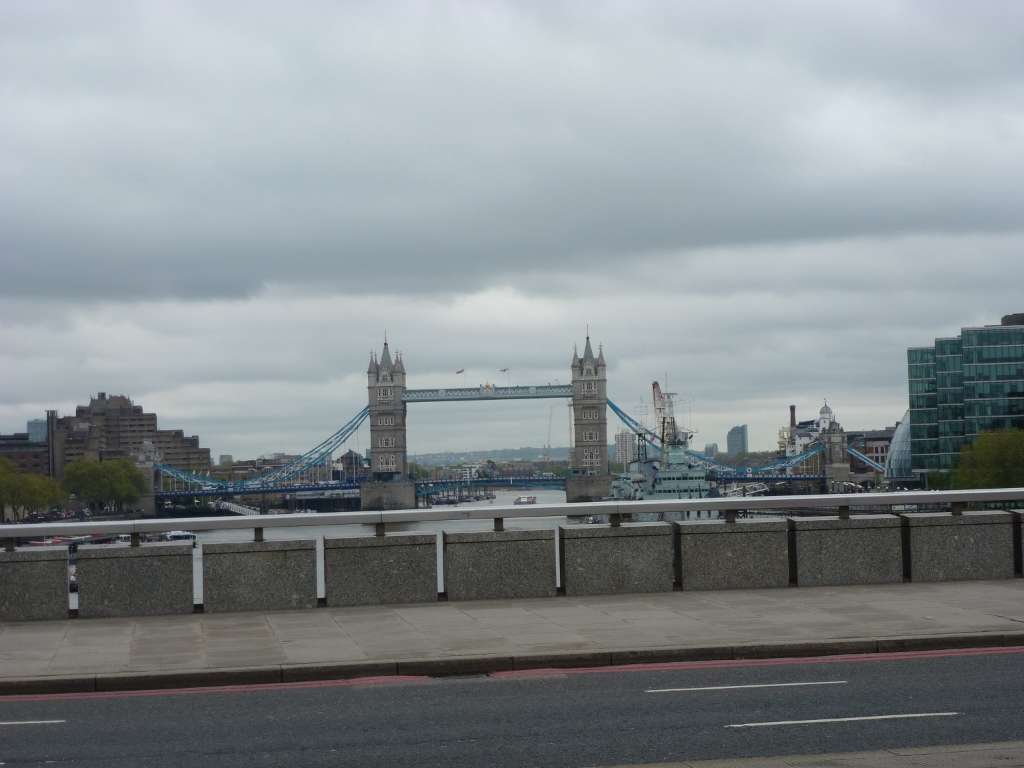
A battleship was parked in between the London and Tower bridges.  At first, I thought it was the battleship I saw on the news in the days before walking the bridge as the one moving up the Thames in an exercise to practice for the Olympic security measures.  Afterwards, I realized that this one (the HMS Belfast) was probably a permanent fixture and had not just traveled up the Thames.  It turns out I was correct the second time as the HMS Belfast is now part of the Imperial War Museums.

Southwark Bridge

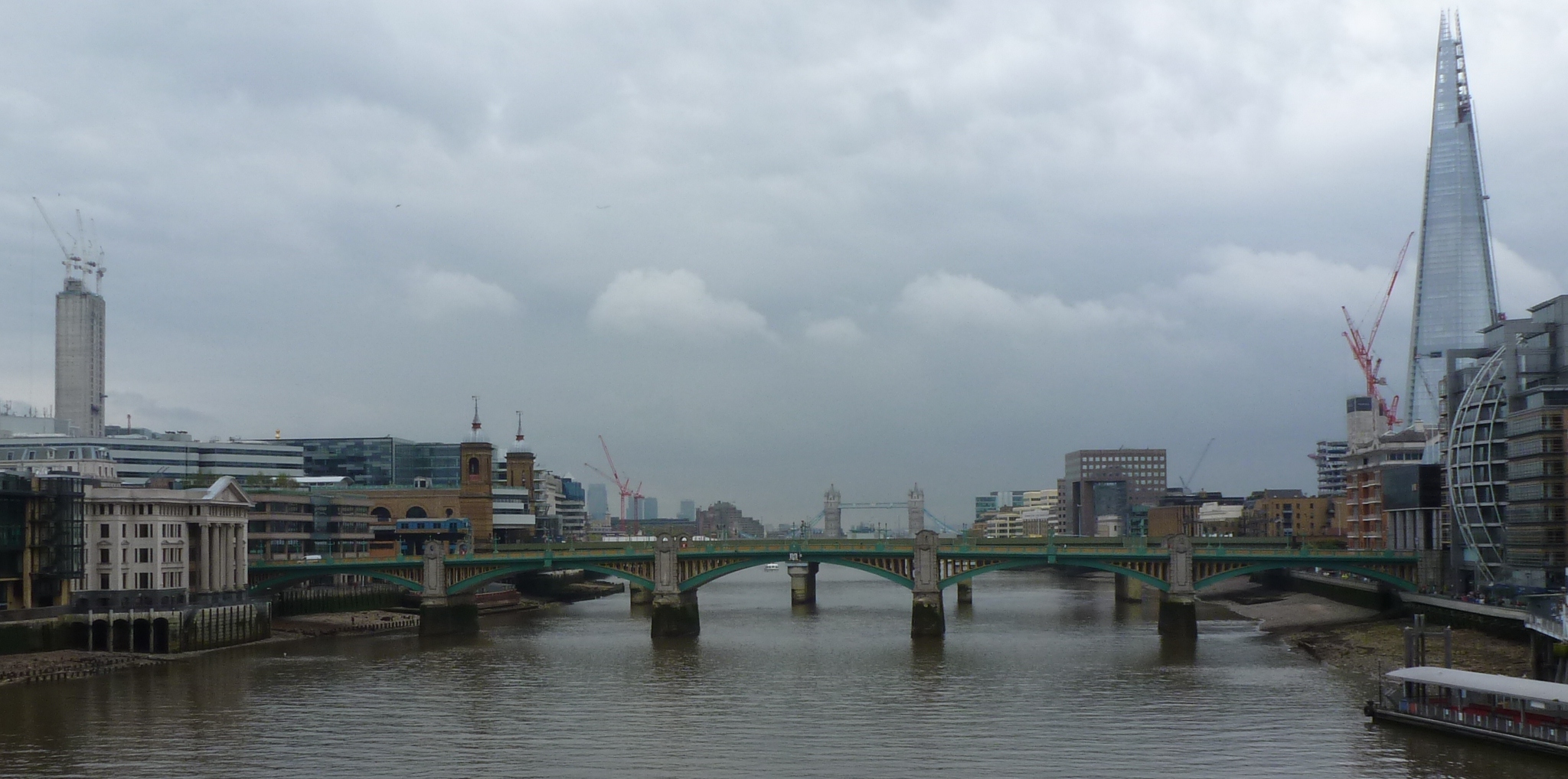
After three mono-color bridges (see Jubilee Bridge, Waterloo Bridge, and Millennium Bridge posts), the Southwark Bridge returned to using the unique color schemes that I came to expect of London bridges after walking the first few (see Battersea Bridge, Albert Bridge, Chelsea Bridge, Vauxhall Bridge, Lambeth Bridge, and Westminster Bridge posts).

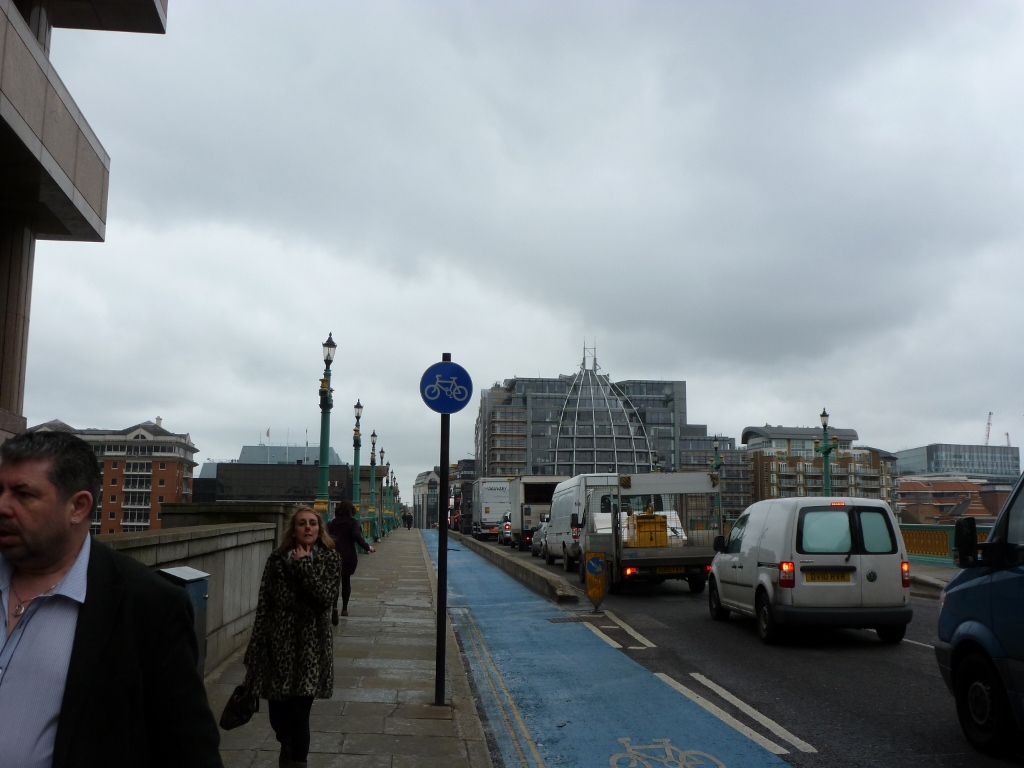
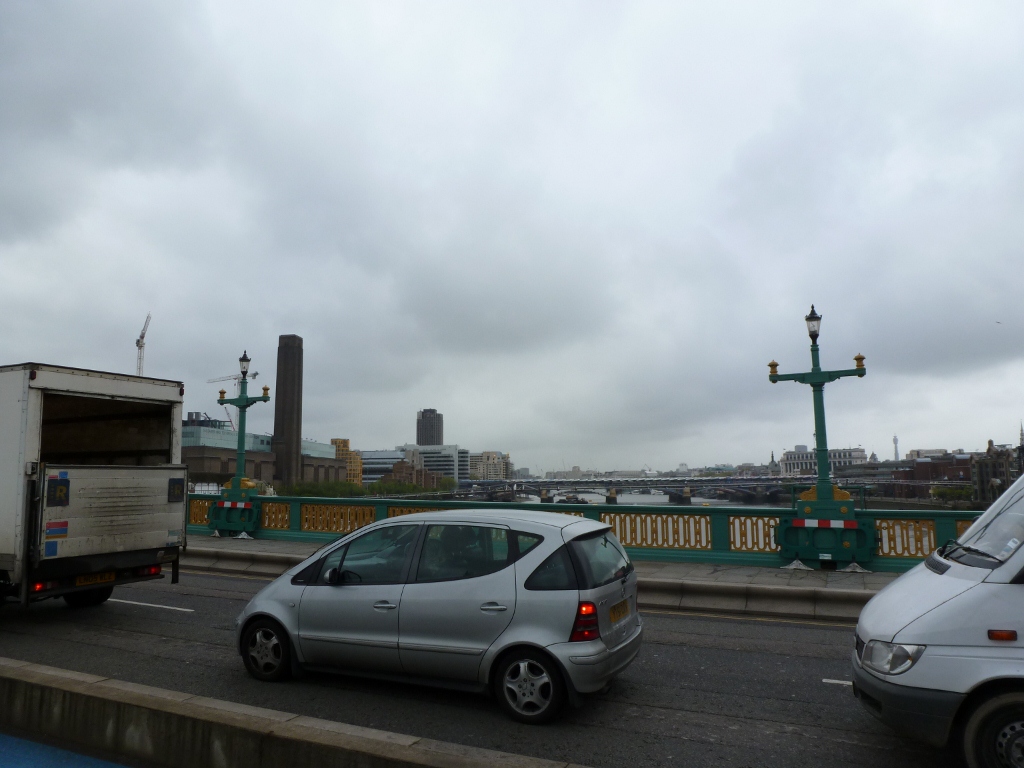
The Southwark Bridge had the most, or at least slowest, vehicular traffic of any of the bridges I walked in London.  It was also the only one with a painted bike lane.  I believe this lane is part of London’s Cycle Superhighway system.  These bike lanes are intended to make bike travel to central London from the surrounding areas easier (see website).  I really liked the bright blue color of these lanes.  It is highly visible and makes it quite clear this is not a place for cars.  Of course I am sure it costs a lot to paint miles of bike lanes solid.

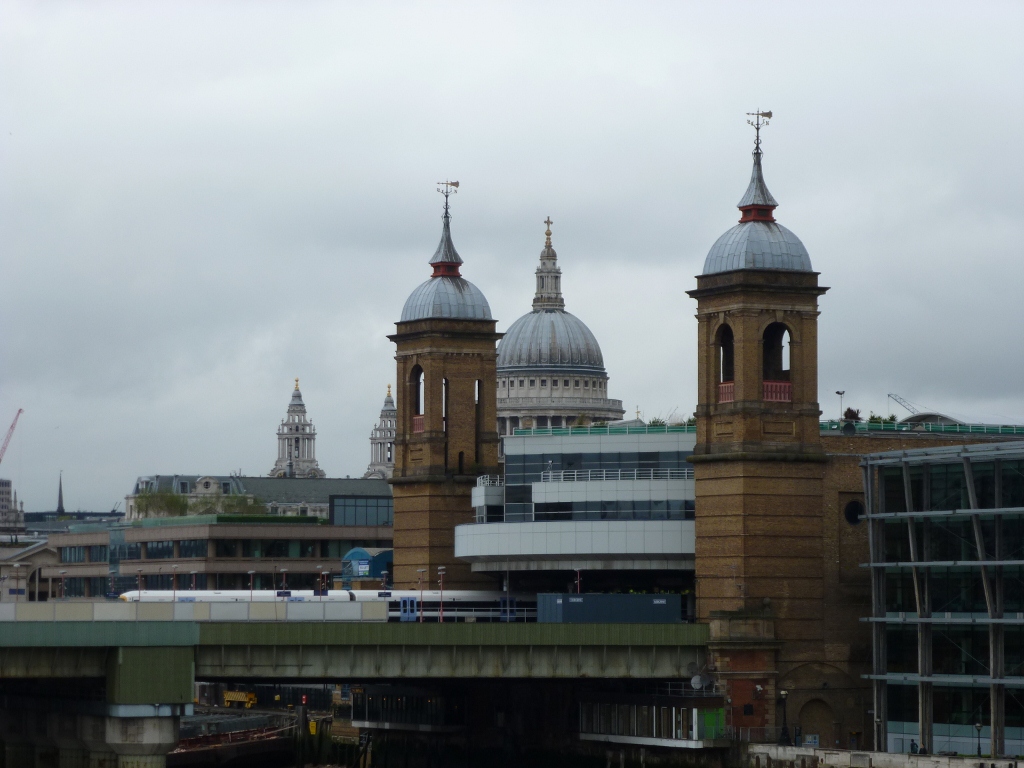
The little domes on this building had been visible to me long before I saw the rest of the building.  I was in anticipation for several days to learn what it was.  I assumed it would be something really interesting like a church built by Eastern European immigrants, in which case its prominent location on the waterfront would led to a fascinating story, I’m sure.  Consequently I was a little disappointed to learn that it was only a train station.  (Note: I learned what the building was while on the Southwark Bridge, but the view above was taken from the London Bridge on the other side of the station from Southward Bridge.)

In this view upstream, the Millennium Bridge, which was so photogenic from the other angles (see Aug 2 post), becomes invisible against the background of the Blackfriar’s Rail Station spanning the Thames (see Blackfriar’s Bridge post).

Millennium Bridge

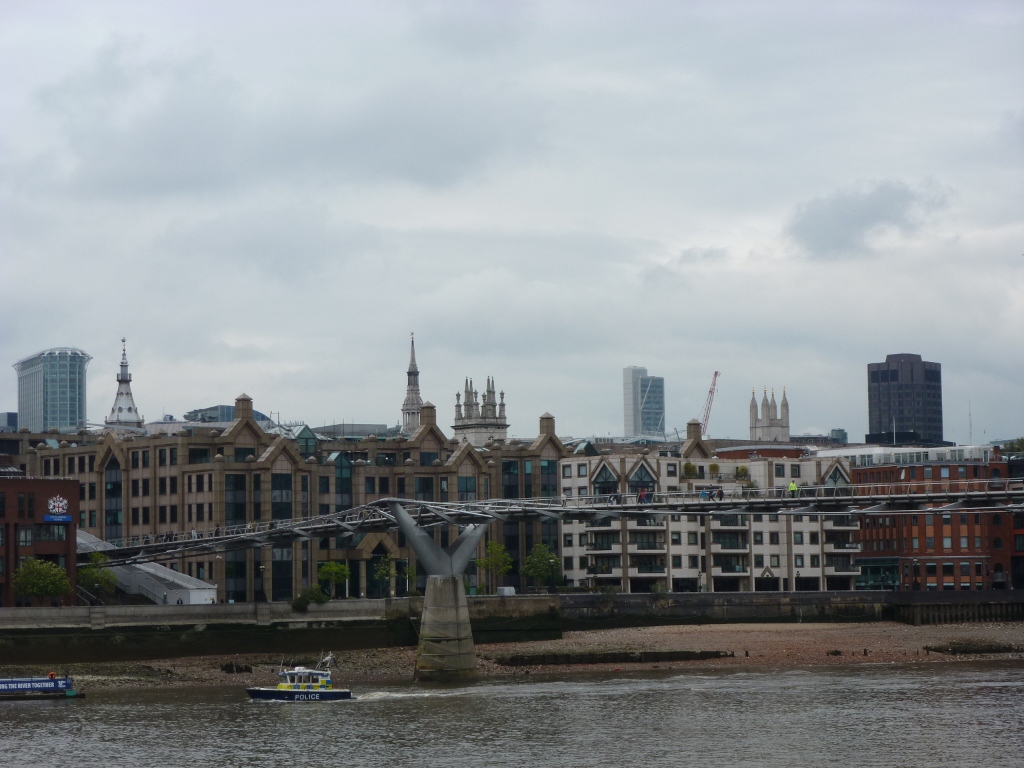
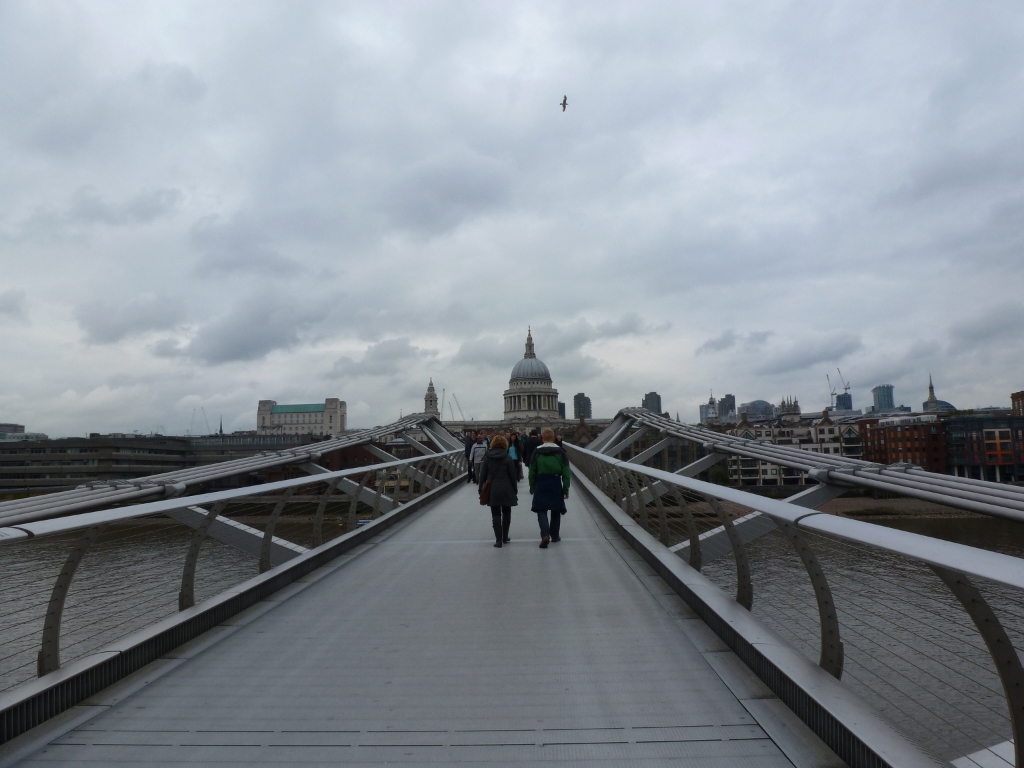
The Millennium Bridge is the first of two pedestrian bridges that cross the Thames.  The second, the Jubilee Bridge (click to see post), opened 3 years later in 2003.  While the Millennium Bridge is sadly only one color, I think it was probably the most photogenic bridge I walked in London.  Although I like the picture above less for the bridge and more for the buildings behind it, which show the city’s transition from a time when church steeples were the tallest thing around to today when that honor belongs to the skyscrapers.

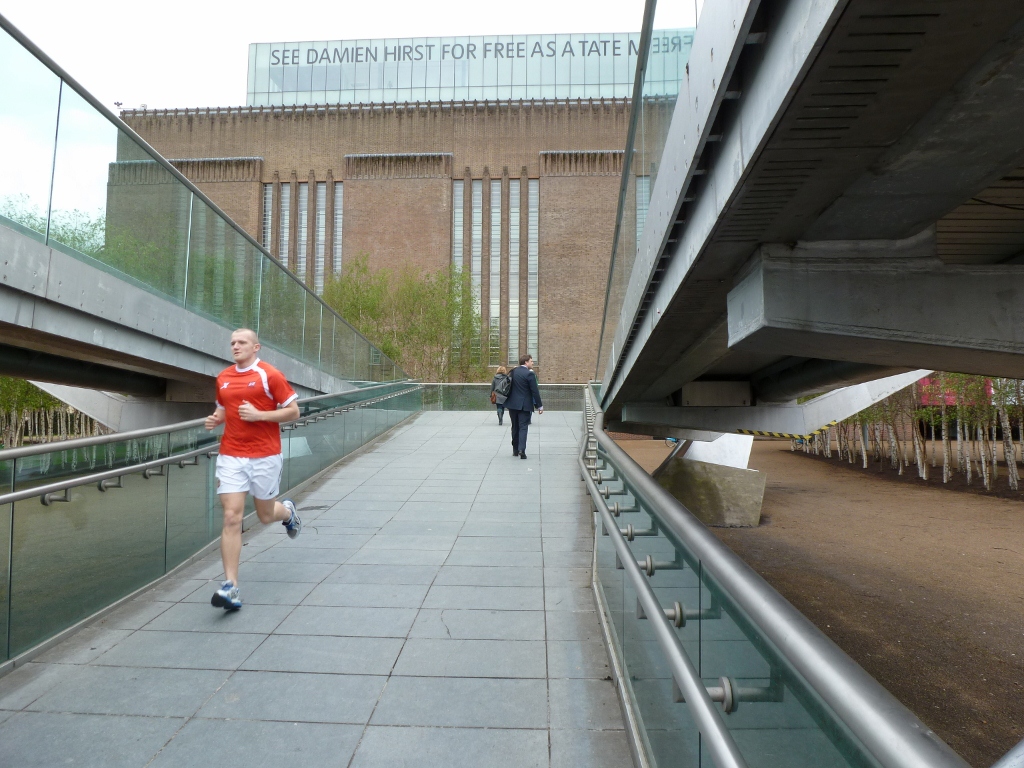
The location of the bridge was very good.  It leads directly to St. Paul’s Cathedral.  In some ways I am surprised that it wasn’t until 2000 that a bridge was built at this location.  (I picked up some souvenir maps while in London depicting the city in 1520, 1666, 1843 and 1902 and none have a bridge or even ferry boat at this location.)  On the other hand, the other side of the bridge connects to the Tate Modern, which didn’t open as the international modern and contemporary art museum until 2000.  Before then the site was a power plant from 1947 until 1981 when it became redundant and closed, remaining vacant until the Tate took it.

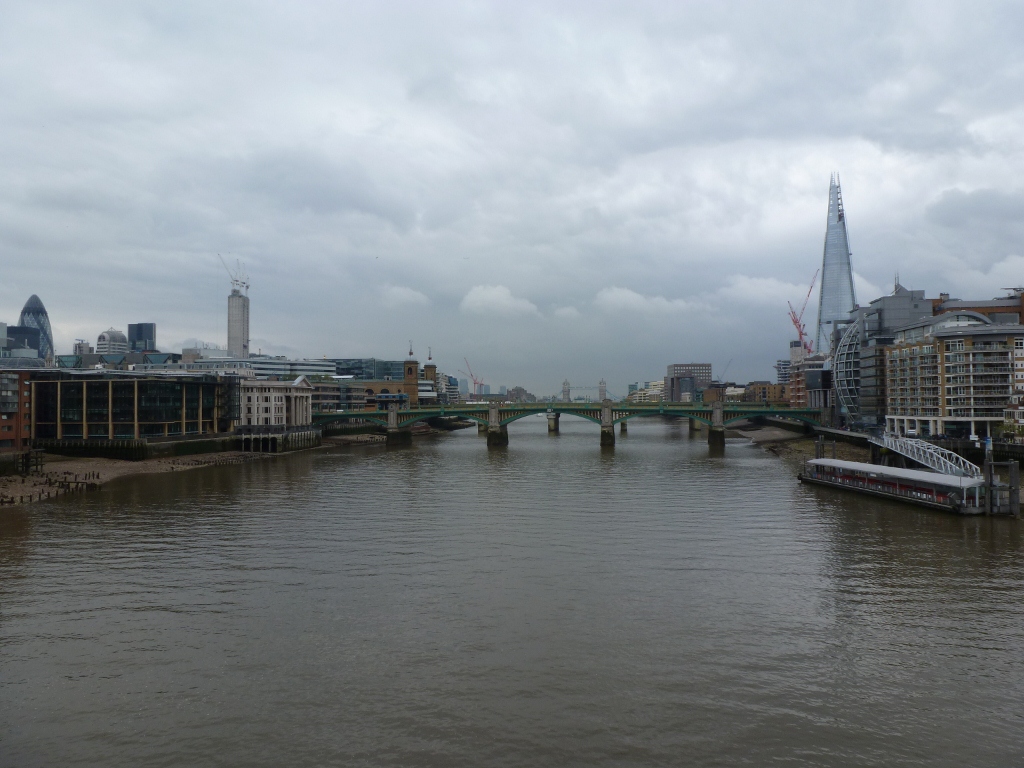
The views from the Millennium Bridge show two things of interest related to the other city bridges.  First, upriver is a view of the first rail station to span the Thames and the longest solar bridge in the world (see July 31 post).  Downriver, the Tower Bridge, which I believe is the most iconic London bridge, comes into view for the first time.

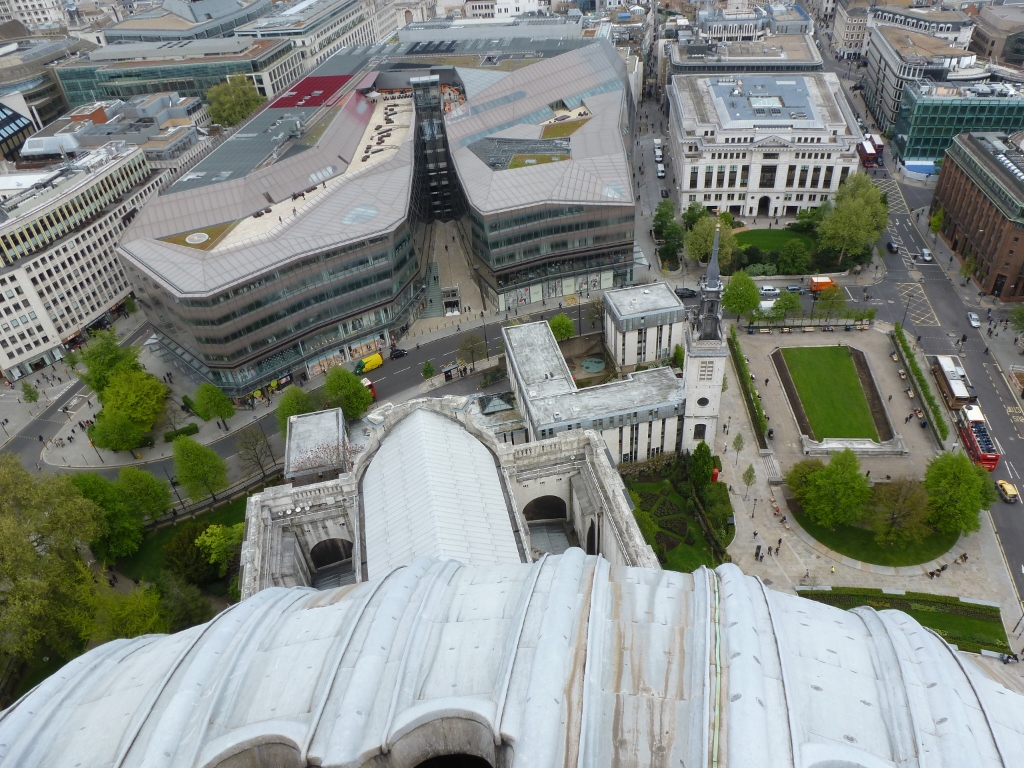
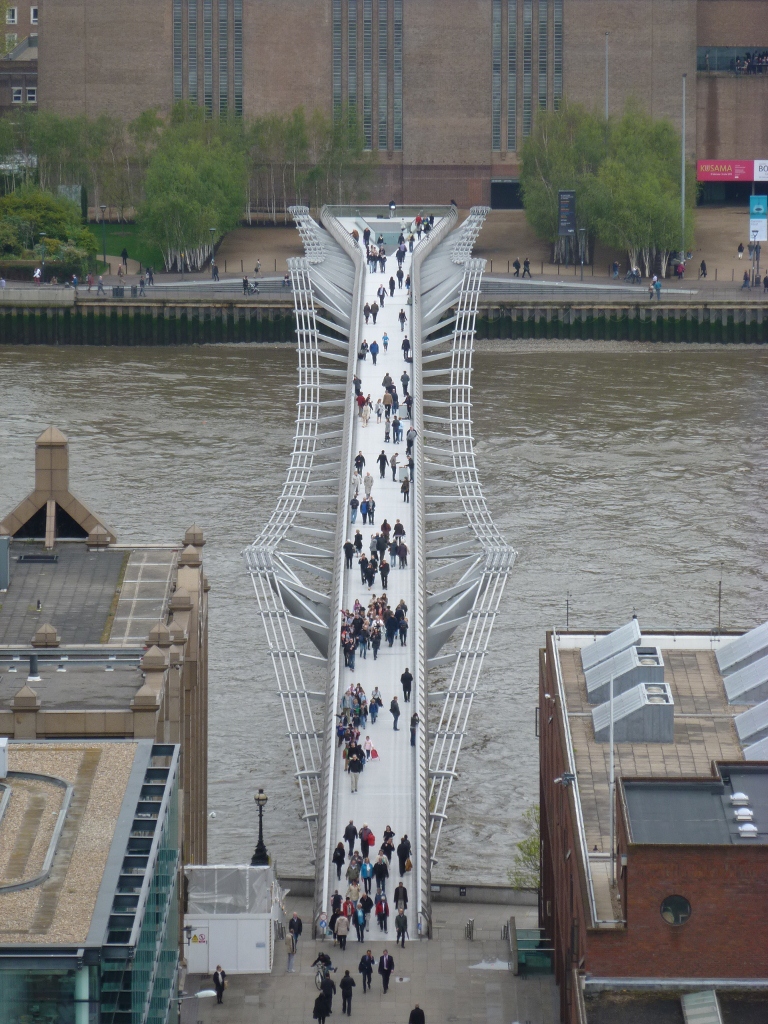
I started this post by claiming that the Millennium Bridge was the most photogenic of the London bridges.  The views of it above are pretty interesting, but the best shot was the one I took from the top of St. Paul’s Cathedral looking down.

Blackfriars Bridge

One thing that stuck out to me while in London was the amount of construction going on.  It seemed like everywhere I went in the city there were cranes and/or something was being built, and I didn’t go anywhere near any of the sites for the Olympics.  While on the bridges, cranes could often be seen at a distance, but the Blackfriars Bridge seemed to be in the heart of a construction area.

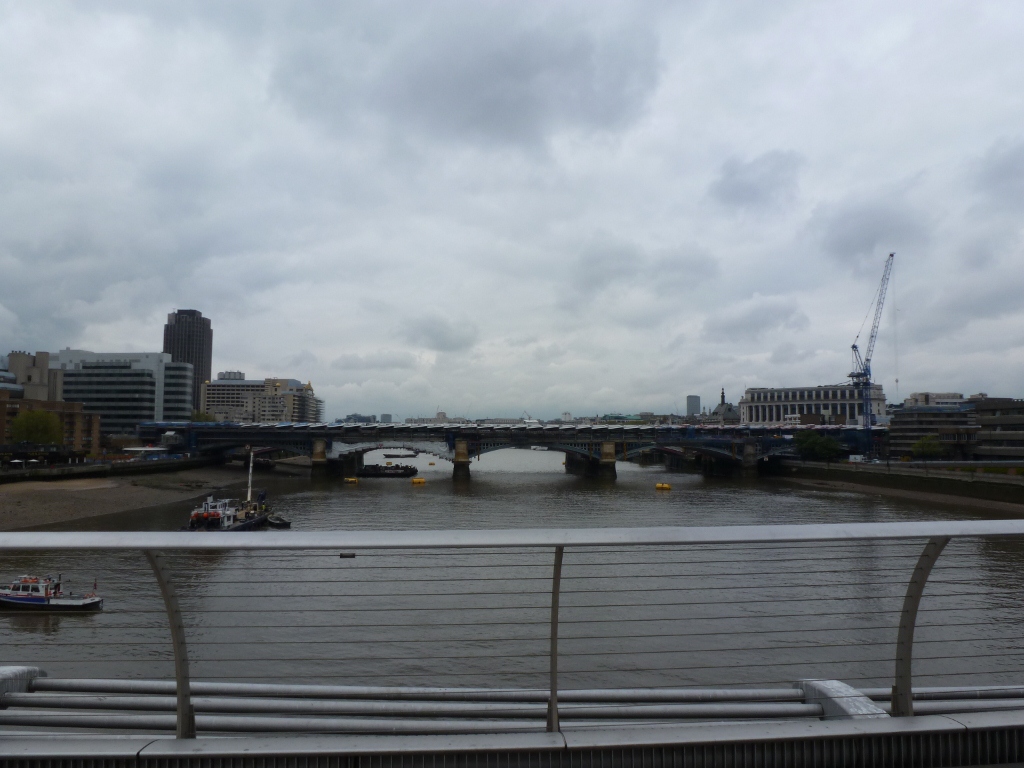
Cranes can be seen on the southern shore in the first image above.  The downriver view from the bridge was completely blocked and will remain blocked by “London’s first station to span the Thames.”  At first I find this very annoying, as I think there would be a good view of the city looking downstream from Blackfriars Bridge.  However, building a station over the Thames is actually an interesting idea.  In a city as dense as London there isn’t much room for expansion.  There doesn’t appear to be anywhere else this close to the heart of the city to build a new large station.  The rail website explains that this station, which is being built on top of a Victorian railway bridge, will allow for longer commuter trains and improve access to the Tate Modern and the Globe Theater.  Another piece of note about the bridge is that it is being fully equipped with solar panels and will be the longest solar bridge in the world.  Apparently, the competition for the title “World’s Longest Solar Bridge” is not particularly tough at the moment as there is only one other known solar bridge in the world which is the pedestrian Kurilpa Bridge in Australia.

My favorite part about this revamped railway bridge is that it challenges the function of a bridge.  Today, most bridges function simply as a way to get from point A to point B.  One exception to this is the Galata Bridge in Istanbul (see June 25 post).  I remember seeing and using a bridge in Bath, England, when I was a kid that had shops on both sides so that you couldn’t even tell you were on a bridge while crossing it.  Bridges like this seem to have been popular in medieval Europe.  In a class I took on the history of cities, we looked at medieval Paris which had multiple bridges with buildings lining both sides.  Perhaps with the invention of transportation technologies that permit sprawling cities, there is no reason to use bridges as anything more than a connector.

I suppose if there were more bridges with mixed functions like carrying shops as well as roads, then there would be less great views, still it’s an interesting concept.  Bridges often end up adding to the dead space of a city, but this might be more because of what they connect than because of their function to move people along.

Waterloo Bridge: The Finest Non-inspiration

To pick up where I left off with the London bridges I walked earlier this year, the next bridge is Waterloo Bridge.  (The last one I discussed was Jubilee Bridge on July 10.)  The Waterloo Bridge was the most boring bridge in London, though I didn’t realize it at the time.  When I got home however, I realized I only took two pictures from it and hadn’t taken any of the bridge itself.  The picture above was one I took from the Jubilee Bridge to show the downriver view from the bridge, which happens to include the Waterloo Bridge.

I was expecting that the London Bridge would be boring.  Sometime before my trip, I mistakenly identified the Tower Bridge as the London Bridge.  The discussion that ensued, in which I was corrected, led me to believe that the London Bridge was plain and uninteresting and as such, I was not the first to mistake the Tower Bridge for it.  While the London Bridge itself was boring and like the Waterloo Bridge lacked the colors and sculpture found on the other bridges (see the examples of the Albert Bridge and Vauxhall Bridge), it there were many interesting things to see from the London Bridge.  While crossing the Waterloo Bridge, I was only inspired to take shots of the downriver and upriver views.

The most interesting thing to note about these views, is in comparing the downriver view from the Jubilee Bridge with the downriver view from the Waterloo Bridge (pictured above) it appears that the new buildings are pushing the classical buildings such as St. Paul’s out of the frame.

When I come across a situation like this, where there isn’t much to say from my experience, I turn to the internet to give me something to fill out with.  I found two intriguing bits in my Google search.  First is that while I found the views from Waterloo Bridge uninspiring, Wikipedia suggests that the views of the city from this bridge “are widely held to be the finest from any spot at the ground level.”  The second is that Hollywood has made two films called “Waterloo Bridge” in 1931 and 1940 in which the main characters meet on the Waterloo Bridge.  The interesting part is that the movie Production Codes changed in between which resulted in two fairly different films–the first about a scarlet woman accidentally killed, the second about a proper woman who commits suicide to save the man she loves from scandal.

What is a Bridge? Pittsburgh Edition I

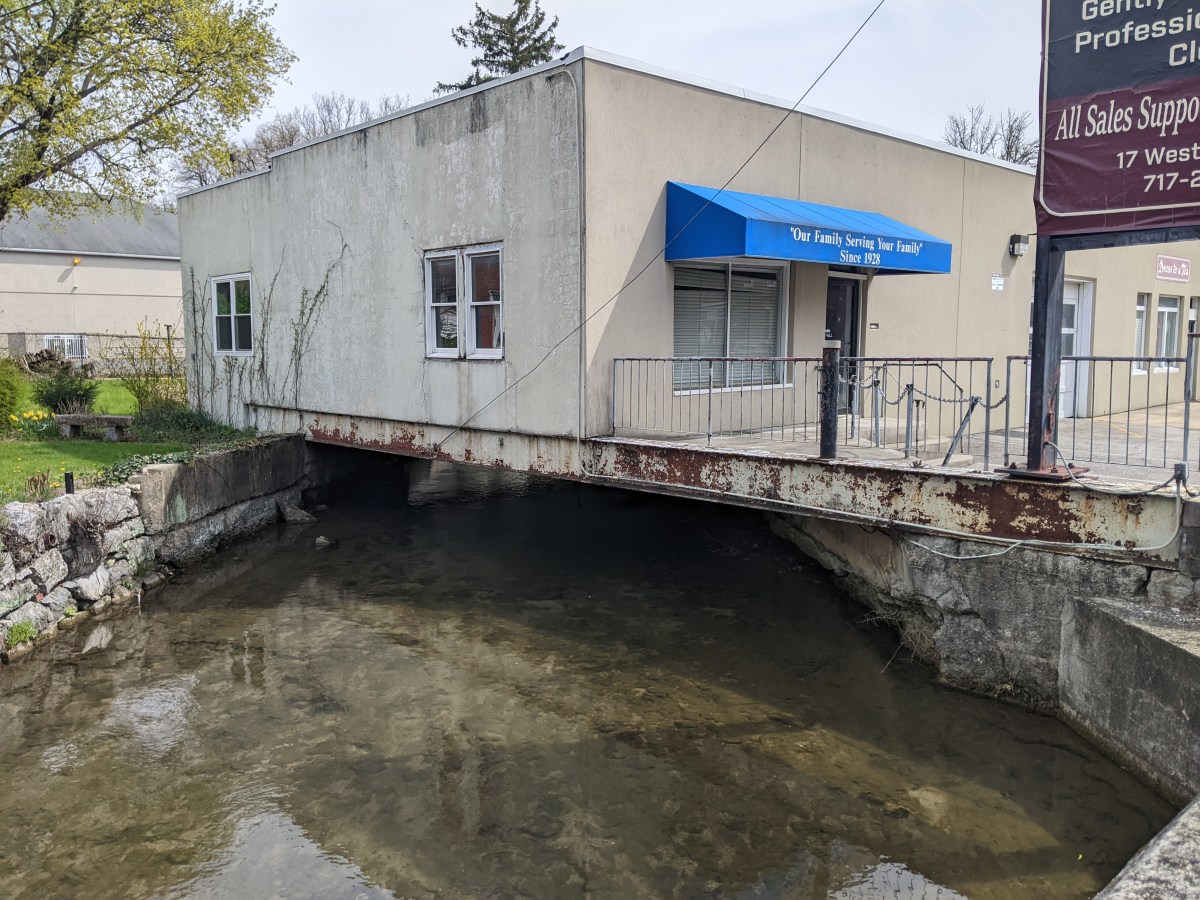
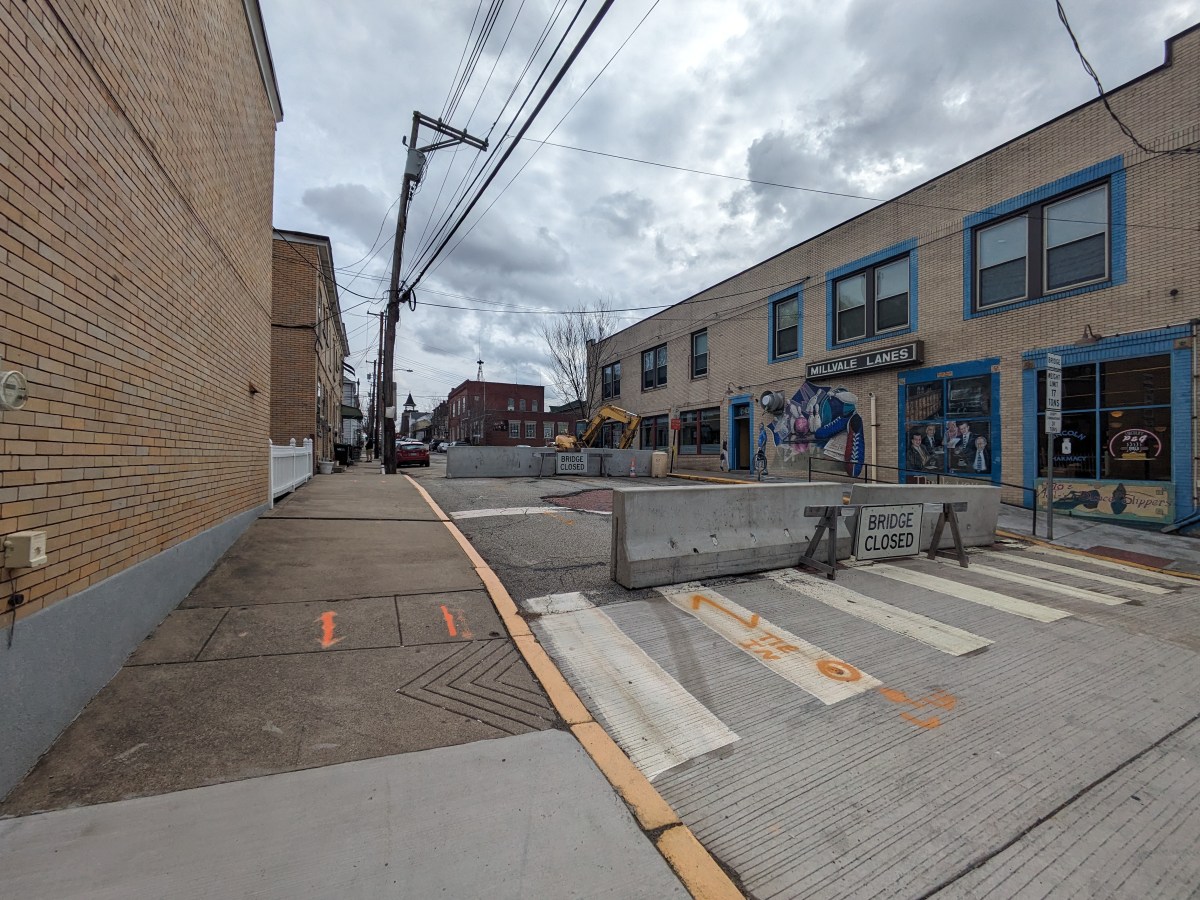
When I reached the next pedestrian accessible bridge to get off of Herr’s Island/Washington’s Landing (after having got on it by the converted railroad bridge), the question of what is a bridge stared me in the face.  I’ve skirted that question since starting this blog, sometimes alluding to it in passing, but never really dealing with it head on.  It came up first with Heth’s Run Bridge.  While in the posts on this bridge (see Part I and Part II) I mention that the deep ravine that the bridge once spanned has been filled in, I don’t discuss what this means for the structure’s status as a bridge.  The question there is: Is a bridge still a bridge if what it bridged has been filled in and the bridge isn’t actually bridging anything anymore?

Then, when I wrote about the Bridge Under a Bridge, I couldn’t help wondering if it was cheating to include this bridge as it was purely an aesthetic bridge built so that a man-made pond could go underneath.  A different aesthetic choice could have led instead to a path bordered by two man-made ponds.  Yet I still refused to address the question of what is a bridge?

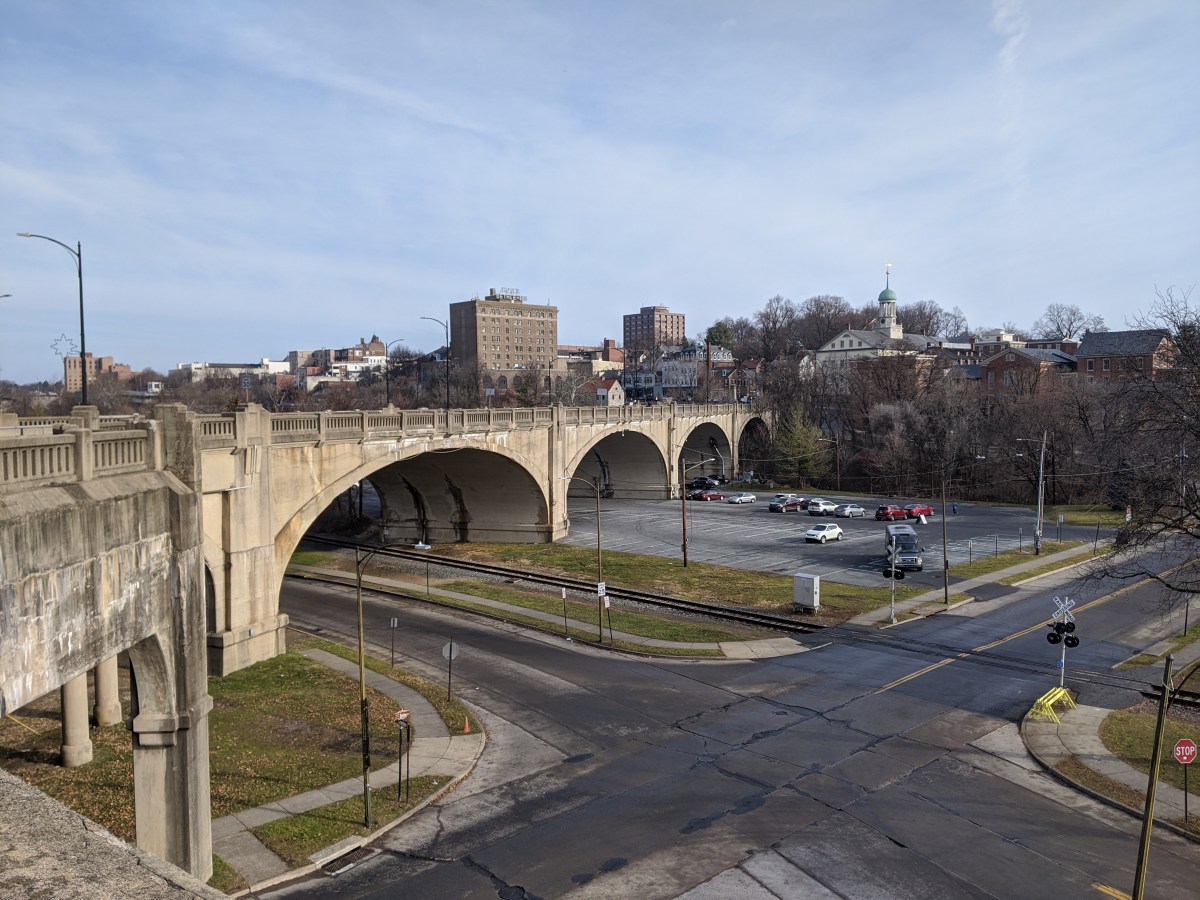
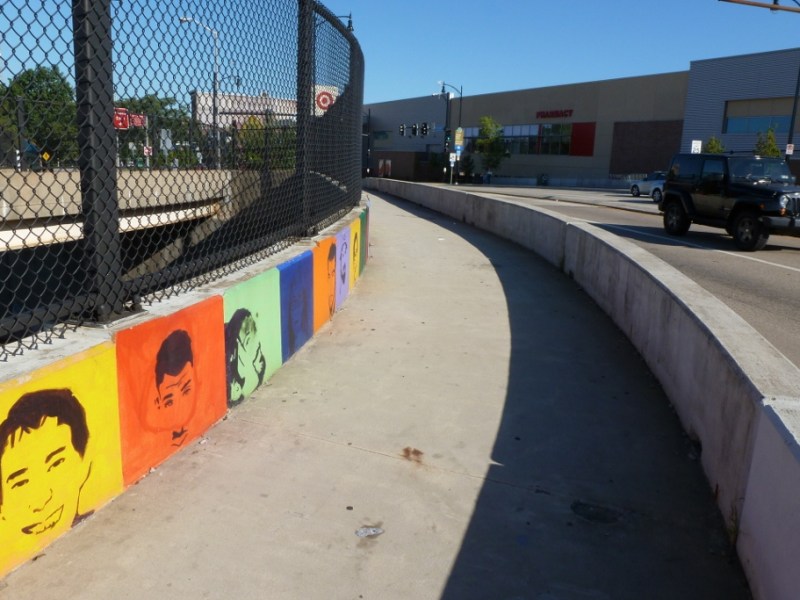
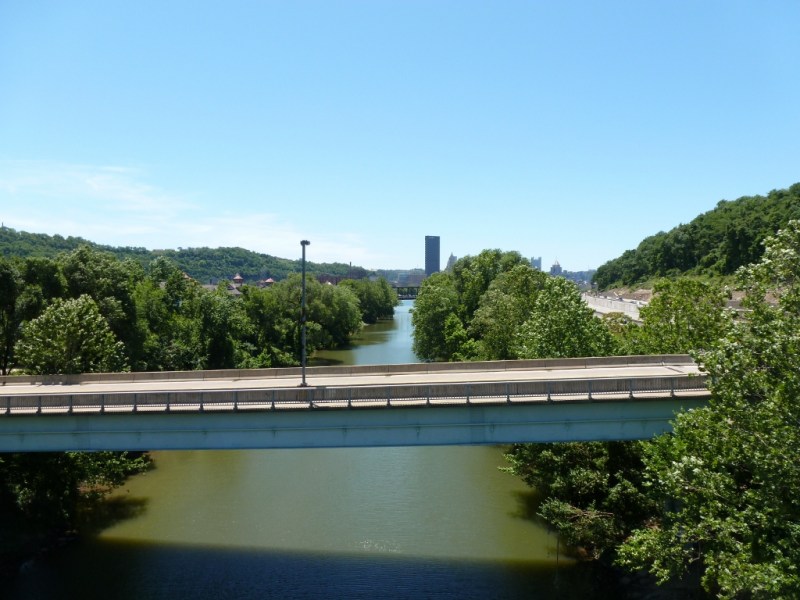
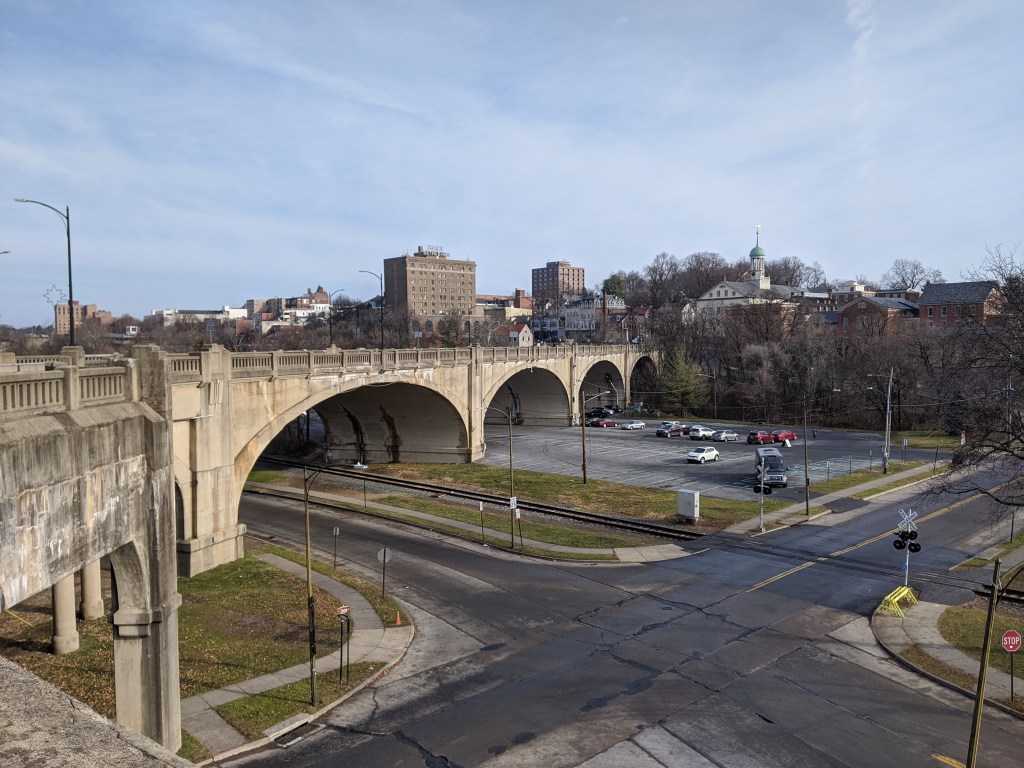
At this point, I feel it is necessary to face the question, this point being where the 30th Street Bridge connects to the River Avenue ramp which connects to the 31st Street Bridge.  From the view pictured above of the 30th Street Bridge, it looks like a bridge.  However, from where I got on it (the lower end on the left side in the image above) it looked to me like a ramp taking traffic from a low point to merge onto another road at a higher elevation.  Besides, it connects to the River Avenue ramp and in the junction of these two structures (pictured below), it felt like one continuous ramp system.  Yet, a portion of this system is called a bridge.    So I ask myself, “what is a bridge?”

First, I thought, “a bridge is a structure that connects two points which would otherwise not be accessible to each other.”  Then I realized this definition includes ramps. In my current example, there is no other way that River Avenue, which for most of its course runs at the same level as the bike path in the picture above, would be able to access the 31st Street Bridge without a ramp.  Therefore, according to my definition above the ramp is a bridge.

Another thought I had was “a bridge is a structure that spans a geological obstacle.”  Well then, that means that the bridges that only exist to cross over a road or railroad aren’t really bridges.  I discuss these types of bridges some in my post on Cleveland Bridges.  In that post, I don’t question whether or not they are bridges, but whether they are significant enough to be counted in comparing the number of bridges cities have.  Though I didn’t state it, I also wondered if they were significant enough for me to include these types of bridges in my bridge walking.  Regardless of their significance, I consider them bridges.

Merriam-Webster defines a bridge as “a structure carrying a pathway or roadway over a depression or obstacle.”  This definition seems pretty good as it excludes ramps but includes the bridges over man-made obstacles.  I’d say this definition also would include the Bridge Under a Bridge.  However, it doesn’t address the situation of Heth’s Run Bridge prior to its renovation.  What if the structure “carrying a pathway or roadway” at one time crossed over “a depression or obstacle,” but does so no longer though the structure is still there?  Is it still a bridge?

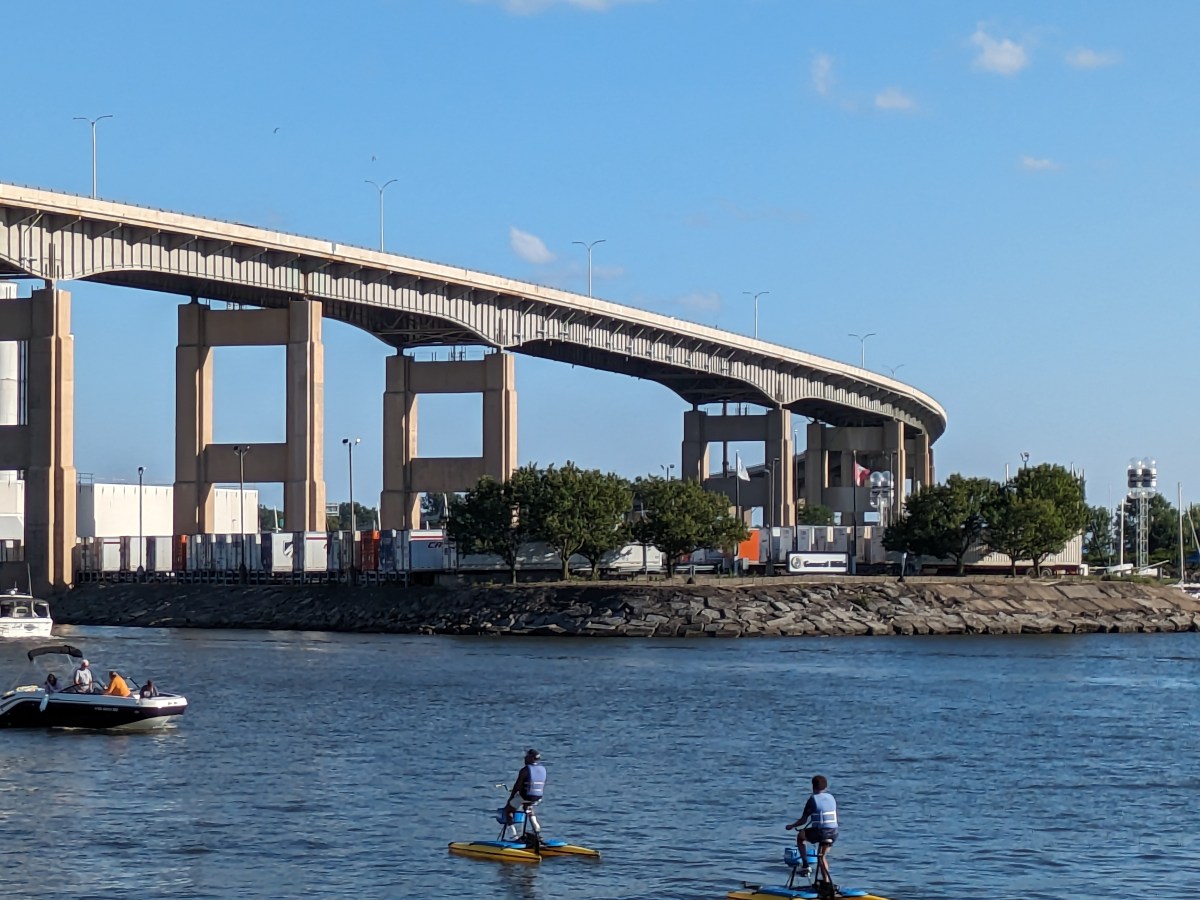
There is one other dilemma suggested by the 30th Street Bridge/River Avenue Ramp/31st Street Bridge structures, the Fort Duquesne Bridge, the Veterans Bridge, and London’s Jubilee Bridge.  This dilemma is perhaps best expressed by “what makes one bridge?”

In the Veterans Bridge example, three separate structures cross over the obstacle of the lower elevation of the parking lots in the Strip before joining to become one structure across the obstacle of the Allegheny River.  So, is this one bridge or three?

When I walked the Fort Duquesne Bridge, I was walking a pedestrian bridge built approximately 40 years after the Fort Duquesne Bridge.  The pedestrian bridge is attached to the Fort Duquesne Bridge over the Allegheny River, but on either end it is separate with its own supports.  Is this one bridge or two?

London’s Jubilee Bridge has two separate pathways, but one name and dedication date.  They are separated by a bridge for the underground, which, as far as I can tell, they are attached to for structural support.  So is this one, two or three bridges?

The 30th Street Bridge/River Avenue Ramp/31st Street Bridge structures appear to me to be one conglomeration, similar to the three structures that merge in the Veterans Bridge.  Yet while the elements in the Veterans Bridge appear to be considered one structure, the 30th Street Bridge is considered a separate structure from the 31st Street Bridge, at least in so far as it has its own name and its own page on PGHbridges.com.  What makes the 30th Street and 31st Street bridges different from the other examples I’ve listed above?

For a continuation of this discussion see What is a Bridge? Pittsburgh Edition II


Additional Posts in Series: