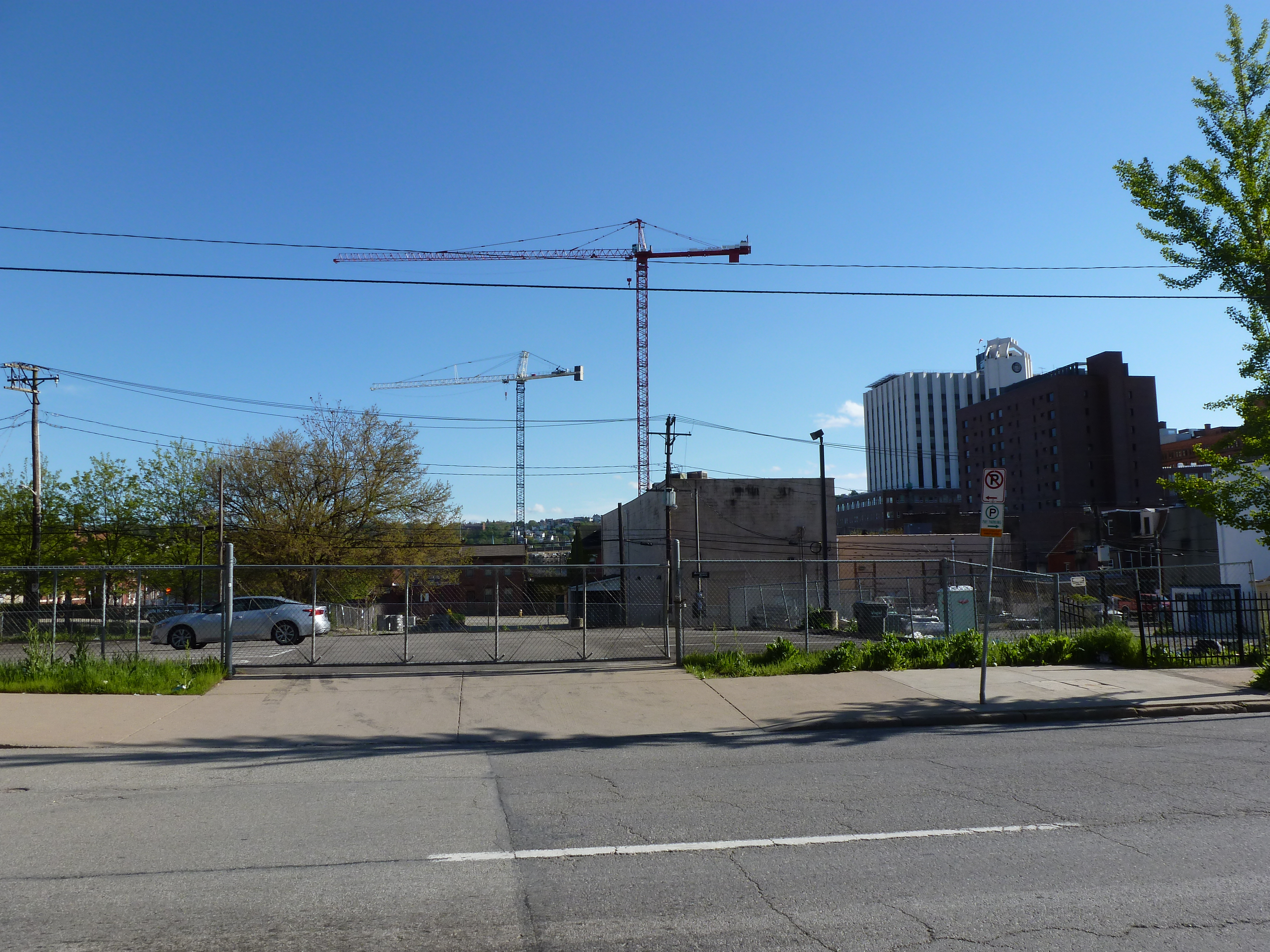
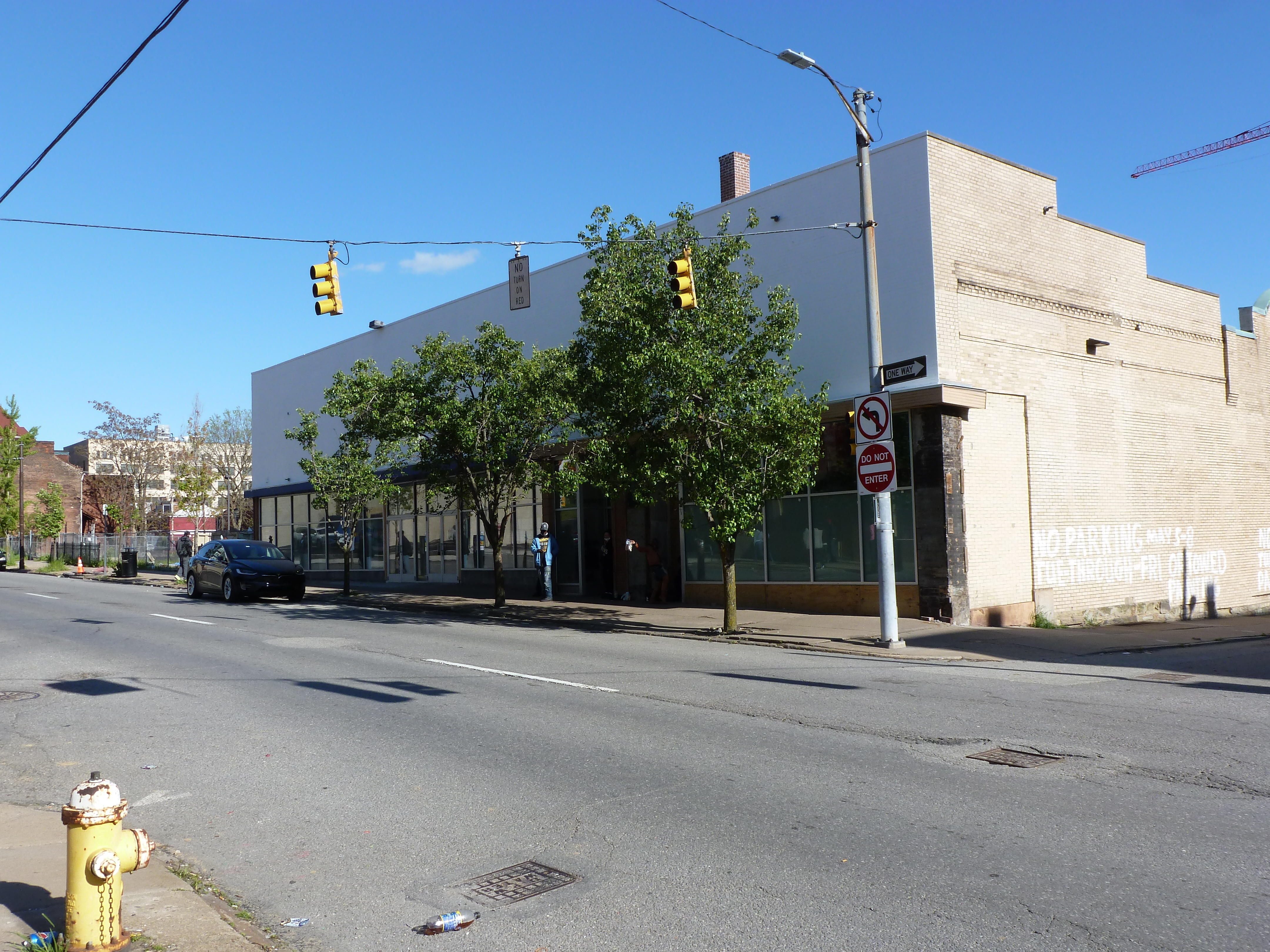
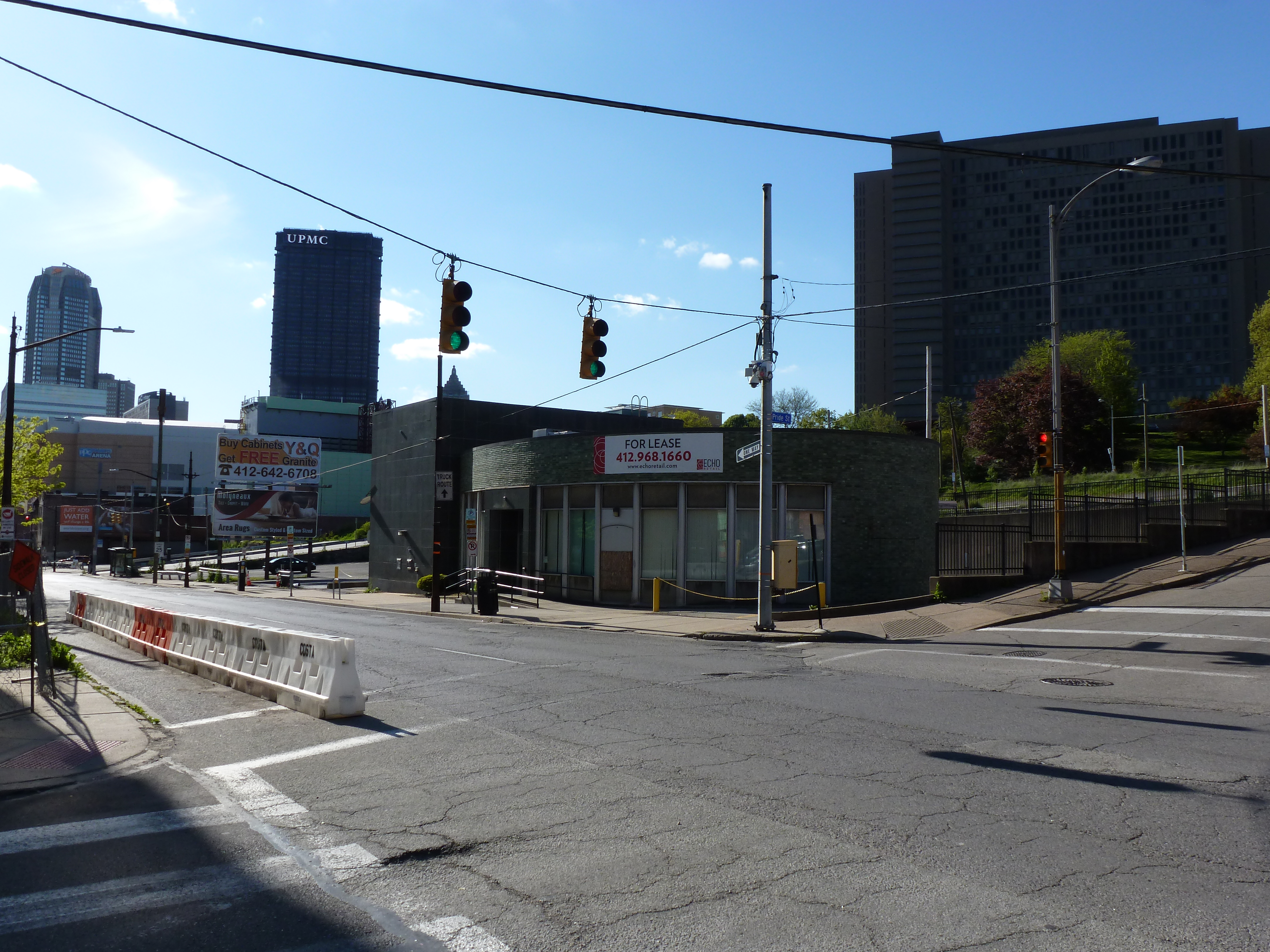
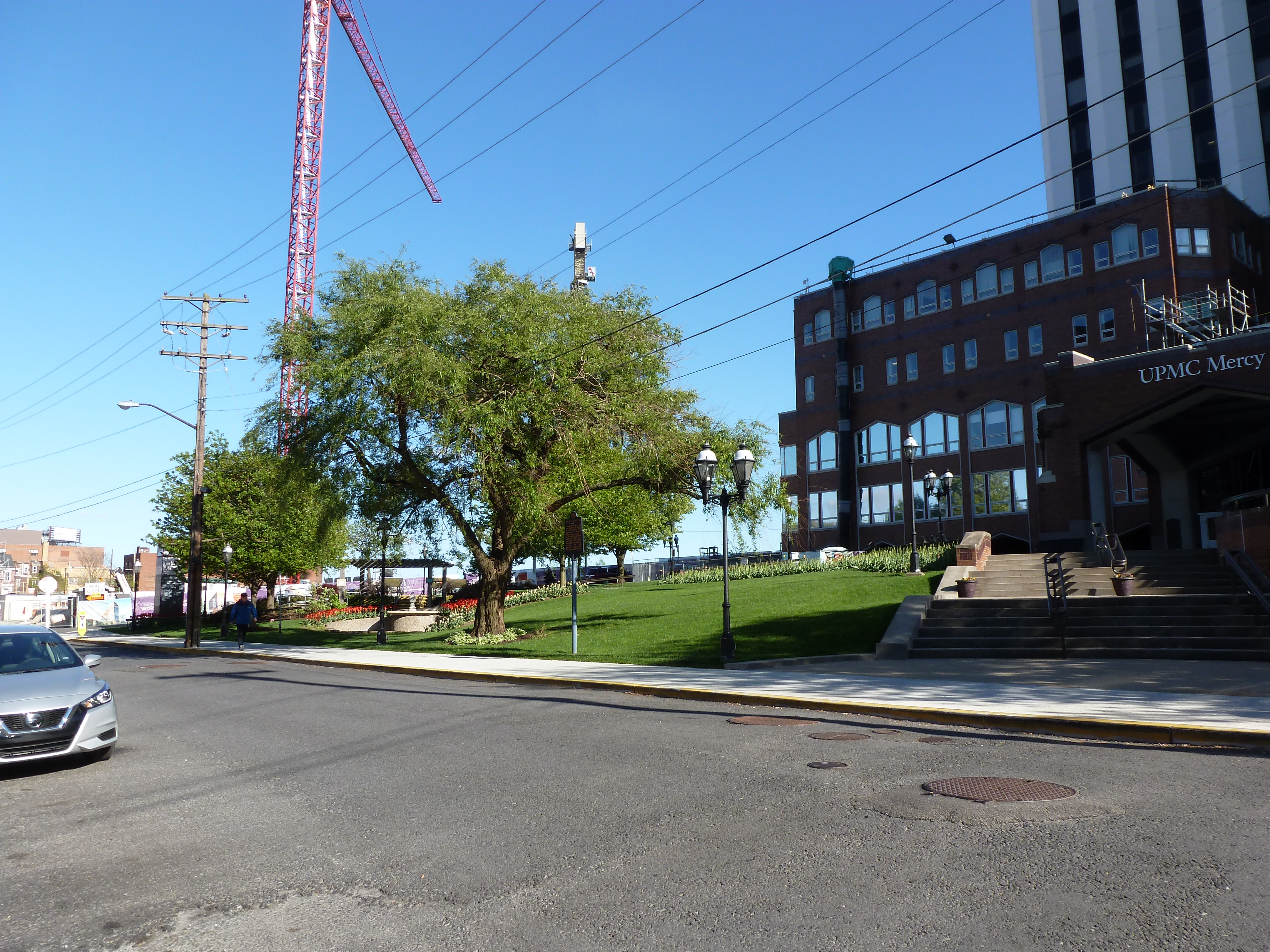
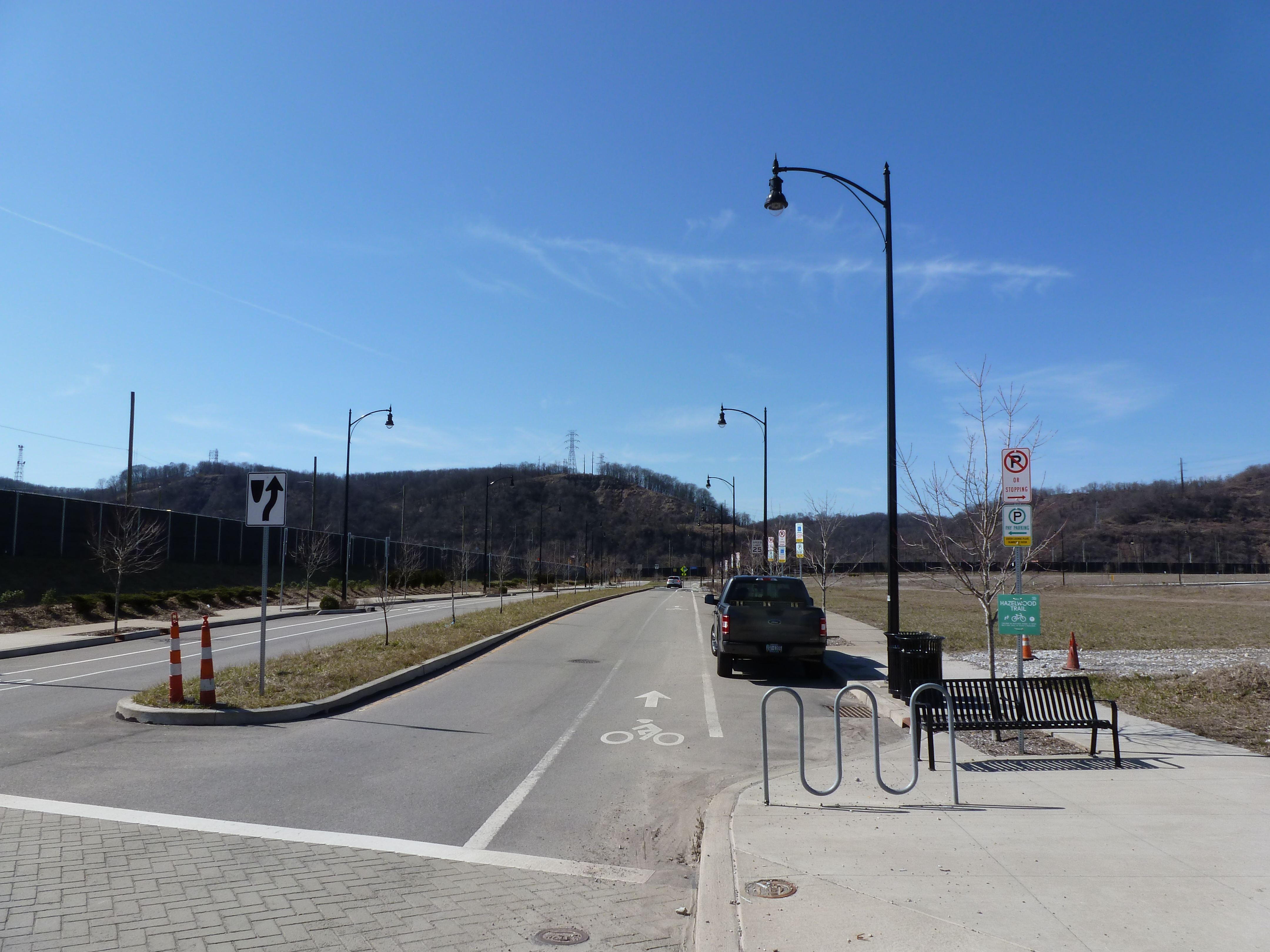
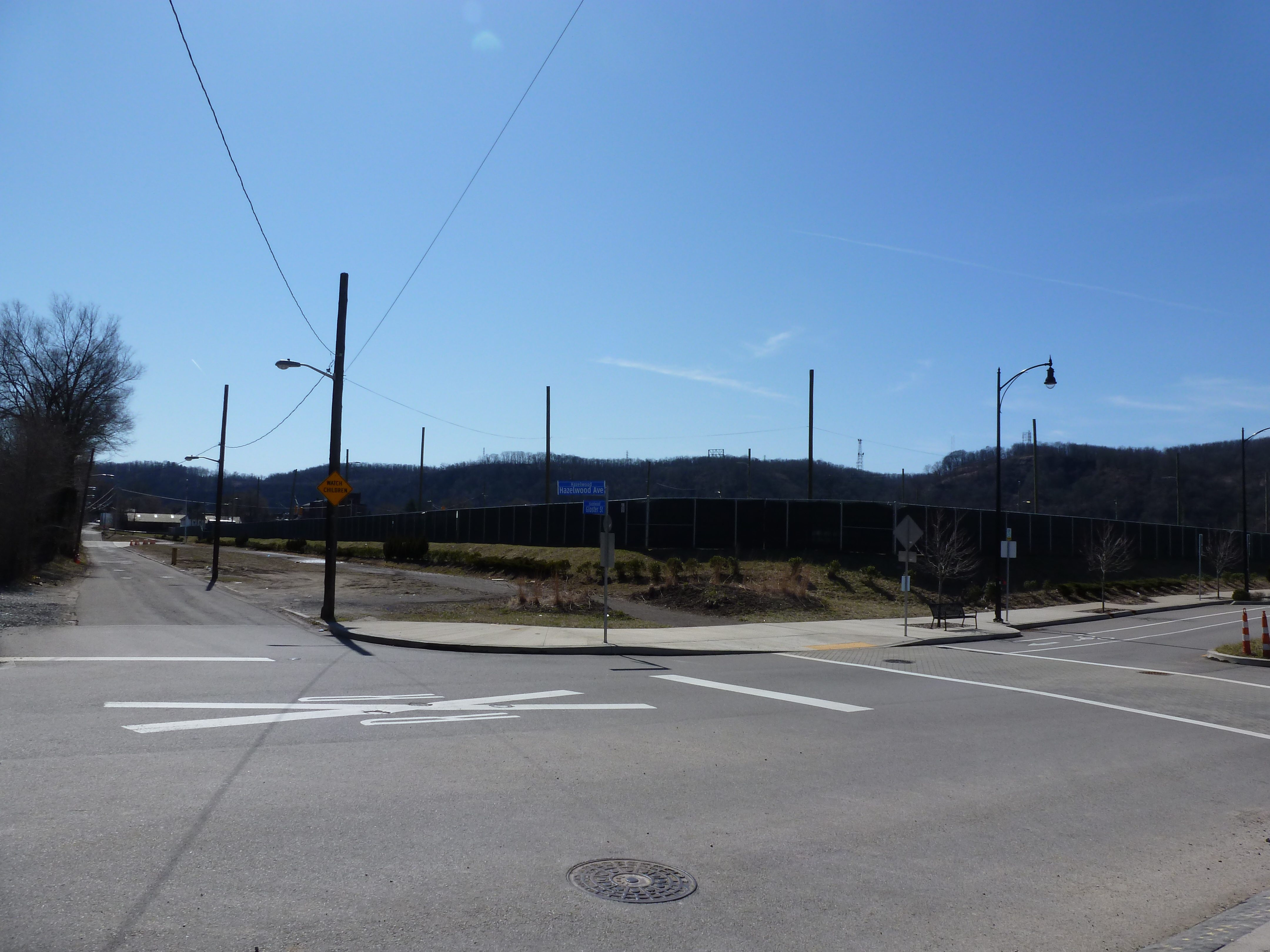
Keeping an Eye on Hazelwood: Sept. 2020

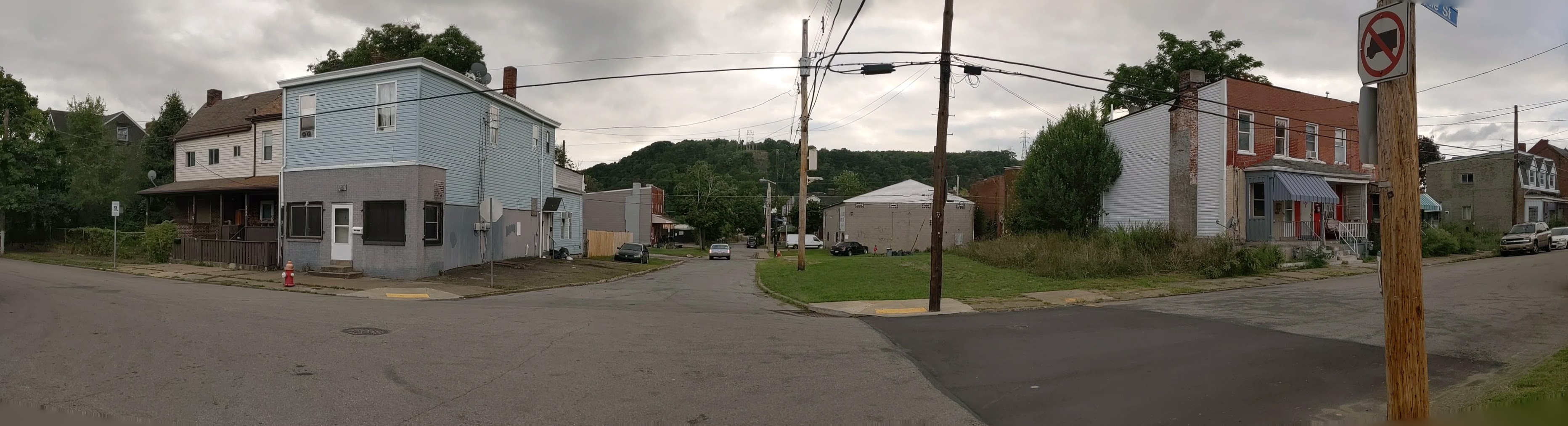
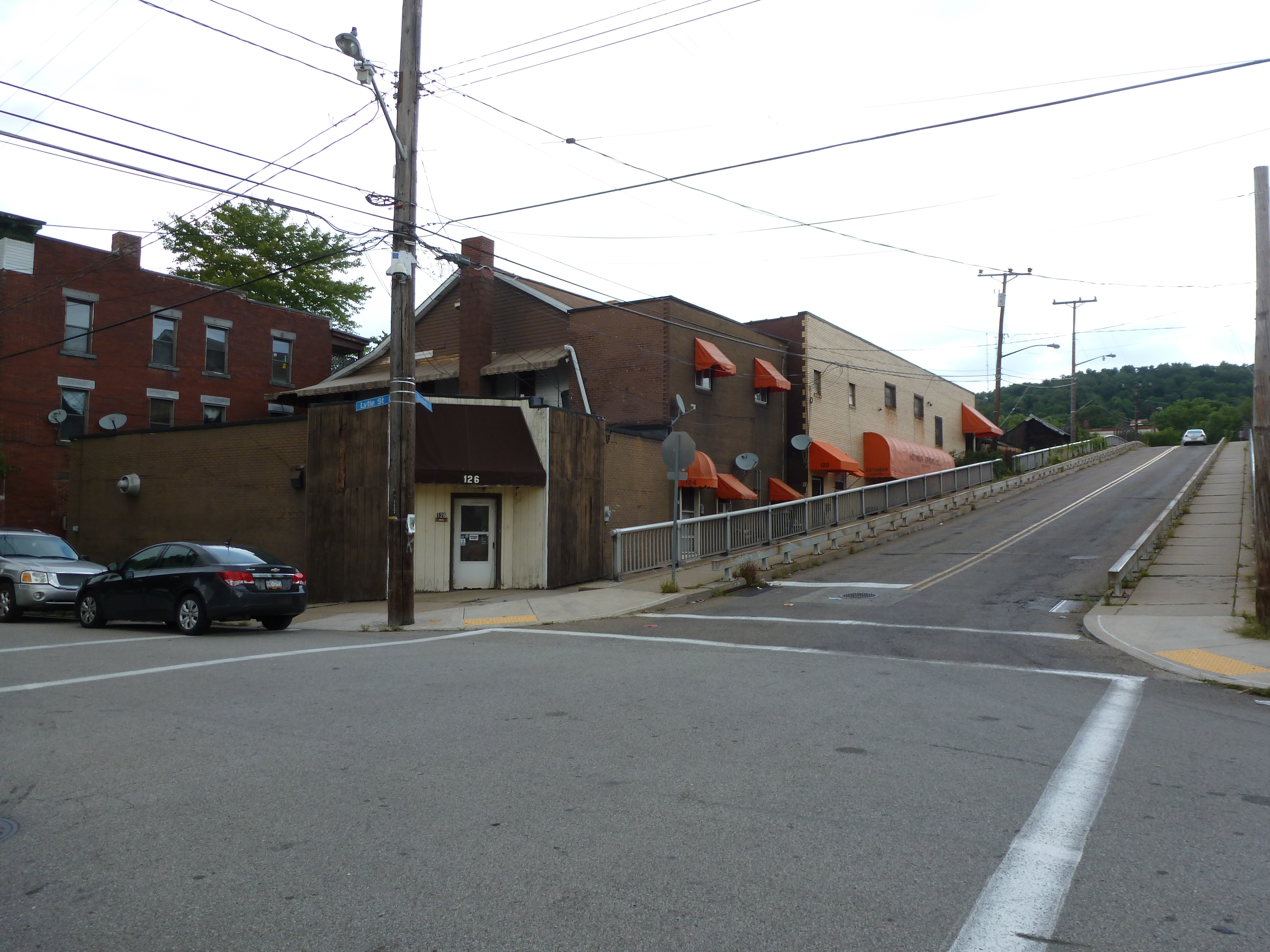
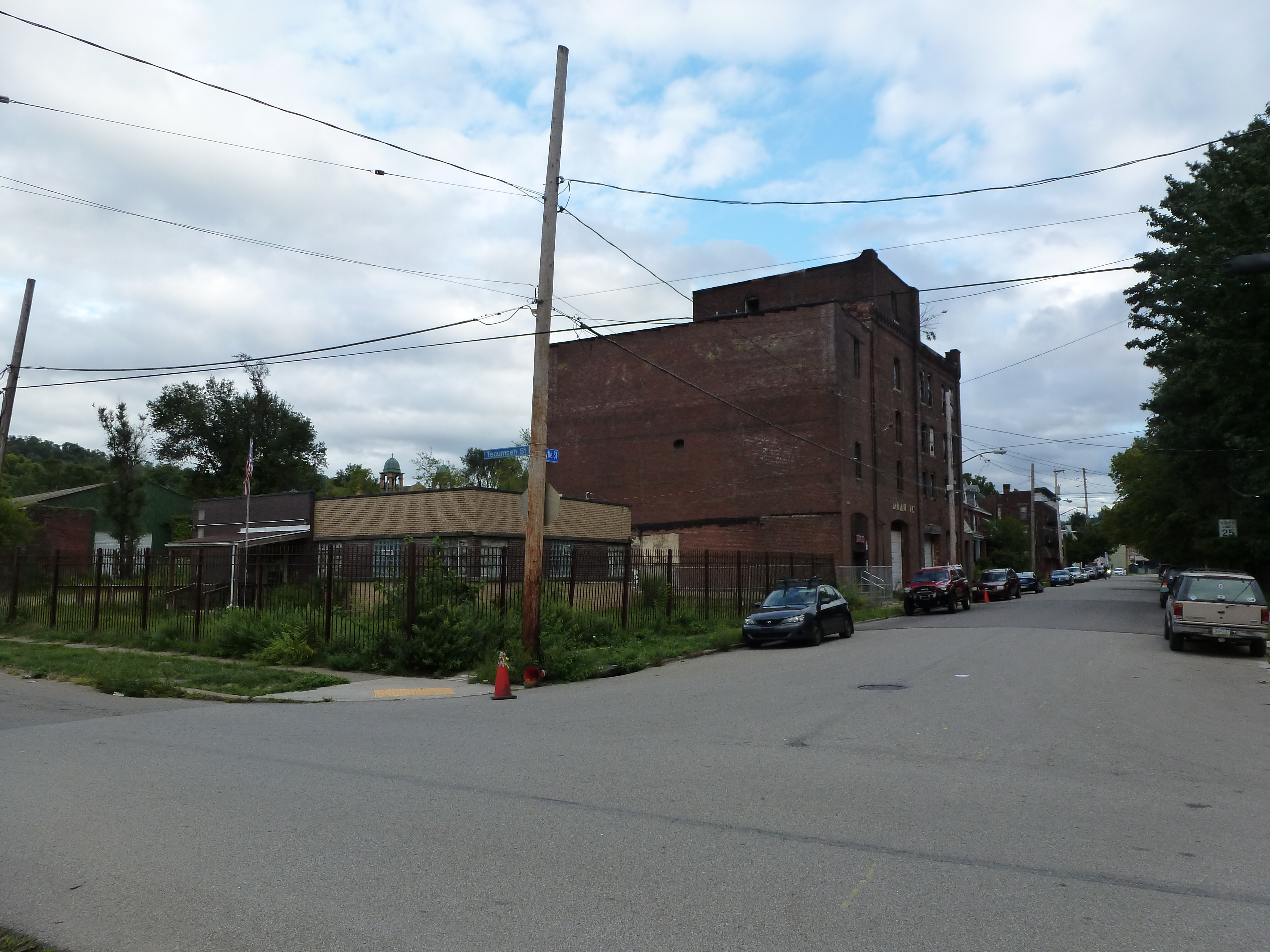
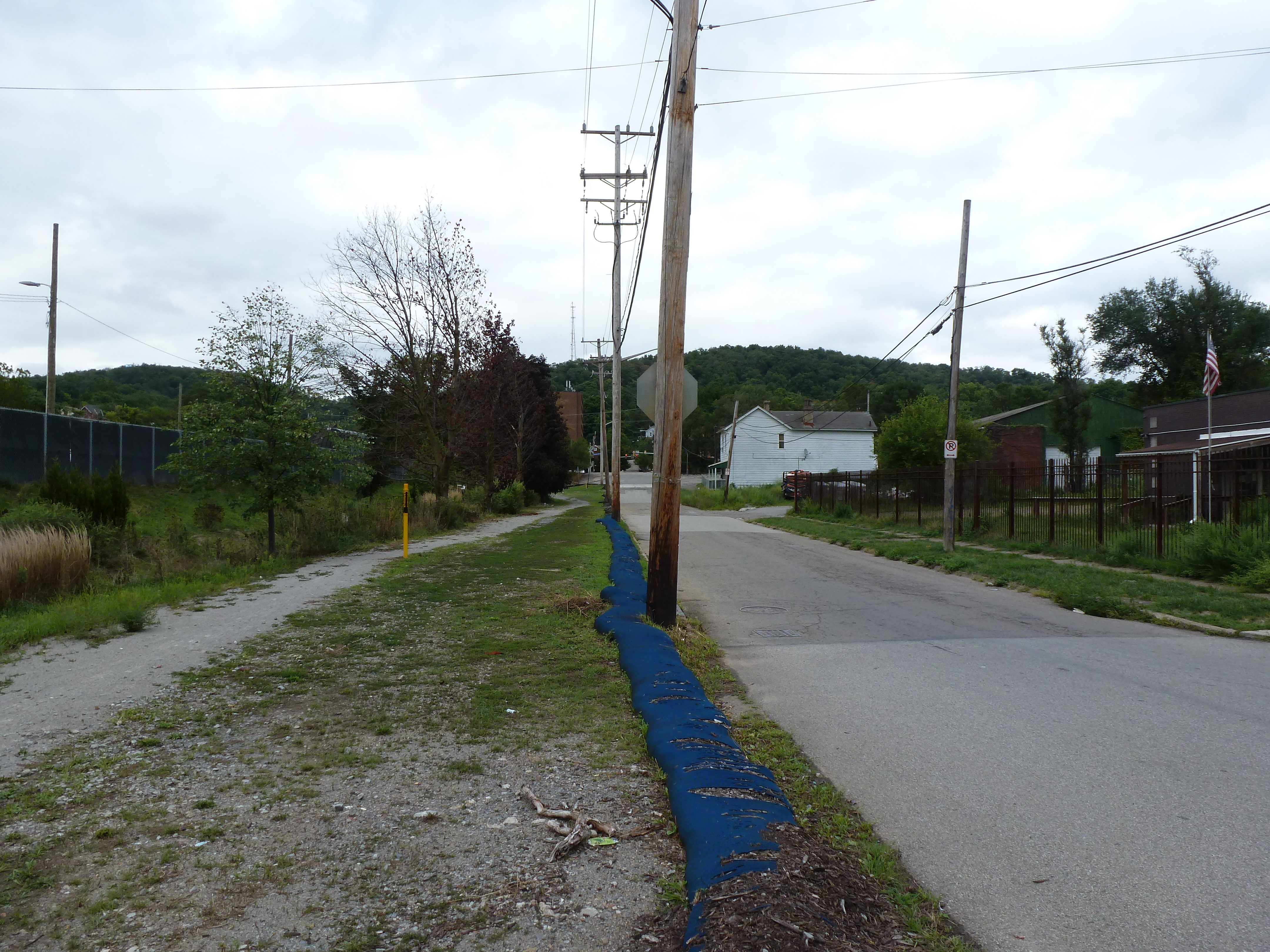
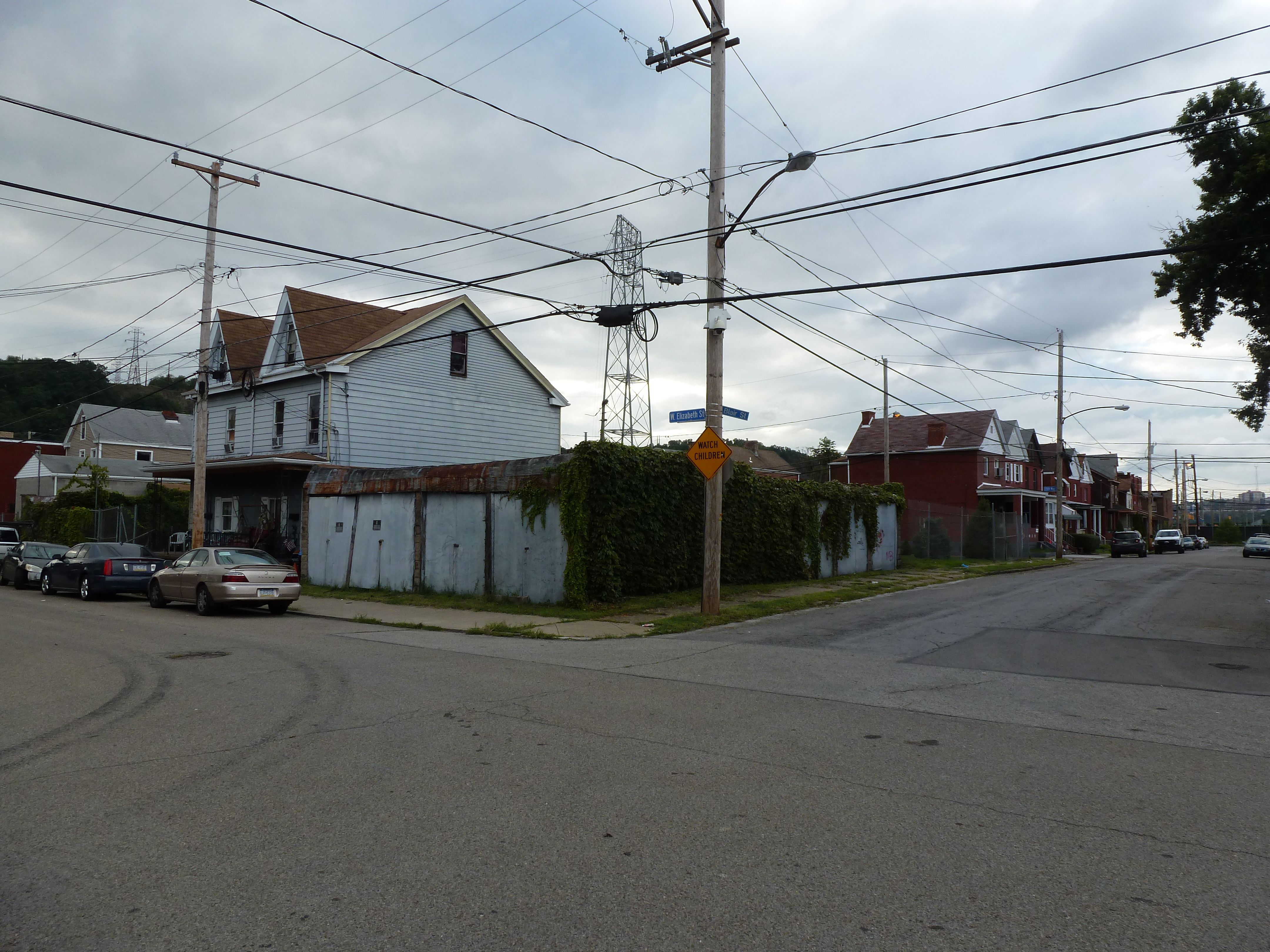
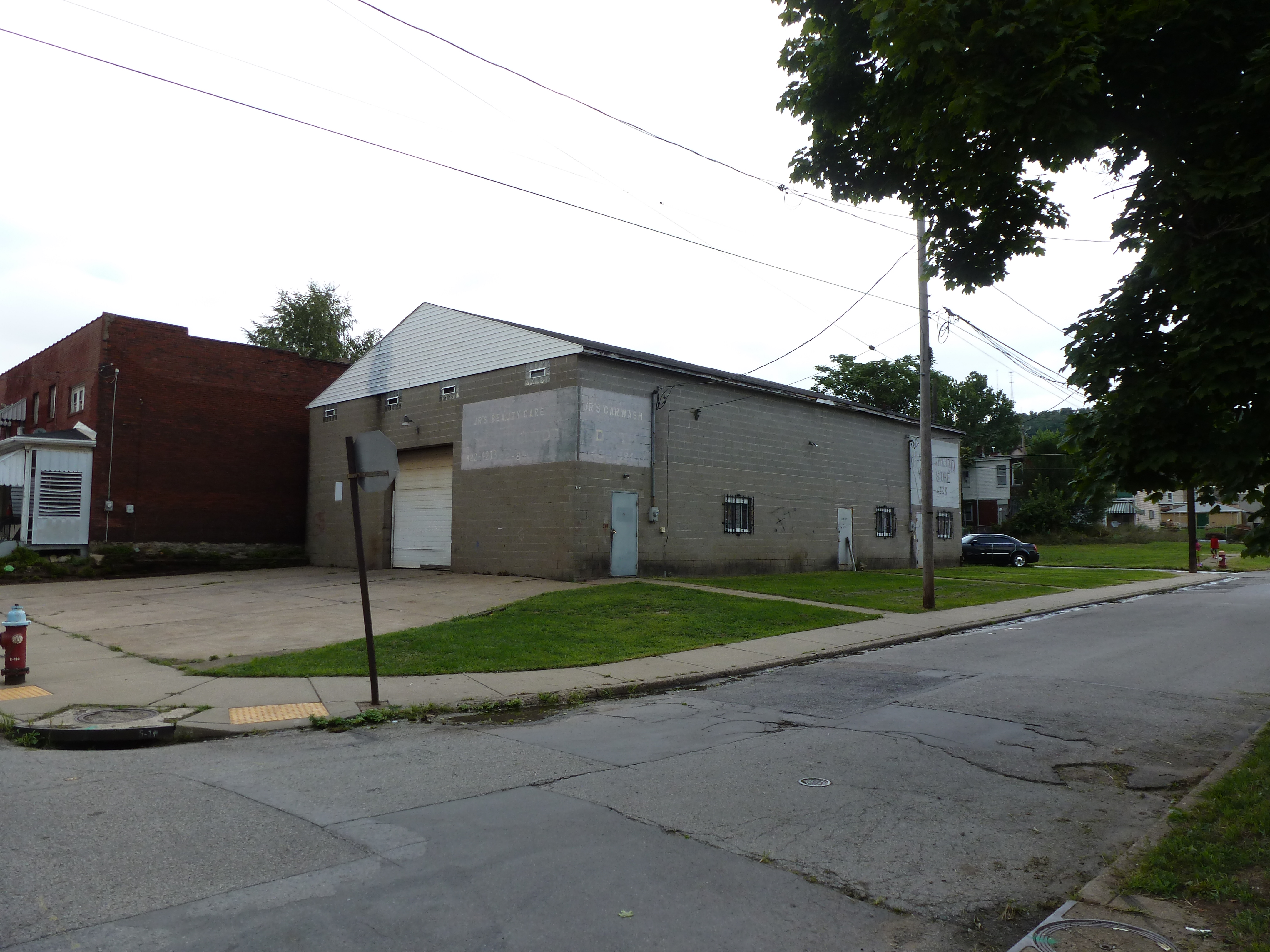
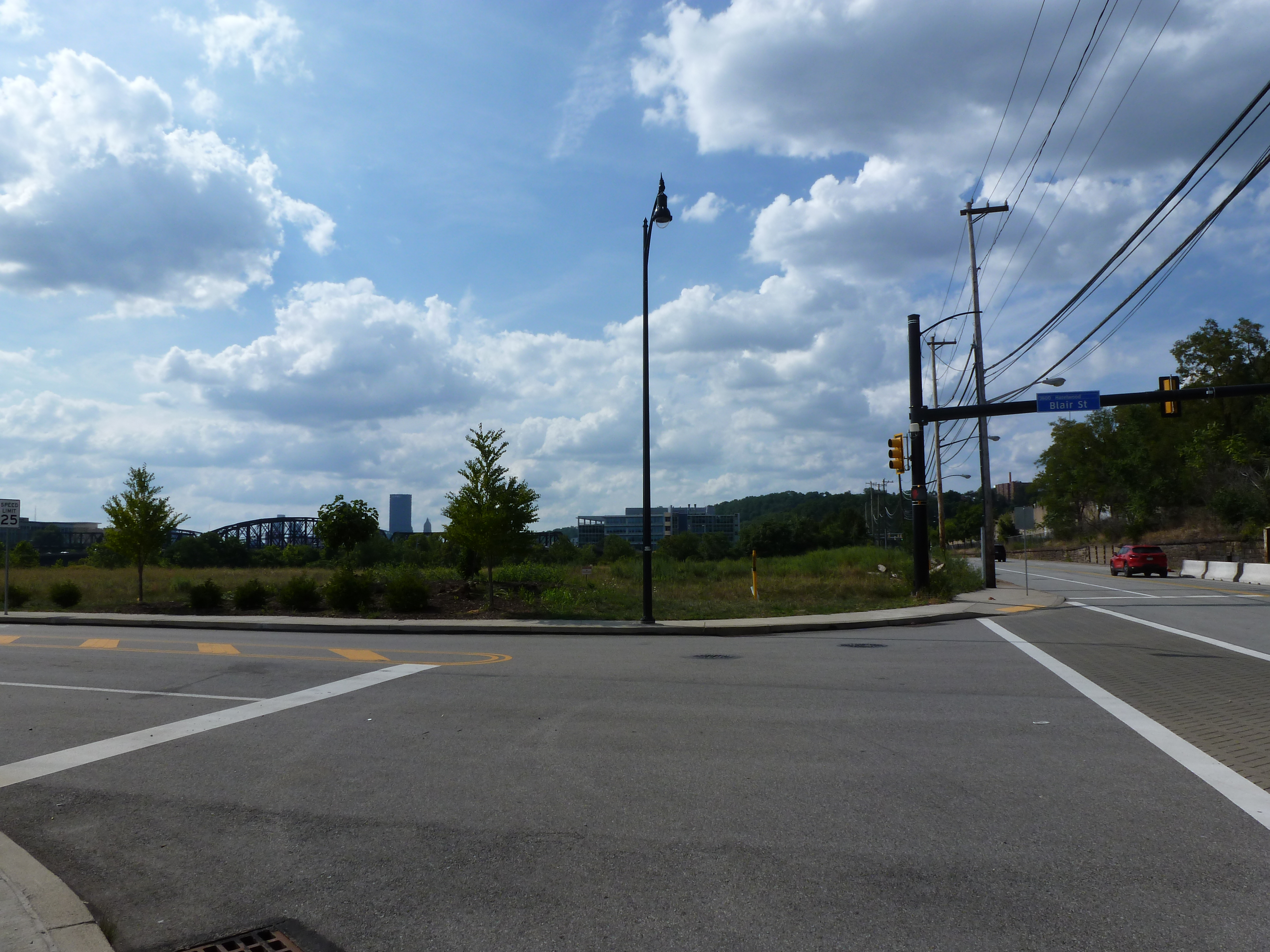
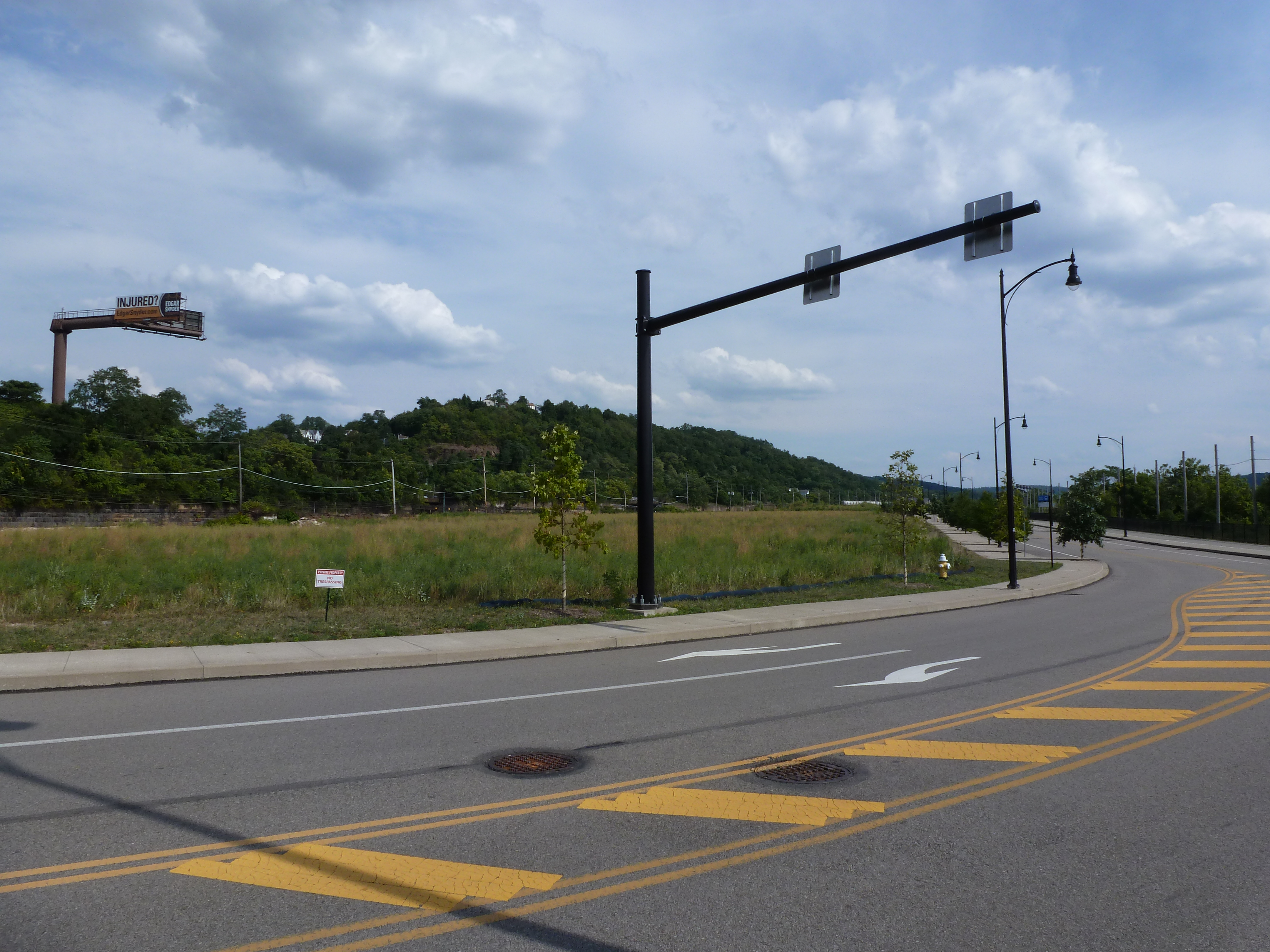
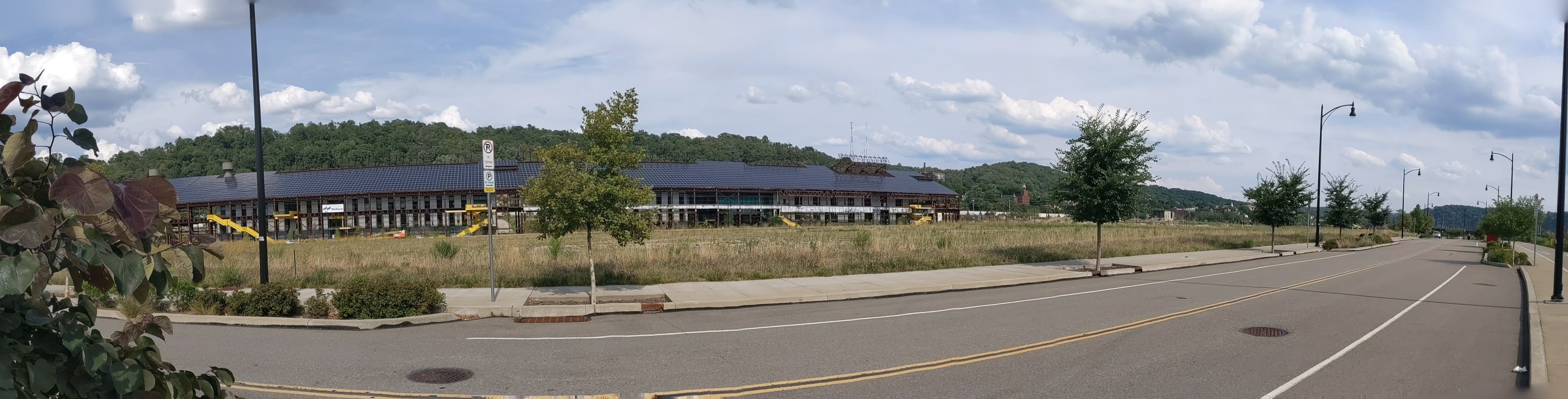
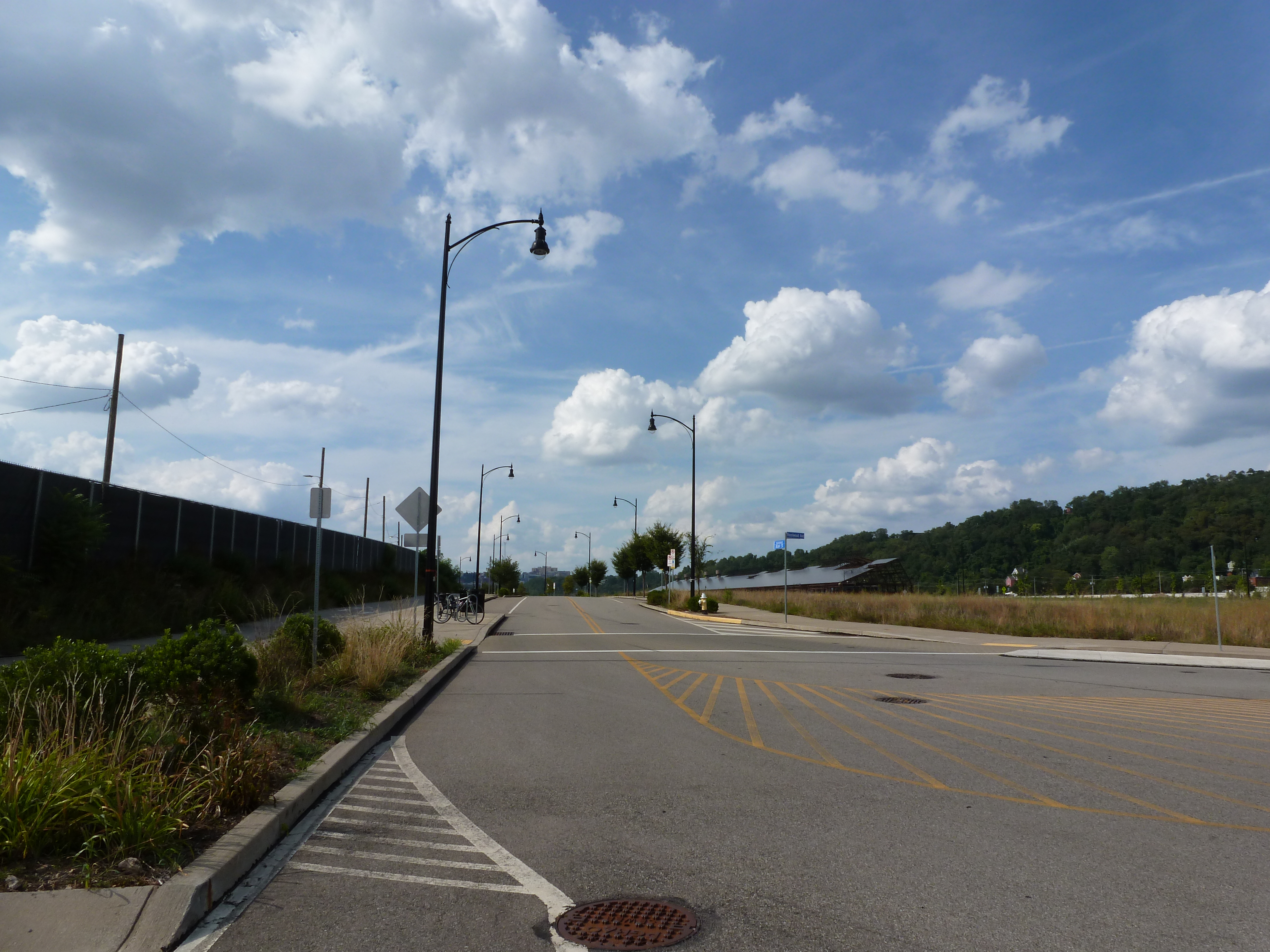
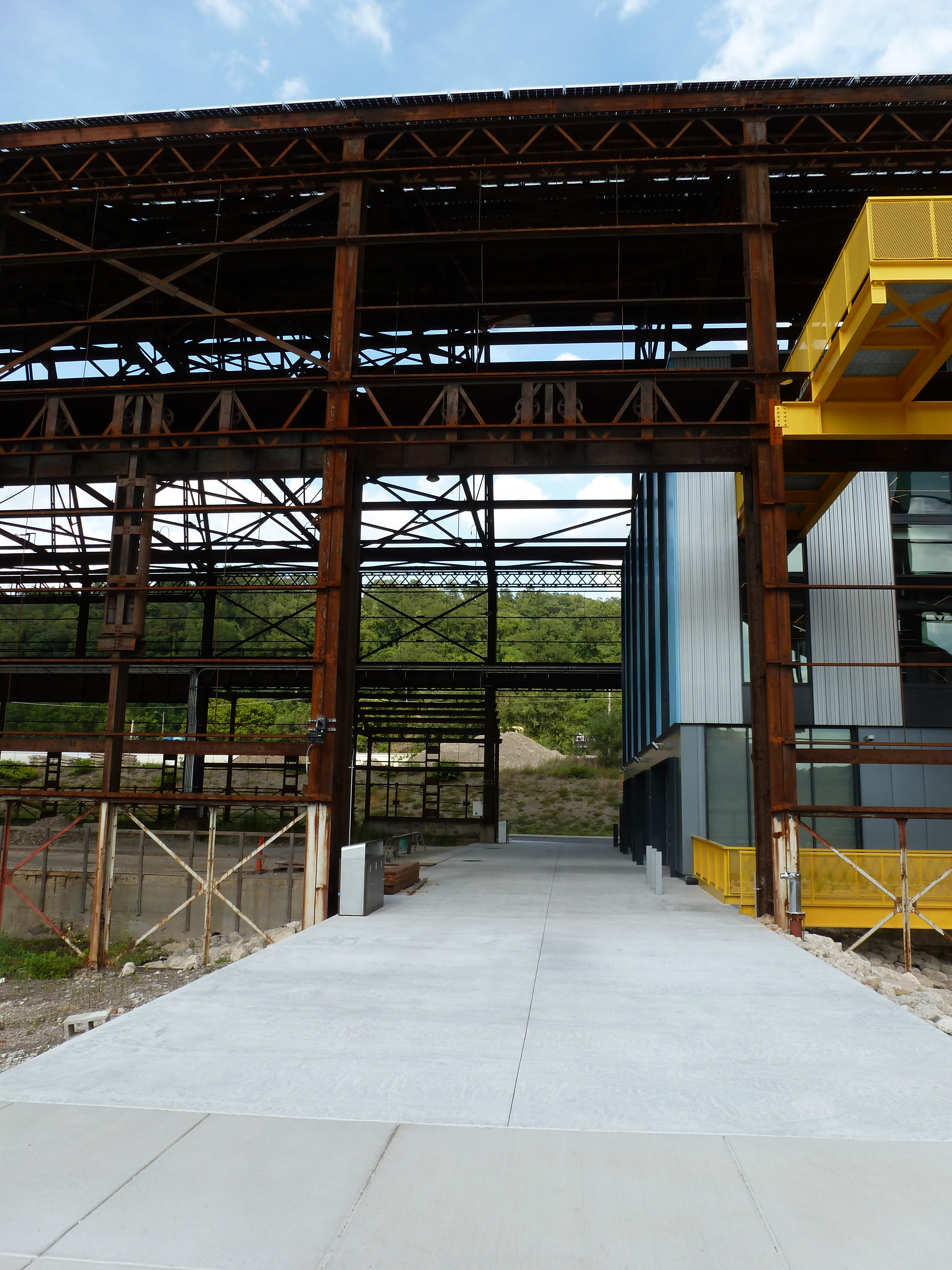
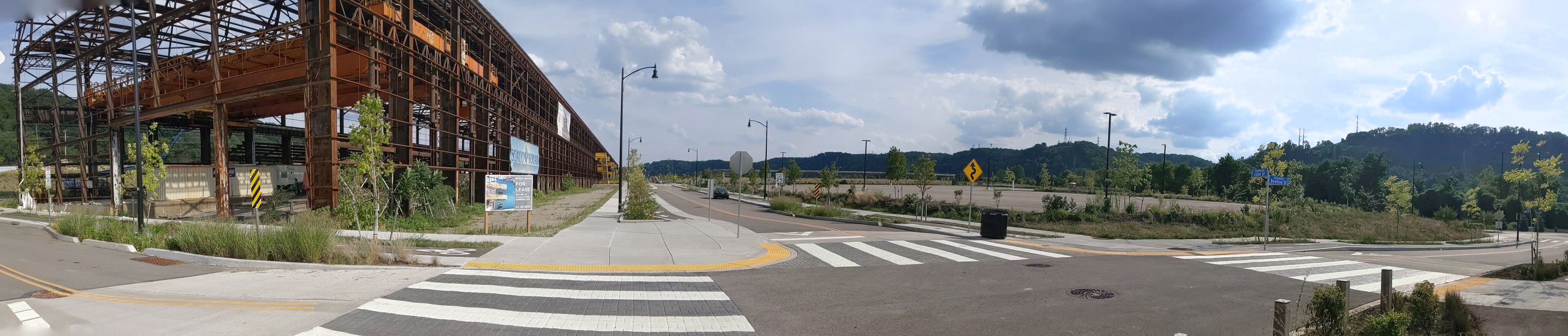
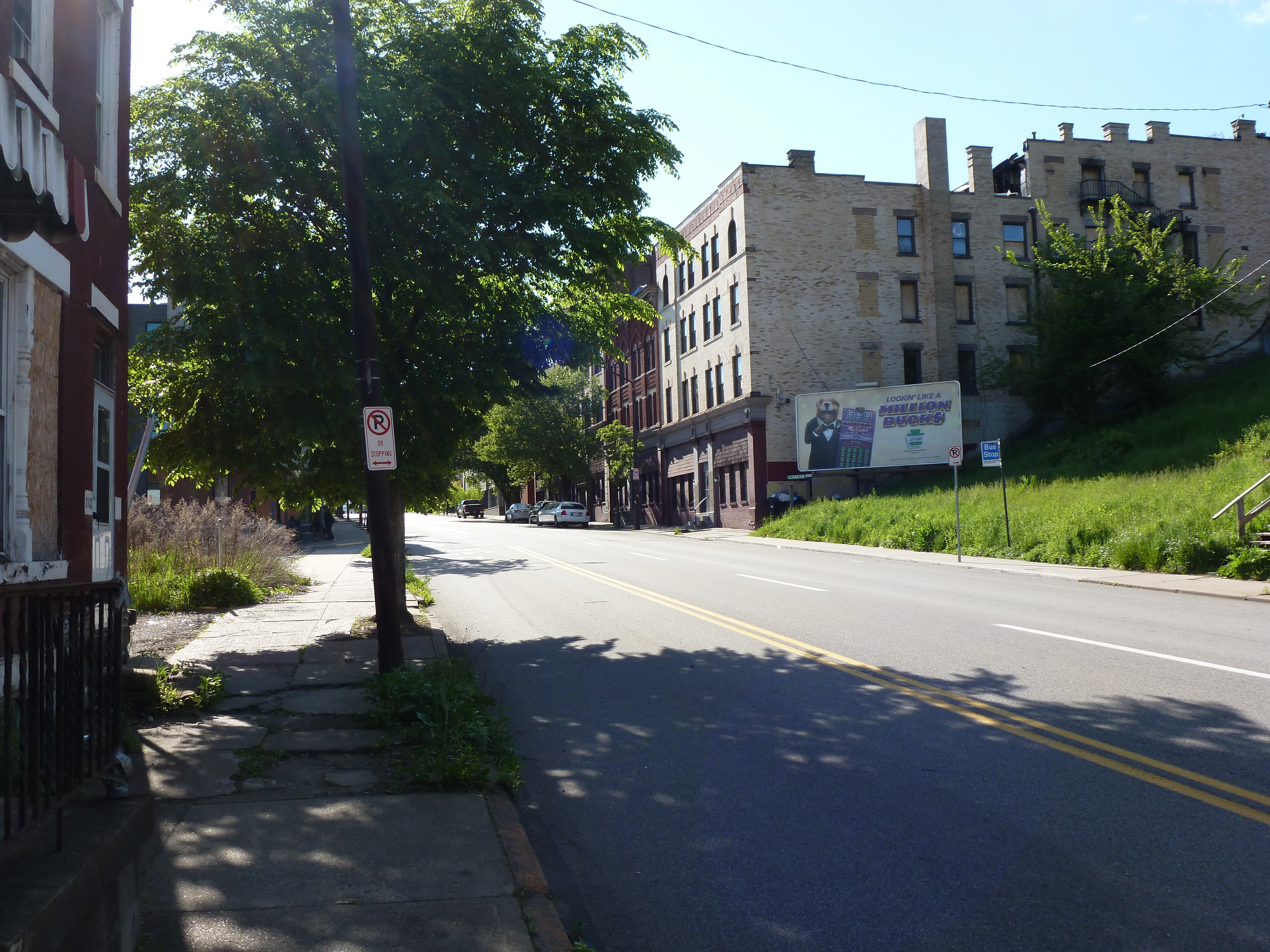
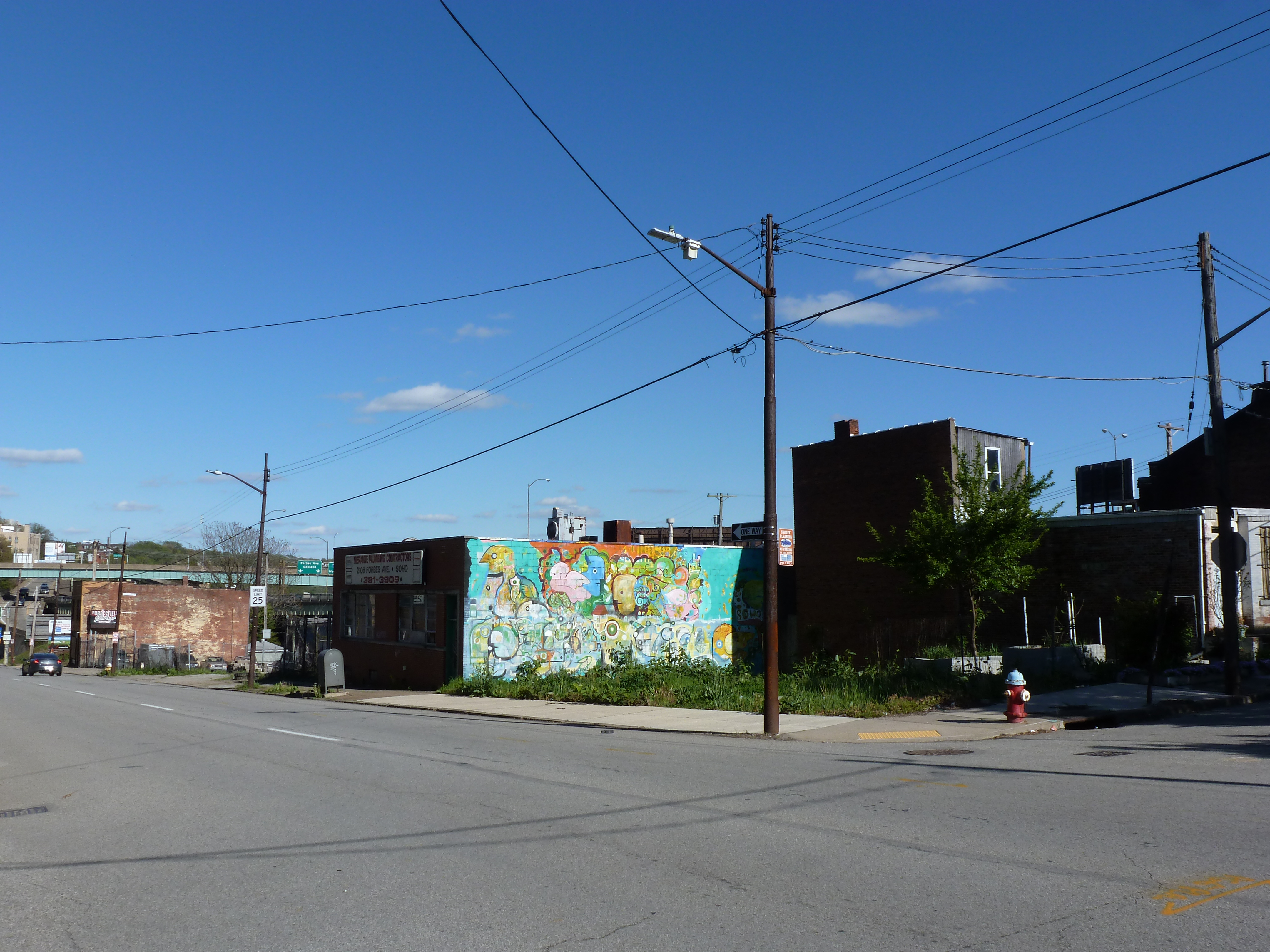
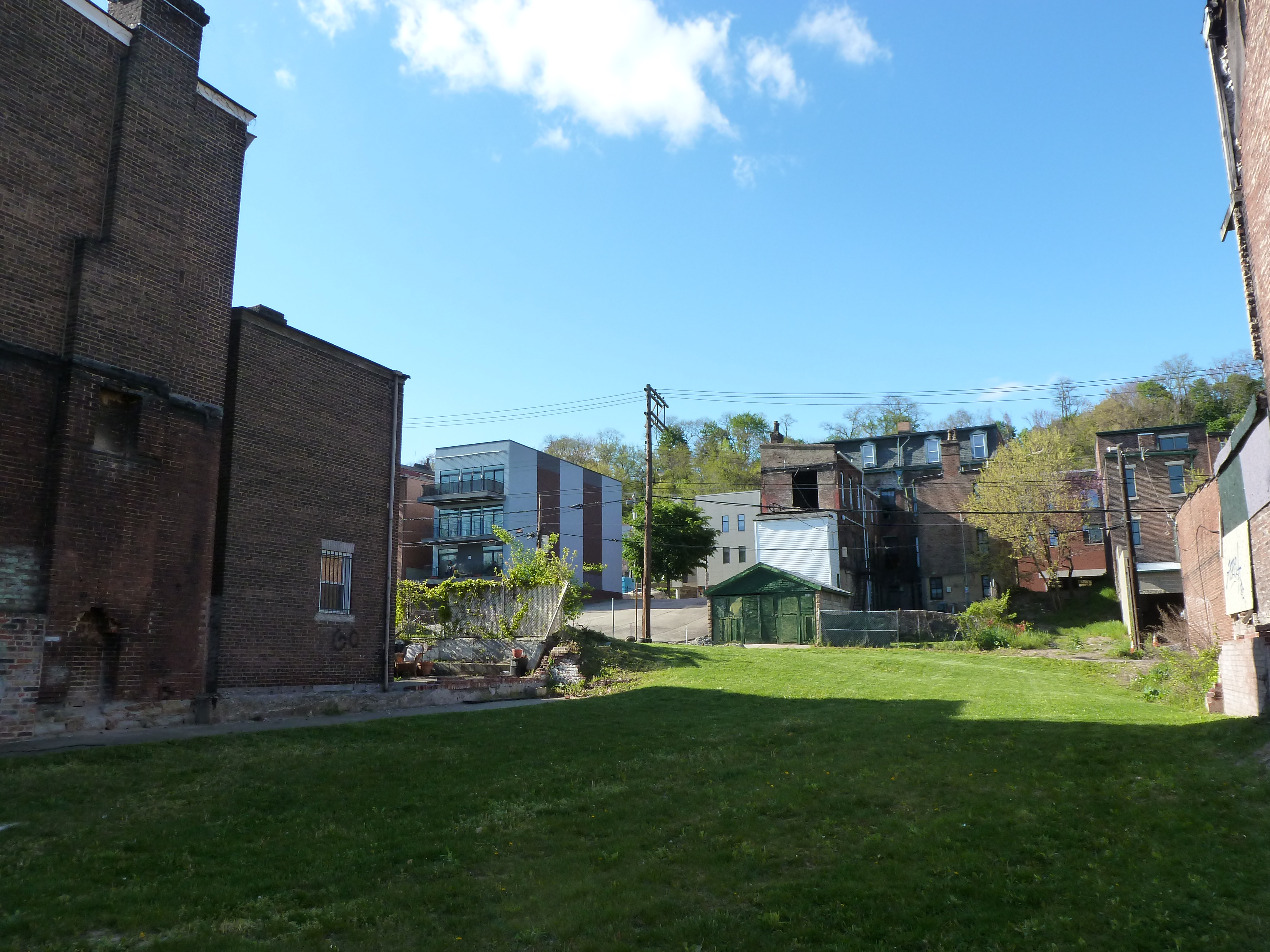
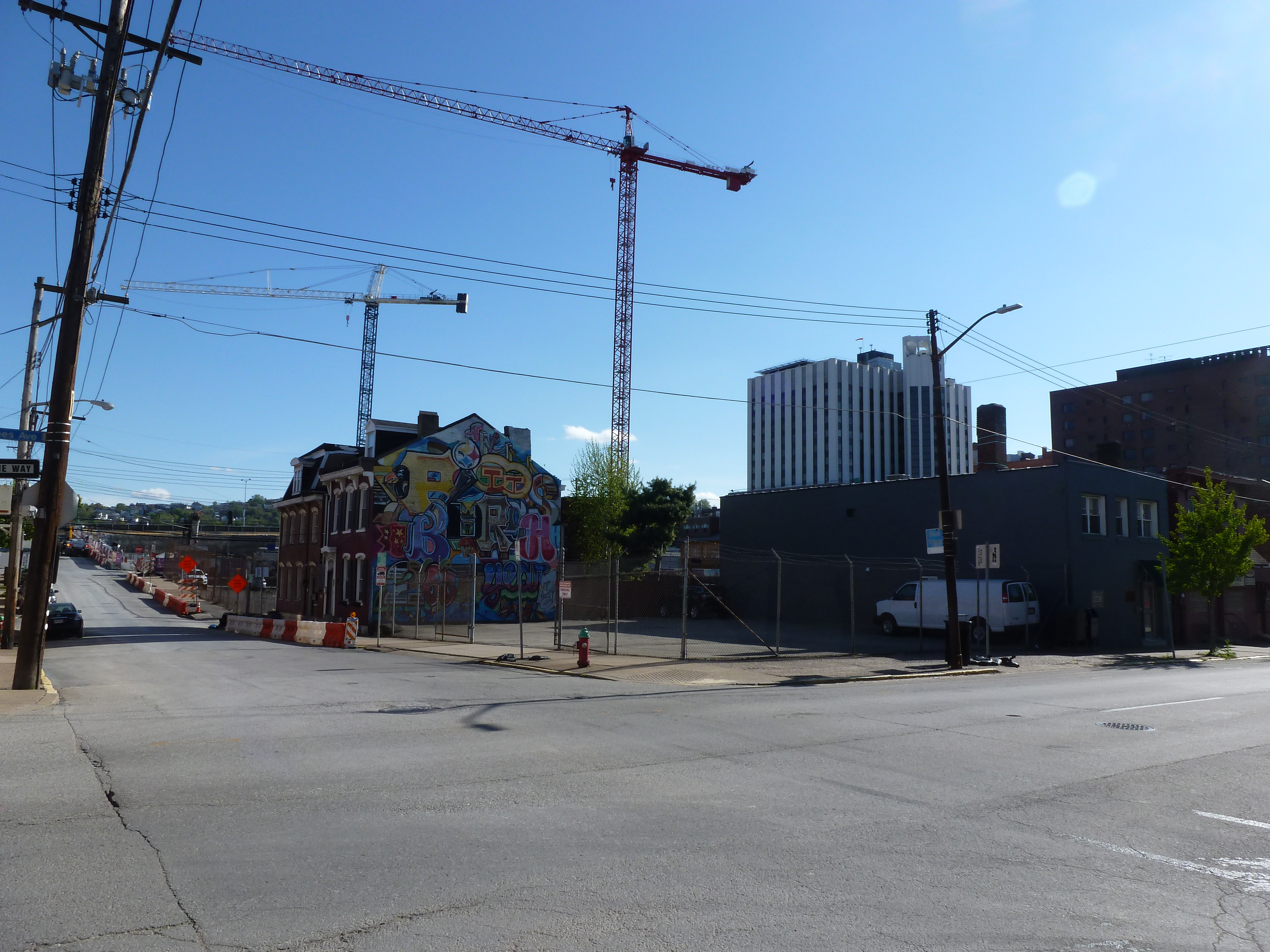
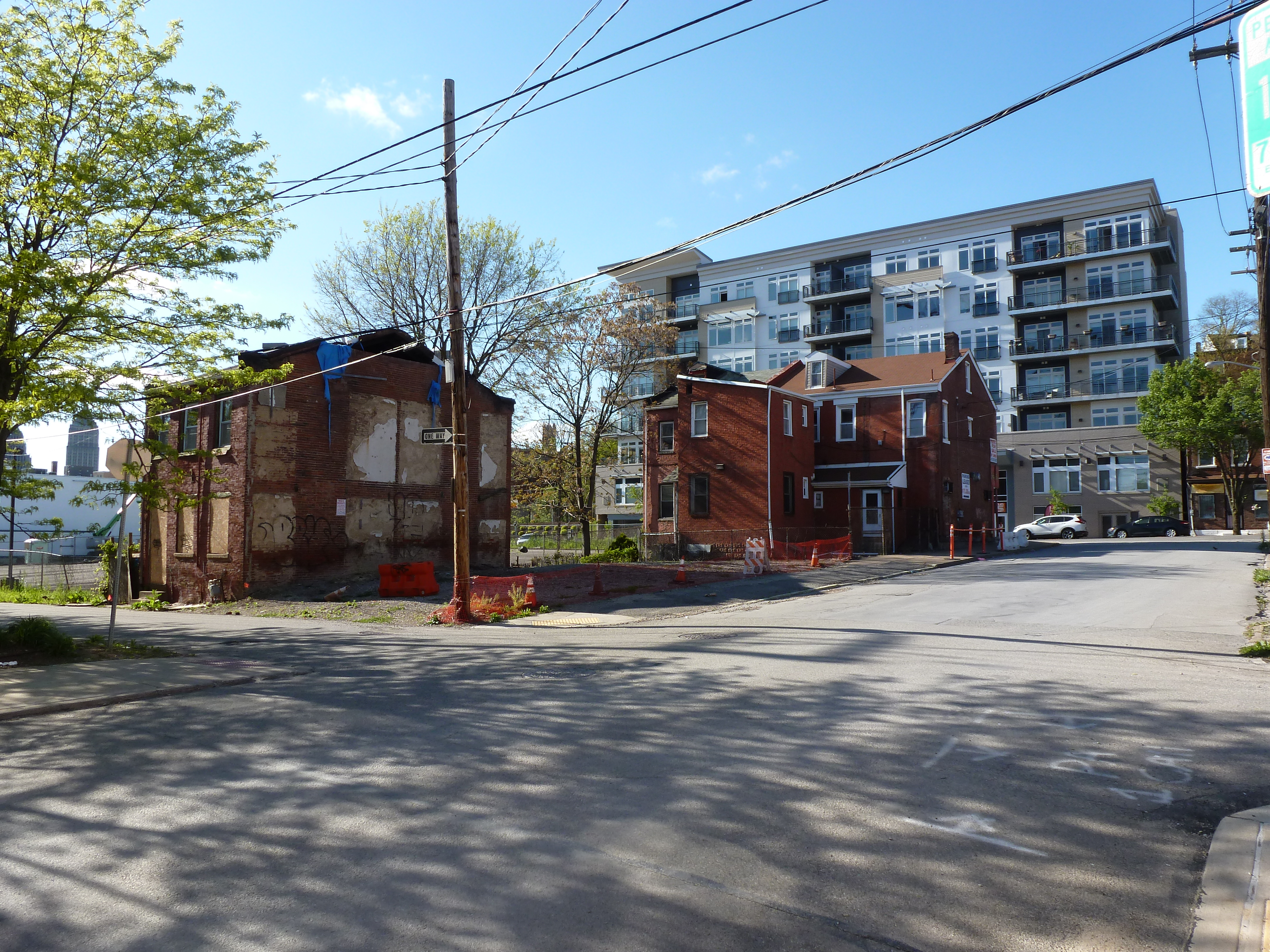
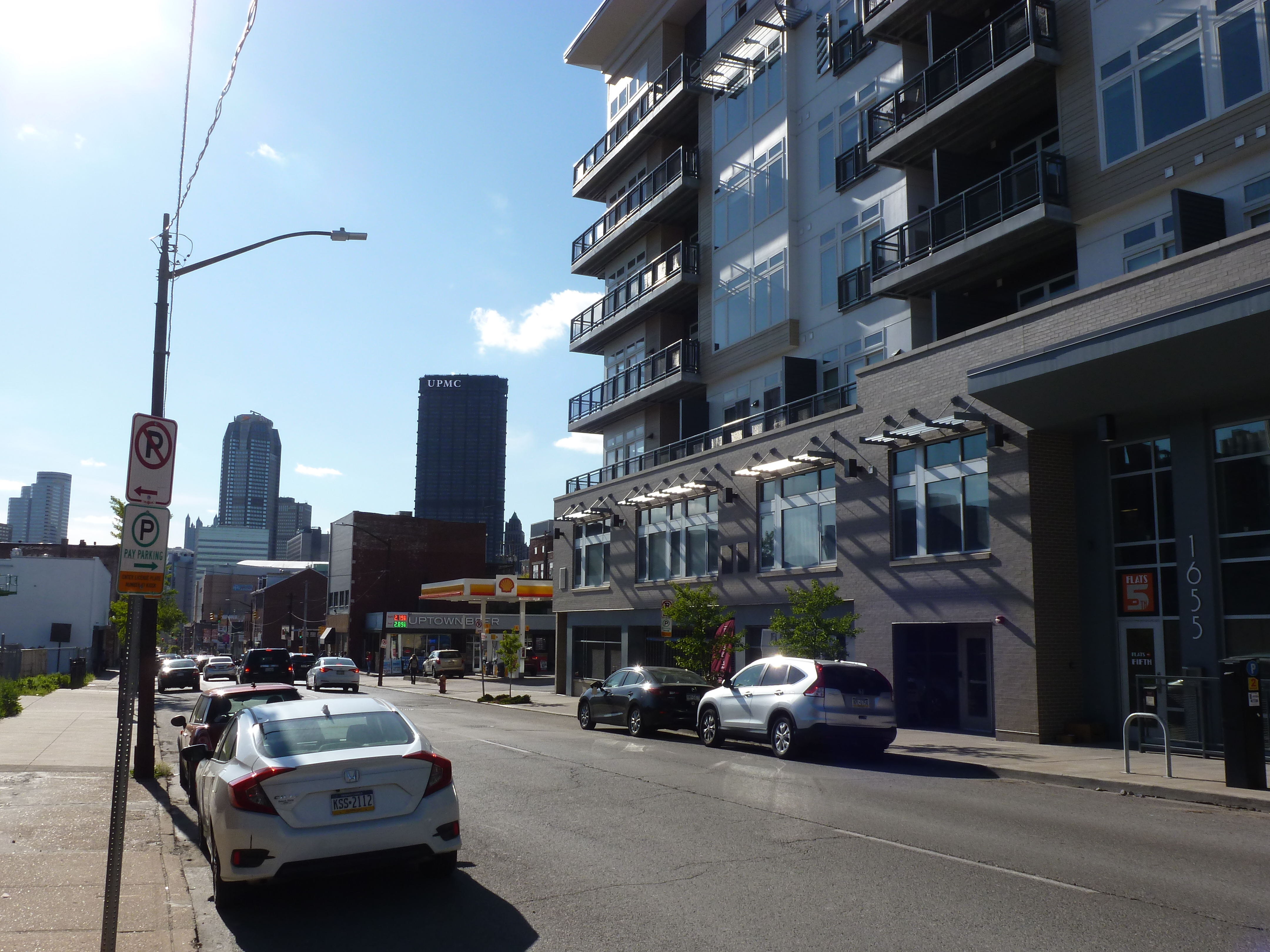
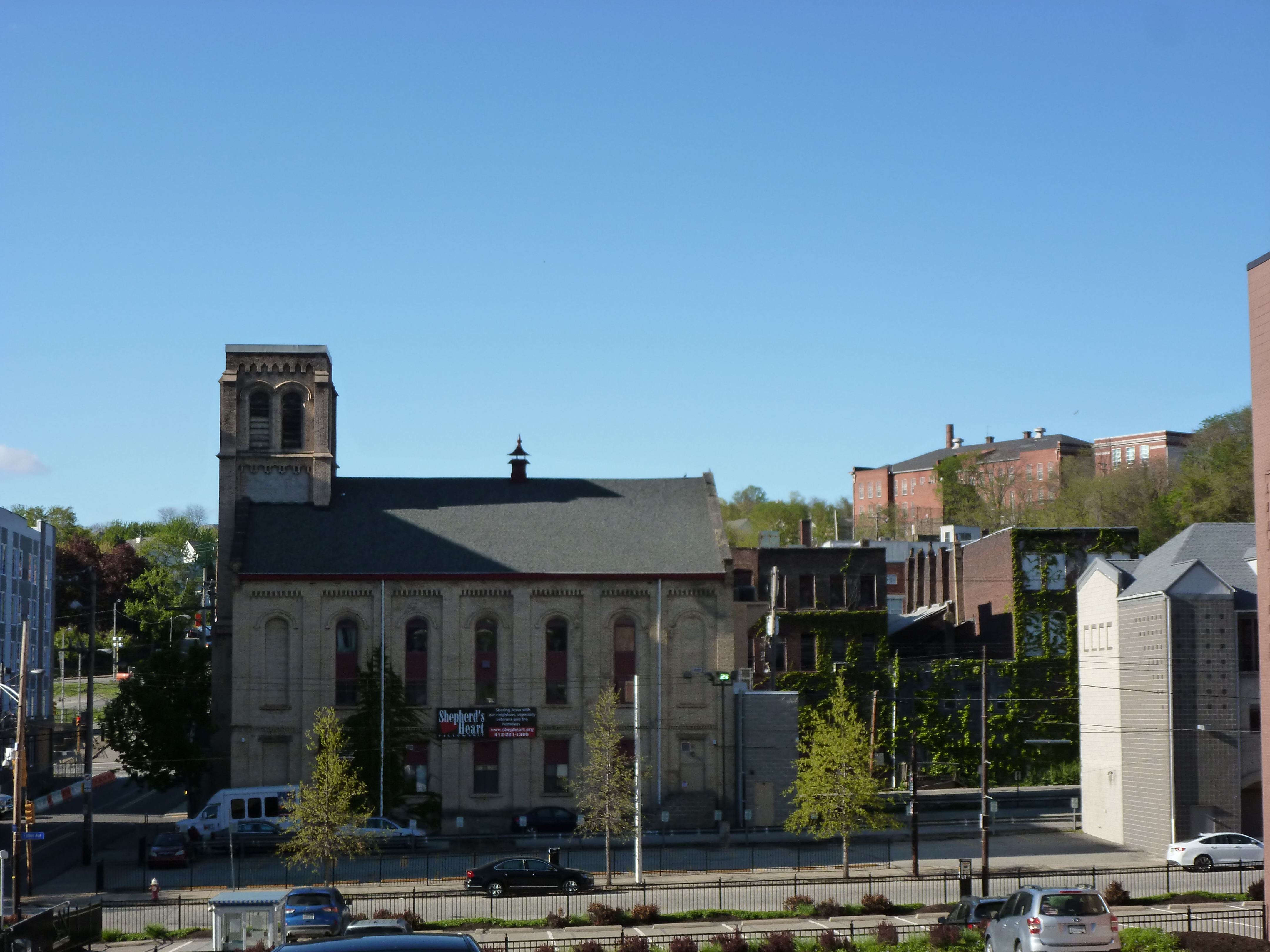
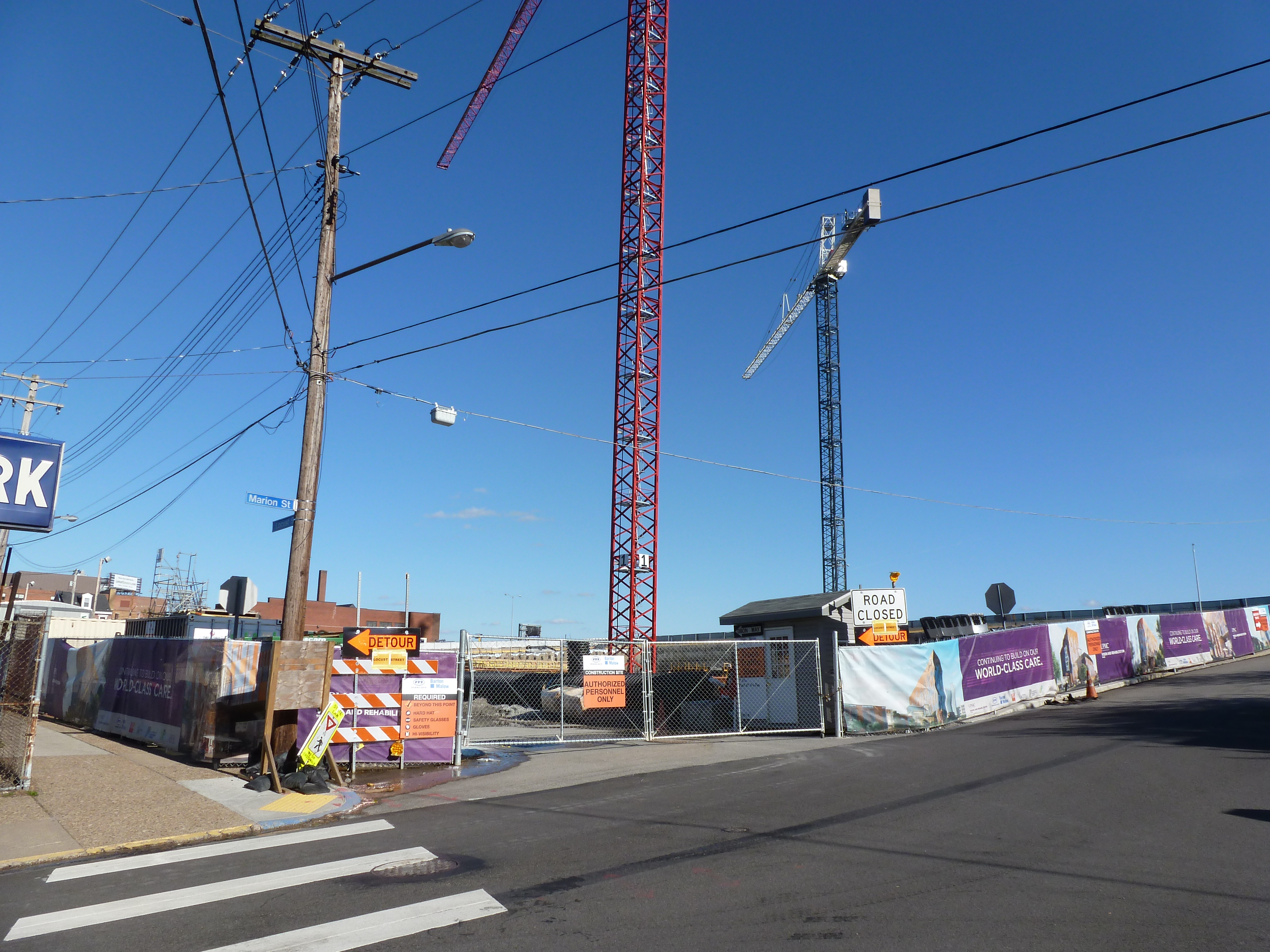
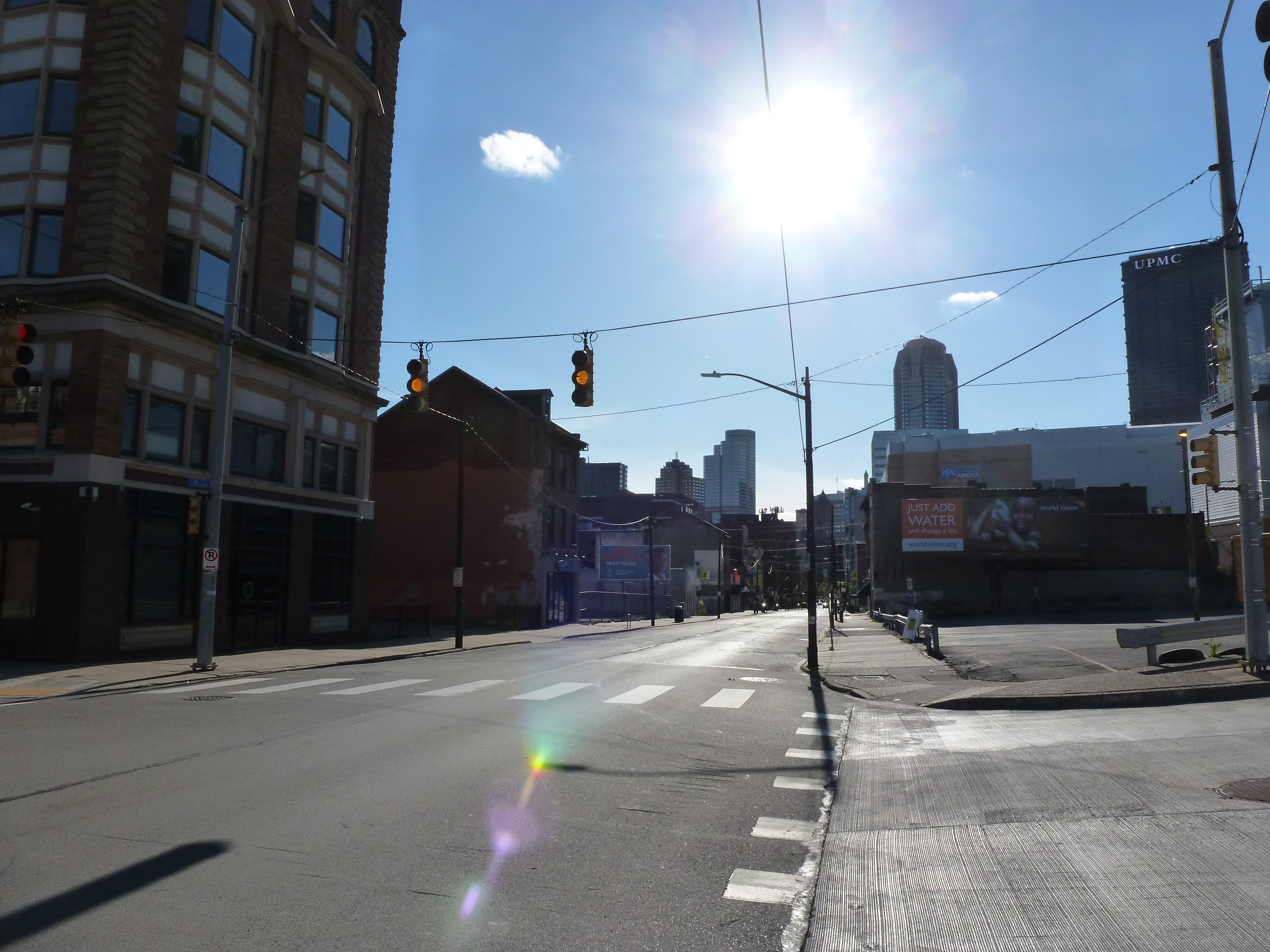
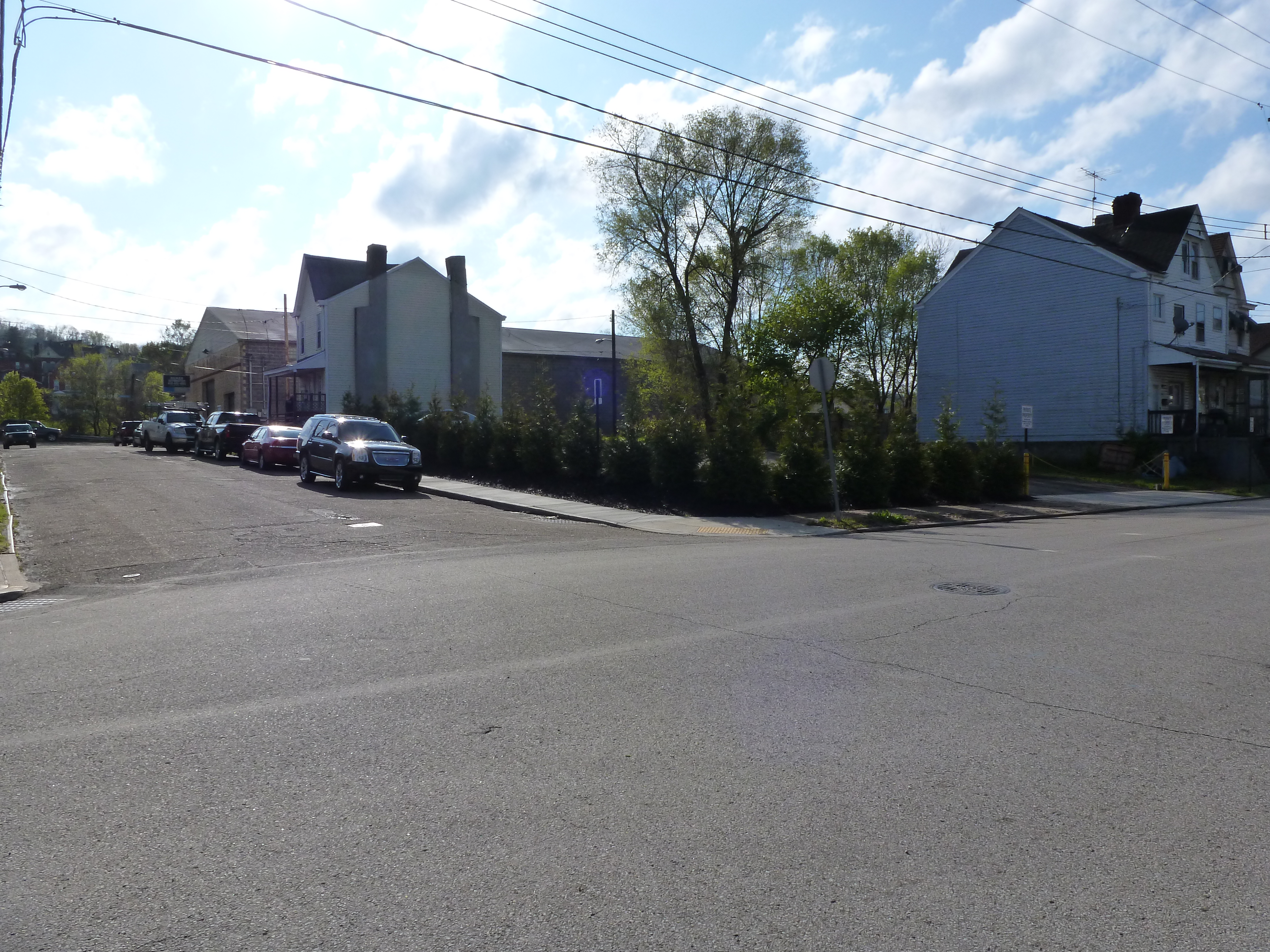
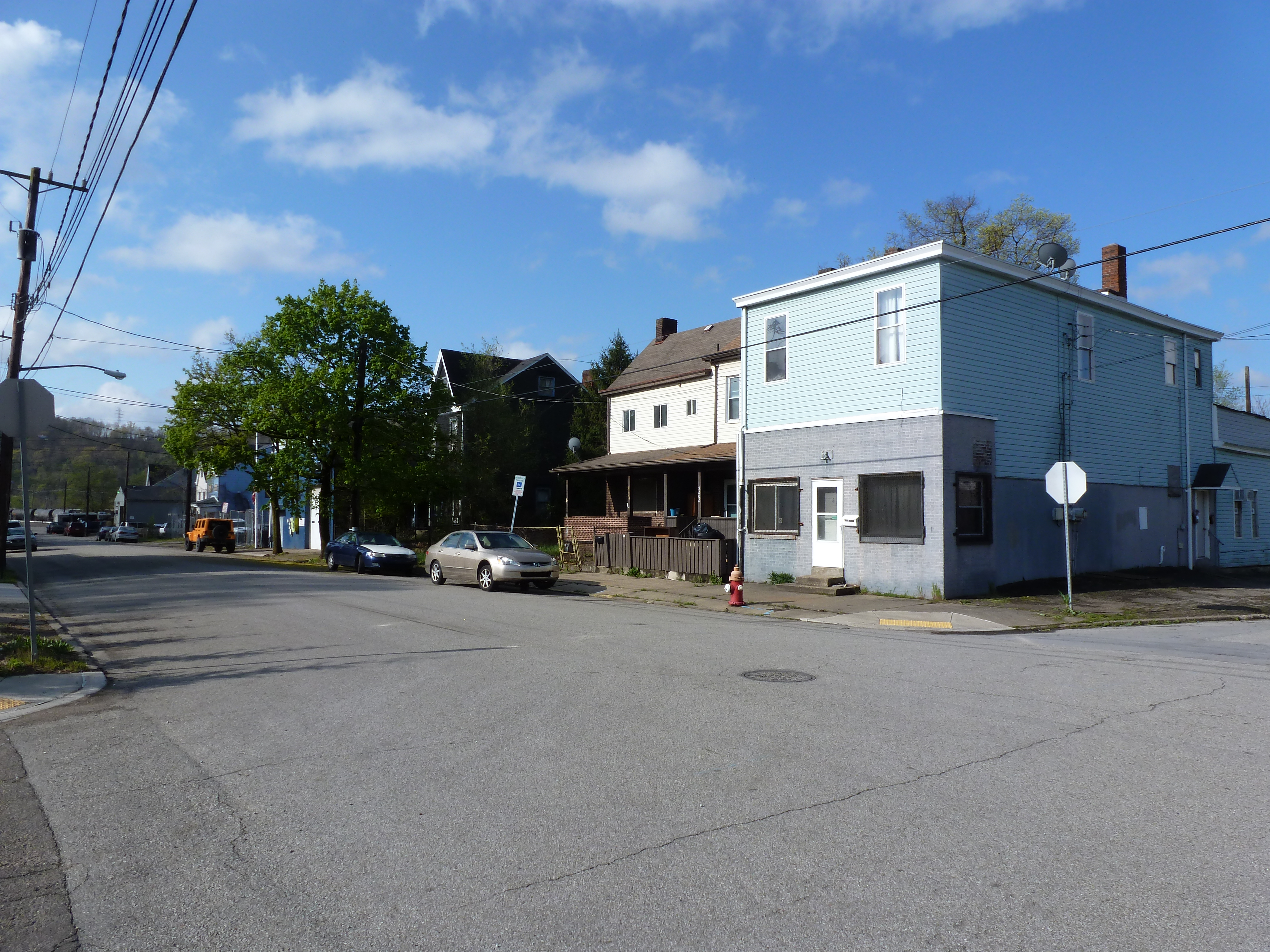
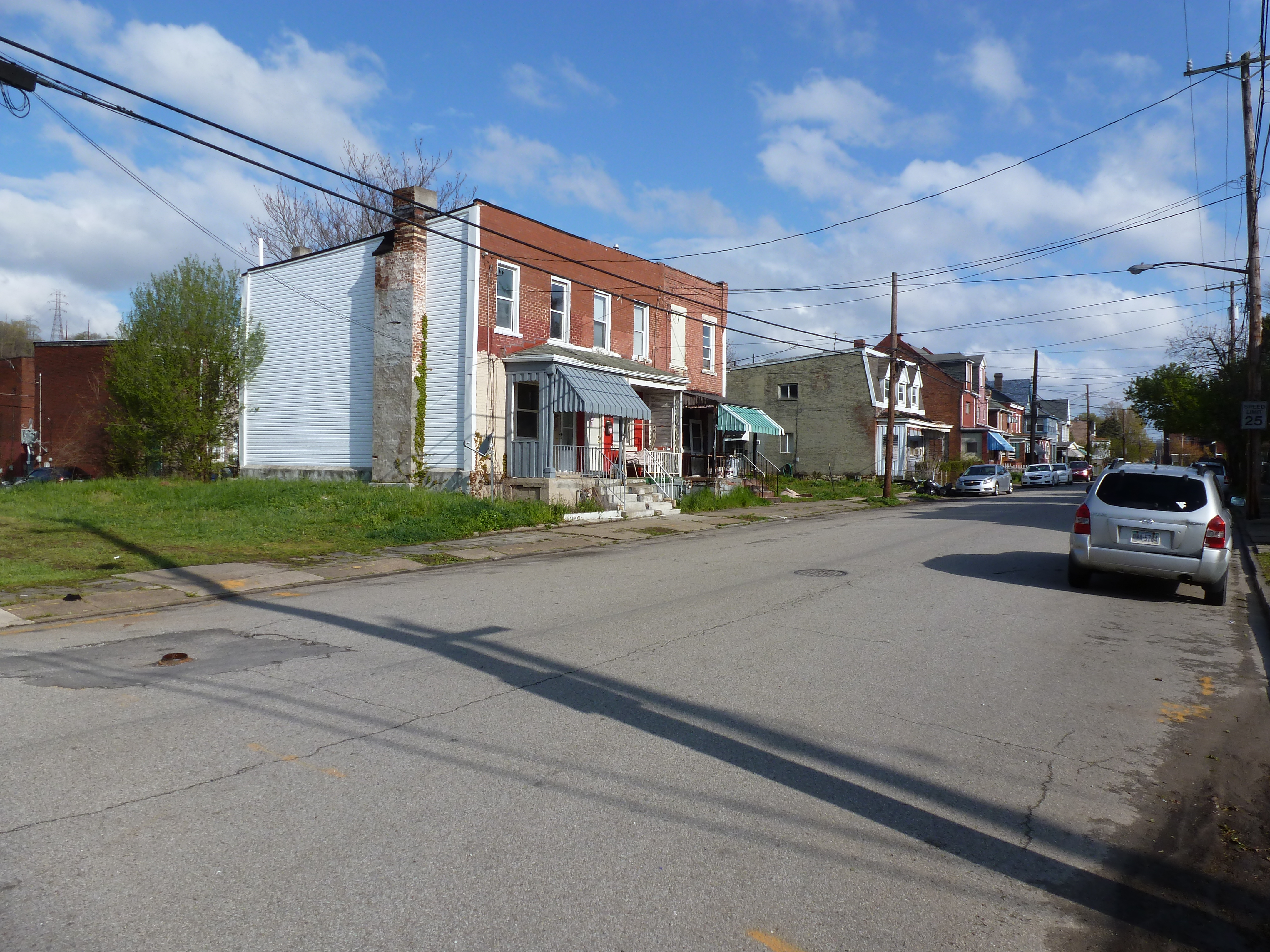
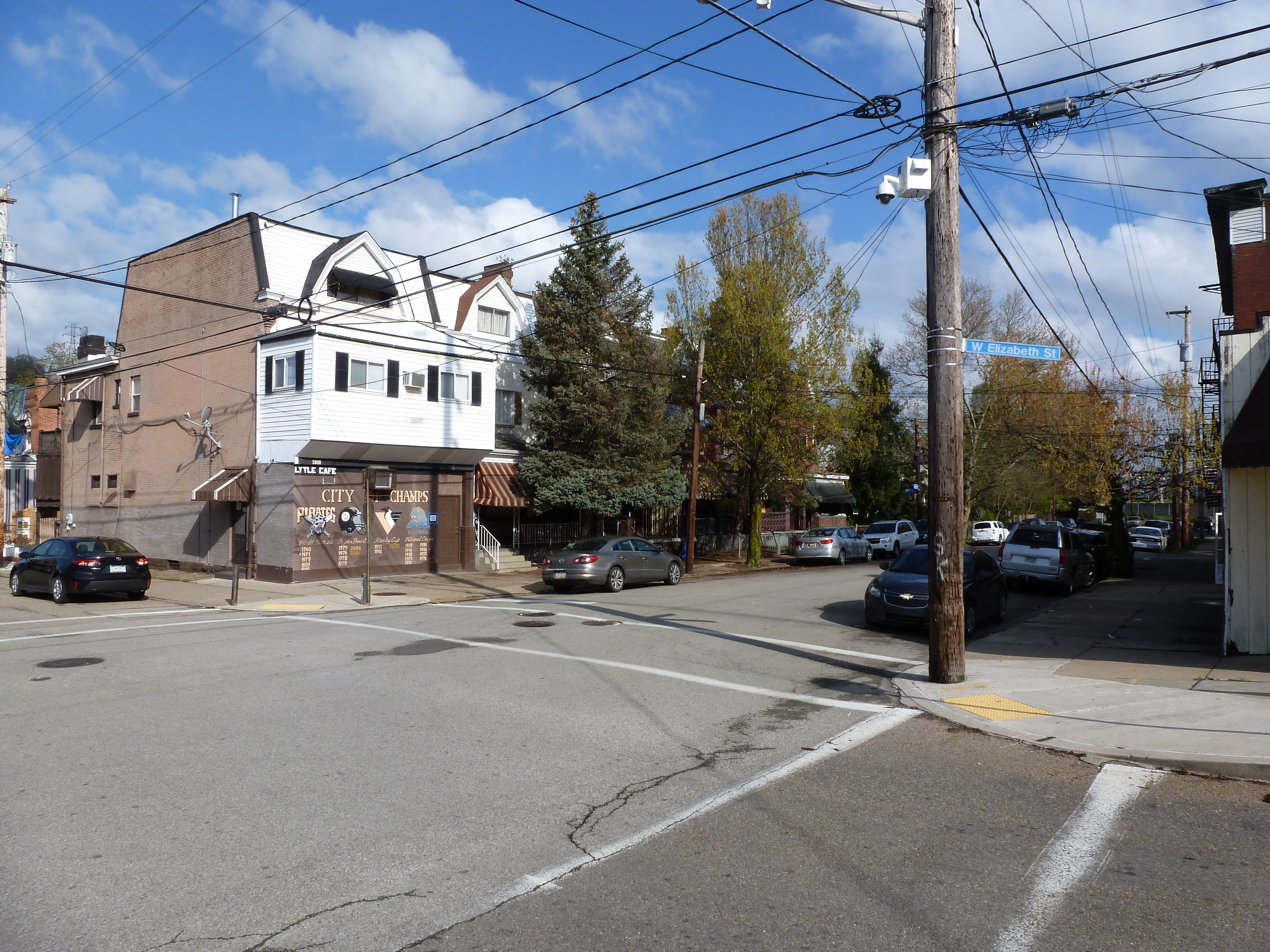
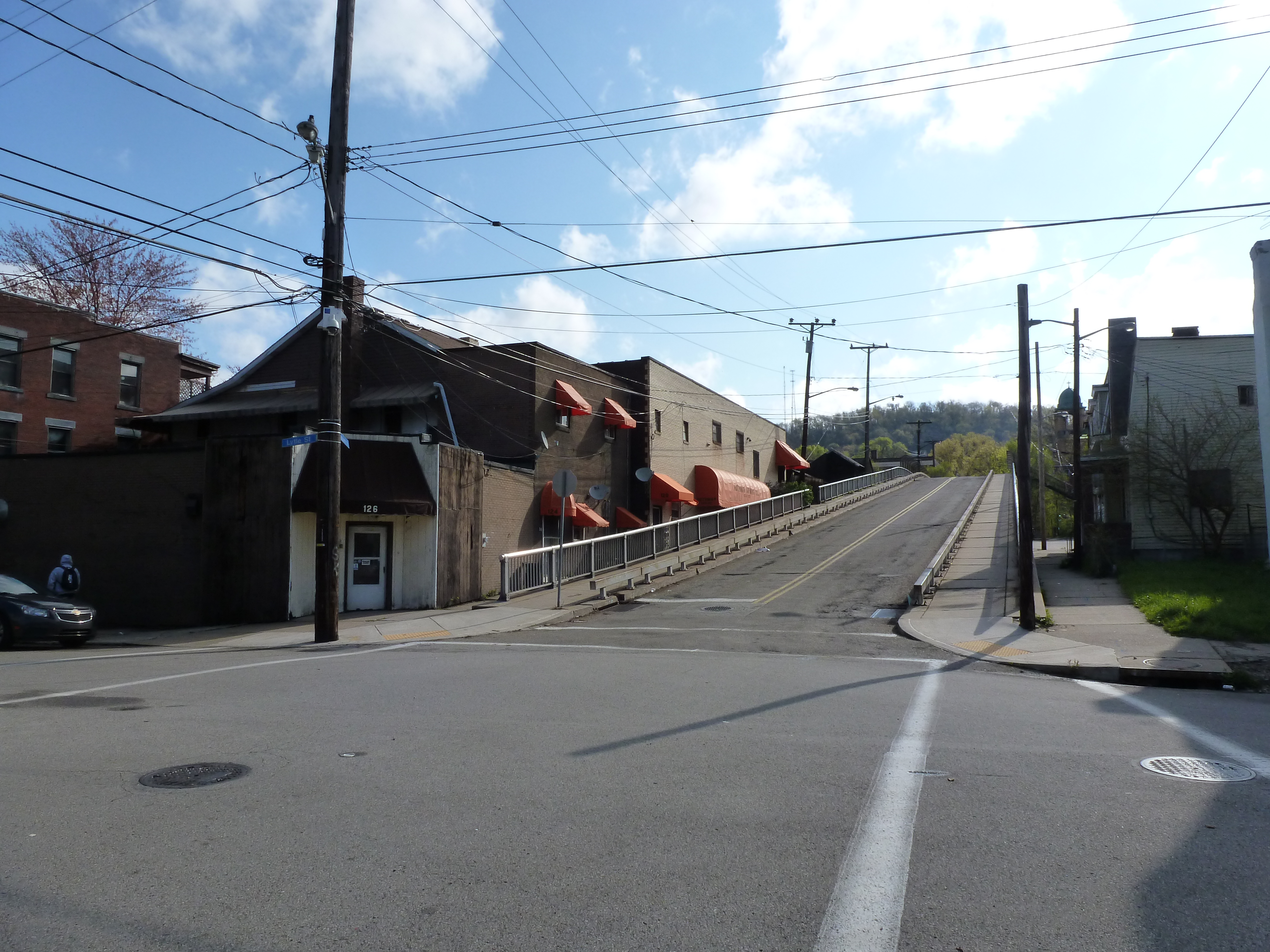
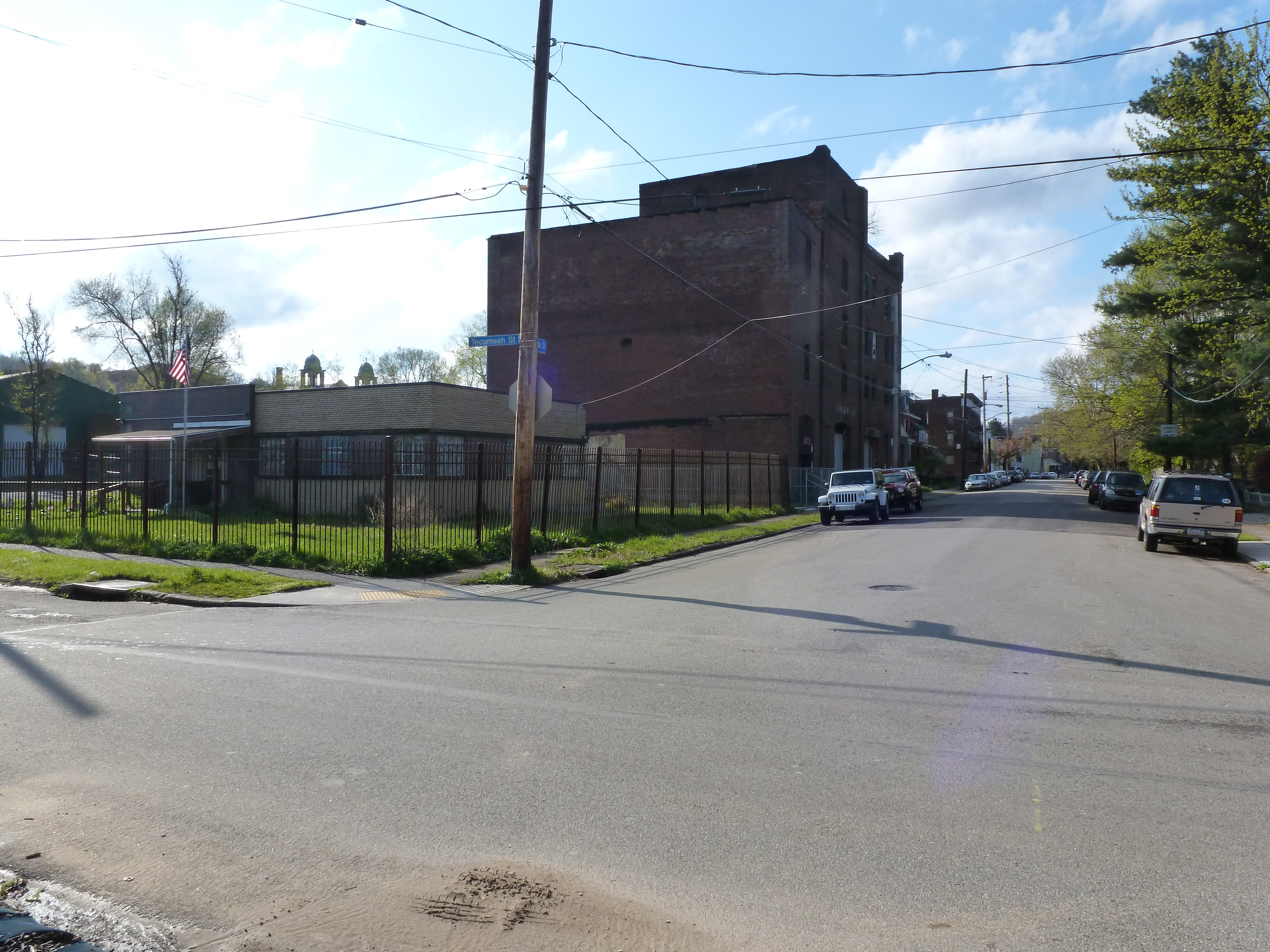
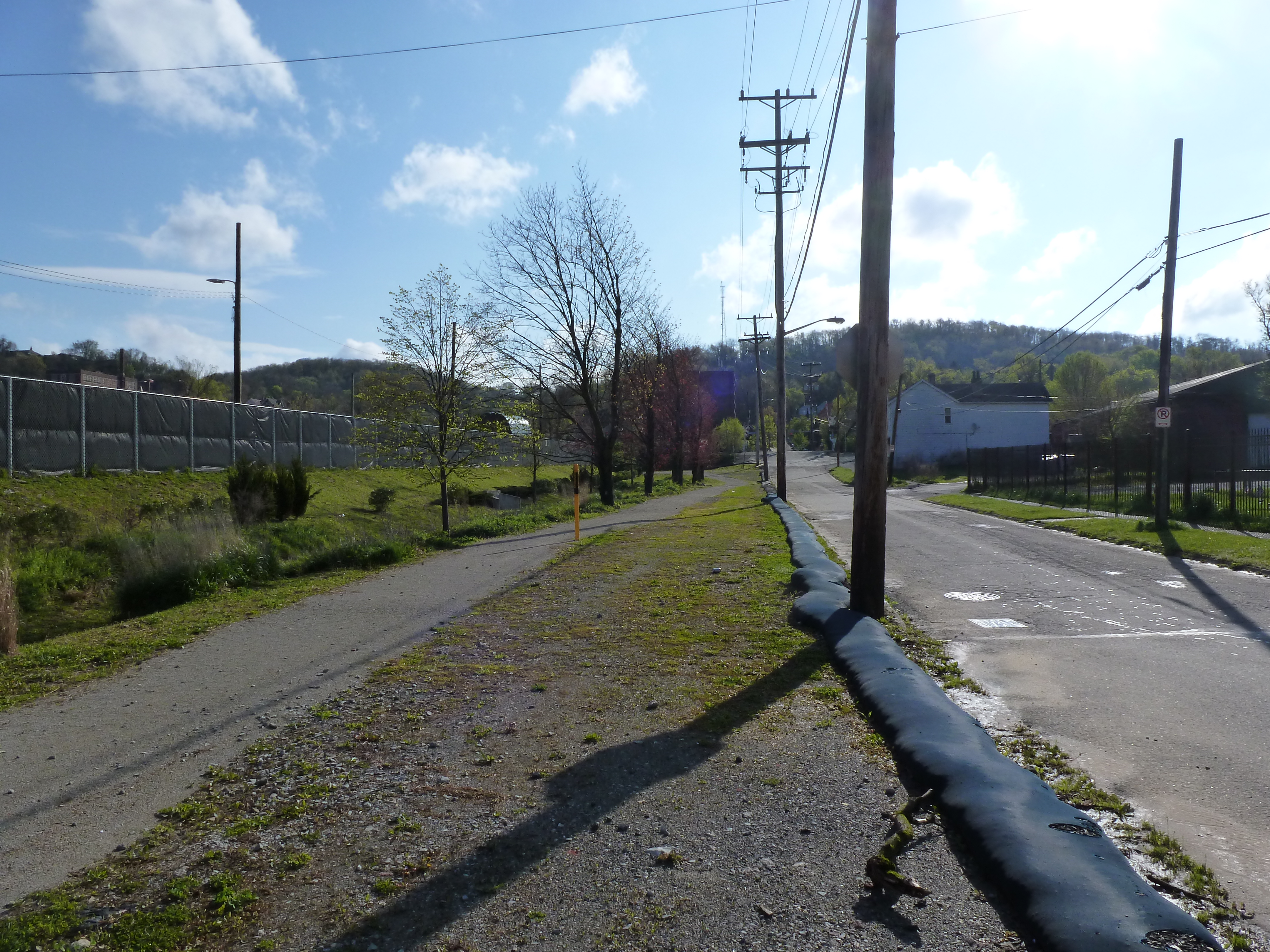
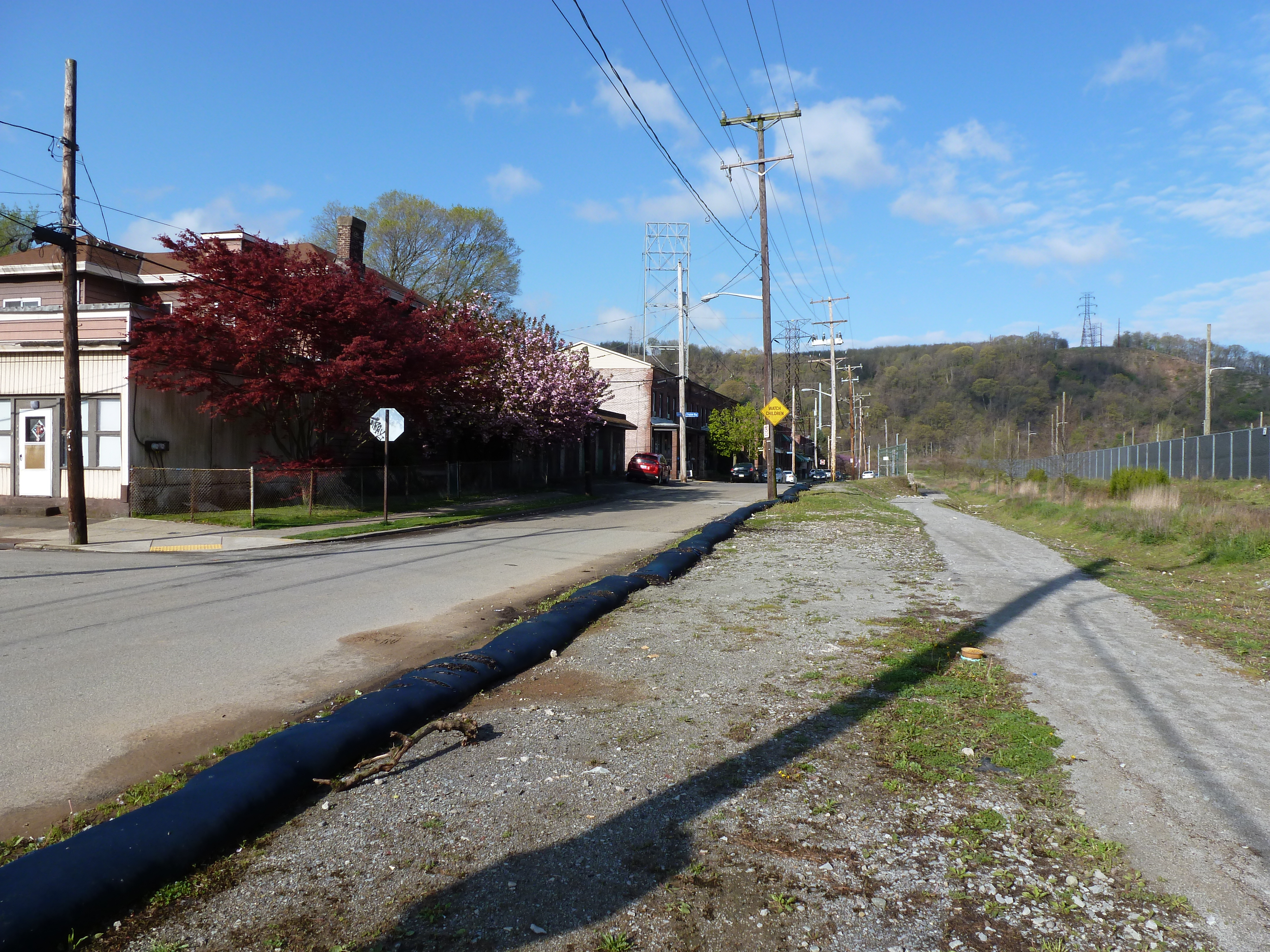
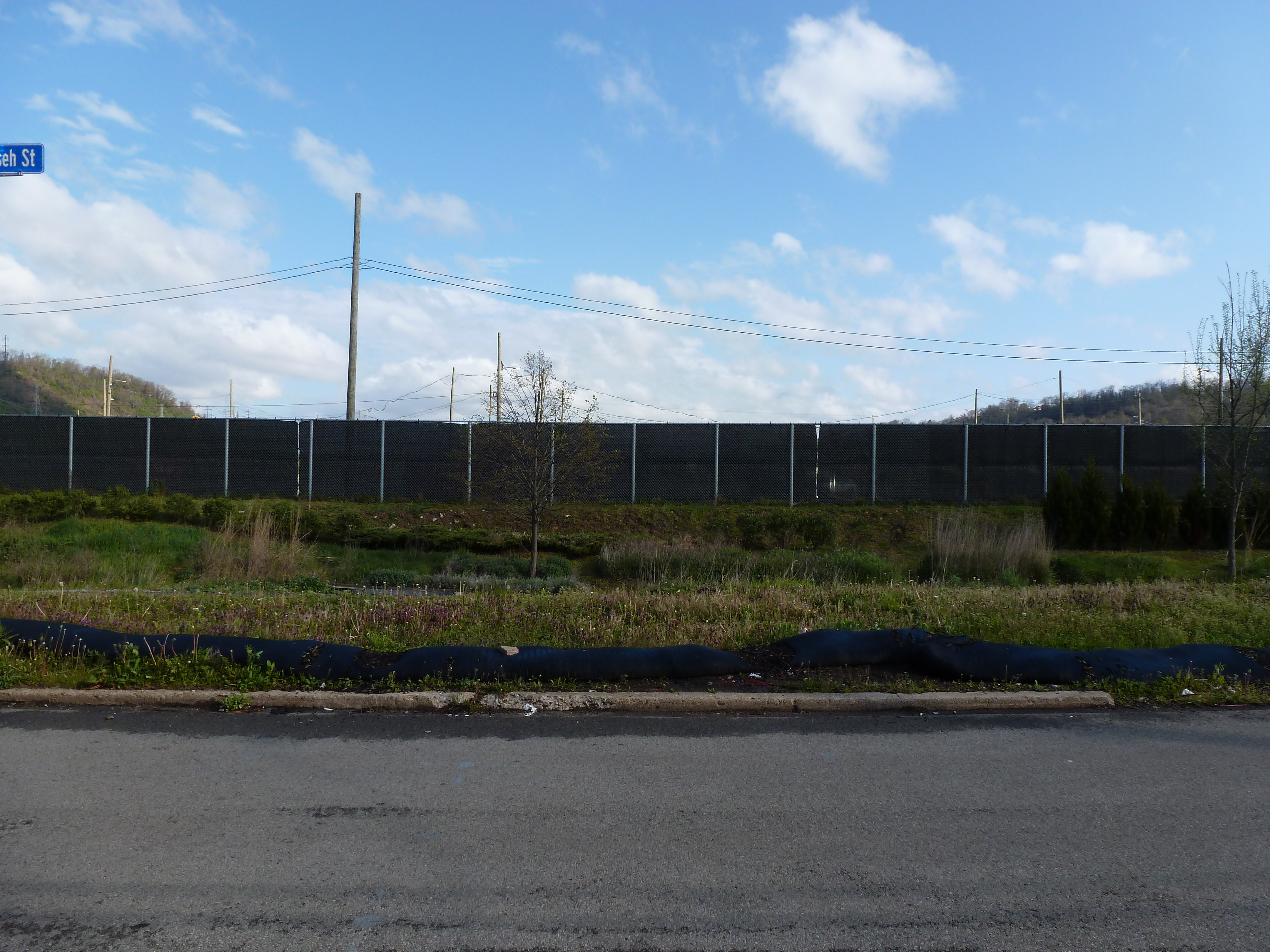
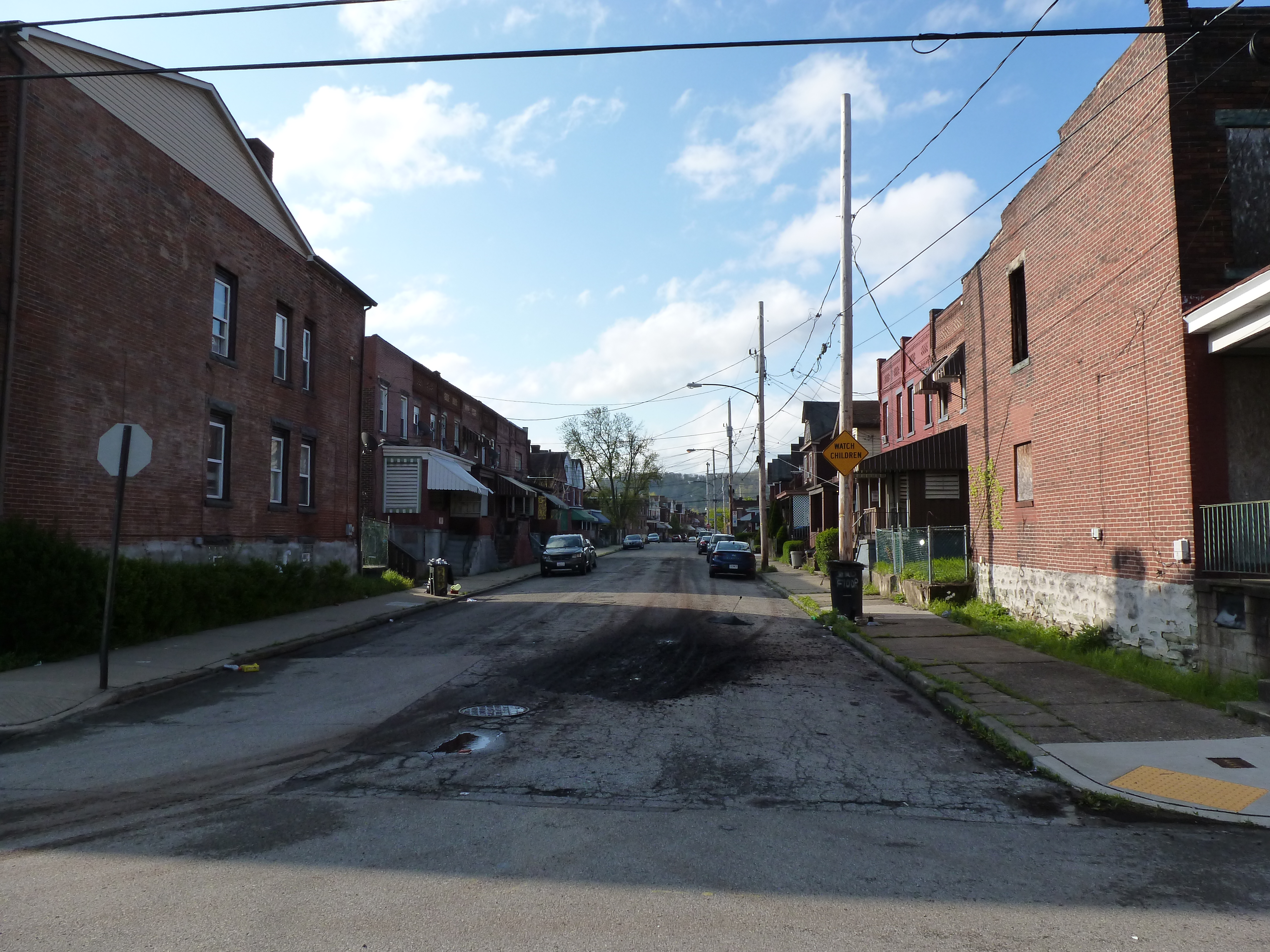
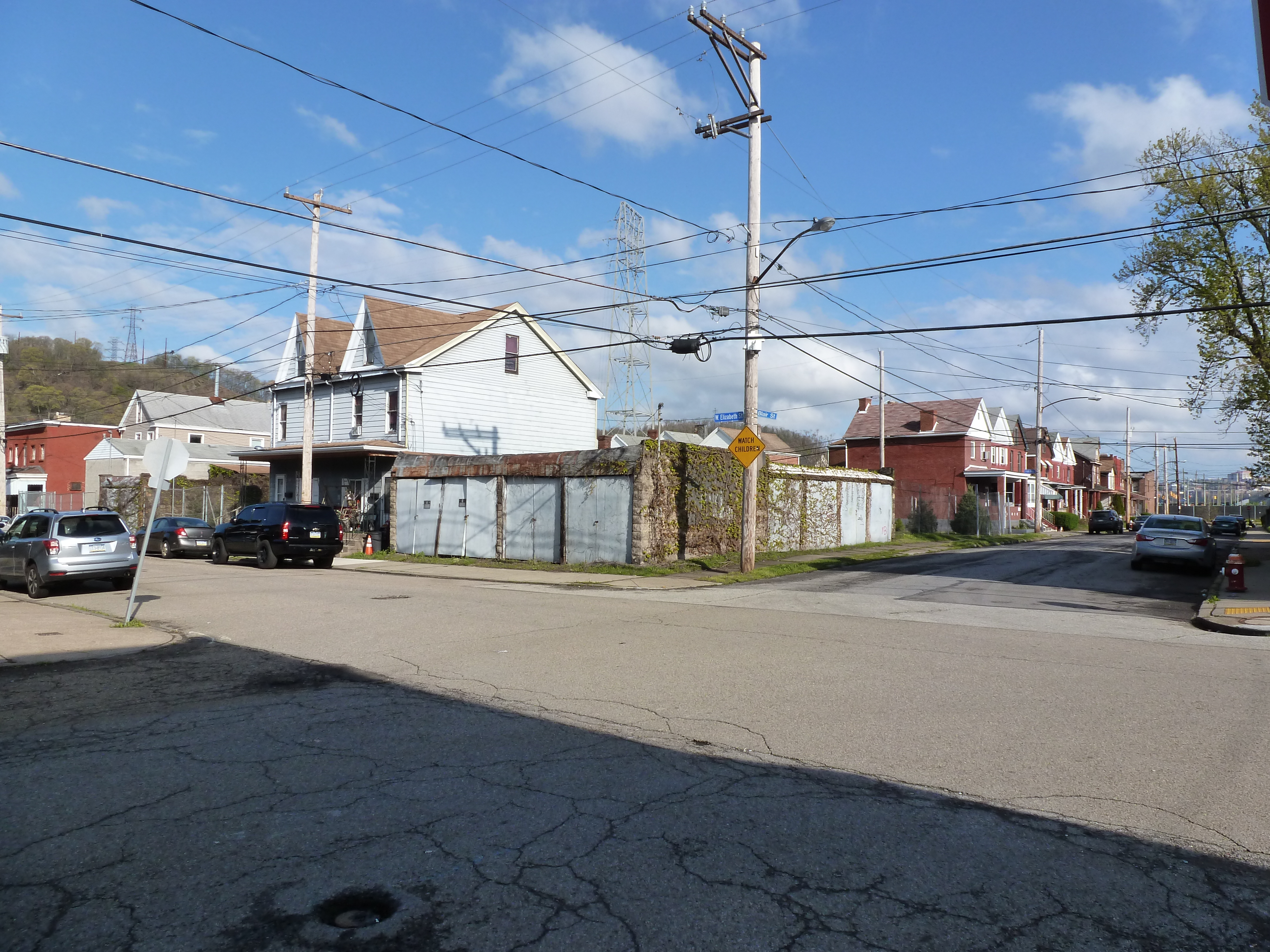
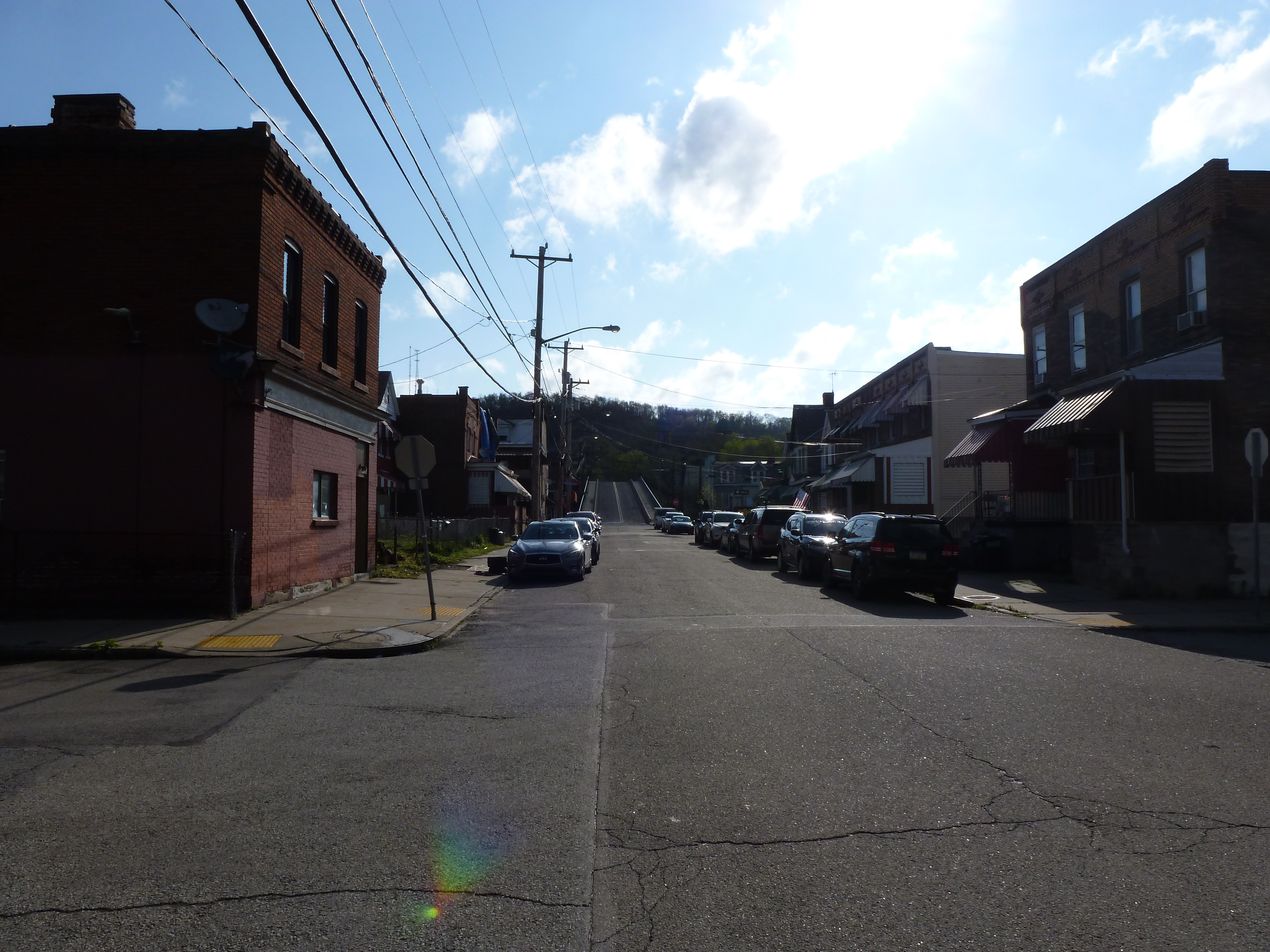
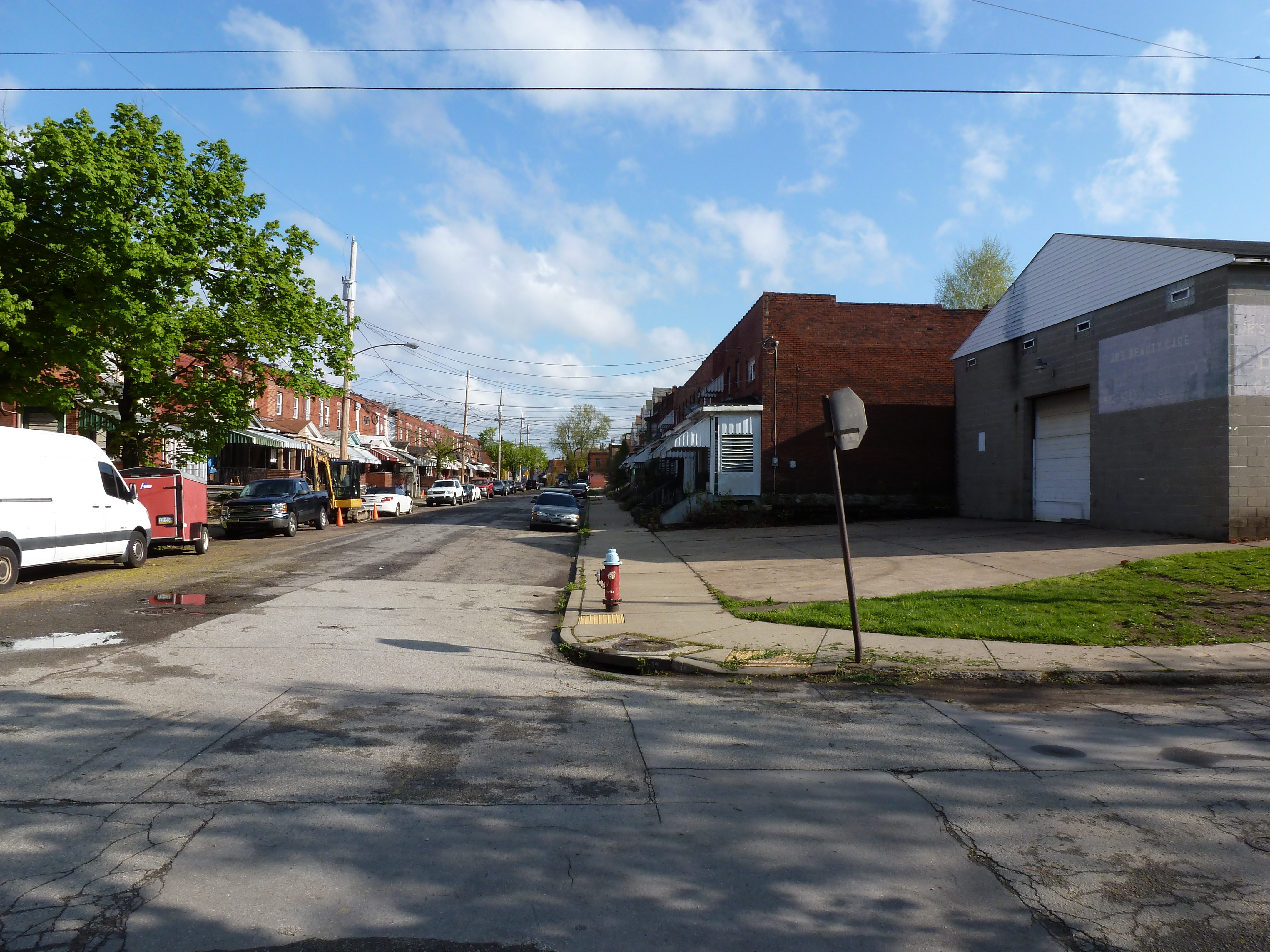
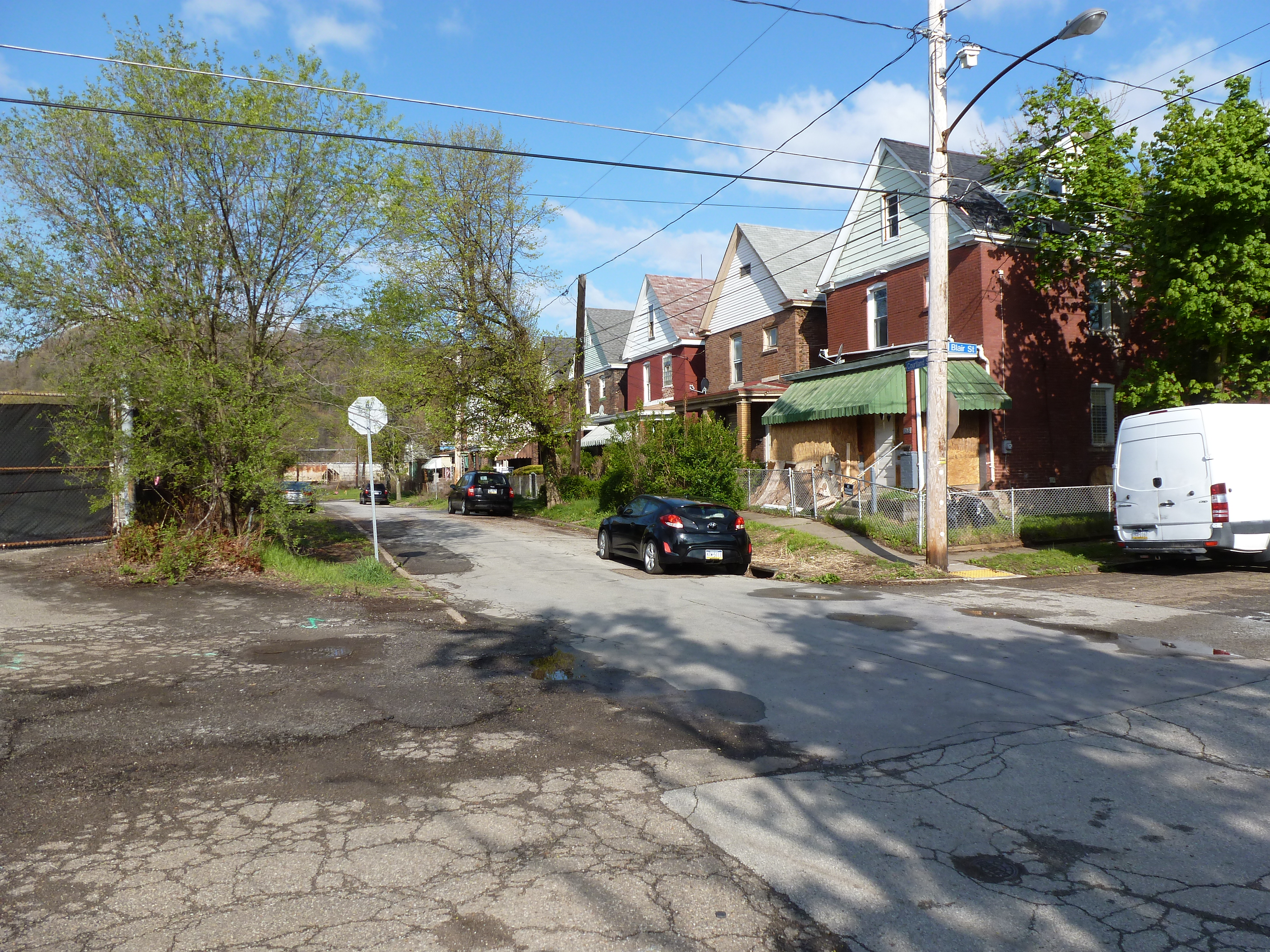
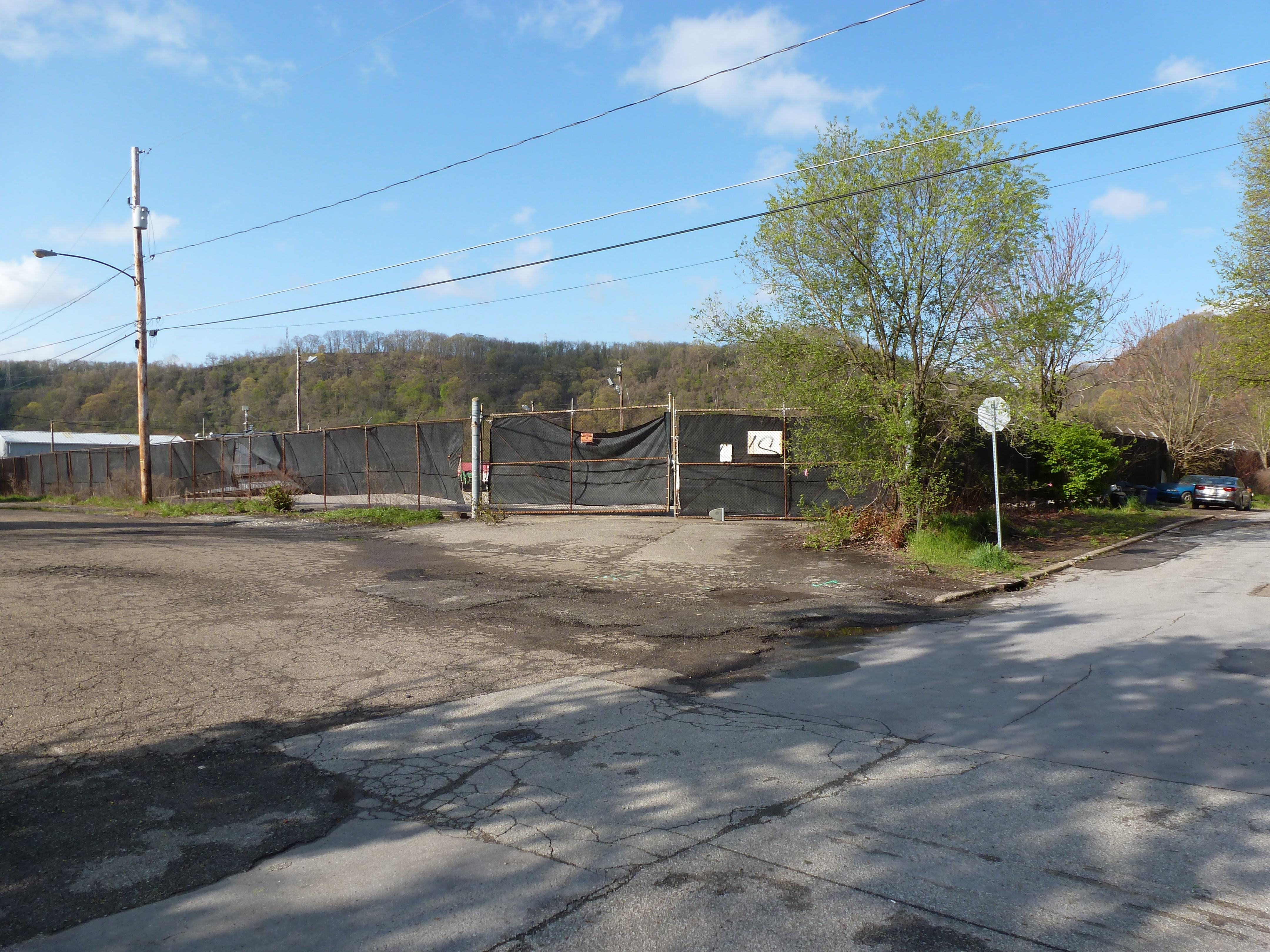
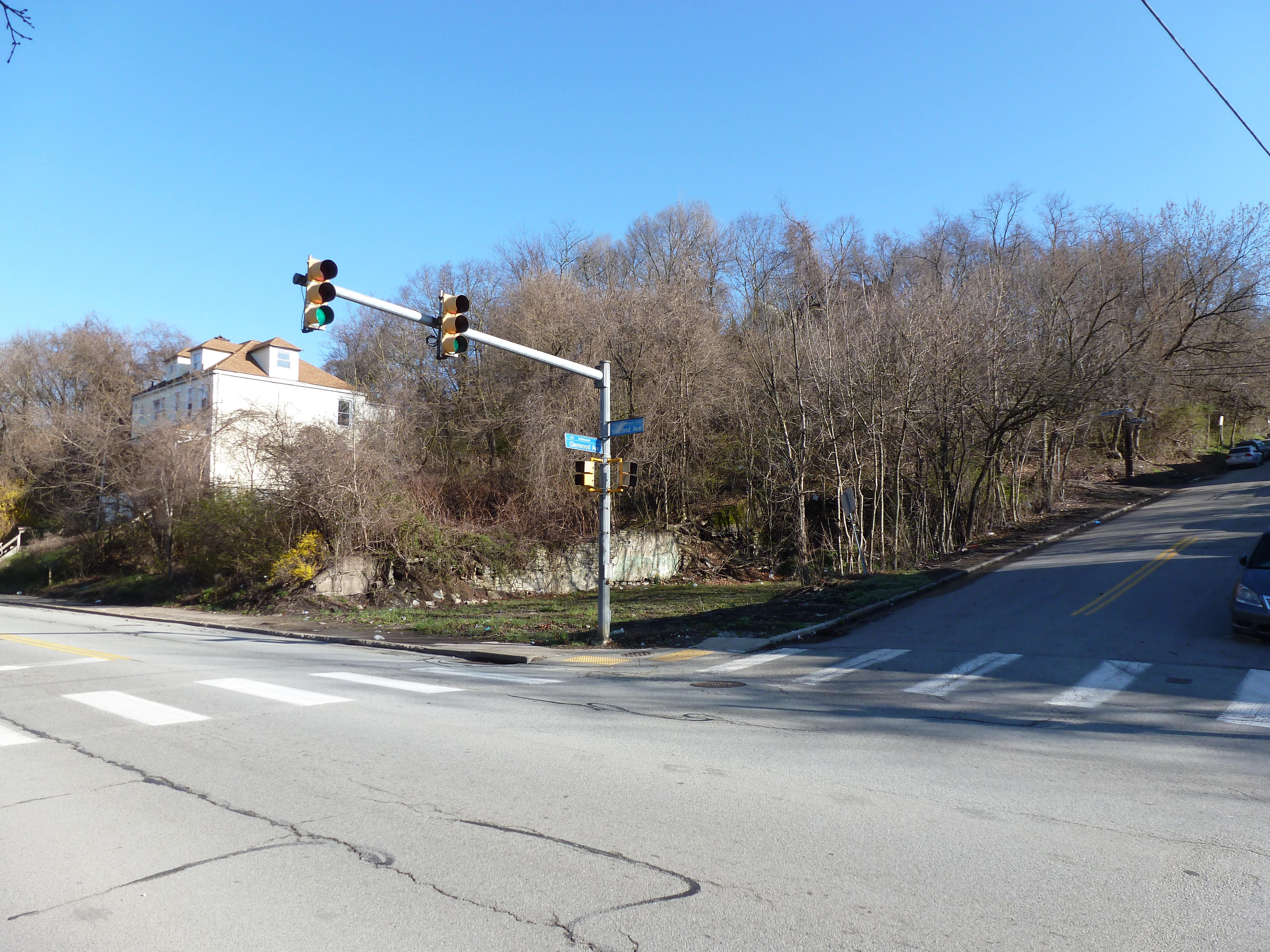
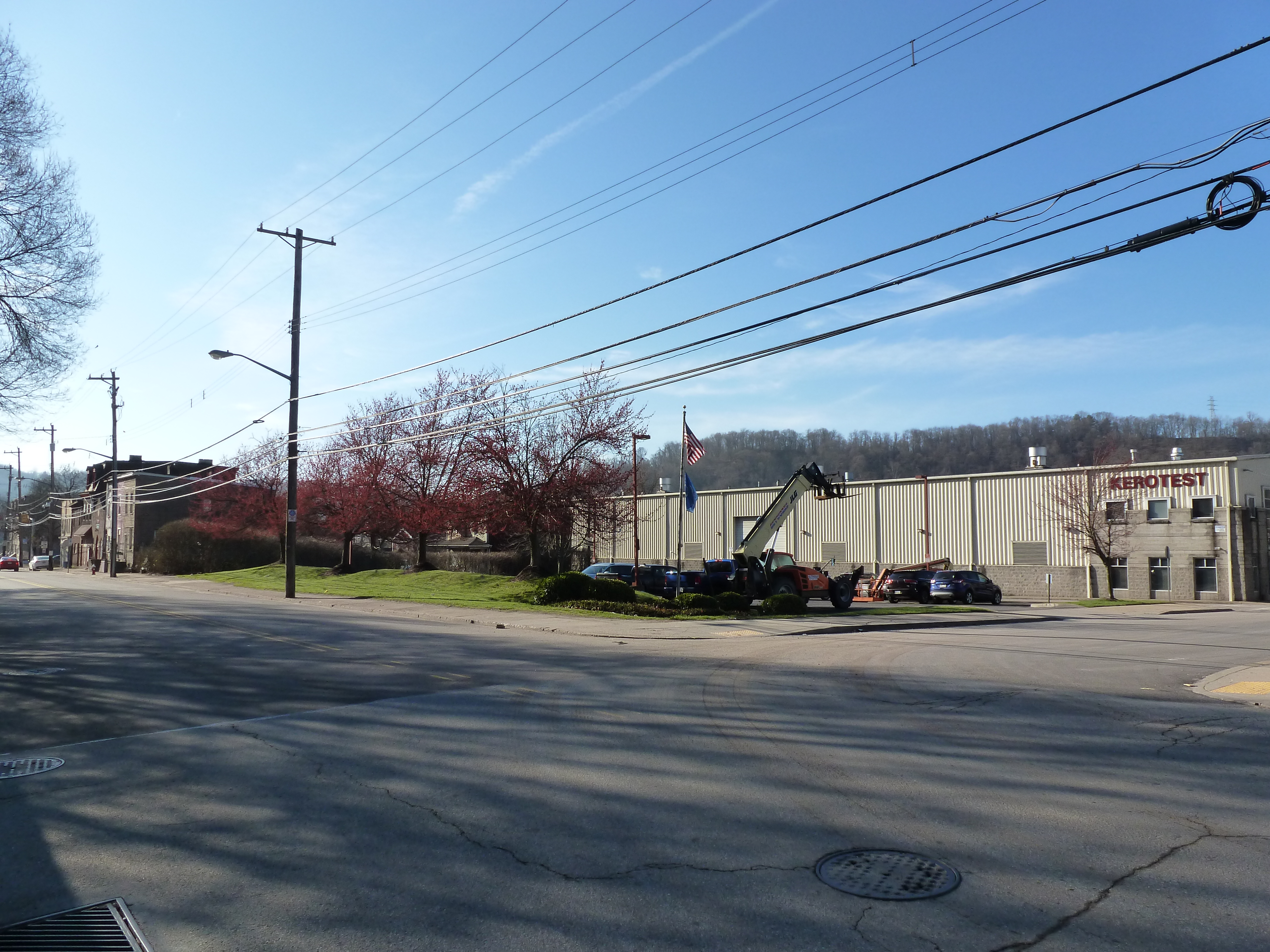
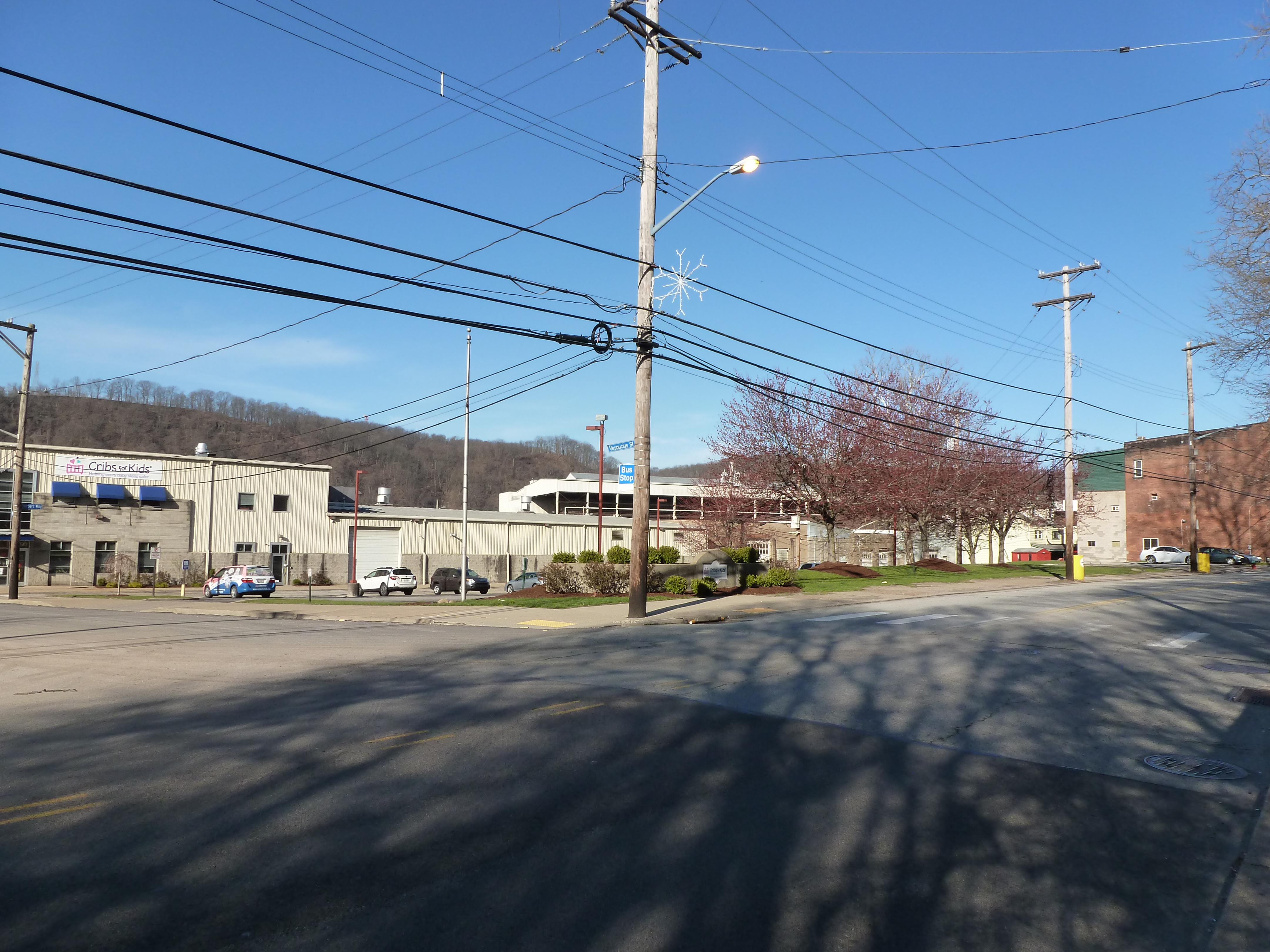
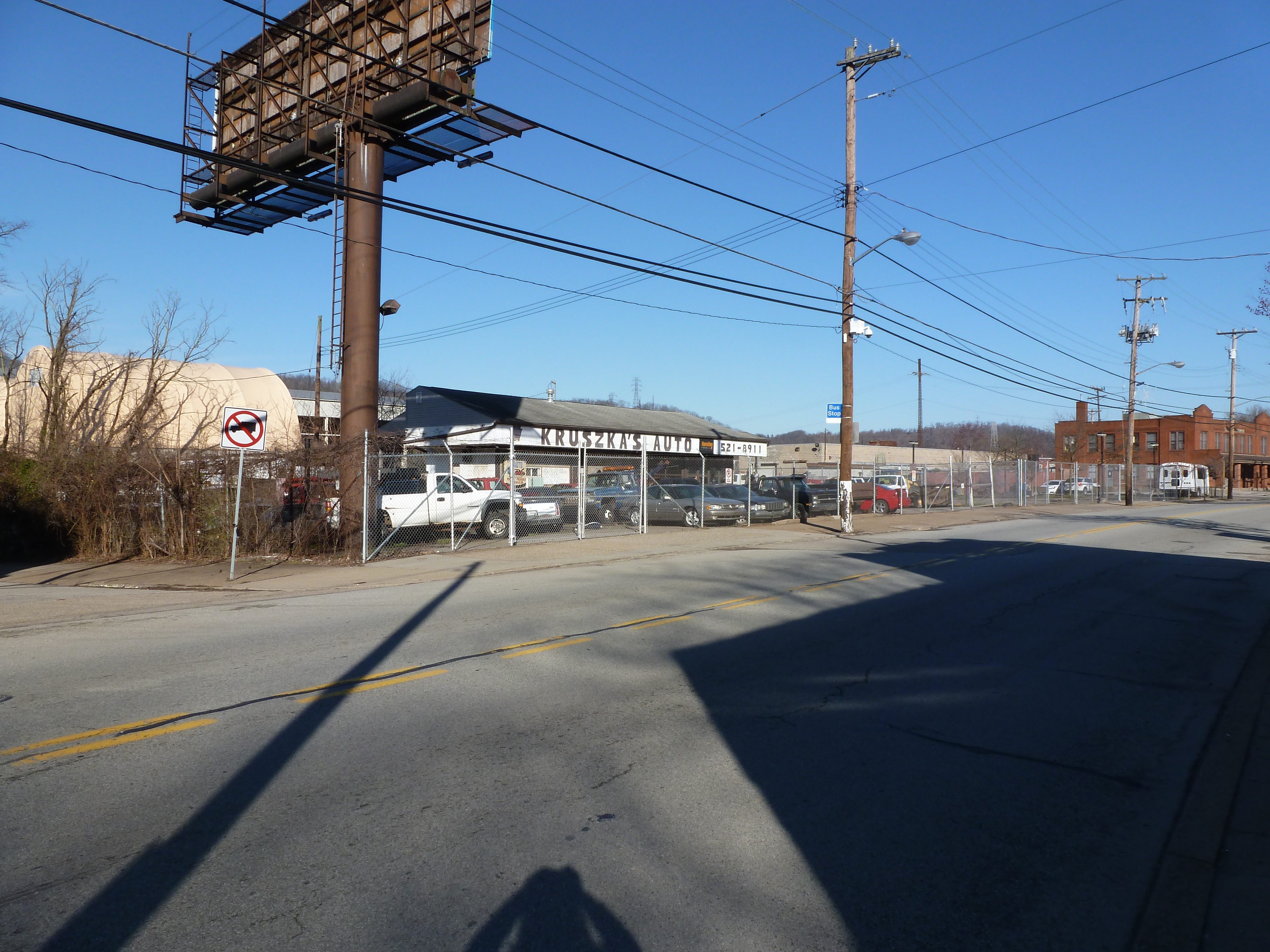
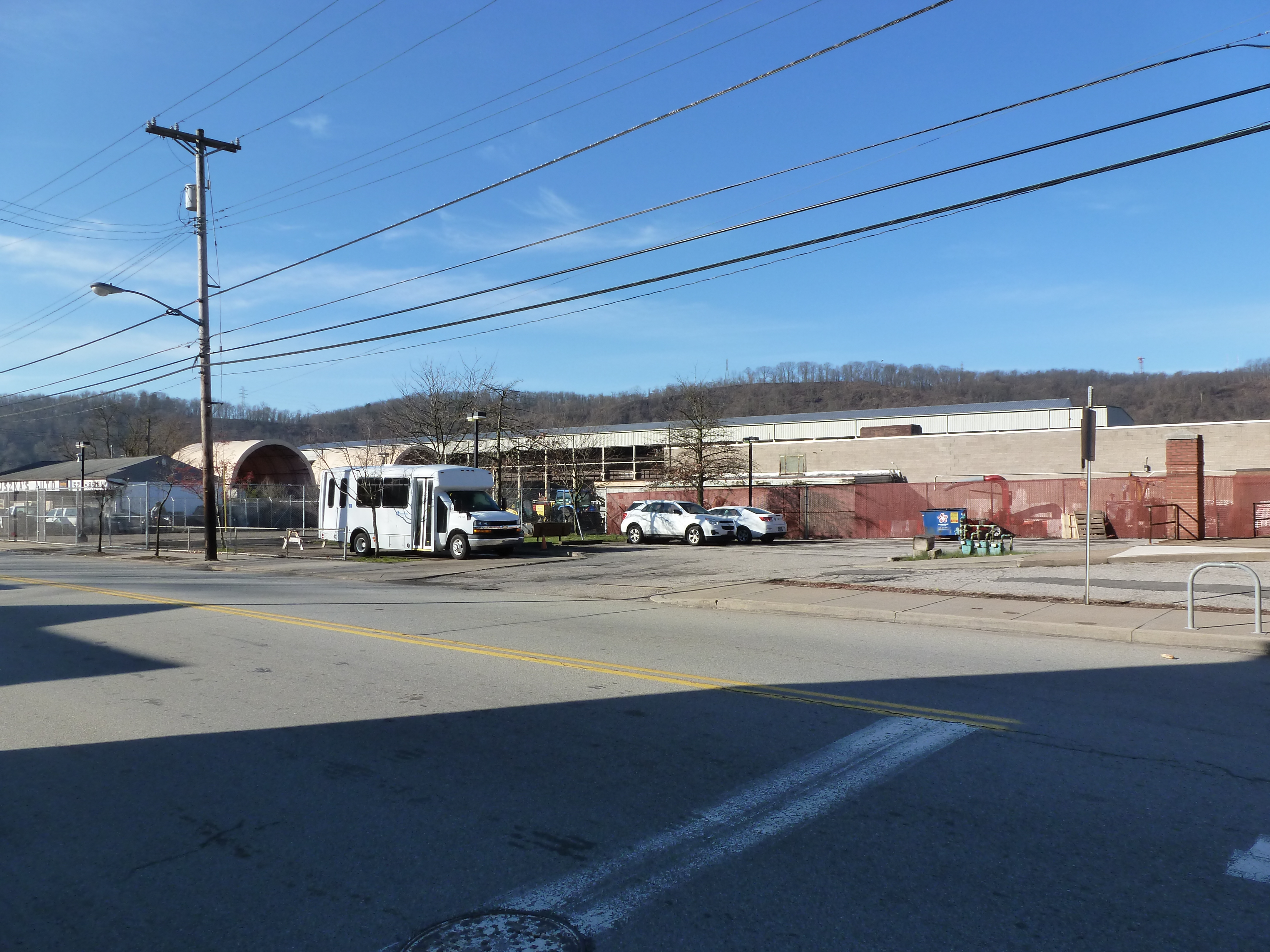
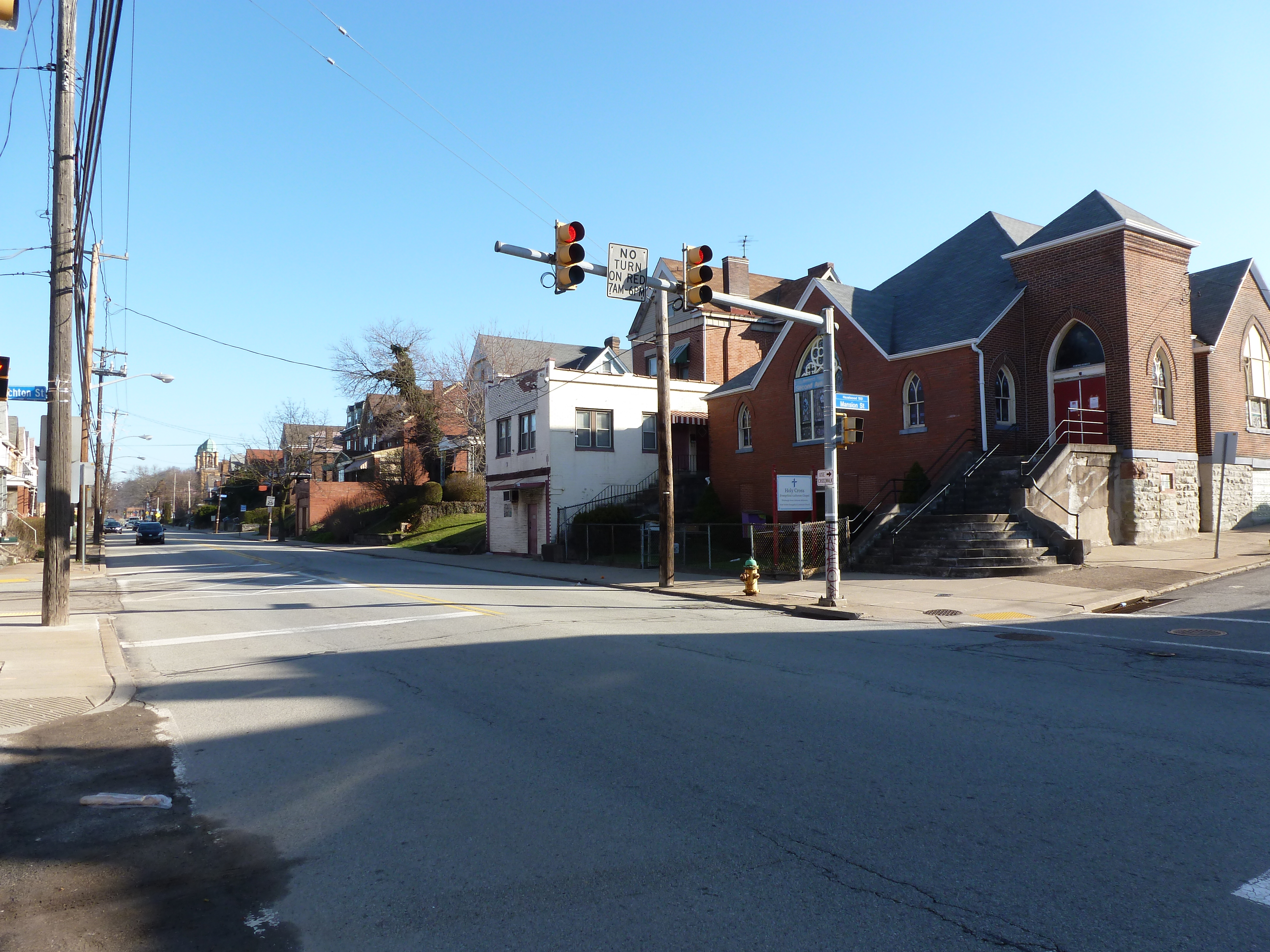
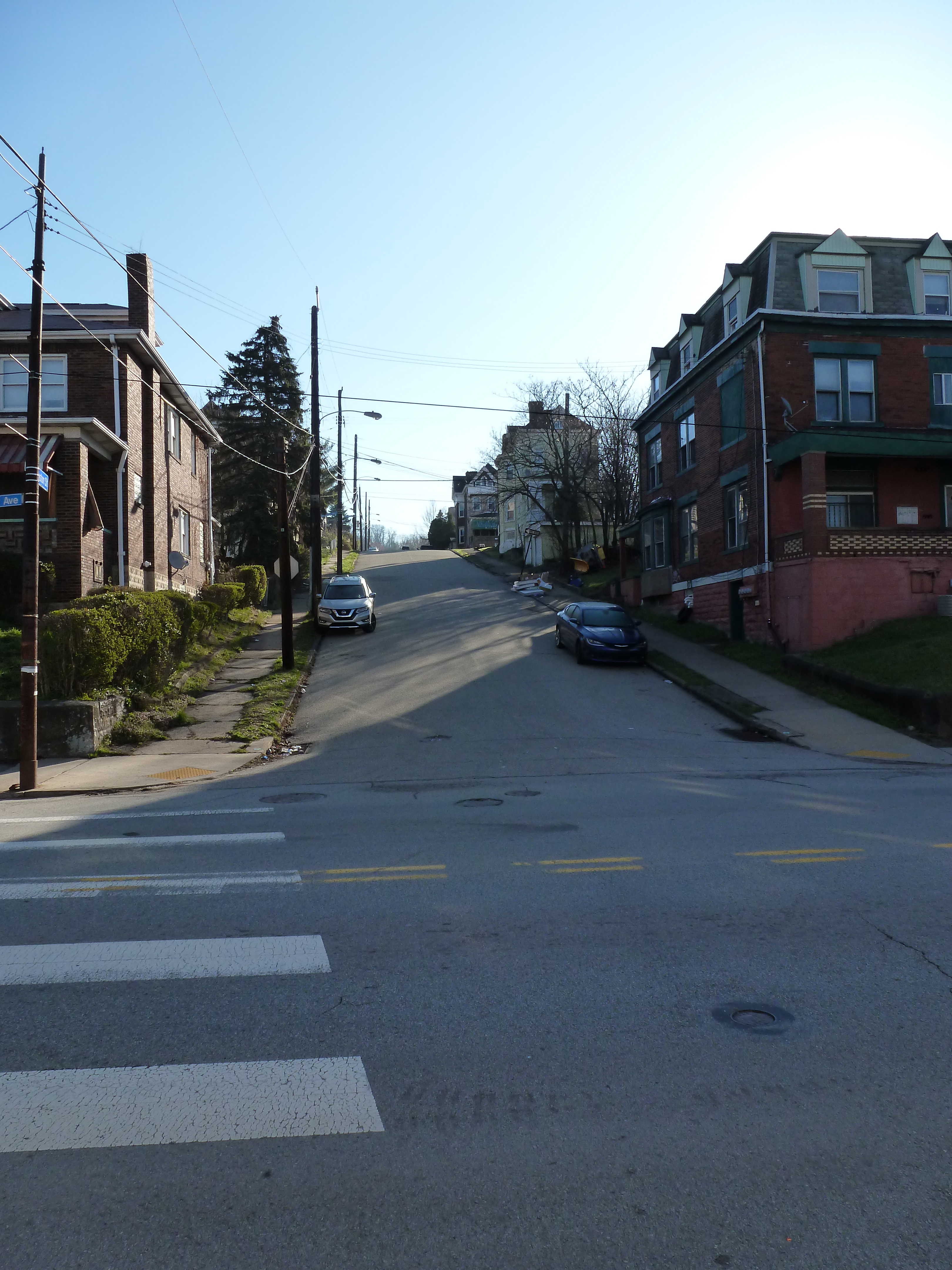
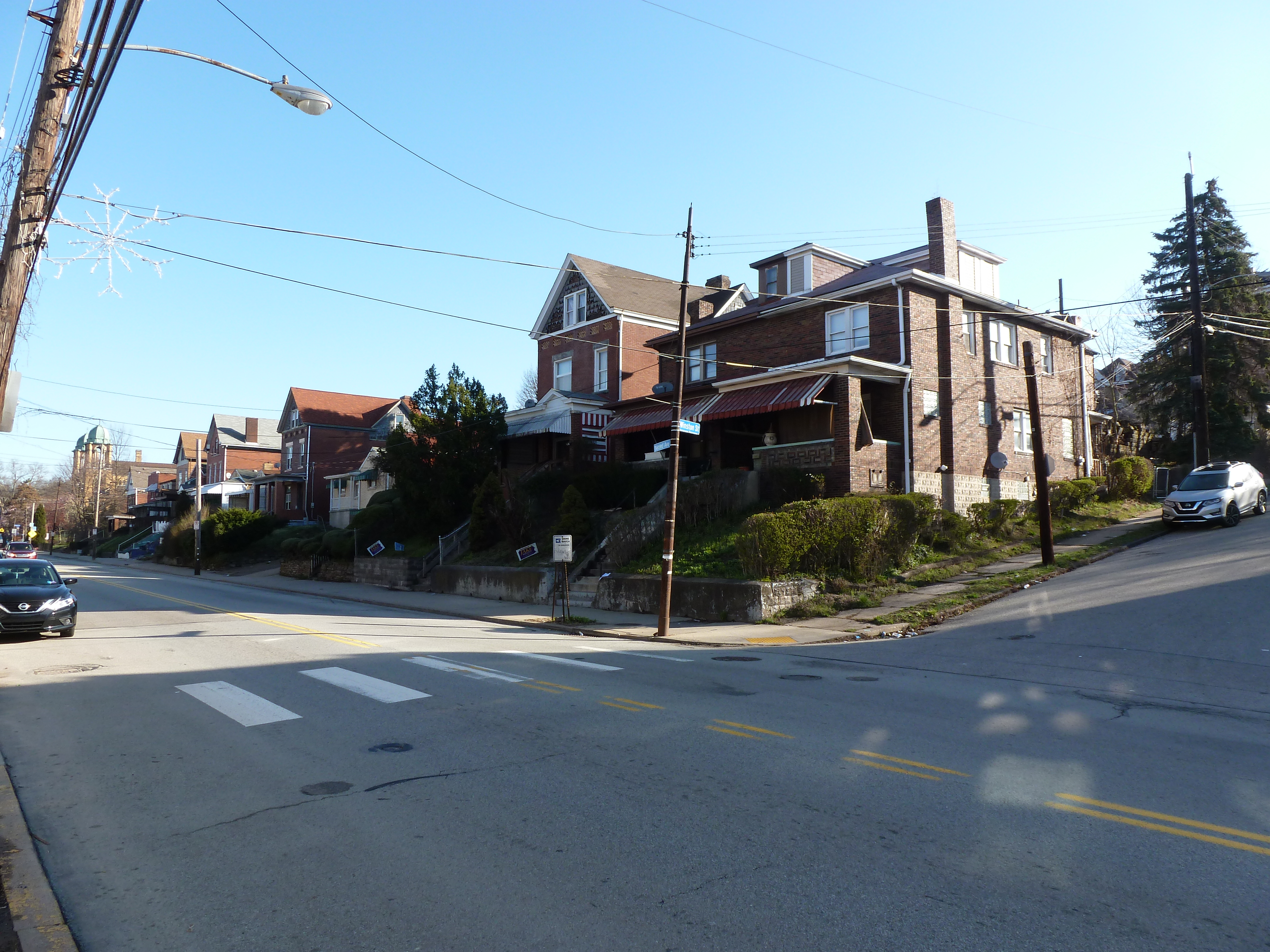
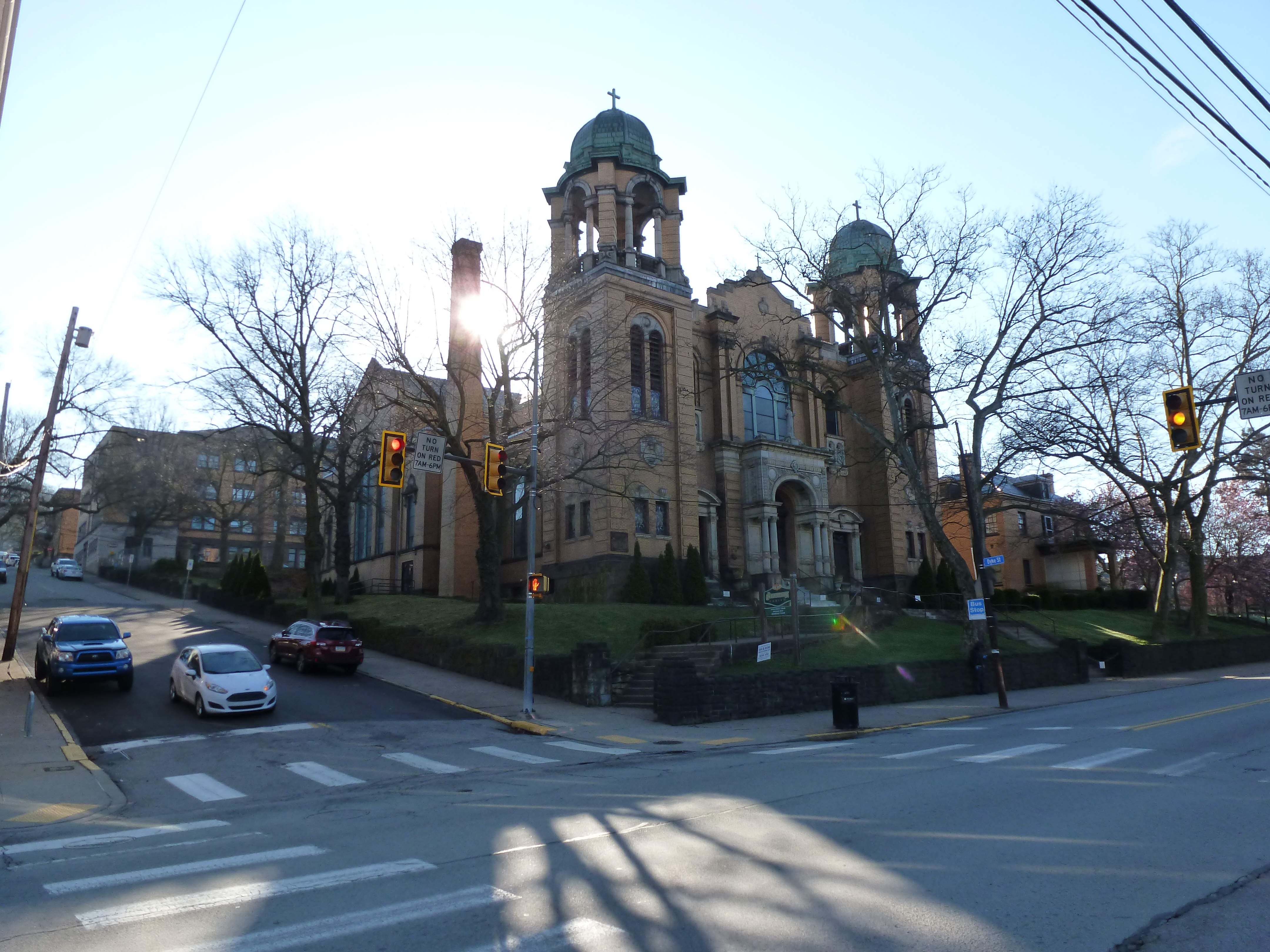
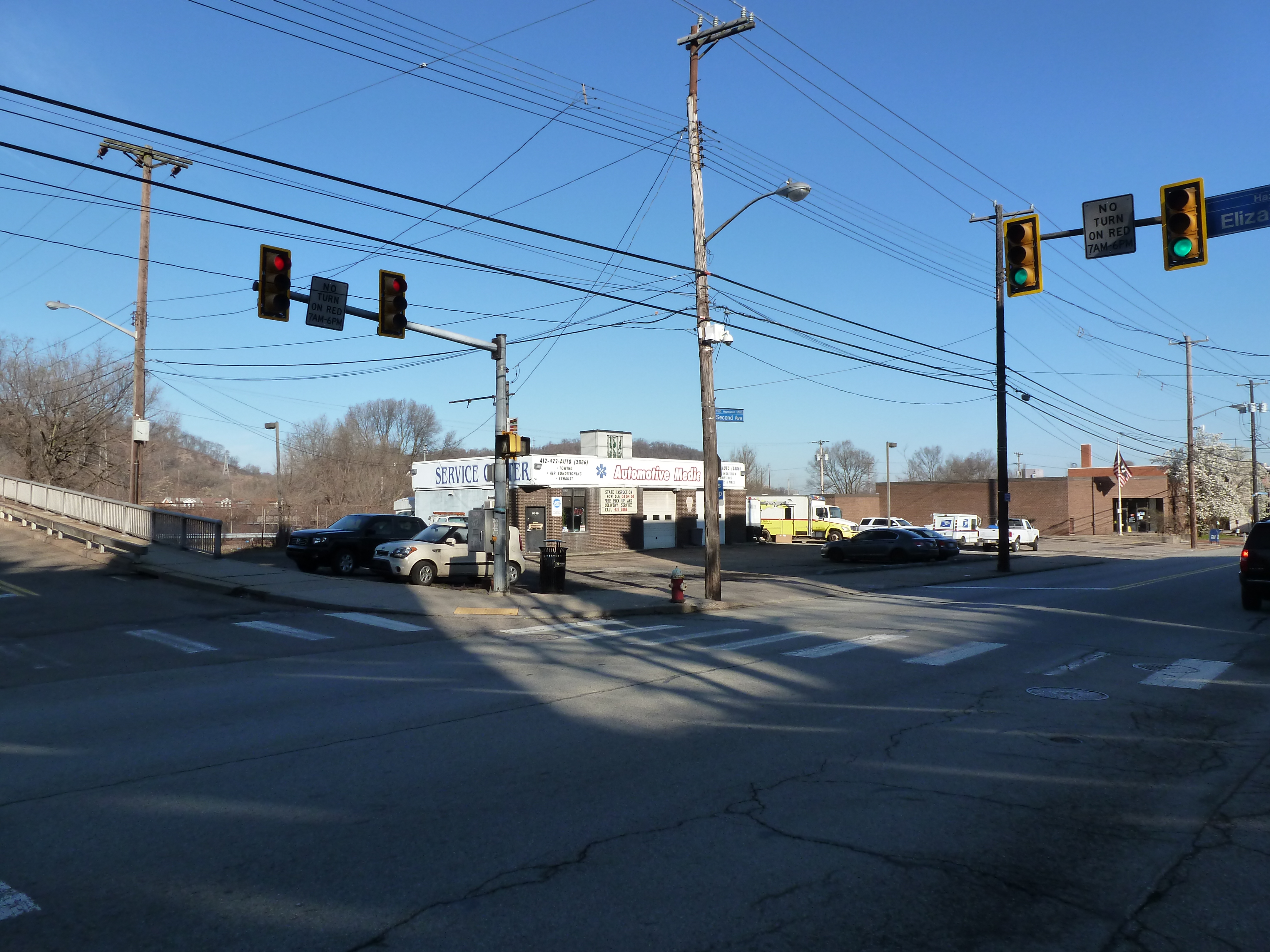
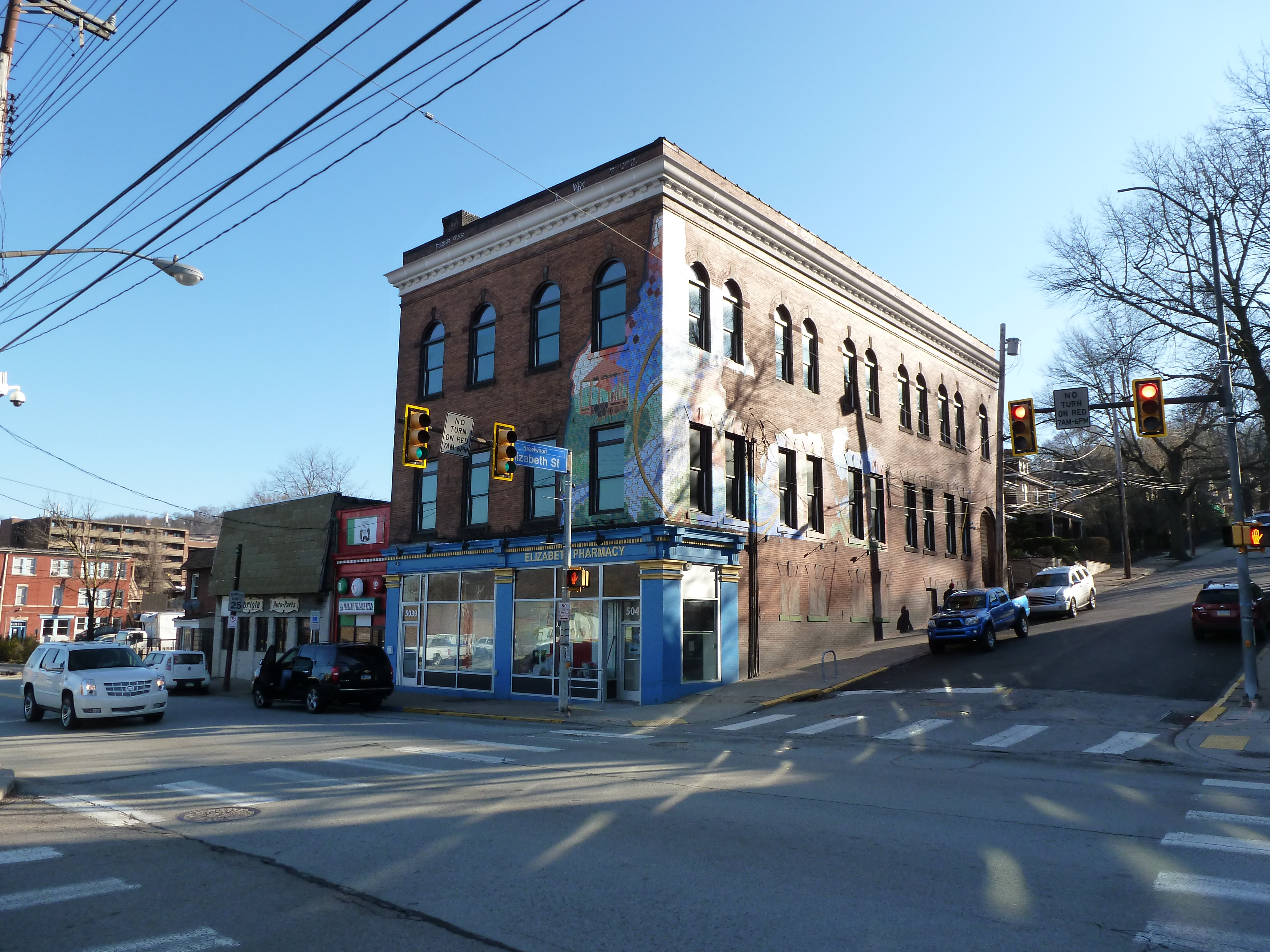
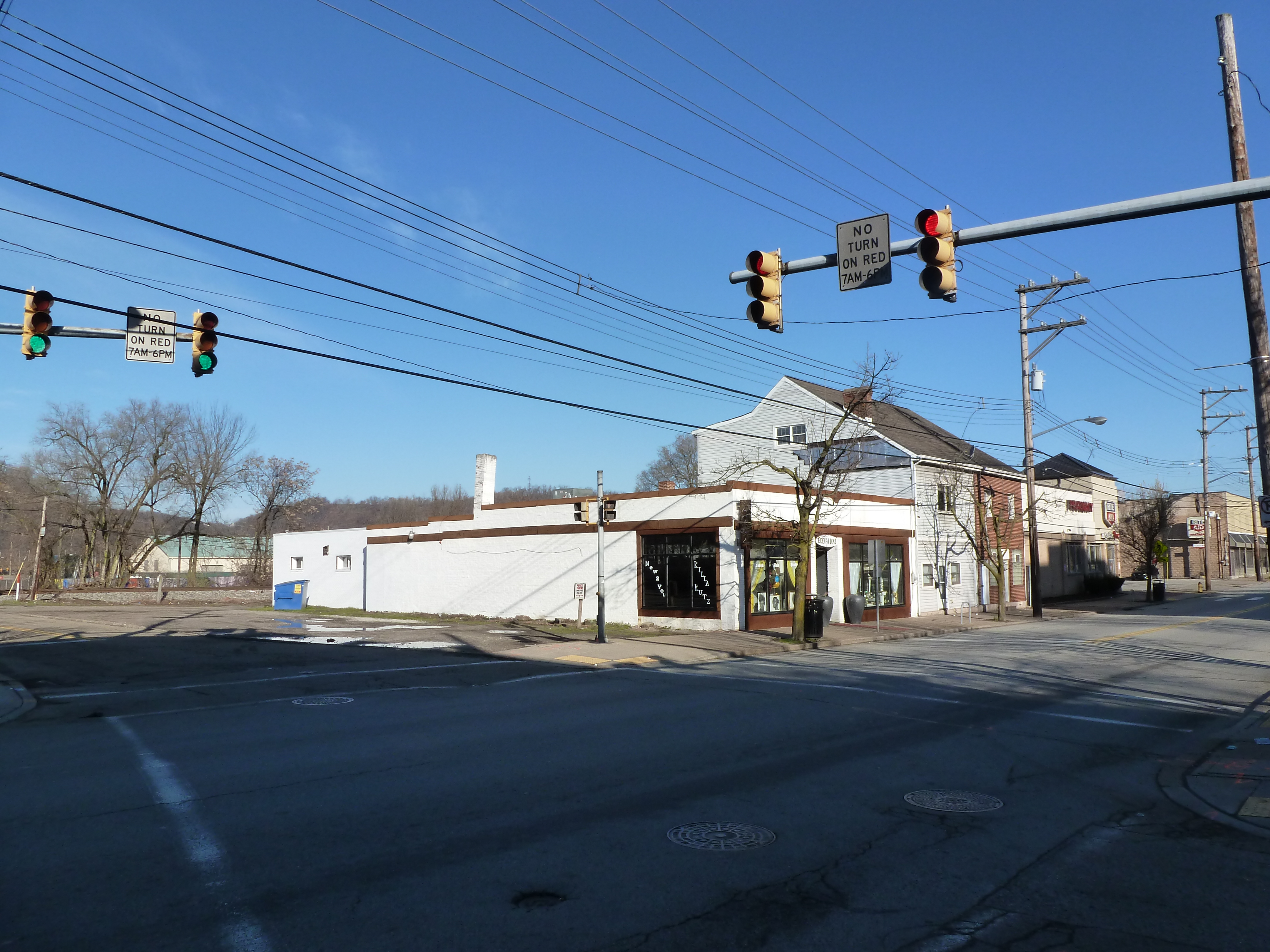
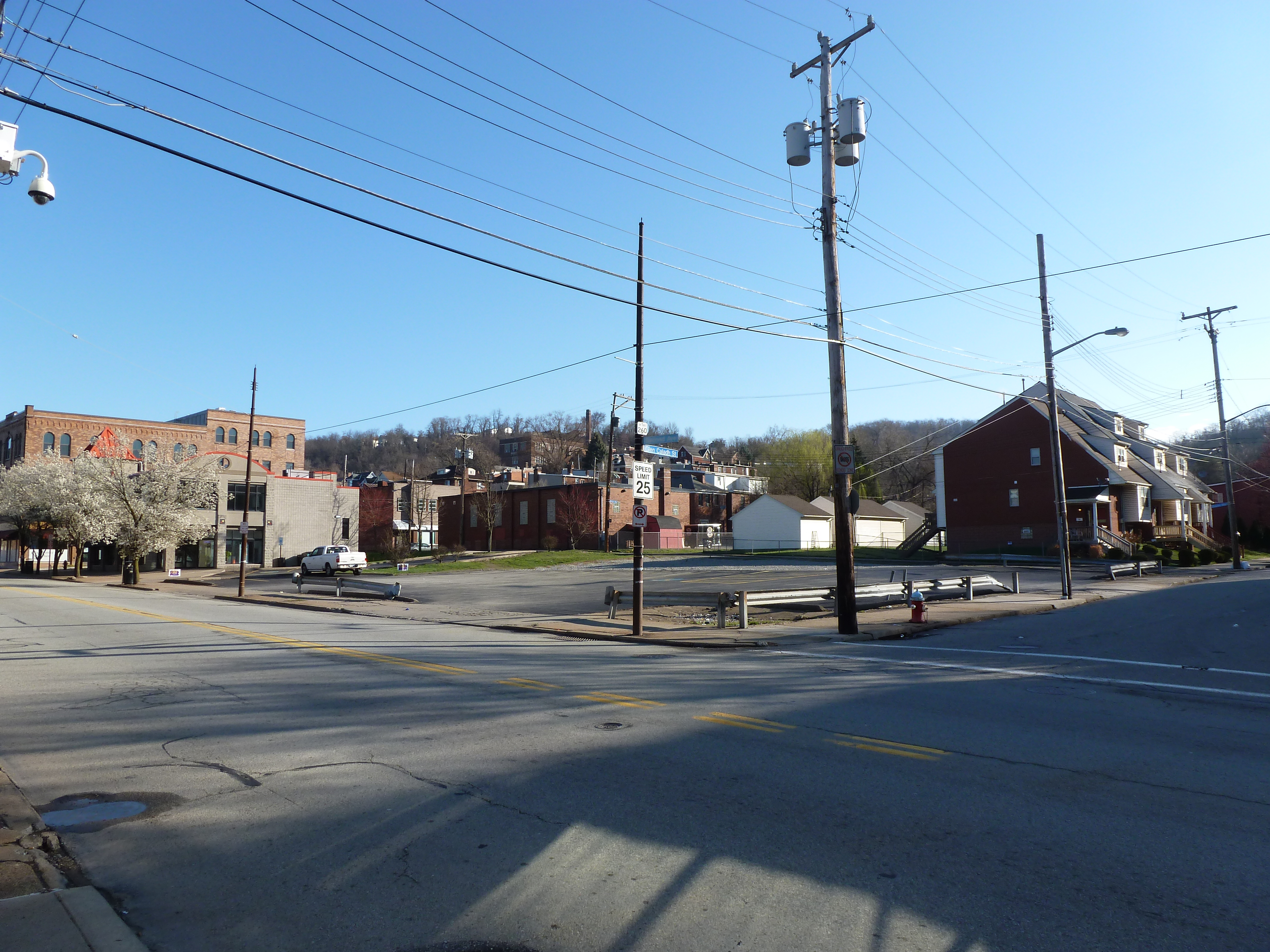
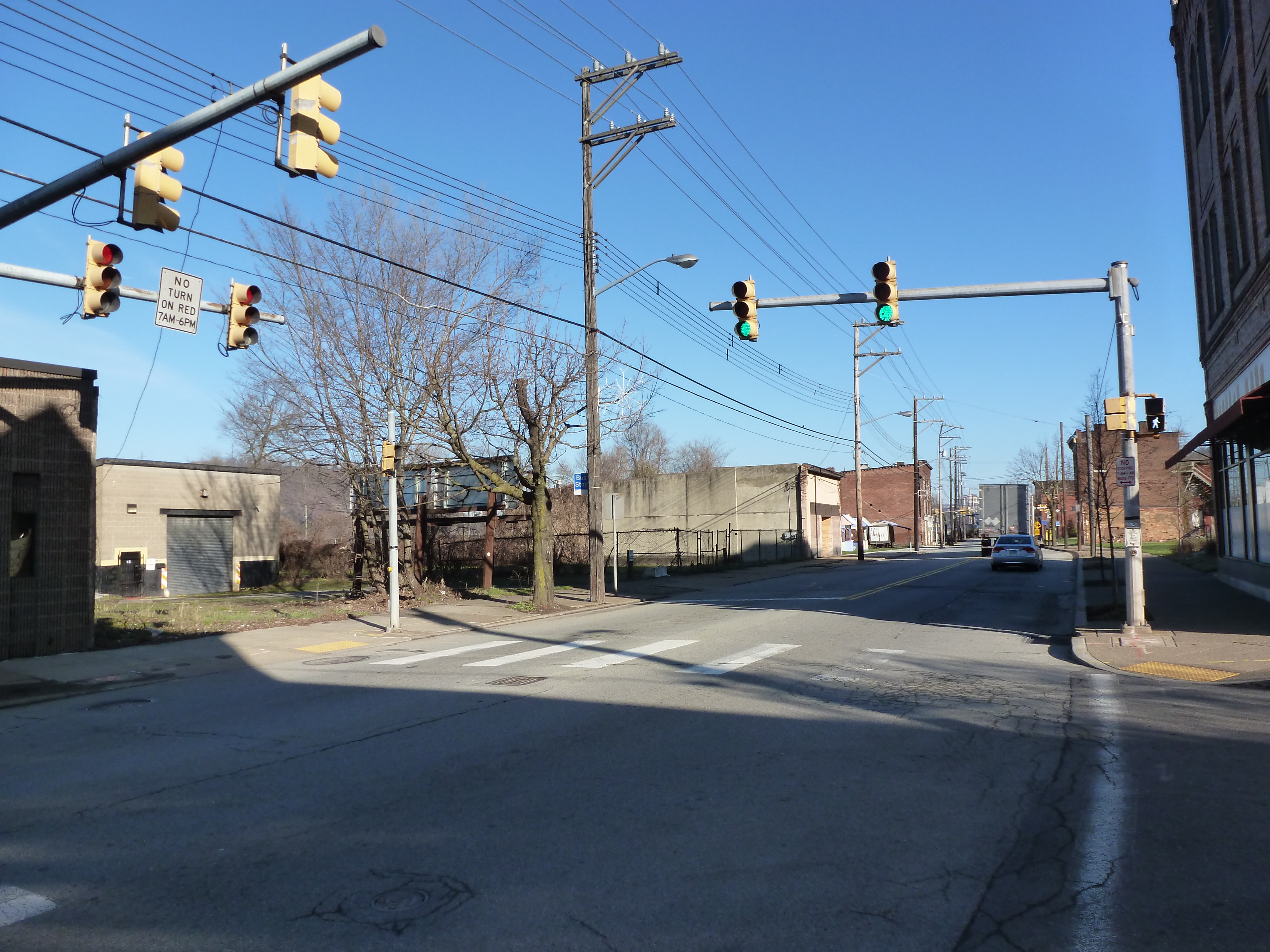
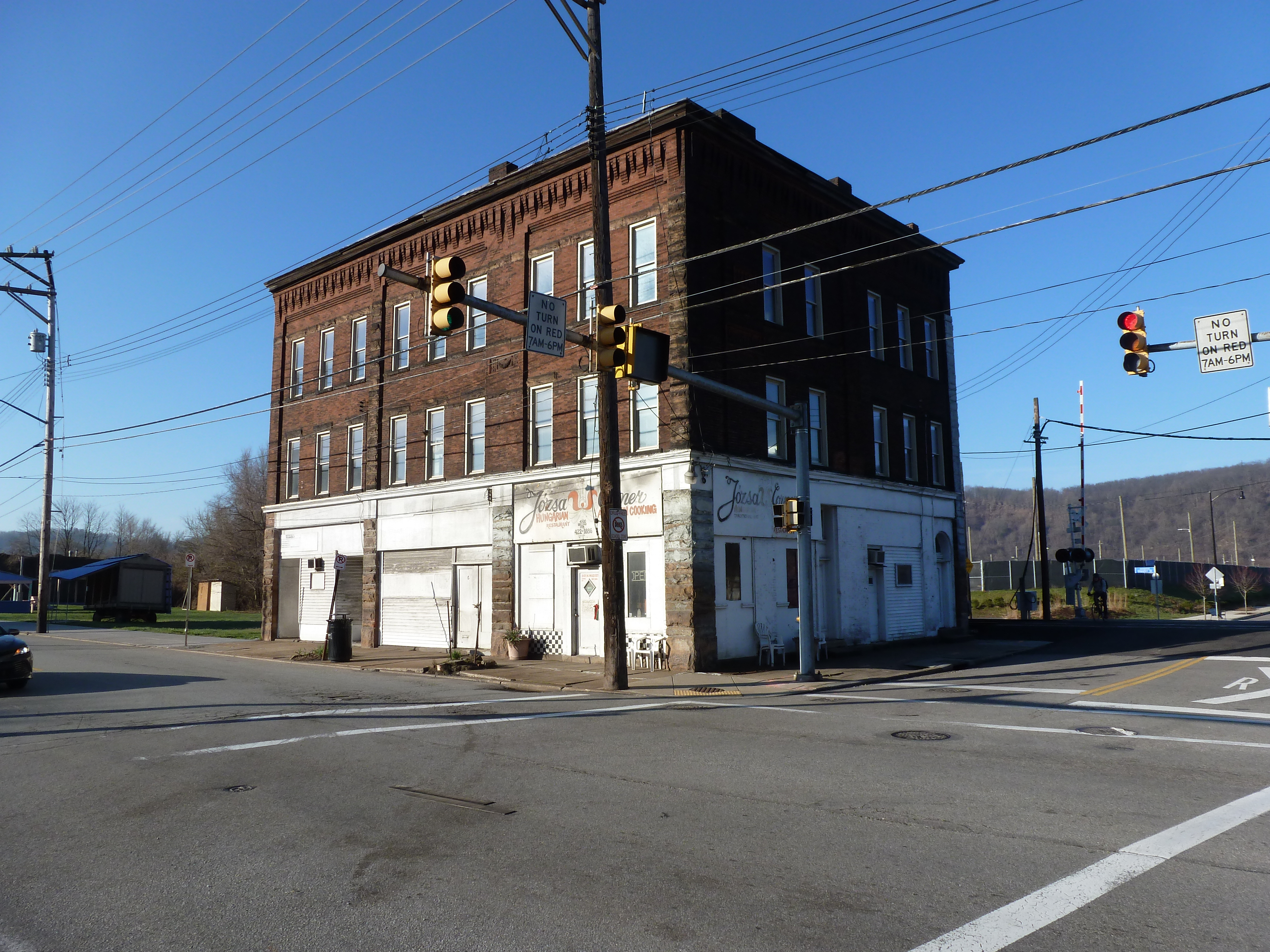
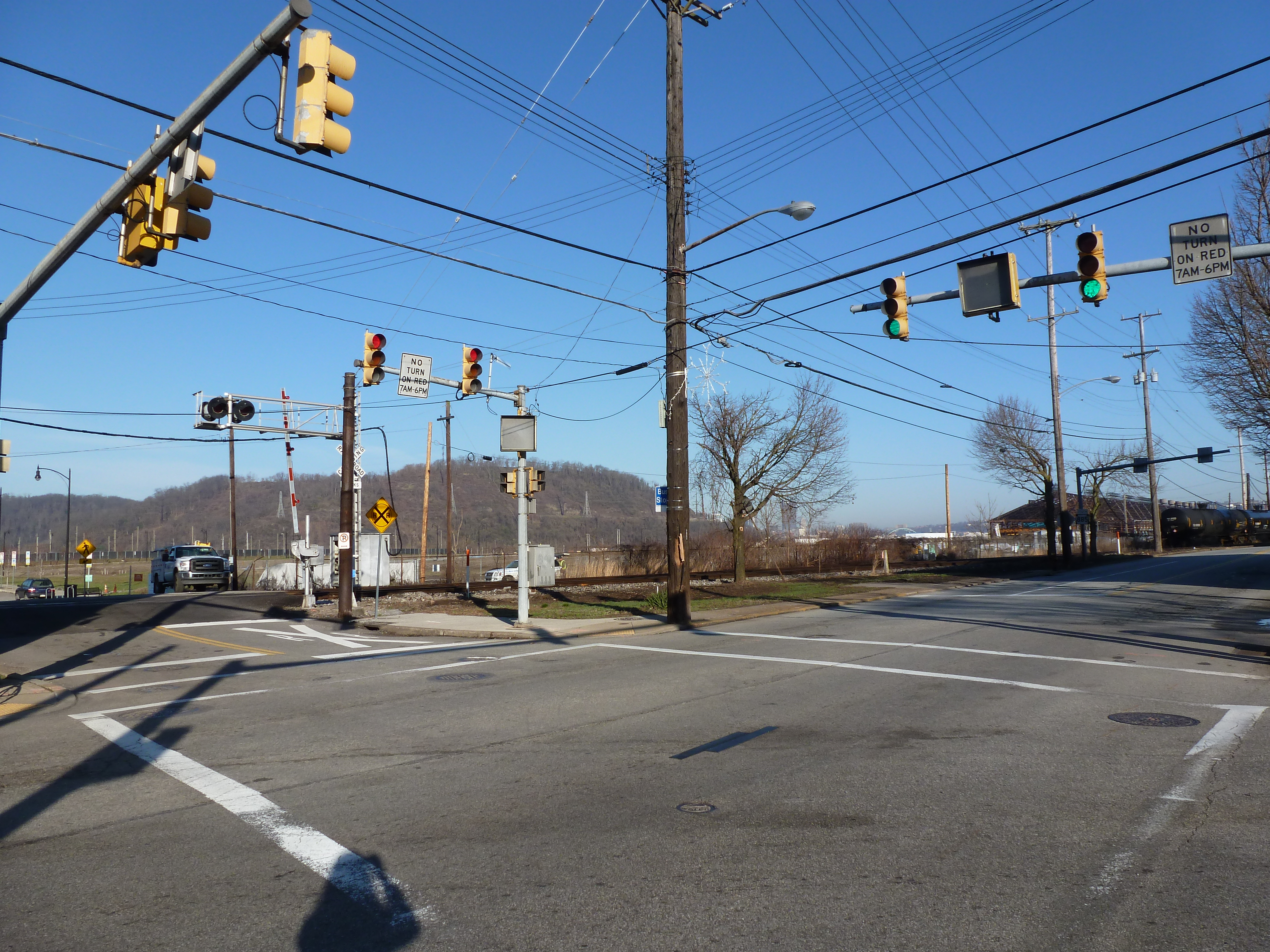
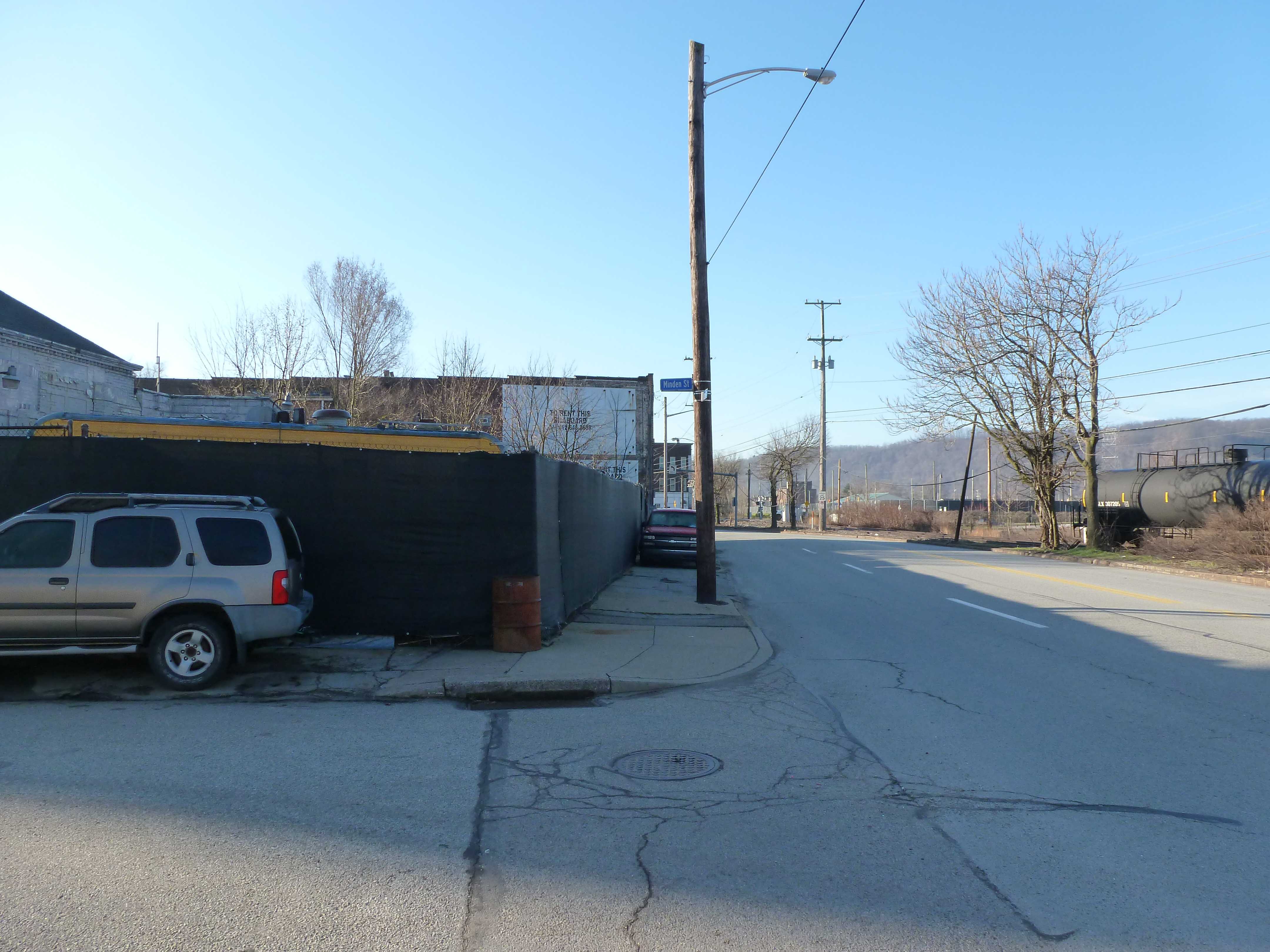
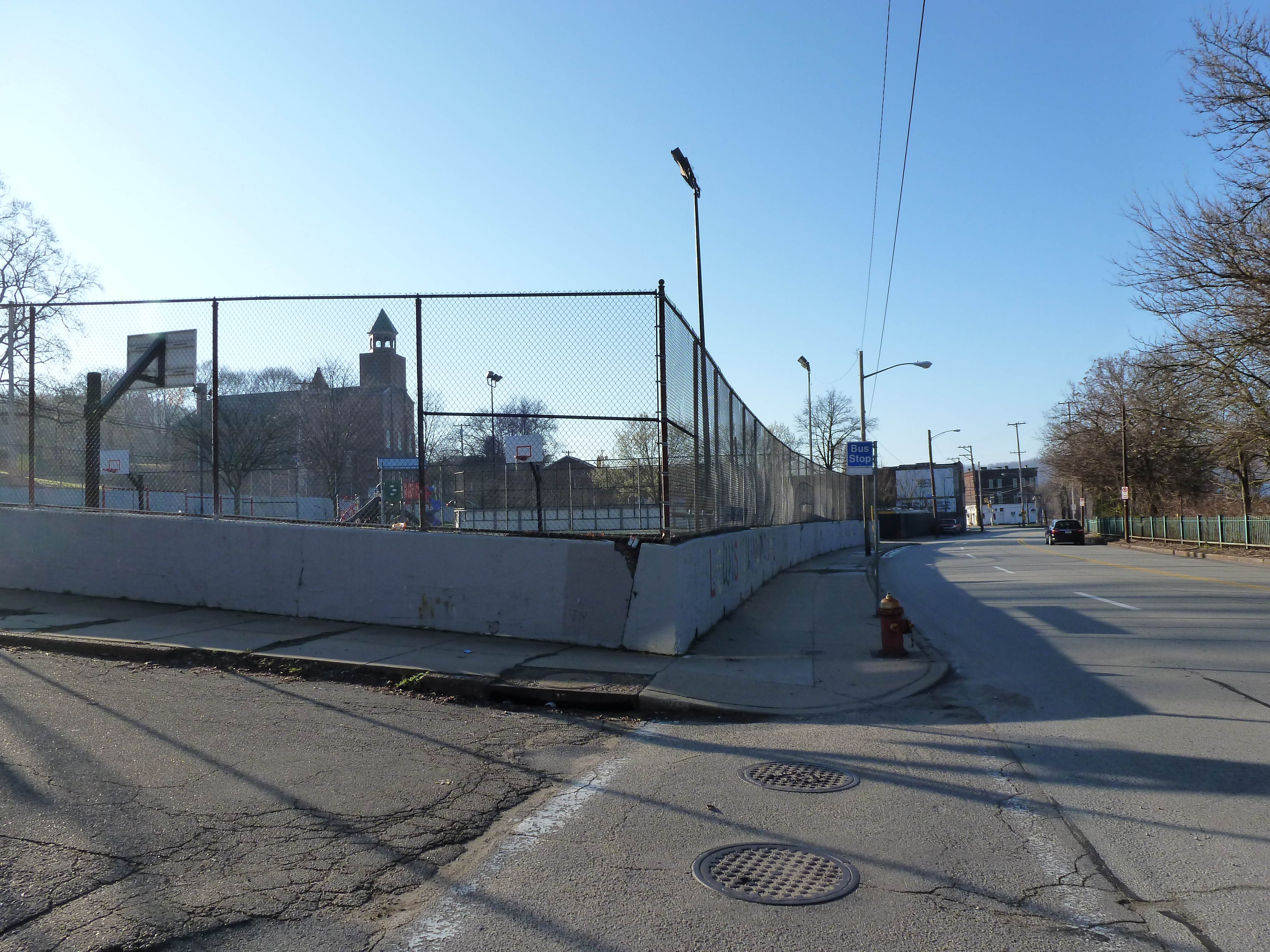
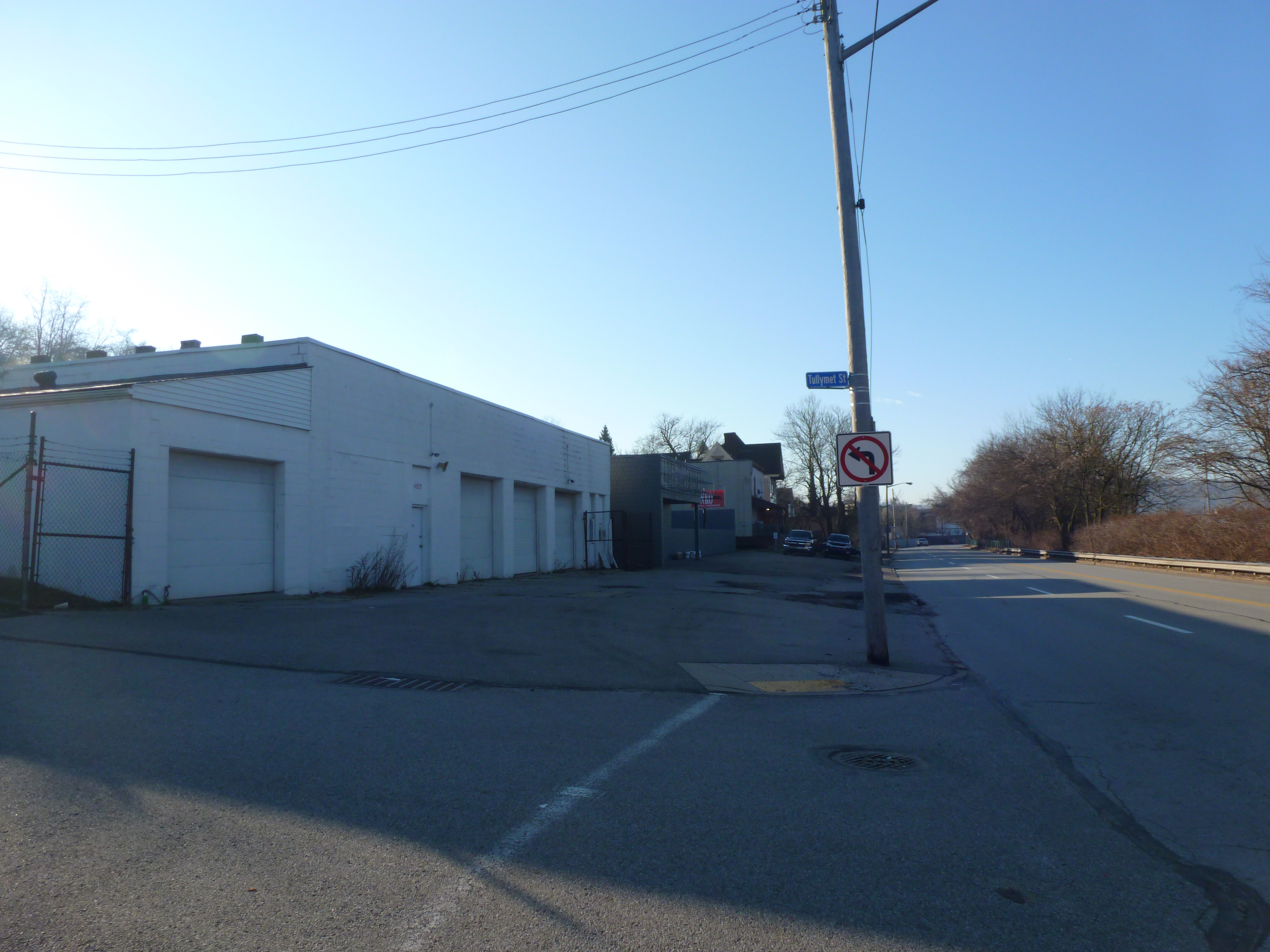
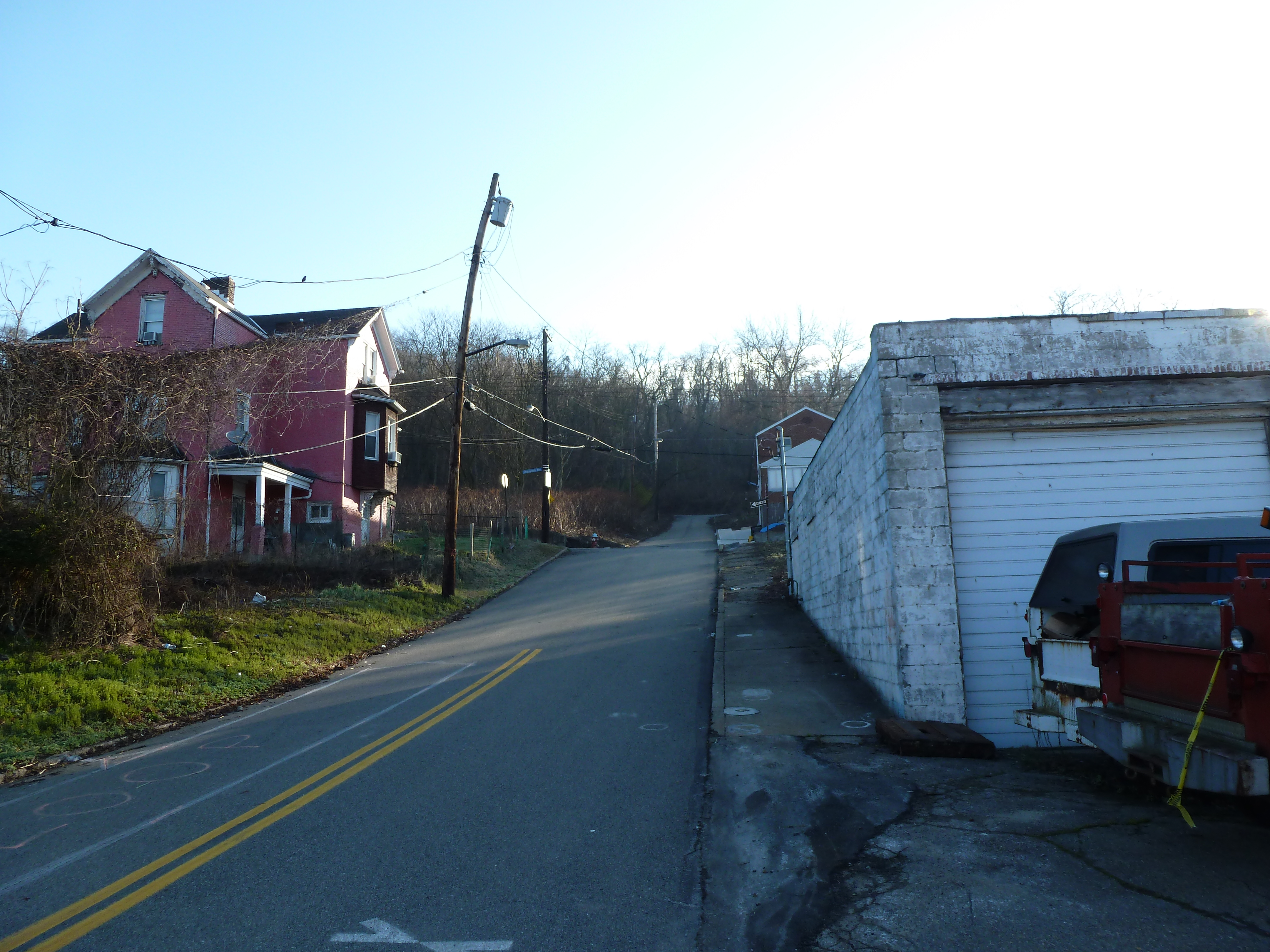
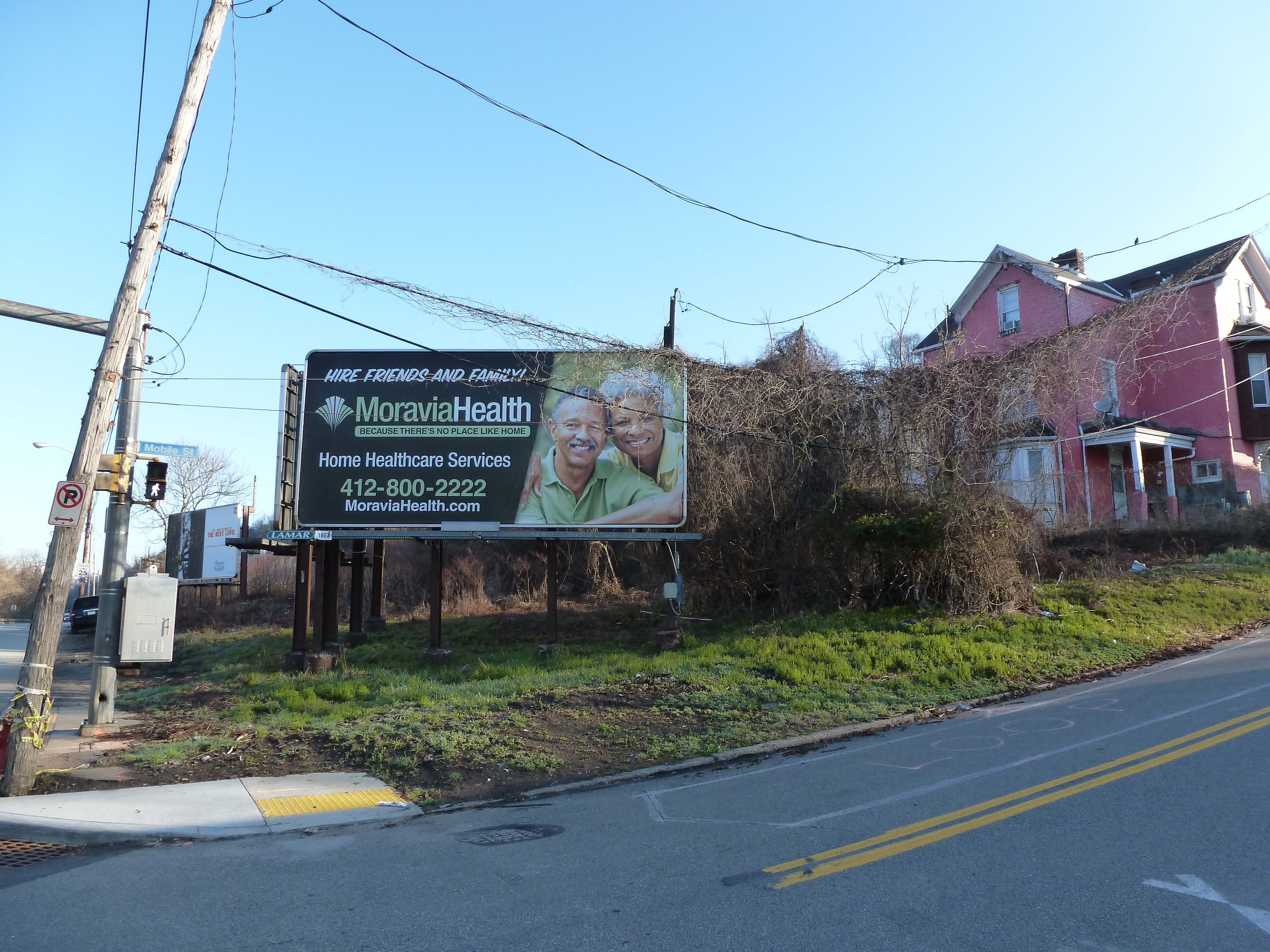
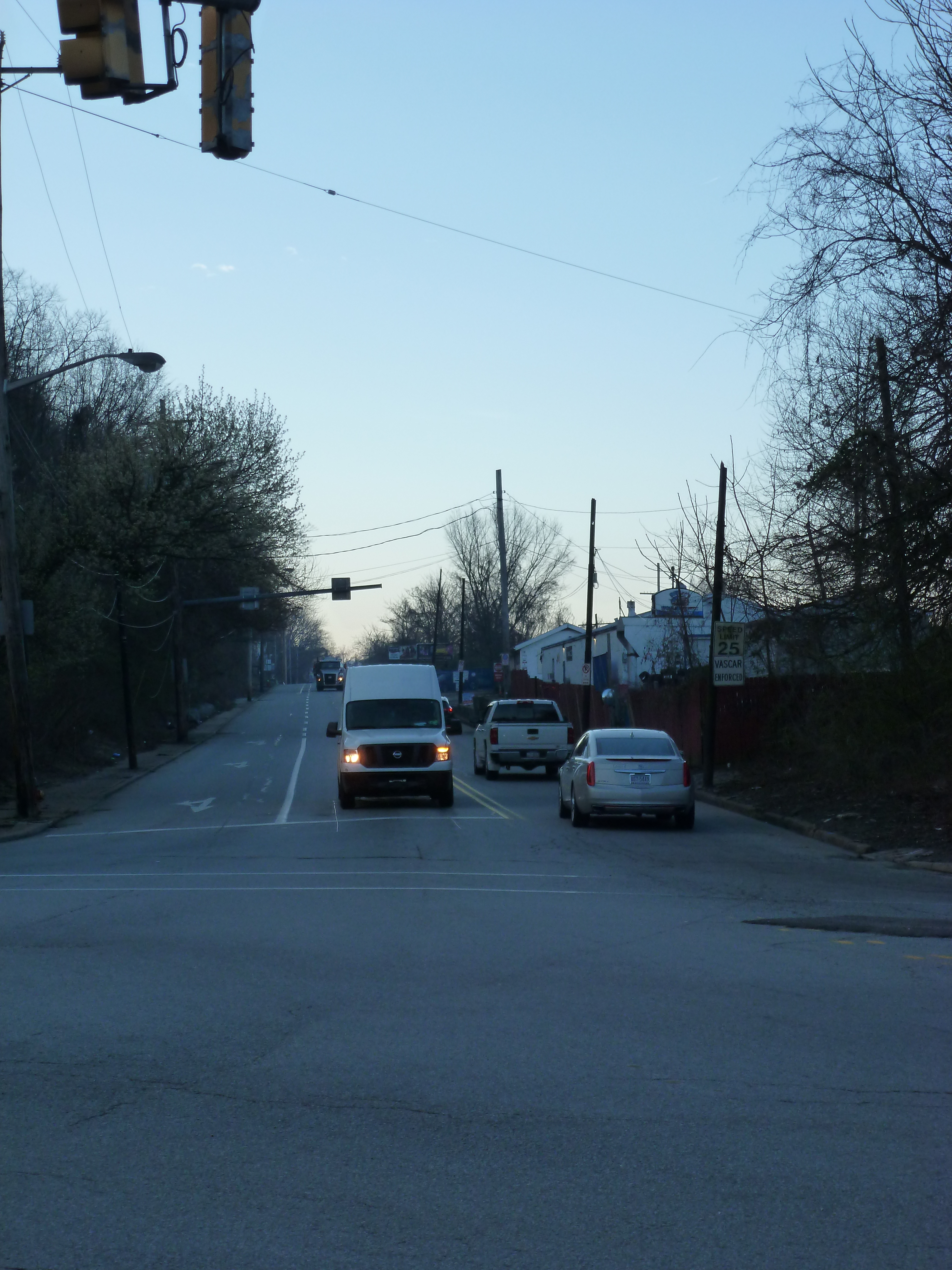
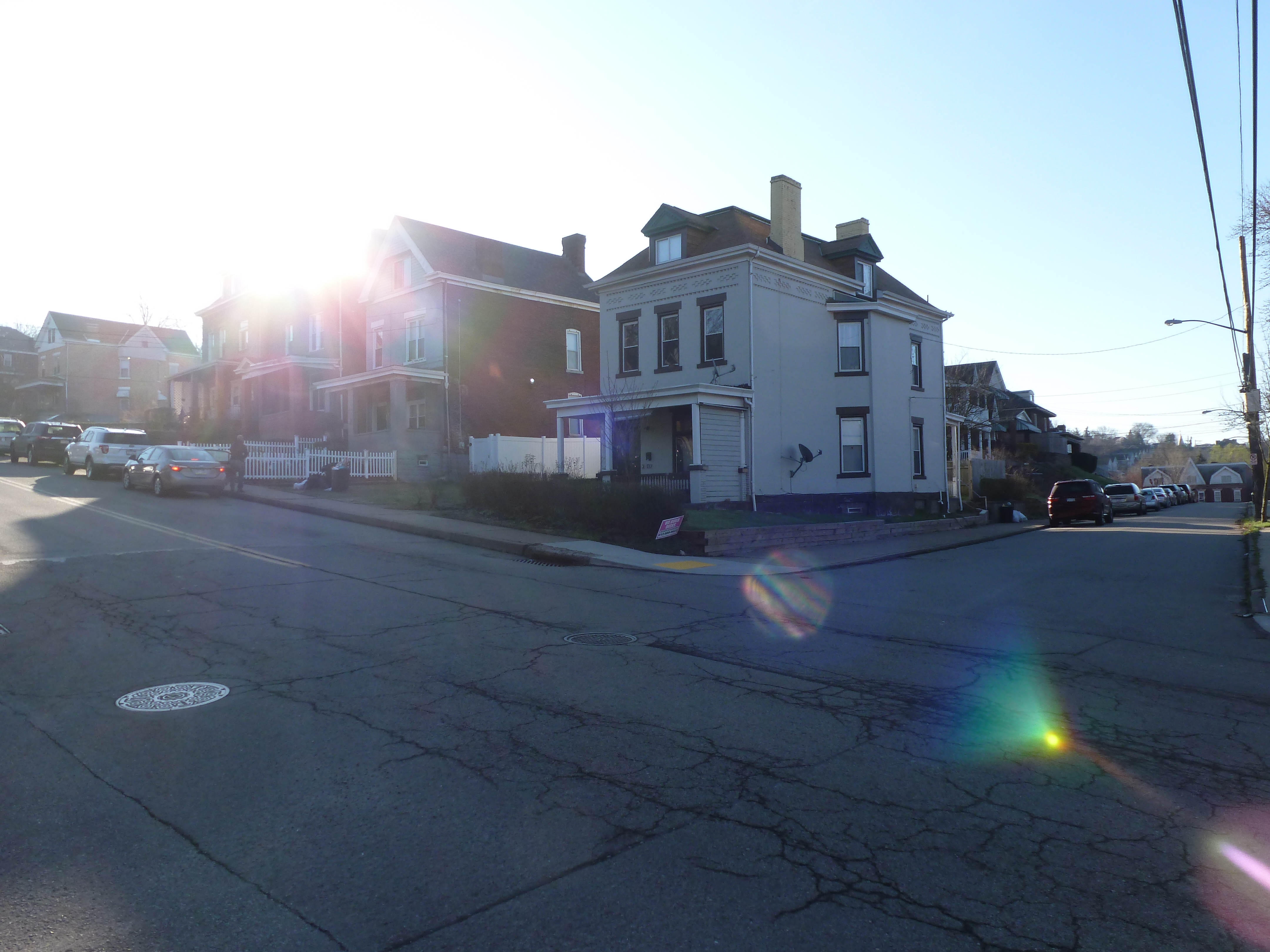
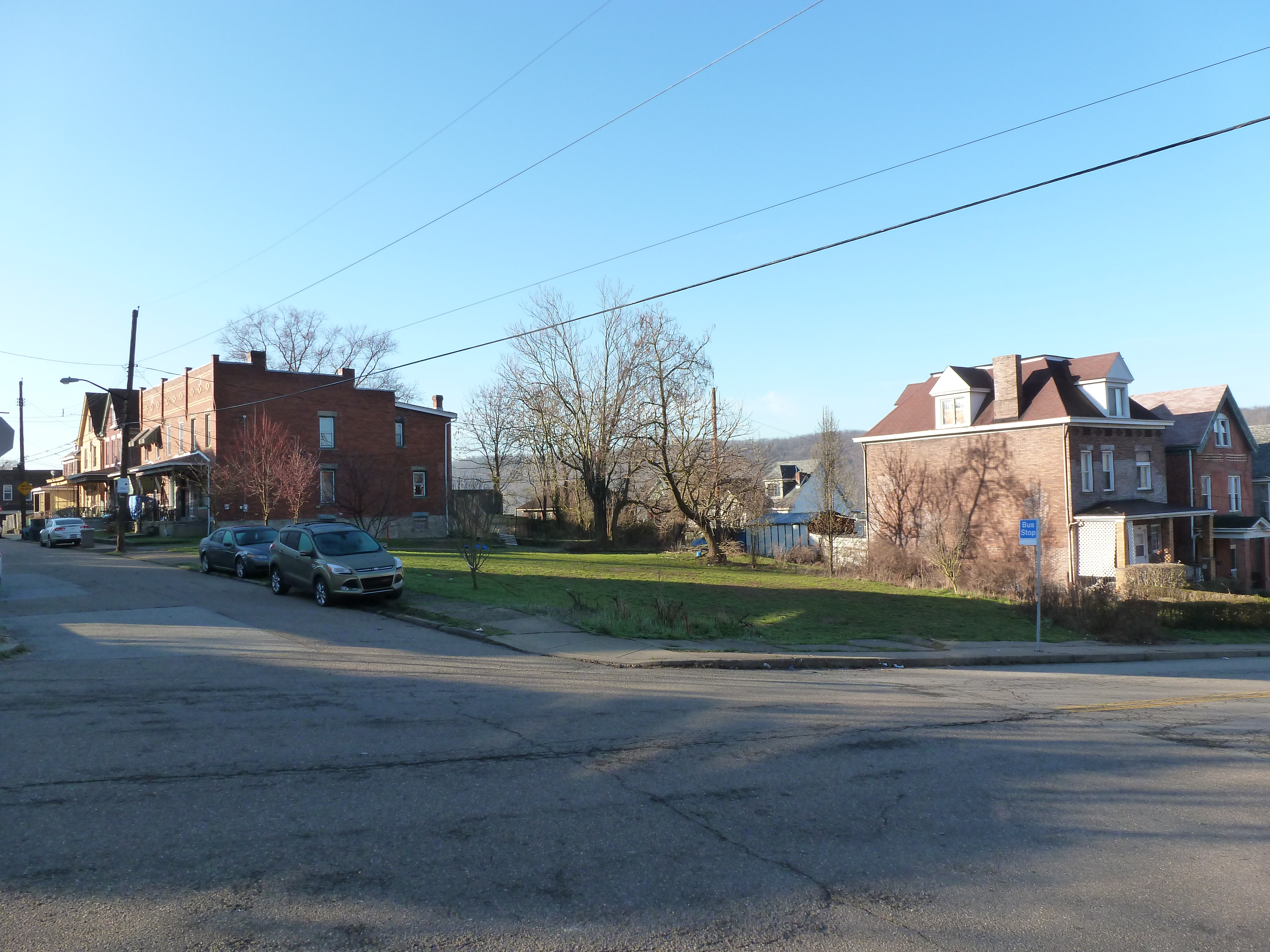
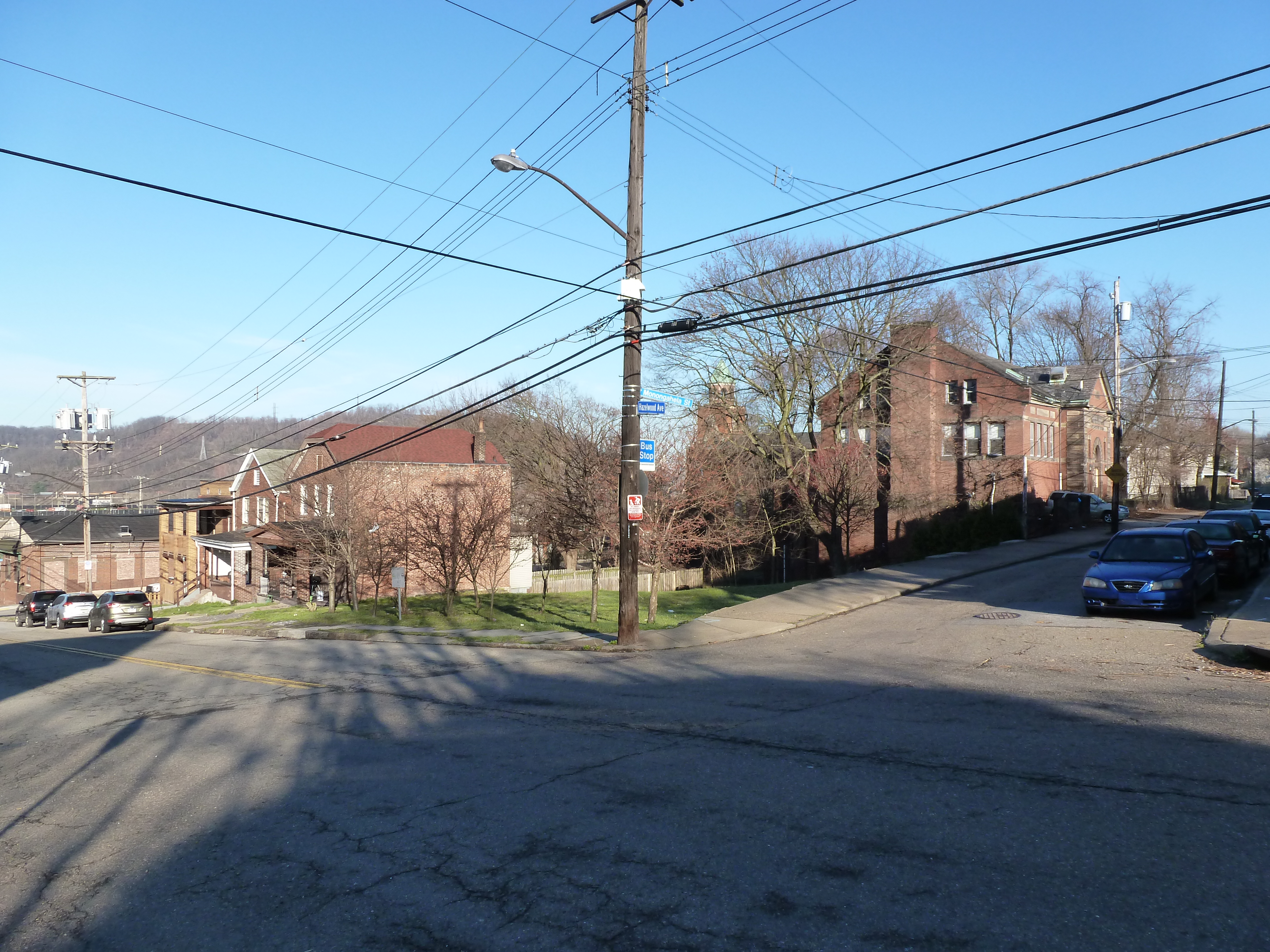
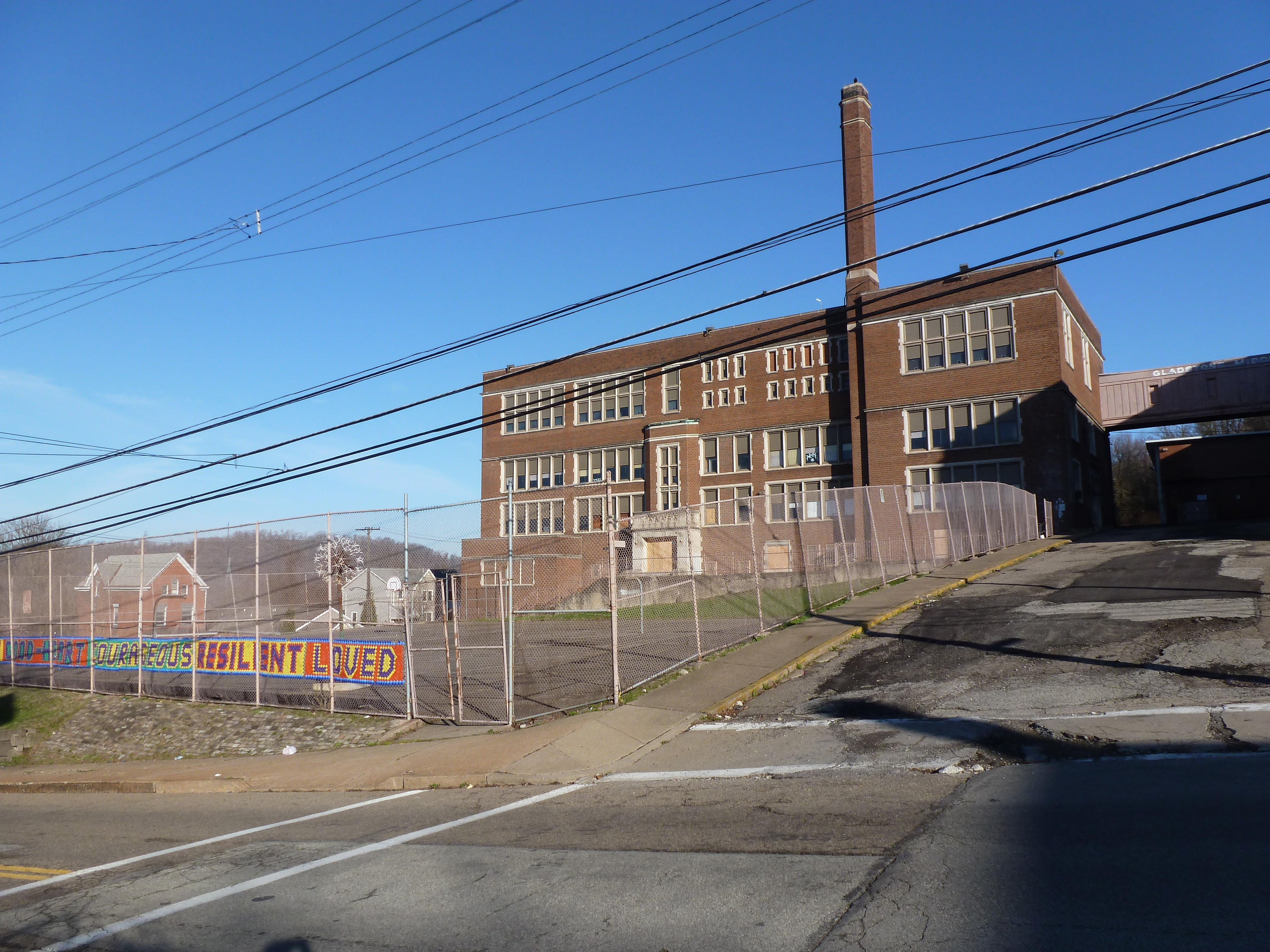
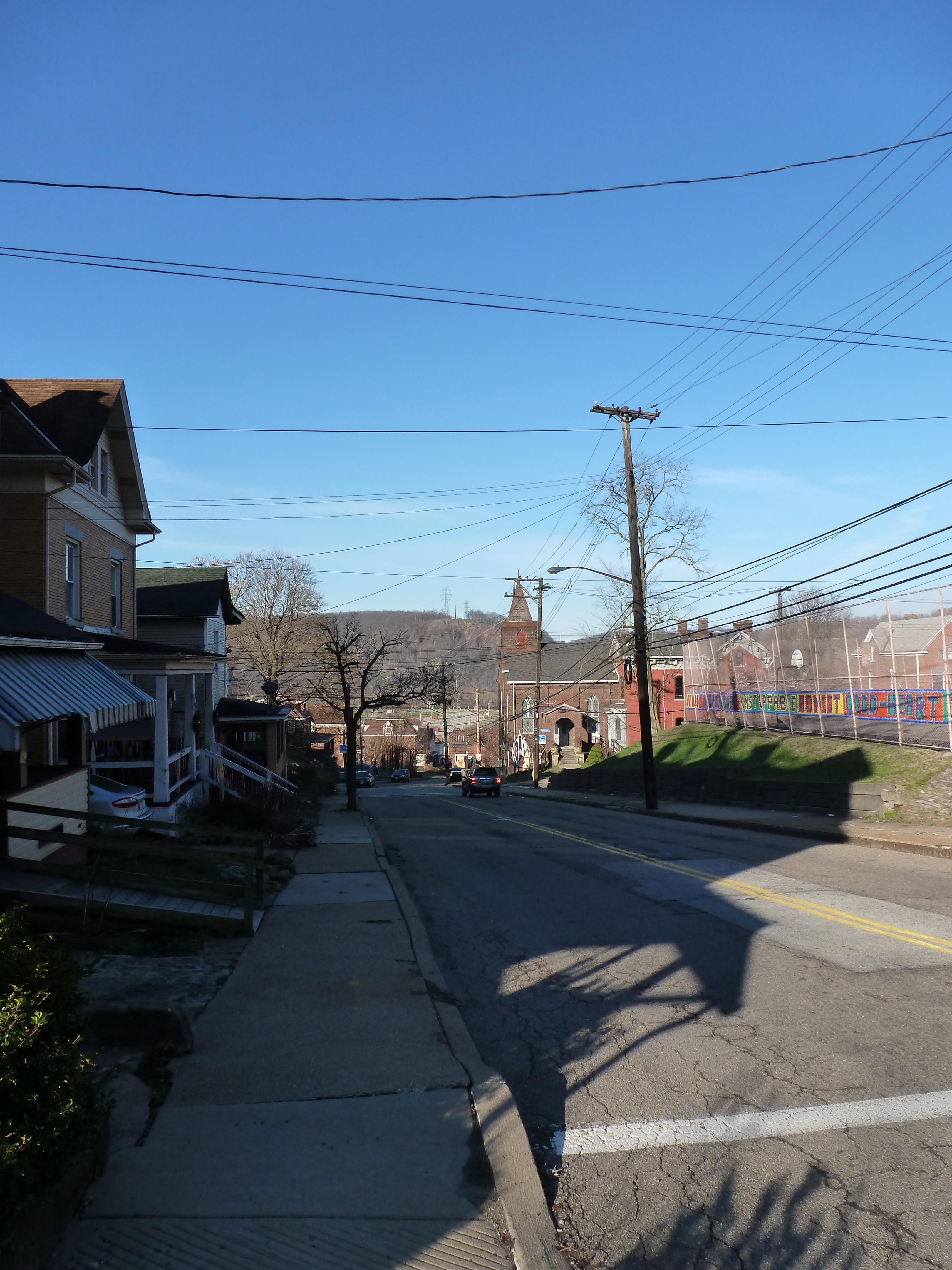
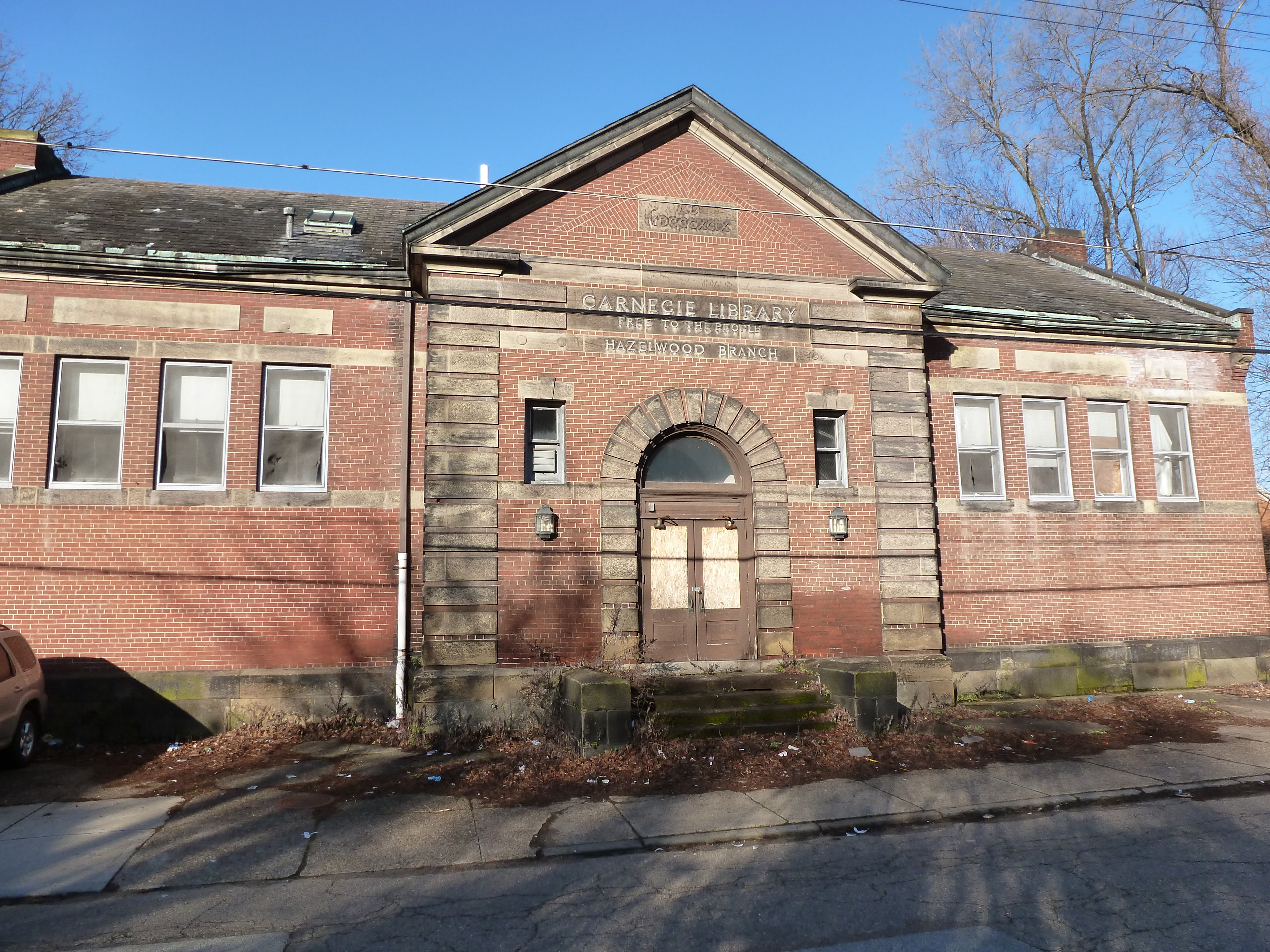
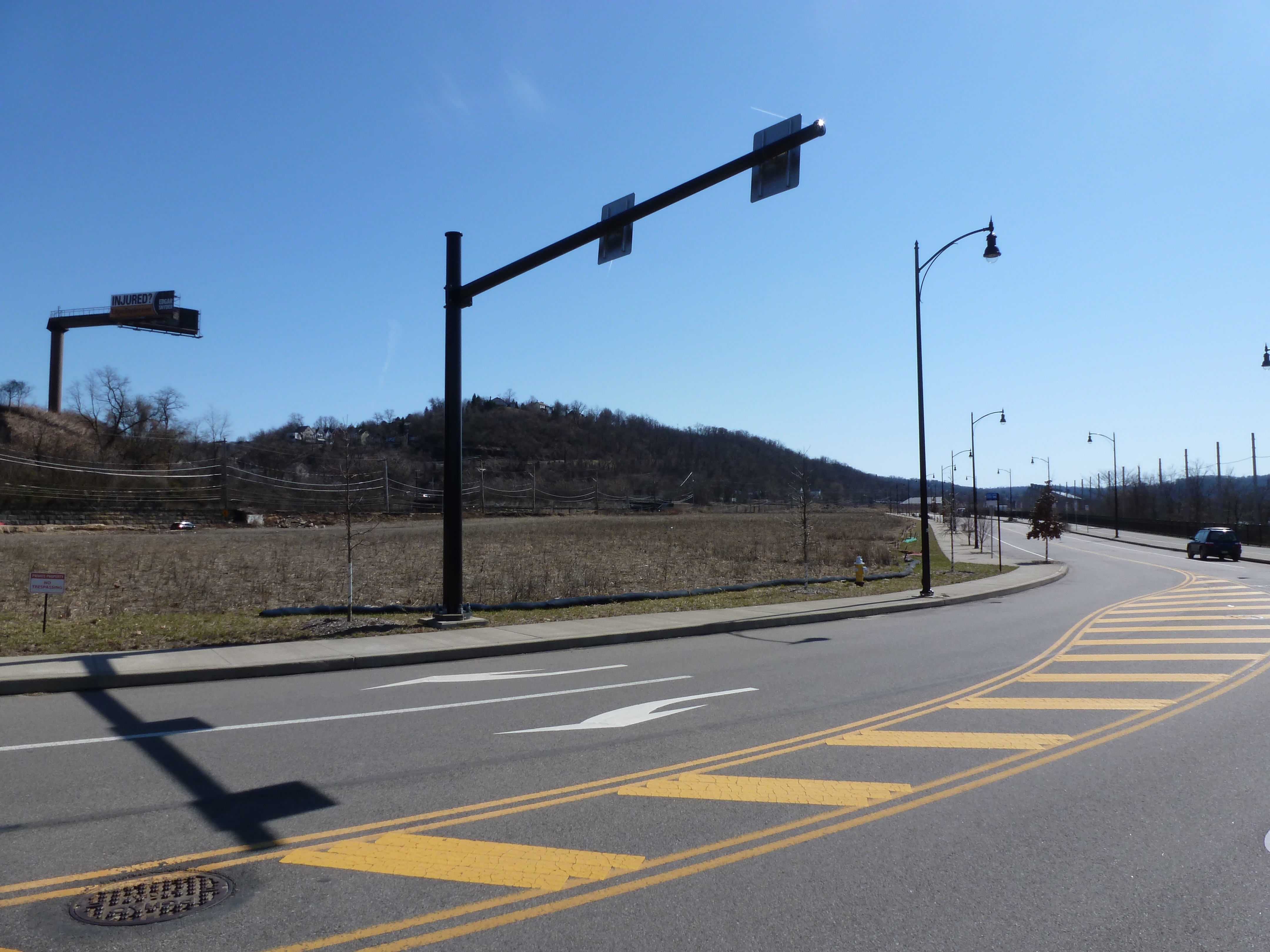
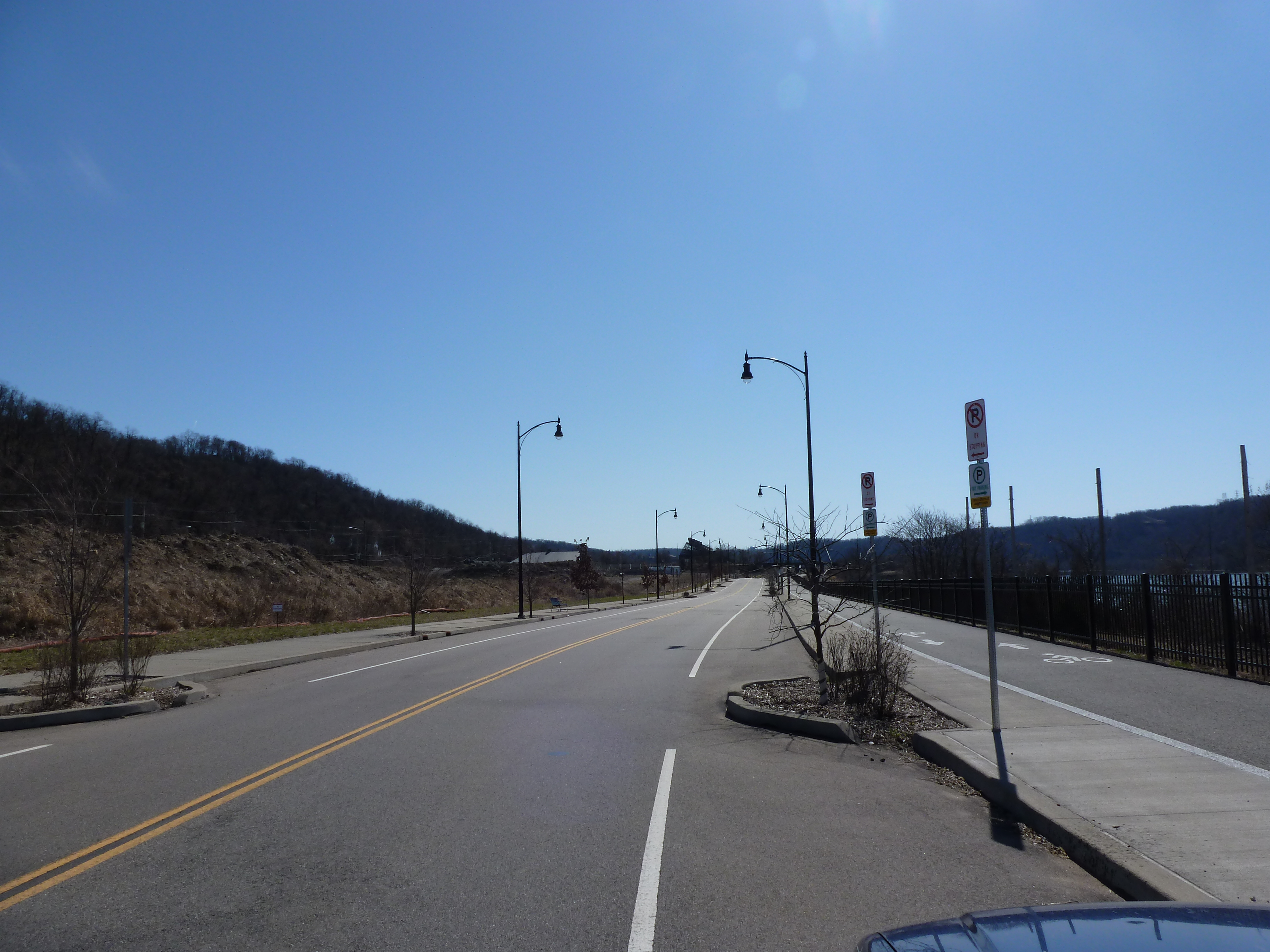
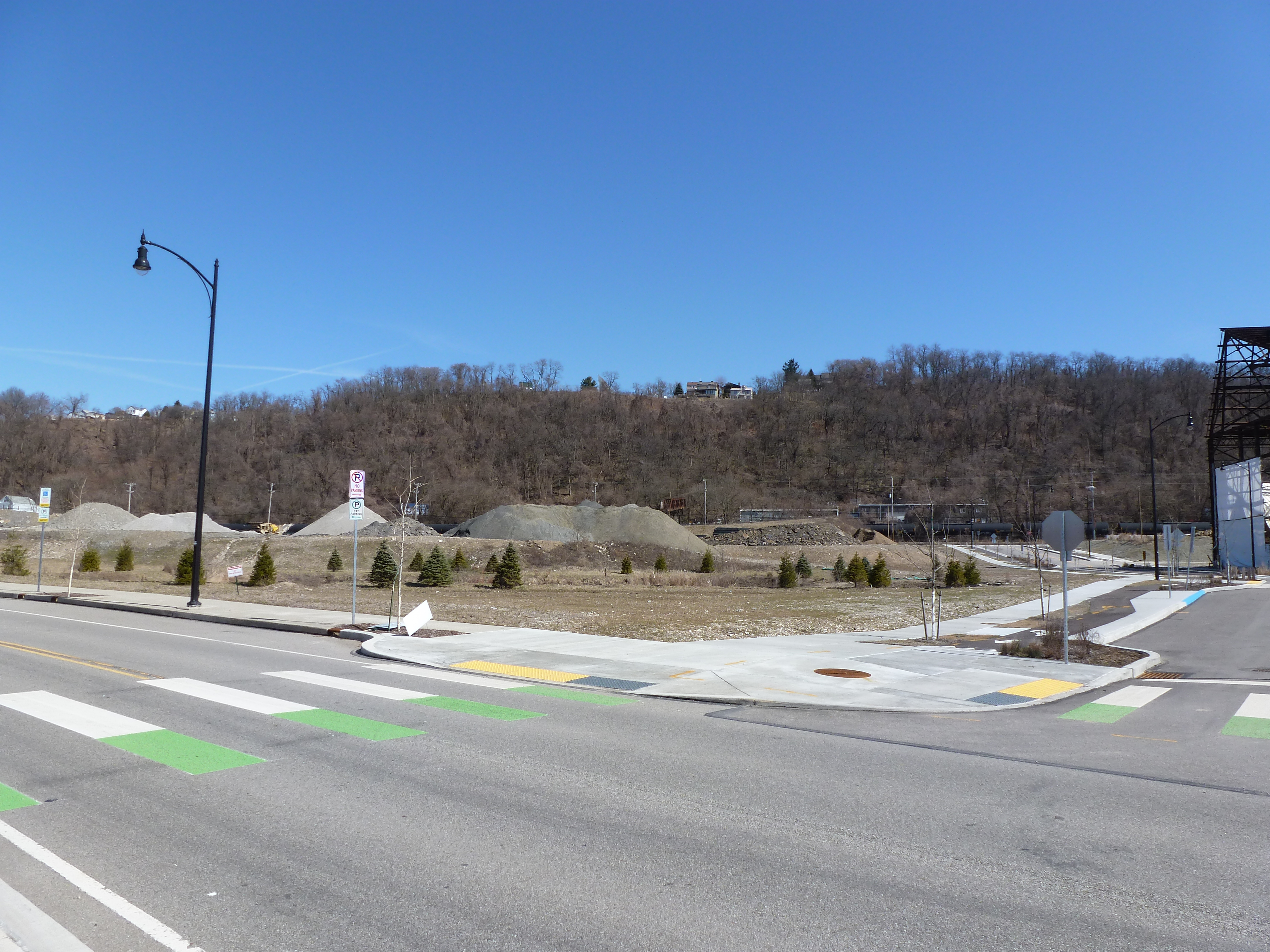
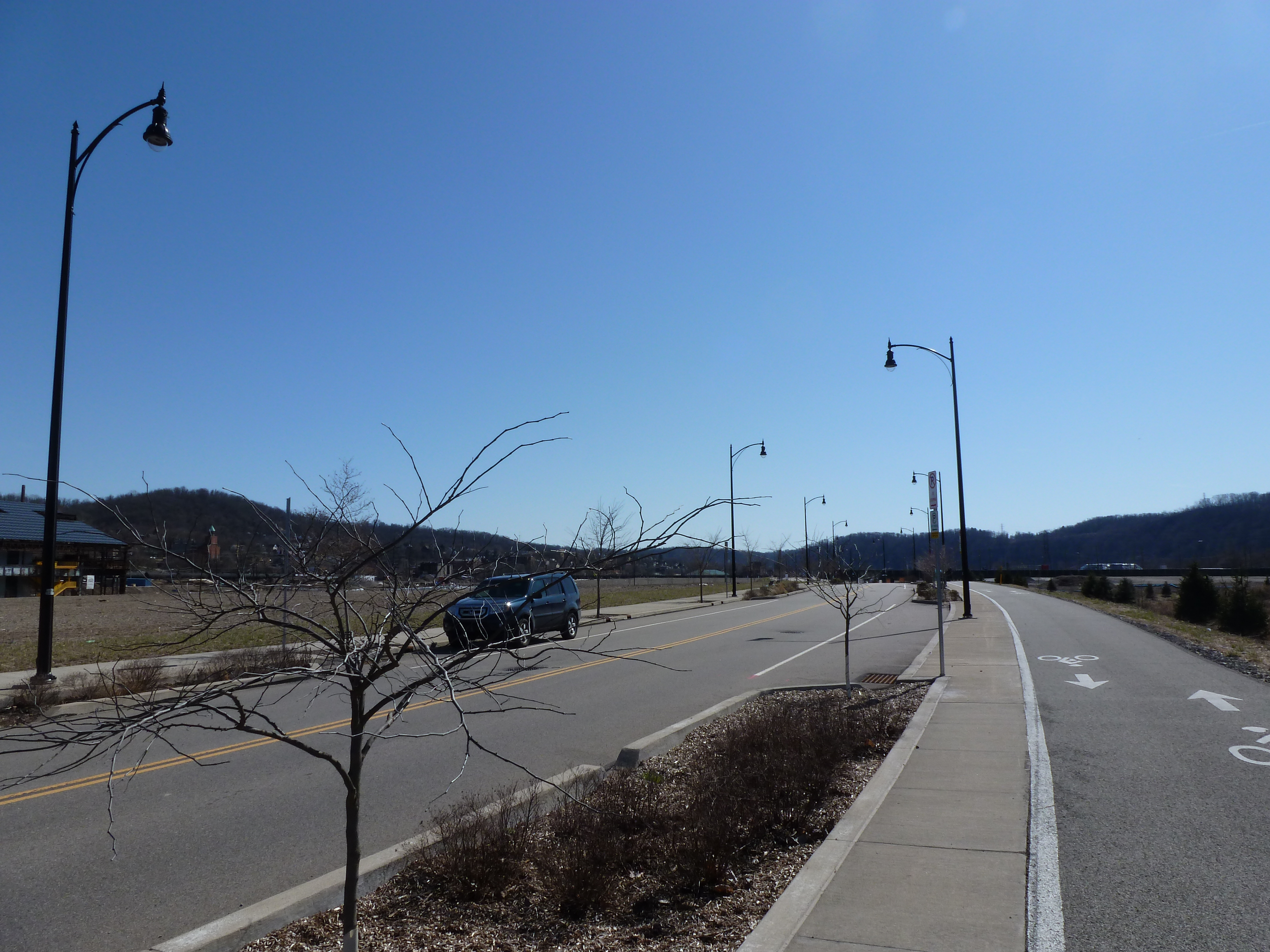
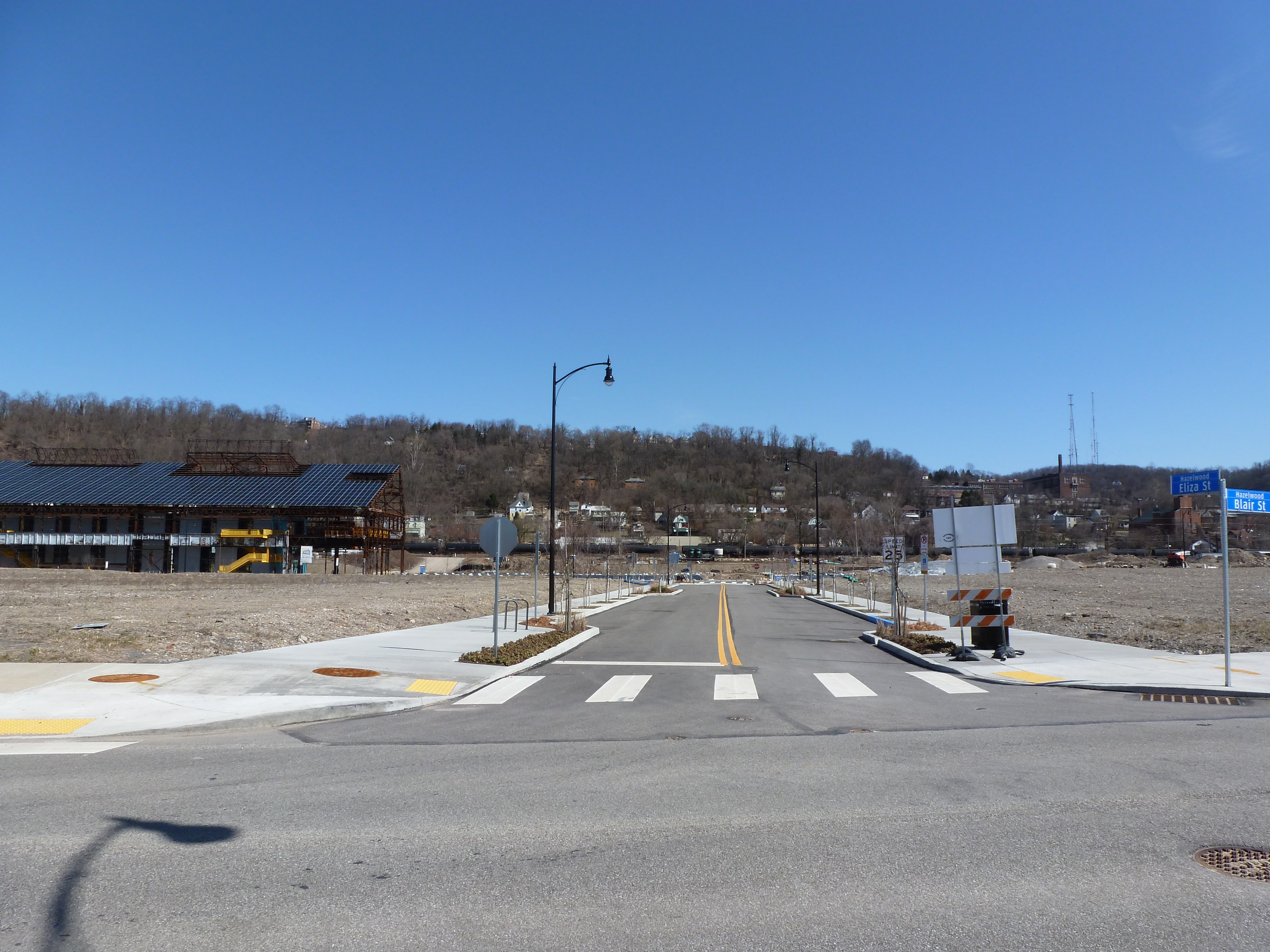
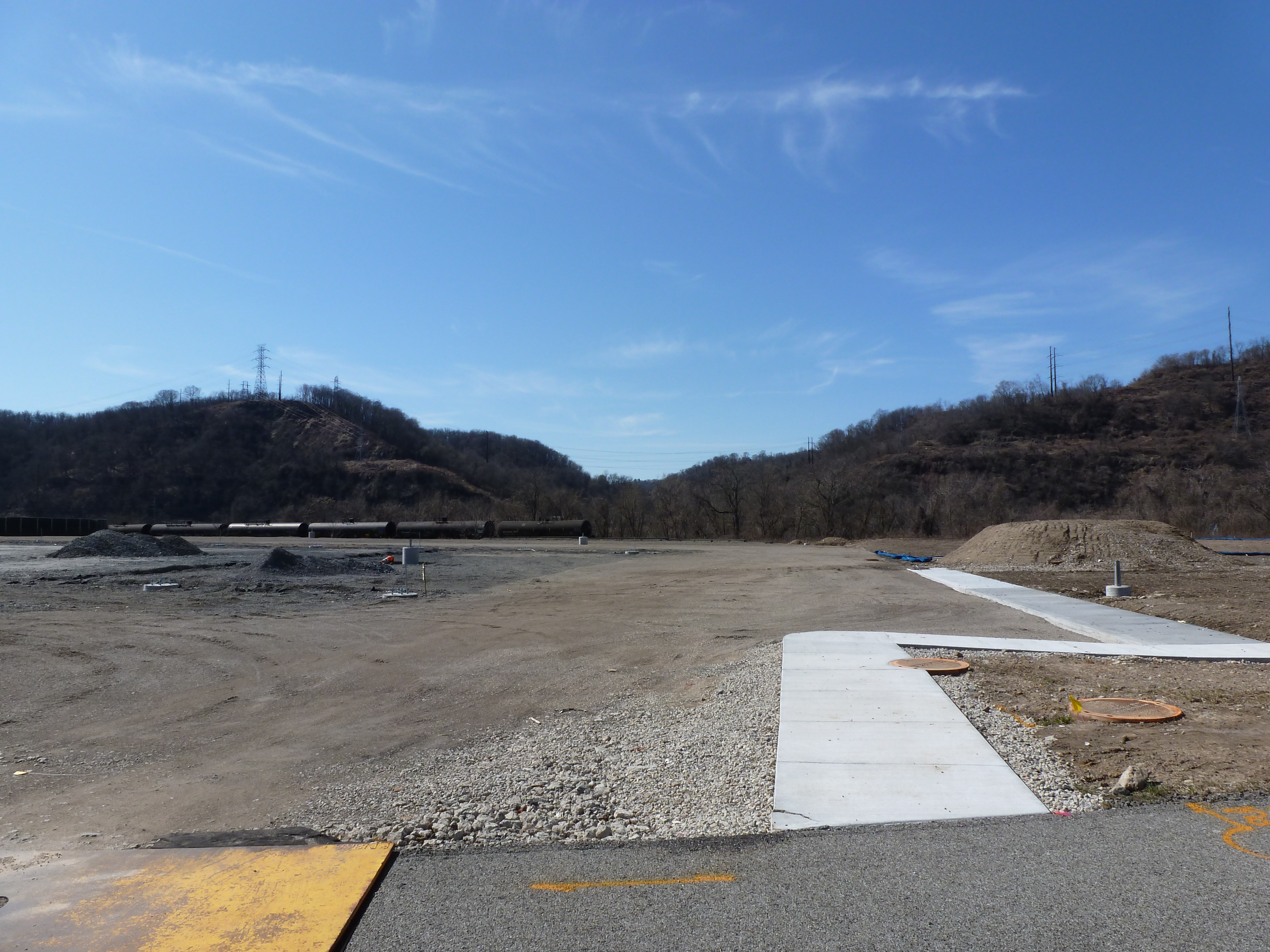
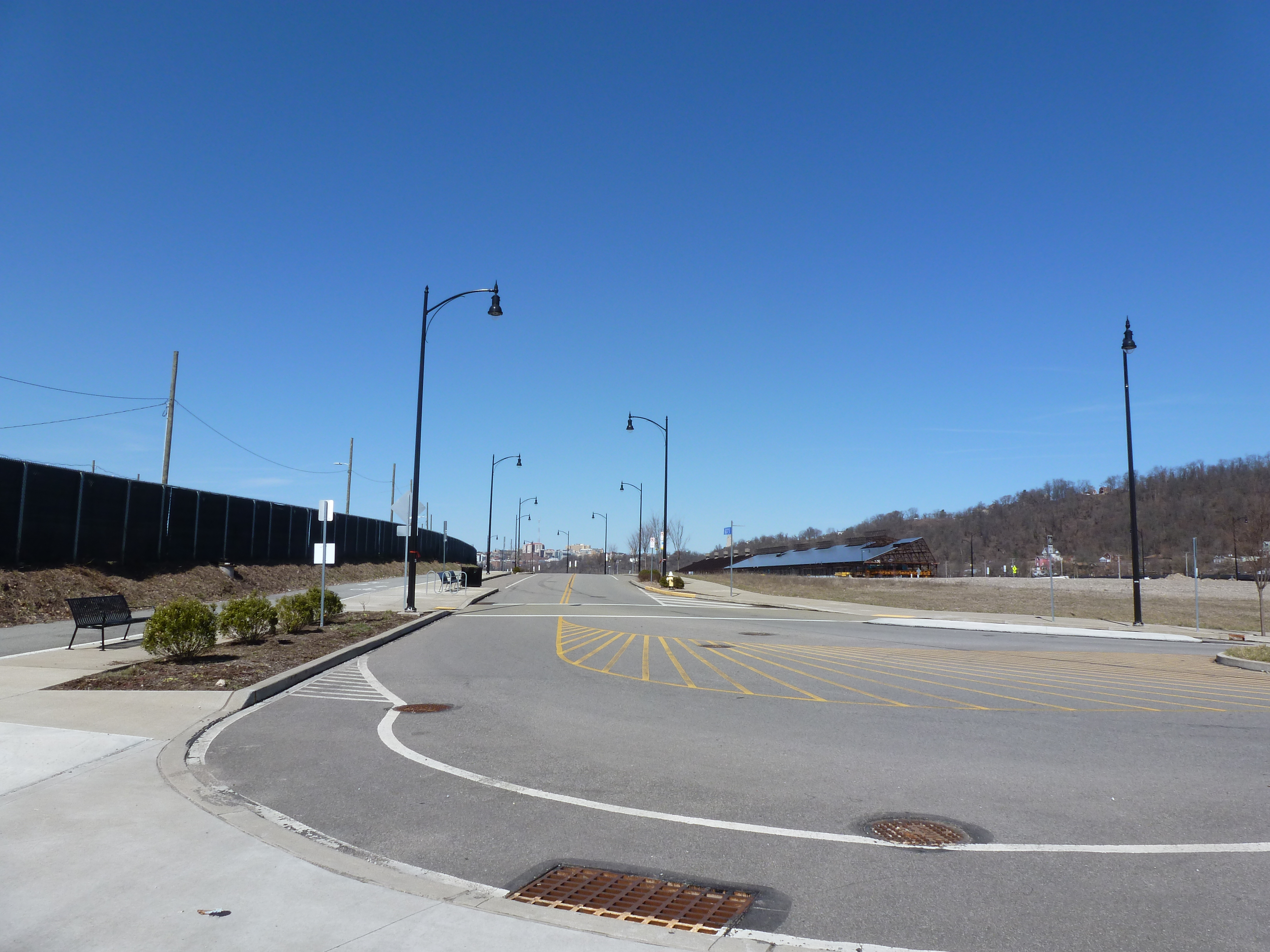
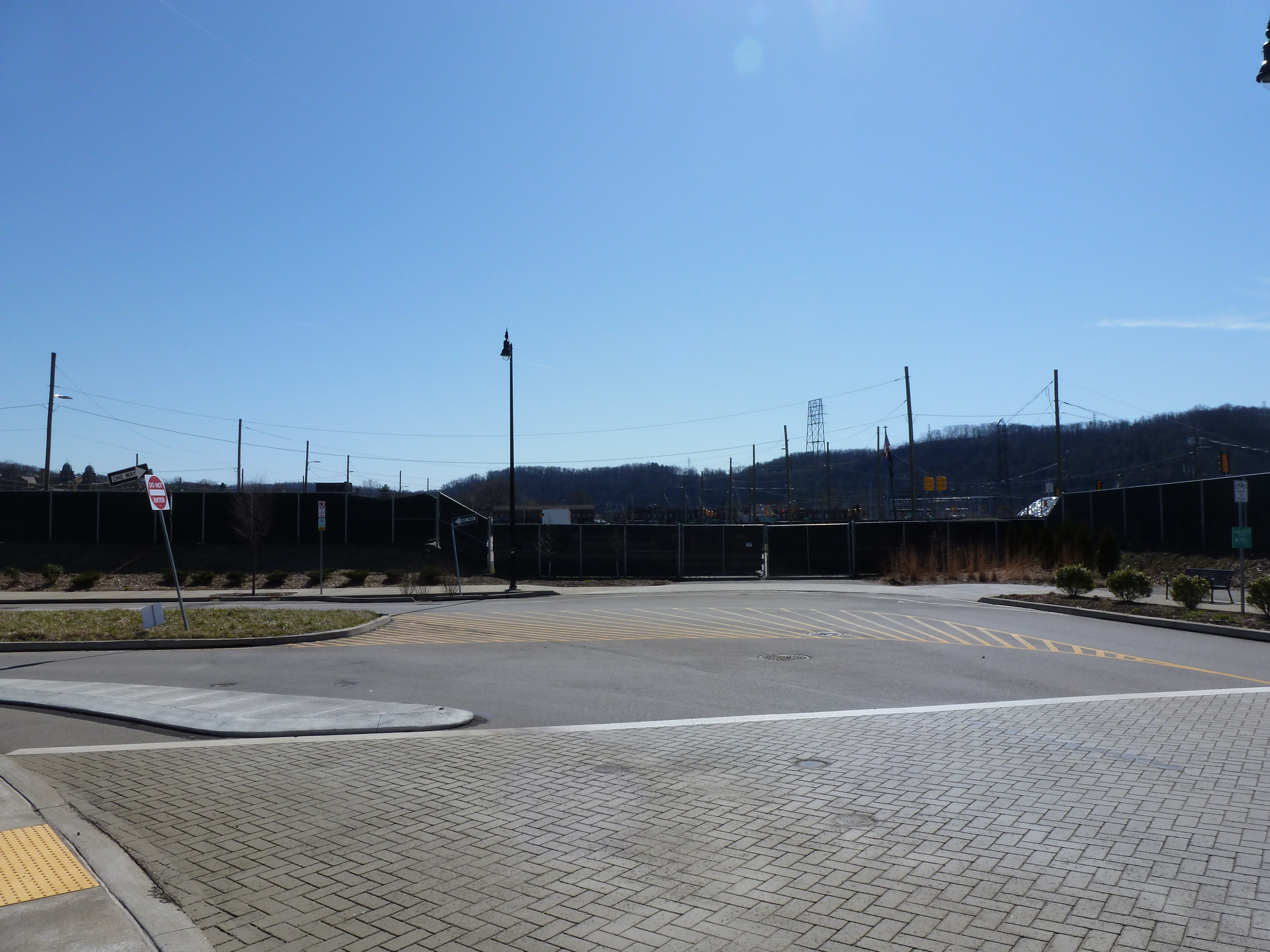
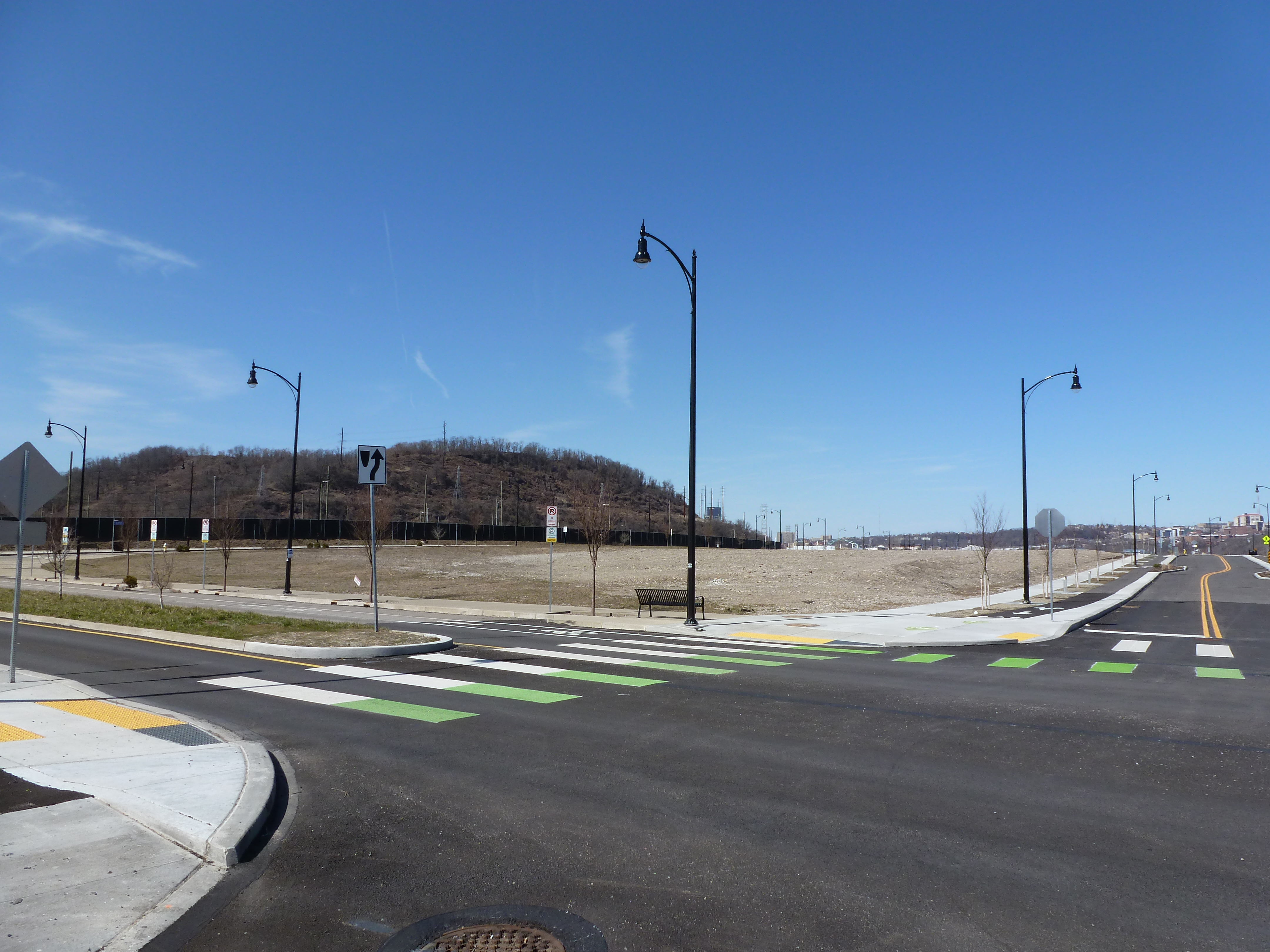
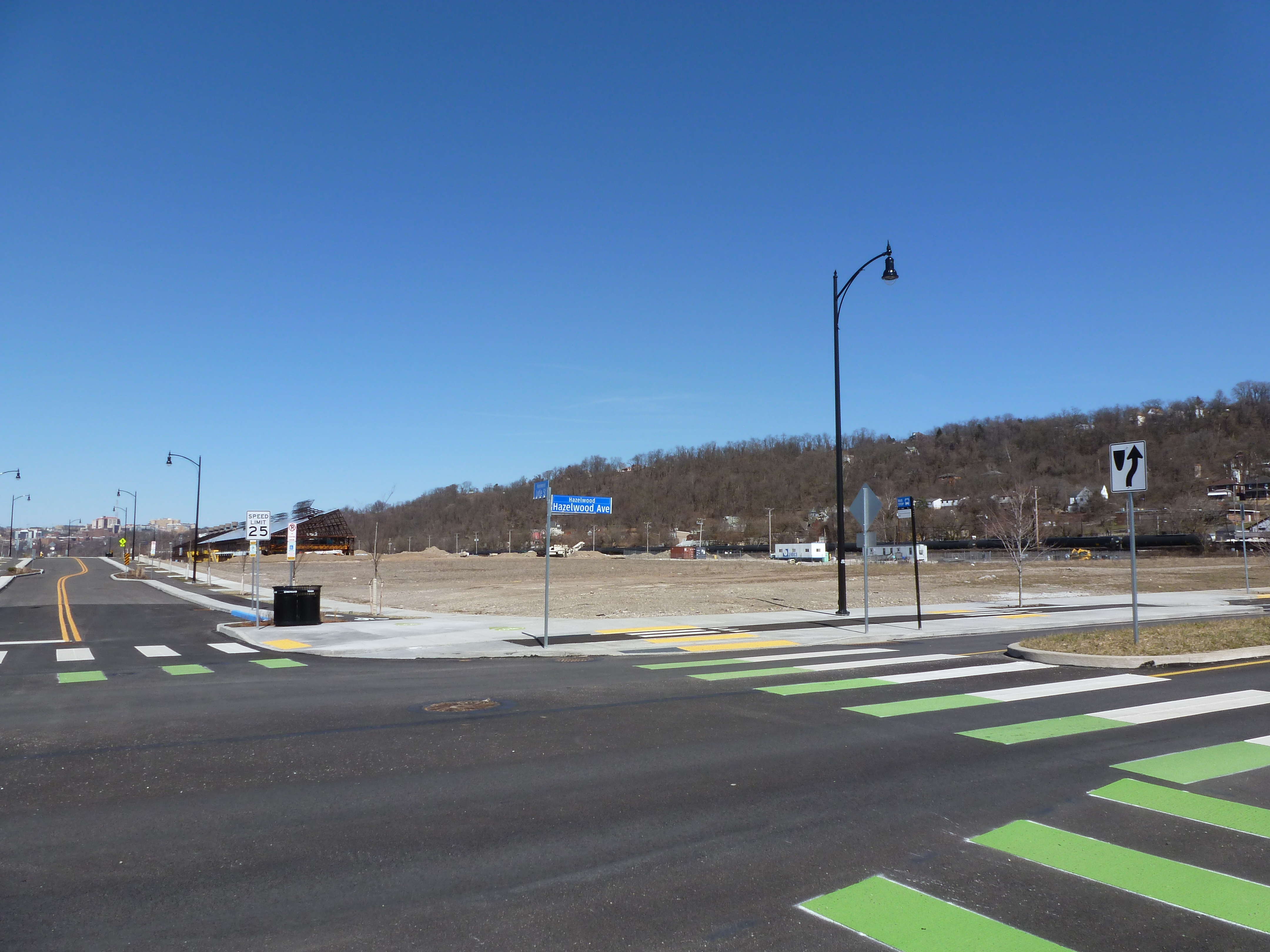
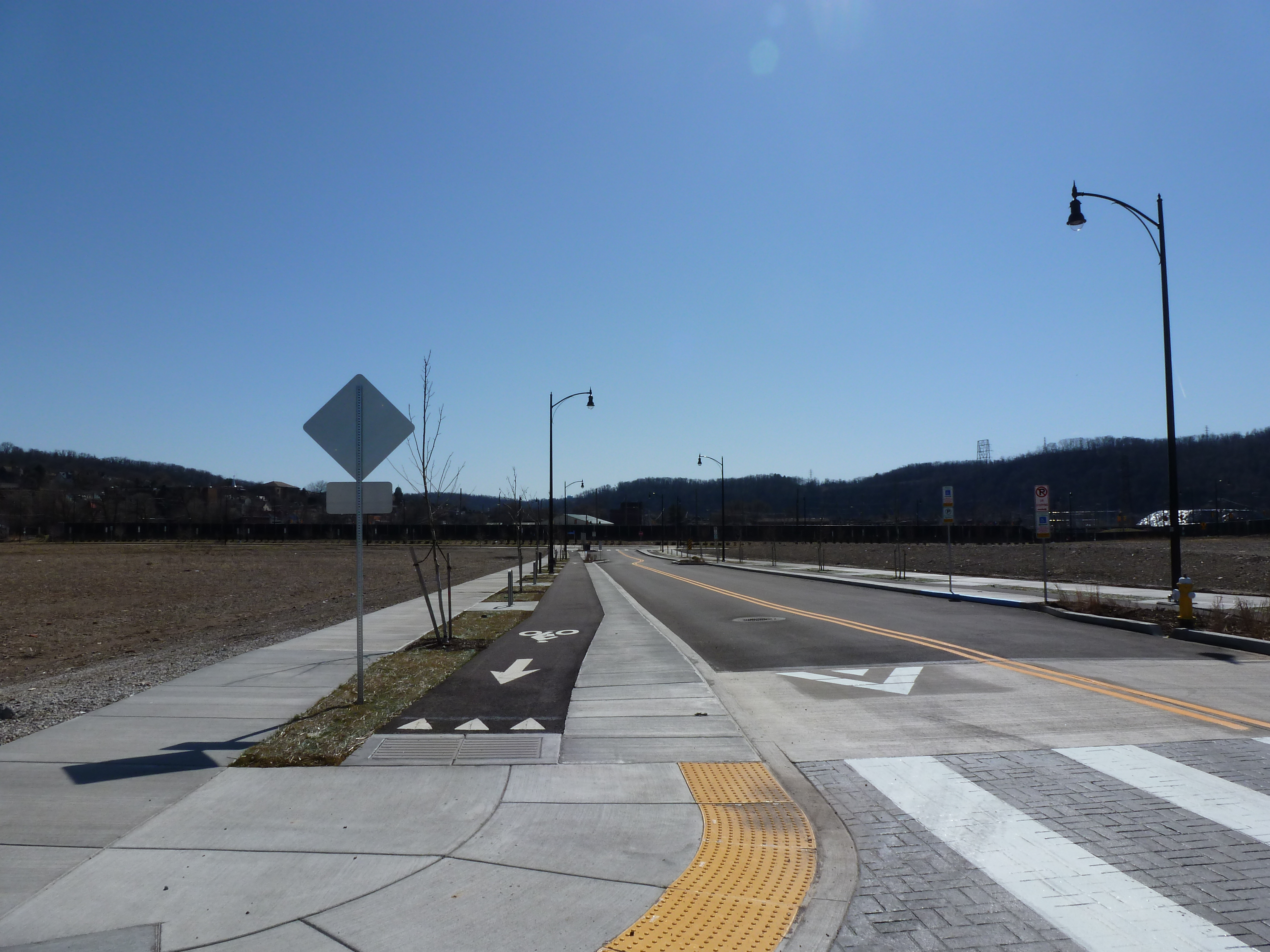
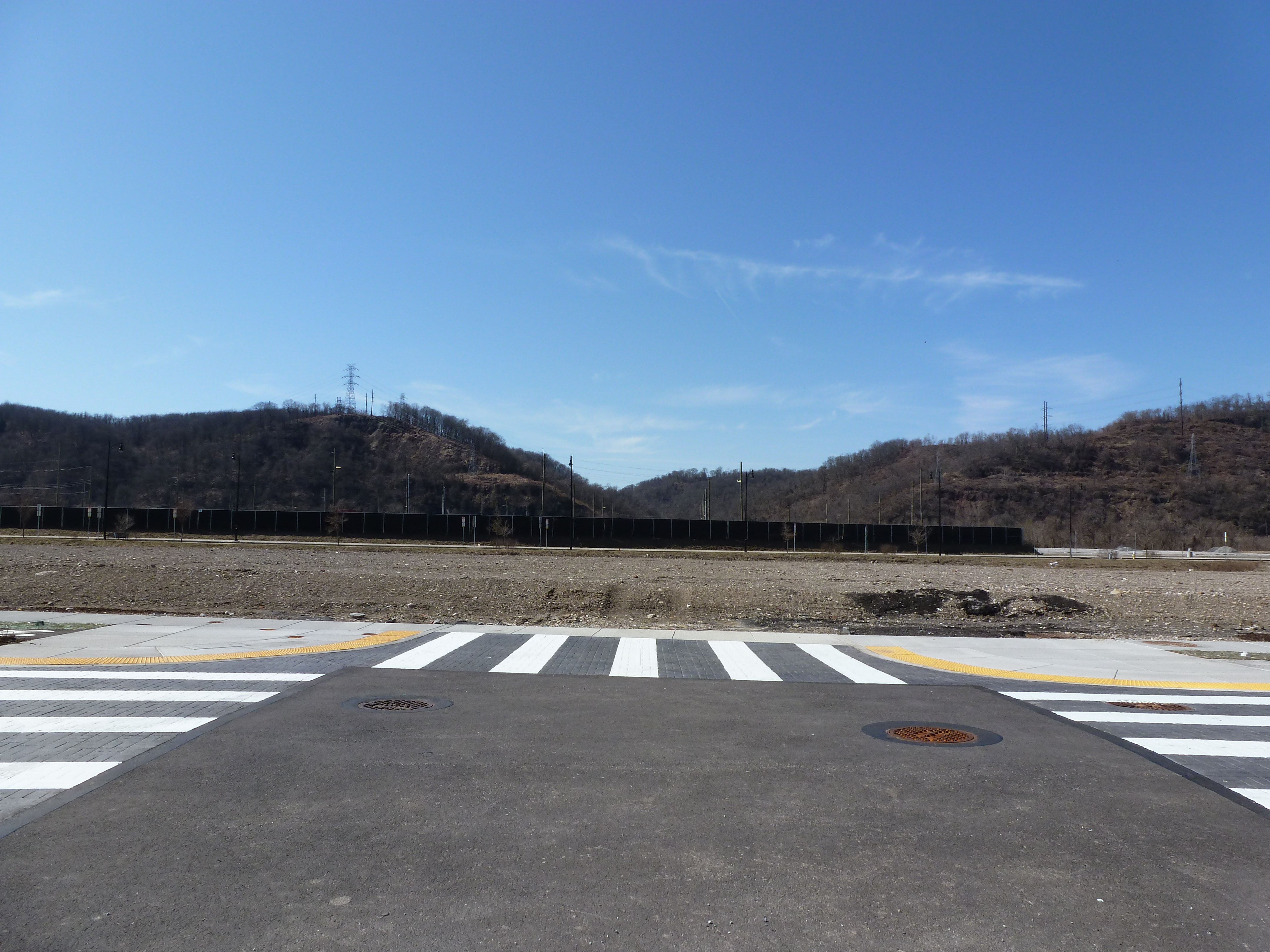
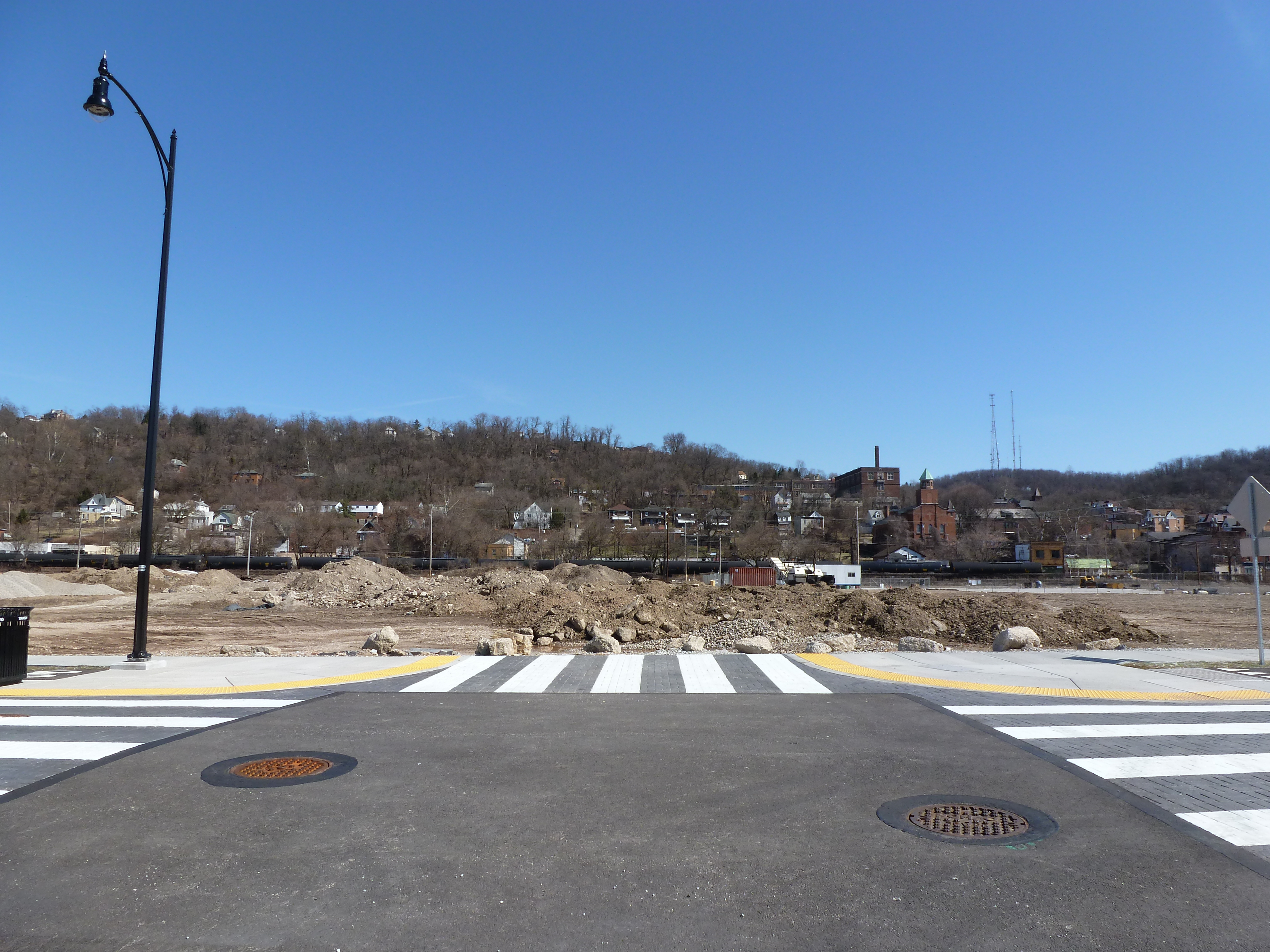
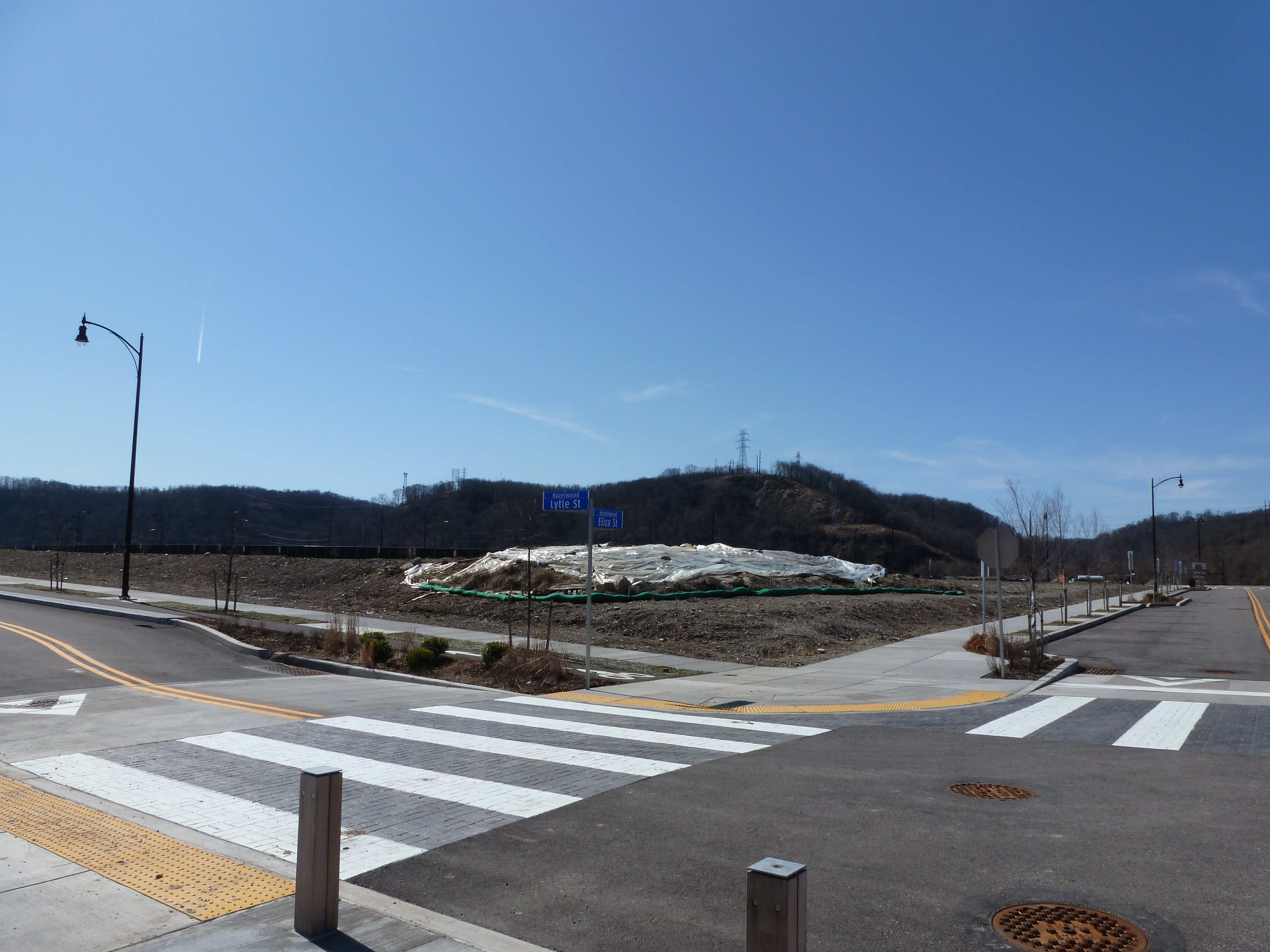
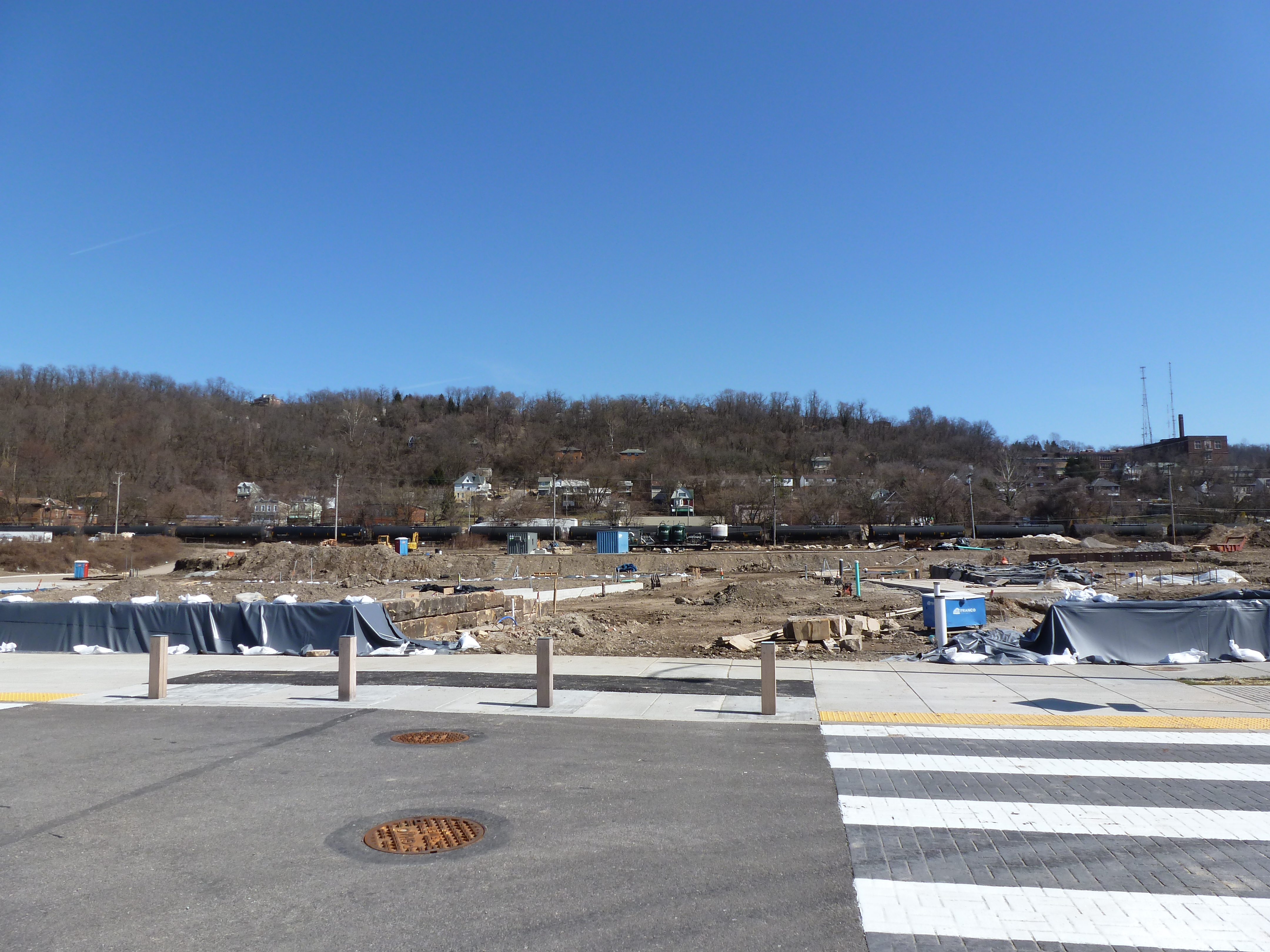
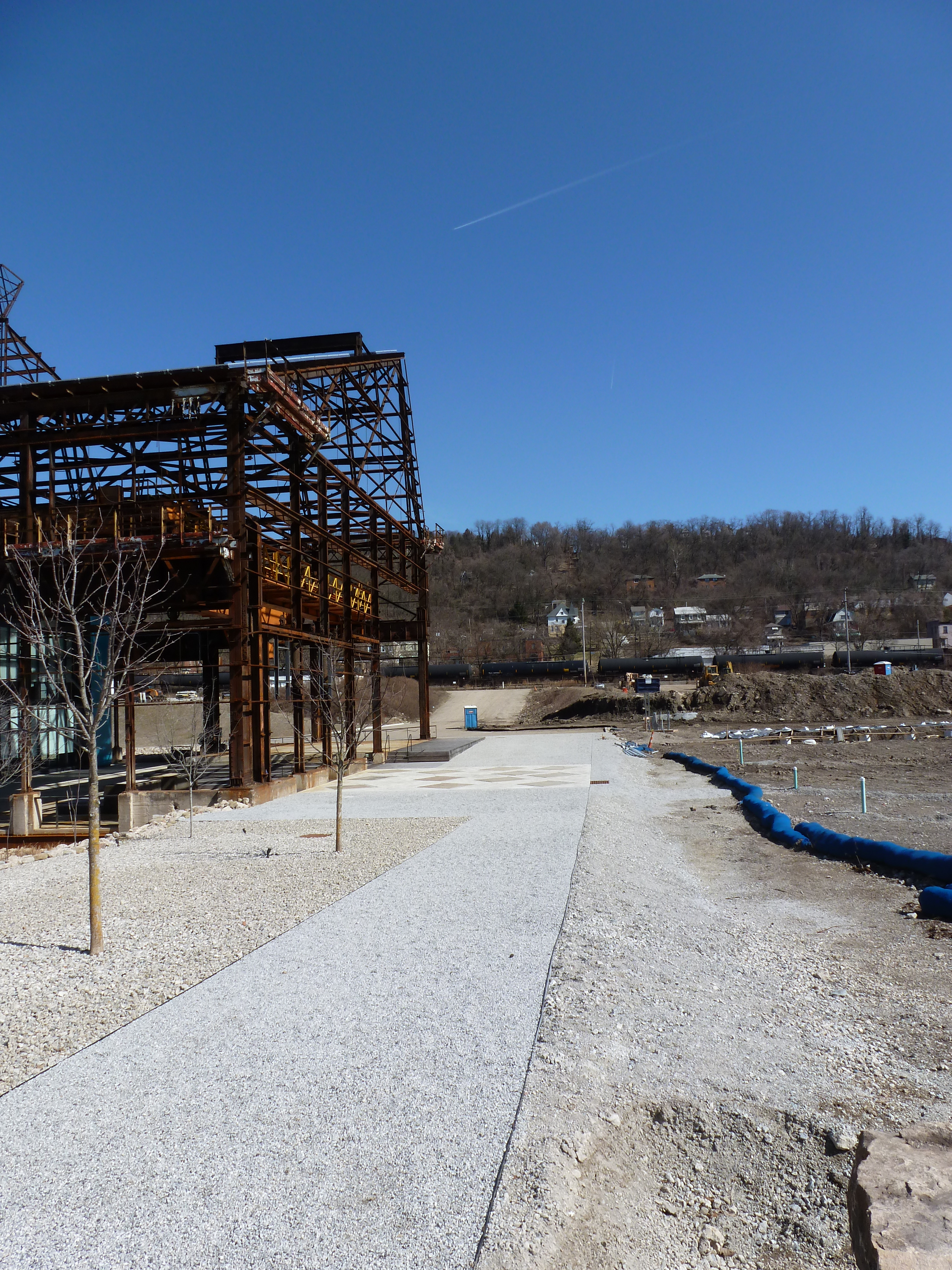
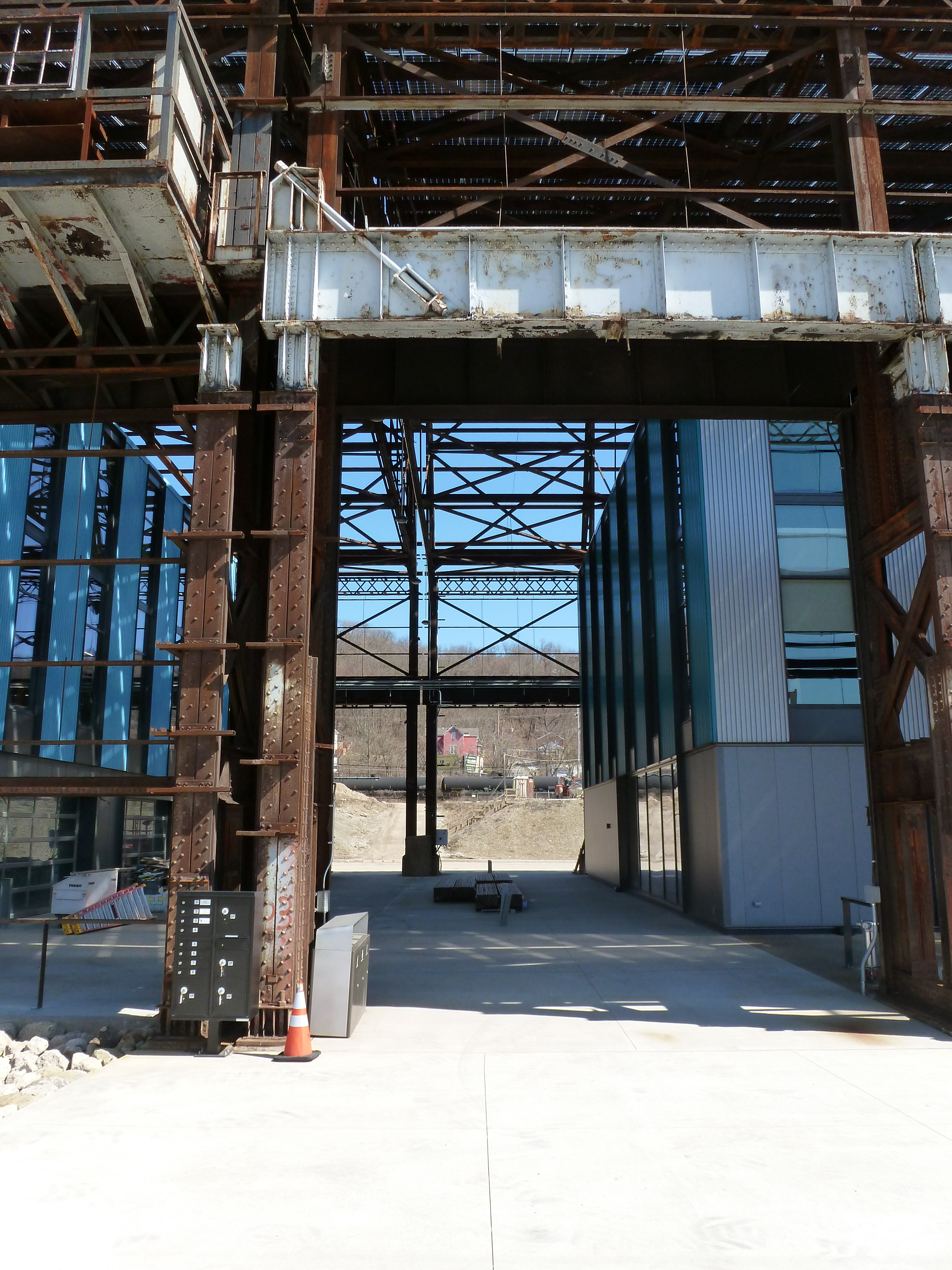
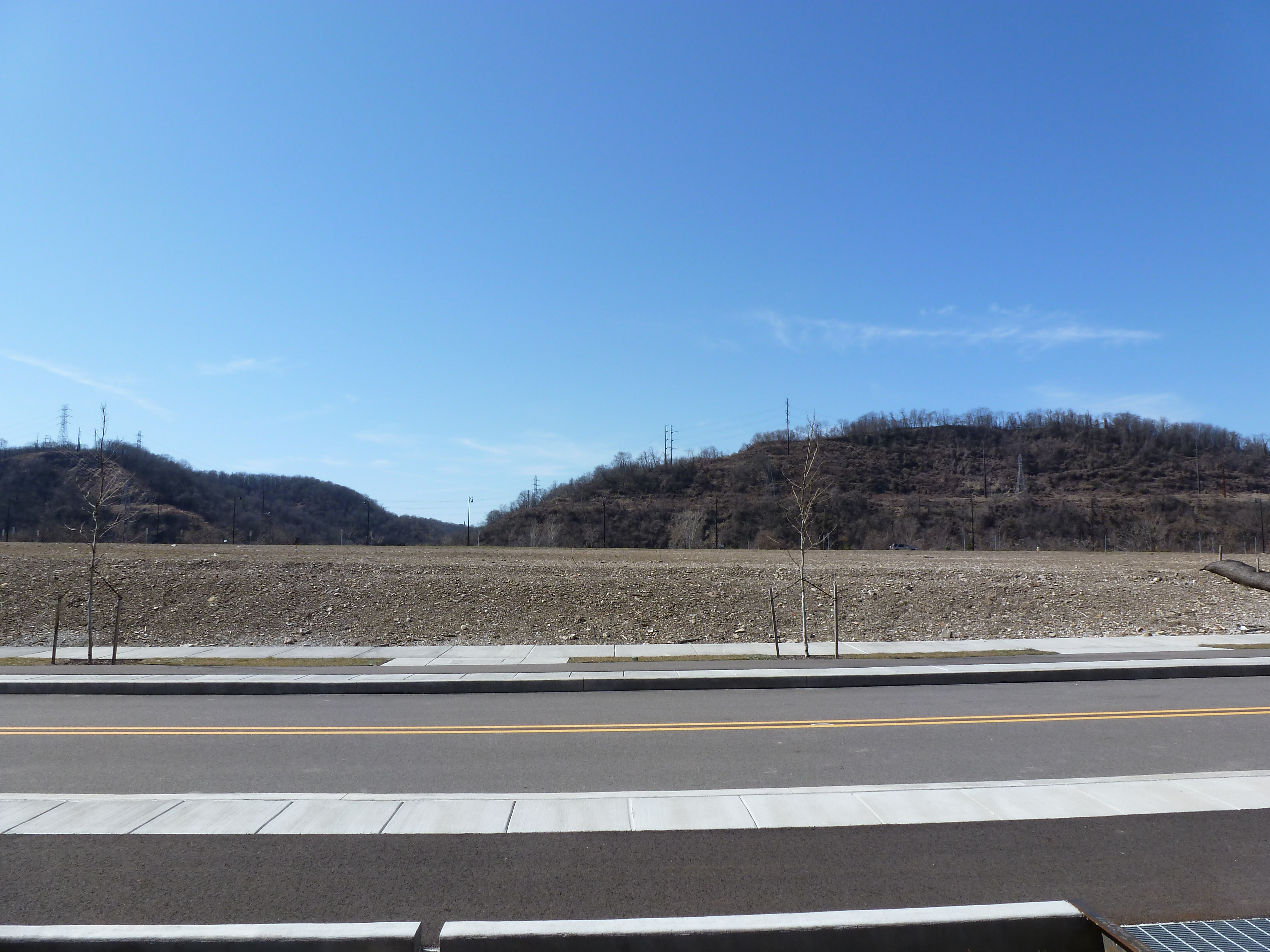
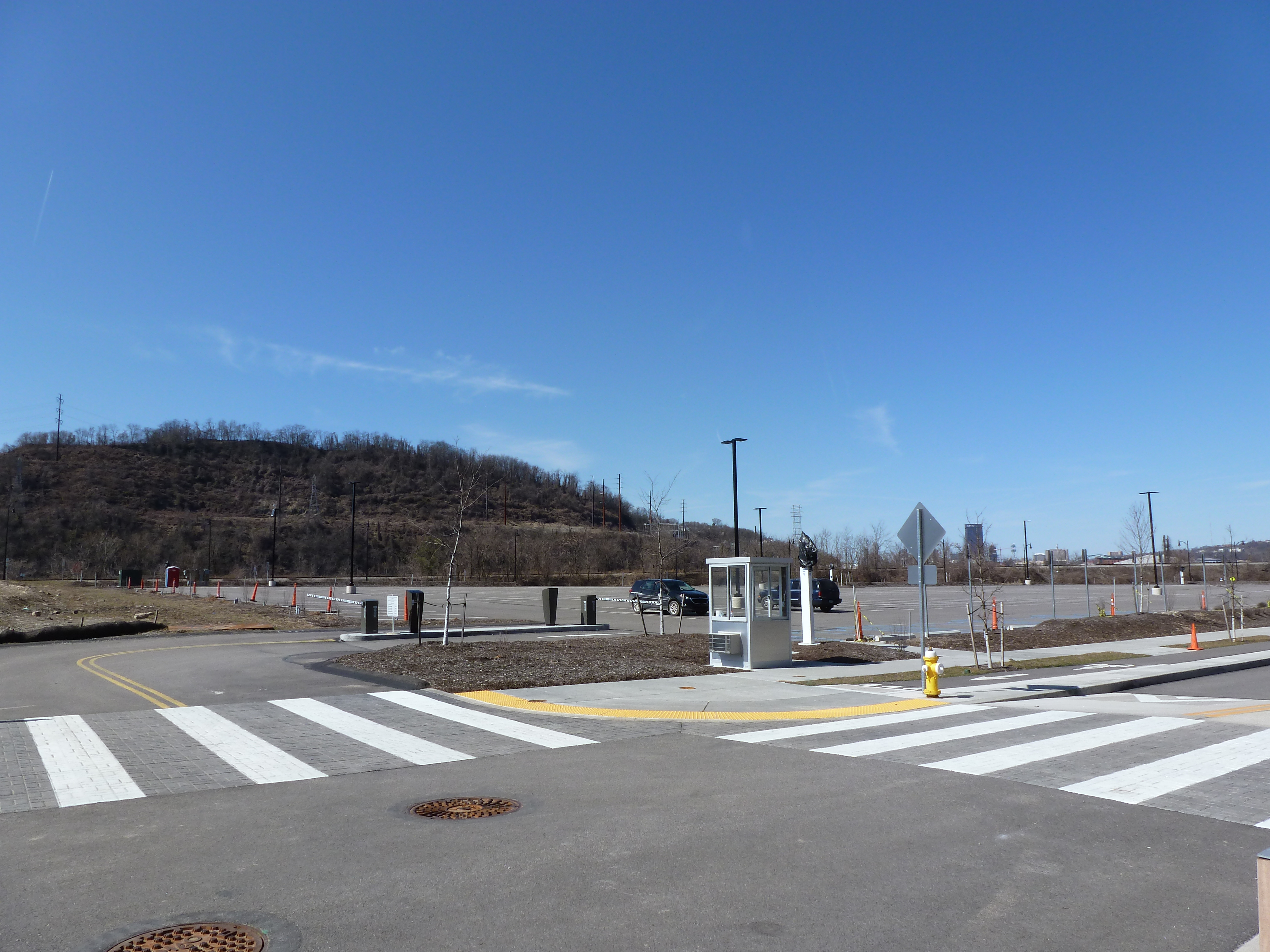
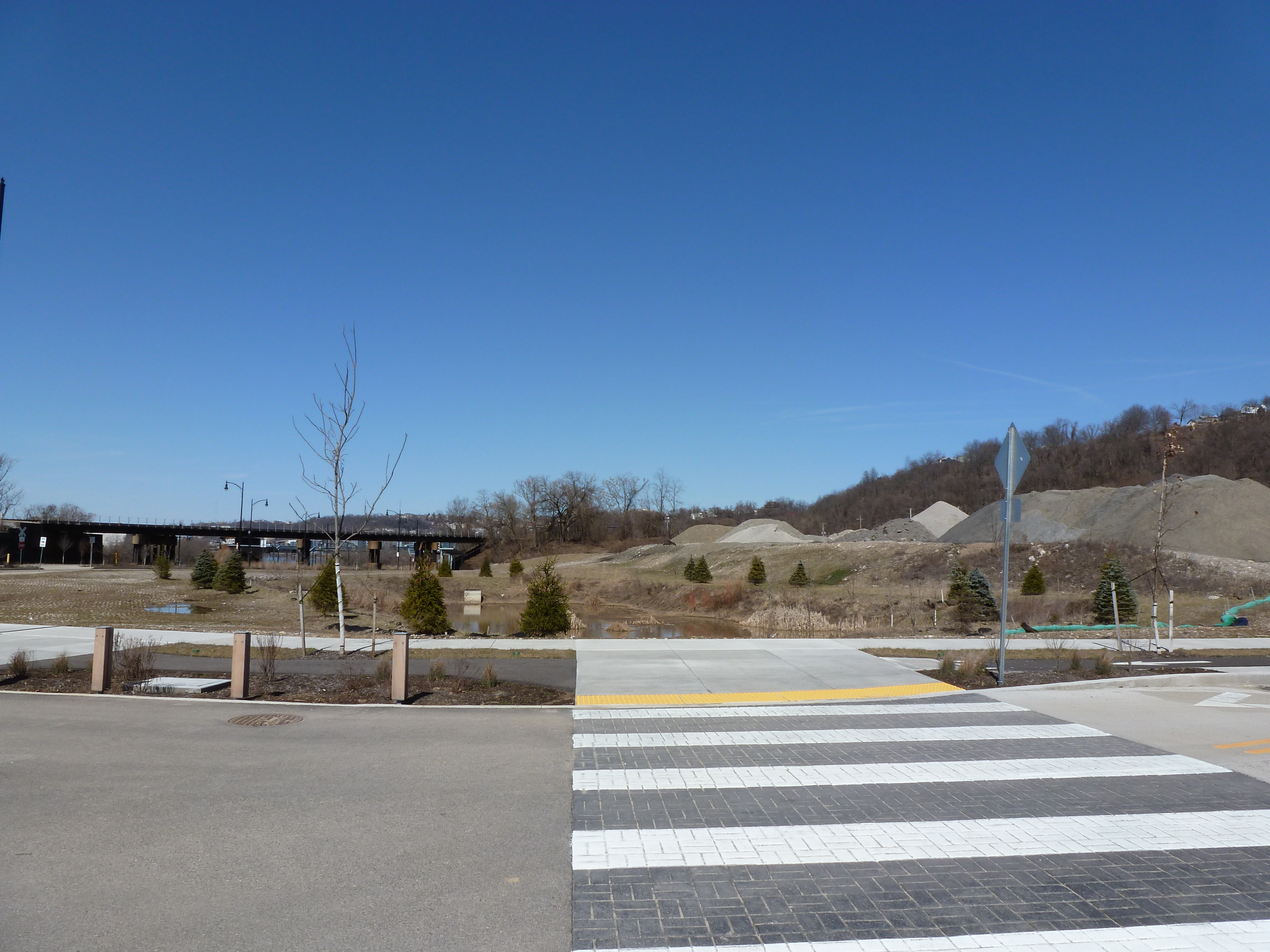
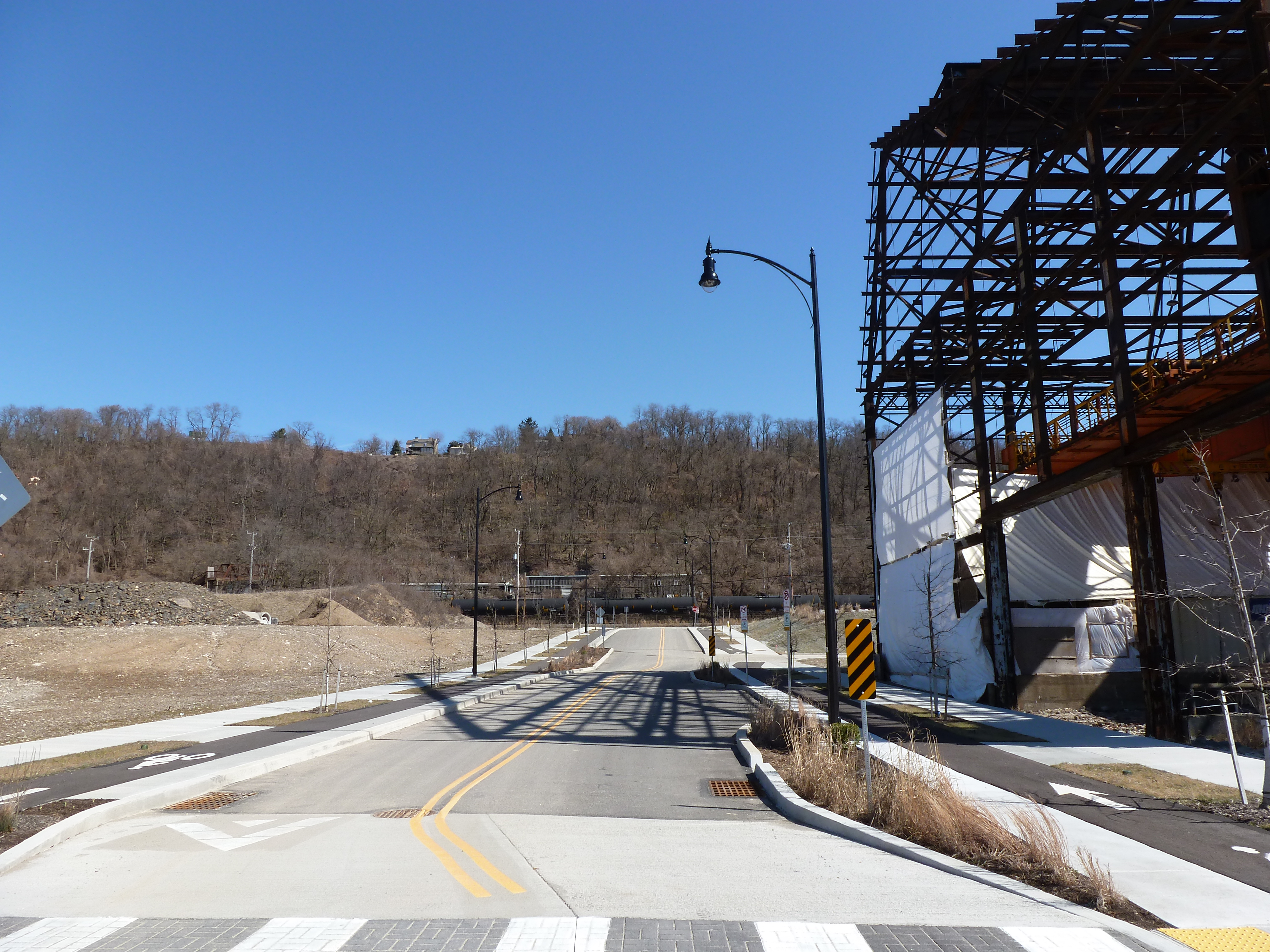
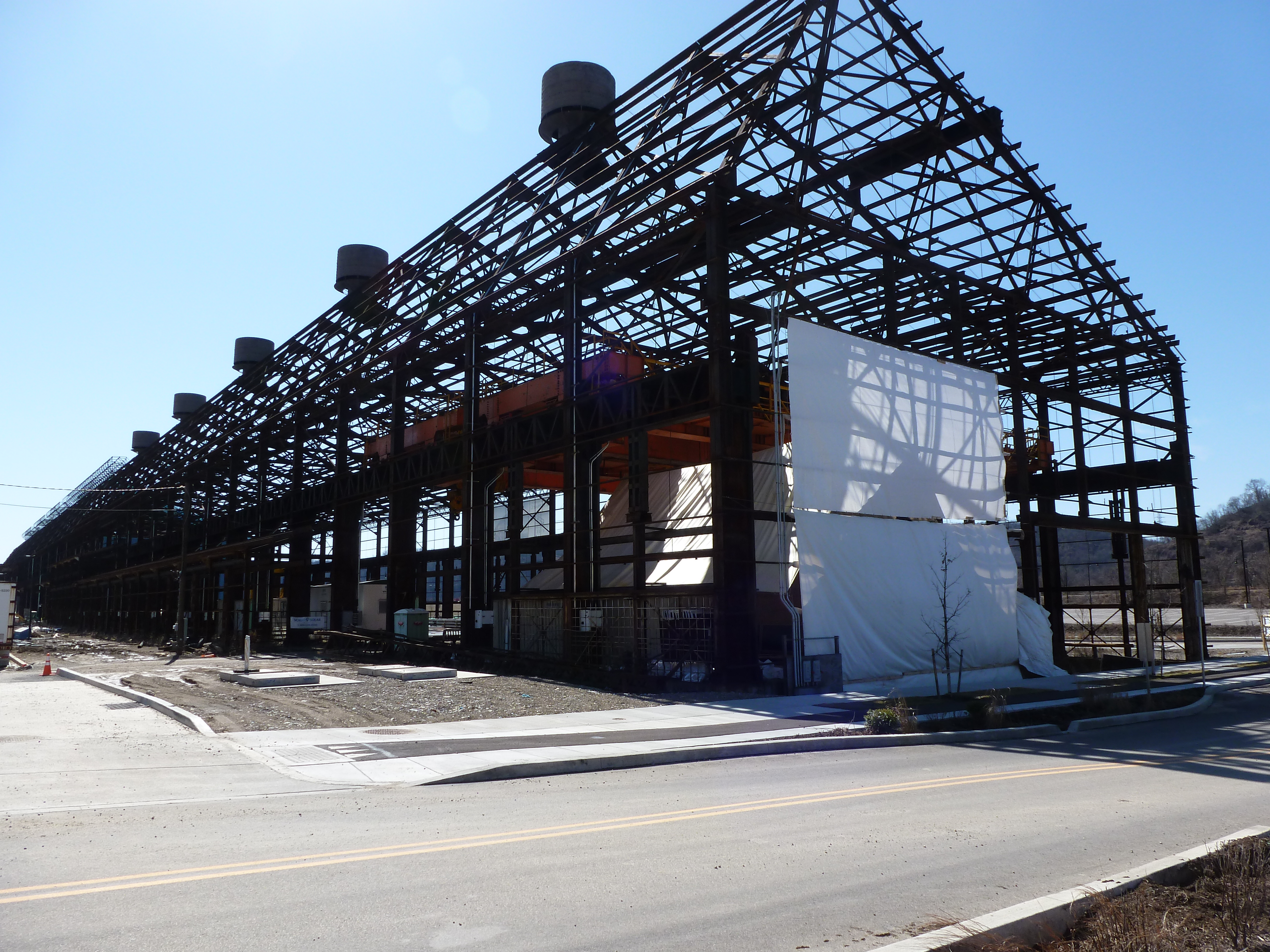
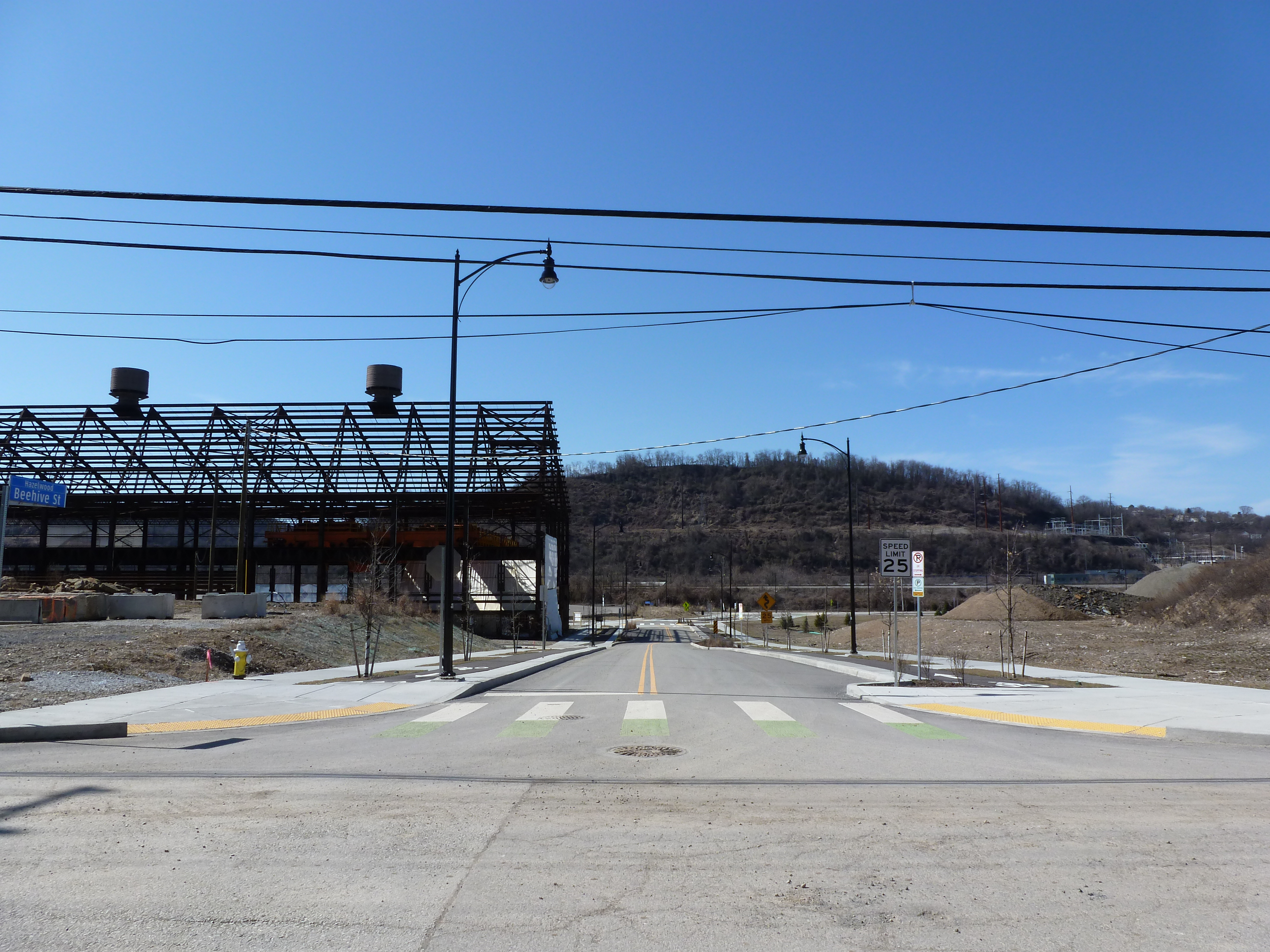
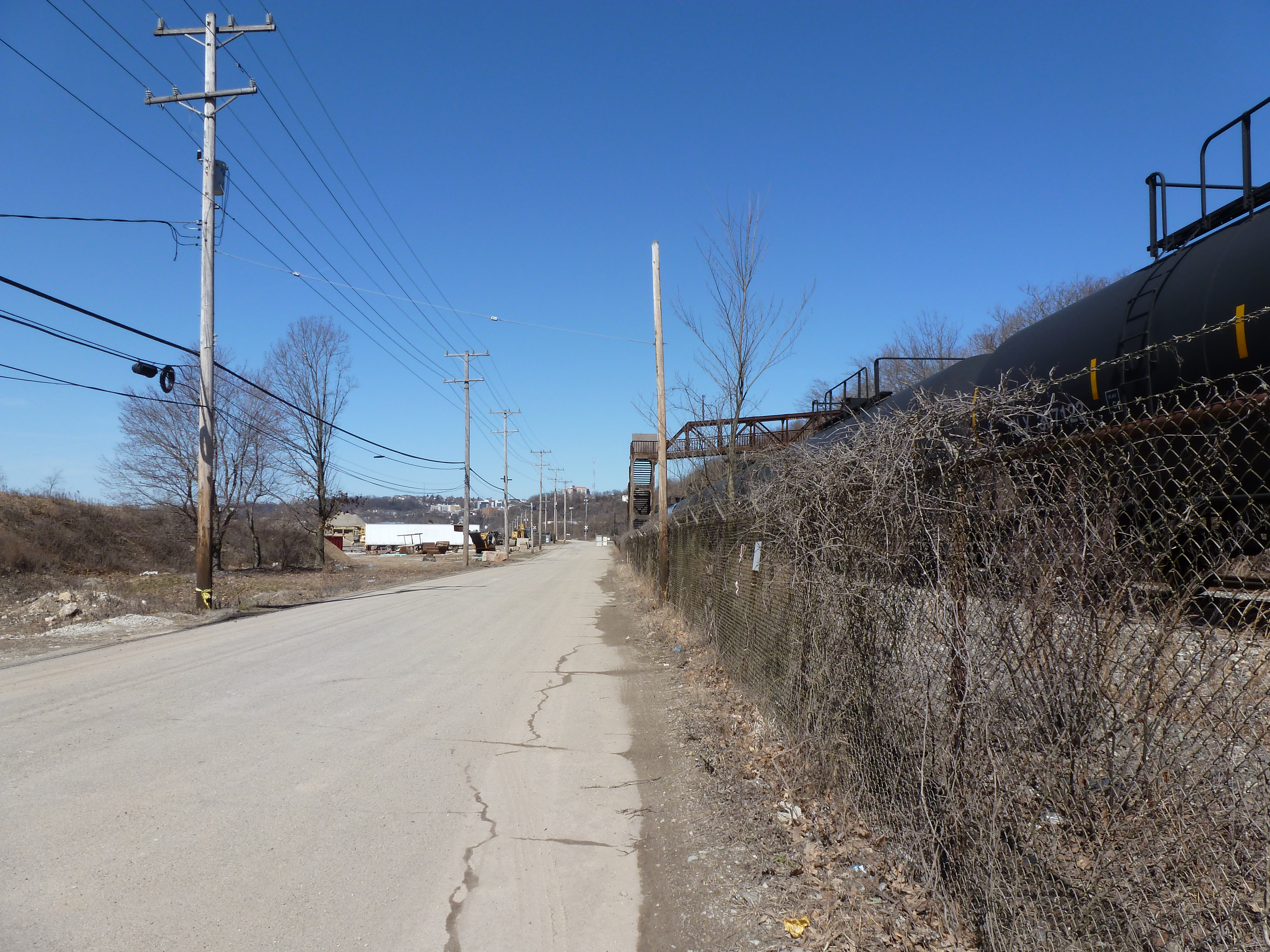
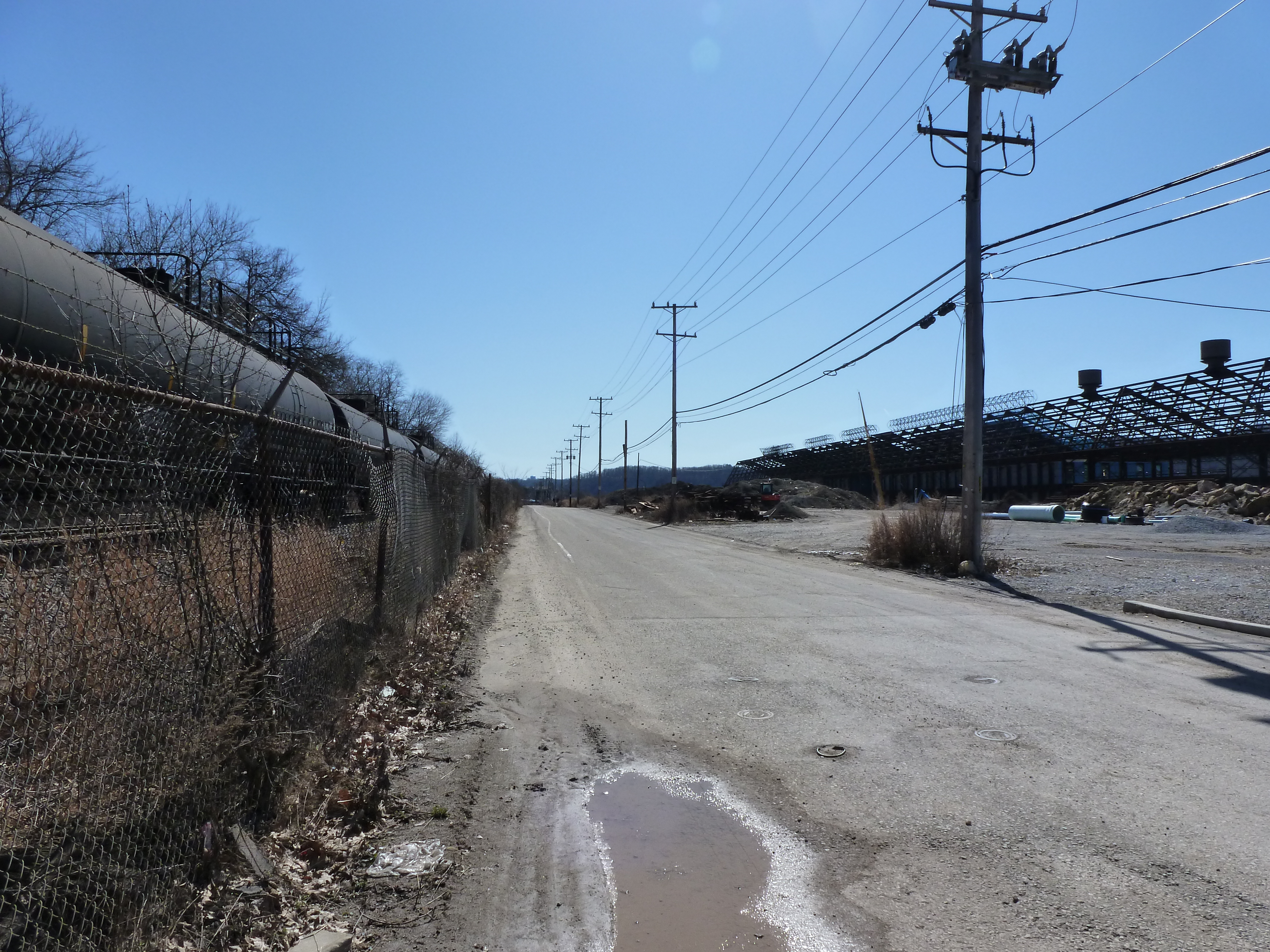
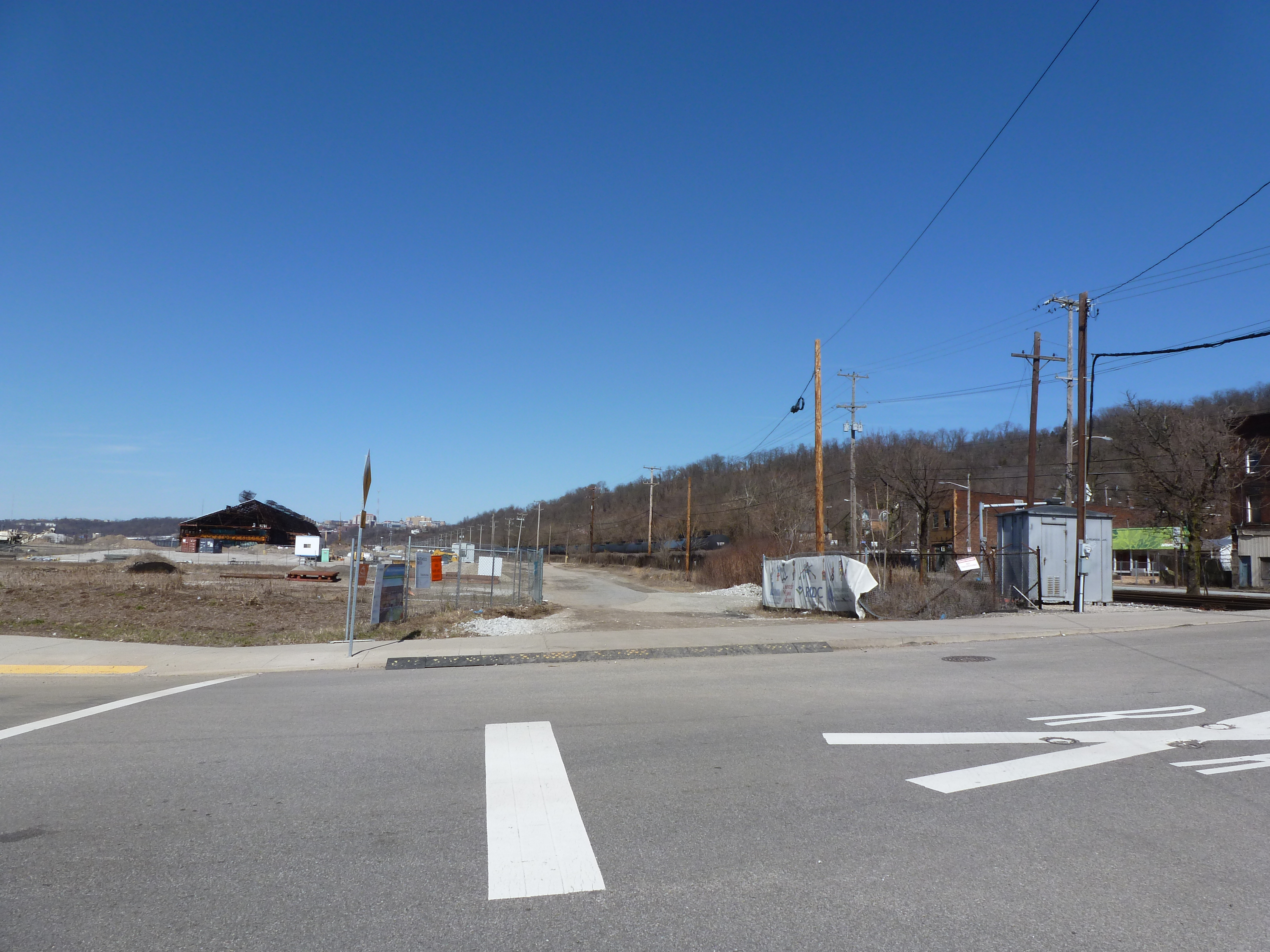
Hazelwood is a neighborhood divided in two by railroad tracks. This is what is on the same side of the railroad tracks as Hazelwood Green, but on the other side of the black fence surrounding the Uber test track:


Hazelwood in the news:

The Progress Fund Proposes Turning a Former Brewery into a Craft Brewpub Hub (Pittsburgh Business Times, July 31, 2020)


Previous posts in series:

Keeping an Eye on Hazelwood: May 2020

Keeping an Eye on Hazelwood: Introduction


Keeping an Eye on Hazelwood Green: Aug. 2020

Hazelwood Green in the News:

Roundhouse Renovation Next For Hazelwood Green (Next Pittsburgh, January 26, 2020)

Locomotive Roundhouse to Host Co-working Space (Pittsburgh Post-Gazette, January 28, 2020)

Tenant Landed for Roundhouse (Pittsburgh Business Times, February 25, 2020)

From Blight to Tech Node? (CoStar, June 3, 2020)

Largest Solar Installation (Next Pittsburgh, June 29, 2020)

Hazelwood Green – Mill 19 Building A Named 2020 Best Project (ENR MidAtlantic, July 29, 2020)

Largest Solar Installation Completed (Solar Power World, August 13, 2020)

Drive-In Arts Festival at Hazelwood Green (Twitter, August 13, 2020)


Previous posts in series:

Keeping an Eye on Hazelwood Green: Mar. 2020

Keeping an Eye on Hazelwood: Introduction

Keeping an Eye on Uptown: May 2020

Uptown in the News:

UPMC Vision Plans (December 16, 2019)

Duquesne University Plans Expansion (December 18, 2019)

Uptown Art: The “Tiger King” Comes to Uptown (March 29, 2020)

Ecoinnovation District Plan wins Award (May 5, 2020)


Previous posts in series:

Keeping an Eye on Uptown: Nov. 2019

Keeping an Eye on Uptown: Introduction

Keeping an Eye on Hazelwood: May 2020

Hazelwood is a neighborhood divided in two by railroad tracks. On one side of the tracks are Hazelwood Green, a residential enclave, and some industrial and commercial uses. Here is a snapshot of the residential enclave and surrounding uses:

Hazelwood in the News:

Post-Gazette Article on proposed new road between Hazelwood and Oakland April 10, 2020

Keeping an Eye on Hazelwood (across the tracks): Apr. 2020

Hazelwood is a neighborhood divided in two by railroad tracks. On one side of the tracks are Hazelwood Green, a residential enclave, and some industrial and commercial uses. This is what is across the tracks:

Second Ave

Hazelwood Ave

Other Sites:

Keeping an Eye on Hazelwood Green: Mar. 2020

Keeping an Eye on Hazelwood: Introduction

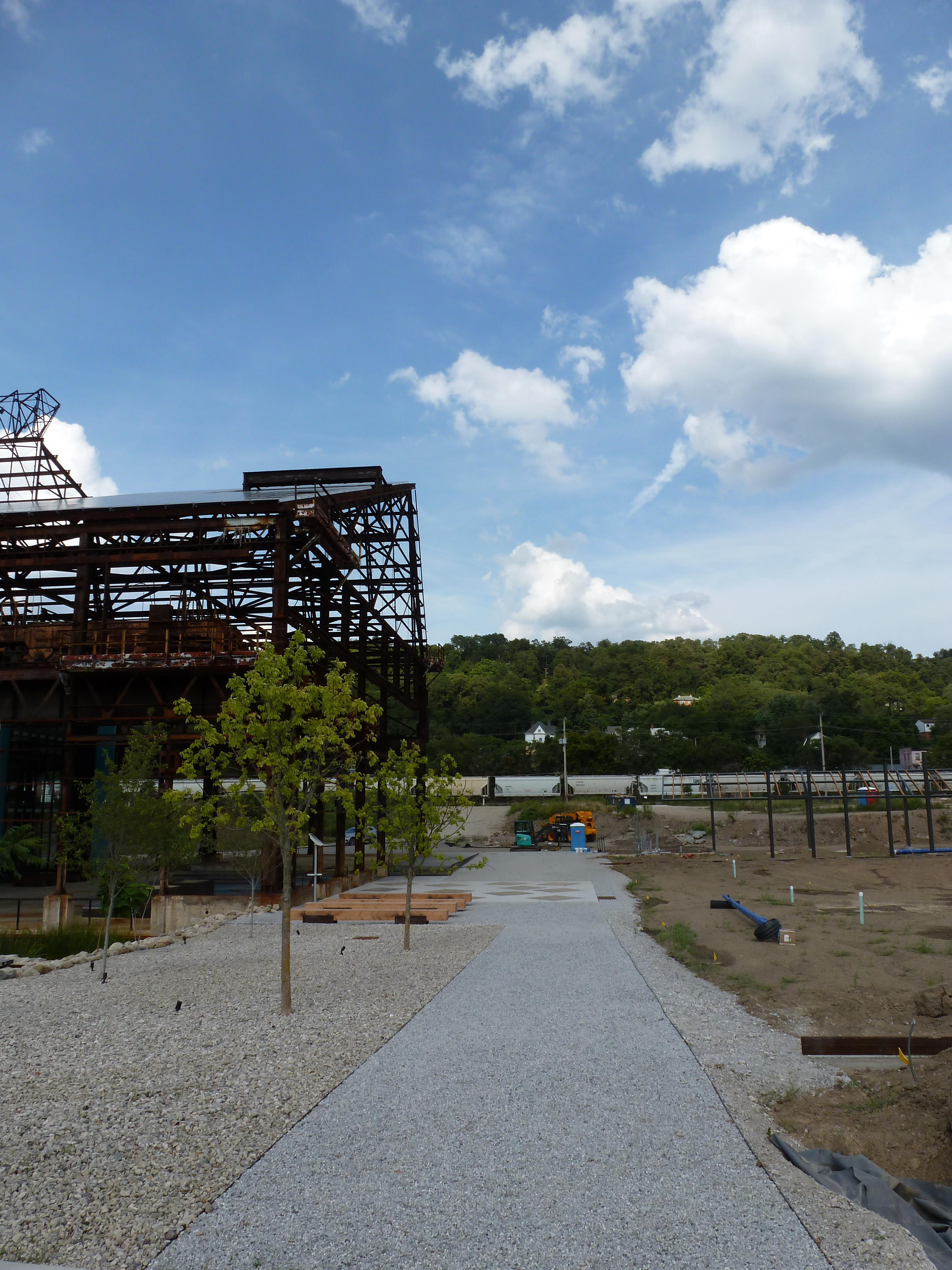
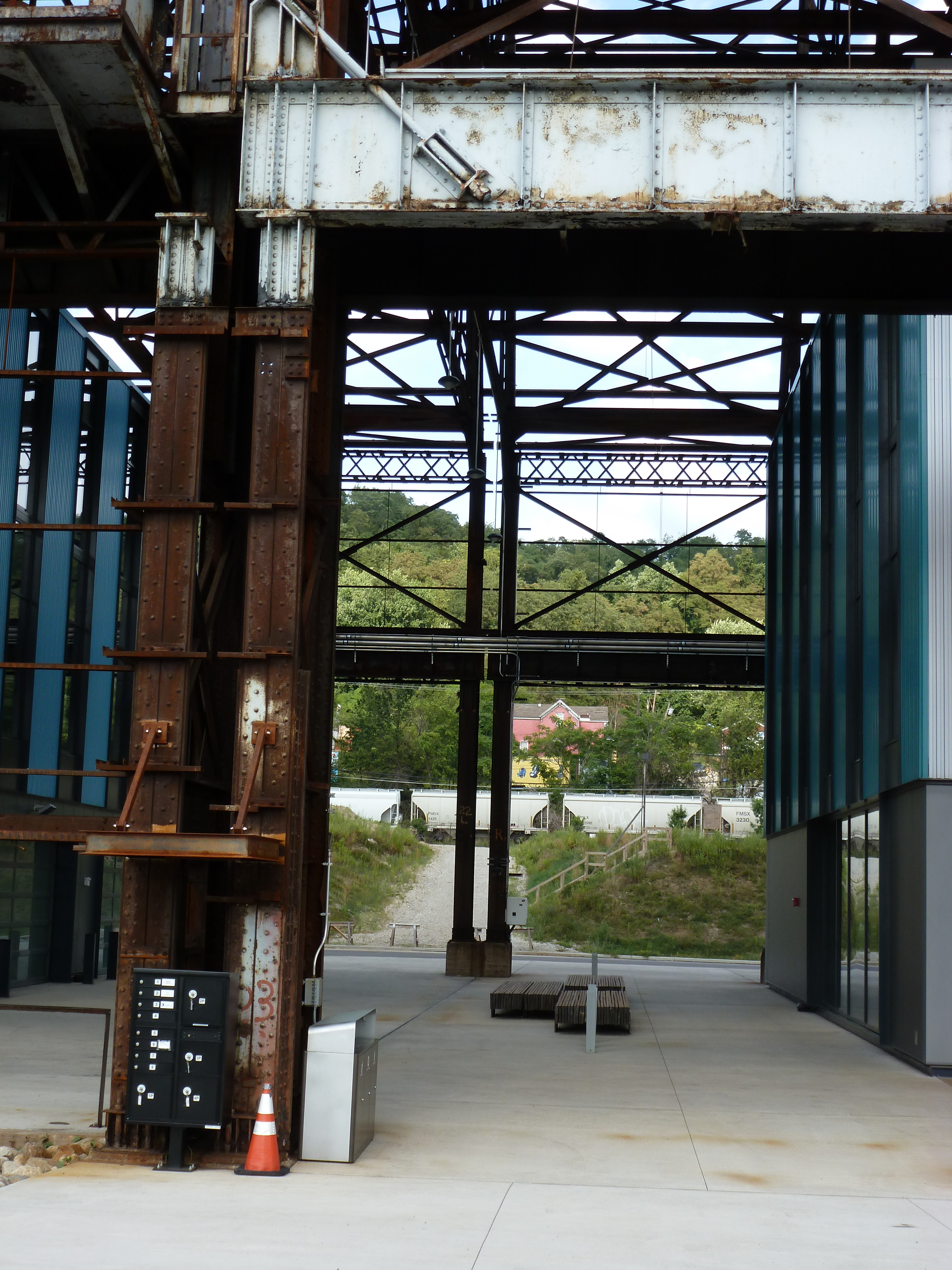
After introducing my series of Keeping an Eye on Uptown, the CAP, and the Lower Hill, I remembered that Hazelwood is another neighborhood expected to experience changes over the next several years. Between Hazelwood’s main street (2nd Avenue) and the Monongahela River is a 178-acre site of the former Jones and Laughlin Steel Company. Most of the structures from the mill have been demolished, leaving a large brownfield. In 2002, the site was purchased for redevelopment by Almono LP (at the time, an entity made up of four Pittsburgh foundations). After years of planning and a rebranding of the site as Hazelwood Green, a series of public streets and the first building opened for use in 2019. Construction is underway for more buildings and a public plaza.

During the planning and preparation stages, a question arose as to the effects of this redevelopment on the surrounding neighborhood. Hazelwood is one of Pittsburgh’s neighborhoods that has experienced high vacancy rates and subsequent demolition in its residential and business districts. While the building stock of the neighborhood has experienced a long downward trend, the community of people is strong. Only time will tell if the redevelopment of Hazelwood Green will connect with this community or if Hazelwood Green will become and isolated spot of prosperity for others.

Through two more photographic series, Keeping an Eye on Hazelwood Green and Keeping an Eye on Hazelwood, I will periodically document the physical changes to the former steel mill site and to the surrounding neighborhood.

Keeping an Eye on Uptown: Nov. 2019


Keeping an Eye on Uptown: Introduction

Inspired by my post from this summer, I decided to start a photographic series of Pittsburgh’s Uptown neighborhood. This neighborhood is a hodgepodge of abandoned and renovated townhomes, parking lots, car-oriented businesses, corner stores, industrial uses, and new construction residential buildings. It is predicted to be on a tipping point from being mostly ignored to experiencing intense growth fueled by activities in and around the neighborhood. These activities include:

  • UPMC Mercy hospital is currently building a 410,000 sq ft vision and rehabilitation center in the middle of Uptown.
  • The Penguins hockey team is supposed to be finally getting off the ground with their redevelopment of the Lower Hill neighborhood, which is adjacent to Uptown.
  • June 2019 saw the groundbreaking for the CAP project to reconnect the Lower Hill to Downtown over the freeway that bisected the two in the 1960s.
  • The Bus Rapid Transit system currently in the planning stage will one day connect Downtown and Oakland through Uptown.

As these projects move forward, there will likely be more investment and changes to Uptown. This photographic series is intended to capture these changes by revisiting the same sites at regular intervals over the next several years.

In the coming months, I intend to release two related series to record the progress of the CAP and the Lower Hill redevelopment.

Moral Economics

The strongest impression from my last trip to Cardiff was the feeling that it is morally wrong to invest heavily in touristy neighborhoods while skipping the neighborhoods of the residents. Tourists may provide a bigger return per touch point, but residents have many more touch points (including voting). Perhaps I have become jaded since that trip, but I now accept that economics and morals rarely work together.

Pittsburgh’s Uptown neighborhood is trying a different approach to see if economic investment can be leveraged for the greater good. Uptown experienced disinvestment and decay for decades, despite being located between and within walking distance of Oakland and downtown, two of the largest economic engines in the state. Not to mention the main roads connecting these prosperous and growing areas run directly through Uptown. Zipping down Fifth Avenue from Oakland to downtown, it is easy to overlook or ignore the ruined home foundations turning back to forest, the wide-spread vacant lots and parking lots, and the intricate architectural details on the remaining old structures.

Former Rialto Theatre

The bland brick and glass facade on Fifth Avenue identifies this building as another mid-century warehouse. Turning the corner, the decorative parapet wall and bricked over arched opening tell the story of an older, more interesting building.

One such structure was one of the many movie theaters dotting the city in the 1920s. In the 1950s, the adjacent buildings were demolished, and an addition was added to the theater to turn it into a storeroom. After a time as a plasma center in the 1980s and 1990s, the building sat vacant and dusty for many years. Now, it is undergoing renovations for its next life. This is just one of the many signs that investment is coming to Uptown.

The community of Uptown that held on through the economically rough times prepared for this moment. In collaboration with many partners, including local institutions such as Duquesne University and UPMC Mercy as well as the City of Pittsburgh, the community created a new neighborhood plan. This designated Uptown and West Oakland as an EcoInnovation District. One of the first actions from this plan developed a new zoning district, the first progressive zoning district in Pittsburgh. The goal of the plan and the zoning district is to leverage the coming economic investment to create an inclusive and environmentally sustainable neighborhood.
It will be interesting to watch this neighborhood over the next few years to see if the plans are successful at introducing some moral components to the economic investment.