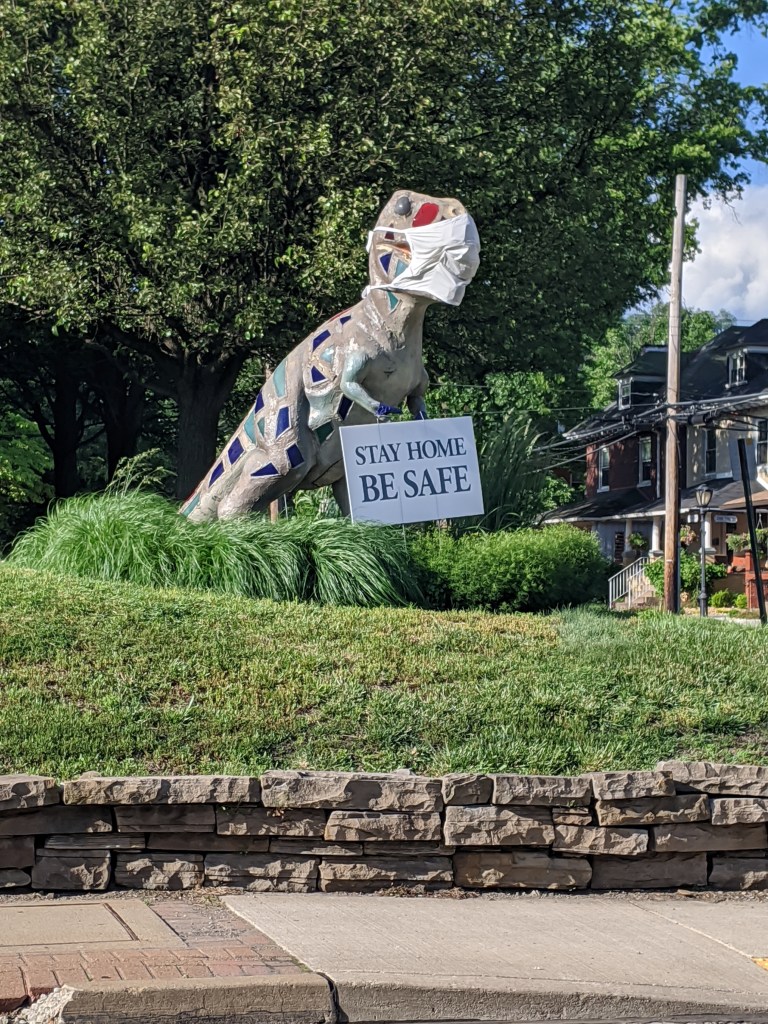
Pittsburgh DinoMite Parade 6

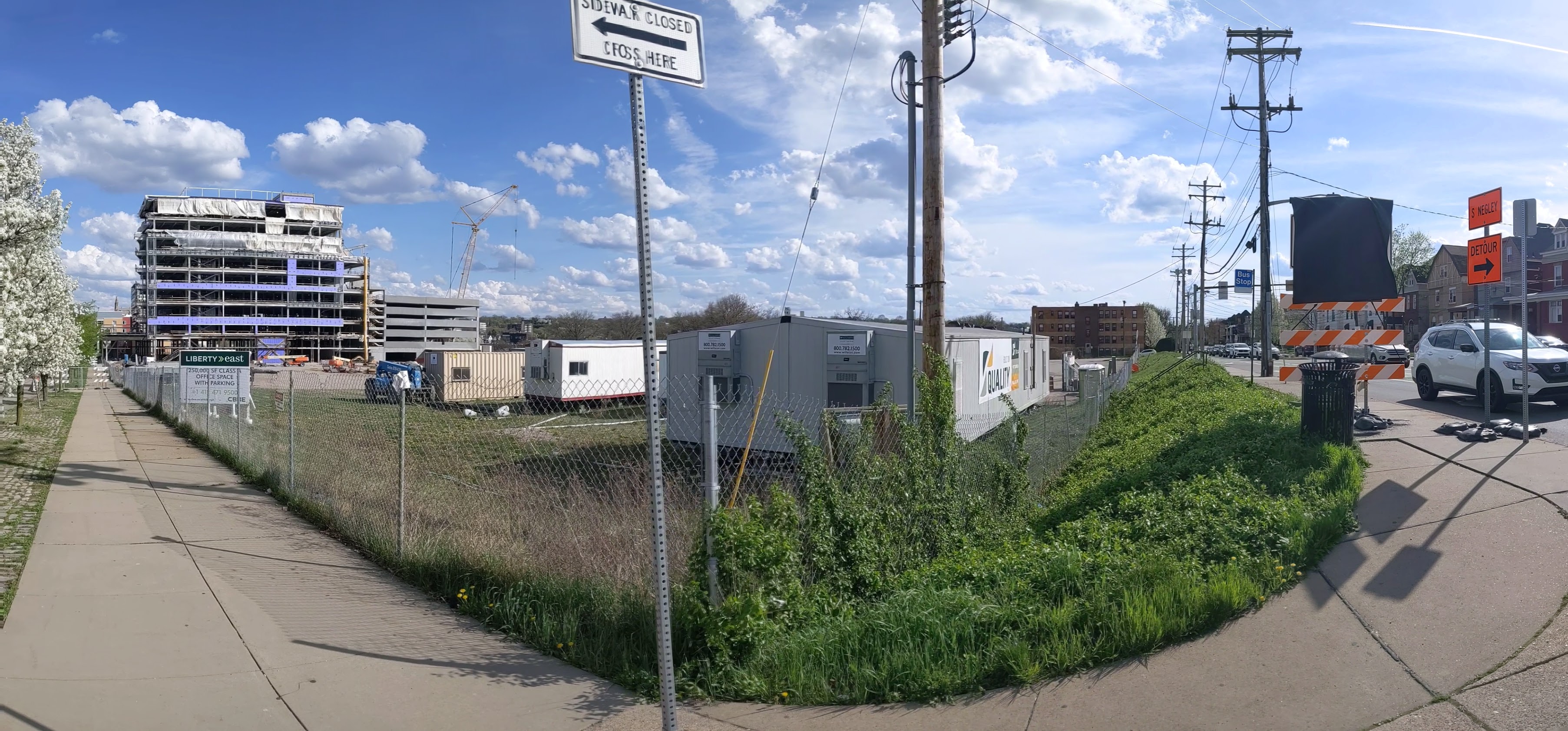
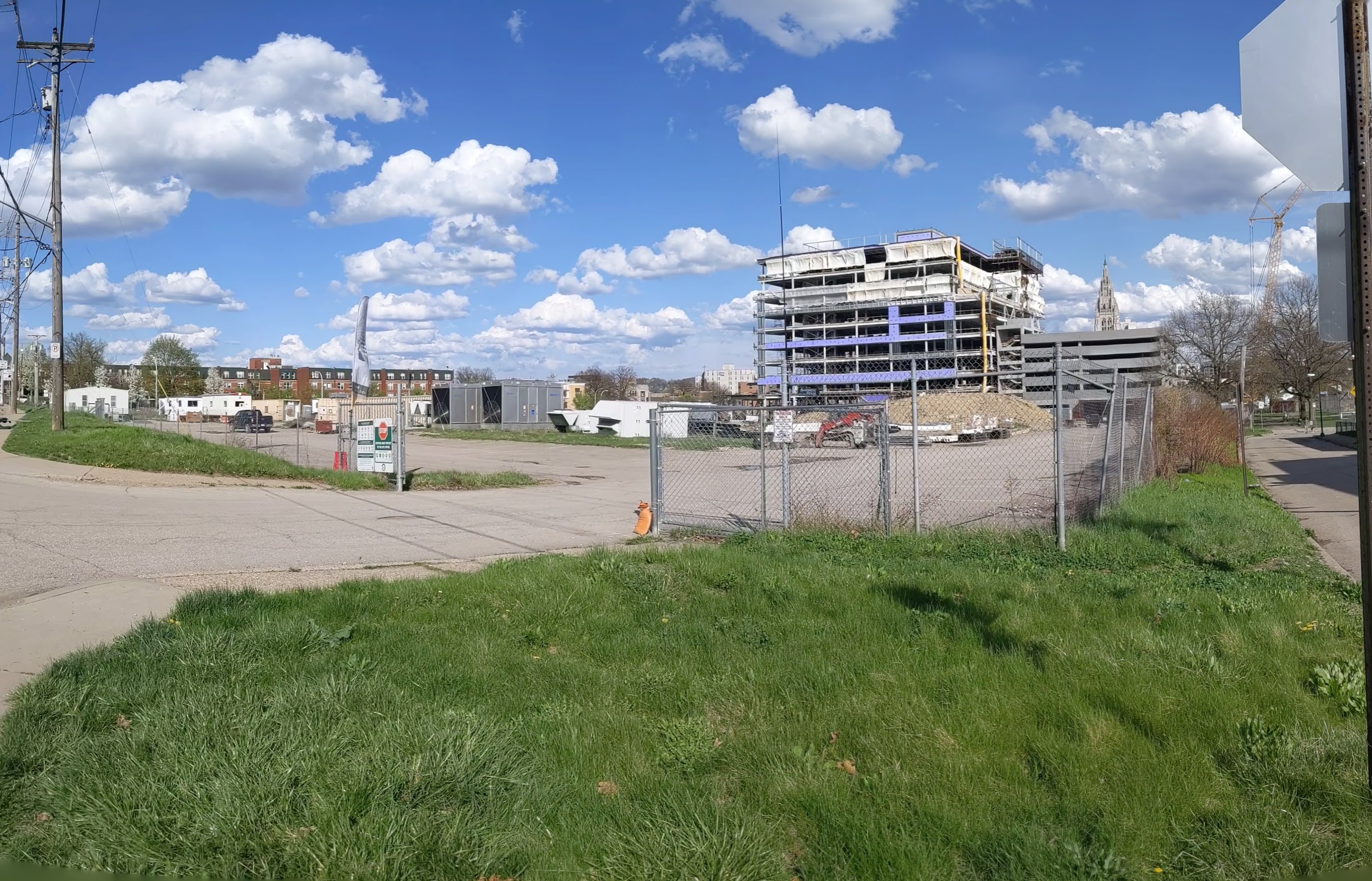
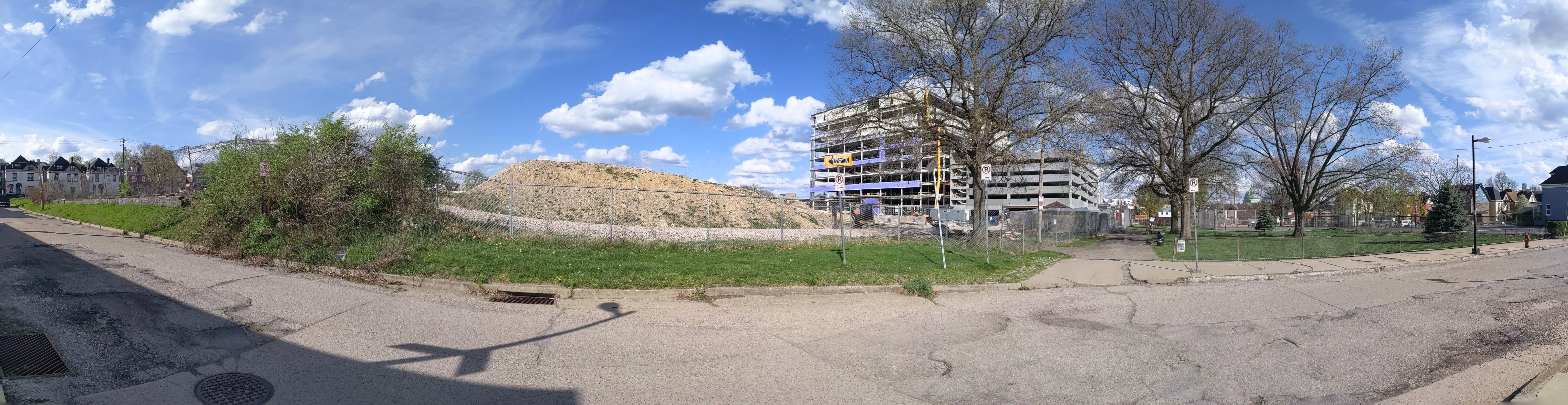
“@#$%&!” slipped out of my mouth when I was several blocks away from the former Penn Plaza site and I saw a hulking behemoth of a building looming high above the surrounding neighborhood. In it’s current state, the new development appears to be as tall as the Daniel Burnham apartment building on Highland Ave opposite East Liberty Presbyterian Church, which is much taller than any other structure remaining in the neighborhood besides the church. While I had seen the early drawings of the proposed development when I worked at the City, I was bowled over by seeing the actual size and how it has no relation to the surrounding neighborhood.
This has promoted me to look back at the process of how this project got approval from the city. What I have found so far has only prompted more questions. When a developer proposes a project that is in compliance with the zoning code regulations, there is not much the city can do besides ask “pretty please.” I had assumed that was what the story was here, but so far I don’t see how this project was in compliance with the zoning requirements. I’ll continue digging through the past records to try and wrap my head around the zoning approval for this project. In the meantime, below are photos of the current building progress and some news articles about the development since my last post.

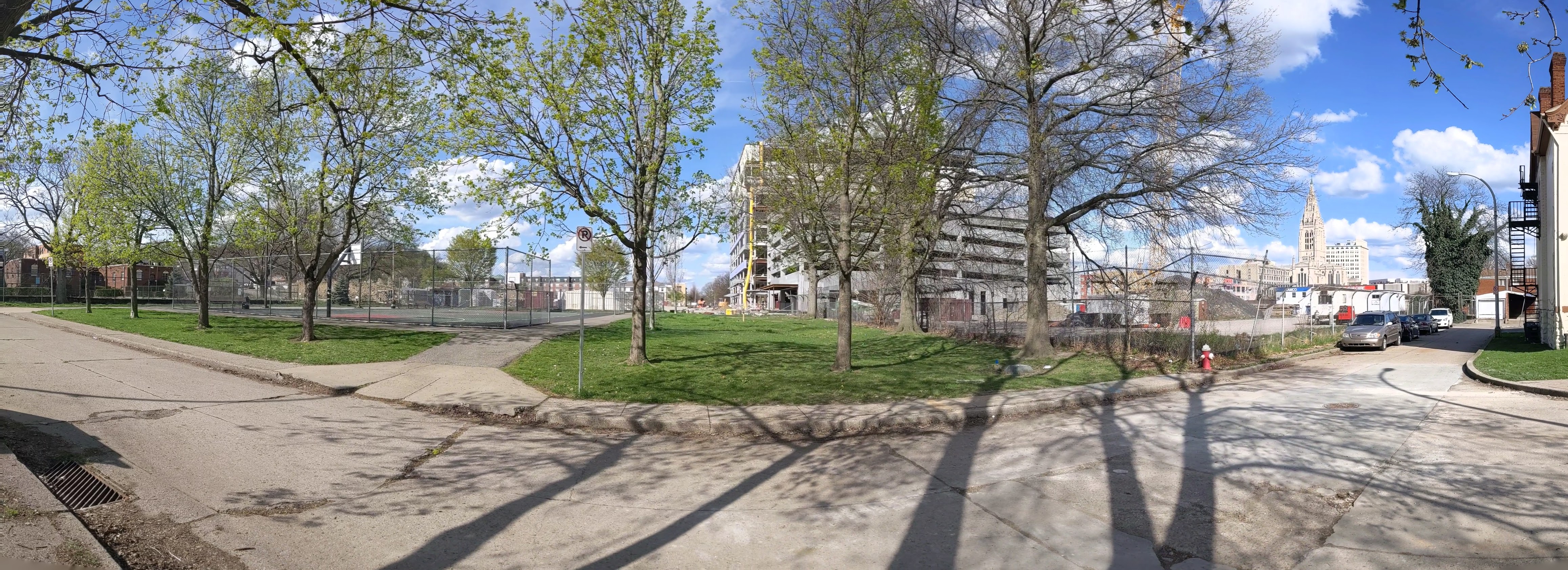
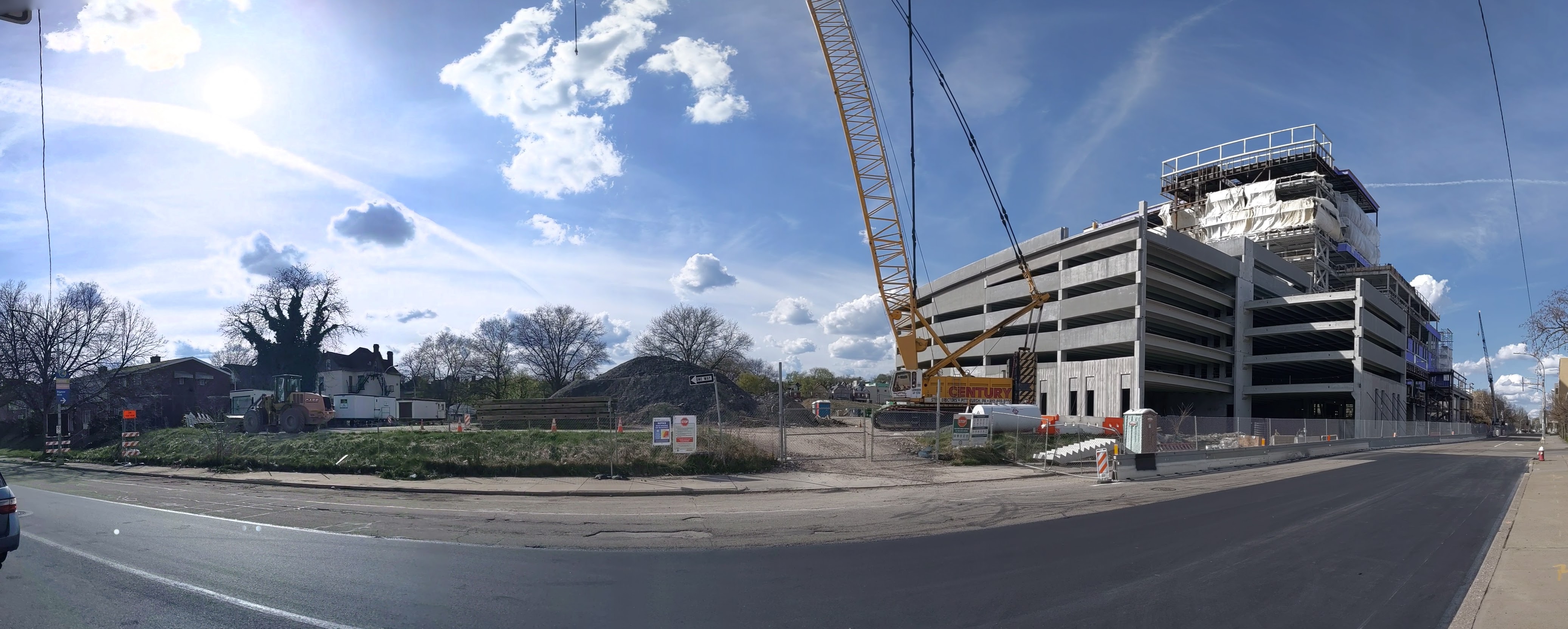
Penn Plaza in the News
In a November 23, 2020, article WESA explores what the Mayor’s Office really knew before the eviction notices. WESA also produced a podcast on Land & Power to explore what happened and how in this East Liberty site.
Former Penn Plaza Residents are being given an opportunity to return to the neighborhood in the new Mellon Orchard Development as reported by ELDI (December 15, 2020) and the Post-Gazette (February 17, 2021).
Previous Posts in the Series

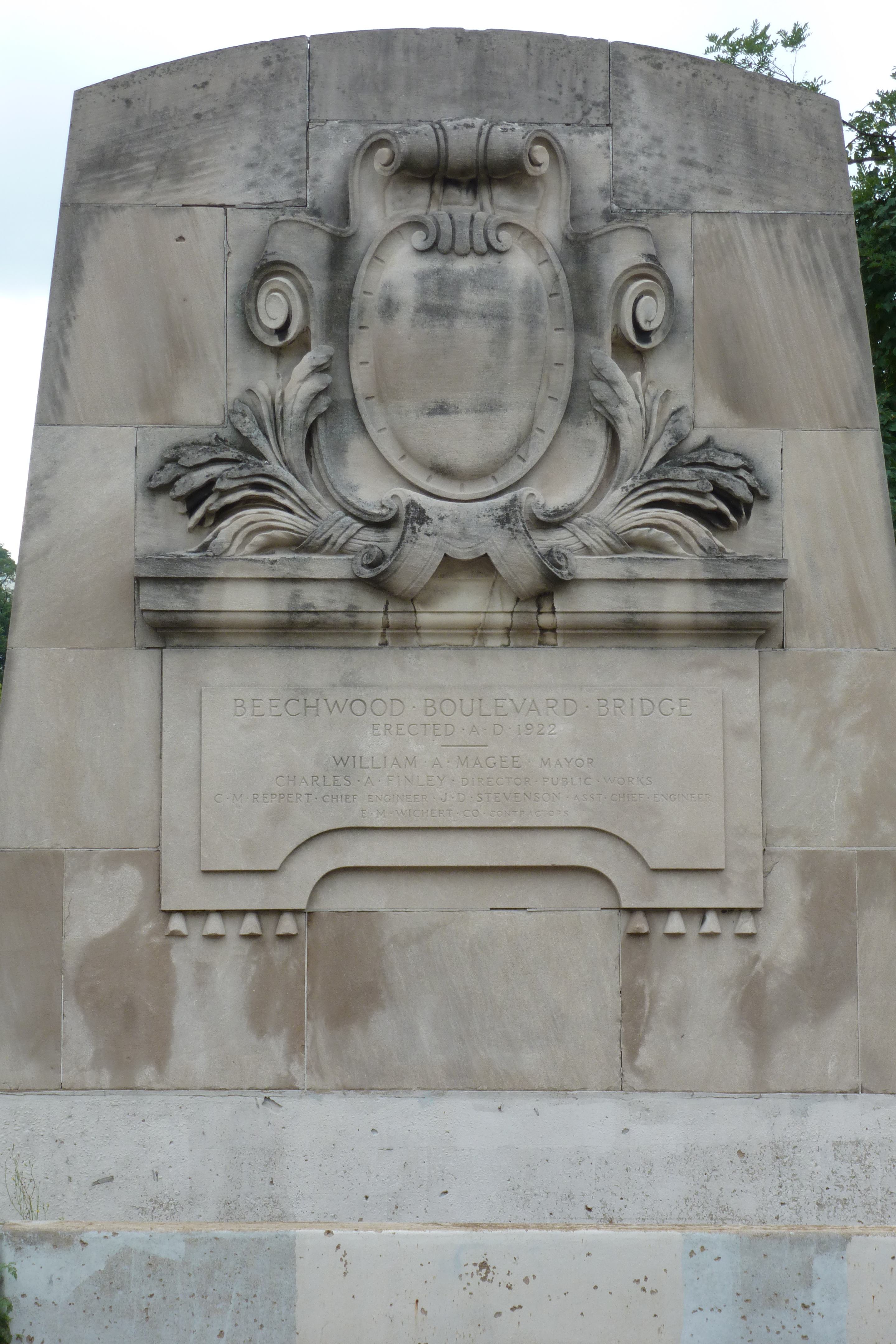
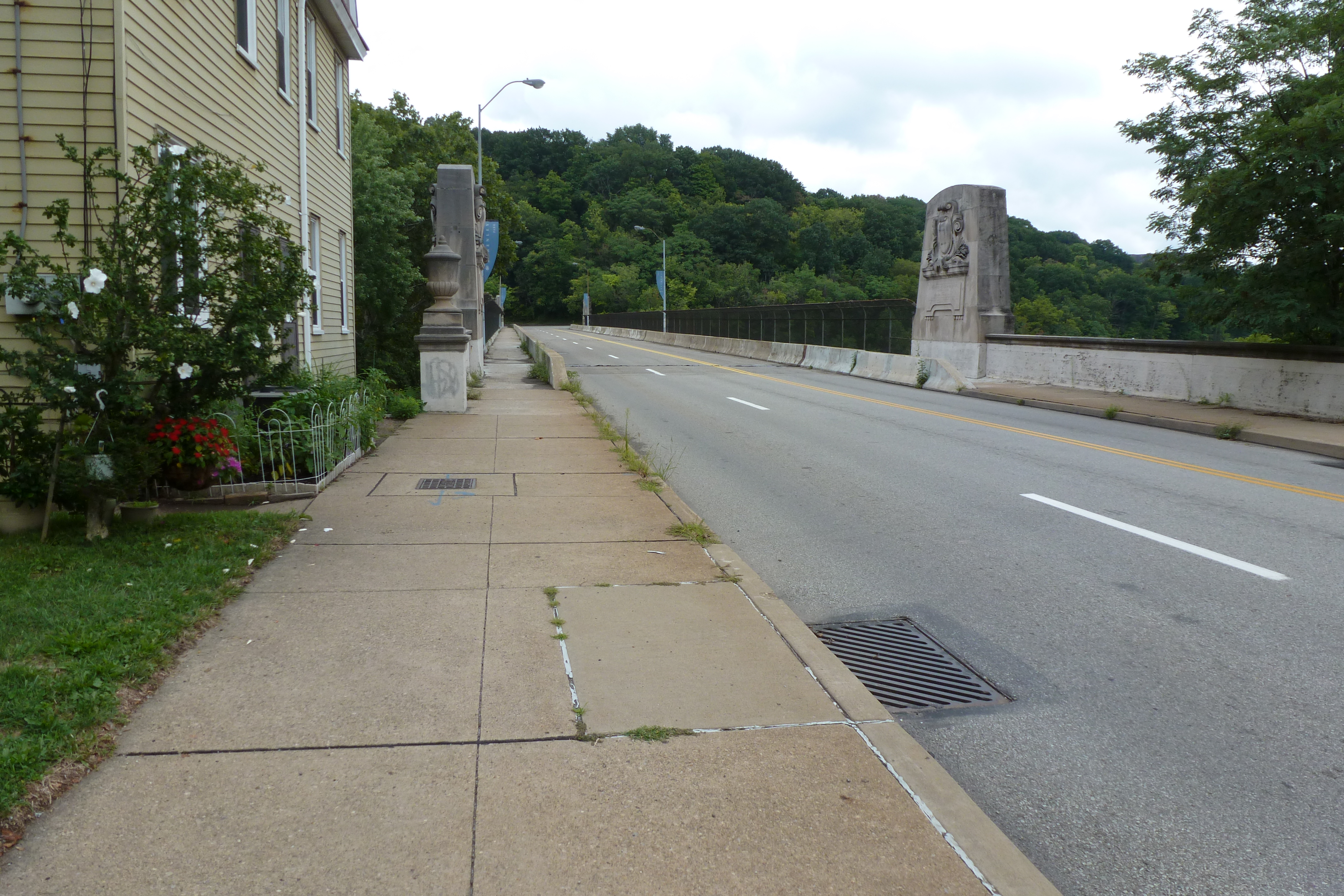
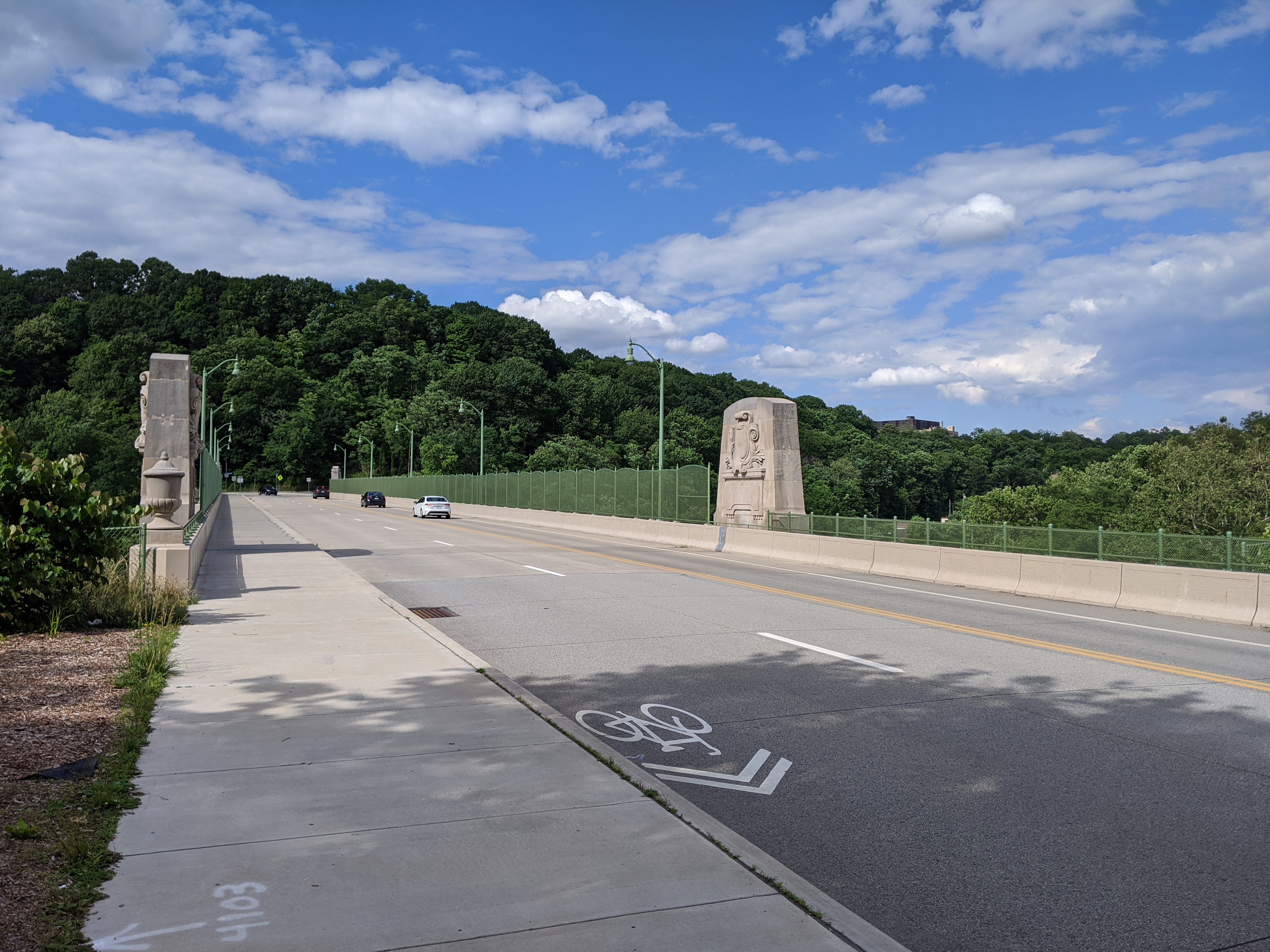
The Greenfield Bridge, formerly known as the Beechwood Boulevard Bridge, was originally built in 1922, demolished in 2015, rebuilt in 2017, and repaired in 2020. It was a classic case of waiting until the bridge was falling down before replacing it. To increase the lifespan of the original bridge, a second bridge was built underneath, and a net installed as early as the late 1980s to protect cars on the freeway below from the falling debris.
Yet it remained in that deteriorating condition for decades before being imploded in a grand ceremony between Christmas and New Year’s Eve 2015. The freeway was covered with tons of dirt, the bridge dropped onto this pile, and the debris cleared away before the highway was needed again for regular commuting. Many people (myself and my family included) stationed themselves on either hillside to watch. We picked a distant vantage point in Schenley Park where we had a great view of the dust cloud that resulted from the demolition.
Another grand ribbon cutting ceremony took place when the new bridge reopened in 2017. A part of the reason for celebration was that, similar to the rebuilding of Heth’s Run Bridge, the historical decorative elements of the bridge were restored or reinstated. The new fencing on the bridge also aimed for a more decorative feel compared to the previous cage-like fencing.
After all the ceremonies and splash around the new bridge, I was surprised to receive a press release three years later announcing that the bridge would be closed for a month to undergo repaving and other repairs. On the one hand, it was nice to see that a bridge was undergoing maintenance instead of being left to fall to pieces before being replaced, but three years seemed early to need this kind of maintenance. According to the Post-Gazette, the repairs were for issues identified in the final inspection before the 2017 reopening. These issues threatened to significantly shorten the projected 50-year life span if unaddressed. Now that those issues have been resolved, I assume it will be at least 50 years before the next press release about repair or renovation for this bridge.
As if there weren’t already enough crises, London’s bridges were “falling down” in 2020. Three were closed for vital repairs. Hammersmith Bridge remains suspended in limbo while the other two, London Bridge and Vauxhall Bridge, reopened after months of work. Yet, none are totally in the clear. London Bridge’s reopening included significant daytime traffic restrictions. Traffic restrictions may be implemented for Vauxhall Bridge, if money cannot be found for more repairs. Financial straits threaten Hammersmith Bridge as well. It was first closed to vehicular traffic in April 2019 and closed to all traffic, pedestrian and bicycles over and boat traffic under, in August 2020 due to widened cracks feared to portend imminent collapse. The estimate to repair this bridge is £140 million and nearly seven years of work.
London Bridge is falling down,
Falling down, falling down,
London Bridge is falling down,
My fair Lady.
In my experiences walking bridges, it seems common to wait until a bridge is almost falling down to invest in it. It appears politically unappealing to direct funds to maintaining bridges, so we live in a world with a dire refrain of our collapsing infrastructure.
Build it up with bricks and mortar,
Bricks and mortar, bricks and mortar,
Build it up with bricks and mortar,
My fair Lady.
Bricks and mortar will not stay,
Will not stay, will not stay,
Bricks and mortar will not stay,
My fair Lady.
In Pittsburgh, bridges are often left to run the course of their lives without regular maintenance, then are replaced with a new bridge. The resulting demolition ceremonies and ribbon cuttings make splashy political news stories. The river bridges are an exception. Probably because of their character and contribution to the city’s photogenetic downtown, they are occasionally partially or completely closed for maintenance.
Build it up with iron and steel,
Iron and steel, iron and steel,
Build it up with iron and steel,
My fair Lady.
Iron and steel will bend and bow,
Bend and bow, bend and bow,
Iron and steel will bend and bow,
My fair Lady.
London’s river bridges have more history and, sometimes, more character than Pittsburgh’s bridges. Hammersmith Bridge is one of the city’s unique and historical bridges. The steep price tag to repair this bridge, perhaps the result of mounting deferred maintenance, begs the question of at what point in the decades of non-investment is the threshold crossed beyond which repair is no longer an option.
Build it up with silver and gold,
Silver and gold, silver and gold,
Build it up with silver and gold,
My fair Lady.
Silver and gold will be stolen away,
Stolen away, stolen away,
Silver and gold will be stolen away,
My fair Lady.
The decades of neglect in Pittsburgh and London overlooks bridges’ frequent role as practical infrastructure built to assist in crossing an obstacle. Even temporary closings can cause extreme headaches and delays to those who rely on the bridge. Hammersmith Bridge was left to deteriorate so long, it had to be closed before a plan was in place. As funds and a repair approach are sought, the residents and businesses of Hammersmith continue to be seriously inconvenienced by not being able to cross the river close to home.
Note: Lyrics to “London Bridge is Falling Down” were taken from https://allnurseryrhymes.com/london-bridge-is-falling-down/.

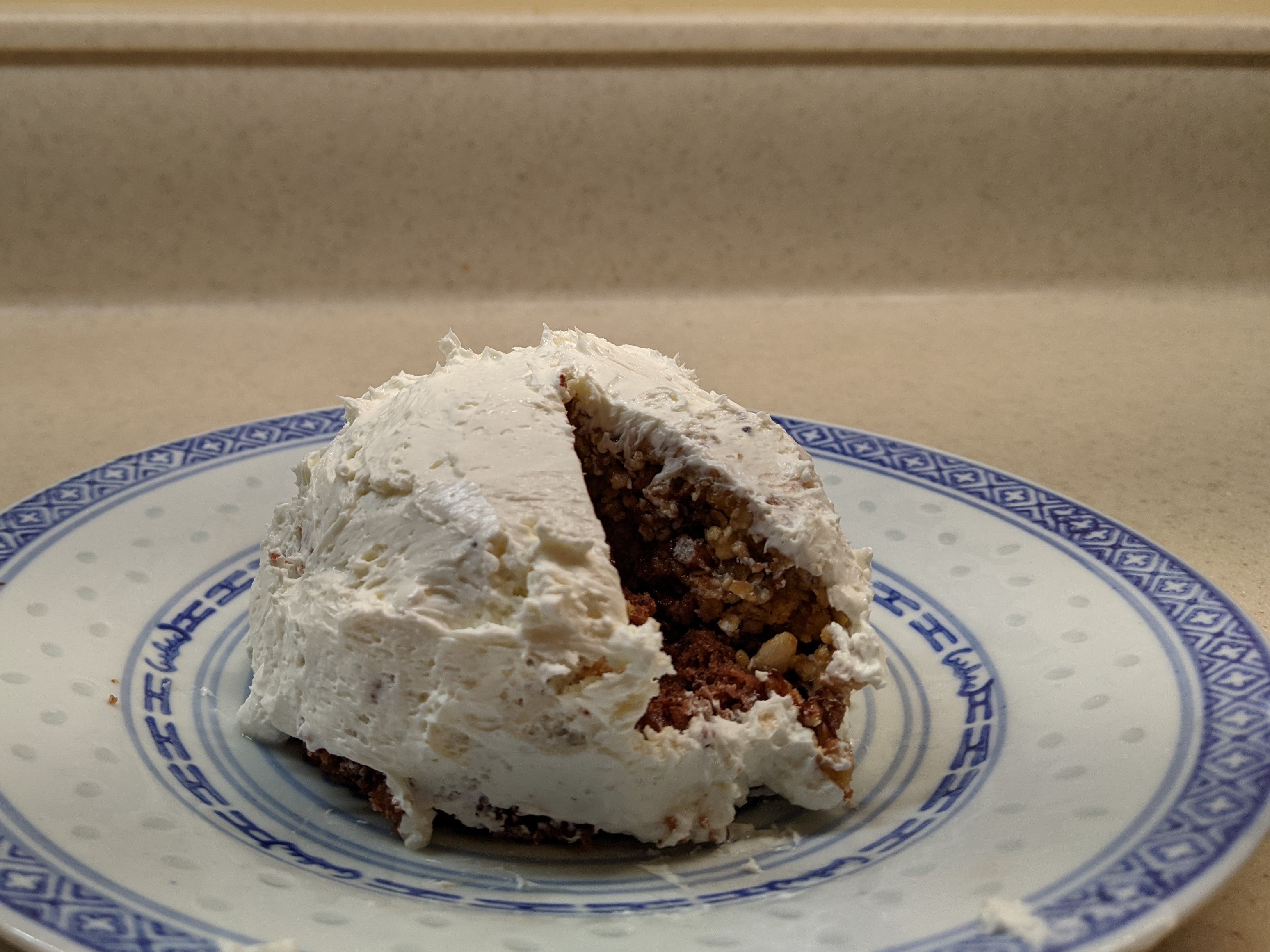
For this year’s Architectural Dessert Masterpiece, I chose Pittsburgh’s Civic Arena for the subject mostly because of the pandemic. The travel restrictions of 2020 prevented me from finding an inspiring building while exploring a new place. The social distancing requirements meant that whatever I made I would have to eat myself. Earlier in the year, I found a granola bar recipe that actually sticks together, which inspired me to take another foray into domes. As December drew near and I put together the conditions of a single-serve dessert with a dome that had some relationship to the themes of the year, the Civic Arena was the obvious choice.
The result was a single-serve cake topped with a granola bar dome and frosted with cream cheese to keep the sugar content down. Once frosted it looked to me more like an igloo than the Civic Arena, but fortunately, the building’s nickname was the Igloo. So, it all worked out in the end.
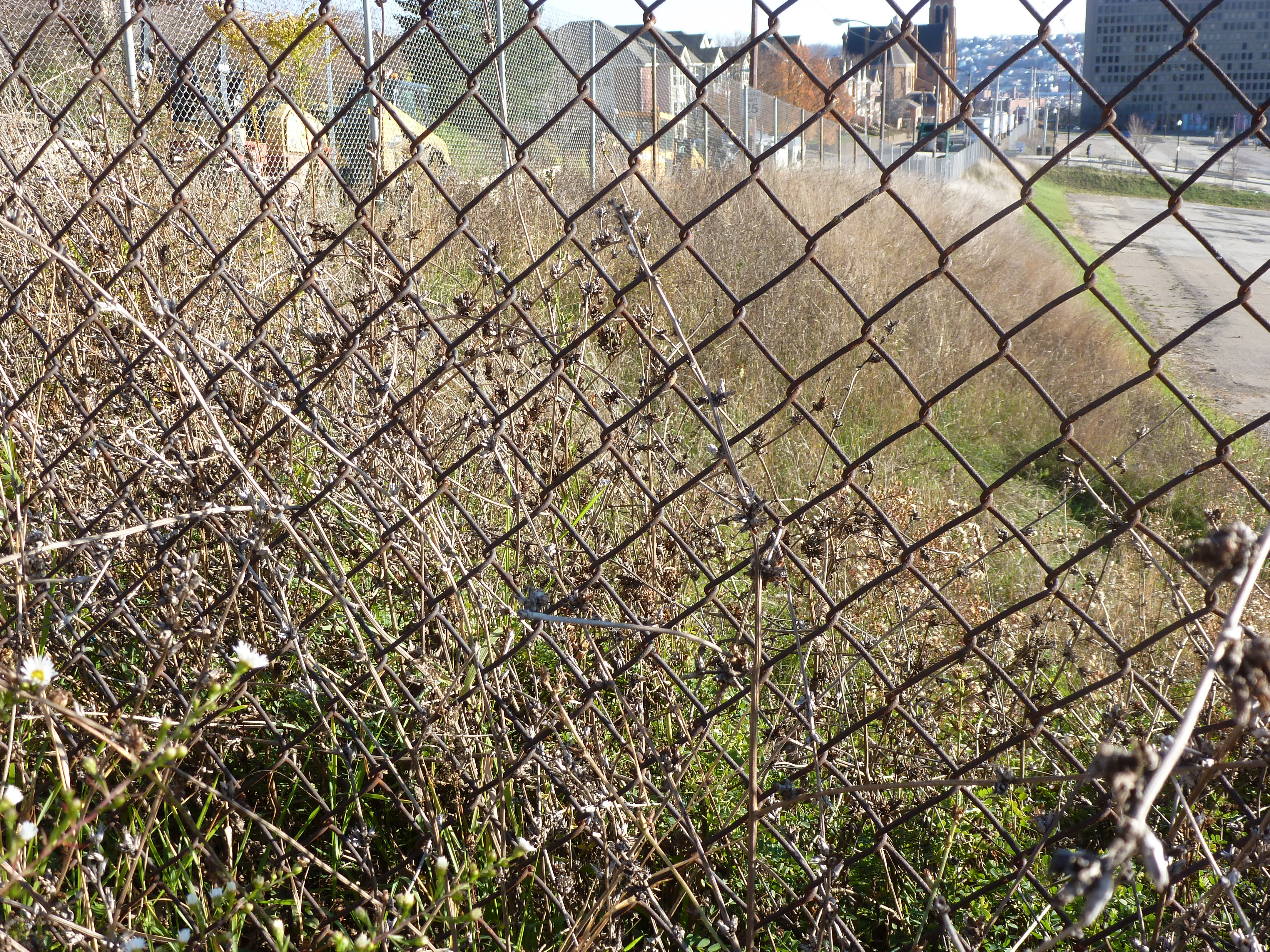
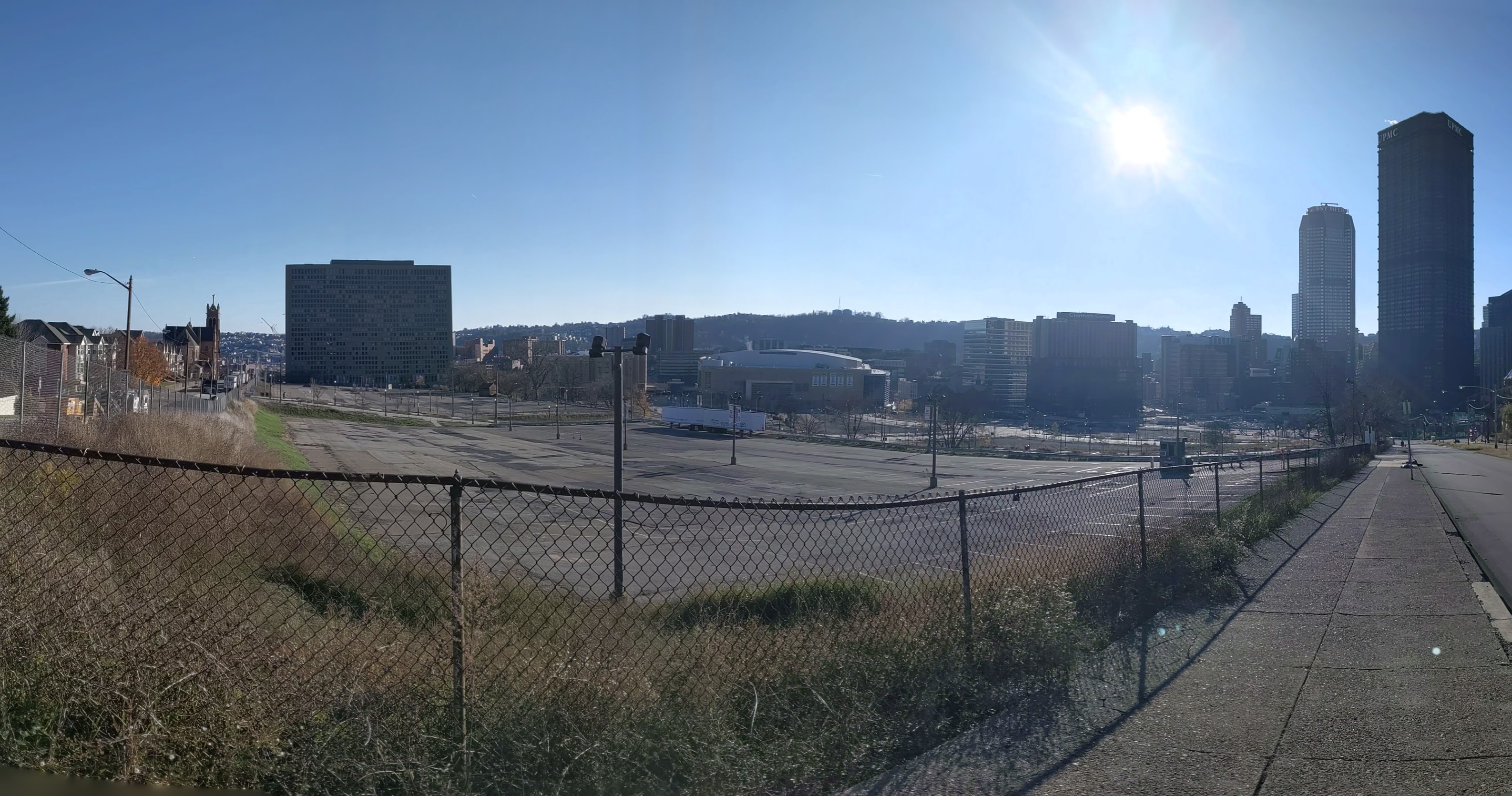
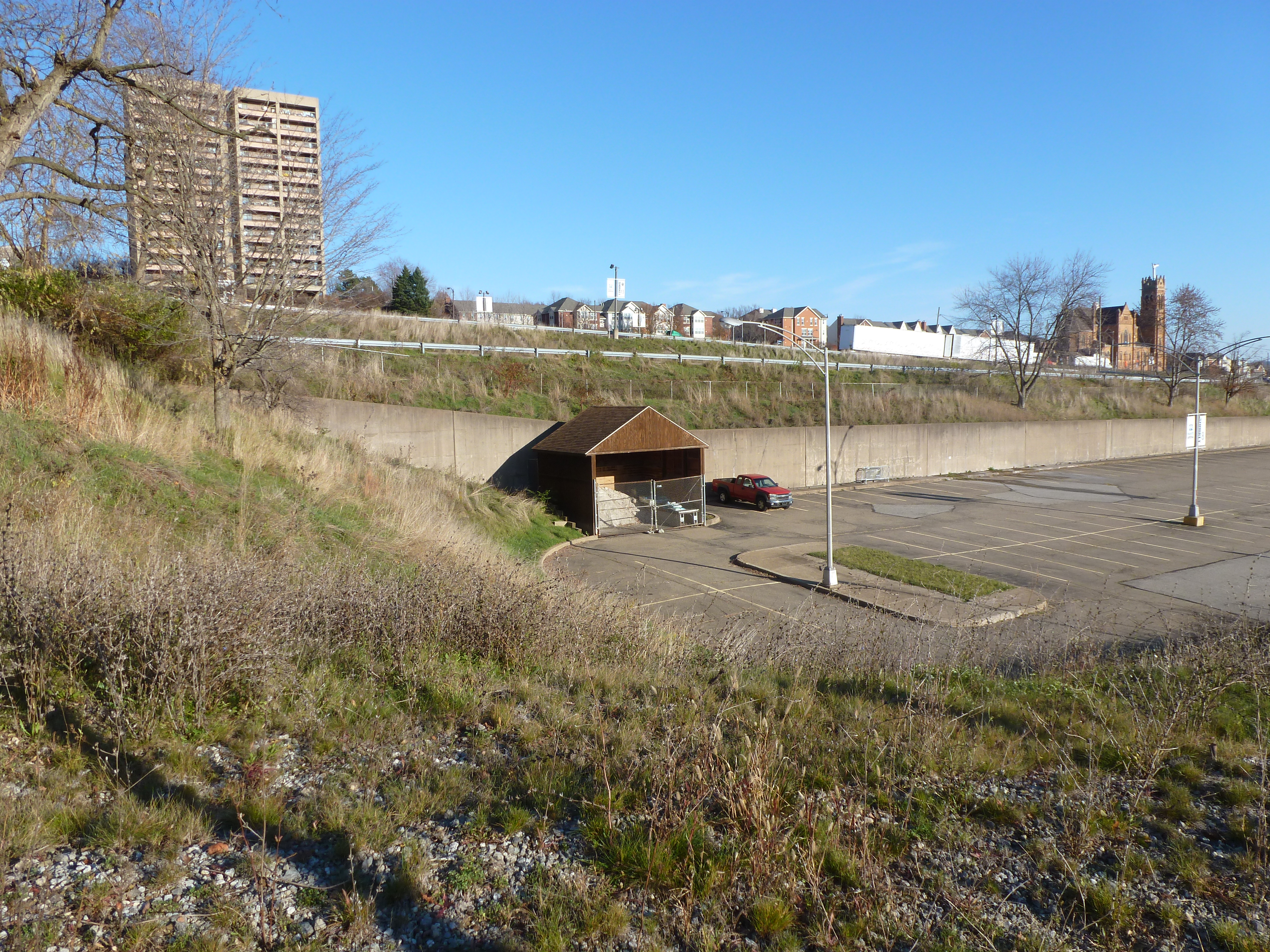
Whether it will all work out in the end and for who are still open questions for the site of the Civic Arena. The Arena opened in 1961 as the central feature of the redevelopment of the Lower Hill neighborhood that had been deemed “blighted” and in need of “revitalization.” Intended as a cultural mecca housing the Pittsburgh opera company, hockey, and other uses under a retractable roof, it rarely lived up to its promises. In the end, it was surrounded by a sea of parking lots instead of a cultural park, the roof rarely opened, and the opera quickly found a different home more conducive to using sets that need support from the ceiling. For a time, the building did find success as a hockey arena and concert venue until it was deemed obsolete and a new arena was built. The Civic Arena was demolished 50 years after opening, paving the way for a new redevelopment of the Lower Hill to “revitalize” the area.
Architectural historian Franklin Toker describes the first redevelopment of the Lower Hill in his 1986 book Pittsburgh: An Urban Portrait:
The reconstruction of the Lower Hill began in 1955 with $17 million in federal grants. In an area of 100 acres, 1,300 buildings housing 413 businesses and 8,000 residents (a majority of them black) were displaced in an attempt to extend the revitalization of the adjacent Golden Triangle. Even were one to overlook the devastating social impact of the Lower Hill redevelopment, its success could only be judged as minor. The new complex failed to graft on to the Golden Triangle because of the intrusion of the Crosstown Expressway and the misalignment of the street grids of the Golden Triangle and The Hill. Some bad luck also dogged the Lower Hill redevelopment, particularly the bankruptcy of William Zeckendorf, one of its major supporters, and the decision by the Heinz foundations to locate their new concert hall in the Triangle rather than on The Hill. But the major cause of its failure was the animosity between the developers and the black community. When that animosity boiled over as part of the nationwide racial riots of 1968, Pittsburgh’s dream of a cultural Acropolis on the Lower Hill ended. (234)
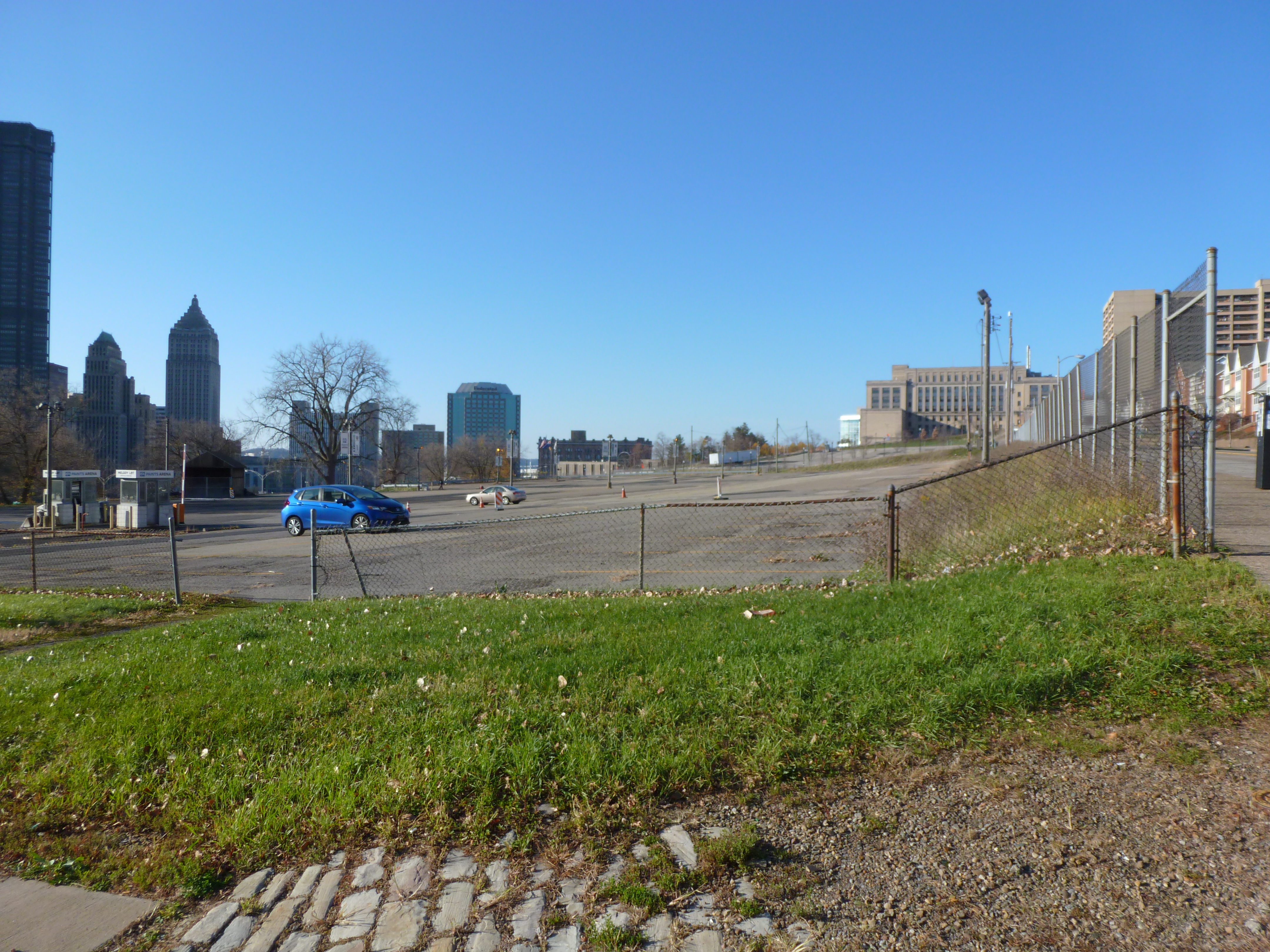
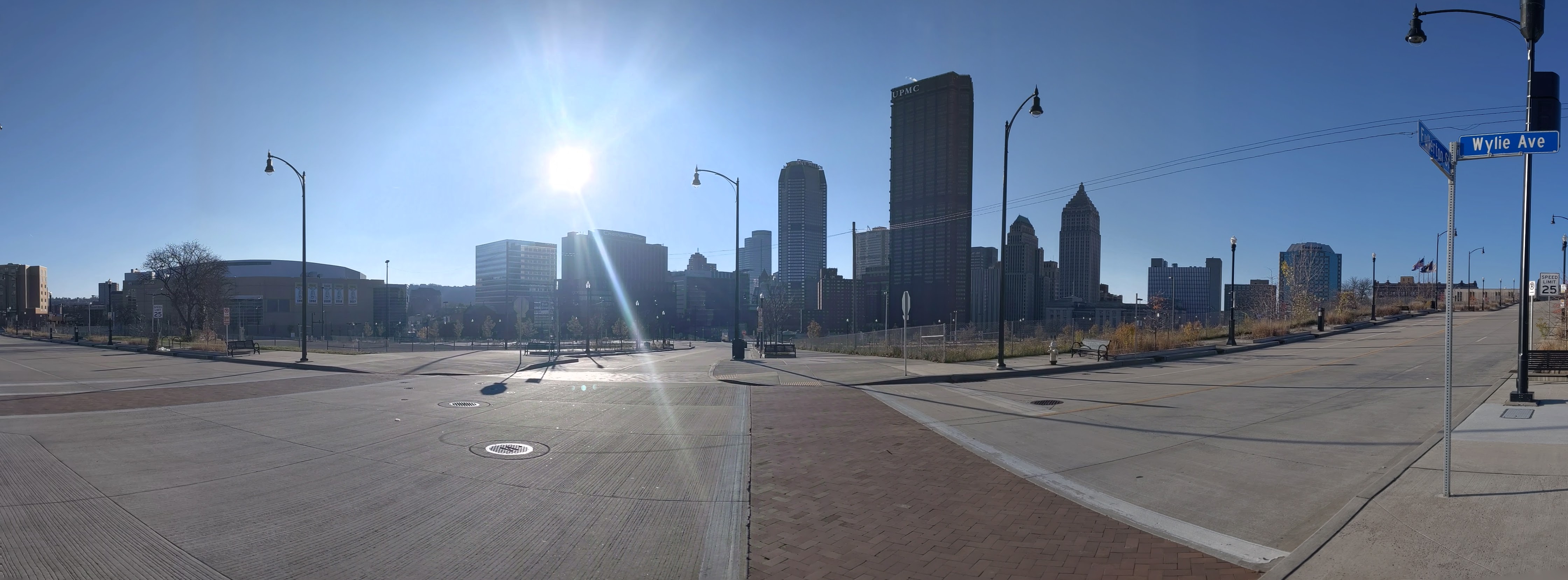
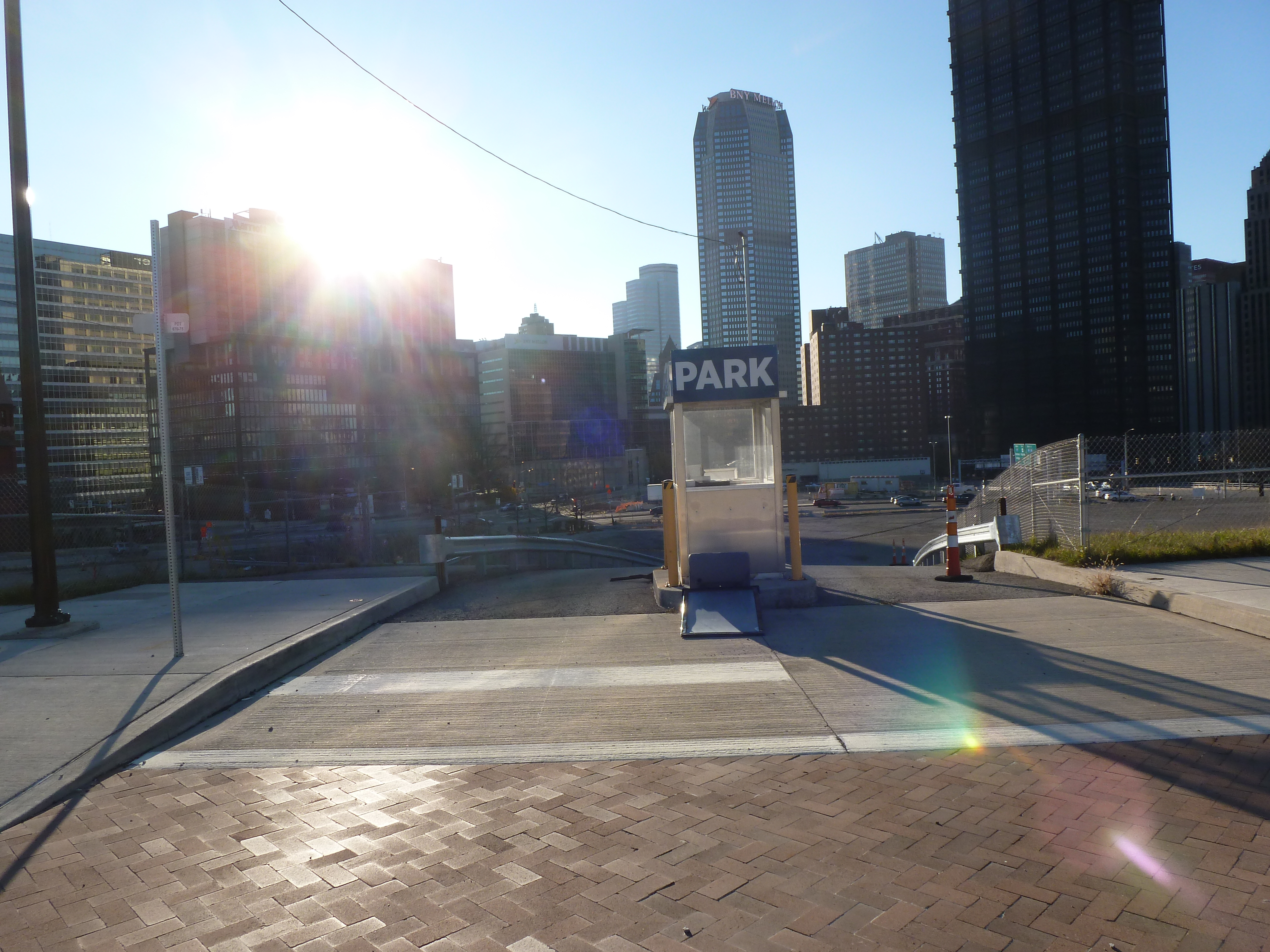
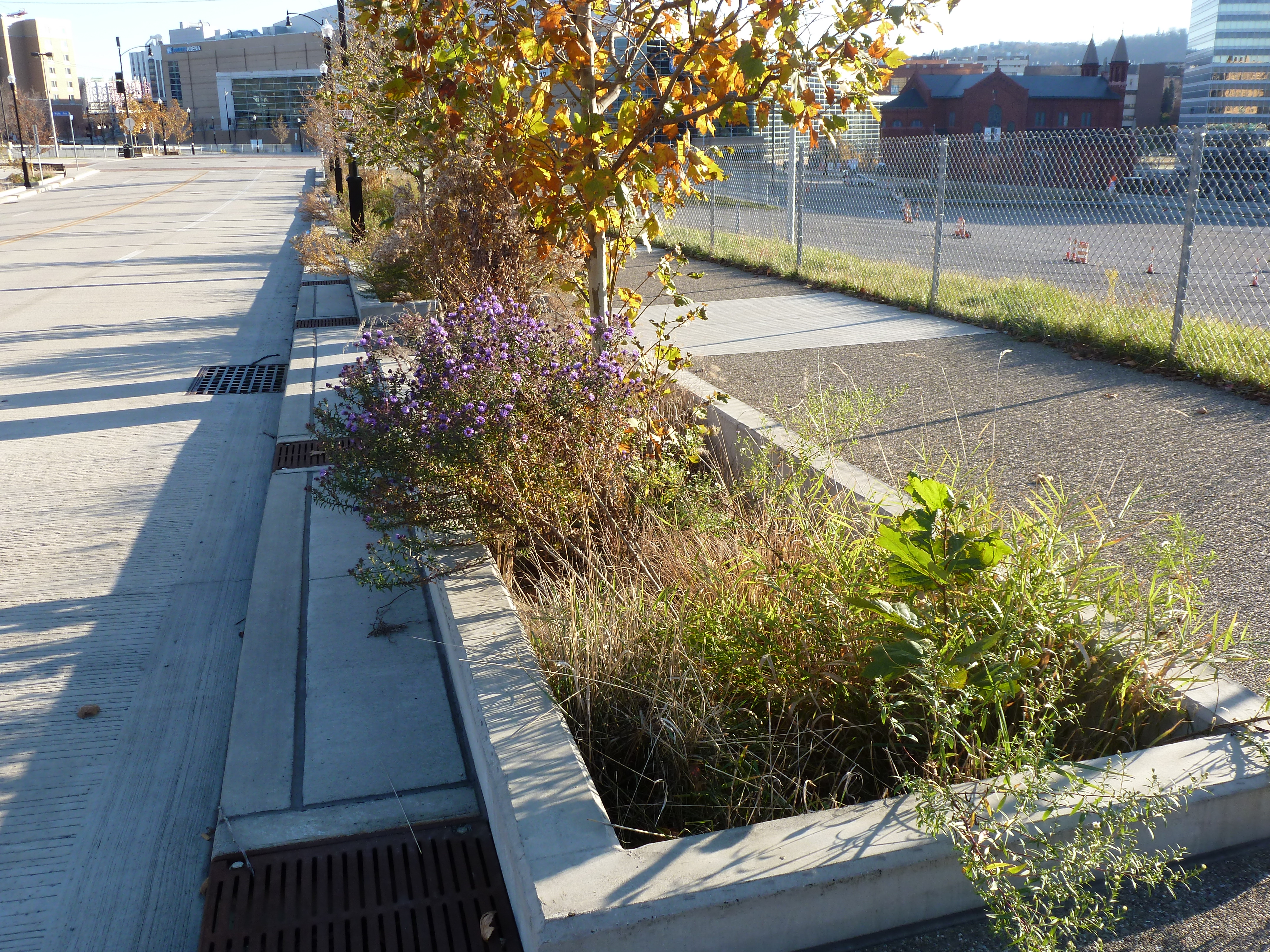
The second redevelopment started with restoring the street grid and building a CAP over the Crosstown Expressway. While it is easy to rebuild the roads, it will take a lot more to rebuild what was once “The Crossroads of the World” as the intersection of Wylie Ave and Fullerton Street was known prior to the first redevelopment, according to Mark Whittaker in Smoketown: The Untold Story of the Other Great Black Renaissance.
My series of posts Keeping an Eye on the Lower Hill is following the progress of this second redevelopment.
Want to see how my Architectural Dessert Masterpiece compares with the submissions in Pittsburgh’s 18th Annual Gingerbread Competition? Click here.
Previous Architectural Dessert Masterpieces:
Flying Cashews (Built December 2019)
Building the Bridge (Built December 2014)
Reaching for the Heights (Built December 2013)
Conquering the Dome (Built December 2012)
Gingerbread Blue Mosque (Built December 2011)
Parthenon Cake (Built December 2010)





Lower Hill in the News:
URA board votes in favor of FNB Tower (Pittsburgh Business Times, May 21, 2020)
FNB tower will be among first post-pandemic buildings (Pittsburgh Business Times, May 22, 2020)
The Penguins and FNB Corp provide funds for tech center in the Hill District (Pittsburgh Business Times, August 27, 2020)
FNB and Penguins establish partnership (Pittsburgh Business Times, September 10, 2020)
Funding secured for FNB tower in Lower Hill (Pittsburgh Business Times, October 8, 2020)
Penguins miss deadline; URA considering next moves (Pittsburgh Business Times, November 12, 2020)
Lower Hill commercial redeveloper, Mayor Peduto, and Councilman Lavelle announce partnership (Mayor’s Press Release, November 19, 2020)
New Lower Hill partnership could move project forward (Public Source, November 19, 2020)
Lower Hill redeveloper establishes downtown office and announces local firms and personnel added to team (Pittsburgh Business Times, November 19, 2020)
Previous posts in series:
Keeping an Eye on the Lower Hill: Jun. 2020
 urbantraipsing