The Igloo

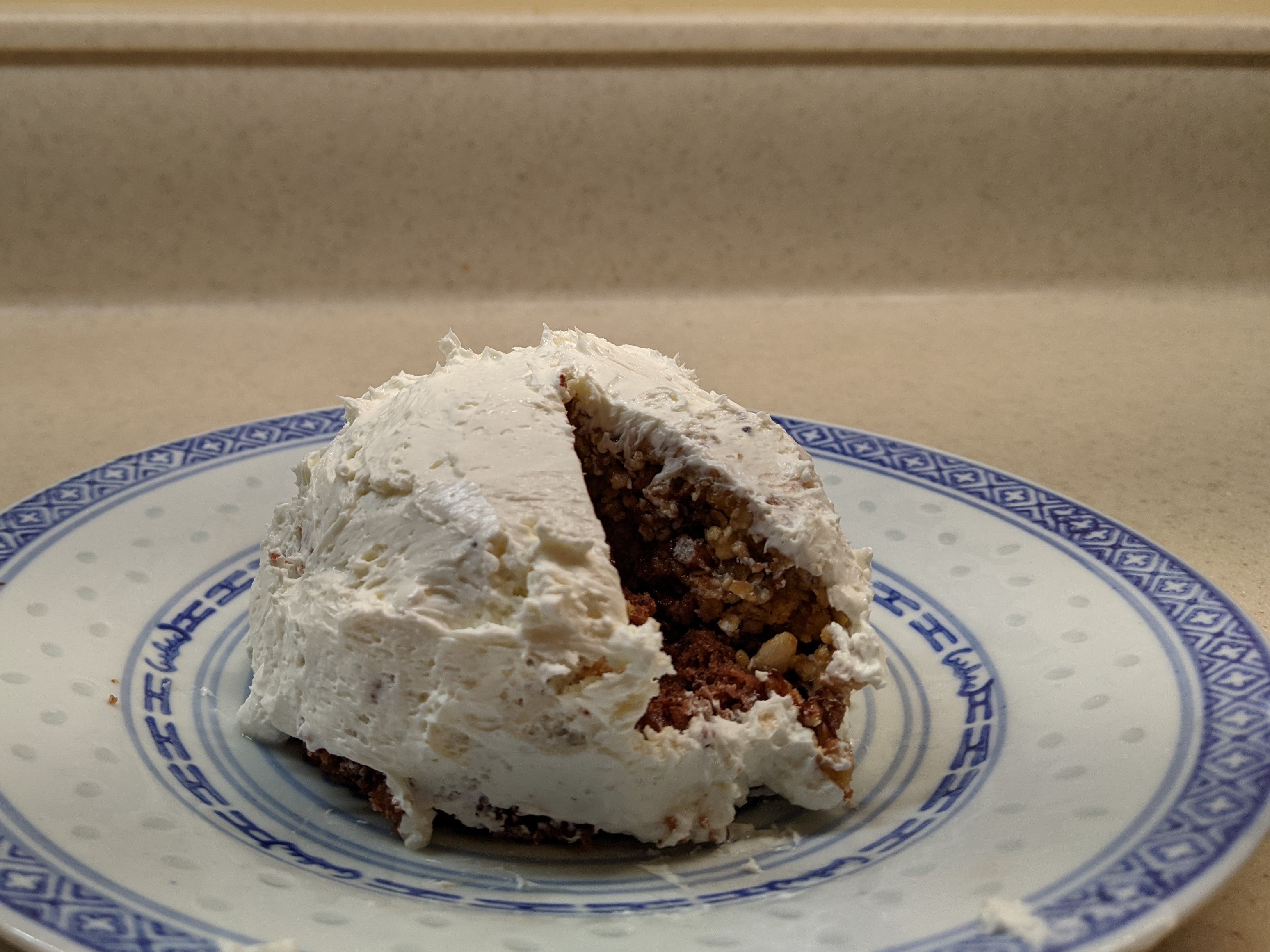
For this year’s Architectural Dessert Masterpiece, I chose Pittsburgh’s Civic Arena for the subject mostly because of the pandemic. The travel restrictions of 2020 prevented me from finding an inspiring building while exploring a new place. The social distancing requirements meant that whatever I made I would have to eat myself. Earlier in the year, I found a granola bar recipe that actually sticks together, which inspired me to take another foray into domes. As December drew near and I put together the conditions of a single-serve dessert with a dome that had some relationship to the themes of the year, the Civic Arena was the obvious choice.

The result was a single-serve cake topped with a granola bar dome and frosted with cream cheese to keep the sugar content down. Once frosted it looked to me more like an igloo than the Civic Arena, but fortunately, the building’s nickname was the Igloo. So, it all worked out in the end.

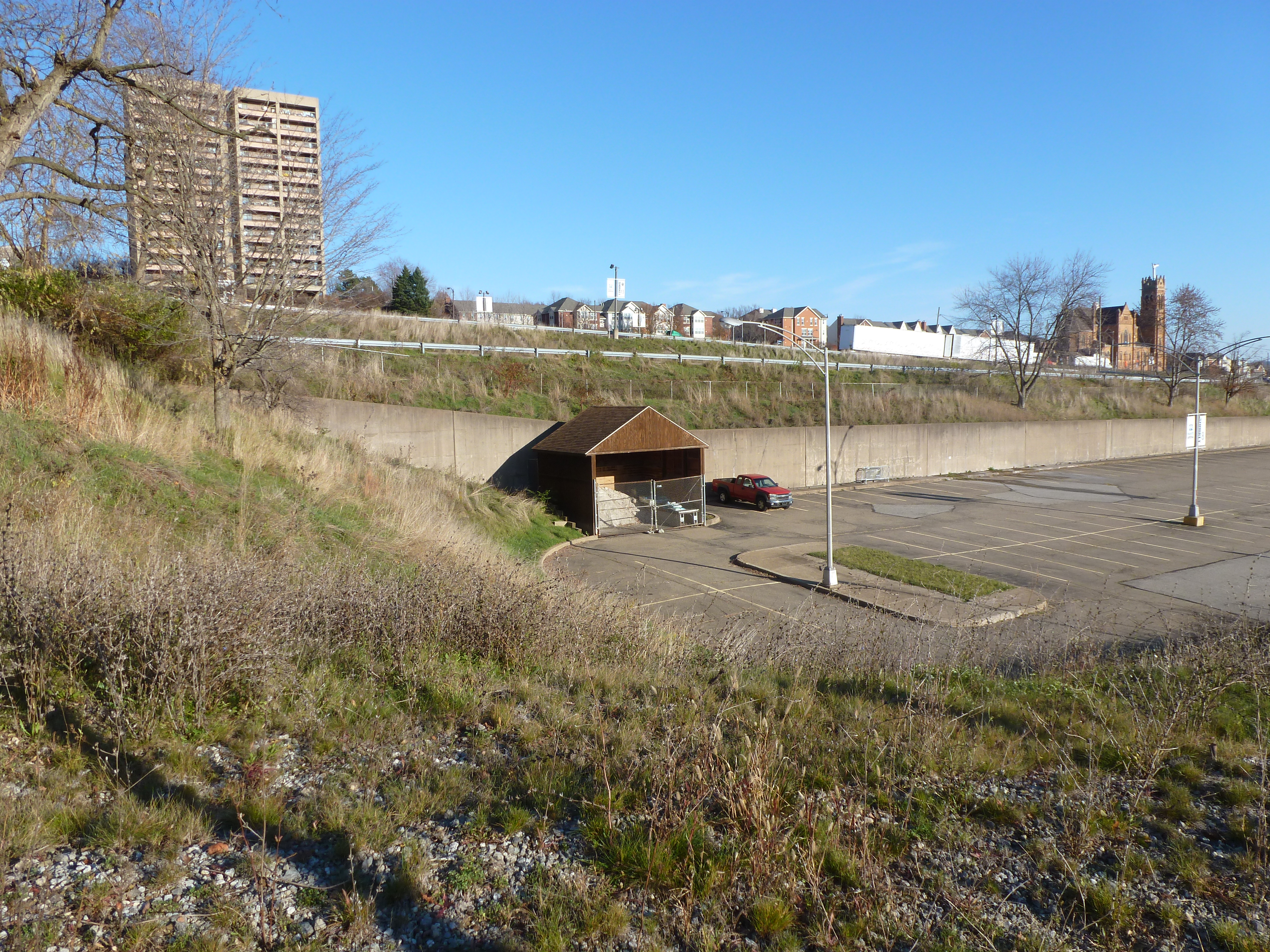
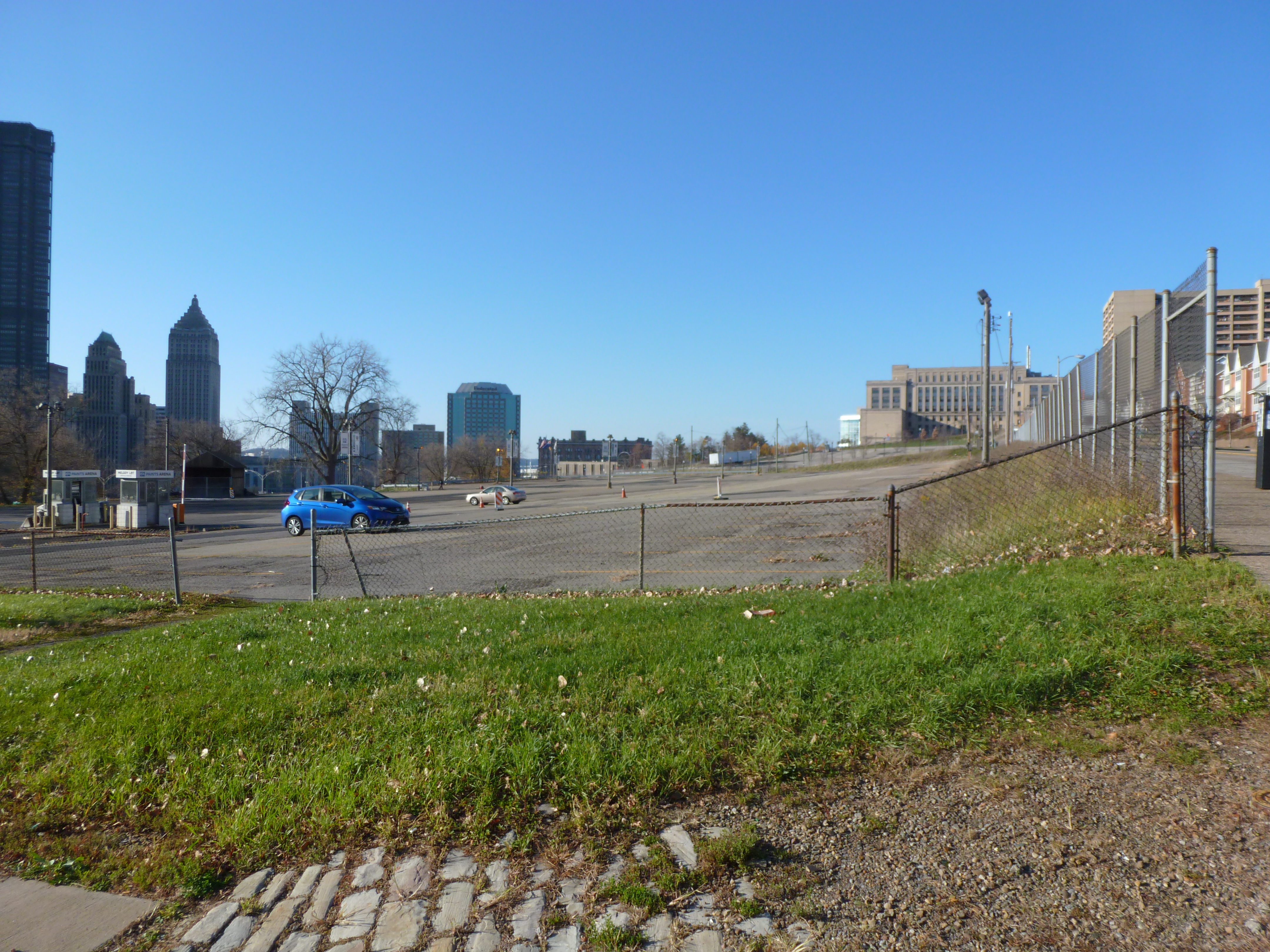
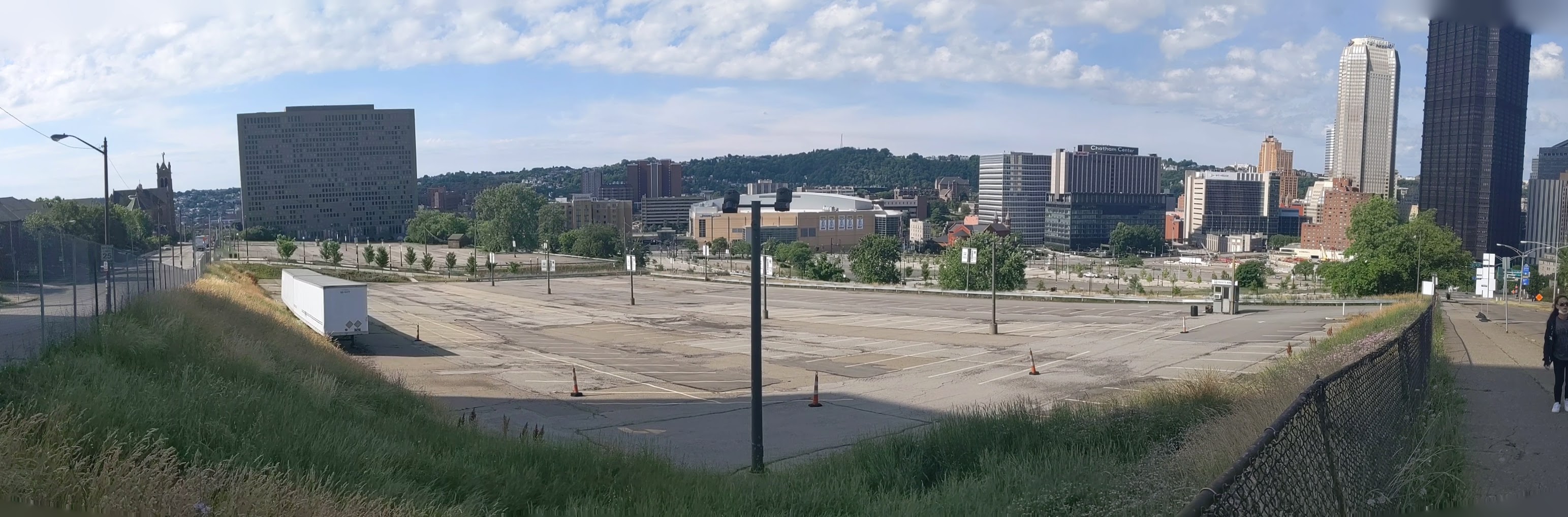
Whether it will all work out in the end and for who are still open questions for the site of the Civic Arena. The Arena opened in 1961 as the central feature of the redevelopment of the Lower Hill neighborhood that had been deemed “blighted” and in need of “revitalization.” Intended as a cultural mecca housing the Pittsburgh opera company, hockey, and other uses under a retractable roof, it rarely lived up to its promises. In the end, it was surrounded by a sea of parking lots instead of a cultural park, the roof rarely opened, and the opera quickly found a different home more conducive to using sets that need support from the ceiling. For a time, the building did find success as a hockey arena and concert venue until it was deemed obsolete and a new arena was built. The Civic Arena was demolished 50 years after opening, paving the way for a new redevelopment of the Lower Hill to “revitalize” the area.

Architectural historian Franklin Toker describes the first redevelopment of the Lower Hill in his 1986 book Pittsburgh: An Urban Portrait:

The reconstruction of the Lower Hill began in 1955 with $17 million in federal grants. In an area of 100 acres, 1,300 buildings housing 413 businesses and 8,000 residents (a majority of them black) were displaced in an attempt to extend the revitalization of the adjacent Golden Triangle. Even were one to overlook the devastating social impact of the Lower Hill redevelopment, its success could only be judged as minor. The new complex failed to graft on to the Golden Triangle because of the intrusion of the Crosstown Expressway and the misalignment of the street grids of the Golden Triangle and The Hill. Some bad luck also dogged the Lower Hill redevelopment, particularly the bankruptcy of William Zeckendorf, one of its major supporters, and the decision by the Heinz foundations to locate their new concert hall in the Triangle rather than on The Hill. But the major cause of its failure was the animosity between the developers and the black community. When that animosity boiled over as part of the nationwide racial riots of 1968, Pittsburgh’s dream of a cultural Acropolis on the Lower Hill ended. (234)

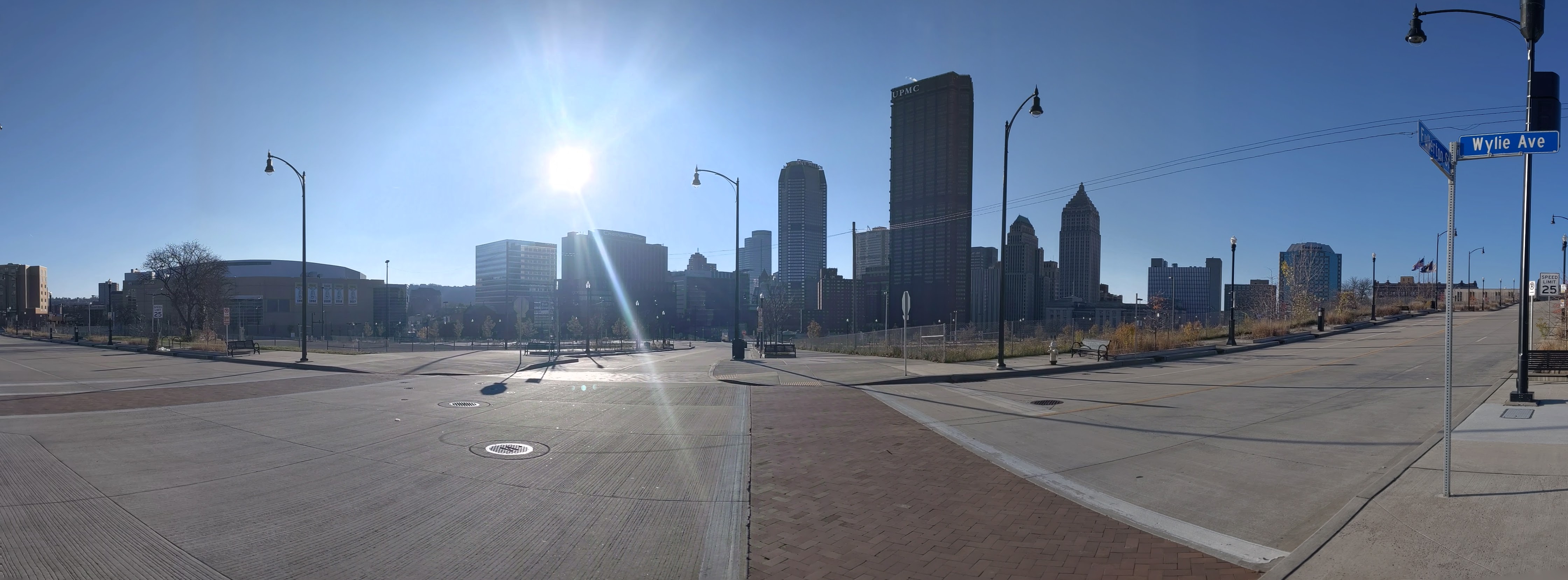
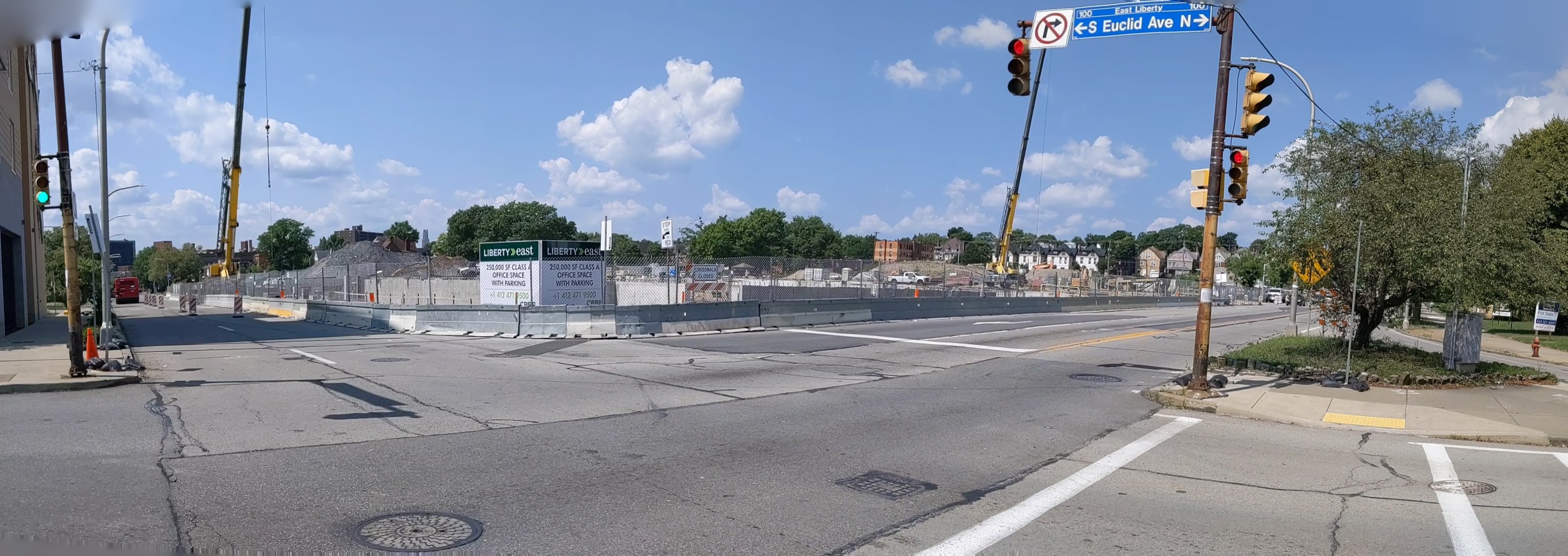
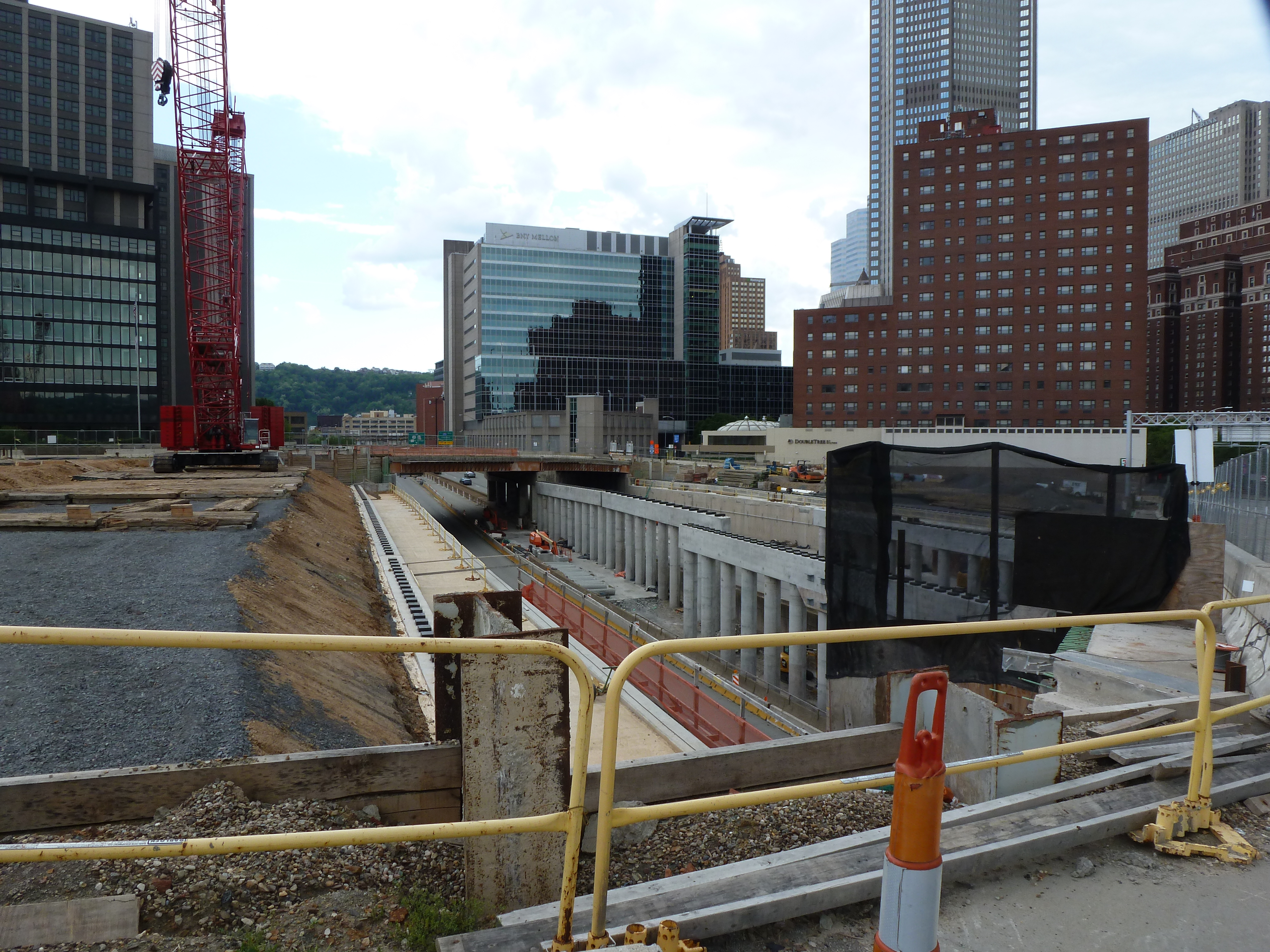
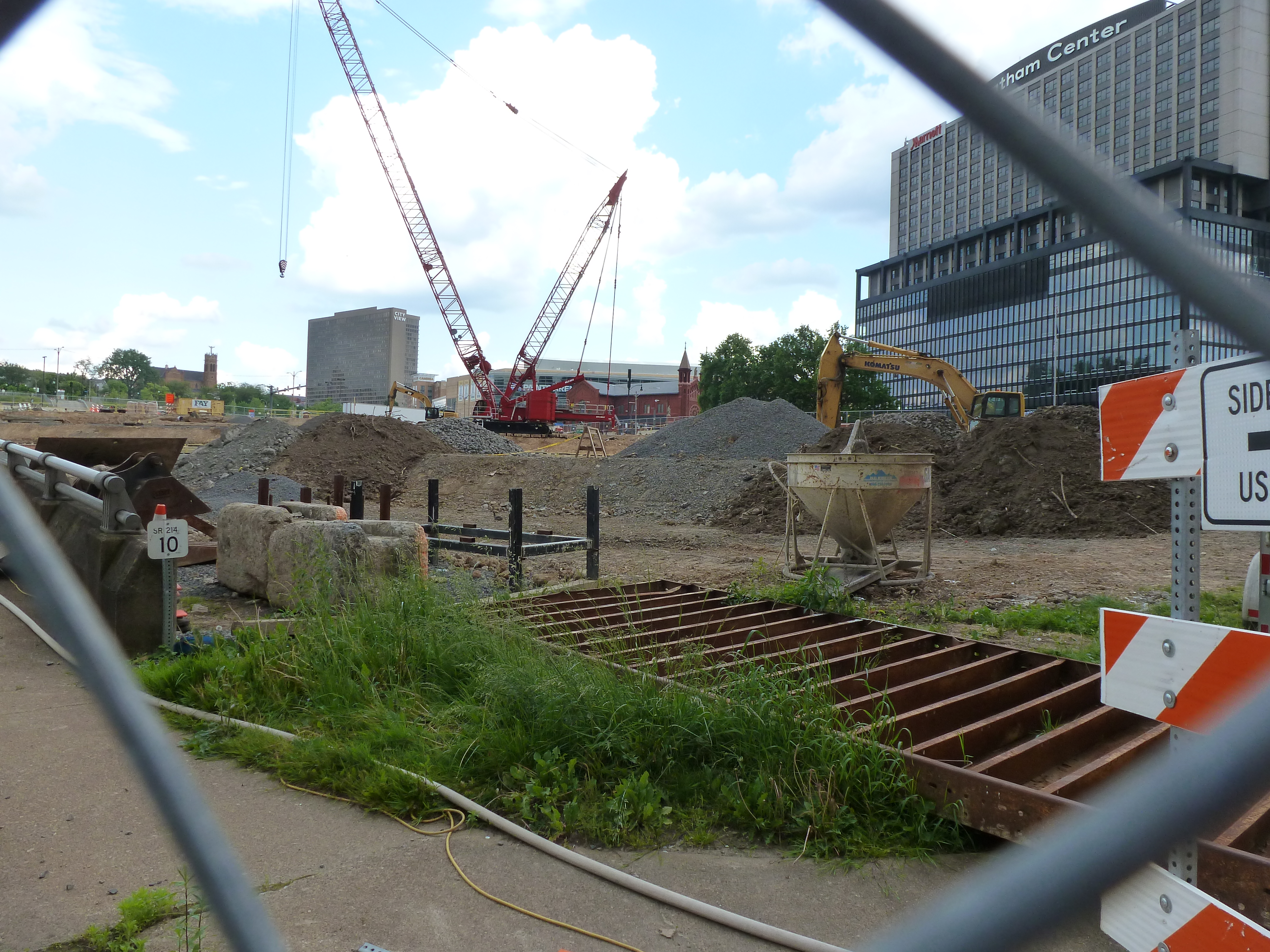
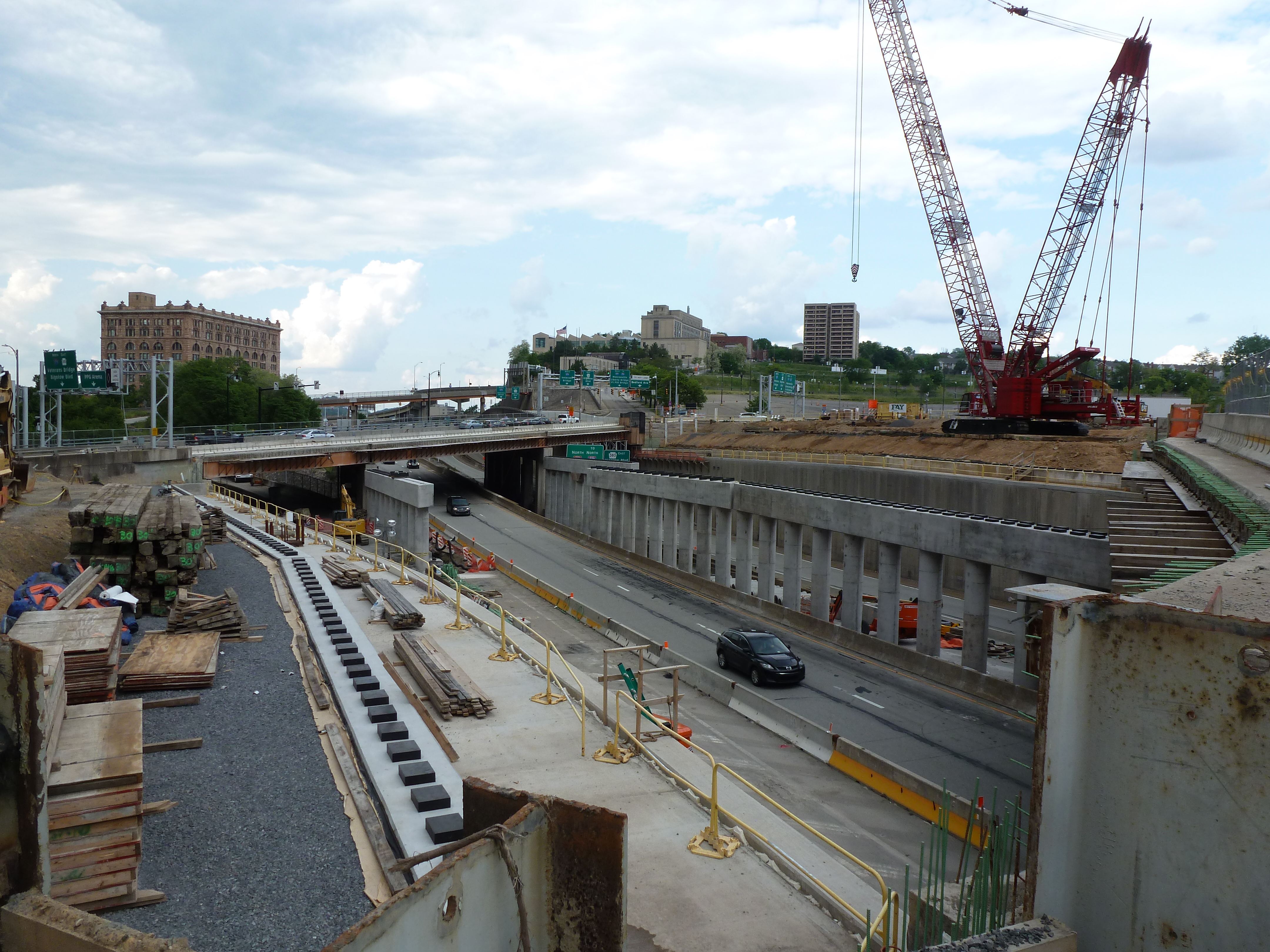
The second redevelopment started with restoring the street grid and building a CAP over the Crosstown Expressway. While it is easy to rebuild the roads, it will take a lot more to rebuild what was once “The Crossroads of the World” as the intersection of Wylie Ave and Fullerton Street was known prior to the first redevelopment, according to Mark Whittaker in Smoketown: The Untold Story of the Other Great Black Renaissance.

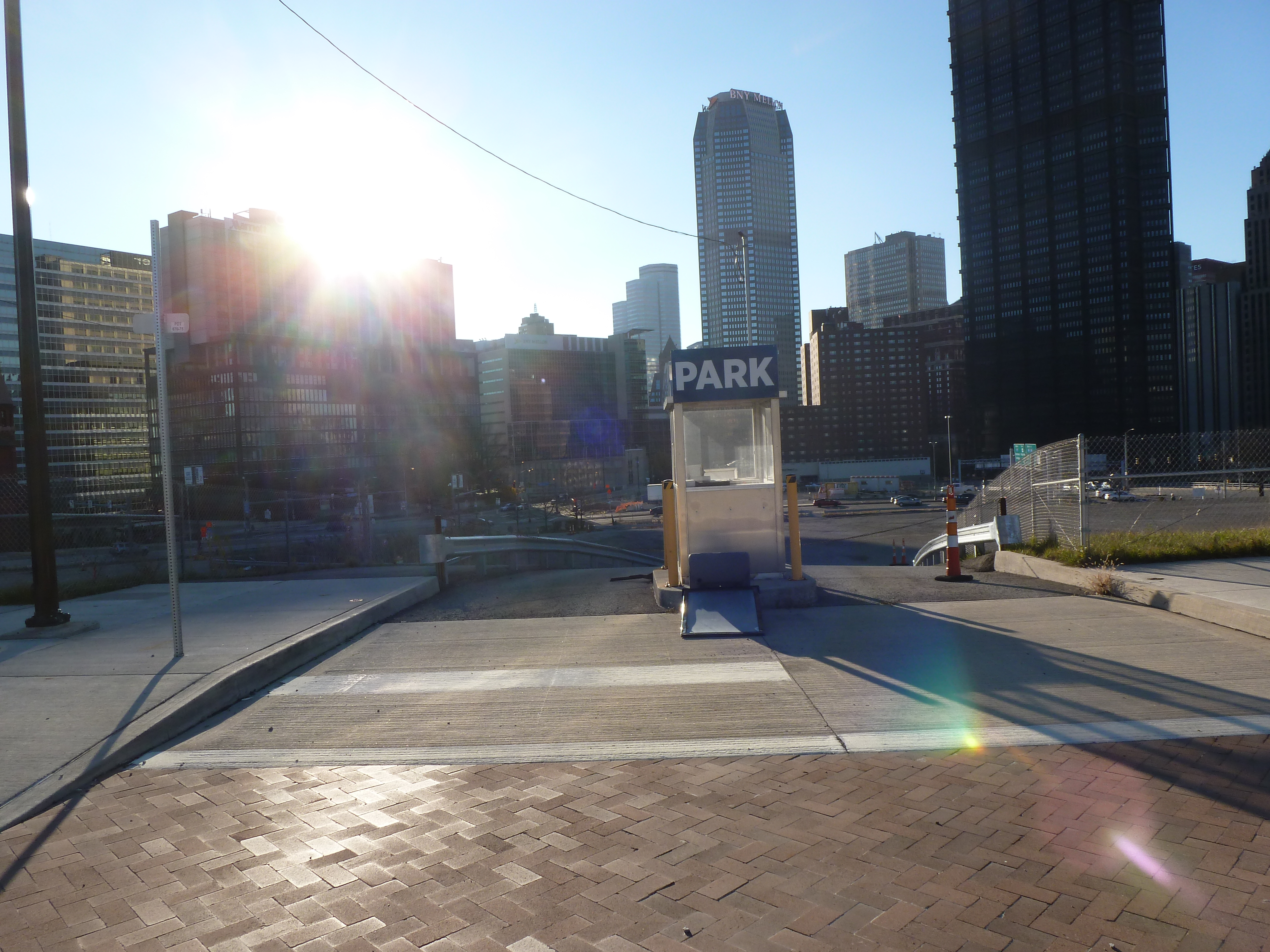
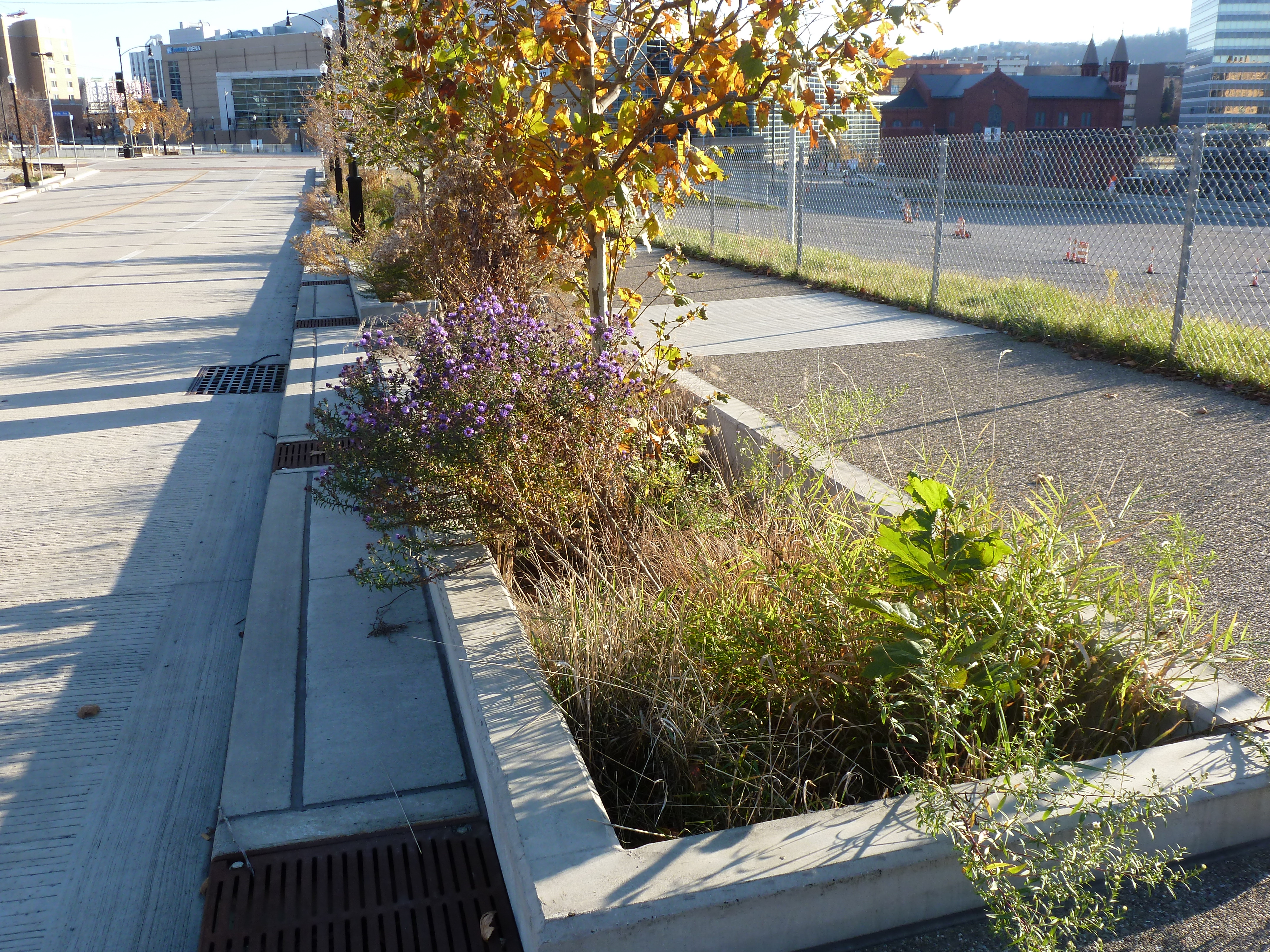
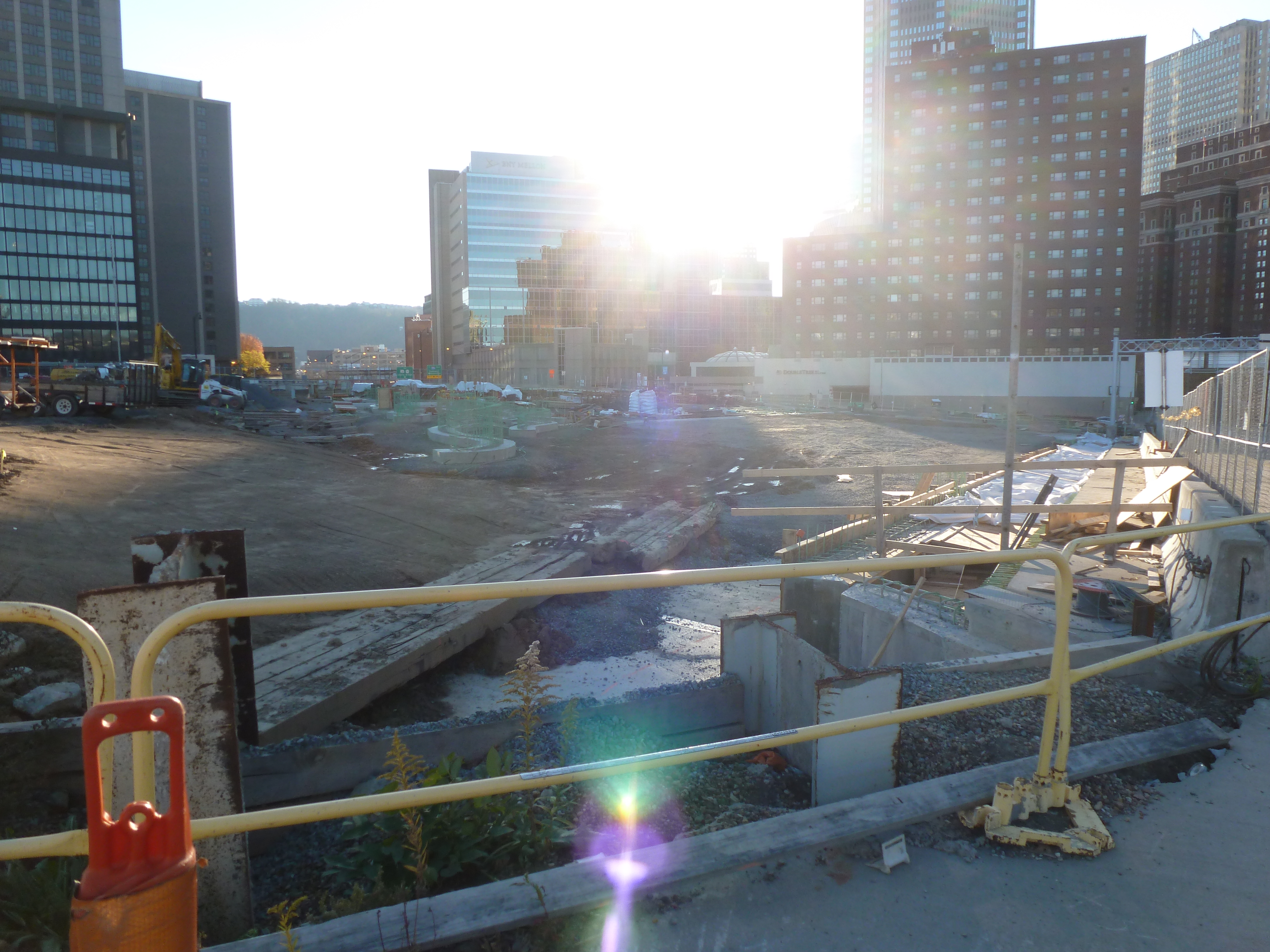
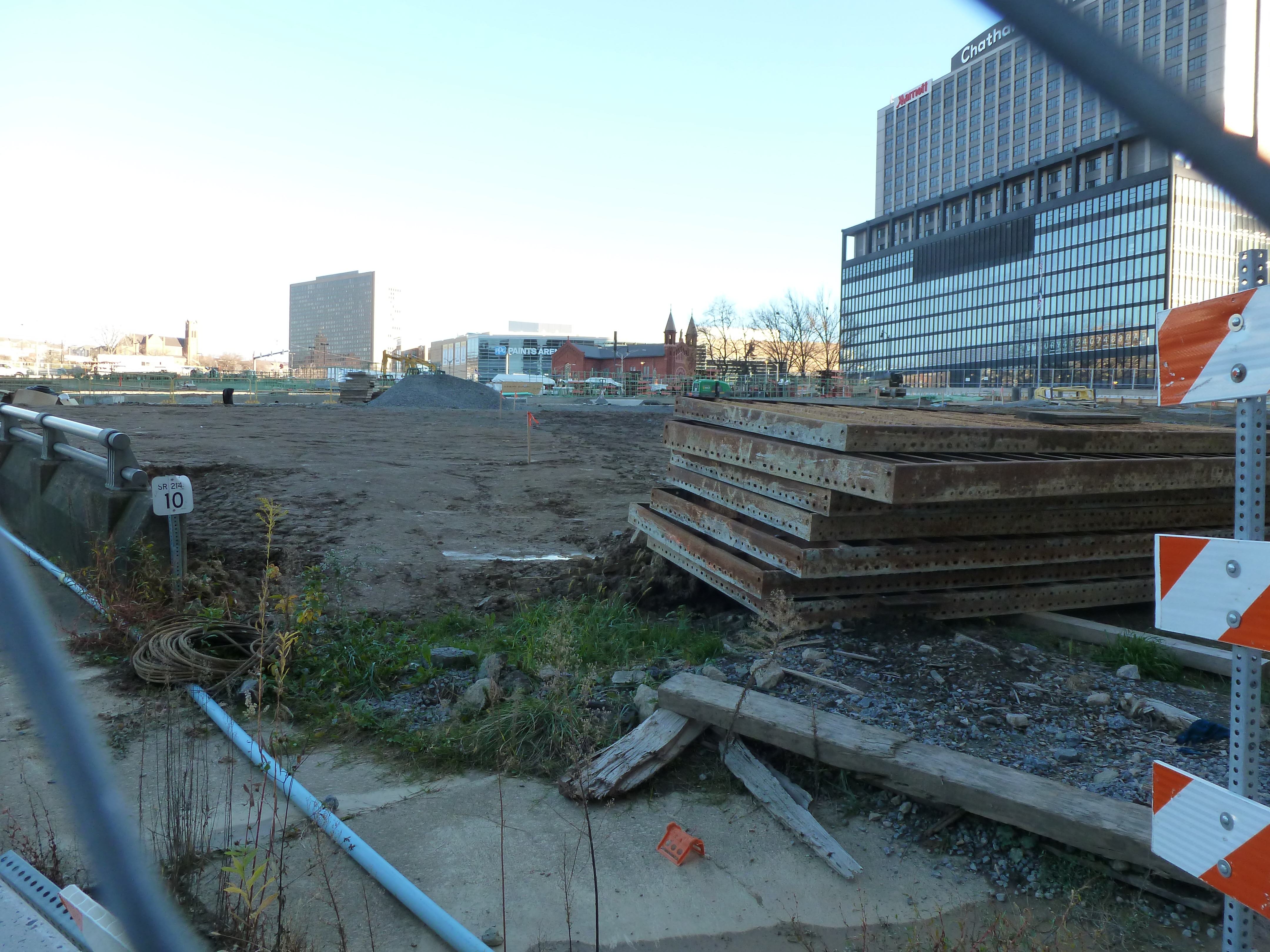
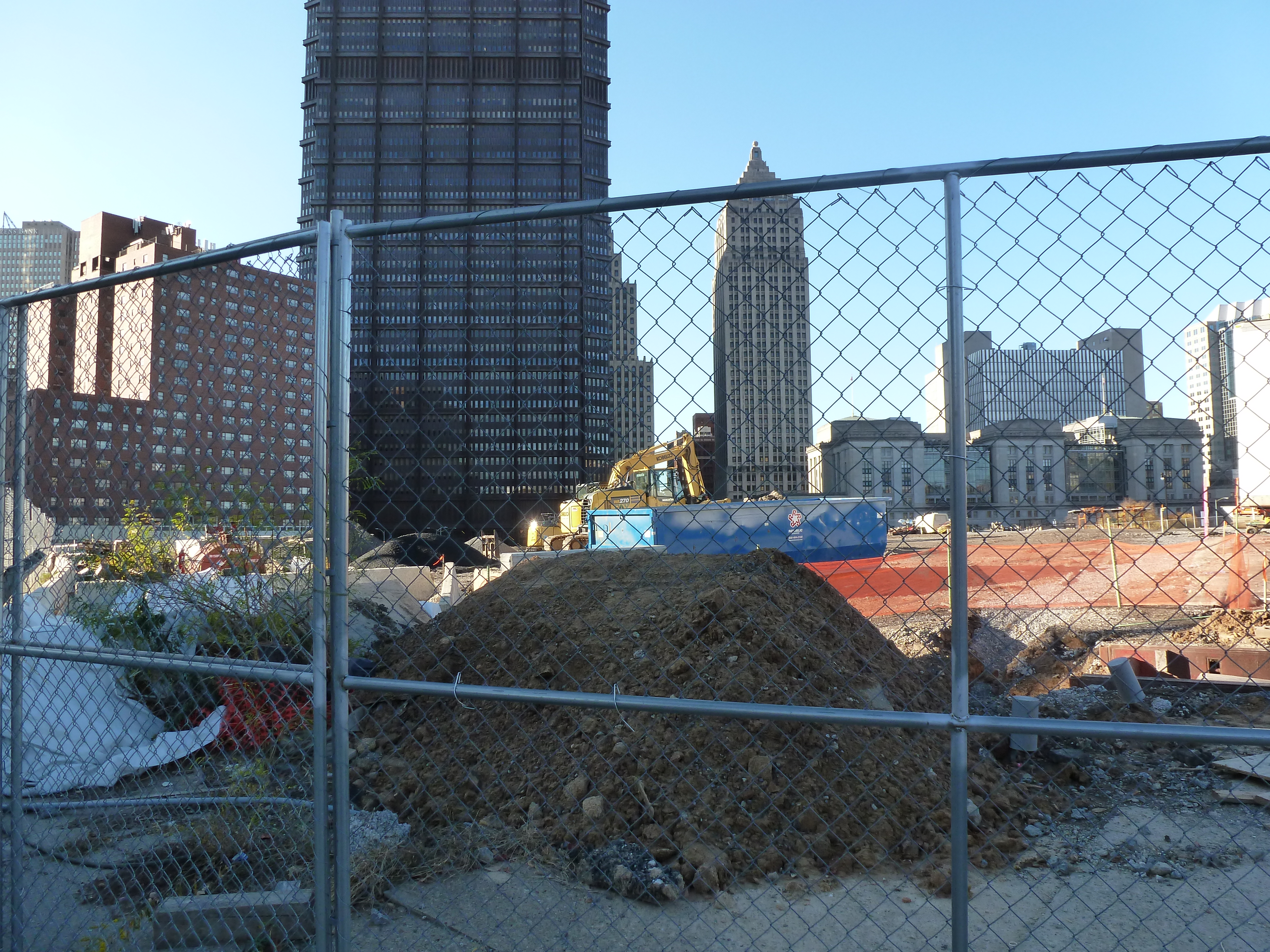
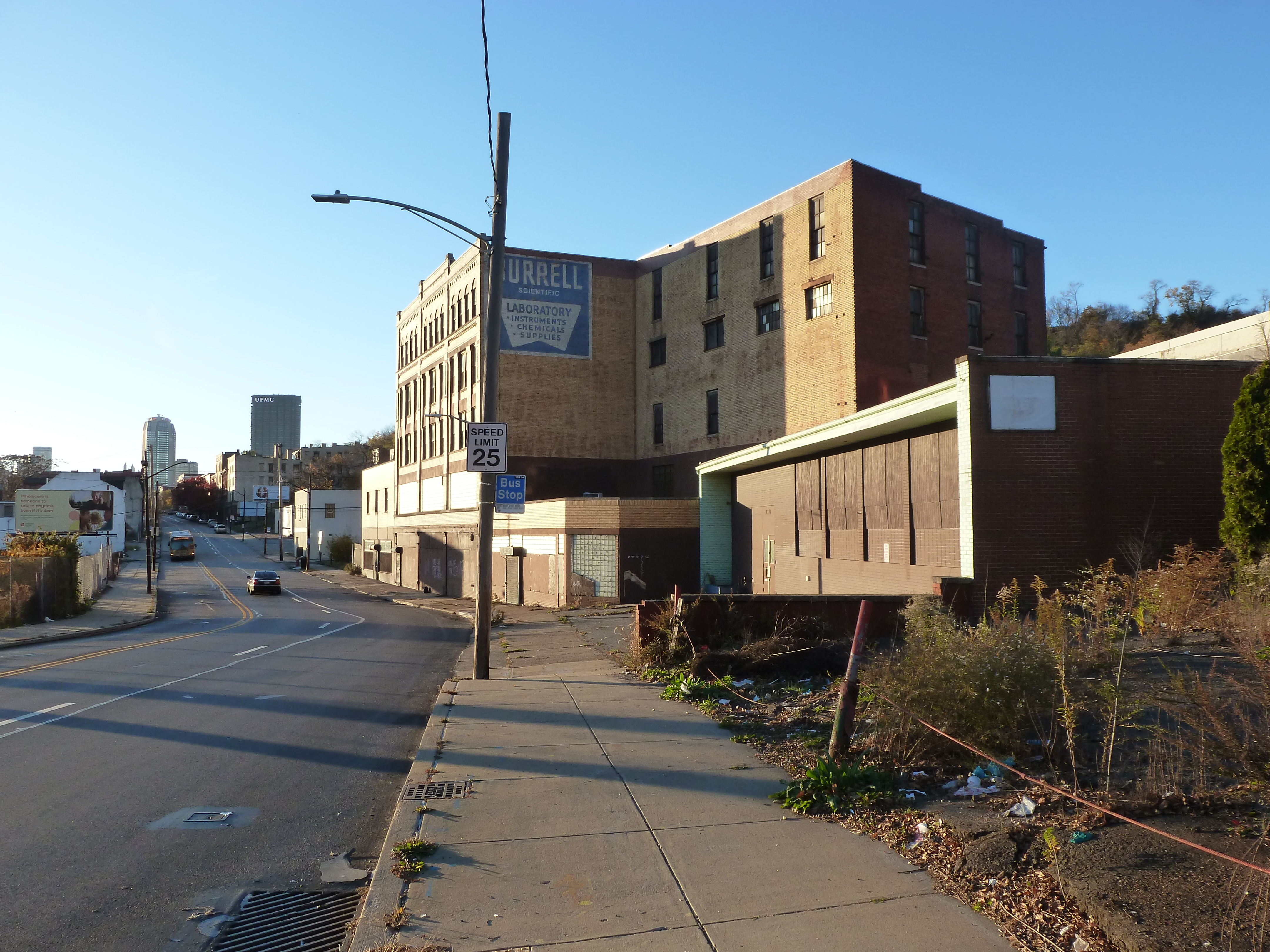
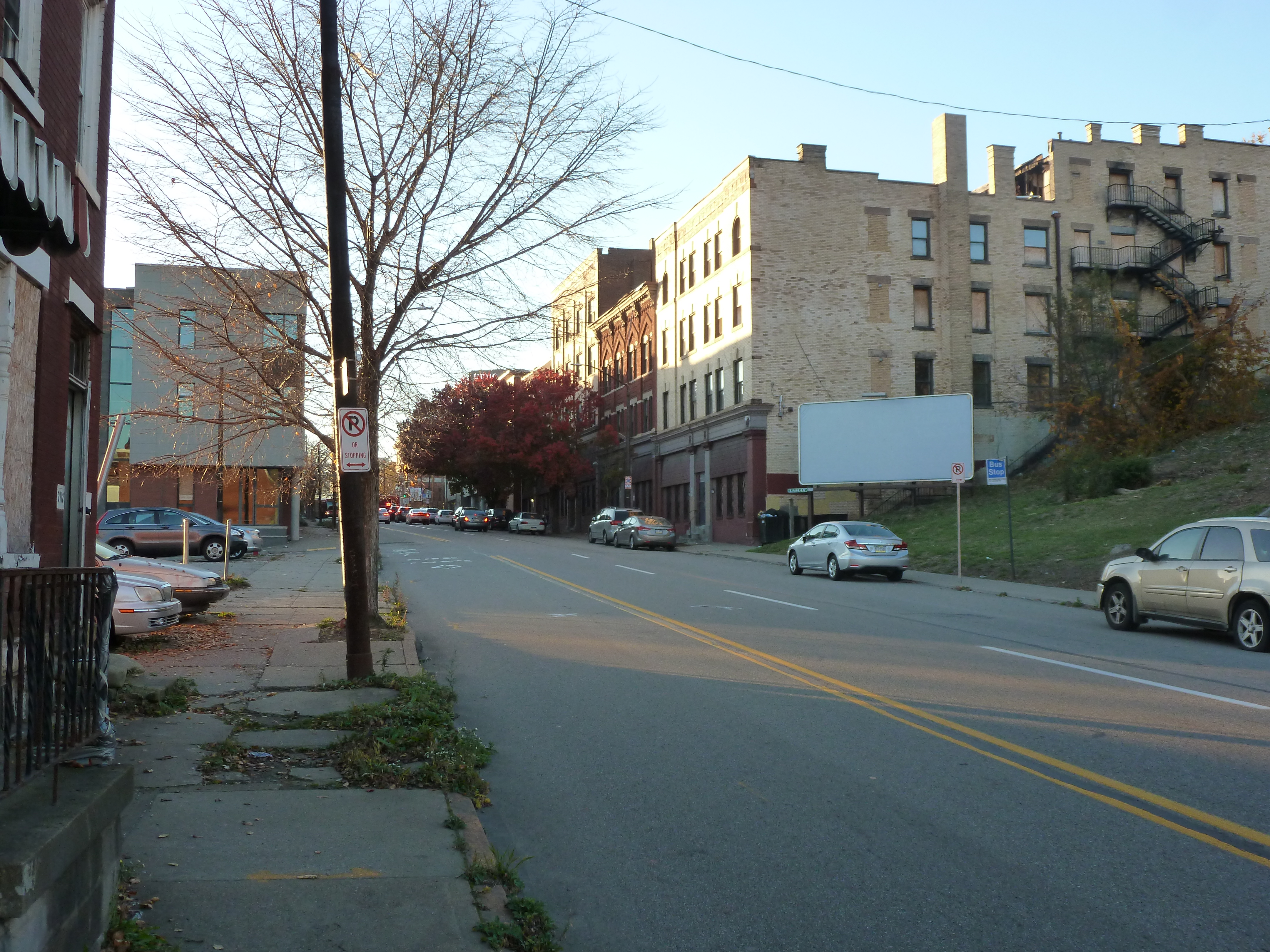
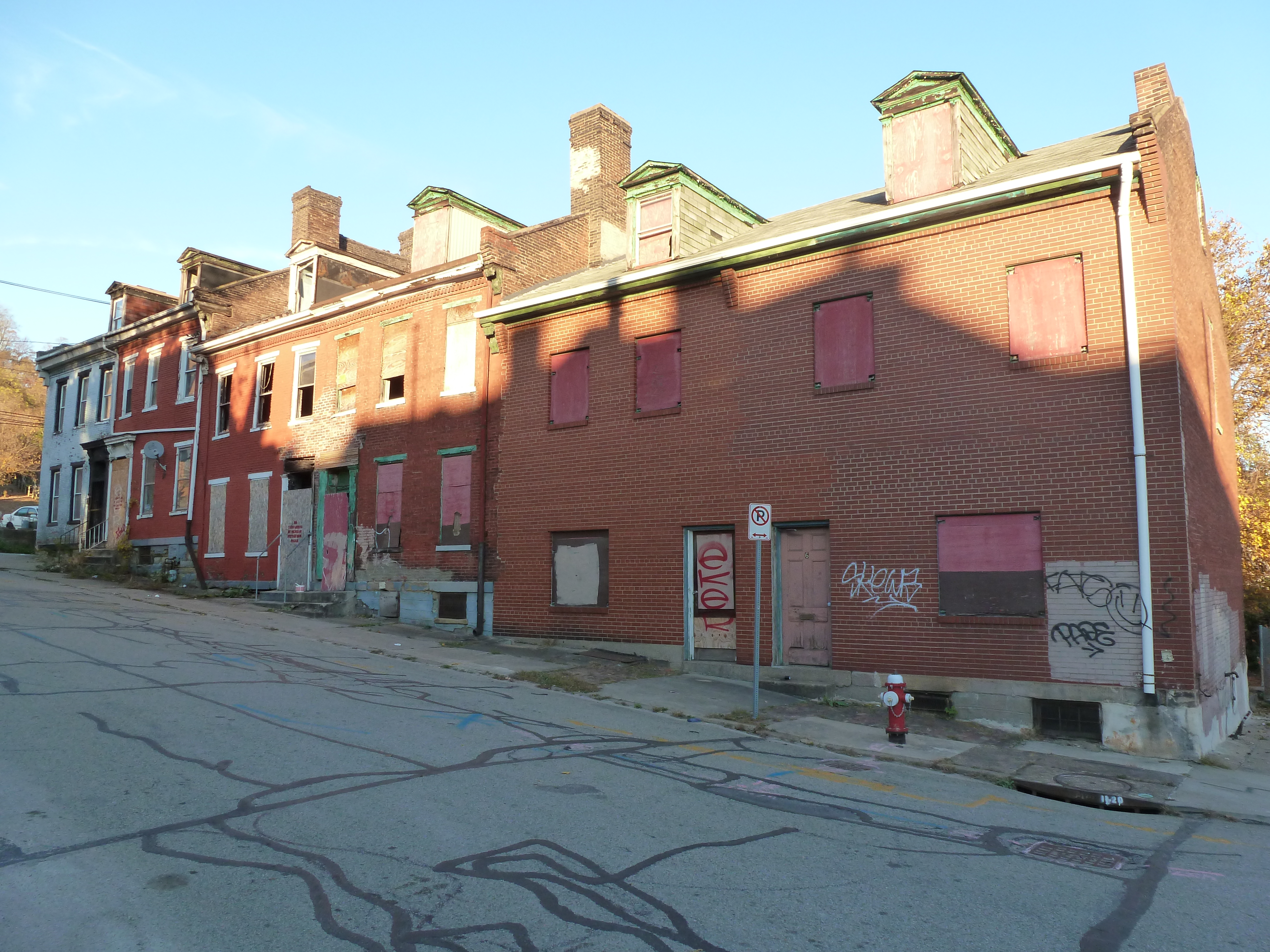
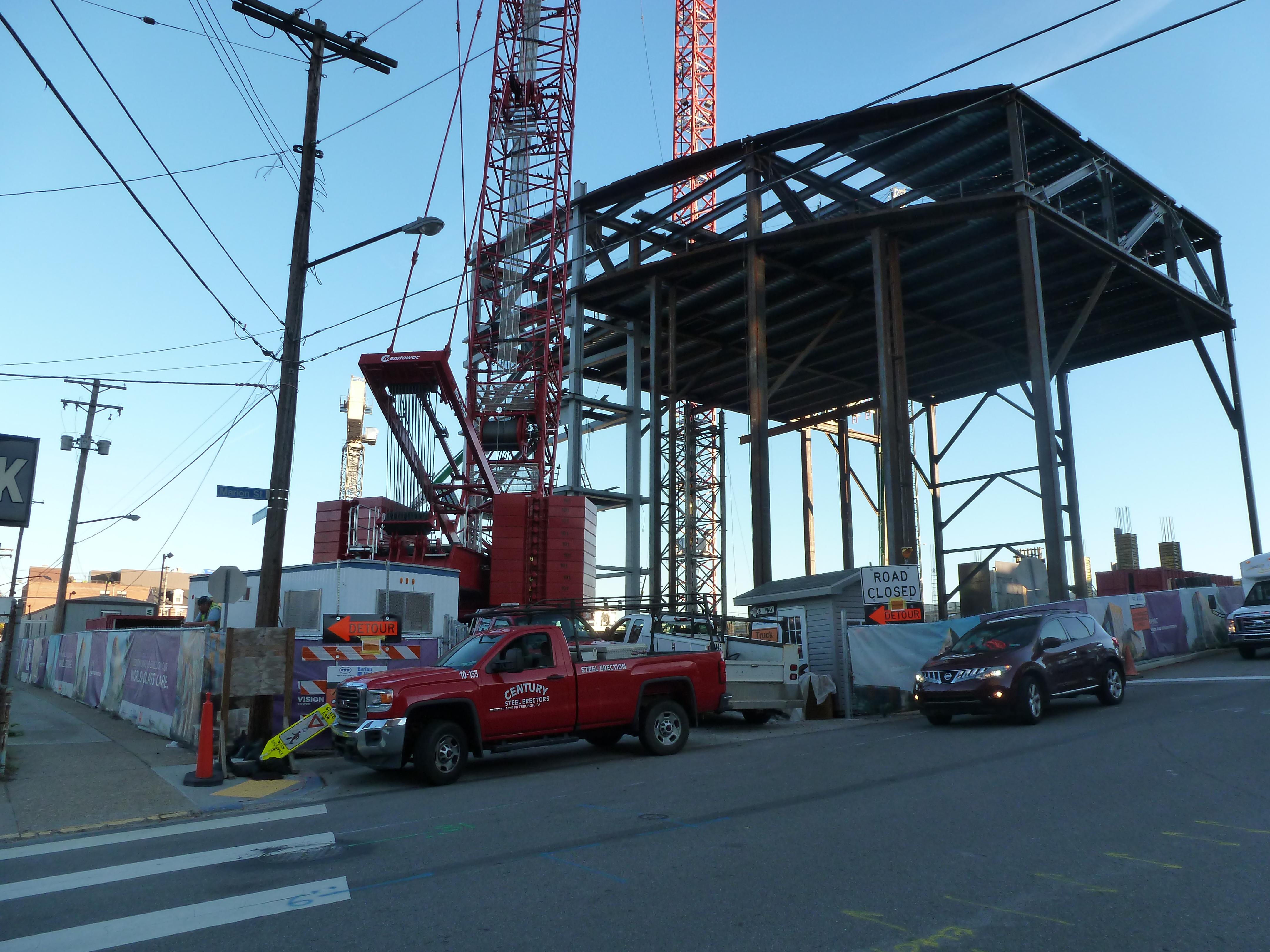
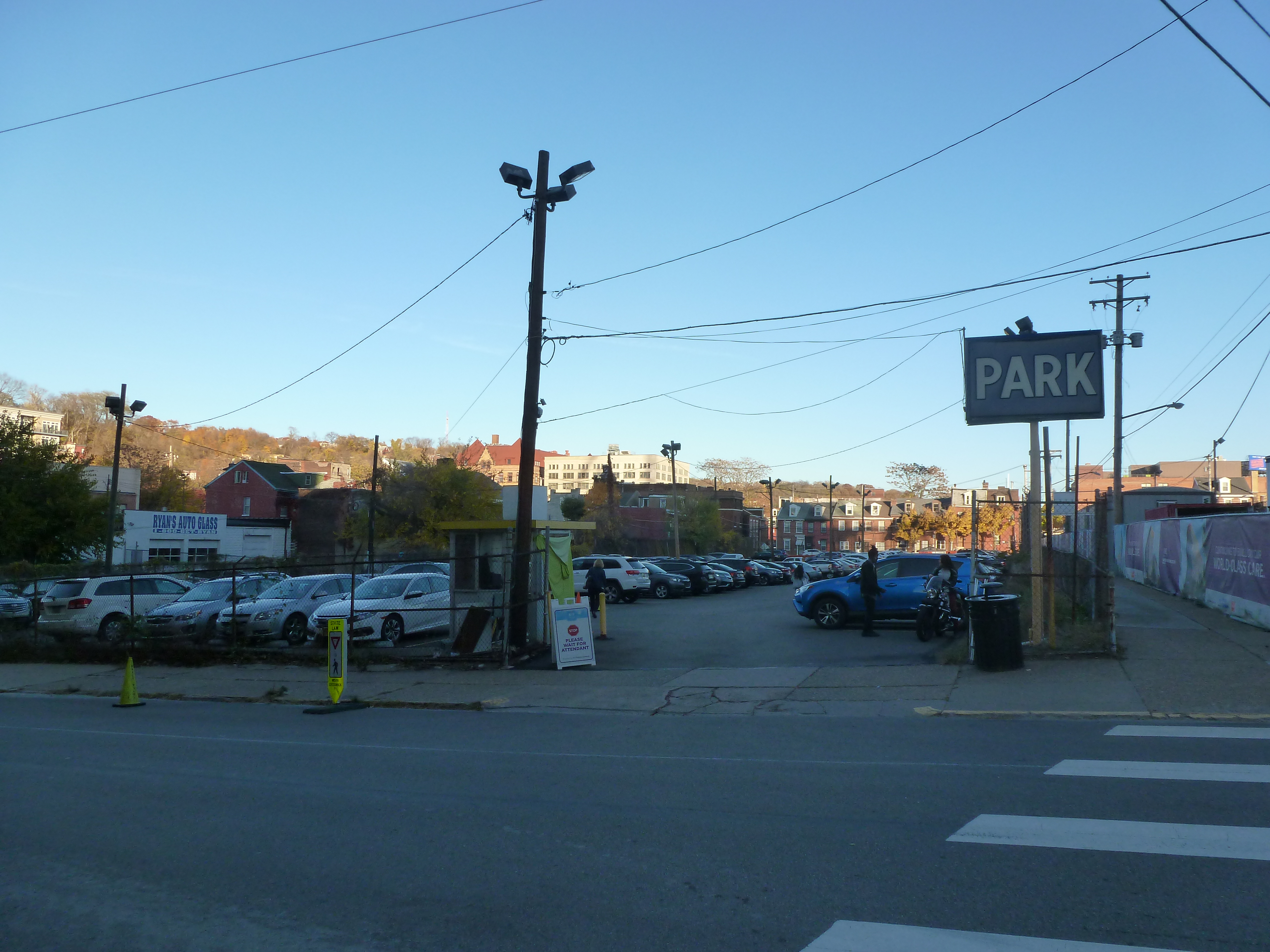
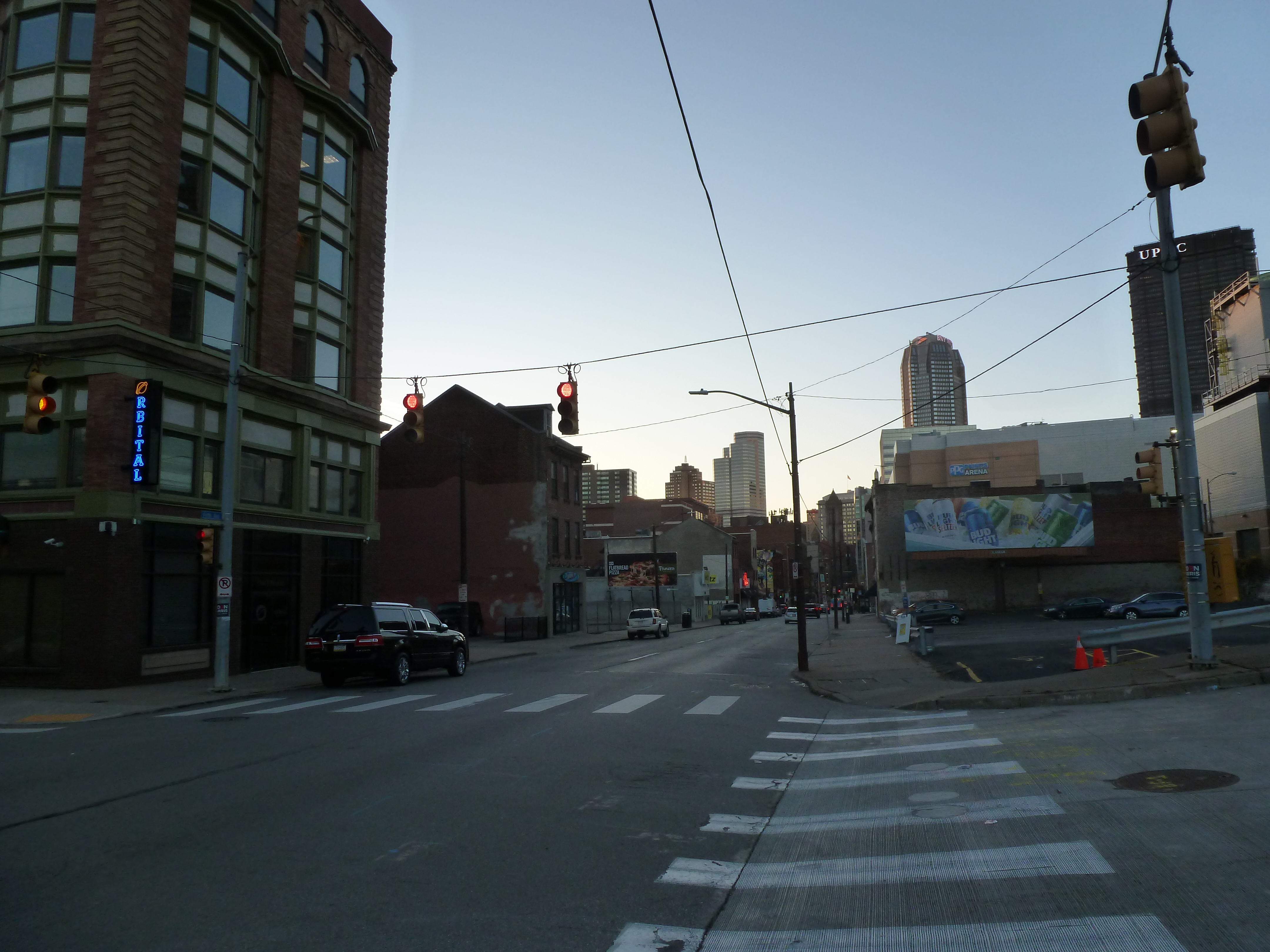
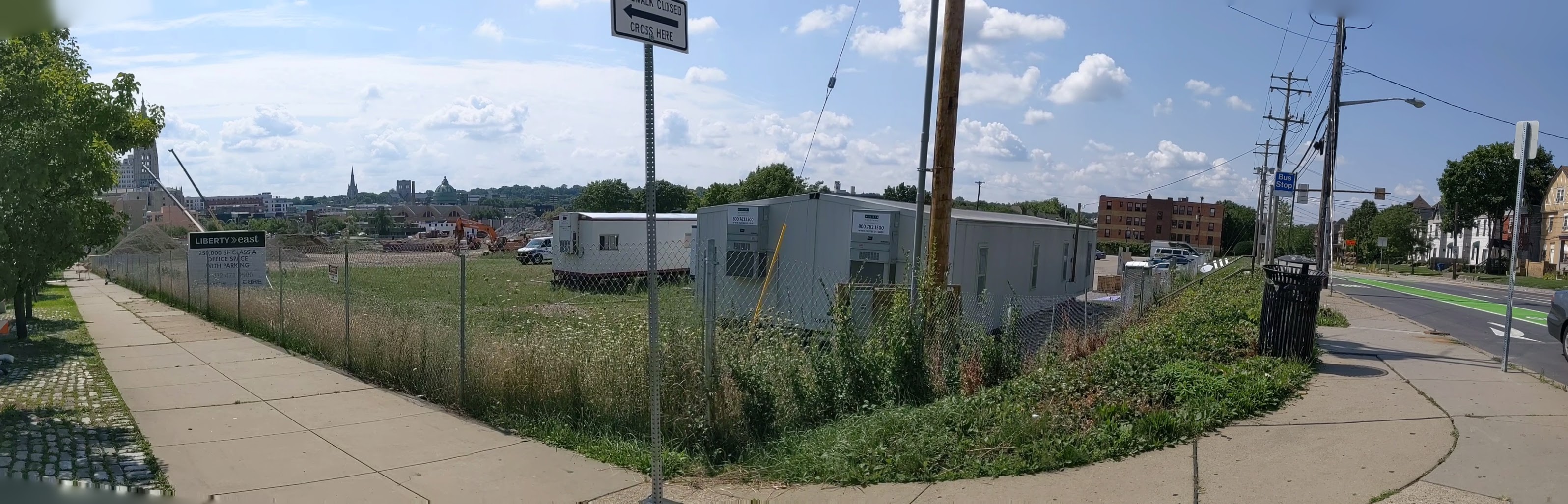
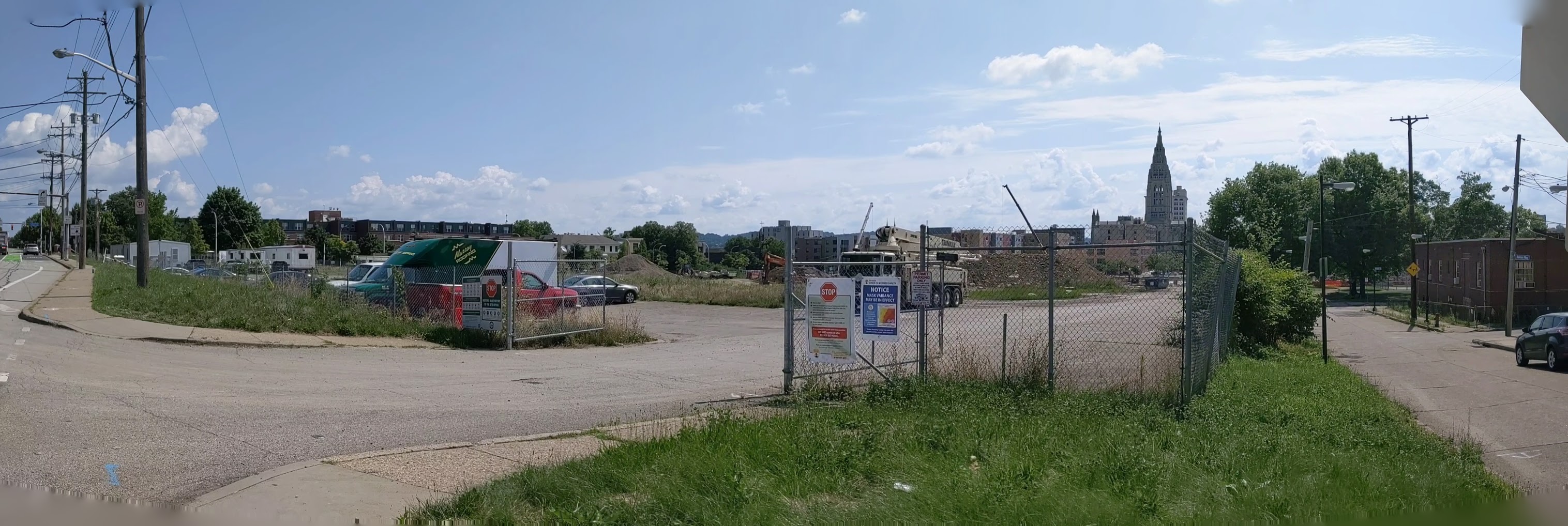
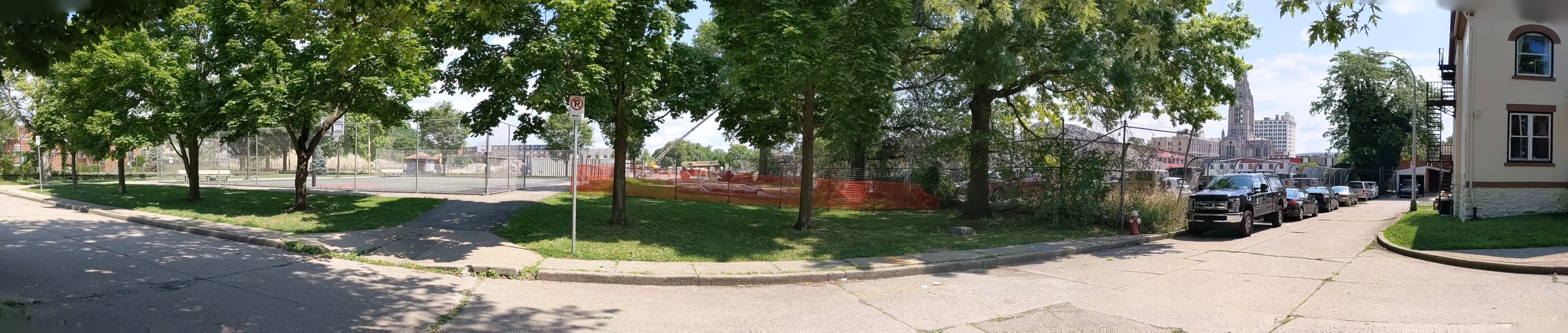
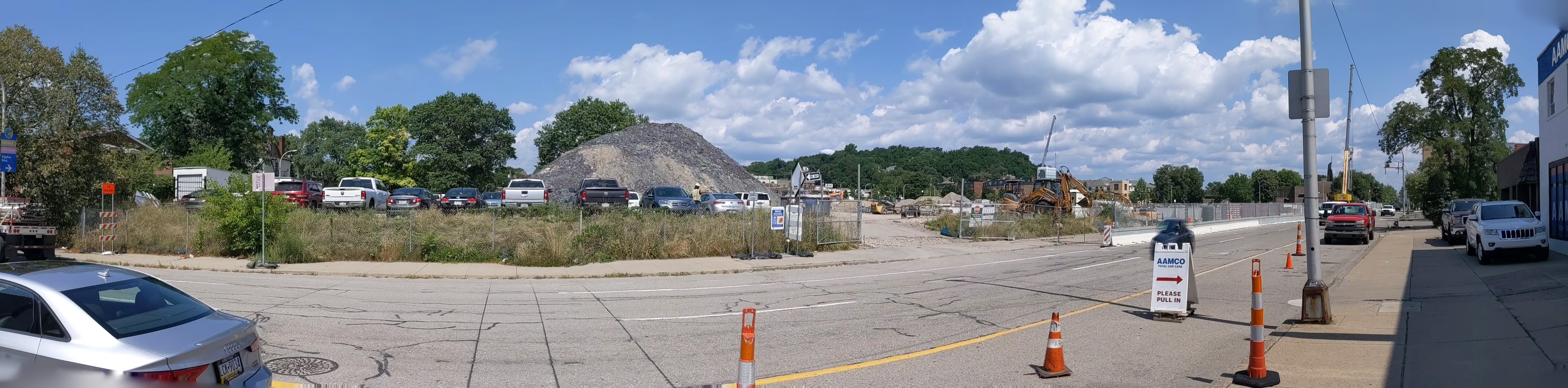
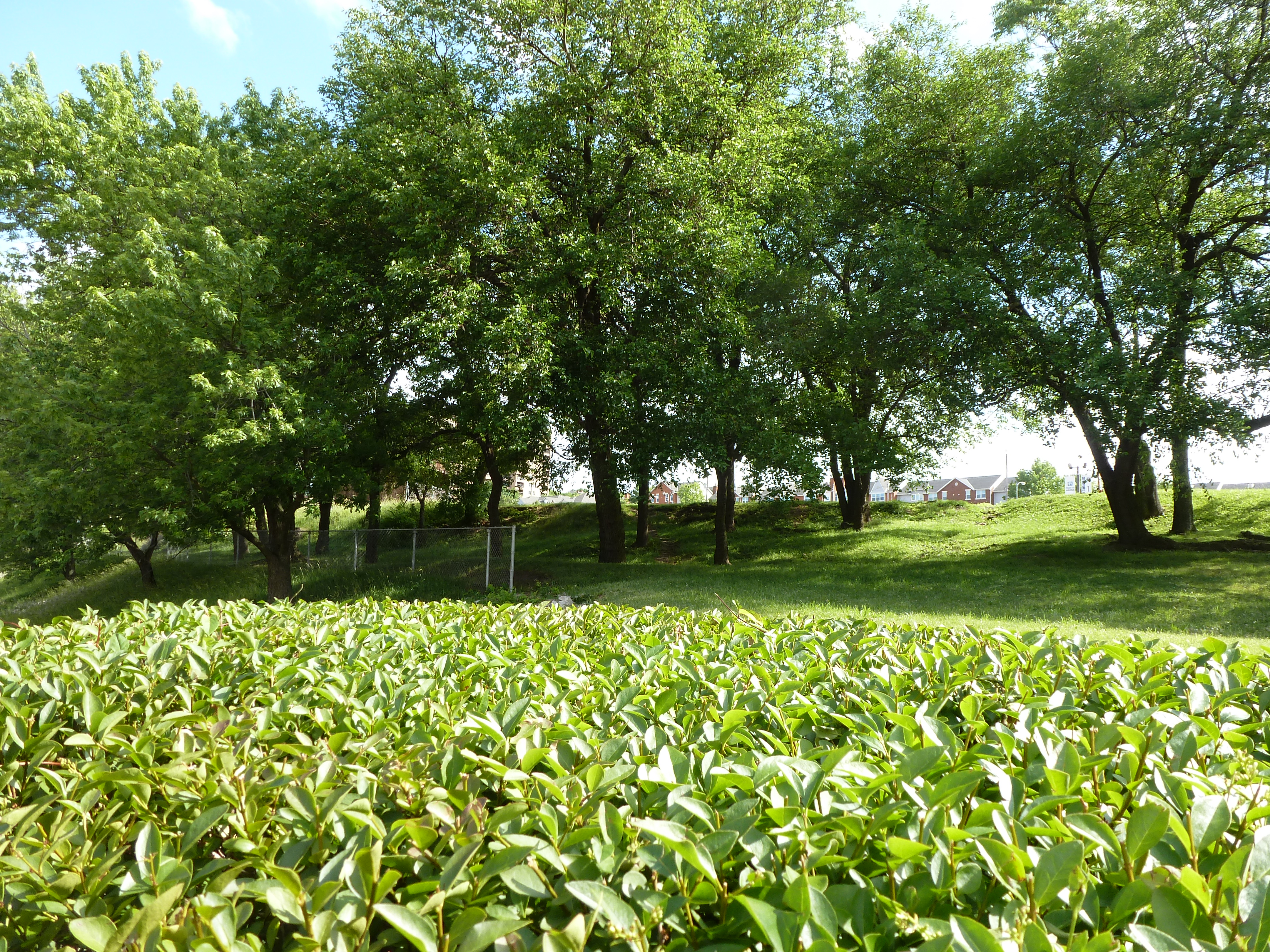
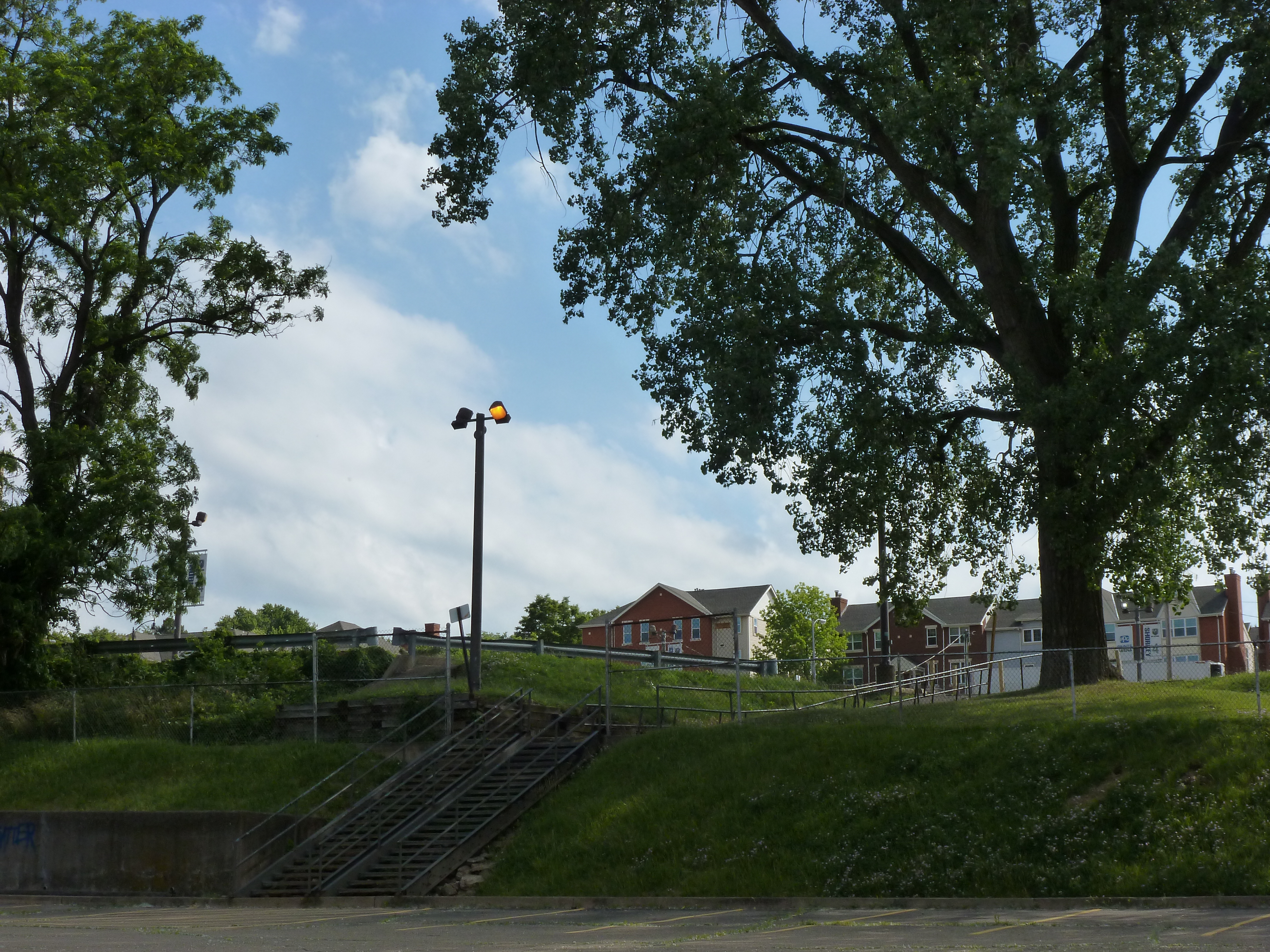
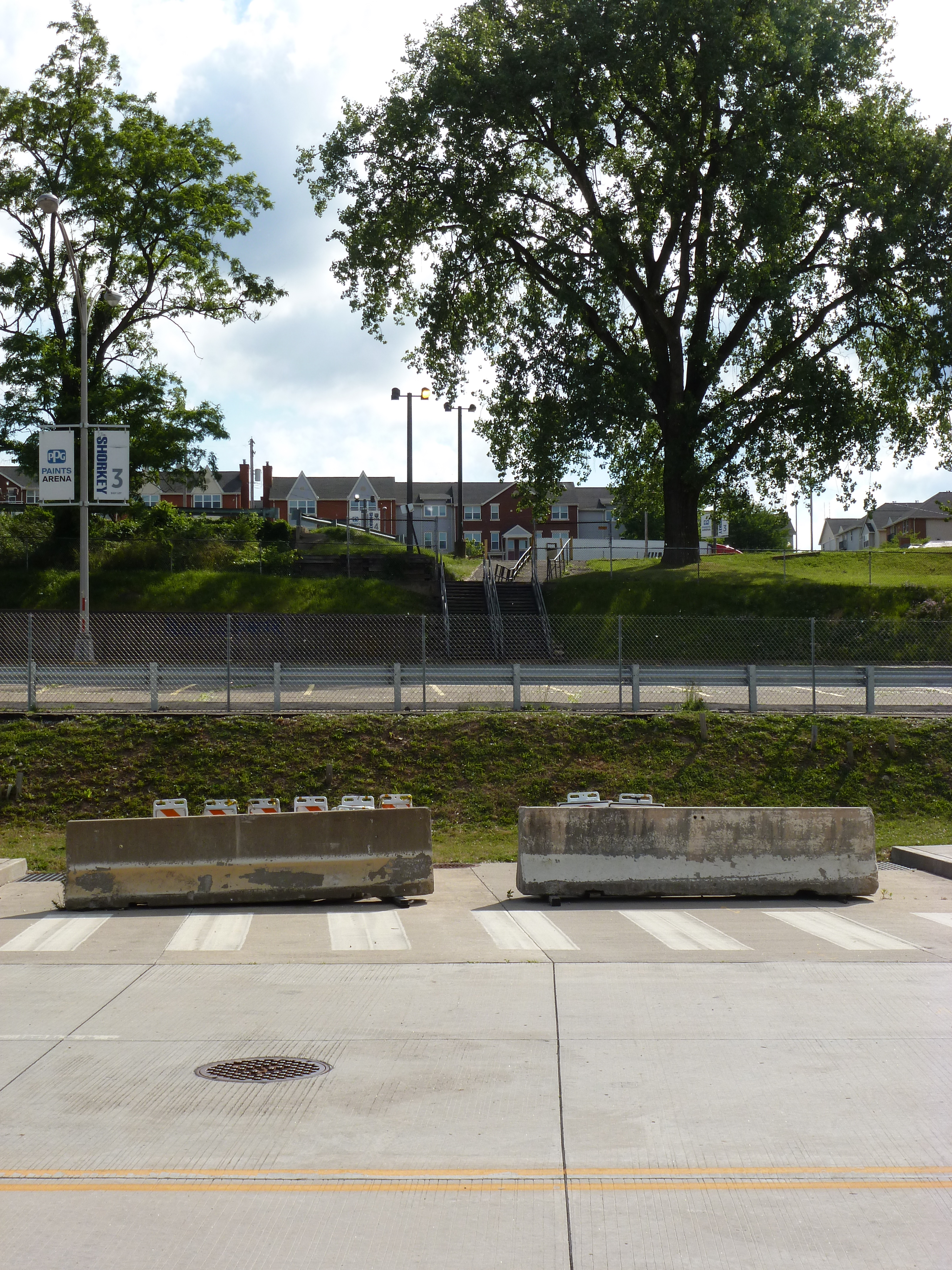
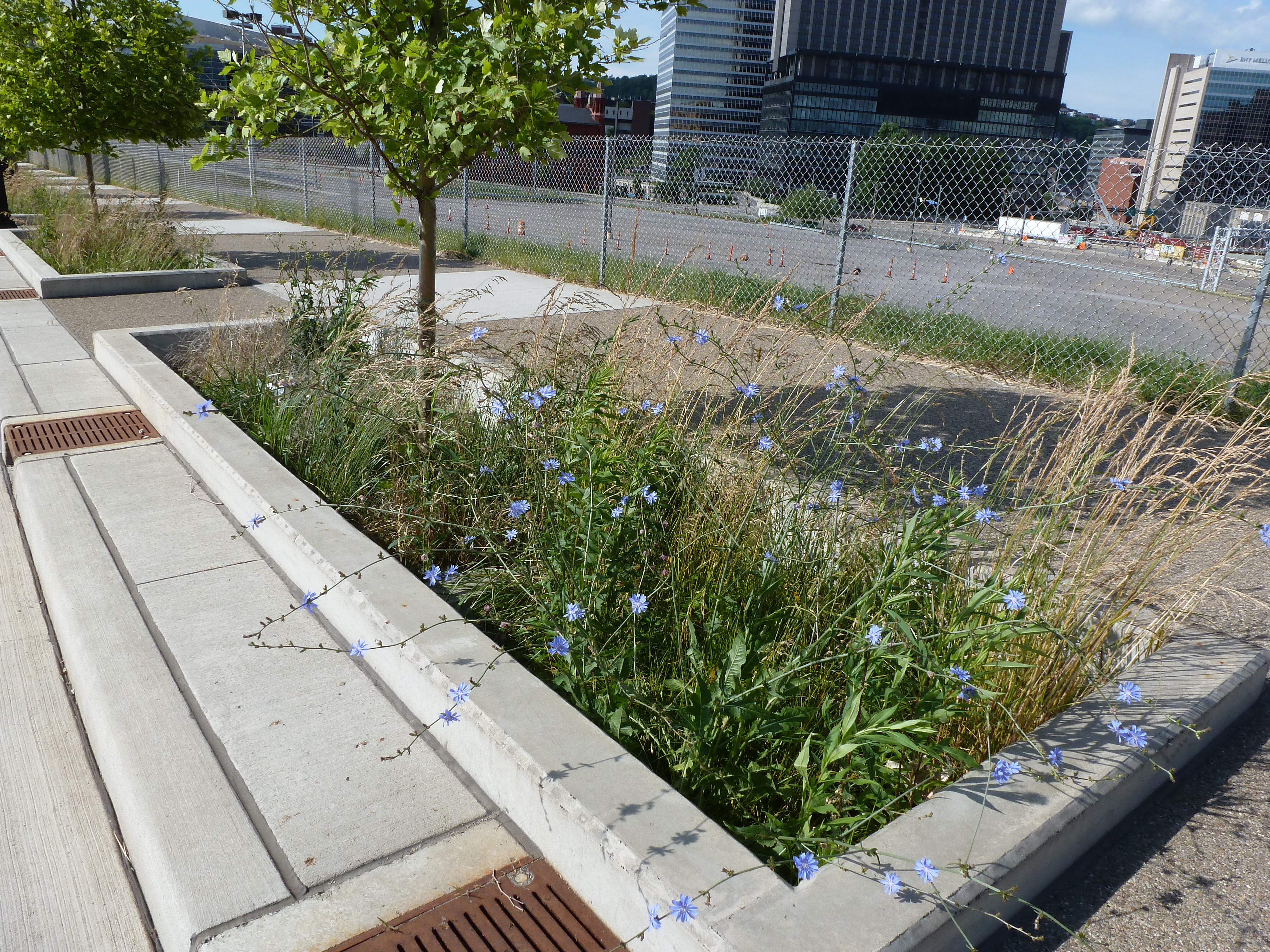
My series of posts Keeping an Eye on the Lower Hill is following the progress of this second redevelopment.


Want to see how my Architectural Dessert Masterpiece compares with the submissions in Pittsburgh’s 18th Annual Gingerbread Competition? Click here.


Previous Architectural Dessert Masterpieces:
Flying Cashews (Built December 2019)
Building the Bridge (Built December 2014)
Reaching for the Heights (Built December 2013)
Conquering the Dome (Built December 2012)
Gingerbread Blue Mosque (Built December 2011)
Parthenon Cake (Built December 2010)
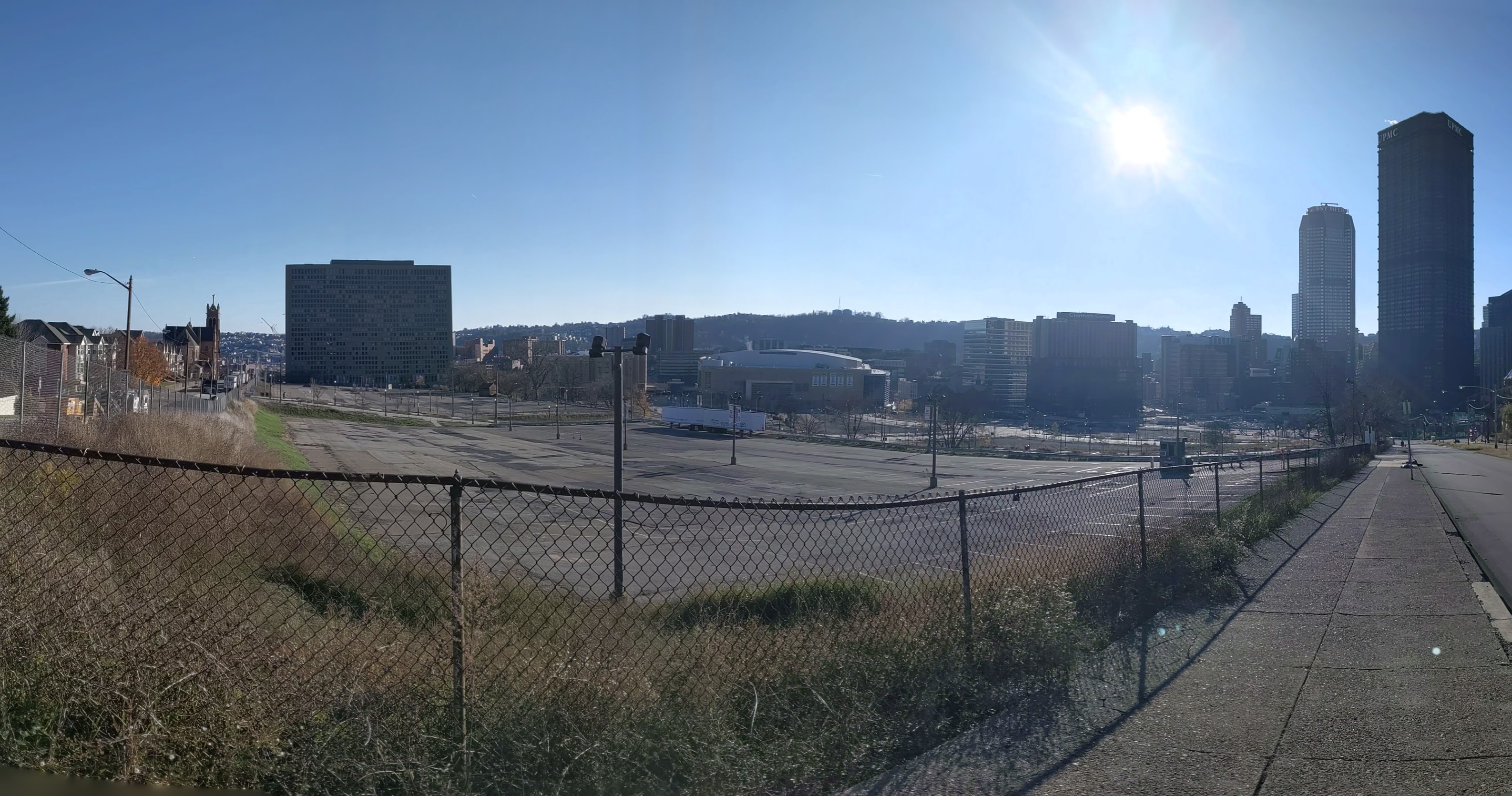
Keeping an Eye on the Lower Hill: Dec. 2020

Lower Hill in the News:

URA board votes in favor of FNB Tower (Pittsburgh Business Times, May 21, 2020)
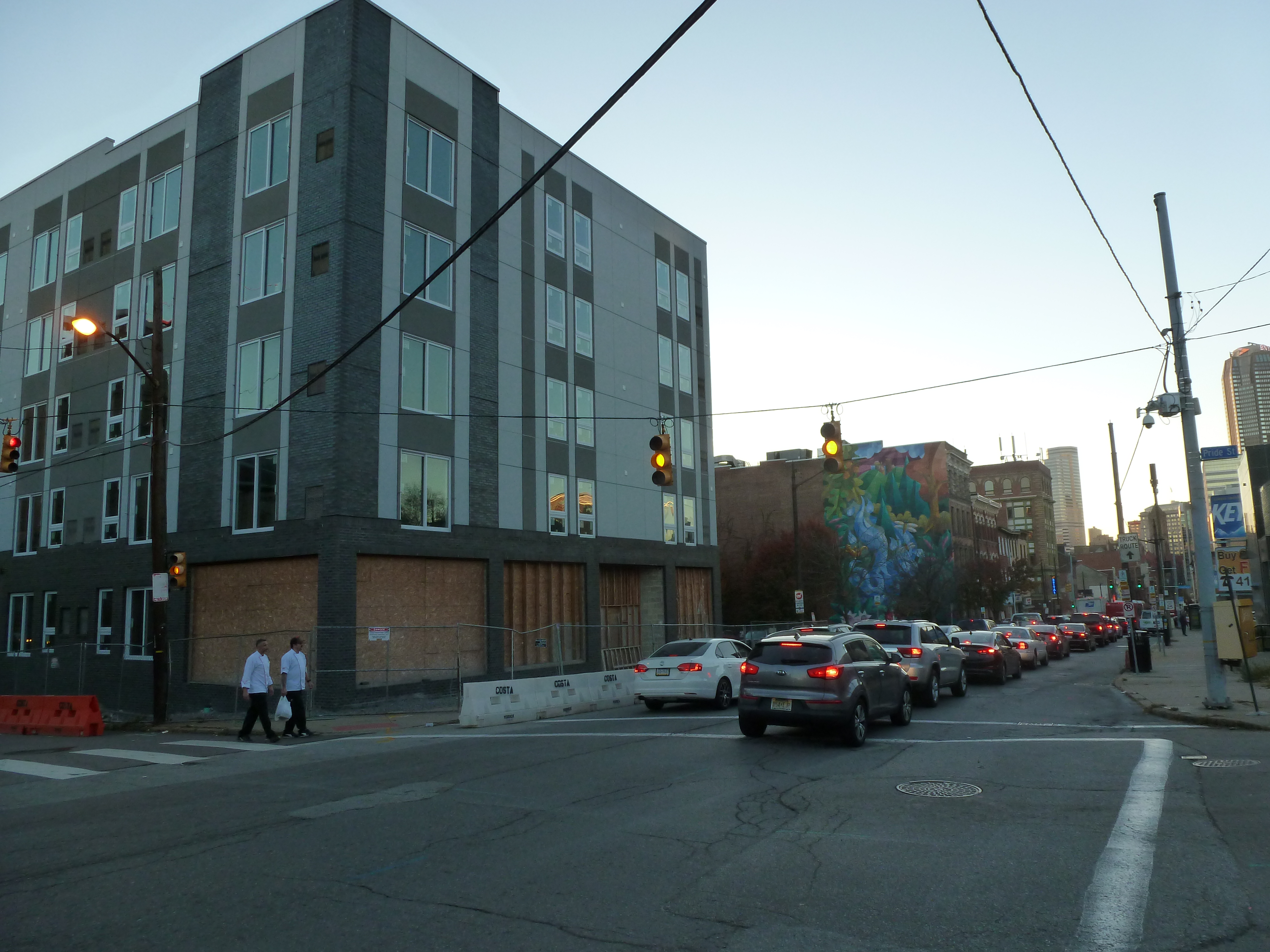
FNB tower will be among first post-pandemic buildings (Pittsburgh Business Times, May 22, 2020)

The Penguins and FNB Corp provide funds for tech center in the Hill District (Pittsburgh Business Times, August 27, 2020)
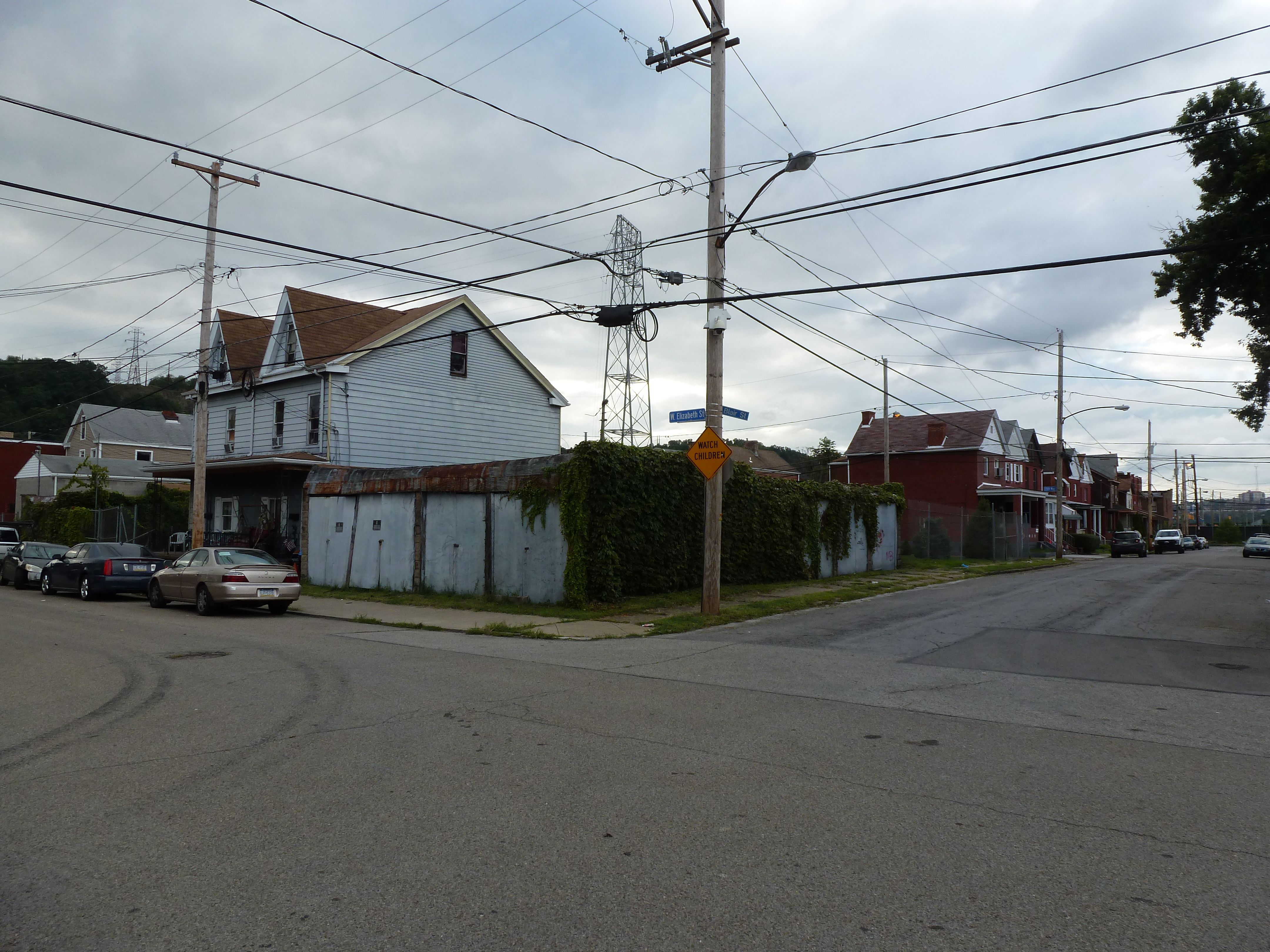
FNB and Penguins establish partnership (Pittsburgh Business Times, September 10, 2020)

Funding secured for FNB tower in Lower Hill (Pittsburgh Business Times, October 8, 2020)

Penguins miss deadline; URA considering next moves (Pittsburgh Business Times, November 12, 2020)

Lower Hill commercial redeveloper, Mayor Peduto, and Councilman Lavelle announce partnership (Mayor’s Press Release, November 19, 2020)

New Lower Hill partnership could move project forward (Public Source, November 19, 2020)

Lower Hill redeveloper establishes downtown office and announces local firms and personnel added to team (Pittsburgh Business Times, November 19, 2020)

Previous posts in series:

Keeping an Eye on the Lower Hill: Jun. 2020

Keeping an Eye on the Lower Hill: Jan. 2020

Keeping an Eye on Uptown: Introduction

Keeping an Eye on the CAP: Dec. 2020


The CAP in the News:

Project on schedule despite pandemic (Tribune Review, July 29, 2020)

Project continues on schedule (WESA, October 5, 2020)


Previous Posts in the Series:

Keeping an Eye on the CAP: Jun. 2020

Keeping an Eye on the CAP: Dec. 2019

Keeping an Eye on Uptown: Introduction

Keeping an Eye on Uptown: Nov. 2020

Uptown in the News & on the Web:

President Trump tweets about BRT grant award (Post-Gazette, May 29, 2020)

Locust/Miltenberger Development Website

51-unit apartment proposed in 1700 block of Fifth Avenue (Pittsburgh Business Times, June 1, 2020)

$99.95 million awarded for BRT (Next Pittsburgh, June 2, 2020)

Funding awarded for proposed mixed-use with affordable housing project (Pittsburgh Business Times, August 18, 2020)

BRT service may start in 2023 (Pittsburgh Post-Gazette, September 21, 2020)

Solidarity murals coming to the city (Next Pittsburgh, September 27, 2020)

Gentrification concerns raised for proposed tech development (Pittsburgh Business Times, September 30, 2020)

Interview with developer of proposed Uptown mixed-use project (Pittsburgh Business Times, October 5, 2020)

Partner pulls out of Fifth and Dinwiddie project (Pittsburgh Business Times, October 26, 2020)

Planning Commission approves Uptown tech development (Public Source – Develop PGH Bulletins, October 27, 2020)

Commercial portion presented for Fifth and Dinwiddie project (Pittsburgh Business Times, November 10, 2020)


Previous posts in series:

Keeping an Eye on Uptown: May 2020

Keeping an Eye on Uptown: Nov. 2019

Keeping an Eye on Uptown: Introduction

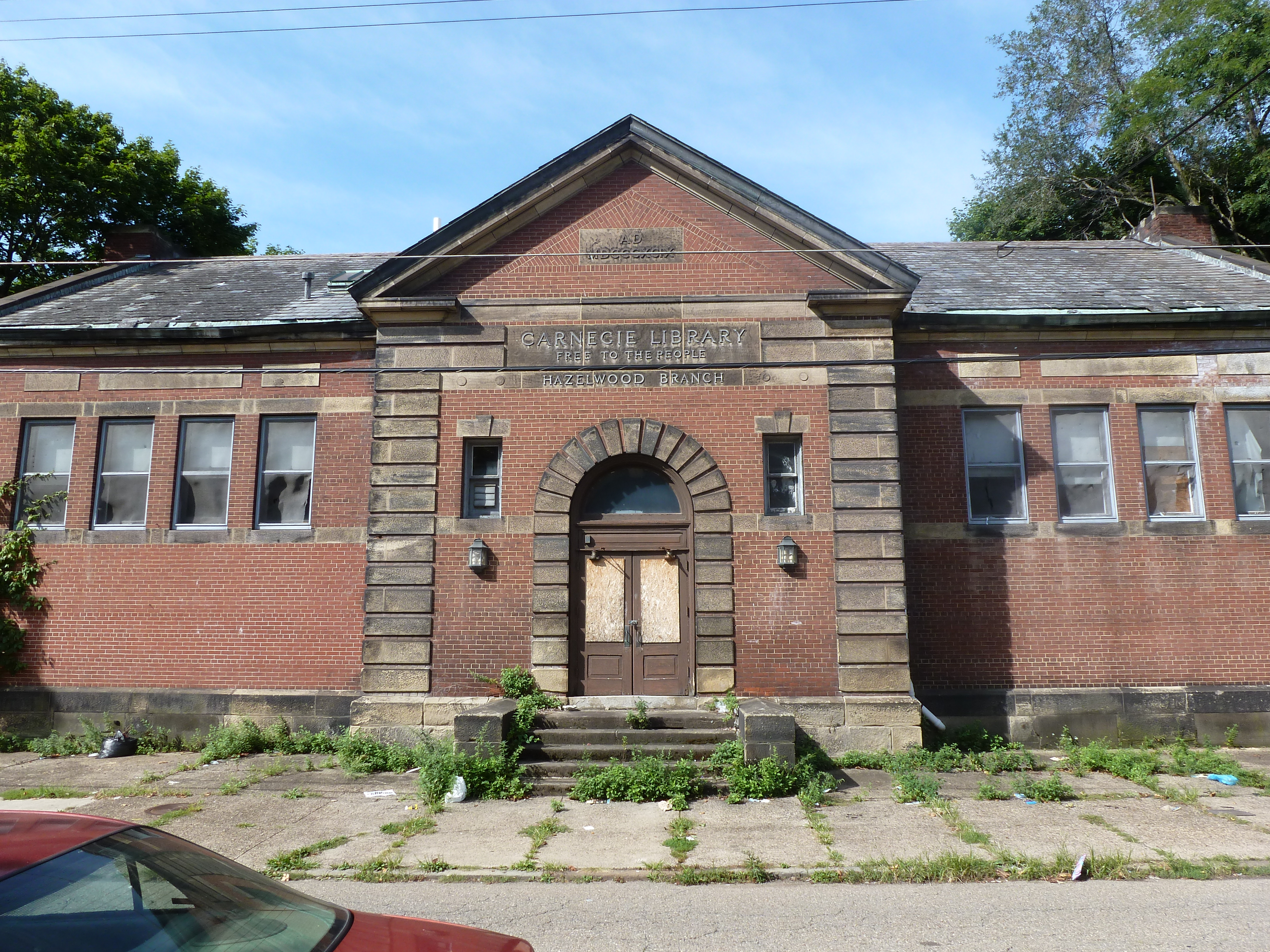
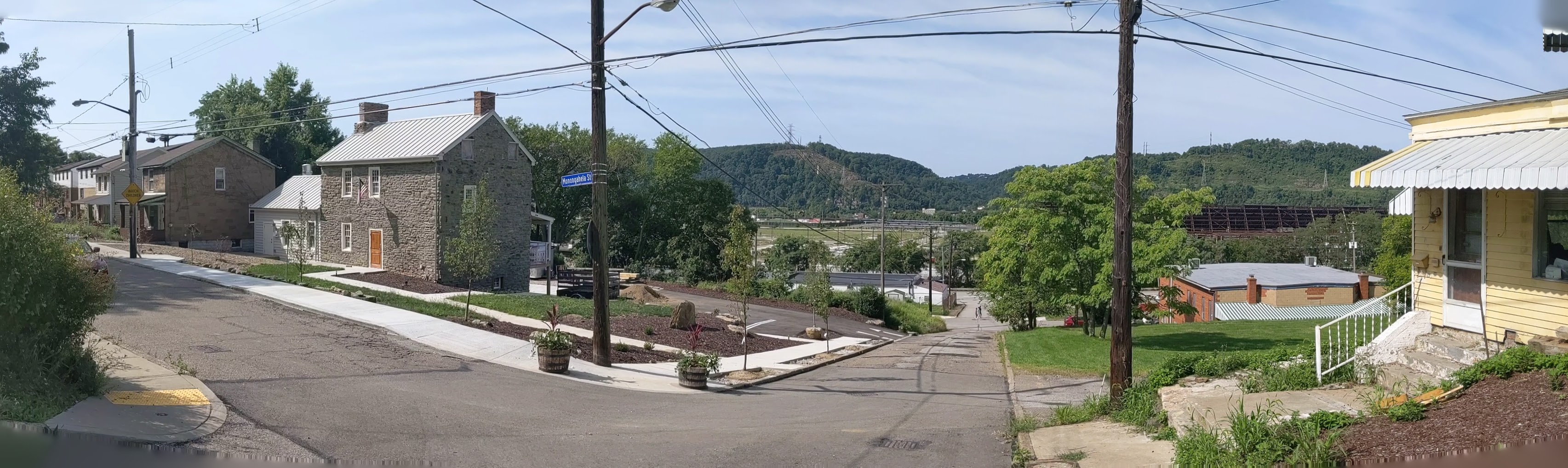
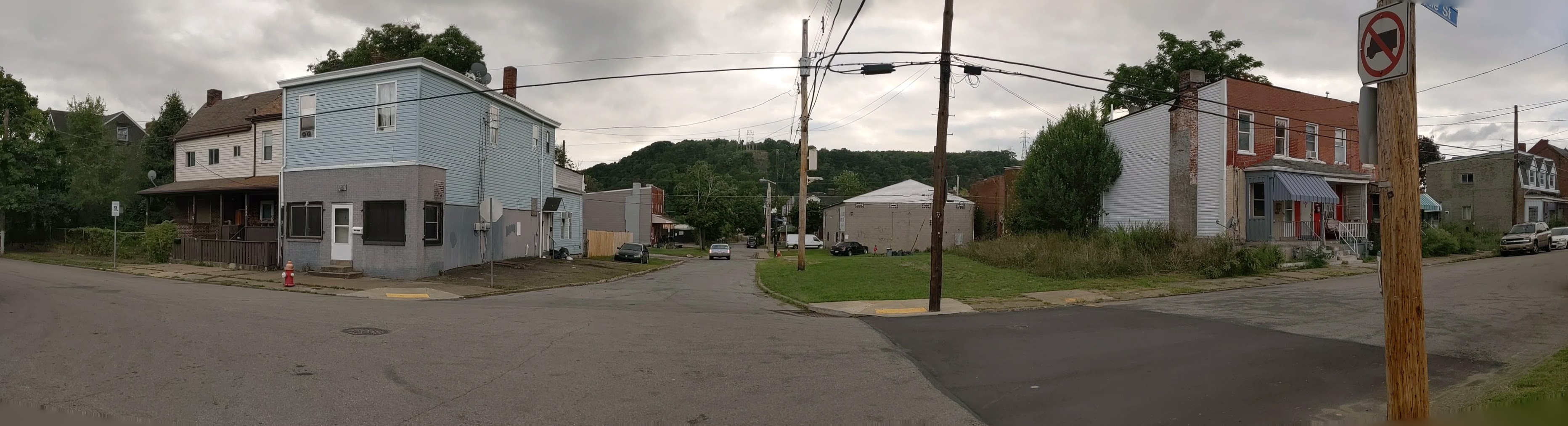
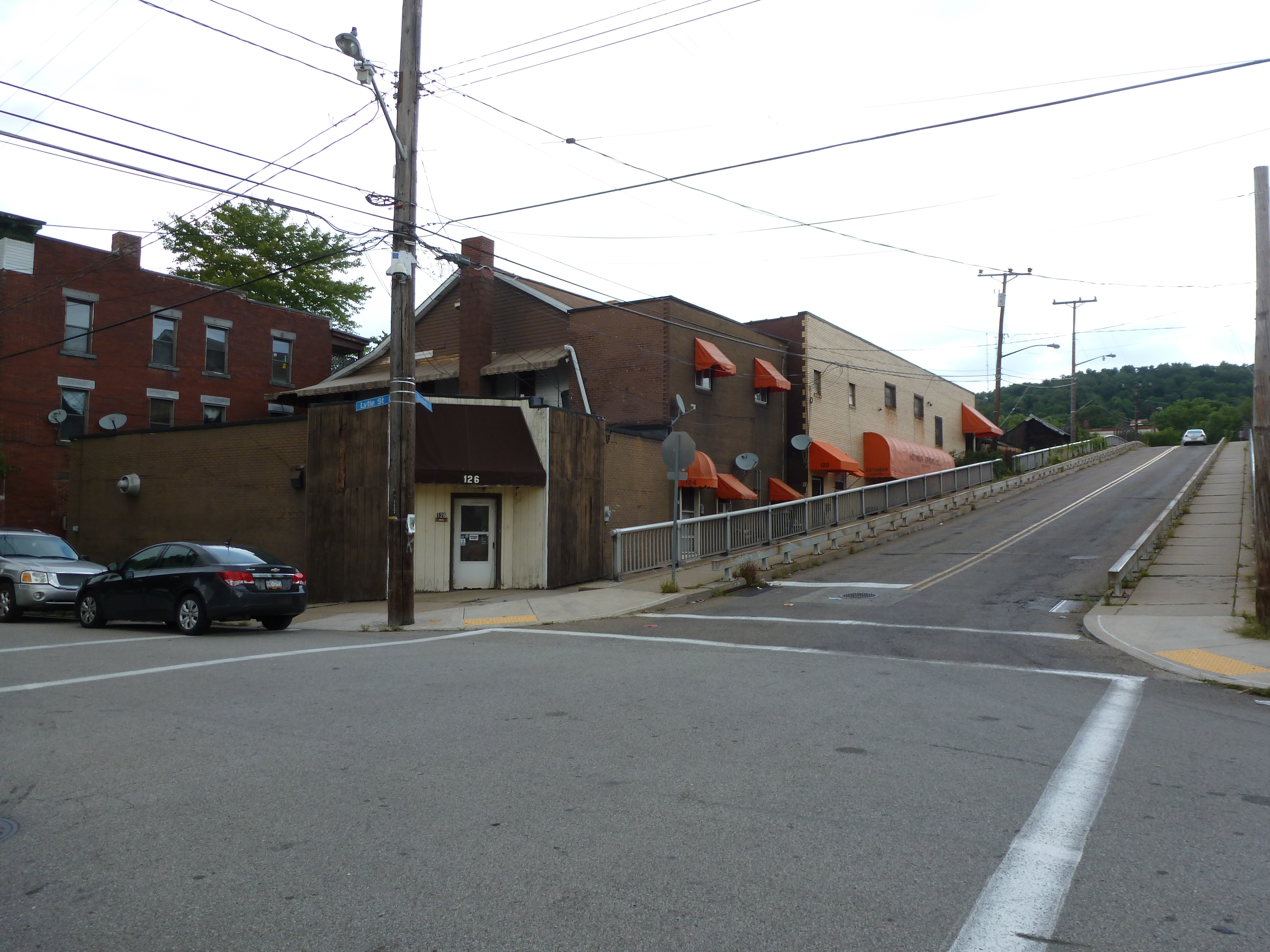
Keeping an Eye on Hazelwood (across the tracks): Sept. 2020

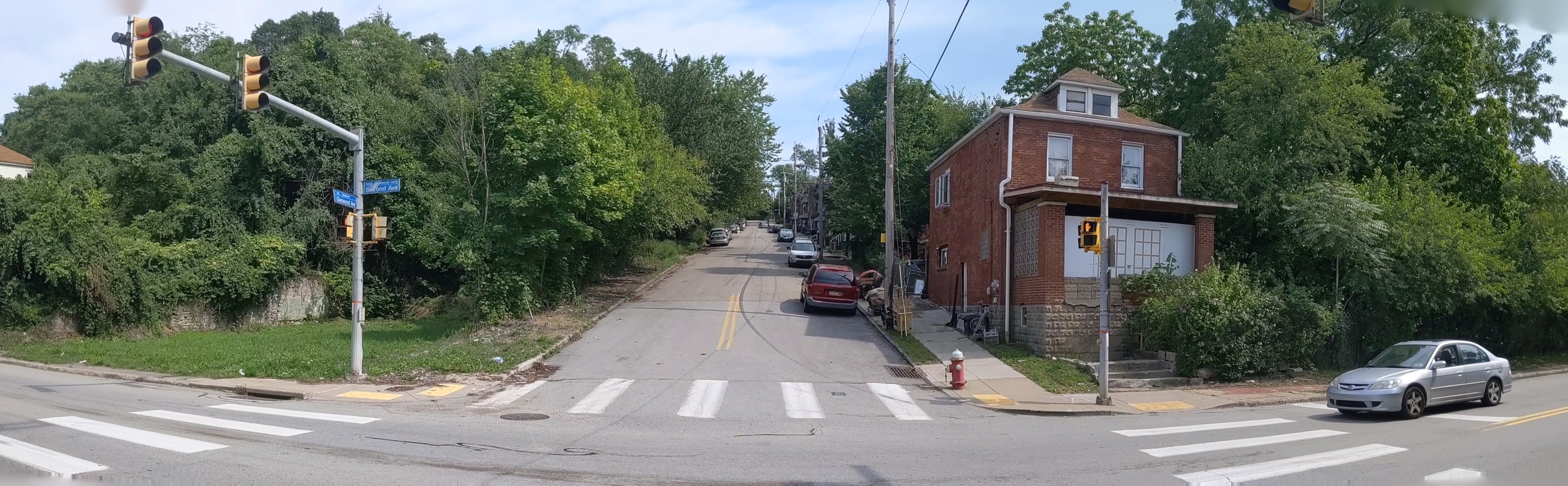
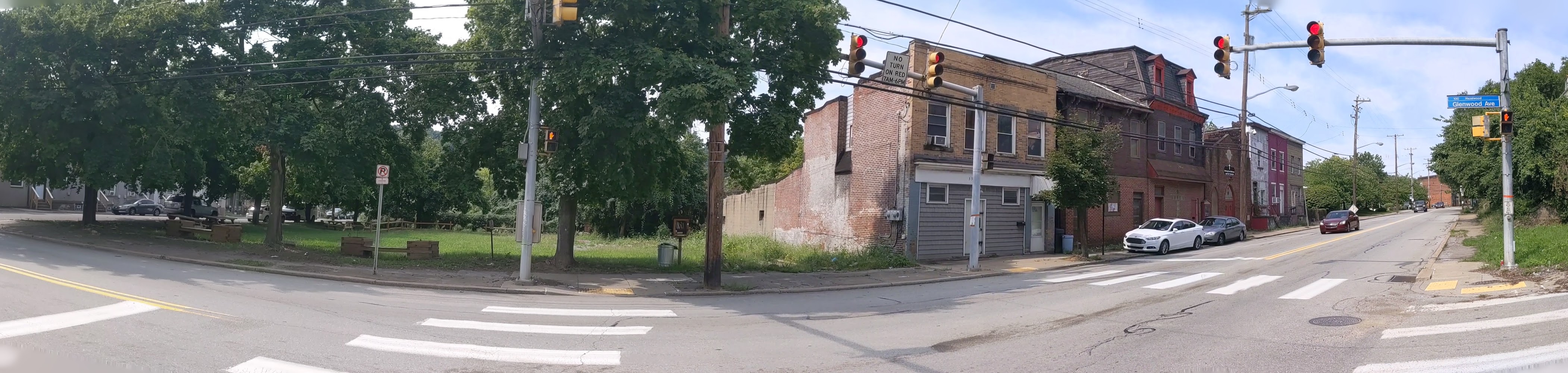
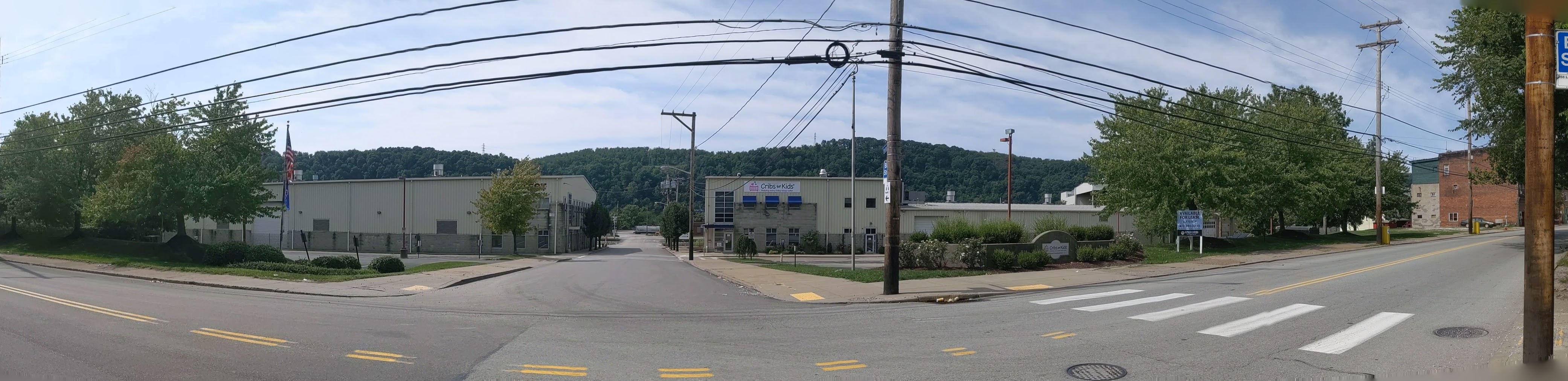
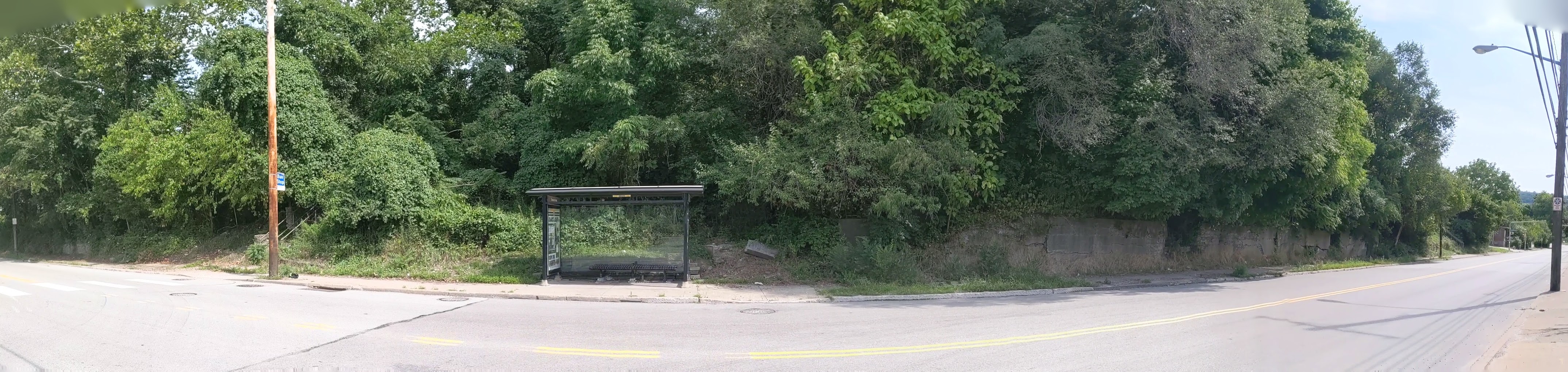
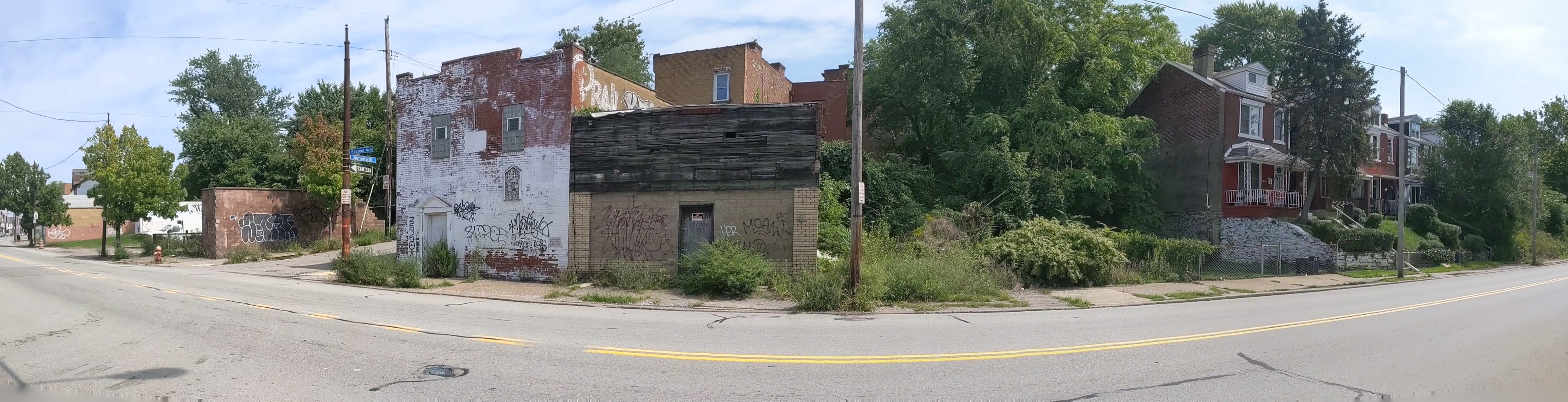
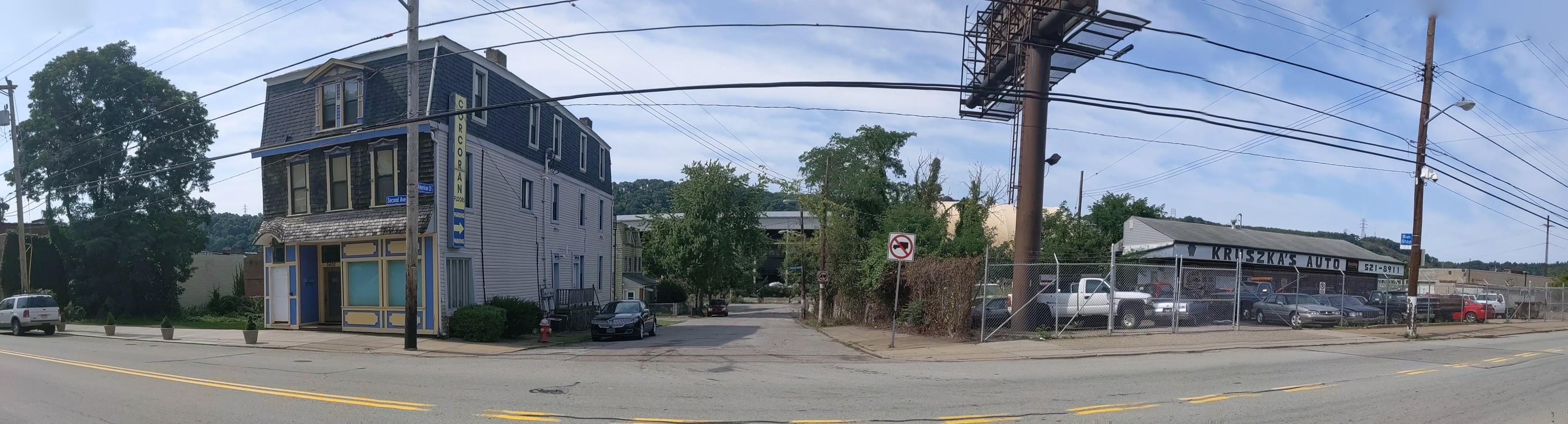
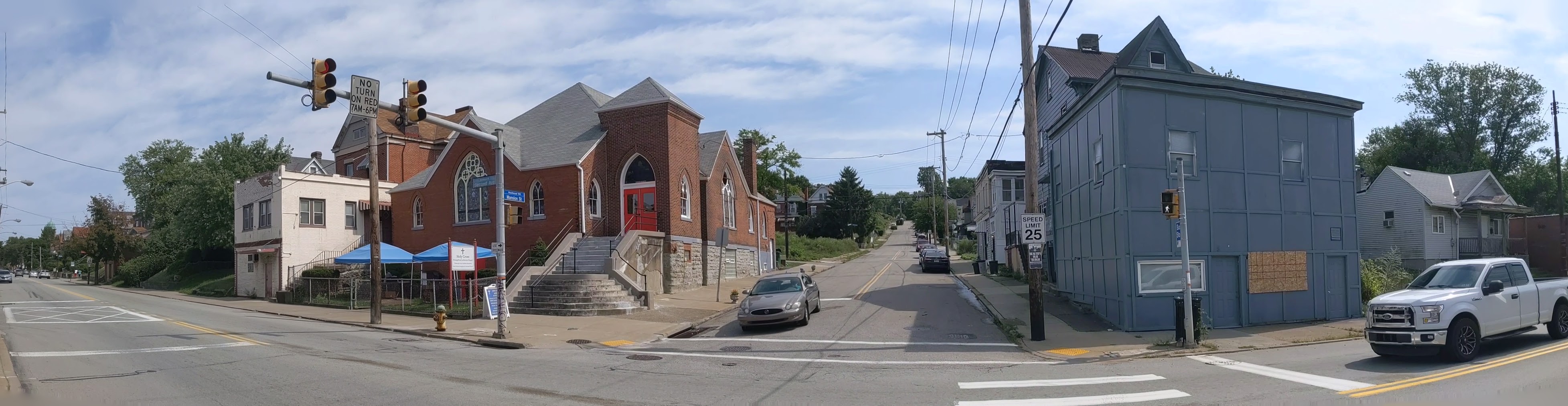
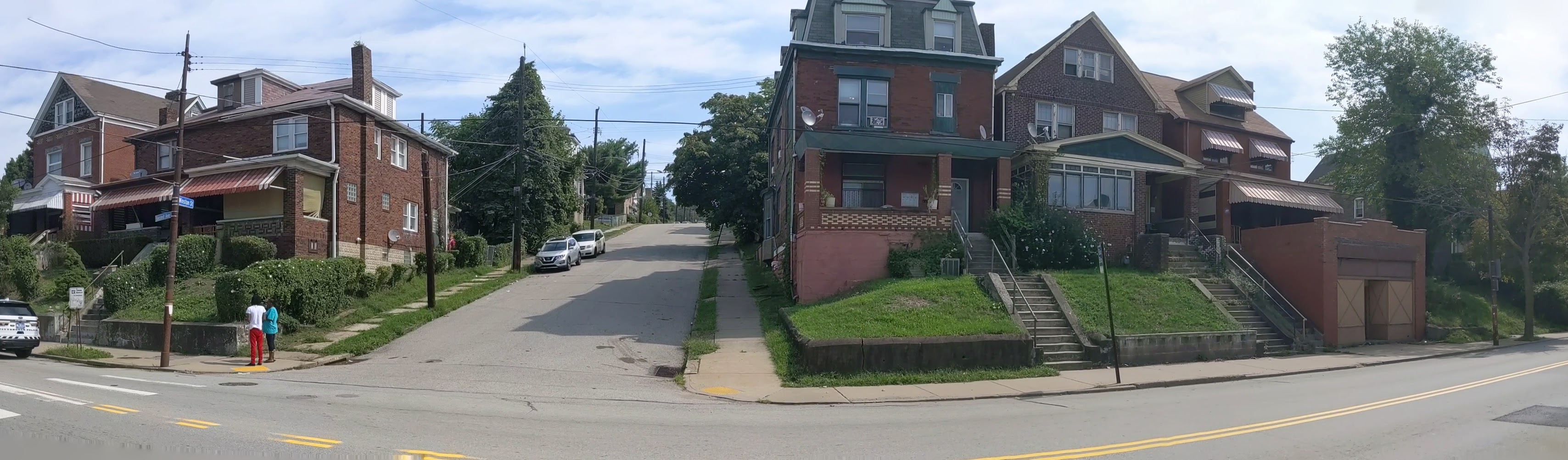
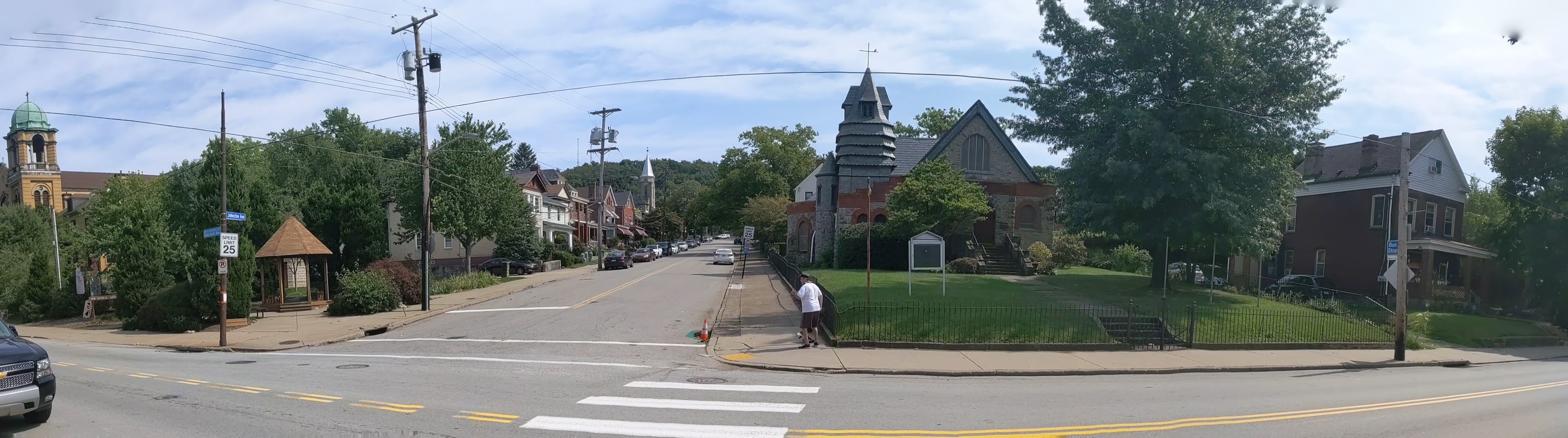
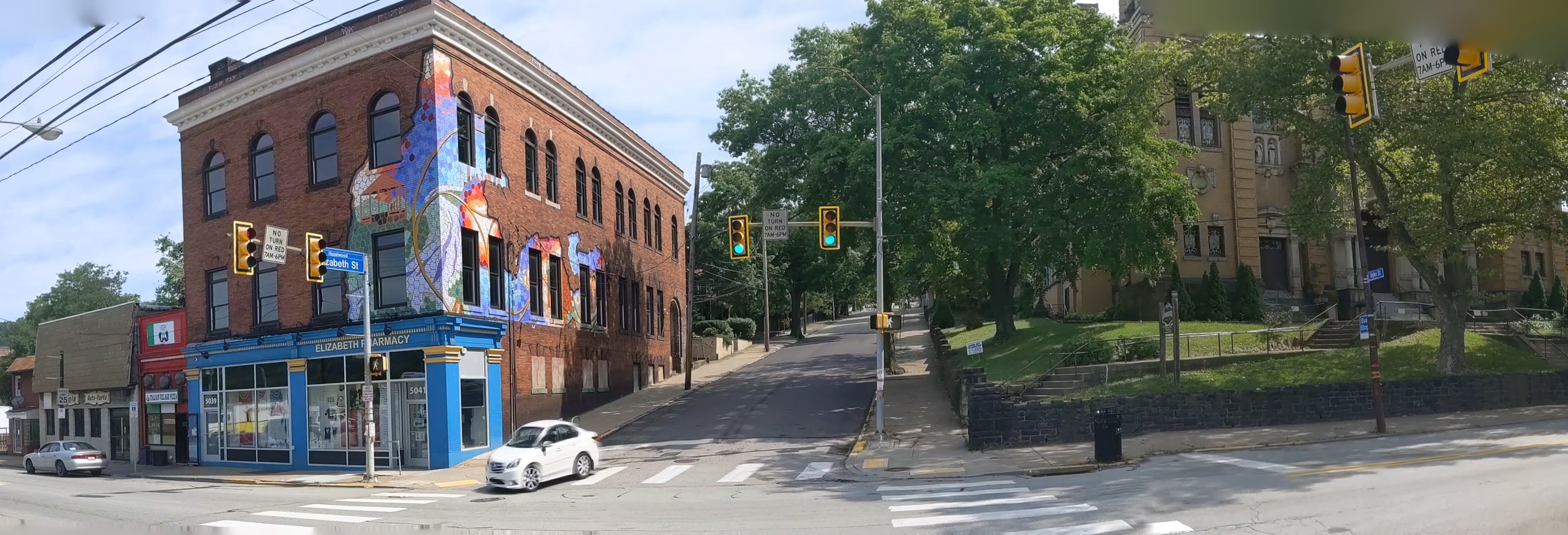
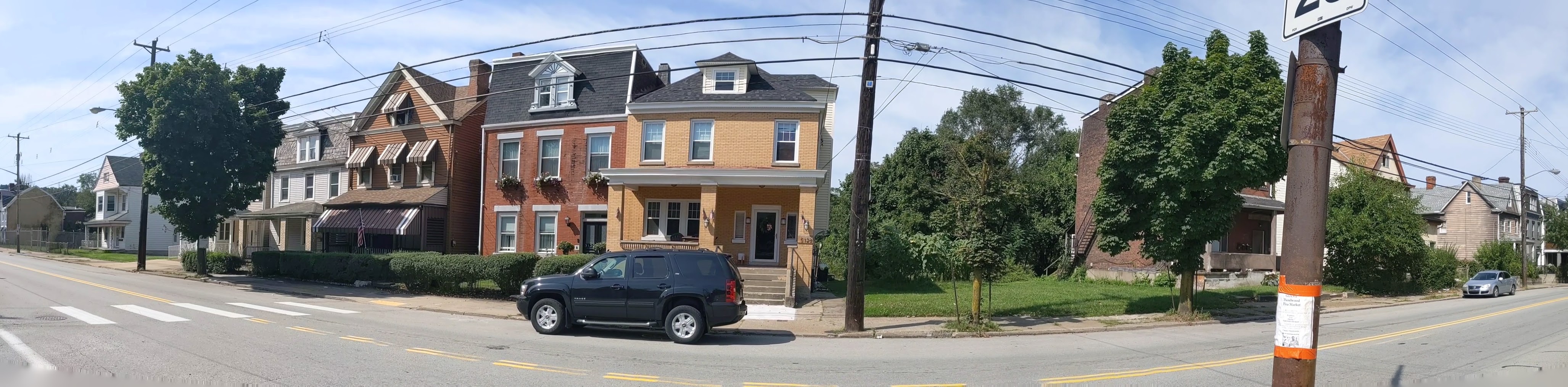
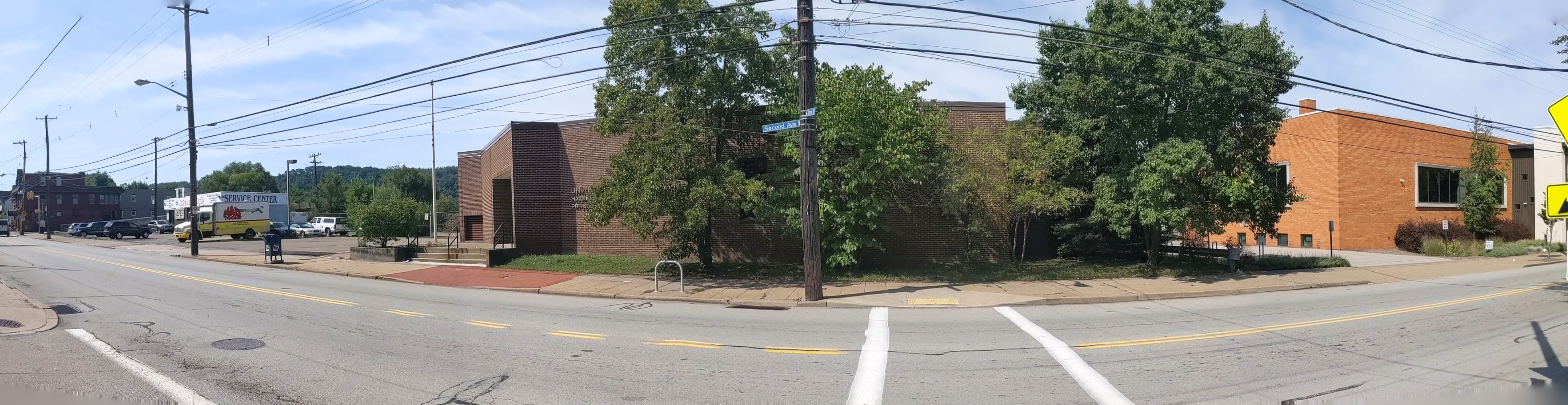
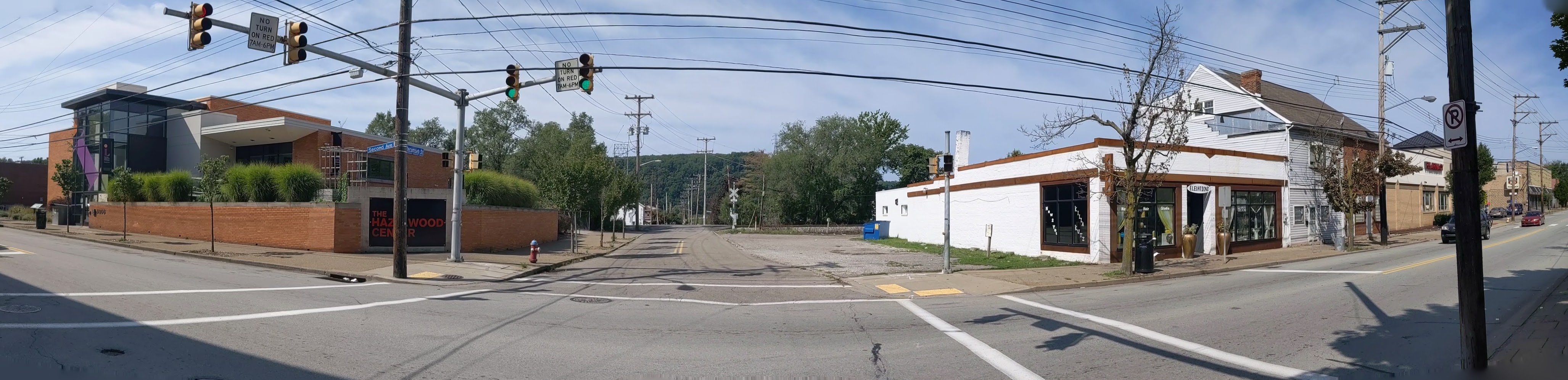
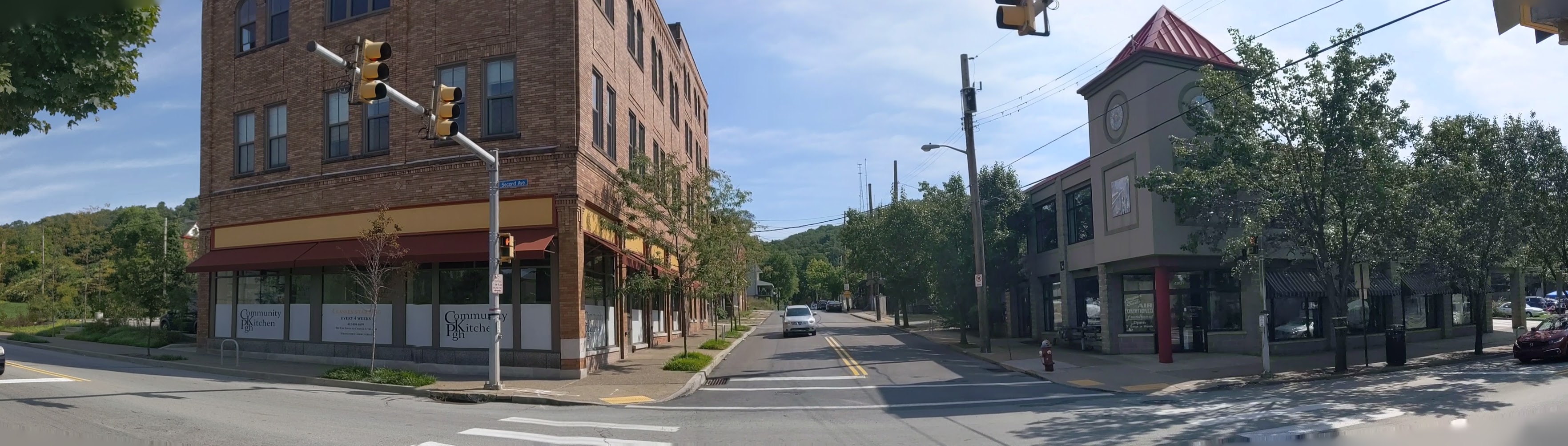
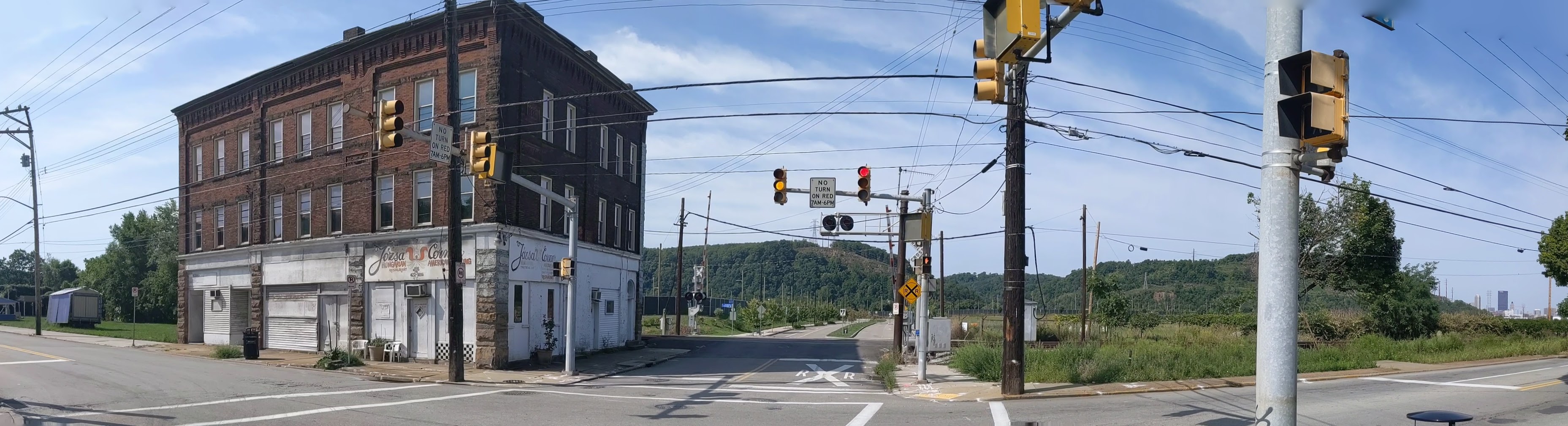
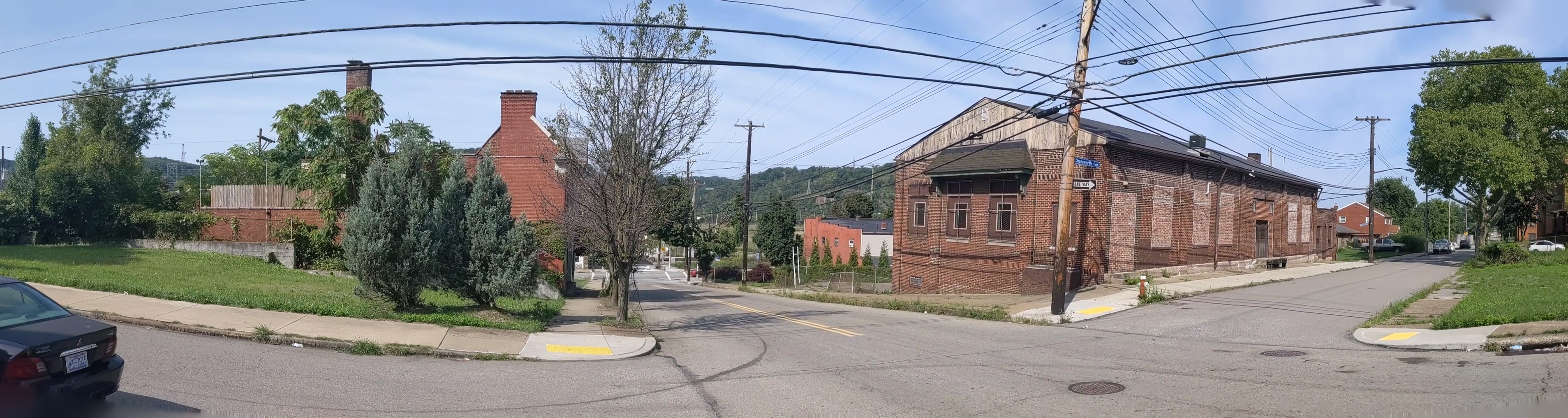
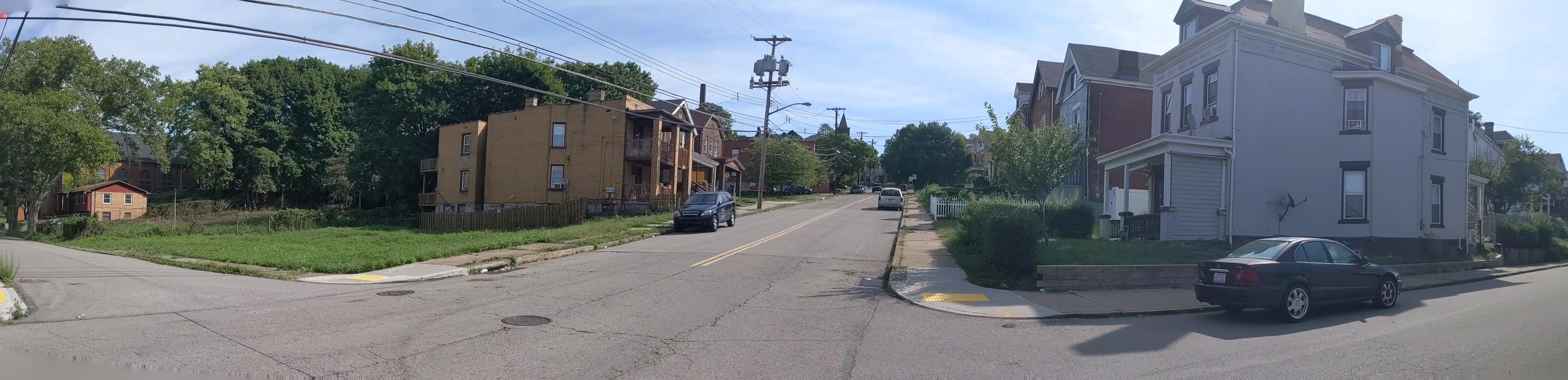
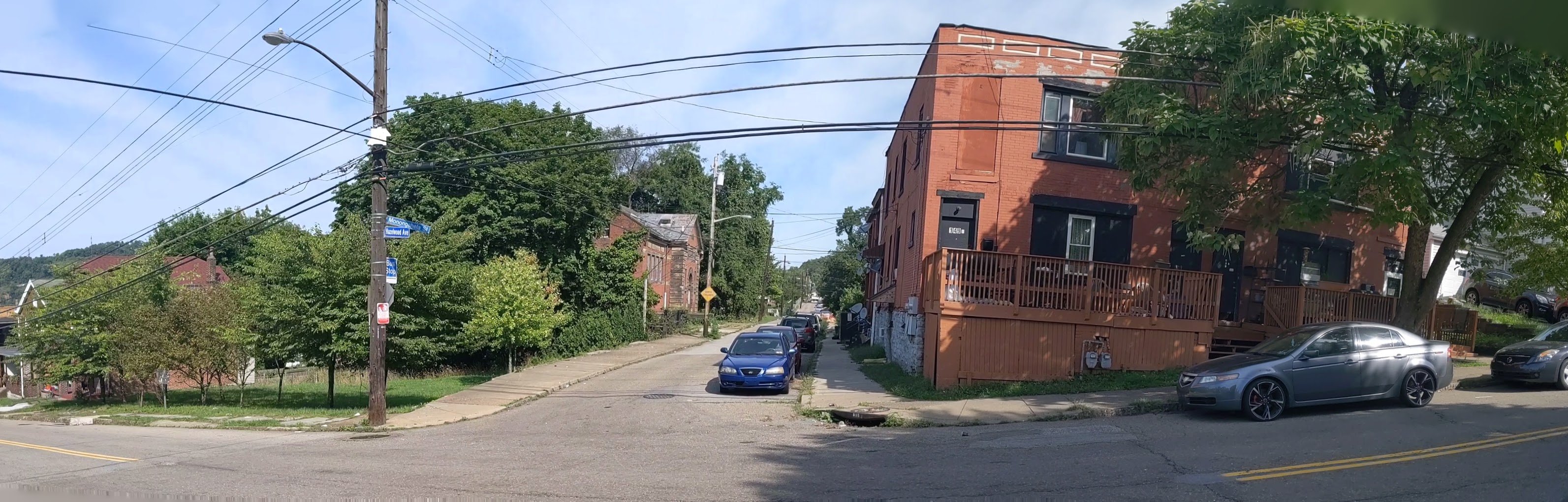
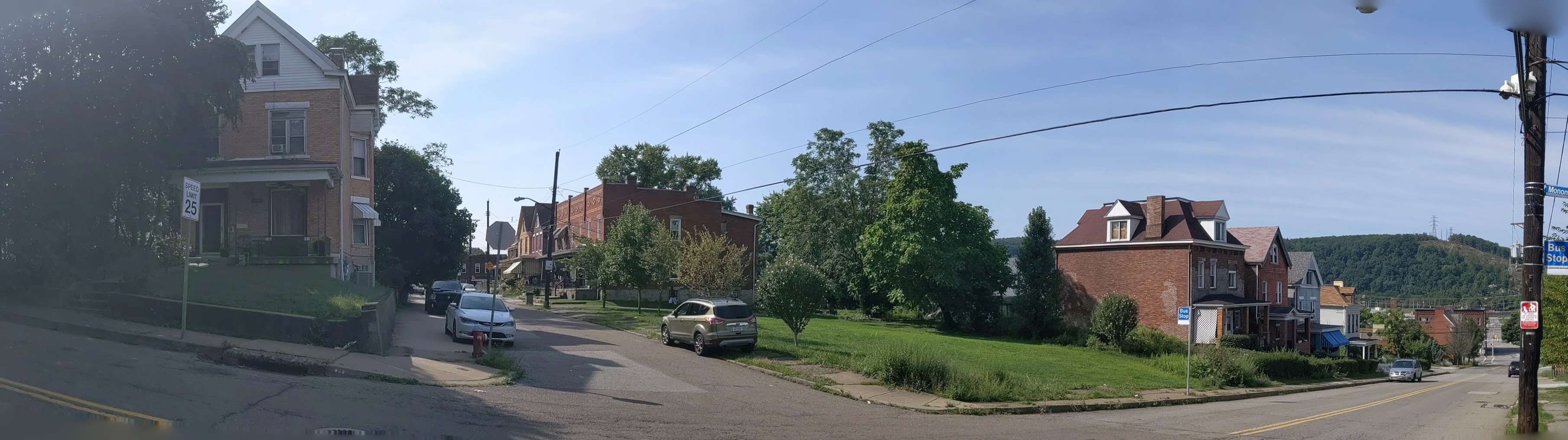
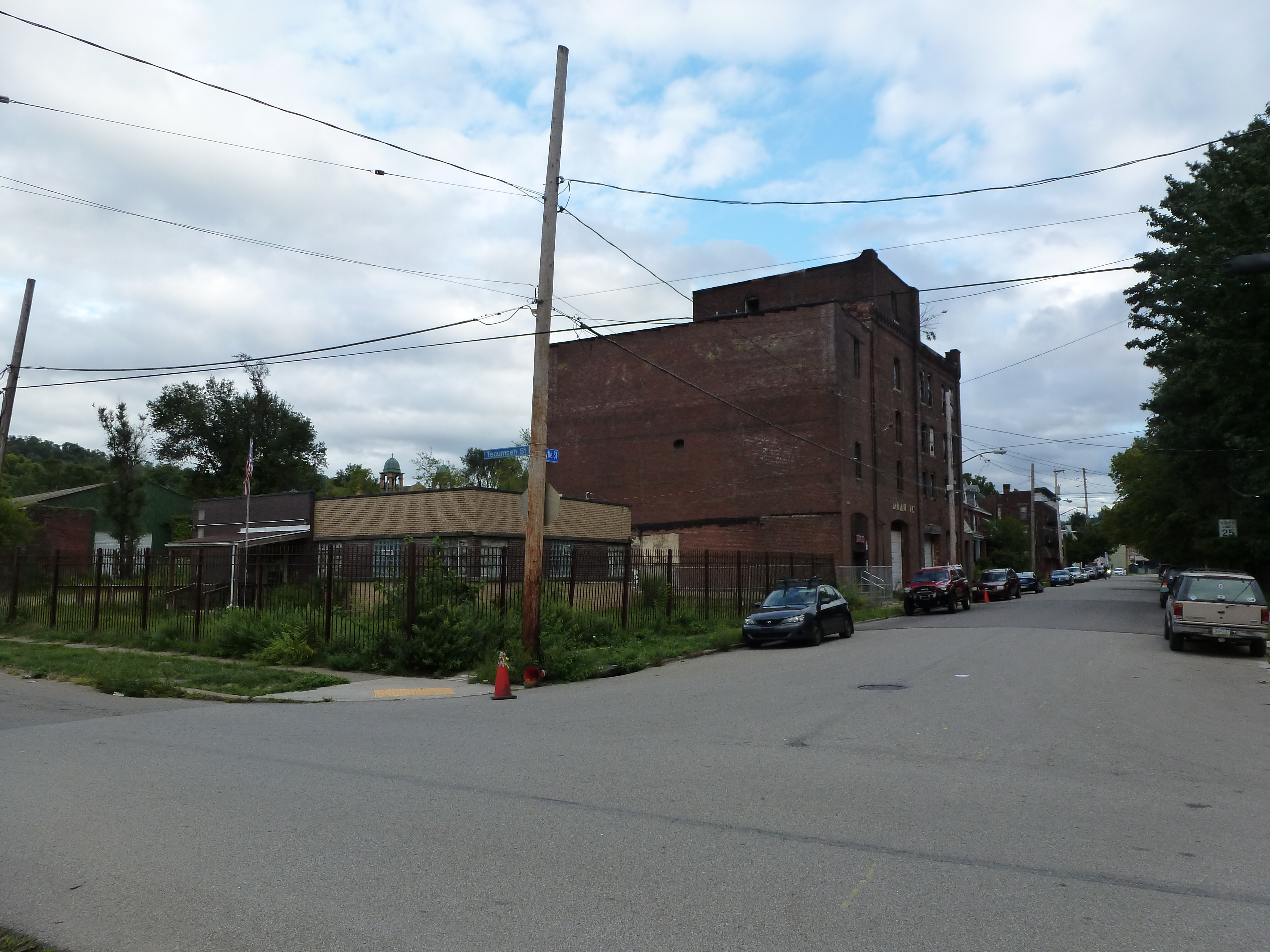
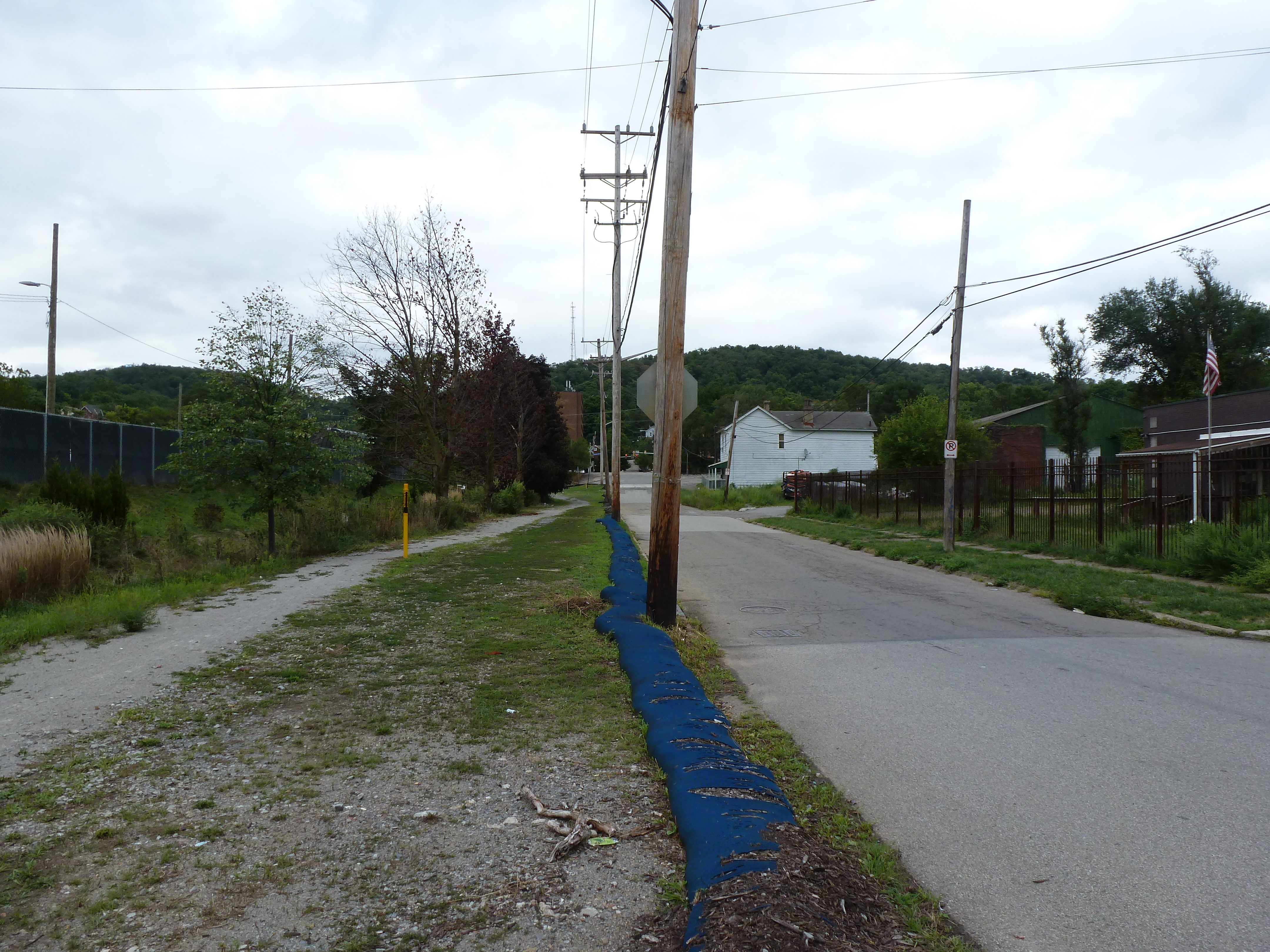
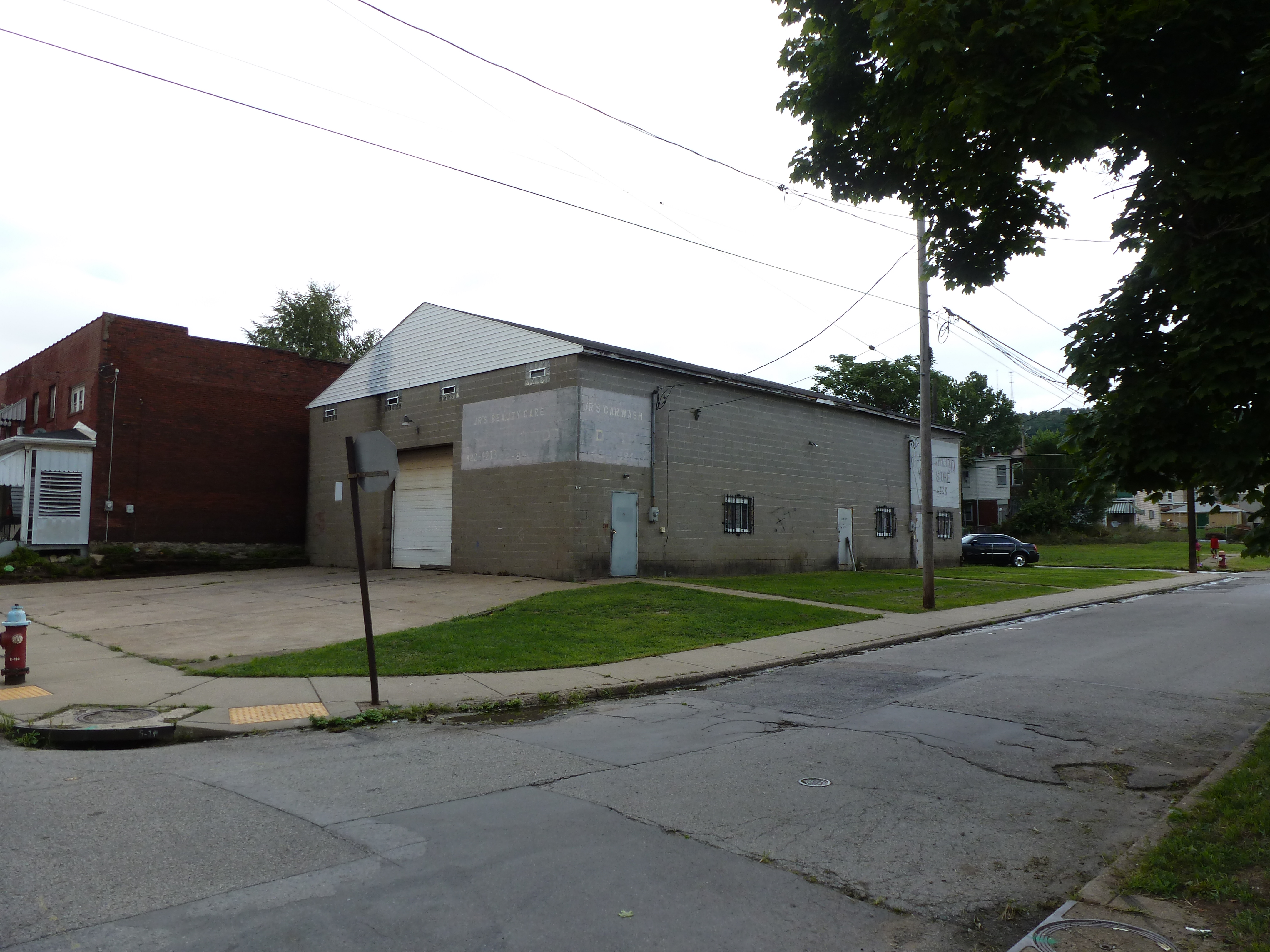
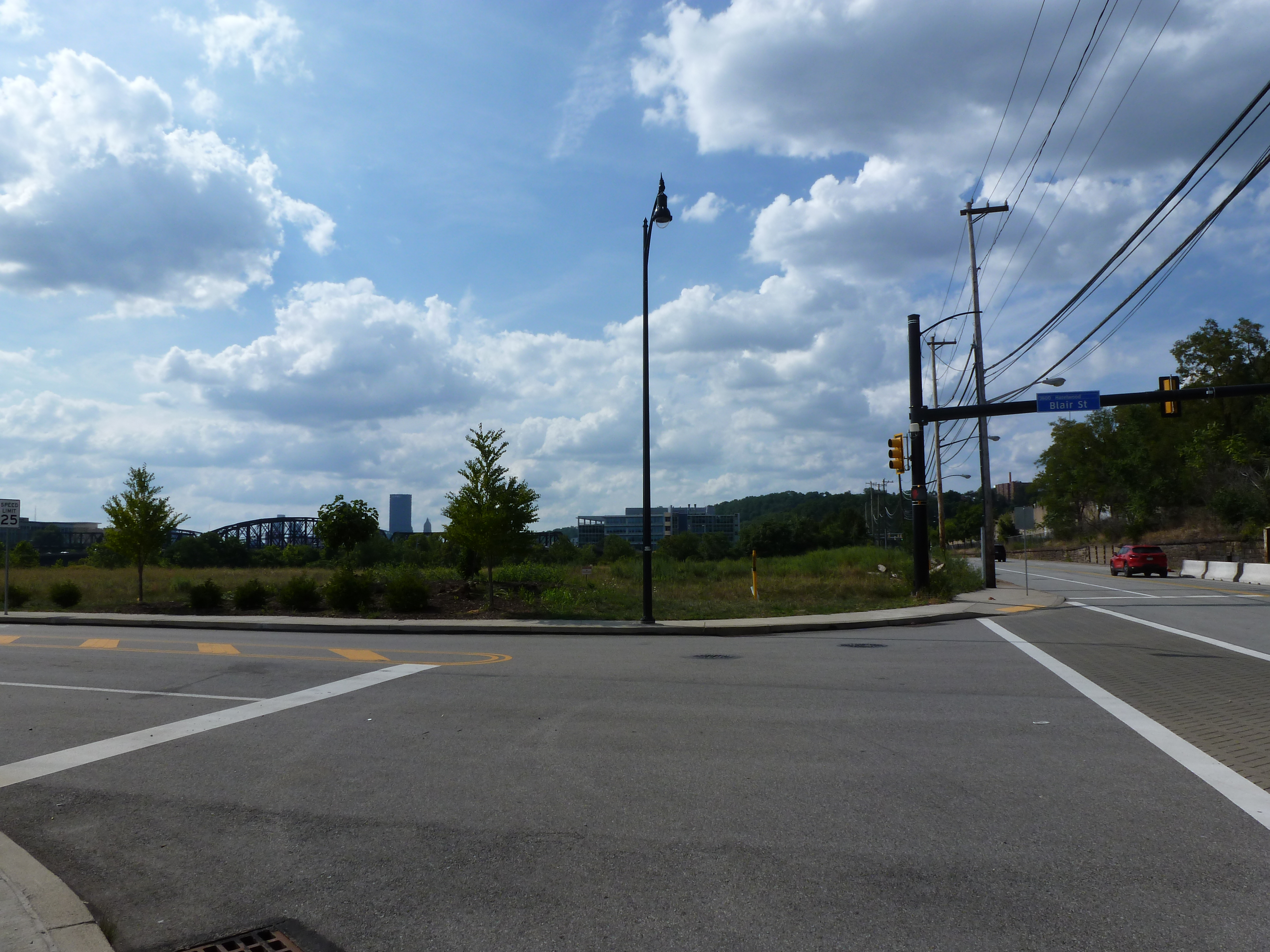
Hazelwood is a neighborhood divided in two by railroad tracks. On one side of the tracks are Hazelwood Green, a residential enclave, and some industrial and commercial uses. This is what is across the tracks:

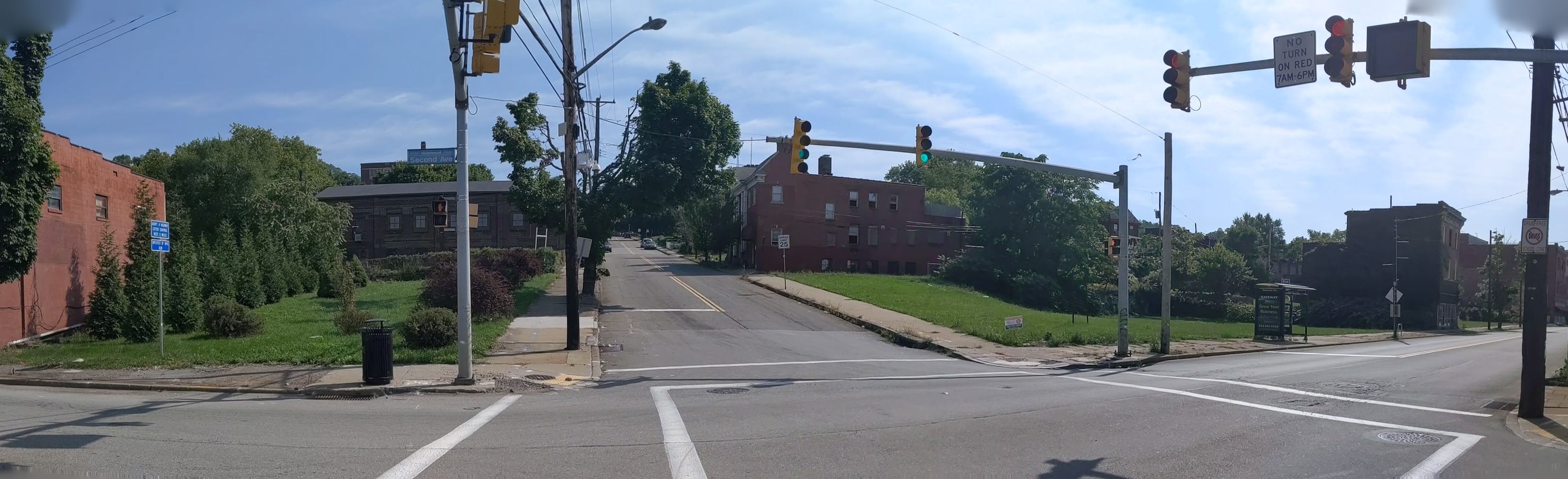
Second Ave

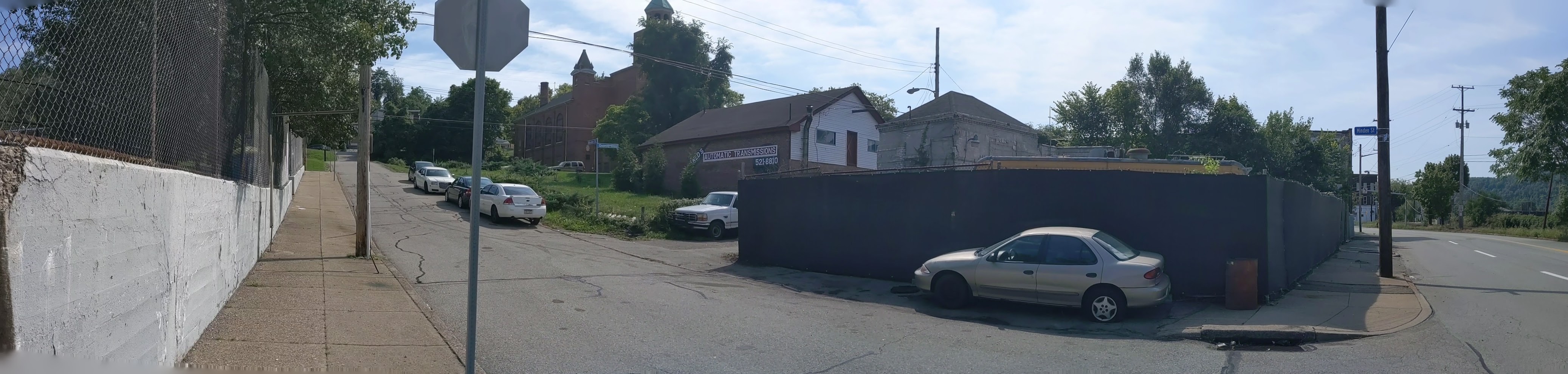
Hazelwood Ave

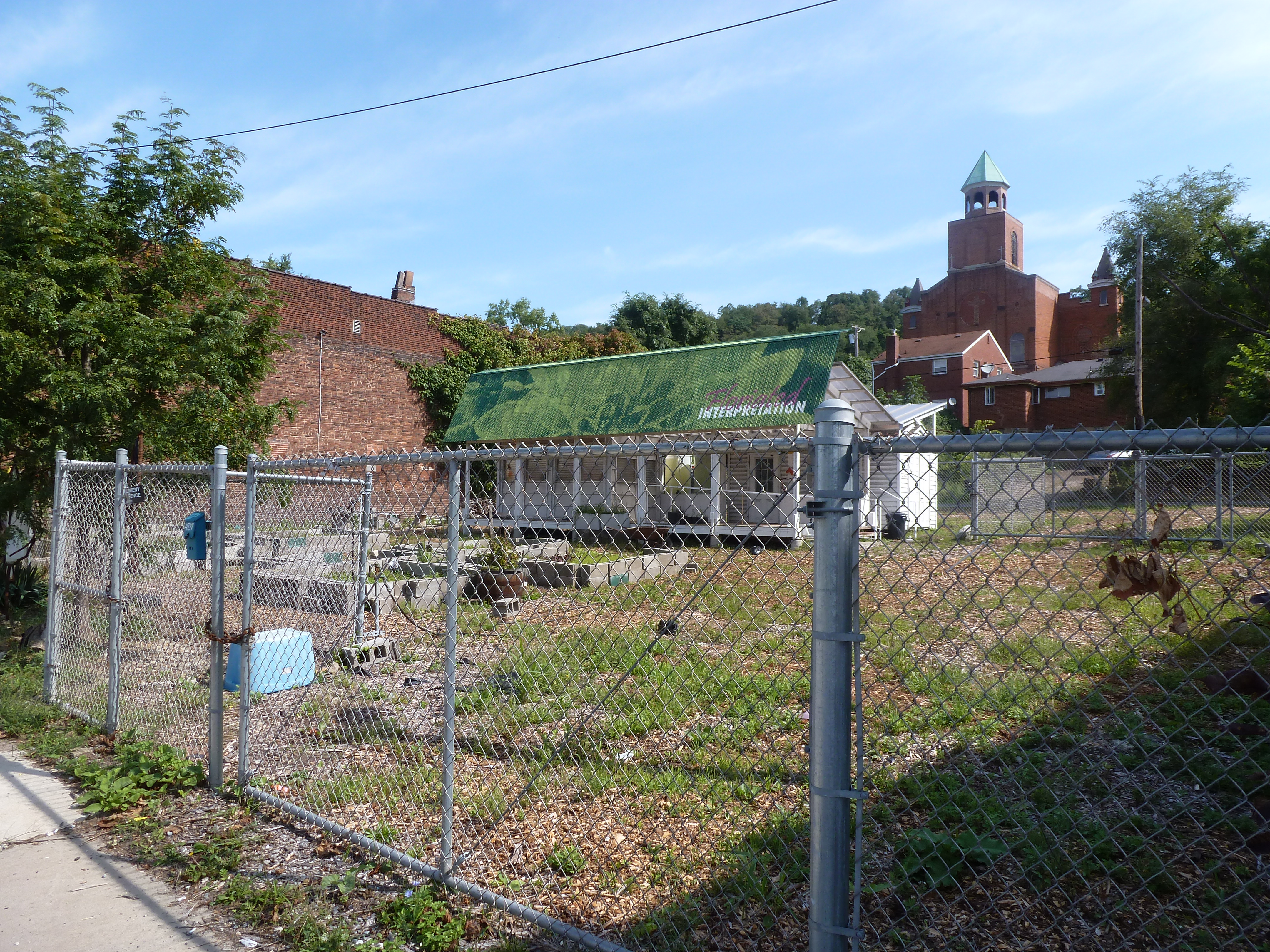
Other Sites


Hazelwood in the News:

New Businesses Revitalizing Second Ave (Next Pittsburgh, November 21, 2019)

URA Picks Community Builders for Affordable Housing Development on Second Ave (Pittsburgh Business Times, January 15, 2020)

Study Pushes Multi-modal Transit Improvements to Hazelwood’s 2nd Avenue (Post-Gazette, February 10, 2020)

Report Says Traditional Buses Better for Hazelwood than Autonomous Shuttles (City Paper, April 21, 2020)

Restaurants Reopen – Diners Return (Post-Gazette, June 28, 2020)

66 New Homes Proposed (Pittsburgh Business Times, September 10, 2020)


Previous posts in series:

Keeping an Eye on Hazelwood (across the tracks): Apr. 2020

Keeping an Eye on Hazelwood: Introduction


Keeping an Eye on Hazelwood: Sept. 2020

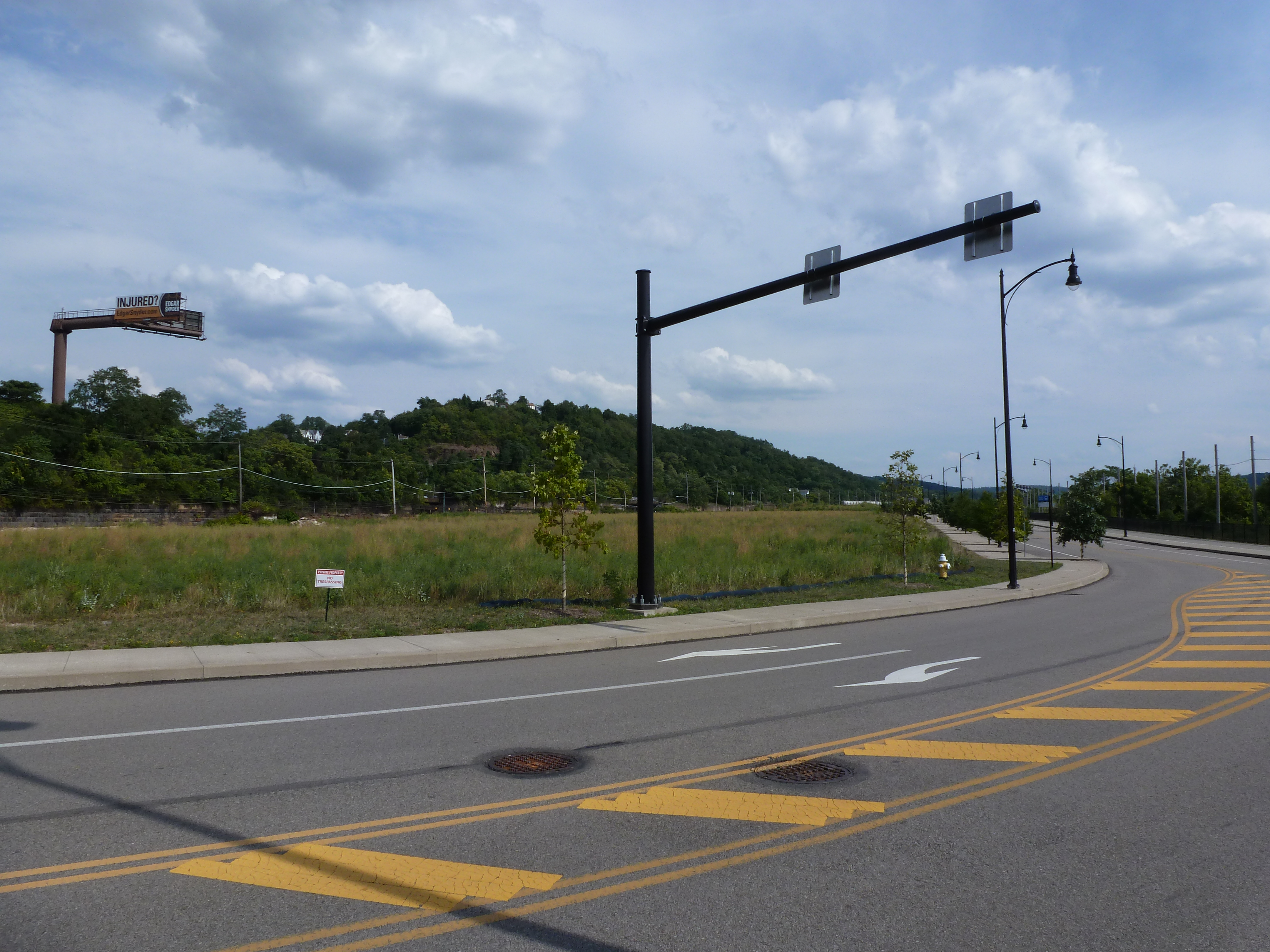
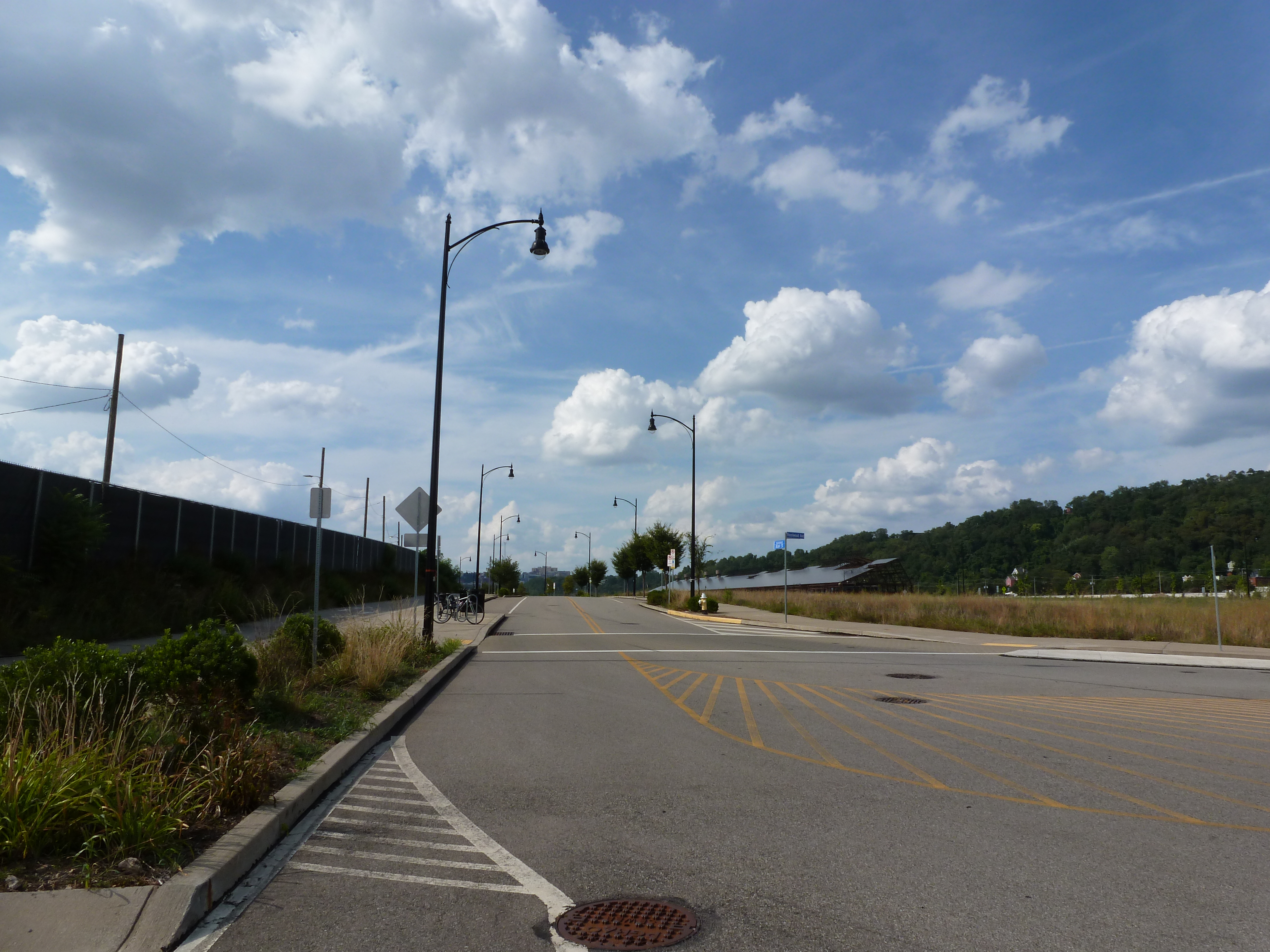
Hazelwood is a neighborhood divided in two by railroad tracks. This is what is on the same side of the railroad tracks as Hazelwood Green, but on the other side of the black fence surrounding the Uber test track:


Hazelwood in the news:

The Progress Fund Proposes Turning a Former Brewery into a Craft Brewpub Hub (Pittsburgh Business Times, July 31, 2020)


Previous posts in series:

Keeping an Eye on Hazelwood: May 2020

Keeping an Eye on Hazelwood: Introduction


Keeping an Eye on Penn Plaza – Aug. 2020

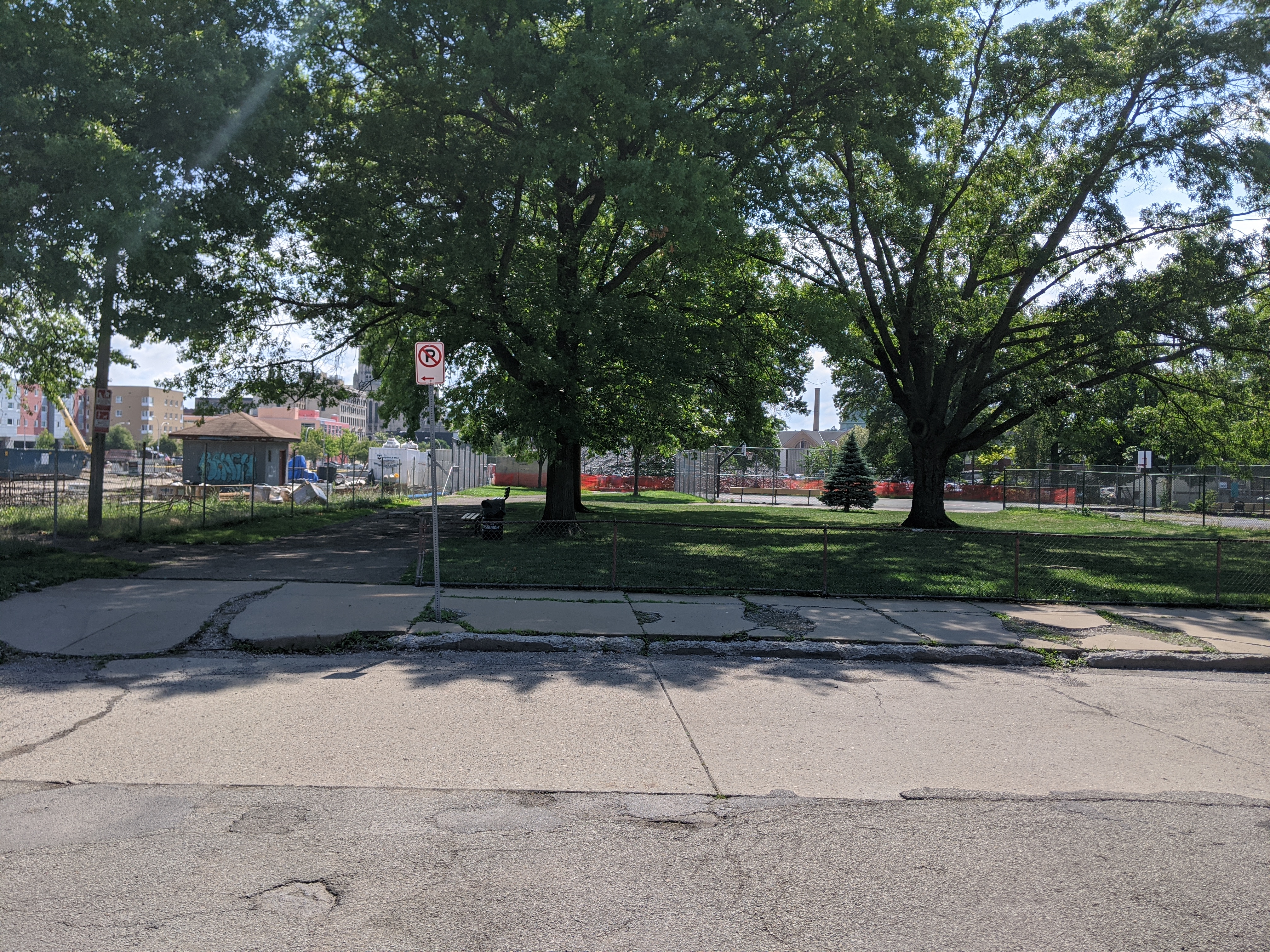
I regret not starting this series on the former Penn Plaza site sooner. I missed opportunities to photograph the former apartments in their neglected, partially occupied state and the demolition of the buildings. Starting with the project several months into construction is a case of better late than never and provides an opportunity to watch how the promise to rebuild the neighborhood park becomes fulfilled.


Penn Plaza in the News


Evictions 2015-2019:

Evictions Highlight Lack of Affordable Housing (City Paper, July 22, 2015)

Residents Meet About Eviction Notices (New Pittsburgh Courier, July 23, 2015)

Evictions Set Standard for Future (WESA, February 29, 2016)

Owners and Displaced Tenants Work out Deal (WTAE, February 29, 2016)

Final Residents Move Out (WESA, March 31, 2017)

Mass Evictions (Downstream, February 15, 2018)

Protesters Call for Action Years After Evictions (KDKA, July 28, 2018)

Dark Stain on the City (Pittsburgh Current, July 30, 2018)

Defining Community (Public Source, September 27, 2019)


Negotiations 2017-2019:

Penn Plaza Support and Action Blog

City, Community, Developer Reach Agreement (WESA, October 27, 2017)

Final Go-Ahead Approved (Post-Gazette, February 12, 2019)

City Seeks Land Swap (WESA, October 4, 2019)

Controversy Continues with Land Swap Proposal (Tribune Review, October 15, 2019)

City Fails to Keep Promises (WESA, October 23, 2019)

City Falling Short on Guarantees (Post-Gazette, October 28, 2019)

Residents Concerned About Park Reconfiguration (Tribune Review, October 28, 2019)


Construction 2019-current:

City Council Clears the Way (WESA, October 29, 2019)

Construction Starts (Pittsburgh Business Times, October 30, 2019)

Groundbreaking Announced for December 2019 (Next Pittsburgh, October 30, 2019)


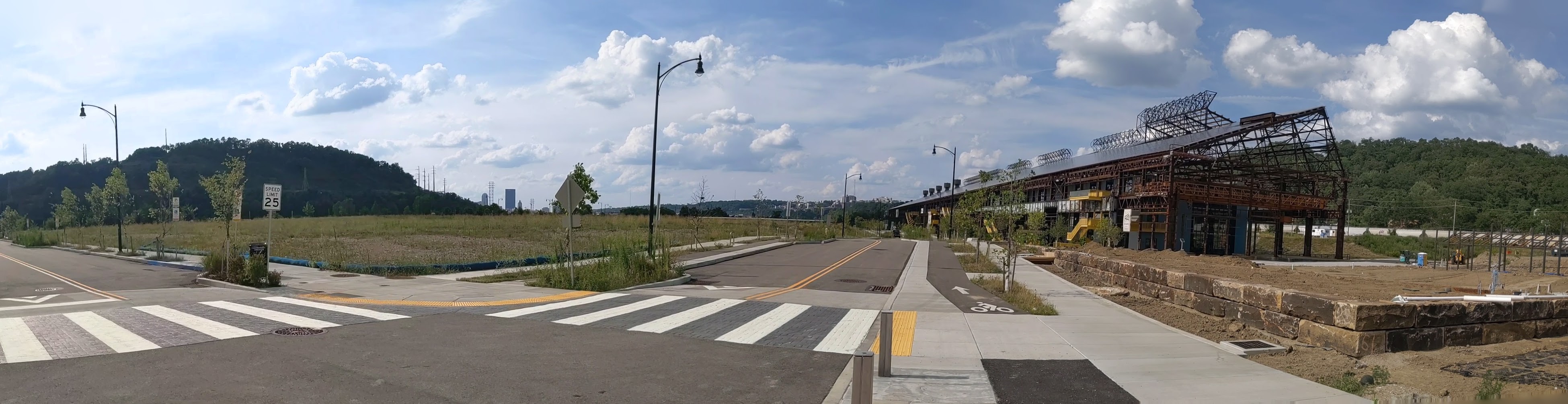
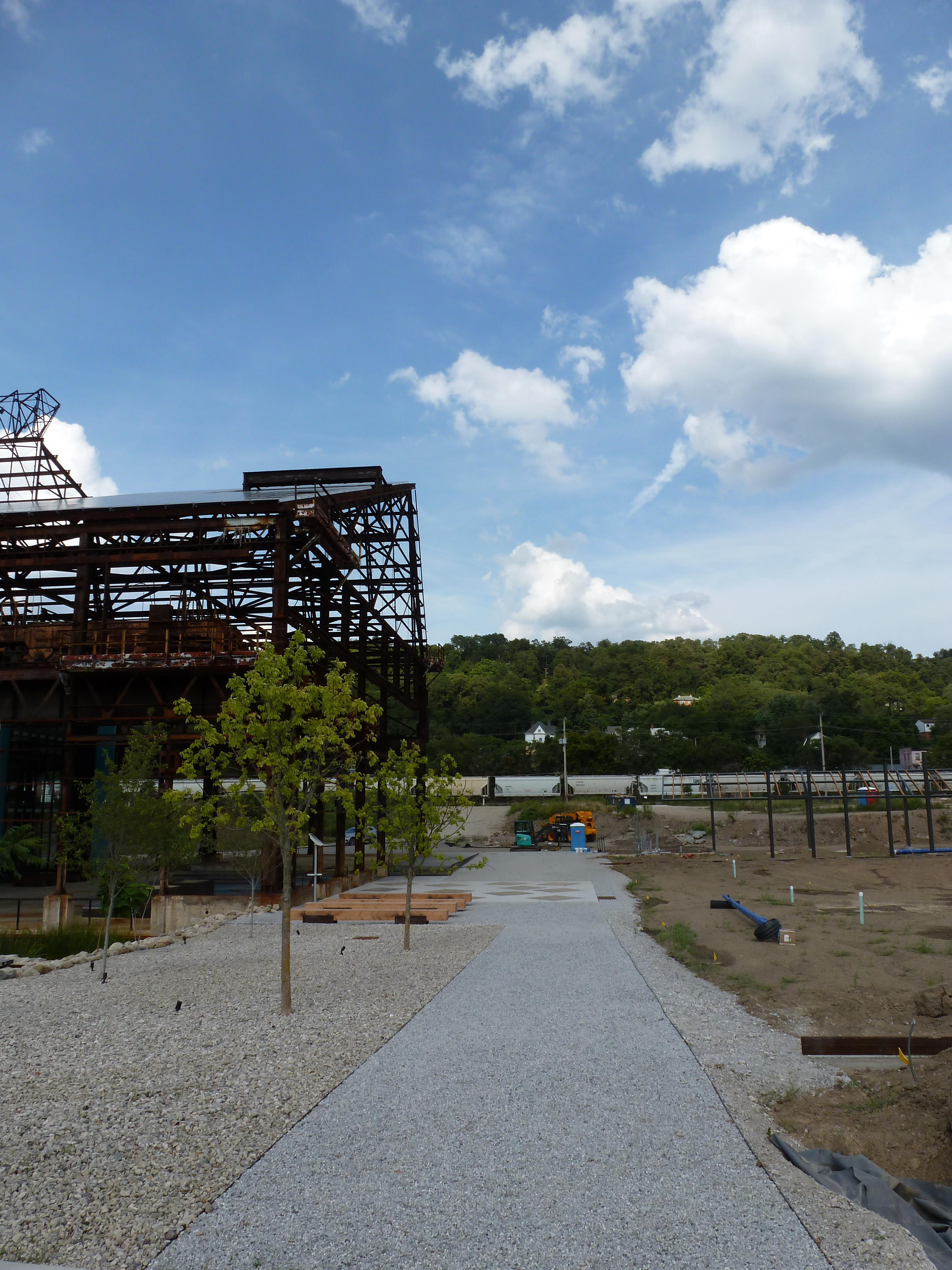
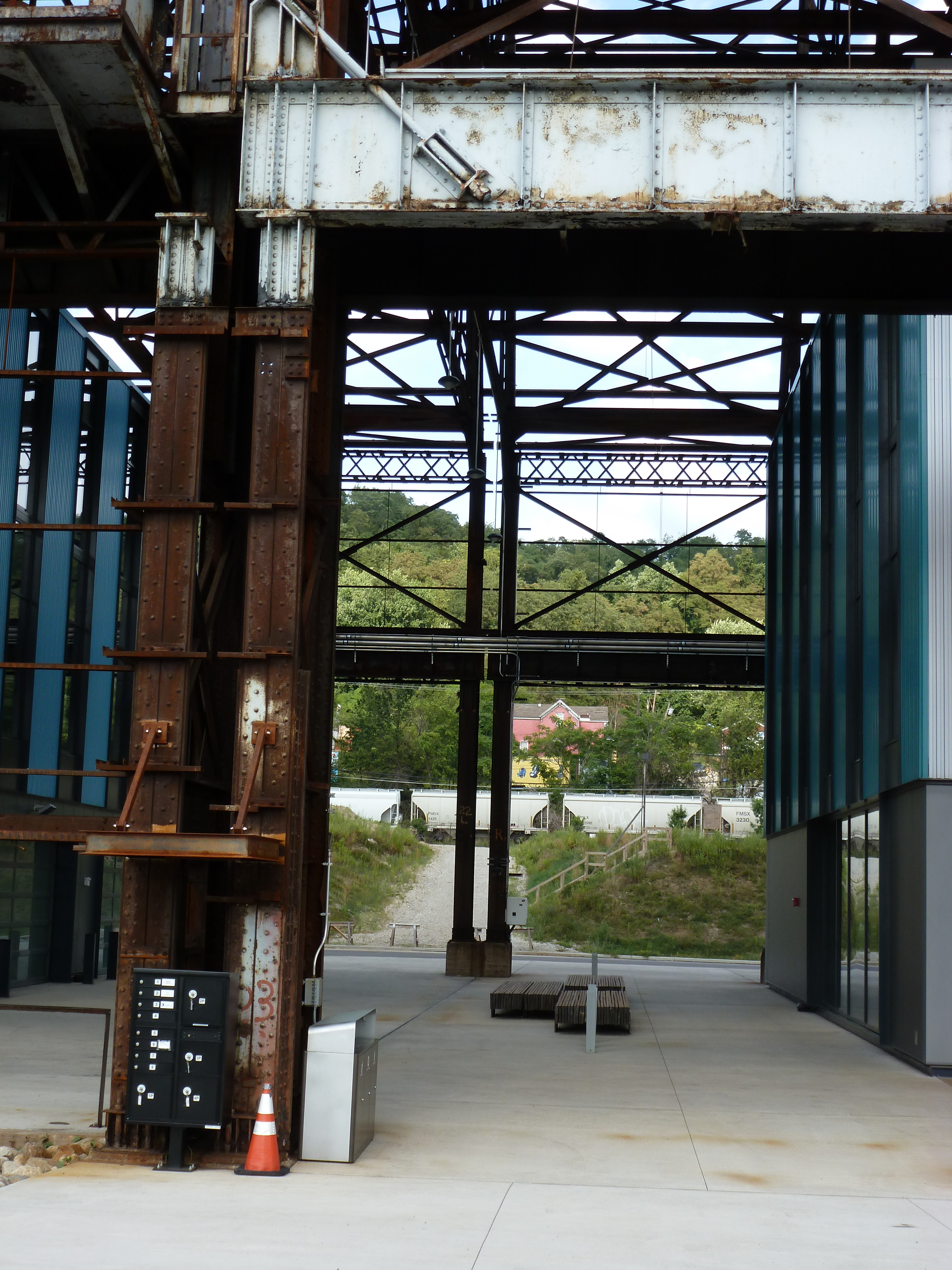
Keeping an Eye on Hazelwood Green: Aug. 2020

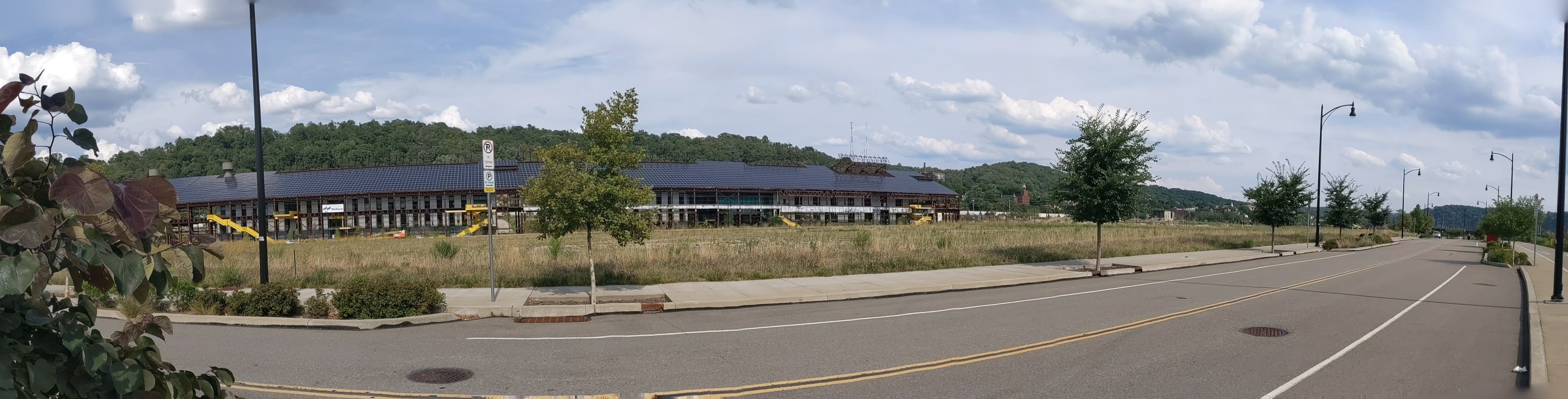
Hazelwood Green in the News:

Roundhouse Renovation Next For Hazelwood Green (Next Pittsburgh, January 26, 2020)

Locomotive Roundhouse to Host Co-working Space (Pittsburgh Post-Gazette, January 28, 2020)

Tenant Landed for Roundhouse (Pittsburgh Business Times, February 25, 2020)

From Blight to Tech Node? (CoStar, June 3, 2020)

Largest Solar Installation (Next Pittsburgh, June 29, 2020)

Hazelwood Green – Mill 19 Building A Named 2020 Best Project (ENR MidAtlantic, July 29, 2020)

Largest Solar Installation Completed (Solar Power World, August 13, 2020)

Drive-In Arts Festival at Hazelwood Green (Twitter, August 13, 2020)


Previous posts in series:

Keeping an Eye on Hazelwood Green: Mar. 2020

Keeping an Eye on Hazelwood: Introduction

Keeping an Eye on the Lower Hill: Jun. 2020

Lower Hill in the News:

Mayor’s Press Release (May 5, 2020)

Penguins Stop Development (Public Source, May 14, 2020)

Penguins Pull Out (Trib, May 14, 2020)

Penguins Back Out (WPXI, May 15, 2020)

Penguins Cease Redevelopment (Patch, May 15, 2020)

Penguins Halt Lower Hill Development (WESA, May 18, 2020)

Mayor’s Press Release (May 20, 2020)

Mayor Urges URA to Approve Development (Trib, May 20, 2020)

URA Explanation of Community Benefits

URA Board Votes to Move Lower Hill Development Forward (May 21, 2020)

URA Board Approves Development Project (WPXI, May 21, 2020)

Never Mind, Penguins Back In (WTAE, May 21, 2020)

President Trump Tweets about BRT Grant Award (May 29, 2020)


Previous posts in series:

Keeping an Eye on the Lower Hill: Jan. 2020

Keeping an Eye on Uptown: Introduction

Keeping an Eye on the CAP: Jun. 2020


Previous posts in series:

Keeping an Eye on the CAP: Dec. 2019

Keeping an Eye on Uptown: Introduction