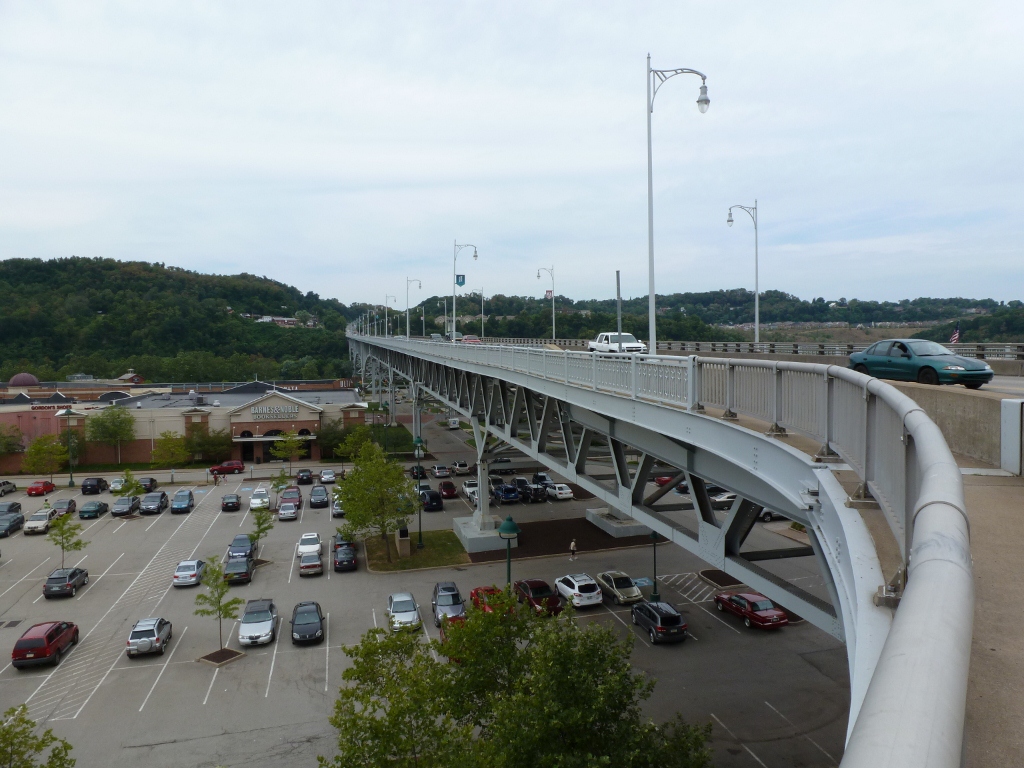
Pedestrian Bridges: Bates Street

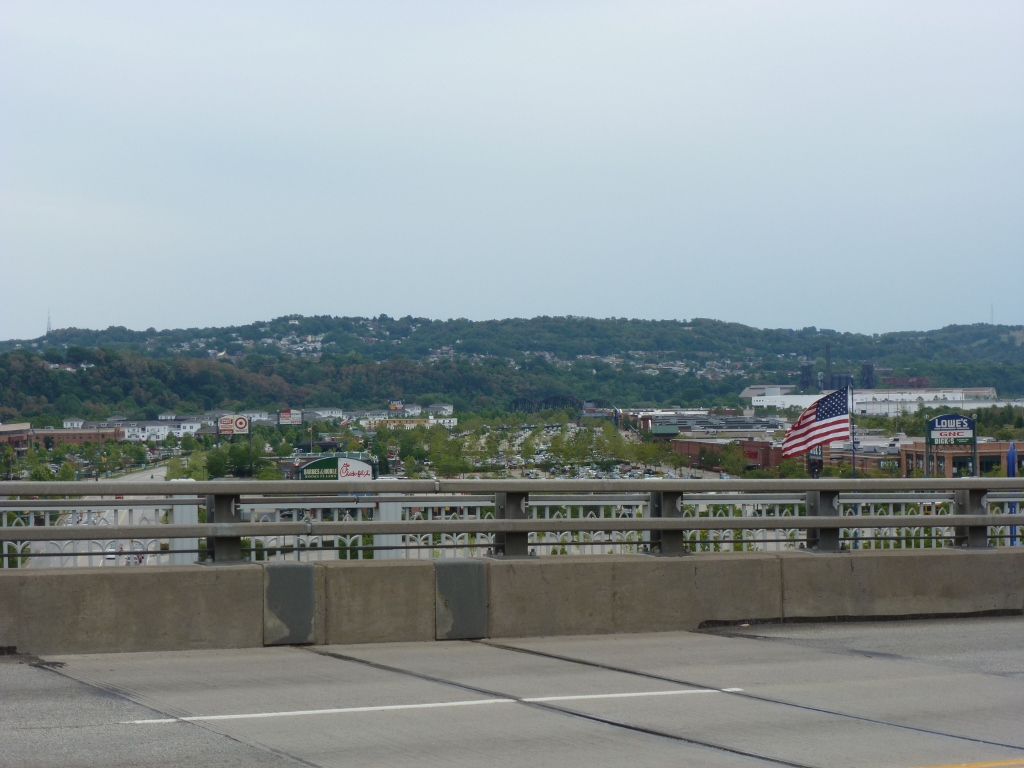
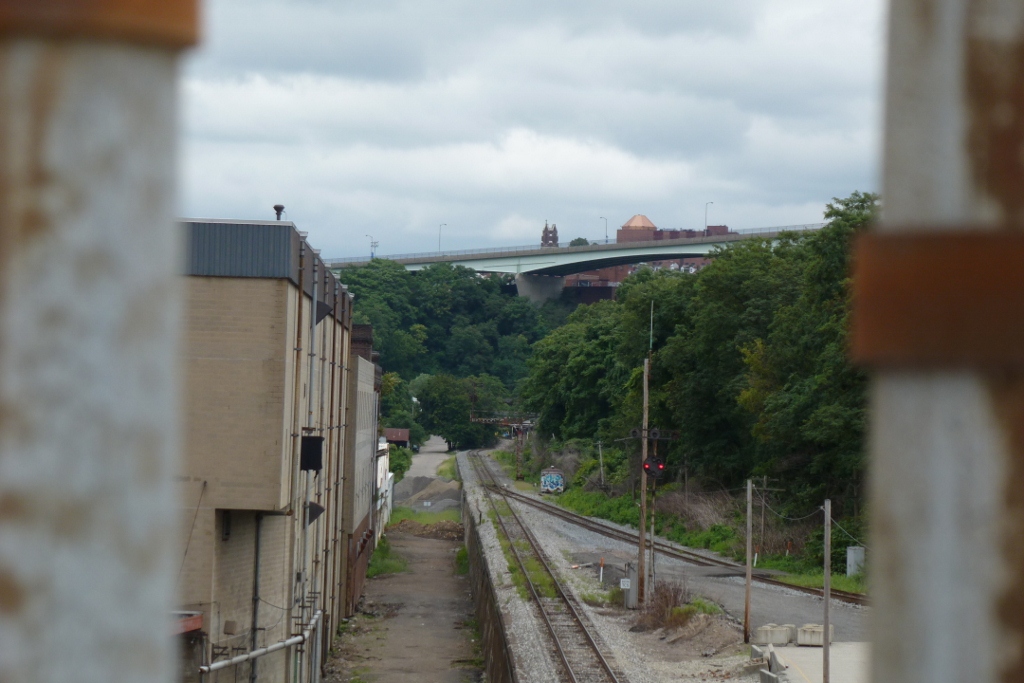
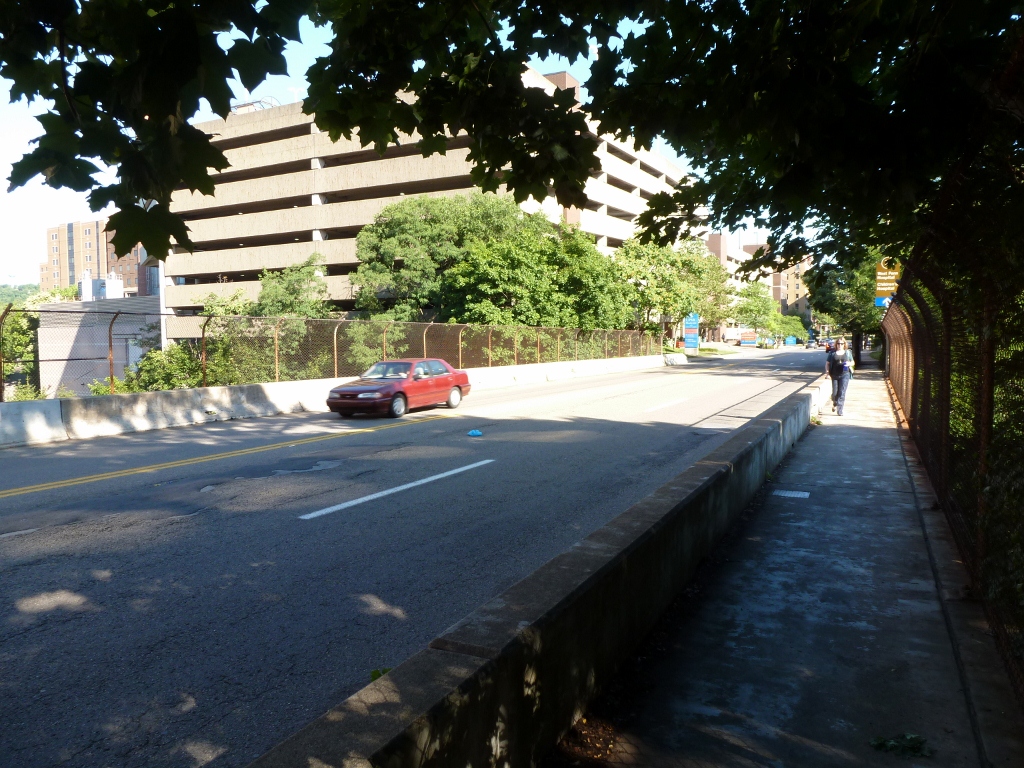
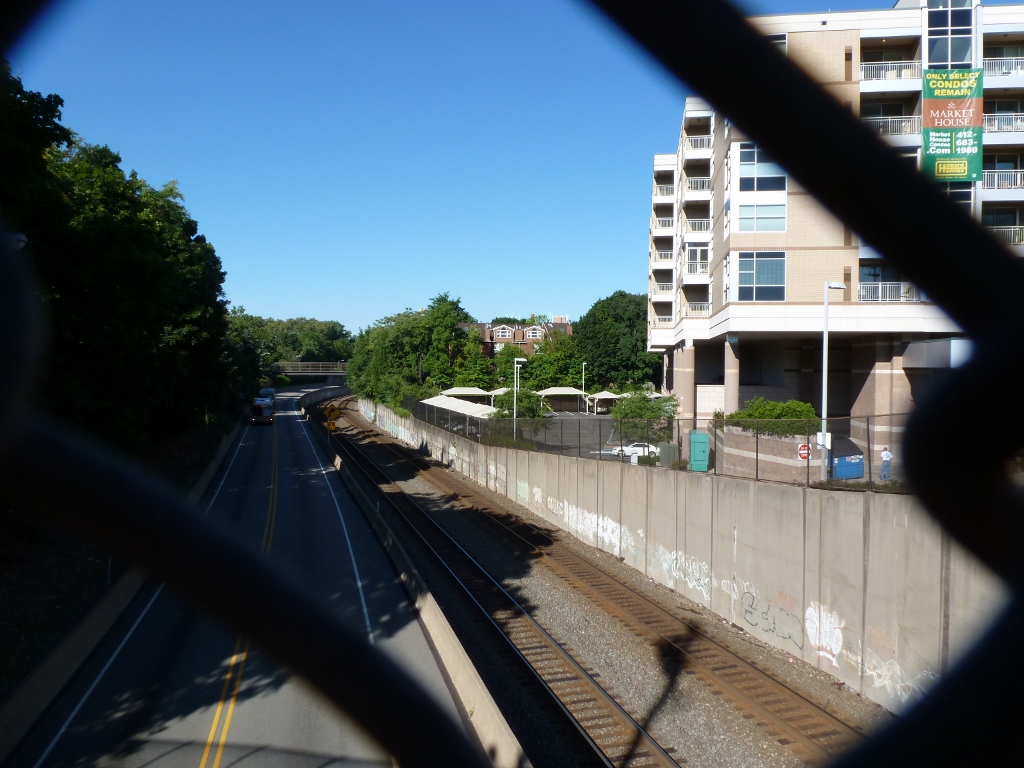
The trail bridge over Bates Street, which opened in 2011, is the second newest bridge in Pittsburgh.  The newest is the pedestrian bridge in East Liberty (see Taking the Long Way Round post).  The East Liberty bridge was a completely new bridge, whereas there was a trail bridge over Bates Street before.  This bridge carries the Eliza Furnace Trail.  This trail is part of the larger Three Rivers Heritage Trail.  I believe that this is the only bridge over a road along the Three Rivers Trail system.  There is a converted railroad bridge that carries the trial over part of the Allegheny River (see July 15 post).  The Hot Metal (Aug 9 post), Smithfield Street and Fort Duquesne (June 19 post) bridges are also considered part of the trail system according to the trail map.

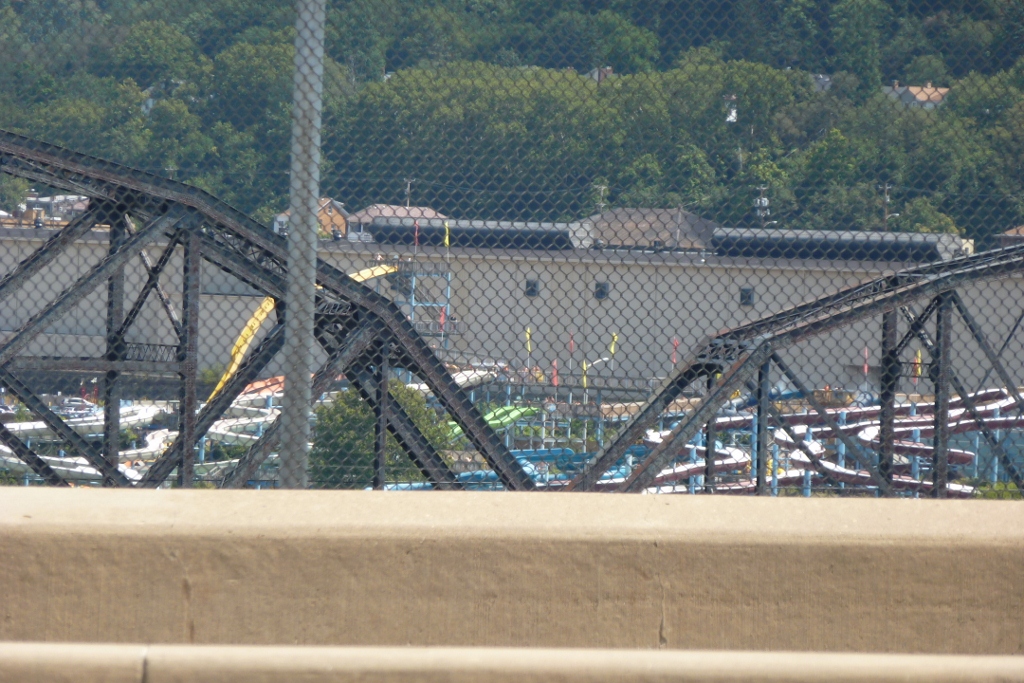
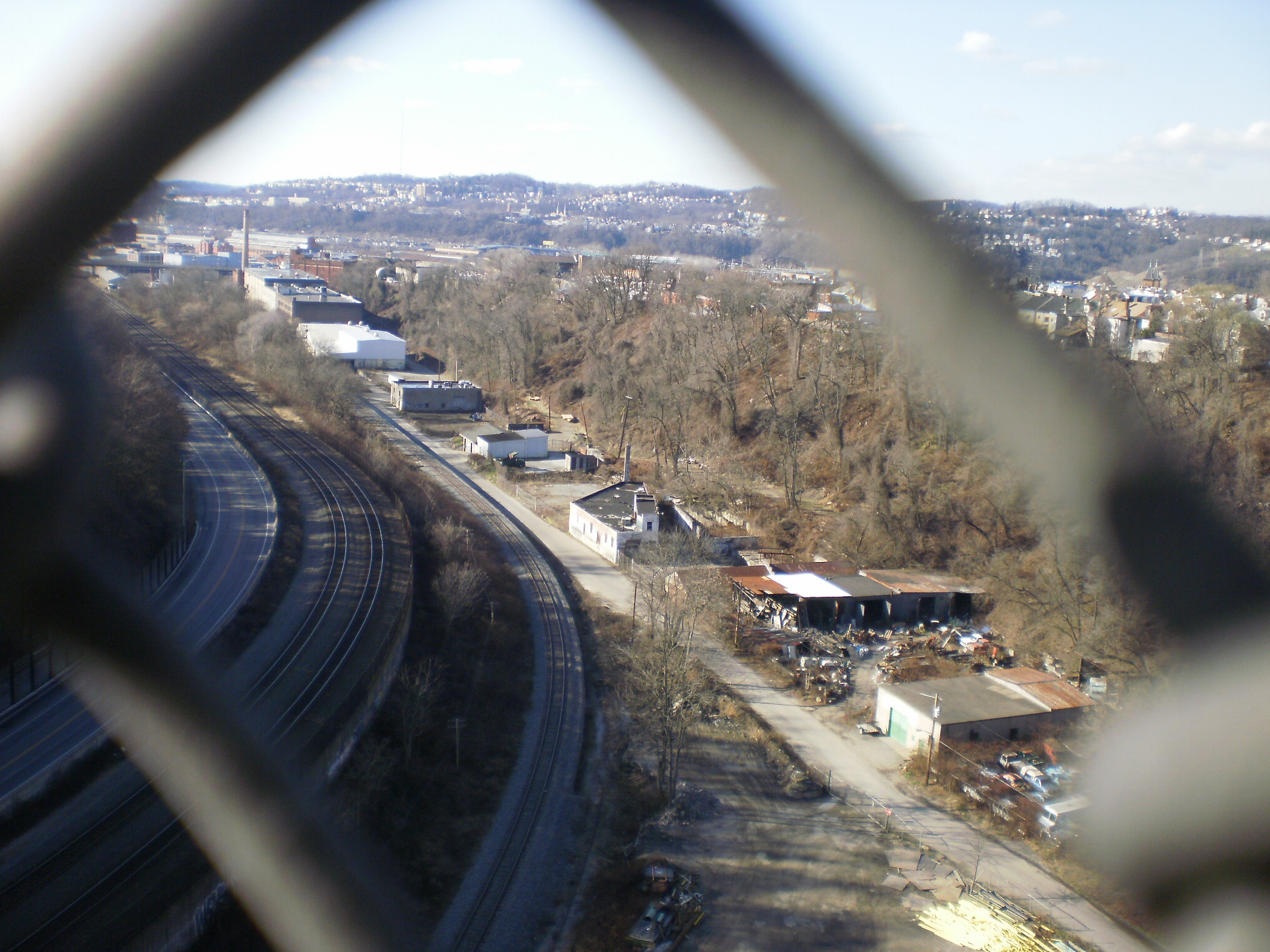
As I mentioned in the Birmingham Bridge post, the part of the Three Rivers Trail system that travels on the northern side of the Monongahela is not a very pleasant stretch.  This area around the Bates Street Bridge is one of the worst sections.  The trail is caught between a freeway and the high traffic, through way of Second Avenue.  There is no vegetation or anything else to act as barriers to the noise of the traffic on these two roads and to the sun on a hot day.

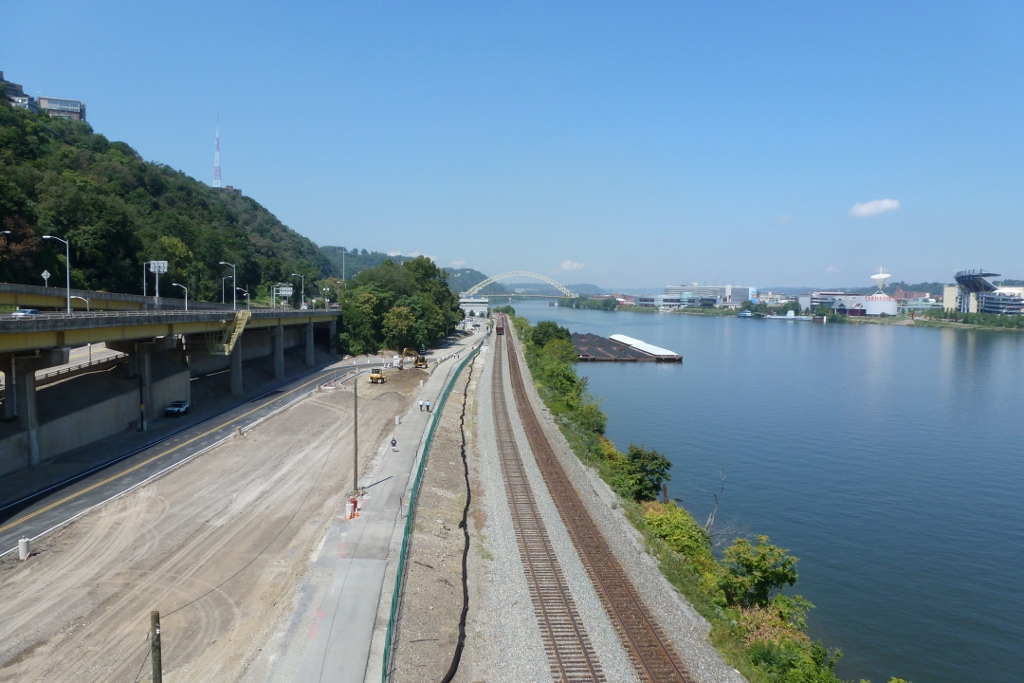
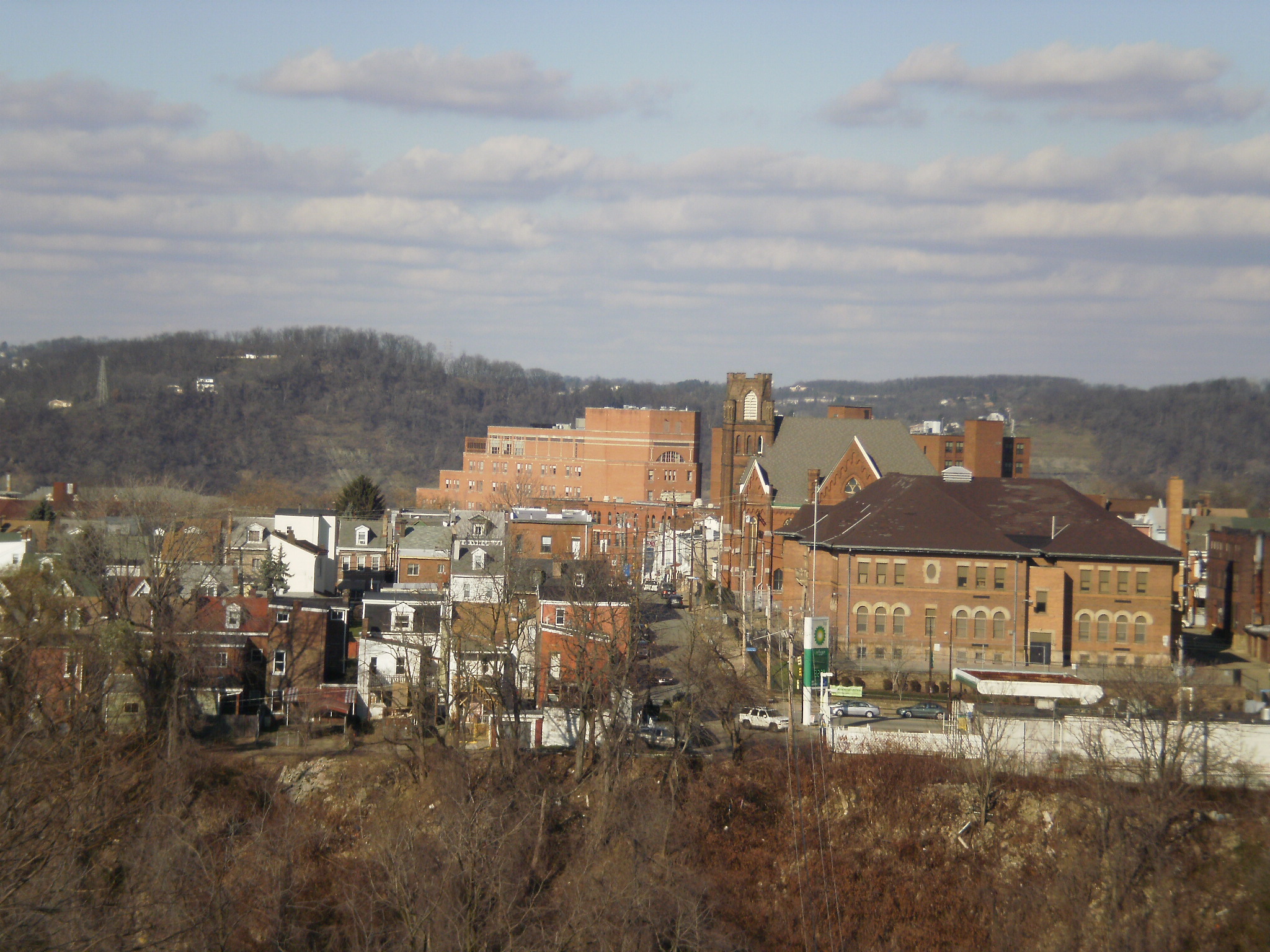
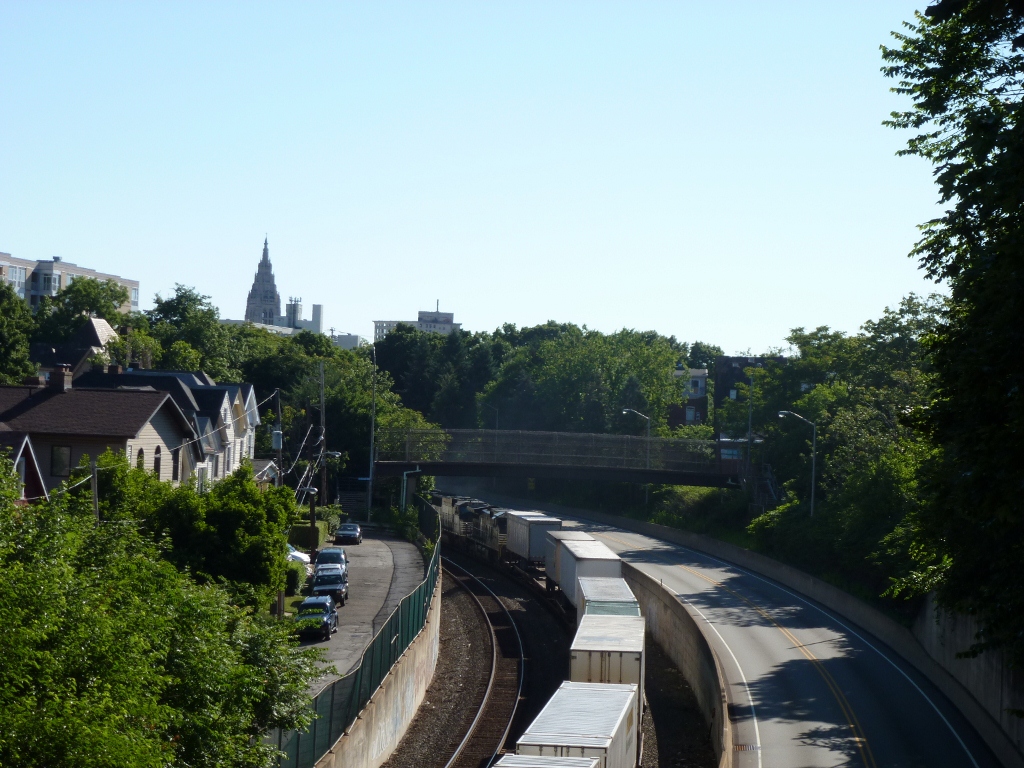
Further away from town (in the direction the picture above looks), the trail improves some as it comes to an elevation between that of the freeway and Second Avenue and there is more space between the trail and the roads.  I’ve traveled on this trail toward town only once or twice, so I don’t remember specifics about it.  I do remember that it does continue to lean toward being unpleasant.  The times I traveled on it, I was biking.  From that experience I know I would never choose to walk it.  On a bike, you go fast enough to ignore much of the harshness of the trail, but walking you would be forced to take it all in.

Perhaps the biggest problem with this part of the trail system is that it doesn’t approach anywhere near the river.  This is a significant flaw for a trail considered part of a river trail system.  At the Bates Street Bridge, the trail is separated from the Monongahela River by Second Avenue and the office/technology park I reference in the Birmingham Bridge post.

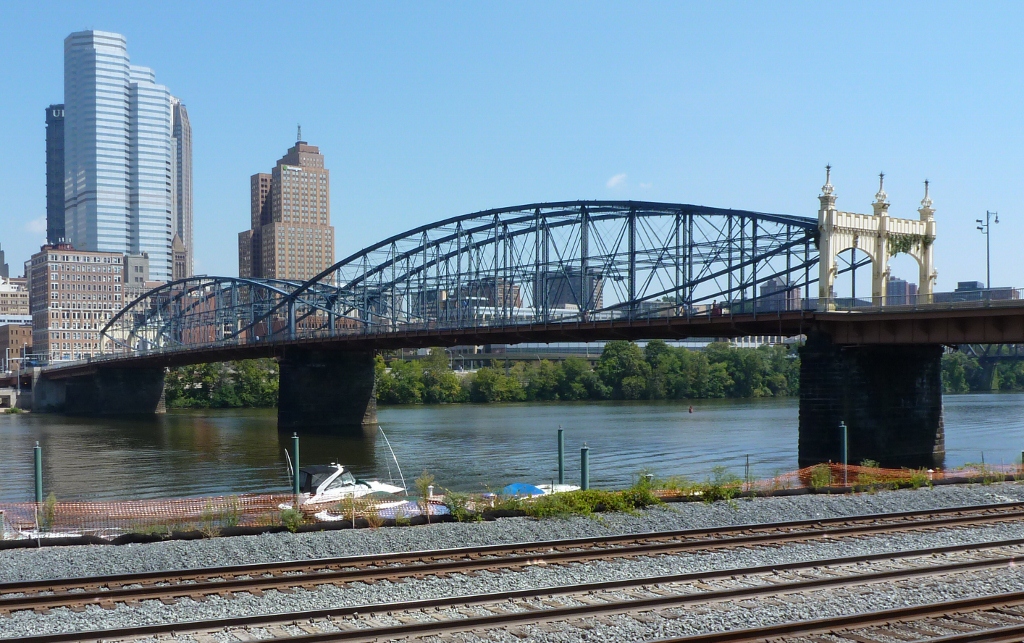
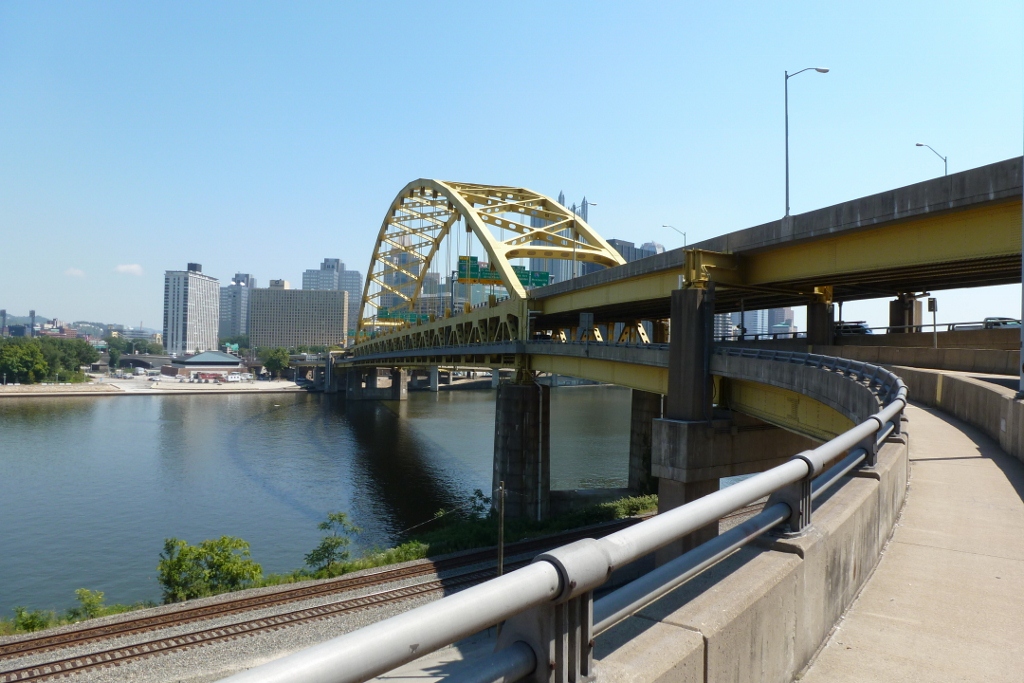
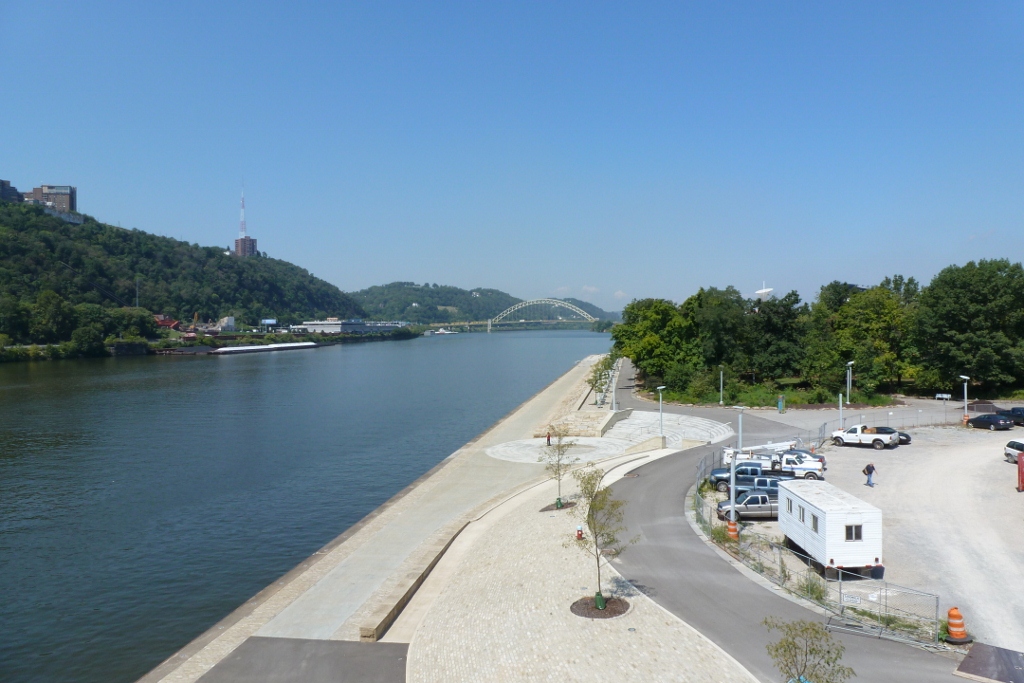
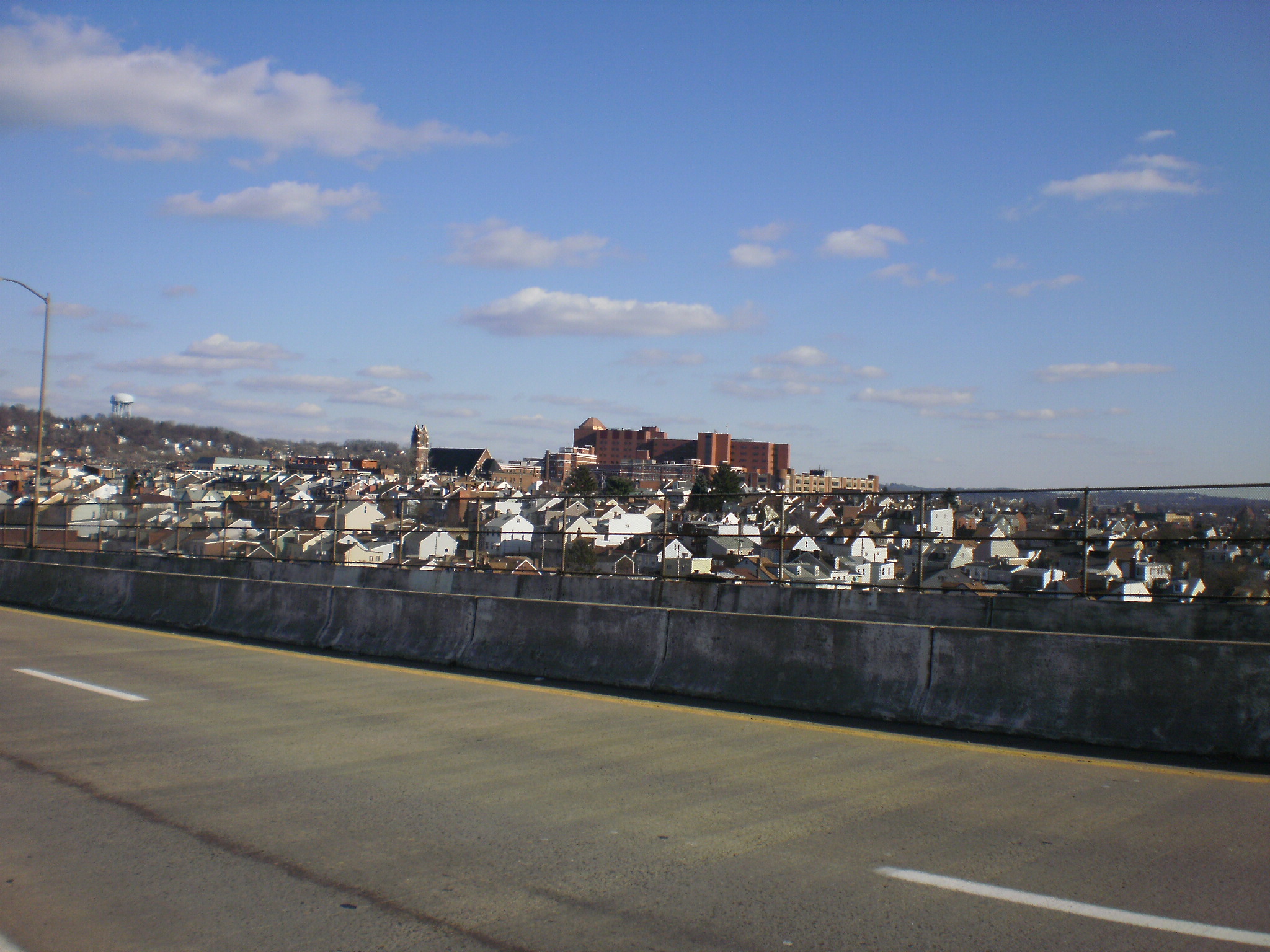
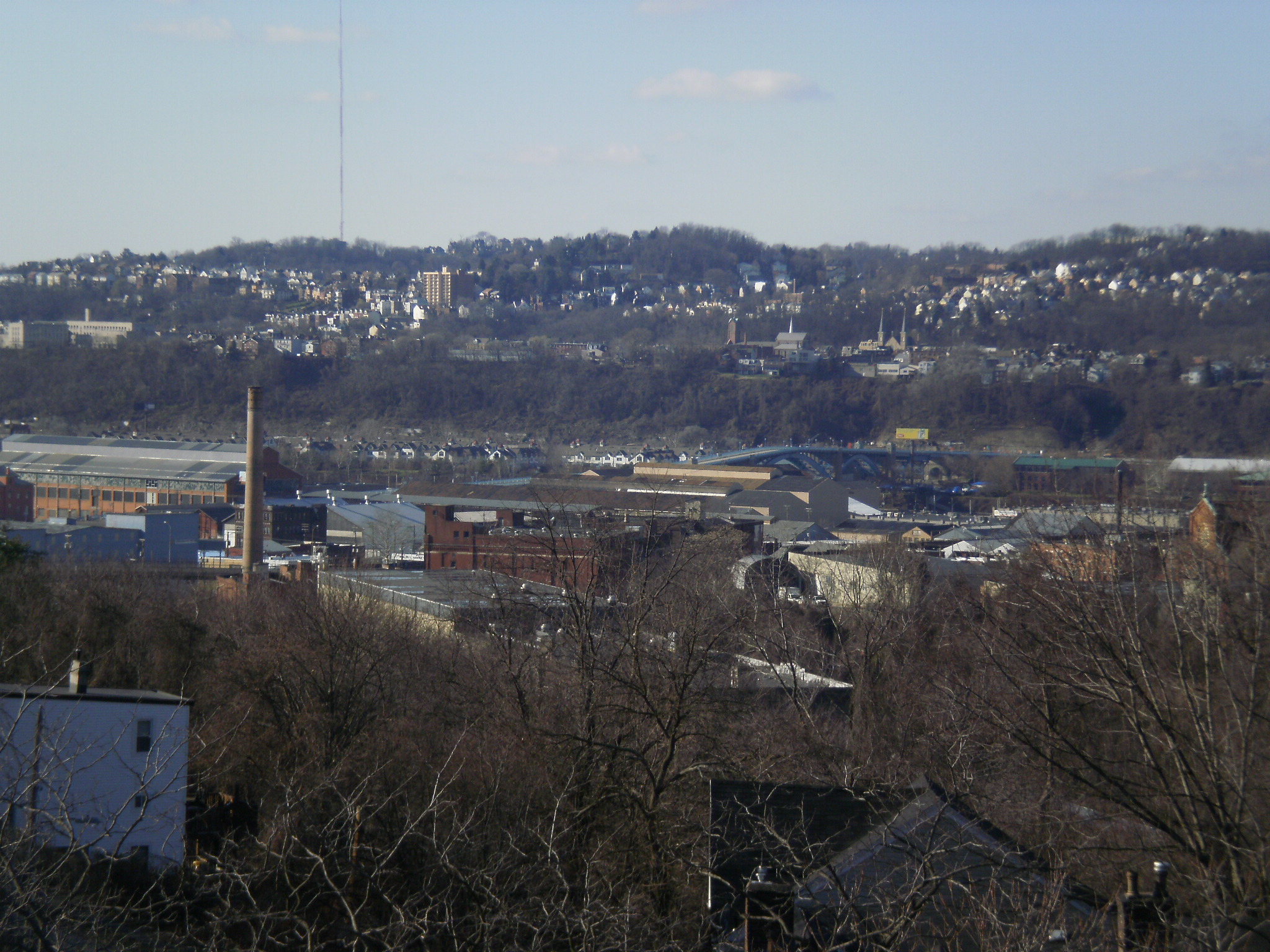
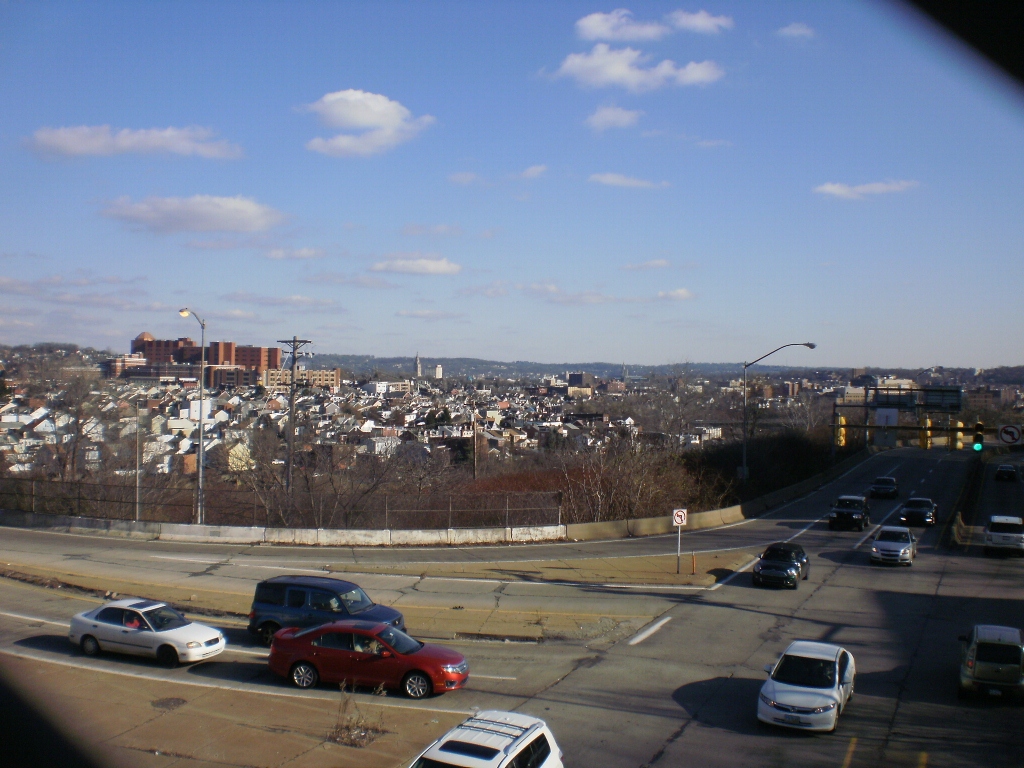
One of my original fascinations with my walking bridge project was the different views of the city captured from the various bridges.  The Bates Street Bridge adds to the views of downtown I’ve collected so far:

Busway Bridges: Millvale Avenue

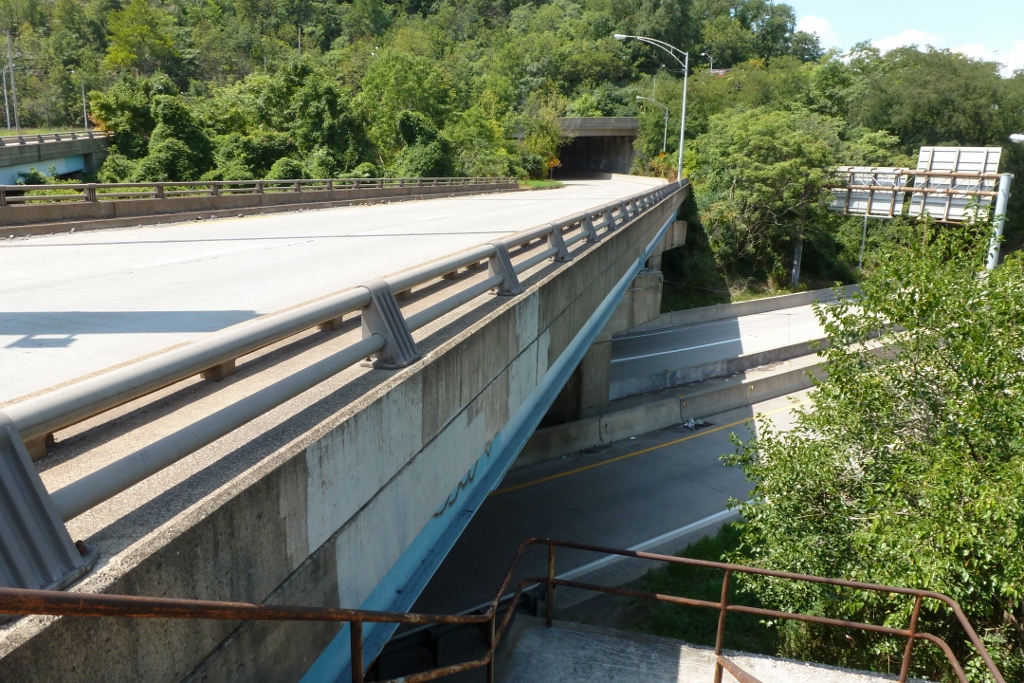
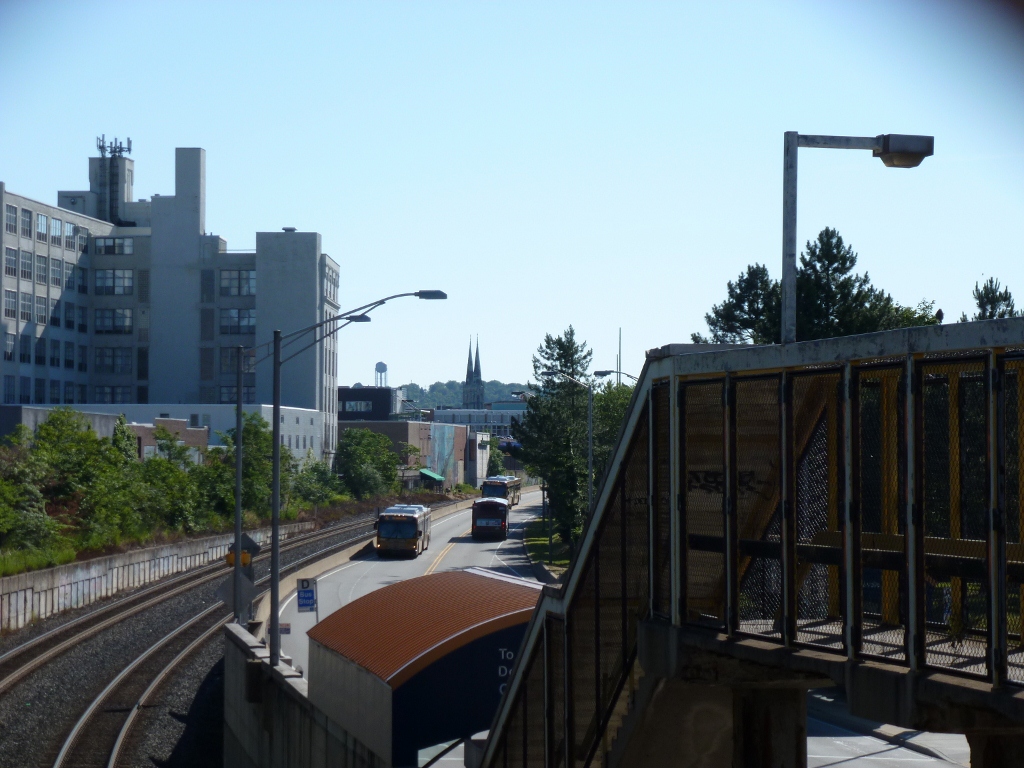
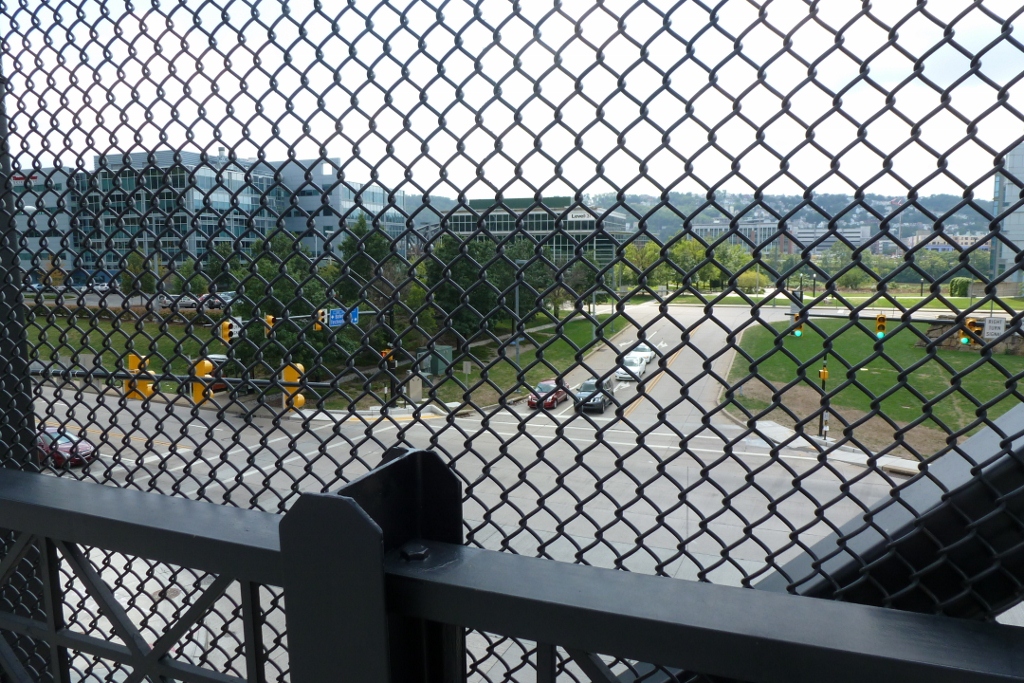
When I crossed the Millvale Avenue Bridge over the busway, I was thinking a lot about the “caged” aspect of many of Pittsburgh’s bridges.  I wrote about this idea in my Highland Park Bridge, Taking the Long Way Round, and Busway Bridges: East Liberty posts.  While a lot of bridges in Pittsburgh have the mesh fencing, which often makes me as a pedestrian feel caged in, there are several that do not.  As I prepared to cross this bridge I wondered why that is.

I wondered if perhaps it was to prevent people from jumping off the bridges.  This theory did not make sense though.  First, if that is the case shouldn’t all the bridges have the fences?  One of the times I crossed the Birmingham Bridge, I witnessed a scene that I believe was a group of people working to dissuade a jumper.  The Birmingham Bridge is one of the bridges without a fence.  The second reason this theory doesn’t fit is that on the Millvale Bridge, the fencing is only along part of it.  There is a significant stretch not fenced with a big drop.  The part that is fenced is the stretch over the railroad tracks and the busway.

My next ideas were that perhaps the fences are meant to stop litter from blowing off the bridge and onto the tracks/road/river below or to stop people from throwing things over the bridge.  Again, these don’t make sense.  Litter can blow in from any direction and could blow over the fence.  There is also a parking lot under the Millvale Bridge, so if the concern is about people tossing things over the bridge, why isn’t the fence extended to protect the cars in the lot?

I mention in Busway Bridges: Baum-Centre Corridor that most of the bridges across the busway between Penn Avenue and the Bloomfield Bridge are ugly and unpleasant.  Millvale Avenue Bridge is mostly exempted from this.  The design of the bridge is more aesthetically pleasing than the concrete of the Baum and Centre bridges and the rusty metal of the Highland and Negley bridges.  The area surrounding this bridge is also more residential and less used than the commercial arteries of Baum and Centre.

I thought the aesthetic difference might be explained by the years in which the bridges were built, but that is not the case.  The Highland, Negley, Aiken, Baum, and Millvale bridges across the busway were built in the 1910s or 1920s.  They were all reconstructed while the Penn, Centre, and Bloomfield bridges were all built in the 1960s, ’70s, or ’80s.  The Negley and Aiken bridges also connect with residential areas, so the land use around the bridge cannot explain the slightly different and better design of the Millvale Bridge.

Busway Bridges: Baum-Centre Corridor

Baum Boulevard and Centre Ave run parallel along the border of Pittsburgh’s Shadyside and Bloomfield neighborhoods and are arteries that help people move from downtown and Oakland to East Liberty and other East End neighborhoods.  The Baum-Centre corridor is currently receiving a lot of attention from the perspective of the development of the city.  There is even a community group called the Baum-Centre Initiative made up of representatives from other groups along the corridor.  Their goal is to work together to promote development along the corridor that is beneficial and satisfactory to their respective groups and communities.

This area is attracting interest in part because of its arterial activity, but also because Baum used to be the car dealership district.  Most of the dealerships have closed their locations leaving behind many empty buildings.  Contrary to this disinvestment, Centre Ave hosts one of the UPMC hospitals and an urgent care center was recently added.  From what I’ve picked up, UPMC is working to expand in this area.

The large building between Centre and Baum last housed a party/costume supply store, but I image most of the building was sitting empty.  For about the last year, it has been under redevelopment.  The rumor I have heard is that something related to UPMC is going into the space.

I also heard that UPMC wants to build a parking lot for its employees in this area.  I couldn’t picture exactly where it was to be placed from the description I heard, but I wonder if it is this empty lot off of Baum Boulevard.

Outside of the developments going on near them, my impression of these two bridges is that they are quite ugly.  I am glad that except for when I walked them for my project, I’m in a bus when crossing Centre Avenue’s bridge and in a car when crossing Baum Boulevard’s bridge.  Now that I mention it, that’s how I felt about most of the bridges across the busway I’ve walked (except for the new pedestrian bridge, see July 26 post).  Though I haven’t written the posts for all of them yet, at this point I have walked all the bridges over the busway between Penn Avenue and the Bloomfield Bridge.

My favorite part about walking these two bridges was the view of Bloomfield/Lawrenceville from the Baum Boulevard Bridge.  This view captures two of Bloomfield’s churches (both currently active) with Lawrenceville’s Childrens Hospital sandwiched between them.

Frick Park Bridges

Some of my favorite Pittsburgh amenities are the city parks, which I don’t use nearly as much as I would like.  Each park has a slightly different flavor.  Highland Park has a reservoir that is popular among locals for walking and jogging exercising.  When I was a kid, I loved Highland Park because it had the best playground in the city–the wooden playground, perfect for all kinds of imaginary games including those set in pirate ships and castles.  Schenley Park is good for disc golf, ice skating and other sports.  Frick Park is best for hiking and provides a good escape from the noise and traffic of the city.

I walked 7 “bridges” in Frick Park.  Only one of these bridges can be counted toward the 446 non-railroad bridges of Pittsburgh.  Three of them I consider bridges, but the actual bridging portion was significantly less than eight feet.  While the other three are also called bridges on the map of Frick Park, they are really just glorified drain pipes.  I do not have a lot to say about any of these bridges, so the rest of the post will be short on words and long on pictures.

The one bridge that counts toward my goal of walking as many of the 446 bridges I can carries Forbes Avenue over the park.  It’s hard to see from the bridge because of all the trees, but one of the park’s main trails passes underneath the bridge.

The three structures I considered bridges crossed over a little stream that runs as parallel to the path mentioned above as nature allows.

The glorified drains are along the hillside where little stream-lets run down to the stream below.

Hot Metal Bridge

After walking the Hot Metal Bridge, I realized that it is really three separate bridges.  One of the bridges is the bike/pedestrian bridge pictured above that crosses over Second Avenue.  The other two are in the background of the image above–one carries all vehicular traffic while the other carries all pedestrians and bicycles.  The bridge pictured above is not structurally connected with either of the other bridges.  The two bridges that span the Monongahela River were built at different times.  While at this end (north) the bridges are at the same level, they are at two different elevations on the other side of the river.

The Hot Metal Bridge is one of the more locally famous and popular bridges in the city.  In my experience of participating in and overhearing people’s conversations locally about Pittsburgh bridges, the Hot Metal and Smithfield Street bridges are the two that come up the most as fun to use and interesting.  In the case of the Hot Metal Bridge, this is perhaps because it used to be a set of railroad bridges which have now been converted.  They were built and used by the Jones & Laughlin Company to connect its sites on opposites of the river.  The name of the bridge (Hot Metal) came from the fact that the trains were carrying molten metal from one factory to another.  There are, or at least there were, placards along Water Street along the South Side Works that describe the history of the J&L steel company on this site and on the bridge.  I don’t know if they are still up as there is currently construction going on in this area.

According to the description attached to the oldest image of the bridge on Historic Pittsburgh, the bridge was built in 1887.  This image, as well as PGHbridges.com’s page for the bridge, identifies the names of the two structures as the Monongahela Connecting Railroad Bridge (now the vehicular bridge) and the Hot Metal Bridge (now the pedestrian bridge).  The G.M. Hopkins maps tell a slightly different story.  As early as 1882, the maps show a bridge at this location.  That map and the 1889 map identify the bridge as the East End Bridge.  All the maps from 1890 through 1923 of this site call it the Jones & Laughlins Bridge.  Up until 1904, the bridge is depicted as carrying a single track, which I assume would be the bridge that is now the pedestrian bridge.  Starting in 1910, the bridge is depicted with three railroad tracks, meaning the current vehicular bridge was added in that time.

It is amazing to me that as late as 1998 this part of the city was still dominated by steel mill buildings as illustrated by this photo.  I suppose this means that I did not come to this part of the city then.  As the South Side Works mall did not exist yet, I guess there was no reason for me to come over here.  According to PGHbridges.com, the conversion of the bridges began in 1998, but the larger of the two bridges didn’t open until 2000 while the pedestrian bridge opened in 2007.

My final comment on this bridge is that there is a nice view of downtown from here, although the buildings don’t form any interesting patterns and clusters like they did in the views from the Allegheny River bridges (see 16th Street Bridge post for an example of this).

Pedestrian Bridges: Shadyside

When the pedestrian bridge I discuss in “Taking the Long Way Round” was in the process of being built, I was thinking it was the first pedestrian bridge in Pittsburgh.  When I started my project of walking the bridges in Pittsburgh, I realized what a ridiculous thought that was.  Pittsburgh has many pedestrian bridges, but until the new one was built, I never heard anyone talk about any pedestrian bridge in the city.  Many of these pedestrian bridges are not particularly attractive and are not in high traffic areas.

Shadyside has one of these hidden pedestrian bridges.  The bridge connects Graham Street across the busway and railroad tracks.  The only reason I know about this bridge is from riding buses on the busway.  Walking down Graham from Centre Ave (a busy corridor lined with businesses, churches and a hospital and used by several major bus routes and lots of cars), I was impressed how quiet and peaceful the residential area between Centre and the busway was.  That is until a train comes by.

As I walked across this bridge, I wondered why it was there.  There is a vehicular bridge with sidewalks on both sides across the busway a block in either direction.  There are eight other roads between this bridge and the Penn Ave Bridge that end at the busway and have neither a vehicular or pedestrian bridge connecting them to the other side of the busway.  In my walk, I speculated that perhaps it was put in to connect the residents on the north side of the busway to places of work on the southern.  This was based on the fact that there was a large building on the southern side that now houses the Shadyside Boys and Girls Club (photo below).

When I got home I went to PGHbridges.com, which I have used whenever I’ve had questions like this about the origin or design of Pittsburgh bridges.  However, for some reason this website ignores many of the bridges over the busway.  In looking up some of the bridges that PGHbridges.com misses, I found several other bridge websites that list and identify many of the bridges in the city, but none of them include the Graham Street Bridge, not even the National Bridge Inventory Database.

So I turned back to my favorite resource–the G.M. Hopkins maps.  I also went to the image collection on Historic Pittsburgh, the parent site for the Hopkins maps.  In the image collection I found one photo from 1908 of the bridge under construction.  The 1904 and 1911 maps show the area immediately adjacent to the bridge as all residential.  The building that is now the Boys and Girls Club does not exist.  All I’m left with is speculation at this point.  However, there is a school a few blocks from the southern end of the bridge and in between 1904 and 1911 another church was built a couple blocks north of the bridge.  There already was a large church a block from the site of the newer, smaller one.  Perhaps, the bridge was built to facilitate school students and church goers to get to their respective destinations.

Based on the way the bridge is depicted on the 1911 map and the 1939 map, I suspect the bridge may have been rebuilt since 1908.  At the very least the stairs were replaced.  The southern steps are drawn as coming straight out from the bridge to the road, but today the stairs are perpendicular to the line of the bridge and Graham Street.  The northern steps are drawn perpendicular to the bridge and facing the same direction the southern steps face today.  However, the steps I walked are switchback style, with the upper portion facing the opposite direction depicted on the 1939 map.

Tower Bridge

The last bridge in London I walked over was the Tower Bridge.  It is by far the most elaborate bridge across the Thames.  I had assumed it was also the oldest of the bridges I walked in London.  It turns out that this was a false assumption.  The current Tower Bridge was built in the 1890s.  According to the dates I found online, Southwark Bridge (see Aug 5 post)  is the oldest existing bridge I walked having opened in 1819.

The Tower Bridge is the last bridge across the Thames before it empties into the sea.  The view downstream gives some indication of this as there are no bridges in sight and the views from all the other bridges showed either another vehicular bridge, underground bridge, or pedestrian bridge.  That the Tower Bridge is the end of the bridges over the Thames is somewhat surprising to me because as the crow flies the mouth of the river is nearly forty miles away and as the river flows is even farther.  There are some tunnels under the river between the Tower Bridge and the sea, including at least one pedestrian tunnel.  I considered walking the pedestrian tunnel, but the idea of walking through a tunnel under a river seemed long, dark, and scary, and as I had already walked myself off my feet, I chose not to.

Some of the oldest parts of the city are near the Tower Bridge.  The northern shore is where the infamous Tower of London is located.  The Tower itself was built in 1078.  Crossing the bridge and turning right are several very narrow, medieval-like lanes.  Yet right near this old fabric is a very new development, situated almost directly across the Thames from the Tower of London, which from this view seems to include the controversial Shard skyscraper.  The Shard is located near the end of the London Bridge so I believe there must be some separation between the new buildings in the foreground and the skyscraper.  I understand that there is some controversy over the building as many people believed it was too close to the older fabric of the city where they wanted to maintain the historical building heights.  In the midst of the historic neighborhoods I observed this skyscraper looms up as the current tallest building in Europe.  According to an article about the official opening of the building on July4, one of the many features of this building is “double-decker lifts.”  I feel like that is the kind of thing that I’m going to have to see it to believe it.  How would a two-story elevator work?  And why would you want a two-story one?  I think it would only complicate things.

So ends the story of my journey walking across 13 bridges in London.  Hope you’ve enjoyed it!  For those interested in bridges, stay tuned as I continue to walk bridges in Pittsburgh and other cities.  For those interested in London, I plan to post about the adaptively reused churches I found in London in the near future.

London Bridge

London Bridge, perhaps the most famous of the bridges I walked because it fell down, rivaled the Waterloo Bridge for boring-ness (see July 29 post).  Both were similarly plain concrete structures.  The London Bridge is slightly more interesting for having a dedicated bus lane, but I can’t stand the maroon color of the bus lanes.  Luckily the surroundings were more interesting than those at the Waterloo Bridge.

I loved the geometry of these buildings visible from the London Bridge.  I went onto Google Maps to try and discover what they are as I did for Lambeth Bridge (see June 28, and Maps are Awesome! posts), but when I did, I found that Google Maps has the London Bridge miss-labeled.  The pinpoint for London Bridge sits right on top of the Tower Bridge.  As I mentioned in my Waterloo Bridge post, I had also at one time mistaken the Tower Bridge for the London Bridge.  While the London Bridge is the most famous in song, the Tower Bridge is the most famous in images.  I believe that it for this reason–that both bridges are the most famous in London, but in different media–that they get mistakenly identified.  (For some reason it is hard to imagine that there might be more than one famous bridge in London.)

The pointy building in the background is the London offices of Zurich, an insurance company.  The blue glass building houses Northern and Shell, a media company.  Next to that building and lower down is the Old Billingsgate Market, which used to house the largest fish market in the world (the market moved to Canary Wharf area, but is still the largest in the UK based on its website).

A battleship was parked in between the London and Tower bridges.  At first, I thought it was the battleship I saw on the news in the days before walking the bridge as the one moving up the Thames in an exercise to practice for the Olympic security measures.  Afterwards, I realized that this one (the HMS Belfast) was probably a permanent fixture and had not just traveled up the Thames.  It turns out I was correct the second time as the HMS Belfast is now part of the Imperial War Museums.

Southwark Bridge

After three mono-color bridges (see Jubilee Bridge, Waterloo Bridge, and Millennium Bridge posts), the Southwark Bridge returned to using the unique color schemes that I came to expect of London bridges after walking the first few (see Battersea Bridge, Albert Bridge, Chelsea Bridge, Vauxhall Bridge, Lambeth Bridge, and Westminster Bridge posts).

The Southwark Bridge had the most, or at least slowest, vehicular traffic of any of the bridges I walked in London.  It was also the only one with a painted bike lane.  I believe this lane is part of London’s Cycle Superhighway system.  These bike lanes are intended to make bike travel to central London from the surrounding areas easier (see website).  I really liked the bright blue color of these lanes.  It is highly visible and makes it quite clear this is not a place for cars.  Of course I am sure it costs a lot to paint miles of bike lanes solid.

The little domes on this building had been visible to me long before I saw the rest of the building.  I was in anticipation for several days to learn what it was.  I assumed it would be something really interesting like a church built by Eastern European immigrants, in which case its prominent location on the waterfront would led to a fascinating story, I’m sure.  Consequently I was a little disappointed to learn that it was only a train station.  (Note: I learned what the building was while on the Southwark Bridge, but the view above was taken from the London Bridge on the other side of the station from Southward Bridge.)

In this view upstream, the Millennium Bridge, which was so photogenic from the other angles (see Aug 2 post), becomes invisible against the background of the Blackfriar’s Rail Station spanning the Thames (see Blackfriar’s Bridge post).

Millennium Bridge

The Millennium Bridge is the first of two pedestrian bridges that cross the Thames.  The second, the Jubilee Bridge (click to see post), opened 3 years later in 2003.  While the Millennium Bridge is sadly only one color, I think it was probably the most photogenic bridge I walked in London.  Although I like the picture above less for the bridge and more for the buildings behind it, which show the city’s transition from a time when church steeples were the tallest thing around to today when that honor belongs to the skyscrapers.

The location of the bridge was very good.  It leads directly to St. Paul’s Cathedral.  In some ways I am surprised that it wasn’t until 2000 that a bridge was built at this location.  (I picked up some souvenir maps while in London depicting the city in 1520, 1666, 1843 and 1902 and none have a bridge or even ferry boat at this location.)  On the other hand, the other side of the bridge connects to the Tate Modern, which didn’t open as the international modern and contemporary art museum until 2000.  Before then the site was a power plant from 1947 until 1981 when it became redundant and closed, remaining vacant until the Tate took it.

The views from the Millennium Bridge show two things of interest related to the other city bridges.  First, upriver is a view of the first rail station to span the Thames and the longest solar bridge in the world (see July 31 post).  Downriver, the Tower Bridge, which I believe is the most iconic London bridge, comes into view for the first time.

I started this post by claiming that the Millennium Bridge was the most photogenic of the London bridges.  The views of it above are pretty interesting, but the best shot was the one I took from the top of St. Paul’s Cathedral looking down.