Pedestrian Bridges: Chicago

BP Bridge

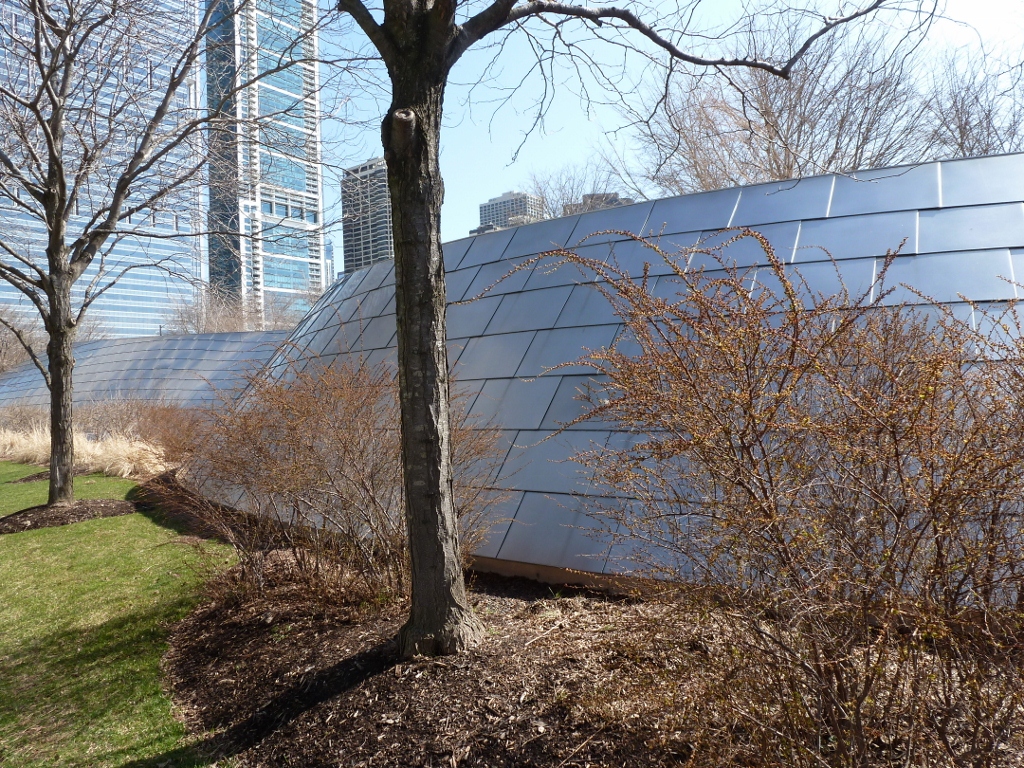
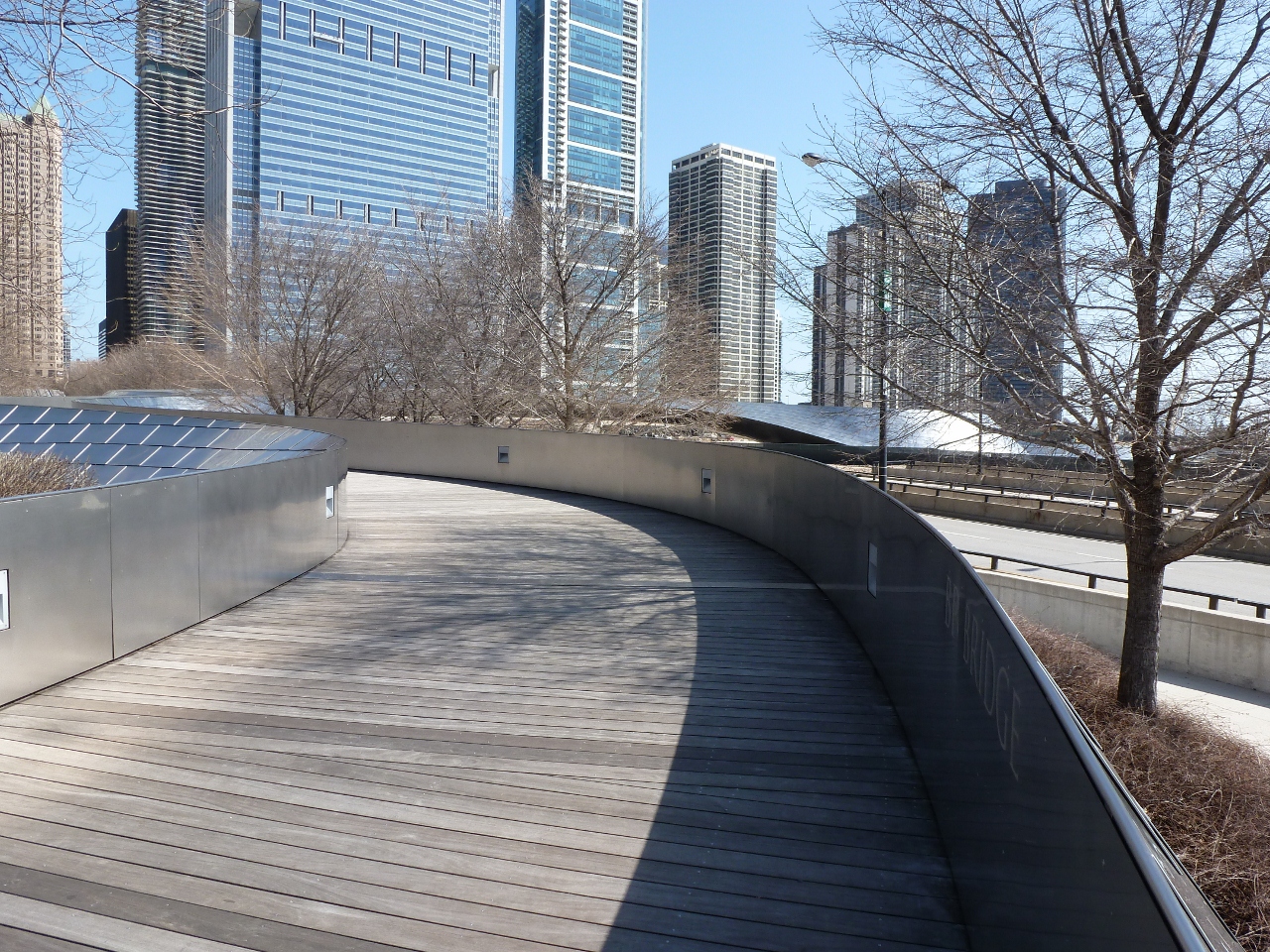
There are two pedestrian bridges connecting to Millennium Park in Chicago.  The first I encountered was the BP Bridge.  I admired the undulating silver sculpture above as I walked past and was thrilled to discover it was a pedestrian bridge.  My excited was quickly crushed as the bridge was closed to traffic due to construction at the other end.  I realized that I have become quite addicted to bridge-walking.  I was on my way to see The Bean before renting a bike to ride along the lake, when seeing this bridge completely sidetracked me.  I had a desperate urge to walk a bridge.  Fortunately, there was another pedestrian bridge nearby and while it was not nearly as enticing, it had some interesting parts.

BP Bridge The Nichols Bridgeway

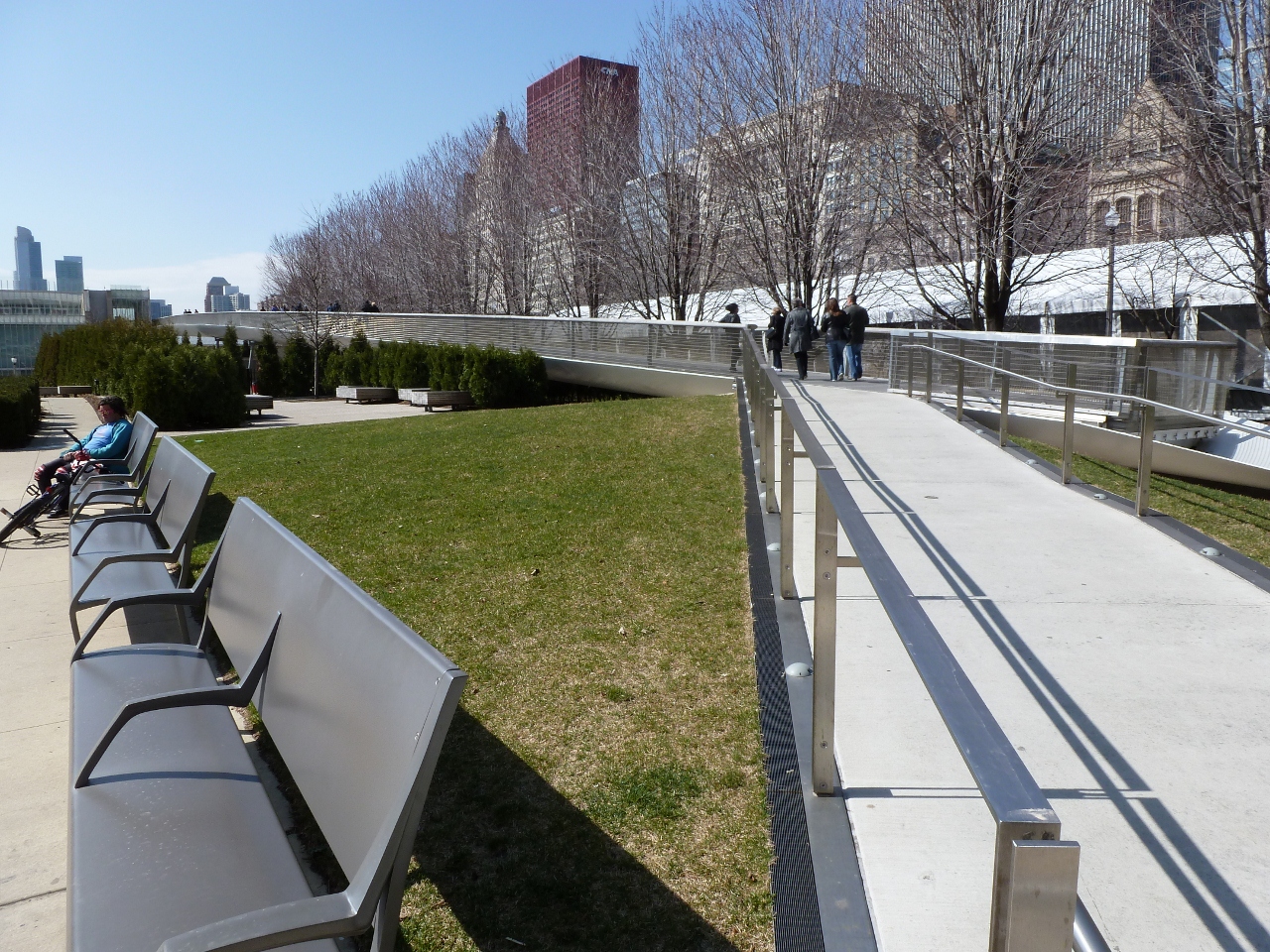
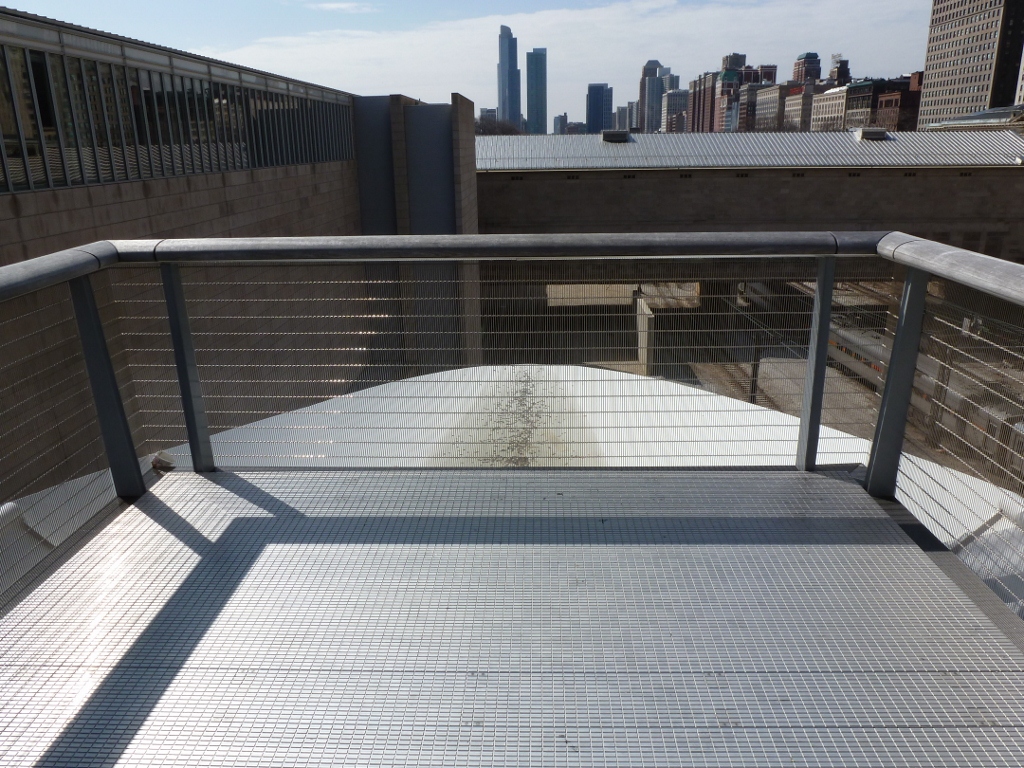
The Nichols Bridgeway connects Millennium Park with the Art Institute of Chicago.  Both ends had space-age-like toughs, which I assumed were supposed to be a fancy drainage system.  If their purpose is a drainage system, the upper end by the Institute has failed and been turned into a wishing well.

Lower Trough Upper Trough/Wishing Well

The part I liked best about this bridge was that while it looked like the surface was level, there were ridges or “speed-bumps” every few feet.  I wondered if these were merely artistic or if they had a functional value like reducing the slipperiness of the bridge during icy conditions.

Bumpy Walkway The Nichols Bridgeway

The Union Project: Engaging Community

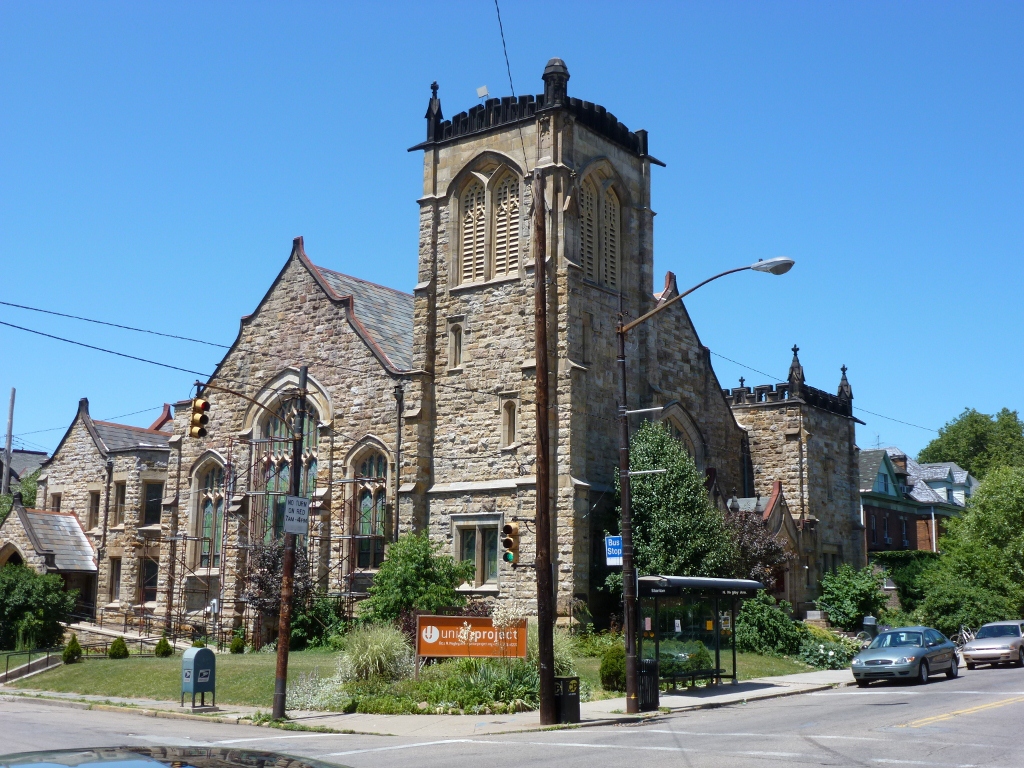
The Union Project

Every adapted church building I’ve come across has something that makes it unique.  Of all the ones I’ve come across so far, the Union Project used the most creative method in restoring/adapting the building.

In the late 1990s, a small group of people came together and said that they wanted a “space for art and faith” in their neighborhood.  (The quotes in this post are from one of the founding members, who I interviewed for a school project.)  By 2001, this group and this sentiment had grown and they purchased the vacant, former Union Baptist Church at the intersection of Negley and Stanton Avenues, two major roads in the East End of Pittsburgh, to convert it into a community center.

When the community center acquired it, the church was still considered active, but it had not been used regularly for two to four years.  The building was in very poor condition: the roof leaked, there were broken windows, and pigeons and rodents lived inside.  It took four years to prepare the building for occupancy and an additional six years to completely restore the structure.

The part that I like the most about how this building was adapted, was the alternative method they came up with for restoring the stained glass windows of the structure.  All the windows needed restoration, which I’m sure would have added up to a colossal expense.  Instead of giving up or attempting to raise all the funds to pay for a professional restoration, they offered community classes in stained glass restoration using the church’s windows as the class materials.  Some of the windows needed to be completely reconstructed in which case the instructor, a stained glass professional, created the new windows.  Beside these, all the windows were restored by community members at the classes.

Stain Glass Restoration

Stain Glass Restoration

I took one of the classes a few summers ago.  It was a lot of fun and quite interesting to learn how stained glass windows are put together.  At least a couple of the people in my class were taking the course so they would be able to restore the stained glass windows in their homes.  Much of the housing stock in the neighborhoods surrounding the building feature at least one stained glass window, so this was a useful skill for the local homeowners to learn.  A 2012 article in the Post-Gazette announces the completion of this restoration project.

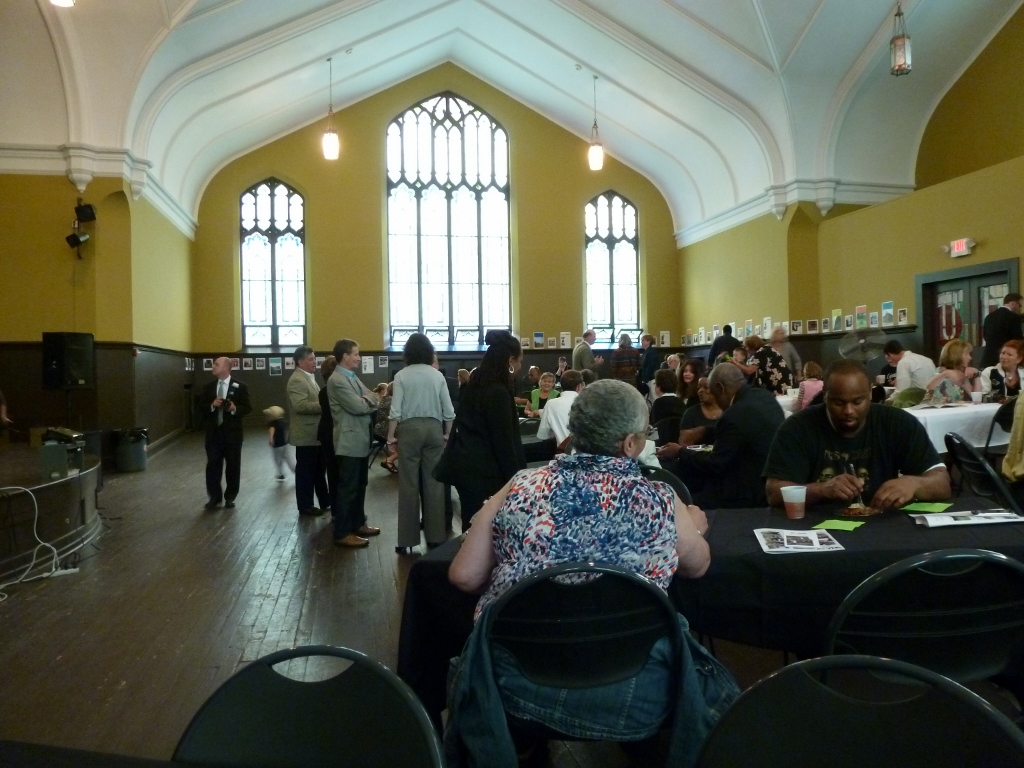
Over the years since the Union Project began, the building has slowly been restored one piece at a time.  The former classrooms behind the sanctuary were restored first and converted into office space.  Several of these offices are used for the administration of the Union Project, while the rest are rented out to other community groups including a church group.  The basement was converted into an art space.  This is where the stained glass restoration classes were held.  There is also a pottery studio which offers classes.  Hula-hooping classes are held in the atrium, or out on the lawn in nice weather.  The sanctuary is used as a rental hall for receptions, community events and the like.  The narthex is a little coffee shop.

Restored Sanctuary

By the summer 2012, the building finally looked like a completed project: the stained glass windows were restored, the sanctuary was finally completely repainted, and the black soot was cleaned off the stone façade.  Because of Pittsburgh’s past as a major industrial city, all stone façade buildings collected black soot–many of these buildings have been cleaned in the last ten to twenty years.  In cleaning the soot off the Union Project, the crenellations on top of the towers were left black, leaving a respectful reminder of the past, while the change from a black building to white brightened up this corner of the neighborhood.

This is a project that showed me, and the group who completed it, that “anything is possible.”

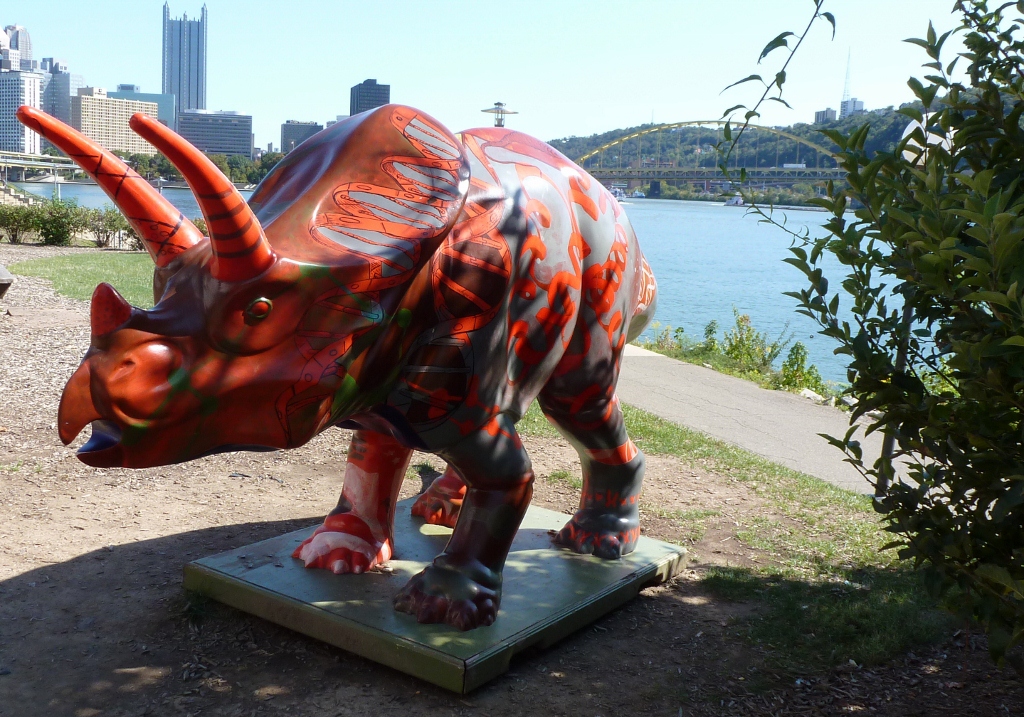
Science Dino – Pittsburgh DinoMite Parade 1

While walking the Three Rivers Trail System on my way to the West End Bridge (post to come), I found a dinosaur that I had not seen before.  As I mentioned in my Cleveland Guitar post, Pittsburgh has dinosaurs like this spread out across the city.  It has been another idea of mine to try and find them all, but for now I’m just stumbling upon them on my other explorations of the city.  Like most of the dinosaurs I’ve come across, this one is appropriately located.  The science theme of the dinosaur’s design fits with its location next to the Carnegie Science Center.

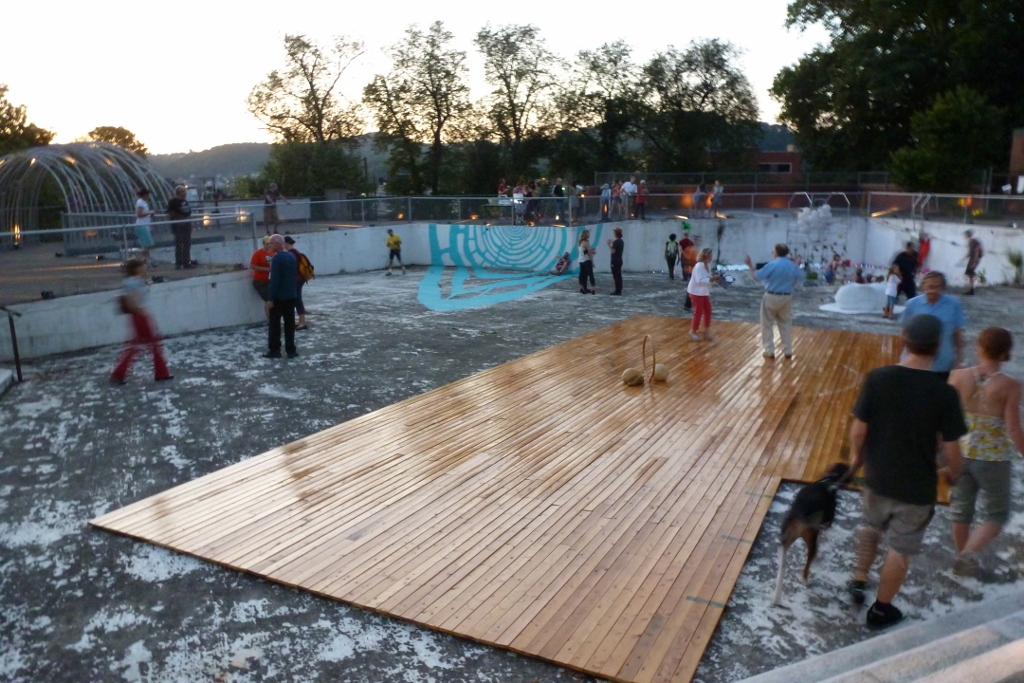
What do you do with an Empty Pool?…

…Turn it into an art gallery, of course.

As I am preparing to shift the focus of my blog from bridges to adaptive reuse (particularly of church buildings), the timing coincides well with that of a project by an enterprising group of people in Pittsburgh.  The Leslie Pool in Pittsburgh’s Lawrenceville neighborhood is one of many city pools that were closed in recent years.  A group of people formed the LESLIE Park Collaborative (see their Facebook page) to re-imagine how the space could be used.  The current solution is an outdoor art gallery called Project: Lido.

An announcement for the opening reception on the group’s Facebook page called the event “a pool party…minus the water.”  The reception was Aug. 30, but the gallery will be open to the public on Sundays starting Sept. 16.

“What do you do with an empty pool?” is an interesting question.  It poses different and, in some respects, perhaps greater challenges than adapting a church building to a new use, particularly the fact that it is outside which means it is not easy to use in the winter time.  However, the art gallery is just one of the new uses presented for this pool.  A 2010 article discusses the first event at the Leslie Pool (an Accordion Pool Party) as well as other ideas being circulated at the time.  It will be interesting to what happens at this site next.

Cleveland Guitars

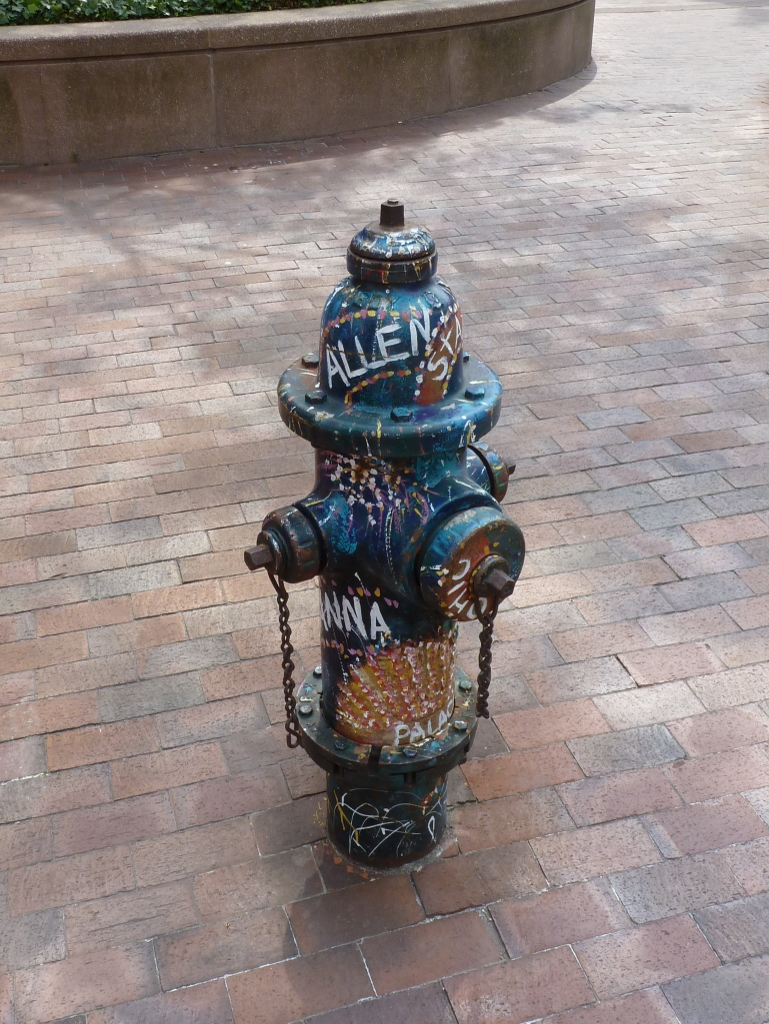
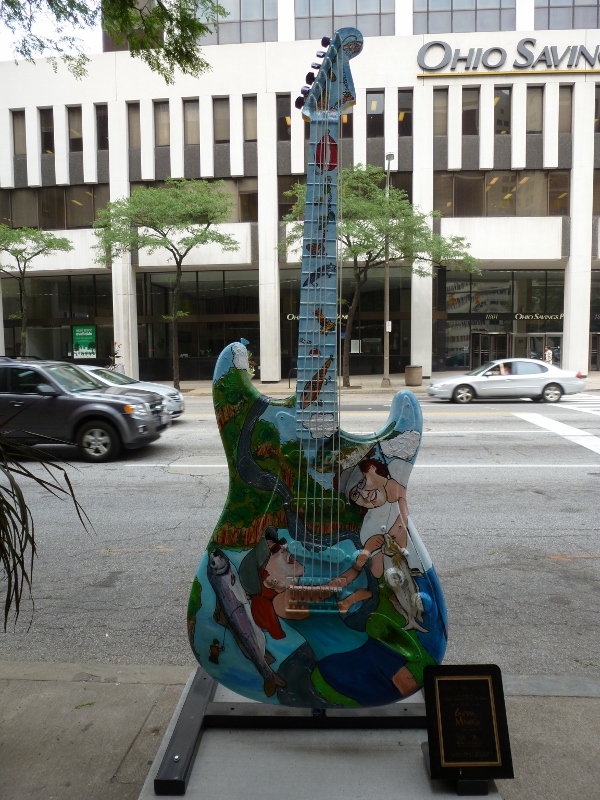
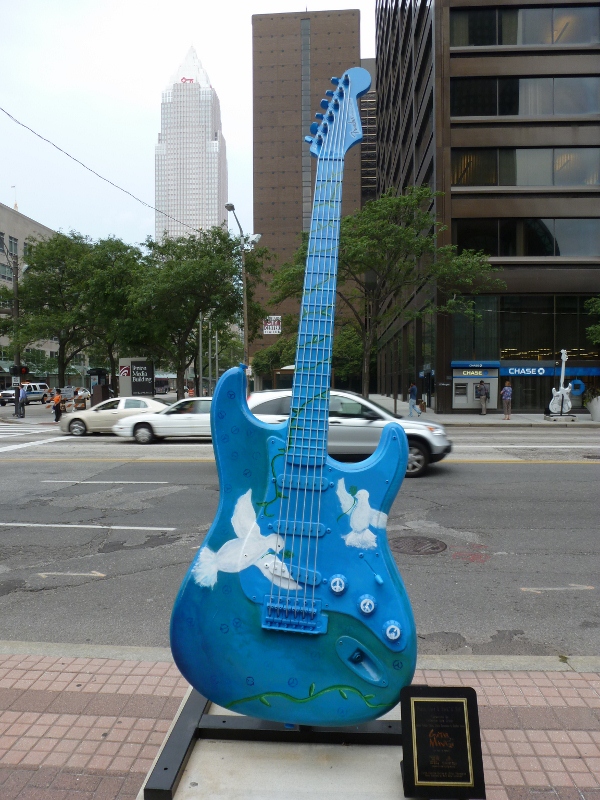
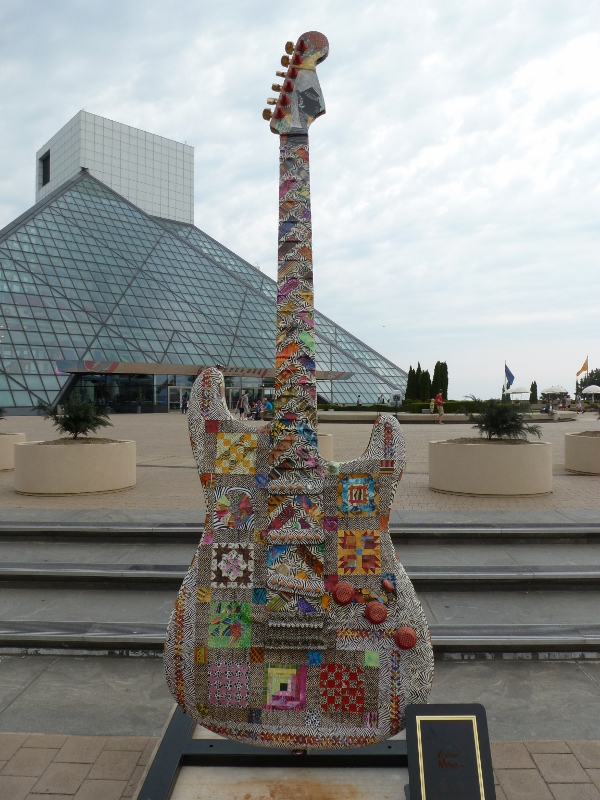
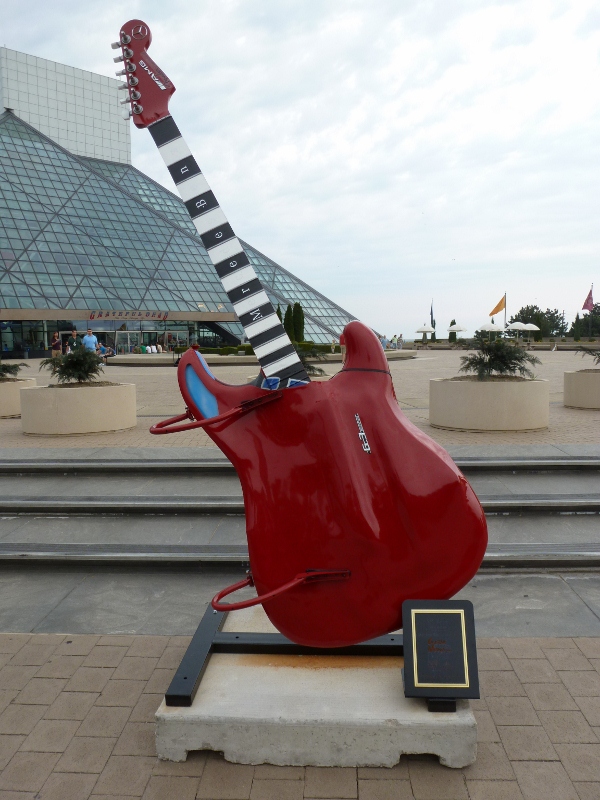
As I mentioned in my Maps Are Awesome! post, I intended to walk over some of Cleveland’s bridges, but got distracted.  First I got distracted with some of the artwork on the street, such as the sculpture and fire hydrant below.


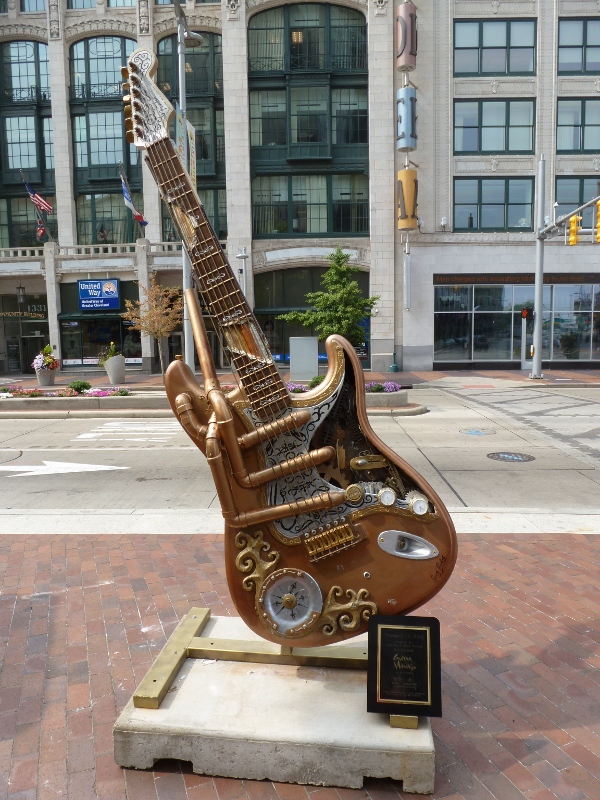
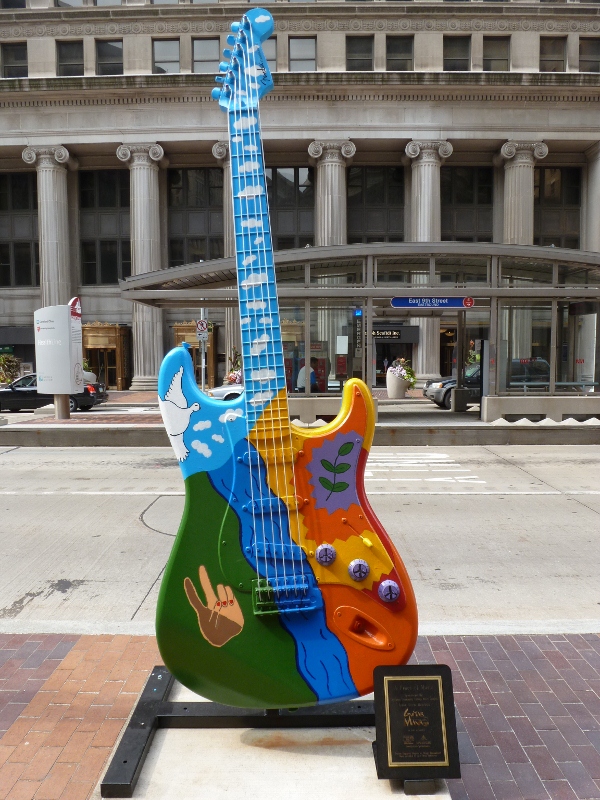
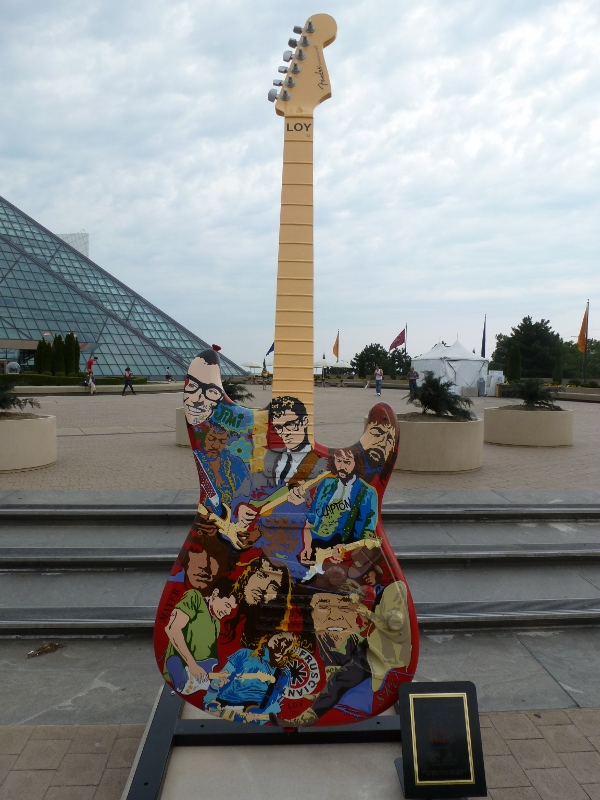
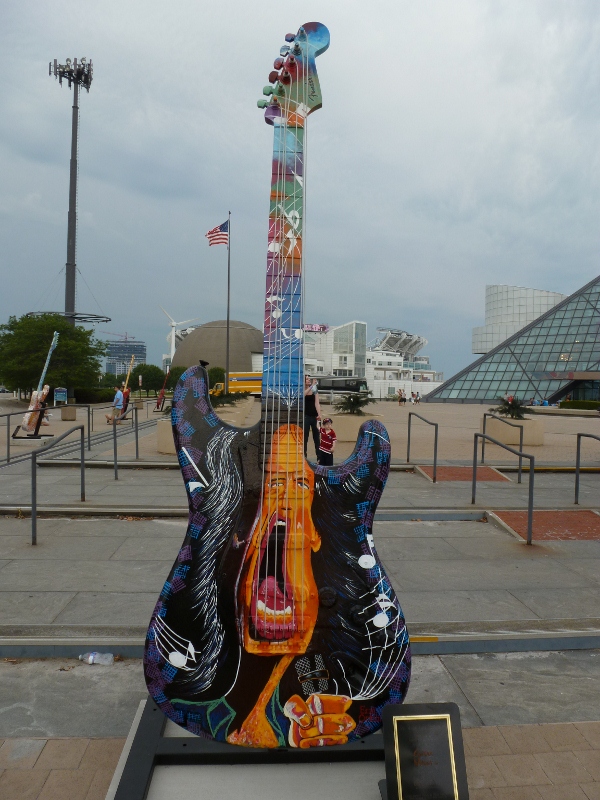
Then I got distracted by the gardens and the way the vacant property was dressed up as discussed in my Oh, Cleveland! post.  I also became fascinated by the map kiosk scattered throughout downtown (see Maps Are Awesome!).  Finally, and probably what clinched the deal, was the Guitar Mania.  Guitar Mania is one of the latest of fiberglass art fundraisers put together by a city.  In these fundraisers, a figure that is iconic to the city is chosen and artists decorate each uniquely and they are displayed all over the city.  After a certain time period of being on public display, these sculptures are auctioned off and the money goes to support charities and such.  An article I found online about Cleveland’s Guitar Mania mentions a few of the other cities that have done this, though they left out Pittsburgh.  Pittsburgh has actually done this twice now.  First was Penguins on Parade in 2002.  This was followed by DinoMite Days in 2003.  Though I haven’t seen a penguin since they were publicly on display in 2002, some of the dinosaurs can still be spotted around the city, mostly on corporate or institutional properties, but at least one is in someone’s private yard.  Other cities were I have personally experienced these kinds of events are Willimatic, CT, which had frogs sitting on spools (the city symbol due to a pre-Revolutionary War legend about frogs and the city and the city’s past as the headquarters of the largest thread company in the world) and Mystic, CT, which did whales.

However, getting back to Cleveland, this was the first time I was in a city while the statues were on public display and when I had the freedom to hunt for them.  I intended to still get to a bridge; however, I kept getting sidetracked as I spotted a guitar down one street or another.  In the end, I found 19 of the 100 guitars and photographed 18 and I decided it was a much better use of my time as the bridges will still be there the next time I’m in Cleveland, but the guitars will not be.  Later, I noticed a couple of decorated fiberglass Chinese dragon sculptures, but as I was passing in the car I was not able to take photos of them.  It turns out that Cleveland is doing a separate display of the Chinese dragons (see website, with link to locations) in addition to the guitar event.


OH, Cleveland!

I spent my freshman year of college in Cleveland, OH.  University Circle, the neighborhood my campus was in, was beautiful and pleasant, but the rest of the city stuck in my mind as rather ugly and dull.  In fact, my friends and I referred to it as “the city that always sleeps.”  Outside of campus there didn’t seem to be anything to do, particularly after 7 p.m.

I often compare Cleveland and Pittsburgh in my mind and for years, Cleveland came up the less favorable of the two.  This is in part due to the unfavorable impression I developed of downtown Cleveland while in school there and in part due to the vast fields of vacant lots that separate downtown from University Circle.  In the last couple years, I made several quick trips to Cleveland.  Every time I come home more amazed by the city.

First, I started noticing the street art and fancy trash cans.  The next trip, I was awed by Cleveland’s BRT (Bus Rapid Transit) system.  Pittsburgh’s bus system is loosing routes and cutting back on service hours and here Cleveland was able to institute a BRT with fancy new buses, new bus shelters at every stop along the BRT route that include fare boxes and electric signs that tell you how many minutes until the next bus arrives, and dedicated lanes and traffic lights for the BRT.  Last weekend when I visited was the first time I’ve spent any significant amount of time walking downtown and I was impressed with what I saw.

There is vacant property all over the city.  Cleveland’s population decline over the last 60 years was much more severe than Pittsburgh’s.  It went from a peak of around 900,000 to just under 400,000 in 2010, whereas Pittsburgh only got up to 600,000 and fell to 300,000.  Yet, downtown, the city’s managed to still look beautiful despite the vacant buildings with greenery such as the garden in the road divider above.

I saw another method for reducing the blightedness of vacant properties in another part of the city 8 miles from downtown.  Here they placed art installations in vacant lots that were for sale.

Things definitely seem to be looking up for Cleveland.  I read recently that the County Executive for Cuyahoga County (Cleveland) met with the one for Allegheny County (Pittsburgh) to pick up some tips on how to help turn a struggling rust belt region around.  However, I think that Pittsburgh/Allegheny County could pick up some tips from Cleveland/Cuyahoga County.

Vauxhall Bridge

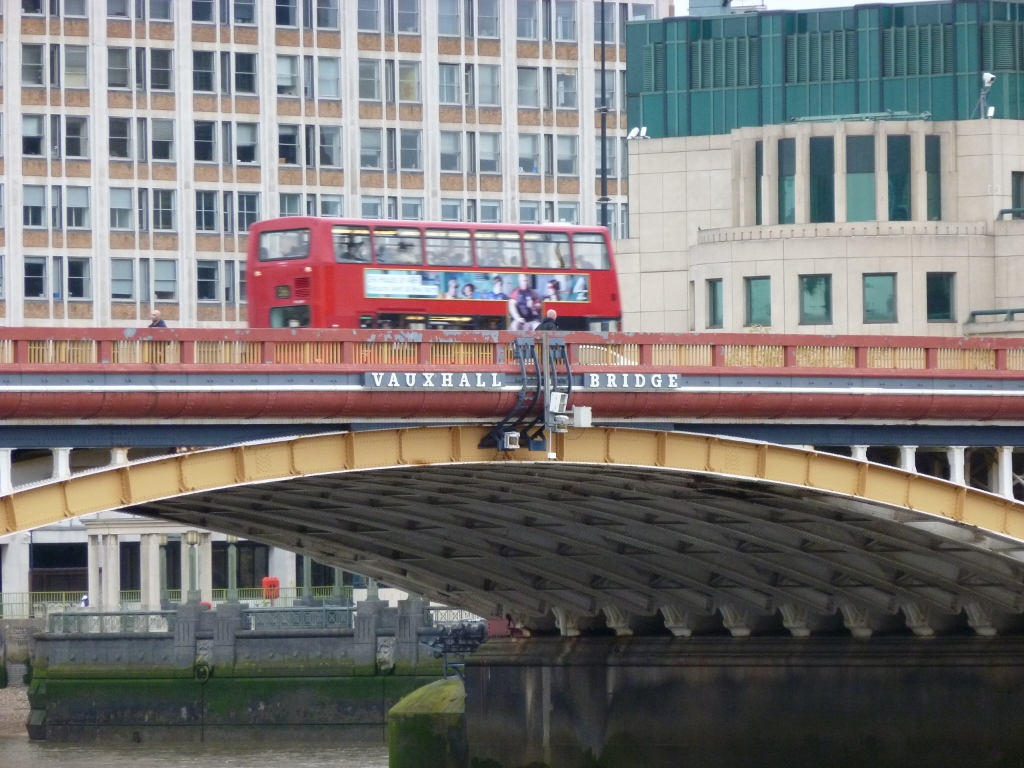
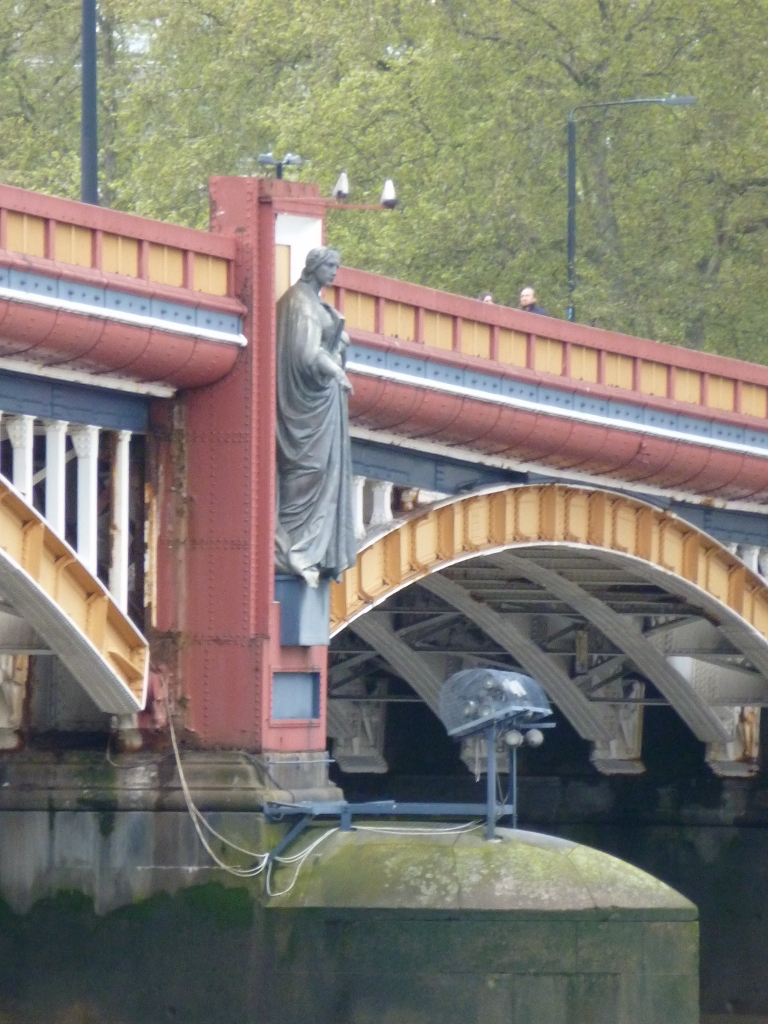
I must say that London has the most interesting and varied color schemes for its bridges of any city I have yet visited.  In Pittsburgh, for instance, the bridges that have color use only one (and that tends to be yellow).  All the examples I can think of for bridges in other US cities follow a similar color design as Pittsburgh, though not in yellow.  On the other hand, London’s Vauxhall Bridge presents yet another tri-color design scheme different from the three bridges I’ve already posted about and from the nine more to come.

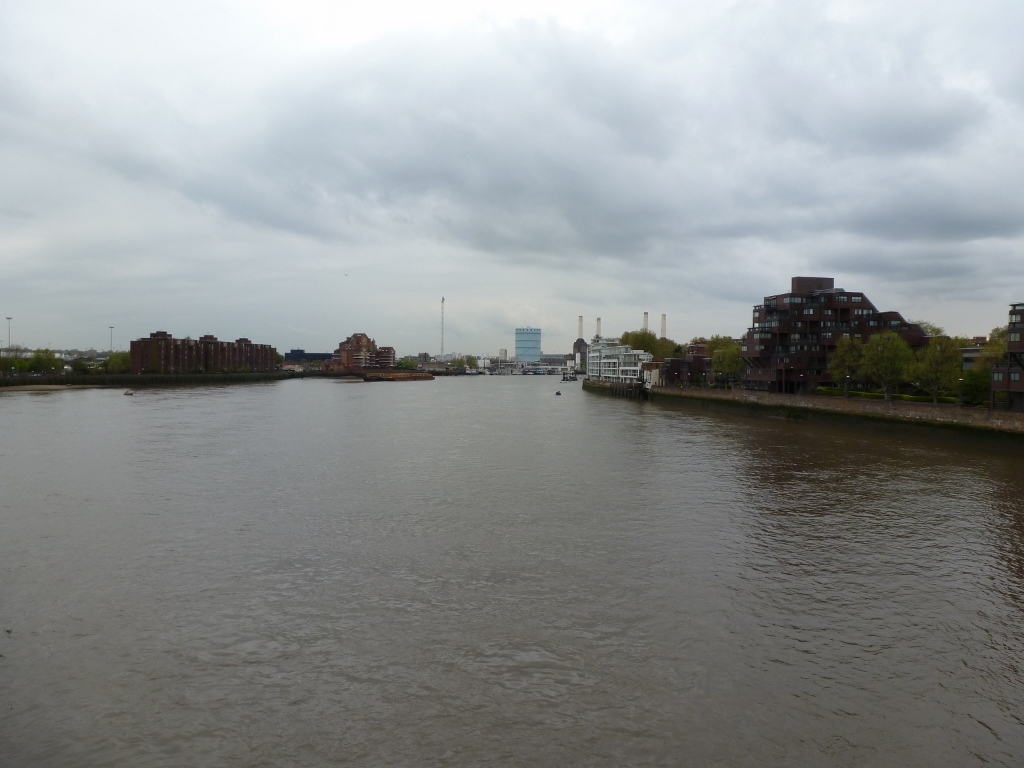
Upriver from the bridge, the smoke stacks of the Battersea Power Station (see June 18 post) are still in view.  In the other direction, classic, old London architecture appears, after the views from the bridges upriver were dominated by modern architecture (when I say modern architecture I include anything from the Modern Movement beginning roughly in the 1920s through contemporary architecture).


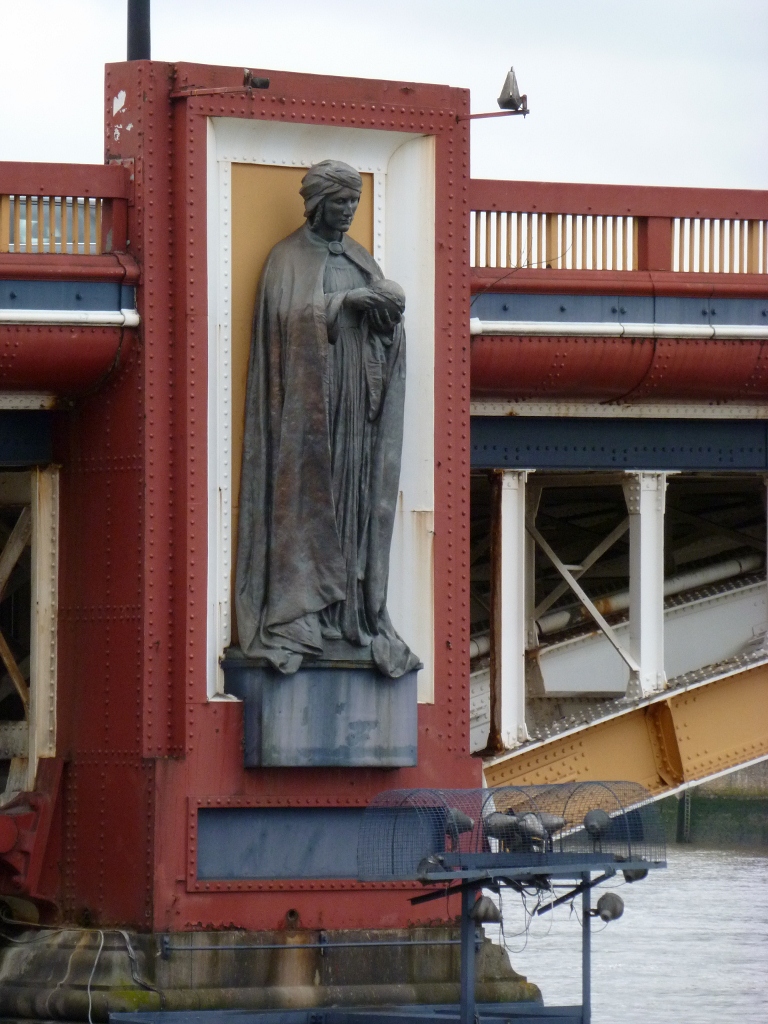
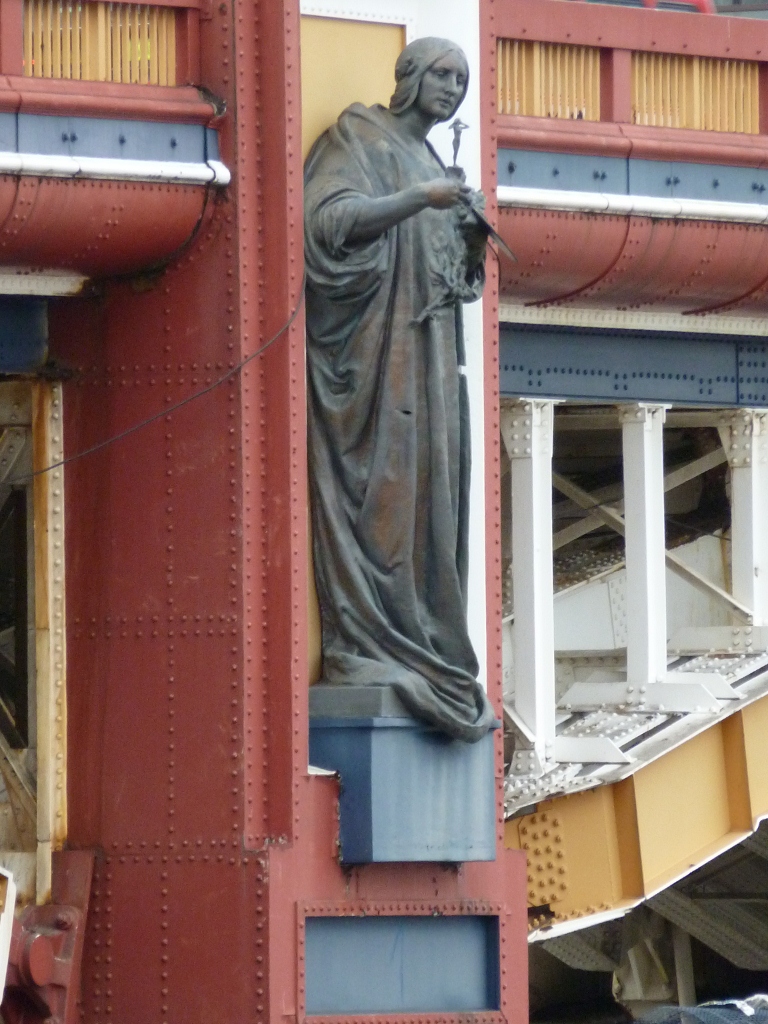
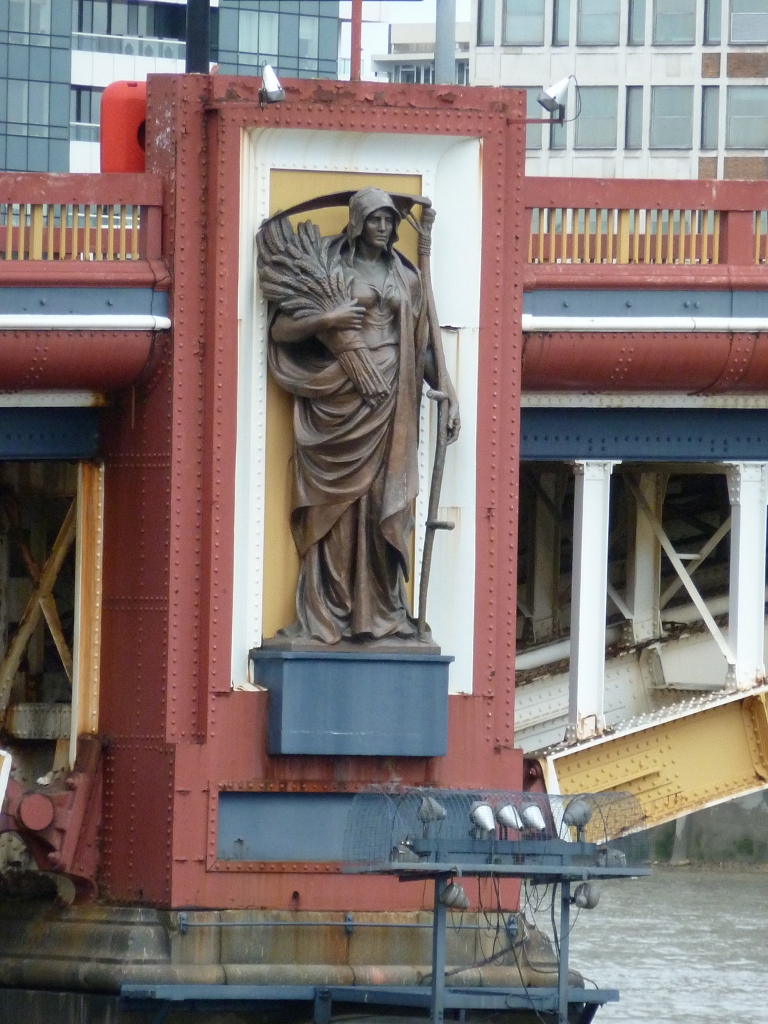
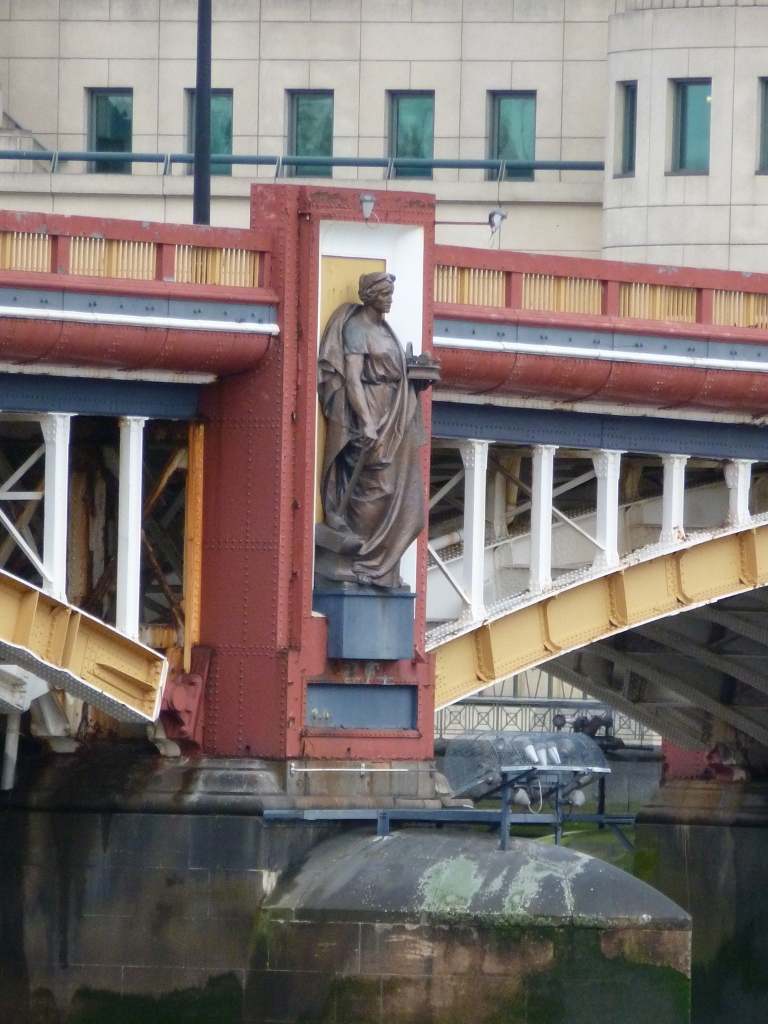
More interesting than the color scheme of this bridge was the sculpture.  Vauxhall Bridge has five arches; there are four statues on each side of the bridge, one in-between each arch.  Each statue obviously represented what I guessed to be some form of art or industry.  The one holding the model of St. Paul’s Cathedral and the one with the scythe were easy to identify as Architecture and Agriculture respectively.  I could not immediately determine the symbolism of several of the others including the one holding the urn.  Fortunately, we have the internet, which has given me the official representation for each statue.  In order they are: Government, Education, Fine Art, Science/Astronomy, Agriculture, Architecture, Engineering, and Pottery.


For more information about Vauxhall Bridge including pictures and quotes about the previous bridge on this site, I found this website interesting.

Battersea Bridge

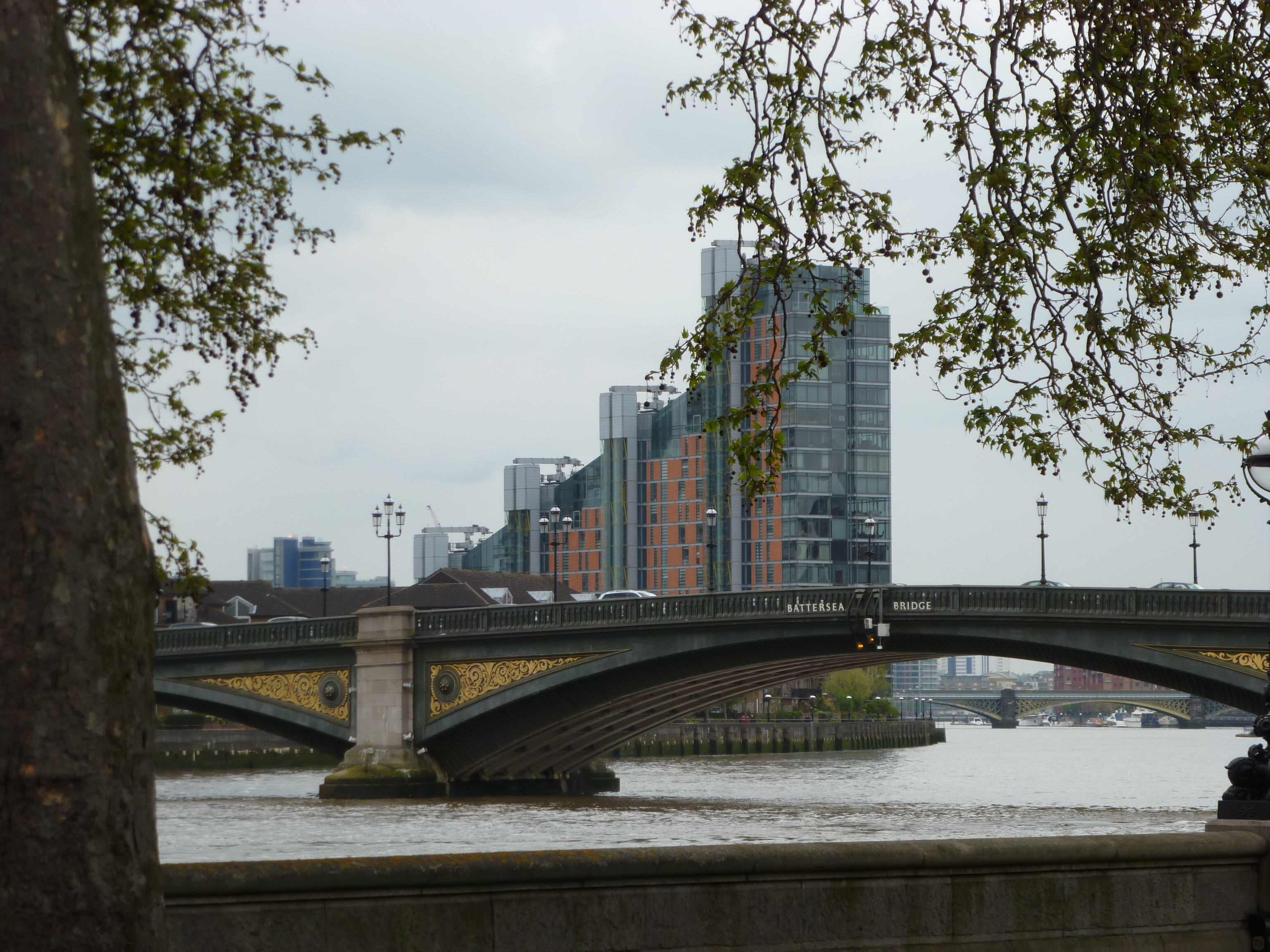
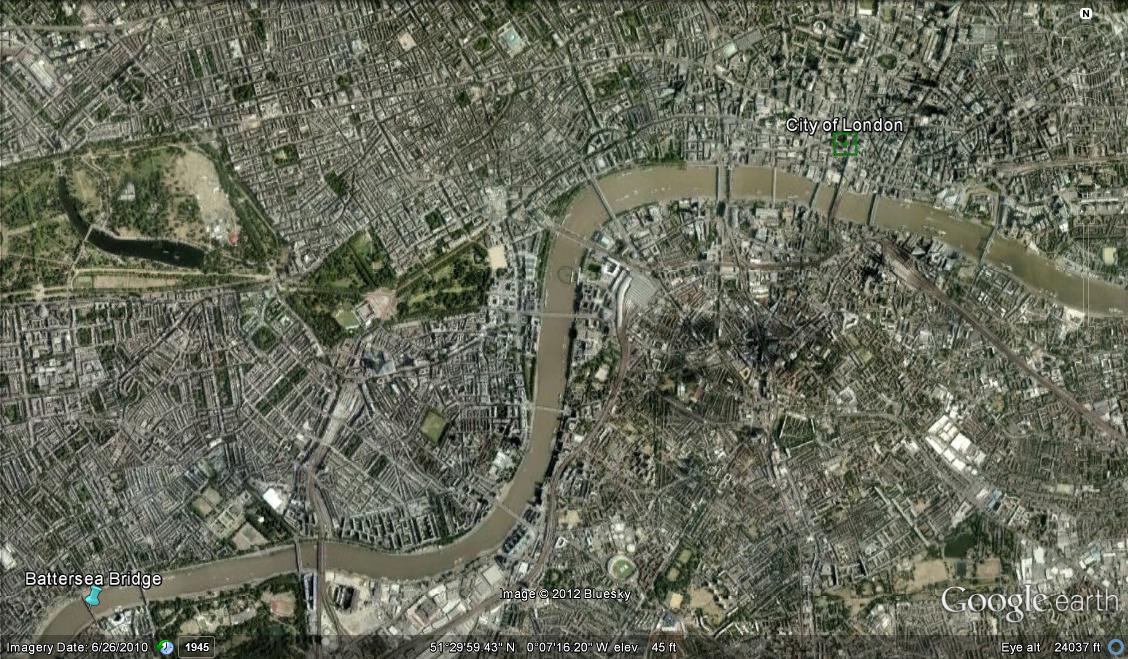
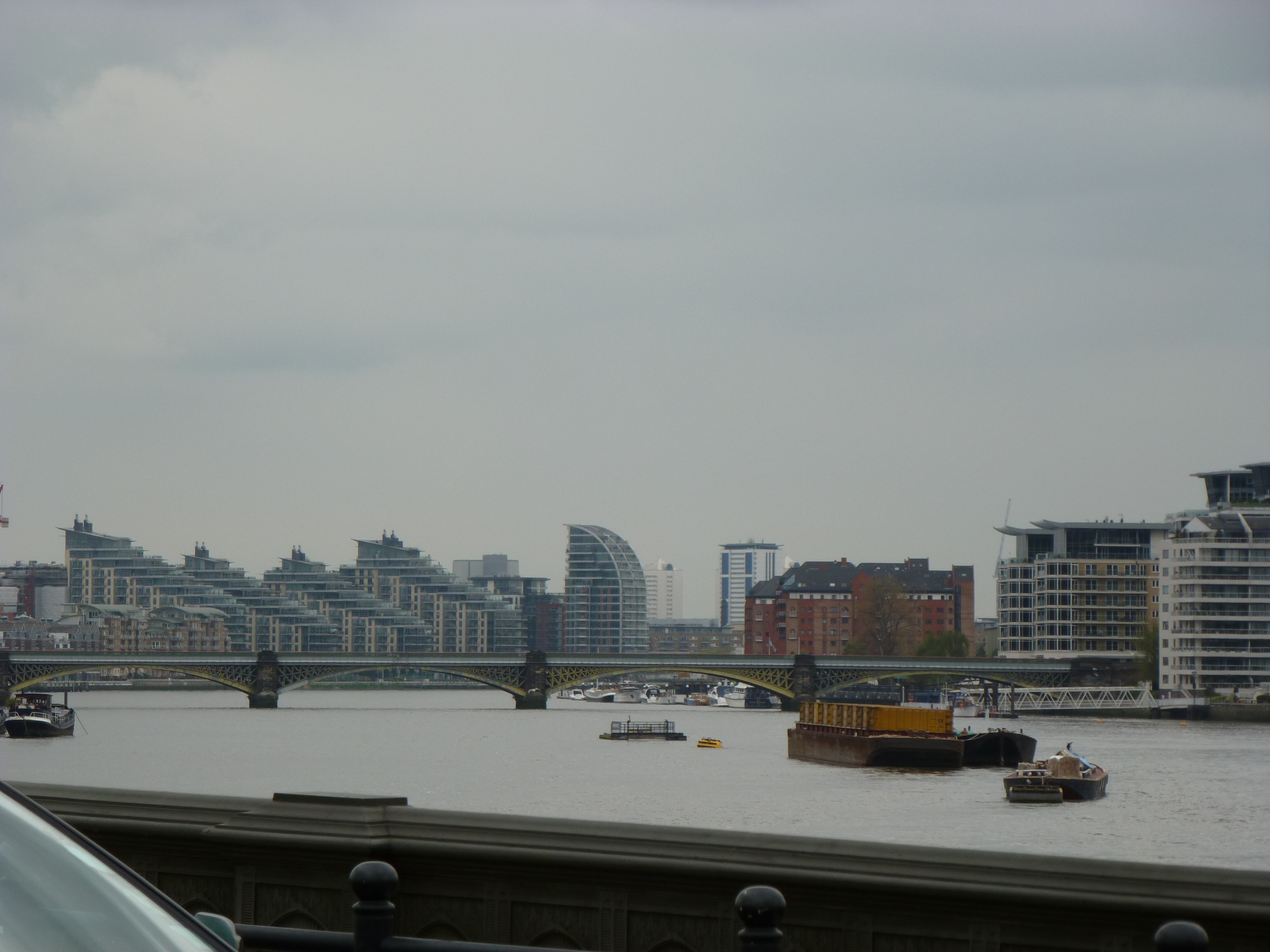
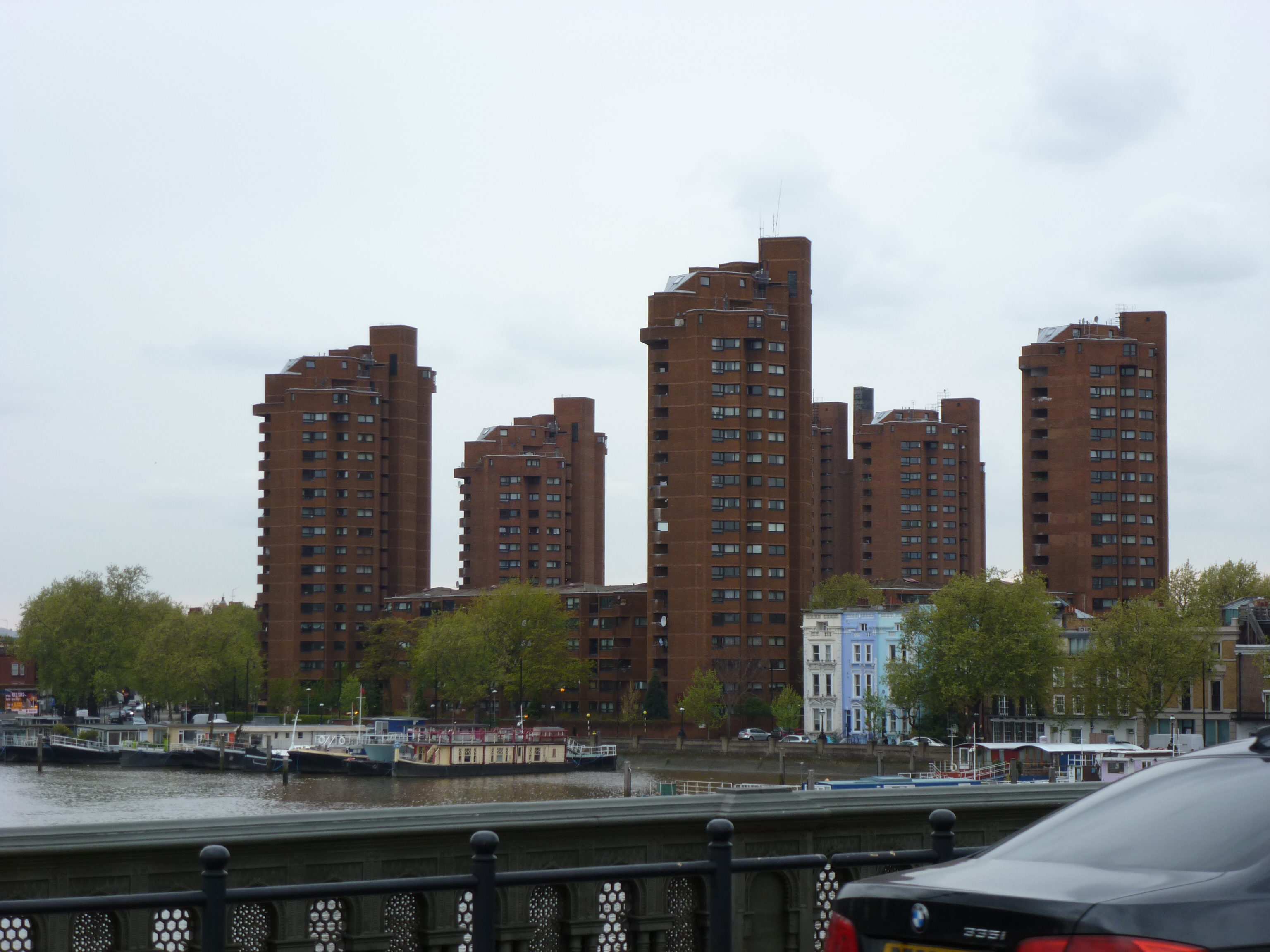
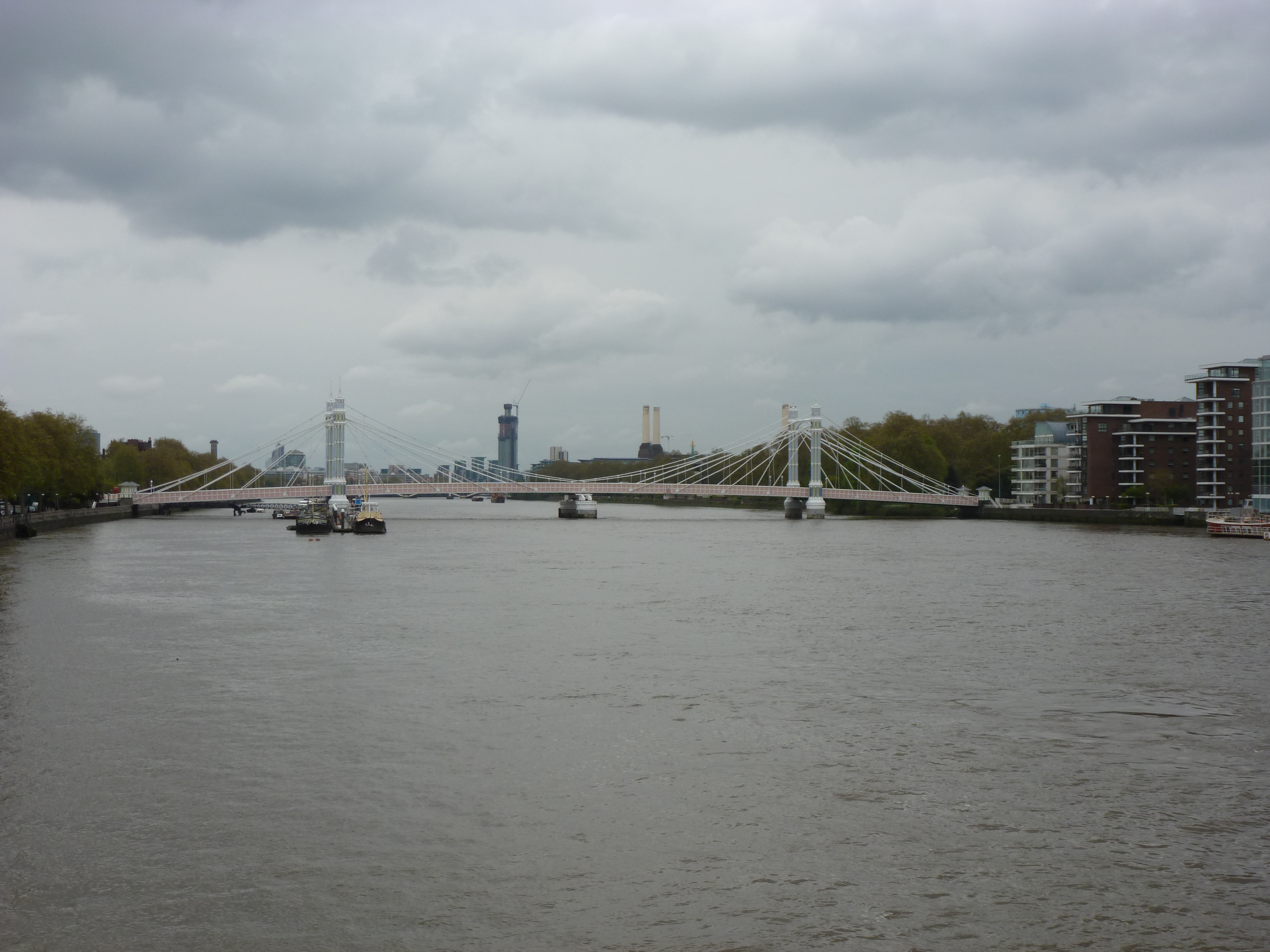
The Battersea Bridge was the first bridge in London that I walked across.  The bridge, built in 1890, connects the London neighborhoods of Kensington & Chelsea (north of the river) and Wandsworth (south of the river).  The north side had traditional, classic architecture, but the south side had some newer developments.  From the bridge looking west, I saw a bridge for the tube and several modern developments.  To the east, I saw the Albert Bridge, the Battersea Power Station, and the Shard tower then under construction.

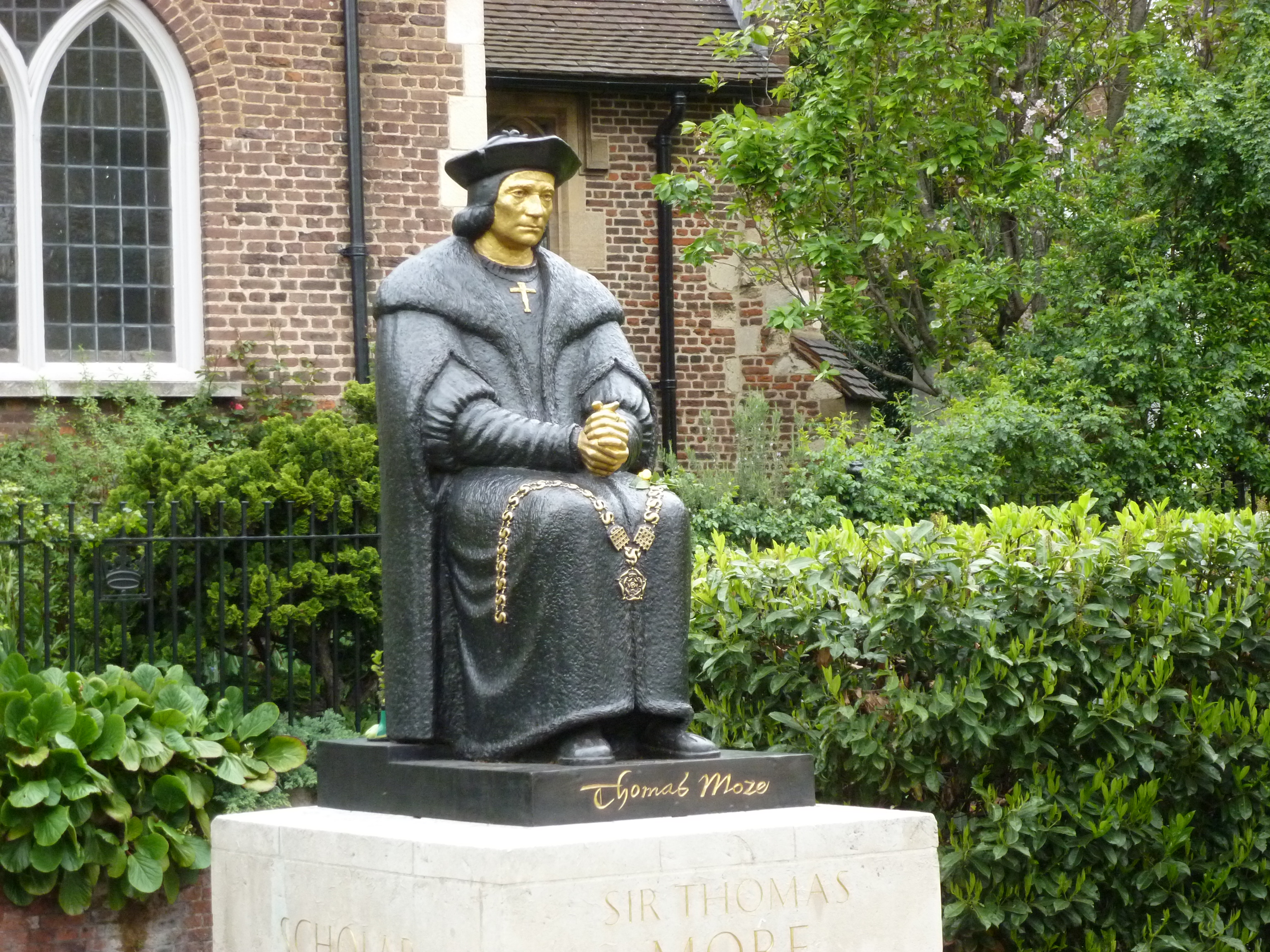
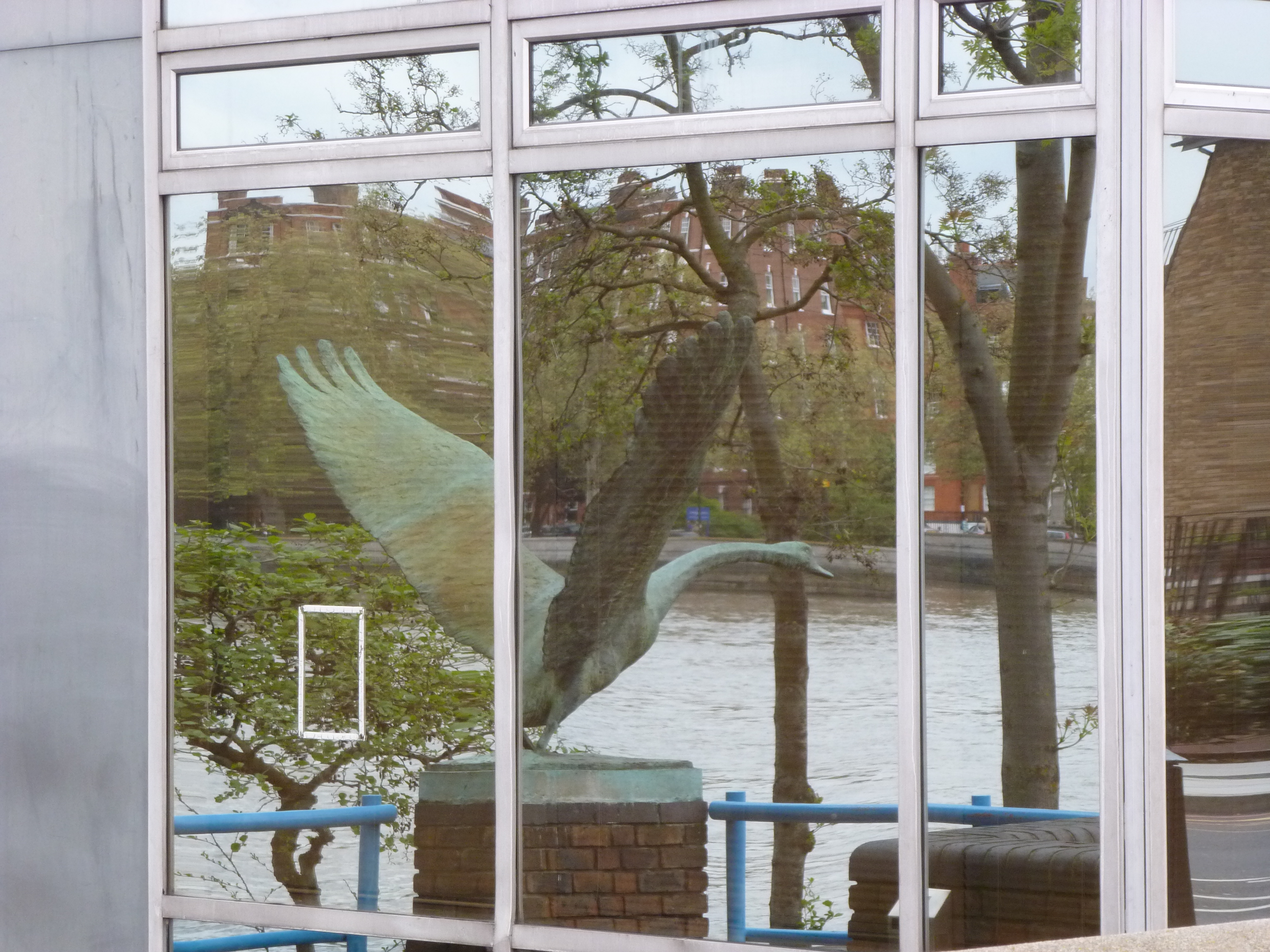
I enjoyed this bridge.  I appreciated its simple, yet stately design.  The traffic was low, though this might have had more to do with the time of day (Sunday afternoon) than any other factor.  There were two sights near the bridge that particularly caught my attention.  The first was a statue of Sir Thomas More on the north side, with gilded face and hands, a style not familiar to me.  The second was a seemingly random statue of a flying goose just off the south end of the bridge.

The name of Battersea intrigued me, so I did a Google search to try and find the origin of the name.  The result was that there is no known origin.  The possibilities included an Anglo-Saxon term meaning Badric’s Island, battles that were fought in the river at low tide when the river was fordable, and an evolution of spellings from a term meaning St Peter’s water or river.

Roald Dahl, Norwegians, Doctor Who, and a Church

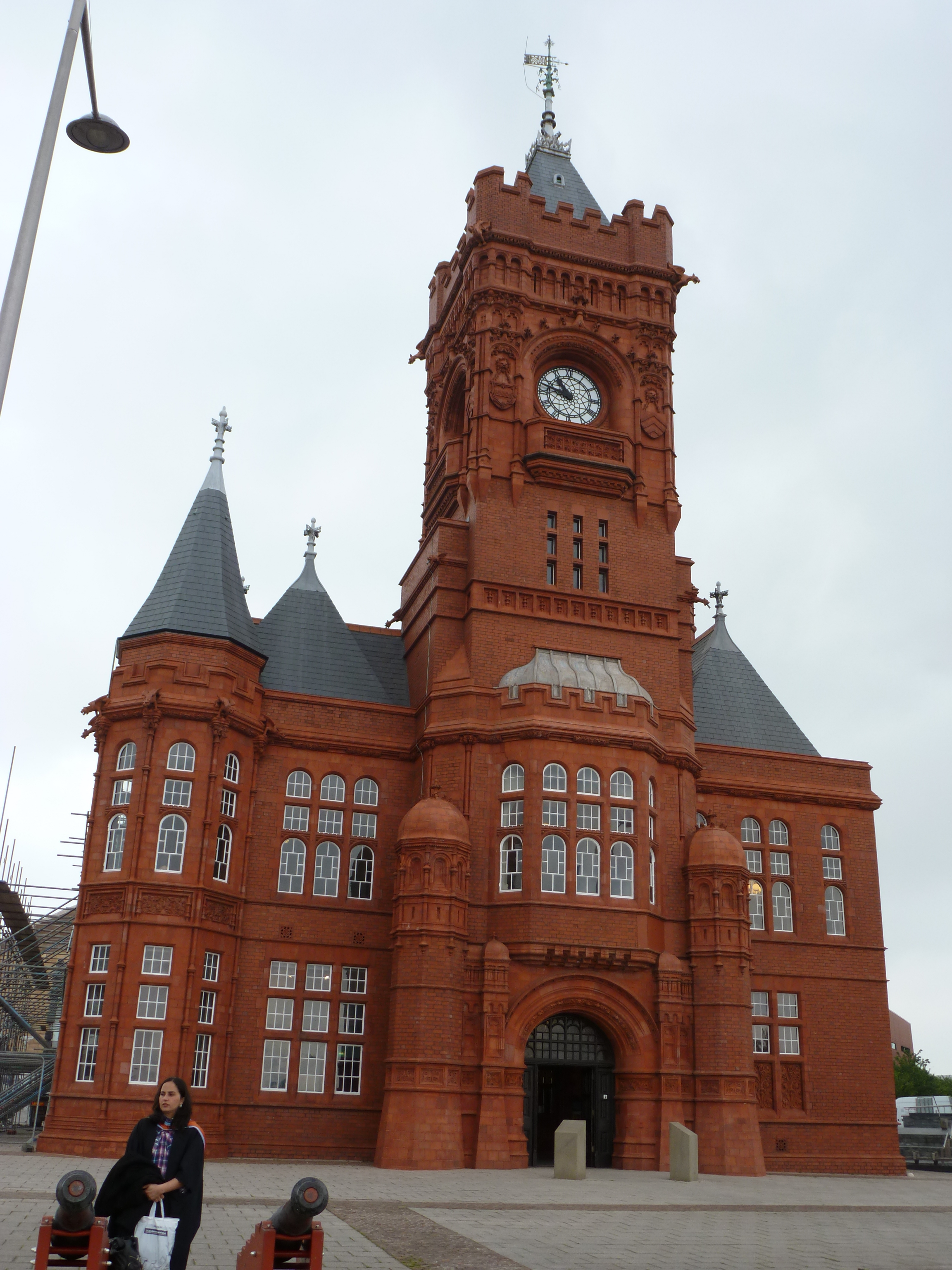
I watch the new Doctor Who series and the spin-off show Torchwood.  The Doctor Who episodes set in modern Cardiff are centered on Cardiff Bay and Torchwood is based in Cardiff Bay.  In the long shots of the area, I was most intrigued by the building pictured above.  I believed it must have been some sort of church.  When I was preparing to visit Cardiff, I was excited by the paragraph in my guidebook which referred to a repurposed church on Cardiff Bay.  I assumed that the building that intrigued me in Doctor Who and Torchwood must be the former Norwegian church now adapted to a rental facility.

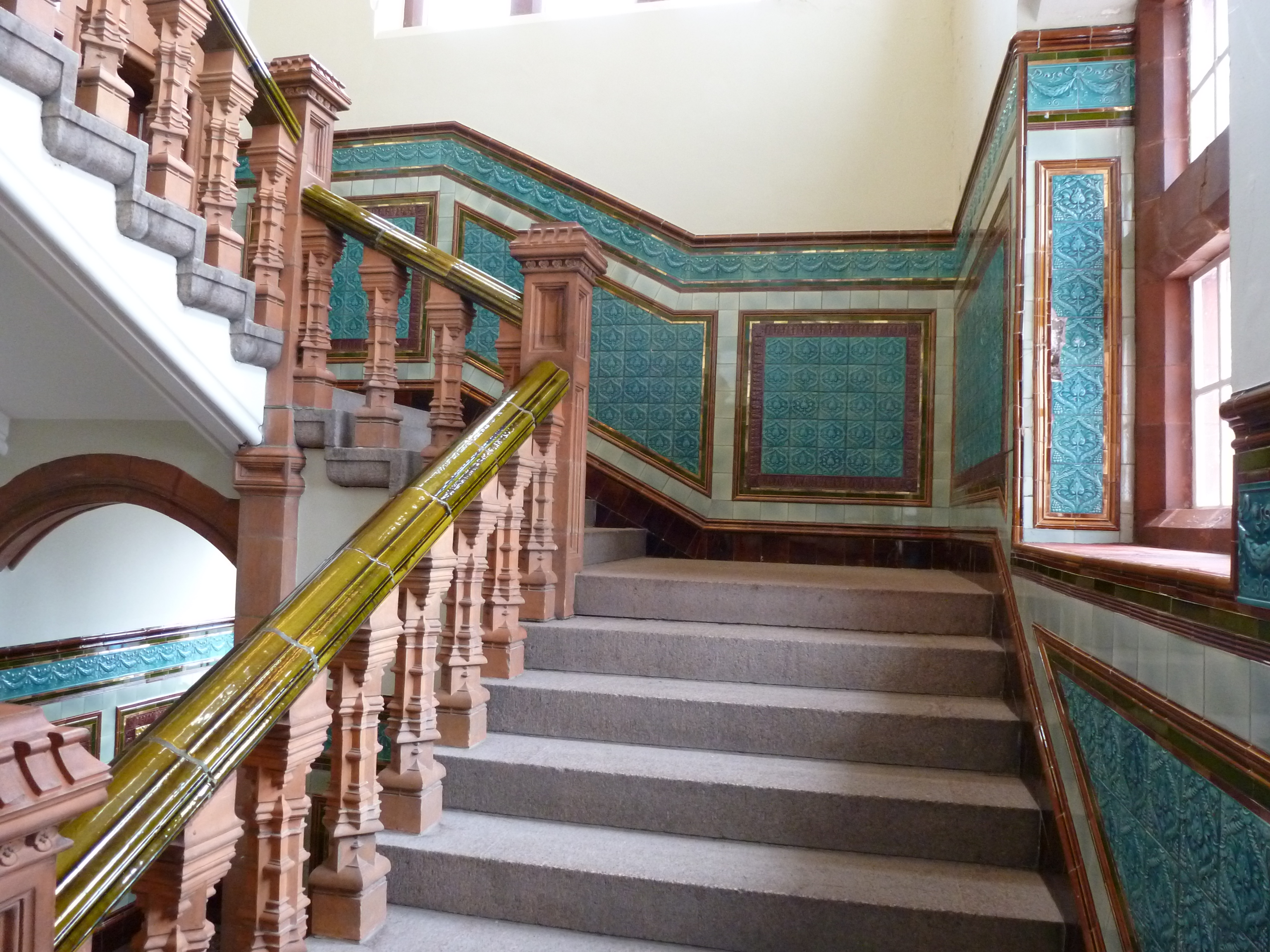
On arriving at the site, I had a feeling that something was off.  It wasn’t until I stepped inside that I figured out what it was.  It turned out that this building never held a church.  I suppose that the lack of stained glass, the small widows, and the cannons outside should have been a clue, but with the peaked roof (not visible in the above photo), the gargoyles, and the central tower I didn’t know what else it could be besides a church.  The building is called the Pierhead and it guarded the port, or at least kept track of the traffic coming and going in the port.  It is open to visitors now as a museum of the port.  I learned a lot about the history of Cardiff from a short, entertaining film, such as the name came from Welsh for “Fort on the River Taff.”  The color and decoration of the interior also intrigued me.


When I left the Pierhead, I looked around the bay and quickly spotted the actual church described in the guidebook.  Norwegian sailors who passed through the port built this church (pictured below).  Roald Dahl was baptized here.  Now the building is used as a rental facility.  The sanctuary is the rental hall, when I was there it was being set up for a wedding reception on the following day; the choir loft level is now an art gallery; and the space below the choir loft, which I imagine would have been the entryway/gathering space, is now a coffee shop with some delicious pastries.  Unique features of this building included the model of a Norwegian sailing ship hanging from the center of the ceiling in the main room and a stained glass window that featured fish.  Unfortunately my camera temporary malfunctioned while I was visiting this building and as a result I do not have any shots of the interior.

Inkspot

Last month, I spent a few days each in Cardiff (the capital of Wales) and London. Before going, I had done some research on the adaptive reuse of church buildings in London, but none on Cardiff. Despite this, I almost had more success with exploring repurposed churches on the ground in Cardiff than London.

The pamphlet in my hotel room in Cardiff, highlighting things to do in the city, contained an ad for the Inkspot – a crafts store housed in a former church. This was an amazing find as not only am I into the adaptive reuse of church buildings, but I am also a craft-person. Additionally, none of the repurposed churches I have come across in Pittsburgh have a use like this. Most in Pittsburgh are adapted to housing, restaurants/bars, and community centers. So, this building showed me a new option for how a church space can be used.

As a crafts store, it was a bit disappointing. The items for sale were the same as what I would find in any crafts store in the US. Perhaps I should have expected that, as how different can paint or pencils be from country to country? I however was hoping for an experience more like going to the grocery store in the UK vs. the US. Both sell food, but the options are slightly different. First, the fruit is more naturally sized, unlike our bananas and apples on steroids. In the bakery department, I found personal-sized baguettes, brioche, and crumpets. Yogurt flavors were different–such as strawberries and clotted cream. Among the juices I found Apple & Beetroot and Grape & Elderberry flavors. I thought the crafts store would be like that, similar products, but just enough different that I would be able to find somethings I wouldn’t find in a crafts store in the US.

As a repurposed church, the Inkspot was fascinating. The owner was in while I was visiting so I was able to add some facts to my observations. The building was built in 1868. When the 100-year lease came up in 1968, the property owner refused to grant the church a renewal. The building is located on Newport Road, which at least at one time was the main road between Cardiff and Newport (another potentially important city in Wales), near two intersections. It is prime real estate and in the 60’s there was talk of the road being widened, which would have required the demolition of the church. For whatever reason, this plan did not go through and in 1995 the owner and his family purchased the building to move their crafts store into it. Upon purchasing, they were advised to tear down the building and start from scratch, but they took the risk of spending the money to repair the damage from decades of being empty.

They modified the building slightly, by making the sanctuary two stories. The first floor had paper crafts, kids’ crafts, yarn, etc., while the second floor was dedicated to painting supplies with an art gallery in the back above where the altar used to be. The downstairs felt a little claustrophobic, but the upstairs still felt huge and airy. I could not decide from just walking around and observing the building if the two-story design was original or added during the repurposing. It must have been huge inside when it was a church. In addition to the crafts supplies for sale and the art gallery, there was space for artists’ studios in what I assume must have been office space previously.

I did not feel comfortable taking pictures inside where the sale items were, but I did take the picture below of the staircase. The white walls and green carpeting were used throughout the store.