What is a Bridge? Chambersburg Edition I

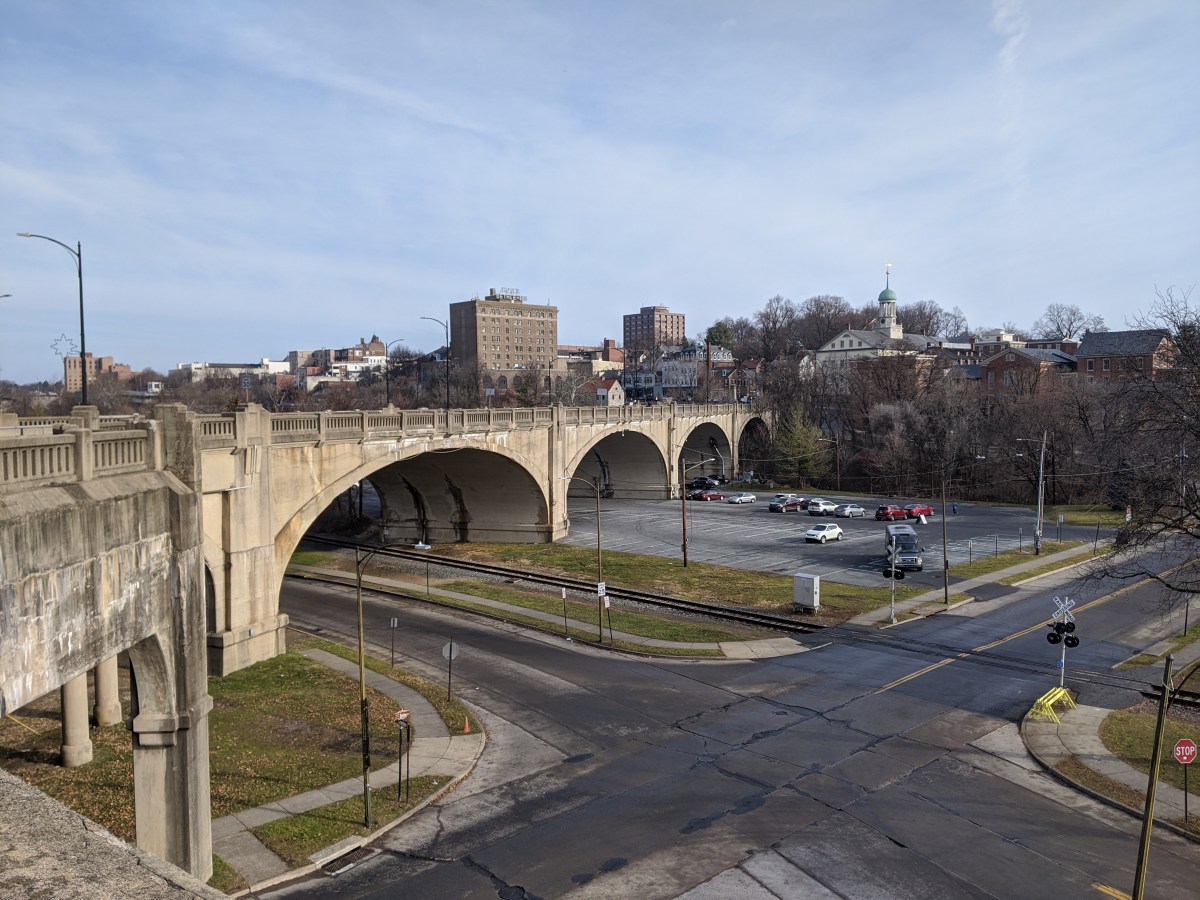
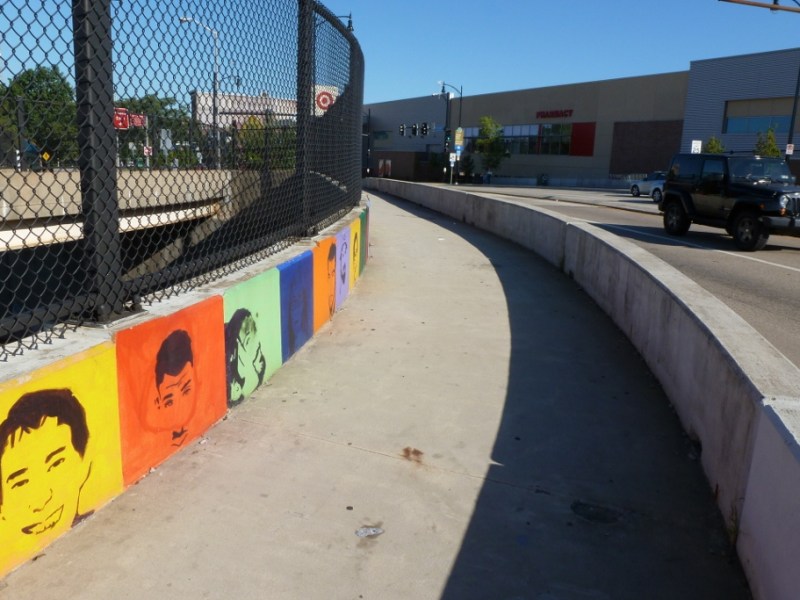
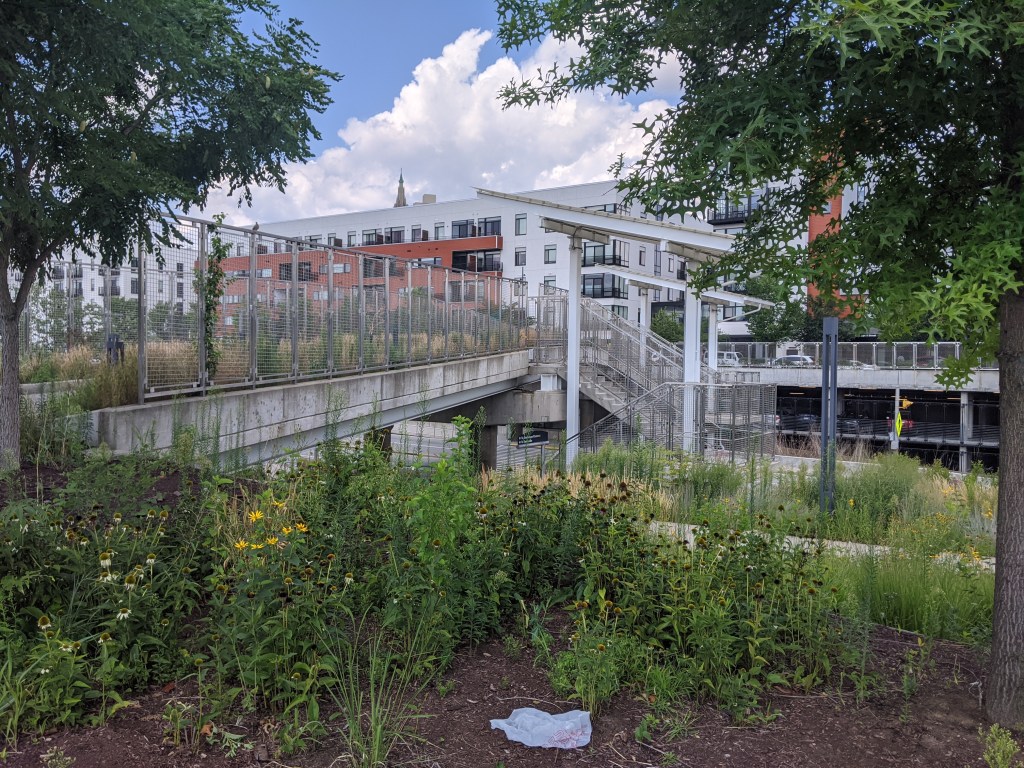
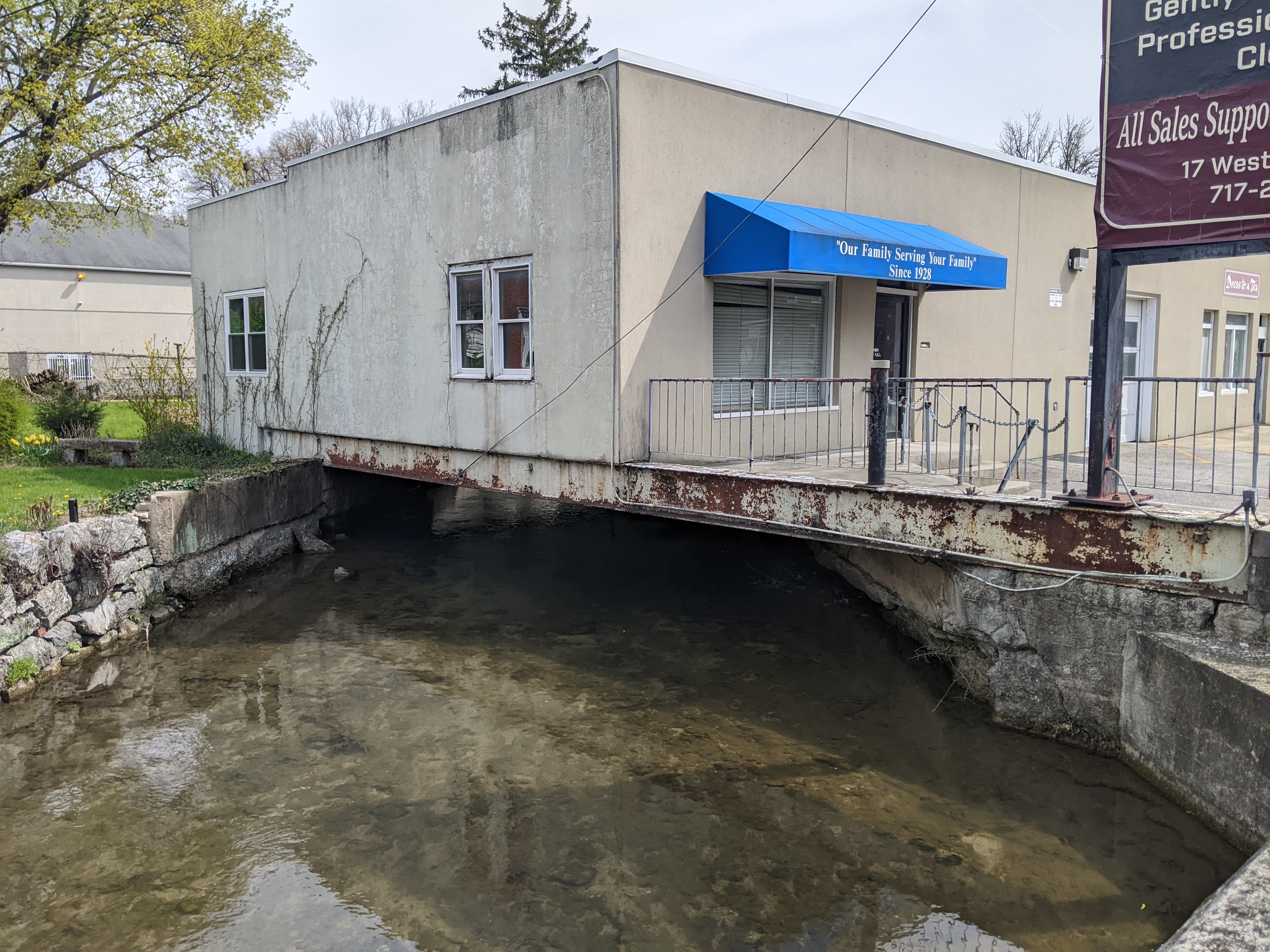
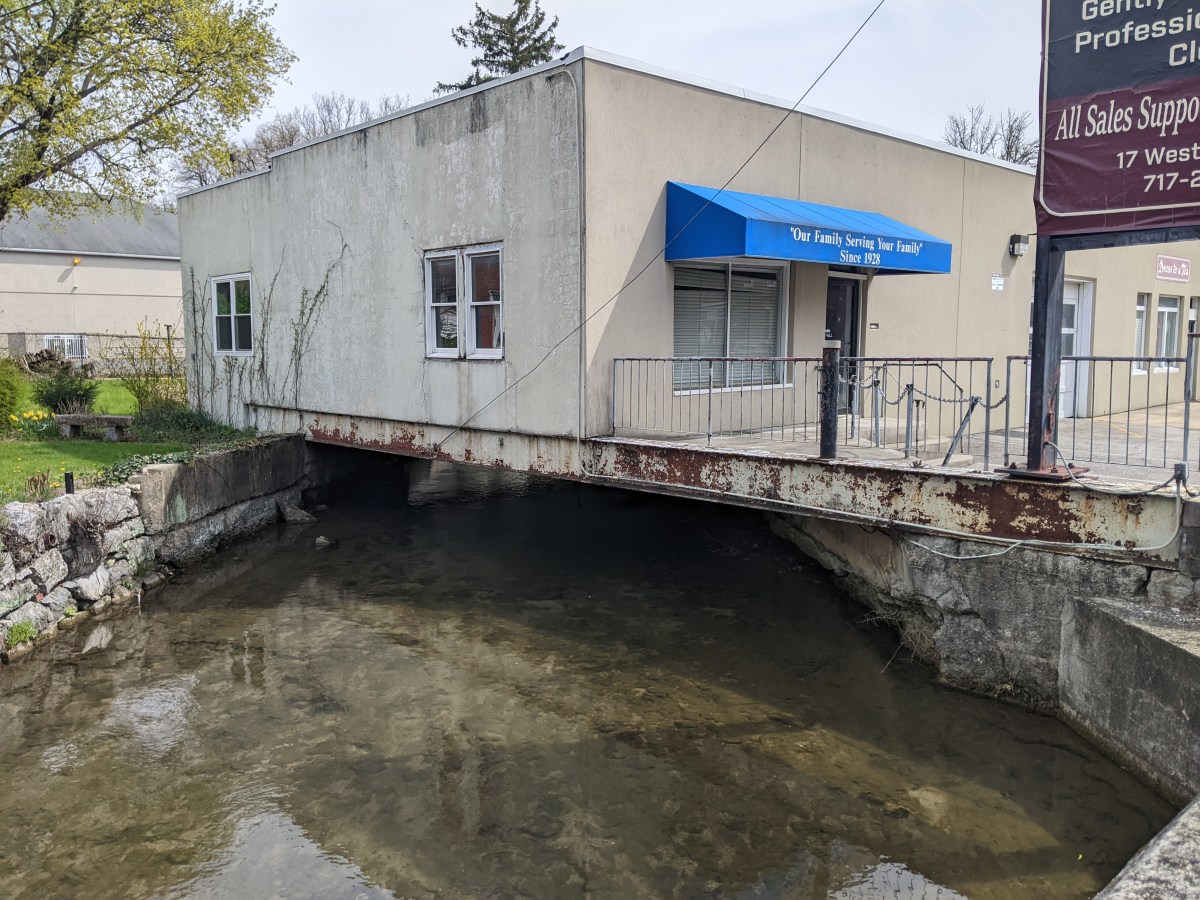
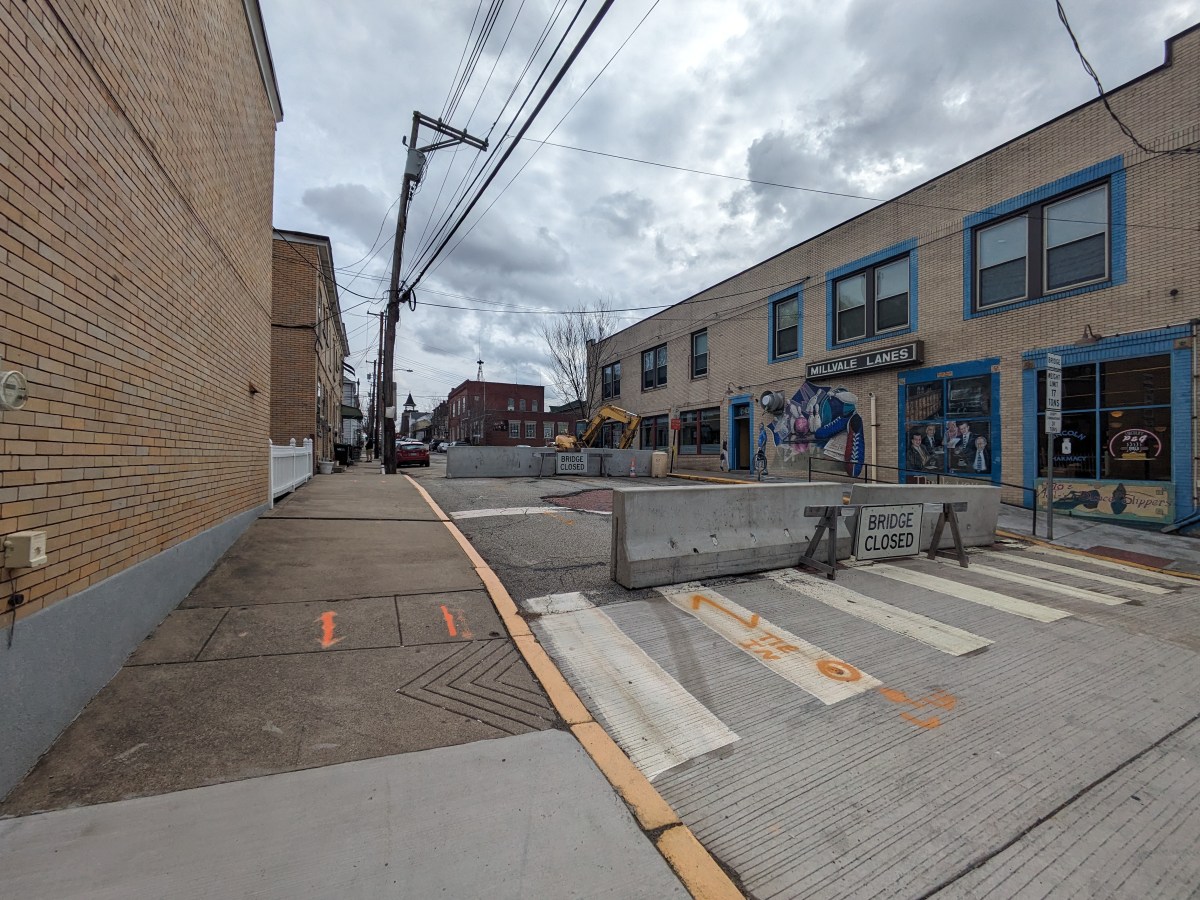
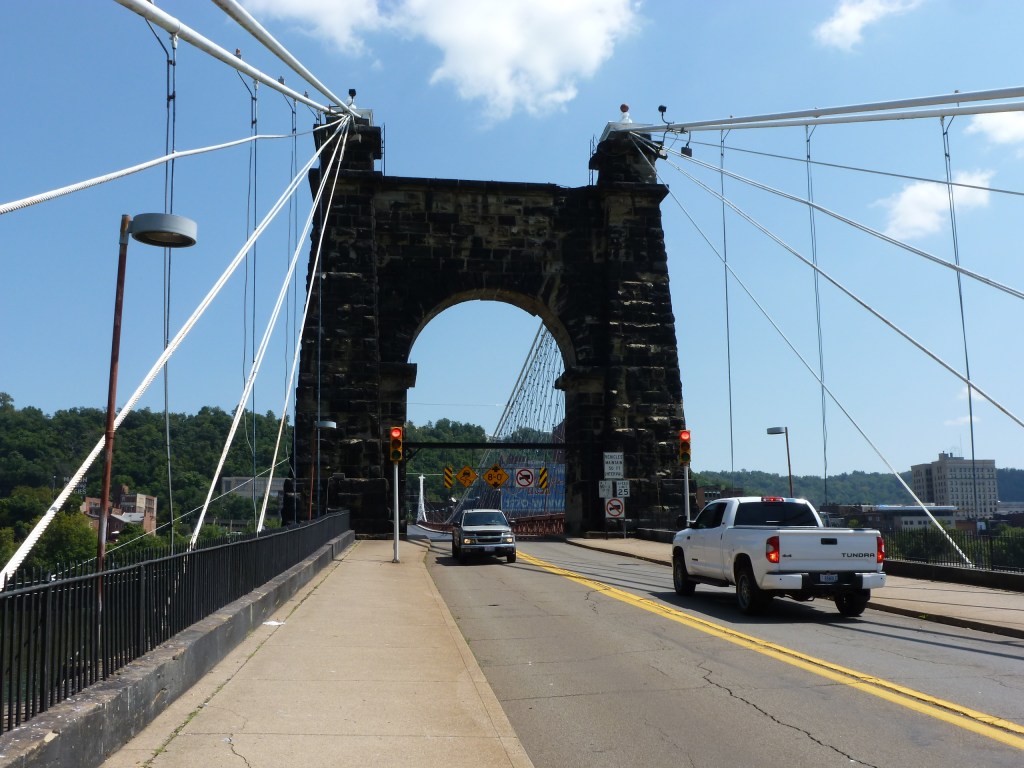
In Chambersburg, PA, a historic town along the Lincoln Highway, the question of what is a bridge comes up again. This time, the specific iteration is: “Is a building a bridge?”

This question is a continuation of the one inspired by Millvale. When I shared my thoughts on the building/bridge and backyard/bridge in that town, I focused on the fact that those bridges were hidden from sight and are likely an important factor contributing to the town’s flooding issues.

The structure in Chambersburg, on the other hand, sits in plain view. To tackle this question, I think it is time to return to the formal definition of a bridge. I looked up a definition of a bridge for the first Pittsburgh edition of this series and seemed to accept that definition at face value. I returned to a definition of a bridge in the second Chicago definition to help define what a viaduct is. I again did not question the definition of bridge. Perhaps it is time to change that?

Merriam-Webster defines bridge as a structure carrying a pathway or roadway over a depression or obstacle.

The Oxford English Dictionary defines bridge as a structure forming or carrying a road, path, or (in later use) a railroad, etc., which spans a body of water, a roadway, a valley, or some other obstacle or gap, and allows a person or vehicle to pass unimpeded over or across it.

Both of these definitions avoid the interaction of buildings and bridges.

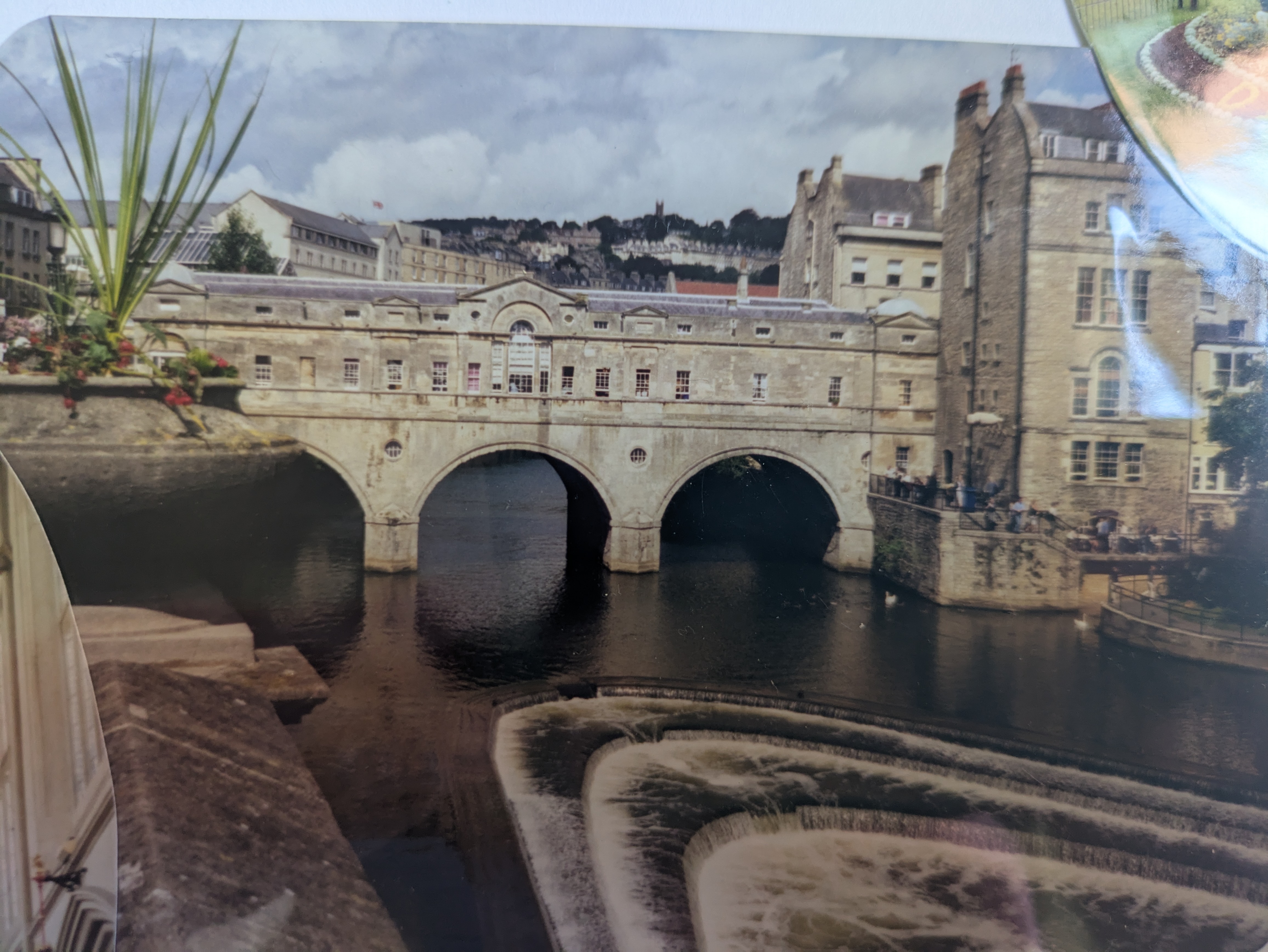
My first encounter with buildings on bridges was Pulteney Bridge in Bath, UK (photo of photo below). I was 13. It would be over a decade before I would start intentionally walking bridges. At that time, I declared, “That is one of the coolest bridges I’ve ever been on. There are shops on both sides of the road. You can’t tell you’re on a bridge.” (Notice the echoes of my later musings on the “bridges” of Chicago.)

The next most memorable building/bridge encounter was in Istanbul. The Galata Bridge is a 2-decker bridge with the lower deck full of restaurants with open seating facing the Bosphorus.

While both of these bridges also carry multi-modal roadways and therefore meet the two dictionary definitions of a bridge, they suggest the possibility of a broader definition of bridge.

As I did with viaducts, I next turned to “How to Read Bridges” by Edward Denison and Ian Stewart. Interestingly, they do not provide a definition for a bridge. They discuss bridge types – if the Chambersburg building is a bridge, it would be a beam bridge. They also discuss bridge uses. “Bridges are designed to satisfy a wide range of different uses from the obvious, such as vehicle, railroad, cycles, and pedestrian traffic, to the more obscure, such as carrying water. Many are even designed to cater to multiple uses.” (68) While they hint at “more obscure” uses, their chapter on uses goes on to talk specifically about pedestrian, water, vehicular, rail, and military uses. Buildings are missing from that list. However, their case studies do include Bath’s Pulteney Bridge and Florence’s Ponte Vecchio, which also includes buildings featuring shops and apartments on the bridge.

The Encyclopedia Britannica (Britannica.com) has the broadest definition of a bridge that I’ve encountered so far: Bridge, structure that spans horizontally between supports, whose function is to carry vertical loads. The prototypical bridge is quite simple – two supports holding up a beam – yet the engineering problems that must be overcome even in this simple form are inherent in every bridge: the supports must be strong enough to hold the structure up, and the span between supports must be strong enough to carry the loads.

By that criteria, the building/bridge in Chambersburg meets the definition of a bridge as it is a horizontal structure “whose function is to carry vertical loads.”

Moreover, this criteria suggests a broader interpretation of my framing question than I intended. “Is a building a bridge?” was intended to ask if a building built over a stream is considered a bridge. However, I wasn’t that specific in my wording and reading Britannica’s description of a bridge, it sounds like any building floor that is not the equivalent of concrete poured on the ground would count as a bridge. . . .Supports, beams, arches, piers, and cantilevers are all elements used in both bridges and buildings. . . .And so, the answer to the unintended broader question of “is a building a bridge?” may in fact be “yes.”

While there absolutely are structural similarities between buildings and bridges, I am not comfortable with a definition of bridge so broad that it includes all multi-story buildings and perhaps even some single-story ones. Perhaps a common distinguishing element between a building and a bridge is that bridges are designed to allow the free passage of air underneath the horizontal structure. That would make my working definition of a bridge: a structure that spans horizontally between supports, whose function is to carry vertical loads and that allows unobstructed passage of elements, objects, or animals, etc., underneath.

By this version of a definition of bridge, the building in Chambersburg is a bridge, the backyards and buildings in Millvale are likely bridges (assuming the stream has unobstructed passage below them all), but Heth’s Run Bridge while it was buried was not a bridge.
Additional Posts in the Series:

Best Bridge – Bridge Madness 2025

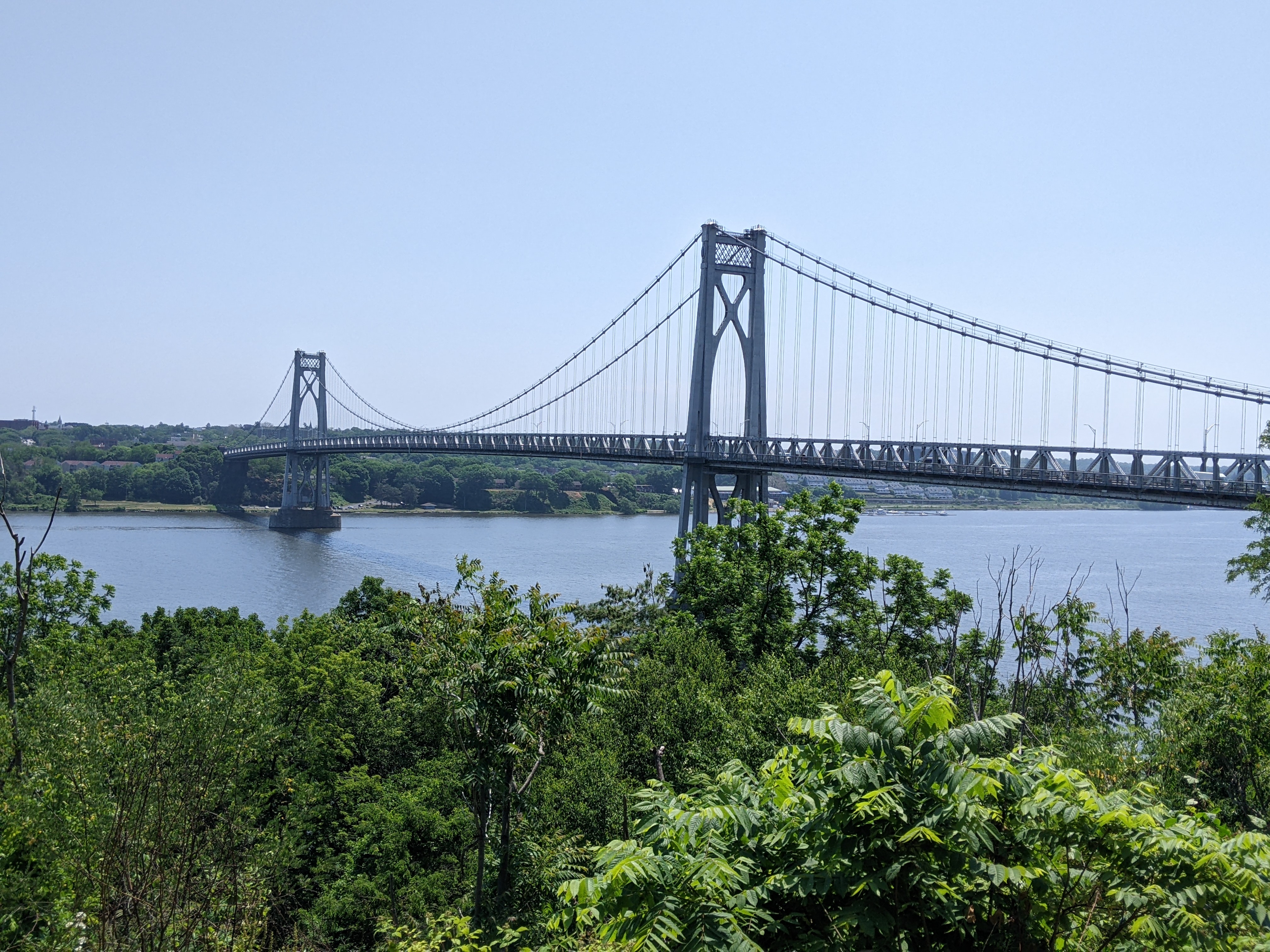
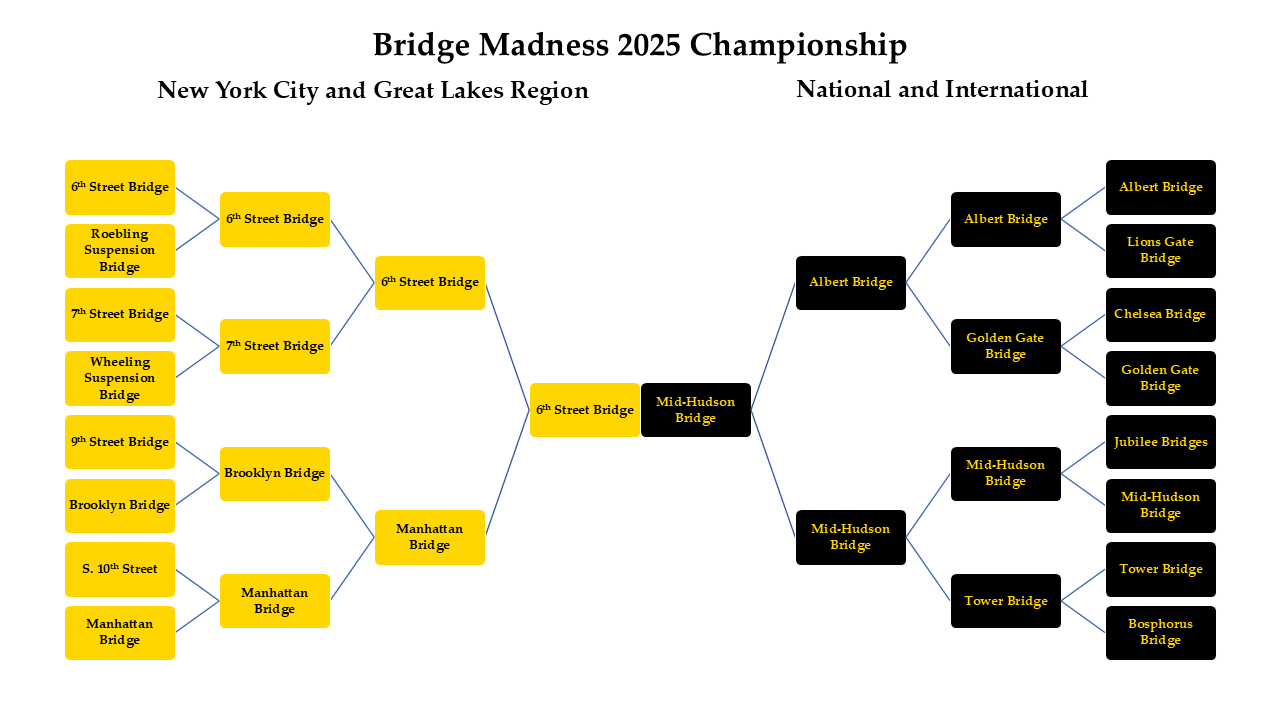
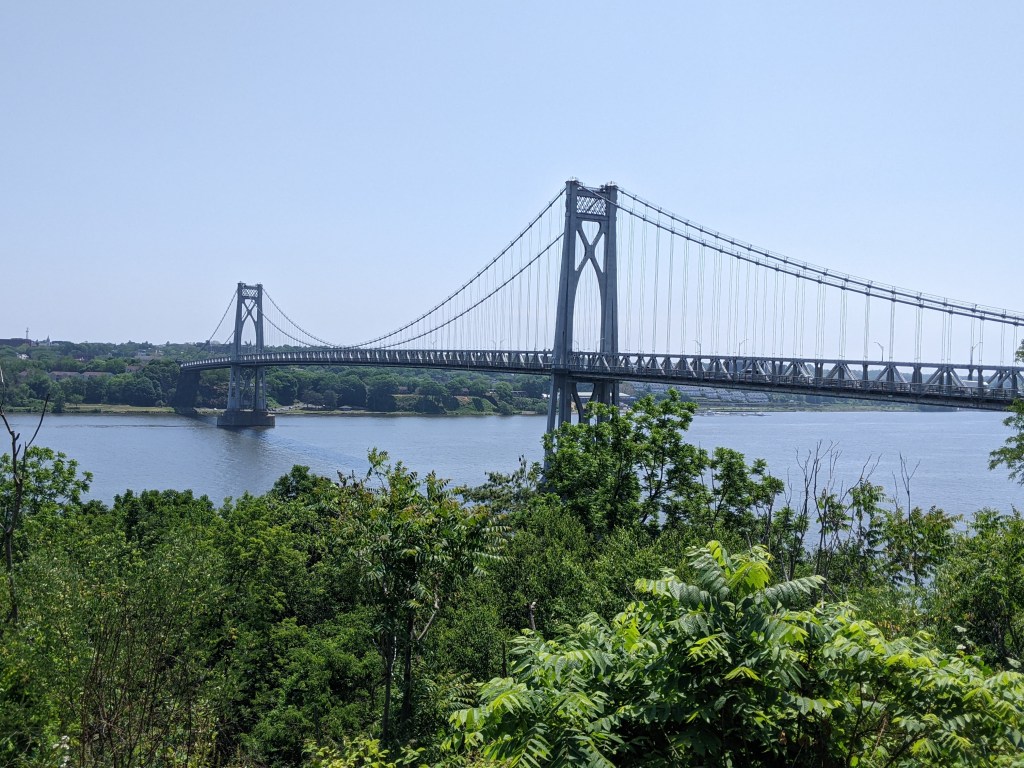
The Mid-Hudson Bridge in Poughkeepsie wins Bridge Madness 2025 with 88% of the votes.

Thank you for participating in the 2025 Bridge Madness Tournament! I hope you had as much fun voting as I did watching the votes add up. There were several surprises in this year’s match-up. Multiple iconic bridges got knocked out early; and the Mid-Hudson Bridge inspired a strong following right from the beginning.

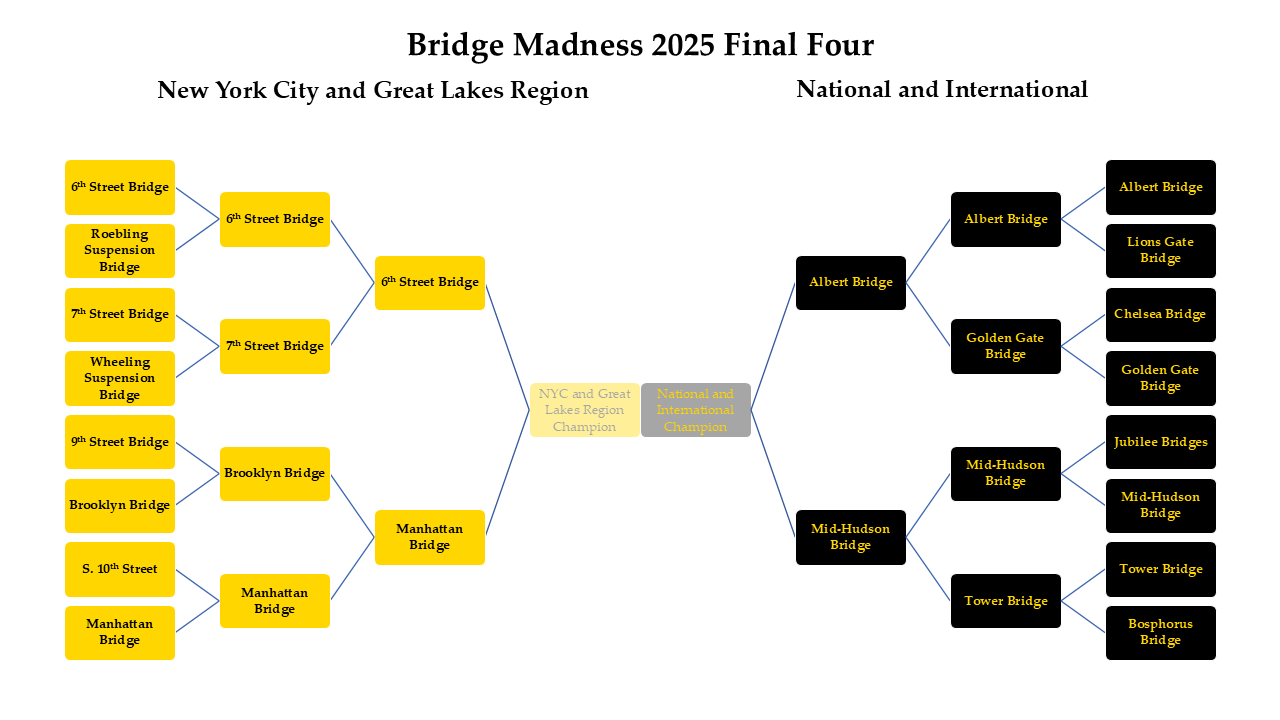
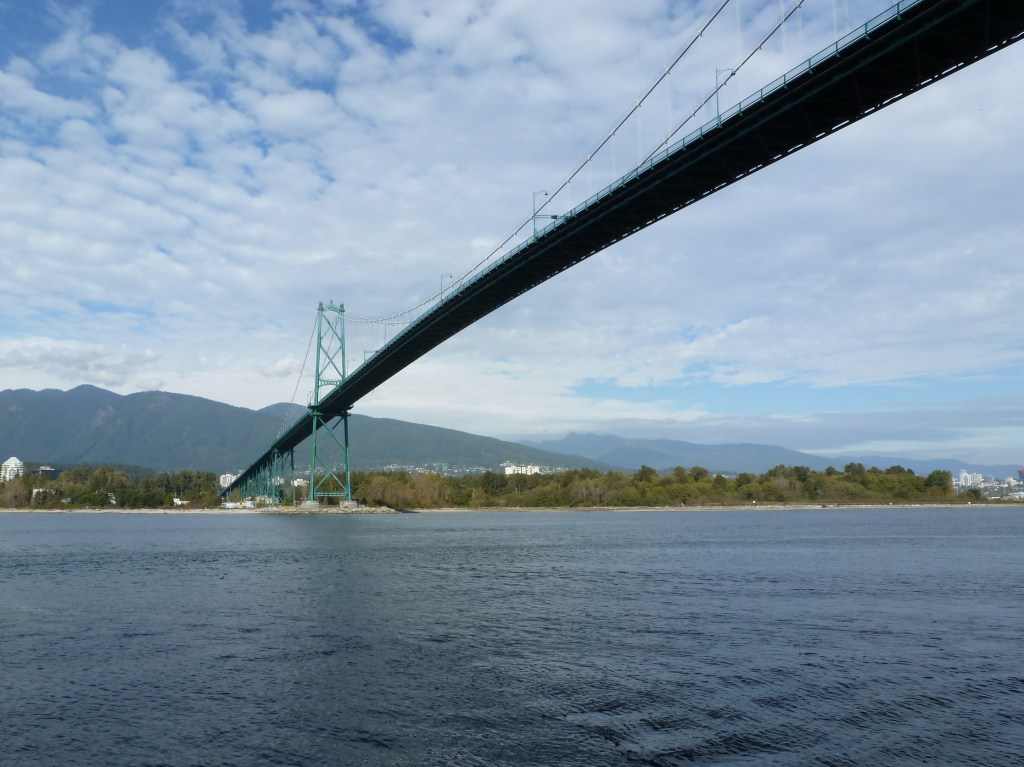
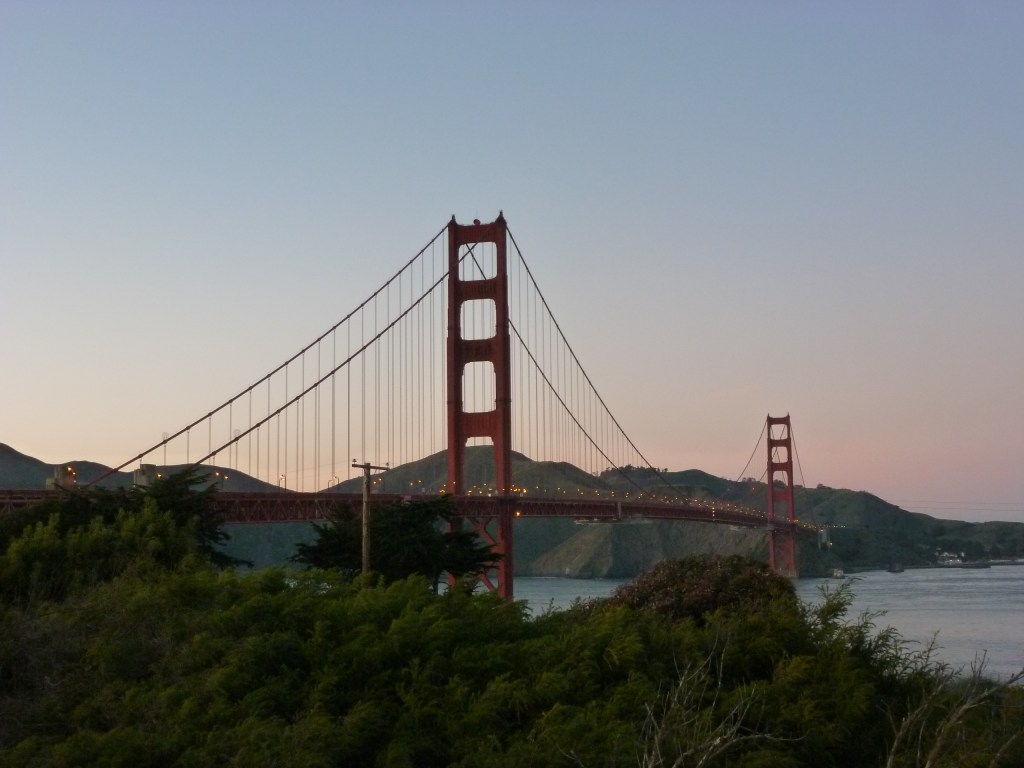
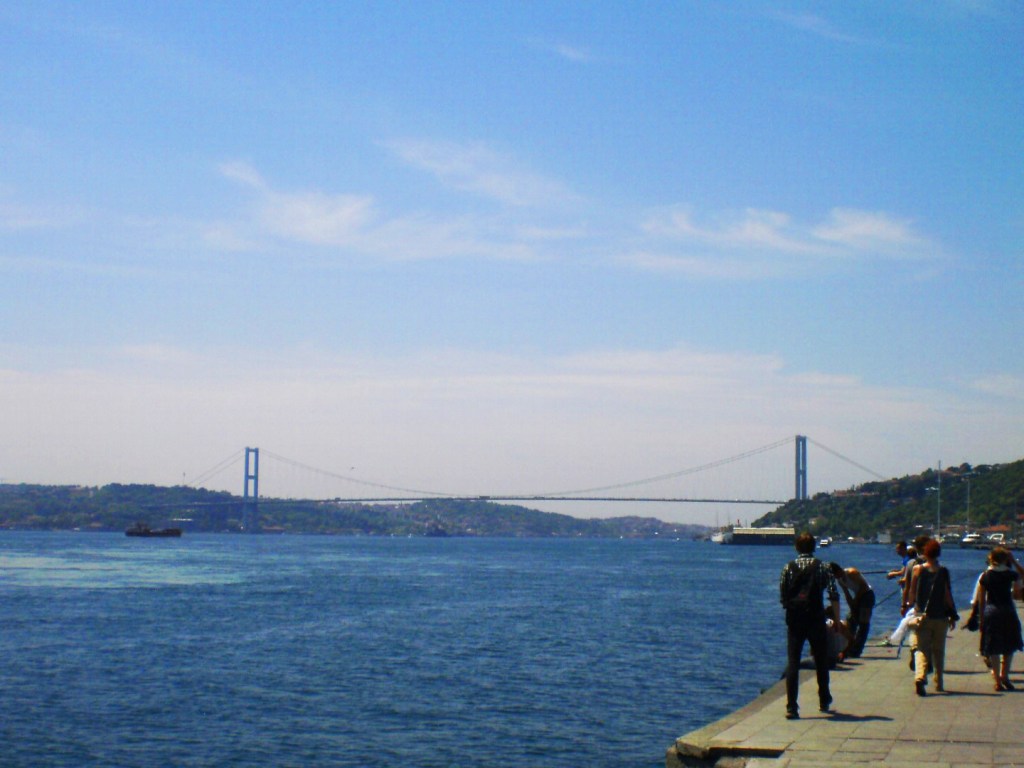
As a reminder, this year’s tournament featured suspension bridges visited by urbantraipsing nationally and internationally. Below is the completed brackets for Bridge Madness 2025. To learn more about the bridges, revisit the introduction which has links to posts on each bridge. Keep scrolling to see past winners and for an opportunity to send me feedback on Bridge Madness.
I’m already brainstorming for Bridge Madness 2026. Hope you come back!

Past Winners

Bridge Madness 2024: Pittsburgh Pedestrian Bridges Winner – East Liberty Station Pedestrian Bridge

Bridge Madness 2023: Pittsburgh River Bridges Winner – Smithfield Street Bridge

Bridge Madness 2025 Map

Send me Feedback!

Bridge Madness started from a conversation with one of urbantraipsing’s fans. I added links to posts about the bridges in the introduction this year based on feedback from participants in prior years. Now it’s your turn to send me feedback. Do you have suggestions that would make the tournaments more fun? Thoughts on how to engage more people in voting? A bridge you recommend I add to my list of bridges to explore?

Also, I make a postcard every year announcing Bridge Madness, if you fill in your address below, I will add you to my mailing list for next year (the postcard is the only mailing I will send you).

Go back

Your message has been sent

Warning
Did you enjoy voting on bridges from a variety of locations?

Warning
Warning
Warning
Warning.

Bridge Madness 2025 – Championship

Rules

In the 2025 Bridge Madness Tournament, 16 suspension bridges go pier-to-pier in a reader’s choice tournament to pick the best one. This year’s tournament features suspension bridges visited by urbantraipsing nationally and internationally.

Results of the Final Four:

  • 6th Street Bridge vs. Manhattan Bridge – 69% to 31%
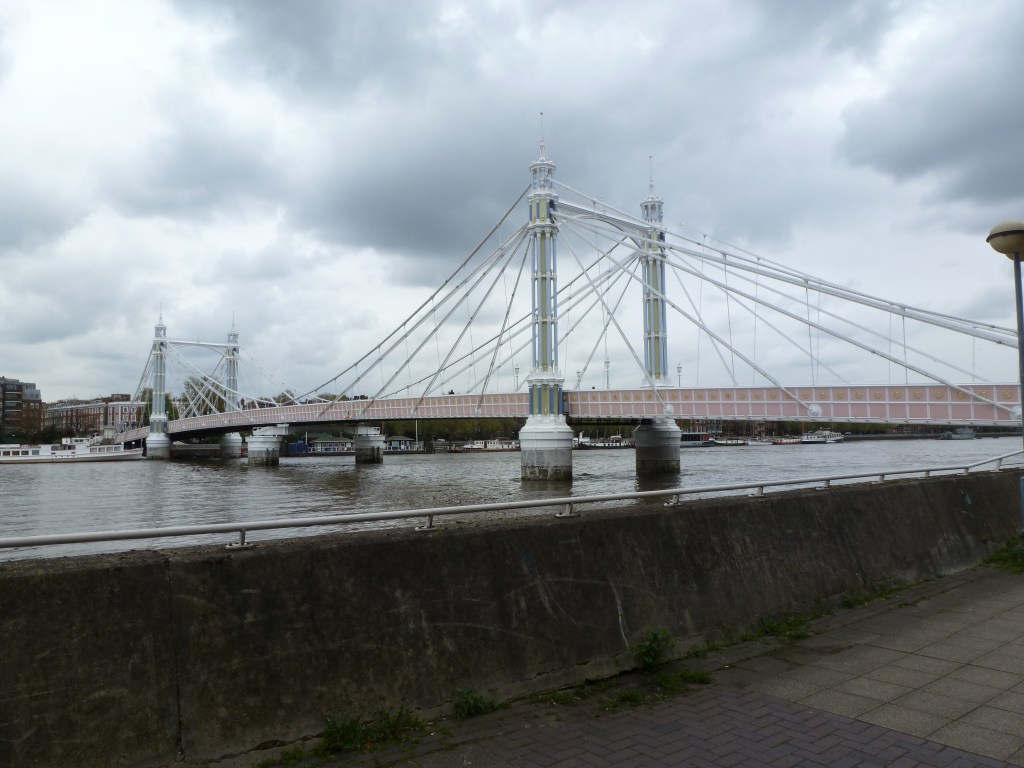
  • Albert Bridge vs. Mid-Hudson Bridge – 15% to 85%

Below is the bracket for the Championship. To learn more about the bridges, revisit the introduction which has links to posts on each bridge.
Championship

Bridge Madness 2025 Map

Bridge Madness 2025 – Final Four

Rules

In the 2025 Bridge Madness Tournament, 16 suspension bridges go pier-to-pier in a reader’s choice tournament to pick the best one. This year’s tournament features suspension bridges visited by urbantraipsing nationally and internationally.

Results of the Elite Eight:

  • 6th Street Bridge vs. 7th Street Bridge – 64% to 36%
  • Brooklyn Bridge vs. Manhattan Bridge – 44% to 56%
  • Albert Bridge vs. Golden Gate Bridge – 51% to 49%
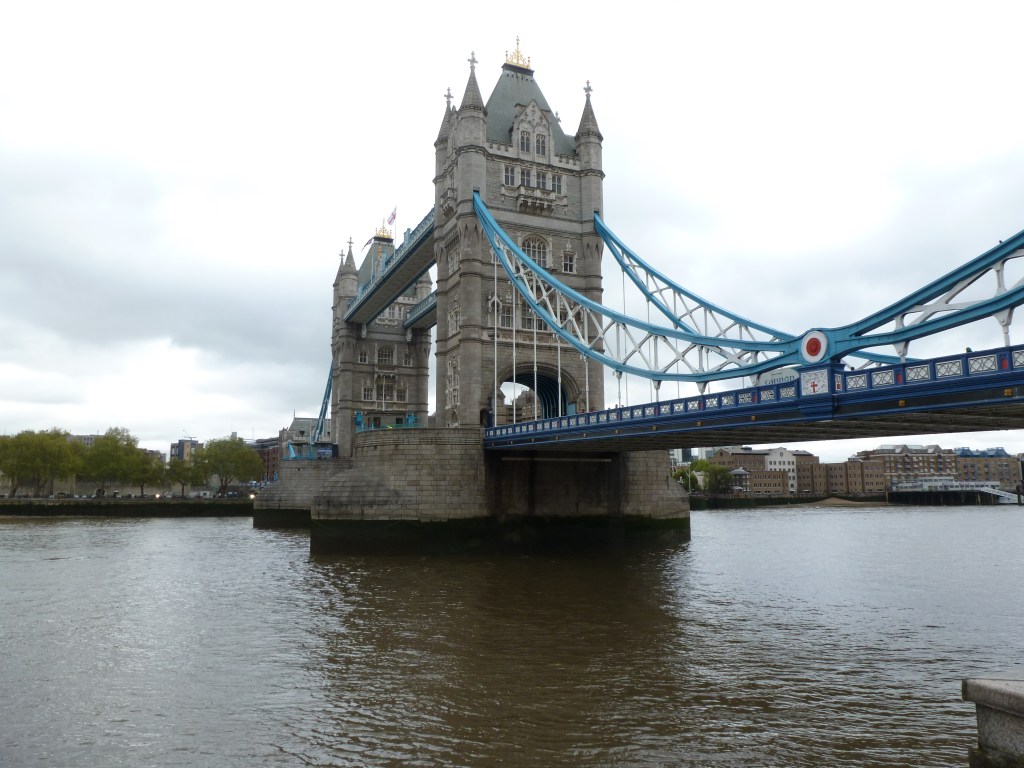
  • Mid-Hudson Bridge vs. Tower Bridge – 79% to 21%

Below are the brackets for the Final Four. Remember to vote for one bridge in each bracket by noon on Thursday, March 20th, and then return on March 22th to vote for the Championship.

The bridges are divided into two conferences: New York City and Great Lakes Region vs. National and International. To learn more about the bridges, revisit the introduction which has links to posts on each bridge.
New York City and Great Lakes Region

National and International

Bridge Madness 2025 Map

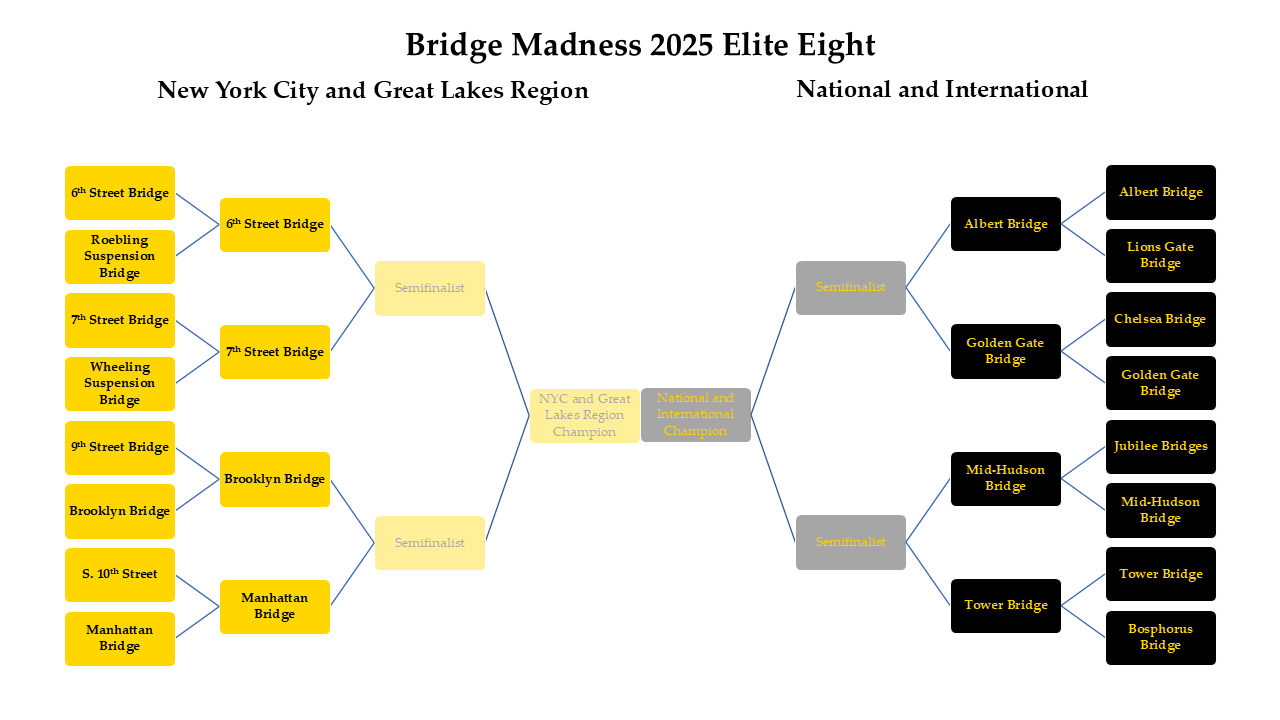
Bridge Madness 2025 – Elite Eight

Rules

In the 2025 Bridge Madness Tournament, 16 suspension bridges go pier-to-pier in a reader’s choice tournament to pick the best one. This year’s tournament features suspension bridges visited by urbantraipsing nationally and internationally.

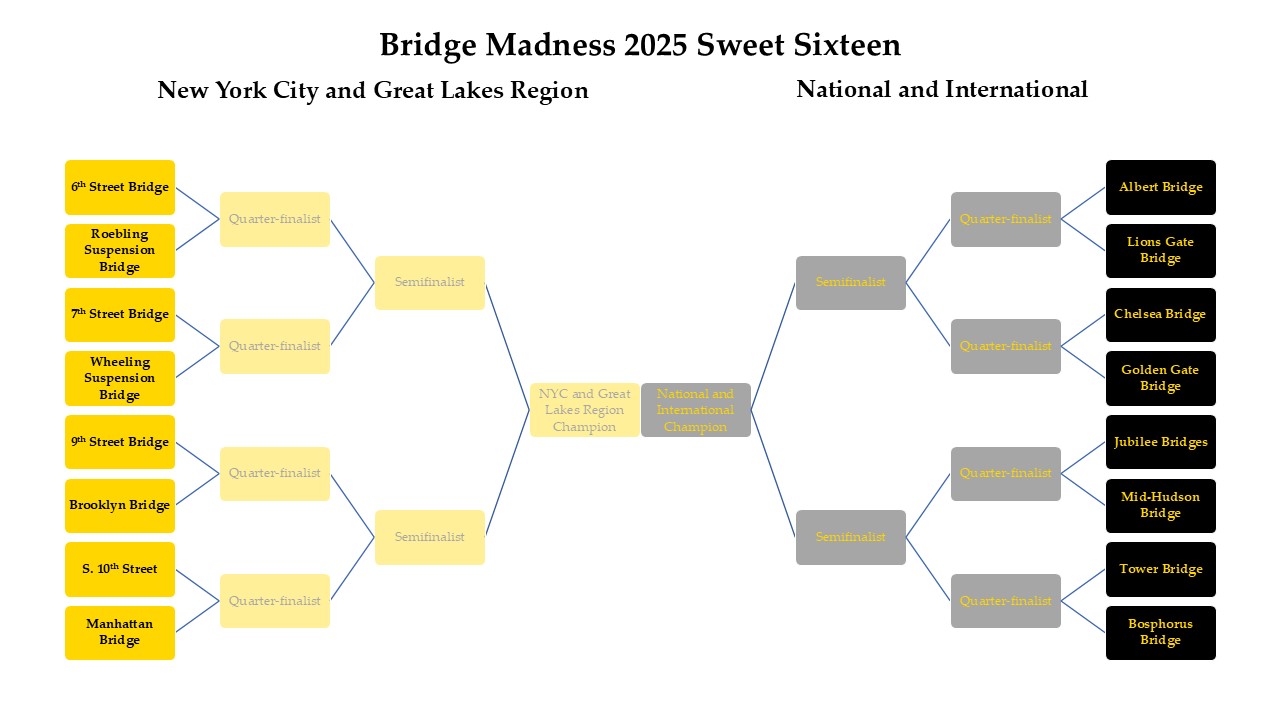
Results of the Sweet Sixteen:

  • 6th Street Bridge vs. Roebling Suspension Bridge – 52% to 48%
  • 7th Street Bridge vs. Wheeling Suspension Bridge – 60% to 40%
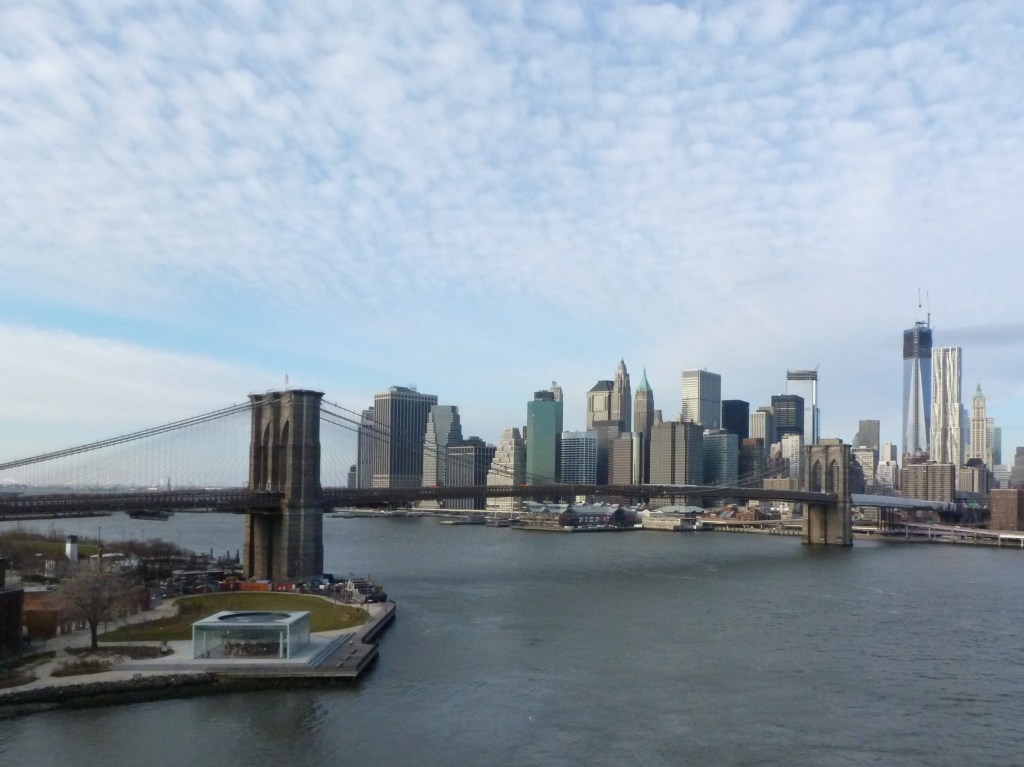
  • 9th Street Bridge vs. Brooklyn Bridge – 28% to 72%
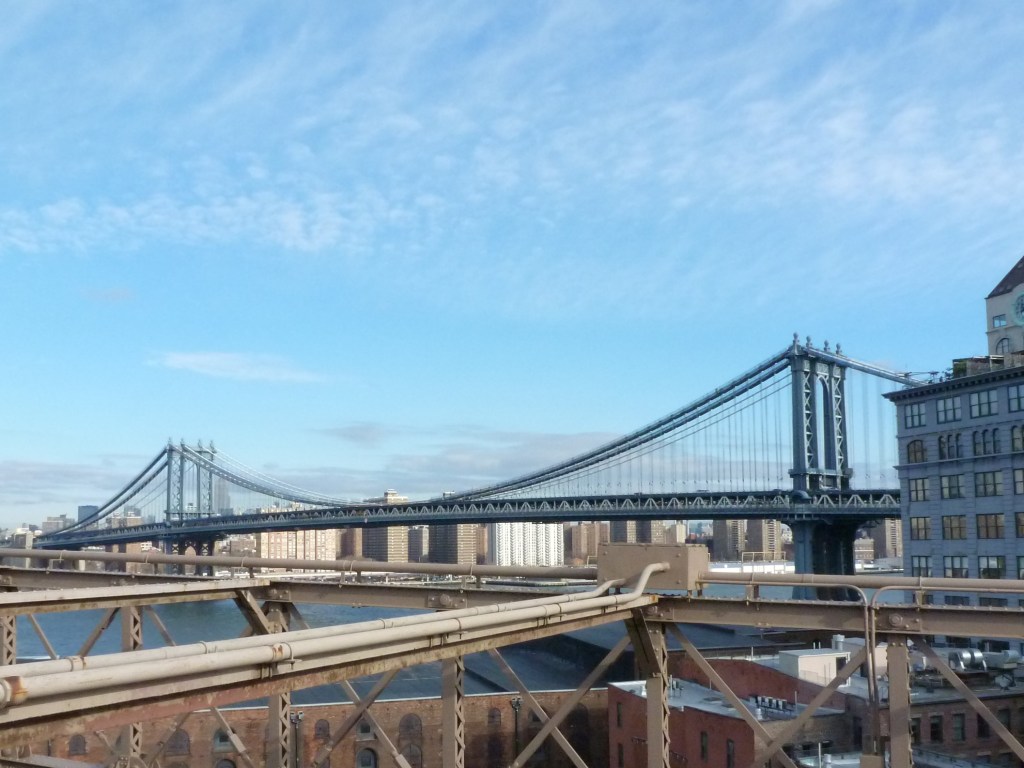
  • South 10th Street Bridge vs. Manhattan Bridge – 16% to 74%
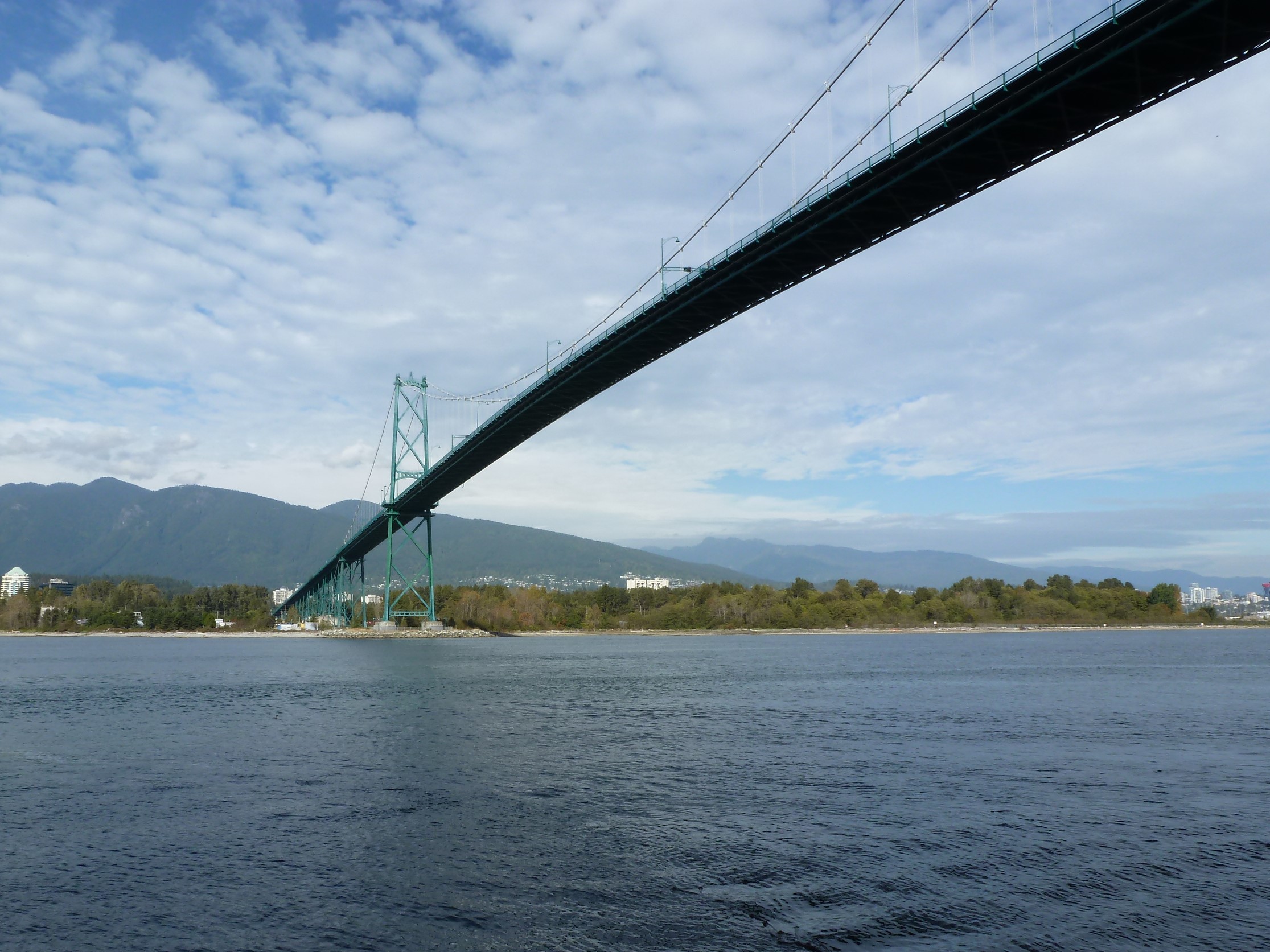
  • Albert Bridge vs. Lions Gate Bridge – 58% to 42%
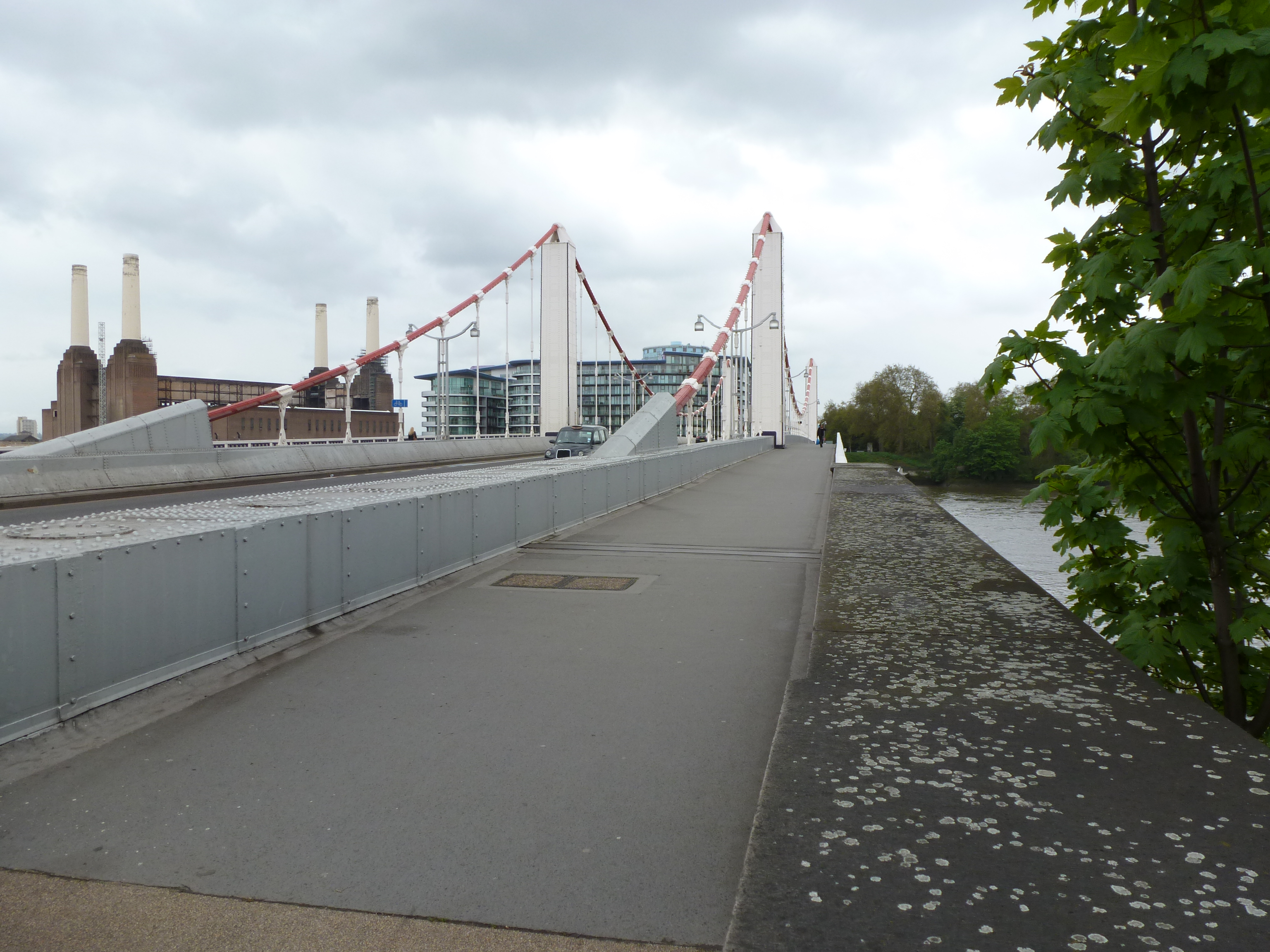
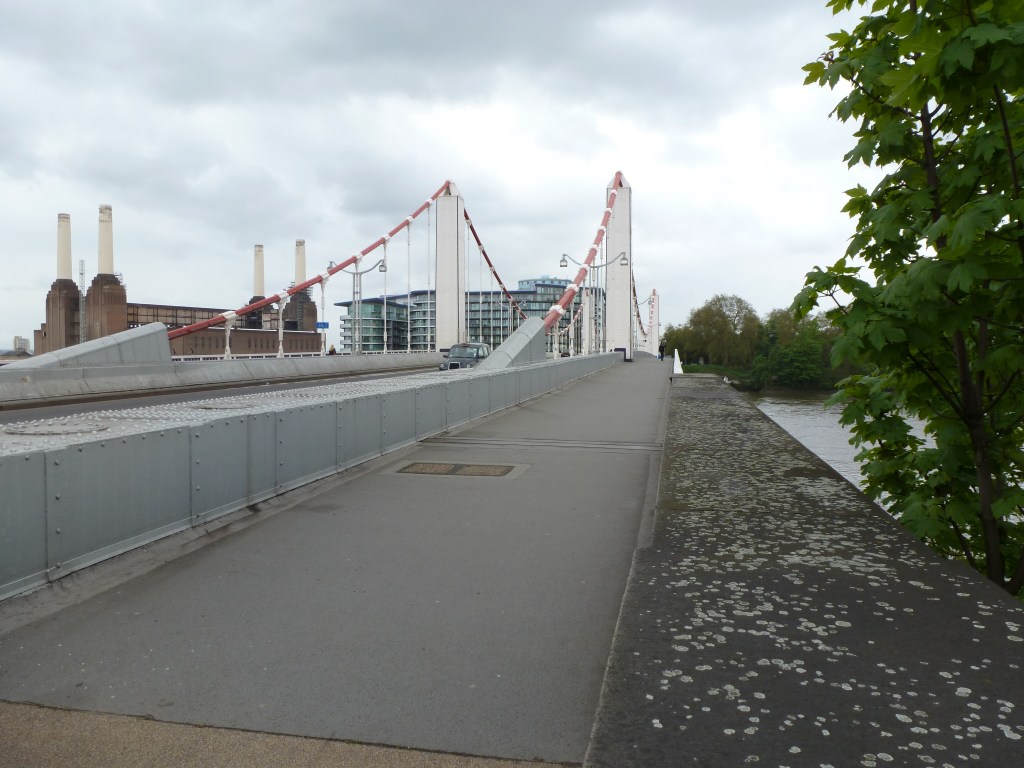
  • Chelsea Bridge vs. Golden Gate Bridge – 35% to 65%
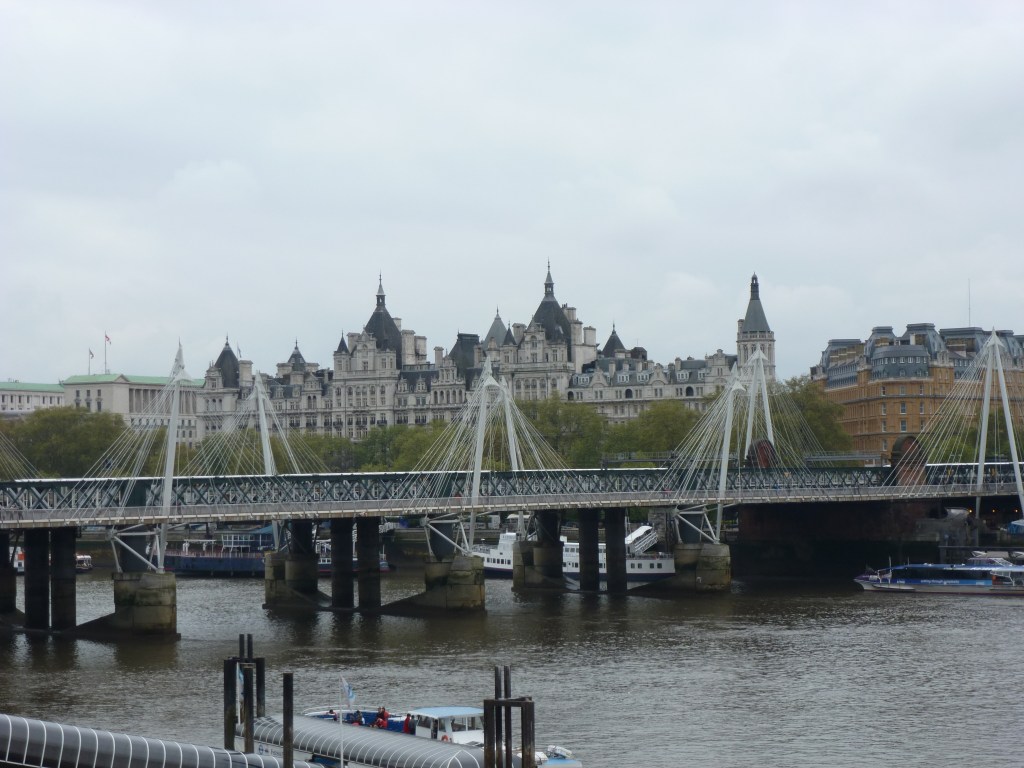
  • Jubilee Bridges vs. Mid-Hudson Bridge – 10% to 90%
  • Tower Bridge vs. Bosphorus Bridge – 83% to 17%

Below are the brackets for the Elite Eight. Remember to vote for one bridge in each bracket by noon on Thursday, March 13th, and then return on March 15th to vote for the Final Four.

The bridges are divided into two conferences: New York City and Great Lakes Region vs. National and International. To learn more about the bridges, revisit the introduction which has links to posts on each bridge.
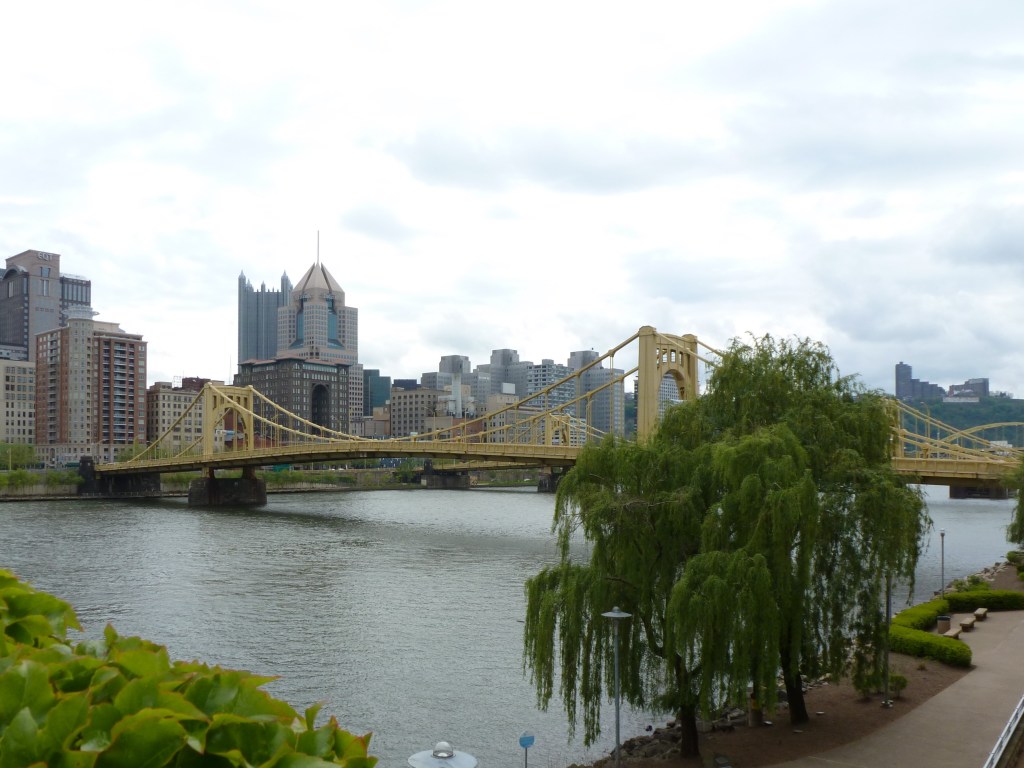
New York City and Great Lakes Region

National and International

Bridge Madness 2025 Map

Bridge Madness 2025 – Sweet Sixteen

Rules

In the 2025 Bridge Madness Tournament, 16 suspension bridges go pier-to-pier in a reader’s choice tournament to pick the best one. This year’s tournament features suspension bridges visited by urbantraipsing nationally and internationally. Below are the brackets for the Sweet Sixteen. Remember to vote for one bridge in each bracket by noon on Thursday, March 6th, and then return on March 8th to vote for the Elite Eight.

The bridges are divided into two conferences: New York City and Great Lakes Region vs. National and International. To learn more about the bridges, revisit the introduction which has links to posts on each bridge.
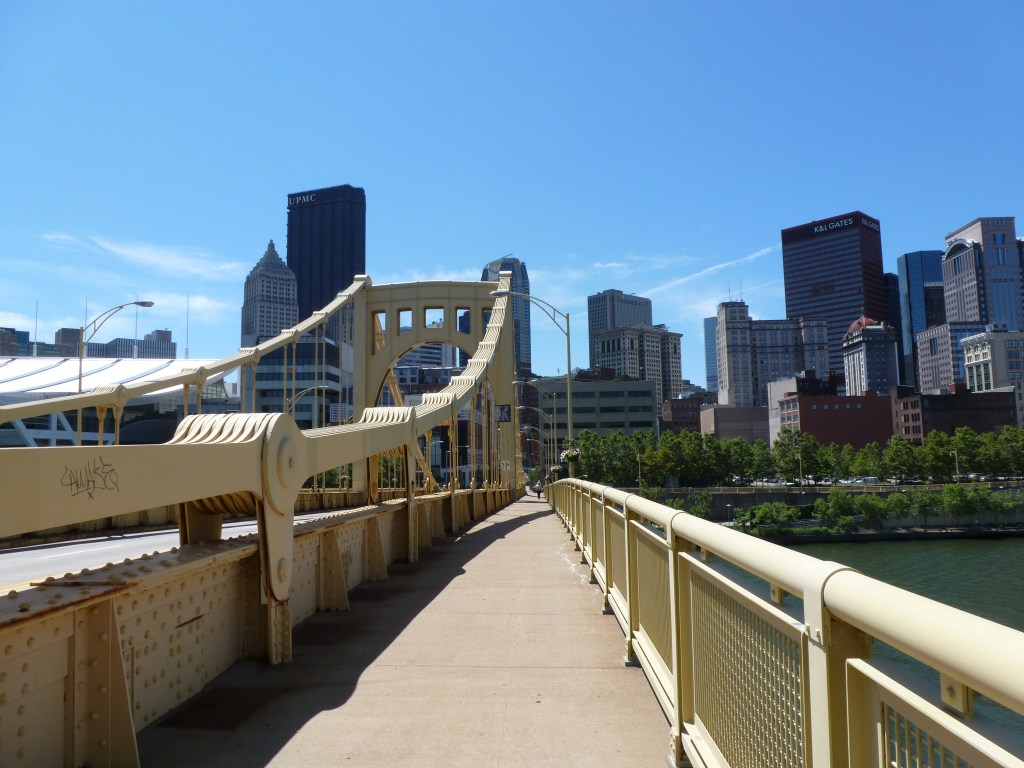
New York City and Great Lakes Region

National and International

Bridge Madness 2025 Map

Bridge Madness 2025 – Introduction

Rules

In the 2025 Bridge Madness Tournament, 16 suspension bridges go pier-to-pier in a reader’s choice tournament to pick the best one. This year’s tournament features suspension bridges visited by urbantraipsing nationally and internationally. Beginning March 1, you will be able to vote for your favorite bridge in each bracket. The champion bridge will be announced on March 29. Don’t forget to come back each week to vote your favorite bridge to #1!

Each round of voting will go live at 8 AM on the scheduled Saturday and close at noon the following Thursday. The schedule is:

  • March 1 – Sweet Sixteen
  • March 8 – Elite Eight
  • March 15 – Final Four
  • March 22 – Championship
  • March 29 – Winner announced

The bridges are divided into two conferences: New York City and Great Lakes Region vs. National and International.

New York City and Great Lakes Region

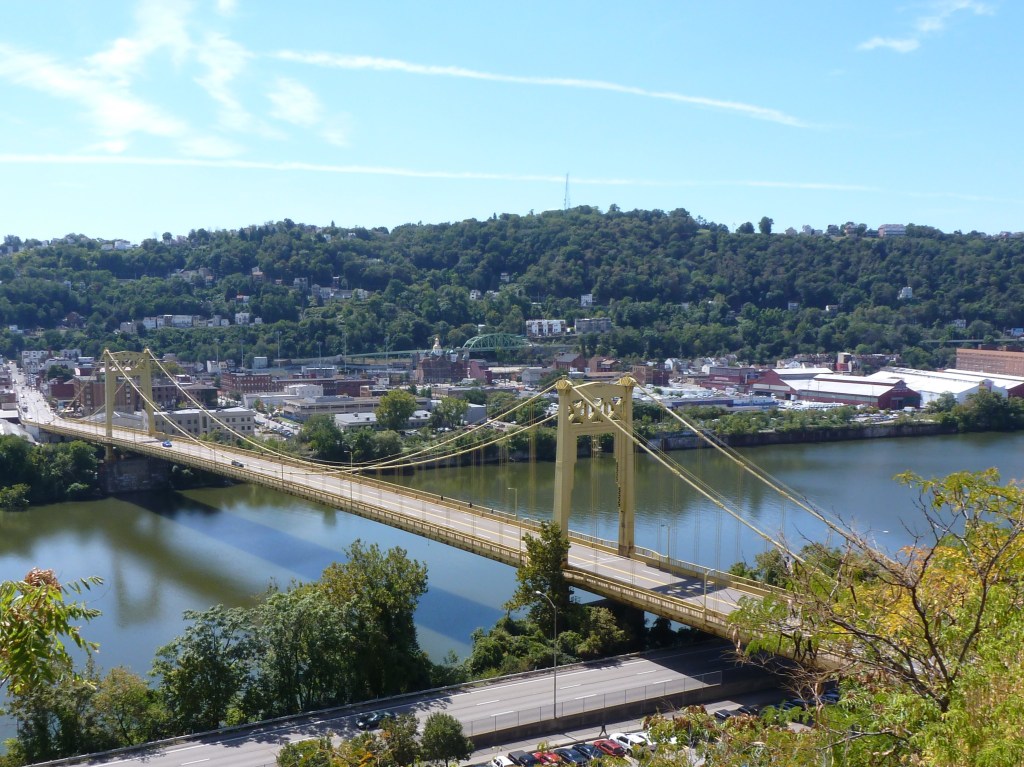
The suspension bridges in the New York City and Great Lakes Region Conference are below. Click on the links to learn more about urbantraipsing’s encounter with each bridge.
National and International

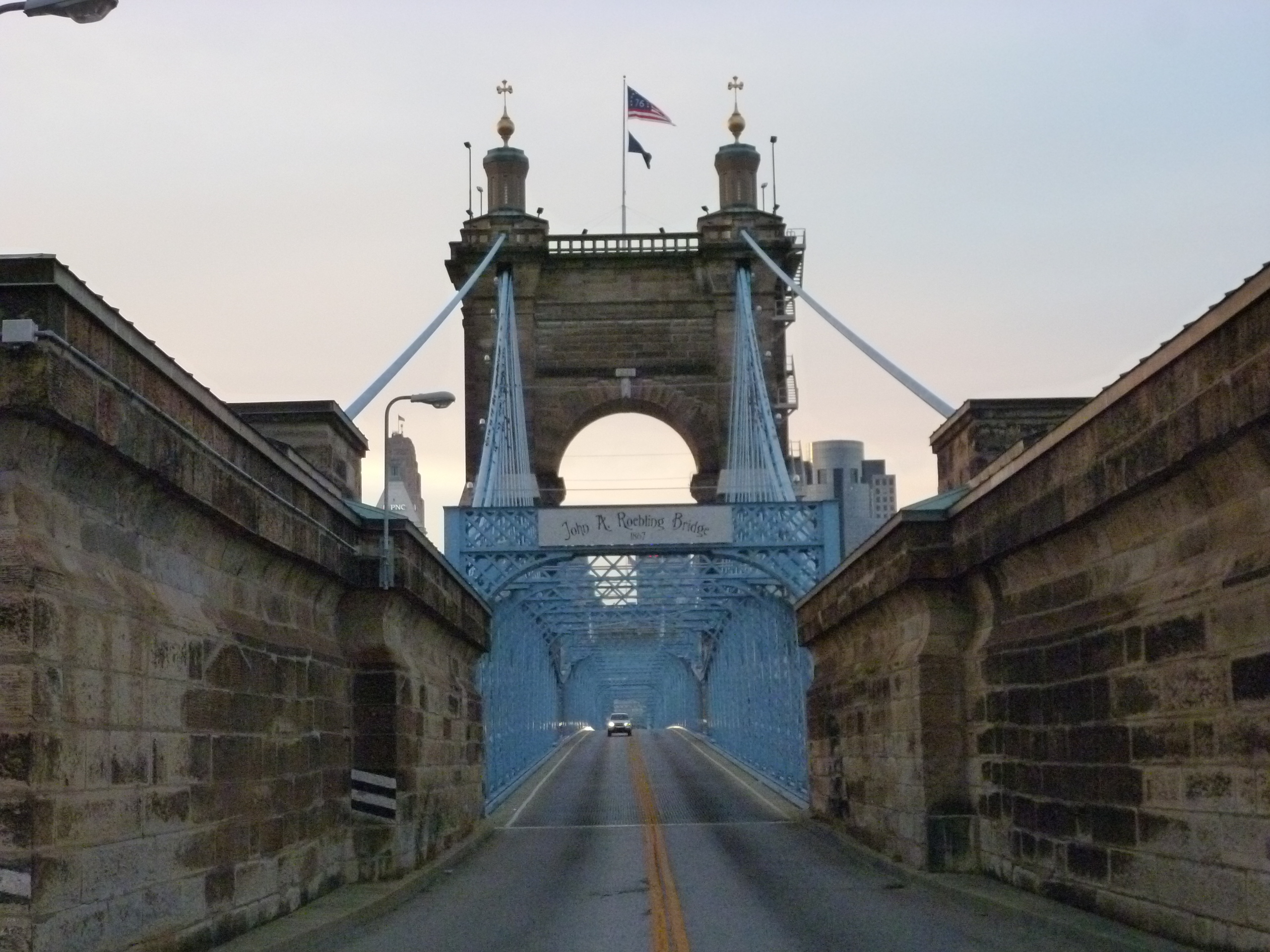
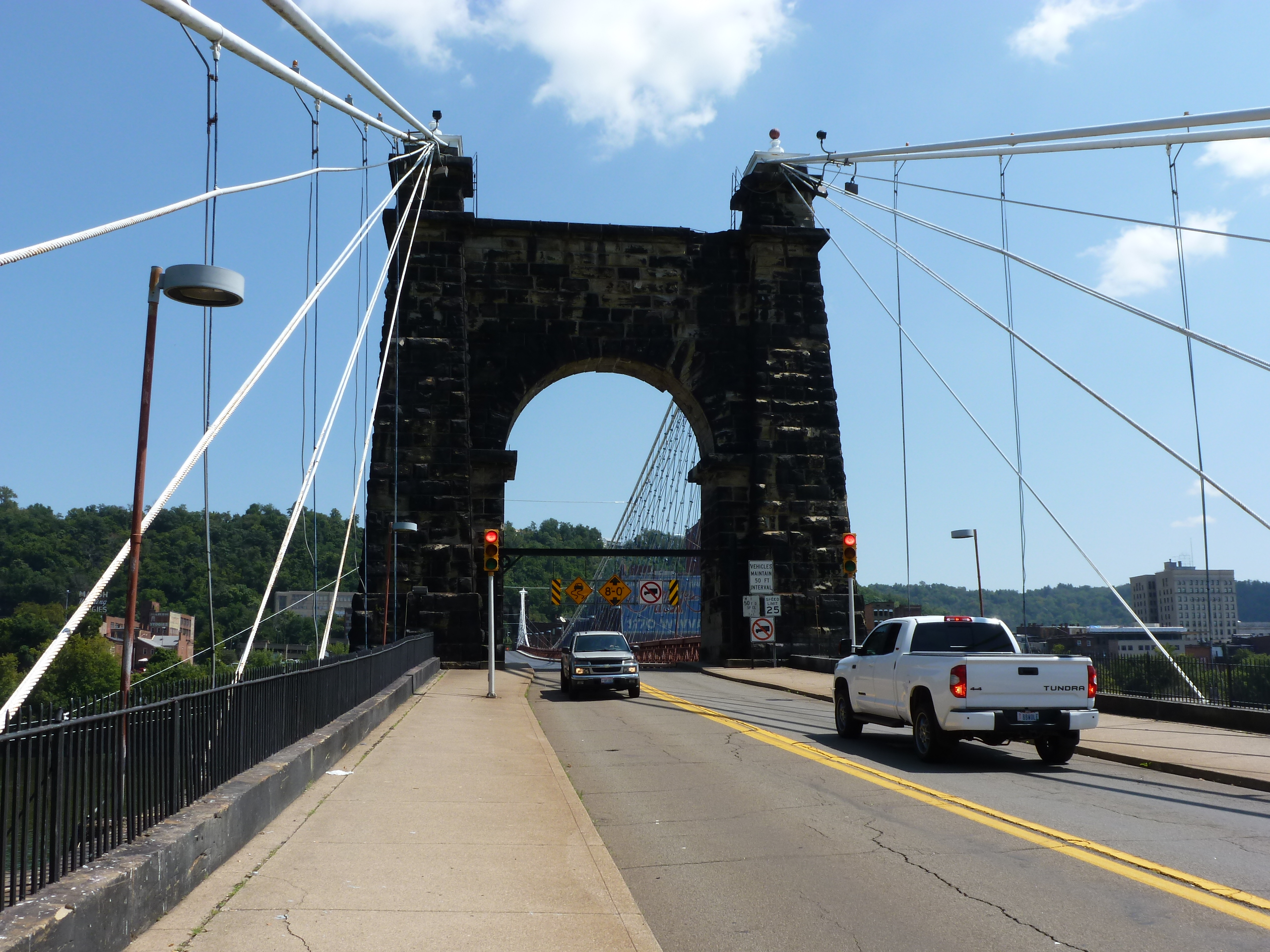
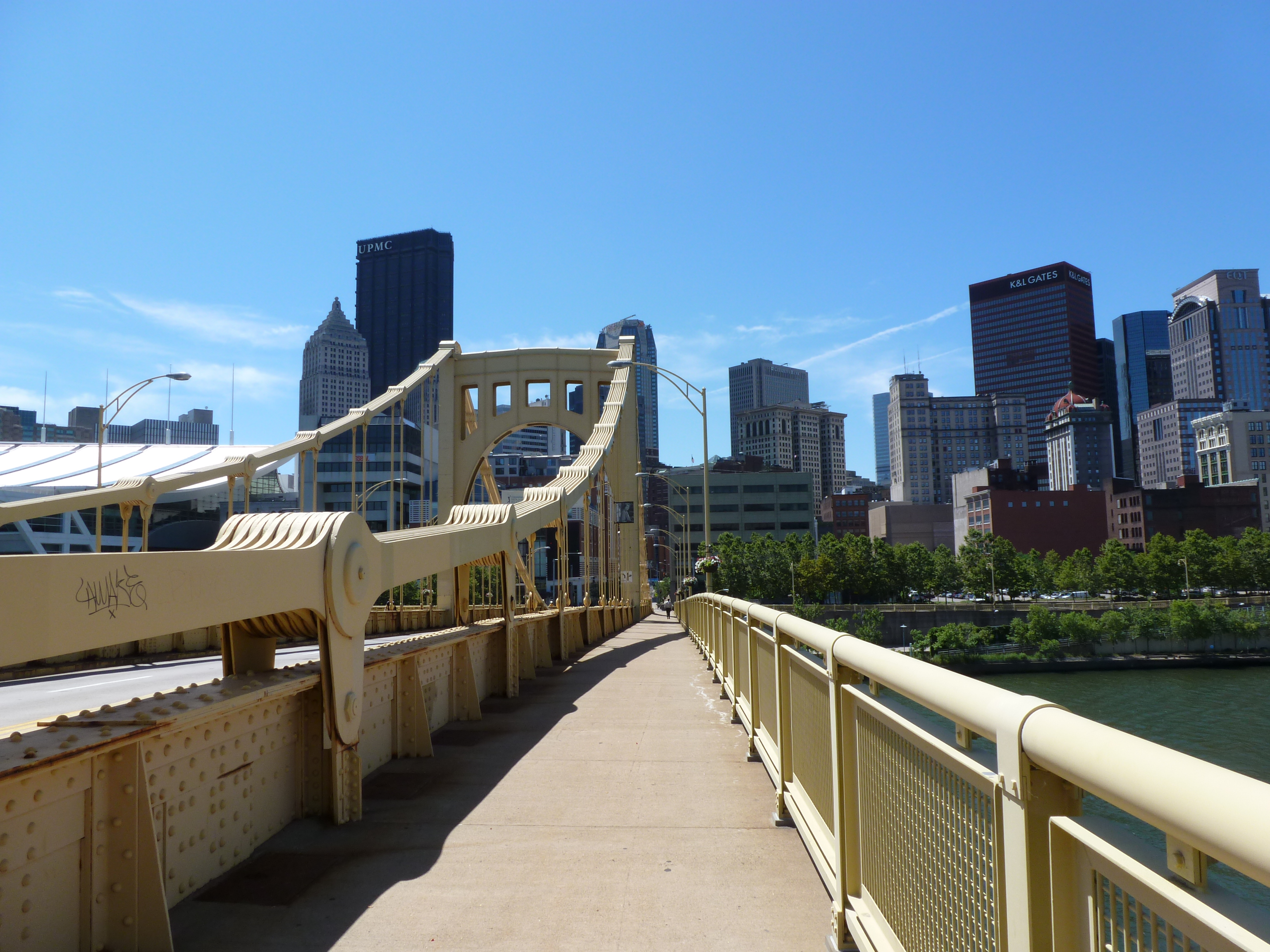
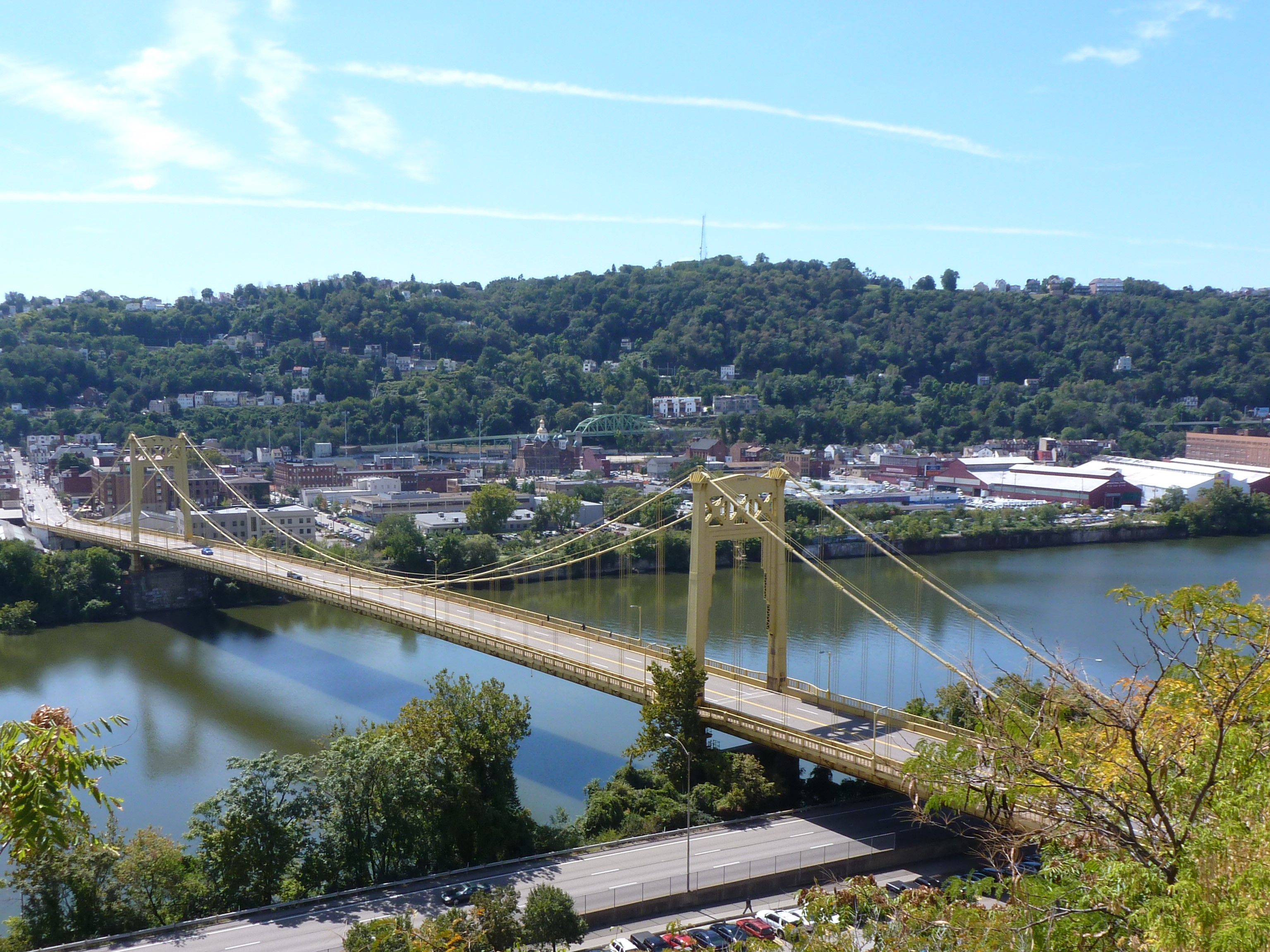
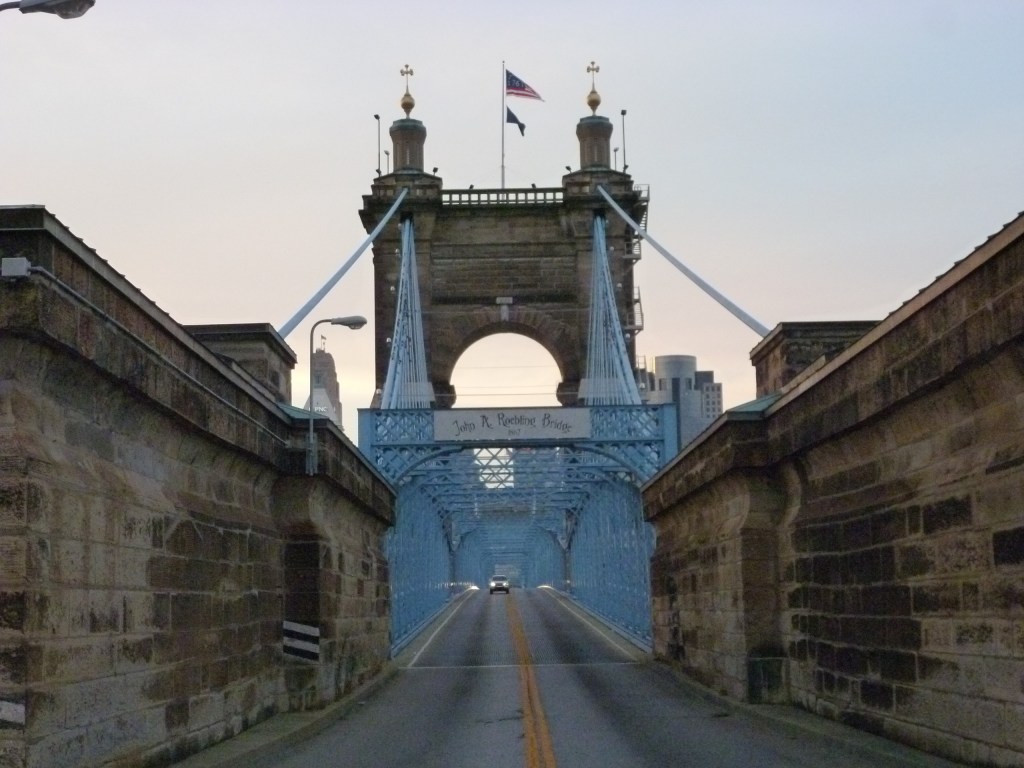
The suspension bridges in the National and International Conference are below. Click on the links to learn more about urbantraipsing’s encounter with each bridge.
Bridge Madness 2025 Map

Engaging Riverfronts

P1060986

Cincinnati’s riverfront park with swings

There is a proposal in Pittsburgh to introduce a new feature to its riverfronts: swings.  I am excited about this possibility as a swing lover and as someone who wants to see more welcoming and engaging spaces along Pittsburgh’s rivers.  One of the inspirations for this idea are swings found in Cincinnati’s riverfront park.  Last summer, I happened upon that park in a search for bridges by Roebling.  On an ordinary summer evening, this enormous riverfront park was filled with people of all ages enjoying the various activities from walking paths to playgrounds to interactive art installations.
Previously, when walking around Istanbul, I experienced jealousy at seeing the number of parks with adult exercise equipment installed.  This sort of acknowledgement that adults enjoy playing outdoors as much as children seemed lacking in parks across the United States.  Cincinnati’s park showed me that inviting adults to play outside is embraced in some parts of our country.

Pittsburgh has kayak and bike rentals for adults to play outside.  The walking trails, Fountain at the Point, and Watersteps attract people to enjoy the outdoors and the rivers.  However, if this swing proposal pans out, Pittsburgh may move up into the next tier of engaging outdoor spaces with the introduction of free play equipment for adults on par with Cincinnati and Istanbul.

Dogs in the City

Dogs Chilling in Istanbul

Not being a dog person, I have been fascinated by different dog behaviors and treatment that I have seen in traveling.  In New York City, I was surprised to see people bring their pet dogs onto public transit, both on the metro and on the bus.  I wasn’t sure if this behavior was like eating on the buses in Pittsburgh–it’s not permitted, yet people do it anyway–or if pets are allowed on public transportation in NYC.  It also seemed unusual to me that most of the dogs I saw were small.  But then, thinking it through, I decided it made sense as if you live in a stereotypical tiny New York apartment, you wouldn’t have the space to keep a big dog.

In Pittsburgh, dogs seem to be more like what you would find in suburban areas.  They are often big and they tend to bark a lot and strain toward people they pass on the street.  After coming back from New York City, I realized that you don’t see dogs in downtown Pittsburgh.  However, as more people have moved downtown, dogs on the streets downtown have become much more common.  Including ones that are pushed around in what look like baby strollers, but given how some people feel about pets, they might have been strollers designed for dogs.

Istanbul dogs were quite different from the average dog in America.  I believe most of them were strays, but they appeared to be quite self-sufficient (such as the ones in the photo above).  They minded their own business and let everyone around go about their business.  It was quite refreshing to me to see numerous dogs that did not feel the need to bark their heads off just because someone was walking by.  I regret that I did not get a picture of the most notable dog I passed.  He had a human companion, but no leash, instead he was decked out in sunglasses and other bling like mardi gras beads.

Gingerbread Blue Mosque

Gingerbread Blue Mosque Blue Mosque

Figuring out how to design an accurate representation of the Parthenon out of cake and cookies (see post) was an intriguing task that set me on a new hobby of designing models of existing buildings out of deserts.  Beginning with my second Architectural Dessert Masterpiece, all my creations are based on buildings/structures that I have personally encountered in my urban explorations.

I created my second desert building in December 2011.  While eating the Parthenon the previous year, suggestions were put out about how to create other shapes and buildings such as using jello and creating round shapes.  I was particularly engaged by the idea of how to create a dome.  I had not figured out how to create a dome such as those on capital buildings in the US, but I thought I could create one that would be close to those on the mosques I visited in Istanbul.  I chose the Blue Mosque as a visually interesting structure that would require a diversity of desserts to create.

Gingerbread cookies seemed to be the best way to design the frame of the building given the variety of heights and shapes of the building.  I used sugar cookies for the larger domes and half domes.  I knew someone growing up who was able to create perfectly rounded sugar cookies, no matter how I try I have never been able to create the same effect.  My sugar cookies worked well for the medium-sized domes, but I had to put two cookies together for the larger domes.  M&Ms made great small domes–they were also the base unit that determined the scale of my model.  I think another reason why I chose to create a mosque was so I’d have an excuse to use the Pirouette cookies again, this time as minarets.  I love these cookies, but hardly ever get them.  Using my piping set, I was able to create pointed tops on the minarets and add balconies.

This was by far the most time-consuming Architectural Dessert Masterpiece to create (at least of the four I’ve made so far) because of having to design the required sizes and shapes for the gingerbread cookies and cutting them out and then also baking sugar cookies, which somehow always takes forever.  I also played with “whitewashing” the gingerbread walls, but the method I tried didn’t create the desired effect so I gave up on it.

Eating Architectural Dessert Masterpieces is also an interesting experience, as they often require creative thinking to destruct them.  With the Parthenon, I employed a karate-chop method for cutting through the wafers.  On the other hand, with the Blue Mosque a free-for-all of pulling it apart with your fingers seemed most appropriate.

Gingerbread Blue Mosque Blue Mosque