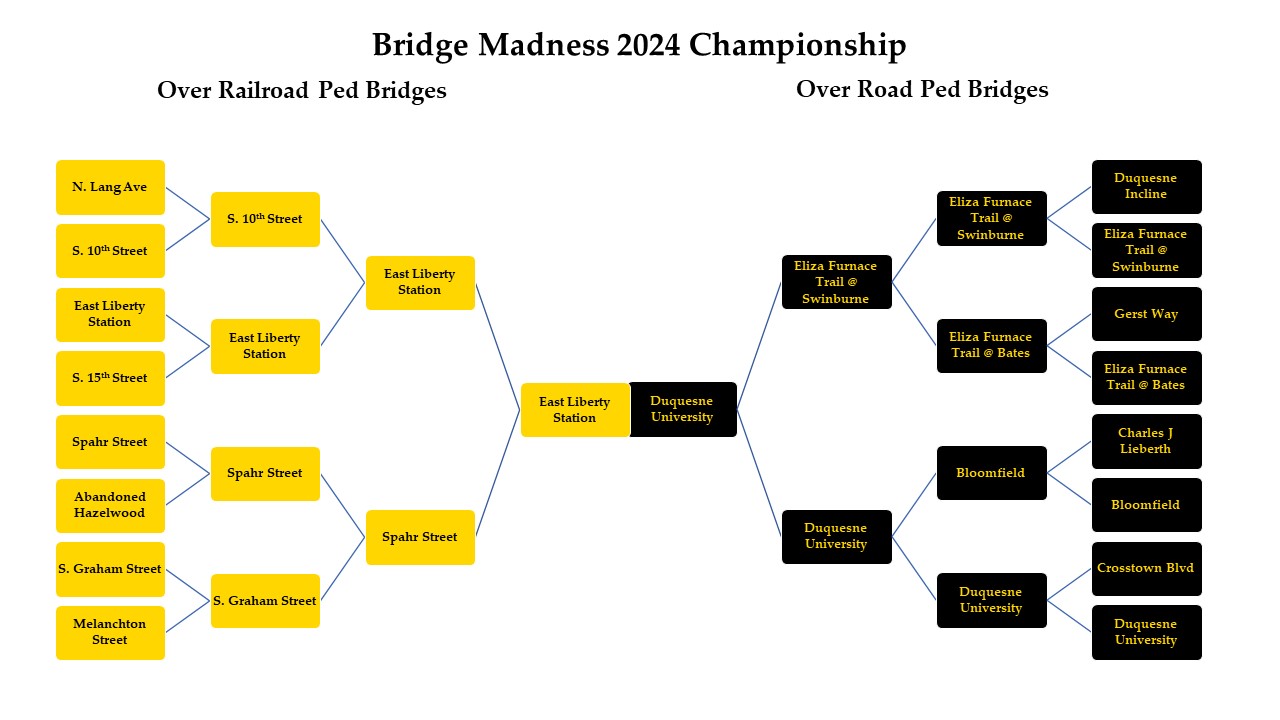
In the 2024 Bridge Madness Tournament, 16 pedestrian bridges go pier-to-pier in a reader’s choice tournament to pick the best one. This year’s tournament features pedestrian bridges within Pittsburgh that cross over roads or railroads. Below is the Championship contest. Vote for your favorite bridge by noon on Wednesday, March 27, and then return on March 29th to see the winner.
The bridges are divided into two conferences: Pedestrian Bridges over Railroads and Pedestrian Bridges over Roads.
Championship Bridges
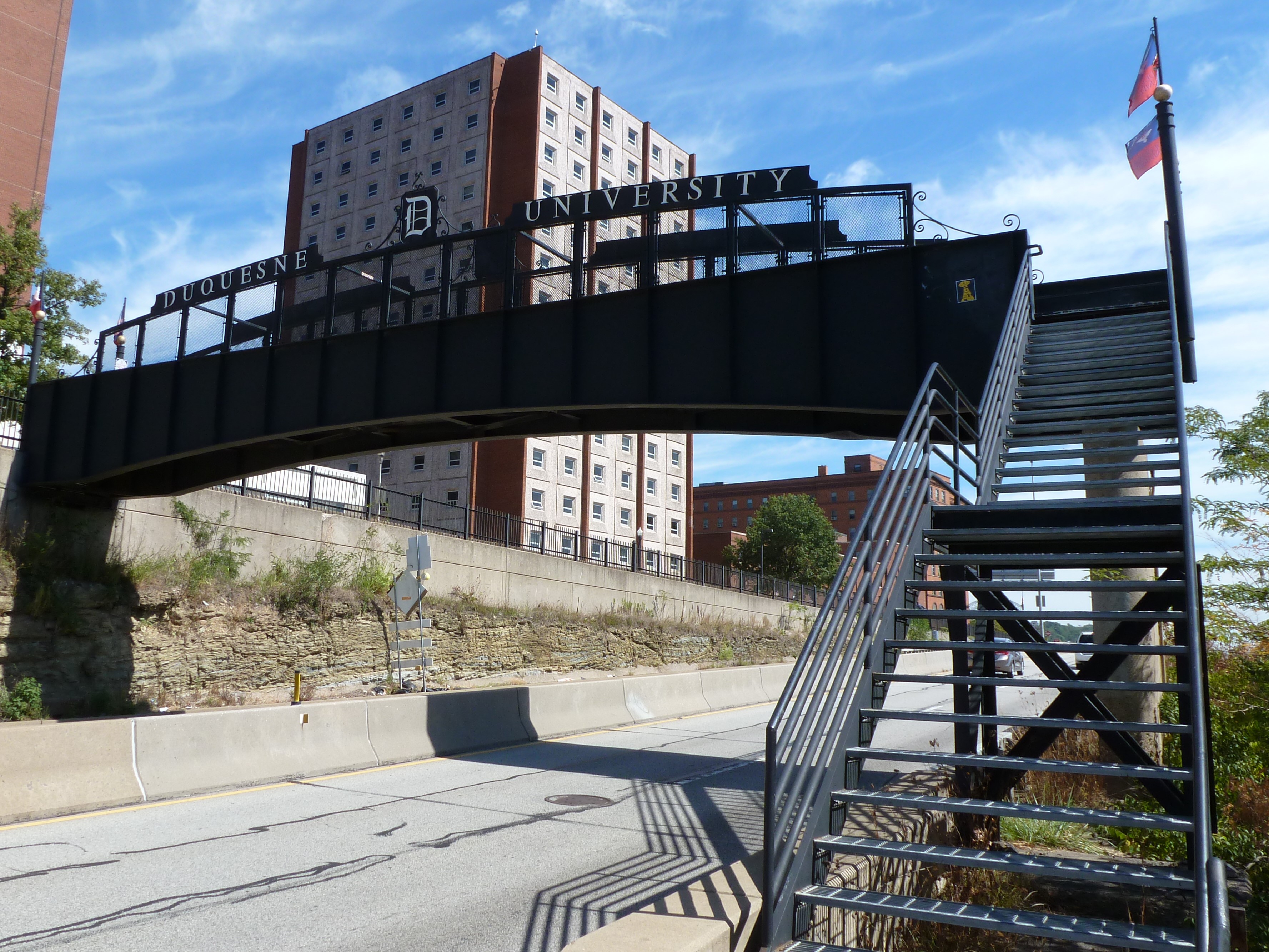
East Liberty Station Pedestrian BridgeDuquesne University Pedestrian Bridge
In the 2024 Bridge Madness Tournament, 16 pedestrian bridges go pier-to-pier in a reader’s choice tournament to pick the best one. This year’s tournament features pedestrian bridges within Pittsburgh that cross over roads or railroads. Below are the brackets for the Final Four. Remember to vote for one bridge in each bracket by noon on Wednesday, March 20, and then return on March 22nd to vote for the Champion.
The bridges are divided into two conferences: Pedestrian Bridges over Railroads and Pedestrian Bridges over Roads.
Pedestrian Bridges over Railroads
East Liberty Station Pedestrian BridgeSpahr Street Pedestrian Bridge
Pedestrian Bridges over Roads
Eliza Furnace Trail over Swinburne StreetDuquesne University Pedestrian Bridge
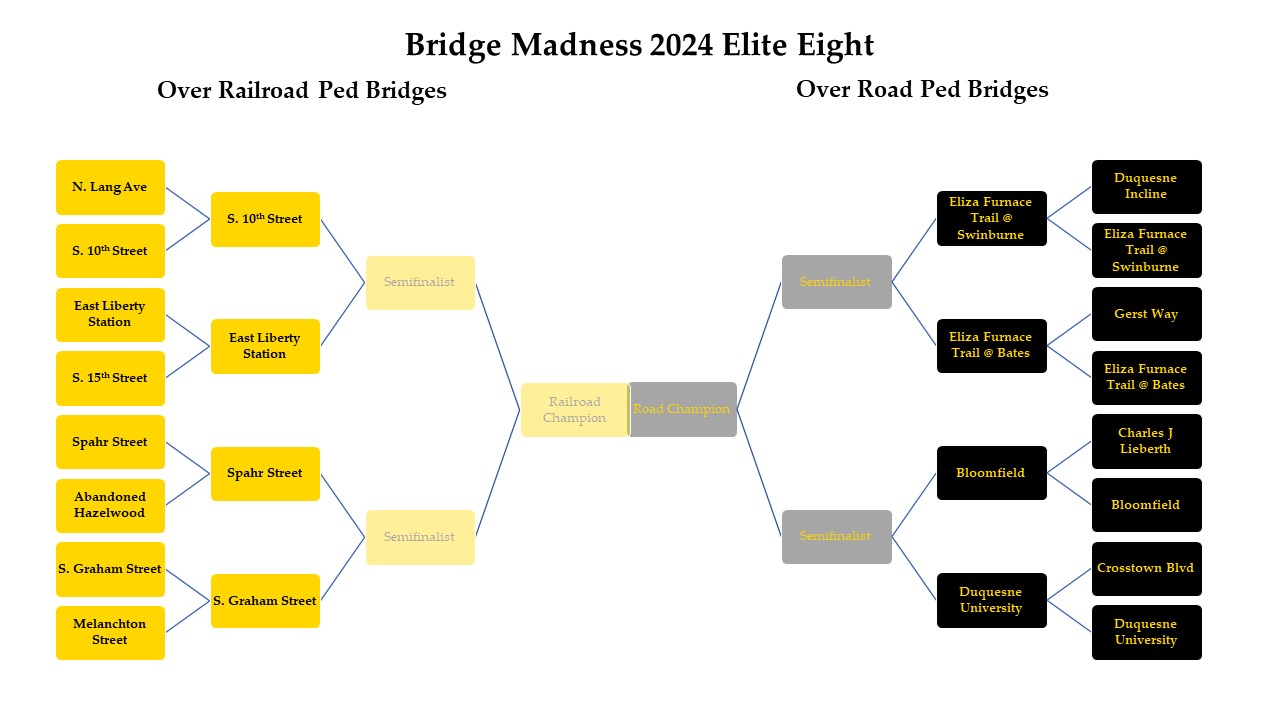
In the 2024 Bridge Madness Tournament, 16 pedestrian bridges go pier-to-pier in a reader’s choice tournament to pick the best one. This year’s tournament features pedestrian bridges within Pittsburgh that cross over roads or railroads. Below are the brackets for the Elite Eight. Remember to vote for one bridge in each bracket by noon on Wednesday, March 13, and then return on March 15th to vote for the Final Four.
The bridges are divided into two conferences: Pedestrian Bridges over Railroads and Pedestrian Bridges over Roads.
Pedestrian Bridges over Railroads
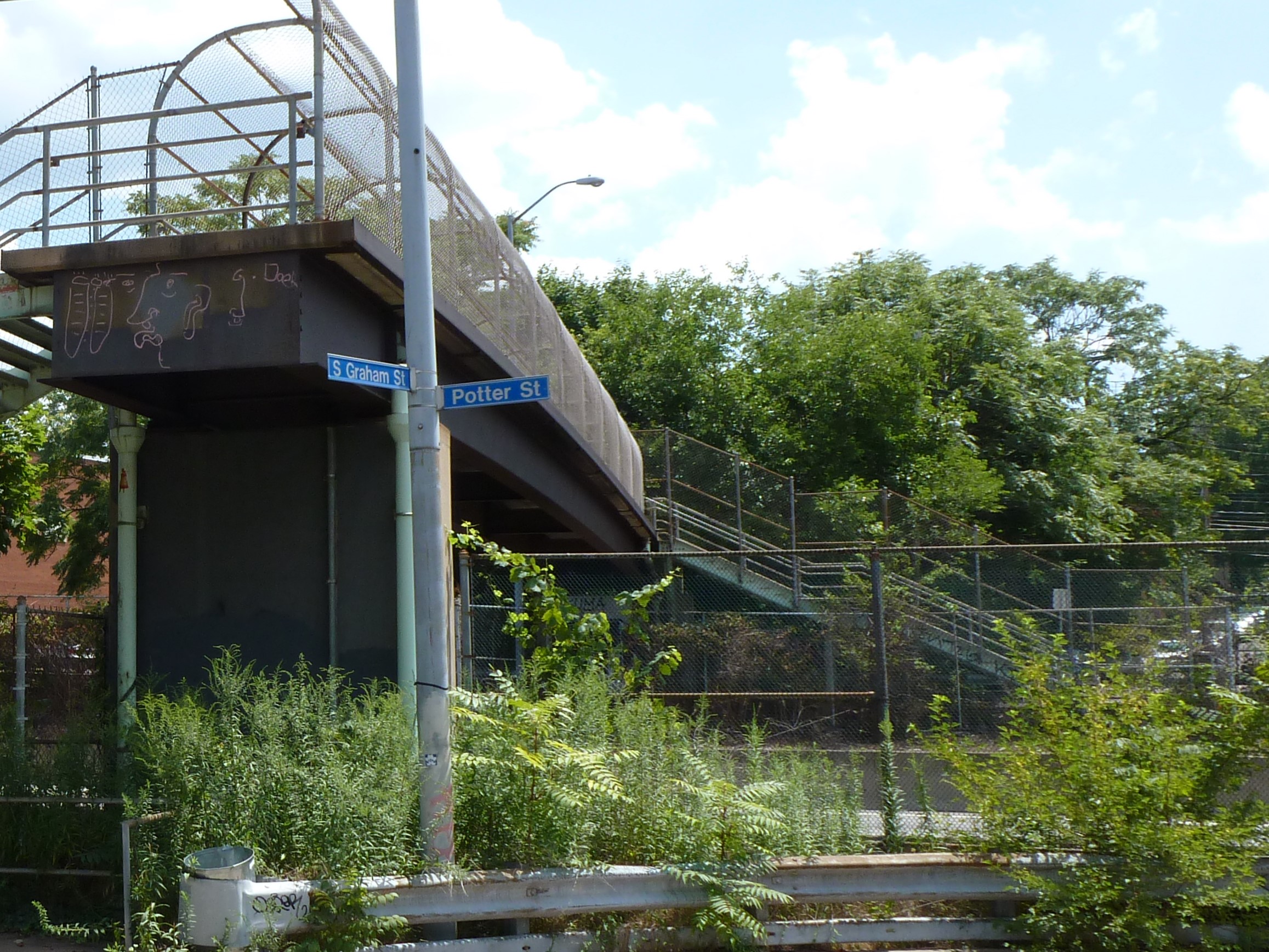
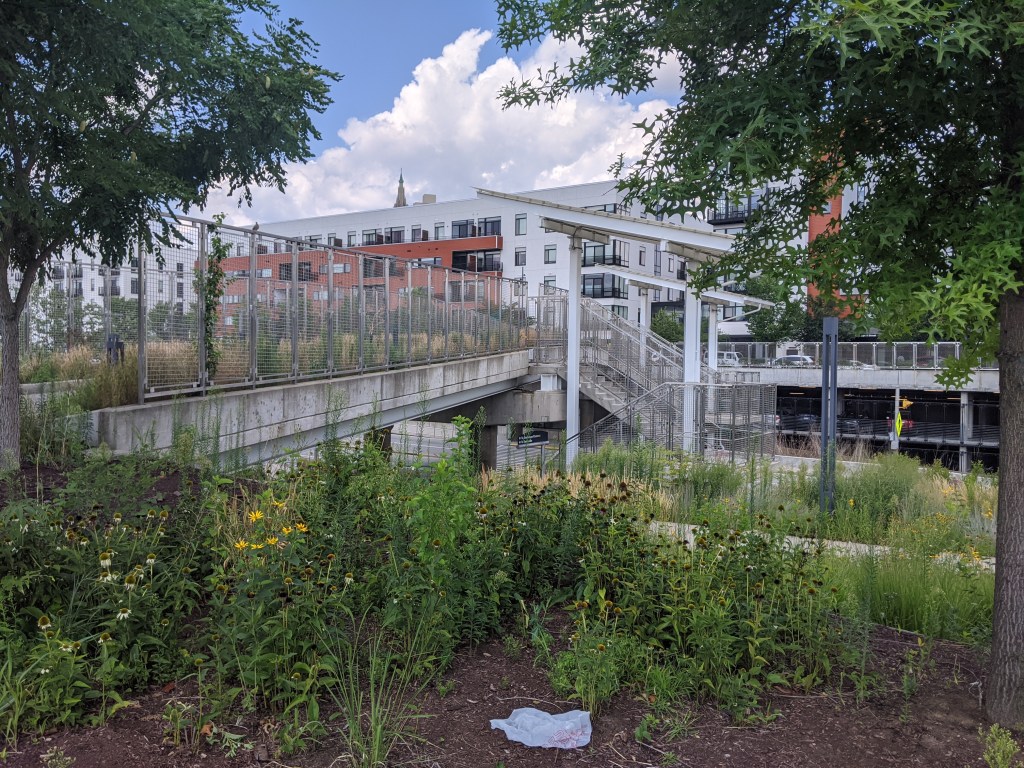
S. 10th Street Pedestrian BridgeEast Liberty Station Pedestrian BridgeSpahr Street Pedestrian BridgeS. Graham Street Pedestrian Bridge
Pedestrian Bridges over Roads
Eliza Furnace Trail over Swinburne StreetEliza Furnace Trail over Bates StreetBloomfield Pedestrian BridgeDuquesne University Pedestrian Bridge
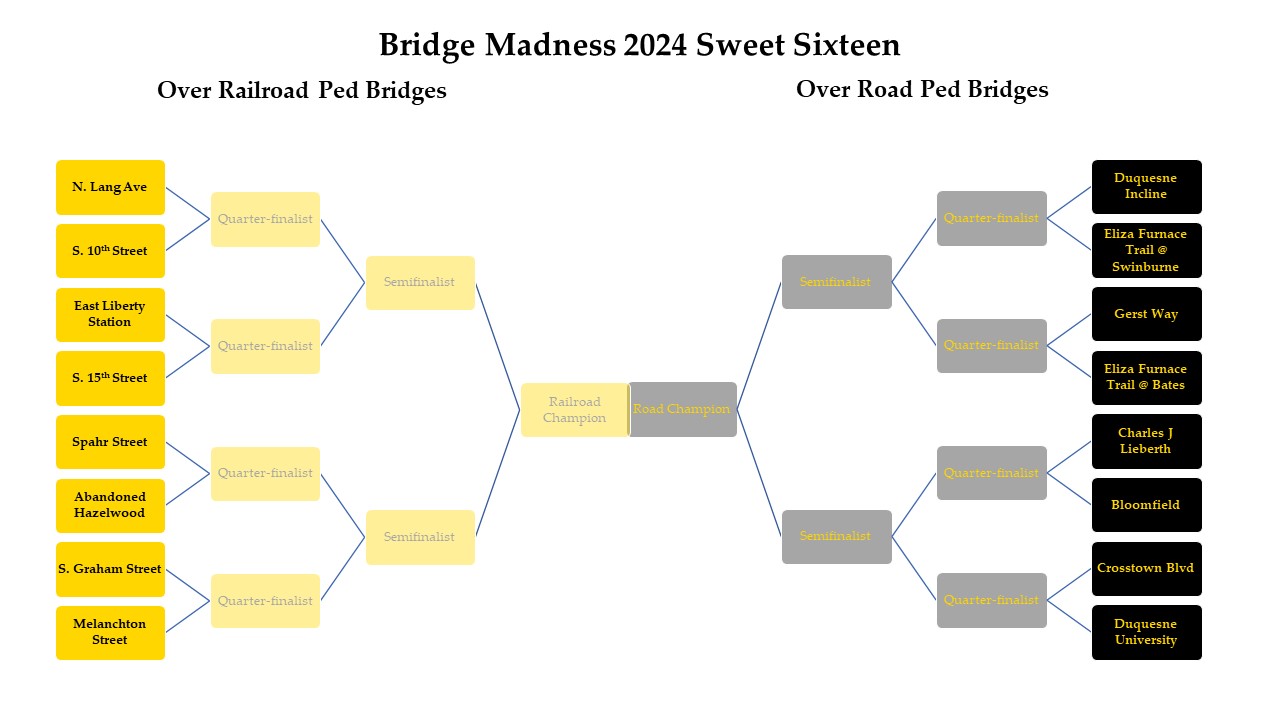
In the 2024 Bridge Madness Tournament, 16 pedestrian bridges go pier-to-pier in a reader’s choice tournament to pick the best one. This year’s tournament features pedestrian bridges within Pittsburgh that cross over roads or railroads. Below are the brackets for the Sweet Sixteen. Remember to vote for one bridge in each bracket by noon on Wednesday, March 6, and then return on March 8th to vote for the Elite Eight.
The bridges are divided into two conferences: Pedestrian Bridges over Railroads and Pedestrian Bridges over Roads.
Pedestrian Bridges over Railroads
N. Lang Street Pedestrian BridgeS. 10th Street Pedestrian BridgeEast Liberty Station Pedestrian BridgeS. 15th Street Pedestrian BridgeSpahr Street Pedestrian BridgeS. 15th Street Pedestrian BridgeS. Graham Street Pedestrian BridgeMelanchton Street Pedestrian Bridge
Pedestrian Bridges over Roads
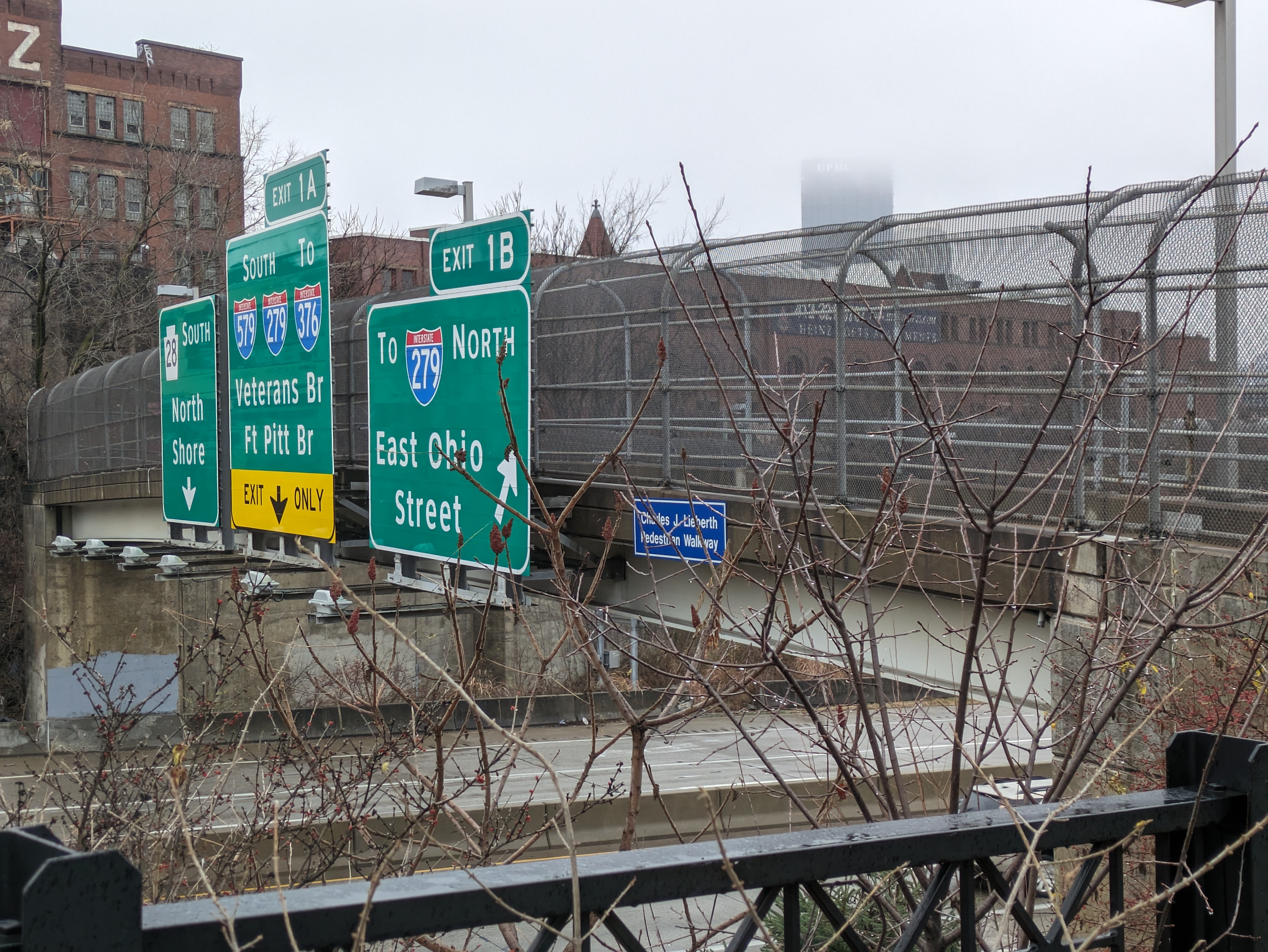
Duquesne Incline Pedestrian BridgeEliza Furnace Trail over Swinburne StreetGerst Way Pedestrian BridgeEliza Furnace Trail over Bates StreetCharles J. Lieberth Pedestrian BridgeBloomfield Pedestrian BridgeCrosstown Blvd Pedestrian BridgeDuquesne University Pedestrian Bridge
In the 2024 Bridge Madness Tournament, 16 pedestrian bridges go pier-to-pier in a reader’s choice tournament to pick the best one. This year’s tournament features pedestrian bridges within Pittsburgh that cross over roads or railroads. Beginning March 1, you will be able to vote for your favorite bridge in each bracket. The champion bridge will be announced on March 29. Don’t forget to come back each week to vote your favorite bridge to #1!
Each round of voting will go live at 8 AM on the scheduled Friday and close at noon the following Wednesday. The schedule is:
March 1 – Sweet Sixteen
March 8 – Elite Eight
March 15 – Final Four
March 22 – Championship
March 29 – Winner announced
The bridges are divided into two conferences: Pedestrian Bridges over Railroads and Pedestrian Bridges over Roads.
Pedestrian Bridges over Railroads
From east to west, the bridges that pass over railroads are:
the North Lang Avenue Pedestrian Bridge
the East Liberty Station Pedestrian Bridge
the Spahr Street Pedestrian Bridge
the South Graham Street Pedestrian Bridge
the Melanchton Street Pedestrian Bridge
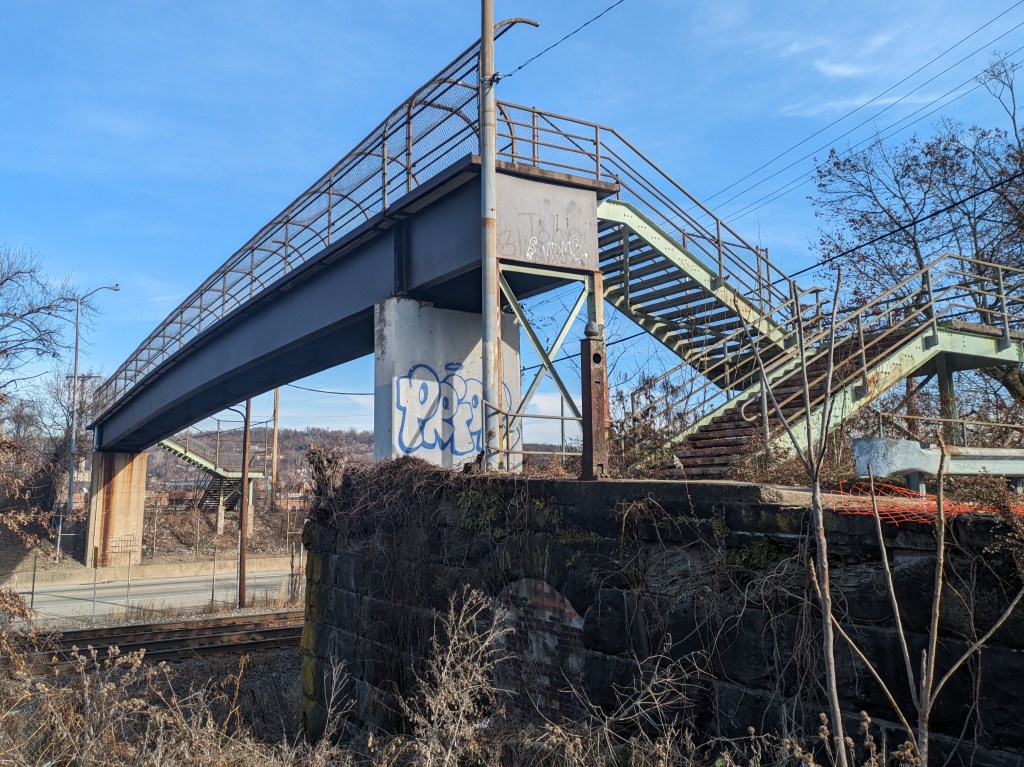
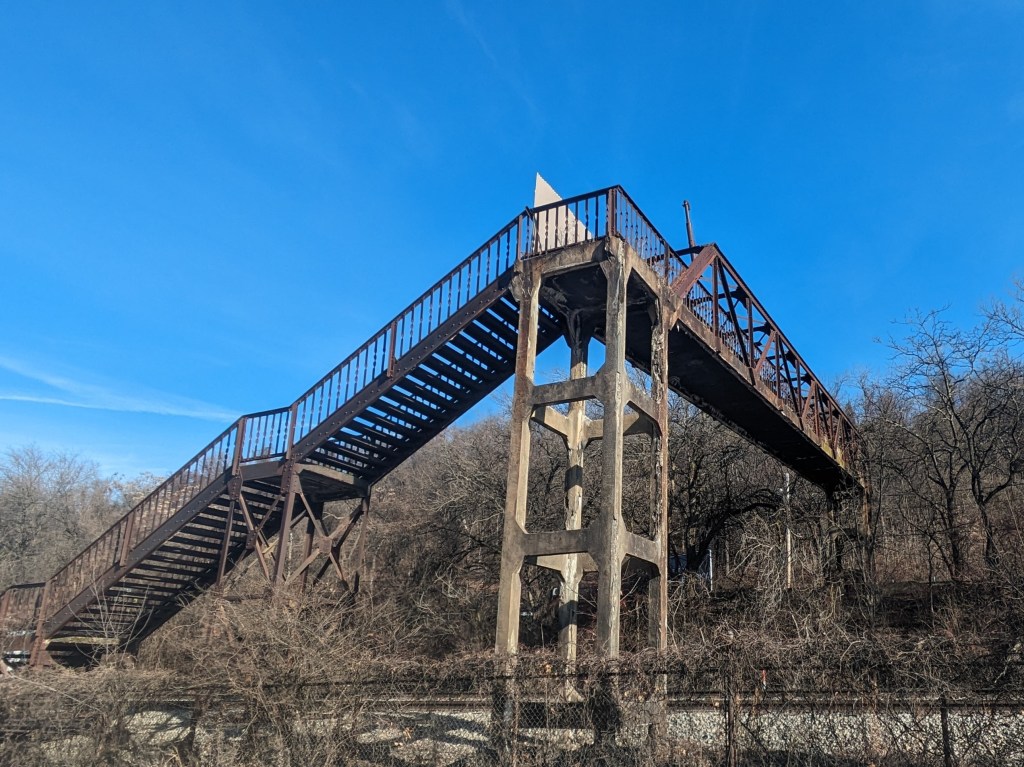
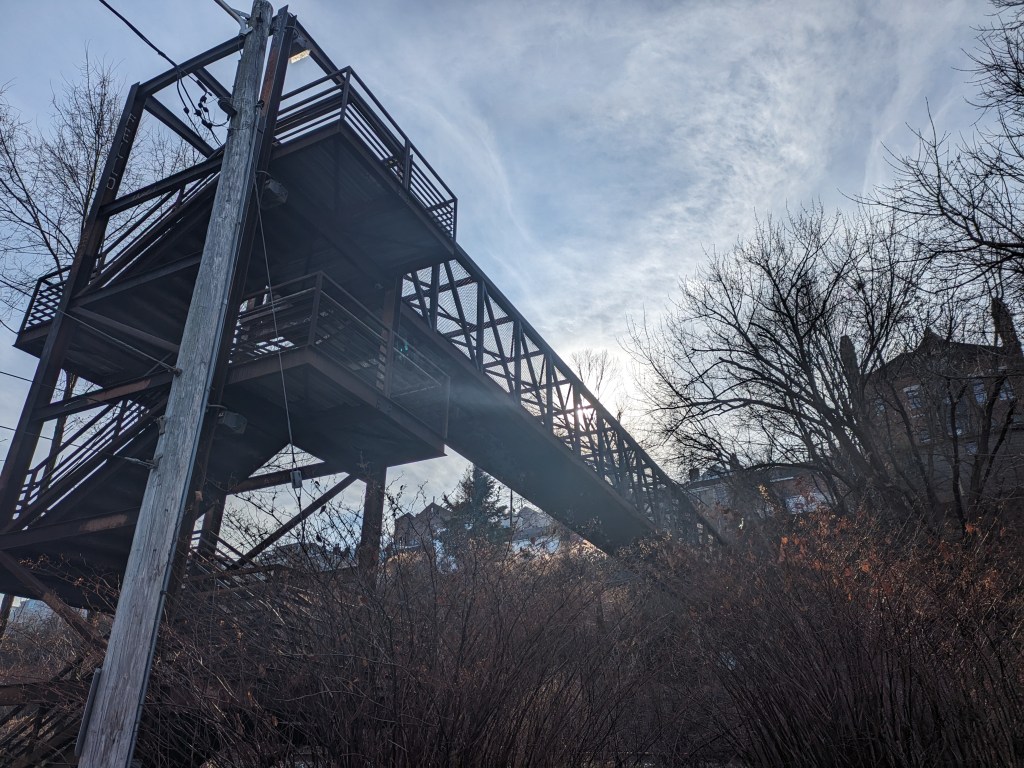
an abandoned pedestrian bridge in Hazelwood
the South 15th Street Pedestrian Bridge
the South 10th Street Pedestrian Bridge
Pedestrian Bridges over Roads
From east to west, the bridges that pass over roads are:
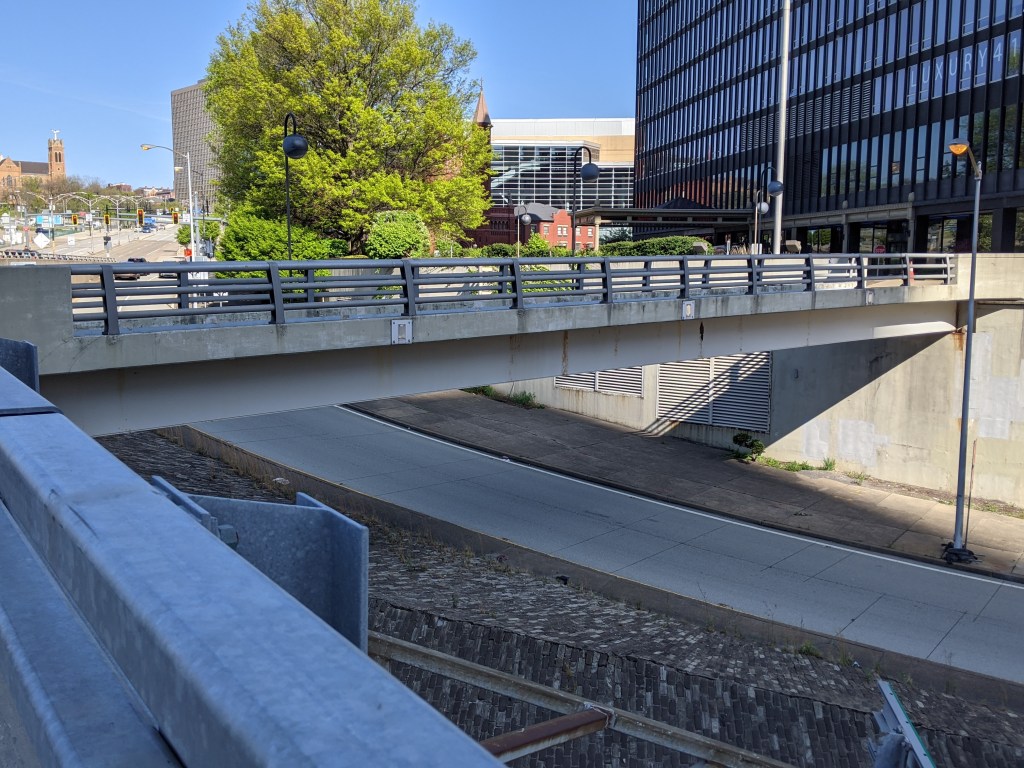
the Eliza Furnace Trail Bridges over Swinburne Street
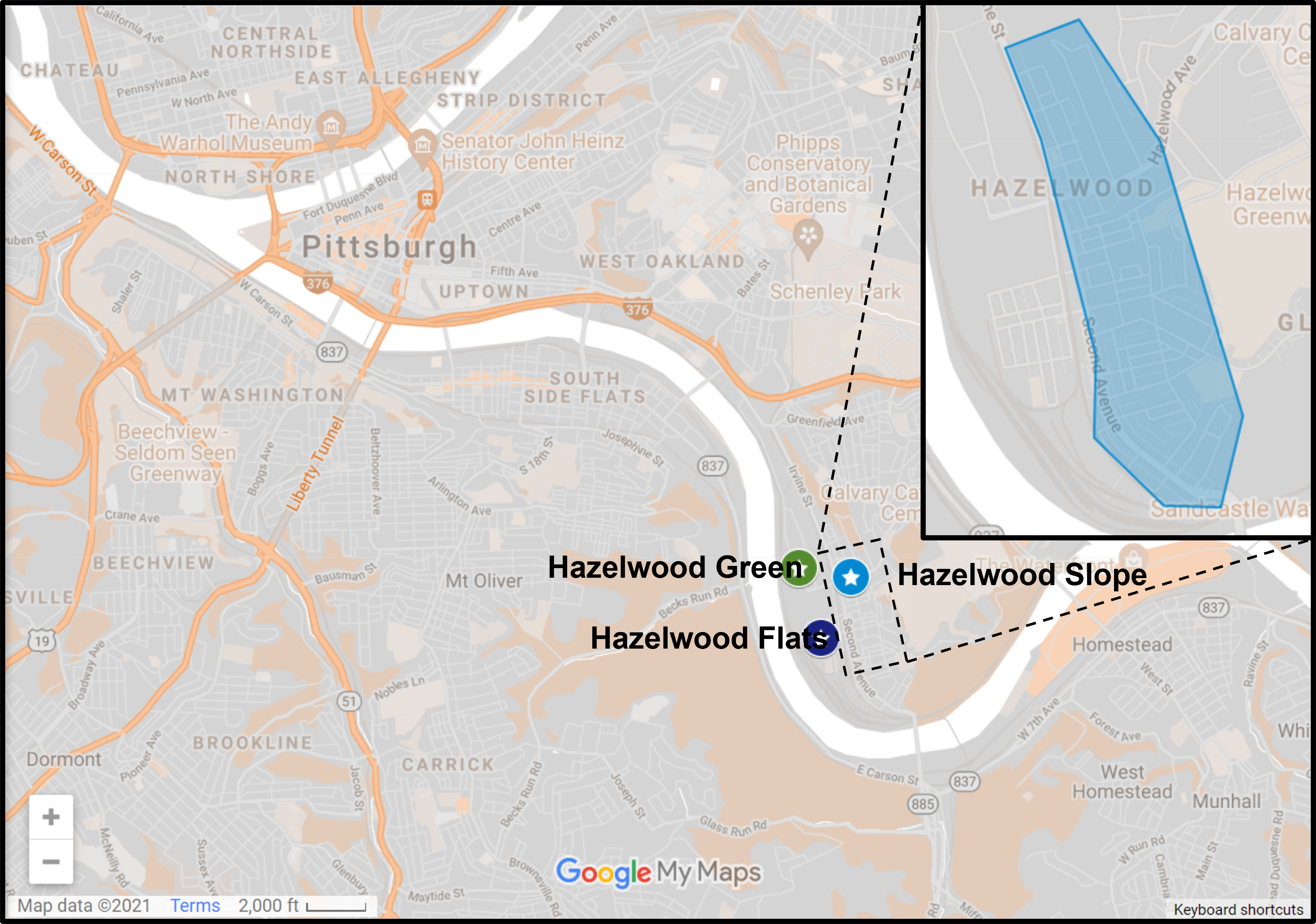
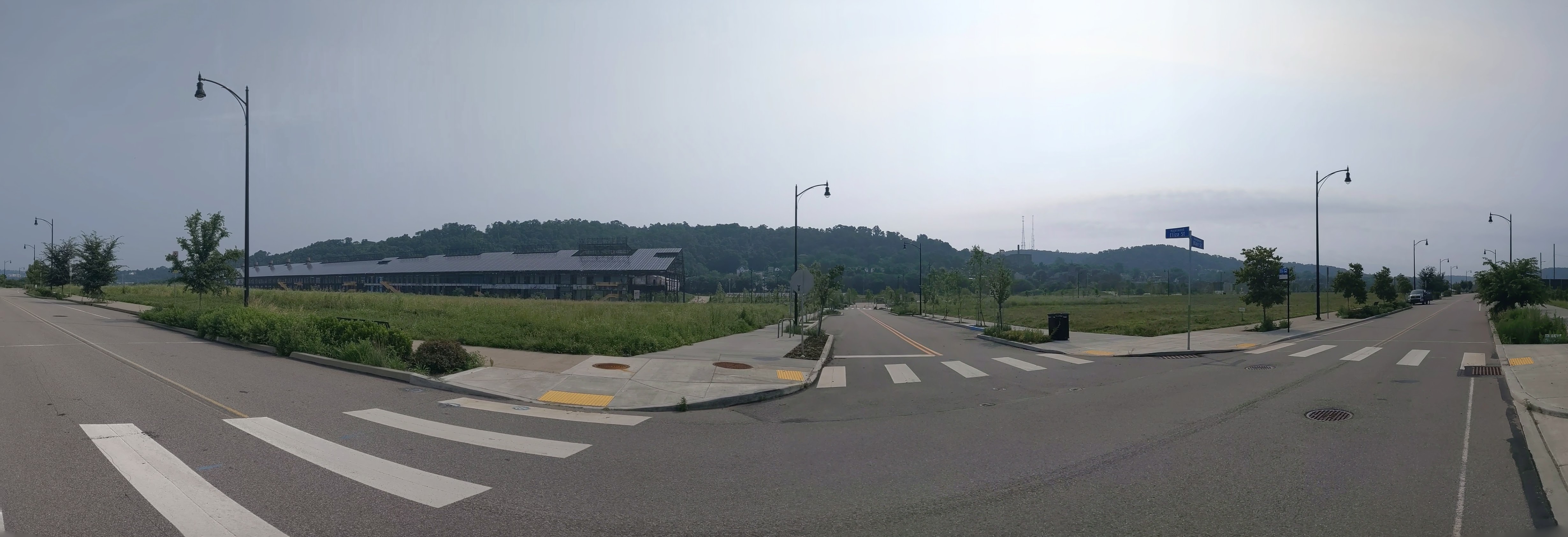
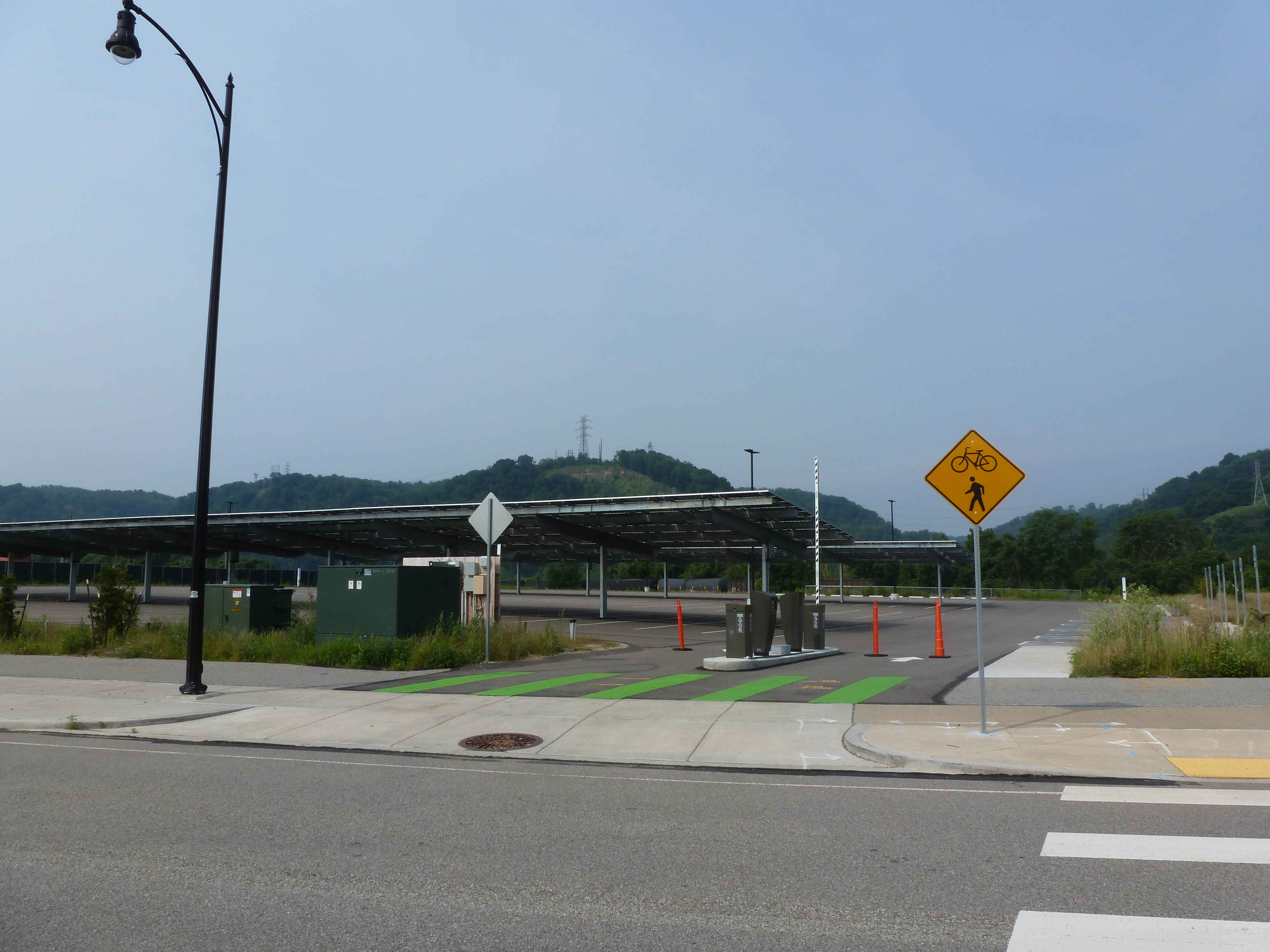
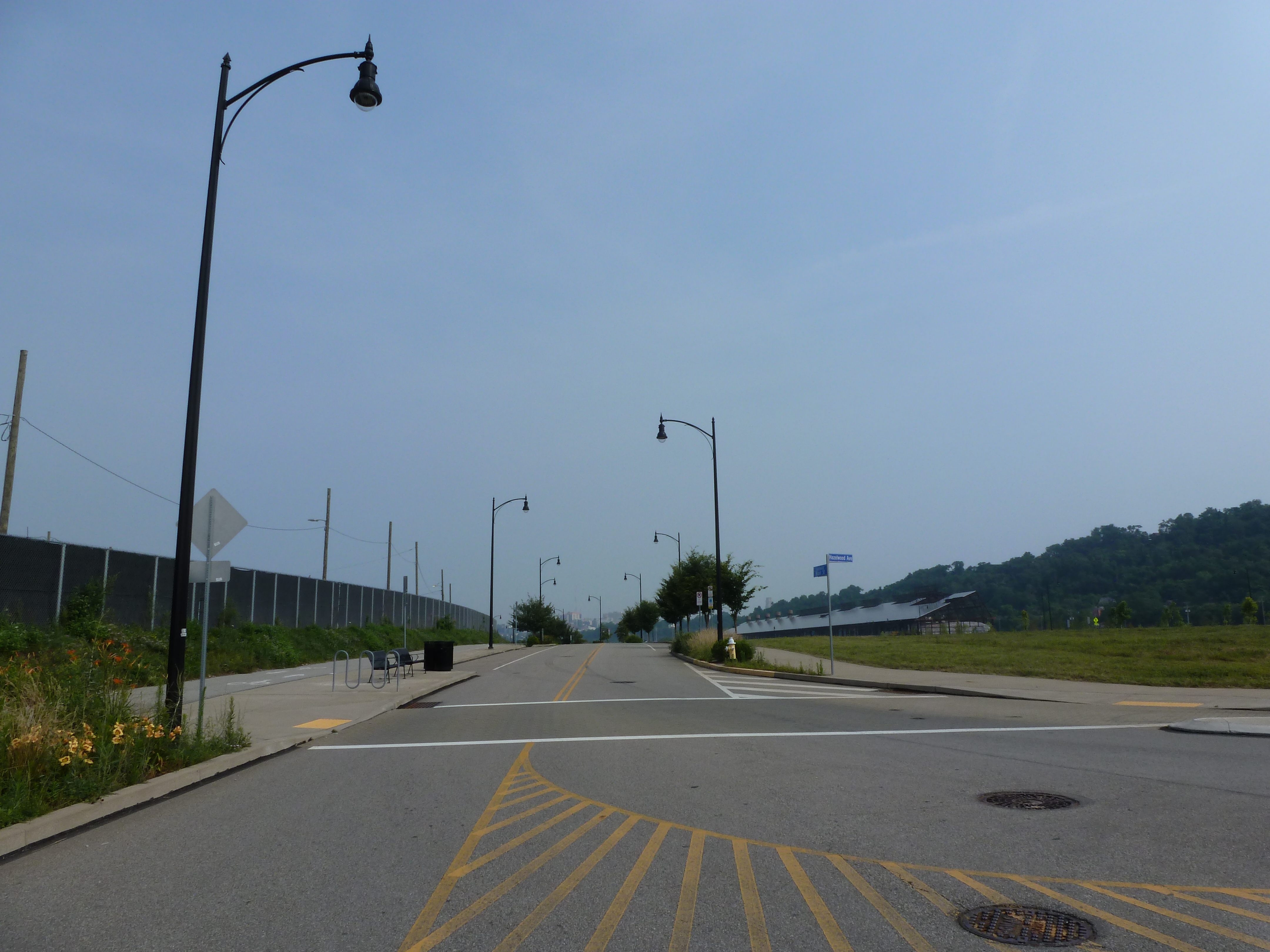
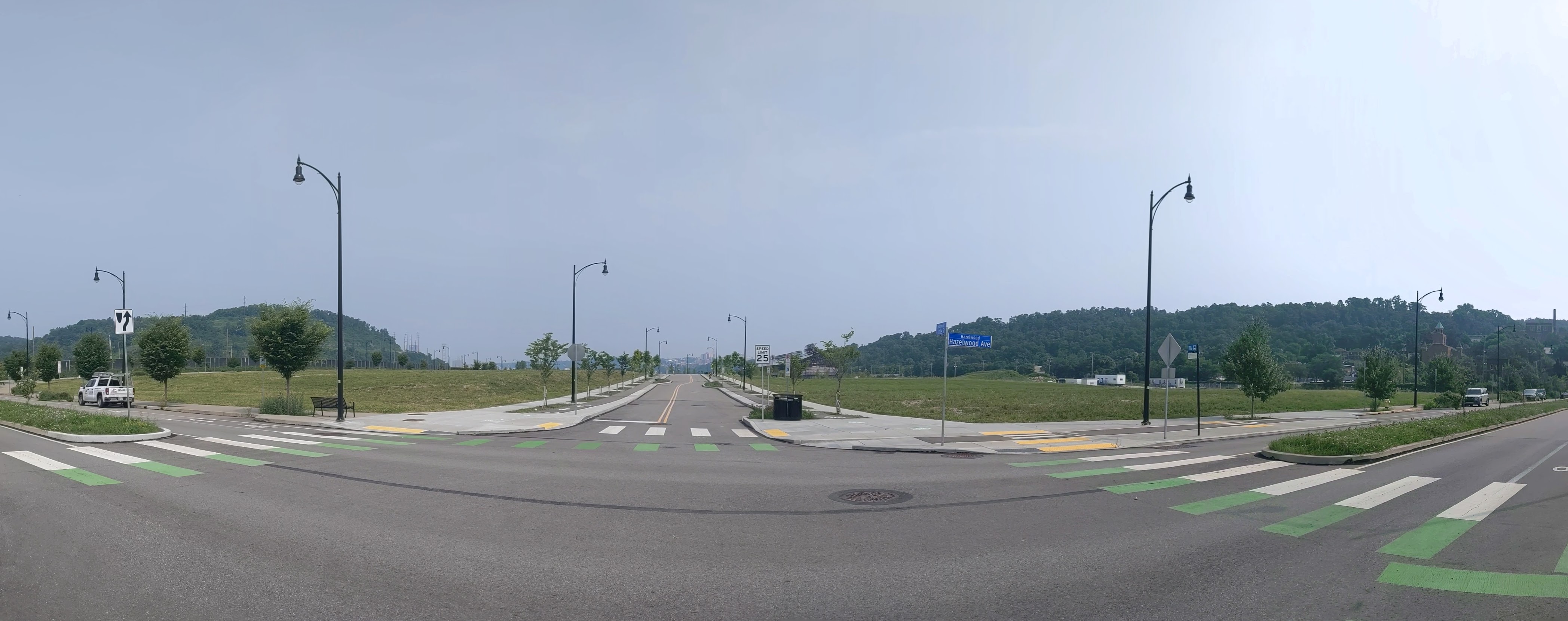
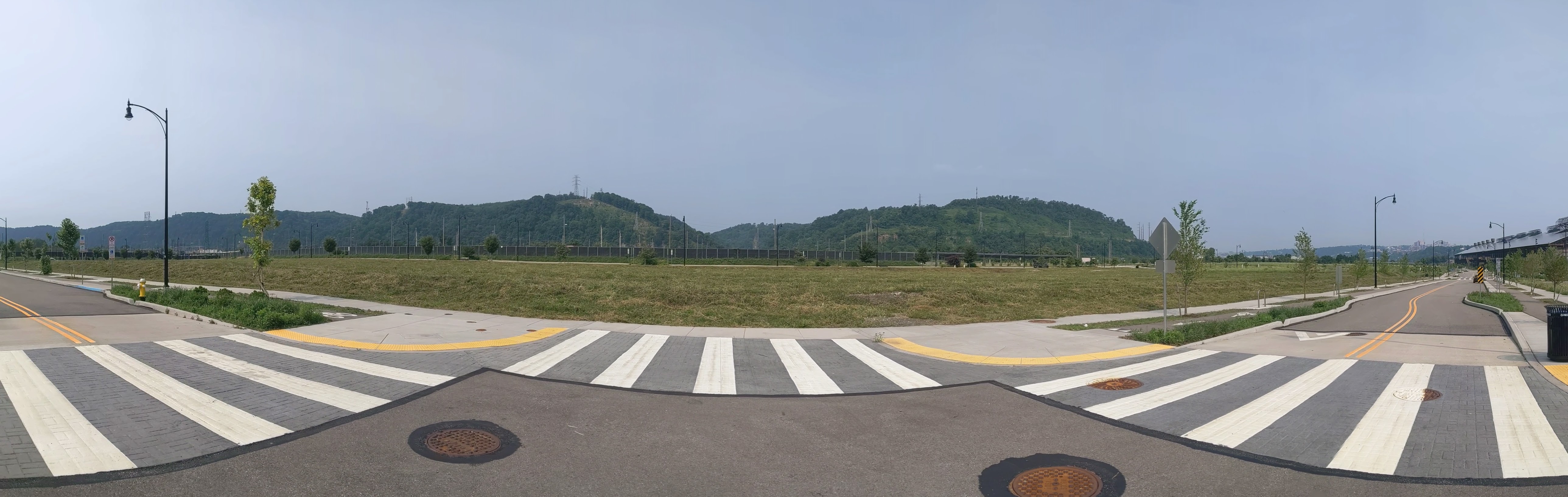
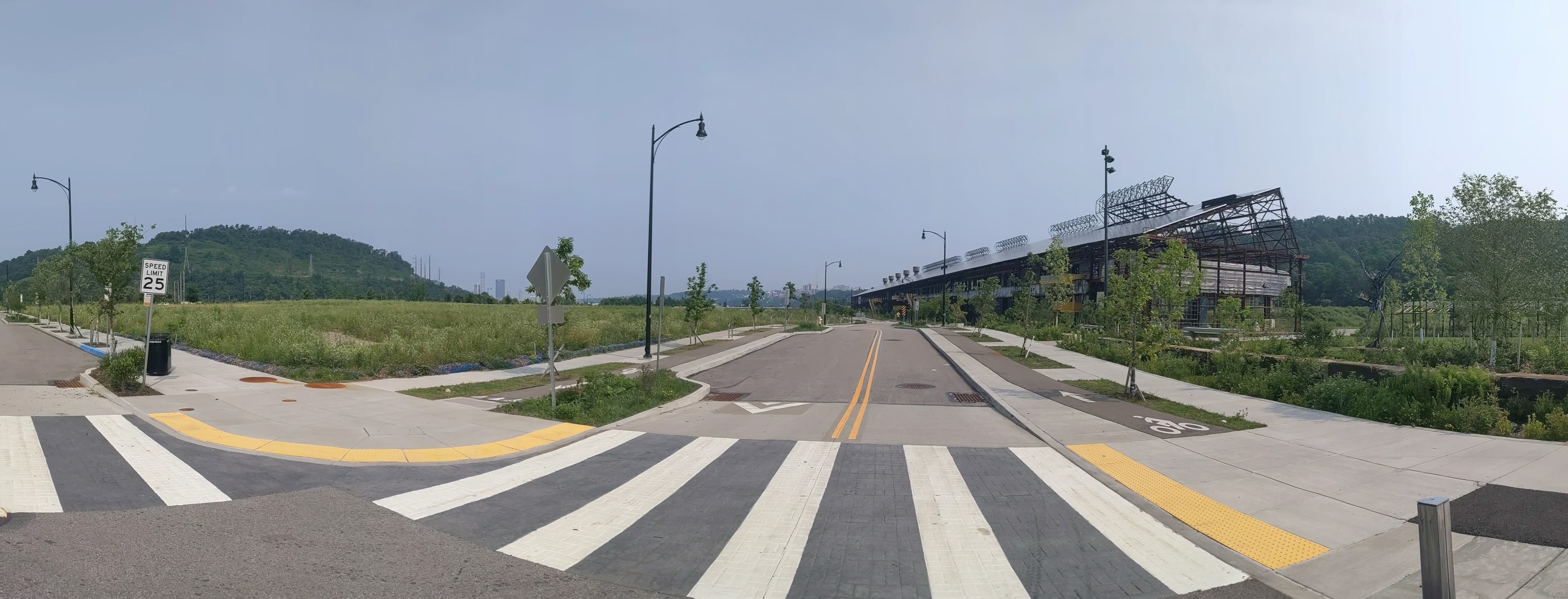
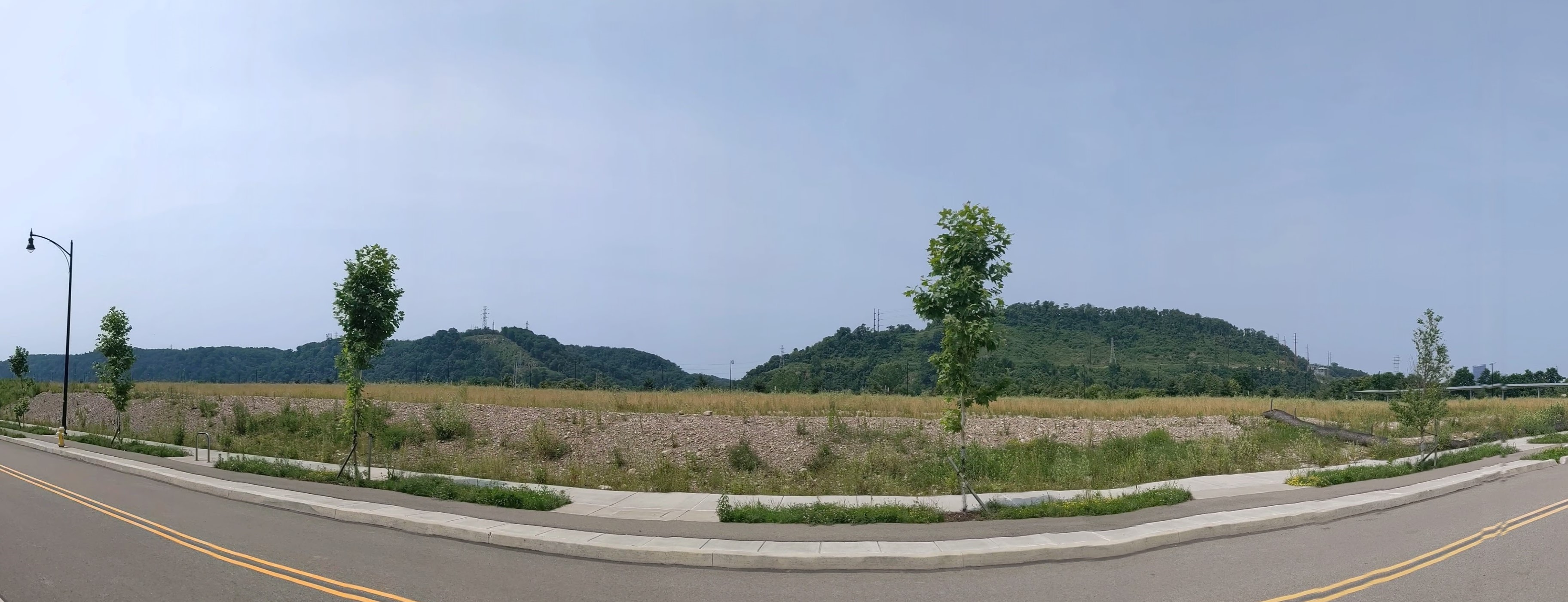
Hazelwood is a neighborhood about 4 miles down the Monongahela River from downtown Pittsburgh. It is currently experiencing significant change. Between Hazelwood’s main street (2nd Avenue) and the Monongahela River is a 178-acre site of the former Jones and Laughlin Steel Company. Most of the structures from the mill were demolished, leaving a large brownfield. In 2002, the site was purchased for redevelopment by Almono LP (at the time, an entity made up of four Pittsburgh foundations). After years of planning and a rebranding of the site as Hazelwood Green, a series of public streets and the first building opened for use in 2019. Construction is underway for more buildings and a public plaza.
During the planning and preparation stages, a question arose as to the effects of this redevelopment on the surrounding neighborhood. Hazelwood is one of Pittsburgh’s neighborhoods that has experienced high vacancy rates and subsequent demolition in its residential and business districts. While the building stock of the neighborhood has experienced a long downward trend, the community of people is strong. Only time will tell if the redevelopment of Hazelwood Green will connect with this community or if Hazelwood Green will become and isolated spot of prosperity for others.
Previously, I divided the approach to Keeping an Eye on Hazelwood into three series, Keeping an Eye on Hazelwood Green, Keeping an Eye on Hazelwood Flats, and Keeping an Eye on Hazelwood Slope. For this post and the 2023 post, I will be combining these into a single series. The goal of this series is to periodically document the physical changes to the former steel mill site and to the surrounding neighborhood.
The Photos
Due to a full schedule in 2022, I was not able to take any photographs of the neighborhood this year.
Hazelwood in the News
The big news of 2022 was the announcement of the plan for the current nonprofit owner (Almono LP) of Hazelwood Green to turn over management and eventually ownership of the site to a New York-based, for-profit development firm. (Pittsburgh Business Times, February 25, 2022, article 1 and article 2)
At the end of 2021, the plan and zoning regulations governing the redevelopment of Hazelwood Green was amended to respond to the current market. One of the changes was to allow more flexibility for temporary parking lots that the Planning Commission placed a condition that such parking lots must expire after 40 years. (Planning Commission agenda, Planning Commission minutes, City Council legislation page)
Public Source (October 27, 2021) discussed this amendment as well as community efforts to bring a grocery store to the neighborhood, to establish and maintain affordable housing, and to maintain and strengthen the ecosystem created by the greenway on the hill overlooking Hazelwood Green.
Also, toward the end of 2021, the One Valley innovation hub moved into the renovated Roundhouse (LinkedIn, July 20, 2021) and the University of Pittsburgh announced plans to build BioForge, a biomanufacturing facility, with funds from the Richard King Mellon Foundation (Pittsburgh Business Times, November 17, 2021, articles on funding and Pitt’s plans)
The City of Pittsburgh has a project page to track the restoration of the Hazelwood Greenway.
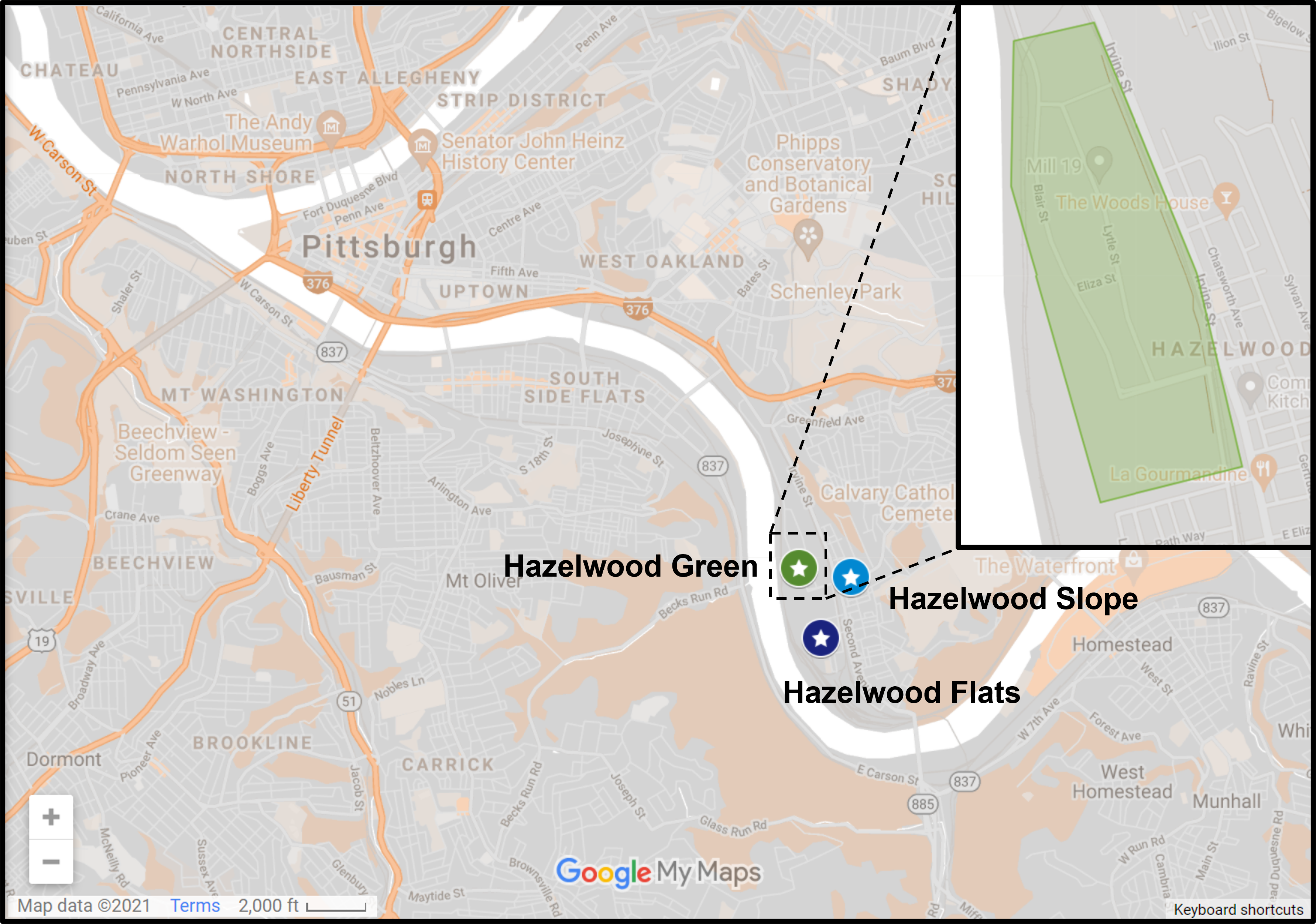
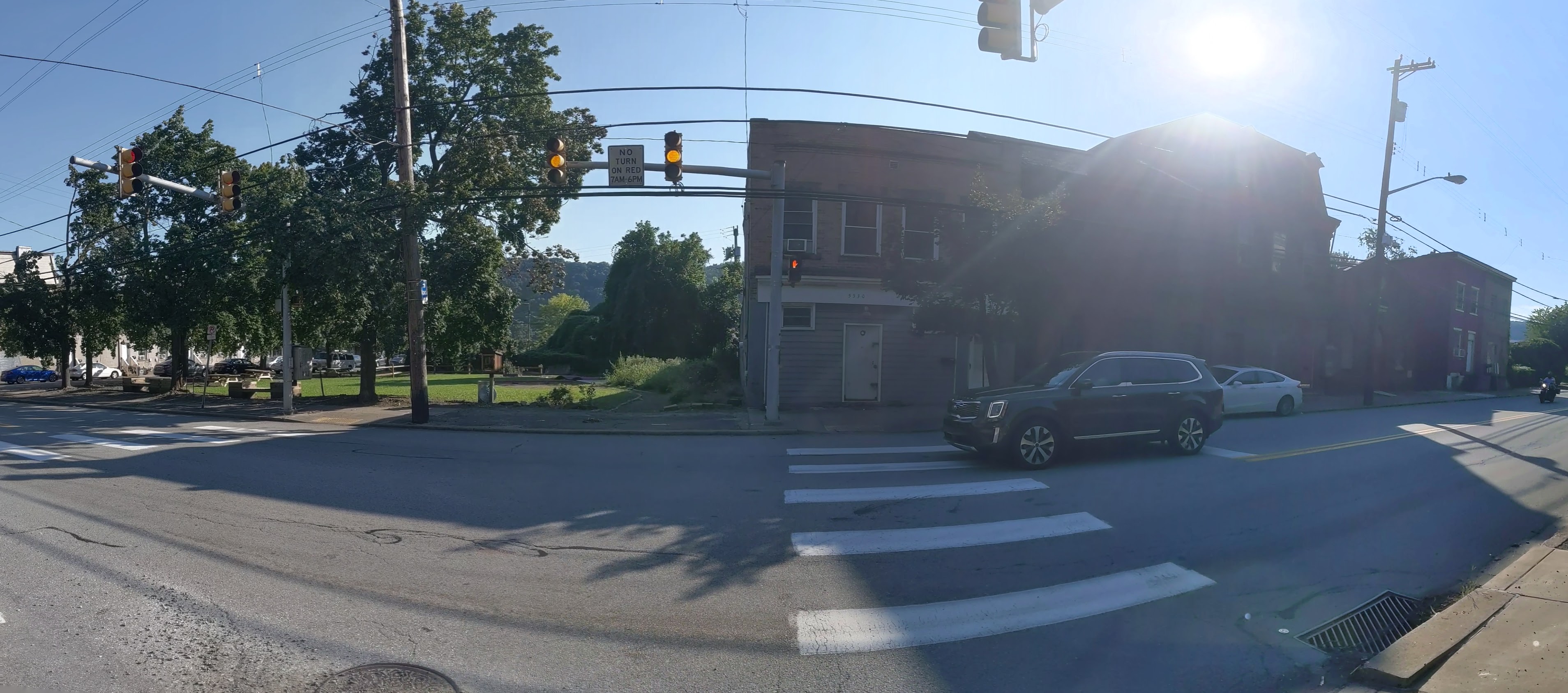
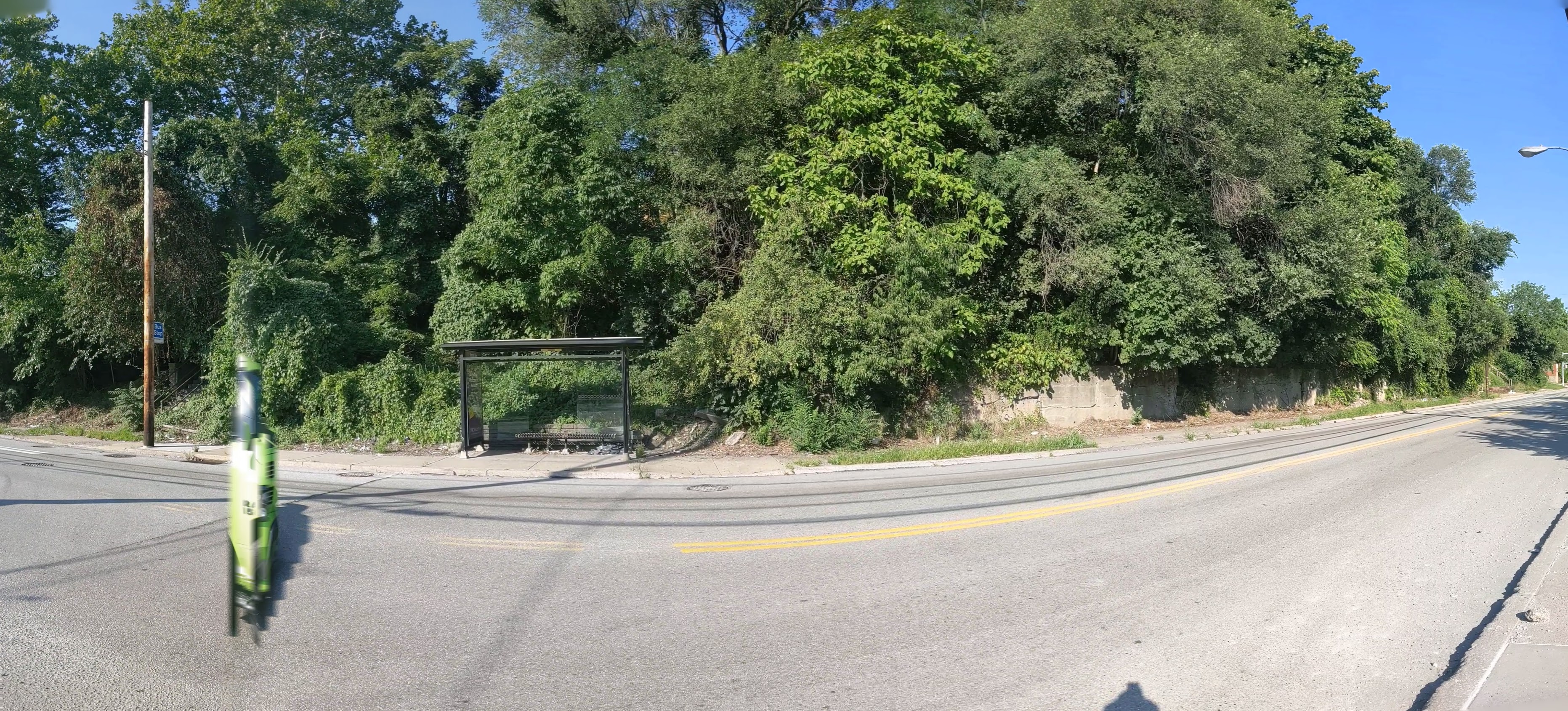
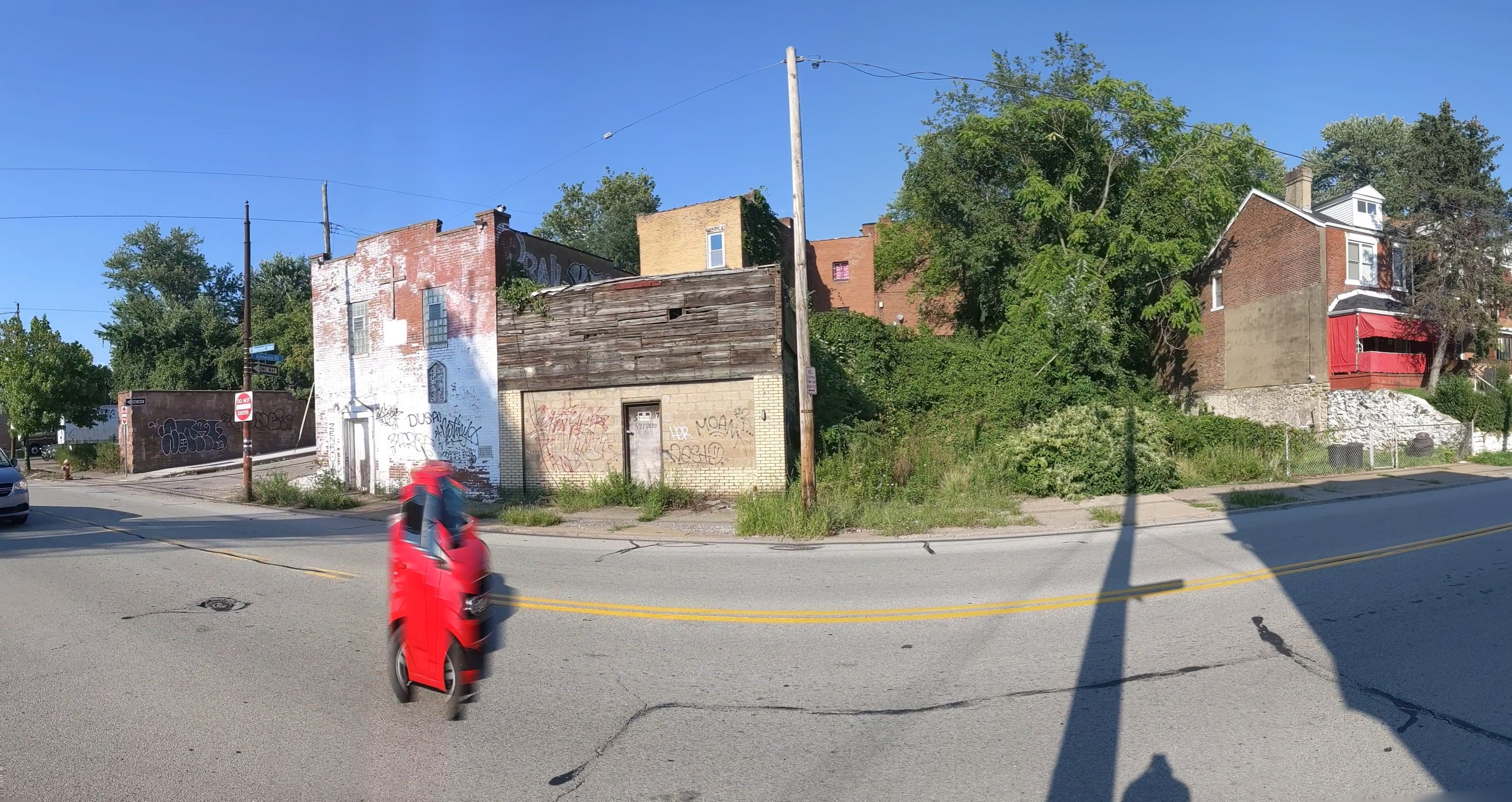
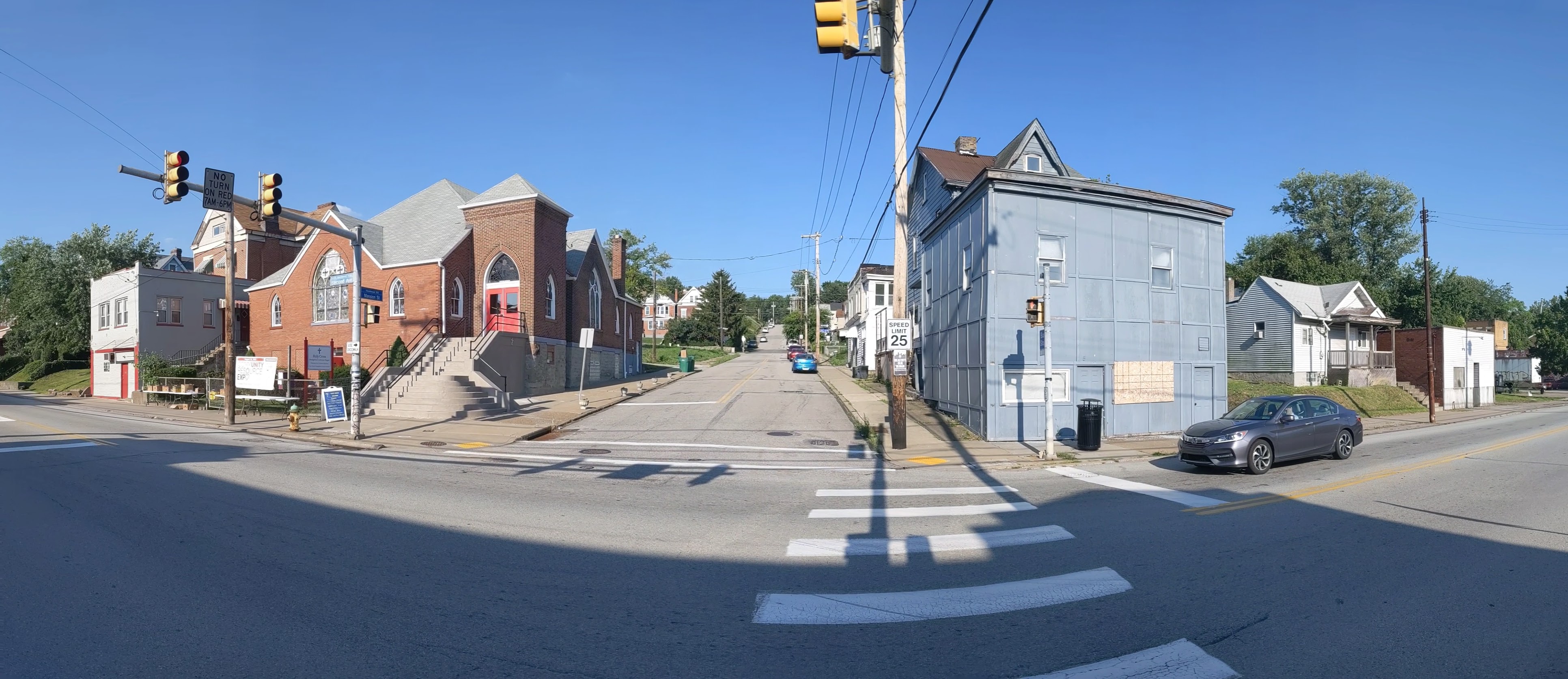
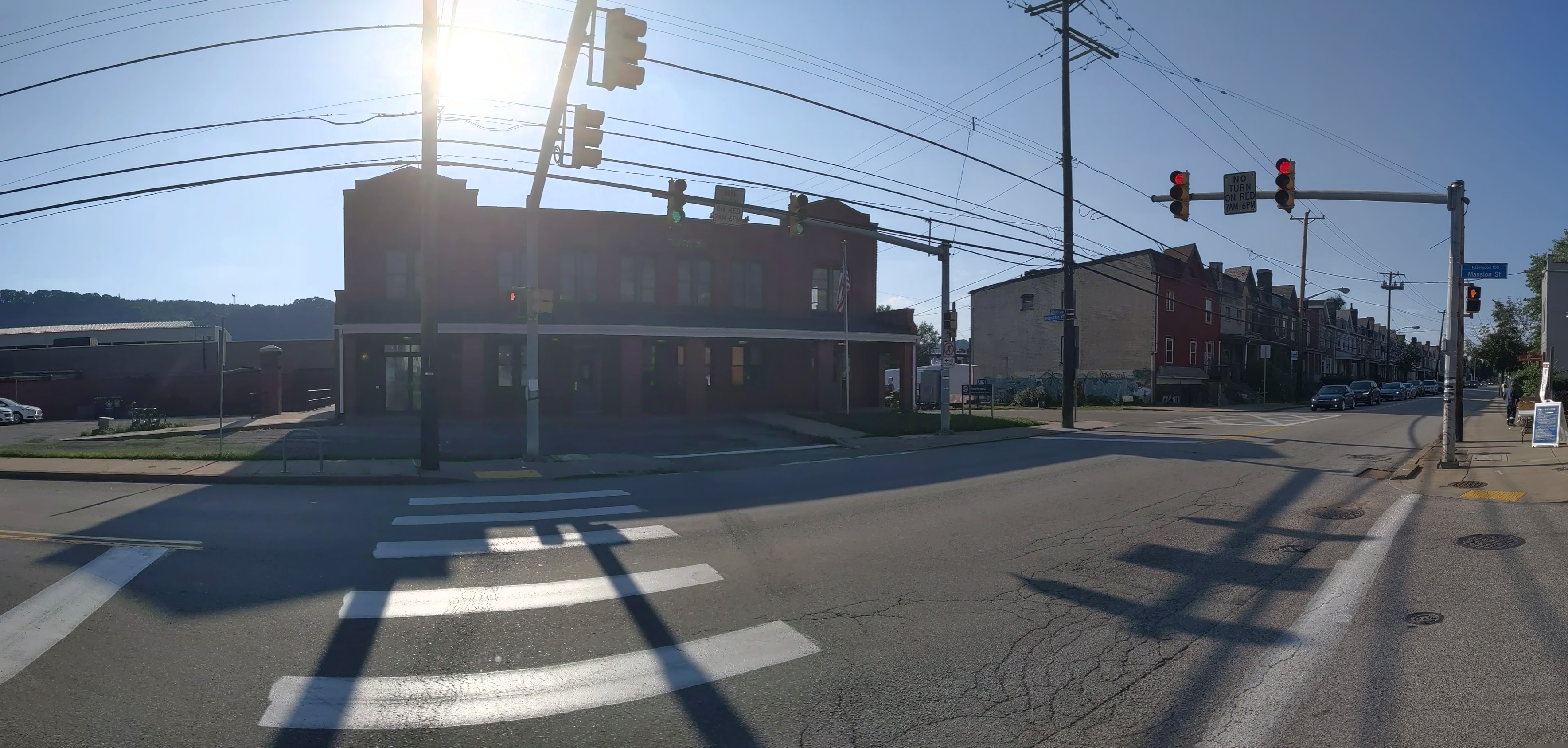
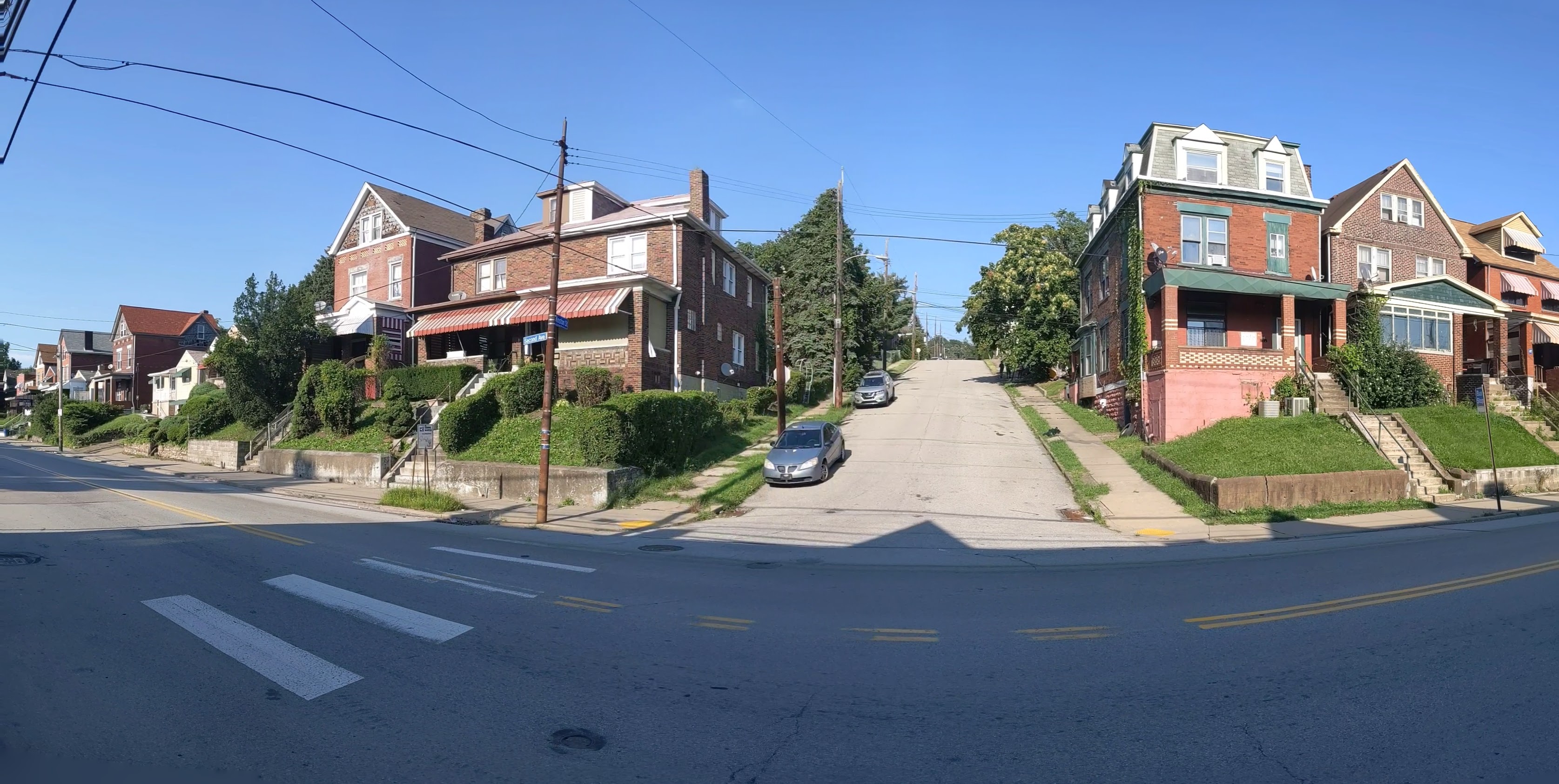
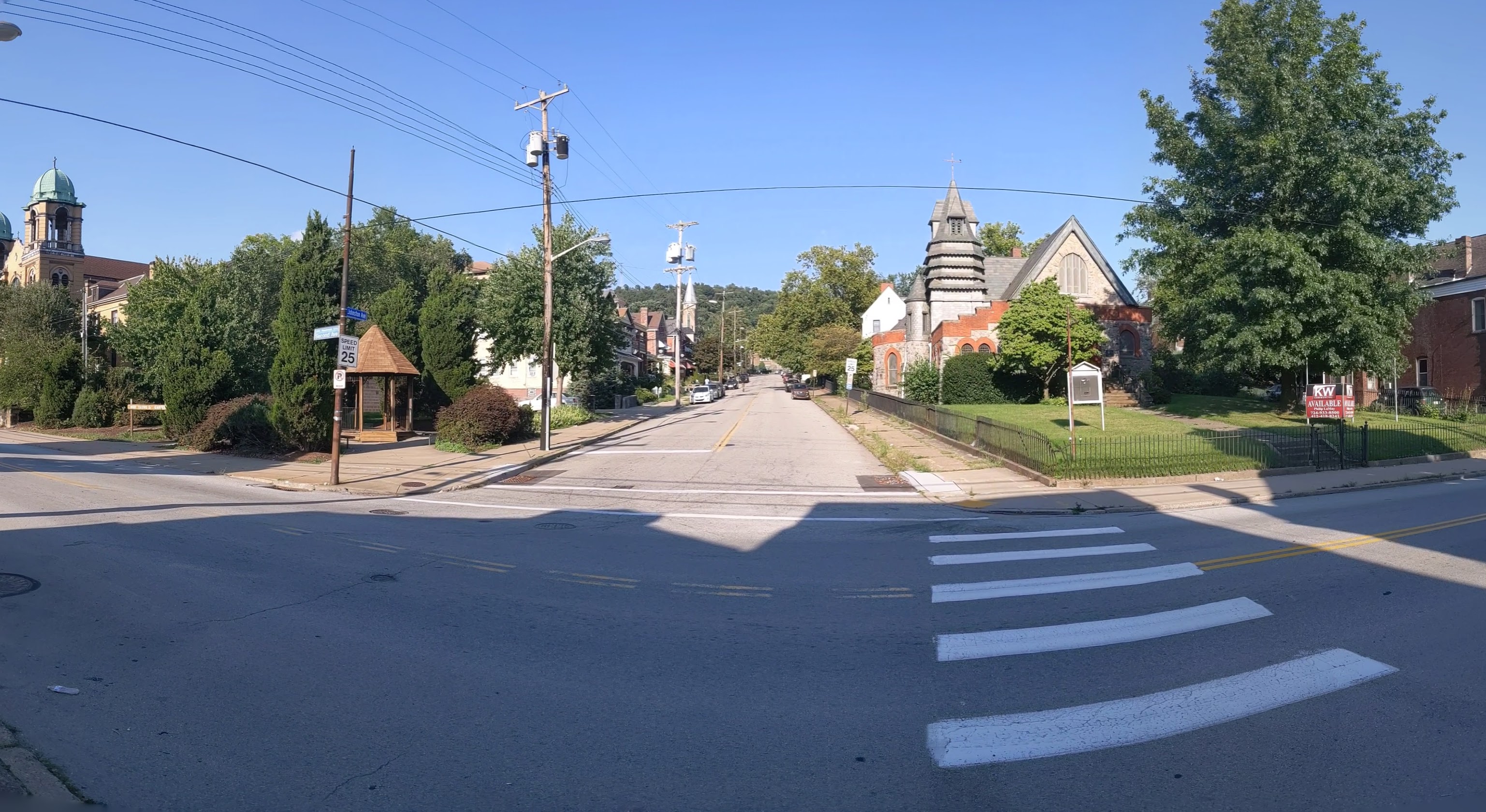
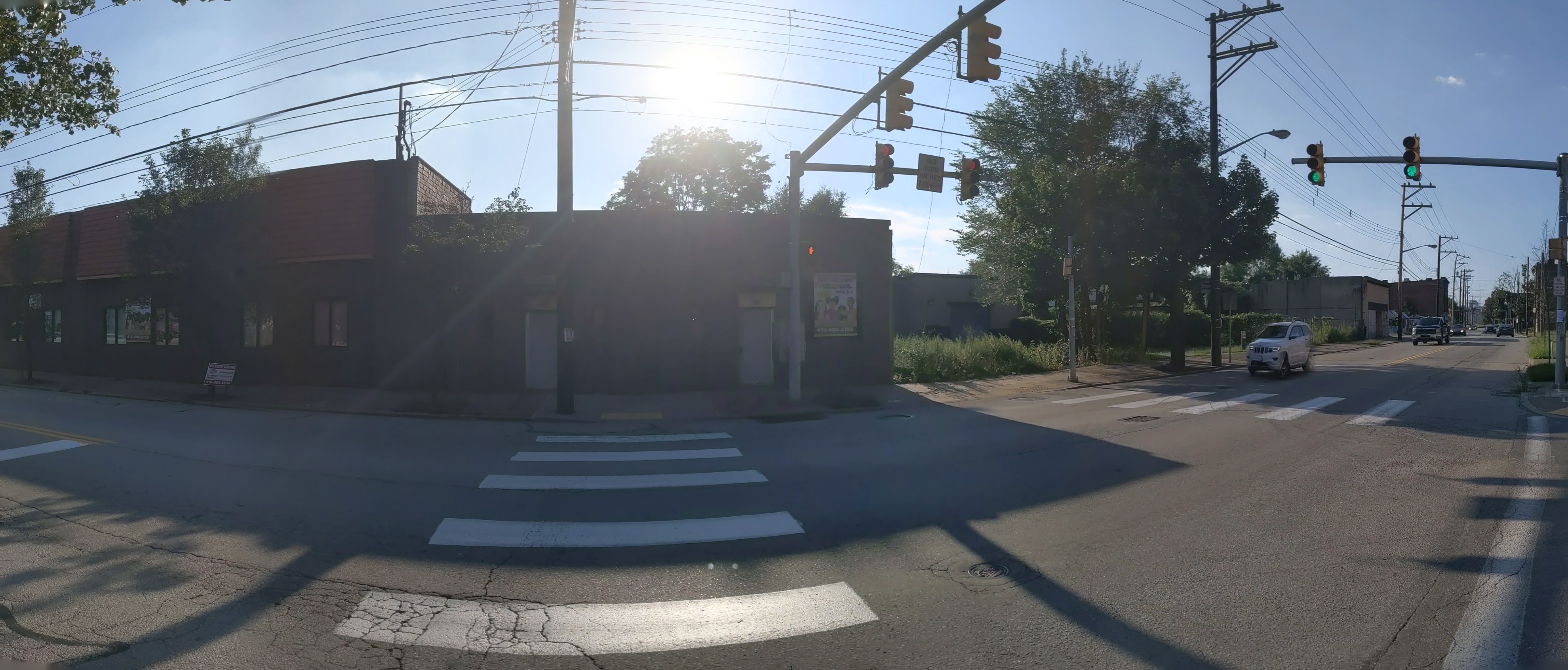
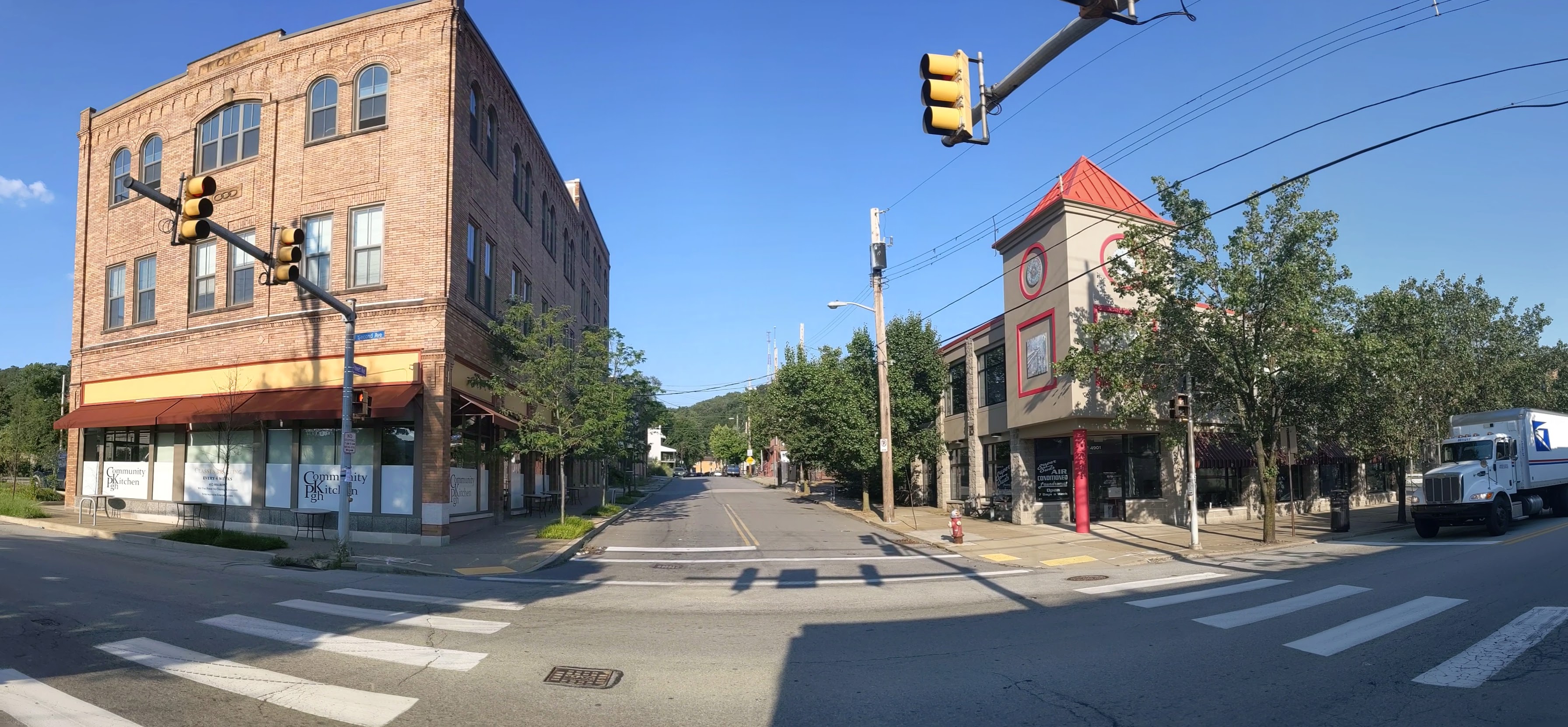
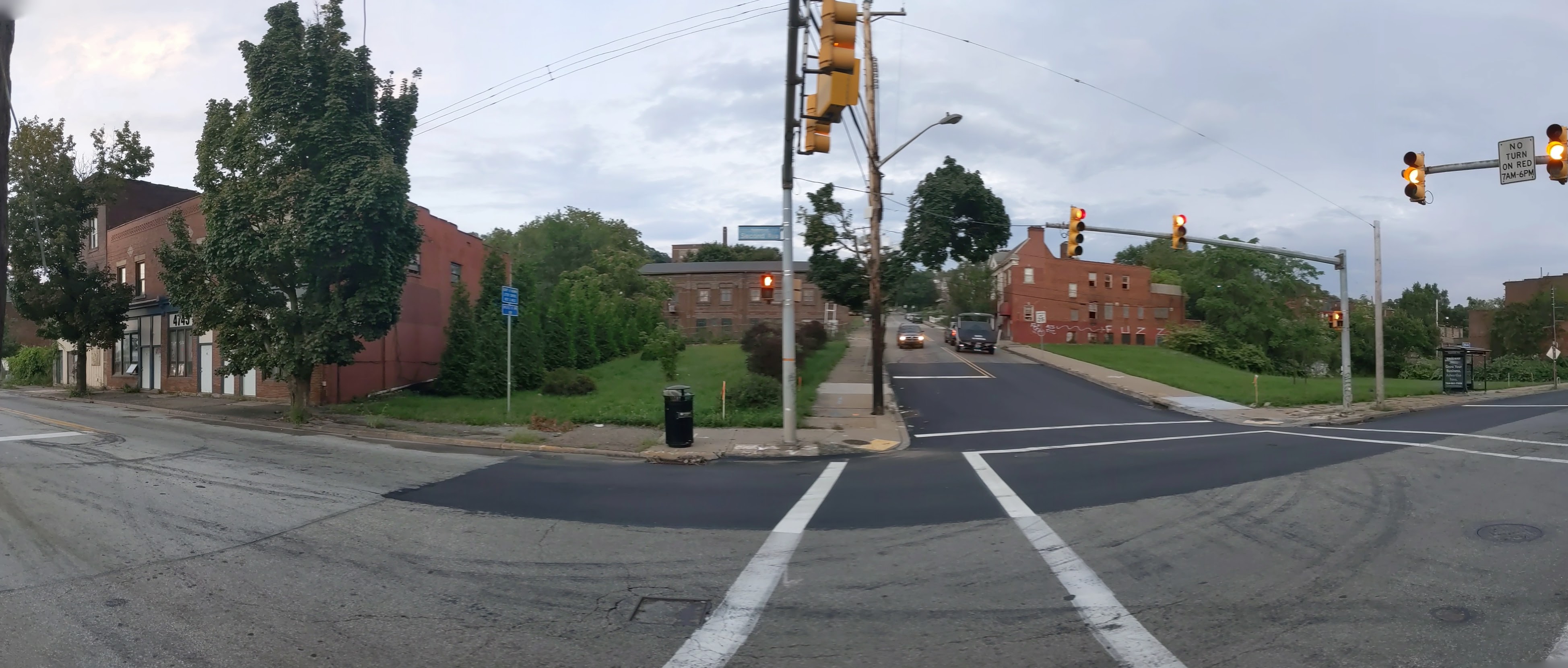
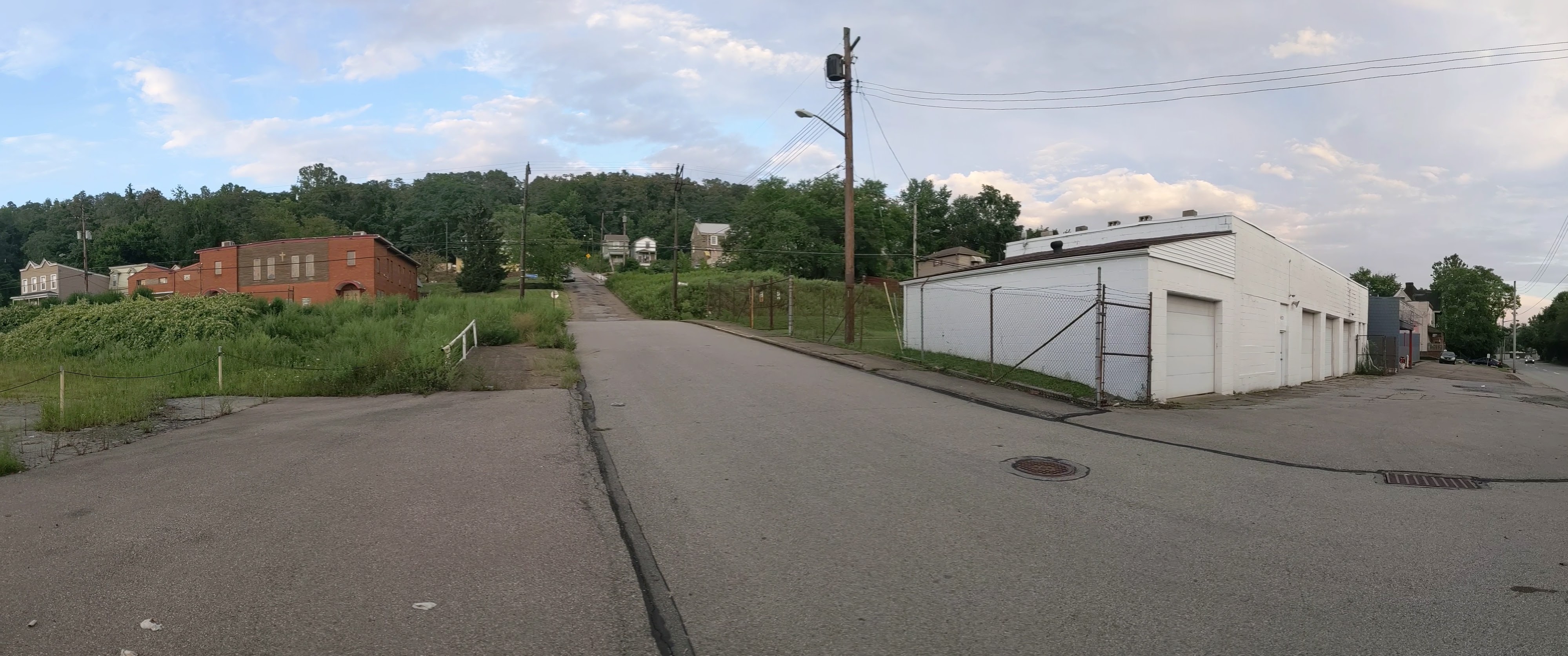
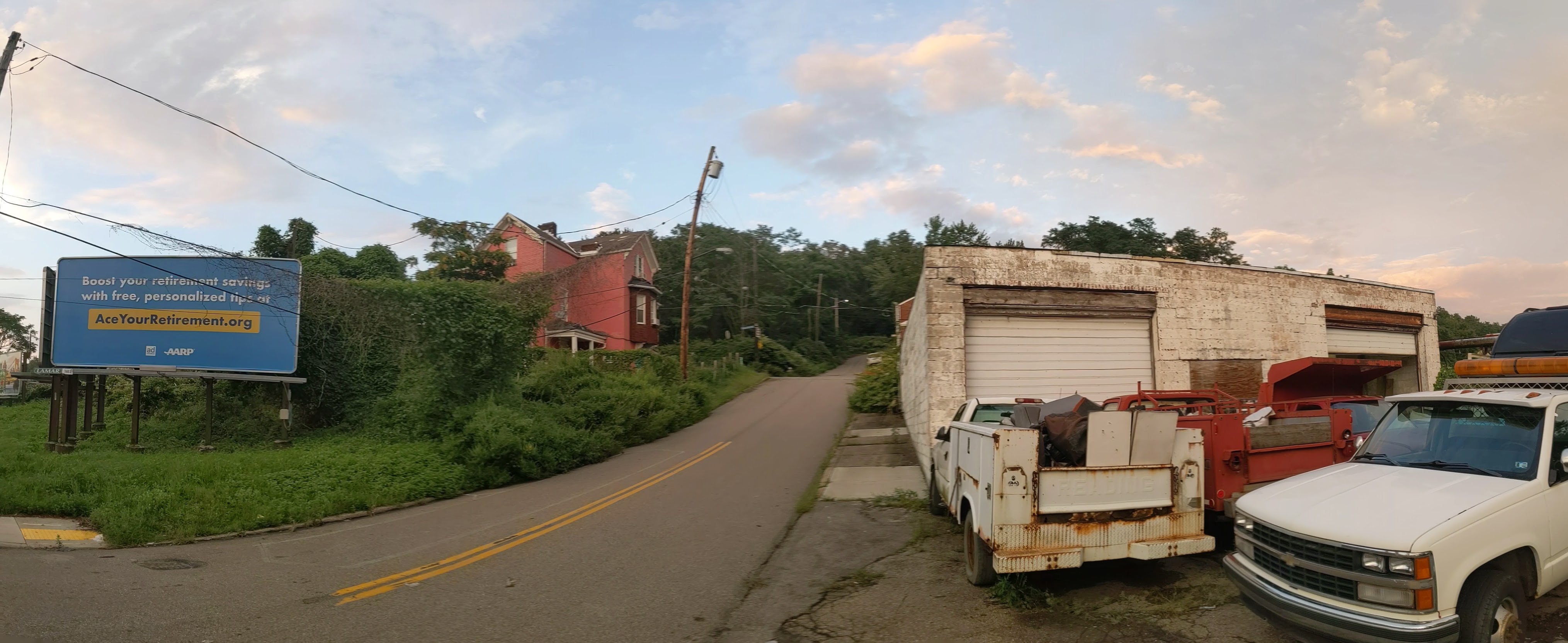
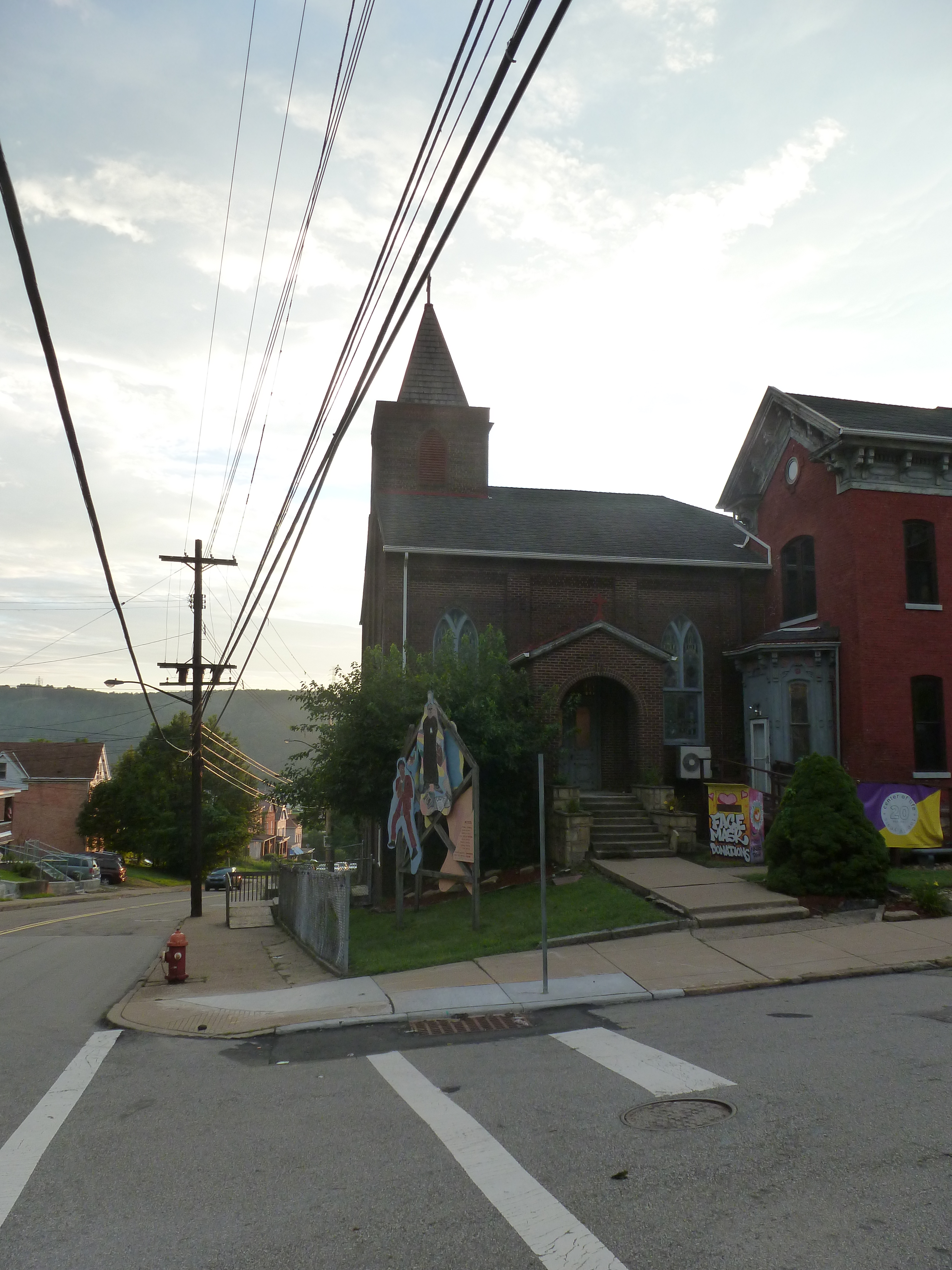
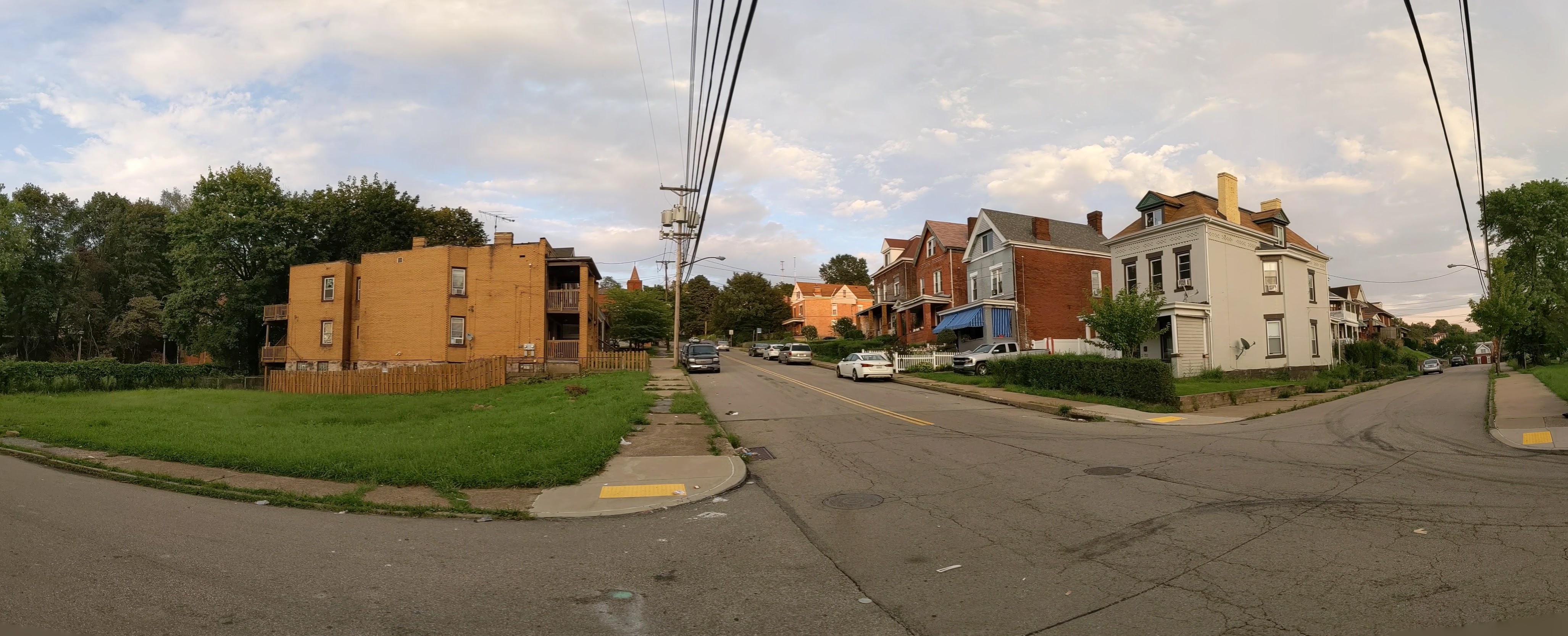
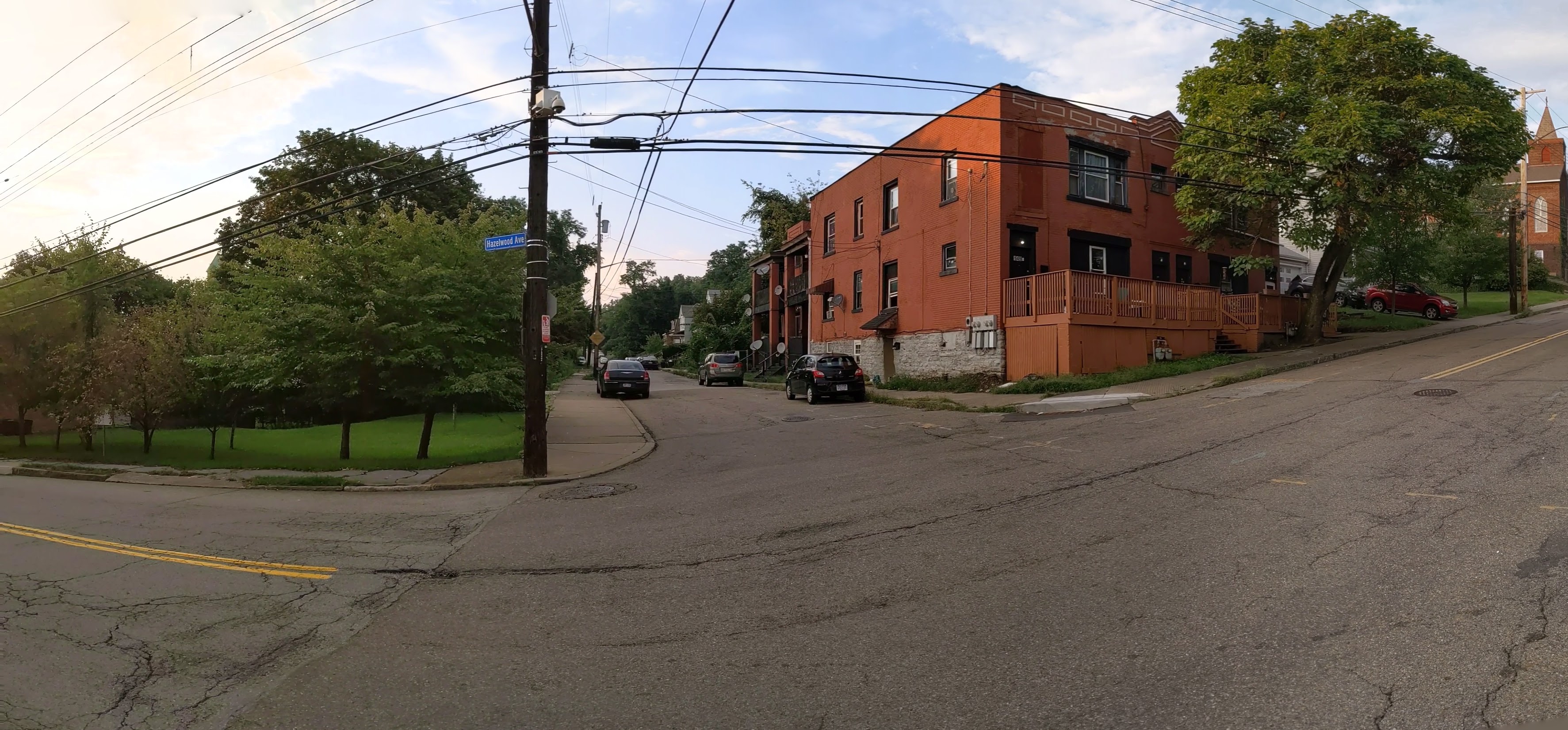
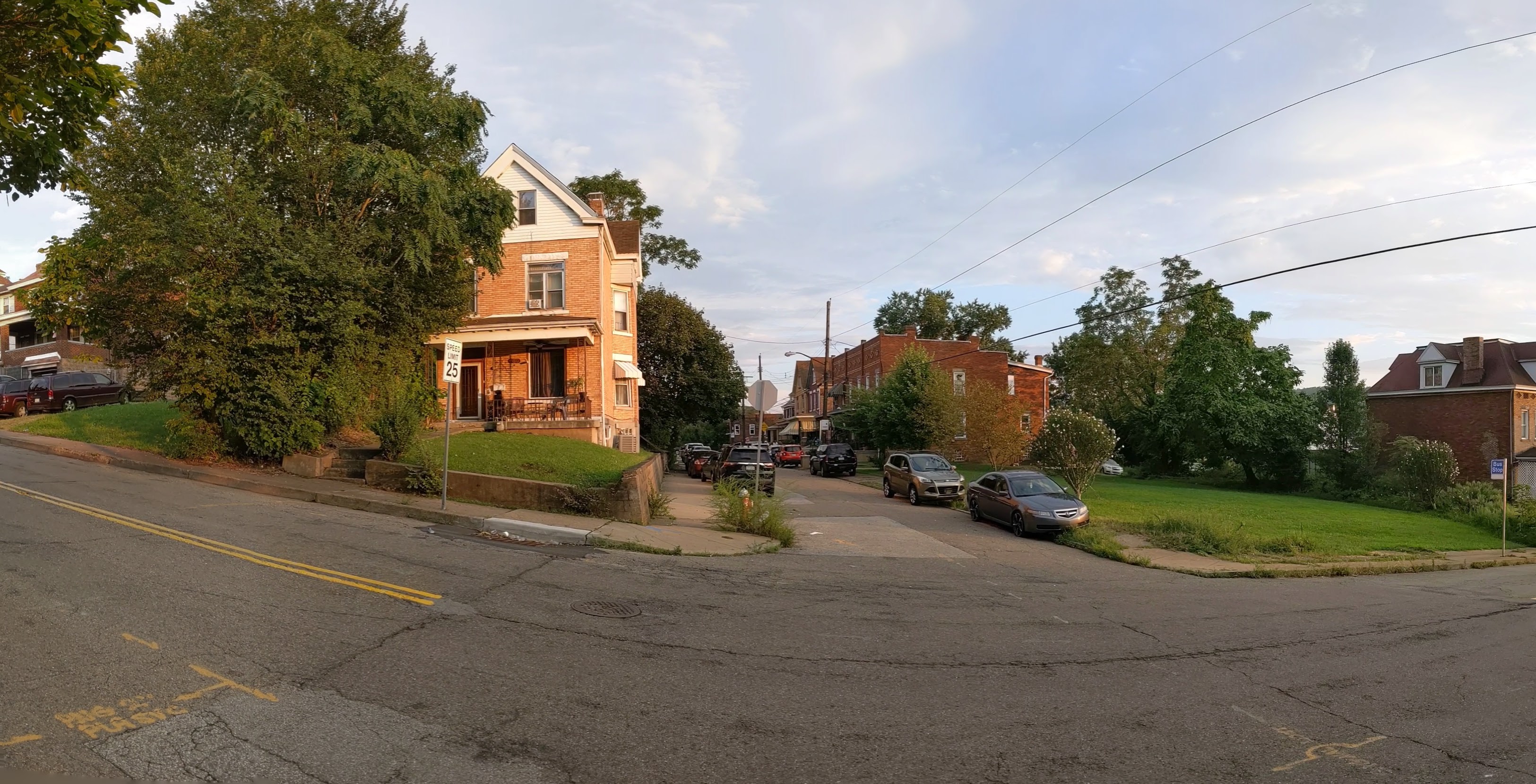
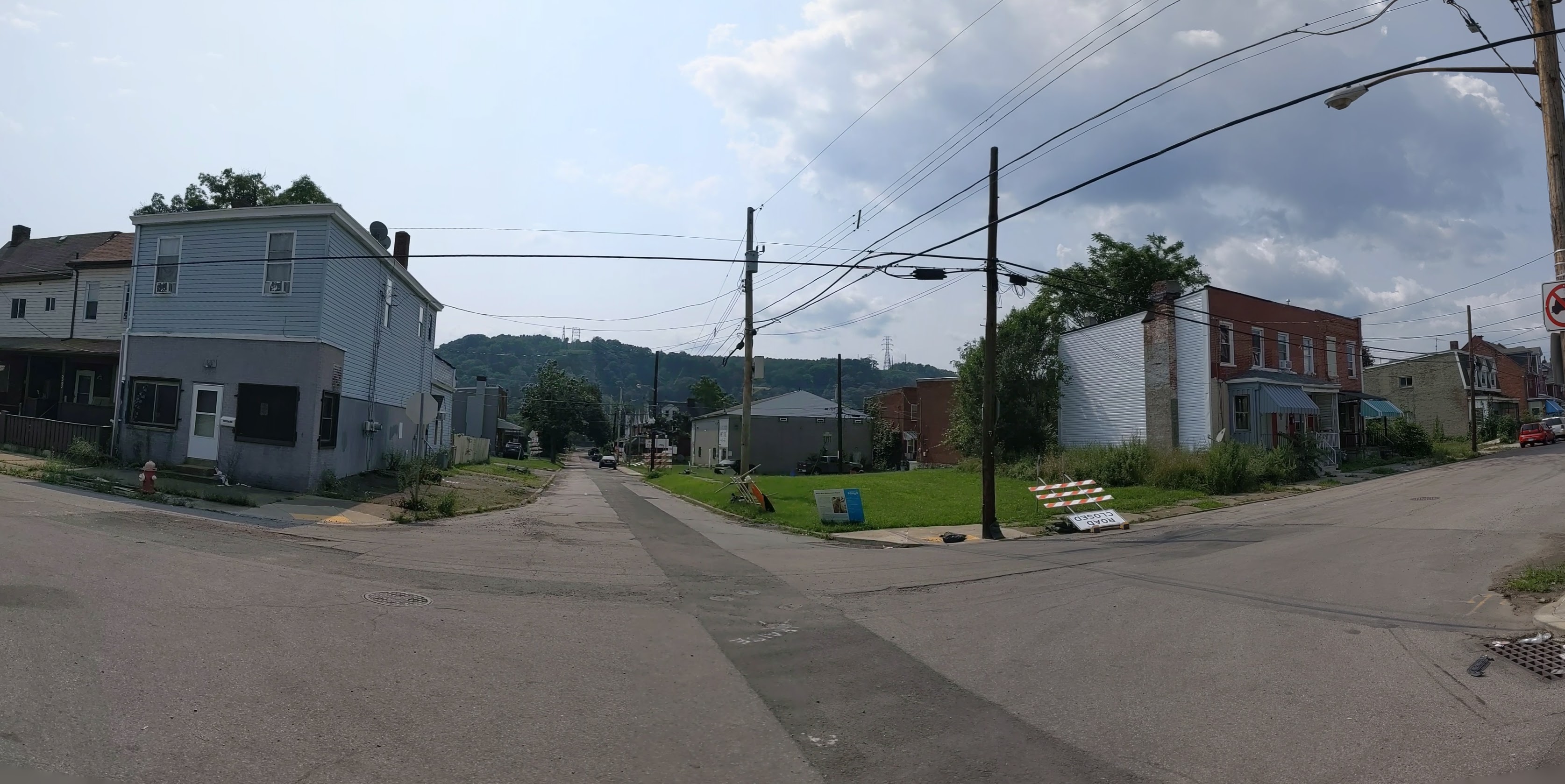
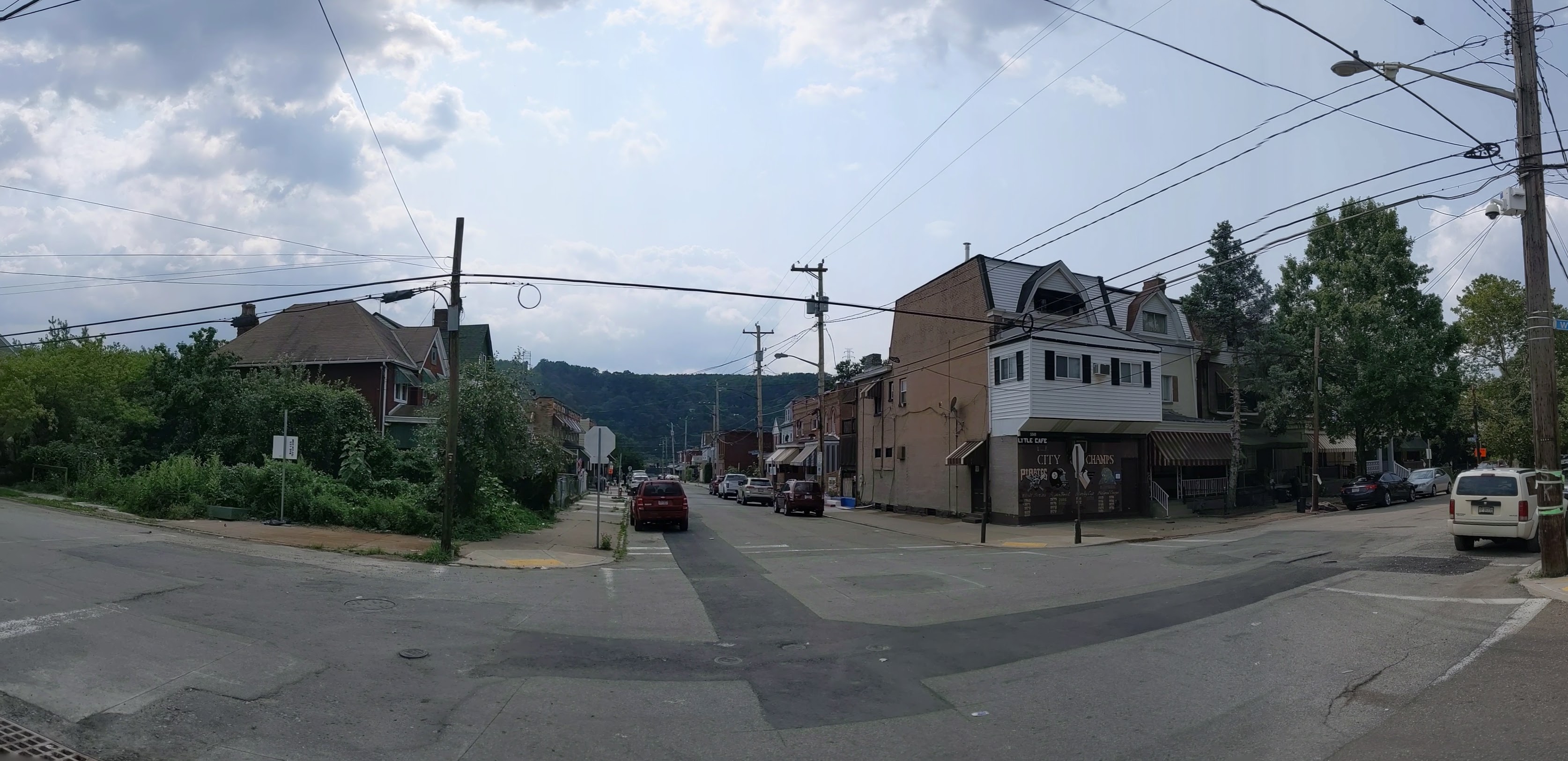
Hazelwood is a neighborhood about 4 miles down the Monongahela River from downtown Pittsburgh. It is currently experiencing significant change, at least in the Hazelwood Green portion. The area that I’m designating as Hazelwood Slope is everything outside Hazelwood Green and the small residential enclave between the tracks and the river that I call Hazelwood Flats. The Hazelwood Slope contains the neighborhood’s commercial corridor, cultural and historical sites, and the majority of the neighborhoods’ residences.
What’s New
After my September 2020 check-in on Hazelwood, it seemed that changes in Hazelwood were happening at a slower pace than the other sites I’m keeping an eye on. So I decided to switch from a 6-month interval to a 12-month interval between visits. A few months ago, I saw construction vehicles and other signs of activity while driving down Second Ave through Hazelwood. I thought perhaps I was missing out on some activity. However, when I walked through the neighborhood this month, I couldn’t find any signs of recent demolition or recent construction.
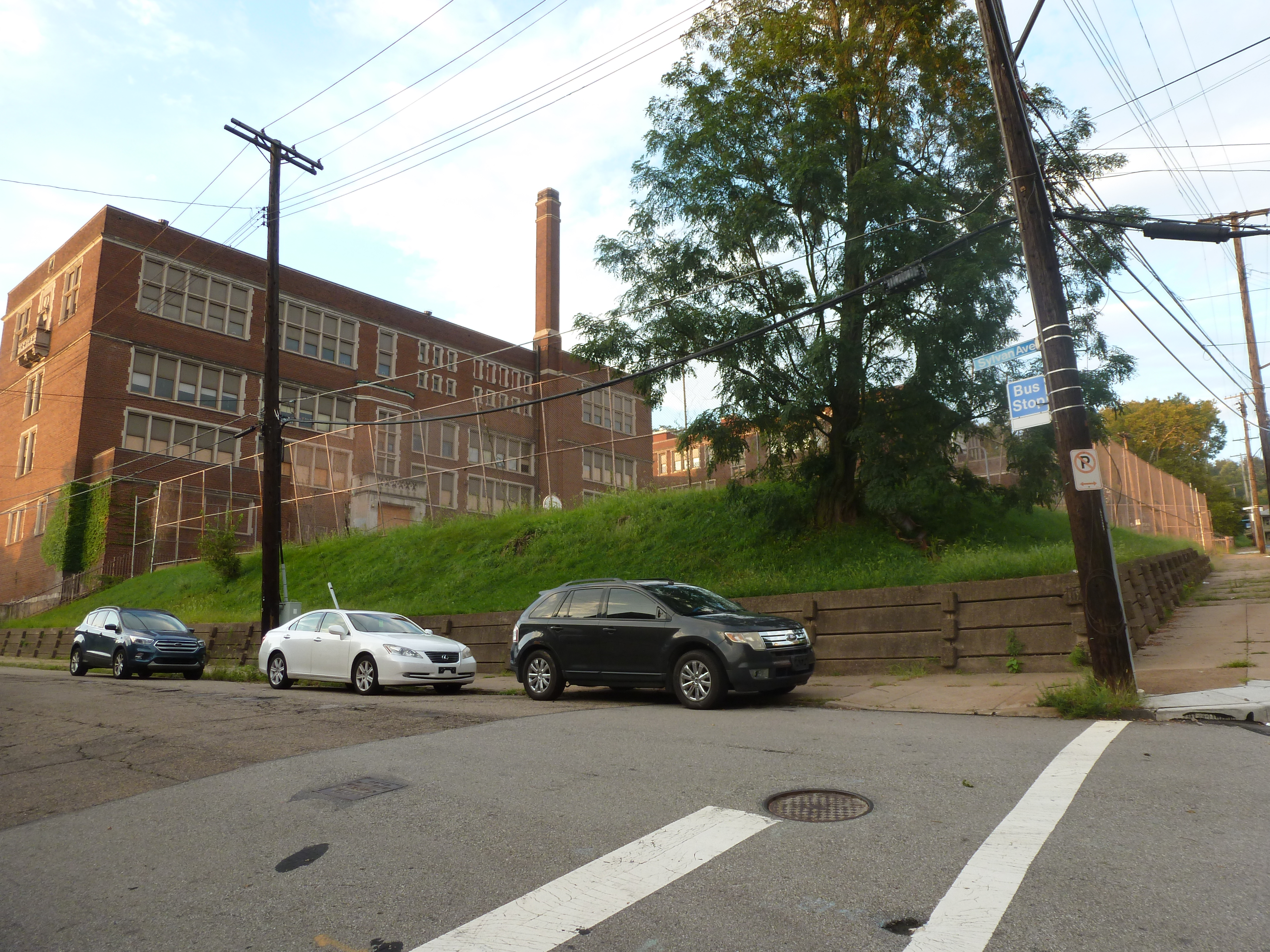
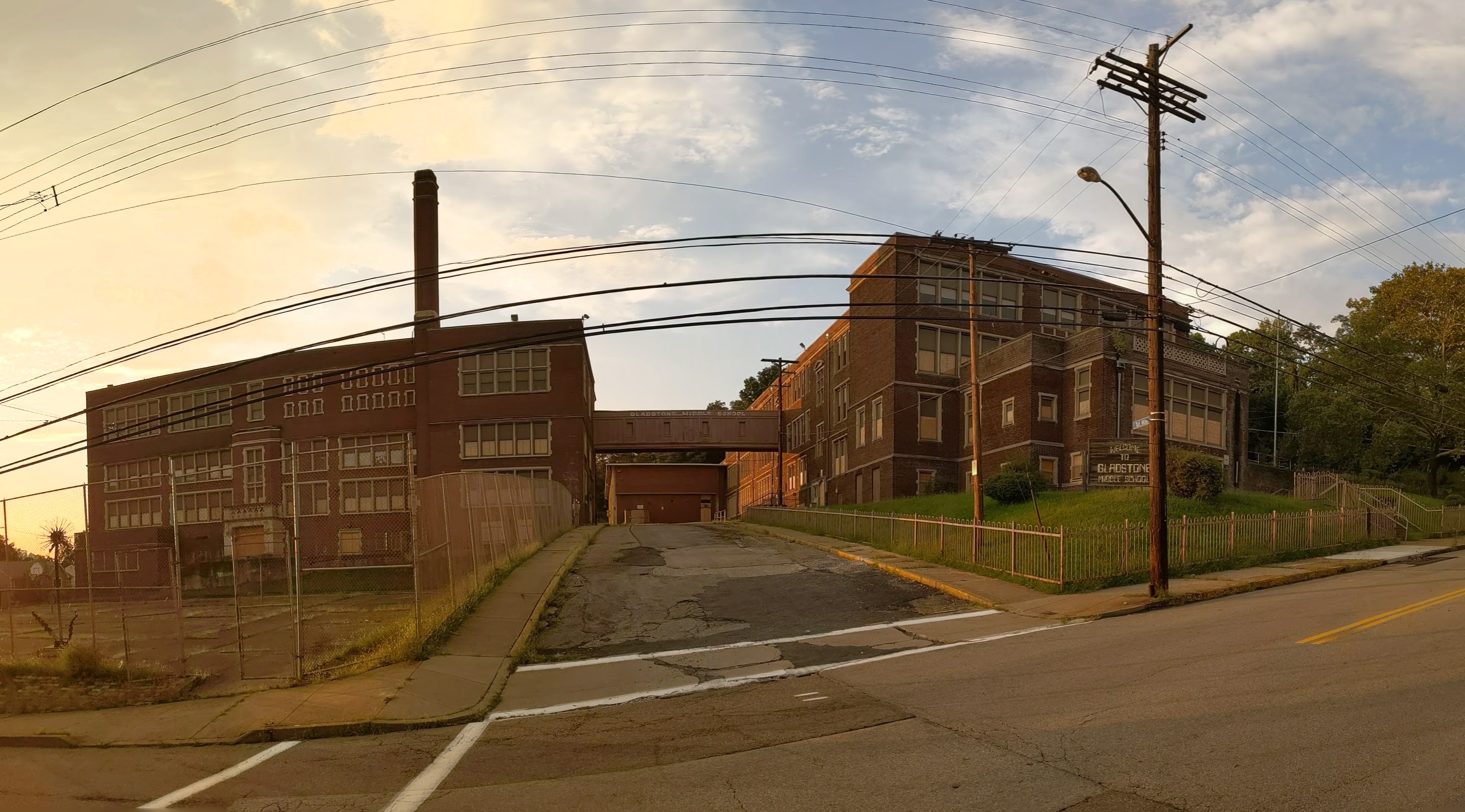
An exciting project that is projected to start soon is the conversion of the former Gladstone School to affordable housing. There were subtle signs of site prep when I walked by this month. Construction is expected to start before the end of the year with an anticipated completion date in 2023.
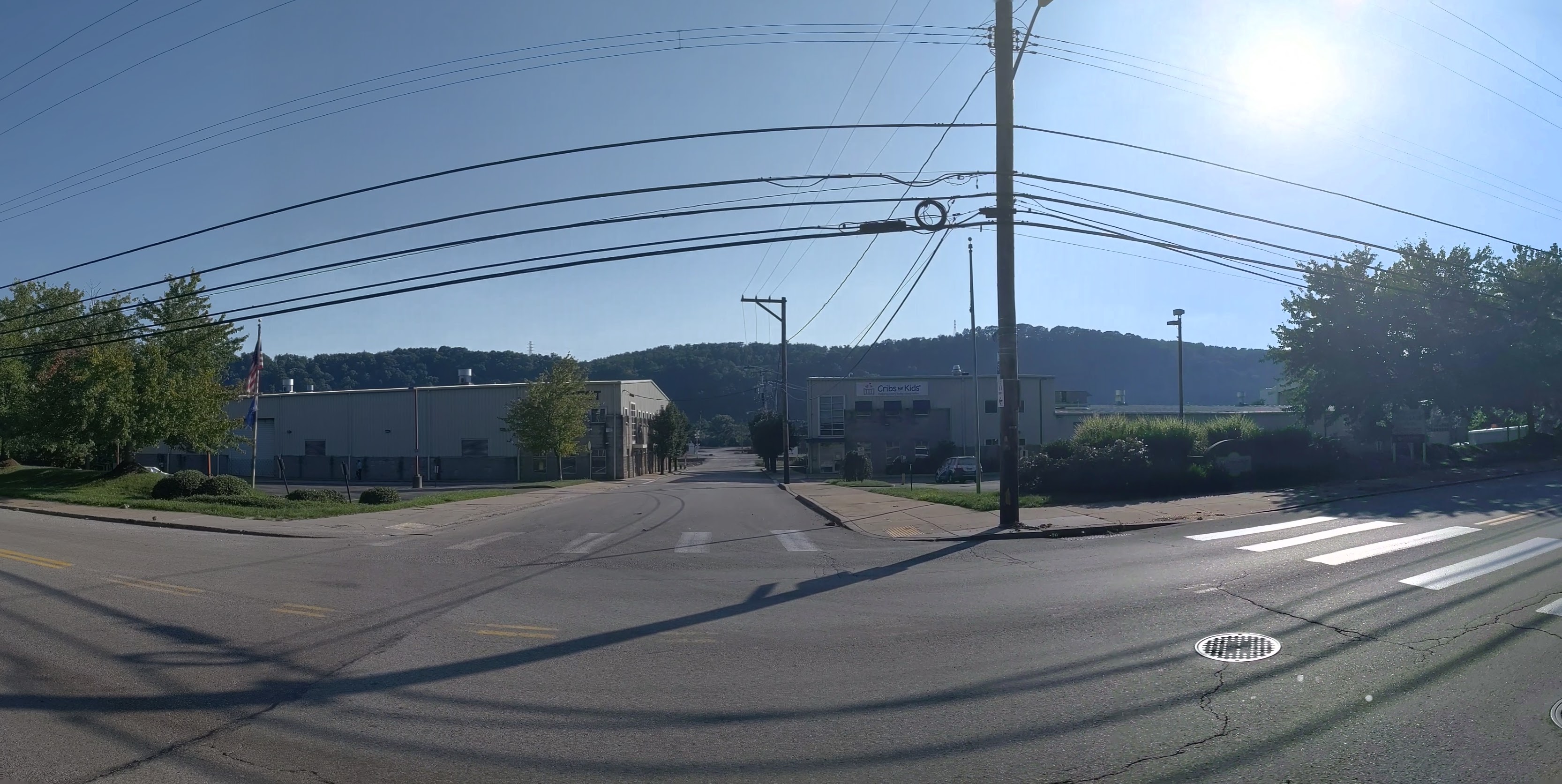
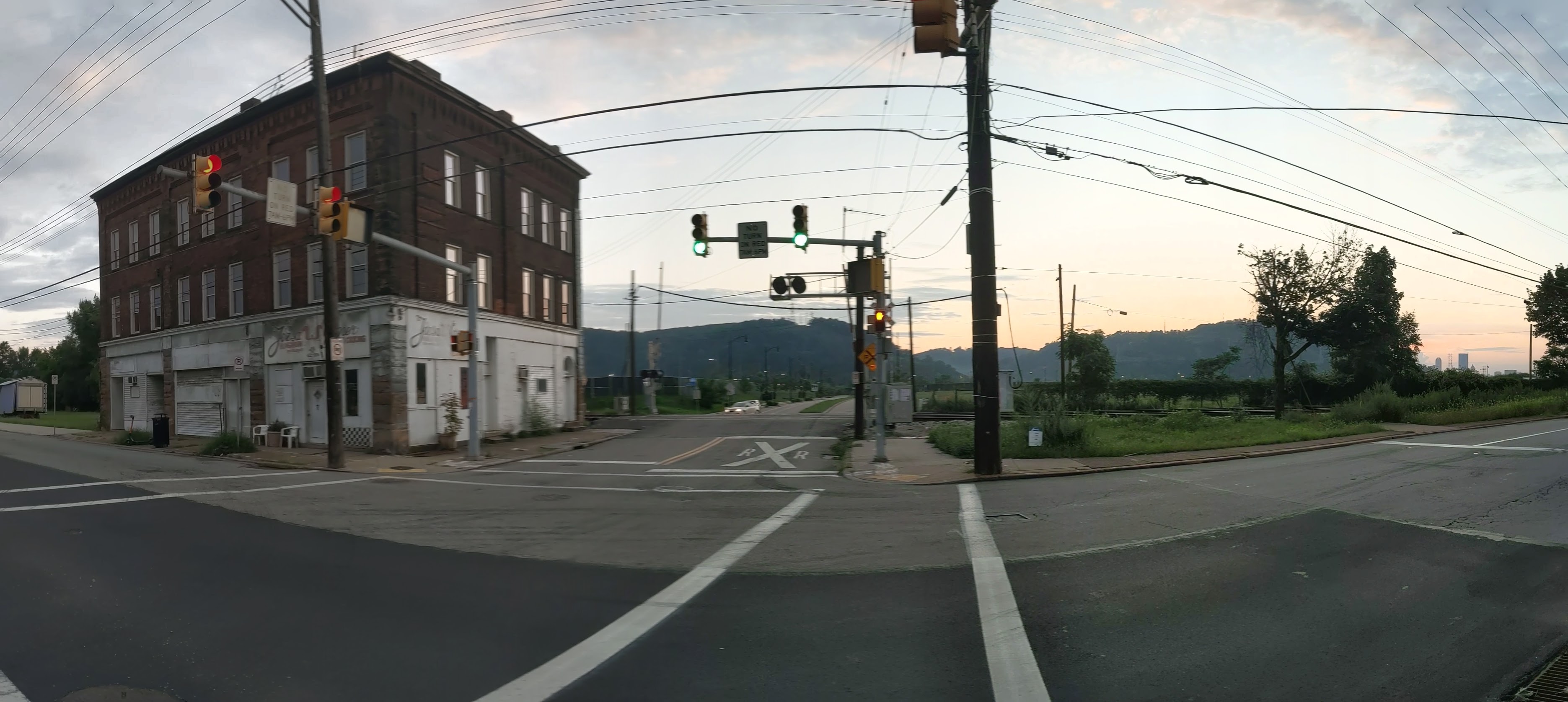
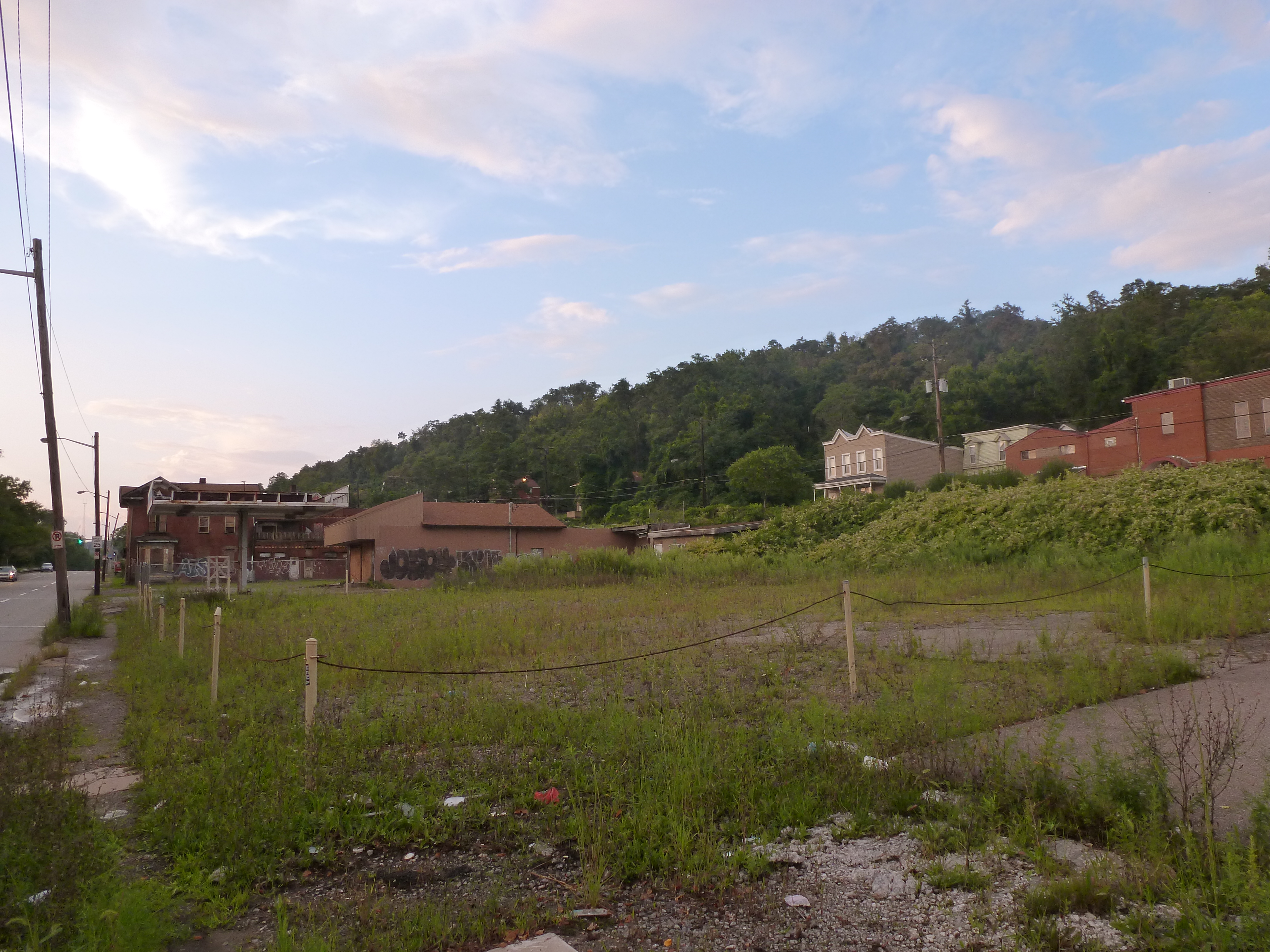
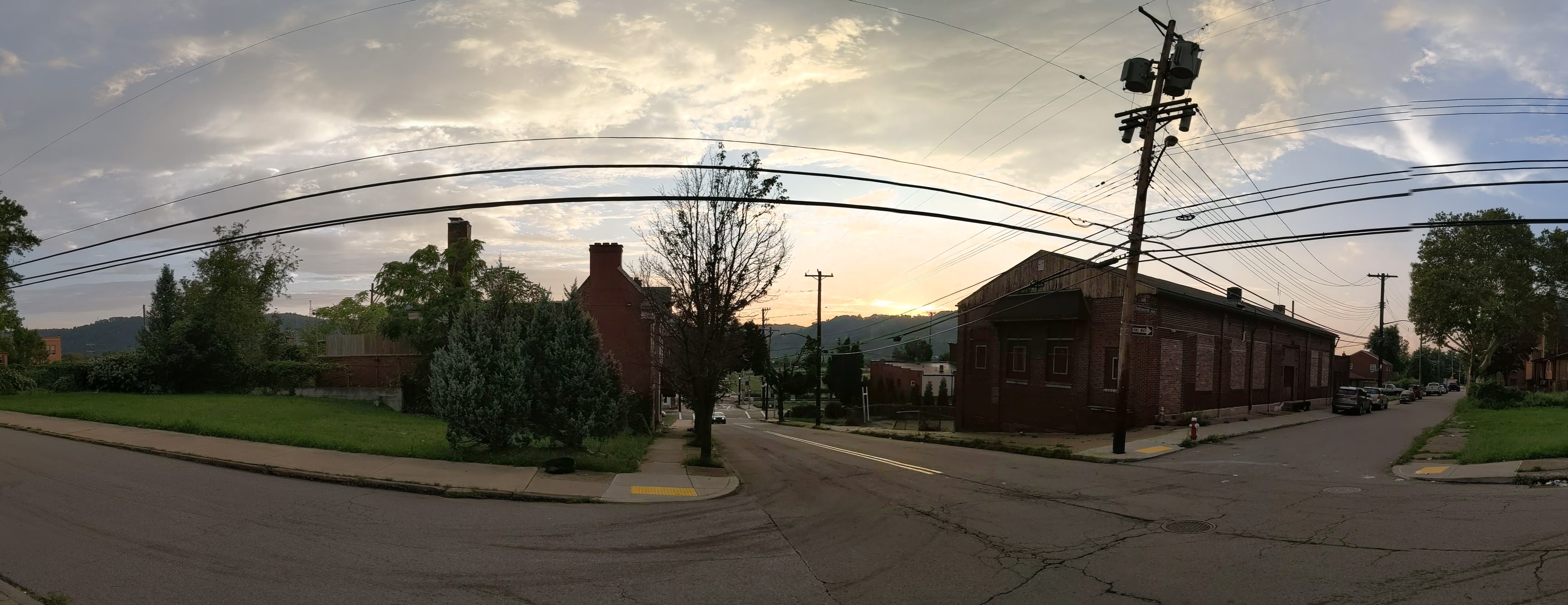
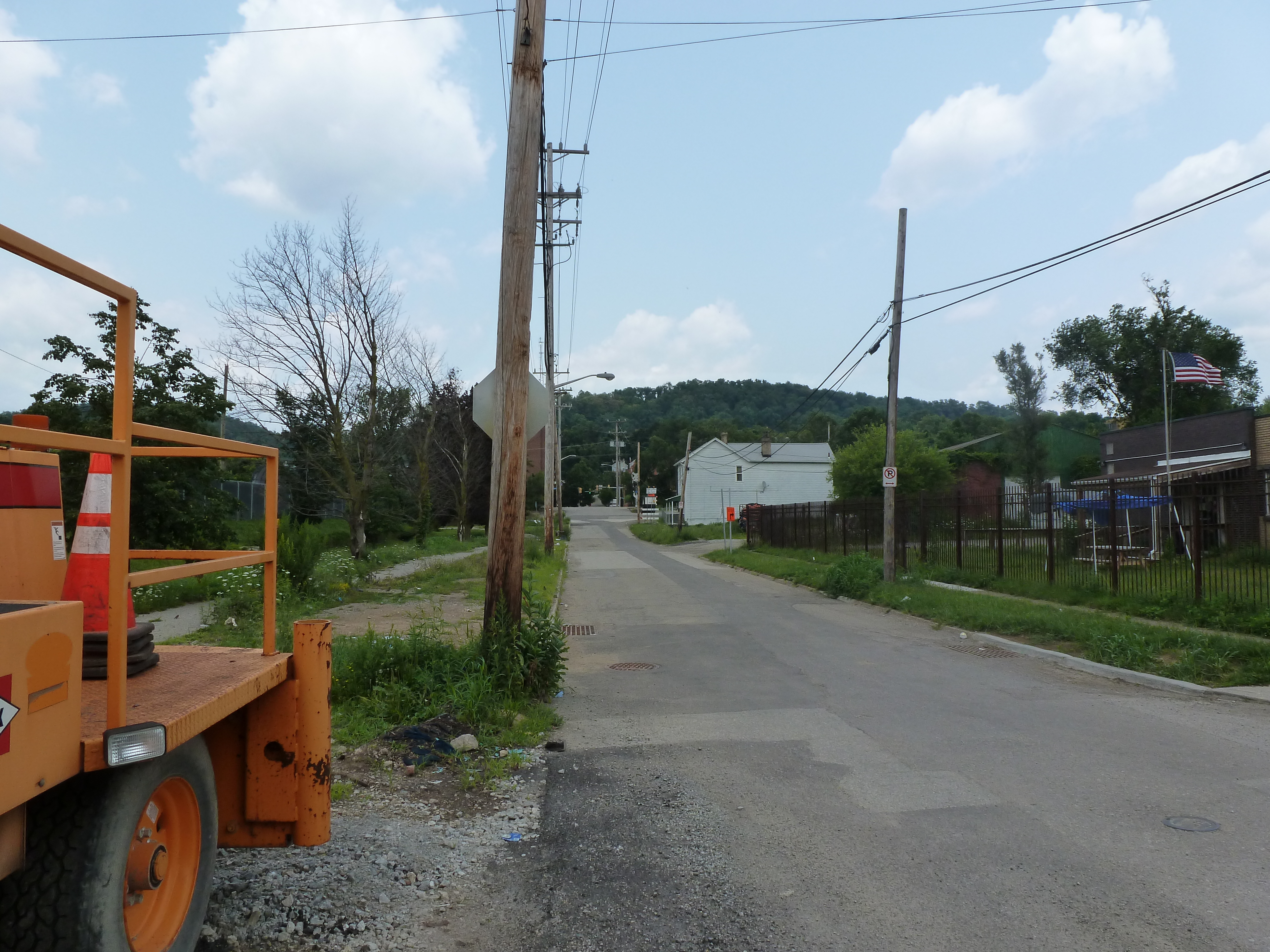
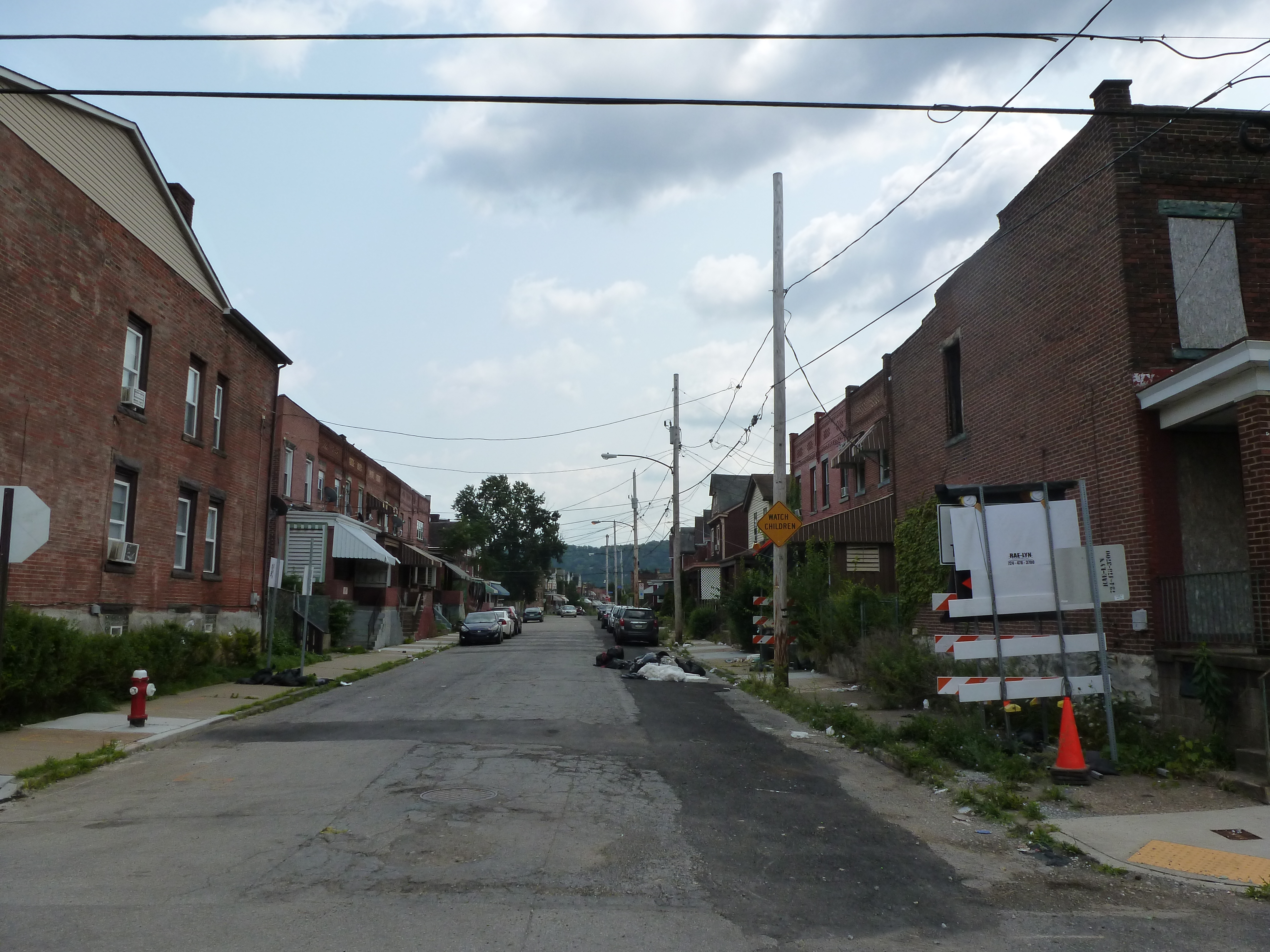
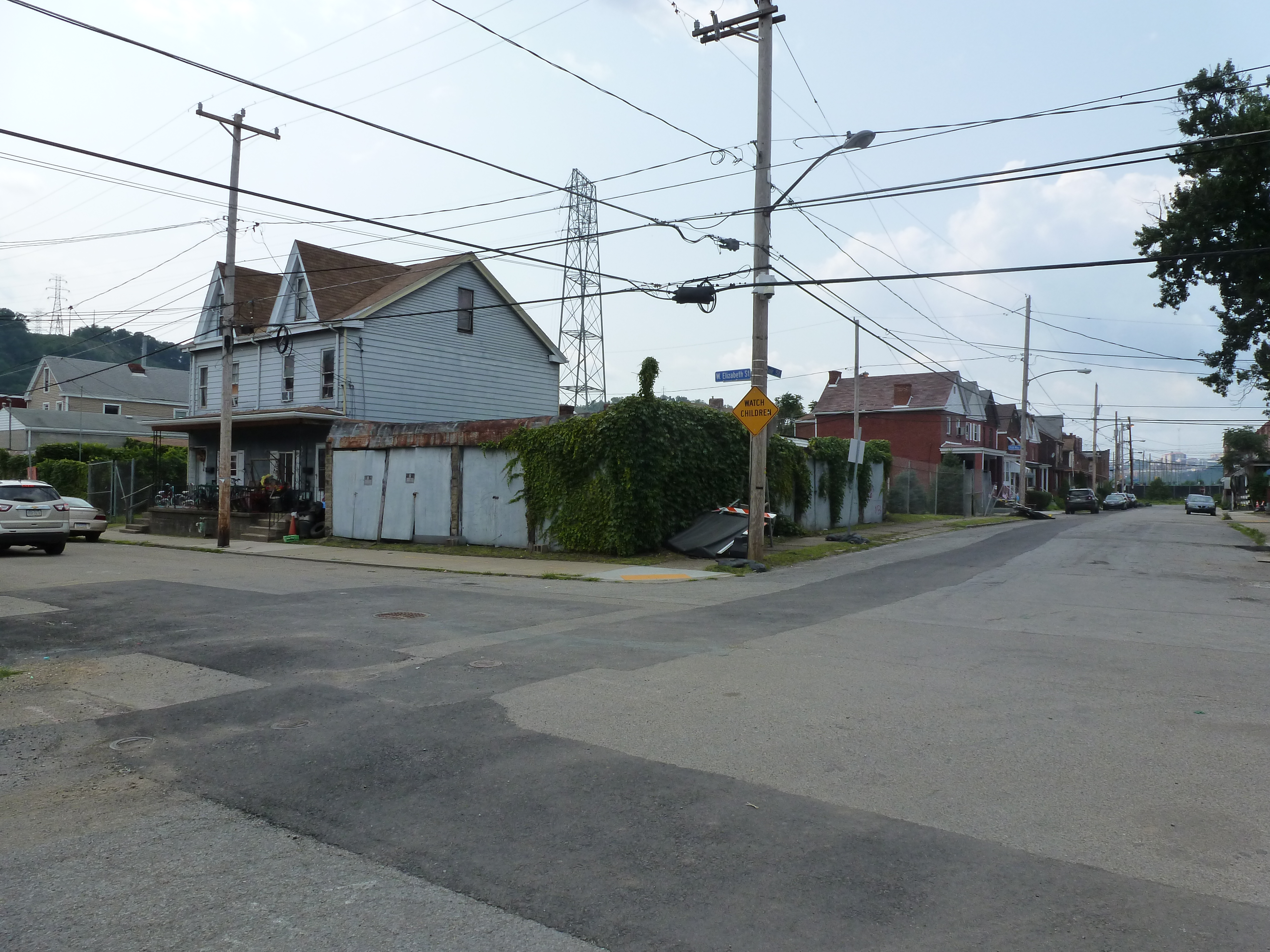
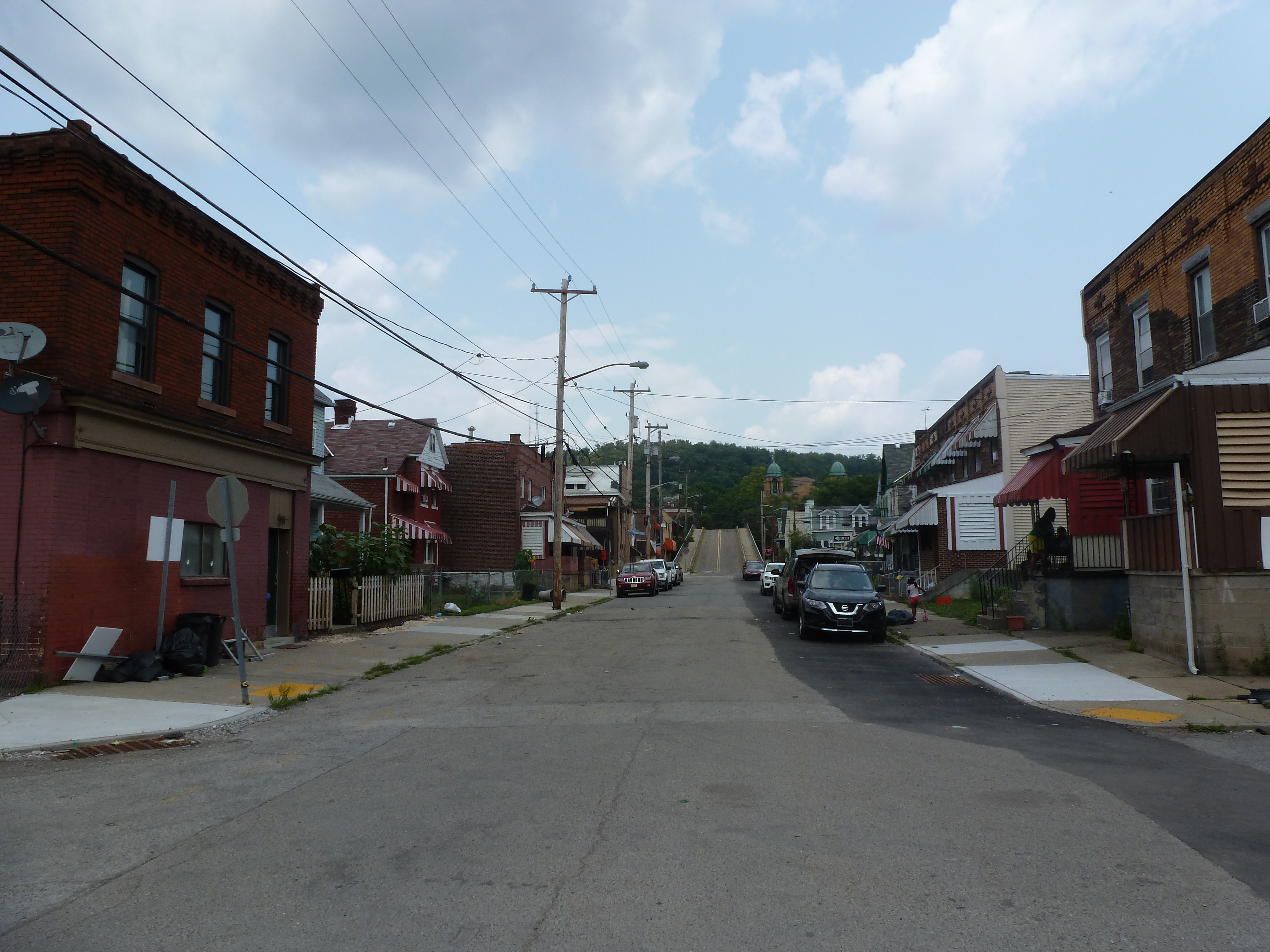
Hazelwood is a neighborhood about 4 miles down the Monongahela River from downtown Pittsburgh. It is currently experiencing significant change, at least in the Hazelwood Green portion. The area that I’m designating as Hazelwood Flats, is a small predominantly residential enclave. On the north-south axis, it is sandwiched between the former site of the Jones and Laughlin Steel Mill (now Hazelwood Green) and a mixed commercial/industrial area that includes the city’s recycling processing center. On the east-west axis, it is sandwiched between the river and the railroad tracks.
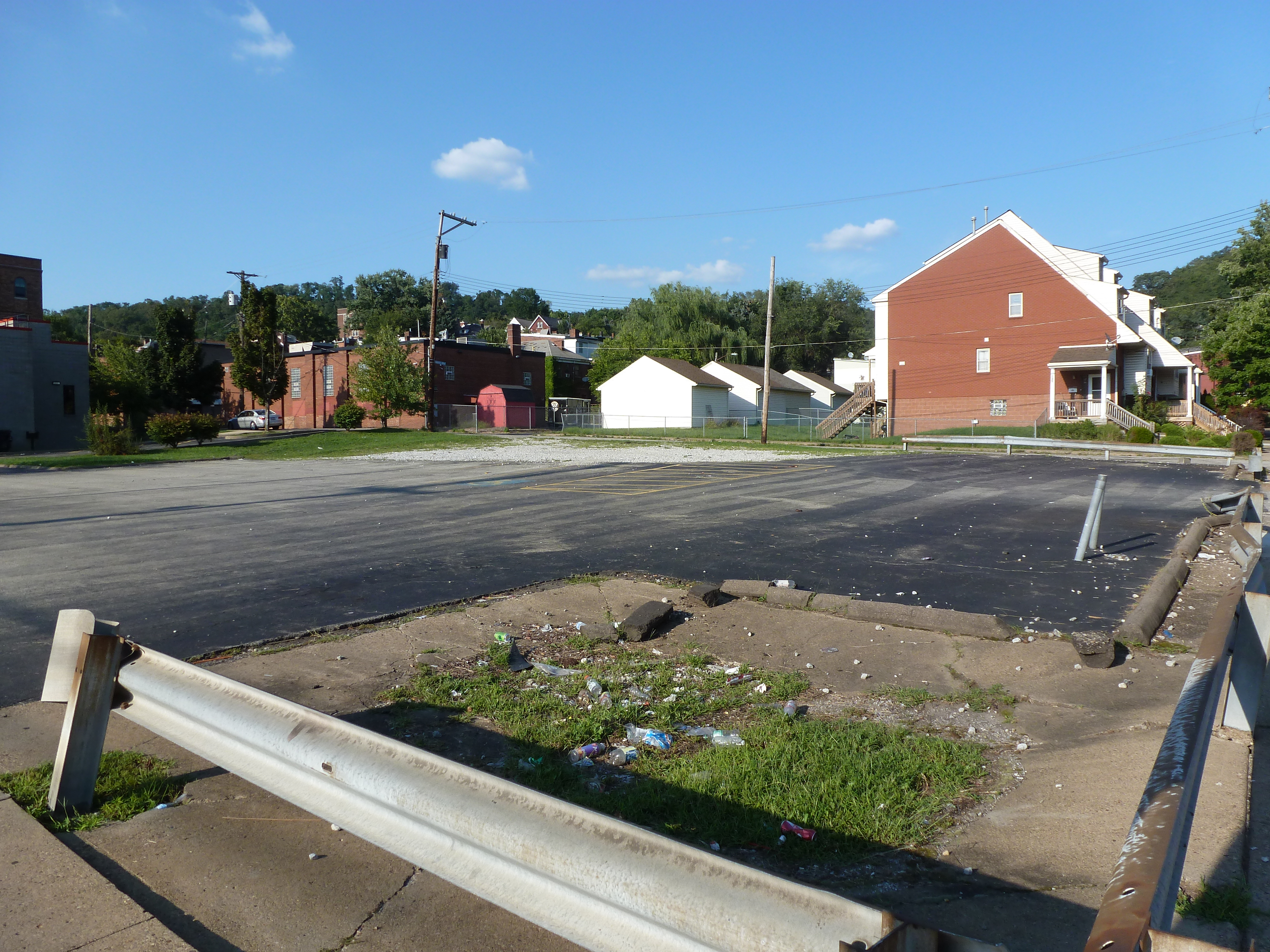
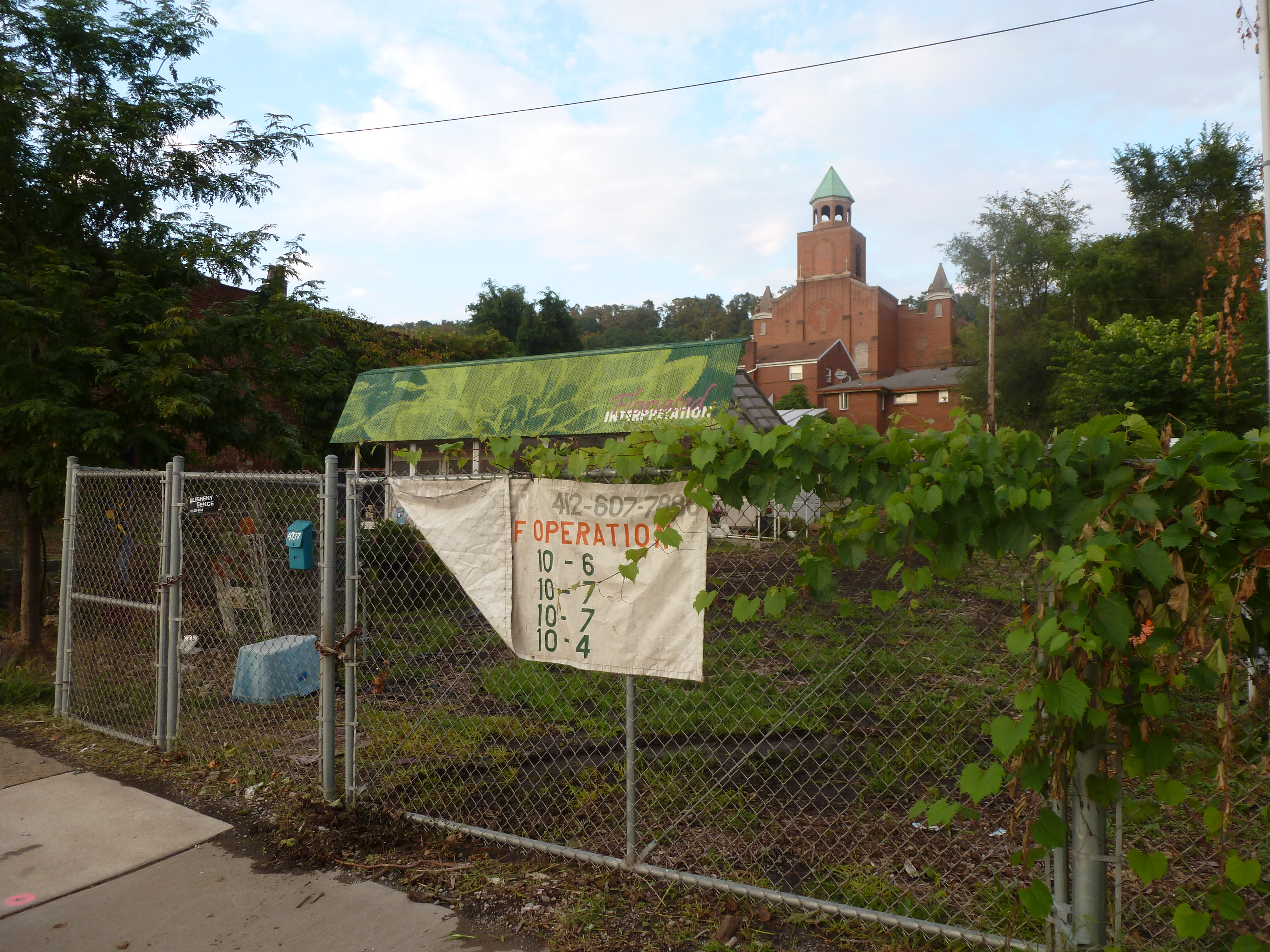
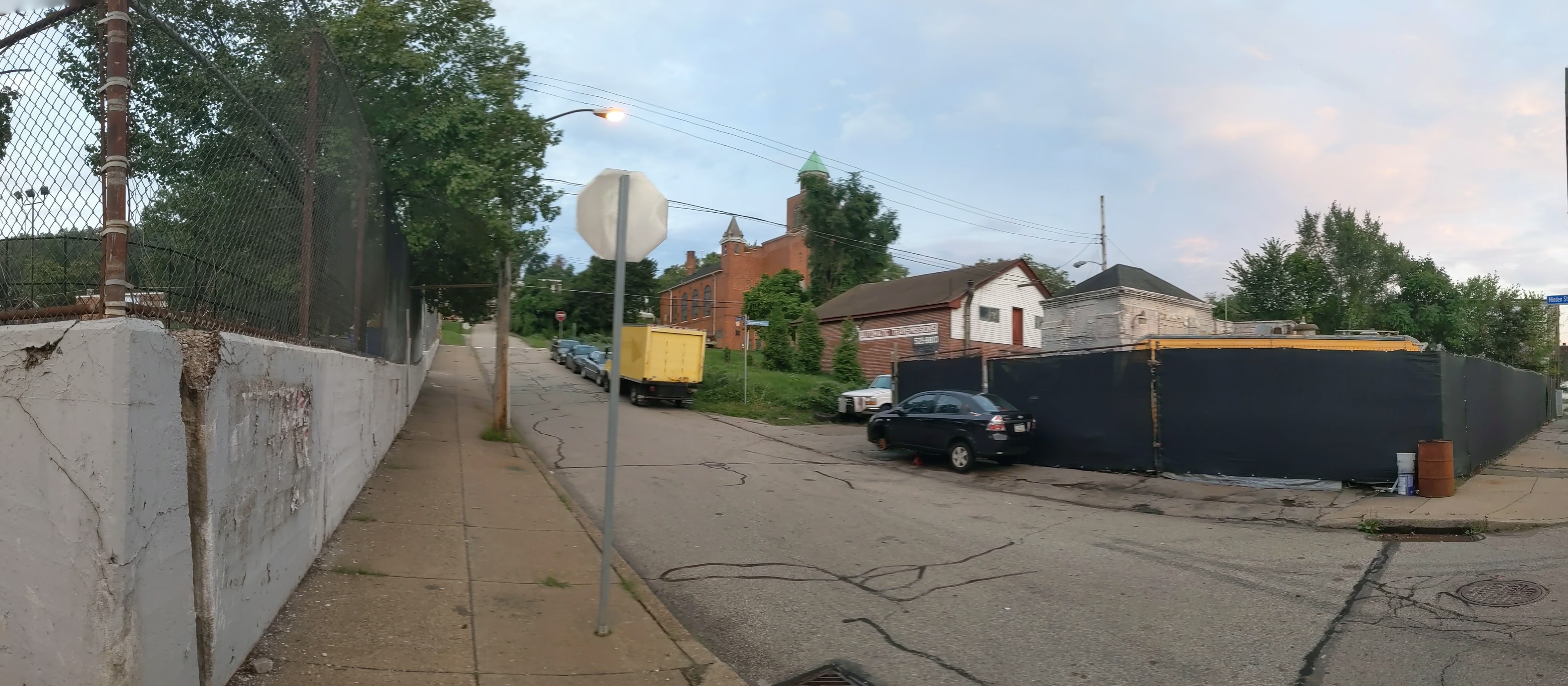
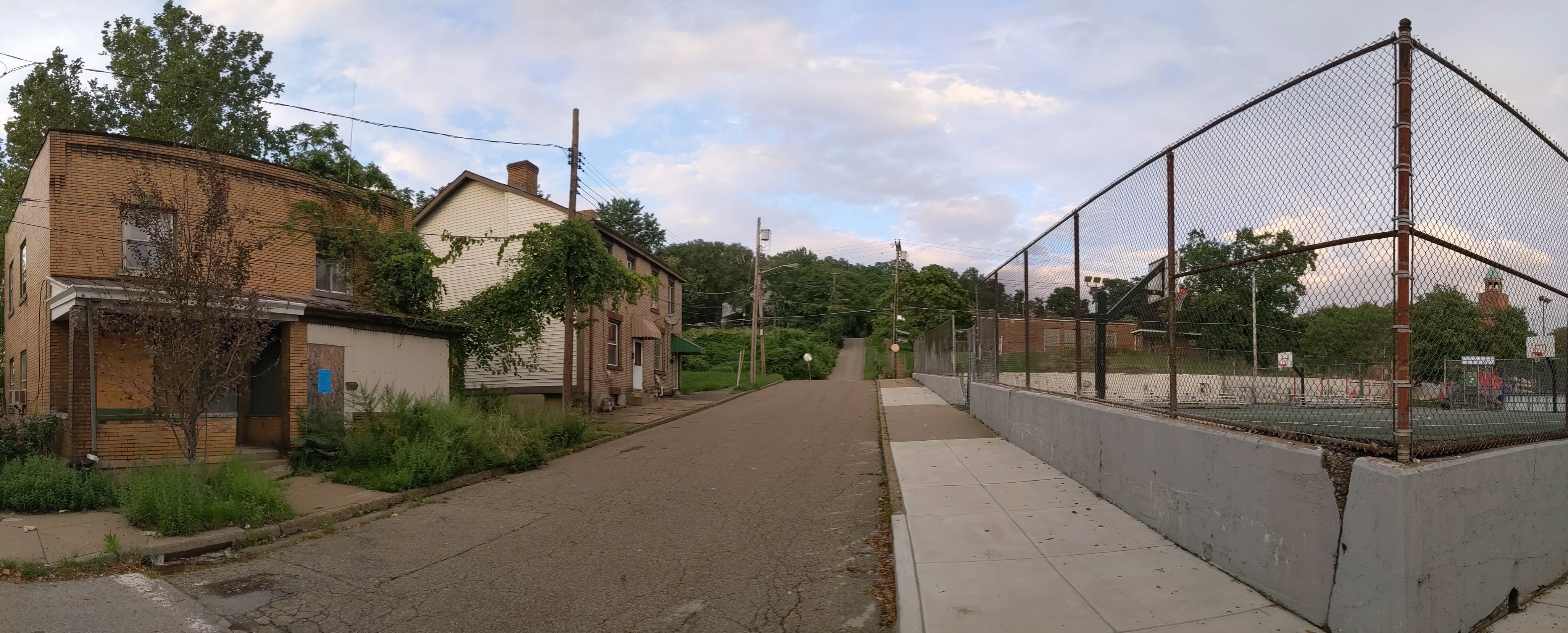
Given the extent of disinvestment in the Hazelwood in recent decades, this enclave is relatively intact with far fewer vacant lots than in the remainder of the neighborhood. The housing stock ranges from boarded up to maintained with vibrant yards.
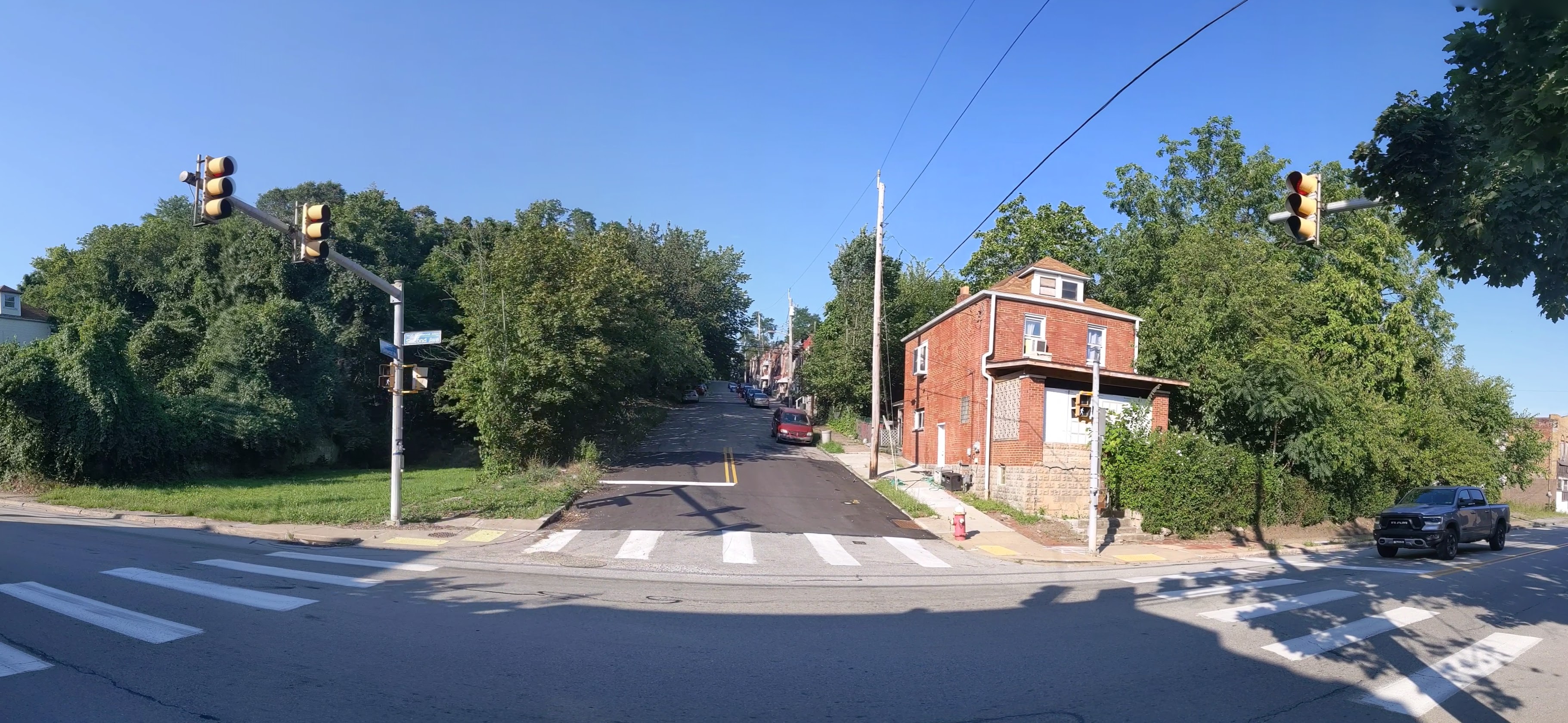
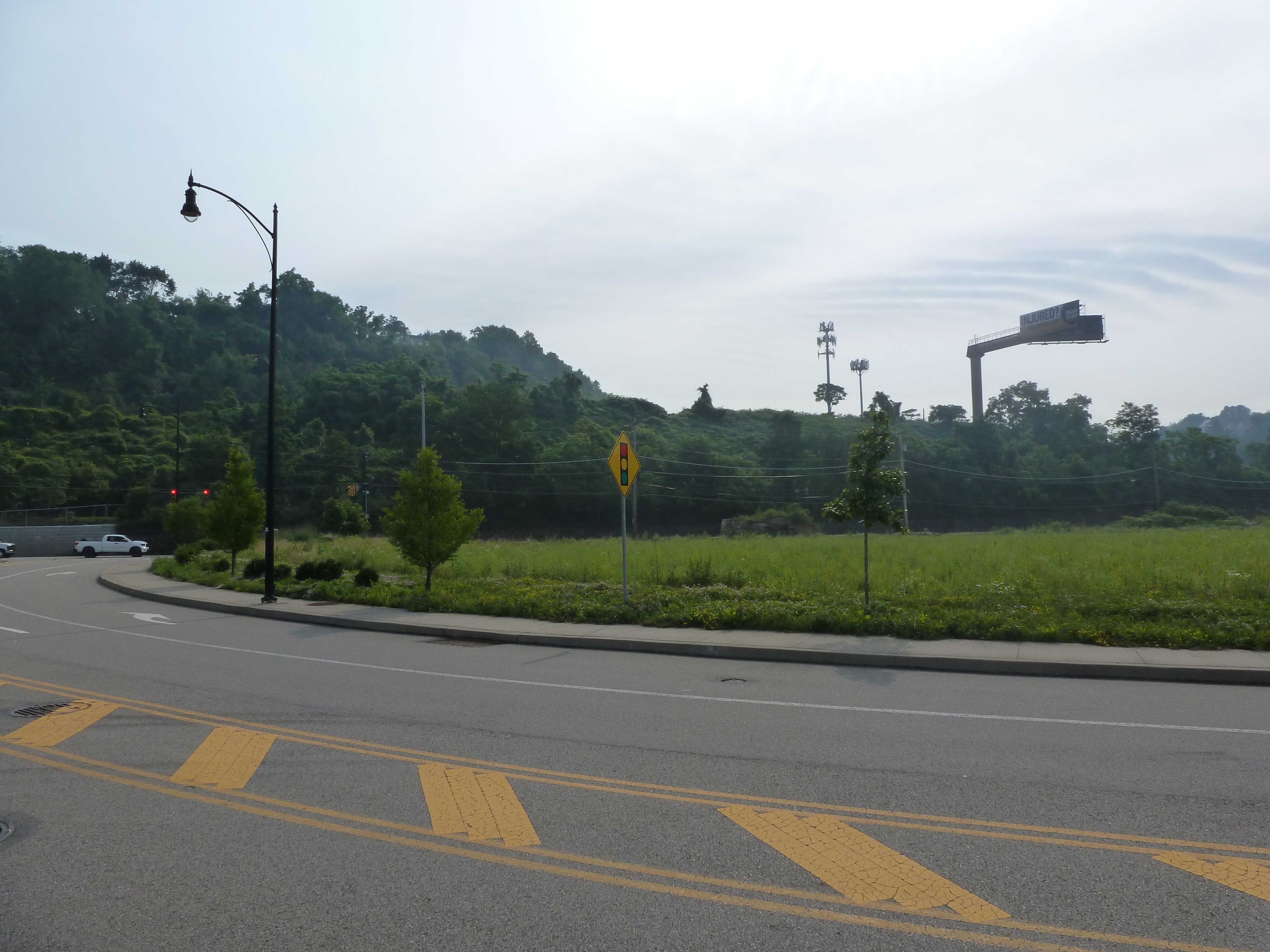
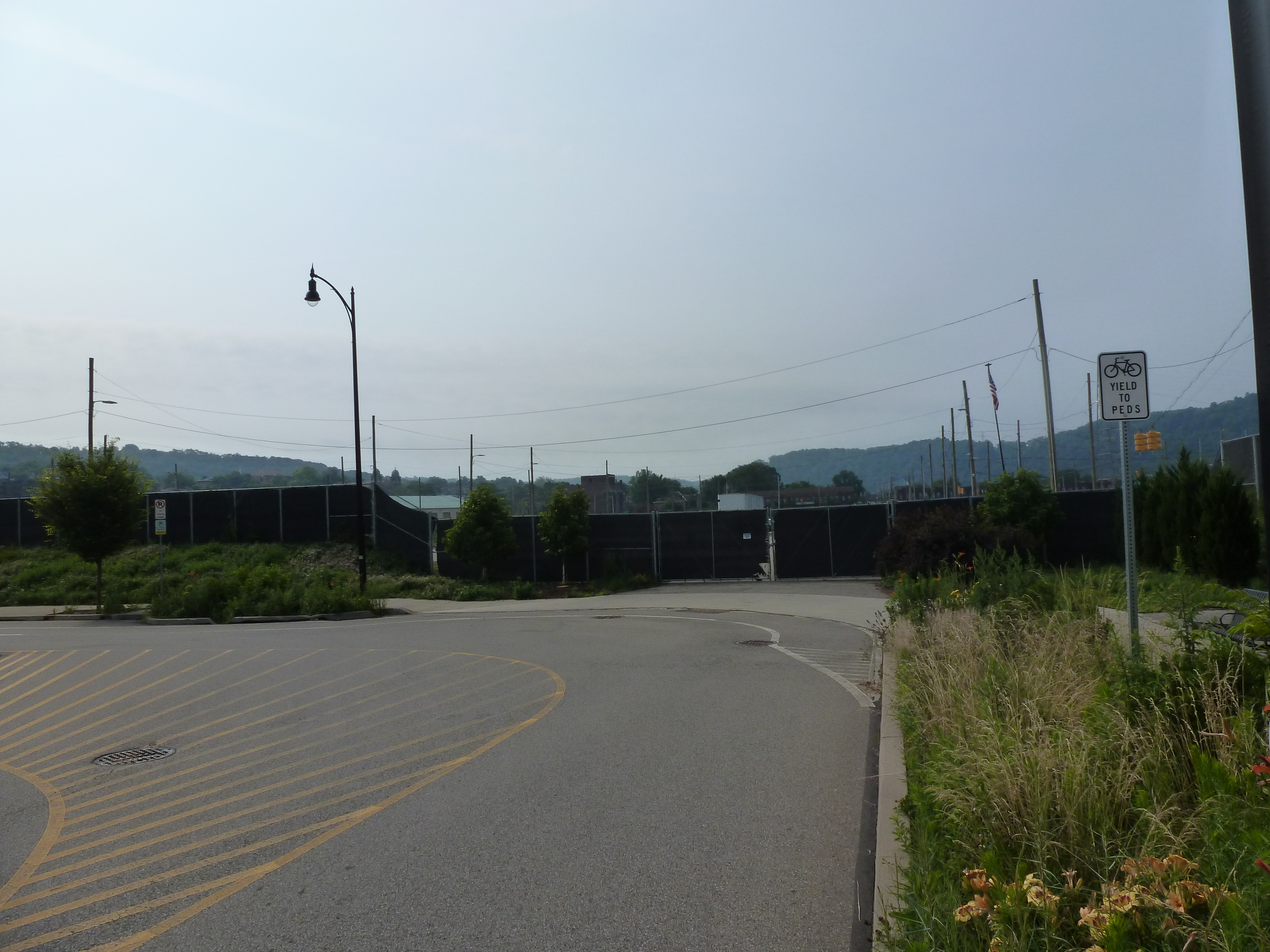
Only two streets cross the railroad tracks to connect this enclave with Second Ave, the neighborhood’s main street and a main artery for the city. A small road with car-swallowing potholes connects the enclave directly to Hazelwood Green bypassing the black wrapped fence surrounding Uber’s test track.
While Uber has a veiled presence in the neighborhood and robots are being tested nearby, the question is what will happen to the residents and the neighborhood. Through this photographic series, I will periodically return to the neighborhood to document the physical changes to the Hazelwood Flats to capture a part of the answer to that question as it unfolds. This is in conjunction with two related series documenting the changes to Hazelwood Green and the slope portion of Hazelwood on the other side of the railroad tracks.
What’s New
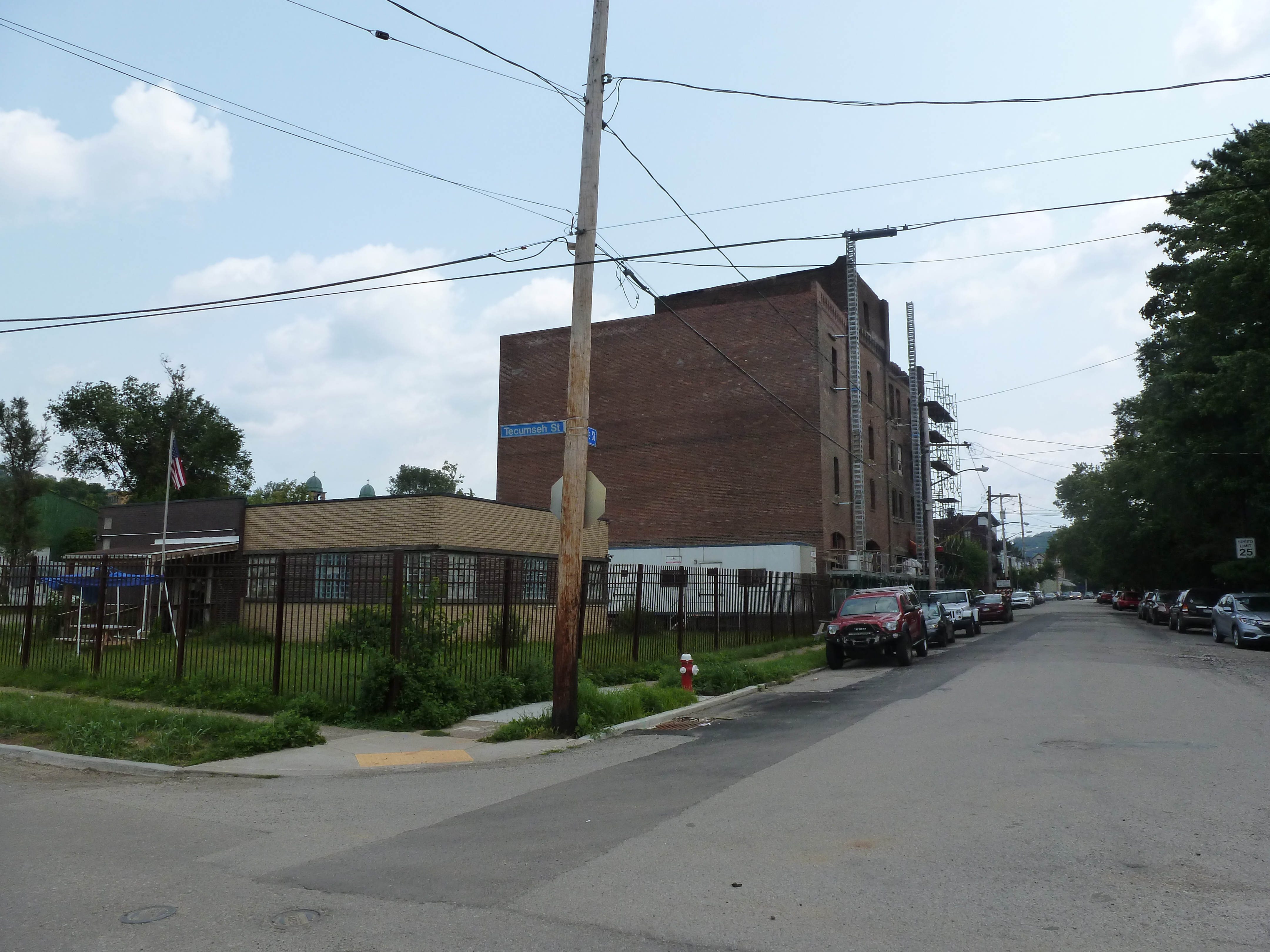
Since I last visited Hazelwood Flats, work has begun on the renovation of the former Hazelwood Brewery (image 5a). The proposed new use of this site is a hub for craft brewers. I noticed a vacant lot on Blair Street (image 9a) that may have been newly vacant or was just more noticeable as a staging area for the water main replacement in the neighborhood (similar to the water main replacement in Uptown this summer). As I’m becoming more familiar with the neighborhood, I’m seeing more details – such as noticing the rowhouses tucked along the Ways (image 15) similar to other worker housing neighborhoods in Pittsburgh like Lawrenceville and Garfield.
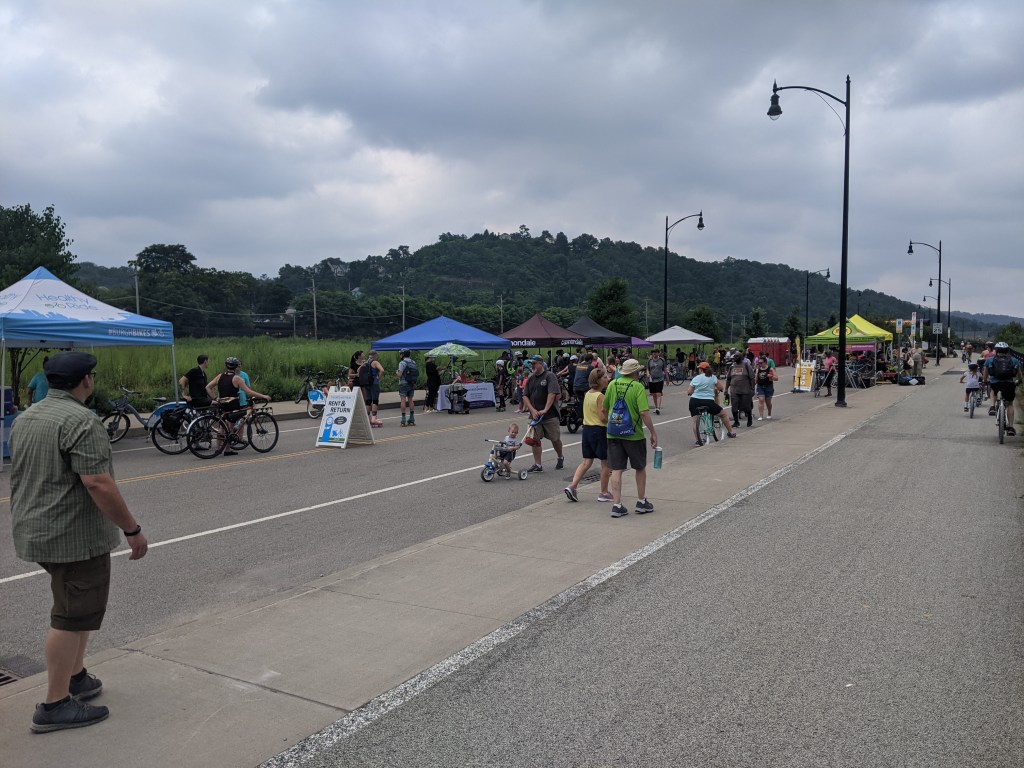
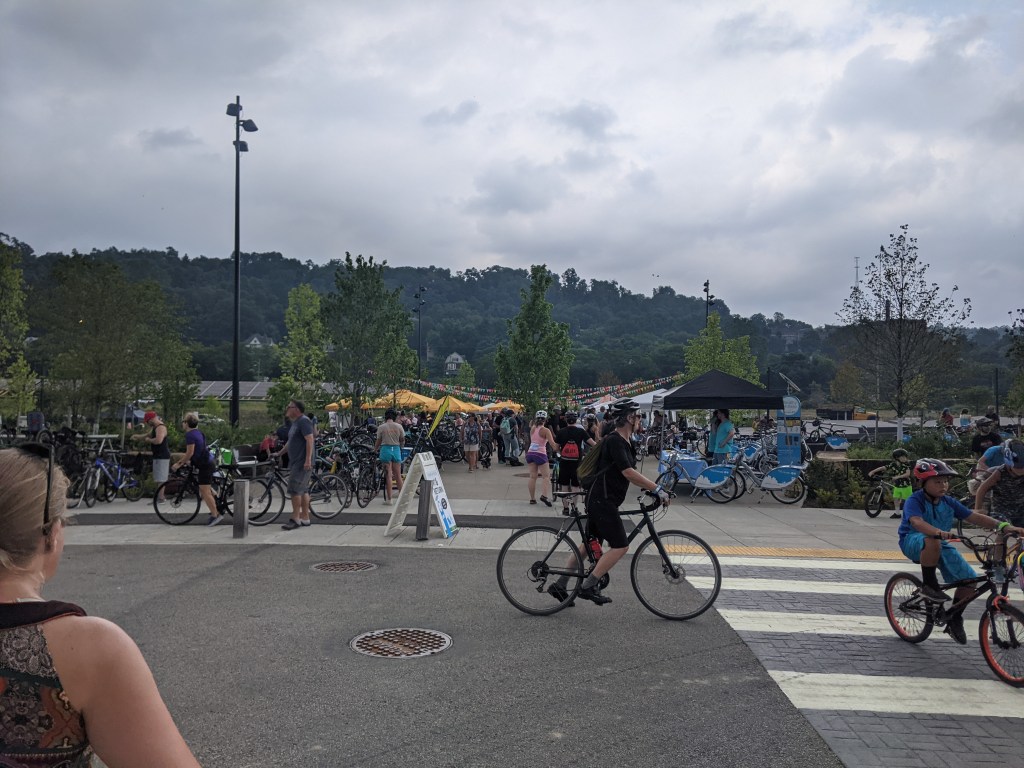
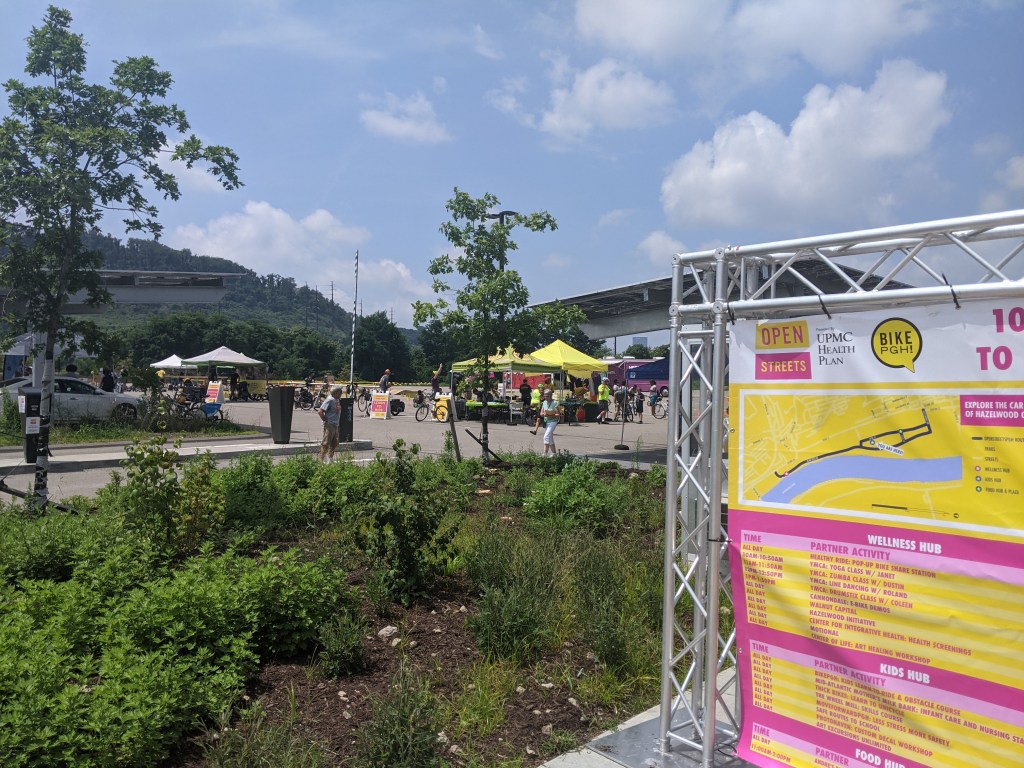
I was confused when Open Streets Pittsburgh announced that it was closing the streets in Hazelwood Green to cars and opening them to bicycles, roller skates, walkers, etc. Unlike the other locations they’ve done, not many cars use these streets and there aren’t any businesses on the site that people would come back to patronize after the festival.
However, it worked as a vehicle to increase awareness of the bike trail, plaza, and repurposed industrial buildings on the site. People who never or rarely come to Hazelwood, but come to Open Streets, came and participated. There were far more people than I’ve seen congregated in a single location since the beginning of the pandemic, which is also an exponential increase in the number of people I’ve seen in Hazelwood Green either pre-, post-, or during pandemic.
It was great to see the new plaza put to one of its intended uses as a concert venue with vendors on the paved portion. I arrived in time to grab some lunch from the tent for C&D’s Kitchen, a local Hazelwood restaurant, before finding a good seat to enjoy Jimmy Adler’s Blues Band and people watch. A young girl unconsciously stopped in her tracks to swing her hips to the music (not having the muscle coordination yet to do both). Across the green, a man kicked off his shoes to boogie on the grass.
I hope to enjoy many more such sights at events in this plaza.
Hazelwood is a neighborhood about 4 miles down the Monongahela River from downtown Pittsburgh. It is currently experiencing significant change. Between Hazelwood’s main street (2nd Avenue) and the Monongahela River is a 178-acre site of the former Jones and Laughlin Steel Company. Most of the structures from the mill were demolished, leaving a large brownfield. In 2002, the site was purchased for redevelopment by Almono LP (at the time, an entity made up of four Pittsburgh foundations). After years of planning and a rebranding of the site as Hazelwood Green, a series of public streets and the first building opened for use in 2019. Construction is underway for more buildings and a public plaza.
During the planning and preparation stages, a question arose as to the effects of this redevelopment on the surrounding neighborhood. Hazelwood is one of Pittsburgh’s neighborhoods that has experienced high vacancy rates and subsequent demolition in its residential and business districts. While the building stock of the neighborhood has experienced a long downward trend, the community of people is strong. Only time will tell if the redevelopment of Hazelwood Green will connect with this community or if Hazelwood Green will become and isolated spot of prosperity for others.
Through three photographic series, Keeping an Eye on Hazelwood Green, Keeping an Eye on Hazelwood Flats, and Keeping an Eye on Hazelwood Slope, I will periodically document the physical changes to the former steel mill site and to the surrounding neighborhood.
What’s New
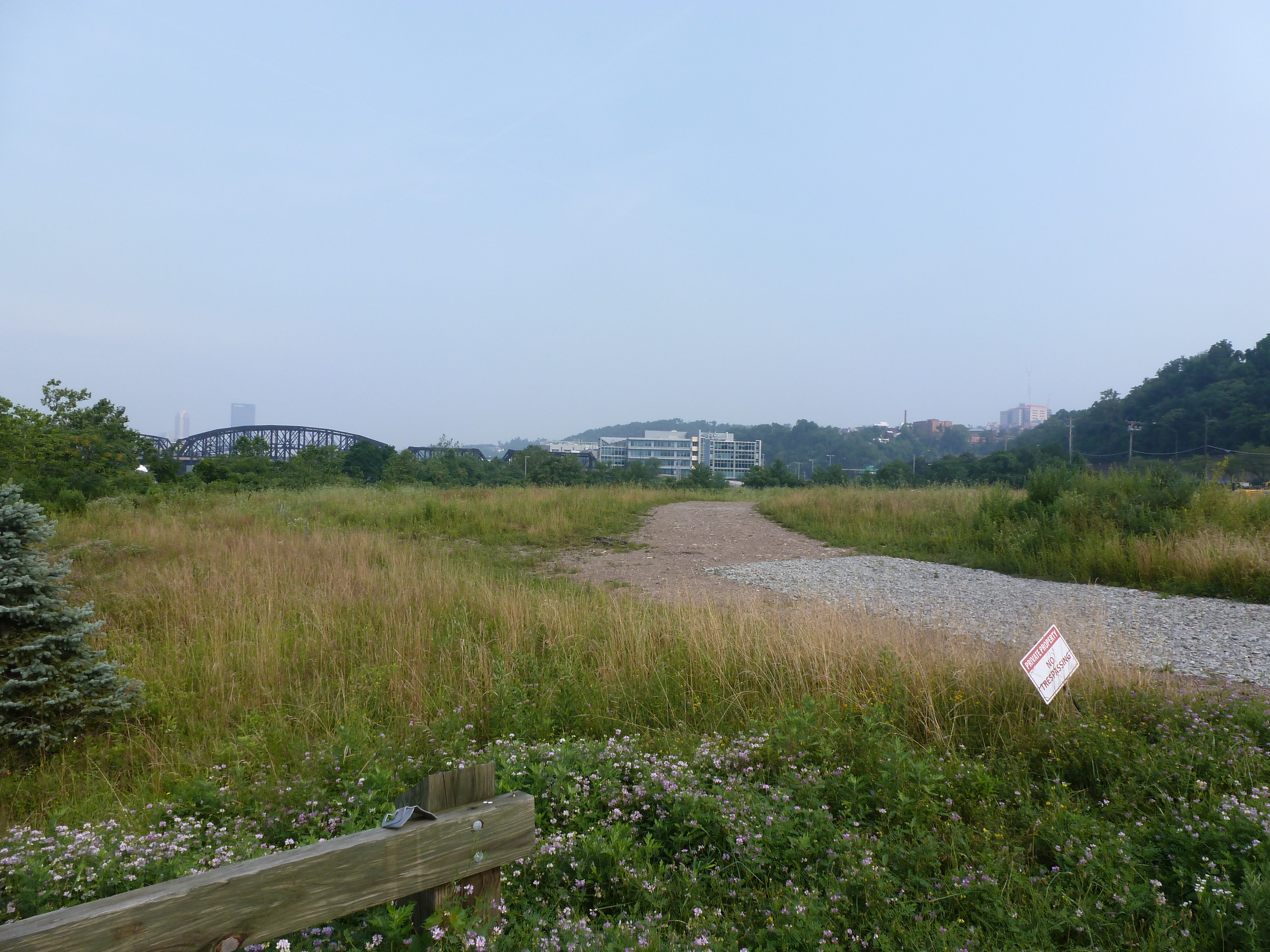
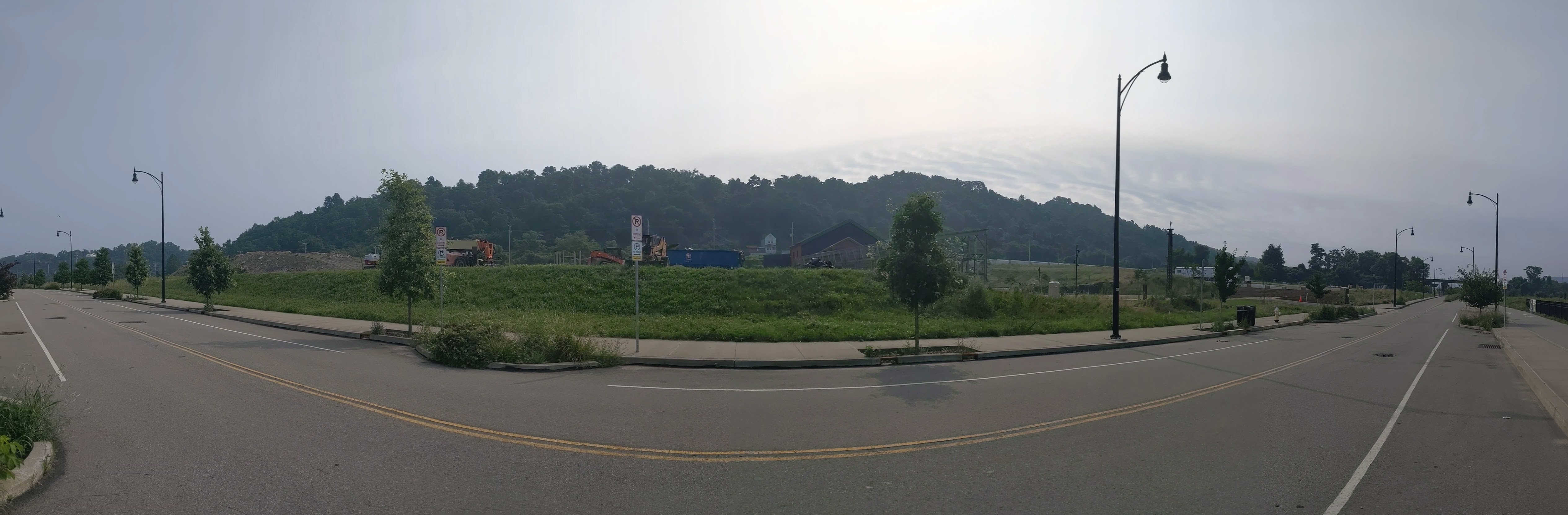
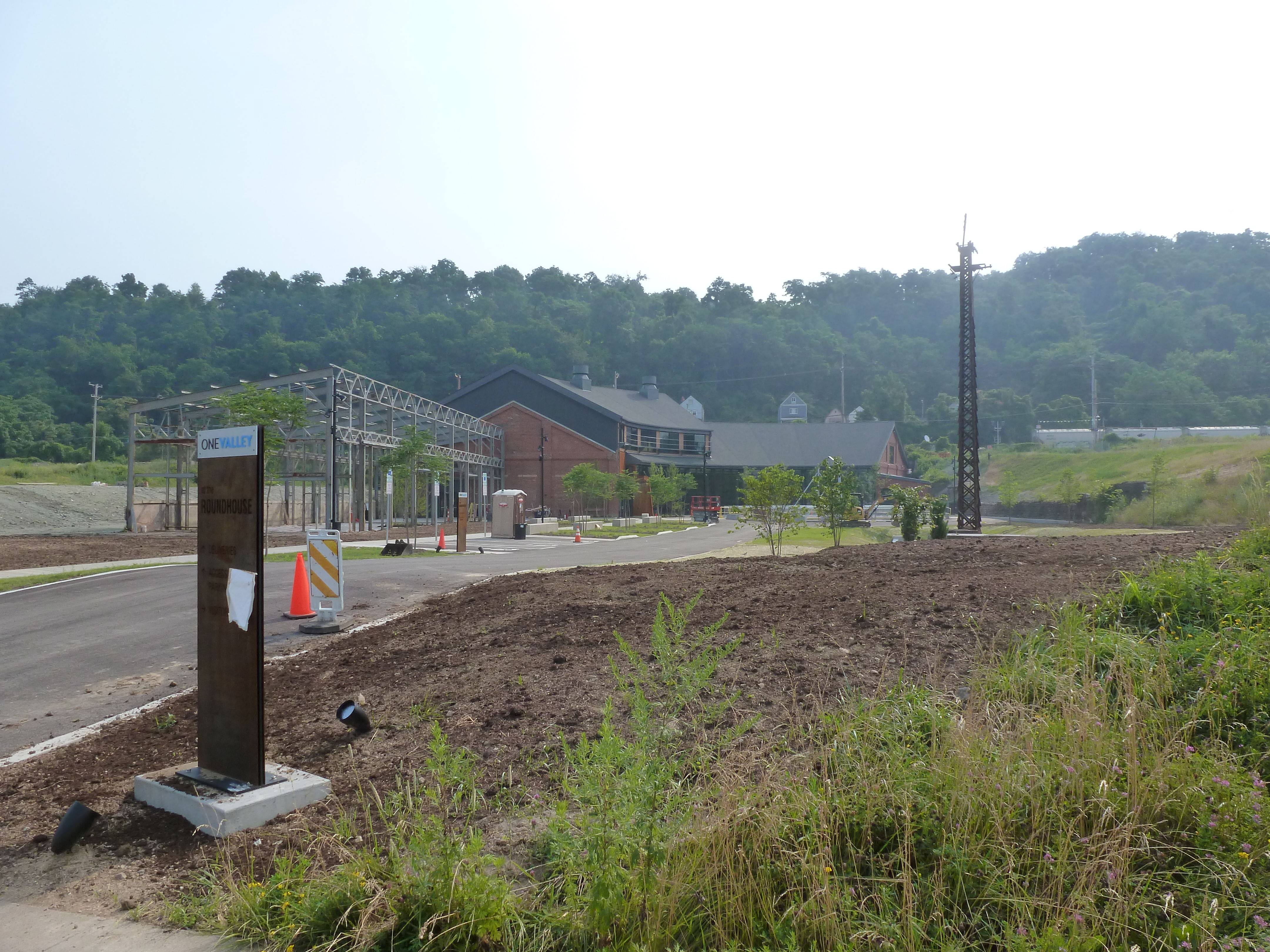
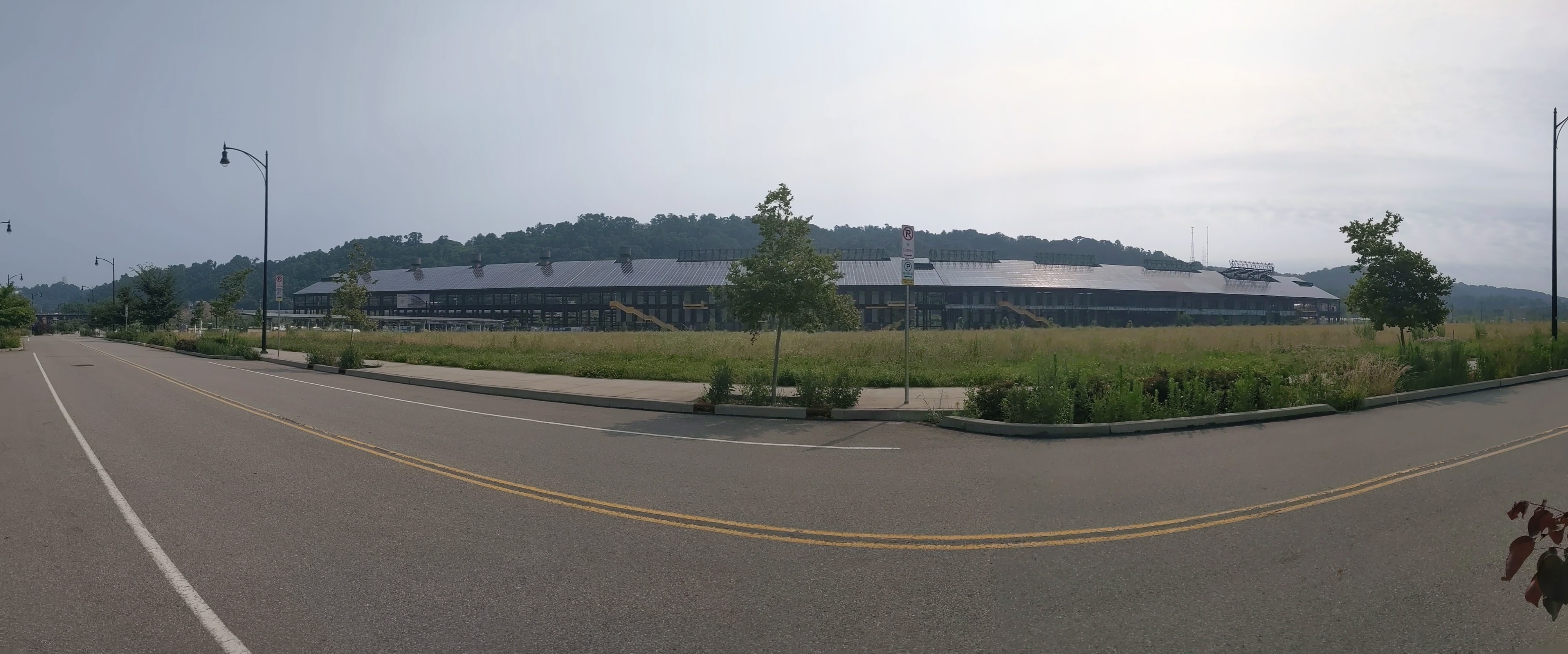
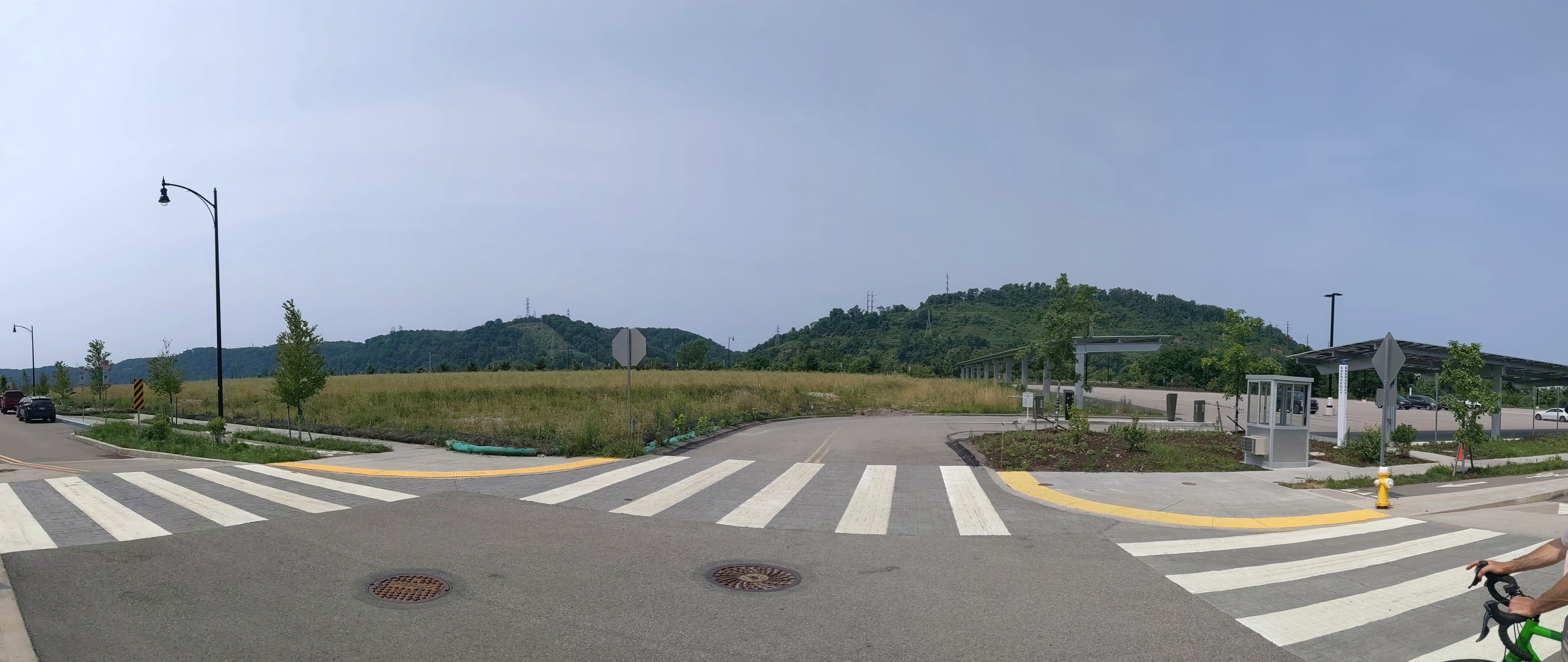
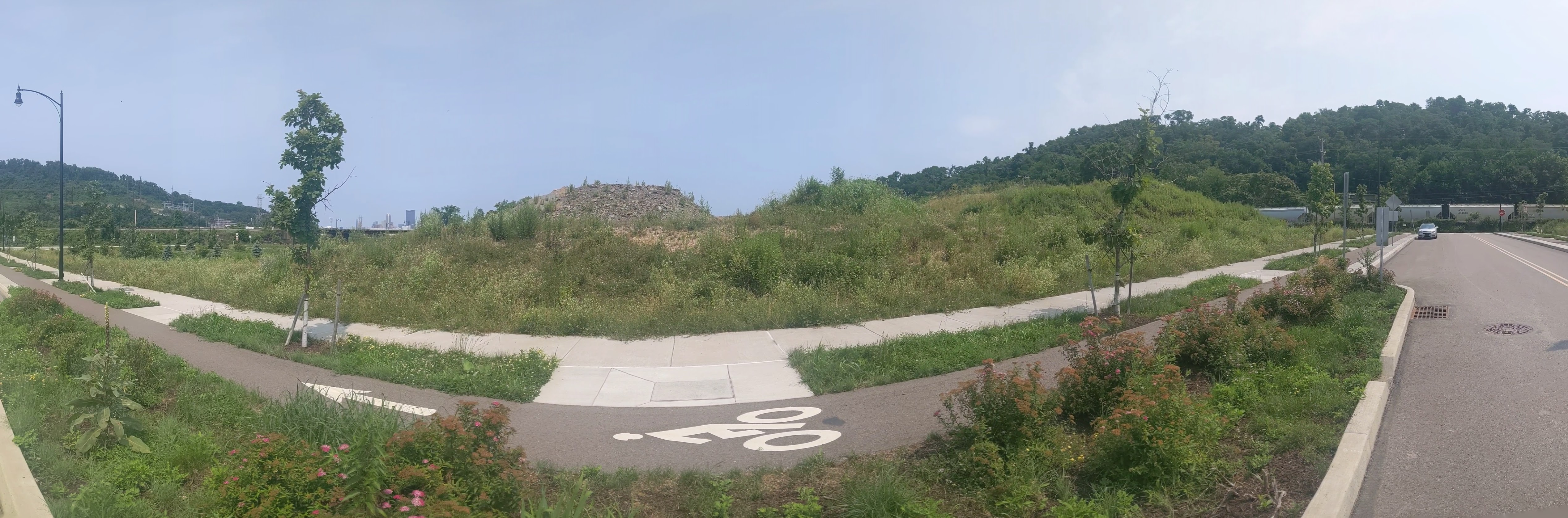
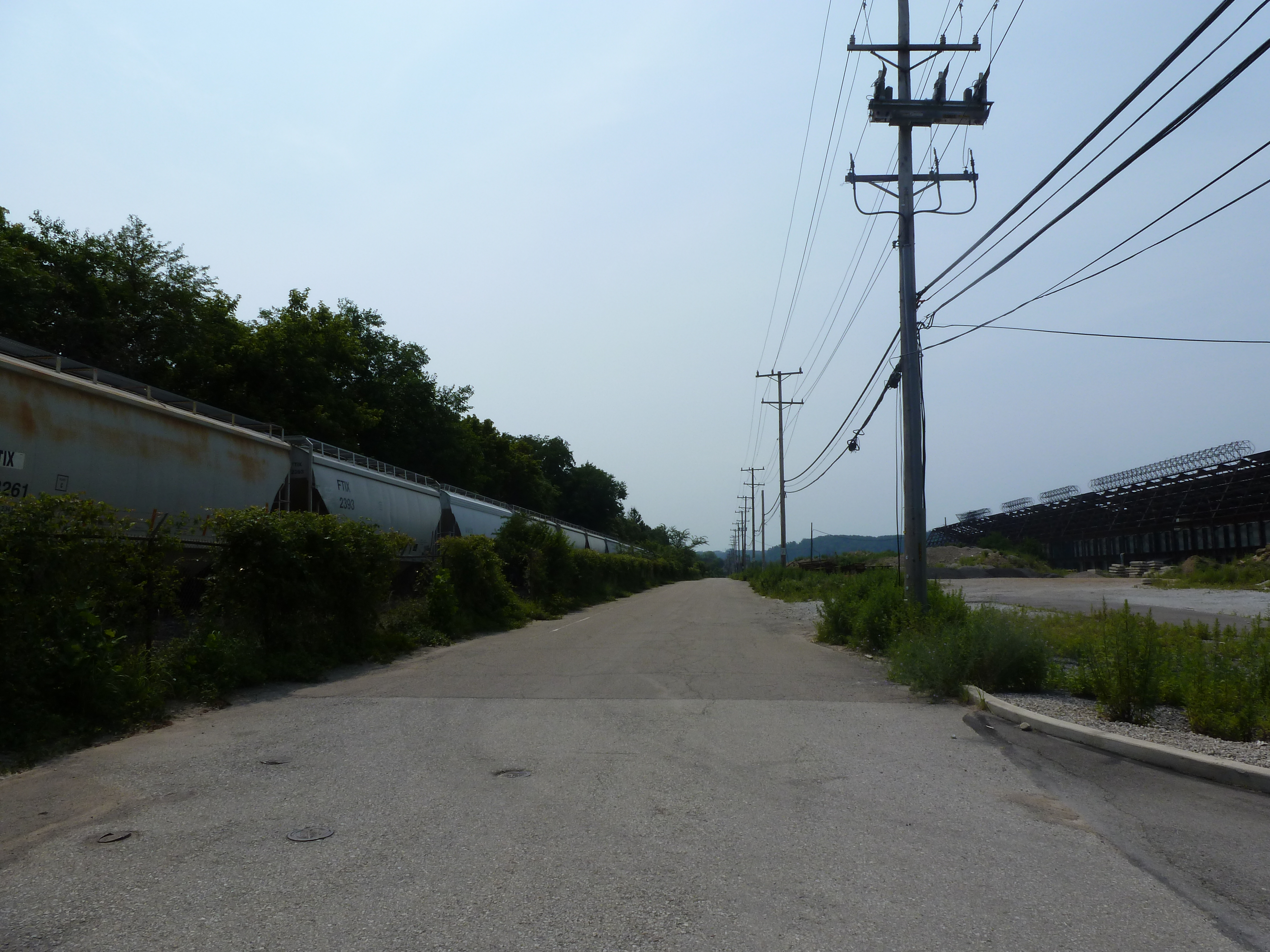
Since the last time I photographed Hazelwood Green, the most significant changes are the near completion of the public plaza (photo 24a) and the Roundhouse (photo 8), a former mill building converted to office space. Construction is also underway for the final building in Mill 19 (photos 29, 31, and 33), the remaining steel frame of one of the former mill buildings.
Almono LP led a process to develop a riverfront master plan for the site. The Post-Gazette and Tribune Review announced the proposal to seek input on the plan in September 2020. The Pennsylvania Environment Council updated their September 2020 announcement of the planning process with a link to the report on the fall planning process. WPXI and Pittsburgh Business Times reported on the release of the riverfront master plan in April 2021.
The Roundhouse renovation’s press is skewed toward the stories on the construction from October 2020 (WPXI, Tribune Review, NextPittsburgh, Post-Gazette) and the stories on the start-up challenge that coincided with OneValley’s February 2021 announcement that they would be opening an innovation center at the Roundhouse (NextPittsburgh, technical.ly, OneValley, Innovate PGH, PR Newswire). Technical.ly’s article is the only one I found on the opening of OneValley’s innovation center this month.


















































 urbantraipsing