
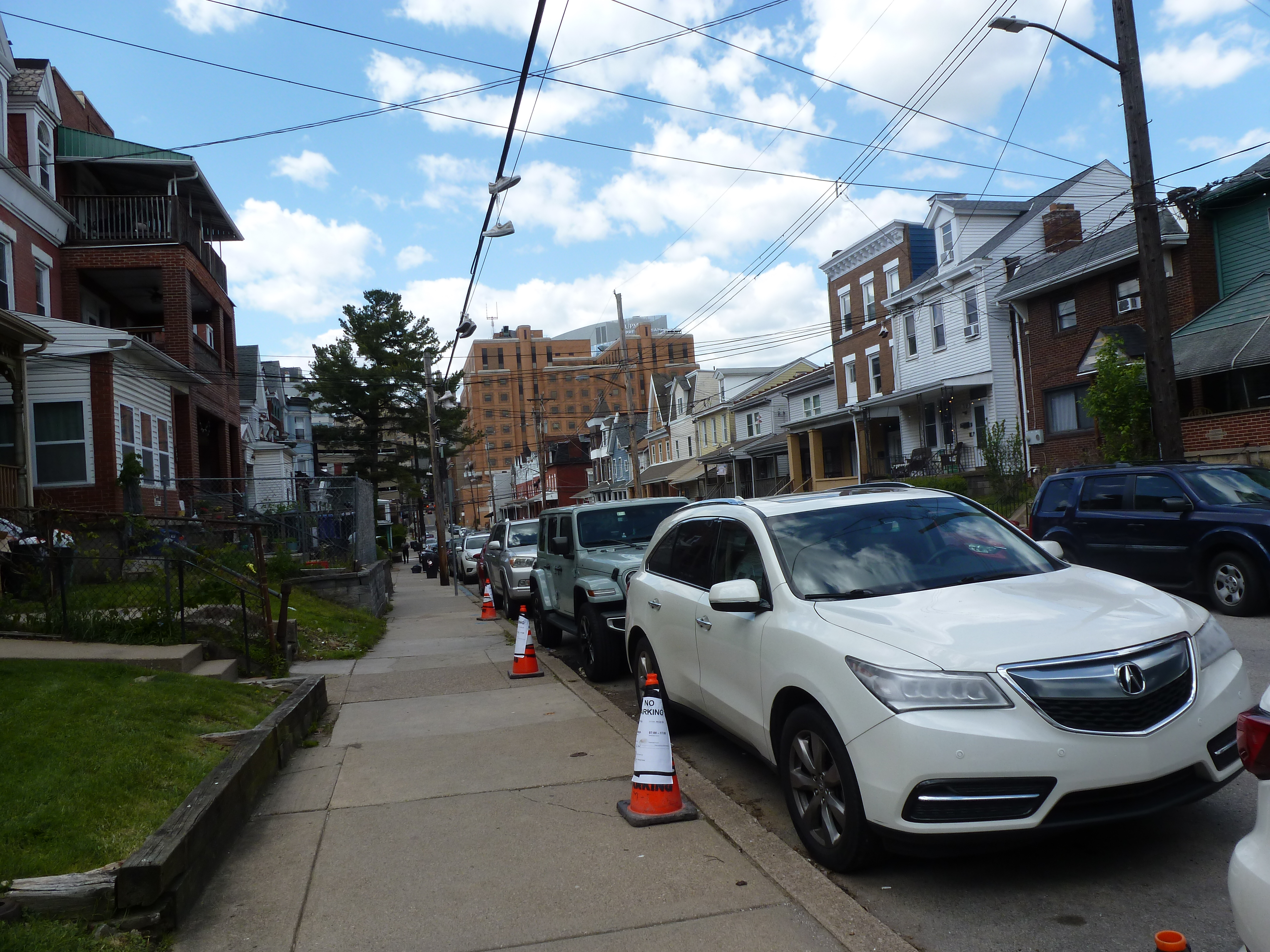
Central Oakland Neighborhood
Central Oakland is an eclectic neighborhood. Single-family detached and attached homes, many subdivided into apartments, are mixed with vacant lots and buildings and apartment buildings from 100+ years ago, 50 years ago, and recent decades. Some buildings have first floor or basement commercial uses. Many come right up to the sidewalk, others are set far enough back to pull a car fully off the sidewalk, and some are far enough back to have a modest grass front yard.
Overshadowed by the University of Pittsburgh and multiple UPMC hospital complexes, the neighborhood is a popular off-campus housing choice for students, often to the chagrin of the long-term homeowners in the neighborhood. The large volume of temporary residents (students) may be a contributing factor for why all four of the sites listed under “churches” in the 1926 city directory are no longer used for religious purposes.
Neighborhood Statistics (Out of 70 in this Series)
- 52nd largest by acreage
- 41st highest number of sites (multi-way tie)
- 23rd most sites/acre
Locations
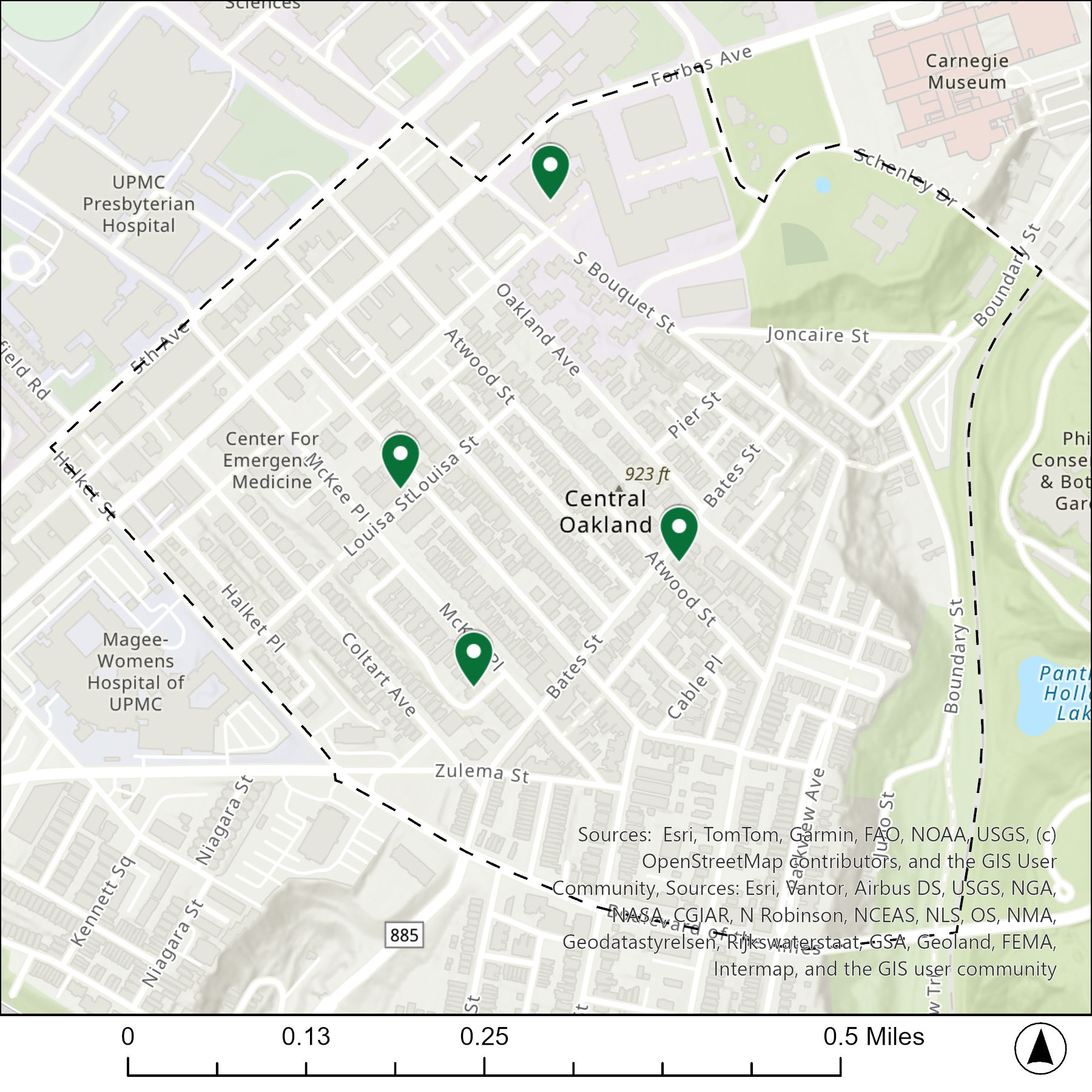
The map below shows the locations of the 4 congregations listed in the 1926 directory for Central Oakland (the dotted line marks the neighborhood boundary).
What are they now?
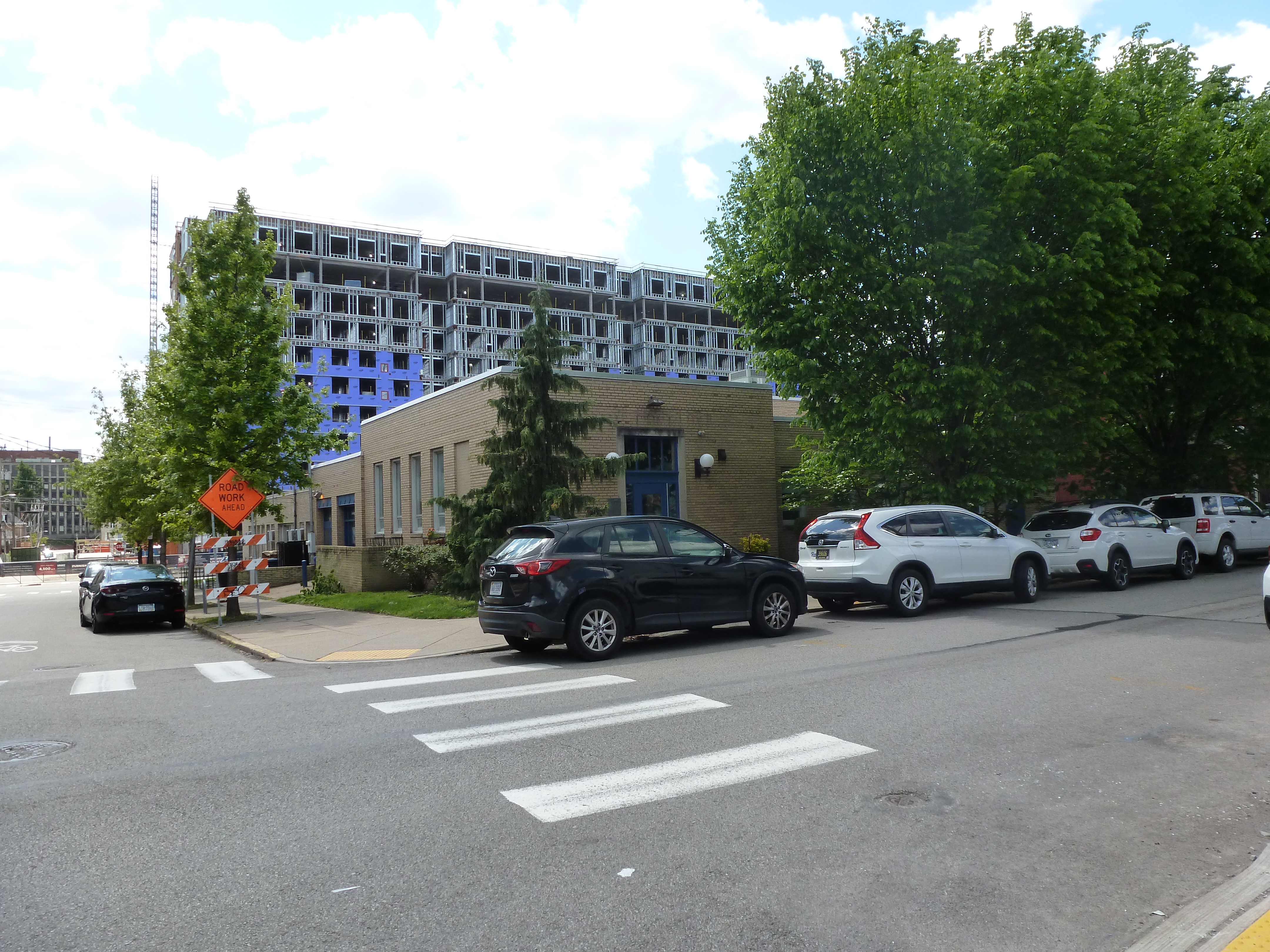
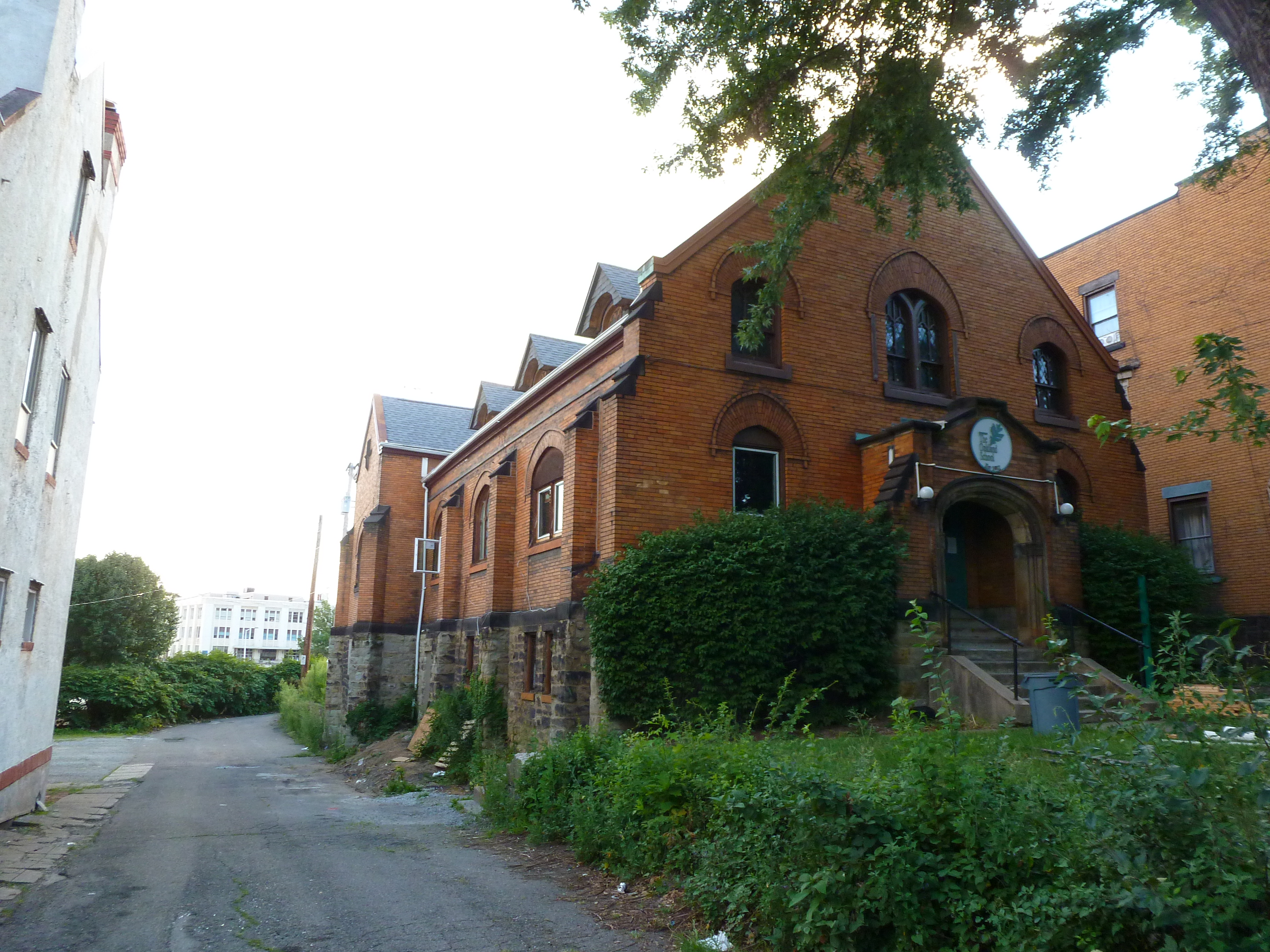
The table below matches the 4 congregations listed in the 1926 directory with the current use of the site.
| 1926 Congregation Name | By 2026 the Congregation’s Building is: |
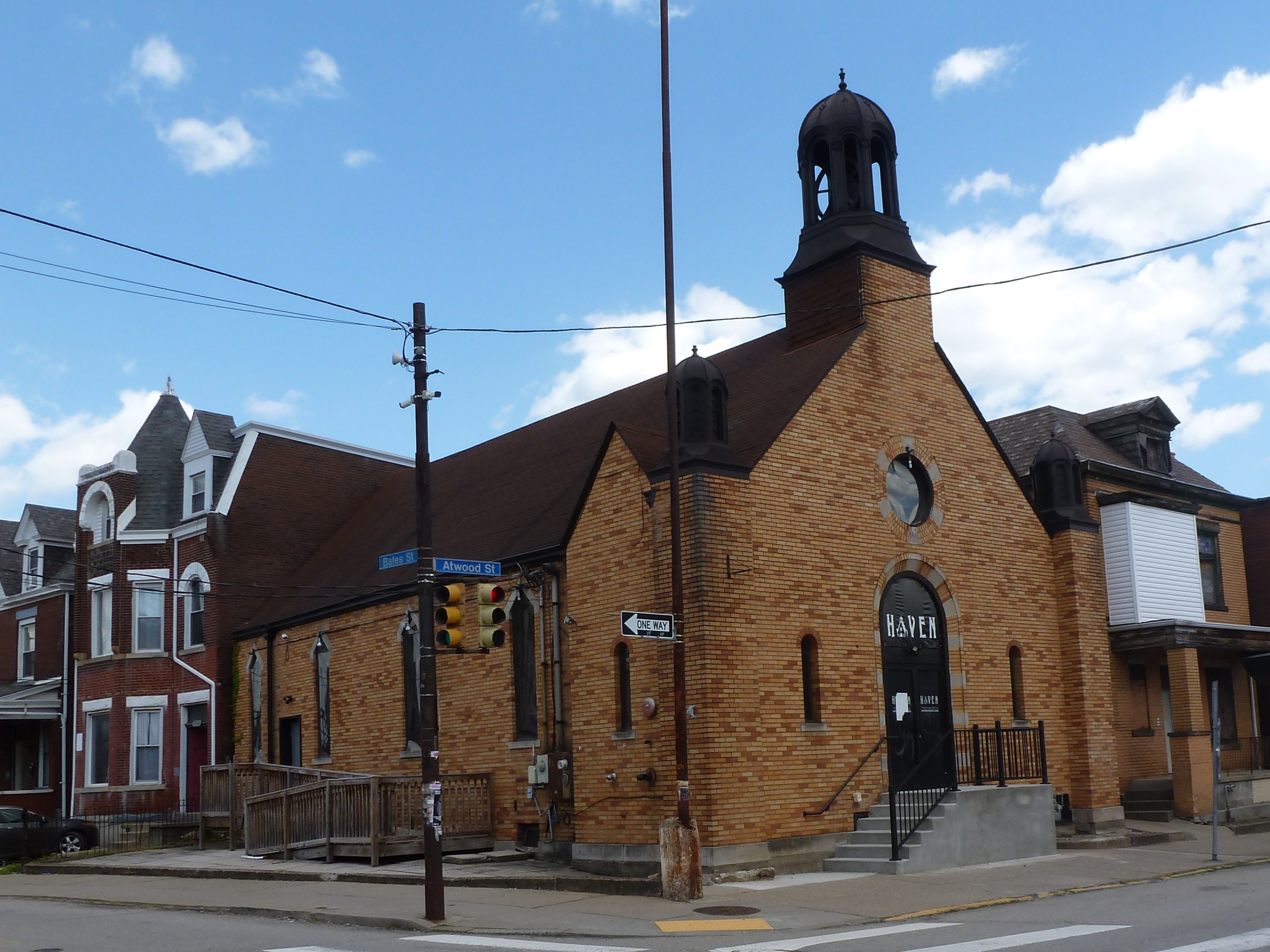
| Holy Spirit Greek Catholic Church | converted to a music venue |
| Oakland Baptist Church | replaced with a community building |
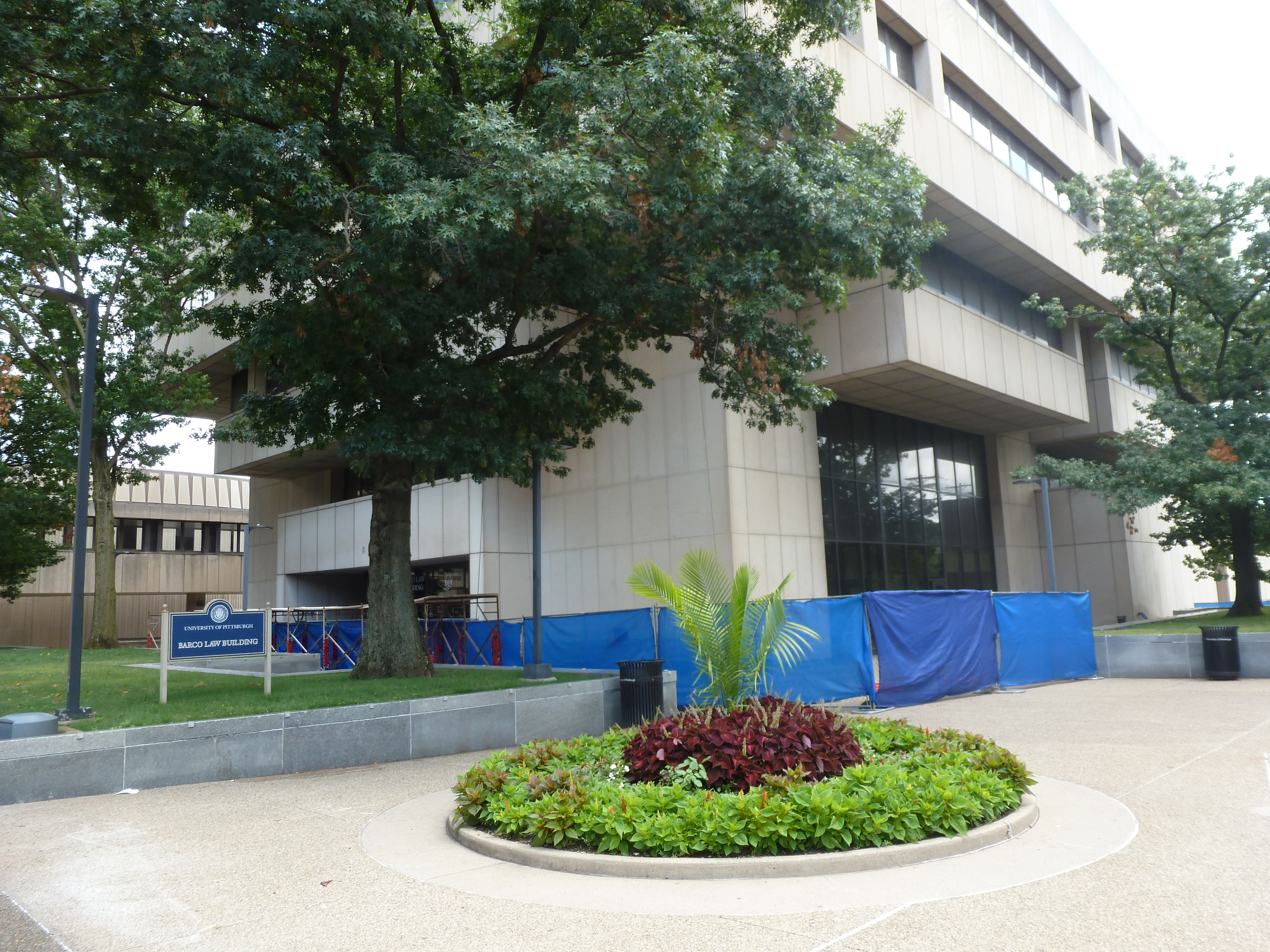
| Oakland Methodist Episcopal Church | replaced with Pitt Law School building |
| St. Mary Memorial Episcopal Church | converted to a school, but may be closed |
Photos
For more on this series, visit our introductory post.
Sources:
Polk’s Pittsburgh City Directory, 1926. Pittsburgh: R. L. Polk & Co. https://digital.library.pitt.edu/islandora/object/pitt%3A31735056286846/viewer#page/4/mode/1up

