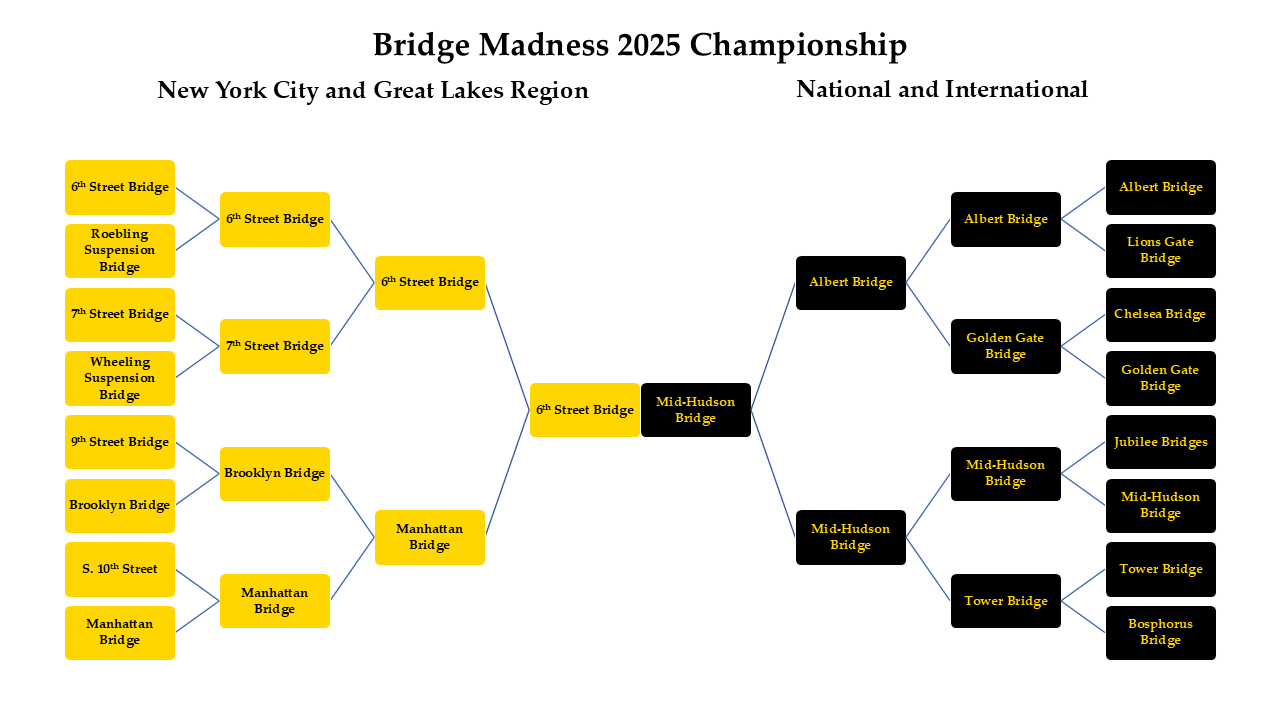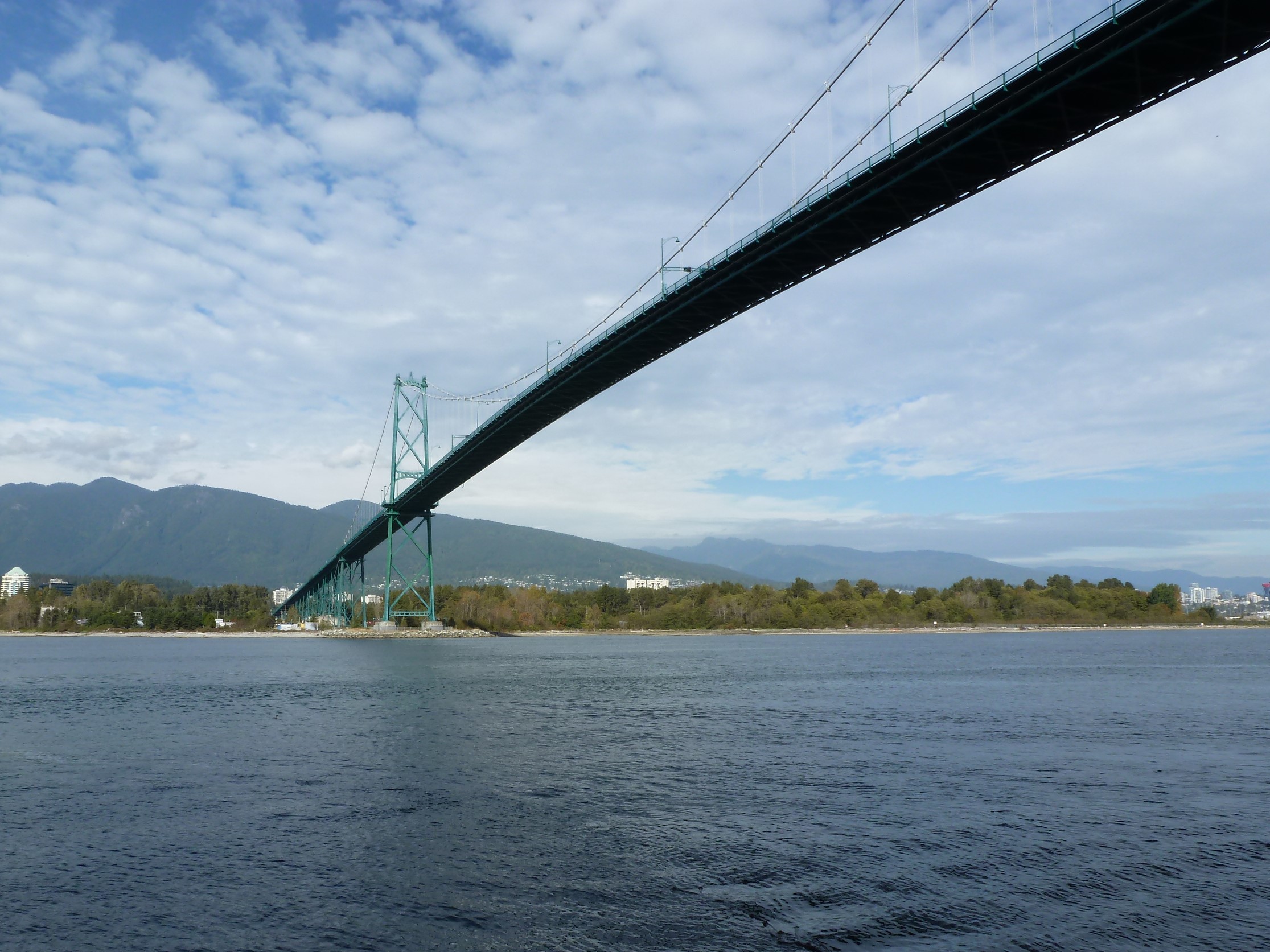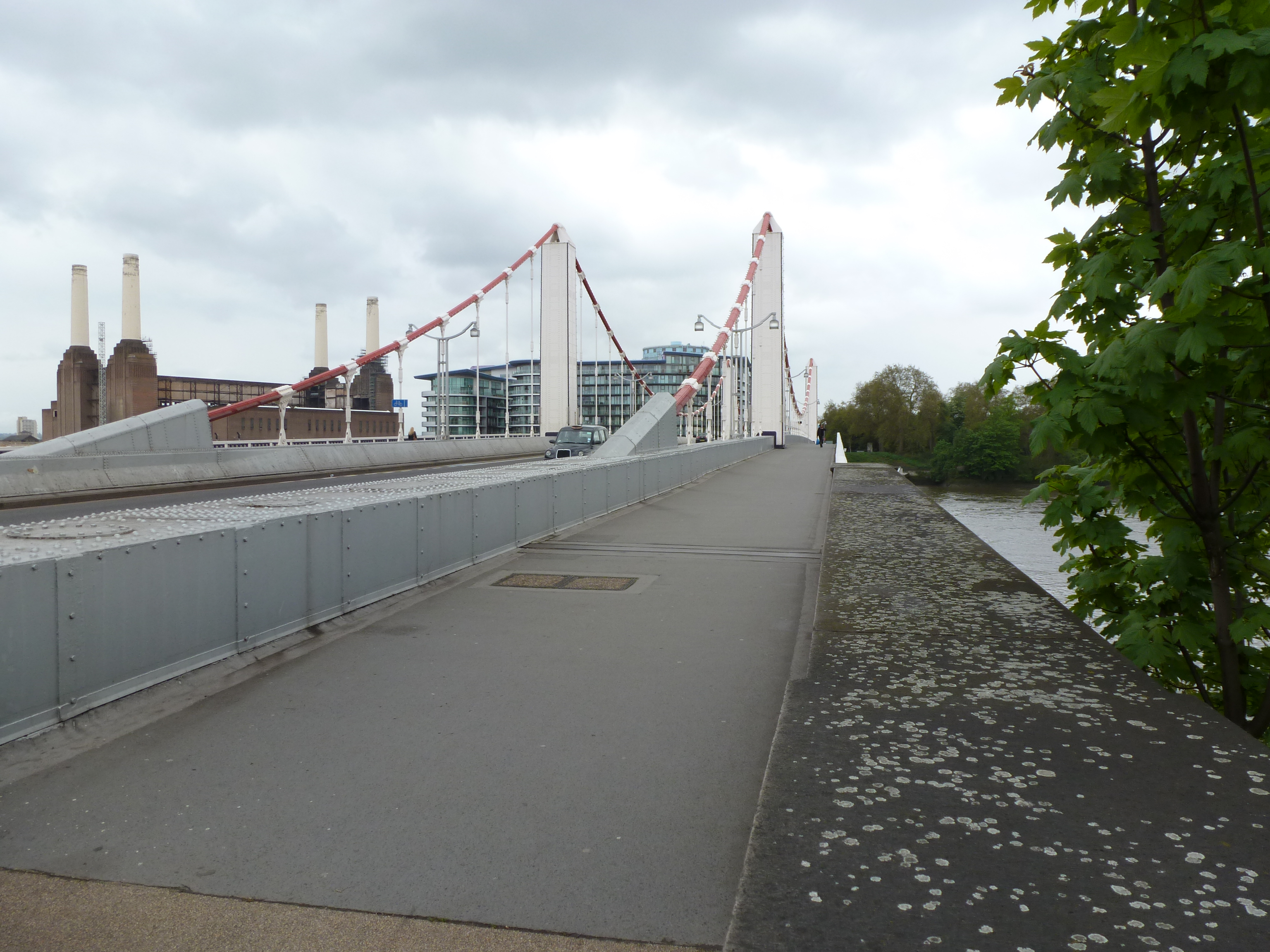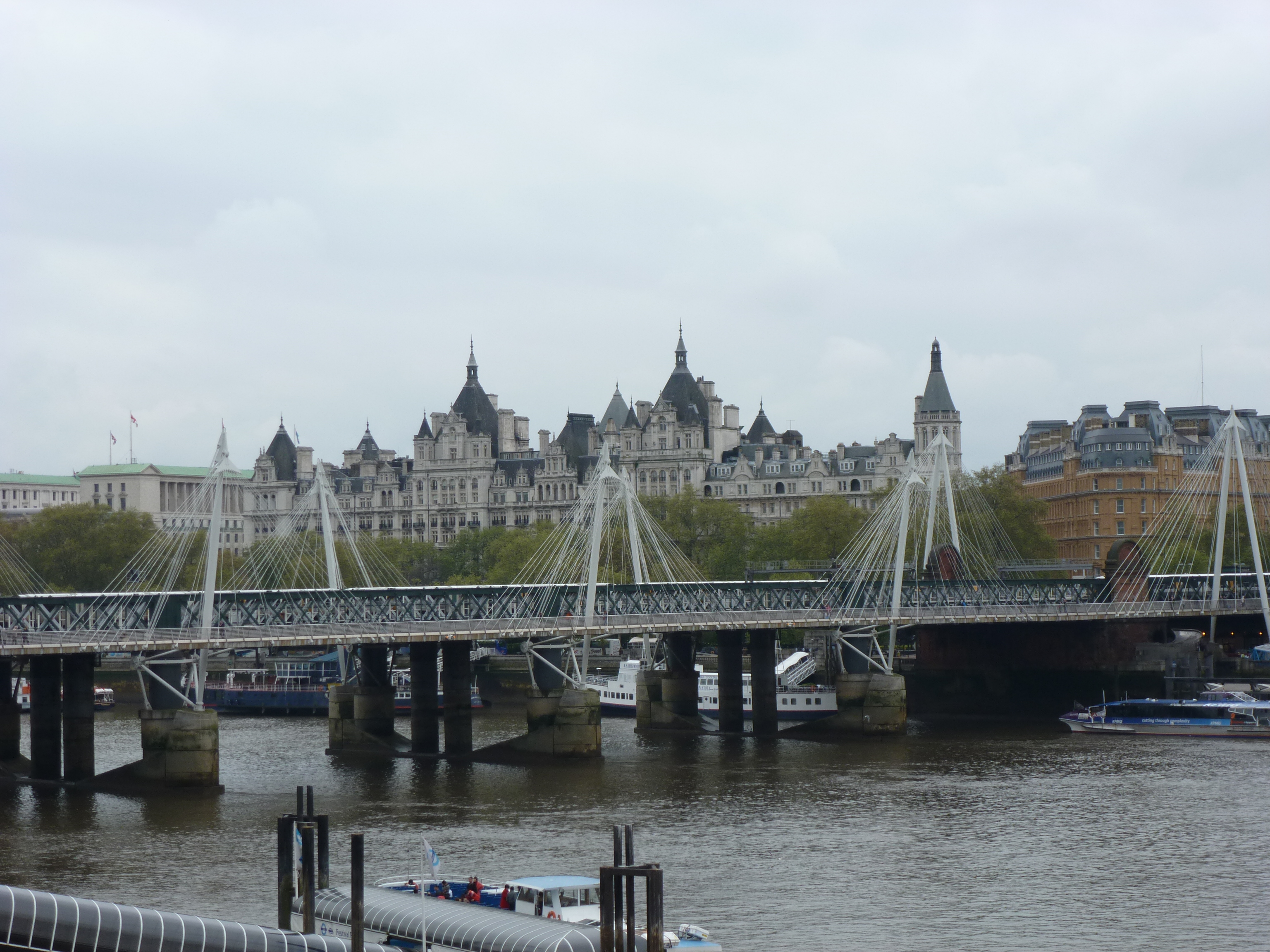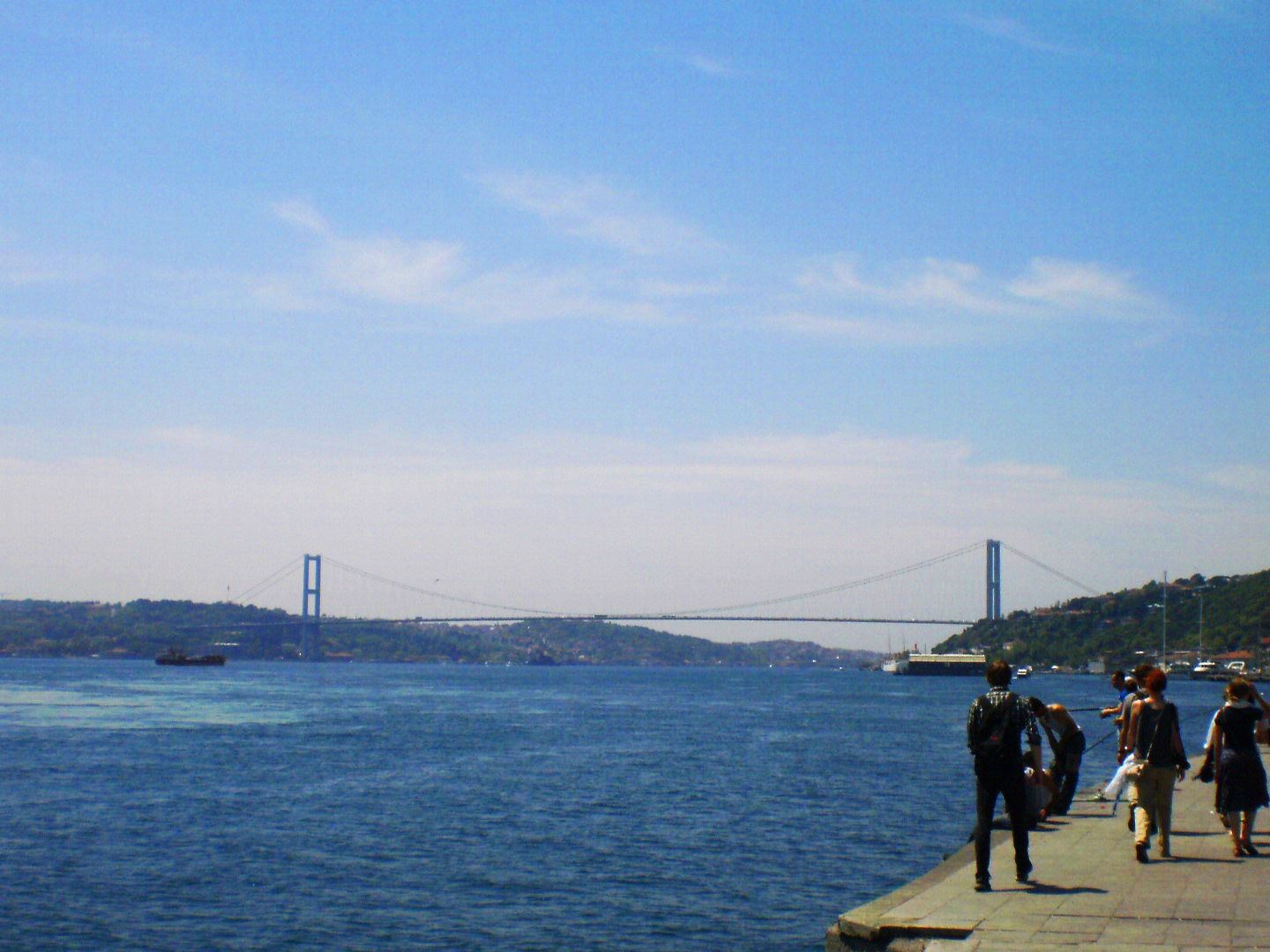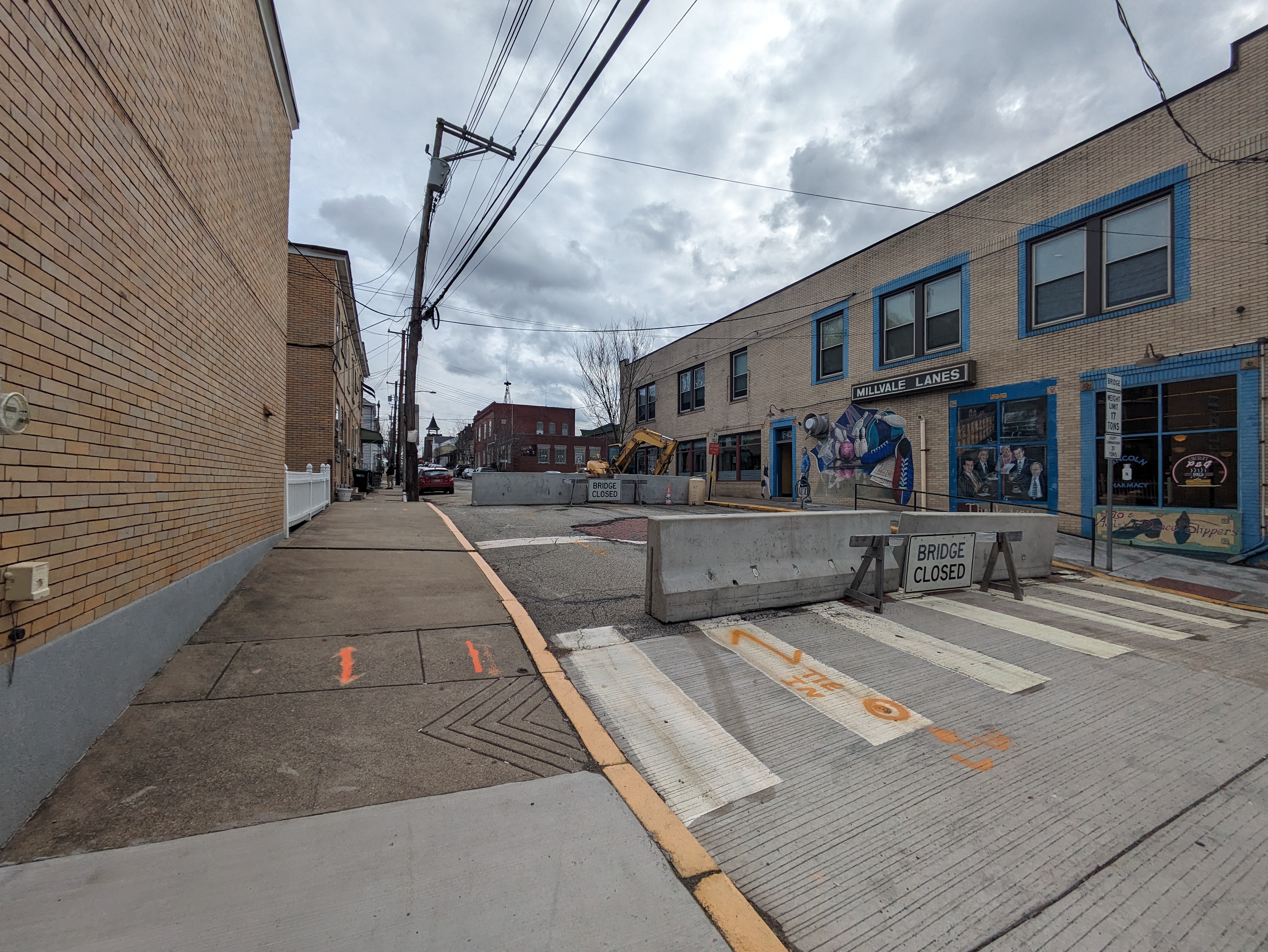
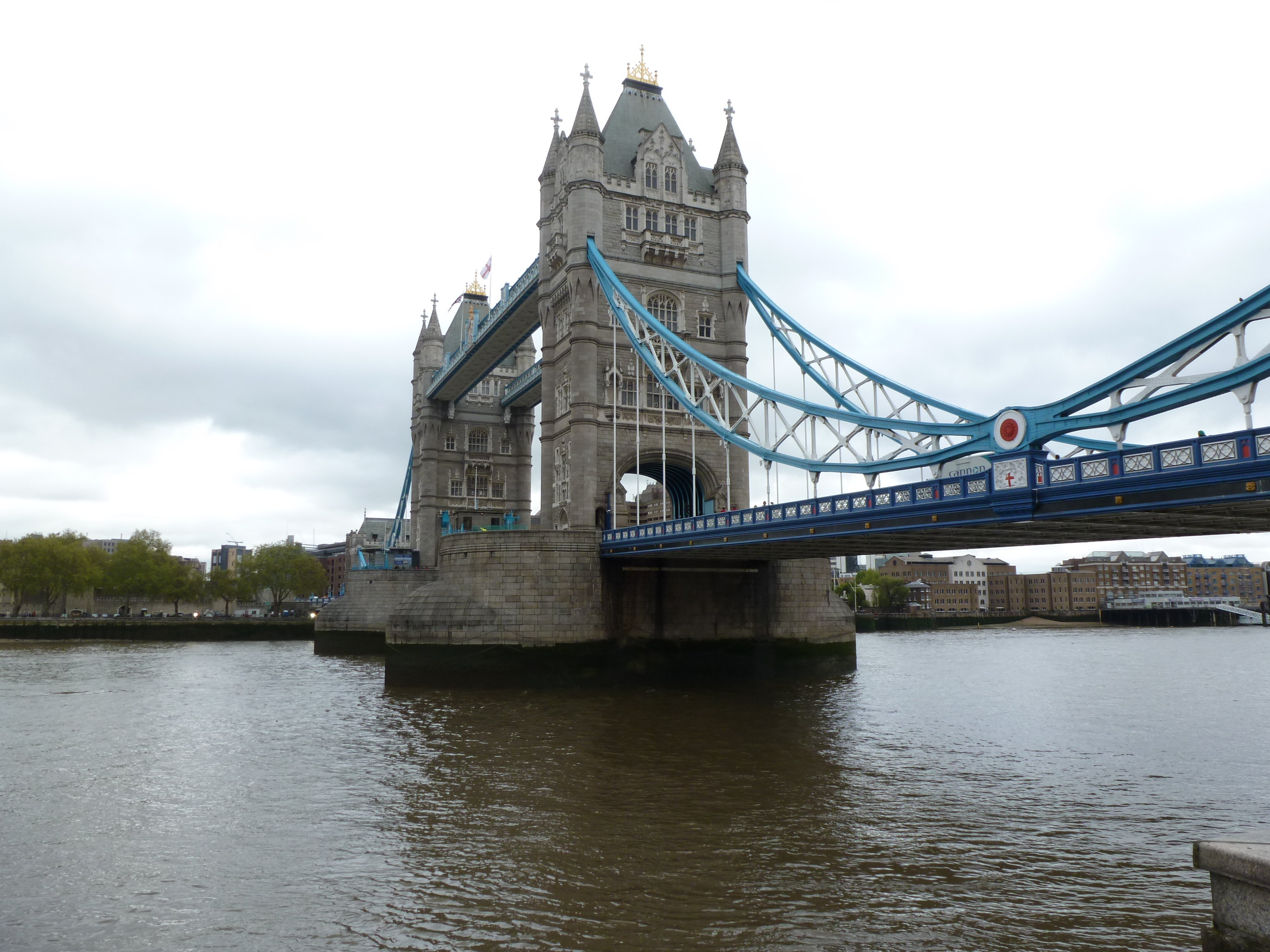
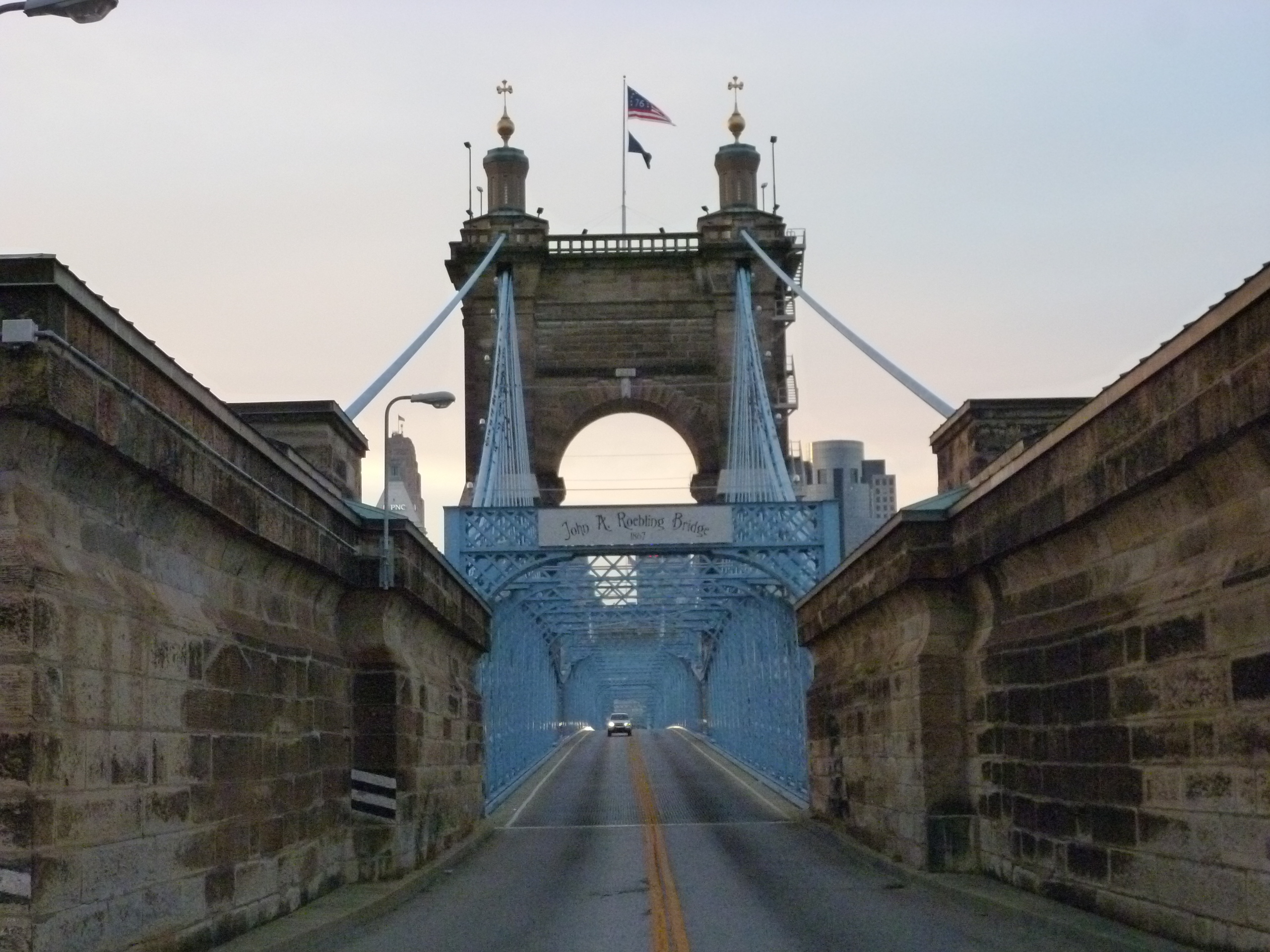
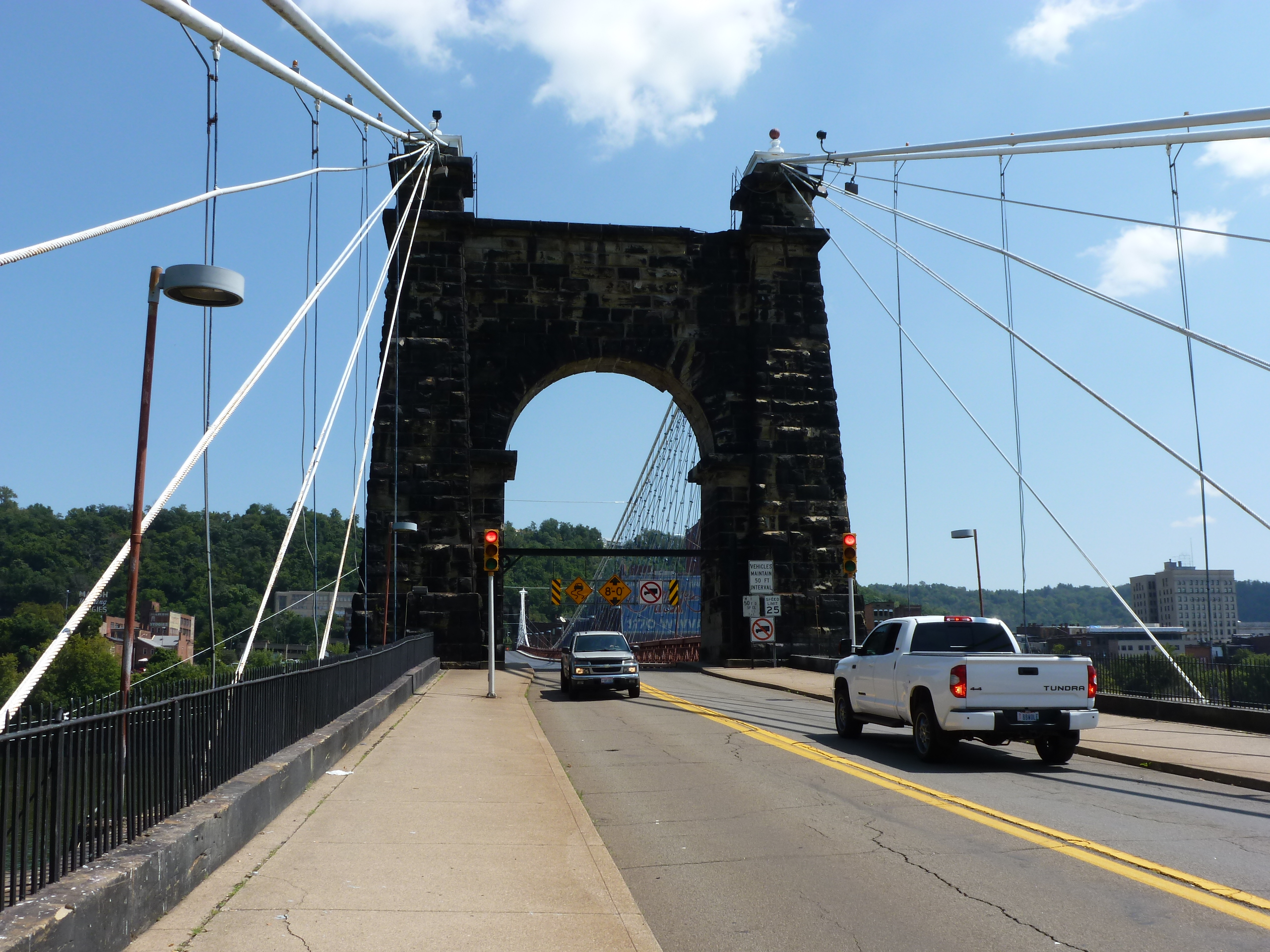
In the 2025 Bridge Madness Tournament, 16 suspension bridges go pier-to-pier in a reader’s choice tournament to pick the best one. This year’s tournament features suspension bridges visited by urbantraipsing nationally and internationally.
Results of the Elite Eight:
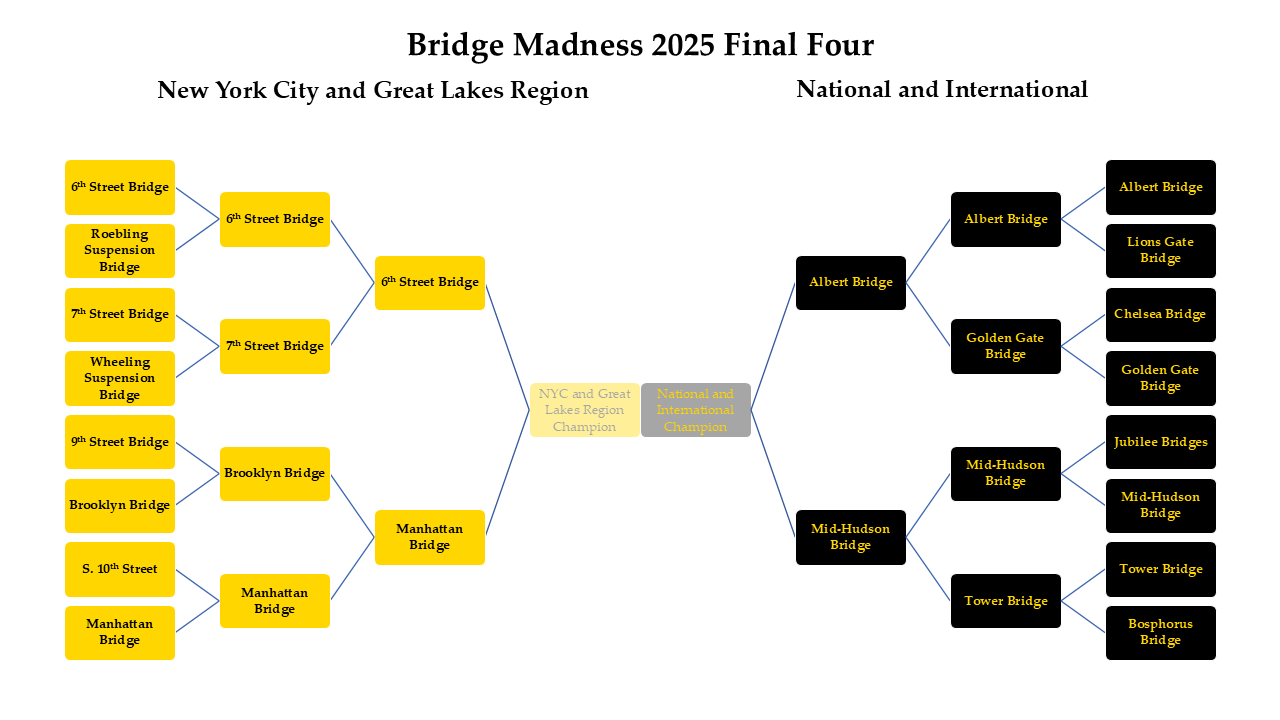
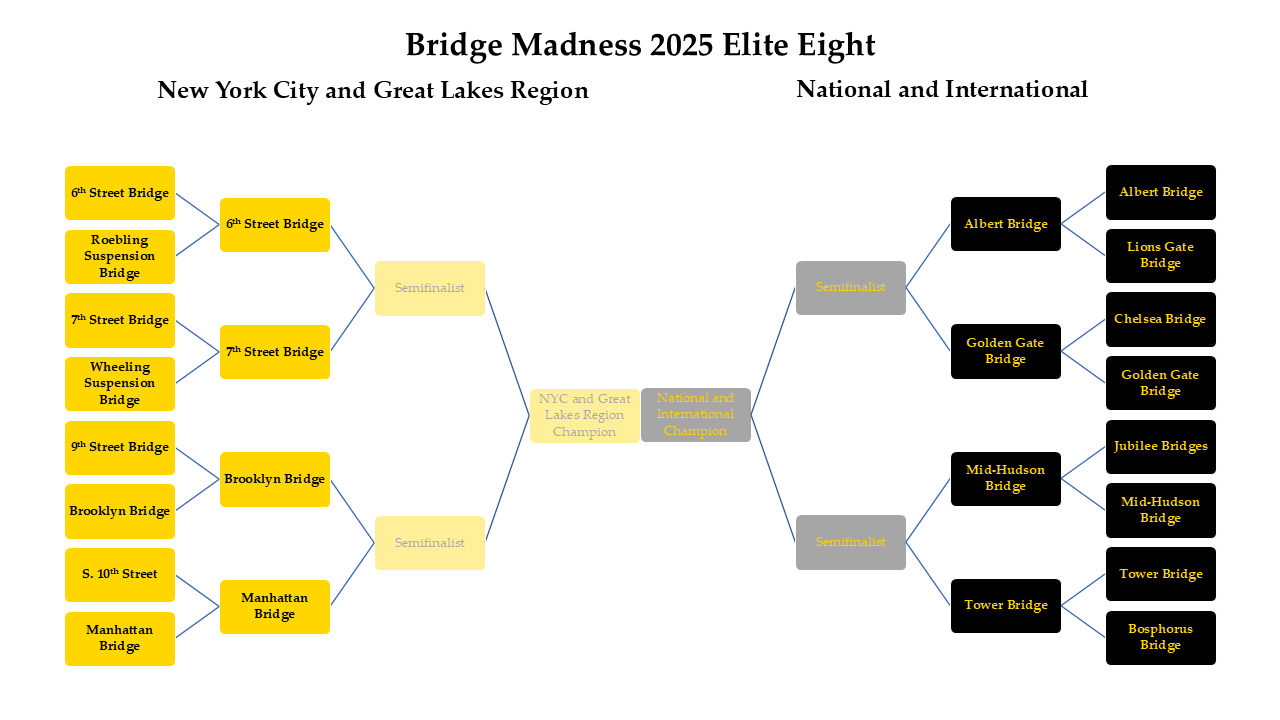
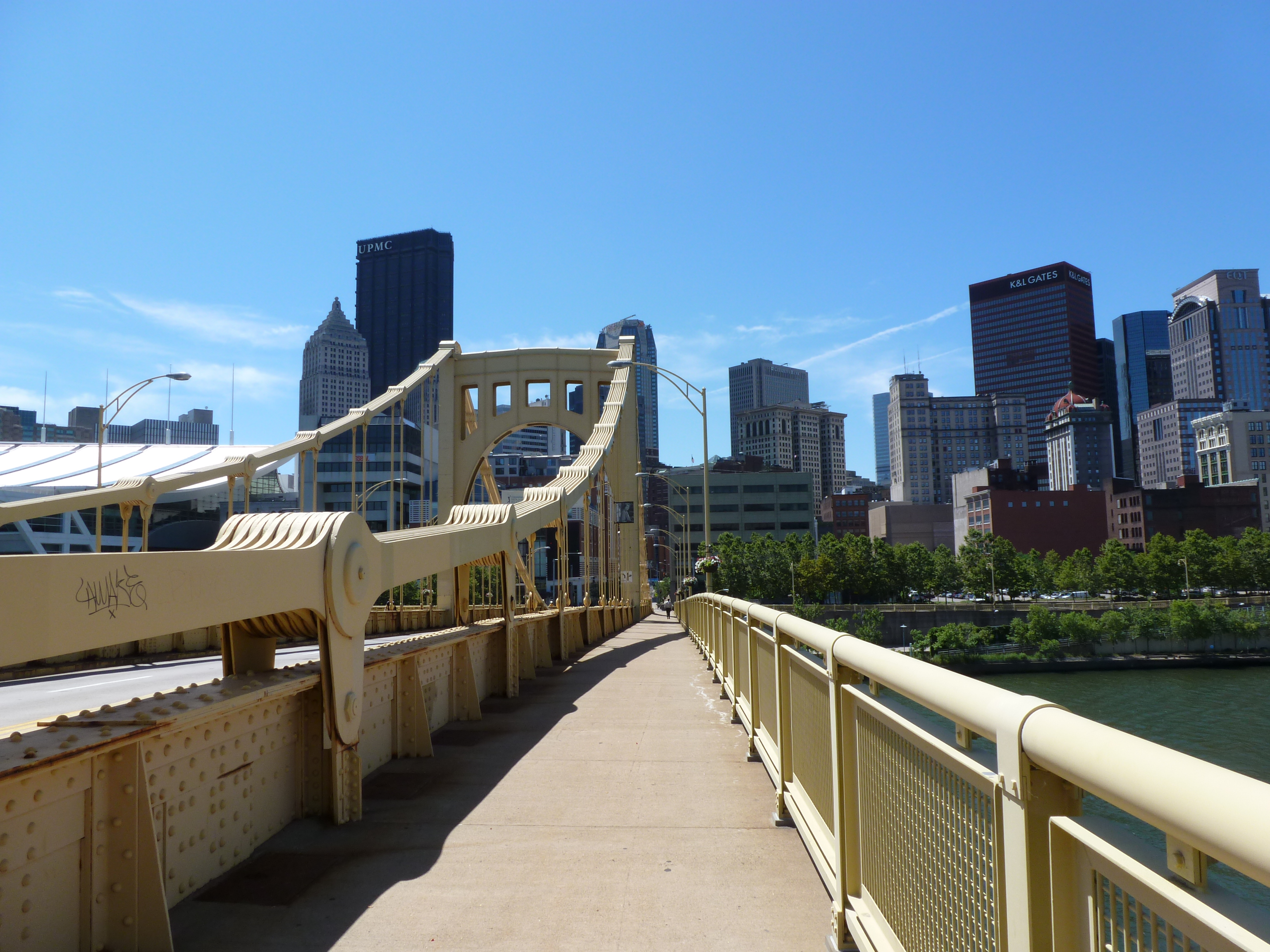
6th Street Bridge vs. 7th Street Bridge – 64% to 36%
Brooklyn Bridge vs. Manhattan Bridge – 44% to 56%
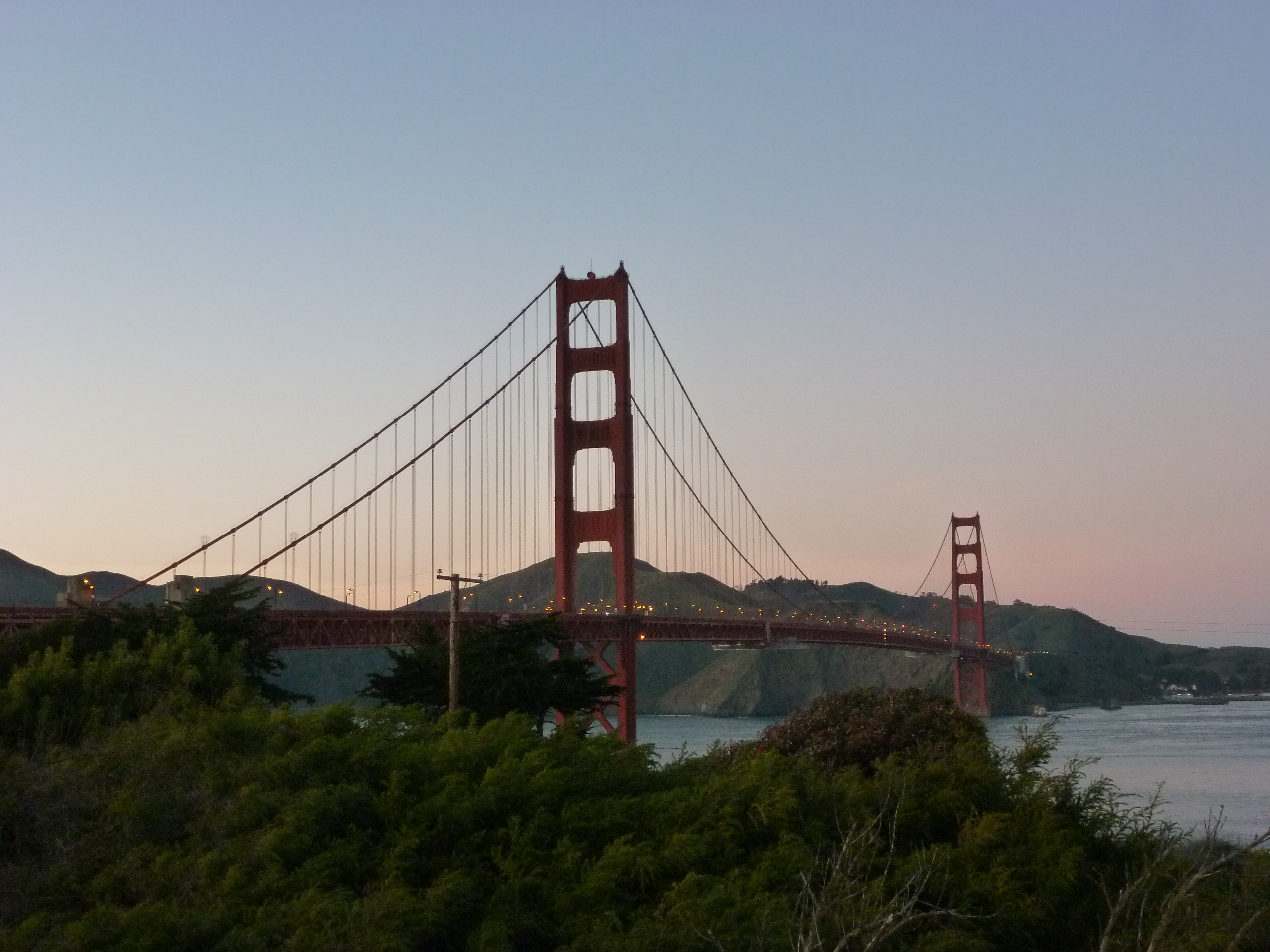
Albert Bridge vs. Golden Gate Bridge – 51% to 49%
Mid-Hudson Bridge vs. Tower Bridge – 79% to 21%
Below are the brackets for the Final Four. Remember to vote for one bridge in each bracket by noon on Thursday, March 20th, and then return on March 22th to vote for the Championship.
The bridges are divided into two conferences: New York City and Great Lakes Region vs. National and International. To learn more about the bridges, revisit the introduction which has links to posts on each bridge.
New York City and Great Lakes Region
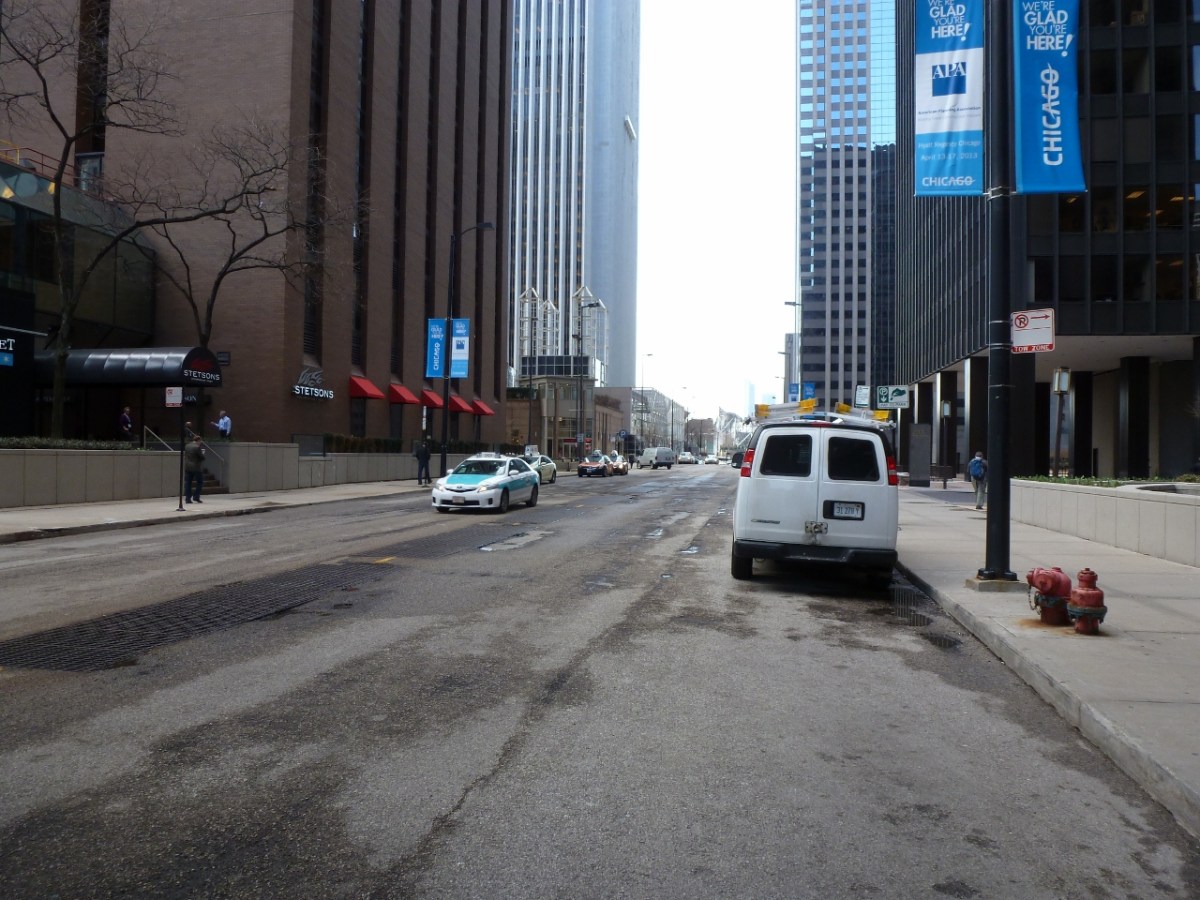
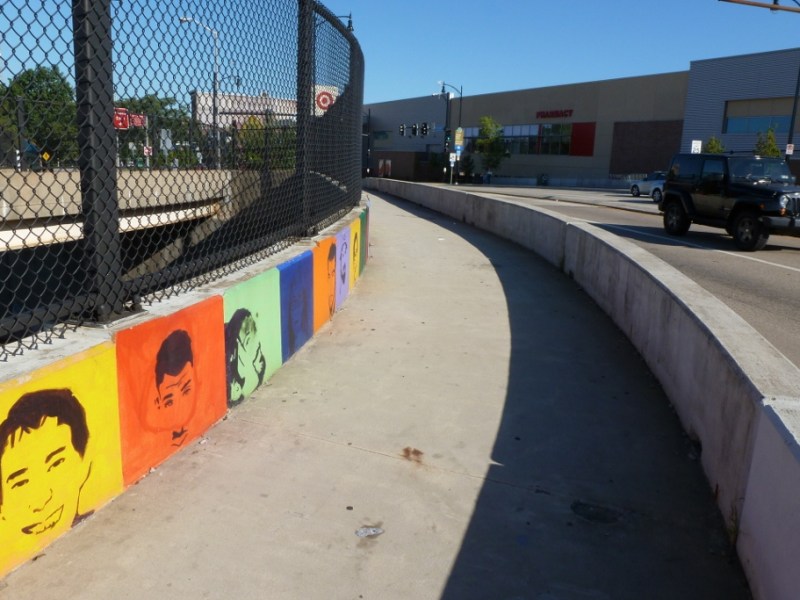
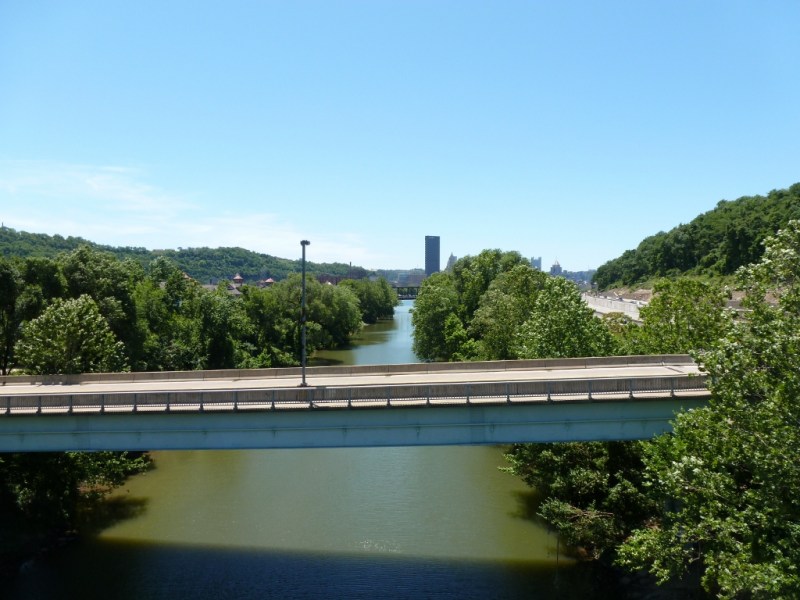
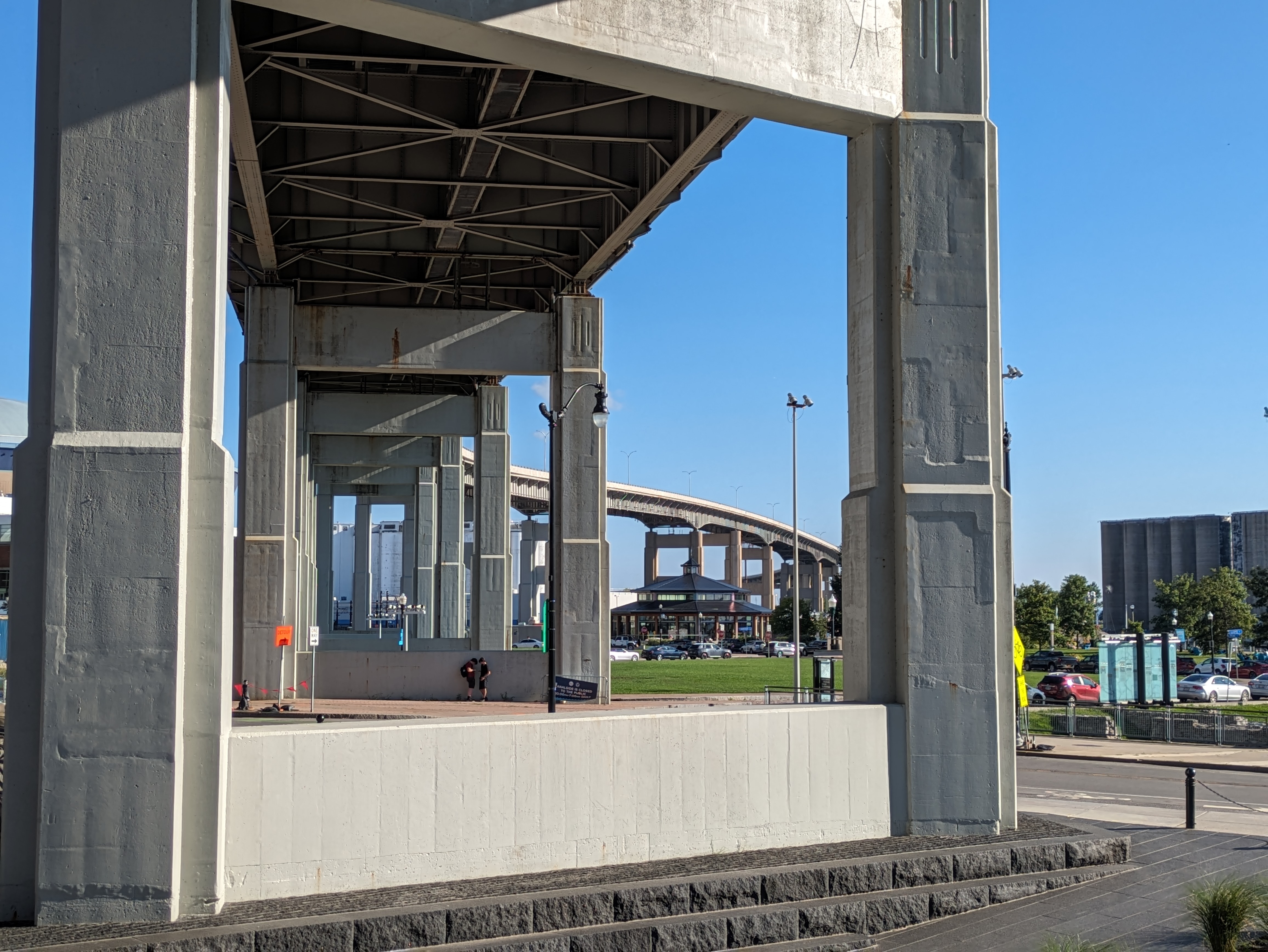
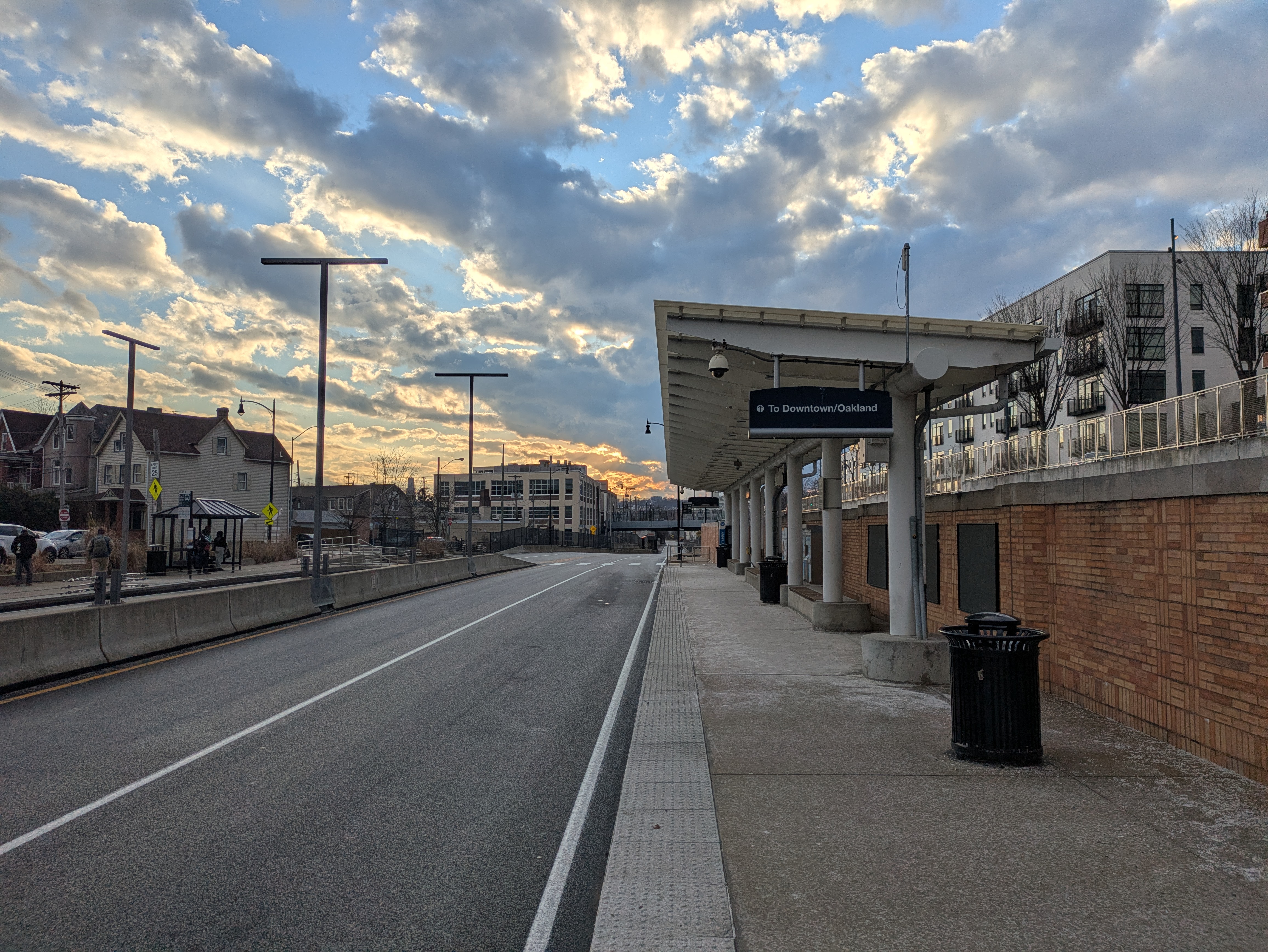
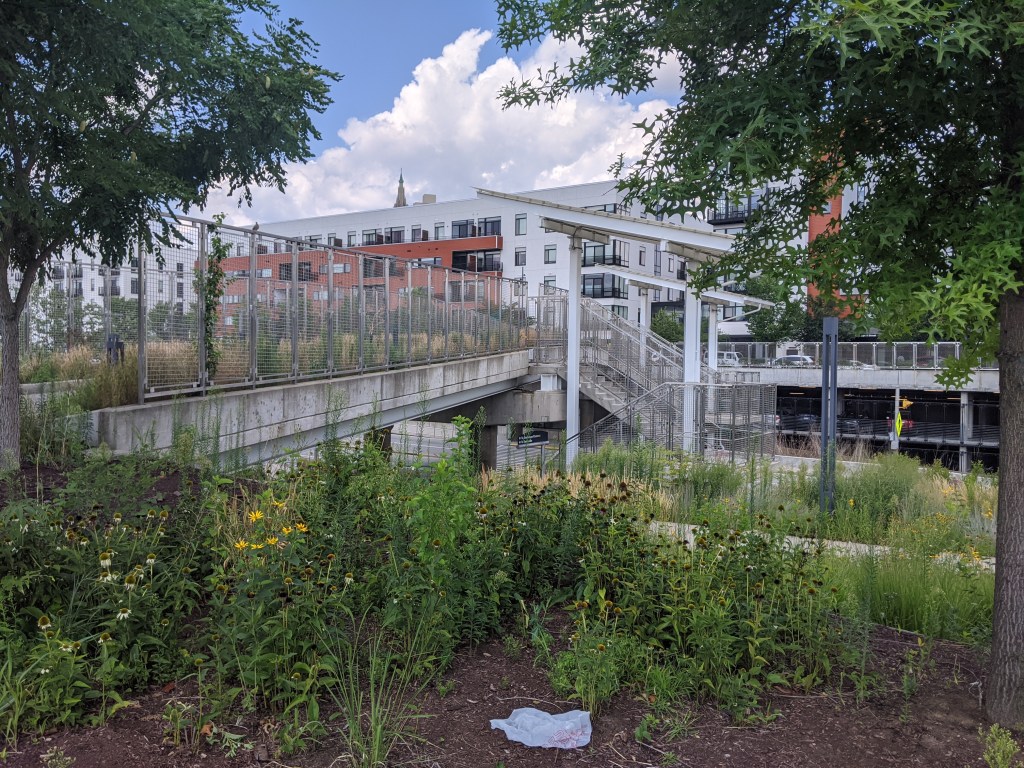
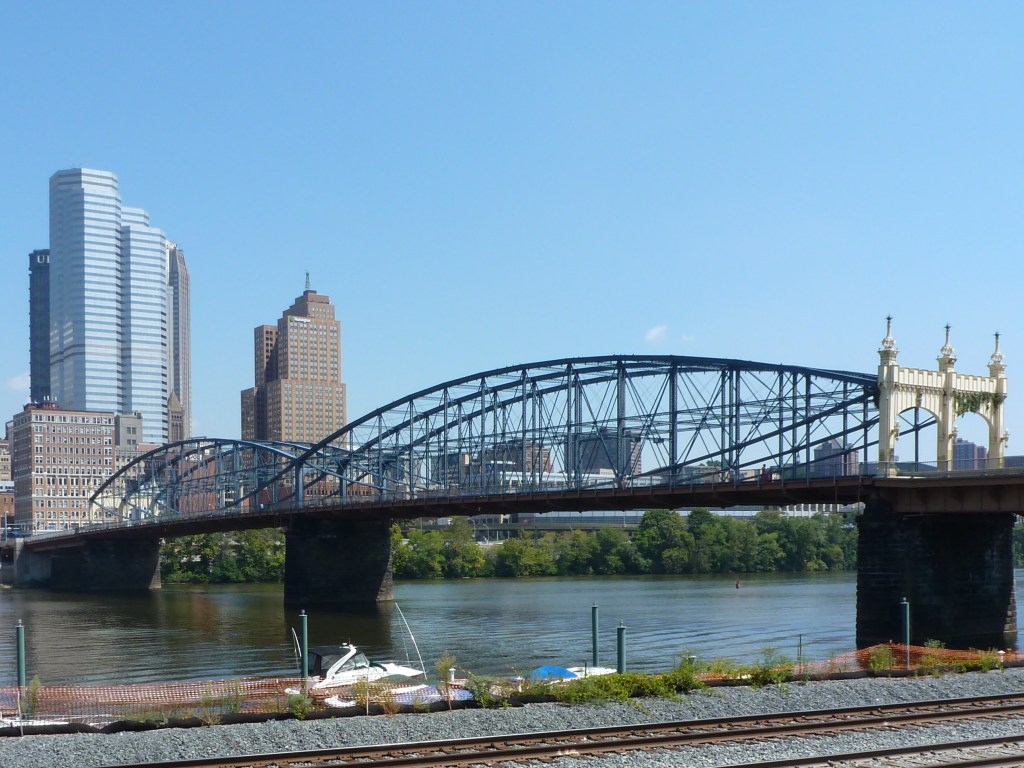
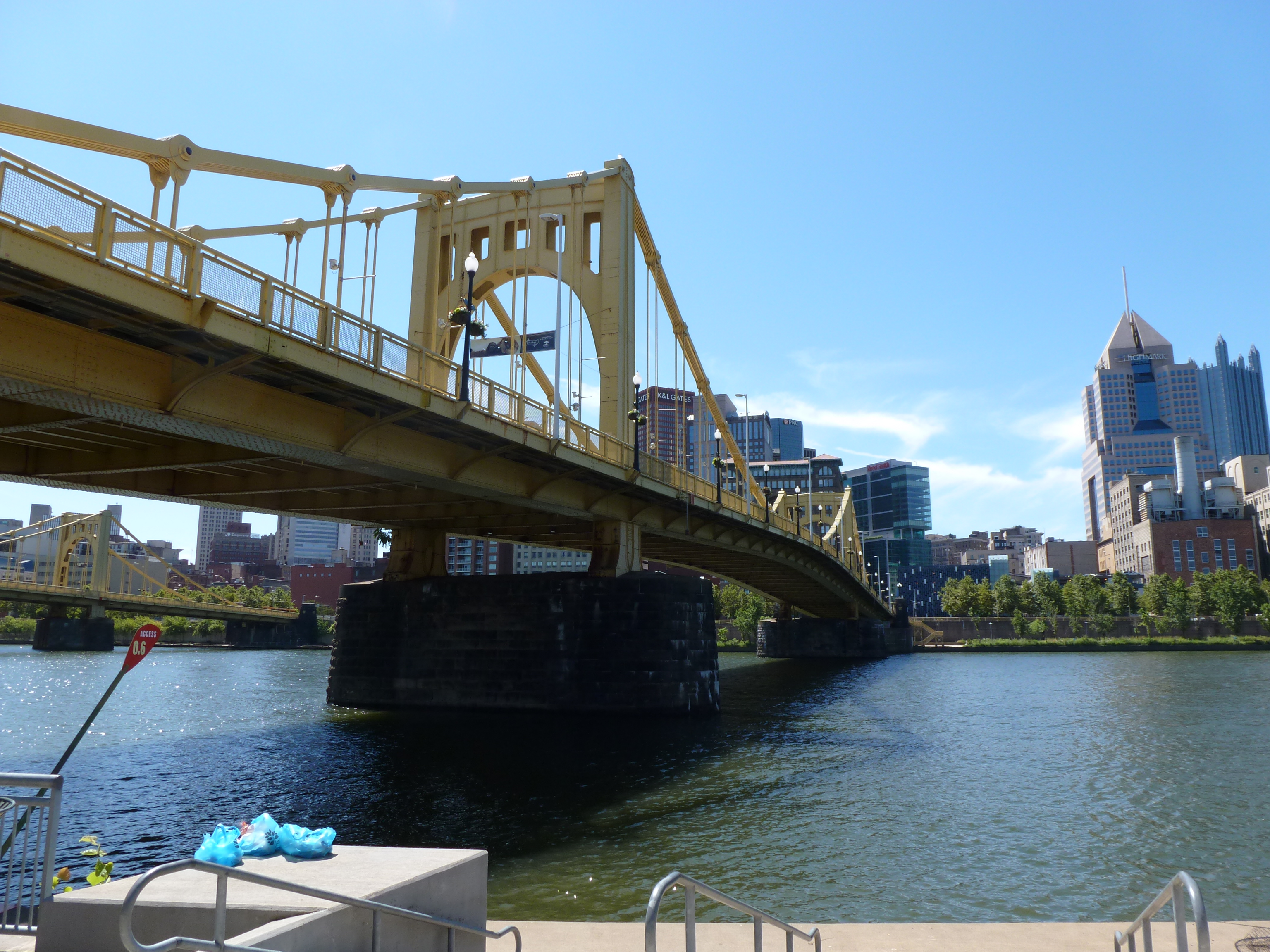
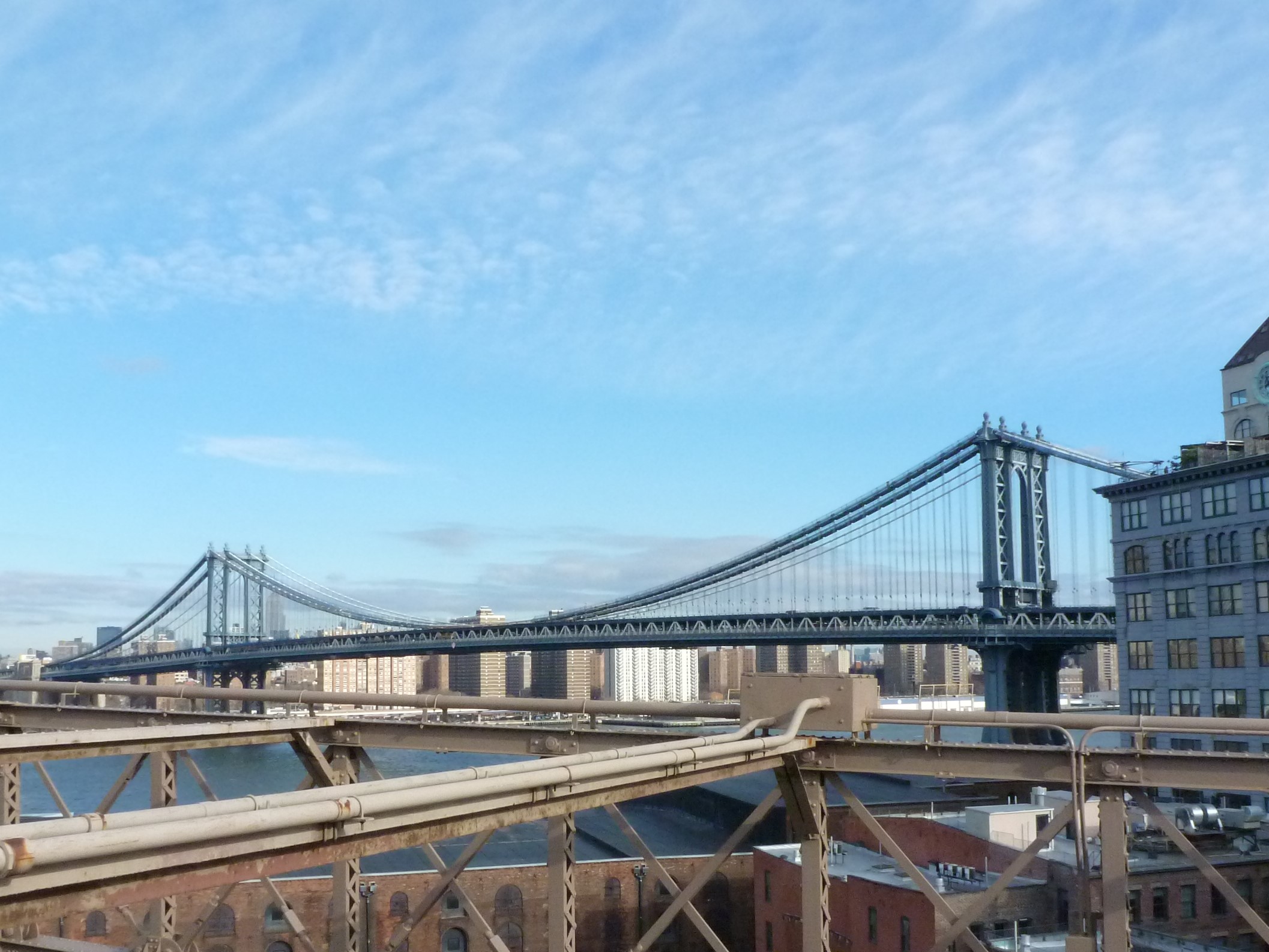
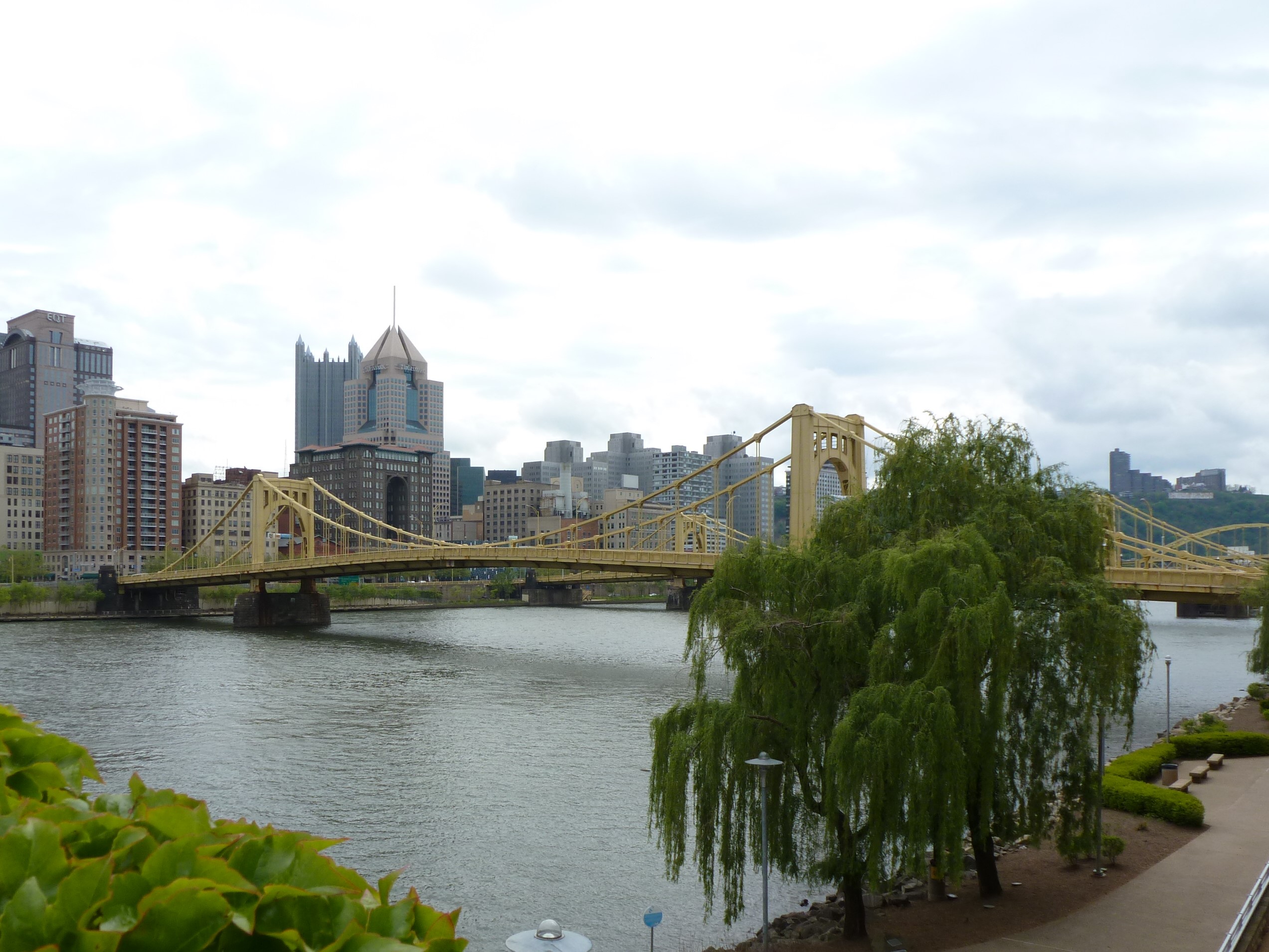
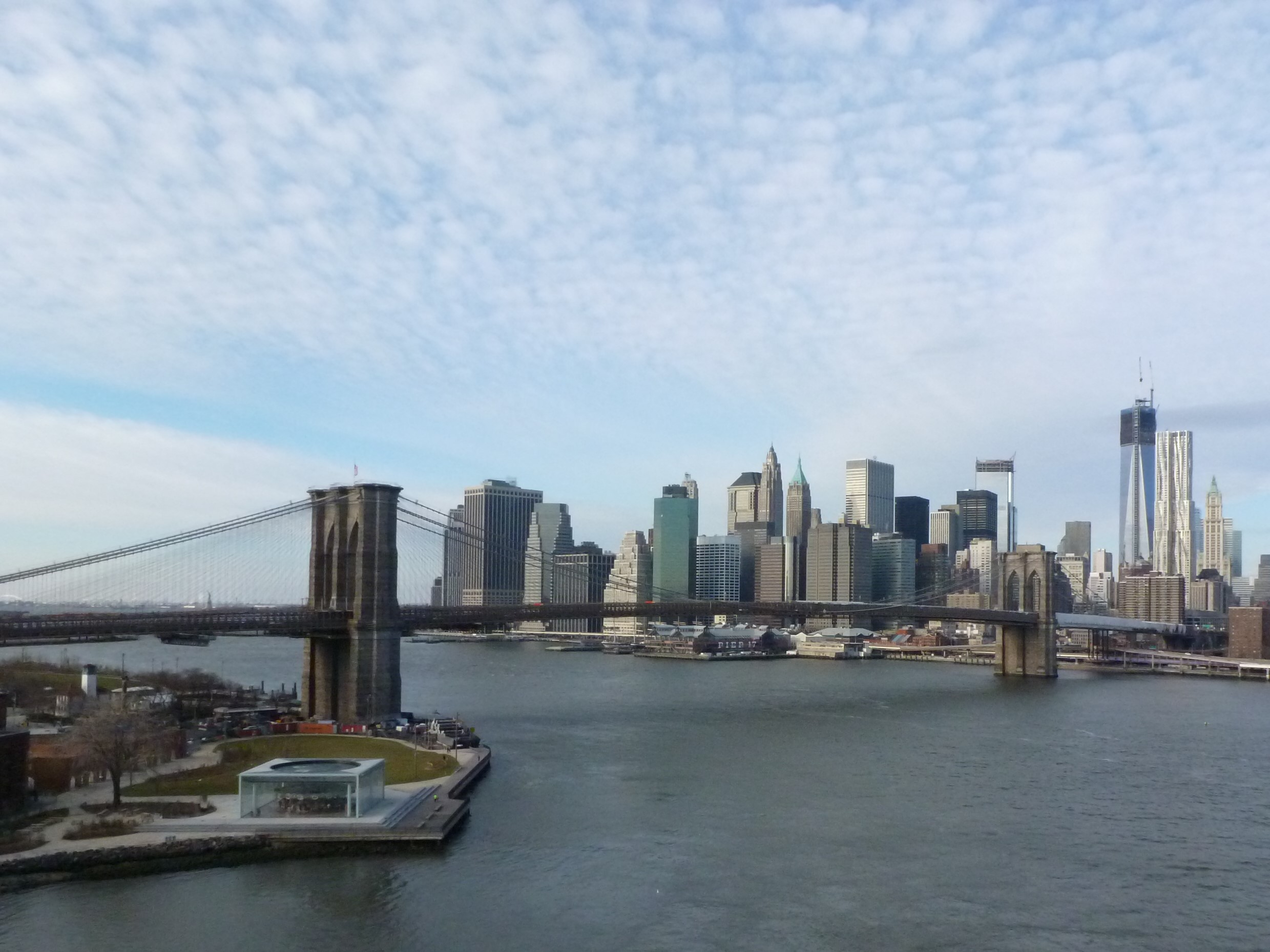
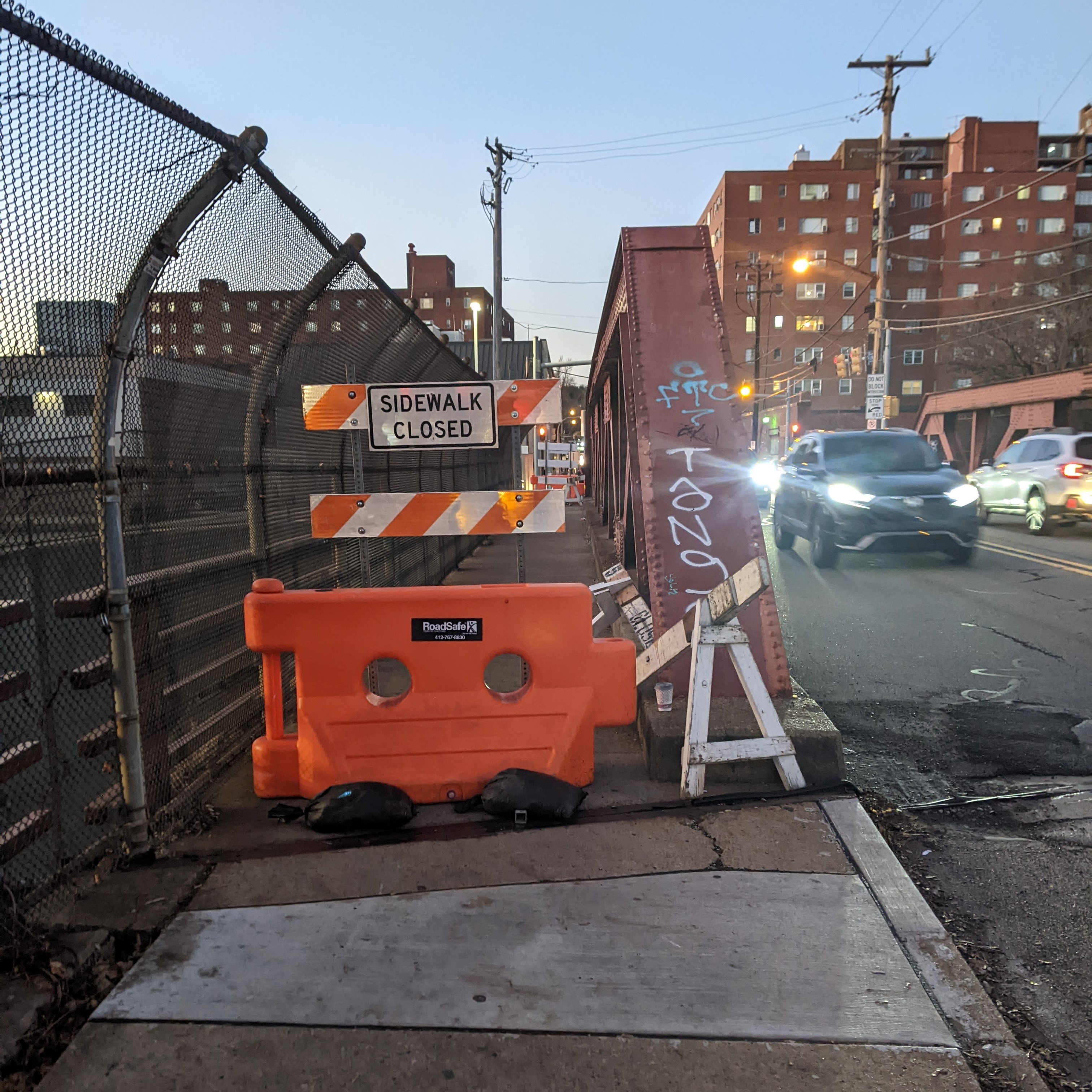
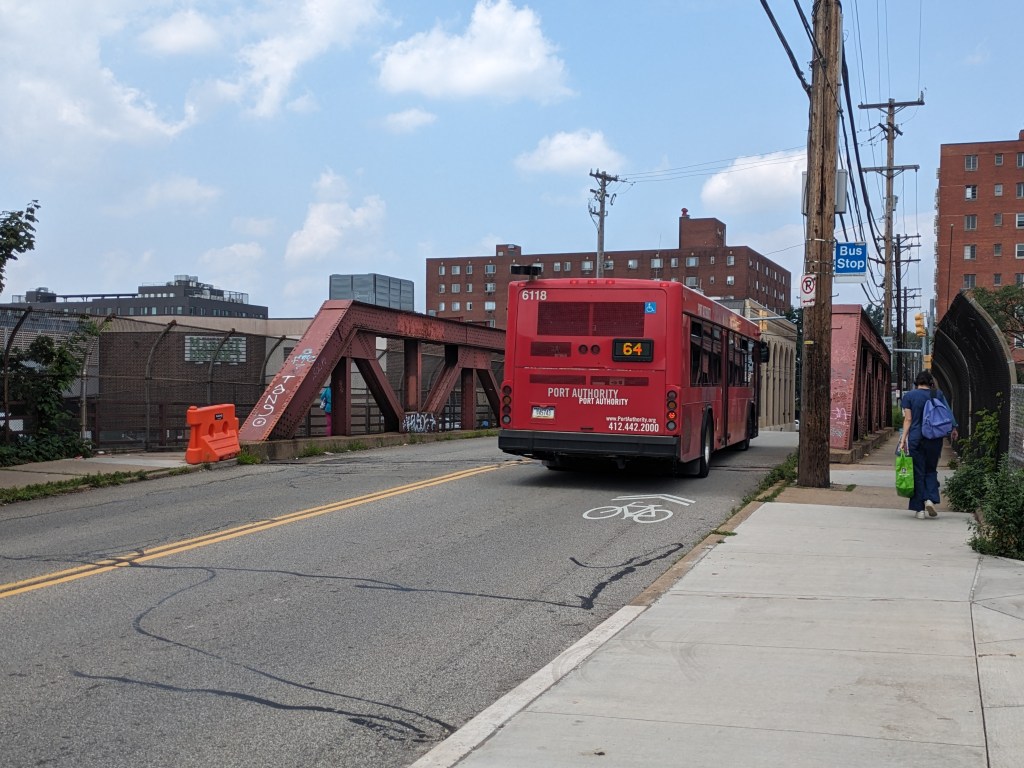
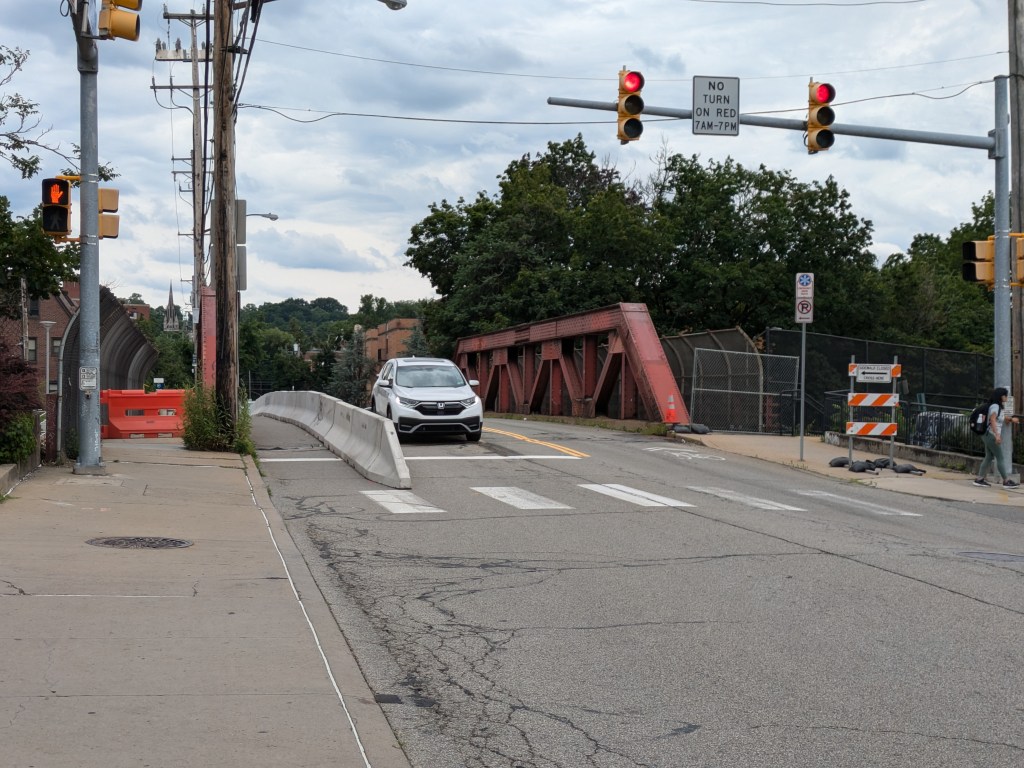
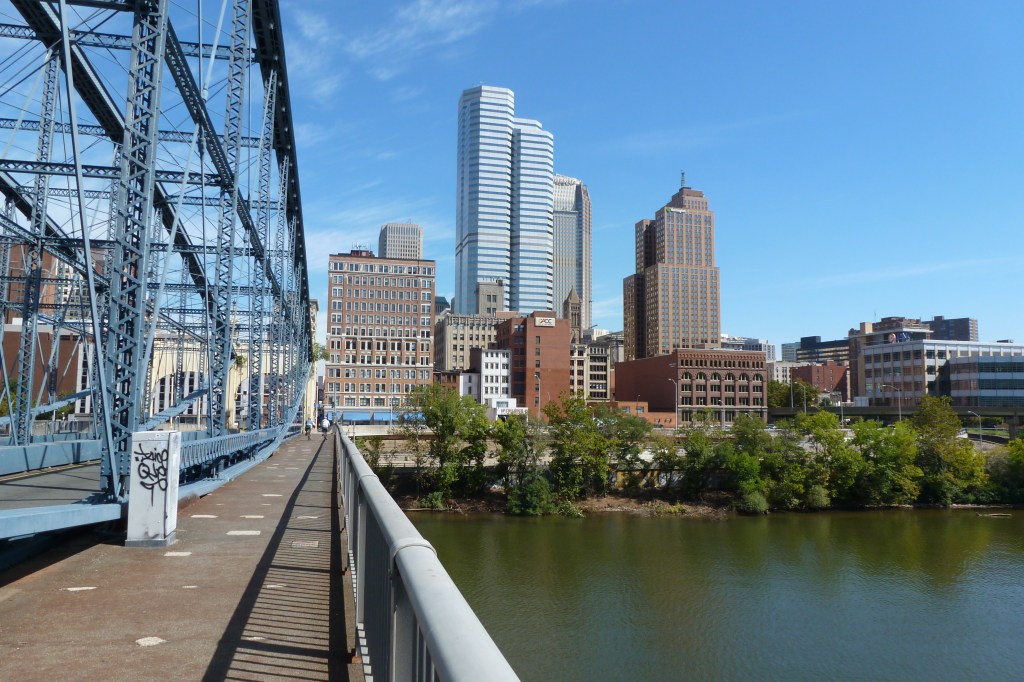
6th Street Bridge – PittsburghManhattan Bridge – New York City
National and International
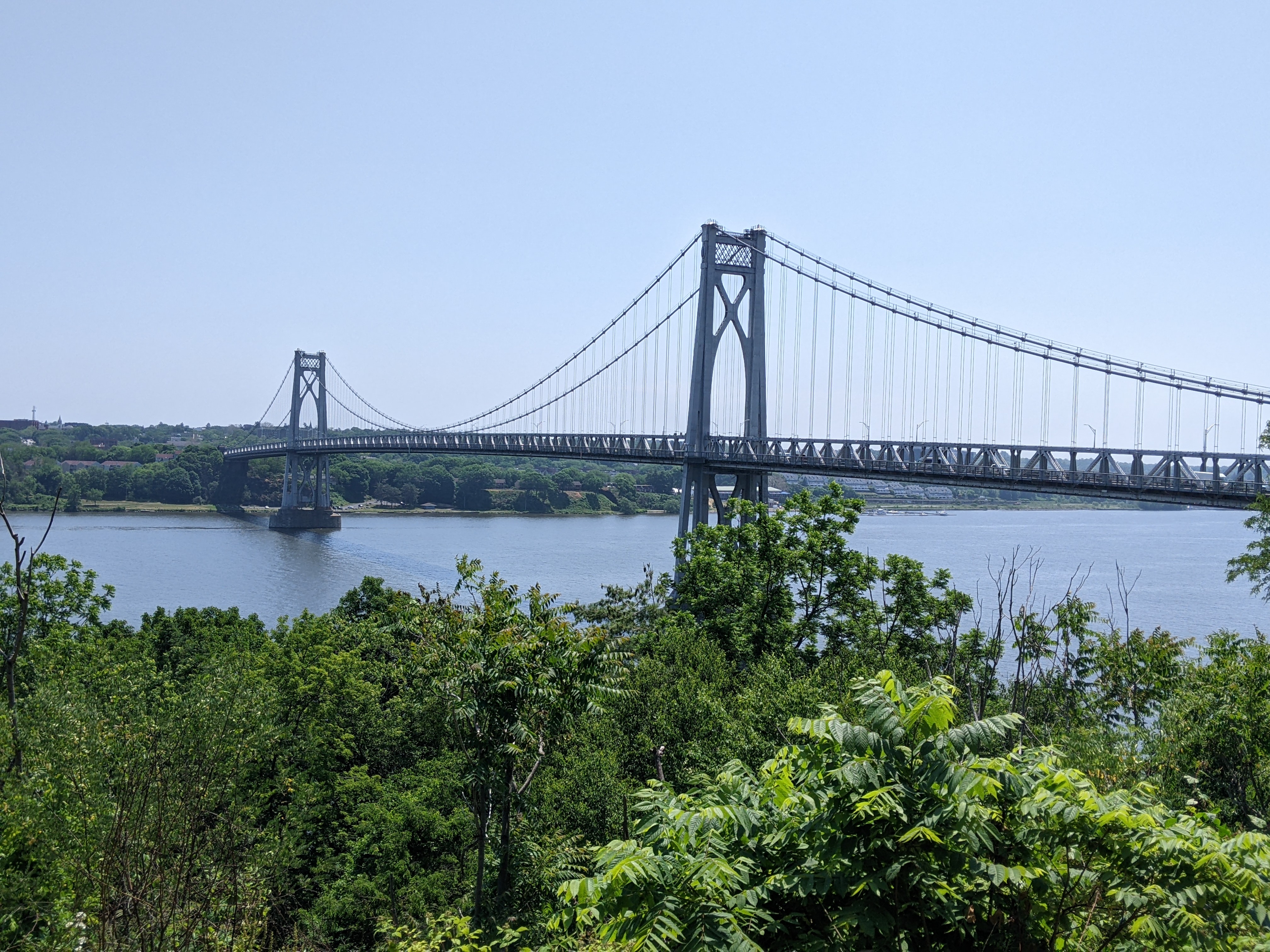
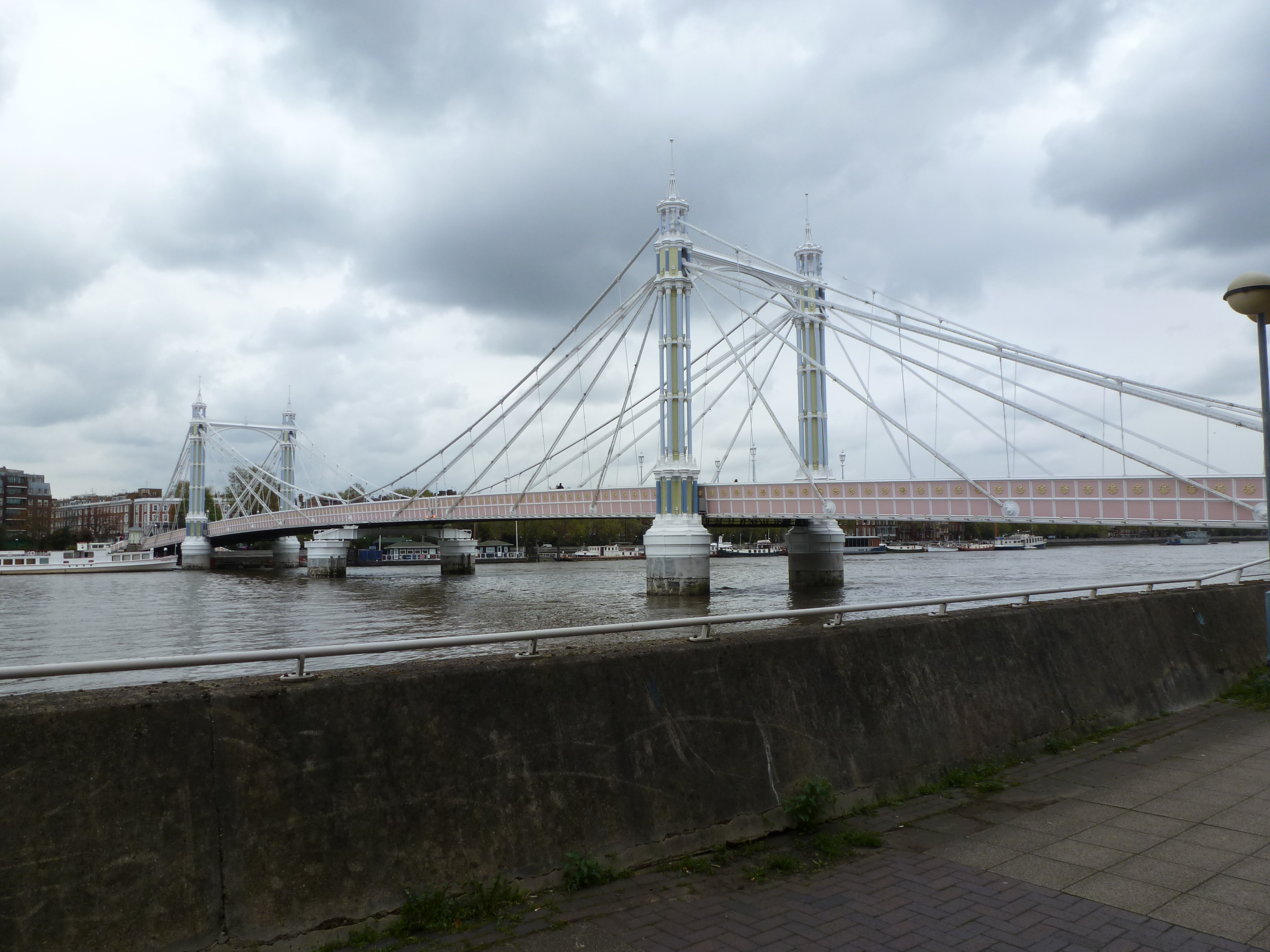
Albert Bridge – LondonMid-Hudson Bridge – Poughkeepsie
In the 2025 Bridge Madness Tournament, 16 suspension bridges go pier-to-pier in a reader’s choice tournament to pick the best one. This year’s tournament features suspension bridges visited by urbantraipsing nationally and internationally.
Results of the Sweet Sixteen:
6th Street Bridge vs. Roebling Suspension Bridge – 52% to 48%
7th Street Bridge vs. Wheeling Suspension Bridge – 60% to 40%
9th Street Bridge vs. Brooklyn Bridge – 28% to 72%
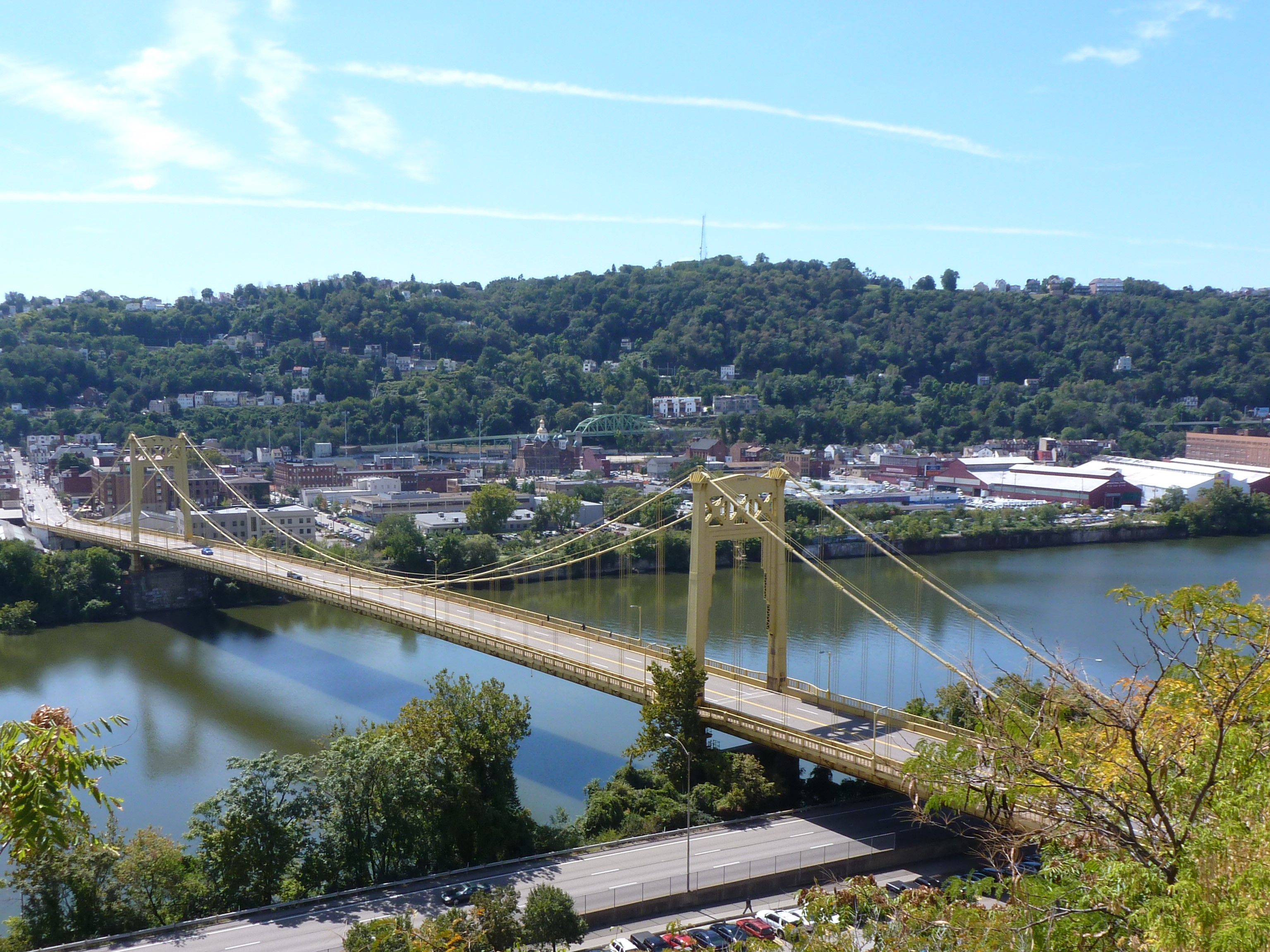
South 10th Street Bridge vs. Manhattan Bridge – 16% to 74%
Albert Bridge vs. Lions Gate Bridge – 58% to 42%
Chelsea Bridge vs. Golden Gate Bridge – 35% to 65%
Jubilee Bridges vs. Mid-Hudson Bridge – 10% to 90%
Tower Bridge vs. Bosphorus Bridge – 83% to 17%
Below are the brackets for the Elite Eight. Remember to vote for one bridge in each bracket by noon on Thursday, March 13th, and then return on March 15th to vote for the Final Four.
The bridges are divided into two conferences: New York City and Great Lakes Region vs. National and International. To learn more about the bridges, revisit the introduction which has links to posts on each bridge.
New York City and Great Lakes Region
6th Street Bridge – Pittsburgh7th Street Bridge – PittsburghBrooklyn Bridge – New York CityManhattan Bridge – New York City
National and International
Albert Bridge – LondonGolden Gate Bridge – San FranciscoMid-Hudson Bridge – PoughkeepsieTower Bridge – London
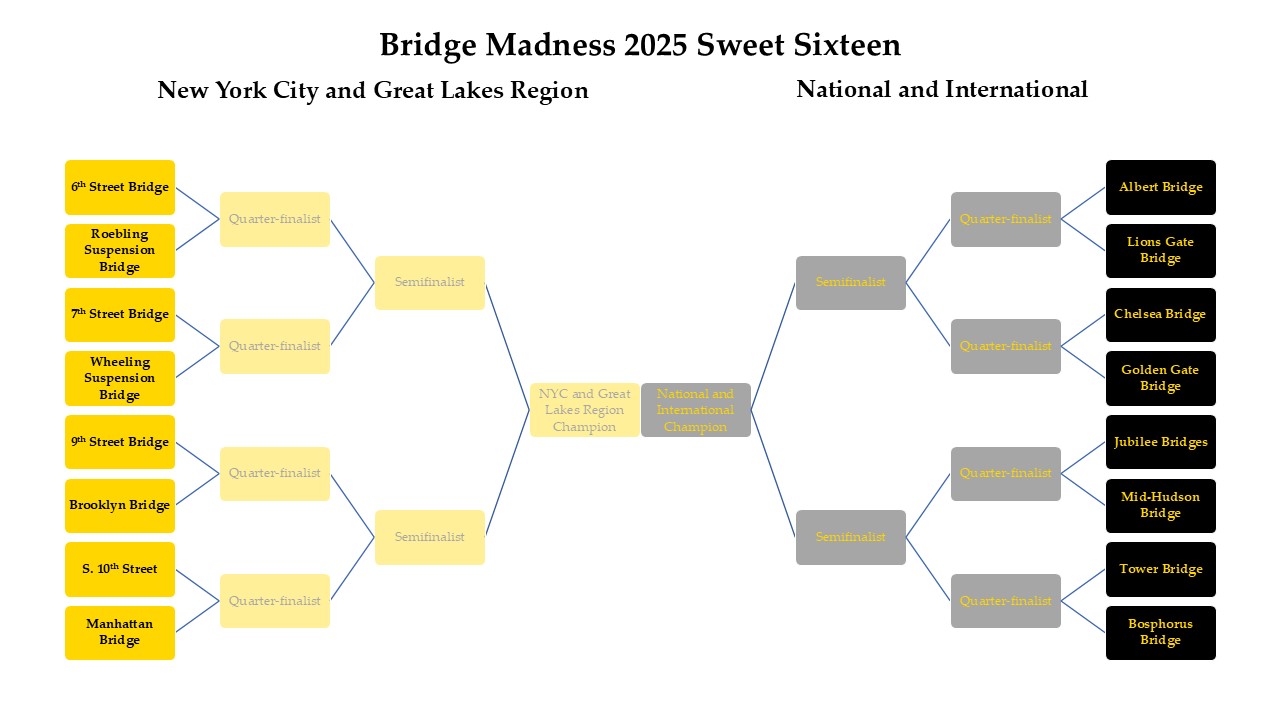
In the 2025 Bridge Madness Tournament, 16 suspension bridges go pier-to-pier in a reader’s choice tournament to pick the best one. This year’s tournament features suspension bridges visited by urbantraipsing nationally and internationally. Below are the brackets for the Sweet Sixteen. Remember to vote for one bridge in each bracket by noon on Thursday, March 6th, and then return on March 8th to vote for the Elite Eight.
The bridges are divided into two conferences: New York City and Great Lakes Region vs. National and International. To learn more about the bridges, revisit the introduction which has links to posts on each bridge.
New York City and Great Lakes Region
6th Street Bridge – PittsburghRoebling Suspension Bridge – Cincinnati7th Street Bridge – PittsburghWheeling Suspension Bridge – Wheeling9th Street Bridge – PittsburghBrooklyn Bridge – New York CityS. 10th Street Bridge – PittsburghManhattan Bridge – New York City
National and International
Albert Bridge – LondonLions Gate Bridge – VancouverChelsea Bridge – LondonGolden Gate Bridge – San FranciscoJubilee Bridges – LondonMid-Hudson Bridge – PoughkeepsieTower Bridge – LondonBosphorus Bridge – Istanbul
I bought my first car in 2021. It ended up having a lot of problems. The first time I tried to drive to Erie, it started shaking like it was going to spontaneously break apart into a million pieces, just like a cartoon. Instead, it went into limp home mode and I turned around at the next exit, which was the middle of nowhere. After several repairs and a period of no further incidents, the following year I was ready to try again. But first, I tested the car to see if it could handle Rt. 79.
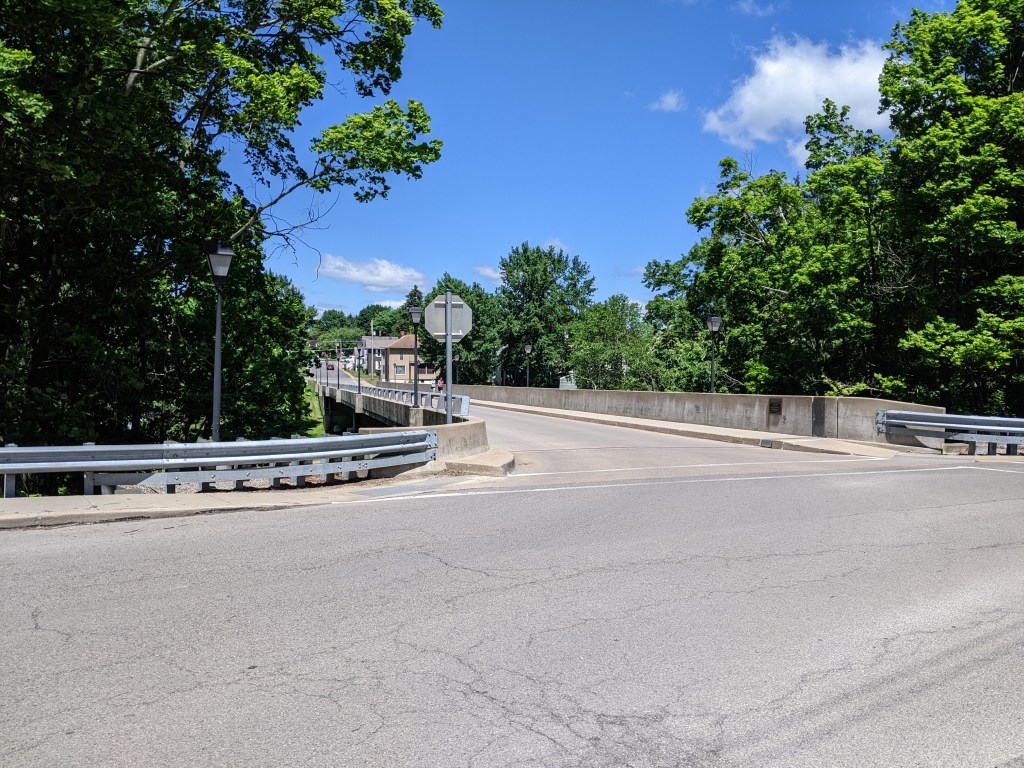
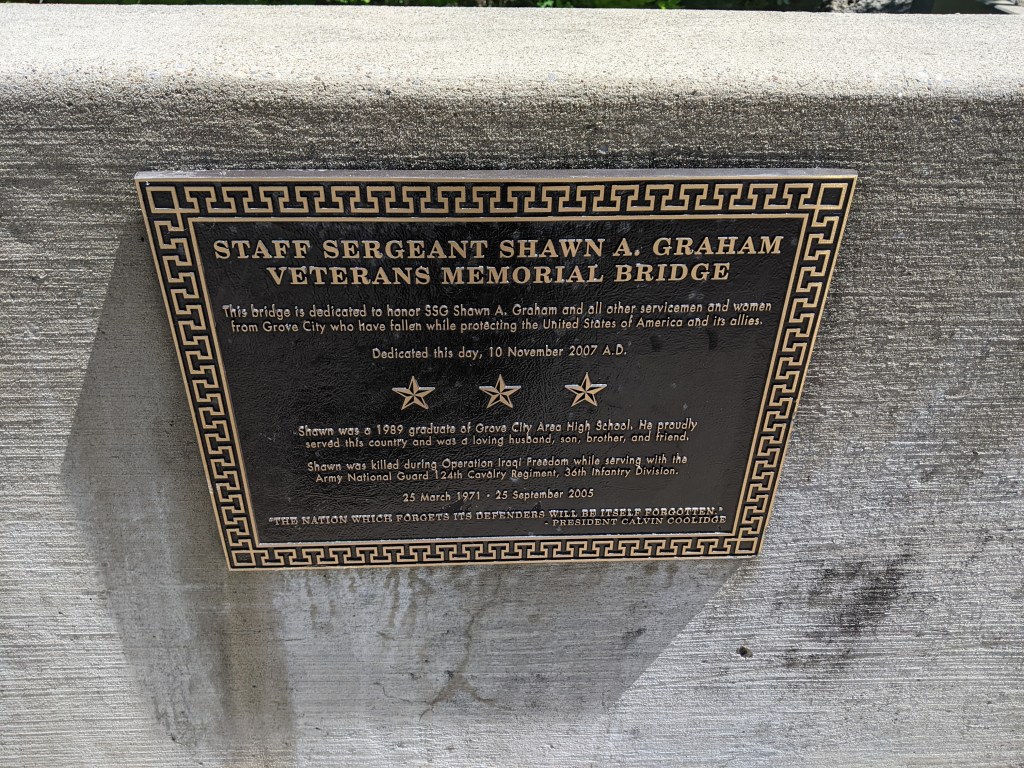
I knew of Grove City as an exit about halfway to Erie and as the closest outlet mall to Pittsburgh. I decided to aim for the actual Borough of Grove City1 as a destination to explore while testing my car’s ability to handle the speed limit and hills of Rt. 79. Naturally, since I arrived safely and knew nothing about the town, I set out to walk the bridges.
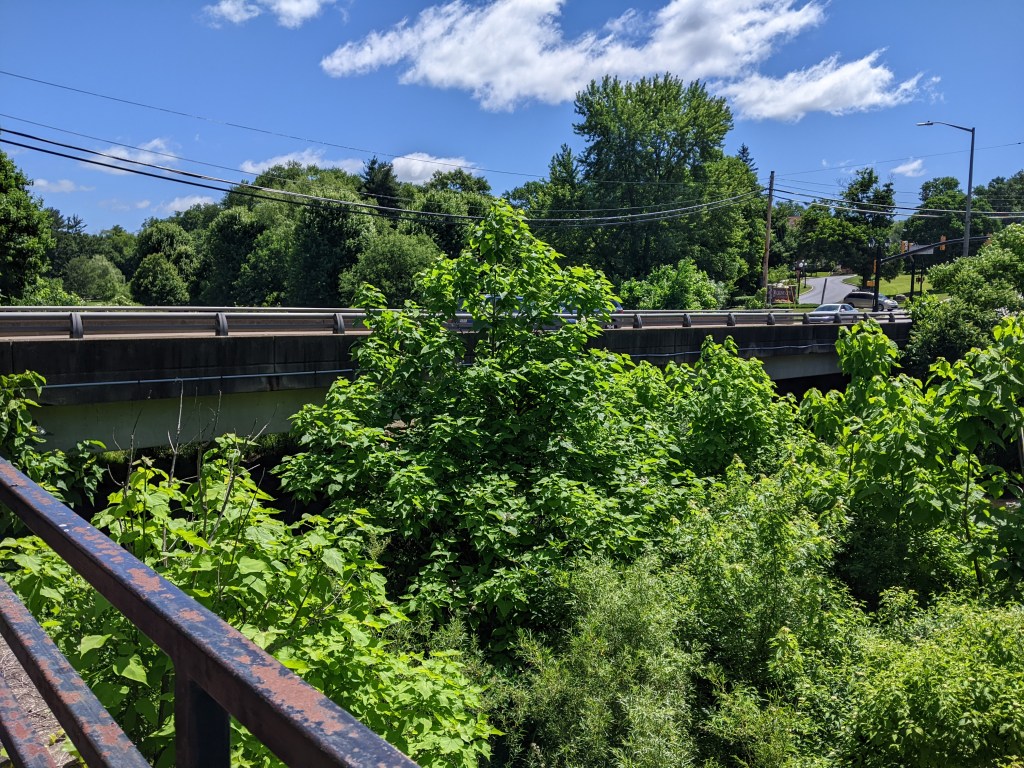
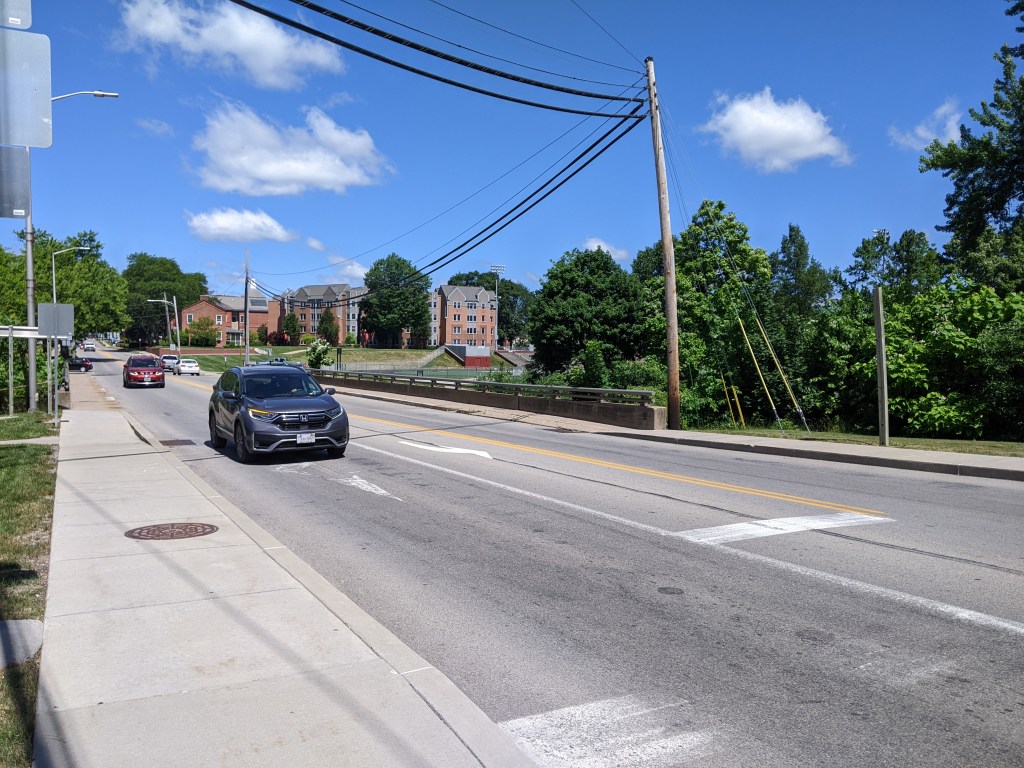
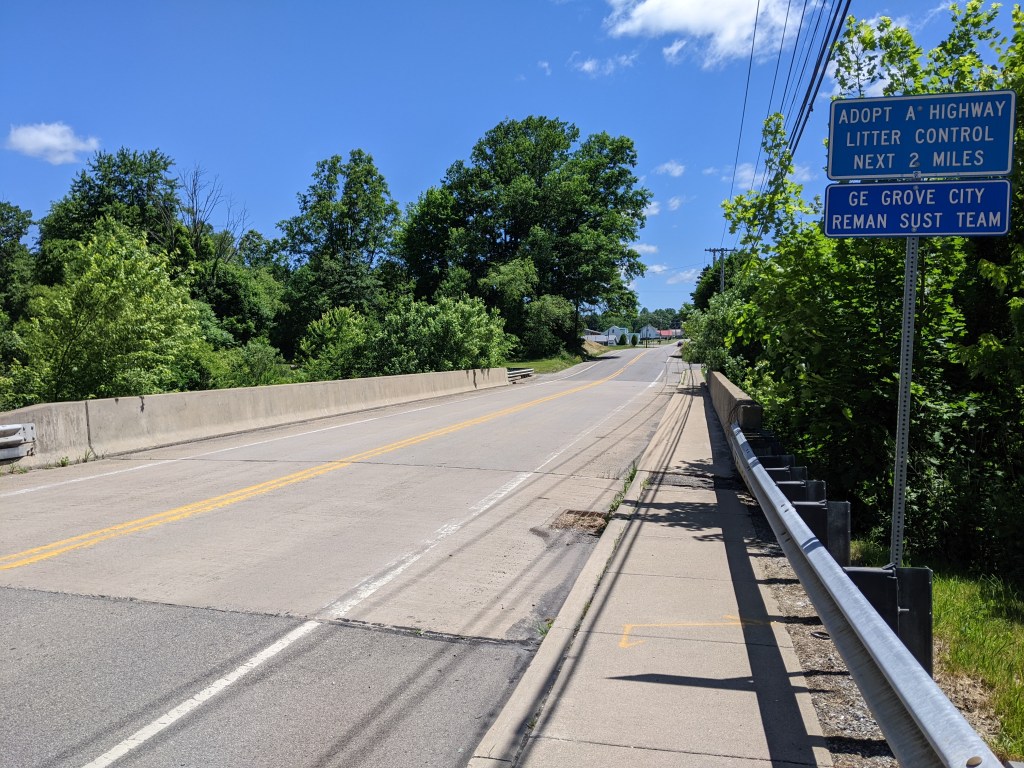
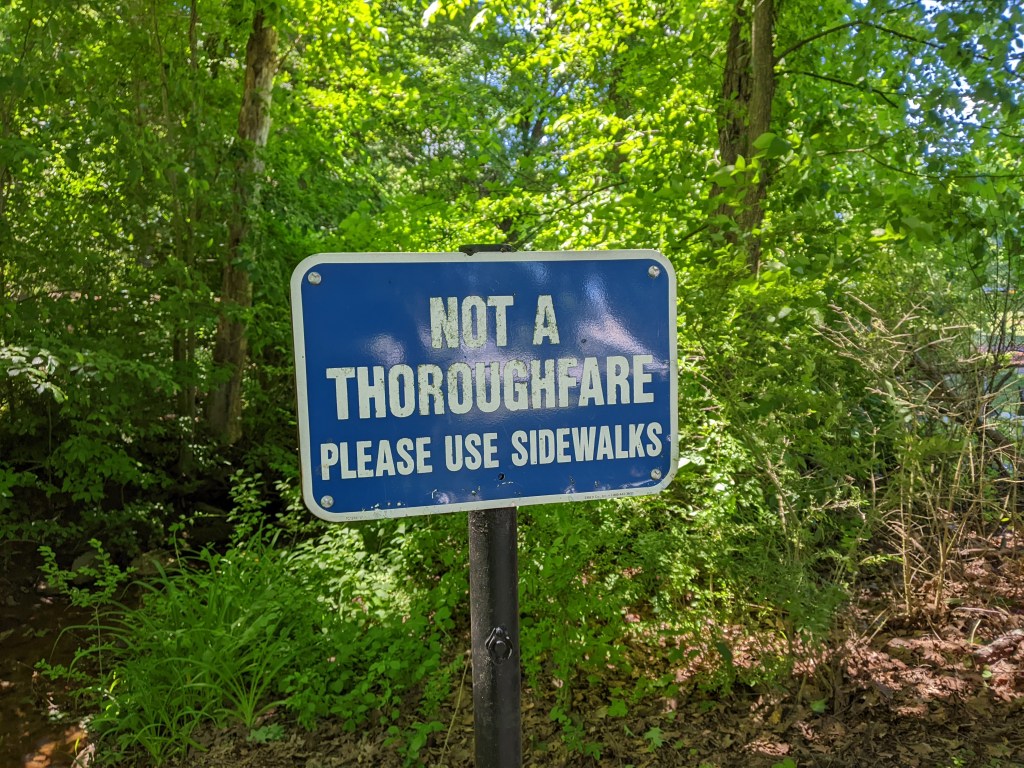
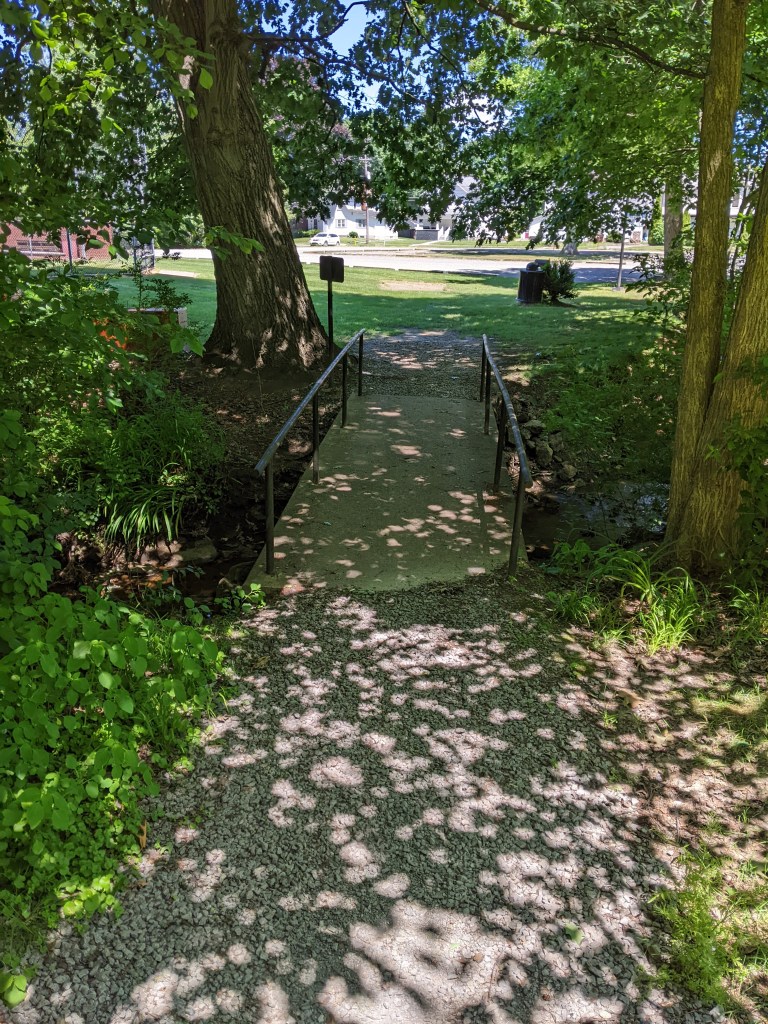
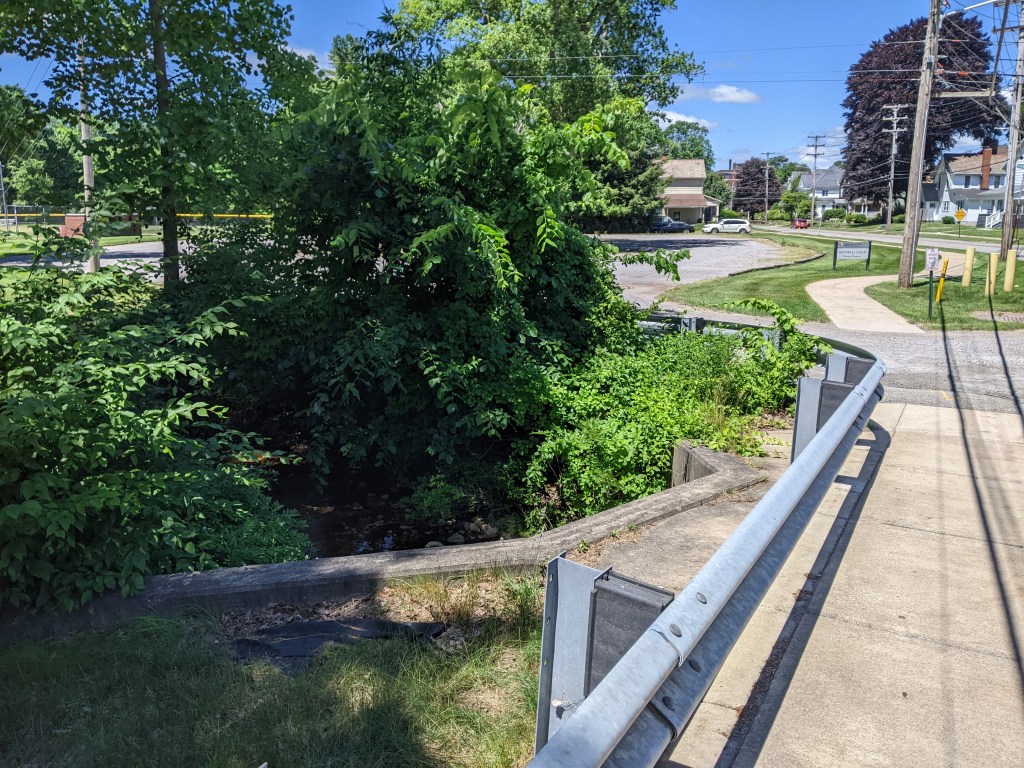
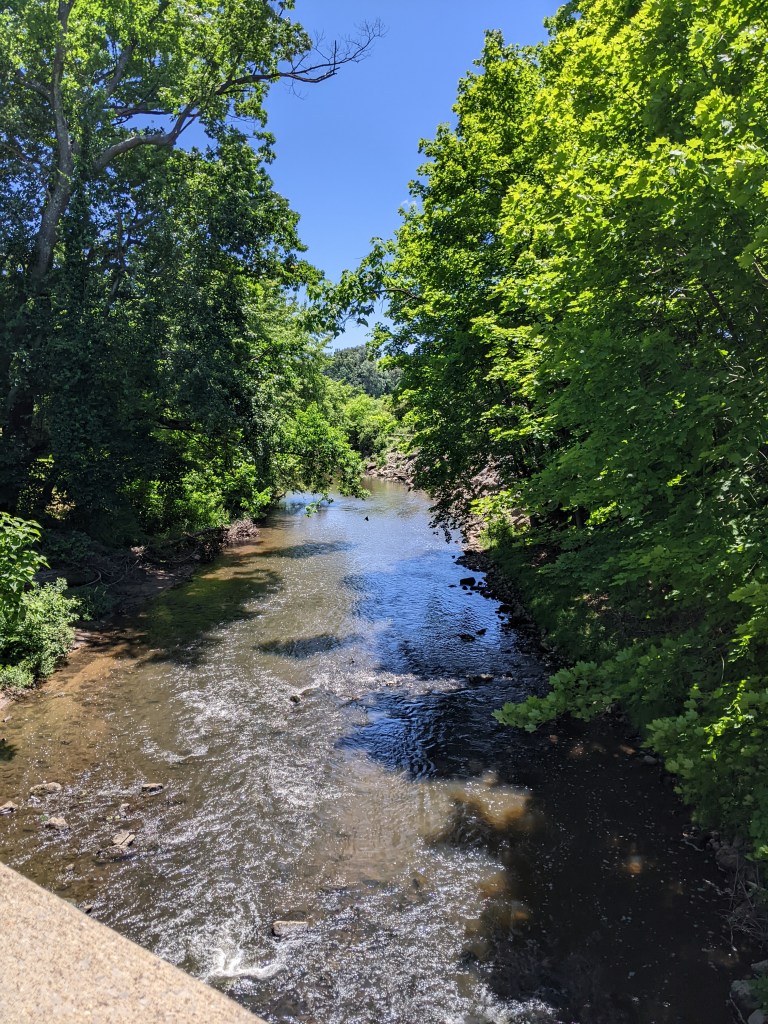
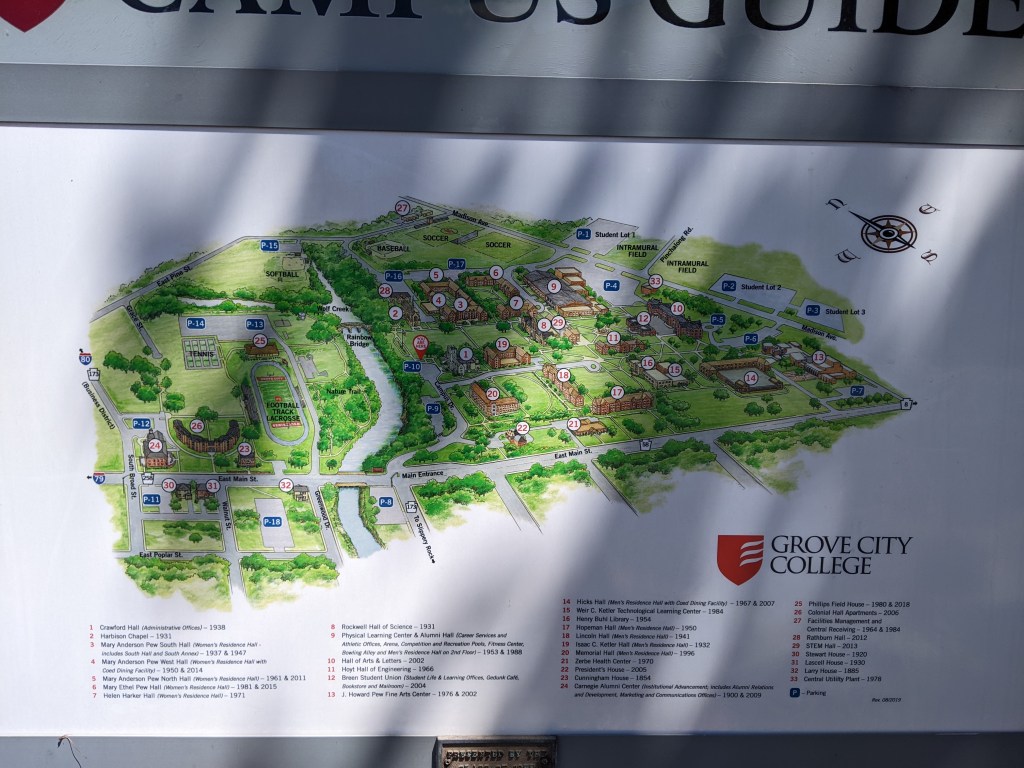
A town of 2.7 square miles and less than 8,000 residents, Grove City has several bridges over Wolf Creek and elsewhere. Unfortunately, the town’s premier pedestrian bridge, Rainbow Bridge (pictured above), was closed due to construction activities in the area. I discovered a second, unmapped pedestrian bridge over a small tributary to Wolf Creek, which I crossed only to see a sign on the other side claiming the bridge was not a throughway and directing people to use the sidewalks on the street to reach Grove City College’s main campus.
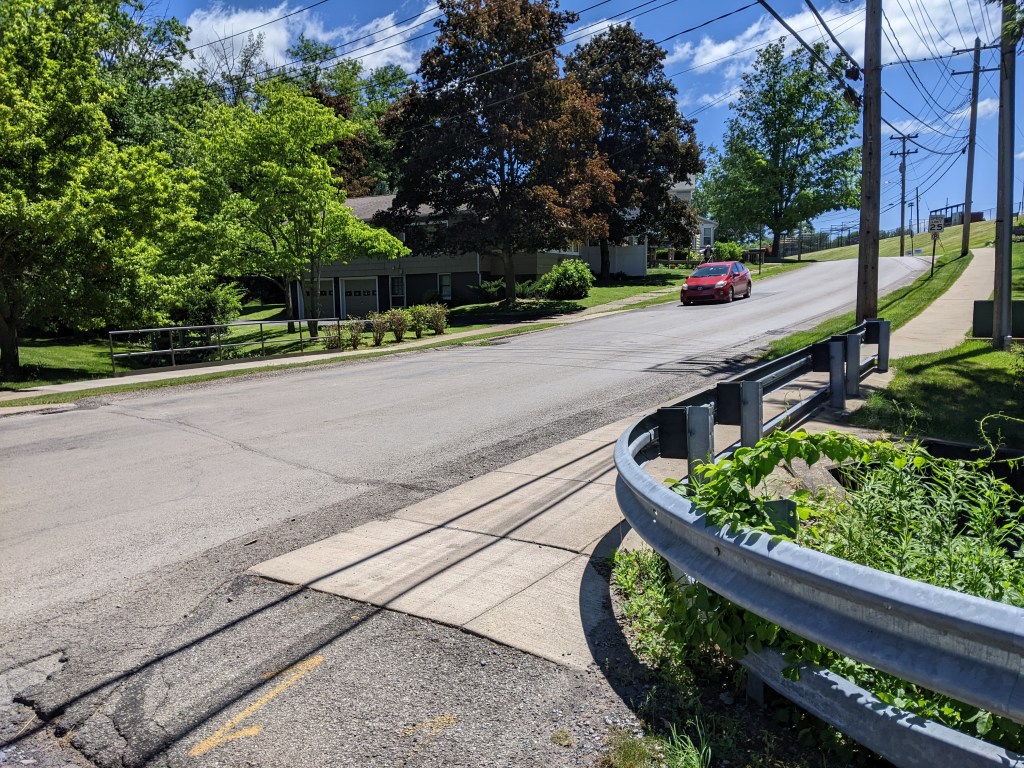
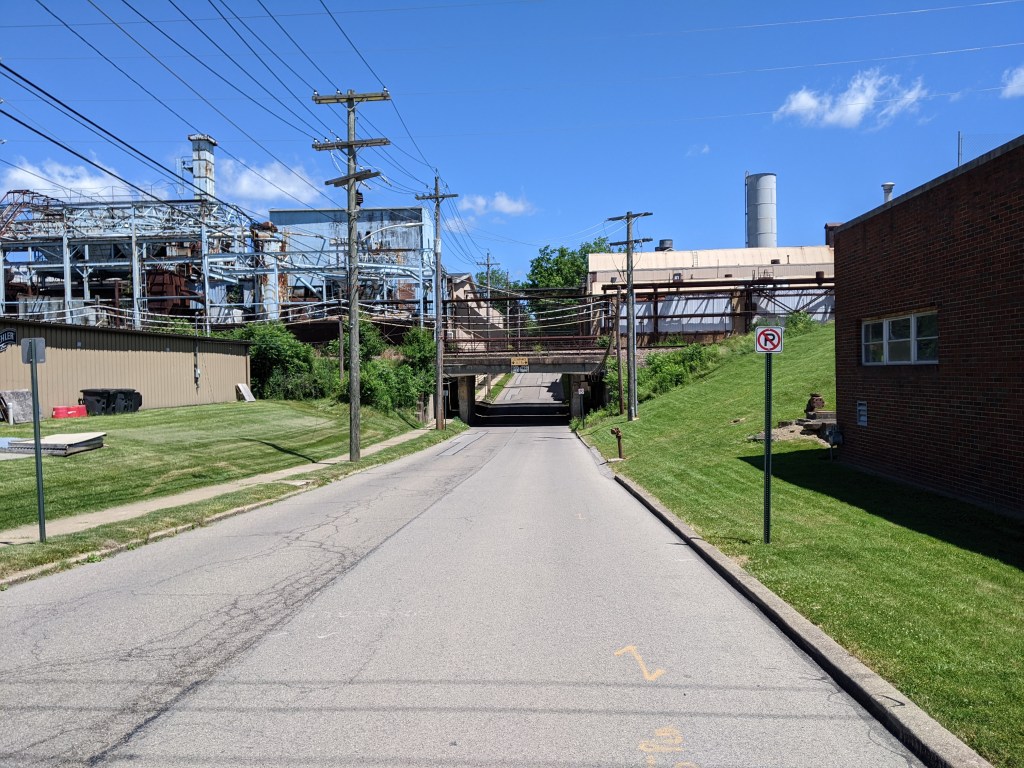
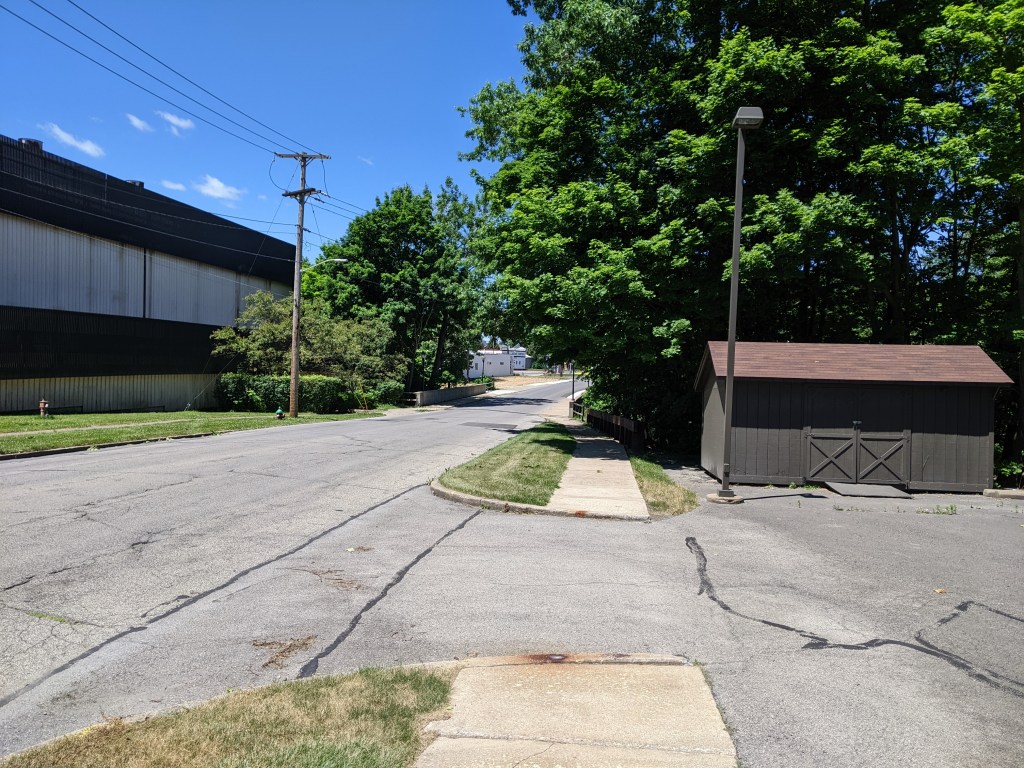
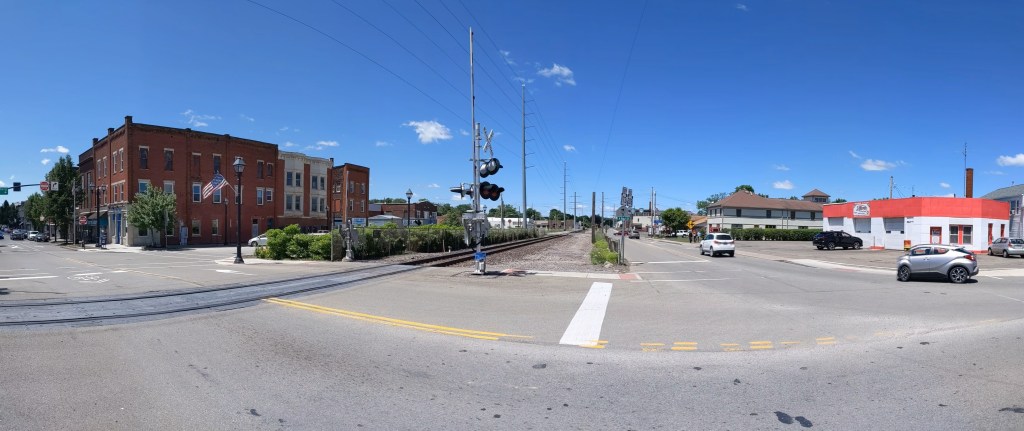
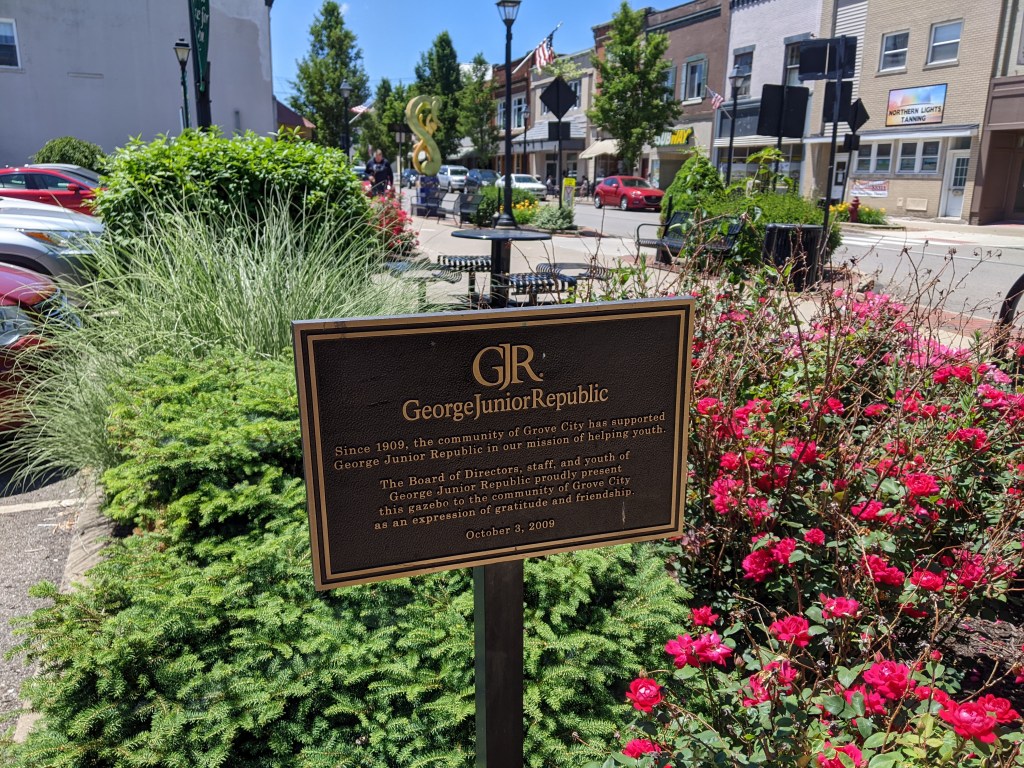
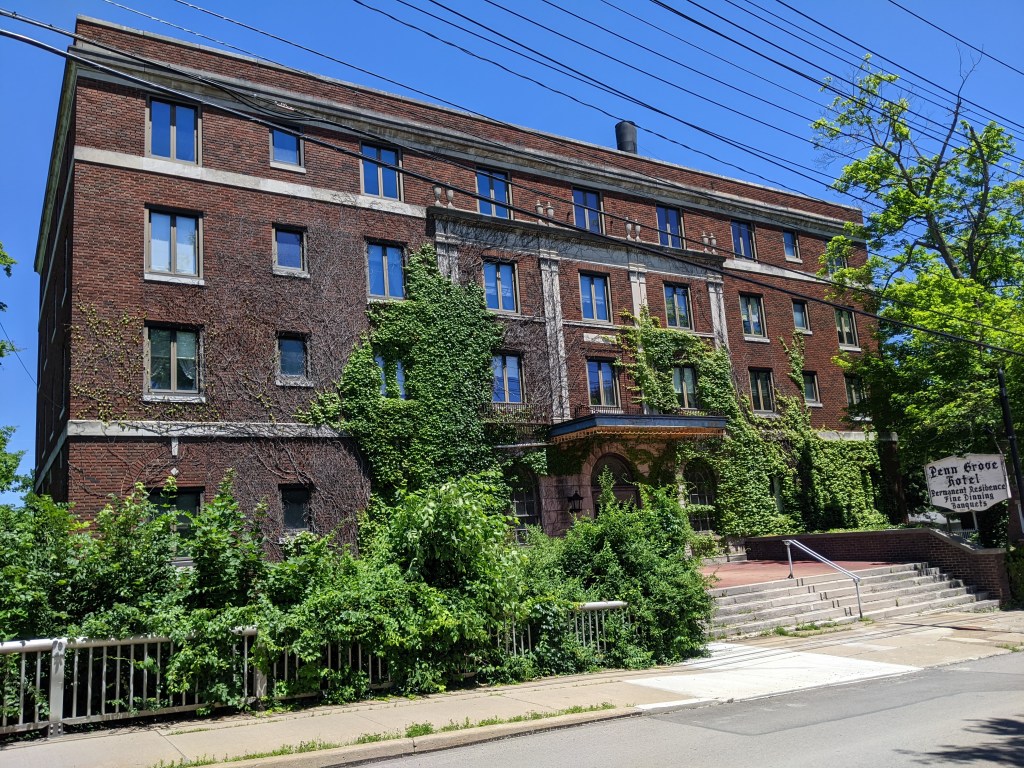
While the bridges themselves were structurally uninteresting, except for the Rainbow Bridge, I visited a throughout cross-section of town in walking them….which is the point of my bridge walking habit. My path took me through the college campus, the now less prominent industrial area, the large homes built for the boss class of the industries, the small homes built for the industrial workers, and the business district, both the car oriented portion and the historic portion. There are several bridgeless neighborhoods that I did not visit, but even without them, I learned a lot about the town in a short space of time.
Grove City Bridges
Grove City Cross-Section
I don’t know if this is true in other states, but Pennsylvania lets municipalities of any size call themselves cities. ↩︎
Bridge accidents is a common theme this year. The most significant was the collapse of Baltimore’s Francis Scott Key Bridge in March 2024 after being struck by a malfunctioning container ship. However, other accidents happened to bridges in the Pittsburgh area. Weeks after Baltimore’s bridge collapse, the Sewickley Bridge, a few miles downriver from Pittsburgh, closed for a day after being struck by runaway barges (WTAE, April 14, 2024). Then, in August, a dump truck struck an unused railroad bridge in Pittsburgh. The road underneath closed temporarily while the obsolete and now damaged bridge was removed. The adjacent, active railroad bridge remains. (WTAE, August 16, 2024)
Meanwhile, Pittsburgh continues to preemptively close bridges or restrict traffic to reduce the chances of another bridge collapse. The most recent of these is the full closure of Panther Hollow Bridge announced October 19, 2024, with immediate effect. It is called a temporary closure while the City of Pittsburgh figures out what it needs to do for the bridge. (Mayor’s Press Release, October 19, 2024) Other recent “temporary closures” of Pittsburgh bridges have turned into sporadic periods of closure and opening (Swindell Bridge) or a years-long closure while funding is found and repairs are implemented (Charles Anderson Bridge).
Another common restriction we are seeing in Pittsburgh bridges is sidewalk closures while vehicular traffic remains unaffected. Pittsburgh’s South Negley Avenue bridge is one of the bridges in town that is poised as a pending disaster. In acknowledging the structural issues of this bridge, the west sidewalk was closed in 2022. However, I noticed that by July 2023, the barriers on that sidewalk were pushed aside and it wasn’t clear if that was an official move or if pedestrians had taken matters into their own hands. Then, in June 2024, first the eastern sidewalk was closed with a temporary protected pedestrian pathway installed in the car lane (Mayor’s Press Release, June 6, 2024) and then, a week later, the western sidewalk was again closed (Mayor’s Press Release, June 17, 2024). Why this “safety” measure is helpful is beyond me as this bridge has been earmarked for replacement for years pending funding and access issues. Also, the Smithfield Street Bridge sidewalk always has rusted out holes showing the river flowing below that eventually get patched without closing the sidewalk.
Bridges are a vital connectors that enable us to move around as we live our lives. Frequently, we don’t even realize there’s a bridge there…at least not until there’s a bridge disaster. Over the last few years, there have been several bridge disasters, some due to accidents, like the collapse of Baltimore’s Francis Scott Key Bridge in March 2024 after being struck by a malfunctioning container ship, and some due to deferred maintenance, like the collapse of Pittsburgh’s Fern Hollow Bridge on an icy, cold morning in January 2022.
We have seen recently that when there is motivation, the missing links caused by bridge disasters can be repaired in record time. Pittsburgh’s Fern Hollow Bridge was completely rebuilt and opened to traffic 11 months after collapsing, instead of the usual multi-year process to design and build a new bridge. In Philadelphia, when an elevated section of I-95 collapsed after an accident in 2023, the repaired section reopened to traffic 12 days later, compared to 26 days for a similar situation in Oakland, CA. (PBS News, June 23, 2023)
Despite President Biden’s repeated request to Congress to expedite funds to replace Baltimore’s Francis Scott Key Bridge, Republicans in Congress are possibly motivated to delay so that President-elect Trump will get the credit for rebuilding this crucial transportation link. (Fox News Baltimore, November 8, 2024; WCBM, November 8, 2024) Unfortunately, Trump does not have a good track record for funding bridges.
It can be easy to overlook during the buzz of election season that there is often a delay between when a law is signed or a policy adopted and when the effects of that law or policy are felt. Bridges encapsulate that well. The memorable moments are when a bridge closes or collapses (typically viewed negatively) and when a bridge reopens (typically viewed positively). The moment when funds are allocated, the moment enabling a bridge to reopen at a later date, is not often remembered.
For example, it was front page news when the new Greenfield Bridge reopened in 2017, when Trump was President, but the funding that constructed the bridge was allocated when Obama was President. Similarly, the Charles Anderson Bridge has been closed to traffic for most of President Biden’s term in office, to the annoyance of many, but that is also when the funds were found to rehabilitate the bridge expanding the life of this historic bridge by decades. However, the reopening is projected to be in 2026, in the middle of Trump’s second term as President.
Assuming two years as the average time from funding to reopening on bridge reconstruction and rehabilitation projects, I pulled the Federal Highway Administration’s numbers for bridge construction and rehabilitation in Pittsburgh that would have been funded under the leadership of Presidents George W. Bush, Barack Obama, and Donald Trump. (FHWA InfoBridge) Given the delay between funding and completion, it is too early to measure the impact of funding under President Joseph Biden’s leadership.
Bush: 36 bridges total = 4.5 bridges per year
Obama: 76 bridges total = 9.5 bridges per year
Trump: 9 bridges total = 2.25 bridges per year
Bridge maintenance and repair rarely happens without support from federal funding. When the bipartisan infrastructure bill passed under President Biden’s leadership runs out of funds, or those funds get diverted to Project 2025, I am skeptical that new funding for bridges will be found under the leadership of President-elect Trump. Therefore, I expect more bridge disasters or, at the very least, more indefinite bridge closures in the coming years.
The Mid-Hudson Bridge has a unique additional feature. In 2009, Joseph Bertolozzi used the bridge as the sole instrument in his sound-art installation Bridge Music (see Bertolozzi’s official website for more information). There are two listening stations on the bridge, one at each pier, and those driving across the bridge can also access the music on their car radio. The full Bridge Music is available on CD and Bertolozzi has several YouTube videos of the music. Below is a sample of the music I captured in a video with views of the Hudson River and the two bridges (the Walkway Over the Hudson is the second bridge).
Half a mile downriver from the Walkway Over the Hudson (slightly closer as the crow flies) is the Mid-Hudson Bridge, so named for being halfway between New York and Albany. After being completely exposed to the noonday July sun on the Walkway Over the Hudson, I learned the relief of shade that can be had on a bridge, particularly when it incorporates some truss-like structure like the Mid-Hudson Bridge. I remember being completely in the shade while walking the Manhattan Bridge, but as that was in late December it had a completely different effect.
Taking in the Mid-Hudson Bridge added significantly to the length of my walk, but was worth it for the shade and the ability to add another bridge to my ever-growing list of walked bridges. I also encountered signs for “Bridge Music” on my way to this bridge which intrigued me and which I’ll explain further later.
Once again, additional fencing is provided on the portion of the bridge that crosses over the railroad tracks. Other than that pinch point and one or two other pinch points, my photographs suggest to me that this was a very pleasant bridge to walk. And overall, I think it was, but I was quite spooked by the number of signs warning pedestrians not to aggravate the nesting peregrine falcons on the piers. It wasn’t clear from these signs what behaviors would be sufficient to aggravate these predators, but I took the signs to mean that these birds were more sensitive than the ones found on tall buildings in Pittsburgh and curtailed my observations of and from the bridge accordingly.
I also tested out taking video of a portion of the walk of the bridge. This is something I have been considering as another way to share the experience of bridge walking with my readers. The video is below the sample of photographs. As I am holding my phone in my hand to take the video, there is a little bounce from my gait and some other slight stability issues.
I don’t remember how I first heard about the Walkway Over the Hudson, but it was several years before I developed the habit of walking bridges. Even at that time it sounded like a cool place to check out. Once I became a bridge-walker, it became a must-experience site. Over a decade later, I finally walked the Walkway Over the Hudson.
The Walkway Over the Hudson crosses the Hudson River at Poughkeepsie, NY. It opened in 1889 as a railroad bridge. It closed in 1974 after being damaged by fire and reopened as a renovated pedestrian bridge in 2009. It is both a National Historic Civil Engineering Landmark and on the National Register of Historic Places. At 1.28 miles it claims to be the longest pedestrian bridge in the world.
It is also 212 feet above ground or river level. In discussing my experience of climbing to the top of St. Paul’s Cathedral in London, I glossed over the fact that I almost didn’t reach the top due to my discomfort with heights and instead focused on the fact that claustrophobia almost prevented me from coming back down. Proportions and railing heights have a significant impact on whether I can manage heights. The Whispering Walk inside the base of the dome in St. Paul’s was too narrow and enclosed for me to handle the height above the floor (98 feet). The Walkway Over the Hudson, on the other hand, was quite wide having once carried two railroad tracks side-by-side. And so despite being more than twice as high up as the Whispering Walk, I did not experience much trouble with the height. I was more concerned about the possibility of the wind tearing my phone/camera out of my hand and over the edge.
Despite the potential damage that objects falling off the side of the bridge could cause, extra high barriers to prevent that are only located over the railroad tracks. As I’ve discussed in previous posts, some bridges have extra fencing only along portions of their walkways, typically over railroads and sometimes over automobile roads. The extra fencing on the Walkway Over the Hudson is from a time after it was common to curve the top, creating a cage-like feel, but before the need for extra height was incorporated into the design of the bridge itself.
There is no shade on a deck-truss bridge 212 feet off the ground. On a hot, July day, you feel the full force of the sun when taking such an exposed 1.28 mile walk starting at 11:30. If I hadn’t discovered that there was another bridge that I could walk across, I probably would have opted to take the shuttle back.
One of my readers alerted me to last night’s collapse of the Francis Scott Key Bridge in Baltimore. While I’ve never walked that bridge, since the collapse of Pittsburgh’s Fern Hollow Bridge, which I have walked, the scope of my blog has expanded to highlight the fragile nature of the infrastructure we rely on daily in the United States (and across the pond). According to the reports coming in and the video of the accident, a loaded cargo liner crashed into a pier of the Francis Scott Key Bridge causing the structure to collapse. The Baltimore Sun (March 26, 2024) and Washington Post (March 26, 2024) articles are my primary sources for learning of the accident.
Unlike Pittsburgh’s disaster which was due to a deteriorated portion of the bridge finally giving way after years of deferred maintenance, no blame has yet been placed on any structural unsoundness of the Francis Scott Key Bridge.
The ship that ran into it is another story. Apparently, it recently was flagged as having questionable issues in its navigation system. The current understanding is that the ship lost power and control of steering, issued a mayday alert, and crashed into the bridge pier. In the early analysis of what happened, there are questions as to why various things were not handled differently to have prevented the collision. For example:
Why were there not more structures in the water to deflect any ships away from the bridge pier?
Why didn’t the tugboats continue with the ship until it cleared not just the harbor, but the bridge as well?
Why wasn’t the bridge built with redundancies so that even if one of the piers were knocked out, the bridge could still stand?
Much like deferred maintenance (of bridges and ships), I suspect that money is at the root of the reason why not for items one and three above. It may also be a factor in why the tugboats don’t travel farther down the river with the ships.
The City of Baltimore and State of Maryland have declared a state of emergency. Pledges are being made to rebuild the bridge quickly, including President Biden promising the money to rebuild. It may be interesting to compare the rebuilding of the Francis Scott Key Bridge against Pittsburgh’s Fern Hollow Bridge. While of significantly different scales, both bridges are considered major transportation arteries that the local region cannot afford to be without any longer than absolutely necessary. Will the Francis Scott Key Bridge rebuild include similar time saving measures of purely utilitarian design and of concurrent design/build phases?