After cataloguing the photos from my April 2025 bridge walking in Washington, DC,1 I revisited the photos from my prior trips to the city and was surprised to find this wasn’t the first time I had walked a bridge across the Potomac River.
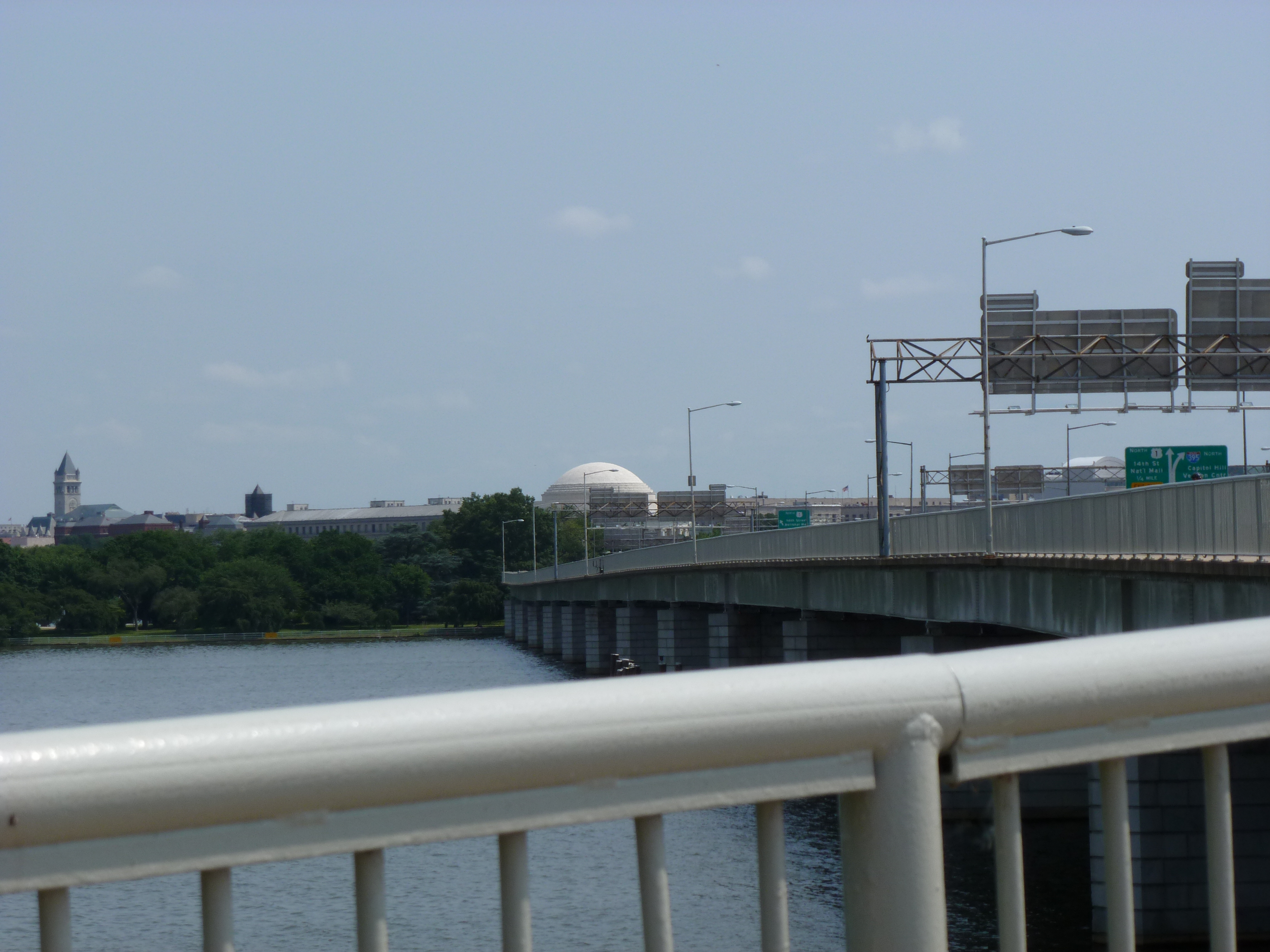
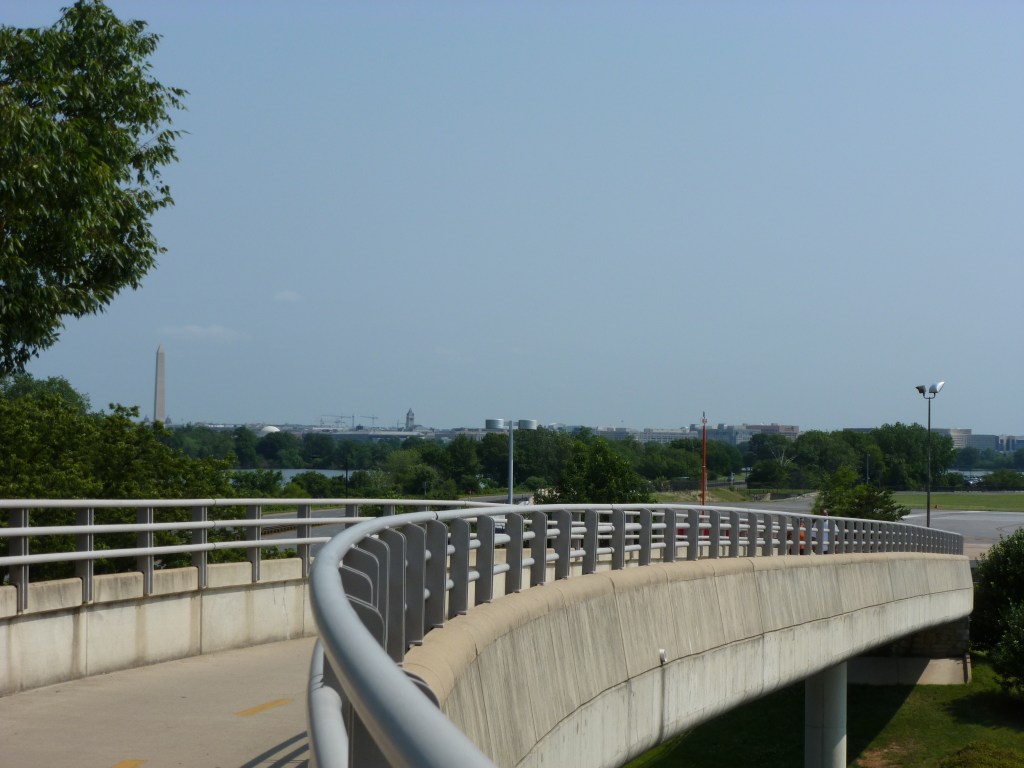
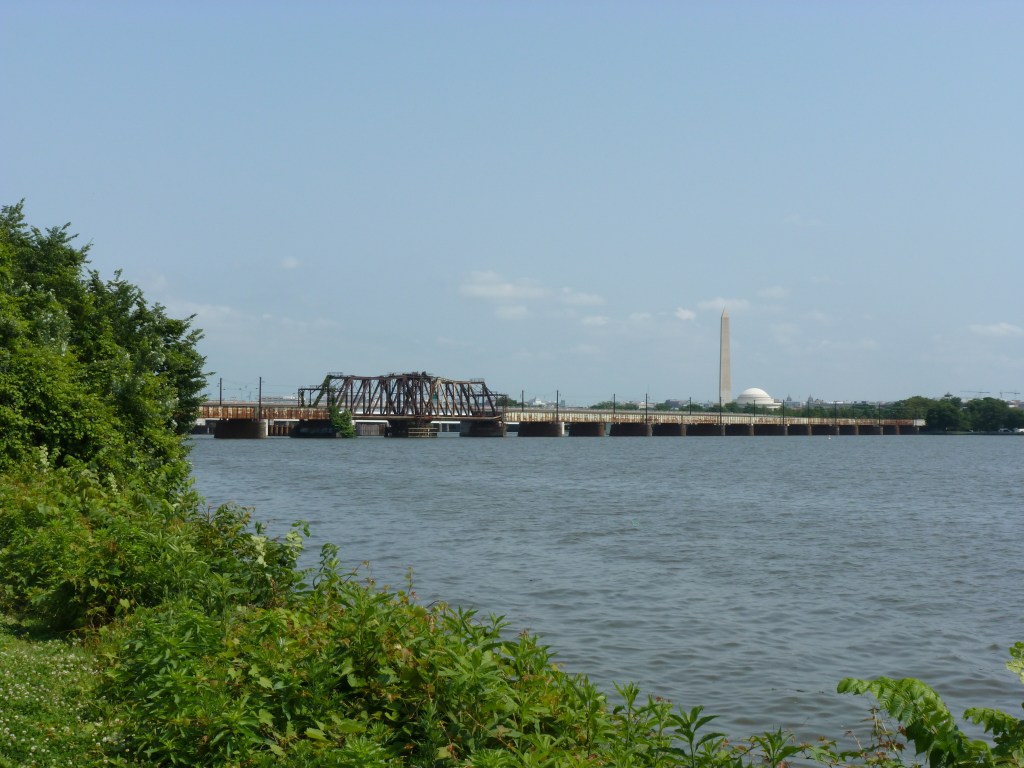
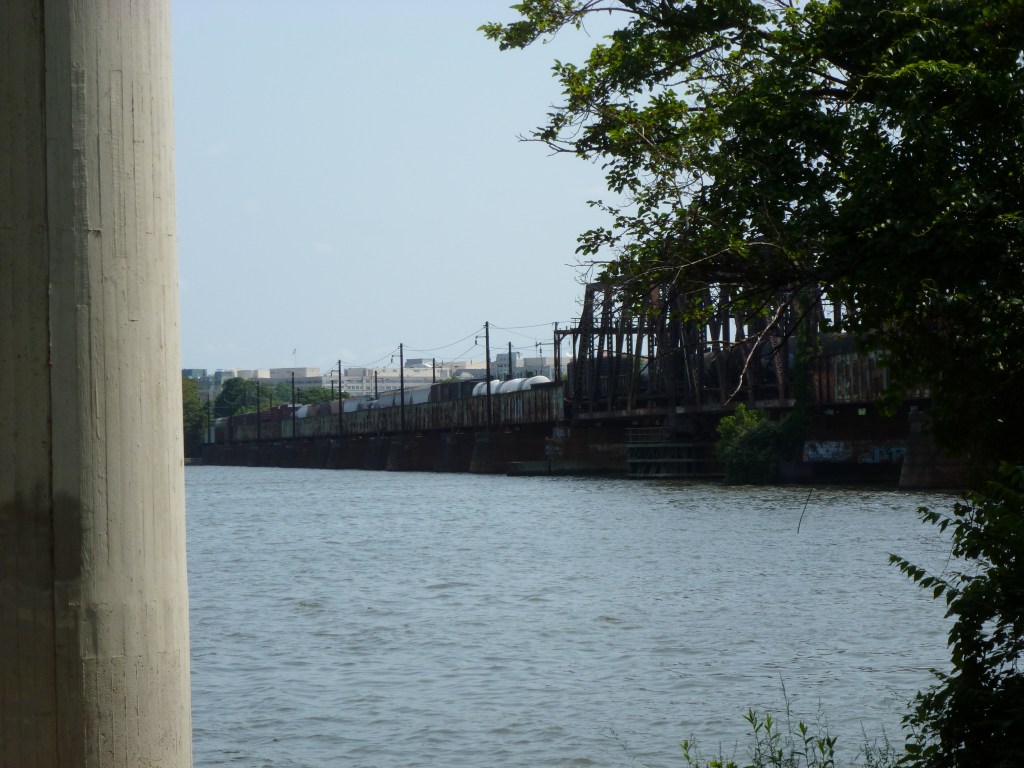
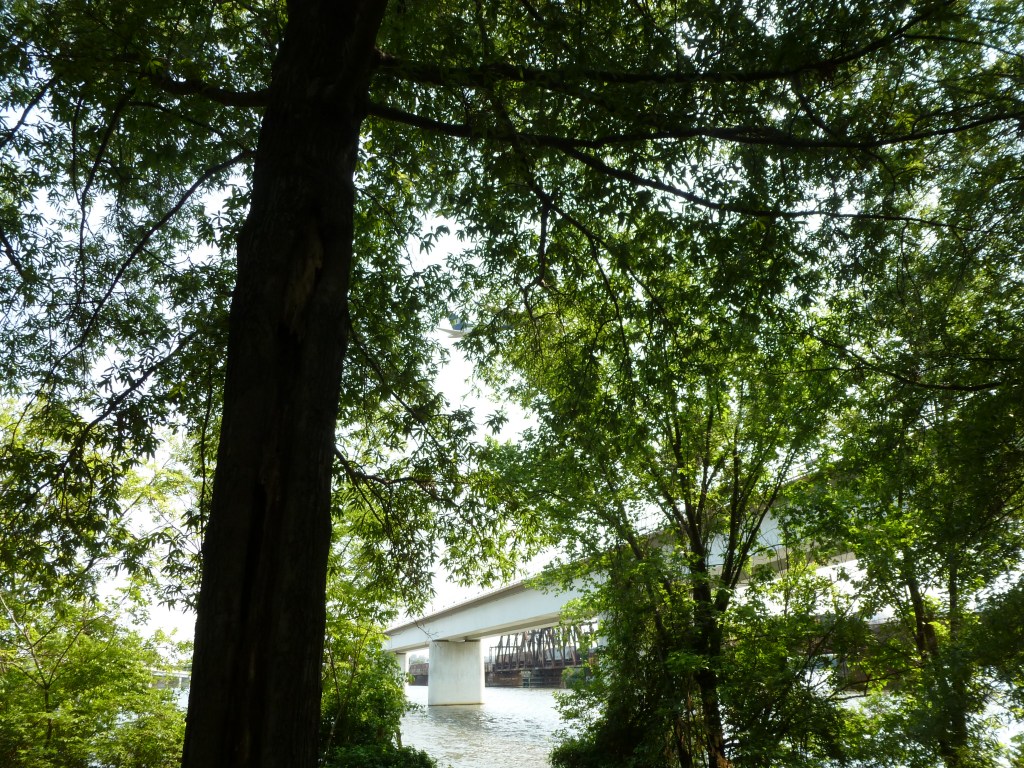
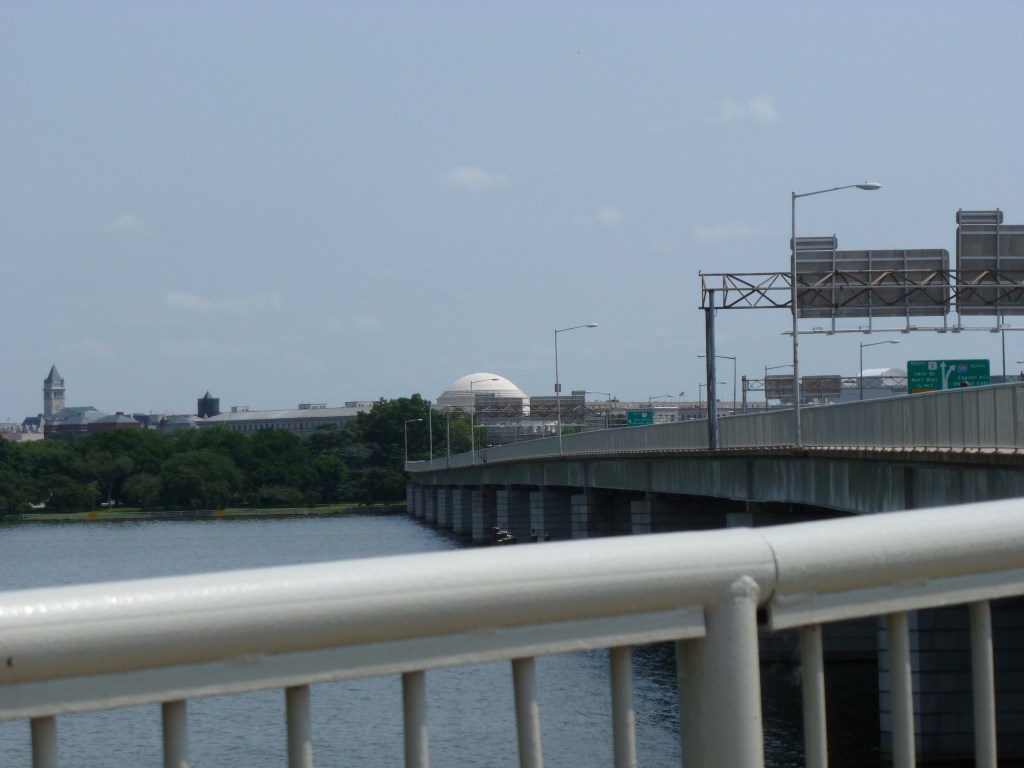
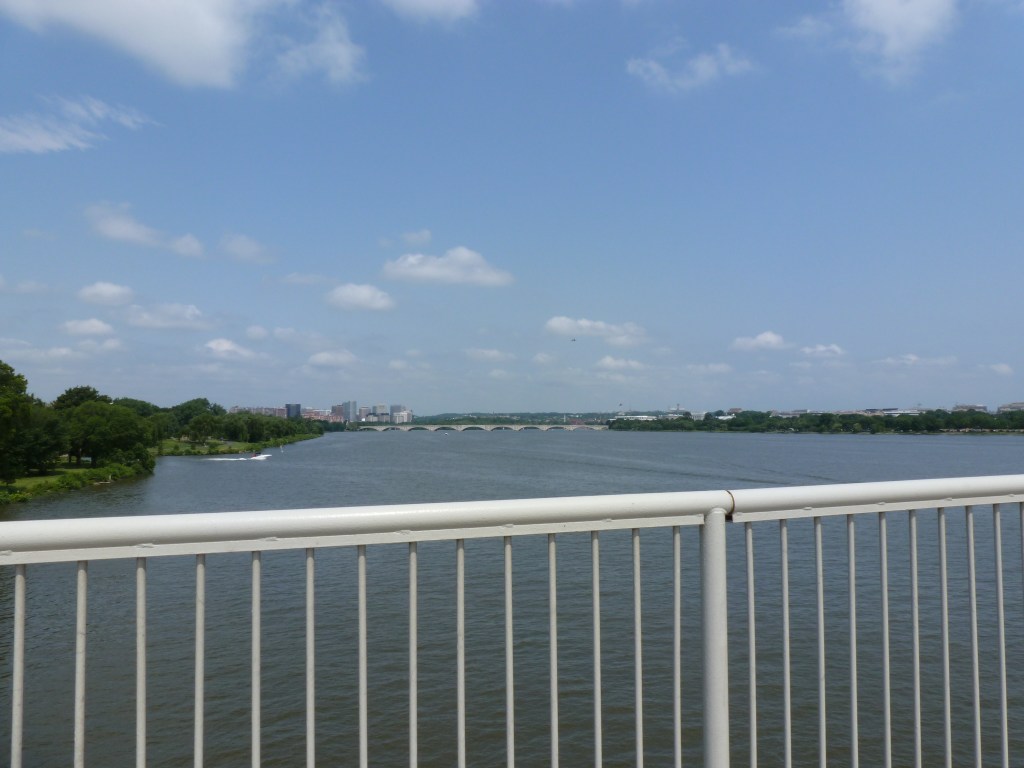
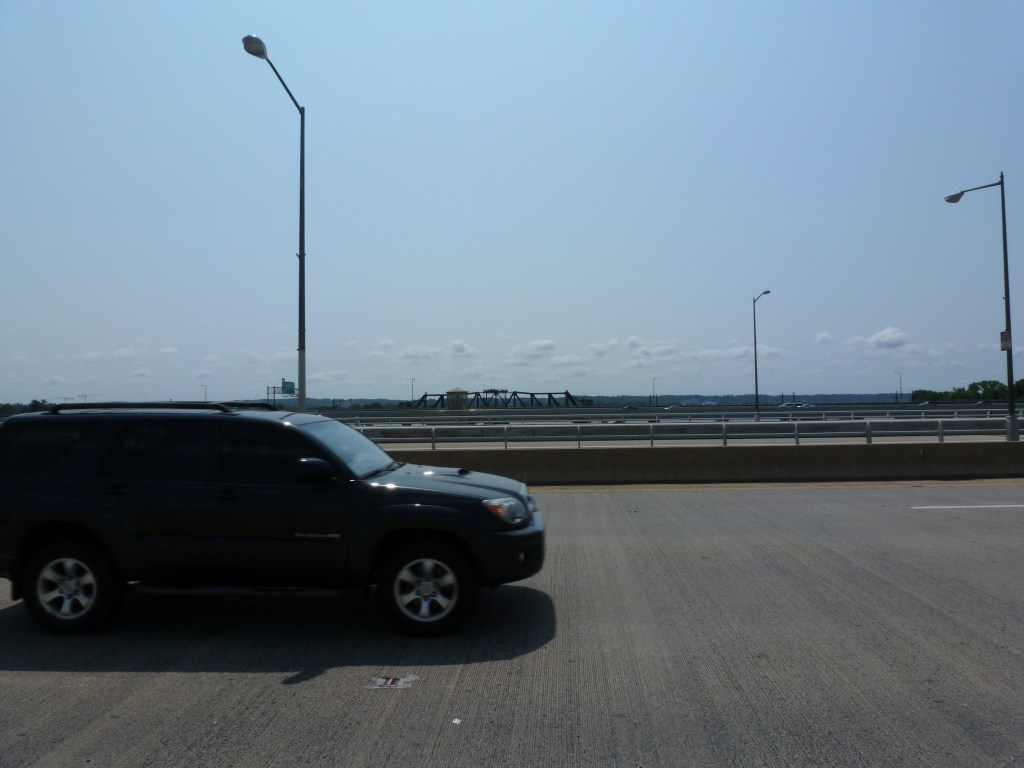
In May 2012, weeks after I had launched my bridge-walking career in London and days before I launched this blog, I was in Washington, DC, visiting my uncle. Based on my photos, I believe we rode the Metro and got off at the Crystal City stop. From there, we walked the Mount Vernon Trail passing over National Avenue/Smith Blvd by bridge and passing under the Long Bridge, Charles R. Fenwick Bridge, Arland D. Williams Jr. Memorial Bridge, 14th Street Bridge, and George Mason Memorial Bridge. We finished our bridge exploring by walking across the Potomac River on the George Mason Memorial Bridge.
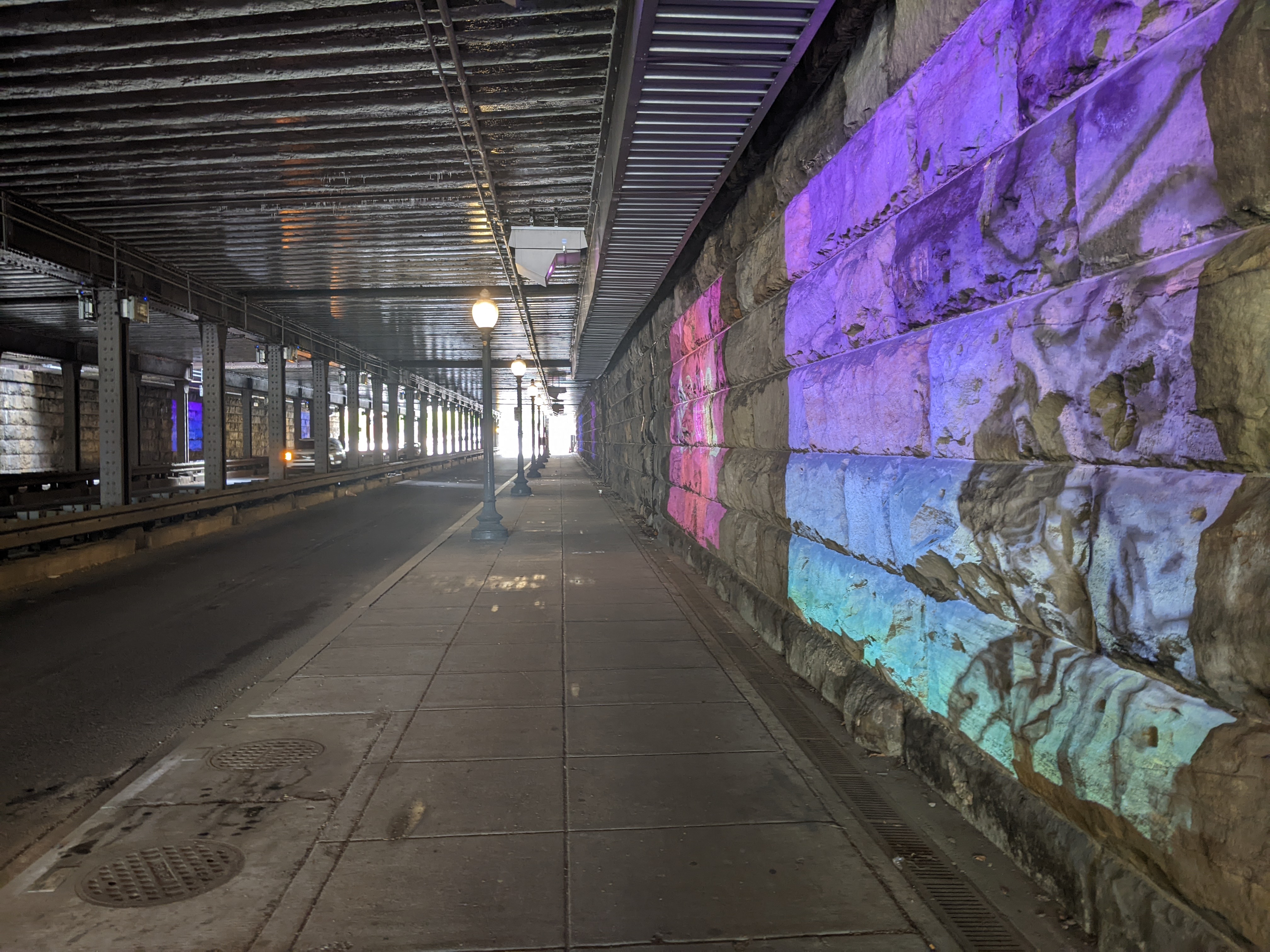
On Day 2 of my April 2025 Washington, DC, trip, I needed to take it easy. However, I couldn’t sit inside all day. On a short excursion near Union Station, I got uncomfortable as I approached the underbelly of the railroad bridge over K Street. My experience of similar structures in Pittsburgh is that they are dark, dirty, untended, and creepy. Bird droppings or bridge droppings are likely to land on you at any point.
The underbelly of this bridge over K Street defied my expectations. A light mural created a welcoming and engaging experience that felt more like Buffalo’s Seneca One murals than the underbelly of Pittsburgh’s railroad bridges. Because light was used instead of paint, it lit up a dark place and incorporated engaging animation:
Knowing that wandering at will and walking as many bridges as possible was no longer a feasible option for me, my brother and I identified two must-see bridges for my weekend in DC: the Frederick Douglass Memorial Bridge and the Francis Scott Key Memorial Bridge.
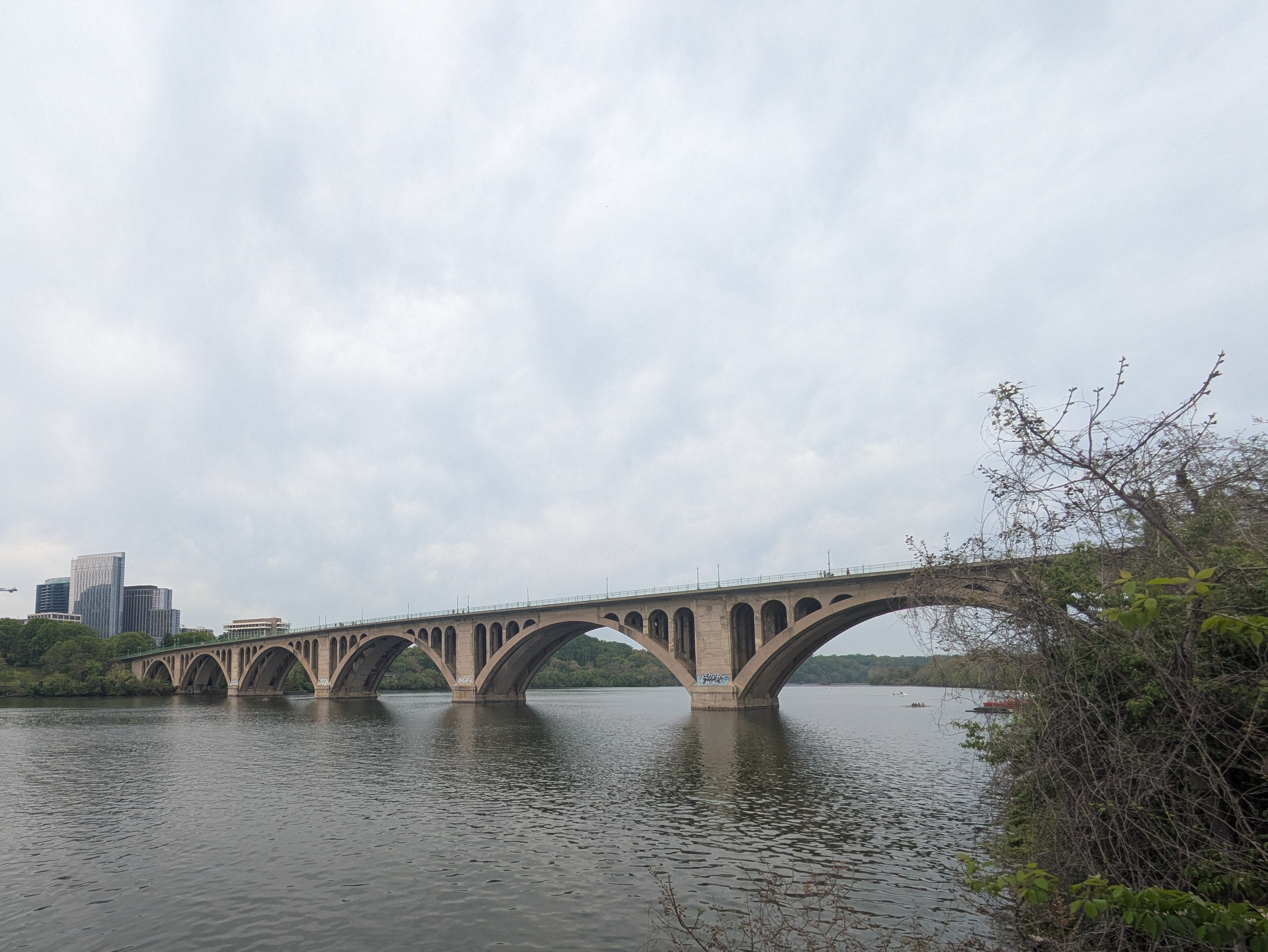
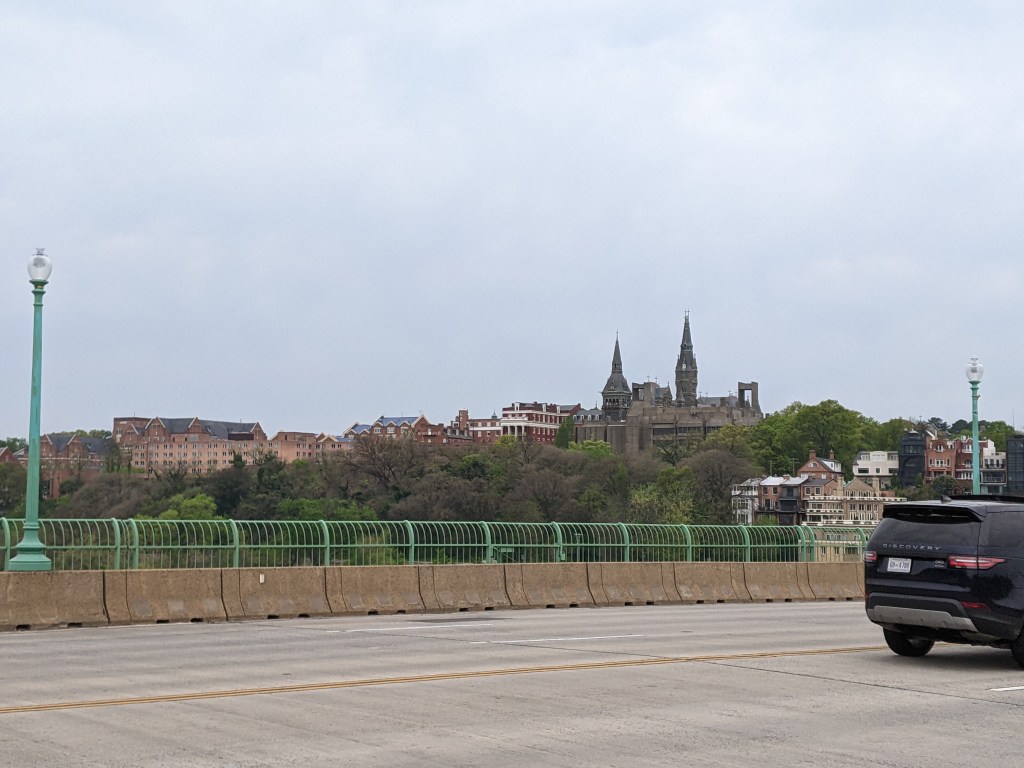
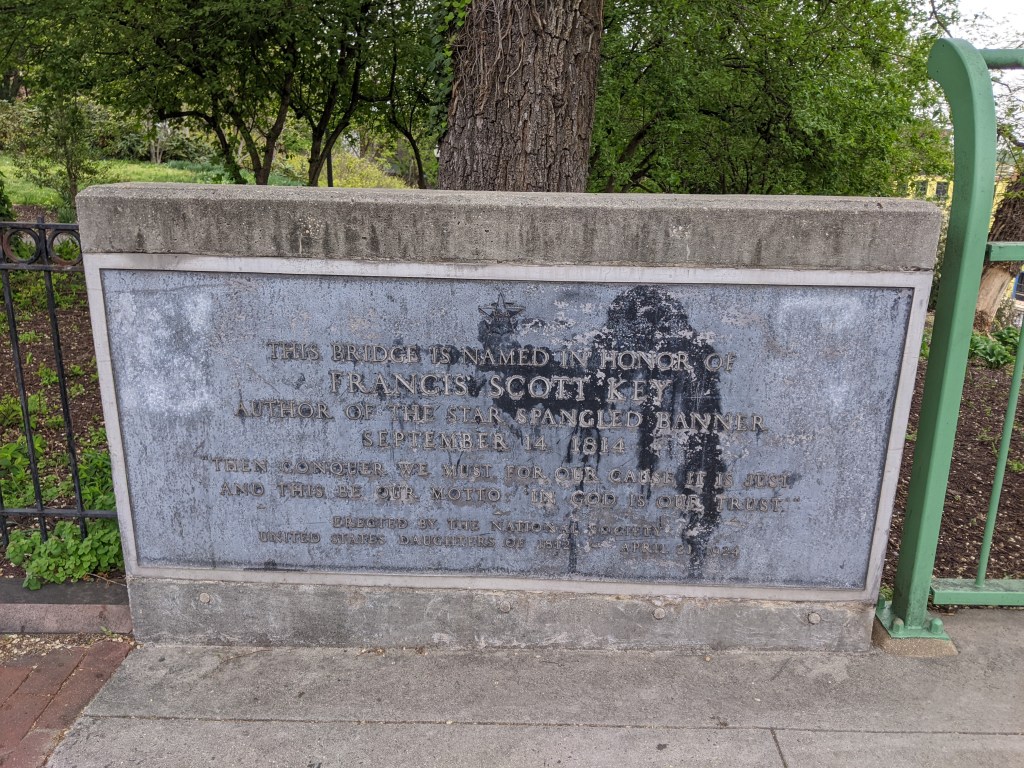
Not to be confused with Baltimore’s collapsed Francis Scott Key Bridge, the Francis Scott Key Memorial Bridge links Georgetown, DC, to the Rosslyn neighborhood of Arlington, VA.
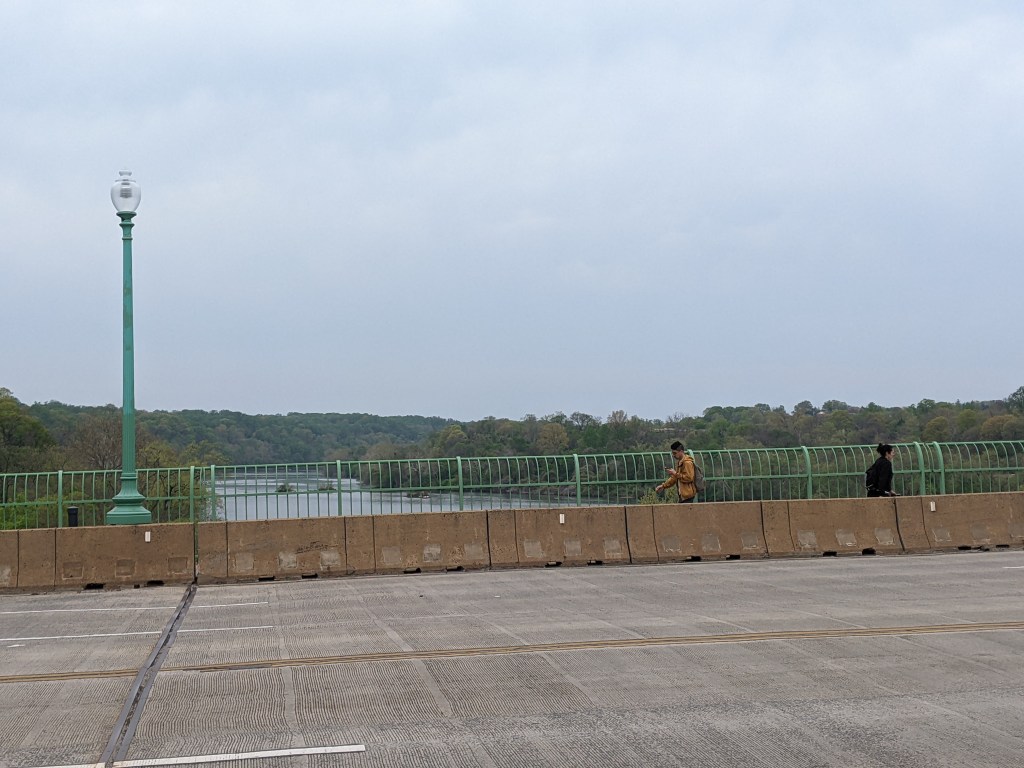
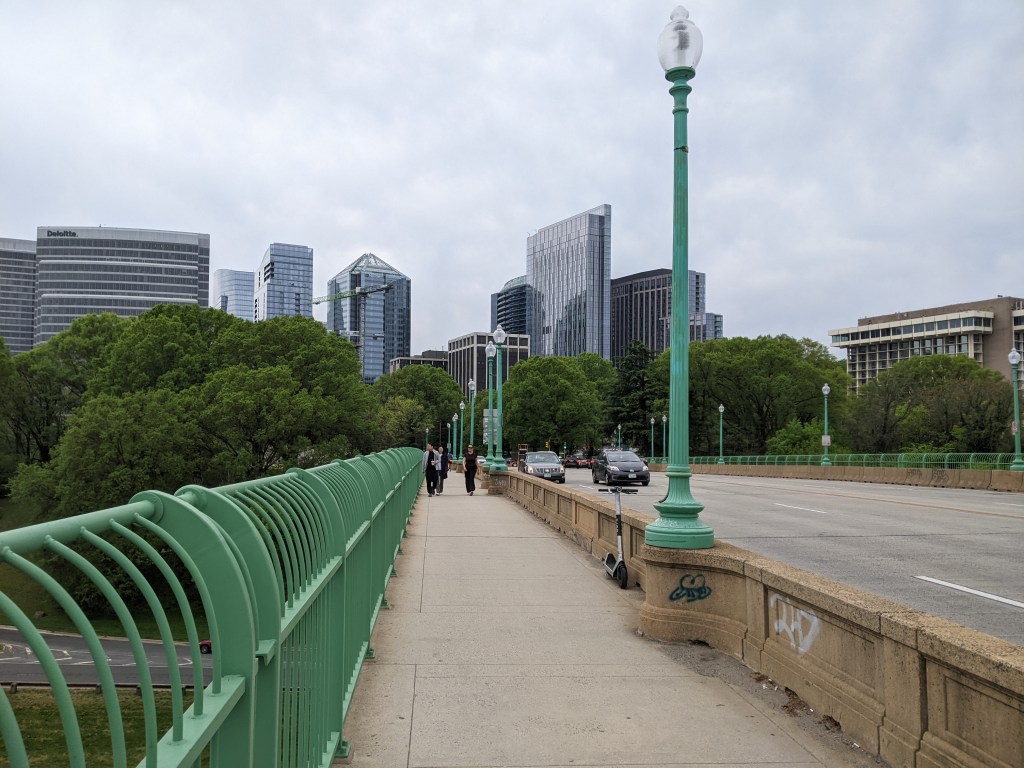
The Francis Scott Key Memorial Bridge is a curvilinear arch bridge carrying a six-lane highway with wide sidewalks on both sides over the Potomac River. It was built in 1917-1924. The width made it easy and comfortable to walk despite a high number of other pedestrians, bikes, and scooters on the sidewalk, and the speed of cars racing across.
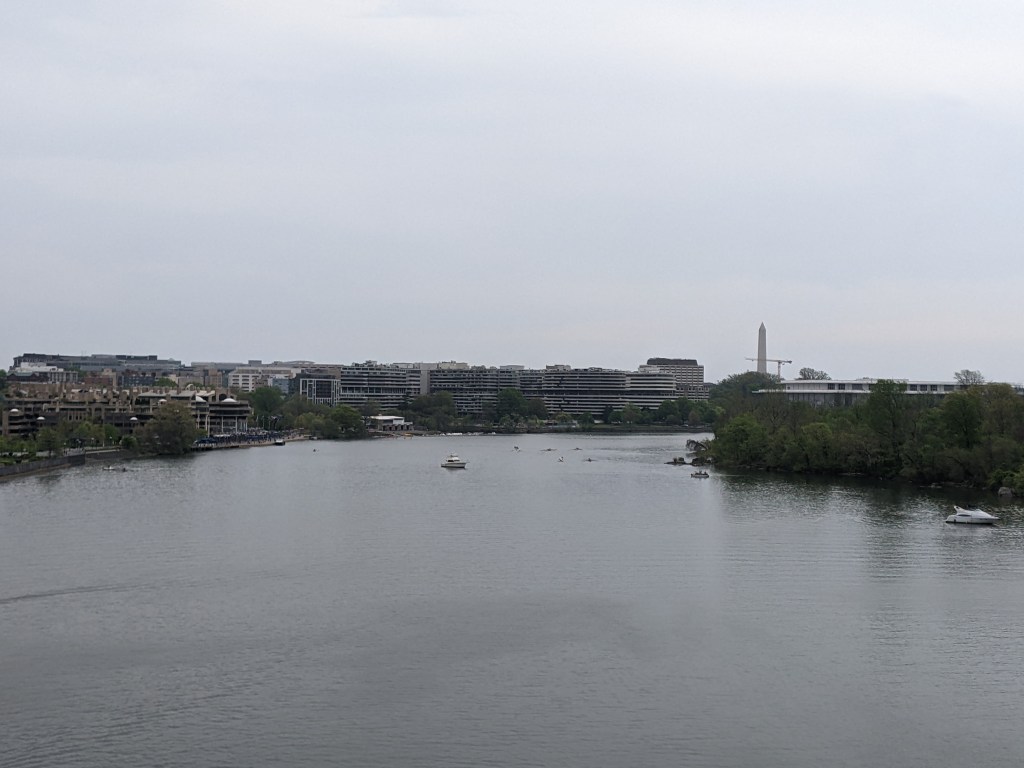
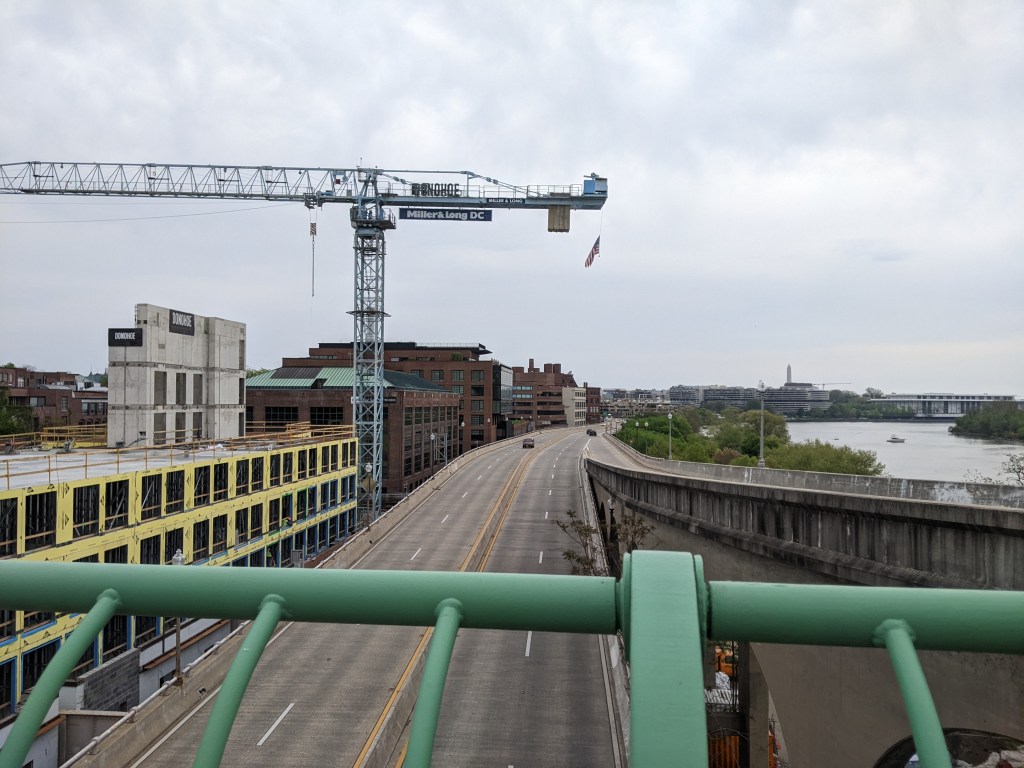
We walked along the downriver side, which provides ever changing views of downtown DC, the Kennedy Center, and the Washington Monument, thanks to the forested Theodore Roosevelt Island and nearly 90 degree bend in the river. This gave me plenty of excuses to pause, hydrate, rest, and take a photo.
Georgetown and Rosslyn both sit high above the river, which meant the bridge is also elevated far above the river. It is high enough that an elevated freeway sits comfortably halfway between the bridge and the riverside ground level on the Georgetown side.
The goals of urbantraipsing and pacing for Long COVID were a delicate balance as we walked across the Francis Scott Key Memorial Bridge. There were several important decision points along the way. Option 1 was to walk only half-way across the bridge. I don’t like doing that for urbantraipsing and there was a coffee shop on the far end that was a good option for refilling my water bottle and taking a short rest. So we walked all the way across.
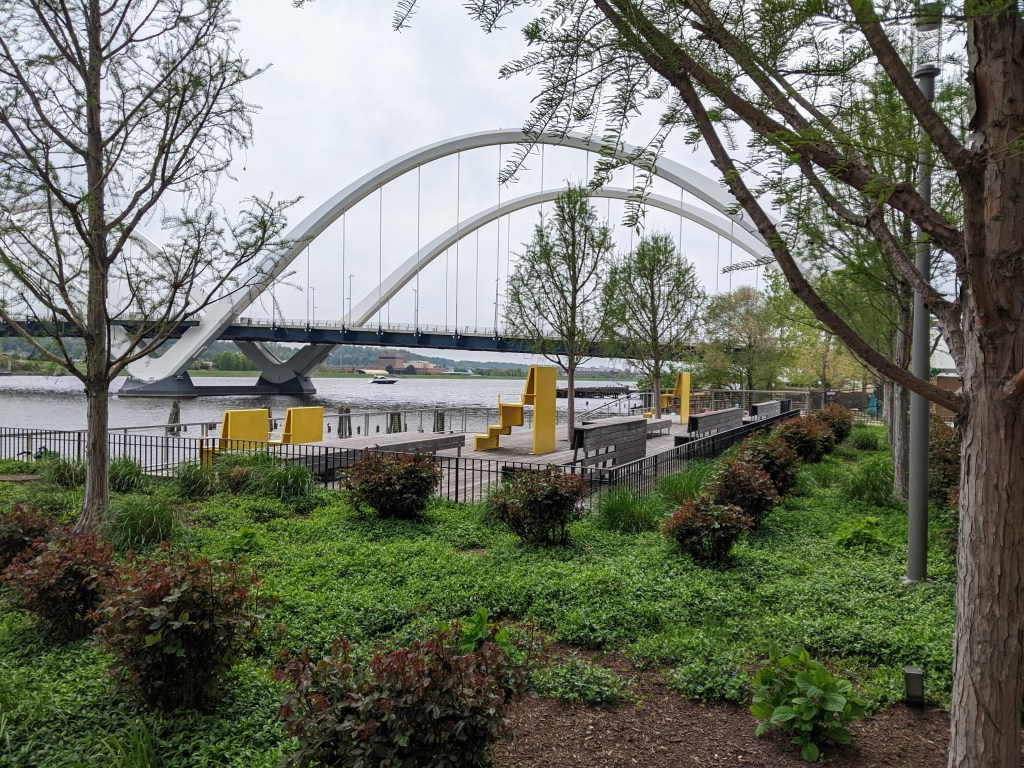
As we approached the Georgetown side, I was very tempted to climb down to the park near the level of the water. I could tell that this would be a great spot to get an establishing shot for the bridge, but the effort of climbing down and back up from there did not seem worth it . . . until I saw that in doing so, we would walk across a C&O Canal bridge. Adding another bridge to my collection along with the fact that we could sit by the riverside and rest before climbing back up tipped the balance of pros and cons in favor of going down.
Due to the placement of Metro stations, the only choice for getting back to the Metro and on to our next stop was to retrace our steps back across the bridge. By the time we did all that, it was lunchtime and I had nearly reached my daily step count.
For years, even before I started urbantraipsing, I thought nothing of walking from transit stop to transit stop, bridge to bridge, as I explore and encounter the expected and unexpected nooks and crannies of a city. That way of life came crashing to a devastating halt in the fall of 2023 when I developed Long COVID.
Six months passed.
And then a year.
The return to “normal” my doctors promised seemed increasingly unlikely. But a return to functional seemed within reach. The question remained: did urbantraipsing fall within this new functionality?
After a few local test excursions, I felt physically and mentally strong enough to test travel. In April 2025, I took a long-overdue trip to visit my brother in Washington, DC. On this trip, I encountered some great bridges and learned that, much like other activities, with modification and accommodation urbantraipsing is a way of life I can continue.
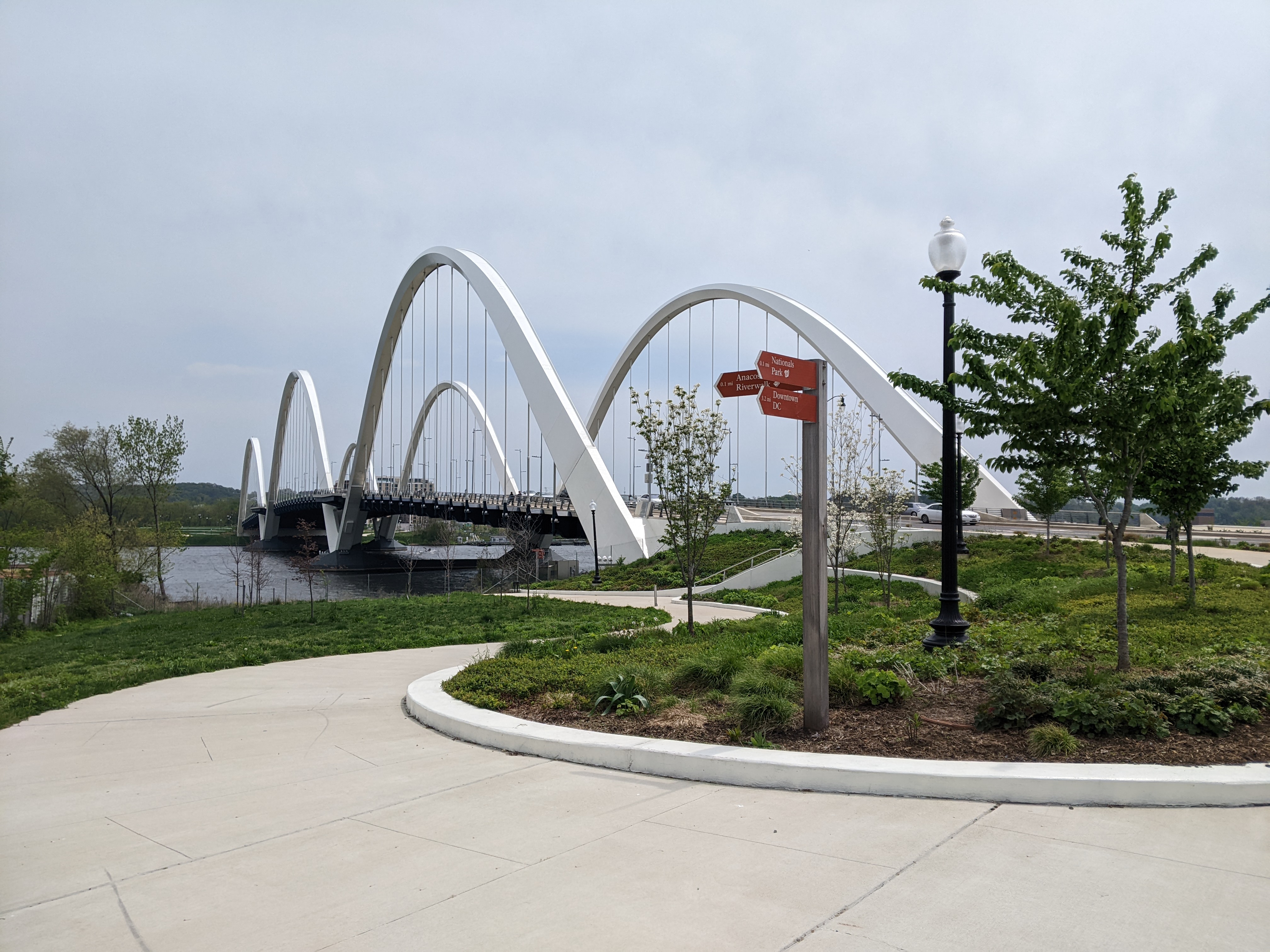
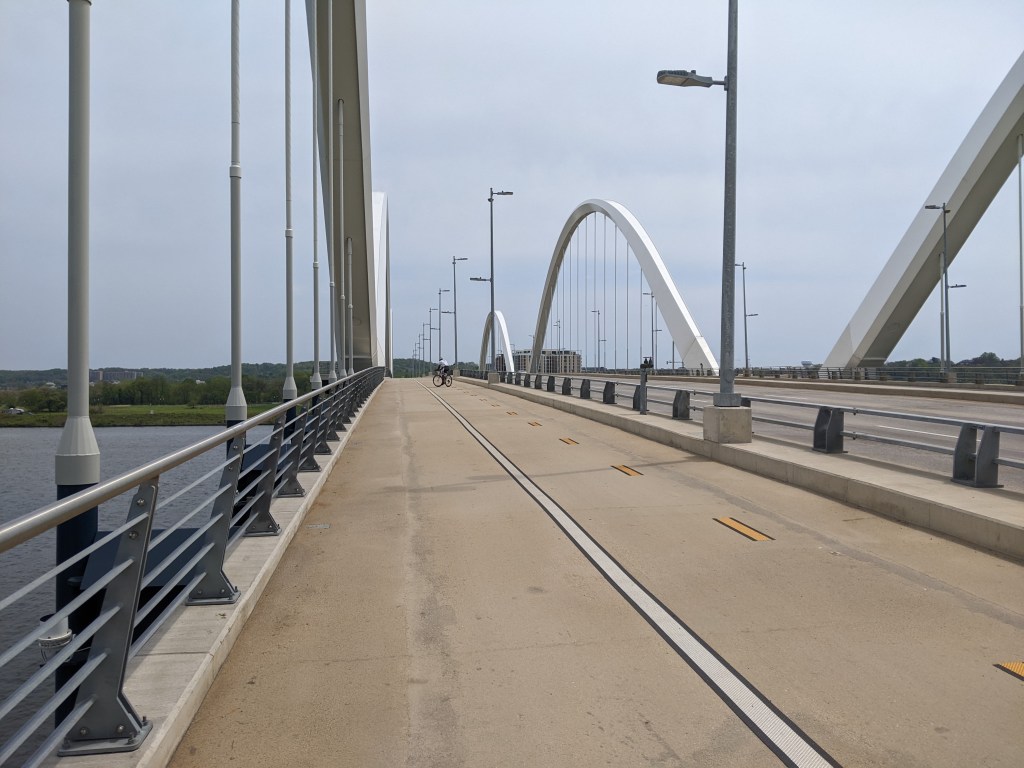
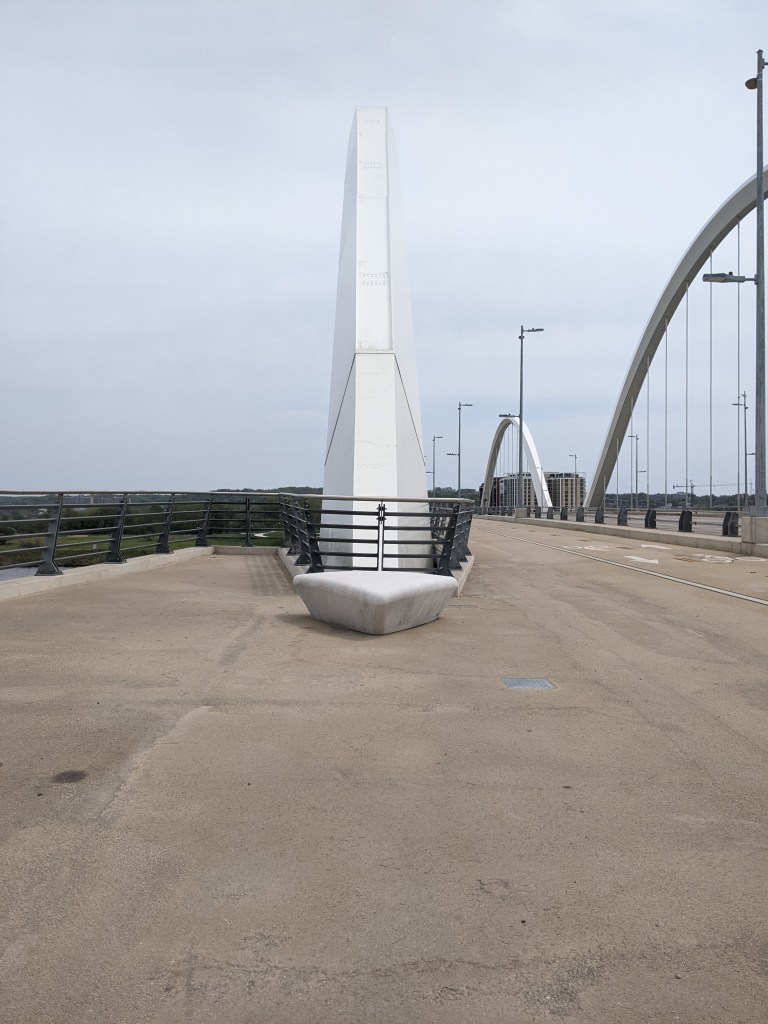
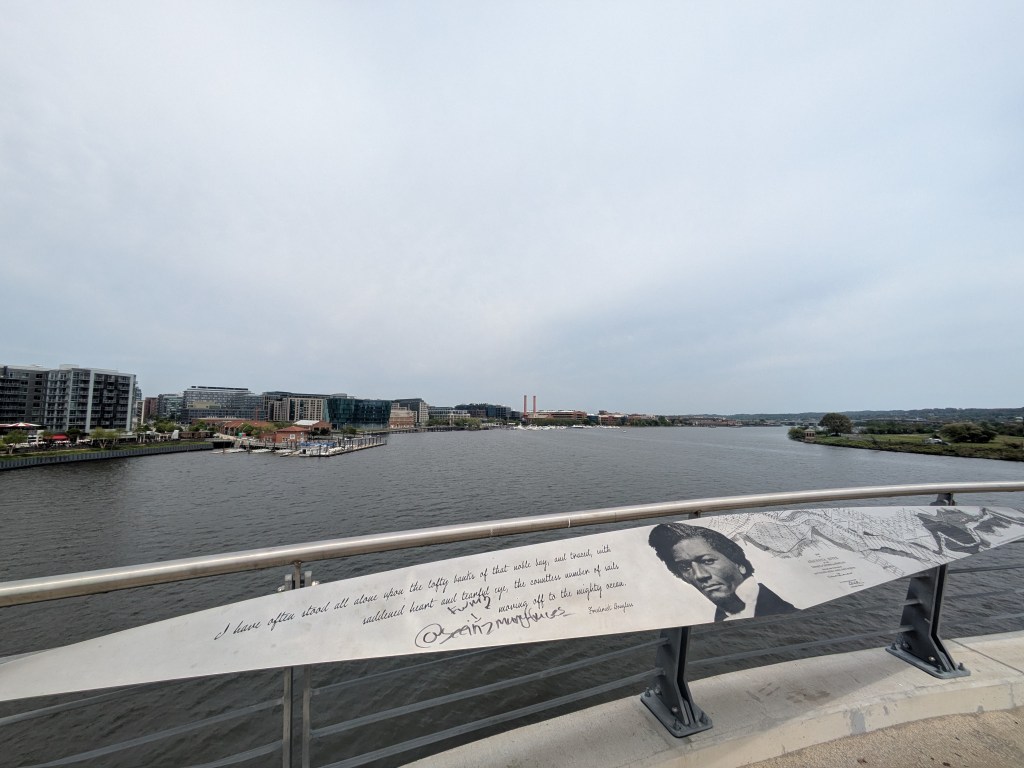
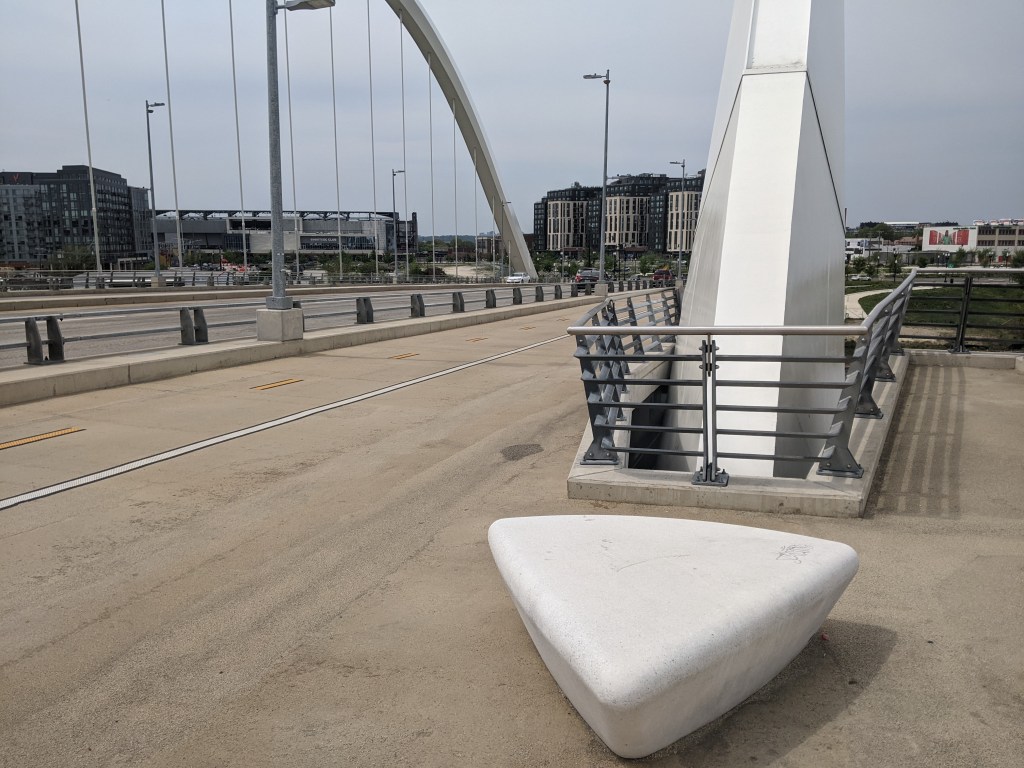
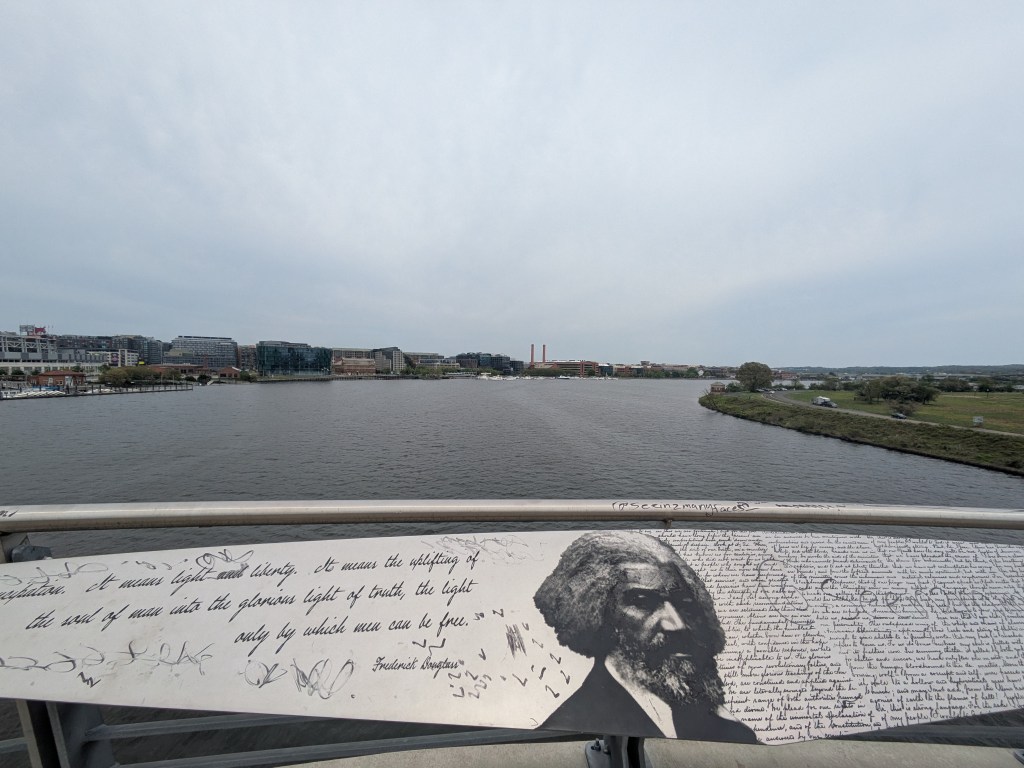
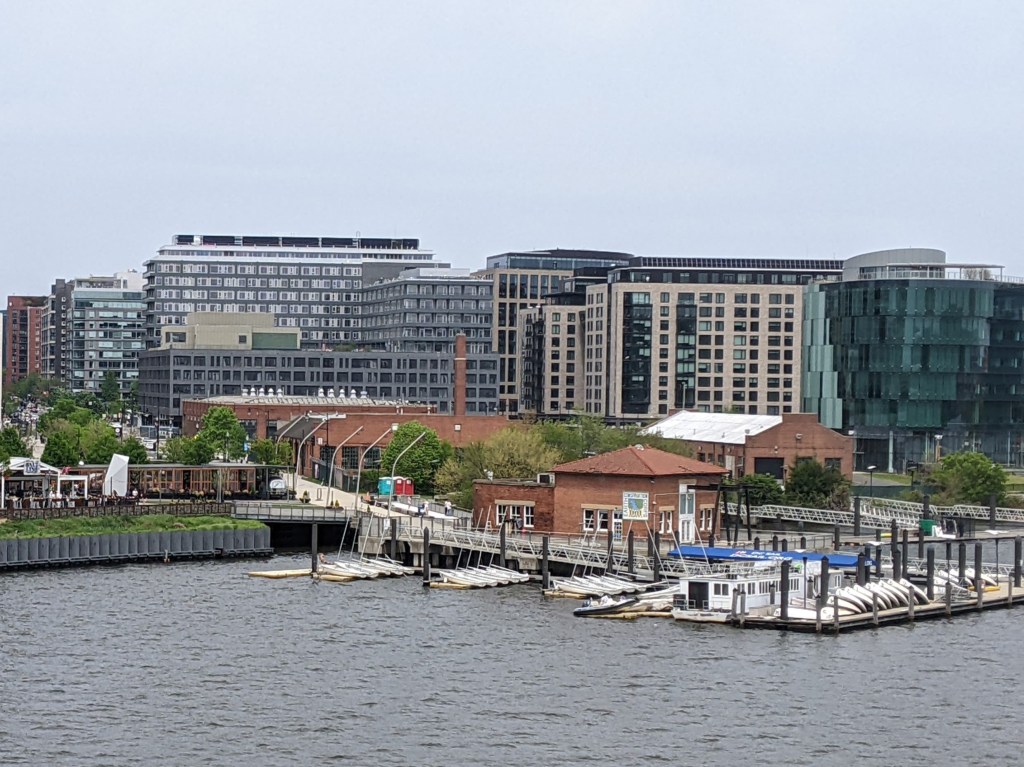
The open, through-arch Frederick Douglass Memorial Bridge was one of our expected encounters. I probably would have been ecstatic about the unexpected benches in the lookouts between the arches under previous circumstances. After all, it isn’t every day that you find a bench on a bridge. However, in the past, I probably would have just said “that’s cool,” photographed them, and moved on. Instead, I took full advantage of these seats for one of my rest and rehydration breaks. This slow down is the reason I spotted the Yard Park Bridge, a bridge I definitely needed to add to my collection.
Perhaps slowing down and being more intentional to accommodate my Long COVID needs will continue to add depth to my urbantraipsing experiences.
The Anacostia Riverwalk Trail crosses over the openings of several canal channels within a short distance from the Frederick Douglass Bridge in Washington, DC. The first canal opening that I walked over, I had no idea that I was walking on a bridge…like when I walked over the Grosvenor Canal in London. It wasn’t until I was checking out the views from the Frederick Douglass Bridge that I saw the opening for the canal underneath the path I had just walked. (First picture in the slide show below.)
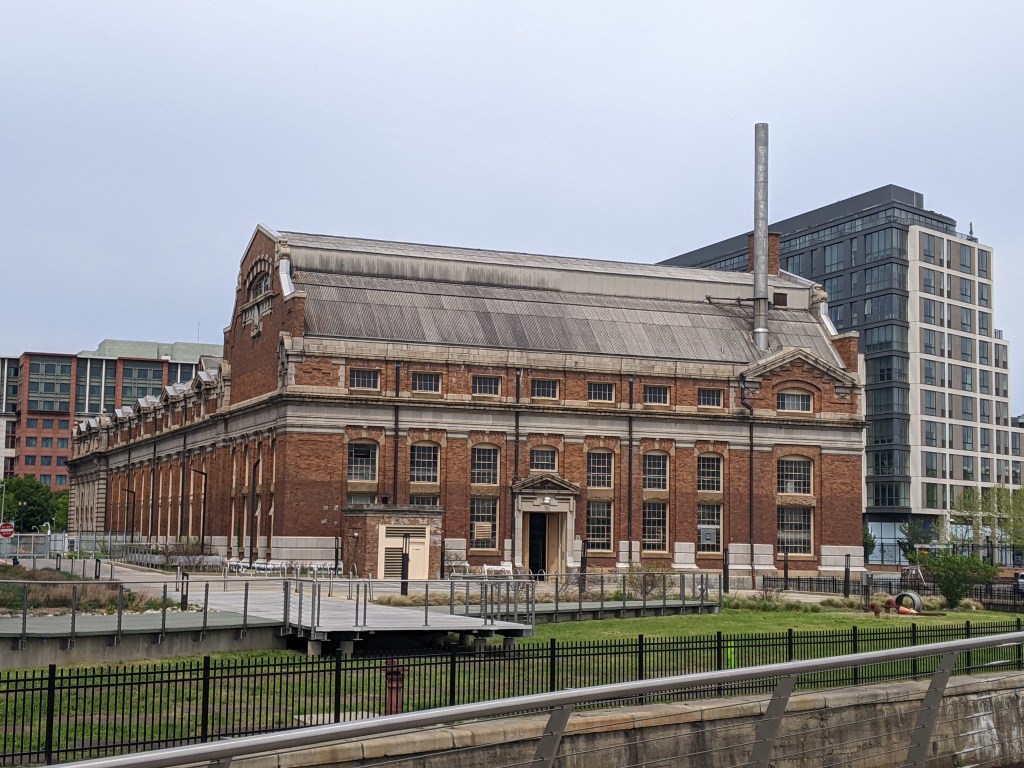
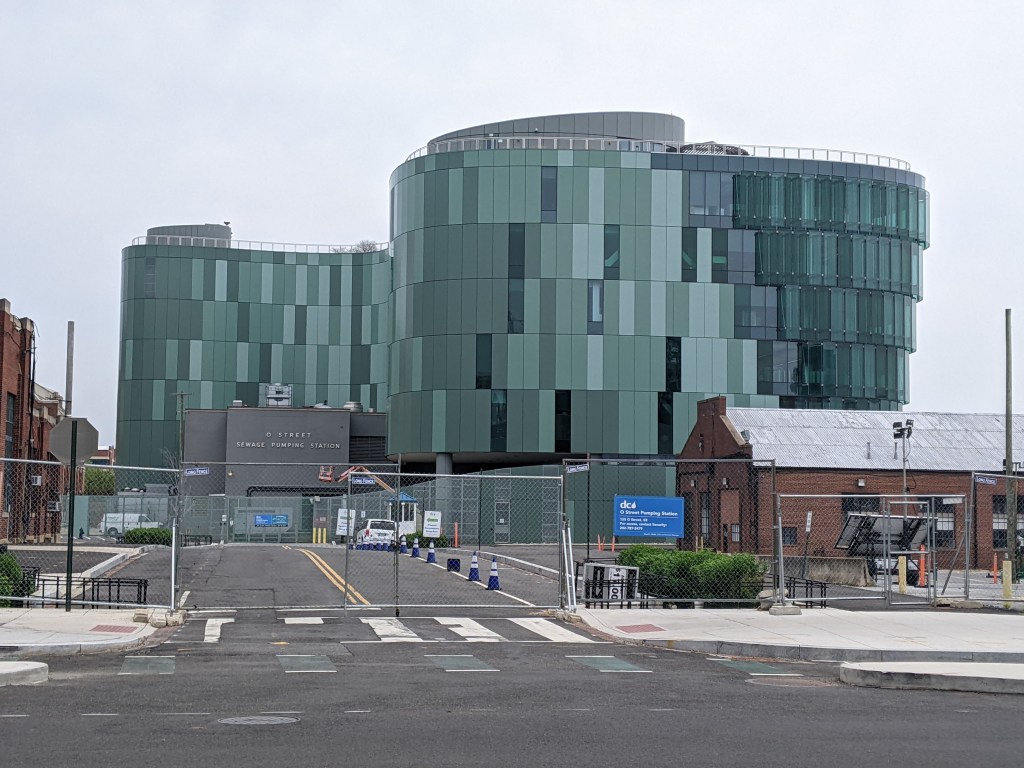
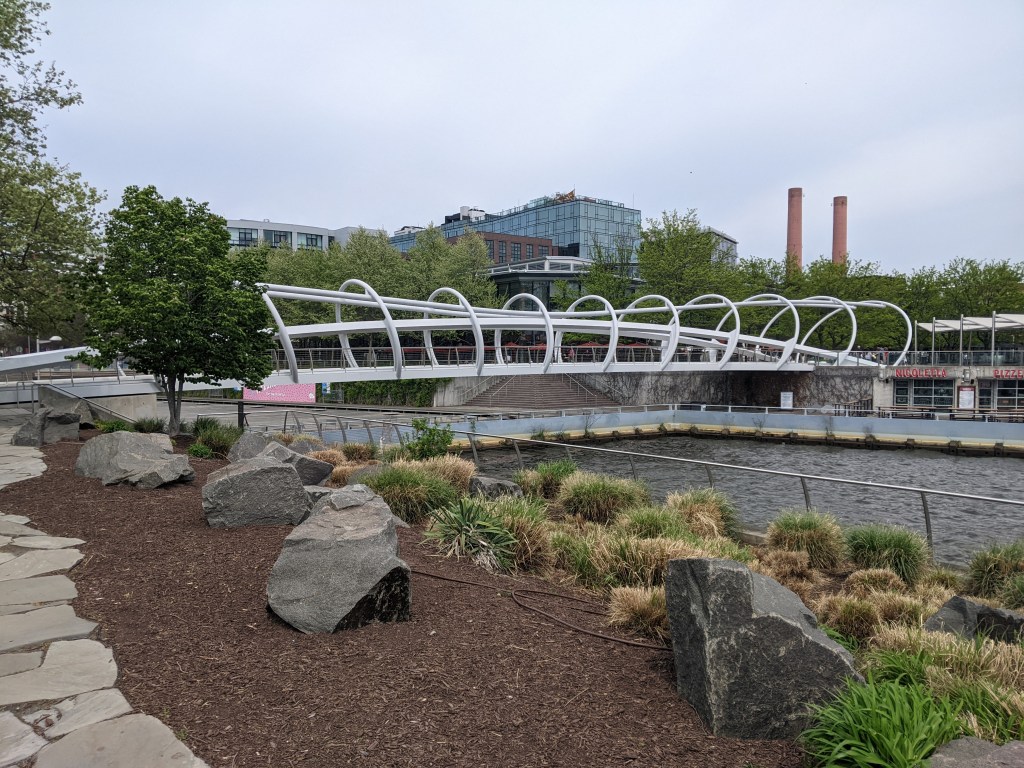
The bridge pictured above appears to have been over a canal that fed into or out of (or both?) the old O Street Pumping Station. This bridge was clearly visible as we walked passed it on our way to the Frederick Douglass. I was tempted to cross it (as a bridge walker, it is hard to walk passed a bridge and not over it), but I was tired and trying to conserve energy. However, once on the Frederick Douglass Bridge, I spotted another pedestrian bridge just beyond this one that I could not pass up the opportunity to walk, no matter how tired I was.
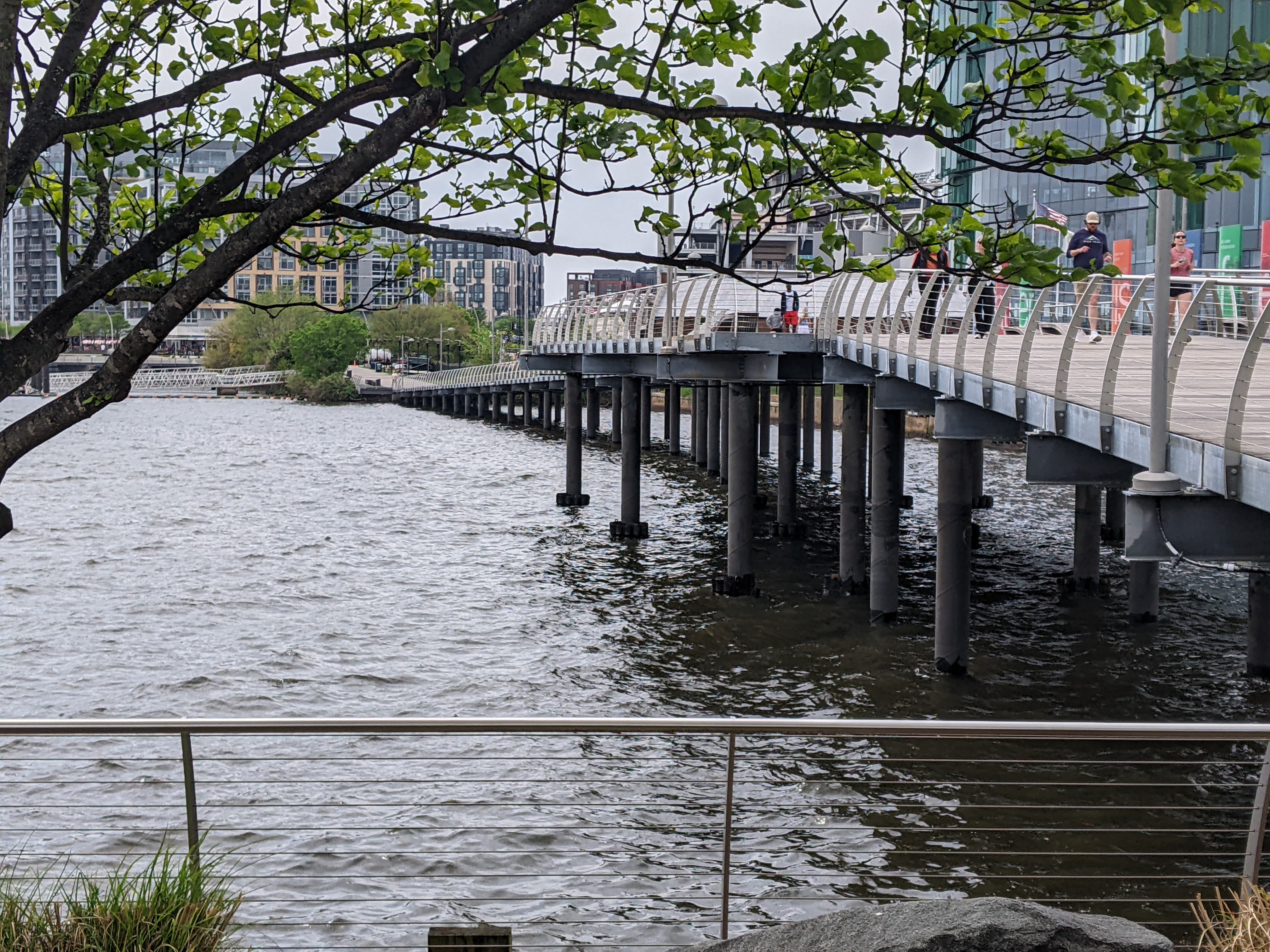
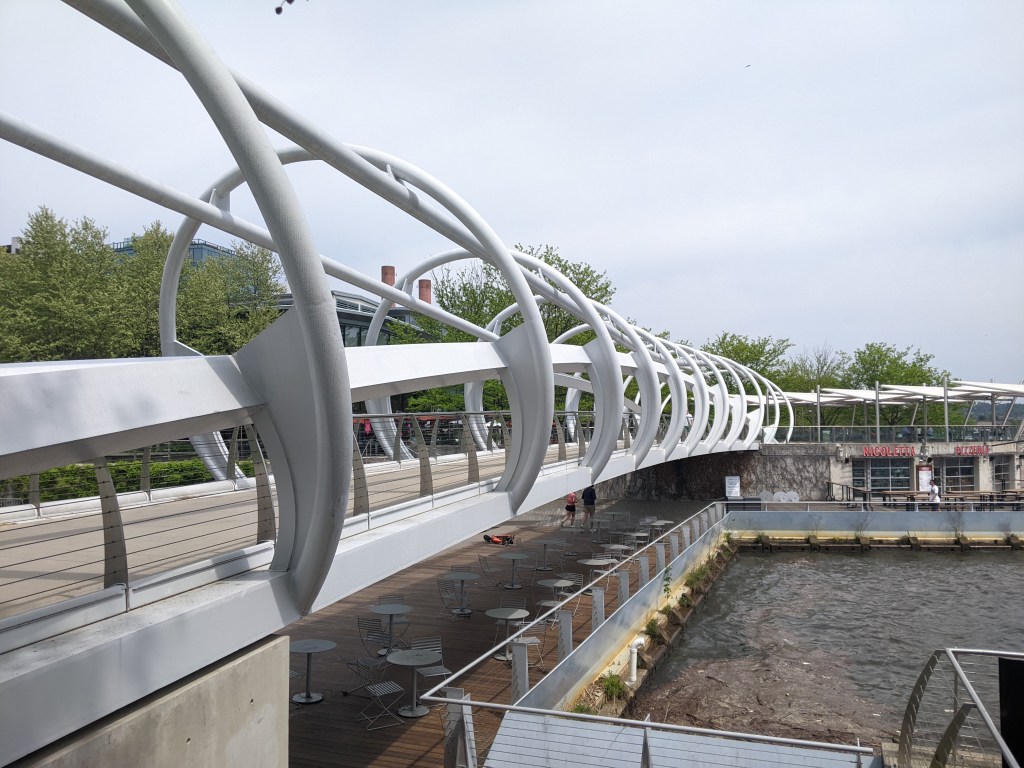
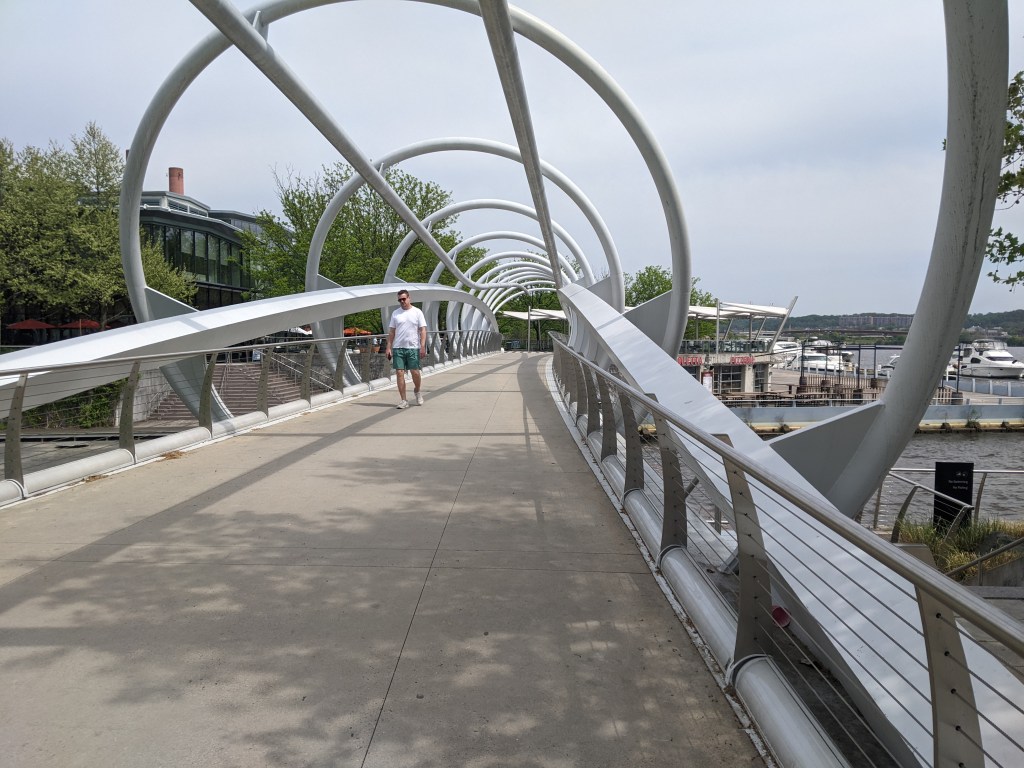
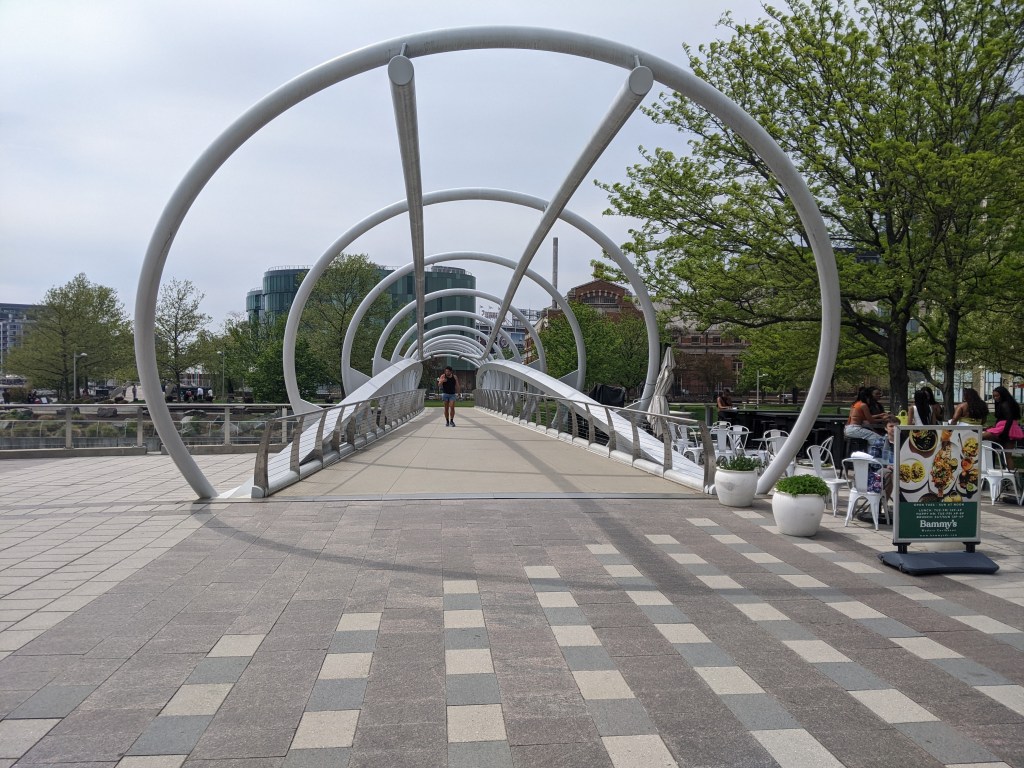
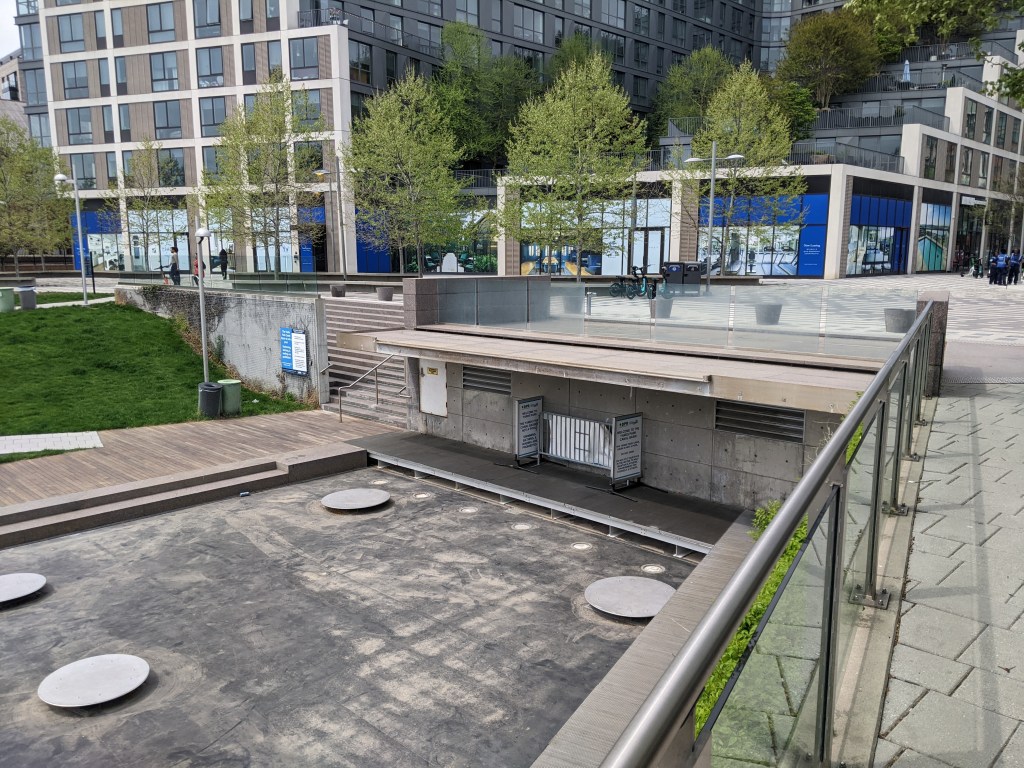
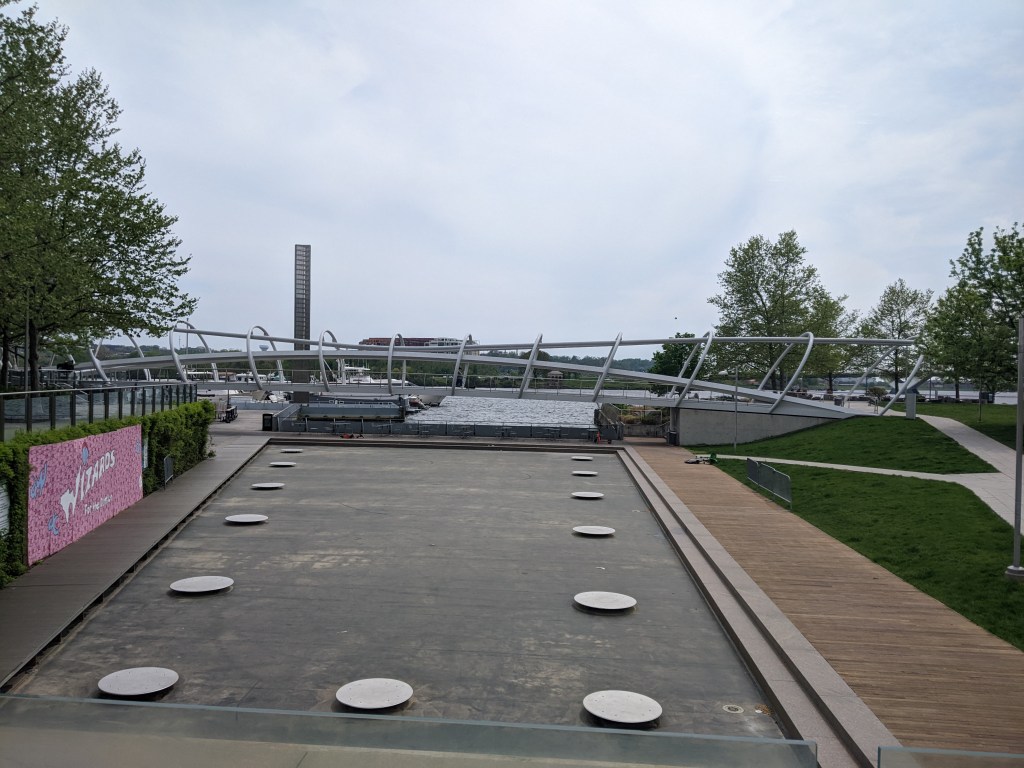
The Yard Park Bridge is a highly photogenic bridge, perhaps rivalling London’s Millennium Bridge. It crosses over what I think are the remnants of the Washington City Canal, most of which has been paved over. The paved portion visible from the Yard Park Bridge reminded me of the portions of the Erie Canal in Buffalo paved over for a skating rink and other recreational purposes.
Bridge over an unknown canal
Old O Street Pump Station
New O Street Pump Station
Yard Park Bridge exterior 1
Yard Park Bridge exterior 2
Inside the Yard Park Bridge
Yard Park Bridge opening
Paved-over vestiges of the Washington City Canal 1
Paved-over vestiges of the Washington City Canal 2
Adrenaline is a powerful force. When I arrived in Vancouver in 2016, I bounded with energy despite only having slept 4 hours in the previous 36. After dropping my stuff off at my lodgings, I rented a bike and rode like a woman on a mission along the waterfront trail. Part of that mission was to burn off the adrenaline so that I would be able to sleep that night.
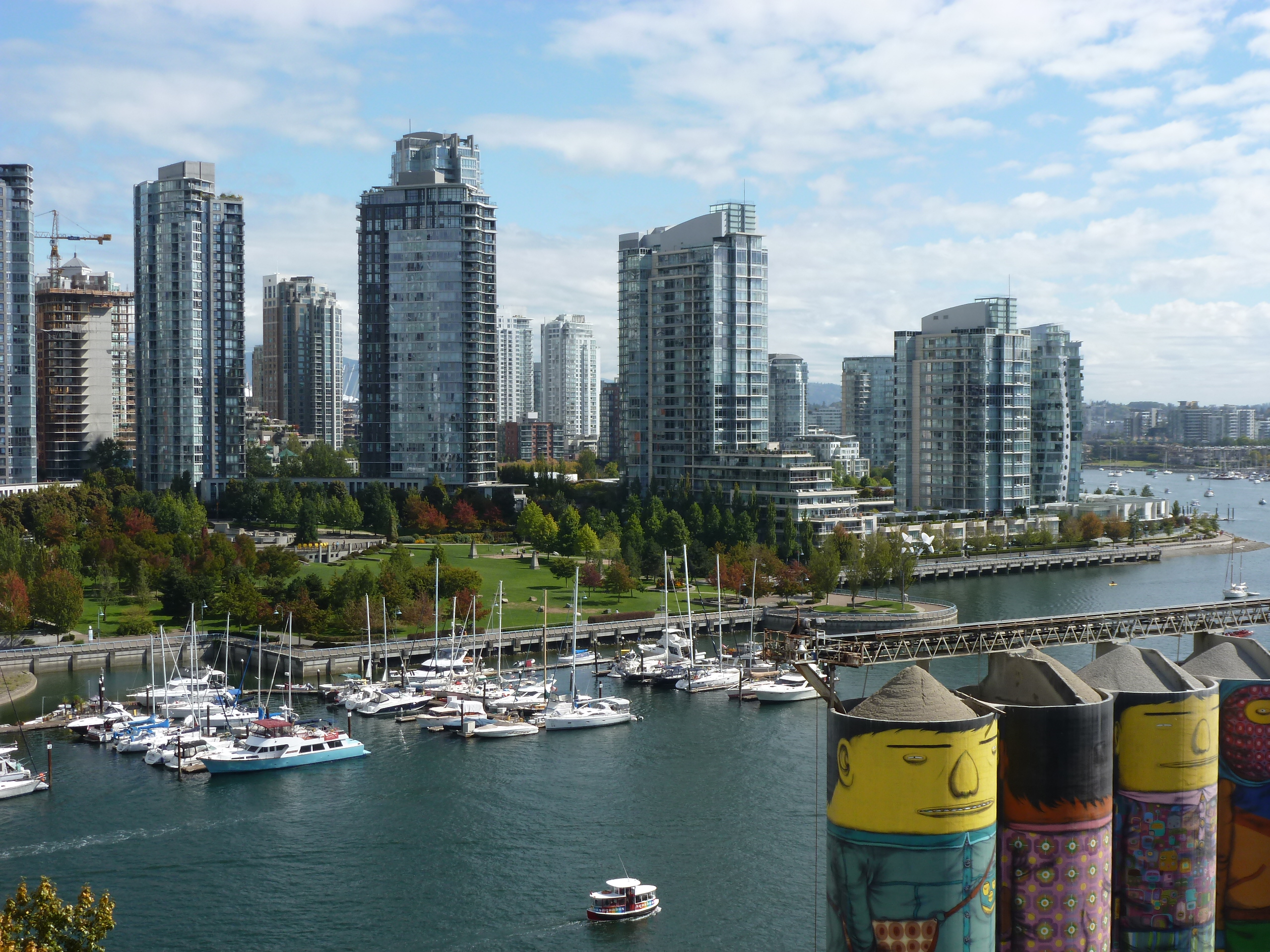
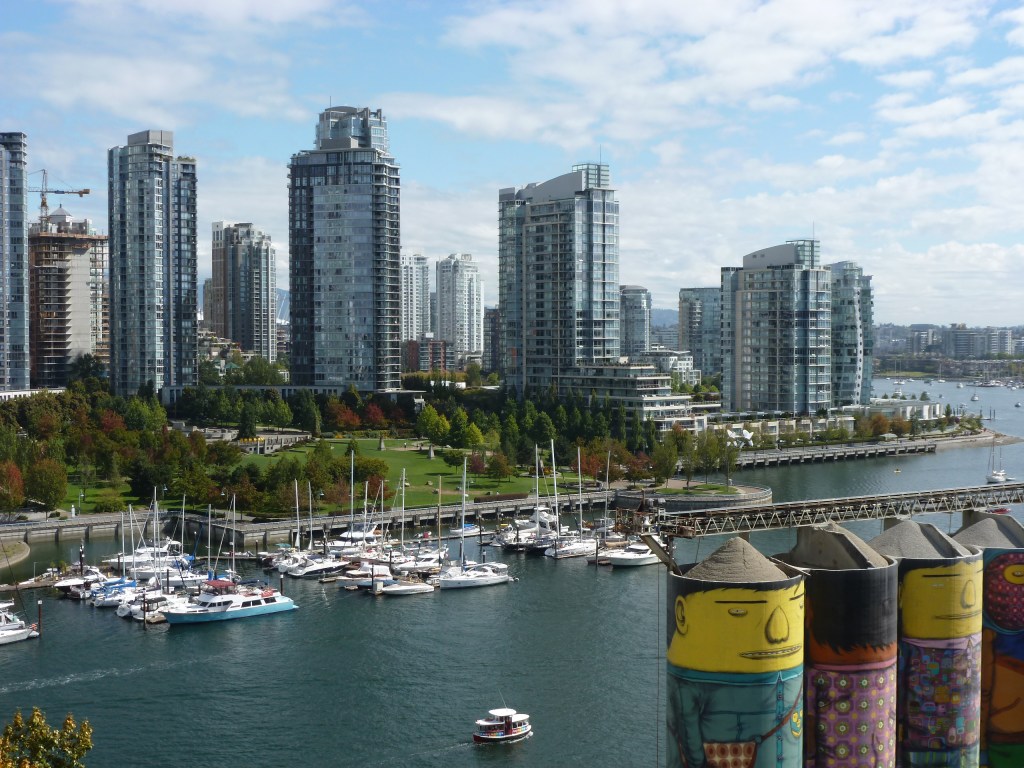
However, revisiting my photos and my recollections of this trip to write about the bridges and greenery, I’ve been haunted by the thought that there was an additional mission to that bike ride. I distinctly remember biking the trail along False Creek, but I have no photos from this excursion (the photo above is False Creek from Granville Bridge, nowhere near Olympic Village). Perhaps I was too focused on my mission? One line from my travel journal buried in a flurry of thoughts on urban design reminded me that the destination of that bike ride was the Olympic Village from when Vancouver hosted the 2010 Olympics.
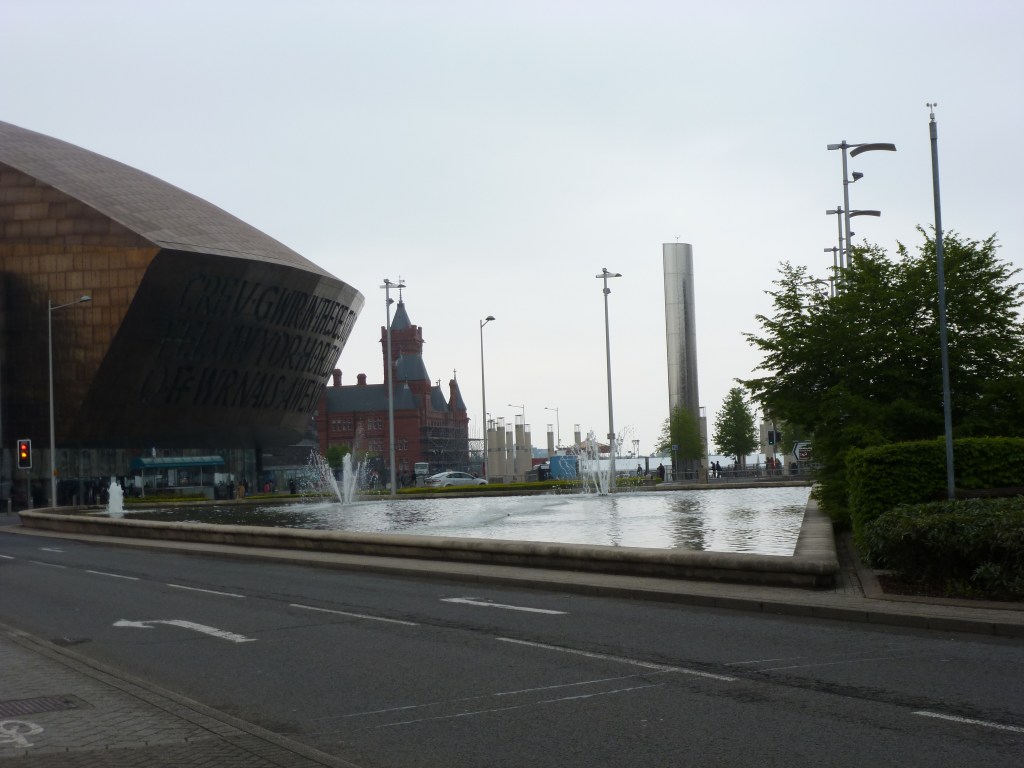
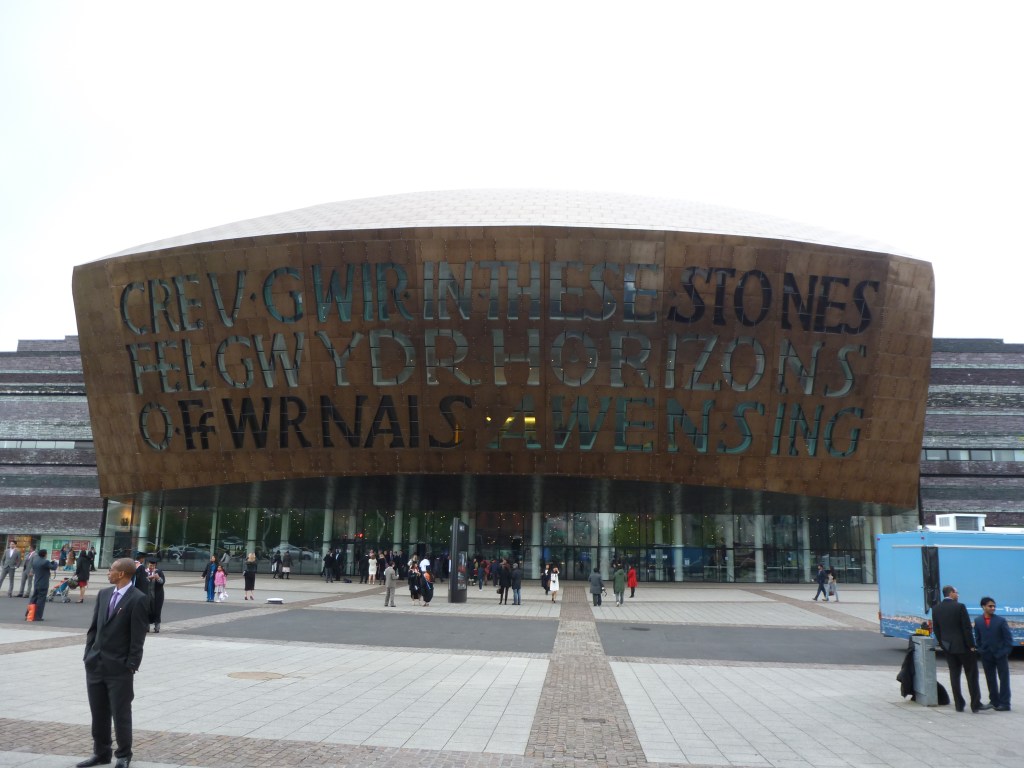
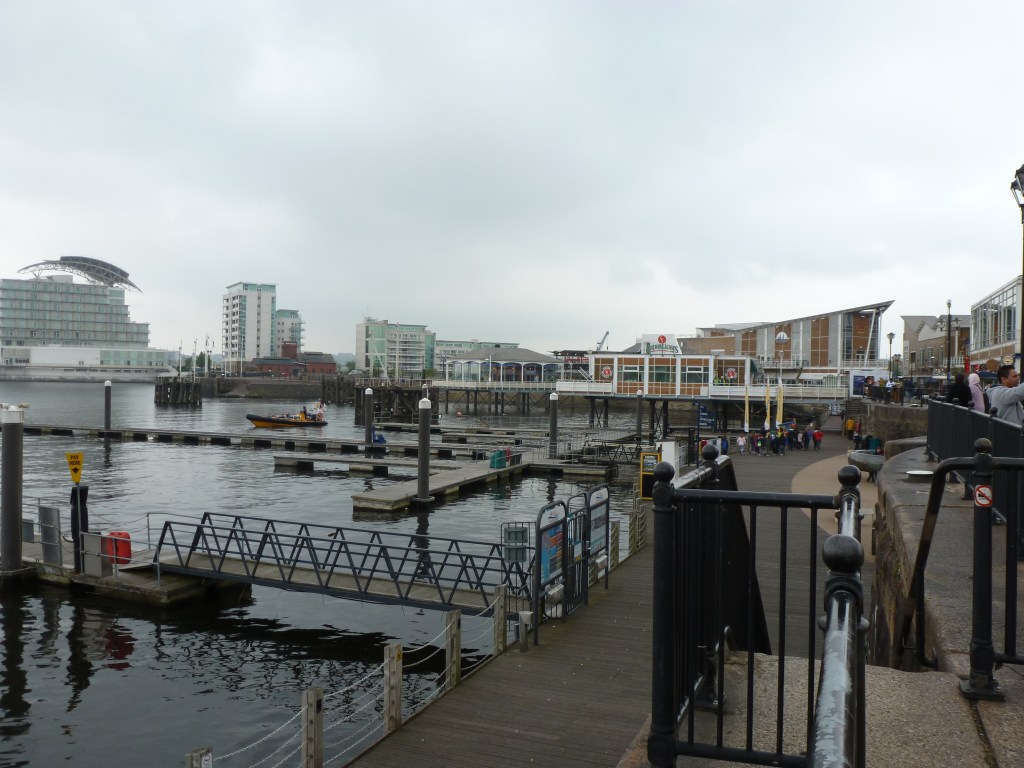
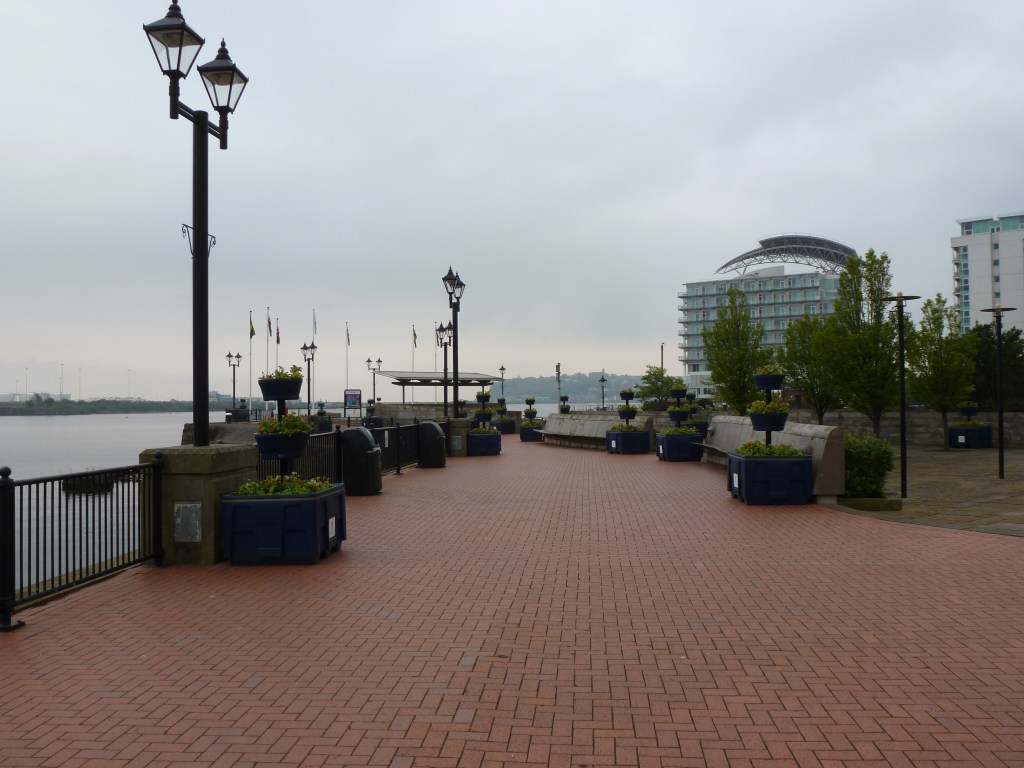
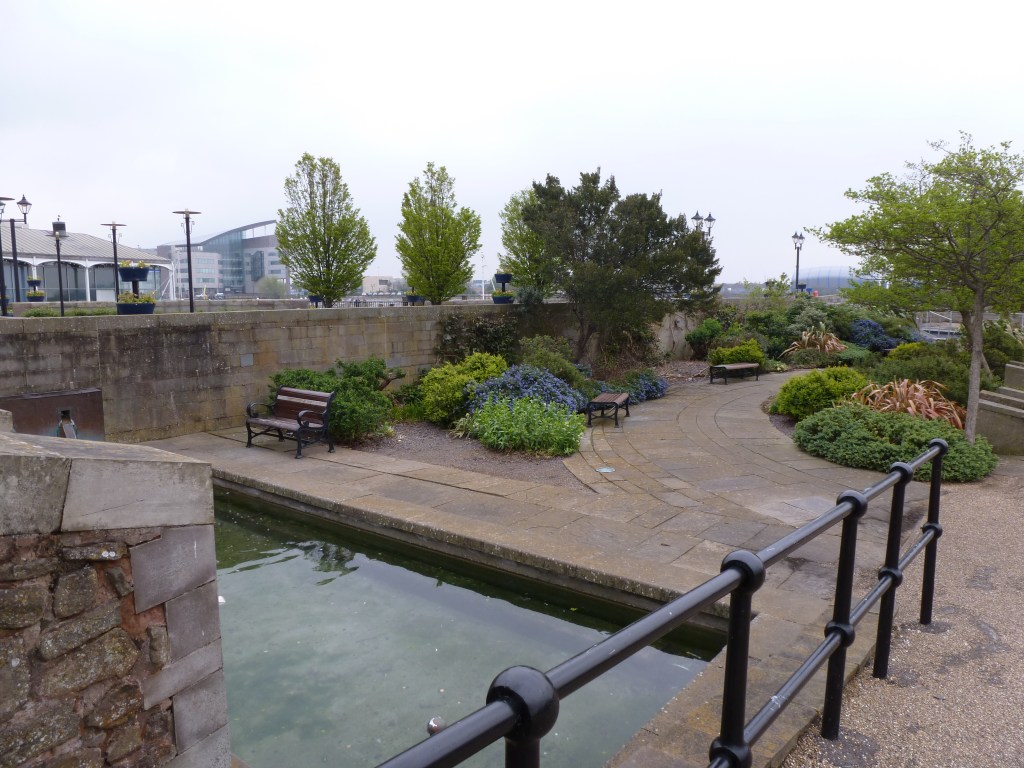
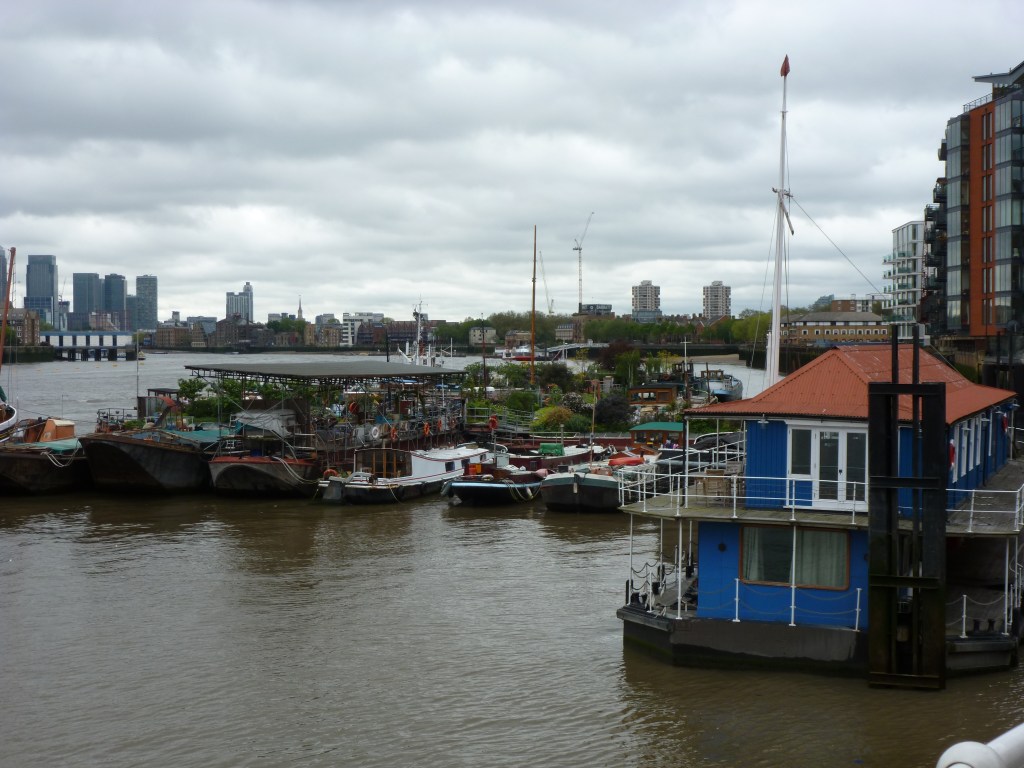
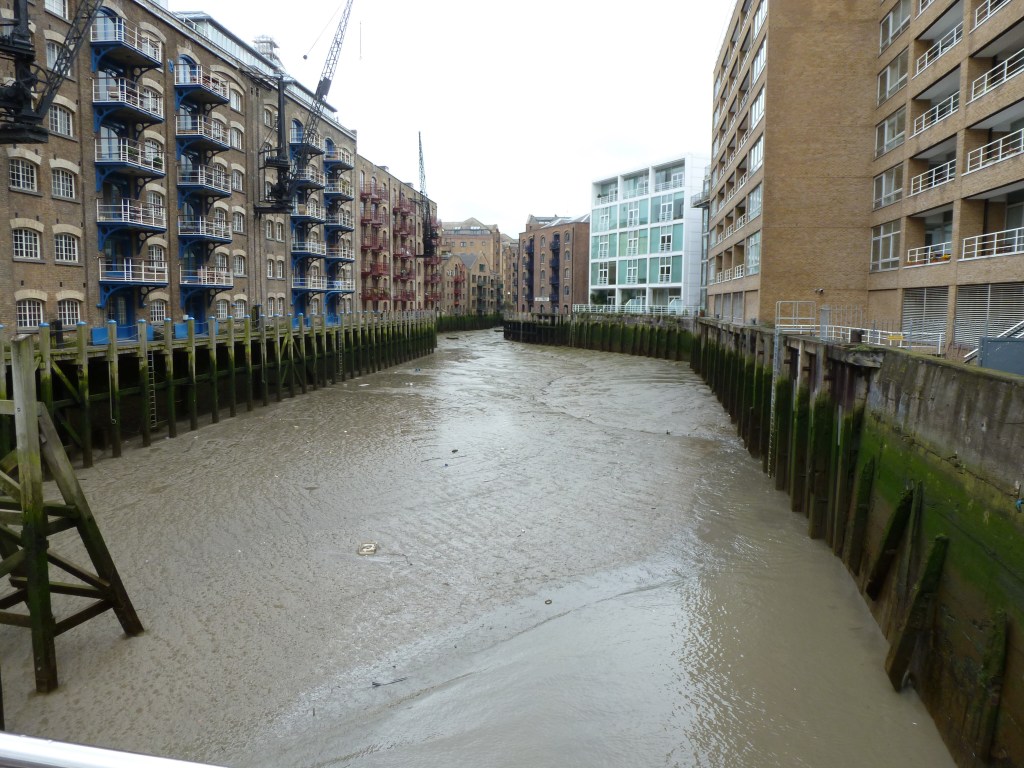
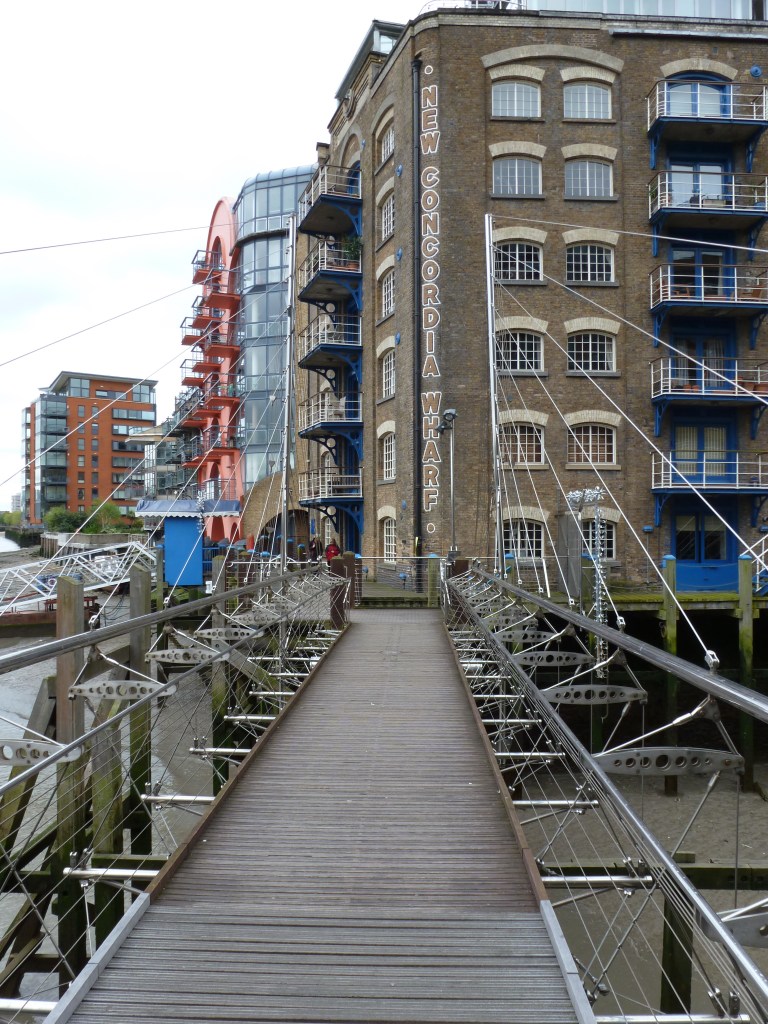
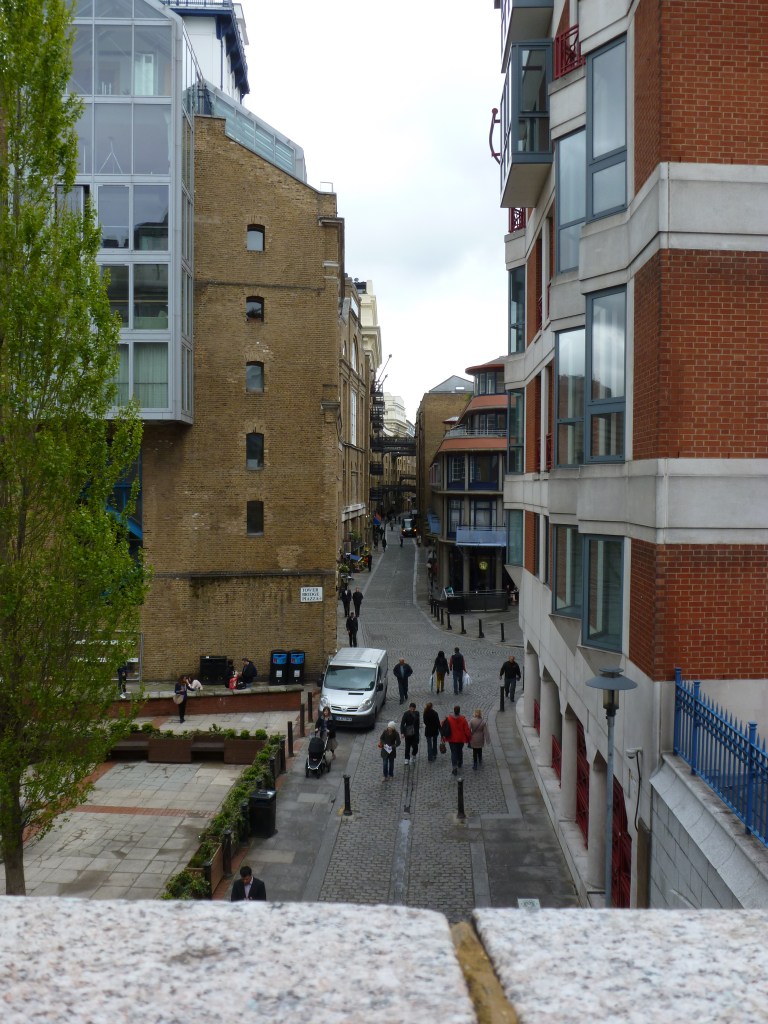
In my journal reflecting on the city’ newer architecture that could have been anywhere, I wrote: “In biking along the coastal trail, there were several parts that I felt could have been Cardiff or London. For instance, the part around Yaletown felt like the Cardiff Wharf development, though this one melded into its surroundings on all sides unlike Cardiff’s which was just plopped there. The area around Olympic Village and parts also around Yaletown felt a lot like the part of London past the Tower Bridge on the southern shore.” (Photos of the area around Tower Bridge are below and, of course, the building that I remember as being what I probably was thinking of in Vancouver is not one I photographed.)
My interest in the Olympic Village came from the same place as my on-going interest in World Fairs and Urban Renewal. These are large-scale developments that cities pursue “for the greater good” to attract tourists and others outside their boundaries while ignoring or actively harming their residents. Despite the intent, the end result is often more harm than good. For example, the Olympics and World Fairs are typically promoted as events that will bring in extensive revenues to the city, but most lose money due to the large expenditures required to build the necessary facilities. A successful Fair or Olympics is the one that breaks even.
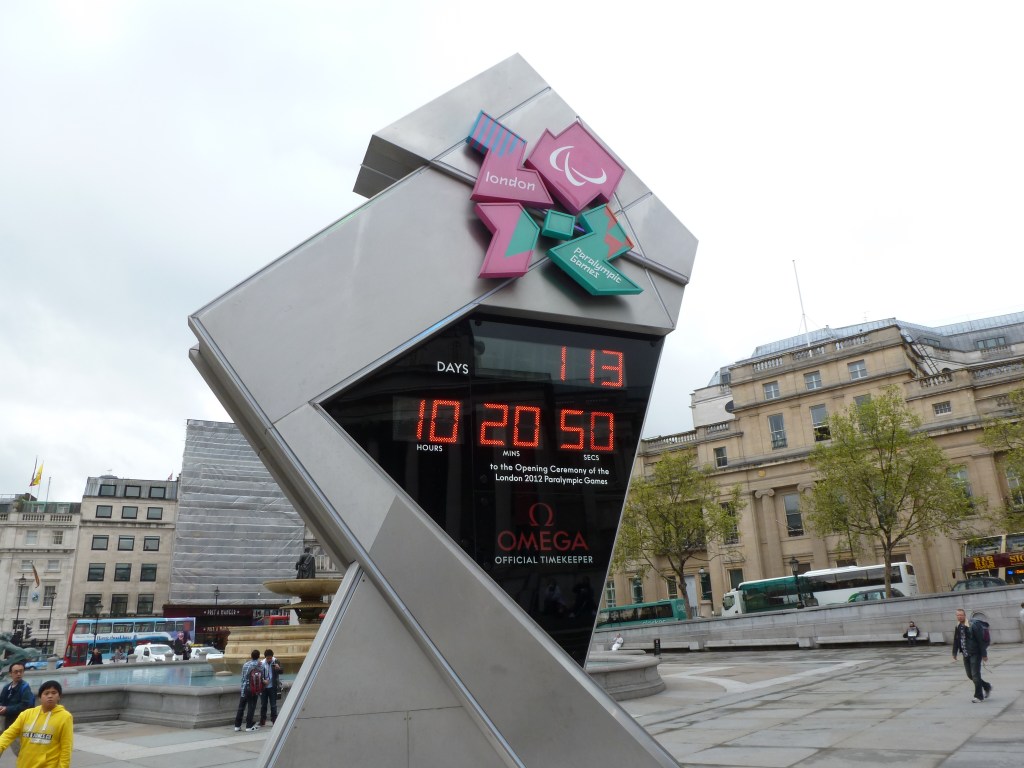
In my Comparative International Urbanism course in college, I wrote a paper on three large-scale redevelopments in London, including the Olympic Village from the 2012 summer games. I intended to visit the Olympic Village when I visited London that May, but I got distracted by bridge walking. The research I did for that paper on Olympic Villages highlighted the inequities inflicted on residents in the construction of these developments. Based on my paper, over 200 local businesses and nearly 1,000 residents were evicted for London’s Olympic Village.
While I can’t find my notes, I seem to recollect that researchers featured Vancouver as the city whose Olympic Village created the least harm for existing residents and most seamlessly integrated into city life after the games and athletes left. Something I definitely would have wanted to see while in Vancouver, but I was operating on too little sleep to take photos to prove I was there.
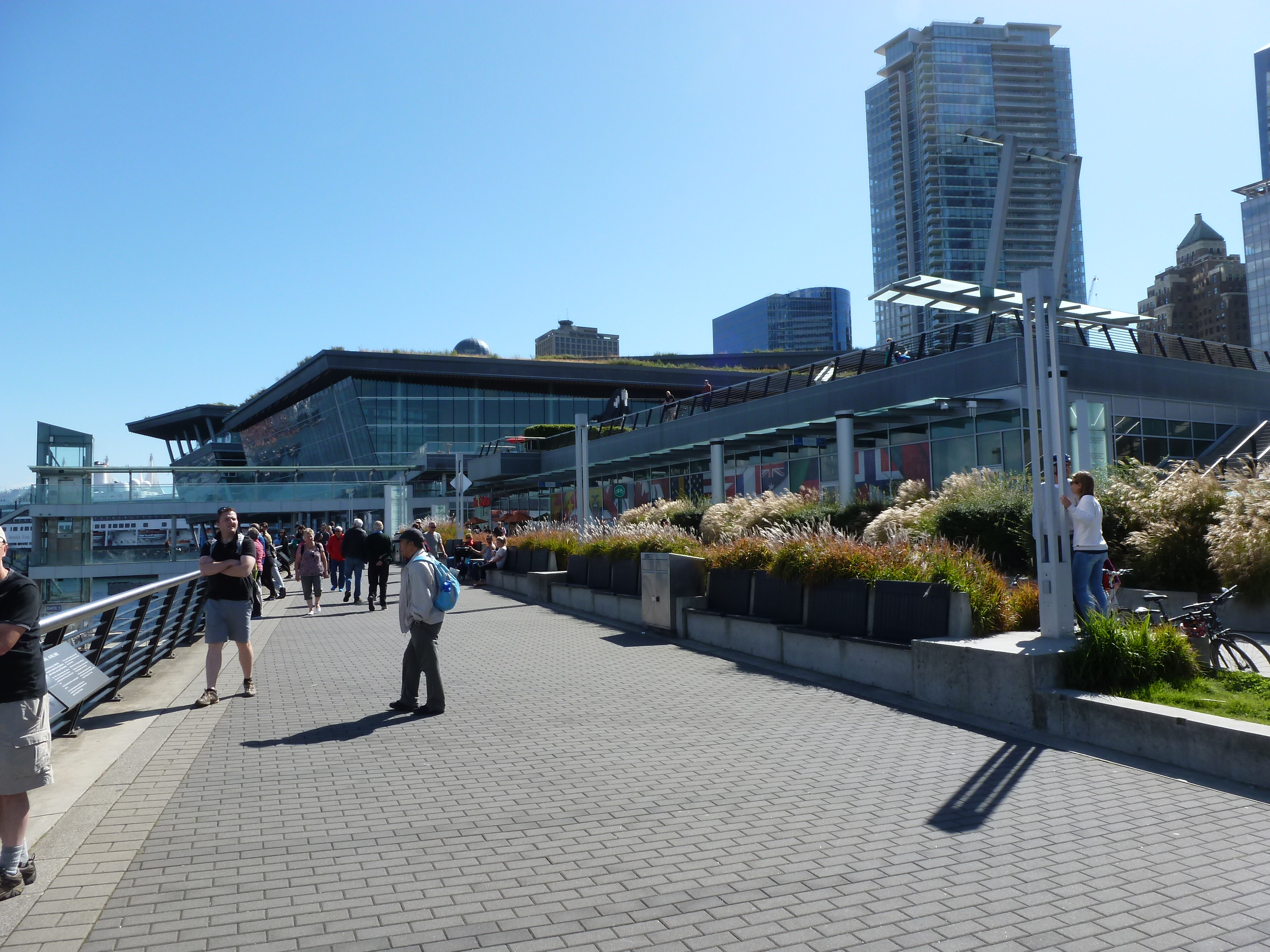
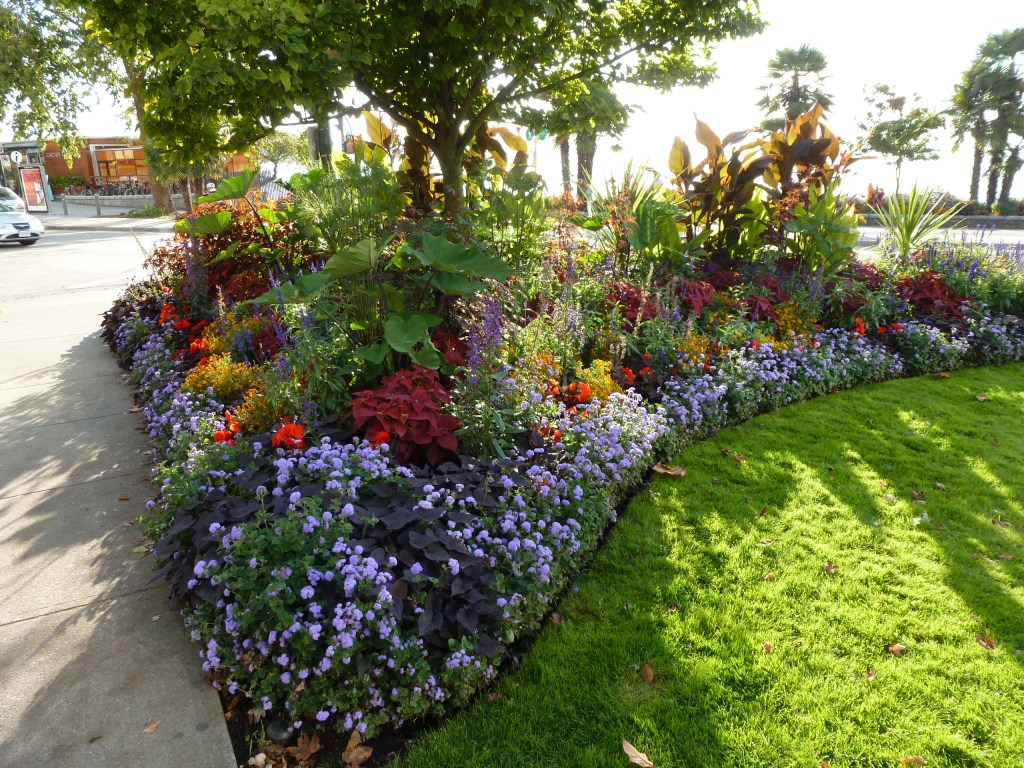
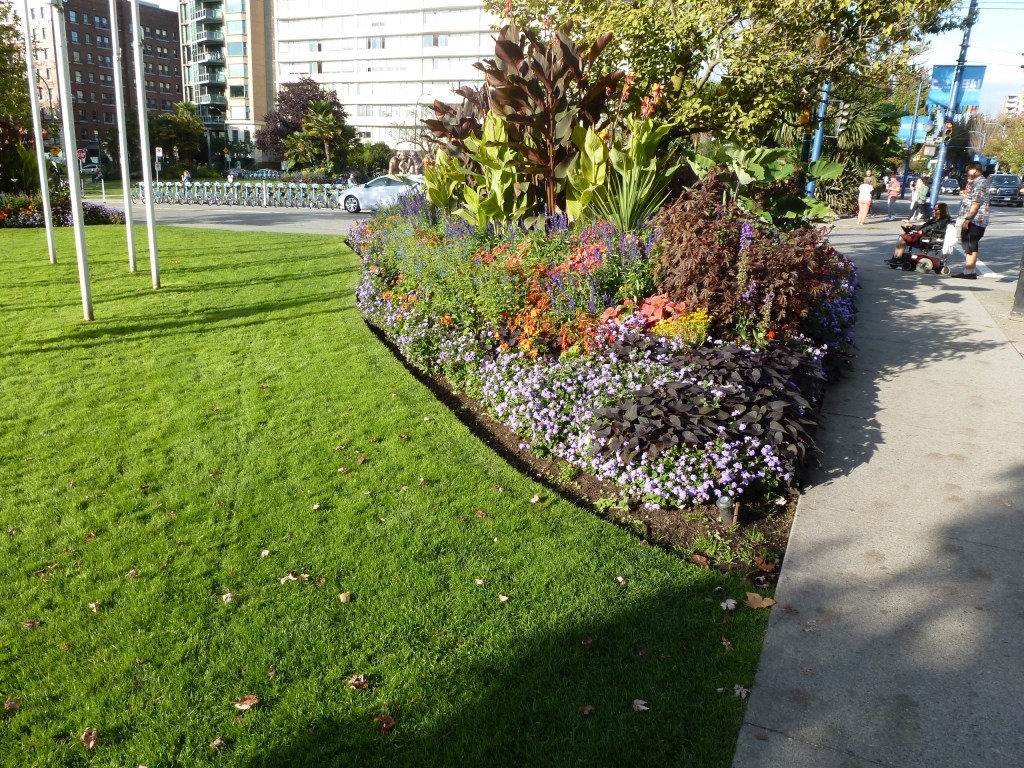
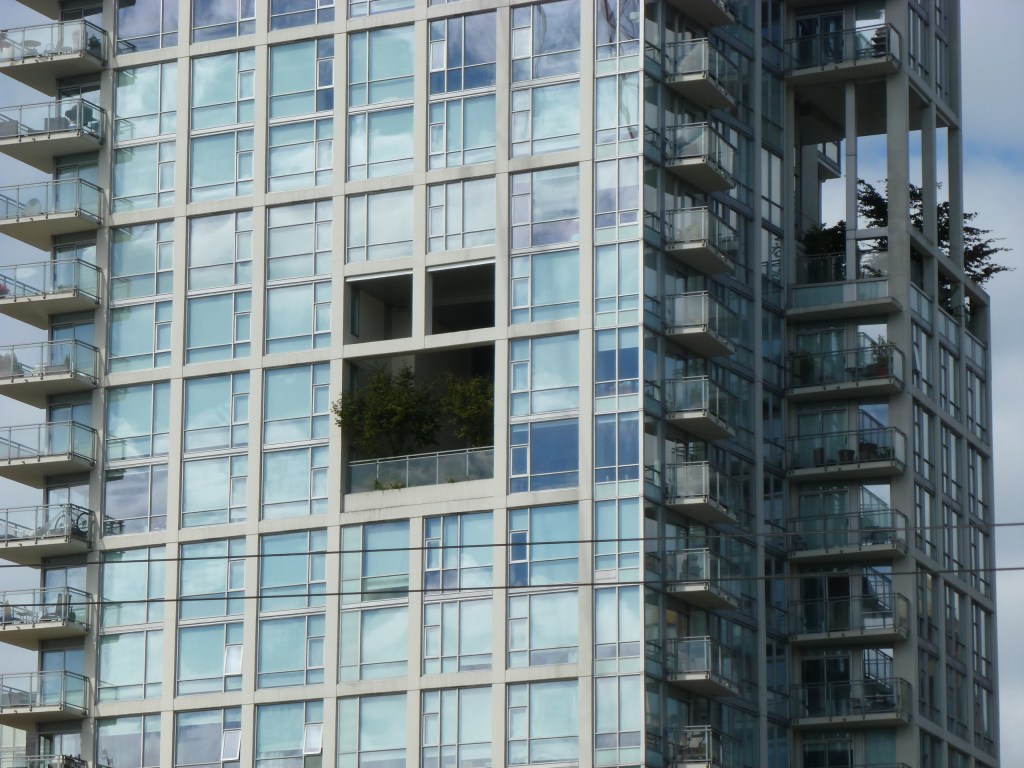
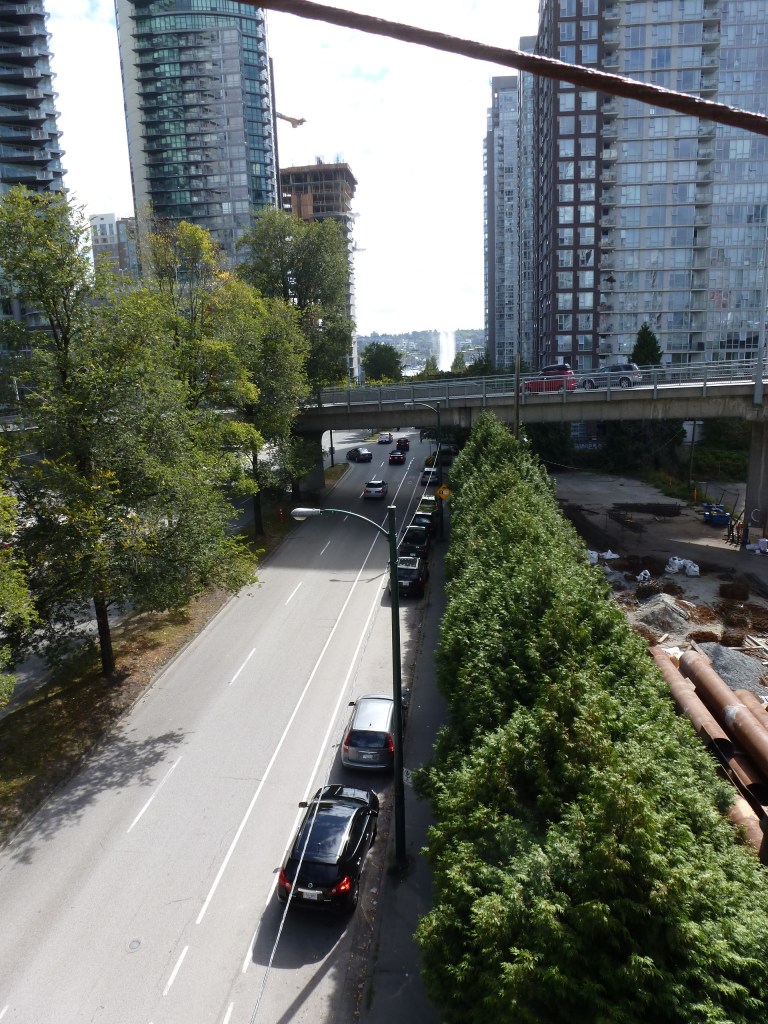
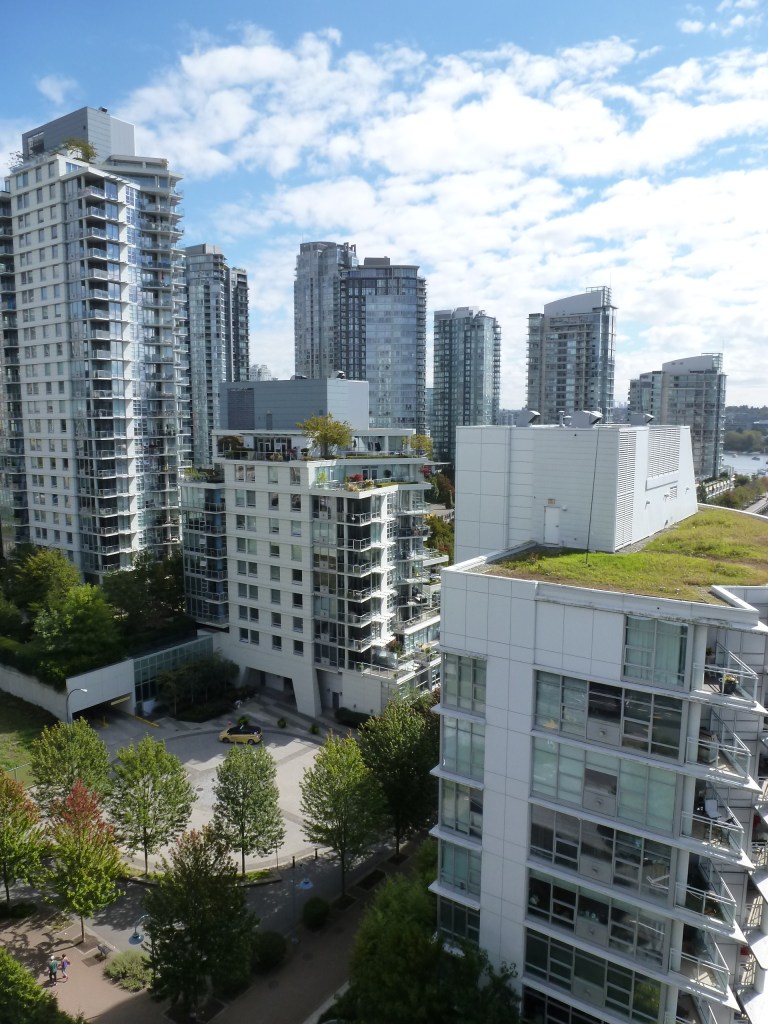
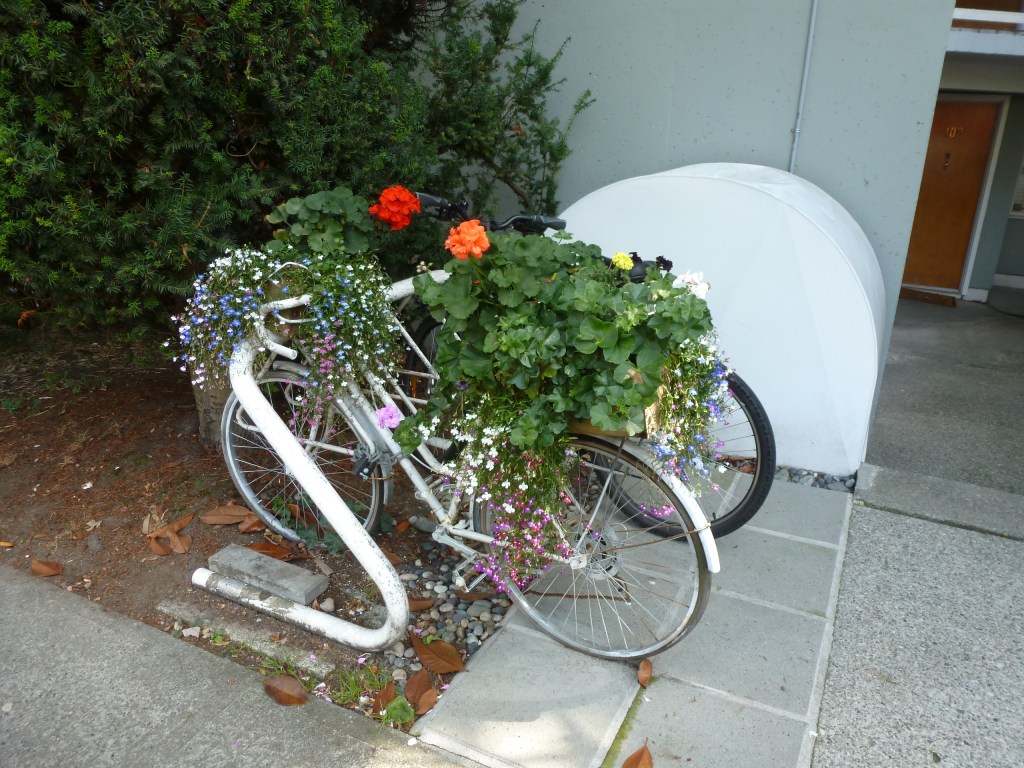
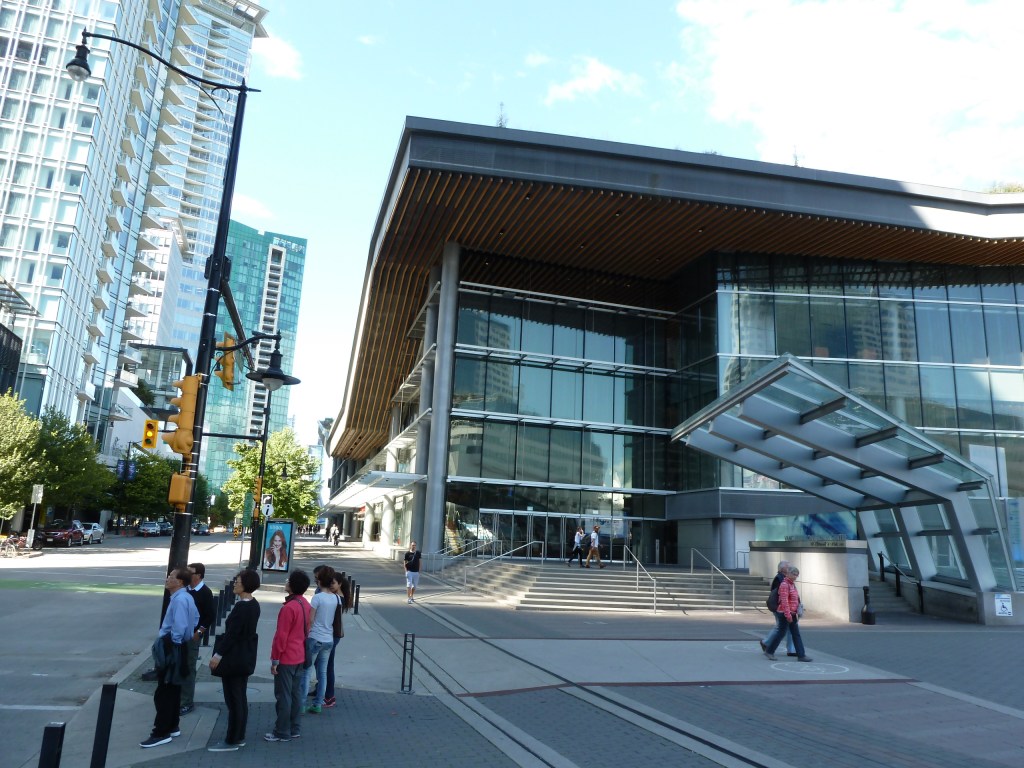
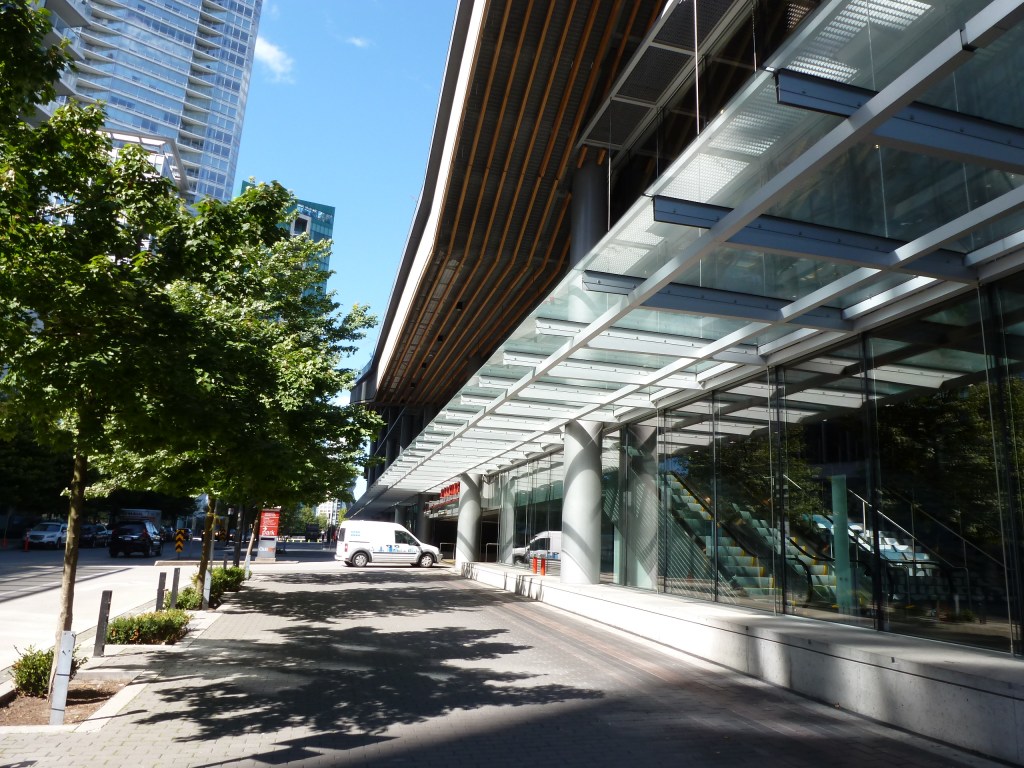
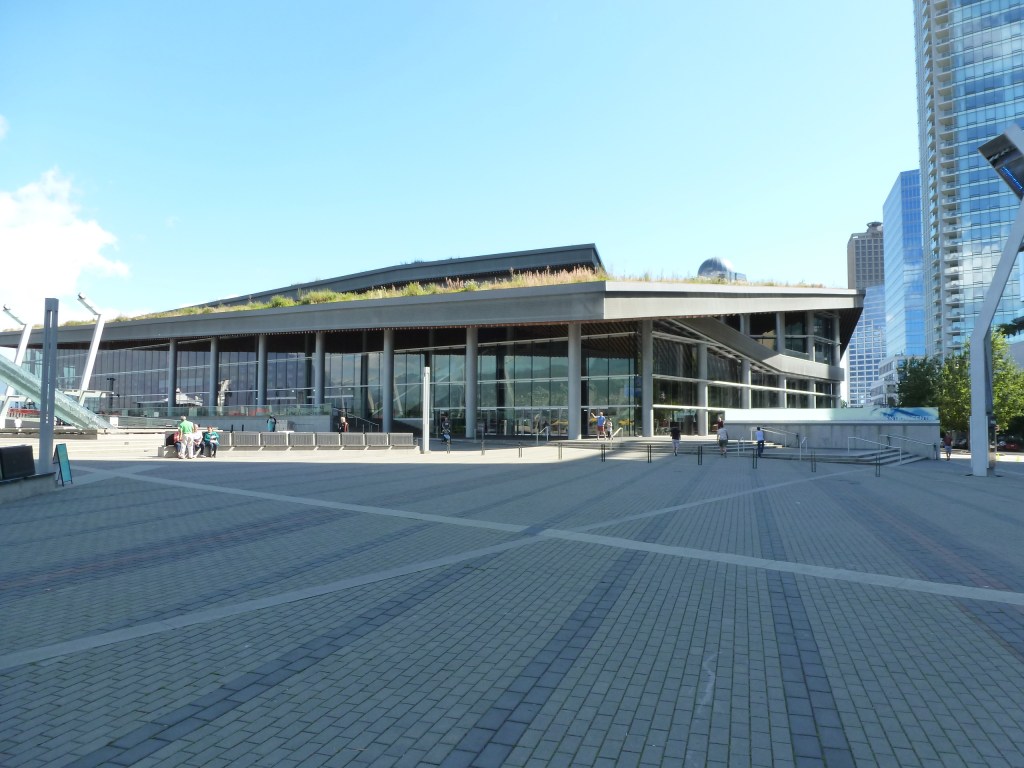
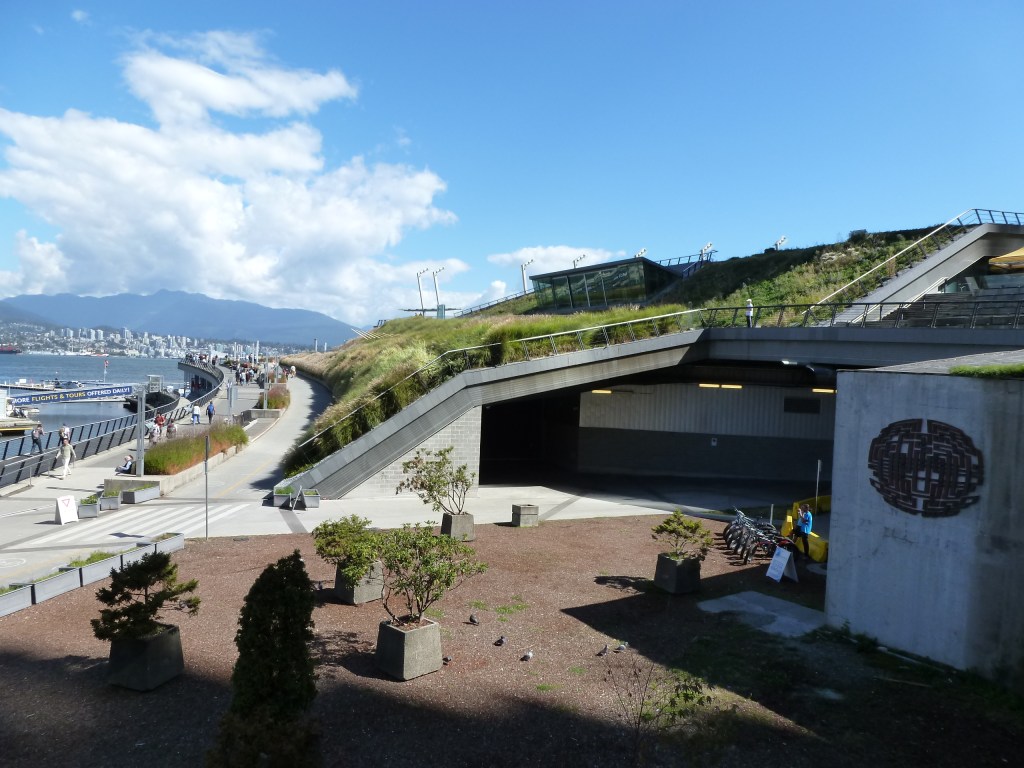
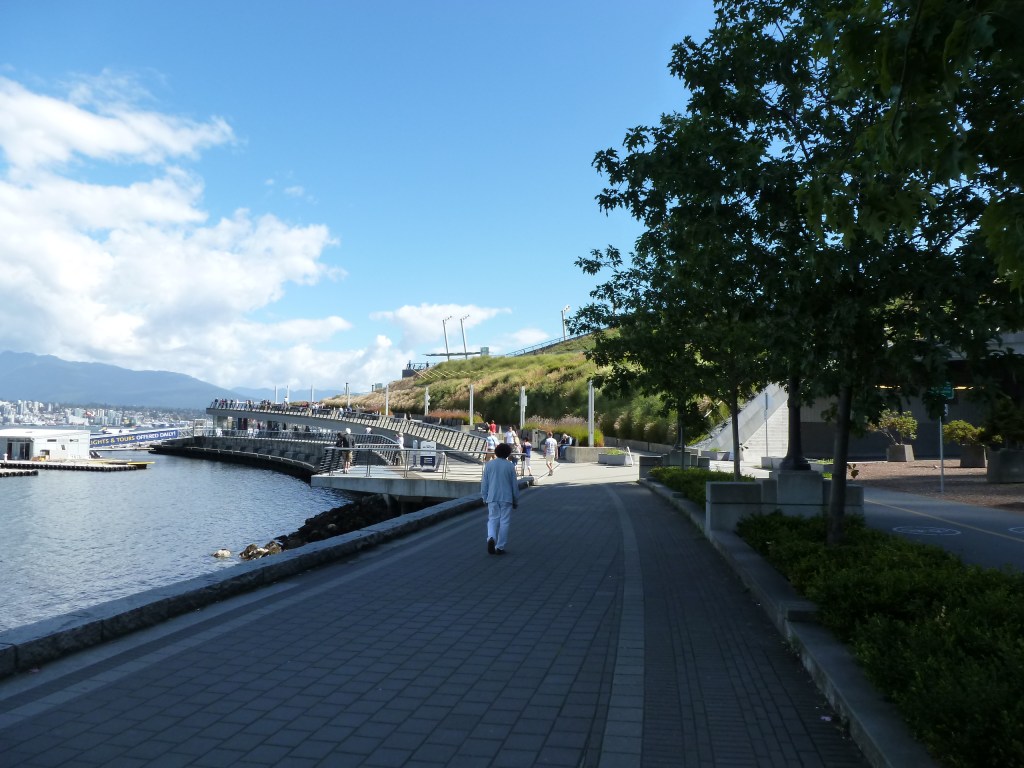
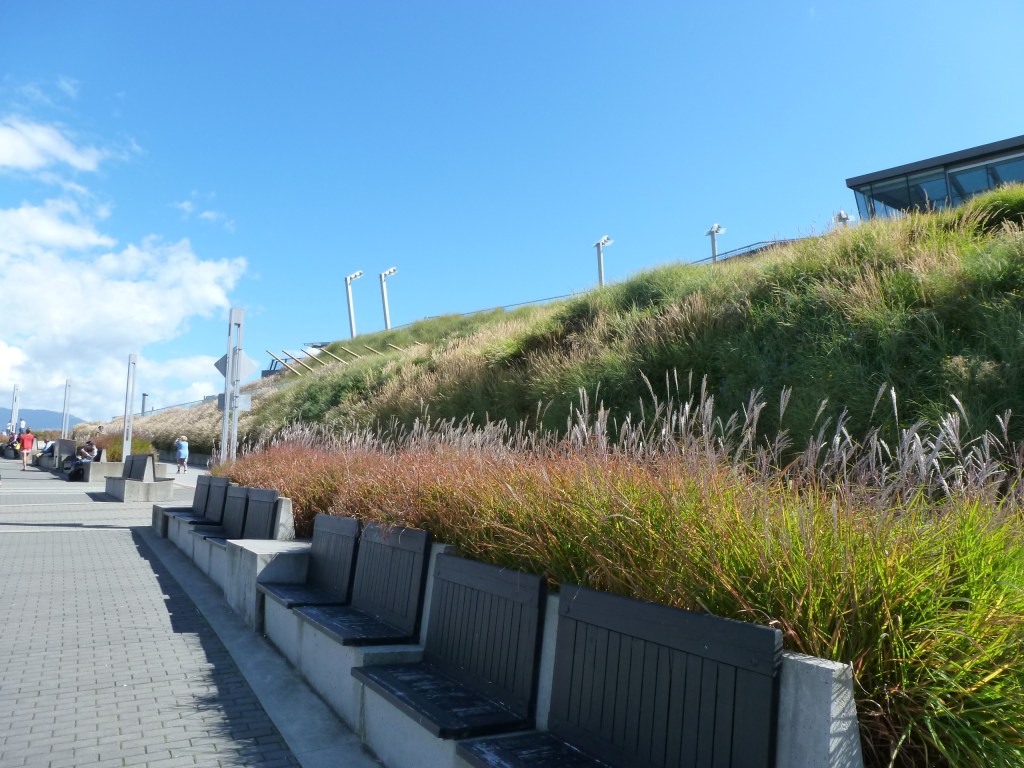
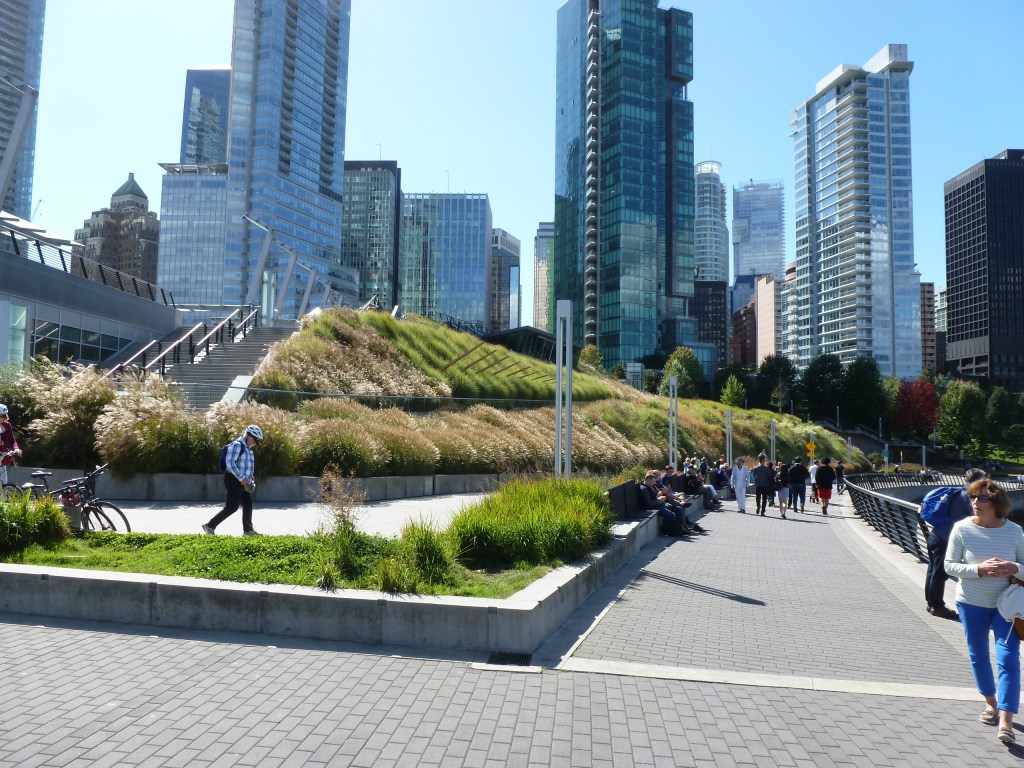
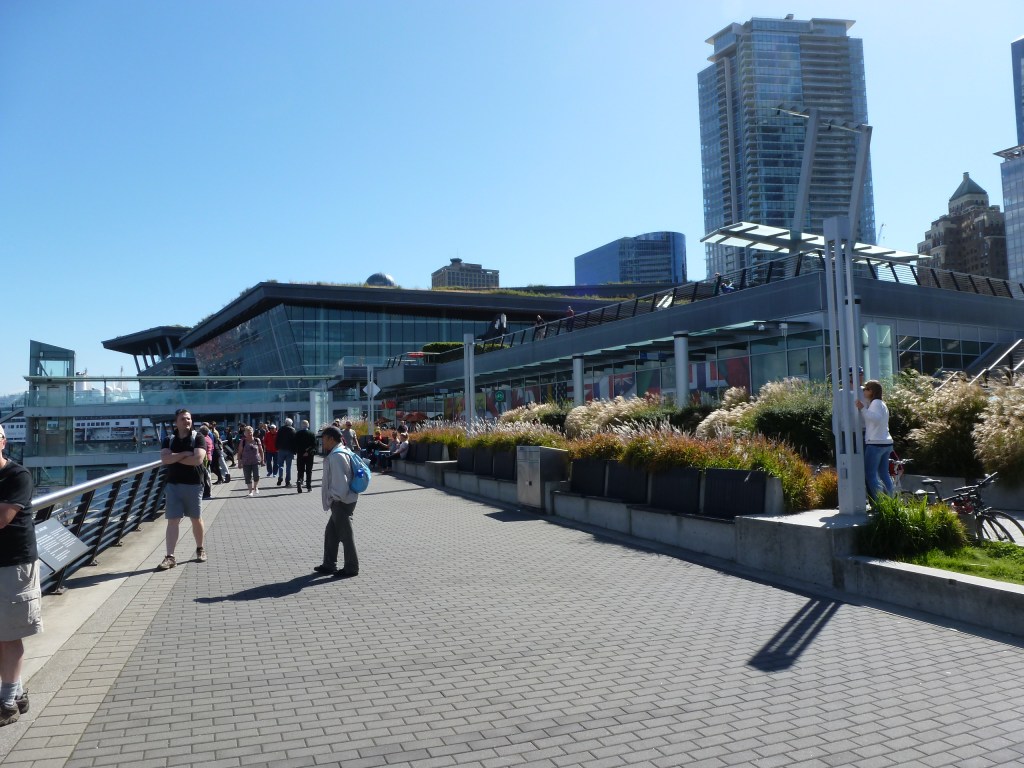
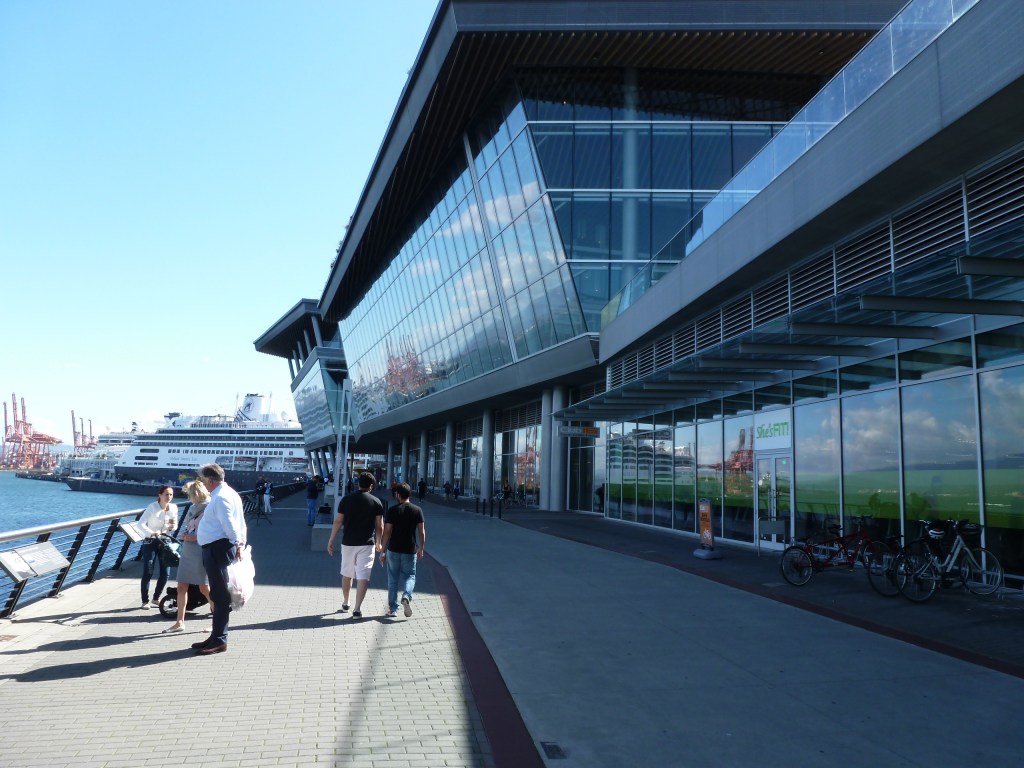
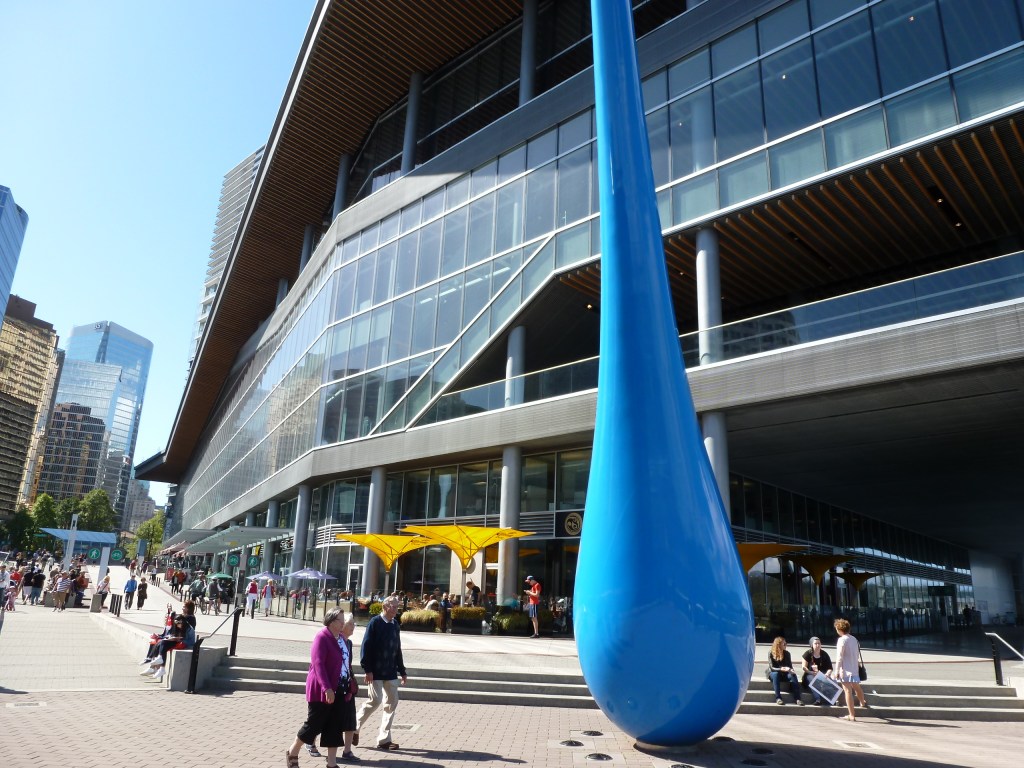
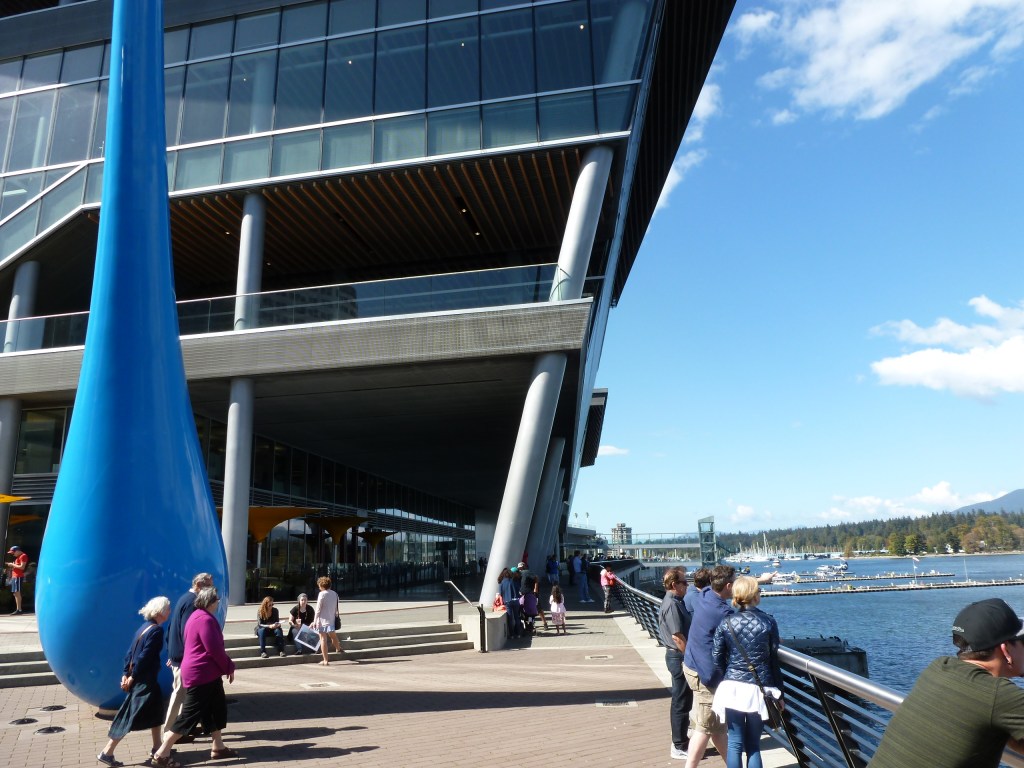
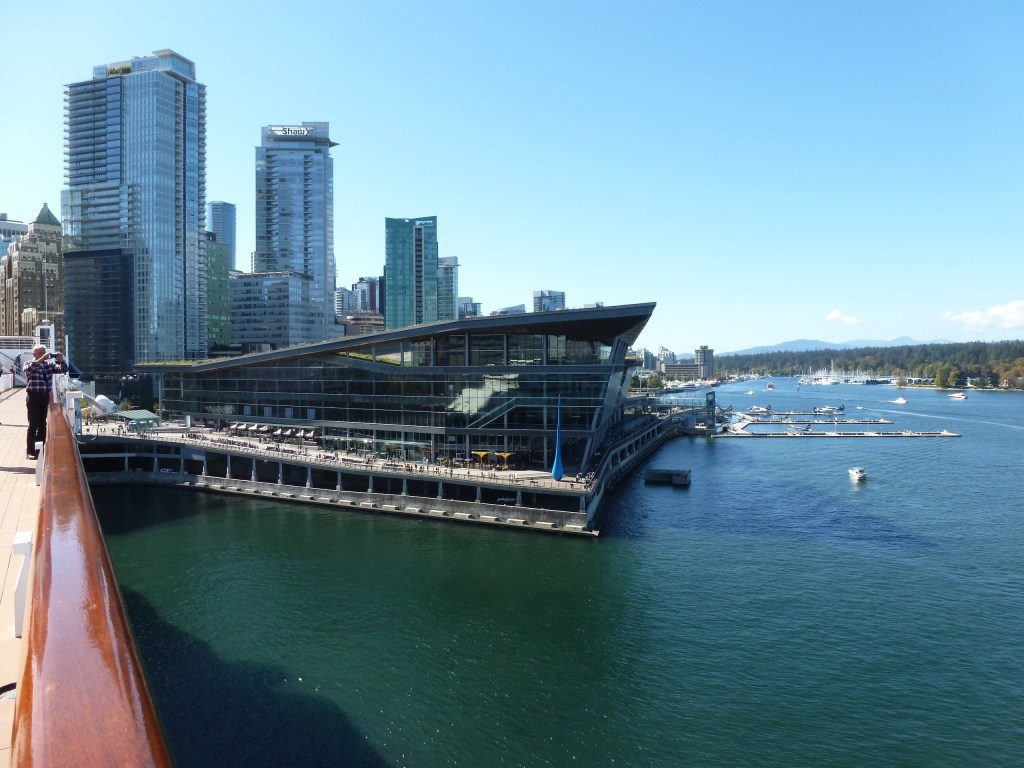
In Vancouver, greenery sprouts up everywhere despite its density. There are green parks, green roofs, green balconies, and even green bikes. The Vancouver Convention Center with its tiers of green roofs inspired me to design an Architectural Dessert Masterpiece of it. Unfortunately, my health challenges in the following months prevented me from executing it and I have since forgotten the plans.
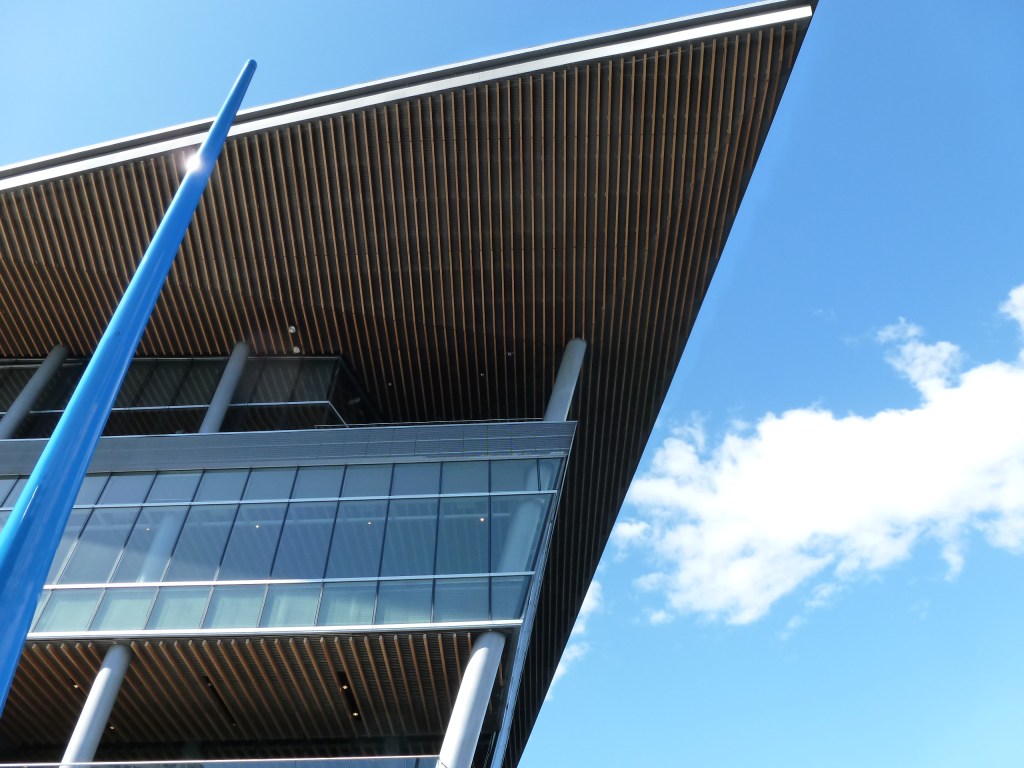
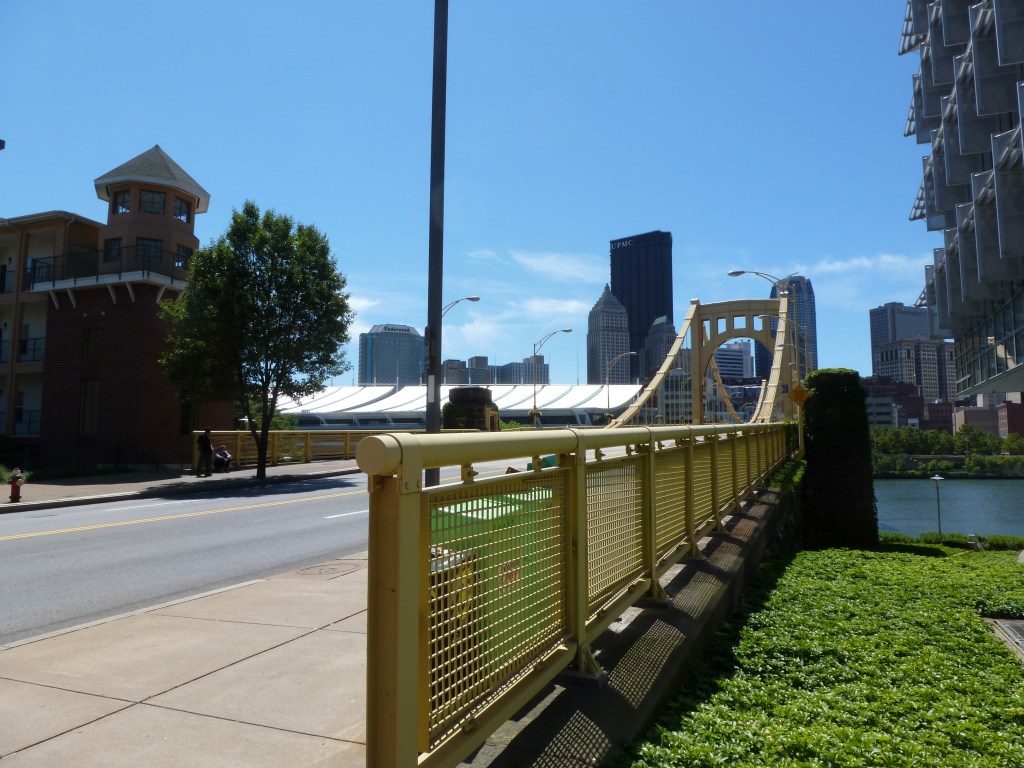
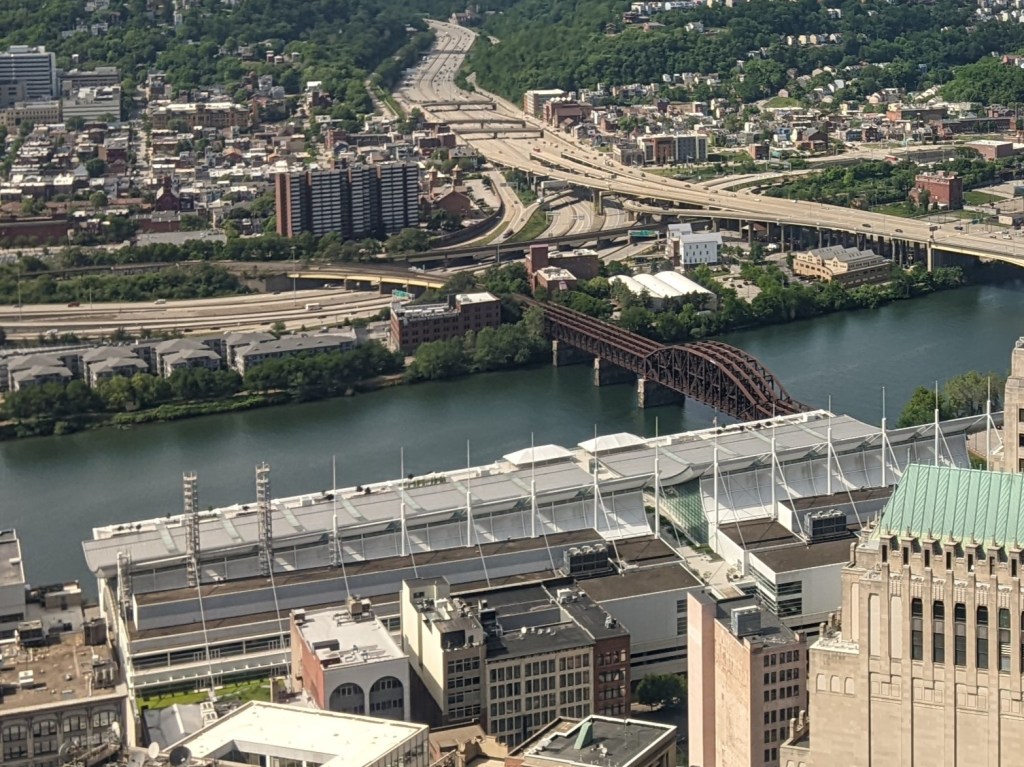
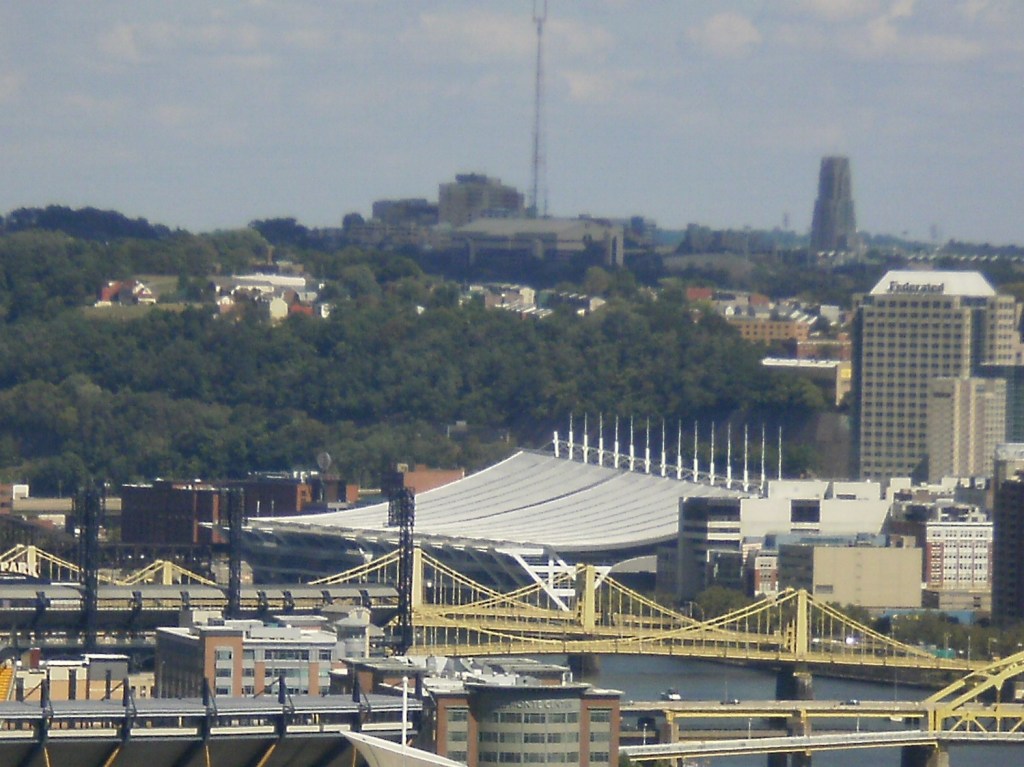
I spent much time exploring the engaging architecture of the Vancouver Convention Center and comparing it to the stand-offish convention center in Pittsburgh. Both convention centers pay homage to the natural environment of their respective cities. Vancouver’s mimics the mountains across the inlet with its sloping green roofs. The roof of Pittsburgh’s convention center mimics the curves of the suspension cables on the Three Sisters Bridges and intended to have a waterfall cascading down its curve and into the river, but this ended up being infeasible. Both convention centers provide popular connections to the waterfront trails, but Vancouver’s Convention Center invites people to engage with the building while Pittsburgh’s repulses. Both have outward facing tenant spaces. Vancouver’s is filled with popular bars and restaurants. Pittsburgh’s has a underutilized Jimmy John’s. Vancouver’s architecture creates an inviting and human-scale design while Pittsburgh’s oversized blank walls are oppressive.
And if that list of contrasts isn’t enough to convince you of my opinions of Vancouver’s and Pittsburgh’s convention centers, in the thousands of photos I’ve taken in Pittsburgh, none are specifically of the convention center. I took numerous photos of the Vancouver Convention Center because it was interesting and because I intended to recreate it in desserts. However, I only have photos of Pittsburgh’s Convention Center as a building that happens to be next to a bridge or that is noticeable from bird’s eye views of the city.
I can’t believe I never posted anything about my 2016 Alaskan cruise trip. It was one of my top 3 monumental trips, up there with my first train trip to Colorado (8th birthday) and my first international trip touring England and Wales (14th birthday). By the time I was 10, I decided that I would take an Alaskan cruise for my 30th birthday. By my mid-20s, I realized that wasn’t going to happen, but then when I was 29, my friend and her family were planning their annual cruise and picked Alaska. I asked to join them and a few weeks after my birthday celebrated my 30th while cruising in Alaska.
The trip was amazing. I gathered enough materials and felt excited enough about what I saw and experienced to be energized to share the trip with my readers. However, as soon as I got home from the cruise, life overwhelmed me. The months after the cruise were when I first learned to hate my job, I was house hunting, and my appendix burst. This plethora of life distractions prevented me from blogging.
Now, however, I have an opportunity to catch up on the trips and traipses that I intended to blog about but never did. I’ve had Long COVID since November 2023, which has reduce my ability to do new urban traipsing, but on days when I’ve had energy and inspiration, I am revisiting former trips to share with you. Through the rest of this year and throughout 2025 (and maybe beyond), I’ll be sharing these retrospective reflections of my past travels.
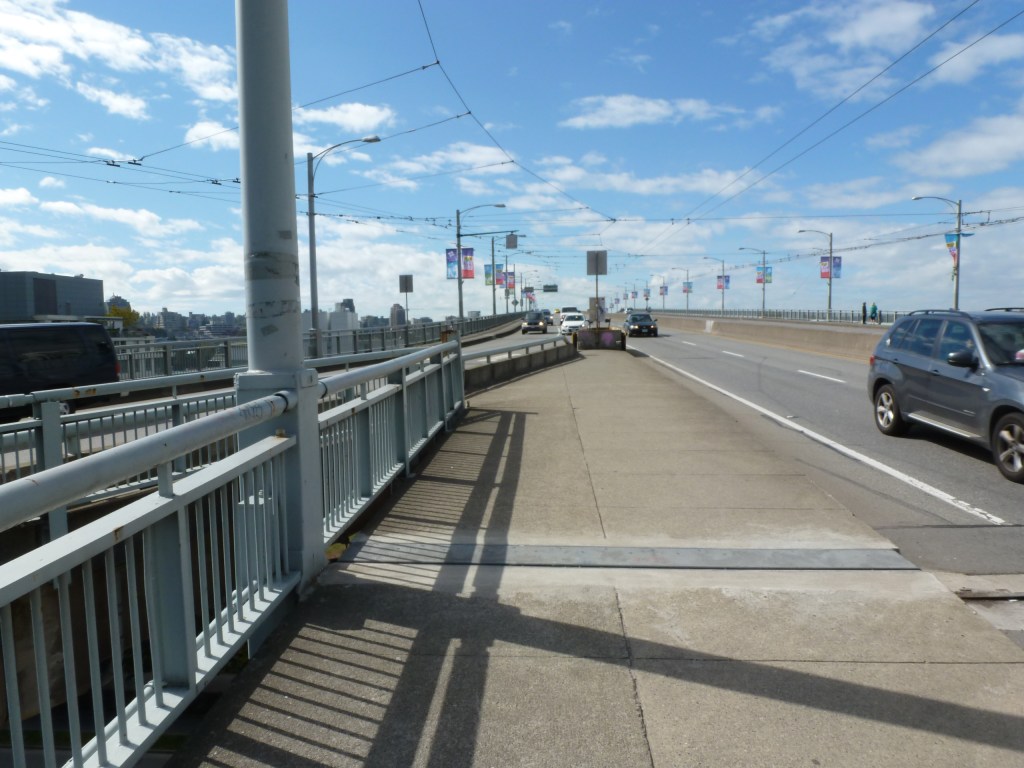
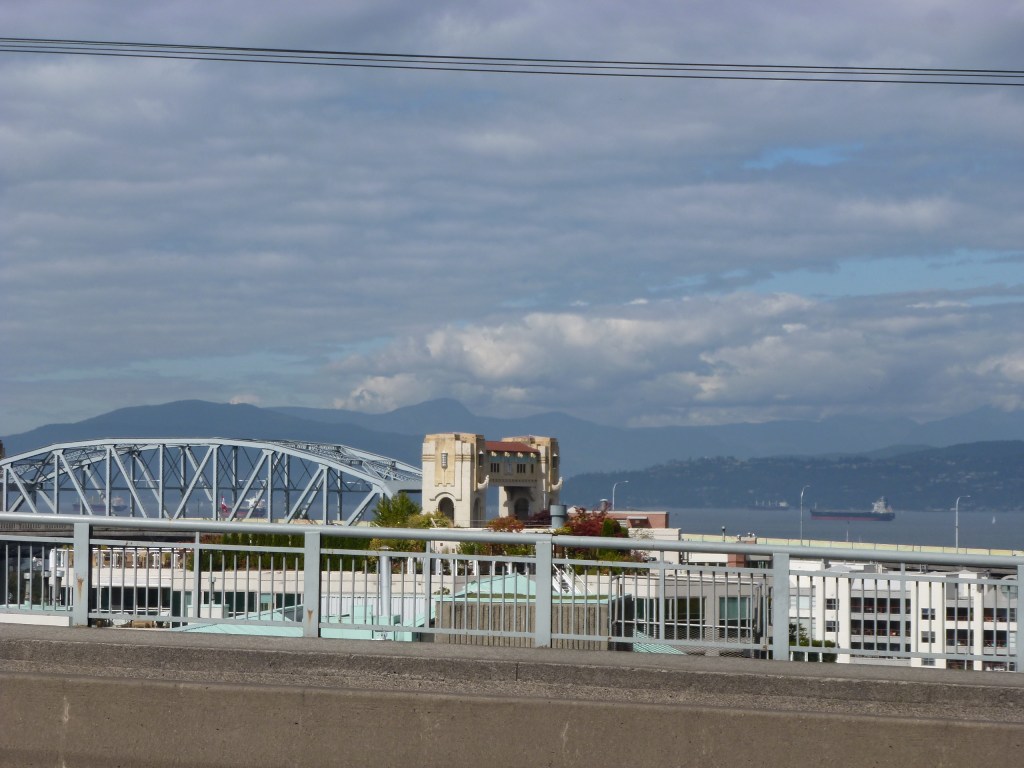
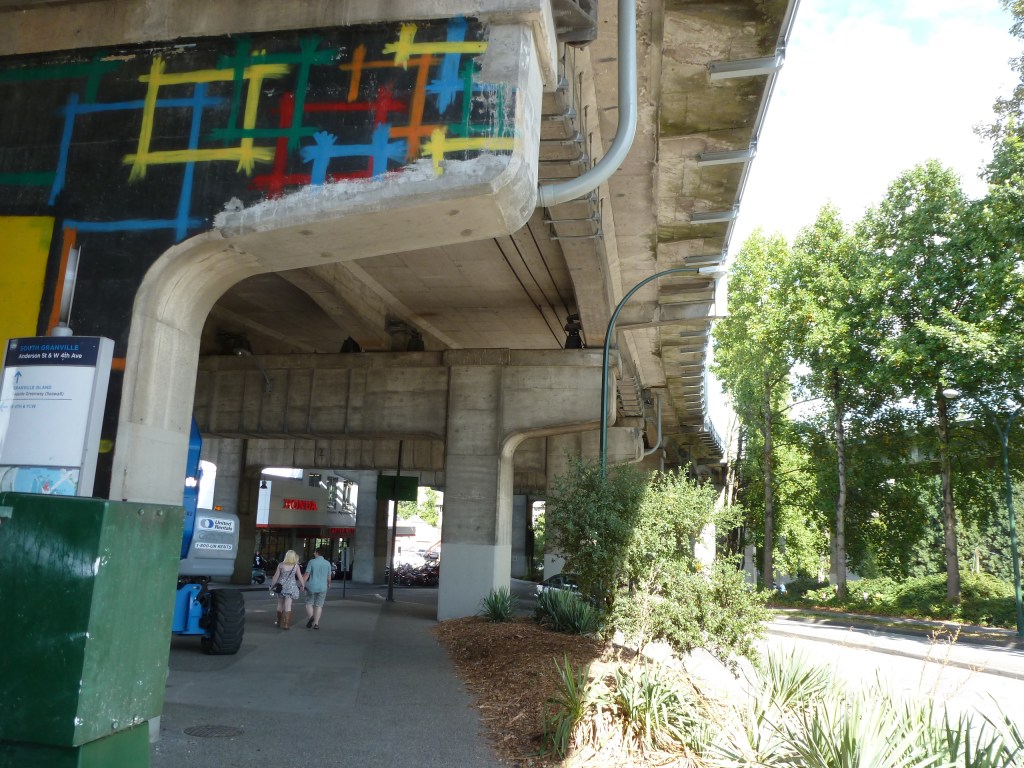
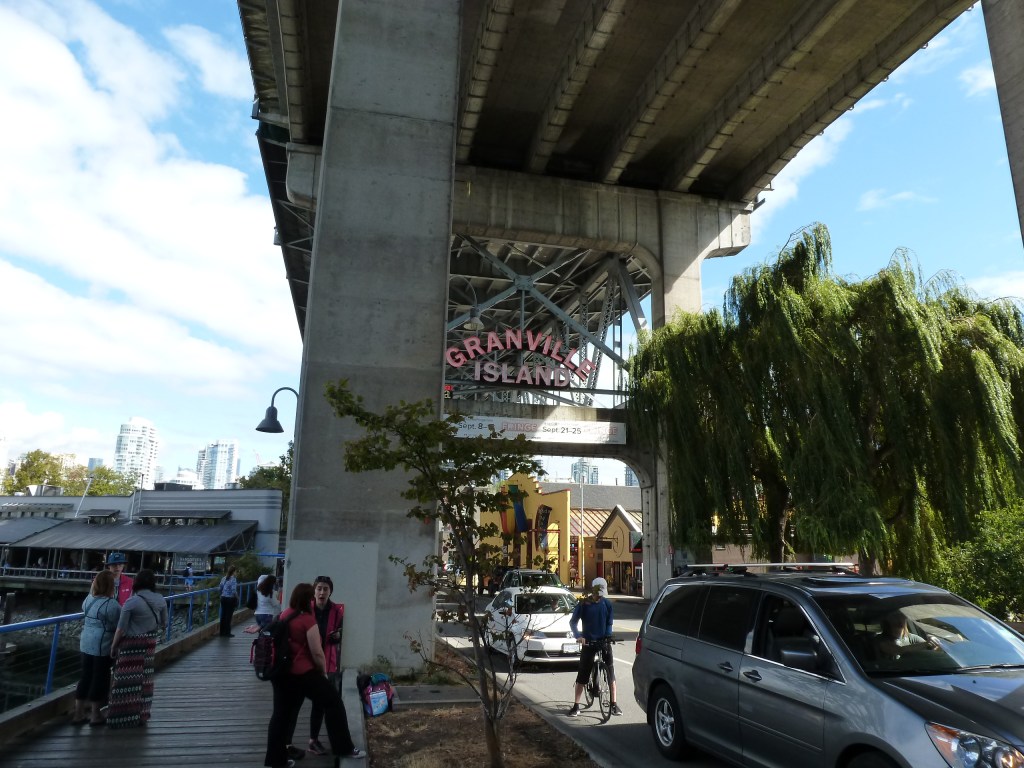
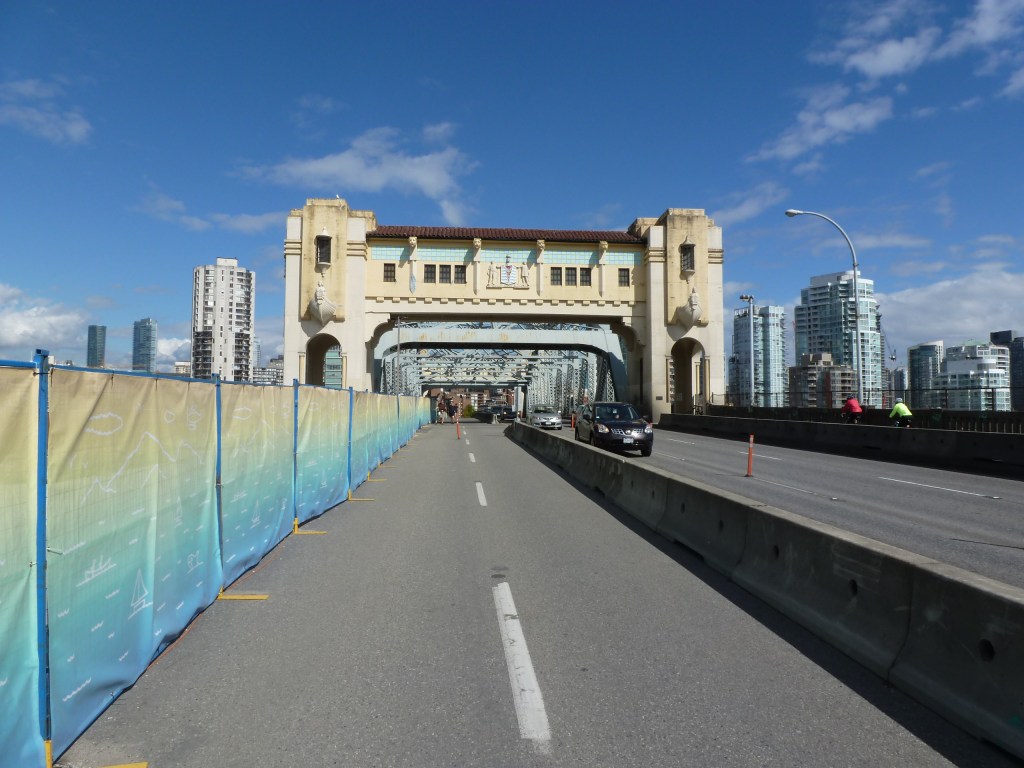
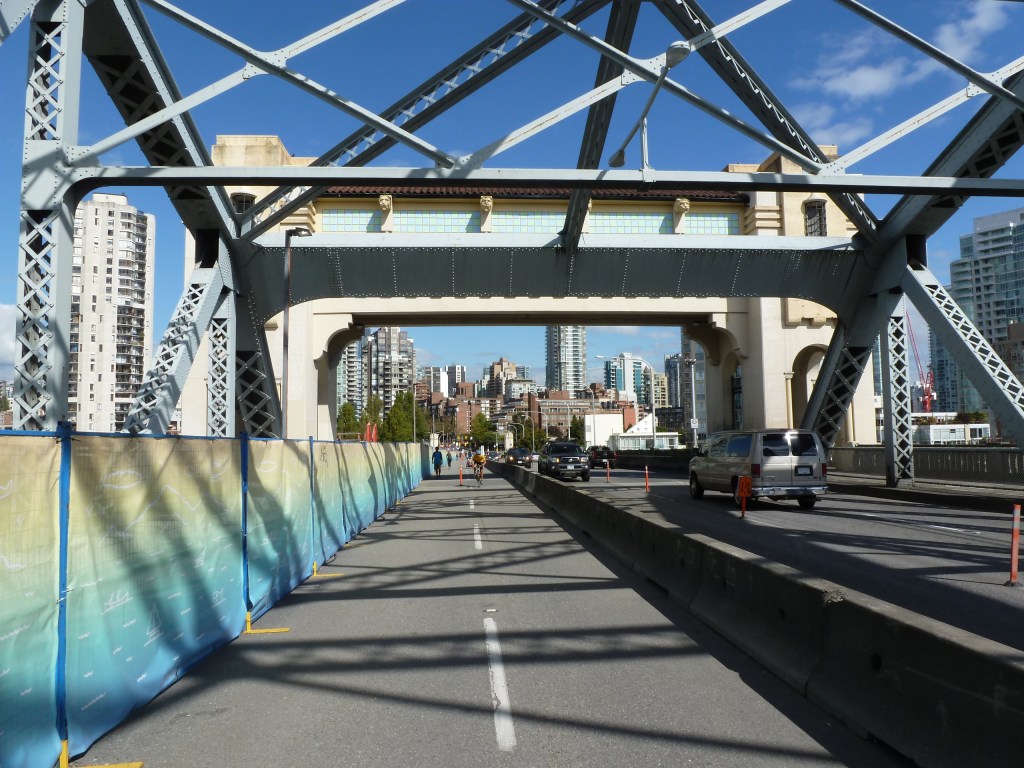
My 2016 Alaskan cruise started in Vancouver and ended in Anchorage. I added a few nights on either end to allow me to explore those cities. Naturally, I found my way to bridges in Vancouver. At this point in time (8 years after the fact), I don’t remember which was the instigating factor, the bridges or the store. Whichever inspired me first, I took advantage of walking over the Granville Bridge to visit Hammered & Pickled on Granville Island and returning by way of Burrard Street Bridge. I chose Hammered & Pickled for my destination to satisfy my curiosity on what kind of pickled they covered: pickled vegetables, pickled metal, or pickled people. It turned out it was a silversmith selling handcrafted jewelry.
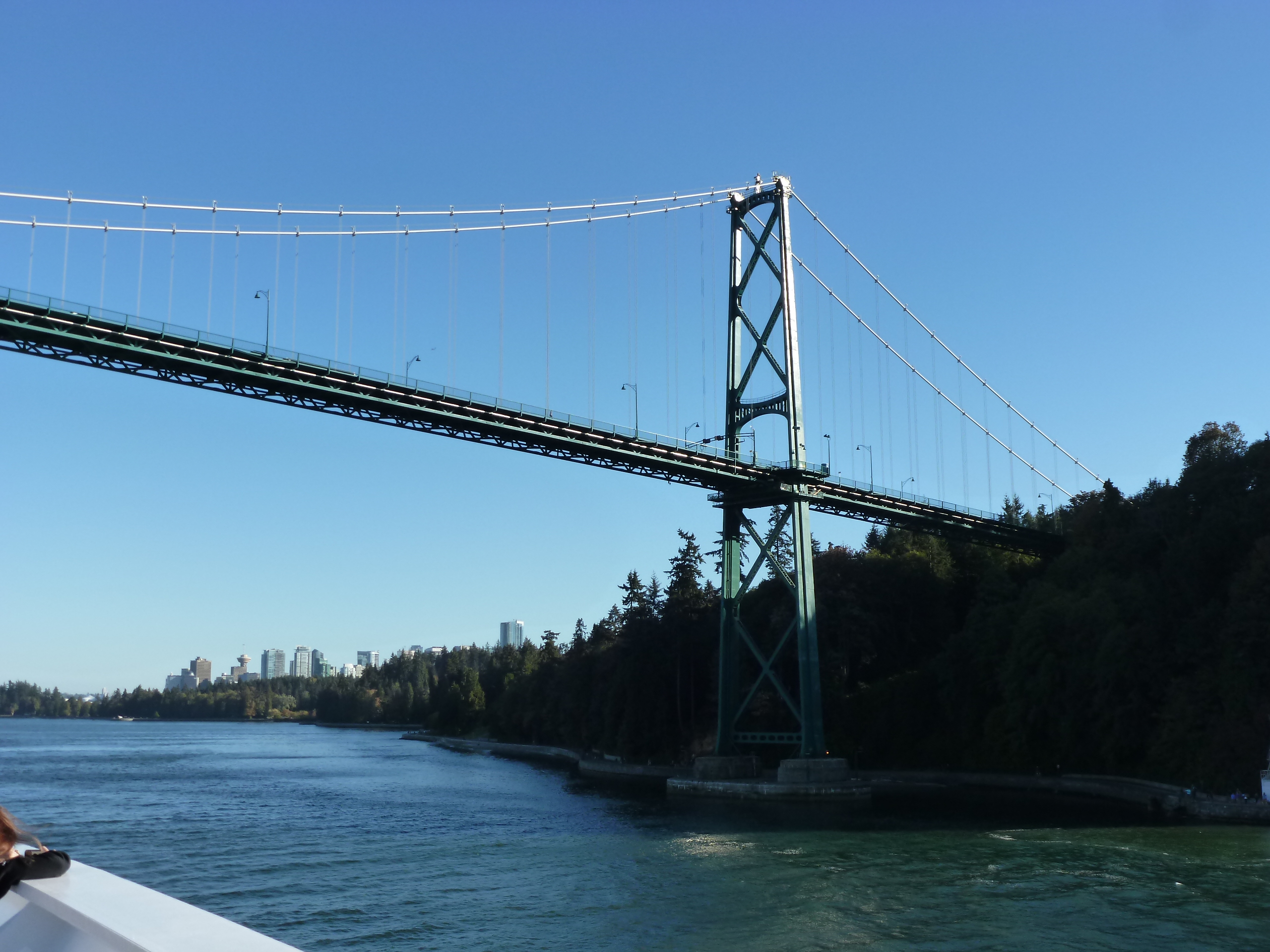
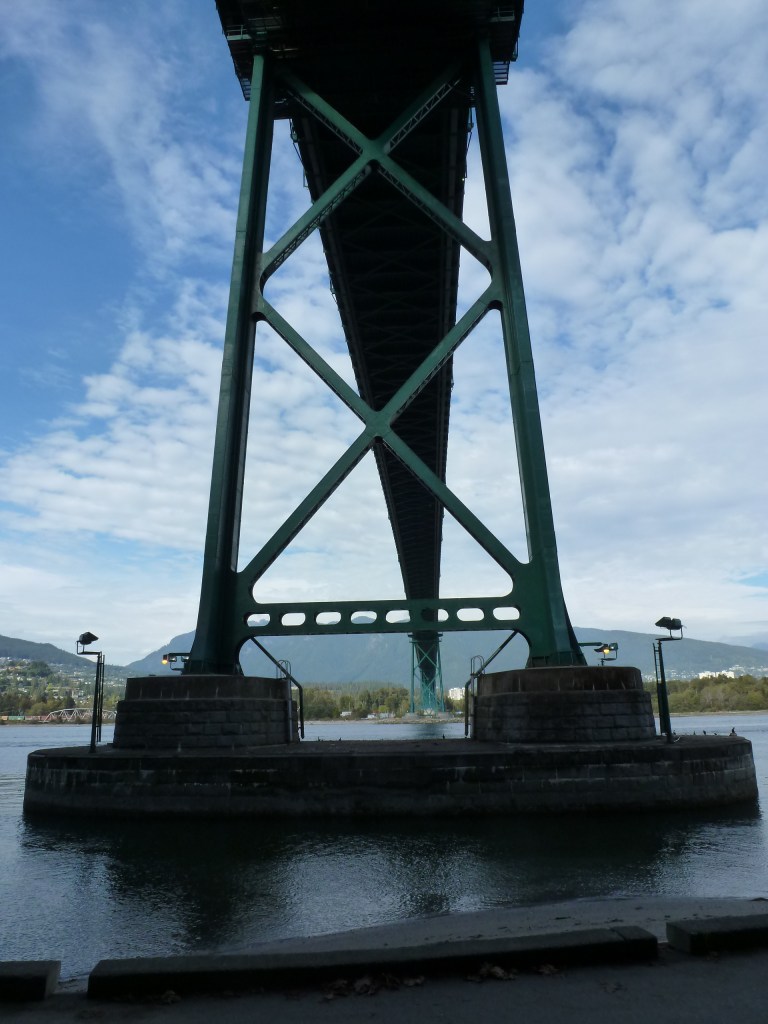
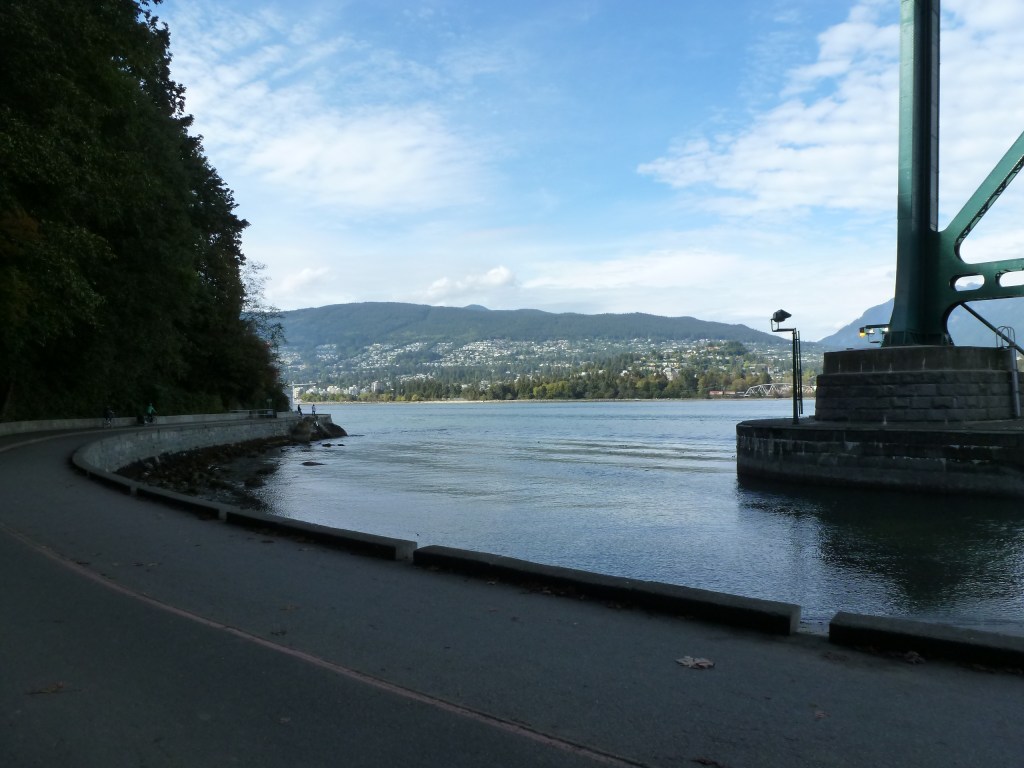
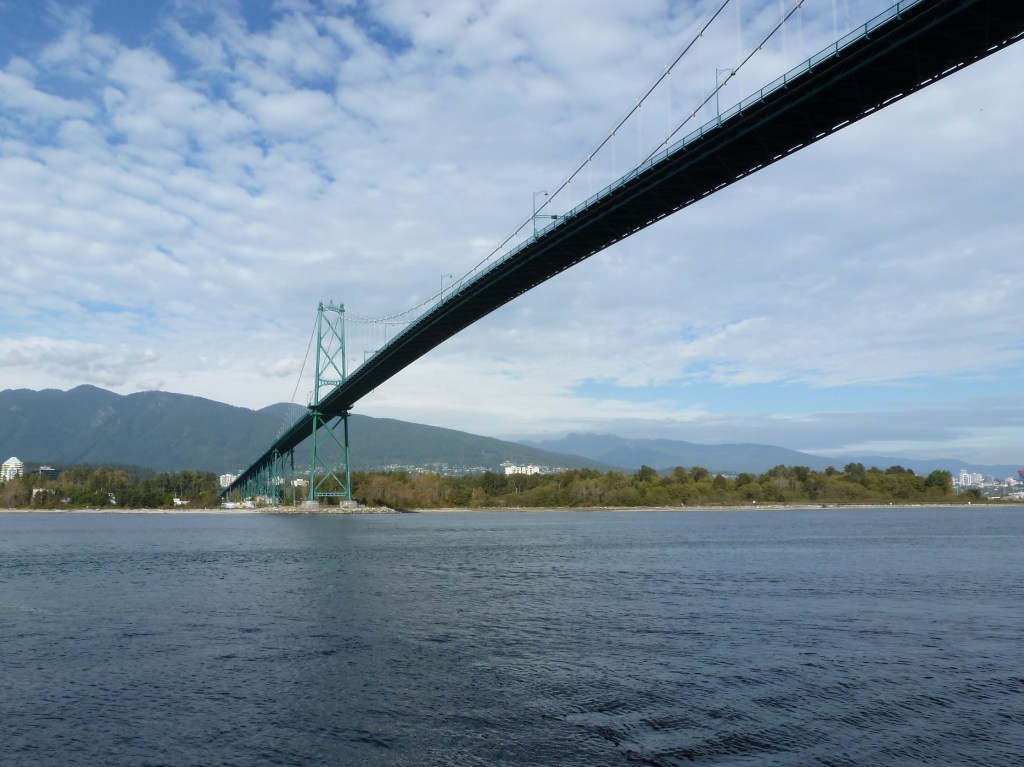
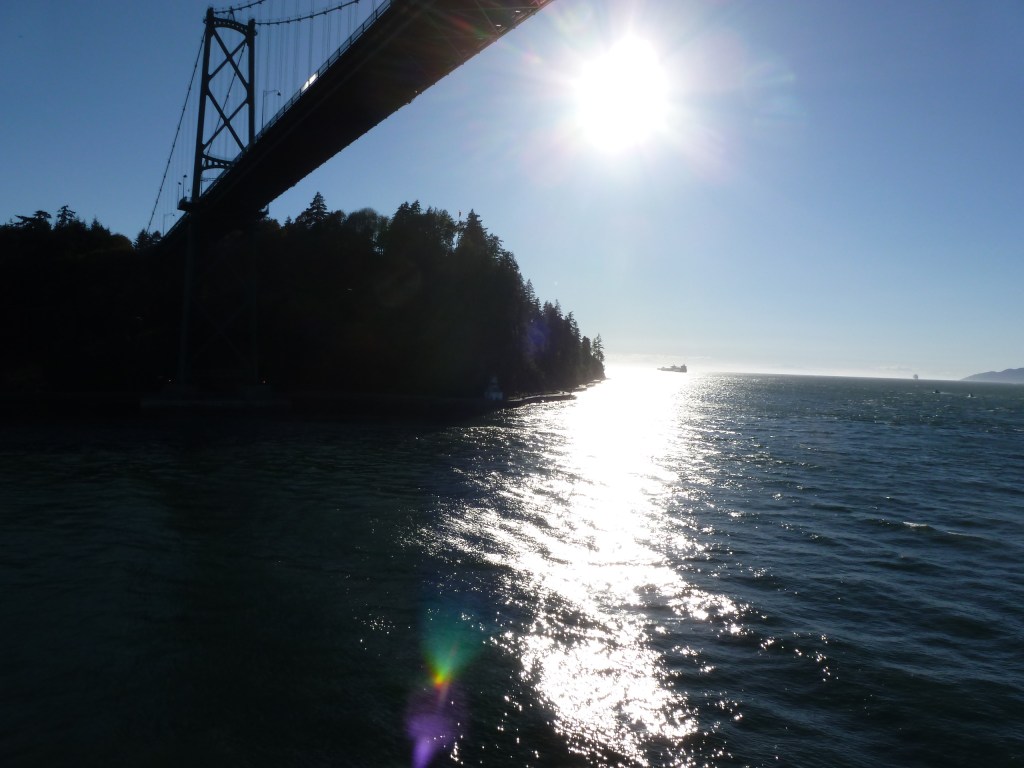
Oddly, from my walks across the Granville and Burrard Street Bridges to and from Hammered & Pickled, I took more photos of the less structurally interesting bridge. This may have been the impact of being tired and dehydrated on the return or of the construction on the Burrard Street Bridge. However, the bridge that I took the most photos of in Vancouver was one I didn’t walk: the Lions Gate Bridge. I biked the waterfront trail underneath this bridge, rode over it by bus on the way to Grouse Mountain, and later passed under the bridge as the cruise ship left the Vancouver harbor.
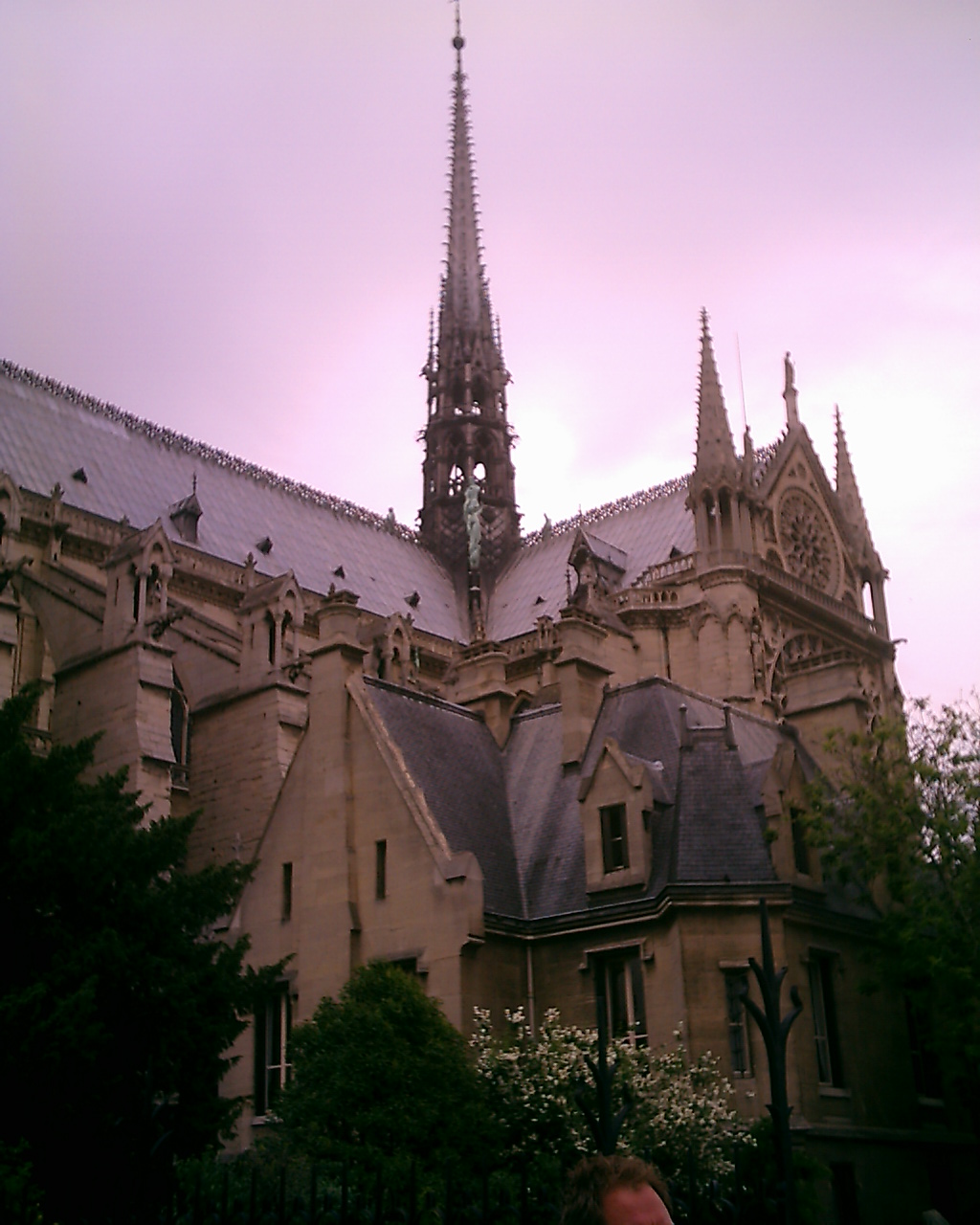
On April 15, 2019, the roof of Notre Dame caught fire and collapsed. The cathedral has been closed ever since. Almost immediately came promises to rebuild exactly as it was and reopen within 5 years. These promises are almost fulfilled. The new spire was recently uncovered and looks much like the one in my photo from 2005. The cathedral is scheduled to reopen in December 2024, five years and eight months after the fire. (Paris Je T’aime, Friends of Notre Dame; Mad White; World, April 4, 2024)
I was fascinated by the fire and commemorated it in 2019 with one of my architectural dessert masterpieces. 1 As I mentioned in that post, I visited Paris in 2005 and was fortunate to have a connection to a guest organist. We were invited to experience the cathedral from the organ loft. A unique experience that I was distracted from enjoying fully for a number of reasons.
This trip was before I officially began urbantraipsing, but was one of the first places I unknowingly tested out the habit. It was also the first time I liked a city, a foundational necessity for urbantraipsing which paved the way for my return trip to London in 2012 where I explored adaptively reused churches and bridges.
I enjoyed the Paris trip immensely and before we left was looking forward to returning. There was much I didn’t get to see on that trip and bridges that I didn’t know I would need to document walking. One day, I will return with a more advanced camera and improved photography skills.
Notre Dame organ pipes 2005Notre Dame woodwork from the organ loft 2005
Unfortunately, personal encounters with COVID have disrupted my intention to have an annual architectural dessert masterpiece over the last few years. I look forward to resuming the tradition one day. ↩︎






 urbantraipsing