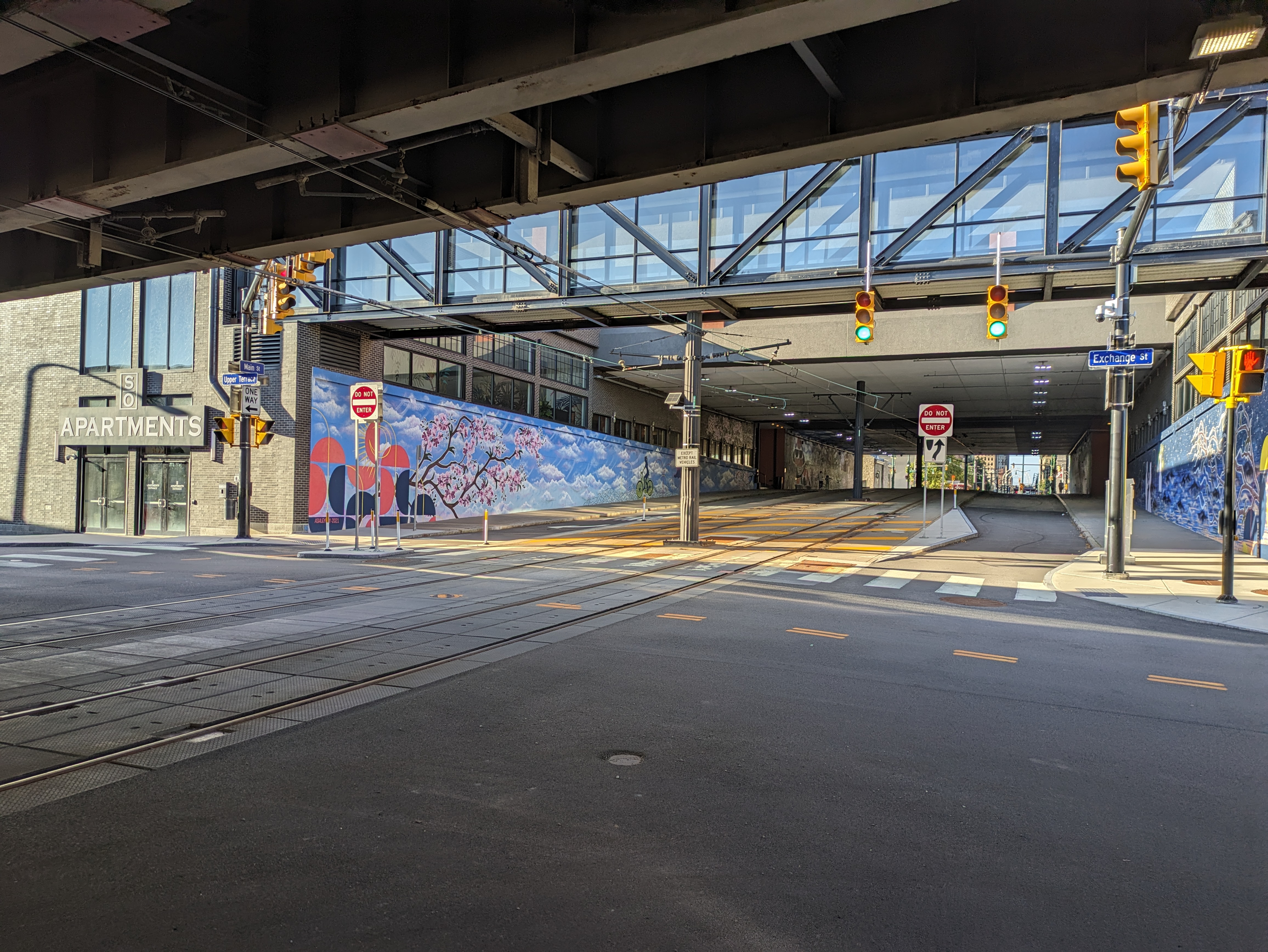
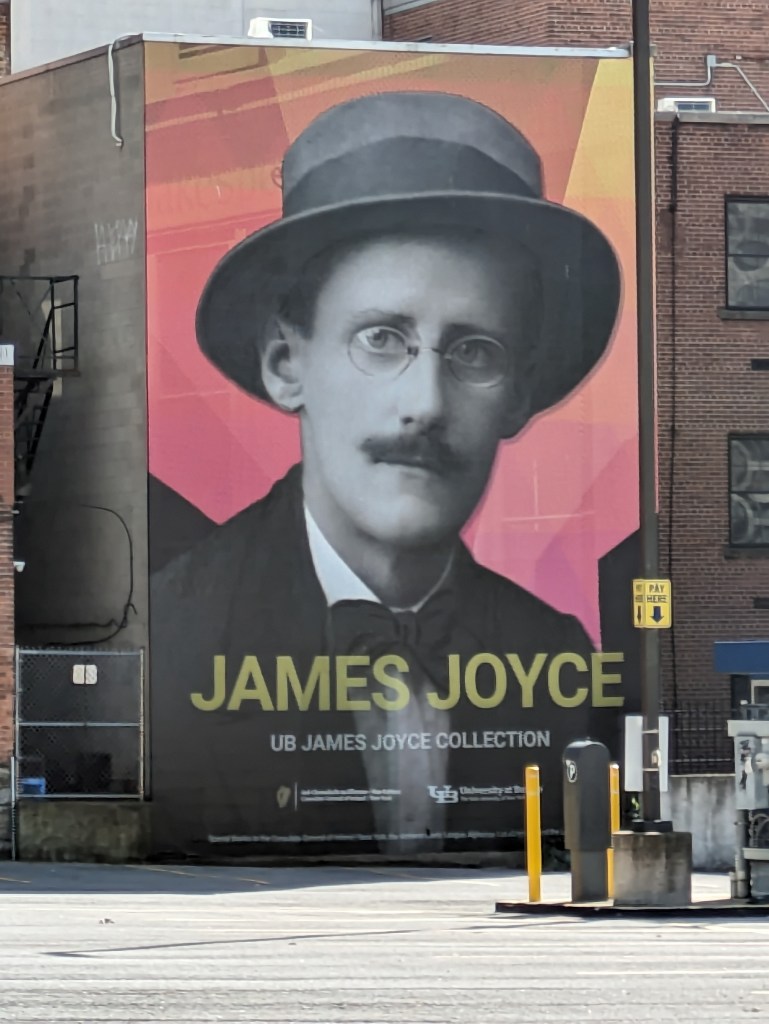
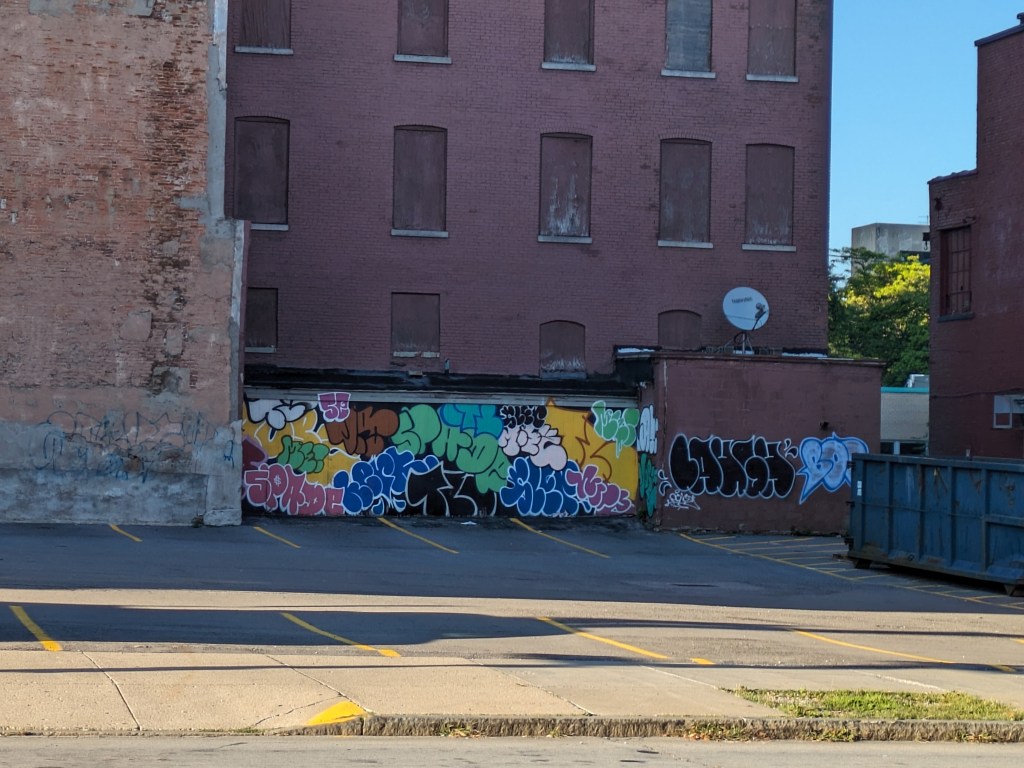
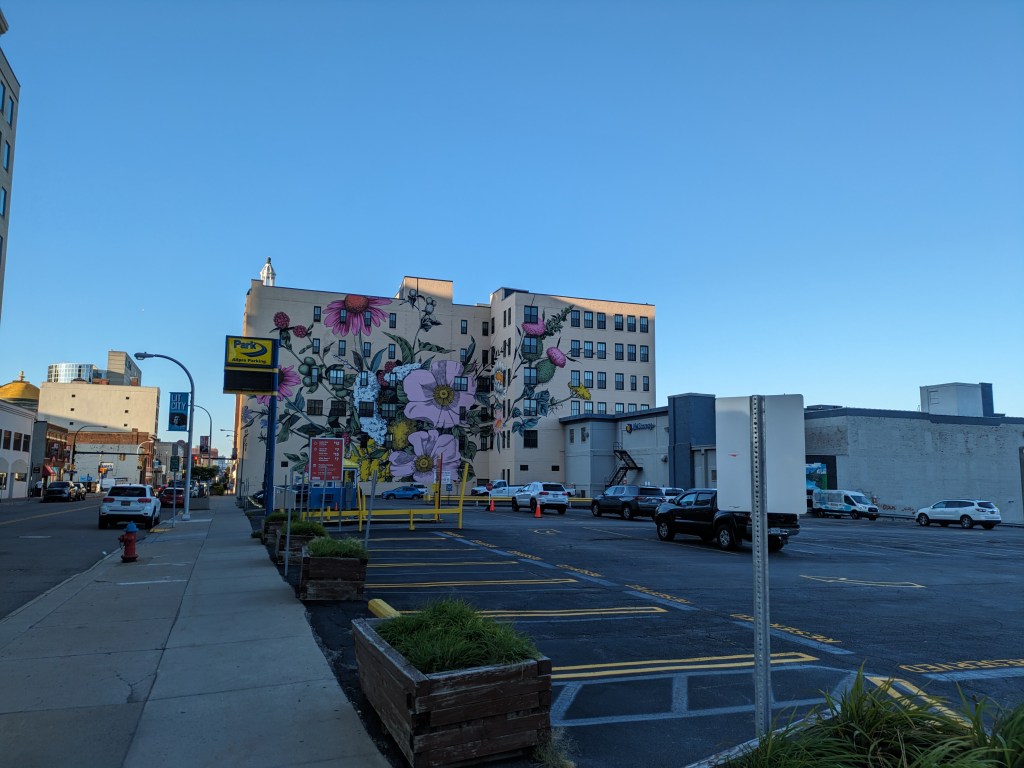
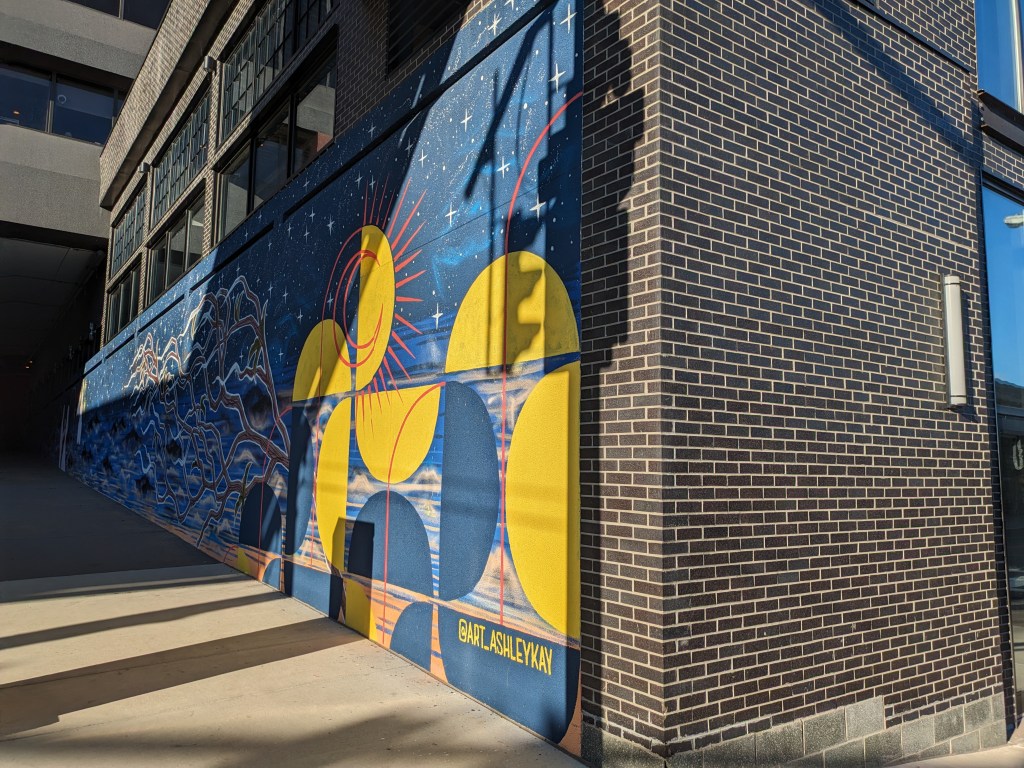
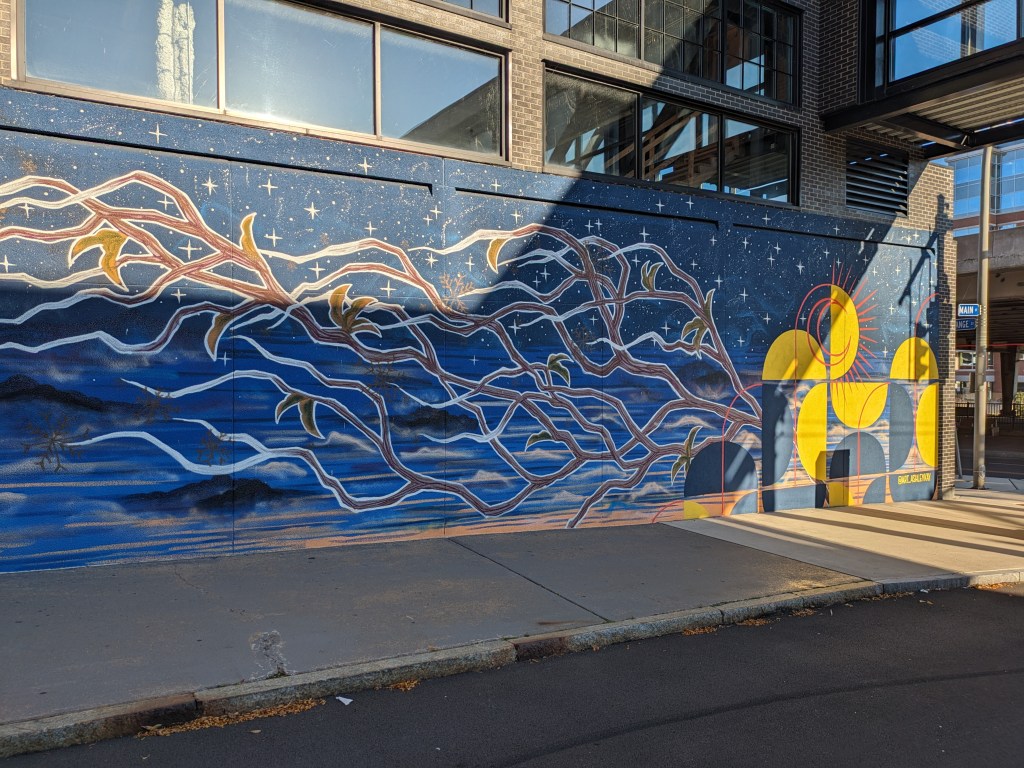
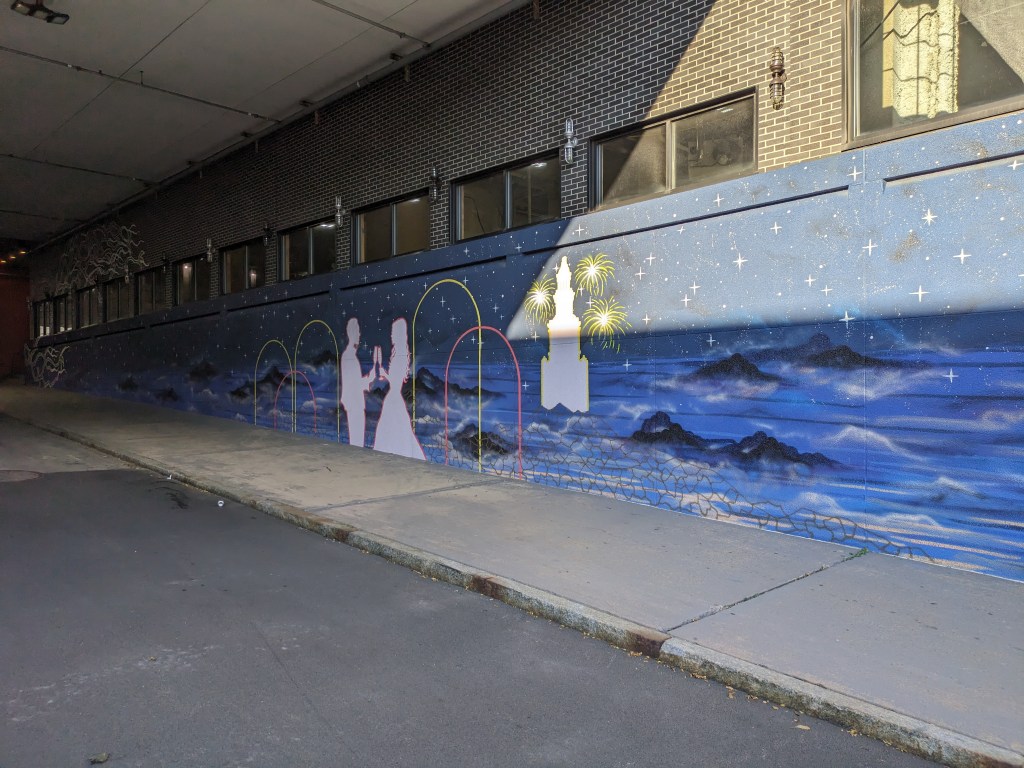
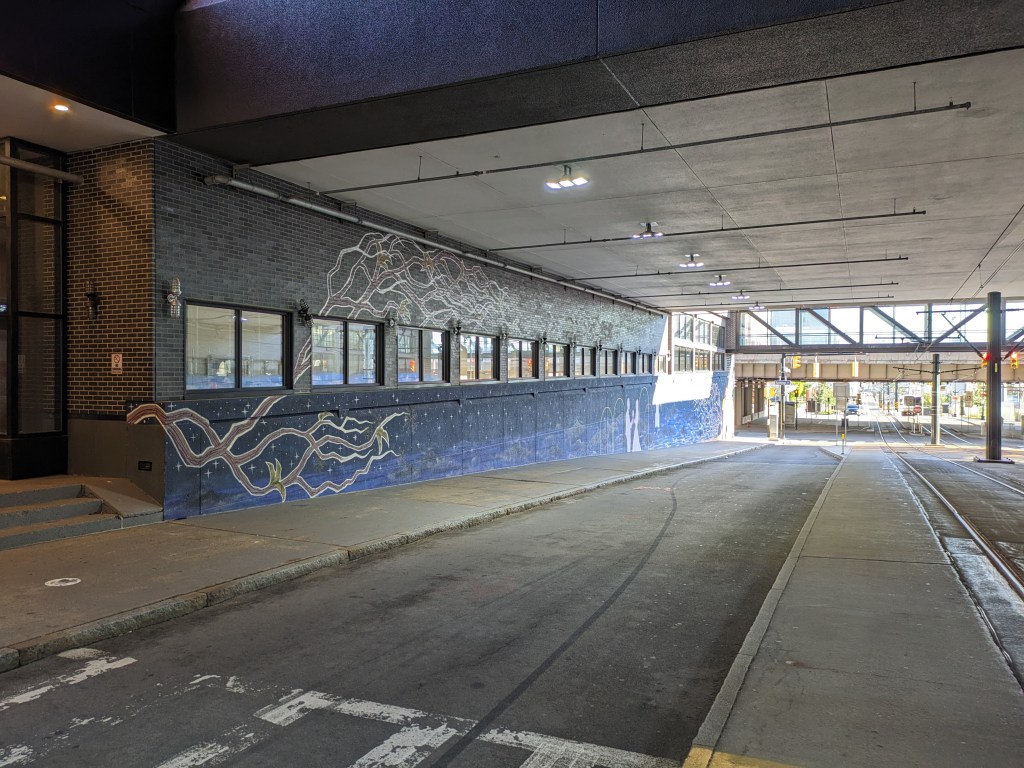
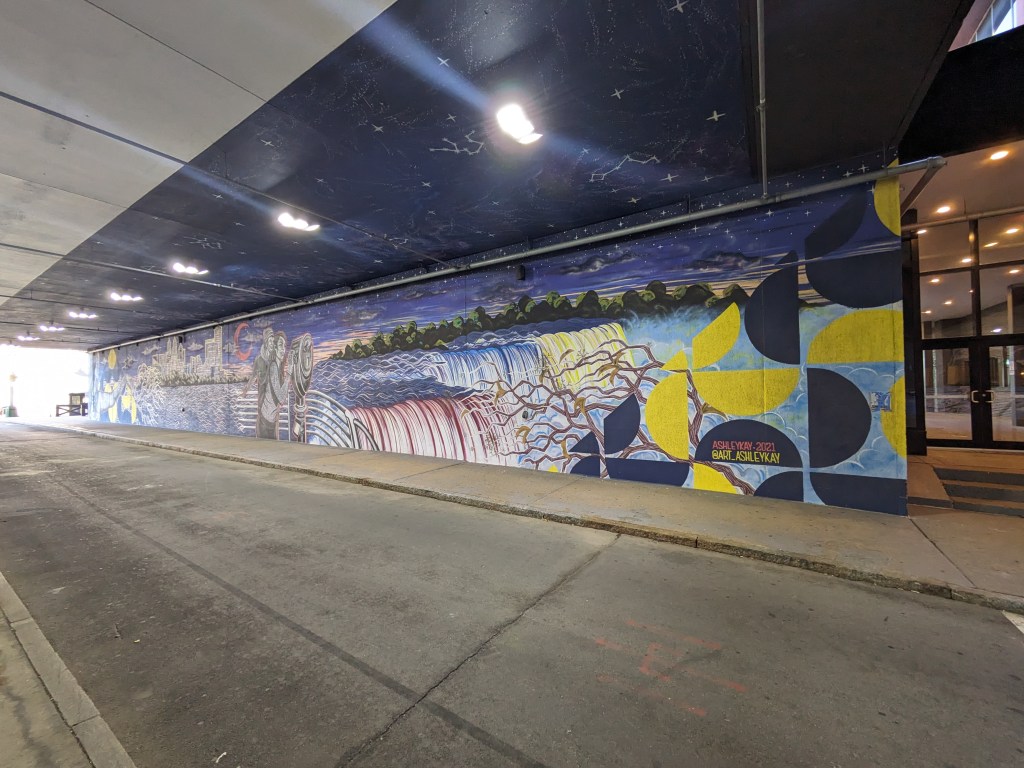
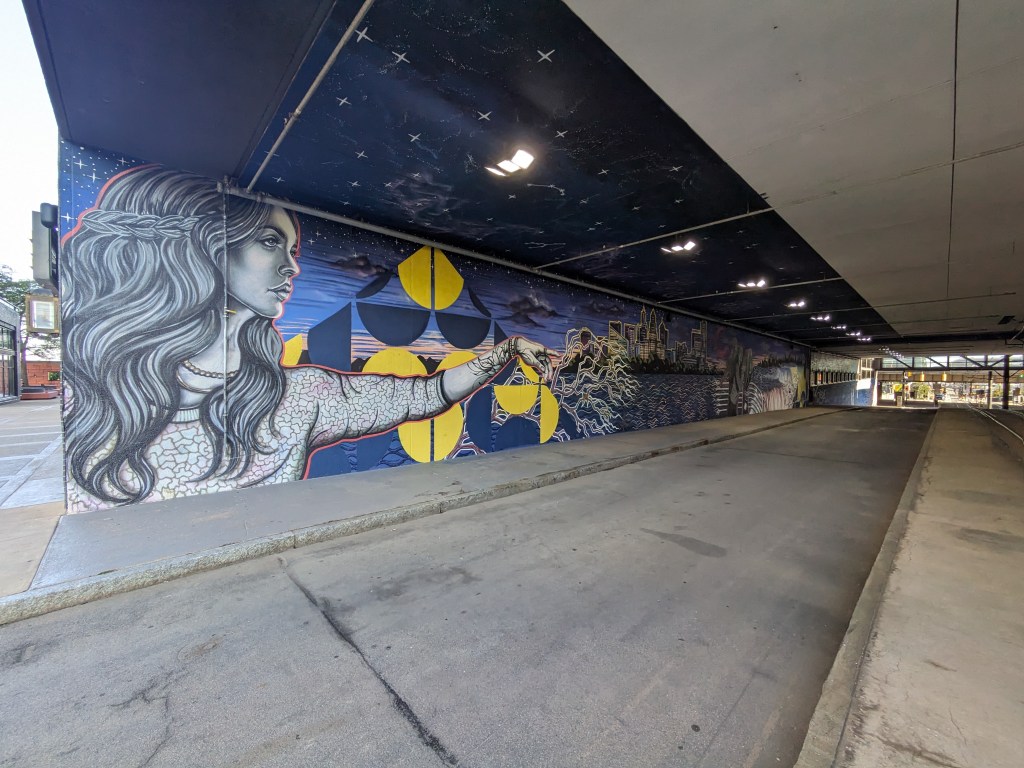
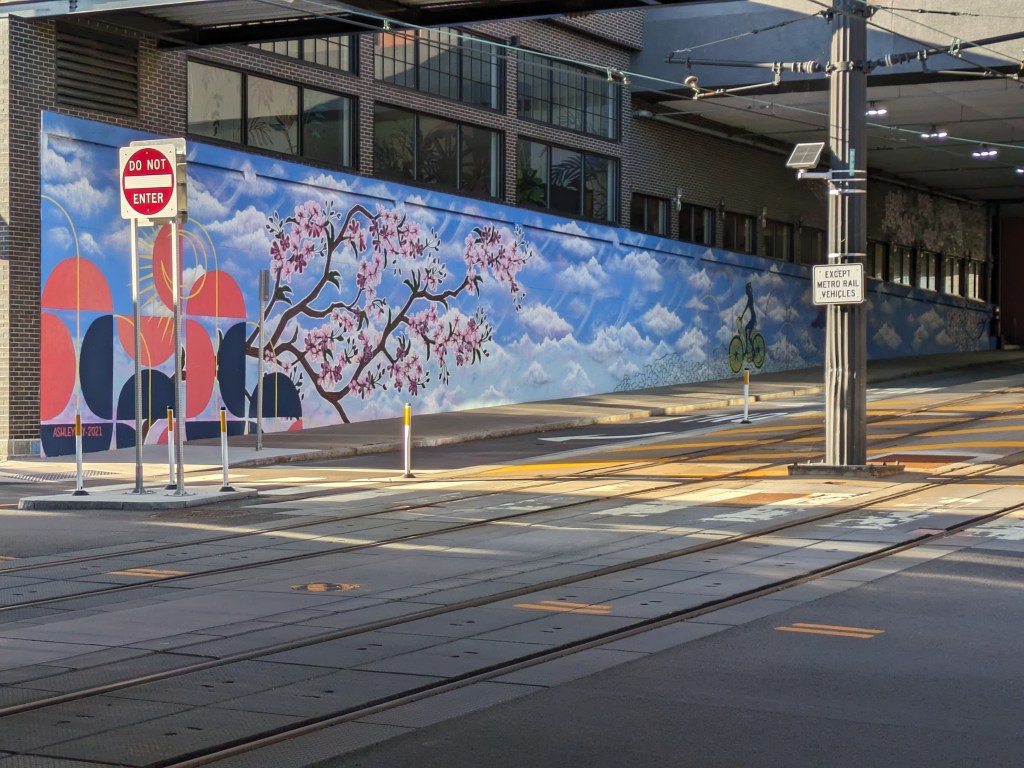
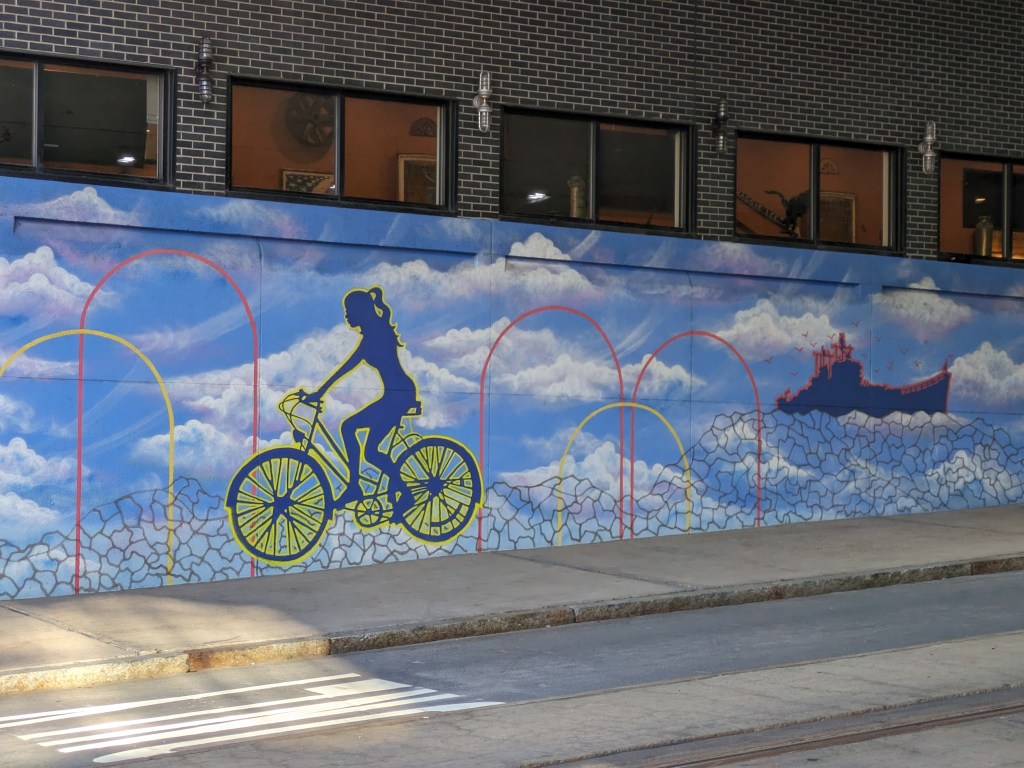
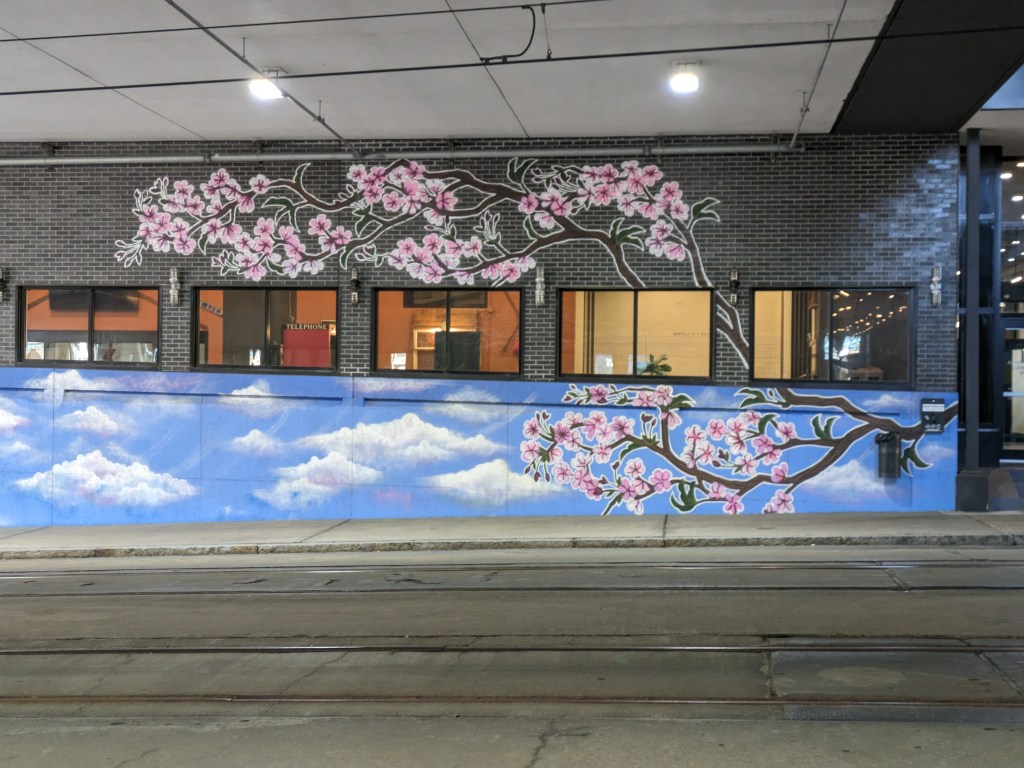
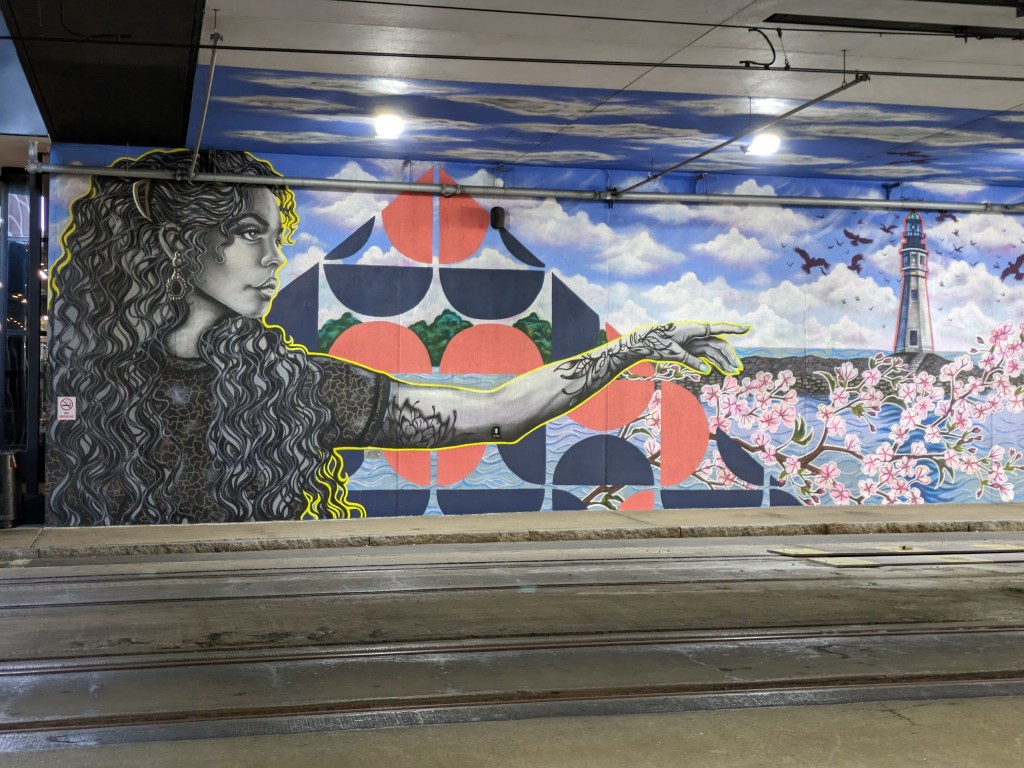
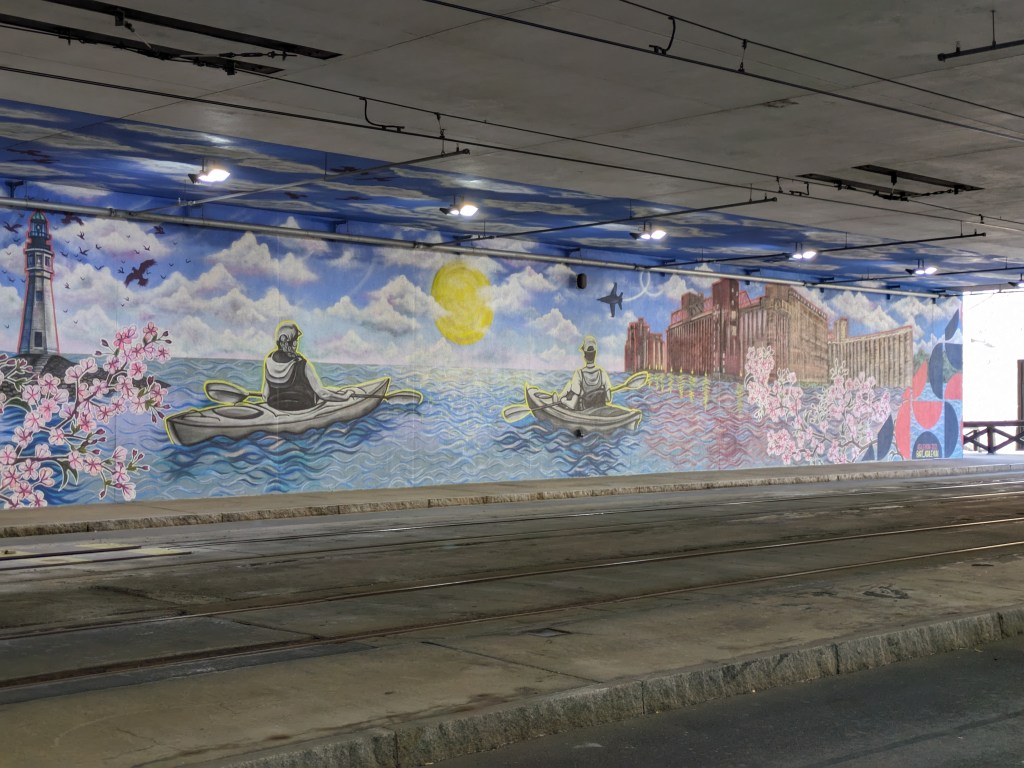
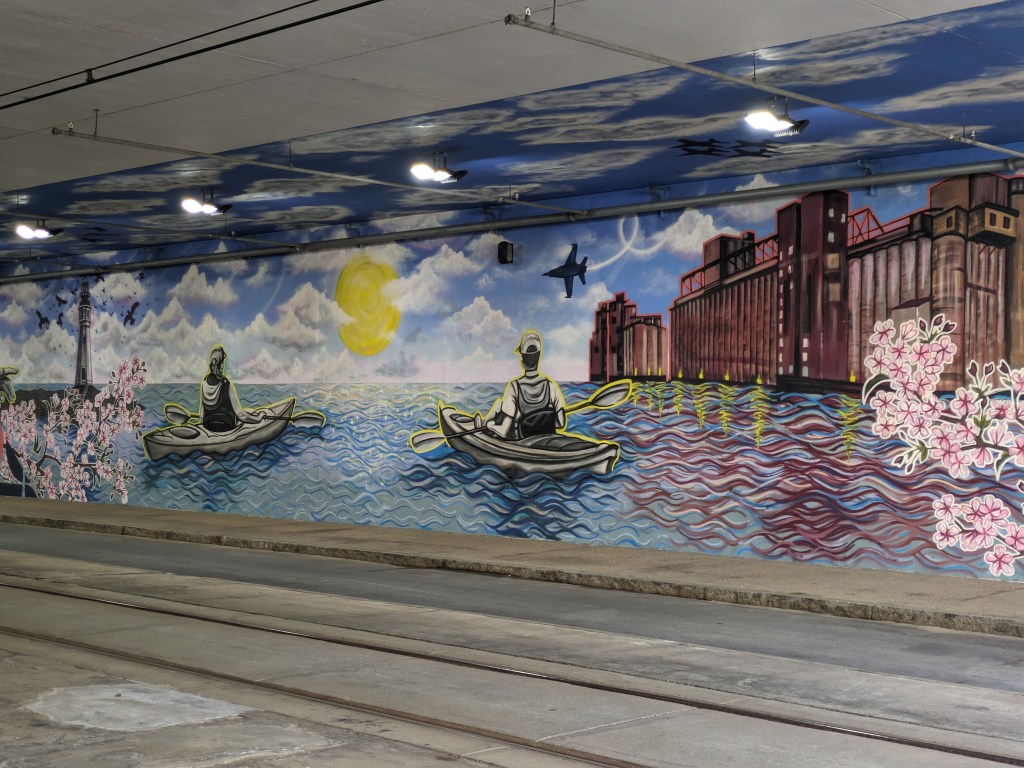
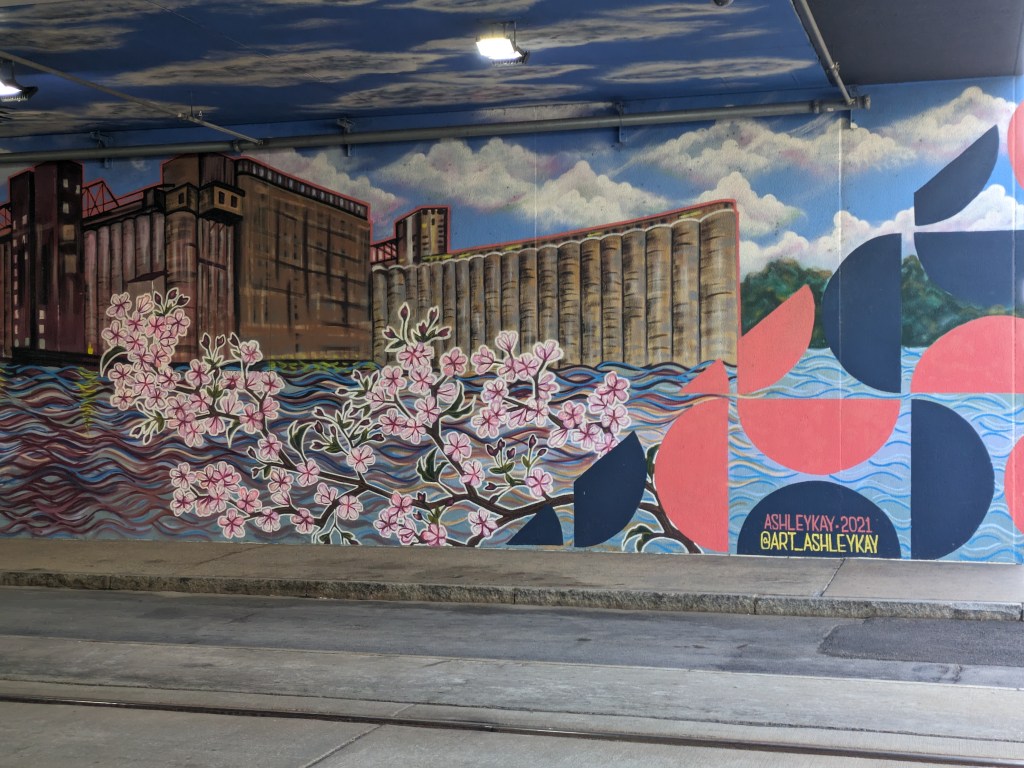
Walking around downtown Buffalo, I encountered several murals. They were all placed where the built environment would have otherwise created a drab or unpleasant experience. Three were on the sides of buildings bordered by parking lots. One was along both sides of the tunnel created by Seneca One, a 1970s tower built over Main Street. The mural along Main Street was particularly appealing. Usually walking along a road that passes underneath a building is a dark and dingy experience. This mural brightened up the space and created a distraction for the whole block. As Main Street is one of the possible pedestrian connections to the Canalside waterfront area, placing a mural here was a great decision to help make the approach more palatable. There are plenty more unpleasant places to pass before reaching the water.
I have dealt with the question of what is a bridge multiple times in the last decade. Buffalo adds to this philosophical conversation by combining the questions “what is a bridge?” and “what is the purpose of a bridge?” I’ve previous walked through what is the difference between a bridge and a ramp (Pittsburgh Edition I and Edition II), this time the nuance is “what is the difference between a bridge and an overpass?”
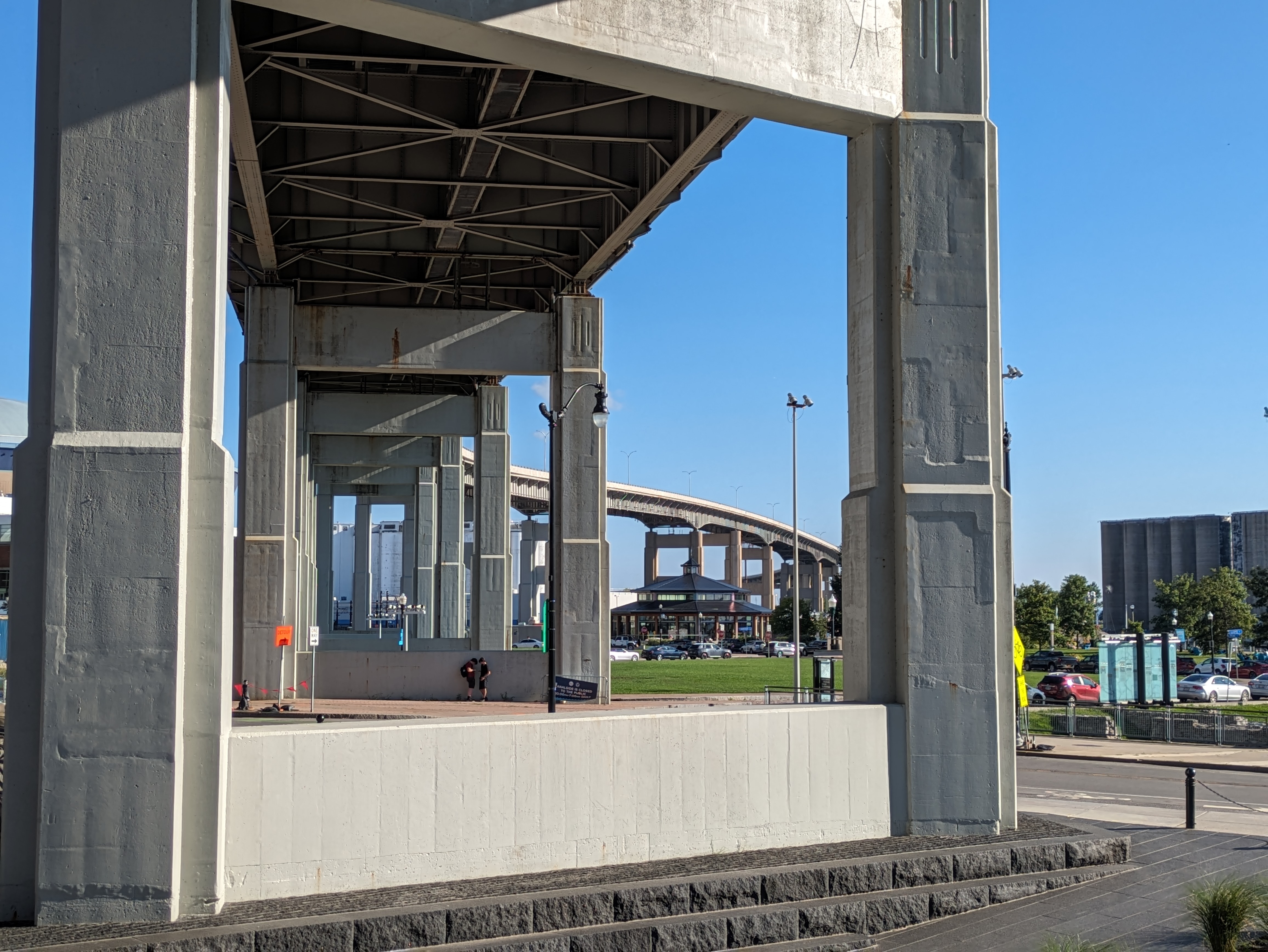
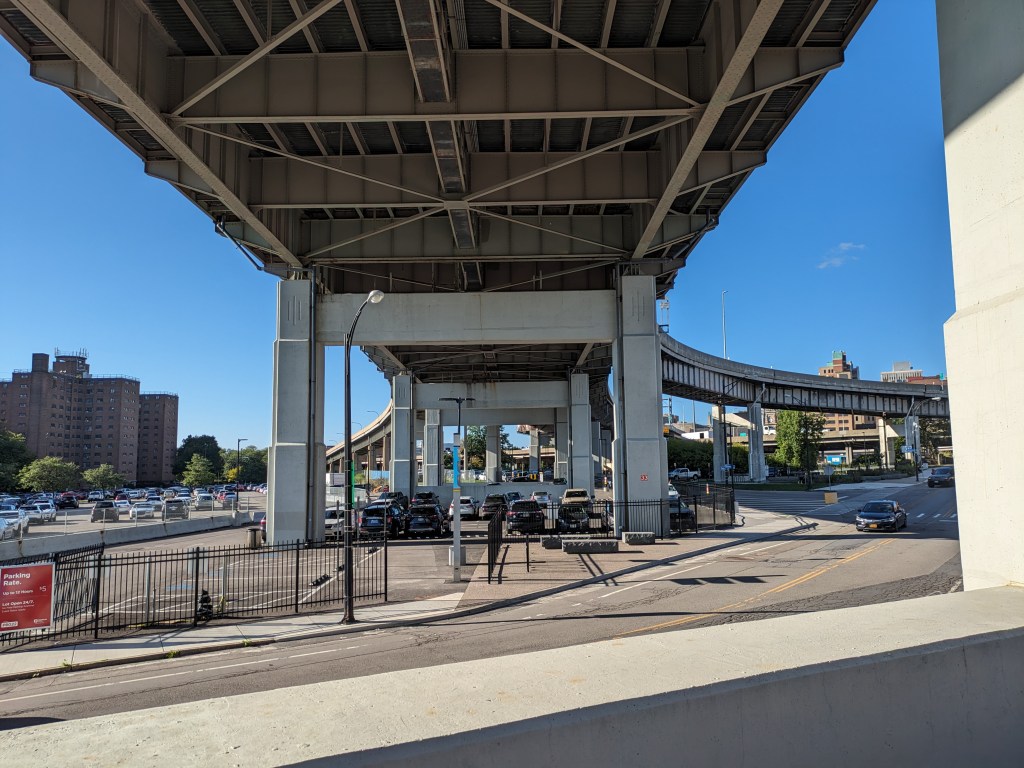
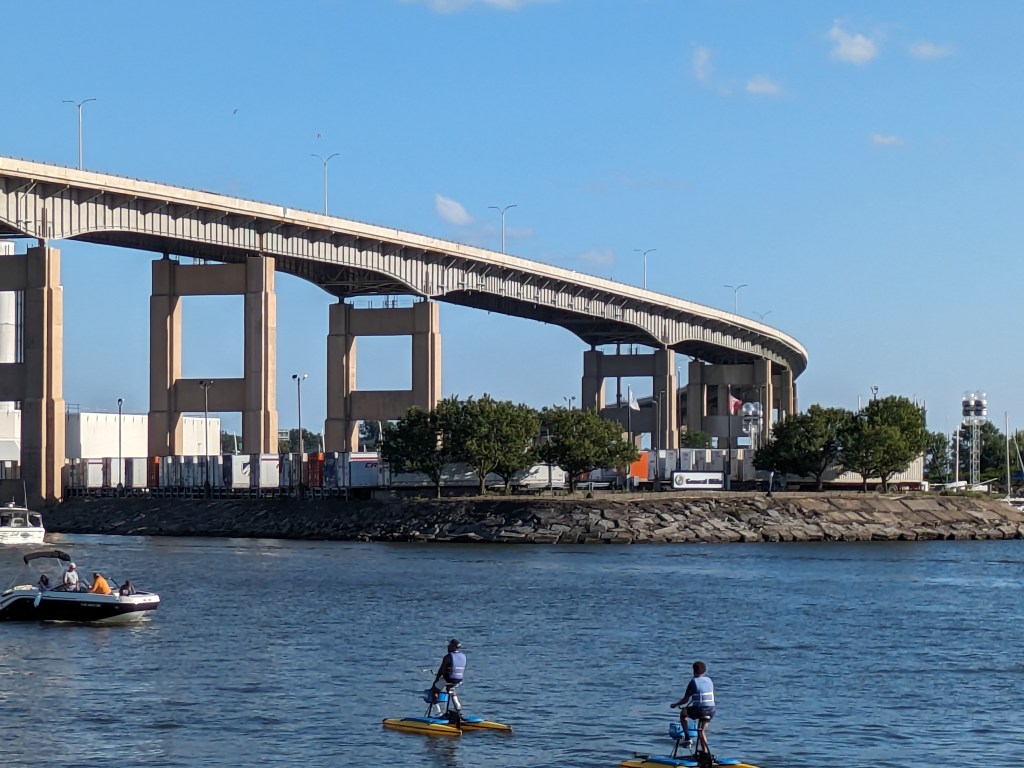
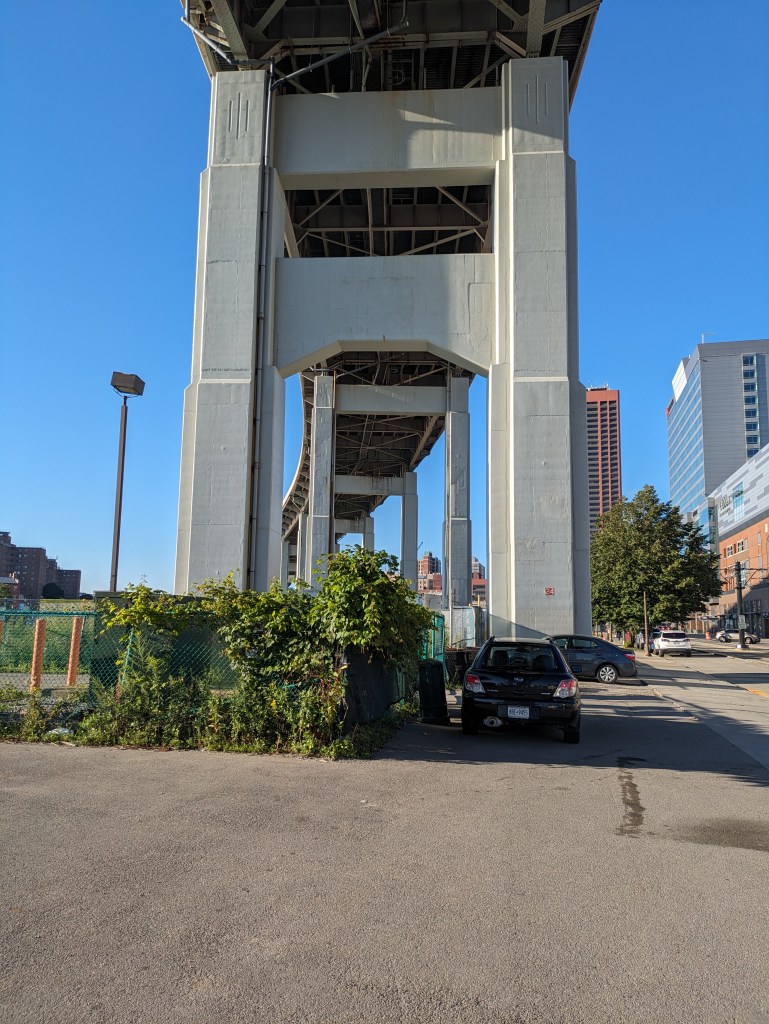
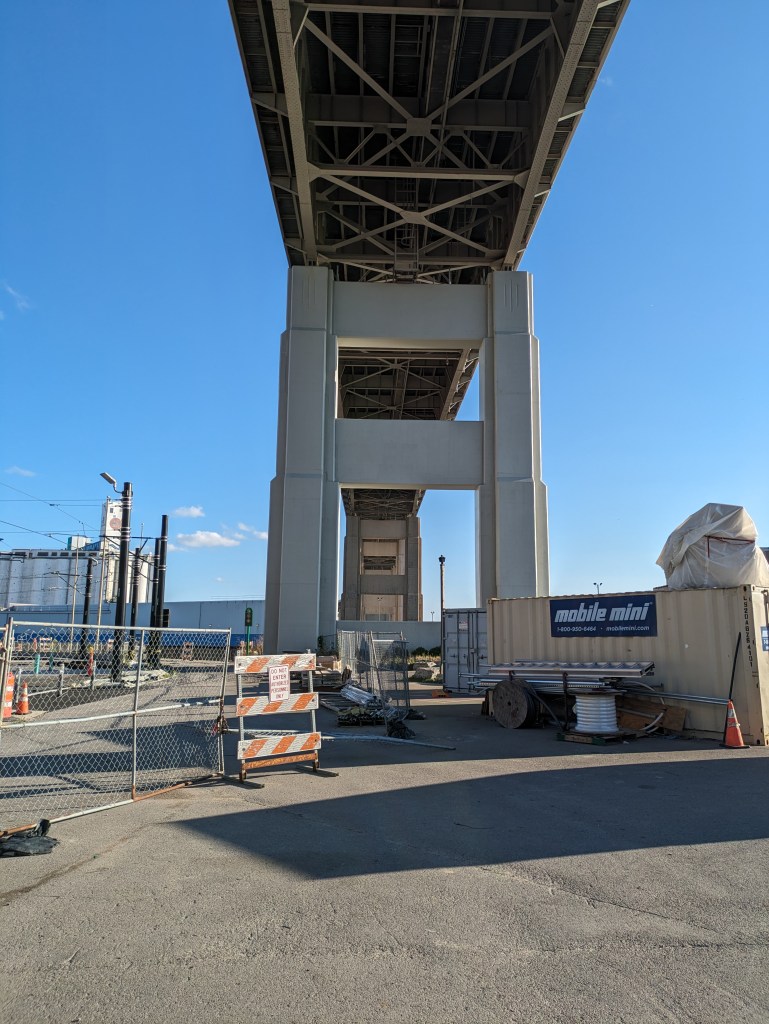
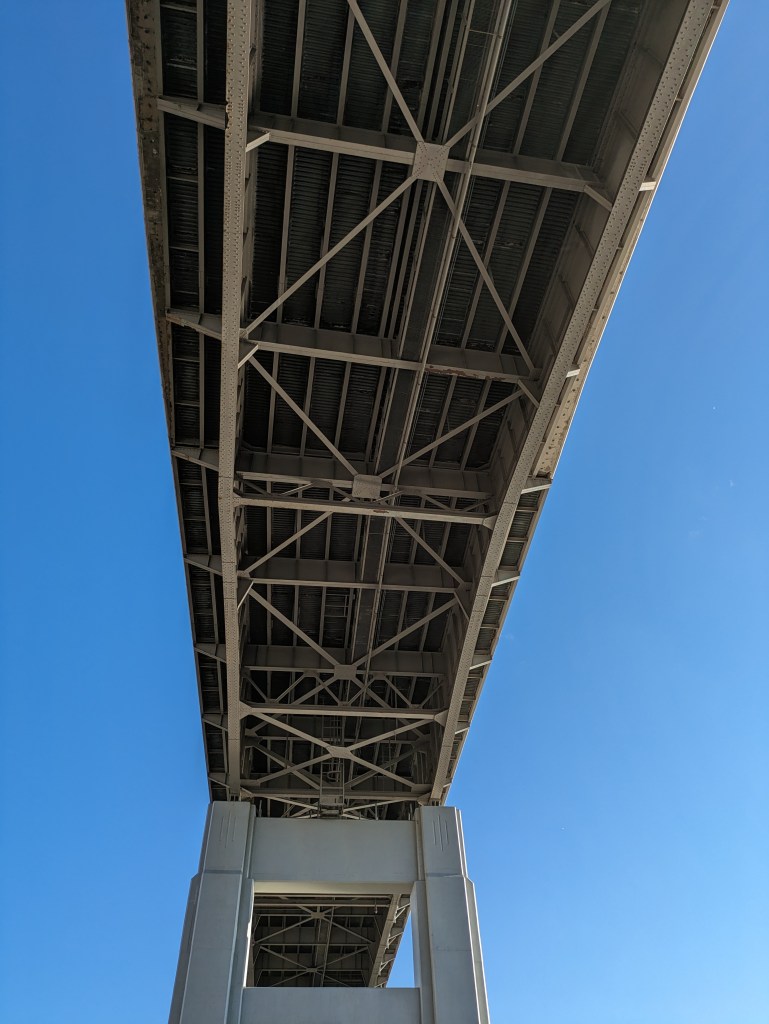
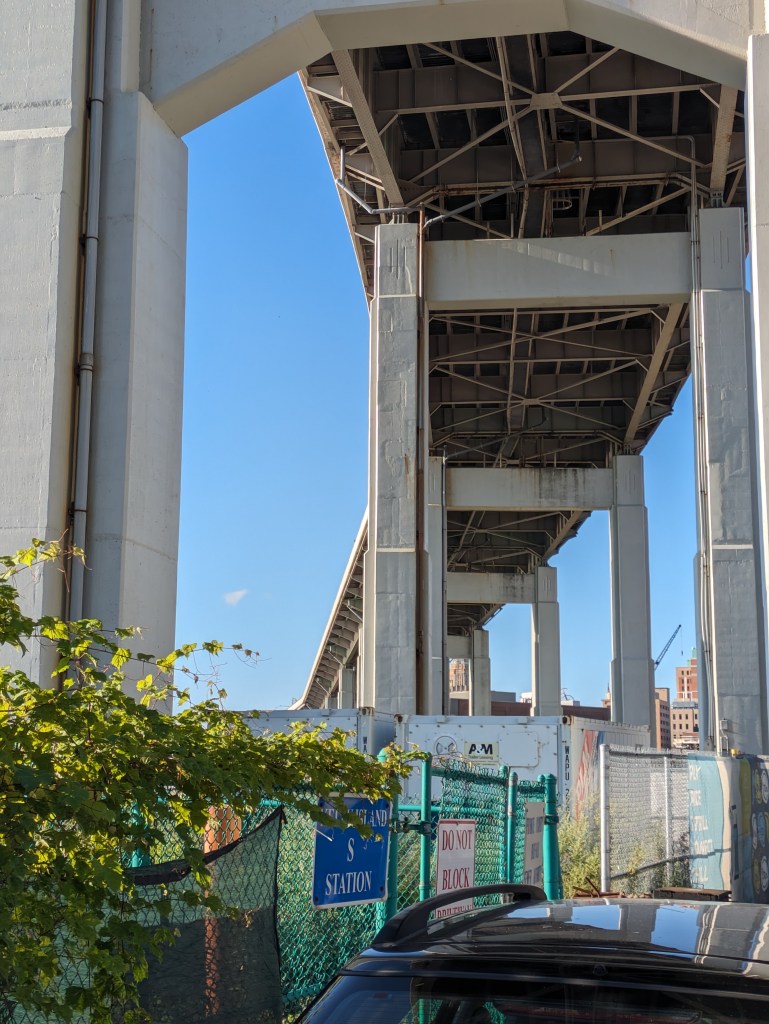
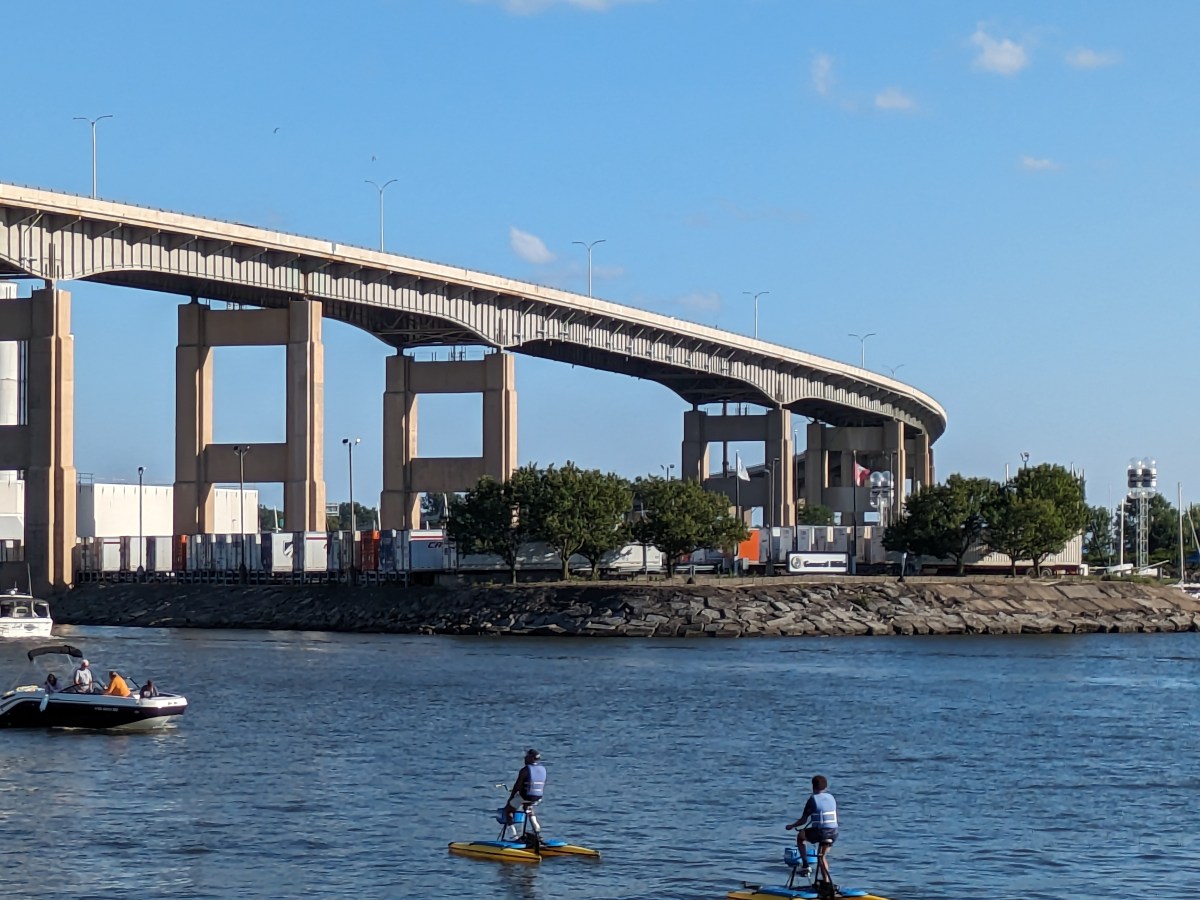
In Buffalo, the structure that carries Route 5 over what used to be largely industrial areas with some residential parts reads to me like an overpass. But sitting down to think it through, I realized that I may have to call it a bridge as well. It has all the structural components that are found in bridges: roadbed, spans, support. Yet, its purpose does not feel like a bridge.
While in Pittsburgh bridges divide the residents of the city, more typically bridges are about making connections. We use the term “bridge” metaphorically for building a connection. I see physical bridges as a structure that connects two (or more) points.
But Route 5 is not about connection, it is all about passing over. So can I call it a bridge?
I think an engineer would say yes. Since I started this philosophical debate of what is a bridge, the Fern Hollow Bridge in Pittsburgh collapsed, which led me to discover the Federal Highway Administration’s bridge database. It took a minute to figure out which dot on their map referred to Route 5’s structure, but I’m pretty sure it’s the one that is 1.38 miles long with 112 spans. The FHA, therefore, considers it a bridge.
From a structural viewpoint then, an overpass is a bridge; but from a philosophical one, an overpass may not be a bridge unless it is also a path of connection.
The week before Bridge Madness 2025, my aunt asked why I’m interested in bridges. The answer actually has nothing to do with the bridges themselves.
In 2009-2010, I volunteered in AmeriCorps in Pittsburgh, a city I thought I knew until AmeriCorps exposed me to a different side of the city. After 11 months of eye-opening experiences teaching me that Pittsburgh is far more than its downtown, museums, universities, and middle- and upper-income neighborhoods, I found myself attending a fundraiser at a house on Grandview Avenue.
Grandview Avenue is well named. It sits on top of a ridge directly across the river from downtown Pittsburgh, providing great views of the skyline and neighborhoods along the rivers. It is a popular spot to bring out-of-town visitors to show off the city and ride one of the two remaining inclines. I had been there countless times first as an out-of-town visitor and later as a resident bringing out-of-towners. The view from the street and lookout platforms is very familiar to me (and still fun).
But on that day in 2010, I suddenly found myself up 4 stories on a rooftop deck, looking at the same buildings, rivers, and neighborhoods I thought I knew and feeling like I was looking at a completely different scene.
It fascinated me that moving 40 feet made something familiar look brand new. As I stood at the railing pondering this, instead of mingling with the strangers who could afford a ticket to this fundraiser (unlike me who had been gifted a ticket), Pittsburgh’s iconic bridges were part of the view. I realized that the city would look completely differently from each of those bridges. And so I decided to start walking the bridges to continue increasing my perspectives and awareness of Pittsburgh.
The rest, as they say, is history. I thought it would be just a summer project. However, it has been so interesting….and there are still so many bridges to walk….that it has become a life habit. In the meantime, I have started getting interested in the structures themselves, not just the views from them.
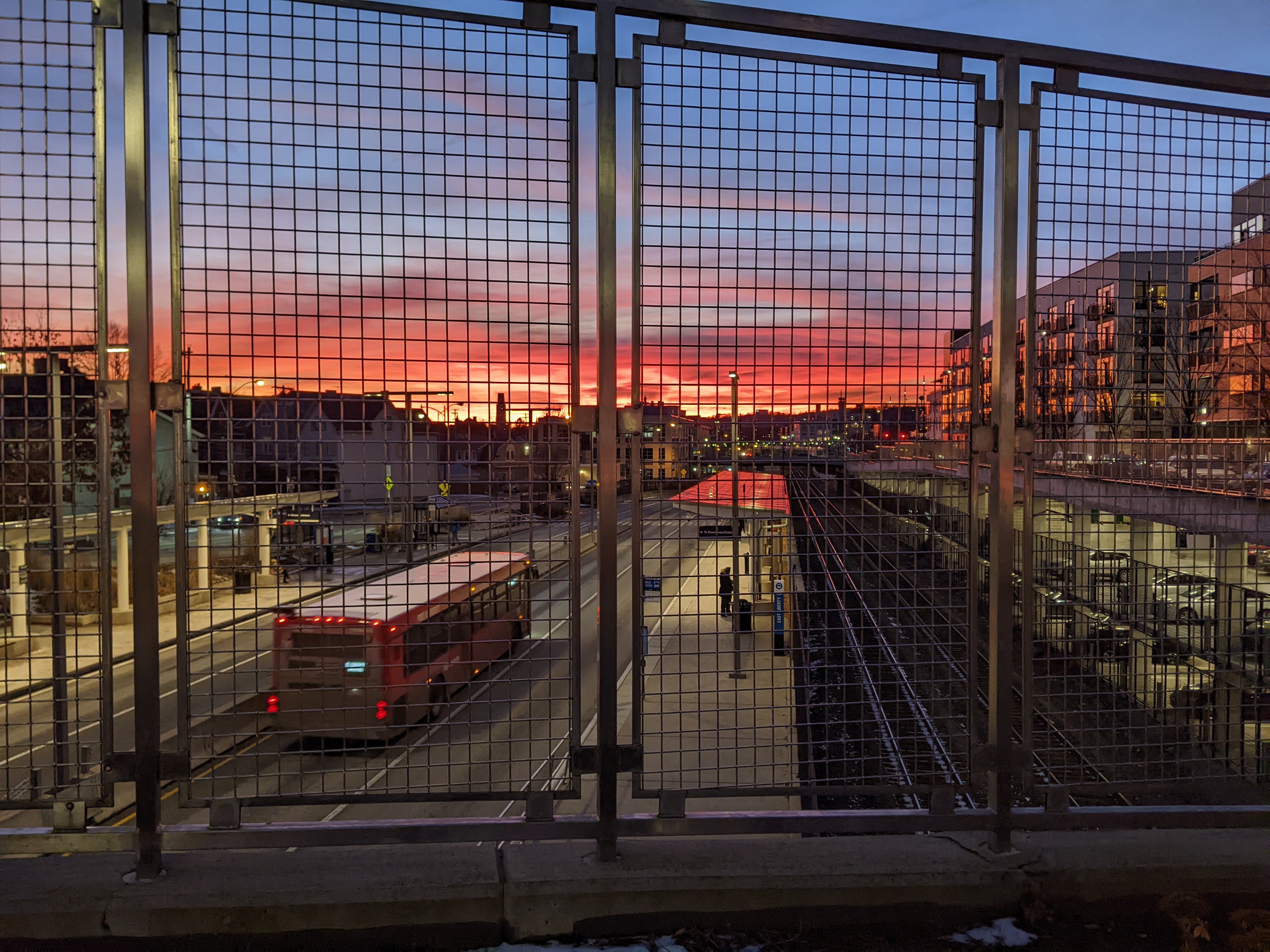
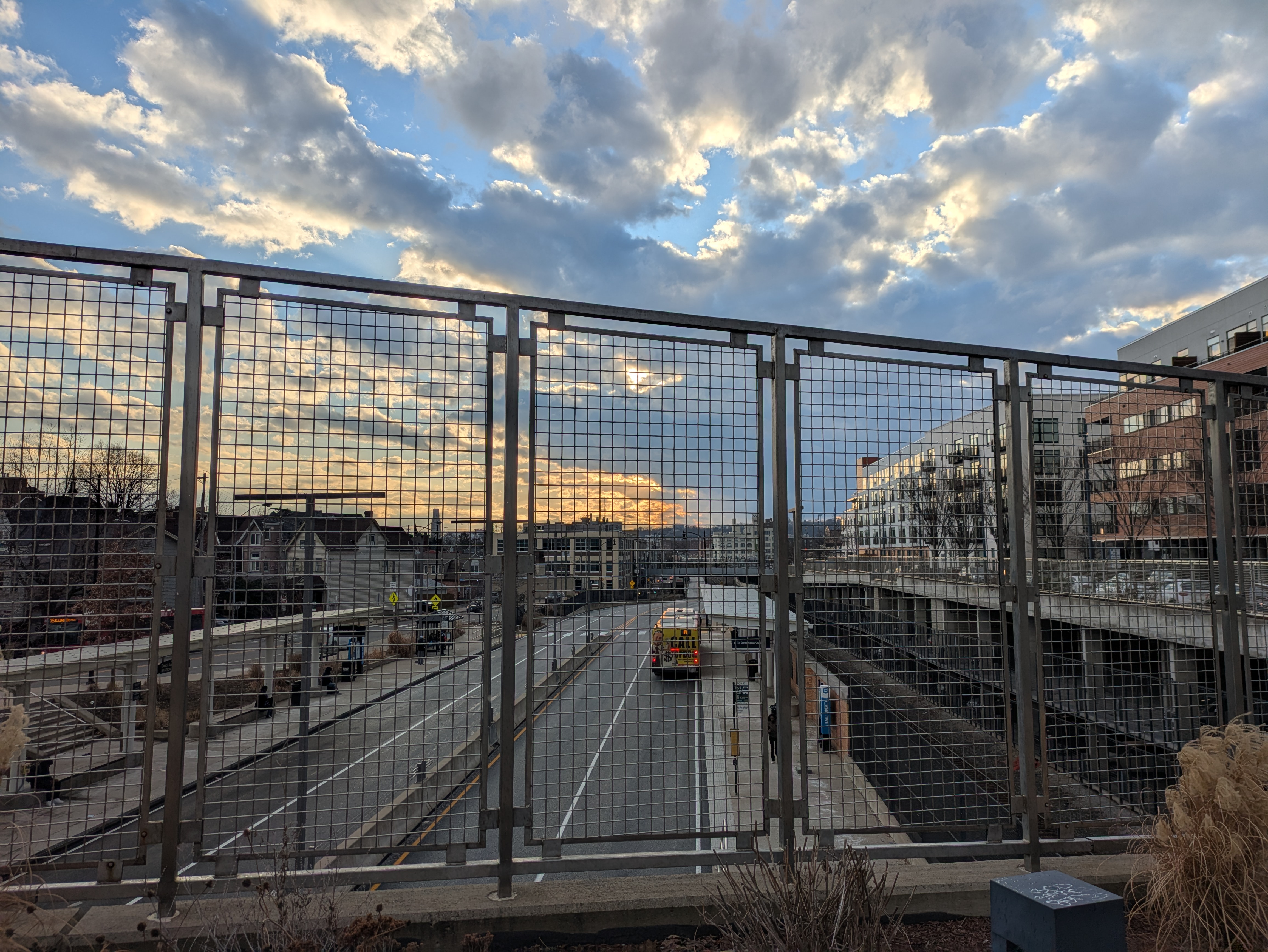
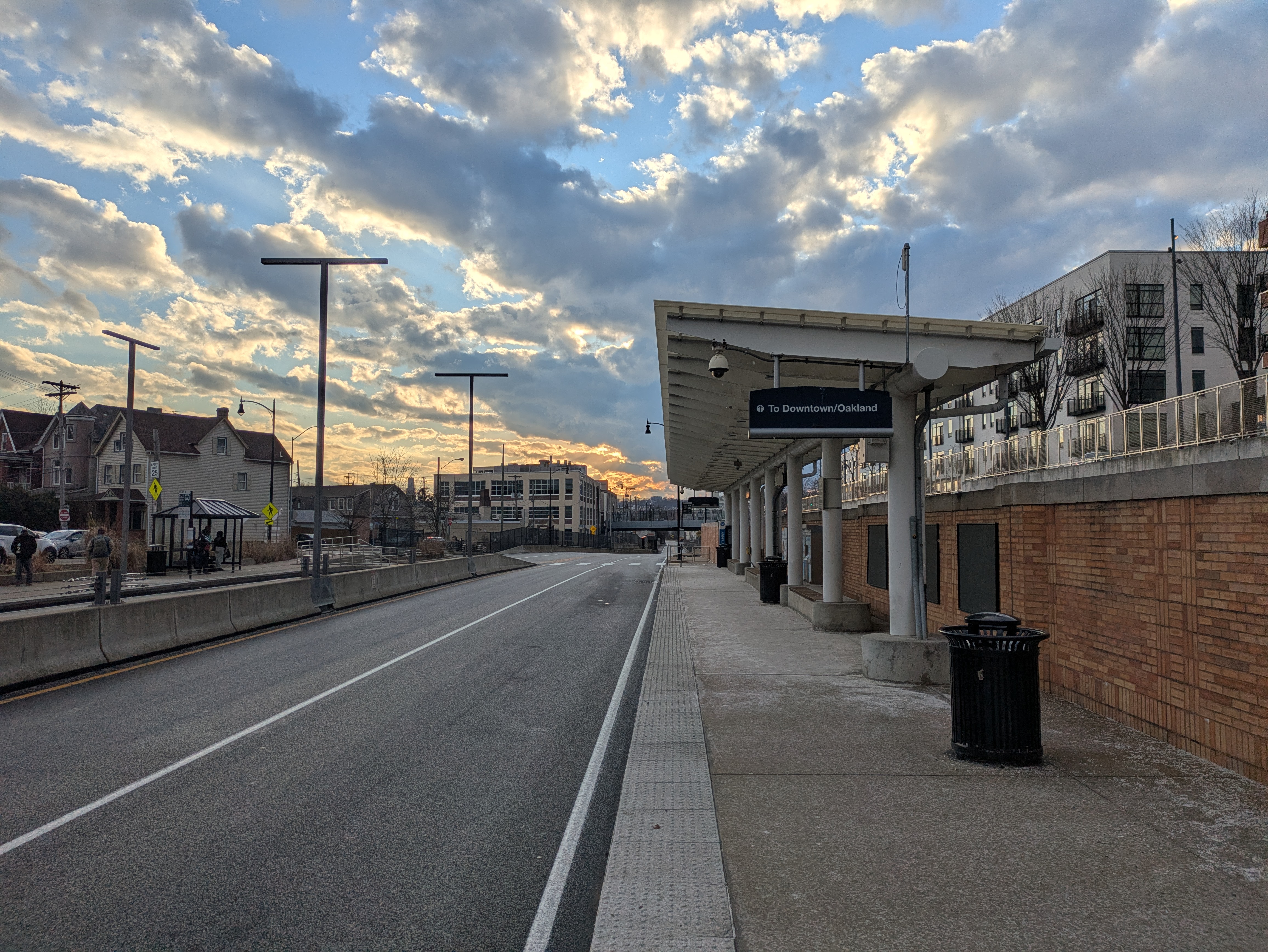
Two days after I told this story to my aunt, I walked across part of the East Liberty Station Pedestrian Bridge (Bridge Madness Champion 2024) at sunset. This is not the first time I’ve been on this bridge going about my daily business when I needed to stop to take photos of the view of sunset. In this instance, I then immediately walked down the steps to the busway station below. My experience of the sunset changed completely with the change in perspective. From the bridge, it seemed spectacular, but at the sidewalk below I no longer recognized it as something worthy of notice.
Have you ever noticed a time when a slight shift in perspective changed how you viewed your surroundings?
Sunset from the bridge 2025Sunset from the sidewalk below the bridge 2025
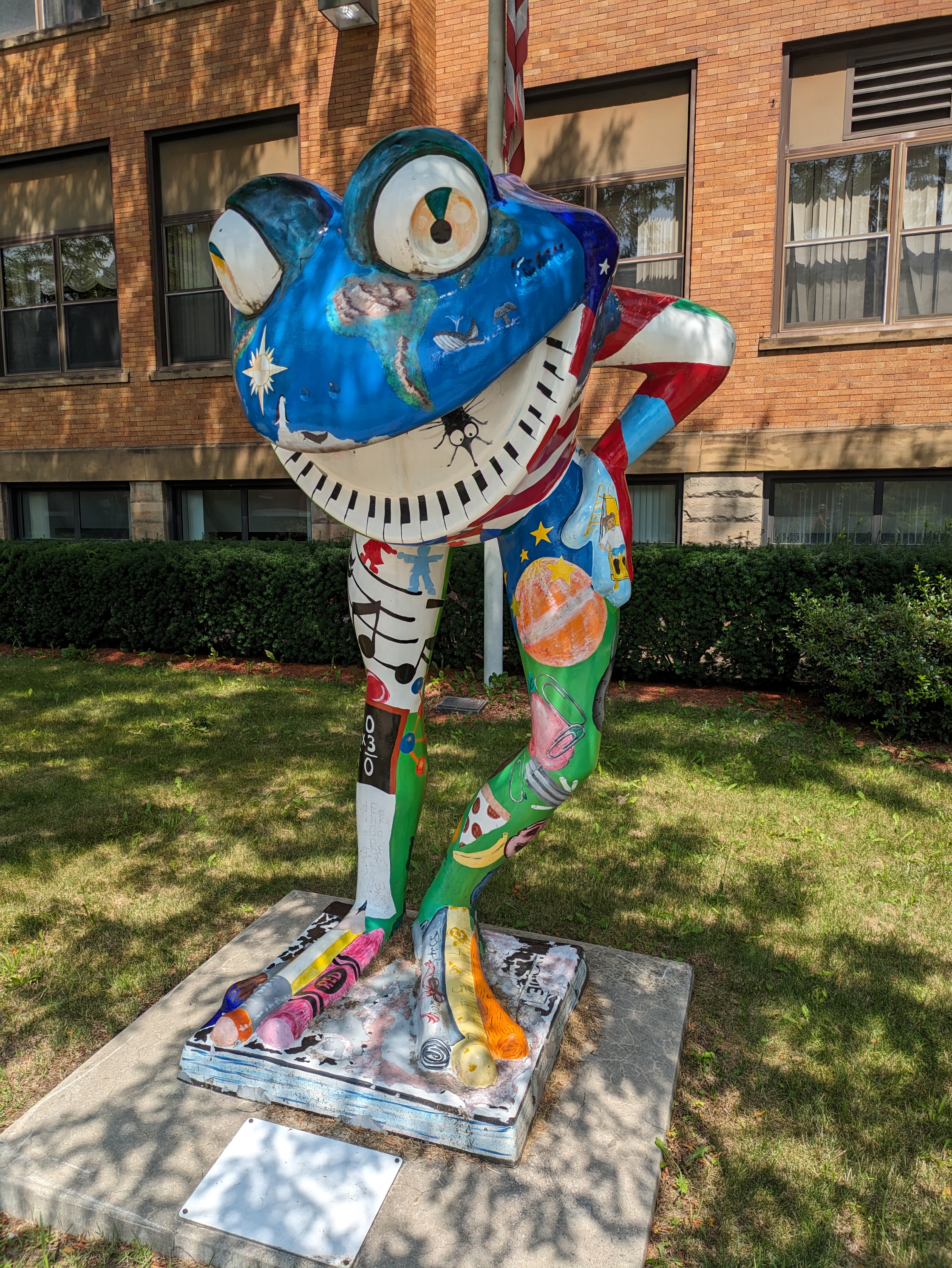
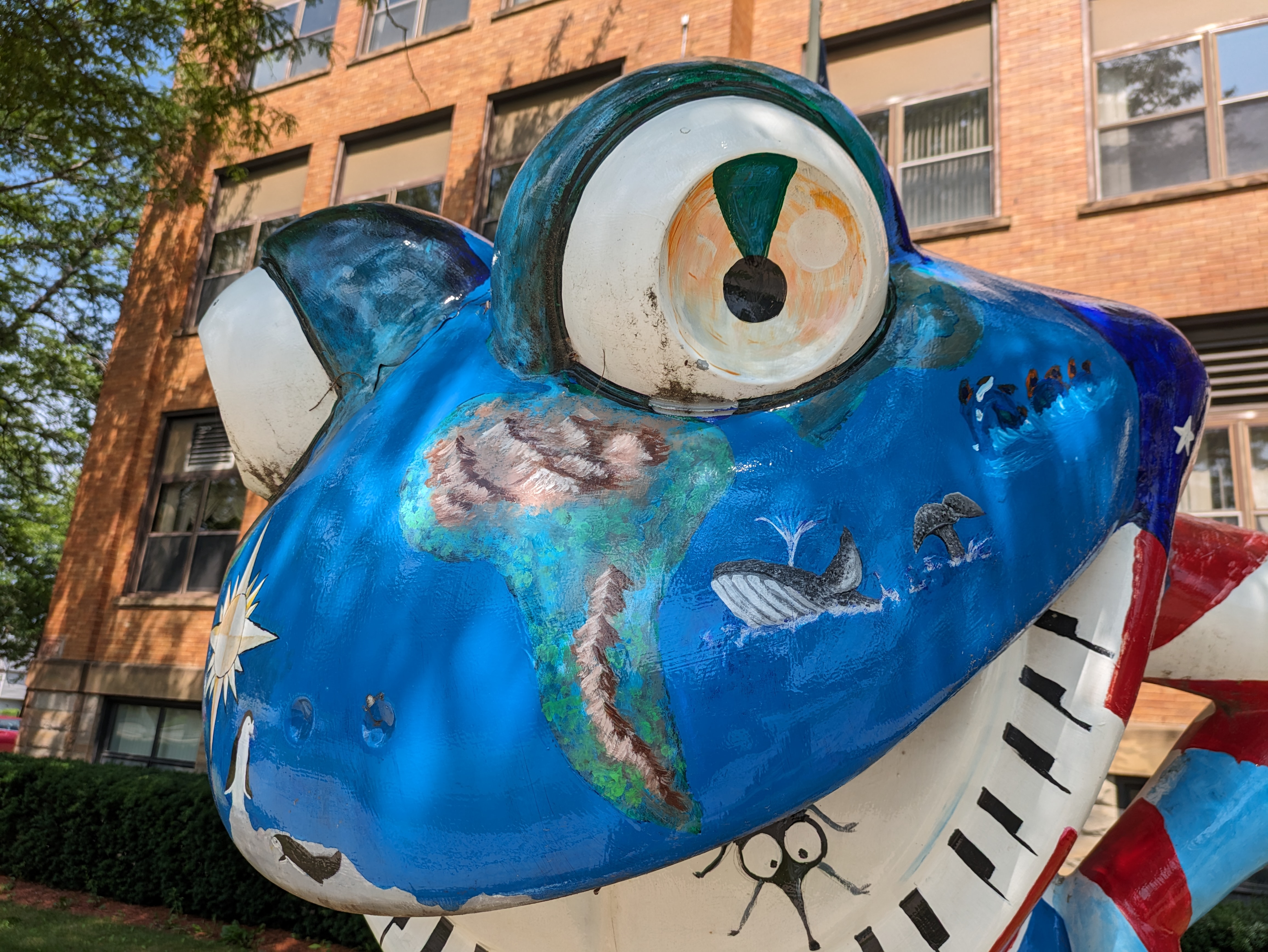
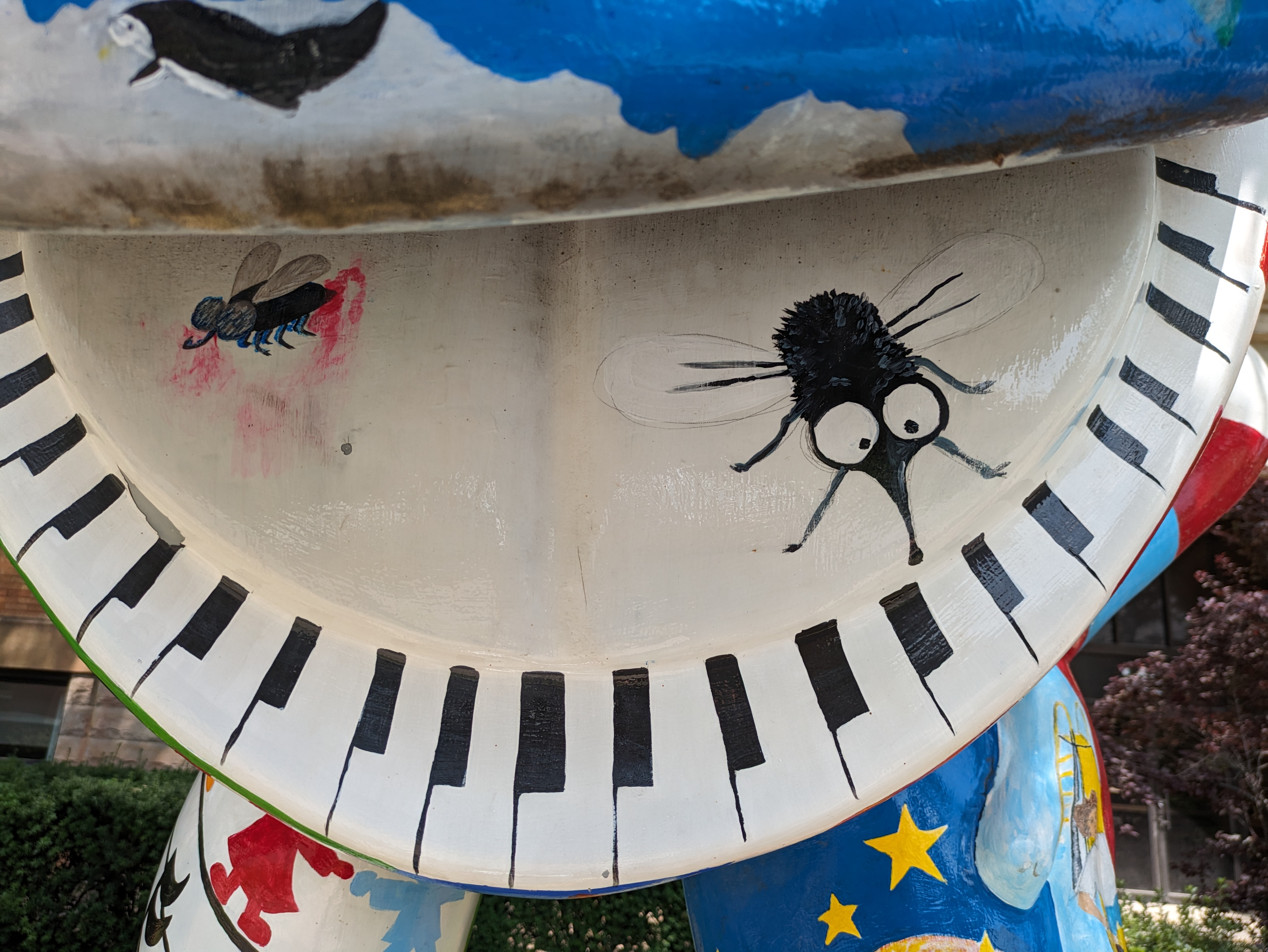
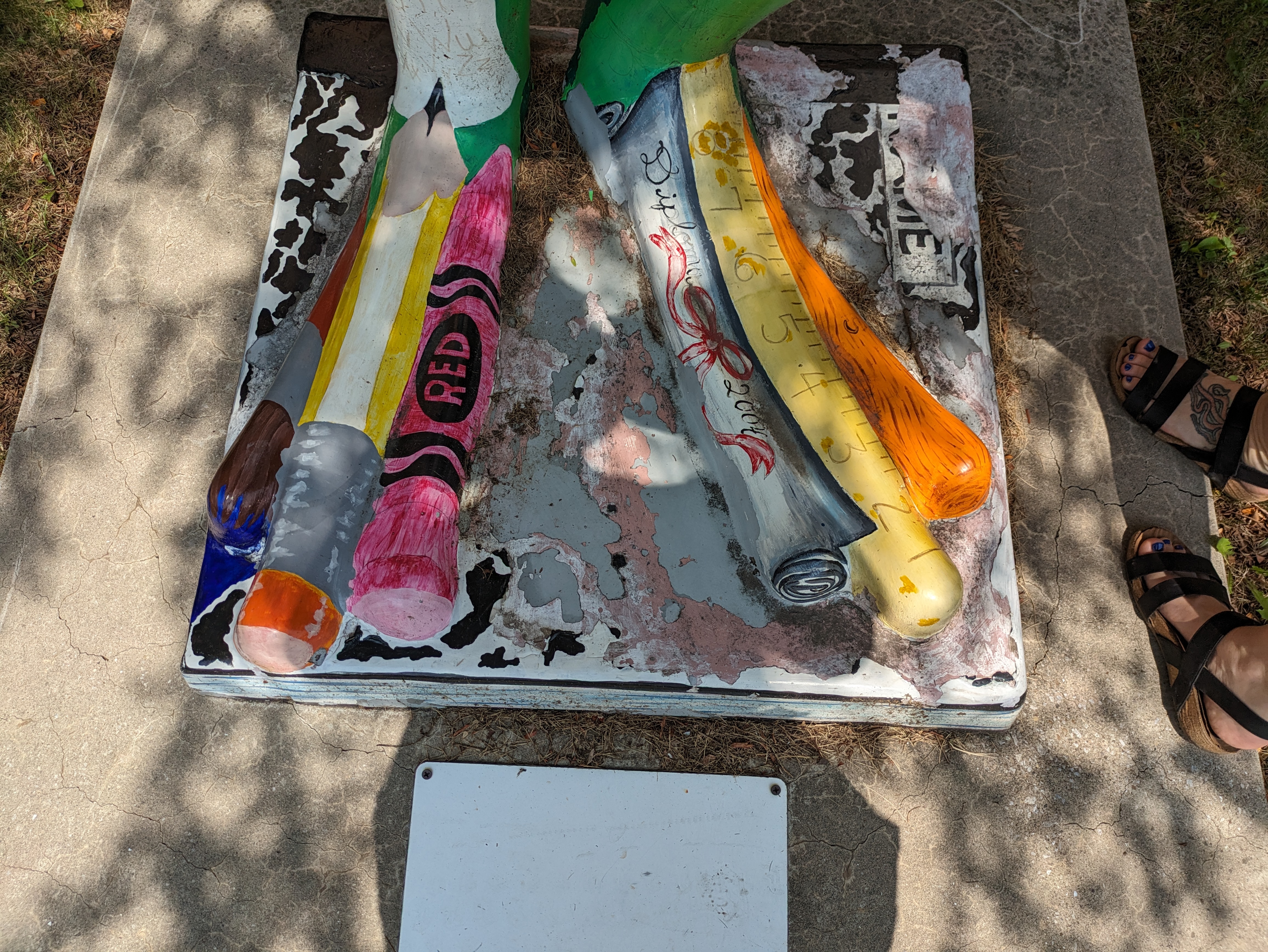
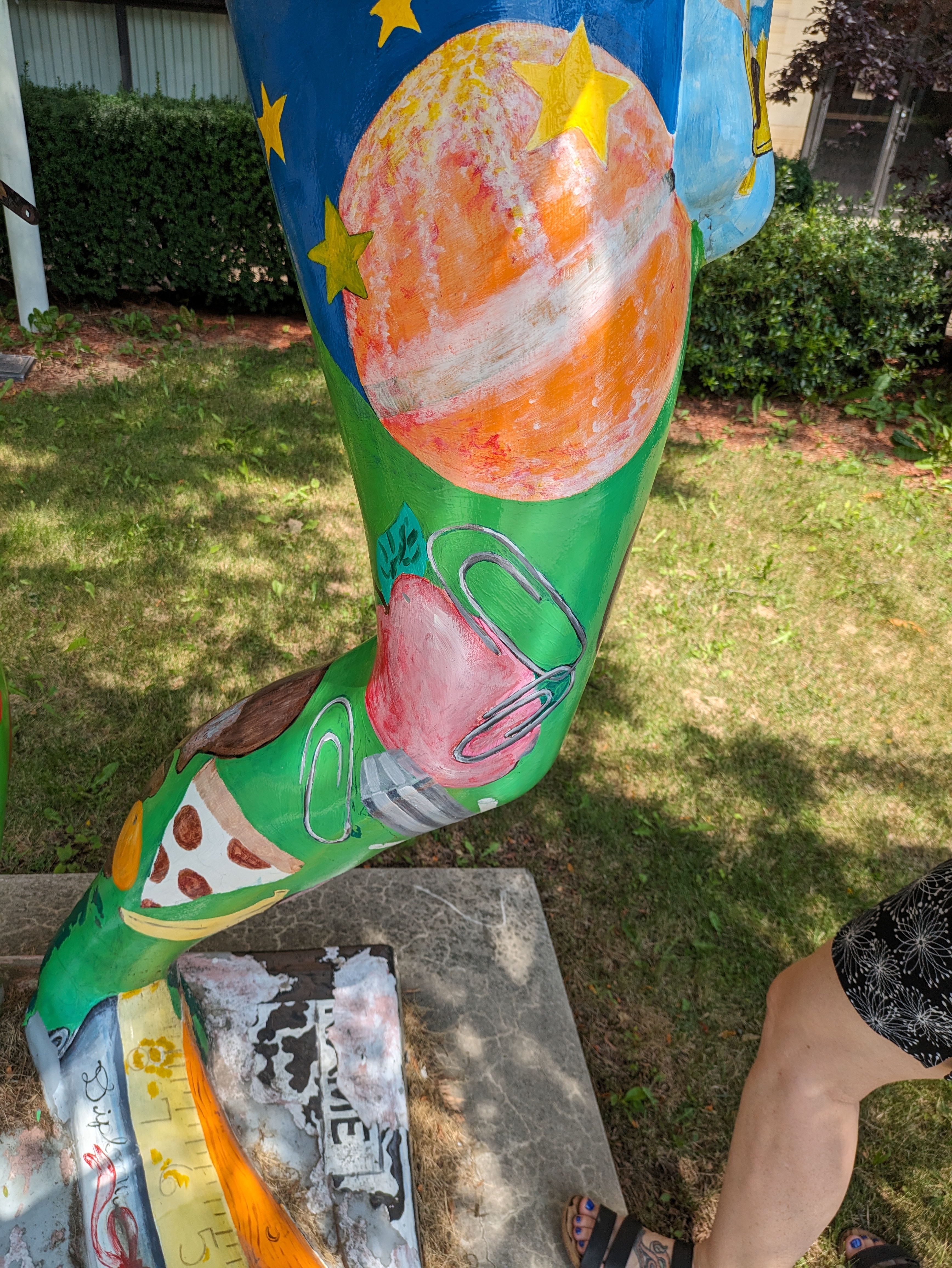
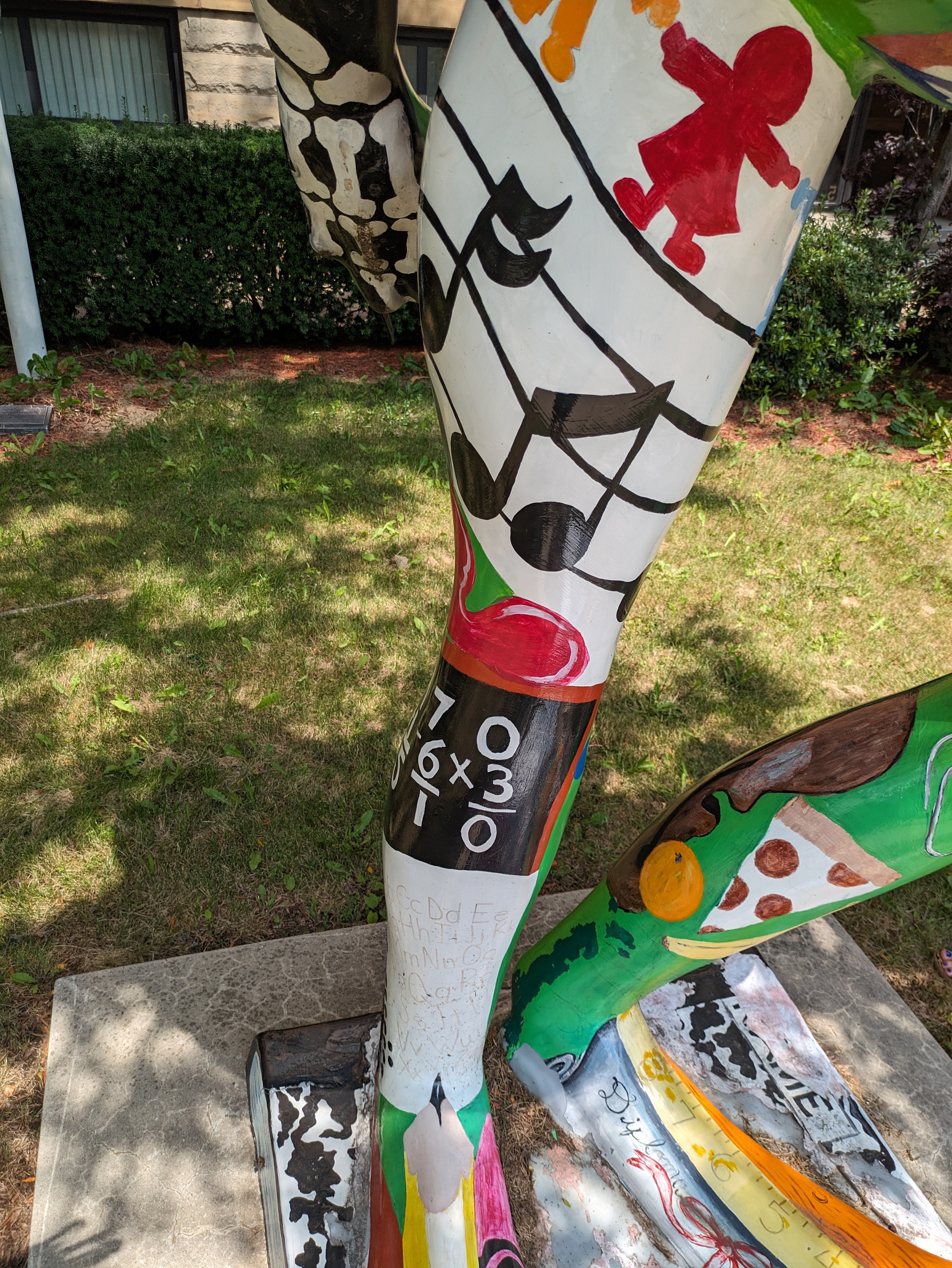
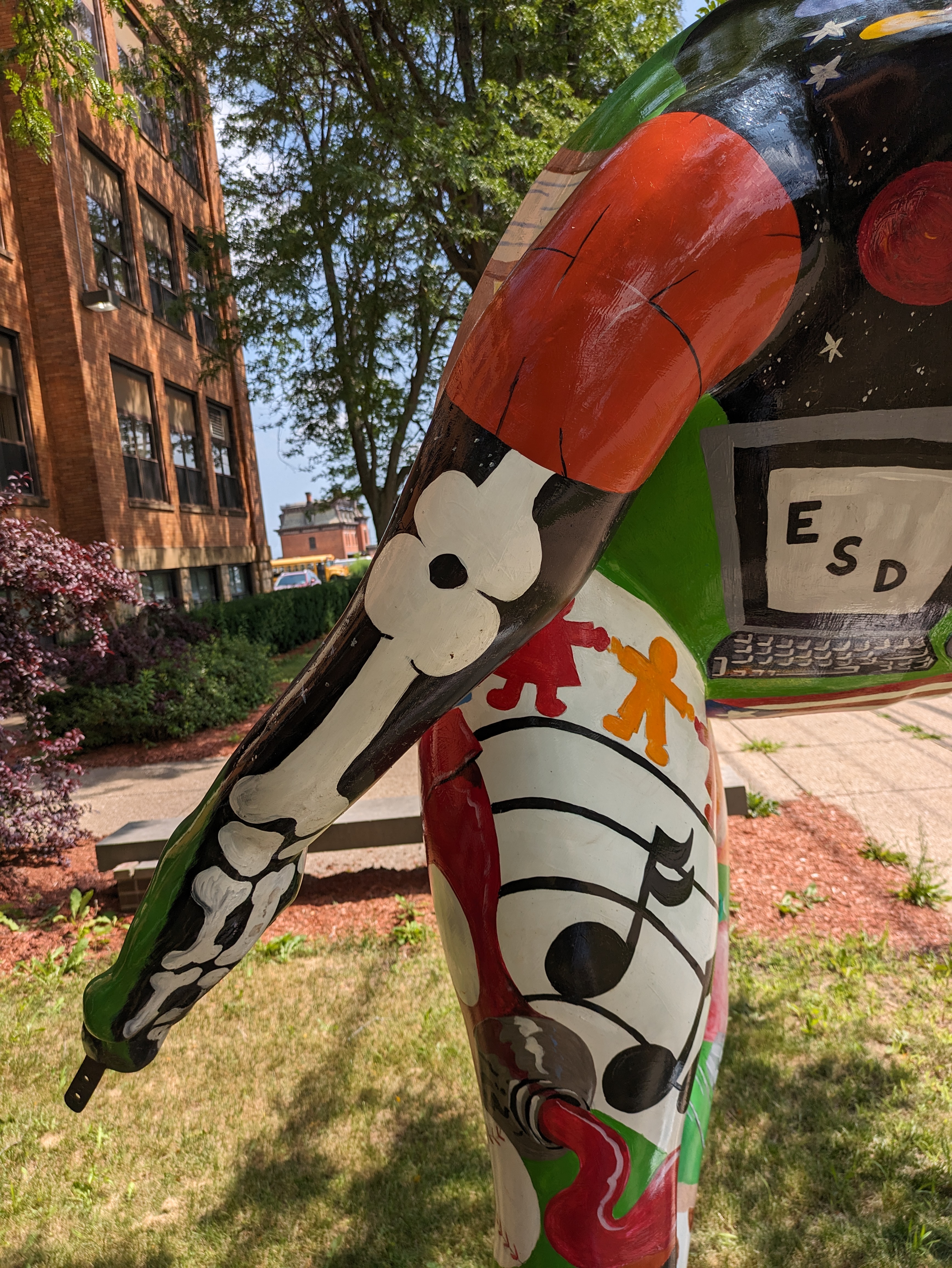
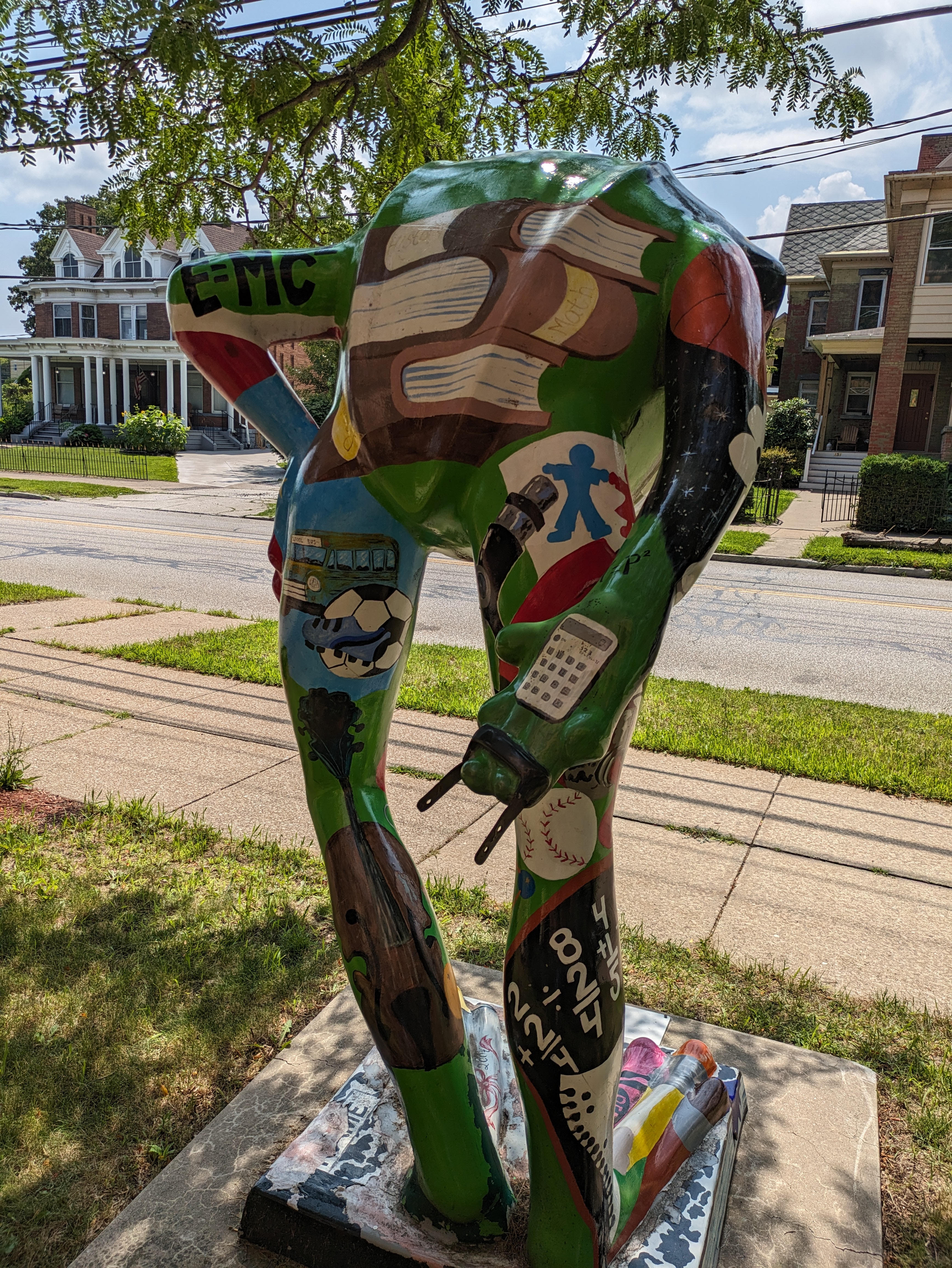
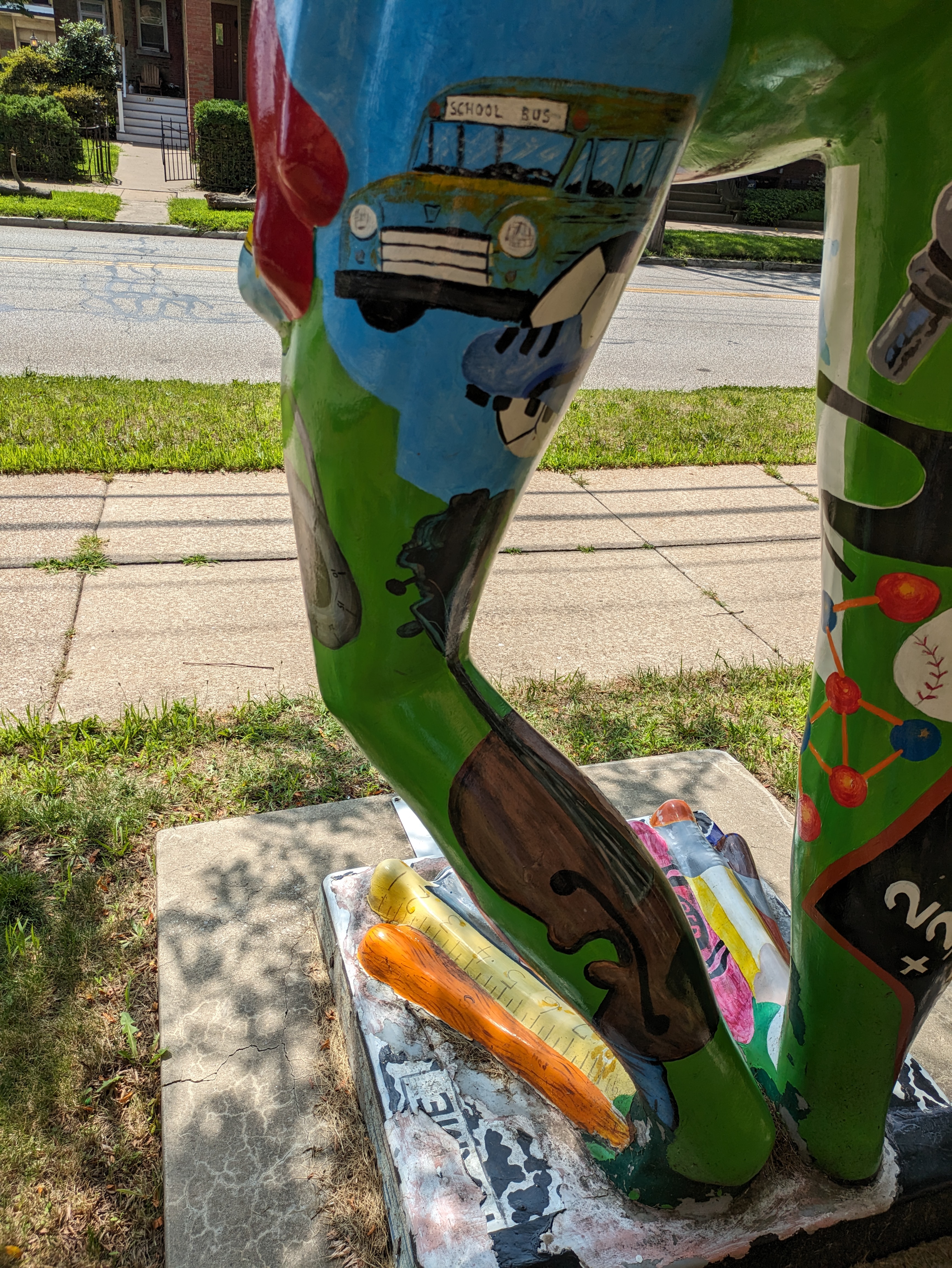
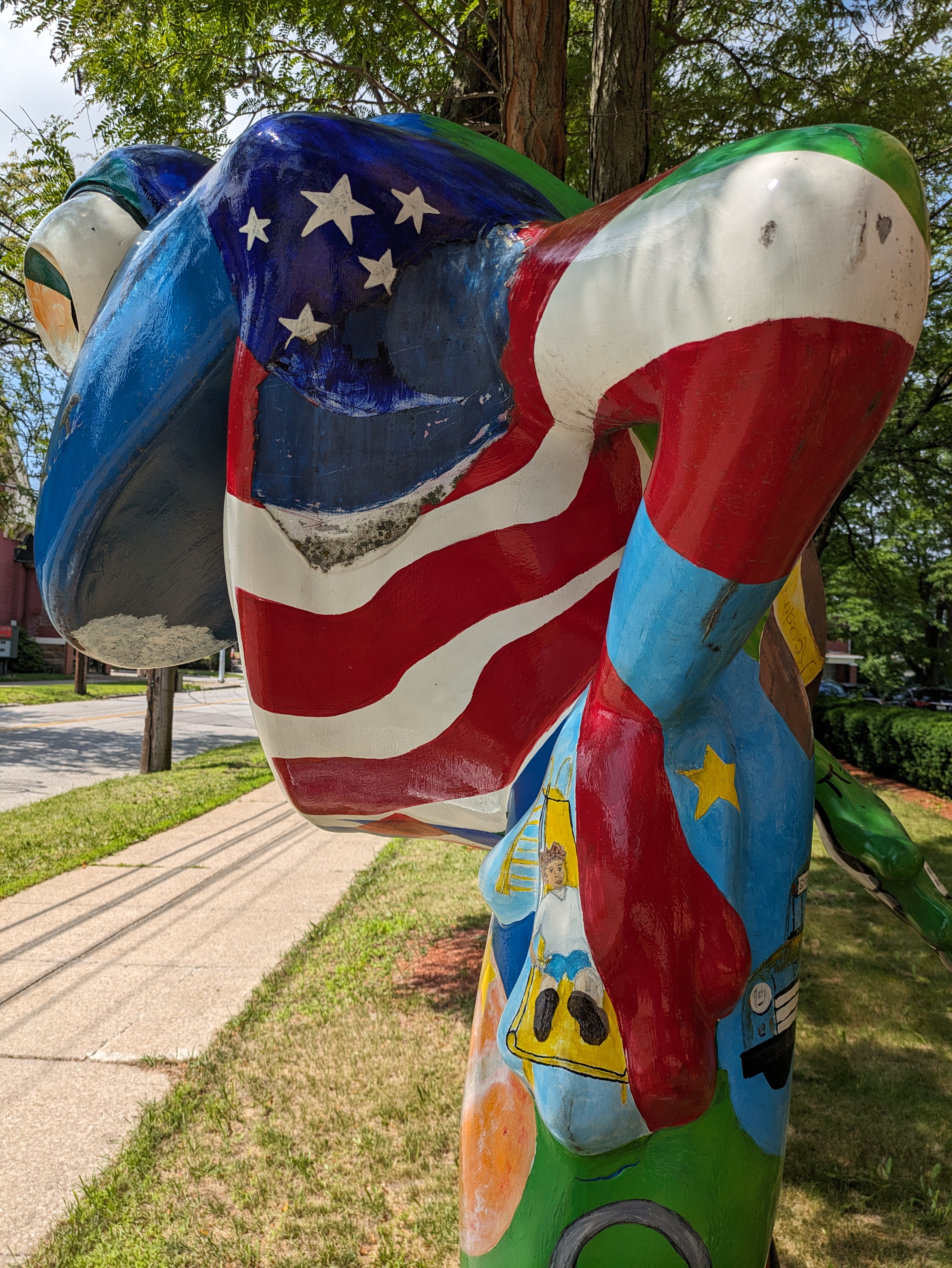
LeapFrog! was a fundraiser in Erie, PA, in 2004. There is so much to see on “We are the Future…Let us LEAP” by Erie School District High School Art Students and Teachers. In 2023, we found this frog in front of the Erie Public School building thanks to Amy H.’s map of Erie’s frogs.

 urbantraipsing