In the 2025 Bridge Madness Tournament, 16 suspension bridges go pier-to-pier in a reader’s choice tournament to pick the best one. This year’s tournament features suspension bridges visited by urbantraipsing nationally and internationally.
Results of the Sweet Sixteen:
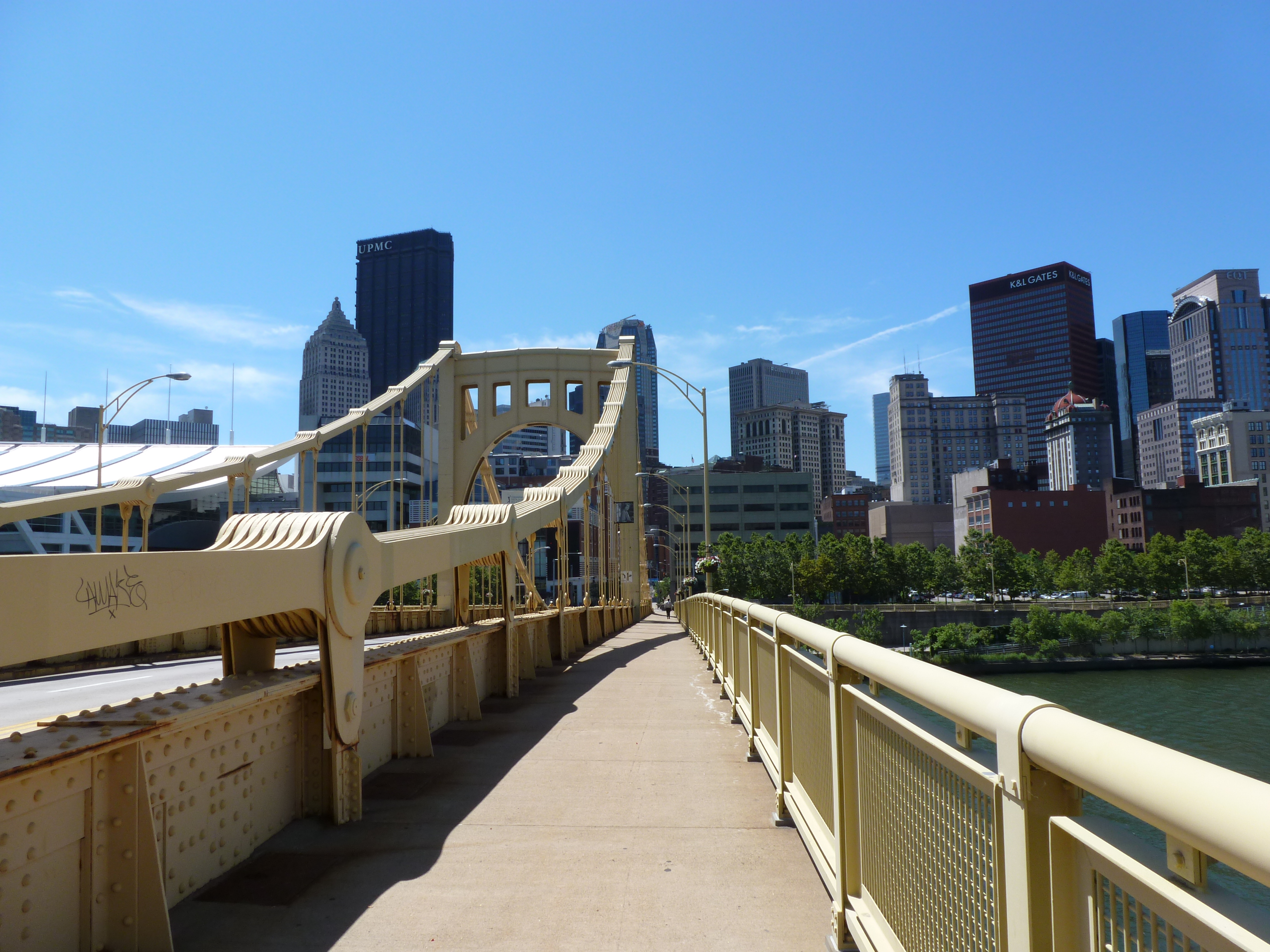
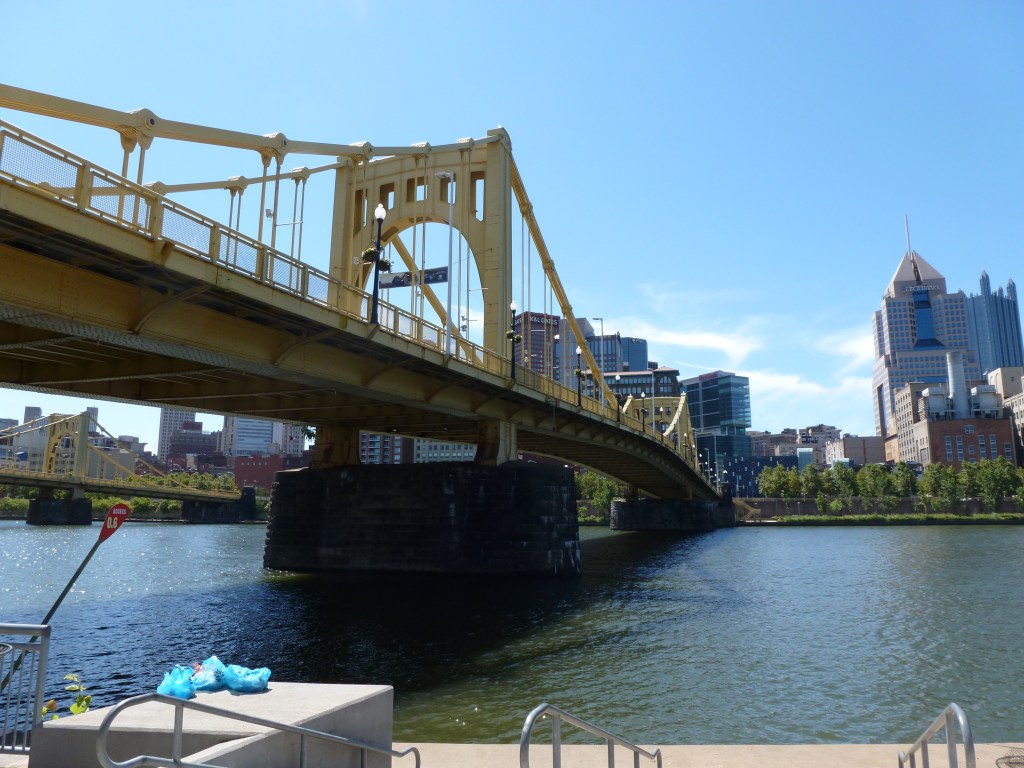
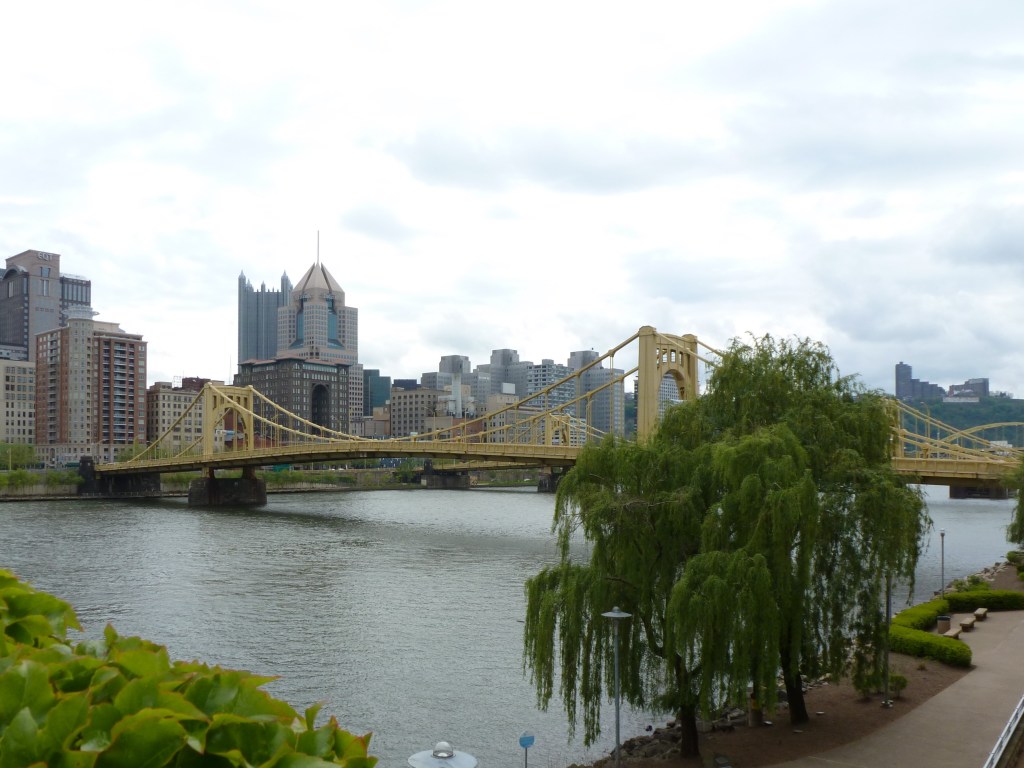
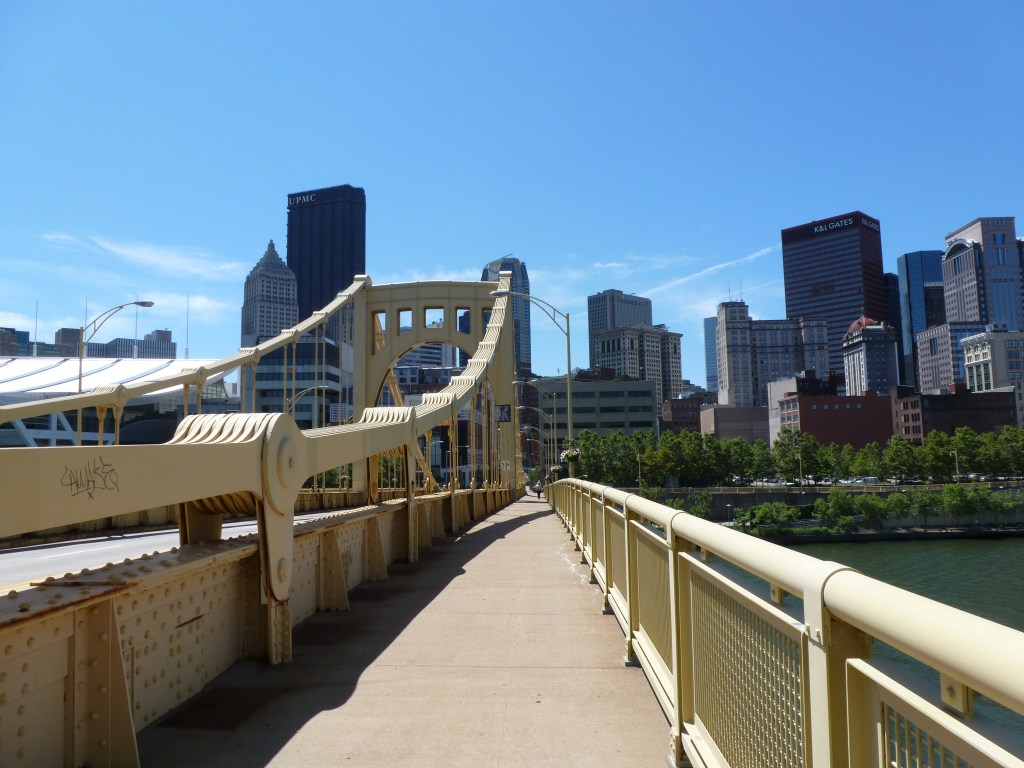
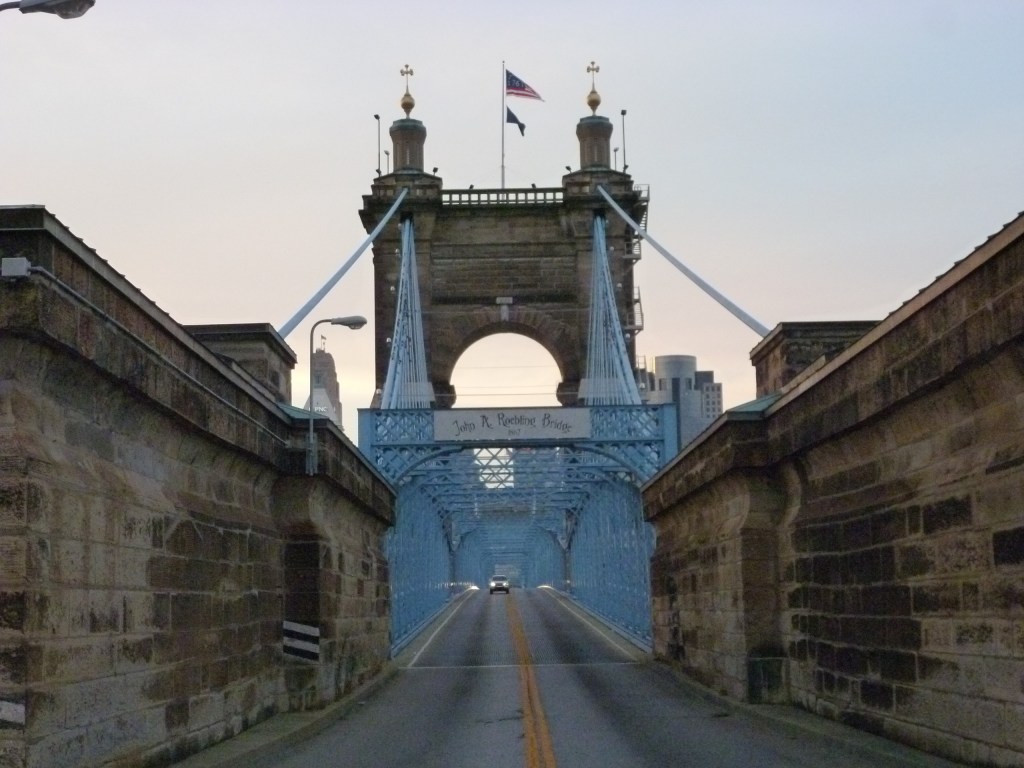
6th Street Bridge vs. Roebling Suspension Bridge – 52% to 48%
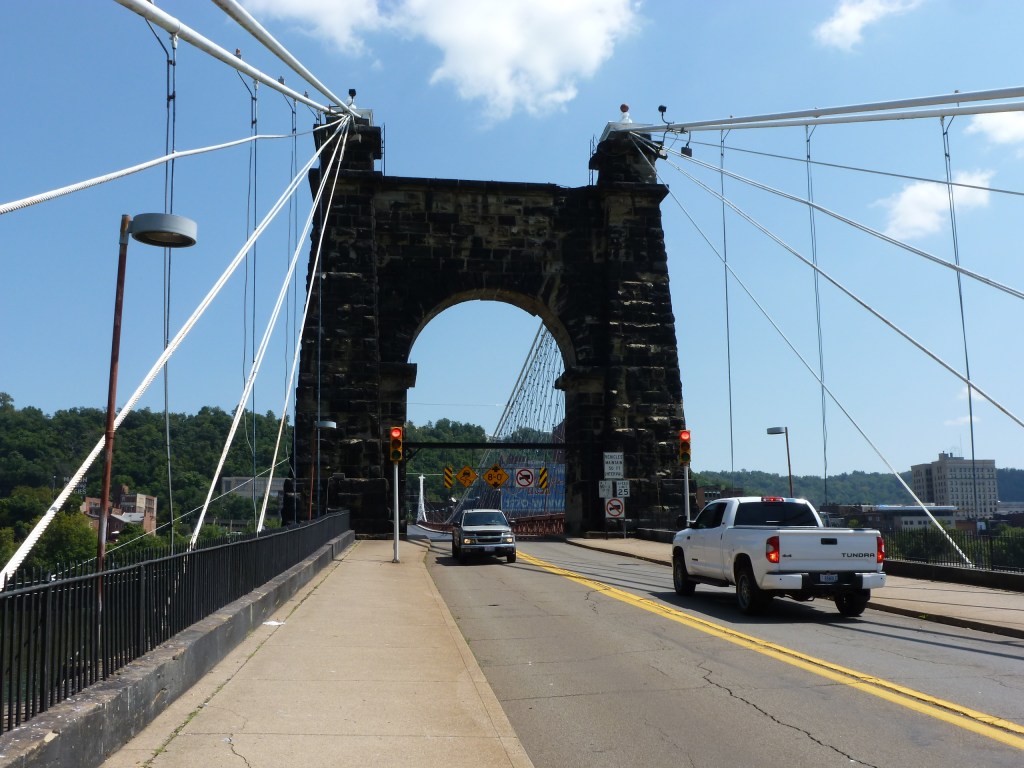
7th Street Bridge vs. Wheeling Suspension Bridge – 60% to 40%
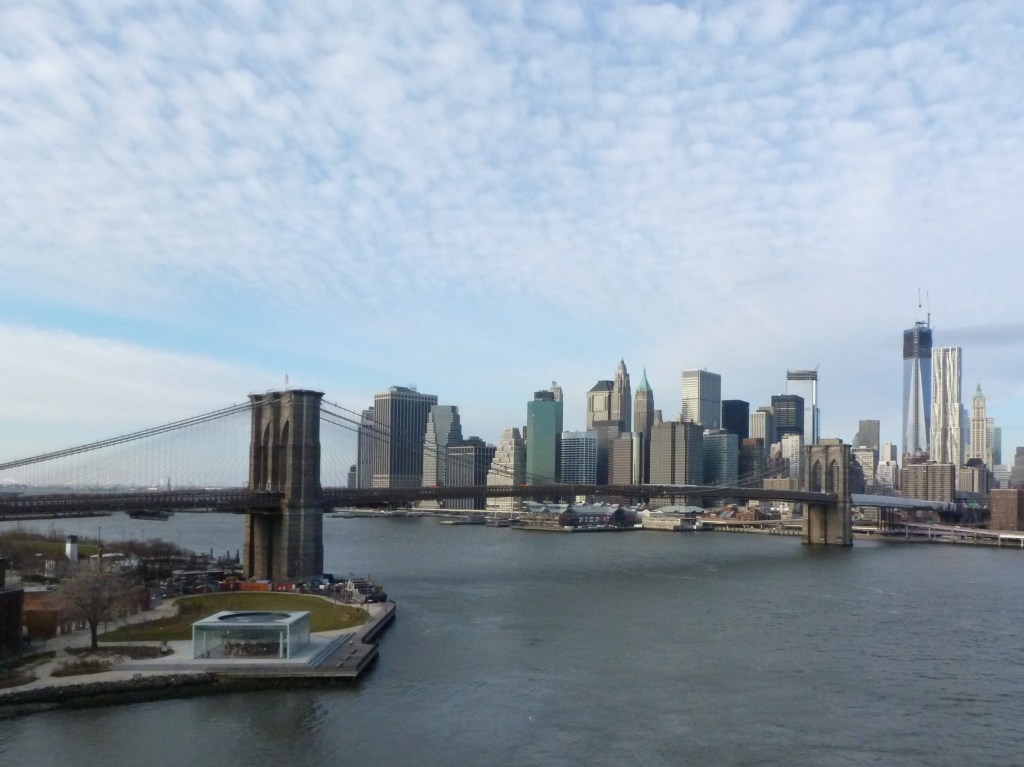
9th Street Bridge vs. Brooklyn Bridge – 28% to 72%
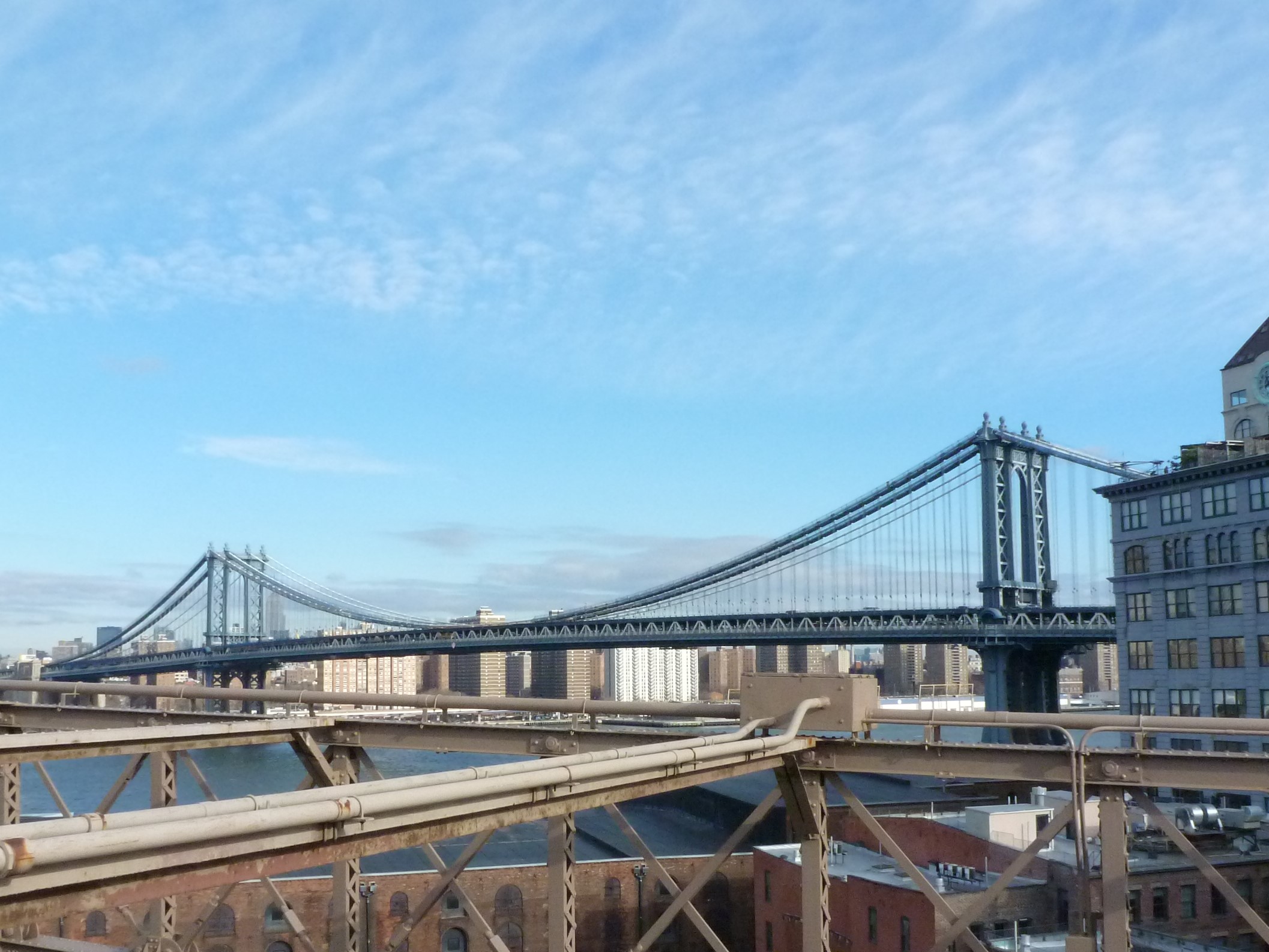
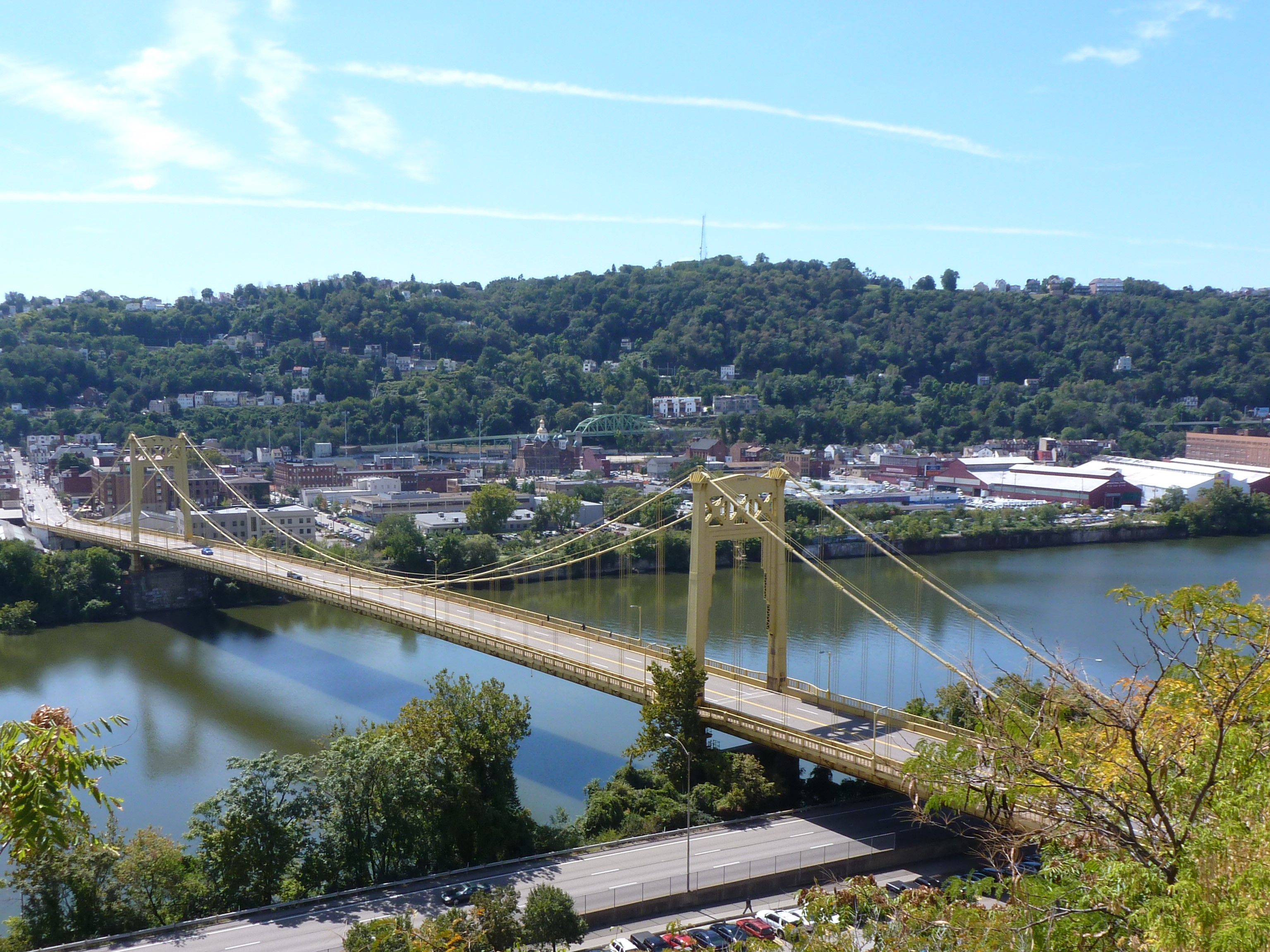
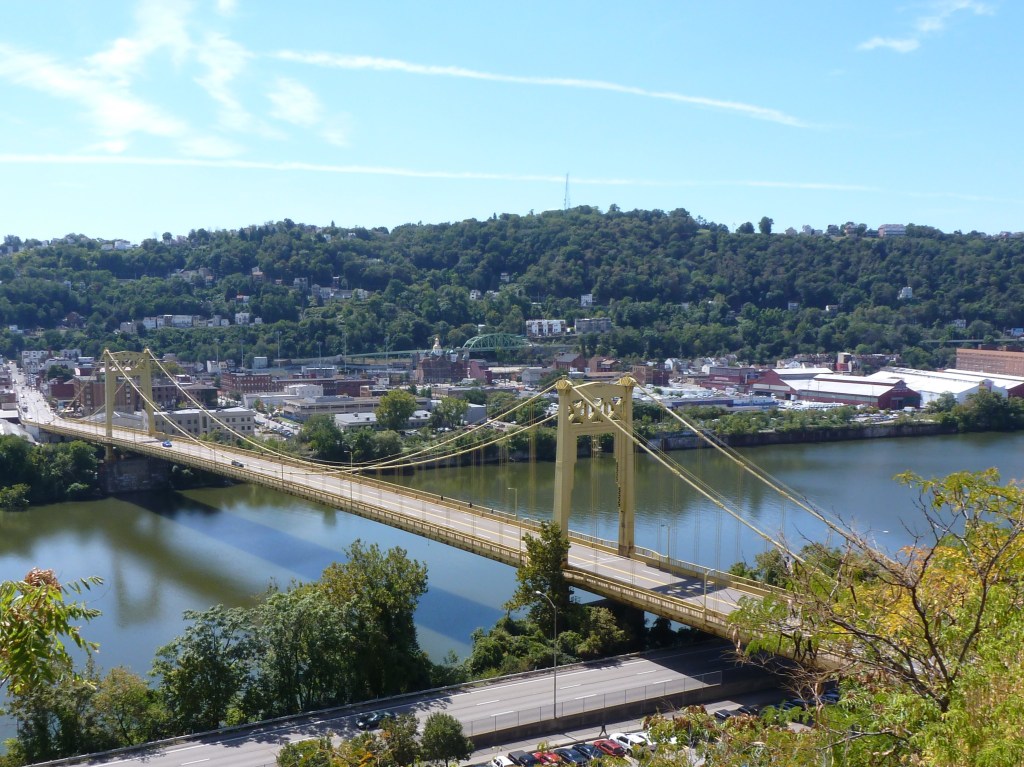
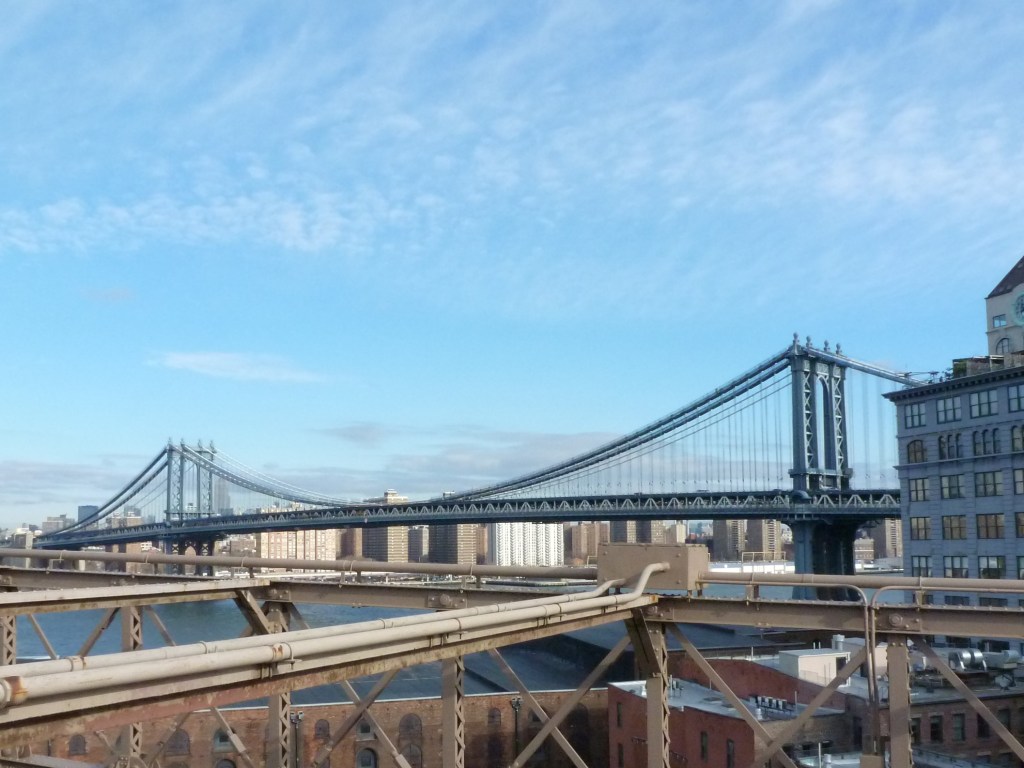
South 10th Street Bridge vs. Manhattan Bridge – 16% to 74%
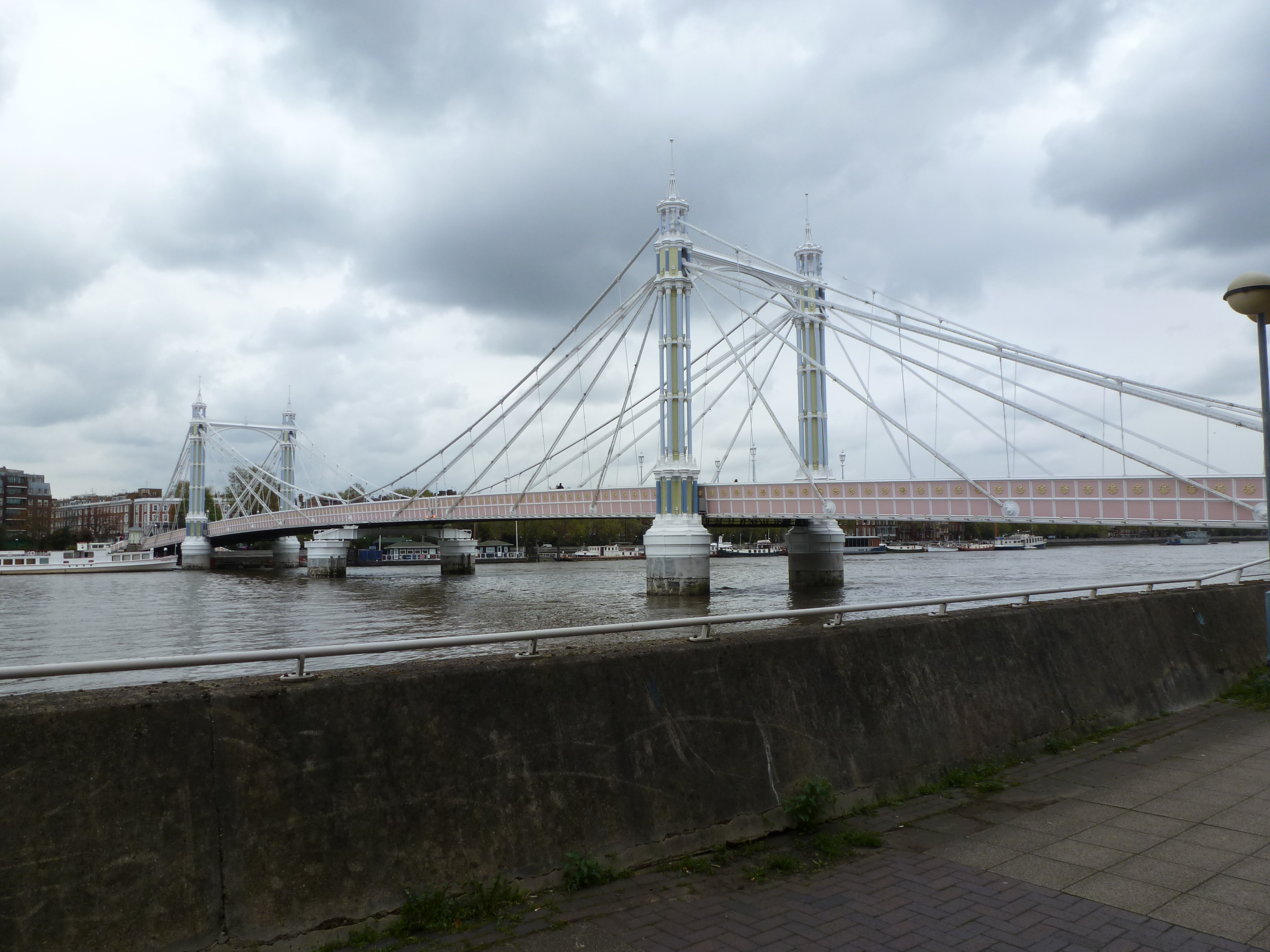
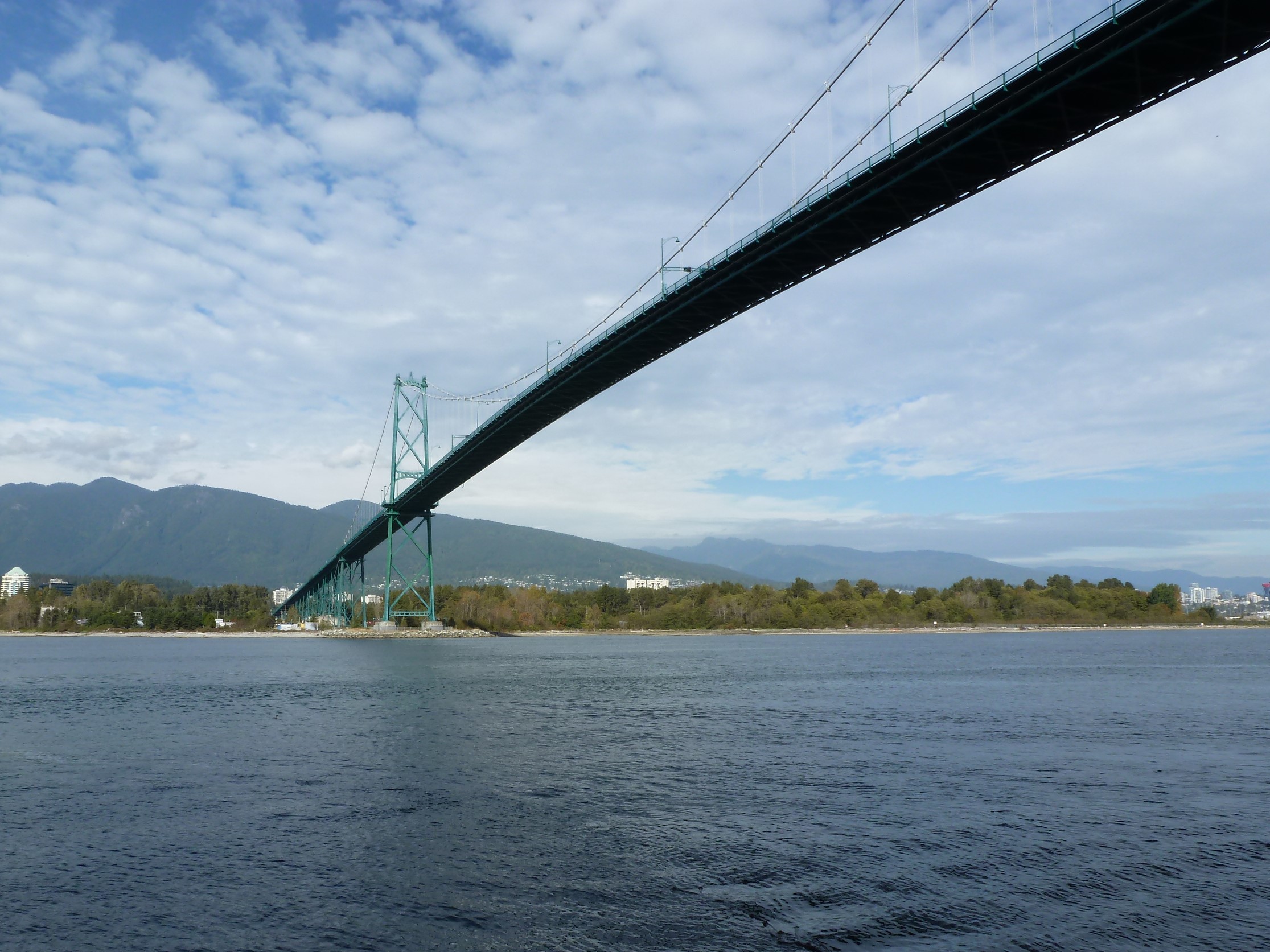
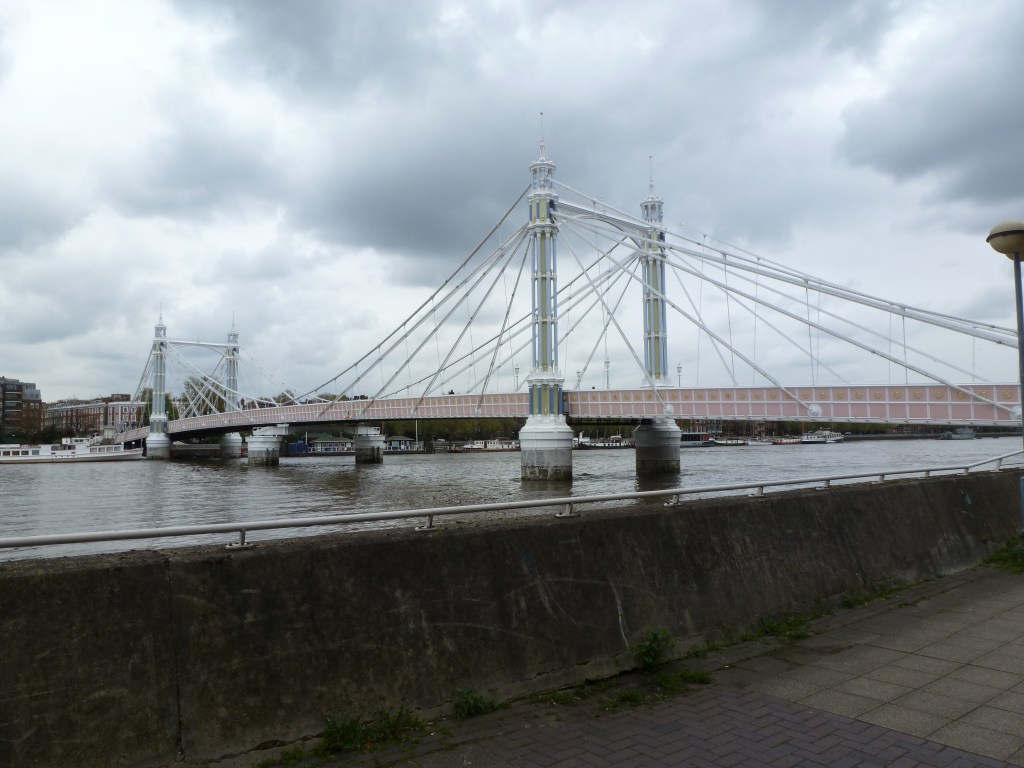
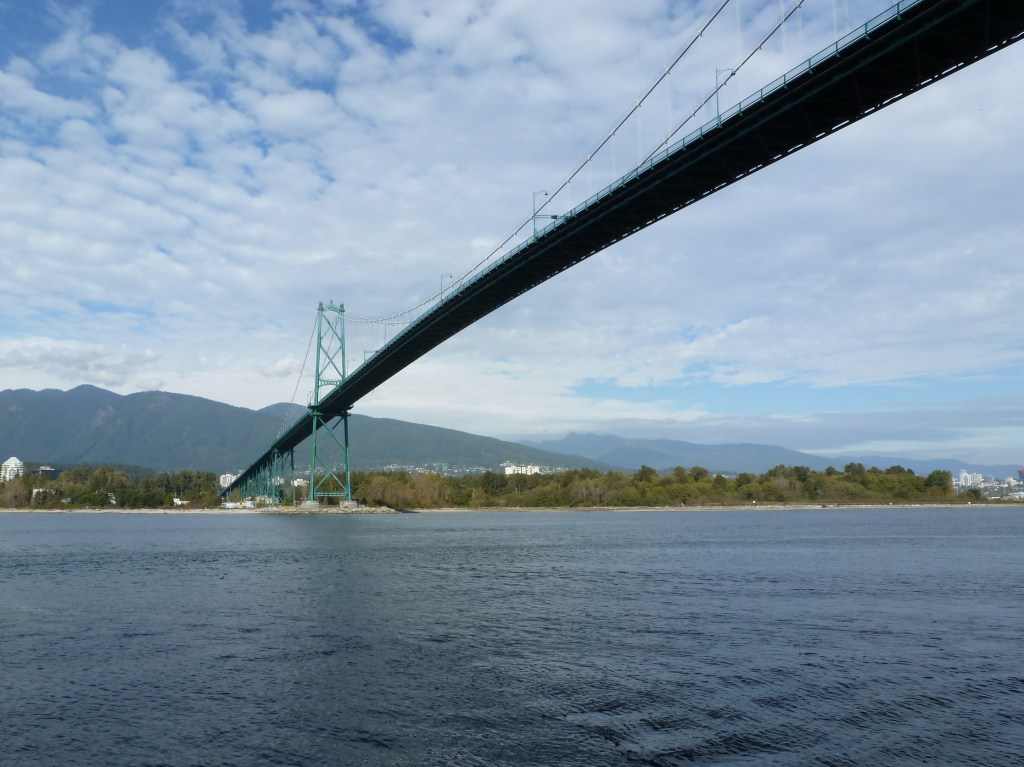
Albert Bridge vs. Lions Gate Bridge – 58% to 42%
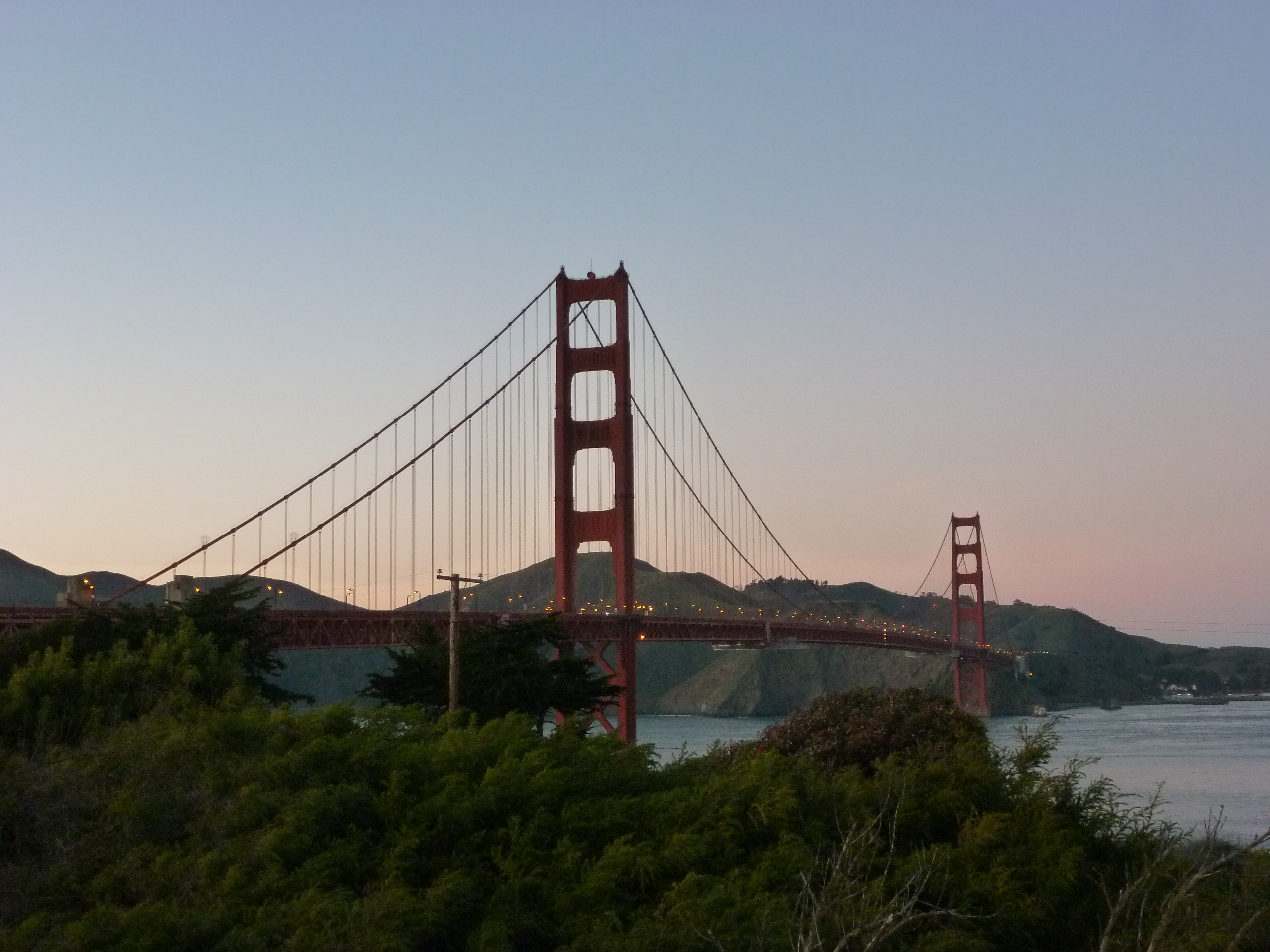
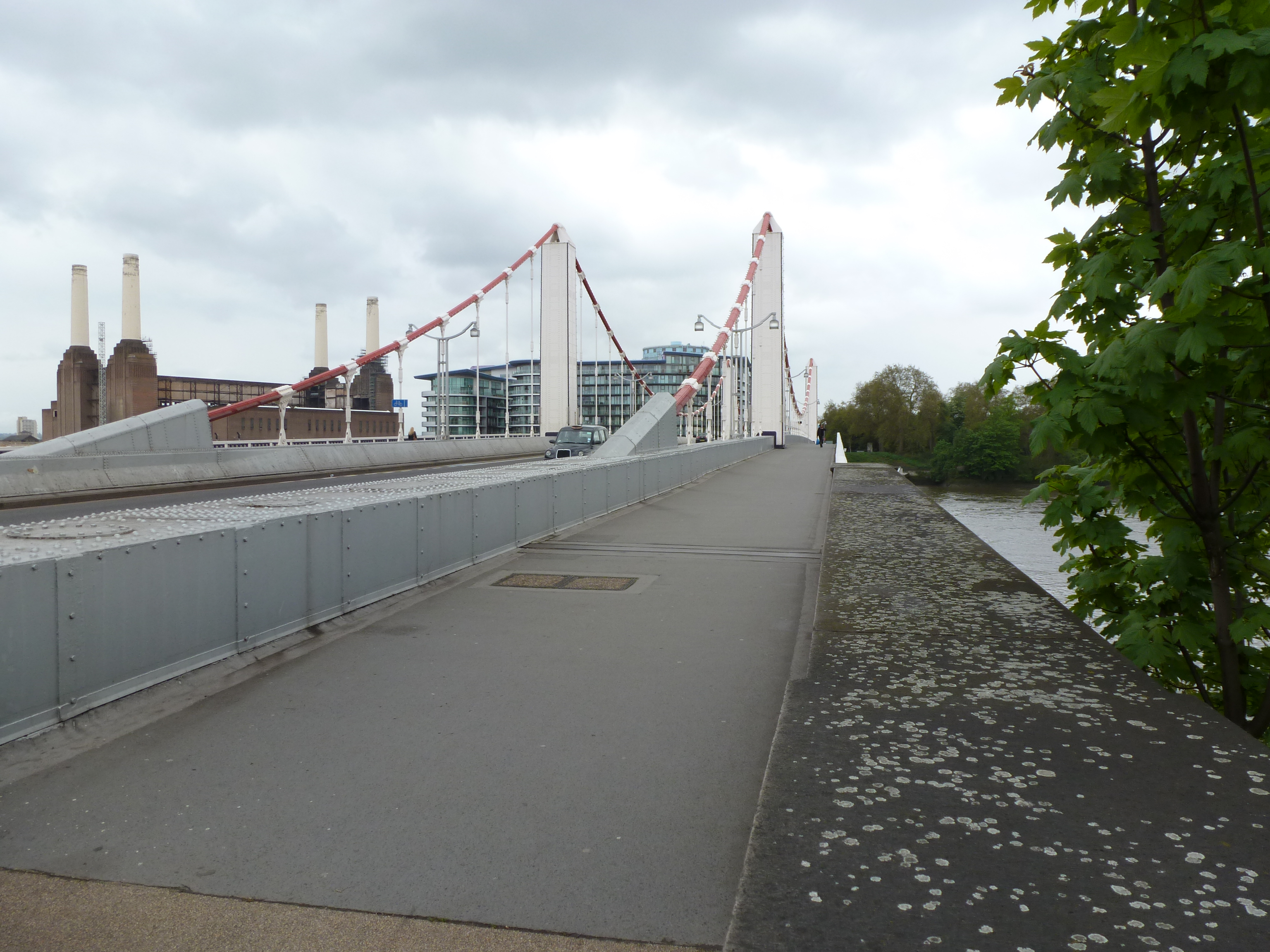
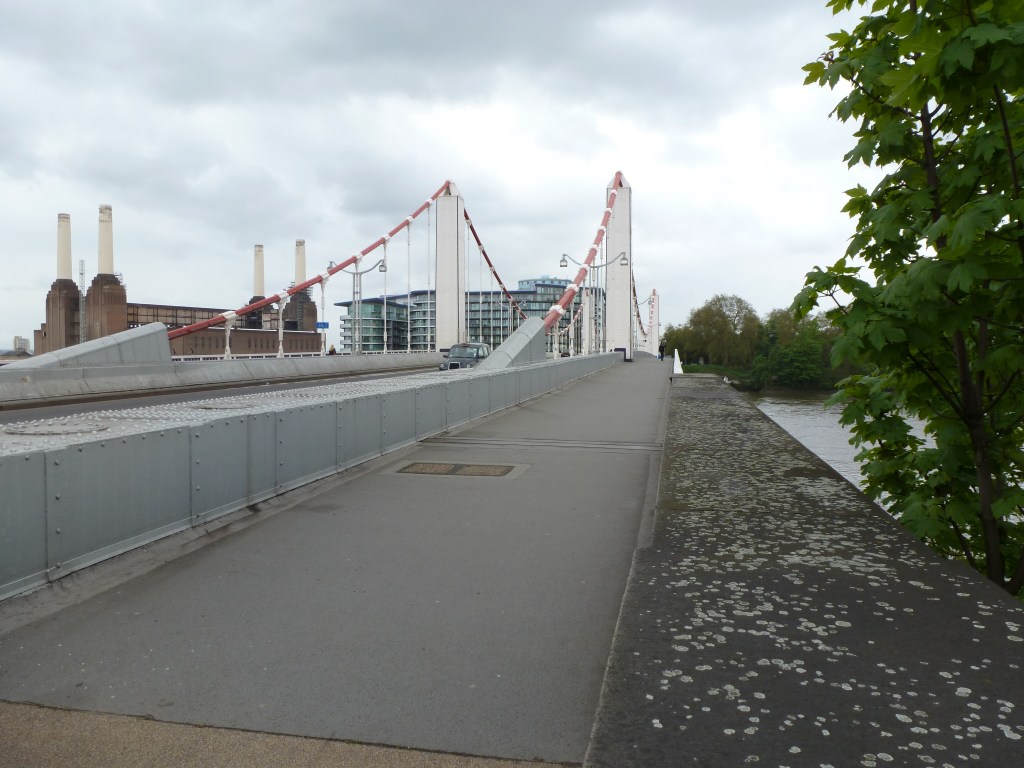
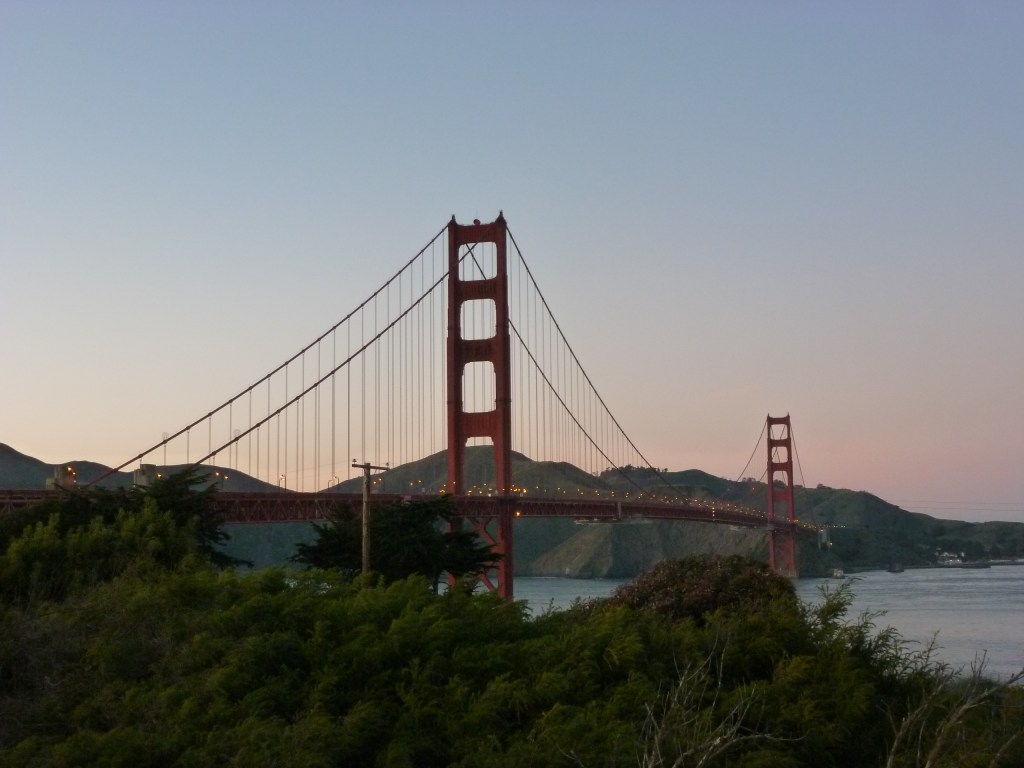
Chelsea Bridge vs. Golden Gate Bridge – 35% to 65%
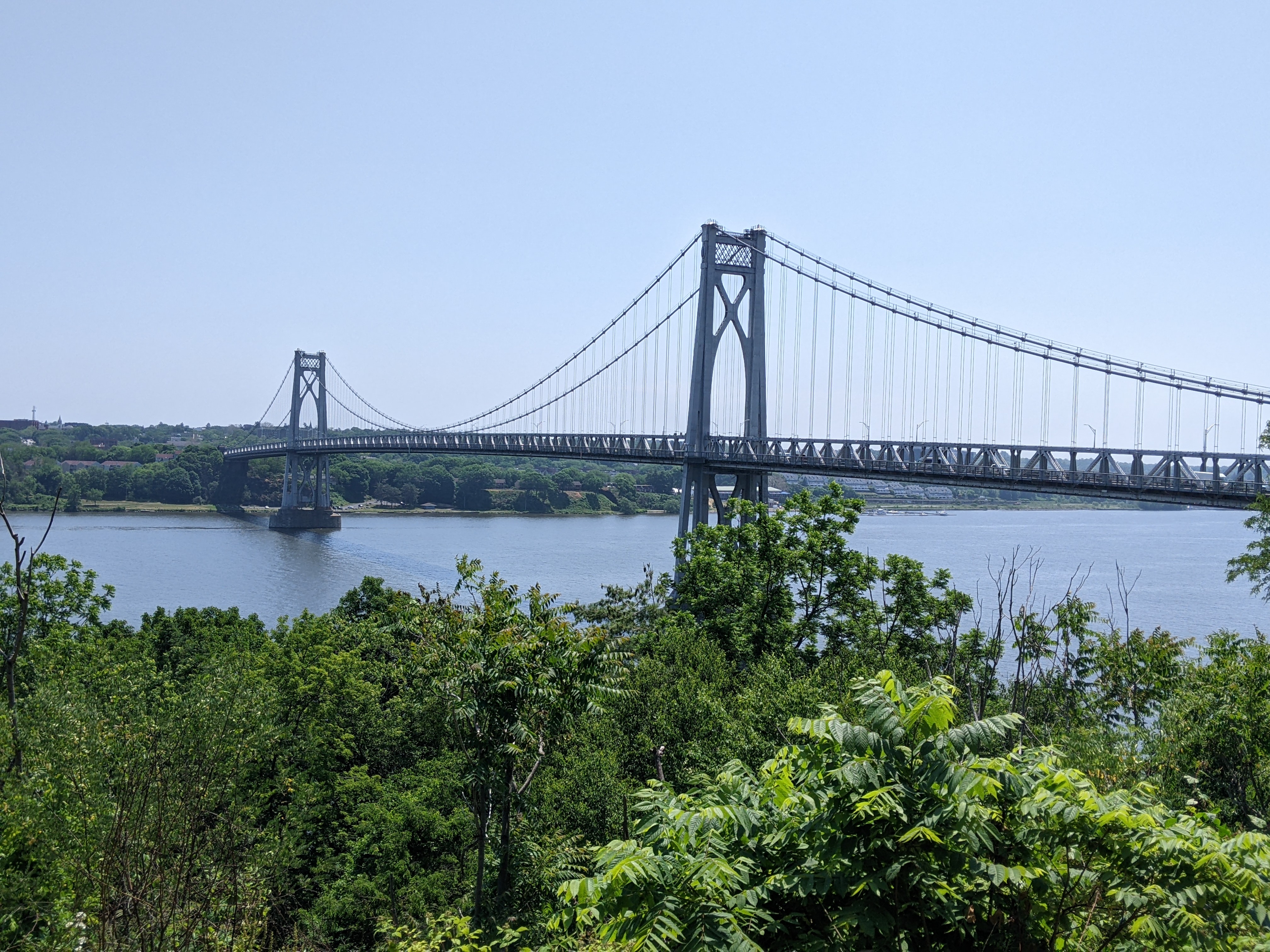
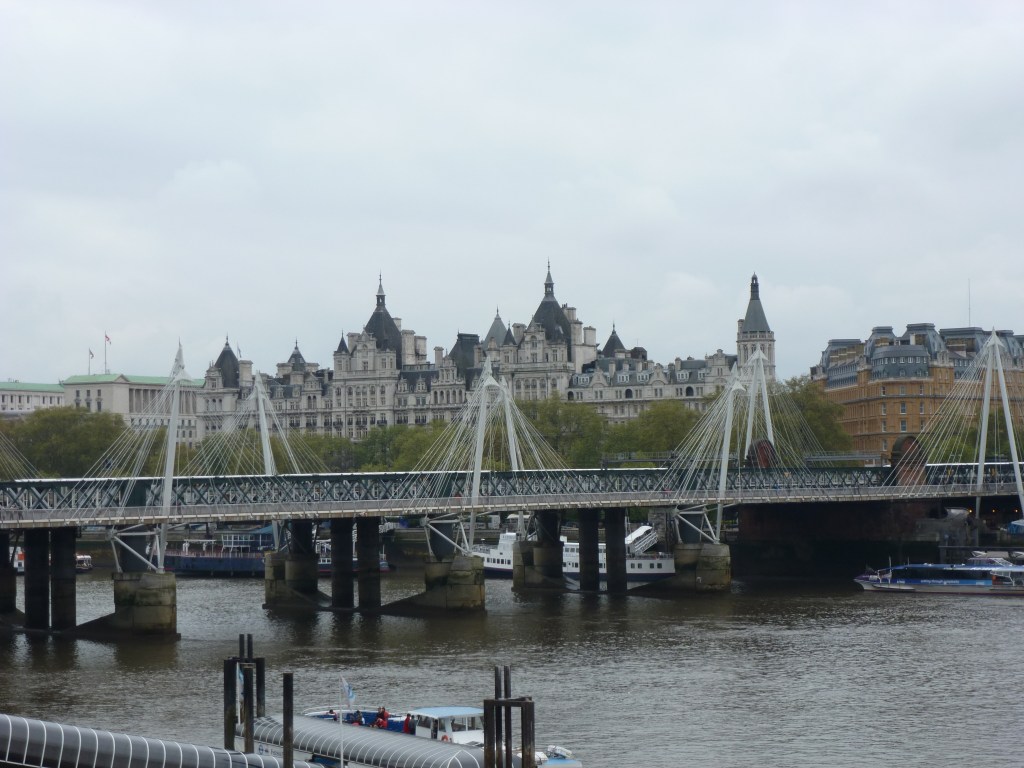
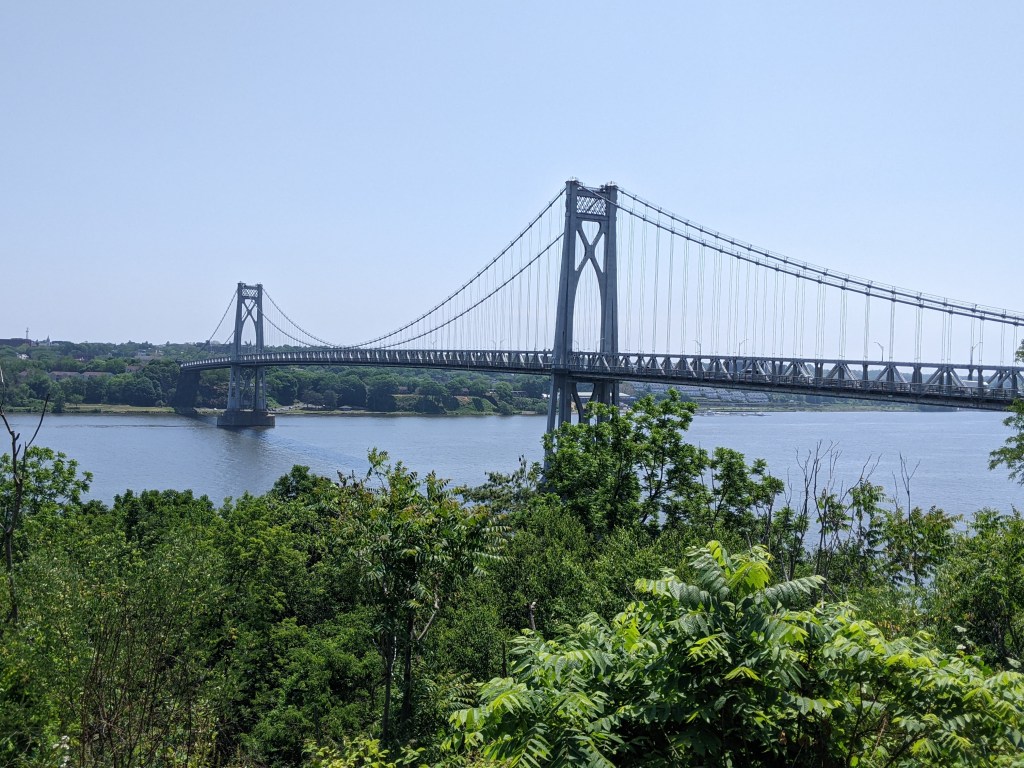
Jubilee Bridges vs. Mid-Hudson Bridge – 10% to 90%
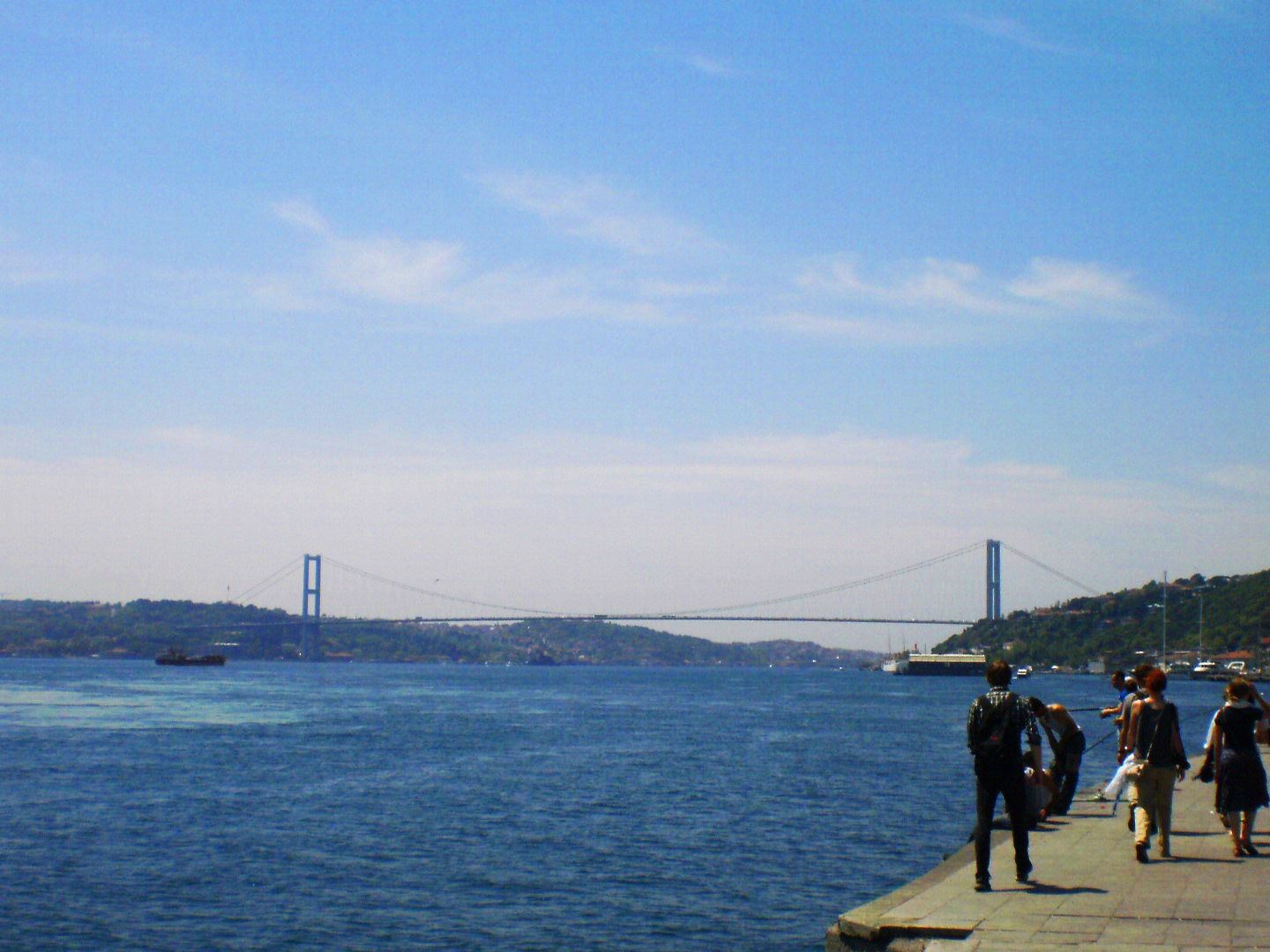
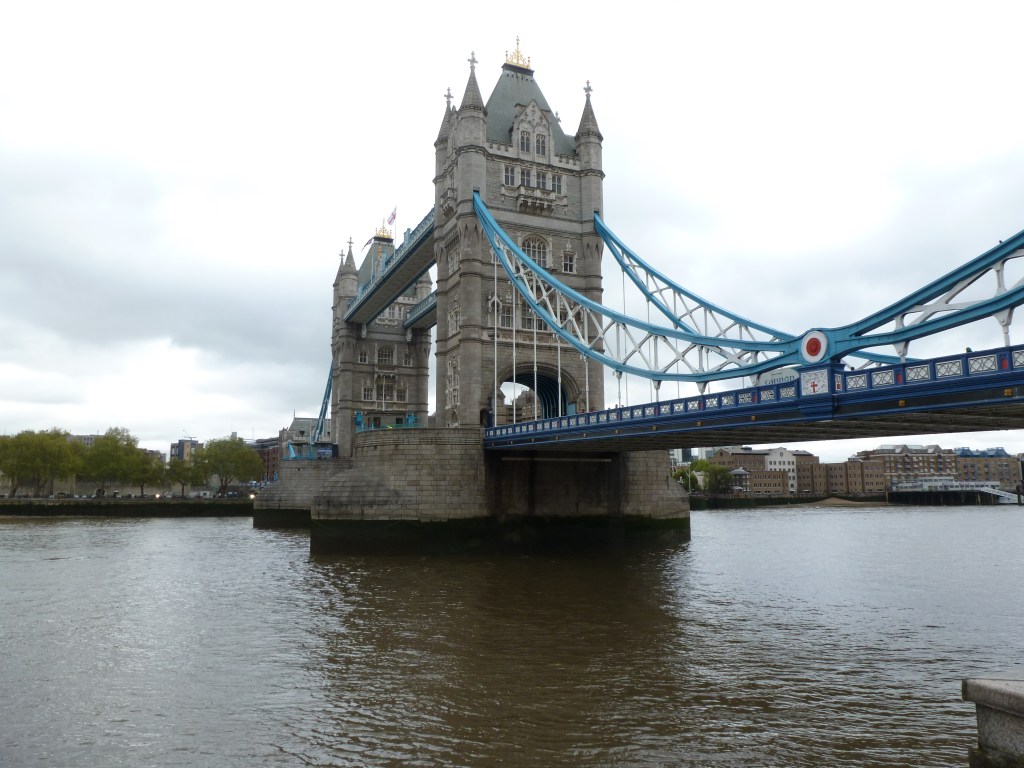
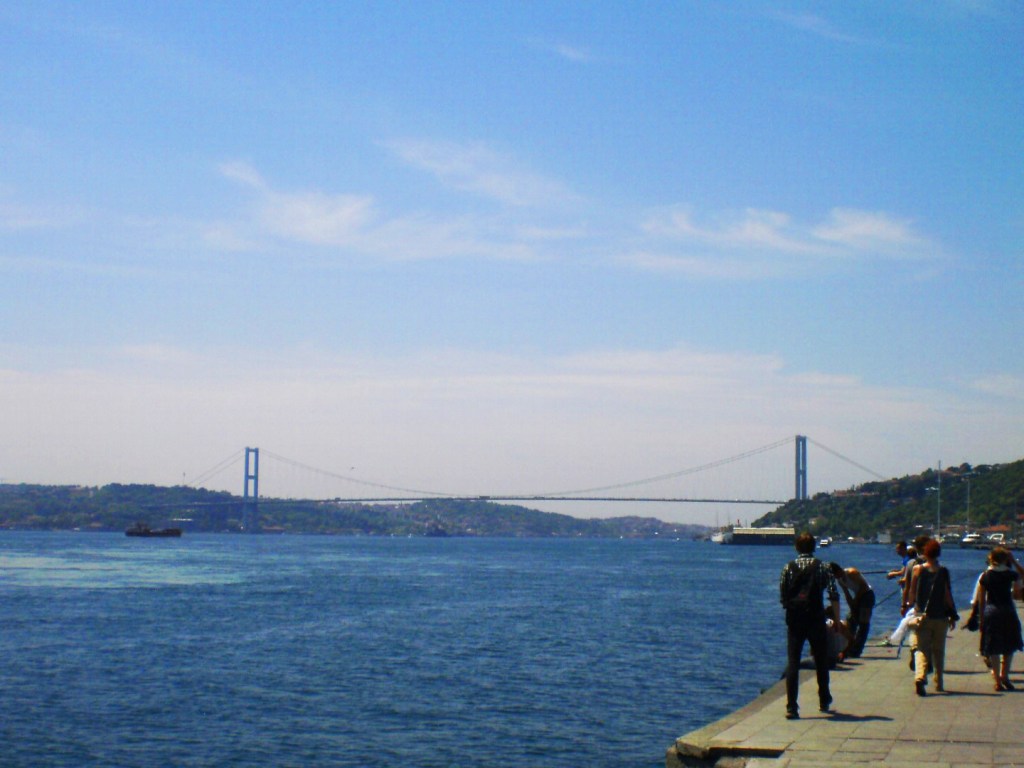
Tower Bridge vs. Bosphorus Bridge – 83% to 17%
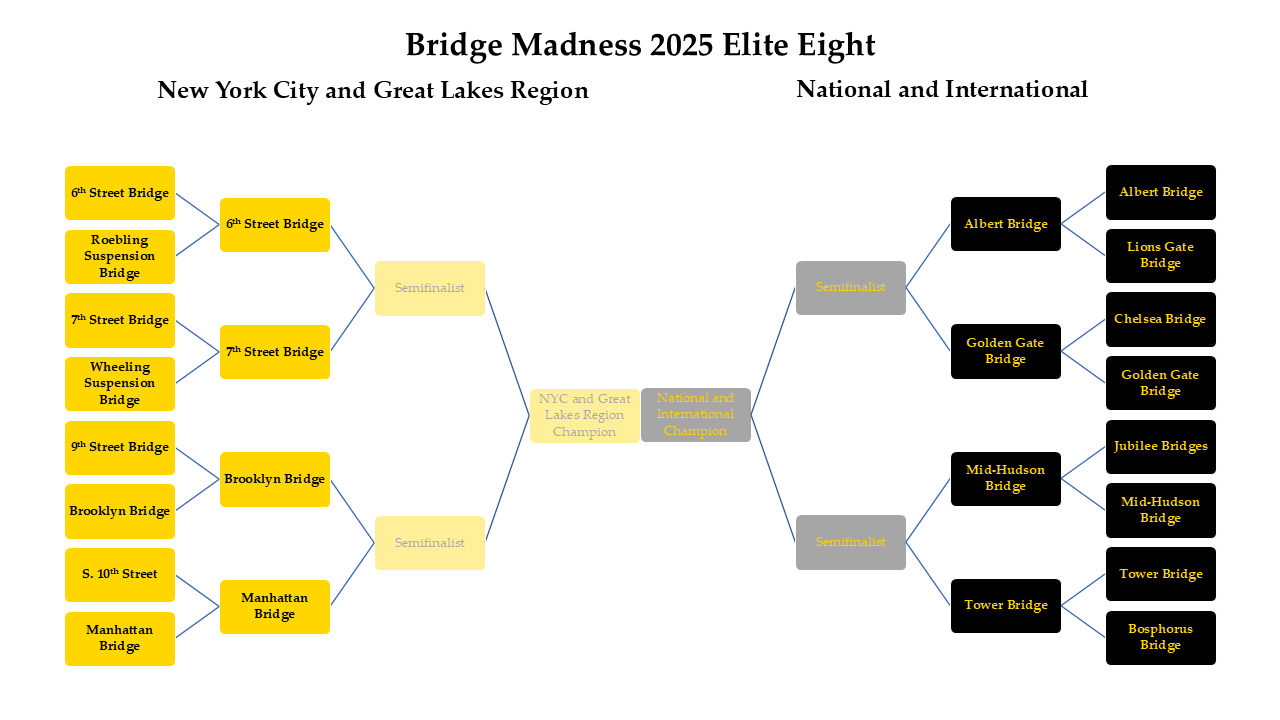
Below are the brackets for the Elite Eight. Remember to vote for one bridge in each bracket by noon on Thursday, March 13th, and then return on March 15th to vote for the Final Four.
The bridges are divided into two conferences: New York City and Great Lakes Region vs. National and International. To learn more about the bridges, revisit the introduction which has links to posts on each bridge.
New York City and Great Lakes Region
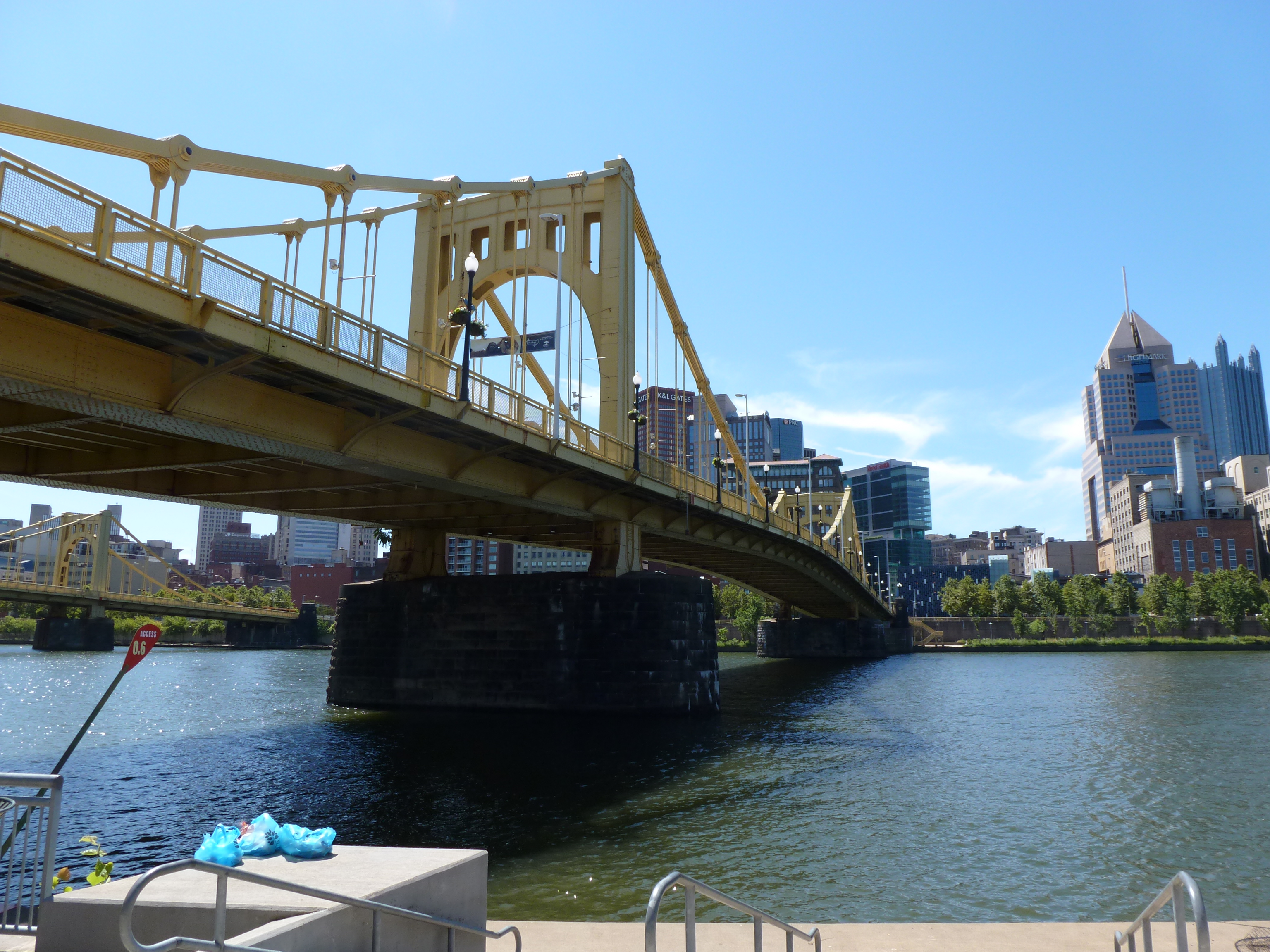
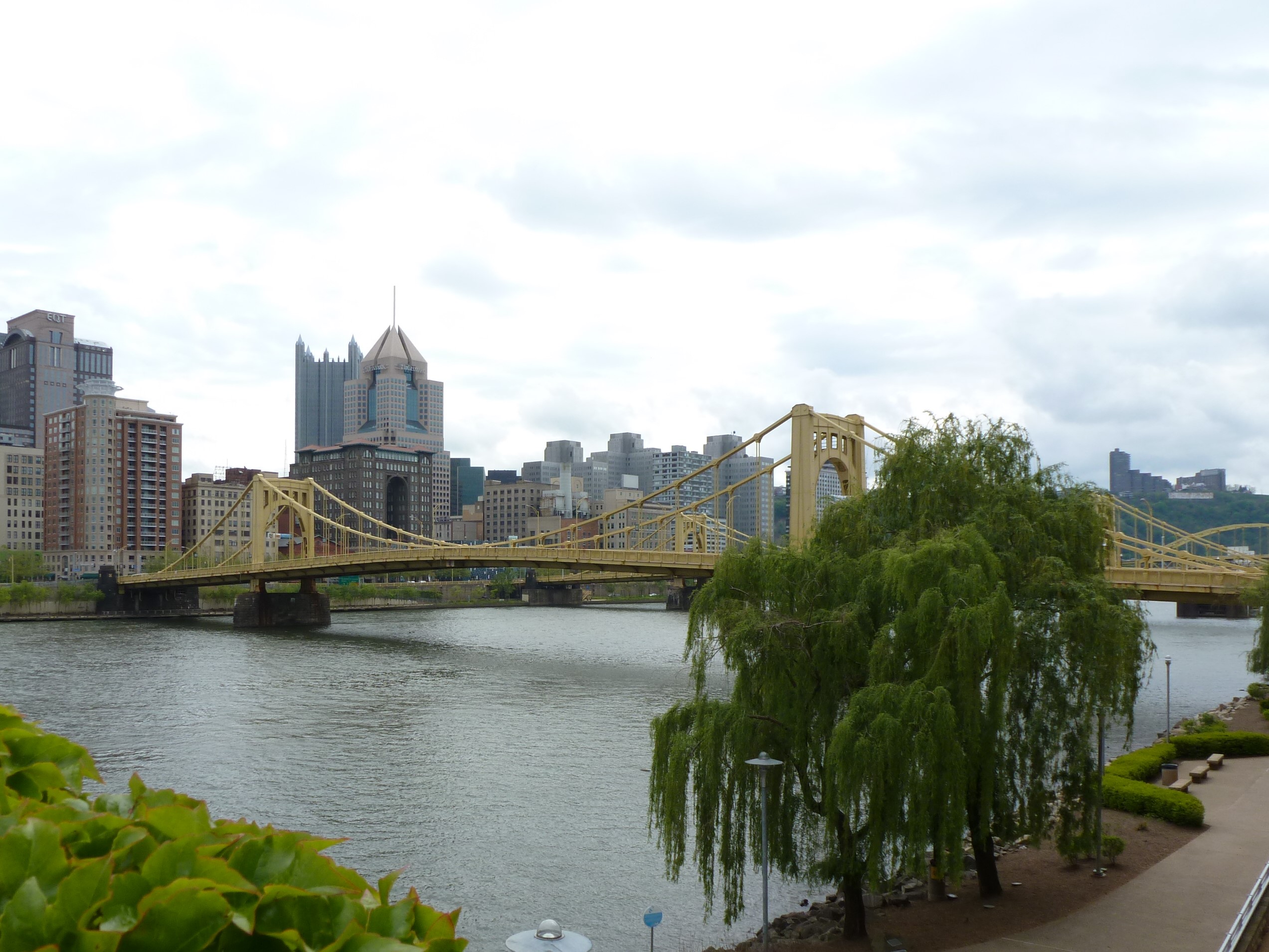
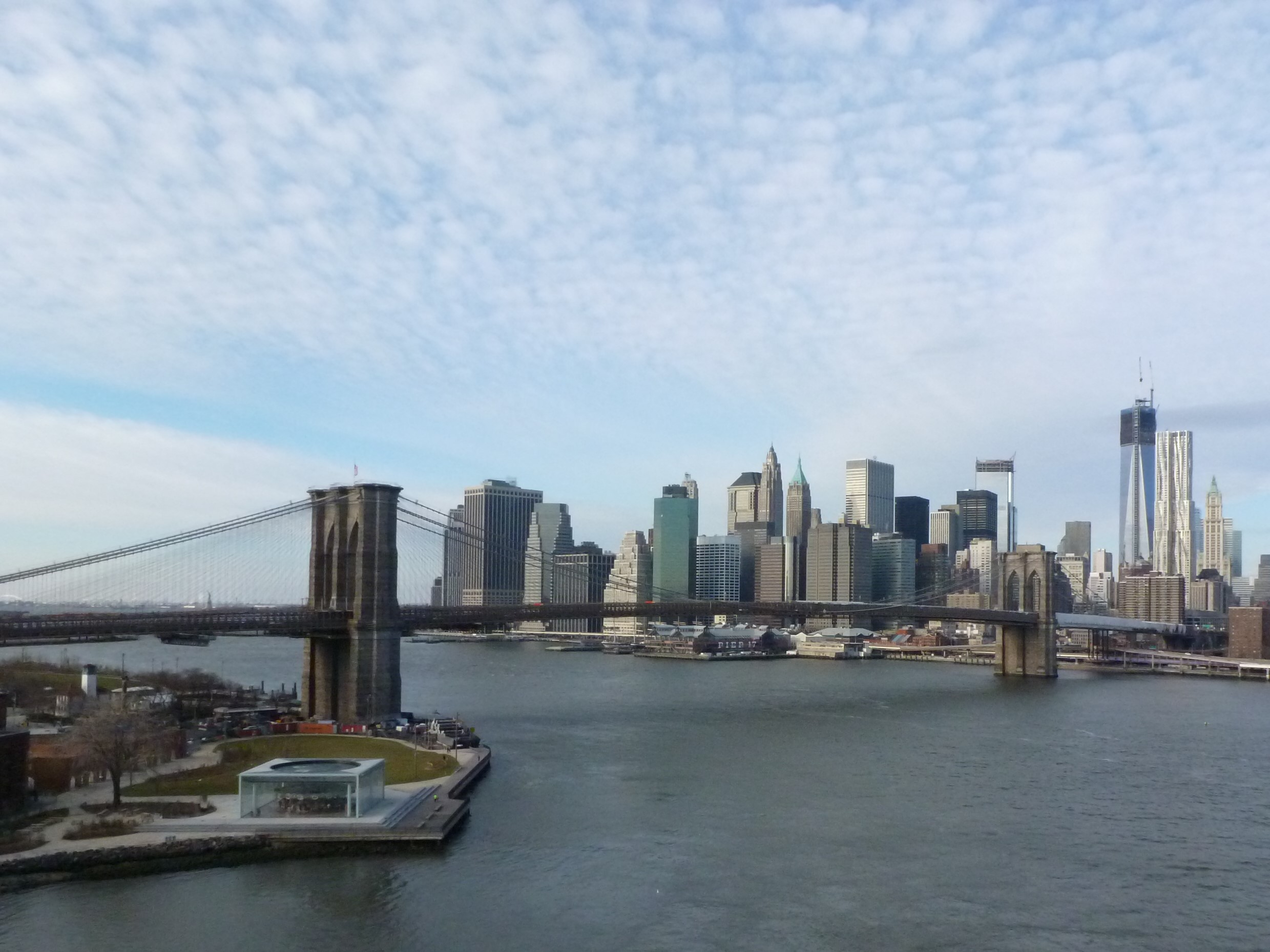
6th Street Bridge – Pittsburgh7th Street Bridge – PittsburghBrooklyn Bridge – New York CityManhattan Bridge – New York City
National and International
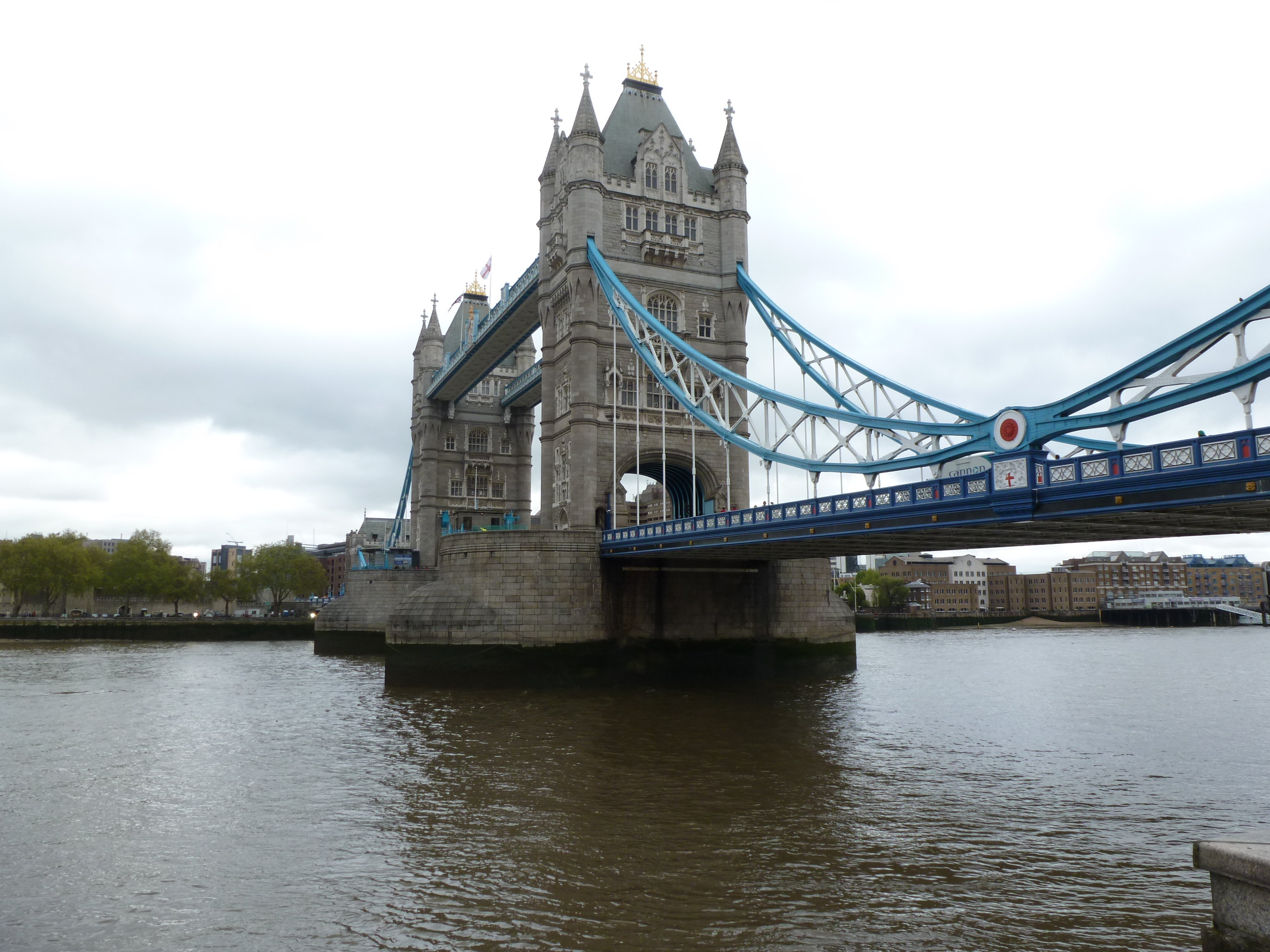
Albert Bridge – LondonGolden Gate Bridge – San FranciscoMid-Hudson Bridge – PoughkeepsieTower Bridge – London
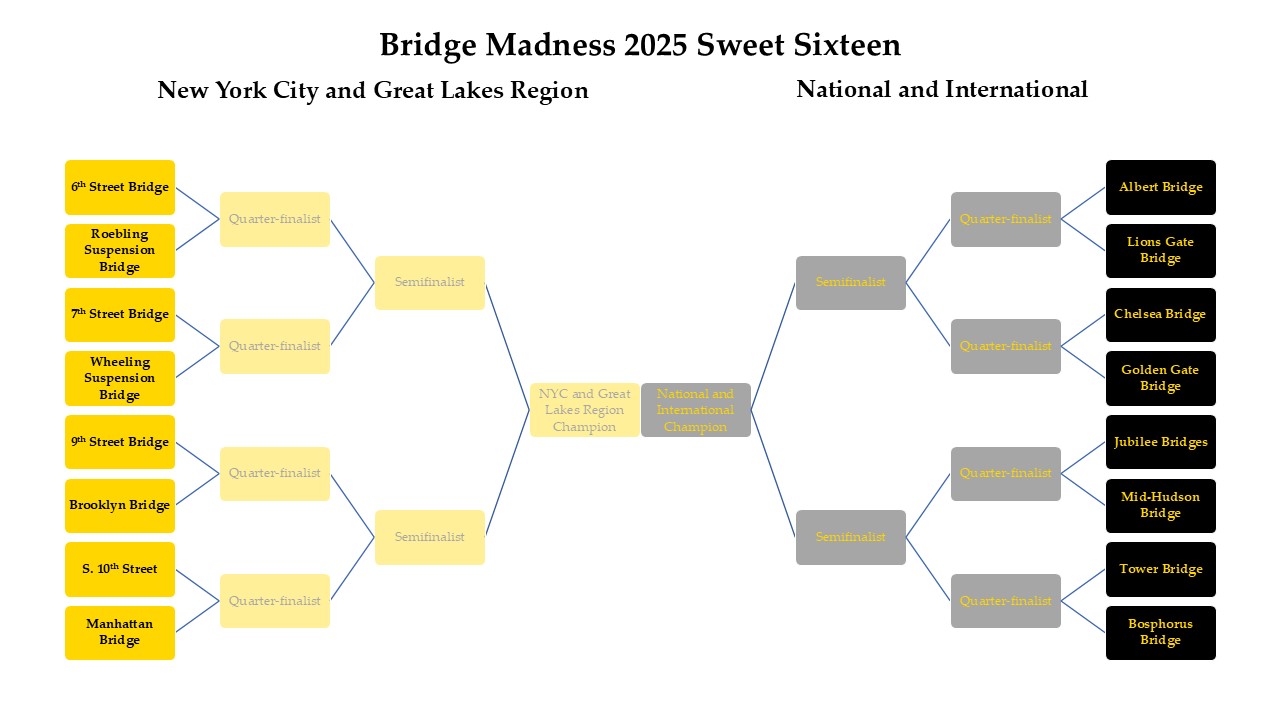
In the 2025 Bridge Madness Tournament, 16 suspension bridges go pier-to-pier in a reader’s choice tournament to pick the best one. This year’s tournament features suspension bridges visited by urbantraipsing nationally and internationally. Below are the brackets for the Sweet Sixteen. Remember to vote for one bridge in each bracket by noon on Thursday, March 6th, and then return on March 8th to vote for the Elite Eight.
The bridges are divided into two conferences: New York City and Great Lakes Region vs. National and International. To learn more about the bridges, revisit the introduction which has links to posts on each bridge.
New York City and Great Lakes Region
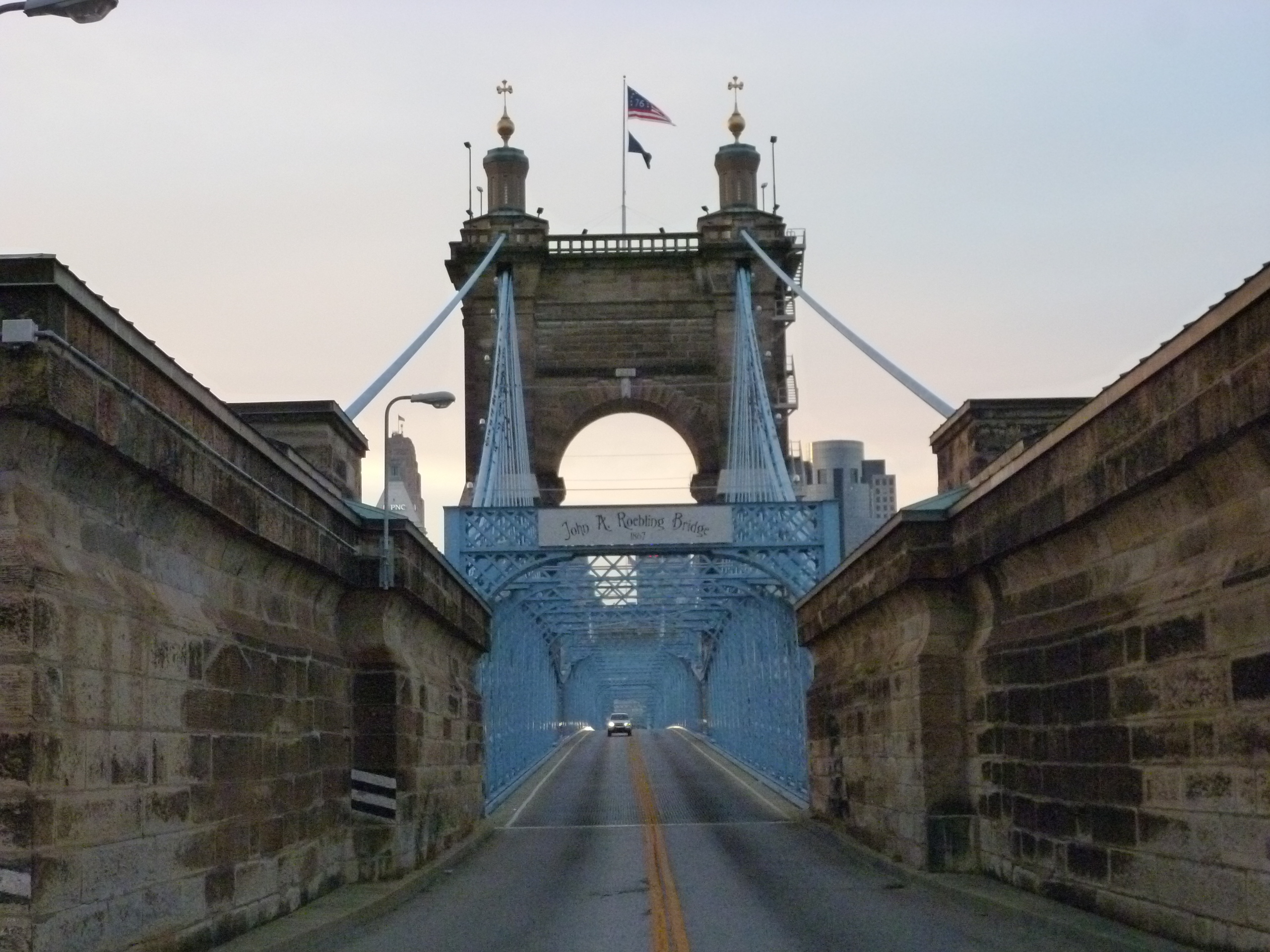
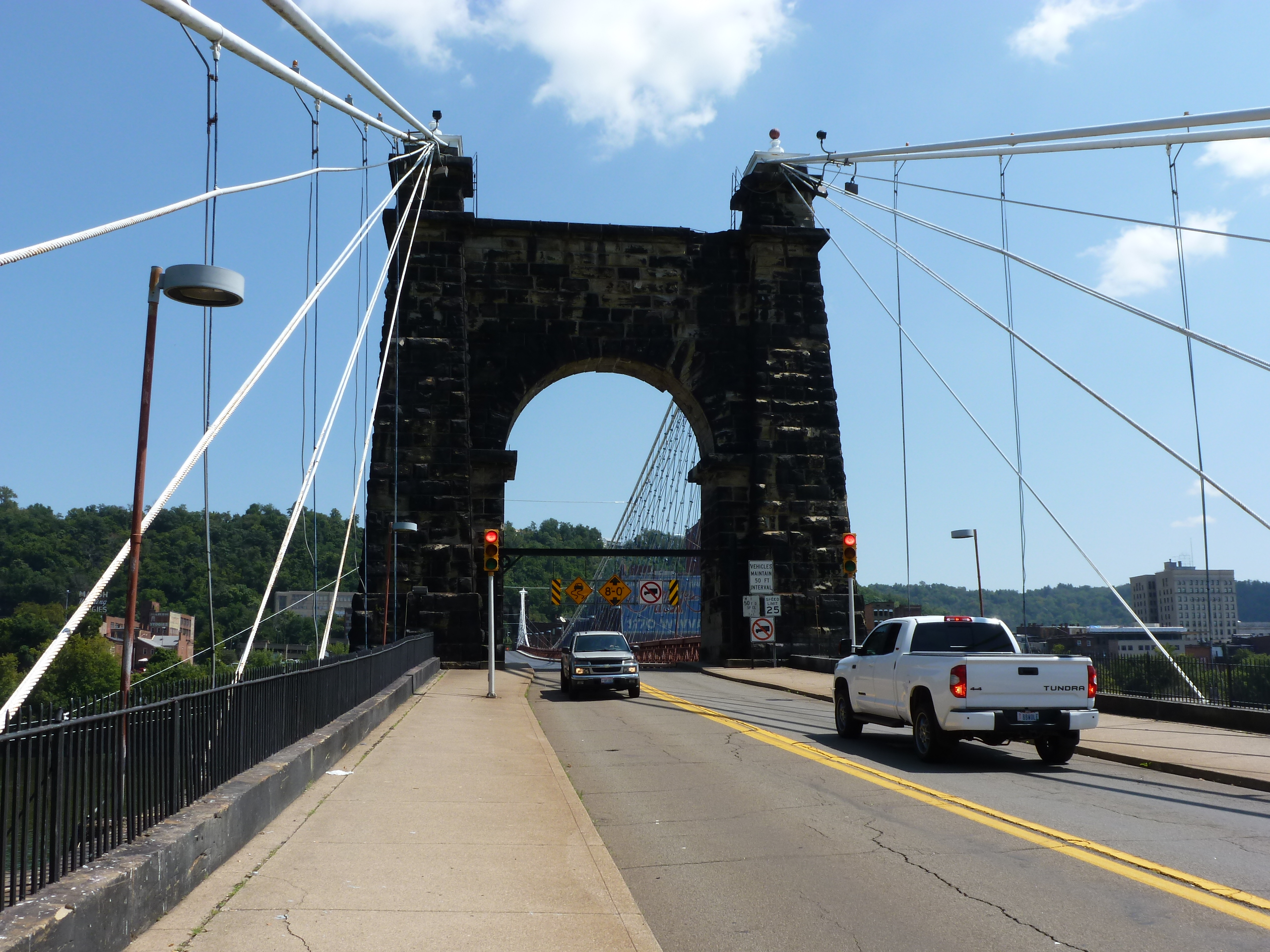
6th Street Bridge – PittsburghRoebling Suspension Bridge – Cincinnati7th Street Bridge – PittsburghWheeling Suspension Bridge – Wheeling9th Street Bridge – PittsburghBrooklyn Bridge – New York CityS. 10th Street Bridge – PittsburghManhattan Bridge – New York City
National and International
Albert Bridge – LondonLions Gate Bridge – VancouverChelsea Bridge – LondonGolden Gate Bridge – San FranciscoJubilee Bridges – LondonMid-Hudson Bridge – PoughkeepsieTower Bridge – LondonBosphorus Bridge – Istanbul
In the 2025 Bridge Madness Tournament, 16 suspension bridges go pier-to-pier in a reader’s choice tournament to pick the best one. This year’s tournament features suspension bridges visited by urbantraipsing nationally and internationally. Beginning March 1, you will be able to vote for your favorite bridge in each bracket. The champion bridge will be announced on March 29. Don’t forget to come back each week to vote your favorite bridge to #1!
Each round of voting will go live at 8 AM on the scheduled Saturday and close at noon the following Thursday. The schedule is:
March 1 – Sweet Sixteen
March 8 – Elite Eight
March 15 – Final Four
March 22 – Championship
March 29 – Winner announced
The bridges are divided into two conferences: New York City and Great Lakes Region vs. National and International.
New York City and Great Lakes Region
The suspension bridges in the New York City and Great Lakes Region Conference are below. Click on the links to learn more about urbantraipsing’s encounter with each bridge.
The suspension bridges in the National and International Conference are below. Click on the links to learn more about urbantraipsing’s encounter with each bridge.
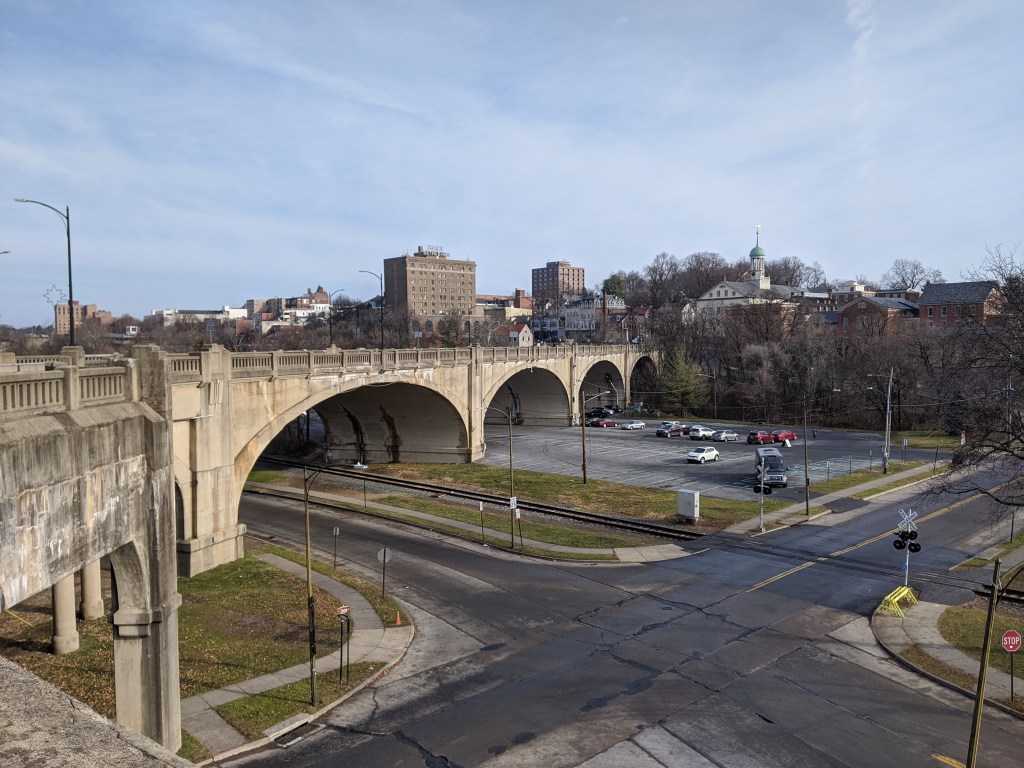
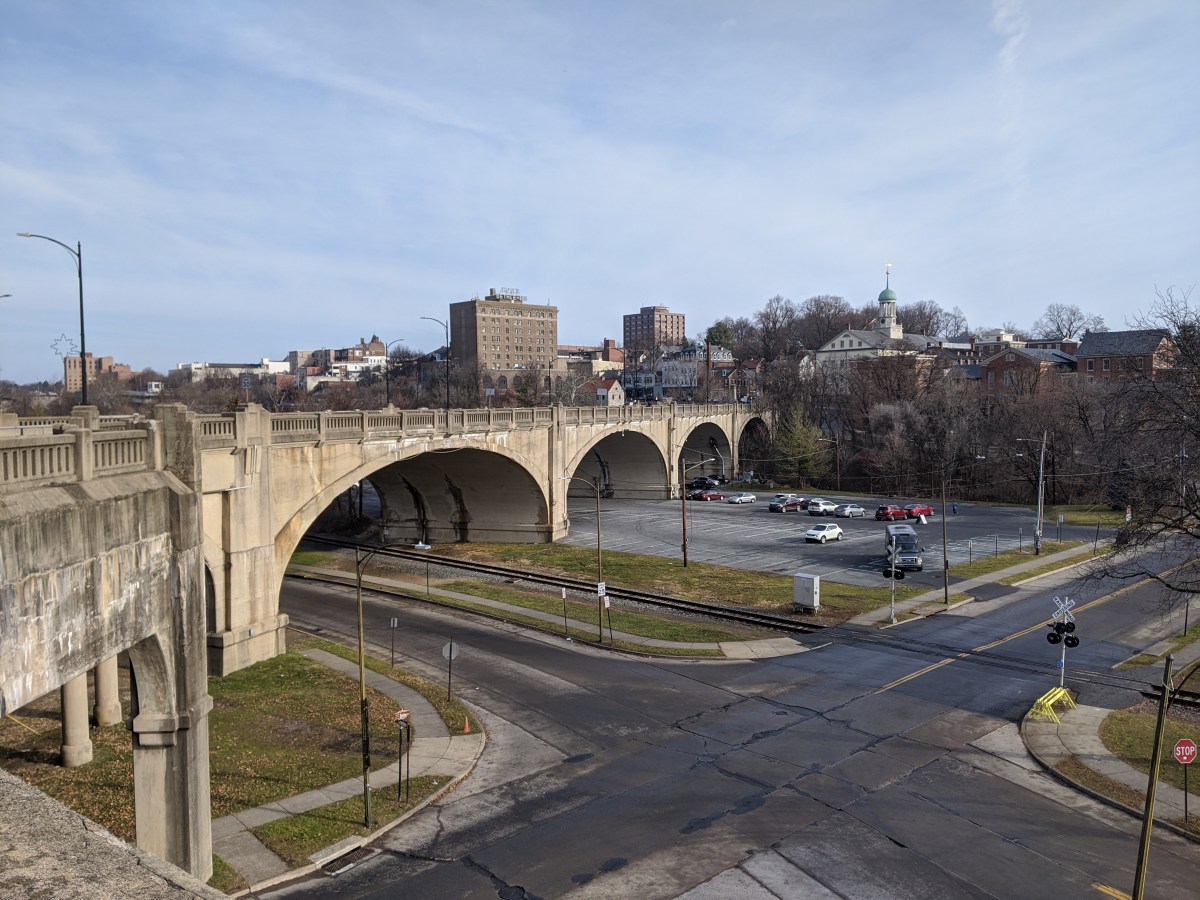
I was in the midst of trying to understand what is a viaduct when I traveled to Bethlehem, PA, with my family. One of our activities was to explore the bridges (see also Cage-free Bridges). As we walked the Hill-to-Hill Bridge, my initial reaction was “now here is a viaduct.” I hadn’t reached the point of developing a semi-clear definition for viaduct but looking at the flat roadbed supported by multiple arches over the floodplain, viaduct seemed the most appropriate word for the structure.
As we kept walking, it turned out that the viaduct was only a portion of the Hill-to-Hill Bridge. In fact, it would be more appropriately called the Hill-to-Hill-to-Hill-to-Hill Bridge. There are two approaches to the main span on the south end and three on the north end, including the viaduct and one approach permanently closed to through traffic. When the bridge was built in 1924, there were a total of seven approaches at various points along the main span. With so many components, this structure brings me back to the question of how many is one bridge?
Unlike when I asked this question of the 30th and 31st Street bridges in Pittsburgh, here the main bridge, the intersecting viaduct, and the numerous connections seem to be considered one bridge. They are together called the Hill-to-Hill Bridge while the structure in Pittsburgh has three distinct names (including River Avenue Ramp). Perhaps the deciding factor in whether it is one or more bridges is the original intent. The Hill-to-Hill Bridge was designed as a multifaceted structure whereas the 30th and 31st Street bridges were developed independently.
The best indication of the original intent seems to be the name. The Hill-to-Hill Bridge has a single name whereas the 30th and 31st Street bridges have separate names. The other examples I looked at in 2012 were the Veterans Bridge (Pittsburgh), the Fort Duquesne Bridge (Pittsburgh), and what I called the Jubilee Bridge (London).
The Veterans Bridge joins three approaches into one bridge, all under a single name. Therefore, it is one bridge, not three.
The pedestrian walkway of the Fort Duquesne Bridge was built decades after the vehicular portion but does not have a separate name. Therefore, it is one bridge, not two.
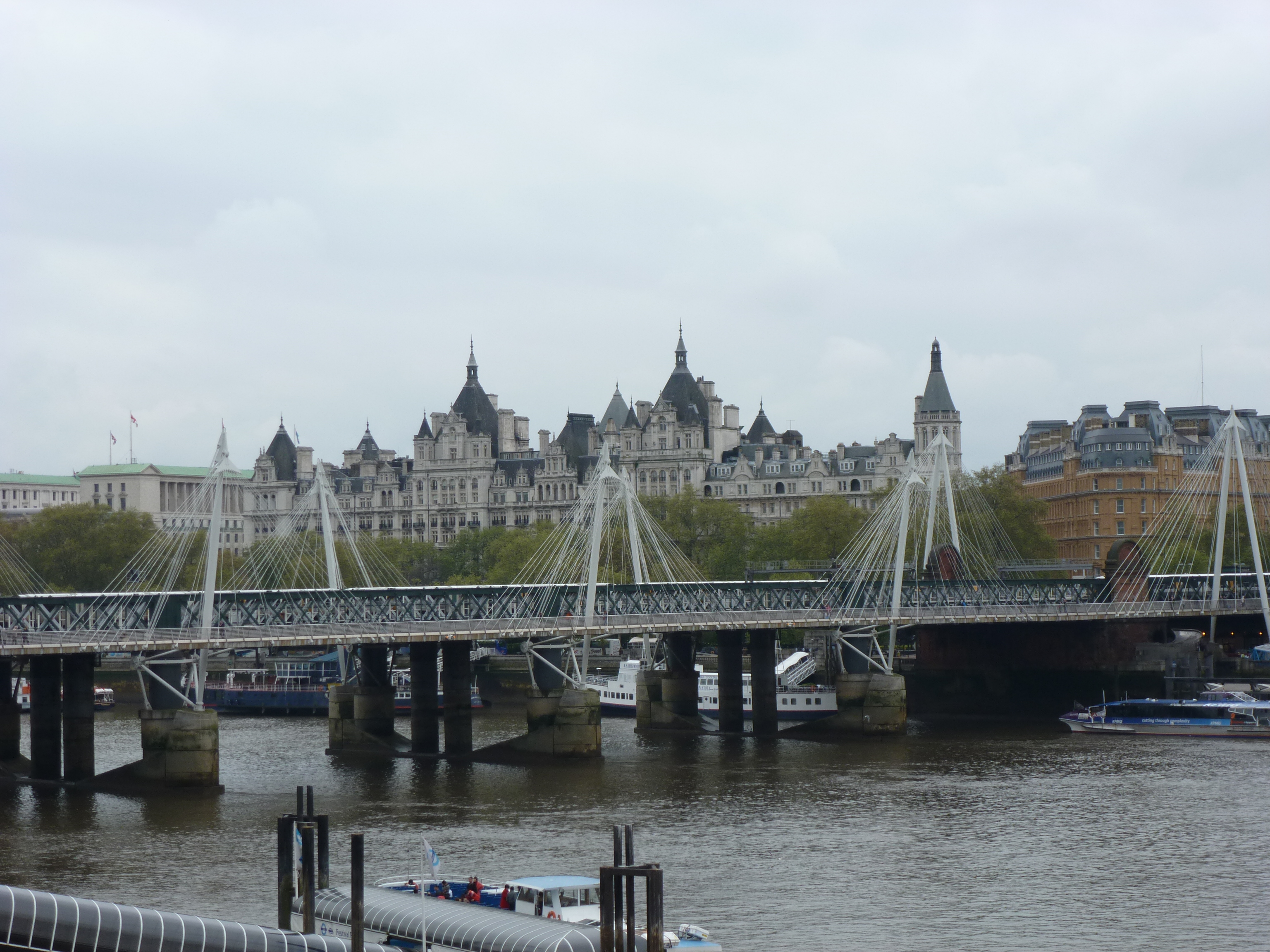
What I called the Jubilee Bridge (despite the photo I took at the time of the dedication plaque stating otherwise) is actually called the Golden Jubilee Bridges. While these bridges share the support structure of the underground’s Hungerford Bridge due to concerns about unexploded WWII bombs in the area, they have separate names. Therefore, it is three bridges, not one nor two.

 urbantraipsing