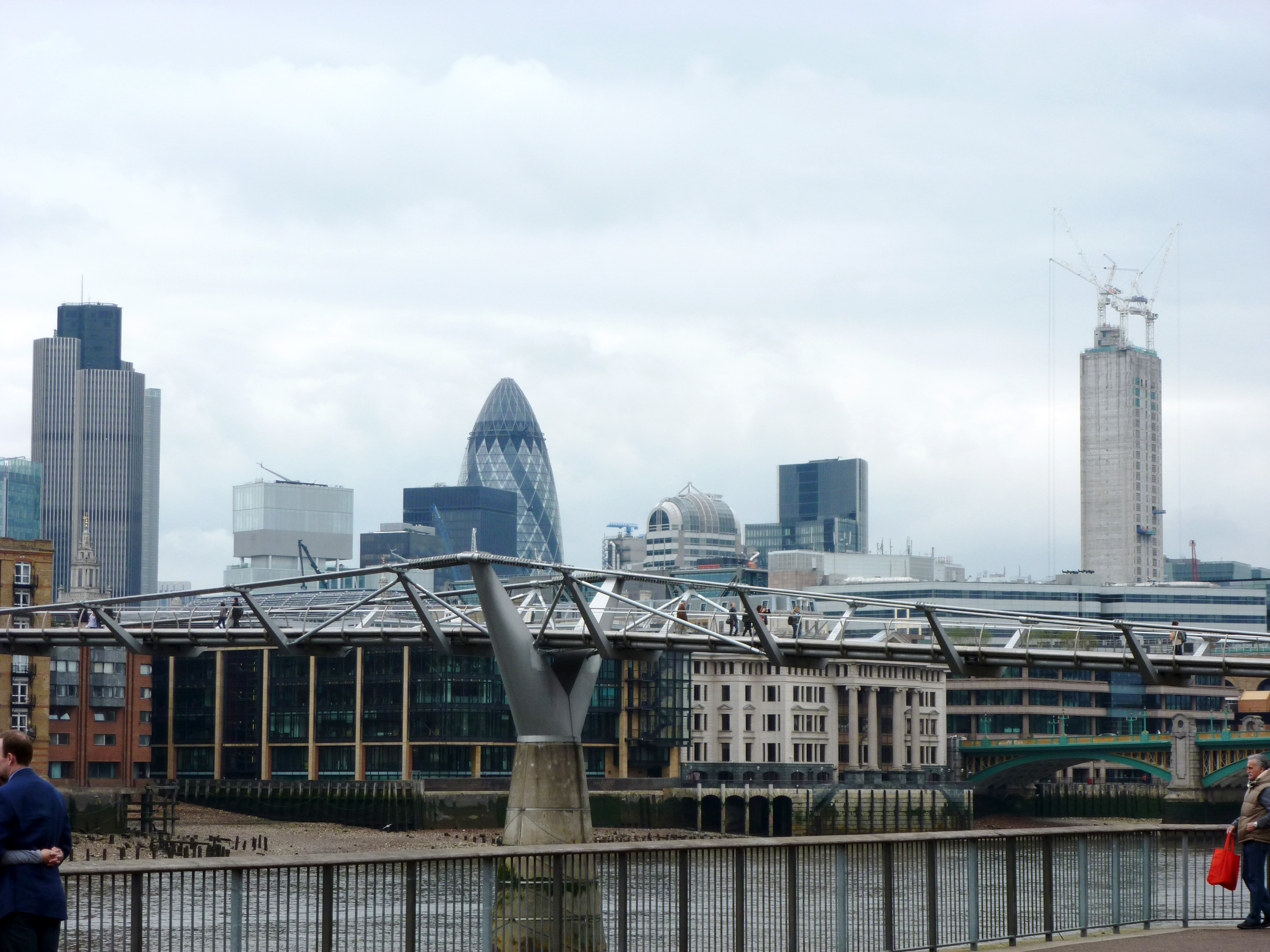
Frederick Douglass Bridge, DC

For years, even before I started urbantraipsing, I thought nothing of walking from transit stop to transit stop, bridge to bridge, as I explore and encounter the expected and unexpected nooks and crannies of a city. That way of life came crashing to a devastating halt in the fall of 2023 when I developed Long COVID.

Six months passed.

And then a year.

The return to “normal” my doctors promised seemed increasingly unlikely. But a return to functional seemed within reach. The question remained: did urbantraipsing fall within this new functionality?

After a few local test excursions, I felt physically and mentally strong enough to test travel. In April 2025, I took a long-overdue trip to visit my brother in Washington, DC. On this trip, I encountered some great bridges and learned that, much like other activities, with modification and accommodation urbantraipsing is a way of life I can continue.

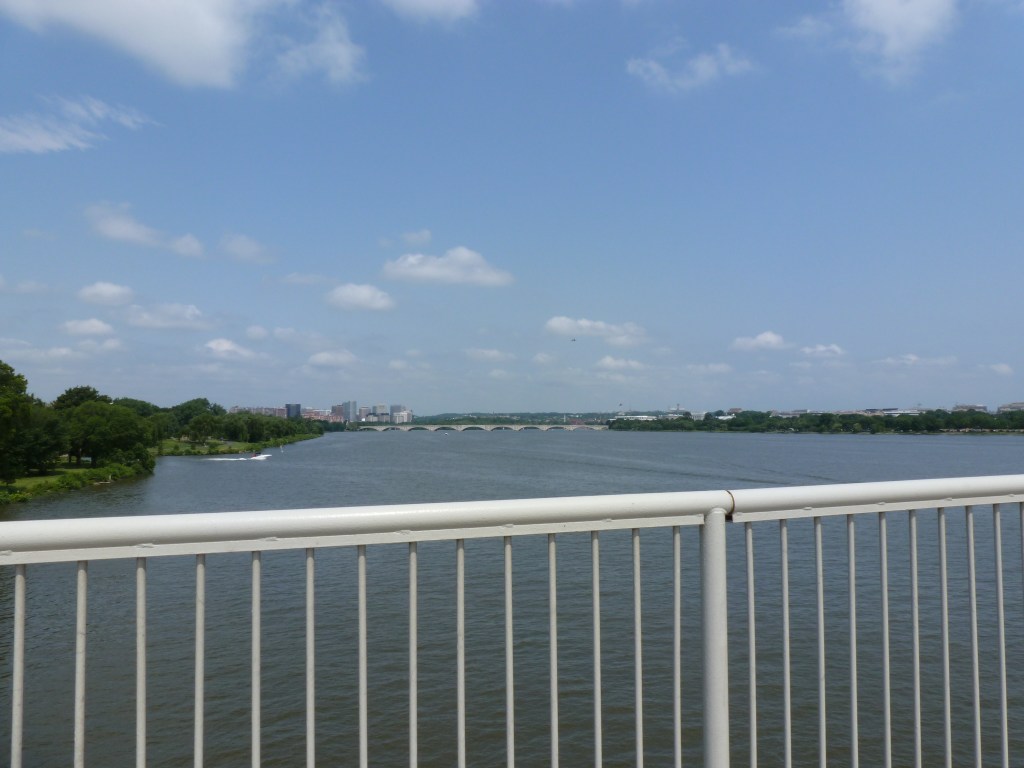
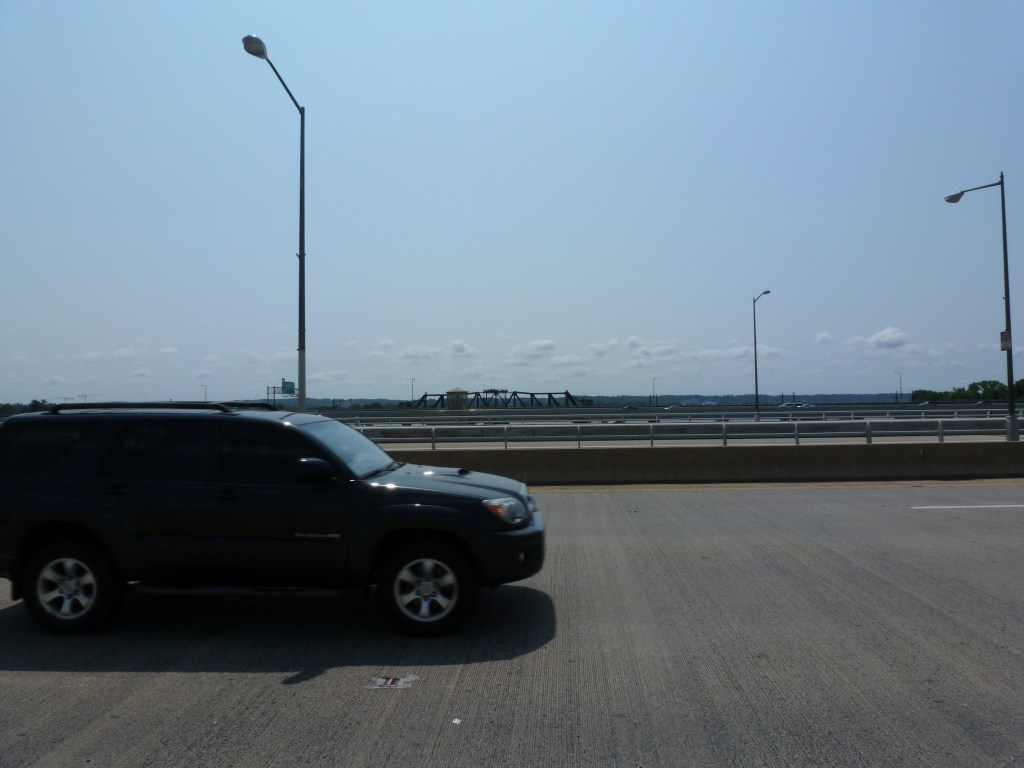
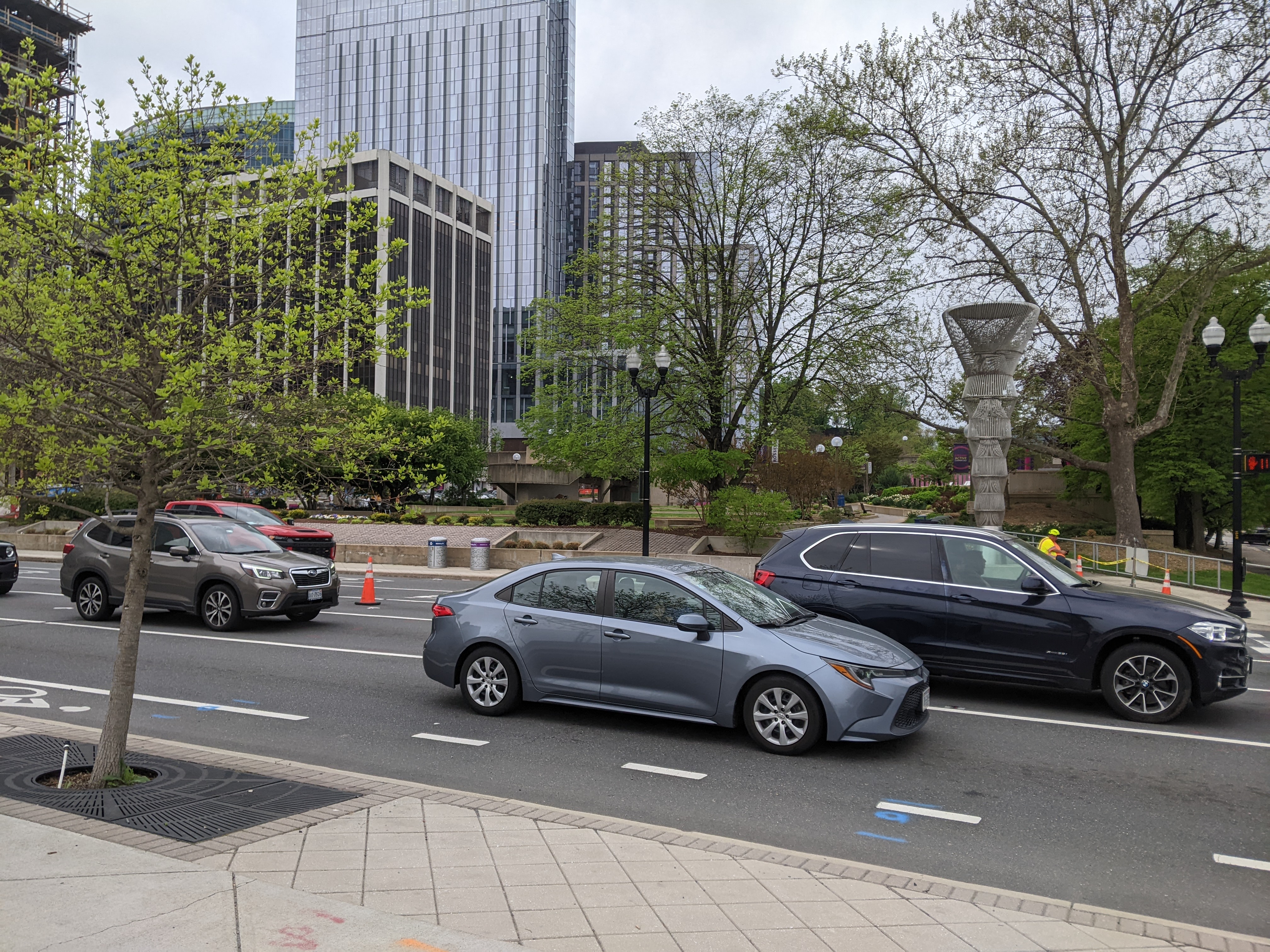
The open, through-arch Frederick Douglass Memorial Bridge was one of our expected encounters. I probably would have been ecstatic about the unexpected benches in the lookouts between the arches under previous circumstances. After all, it isn’t every day that you find a bench on a bridge. However, in the past, I probably would have just said “that’s cool,” photographed them, and moved on. Instead, I took full advantage of these seats for one of my rest and rehydration breaks. This slow down is the reason I spotted the Yard Park Bridge, a bridge I definitely needed to add to my collection.
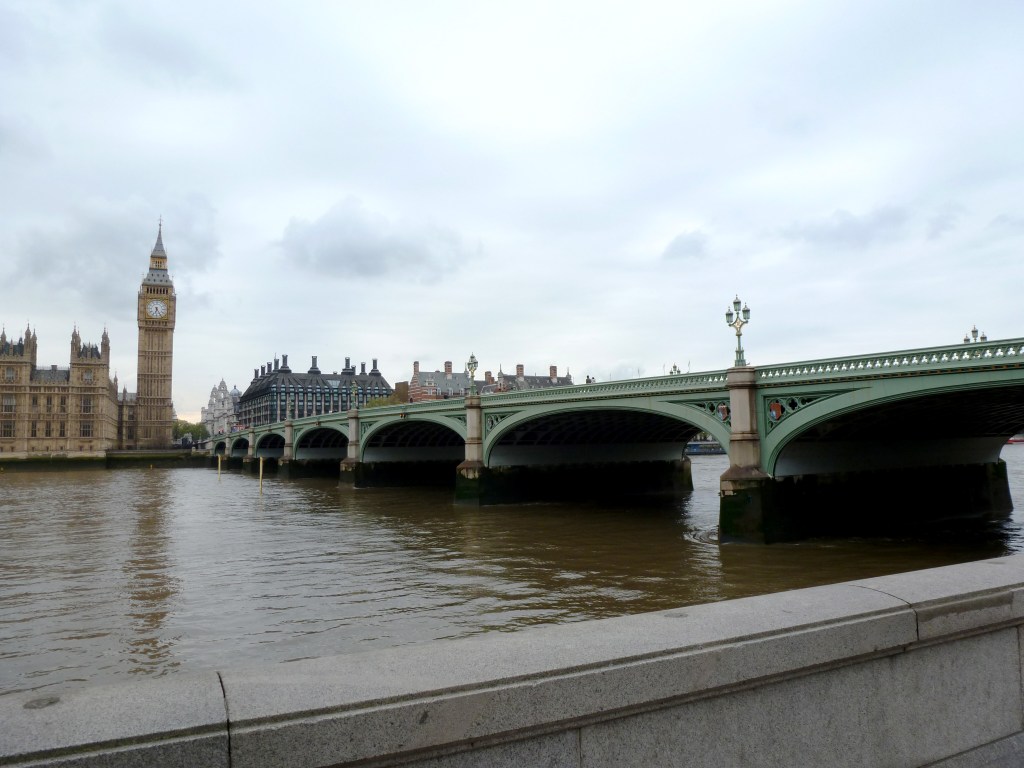
Perhaps slowing down and being more intentional to accommodate my Long COVID needs will continue to add depth to my urbantraipsing experiences.

Anacostia River Canals

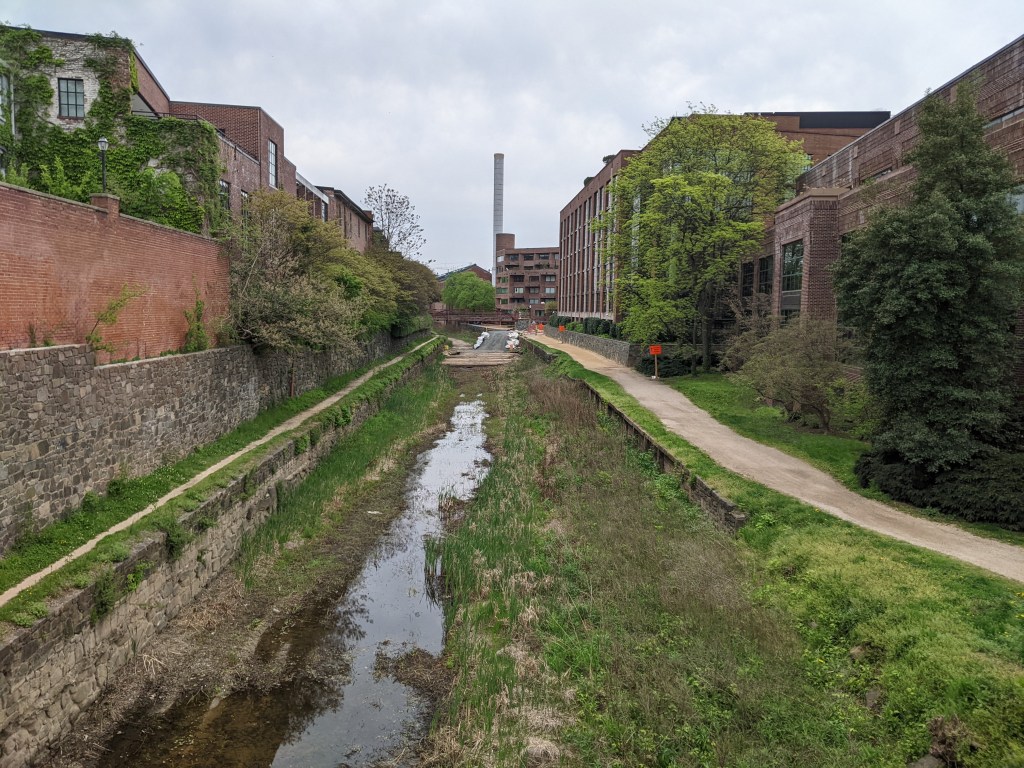
The Anacostia Riverwalk Trail crosses over the openings of several canal channels within a short distance from the Frederick Douglass Bridge in Washington, DC. The first canal opening that I walked over, I had no idea that I was walking on a bridge…like when I walked over the Grosvenor Canal in London. It wasn’t until I was checking out the views from the Frederick Douglass Bridge that I saw the opening for the canal underneath the path I had just walked. (First picture in the slide show below.)
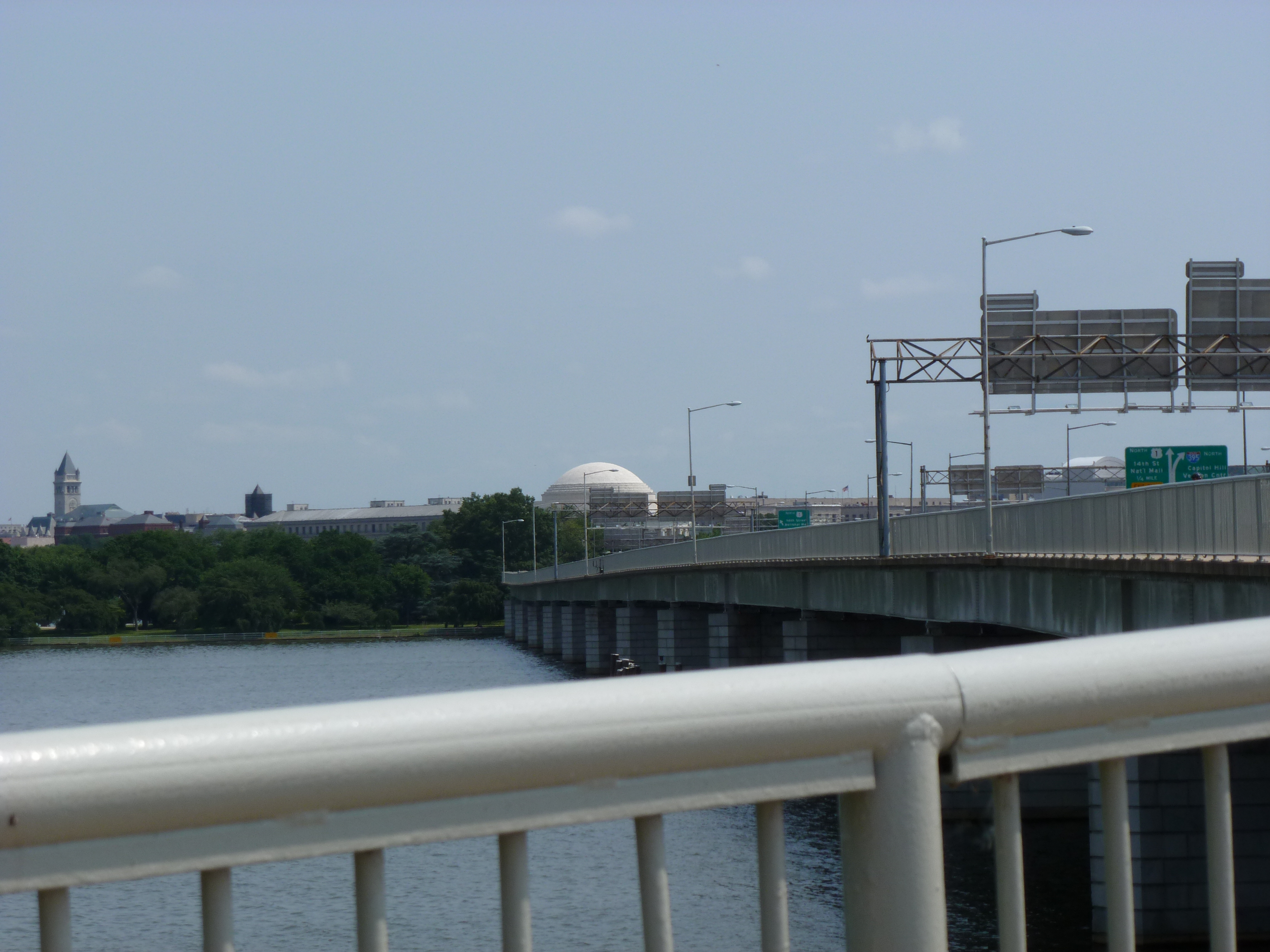
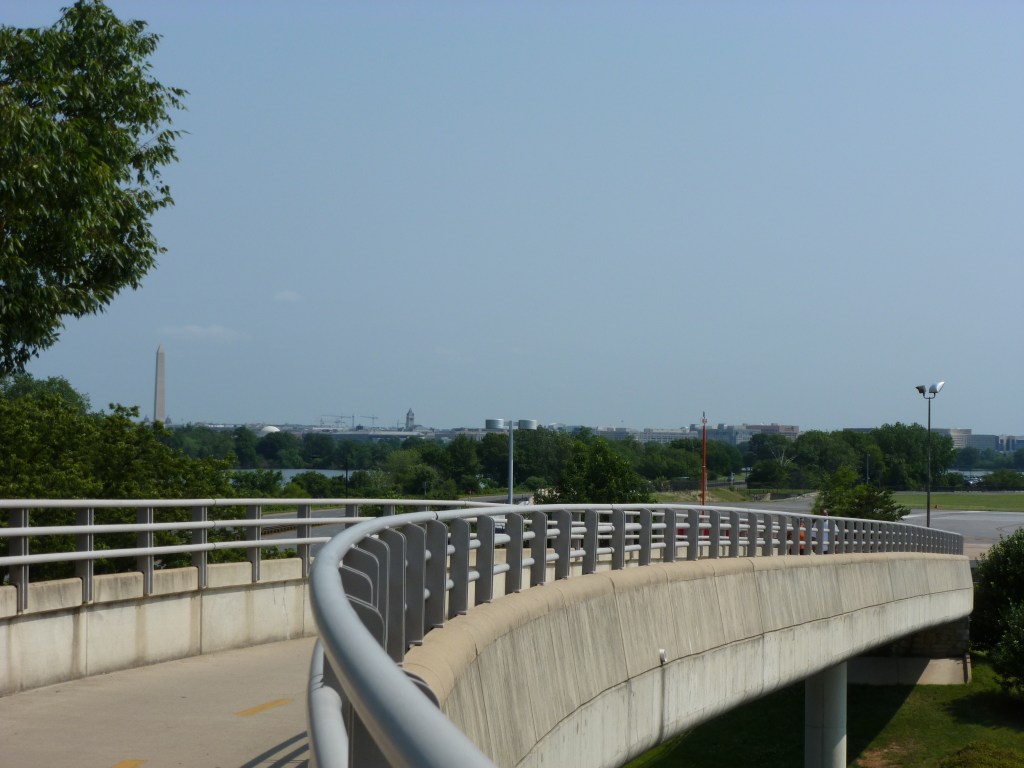
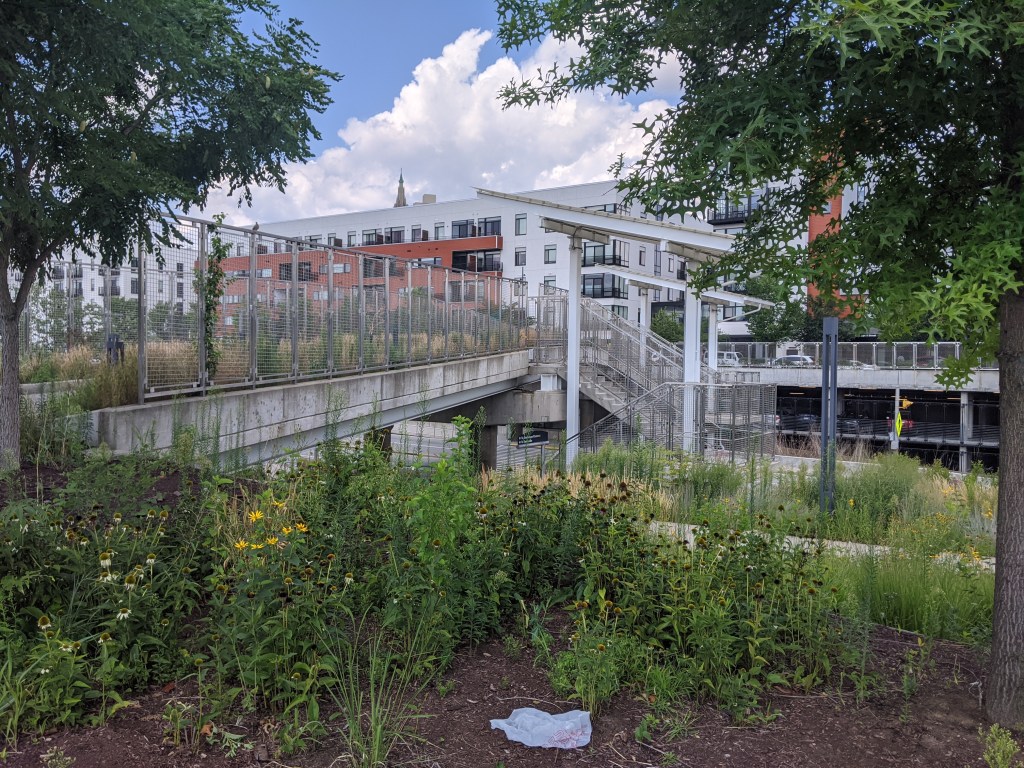
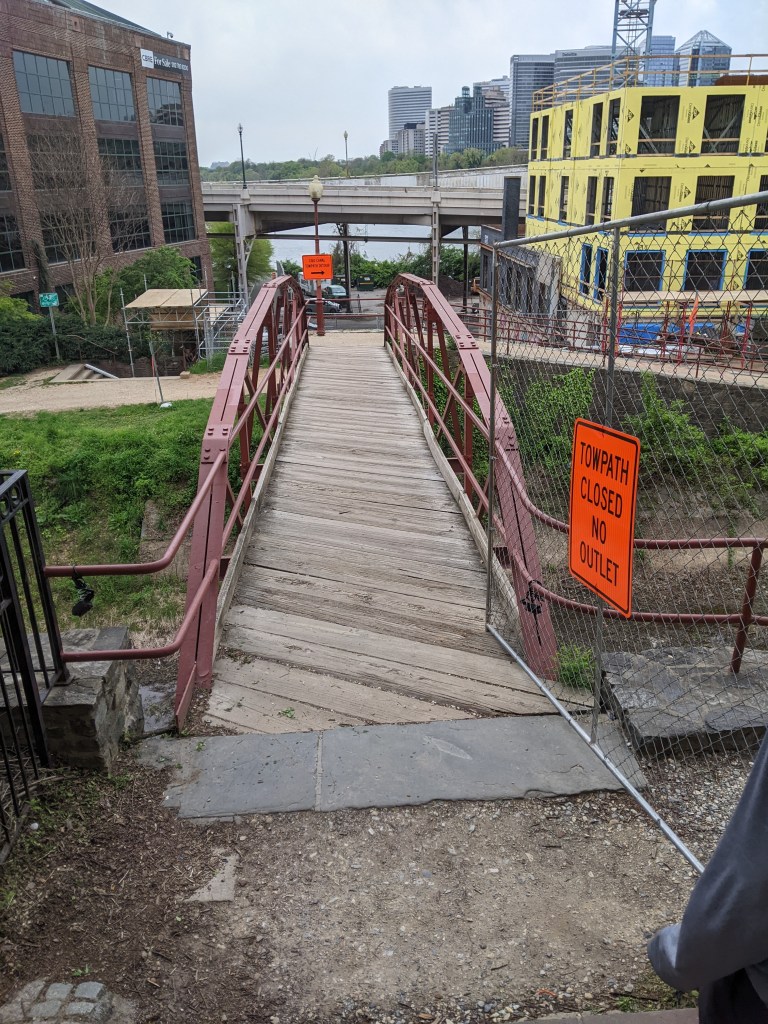
The bridge pictured above appears to have been over a canal that fed into or out of (or both?) the old O Street Pumping Station. This bridge was clearly visible as we walked passed it on our way to the Frederick Douglass. I was tempted to cross it (as a bridge walker, it is hard to walk passed a bridge and not over it), but I was tired and trying to conserve energy. However, once on the Frederick Douglass Bridge, I spotted another pedestrian bridge just beyond this one that I could not pass up the opportunity to walk, no matter how tired I was.
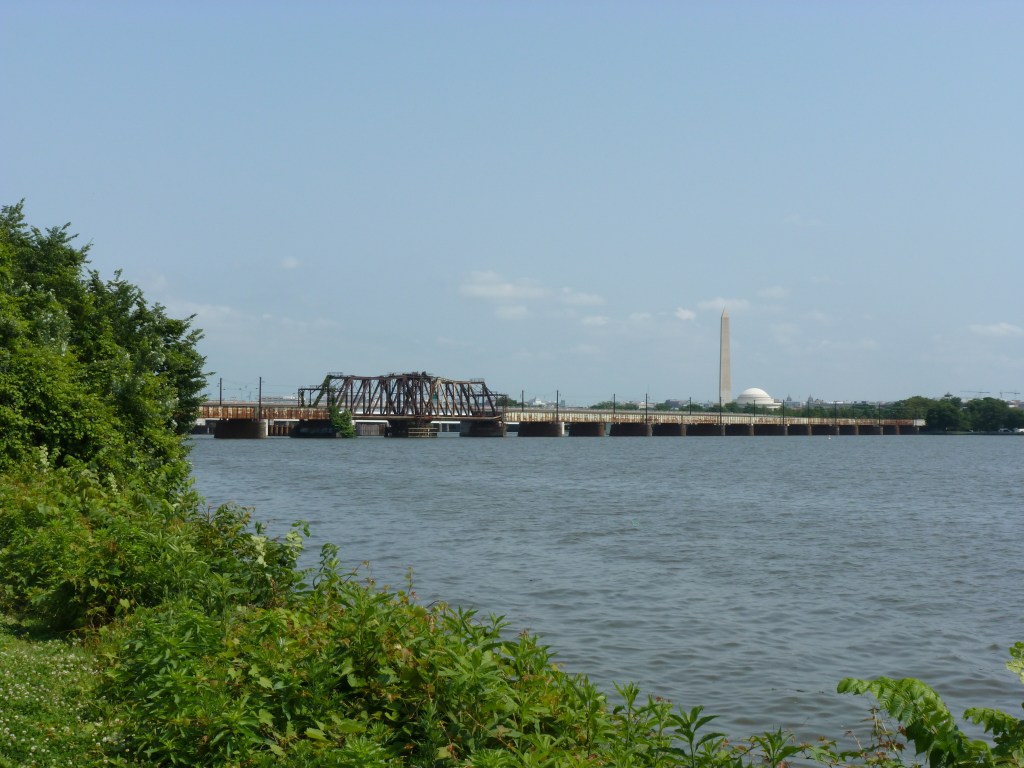
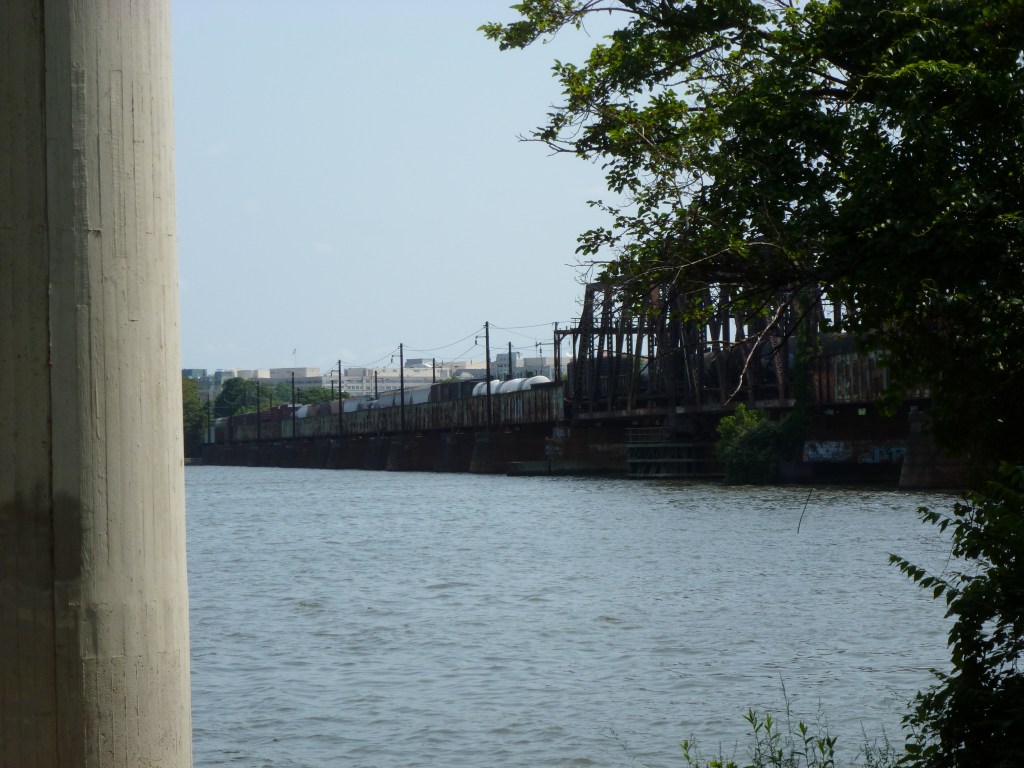
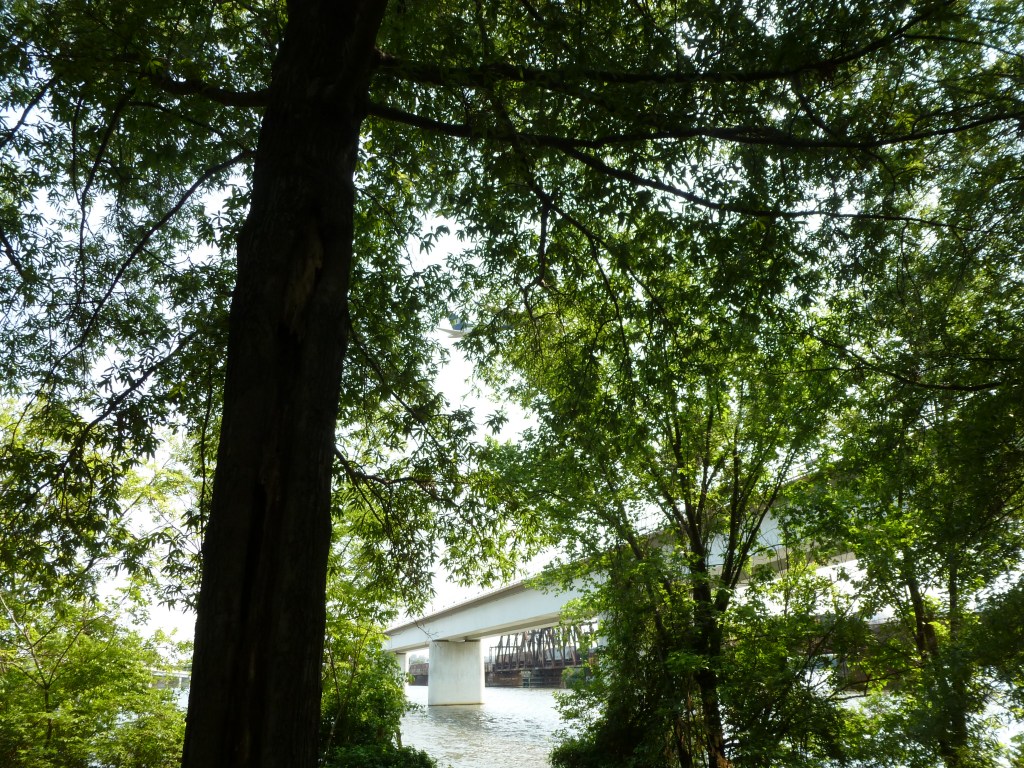
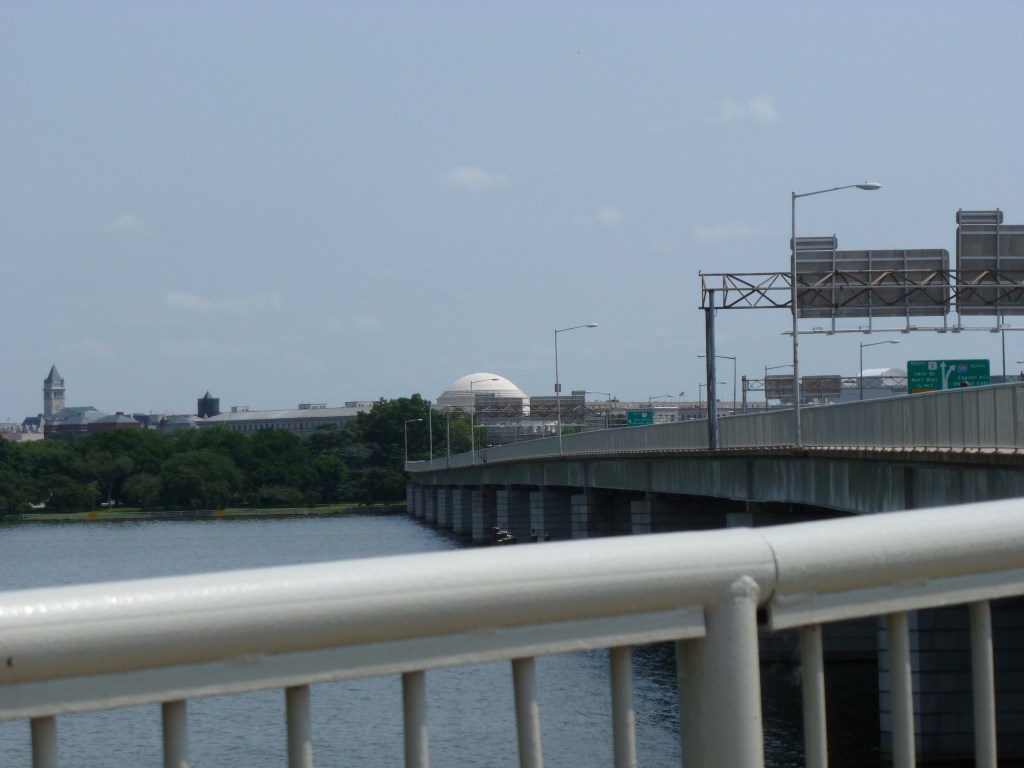
The Yard Park Bridge is a highly photogenic bridge, perhaps rivalling London’s Millennium Bridge. It crosses over what I think are the remnants of the Washington City Canal, most of which has been paved over. The paved portion visible from the Yard Park Bridge reminded me of the portions of the Erie Canal in Buffalo paved over for a skating rink and other recreational purposes.

London Docks

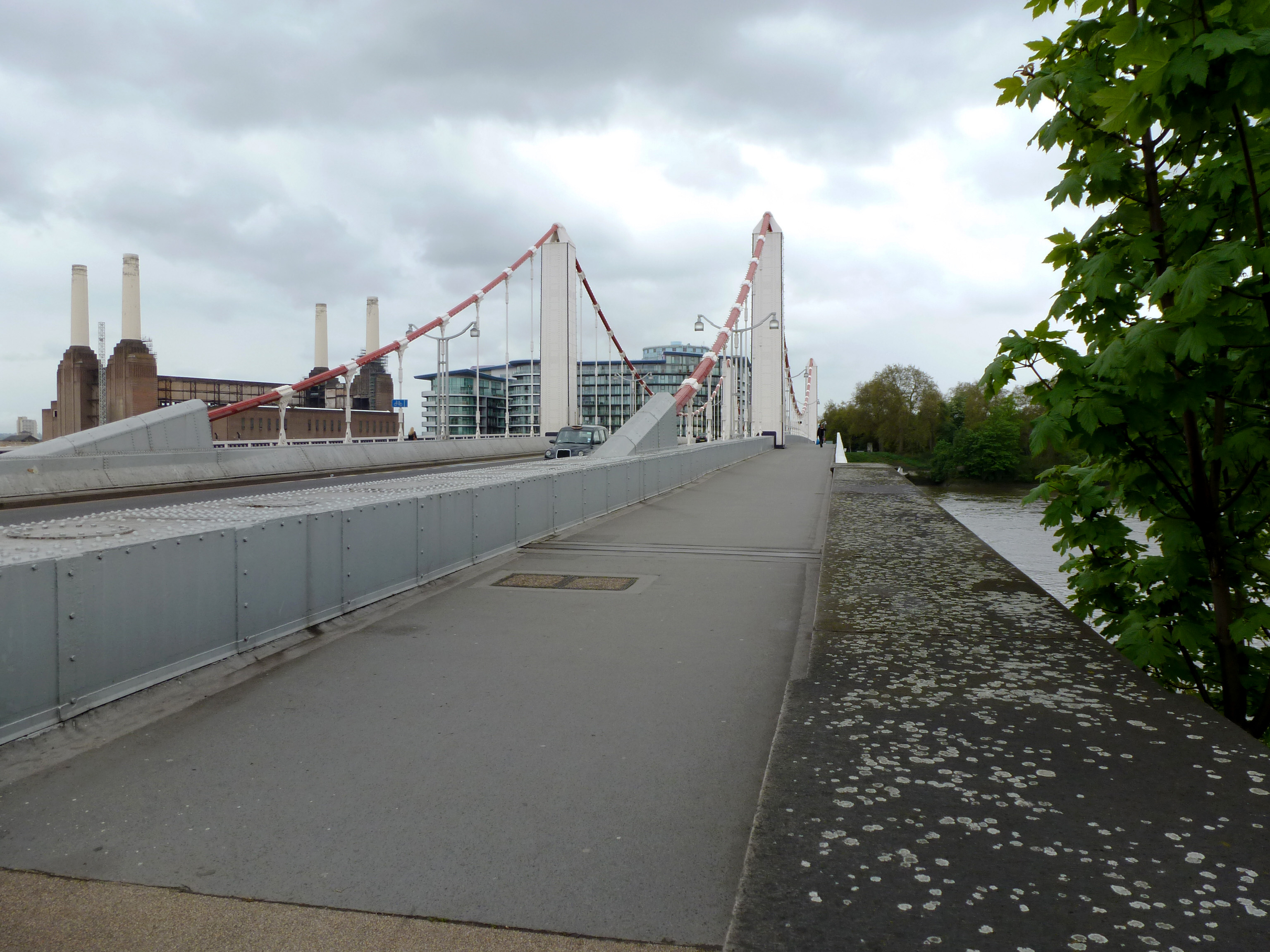
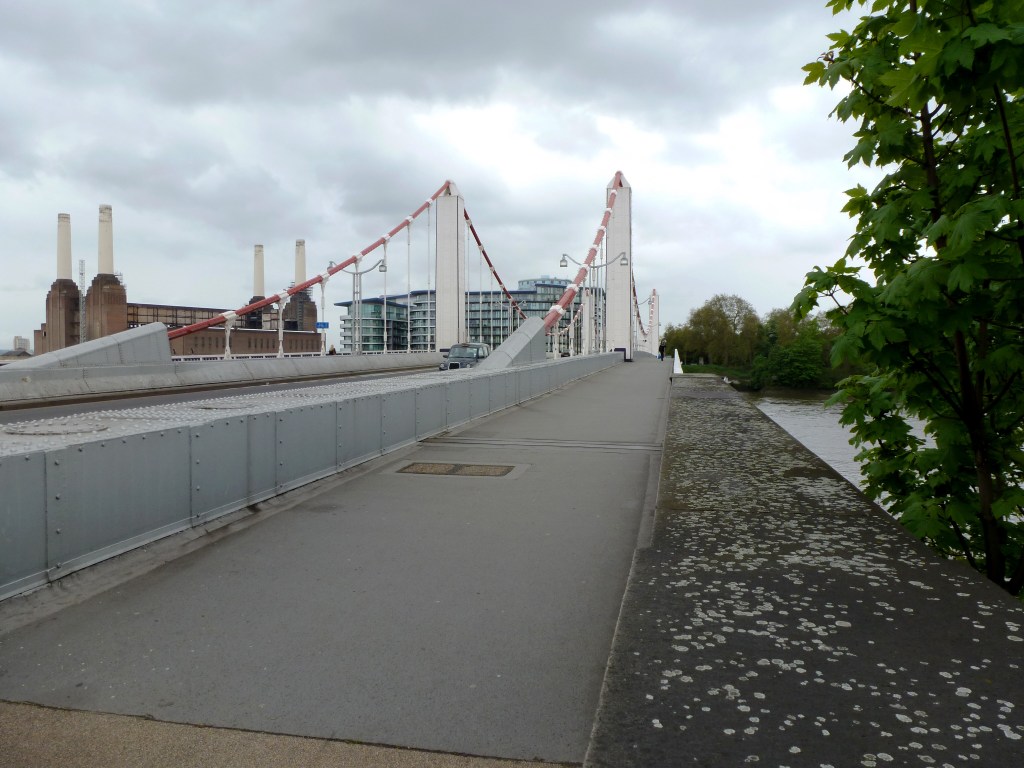
There are four docks or canals connecting into the River Thames along the stretch of the river through Central London that I walked in 2012. I walked bridges over three of these, though I was too distracted by other sites to photograph one of them. The one I missed was the Grosvenor Canal between the Chelsea and Grosvenor Bridges. I was busy photographing the former Battersea Power Station, Grosvenor Bridge, and the train yard next to the Grosvenor Bridge to notice that I walked another small bridge over the Grosvenor Canal. Returning to the site through Google Street View, it looks like the kind of bridge that you’d have to know was there to notice it.

I did notice when I was crossing the bridge across Ransome Dock (picture above), between the Battersea and Albert Bridges. Although, I hadn’t yet learned my lesson to always take an establishing shot of the bridge itself, not just the views from the bridge.

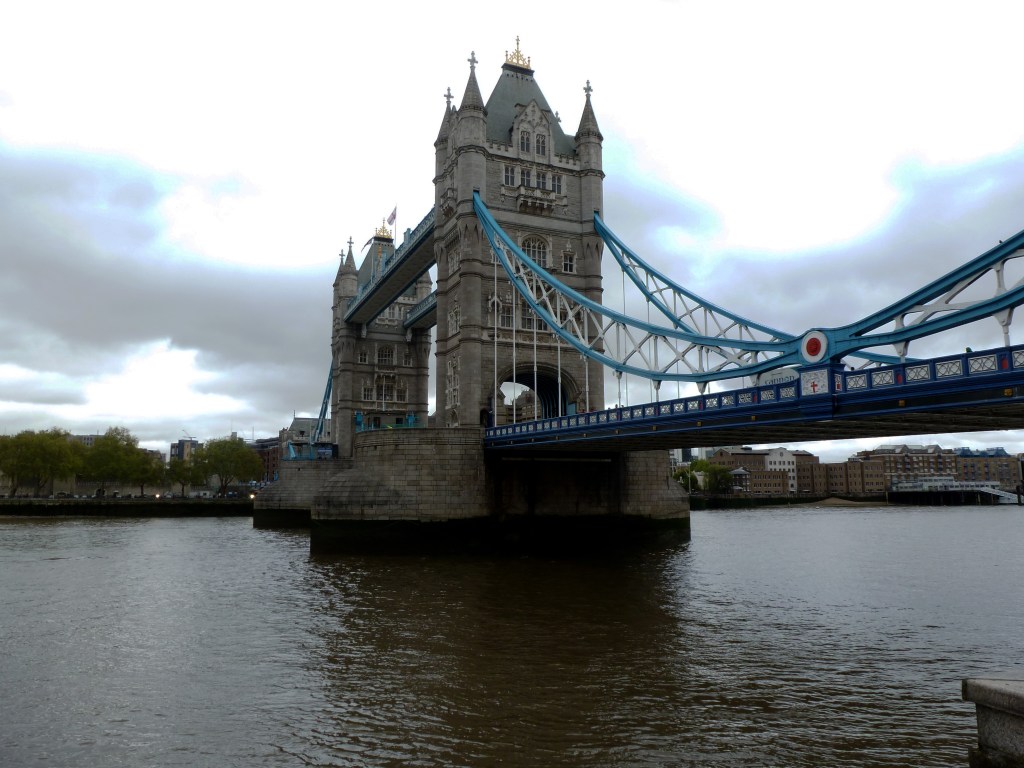
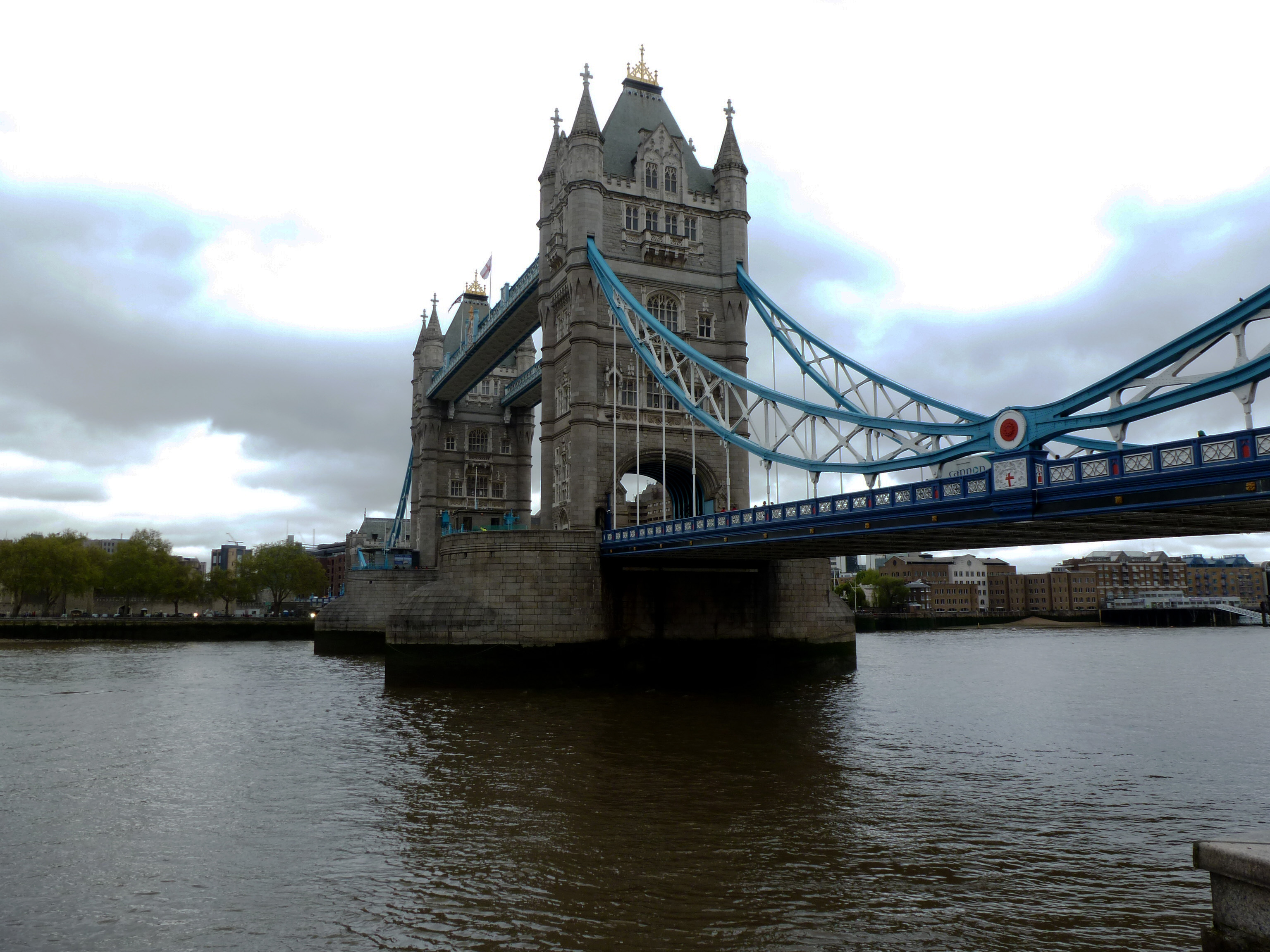
I also noticed when I walked across the Rolling Bridge over St. Saviour’s Dock (picture below), which is slightly downriver from the Tower Bridge. The structure of the bridge itself was fascinating enough that I did take a picture of it. It wasn’t until much later that I learned it truly is a unique bridge – the only draw bridge to curl up on itself.

Cannon Street Railway Bridge

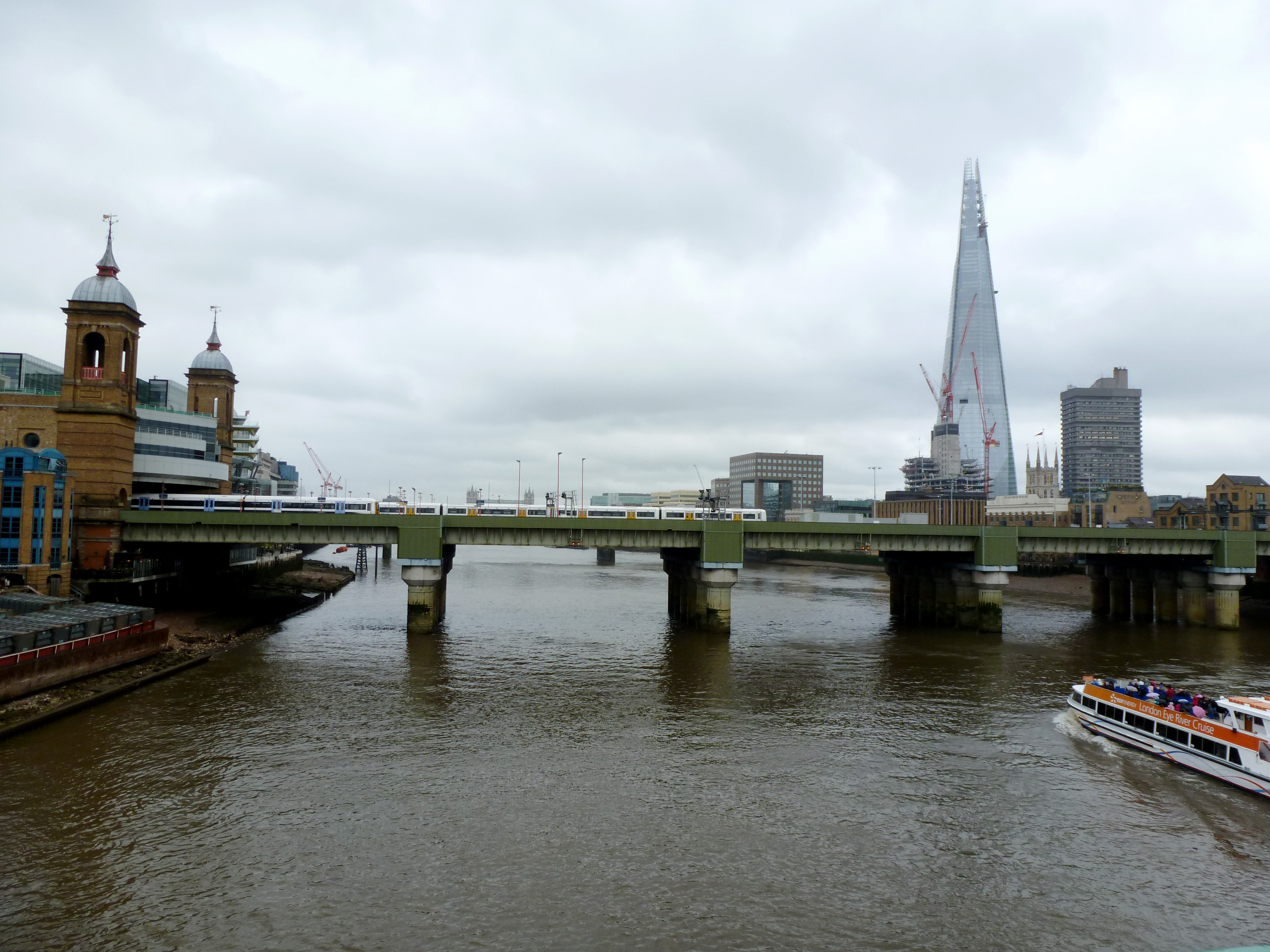
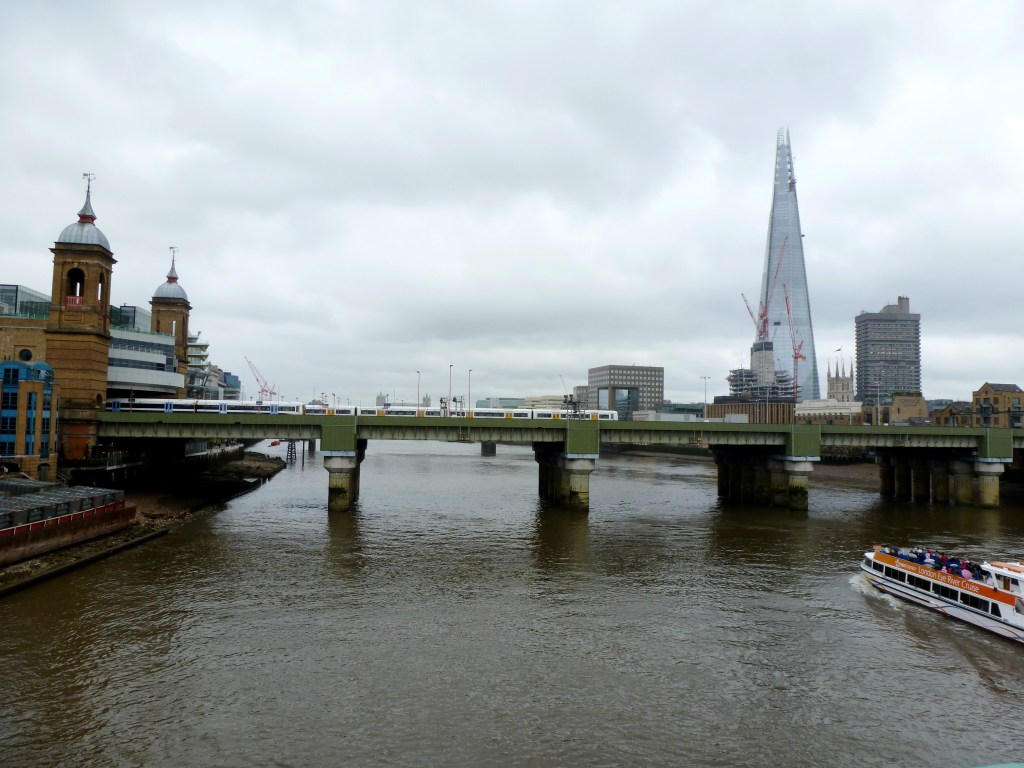
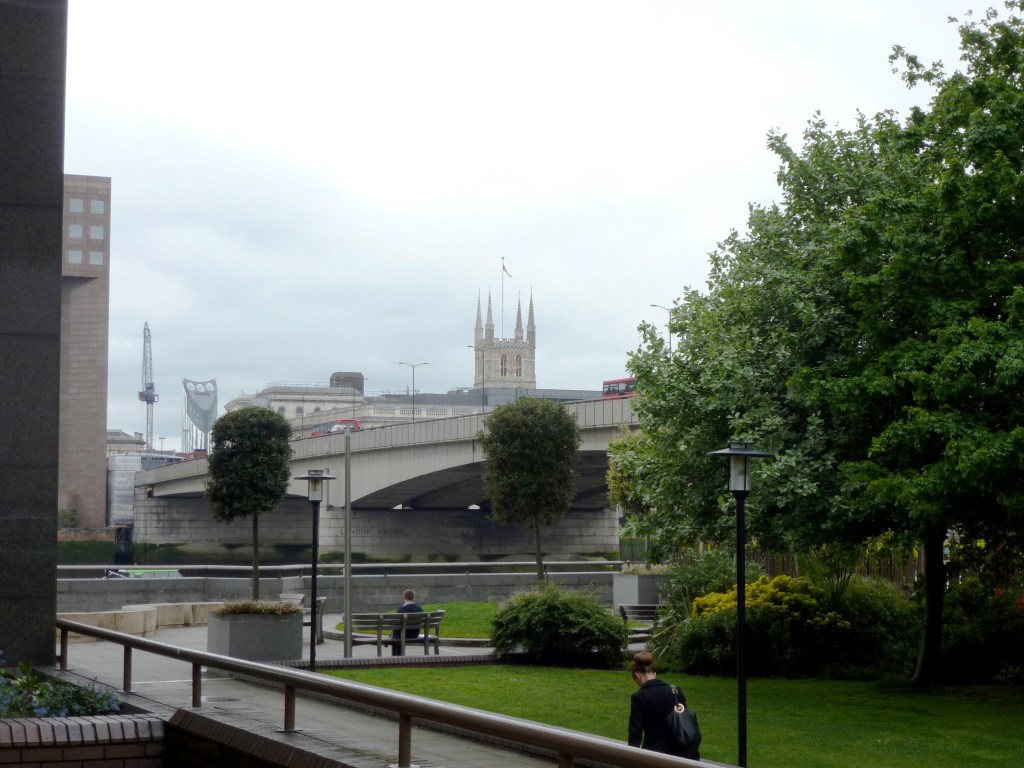
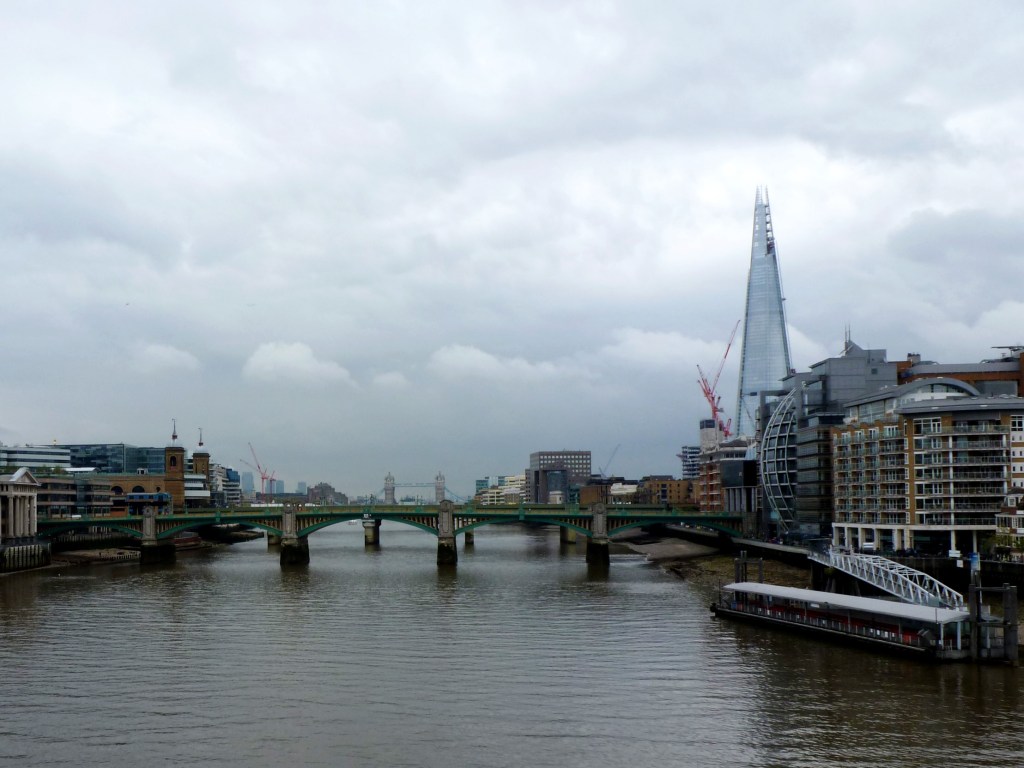
The Cannon Street Railway Bridge is the last of the railroad bridges I encountered on my trip to London in 2012. Compared to the others (Battersea, Grosvenor, Hungerford, and Blackfriars), the Cannon Street bridge is relatively boring, though it also has its unique features. It is the only one of the five constructed with plate-deck girders, a style my “How to Read Bridges” book skips over, but appears to be a complex form of beam bridge for larger spans.

Blackfriars Railway Bridge/Station

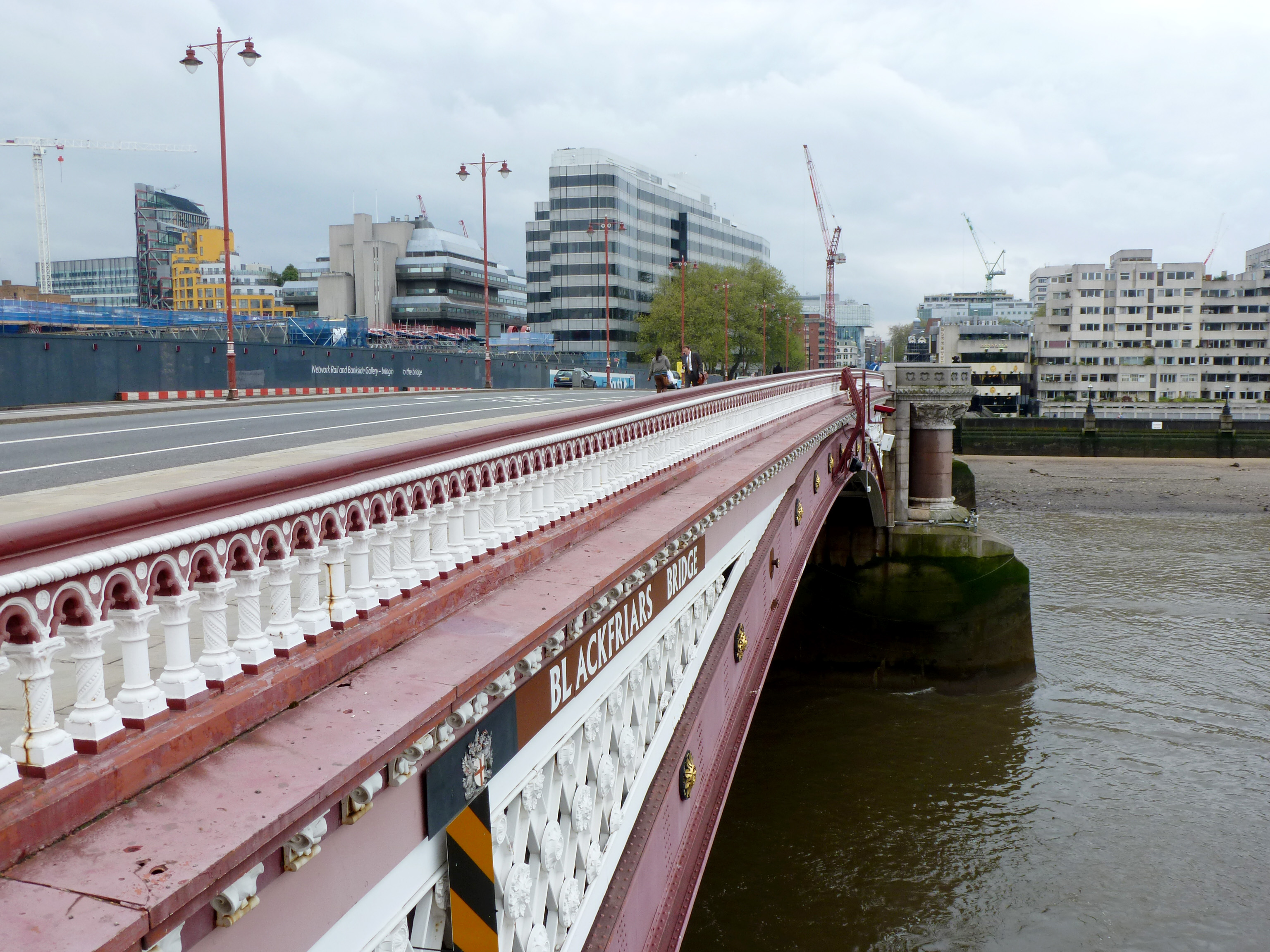
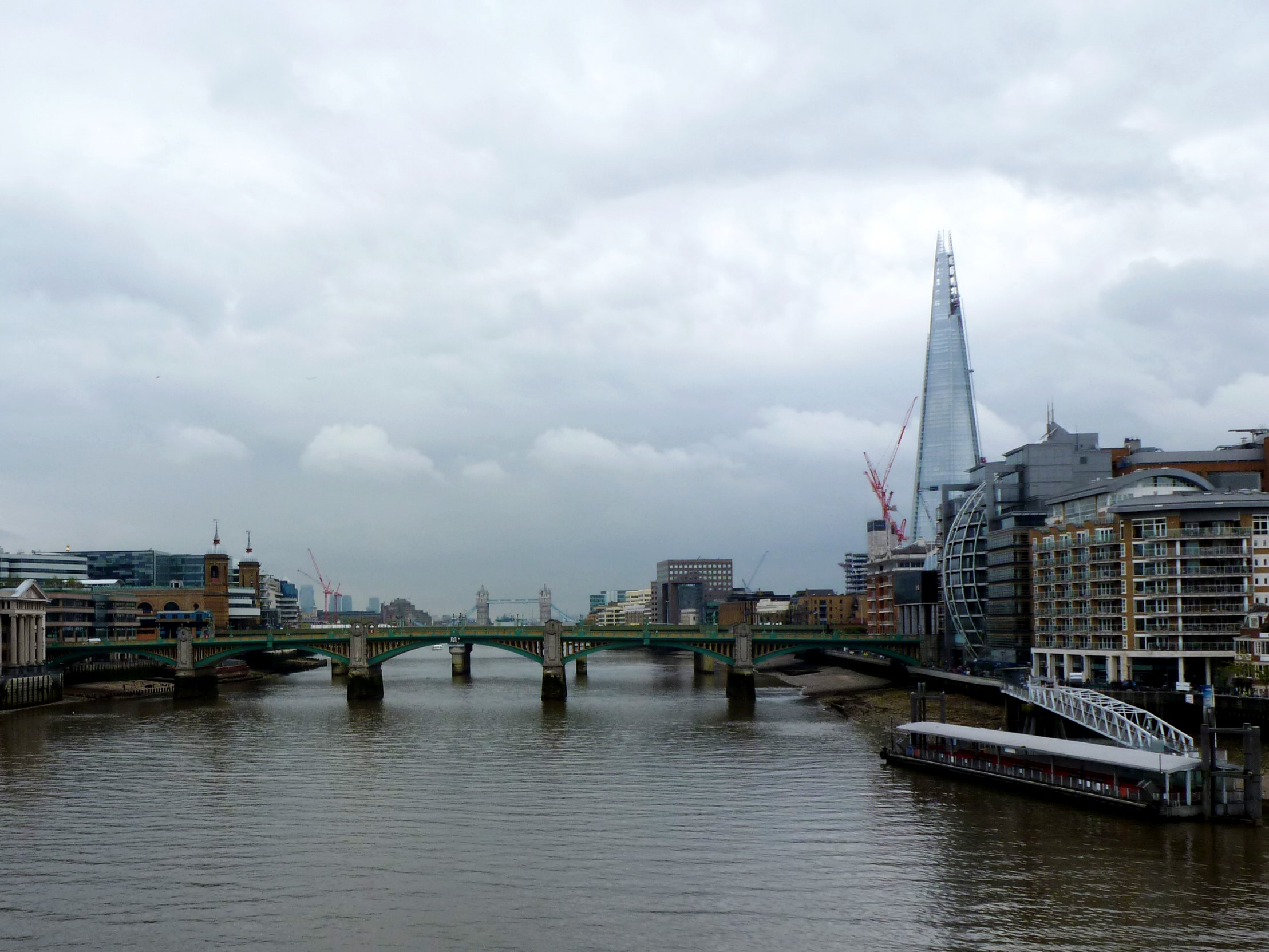
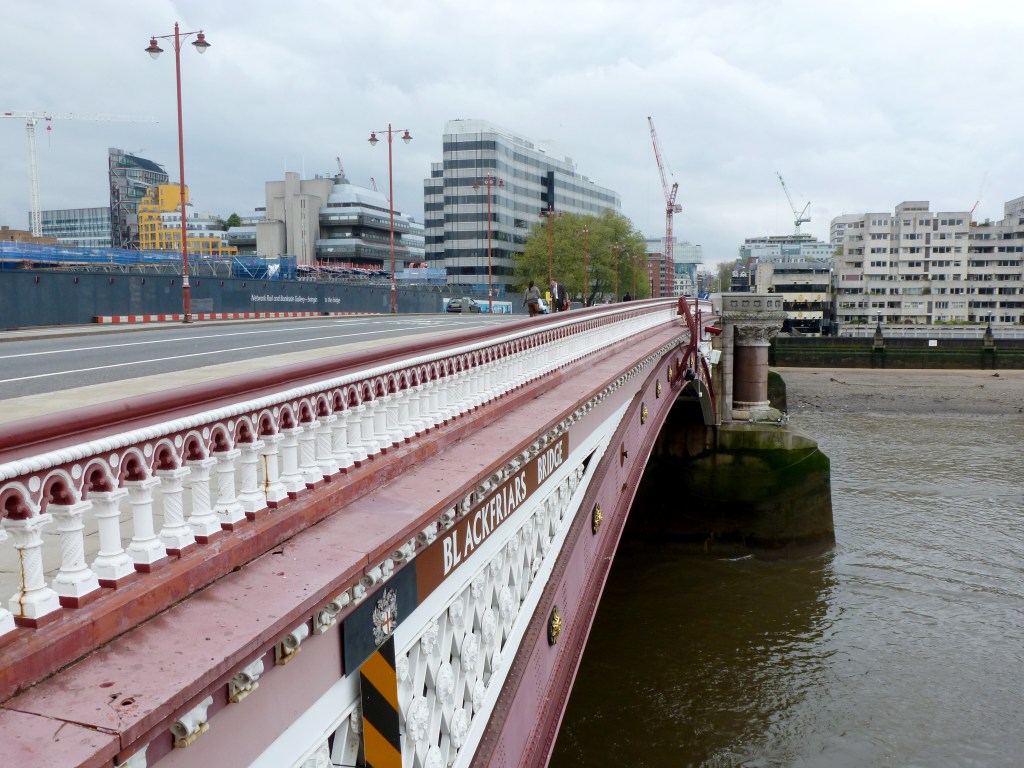
Blackfriars Station is another unique bridge along the Thames. It is a bridge…and it’s a station for the underground. When I was there in May 2012, it was under construction, or rather extensive renovation to extend the platforms along the bridge and add solar panels above. The Guardian heralded it as the “world’s largest solar power bridge” when it opened in 2014. And over a decade later, it seems to retain hold of that title, suggesting an opportunity for more solar bridges to step up to the challenge.

Hungerford Bridge

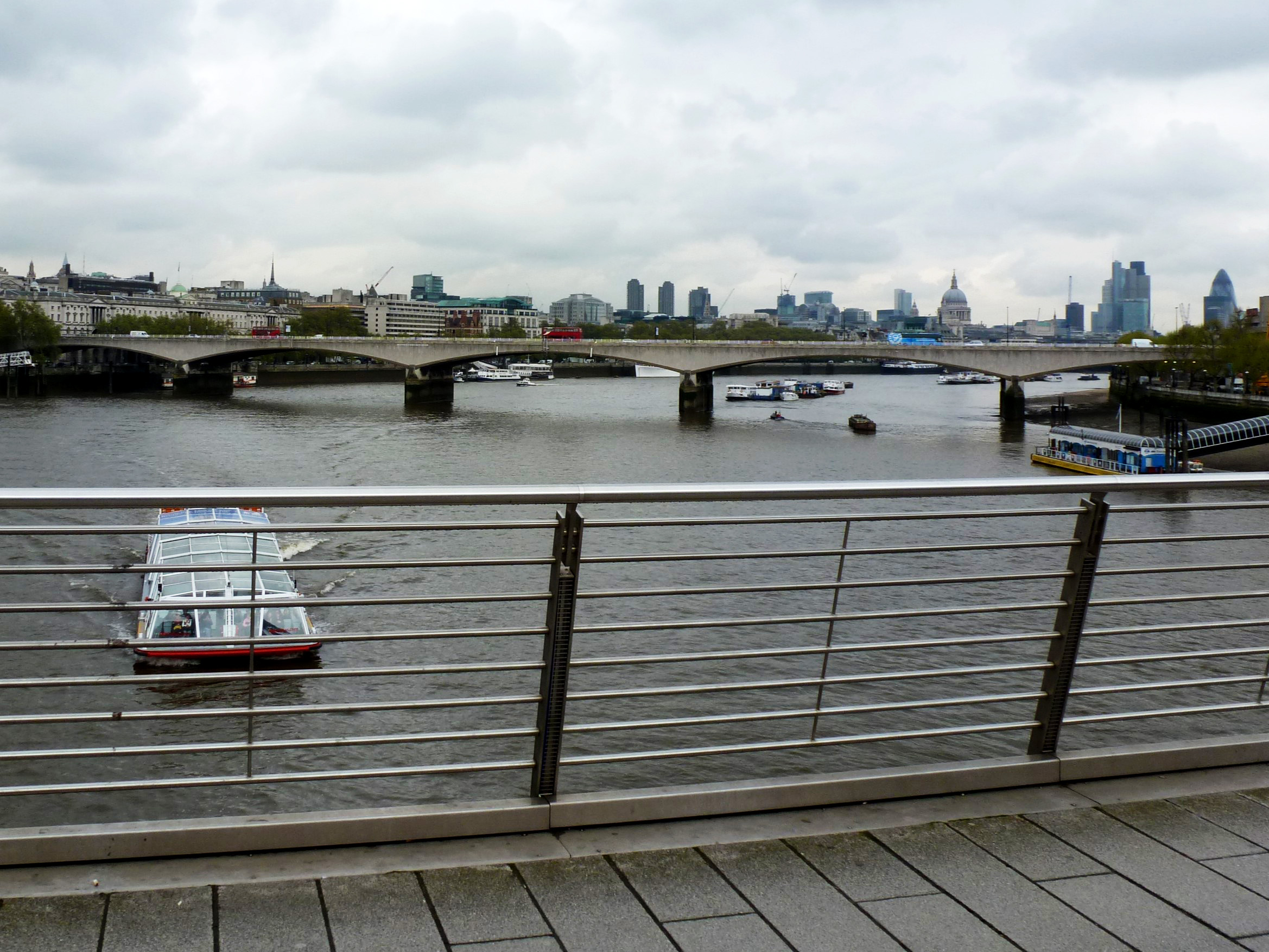
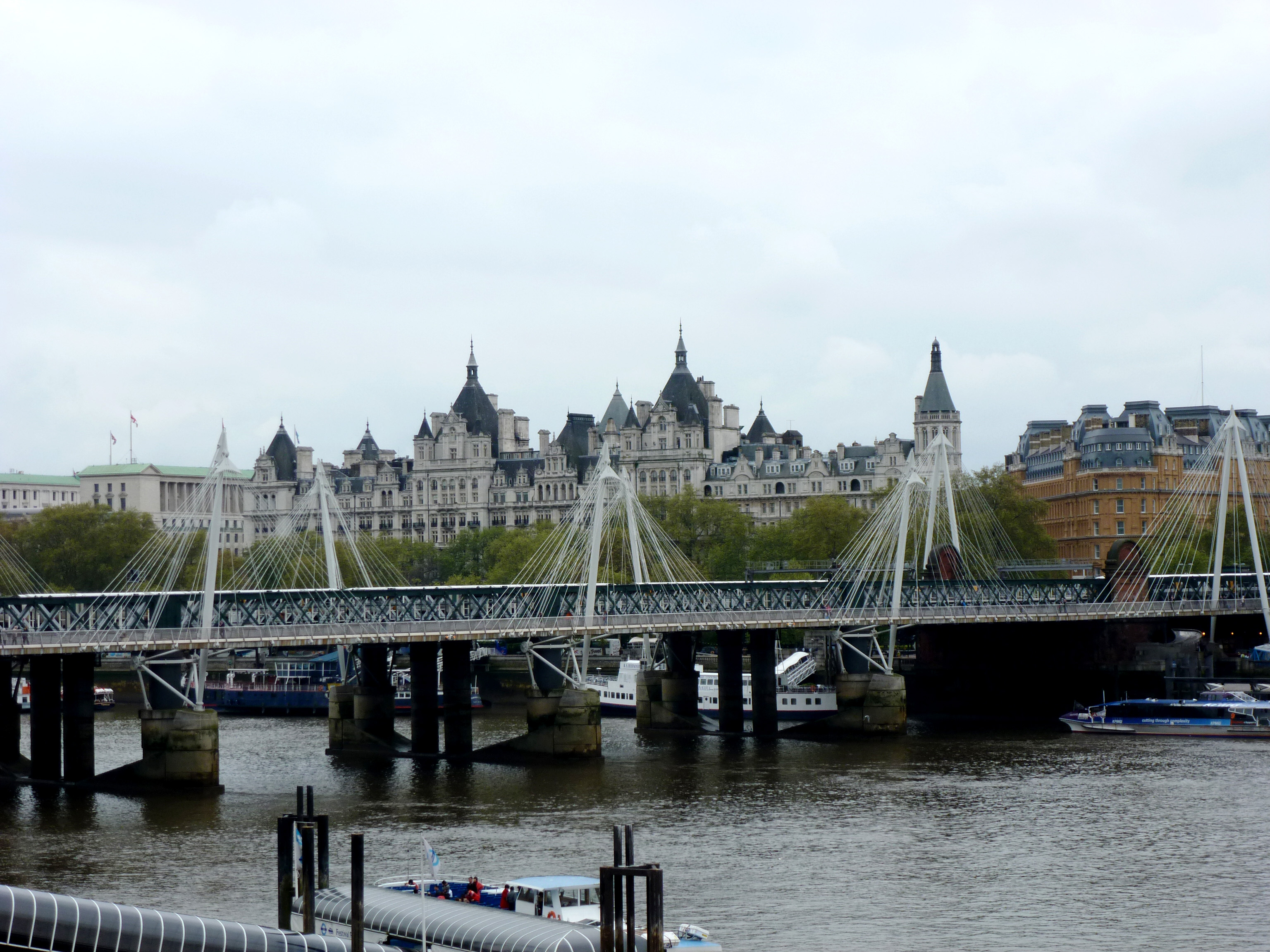
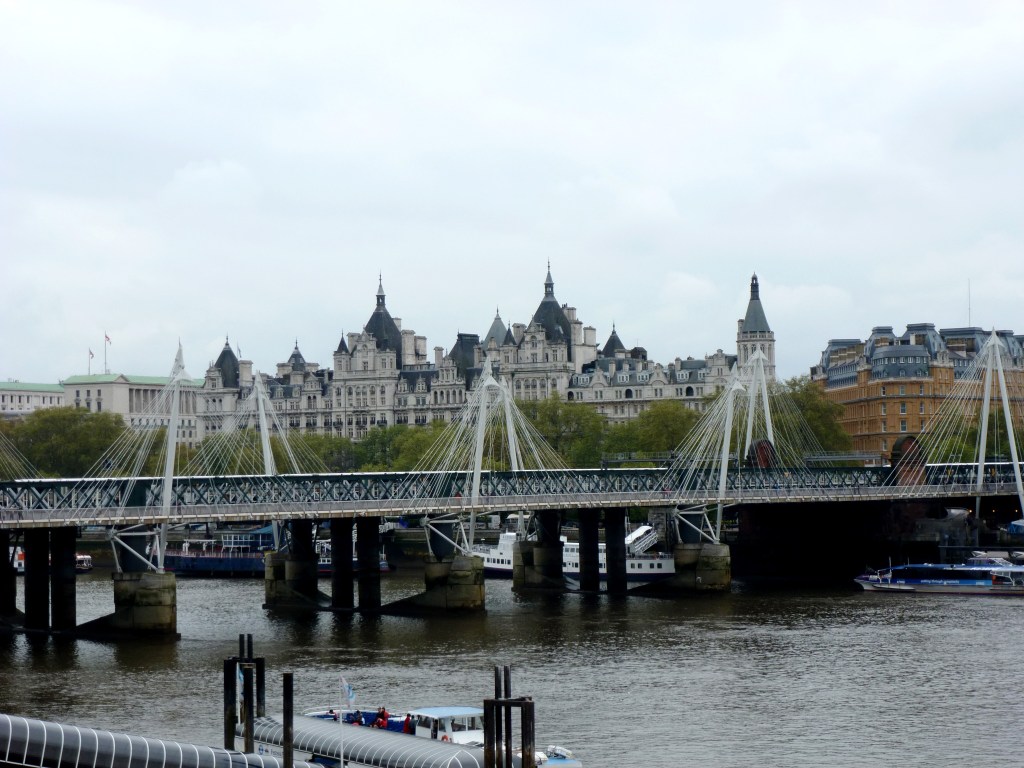
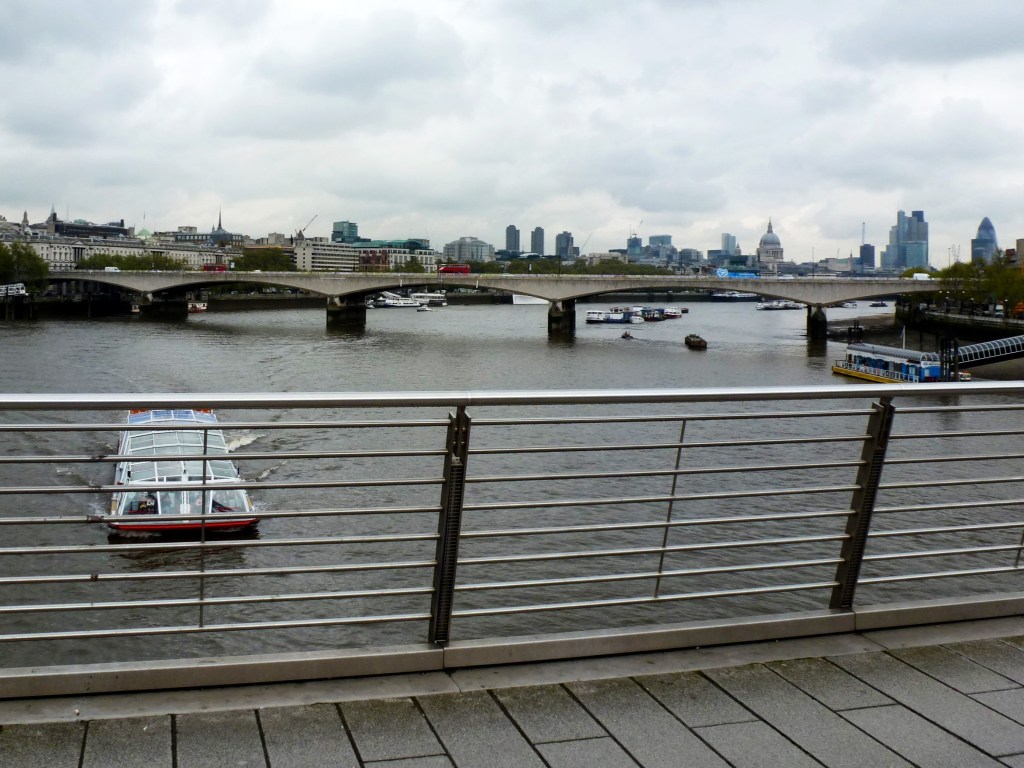
The Hungerford Bridge is unique among London bridges. It is a truss bridge, instead of the more typical deck arch bridges up and down the river. Also, it has a pedestrian bridge hanging off each side of it, collectively know as the Jubilee Bridges, that nearly hide the Hungerford Bridge from view, begging the question: how many is one bridge?

Grosvenor Bridge

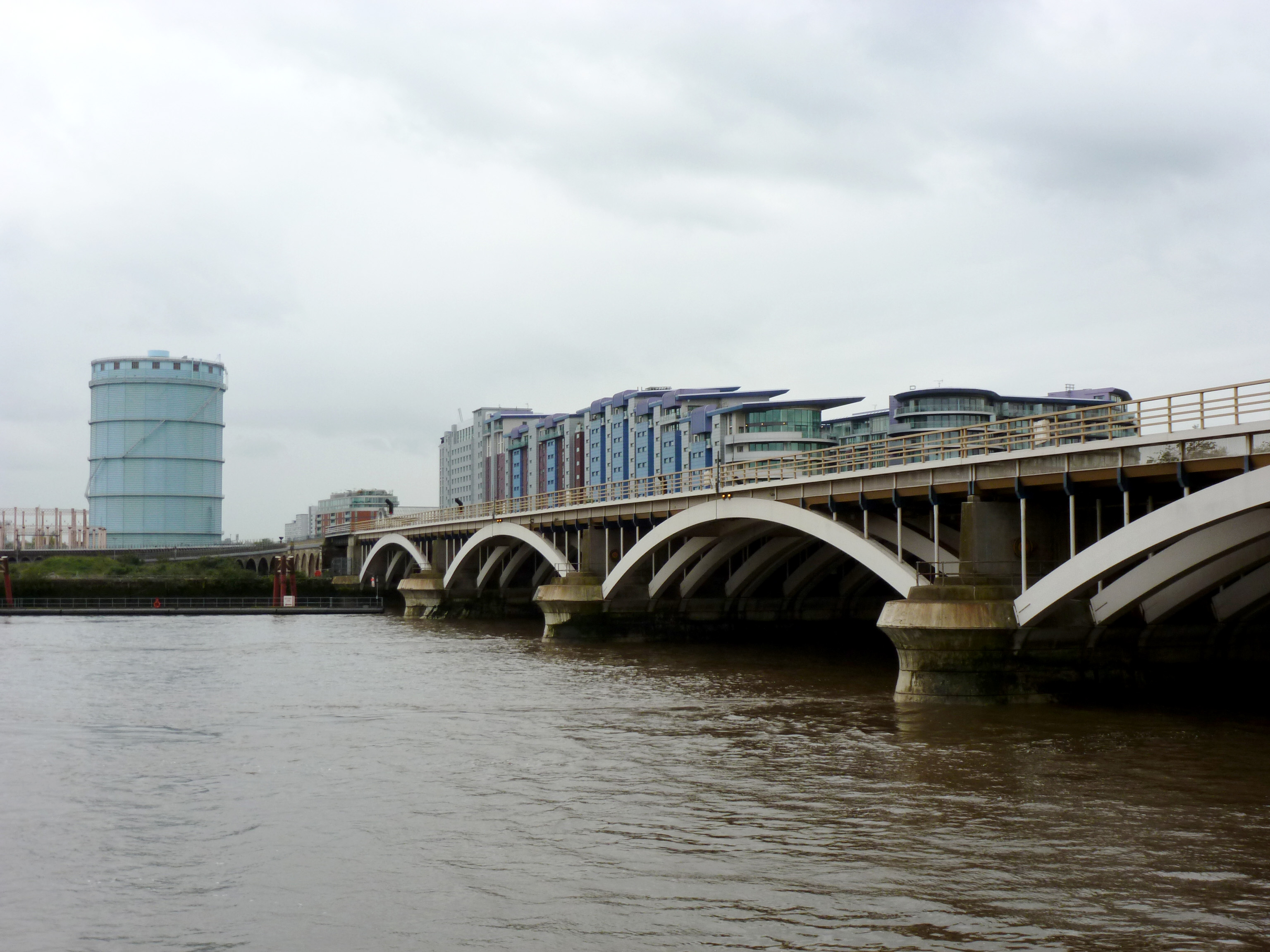
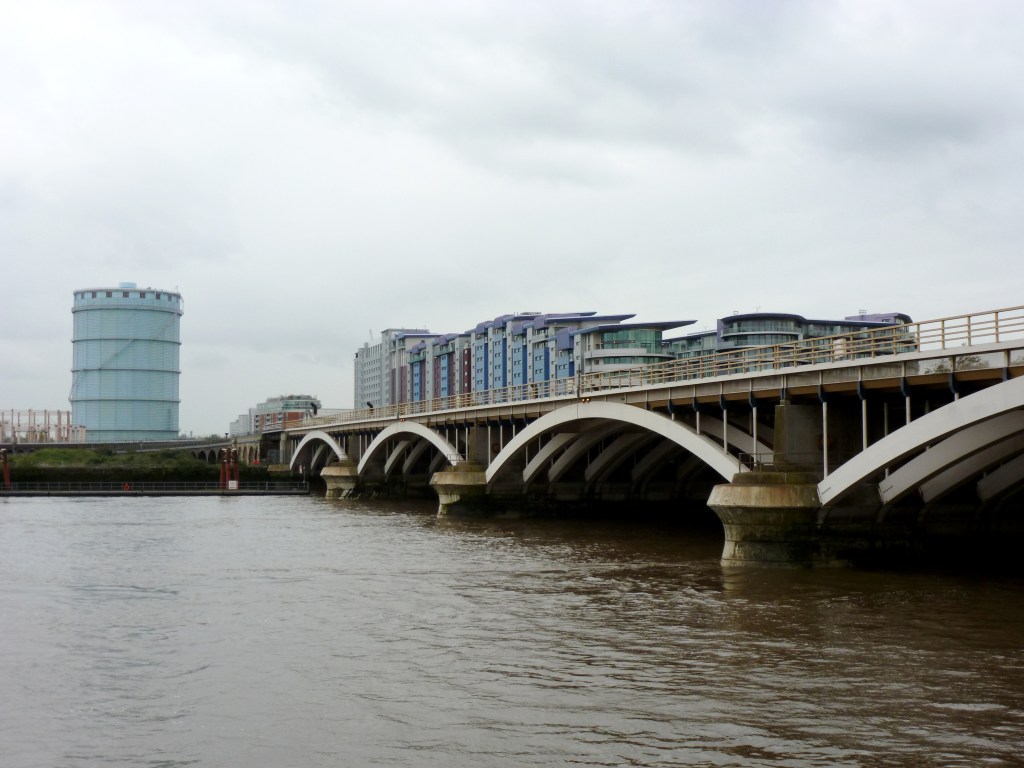
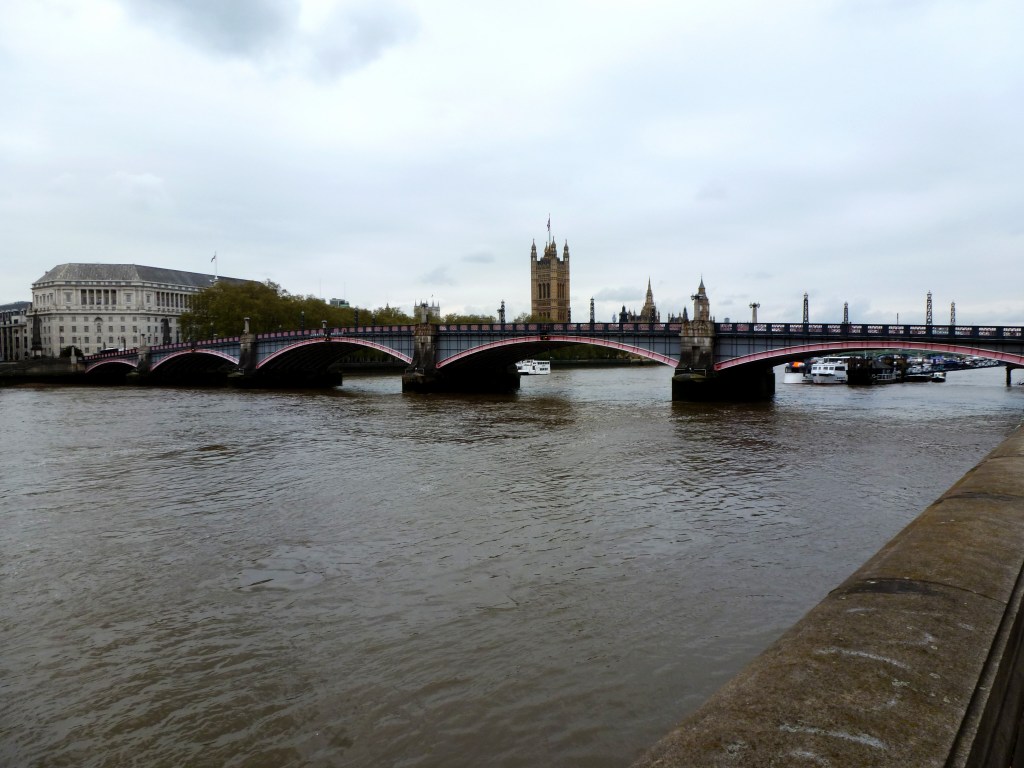
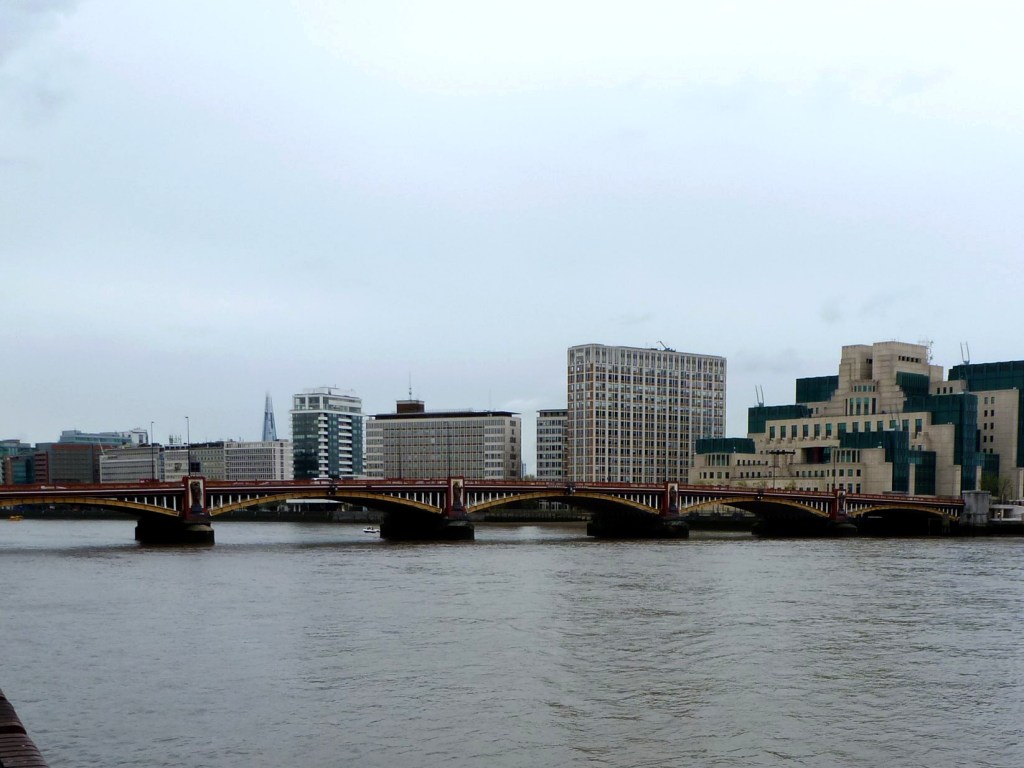
Grosvenor Bridge is the second of the railroad bridges across the Thames that I encountered. Four bridges downriver from the Battersea Railroad Bridge, it is substantially wider to accommodate a higher volume of train traffic. As with most of the Thames River bridges I encountered in 2012, Grosvenor Bridge is a deck arch bridge. However, unlike the others that feature ornate coloring and ornamentation, here the arches and spandrels are left to speak, simply, for themselves.

Battersea Railroad Bridge

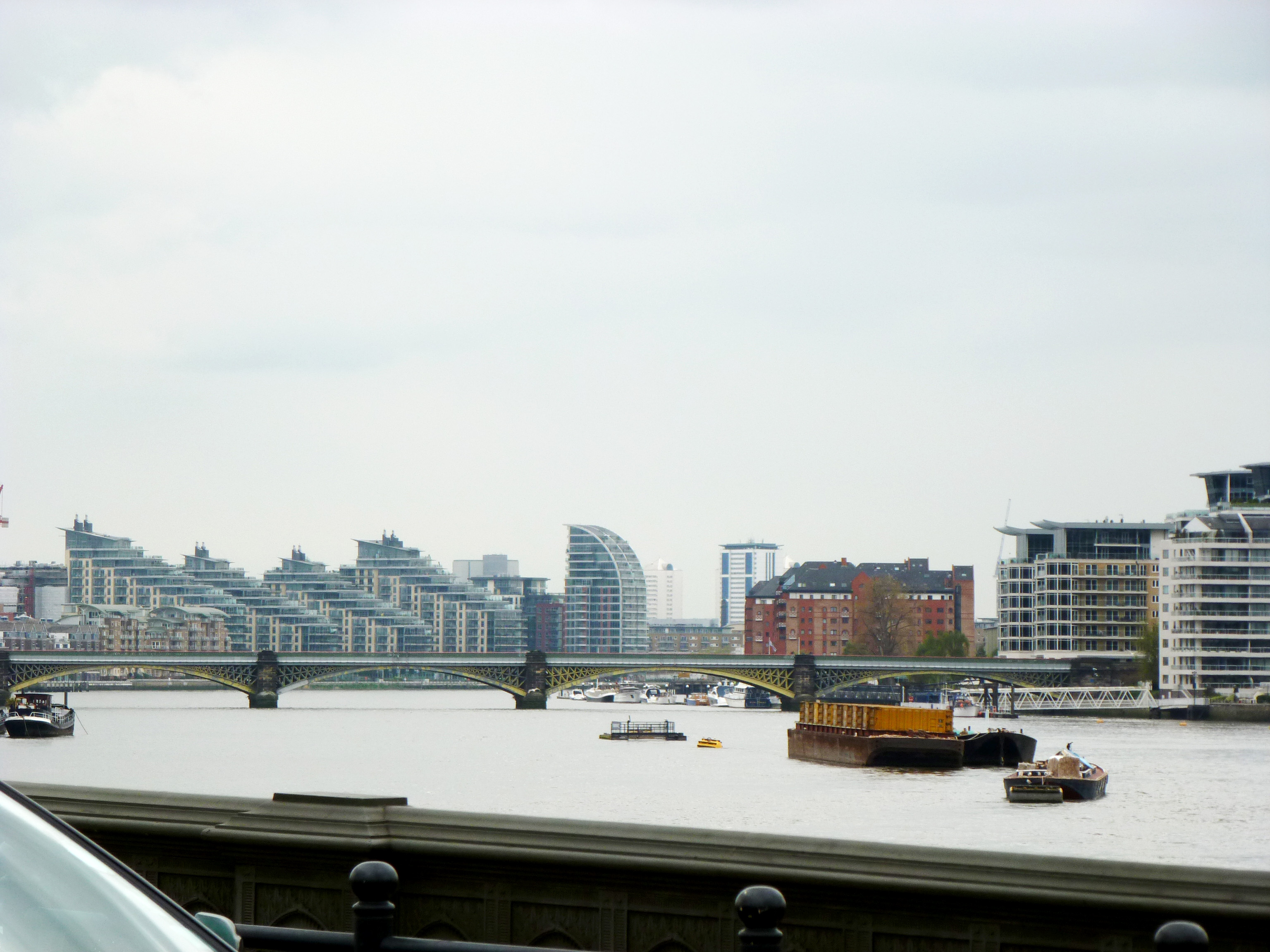
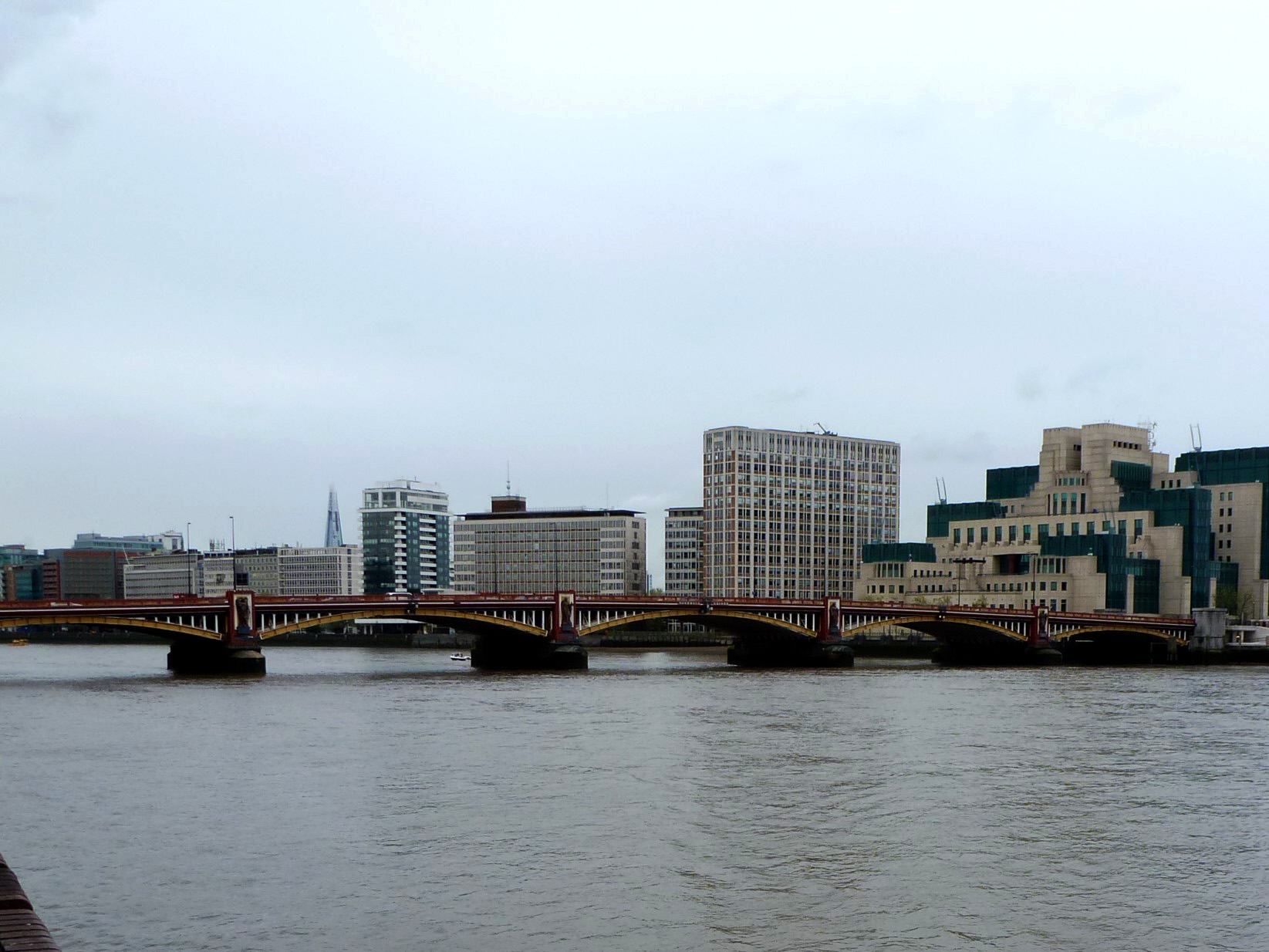
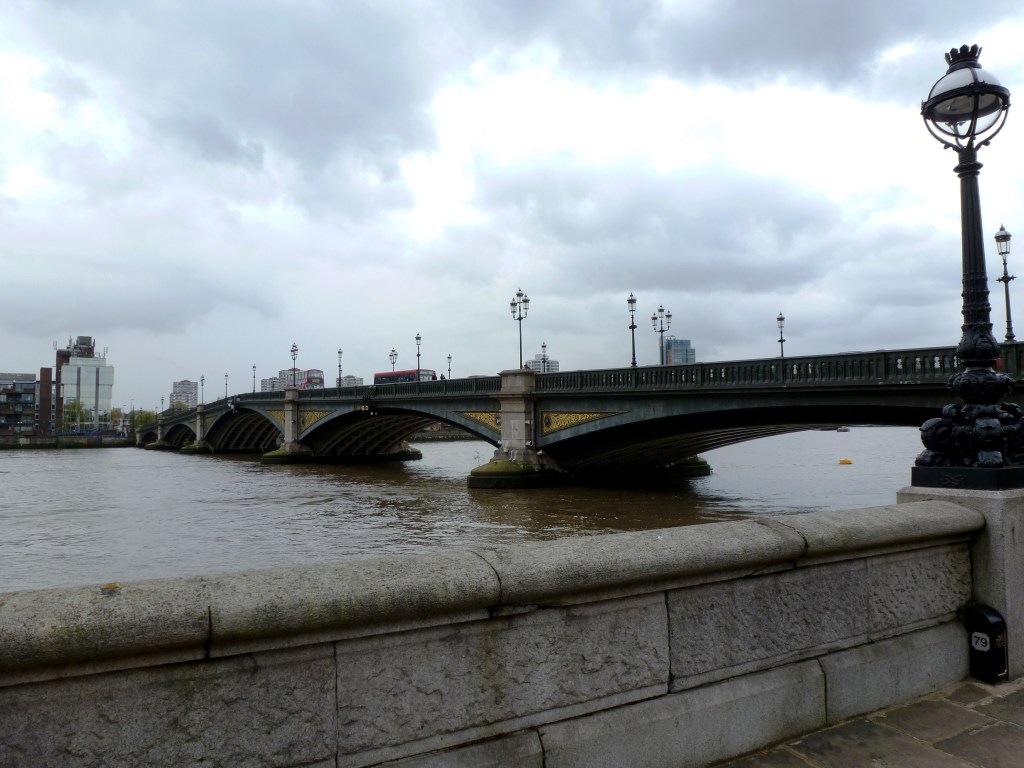
Just upriver from the Battersea Bridge – technically the first bridge I traipsed – is the Battersea Railroad Bridge. It mimics the deck arch style, and echoes the gold contrasted against a dark tone color-scheme, of the Battersea Bridge. The railroad bridge also has a similarly narrow road bed, making it the skinniest of the railroad bridges I encountered in my bridge walking of London in 2012.

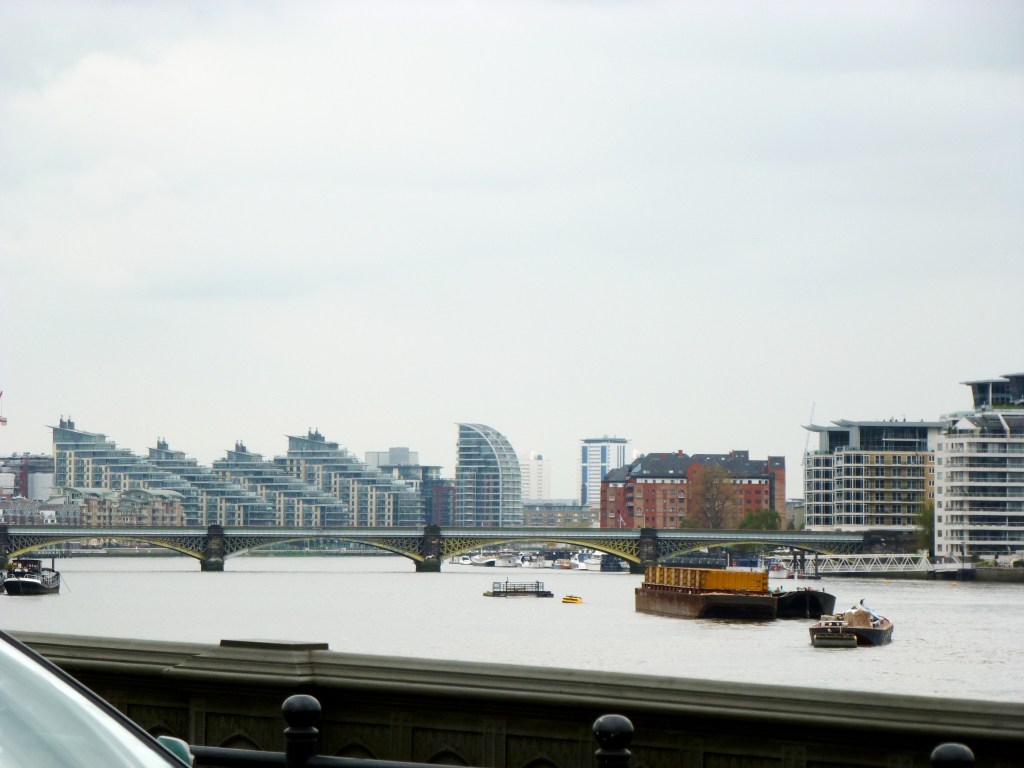
This is the closest I got to the Battersea Railroad Bridge. My paper map ended about there – I refused to get a smartphone for several more years – and I had no idea there was another bridge just beyond that bend in the Thames that I could have walked. However, my motivating goal in walking bridges was to capture different views of the city. I took numerous photos from and near each of the bridges I walked, usually including at least one upriver and one downriver view, which enabled me to capture views of bridges that weren’t pedestrian accessible, such as the Battersea Railroad Bridge.

Murray Avenue Bridge 2012-2025

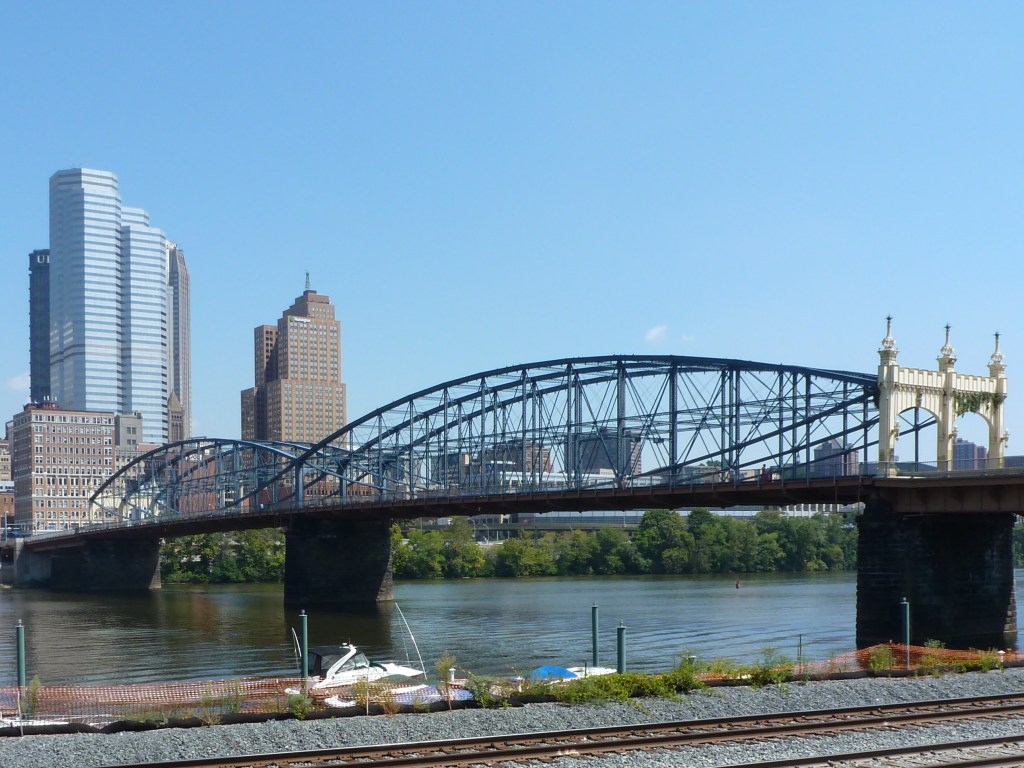
Ironically, a few days after my catch-up post about the Murray Avenue Bridge in Squirrel Hill went live, I unexpectedly found myself walking that bridge for the first time since 2012. The bridge looks mostly the same, slightly rusted but presumable functional as it hasn’t collapsed or been closed following a regular inspection. The stairs have been replaced though. I didn’t have a reason to go down them in 2012 and didn’t feel comfortable testing them out for the heck of it then. In 2025, the Urban Hike walk I was on came at the bridge from the street below and we climbed up the newish, solid-looking steps; a few of us (me included) pausing “for the view” on our way up.

The before and after photo pairs below don’t exactly line up, given the different angles and orientations of the photos, but it seemed a good opportunity to try out the image compare option. Before: August 2012, After: August 2025.

Duck Hollow Bridges

Duck Hollow is a mini neighborhood where Frick Park’s Nine Mile Run meets the Monongahela River in Pittsburgh. A handful of houses sit in the Hollow accessible only by an old one-lane bridge on a small spur of Second Avenue or the new bridge on McFarren Street that opened in 2020 (though it was only 2 years old at the time of the Bridge Report and presumably doesn’t see much traffic, it only received an overall grade of “good”). The houses of Duck Hollow are separated from the river by the railroad that crosses Nine Mile Run on the bridge above Second Avenue. These photos are from a walk my COVID-pod and I took of Frick Park in Fall 2020.