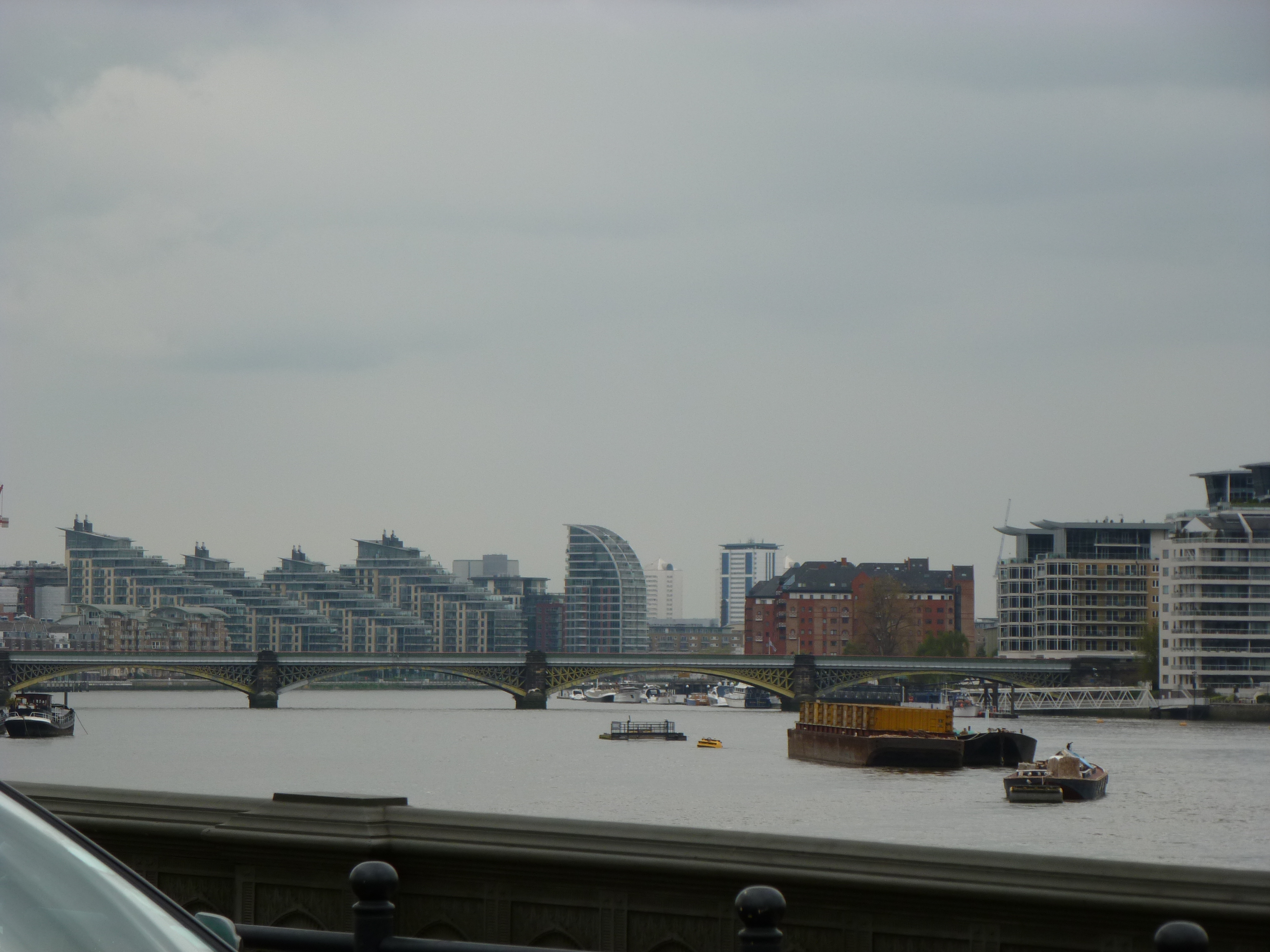
Just upriver from the Battersea Bridge – technically the first bridge I traipsed – is the Battersea Railroad Bridge. It mimics the deck arch style, and echoes the gold contrasted against a dark tone color-scheme, of the Battersea Bridge. The railroad bridge also has a similarly narrow road bed, making it the skinniest of the railroad bridges I encountered in my bridge walking of London in 2012.
This is the closest I got to the Battersea Railroad Bridge. My paper map ended about there – I refused to get a smartphone for several more years – and I had no idea there was another bridge just beyond that bend in the Thames that I could have walked. However, my motivating goal in walking bridges was to capture different views of the city. I took numerous photos from and near each of the bridges I walked, usually including at least one upriver and one downriver view, which enabled me to capture views of bridges that weren’t pedestrian accessible, such as the Battersea Railroad Bridge.
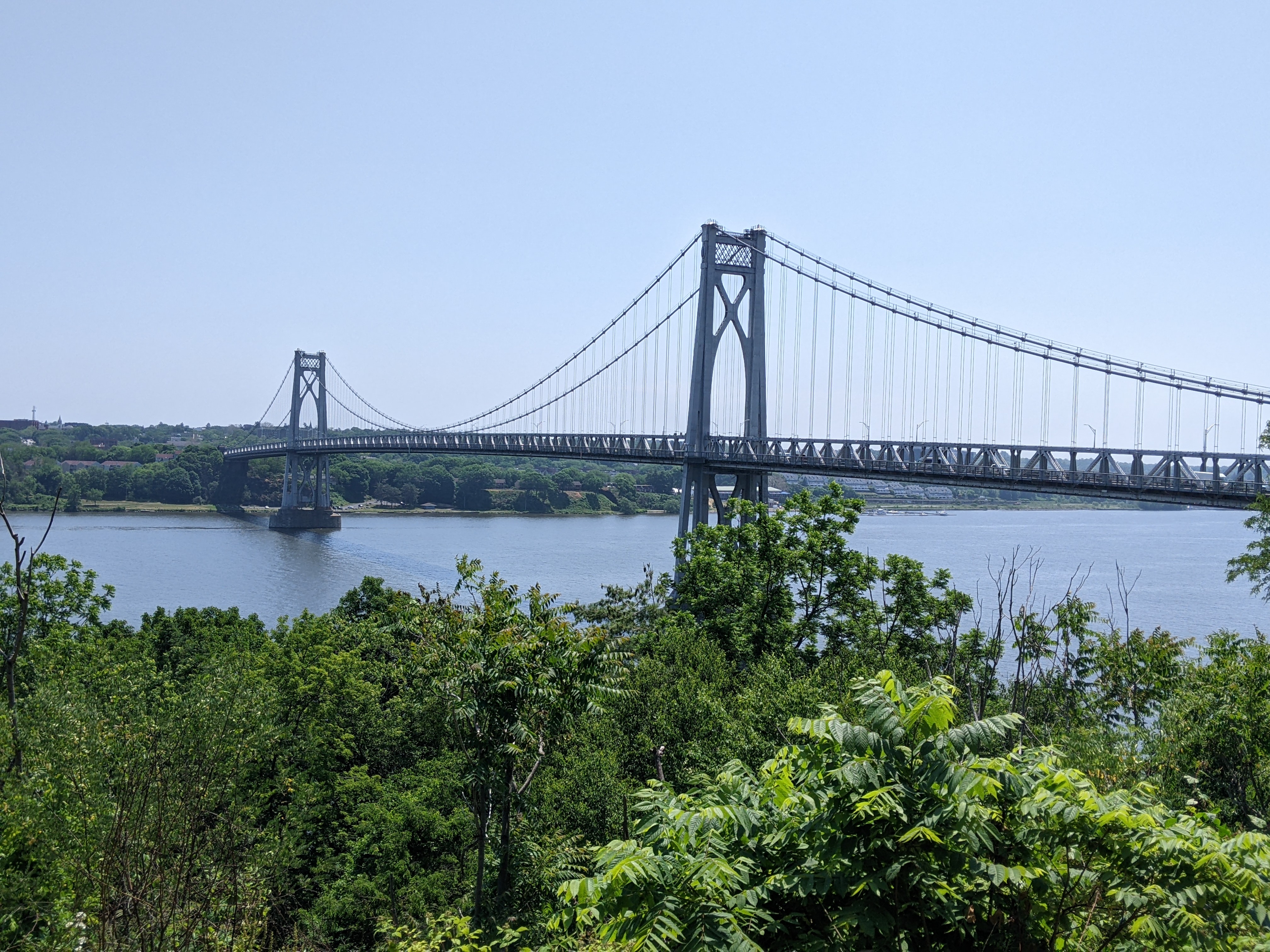
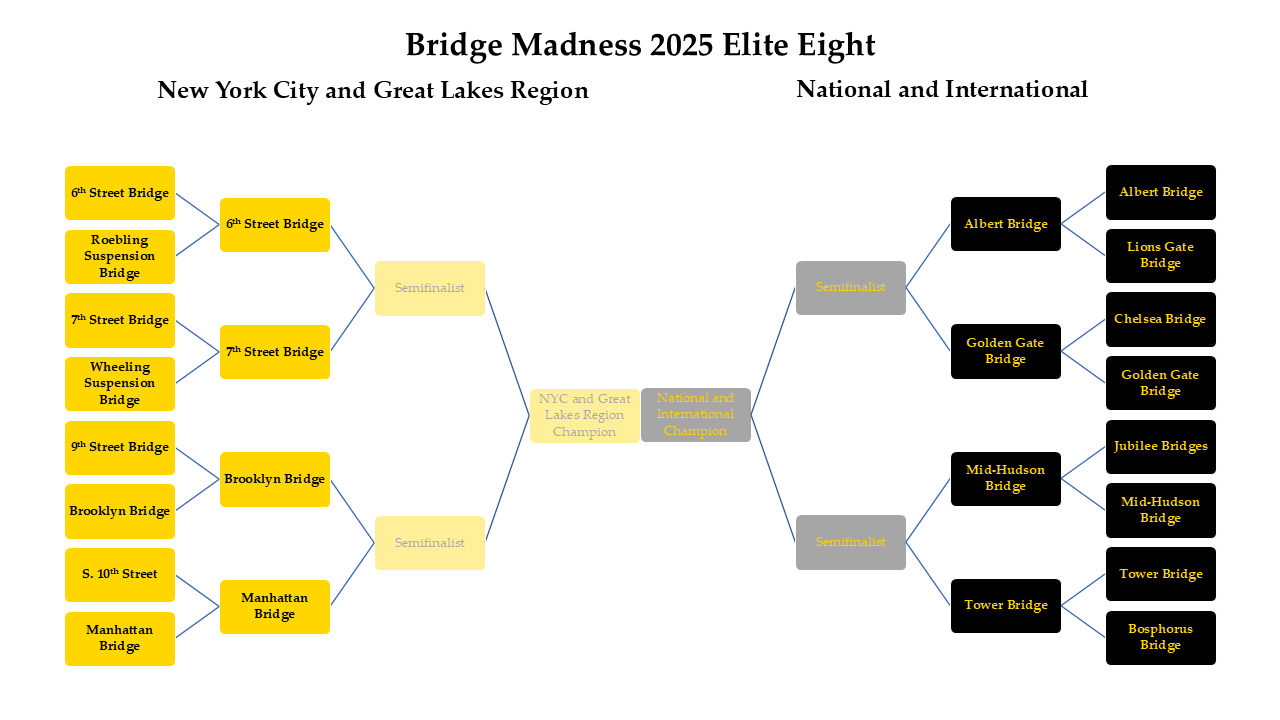
The Mid-Hudson Bridge in Poughkeepsie wins Bridge Madness 2025 with 88% of the votes.
Thank you for participating in the 2025 Bridge Madness Tournament! I hope you had as much fun voting as I did watching the votes add up. There were several surprises in this year’s match-up. Multiple iconic bridges got knocked out early; and the Mid-Hudson Bridge inspired a strong following right from the beginning.
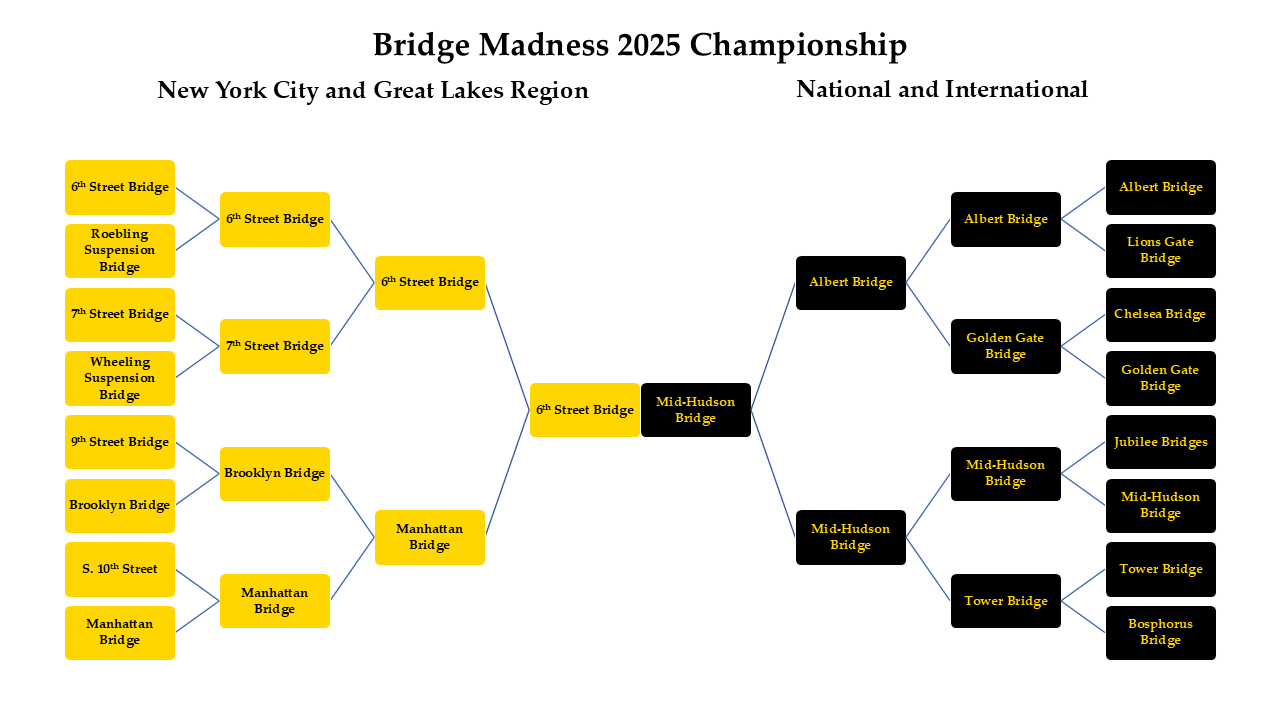
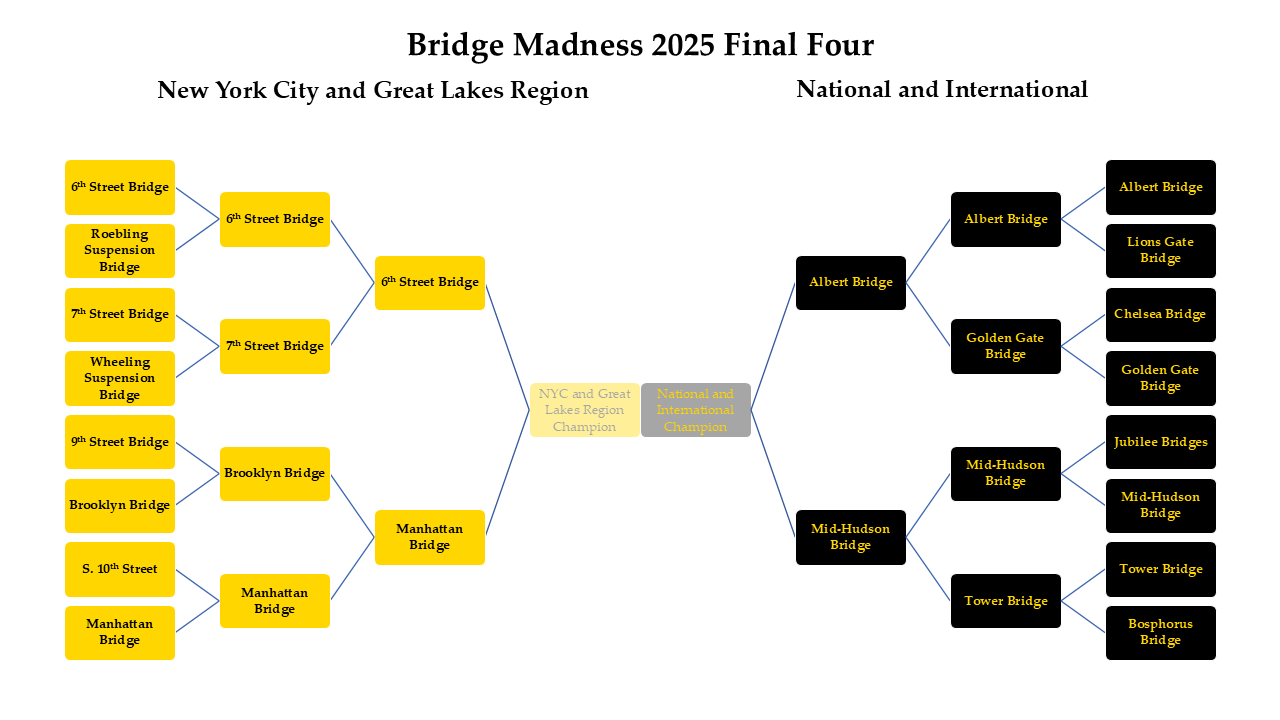
As a reminder, this year’s tournament featured suspension bridges visited by urbantraipsing nationally and internationally. Below is the completed brackets for Bridge Madness 2025. To learn more about the bridges, revisit the introduction which has links to posts on each bridge. Keep scrolling to see past winners and for an opportunity to send me feedback on Bridge Madness.
I’m already brainstorming for Bridge Madness 2026. Hope you come back!
Past Winners
Bridge Madness 2024: Pittsburgh Pedestrian Bridges Winner – East Liberty Station Pedestrian Bridge
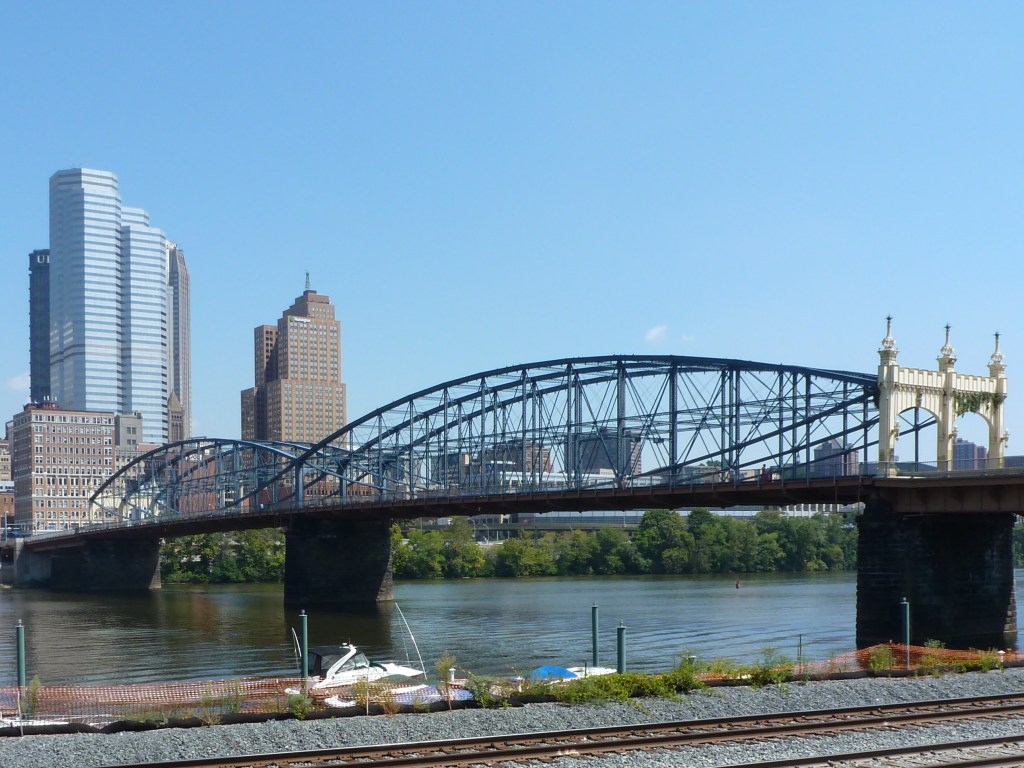
Bridge Madness 2023: Pittsburgh River Bridges Winner – Smithfield Street Bridge
Bridge Madness 2025 Map
Send me Feedback!
Bridge Madness started from a conversation with one of urbantraipsing’s fans. I added links to posts about the bridges in the introduction this year based on feedback from participants in prior years. Now it’s your turn to send me feedback. Do you have suggestions that would make the tournaments more fun? Thoughts on how to engage more people in voting? A bridge you recommend I add to my list of bridges to explore?
Also, I make a postcard every year announcing Bridge Madness, if you fill in your address below, I will add you to my mailing list for next year (the postcard is the only mailing I will send you).
In the 2025 Bridge Madness Tournament, 16 suspension bridges go pier-to-pier in a reader’s choice tournament to pick the best one. This year’s tournament features suspension bridges visited by urbantraipsing nationally and internationally.
Results of the Final Four:
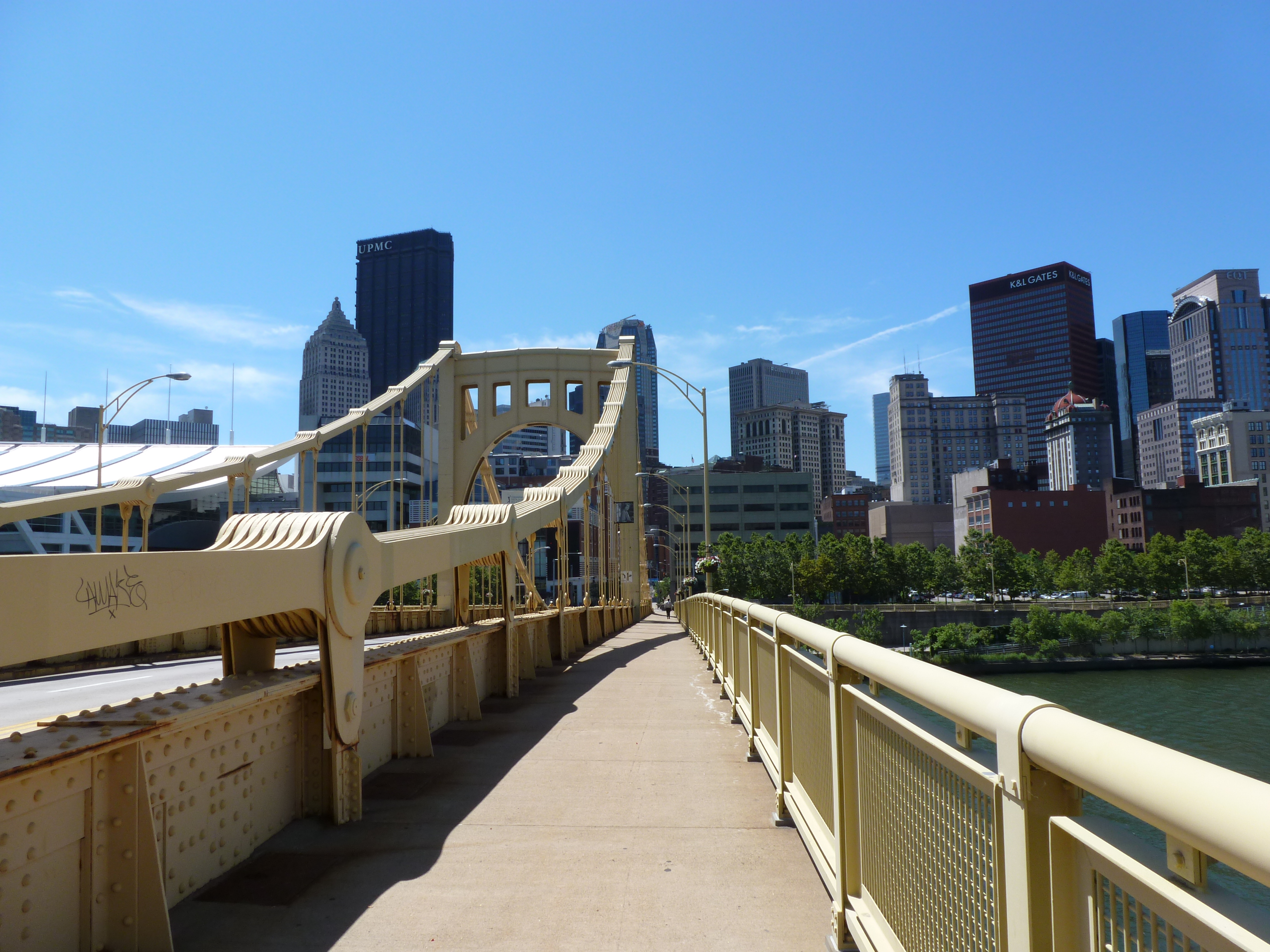
6th Street Bridge vs. Manhattan Bridge – 69% to 31%
Albert Bridge vs. Mid-Hudson Bridge – 15% to 85%
Below is the bracket for the Championship. To learn more about the bridges, revisit the introduction which has links to posts on each bridge.
Championship
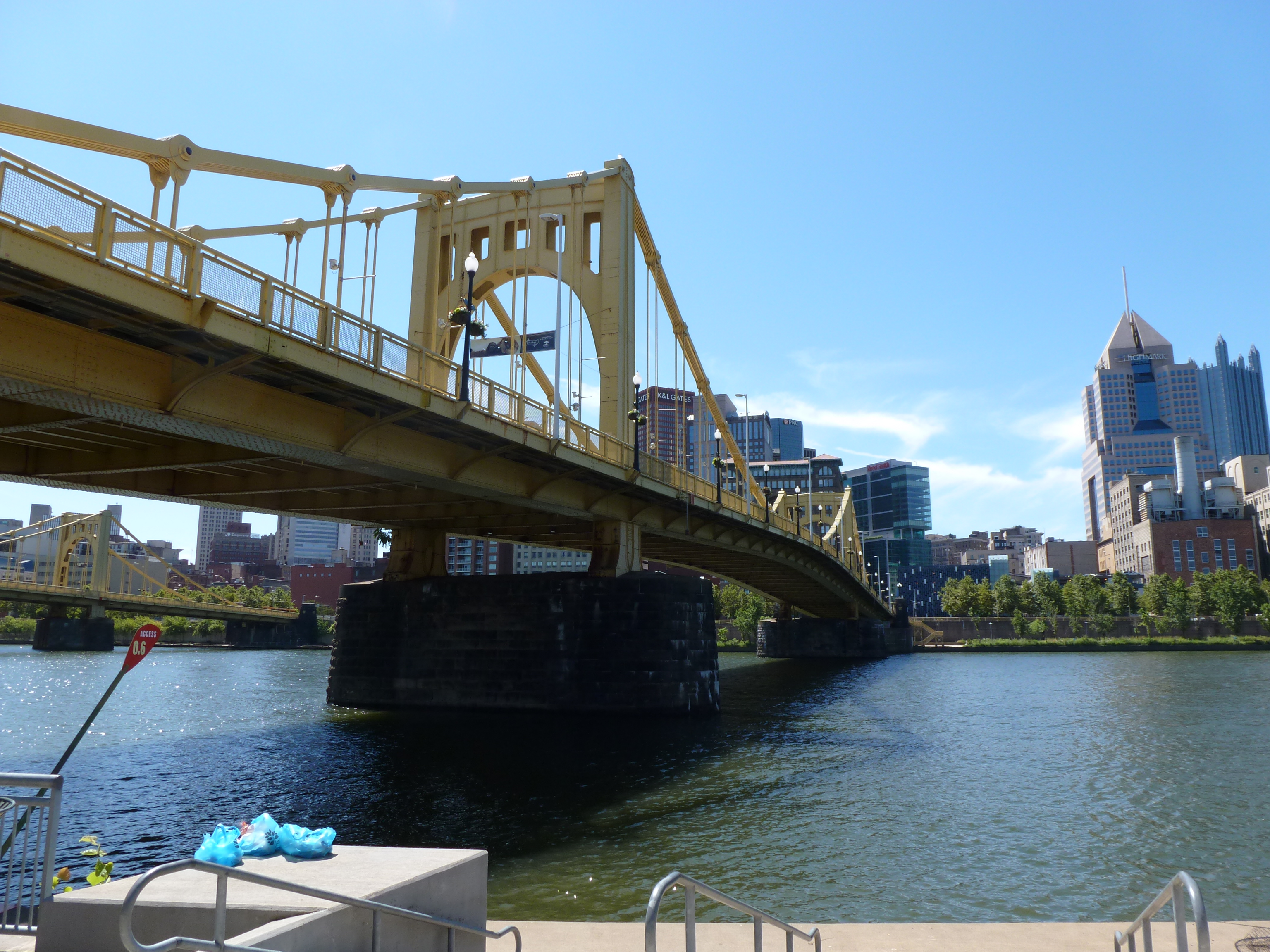
6th Street Bridge – PittsburghMid-Hudson Bridge – Poughkeepsie
In the 2025 Bridge Madness Tournament, 16 suspension bridges go pier-to-pier in a reader’s choice tournament to pick the best one. This year’s tournament features suspension bridges visited by urbantraipsing nationally and internationally.
Results of the Elite Eight:
6th Street Bridge vs. 7th Street Bridge – 64% to 36%
Brooklyn Bridge vs. Manhattan Bridge – 44% to 56%
Albert Bridge vs. Golden Gate Bridge – 51% to 49%
Mid-Hudson Bridge vs. Tower Bridge – 79% to 21%
Below are the brackets for the Final Four. Remember to vote for one bridge in each bracket by noon on Thursday, March 20th, and then return on March 22th to vote for the Championship.
The bridges are divided into two conferences: New York City and Great Lakes Region vs. National and International. To learn more about the bridges, revisit the introduction which has links to posts on each bridge.
New York City and Great Lakes Region
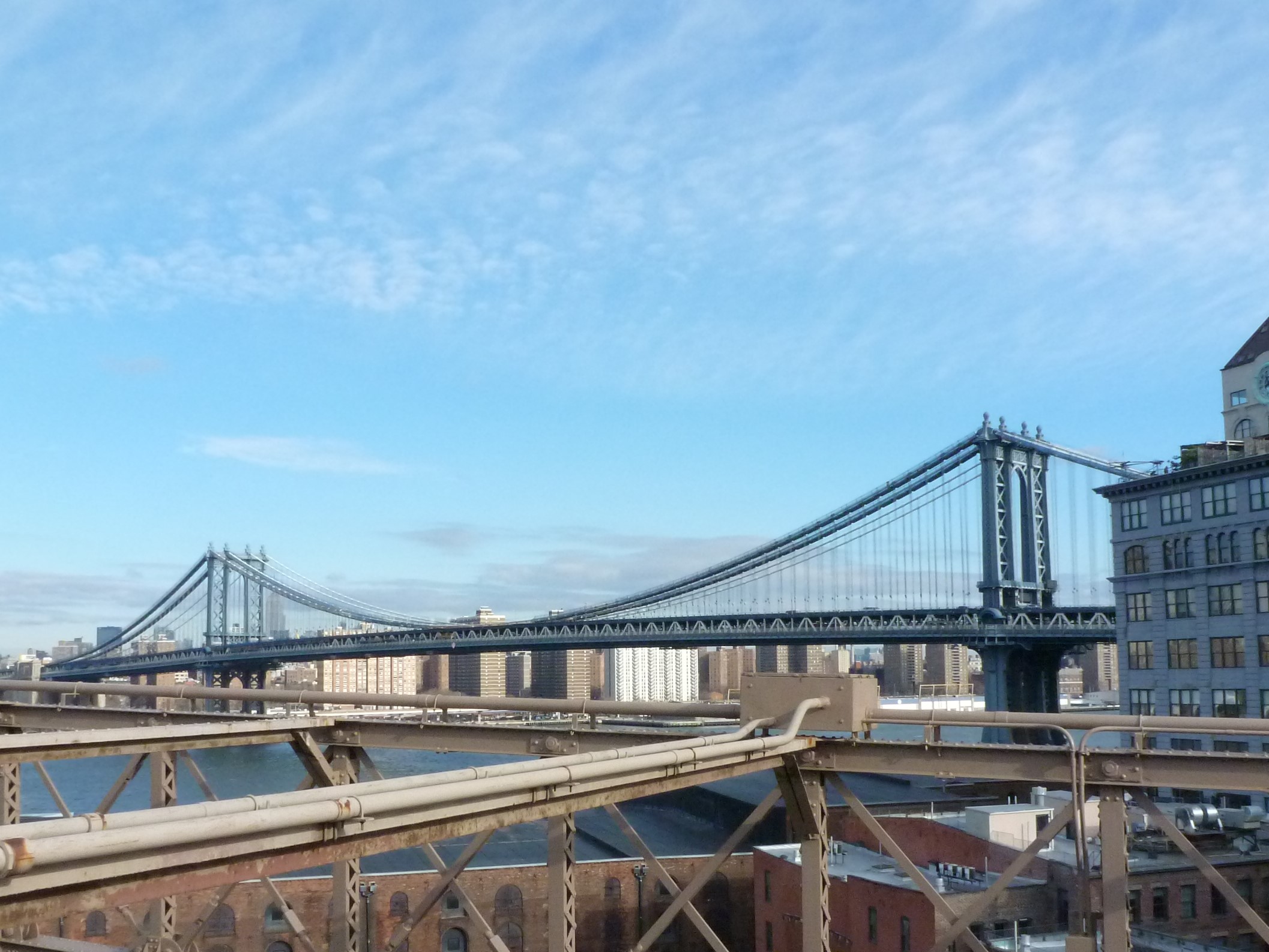
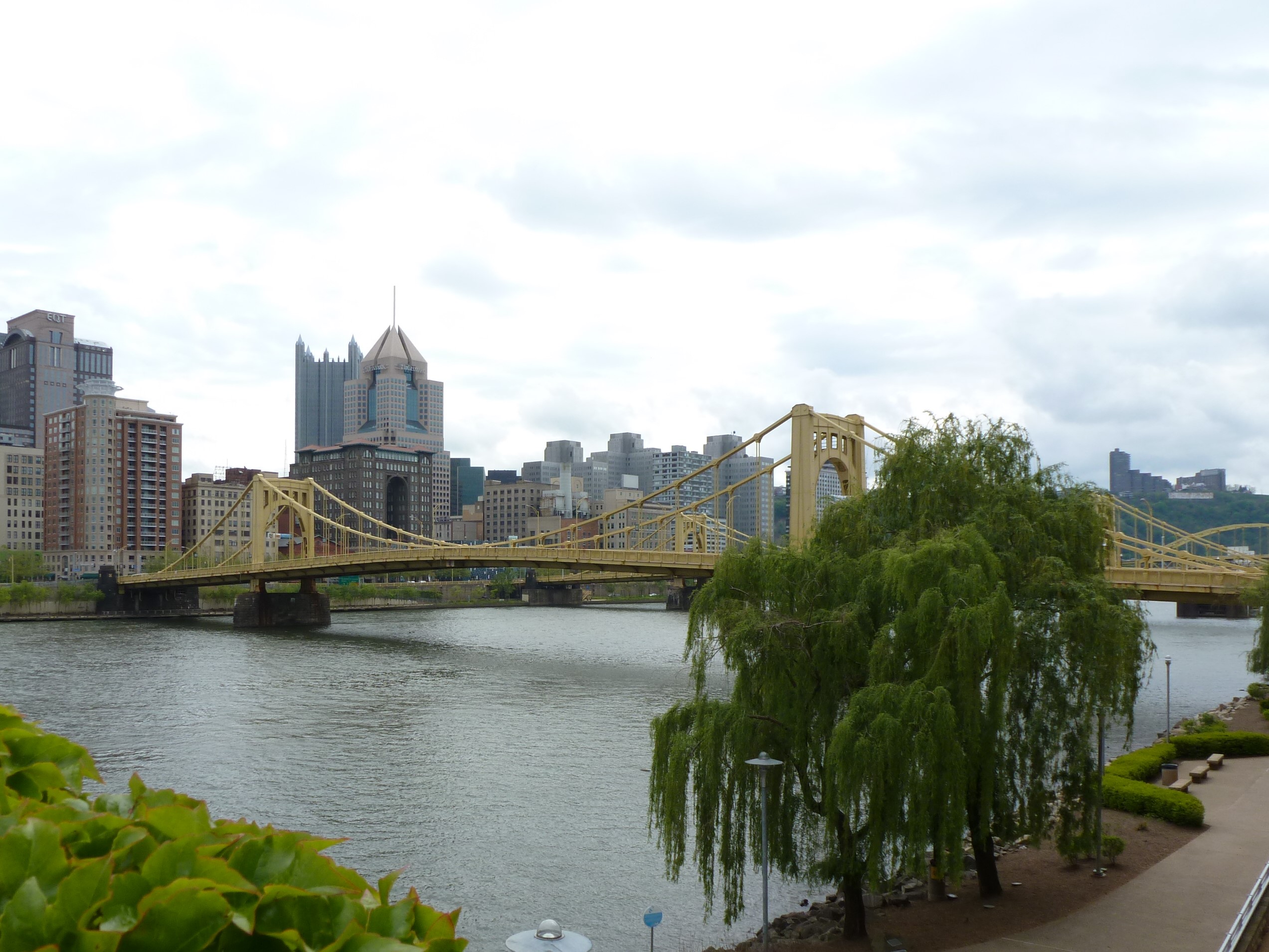
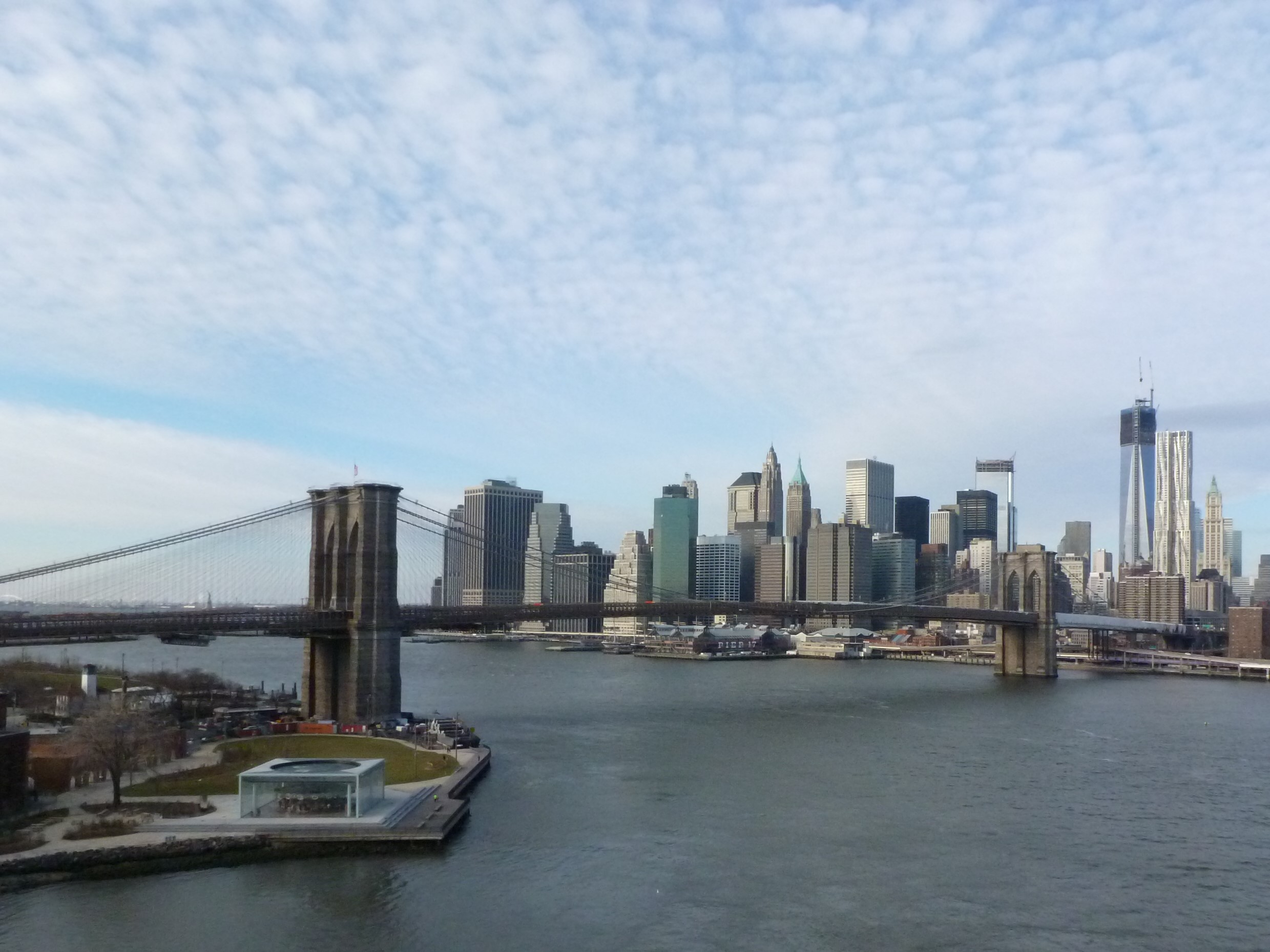
6th Street Bridge – PittsburghManhattan Bridge – New York City
National and International
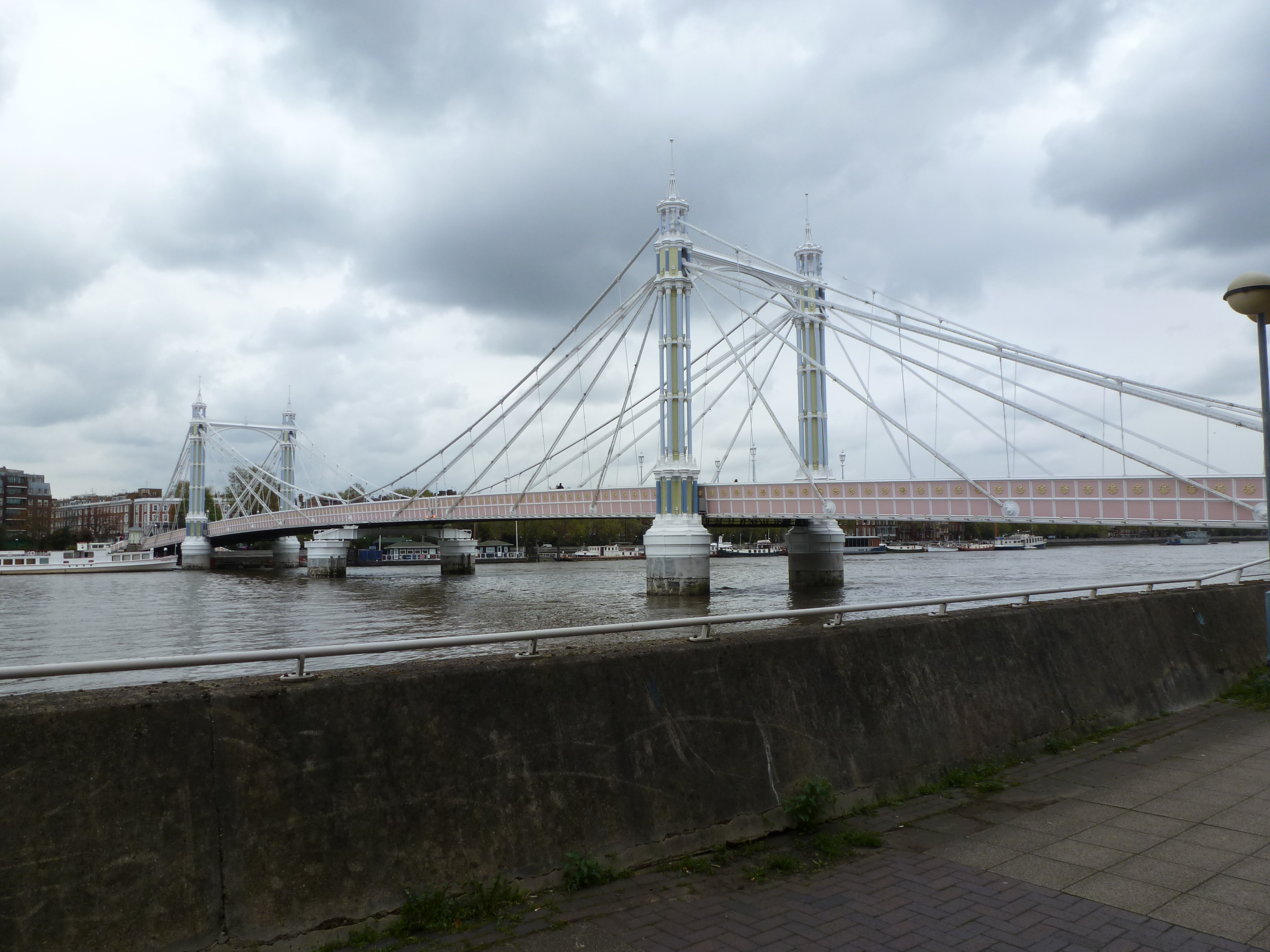
Albert Bridge – LondonMid-Hudson Bridge – Poughkeepsie
In the 2025 Bridge Madness Tournament, 16 suspension bridges go pier-to-pier in a reader’s choice tournament to pick the best one. This year’s tournament features suspension bridges visited by urbantraipsing nationally and internationally.
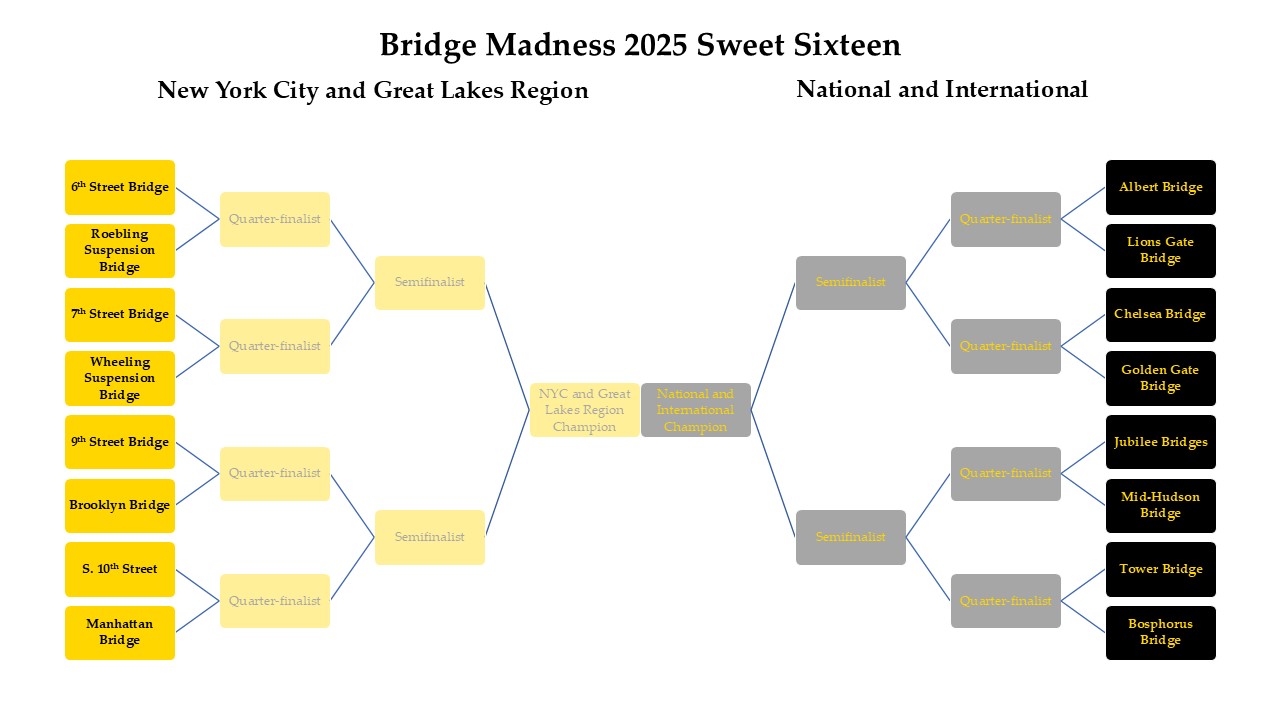
Results of the Sweet Sixteen:
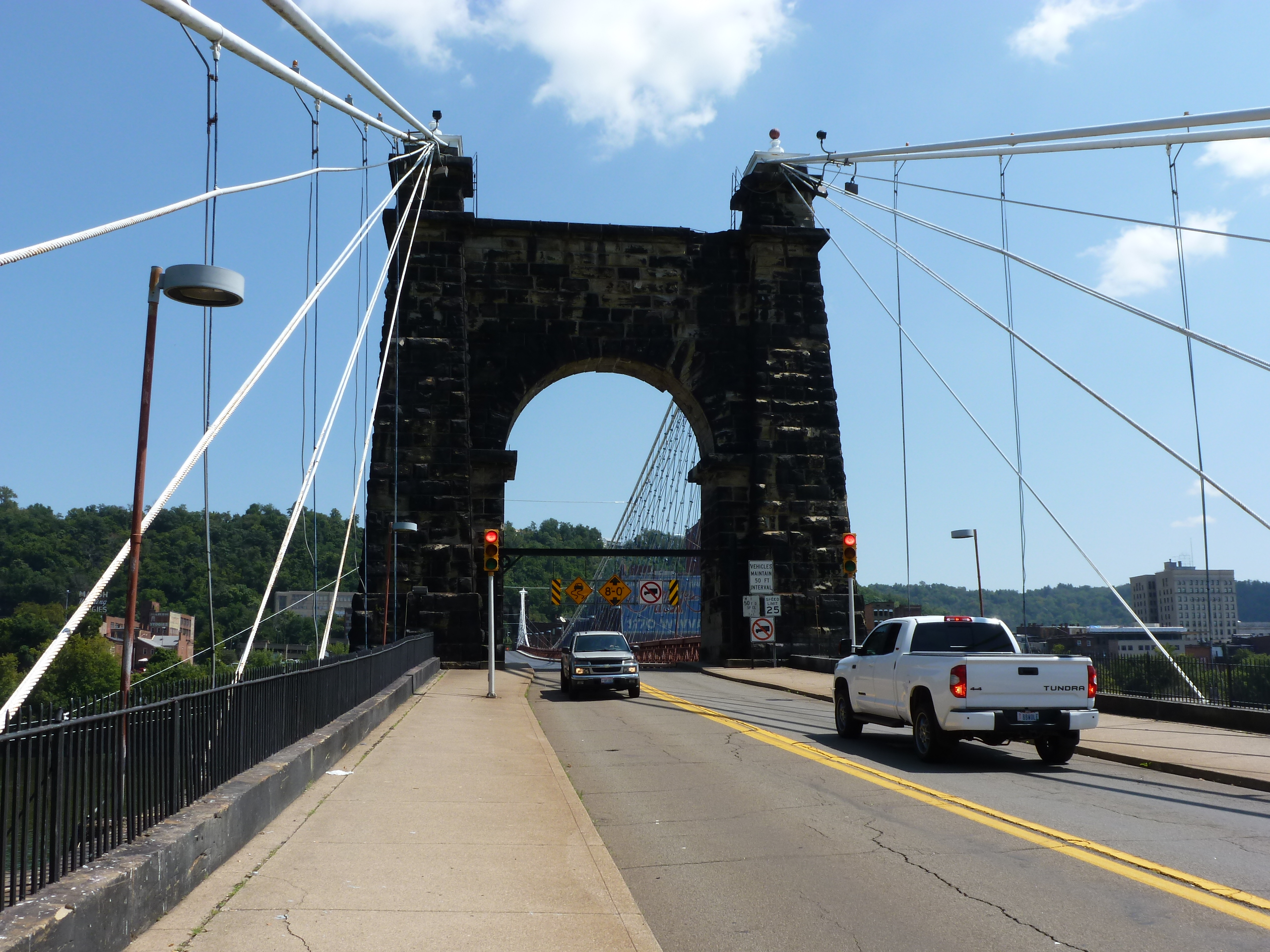
6th Street Bridge vs. Roebling Suspension Bridge – 52% to 48%
7th Street Bridge vs. Wheeling Suspension Bridge – 60% to 40%
9th Street Bridge vs. Brooklyn Bridge – 28% to 72%
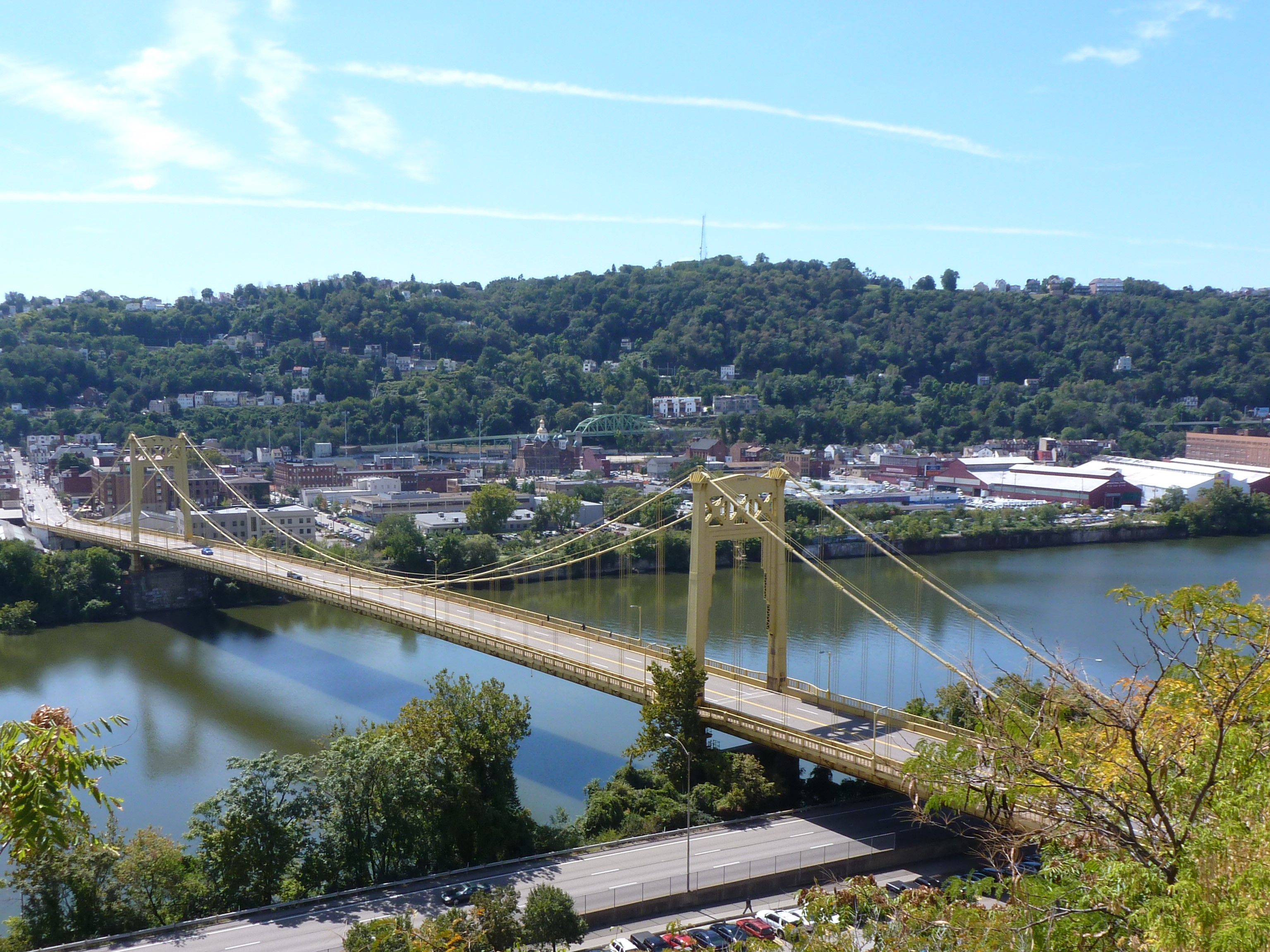
South 10th Street Bridge vs. Manhattan Bridge – 16% to 74%
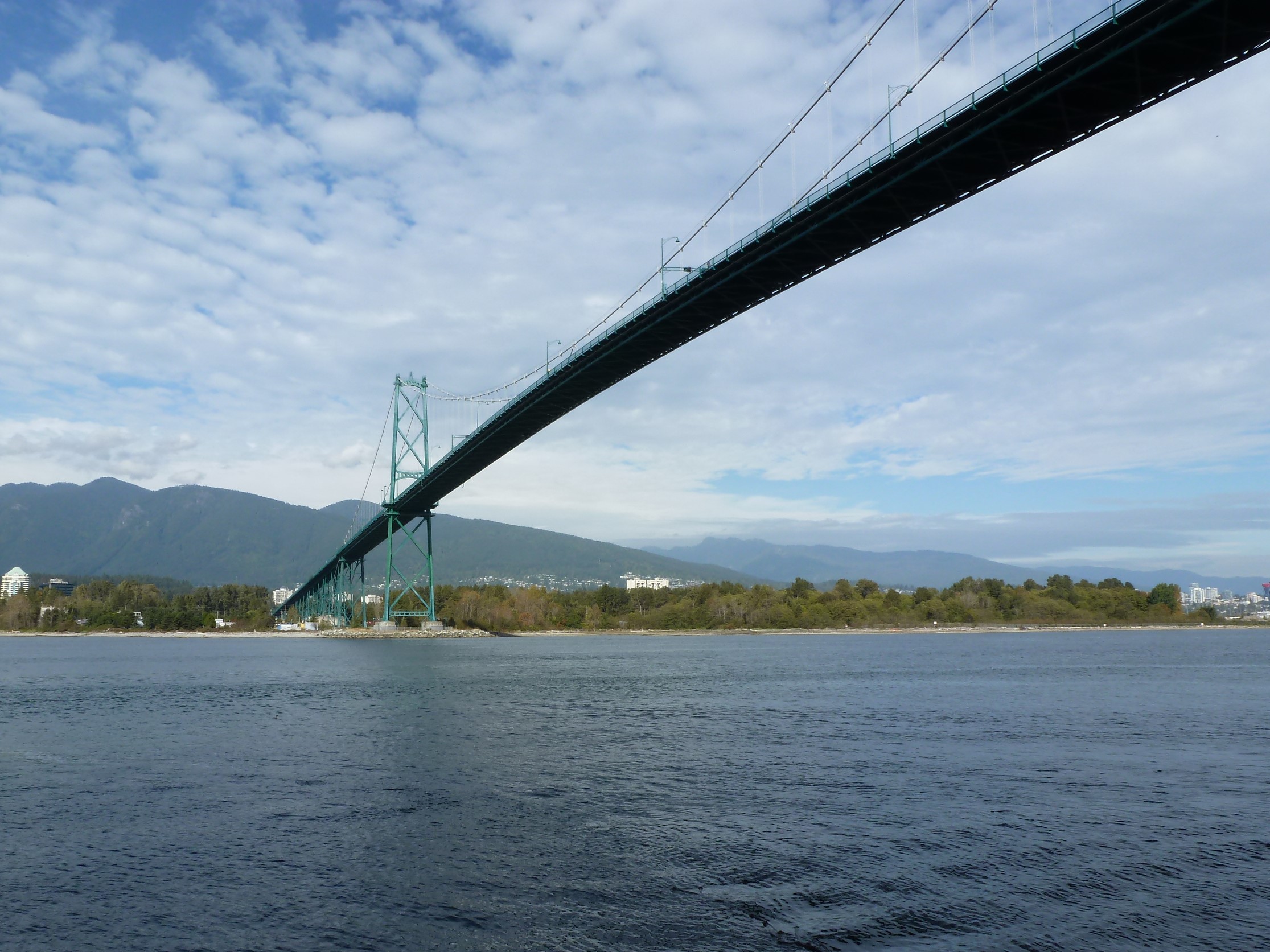
Albert Bridge vs. Lions Gate Bridge – 58% to 42%
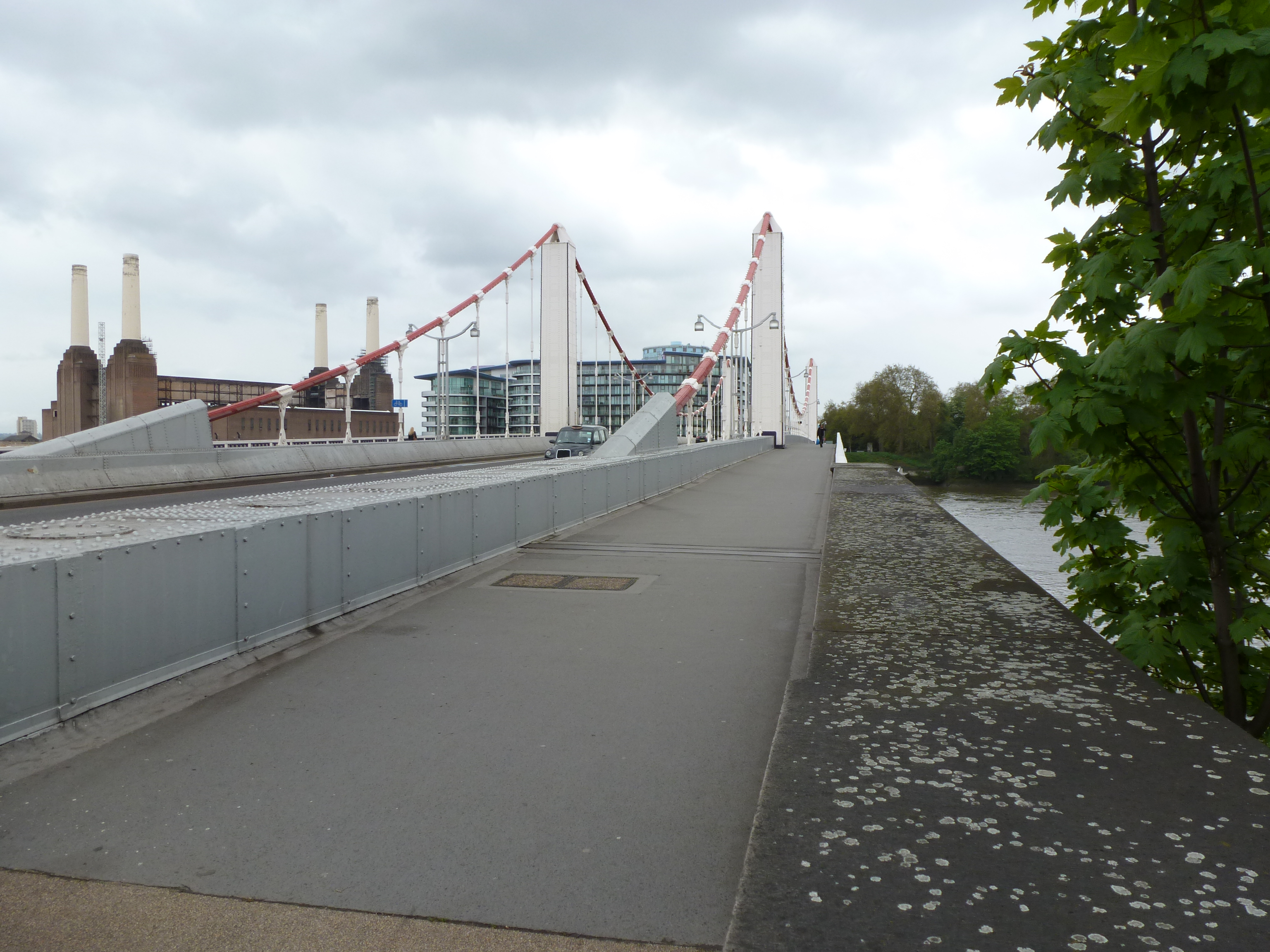
Chelsea Bridge vs. Golden Gate Bridge – 35% to 65%
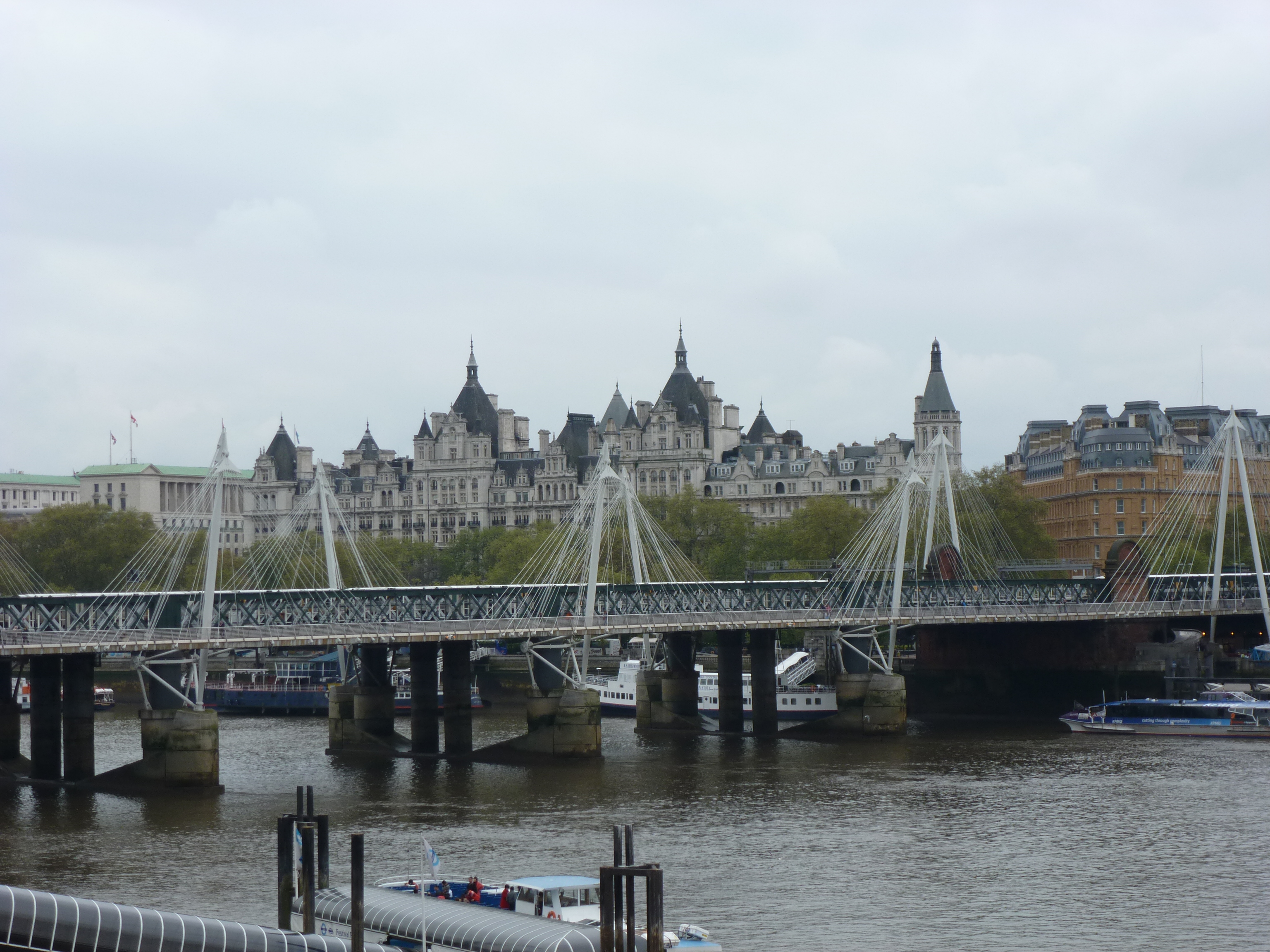
Jubilee Bridges vs. Mid-Hudson Bridge – 10% to 90%
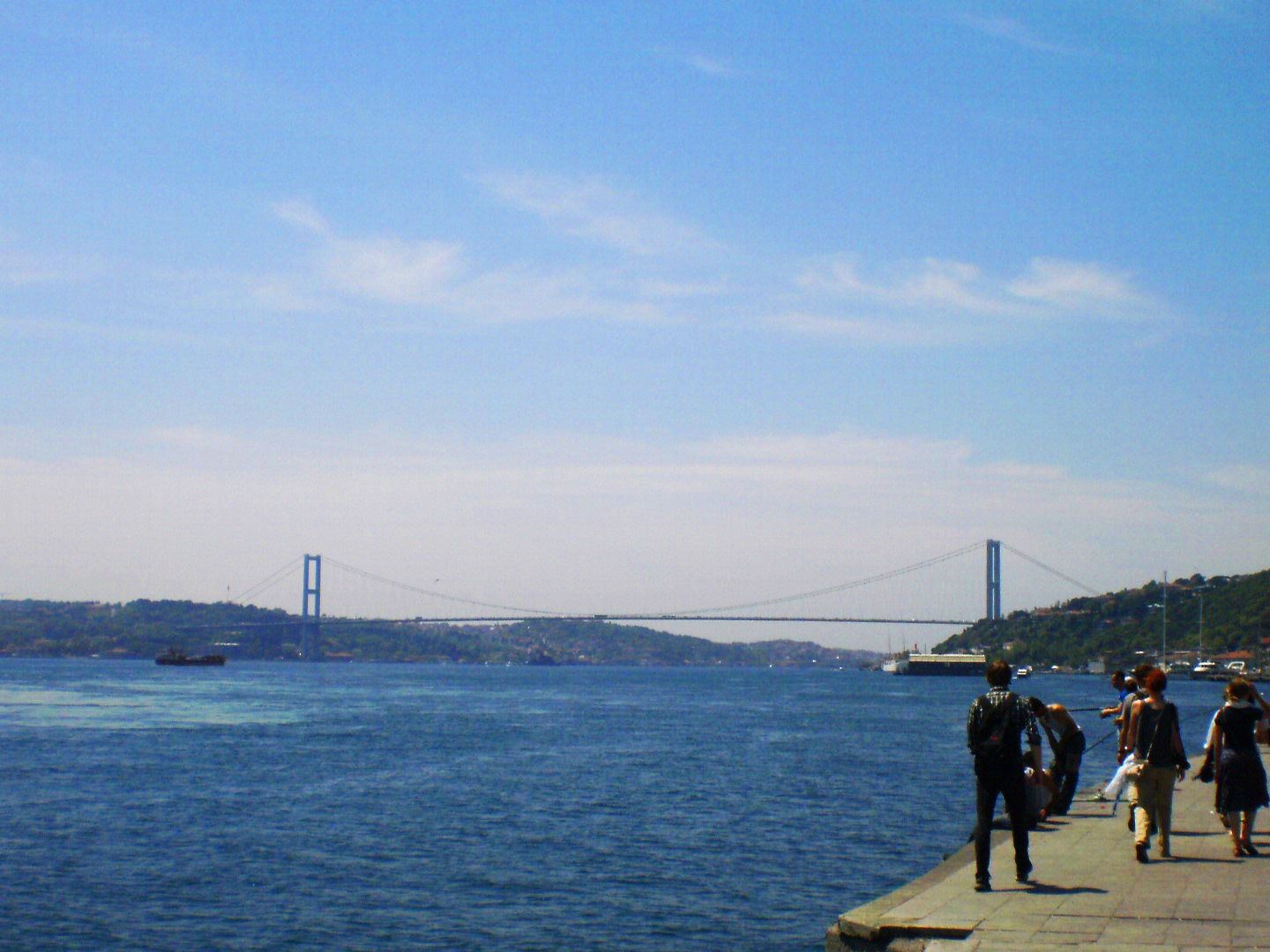
Tower Bridge vs. Bosphorus Bridge – 83% to 17%
Below are the brackets for the Elite Eight. Remember to vote for one bridge in each bracket by noon on Thursday, March 13th, and then return on March 15th to vote for the Final Four.
The bridges are divided into two conferences: New York City and Great Lakes Region vs. National and International. To learn more about the bridges, revisit the introduction which has links to posts on each bridge.
New York City and Great Lakes Region
6th Street Bridge – Pittsburgh7th Street Bridge – PittsburghBrooklyn Bridge – New York CityManhattan Bridge – New York City
National and International
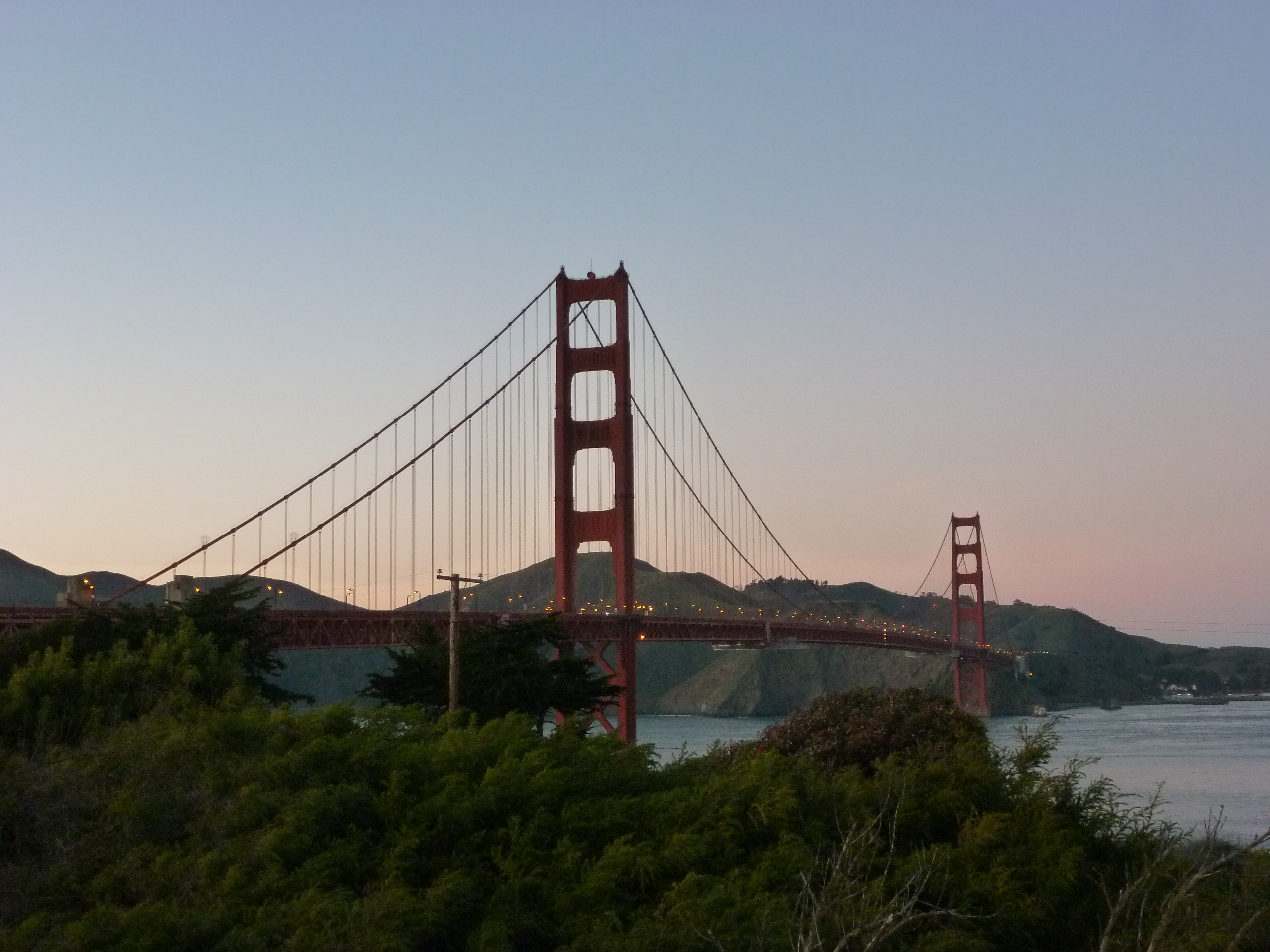
Albert Bridge – LondonGolden Gate Bridge – San FranciscoMid-Hudson Bridge – PoughkeepsieTower Bridge – London
In the 2025 Bridge Madness Tournament, 16 suspension bridges go pier-to-pier in a reader’s choice tournament to pick the best one. This year’s tournament features suspension bridges visited by urbantraipsing nationally and internationally. Below are the brackets for the Sweet Sixteen. Remember to vote for one bridge in each bracket by noon on Thursday, March 6th, and then return on March 8th to vote for the Elite Eight.
The bridges are divided into two conferences: New York City and Great Lakes Region vs. National and International. To learn more about the bridges, revisit the introduction which has links to posts on each bridge.
New York City and Great Lakes Region
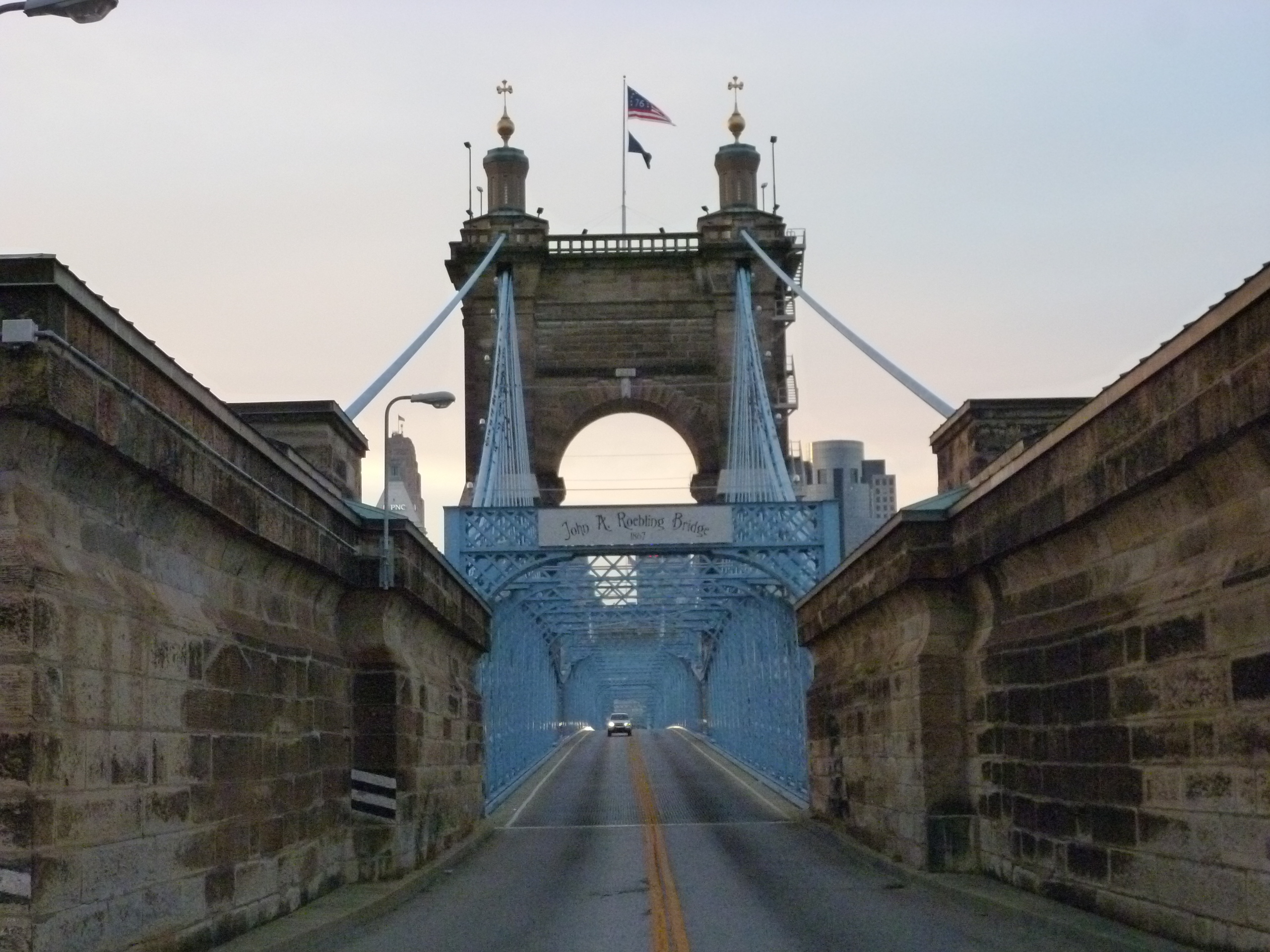
6th Street Bridge – PittsburghRoebling Suspension Bridge – Cincinnati7th Street Bridge – PittsburghWheeling Suspension Bridge – Wheeling9th Street Bridge – PittsburghBrooklyn Bridge – New York CityS. 10th Street Bridge – PittsburghManhattan Bridge – New York City
National and International
Albert Bridge – LondonLions Gate Bridge – VancouverChelsea Bridge – LondonGolden Gate Bridge – San FranciscoJubilee Bridges – LondonMid-Hudson Bridge – PoughkeepsieTower Bridge – LondonBosphorus Bridge – Istanbul
Pittsburgh’s Charles Anderson Bridge closed to vehicles indefinitely pending restorationPittsburgh’s Swindell Bridge closed to vehicles indefinitely pending restoration
Pittsburgh isn’t alone in being home to bridges on the verge of collapsing. This year marks the 200th anniversary of London’s Hammersmith Bridge, which has been closed to vehicular traffic for five years after cracks threatening the stability of the bridge were discovered. The bridge was temporarily closed to pedestrians and cyclists crossing over and river traffic crossing under, but those restrictions have been lifted. Except cyclists are required to dismount and walk across. (Transport for London: Hammersmith Bridge) Work is slowly being done on the bridge, but there is no estimate for when it will be fully functional again. Part of the delay appears due to the decentralization of bridge ownership in London that puts the burden of costly bridge maintenance and repairs on local councils that don’t have sufficient funds (The Standard, July 5, 2023). Much as I enjoy walking across bridges, I would have second thoughts about walking one where the vibrations caused by a cyclist might increase the damage to the bridge.
As if there weren’t already enough crises, London’s bridges were “falling down” in 2020. Three were closed for vital repairs. Hammersmith Bridge remains suspended in limbo while the other two, London Bridge and Vauxhall Bridge, reopened after months of work. Yet, none are totally in the clear. London Bridge’s reopening included significant daytime traffic restrictions. Traffic restrictions may be implemented for Vauxhall Bridge, if money cannot be found for more repairs. Financial straits threaten Hammersmith Bridge as well. It was first closed to vehicular traffic in April 2019 and closed to all traffic, pedestrian and bicycles over and boat traffic under, in August 2020 due to widened cracks feared to portend imminent collapse. The estimate to repair this bridge is £140 million and nearly seven years of work.
London Bridge is falling down,
Falling down, falling down,
London Bridge is falling down,
My fair Lady.
In my experiences walking bridges, it seems common to wait until a bridge is almost falling down to invest in it. It appears politically unappealing to direct funds to maintaining bridges, so we live in a world with a dire refrain of our collapsing infrastructure.
Build it up with bricks and mortar,
Bricks and mortar, bricks and mortar,
Build it up with bricks and mortar,
My fair Lady.
Bricks and mortar will not stay,
Will not stay, will not stay,
Bricks and mortar will not stay,
My fair Lady.
In Pittsburgh, bridges are often left to run the course of their lives without regular maintenance, then are replaced with a new bridge. The resulting demolition ceremonies and ribbon cuttings make splashy political news stories. The river bridges are an exception. Probably because of their character and contribution to the city’s photogenetic downtown, they are occasionally partially or completely closed for maintenance.
Build it up with iron and steel,
Iron and steel, iron and steel,
Build it up with iron and steel,
My fair Lady.
Iron and steel will bend and bow,
Bend and bow, bend and bow,
Iron and steel will bend and bow,
My fair Lady.
London’s river bridges have more history and, sometimes, more character than Pittsburgh’s bridges. Hammersmith Bridge is one of the city’s unique and historical bridges. The steep price tag to repair this bridge, perhaps the result of mounting deferred maintenance, begs the question of at what point in the decades of non-investment is the threshold crossed beyond which repair is no longer an option.
Build it up with silver and gold,
Silver and gold, silver and gold,
Build it up with silver and gold,
My fair Lady.
Silver and gold will be stolen away,
Stolen away, stolen away,
Silver and gold will be stolen away,
My fair Lady.
The decades of neglect in Pittsburgh and London overlooks bridges’ frequent role as practical infrastructure built to assist in crossing an obstacle. Even temporary closings can cause extreme headaches and delays to those who rely on the bridge. Hammersmith Bridge was left to deteriorate so long, it had to be closed before a plan was in place. As funds and a repair approach are sought, the residents and businesses of Hammersmith continue to be seriously inconvenienced by not being able to cross the river close to home.
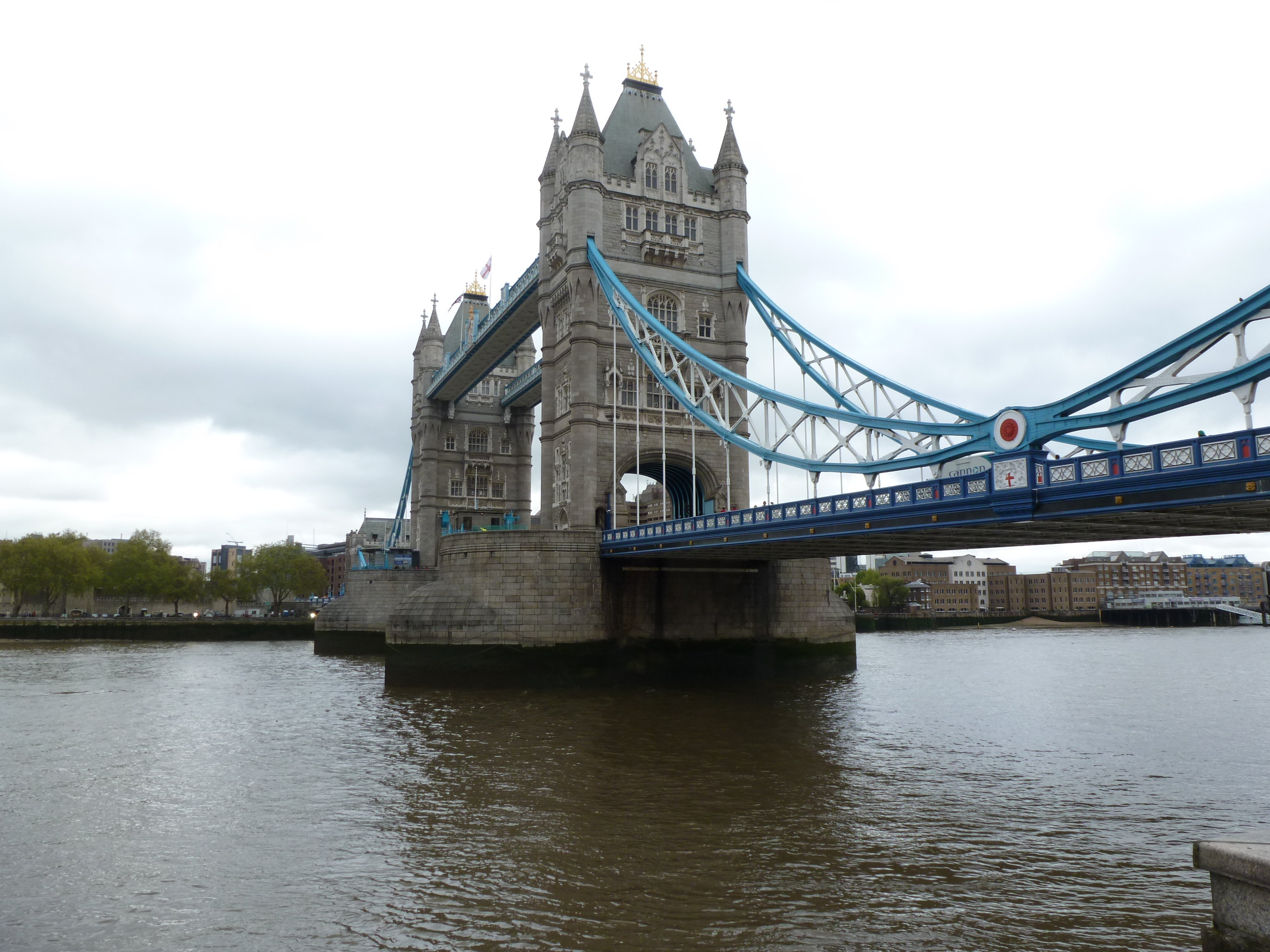
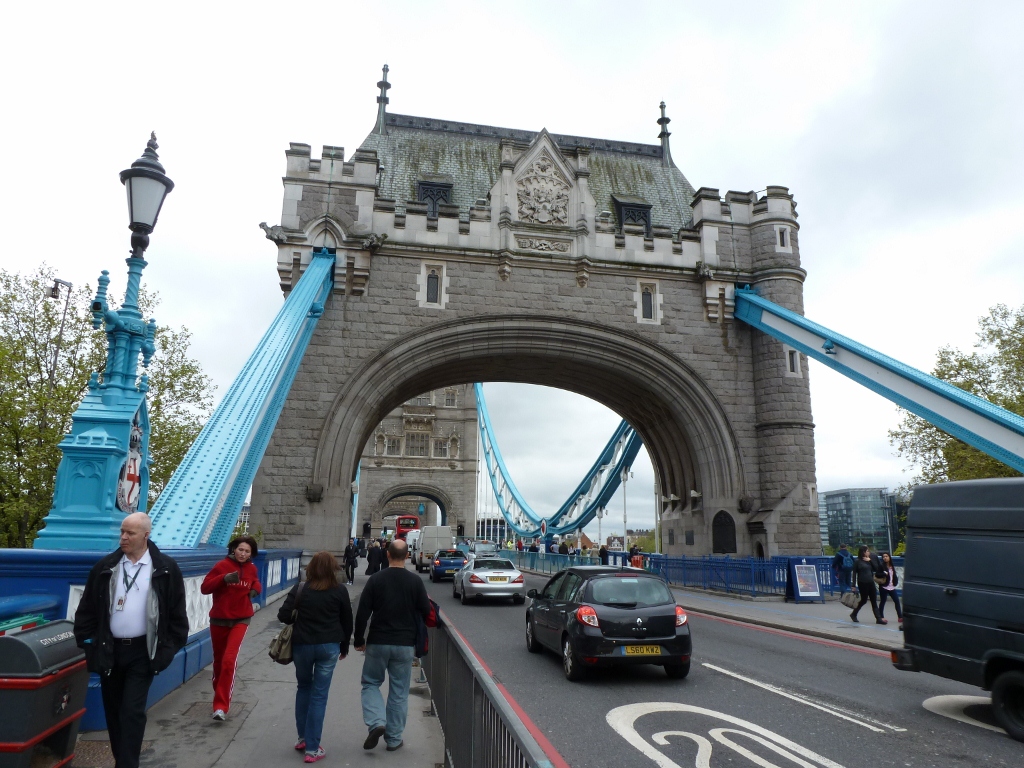
The last bridge in London I walked over was the Tower Bridge. It is by far the most elaborate bridge across the Thames. I had assumed it was also the oldest of the bridges I walked in London. It turns out that this was a false assumption. The current Tower Bridge was built in the 1890s. According to the dates I found online, Southwark Bridge (see Aug 5 post) is the oldest existing bridge I walked having opened in 1819.
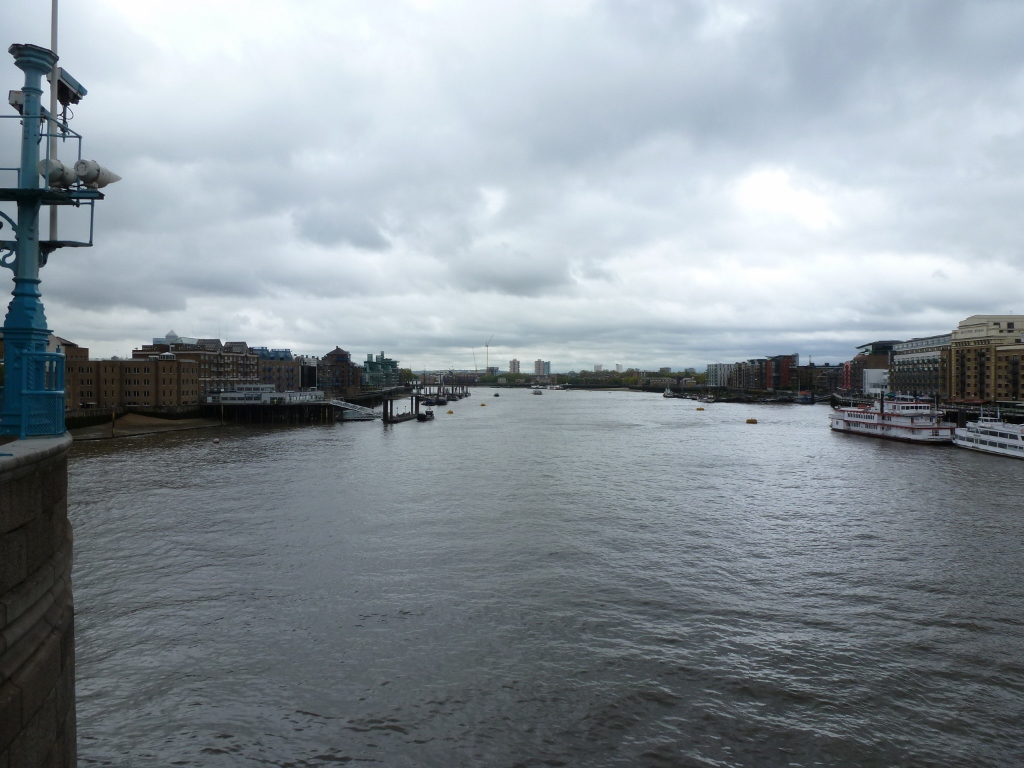
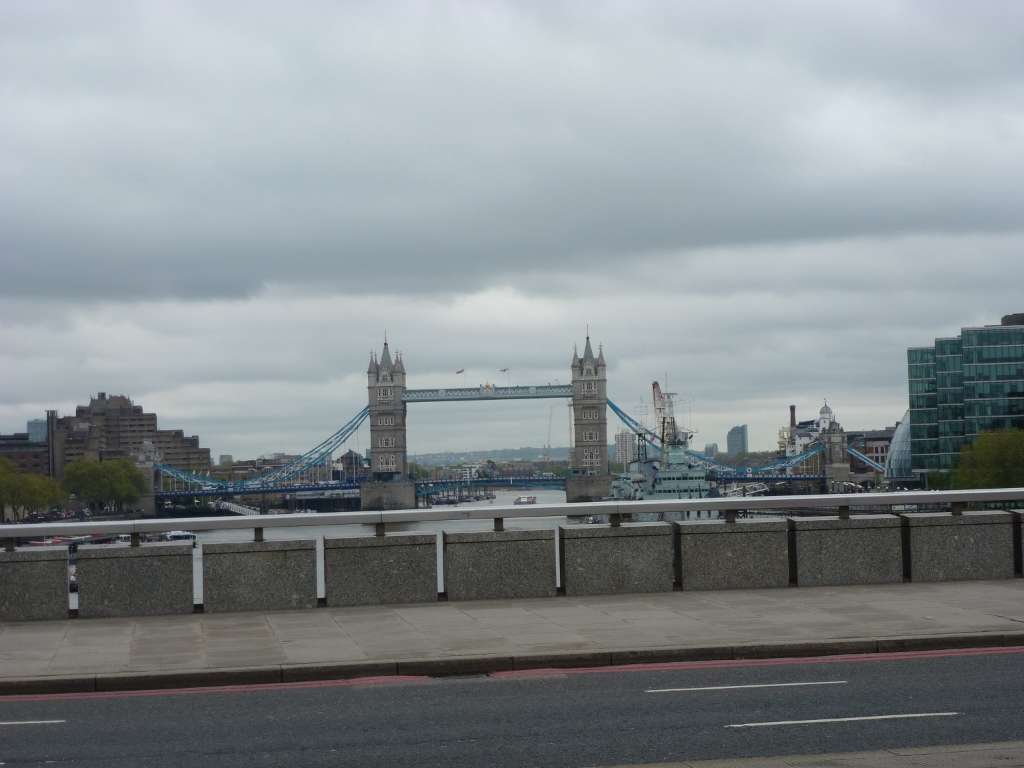
The Tower Bridge is the last bridge across the Thames before it empties into the sea. The view downstream gives some indication of this as there are no bridges in sight and the views from all the other bridges showed either another vehicular bridge, underground bridge, or pedestrian bridge. That the Tower Bridge is the end of the bridges over the Thames is somewhat surprising to me because as the crow flies the mouth of the river is nearly forty miles away and as the river flows is even farther. There are some tunnels under the river between the Tower Bridge and the sea, including at least one pedestrian tunnel. I considered walking the pedestrian tunnel, but the idea of walking through a tunnel under a river seemed long, dark, and scary, and as I had already walked myself off my feet, I chose not to.
Some of the oldest parts of the city are near the Tower Bridge. The northern shore is where the infamous Tower of London is located. The Tower itself was built in 1078. Crossing the bridge and turning right are several very narrow, medieval-like lanes. Yet right near this old fabric is a very new development, situated almost directly across the Thames from the Tower of London, which from this view seems to include the controversial Shard skyscraper. The Shard is located near the end of the London Bridge so I believe there must be some separation between the new buildings in the foreground and the skyscraper. I understand that there is some controversy over the building as many people believed it was too close to the older fabric of the city where they wanted to maintain the historical building heights. In the midst of the historic neighborhoods I observed this skyscraper looms up as the current tallest building in Europe. According to an article about the official opening of the building on July4, one of the many features of this building is “double-decker lifts.” I feel like that is the kind of thing that I’m going to have to see it to believe it. How would a two-story elevator work? And why would you want a two-story one? I think it would only complicate things.
So ends the story of my journey walking across 13 bridges in London. Hope you’ve enjoyed it! For those interested in bridges, stay tuned as I continue to walk bridges in Pittsburgh and other cities. For those interested in London, I plan to post about the adaptively reused churches I found in London in the near future.
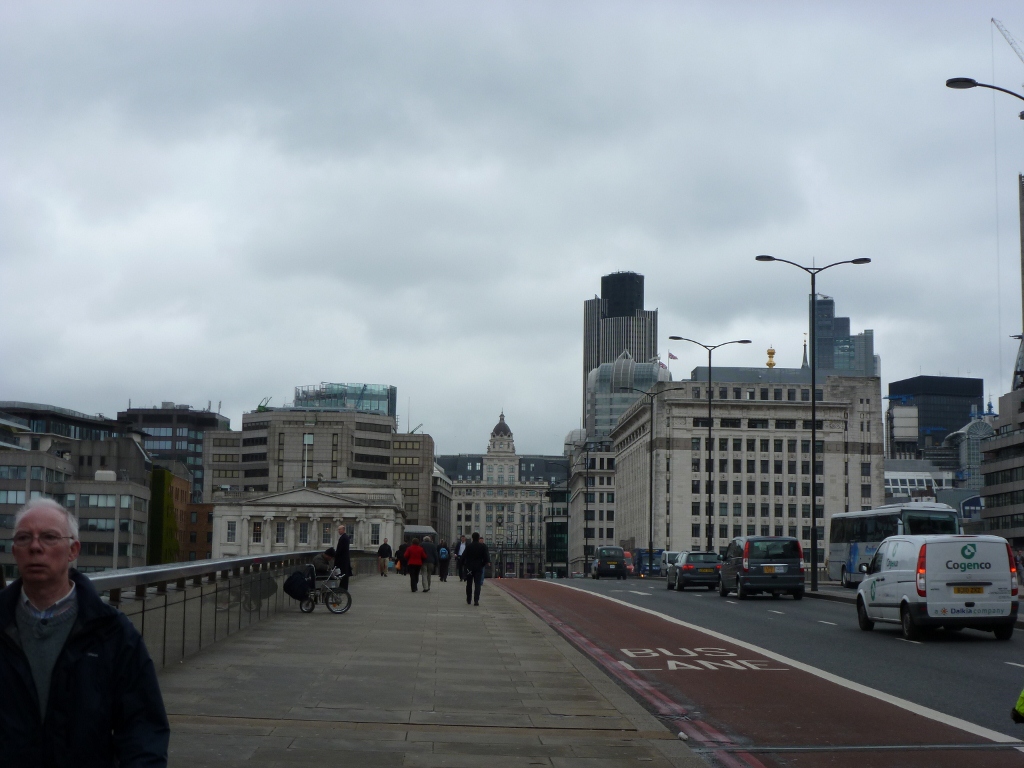
London Bridge, perhaps the most famous of the bridges I walked because it fell down, rivaled the Waterloo Bridge for boring-ness (see July 29 post). Both were similarly plain concrete structures. The London Bridge is slightly more interesting for having a dedicated bus lane, but I can’t stand the maroon color of the bus lanes. Luckily the surroundings were more interesting than those at the Waterloo Bridge.
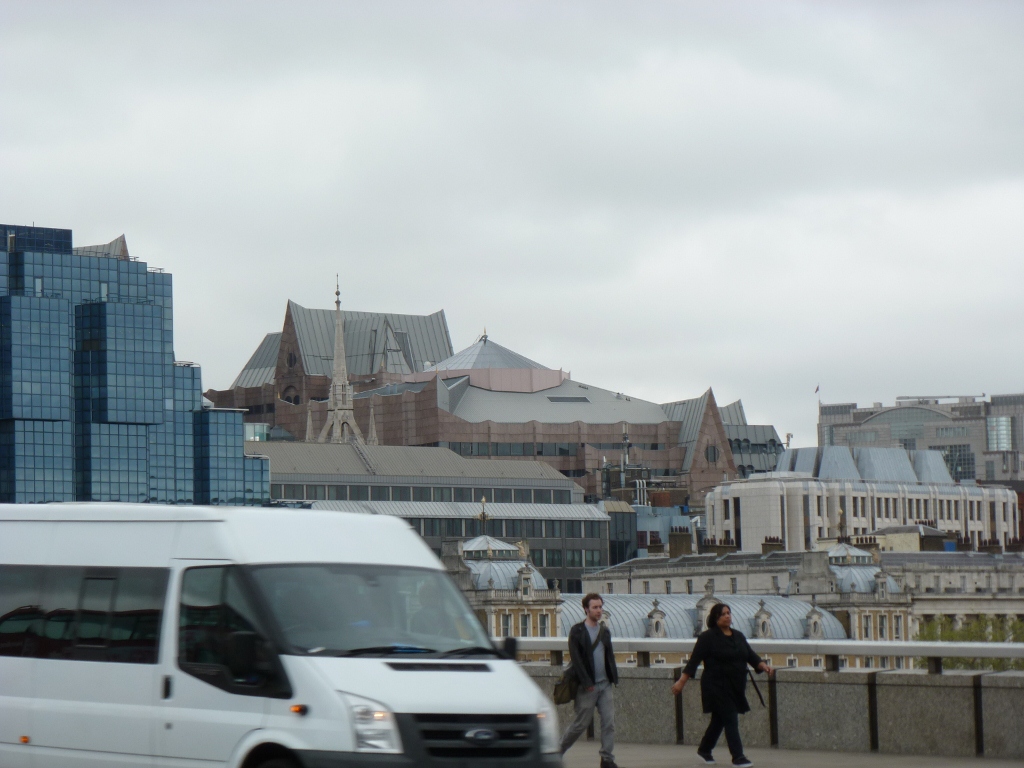
I loved the geometry of these buildings visible from the London Bridge. I went onto Google Maps to try and discover what they are as I did for Lambeth Bridge (see June 28, and Maps are Awesome! posts), but when I did, I found that Google Maps has the London Bridge miss-labeled. The pinpoint for London Bridge sits right on top of the Tower Bridge. As I mentioned in my Waterloo Bridge post, I had also at one time mistaken the Tower Bridge for the London Bridge. While the London Bridge is the most famous in song, the Tower Bridge is the most famous in images. I believe that it for this reason–that both bridges are the most famous in London, but in different media–that they get mistakenly identified. (For some reason it is hard to imagine that there might be more than one famous bridge in London.)
The pointy building in the background is the London offices of Zurich, an insurance company. The blue glass building houses Northern and Shell, a media company. Next to that building and lower down is the Old Billingsgate Market, which used to house the largest fish market in the world (the market moved to Canary Wharf area, but is still the largest in the UK based on its website).
A battleship was parked in between the London and Tower bridges. At first, I thought it was the battleship I saw on the news in the days before walking the bridge as the one moving up the Thames in an exercise to practice for the Olympic security measures. Afterwards, I realized that this one (the HMS Belfast) was probably a permanent fixture and had not just traveled up the Thames. It turns out I was correct the second time as the HMS Belfast is now part of the Imperial War Museums.






 urbantraipsing