
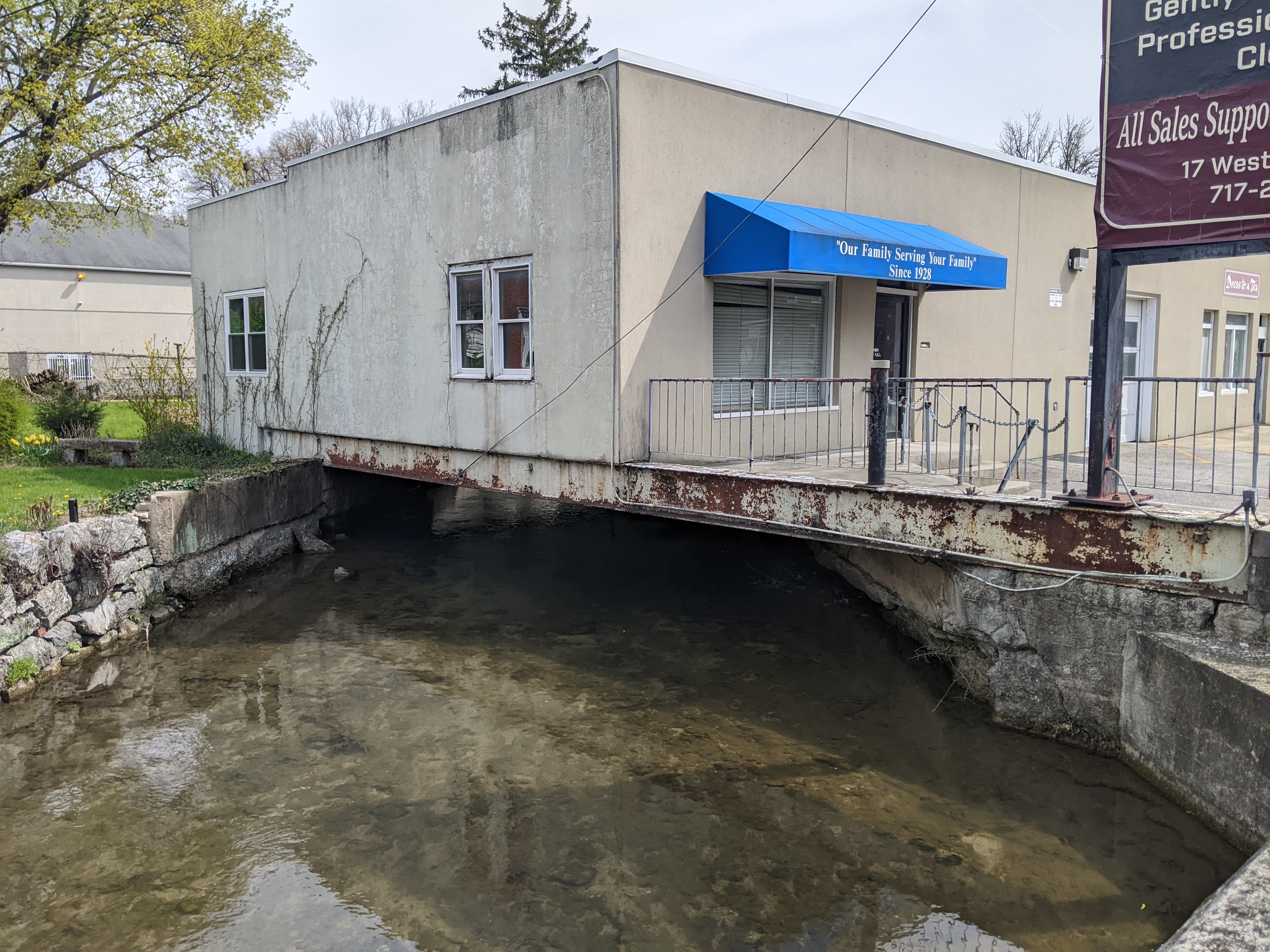
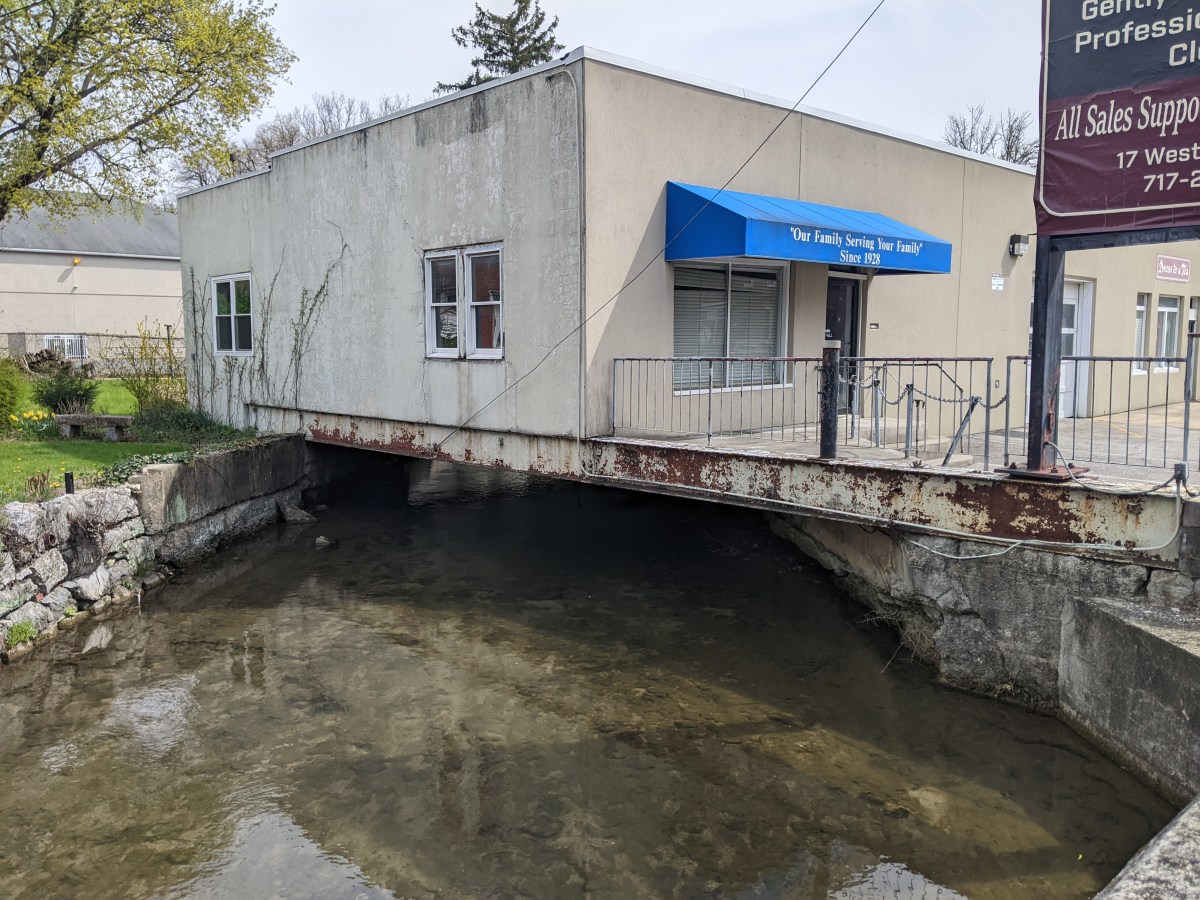
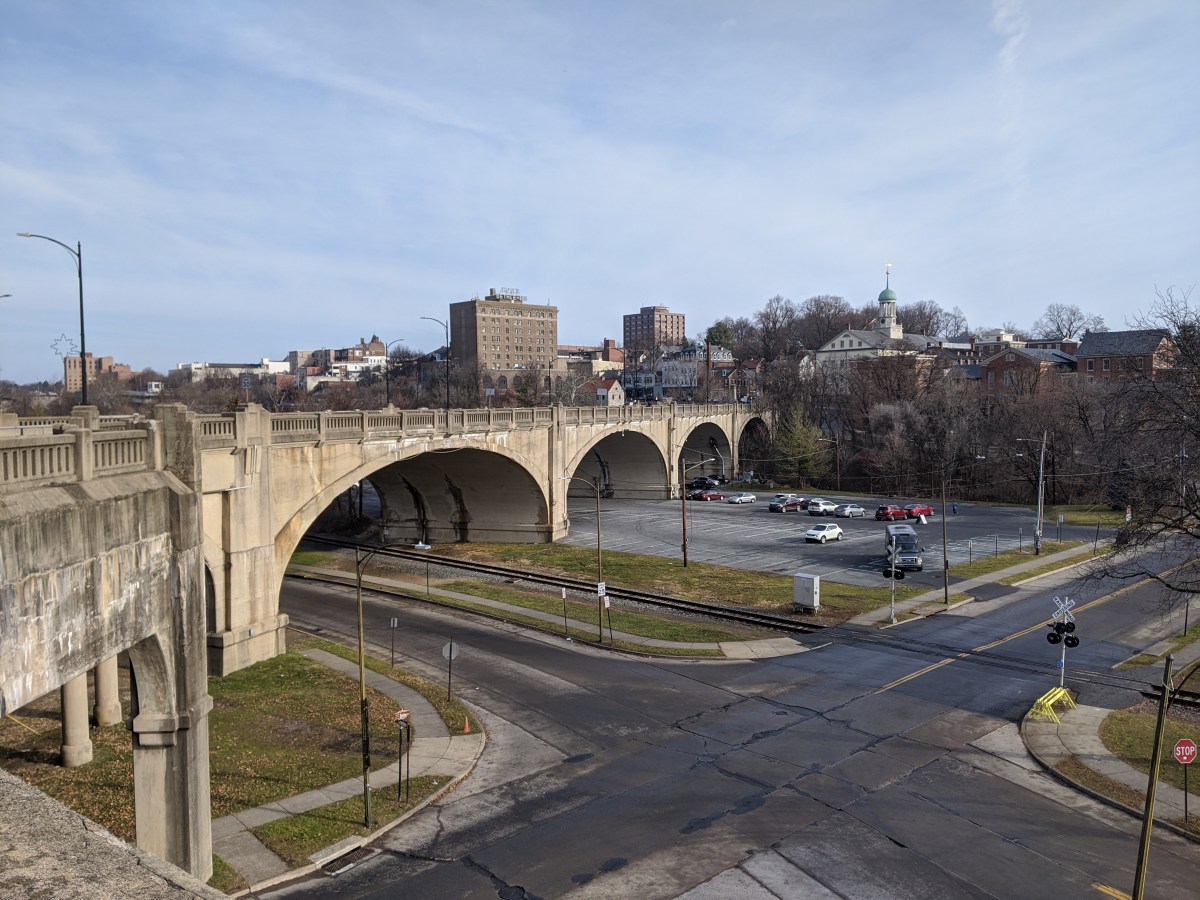
As I continue to explore the question “What is a Bridge?” I find that there is a structural, or form, perspective and a more philosophical, or function, perspective. In asking if the building in Chambersburg pictured above is a bridge, I earlier came to the conclusion that it is. That answer required searching beyond two standard dictionary definitions both of which required that the structure carry a path or roadway to qualify as a bridge. The Encyclopedia Britannica did not have that qualification and so I embraced their definition as I felt that this Chambersburg building and the backyards and buildings I discuss in Millvale should be called bridges. Structurally, these may be bridges, but philosophically are they bridges? Does a bridge need to allow movement across it to fulfill the purpose of a bridge?
Up to this point, I’ve been primarily focused on Merriam-Webster’s definition of bridge as a structure found in the built environment. There are many other definitions and types of bridges under their entry for “bridge,” starting with a time, place, or means of connection or transition. Other examples of “bridges” include the bridge of a nose, the bridge of a violin and other string instruments, the passage of music called a bridge that links two sections of the piece, a dental bridge, and a ship’s bridge. For each of these examples, the function of connection or transition seems to be the crucial part that makes them bridges.
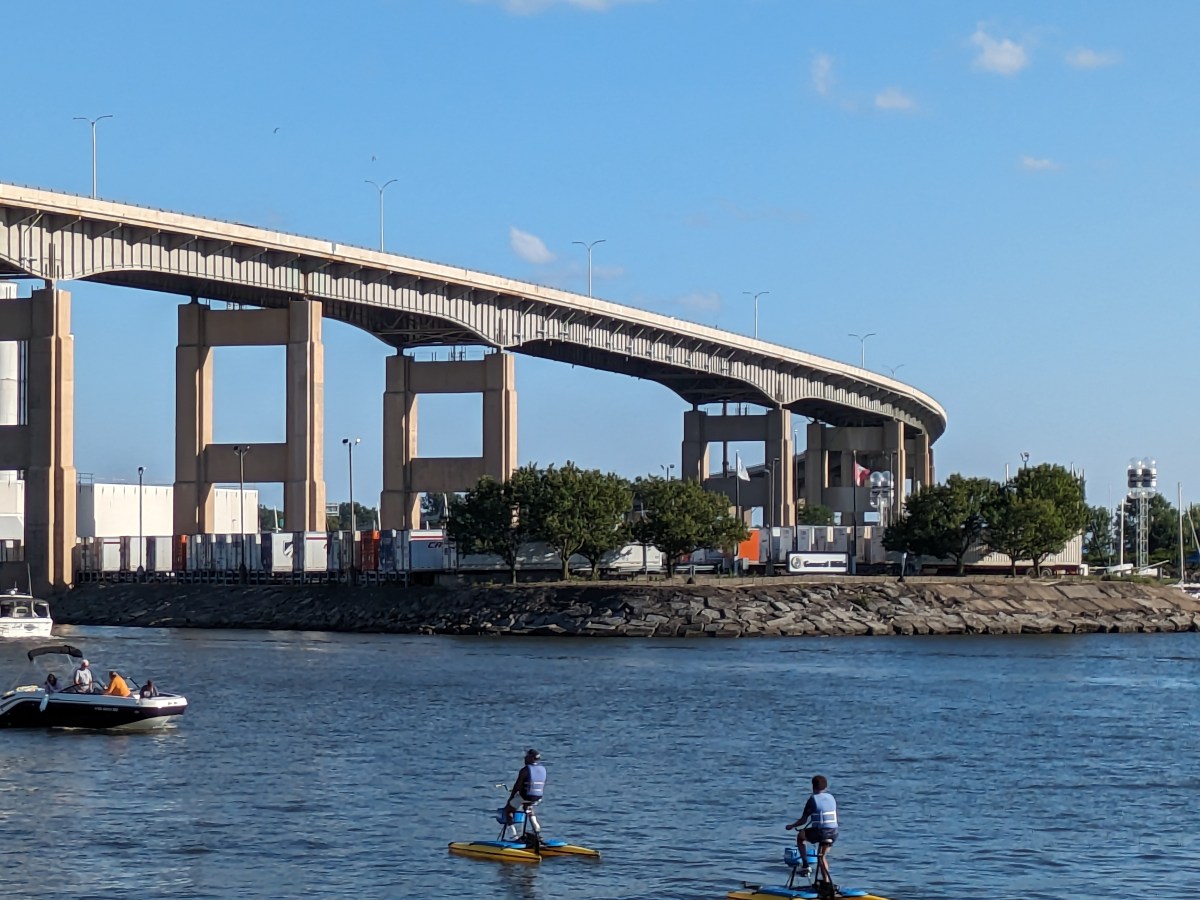
In Buffalo, I also questioned the different between a structural bridge and a philosophical bridge. I proposed then that an overpass may be structurally a bridge, but philosophically if the primary purpose of the structure is to pass over instead of to connect then it is not a bridge.
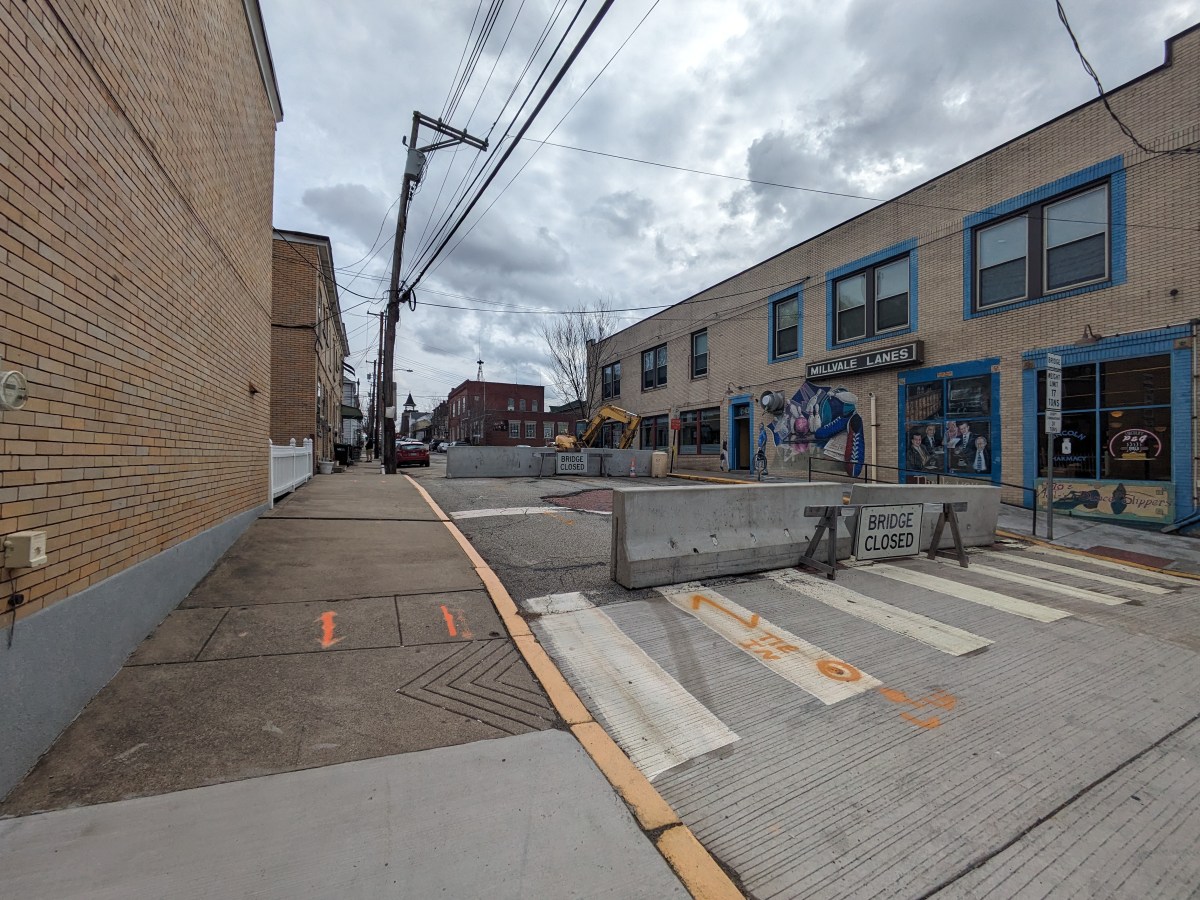
Putting these ideas together, there is a difference between a structural bridge and the concept of a bridge. The Chambersburg and Millvale examples are structurally bridges, I believe, but their main purpose is to expand the buildable area. They are not intended to create connection and therefore they are not bridges.
Additional Posts in the Series:
Discover more from urbantraipsing
Subscribe to get the latest posts sent to your email.
 urbantraipsing